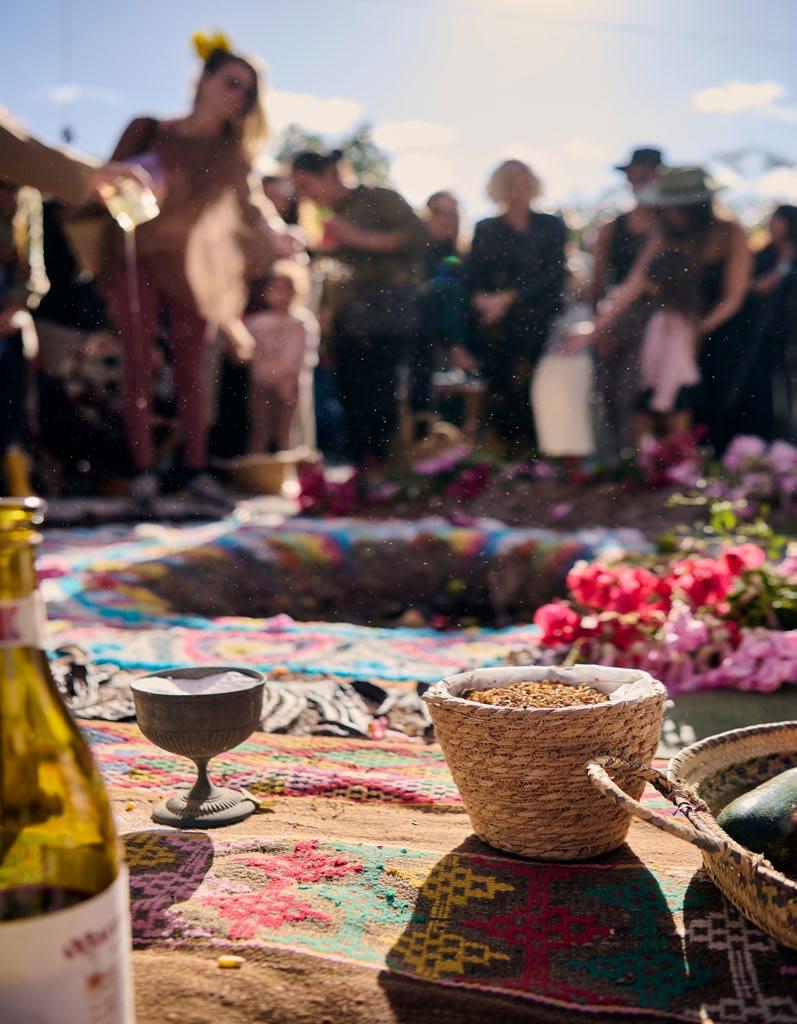

Foto: Arsen Voronyy

THE STORY BEHIND A COVER FULL OF SYMBOLISM
El concepto central de este número de Las Dalias Ibiza & Formentera Magazine es ALL IN ONE: un lugar donde conviven de forma natural y armónica todas las versiones posibles de Ibiza y su gente. No es tolerancia impostada ni diversidad decorativa, sino fusión real, orgánica y mágica donde lo dispar se convierte en una sola energía creativa y vital. Es comunidad y crisol cultural, pero sobre todo, la sensación de que aquí todo “encaja sin tener que encajar”.
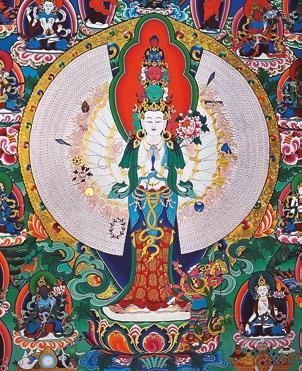
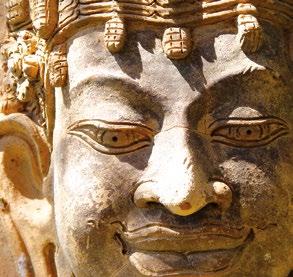
En el centro de la portada de este año está la traducción visual más exacta y conmovedora del espíritu que define este número: Chenrezig, el Bodhisattva de la Compasión Infinita según la tradición tibetana. A través de esta figura transmitimos de una manera profundamente simbólica y poderosa todo lo que queremos expresar respecto al significado de ALL IN ONE. Con sus ocho brazos, representa la capacidad suprema de contenerlo todo sin perder la unidad esencial.
Cada mano sostiene un símbolo distinto —el loto de la pureza, la joya que concede deseos nobles, la campana que despierta, el damaru cuyo ritmo une, el kalasha de la abundancia, la concha que convoca—, y sin embargo todos brotan de un mismo cuerpo, de una misma conciencia.
The central concept of this issue of Las Dalias Ibiza & Formentera Magazine is ALL IN ONE: a place where every possible version of Ibiza and its people coexists naturally and harmoniously. Not performative tolerance or tokenistic diversity, but real, organic, magical fusion — where the disparate becomes a single creative and vital energy. It is community and cultural melting pot, but above all the feeling that everything here everything simply falls into place.
At the centre of this year’s cover is the most exact and moving visual translation of the spirit that defines this issue: Chenrezig, the Bodhisattva of Infinite Compassion in the Tibetan tradition. Through this figure we express, in a profoundly symbolic and powerful way, everything we want to say about ALL IN ONE. With his eight arms, he embodies the supreme capacity to contain everything without losing essential unity.
Each hand holds a different symbol — the lotus of purity; the jewel that grants noble wishes; the bell that awakens; the damaru whose rhythm unites; the kalasha of abundance; the conch that summons — and yet all spring from a single body, a single consciousness.

No solo es una imagen bella y precisa de la diversidad que se integra en una sola presencia viva, sino que representa también la abundancia de posibilidades que pueden coexistir en armonía y sin contradicción: es la imagen perfecta de un solo ente que puede sostener y ofrecer un buen número de realidades distintas entre sí.
Y es que en Las Dalias todo puede ocurrir al mismo tiempo y en el mismo lugar: el mercadillo que despierta por la mañana y la música que dura hasta el amanecer, el desayuno compartido o la cena bajo las estrellas. Es diversidad radical dentro de una misma energía. Un solo centro, innumerables manifestaciones.
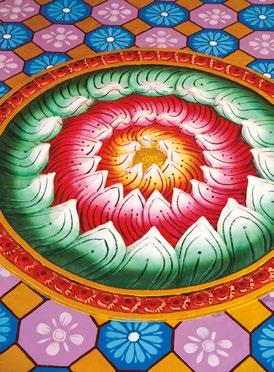
El mandala que envuelve la figura, una única flor con múltiples pétalos, acompaña y completa esa misma idea: la de Las Dalias desde hace tantos años, un espacio donde lo diverso no se diluye ni se jerarquiza, sino que florece en toda su plenitud. Si Chenrezig concentra lo diverso en un cuerpo, el mandala lo despliega en un territorio. Las Dalias no es solo una idea de convivencia: es un lugar al que se llega, en el que se está, del que uno se va y al que siempre vuelve.
This is not only a beautiful and precise image of diversity integrated into one living presence; it also represents the abundance of possibilities that can coexist in harmony and without contradiction: the perfect image of a single being that can hold and offer many different realities at once.
At Las Dalias, everything can happen all at once and in the same place: the market stirring in the morning and the music that lasts till dawn, a shared breakfast or dinner under the stars. Radical diversity within a single energy. One centre, countless manifestations.
The mandala that surrounds the figure — a single flower with many petals — accompanies and completes that same idea: Las Dalias as it has been for so many years, a space where the diverse is neither diluted nor ranked, but flourishes in full. Where Chenrezig gathers the diverse into one body, the mandala unfolds it across a territory. Las Dalias is not only an idea of coexistence: it is a place you arrive at, a place you inhabit, a place you leave — and always come back to.

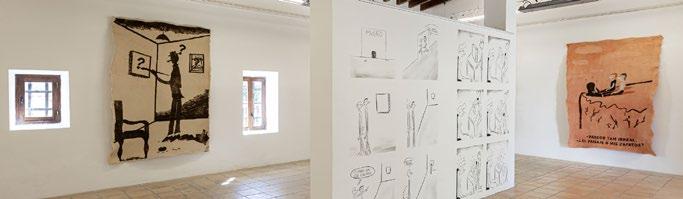
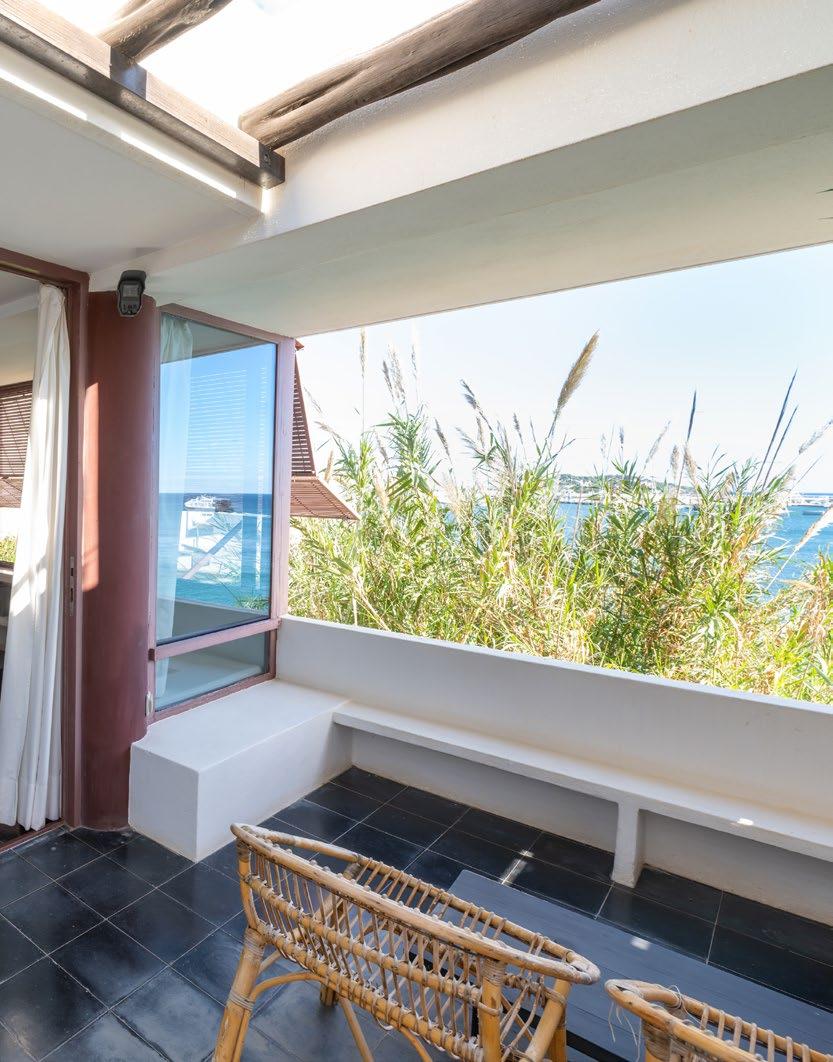
Ibiza es un enclave donde el arte se filtra en la vida cotidiana hasta hacerse inseparable de ella. Ya no es meramente un telón de fondo de corrientes artísticas. Desde las vanguardias que buscaron refugio en sus costas hasta la vibrante escena contemporánea actual, la isla ha hilvanado una identidad donde la libertad creativa y el respeto al entorno son los verdaderos protagonistas.
Hablar de la identidad artística de Ibiza es recorrer un hilo invisible que entrelaza épocas, lenguajes y sensibilidades.
Ibiza is a place where art seeps into everyday life until it becomes inseparable from it. It is no longer merely a backdrop for artistic movements. From the avantgarde figures who sought refuge on its shores to today’s vibrant contemporary scene, the island has woven an identity in which creative freedom and respect for the environment take centre stage.
To speak of Ibiza’s artistic identity is to trace an invisible thread that connects eras, languages, and sensibilities.
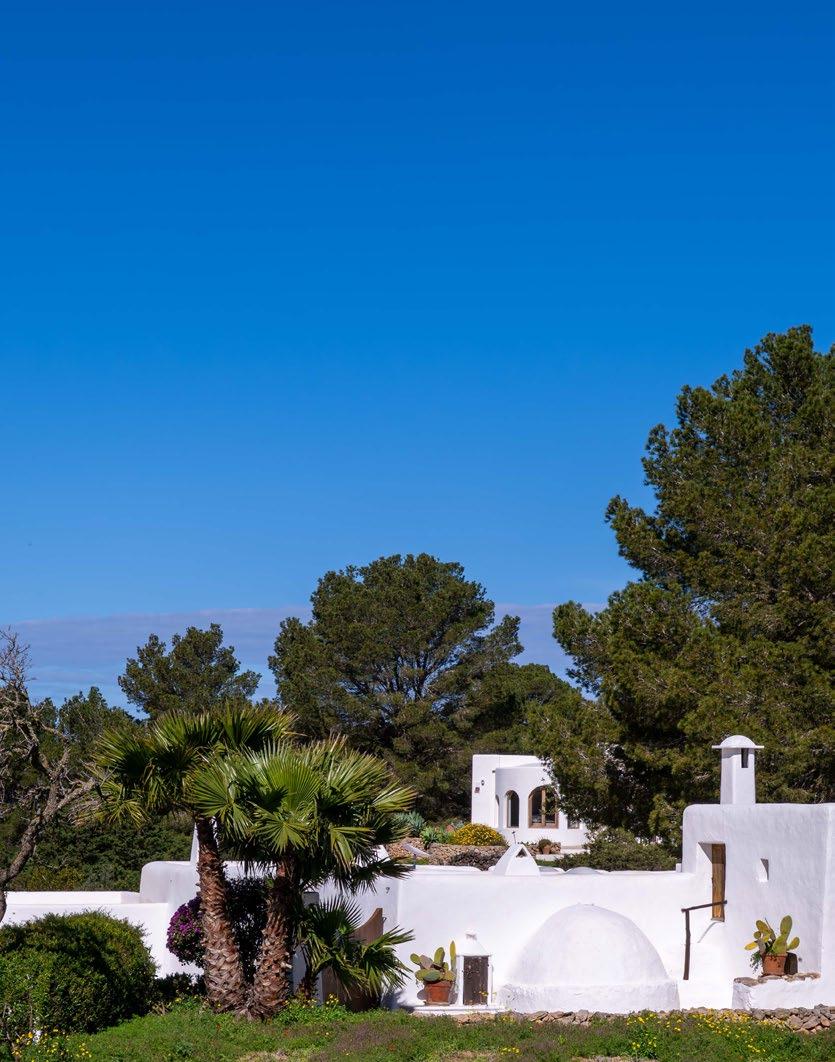
El origen de la Ibiza que conocemos hoy reside en su inmensa capacidad de acogida. Durante el siglo XX, especialmente a partir de los años 30, la isla se erigió en un remanso de paz para artistas de vanguardia europeos que huían de la intolerancia y el régimen nazi. En este rincón del Mediterráneo, figuras como el pionero dadaísta Raoul Hausmann, el filósofo Walter Benjamin o el Nobel Albert Camus encontraron un oasis de libertad que dio rienda suelta a su creatividad.
Aquí hallaron una isla que ofrecía lo esencial: luz, silencio, naturaleza y una forma de vida austera pero profundamente genuina. Pintores, escritores, arquitectos y músicos convivieron con el alma rural ibicenca, favoreciendo un diálogo espontáneo entre tradición y vanguardia.
La arquitectura blanca: el minimalismo enraizado en la tierra
La estética ibicenca, lejos de ser un capricho decorativo, es una lección magistral de sostenibilidad histórica. Arquitectos como Erwin Broner y Josep Lluís Sert quedaron cautivados por la arquitectura popular vernácula. Sus obras en la isla son ejemplos perfectos de racionalismo que respeta las proporciones y la escala, vitales para un ecosistema limitado.
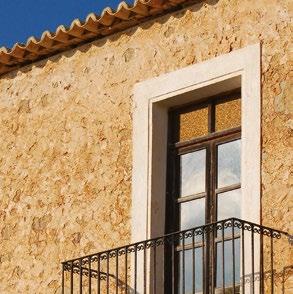
Las casas payesas, con sus muros blancos, volúmenes puros y ausencia de ornamento, no responden a una moda ni a una estética buscada, son el fruto de la sabiduría de siglos de adaptación al entorno. El uso de la cal, la orientación de las viviendas y la sencillez de sus formas persiguen la eficiencia climática y la integración paisajística. Es un minimalismo que brota de la tierra y que hoy sigue inspirando a creadores de todo el mundo.
Artesanía y comunidad: la herencia del handmade
La identidad visual de Ibiza está intrínsecamente ligada a las manos de los artesanos, al tiempo lento y a la nobleza de los materiales naturales. Mercadillos históricos como Las Dalias no nacieron como meros espacios comerciales, sino como puntos de encuentro, refugios donde intercambiar tesoros, ideas y visiones diferentes del mundo.
Hoy, esa herencia sigue palpitando en la moda Adlib, en la cerámica, en la joyería o en los tejidos, no como un eco melancólico del pasado, sino como una reinterpretación vibrante y constante.
The origins of the Ibiza we know today lie in its immense capacity to welcome others. During the 20th century, especially from the 1930s onward, the island became a haven of peace for European avant-garde artists fleeing intolerance and the Nazi regime. In this corner of the Mediterranean, figures such as the Dadaist pioneer Raoul Hausmann, the philosopher Walter Benjamin, and Nobel laureate Albert Camus found an oasis of freedom that unleashed their creativity.
Here, they discovered an island that offered the essentials: light, silence, nature, and a way of life that was austere yet deeply authentic. Painters, writers, architects, and musicians lived alongside Ibiza’s rural soul, fostering a spontaneous dialogue between tradition and modernity.
Ibiza’s aesthetic, far from being a decorative whim, is a masterclass in historical sustainability. Architects such as Erwin Broner and Josep Lluís Sert were captivated by the island’s vernacular architecture. Their projects on the island are perfect examples of rationalism that respects proportions and scale, which are vital for a limited ecosystem.
The traditional casas payesas, with their white walls, pure volumes, and lack of ornamentation, are not the result of a trend or a stylistic pursuit, but of centuries of wisdom adapting to the environment. The use of lime, the orientation of the houses, and the simplicity of their forms all aim at climatic efficiency and landscape integration. It is a form of minimalism that grows from the land and continues to inspire creators around the world.
Ibiza’s visual identity is intrinsically linked to the hands of artisans, to slow time, and to the nobility of natural materials. Historic markets such as Las Dalias did not begin as mere commercial spaces, but as meeting places, havens where people could exchange treasures, ideas and different perspectives on the world.
Today, that heritage continues to live on in Adlib fashion, ceramics, jewellery and textiles, not as a melancholic echo of the past, but as a vibrant and ever-evolving reinterpretation.
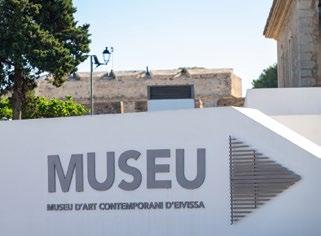
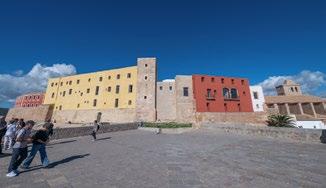
El arte en Ibiza se respira en sus calles, en sus plazas, en sus espacios culturales abiertos, en pequeños talleres escondidos entre campos o en exposiciones espontáneas. Desde enclaves históricos como Dalt Vila hasta el Museo de Arte Contemporáneo (MACE), el tercero más antiguo de España, la isla despliega una red cultural inclusiva, diversa y latiente.
La geografía del arte se expande por toda la isla: desde el Espacio Micus en Santa Eulària, donde la obra de Eduard Micus dialoga con la luz mediterránea, hasta las rutas que recorren las herencias de Broner y Sert.
Este carácter hospitalario ha permitido que el arte en Ibiza no se perciba como un privilegio elitista, sino como una experiencia compartida.
La conciencia creativa: preservar el paraíso
Hoy, la creación en Ibiza ha adquirido una nueva profundidad. Muchos artistas locales y residentes utilizan su obra como una lente para mirar la isla, pero también para protegerla, actuando como guardianes de su esencia.
A través de la pintura, la fotografía, el diseño o la intervención artística, aflora una sensibilidad que ensalza el territorio, la memoria y el equilibrio con el entorno. Es una manera de crear que honra, que observa, que entiende que la belleza de Ibiza no es infinita si no se cuida.
Art in Ibiza is present in its streets, squares, open cultural spaces, small workshops hidden among fields, and spontaneous exhibitions. From historic enclaves such as Dalt Vila to the Museum of Contemporary Art (MACE), the third oldest in Spain, the island unfolds an inclusive, diverse, and dynamic cultural network.
The art scene stretches across the island: from the Espacio Micus in Santa Eulària, where Eduard Micus’s work interacts with the Mediterranean light, to the routes that trace the legacies of Broner and Sert.
This welcoming character has ensured that art in Ibiza is not perceived as an elitist privilege, but as a shared experience.
Today, artistic creation in Ibiza has gained new depth. Many local artists and residents use their work as a lens through which to view the island, but also to protect it, acting as guardians of its essence.
Through painting, photography, design, and artistic intervention, a sensitivity emerges that celebrates the land, memory, and balance with the environment. It is a way of creating that honours, observes, and understands that Ibiza’s beauty is not infinite unless it is cared for.
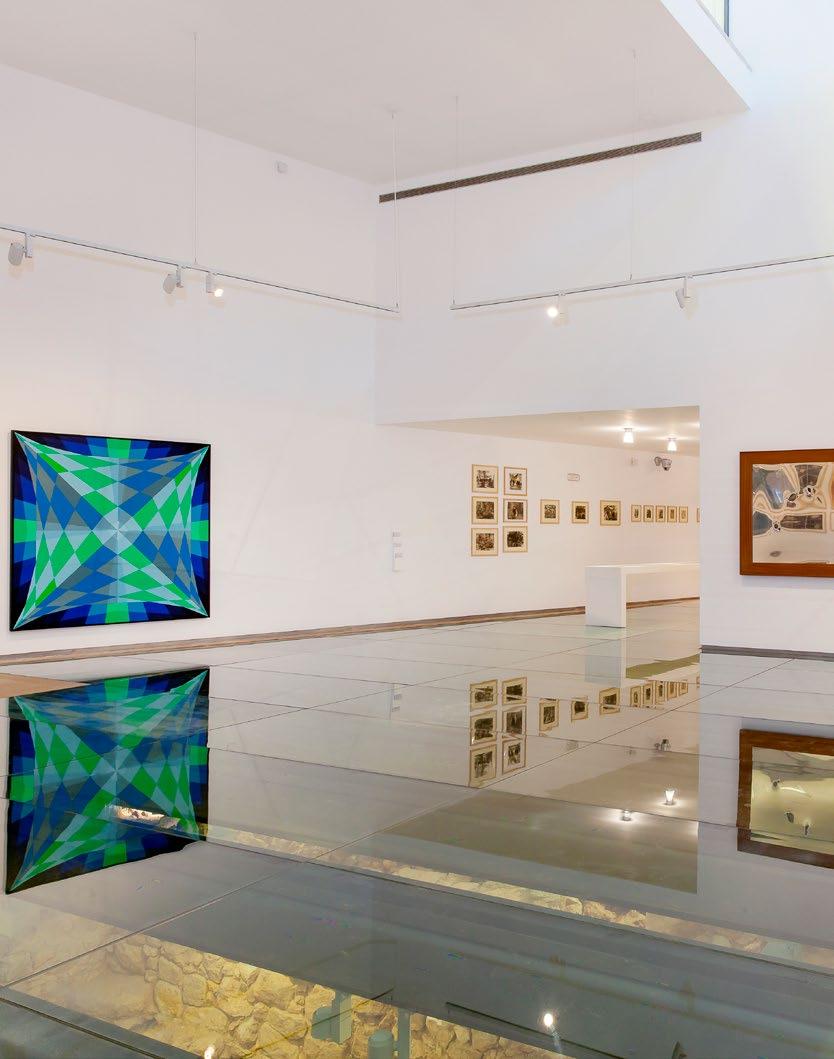
La identidad artística de Ibiza es, en definitiva, un ciclo continuo. Es el arte que mira al pasado fenicio y púnico para entender su presente multicultural, y que abraza la vanguardia para proteger ese último refugio que sigue enamorando a quienes buscan algo más que un destino: buscan una auténtica forma de libertad.
Ultimately, Ibiza’s artistic identity is a continuous cycle. This art form looks to the Phoenician and Punic past to understand its multicultural present, and embraces the avant-garde to protect that last refuge which continues to captivate those seeking more than just a destination: they seek a genuine form of freedom.

Colaboraciones literarias de Bàrbara Arqué, Ben Clark, Jaime Siles y Fanny Tur.
Relato ganador del IX Premio Internacional de Cuento ‘Las Dalias’: ‘El teorema de Argote’ de Manuela Gómez.
Wolfgang Löffler. El fotógrafo que conservó una Ibiza que desaparecía. Por Pablo Sierra del Sol. 5 historias, una isla. Cuando la sencillez se hace hogar. Por Cristina Marí. Cala Llonga. Memoria, refugio y relato compartido. Por Pilar López Zamorano. Leyendas y tradiciones de Ibiza. Por Aura Gold.
Las Dalias Around The World Segunda entrega: Tíbet y Nepal. Por Pablo Sierra del Sol. Can Tirurit. La casa pagesa donde empezó todo. Por Samaj Moreno. Las Dalias On The Road. Destino Mallorca. Editorial de Moda.
All in one. Las Dalias, donde todo es posible. Por L. F. A.
Una familia de colores. Por L. F. A.
Homenaje a Yarón Marko. “Sigo siendo un hippy”. Por Pablo Sierra del Sol.
Entrevista a Khalid El Farih. Un canto a la vida. Por Cristina Marí.
Entrevista a Antonio Parada. Ordenando el hambre y el disfrute. Por Cristina Marí.
PaloSanto. Por Carmen Pi.
Cultura, comunidad y responsabilidad. Por Carmen Pi.
Del baile payés a la industria de la música electrónica. Por Xescu Prats. Donde la música encuentra su forma. Garden y Akasha. Por Carmen Pi
Hippy House. Una generación que mantiene la esencia de Ibiza.
Entrevista a Hernán Cattáneo. Por Laura Ferrer Arambarri y Sergio G. Barragán.





All in one. El lugar donde todo es posible. Eso son Las Dalias… e Ibiza. Lugares donde todo puede ocurrir, donde el día y la noche están vivos y donde los contrastes nos nutren. Diferentes generaciones bajo un mismo cielo, en un mercadillo que irradia optimismo. Esta revista también es un lugar en el que todo es posible: literatura, historias de Ibiza, personajes con carisma con los que tenemos la suerte de trabajar, vivencias de artesanos y, en este número, un viaje a Tíbet y Nepal que nos transforma en nuestra experiencia Around The World y una vuelta a Las Dalias más viajeras, que se han desplazado a Mallorca en una nueva etapa de Las Dalias on The Road. ¡Únete a nuestro viaje!
All in one. The place where anything is possible. That’s Las Dalias — and Ibiza. Places where anything can happen, where day and night pulse with life and contrasts nourish us. Different generations under the same sky, at a market that radiates optimism. This magazine is that same kind of place: literature, stories from Ibiza, the charismatic people we’re lucky enough to work with, life as an artisan — and in this issue, a journey to Tibet and Nepal that transforms us, in our Around The World feature, and a look at Las Dalias on the move, which has headed to Mallorca in a new chapter of Las Dalias on The Road. Join us on the journey!

En nombre de Las Dalias Ibiza, es una alegría compartir un nuevo número de Las Dalias Ibiza & Formentera Magazine. Dieciséis ediciones después, esta publicación sigue creciendo como un retrato de la isla que queremos: sus rincones, su gente y esas historias pequeñas que, con el tiempo, terminan siendo las más importantes.
Este año presentamos ALL IN ONE, un concepto que suma todo lo que sucede aquí y todo lo que nos hace únicos: el desayuno en el bar mientras el mercadillo despierta, el paseo entre puestos, un taller o una degustación, y la tarde trayendo su propia música. Porque Las Dalias también es el concierto en el Garden cuando la luz cambia, el Night Market, una cena en PaloSanto y bailar en Akasha hasta la madrugada. Todo en un mismo lugar, en un mismo día. Y lo que hace esto verdaderamente especial —algo que no encontrarás en ningún otro rincón de Ibiza— es que sucede sin zonas VIP, sin dress code y con gente de todas las edades compartiendo el mismo espacio, la misma energía.
Recuperamos también la aventura de salir fuera de Ibiza con Las Dalias On The Road, con nuevas paradas en Mallorca y Mannheim tras las experiencias en Madrid y Ámsterdam. Llevar el mercadillo más allá de la isla es una forma emocionante de compartir lo que somos y de comprobar el cariño con el que nos reciben fuera, como embajadores de la gran familia multicultural y de colores que somos.
Y seguimos creciendo con Las Dalias Around The World: viajes internacionales que nos conectan con comunidades artesanas de todo el mundo. Esta última aventura, entre el Tíbet y Nepal —de Chengdu a Katmandú, pasando por Lhasa y las rutas del Everest— reforzó vínculos construidos con tiempo, respeto y compromiso solidario con las comunidades locales. Ya estamos preparando con mucha ilusión la siguiente aventura.
Las Dalias lleva en pie desde 1954. Setenta años largos en los que han cambiado muchas cosas, pero no las que importan: seguimos siendo esa comunidad un poco loca y enormemente creativa de inconformistas, artistas y soñadores. Esa diversidad, esa energía tan difícil de explicar y tan fácil de sentir, es lo que nos ha traído hasta aquí. Y lo que nos seguirá llevando hacia adelante.
Gracias por formar parte de esta historia compartida.
I’m delighted to present a new issue of Las Dalias Ibiza & Formentera Magazine on behalf of everybody at Las Dalias. Sixteen editions in, this publication keeps growing as a portrait of the island we love — its nooks, its people, and those small stories that, with time, turn out to be the most significant.
This year we present ALL IN ONE, a concept that brings together everything that happens here and everything that makes us unique: breakfast at the bar while the market comes to life, wandering between stalls, a workshop or a tasting, and the afternoon bringing its own music. Because Las Dalias is also the concert in the Garden as the light changes, the Night Market, dinner at PaloSanto and dancing at Akasha into the small hours. All in one place, all in one day. And what makes this truly special is something you won’t find anywhere else in Ibiza; it happens without VIP areas, without a dress code, and with people of all ages sharing the same space, the same energy.
We’re also reviving the adventure of taking Las Dalias beyond Ibiza with Las Dalias On The Road, with new stops in Mallorca and Mannheim following our experiences in Madrid and Amsterdam. an exciting way to take who we are out into the world, and to feel the warmth with which we’re welcomed wherever we go as ambassadors of the great multicultural, diverse family that we are.
And we keep growing with Las Dalias Around The World: international journeys that connect us with artisan communities across the globe. This latest adventure, between Tibet and Nepal, from Chengdu to Kathmandu, via Lhasa and the Everest routes, strengthened bonds built over time, with respect and a genuine solidarity with local communities. We’re already excitedly planning the next one.
Las Dalias has been here since 1954. More than seventy years in which many things have changed, but not the ones that matter: we are still that slightly mad, enormously creative community of nonconformists, artists and dreamers. That diversity, that energy so hard to explain and so easy to feel, is what has brought us here. And what will keep carrying us forward.
Thank you for being part of this shared story.
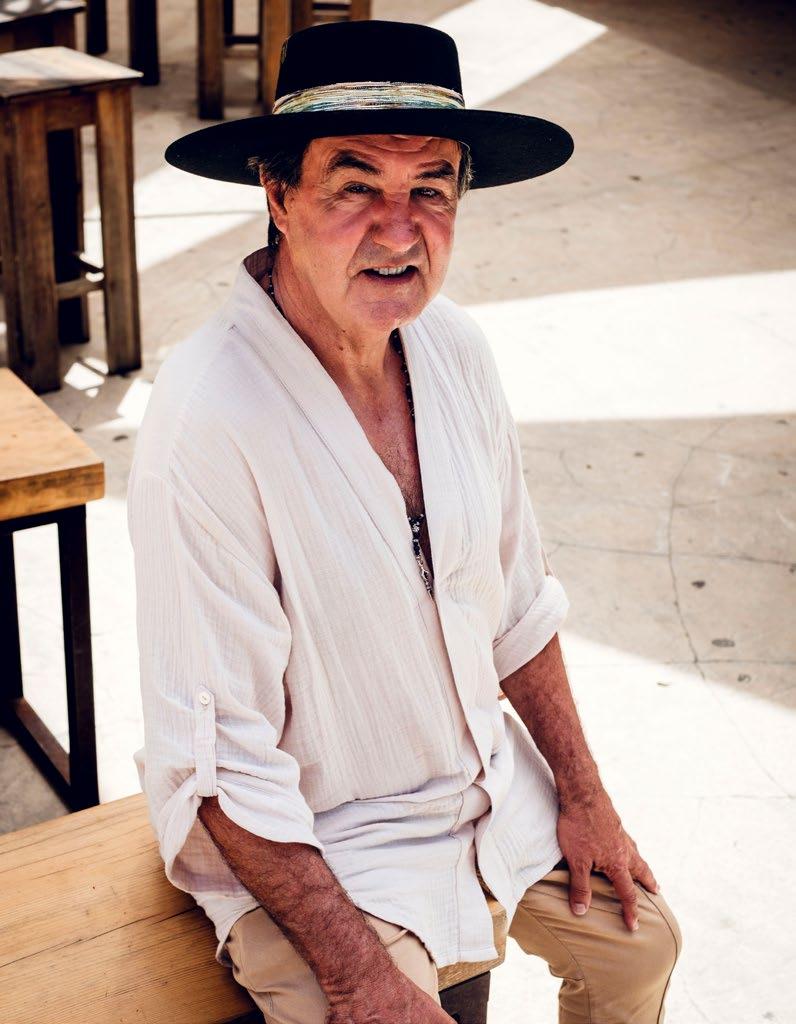


Vicent Marí Presidente del Consell Insular d’Eivissa
Hablar de Las Dalias es hablar también de una parte de la historia reciente de Ibiza. De un lugar emblemático del norte de la isla que, desde hace décadas, ha sabido proyectar al mundo una manera de entender Ibiza vinculada a la creatividad, la convivencia, la cultura y la libertad.
Esa capacidad de unir tradición y modernidad, raíces y proyección internacional, forma parte de la identidad de una isla que se ha mantenido abierta al mundo sin perder aquello que la hace única. Ibiza continúa siendo un lugar donde conviven generaciones, culturas y sensibilidades distintas, y donde todavía es posible encontrar espacios capaces de inspirar, emocionar y conectar con la esencia mediterránea que nos define.
El lema de esta edición, “Las Dalias, donde todo es posible”, refleja precisamente esa energía especial que ha acompañado a Ibiza durante tantos años y que sigue atrayendo a personas de todo el mundo. Pero también nos invita a mirar hacia el futuro desde la responsabilidad y el equilibrio.
Hoy más que nunca, preservar el paisaje, la autenticidad, la cultura local y la calidad de vida de nuestra isla es fundamental para seguir construyendo una Ibiza creativa, diversa y sostenible. Una Ibiza que continúe evolucionando sin perder su alma.
Las Dalias representa, en muchos sentidos, esa Ibiza auténtica y abierta que ha sabido dejar huella generación tras generación. Y hacerlo, además, desde el respeto por el territorio, la convivencia y la identidad de una isla extraordinaria.
To speak of Las Dalias is to speak of a part of Ibiza’s recent history. Of an emblematic place in the north of the island that, for decades, has projected to the world a way of understanding Ibiza rooted in creativity, community, culture and freedom.
That ability to unite tradition and modernity, deep roots and international reach, is part of the identity of an island that has remained open to the world without losing what makes it unique. Ibiza continues to be a place where generations, cultures and different sensibilities coexist, and where it is still possible to find spaces that inspire, move and connect with the Mediterranean spirit that defines us.
The theme of this edition — Las Dalias, where everything is possible — reflects precisely that special energy which has accompanied Ibiza for so many years and continues to draw people from across the world. But it also invites us to look to the future with responsibility and balance.
Now more than ever, preserving the landscape, the authenticity, the local culture and the quality of life of our island is essential if we are to keep building an Ibiza that is creative, diverse and sustainable. An Ibiza that continues to evolve without losing its soul.
Las Dalias represents, in many ways, that authentic and open Ibiza which has left its mark generation after generation. And it has done so, moreover, with deep respect for the land, for community, and for the identity of an extraordinary island.
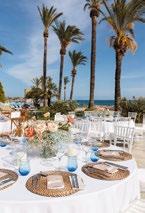
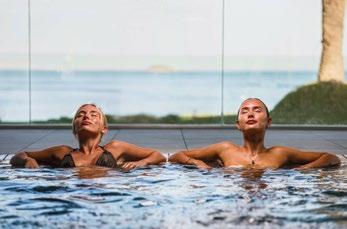
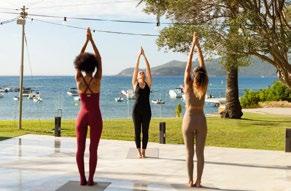

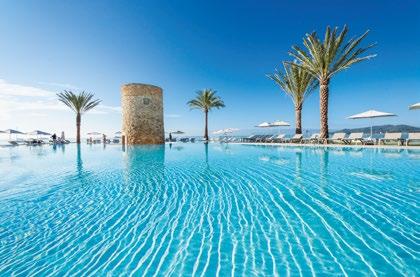
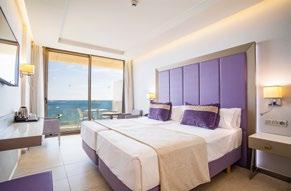
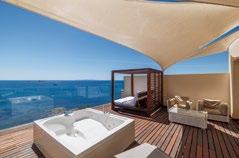
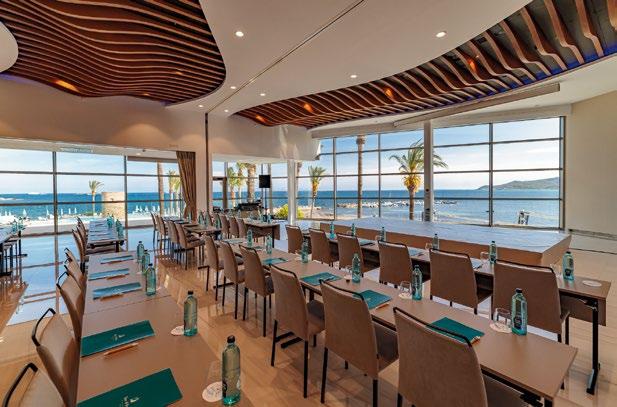
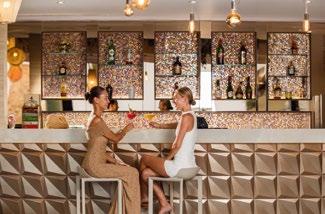
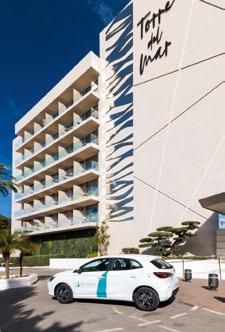
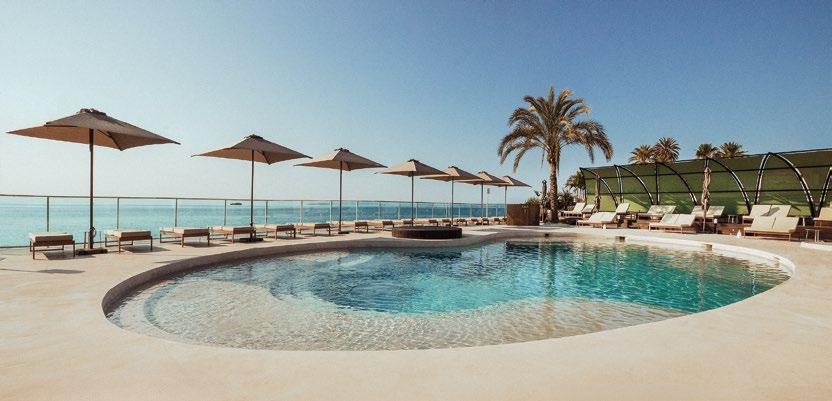
A luxury escape at Hotel Torre del Mar Ibiza
Hablar de Las Dalias es hablar del espíritu indomable de Sant Carles y que forma parte de la esencia misma de nuestro municipio de Santa Eulària des Riu. Bajo el lema “Donde todo es posible”, esta nueva edición nos invita a recorrer una trayectoria que ha sabido convertir la convivencia y la creatividad en un lenguaje universal, proyectando una mirada optimista y coral de nuestra isla hacia el mundo.
La multiculturalidad ha sido, desde siempre, el latido constante de este enclave. Su capacidad para acoger con los brazos abiertos a culturas y personas de toda procedencia, unidas por el deseo de aportar valor humano, ha transformado un espacio físico en un refugio de libertad en su sentido más amplio. Este sentido de comunidad define nuestra identidad en Santa Eulària des Riu y es el que ha permitido que Las Dalias perdure en el tiempo, manteniendo intacta su filosofía original frente al paso de las décadas.
En este rincón de nuestro municipio, todo es posible gracias a una forma de entender la vida que prioriza las emociones y la hospitalidad. Santa Eulària se reconoce en este tejido cultural vibrante, donde el respeto y la apertura de miras actúan como el paraguas bajo el cual emerge el talento de las personas. Celebramos, una vez más, una historia compartida que demuestra que, cuando el centro de todo es la comunidad, el futuro se proyecta con una ilusión desbordante.
Las Dalias embodies the indomitable spirit of Sant Carles — a spirit at the very heart of our municipality, Santa Eulària des Riu. Under this year’s motto, “Where Everything is Possible,” this new edition invites us to trace a journey that has turned community and creativity into a universal language, projecting an optimistic, collective vision of our island to the world.
Multiculturalism has always been the heartbeat of this corner of the island. Its open-armed welcome to people and cultures from every background — united by a desire to bring something of human value — has transformed a physical space into a haven of freedom in the fullest sense. This sense of community defines who we are in Santa Eulària des Riu, and it is what has allowed Las Dalias to endure, its founding philosophy intact, decade after decade.
Our way of life, one that puts feeling and hospitality first, is what makes everything possible in this corner of our municipality. Santa Eulària sees itself in this vibrant cultural fabric, where open-mindedness and respect create the conditions for people’s talent to flourish. Once again, we celebrate a shared story that proves that when community is at the centre of everything, the future opens up with boundless promise.
EIVISSA: A CITY THAT EVOLVES WITHOUT LOSING ITS SOUL
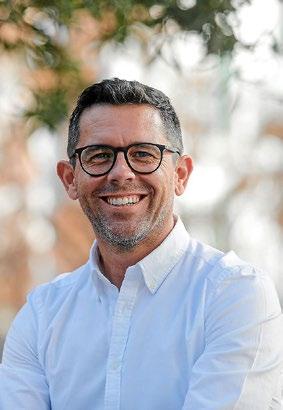
Queridos lectores y lectoras,
Es un placer saludaros, un año más, desde las páginas de Las Dalias Ibiza & Formentera Magazine, una publicación que, edición tras edición, ha sabido retratar el alma de nuestra isla: esa Ibiza abierta, creativa y diversa, siempre fiel a su identidad.
Las Dalias es mucho más que un lugar. Es un punto de encuentro donde conviven generaciones, culturas y sensibilidades distintas. Es artesanía, música, gastronomía, memoria y vida. Una manera muy ibicenca de entender el mundo: con libertad, curiosidad y respeto por aquello que nos hace únicos.
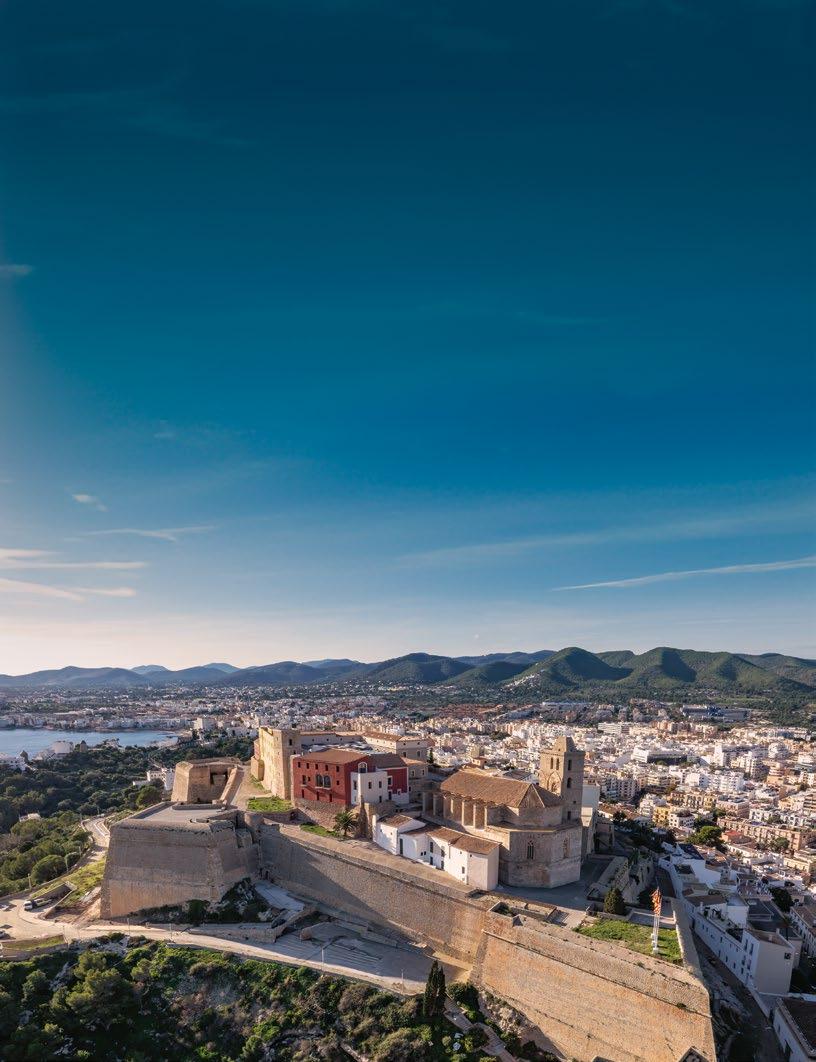
Desde la ciudad de Eivissa compartimos plenamente esa mirada. Somos el corazón histórico y cultural de la isla, un lugar cosmopolita donde el patrimonio convive con la modernidad, donde Dalt Vila nos recuerda cada día el valor de nuestra historia, y donde trabajamos para proyectar una Ibiza viva, acogedora y sostenible.
Publicaciones como esta tienen un valor especial porque ayudan a explicar Eivissa desde dentro, con sensibilidad y autenticidad. Porque ponen en valor a quienes construyen la isla cada día y proyectan al mundo una imagen que va más allá de los tópicos: una isla de cultura, talento, naturaleza y encuentro.
Felicito a todo el equipo de Las Dalias por esta nueva edición y os invito a disfrutarla con los ojos bien abiertos, con la curiosidad de quien pasea por nuestra ciudad sabiendo que Eivissa siempre tiene algo que contar al mundo.
UNA
DE ENTENDER EL MUNDO: CON LIBERTAD, CURIOSIDAD Y RESPETO POR AQUELLO QUE NOS HACE ÚNICOS
Dear readers,
It is a pleasure to greet you once again from the pages of Las Dalias Ibiza & Formentera Magazine — a publication whose every edition has captured the soul of our island: an Ibiza that is open, creative and diverse, and always true to itself.
Las Dalias is far more than a place. It is a meeting point where generations, cultures and different sensibilities come together. It is craft, music, gastronomy, memory and life. A very Ibizan way of understanding the world: with freedom, curiosity and respect for what makes us unique.
Here in the city of Eivissa, we share that outlook fully. We are the historic and cultural heart of the island — a cosmopolitan place where heritage sits alongside modernity, where Dalt Vila reminds us every day of the value of our history, and where we work to project an Ibiza that is Publications like this one are invaluable — they tell Eivissa’s story from the inside, in the island’s own voice. Because they champion the people whose daily lives and labour build the island, rising above clichés to portray an island of culture, talent, nature and encounter.
I congratulate the entire Las Dalias team on this new edition and invite everyone to enjoy it with open eyes and the curiosity of someone strolling through our city, alive to the stories they know Eivissa has to tell.
With warm regards,
SANT ANTONI: TRADITION AND REINVENTION
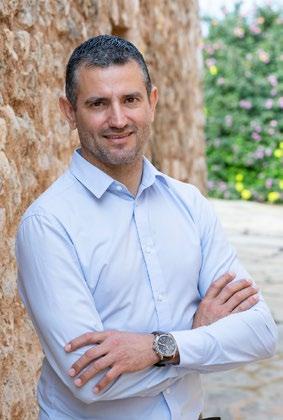
Queridos amigos,
Es un verdadero placer saludaros un año más desde las páginas de Las Dalias Ibiza & Formentera Magazine, una publicación que se ha consolidado como un referente imprescindible para todos los que apreciamos nuestra tierra.
En esta ocasión, la revista celebra la creatividad, la diversidad y ese espíritu libre que han hecho de Ibiza un faro de inspiración universal. El lema de esta edición, “Las Dalias, donde todo es posible”, captura con precisión la magia que define nuestra isla: esa capacidad innata para transformarse y reinventarse constantemente, manteniendo siempre su esencia vibrante.
Durante décadas, Las Dalias ha sido mucho más que un mercadillo hippy; es el símbolo de una Ibiza dinámica que dialoga con el mundo sin renunciar a sus raíces, un espacio de convivencia cultural, artística y musical donde se cruzan generaciones y personas de infinidad de procedencias.
Desde Sant Antoni de Portmany, compartimos plenamente esta visión. Nuestro municipio atraviesa hoy un claro proceso de evolución, con el objetivo de ampliar su identidad mediante el equilibrio entre el valor de nuestras tradiciones y una apuesta por la excelencia cultural y el talento. Queremos consolidar un Sant Antoni abierto y acogedor, capaz de atraer iniciativas que enriquezcan nuestra oferta y fortalezcan el vínculo entre residentes y visitantes.
Publicaciones como esta contribuyen a dar a conocer al mundo la Ibiza auténtica: una isla que inspira, que acoge y en la que, como bien dice el lema de este año, todo es posible.
Un afectuoso saludo,
Dear friends,
It is a real pleasure to welcome you once again from the pages of Las Dalias Ibiza & Formentera Magazine — a publication that has become the flagship for all of us who love our island.
This year, the magazine celebrates the creativity, diversity and free spirit that have made Ibiza a beacon of inspiration the world over. This edition’s motto — “Las Dalias, Where Everything is Possible” — captures perfectly the magic that defines our island: that innate ability to transform and constantly reinvent itself while keeping its vibrant essence alive.
For decades, Las Dalias has been much more than a hippy market. It is a symbol of a dynamic Ibiza in dialogue with the world without forsaking its roots — a space of cultural, artistic and musical exchange where generations meet and people converge from every corner of the globe.
In Sant Antoni de Portmany, we share this vision wholeheartedly. Our municipality is evolving, working to broaden its identity by balancing the value of our traditions with a commitment to cultural excellence and talent. We want to make Sant Antoni even more open and welcoming — fertile ground for initiatives that enrich what we offer and strengthen the bond between residents and visitors. Publications like this help bring the authentic Ibiza to the world’s attention: an island that inspires, that welcomes, and where — as this year’s motto rightly says — everything is possible.
Warm regards,






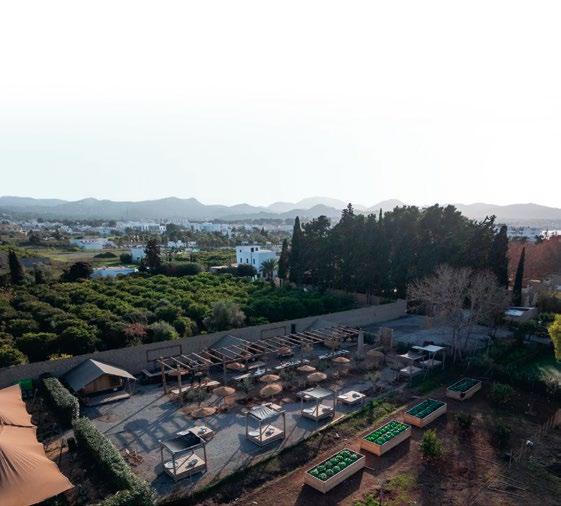
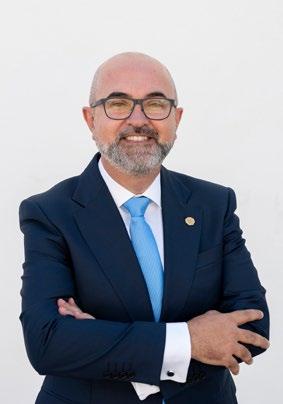
Sant Josep es un lugar lleno de vida. Una tierra que se vive al aire libre, al ritmo del mar, de la cultura, de la gastronomía y de las personas que la hacen única cada día del año.
Bajo el lema Sant Josep Full of Life, trabajamos para mostrar una Ibiza auténtica, dinámica y creativa, donde tradición y modernidad conviven con naturalidad. Y si hay algo que define esa energía es la música. Sant Josep és Música no es solo una campaña, es una manera de entender nuestro municipio: escenarios frente al mar, pequeños conciertos al atardecer, festivales, cultura popular y artistas que convierten cada rincón en una experiencia compartida. La música forma parte de nuestra identidad y de nuestra forma de recibir al mundo.
Pero Sant Josep también se descubre a través de los sabores y de las tradiciones que hablan de nuestra historia. Nuestras ferias gastronómicas se han convertido en puntos de encuentro para residentes y visitantes, celebrando el producto
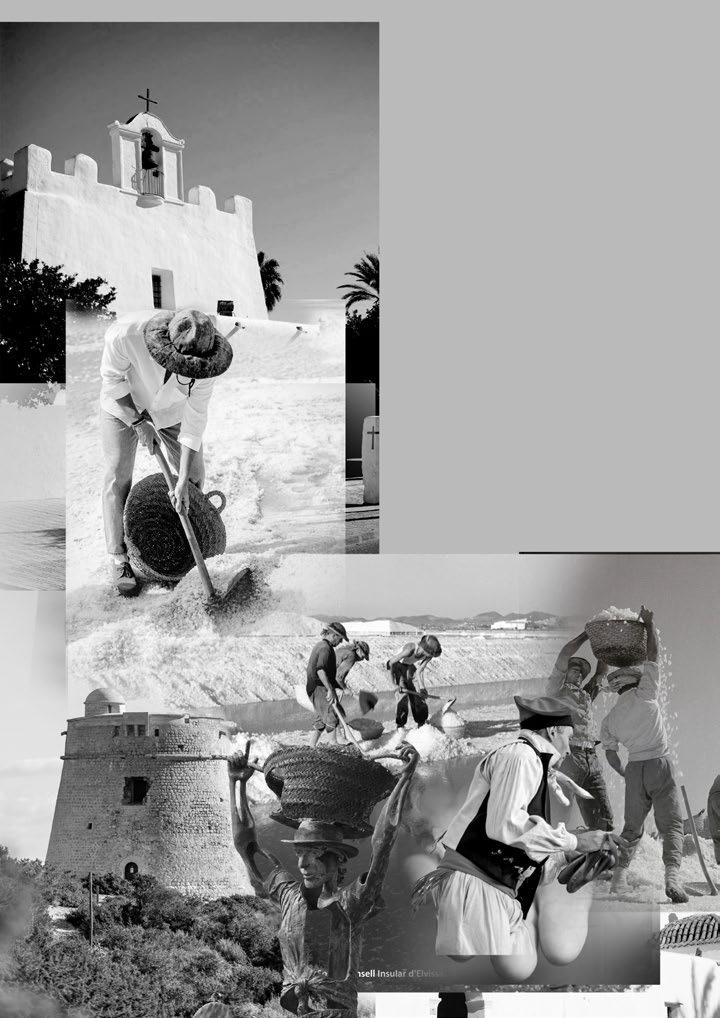
local, el paisaje y la cultura mediterránea. Este año, además, celebramos el décimo aniversario de la Feria de la Sal, una cita ya imprescindible que rinde homenaje a una de las actividades que más ha marcado el carácter y la historia de nuestra isla.
Seguimos creyendo en una Ibiza diversa, abierta y llena de inspiración. Una Ibiza que emociona por su belleza, pero también por su capacidad de conectar personas, culturas y maneras de vivir.
Sant Josep is a place brimming with life. It is a land to be experienced in the open air, set to the rhythm of the sea, our culture, our gastronomy, and the people who make it unique every single day of the year. Under the banner “Sant Josep Full of Life,” we work to showcase an authentic, dynamic, and creative Ibiza, where tradition and modernity coexist naturally and with ease.
And if one thing defines this energy, it is music. “Sant Josep és Música” is more than just a campaign; it is a way of understanding our municipality: stages facing the sea, intimate concerts at sunset, festivals, folk culture, and artists who turn every corner into a shared experience. Music is part of our identity and our way of welcoming the world.
However, Sant Josep is also experienced through the flavours and traditions that speak of our history. Our gastronomic fairs have become meeting points for residents and visitors alike, celebrating local produce, the landscape, and Mediterranean culture.
This year, we also celebrate the tenth anniversary of the Salt Fair (Fira de la Sal), an embematic event that pays tribute to one of the activities that has most profoundly shaped the character and history of our island.
We continue to believe in an Ibiza that is diverse, open, and full of inspiration. An Ibiza that moves us with its beauty, but also through its capacity to connect people, cultures, and ways of life.



2026 SAVE DATE THE
16-18 OCTUBRE




Bàrbara Arqué Cot
Bàrbara Arqué (Lyon, Francia, 1972). Periodista y presentadora. Estudió Periodismo y Ciencias Políticas en la Universidad Autónoma de Barcelona, iniciando su carrera en radio y en BTV antes de incorporarse a TV3, donde presentó el Telenotícies. Desde 2018 ha sido una de las caras más reconocibles del 3/24. Reside largas temporadas en Ibiza, isla a la que su pareja está vinculada profesionalmente.
Bàrbara Arqué (Lyon, France, 1972). Journalist and presenter. She studied Journalism and Political Science at the Autonomous University of Barcelona, beginning her career in radio and at BTV before joining TV3, where she presented the Telenotícies. Since 2018 she has been one of the most recognisable faces on 3/24. She spends long periods in Ibiza, where her partner has professional ties.
Como tantas otras veces, aterrizo en Ibiza con la curiosidad intacta. No para descubrirla yo, sino para ver cómo la viven los demás.
El avión está lleno. Los pasajeros se preparan para salir. Todos parecen compartir la inquietud discreta que provocan los destinos que prometen. Desde la ventanilla, muchos ya han hecho las primeras fotos. Pinos, salinas, casas blancas. Y a lo lejos, Es Vedrà. La isla parece tranquila. Lo parece. Pero ya sabemos que aquí nunca es solo lo que se muestra a primera vista.
Por la tarde voy hacia Dalt Vila. Calles estrechas. Gente que sube sin saber muy bien qué busca. Me siento en una terraza, pido una copa de vino blanco y miro. Siempre miro. Es un ejercicio que no me falla.
As so often before, I land in Ibiza with my curiosity intact. Not to discover the island myself, but to see how others experience it.
The plane is full. Passengers prepare to disembark. They all seem to share the quiet anticipation that destinations full of promise awaken. Through the window, many have already taken their first photos. Pines, salt flats, white houses. And in the distance, Es Vedrà. The island looks calm. It really does. But we already know that here, nothing is ever what it seems at first glance.
In the afternoon I head towards Dalt Vila. Narrow streets. People climbing without quite knowing what they’re looking for. I sit on a terrace, order a glass of white wine, and watch. I always watch. It’s an exercise I never tire of.

El sol empieza a caer. Aquella quietud de hace unas horas se transforma, poco a poco, en un ambiente más intenso. Los turistas reaparecen arreglados, buscan un restaurante donde sentarse, escogen el que seguramente han visto en Instagram. Muchos llevan camisetas de marca, gafas de moda, y ellas van con unos tacones que luchan —sin ninguna posibilidad de vencer— contra los adoquines. Desde la muralla, los barcos amarrados parecen animales marinos, grandes y silenciosos.
ERA REFUGIO DE ARTISTAS Y BUSCADORES DE OTRO ORDEN
DEL MUNDO
Cuando bajo, ya se ha puesto el sol. Constato una vez más que aquí la noche no es para descansar. Más bien para activarse. Los bares están llenos, cuerpos imponentes desfilan hacia las discotecas, reclamos luminosos, música que se escapa de cada esquina.
Es como si la isla, durante todo el día, hubiera contenido la respiración… y por la noche, se dejara ir del todo.
No puedo evitar entrar en uno de los clubes más conocidos. Es aquí donde Ibiza se desborda. Exceso, decibelios desmesurados, dinero, desinhibición, entradas VIP, perfumes caros, botellas magnum, mesas reservadas a precios imposibles. Durante unas horas, todo parece una celebración de la vida. Las luces y los DJ convierten la madrugada en espectáculo.
Es la Ibiza de las piscinas infinity, el postureo, la juventud sin arrugas, los transfers con cristales tintados.
The sun wends its way towards the horizon. That stillness of the previous hours ago gradually transforms into something more intense. Tourists reappear, wearing their finery, searching for a restaurant to settle into, choosing one they’ve probably seen on Instagram. Many wear designer T-shirts, fashionable sunglasses, and the women teeter on heels that fight—in vain—against the cobblestones. From the ramparts, the moored boats look like marine creatures, bulky and silent.
By the time I come back down, the sun has set. Once again, I see that here, the night isn’t for resting, but for coming alive. The bars are full, imposing figures parade towards the clubs, bright signs everywhere, music spilling from every corner.
It’s as if the island had held its breath all day… and at night, it lets go completely.
I can’t resist entering one of the renowned clubs. This is where Ibiza overflows. Excess, outrageous decibels, money, total abandon, VIP entries, expensive perfumes, magnum bottles, tables reserved at impossible prices. For a few hours, everything feels like a celebration of life. The lights and the DJs turn the small hours into spectacle.
This is the Ibiza of infinity pools, the posing, the smooth-skinned young faces, chauffeur-driven MPVs with tinted windows.
Come dawn, without fanfare, another Ibiza appears.
The Ibiza of the casa payesa—the traditional Ibizan farmhouse—that preserves its beautiful simplicity. The Ibiza of the elderly man who says good morning in Ibicenco. The island of small coves where someone calmly paddles. One of the many who practise yoga on their mats, gazing at the horizon as if there were an answer there that they haven’t quite yet reached.
Here there’s no background music. Only the sea. Only the countryside.
I talk to people. They’re not looking for parties. They’re looking for pause. They speak of reconnecting with a rhythm they can’t find at home. This is the wellness Ibiza, the one that promises
Al día siguiente, sin hacer ruido, aparece otra Ibiza.
La de la casa payesa que conserva su bella simplicidad. La del señor mayor que da los buenos días en ibicenco. La de las calas pequeñas donde alguien moja los pies en el agua sin prisa. La de los que practican yoga sobre la esterilla, mirando el horizonte como si allí hubiera una respuesta que aún no saben encontrar.
Aquí no hay música de fondo. Solo el mar. Solo el campo.
Hablo con gente. No buscan fiesta. Buscan pausa. Hablan de reencontrarse con un ritmo que en casa no encuentran. Esta es la Ibiza del bienestar, la que promete curar el alma, la de las hierbas, los masajes y la artesanía que todavía resiste —en mercados como Las Dalias, donde cada puesto es una memoria viva de cuando la isla era refugio de artistas y buscadores de otro orden del mundo.
Tanto los que bailan hasta la madrugada como los que meditan a primera hora del día han venido a buscar lo mismo: una escapada. Un lugar donde conectar hacia dentro o con una versión diferente de sí mismos. Antes de llegar ya se han proyectado. Cuando pisan la isla, lo que hacen es confirmar —o ajustar— aquella ilusión.
La pregunta que me llevo, mientras el avión gana altura y las salinas vuelven a ser una acuarela desde arriba, no es cuál de las dos Ibizas es la real. Las dos lo son y se necesitan. Pero hay algo que inquieta: cuando un lugar se construye sobre tanta expectativa, corre el riesgo de convertirse en su propia representación.
Ibiza, de momento, aguanta. Pero la escucho y a veces me parece que respira con cierta fatiga. Como quien lleva demasiado tiempo cuidando más la apariencia que la esencia.
to heal the soul, the island of herbs, massages, and the craftwork that still endures—in markets like Las Dalias, where each stall is a living memory of when the island was a refuge for artists and seekers of a reimagined world order.
TANTO LOS QUE BAILAN HASTA
LA MADRUGADA
COMO LOS QUE
HAN VENIDO A BUSCAR LO MISMO: UN LUGAR DONDE CONECTAR
Those who dance until dawn and those who meditate at first light have come searching for the same thing: escape. A place to delve inwards or connect with a different version of themselves. They’ve already projected it before arriving. When they set foot on the island, they confirm—or adjust—that excitement.
The question I take with me, as the plane gains altitude and the height turns the salt flats into a watercolour, isn’t which of the two Ibizas is the real one. Both are real and they need each other. But there’s something unsettling: when a place builds itself on so much expectation, it risks becoming its own caricature.
Ibiza, for now, holds out. But I listen to it and sometimes it seems to me that it breathes with a certain weariness. Like someone who’s spent too long caring more for appearance than essence.


Ben Clark (Ibiza, 1984). Poeta de padres británicos, graduado en Estudios Ingleses por la Universidad de Salamanca, ha acumulado premios como el Hiperión (2006), el Ojo Crítico de RNE (2014) y el Loewe (2017) por La policía celeste. Su libro Demonios recibió el Premio de la Crítica de poesía castellana en 2024. Dirige el sello editorial Isla Elefante y acaba de publicar Semiótica nuclear con Visor.
Ben Clark (Ibiza, 1984). Poet, born to British parents, he graduated in English Studies from the University of Salamanca and has accumulated awards including the Hiperión (2006), the Ojo Crítico de RNE (2014) and the Loewe (2017) for La policía celeste. His collection Demonios received the Premio de la Crítica for Castilian poetry in 2024. He runs the Isla Elefante imprint and has just published Semiótica nuclear with Visor.
La luz, como ocurría al norte de la isla, parecía inclinarse para alcanzar a los incautos desde ángulos inesperados. Algo inquietaba al mar, una tensión antigua cuya forma nadie habría sabido nombrar, y eran pocos los bañistas dispuestos a acercarse a sus zozobras, a pesar del calor del día. La extensa franja de arena de Cala Llenya quemaba los pies y la mujer, cargada con la sombrilla, un senalló y una bolsa de plástico azul, tomó al niño en brazos, aunque a sus seis años ya pesaba demasiado.
The light, as it often did in the north of the island, seemed to tilt in order to reach the unwary from unexpected angles. Something unsettled the sea, an old tension whose shape no one could have named, and few bathers were willing to draw near its unease, despite the heat of the day. The wide stretch of sand at Cala Llenya burned the feet, and the woman, burdened with the parasol, a senalló, and a blue plastic bag, took the boy in her arms, though at six years old he already weighed too much.
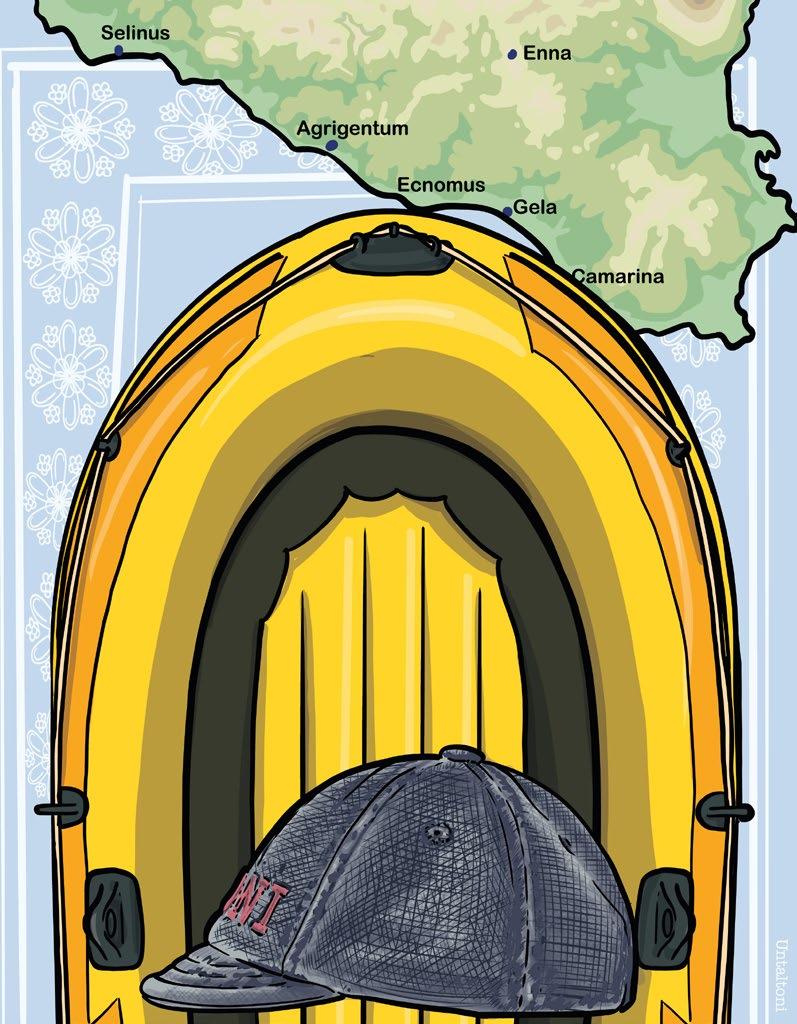
La mujer clavó la sombrilla cerca de la orilla y extendió el pareo azul, con motivos africanos, polinesios o inventados, y procedió a embadurnar al niño con crema solar. El niño, mientras tanto, insistía en que sacara de la bolsa de plástico la barca hinchable. Así lo hizo la mujer, ya algo hastiada de la jornada playera, y dedicó un minuto a observar los esfuerzos insuficientes del niño por inflarla con sus pequeños pulmones, preparándose mentalmente para sustituirlo, como sabía que acabaría ocurriendo.
AMARILLO SOBRE LAS AGUAS, PROFUNDAS Y NEGRAS,
Las arrugas del plástico amarillo fueron alisándose y la barca tomó forma. Sin apenas esperar a que la mujer asegurara la válvula, el niño, desnudo salvo por una gorra azul que la madre le había calado sobre la cabeza, en un gesto antiguo, casi anterior a la invención de las gorras, echó a correr hacia la espuma de la cala, arrastrando la barca por el cordel atado a la proa.
La madre, por fin liberada, se extendió crema por los brazos y metió la mano en el senalló hasta dar con el libro de bolsillo al que llevaba días entregada. Un aviador sostenía con esmero una dolencia que no terminaba de existir, lo bastante persistente para evitar el vuelo, lo bastante vaga para no resolverse. Deleitada, levantó los ojos de la página y vio al niño remontar una pequeña ola cerca de la orilla, agarrado al cordel de la barca como un aprendiz de ballenero sin arpón.
The woman planted the parasol near the shoreline and spread out the blue pareo, patterned with African, Polynesian or invented motifs, and set about smearing the boy with sun cream. Meanwhile, the boy kept insisting that she take the inflatable dinghy out of the plastic bag. She did so, already somewhat weary of the beach day, and spent a minute watching the boy’s insufficient efforts to inflate it with his small lungs, mentally preparing to take over, as she knew would inevitably happen.
The creases in the yellow plastic gradually smoothed out and the dinghy took shape. Hardly waiting for the woman to secure the valve, the boy, naked save for a blue cap his mother had pulled down onto his head, in a gesture older than caps themselves, ran towards the foam at the edge of the cala, dragging the dinghy by the cord tied to its bow.
The mother, at last relieved, spread cream over her arms and slipped her hand into the senalló until she found the paperback she had been absorbed in for days. An airman was carefully sustaining an illness that did not quite exist, persistent enough to keep him from flying, vague enough to resist resolution. Delighted, she lifted her eyes from the page and saw the boy riding a small wave near the shore, gripping the cord of the dinghy like an apprentice whaler without a harpoon.
The airman lay in bed while the doctor hesitated, aware that any conclusion would have consequences. The woman looked up and saw the inflatable dinghy rising and falling on the waves. Empty. The airman crashed into the sand. The woman stood up and began to sweep her gaze across the water. Nothing. She fixed her eyes again on the dinghy, now caught in a current that turned it upon itself, as though seeking to set a course towards the distant coast of Sardinia, where the women of Bosa cook eels with tomato, garlic and myrtle, letting them reduce slowly until the flesh darkens and the sauce thickens like a memory.
She began to run along the beach, her feet sinking into the hot sand, never taking her eyes off the sea, shouting the boy’s name. The alarm spread among the holidaymakers, still heavy with sleep beneath the sun. Within seconds, two
El aviador aguardaba en la cama mientras el médico dudaba, consciente de que cualquier conclusión tendría consecuencias. La mujer levantó la vista y vio la barca hinchable subir y bajar sobre las olas. Vacía. El aviador se estrelló contra la arena. La mujer se puso en pie y empezó a recorrer con la mirada las olas. Nada. Volvió a fijar la vista en la barca hinchable, ahora presa de una corriente que la hizo girar sobre sí misma, como queriendo enfilar su rumbo hacia la lejana costa de Cerdeña, donde las mujeres de Bosa preparan las anguilas con tomate, ajo y mirto, dejándolas reducir lentamente hasta que la carne se oscurece y el caldo espesa como una memoria.
Empezó a correr por la playa, con los pies hundiéndose en la arena caliente, sin apartar la vista del mar, gritando el nombre del niño. El sobresalto prendió entre los veraneantes, aún entumecidos bajo el sol. A los pocos segundos, dos mujeres se unieron al grito, repitiendo el nombre como si fuera suyo, y un hombre se lanzó al agua, cortando las olas en dirección a la barca.
El pinar que envolvía la cala comenzó a elevarse hacia el cielo, cargado de chicharras, hormigas, sargantanas verdes y otras criaturas que lo observaban todo. El sol crecía. La barca hinchable menguaba, ya apenas un punto amarillo sobre las aguas, profundas y negras, donde nadaban calamares gigantes. El niño. El niño en el agua. El niño dentro de ella, todavía sin nombre, y ella paseando por esa misma cala después del mercadillo, mirando el mar como lo hace ahora, pero no como ahora, expectante, pero no como ahora, con un leve temor, pero no como ahora, con el cuerpo ya roto por el pánico.
El hombre seguía avanzando hacia la barca, que el horizonte empezaba a reclamar.
El niño se incorporó, cansado de estar tumbado dentro de ella. La playa enmudeció, mientras el niño miraba con curiosidad al nadador que se dirigía hacia su nave.
La mujer, sin quitarse las gafas ni el sombrero, se lanzó al agua.
women joined the cry, repeating the name as if it were their own, and a man plunged into the water, cutting through the waves towards the dinghy.
THE
ENCLOSED THE CALA BEGAN TO RISE TOWARDS
The pine grove that enclosed the cala began to rise towards the sky, laden with cicadas, ants, green sargantanas and other creatures that watched everything. The sun grew larger. The dinghy diminished, now scarcely more than a yellow dot on the water, deep and black, where giant squids swam. The boy. The boy in the water. The boy inside her, still without a name, and she walking along this same cala after the market, looking out at the sea as she does now, but not as now, expectant, but not as now, with a faint unease, but not as now, with her body already broken by panic.
The man kept moving towards the dinghy, which the horizon was beginning to claim.
The boy sat up, tired of lying inside it. The beach fell silent, while the boy watched with curiosity the swimmer heading towards his vessel.
The woman, without removing her sunglasses or her hat, threw herself into the water.


IBIZA: TWO SUMMERS AT CALA VEDELLA

Jaime Siles
Jaime Siles (Valencia, 1951). Poeta, filólogo, crítico literario y catedrático de Filología Clásica, formó parte del grupo de los Novísimos, determinante en la poesía española desde 1970. Entre sus premios destacan el Nacional de la Crítica (1983), el Loewe (1989) y el Jaime Gil de Biedma (2018). Jaime Siles ha recibido en 2026 el XXXV Premio Reina Sofía de Poesía Iberoamericana.
Jaime Siles (Valencia, 1951). Poet, philologist, literary critic and professor of Classical Philology, he was a member of the Novísimos, the generation that transformed Spanish poetry from 1970 onwards. His awards include the Premio Nacional de la Crítica (1983), the Loewe (1989) and the Jaime Gil de Biedma (2018). Jaime Siles has received the 35th Queen Sofía Prize for Ibero-American Poetry in 2026.
Nunca me he sentido más mediterráneo que en los dos meses de verano que pasé en 1966 y 1967 en Ibiza. La isla entonces rebosaba de hippies en la parte antigua, cercana al puerto, y éstos daban una coloratura especial a aquel ambiente nuevo, cosmopolita, abierto y extraño, tan distinto al de Valencia, la ciudad en la que yo vivía y que entonces, pese a su intensa luminosidad, me parecía por completo gris. Pero mi estancia, más que a los puntos entonces concurridos y rebosantes de turistas de toda laya, transcurrió en una solitaria cala, cuyas aguas, rocas y pinos siguen reverberando aún en mi memoria como un espacio único, sagrado y religioso como lo eran y lo siguen siendo algunos de la Antigüedad. Allí en Cala Vedella fui a mis quince y dieciséis años, una mezcla de Ulises y de Robinsón. Así me imaginaba y me veía en ella y así me sigo viendo en mis recuerdos de aquellos dos agostos hoy.
I have never felt more Mediterranean than during the two summer months I spent in Ibiza in 1966 and 1967. Then, the island’s old quarter, hard by the harbour, was teeming with hippies who lent a special colour to that new, cosmopolitan, open and strange atmosphere. It was so unlike Valencia, the city where I lived, which despite its intense luminosity, seemed to me at the time entirely clothed in grey. I spent my time, however, not so much in the crowded, tourist-thronged spots, but in a solitary cala whose waters, rocks and pine trees still reverberate in my memory as a unique, sacred and religious space — as certain places of Antiquity were and still Robinson Crusoe. That is how I imagined and saw myself there, and how, in my memories of those two Augusts, I see myself today
Cala Vedella ha quedado en mi imaginario como un locus amoenus, como un lugar paradisíaco, como una de esas Arcadias idealizadas por los poetas de la Antigüedad, en las que como ellos, también podía decir yo: Et in Arcadia ego. Había allí sólo cinco casas: una, en la parte izquierda de la orilla y que ocupaba entonces una familia belga, cuyas hijas, una de mi edad, con la que seguí teniendo durante algún tiempo intercambio epistolar; otras dos, que se alzaban en la parte central y más alta, eran propiedad de un médico francés, cuyo hijo era varios años mayor que yo; y las otras, situadas a la izquierda de éstas, formaban parte de una especie de fonda, regentada por una familia ibicenca, que albergaba y atendía allí a sus huéspedes, en su mayoría catalanes y extranjeros. Los desayunos allí eran tan sencillos como austeros y parecían envueltos en una valéryniana calma memorable: una elegante sencillez imperaba en todo e imponía un sello de singular distinción tanto al trasiego de los platos de la cocina a la mesa como a los movimientos de los sirvientes y los huéspedes que, sin proponérselo, parecían rimar de modo consonante entre sí. Todo estaba limpísimo. No había un solo papel en el suelo y los visitantes respetaban aquel templo de la naturaleza como si estuviera habitado por una divinidad. El agua apenas salpicaba la orilla; la espuma se deshacía en minúsculos círculos de encaje que al punto desaparecían y dejaban transparentarse la arena mojada por un soplo o una caricia tan dulce como su levedad. Las olas —si así puede llamarse a aquella suave sucesión de ondas rizadas por un benigno viento favorable que rozaba, más que impelía, sus unícromas crestas que avanzaban a paso muy lento como si no tuvieran intención de moverse o despertar— llegaban como notas musicales de una partitura nunca terminada y que continuamente comenzaba a recomenzar. No era, pues, difícil sentirse allí bucólico o lírico: era algo que formaba parte del paisaje.
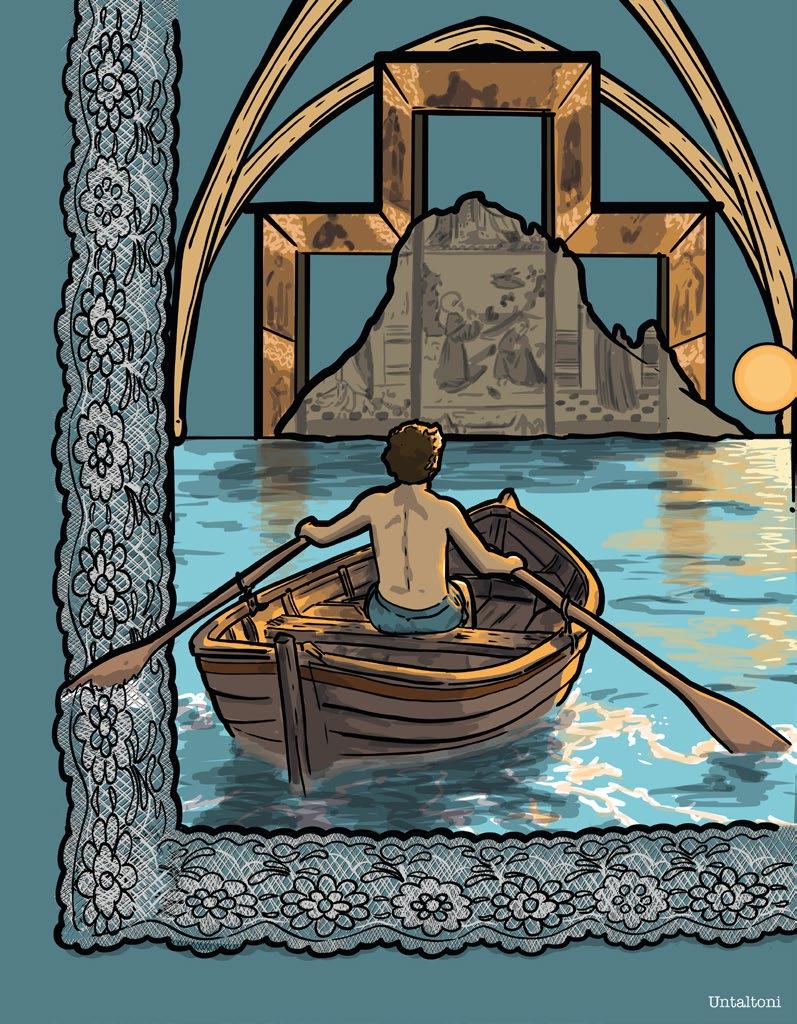
Pero la mayor experiencia que de aquellos días recuerdo era la de salir a remo por la embocadura hacia alta mar y regresar después hacia la cala, sobre todo a la hora del atardecer. La impresión que ello producía era muy similar a la que se siente en las iglesias tridentinas y barrocas, en
Cala Vedella has remained in my imagination as a locus amoenus, a paradise, one of those Arcadias idealised by the poets of Antiquity, in which, like them, I too could say: Et in Arcadia ego. There were only five houses: one on the left-hand side of the shore, occupied by a Belgian family — among whose daughters was one my own age, with whom I continued to correspond for some time; two others, set higher up in the centre, belonged to a French doctor whose son was several years older than me; and the rest, to the left of these, formed part of a kind of inn run by an Ibizan family, which housed and fed guests, mostly Catalans and foreigners. Breakfasts were as simple as they were austere; memorable and serene, they seemed enveloped in a Valéryan calm. An elegant simplicity pervaded everything and imposed a singular distinction on both the passage of dishes from kitchen to table and the movements of the servants and guests which, without any apparent intent seemed to harmonise consonantly with one another. Everything was immaculate. There was not a scrap of paper on the ground, and visitors respected that temple of nature as if it were inhabited by a deity. The water barely lapped the shore; the foam dissolved into tiny circles of lace that vanished almost at once, revealing the wet sand, moistened by a breath or a caress as light as it was sweet. The wavelets — if wavelets is the right word for that gentle succession of ripples, curled by a kindly breeze that suggested rather than drove, their crests advancing so slowly they seemed to have no intention of moving or of waking — arrived like musical notes from a score that was never finished, continually beginning to begin again. It was not difficult, then, to feel bucolic or lyrical there: it was something inherent in the landscape itself.
But the greatest experience I remember from those days was rowing through the mouth of the cala out into the open sea and then making my way back — above all at dusk. The impression it produced was very like the feeling one has in Tridentine baroque churches, where advancing towards the altar is an approach towards God as represented in the reredos, and turning back is a return to the bounded universe of men. That is exactly what I felt, according to whether I was heading out to sea or coming back to shore. I did not know it then — of course I could not. But I know it now, and can


las que cuando se avanza hacia el altar, se va al encuentro con Dios, representado en el retablo y, cuando se regresa, se dirige uno hacia el limitado universo de los hombres. Eso mismo sentía yo, según ponía rumbo hacia alta mar o retornaba a tierra. No lo sabía —claro está— entonces: no lo podía saber. Pero ahora sí lo sé y puedo explicarlo y explicármelo. Y a esta experiencia debo añadir otra no menos profunda y determinante: la de navegar hacia Es Vedrà al filo de la tarde, ver las cabras saltar por sus cortantes riscos, adivinar aquellos breves brillos verdes de sus matojos e hirsutas hierbas y arrojar en sus inmediaciones las nasas que, repletas de langostas, al amanecer del día siguiente iríamos, llenos de ilusión, a recoger. Esta navegación de ida y vuelta es —o así la he interpretado siempre yo— una metáfora de la vida. Y la vida —y no sólo su metáfora— es lo que Cala Vedella e Ibiza fueron en los años de mi adolescencia para mí.
explain it, to others and to myself. And to this experience I must add another, no less profound and no less formative: that of sailing towards Es Vedrà at twilight, watching the goats leap among its sharp crags, making out those brief green gleams among its scrub and rough grasses, and dropping the lobster pots nearby — which at dawn, full of hope, we would haul in, laden with lobsters. That voyage out and back is — or so I have always understood it — a metaphor for life. And life — not merely its metaphor — is what Cala Vedella and Ibiza, in my green and growing years, were for me.

Fanny Tur (Sant Miquel de Balansat, Ibiza, 1961). Licenciada en Geografía e Historia, es directora del Arxiu Històric d’Eivissa i Formentera desde 1987. Fue consellera insular de Cultura entre 1999 y 2003 y, de 2017 a 2019, consellera balear de Cultura. Ha recibido numerosos premios por su incansable labor cultural como la Menció d’Honor Sant Jordi del Institut d’Estudis Eivissencs y ha publicado libros como Epidèmies. Eivissa i Formentera (1799–1930).
Fanny Tur (Sant Miquel de Balansat, Ibiza, 1961). A graduate in Geography and History, she has been director of the Arxiu Històric d’Eivissa i Formentera since 1987. She served as Island Councillor for Culture from 1999 to 2003 and as Balearic Councillor for Culture from 2017 to 2019. Her tireless cultural work has been recognised with numerous awards, among them the Menció d’Honor Sant Jordi of the Institut d’Estudis Eivissencs, and she has published works including Epidèmies. Eivissa i Formentera (1799–1930).
Fins al segle XIX, una vegada acabada la construcció de l’església, el poble de Sant Carles de Peralta no va ser conegut amb el nom actual. Aquesta parròquia no seria creada fins al 1785 i el temple es començaria a aixecar a final d’aquell segle, poc després que el primer bisbe d’Eivissa, Manuel Abad y Lasierra signàs el decret de creació de 18 noves parròquies. Fins aleshores, a les Pitiüses només havia existit una, la de Santa Maria, catedral des de 1782.
The village of Sant Carles de Peralta did not acquire its current name until the nineteenth century, after the church had been built. The parish was not established until 1785, and work began on the church towards the end of that century, shortly after the first Bishop of Ibiza, Manuel Abad y Lasierra, signed the decree creating eighteen new parishes. Until then, the Pitiüses had had only one parish, that of Santa Maria, which had been a cathedral since 1782.

Peralta i Atzaró en el segle XVI
El segle XVI va ser una època especialment dura a l’illa, que patí nombrosos atacs, tant per part de l’exèrcit del rei Carles I l’any 1518, com de territoris enemics, a més d’un clima gelat que provocà, entre altres coses, un temps de males collites i per tant, de fam. Així, bona part dels escassos recursos amb els quals comptaven les arques públiques es dedicaven a pagar torns de vigilància a diversos punts de la costa, tant d’Eivissa com de Formentera: “per fer de talaia”. Un era la zona de Peralta. Així, el Llibre del Clavari, oficial de la Universitat, —òrgan de govern local— encarregat d’abonar aquest tipus de despeses, recull la següent anotació l’any 1569:
and Atzaró
The sixteenth century was a particularly punishing period for the island, which endured repeated attacks — by the army of King Charles I in 1518 and by forces from enemy territories — as well as severe cold that brought failed harvests and, in turn, famine. A large part of the meagre public funds went towards paying for watches at various points along the coast, both on Ibiza and Formentera: ‘per fer de talaia’, to man the watchtowers. One of these was the Peralta area. The Llibre del Clavari, the accounts ledger of the Universitat —the local governing body— responsible for disbursing such expenses, records the following entry for 1569:
“Nosaltres Toni Cardona i Toni Roig de Bartomeu obrers de l’església de Santa Eulària hem rebut de vos mossèn Nicolau Damià, Clavari, nou lliures per la talaia feta en temps de meses -de collita- a Peralta …” 1
“We, Toni Cardona and Toni Roig de Bartomeu, church administrators of the church of Santa Eulàia, confirm receipt from you, Mossèn Nicolau Damià, Clavari, of nine pounds for the lookout watch maintained during harvest time at Peralta …” 1
Varen ser nombrosos els atacs corsaris patits a l’illa i concretament les costes de Santa Eulària i llocs com Atzaró durant aquell segle. Mencionarem tan sols dos exemples:
The island suffered numerous corsair raids during the century, particularly along the coasts of Santa Eulàia and in places such as Atzaró. Two examples will suffice:
—1543. 12 d’octubre. 20 galeres i tres galiotes turques desembarcaren a Santa Eulària, arribant a Balàfia, Atzaró i Arabí. Captivaren a algunes dones. Els eivissencs mataren un turc i feren 3 presoners: I – ADMINISTRACIÓ LOCAL. Llibre del Clavari. 1569. Arxiu Històric d’Eivissa i Formentera (AHEiF). 1
—1543. 12 October. Twenty Turkish galleys and three galliots landed at Santa Eulàia, pushing inland as far as Balàfia, Atzaró and Arabí. Several women were taken captive. The Ibizans killed one Turk and took three prisoners:
Created by René Lezare & Annelley Fillip, Rebel Ibiza stands for unique streetwear, sustainable production and authentic island spirit. Designed in Ibiza, responsibly produced in Portugal and inspired by the creative energy of Las Dalias.
For free spirits, rebels and lovers of individual style.
MÁS QUE MODA — UN ESTILO DE VIDA INSPIRADO POR IBIZA.
Creado por René Lezare & Annelley Fillip, Rebel Ibiza representa streetwear único, producción sostenible y el auténtico espíritu de la isla. Diseñado en Ibiza, producido responsablemente en Portugal e inspirado por la energía creativa de Las Dalias.
Para espíritus libres, rebeldes y amantes del estilo individual.






“Nota que avui divendres que comptam XII d’octubre de 1543 arribaren vint galeres i tres galiotes de moros, les quals arribaven de Contestinopla (sic)..., y arribaren al riu de Santa Aulària i aquí desembarcaren molts turcs y arribaren fins a Balàfia i Atzaró i Arabí …” 2
“Today, Friday the twelfth of October 1543, twenty galleys and three galliots of Moors, coming from Constantinople ..., landed at the river at Santa Eulàia, where many Turks disembarked and advanced as far as Balàfia and Atzaró and Arabí …” 2
—1579. 2 de novembre. Dues fragates desembarcaren a la nit en es Figueral, als quals guiava un renegat Miquel Roig, que els va portar a Atzaró, on varen romandre amagats a una cova a prop d’unes cases. A punta de sol, quan els homes ja eren a treballar, els desembarcats atacaren les cases emportant-se dones i infants fins a 40 persones. Assabentats de la seua presència, un vesí, Cosme Juan, veient que s’emportaven la seua dona i els seus fills, es llançà sobre ells i aconseguí impedir-ho. Acudiren 10 o 12 homes que, encalçant els atacants fins a la mar, a unes dues llegües, els varen obligar a deixar tota la presa.
Entre ensurts i treballs passaren els anys i vingué un nou canvi de segle i a mitjan centúria, l’any 1652, arribava en vaixell una epidèmia de pesta bubònica que va fer mal a tota l’illa. A Santa Eulària varen ser 17 les baixes, la mateixa xifra que a Balansat. 3 4
—1579. 2 November. Two frigates landed under cover of night at Es Figueral, guided by a local renegade, Miquel Roig, who led them to Atzaró, where they lay hidden in a cave near some houses. At first light, when the men had already gone out to work, the raiders fell upon the houses and carried off women and children — as many as forty people. Word spread of their presence, and one neighbour, Cosme Juan, seeing his wife and children being taken, threw himself at the raiders and managed to stop them. Some ten or twelve men pursued the attackers to the sea, a distance of some two leagues, forcing them to abandon all their captives.
So the years passed, marked by alarms and hardships, and as the century turned, in 1652, a ship arrived carrying an epidemic of bubonic plague that ravaged the whole island. In Santa Eulàia there were seventeen deaths — the same number as in Balansat. 3 4
MACABICH, I. Historia de Ibiza. Vol. III. Transcripció dels Llibres d’Entreveniments. (APE). 2
RIERA, F. <<El contagi>>, p. 57. 3 4
El segle XVIII s’encetà amb la guerra de Successió i arribà una nova dinastia, la borbònica, que acabà amb les institucions pròpies i expropià ses Salines per dret de conquesta, condemnant els eivissencs a la precarietat.
Passaren els anys i el 1789, acabada de crear la parròquia, Sant Carles comptava amb 504 vesins de més de 16 anys, davant els 712 que tenia Santa Eulària. A les Pitiüses hi vivien 11.939 vesins que tinguessin més 16 anys, dels quals 1.054 pertanyien a Formentera i 2.882 corresponien a la ciutat d’Eivissa i els seus ravals. A fora vila hi convivien 8.003 vesins per sobre dels 16 anys. Morna i Atzaró encara eren dues de les principals zones despoblades de l’illa.
Quant als conreus, el producte que més se sembrava a Sant Carles era el blat, seguit de la civada. A molta distància estava el llegum —només 174 quarteres—, però també es collien ametlles, figues i garroves, es feia oli i vi i es recollien pinyons i lli, així com mel i cera i també, tot i que en petites quantitats, cotó i arròs. A tot el quartó es criaven ovelles, moltons, cabres, cabrits, bous, vaques, mules, porcs i truges. Amb el canvi de segle arribaven noves històries que contarem en una altra ocasió.
The eighteenth century opened with the War of Succession and the imposition of a new dynasty, the Bourbons, who abolished the island’s traditional institutions and expropriated ses Salines by right of conquest, condemning the Ibizans to penury.
Years passed, and by 1789, with the parish newly established, Sant Carles had 504 residents over the age of sixteen, compared with 712 in Santa Eulàia. The Pitiüses as a whole were home to 11,939 people over sixteen, of whom 1,054 lived on Formentera and 2,882 in the city of Ibiza and its outlying districts. 8,003 residents aged over sixteen lived in the rural areas. Morna and Atzaró were still among the island’s most sparsely populated zones.
In terms of cultivation, wheat was the most widely grown crop in Sant Carles, followed by barley. Pulses came a distant third (a mere 174 quarteres, some 650 bushels) but almonds, figs and carob were also harvested, along with olive oil and wine, pine nuts and flax, honey and wax, and small quantities of cotton and rice. Throughout the quarto (about a quarter of an acre), livestock included sheep, wethers, goats, kids, oxen, cows, mules, pigs and sows. With the turn of the century came new stories, which we shall tell on another occasion.

THE IX “LAS DALIAS” INTERNATIONAL SHORT STORY AWARD
ARGOTE’S THEOREM
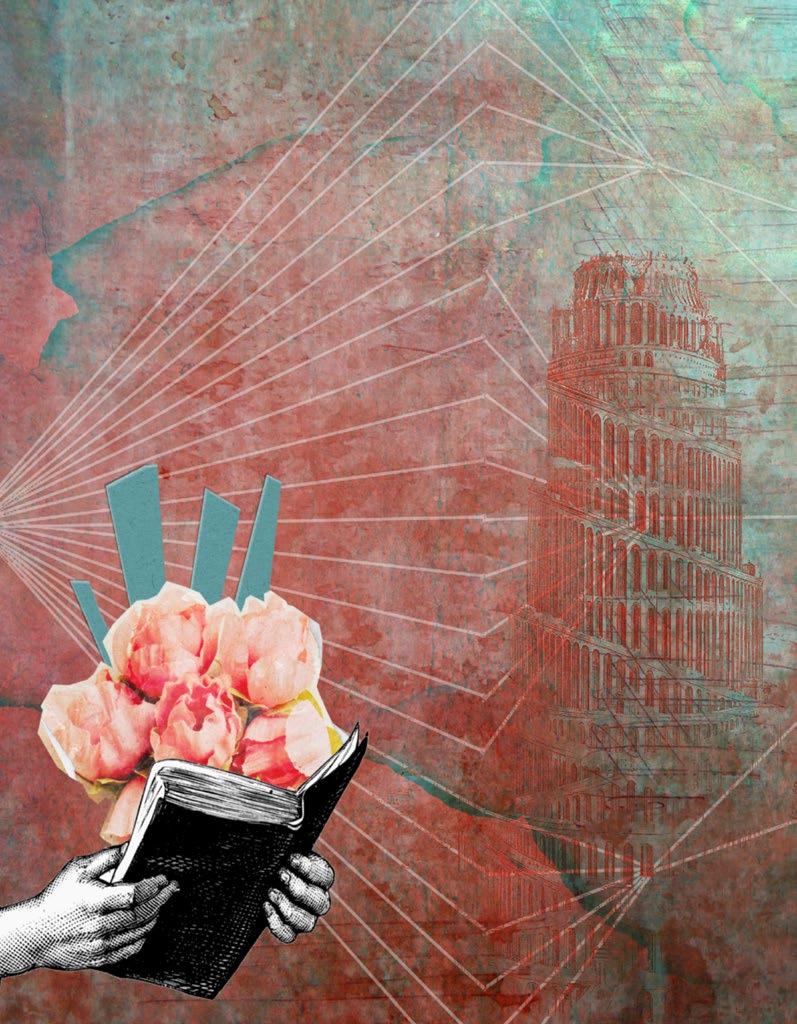
El relato ganador de la novena edición del Premio Internacional de Cuento “Las Dalias” nos habla de la arquitectura, pero también del lenguaje, de la memoria y de esa forma del vértigo intelectual que producen ciertas ideas llevadas hasta sus últimas consecuencias. En “El teorema de Argote”, la escritora Manuela Gómez construye un artefacto literario de raíz claramente borgiana: un cuento donde los laberintos no son únicamente espacios físicos, sino formas del pensamiento. Con una prosa precisa y envolvente, el relato nos conduce hacia una inquietante revelación: quizá toda obra humana sea, en el fondo, una forma de autobiografía secreta.
Desde la organización del premio, esta edición nos invita inevitablemente a pensar en la propia naturaleza de la ficción. ¿Qué ocurre cuando una historia empieza a contener a sus lectores? ¿Hasta qué punto los relatos que imaginamos terminan también por imaginarnos a nosotros? “El teorema de Argote” juega con esas preguntas con admirable inteligencia narrativa, sosteniendo siempre el equilibrio entre ambición conceptual y placer de lectura.

La novena edición del Premio Internacional de Cuento “Las Dalias” ha alcanzado además una cifra récord de participación, con 2.281 relatos originales enviados desde distintos países. Como en cada edición, las obras fueron evaluadas por un comité de lectura que seleccionó quince relatos finalistas posteriormente leídos por el jurado, compuesto por la escritora Maribel Andrés Llamero, el escritor Alberto de la Rocha, Laura Ferrer Arambarri, directora de Las Dalias Ibiza & Formentera Magazine, y yo mismo, Ben Clark, como coordinador del premio.
Manuela Gómez nació en Almendral (Badajoz). Es graduada en Relaciones Laborales por la Universidad de Salamanca y en Biblioteconomía y Documentación por la Universidad de Extremadura. Su trayectoria literaria combina la poesía, el cuento y la literatura infantil, y en los últimos años ha obtenido diversos reconocimientos en certámenes de narrativa breve y poesía.
Invitamos al lector a adentrarse en “El teorema de Argote”, un relato que destaca tanto por la solidez de su construcción literaria como por su capacidad para transformar una idea abstracta en una experiencia profundamente inquietante. Un cuento sobre ciudades imposibles, sobre el poder de la imaginación y sobre ese instante perturbador en que la literatura parece empezar a mirarnos de vuelta.
The winning story of the ninth edition of the “Las Dalias” International Short Story Award speaks to us about architecture, but also about language, memory, and that form of intellectual vertigo produced by ideas carried to their ultimate consequences. In “Argote’s Theorem”, writer Manuela Gómez constructs a literary artefact deeply rooted in the Borgesian tradition: a story in which labyrinths are not merely physical spaces, but forms of thought themselves. Through precise and immersive prose, the narrative leads us towards a disturbing revelation: perhaps every human creation is, ultimately, a form of secret autobiography.
From the Award’s organising committee, this year’s edition inevitably invites us to reflect on the very nature of fiction itself. What happens when a story begins to contain its readers? To what extent do the stories we imagine end up imagining us in return? “Argote’s Theorem” explores these questions with remarkable narrative intelligence, maintaining throughout a delicate balance between conceptual ambition and the pure pleasure of storytelling.
The ninth edition of the International Award also reached a record number of submissions, with 2,281 original stories received from different countries. As in every edition, the entries were reviewed by a reading committee, which selected fifteen finalist stories later read by the jury, composed of writer Maribel Andrés Llamero, writer Alberto de la Rocha, Laura Ferrer Arambarri, director of Las Dalias Ibiza & Formentera Magazine, and myself, Ben Clark, as coordinator of the prize.
Manuela Gómez was born in Almendral, Badajoz. She holds degrees in Labour Relations from the University of Salamanca and in Library and Information Science from the University of Extremadura. Her literary career combines poetry, short fiction, and children’s literature, and in recent years she has received several awards in both short narrative and poetry competitions.
We invite readers to enter the world of “Argote’s Theorem”, a story distinguished both by the strength of its literary architecture and by its ability to transform an abstract idea into a profoundly unsettling experience. A tale about impossible cities, the power of imagination, and that disturbing moment when literature itself seems to begin looking back at us.
Manuela Gómez
I
José Ramón Lapuerta
Debo la noticia de este vértigo a un legajo polvoriento hallado en los sótanos de la Biblioteca de la Universidad de Salamanca y a una conversación, mediada por el vino, con un sacristán en la judería de Toledo. El tema es la arquitectura, o más bien, esa forma de la teología que los hombres llaman urbanismo.
La historia concierne a un tal Alonso de Argote, hombre de infinita paciencia y de una erudición que sus detractores —siempre más numerosos que sus amigos— calificaban de “inútil como un candil en pleno mediodía”. Argote buscaba el Orden Universal. En 1924, tras heredar una fortuna de un tío que murió de soledad en un pazo gallego, se retiró a una propiedad en los confines de los páramos de Soria, donde el horizonte es una fina línea que solo sirve para confirmar la inexistencia del consuelo.
Allí, Argote se propuso una tarea que habría fatigado a los constructores de Babel: edificar una ciudad que fuera, simultáneamente, un solo edificio y un universo entero. Lo llamó El Claustro. En sus cartas a un místico de Montserrat, Argote explicaba que la arquitectura tradicional adolece de un clarísimo error: la separación. Una puerta separa el “aquí” del “allá”; una ventana fragmenta el cielo. Él, en cambio, diseñó una estructura donde no existían divisiones. Cada pasillo era una curva que, tras leguas de recorrido, devolvía al viajero al punto de partida, pero en un nivel diferente, como si el espacio fuera un caracol.
Los obreros, reclutados entre pastores de las Hurdes que desconocían el lenguaje de la civilización, trabajaron durante veinte años. Se limitaban a obedecer los planos que Argote trazaba cada noche. Se decía que la ciudad crecía hacia adentro, plegándose sobre sí misma. Hacia 1946, un caminante extraviado —un agrimensor prusiano llamado Von Merian— divisó la estructura. Describió una mole de granito que no proyectaba sombra, pues sus ángulos estaban calculados para anular la luz del sol español. Von Merian entró por una brecha que parecía una herida abierta y no regresó jamás. Sus notas, halladas años después en una venta de Medinaceli, hablan de escaleras que desembocaban en el techo y de bibliotecas de cuyos estantes colgaban espejos que reflejaban otros espejos, creando la ilusión de una existencia infinita que, al examinarse de cerca, resultaba ser un vacío absoluto, una nada multiplicada por el azogue.
Argote, mientras tanto, se había mudado al corazón de su obra. Ocupaba una celda en el centro exacto del laberinto. Sostenía que el espacio no es más que una propiedad del pensamiento. Sin embargo, surgió un problema que la geometría no pudo prever. El sonido. En El Claustro, cualquier sonido, por tenue que fuera —el roce de una capa, el latido de un corazón—, no se extinguía. La arquitectura circular atrapaba las ondas sonoras y las amplificaba
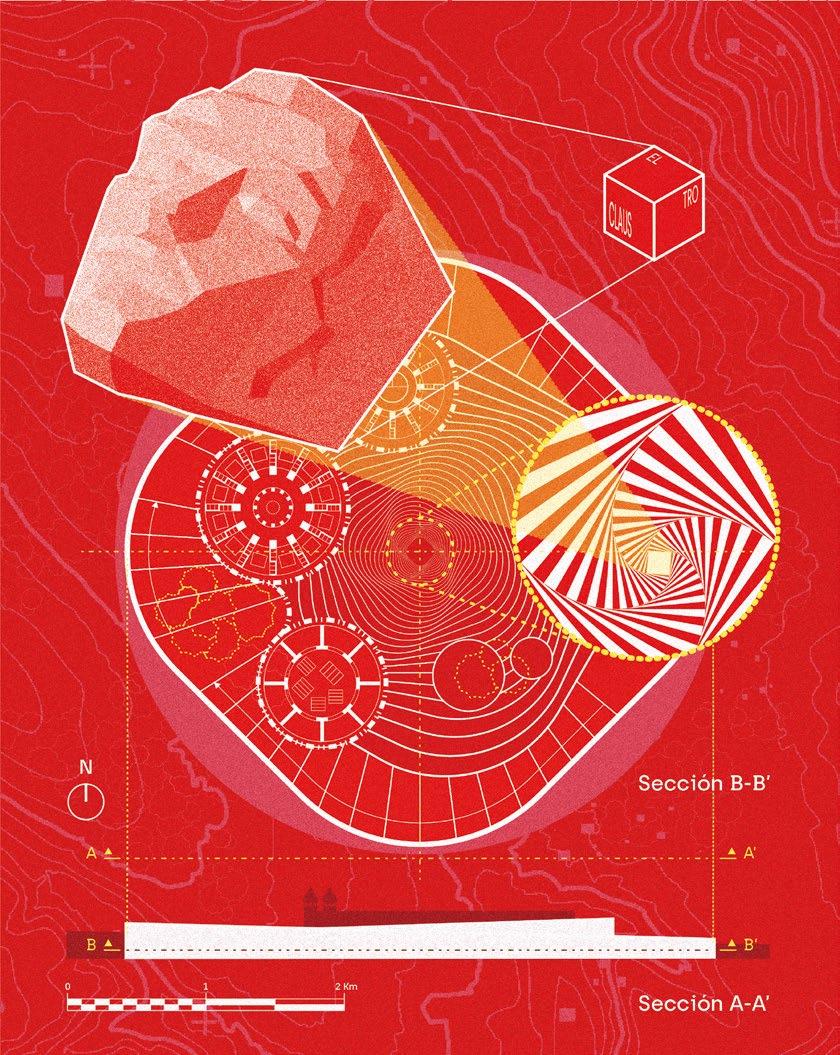
en un viaje eterno por las galerías. Para 1950, la ciudad era un estruendo insoportable de sonidos de todos los tiempos, de voces de juglares, de antiguas promesas amorosas en la Sierra de Guadarrama. Argote vivía en el centro de un huracán de ruidos fantasmales.
Fue entonces cuando decidió aplicar el último teorema de su arquitectura.
Comprendió que para alcanzar la paz, la ciudad no debía ser habitada por un hombre, sino que el hombre debía convertirse en la ciudad. Los que lo vieron por última vez dicen que su cuerpo parecía haber perdido solidez, volviéndose translúcido como el alabastro de las catedrales.
Dejó de comer y de dormir, dedicado únicamente a la tarea de recordar, con una precisión atroz, cada sillar, cada grieta y cada sombra de su creación.
Aquí la historia se bifurca. La versión de los aldeanos dice que una noche, la mole de granito simplemente desapareció, dejando en su lugar un círculo de tierra quemada donde nunca más creció el espliego. La versión de los místicos es más sutil; dicen que Argote logró tal grado de concentración que su mente absorbió la materia.
Años más tarde, en Madrid, un joven estudiante de arquitectura encontró un plano de El Claustro en una librería de viejo de la Cuesta de Moyano. Al desplegarlo, sintió un vértigo ontológico. Los pasillos, las bóvedas y los espejos estaban dibujados con obscena minuciosidad. El estudiante pasó la noche estudiando el mapa en su buhardilla de la calle del Pez, fascinado por la lógica implacable de los círculos.
Hacia el amanecer, creyó notar una irregularidad en el centro del plano. Había un punto infinitesimal, una mancha de tinta que no parecía pertenecer al diseño original. Buscó una lupa de gran aumento. Lo que vio lo dejó paralizado.
Era una letra, escrita con una caligrafía minúscula. Luego vio otra, y otra. El plano entero estaba hecho de palabras. Miles de millones de palabras entrelazadas que formaban la imagen de las paredes y las columnas.
El joven comenzó a leer. El plano no describía una ciudad; era una biografía. En los muros del ala norte se relataba la infancia de Argote en Sevilla; en las cúpulas del este, sus amores fallidos en Granada; en los sótanos, sus miedos más vergonzosos ocultos en Toledo. La ciudad era el hombre, transformada en lenguaje.
Pero el horror estaba en lo siguiente. Al mover la lupa hacia el área que representaba la habitación central, el joven leyó una frase que lo hizo soltar el papel como si quemara. La frase decía: “En este preciso instante, un joven de ojos cansados me observa a través de una lente de cristal en una calle de Madrid, sin saber que al leerme, me está construyendo de nuevo”.
El estudiante miró a su alrededor. El ruido de los tranvías y el bullicio de la Gran Vía se transformaron, de repente, en estruendo. Comprendió que no había salida. No había librería, ni plano, ni Madrid.
Él era el ladrillo que le faltaba a Argote para terminar su obra.
Al cerrar los ojos, el joven escuchó, por fin, el silencio.
Manuela Gómez C
Translation: Ben Clark
I owe the news of this vertigo to a dusty bundle of papers discovered in the basements of the Library of the University of Salamanca and to a wine-soaked conversation with a sacristan in the Jewish quarter of Toledo. The subject is architecture, or rather, that form of theology men call urbanism.
The story concerns a certain Alonso de Argote, a man of infinite patience and of an erudition his detractors —always more numerous than his friends— described as “as useless as a lantern at noon.” Argote sought the Universal Order. In 1924, after inheriting a fortune from an uncle who died of loneliness in a Galician manor house, he withdrew to an estate on the edge of the wastelands of Soria, where the horizon is a thin line whose only purpose is to confirm the absence of consolation.
There, Argote undertook a task that would have wearied the builders of Babel: to construct a city that would be, simultaneously, a single building and an entire universe. He called it The Cloister.
In his letters to a mystic of Montserrat, Argote explained that traditional architecture suffers from one glaring error: separation. A door divides “here” from “there”; a window fragments the sky. He, by contrast, designed a structure in which divisions did not exist. Every corridor curved upon itself so that, after leagues of walking, the traveller returned to the point of departure, though on a different level, as if space itself were a snail shell.
The laborers, recruited among shepherds from Las Hurdes who knew nothing of the language of civilization, worked for twenty years. They did nothing but obey the plans Argote drew each night. It was said that the city grew inward, folding endlessly upon itself.
Toward 1946, a lost traveller —a Prussian surveyor named Von Merian— caught sight of the structure. He described a mass of granite that cast no shadow, its angles calculated to annul the light of the Spanish sun. Von Merian entered through a breach that resembled an open wound and never returned. His notes, discovered years later in an inn at Medinaceli, speak of staircases leading into ceilings and of libraries whose shelves hung with mirrors reflecting other mirrors, creating the illusion of an infinite existence which, examined closely, proved to be an absolute void, a nothingness multiplied by quicksilver.
Meanwhile, Argote had moved into the heart of his creation. He occupied a cell at the exact center of the labyrinth. He maintained that space was nothing more than a property of thought. Yet a problem emerged that geometry had failed to foresee. Sound.



Within The Cloister, any sound, however faint —the brushing of a cloak, the beating of a heart— never died away. The circular architecture trapped sound waves and amplified them in an eternal journey through the galleries. By 1950, the city had become an unbearable roar of sounds from every age: the voices of minstrels, forgotten vows of love whispered in the Sierra de Guadarrama. Argote lived at the center of a hurricane of ghostly noise.
It was then that he resolved to apply the final theorem of his architecture.
He understood that, in order to attain peace, the city must not be inhabited by a man; rather, the man himself must become the city. Those who saw him for the last time claimed that his body had begun to lose solidity, turning translucent like the alabaster of cathedrals. He ceased eating and sleeping, devoting himself solely to the task of remembering, with atrocious precision, every ashlar, every crack, every shadow of his creation.
Here the story divides.
The villagers’ version claims that one night the granite mass simply vanished, leaving behind a circle of scorched earth where lavender never grew again. The mystics’ version is subtler: they say Argote achieved such a degree of concentration that his mind absorbed matter itself.
Years later, in Madrid, a young architecture student found a plan of The Cloister in a secondhand bookshop on the Cuesta de Moyano. As he unfolded it, he felt an ontological vertigo. The corridors, vaults, and mirrors had been drawn with obscene meticulousness. The student spent the night studying the map in his attic room on Calle del Pez, fascinated by the implacable logic of its circles.
Toward dawn, he thought he noticed an irregularity at the center of the plan. There was an infinitesimal point, a blot of ink that did not seem to belong to the original design. He searched for a powerful magnifying glass. What he saw left him paralyzed.
It was a letter, written in microscopic script. Then another, and another. The entire plan was composed of words. Billions of intertwined words forming the image of walls and columns.
The young man began to read.
The plan did not describe a city; it was a biography. In the walls of the northern wing was recounted Argote’s childhood in Seville; in the eastern domes, his failed loves in Granada; in the basements, his most shameful fears concealed in Toledo. The city was the man, transformed into language.
But the horror lay elsewhere.
As he moved the magnifying glass toward the area representing the central chamber, the student read a sentence that made him drop the paper as though it burned.
It read:
“At this precise instant, a young man with tired eyes is observing me through a crystal lens in a street in Madrid, unaware that by reading me, he is constructing me anew.”
The student looked around him. The noise of the trams and the tumult of the Gran Vía suddenly became a deafening roar. He understood there was no escape. There was no bookshop, no plan, no Madrid.
He was the final brick Argote required to complete his work.
When he closed his eyes, the young man heard, at last, the silence.

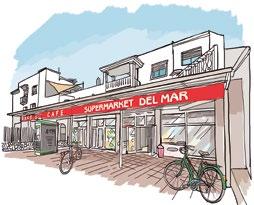
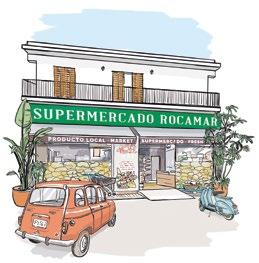
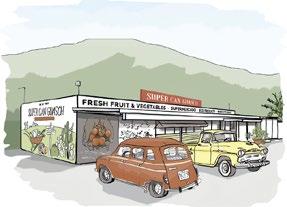
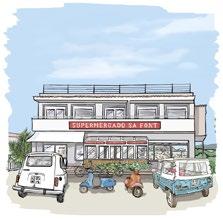
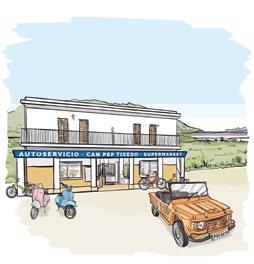
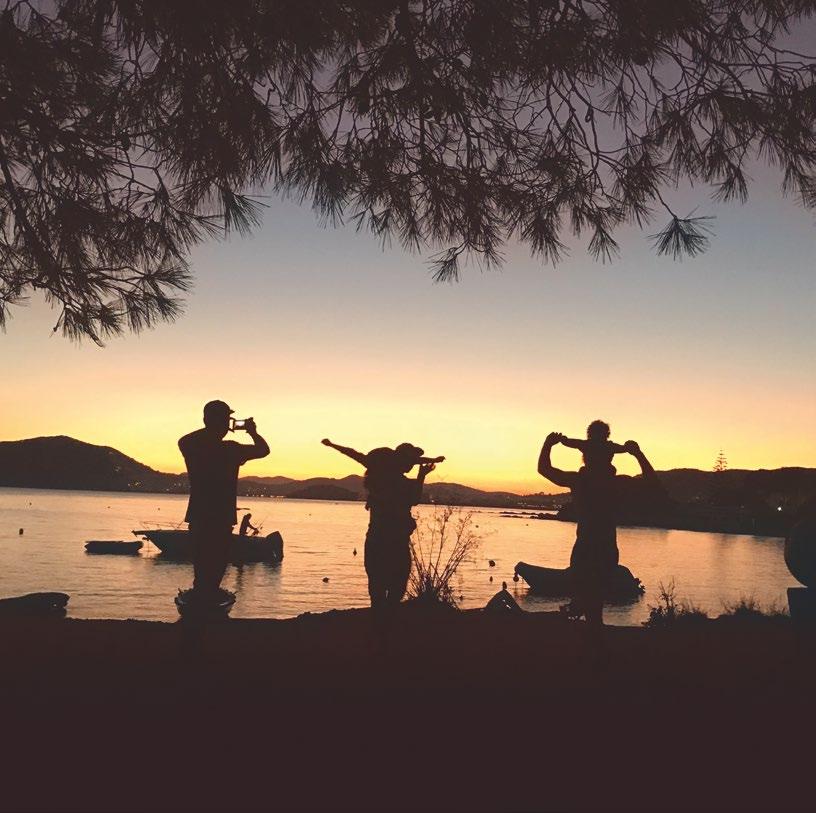

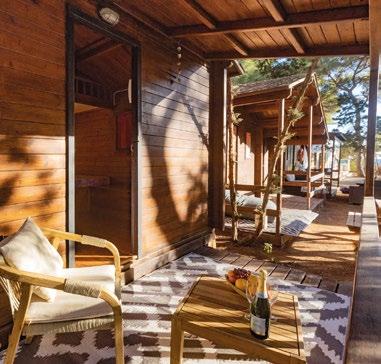
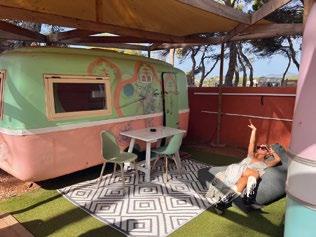
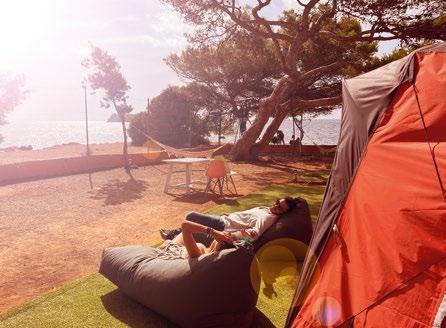

Hay islas que son geografía, y hay islas que son destino. Ibiza pertenece a la segunda categoría desde hace siglos, aunque las razones para llegar —y quedarse— han cambiado con el tiempo. En estas páginas, la isla se cuenta a través de capas: la memoria visual de un fotógrafo alemán que retrató en los años 80 del siglo pasado una forma de vida en extinción, el largo viaje del baile desde las ‘ballades de pou’ hasta las cabinas de los DJ más celebrados del mundo, y las historias de quienes cruzaron fronteras para encontrar aquí algo que —tal vez— no sabían que buscaban. Raíces, ritmo, refugio. Porque Ibiza es, para muchos, un lugar al que se llega para quedarse.
Some islands are geography. Others are destiny. Ibiza has belonged to the second category for centuries, though the reasons people come — and stay — have changed with the time. In these pages, the island tells its story in layers: the visual memory of a German photographer who captured a vanishing way of life in the 1980s, the long journey of dance from the ballades de pou to the DJ booths of the world’s most celebrated clubs, and the stories of those who crossed borders to find something here they perhaps didn’t know they were looking for. Roots, rhythm, refuge. Because for many, Ibiza is a place you come to and never leave.
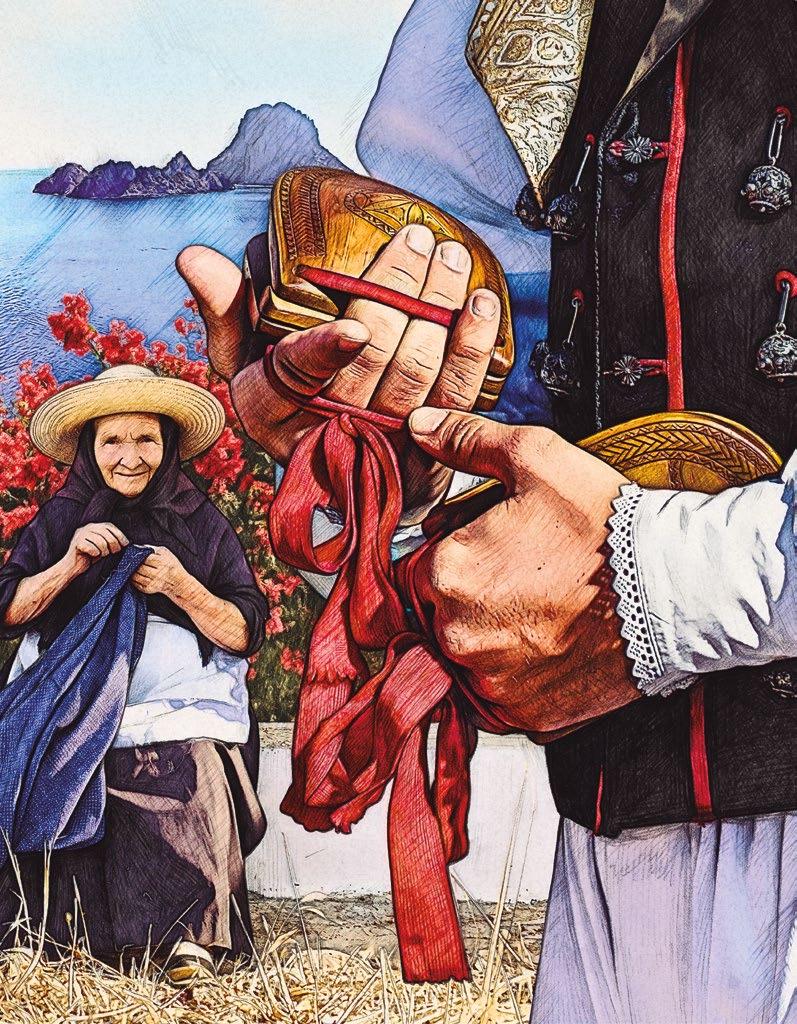
THE PHOTOGRAPHER WHO PRESERVED A VANISHING IBIZA
Wolfgang Löffler / Arxiu d’Imatge i So del Consell d’Eivissa T F
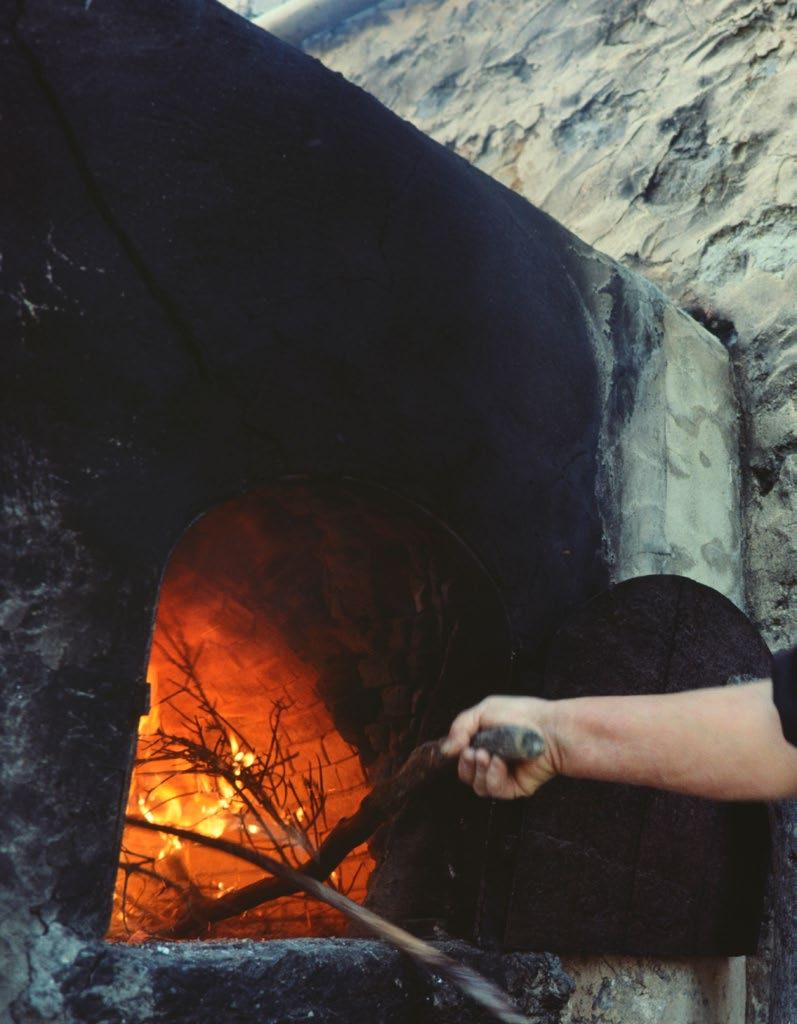
Wolfgang Löffler retrató la intimidad de casas donde todavía se horneaba el pan o se cocinaban muchas recetas en horno de leña. Arxiu d’Imatge i So del Consell d’Eivissa.
Wolfgang Löffler captured the intimacy of homes where bread was still baked and many dishes still cooked in wood-fired ovens.
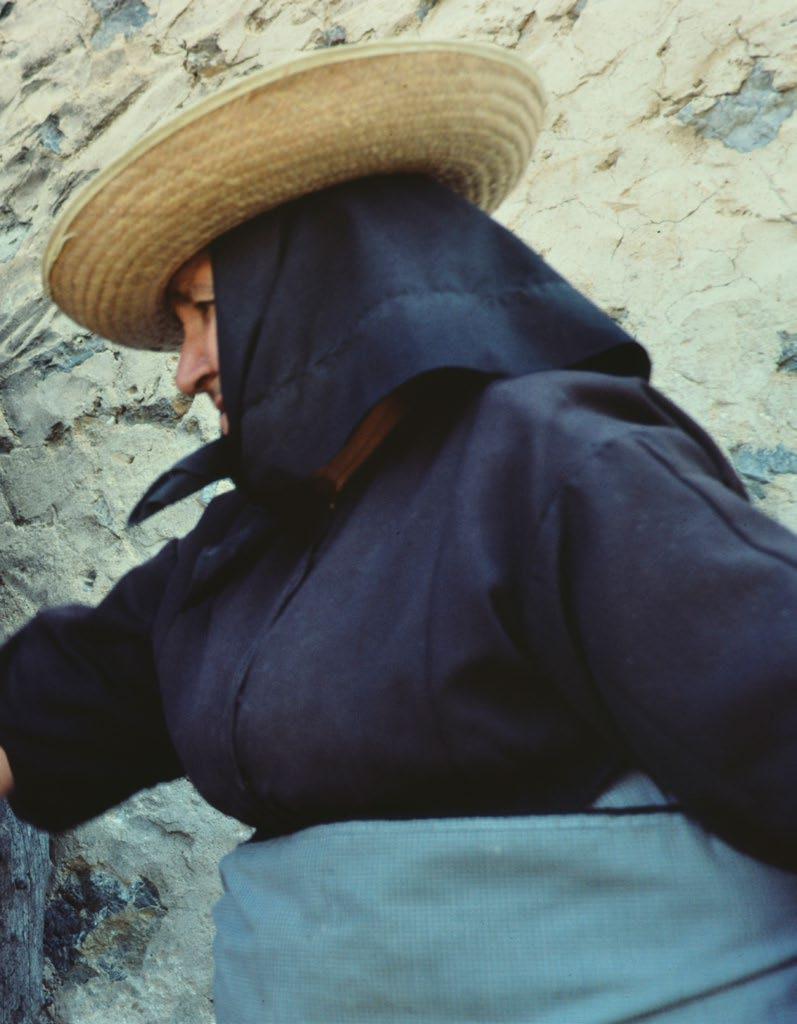
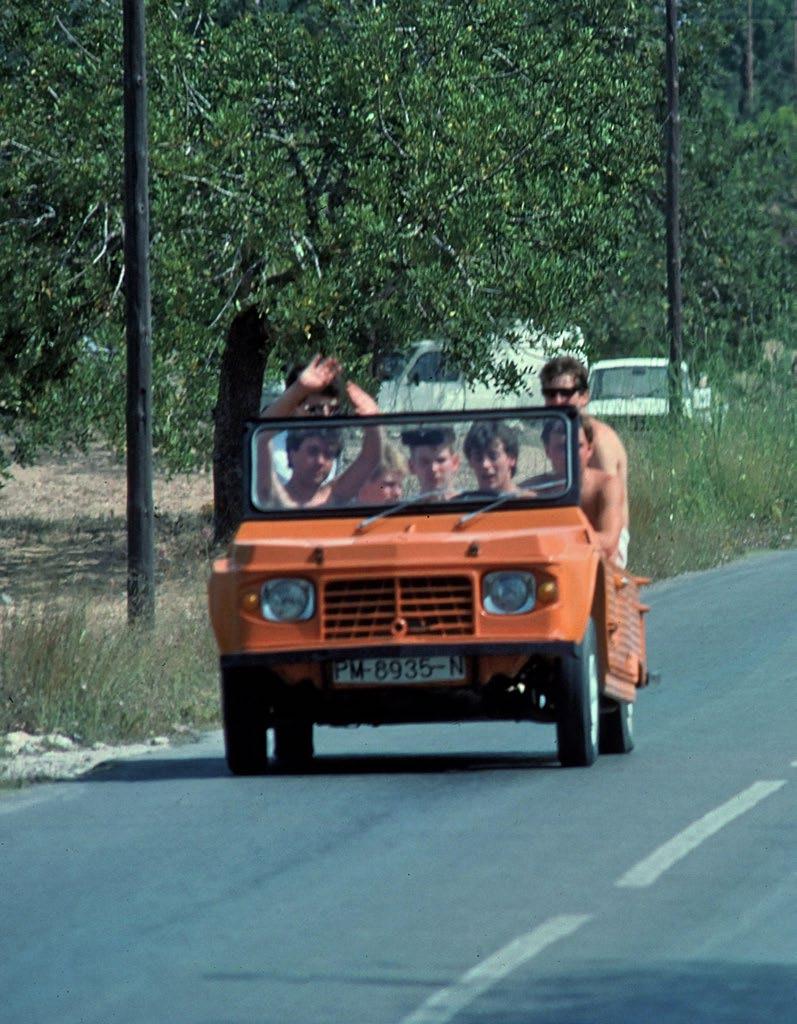
La cámara de Wolfgang Löffler ha captado la nieve salvaje de los fiordos noruegos, la bravura del Mar del Norte, los inmensos remolinos del Loira, la elegancia de unos cipreses recortados en el atardecer de una villa toscana. Durante décadas, este fotógrafo ha viajado por toda Europa. Muchas veces, por trabajo. En el inmenso archivo –analógico y digital– que almacena en su estudio siempre hubo unos negativos muy peculiares. Son el retrato –cuarenta años después– de una isla que –entonces– estaba desapareciendo: Ibiza.
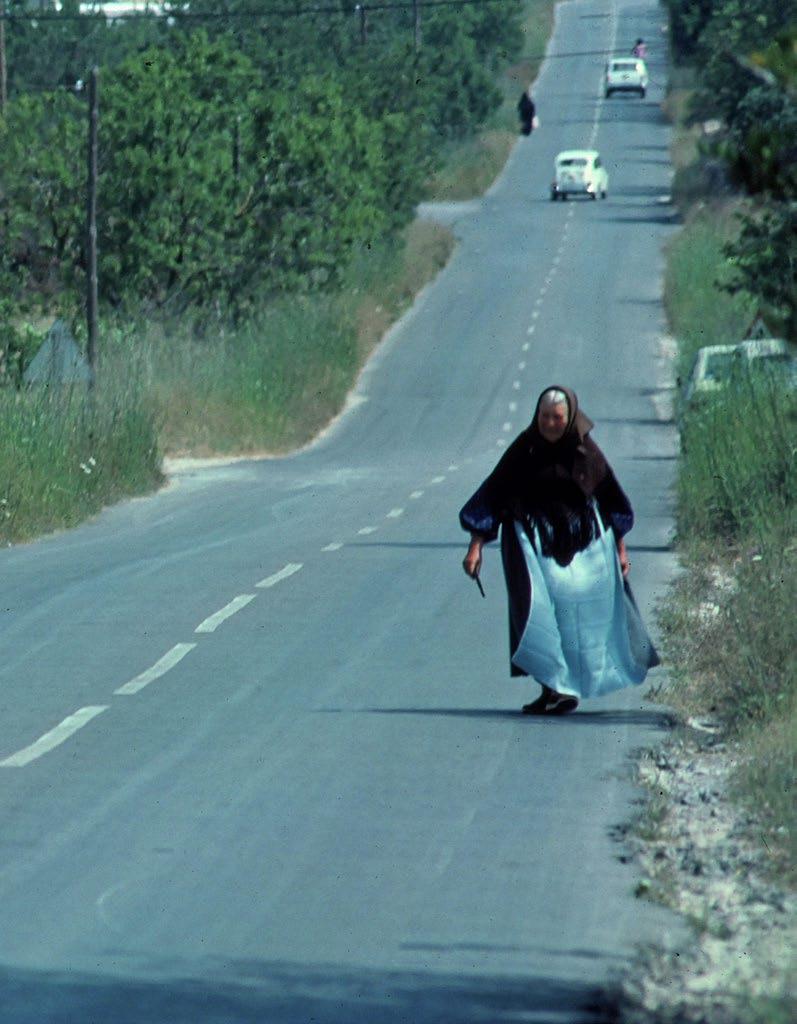
Wolfgang Löffler’s camera has captured the wild snows of the Norwegian fjords, the fury of the North Sea, the vast eddies of the Loire, the elegance of cypresses etched against the dusk by a Tuscan villa. For decades, this photographer has travelled all over Europe — often for work. Stored in his studio is an enormous archive — analogue and digital — that has always contained a rather particular set of negatives: a portrait, forty years on, of an island that was then disappearing: Ibiza. .
A mediados de los ochenta, en el campo ibicenco muchas faenas agrícolas se llevaban a cabo sin maquinaria. Wolfgang Löffler / Arxiu d’Imatge i So del Consell d’Eivissa.
In the mid-eighties, much of the farm work in the Ibizan countryside was still done using manual labour.
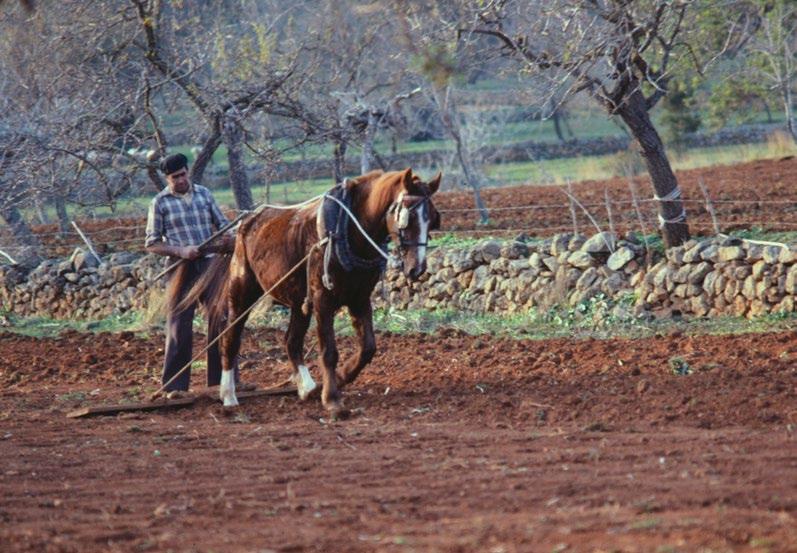
“Viajé a Ibiza primero como turista, en los años setenta, y después, como mi hermana Ingrid se quedó a vivir allí y nacieron mis sobrinas y mi sobrino, cogí la costumbre de ir casi cada año, casi siempre en invierno. Y empecé a hacer fotos, pero por placer”, cuenta Löffler desde Tubinga, la ciudad universitaria del suroeste de Alemania en la que tiene su estudio. Durante décadas, aquellas imágenes apenas las vio su familia, pero en los últimos meses están azuzando la memoria de muchos ibicencos. En 2025, el Consell Insular d’Eivissa adquirió el fondo de imágenes capturadas entre finales de los setenta y bien entrados los ochenta. Un pequeño tesoro.
Las fotografías muestran una isla anterior a la saturación, cuando el paisaje no representaba un simple un decorado. De la producción agrícola y ganadera surgía la belleza. Las casas eran todavía viviendas familiares; los campos, sustento. El tiempo se organizaba en torno a la siembra, la siega, el arado a caballo, la recogida de almendras, algarrobas, higos, olivas, la matanza, la pesca. A largo plazo.
NO REPRESENTABA UN SIMPLE UN DECORADO
“I first went to Ibiza as a tourist, in the seventies, and then, when my sister Ingrid settled there and my nieces and nephew were born, I fell into the habit of going practically every year, almost always in winter. And I started taking photographs, just for the pleasure of it,” says Löffler from Tübingen, the university town in south-west Germany where he has his studio. For decades, the images remained unseen outside his family, but in recent months they have been stirring the memories of many islanders. In 2025, the Consell Insular d’Eivissa acquired the collection of images captured between the late seventies and well into the eighties. No small treasure.
Una pareja se desplaza en carro por un camino asfaltado: si descontamos las fiestas populares, esta imagen se ha extinguido en la isla.
A couple travels by horse and cart along a paved road: except for local festivals, this sight has disappeared from the island.
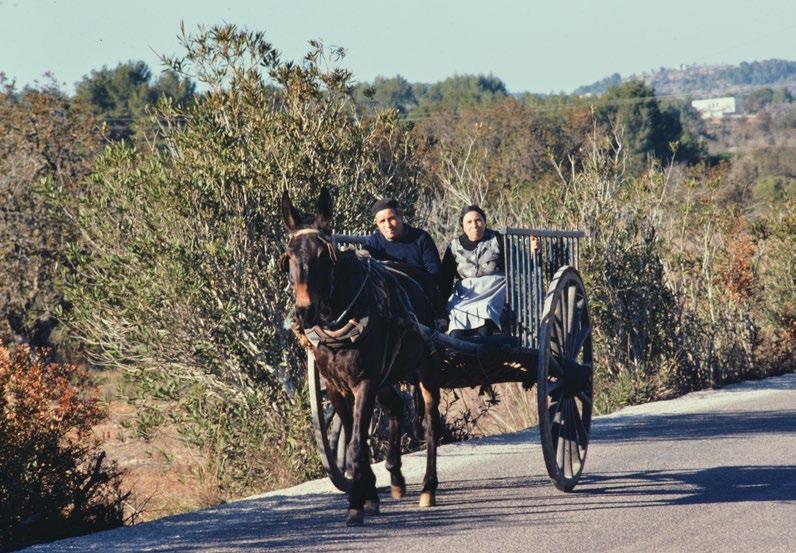
A corto, marcaban el ritmo de las jornadas otro tipo de tareas. El horneado del pan, la elaboración del queso fresco, el pastoreo de las ovejas. El traqueteo de los carros y de las mobylettes sobre caminos sin asfaltar. Sombreros de ala ancha, ropa negra, espardenyes. El palo que bebían los hombres apoyados en la barra de madera del bar, la trenza con la que se anudaban el cabello unas mujeres que todavía vestían de largo. Fiestas, vestidos de gonella, emprendades relucientes bajo los arcos encalados de una iglesia.
The photographs show an island before it was overrun, when the landscape was more than merely a backdrop. Beauty arose from agricultural and pastoral life. The houses were still family homes; the fields, a livelihood. Time was organised around sowing, harvesting, horse-drawn ploughing, the picking of almonds, carob beans, figs and olives, the pigkilling, the fishing. The rhythm of the seasons.
Other tasks set the rhythm of the day. Baking bread, making fresh cheese, shepherding the sheep. The rattle of carts and Mobylettes along unmade tracks. Wide-brimmed hats, black clothes, rope-soled espardenyes. The bitter palo the men drank, leaning against the wooden bar; the plaited hair of women who still wore long dresses. Festivals, the heavily pleated, woollen gonella skirts, the emprendades glittering on the women’s chests beneath the whitewashed arches of a church.
COMO SI FUERAN UN JUEGO DE ESPEJOS, LAS DOS ISLAS
–LA ARCAICA, LA MODERNA–SE REÚNEN EN LOS CARRETES A COLOR DE KODAK QUE LÖFFLER
REVELABA AL ACABAR SUS VACACIONES
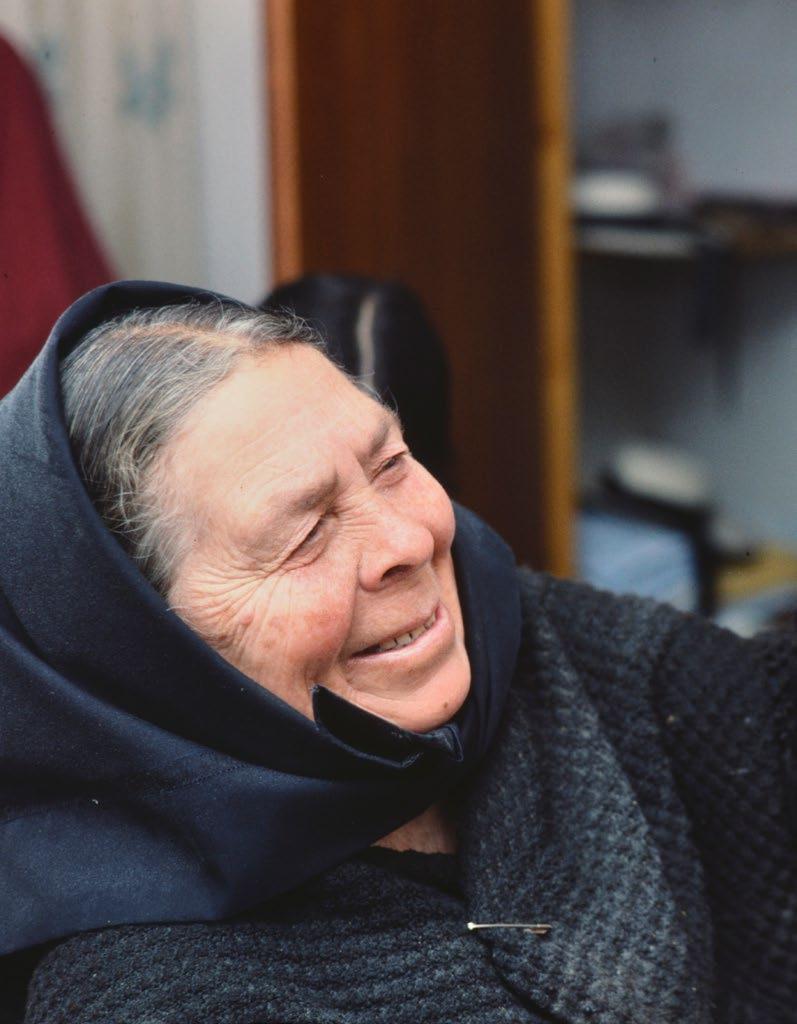
N’Esperança de Cas Mestre, vecina de Benimussa, arreglando a su nieta Catalina. Wolfgang Löffler / Arxiu d’Imatge i So del Consell d’Eivissa.
N’Esperança de Cas Mestre, a resident of Benimussa, dressing her granddaughter Catalina in her traditional finery.
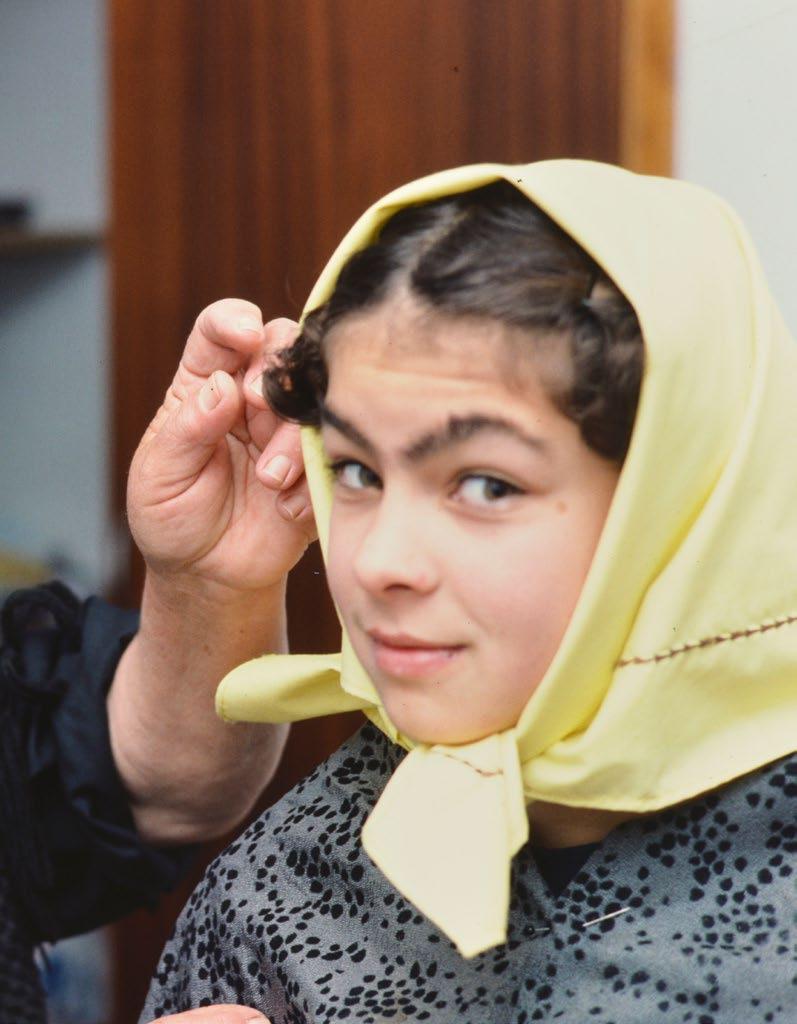
A local resident observes two tourists in a photograph taken in
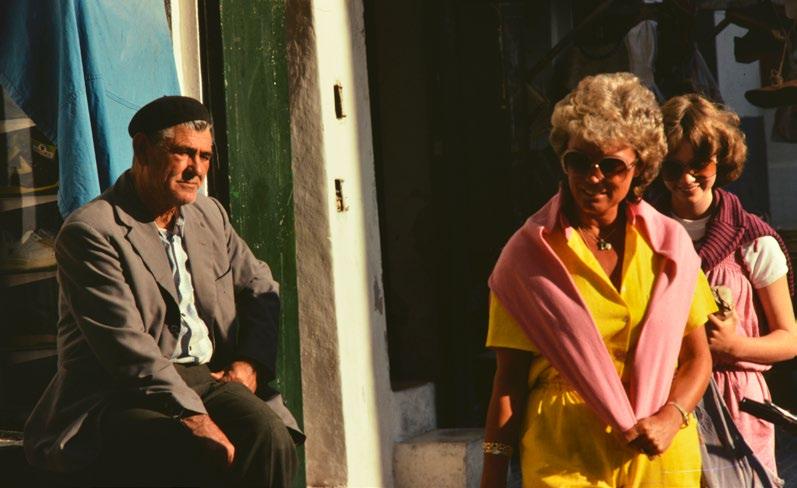
Desde la mirada de un hijo de la Europa industrial, aquella relación directa con la tierra y con el mar parecía atávica al coincidir con los años donde se hizo evidente que los forasteros y sus vacaciones iban a transformar una forma de vida que había durado tantos siglos. Como si fueran un juego de espejos, las dos islas –la arcaica, la moderna–se reúnen en los carretes a color de Kodak que Löffler revelaba al acabar sus vacaciones. Literalmente. En uno de los encuadres, una mujer camina por un arcén de una estrecha carretera y un Mehari avanza por el carril contrario. Löffler había conservado un momento que representaba el cambio de época.
“Yo quería captar los dos mundos a la vez y sabía que era muy difícil. Tenía que elegir muy bien dónde ir porque en una discoteca no iba a encontrarme mujeres vestidas de payesa. Algunas fotos tienen detrás horas y horas de espera. Pero no tenía nada de prisa y podía recrearme en este trabajo”, cuenta Löffler mezclando el alemán con palabras o frases enteras en castellano. “En mis primeras visitas a Ibiza”, prosigue, “mi nivel era más o menos parecido al que hablaban muchas de las personas a las que retrataba. Pero nos entendíamos. Eran muy simpáticas y les resultaba incluso cómico verse retratadas”.
“YO QUERÍA CAPTAR LOS DOS MUNDOS A LA VEZ Y SABÍA QUE ERA MUY DIFÍCIL. ALGUNAS FOTOS TIENEN DETRÁS HORAS Y HORAS
DE ESPERA. PERO NO TENÍA NADA DE PRISA Y PODÍA RECREARME EN ESTE TRABAJO”, CUENTA LÖFFLER
Seen through the eyes of a son of industrial Europe, that direct relationship with the land and the sea seemed atavistic, coinciding as it did with the years when it became clear that outsiders and their holidays were about to transform a way of life that had lasted for centuries. Like a hall of mirrors, the two islands — the archaic and the modern — meet in the rolls of Kodak colour film that Löffler had developed when his holidays were over. Literally. In one frame, a woman walks along the verge of a narrow road while a Citroën Mehari comes towards her on the other side. Löffler had caught a moment that stood for a change of era.
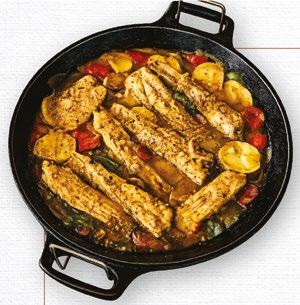

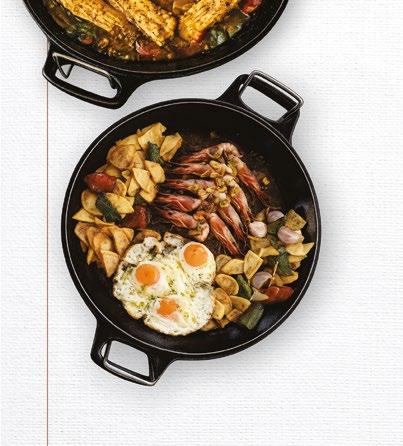


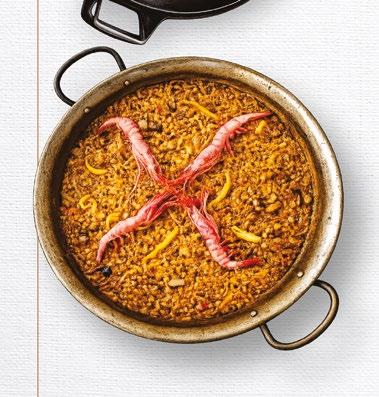





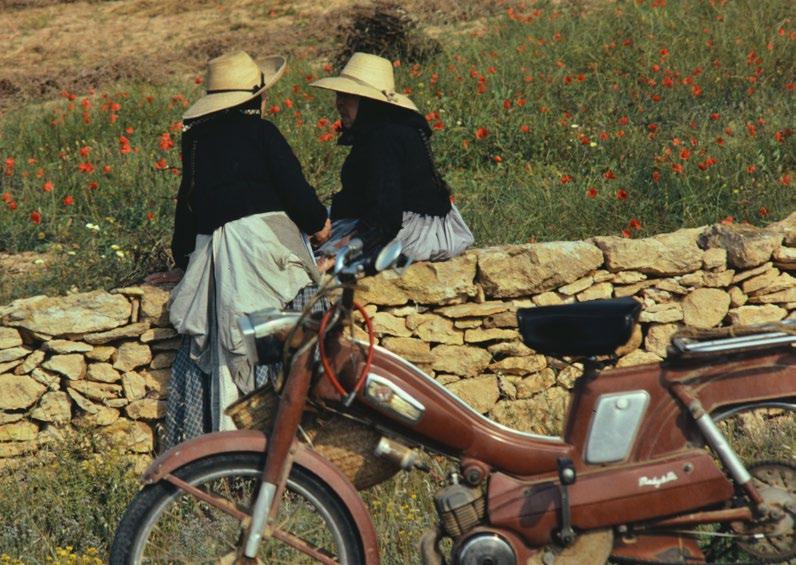
La Mobylette permitió a muchas personas –sobre todo, mujeres– desplazarse desde sus casas hasta los pequeños núcleos de las parroquias sin tener que caminar. Wolfgang Löffler / Arxiu d’Imatge i So del Consell d’Eivissa. The Mobylette moped enabled many people—particularly women—to travel from their homes to the small parish centres without having to walk.
LAS QUE SIGUIERON TRABAJANDO EN LAS FINCAS
En las fotos de Löffler hay mayoría clara de mujeres: ellas siguieron trabajando en las fincas mientras los maridos salían a buscar pesetas en la construcción o el turismo. Para conseguir que muchas no lo sintieran como un extraño en sus dominios fue clave una vecina de Benimussa. Maria de Can Benet vivía muy cerca de su hermana, era muy conocida en el valle y su don de gentes le abrió las puertas de muchas casas. Desde allí, el alemán fue alejándose para detener el tiempo en otros rincones de la isla. Aunque se deleitó en las callejuelas de sa Penya y Dalt Vila, la mayor parte de su producción se detuvo en Sant Josep de sa Talaia. Un municipio que en aquella época sólo tenía 8.000 habitantes: la cuarta parte que ahora. Y muchos menos turistas.
“I wanted to capture both worlds at once, and I knew it was very difficult. I had to choose where to go very carefully, because you weren’t going to find traditionally dressed payeses in a nightclub. I had to wait hours and hours for some photographs. But I was in no hurry and could take my time with this work,” says Löffler, mixing German with words or entire phrases in Spanish. “In my early visits to Ibiza,” he continues, “my level of Spanish was more or less similar to that of many of the people I was photographing. But we understood each other. They were very friendly and even found it amusing to be photographed.”
Women are clearly in the majority in Löffler’s photographs: they continued working on the farms while their husbands went off to earn pesetas in construction or tourism. Key to ensuring that many of them did not see him as a stranger in their world was a neighbour from Benimussa. Maria de Can Benet lived very close to his sister, was well known throughout the valley, and her gift with people opened the doors of many houses to him. From there, the German moved further afield, stopping time in other corners of the island. Although he delighted in the
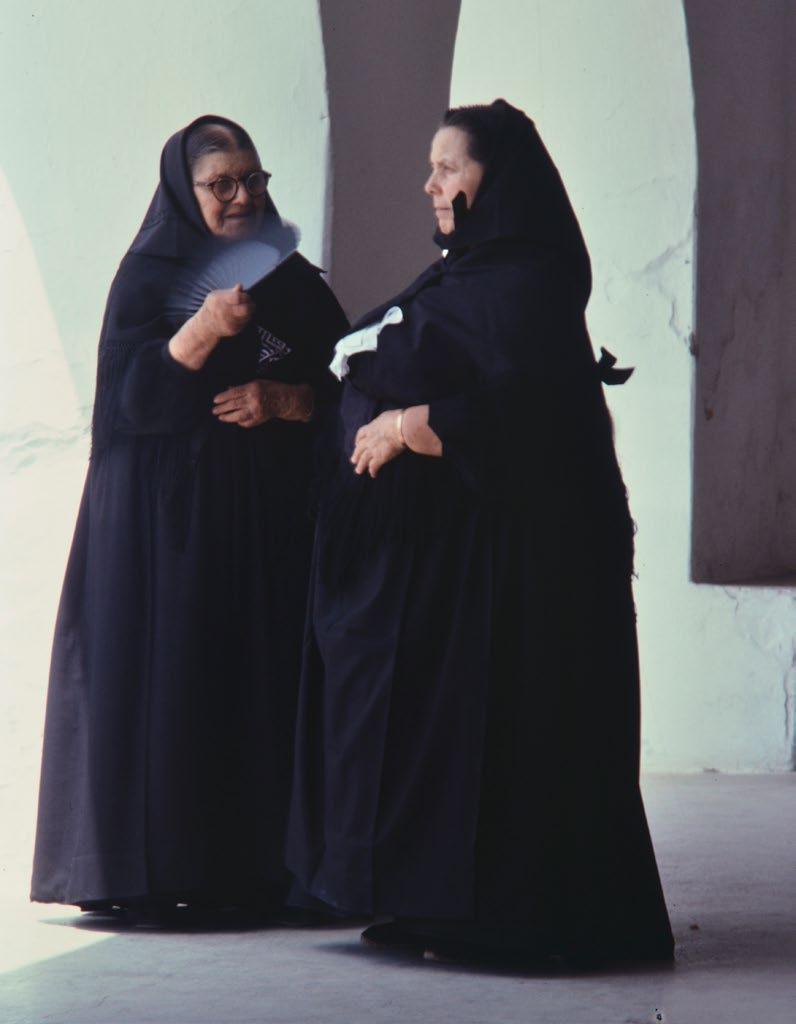
Maria Marí Ribas, de can Bartomeu Ribas, cuelga la colada frente a su casa. Wolfgang Löffler / Arxiu d’Imatge i So del Consell d’Eivissa.
Maria Marí Ribas, from Can Bartomeu Ribas, hanging out the washing in front of her house.
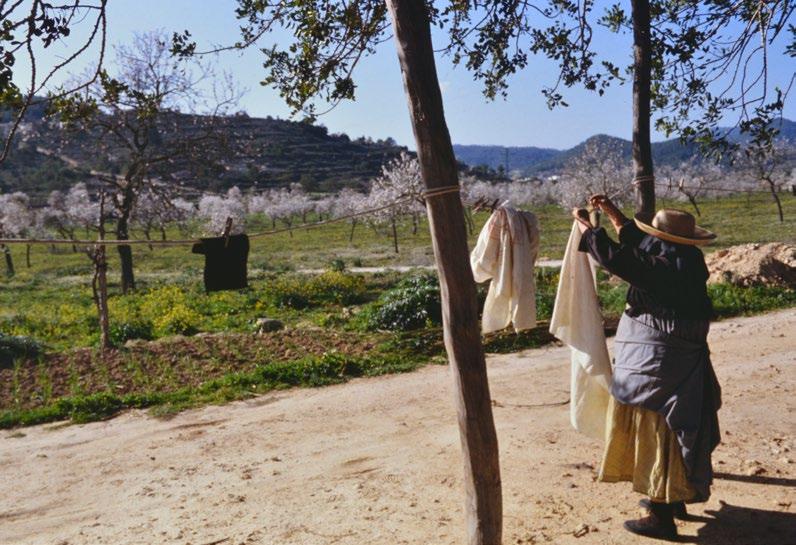
“IBIZA ES MUY DISTINTA A LA QUE YO RETRATÉ: NO IMAGINABA QUE
TANTO”
Dice el fotógrafo:
–Ahora, con el progreso, las carreteras son mucho más anchas, hay demasiados coches y, quizás, también demasiada gente y alojamientos turísticos, sobre todo en el campo. Ibiza es muy distinta a la que yo retraté y creo que, en aquel momento, aunque veía que todo estaba cambiando, no me imaginaba que los cambios iban a ser tan profundos. Me ha gustado mucho revisar el archivo, que se organicen exposiciones en la isla… Excepto un reportaje que vendí a una revista alemana y a una muestra que se organizó en Can Curt, Sant Agustí, las fotos no se habían mostrado en público. Me alegra que sea así. Son los recuerdos de días muy felices.
La página web de Wolfgang Löffler es https://wolfgangloeffler.de/
alleyways of sa Penya and Dalt Vila, most of his work centred on Sant Josep de sa Talaia — a municipality that at the time had only 8,000 inhabitants: a quarter of the current figure. And far fewer tourists.
The photographer says:
— Now, with progress, the roads are much wider; there are too many cars and, perhaps, too many people and too much tourist accommodation, especially in the countryside. Today’s Ibiza is very different from the one I photographed, and I think that at the time, even though I could see everything was changing, I never imagined the changes would be so profound. I’ve enjoyed going back through the archive very much, having exhibitions organised on the island… Except for one piece I sold to a German magazine and a show that was put on at Can Curt in Sant Agustí, the photographs had never been shown in public. I’m glad it’s happened. They are memories of very happy days.
Wolfgang Löffler’s website: https://wolfgang-loeffler.de/
Vicent Marí T F
Cristina Marí
Confluir es encontrarse, juntarse dos o más ríos, personas o cosas en un mismo lugar. La propia palabra, en el español, incluye dejarse llevar, fluir, así es, llegar a un destino en conjunción con el entorno, la compañía, el contexto. En ese dejarse llevar y perderse en la tormenta, Ibiza se abre paso como tierra firme. Al menos, eso sucedía décadas atrás, cuando los protagonistas de este reportaje encontraron en esta isla un refugio del mundo, o a veces una ventana a él, más allá de las imposiciones.
En las historias personales de Armin Heinemann, Anja Lund, Dean Gallagher, Hideki Aoyama y Marcus Heinrich Hermanns, encontramos una búsqueda involuntaria hacia el hogar en el que se convirtió Ibiza para todos ellos. Pero ¿qué surge en el interior cuando un destino te ofrece todo lo que tiene? ¿A qué se pertenece? ¿Hay una obligación moral de devolver la hospitalidad encontrada? Confluir es una conversación infinita sobre la identidad, la pertenencia, el origen y sobre todo, el camino.
Confluence means meeting —two or more rivers, people or things to come together in a single place. The Spanish word carries something more within it: the sense of letting yourself be carried, of flowing, yes, toward a destination in keeping with your surroundings, your companions, the moment. (Confluir contains fluir (to flow), making the carried along sense feel organic in the original.) In that flowing along, in losing yourself in the storm, Ibiza holds firm as solid ground. At least, that is what happened decades ago, when the people in this article found in the island a refuge from the world — or sometimes a window onto it — beyond all dictates.
In the personal histories of Armin Heinemann, Anja Lund, Dean Gallagher, Hideki Aoyama and Marcus Heinrich Hermanns, we find an instinctive search for the home that Ibiza became for each of them. But what stirs inside you when a place offers you everything it has? Where do you belong? Is there a moral obligation to return the hospitality you found? Confluence is an endless conversation about identity, belonging, origin — and above all, the journey.
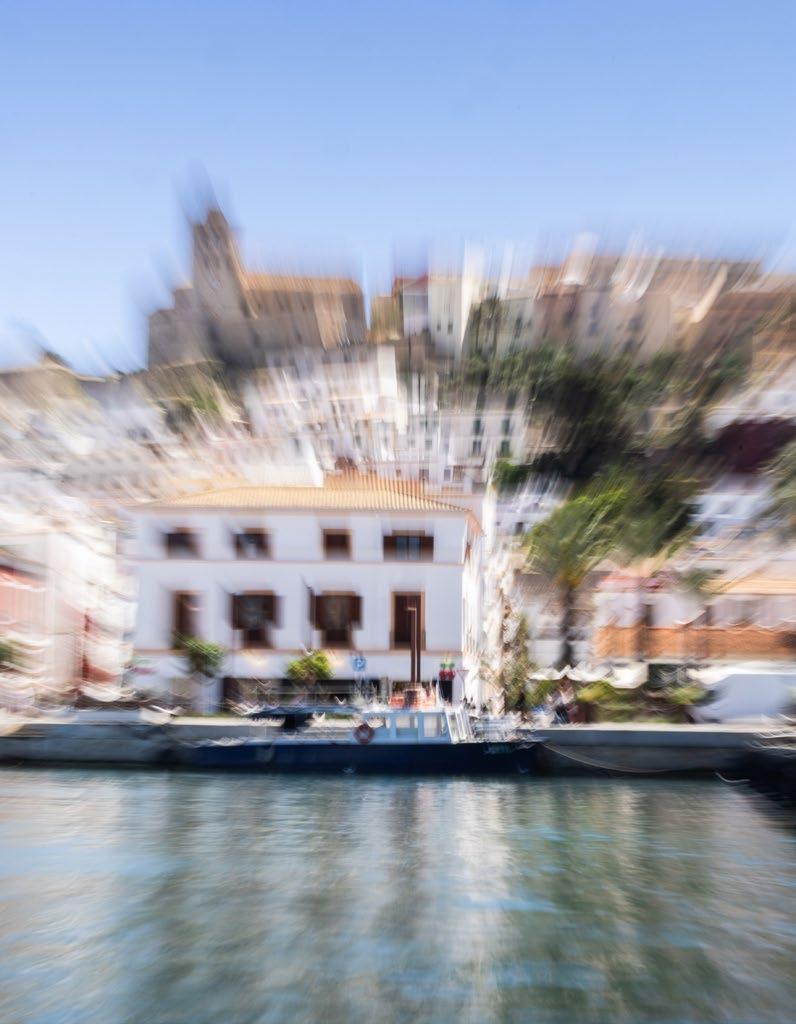
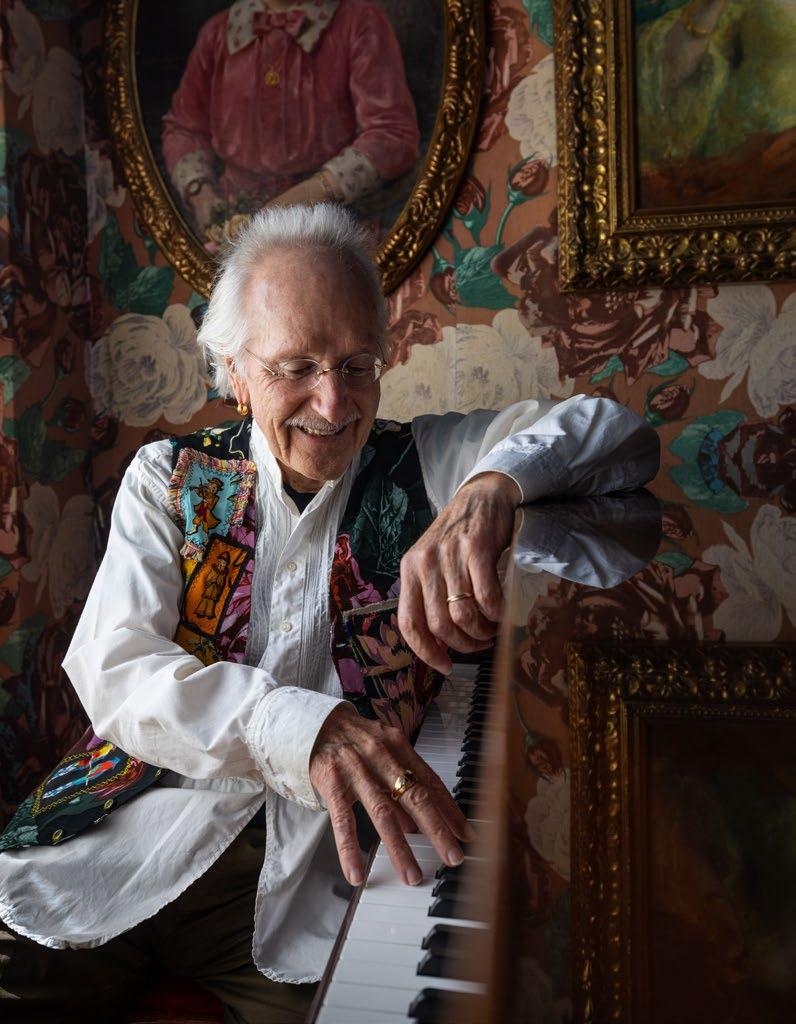
Armin Heinemann (Alemania, 1942) se funde con los árboles en el bosque de Ibiza cada mañana tras realizar ejercicios físicos y meditar recitando mantras en sánscrito. “Yo no pienso en un árbol cuando veo un árbol”, matiza, “me siento integrado en la naturaleza: me doy cuenta de que soy Dios, como el árbol es Dios – todo es Dios”.
Es esta misma naturaleza de Ibiza y sus gentes la que le recibió en 1972, tras abandonar su vida como arquitecto en una Alemania fría y otoñal, dejando atrás el maltrato al que le sometió la madre de sus hijos. Llegó a Ibiza con sus dos niños, de dos y tres años, para encontrar una libertad nueva. “Los ibicencos vivían contentos a pesar del hambre, a pesar de las ocupaciones y los problemas… para mí esa fue la primera contradicción”, dice Heinemann, al recordar la isla en la época final de la dictadura franquista en España. Era una Ibiza que ensalzaba la sencillez por encima de todas las cosas: “cuanto menos mejor”, resume Heinemann a sus 83 años, un camino a la plenitud que acogió como propio.
Heinemann es una de las mentes creadoras por excelencia de la historia contemporánea de Ibiza. Formó parte del movimiento hippie en sus inicios bajo la premisa de “procurar vivir honesta, independiente y libremente, con autonomía en el dinero y la vida”, pero después vino lo que define como “el placer organizado”, con lo que dejó de identificarse. Poco después de llegar a Ibiza con apenas 30 años se estableció en una casa en Santa Agnès, en la que continúa viviendo en la actualidad sin agua corriente ni electricidad.
Armin Heinemann (Germany, 1942) merges with the trees in the Ibizan forest each morning after his physical exercises and meditation, reciting mantras in Sanskrit. “I don’t think of a tree when I see a tree,” he adds. “I feel integrated into nature: I realise that I am God, as the tree is God — everything is God.”
ES UNA DE
POR EXCELENCIA DE LA
It was this same nature of Ibiza and its people that received him in 1972, after he left his life as an architect in a cold, autumnal Germany, escaping the abuse to which the mother of his children had subjected him. He arrived in Ibiza with his two children, aged two and three, in search of a new freedom. “The Ibizans lived happily in spite of hunger, in spite of occupation and hardship... for me, that was the first contradiction,” says Heinemann, recalling the island in the final years of the Franco dictatorship. It was an Ibiza that exalted simplicity above all else: “less is more,” Heinemann summarises at eighty-three — a path to fulfilment he made his own.
Heinemann es fundador de la firma de moda Paula’s Ibiza junto a su compañero de vida y de contrastes, Stuart Rudnick. Con Paula’s Ibiza mantiene desde 2016 una destacada colaboración de diseño con Loewe. Aunque uno de los proyectos más creativos de Heinemann es el Festival de Ópera, que celebró once exitosas ediciones desde 2006 a 2017. En 2025 añadió a la escena cultural de Ibiza Sueños, un espectáculo que fusiona el butoh y la danza con su universo creativo y que tendrá una segunda edición, Sueños 2, en 2026.
Heinemann is one of the defining creative minds of contemporary Ibiza. He was part of the hippie movement from its earliest days, under the premise of “trying to live honestly, independently and freely, with autonomy in money and in life” — but what came next was what he calls “organised pleasure,” with which he no longer identified. Shortly after arriving in Ibiza aged barely thirty, he settled in a house in Santa Agnès where he continues to live today, without running water or electricity.
“EN LA CREATIVIDAD, EN MI MANERA DE CREER, ACEPTO LO QUE ESTÁ
PASANDO
Y VEO LO
QUE SE PUEDE
HACER CON ESO, DEJO QUE LAS PERSONAS SEAN LIBRES”, EXPLICA. EL TRABAJO ES, PARA ÉL, LA BASE DE LO COMUNITARIO, DE LA CREACIÓN Y, EN ÚLTIMA INSTANCIA, DEL
AMOR
En el error al construir su propia casa, en un cambio improvisado de coreografía en un ensayo, contra toda planificación, hay lugar para algo bello. “En la creatividad, en mi manera de creer, acepto lo que está pasando y veo lo que se puede hacer con eso, dejo que las personas sean libres”, explica Heinemann. En esa manera de crear en conjunto se construye el sentirse parte, y también el sentirse parte de Ibiza. El trabajo es, para Heinemann, la base de lo comunitario, de la relación, de la creación y, en última instancia, del amor.
HEINEMANN IS THE CO-FOUNDER OF THE FASHION LABEL PAULA’S IBIZA. SINCE 2016, PAULA’S IBIZA HAS MAINTAINED A PROMINENT DESIGN COLLABORATION
WITH LOEWE
Heinemann is the co-founder of the fashion label Paula’s Ibiza, together with his companion in life and all its contrasts, Stuart Rudnick. Since 2016, Paula’s Ibiza has maintained a prominent design collaboration with Loewe. Among his most creative projects, however, is the Opera Festival, which ran for eleven successful editions from 2006 to 2017. In 2025 he added Sueños to Ibiza’s cultural landscape — a show fusing butoh and dance with his creative world — and a second edition, Sueños 2, is planned for 2026.
In a mistake made building his own house, in an improvised change of choreography at rehearsal, against all planning, there is room for something beautiful. “In creativity, in my way of believing, I accept what is happening and see what can be done with it — I let people be free,” Heinemann explains. It is in that way of creating together that a sense of belonging is built — belonging to each other, and to Ibiza. For Heinemann, work is the foundation of community, of relationship, of creation — and, in the end, of love.
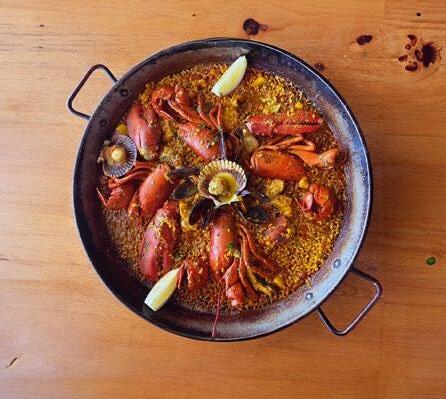
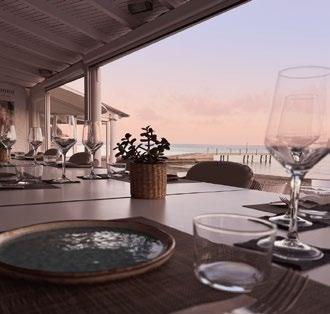
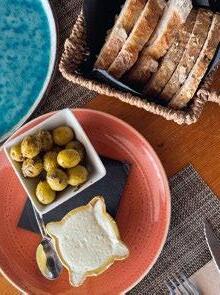
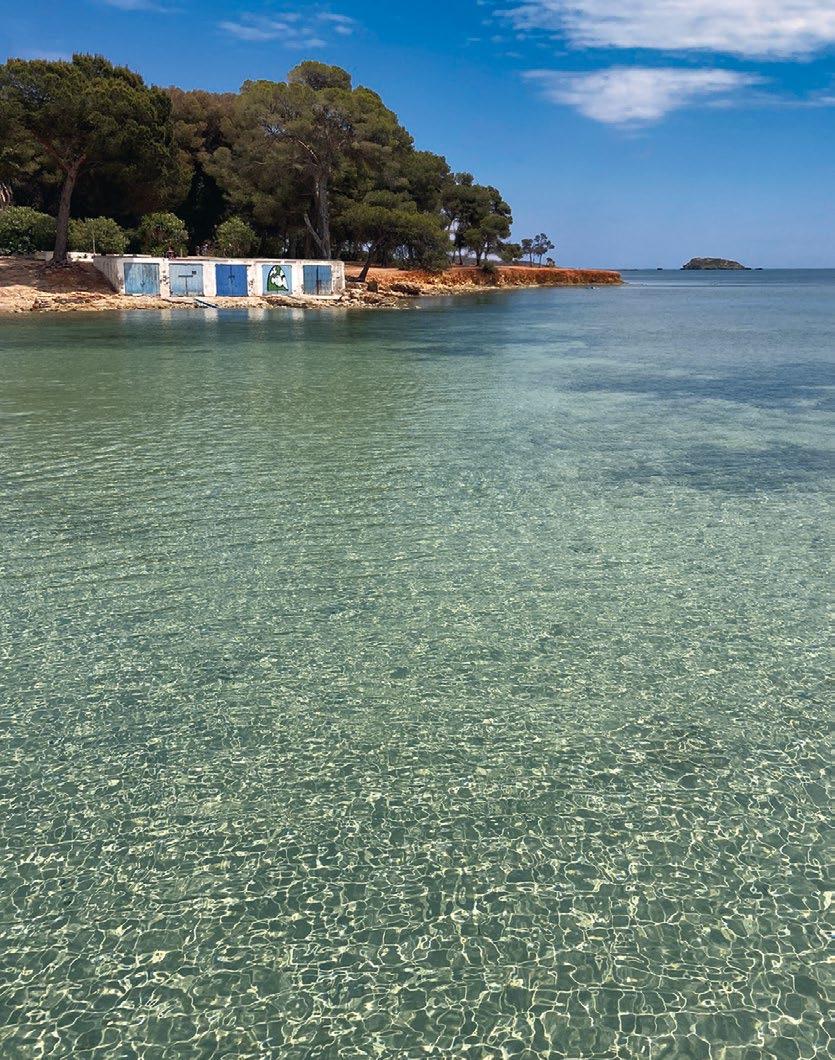
Cuando Dean Gallagher nació (Inglaterra, 1979) ya estaba destinado a moverse incesantemente. Su madre era inglesa y trabajaba como administrativa en el ejército británico, mientras que su padre era un soldado irlandés-australiano. A final de los años 70, cuando Gallagher apenas había abierto los ojos al mundo, sus padres decidieron alejarse de la gris realidad política y económica que azotaba a británicos e irlandeses, entre Margaret Thatcher y The Troubles, y establecieron su hogar en un pueblo llamado Warrnambool, en la costa de Victoria, al final de la Great Ocean Road, en Australia.
Gallagher aún ríe hoy al recordar que tenía que ponerse unos libros sobre la cabeza para evitar que las urracas, que defendían sus nidos de los transeúntes cercanos, le picaran el cogote de camino a la escuela. “Crecí en una casa en el campo al lado del mar”, dice Gallagher sentado a la sombra de los pinos en Ibiza. “Me despertaba a las 7 de la mañana y escuchaba todo tipo de pájaros”. También se cruzaba, en ese sendero, con el arcoíris natural de la bestialidad australiana: ualabíes, zarigüeyas, serpientes.
A los 13 años, la familia regresó a Inglaterra, y en 1998 Gallagher conoció Ibiza por primera vez, disfrutando de la música old school de lugares como Amnesia o Space. En 2002 abandonó un proceso de selección en la London Metropolitan Police para aprender español en Torremolinos, con acento andaluz. En 2007, Gallagher se instaló en Ibiza, donde sigue viviendo y cambiando de corbata cuando es necesario para vivir mil vidas distintas y una plena.
When Dean Gallagher was born (England, 1979), he was already destined to keep moving. His mother was English and worked as an administrator in the British army, while his father was an Irish-Australian soldier. In the late 1970s, when Gallagher had barely opened his eyes to the world, his parents decided to leave behind the grey political and economic reality bearing down on British and Irish alike — Margaret Thatcher and the Troubles — and made their home in a town called Warrnambool, on the coast of Victoria at the far end of the Great Ocean Road, in Australia.
LA SERPIENTE ES EL ANIMAL QUE HA HECHO QUE ESTE AUSTRALIANO
Gallagher still laughs at the memory of having to balance books on his head to stop the magpies — defending their nests from passing pedestrians — from pecking the back of his neck on the way to school. “I grew up in a house in the countryside beside the sea,” he says, sitting in the shade of the pine trees in Ibiza. “I’d wake at seven in the morning and hear every kind of bird.” Along that same path he would cross paths with the natural spectrum of Australian wildlife: wallabies, possums, snakes.
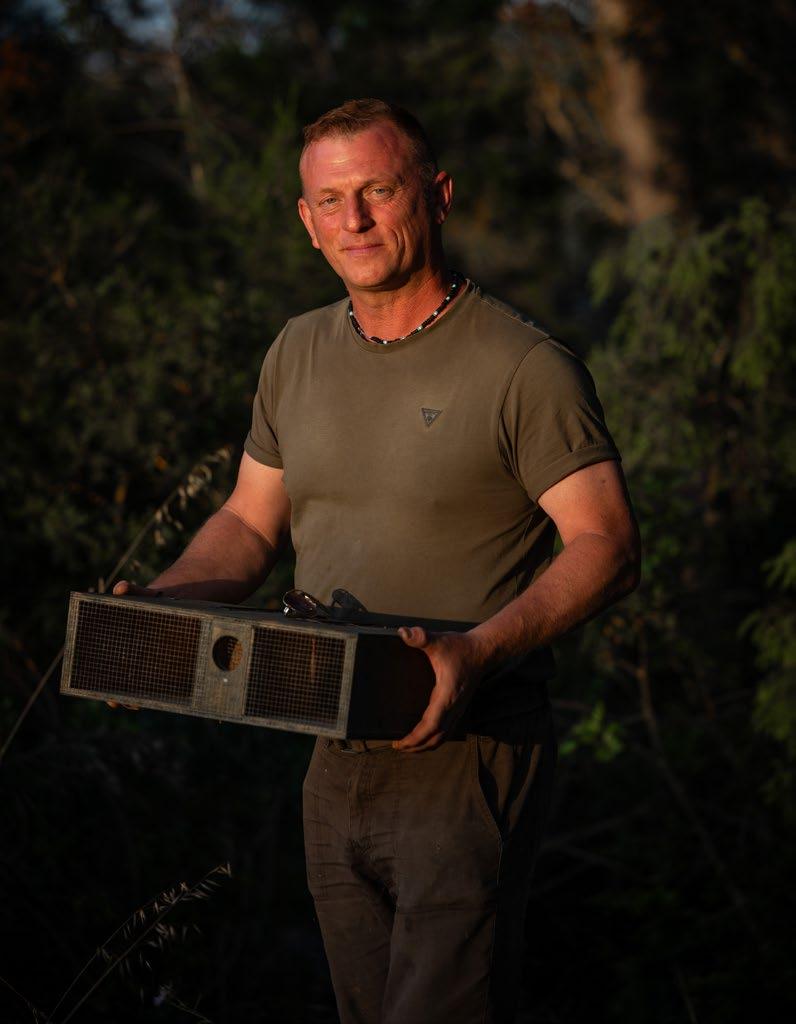
Precisamente, la serpiente es el animal que ha hecho que este australiano sea conocido en toda la isla, y preguntarle por ellas hace que su voz pase de la calma a la frustración. Desde el inicio de los 2000 Ibiza sufre una terrible invasión de ofidios y la consecuente extinción de la lagartija endémica, su principal alimento. “Las instituciones solo dan una opción: matar a las serpientes”, lamenta Gallagher, que lo ha intentado todo para encontrar alternativas. “He visto imágenes terribles de cómo gente con miedo mataba culebras con tijeras, azadas, con crueldad y escándalo, y decidí que si esta era la única opción legal debíamos evitar su sufrimiento”. En 2021 Gallagher, apodado cazaserpientes, fue reconocido por la asociación ecologista Amics de la Terra por su labor humana contra la plaga de este animal, al que aprecia y estima.
CAZA-SERPIENTES, FUE RECONOCIDO
POR LA ASOCIACIÓN ECOLOGISTA
AMICS DE LA TERRA POR SU LABOR
HUMANA CONTRA LA PLAGA DE ESTE
ANIMAL, AL QUE APRECIA Y ESTIMA
At thirteen, the family returned to England, and in 1998 Gallagher came to Ibiza for the first time, enjoying the oldschool music of places like Amnesia and Space. In 2002 he dropped out of a Metropolitan Police selection process to learn Spanish in Torremolinos — with an Andalusian accent. In 2007 he settled in Ibiza, where he lives still, changing his hats when he needs to in order to live a thousand different lives and one full one.
“THE IBIZAN CHARACTER CAN BE CONSERVATIVE, BUT IT’S ALSO VERY LIBERAL AND TOLERANT”
The snake, as it happens, is the creature that has made this Australian known across the whole island and his voice loses its calm the moment you mention them. Since the early 2000s Ibiza has been suffering a devastating invasion of snakes and the consequent extinction of the endemic lizard, their main prey. “The institutions offer only one option: kill the snakes,” laments Gallagher, who has tried everything to find alternatives. “ I’ve seen appalling images of frightened people cruelly hacking snakes to death with scissors and hoes — and I decided that if this was the only legal option, we had to at least spare them suffering.” In 2021, Gallagher — nicknamed the snake-catcher — was recognised by the conservation group Amics de la Terra for his humane work against the infestation of the creatures he has come to appreciate and respect.
“He hecho muchísimo esfuerzo a lo largo de muchos años para integrarme en Ibiza y por supervivencia”, dice el británico-australiano. “El carácter ibicenco puede ser conservador pero a la vez es muy liberal y tolerante. Además, para aguantar todo lo que tienen que aguantar tienen ese gran sentido del humor. Me siento ibicenco”.
“I’ve made an enormous effort over many years to integrate in Ibiza, and to survive,” says the British-Australian. “The Ibizan character can be conservative, but it’s also very liberal and tolerant. And to put up with everything they have to put up with, they have this great sense of humour. I feel Ibizan.”
Cuando Anja Lund (Noruega, 1945) llegó a Ibiza por primera vez con su madre, tenía siete años. Tras un verano luminoso en la casa de sus abuelos en el sur de Noruega, llegó a una isla lluviosa y embarrada en 1953. “Nunca había pasado tanto frío en mi vida, nos refugiábamos en los bares para entrar en calor”, recuerda ahora a sus 80 años.
Su madre Lili y ella habían dejado atrás a su padre, el fotógrafo y pintor Per Lund, y habían venido a Ibiza tras la recomendación de su amigo Paul René Gauguin, nieto del artista Paul Gauguin, que había vivido en Sant Vicent en los años 30. “Fue la salvación de su matrimonio y de mi madre”, recuerda ahora Lund. La sencillez y el clima cálido de Ibiza ayudaron a su madre a recuperar su amor por el dibujo, y su padre pronto se reunió con la familia para empezar una vida en la isla.
Lund fue a la escuela en Dalt Vila, donde pasó de la timidez de ser la niña extranjera, a aprender el idioma y jugar en las calles de sa Penya, entonces un vivo barrio de pescadores. Cuando su padre falleció en 1972, así como a su madre la salvó dibujar, a Anja la salvó escribir. “Me desahogaba, es un proceso difícil pero si es satisfactorio es como una joya”, dice.
When Anja Lund (Norway, 1945) first came to Ibiza with her mother, she was seven years old. After a bright summer at her grandparents’ house in the south of Norway, she arrived on a rainy, muddy island in 1953. “I had never been so cold in my life — we took shelter in the bars to warm up,” she recalls now at eighty.
Her mother Lili and she had left behind her father, the photographer and painter Per Lund, and come to Ibiza on the recommendation of their friend Paul René Gauguin, grandson of the artist Paul Gauguin, who had lived in Sant Vicent in the 1930s. “It was the saving of her marriage and of my mother,” Lund recalls. The simplicity and warmth of Ibiza helped her mother rediscover her love of drawing, and her father soon joined the family to begin a life on the island.
Lund went to school in Dalt Vila, where she moved from the shyness of being the foreign girl to learning the language and playing in the streets of Sa Penya, then a lively fishing quarter. When her father died in 1972, just as drawing had saved her mother, writing saved Anja. “It was an outlet — it’s a difficult process but when it works it’s like a jewel,” she says.
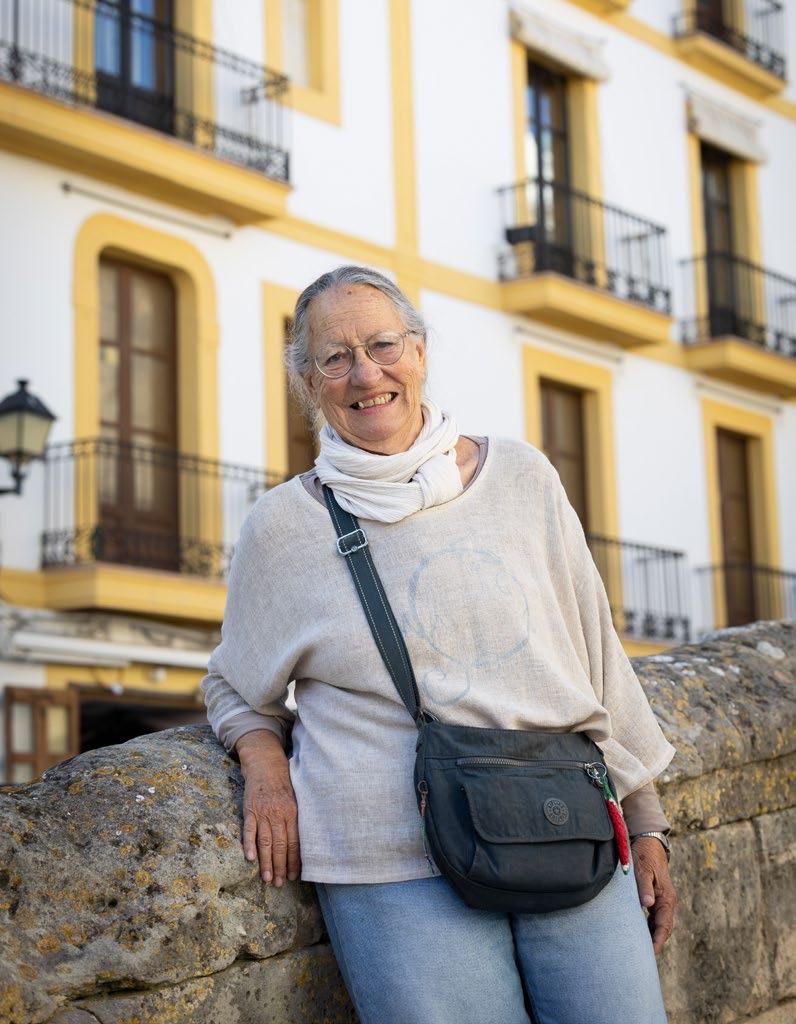
Tras mudarse a una casa en la zona del Rafal Trobat en 1976, en la que se iluminaba con quinqués y donde apenas le acompañaba el murmullo de los árboles, Lund se encontró con una vida austera que le otorgó la capacidad de meditar y acercarse a la vida de los ibicencos.
VENIDO A IBIZA TRAS
LA RECOMENDACIÓN DE SU AMIGO
PAUL RENÉ GAUGUIN, NIETO
DEL ARTISTA PAUL GAUGUIN
En esa austeridad también se topó con cierto orgullo, una conversación difícil de penetrar más allá del idioma, que habla sin dificultad. “Nunca ha habido una verdadera comunicación entre los ibicencos y los forasters y nunca he acabado de comprender por qué no se ha llegado a dar esa intimidad”, reflexiona Lund, tras toda una vida en Ibiza, interrumpida solo por sus misiones como médico con Médicos sin Fronteras a lugares como Somalia, y sus viajes a Burgos. Allí regenta una casa en mitad de su adorado camino de Santiago, que incluso convirtió durante un tiempo en templo de descanso para los peregrinos. “La gente que vivía aquí era muy sencilla, y nosotros llegamos con el peso del pasado. Lo bonito es que nunca ha habido enfrentamiento, lo bonito es la aceptación”.
Actualmente, Anja Lund dedica sus esfuerzos a difundir el legado artístico y documental de su padre, Per Lund, en Ibiza.
After moving in 1976 to a house in the Rafal Trobat area — lit by oil lamps, with little for company beyond the murmur of the trees — Lund found an austere life that gave her the stillness to meditate and draw close to the Ibizan way of living.
In that austerity she also encountered a certain pride, a conversation hard to enter beyond language — which she speaks without difficulty. “There has never been a true exchange between the Ibizans and the forasters (the nonnative islanders), and I have never quite understood why that intimacy never came about,” reflects Lund, after a lifetime on Ibiza broken only by her missions as a doctor with Médecins Sans Frontières — to places like Somalia — and her travels to Burgos. There she keeps a house in the middle of her beloved Camino de Santiago, which she even turned for a time into a resting place for pilgrims. “The people who lived here were very simple, and we arrived carrying the weight of the past. What is beautiful is that there has never been confrontation. What is beautiful is acceptance.”
“THERE HAS NEVER BEEN A TRUE
EXCHANGE BETWEEN THE IBIZANS AND THE FORASTERS (THE NONNATIVE ISLANDERS), AND I HAVE NEVER QUITE UNDERSTOOD WHY THAT INTIMACY NEVER CAME ABOUT”
Anja Lund currently dedicates her efforts to sharing the artistic and documentary legacy of her father, Per Lund, in Ibiza.

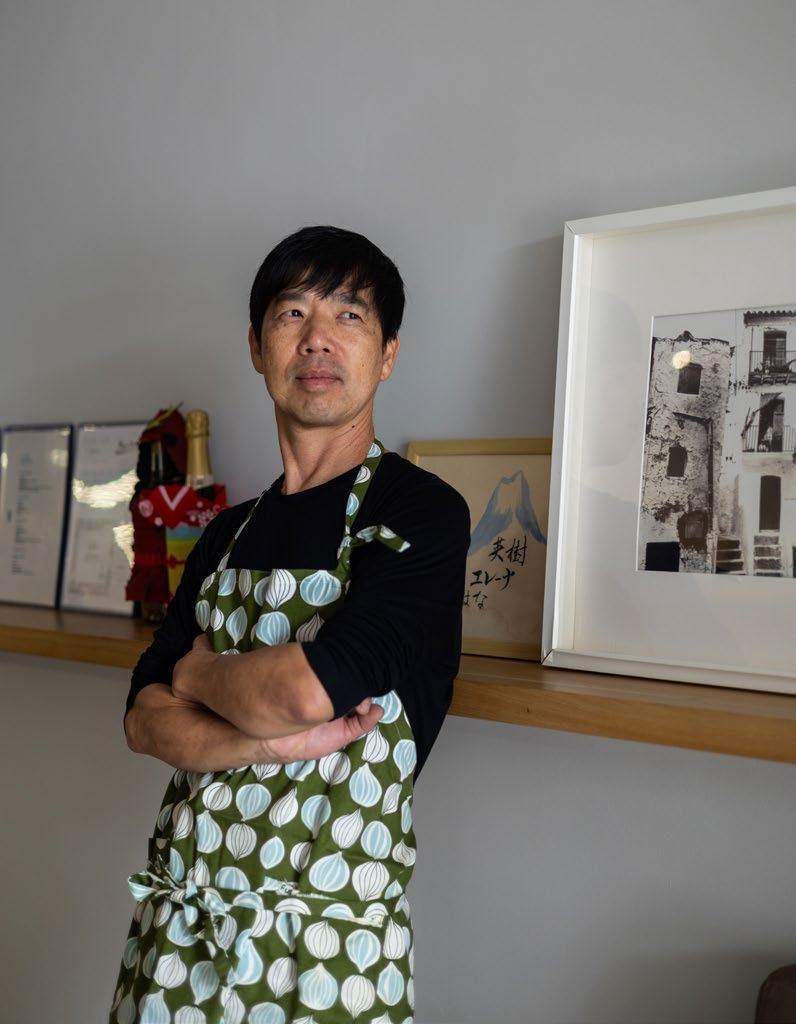
BETWEEN SACRIFICE AND PLEASURE
Hideki Aoyama (Japón, 1974) oyó hablar de Ibiza por primera vez en las montañas de Manali, en el extremo norte del valle de Kullu, en la India. Atraído por la naturaleza salvaje y el universo de música trance, encontró en este paraje un refugio que contrastaba con la rigidez de su hogar en Japón
La madre de Aoyama era maestra de escuela, mientras que su padre era ingeniero informático, aunque nunca se permitió un ordenador o un videojuego en casa. Creció en una ciudad dormitorio, con miles de viviendas, entre Osaka y Tokyo. A los 19 años, este chef japonés que ahora regenta su restaurante de sushi en pleno centro de la ciudad de Ibiza, voló del nido a menudo atraído por las escenas musicales de las ciudades que le acogieron: como en Manali, también encontró hogar en Austin Texas, en Estados Unidos, y finalmente en España, en 2003, hizo de Ibiza su casa. Aquí conoció a su esposa Elena, con quien tiene un hijo y una hija.
“Lo que me gustó mucho es que era una isla pequeña con tanta naturaleza y, a la vez, era tan cosmopolita”, dice Aoyama sentado al otro lado de la barra, donde es habitual verle preparar sushi. Mientras que en Japón se sentía alejado de la cultura de sacrificio incluso por el negocio ajeno, en España Aoyama empatiza con las ganas de vivir y el valor del disfrute vital más allá del trabajo.
Hideki Aoyama (Japan, 1974) first heard of Ibiza in the mountains of Manali, in the far north of the Kullu Valley in India. Drawn by wild nature and the world of trance music, he found in that place a refuge that stood in sharp contrast to the rigidity of his home in Japan.
EN JAPÓN SE SENTÍA ALEJADO DE LA CULTURA DE SACRIFICIO, EN ESPAÑA
AOYAMA EMPATIZA CON LAS GANAS DE VIVIR Y EL VALOR DEL DISFRUTE VITAL MÁS ALLÁ DEL TRABAJO
Aoyama’s mother was a schoolteacher and his father a computer engineer, though no computer or video game was ever permitted in the house. He grew up in a dormitory town of thousands of homes between Osaka and Tokyo. At nineteen, this Japanese chef — who now runs his sushi restaurant in the heart of Ibiza town — left the nest, drawn repeatedly by the music scenes of the cities that took him in: as in Manali, he found a home in Austin, Texas, and finally, in 2003, made Ibiza his home. Here he met his wife Elena, with whom he has a son and a daughter.
Tras muchas idas y venidas y tras ganar experiencia trabajando como cocinero en hoteles de cinco estrellas de la isla, Aoyama se puso al frente de su propio restaurante, Sushiya Aoyama, en 2012. Antes de abrir en la calle Arquebisbe Cardona Riera, se estableció primero en un local ubicado en sa Drassaneta, en un barrio de sa Penya ya desgastado, en el que se mezclaban en la misma calle turistas, peleas de gallos y algún vecino yonki que le preguntaba si tenía papeles.
Y DE HIDEKI, EL SUSHI NO ES UN LUJO, COMO EN EL PAÍS NIPÓN
GRAN PARTE DE IBIZA—, SINO UN BIEN ACCESIBLE DONDE TAMBIÉN HAY SIMPLICIDAD
En la filosofía de Sushiya Aoyama y de Hideki, el sushi no es un lujo, como en el país nipón –y en una gran parte de Ibiza—, sino un bien accesible donde también hay simplicidad.
Ahora, a los 52 años, Aoyama lamenta estar perdiendo el hábito de escribir kanji y no tener, aunque lo habla y se expresa con soltura, un español nítido. Siente, en una capa más profunda que cuesta expresar, lo que la poeta Ijeoma Umebinyuo llamó el blues de la diaspora: “Así que / aquí estás / demasiado extranjero para casa / demasiado extranjero para aquí / nunca suficiente para ambos”. El eterno blues del migrante que hace de todas las tierras algo más rico.
“What I loved was that it was a small island with so much nature, and at the same time so cosmopolitan,” says Aoyama, sitting on the other side of the counter where he is regularly seen preparing sushi. In Japan he had felt estranged from a culture of sacrifice — even in the service of someone else’s business — while in Spain he finds himself at ease with the desire to live, and with the value placed on enjoying life beyond work.
After many comings and goings, and after gaining experience working as a cook in five-star hotels on the island, Aoyama opened his own restaurant, Sushiya Aoyama, for the first time in 2012. Before taking premises on Calle Arquebisbe Cardona Riera, he first opened at Sa Drassaneta, in a well-worn corner of Sa Penya where tourists, cockfights and some local junkie asking if he had his papers, all shared the same street.
In the philosophy of Sushiya Aoyama — and of Hideki himself — sushi is not a luxury, as it is in Japan and across much of Ibiza, but something accessible, where simplicity too has its place.
IN SPAIN HE FINDS HIMSELF AT EASE WITH THE DESIRE TO LIVE, AND WITH THE VALUE PLACED
Now, at fifty-two, Aoyama laments losing the habit of writing kanji, and not having — though he speaks it fluently — a truly idiomatic Spanish. At a deeper level that is hard to put into words, he feels what the poet Ijeoma Umebinyuo called the diaspora blues: “So / here you are / too foreign for home / too foreign for here. / Never enough for both.” The eternal blues of the migrant who makes every land a little richer.
Marcus Heinrich Hermanns (Alemania, 1973) llegó a Ibiza en noviembre de 1979 con apenas seis años, acompañado de su padre, su hermana y su hermano mayor, y cuarenta cajas como equipaje. Tras un divorcio doloroso, la familia, sin su madre, se instaló en una casa en Ibiza para empezar una nueva vida. A Marcus le ayudó Doña Margarita, su maestra en una escuelita de Sant Agustí. Allí sus compañeros de entonces aún le recuerdan su llegada: “Apareció un señor alto con un niño rubio, pero rubio reluciente, y eso no lo habían visto en su vida”, ríe Hermanns.
De aquel tiempo recuerda la espectacular capacidad de Doña Margarita para dar clase simultáneamente a tres cursos de primaria en la misma aula. Ella le enseñó español.
La historia siempre ha ido ligada a su vida, de una manera u otra. Quizá por eso no sorprende que haya terminado siendo uno de los arqueólogos de referencia en Ibiza, reconocido, entre otros proyectos, por recuperar el legado cultural de las Minas de s’Argentera, en Sant Carles.
Marcus Heinrich Hermanns (Germany, 1973) arrived in Ibiza in November 1979, aged barely six, with his father, his sister and his older brother, and forty boxes as luggage. After a painful divorce, the family — without his mother — settled in a house in Ibiza to begin a new life. Marcus was helped by Doña Margarita, his teacher at a small school in Sant Agustí. His classmates from that time still remember his arrival: “A tall man appeared with a blond boy — brilliantly, dazzlingly blond — the like of which they had never seen,” laughs Hermanns.
From those days he remembers Doña Margarita’s extraordinary ability to teach three primary-school years simultaneously in the same classroom. She taught him Spanish.
History has always been woven into his life, one way or another. Perhaps that is why it comes as no surprise that he has become one of Ibiza’s leading archaeologists, recognised among other projects for recovering the cultural heritage of the Mines of S’Argentera in Sant Carles.
Su madre tuvo que huir de niña de las tierras de Prusia Oriental —lo que hoy es Kaliningrado— junto a su abuela, en plena Segunda Guerra Mundial. Esta guerra marcó la vida de sus abuelos, uno encarcelado en Rusia y otro desaparecido en los Balcanes. Dejando esa memoria familiar de lado, Hermanns comenzó a interesarse por la historia en Ibiza, gracias a las caminatas que hacía con su padre. En ellas atravesaban, por ejemplo, camins de missa hoy desaparecidos, bloqueados, o repletos de zarzales.
His mother had to flee as a child from the territories of East Prussia — present-day Kaliningrad — with her grandmother, in the middle of the Second World War. That war shaped the lives of his grandparents: one imprisoned in Russia, another lost in the Balkans. Setting that family memory to one side, Hermanns began to develop his interest in history in Ibiza through the walks he took with his father — along, for example, camins de missa (the old paths once used to reach Sunday Mass) now vanished, blocked, or overgrown with brambles.
MARCUS HEINRICH HERMANNS ES UNO DE LOS ARQUEÓLOGOS
DE REFERENCIA EN IBIZA, RECONOCIDO, ENTRE OTROS PROYECTOS, POR RECUPERAR
EL LEGADO CULTURAL DE LAS MINAS DE S’ARGENTERA, EN SANT CARLES
Although he had wanted to be a pilot and a teacher, he eventually trained as an archaeologist in Germany, where he is an associate professor at the Universities of Cologne and Bochum. He combines this work from Ibiza, where he has made his life since 2016 alongside his wife María.
Aunque quiso ser piloto y maestro, finalmente se formó como arqueólogo en Alemania, donde es profesor asociado de las universidades de Colonia y Bochum. Compagina esta labor desde Ibiza, donde ha establecido su vida desde 2016 junto a su esposa María.
Desde Ibiza quiere seguir contribuyendo como docente, investigador y divulgador. “Se han intentado borrar las huellas de las civilizaciones que han pasado por la isla pero aún están ahí”, dice Hermanns. “El patrimonio cultural va muy unido a la naturaleza, al entorno, crea la esencia y es un elemento identificativo finito: si lo destruyes no volverá a crecer, por lo que vale la pena transmitirlo”.
“ATTEMPTS HAVE BEEN MADE TO ERASE THE TRACES OF THE CIVILISATIONS THAT HAVE PASSED THROUGH THIS ISLAND, BUT THEY ARE STILL THERE”, SAYS HERMANNS
From Ibiza he aims to continue contributing as teacher, researcher and communicator. “Attempts have been made to erase the traces of the civilisations that have passed through this island, but they are still there,” says Hermanns. “Cultural heritage is deeply bound to nature, to the landscape — it creates the essence of a place and is a finite identifying element: if you destroy it, it will not grow back, which is why it is worth passing on.”
T F
Pilar López Zamorano
Archivo Cala Llonga Journal
Durante siglos, Cala Llonga fue refugio antes que destino. Un espacio discreto, protegido por su propia forma, donde el mar marcaba los tiempos y la tierra ofrecía sustento.
Cala, del latín callis, camino estrecho o paso. Llonga, del catalán llonga, larga.
El nombre ya encierra su geografía y su carácter.
Cala Llonga es un profundo entrante de mar que se adentra en la isla unos 700 metros, formando una lengua de agua turquesa rodeada de colinas. Su forma de herradura la convierte en un enclave difícil de identificar desde alta mar y único en las Pitiusas por su forma de ensenada.
Más allá de su belleza, fue durante siglos un puerto natural y refugio seguro. Su entrada estrecha y sus aguas serenas protegían a pescadores y vecinos de los temporales. Antes de ser destino, fue sustento; un lugar discreto, muy distinto a los puertos contemporáneos.
For centuries, Cala Llonga was a refuge before it was a destination. A discreet place, sheltered by its own shape, where the sea set the pace and the land gave sustenance.
Cala, from the Latin callis: a narrow path or passage. Llonga, from the Catalan llonga: long.
The name already contains its geography and its character.
Cala Llonga is a deep cove that reaches some 700 metres into the island, forming a tongue of turquoise water ringed by hills. Its horseshoe shape makes it hard to spot from open sea and unique among the Pitiusas for the depth of its cove.
Beyond its beauty, it served for centuries as a natural harbour and safe haven. Its narrow entrance and calm waters sheltered fishermen and villagers from storms. Before it was a destination, it gave shelter and sustenance. — a modest place, far removed from the ports of today.
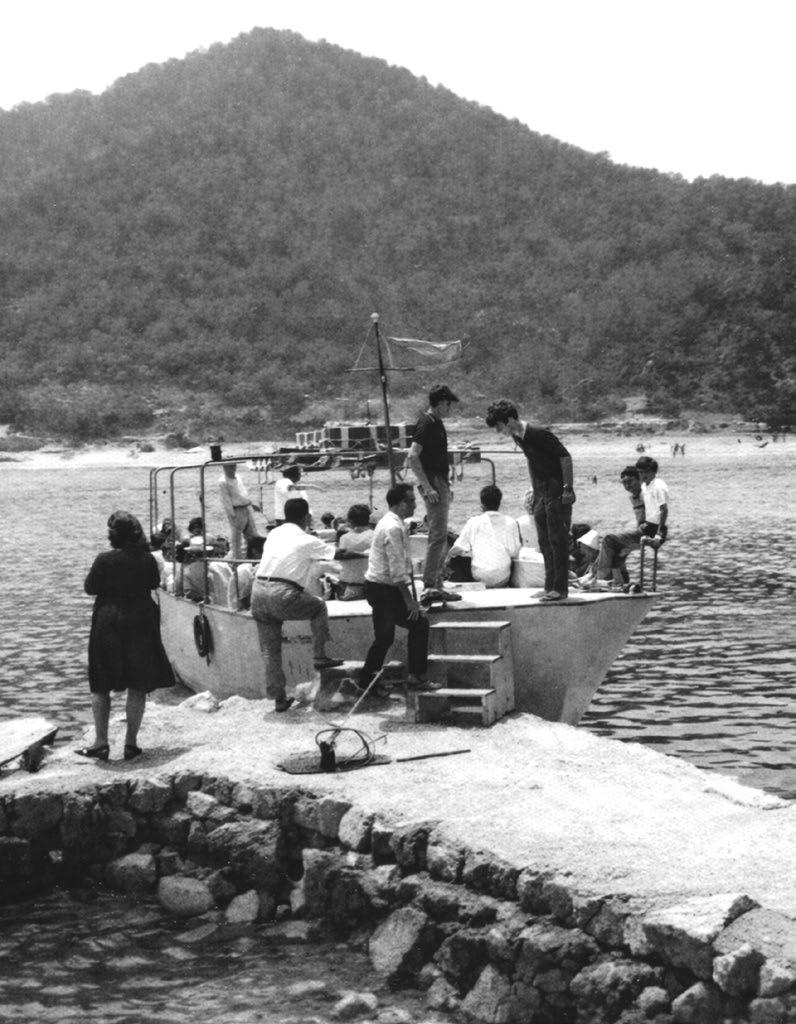
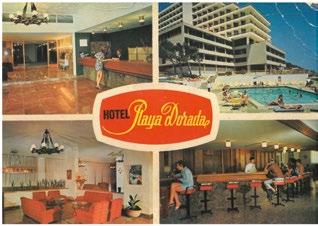
Durante generaciones, la vida se organizó sin un núcleo urbano definido. Hasta mediados del siglo XX, no más de una treintena de viviendas se dispersaban entre huertos y colinas. La agricultura, la ganadería, la pesca y la alfarería marcaban el día a día.
Antes del turismo, la costa era un espacio vulnerable. Tormentas, humedad e incluso la piratería hicieron que las casas mejor valoradas se situaran tierra adentro. El paisaje litoral que hoy admiramos fue durante siglos un territorio de trabajo y resistencia.
Los desplazamientos eran lentos: barcas en la costa y mulas en los caminos interiores. El aislamiento no impedía la vida social; al contrario, reforzaba los vínculos y la conexión con el entorno.
La apertura al turismo internacional transformó este equilibrio. Aunque existía un aeródromo en Es Codolar desde 1930, no fue hasta 1958 cuando comenzaron a llegar turistas por vía aérea, consolidándose en 1966 con la apertura del aeropuerto.
Pocos años después, la llegada de hoteles marcó un cambio decisivo. El Playa Dorada (1969) y el Playa Imperial (1972) impulsaron la actividad, atrajeron visitantes, generaron empleo y conectaron Cala Llonga con el exterior. A su alrededor surgieron servicios, comercios y nuevas dinámicas sociales, sin perder del todo su escala humana.
El mar siguió siendo un eje clave. A finales de los sesenta, la familia Torres inició una ruta marítima diaria entre Santa
For generations, life organised itself without a defined village centre. Until the mid-twentieth century, no more than around thirty homes were scattered among orchards and hills. Agriculture, livestock, fishing and pottery shaped the daily rhythm.
Before tourism, the coastline was a vulnerable place. Storms, damp and even piracy meant that the most desirable homes sat inland. The coastal landscape we admire today was for centuries a territory of work and endurance.
Travel was slow: boats along the coast, mules on the inland tracks. Isolation did not prevent social life — on the contrary, it strengthened bonds and deepened the connection with the land.
EN CALA LLONGA, HASTA MEDIADOS DEL SIGLO XX, NO MÁS DE UNA TREINTENA DE VIVIENDAS
The opening to international tourism transformed this. Although there had been an airfield at Es Codolar since 1930, it was not until 1958 that tourists began arriving by air, a process consolidated in 1966 with the opening of the airport.
Within a few years, the arrival of hotels brought decisive change. The Playa Dorada (1969) and the Playa Imperial (1972) drove activity, drew visitors, created employment and connected Cala Llonga with the outside world. Around them grew services, businesses and new social patterns — without entirely losing the human scale of the place.
The sea remained central. In the late 1960s, the Torres family established a daily maritime route between Santa Eulària and Cala Llonga. Three generations kept the connection aboard the Mistral, a link that remains part of the identity of the place to this day.
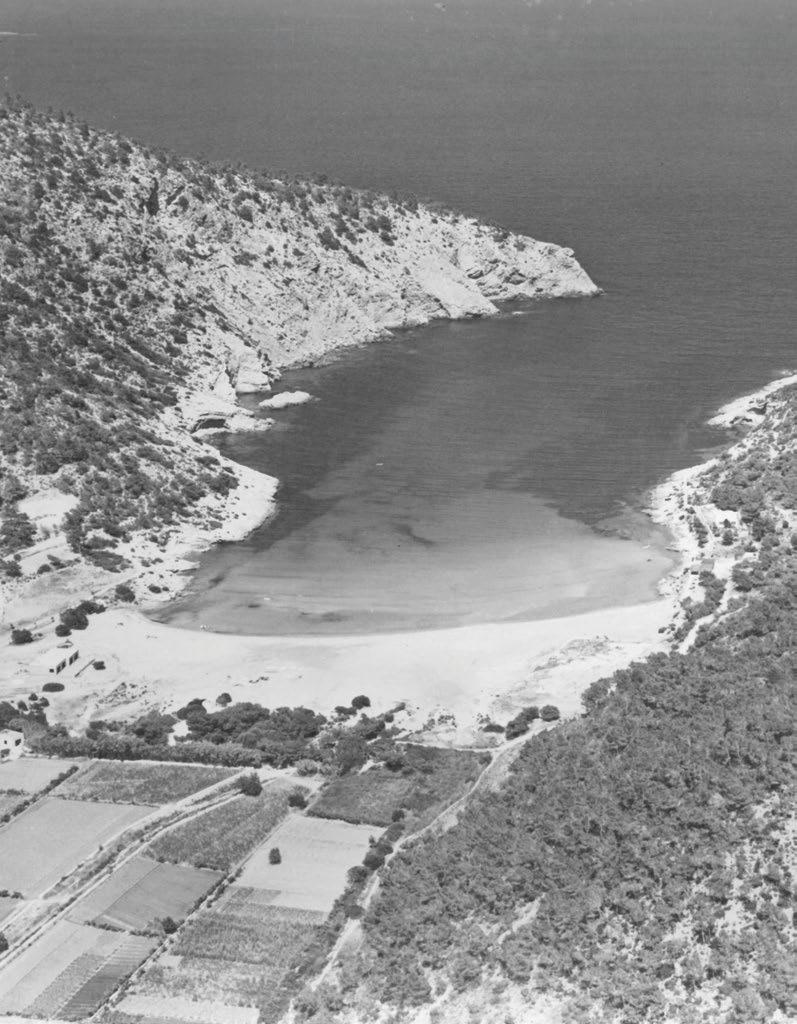
Eulària y Cala Llonga. A bordo de la barca Mistral, tres generaciones mantuvieron una conexión que aún hoy forma parte de su identidad.
A diferencia de otras zonas de la isla, el crecimiento mostró signos de organización temprana. En 1976 se registró la Asociación de Vecinos, reflejando una comunidad activa en la construcción de su entorno.
En las últimas décadas, Ibiza ha vivido una consolidación turística sin precedentes. Sin embargo, Cala Llonga ha mantenido un perfil singular. Situada entre Ibiza ciudad y Santa Eulària, rodeada de pinares, conserva un equilibrio poco común entre accesibilidad, paisaje y autenticidad.
Hoy, Cala Llonga avanza hacia una mirada contemporánea sin renunciar a su origen. Nuevas formas de diseño, cultura y hospitalidad se suman a un relato vivo, basado en la continuidad y la identidad del lugar.
Unlike other parts of the island, growth here showed early signs of organisation. In 1976 a residents’ association was registered, reflecting a community that took an active hand in shaping its own environment.
In recent decades, Ibiza has seen unprecedented tourism growth. Cala Llonga, however, has maintained a singular character. Nestled between Ibiza town and Santa Eulària, surrounded by pine forest, it preserves an uncommon balance of accessibility, landscape and authenticity.
Today, Cala Llonga moves towards a contemporary vision without turning its back on its origins. New approaches to design, culture and hospitality add fresh chapters to a living story rooted in the continuity and identity of the place.
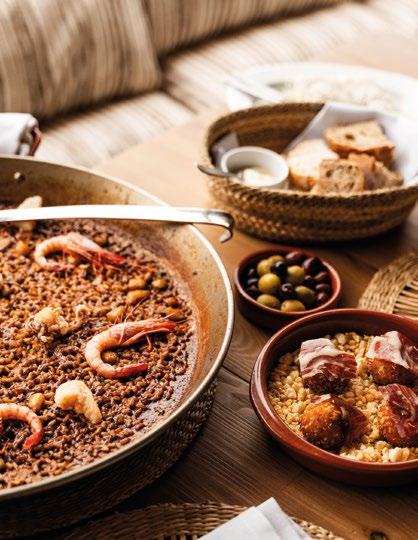

Aura Gold T
La serie de cómics ‘We Love Ibiza’ propone un viaje desenfadado y alucinante por el legendario pasado de la isla. Ibiza ha sido un imán desde el primer día para quienes buscaban algo “más”. Conoce a los soñadores, buscadores de alma y rebeldes que llegaron a las orillas de la isla, creando los cimientos de la Ibiza loca y hermosa que tanto amamos hoy. En el Libro Uno: Cómo empezó todo - La historia comienza hace millones de años, cuando Ibiza era una roca árida que emergía del mar. A lo largo de los siglos, la isla fue invadida por numerosas civilizaciones, cada una dejando sus dioses, mitos y huellas. Los imperios surgieron y cayeron. Los piratas asolaron la costa. Aparecieron los contrabandistas. Las pestes descendieron sobre ella. La pobreza aumentó. La supervivencia se convirtió en una forma de vida. Algo tenía que cambiar. Así que unos pocos lugareños emprendedores imaginaron un futuro diferente. Nació el turismo. La isla adoptó un nuevo ritmo. Llegaron artistas, aventureros y espíritus libres, seguidos de los ritmos y los hippies, todos atraídos por una nueva forma de vida donde la libertad y la autoexpresión importaban más que la fama y la fortuna. Aparecieron los bikinis y los chiringuitos, abrieron las discotecas, nacieron nuevas tendencias, y comenzó a emerger un ecosistema cultural sin igual en el resto del mundo. Las siguientes páginas del cómic son del Libro 1.
Del cortejo y el “festeig”, al matrimonio; de las historias mitológicas a las supersticiones. Aquí tienes tu adelanto.

Estas páginas son extractos de ‘We Love Ibiza: How It All Began’, el libro 1 de la serie de cómics ‘We Love Ibiza’, de Aura Gold. Ya disponible en Amazon, en inglés y español.
The ‘We Love Ibiza’ comic book series is a light-hearted, trippy ride through the island’s legendary past. Ibiza has been a magnet from day one for those who searched for something ‘more’. Meet the dreamers, soul seekers and rebels who washed up on the island’s shores, creating the foundations of the crazy, beautiful Ibiza we love today.
Book One: How it All Began - The story starts in the mists of time, when Ibiza was a barren rock rising from the sea. Over centuries, the island was invaded by many civilisations, each leaving their Gods, myths, and marks behind. Empires rose and fell. Pirates ravaged the coast. Smugglers emerged. Plagues descended. Poverty rose. Survival became a way of life. Something had to change. So a few entrepreneurial locals imagined a different future. Tourism was born. The island shifted to a new rhythm. Artists, adventurers, and free spirits arrived, followed by the beats and the hippies – all drawn to a new way of life where freedom and self-expression mattered more than fame and fortune. Bikinis and beach bars appeared, nightclubs opened, fashion statements were born, and a cultural ecosystem unlike anywhere else in the world started to emerge.
The following comic pages are from Book 1. From courtship, “festeig”, to marriage, from mythological stories to superstitions. Here’s your sneak peek.
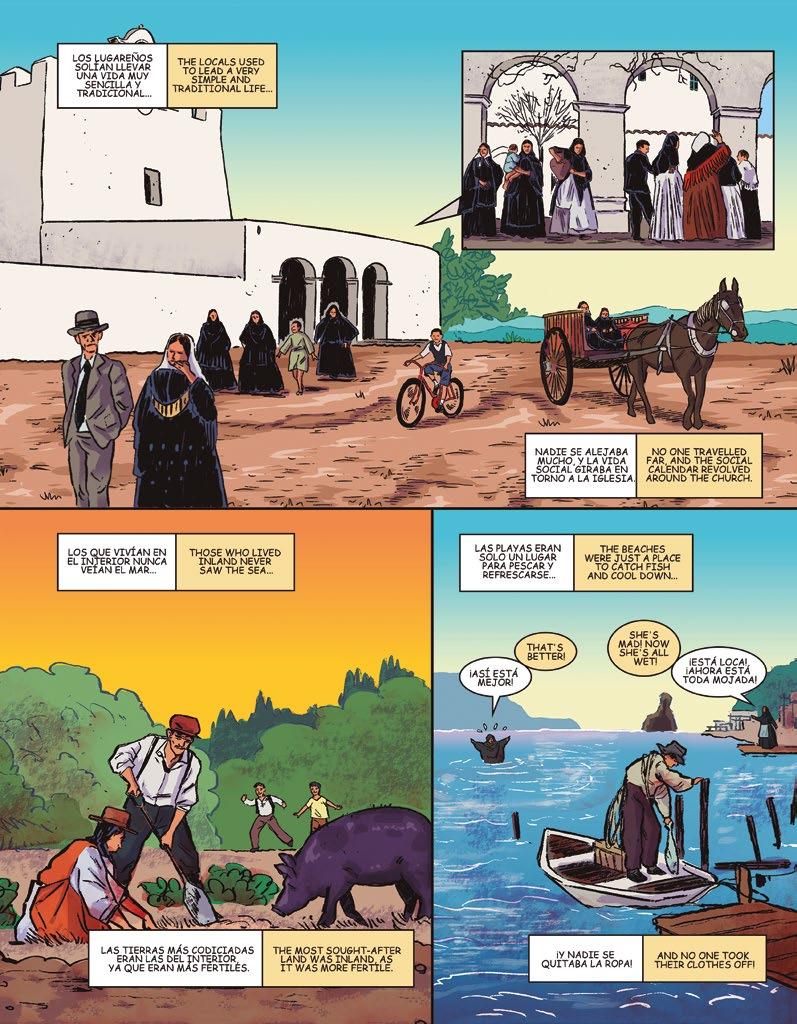

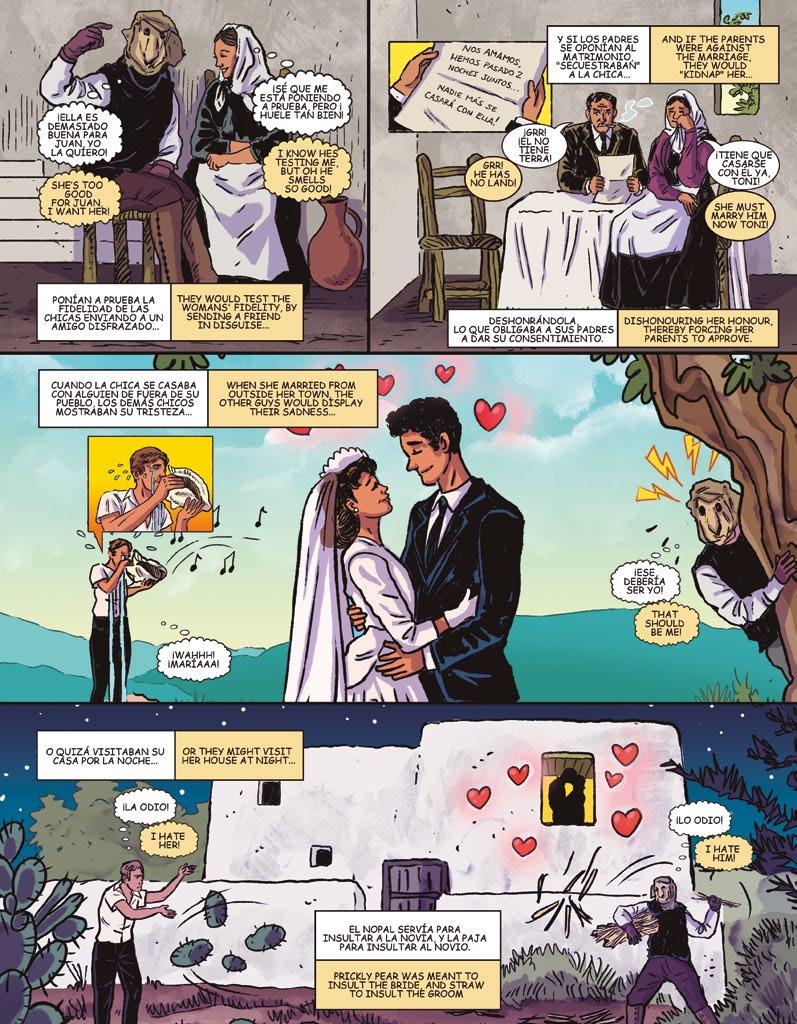
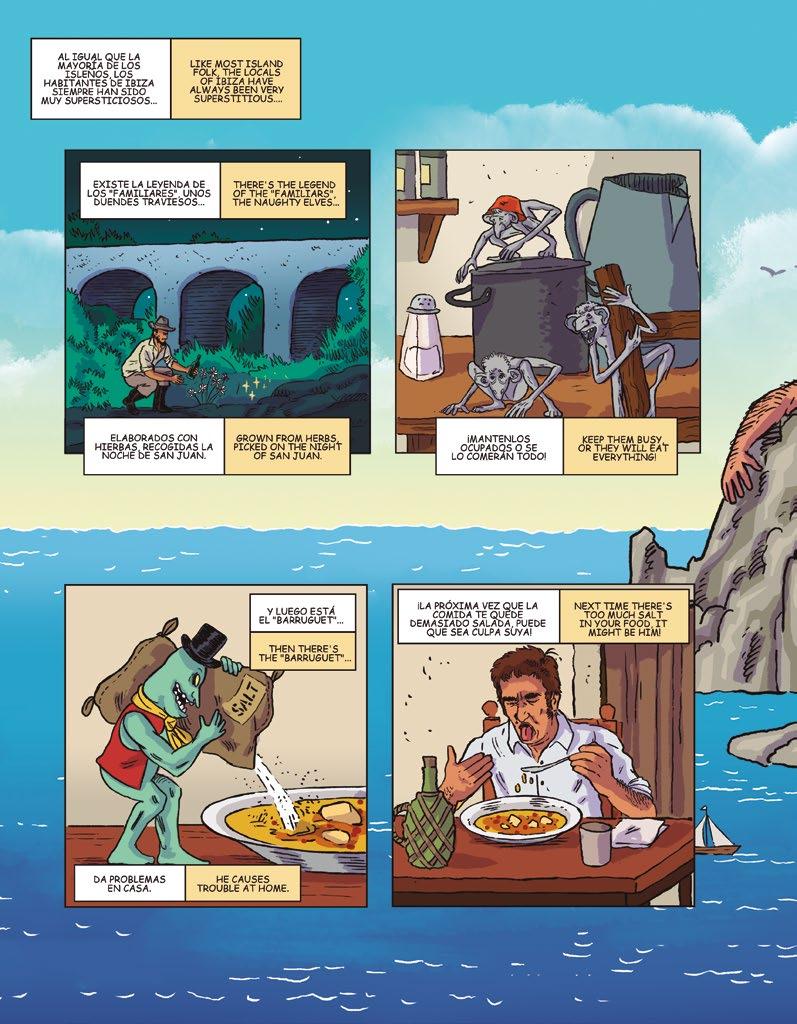
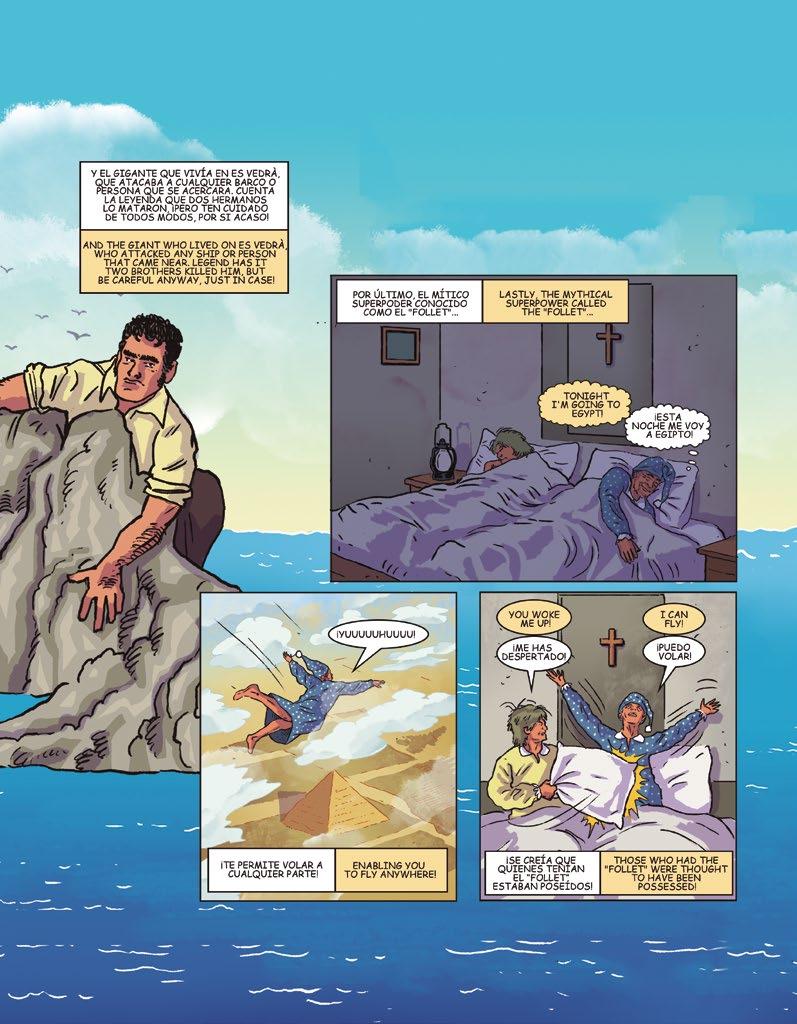
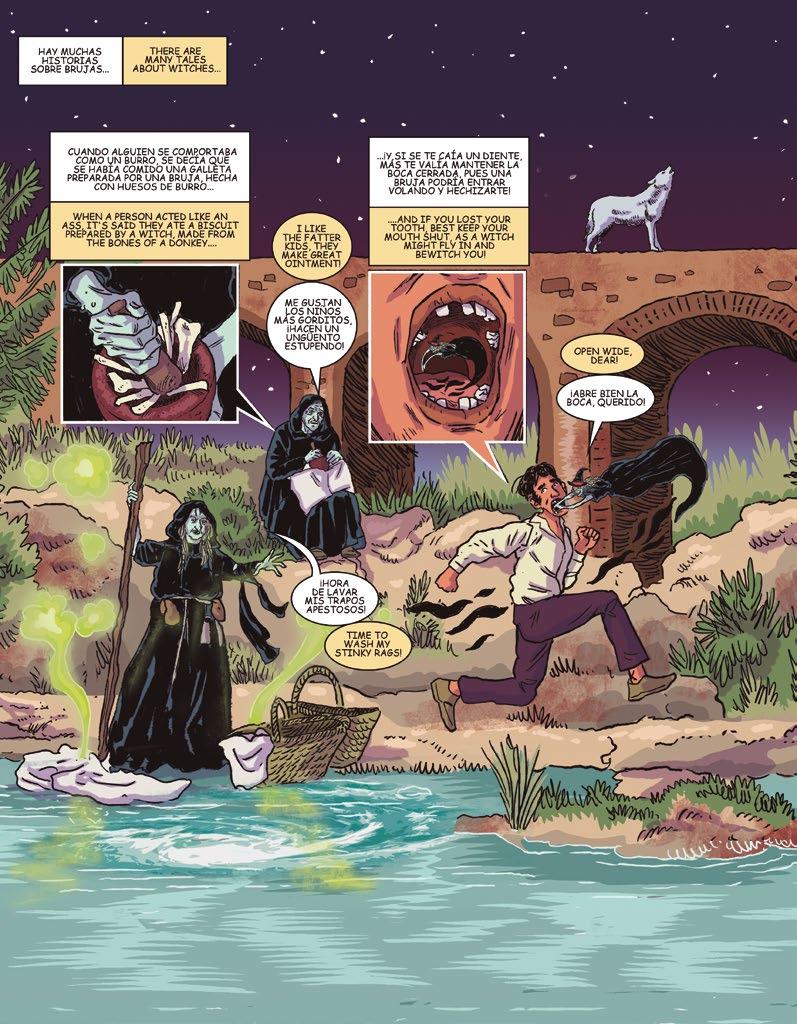
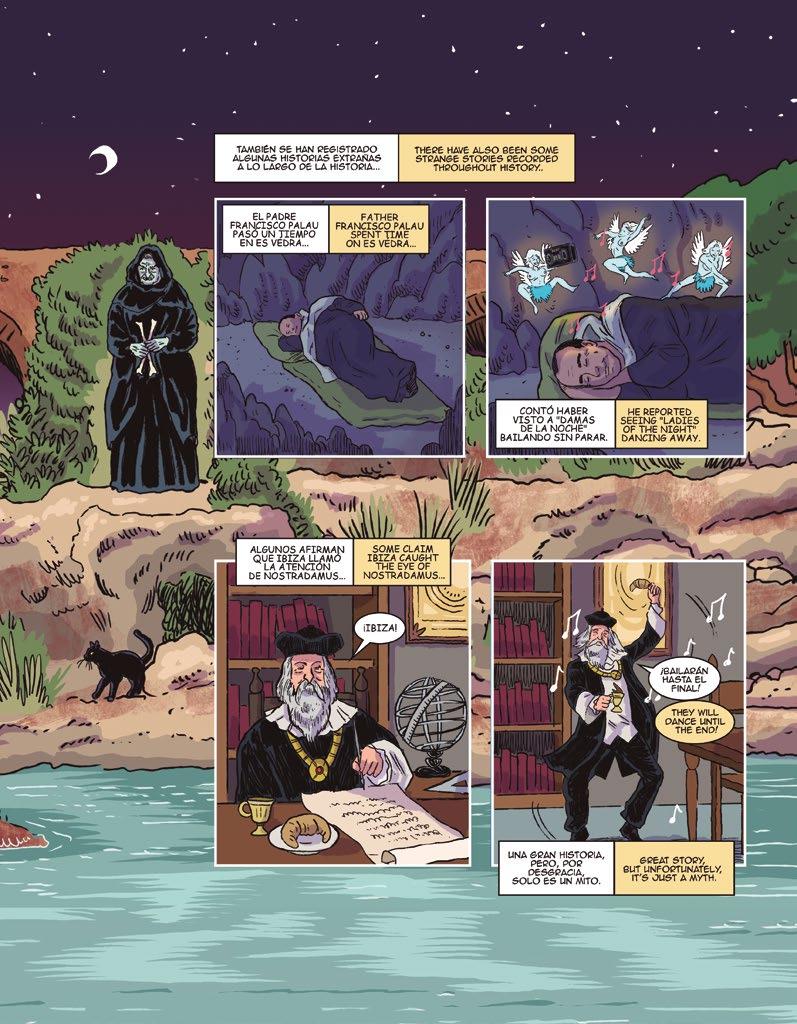



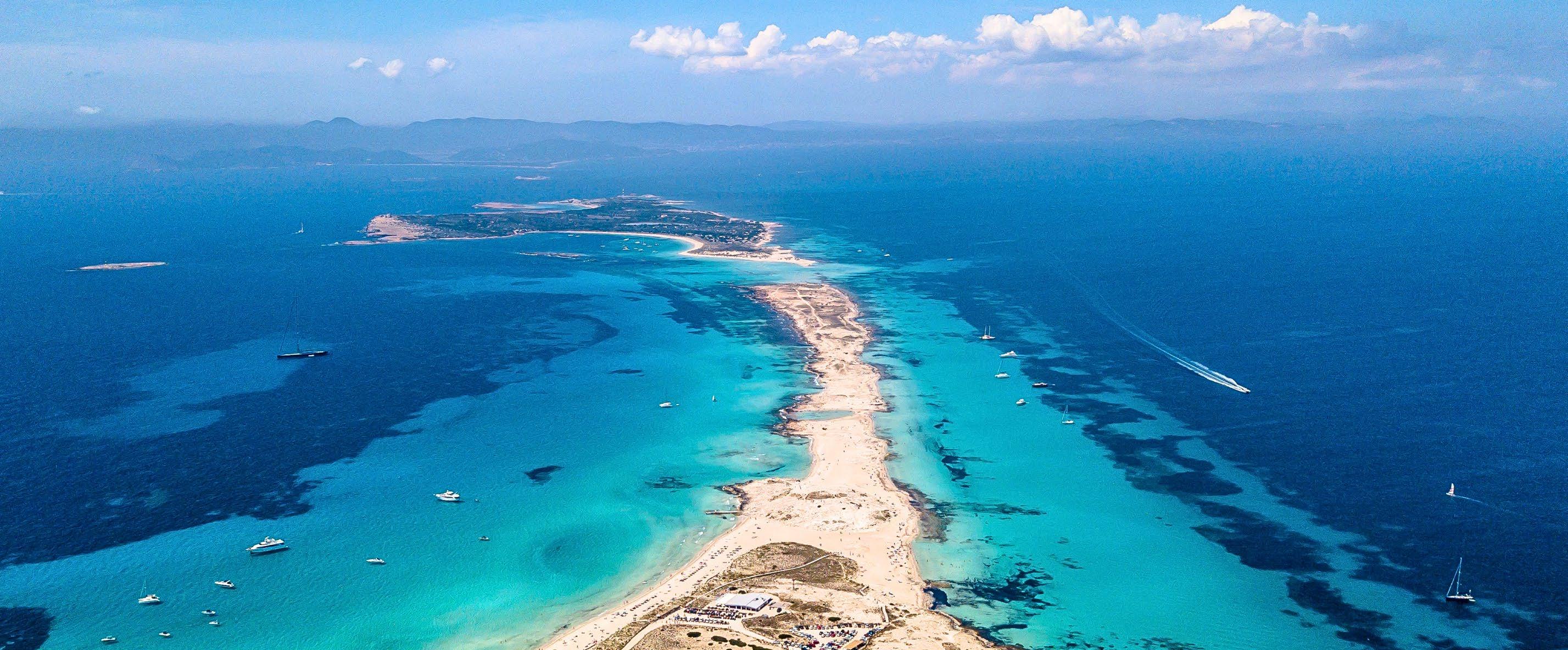

Salidas diarias desde Figueretas y Playa d´en Bossa
Daily trips from Figueretas and Playa d´en Bossa
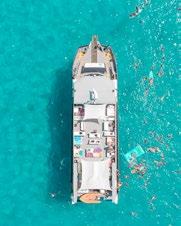
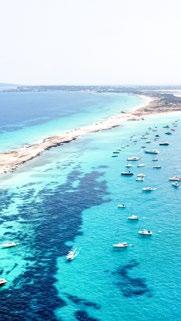
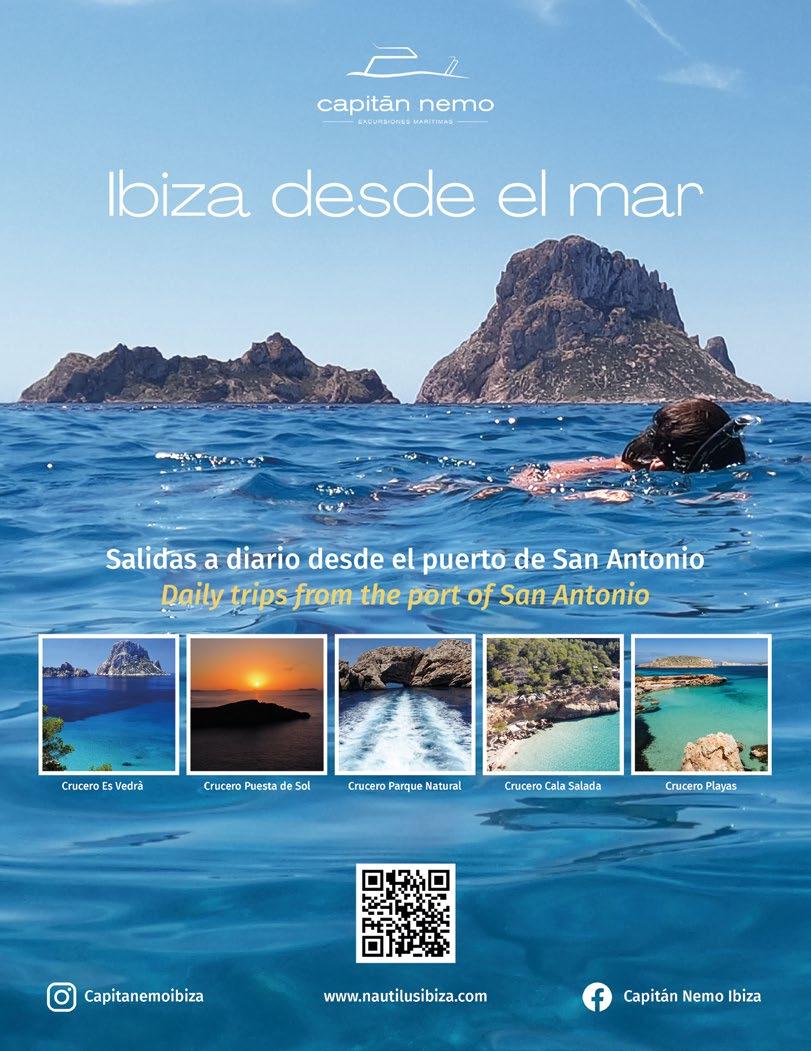

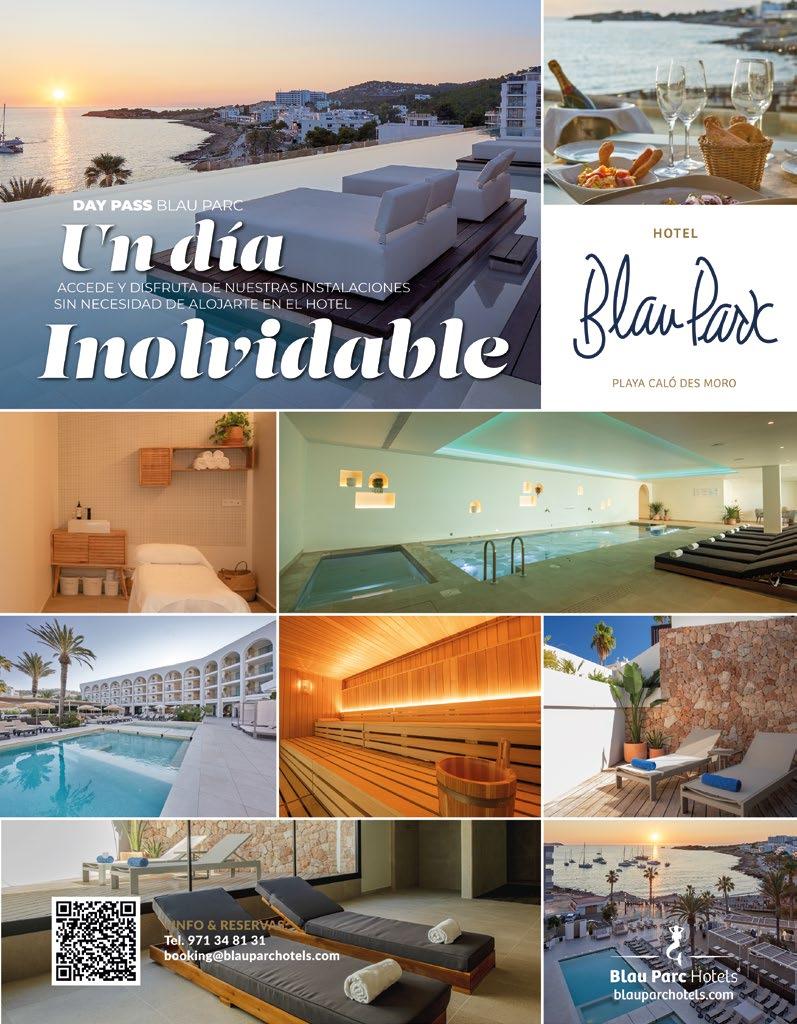



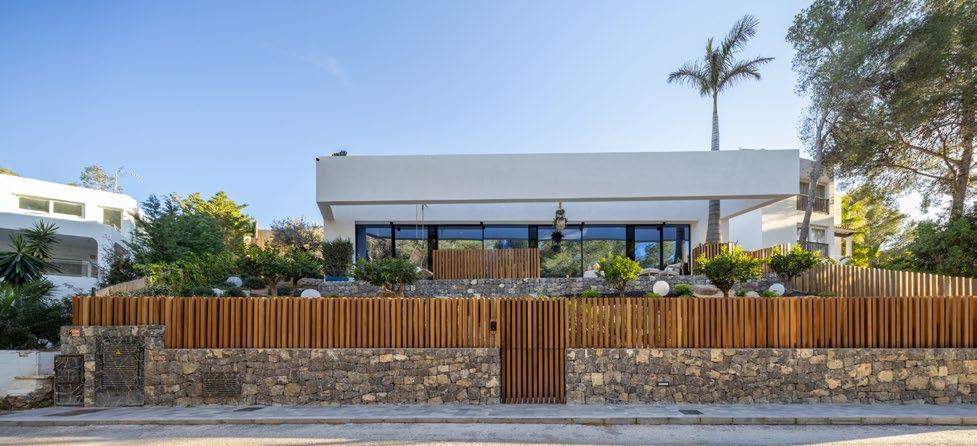
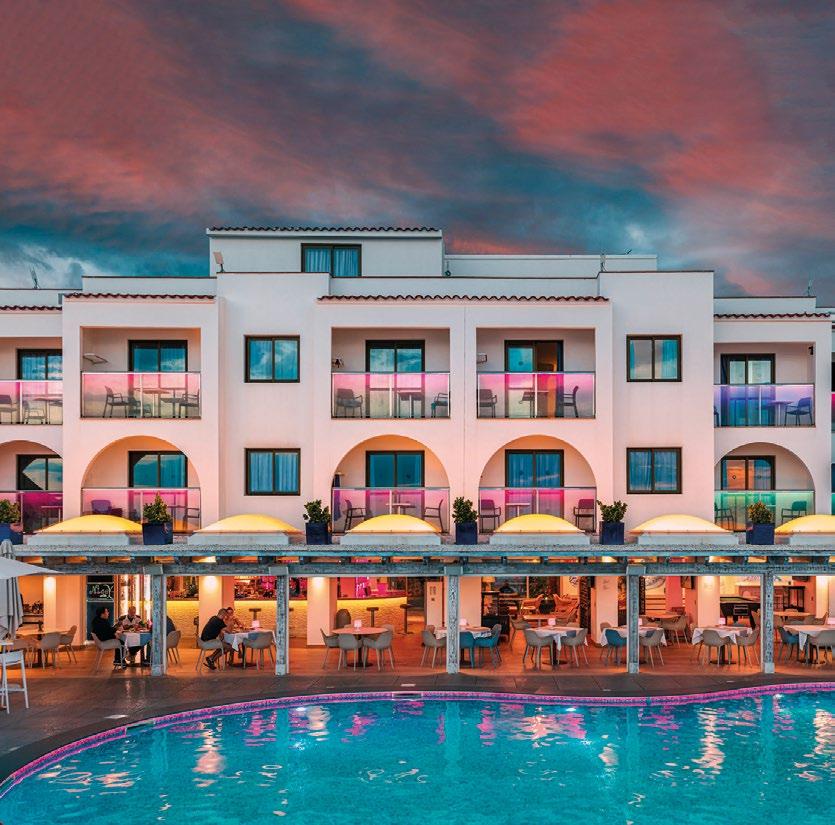
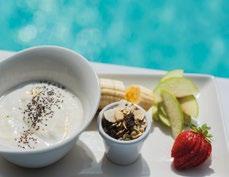
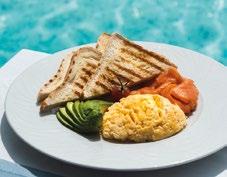
Las Dalias es una comunidad viva que late con fuerza propia. En esta sección nos adentramos en el corazón de esta familia que cada semana despliega su mundo bajo el sol de Sant Carles. Artesanos, vendedores, staff y recién llegados: todos tienen una historia que merece contarse. Pero Las Dalias también mira hacia fuera. Sus viajes la han llevado hasta el Tíbet y Nepal, trayendo de vuelta vínculos e inspiración. La moda florece, la gastronomía convoca, el Family Day nos reúne y On the Road abre nuevos caminos. Todo cabe, todo suma.
Las Dalias is a living community with a heartbeat of its own. In this section we go to the heart of a family that every week unfolds its world under the Sant Carles sun. Artisans, traders, staff and newcomers: everyone has a story worth telling. But Las Dalias also looks outward. Its travels have taken it to Tibet and Nepal, bringing back connections and inspiration. Fashion flourishes, food draws people in, Family Day brings us together and On the Road opens new horizons. There’s room for everything, and everything counts.


Las Dalias Around the World completa su segunda experiencia: un viaje de quince días a través del Himalaya para conocer la sabiduría artesana del Tíbet y Nepal
Van llegando a la casa de dos en dos, de cuatro en cuatro, alguno viene solo. Los recién llegados cargan bolsas, de las que sacan embutidos, quesos, tortillas, hummus y all-i-oli, vino. Bajo una parrilla gigante ya quema leña, que pronto será brasa. Docenas, cientos de calçots traídos expresamente de Valls, Tarragona, descansan extendidos sobre papel de periódico.
Es un reencuentro.
Las Dalias Around the World completes its second expedition: a fifteen-day journey through the Himalayas to discover the artisan wisdom of Tibet and Nepal
They come in groups of two and four, one or two arrive on their own. The newcomers carry bags, out of which they pull cured meats and cheeses. Omelettes and hummus. All-i-oli. Wine. Beneath a vast grill, wood is already burning, soon to become embers. Dozens, hundreds of calçots brought specially from Valls, in Tarragona, lie spread out on sheets of newspaper.
It is a reunion.


LOS VIAJEROS
Óscar Caparrós – Green Tree Ibiza
Daniel Ferrero – Dany Chang
Giada Lucarini – Wardrobe of dreams
Carolina Herrero – Carola Baroch
Evelyn Herrero – Llum Ibiza
Juan Fernando Marí – Director de Las Dalias
Claude Aern – Doña Claudia
René González – Amigo de Las Dalias
David Benito – Hostelería de Las Dalias
Silvia Fortuny – Amiga de Las Dalias
Victoria Marí – Amiga de Las Dalias
Raúl Blanco – Pataleta Films
Jorge Herrera – Púnico Ibiza
Isabel Lambour – Coordinadora Around the World
Miriam Rolania – Hoja Ibiza
María Rosario Sancho – Charo Sancho
Puchi Lhaba – Puchi Tibet
Daniel Rial – Amigo de Las Dalias, marido de Puchi
Celeste Vitari – Made with Love in Ibiza
Nicolas Vitari – Made with Love in Ibiza
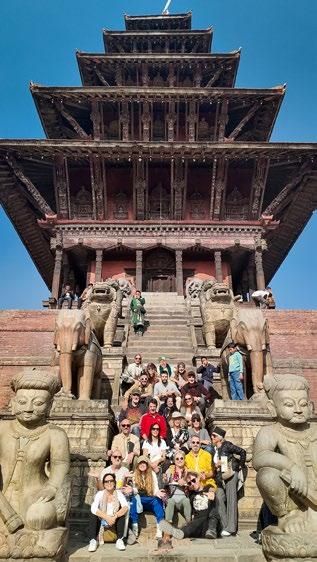
Tiempo después de haber regresado a Ibiza, los veinte viajeros que emprendieron una ruta que atravesó el interior de China, recorrió el Tíbet y descendió a Nepal se sentaron juntos a comer. Para recordar. Dos semanas descubriendo olores, sabores, sensaciones –como la del mal de altura– y sentimientos desconocidos.
“Creamos Las Dalias Around the World para conocer los lugares en los que nacen las historias de las personas que dan vida a un mercado”, dice Juanito, el dueño de Las Dalias, “que no sería posible si a miles de kilómetros de distancia, no se produjera artesanía o ropa de forma ancestral. A mí me ha hecho mucha ilusión y me ha parecido una experiencia alucinante haber viajado al corazón del Himalaya. La espiritualidad te desborda”.
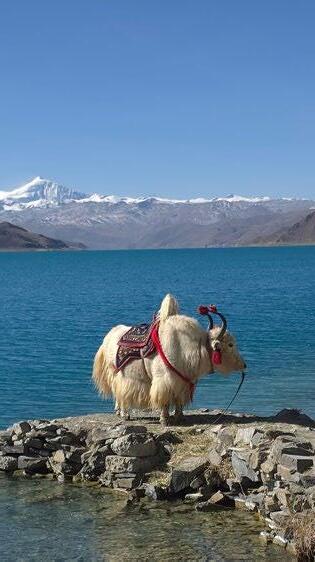
Some time after returning to Ibiza, the twenty travellers who crossed inland China, traversed Tibet and descended into Nepal again sat down together to eat. And to reminisce. Remember two weeks of discovering unfamiliar smells, flavours, sensations — among them altitude sickness — and feelings they had never known before.
We created Las Dalias Around the World to discover where the stories of the people who bring the market to life actually begin — in workshops thousands of kilometres away, where clothes and crafts are still made by hand, the old way. For me, travelling to the heart of the Himalayas has been a joy and an extraordinary experience. The spirituality overwhelms you.”
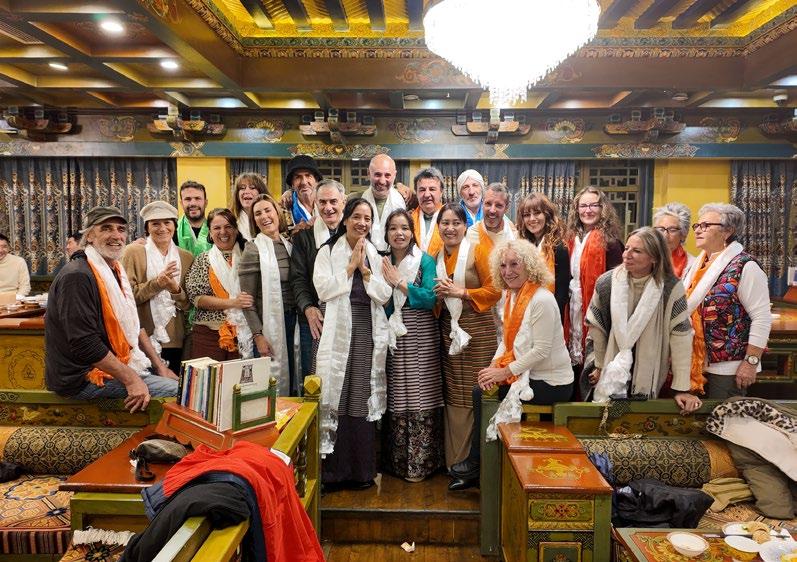
Miriam, Jorge y Evelyn tienen los ojos clavados en la pantalla de un móvil. Raúl Blanco, uno de los fotógrafos de Las Dalias, les va mostrando un carrusel de imágenes –fijas y en movimiento– en las que se aprecia la inmensidad del altiplano, los colores de las banderolas que adornan las calles de Lhasa, escenas de la vida diaria en una aldea tibetana, los pináculos dorados de los templos budistas, el skyline de las montañas nevadas tras el bullicio de Katmandú. Las postales de un viaje que estos tres vendedores de Las Dalias no van a olvidar.
–Ha sido increíble.
Dicen al unísono Miriam, Jorge y Evelyn. “Silencio”, “zen”, “emoción”, “hospitalidad”, “sabiduría” o “ancestral” son
Miriam, Jorge and Evelyn have their eyes fixed on a phone screen. Raúl Blanco, one of the Las Dalias photographers, is scrolling through a carousel of images — stills and video — that capture the immensity of the high plateau, the colours of the prayer flags adorning the streets of Lhasa, scenes from daily life in a Tibetan village, the golden pinnacles of Buddhist temples, the mountain skyline rising snow-capped above the bustle of Kathmandu. The snapshots of a journey these three Las Dalias vendors will never forget.
— It was incredible.
Miriam, Jorge and Evelyn say it together. “Silence”, “zen”, “emotion”, “hospitality”, “wisdom”, “ancestral” — these are among the other words that surface as the photos go by. And,
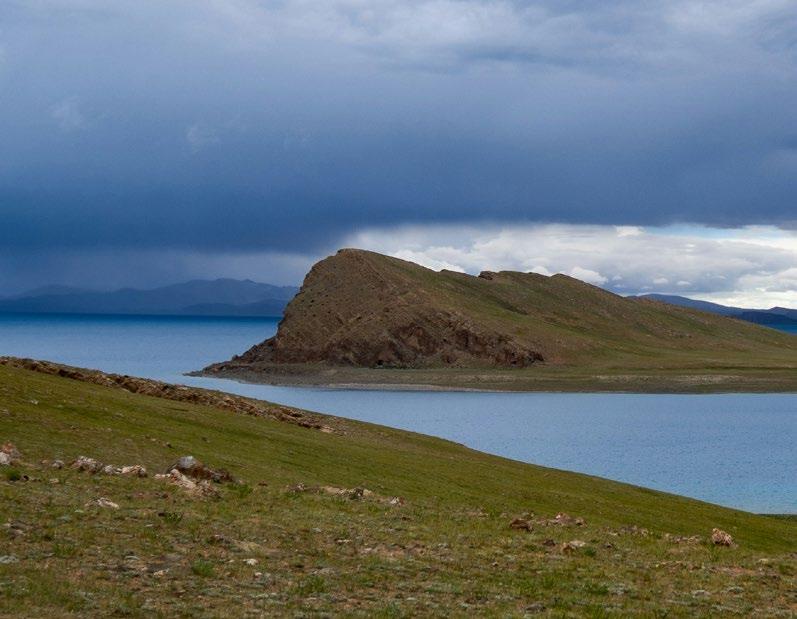
algunas de las otras palabras que también se pronuncian mientras las fotos desfilan. Y, a pedazos, los tres van completando una idea: subirse a un avión y cruzar el mundo junto a las personas con las que comparten mercado cada semana les ha permitido “estrechar lazos”, “entender las alegrías y las penas del otro”, “viendo al vecino de puesto desde otra perspectiva”.
Reconociéndose.
“Esa fue la idea que nos llevó a impulsar este proyecto: volver a la isla después de haber compartido momentos bonitos y, también, duros con las personas con las que pasamos tanto tiempo a lo largo del año. Conocer las motivaciones y las historias que hay detrás de algunas de las marcas más icónicas de Las Dalias es precioso.
in fragments, the three piece together a thought: boarding a plane and crossing the world alongside the people they share the market with every week has let them “grow closer”, “understand each other’s joys and sorrows”, seeing the person at the next stall from an entirely different angle.
Recognising each other.
“That was the idea behind the project: to return to the island having shared beautiful moments — and tough ones too —

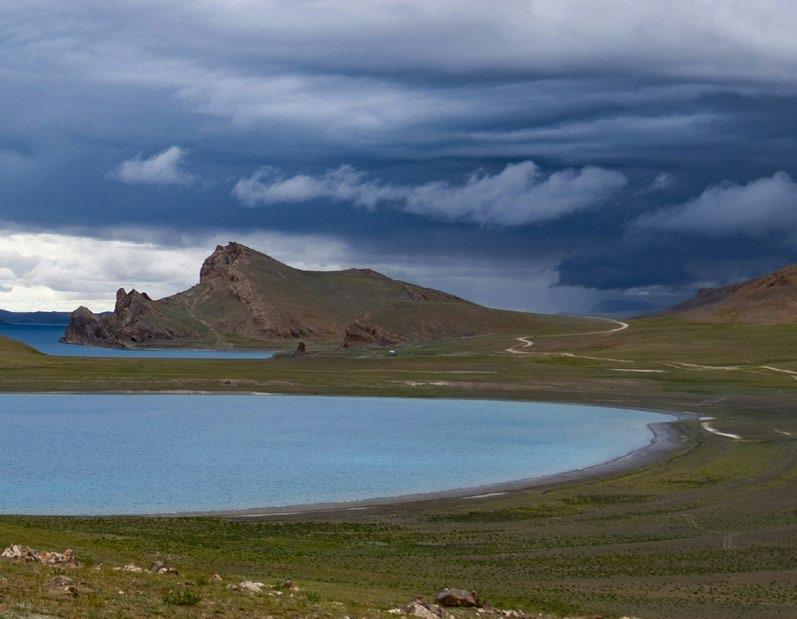
HA DEJADO MARCAS EN EL ALMA
DIFÍCILES DE BORRAR
Nos humaniza”, apunta Isabel Lambour mientras escucha a los vendedores y sonríe. La expedición al Himalaya ha confirmado las sensaciones que dejaron el año pasado los volcanes, los lagos y las selvas de Guatemala, la tierra natal de Lambour, coordinadora de Las Dalias Around the World. Marcas en la piel y en el alma difíciles de borrar. Como las vivencias que les han regalado Puchi Lhaba y su marido
Daniel Rial –en el Tíbet– y Juan Torrens y Juan López –en Nepal–: ahora toca conocer esta historia. La que sigue es la crónica de la segunda aventura de Las Dalias Around the World.
with the people we spend so much time with throughout the year. Getting to know the motivations and stories behind some of the most iconic Las Dalias brands is something precious. It makes us more human,” says Isabel Lambour, smiling as she listens to the vendors. The Himalayan expedition has confirmed the feelings left by last year’s journey through the volcanoes, lakes and jungles of Guatemala — Lambour’s homeland, and where she serves as coordinator of Las Dalias Around the World. Marks on the skin and the soul that are hard to erase. Like the experiences given to them by Puchi Lhaba and her husband Daniel Rial in Tibet, and Juan Torrens and Juan López in Nepal — whose story it is now time to tell. The next is the chronicle of the second adventure of Las Dalias Around the World.
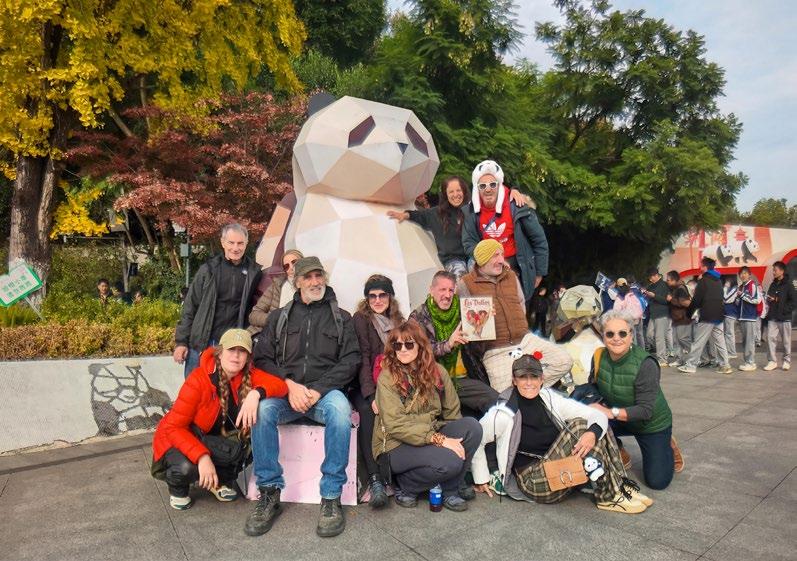
El viaje comienza aterrizando en Chengdu, la capital de la China interior. Veinte millones de habitantes, la cuarta ciudad más poblada del gigante asiático, un nudo de negocios y comunicaciones entre el este y el oeste. El skyline de rascacielos contrasta con los vastos paisajes altiplanos y montañosos que vendrán. Los artesanos de Las Dalias estrechan lazos visitando el santuario de osos panda y el teatro de la ópera de Sichuan.
The journey begins on landing in Chengdu, capital of inland China. Twenty million inhabitants, the fourth most populous city in this vast country, a hub of commerce and communications between east and west. A skyline of skyscrapers sets the stage for the sweeping plateau and mountain landscapes to come. The Las Dalias artisans forge connections of their own, visiting the giant panda sanctuary and the Sichuan Opera.

Leshan es la puerta del Tíbet. En esta capital de provincia –con población similar a Madrid–, los viajeros sellan sus visados y pasean bajo las grandes manos del Buda Maitreya, una escultura tallada en la roca de más de setenta metros de altura: data del siglo IX después de Cristo y fue construída durante la dinastía Tang. La expedición subirá mucho más alto cuando el avión despegue hacia Lhasa: volar sobre las nieves eternas del Himalaya es atravesar un umbral simbólico.
Leshan is the gateway to Tibet. In this provincial capital — home to roughly as many people as Madrid — the travellers have their visas stamped and walk in the shadow of the great hands of the Maitreya Buddha, a figure carved into the rock face standing over seventy metres tall, dating from the ninth century and built during the Tang dynasty. The expedition will climb far higher when the plane takes off for Lhasa: flying over the eternal snows of the Himalayas is to cross a symbolic threshold.
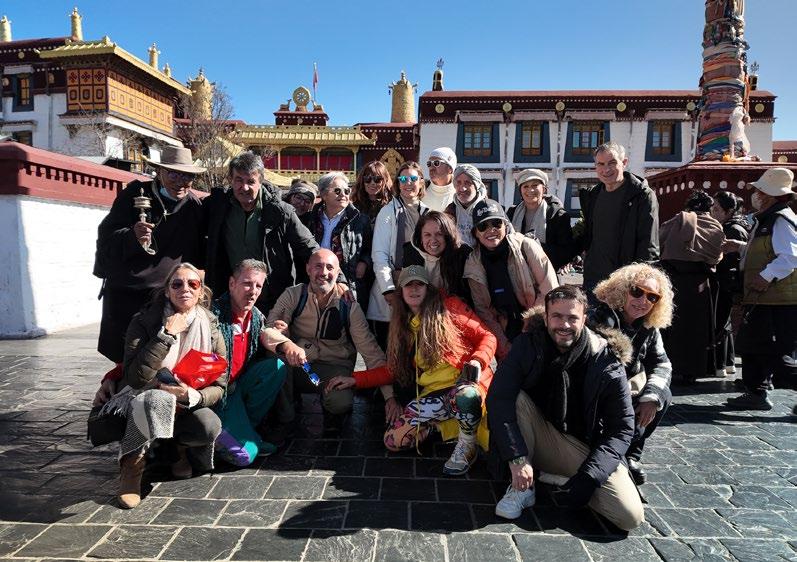
El palacio de Potala. El monasterio Sera. El templo de Jokhang. La fuerza de lo sagrado impregna el viaje. Las Dalias entra en el Tíbet y el Tíbet entra en Las Dalias. Es el momento de la introspección. De observar rituales, devociones y debates monásticos. De realizar un taller ritual –pintura, caligrafía, incienso–que profundiza la experiencia. De manejar el mal de altura a 3.650 metros sobre el nivel del mar. De ser más que un grupo. Un mismo espíritu.
The Potala Palace. Sera Monastery. The Jokhang Temple. The power of the sacred saturates the journey. Las Dalias enters Tibet, and Tibet enters Las Dalias. This is a moment for looking inward. For witnessing rituals, devotions and monastic debates. For taking part in a ritual workshop — painting, calligraphy, incense — that deepens the experience. For managing altitude sickness at 3,650 metres above sea level. For becoming more than a group. One spirit.
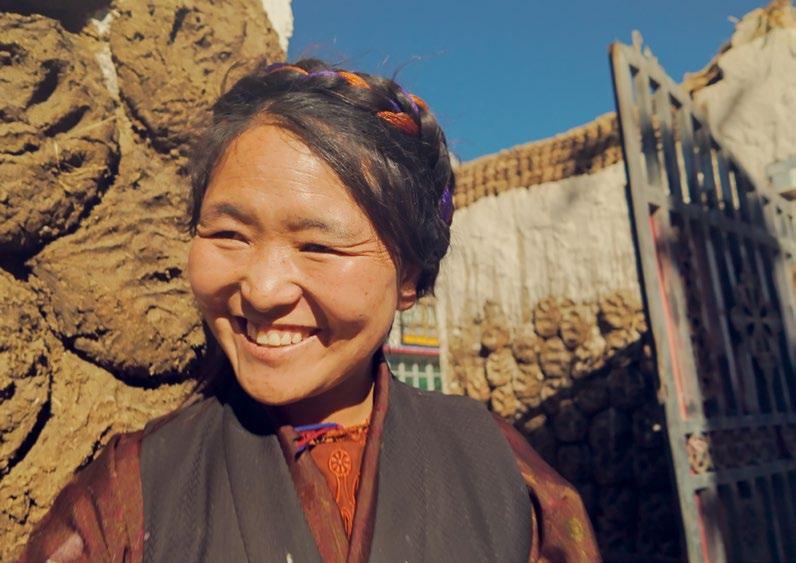
La luz –intensa y directa– se afila camino a Pashool, el pueblo natal de Puchi y Chunda. El relato de la guía articula memoria e identidad, presenta el trabajo meticuloso de las mujeres hilanderas. Los viajeros se ponen en los ojos de Daniel y entienden la importancia del linaje en este país de más de doce millones de kilómetros cuadrados en el que apenas viven tres millones de personas. Ascienden al templo de Mahakala en busca de la protección de la diosa Dharmapala. La familia de Puchi explica cuentos y regala chalecos bordados. Hay danzas tibetanas, improvisación flamenca, un puente entre culturas.
The light — intense and direct — sharpens on the road to Pashool, the home village of Puchi and Chunda. Their guide’s account weaves together memory and identity and brings into focus the painstaking work of the women weavers. The travellers see through Daniel’s eyes and come to understand the importance of lineage in this country of over twelve million square kilometres inhabited by barely three million people. They climb to the temple of Mahakala, seeking the protection of the goddess Dharmapala. Puchi’s family shares stories and gives out embroidered waistcoats. There are Tibetan dances, flamenco improvisation, a bridge between cultures.
Antes de rodear la montaña más alta del planeta, los artesanos de Las Dalias recorren Namtso, Manasarovar y Yamdrok, los lagos sagrados que salpican de azul la estepa tibetana. Luego, llega un momento culminante, de máxima resistencia física: las ciento ocho curvas que conducen hasta el campamento base del Everest. Altitud, 5.150 metros. Desde allí parten los alpinistas que buscan el Chomolungma o el Sagarmatha, los nombres que recibe el techo del mundo en tibetano o nepalí. La cima marca la frontera entre los dos países. Hacia la aduana se dirige Sechielag, el conductor del autobús, con gran pericia al volante: el descenso es vertiginoso. Los aventureros cruzan la raya a pie. El Tíbet –y Chungdak– quedan a la espalda. De frente, Nepal.
Katmandú recibe a Las Dalias con su característico bullicio y el abrazo de Puchi. Los viajeros disfrutan de la hospitalidad nepalí –es imposible no dejarse invitar a un té chai– y conocen la ciudad de la mano de los Juanes, orgullosos de ejercer como cicerones en el país donde convierten cáñamo en tela gracias a una fábrica familiar desde hace más de quince años. Es un momento perfecto para reflexionar sobre la identidad y el valor del trabajo que, en plena era digital, sigue realizándose con las manos. Un canto se eleva al cielo. Celebración. El viaje ha llegado a su fin. Ya sólo queda volver a casa.
Before circling the highest mountain on earth, the Las Dalias artisans take in Namtso, Manasarovar and Yamdrok — the sacred lakes that scatter blue across the Tibetan steppe. Then comes a defining moment, one of maximum physical endurance: the hundred and eight bends that lead up to Everest Base Camp. Altitude: 5,150 metres. From here, climbers set out for Chomolungma or Sagarmatha — the Tibetan and Nepali names for the roof of the world. The summit marks the border between the two countries. Sechielag, the bus driver, steers towards the customs post with impressive skill: the descent is dizzying. The adventurers cross the border on foot. Tibet — and Chungdak — fall away behind them.
Ahead: Nepal.
Kathmandu welcomes Las Dalias with its characteristic energy and the embrace of Puchi. The travellers take in Nepali hospitality — it’s impossible not to accept an invitation for chai — and explore the city with the Juanes as guides, proud to show off the country where their family has been turning hemp into fabric for over fifteen years. A perfect moment to reflect on the value of work done by hand, in the middle of a digital age that has not displaced it. A song rises into the sky. Celebration. The journey is over. Nothing remains now but go home.

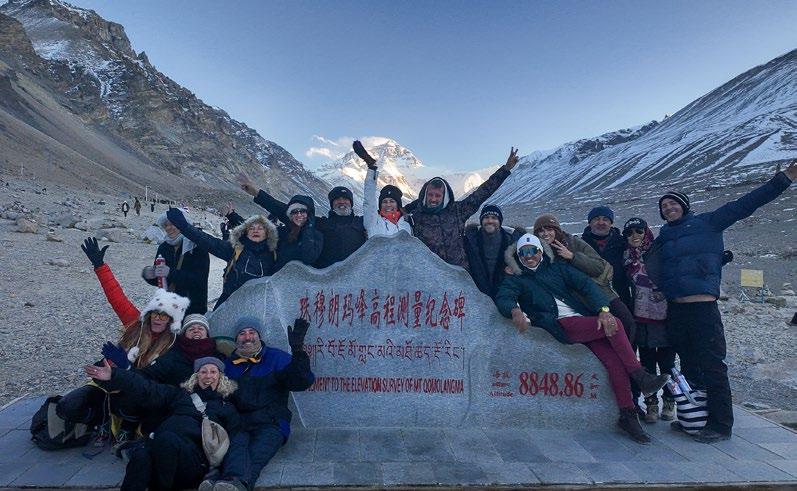
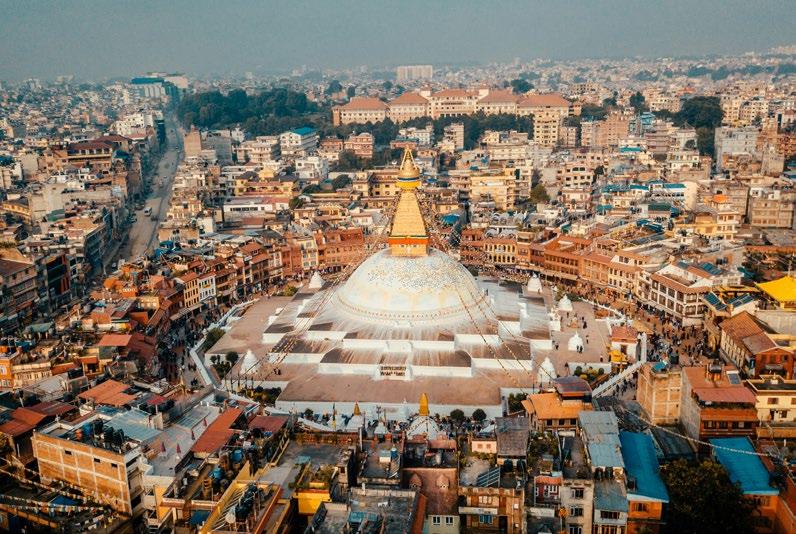
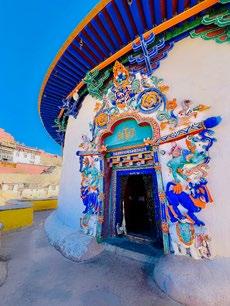

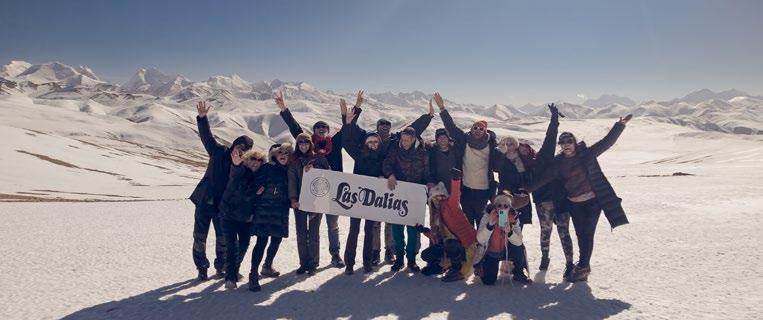
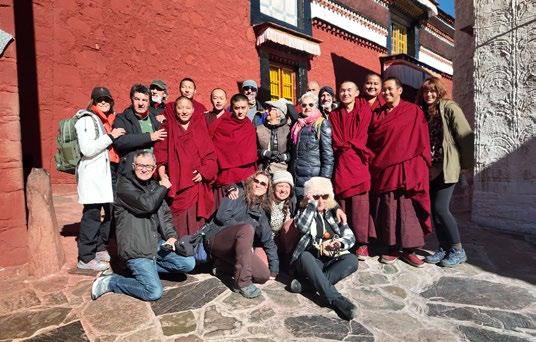
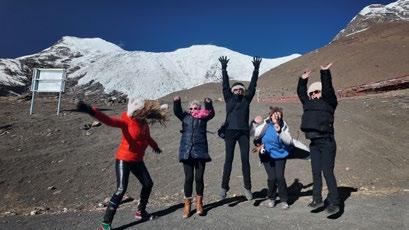
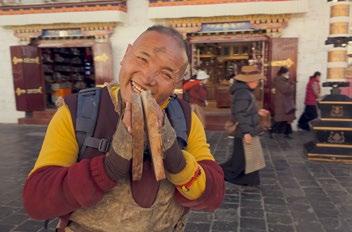


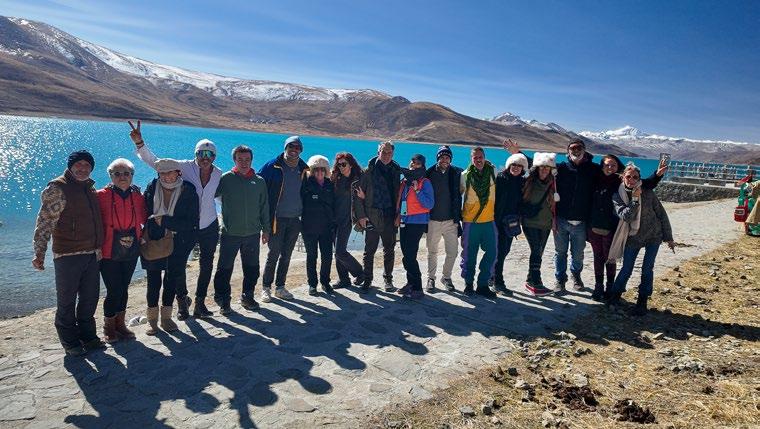

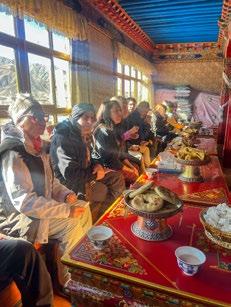
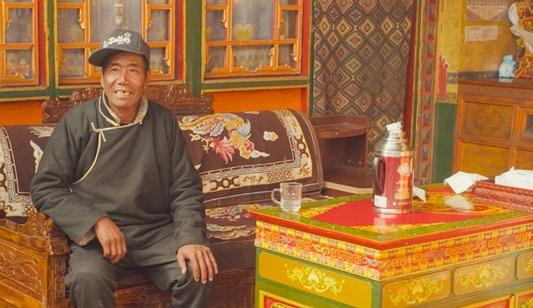

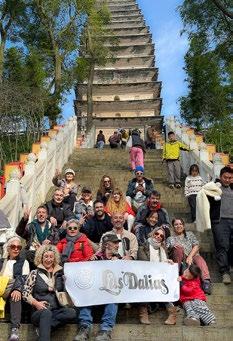
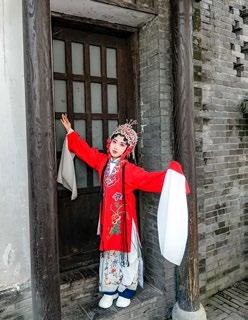
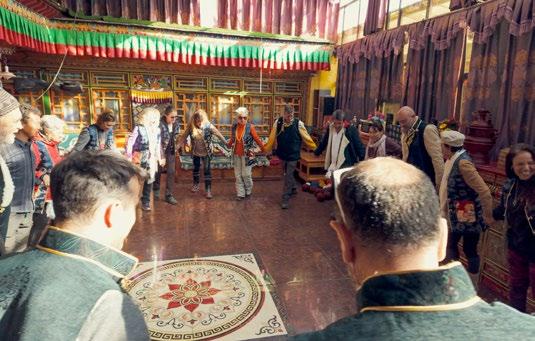


Arsen Voronyy T F
En Pashool –un pueblo enclavado en la inmensidad del Tíbet– Puchi creció escuchando esta frase:
In Pashool—a village nestled in the vastness of Tibet—Puchi grew up hearing this phrase:
[–lhagpé lhapá tzinna pentok-yuog kangyag dukam?
Aquellas palabras pueden traducirse con este refrán: “¿De qué sirve estar mano sobre mano?” Su madre solía pronunciarlo cuando veía a sus hijos ociosos. Puro carácter tibetano. “En nuestro país”, cuenta Puchi, “llevamos la artesanía en la sangre. Por un motivo muy sencillo. Cuando estamos en casa, dedicamos los ratos muertos a hacer calceta. Pero es que cuando vamos de visita a casa de un amigo o de un familiar que vive a un par de horas de distancia, por el camino seguimos tejiendo. Aunque vayamos a pie. En la ida tejes un calcetín y en la vuelta tejes el otro. Llegas a casa y ya tienes un par terminado”.
Puchi Lhaba es la única ciudadana nacida en el Tíbet que vive en las Illes Balears, una de las pocas tibetanas que viven en España. Llegó a Eivissa a finales de los noventa con su pareja, el uruguayo Daniel Rial, que ya llevaba una década residiendo en la isla. Él viajó al país de ella y se conocieron. Ella decidió mudarse a la isla que se había convertido en el hogar de él. Parecía un salto mortal, pero funcionó desde el primer minuto.
“What is the use of sitting hand over hand?” Her mother would say this whenever she saw her children being idle. It is the essence of the Tibetan spirit. “In our country,” Puchi explains, “craftsmanship is in our blood for a very simple reason. When we are at home, we spend our spare moments knitting. Even when we go to visit a friend or relative a couple of hours away, we keep knitting along the way. Even on foot. On the way there you knit one sock, and on the way back you knit the other. You get home and you already have a finished pair”.
Puchi Lhaba is the only Tibetan-born citizen living in the Balearic Islands, and one of the few Tibetans in the whole of Spain. She arrived in Ibiza in the late nineties with her partner, Daniel Rial from Uruguay, who had already been living on the island for a decade. He had travelled to her country, where they met, and she decided to move to the island that had become his home. It seemed like a leap of faith, but it worked from the very first moment.
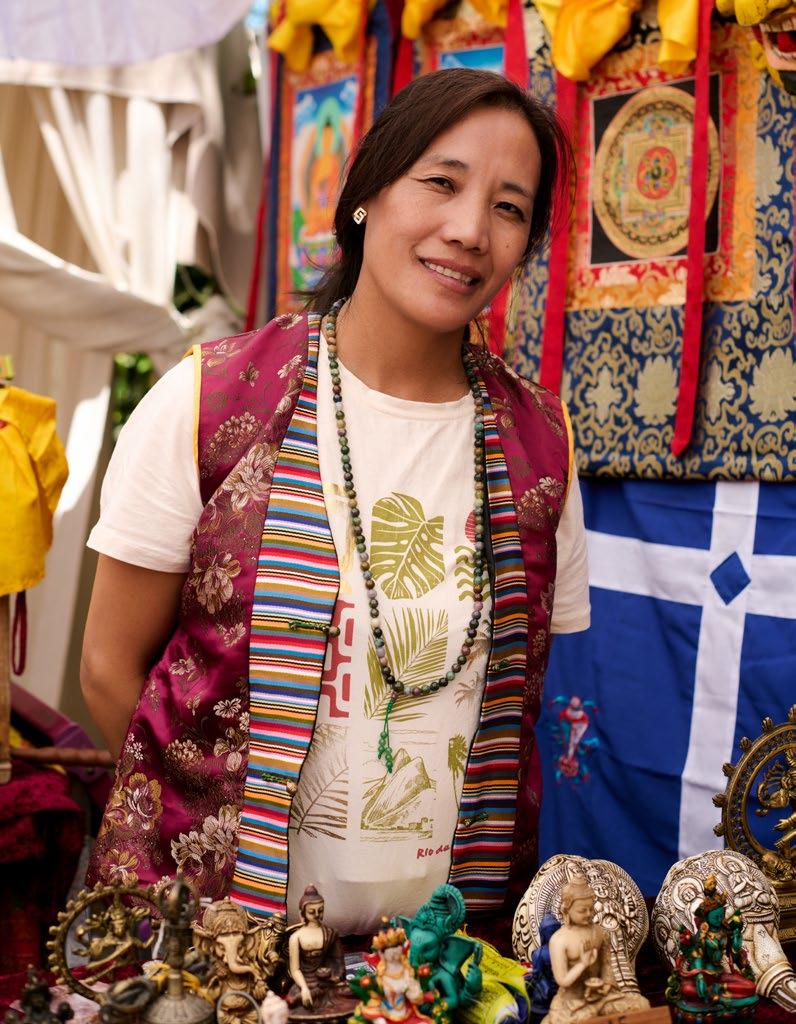
Aunque estén separados por seis husos horarios, ocho mil kilómetros de distancia y una altitud sobre el nivel del mar que varía entre los tres y los ocho mil metros, las estepas de su infancia y juventud no eran tan diferentes de los minifundios mediterráneos que conoció de adulta.
“LAS MUJERES QUE ME ENCONTRÉ EN EL CAMPO EN IBIZA VESTÍAN DE LARGO Y NEGRO Y VIVÍAN DE
FORMA ANCESTRAL, COMO MIS ABUELOS”
Dice Puchi:
—Descubrí que, como nosotros, los ibicencos también tiraban con honda, así que me federé. He participado en la Copa del Mundo de tir amb bassetja. Las mujeres que me encontré en el campo vestían –de largo y de negro–y vivían –trabajando la tierra de forma ancestral– de una forma muy parecida a mis abuelos. Nuestra tierra no es fácil de trabajar, el clima es muy extremo, sólo hay dos estaciones en todo el año. Ahora tenemos fruta y verdura gracias a los invernaderos, pero los cultivos tradicionales son la colza, el trigo, la cebada. En cada casa producimos nuestra cerveza: se comparte con las visitas, se toma mientras se charla. Estamos muy orgullosos de ella.
Una relación muy parecida a la que tiene cada pagès con el vino que produce todos los septiembres.
Capítulo aparte merece la lana –de oveja, para la ropa; de los yaks, para edredones y alfombras–, que en el Tíbet, más que una materia prima es, como explica Puchi, “una forma de vida”. Aquellos conocimientos se convierten en hilos, patrones, colores. En ponchos, gorros, chalecos. Las prendas que Daniel y Puchi llevan años vendiendo en su puesto de Las Dalias. Producen tanto en Pashool como en los talleres de muchos compatriotas desplazados a Nepal.
Despite being separated by six time zones, eight thousand kilometres, and altitudes ranging from sea level to eight thousand metres, the steppes of her youth were not so different from the Mediterranean smallholdings she encountered as an adult.
Puchi says: “I discovered that, like us, the Ibizans also used slings, so I joined the federation. I have even competed in the Tir amb Bassetja World Cup. The women I met in the countryside dressed in long black clothes and lived—working the land in ancestral ways—much like my grandparents did”.
“Our land is not easy to work; the climate is extreme, with only two seasons a year. We have fruit and vegetables now thanks to greenhouses, but the traditional crops are rapeseed, wheat, and barley. Every household produces its own beer: it is shared with guests and sipped while chatting. We are very proud of it”. This is a relationship remarkably similar to the one every pagès (local farmer) has with the wine they produce each September.
Wool deserves its own chapter: sheep’s wool for clothing; yak’s wool for duvets and rugs. In Tibet, wool is more than merely a raw material; as Puchi explains, it is “a way of life”. That knowledge is transformed into threads, patterns, and colours: into ponchos, hats, and waistcoats. These are the garments that Daniel and Puchi have been selling for years at their stall in Las Dalias. They produce them in Pashool and in the workshops of fellow Tibetans living in Nepal.
Piece by piece, they began exhibiting objects at the market that, like the clothes, are part of daily life in Tibet. They teach customers to appreciate the resonance of seven-metal singing bowls and explain the symbolism of the prayer flags that pique people’s interest. Specifically: the parasol (protection and dignity), the two golden fish (freedom and happiness), the Shankha or white conch (the sound of Dharma, Buddha’s teachings), the lotus (purity), the treasure vase (abundance), the infinite knot (eternity), and the victory banner (knowledge). It is the triumph of the spirit.
SUMMER
SÁBADOS FROM 10H
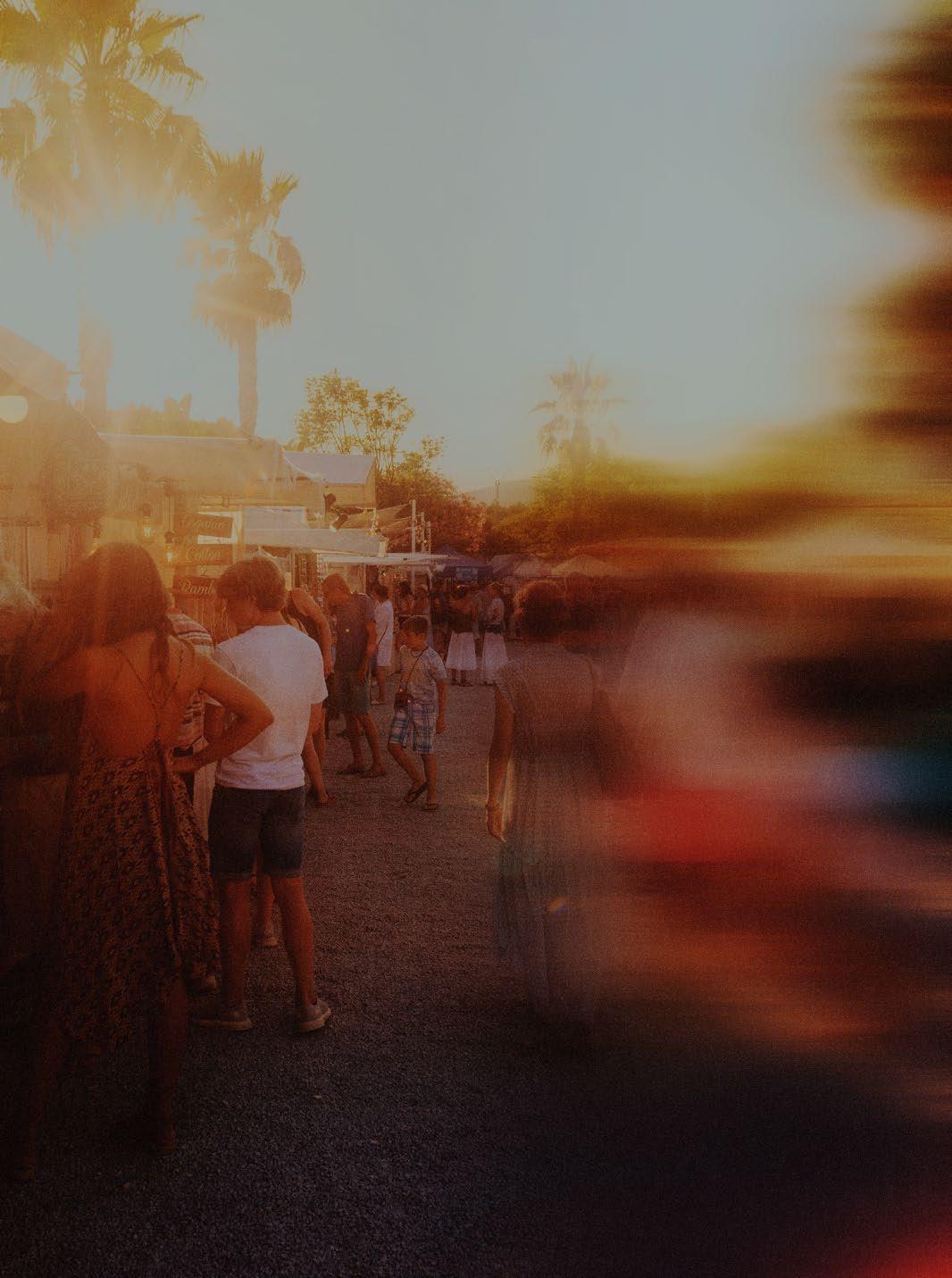
WINTER
SÁBADOS FROM 10H & FROM JUNE TO SEPTEMBER
DOMINGOS, LUNES & MARTES NIGHT MARKET FROM 19H
DOMINGOS FROM 11H
FREE ENTRY
Poco a poco fueron exhibiendo en el mercado objetos que, como la ropa, también forman parte de lo cotidiano en el Tíbet. A los clientes les enseñan a apreciar los sonidos de los cuencos de siete metales, les relatan los símbolos de las banderas de oración por los que se interesan. A saber: el parasol –protección y dignidad–, los dos peces dorados –libertad y felicidad–, el Shankha o concha blanca –el sonido del Dharma, las enseñanzas de Buda–, el loto –la pureza–, el jarrón del tesoro –la abundancia–, el nudo infinito –la eternidad–, el estandarte de la victoria –el conocimiento–, etcétera. Es el triunfo del espíritu.
“EN EL TÍBET NOTAS QUE LA RELIGIÓN ESTÁ VIVA, COBRA TODO
SU SENTIDO PORQUE
SE INTEGRA
EN EL DÍA A DÍA DE LAS PERSONAS. LOS TIBETANOS ESTÁN ENTREGADOS
A SUS CREENCIAS, PERO NO SON TODOS MONJES NI MUCHO MENOS, Y TAMPOCO TIENEN RUTINAS TAN DIFERENTES A LOS OCCIDENTALES”
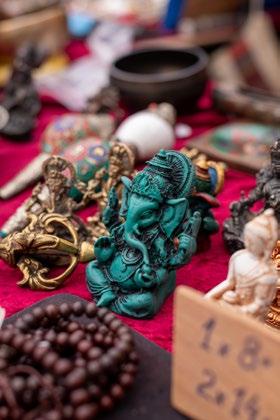
“En el Tíbet notas que la religión está viva, cobra todo su sentido porque se integra en el día a día de las personas. Los tibetanos están entregados a sus creencias, pero no son todos monjes ni mucho menos, y tampoco tienen rutinas tan diferentes a los occidentales. Pero allí el intercambio con lo divino es constante y se mezcla con la modernidad: hay rezadores con batería eléctrica. Quizás eso sea lo que más nos sorprende y engancha a los extranjeros cuando visitamos el país por primera vez”, dice Daniel. Nada parece casualidad en el altiplano asiático. Por ejemplo, el nombre del proyecto de este matrimonio: Himalayan Art & Craft. Puchi –a la manera de su madre– lo resume con otro aforismo: “Las montañas son nuestra bendición”.
“In Tibet, you feel that religion is alive; it makes complete sense because it is integrated into people’s daily lives. Tibetans are devoted to their beliefs, but they aren’t all monks by any means, nor are their routines so different from those in the West. However, there is a constant exchange with the divine that mixes with modernity: you even see prayer wheels powered by electric batteries. Perhaps that is what most surprises and captivates foreigners when they first visit the country,” says Daniel. Nothing seems like a coincidence in the Asian highlands. Take, for example, the name of this couple’s project: Himalayan Art & Craft. Puchi—in the manner of her mother—sums it up with another aphorism: “The mountains are our blessing”.

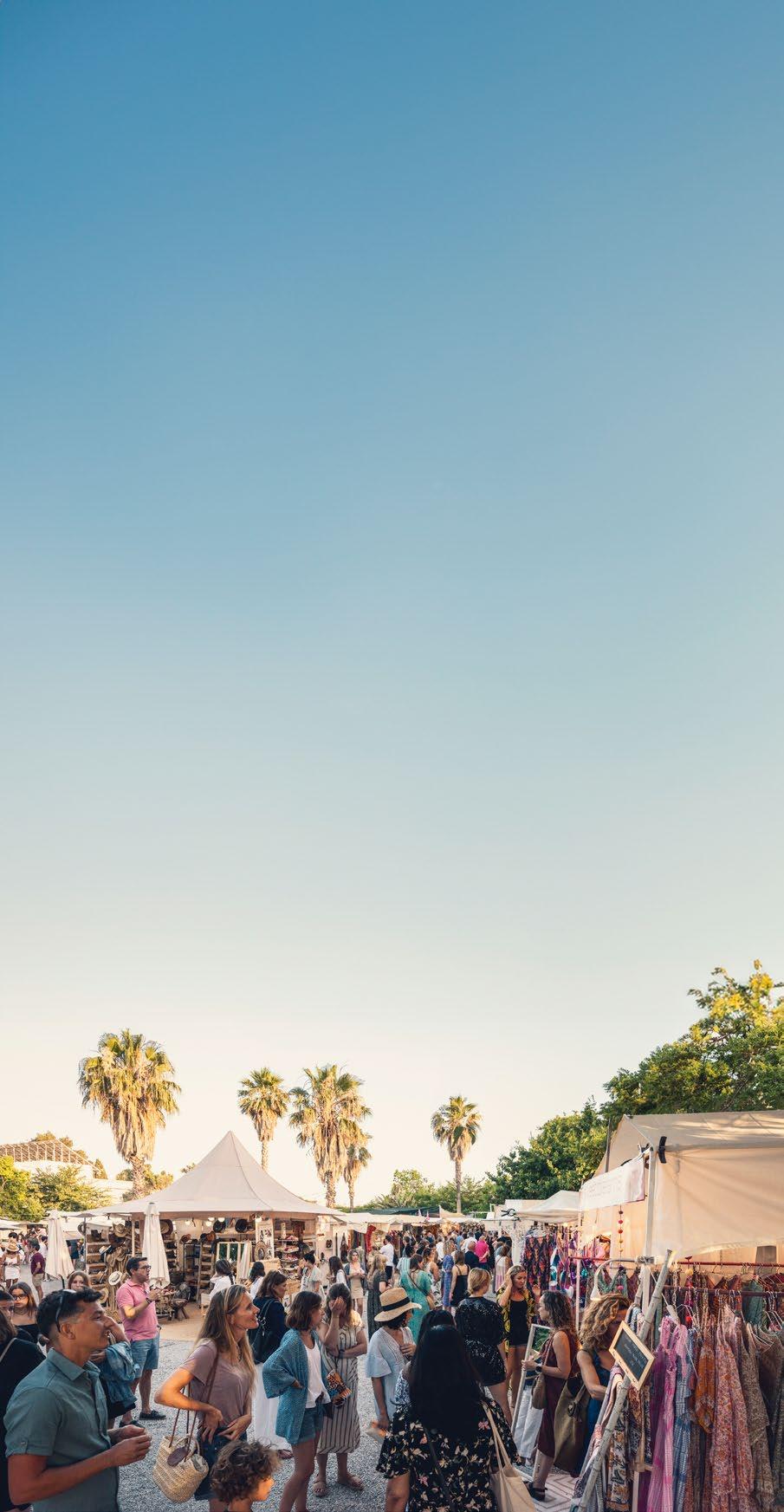

Pablo Sierra del Sol Arsen Voronyy T F
Los Juanes despegaron del aeropuerto internacional de Katmandú horas antes de que el suelo temblara como nunca. El 25 de abril de 2015 un terremoto de casi ocho grados en la escala de Richter arrasó Nepal. La catástrofe: nueve mil muertos, daños económicos imposibles de cuantificar, un drama colectivo. “Fue llegar a España, enterarnos de lo que había ocurrido, y mientras Juan [López Ramírez] arreglaba los asuntos que teníamos aquí, yo me volví para allá en cuanto despegó el primer avión que pudo aterrizar”, recuerda Juan Torrens Farré. Los Juanes son pareja, en lo personal y lo artístico –de ahí el nombre del tándem– y el episodio dibuja con nitidez la relación que ambos tienen con el pueblo nepalí. Tan íntima como el amor que se profesan entre ellos desde hace treinta años.
Los Juanes took off from Kathmandu International Airport just hours before the ground shook as never before. On 25 April 2015, an earthquake measuring nearly eight on the Richter scale devastated Nepal. The catastrophe left nine thousand dead, incalculable economic damage, and widespread trauma. “We had only just arrived in Spain when we heard what had happened. While Juan [López Ramírez] handled our affairs here, I headed straight back on the very first flight that was able to land,” recalls Juan Torrens Farré. Los Juanes are a couple, both personally and artistically—hence the name of the tandem—and this episode clearly illustrates the relationship they share with the Nepalese people. It is a bond as intimate as the love they have shared for thirty years.
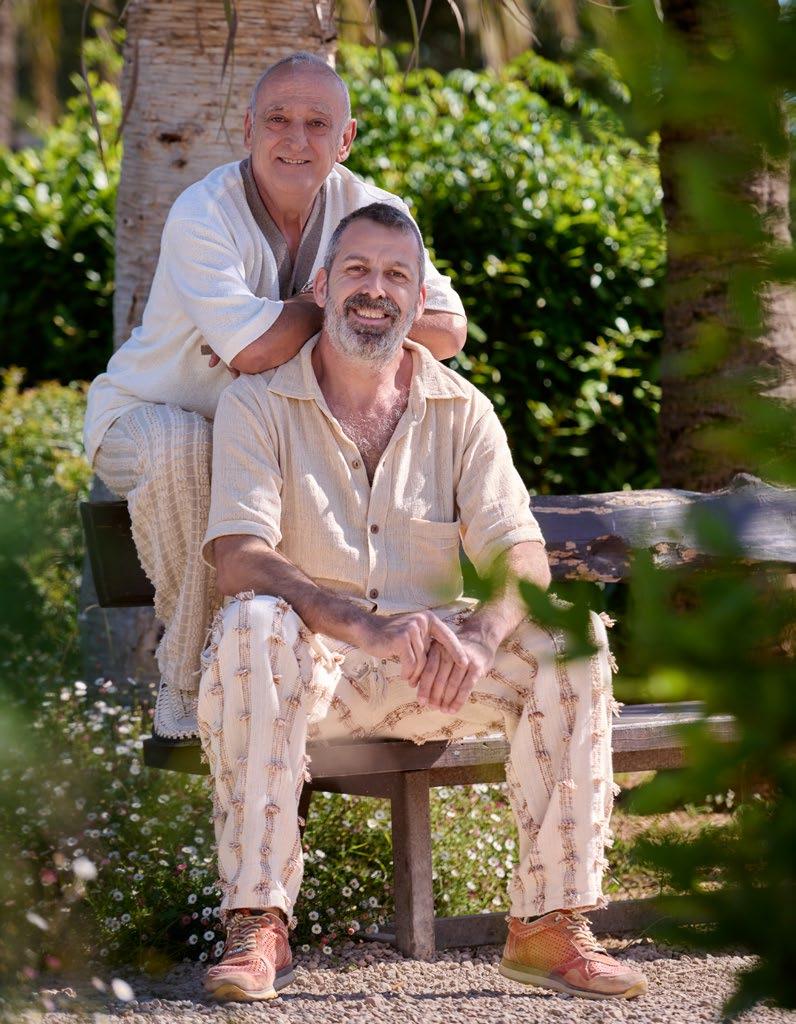
La ropa que los Juanes venden en su puesto de Las Dalias bajo la marca de Cáñamo Ibiza es hija de siglos y siglos de aprendizaje para domesticar esta planta que crece en las fértiles laderas meridionales del Himalaya. “Nosotros llevamos décadas dedicándonos a la moda. Antes de venir a la isla tuvimos una tienda de ropa en Tarragona, emprendimos un proyecto en Costa Rica… Cáñamo Ibiza nace en realidad después del primer viaje que hicimos a Nepal. Fue en 2010 y nos enamoramos, literalmente, de la manera de trabajar de aquellos artesanos. Convertir las cañas en hilo es un proceso precioso, pero a la vez muy difícil. Tardas mucho tiempo”, dice Juan Torrens.
VUELVEN
Juan López recoge el testigo y continúa hablando con la misma pasión del flechazo que tuvieron con una familia que regentaba un taller –y que ya tenía experiencia en distribución transoceánica: una de sus hijas vive en Nueva York–: “Desde entonces son nuestros proveedores y gracias a ellos hemos podido conocer, de principio a fin, cómo los tallos de cáñamo se convierten en tela. Primero cortan la planta, que se bate a mano en el río. Hay que esperar a que se seque para luego deshilachar poquito a poco la fibra. Después, caminan dos días, hasta los pies del Annapurna, para recoger las telas. Luego las llevan hasta un pueblo de la provincia de Bagmati –una de las siete regiones nepalíes– para suavizarlas. En el proceso no se usan químicos ni productos artificiales: hierven las telas en una olla donde meten una piedra que incluso se utiliza para suavizar la piel. La textura que queda es una maravilla. Sólo entonces, después de todo ese currazo, es cuando se puede empezar a cortar y coser”.
Una vez al año, los Juanes vuelven a Nepal. Pasan varias semanas en Katmandú. A ratos, merodeando por una ciudad caótica –pero muy hospitalaria–; la mayor parte del tiempo, metidos en el taller de sus proveedores. Allí, entre tinas y telares, revisan la calidad de las prendas, plantean
“We had only just arrived in Spain when we heard what had happened. While Juan [López Ramírez] handled our affairs here, I headed straight back on the very first flight that was able to land,” recalls Juan Torrens Farré. Los Juanes are a couple, both personally and artistically—hence the name of the tandem—and this episode clearly illustrates the relationship they share with the Nepalese people. It is a bond as intimate as the love they have shared for thirty years.
The clothing that Los Juanes sell at their stall in Las Dalias under the brand Cáñamo Ibiza is the result of centuries of learning how to domesticate the hemp plant, which grows on the fertile southern slopes of the Himalayas.
“We’ve spent decades in fashion. Before coming to the island, we had a clothes shop in Tarragona and started a project in Costa Rica... Cáñamo Ibiza was actually born after our first trip to Nepal in 2010. We fell quite literally in love with the way those craftspeople worked. Turning the stalks into thread is a beautiful process, but an incredibly difficult one. It takes a long time,” says Juan Torrens.
Juan López takes up the story, speaking with equal passion about their “love at first sight” with a family-run workshop : “Since then, they have been our suppliers. Thanks to them, we’ve learned exactly how hemp stalks are transformed into fabric. First, they cut the plant, which is beaten by hand in the river. You have to wait for it to dry before slowly unravelling the fibres by hand. Then, they trek for two days to the foot of the Annapurna range to collect the fabrics. Later, they take them to a village in Bagmati province to soften them. No chemicals or artificial products are used in the process: they boil the fabrics in a pot with a specific stone used to soften skin. The resulting texture is wonderful. Only then, after all that hard graft, can the cutting and sewing begin”.
Once a year, Los Juanes return to Nepal for several weeks. At times, they wander through the chaotic—yet incredibly hospitable—streets of Kathmandu; however, most of their time is spent in their suppliers’ workshop. There, among the vats and looms, they check the quality of the garments, propose new patterns and designs, and drink chai with artisans who, through time and trust, have become more like family than business associates.

nuevos patrones y diseños, brindan con té chai con unos artesanos con los que, gracias al tiempo y a la confianza, el trato ha pasado de comercial a afectuoso. Y, tal vez por eso, Juan Torrens y Juan López se sientan felices por haber revitalizado la ruta entre Sant Carles de Peralta y Katmandú, abierta por los primeros hippies que pararon en Las Dalias cuando desembarcaron en Ibiza de camino a Goa, la puerta de Asia.
“Las exportaciones de ropa artesana son una fuente de ingresos fundamental para muchas familias”, cuenta Torrens, el veterano del dúo. “En el puesto demostramos a los clientes que la camisa que se llevan a casa no es para nada cara: contándoles todos los detalles, les mostramos la cantidad de horas, infinita, y el conocimiento ancestral que hay detrás de esta historia. Si las cuidas bien –y no las pierdes–, las prendas de Cáñamo Ibiza duran toda la vida”.
“También añadimos algo muy importante”, añade López, el benjamín de la pareja, “que a nosotros nos llena de orgullo: nuestra relación con estos maestros de las telas no sólo mantiene abiertas pequeñas fábricas donde todavía se trabaja sin máquinas”.
Una década después, Nepal sigue desperezándose de aquel seísmo sin precedentes. La reconstrucción es una tarea que sólo se podía acometer a ritmo de sherpa. Palpando el terreno antes de posar el pie. Lento, pero seguro. Como el cáñamo transformándose en hilo entre los dedos de esas mujeres que los modistos catalanes ven en proceso de liberación:
–Si se quedan viudas y no encuentran un empleo, no pueden mantener su independencia, las acaban casando con un hombre más mayor que ellas, las convierten en criadas. Por suerte, vemos que esa mentalidad cambia gracias, en parte, a las oportunidades de ganar un sueldo digno que dan proyectos como el nuestro. Es más que merecido: las nepalíes son auténticas maestras de la artesanía.
Perhaps that is why Juan Torrens and Juan López feel so happy to have revitalised the route between Sant Carles de Peralta and Kathmandu, a path first forged by the hippies who stopped at Las Dalias when they arrived in Ibiza on their way to Goa.
“The export of artisanal clothing is a vital source of income for many families,” says Torrens, the veteran of the duo. “At our stall, we show customers that the shirt they are taking home isn’t expensive at all. By sharing these details, we show them the infinite hours and ancestral knowledge behind the story. If you look after them well, a Cáñamo Ibiza garment will last a lifetime”.
“THE EXPORT OF ARTISANAL CLOTHING IS A VITAL SOURCE OF INCOME FOR MANY FAMILIES”
“We also add something very important,” adds López, the younger of the pair, “which fills us with pride: our relationship with these masters of fabric doesn’t just keep small factories open where work is still all done by hand”.
A decade later, Nepal continues to recover from that unprecedented earthquake. Reconstruction is a task that could only be undertaken at a ‘Sherpa’s pace’: feeling the ground before placing a foot. Slow, but steady. Just like the hemp transforming into thread between the fingers of the women whom these Catalan designers now see in a process of liberation:
“If they are widowed and cannot find work, they can’t maintain their independence; they end up being married off to older men and turned into servants. Fortunately, we see that mindset changing, partly thanks to the opportunities to earn a decent wage provided by projects like ours. It is more than deserved: Nepalese women are true masters of their craft”.
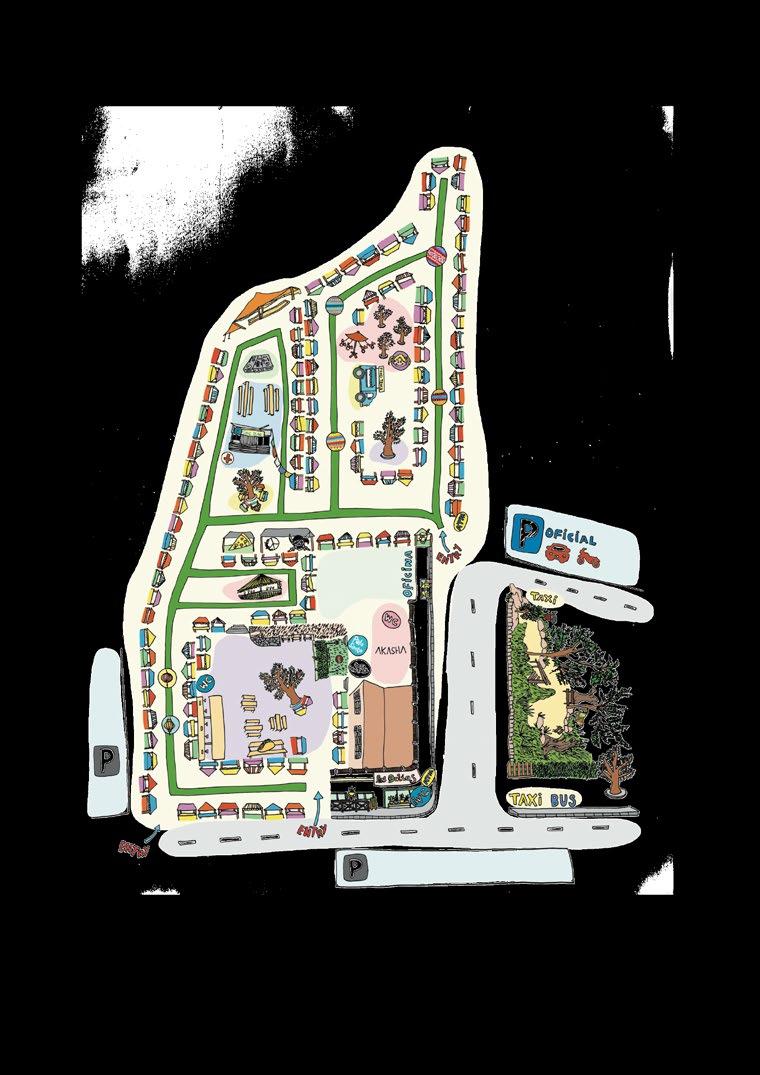
1. CAFÉ
2. TACOS & TEQUILA
3. BAR JARDÍN
4. AKASHA • LAS DALIAS CLUB
5. PALOSANTO & TERRAZA
6. ZUMOS
7. PIZZA & BEERS
8. SOUL BAR • PAELLA & COCKTAILS
9. JAIMA
10. GRANIZADOS NATURALES
11. KIDS AREA
12. FOOD TRUCK
T F
Hay lugares que simplemente suceden. Can Tirurit fue uno de ellos.
Para entenderlo habría que retroceder, no a Ibiza, sino a París, a mayo del 68. Momento en el que el mundo se agrietó un poquito, lo suficiente como para que entrara un poco de luz, una nueva forma de ver las cosas. Y esa nueva forma no fue sólo política: era existencial y, sobre todo, una ruptura radical con lo heredado.
De ahí vienen Philippe Camus y François Camus, primos, siendo el primero el mayor. Dos franceses que, atravesados por ese espíritu descreído de lo establecido, como tantos otros, emprendieron el viaje hacia Oriente: India, Nepal, en busca de alguna alternativa.
Some places simply happen. Can Tirurit was one of them.
To understand it, you would need to go back — not to Ibiza, but to Paris, to May ‘68. The moment when the world cracked open, just enough to let a little light in, a new way of seeing things. And that new way was not only political: it was existential, and above all a radical break with everything inherited.
From that moment came Philippe Camus and François Camus, cousins, Philippe the elder. Two Frenchmen who, caught up like so many others in that spirit of disbelief in the established order, set out on the journey east: India, Nepal, in search of some alternative.
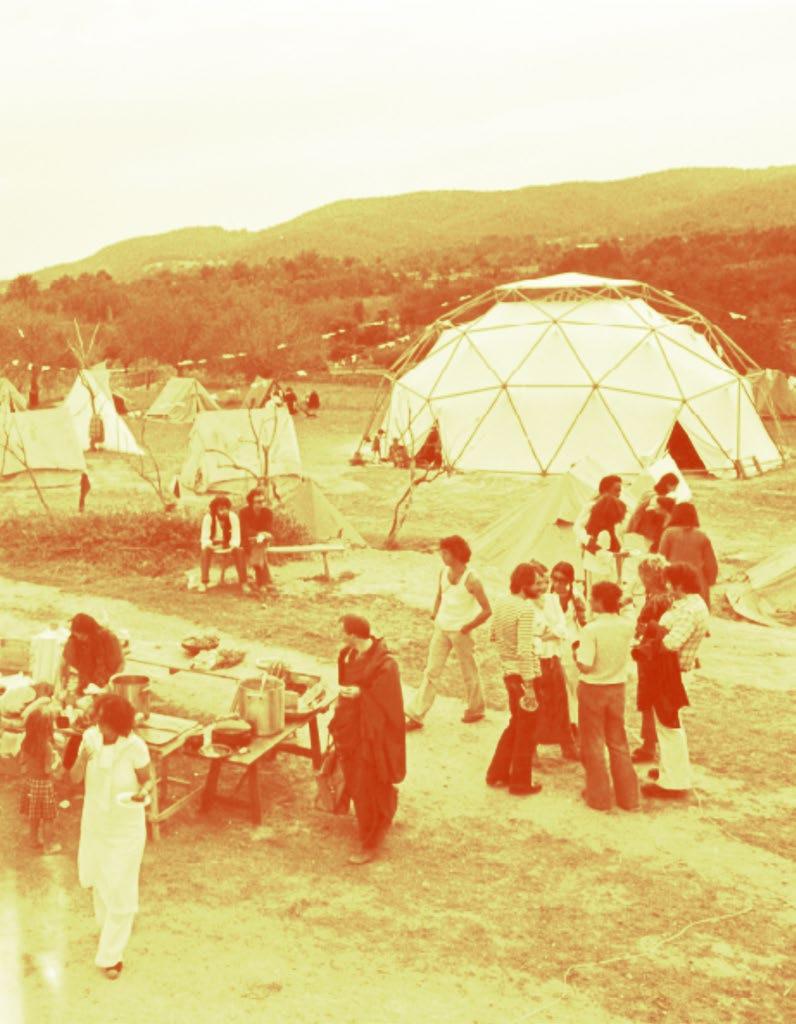
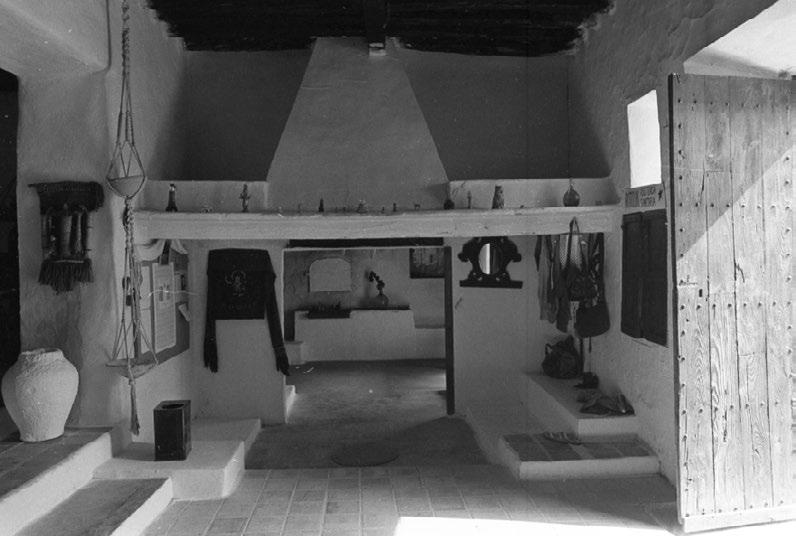
Después de esos viajes, cuando Philippe llega a Ibiza, a principios de los setenta, lo hace con la idea de probar otra forma de estar en el mundo, tras lo que había vivido y aprendido en Oriente. Así alquila una casa pagesa en el norte de la isla. La casa se llama Can Tirurit.
Al principio vive con su pareja, Linda; es 1973. Pero la casa pronto deja de ser un lugar convencional al abrirse primero a amigos, luego a conocidos, después a cualquiera que llegue con algo que aportar. Así van llegando artesanos, músicos, viajeros, gente que venía del norte de Europa, de la península, de cualquier sitio, que instalan talleres de cuero, orfebrería y telas en los antiguos corrales. También los músicos improvisan con sus instrumentos durante noches enteras y, de repente, las fiestas duran días. La comida se prepara entre todos y los niños juegan en el campo como pajaritos, haciendo y deshaciendo libremente. Así, los adultos van ensayando y experimentando nuevas formas de vida, comparten conocimientos y experiencias… están probando.
After those travels, when Philippe arrived in Ibiza in the early seventies, he came with the idea of trying another way of being in the world — shaped by what he had lived and learnt in the East. He rented a pagesa farmhouse in the north of the island. The house was called Can Tirurit.
At first, he lived there with his partner, Linda; it was 1973. But the house soon ceased to be a conventional home, opening first to friends, then to acquaintances, then to anyone who arrived with something to contribute. Craftspeople came, musicians, travellers, people from northern Europe, from the mainland, from everywhere, who set up workshops in leather, silversmithing and textiles in the old animal pens. Musicians improvised on their instruments through entire nights; suddenly, parties lasted for days. Food was prepared together, and children ran free in the fields like little birds, making and unmaking the world around them. The adults, meanwhile, tried out new ways of living, sharing knowledge and experience. They were exploring.
Y lo que ocurre en Can Tirurit entre 1973 y 1980 no tiene precedentes en la isla. Se ha hablado mucho de Ibiza como la isla hippie, pero pocas veces se señala el lugar donde esa forma de vida se ensaya por primera vez.
Fue la cuna.
COMO LA ISLA HIPPIE, PERO POCAS
VECES SE SEÑALA EL LUGAR DONDE
ESA FORMA DE VIDA SE ENSAYA
POR PRIMERA VEZ: CAN TIRURIT
En el puerto de Ibiza, en la calle de la Virgen, Philippe Camus había abierto un bar. En la parte superior pintó unos ojos de Buda que se veían desde lejos, incluso al llegar en barco. De este modo, quien llegaba a la isla y estaba en esa frecuencia —difícil de explicar pero fácil de reconocer— acababa allí. Y entonces Philippe les explicaba el camino a aquella casa pagesa… Can Tirurit, donde François, junto a los demás, les daba zumo de naranja y galletas María de bienvenida.
En Can Tirurit siempre había preparado para quien llegaba ese zumo, esas galletas y, a veces, malta. Nada sofisticado, nada simbólico en apariencia. Pero, en realidad, muy significativo. Como si el lugar ya supiera que ibas a llegar, ese detalle de hospitalidad era una cualidad permanente, un pequeño gesto de tantos que sostenían algo mucho más grande: esa sensación de bienvenida y de comunidad.
Y aquí aparece algo que es clave, que es fundamental: el ingrediente secreto, la ingenuidad
Y es que en la casa pagesa habitaba la confianza en el otro y la creencia en que las cosas funcionarían. En que se podía compartir sin intereses, incluso en que la vida podía valorarse sin cinismo. Ese ingrediente, esa ingenuidad — hoy extinta—, era el elemento esencial que permitía que todo aquello sucediera. Sin ella, Can Tirurit no habría durado ni una semana; pero con ella, se convirtió en ese lugar donde, por un rato, todo pareció posible.
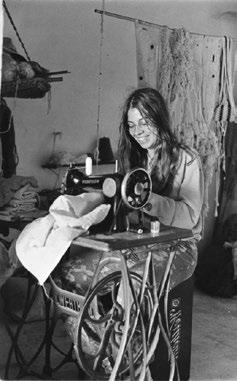
What happened at Can Tirurit between 1973 and 1980 had no precedent on the island. Much has been said about Ibiza as the hippie island, but rarely does anyone identify the place where that way of life was first rehearsed.
It was the cradle.
Philippe Camus had opened a bar in the port of Ibiza, on Calle de la Virgen. On the upper part he painted a pair of Buddha’s eyes, visible from a distance — even from an entering the harbour. And so whoever came to the island and tuned to that frequency — difficult to explain, easy to recognise — ended up there. Philippe would then tell them the way to that pagesa farmhouse: Can Tirurit, where François and the others would welcome them with orange juice and María biscuits.
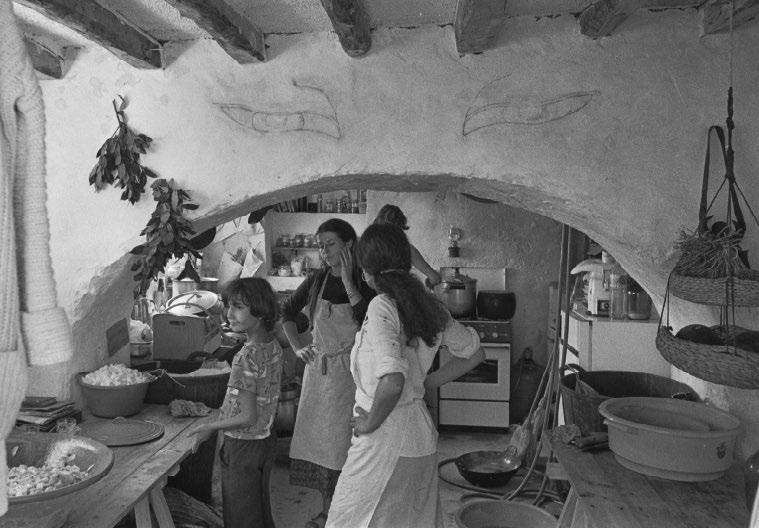
DEL BUDISMO TIBETANO A IBIZA. UN
PUENTE DIRECTO CON DOS FIGURAS
VITALES: LAMA YESHE Y LAMA ZOPA
Si Can Tirurit hubiera sido solo una comunidad hippie, su relevancia sería otra. Lo que la convierte en un nodo histórico es también la llegada del budismo tibetano, a través de Philippe y François Camus, que establecen un puente directo con dos figuras vitales: Lama Yeshe y Lama Zopa.
En ese momento, ambos lamas forman parte de una diáspora tibetana que, tras el exilio, empieza a entrar en contacto con Occidente. Con el apoyo de algunos occidentales, entre ellos una aristócrata rusa y una mujer
At Can Tirurit, there was always that juice, those biscuits and, sometimes, a malt drink, waiting for whoever arrived. Nothing sophisticated, nothing overtly symbolic. But in reality, deeply meaningful. As though the place already knew you were coming — that small gesture of hospitality was a permanent quality, one small act among the many that sustained something much larger: that feeling of welcome, of community.
And here something appears that is key, that is fundamental: the secret ingredient — la ingenuidad. Innocence.
For in the pagesa house there lived a trust in others and a belief that things would work out. That you could share without self-interest; that life could be valued without cynicism. That ingredient — that innocence, now extinct — was the essential element that allowed all of it to happen. Without it, Can Tirurit would not have lasted a week; but with it, it became the place where, for a while, everything seemed possible.
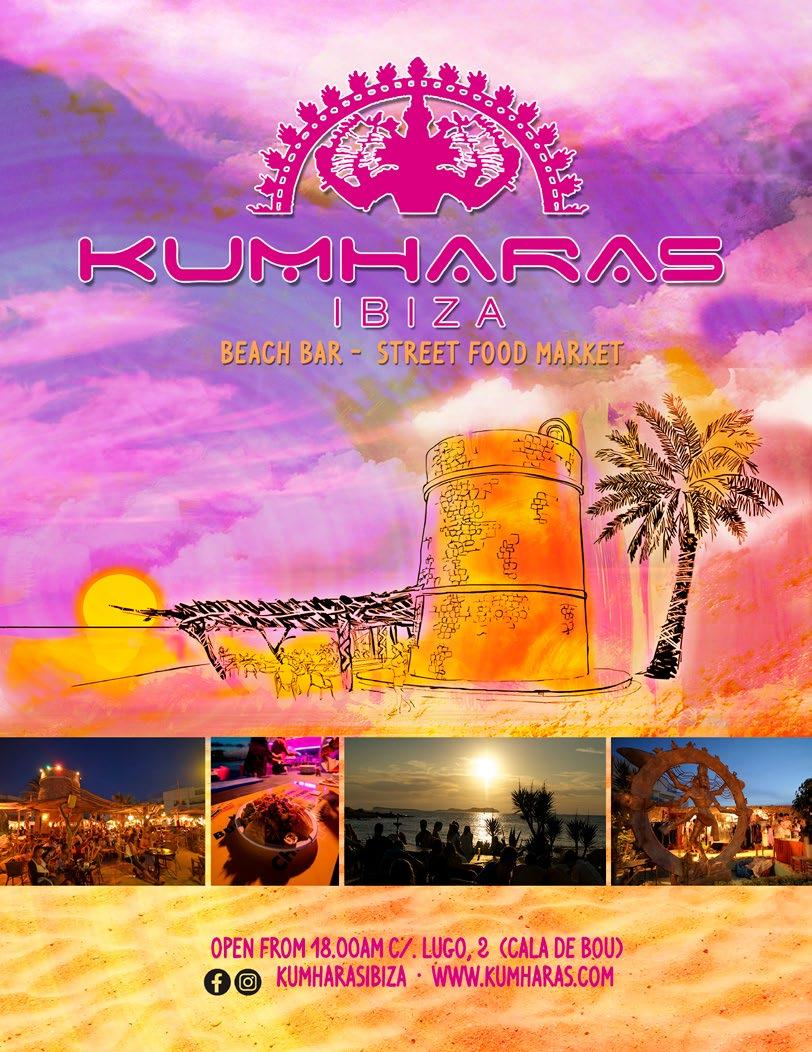
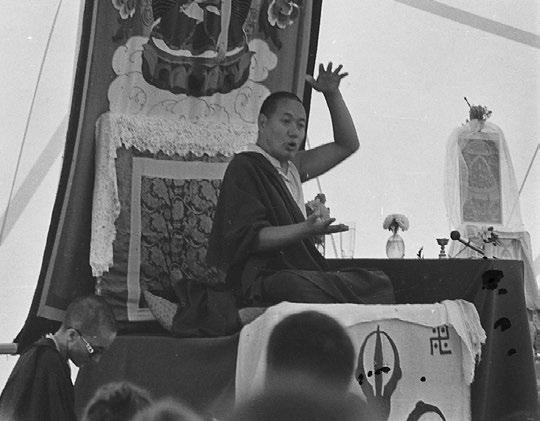
Sobre estas líneas, el Lama Yeshe en el domo impartiendo enseñanzas. En estas páginas vemos diversas imágenes de la vida diaria en Can Tirurit.
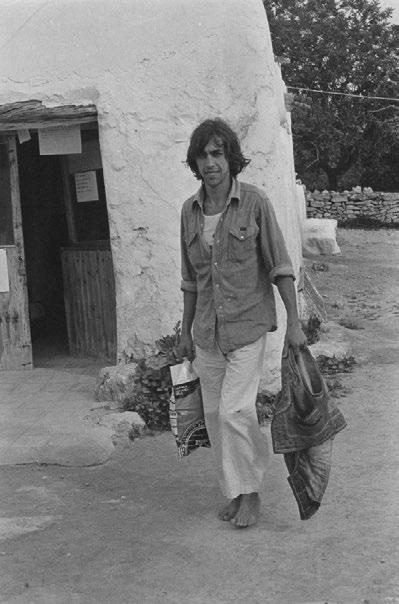
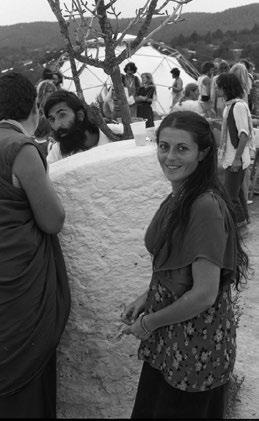
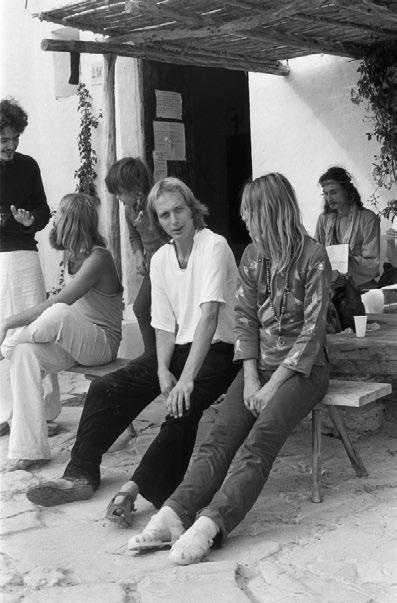
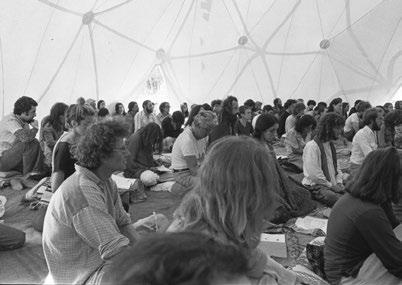
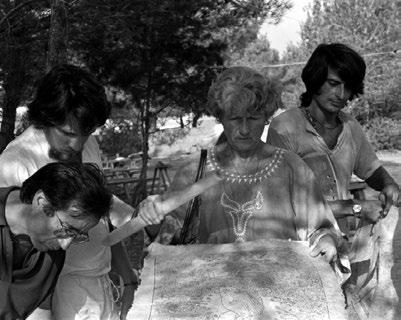
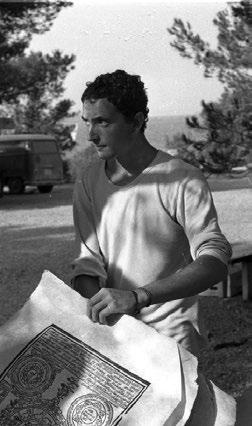
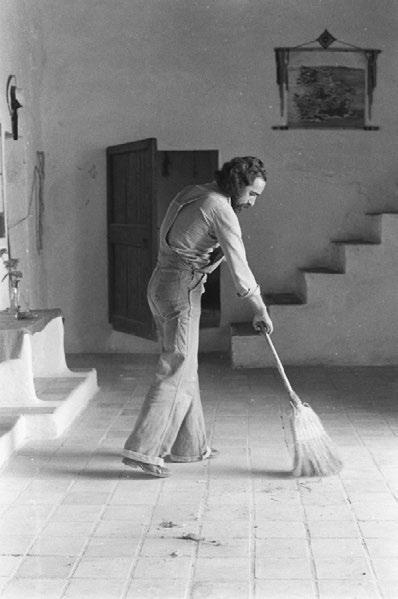
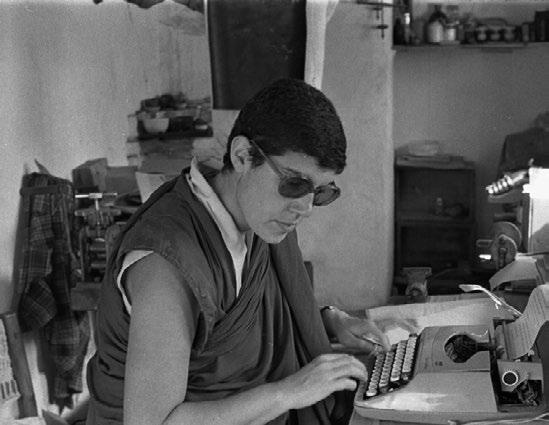
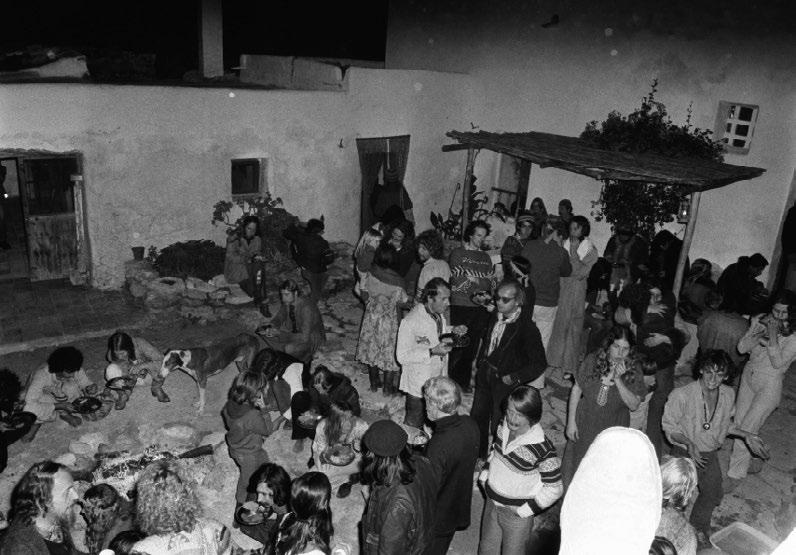
americana que establecieron su base en Nepal y se convirtieron en monjas budistas, los lamas empezaron a enseñar. Así surgiría la FPMT (Foundation for the Preservation of the Mahayana Tradition), una red que hoy cuenta con más de 130 centros en Europa, Estados Unidos, Australia y otros países.
El encuentro entre ese budismo y la contracultura occidental fue amor a primera vista. Por un lado, una tradición milenaria con una estructura filosófica racional. Por otro, una generación occidental que había desmontado sus propias referencias y buscaba nuevas formas de sentido. Y como sala de baile, Ibiza.
En 1977, Lama Yeshe llega a la isla y se celebra el primer curso en Can Tirurit. Se construye un domo y llegan personas de distintos países. Durante dos semanas, el lugar se transforma por completo.
If Can Tirurit had been only a hippie commune, its significance would be different. What makes it a historical node is also the arrival of Tibetan Buddhism, through Philippe and François Camus, who forged a direct link with two vital figures: Lama Yeshe and Lama Zopa.
IN 1977, LAMA YESHE ARRIVED ON THE ISLAND AND THE FIRST COURSE WAS HELD AT CAN TIRURIT. A DOME WAS BUILT; PEOPLE ARRIVED FROM DIFFERENT COUNTRIES
At that time, both lamas were part of a Tibetan diaspora that, following exile, was beginning to make contact with the West. With the support of certain Westerners — among them a Russian aristocrat and an American woman who established
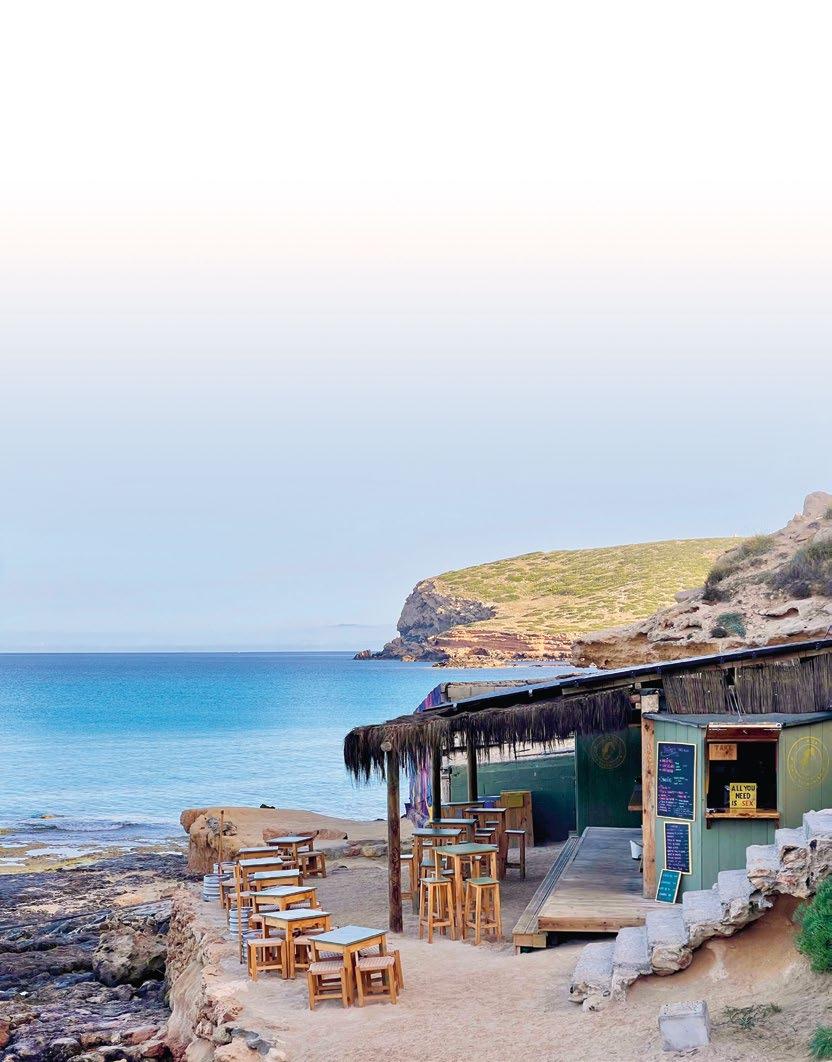
SOSTENIBILIDAD CON SABOR A MAR EN RACO DEN XIC
En uno de los rincones más mágicos de Ibiza, donde el sol se despide cada tarde con una explosión de colores sobre el Mediterráneo, se encuentra Chiringuito Cala Escondida. Más que un chiringuito, es un refugio sostenible donde , naturaleza y respeto por el entorno se fusionan en una experiencia única. Su atardecer, es considerado uno de los mejores del mundo.
CÓCTELES NATURALES PARA BRINDAR CON VISTAS AL MAR
Nada acompaña mejor un atardecer ibicenco que un buen cóctel. En Cala Escondida, los preparamos con frutas de temporada y Km0, hierbas aromáticas y sin plásticos de un solo uso. Déjate sorprender por combinaciones refrescantes que celebran los sabores de la isla.
MÁS QUE UN CHIRINGUITO, UN ESTILO DE VIDA
Madera reciclada, iluminación solar y un firme compromiso con la gestión sostenible de residuos convierten a Cala Escondida en un referente del turismo responsable. Aquí, cada detalle está pensado para que disfrutes sin prisas, con la brisa marina acariciando la piel y una postal inolvidable frente a ti: el sol sumergiéndose en el horizonte.
COMPROMISO SOCIAL Y AMBIENTAL:
MÁS ALLÁ DE NUESTRAS COSTAS
En Cala Escondida también creemos que la sostenibilidad también es solidaridad. Por eso, parte de nuestros beneficios se destinan al apoyo de nuestra ONGD Amavida con una escuela en Nepal con 500 niños, contribuyendo a la educación y el bienestar de niños en situación de vulnerabilidad.
Además, colaboramos activamente con proyectos locales en Ibiza para la protección del medioambiente, participando en la limpieza de playas y la promoción de un turismo más responsable. Creemos que pequeñas acciones pueden generar un gran impacto, y queremos que cada visita a nuestro chiringuito sea un paso más hacia un mundo mejor.
Si buscas un lugar donde desconectar, saborear lo mejor de Ibiza y ser parte de una filosofía que cuida del planeta, Cala Escondida te espera en Racó den Xic, Cala Comte. Porque el lujo de la isla también es respetar su belleza.
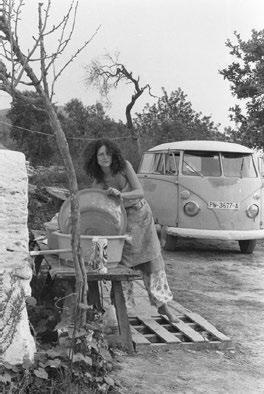
El ambiente sigue siendo el mismo —libre, creativo, caótico—, pero aparece el budismo mahayana, centrado en la compasión y el beneficio de todos los seres, y encaja de forma natural en Can Tirurit. Meditación por la mañana, enseñanzas, comida colectiva, debates, prácticas… Lama Yeshe habla de la vida, se ríe, conecta con todos de manera positiva.
Y eso cambia algo.
Así, Can Tirurit se convierte, durante esos años, en un punto de irradiación. Un lugar donde se cruzan el hippismo y la tradición espiritual tibetana.
Después del primer curso vendrán más: retiros, iniciaciones, más gente. Y también llegan recursos. Donaciones importantes, como la del empresario madrileño José Giralt, que permite plantear la creación de un centro budista propiamente dicho.
El propietario de la finca de Can Tirurit ya no quiere tanta actividad. El lugar se ha vuelto demasiado visible, hay demasiado movimiento. Y además, Lama Yeshe lo ve claro:
their base in Nepal and became Buddhist nuns — the lamas began to teach. From this would grow the FPMT (Foundation for the Preservation of the Mahayana Tradition), a network that today encompasses more than 130 centres in Europe, the United States, Australia and beyond.
The encounter between that Buddhism and the Western counterculture was love at first sight. On one side, a millenniaold tradition with a rational philosophical structure. On the other, a Western generation that had dismantled its own reference points and was searching for new forms of meaning. And with Ibiza as the dance floor.
CAN TIRURIT SE CONVIERTE, DURANTE
In 1977, Lama Yeshe arrived on the island and the first course was held at Can Tirurit. A dome was built; people arrived from different countries. For two weeks, the place transformed entirely.
The atmosphere remained the same — free, creative, chaotic — but Mahayana Buddhism appeared, centred on compassion and the benefit of all beings, and fitted naturally into Can Tirurit. Meditation in the morning, teachings, communal food, discussions, practice. Lama Yeshe talked about life, laughed, connected with everyone in a spirit of warmth.
And something shifted.
So Can Tirurit became, during those years, a source of radiance. A place where the hippie world and the Tibetan spiritual tradition crossed paths.
After the first course there were more: retreats, initiations, more people. Resources followed too. Significant donations — among them one from José Giralt, a Madrid businessman — made it possible to consider establishing a proper Buddhist centre.
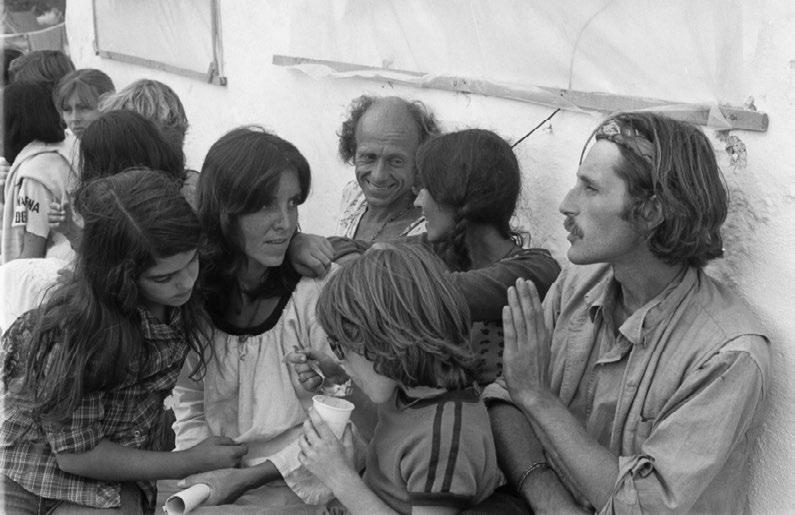
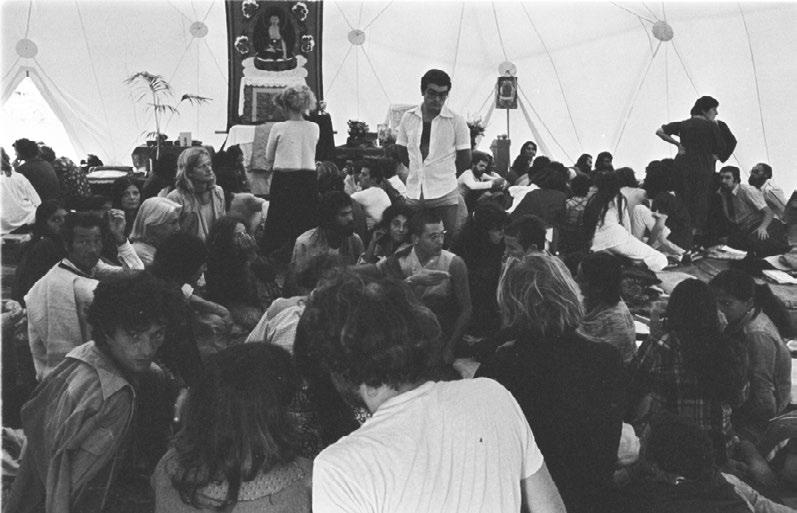
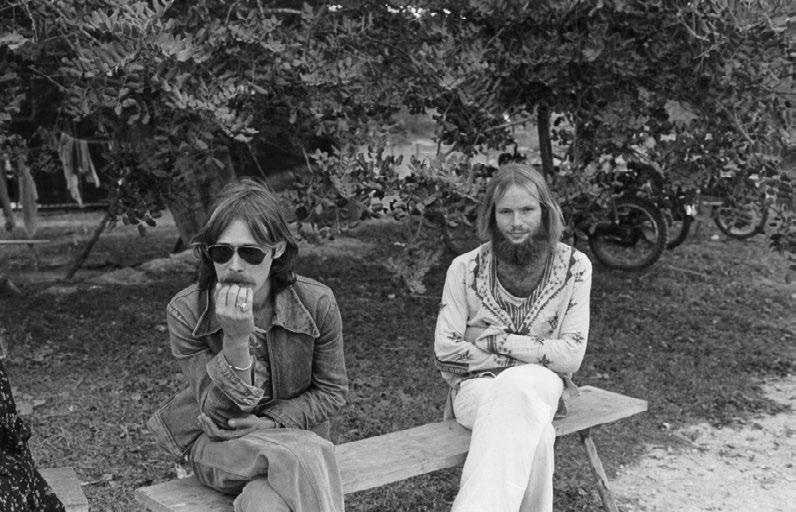
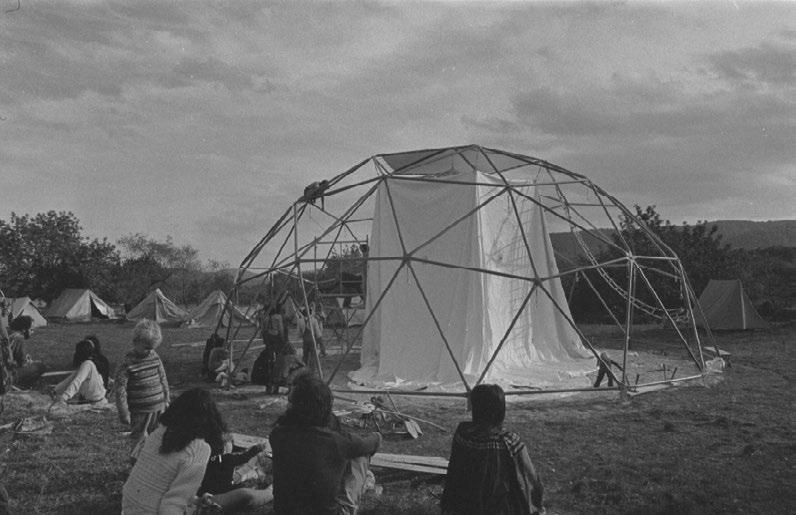
«Ibiza no es un lugar para consolidar un centro espiritual; es un lugar de paso, no de arraigo», dijo con esa sonrisa que tanto le caracteriza.
Durante 1979 comienza la búsqueda de un nuevo emplazamiento, y así aparece La Alpujarra, en Granada, donde se funda el centro budista O Sel Ling.
Mientras tanto, Can Tirurit se vacía.
LAMA YESHE: “IBIZA NO ES UN LUGAR PARA CONSOLIDAR UN CENTRO ESPIRITUAL; ES UN LUGAR DE PASO, NO DE ARRAIGO”
Y en mayo de 1980 se abandona definitivamente. Se desmonta el domo, se empaqueta todo, se cierra el ciclo. Se despierta del sueño, o de esa historia de amor que duró apenas seis o siete años. Eso duró, si el tiempo se mide en años; si se mide en intensidad, podríamos decir que aún sigue.
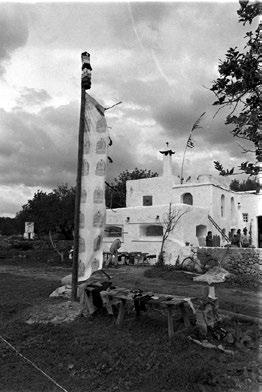
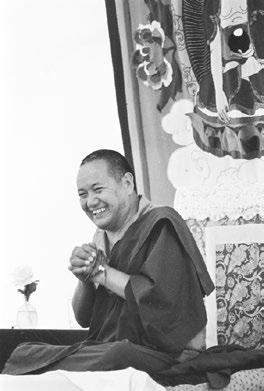
But the owner of the Can Tirurit estate no longer wanted so much activity. The place had become too visible; there was too much coming and going. And Lama Yeshe saw it clearly: “Ibiza is not a place to consolidate a spiritual centre; it is a place of passage, not of rootedness,” he said, with that smile so characteristic of him.
“IBIZA IS NOT A PLACE TO CONSOLIDATE A SPIRITUAL CENTRE; IT IS A PLACE OF PASSAGE, NOT OF ROOTEDNESS”. LAMA YESHE
During 1979 the search for a new location began, and La Alpujarra, in Granada, came into view — where the Buddhist centre O Sel Ling was founded.
Meanwhile, Can Tirurit emptied.
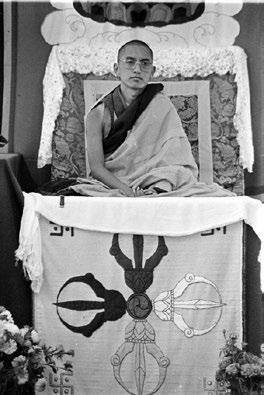
Tras la muerte de Lama Yeshe en 1984, ocurre algo que conecta directamente con Ibiza. Se reconoce como su reencarnación a un niño español: Osel Hita Torres, hijo de María Torres y Paco Hita, vinculados a aquel círculo original de Can Tirurit.
El niño crece entre dos mundos: Occidente y la tradición tibetana. Es educado como lama, aunque su camino, con el tiempo, tomará otras formas.
Pero el símbolo permanece.
Aquello que comenzó en un campamento de refugiados en India, que pasó por Nepal, que llegó a Ibiza a través de dos franceses marcados por la ilusión de cambiar el mundo… —o al menos un cachito del mundo— de alguna manera continúa.
Can Tirurit no fue significativo porque lo pretendiera; fue significativo porque no sabía que lo era, porque no hubo premeditación alguna.
Solo una casa pagesa abierta.
In May 1980 it was abandoned for good. The dome was dismantled, everything packed up, the cycle closed. The dream ended — or that love affair that lasted barely six or seven years. That is how long it lasted, if time is measured in years; measured in intensity, you might say it is still going.
PORQUE LO PRETENDIERA; FUE SIGNIFICATIVO PORQUE NO SABÍA
QUE LO ERA, PORQUE NO HUBO PREMEDITACIÓN ALGUNA. SOLO
After Lama Yeshe’s death in 1984, something happened that connects directly back to Ibiza. A Spanish child was recognised as his reincarnation: Osel Hita Torres, son of María Torres and Paco Hita, bound to that original circle of Can Tirurit.
The boy grew up between two worlds: the West and the Tibetan tradition. He was educated as a lama, though his path, in time, took other directions.
But the symbol endures.
What began in a refugee camp in India, passed through Nepal, and reached Ibiza through two Frenchmen fired by the dream of changing the world — or at least a small corner of it — in some way continues.
Can Tirurit was not significant because it meant to be; it was significant because it did not know it was, because there was no premeditation whatsoever.
Just an open pagesa farmhouse.
A bar with a pair of Buddha’s eyes watching over the harbour.
A dirt track.
A dome in the middle of the fields.
And a table with orange juice and biscuits waiting for whoever came.
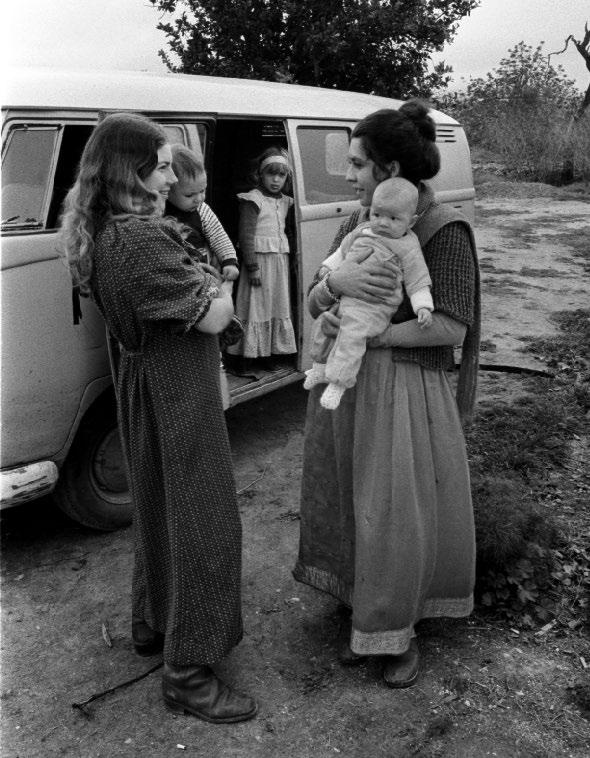
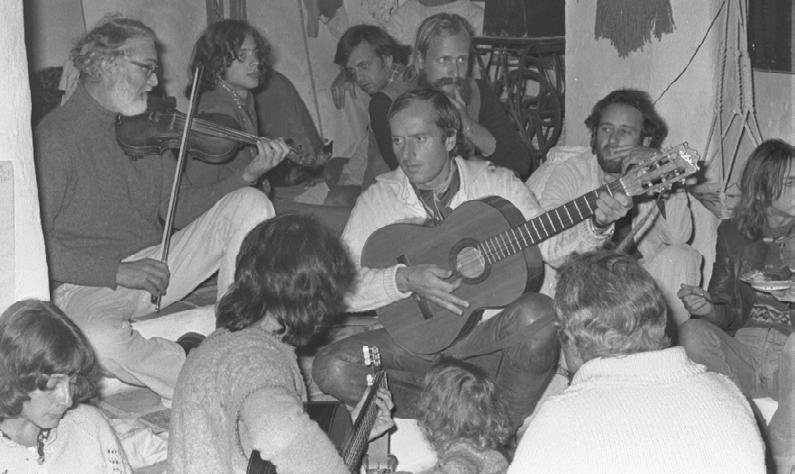
Un bar con unos ojos de Buda mirando al puerto.
Un camino de tierra.
Un domo en mitad del campo.
Y una mesa con zumo de naranja y galletas esperando a cualquiera.
Hoy sabemos lo que fue: la primera comunidad hippie de Ibiza, la puerta de entrada del budismo tibetano en la isla y un nodo temprano de una red que hoy se extiende por todo Occidente.
Pero entonces no.
Entonces solo era generación espontánea, vida y conciencia experimentándose a sí misma de manera totalmente natural e intuitiva; podríamos decir, ingenua
Y quizá ahí esté la clave.
Porque la magia, la de verdad, ocurre cuando todavía no sabes muy bien qué estás haciendo.
Agradecimientos: este texto ha sido posible gracias al testimonio y la generosidad de María Torres.
Today we know what it was: the first hippie community in Ibiza, the gateway through which Tibetan Buddhism entered the island, and an early node in a network that today extends across the whole of the West.
But not then.
HIPPIE COMMUNITY IN IBIZA, THE GATEWAY THROUGH WHICH TIBETAN BUDDHISM ENTERED THE ISLAND
Then it was only spontaneous generation — life and consciousness experiencing themselves in an entirely natural, intuitive way; you might even say, innocent.
And perhaps that is the key.
Because real magic — the genuine article — happens when you do not yet quite know what you are doing.
Thanks are due to María Torres, whose testimony and generosity made this text possible.
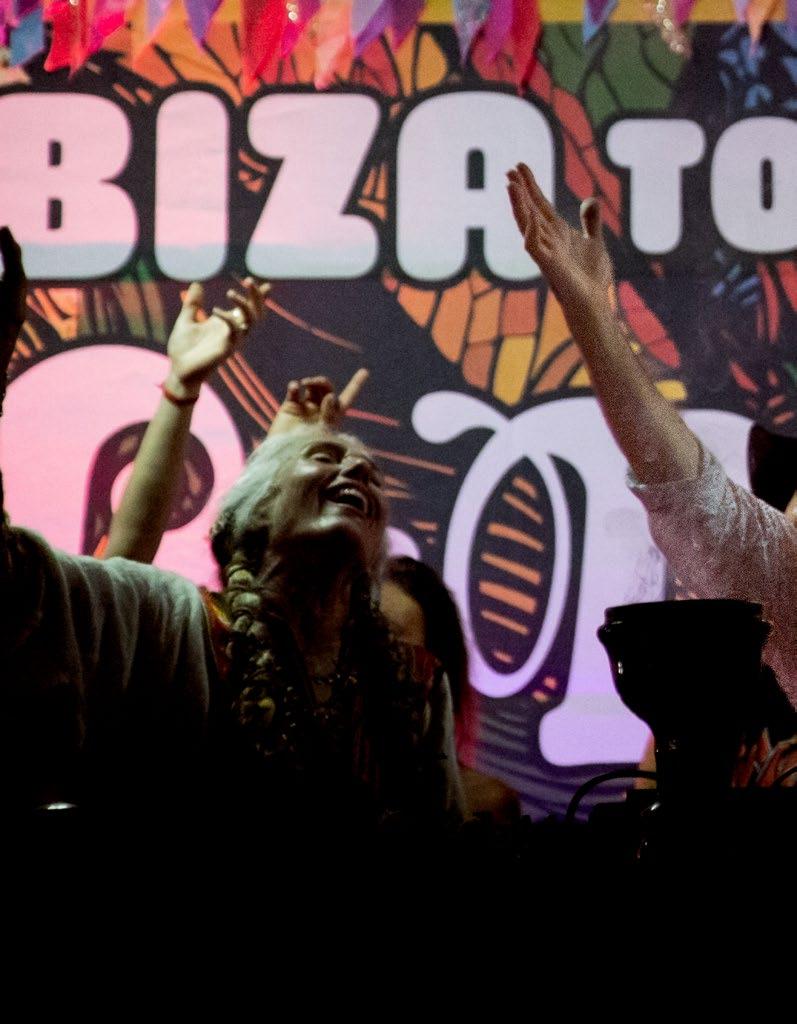
AN UNFORGETTABLE ENCOUNTER


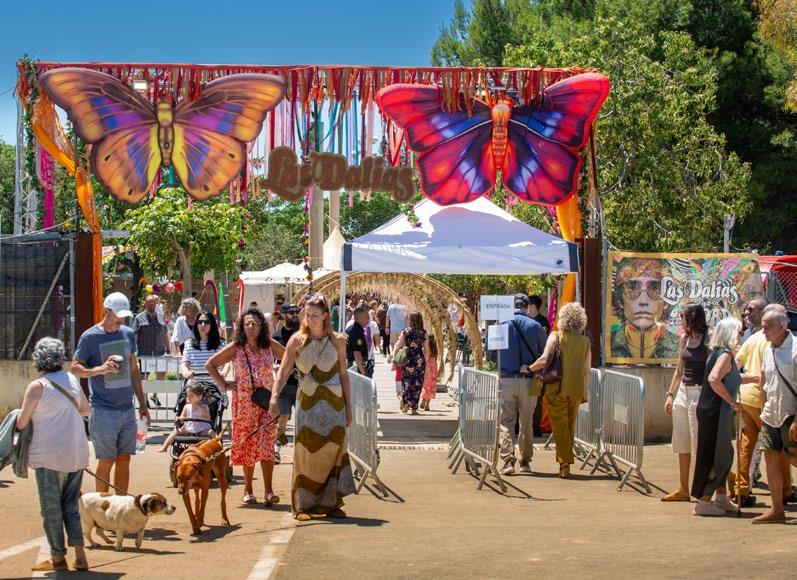
“Regresamos de Mallorca emocionados. No esperábamos una acogida así. Hemos sentido que tendíamos un puente entre las dos islas”. Las palabras de Juanito Marí, responsable de Las Dalias, resumen lo que ha significado para el mercadillo hacer las maletas para embarcarse en un nuevo Las Dalias On The Road y sentir el agradecimiento de toda una isla: “Vinieron clientas llevando los vestidos que se habían comprado en Las Dalias hace diez años, otros con cartas de agradecimiento a artesanos por lo que significó para ellos conocerles en la isla, otras personas nos agradecían haber llevado a Mallorca algo tan singular como nuestro mercadillo. El balance no puede ser ni mejor ni más emocionante”, añade Juanito en nombre de los 60 artesanos y vendedores que se embarcaron en esta aventura.
“We came back from Mallorca moved. We hadn’t expected a welcome like that. We felt we were building a bridge between the two islands.” The words of Juanito Marí, who leads Las Dalias, sum up what it meant for the market to pack its bags, set off on a new Las Dalias On the Road, and feel the gratitude of an entire island. “Customers came wearing dresses they’d bought at Las Dalias ten years ago. Others brought letters of thanks to artisans, telling them what it had meant to meet them on the island. People thanked us for bringing something as singular as our market to Mallorca. It couldn’t have gone better, or meant more,” Juanito adds, speaking for the sixty artisans and traders who embarked on this adventure.
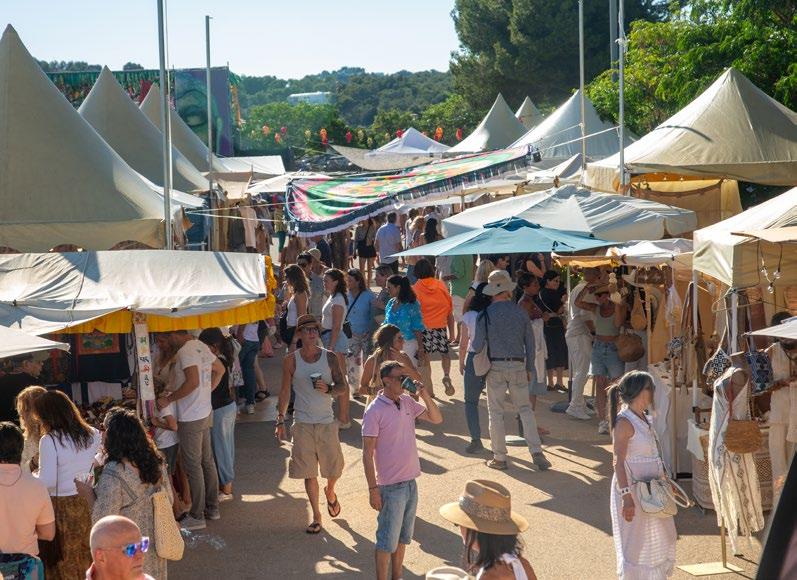
Lo vivido durante tres intensos días en Es Molí de Calvià, con la llegada de Las Dalias Ibiza On The Road Mallorca, ha supuesto para la isla un hito cultural. Porque en Mallorca, como en tantos otros lugares, el concepto de “ir de mercadillo” ha estado históricamente ligado al rastro tradicional, a la ‘ganga’ y al producto fabricado en masa, por lo que la propuesta de Las Dalias supuso una irreverente ruptura.
Artesanía elevada a arte, moda con identidad, joyería de autor y diseño no convencional, objetos exóticos y antiguos llenos de historia… La respuesta fue increíble con más de 11.000 personas disfrutando en un solo espacio de artesanías, música, espectáculos, espiritualidad y la energía de los grandes festivales.
Three intense days at Es Molí de Calvià, with the arrival of Las Dalias Ibiza on the Road Mallorca, marked a genuine cultural moment for the island. In Mallorca, as in so many other places, the idea of “going to a market” has historically meant the traditional flea market — bargains, mass-produced goods — which made the Las Dalias proposition a welcome disruption.
Craft elevated to art, fashion with its own identity, jewellery by independent designers, unconventional design, exotic and antique objects with stories to tell... The response was extraordinary, with over 11,000 people coming together in a single space to enjoy craftsmanship, music, performance, spirituality and the energy of a major festival.
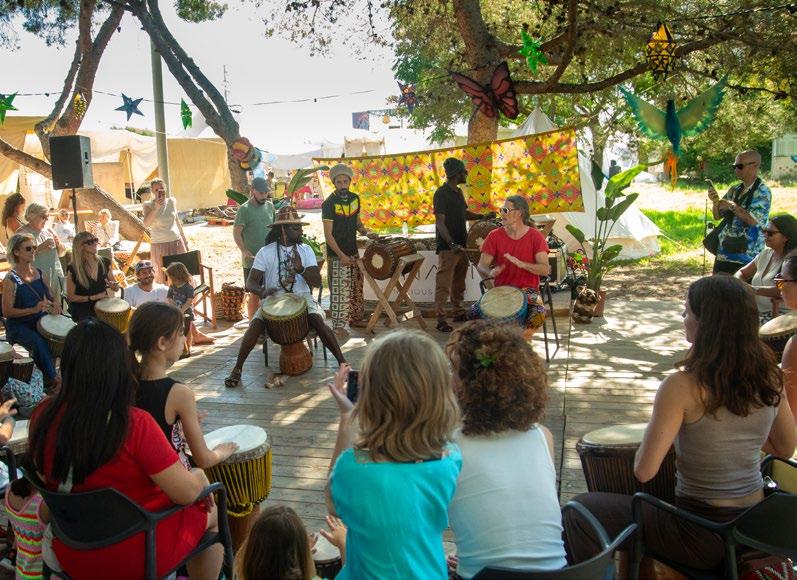
El verdadero reto era trasladar a Mallorca la esencia de Las Dalias en Ibiza: un espacio de convivencia multigeneracional, con un público global, donde no se ignora lo espiritual y donde conviven muchas disciplinas, entre las que no falta la música. Pero el reto se logró, con creces:
Durante el día, una zona infantil, dinamizada por talleres creativos y espectáculos circenses atrajo a los más pequeños, mientras, a pocos metros y de la mano de Manaom Conscious Living, el público pudo disfrutar de sesiones de yoga y terapias alternativas en un rincón de silencio y reconexión espiritual. Las estructuras de The Glamping aportaron una atmósfera plenamente ibicenca.
The real challenge was to bring the essence of Las Dalias in Ibiza to Mallorca: a multigenerational space, with a global audience, where the spiritual is never overlooked and where many disciplines coexist — music always among them. The challenge was met, and then some.
During the day, a children’s area animated by creative workshops and circus performances drew in younger visitors, while, just a few metres away, Manaom Conscious Living offered yoga sessions and alternative therapies in a quiet corner for spiritual reconnection. The structures of The Glamping brought an atmosphere that was pure Ibiza.
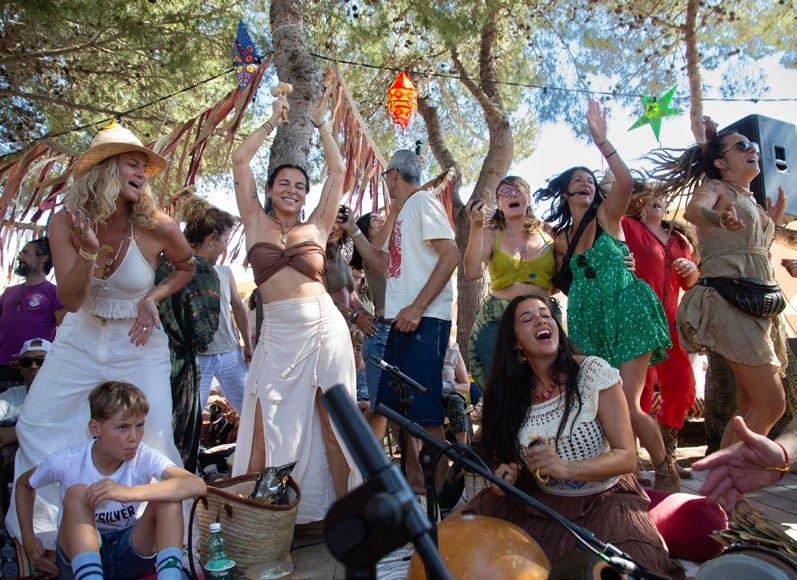
A medida que el sol se ocultaba tras el molino de Calvià, la experiencia evolucionó hacia la energía electrizante de un festival al aire libre. Residentes locales, extranjeros afincados y turistas se unieron bajo el poder de la música para dejarse llevar y bailar.
Este viaje sonoro no habría sido posible sin la implicación de colaboradores que, más que marcas, son parte de la propia familia de Las Dalias y que viajaron desde Ibiza para custodiar la pureza del mensaje original:
Con Hippy House el público disfrutó de un puente perfecto entre el misticismo y la pista de baile, desplegando sesiones de DJs y ritmos envolventes que rinden culto al legado hippie original pero adaptado a los tiempos modernos.
As the sun dropped behind the Calvià windmill, the experience shifted towards the charged energy of an open-air festival. Local residents, long-term expats and tourists came together under the power of music to let go and dance.
This musical journey would not have been possible without the involvement of collaborators who are more part of it all than brands; they are members of the Las Dalias family and travelled from Ibiza to keep the original spirit of the message intact.
With Hippy House, the crowd enjoyed a perfect bridge between mysticism and the dance floor — DJ sets and enveloping rhythms paying tribute to the original hippie legacy, updated for the present day.
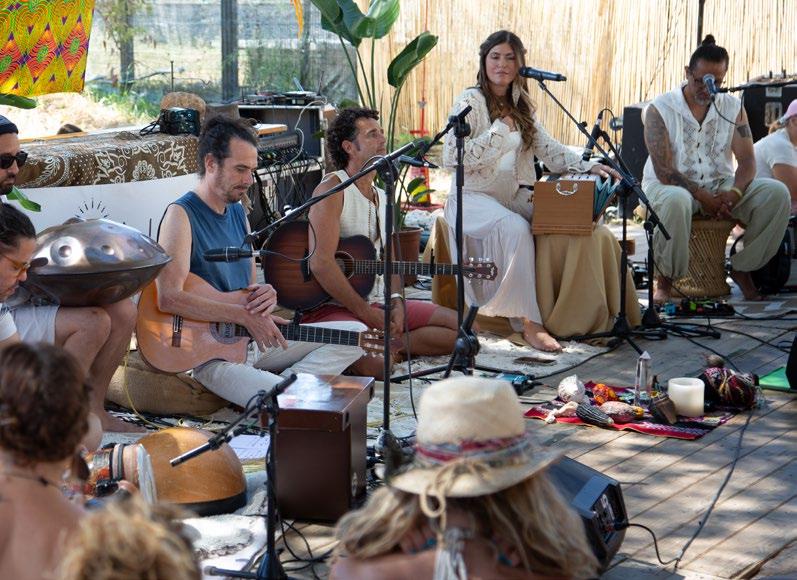
Y el clímax indiscutible llegó de la mano del fenómeno Namasté, creando ante los ojos del público una auténtica ceremonia colectiva cargada de misticismo, color y simbolismo que logró una conexión emocional inédita en la isla, uniendo a miles de almas en un solo latido de paz y celebración.
La inclusión en la experiencia Las Dalias On The Road de S’Embat, el legendario espacio que durante años ha sido el gran templo del espíritu libre, la música en directo y la cultura alternativa en Mallorca, no fue casualidad. Aportaron su inconfundible frescura, su calor mediterráneo y esa irreverencia canalla que invita a bailar con espíritu indomable, alegría y el encuentro comunitario.
Para cohesionar semejante despliegue multisensorial, la gastronomía jugó un papel crucial de la mano del Grupo Beewi, que supo dar respuesta a esta audiencia tan diversa con una propuesta culinaria de primer nivel, demostrando que el paladar también forma parte del viaje conceptual.
The undisputed climax came with Namasté, who conjured a genuine collective ceremony before the audience’s eyes — rich in mysticism, colour and symbolism — creating an emotional connection unlike anything the island had seen before, bringing thousands together in a single pulse of peace and celebration.
The inclusion of S’Embat — the legendary Mallorcan space that for years has been the great temple of free spirit, live music and alternative culture — was no accident. They brought their distinctive freshness, Mediterranean warmth and a roguish irreverence that makes you want to dance with abandon, joy and a real sense of community.
Underpinning the whole multisensory spectacle, food played a crucial role. Grupo Beewi rose to the challenge of serving such a diverse audience with a culinary offer of the highest level, proving that the palate, too, is part of the journey.
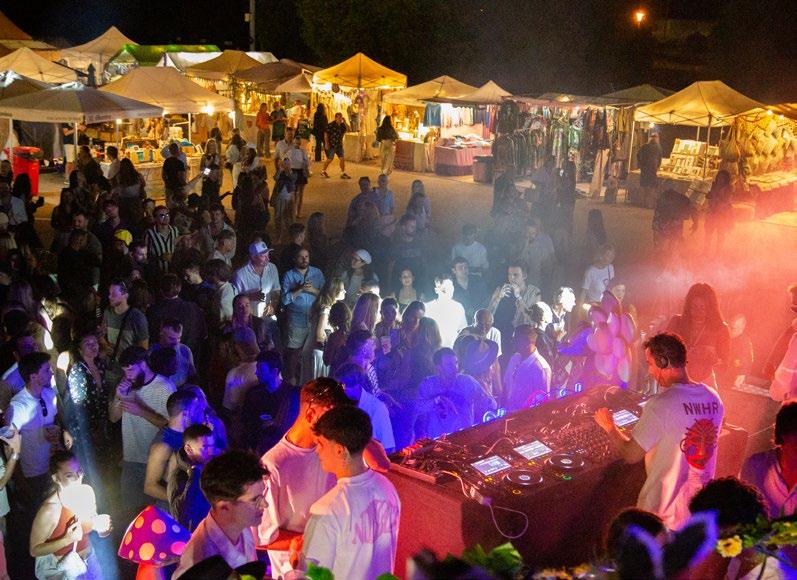
Pero lo más importante sucedió tal vez al hacer balance: la certeza de que la distancia entre islas se disuelve cuando el propósito es auténtico. Por eso ya podemos decir que la hermandad entre la familia Trui y la familia Las Dalias Ibiza mira al futuro. Los organizadores ya han confirmado que están estudiando una próxima edición… incluso más ambiciosa. Donde sea que se planten las icónicas telas de Las Dalias el próximo año, una cosa es segura: Mallorca ya ha descubierto que hay vida más allá del rastro. La era del ocio con alma e identidad ha comenzado, y la cuenta atrás para su regreso ya está en marcha. Después de los episodios de Las Dalias on The Road de Madrid y Ámsterdam, en Mallorca se ha escrito un nuevo capítulo de esta aventura.
Perhaps the most important thing happened when the dust settled: the certainty that distance between islands dissolves when the purpose is genuine. And so we can now say that the bond between the Trui family and the Las Dalias Ibiza family is looking to the future. The organisers have already confirmed they are planning a next edition — one with even greater ambitions. Wherever the iconic canvas of Las Dalias is pitched next year, one thing is certain: Mallorca has discovered there is life beyond the market. The age of leisure with soul and identity has begun, and the countdown to its return is already under way. After the Las Dalias on the Road editions in Madrid and Amsterdam, Mallorca has written a new chapter in the adventure.

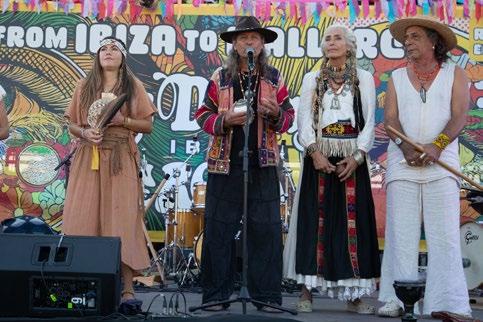
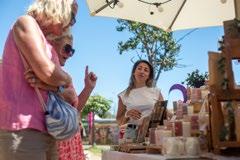
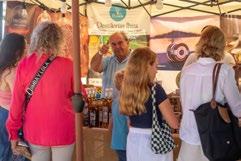

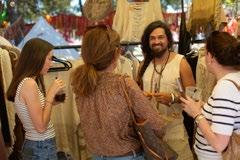
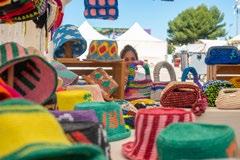
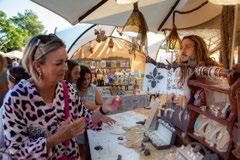
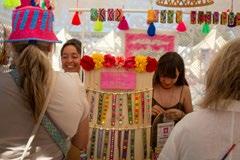
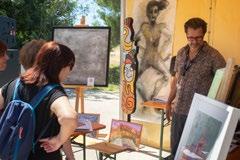
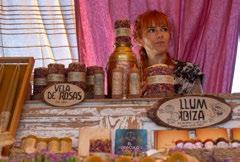
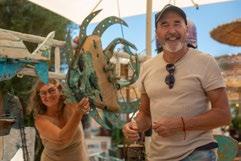
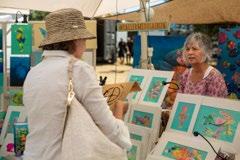

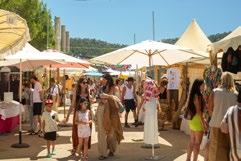
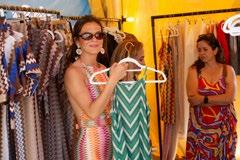
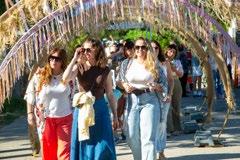


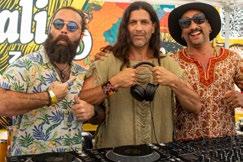
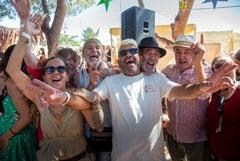
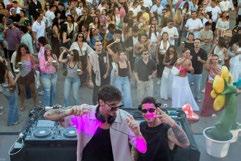
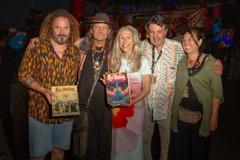
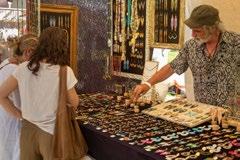
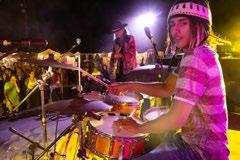
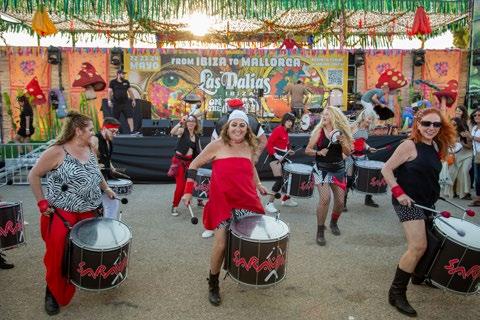




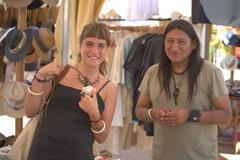
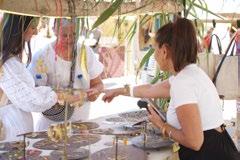
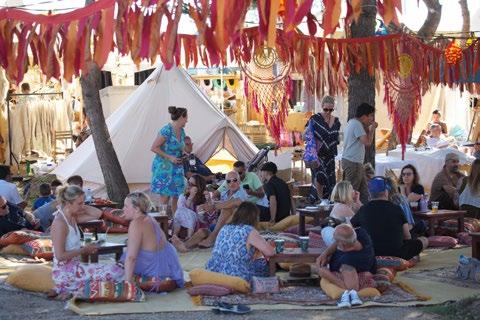
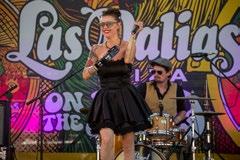
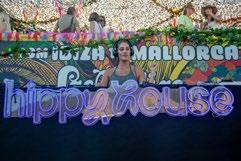
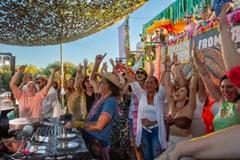

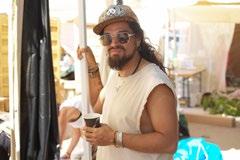
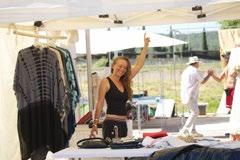
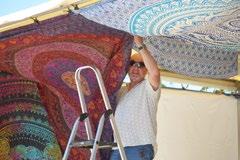
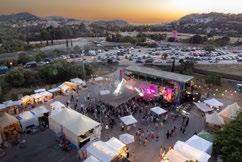


Hay imágenes —fotografías, portadas, cuadros— que atraviesan generaciones y se convierten en parte de nuestra memoria colectiva. Nacieron desde la música, la protesta, el arte o el cine, pero todas lograron emocionar, inspirar y definir épocas enteras.
Este editorial es un homenaje a esas imágenes que marcaron la moda, la cultura y nuestra forma de sentir. Desde la feminidad eterna de Marilyn Monroe a la rebeldía de The Beatles cruzando Abbey Road. Desde el mensaje provocador de Banksy hasta la fuerza de “We Can Do It!”. Desde besos eternos a iconos más cercanos, como los que creó la mirada del fotógrafo Toni Riera.
La moda no existe separada de las emociones ni de los movimientos sociales. La ropa, las poses y los colores hablan de libertad, revolución, poder y nostalgia. Nos recuerdan etapas, canciones, sueños y luchas.
Con ese punto de partida hemos creado algo especial porque quienes dan vida a estas imágenes no son modelos profesionales, sino personas reales de la comunidad y la familia de Las Dalias. Solo ellas pueden representar auténticamente este universo creativo, libre y humano.
Reinterpretamos estas imágenes icónicas con un lenguaje más cercano y emocional. Porque las imágenes más poderosas son aquellas en las que podemos vernos reflejados.
Some images — photographs, album covers, paintings — transcend generations and become part of our shared memory. They were born from music, protest, art or cinema, and all of them managed to move us, inspire us and define entire eras.
This editorial is a tribute to the images that shaped fashion, culture and the way we feel. From the timeless femininity of Marilyn Monroe to the defiance of The Beatles crossing Abbey Road. From the provocative message of Banksy to the power of “We Can Do It!”. From iconic kisses to more local icons — those created by the eye of photographer Toni Riera.
Fashion does not exist apart from emotion or social movements. Clothes, poses and colours speak of freedom, revolution, power and nostalgia. They call to mind moments, songs, dreams and struggles.
With that as our starting point, we’ve created something special — because the people bringing these images to life are not professional models, but real people from the Las Dalias community and family. Only they can truly represent this creative, free and human world.
We reinterpret these iconic images in a language that is closer and more emotional. Because the most powerful images are the ones in which we can see ourselves.

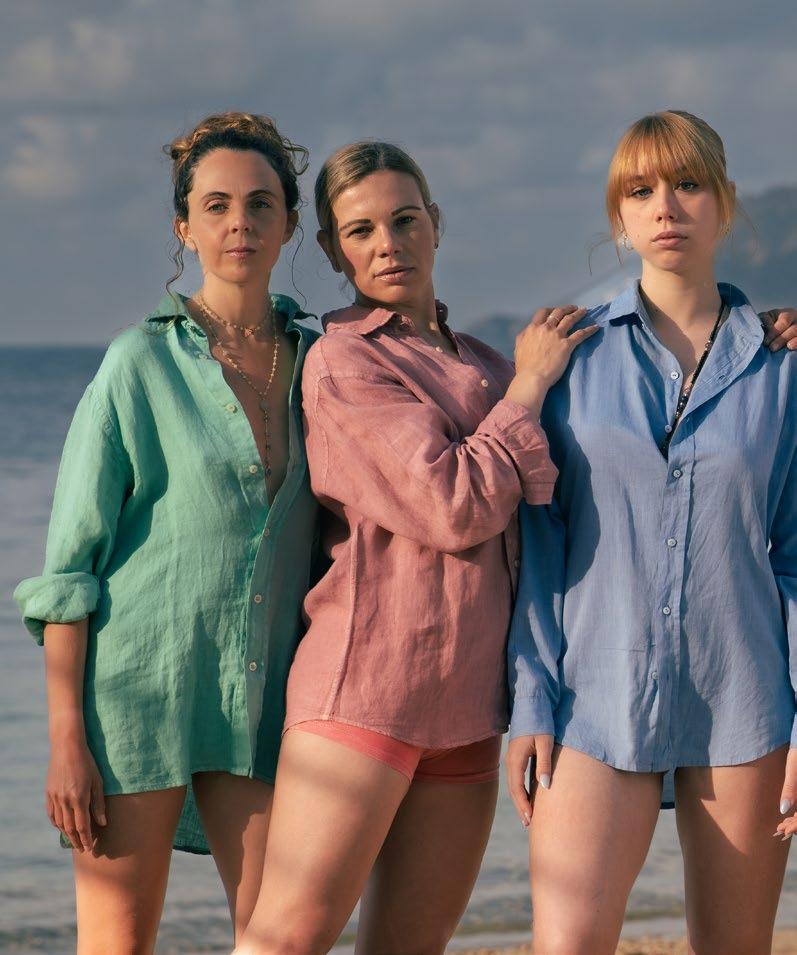
KIRA
MORGANA
ANA
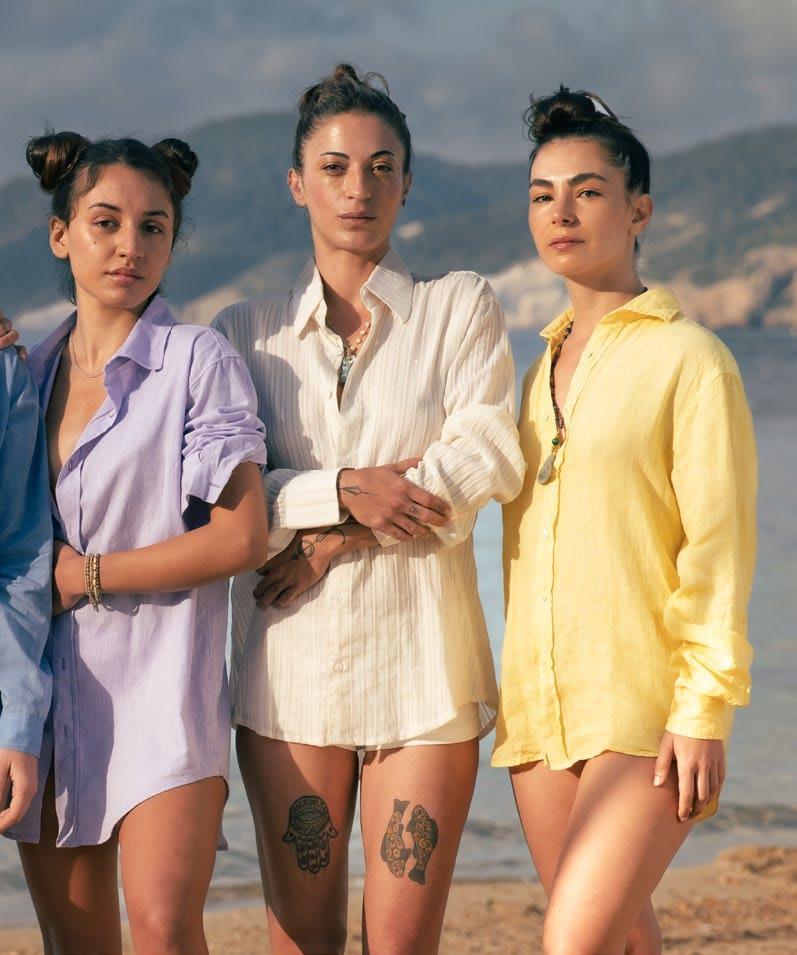

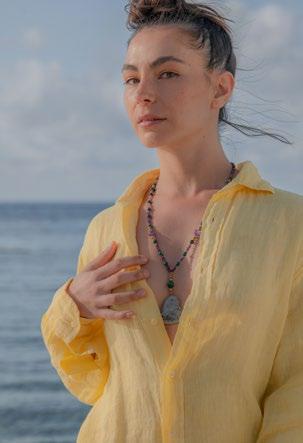

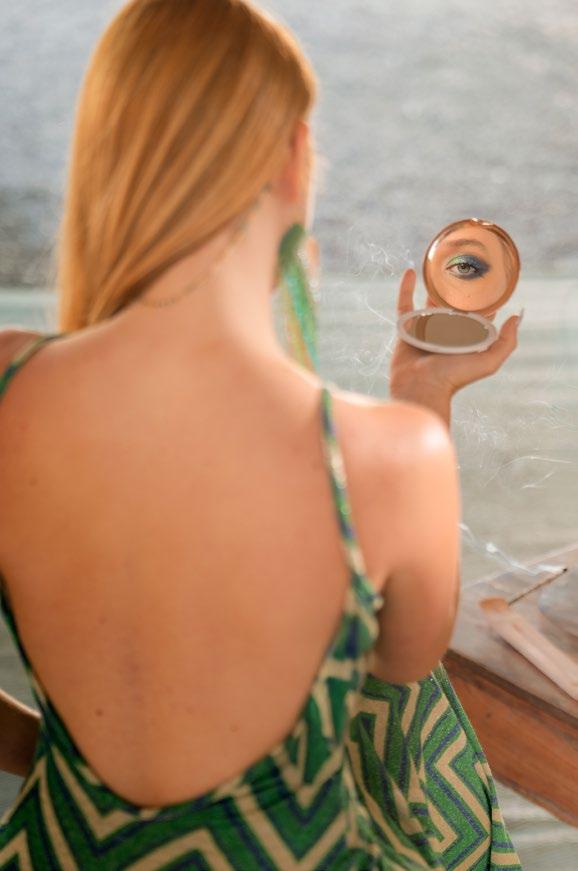



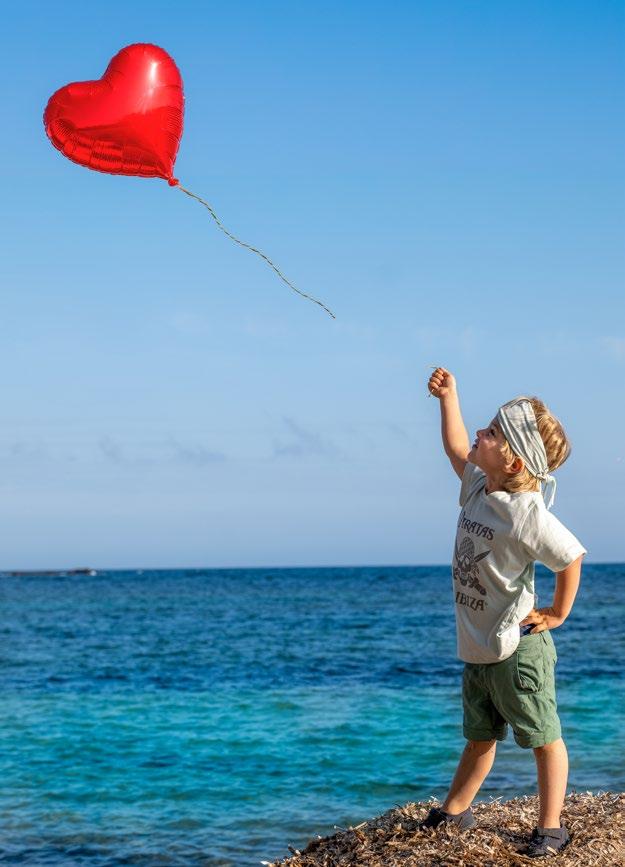
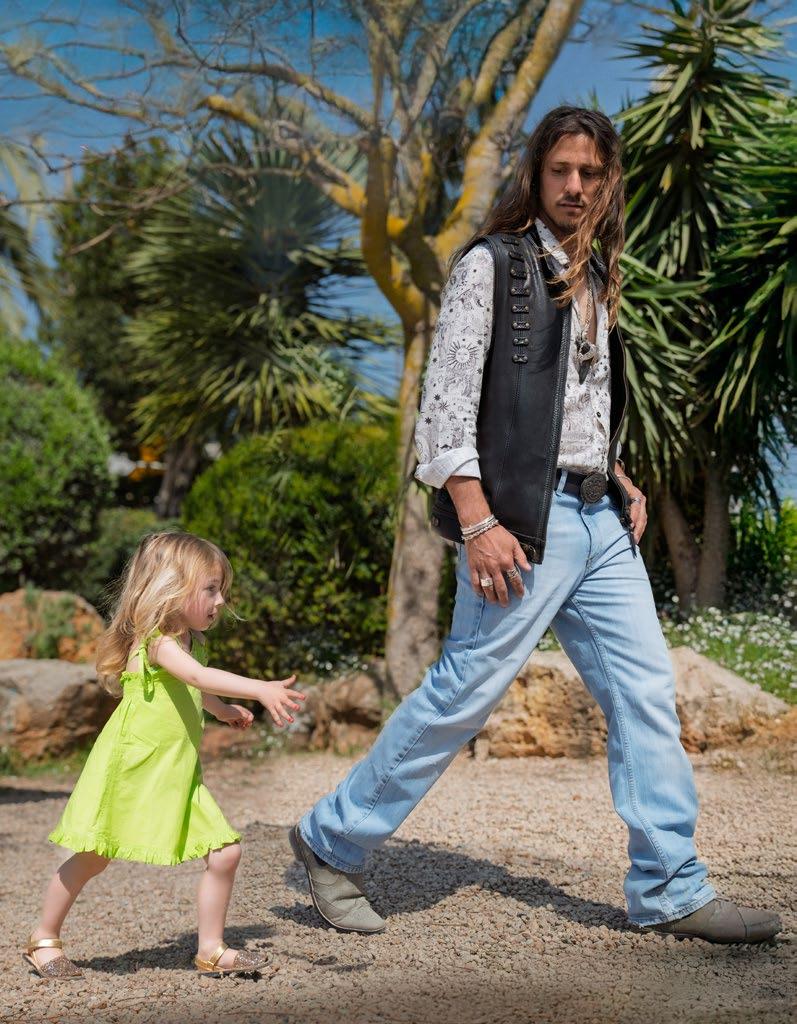
MAI: Vestido de CASA VINTAGE, brazalete y collar de GERMAN y pendientes de CHALTUMAI
LEON: Pantalón y camisa de TWO FISH IN IBIZA, bufanda de SEMILLA BETINA EXCLUSIVE CASHMERE y zapatos de AVARCAS DE IBIZA
ANA: Vestido de MARCIA DE IBIZA y poncho de SEMILLA BETINA EXCLUSIVE CASHEMERE
KIRA: Pantalón y top de BOUTIQUE LAS DALIAS y sombrero de ADDITY IBIZA
MORGANA: Falda y top de MAREA IBIZA
SOLOMON: Camiseta de PIRATAS DE IBIZA y gafas de NUUR EYEWEAR IBIZA
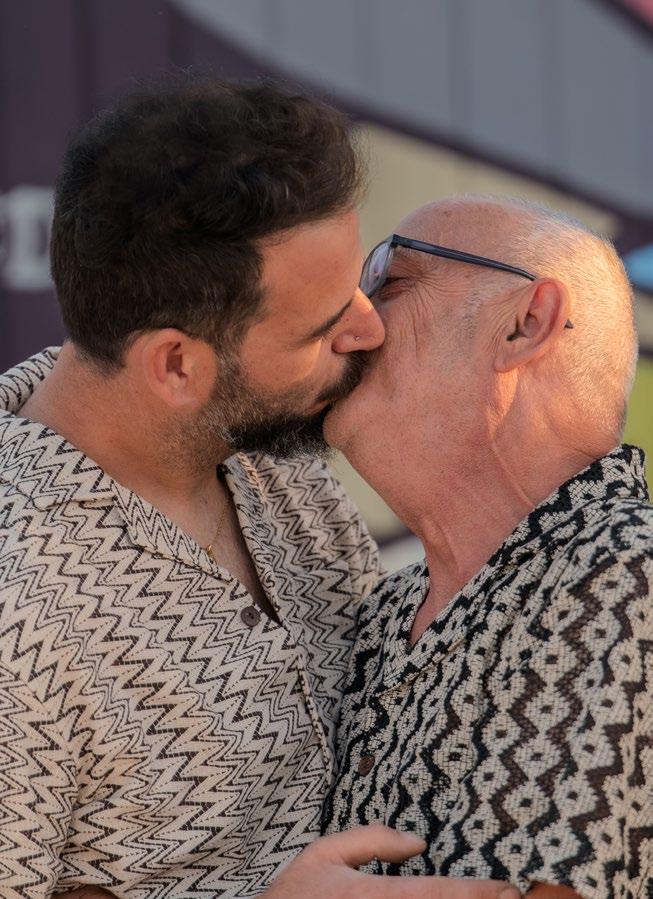
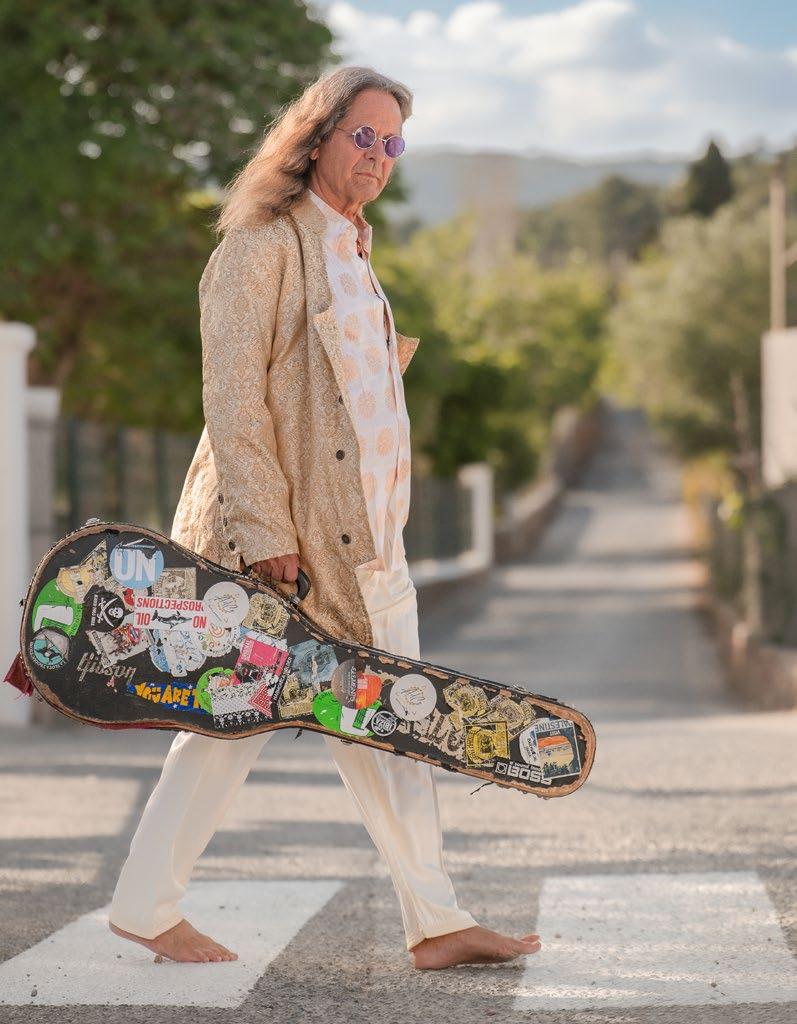
THE BEATLES
JEAN MICHEL: Abrigo y camisa de NAYWAJ y gafas de NUUR EYEWEAR IBIZA
SERGIO: Look completo de JACK BOTTON
LEON: Pantalón y camisa de PÚNICO IBIZA y poncho de SEMILLA BETINA EXCLUSIVE CASHEMERE
ALVARO: Camisa y pantalón de CAÑAMO IBIZA collar de PERCY PALOMINO y zapatos de AVARCAS DE IBIZA
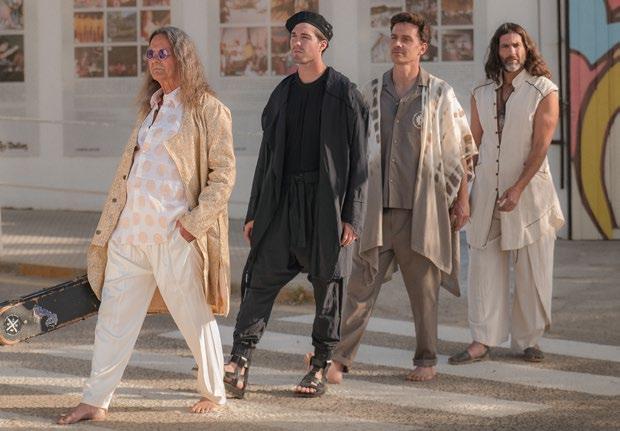
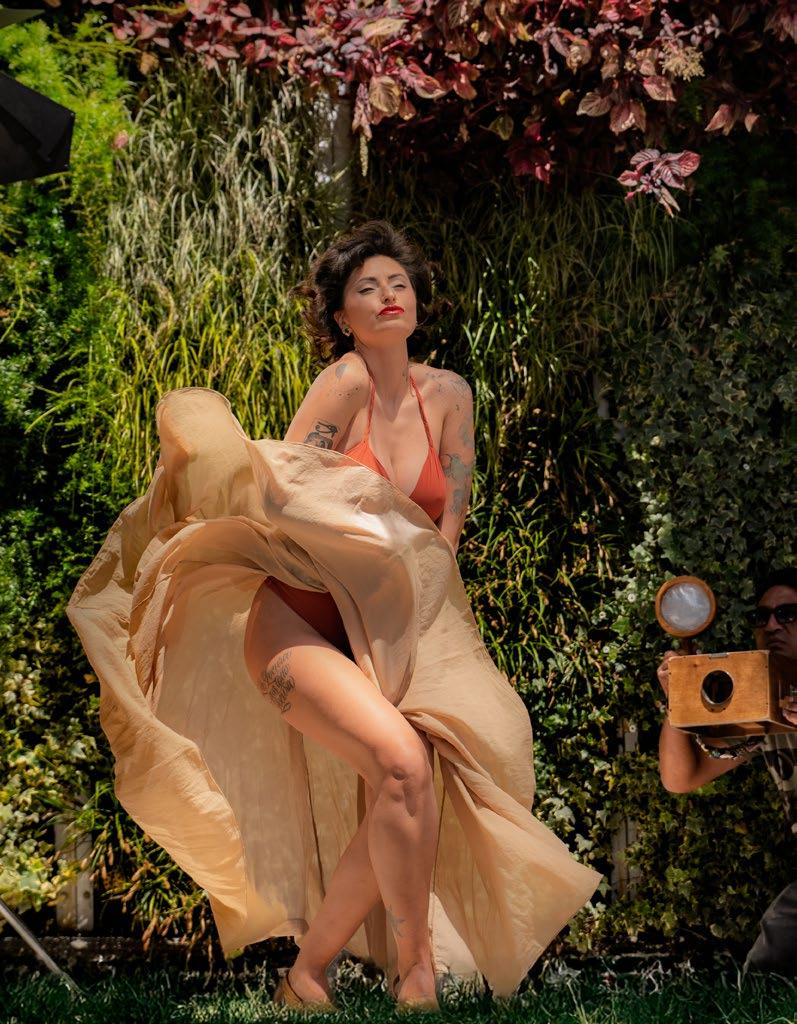
MARILYN
CLARA: Falda de TWO FISH IN IBIZA
bañador de GIUSI FERRATO DESIGN
cinturón de LOVE YOURSELF IBIZA
joyería de FINA BOU y maquillaje de MAURICIO TORREANI
RICKY: Cámara de RICARDO PHOTOBOX

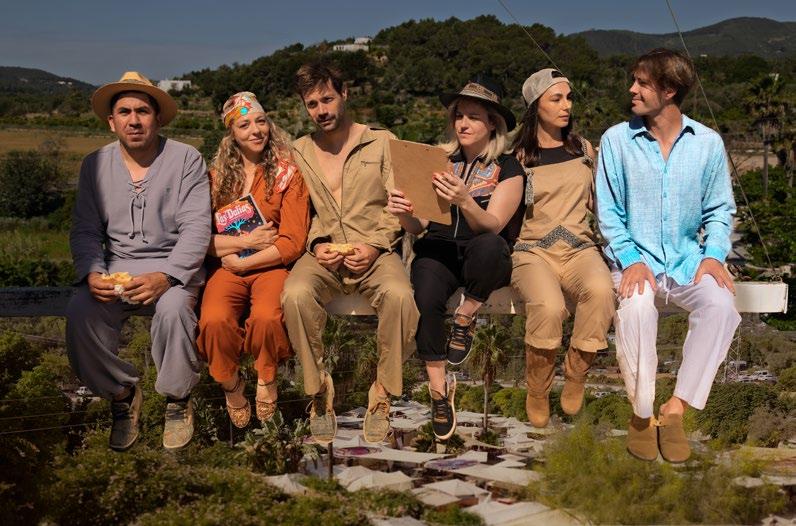
WORKERS
JHON: Conjunto de PIRATAS DE IBIZA, sombrero y botas de EMONK IBIZA SARA: Mono y zapatos de GIUSI FERRATO DESIGN, fular de ANNIE VINTAGE PERE: Mono de NAYWAJ y botas de EMONK IBIZA CLAUDIA: Mono de SANTÉ, sombrero de EMONK IBIZA y zapatillas de WAYNA SHOES ANA: Mono de GITANNA IBIZA top de KURAGE y gorra de WAYNA SHOES SERGI: Look completo de BOUTIQUE LAS DALIAS
CRÉDITOS EDITORIAL DE MODA
DIRECCIÓN ARTÍSTICA Y ESTILISMO: Giusi Ferrato
PRODUCCIÓN ARTÍSTICA: Raúl Blanco - Pataleta.es
PRODUCCIÓN EJECUTIVA: Isabel Lambour
FOTOGRAFÍA: Clara Muñoz- Pataleta.es
ASISTENCIA DE PRODUCCIÓN: María José Girón Lambour
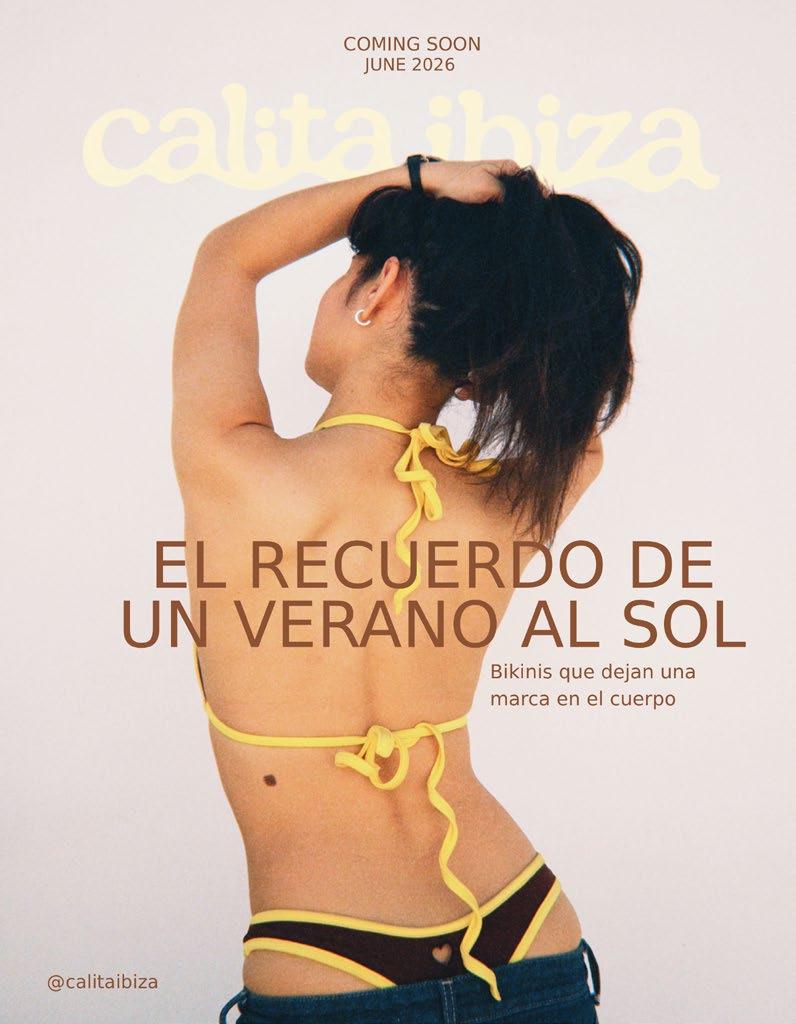

Blooma mdt refleja quién eres cuando adaptas las prendas a tu estilo de vida y a cómo vives cada momento, nace para dar una nueva visión a la moda mediterránea
Creamos básicos con intención: buenos fits, colores cuidados y detalles que marcan la diferencia sin necesidad de exagerar. No seguimos una fórmula cerrada, blooma evoluciona poco a poco, mezclando: sencillez, actitud y una visión mediterránea de la vida.
Más que una marca, queremos construir una comunidad de gente que conecta con esa energía – hacer las cosas a tu manera, vivir ligero y mantener carácter en lo simple.
Blooma mdt reflects who you are when you adapt clothing to your lifestyle and the way you live every moment. It was created to bring a new vision to Mediterranean fashion.
We create essentials with intention: great fits, carefully selected colors, and subtle details that make a difference without trying too hard. We don’t follow a fixed formula, Blooma evolves naturally over time, blending simplicity, attitude, and a Mediterranean way of life.
More than a brand, we want to build a community of people who connect with that energy — doing things your own way, living lightly, and keeping character in simplicity
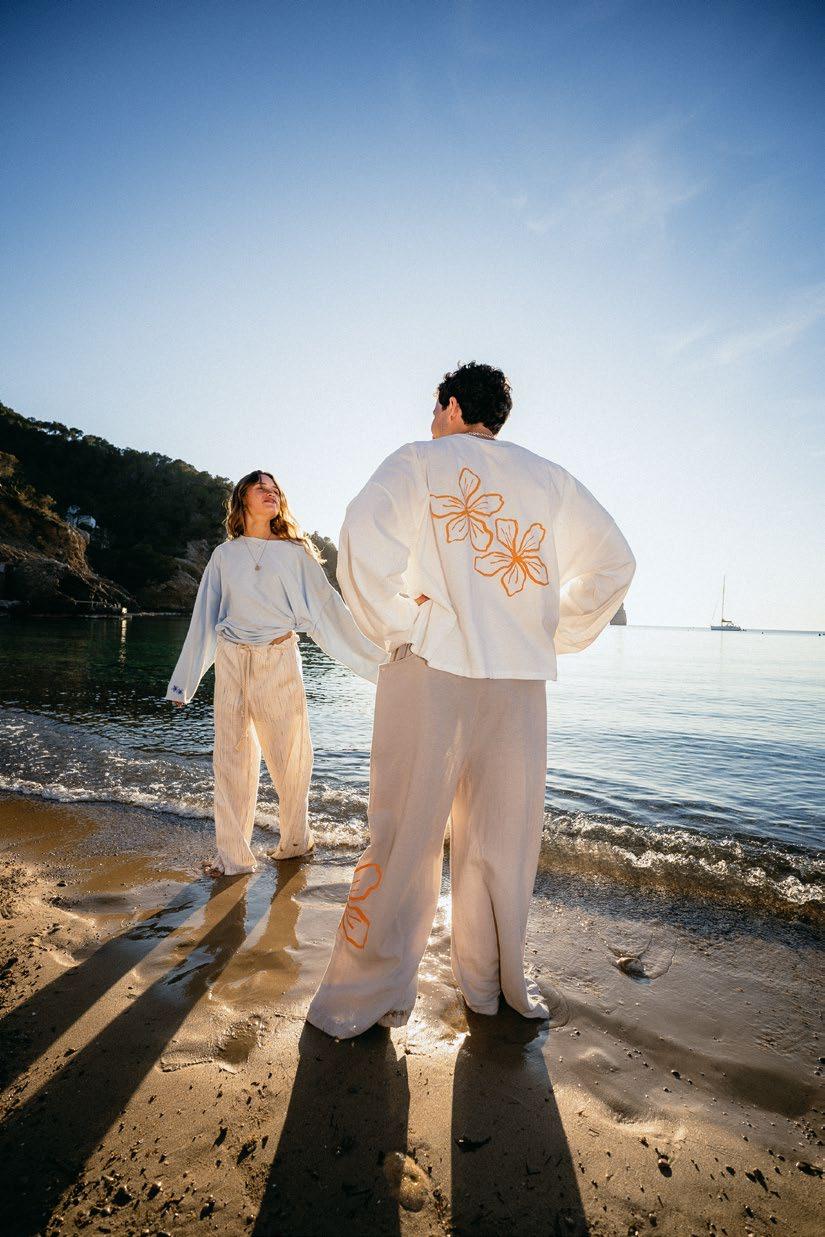

L.F.A.
F
Arsen Voronyy
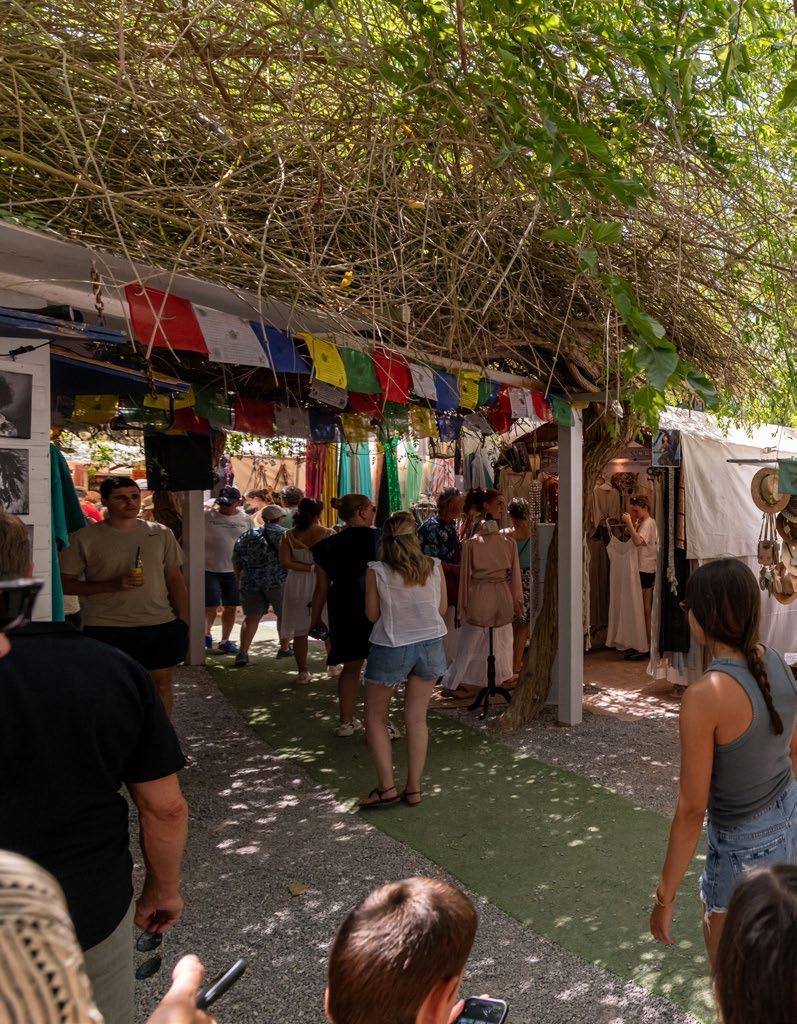
Un día, un lugar, todos los planes. Las Dalias de Sant Carles lleva más de setenta años ofreciendo un universo propio, único en Ibiza, donde el tiempo se dilata y cada hora trae una experiencia nueva. Desayunos con alma mediterránea, el bullicio colorido del mercado hippy más famoso de la isla, talleres, cócteles, gastronomía de raíz mexicana, mediterránea e italiana, música en vivo y noches que se prolongan hasta la madrugada al ritmo de la electrónica. Todo en un mismo espacio, sin tener que elegir. Eso es precisamente lo que resume el nuevo espíritu de Las Dalias: All in one. Del día a la noche, de la familia a los amigos, de los que buscan artesanía a los que quieren bailar bajo las estrellas. Bienvenidos al lugar donde todo sucede. Las Dalias, el lugar donde todo es posible.
One day, one place, endless options. Las Dalias de Sant Carles has been offering a world of its own for over seventy years — unique in Ibiza, a place where time stretches and every hour brings something new. Breakfast with a Mediterranean soul, the colourful buzz of the island’s most famous hippy market, workshops, cocktails, food rooted in Mexican, Mediterranean and Italian traditions, live music, and nights that run on into the small hours to an electronic beat. All in one place, with no need to choose. That’s exactly what the new spirit of Las Dalias is about: All in One. From day to night, families to friends, those hunting for craftsmanship to those who want to dance under the stars. Welcome to the place where it all happens. Las Dalias — where all options are open.
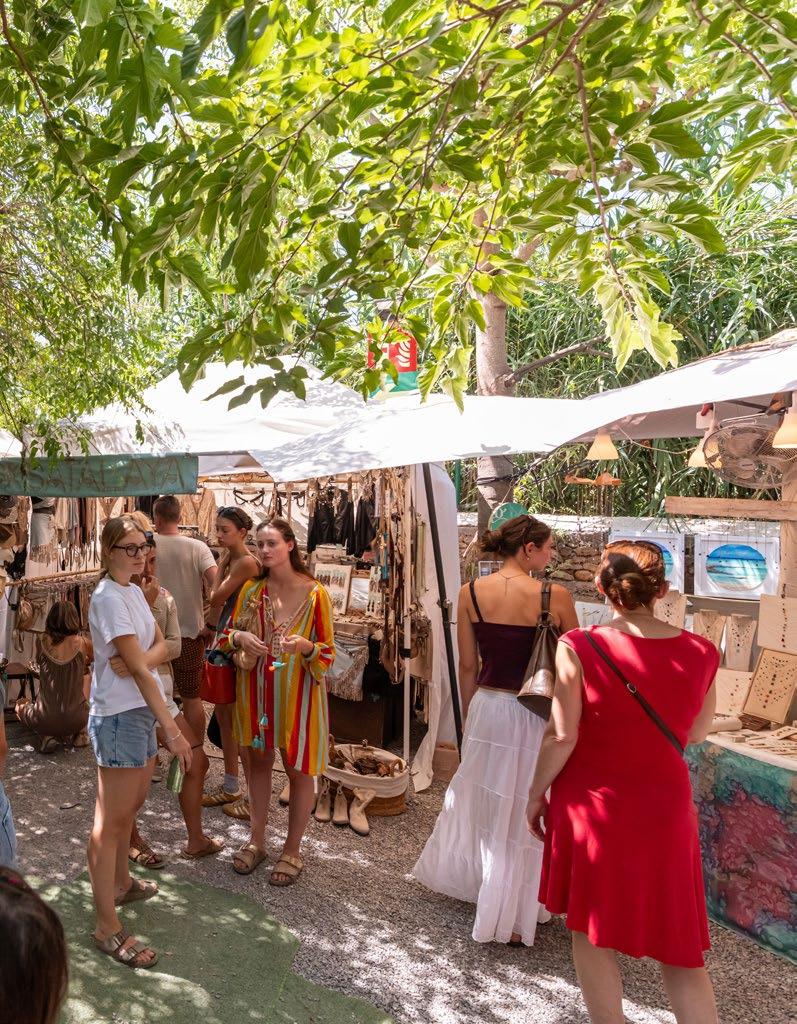
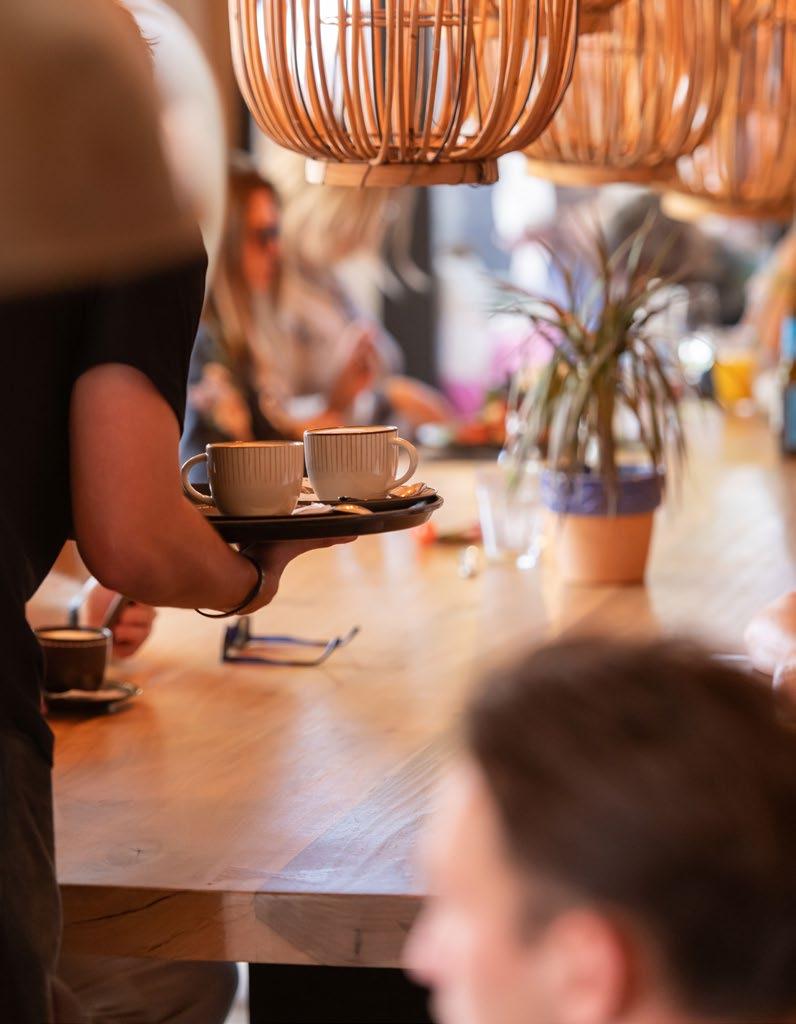
La jornada empieza con sabor y energía. Un desayuno en la terraza de El Café, con ese ir y venir de visitantes e ibicencos, que invita a observar y no perder detalle de cómo arranca el día. Tomamos nota de la carta, que es fresca, local y de temporada con influencias asiáticas, mexicanas y mediterráneas. ¿Comeremos también aquí?
The day begins full of flavour and energy. Breakfast on the terrace at El Café, with the easy flow of visitors and locals, invites you to sit back and take in how the day gets started. We look over the menu: fresh, local and seasonal, with Asian, Mexican and Mediterranean touches. Something tells us we might be back for lunch.
OPEN FROM 9.00H TO 00.00H
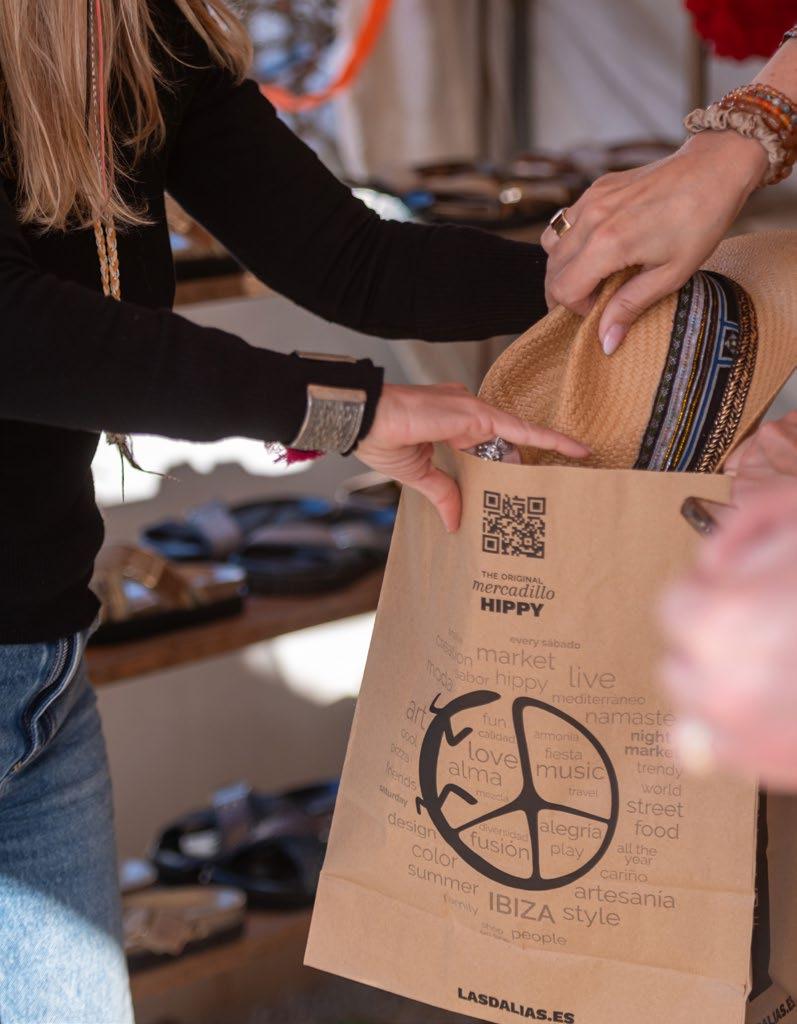
Qué ganas de comenzar a recorrer los puestos y qué dilema. ¿Por dónde empiezo? Todo me atrae. Un paseo entre los puestos del Mercadillo Hippy de Las Dalias es una delicia para los sentidos y es casi imposible no encontrar algo que encaje en nuestros gustos. ¡O el regalo perfecto!
Where do you even begin? Everything draws you in. A walk through the stalls of the Las Dalias Hippy Market is a feast for the senses, and it’s nearly impossible not to find something that feels made for you. Or the perfect gift for someone else.
Paseando por el mercadillo nos llevamos una sorpresa: un taller de elaboración de pan de xeixa y otro de arte para los más pequeños de la casa. Quién nos iba a decir que aprenderíamos tantas cosas.
A lovely surprise while exploring the market: a xeixa bread-making workshop, and an art session for the little ones. Who knew we’d come away having learnt so much.
Zumo,
Hay que hacer un descanso para hidratarse y continuar el recorrido. En la granizadora nos explican que los limones son de la huerta del abuelo que fundó Las Dalias. Otros prueban los zumos naturales de temporada y los cócteles en el bar. Una pausa necesaria antes de seguir explorando.
Time to stop, rehydrate and gather energy for the next stretch. At the granita stall, they tell us the lemons come from the orchard of the grandfather who founded Las Dalias. Others try the fresh seasonal juices and cocktails. A welcome pause before heading back in.
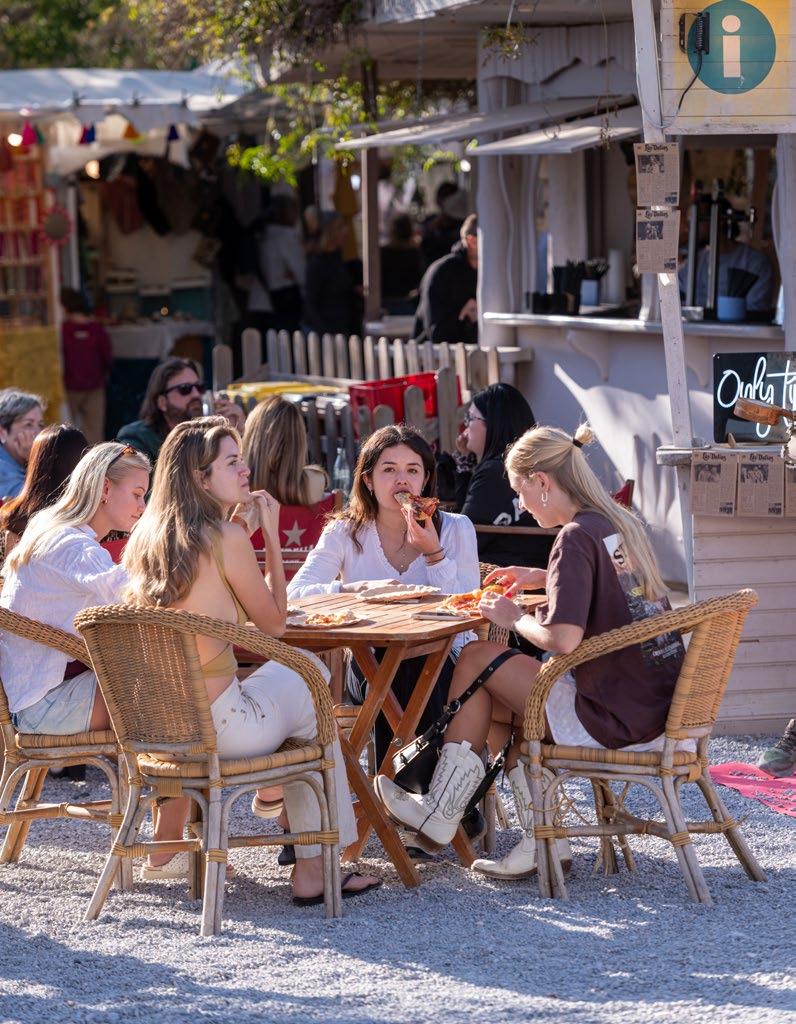
No sabemos qué elegir. Es hora de comer y queremos seguir disfrutando del mercadillo. ¿Los tacos hechos a mano? ¿Las pizzas? ¿Las ensaladas? Echemos un vistazo a la carta.
We can’t decide. It’s time to eat and we want to keep enjoying the market. The handmade tacos? The pizzas? The salads? Time to have a proper look at the menu.
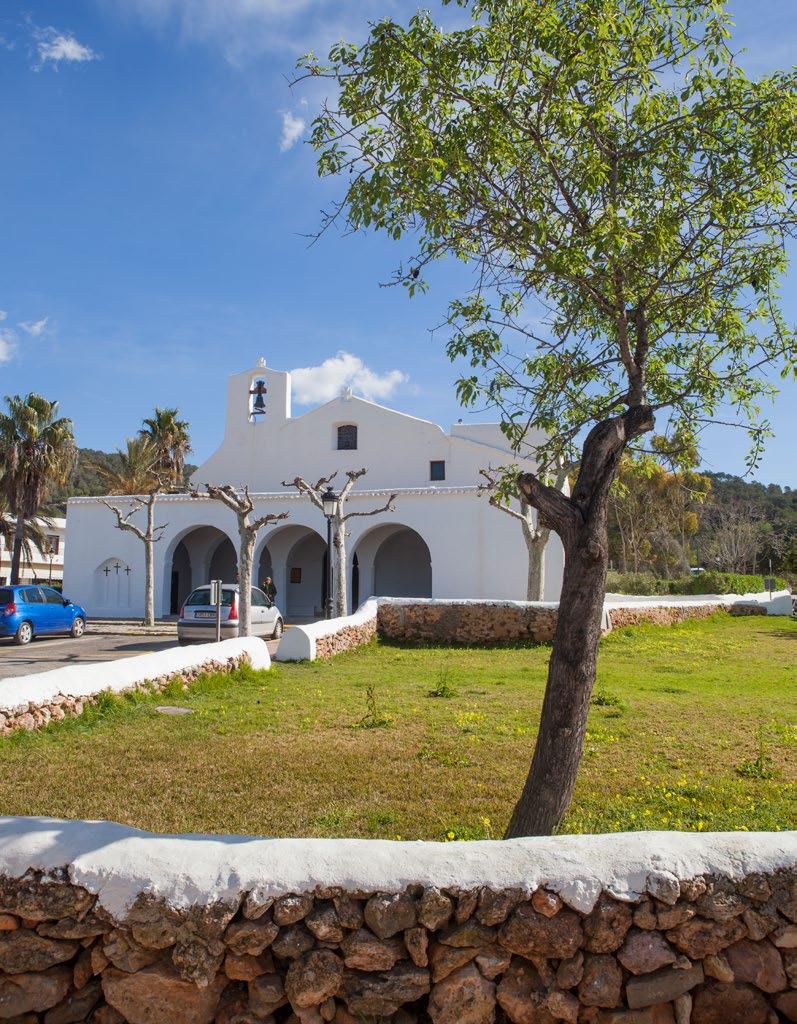
El mercadillo está a cinco minutos del pequeño núcleo de Sant Carles y no nos vamos a perder la visita porque guarda uno de los rincones más auténticos de Ibiza: la legendaria Ca n’Anneta, con sus hierbas ibicencas. Nos encanta la paz que rodea la iglesia blanca del pueblo.
The market is five minutes from the small village of Sant Carles, and we’re not going to miss it — it holds one of the most authentic corners of Ibiza: the legendary Ca n’Anneta, with its Ibizan herb liqueurs. The peace around the village’s white church is something else.
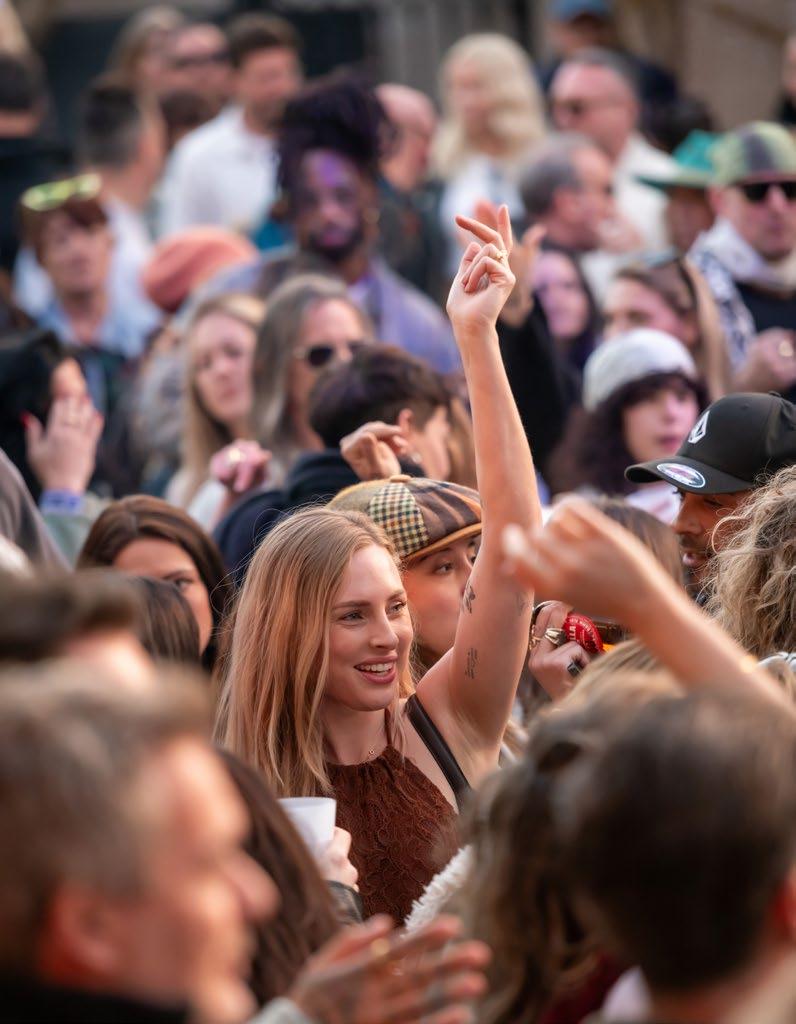
Tenemos en la agenda las propuestas de Las Dalias Live Music. ¡Este año son catorce conciertos! Hemos leído las historias de las míticas actuaciones en Las Dalias. La música en vivo sigue escribiendo su historia aquí.
Not missing the Las Dalias Live Music programme. Fourteen concerts this year. We’ve read about the legendary gigs Las Dalias has hosted over the years — the live music keeps writing its story here.
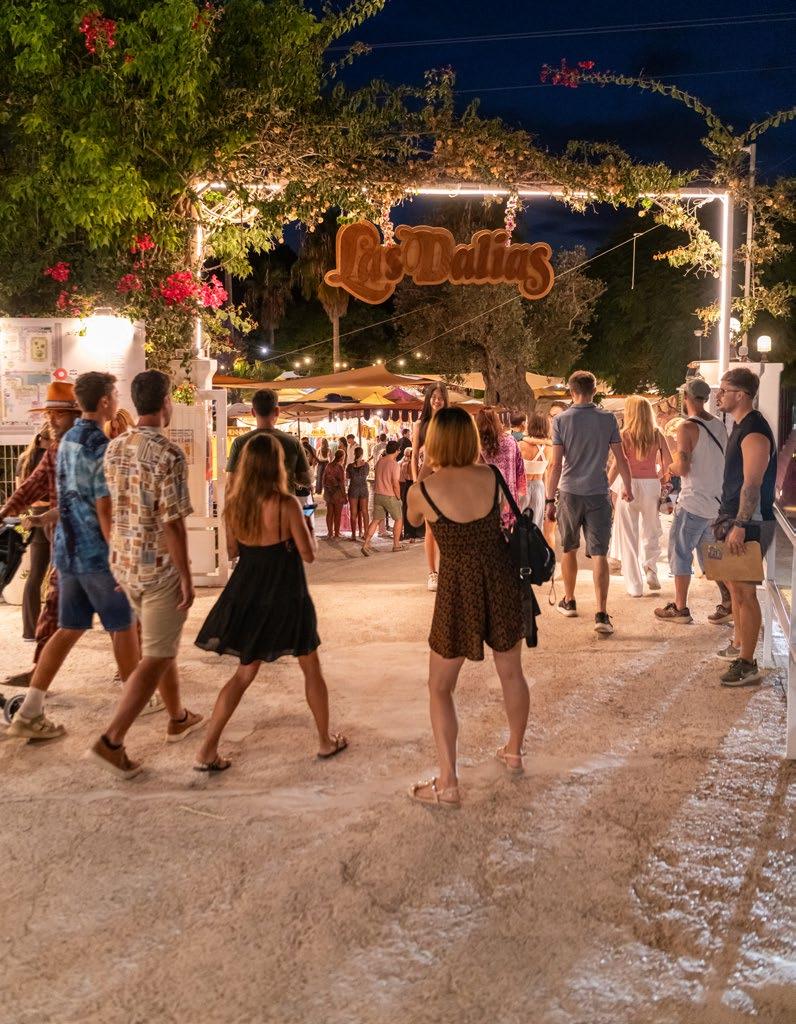
Qué buena idea la del Night Market: cada lunes, martes y domingo de junio a septiembre. Las Dalias toma la noche y transforma el mercadillo en un espacio íntimo y mágico… Nos encanta como alternativa para los días más calurosos del verano.
The Night Market is a brilliant idea: every Monday, Tuesday and Sunday from June to September, Las Dalias takes over the night and transforms the market into something intimate and magical. A perfect alternative on the hottest summer evenings.
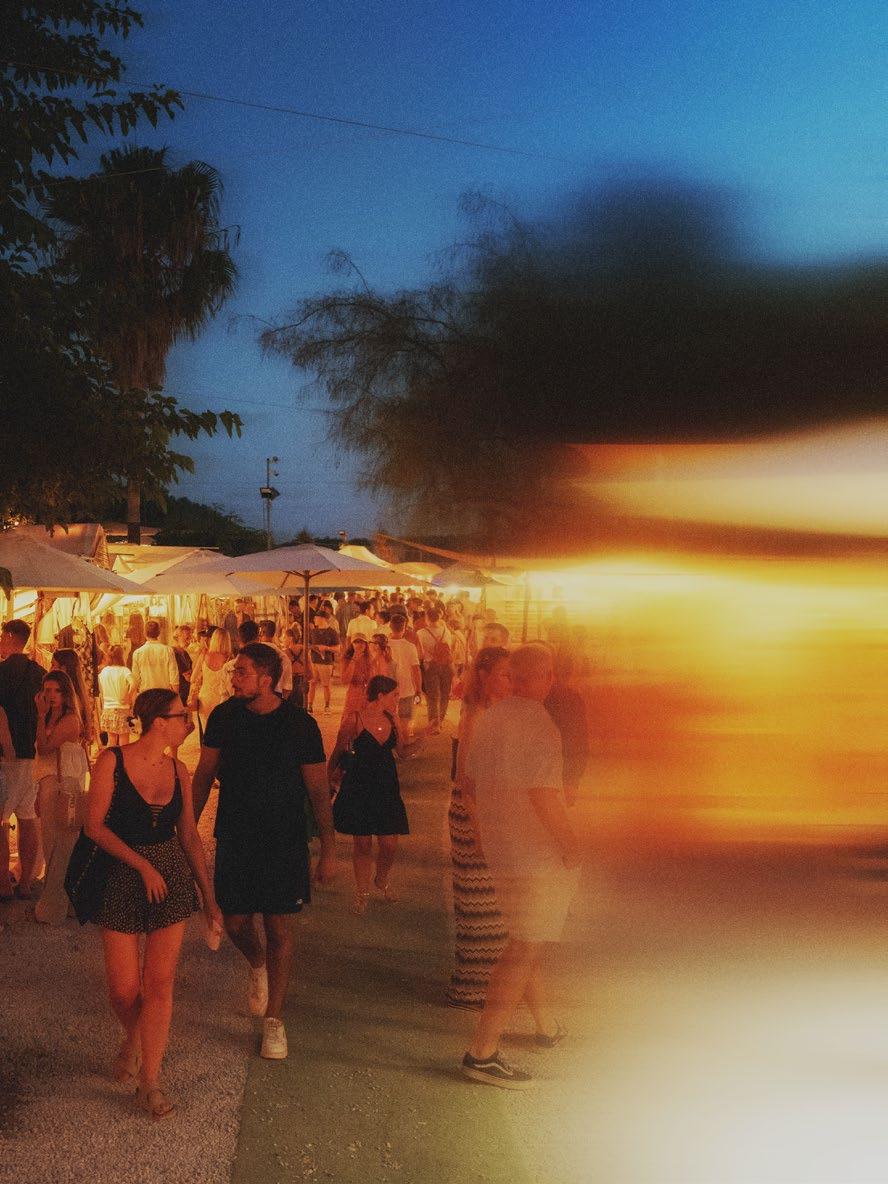
DOMINGOS, LUNES & MARTES FROM JUNE TO SEPT FROM 19H TO MIDNIGHT
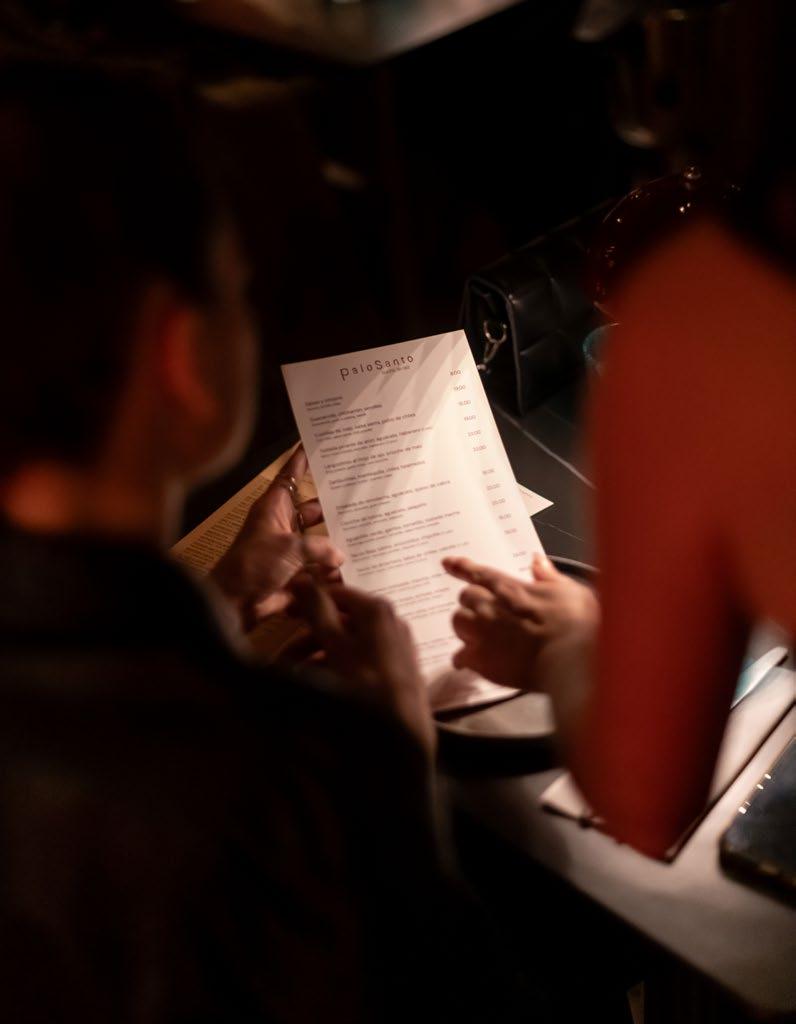
Nos han hablado de PaloSanto, de cómo la cocina tradicional mexicana evoluciona con propuestas más contemporáneas. Nos quedamos muy sorprendidos y encantados con sus sabores, intensos y frescos a la vez. Si el interior nos ha conquistado, la terraza nos parece un lugar lleno de encanto.
We’d heard about PaloSanto — about how traditional Mexican cooking is taken somewhere more contemporary here. The flavours surprise us: intense and fresh at the same time. If the interior wins us over, the terrace feels like somewhere you could linger all night.
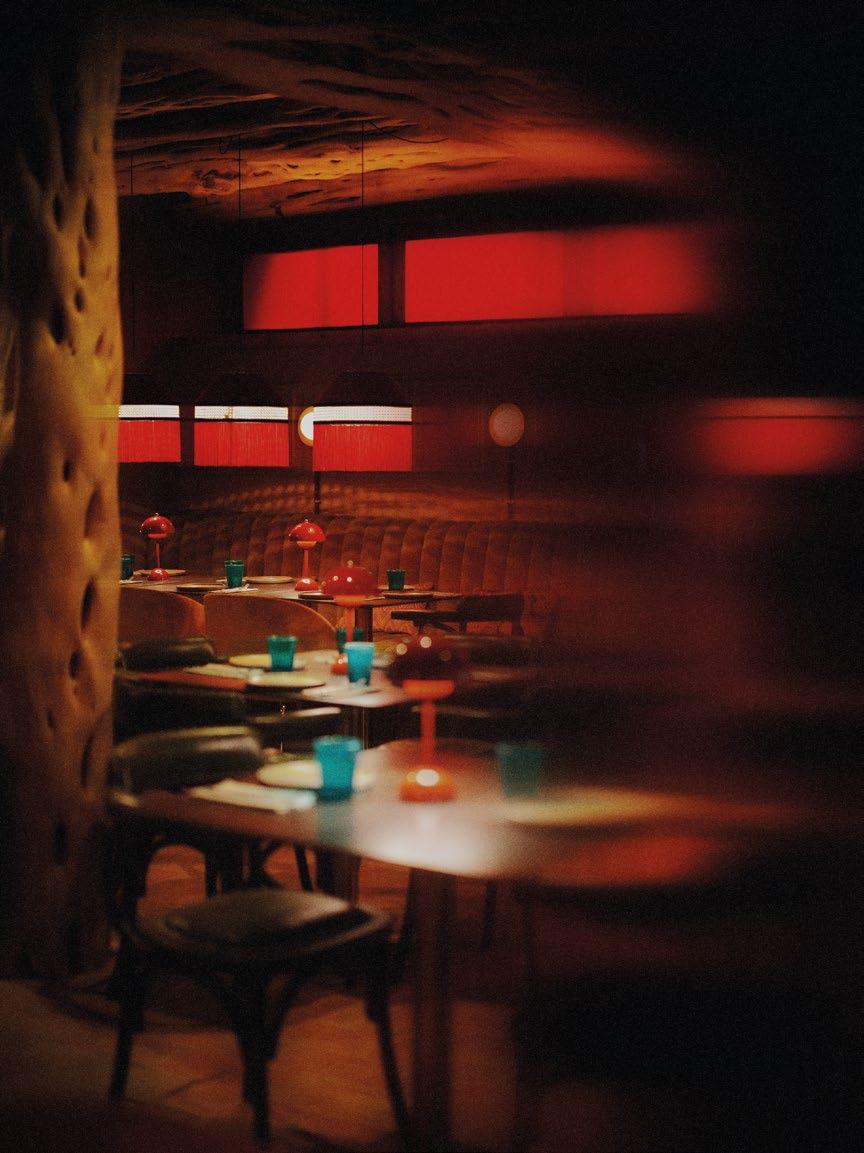
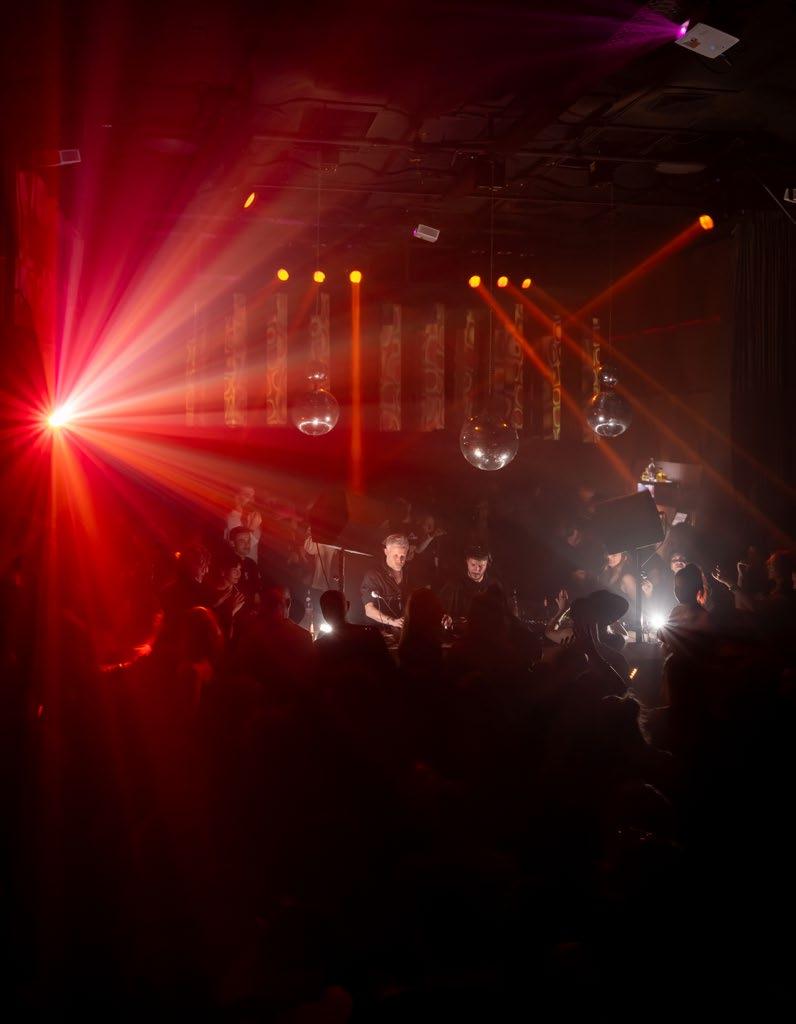
Conocíamos otras salas pero Akasha nos cautiva. Es uno de los espacios con más personalidad de la escena nocturna de Ibiza, sin duda. La cercanía a la cabina, la música como centro… los grandes nombres y las nuevas apuestas. No podemos dejar de bailar.
We all know other venues, but Akasha is something else. Without question one of the most distinctive spaces in Ibiza’s nightlife. The proximity to the booth, music at the centre of everything — big names and bold new acts. We can’t stop dancing.

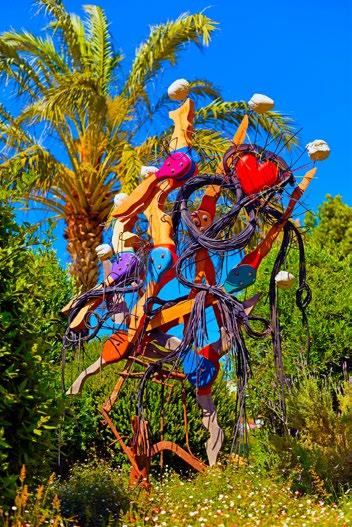
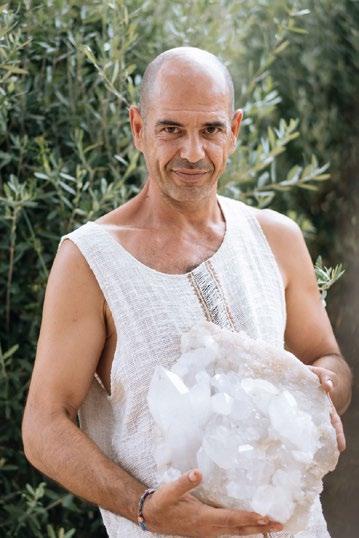
Una tribu, muchas historias.
Con más de 36 años de experiencia, Paulo Viheira crea obras únicas que fusionan madera, hierro y materiales reciclados, explorando la conexión entre arte, naturaleza y sostenibilidad.
With over 36 years of experience, Paulo Viheira creates unique works that blend wood, iron, and recycled materials, exploring the connection between art, nature, and sustainability.
pauloviheira@gmail.com

Creamos joyería metafísica, joyería con intención, para ser mejor versión de nosotras mismas.
Especialistas en cristales naturales y piezas únicas para mejorar el Feng Shui de las casas y lugares de trabajo.
We create metaphysical jewelry, jewelry with intention, to help us become the best version of ourselves. Specialists in natural crystals and unique pieces designed to enhance the Feng Shui of homes and workspaces.
comohacertusdeseosrealidad.com

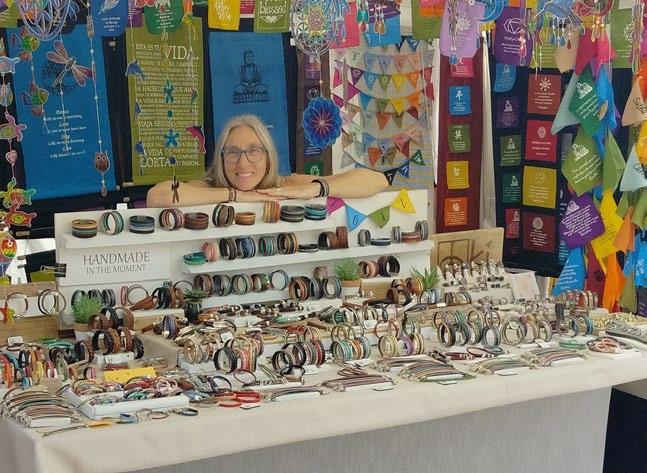
One tribe, many stories.
Ki Ibiza: Pulseras de cuero con estilo propio. Piezas artesanales hechas en el momento combinando nuestro trabajo con el gusto del
Ki Ibiza: Leather bracelets with a distinctive style. Handcrafted pieces made on the spot, combining our craftsmanship with each customer’s personal taste.
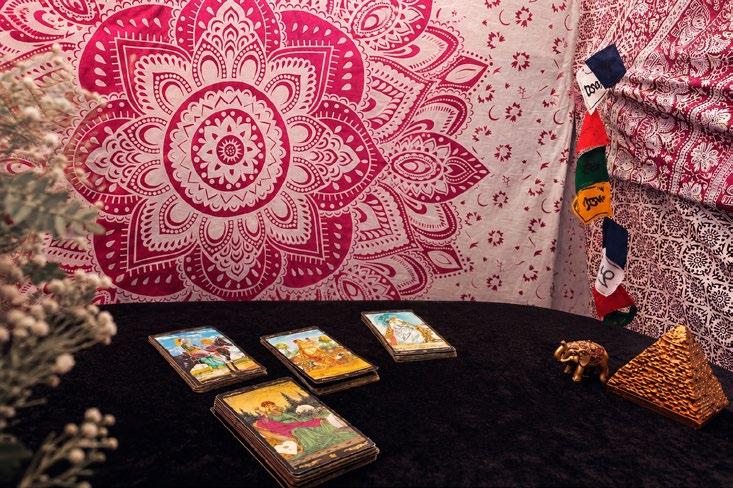

Alicia lleva 25 años como tarotista. Ha leído en varios países y participado en radio, festivales y televisión. En Las Dalias, cada lectura en el mercado es un encuentro único
Alicia has worked as a tarot reader for 25 years. She participated in radio, festivals, and television. At Las Dalias, every reading at the market is a unique
Laura Ferrer Arambarri Arsen Voronyy T F
Entre telas, aromas, cerámica, madera, joyas o tarot convive una comunidad diversa de artesanos, artistas y creadores que comparten su talento y su filosofía de vida en el mercadillo. Algunos llegaron desde lugares lejanos siguiendo una intuición; otros encontraron aquí el lugar perfecto para hacer crecer una tradición o reinventar su oficio. Todos comparten algo en común: la pasión por lo hecho a mano, la autenticidad y el deseo de conectar con quienes se acercan a su puesto.
Estos perfiles retratan de algún modo la esencia humana de Las Dalias. Cada uno, cada una, con su estilo y su encanto, aporta una pieza única para crear este mosaico vivo de historias que evoluciona y crece desde 1984.
Among fabrics, scents, ceramics, wood, jewellery and tarot, a diverse community of craftspeople, artists and creators share their talents and their philosophy of life at the craft market. Some came from far away following a hunch; others found the perfect place to nurture a tradition or reinvent their craft. All share something: a passion for the handmade, a commitment to authenticity, and a desire to connect with everyone who stops at their stall.
These profiles capture, in their way, the human essence of Las Dalias: each person, with their own style and charm, contributes a unique piece to this living mosaic of stories that has been evolving and growing since 1984.
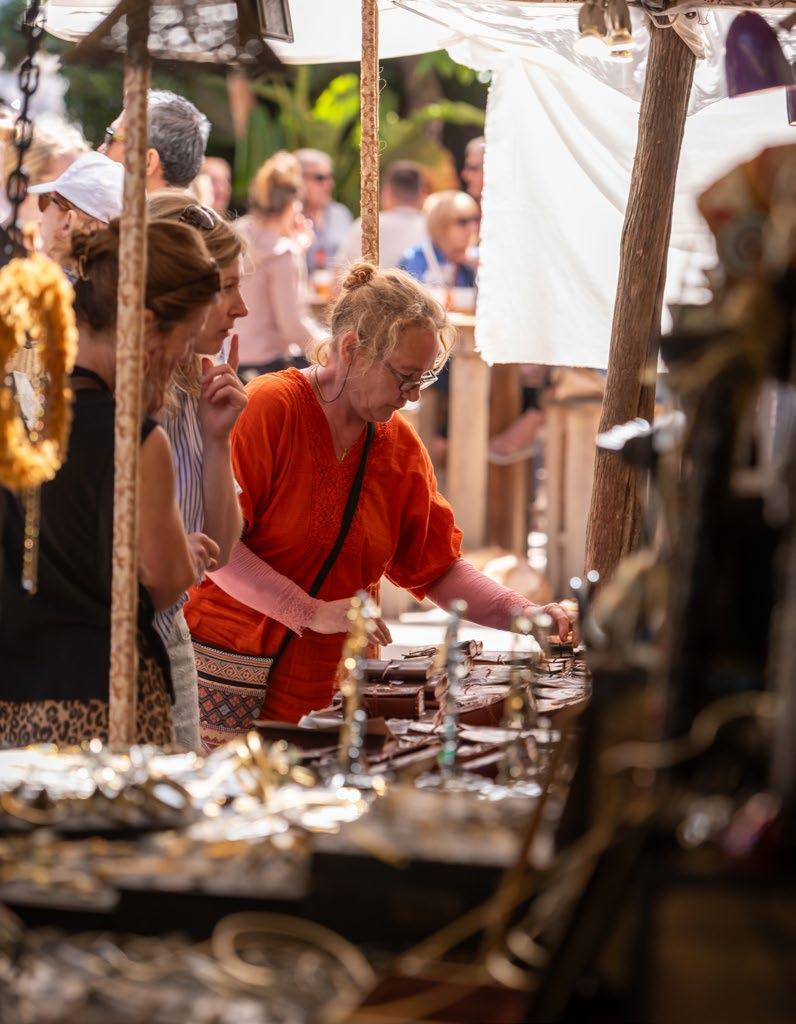
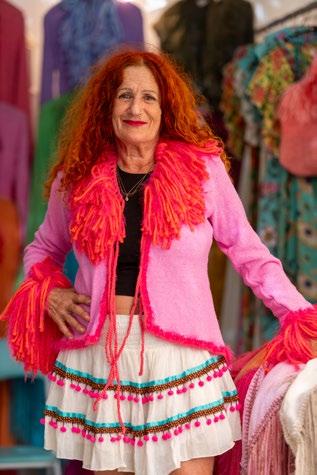
BETWEEN STITCHES, STAGES AND FREEDOM
María Angela llegó a Ibiza en junio de 1981 con una maleta llena de telas, pinceles y espíritu libre. Venía de Florencia, donde enseñaba diseño de moda y vestuario teatral, y había trabajado en escenarios como La Scala de Milán. Su carrera parecía estable, pero buscaba aventura. Ibiza no estaba en sus planes: debía viajar a San Francisco para un proyecto teatral, pero el destino cambió la ruta. Las vacaciones se alargaron, el dinero se acabó y comenzó a coser vestuario para fiestas en una discoteca. Primero a mano, luego con su máquina. De ahí nacieron sus propios diseños, hechos con tinturas naturales. Pero su creatividad también vive en la pintura, presente en murales y ahora de nuevo en sus pinceles. En Las Dalias, María Angela Fioroni —Pelush— encontró su ventana al mundo, un lugar de encuentro donde su arte sigue creciendo.
María Angela arrived in Ibiza in June 1981 with a suitcase full of fabrics, brushes and a free spirit. She had come from Florence, where she taught fashion design and theatrical costume-making, and had worked on stages including La Scala in Milan. Her career seemed set, but she was restless. Ibiza was never part of the plan — she was meant to travel to San Francisco for a theatre project — but fate rerouted her. The holiday stretched on, the money ran out, and she began sewing costumes for parties at a local club. First by hand, then with her machine. From there grew her own designs, made with natural dyes. But her creativity lives in paint too — in murals, and now once more in her brushes. In Las Dalias, María Angela Fioroni — Pelush — found her window to the world: a meeting place where her art keeps growing.
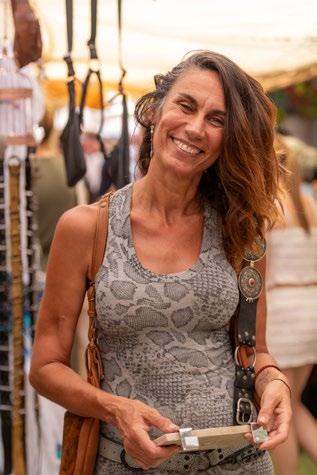
Su verdadero talento no es solo crear, sino escuchar, interpretar y convertir un deseo en una prenda. Vive un momento de efervescencia creativa, cocreando con artistas, diseñando vestuarios que cuentan historias y enamorándose de su oficio una y otra vez.
Desde muy joven, Olga eligió el camino de la creación. Con los años, esa elección se volvió vocación: un compromiso amoroso con la belleza, la dedicación y el arte hecho a mano.
Hoy, en su puesto de Las Dalias, da vida a un universo propio: piezas únicas, cómodas, multifuncionales y cargadas de alma. Trabaja con cuero de primera calidad, producido en España, y transforma cada encargo en un gesto de intimidad y conexión.
Her real talent lies not just in making, but in listening — in reading a desire and turning it into something you can wear. She is living a moment of creative effervescence: collaborating with artists, designing pieces that tell stories, falling in love with her craft over and over again.
From a young age, Olga chose the path of making. Over the years that choice became a vocation — a loving commitment to beauty, dedication and the handmade.
Today, at her stall in Las Dalias, she brings her own universe to life: unique pieces, comfortable, versatile and full of soul. She works with top-quality Spanish leather and transforms every commission into an act of intimacy and connection.
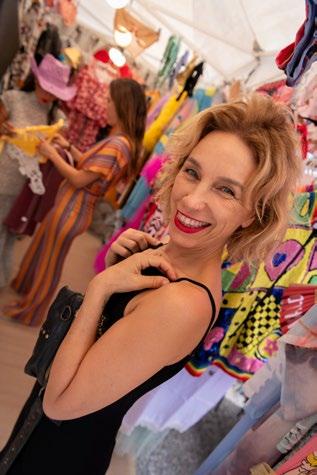
Nica es una artista polivalente, migrante, hija del teatro y la danza, y madre de un tesoro llamado Kira. Promueve la cultura gestionando el proyecto de “bibliotecas libres” en colegios y otros espacios públicos de la isla, con la intención de acercar el arte y fomentar la lectura en la infancia.
Estilista, directora artística y diseñadora, disfruta al compartir su mirada creativa y procura que quienes visitan su puesto se lleven siempre una sonrisa teñida de la explosión de color de sus prendas. Además de vender sus propias colecciones, convoca a otras artistas que, como ella, trabajan con ediciones limitadas y piezas únicas.
Le apasiona generar entusiasmo para que las personas sigan sus deseos. En su puesto invita a explorar formas, colores y texturas, combinando prendas con estados de ánimo. Crea guiada por la emoción como faro.
Nica is a multi-talented artist, a migrant, a child of theatre and dance, and mother to a treasure called Kira. She champions culture through her ‘free libraries’ project in schools and other public spaces across the island, bringing art and a love of reading to children.
Stylist, art director and designer, she loves sharing her creative vision — and makes sure that everyone who visits her stall leaves with a smile coloured by her explosion of hues. As well as selling her own collections, she brings together other artists who, like her, work in limited editions and one-off pieces.
She loves kindling people’s desires to follow their heart. At her stall, she invites visitors to explore shapes, colours and textures, matching clothes to moods. Emotion is her compass.
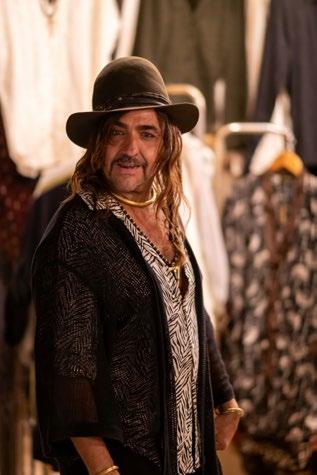
Hace casi dos décadas que Javi llegó por primera vez a Las Dalias. Para él, vender sus colecciones aquí va mucho más allá del negocio: es un ritual, un encuentro, una celebración. El destino quiso que un día conociera a Nattaka, y el amor por ella lo llevó a echar raíces en esta isla mágica. De esa unión nació su hija, Alma, y también una marca con corazón: Naywaj.
Cada diseño ofrece a los hombres mucho más que estilo: una forma de vestir versátil, cómoda y elegante, con el alma de Ibiza latiendo en cada costura. Mientras Javi aporta el lado más underground y clubber, Nattaka equilibra la balanza con formas suaves, frescas y fluidas, perfectas para moverse con libertad y belleza.
Año tras año, sus diseños encuentran eco en clientes que regresan fielmente, creando vínculos que trascienden la moda.
Javi first came to Las Dalias nearly two decades ago. For him, selling his collections here goes far beyond business — it is a ritual, a gathering, a celebration. Fate brought him to Nattaka, and his love for her put down roots on this magical island. From that union came their daughter, Alma, and a brand with a beating heart: Naywaj.
Each design offers men far more than style: a way of dressing that is versatile, comfortable and elegant, with the soul of Ibiza stitched into every seam. Where Javi brings the underground, clubbing edge, Nattaka balances it with soft, fresh and fluid forms — made for moving with freedom and grace.
Year after year, their designs strike a chord with customers who return faithfully, forging bonds that go far beyond fashion.

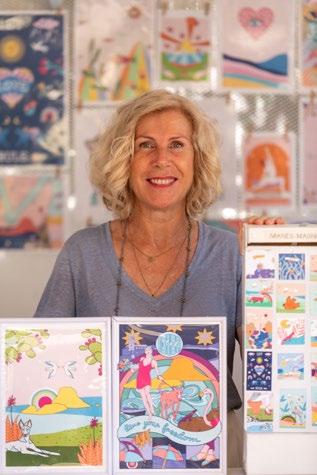
MEDITERRANEAN POP: EL ARTE DE VIVIR EN COLOR
MEDITERRANEAN POP: THE ART OF LIVING IN COLOUR
Marta Fofi es una artista italiana afincada en liza, isla que ha tejido su alma entre colores, trazos y libertad. Desde niña jugaba con el arte como quien explora un universo propio, y hoy ese universo florece en cada una de sus ilustraciones.
Su estilo, que ella misma define como Mediterranean Pop mezcla la alegría vibrante del Pop Art con la naturaleza, los colores intensos, la vida cosmopolita y esa sensación de libertad que solo se respira bajo el sol de lbiza.
Marta no sólo pinta sino que transforma emociones en imágenes. Su arte es un mapa emocional para quienes aman la belleza con carácter y corazón.
Marta Fofi is an Italian artist based in Ibiza, an island that has woven its way into her soul through colour, line and freedom. From childhood she played with art as though exploring a universe of her own, and today that universe flowers in every one of her illustrations.
Her style — which she herself calls Mediterranean Pop — blends the vibrant joy of Pop Art with nature, intense colour, cosmopolitan life and that sense of freedom you can only breathe in under the Ibizan sun.
Marta does not simply paint; she transforms emotions into images. Her art is an emotional map for those who love beauty with character and heart.
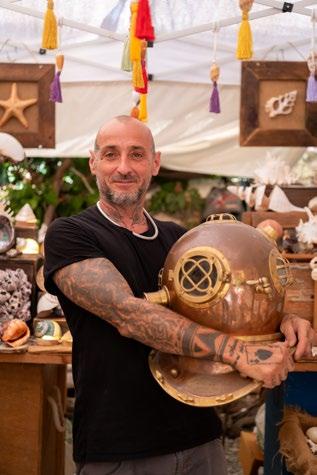
OBJECTS
Davide Boscomare creció en un pequeño pueblo de Sicilia, frente a las islas Eolias, entre volcanes, naranjos y acantilados. Pasó su juventud en la tienda de acuarios de su padre, fascinado por los mundos submarinos. Desde entonces, intuía que fragmentos del mar podían transmitir historias y emociones. Años más tarde, en la isla de La Maddalena, recogía maderas y caracolas arrastradas por las corrientes. Creaba con ellas objetos que nunca perdían el eco del Mediterráneo que las había llevado hasta la orilla.
Desde hace más de una década en Ibiza y en Las Dalias, selecciona cada pieza con cuidado, transmitiendo la luz, sencillez y profundidad de sus orígenes, evocando el sonido y los aromas del mar que siempre conserva recuerdos de infancia y raíces.
Davide Boscomare grew up in a small Sicilian village looking out towards the Aeolian Islands, among volcanoes, orange groves and cliffs. He spent his youth in his father’s aquarium shop, captivated by the underwater world. From then on, he sensed that fragments of the sea could carry stories and emotions. Years later, on the island of La Maddalena, he gathered driftwood and shells carried in by the currents, fashioning from them objects that never lost the echo of the Mediterranean that had brought them ashore.
For more than a decade in Ibiza and at Las Dalias, he selects each piece with care, conveying the light, simplicity and depth of its origins — evoking the sounds and scents of a sea that holds, always, the memories of childhood and home.
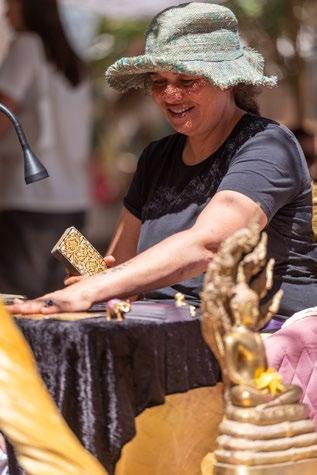
A DATE WITH DESTINY
Alicia nació en Ginebra y, tras vivir en varios países, hace más de cinco años encontró su hogar en Ibiza, donde pasa los veranos con su familia. La conexión con la isla fue inmediata: sintió la energía mágica de las deidades fenicio-púnicas y el lugar acabó envolviéndola con amor.
Establecida en la isla, Alicia comparte más de 25 años de experiencia como tarotista desde su puesto en Las Dalias. Sus lecturas de tarot van más allá de predicciones: son momentos espirituales, recuerdos energéticos y conexiones profundas con el alma de cada visitante. Para quienes la encuentran, su rincón se convierte en una experiencia mágica e inolvidable, una verdadera cita con el destino en Ibiza.
Alicia was born in Geneva and, after living in several countries, found her home in Ibiza more than five years ago, spending her summers here with her family. Her connection with the island was immediate: she felt the magical energy of the Phoenician-Punic deities, and the place wrapped itself around her with love.
Settled on the island, Alicia brings more than 25 years’ experience as a tarot reader to her stall at Las Dalias. Her readings go beyond prediction: they are spiritual moments, energetic recollections and deep connections with the soul of each visitor. For those who find her, her corner becomes a magical, unforgettable experience — a true appointment with destiny in Ibiza.
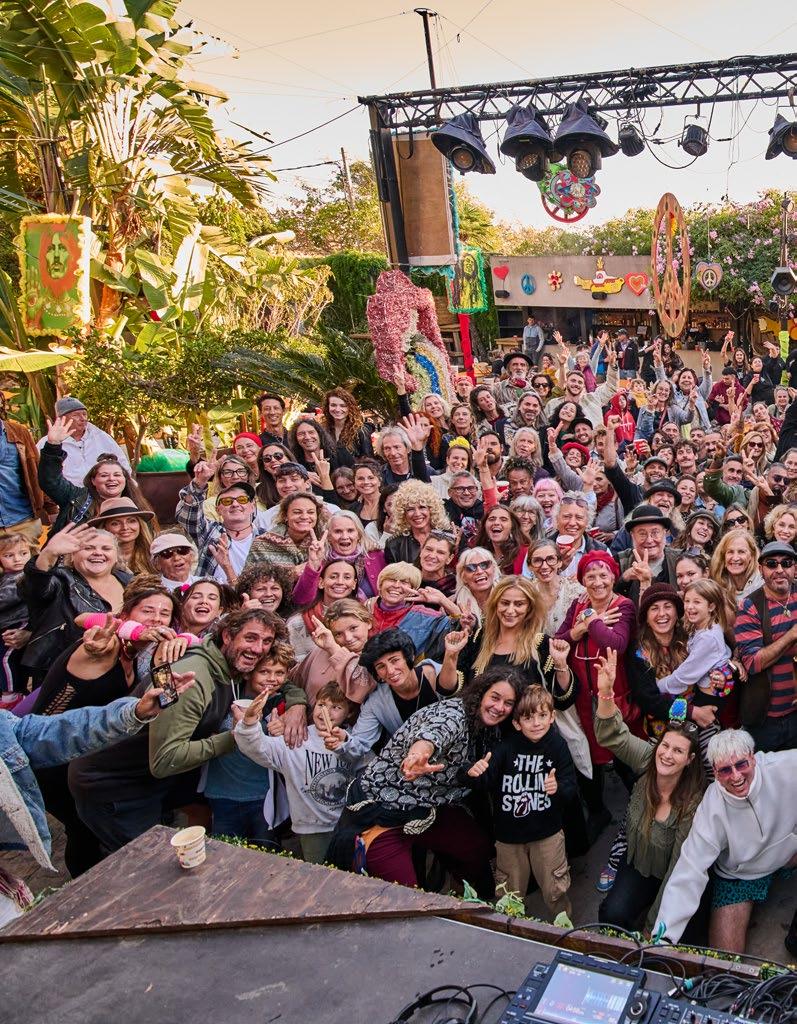
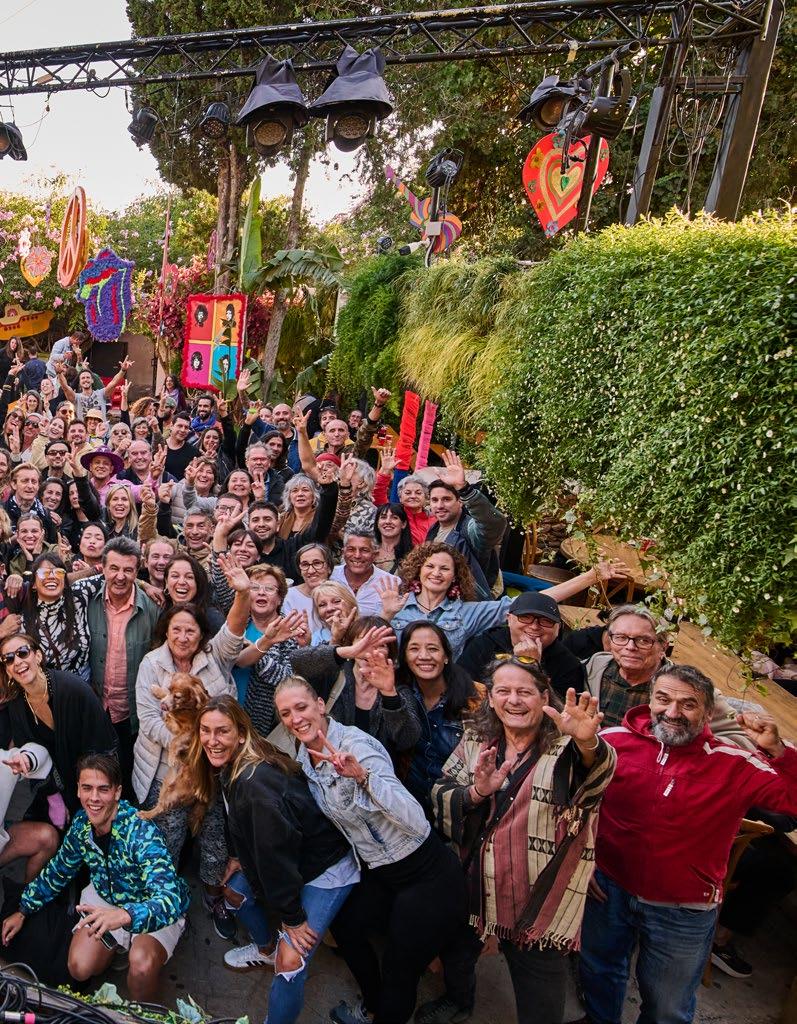

Las familias se parecen a las ramas de un árbol. Crecen en direcciones distintas, pero comparten las mismas raíces. No siempre están unidas por la sangre, sino por algo mucho más profundo: el respeto, las vivencias compartidas, las alegrías y también los momentos difíciles. No es necesario ser perfectos, basta con permanecer unidos.
Así es Las Dalias: una familia de colores, diversa, vibrante, auténtica. En un mundo que a veces se vuelve monocromático, aquí se celebra precisamente lo contrario. Cada persona aporta su esencia, su historia y su forma de entender la vida, creando un mosaico humano de teselas multicolores. Todo un puzzle enriquecedor para todas sus piezas.
En el mercadillo y en todo lo que sucede en este lugar, cada día es una declaración de amor a Ibiza, a la comunidad y a todas las personas que hacen posible que siga floreciendo generación tras generación. Ese amor encuentra su máxima expresión en el Family Day, una jornada cargada de emoción y significado, un encuentro que ya es tradición y que reúne a toda la comunidad del mercadillo
Un día donde también emociona el recuerdo de todas las personas que ya no están entre nosotros y siempre con Juan Marí Juan, que nos dejó hace 10 años, muy presente. Él siempre será ‘el abuelo’ y fundador. A su lado, Francisca, la abuela, una presencia que llena de amor y paz el mercadillo. También es un día para agradecer el trabajo a la generación que tomó su legado, con Juanito y Lucía en el día a día, además de Antonio y Marilina. Y, por supuesto, a las generaciones más jóvenes que garantizan su futuro como son Sergio o Pitu.
Una jornada que también sirve de homenaje a los pioneros. Si el año pasado fue Mora, este año el agradecimiento fue hacia Yaron Marko, figura clave del mercadillo desde los años 70. Pionero en unir arte, música y gastronomía, su legado sigue vivo, recordándonos que la creatividad también es una forma de familia. “Yaron hizo del sonido un puente entre generaciones y del trabajo artesanal un legado. Su espíritu sigue vivo en cada rincón del jardín”, expresó Juanito Marí entre aplausos.
Families are like the branches of a tree: they grow in different directions but share the same roots. They are not always bound by blood, but by something far deeper: respect, shared experience, the joys and the difficult moments too. Perfection is not required — staying together is enough.
This is Las Dalias: a family of colours, diverse, vibrant, authentic. In a world that sometimes turns monochrome, here the opposite is celebrated. Each person brings their own essence, their story and their way of making sense of the world, creating a human mosaic of multicoloured tiles — a puzzle that enriches every piece within it.
In the market and in everything that happens here, every day is a declaration of love — for Ibiza, for the community, and for all the people who keep it flowering, generation after generation. That love finds its fullest expression in the Family Day, a gathering charged with emotion and meaning, now a tradition, that brings the whole market community together.
A day that also stirs the memory of all those who are no longer with us — and always, at the heart of it, Juan Marí Juan, who died ten years ago. He will always be ‘the grandfather’ and founder. Beside him, Francisca, the grandmother, whose presence fills the market with love and calm. It is also a day to honour the generation that took on his legacy: Juanito and Lucía in the day-to-day running, alongside Antonio and Marilina. And, of course, the younger generations who secure its future — among them Sergio and Pitu.
The day also serves as a tribute to the pioneers. Last year it was Mora; this year the recognition went to Yaron Marko, a key figure at the market since the seventies. A pioneer in bringing together art, music and food, his legacy lives on, reminding us that creativity, too, is a form of family. “Yaron made sound a bridge between generations and craft a legacy. His spirit lives on in every corner of the garden,” said Juanito Marí, to applause.
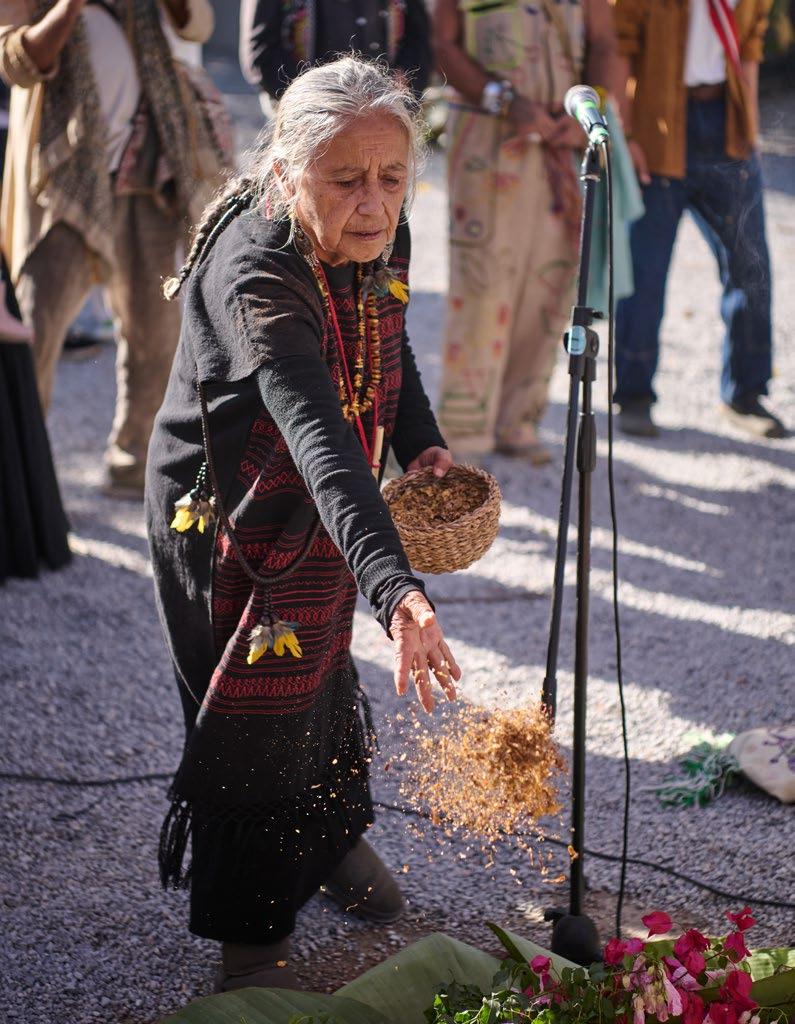
SOWING GRATITUDE TO HARVEST PEACE LAS DALIAS’ MESSAGE TO THE WORLD
La paz también se cultiva, y siempre comienza con gratitud.
En Las Dalias, el tiempo parece latir con un compás distinto. Por eso, el Family Day —esa jornada al final de la temporada en la que la familia del mercadillo se reúne para celebrar un año más de historia— no empieza con puestos de artesanía, ni con música, ni con brindis. Comienza con algo más ancestral y profundo, como es recordar nuestro contacto con la tierra que está bajo nuestros pies.
En el corazón de la jornada, la ceremonia del Pago a la Tierra: un gesto tan sencillo como poderoso, un acto de agradecimiento consciente. Guiados por María Valdivia, el bullicio habitual se transforma en silencio atento, en escucha, en memoria. En emoción.
“Te siento bajo mis pies, tierra. Oigo tu corazón”, dice con su potente voz, recordando que todo comienza ahí, en ese latido invisible que sostiene la vida.
El altar también está en la tierra, un hoyo vivo con frutas, pan, vino y semillas. No es solo una ofrenda: es un momento consciente para agradecer y reflexionar sobre lo que tenemos, lo que nos falta y lo que podemos aportar.
“Gracias, madre, porque estoy viva. Gracias, madre, porque tengo todo lo que necesito para ser feliz”, dice Valdivia, desarmando con dulzura la vieja costumbre de ver la vida desde la escasez.
Porque en Ibiza —esa “mamá Ibiza” que María nombra con devoción— la abundancia no siempre se mide en números, sino en vínculos, en encuentros, en cosechas invisibles.
“¿Cosechamos mucho? Gracias. ¿Cosechamos poquito? Gracias”, repite, como un mantra necesario para estos tiempos.
A shared certainty: peace, too, is something we cultivate — and it always begins with gratitude.
At Las Dalias, time seems to beat to a different rhythm. That is why the Family Day — the end-of-season gathering when the market family comes together to celebrate another year of shared history — doesn’t begin with craft stalls, or music, or toasts. It begins with something more ancient and profound: reconnecting with the earth beneath our feet.
“GRACIAS, MADRE, PORQUE
At the heart of the day, the Pago a la Tierra — the offering to the earth: a gesture as simple as it is powerful, an act of conscious gratitude. Guided by María Valdivia, the usual bustle gives way to attentive silence, to listening, to memory. To emotion.
“I feel you beneath my feet, earth. I hear your heart,” she says in her commanding voice, reminding us that everything begins there — in that imperceptible heartbeat that sustains all life.
The altar, too, is in the earth: a living hollow filled with fruit, bread, wine and seeds. It is more than an offering — it is a moment of awareness, a chance to give thanks and reflect on what we have, what we lack, and what we can give.
“Thank you, mother, because I am alive. Thank you, mother, because I have everything I need to be happy,” says Valdivia, gently dismantling the old habit of seeing life through the lens of scarcity.
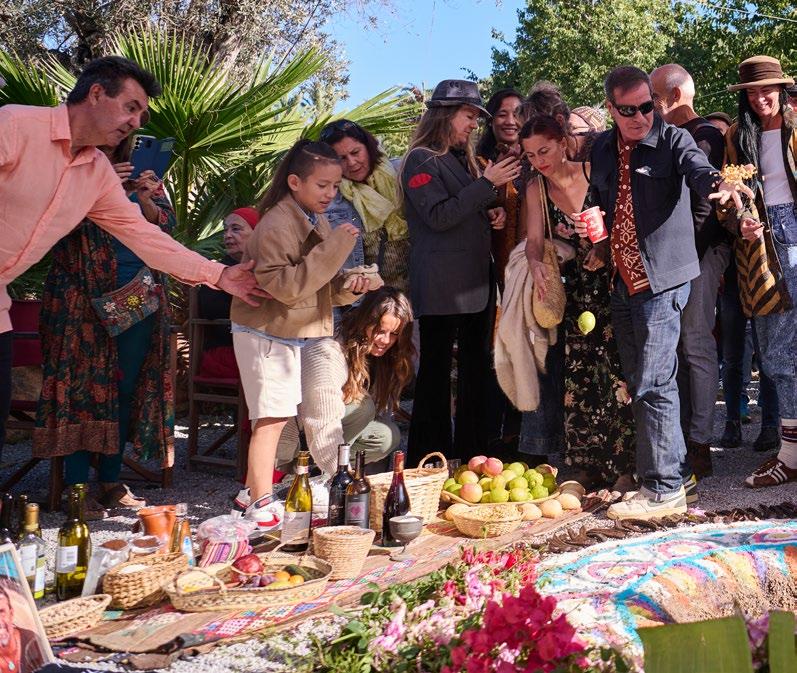
EN LA CEREMONIA HAY UN MOMENTO PARA LA MEMORIA, PARA LOS ABUELOS, PARA QUIENES
TRABAJARON Y BAILARON EN ESTA TIERRA ANTES DE QUE FUERA MERCADILLO
Hay un momento para el agua —“la reina, la majestad”— que esa misma mañana ha bendecido el lugar con lluvia. Un recordatorio de origen: “Una gota de la madre y una gota del padre nos trae aquí a la vida”. Y otro momento
Because in Ibiza — that “mamá Ibiza” María invokes with such devotion — abundance is not always measured in numbers, but in bonds, in encounters, in invisible harvests. “Did we harvest a lot? Gracias. Did we harvest a little? Gracias,” she repeats, like a mantra for our times.
There is a moment for water — “the queen, the majesty” — which that very morning has blessed the place with rain. A reminder of where we come from: “A drop from the mother and a drop from the father bring us here to life.” And another moment for memory — for the grandparents, for those who worked and danced on this land before it was a market, before it was even part of Ibiza’s story.
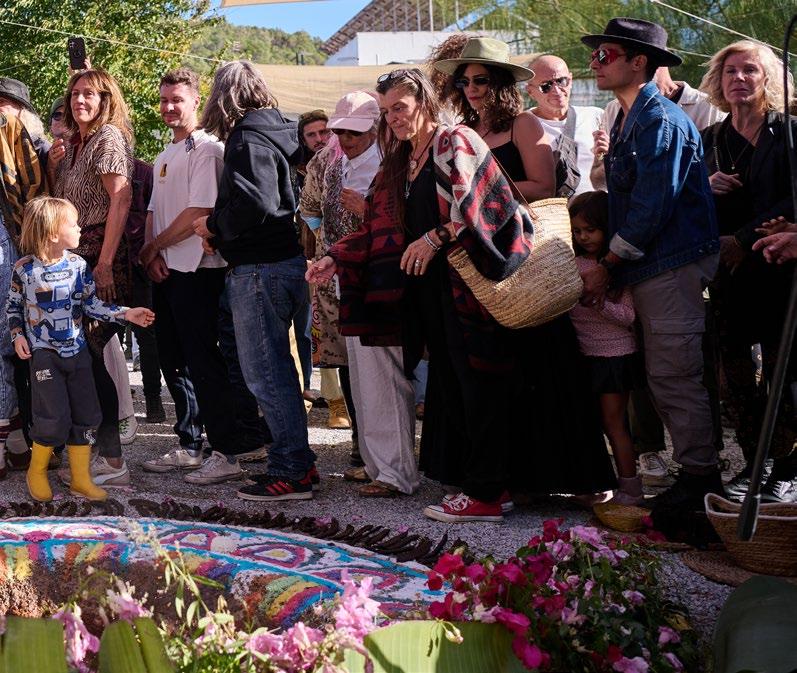
para la memoria, para los abuelos, para quienes trabajaron y bailaron en esta tierra antes de que fuera mercadillo, antes incluso de que fuera historia de Ibiza.
Pero quizás el mensaje más urgente es también el más sencillo: “Nunca nos olvidemos de darle gracias a la tierra. Si quieren cosechar en la vida, tengan como primera palabra la gratitud”.
En un mundo que corre, Las Dalias se detiene. Para agradecer antes de celebrar. Para cerrar el círculo del año con conciencia. Para sembrar, una vez más, algo más que productos: gratitud, intención, paz —esa paz que hoy más que nunca necesitamos.
But perhaps the most urgent message is also the simplest: “Let us never forget to give thanks to the earth. If you want to harvest in life, let your first word be gratitude.”
TO GIVE THANKS BEFORE CELEBRATING
In a frenetic world, Las Dalias pauses. To give thanks before celebrating. To close the circle of the year with awareness. To sow, once more, something more than produce: gratitude, intention, peace — the peace we need today more than ever.
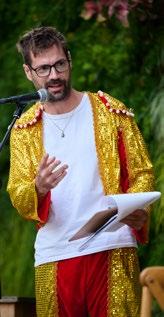
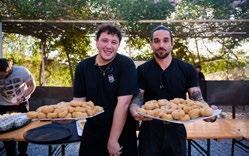
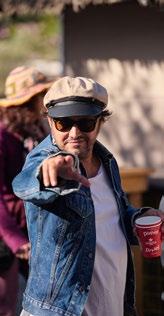
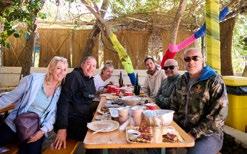
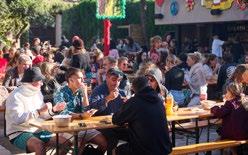
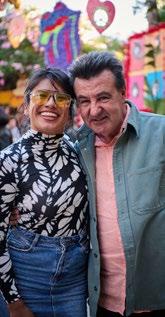
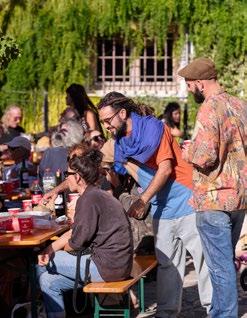
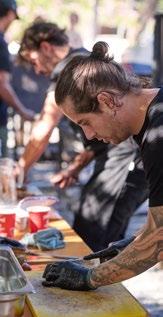

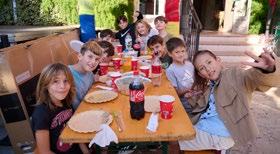
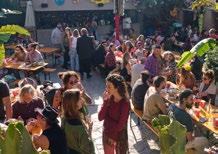
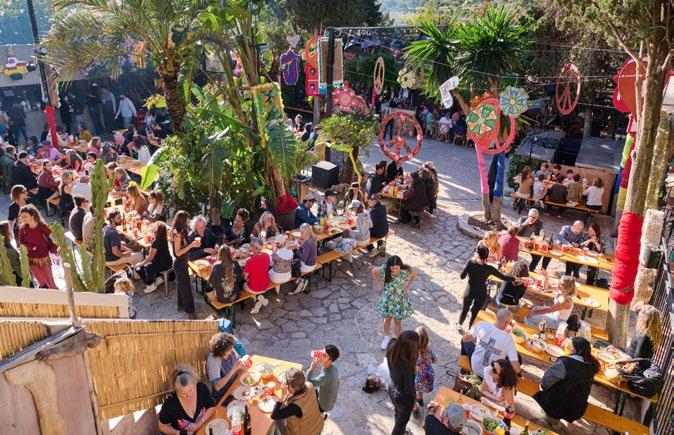
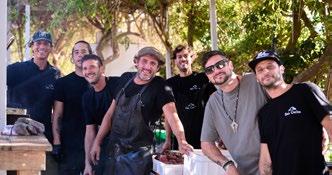
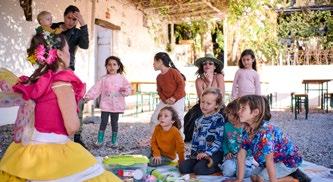
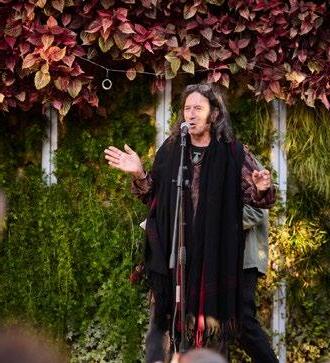





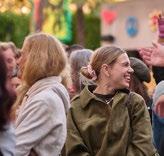
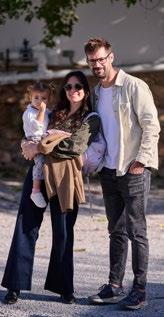
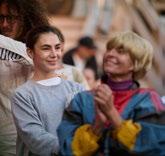
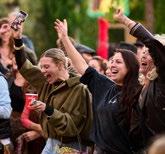

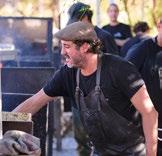
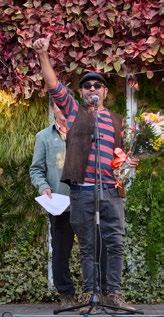
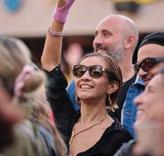
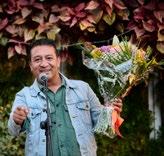
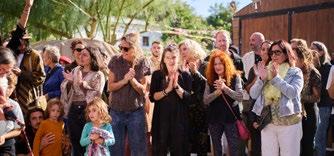
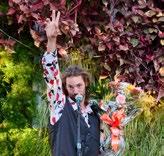


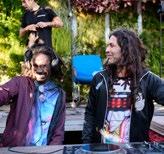

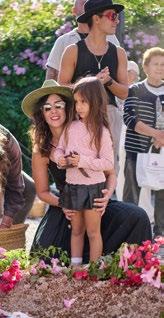
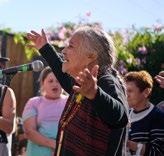
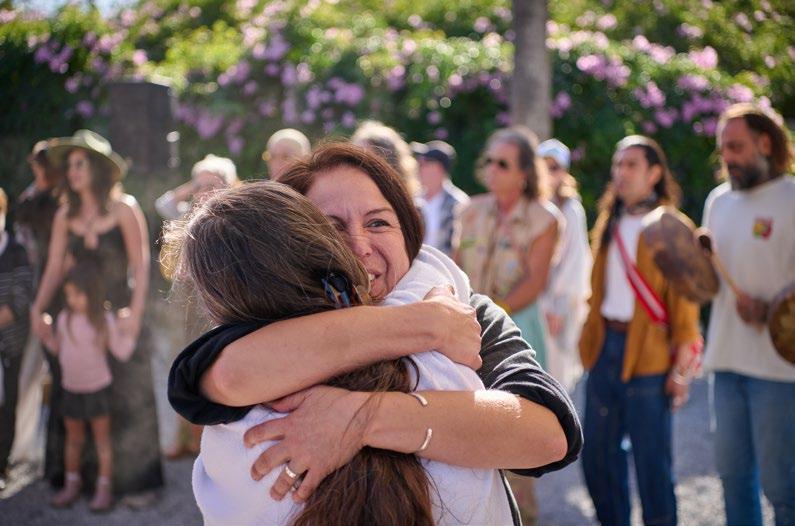
El Family Day de Las Dalias vivió uno de sus momentos más emotivos con el homenaje a Isabel Lambour, una figura imprescindible en la historia reciente del mercadillo. Durante años ha sido la responsable de organización del mercadillo pero, mucho más allá de eso, ha sido escucha, apoyo y guía para cientos de mercadilleros y mercadilleras que han encontrado en ella un pilar fundamental.
Juanito Marí, visiblemente emocionado, resumió lo que muchos sienten: “Siempre ha estado ahí. Ha escuchado, ha reído, ha llorado con todos. Nadie conoce mejor la historia de cada uno”. Sus palabras, entrecortadas por la emoción, reflejaban un vínculo que va más allá de lo profesional y supone un viaje compartido, lleno de esfuerzo, cariño y humanidad.
The Las Dalias Family Day reached one of its most moving moments with the tribute to Isabel Lambour, an irreplaceable figure in the market’s recent history. For years she has been responsible for organising the market, but far beyond that, she has been a listener, a support and a guide for hundreds of stallholders who found in her a cornerstone.
Juanito Marí, visibly moved, put into words what many feel: “She has always been there. She has listened, laughed and cried with everyone. No one knows each person’s story better than she does.” His words, broken with emotion, reflected a bond that goes beyond the professional: a shared journey, full of effort, affection and humanity.
Isabel, profundamente conmovida, respondió con la misma sinceridad que ha marcado su trayectoria: “He intentado dar toda mi alma. Ha sido más que un trabajo, ha sido una misión”. Y así lo ha demostrado. Su capacidad de organización, su paciencia y su cercanía han sido claves para coordinar un engranaje tan complejo como el de un mercadillo con cientos de puestos.
Isabel, deeply moved, responded with the same sincerity that has defined her time here: “I have tried to give everything I have. It has been more than a job — it has been a calling.” And she has proved it. Her organisational ability, her patience and her warmth have been essential to coordinating something as complex as a market with hundreds of stalls.
“HE INTENTADO DAR TODA MI ALMA.
SIDO MÁS QUE UN TRABAJO,
SIDO UNA MISIÓN”, DICE ISABEL LAMBOUR, Y ASÍ LO HA DEMOSTRADO.
SU CAPACIDAD DE ORGANIZACIÓN, SU PACIENCIA Y SU CERCANÍA HAN SIDO CLAVES PARA COORDINAR UN ENGRANAJE TAN COMPLEJO COMO EL DE UN MERCADILLO CON CIENTOS DE PUESTOS
Holding a degree in Ecotourism and Sustainable Development from Guatemala, Isabel arrived at Las Dalias with valuable experience working with communities and social projects. She brought that knowledge to bear in a diverse environment, becoming a bridge between the needs of the vendors and the management, always from a position of respect and empathy.
She has begun a new chapter within Las Dalias, with her sights set on Las Dalias on the Road or Las Dalias Around The World… Because there are people who, even whe
Licenciada en Ecoturismo y Desarrollo Sostenible en Guatemala, Isabel llegó a Las Dalias con una valiosa experiencia trabajando con comunidades y proyectos sociales. Supo trasladar ese conocimiento a un entorno diverso, convirtiéndose en puente entre las necesidades de los vendedores y la dirección, siempre desde el respeto y la empatía.
Ha iniciado una nueva etapa dentro de Las Dalias, con el foco puesto en Las Dalias On the Road o Las Dalias Around The World… Porque hay personas que, aunque cambien de lugar, nunca se van del todo. Y Isabel Lambour es, sin duda, una de ellas.
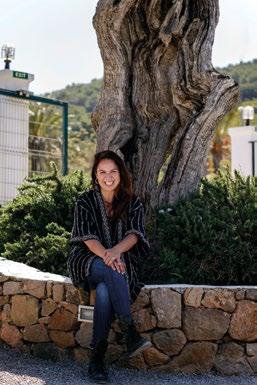
THE SEASON’S MOST POPULAR ARTISANS
En el corazón del icónico Mercadillo de Las Dalias, hay puestos que destacan no solo por su estética, sino por la conexión que generan con quienes los visitan. Cada temporada, el público reconoce ese vínculo especial, premiando el trabajo artesanal, la dedicación y la autenticidad de quienes dan vida a este espacio único.
Este año, los tres proyectos más votados han sido Las Almaritas, Skullture y Aromystik, tres propuestas muy distintas entre sí, pero unidas por una misma esencia: crear con alma.
Las Almaritas vuelven a ganarse el corazón del público, reafirmando una trayectoria marcada por la autenticidad y el espíritu familiar. Detrás del puesto están Véronique, Maï, Lena, Leon, Joss y Noraan: una verdadera tribu que lleva más de una década compartiendo su pasión en Las Dalias. En su puesto, cada visitante puede formar parte del proceso creativo, dando forma a piezas únicas cargadas de significado. Más que joyas, son recuerdos compartidos que viajan por el mundo como pequeñas cápsulas de Ibiza.
Por su parte, Skullture, el proyecto de Diego Navarro Montoya, propone una mirada contemporánea a la simbología de la calavera. Lejos de lo oscuro, sus creaciones transmiten un mensaje vitalista inspirado en el memento mori: vivir el presente con intensidad y conciencia. Sus piezas decorativas y lámparas reflejan una constante evolución artística.
Cierra el listado Aromystik, de Desirée Bocos, una propuesta íntima que transforma fragancias en memoria. Sus perfumes sólidos, elaborados artesanalmente, capturan emociones y momentos, convirtiéndose en pequeños tesoros sensoriales.
Tres formas de entender la artesanía y un mismo espíritu.
At the heart of the iconic Las Dalias market, there are stalls that stand out not only for their look and feel, but for the connection they forge with those who visit them. Each season, the public recognises that special bond, rewarding the craft, dedication and authenticity of those who bring this unique space to life.
This year, the three most popular projects have been Las Almaritas, Skullture and Aromystik — three very different proposals, united by a single essence: creating with soul.
Las Almaritas have won the public’s heart once again, reaffirming a path defined by authenticity and a family spirit. Behind the stall are Véronique, Maï, Lena, Leon, Joss and Noraan: a true tribe who have spent more than a decade sharing their passion at Las Dalias. At their stall, every visitor can become part of the creative process, shaping one-of-akind pieces charged with meaning. More than jewellery, they are shared memories that travel the world as small capsules of Ibiza.
Meanwhile, Skullture, Diego Navarro Montoya’s project, offers a contemporary take on skull symbolism. Far from the macabre, his work carries a life-affirming message inspired by the memento mori: to live in the present with intensity and awareness. His decorative pieces and lamps reflect a constant artistic evolution.
Rounding out the list, Aromystik, by Desêireé Bocos, is an intimate project that transforms fragrance into memory. Her solid perfumes, handcrafted with care, capture emotions and moments, becoming small sensory treasures.
Three ways of understanding craft. One shared spirit.
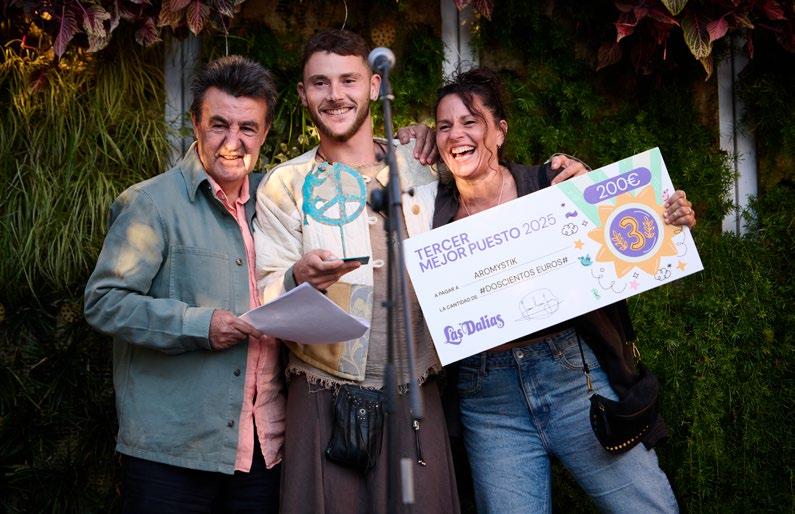

El broche final del Family Day en Las Dalias no podía ser más vibrante: la ya tradicional Batalla de Barrios, un momento esperado donde la creatividad, el humor y el compañerismo se suben al escenario. En esta divertida competición, los distintos grupos del mercadillo ofrecen actuaciones inspiradas en grandes iconos musicales, desatando la energía de todos los presentes.
Y es que, con el paso de las temporadas, artesanos y mercadilleros crean lazos que van más allá del trabajo: se ayudan, se apoyan y comparten el día a día como verdaderos vecinos. De ahí nacen estos “barrios”, nombres con identidad propia que reflejan la convivencia, la complicidad y también ese toque de sana rivalidad.
En la Batalla de Barrios, todo ese espíritu se transforma en espectáculo. Coreografías, disfraces y puestas en escena llenas de ingenio convierten el escenario en una fiesta colectiva que este año ganó Barrio Alto, con La Favela y Queen Street en el segundo y tercer puesto, respectivamente. Canciones de Shakira, Raffaella Carrà o Grease hicieron vibrar al público y pusieron el broche perfecto a un día lleno de color, creatividad y buen humor.
The Family Day at Las Dalias could not have ended more vibrantly: the now-traditional Batalla de Barrios, a muchanticipated moment when creativity, humour and camaraderie take to the stage. In this exuberant competition, the different market groups put on performances inspired by great musical icons, unleashing the energy of everyone present.
Over the seasons, artisans and stallholders build bonds that go beyond work: they help each other, support each other and share day-to-day life like true neighbours. From this emerge these ‘barrios’ — neighbourhoods with their own identity, reflecting the sense of community, the camaraderie, and a touch of healthy rivalry.
In the Batalla de Barrios, all that spirit becomes spectacle. Choreography, costumes and performances full of wit turned the stage into a collective party, won this year by Barrio Alto, with La Favela and Queen Street taking second and third place respectively. Songs by Shakira, Raffaella Carrà and from Grease set the crowd alight, putting the perfect seal on a day full of colour, creativity and good humour.


La Boutique Las Dalias representa esa sensación tan difícil de explicar qué tiene Ibiza cuando la vives de verdad. No se trata solo de ropa, sino de momentos. De entrar después de un día de playa, con el pelo aún mojado del mar y la piel caliente del sol, mientras suena música de fondo y el mercadillo sigue lleno de vida. De probarte una camisa blanca o un vestido ligero y sentir que encaja perfectamente con ese instante, con esa versión más libre y tranquila de ti mismo que aparece en la isla.
Hay prendas para todas las edades, estilos y formas de vivir Ibiza. Desde la ropa blanca más representativa de la isla hasta piezas con diferentes cortes, colores y estilos para el día a día. Camisas amplias, vestidos ligeros, pantalones frescos y tejidos suaves como el algodón o la viscosa hacen que todo se sienta cómodo, auténtico y fácil de llevar. No importa la edad ni la forma de vestir de cada persona, porque la Boutique siempre ha transmitido esa idea de libertad: llevar lo que te hace sentir bien, sin reglas y sin perder la esencia mediterránea que la caracteriza.
Lo bonito de la Boutique es que consigue que esa sensación no se quede solo en la isla. Las prendas viajan contigo. Vuelves a casa y sigues poniéndotelas para ir a trabajar, para salir a cenar o simplemente para sentirte bien. Y de alguna manera, cada vez que te las pones, vuelves un poco a Ibiza. A esa calma, a esa libertad y a esa forma de vivir más natural y sencilla que representa Las Dalias.
@boutiquelasdaliasibiza
Shop at LASDALIAS.ES/BOUTIQUELASDALIAS
La Boutique Las Dalias captures that feeling Ibiza gives you when you really live it — the one that’s almost impossible to put into words. It’s not just about clothes. It’s about moments. Coming in after a day at the beach, hair still wet from the sea and skin warm from the sun, music drifting in the background and the craft market still buzzing with life. Trying on a white shirt or a light dress and feeling how perfectly it fits the moment and that quieter, freer version of you that comes out on the island.
There’s something for every age, every style, every way of living Ibiza. From the white clothing the island is known for to pieces in different cuts, colours and styles for everyday wear. Loose shirts, light dresses, cool trousers and soft fabrics — cotton, viscose — that make everything feel comfortable, genuine and effortless to wear. Age and personal style don’t come into it. The Boutique has always stood for the same idea: wear what makes you feel good, without rules, without losing the Mediterranean spirit at its heart.
What makes the Boutique special is that the feeling doesn’t stay behind on the island. The clothes travel with you. Back home, you find yourself wearing them to work, out to dinner, or just because. And somehow, each time you put them on, you’re back on Ibiza. That calm, that freedom, that simpler, more natural way of living that Las Dalias embodies.
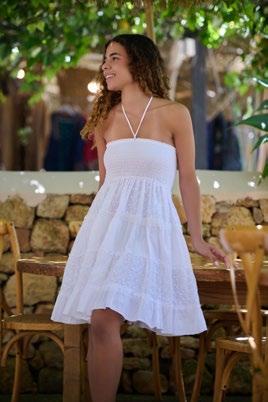
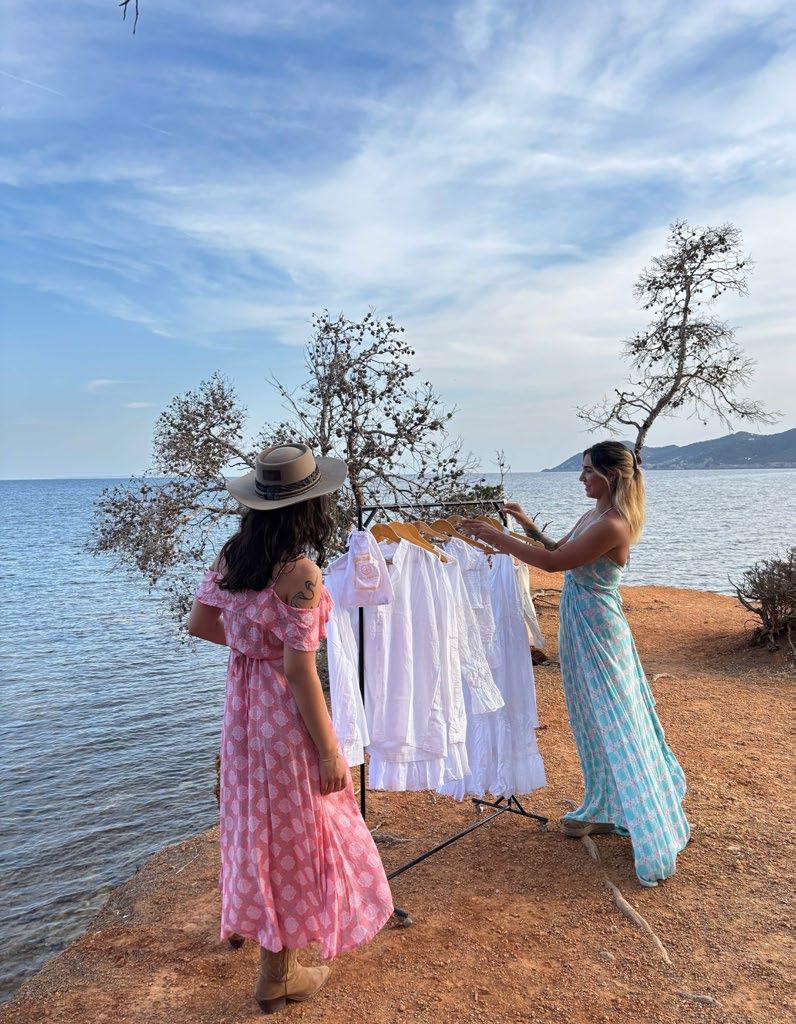
“I’M
Yarón Marko desembarcó en Ibiza con veintitrés años, un radiocasete estéreo, un maletín lleno de herramientas para trabajar el cuero y cuatrocientas mil pesetas en la mochila. Era noviembre de 1976. Tras acabar sus obligaciones con el ejército de Israel y disfrutar unos meses en Ámsterdam, una novia lo arrastró a la isla. “¿Cuáles fueron mis primeros recuerdos? Las higueras, los pinos, el clima, el mar… desde el principio me encontré muy a gusto, todo me recordaba a casa. Al final, no me había movido del Mediterráneo. En Ibiza se respiraba libertad… Tenía dinero para estar tranquilo dos años, pero pronto me puse a trabajar con mis manos. Aprendí de los payeses cómo se restauraba una casa –no había luz eléctrica ni agua corriente en el campo–o cómo se fabricaban unas castanyoles”.
Yarón Marko landed in Ibiza at the age of twenty-three with a stereo radio-cassette, a case full of leatherworking tools and four hundred thousand pesetas in his backpack. It was November 1976. After finishing his service in the Israeli army and spending a few months enjoying Amsterdam, a girlfriend dragged him to the island. “What were my first impressions? The fig trees, the pines, the climate, the sea… I felt at home from the start, everything reminded me of where I came from. After all, I hadn’t really left the Mediterranean. You could breathe freedom in Ibiza… I had enough money to live comfortably for two years, but I soon set to work with my hands. I learned from the payeses — the local farming people — how to restore a house (there was no electricity or running water in the countryside back then) or how to make a pair of castanyoles.”
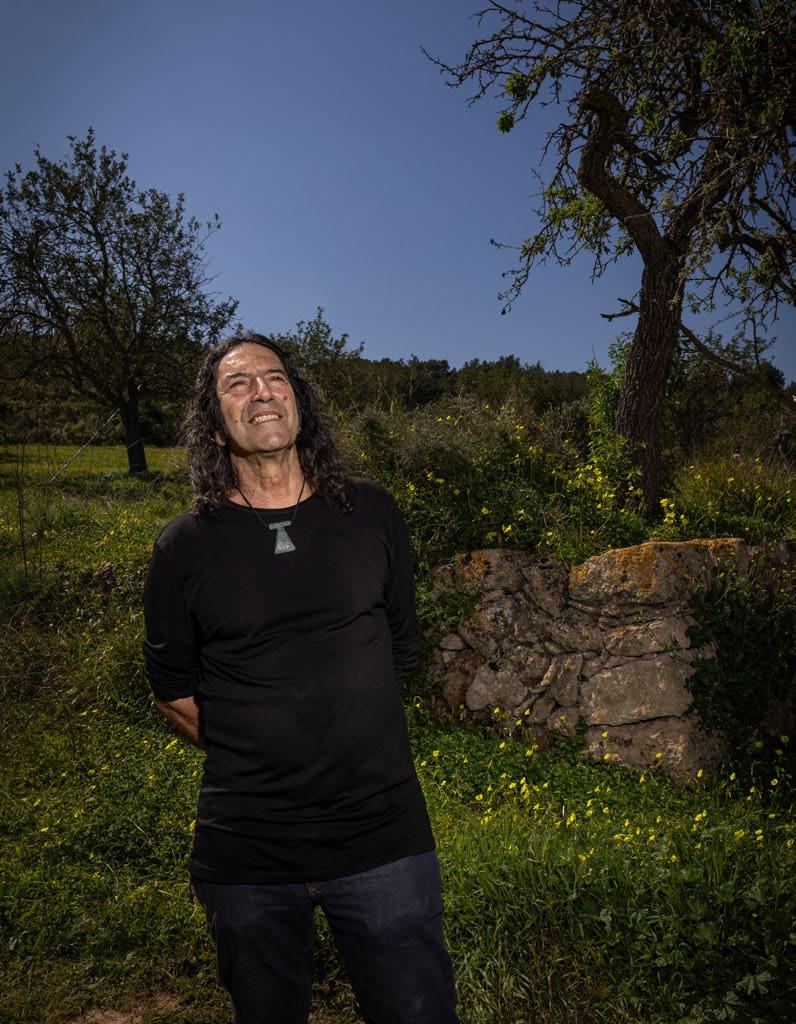
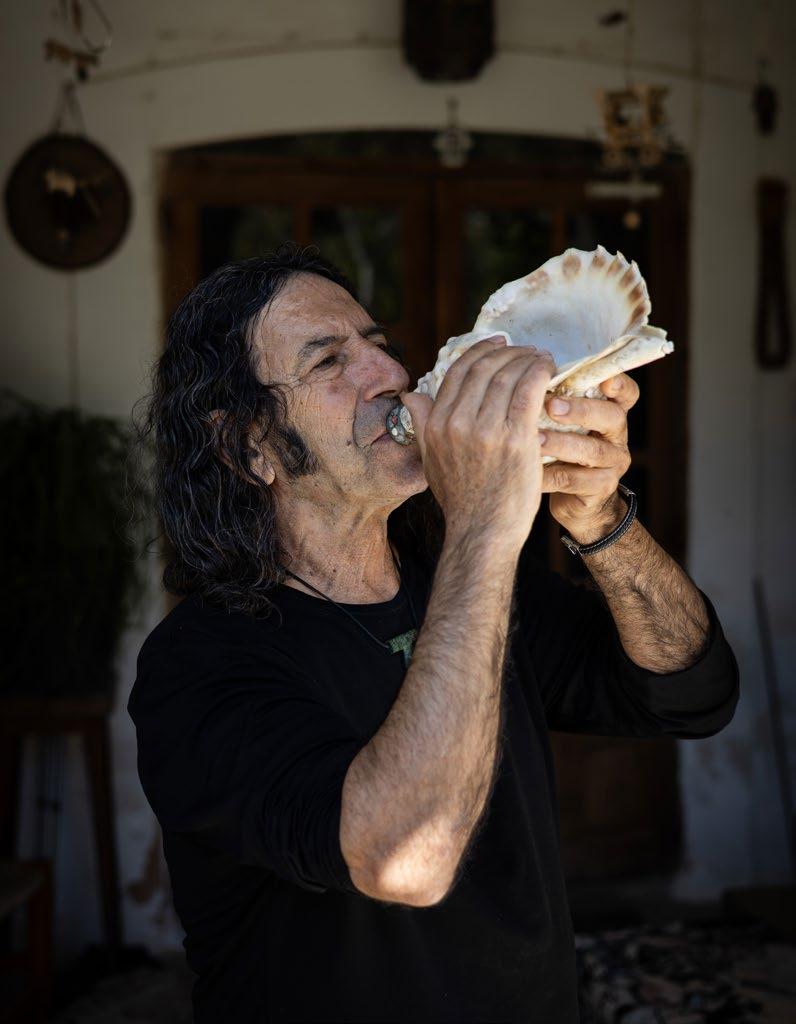
El artesano, que también es músico, nos habla en la cocina de una casa que también es taller. Y, por si fuera poco, museo y sala de ensayos. Dentro de una estancia conserva cientos de instrumentos. Muchos, fabricados por la destreza de su tacto y su oído. Otros son los souvenirs de viajes lejanos. Una sinfonía de pieles, pita, metales, maderas y variedad de materiales que los paseantes de Las Dalias conocen bien. El puesto de Yarón fue uno de los primeros que se instalaron en el mercado, allá por el invierno de 1985:
FUE UNO DE LOS PRIMEROS
QUE SE INSTALARON EN EL MERCADO ALLÁ POR EL INVIERNO DE 1985
The craftsman, who is also a musician, talks to us in the kitchen of a house that doubles as a workshop. And, as if that weren’t enough, as a museum and rehearsal room too. One room holds hundreds of instruments. Many he has made himself, by the skill of his hands and ear. Others are souvenirs from far-off journeys. A symphony of skins, agave, metals, woods and all manner of materials that the regulars at Las Dalias know well. Yarón’s stall was one of the first to set up in the market, way back in the winter of 1985:
“I knew the place when it was a roadside bar, and even then it had a different feel — one that’s still unique. In the late seventies, we’d go to sell at Punta Arabí and then drop in at Las Dalias afterwards — it was the gathering place. I remember playing Arabic music in that beautiful garden lit only by candlelight, with my wife [the Italian-Egyptian choreographer Nur-Banu] doing belly dance. Then we’d head to a party somewhere and start up a jam session. Juanito was one of the first Ibicencos I ever saw in that kind of scene.”
–Yo conocí el lugar cuando era un bar de carretera y, entonces, ya tenía un ambiente distinto que sigue siendo único. A finales de los setenta, íbamos a vender a Punta Arabí y luego nos dejábamos caer por Las Dalias, todo un punto de encuentro. Recuerdo tocar música árabe en aquel jardín precioso iluminado sólo por la luz de las velas y a mi mujer [la coreógrafa italo-egipcia Nur-Banu] haciendo danza del vientre. Luego íbamos a alguna fiesta y montábamos una jam session. Juanito fue uno de los primeros ibicencos a los que vi en un ambiente así.
En aquel entonces, Yaron aún no sabía que sus campanas —tubulares y afinadas— iban a convertirse en uno de los emblemas de Las Dalias. En su perenne rincón junto a la escalera, desplegaba una colección de tambores e instrumentos de lo más singular. Allí se detuvo a charlar un abanico diverso de artistas. El que va desde las pesadas guitarras de Led Zeppelin a la fusión flamenca de Ketama. Aquel mercado era “diversidad”: “A la izquierda tenía a Manfred Postel, el maestro zapatero de Cas Sabater y a la derecha al recordado José Padilla, el padre del chill out”, explica Yarón. Un crisol que lo transportaba a la infancia:
Back then, Yarón had no idea that his bells — tubular and tuned — would become one of the emblems of Las Dalias. From his perennial spot beside the staircase, he laid out a collection of drums and instruments of the most singular kind.
FROM HIS PERENNIAL SPOT BESIDE THE STAIRCASE, HE LAID OUT A COLLECTION OF DRUMS AND INSTRUMENTS OF THE MOST SINGULAR KIND
There, an extraordinary range of artists stopped to chat — spanning everything from the heavy guitars of Led Zeppelin to the flamenco fusion of Ketama. That market was “diversity”: “On my left I had Manfred Postel, the master cobbler of Cas Sabater, and on my right the much-missed José Padilla, the father of chill-out,” Yarón explains. A melting pot that took him back to childhood: “I’m the son of a Romanian Jew —
“Yo soy hijo de un judío rumano, que probablemente tuviera orígenes sefardíes pero hablaba yidish, y de una descendiente de los judíos que fueron expulsados al Yemen, un grupo muy especial dentro del judaísmo porque preservó su cultura y la mezcló con lo árabe durante más de dos mil años. Crecí en un país donde se hablaban más de doscientas lenguas y dialectos y podías comer todos los sabores imaginables. En casa se escuchaba tanto el rock que estaba de moda en los cincuenta y sesenta como canciones yemenitas”.
DAY COMO UNO DE LOS PIONEROS DEL MERCADILLO
probably of Sephardic origin, though he spoke Yiddish — and a descendant of the Jews who were exiled to Yemen, a very particular group within Judaism because they preserved their culture and blended it with Arab culture for over two thousand years. I grew up in a country where more than two hundred languages and dialects were spoken and you could taste every flavour imaginable. At home you’d hear the rock music that was in fashion in the fifties and sixties as much as Yemeni songs.”
Modernity and tradition. Yarón Marko’s life makes no sense without that duality — one he finds easy to inhabit. He was at the most punk wedding of all time — his godson married Nina Hagen in Benirràs — and he has spent hours upon hours playing and carving, carving and playing, with folklorists and luthiers like Joan Murenu and Pep Mossènyers. He talks with knowledge and respect about what is happening in the world, and at the same time looks utterly at home in the Benimussa valley, where he has lived for twenty-six years with his partner and the four dogs that watch over the house. More than passing snapshots, these scenes sum up the way he lives.
Modernidad y tradición. La vida de Yarón Marko no se entiende sin esa dualidad, para él, tan sencilla de integrar. Estuvo en la boda más punk de todos los tiempos —su ahijado se casó con Nina Hagen en Benirràs— y ha pasado horas y horas tocando y tallando, tallando y tocando con folkloristas y lutieres como Joan Murenu o Pep Mossènyers Conversa con propiedad y respeto de lo que ocurre en el mundo y, a la vez, se le nota comodísimo en el valle de Benimussa, donde vive desde hace veintiséis años junto a su pareja y las cuatro perras que cuidan de la casa. Más que ejemplos a vuelapluma, esas estampas son un resumen de sus maneras de vivir.
–Me considero de la época hippy. Mi filosofía era la libertad y, aunque cambié menos de pareja de lo que se esperaba [ríe], porque vivo con la misma mujer desde hace cuarenta y cinco años, creo que sigo siendo un hippy.
El pasado otoño, Las Dalias lo reconoció homenajeándolo en el Family Day como uno de los pioneros del mercadillo.
“I CONSIDER MYSELF PART OF THE HIPPY ERA. MY PHILOSOPHY WAS FREEDOM — AND ALTHOUGH I CHANGED PARTNERS LESS OFTEN THAN YOU MIGHT HAVE EXPECTED — I THINK I’M STILL A HIPPY”
“I consider myself part of the hippy era. My philosophy was freedom — and although I changed partners less often than you might have expected [laughs], because I’ve been with the same woman for forty-five years, I think I’m still a hippy.”
Last autumn, Las Dalias paid tribute to him at Family Day as one of the market’s founding figures.
Cristina Marí
Arsen Voronyy T F
Haría falta hablar en clave musical y en varios idiomas para expresar la sensibilidad de Khalid El Farih (Fez, Marruecos, 1986). Este marroquí de 39 años expresa en canciones de la tradición ibicenca, de raíz flamenco-árabe, e incluso de la vieja escuela del pop-rock español algunos de sus recuerdos más preciados. Y es que su vida ha transitado varios mundos. Incluso el de la muerte.
Hijo de un taxista de las zonas rurales de Fez y de un ama de casa con tres hijas y tres hijos, cuando El Farih cumplió 17 años se marchó a la frontera de Nador con Melilla donde, ayudado de un carro, se ganaba el sueldo a base de transportar el equipaje de los viajeros.
To capture the sensibility of Khalid El Farih (Fez, Morocco, 1986), you would need to speak in music and in several languages at once. This thirty-nineyear-old Moroccan expresses some of his most treasured memories through songs from the Ibizan tradition — rooted in flamenco and Arabic music — and even through the classic Spanish pop-rock of an earlier era. His life has passed through many worlds. Even the world of death.
The son of a taxi driver from the rural outskirts of Fez and a housewife with three daughters and three sons, El Farih left home at seventeen for the border crossing at Nador, near Melilla, where he earned his living pushing a cart and carrying passengers’ luggage.
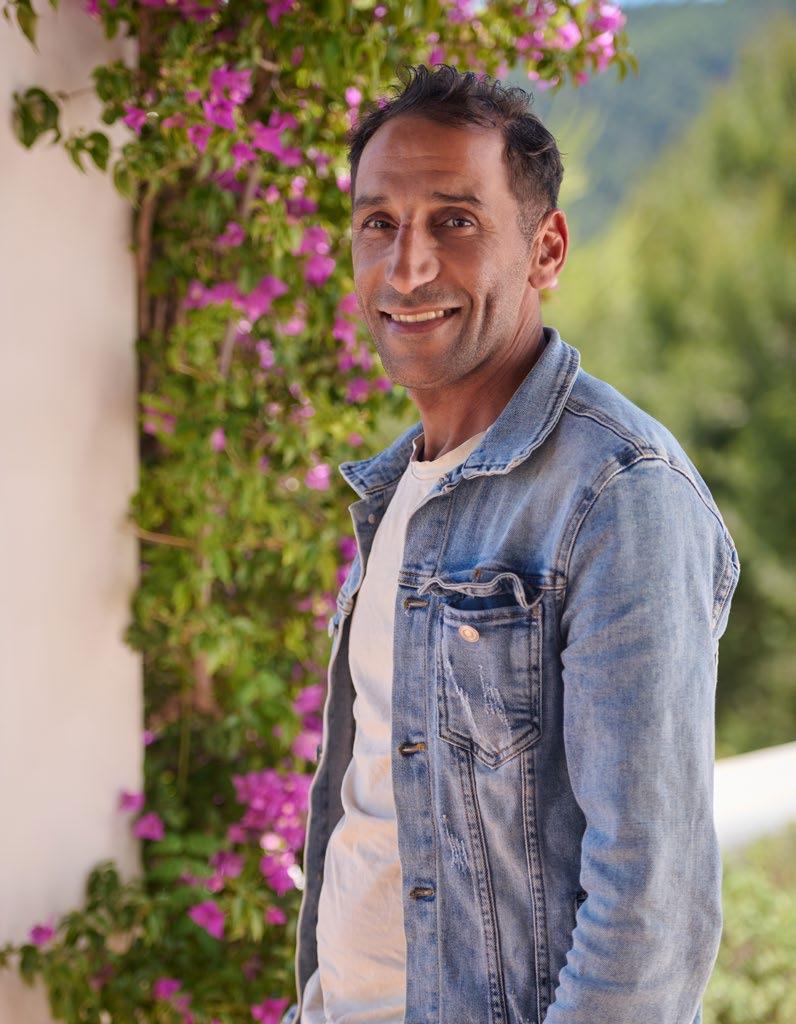
En aquel entonces, su hermana Sabah y el marido de esta, el fallecido Theo Panzer, uno de los vendedores históricos de Las Dalias desde los inicios del mercadillo con sus icónicas botas de cuero, le ayudaron a lograr un visado para vivir con ellos en Ibiza. Llegó a la isla en 2011, donde consiguió un trabajo de mantenimiento y jardinería.
“Yo pensaba que venía a una isla de árboles, solo árboles, sin casas”, recuerda El Farih con media sonrisa. No era solo una isla de árboles a la que llegaba. Llegaba, con apenas 26 años, al universo de Las Dalias, donde desde el primer momento se sintió acogido y como en casa, aunque no sabía decir ni una palabra en español. En sus primeros años se esforzó en aprender el idioma y echar una mano en el puesto de su hermana y su cuñado.
LLEGÓ, CON APENAS 26 AÑOS, AL UNIVERSO DE LAS DALIAS, DONDE DESDE EL PRIMER MOMENTO
SE SINTIÓ ACOGIDO Y COMO EN CASA, AUNQUE NO SABÍA DECIR
NI UNA PALABRA EN ESPAÑOL
En esa alegría de llegar a un nuevo lugar para empezar una nueva vida, Khalid atravesó un trágico suceso del que casi no sobrevive. Aunque en sus palabras, él estuvo “muerto”. Unos trabajadores que estaban realizando reformas en el exterior de la casa en la que vivían Khalid, su hermana Sabah y Theo, alertaron de que habían visto a Khalid tres días seguidos durmiendo exactamente en el mismo colchón, en la misma postura. “El primer día pensaron que estaba descansando, el segundo día también, y el tercero ya se fijaron en que estaba exactamente en el mismo sitio, misma postura, tenía mala cara, la piel amarillenta y… estaba muerto. Estaba muerto”.
El joven llevaba tres días inconsciente debido a que había en la casa una estufa de butano encendida que contaminó el aire de la vivienda, cerrada completamente. Tras tres días en la inconsciencia absoluta, los trabajadores rompieron la ventana y llamaron a una ambulancia. “A los cuatro días empecé a despertar”, recuerda el marroquí. “El médico dijo que no había visto nunca nada igual”.
At that time, his sister Sabah and her husband, the late Theo Panzer — one of the long-standing stallholders at Las Dalias market from its earliest days, known for his iconic leather boots — helped him obtain a visa to come and live with them in Ibiza. He arrived on the island in 2011 and found work in maintenance and gardening.
“I thought I was coming to an island of trees — just trees, no houses,” El Farih recalls with a half-smile. It was not just an island of trees he was arriving at. He entered the world of Las Dalias when he was barely twenty-six and, from the very first moment, he felt welcomed and at home, even though he didn’t speak a word of Spanish. In those early years he threw himself into learning the language and helping out at his sister and brother-in-law’s stall.
In the joy of arriving somewhere new to begin a new life, Khalid passed through a tragic event he very nearly did not survive. In his own words, he was “dead.” Workers who were carrying out renovations on the outside of the house where Khalid, his sister Sabah and Theo were living noticed that they had seen Khalid three days running, sleeping in exactly the same position on the same mattress. “The first day they thought he was resting, the second day too, and by the third day they realised he was in exactly the same spot, the same position, he looked terrible, his skin was yellowish and… he was dead. He was dead.”
The young man had been unconscious for three days. A butane heater left running in the fully sealed house had poisoned the air completely. After three days of total unconsciousness, the workers broke the window and called an ambulance. “Four days later I started to come round,” the Moroccan recalls. “The doctor said he had never seen anything like it.”
“Jo tenc una enamorada / a sa banda de Migjorn / i en ser que la vaig a veure / sempre em diu que quan hi torn.” [An Ibizan cançó that says “I have a sweetheart on the Migjorn shore / and every time I go to see her / she asks me when I’ll come again”] Khalid sings this song to Francisca, the mother of Juanito Marí, owner of Las Dalias. He sings it to her so often that she tells him: “Khalid, enough!” So says the Moroccan, laughing at their easy familiarity — because when he is not busy (and sometimes even when he is), he visits the majora [the matriarch of the estate] every day, “every twenty minutes.” He makes sure she is well, keeps her company; they chat, they watch television together.

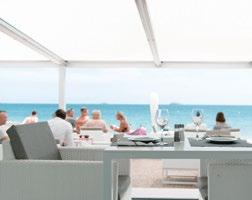



“Jo tenc una enamorada / a sa banda de Migjorn / i en ser que la vaig a veure / sempre em diu que quan hi torn”. Khalid le canta esta canción a Francisca, la madre de Juanito Marí, dueño de Las Dalias. Se la canta tan a menudo que hasta ella le dice: “Khalid, ¡ya basta!”. Eso dice el marroquí, que ríe desde la propia familiaridad, y es que cuando no está ocupado —o aunque lo esté— visita a la majora todos los días, “cada 20 minutos”. Se asegura de que está bien y le hace compañía, charlan, ven la tele juntos.
ENTRE LOS APARCAMIENTOS O
RESOLVIENDO PROBLEMAS DE TODO
TIPO, DESDE UN CORTE DE AGUA
A UN FALLO DE LUZ
Es un hombre de la casa en Las Dalias, donde se encarga de las tareas de mantenimiento desde que entró a formar parte de esta comunidad en 2014. Allí es fácil encontrarlo gestionando el tráfico entre los aparcamientos o resolviendo problemas de todo tipo, desde un corte de agua a un fallo de luz. Según el propio Juanito Marí, si hay buenas reseñas online sobre Las Dalias, seguramente tendrán algo que ver con Khalid, que se toma muy en serio la reputación de este lugar. Por ello, no acepta propinas personales y se pierde a medianoche por el campo para buscar un teléfono extraviado por el que pregunta algún cliente. Es un trabajador humilde y hospitalario, como el pueblo bereber al que pertenece.
Y además de todo ello, Khalid El Farih es cantante, y vaya si canta: “Habibi, ya nour el-ain / ya sakin khayali / a’ashek bakali sneen wala ghayrak bibali. / Habibi, habibi, habibi ya nour el-ain. / Habibi, habibi, habibi ya nour el-ain / ya sakin khayali”. Acompaña su voz con el ritmo de sus yemas sobre la mesa, como quien hace pájaros de barro y los echa a volar.
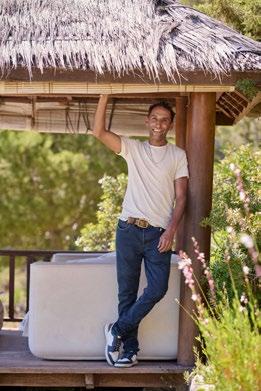
He is one of the household at Las Dalias, where he has looked after maintenance since joining the community in 2014. You will often find him directing traffic between the car parks or sorting out problems of every kind, from a water cut to a power failure. According to Juanito Marí himself, if Las Dalias gets good reviews online, Khalid probably has something to do with it as he takes the reputation of the place very seriously. He refuses personal tips and will disappear into the countryside at midnight to search for a phone that a customer has reported lost. He is a humble and hospitable worker, like the Berber people he comes from.
And on top of all this, Khalid El Farih is a singer — and what a singer: “Habibi, ya nour el-ain / ya sakin khayali / a’ashek bakali sneen wala ghayrak bibali. / Habibi, habibi, habibi ya nour el-ain. / Habibi, habibi, habibi ya nour el-ain / ya sakin khayali.” He keeps time with his fingertips on the table as he sings — like someone shaping birds from clay and sending them soaring into the air.
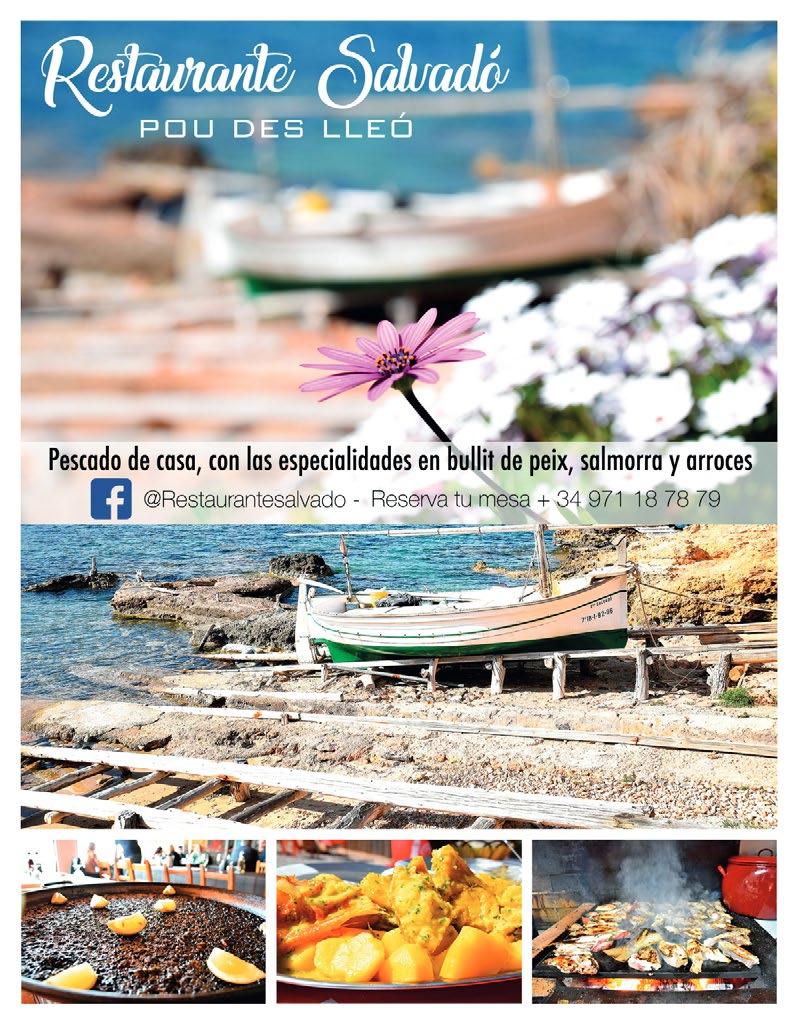
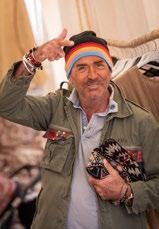



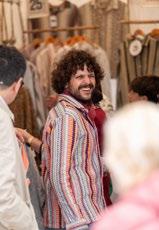
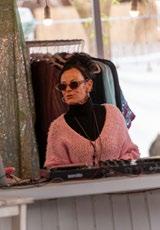
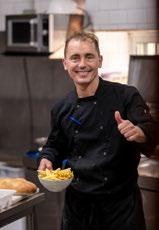


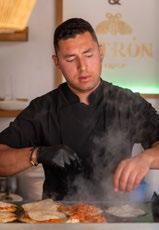

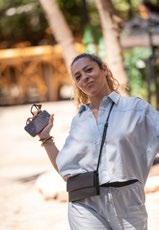
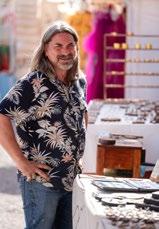
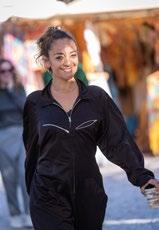

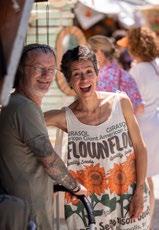







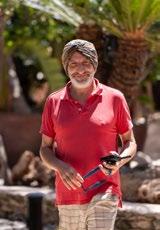



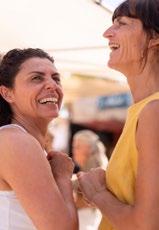
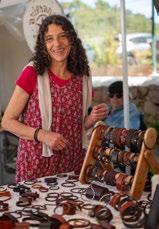
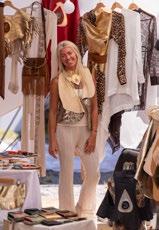

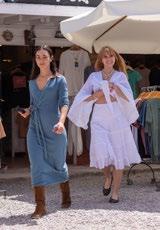
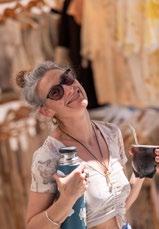
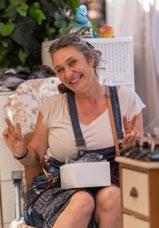
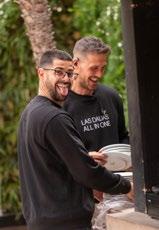
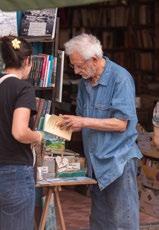






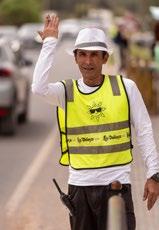

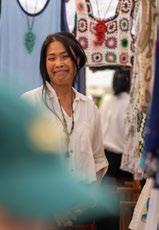


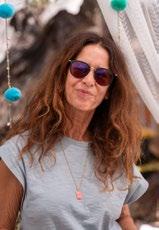

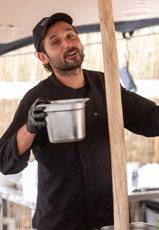

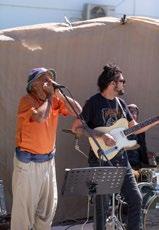
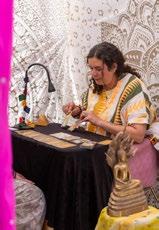
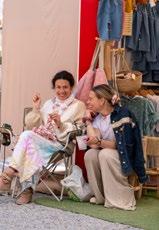
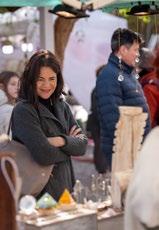
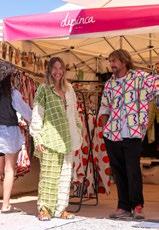


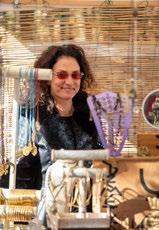
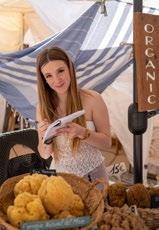
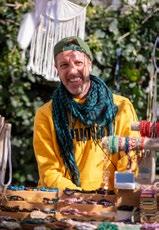
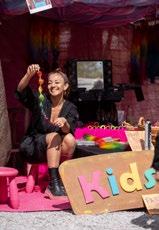

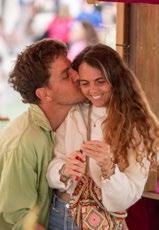
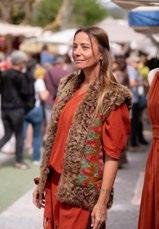

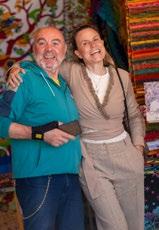

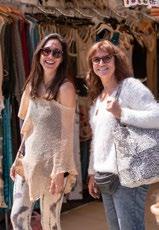

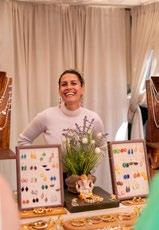
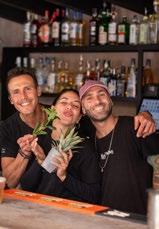
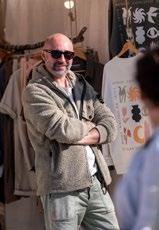
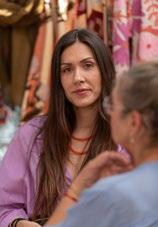
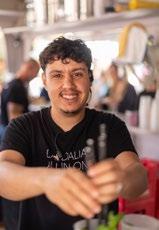
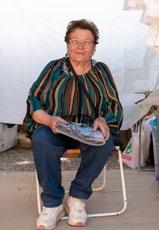
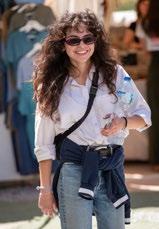

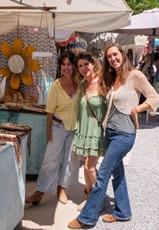

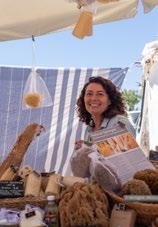
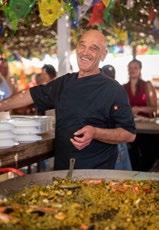
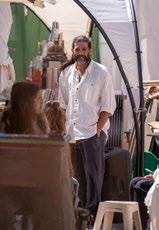
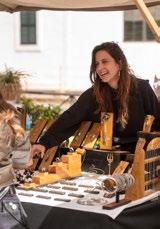


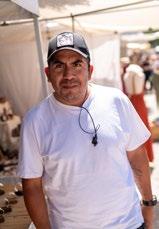
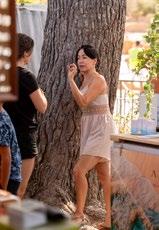

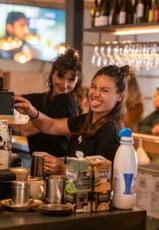
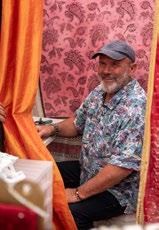
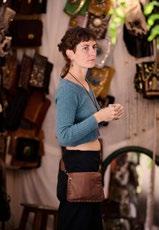

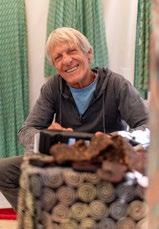
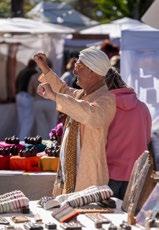
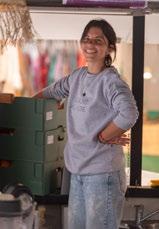

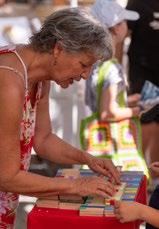

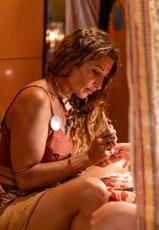
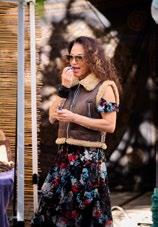


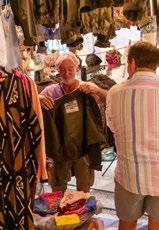
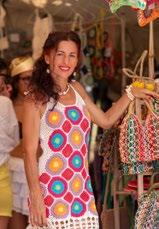
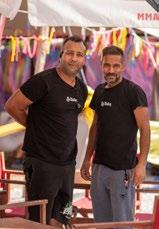
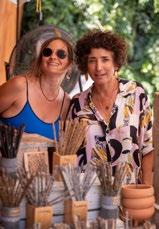


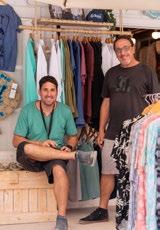
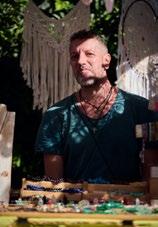



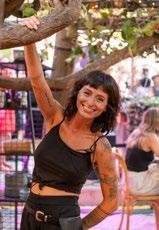
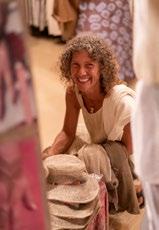

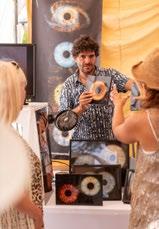
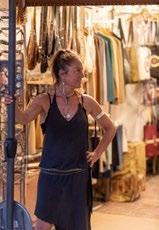
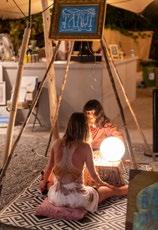

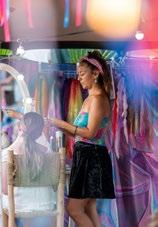

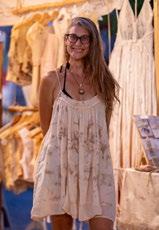




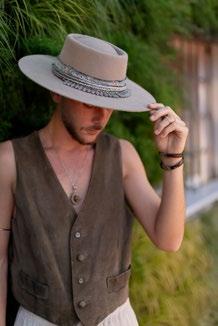
Emonk Ibiza nació en Las Dalias hace más de una década, cuando Vir y Leo empezaron a crear piezas inspiradas en la energía libre de la isla. Lo que comenzó con unas plumas para el pelo y una pequeña parada en el mercadillo fue creciendo poco a poco hasta convertirse en una marca con identidad propia.
Desde el principio, Emonk ha estado ligada a esa Ibiza más auténtica: la de los mercados, las casas blancas, los caminos de tierra, las calas escondidas y las personas que llegan a la isla buscando algo diferente.
Cada pieza refleja esa mezcla de influencias que siempre ha definido la marca. Tejidos antiguos, pieles naturales, detalles artesanales, trenzados, fibras y pequeños elementos encontrados durante viajes y años de inspiración alrededor del mundo.
Nada busca verse perfecto.
La intención siempre ha sido que se vea vivido, natural y real.

Emonk Ibiza was born at Las Dalias over a decade ago, when Vir and Leo began making pieces inspired by the island’s freespirited energy. What started with a few feathers for braining into hair and a small stall at the market grew gradually into a brand with an identity of its own.
From the beginning, Emonk has been bound up with the more authentic side of Ibiza — the markets, the whitewashed houses, the dirt tracks, the hidden coves, and the people who come to the island looking for something different.
Every piece reflects the mix of influences that has always defined the brand. Vintage fabrics, natural leathers, handcrafted details, braiding, fibres and small found objects gathered on travels and years of inspiration from around the world.
Nothing is meant to look perfect.
The intention has always been that things look lived-in, natural and real.

Ibiza siempre ha sido un punto de encuentro para almas libres.
Artistas, músicos, viajeros y soñadores han llegado a la isla buscando algo difícil de explicar y aún más difícil de olvidar. Emonk recoge esa energía y la transforma en piezas con identidad propia.
Cada colección refleja historias, viajes y culturas que se entrelazan con la esencia de Ibiza. Flecos, tejidos ancestrales, fibras naturales y acabados artesanales se convierten en símbolos de una estética relajada, sofisticada y profundamente humana.
Las piezas de Emonk no entienden de estaciones ni de reglas.
Una sandalia puede acompañarte en una cala escondida al mediodía y en una cena bajo las estrellas esa misma noche. Un sombrero puede convertirse en recuerdo, refugio y símbolo de un verano eterno.
Quizá por eso quienes descubren Emonk en Ibiza vuelven año tras año.
Porque no se llevan únicamente un accesorio.
Se llevan una sensación.
Ibiza has always been a gathering place for free spirits.
Artists, musicians, travellers and dreamers have come to the island in search of something hard to explain and harder still to forget. Emonk takes that energy and turns it into pieces with a character of their own.
Each collection reflects stories, journeys and cultures that weave together with the essence of Ibiza. Fringing, traditional textiles, natural fibres and handcrafted finishes become symbols of an aesthetic that is relaxed, refined and deeply human.
Emonk pieces don’t follow seasons or rules.
A sandal can take you to a hidden cove at midday and to dinner under the stars that same night. A hat can become a memento, a refuge, and a symbol of an endless summer.
Perhaps that’s why those who discover Emonk in Ibiza come back year after year.
Because they don’t just take home an accessory.
They take home a feeling.
En un mundo cada vez más rápido, Emonk Ibiza defiende el valor de lo artesanal, de lo imperfecto y de lo auténtico.
Cada diseño nace desde la calma. Desde el cuidado por los materiales, los detalles y las historias que acompañan cada creación. La marca mantiene viva la conexión entre tradición y contemporaneidad, entre el espíritu bohemio de la isla y una visión estética refinada y atemporal.
Más de diez años después de sus inicios, Emonk sigue creciendo sin perder aquello que la hizo especial desde el primer día: su alma.
Un alma libre.
Mediterránea.
Creativa.
Nómada.
Desde Ibiza para el mundo.

In a world that moves ever faster, Emonk Ibiza stands for the value of the handmade, the imperfect and the authentic.
Every design comes from a place of calm. From care for the materials, the details and the stories that accompany each piece. The brand keeps alive the connection between tradition and the contemporary, between the bohemian spirit of the island and a refined, timeless aesthetic.
More than ten years on from its beginnings, Emonk continues to grow without losing what made it special from the very first day: its soul.
A free soul.
Mediterranean.
Creative.
Nomadic.
From Ibiza, for the world.
T F
Cristina Marí Arsen Voronyy
Antonio Parada (Valparaíso, Chile, 1983), llegó a la familia de Las Dalias cuando tenía 28 años. Aunque se suponía que estaba de año sabático, no le duró ni tres meses. Tampoco se le daba bien la bandeja, pero tenía actitud. O eso debió ver Sena Pallero, director de Life is Better, empresa responsable del sector de hostelería de Las Dalias. “Fue mi mentor, creyó en mí y gracias a él he aprendido muchísimo”, dice el chileno tras una afable mirada de agradecimiento
Antonio Parada (Valparaíso, Chile, 1983) joined the Las Dalias family when he was 28. Although he was supposed to be taking a sabbatical year, it lasted barely three months. Waiting wasn’t really his thing, but he had attitude — or at least that’s what Sena Pallero saw in him. Pallero is the director of Life is Better, the company that runs the hospitality side of Las Dalias. “He was my mentor. He believed in me, and thanks to him I’ve learnt an enormous amount,” says the Chilean, his expression warm with gratitude.
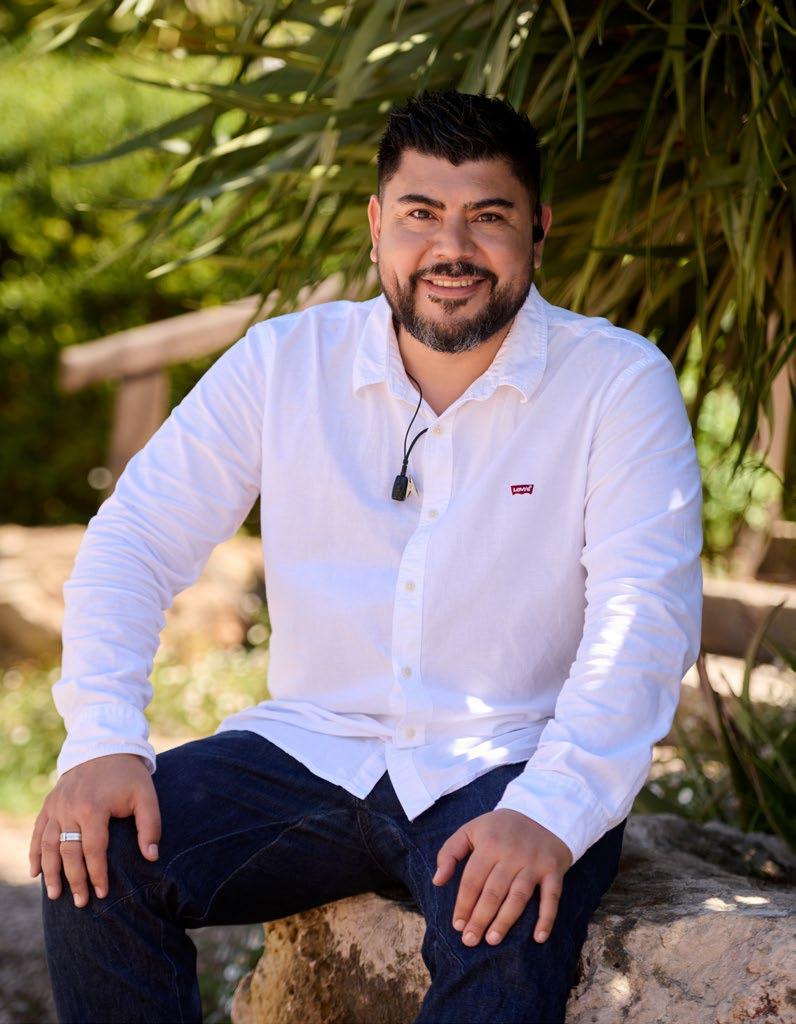
Actualmente, Parada es uno de los tres top managers del área de hostelería de Life is Better y este año cumple 14 temporadas desde que se unió a la familia de Sant Carles. Se encarga de un equipo de una treintena de personas y es responsable de la gestión y la logística del personal de hostelería —excepto el personal seleccionado por los jefes de cocina—. En su labor también debe estar en coordinación con otros equipos, como seguridad o limpieza. En esa red de manos que operan para que en Las Dalias no haya hambre ni sed, sino disfrute y gusto, Parada contribuye a la gestión de los puntos de comida y bebida: el café, la barra de tacos, el restaurante PaloSanto, la Pizzería, el Soul Bar, la Jaima y los food trucks en el exterior, hasta el jardín.
Es un trabajo en el que disfruta y, bajo el espíritu de calma que se respira en Las Dalias, es importante mantener un orden: su responsabilidad. “Hay calma porque hay una estructura”, dice Parada. “Sin ella esto no funcionaría y sería muy frágil”. En esa estructura son importantes los límites, que los trabajadores descansen, que se respeten. Cuando es necesario, se pone la corbata de psicólogo porque trabajar con un equipo humano implica comprender las sensibilidades para que cada persona dé lo mejor de sí. Eso implica calidez, “por eso aquí nos saludamos directamente con abrazos”, bromea el manager.
Parada is now one of three top managers in Life is Better’s hospitality division, and this year marks his fourteenth season with the Sant Carles family. He oversees a team of around thirty people and handles the management and logistics of the hospitality staff — with the exception of those recruited directly by the head chefs. His role also requires close coordination with other teams, such as security and cleaning. As part of the network that keeps Las Dalias free from hunger and thirst — and full of pleasure and good taste — Parada helps manage the food and drink outlets: the café, the taco bar, the PaloSanto restaurant, the pizzeria, the Soul Bar, the Jaima, and the food trucks outside, right out to the garden.
IT IS WORK HE LOVES, AND UNDER THE SPIRIT OF CALM THAT PERVADES LAS DALIAS, MAINTAINING ORDER IS ESSENTIAL — AND HIS RESPONSIBILITY
PARADA ES UNO DE LOS TRES TOP MANAGERS
14 TEMPORADAS DESDE QUE SE UNIÓ
A LA FAMILIA DE SANT CARLES
Este chileno de origen dejó Valparaíso muy chico. Eso curte. Su padre y su madre trabajaban en la fábrica de chocolate y galletas Hucke, que cerró en los años 80, en los últimos capotazos de la dictadura de Augusto Pinochet, que terminó en 1990. Ante la incertidumbre económica
It is work he loves, and under the spirit of calm that pervades Las Dalias, maintaining order is essential — and his responsibility. “There’s calm because there’s a structure,” says Parada. “Without it, none of this would work. It would all be very fragile.” Within that structure, boundaries matter: workers must rest, and those boundaries must be respected. When necessary, he puts on his psychologist’s hat, because managing a team means understanding people’s sensitivities so that each person can give their best. That calls for warmth. “That’s why we greet each other with hugs here,” he adds with a laugh.
This Chilean left Valparaíso very young. It toughens you. His parents both worked at the Hucke chocolate and biscuit factory, which closed in the 1980s during the throes of Augusto Pinochet’s dictatorship, which ended in 1990. Faced with the economic uncertainty of the end of an era, his father emigrated to Switzerland, where he worked building wooden houses and playing music — which meant that for the first
del fin de una era, su padre emigró a Suiza. Allí trabajó haciendo casas de madera y también como músico, lo que hizo que durante los primeros años de la vida de Antonio su padre fuese un desconocido. Finalmente la familia se reunió, para iniciar una nueva vida, en el barrio de Nou Barris, en Barcelona, en 1991.
PARADA ADORA SU TRABAJO, PERO SU MOTOR Y PRIORIDAD
SON SU FAMILIA, SU MADRE Y SUS HERMANAS. NO SIN RAZÓN, YA QUE
LE HA TOCADO VIVIR MUY DE CERCA LA DUREZA DEL CÁNCER
years of Antonio’s life, his father was essentially a stranger to him. Eventually the family reunited, and in 1991 they began a new life in the Nou Barris neighbourhood of Barcelona.
It was there that he met Marta, his wife, with whom he shared that supposed sabbatical that began in Ibiza when he was 28. A walk from Cala Nova ended at Las Dalias. She was offered work that same weekend. Parada joined Las Dalias shortly afterwards as a runner, lending a hand wherever one was needed.
And although he loves his work, his family—especially his mother and sisters—are his greatest motivation and top priority. With good reason: he has experienced the harshness of cancer at very close quarters. It has made him cherish every moment with his loved ones and his dog Inca. On his fortieth birthday, Parada travelled back to Valparaíso for the first time since he was seven — together with his wife Marta and his parents. “We cried our hearts out on that trip,” he says, making no effort to hold back the emotion.
Allí conoció a Marta, su esposa, con quien compartió ese supuesto año sabático con inicio en Ibiza cuando él tenía 28 años. Un paseo desde Cala Nova acabó en Las Dalias. A ella le ofrecieron empezar a trabajar ese mismo fin de semana. Parada comenzó en Las Dalias poco después como runner, echando manos donde hicieran falta.
Y aunque adora su trabajo, su motor y prioridad son su familia, su madre y sus hermanas. No sin razón, ya que le ha tocado vivir muy de cerca la dureza del cáncer. Por ello disfruta de cada momento junto a sus seres queridos y su perra Inca. En su 40 aniversario, Parada, junto a su esposa Marta y sus padres, regresó a Valparaíso por primera vez desde los siete años. “Fue un viaje de llorar, llorar y llorar”, dice sin contener la emoción.
En Las Dalias encuentra refugio. “Recuerdo cuando venía a la isla las primeras veces, desde los 18 años, y sentía que todo era diferente: había un respeto, un amor, un cariño, ganas de pasarlo bien. Eso está cada vez menos presente, pero Las Dalias es un pequeño oasis de todo eso, por esa razón amo trabajar en Las Dalias”.
ON HIS FORTIETH BIRTHDAY, PARADA TRAVELLED BACK TO VALPARAÍSO FOR THE FIRST TIME SINCE HE WAS SEVEN — TOGETHER WITH HIS FAMILY. “WE CRIED OUR HEARTS OUT ON THAT TRIP,” HE SAYS, MAKING NO EFFORT TO HOLD BACK THE EMOTION
In Las Dalias he finds refuge. “I remember coming to the island in the early days, from the age of 18, and feeling that everything was different — there was respect, love, warmth, a real desire to enjoy life. You find less and less of that now, but Las Dalias is a small oasis of all those things. That’s why I love working here.”
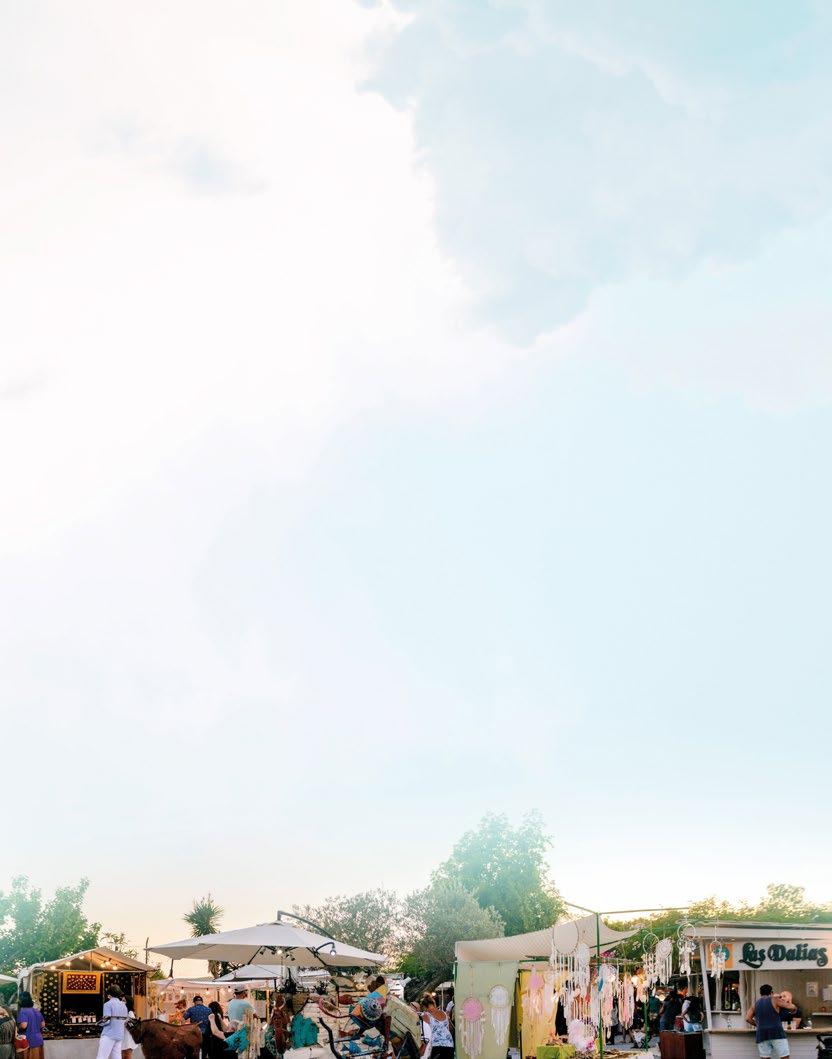
RESERVA TU PLAZA ONLINE Y DISFRUTA DE TODAS LAS VENTAJAS
LASDALIAS.ES/PARKING

SANT CARLES DE PERALTA
PARKING PRIVADO
PARKING PRIVADO
SANTA EULÀRIA DES RIU
Carmen Pi José Salto / Vitorino T F
PaloSanto continúa consolidando su propuesta en Las Dalias como uno de los espacios gastronómicos más singulares de Ibiza, reafirmando una identidad que trasciende lo puramente culinario para adentrarse en el terreno de la cultura y el origen.
En este proceso de madurez, el restaurante ha alcanzado un hito clave: la obtención del Sello Copil, un distintivo otorgado por la Casa de México en España en colaboración con la Academia Mexicana de Gastronomía
Este reconocimiento avala a aquellos restaurantes que representan con autenticidad, rigor y excelencia la cocina mexicana fuera de sus fronteras, y sitúa a PaloSanto como el único espacio en Ibiza en contar con esta distinción, reforzando su papel como referente en la isla.
Parte de esta identidad se expresa en el Menú Raíz, una propuesta que profundiza en la esencia del proyecto y en su manera de entender la gastronomía. Más que una carta, se plantea como un recorrido por sabores, técnicas y contrastes que definen la tradición mexicana, reinterpretados desde una mirada contemporánea y precisa.
PaloSanto continues to build on its presence at Las Dalias as one of Ibiza’s most distinctive dining spaces, reaffirming an identity that goes beyond the purely culinary to engage with culture and origin.
A milestone in that consolidation is the award of the Sello Copil, a distinction conferred by the Casa de México en España in collaboration with the Academia Mexicana de Gastronomía. This endorsement is awarded to restaurants that represent Mexican cuisine globally with authenticity, integrity, and excellence It marks PaloSanto as the only venue in Ibiza to hold the distinction, cementing its reputation as the island’s definitive home of authentic Mexican dining.
Part of this identity is expressed in the Menú Raíz, a proposal that delves into the essence of the project and its approach to gastronomy. More than a menu, it presents itself as a journey through the flavours, techniques and contrasts that define Mexican tradition, reinterpreted through a contemporary and precise lens.
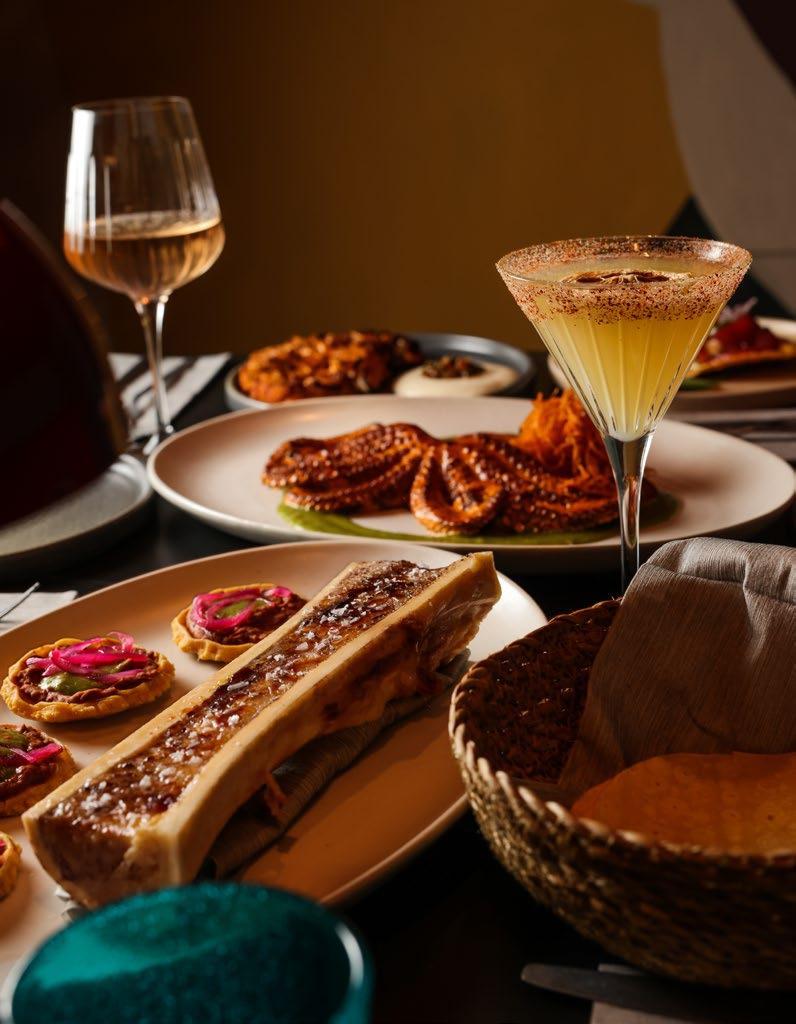
Raíz pone el foco en lo fundamental: el origen del producto, el respeto por los procesos y el equilibrio entre lo picante, lo ácido y lo dulce. Cada plato está concebido para construir una experiencia que conecta con la memoria y con el territorio, invitando al comensal a descubrir una cocina que es, ante todo, identidad.
CONSTRUYE UNA EXPERIENCIA QUE CONECTA CON LA MEMORIA Y CON EL TERRITORIO, INVITANDO A DESCUBRIR UNA COCINA
QUE ES, ANTE TODO, IDENTIDAD
En paralelo, PaloSanto continúa desarrollando su dimensión más experiencial con propuestas como Sofá Chingón, una extensión natural del espíritu del restaurante que traslada esa misma energía al entorno del jardín. Una forma de vivir la noche donde gastronomía, música y encuentro se integran de manera orgánica, ampliando su universo sin perder la esencia.
Ubicado en uno de los espacios con más historia de Las Dalias, el restaurante convive con el legado del lugar respetando elementos originales como las vigas de sabina o el antiguo trull —elemento de la almazara tradicional o molino de aceite de oliva—, integrándolos en una propuesta que mira al presente sin renunciar a sus raíces.
Hoy, PaloSanto reafirma su posición en la escena gastronómica ibicenca desde un reconocimiento que avala su esencia: una cocina fiel a su origen, capaz de trascender el plato para convertirse en cultura, prestigio y experiencia.
Raíz puts the focus on what is fundamental: the provenance of ingredients, respect for process, and the balance between heat, acidity and sweetness. Each dish is conceived to build an experience that connects with memory and place, inviting the diner to discover a cuisine that is, above all, identity.
In parallel, PaloSanto continues to develop its more experiential dimension with offerings such as Sofá Chingón, a natural extension of the restaurant’s spirit that brings that same energy into the garden setting. A way of experiencing the evening where food, music and conviviality come together organically, broadening its world without losing its essence.
Located in one of Las Dalias’s most storied spaces, the restaurant coexists with the legacy of the place, preserving original features such as the sabina beams [Phoenician juniper] and the old trull — an element of the traditional olive oil press — integrating them into a proposal that looks to the present without abandoning its roots.
TODAY, PALOSANTO REAFFIRMS ITS POSITION ON IBIZA’S GASTRONOMIC SCENE ON THE STRENGTH OF A RECOGNITION THAT SPEAKS TO ITS ESSENCE
Today, PaloSanto reaffirms its position on Ibiza’s gastronomic scene on the strength of a recognition that speaks to its essence: a cuisine faithful to its origins, capable of transcending the plate to become culture, prestige and experience.
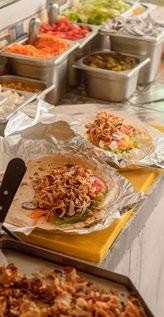

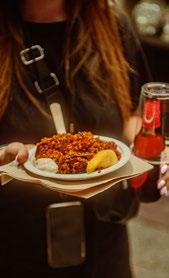
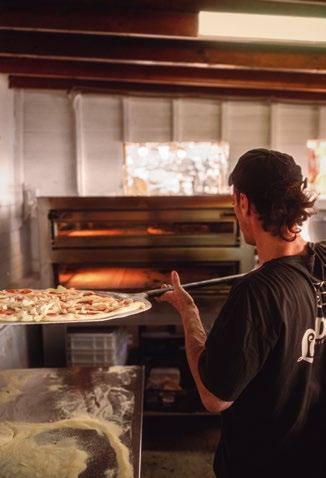
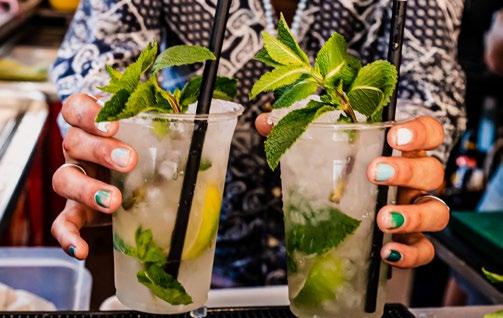
Carmen Pi
Arsen Voronyy T F
Las Dalias no es solo un espacio de encuentro, es también un altavoz. Un lugar capaz de reunir a miles de personas cada día en torno a unos valores compartidos. Desde esa posición, el compromiso con el entorno deja de ser una opción y pasa a ser una responsabilidad.
El pasado mes de septiembre, este compromiso se materializó en una nueva jornada de limpieza de playa en Cala Llenya, una acción que reunió a más de una veintena de personas en torno a un objetivo común: cuidar la isla.
Las Dalias is not just a meeting place — it is also a platform. A place capable of bringing thousands of people together around shared values. From that position, commitment to the environment stops being an option and becomes a responsibility.
Last September, that commitment took shape in a beach clean at Cala Llenya — an event that brought together over twenty volunteers around a common goal: to care for the island.
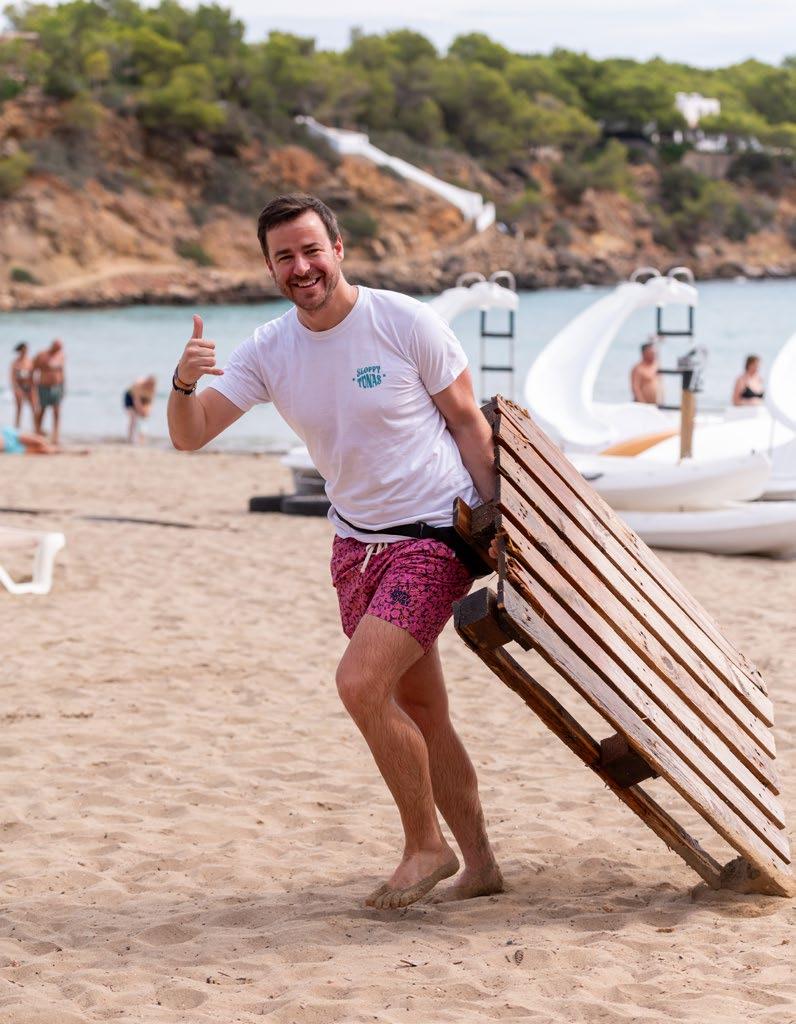
En apenas una hora, los voluntarios lograron recoger 72 kilos de residuos. Microplásticos, colillas, redes de pesca o restos acumulados durante años evidencian una realidad que va más allá de lo visible: el problema no es solo lo que se recoge, sino todo lo que sigue llegando.
In under an hour, the volunteers collected 72 kilos of waste. Microplastics, cigarette butts, fishing nets and debris accumulated over years all point to a reality that goes beyond the visible: the problem is not only what gets picked up, but everything that keeps on washing up.
EN APENAS UNA HORA, LOS VOLUNTARIOS LOGRARON RECOGER
72 KILOS DE MICROPLÁSTICOS, COLILLAS, REDES DE PESCA O RESTOS ACUMULADOS DURANTE AÑOS. UNA
REALIDAD PREOCUPANTE
La iniciativa contó con la colaboración de Sloppy Tunas, una marca nacida en Baleares que transforma plásticos recogidos del mar en prendas de baño recicladas y que cuenta con un puesto en el mercadillo de Las Dalias. Su modelo de negocio apuesta por la economía circular y por demostrar que otra forma de producir es posible.
Pero más allá del volumen de residuos recogidos en Cala Llenya, el valor de la jornada está en lo que genera. No se trata solo de limpiar una playa, sino de despertar una conciencia colectiva y entender que el cambio no ocurre de forma aislada, sino cuando una comunidad se implica.
Y es precisamente ahí donde espacios como Las Dalias juegan un papel clave. No solo por su capacidad de convocatoria, sino porque crean vínculos. Quien pasa por aquí no es solo visitante: forma parte de una forma de entender la isla, más conectada, más consciente.
Por este motivo, la jornada contó también con un componente educativo, especialmente pensado para los más pequeños. Porque es ahí, en esos gestos sencillos, donde empieza el cambio real.
En una isla marcada por el turismo, iniciativas como esta ayudan a visibilizar otra Ibiza: la que se cuida, la que se cuestiona y la que actúa.
The initiative was supported by Sloppy Tunas, a Balearic brand that transforms plastics recovered from the sea into recycled swimwear, and which has a stall at the Las Dalias market. Their model is built on the circular economy and on demonstrating that a different way of producing is possible.
But beyond the volume of waste collected at Cala Llenya, the value of the day lies in what it generates. This is not simply about cleaning a beach — it is about awakening a collective consciousness and understanding that change does not happen in isolation, but when a community gets involved.
And that is precisely where spaces like Las Dalias play a key role. Not only for their ability to bring people together, but because they create bonds. Whoever comes here is not just a visitor: they are part of a way of understanding the island — more connected, more conscious.
THE INITIATIVE WAS SUPPORTED BY SLOPPY TUNAS, A BALEARIC BRAND THAT TRANSFORMS PLASTICS RECOVERED FROM THE SEA INTO RECYCLED SWIMWEAR, AND WHICH HAS A STALL AT THE LAS DALIAS
For this reason, the day also had an educational component, aimed in particular at children. Because it is there, in those simple gestures, that real change begins.
On an island defined by tourism, initiatives like this help to make another Ibiza visible: one that takes care of itself, asks questions, and takes action.
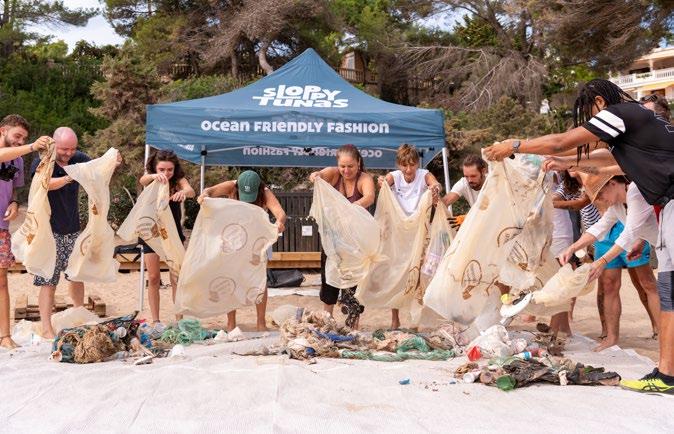
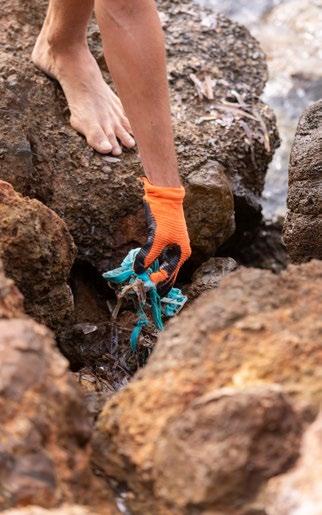
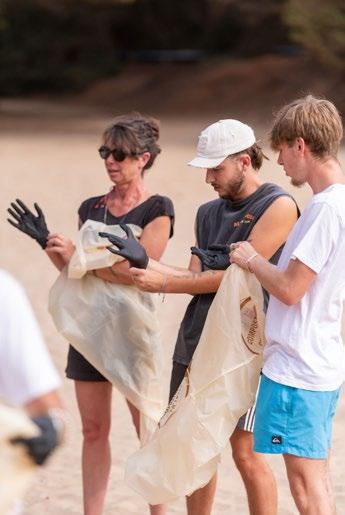
Carmen Pi
José Salto T F
Desde aquel bar de carretera que abrió sus puertas en 1954 hasta el espacio multicultural que es hoy, este icónico recinto ha sabido adaptarse a cada momento sin dejar de lado lo más importante: las personas y la conexión con el entorno.
Hoy, ese espíritu se traduce también en una apuesta clara por la sostenibilidad.
Uno de los pasos más comprometidos ha sido la instalación de una planta fotovoltaica que permite generar energía propia. Con 145 paneles solares, cubre gran parte del consumo eléctrico durante todo el año y, en invierno, cuando la actividad es menor, alcanza prácticamente el autoconsumo.
From the roadside bar that opened its doors in 1954 to the multicultural space it is today, this iconic venue has known how to move with the times without losing sight of what matters most: people, and their connection with the natural world.
Today, that spirit finds expression in a clear commitment to sustainability.
One of the most significant steps has been the installation of a solar panel system that enables Las Dalias to generate its own energy. 145 solar panels cover a large part of the venue’s electricity consumption throughout the year — and in winter, when activity is quieter, Las Dalias comes close to full self-sufficiency.
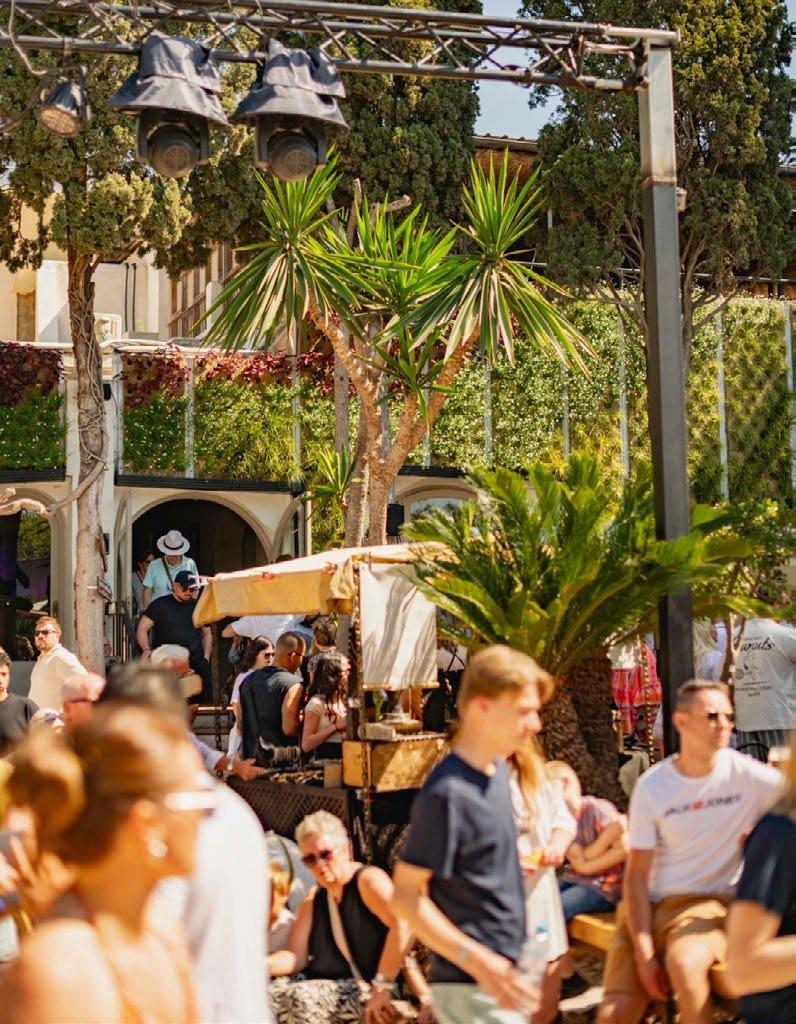

El sistema está diseñado para ser eficiente en todo momento: optimiza el rendimiento de cada panel y, cuando la energía solar no es suficiente —al atardecer o en momentos de mayor demanda—, se combina con la red convencional para garantizar un suministro constante.
A esta iniciativa se suma el Jardín Vertical, una instalación que forma parte del paisaje de Las Dalias desde el año pasado. Diseñado por la empresa Caléndula Gardens bajo la dirección del paisajista Carlos Jurado, este muro vegetal de 150 metros cuadrados combina belleza y sostenibilidad en un mismo espacio.
Con especies mediterráneas adaptadas al clima y de bajo consumo hídrico, el jardín aporta belleza y frescura, a la vez que mejora la calidad del aire y ayuda a reducir el ruido, creando un ambiente más agradable para quienes trabajan y visitan el recinto. Es también un espacio que invita a parar, observar y disfrutar con calma de todo lo que conforma el universo de Las Dalias: música, artesanía, gastronomía, arte e historia.
Porque si algo define a Las Dalias es su capacidad de reunir mundos. Perderse en sus rincones es viajar entre culturas, colores y sonidos de distintos lugares del planeta. Un lugar vivo, en constante transformación, donde tradición y futuro conviven de forma natural.
Y ahora, también, donde la energía que lo mueve es cada vez más limpia.
The system is designed to perform at its best at all times: it maximises each panel’s output and, when solar energy alone isn’t enough — at dusk or during periods of higher demand — it draws on the conventional grid to ensure a constant supply.
Alongside this initiative sits the Vertical Garden, which became part of Las Dalias’ landscape last year. Designed by Caléndula Gardens under the direction of landscape designer Carlos Jurado, this 150-square-metre living wall brings beauty and sustainability together in a single space.
With Mediterranean species that need little water and adapted to the local climate, the garden adds beauty and freshness while improving air quality and helping to reduce noise — creating a more pleasant environment for everyone who works here or comes to visit. The space is an invitation to pause, look around, and soak up the atmosphere: the music, the craft, the food, the art, the history that together make up the Las Dalias universe.
Because if anything defines Las Dalias, it is its capacity to bring worlds together. To lose yourself in its nooks is to travel between cultures, colours and sounds from across the planet. A living place, in constant transformation, where tradition and the future coexist quite naturally.
And now, increasingly, the energy that drives it all is cleaner too.
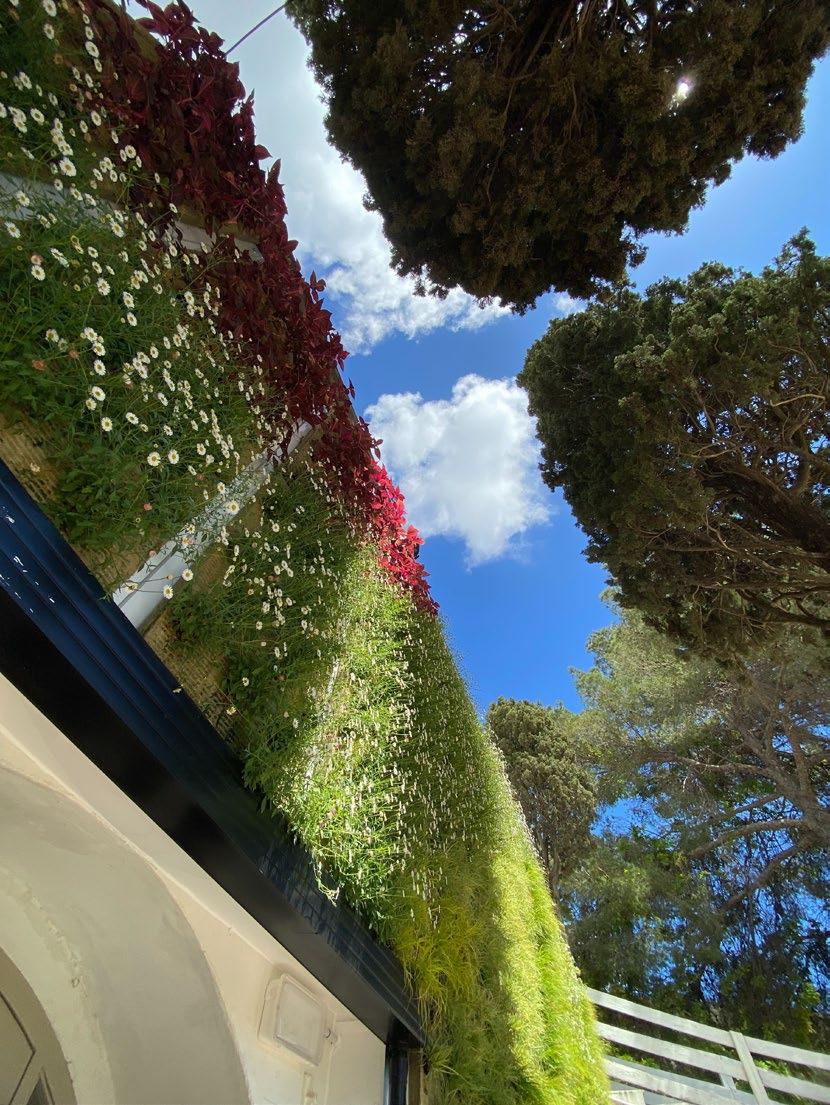

Gabriel Molina, filósofo de Las Dalias T
¿Quiénes somos?, ¿qué es el mundo?, ¿existe un principio último? De aquí han surgido religiones, filosofías y psicologías. Sin embargo, aunque cambian los contenidos, las formas en las que se estructuran sus creencias permanecen constantes.
Las creencias se reorganizan dentro de un conjunto estable de formas. Cambian ideas, emociones, símbolos y narrativas, pero no las estructuras que permiten que aparezcan como significativas. La materia varía, la forma persiste.
Para Aristóteles, la materia es aquello de lo que algo está hecho; la forma el principio que la organiza. En el pensamiento, la materia serían los contenidos (ideas, emociones, símbolos), la forma, la estructura que los articula en sistemas de sentido. La forma también puede entenderse como materia de mayor estabilidad, como patrones que han adquirido consistencia en el pensamiento.
Esto permite comprender por qué muchas cosmovisiones no rompen del todo con sistemas anteriores: las palabras cambian, la arquitectura permanece. El pensamiento no es un flujo caótico de contenidos, sino una dinámica en la que ciertas formas se repiten, reorganizando materiales distintos en configuraciones reconocibles.
Kant mostró que el humano no conoce la realidad en sí, sino que la organiza a partir de estructuras fundamentales como el yo, el mundo y el sentido. Estas no son contenidos, sino formas recurrentes que estructuran cualquier experiencia posible. Toda cosmovisión se articula en torno a estas dimensiones.
Estas estructuras pueden entenderse como patrones que el pensamiento despliega en su movimiento, como un proceso que se organiza según formas relativamente estables.
En este sentido, la idea de noosfera refiere al campo en el que los pensamientos circulan, se combinan y se reorganizan según regularidades formales. Los sistemas de pensamiento no serían creaciones individuales sino cristalizaciones dentro del campo. La noosfera no es algo independiente: tiene realidad propia como campo de circulación y organización del pensamiento, pero es inseparable del humano que la produce como realidad emergente. Es creada por los humanos pero, una vez constituida, adquiere cierta autonomía y condiciona las formas posibles de pensar.
Así, lo que llamamos pensar, no es simplemente producir ideas nuevas en una mente, sino asistir a la reorganización continua de materias dentro del propio pensamiento. Un mismo esquema puede reaparecer con distintos contenidos: el yo que se interroga, el mundo como totalidad de lo dado y un principio que unifica o da sentido a ambos. Esta tríada, en sus múltiples versiones históricas, funciona como una constante estructural más que como un contenido específico.
En este punto, Foucault entiende la filosofía como una práctica que se sitúa en la inmanencia del pensamiento. No se trata de salir del pensamiento hacia un fundamento exterior, sino de observar cómo el pensamiento se constituye a sí mismo en su propio despliegue. Habitar el pensamiento es operar dentro de sus reglas: observar cómo se constituyen sus estructuras y cómo configuran lo que puede ser dicho o concebido. Filosofar, no es una actividad que un sujeto realiza sobre objetos, sino un proceso en el que el pensamiento se relaciona consigo mismo, reorganizando sus propias formas.
Lo que llamamos sistemas de pensamiento se entienden como modulaciones dentro de este campo inmanente, como reorganizaciones de formas que reaparecen bajo nuevos lenguajes. Las emociones, las experiencias o las vivencias no son un afuera del pensamiento, sino parte de su materia: aquello que aparece dentro del mismo campo en el que las formas se organizan. Lo que varía no es solo lo que se siente o se piensa, sino cómo ese sentir y ese pensar son estructurados por formas que les dan continuidad y sentido.
Cuando se habla de amor, compasión, plenitud, vacío o conexión con lo sagrado, se señala una dimensión vivencial que siempre es interpretada dentro de una determinada forma: se atribuye a un yo (¿quién siente?), se sitúa en el mundo (¿en qué contexto ocurre?) y se relaciona con un sentido último (¿qué significado tiene?). Reconocer esto permite comprender cómo está configurada la experiencia.
La materia del pensamiento no es solo contenido mental, sino la totalidad de lo vivido, sentido y simbolizado dentro del campo del pensamiento. La forma, por su parte, puede entenderse como los patrones recurrentes —lógicos y psicológicos— que organizan estas vivencias en estructuras de sentido, o incluso como una dimensión de la propia materia que ha alcanzado un grado mayor de estabilidad. Un movimiento en el que la materia se reorganiza constantemente bajo formas que no pertenecen a un exterior, sino al propio despliegue del pensamiento.
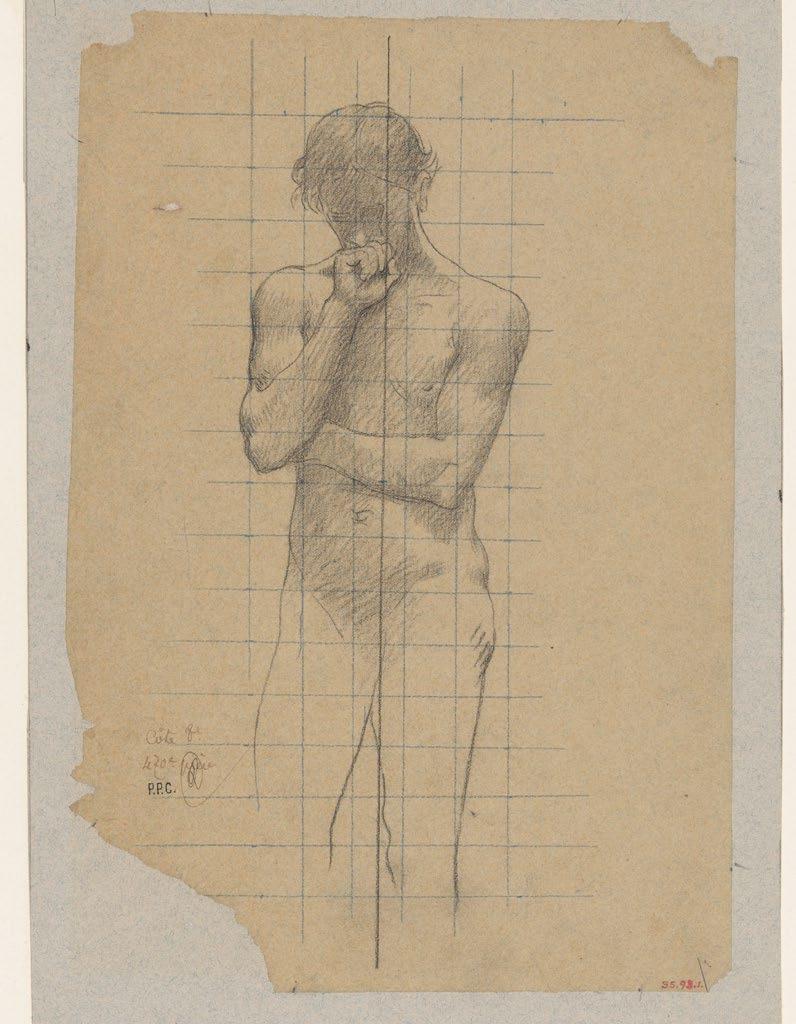
Hay pocos lugares donde la música en directo siga siendo el centro de todo. Las Dalias es uno de ellos. Esta temporada, el escenario se llena de propuestas en vivo que van del amanecer al anochecer, del acústico a la electrónica. Residencias legendarias como las de Sven Väth o Hernán Cattáneo conviven con nuevas voces de todos los rincones del planeta, cuando la música toma el Garden con los conciertos del Live Music. Aquí no hay zonas VIP ni distinciones: el veterano y el recién llegado, el niño y el abuelo, el ibicenco de siempre y el viajero recién llegado. Todos bailan juntos. Porque la música, cuando es de verdad, no entiende de etiquetas.
There are few places left where live music is still the heart of it all. Las Dalias is one of them. This season the stage fills with live performances that run from dawn to dusk, from acoustic to electronic. Legendary residencies — Sven Väth, Hernán Cattáneo — sit alongside new voices from every corner of the planet when music takes over the Garden for the Live Music concerts. No VIP areas, no distinctions: the veteran and the newcomer, the child and the grandparent, the lifelong local and the first-time visitor. Everyone dances together. Because music, when it’s real, doesn’t do labels.
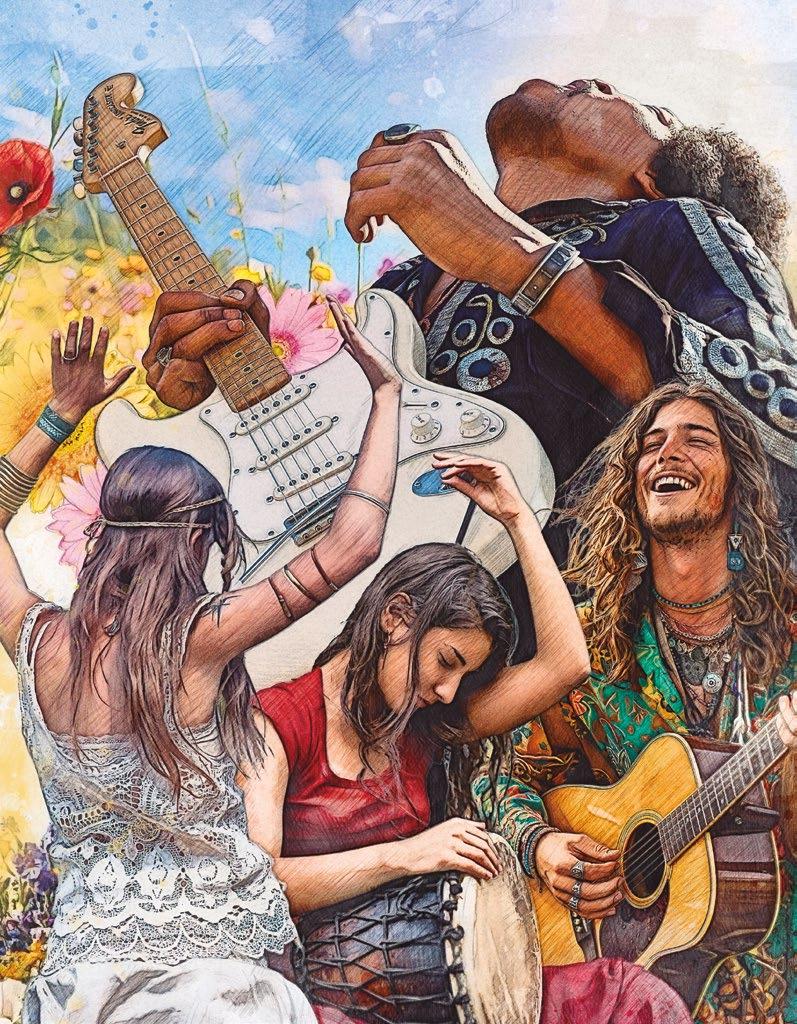
FROM THE PAYÉS DANCE TO THE GLOBAL ELECTRONIC MUSIC INDUSTRY
Xescu Prats
Arxiu d’Imatge i So del Consell d’Eivissa
Archivos de Pepe Roselló y Pep Ribas “Hereva”
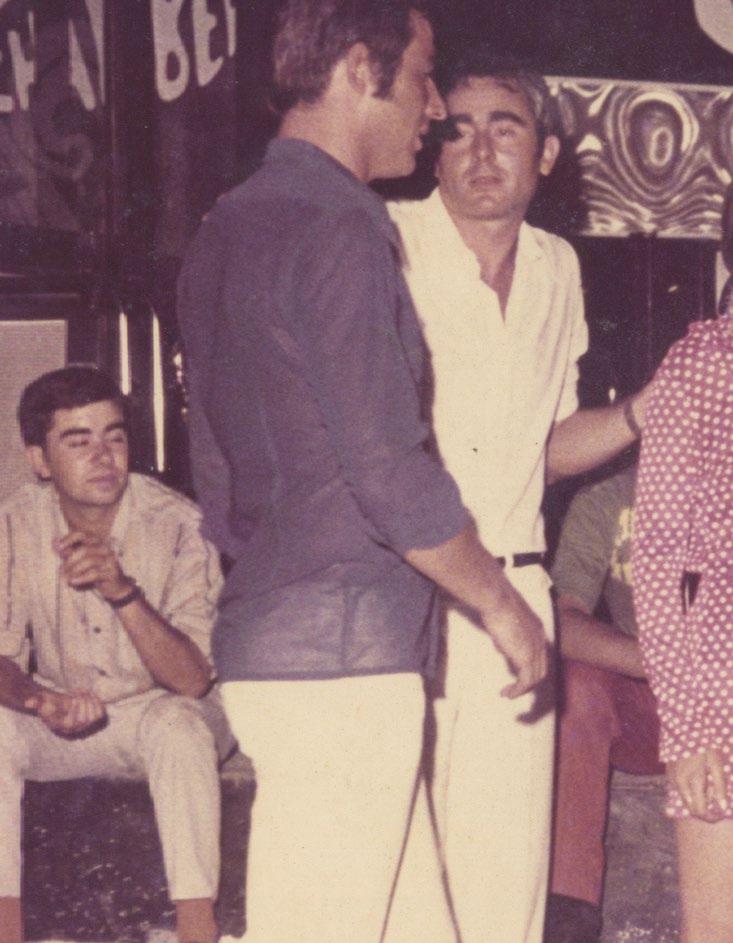
El baile, como sucede en tantos lugares del mundo, forma parte de la idiosincrasia y el folklore de los ibicencos desde tiempos inmemoriales. Sin embargo, la explosión del turismo, la llegada del movimiento hippie y las vanguardias musicales que irrumpieron en la segunda mitad del siglo XX impulsaron una transformación que ha hecho de Ibiza una de las capitales mundiales del baile.
Dance, as in so many parts of the world, has been part of the character and traditions of the Ibizan people since time immemorial. Yet the explosion of tourism, the arrival of the hippie movement and the ground-breaking musical currents of the second half of the twentieth century drove a transformation that has made Ibiza one of the world’s capitals of dance.
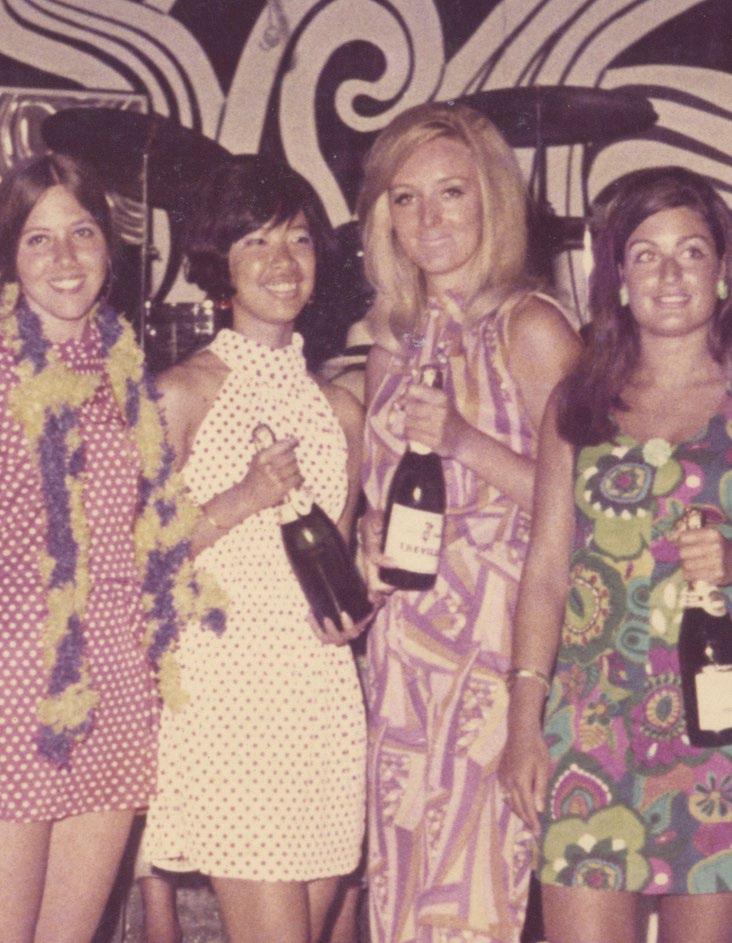
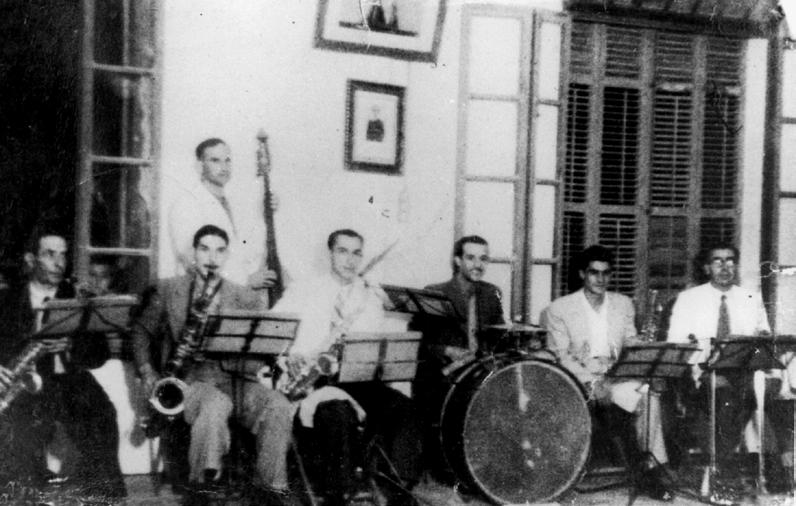
Cuando en la isla aún no existía el turismo y los oriundos vivían exclusivamente del campo, el comercio y la pesca, las fiestas patronales se celebraban en cada pueblo con idénticos bailes folklóricos que ahora. También se danzaba en las bodas y junto a los vetustos pozos comunitarios de los caminos, en pleno verano, para celebrar el agua que proporcionaba esta herencia árabe en época de sequía.
La melodía del baile payés, como antaño, se interpreta con tres instrumentos básicos y artesanales: la flauta de tres agujeros, el tambor —que los solistas autóctonos interpretaban a la vez, con un instrumento en cada mano— y unas castañuelas gigantes, esculpidas en aromática madera de enebro, que los bailarines emplean al tiempo que danzan. Los más habilidosos incluso son capaces de hacerlo dando grandes saltos y zancadas, alzando las piernas por encima de la mujer, que a su vez describe círculos sobre el suelo con pasitos cortos, casi como si levitara.
When tourism had yet to reach the island and the local people lived exclusively from farming, trade and fishing, the fiestas patronales –patron saints’ festivals– were celebrated in every village with the same folk dances as today. People also danced at weddings and beside the ancient communal wells along the country roads, in the height of summer, to celebrate the water provided by this Arab legacy in times of drought.
The melody of the baile payés [traditional Ibizan folk dance], as in former times, is played on three basic, handcrafted instruments: the three-holed flute and the drum, which the native soloists played simultaneously, one instrument in each hand, and a pair of giant castanets carved from fragrant juniper wood, which the dancers play as they dance. The most skilled are even capable of doing so while leaping and striding, the man lifting his legs over the woman, who in turn traces circles on the ground with tiny steps, almost as if she were levitating.
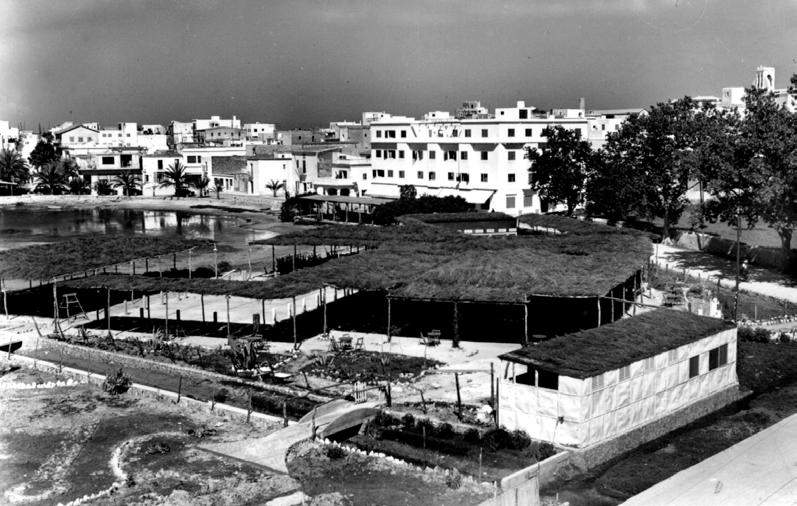
Éste fue el único baile que existió en la isla hasta que se superaron los agónicos tiempos del hambre y la posguerra.
En la década de los años 50 del siglo pasado, los ibicencos, a pesar del franquismo y la férrea disciplina propagada por la iglesia católica en una sociedad casi medieval, que veía el baile como un pernicioso ritual que incitaba al pecado, se dejaron arrastrar por la moda imperante y el baile moderno acabó desembarcando en la isla.
En dicho proceso iniciático, el empujón necesario lo proporcionó el turismo, que trajo a europeos de múltiples nacionalidades que reclamaban nuevas propuestas de ocio para sus vacaciones. Esta demanda provocó la apertura de las primeras salas de fiestas, donde los ibicencos se mezclaban con los extranjeros, sembrando una semilla que, abonada posteriormente por el fenómeno hippie, acabaría convirtiendo la isla en uno de los epicentros mundiales del baile durante décadas. Una característica que aún conserva, junto con enclaves como Berlín, Nueva York, Miami, Londres o Singapur.
This was the only dance that existed on the island until the island emerged from the agonising lean years and the postwar period. In the 1950s, the Ibizans — despite the Franco regime and the iron discipline propagated by the Catholic Church in an almost medieval society, which regarded dance as a pernicious ritual that encouraged sin — allowed themselves to be swept along by the prevailing fashion, and modern dancing finally came to the island’s shores.
In this rite of passage, tourism provided the impetus and brought Europeans of many nationalities who demanded new leisure options for their holidays. This demand prompted the opening of the first dance halls, where Ibizans mixed with foreigners, sowing a seed that, fertilised subsequently by the hippie phenomenon, would end up turning the island into one of the world’s epicentres of dance for decades. A distinction it retains to this day, alongside cities such as Berlin, New York, Miami, London and Singapore.
Las Dalias abrió en 1954 y fue pionera en ofrecer espectáculo y baile
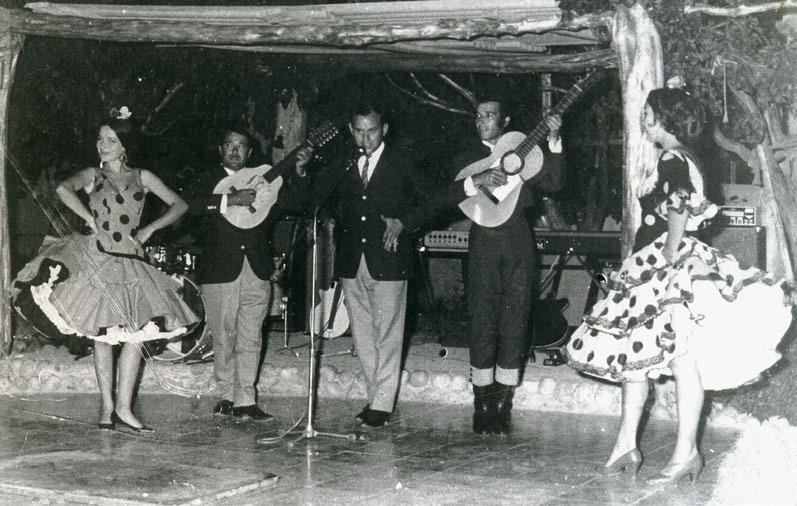
El establecimiento pionero en programar música de baile, primero mediante un fonógrafo a manivela y después con actuaciones orquestales, fue Mar Blau, un restaurante cueva situado en el Puig des Molins de la ciudad, cerca de la antigua necrópolis fenicio-púnica. Abrió sus puertas en el verano de 1951 y a los pocos años fue ampliado con varias terrazas sobre el acantilado.
Sin embargo, la primera sala de fiestas con un auténtico espectáculo de variedades, que ya incluía orquesta y grupos de baile, programados de manera profesional, irrumpió un año más tarde en el principal núcleo turístico de entonces: Sant Antoni de Portmany, junto a la bahía del atardecer. Allí, al verano siguiente, inició su andadura Ses Voltes, situada en un chalet próximo a la playa de s’Arenal, donde se hacían actuaciones al aire libre en un amplio jardín.
The pioneering venue to programme dance music — first through a hand-cranked phonograph and later with live orchestras — was Mar Blau, a cave restaurant situated on the Puig des Molins in the city, close to the ancient PhoenicianPunic necropolis. It opened its doors in the summer of 1951, and within a few years had expanded with several terraces over the cliff.
The first dance hall with a proper variety show, already featuring a professional orchestra and dance groups, arrived a year later in what was then the island’s main tourist hub: Sant Antoni de Portmany, beside the bay of the sunset. There, the following summer, Ses Voltes opened its doors, set in a villa near the beach of s’Arenal, where open-air performances were held in a large garden.
The property belonged to a Catalan family who brought in a well-known Radio Barcelona presenter, Joaquín Soler Serrano, as artistic director, and the conservatoire-trained musician Alfonso Oya Simó — who performed under the stage name Alfonso Rivero — to conduct the orchestra. Rivero never left the island, and during the last five years of the Franco era even served as mayor. In 1954 he composed and recorded the
La propiedad pertenecía a una familia catalana que se trajo a un famoso locutor de Radio Barcelona, Joaquín Soler Serrano, como director artístico, y al músico del conservatorio de la misma ciudad Alfonso Oya Simó, que actuaba con el nombre artístico de Alfonso Rivero y que dirigía la orquesta. Rivero ya nunca se marchó de la isla y durante los últimos cinco años del franquismo incluso se convirtió en alcalde. En 1954 compuso y grabó el bolero ‘Bahía de San Antonio’ y al año siguiente otro titulado ‘Ibiza’, con letra de Marc Arabí, seudónimo empleado por el poeta Marià Villangómez.
bolero Bahía de San Antonio, and the following year another titled Ibiza, with lyrics by Marc Arabí, the pseudonym of the poet Marià Villangómez.
JOAN MARÍ, ‘BASORA’ LAUNCHED LAS DALIAS ON THE 4TH OF NOVEMBER 1954. BY NEW YEAR’S EVE, THE BAND HIFI HAD MADE THEIR DEBUT
FUE EN 1954 CUANDO SE PRODUJO LA GRAN EXPLOSIÓN DE LAS SALAS
DE FIESTAS: SES GUITARRES, SA CALA, SES PARRES, LAS DALIAS...
Pero fue en 1954 cuando se produjo la gran explosión de las salas de fiestas, especialmente en Sant Antoni y Santa Eulària des Riu. En el primer municipio se inauguraron Ses Guitarres, donde triunfaban las sevillanas y el folklore de los bailarines María Martín y Paco Torres, y la bolera y pista de baile Sa Cala, junto al mar, donde se conocieron muchas parejas de la época. En la Villa del Río lo hicieron las salas Ses Parres y La Cala, que también ofrecían baile con orquesta, y un carpintero y agricultor de Sant Carles, Joan Marí, Basora, puso en marcha Las Dalias, el 4 de noviembre de aquel año. Como atrajo a la mayor parte del pueblo, el capellán comenzó a proyectar cine en la parroquia para intentar cautivar de nuevo a los feligreses, alejándolos del pecaminoso baile. Para la Nochevieja ya debutó el grupo Hifi, creado por seis músicos de la zona, que habían aprendido el oficio de un violinista menorquín llamado Antonio Panedas que vivía en el pueblo. Fueron la banda fija de Las Dalias hasta 1966, ofreciendo conciertos todos los fines de semana y en las innumerables bodas que allí se celebraban.
But it was 1954 that saw the great explosion of dance halls, particularly in Sant Antoni and Santa Eulària des Riu. In Sant Antoni, Ses Guitarres opened, where sevillanas and the performances of dancers María Martín and Paco Torres drew the crowds, as did the bowling alley and dance floor of Sa Cala, by the sea, where many couples of the era first met. In Santa Eulària, the venues Ses Parres and La Cala also offered orchestra dancing; and a carpenter and farmer from Sant Carles, Joan Marí, Basora [his malnom, or traditional Ibizan nickname], launched Las Dalias on the 4th of November that year. As it drew away most of the village, the local priest began screening films in the parish church in an attempt to win back his flock, steering them away from the sinful dance. By New Year’s Eve, the band Hifi had made their debut — six local musicians who had learned their craft from a Menorcan violinist called Antonio Panedas who lived in the village. They were the house band at Las Dalias until 1966, playing every weekend and at the innumerable weddings held there.
In no time, dance venues were multiplying. In the harbour of Ibiza, orchestral dancing was organised at Mar y Sol, the Ribereño and the Pitiuso in summer, and at the Club Náutico Ibiza in winter, where many residents took out membership purely to dance to the orchestra of Victorino Planells, who had taught a great many of the island’s musicians. After the closure of Ses Voltes, Alfonso Rivero opened another legendary establishment, the Illa Blanca, also in Sant Antoni, with a distinguished roster of musicians and dancers. Then came Club Talamanca, La Cueva de Álex Babá in the port, and Mar y Sal, behind the beach of ses Salines.
En poco tiempo los locales de baile se multiplicaron. En el puerto de la capital se organizaba baile con orquesta en el Mar y Sol, el Ribereño y el Pitiuso en verano, y en el Club Náutico Ibiza en invierno, donde muchos residentes se hicieron socios solo para poder bailar al ritmo de la orquesta de Victorino Planells, profesor de una gran cantidad de músicos isleños. Tras el cierre de Ses Voltes, Alfonso Rivero abrió otro establecimiento mítico, el Illa Blanca, también en Sant Antoni, con un gran plantel de músicos y bailarines. Luego llegaron el Club Talamanca, La Cueva de Álex Babá, en el puerto, y el Mar y Sal, en la retaguardia de la playa de ses Salines.
En la década de los sesenta nacieron locales tan emblemáticos como el tablao flamenco La Gitana, en Sant Antoni (1961), al mismo tiempo que se erigía la plaza de toros en la capital, donde hoy está situado el parking de ses Feixes. Acabaría albergando actuaciones míticas, como la de Bob Marley de 1978. La ciudad cada vez fue aglutinando mayor protagonismo musical, con la irrupción de locales míticos como La Oveja Negra, Lola’s Club o Ánfora, donde sonaba la mejor música yeyé del momento. También se pusieron en marcha el club Sant Rafel, que acabaría evolucionando a la discoteca Ku, así como Nito’s, Cabaña Club y Sa Tanca en Sant Antoni.
En esta localidad, en 1965, se puso en marcha un establecimiento que marcaría la revolución discotequera de la siguiente década: Capri Playboy Club, impulsado por el empresario Pepe Roselló. Fue el primero que comenzó a programar música pop en vivo, donde bandas famosas de la península, como el grupo ceutí The Brisks, sustituyeron el acordeón y las bandurrias de las orquestas tradicionales por guitarras eléctricas. Allí, además, la música en vivo se alternaba con una cabina de dj, donde se ponían los éxitos europeos y americanos del momento, que el propietario traía de contrabando. Fue la influencia de los hippies, que escuchaban a los Beatles, The Rolling Stones, Creedence Clearwater Revival y tantas otras formaciones ahora míticas, quienes popularizaron esta música en la isla, comenzando a pincharse también en los bares del puerto que solían frecuentar.
The 1960s brought legendary venues such as the flamenco tablao La Gitana in Sant Antoni (1961), at the same time as the bullring was built in the capital, on the site now occupied by the ses Feixes car park. It would go on to host legendary performances, including Bob Marley’s in 1978. The city
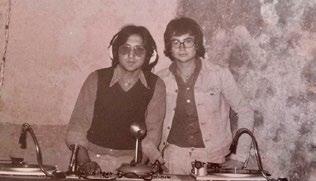
Dos disc-jockeys en la cabina de Portal Nou.
increasingly became the island’s musical hub, with the arrival of iconic venues such as La Oveja Negra, Lola’s Club and Ánfora, where the best yeyé [early 1960s pop] of the moment could be heard. Also opening their doors were the Sant Rafel club, which would eventually evolve into the Ku discothèque, as well as Nito’s, Cabaña Club and Sa Tanca in Sant Antoni.
In Sant Antoni, in 1965, a venue opened that would define the discothèque revolution of the following decade: Capri Playboy Club, launched by the entrepreneur Pepe Roselló. It was the first to programme live pop music, where well-known bands from the mainland — such as The Brisks from Ceuta — replaced the accordions and bandurrias of the traditional orchestras with electric guitars. There, live music alternated with a DJ booth playing the European and American hits of the moment, which the owner smuggled in. It was the influence of the hippies — who listened to the Beatles, The Rolling Stones, Creedence Clearwater Revival and so many other nowlegendary acts — that popularised this music on the island, as it began to be played in the harbour bars they frequented.
With the 1970s, the landscape that exists in Ibiza today began to take shape, with the arrival of the first discothèques: Xaloc, Glory’s, Pachá and the Casino in Ibiza; San Francisco, ChacMool, Éxtasis, Playboy 2, Es Paradís Terrenal, Amnesia and Ku in the municipality of Sant Antoni; La Cancela in Santa Eulària; and Cova Santa and Boucala in Sant Josep. Most remained open-air terraces where people danced beneath the stars. Among those behind these ventures were Ricardo Urgell
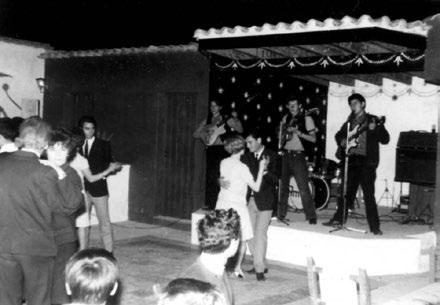
Sobre estas líneas, el club Yé Yé, antes conocido como Club Talamanca. En esta imagen, entrada de la discoteca Capri-Playboy en los 60 y, abajo, una actuación de la orquesta Hawai. A la derecha, de arriba a abajo, el Dúo Dinámico con la cantante Mari Carmen Arcos en MarBlau (años 60); el torero Luis Miguel Dominguín y Miss PlayBoy y Julio Iglesias con Gerard Gas en Sa Tanca en los años 70.
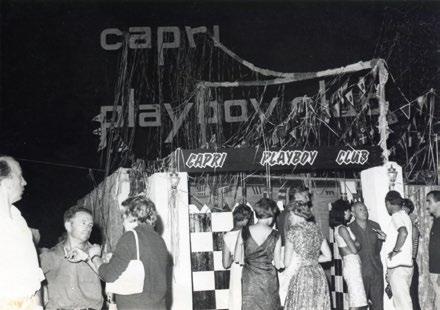
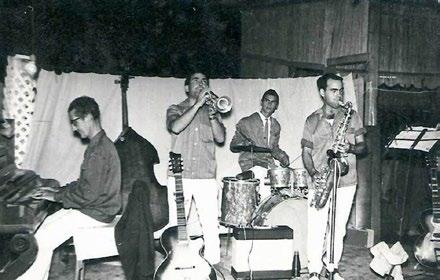
Con los 70 comienza a dibujarse el panorama que ahora se vive en Ibiza, con la irrupción de las primeras discotecas: Xaloc, Glory’s, Pachá y el Casino, en Ibiza; San Francisco, Chac-Mool, Éxtasis, Playboy 2, Es Paradís Terrenal, Amnesia y Ku en el municipio de Sant Antoni; La Cancela en Santa Eulària, y Cova Santa y Boucala en Sant Josep. La mayor parte seguían siendo terrazas al aire libre, donde la gente bailaba bajo las estrellas. Algunos de los nombres propios ligados a estos proyectos fueron Ricardo Urgell (Pachá), Antonio Escohotado y Manolo Saenz de Heredia (Amnesia), Javier Iturrioz, José Luis Anabitarte ‘Gorri’ y José Antonio Santamaría (Ku), y Pepe Aguirre (Es Paradís Terrenal).
Los años más explosivos para el baile, sin embargo, fueron los 80. Las discotecas comenzaron a llenar de color y ambiente las calles del puerto con sus desfiles promocionales, atrayendo a media Ibiza a los establecimientos. En la isla se vivía de noche y se dormía de día, si es que se dormía. Fue la época de Locomía en Ku y del promotor musical Pino Sagliocco, que programó en el club de Sant Rafel actuaciones con algunas de las mejores bandas internacionales: Duran Duran, Spandau Ballet, James Brown o Freddie Mercury y Montserrat Caballé, con su famoso ‘Barcelona’. En esta época, Las Dalias también tuvo la feliz ocurrencia de aprovechar la presencia de los extraordinarios artistas que se encerraban a grabar en los Estudios Mediterráneo de Sant Llorenç, ofreciendo en Sant Carles su concierto de despedida de la isla. De esta manera, por Las Dalias pasaron UB40, Stan Webb, Nina Hagen, Barón Rojo, Medina Azahara, La Frontera, Los Rebeldes, Barricada…
La última gran incorporación de la década tuvo lugar en 1989, cuando Pepe Roselló puso en marcha Space que permaneció activa hasta 2016, convirtiéndose en la discoteca ibicenca más laureada, con trece premios a la mejor del mundo. Su apertura, junto con la evolución musical de los 90, trajo el estallido de la música electrónica, que concentró a gran cantidad de dj’s internacionales, que convirtieron Ibiza en el epicentro de su creatividad, creando el denominado sonido baleárico.
Este tipo de música, sin embargo, requiere de muchos más decibelios, lo que acabó provocando innumerables quejas vecinales y presión política. La polémica derivó en la obligación de las discotecas de aislarse acústicamente.
(Pachá), Antonio Escohotado and Manolo Saenz de Heredia (Amnesia), Javier Iturrioz, José Luis Anabitarte Gorri and José Antonio Santamaría (Ku), and Pepe Aguirre (Es Paradís Terrenal).
The most explosive years for dance, however, were the 1980s. The discothèques began filling the streets of the port with colour and spectacle through their promotional parades, drawing half of Ibiza to their doors. The island lived by night and slept by day — if it slept at all. This was the era of Locomía at Ku, and of the music promoter Pino Sagliocco, who booked some of the greatest international acts at the Sant Rafel club:
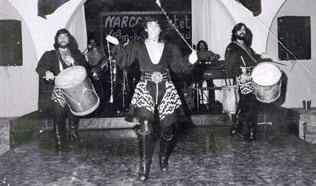
Duran Duran, Spandau Ballet, James Brown, and Freddie Mercury and Montserrat Caballé performing their famous Barcelona. During this period, Las Dalias also had the inspired idea of capitalising on the presence of the extraordinary artists who retreated to record at the Estudios Mediterráneo in Sant Llorenç, offering them a farewell concert on the island at Sant Carles. In this way, Las Dalias hosted UB40, Stan Webb, Nina Hagen, Barón Rojo, Medina Azahara, La Frontera, Los Rebeldes, Barricada…
The decade’s final landmark came in 1989, when Pepe Roselló launched Space, which remained open until 2016, becoming Ibiza’s most decorated discothèque, with thirteen awards for best club in the world. Its opening, combined with the musical evolution of the 1990s, brought the explosion of electronic music, which drew vast numbers of international DJs who made Ibiza the epicentre of their creativity, giving rise to what became known as the Balearic sound.
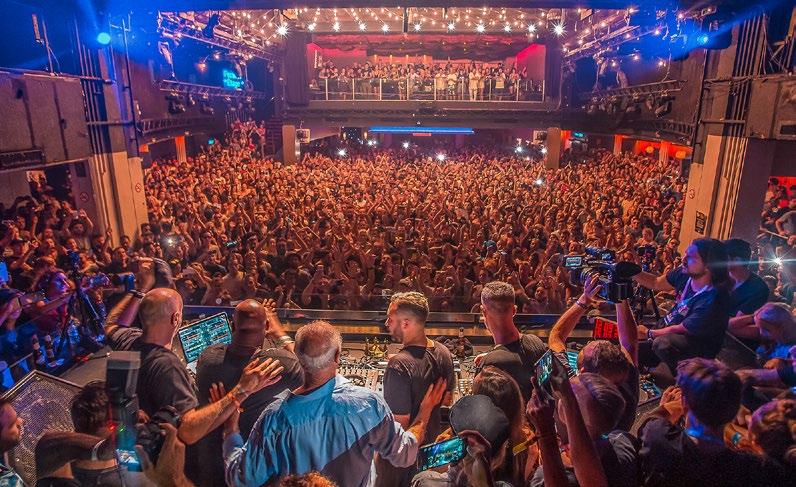
Amnesia, Es Paradís, Pachá, Ku y Space, entre otras, tuvieron que cubrir sus pistas de baile con carísimas estructuras. Ku, por ejemplo, se arruinó en el empeño y acabó pasando a menos de sus acreedores, que la rebautizaron como Privilege
Desde entonces, ha seguido primando la música electrónica y las discotecas se alternan con eventos diurnos que se realizan en beach clubs y establecimientos hoteleros adaptados como salas de fiestas al aire libre, como Ushuaïa, Blue Marlin, O Beach o Ibiza Rocks, entre una larga lista, lo que ha generado grandes polémicas, nuevas quejas vecinales y un enfrentamiento entre empresarios. La última incorporación ha sido [UNVRS], recuperando la estructura del antiguo Privilege.
El baile, en definitiva, ha evolucionado a través de un largo itinerario de 75 años, para situarse en lo más alto de la pirámide mundial. Constituye una de las más importantes industrias de la isla y figura entre sus principales reclamos turísticos, siendo capaz de atraer a la isla a millones de personas cada temporada. Sin embargo, conviene no olvidar esos principios, cuando los ibicencos se reunían junto a los pozos y danzaban al atardecer
This music, however, demands far greater volume, which eventually provoked endless complaints from local residents and to political pressure. The controversy led to discothèques being required to install soundproofing. Amnesia, Es Paradís, Pachá, Ku and Space, among others, were forced to cover their dance floors with enormously expensive structures. Ku, for instance, was ruined in the effort and fell into the hands of its creditors, who renamed it Privilege.
Since then, electronic music has continued to dominate, and the discothèques alternate with daytime events held at beach clubs and hotels adapted as open-air venues — Ushuaïa, Blue Marlin, O Beach and Ibiza Rocks among a long list — generating fierce controversy, fresh complaints from residents and conflicts among operators. The latest addition has been [UNVRS], which giving new life to the structure of the former Privilege.
Dance, in short, has evolved across a long journey of seventyfive years to reach the very top of the global pyramid. It constitutes one of the island’s major industries and is one of its principal tourist draws, bringing millions of people to the island each season. Yet it is worth remembering those beginnings, when the Ibizans gathered beside the wells and danced as the sun went down.


¿Cuántos espacios quedan en Ibiza donde la música en directo sigue siendo el centro? Las Dalias es uno de ellos, sin renunciar a lo que también define la isla: la electrónica, la sesión, la pista de baile. Aquí no hay que elegir: la música se escucha y se baila en todas sus formas.
How many spaces are left in Ibiza where live music is still at the centre? Las Dalias is one of them — without abandoning what also defines the island: electronic music, the DJ set, the dance floor. Here you don’t have to choose; people listen and dance to music in all its forms.
DESDE 1954, ESTE ENCLAVE EMBLEMÁTICO HA SIDO PUNTO DE ENCUENTRO ENTRE ESTILOS, GENERACIONES Y MANERAS DE ENTENDER EL DIRECTO, SIEMPRE
Desde 1954, este enclave emblemático ha sido punto de encuentro entre estilos, generaciones y maneras de entender el directo, siempre desde la cercanía, la libertad y la conexión con el público. Desde aquellos primeros conciertos con formaciones como Los Basurons, Los Tres de la Isla o el Dúo San Carlos, hasta la llegada de artistas como Judas Priest, Obús, Medina Azahara, Barricada o La Frontera, y nombres más recientes como Manu Chao, Macaco, Chambao, Lia Kali, Yotuel o Miguel Campello, el Garden de Las Dalias ha mantenido intacta su esencia: un espacio donde artista y público se encuentran sin intermediarios.
Hoy, ese legado continúa con Las Dalias – Live Music, un ciclo en crecimiento que, de los ocho conciertos de 2025 ha pasado a catorce este año. Una evolución que refuerza su compromiso con una programación diversa y abierta, que amplía su alcance sin renunciar a su origen.
Since 1954, our stage has united different styles and generations in a shared love for live performance. It’s a space defined by intimacy and freedom—where the boundary between the artist and the audience simply disappears. From those first concerts with acts such as Los Basurons, Los Tres de la Isla and the Dúo San Carlos, through to the arrival of artists including Judas Priest, Obús, Medina Azahara, Barricada and La Frontera, and more recent names such as Manu Chao, Macaco, Chambao, Lia Kali, Yotuel and Miguel Campello, the Las Dalias Garden has kept its essence intact: a space where artist and audience meet without intermediaries.
HOW MANY SPACES ARE LEFT IN IBIZA WHERE LIVE MUSIC IS STILL AT THE CENTRE? LAS DALIAS IS ONE OF THEM — WITHOUT ABANDONING WHAT ALSO DEFINES THE ISLAND:
ELECTRONIC MUSIC, THE DJ SET, THE DANCE FLOOR
Today, that legacy continues with Las Dalias – Live Music, a growing programme that has expanded from eight concerts in 2025 to fourteen this year. A development that reinforces its commitment to a diverse and open programme, extending its reach without abandoning its origins.
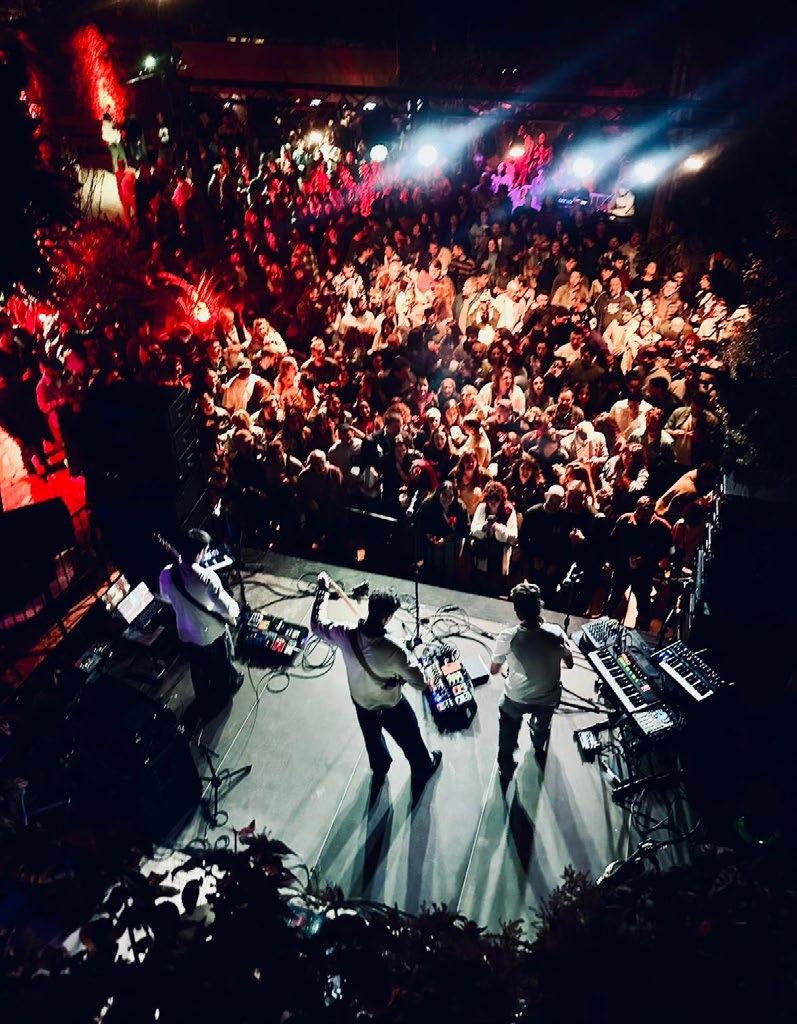
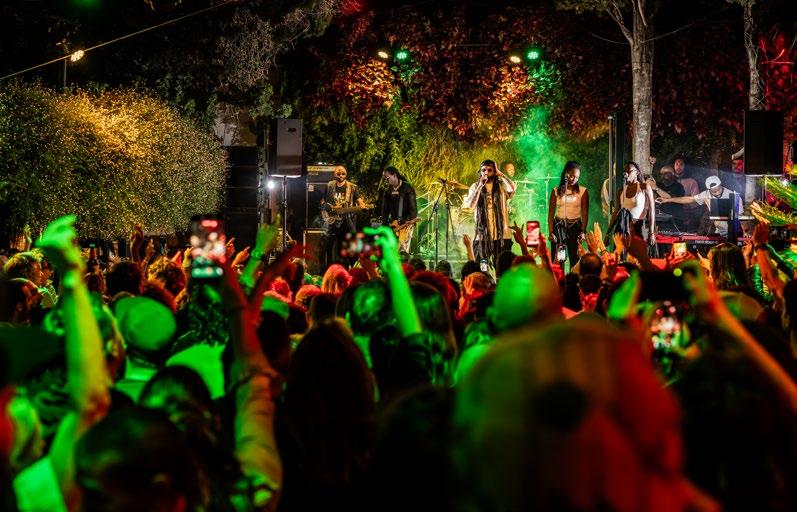
El
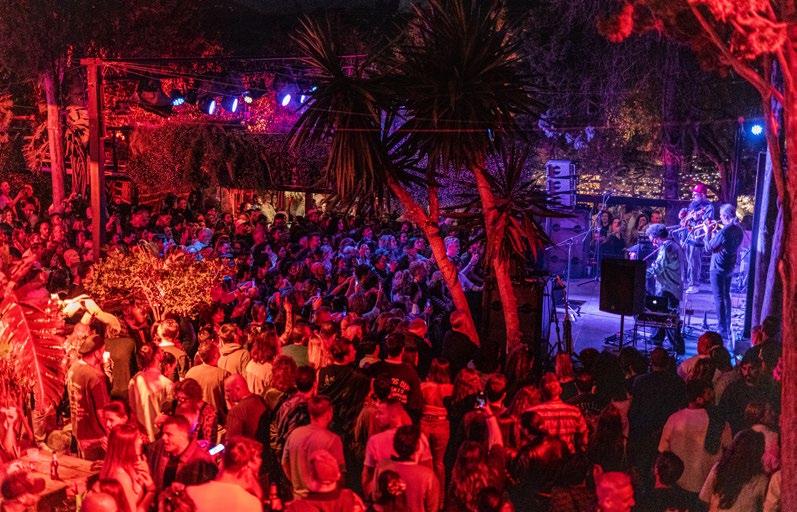
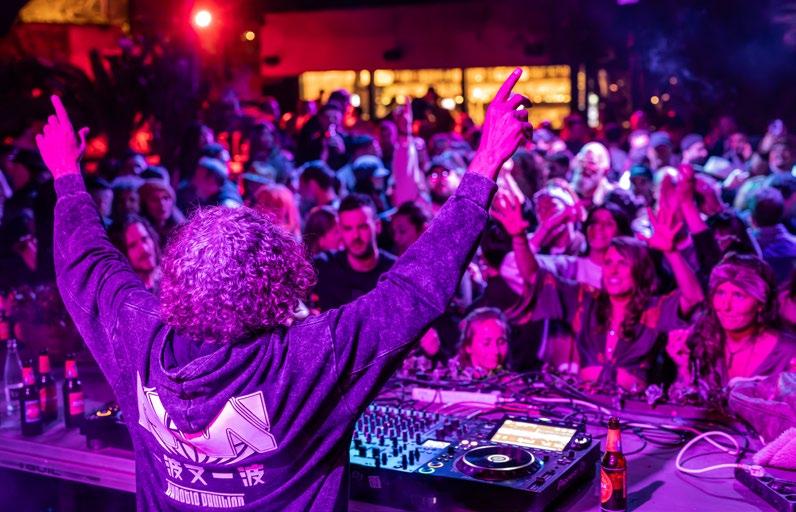
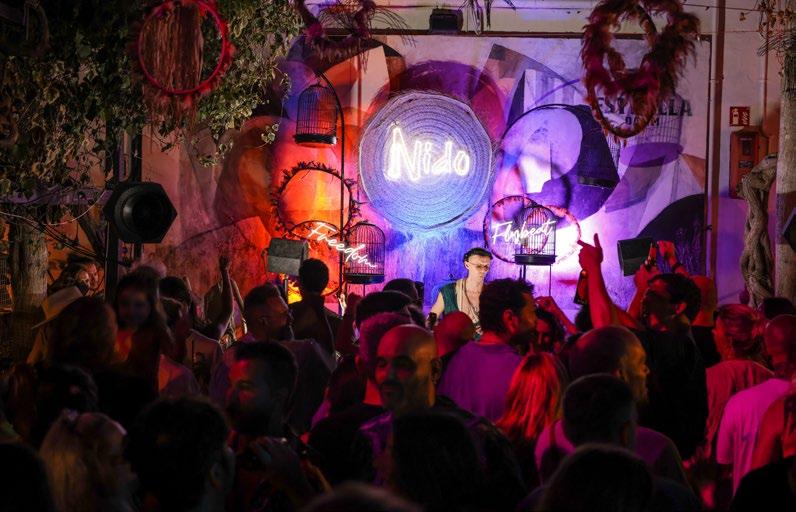
Desde 2021, Akasha amplía esta propuesta con una programación centrada en la electrónica y las sesiones de DJs. Un espacio con identidad propia, donde la música se vive de cerca y que este año celebra su quinto aniversario.
Por su cabina pasan cada temporada artistas internacionales a través de distintas residencias, consolidando a Akasha como uno de los espacios con mayor personalidad de la escena electrónica en Ibiza.
Además, vuelve a ser sede clave de la International Music Summit (IMS), convirtiéndose durante esos días en punto de encuentro para artistas, profesionales y público, y reforzando su papel dentro de la cultura electrónica global.
Así, Las Dalias y Akasha conviven como dos lenguajes complementarios: el del directo y el de la pista. Dos formas de entender la música que, sin confundirse, comparten una misma raíz.
En Las Dalias y Akasha, la electrónica se construye como un relato continuo donde cada residencia aporta una identidad propia. Figuras como Hernán Cattáneo y Sven Väth marcan el pulso con propuestas que conectan el día y la noche, del Garden a la pista, a través de sesiones que priorizan la narrativa y la experiencia.
Junto a ellos conviven formatos como Supernova, que enlaza artistas consolidados y emergentes, o Tales Of The Unexpected, de The Brothers Grim, donde la exploración y lo imprevisible definen cada encuentro. A estas se suma Borealis, que transforma la semana en una experiencia inmersiva en torno a la luz, el sonido y la colectividad.
En paralelo, citas como Namaste y Nido mantienen vivo el espíritu más esencial de Las Dalias, poniendo el acento en la comunidad, la emoción y la conexión. Así, entre la pista y el encuentro, el line up dibuja un ecosistema diverso que trasciende la programación para convertirse en experiencia.
But the experience doesn’t end there.
Akasha has been redefining the island’s electronic offering since 2021. It’s a space where the music is an up-close, personal experience, possessing an identity unlike any other. This year, we celebrate five years of Akasha.
Each season its booth welcomes international artists through various residencies, establishing Akasha as one of the most distinctive spaces on Ibiza’s electronic scene.
It also returns as a key venue for the International Music Summit (IMS), becoming during those days a meeting point for artists, industry professionals and audiences alike, reinforcing its place within global electronic culture.
Las Dalias and Akasha thus coexist as two complementary languages: that of the live act and that of the dance floor. Two ways of understanding music that, without merging, share the same roots.
At Las Dalias and Akasha, the electronic programme unfolds as a continuous narrative in which each residency brings its own identity. Artists such as Hernán Cattáneo and Sven Väth set the pulse with sets that connect day and night, from the Garden to the dance floor, through sessions that prioritise narrative and experience.
Alongside them sit formats such as Supernova, which bridges established and emerging artists, and Tales of the Unexpected by The Brothers Grim, where exploration and the unpredictable define each event. Joining these is Borealis, which turns the week into an immersive experience built around light, sound and community.
In parallel, events such as Namaste and Nido keep alive the most essential spirit of Las Dalias, with the accent on community, emotion and connection. Between the dance floor and the encounter, the line-up maps a diverse ecosystem that transcends the programme to become an experience.
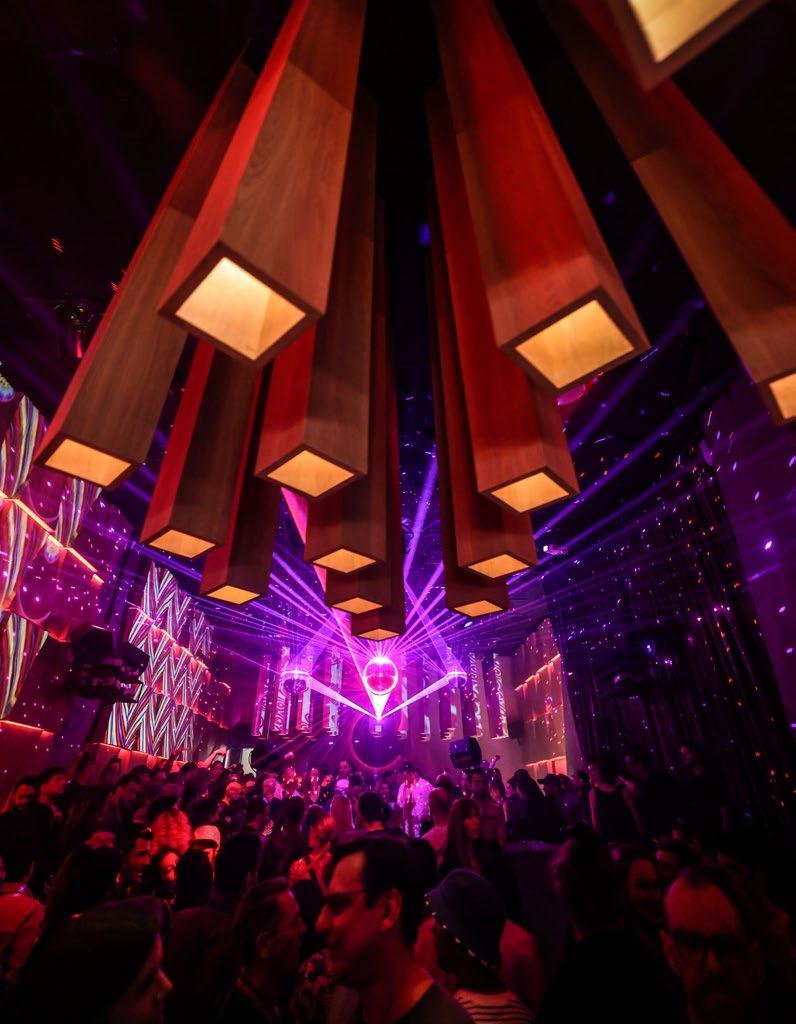
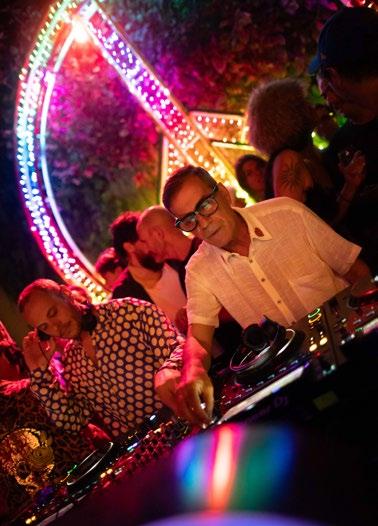
Tras el éxito de su estreno la pasada temporada, Peace N’ Music se consolida este año como una de las citas fijas de los lunes en Las Dalias.
La propuesta rinde homenaje a la música de los años 60 a los 90, con un recorrido que va del rock al funk, del soul al reggae o el disco, en un formato donde el público es el verdadero protagonista.
Cada lunes, de junio a septiembre, la experiencia se despliega en tres espacios. Desde las 19:00, el Garden y el Night Market acogen sesiones abiertas con DJ Pippi; a partir de las 23:00, la noche continúa en Akasha, donde Willie Graff lidera una sesión de house que se extiende hasta la madrugada.
Al frente del proyecto están Petra Barbic y Alessandro Gaeta, figuras vinculadas a la histórica Flower Power de Pacha, que trasladan ese legado a una propuesta actual pensada para conectar generaciones en la pista de baile.
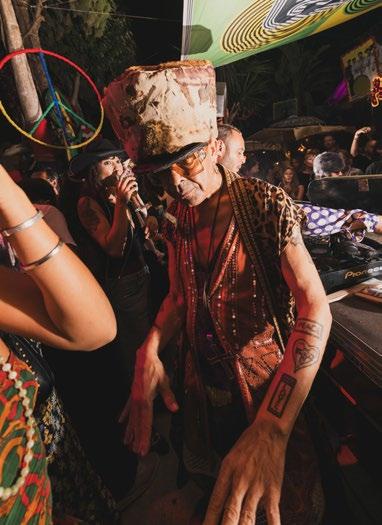
Following the success of its debut last season, Peace N’ Music consolidates this year as one of the fixed events of the Las Dalias Monday.
[“the Las Dalias Monday” is awkward — see note below]
The event pays homage to music from the 1960s to the 1990s, spanning rock, funk, soul, reggae and disco, in a format where the audience is the real protagonist.
Every Monday from June to September, the experience unfolds across three spaces. From 7pm, the Garden and the Night Market host open sessions with DJ Pippi; from 11pm, the night continues at Akasha, where Willie Graff leads a house session that runs into the early hours.
At the helm of the project are Petra Barbic and Alessandro Gaeta, figures associated with the historic Flower Power at Pacha, who bring that legacy to a contemporary event designed to connect generations on the dance floor.

A GENERATION KEEPING THE SPIRIT OF IBIZA ALIVE
En una isla donde la oferta de ocio es inmensa, Hippy House ha conseguido destacar por una razón muy concreta: la unión de la comunidad de Ibiza. Porque lo que hace especial a este proyecto no es el número de asistentes, ni el cartel musical, ni siquiera el lugar en el que se celebra. Lo que realmente conforma el ADN de Hippy House son las conexiones que nacen entre las personas.
Con el tiempo, Hippy House se ha consolidado como un auténtico punto de encuentro para la nueva generación de la isla. Un lugar al que la gente acude, sobre todo, por la oportunidad de compartir, reencontrarse y sentirse parte de algo.
On an island with no shortage of things to do, Hippy House has made its mark for one very specific reason: the sense of community it brings. What makes this project special is not the number of people who turn up, the line-up, or even the setting. What really defines Hippy House, its DNA, is the connections it sparks between people.
Over time, Hippy House has established itself as a genuine gathering point for the island’s new generation. Somewhere people come, above all, for the chance to share, reconnect and feel part of something.
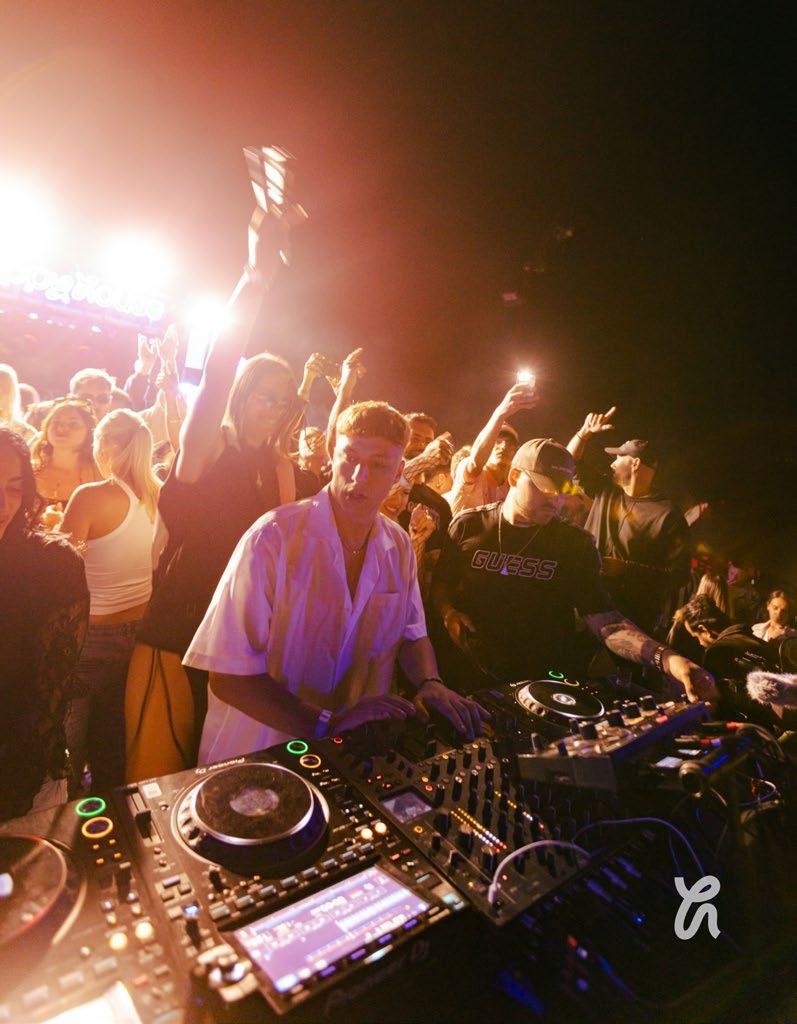
Durante el último año y medio, el proyecto ha experimentado un crecimiento muy significativo. Lo que comenzó con encuentros de formato más íntimo ha evolucionado hacia celebraciones al aire libre y festivales de día que pueden durar hasta doce horas. Esta evolución ha dado lugar a un ambiente cada vez más intergeneracional, en el que jóvenes y familias, padres e hijos, comparten la pista de baile en un entorno sano, inclusivo y abierto a todos.
SE CONVIERTEN EN HIPPY HOUSE EN UN LENGUAJE COMÚN CAPAZ DE UNIR GENERACIONES
La música y la celebración se convierten así en un lenguaje común capaz de unir generaciones y crear recuerdos compartidos.
Lejos de limitarse a la temporada de verano, Hippy House apuesta por mantener su actividad durante todo el año. Cuando la isla muestra su lado más auténtico, el movimiento sigue generando espacios de encuentro para quienes viven en Ibiza los doce meses del año.
Hippy House ambienta las tardes de invierno y ofrece ese calor y esa energía que muchos asocian al verano, creando un lugar donde la comunidad puede seguir sintiéndose en casa.
Ese sentimiento de pertenencia ha traspasado las fronteras de la isla y ha dado un espacio a la comunidad que existe fuera de Ibiza. Como respuesta a esa conexión, este año nace el Hippy House Tour, una iniciativa que arrancó en Mallorca el 23 de mayo y continúa durante el verano por Tarifa, Huelva y El Puerto de Santa María, finalizando en agosto en la Costa Brava.
Hippy House es una celebración social y cultural que pone a las personas en el centro, especialmente a quienes han formado parte del proyecto desde el primer día. Un movimiento que demuestra que, cuando existe una comunidad auténtica, la música se convierte en el punto de partida para algo mucho más grande, haciendo que cada Hippy House se sienta como la primera.
Over the past eighteen months, the project has grown considerably. What began as more intimate gatherings has evolved into open-air events and all-day festivals lasting up to twelve hours. That growth has brought with it an increasingly mixed crowd, with young people and families, parents and children, sharing the dance floor in a healthy, inclusive atmosphere that is open to all.
Music and celebration become a common language and one that bridges generations and creates memories that everyone can share.
Rather than confining itself to the summer season, Hippy House is committed to being present all year round. When the island shows its most authentic face, the movement keeps creating spaces for those who live in Ibiza through the winter months. Hippy House sets the tone for winter afternoons, offering the warmth and energy many people associate with summer — a place where the community can go on feeling at home.
RATHER THAN CONFINING ITSELF TO THE SUMMER SEASON, HIPPY HOUSE IS COMMITTED TO BEING PRESENT ALL YEAR ROUND
That sense of belonging has reached beyond the island, finding space for the community that exists away from Ibiza. In response to that connection, this year sees the launch of the Hippy House Tour — beginning in Mallorca on 23 May and continuing through the summer to Tarifa, Huelva and El Puerto de Santa María, before finishing on the Costa Brava in August.
Hippy House is a social and cultural celebration that puts people at its heart — especially those who have been part of the project from the very beginning. A movement that shows what’s possible when a genuine community exists: music becomes the starting point for something much bigger, and every Hippy House feels like the first.
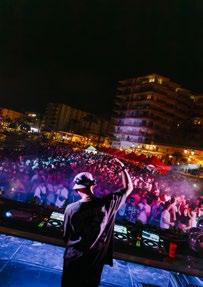
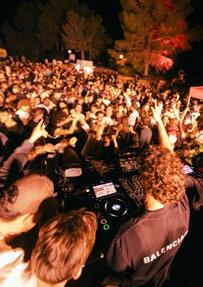
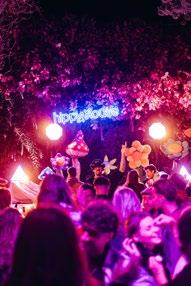
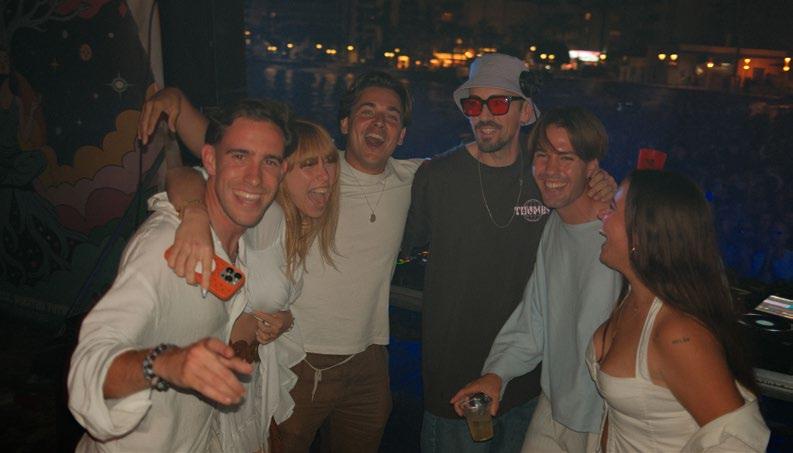


“LA MÚSICA DEBE SER LA PROTAGONISTA, NOSOTROS SOMOS MENSAJEROS”
“MUSIC SHOULD TAKE CENTRE STAGE — WE ARE JUST THE MESSENGERS”
La residencia de Hernán Cattáneo en el Garden de Las Dalias y Akasha no representa solo unas fechas en el calendario de la temporada alta sino la certeza de que vas a asistir a un ritual. Tras tres temporadas consolidando un formato tan sencillo como poderoso —day set en el Garden y noche en Akasha—, el maestro argentino regresa en 2026 con tres fechas que reafirman su compromiso con la isla que conoció en los 90’ y con la que no ha perdido la conexión… ni su público con él.
Hernán Cattáneo’s residency at the Garden de Las Dalias and Akasha is more than a date in the highseason calendar — it is the certainty of witnessing a ritual. Three seasons in, with a format as simple as it is powerful — a day set at the Garden, then night at Akasha — the Argentine maestro returns in 2026 for three dates that reaffirm his commitment to the island he discovered in the nineties, and with which he has never lost his connection. Nor, it seems, his audience with him.
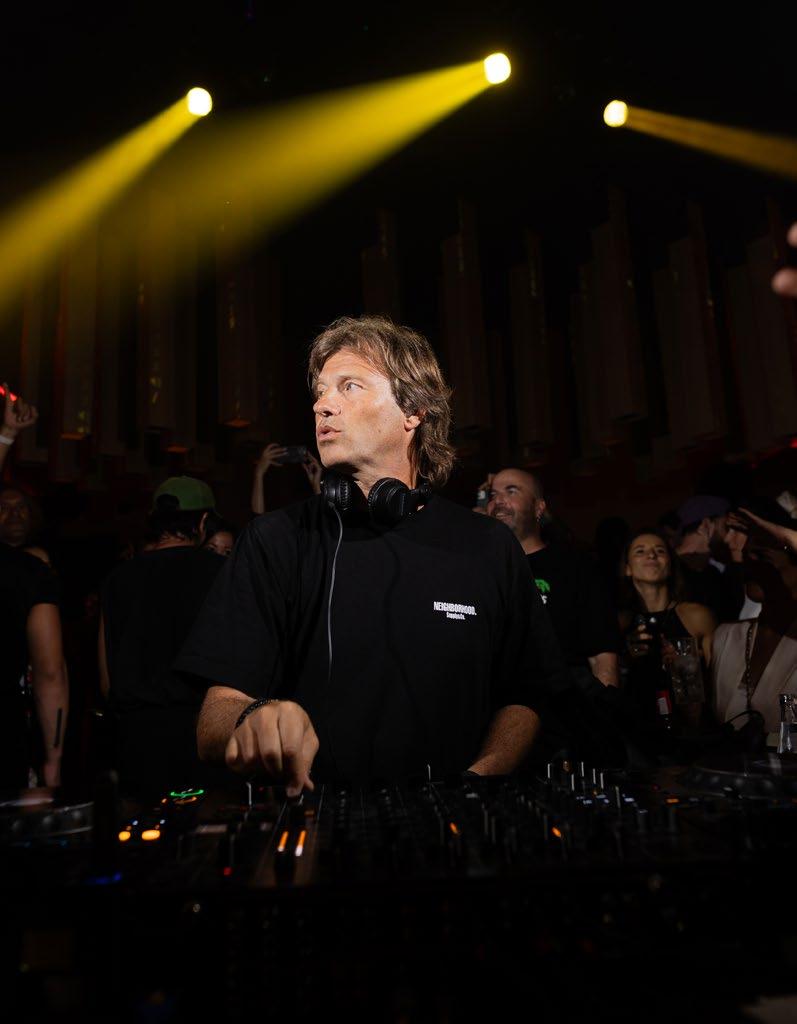
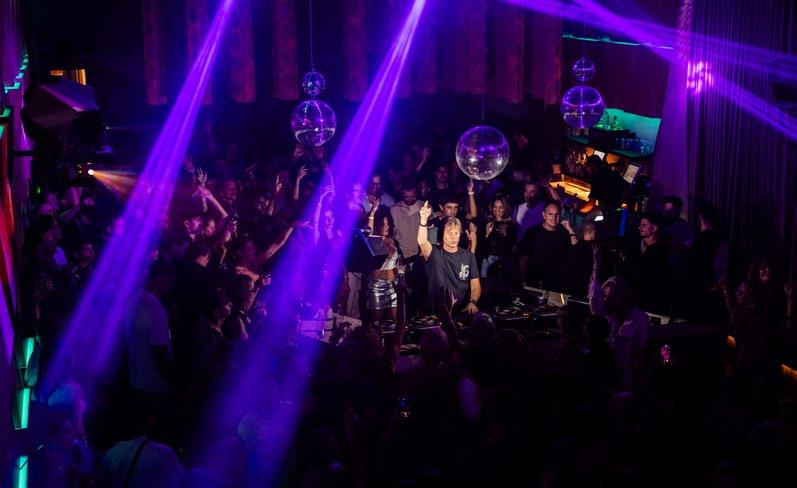
El 21 de mayo, el 16 de julio y el 15 de octubre son citas marcadas en el calendario para vivir nuevos capítulos de un mismo relato sonoro. Porque si algo ha definido la carrera de Cattáneo es su capacidad para construir viajes largos, orgánicos, donde cada transición tiene sentido. “Más que pasar música, se trata de contar una historia”, resume en conversación con Las Dalias Magazine.
Ese concepto encuentra en Las Dalias y Akasha un entorno ideal. El viaje comienza al aire libre, rodeado de naturaleza y luz, y evoluciona hacia la intimidad de la noche, donde el sonido adquiere otra profundidad. “Para mí esa transición es mágica. Empezar con el sol bajando y terminar de noche es como narrar algo completo, sin prisas”, explica.
La historia de Cattáneo no responde a un momento concreto de explosión, sino a una acumulación paciente de decisiones, encuentros y trabajo, mucho trabajo. Cuando se le pregunta por el punto de inflexión en su carrera internacional, rehúye el mito del ‘instante decisivo’: “No hubo un solo momento, fue un proceso largo”. Sin embargo, reconoce la importancia de cruzarse con Paul Oakenfold, quien le “abrió una puerta importantísima” en un momento en el que los DJs sudamericanos apenas tenían presencia global.
21 May, 16 July and 15 October are dates to mark in the calendar — new chapters in the same sonic story. If anything has defined Cattáneo’s career over more than three decades, it is his ability to build long, organic journeys in which every transition makes sense. “It is less about playing music than telling a story,” he says.
The concept finds its ideal setting at Las Dalias and Akasha. The journey begins outdoors, surrounded by nature and light, and evolves into the intimacy of the night, where the sound takes on another depth. “For me that transition is magical. Starting as the sun goes down and finishing in the dark — it’s like telling a complete story, without rushing,” he explains.
Cattáneo’s story is not one of sudden explosion but of patient accumulation — decisions, encounters, and work, a great deal of work. Asked about the turning point in his international career, he sidesteps the myth of the decisive moment: “There was no single moment — it was a long process.” Yet he acknowledges the importance of crossing paths with Paul Oakenfold, who “opened a hugely important door” at a time when South American DJs had almost no global presence.
En aquellos años, la escena estaba fuertemente dominada por Europa. “Todo costaba mucho más”, recuerda. Y aunque hoy el mapa es más diverso, no olvida que formar parte de ese cambio también implica responsabilidad: “Somos parte de una cadena. Si de alguna manera ayudé a abrir camino, es una buena forma de devolver lo que la escena argentina me dio”.
Uno de los capítulos más recordados de su trayectoria se escribió en Pachá Buenos Aires, donde compartió cabina con Oakenfold en noches que hoy forman parte del imaginario colectivo. “Había algo muy genuino pasando ahí”, dice, más allá de la visibilidad internacional que aquello le aportó. Porque, en el fondo, su discurso vuelve siempre al mismo punto: la conexión con la pista.
“AKASHA NO ES UN CLUB TÍPICO. HAY ALGO MÁS HUMANO, MÁS RELAJADO. EL PÚBLICO ES ESPECTACULAR”
Ibiza llegaría poco después, en 1998, de la mano de Diego Ro-K y una actuación en Amnesia para Cream. “Fue un impacto muy fuerte. Era el centro del mundo para la música electrónica”, recuerda. La mezcla de culturas, la libertad y la energía dejaron una huella profunda. Pero, casi tres décadas después, la relación es bidireccional: “Ibiza marca a cualquiera que venga, pero nosotros también hemos dejado nuestra identidad”.
Esa identidad es precisamente lo que encuentra en Las Dalias. En una isla donde el lujo y las zonas VIP dominan gran parte de la oferta, el espacio conserva una esencia distinta. “No es un club típico. Hay algo más humano, más relajado. La gente viene con otra predisposición”, explica. Para Cattáneo, ese contexto es fundamental: “El público es espectacular y el equipo mantiene una identidad ibicenca muy auténtica”.
Su manera de entender la música también se sitúa a contracorriente de ciertas dinámicas actuales. En una era dominada por lo visual, reivindica el papel del DJ como mediador, no como protagonista. “La música debe ser el centro. Nosotros somos mensajeros”, afirma. Aunque reconoce que las redes y el espectáculo forman parte del presente, insiste en no perder el foco: “Lo importante sigue pasando en la pista”.
In those years, the scene was heavily dominated by Europe. “Everything was so much harder,” he recalls. And although the landscape is more diverse today, he does not forget that being part of that shift carries responsibility: “We are part of a chain. If in some way I helped open the path, that is a good way of giving back what the Argentine scene gave me.”
One of the most celebrated chapters of his career was written at Pachá Buenos Aires, where he shared the booth with Oakenfold on nights that have since passed into collective memory. “There was something very genuine happening there,” he says, setting aside the international visibility it brought him. Because, at heart, his thinking always returns to the same point: the connection with the dance floor.
Ibiza came shortly after, in 1998, through Diego Ro-K and a set at Amnesia for Cream. “It had a huge impact. It was the centre of the world for electronic music,” he recalls. The mix of cultures, the freedom and the energy left a deep mark. But almost three decades on, the relationship is mutual: “Ibiza leaves its mark on anyone who comes, but we have left our identity here too.”
That identity is precisely what he finds at Las Dalias. On an island where luxury and VIP areas dominate much of the offer, the space retains a singular essence. “It is not a typical club. There is something more human, more relaxed. People arrive in a different frame of mind,” he explains. For Cattáneo, that context matters: “The crowd is spectacular and the team maintain a very authentic Ibizan identity.”
His approach to music also runs counter to certain dynamics of the present. In an era dominated by the visual, he insists on the DJ’s role as mediator, not protagonist. “The music should take centre stage. We are just the messengers,” he says. Though he acknowledges that social media and spectacle are part of the present, he is insistent about not losing focus: “What matters is still happening on the dance floor.”
That philosophy extends to his work as a communicator. Through radio, podcasts and his label Sudbeat, he has built another channel of connection with his audience. “I always liked sharing music, not just playing it,” he says. He adds something that neatly encapsulates his sense of the long game: if the day ever comes when he no longer feels the thrill in the booth, or stops travelling, radio will become his main focus.
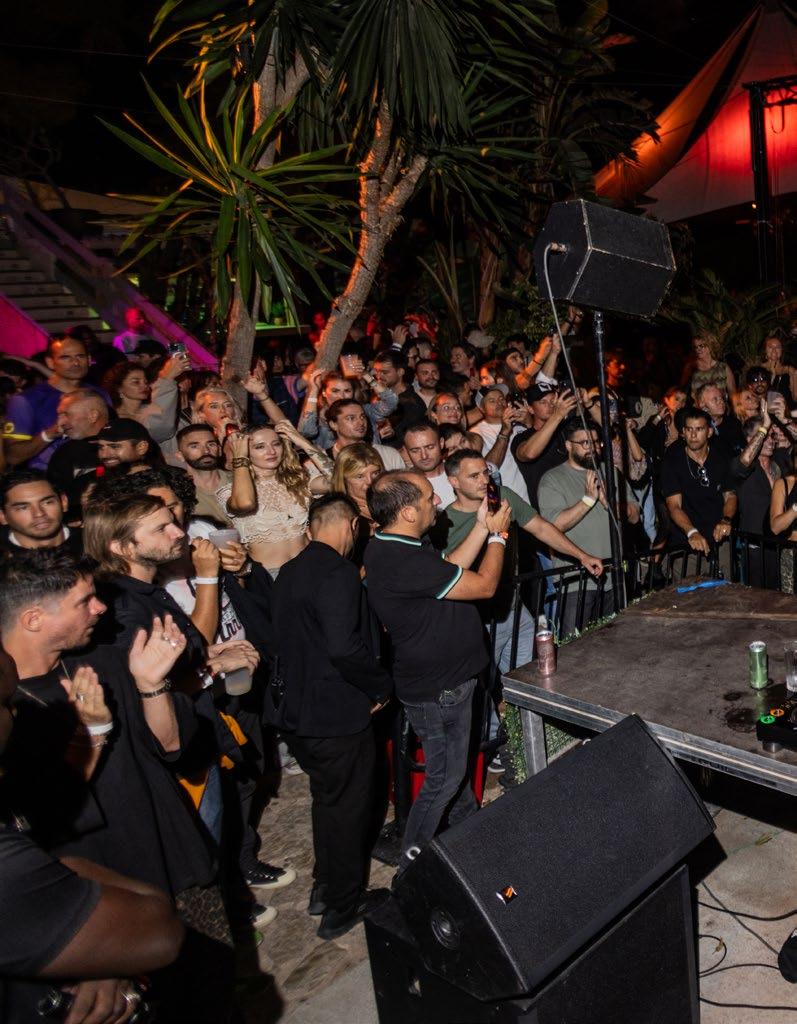
EL VIAJE CON HERNAN CATTÁNEO COMIENZA AL AIRE LIBRE, RODEADO DE NATURALEZA Y LUZ, Y EVOLUCIONA HACIA LA INTIMIDAD DE LA NOCHE, DONDE EL SONIDO ADQUIERE OTRA PROFUNDIDAD. “PARA MÍ ESA TRANSICIÓN ES MÁGICA”
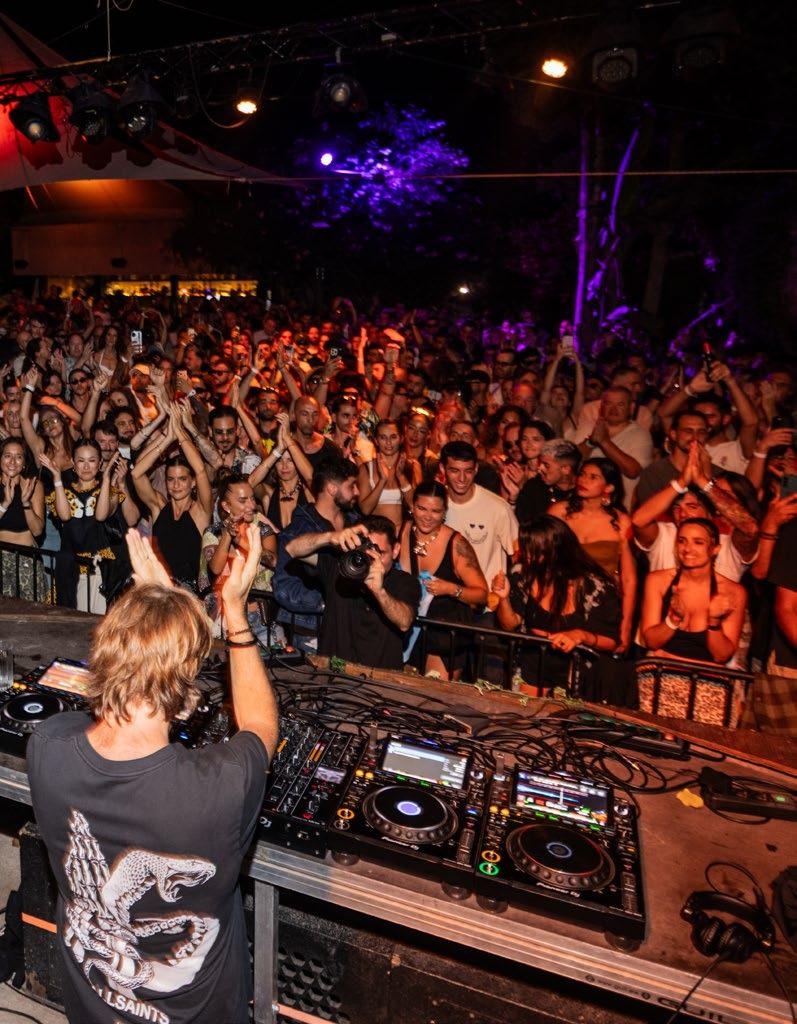
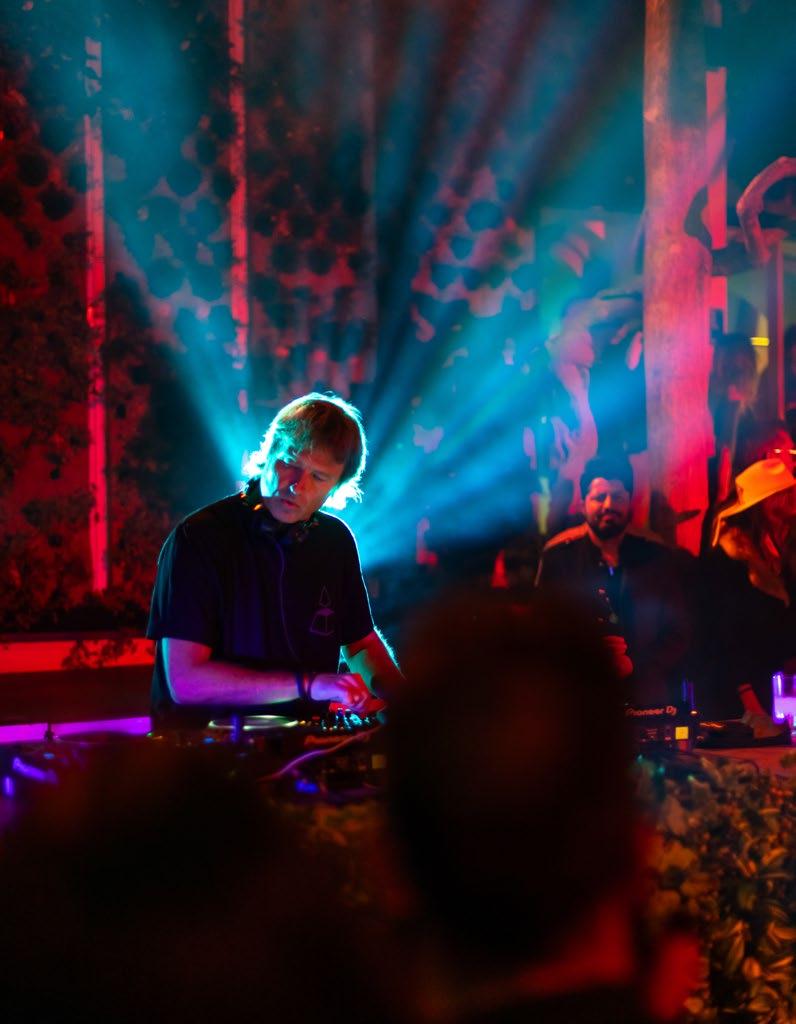
Esa filosofía se extiende también a su faceta como comunicador. A través de la radio, los podcasts y su sello Sudbeat, ha construido otra vía de conexión con el público. “Siempre me gustó compartir música, no solo tocarla”, explica. Y añade una idea que resume bien su visión de carrera: si algún día deja de emocionarse en la cabina y deja de viajar, la radio será su dedicación principal.
Y EL ESPECTÁCULO FORMAN PARTE DEL PRESENTE, INSISTE EN NO PERDER EL FOCO: “LO IMPORTANTE SIGUE PASANDO EN LA PISTA”
There is also, in radio, a dimension of giving back. “I received a great deal of support, and I think it’s important to do the same for the new generations.” Platforms like Resident and his own label act as springboards for new talent, in an ecosystem where visibility remains crucial.
On that note, his advice to young DJs is clear and almost counter-cultural: patience. “It is easy to get confused by numbers or exposure, but what really matters is developing your own identity,” he says. An idea that connects directly with his own career, built at his own natural pace.
That coherence is also reflected in his personal life. In an industry historically associated with excess, Cattáneo has maintained a balanced outlook. “I always knew clearly what I wanted and what I didn’t,” he says. And he senses a gradual shift in the scene: “There is a healthier space emerging, more connected to the music.”
Hay también en la radio un componente de devolución. “A mí me apoyaron mucho y me parece importante hacer lo mismo con las nuevas generaciones”. Plataformas como Resident o su sello funcionan como trampolines para nuevos talentos, en un ecosistema donde la visibilidad sigue siendo clave.
En ese sentido, su consejo para los DJs jóvenes es claro y casi contracultural: paciencia. “Es fácil confundirse con los números o la exposición, pero lo importante sigue siendo desarrollar una identidad propia”, señala. Una idea que conecta con su propia trayectoria, construida lejos de las urgencias.
Esa coherencia también se refleja en su vida personal. En una industria históricamente asociada a los excesos, Cattáneo ha mantenido un perfil equilibrado. “Siempre tuve claro qué quería y qué no”, dice. Y percibe un cambio progresivo en la escena: “Hay un lugar más sano, más conectado con la música”.
Su compromiso va incluso más allá del ámbito artístico. Como embajador de Alegría Intensiva, participa en una iniciativa que lleva humor y acompañamiento a niños hospitalizados. “Cuando tienes una voz, está bien usarla para algo positivo”, afirma.
His commitment extends beyond the artistic. As an ambassador for Alegría Intensiva, he is part of an initiative that brings humour and companionship to hospitalised children. “When you have a voice, it is good to use it for something positive,” he says.
IN
AN INDUSTRY HISTORICALLY ASSOCIATED WITH EXCESS, CATTÁNEO HAS MAINTAINED A BALANCED OUTLOOK. “I ALWAYS KNEW CLEARLY WHAT I WANTED AND WHAT I DIDN’T”
Throughout his career he has drawn inspiration from figures including Frankie Knuckles, Sasha and John Digweed, among many others. But he also looks at the present with enthusiasm, and at the Argentine scene in particular, which he considers “full of talent.”
In an industry where age is often a subject of debate, he is clear: the key is passion. “If you are still enjoying the music, people feel it,” he says. And he adds a thought that neatly sums up his philosophy: “If you are still taking the flights after all these years, it can only be for love of the music.”

A lo largo de su carrera ha encontrado inspiración en figuras como Frankie Knuckles, Sasha o John Digweed, entre muchos otros. Pero también mira al presente con entusiasmo, especialmente hacia la escena argentina, que considera “llena de talento”.
En una industria donde la edad suele ser objeto de debate, él lo tiene claro: la clave está en la pasión. “Si seguís disfrutando la música, eso se nota”, afirma. Y añade una reflexión que resume su filosofía: “Después de tantos años, si seguís tomando vuelos, es solo por amor a la música”.
Quizá por eso, cuando se le pregunta si aún se emociona al subir a la cabina, la respuesta llega sin dudar: “Totalmente. Esa sensación no cambia”. Y mientras esa emoción siga intacta —esa mezcla de expectativa, curiosidad y ganas de compartir—, el viaje continuará teniendo sentido.
“SI SEGUÍS DISFRUTANDO LA MÚSICA, ESO SE NOTA”, AFIRMA. Y AÑADE
UNA REFLEXIÓN QUE
RESUME SU FILOSOFÍA: “DESPUÉS DE TANTOS AÑOS, SI SEGUÍS TOMANDO VUELOS, ES SOLO POR AMOR A LA MÚSICA”
Para colaborar con la ONG Alegría Intensiva @alegriaintensiva
Para conocer más sobre Hernán Cattáneo @djhernancattaneo
Perhaps that is why, when asked whether he still feels a thrill stepping into the booth, the answer comes without hesitation: “Completely. That feeling doesn’t change.” And as long as that feeling holds — that mix of anticipation, curiosity and the desire to share — the journey will keep making sense.
To support the charity Alegría Intensiva: @alegriaintensiva
To find out more about Hernán Cattáneo: @djhernancattaneo

SUNDAY EDIT SUNDAYS FROM 16H.









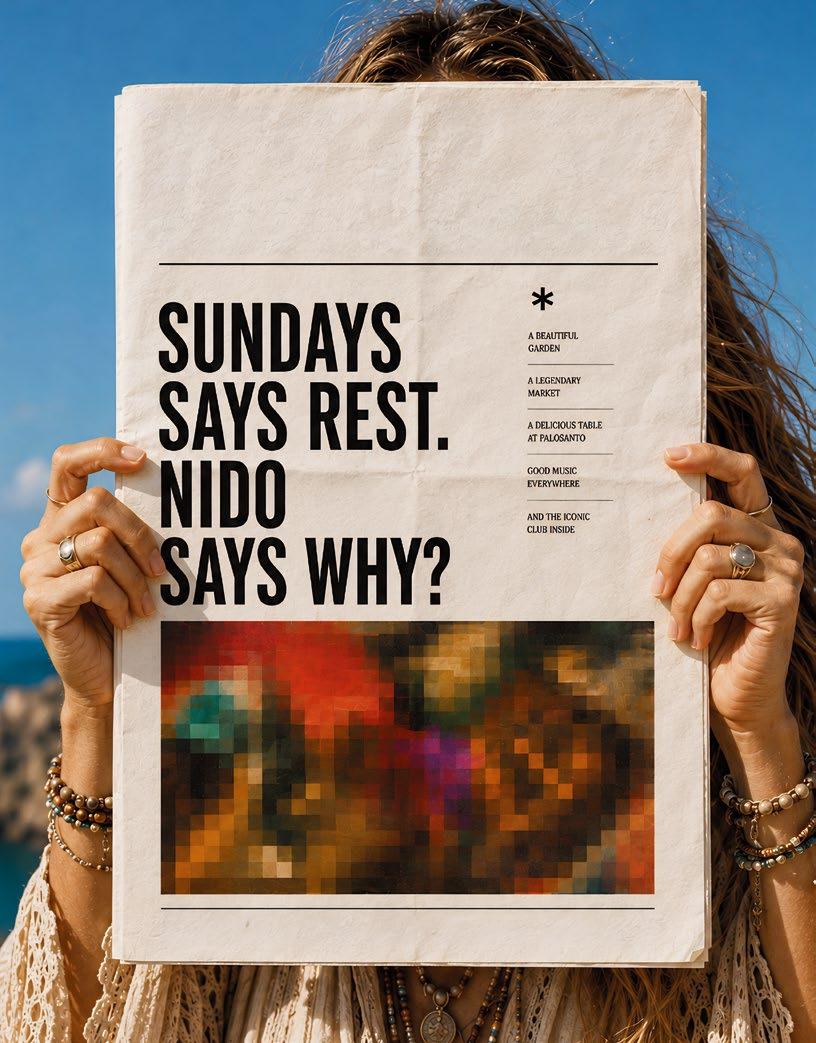

EDITA: LAS DALIAS
DIRECCIÓN Y PRODUCCIÓN: Laura Ferrer Arambarri.
AUTORAS Y AUTORES INVITADOS: Jaime Siles, Bárbara Arqué, Ben Clark y Fanny Tur.
REDACCIÓN: Pablo Sierra del Sol, Cristina Marí, Samaj Moreno, Carmen Pi, Xescu Prats, Laura Ferrer Arambarri, Sara Bercebal, Nagore Gómez y Paola Álamo.
FOTOGRAFÍA: Arsen Voronyy, Vicente Luis Marí, Ricardo García, Vitorino, Wolfgang Löffler, Xuyu Chi, Raimon Klavis, Arxiu d’Imatge i So del Consell d’Eivissa, archivos personales de Pepe Roselló, Pep Ribas ‘Hereva’ y François Camus.
EQUIPO EDITORIAL DE MODA: Isabel Lambour, Giusi Ferrato, Raúl Blanco, Clara Muñoz y María José Girón Lambour.
DOCUMENTACIÓN: Pere Seguí, Sara Bercebal, Ana Victoria García y Kira Olivera.
DISEÑO/MAQUETACIÓN: Sergio G. Barragán.
ILUSTRACIONES: Marcos Torres, Untaltoni, José Ramón Lapuerta, Aura Gold y Sergio G. Barragán.
PORTADA: Marcos Torres.
TRADUCCIONES: Mallol i Associats y Ben Clark.
JURADO DEL PREMIO INTERNACIONAL DE CUENTO ‘LAS DALIAS’: Maribel Andrés Llamero, Alberto de la Rocha, Laura Ferrer Arambarri y Ben Clark, coordinador del concurso.
PUBLICIDAD: David Ferrer Serra y Claudia Bernabéu.
¿HABLAMOS?: Las Dalias (+34) 971 326 825 www.lasdalias.es / magazine@lasdalias.es
IMPRIME: Rotimpres / DL: I-85-2013
AGRADECIMIENTOS: A todas las instituciones que nos han acompañado, especialmente al Consell Insular d’Eivissa, Ajuntament de Santa Eulària des Riu, Ajuntament d’Eivissa, Ajuntament de Sant Antoni de Portmany y Ajuntament de Sant Josep de sa Talaia. Un agradecimiento especial a Las Dalias Team y a todas las empresas de Ibiza y Formentera que respaldan nuestras iniciativas.