Results for 2026Business
What passed. What didn’t. And what it means to your bottom line.
A Shared Vision for Growth and Opportunity
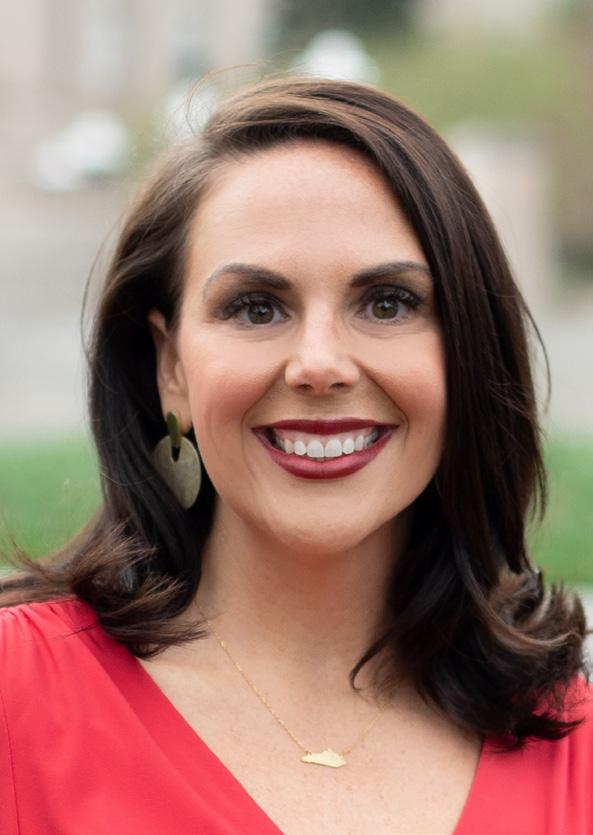
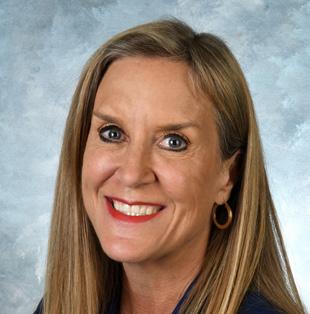
Ashli Watts
PRESIDENT & CEO
Kentucky Chamber of Commerce
The 2026 legislative session demonstrated what is possible when Kentucky’s business community and the General Assembly are aligned around a shared vision for growth and opportunity.
That alignment was clear when legislative leadership named the Kentucky Chamber's top priorities as part of their priority bills, including child care, housing, and education solutions. The focus on these issues reflects a shared commitment to build a stronger, more competitive Kentucky.
That shared direction translated directly into action on child care. For years, the Chamber has worked to elevate child care as a critical workforce issue, recognizing its profound impact on our economy. That leadership paved the way for bipartisan passage of House Bill 6 and House Joint Resolution 50—comprehensive legislation that significantly strengthens Kentucky’s child care system. House Families and Children Committee Chair Samara Heavrin championed this effort to support working families across the Commonwealth.
It also carried into housing, where the Chamber has worked alongside the legislature’s Housing Task Force to elevate Kentucky’s housing supply and affordability challenges. This work led to momentum on key priorities led by task force co-chairs Senate Majority Caucus Chair Robby Mills and Representative Susan Witten. Although the broader housing package through Senate Bill 9 did not pass, the efforts surrounding the legislation reflect the urgent need for action on this issue.
Strengthening school leadership was another key outcome this session.
Senate Education Committee Chair Steve West championed Senate Bill 4, establishing a dedicated training program for school principals that incorporates the Kentucky Chamber Foundation's Leadership Institute for School Principals. In addition, lawmakers passed Senate Bill 1, filed by Senate President Pro Tempore David Givens, to improve governance of the state’s largest school systems.
“ The 2026 legislative session demonstrated what is possible when Kentucky’s business community and the General Assembly are aligned around a shared vision for growth and opportunity.
”
At the same time, the General Assembly moved forward on longstanding priorities for Kentucky employers. Civil liability reform advanced through Senate Bill 195, with Senator Craig Richardson spearheading efforts to create a more predictable and competitive legal climate.
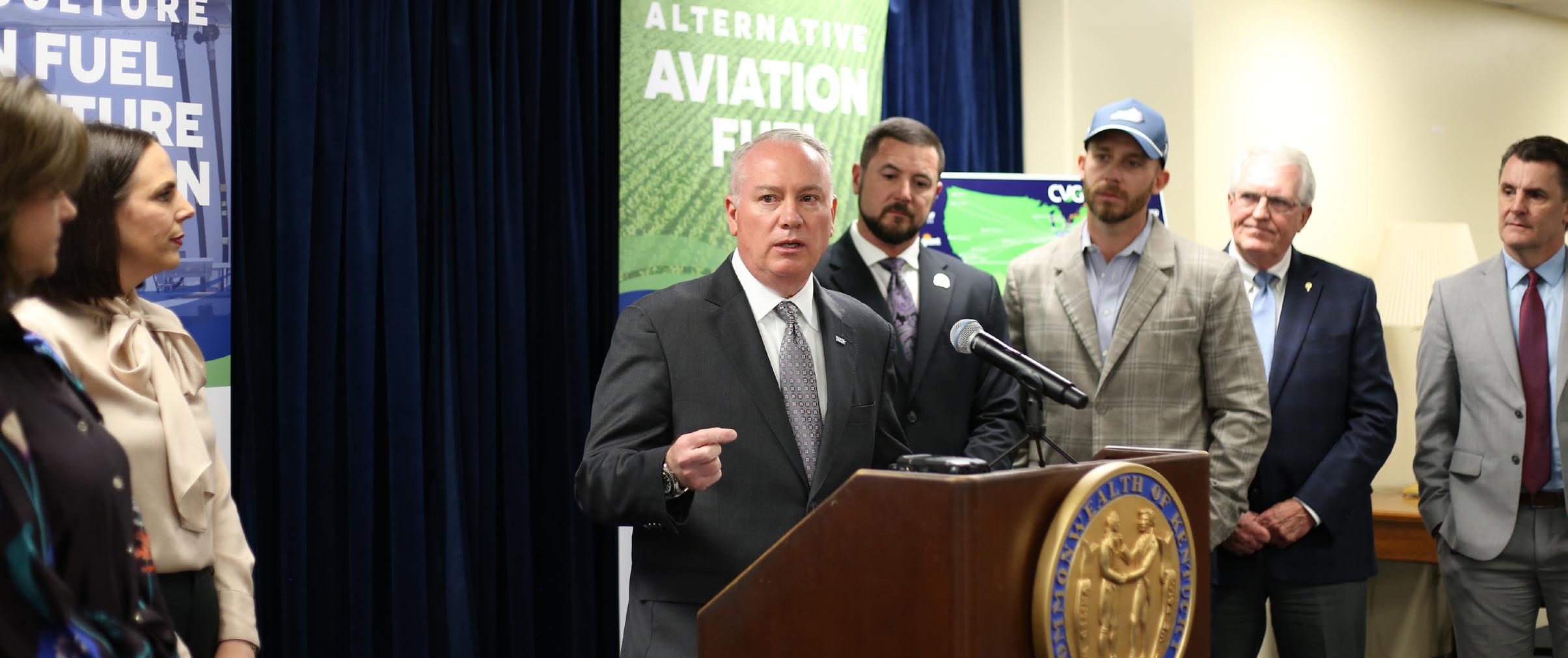
Lawmakers also passed legislation opening the door to new growth opportunities, with Speaker Pro Tempore David Meade sponsoring a bill to boost alternative aviation fuel production—a win for the state's agriculture and transportation industries.
Alongside these efforts, the General Assembly passed the state's next two-year budget, which reflects a responsible plan that invests in education, workforce development, health care, and core services.
The Chamber commends the legislature for its leadership that made this progress possible and looks forward to continuing this work together to advance our state.

THE KENTUCKY CHAMBER’S ADVOCACY:
A Consistent Return on Investment for Employers
The Kentucky Chamber’s advocacy efforts continue to yield major returns for Kentucky employers, saving businesses an estimated $1.564 billion through its work with the General Assembly during the 2026 legislative session. This equates to savings of $911 per private-sector employee
The 2026 legislative session marks the seventh session in a row of estimated savings equal to or more than a billion dollars for the business community thanks to the General Assembly and the Chamber’s successful advocacy. Every dollar saved for businesses is another dollar to be reinvested in the Commonwealth’s economy.
Our estimates of savings for Kentucky employers are intentionally conservative and limited to aspects of bills with impacts that we believe are reasonably quantifiable. These estimates do not consider the totality of legislation supported or opposed by the Chamber. Our estimates do not consider broader economic benefits. “Savings” refers to costs that employers would have incurred if not for the Chamber’s advocacy and influence in Frankfort.
In total, the Kentucky Chamber’s advocacy efforts have saved Kentucky employers $11.533 billion since 2016, equating to $6,715 per employee.¹
1.564 $ Billion TOTAL SAVINGS
Legislation Estimated Annual Savings
(To the Kentucky Business Community Under Normal Economic Conditions)
Reversal of Tax Reform — Defeated
House Bill 152 sought to reverse Kentucky’s historic progress on progrowth tax reform by reinstituting a progressive income tax structure and raising taxes across all income groups. Income tax rates for many Kentucky households would almost double. While this proposal would have significantly increased state income tax burdens on all workers, it would also have raised taxes on employers who pay taxes on business income as pass-through entities.
Higher Business Taxes — Fixed
This year’s annual revenue bill, House Bill 757, dealt with complex issues related to state conformity with federal changes made by the One Big Beautiful Bill Act. An initial version of the bill had the effect of disallowing a business deduction for R&D expenses, but the Chamber worked proactively with lawmakers to fix the problem. In addition, there were several floor amendments filed to the bill that would have raised taxes on businesses, but none of these proposals were allowed to advance.
Weakening of UI Reforms — Defeated
447.3 $ Million
171.1 $ Million
House Bills 437 and 579 proposed removing the one-week wait period for UI benefits. According to a federal report, the temporary lifting of the wait period by states during the pandemic was a key driver of fraud during that period. We estimate that these proposals would cost Kentucky employers approximately $8 million per year in the form of fraudulent payments, which would have to be paid for by employer UI taxes. These proposals also put at risk federal funding for Kentucky. The Chamber defeated additional proposals seeking to loosen UI work search rules, which would also have cost employers. 8
Legislation Estimated Annual Savings
(To the Kentucky Business Community Under Normal Economic Conditions)
Leave Mandate — Defeated
House Bill 771 would have created a new paid sick leave mandate for Kentucky employers modeled on a law pioneered by the city of San Francisco. While most employers already offer paid sick leave benefits, this mandate would be costly for those employers that are currently not able to do so, or those who do not meet the bill’s requirements. This legislation was one of several new employer mandates proposed during the 2026 session.
Wage Mandate — Defeated
While Kentucky employers have increased employee compensation in recent years, new wage mandates would still be costly for many businesses, especially smaller firms and labor-intensive industries. Using estimates for similar legislative proposals at the federal level, we estimate that proposals like House Bill 349—which sought to impose a $17 minimum wage and index future increases to inflation— would significantly increase costs for Kentucky employers and lead to reduced employment and less job growth.
Prevailing Wage Mandates — Defeated
Kentucky’s repeal of its prevailing wage statutes in 2017 has lowered costs for businesses and state and local governments. Legislative proposals in the 2026 session, like House Bills 344 and 345, sought to reverse this progress by implementing similar wage mandates and allowing local governments to implement a patchwork of their own prevailing wage laws. Past estimates of savings for employers have been adjusted for inflation in this estimate.
Child Care Solutions and Investments — Passed
With passage of House Bill 6 and the biannual budget, the General Assembly made major investments in child care supports, including funding for the state’s financial assistance programs for low-income workers and qualified child care professionals. While an accurate estimate of the economic effects of these measures is not yet available, we expect to see savings for employers in the form of reduced employee turnover, increased productivity, and a stronger workforce.
339 $ Million
349.5 $ Million Indeterminable
249.5 $ Million
A Stronger Child Care System for Kentucky’s Workforce
Rising costs and limited options for child care are among the most pressing challenges for working families in Kentucky. The General Assembly made addressing this barrier to economic momentum a priority this session, delivering a landmark child care reform package and making major child care investments in the budget.
In 2024, the Chamber’s Board of Directors prioritized child care as a top strategic priority, identifying it as a critical barrier to workforce participation and growth. Research from the Chamber Center for Policy and Research underscored the scale of the issue: between 16,000 and 28,000 Kentucky parents could join or return to the workforce with better access to affordable child care.
Building on earlier legislative progress that created the Employee Child Care Assistance Partnership and Certified Child Care Communities, the Chamber led a broader effort to identify solutions. Through the Kentucky Collaborative on Child Care, a partnership between the Chamber, the Lift a Life Novak Family Foundation, and the Convergence Center for Policy Resolution, more than 40 stakeholders worked together for 18 months to develop consensus-driven policy recommendations and a shared path forward.
That leadership translated into the strong bipartisan passage of House Bill 6 and House Joint Resolution 50, championed by House Families and Children Committee Chair Samara Heavrin.
“High-quality child care is the key to unlocking our Commonwealth’s education and workforce potential,” Representative Heavrin said.
This comprehensive legislation reduces barriers to opening and operating child care centers, strengthens quality and accountability, expands options and improves affordability for working families, and supports the child care workforce. The final bill incorporates legislation sponsored by Senate Families and Children Committee Chair Danny Carroll. Senate Bill 160 implements important reforms to child care licensing and inspections processes, and Senate Bill 191 establishes a pilot program focused on kindergarten readiness.
At the same time, lawmakers made substantial investments in child care in the state budget, with funding for the Child Care Assistance Program, financial assistance for child care workers, and early childhood scholarships.
The efforts this session mark a critical shift in how Kentucky approaches child care as a driver of growth, while helping Kentuckians enter and remain in the workforce and giving businesses greater access to talent.
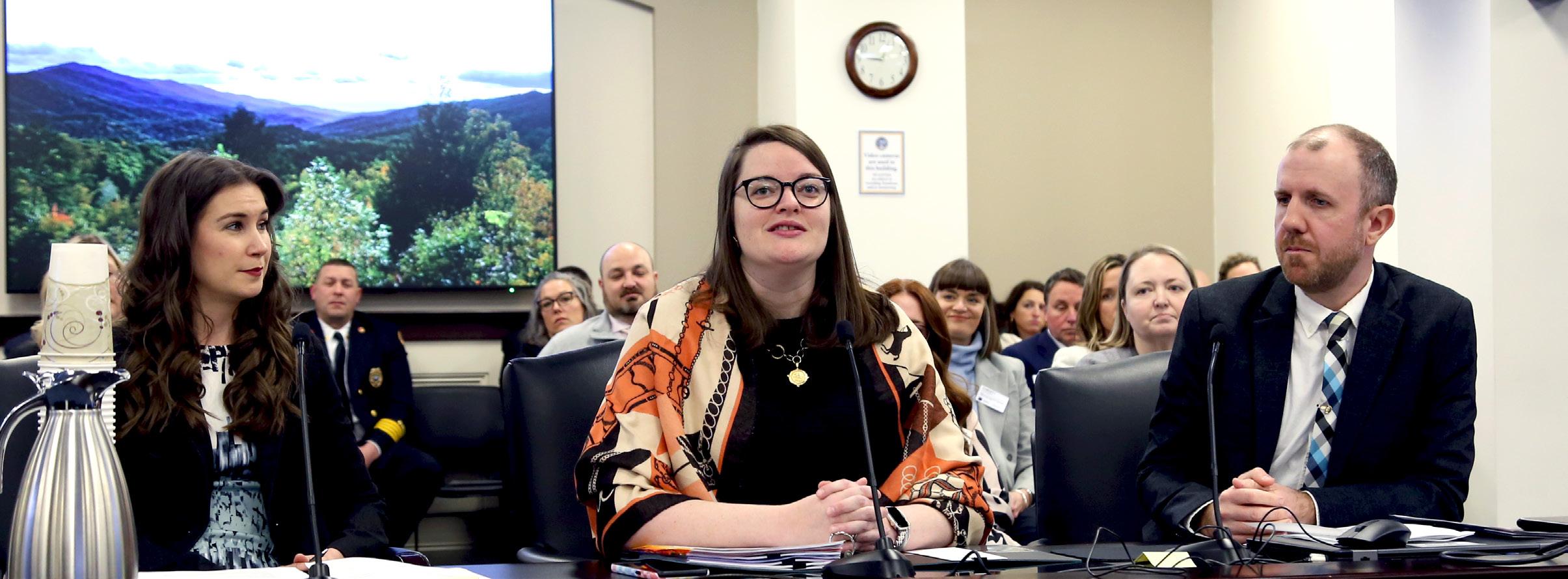
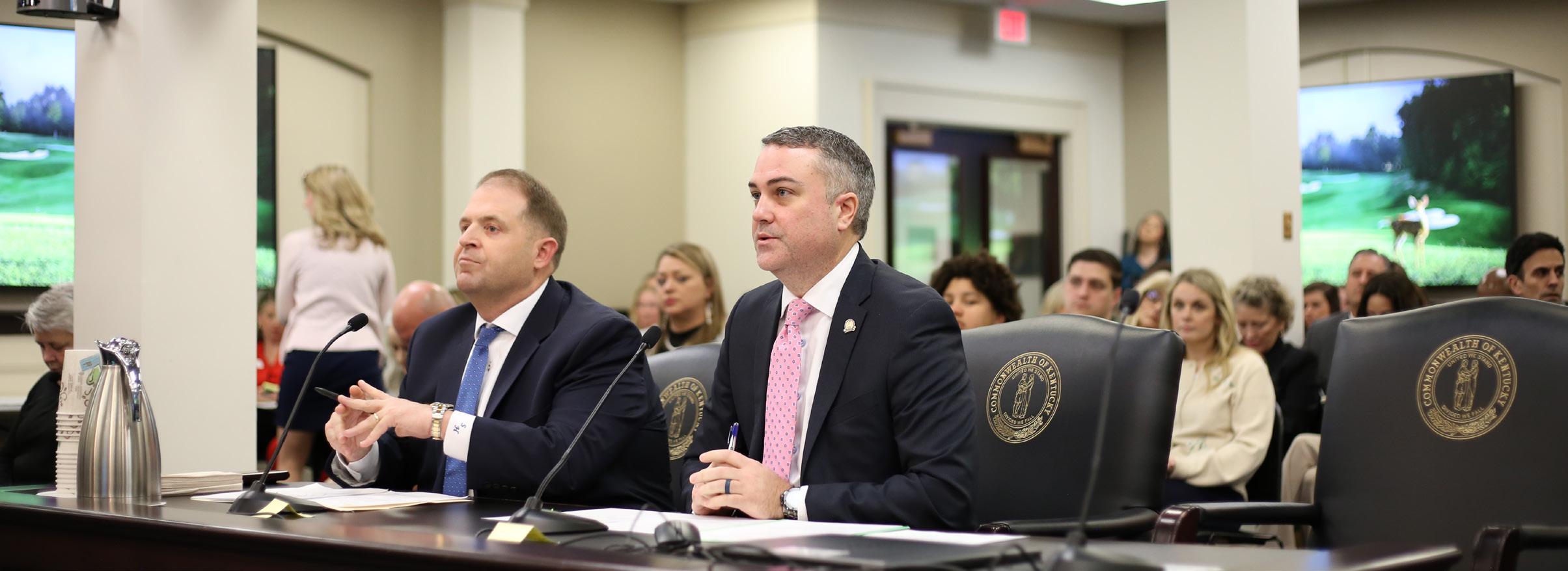
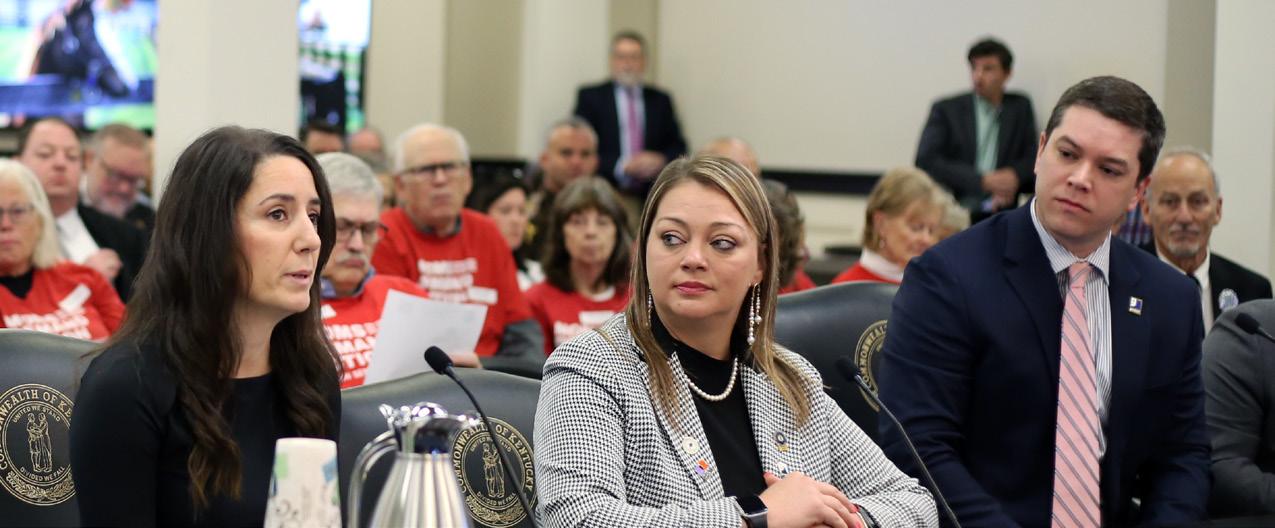
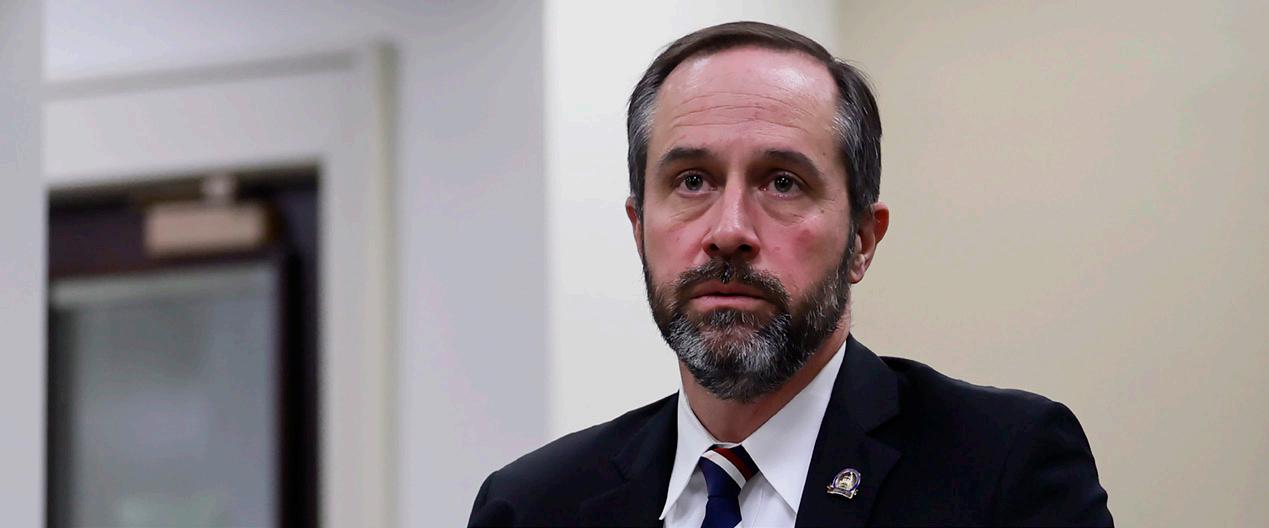
House Families and Children Committee Chair Samara Heavrin (R-Leitchfield), Kentucky Chamber Vice President of Policy Dr. Charles Aull, and Baldwin Consulting Principal Mandy Marler testify on House Bill 6 and House Joint Resolution 5 0, legislation to strengthen Kentucky’s child care system.
Pro-Business Legislative Victories
Child Care
HB 6
Expands child care access, improves affordability for working families, and strengthens employer and community partnerships.
Reentry and Workforce Development
HB 5
Advances education and employment programs for incarcerated individuals to support workforce participation and reduce recidivism.
Education Governance
SB 1
Improves accountability and strengthens governance structures to enable more effective management in the state’s largest school systems.
School Principal Leadership
SB 4
Establishes a professional development program for school principals to improve school performance, which incorporates a program through the Kentucky Chamber Foundation.
Research and Innovation Funding
SB 6 (HB 900)
Appropriates funding to support endowed research initiatives aimed at strengthening research capacity and economic development.
Civil Liability Reform
SB 195
Clarifies civil liability standards for public road and bridge projects, creating a more predictable and competitive legal climate.
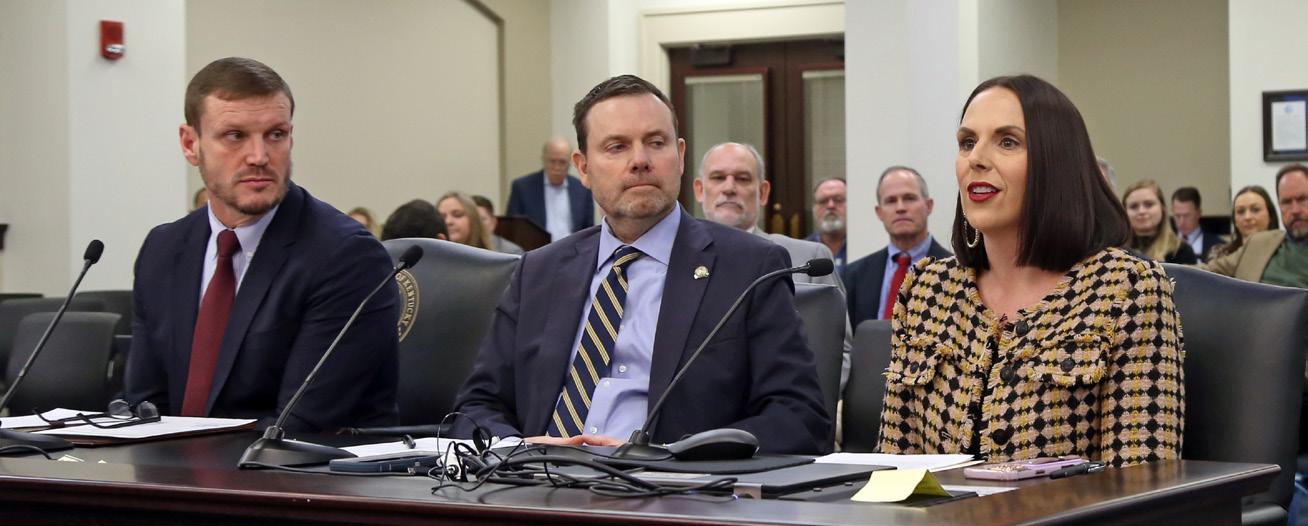
Senate Education Committee Chair Steve West (R-Paris), Kentucky Chamber President and CEO Ashli Watts, and Henderson County Schools Superintendent Dr. Bob Lawson testify on Senate Bill 4, legislation to expand leadership training for school principals.
Many pro-business victories were enacted in the 2026 session of the General Assembly.
Bills listed in parentheses indicate the legislation under which the measure was ultimately passed or funded.
HB 545 (HB 869) Alternative Aviation Fuel Incentives
Creates targeted incentives to support alternative fuel production and promotes investment in agriculture, transportation, and other industries.
Workplace Violence Protections
HB 306 (HB 521)
Strengthens criminal trespassing statutes to help employers ensure workplace safety.
Workforce and Talent Recruitment
HB 576
Creates the Kentucky Talent Recruitment Grant Program to incentivize out-of-state households to relocate to Kentucky.
Nuclear Energy
Development
SB 57 (HB 500)
Establishes and funds the Kentucky Nuclear Reactor Site Readiness Pilot Program to support nuclear energy site readiness and investment.
Second Chance Employment
HB 185
Establishes an early determination process for public employment and occupational licensing eligibility to support second chance employment.
Child Care Regulatory Review
HJR 50
Reviews child care regulations and identifies opportunities to improve access and reduce barriers.
Medical Licensure
SB 137
Expands licensure options for physicians, including provisional pathways for internationally trained practitioners.
Student-Based Enterprises
HB 555
Expands student-based enterprise opportunities, supports handson learning, and promotes entrepreneurship in schools.
Metals Recycling
SB 291
Establishes licensing requirements for secondary metals recyclers and revises motor vehicle dealer regulations to help reduce copper theft and protect critical infrastructure.
Child Care Pilot Program
SB 191 (HB 6)
Establishes a pilot program to support providers and improve kindergarten readiness.
Child Care Licensing and Regulation
SB 160 (HB 6)
Establishes licensing standards and strengthens oversight in child care settings.
Senator Julie Raque Adams (R-Louisville), chair of the Senate Licensing and Occupations Committee, provided leadership on House Bill 6 and House Joint Resolution 50, legislation to strengthen Kentucky’s child care system.
Behavioral Health Diversion Program
SB 90
Extends the Behavioral Health Conditional Dismissal Program pilot and its implementation council, allowing continued operation and carry-forward of appropriated funds.
Public Utilities Regulation
HB 398
Clarifies Public Service Commission authority over electric generating unit retirements and cost recovery.
Postsecondary Education Governance
HB 619
Revises the governance structure and oversight responsibilities of the Kentucky Community and Technical College System.
Alternative High School Diplomas
HB 562
Creates alternate high school diplomas and expands workforce opportunities for graduates.
Providing Clarity in Civil Liability Standards
Kentucky has made significant progress in improving its competitive standing with other states through pro-growth tax reform, workers’ compensation reform, and key economic policies. However, the Commonwealth’s legal system remains a source of uncertainty that negatively impacts employers and economic competitiveness.
The Kentucky Chamber has long advocated for a more balanced civil liability system—one that protects access to the courts while ensuring fairness and predictability.
This session, the General Assembly took a step forward through passage of Senate Bill 195, sponsored by Senator Craig Richardson, to clarify civil liability standards for public road and bridge projects. The final version of the bill states that when contractors follow government-approved plans and specifications, and a project is accepted by a contracting entity, the work is considered properly completed and the contractor is provided a rebuttable presumption. Claims can still move forward if there is clear evidence that the contractor did not follow those plans or if the work itself caused harm.
Additionally, the legislation clarifies that contractors are not responsible for design or engineering decisions made by state or local governments when carrying out work as directed, while also providing greater specificity for design professionals, including licensed engineers.
It further states that if a vehicle operator is violating established traffic laws (driving under the influence, distracted driving, etc.) or traveling at a rate of 25mph or more over the posted speed limit, then there is a rebuttable presumption that the prohibited conduct was a substantial factor in causing injury, damages, or death.
Establishing these standards helps create a more predictable environment that supports investment and economic growth across the state.
Despite this progress, the Commonwealth’s civil litigation system will continue to drive costs and uncertainty for businesses and Kentucky families if additional steps are not taken. Currently, Kentucky’s civil liability system ranks among the worst in the nation, adding an estimated $2,800 per year for each Kentucky household.
Addressing these challenges will be critical to building on Kentucky’s growth and maintaining its competitiveness with other states. The Chamber remains committed to working with lawmakers to advance reforms that create a more predictable legal environment and reduce unnecessary costs for employers.
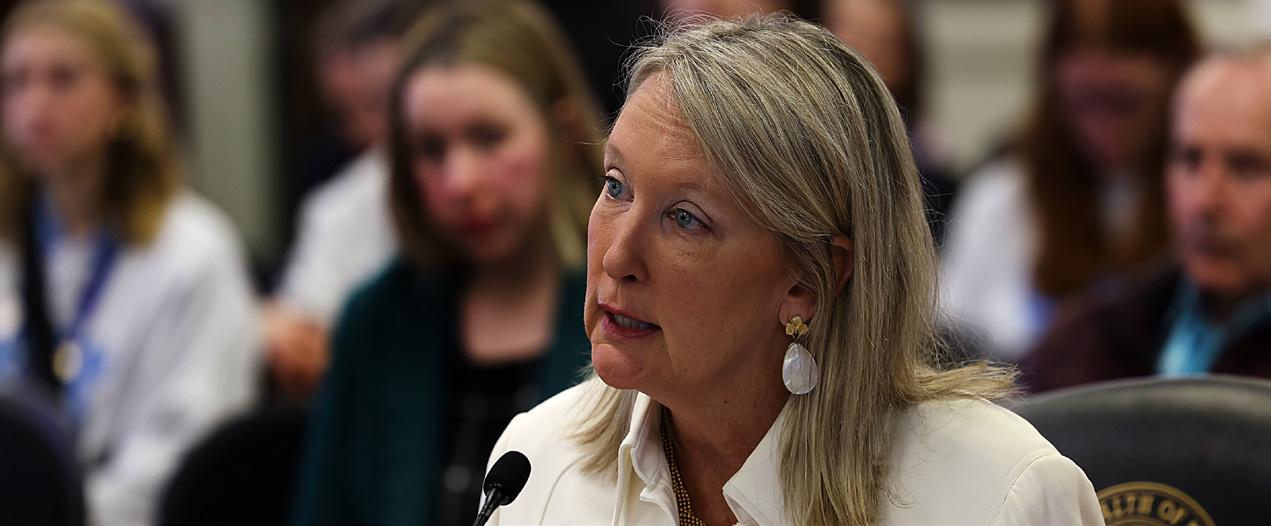
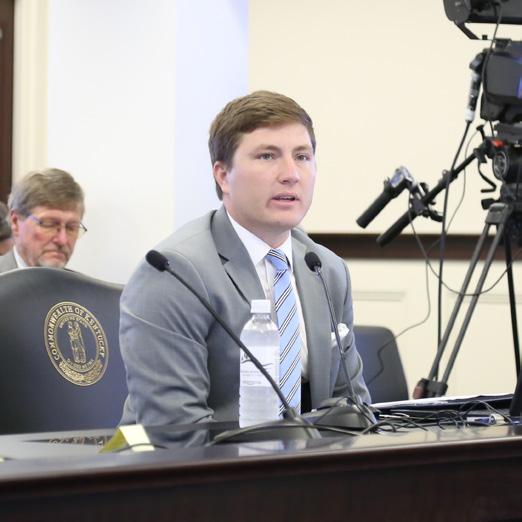
Senator Craig Richardson (R-Hopkinsville) and Stites and Harbison Member Steven Henderson testify in front of the Senate Judiciary Committee on Senate Bill 195, legislation to provide greater specificity on liability for public infrastructure projects.

DEFEATED HARMFUL LEGISLATION
During the 2026 legislative session, the General Assembly introduced an overwhelming number of bills imposing new mandates or encroaching on employers' rights. Additionally, several bills aimed at reversing key reforms to the tax code and workers' compensation system were filed. These bills were defeated to protect the economic competitiveness of Kentucky.
Income Tax Reform Reversal
HB 13, HB 152
Would have reversed Kentucky’s progress on tax reform and weakened Kentucky’s tax competitiveness.
New Employer Mandates and Restrictions on Employer Rights
HB 24, HB 270, HB 336, HB 341, HB 342, HB 349, HB 517, HB 771, SB 16
Would have imposed new employer mandates, such as increased wage requirements, or diminished employer rights, thereby raising costs for businesses.
Negative Employment Law Proposals
HB 344, HB 345, HB 402, HB 437, HB 449, HB 450, HB 579, SB 161
Would have weakened important reforms to workers’ compensation, unemployment, prevailing wage, and right to work, thereby increasing costs and uncertainty for businesses and diminishing competitiveness and economic growth.
Harmful Technology Regulation
HB 227
Would have created an unworkable regulatory framework for impacted businesses and imposed burdensome new compliance requirements.

General Assembly Makes Progress on Housing, But More Work Remains
Housing was widely expected to be a major priority in the 2026 session, with a legislative housing task force holding meetings during the prior two interim sessions. The Kentucky Chamber advocated for meaningful solutions this year, but much more work remains to strengthen the Commonwealth’s housing market.
Solving Kentucky’s housing challenges is critical to the state’s long-term economic future. Research by the Chamber Center for Policy and Research demonstrates that most Kentucky communities lack the confidence to meet the housing demands that accompany large economic development projects. Meanwhile, the state has an estimated housing shortage of 206,000 units, and home prices have surged more than four times median household incomes in areas of the Commonwealth. Because of these dynamics, advancing housing solutions was a key priority for the business community in the 2026 session.
An important solution advanced by the Chamber this year was the creation of a residential infrastructure fund, modeled on a successful initiative in Indiana that has already spurred thousands of new housing units. The fund provides low-interest loans to help finance residential infrastructure, such as sidewalks and water and sewer connections. With support from the Chamber, Senate Majority Caucus Chair Robby Mills, co-chair of the Housing Task Force, successfully secured the new fund in House Bill 757, with $5 million per year allocated in House Bill 900.
Funding for the program required clarification in a later budget bill that was passed on the final day of session, though that portion of the bill was later line-item vetoed by the Governor. The veto removed the words “Residential” and “Infrastructure Fund,” with the effect of allowing the Governor to use the funds for other housing initiatives. The future of the fund remains uncertain; however, the Chamber will continue working with lawmakers to bring this priority to fruition.
Another setback was the failure of a broader housing package to cross the finish line. Senate Bill 9, sponsored by Senator Mills, would have created more flexibility and certainty for builders and cut red tape. The bill included key reform measures, led by Representative Susan Witten, co-chair of the Housing Task Force, that were aimed at reforming local planning and zoning rules.
Looking ahead, the Chamber is committed to advocating for smart housing reforms to ensure Kentucky is prepared for economic growth and remains an affordable state for working families.
Left on the Table
Housing Development
SB 9
Would have supported efforts to expand Kentucky’s housing supply and development. Near the end of session, this legislation became a broader housing reform package that included several other bills.
Housing Development Incentives
HB 536
Would have provided incentive tools to support residential development.
Regulatory Cost Analysis
SB 225
Would have supported a more thorough review of regulatory impacts in construction projects.
Building Standards
HB 618
Would have simplified state standards for home building, set specific timing requirements to approve development standards, and increased flexibility for home building inspections.
Several measures would have improved the economic climate of Kentucky. Unfortunately, the following positive, pro-business measures were not passed by the 2026 General Assembly.
Health Care Provider Coverage
SB 12
Would have expanded provider coverage options and improved access to health care.
Land Use Regulation
HB 617
Would have provided greater flexibility in local land-use regulations.
Limited Liability Entity Tax
HB 451
Would have modified limited liability entity tax treatment and supported a more competitive business climate.
Cost
HB 535
Would have supported utility cost securitization and strengthened long-term energy planning.
Development Standards
SB 224
Would have created greater predictability in development rules.
Criminal Records Expungement
SB 290
Would have streamlined expungement processes and supported workforce reentry for individuals with a criminal history.
Standards
Would have supported a more predictable environmental regulatory framework and limited regulations exceeding federal standards. SB 178 Environmental Regulatory
Adult Workforce Diploma Program
Would have established an Adult Workforce Diploma Pilot Program to help adults earn a high school diploma while developing workforce and employability skills. HB 498
Tax Tribunal
HB 645
Would have modernized tax dispute procedures and improved tax administration.
2026 Chamber Engagement
Why Small Business Day at the Capitol Matters—Now More Than Ever
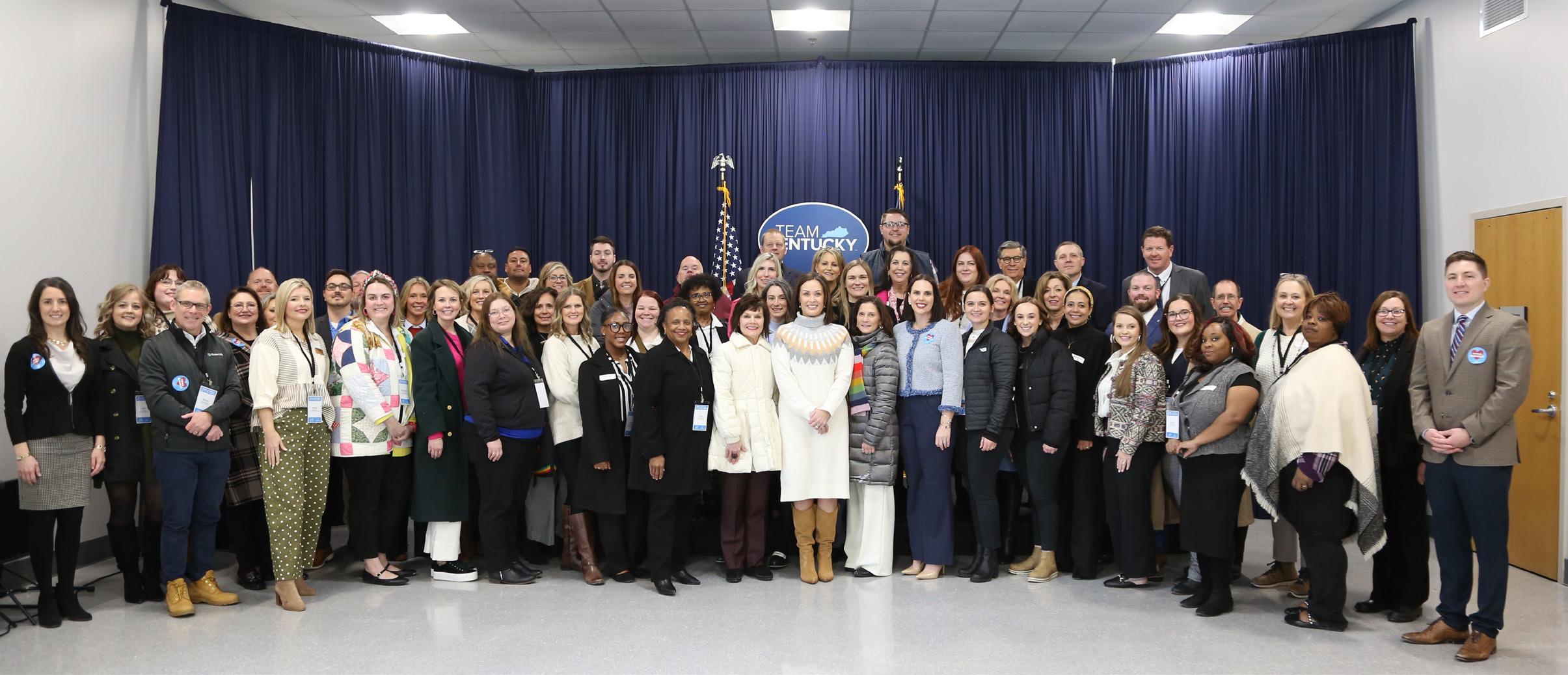
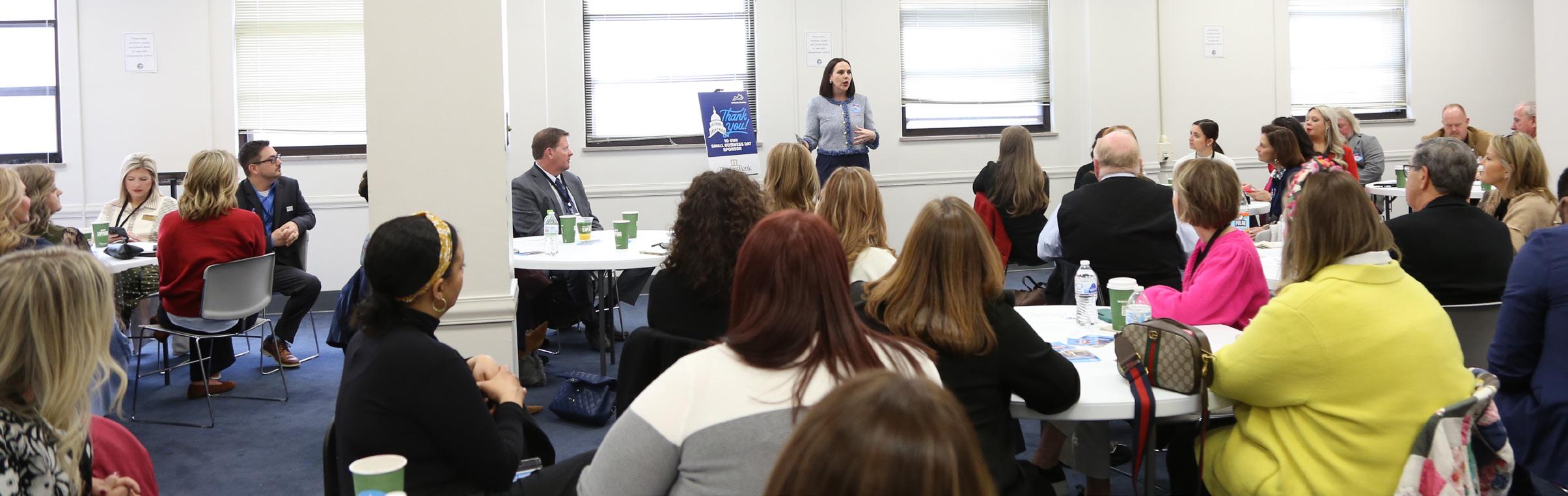
Each year, the Kentucky Chamber hosts Small Business Day at the Capitol to ensure that the voices of Kentucky’s job creators are heard where it matters most: during the policymaking process.
In 2026, that effort carries even greater importance. With the Kentucky State Capitol undergoing renovations, access is limited, and traditional opportunities for small business owners to connect with lawmakers in Frankfort are becoming more difficult. In this environment, the Chamber plays an even more critical role in facilitating those connections.
Small Business Day bridges that gap, bringing business owners and local chambers directly to Frankfort in a coordinated and intentional way, ensuring lawmakers hear firsthand how policy decisions impact employers, working families, and communities across the Commonwealth.
Small businesses represent the majority of employers in Kentucky and are responsible for driving job growth and supporting local economies. With 68% of the Chamber’s members employing fewer than 100 people, providing opportunities for direct access and engagement with the General Assembly is critical.
These conversations strengthen understanding between lawmakers and the small business community to ensure policies reflect real experiences, support working families, and create a stronger, more competitive Commonwealth.
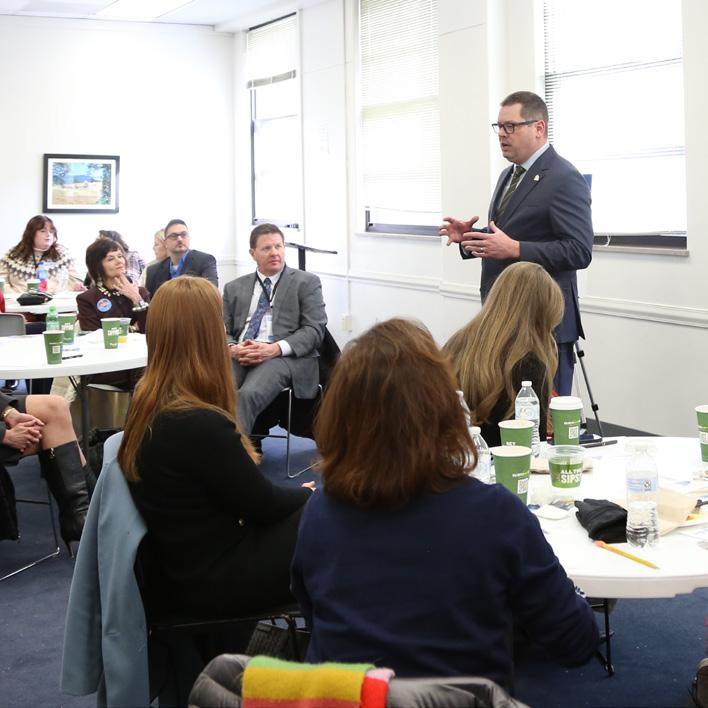
80
Business leaders participated in Small Business Day at the Capitol
750
12
70,000

Kentuckians reached through Chamber advocacy efforts
Business leaders involved in policy councils
Committee testimonies delivered during and ahead of session
340
Bills impacting business tracked during the legislative process
2026 Session MVP Recipients
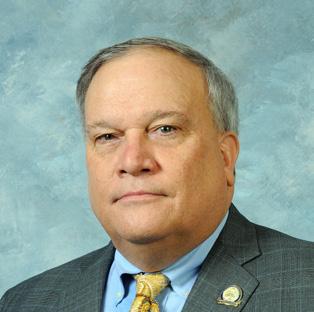
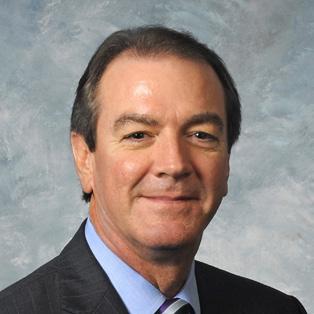
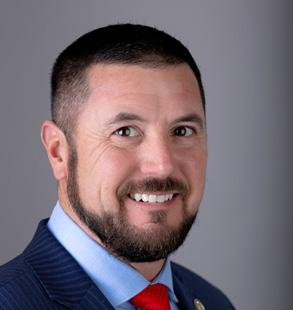
The Kentucky Chamber’s MVP Award recognizes legislators who “went to bat” for Kentucky business during the 2026 Kentucky General Assembly by displaying conspicuous actions to strengthen business, improve competitiveness, and ensure growth.


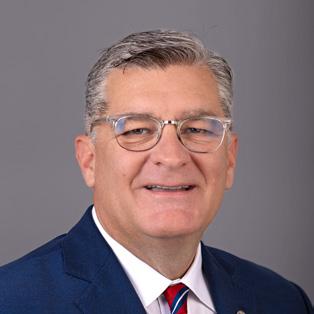
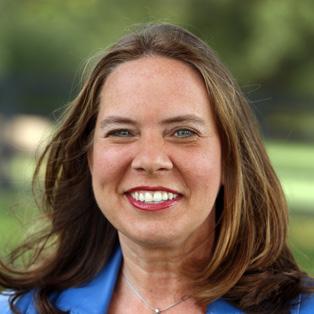

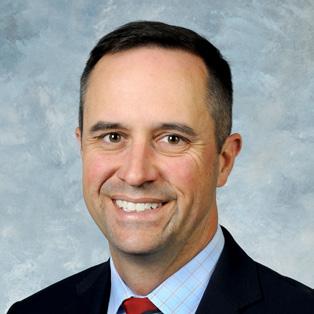



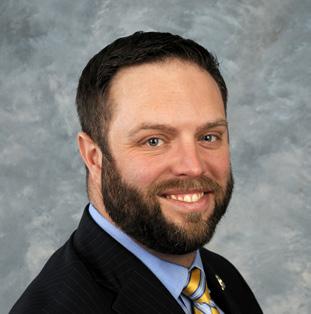

Max Wise Senate Majority Floor Leader
Steven Rudy House Majority Floor Leader
Robert Stivers Senate President
David Osborne Speaker of the House
David Meade Speaker Pro Tempore
Robby Mills Senate Majority Caucus Chair
Craig Richardson Senator
Steve West Senator
Chris McDaniel Senator
Michael Meredith Representative
Julie Raque Adams Senator
Samara Heavrin Representative
Susan Witten Representative
Jason Petrie Representative
Suzanne Miles House Majority Caucus Chair
Kentucky Agriculture Can Fuel the
Future of Aviation
Kentucky took an important step during the 2026 legislative session to strengthen its position in a growing alternative aviation fuel market. Investment in this sector expands Kentucky’s presence in the global economy, creating new opportunities across transportation and supporting growth in Kentucky agriculture. These efforts are how Kentucky stays competitive, and we appreciate the Kentucky Chamber and the General Assembly for their leadership.
LARRY KRAUTER CEO Cincinnati/Northern Kentucky International Airport
2026 Legislative Voting Record House
LEGISLATOR DISTRICT SUPPORT%
Aull, Chad
Baker, Shane
Banta, Kim
Bauman, Jared
Bivens, Ryan
Blanton, John
Bojanowski, Tina
Bowling, Adam
Branscum, Josh
Bratcher, Steve
Bray, Josh
Bridges, Randy
Brown, George
Burke, Lindsey
Callaway, Emily
Calloway, Josh
Camuel, Adrielle
Chester-Burton, Beverly
Clines, Mike
Decker, Jennifer
Dietz, Stephanie
Doan, Steven
Donworth, Anne
Dossett, Myron
Dotson, Ryan
Duvall, Robert
Elliott, Daniel
Fister, Daniel
Flannery, Patrick
Fleming, Ken
Freeland, Chris
Fugate, Chris
Gentry, Alan
Gooch, Jim
Gordon, Deanna
Griffee, Peyton
Grossberg, Daniel
Grossl, Vanessa
Hale, David
Hampton, Tony
Hancock, Erika
Hart, Mark
Heavrin, Samara
Hodgson, John
Holloway, Kim
Huff, Thomas
Imes, Mary Beth
Jackson, Kevin
Johnson, DJ
King, Kim
D-Lexington
R-Somerset
R-Ft. Mitchell
R-Louisville
R-Hodgenville
R-Salyersville
D-Louisville
R-Middlesboro
R-Russell Springs
R-Elizabethtown
R-Mount Vernon
R-Paducah
D-Lexington
D-Lexington
R-Louisville
R-Irvington
D-Lexington
D-Shively
R-Alexandria
R-Waddy
R-Edgewood
R-Erlanger
D-Lexington
R-Pembroke
R-Winchester
R-Bowling Green
R-Danville
R-Versailles
R-Olive Hill
R-Louisville
R-Benton
R-Chavies
D-Louisville
R-Providence
R-Richmond
R-Mt. Washington
D-Louisville
R-Georgetown
R-Wellington
R-Georgetown
D-Frankfort
R-Falmouth
R-Leitchfield
R-Fisherville
R-Mayfield
R-Shepherdsville
R-Murray
R-Bowling Green
R-Owensboro
R-Harrodsburg
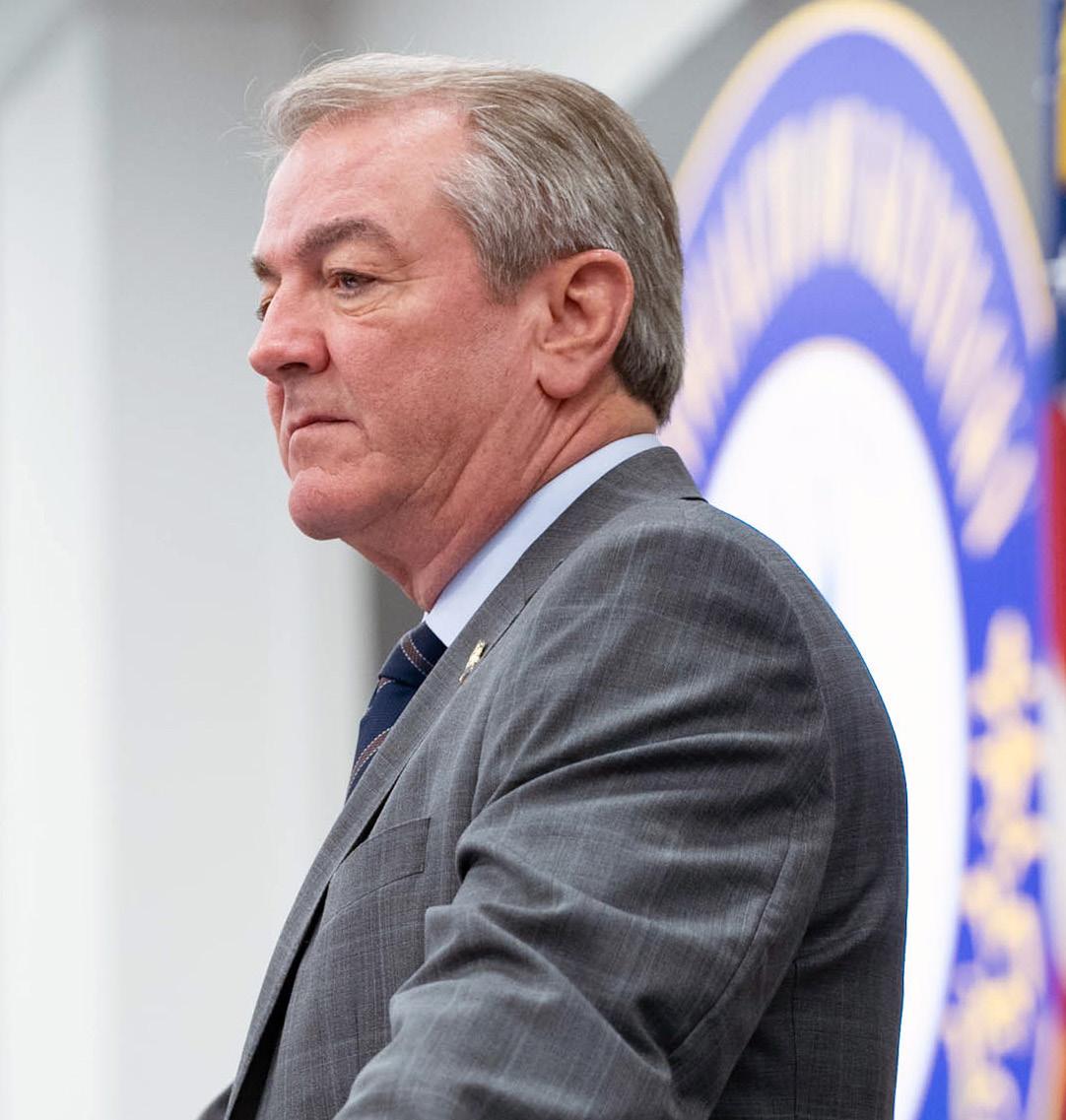
Speaker of the House David Osborne (R-Prospect) provided leadership on key business priorities.
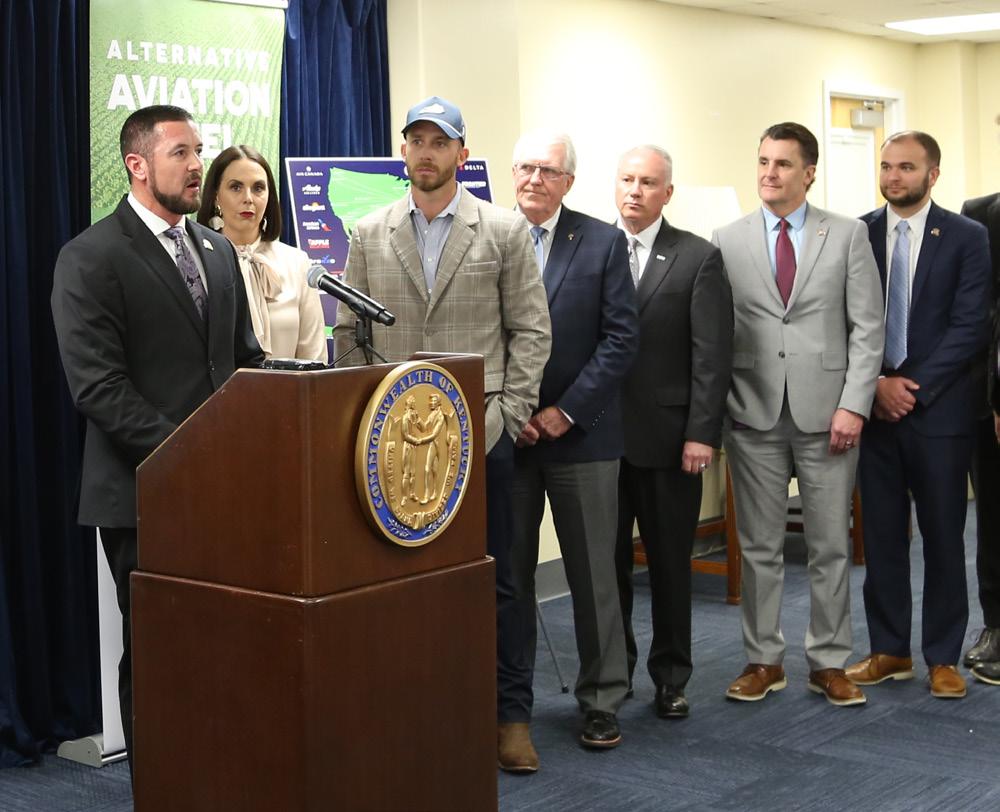
Speaker Pro Tempore David Meade (R-Stanford) championed legislation to support alternative aviation fuel production for the state's agriculture and transportation industries.
House
LEGISLATOR DISTRICT SUPPORT%
Koch, Matthew
Kulkarni, Nima
Lawrence, William
Lehman, Matthew
Lewis, Chris
Lewis, Derek
Lewis, Scott
Lockett, Matt
Maddox, Savannah
Marzian, Mary
Massaroni, Candy
McCool, Bobby
McPherson, Shawn
Meade, David
Meredith, Michael
Miles, Suzanne
Moore, Adam
Moser, Kimberly
Neighbors, Amy
Nemes, Jason
Osborne, David
Payne, J.T.
Petrie, Jason
Pollock, Sarge
Proctor, Marianne
Rabourn, Felicia
Raymer, Rebecca
Riley, Steve
Roarx, Rachel
Roberts, T.J.
Rudy, Steven
Sharp, Scott
Smith, Tom
Stalker, Sarah
Stevenson, Pamela
Tackett Laferty, Ashley
Tate, Nancy
Thomas, Walker
Thompson, Aaron
Tipton, James
Truett, Timmy
Upchurch, Ken
Watkins, Joshua
Wesley, Bill
Whitaker, Mitch
White, Richard
Williams, Wade
Willner, Lisa
Wilson, Nick
Witten, Susan
R-Paris
D-Louisville
R-Maysville
D-Newport
R-Hartford
R-Louisville
R-London
R-Nicholasville
R-Dry Ridge
D-Louisville
R-Bardstown
R-Van Lear
R-Scottsville
R-Stanford
R-Oakland
R-Owensboro
D-Lexington
R-Taylor Mill
R-Edmonton
R-Middletown
R-Prospect
R-Henderson
R-Elkton
R-Campbellsville
R-Union
R-Pendleton
R-Morgantown
R-Glasgow
D-Louisville
R-Burlington
R-Paducah
R-Ashland
R-Corbin
D-Louisville
D-Louisville
D-Martin
R-Brandenburg
R-Hopkinsville
R-Russell
R-Taylorsville
R-McKee
R-Monticello
D-Louisville
R-Ravenna
R-Fleming-Neon
R-Morehead
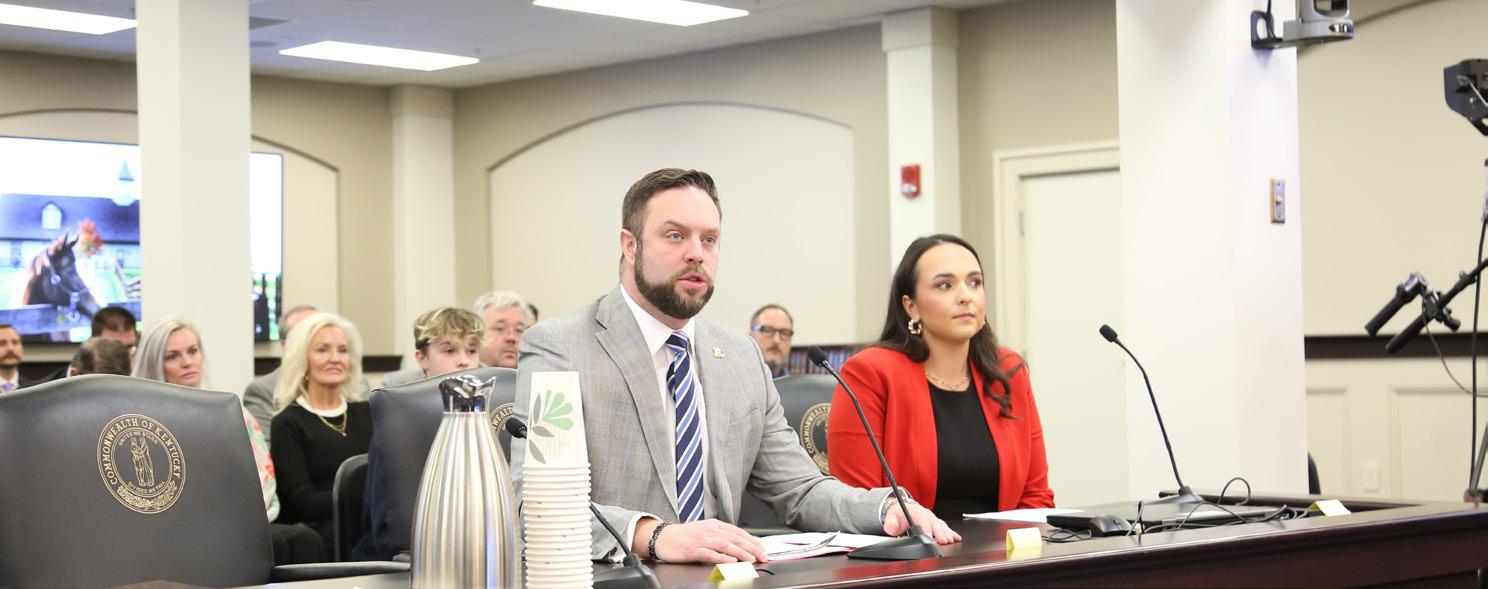
House Banking and Insurance Committee Chair Michael Meredith (R-Oakland) and Kentucky Chamber Public Affairs Manager
Annie Santos testify on House Bill 306, legislation to improve workplace safety. HB
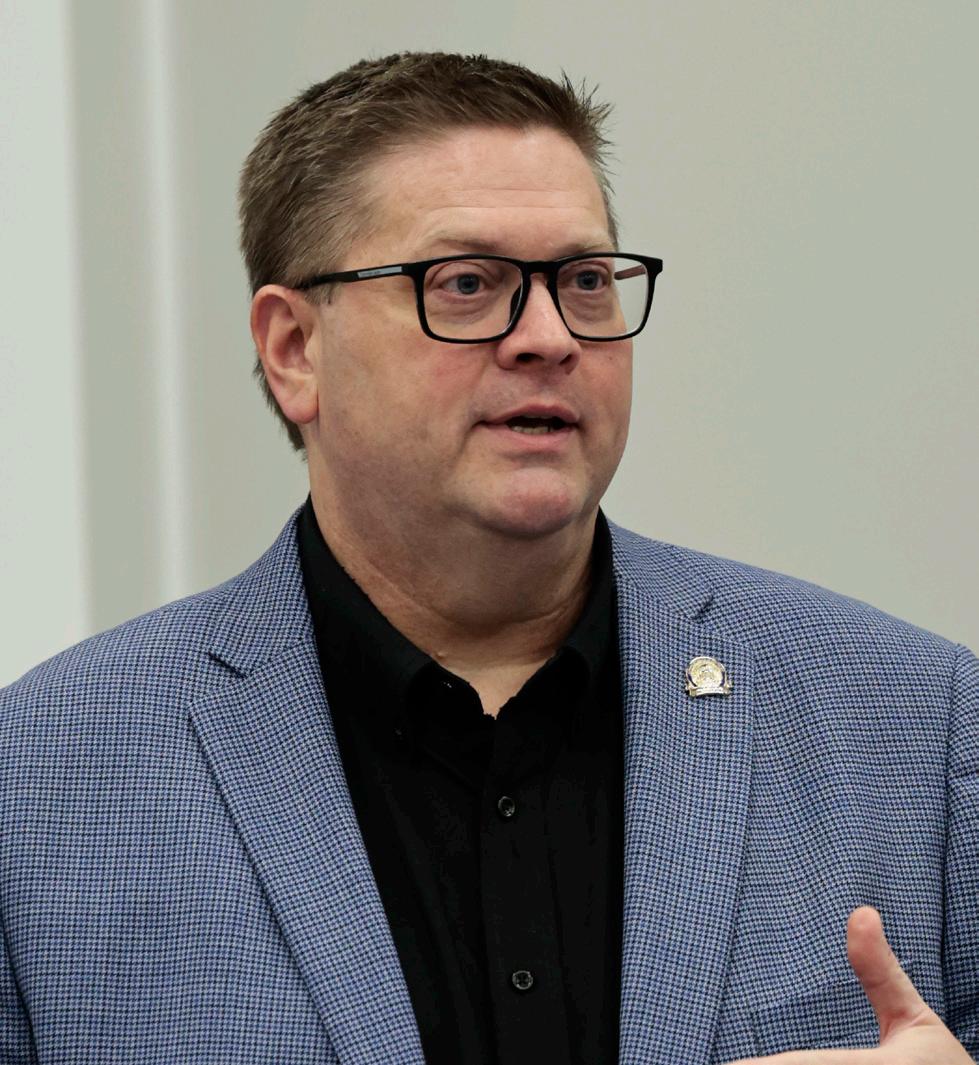
Representative Jason Petrie (R-Elkton), chair of the House Appropriations and Revenue Committee, speaks on the two-year budget.
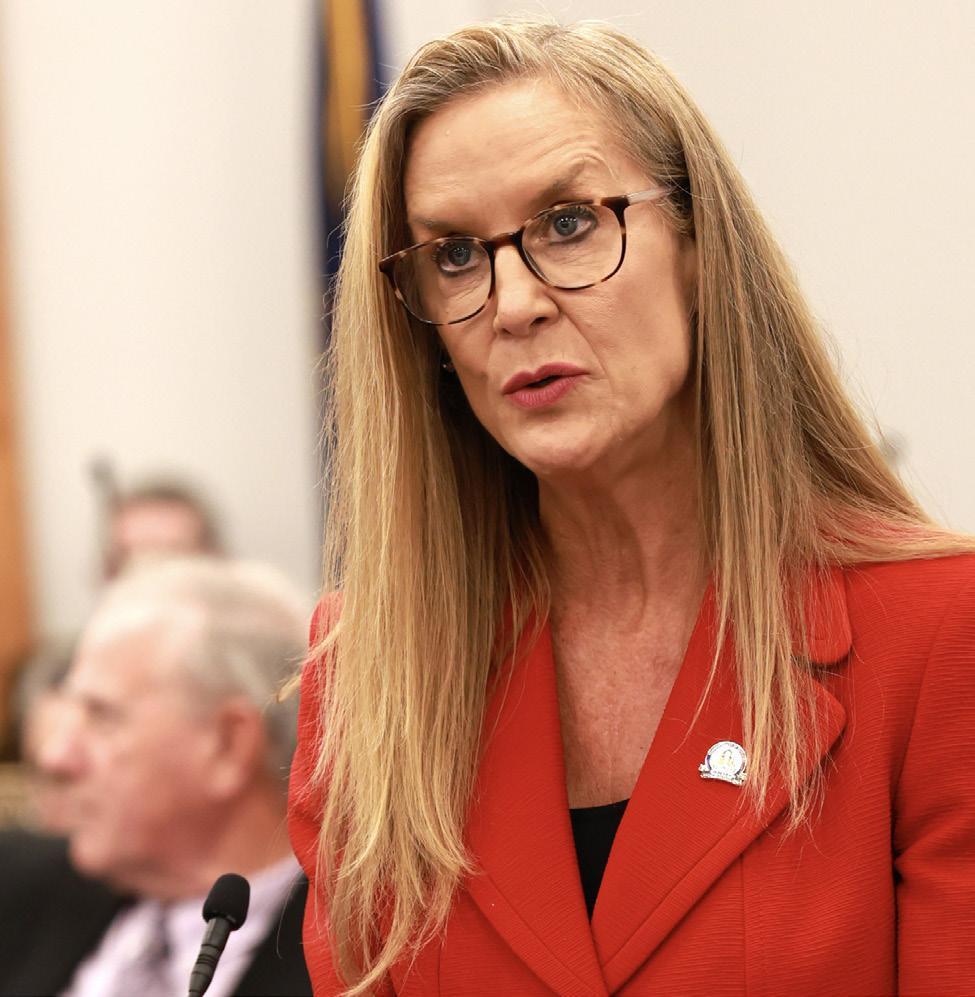
Representative Susan Witten (R-Louisville), co-chair of the Housing Task Force, provided leadership on critical housing legislation.
2026 Legislative Voting Record Senate
LEGISLATOR DISTRICT SUPPORT%
Berg, Karen
Boswell, Gary
Carpenter, Jared
Carroll, Danny
Chambers Armstrong, Cassie
Clemons, Gary
Deneen, Matthew
Douglas, Donald
Elkins, Greg
Funke Frommeyer, Shelley
Girdler, Rick
Givens, David
Herron, Keturah
Higdon, Jimmy
Howell, Jason
Madon, Scott
Mays Bledsoe, Amanda
McDaniel, Chris
Meredith, Stephen
Mills, Robby
Neal, Gerald
Nemes, Michael
Nunn, Matt
Raque Adams, Julie
Rawlings, Steve
Reed, Aaron
Richardson, Craig Smith, Brandon
Stivers, Robert
Storm, Brandon
Thomas, Reginald
Tichenor, Lindsey
Webb, Robin West, Steve
Wheeler, Phillip
Williams, Gex
Wilson, Mike
Wise, Max
D-Louisville
R-Owensboro
R-Berea
R-Benton
D-Louisville
D-Louisville
R-Elizabethtown
R-Nicholasville
R-Winchester
R-Alexandria
R-Somerset
R-Greensburg
D-Louisville
R-Lebanon
R-Murray
R-Pineville
R-Lexington R-Ryland Heights
R-Leitchfield
R-Henderson
D-Louisville
R-Shepherdsville
R-Sadieville
R-Louisville
R-Burlington
R-Shelbyville
R-Hopkinsville
R-Hazard
R-Manchester
R-London
D-Lexington
R-Smithfield
R-Grayson
R-Paris
R-Pikeville
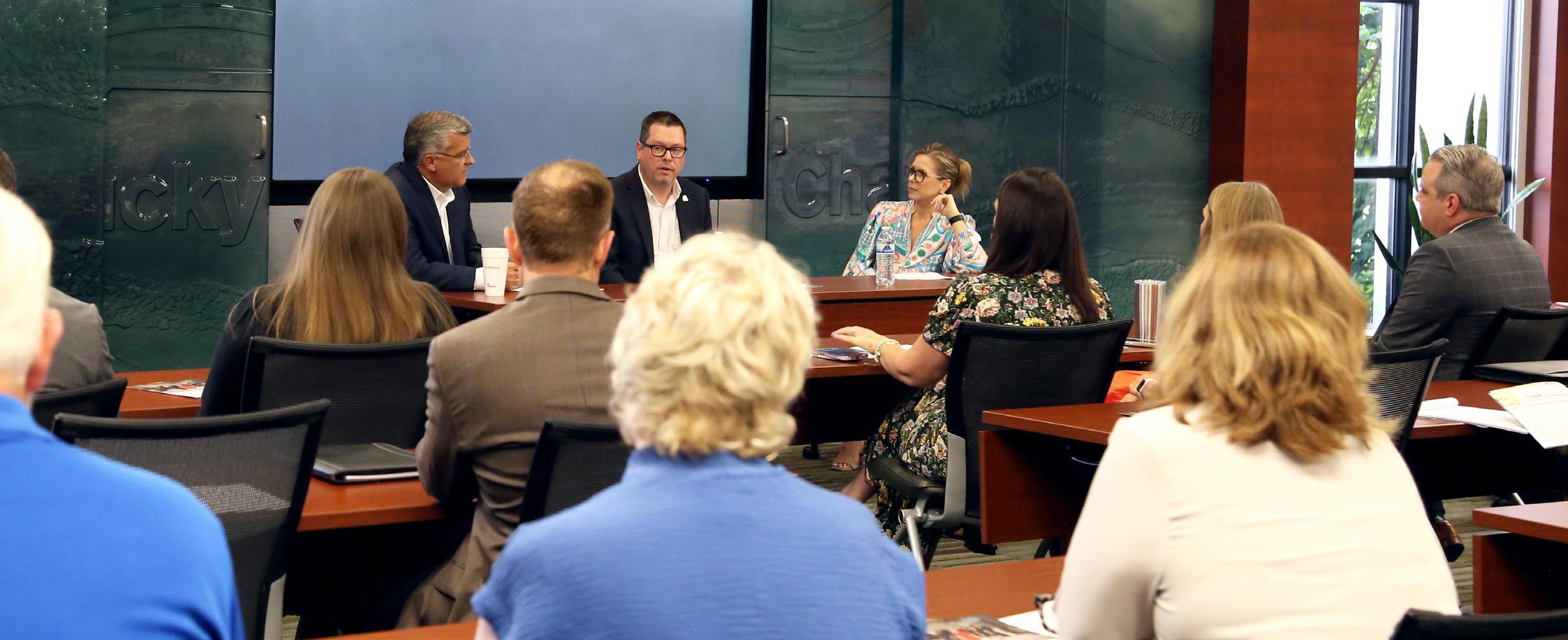
Kentucky Chamber Senior Vice President of Public Affairs Kate Shanks, Hopkinsville City Councilmember Brittanie Bogard, and Goodwill Kentucky Senior Director of External Affairs Adam Haley testify on Senate Bill 290, legislation that would have automated the expungement process, sponsored by Senator Brandon Storm (R-London).
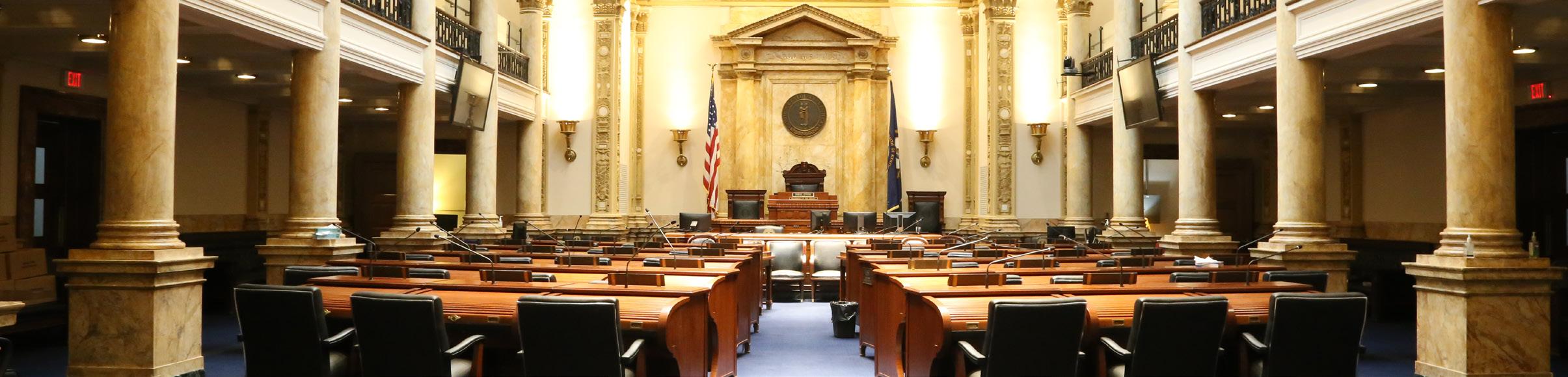
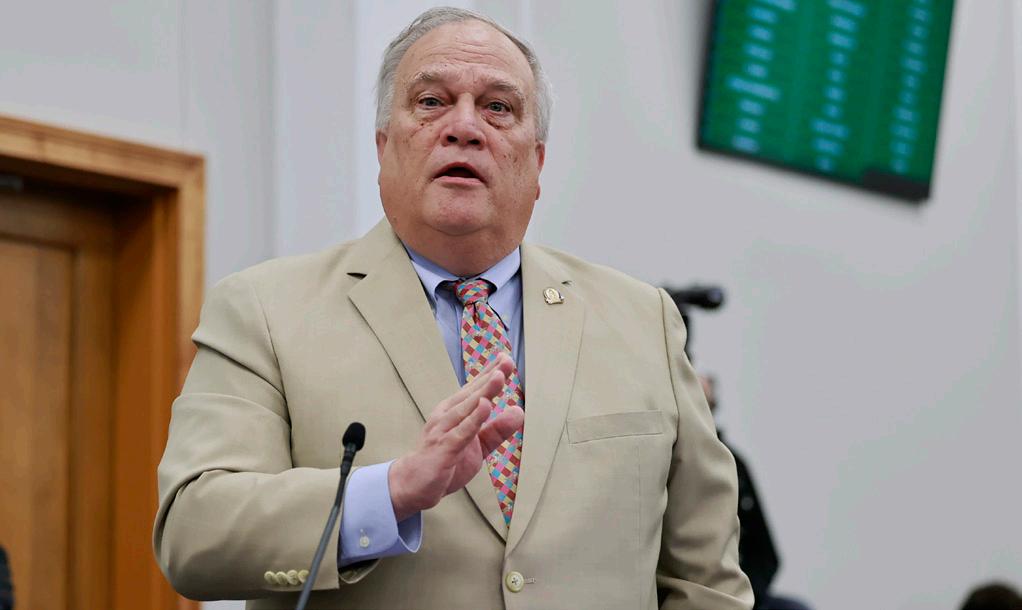
Senate President Robert Stivers (R-Manchester) oversaw passage of critical legislation advancing Kentucky.
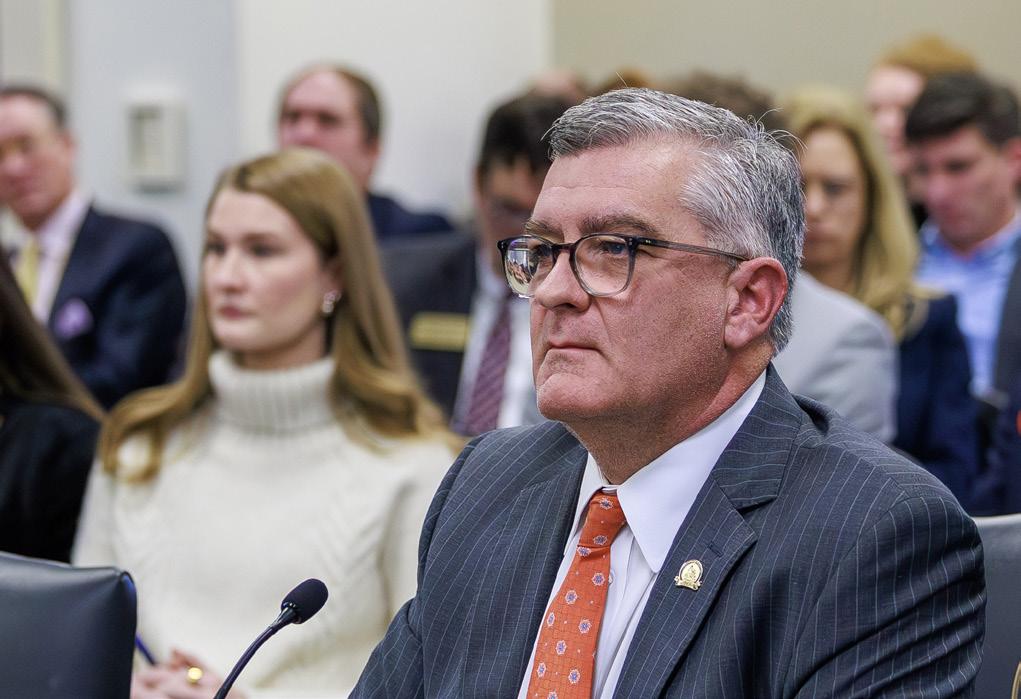
Senate Majority Caucus Chair Robby Mills (R-Henderson) sponsored Senate Bill 9, legislation that would have created growth in Kentucky’s housing supply.
Senator Chris McDaniel (R-Ryland Heights), chair of the Senate Appropriations and Revenue Committee, presents the two-year budget in committee.
Public Policy Councils
As the state’s premier business advocate, the Kentucky Chamber is a recognized and respected voice at the state Capitol. With thousands of members representing every major industry sector, the Chamber’s diverse business policy initiatives converge upon one goal: a healthy, vibrant Kentucky economy. Ensuring that business has a voice in the legislative process, we are working with local business leaders to identify critical trends. As part of its advocacy mission, the Chamber has developed several public policy councils composed of business leaders from around the state, each of which is responsible for developing legislative positions and priorities for their respective policy areas.



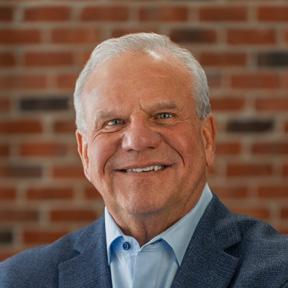



LaJuana Wilcher English, Lucas, Priest & Owsley
Dan Cahill HSD Metrics Dr. Gerard Colman Baptist Health

Board of Directors
The Kentucky Chamber is the state’s largest business organization, representing businesses of all sizes throughout the Commonwealth. The Board of Directors is composed of 60 business leaders who work directly with the Chamber’s public policy councils to form the organization’s annual legislative agenda — the document which shapes our advocacy efforts each year.
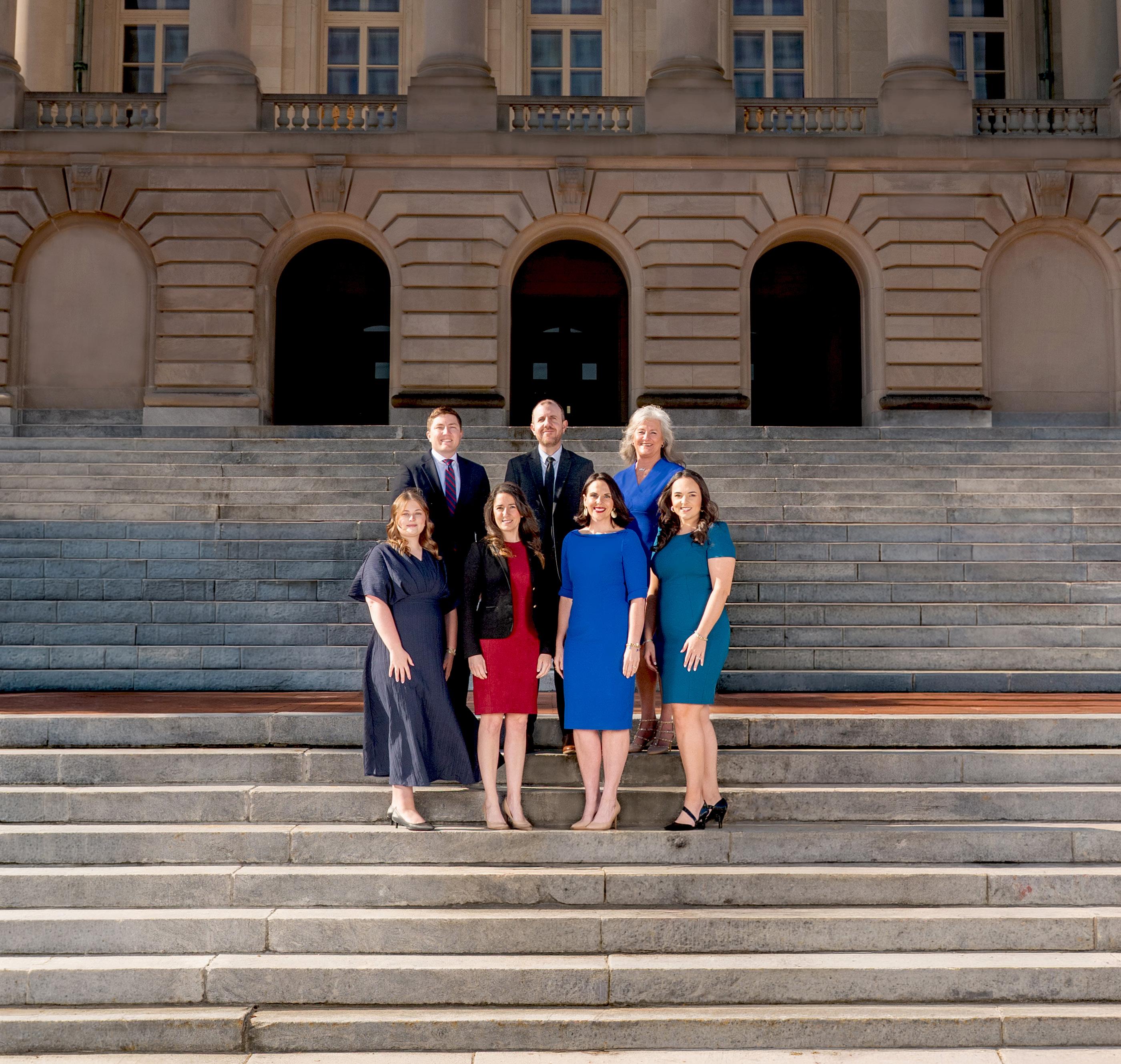
Public Affairs & Communications Teams

Ashli Watts President & CEO

Kate Shanks Senior Vice President, Public Affairs


Annie Santos Manager, Public Affairs

Charles Aull, PhD Vice President, Policy

Skylar Staley Coordinator, Public Affairs

Sawyer Coffey Noel Vice President, Communications

Amanda Kelly Director, Communications

Amy Cloud Executive Director, Kentucky Chamber of Commerce Executives

Alaina Holcomb Lead Graphic Designer, Communications
John Hughes Director, Public Affairs
Photo by Chris Michael Images


Carlos E. Sanchez President of AT&T Kentucky


“

” CONDRAD DANIELS BOARD CHAIR Kentucky Chamber of Commerce President of HJI Supply Chain Solutions
This session was a win for Kentucky—for our working families, our businesses, and our future. The Kentucky Chamber took the lead on critical priorities facing our Commonwealth, and through strong advocacy and consistent engagement, those efforts helped drive real progress on child care, civil liability, education, and economic opportunity. We commend the General Assembly for its leadership in advancing these shared priorities, taking meaningful steps to strengthen our workforce, support job creators, and positioning Kentucky for continued growth and long-term success.
Kentucky Chamber Key Investors