Portfolio
Kenneth Wong Architecture + Design
Kenneth Wong Architecture + Design
Fifth-Year Bachelor of Architecture Student
California Polytechnic State University, San Luis Obispo Bachelor of Architecture, GPA: 3.81 (President’s Honor List)
Minors: Sustainable Environments, Japanese
Fourth-Year Study Abroad Programs:
Cal Poly in Architecture in Japan (Awarded Global Scholarship)
Cal Poly Los Angeles Metro Program
Architectural Intern
Stephen Phillips Architects (SPARCHS)
Los Angeles, CA (718) 838-2287
wong.k0316@gmail.com

Expected Graduation: June 2026
Fall 2024
Winter + Spring 2025
Los Angeles, CA January - August 2025
• Participated in schematic design, design development, and construction documentation of three residential rebuild projects in Altadena following the Eaton wildfires.
• Drafted designs and prepared drawings for publication through AutoCAD and Adobe Illustrator
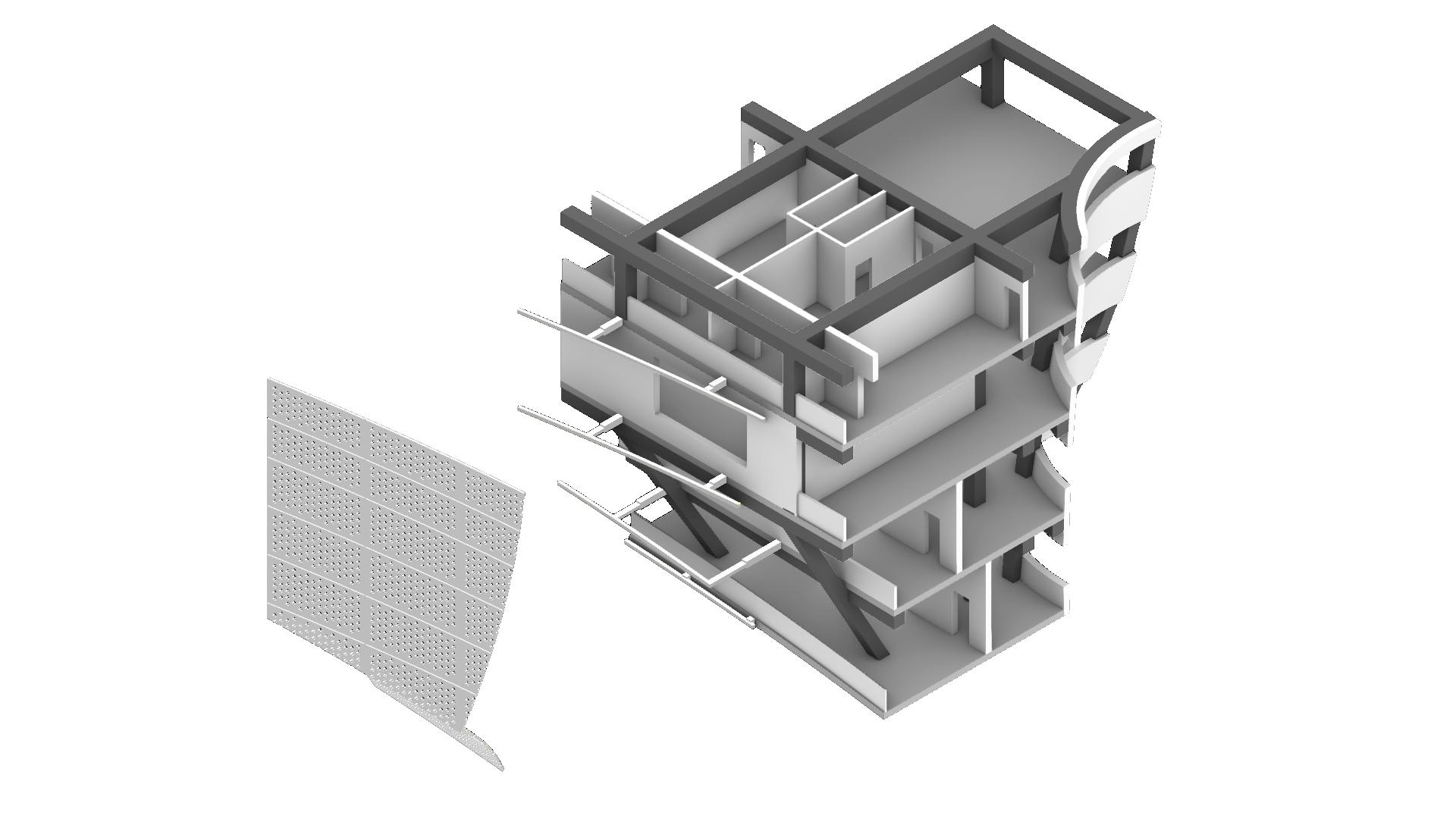
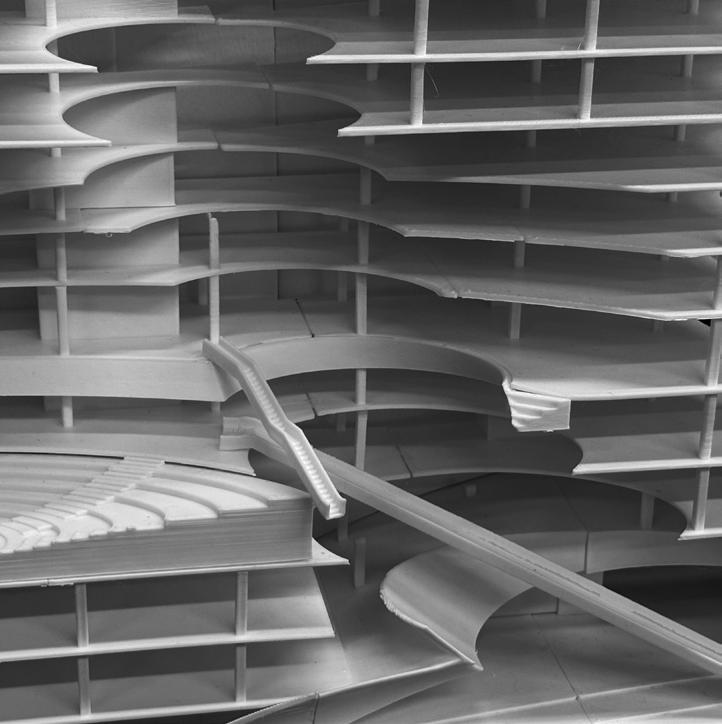
• Created detailed Rhino 3D models for all projects. Translated the digital model to diagrams, renderings and physical 3D printed models.
• Coordinated files and formatted in Indesign for design competition submissions. Projects received awards in both AIA NextLA and SciARC Architecture After the Fires competitions.
Architectural Intern
Julia Y. Chen Design Inc.
San Rafael, CA June - August 2023
• Produced building document sets using AutoCAD for residential single-family projects throughout the Bay Area.
• Verified schematic designs to comply with regional building and accessibility codes.
• Attended client meetings and site visits, participating in design conversations and presentation.
Instructional Student Assistant - History of World Architecture
Cal Poly College of Architecture and Environmental Design
San Luis Obispo, CA September 2025 - Present
• Facilitated weekly discussion sessions with 30-40 students through prepared activities.
• Assisted in student communication, file management, and grading throughout the course.
• Drafting, 3D Modeling, Rendering: Revit, Rhino + Grasshopper, AutoCAD, Sketchup, Twinmotion, D5
• Graphic Design + Presentation: Adobe Illustrator, Photoshop, and InDesign, Hand Sketching
• Languages: English (Native), Japanese (Working Proficiency), Cantonese + Mandarin (Conversational)
Leadership
Team Captain
Cal Poly Lion Dance Team
April 2023 - April 2024
• Prepared and instructed multiple weekly martial arts practices with a team of over 40 members
• Scheduled and planned performances for on-campus student organizations and local businesses, schools, events, and cultural celebrations.
• Participated in planning and outreach for Cal Poly’s Chinese Students Association.
References
Professional:
Stephen Phillips: sphillips@sparchs.design
Studio Professors: Brian Osborn: bosbor01@calpoly.edu
Julia Chen: julia@jycdesign.com
Casey Benito: cbenito@calpoly.edu
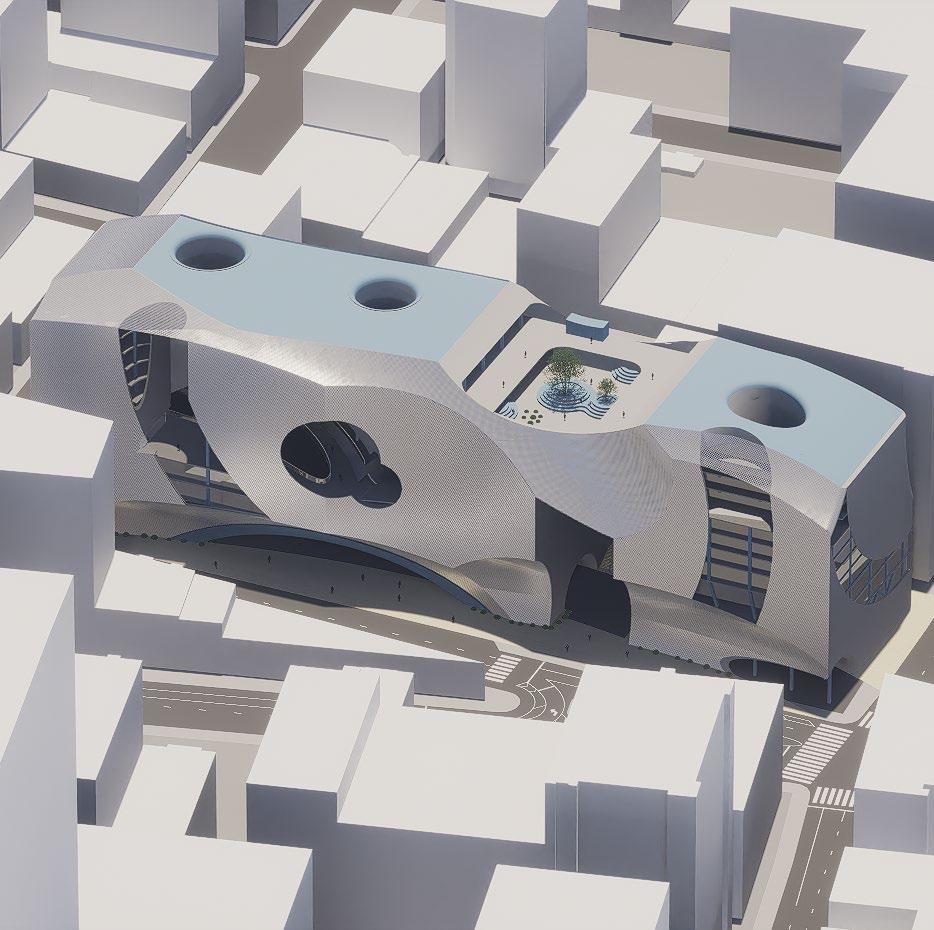
Mixed-use Creative Hub
Downtown Los Angeles
Creative inspiration is at its best when collaboration is involved. Advancements in technology have allowed the creative process to be pursed devoid of human interaction. How can we reinvigorate the community aspect of art while educating the public on the process along the way?
Carved Convergence, located in Downtown Los Angeles, invites art and artists from the community while engaging various creative disciplines to collaborate. Visitors are invited to interact with the art showcased within the building’s various galleries, and connect with the artists who curate the space. The building provides housing and lodging for people from all walks of life, bringing together a diverse range of experiences and ideas.
Large open-to-air space providing outdoor galleries, public creative workshops, and gathering. This “creative court” is the heart of the building
Long, sweeping tunnel carves through the ground level of the building, inviting people in from both corners of the building and bringing users from the street into the public galleries
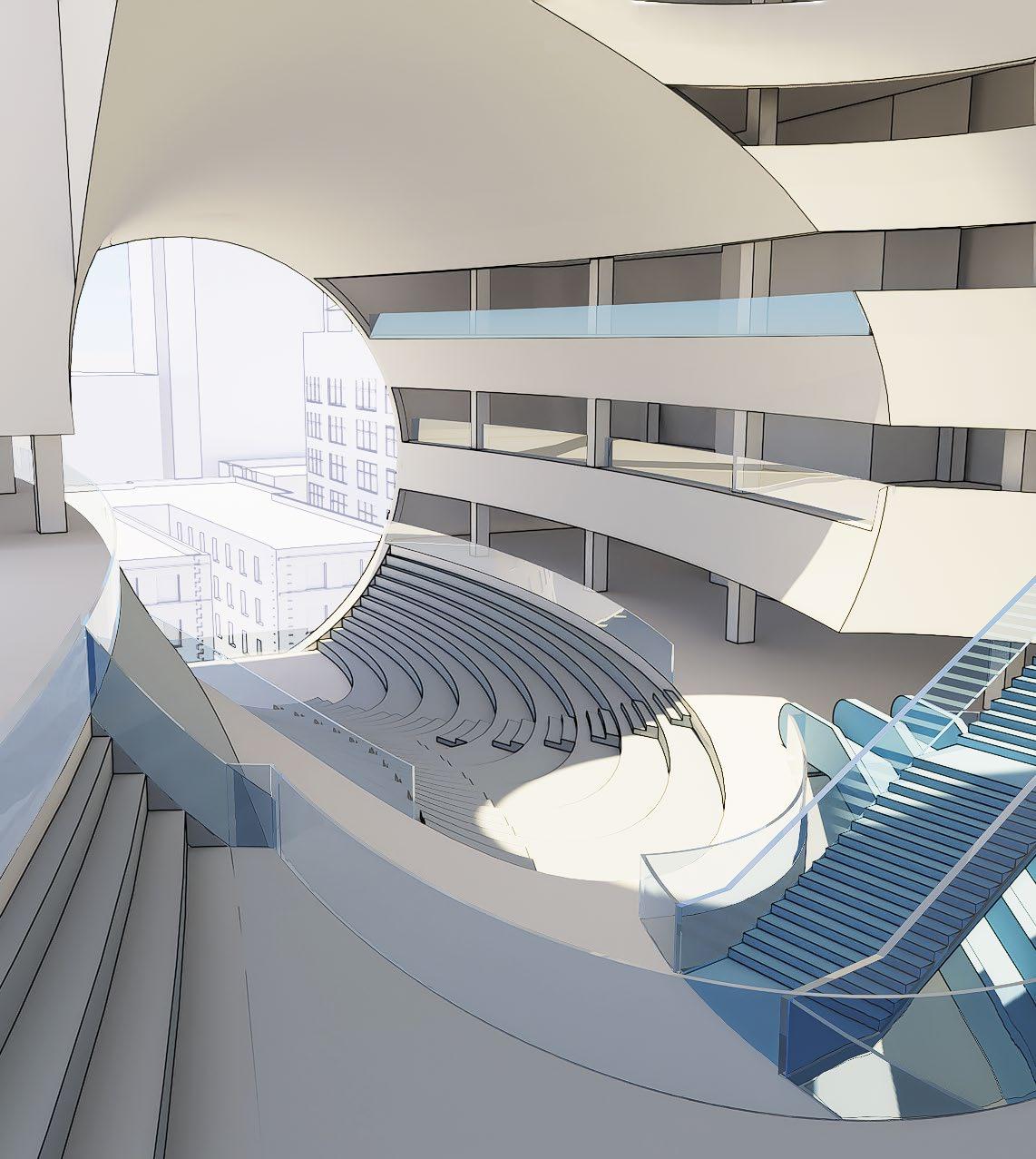
Vertical cut creates a light well which pulls light into the shared housing spaces and the galleries on the mid-levels
Pulls users from the ground tunnel up towards the creative court, gives light and experiential circulation for hotel guests and housing inhabitants.
5th Floor Plan - Art Galleries, Hotel Amenities
Program Diagram
Standard Housing
Transitional Family Housing
Galleries
Creative Studios
Commercial
Theater Boutique Hotel
Transient Hotel
Assignment 2: Rowhousing
Kevin Liao + Kenneth Wong
Mixed Use
ARCH 451 | Fall 2024 | Architecture in Japan
Kyoto, Japan
In collaboration with Kevin Liao (all shown drawings by me)
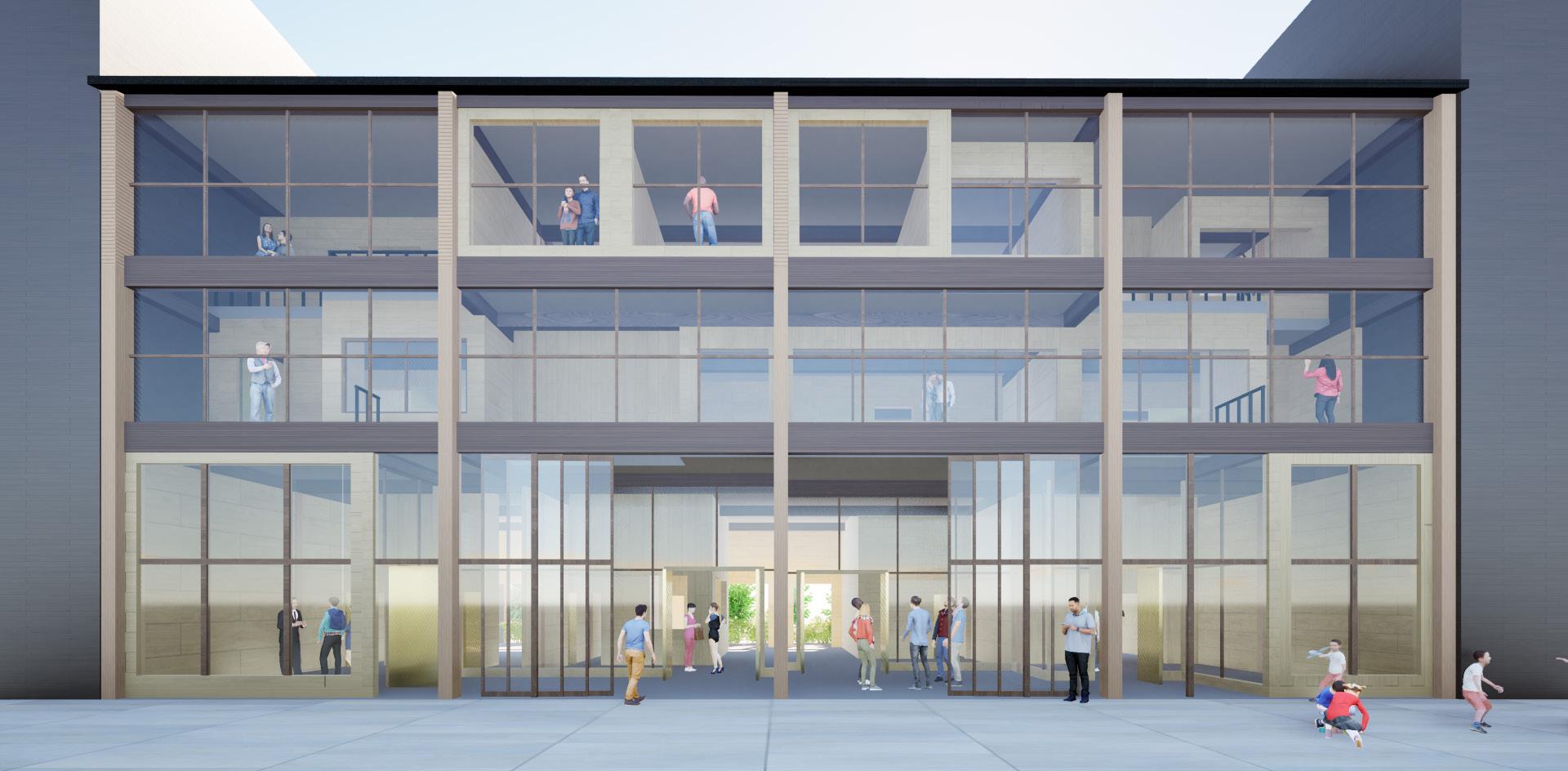
The townhouse is a commonly found housing typology in most high-density urban environments. However, despite the proximity of individual units, the existence of the “party wall” prevents any interaction between the units.
This housing cluster pushes some units away from the street and pulls some towards the street to create a shared public outdoor space in the front and shared private outdoor spaces in the back. The townhouse takes upon motifs from the traditional Japanese machiya, such as the rear garden and the wood-frame construction methods.
3F: LIVING + BEDROOMS
2F: DINING + WORKSHOP
1F: SHOPFRONT
PUSH + PULL
CREATE
CREATE
Perspective Section: Single-Unit Multi-Generational Living
Single-Unit Section
Climate Museum
Washington, DC
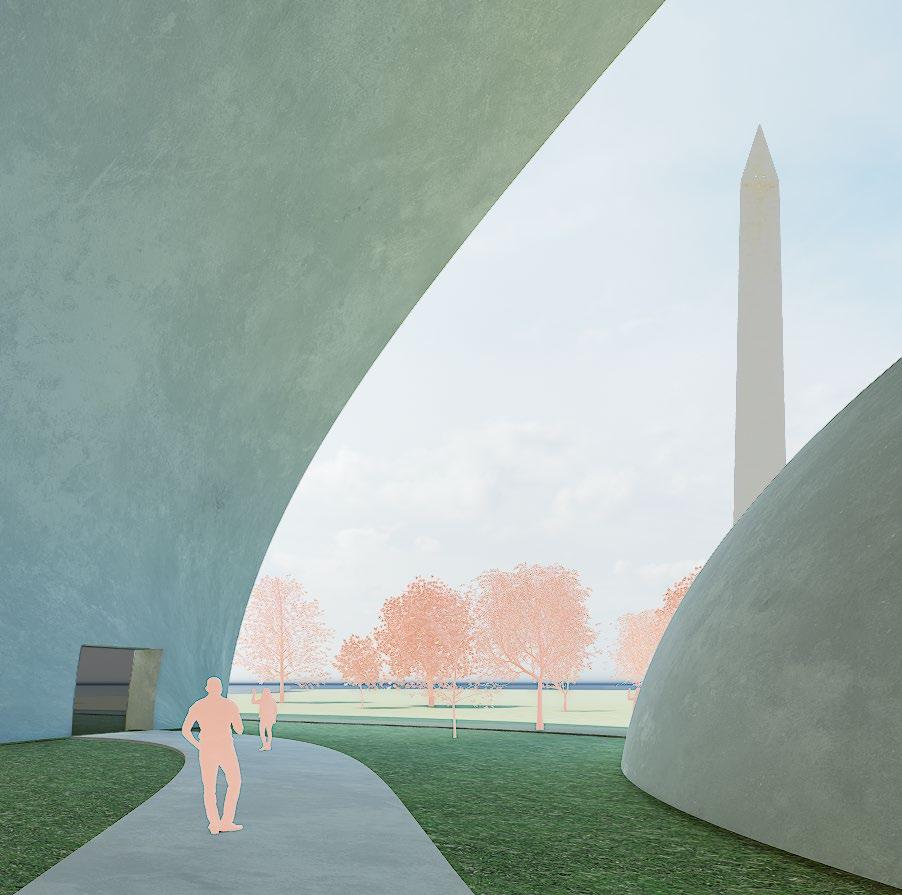
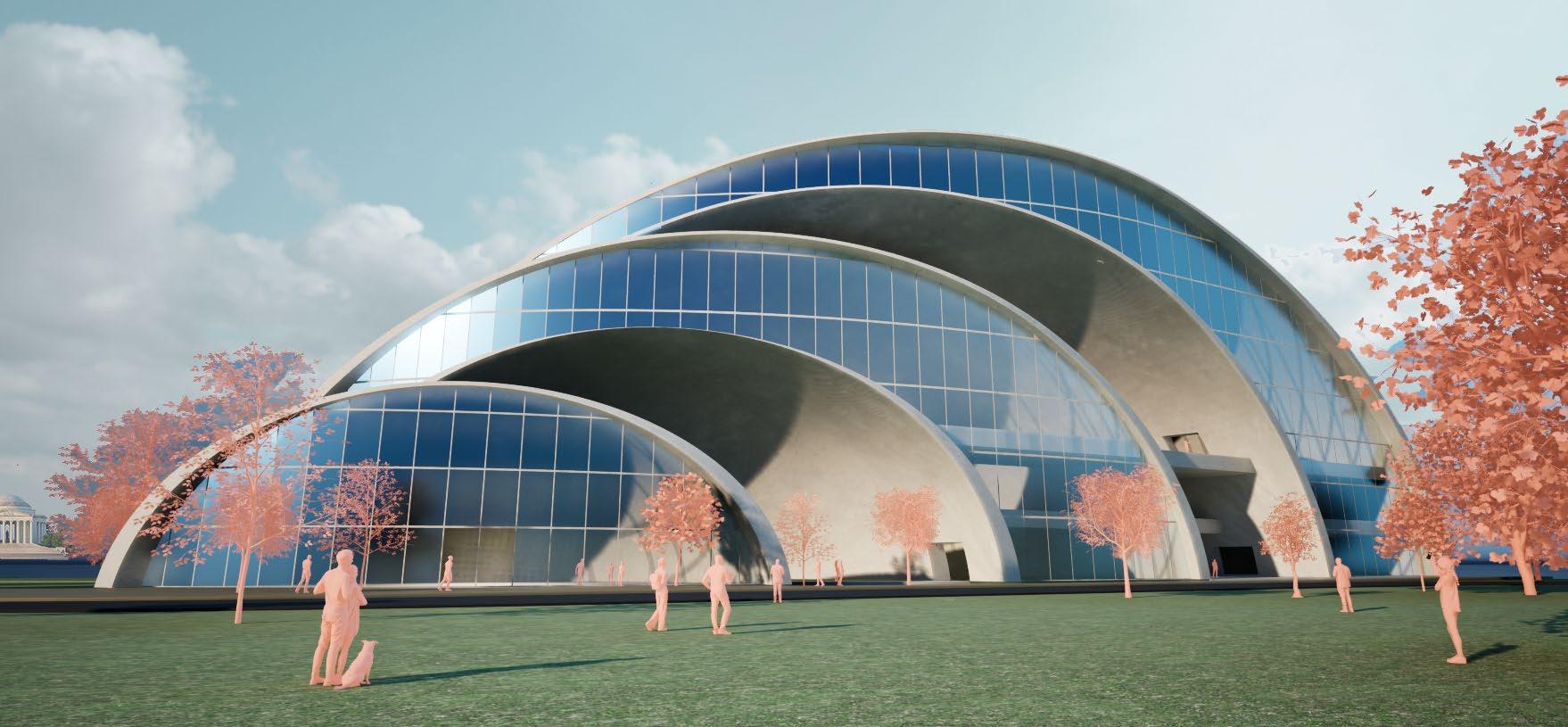
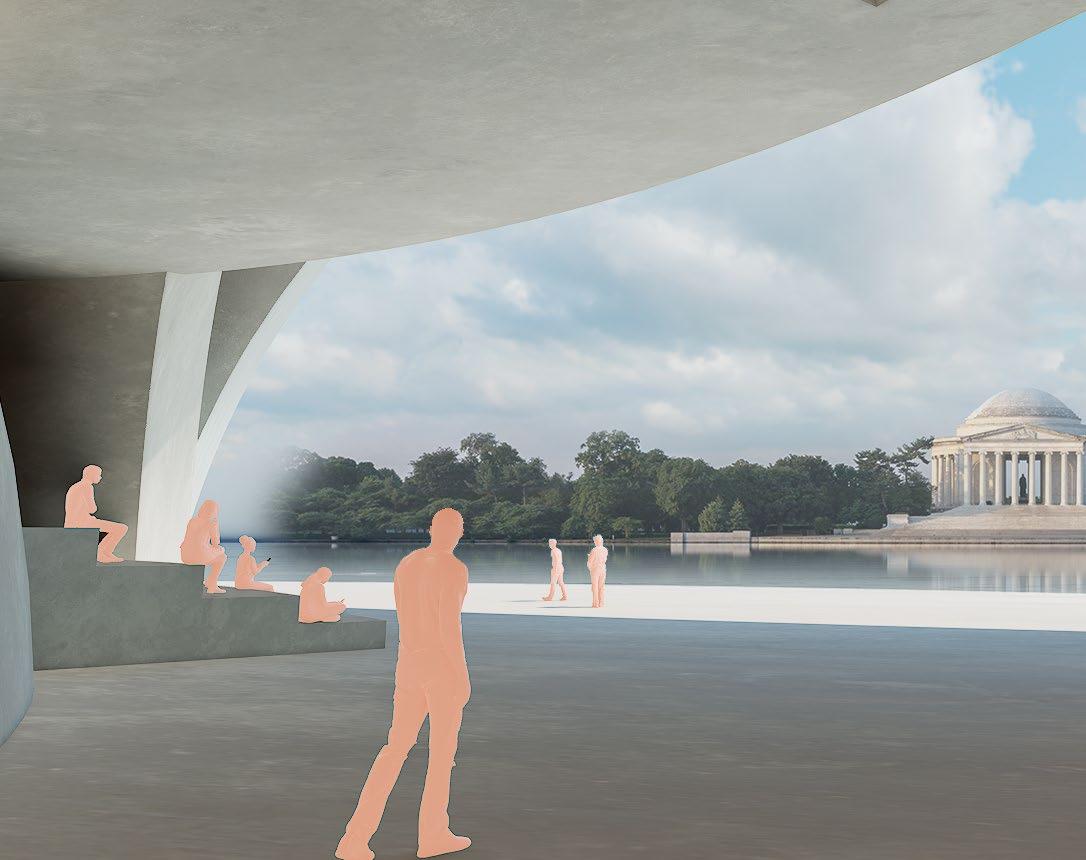
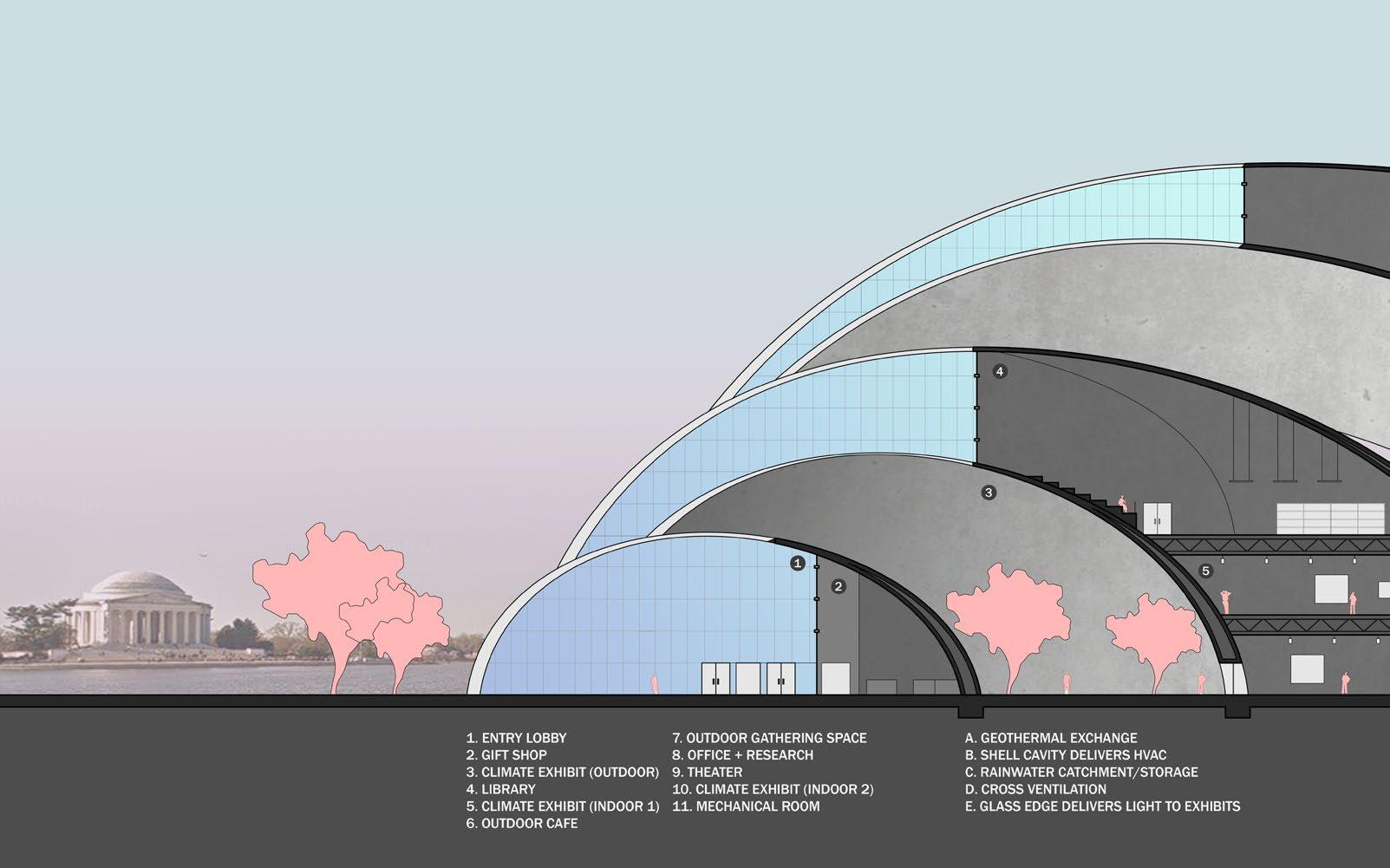
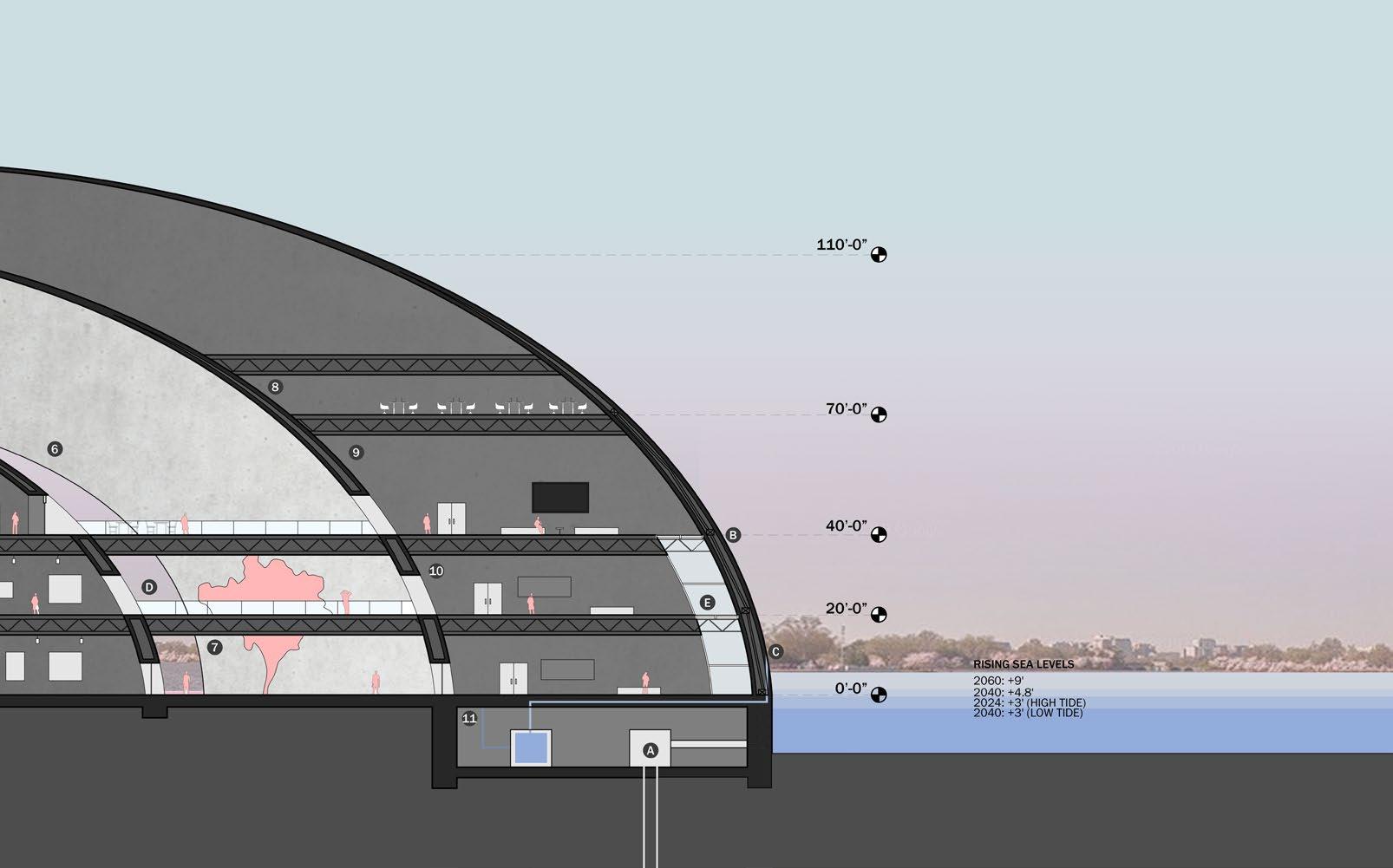
Contemporary methods of designing the built environment have caused us to lose touch with the natural environment by drawing explicit lines between indoors and outdoors. This has led us to underestimate the power of that buildings have to shape our experience of the world.
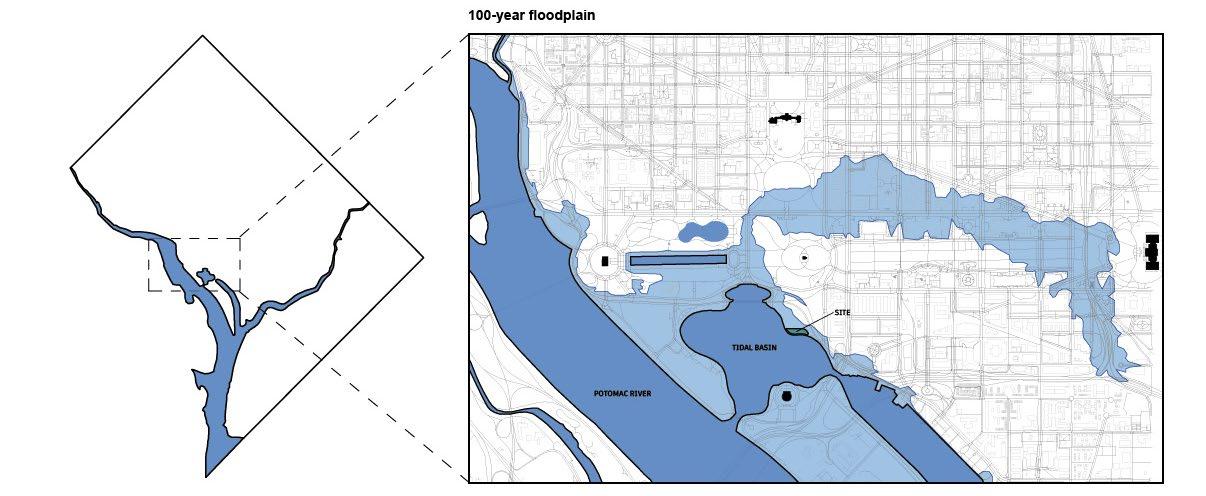
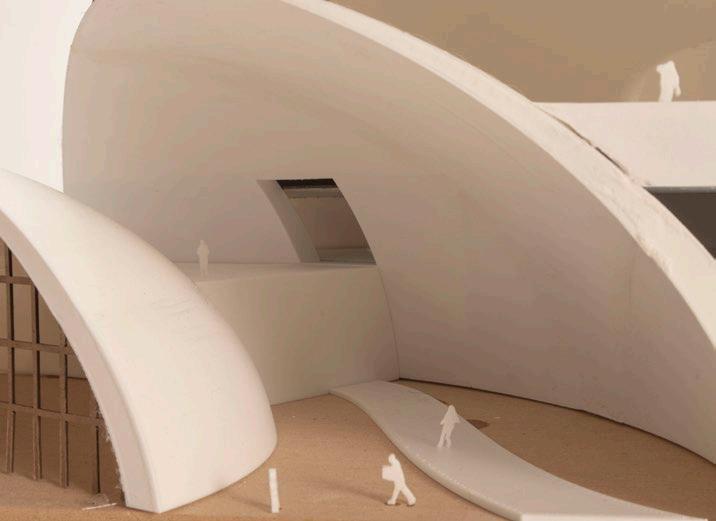
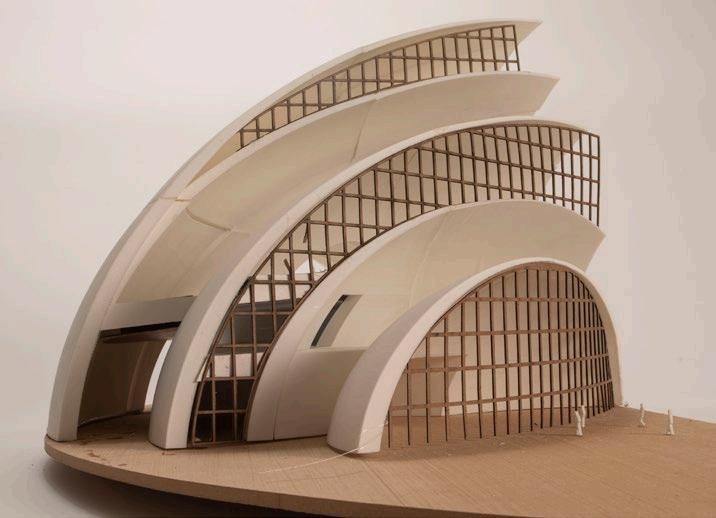
The Climate Center in Washington DC informs visitors on the impact of the built environment by using a series of shells to filter various natural elements of our world. The frequent transitions between conditioned and unconditioned space disrupt the conventional understanding of the building as a place of shelter. The climate-change focused content of the museum is experienced both indoors and outdoors, curating a museum experience that is inherently connected to the potential impacts of global warming.
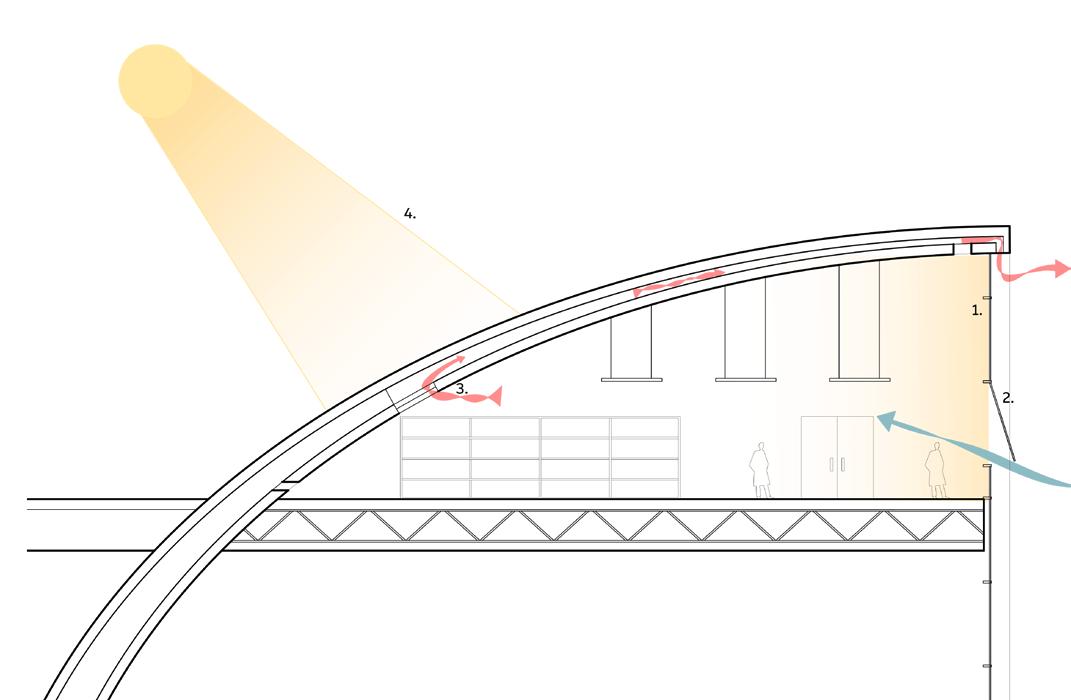
Performance Section: Passive Season (Fall/Spring)
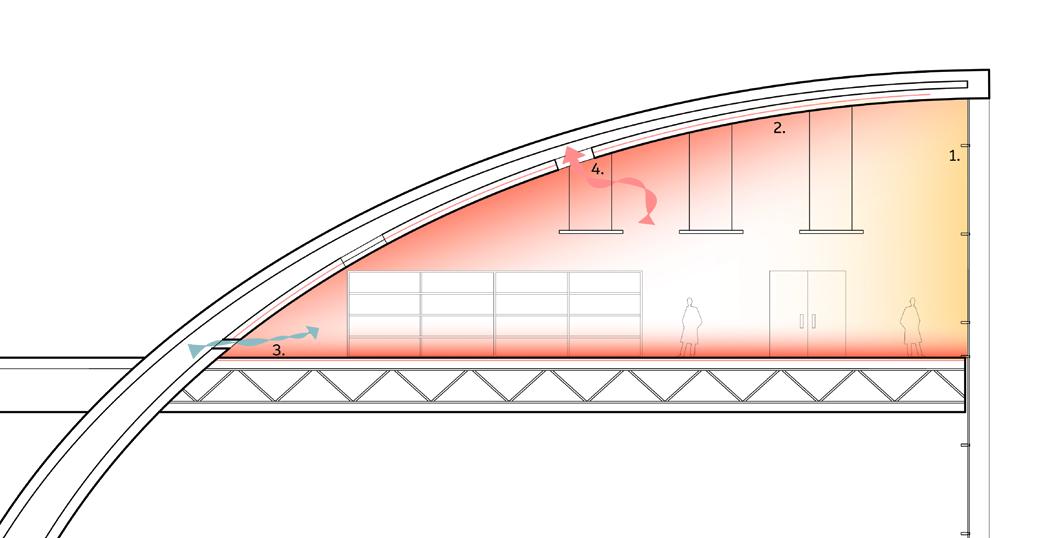
Performance Section: Active Season (Winter)
1. Indirect Northern Light
2. Natural Ventilation
3. Air Outlet to Outside
4. Opaque Shell
1. Indirect Northern Light
2. Heating Through Radiant Slab
3. Air Supply Through Shell
4. Return Air Through Shell
Detailed Wall Section
SUMMER SUN ANGLE: 75 DEG
WINTER SUN ANGLE: 26 DEG
6" TOPPING SLAB W/ RADIANT TUBING
STRUCTURAL REINFORCED CONCRETE SLAB OVER 3" METAL DECKING
OPEN WEB STEEL JOISTS
8' LED STRIP LIGHTING
CUSTOM EMBEDDED STEEL L-ANGLE
TRANSLUCENT CEILING TILES DIFFUSE LED LIGHTS
REINFORCED CONCRETE SHELL
FOAM BOARD INSULATION
AIR GAP
LOW AIR SUPPLY CAVITY
ISOKORB THERMAL BREAK UNIT
FOAM BOARD INSULATION
HIGH AIR RETURN CAVITY
Urban space is shaped by overlapping rhythms — bodily routines, administrative schedules, and economic practices. These rhythms differ in duration and intensity, yet they occupy the same ground. When they intersect, they produce a polyrhythmic condition.However, urban infrastructure such as sidewalks, zoning envelopes, sanitation schedules, and street furniture are calibrated for legibility, efficiency, and stability. It struggles to absorb the temporal fluctuations of everyday life.
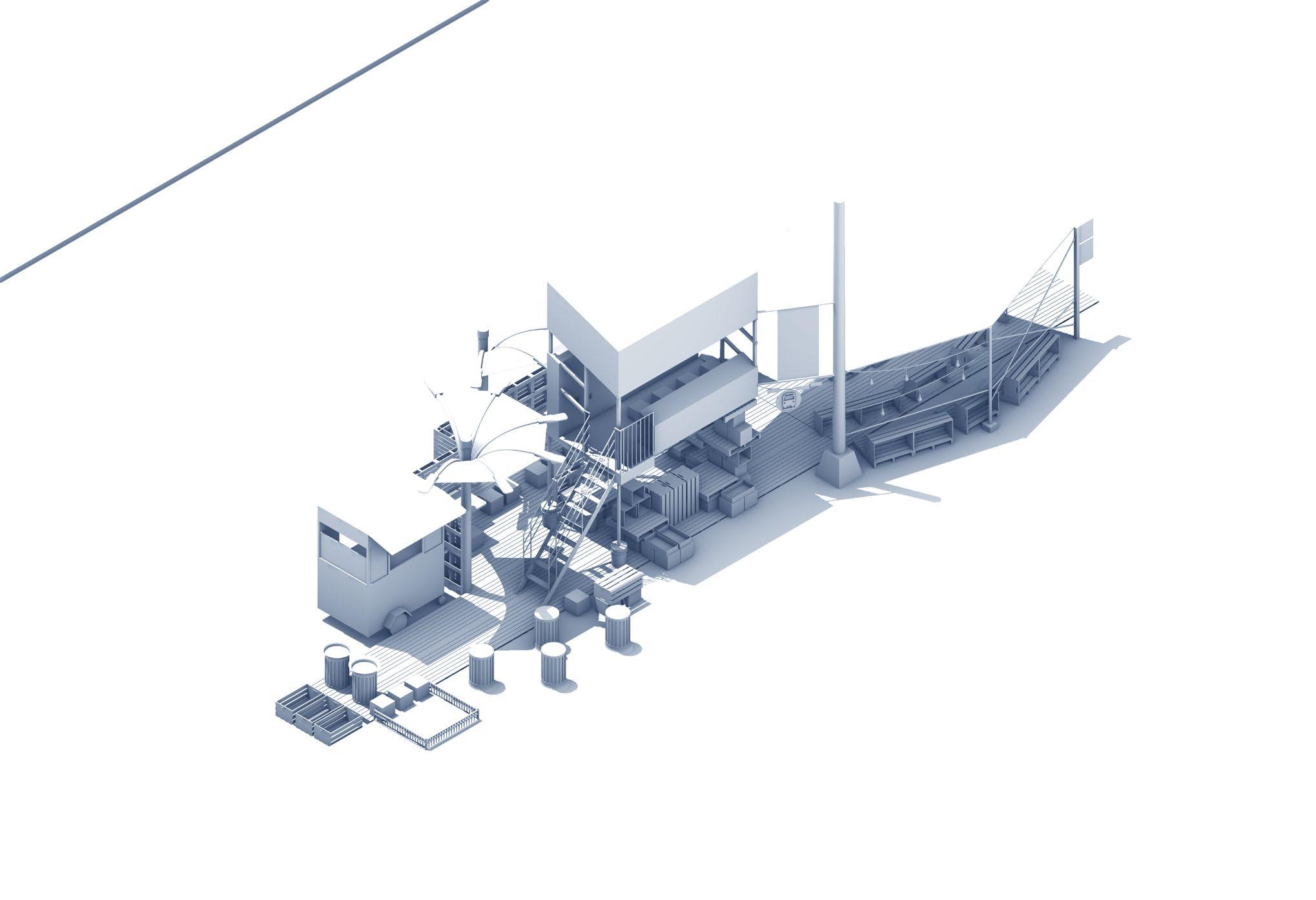
Vendor tables, umbrellas, milk crates, and portable carts are not simply objects — they construct spatial capacity. They regulate shade, define territory, manage flow, and support economic exchange. They operate as a parallel infrastructure embedded within the formal city.This thesis argues that informal practices are essential to the polyrhythmic city. If that is true, then architecture must shift from suppressing temporal fluctuation to designing for it. Rather than enforcing stability, architecture must register, absorb, and amplify everyday rhythms.
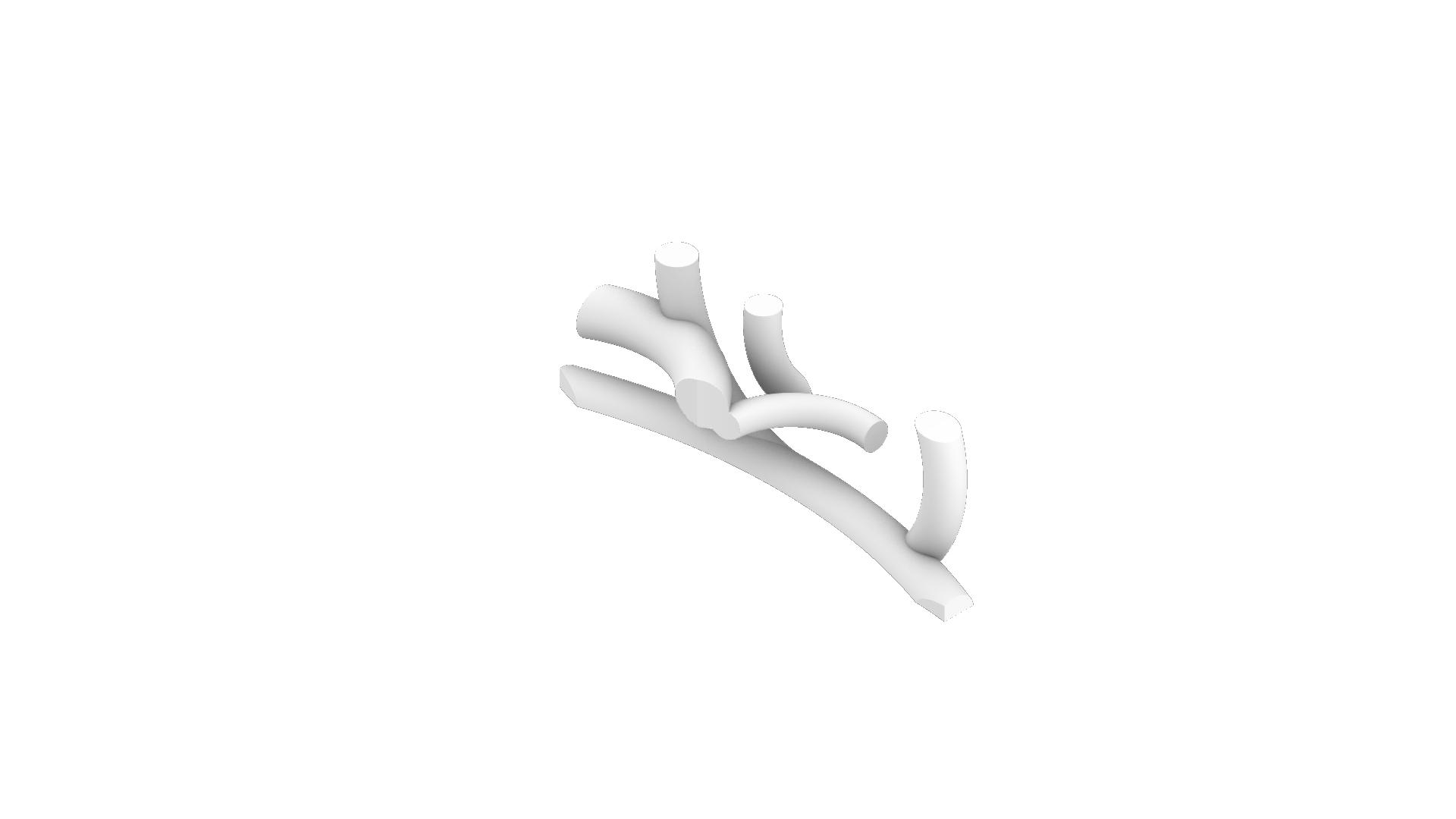
Through the analysis of informal artifacts, this project extracts their spatial logics — modularity, adaptability, lightweight assembly, and incremental growth — and translates them into architectural systems. These systems enter into tectonic dialogue with formal infrastructure such as lampposts, permanent canopies, and structural frames.
The outcome is a hybrid infrastructural framework — a kit of parts and a set of design rules — that allows formal and informal systems to coexist structurally rather than compete spatially.
A. Milk Crate
Stacking
B. Fire Escape
Vertical Circulation
C. Wood Pallet
Modular Expansion
D. Wall-Mounted Sign
Horizontal Display
E. Parking Sign
Spatial Authority
F. Umbrella
Adaptive Shading
G. Awning
Structural System
H. Light Pole
Mechanical Delivery
Collecting Informal and Formal Infrastructure
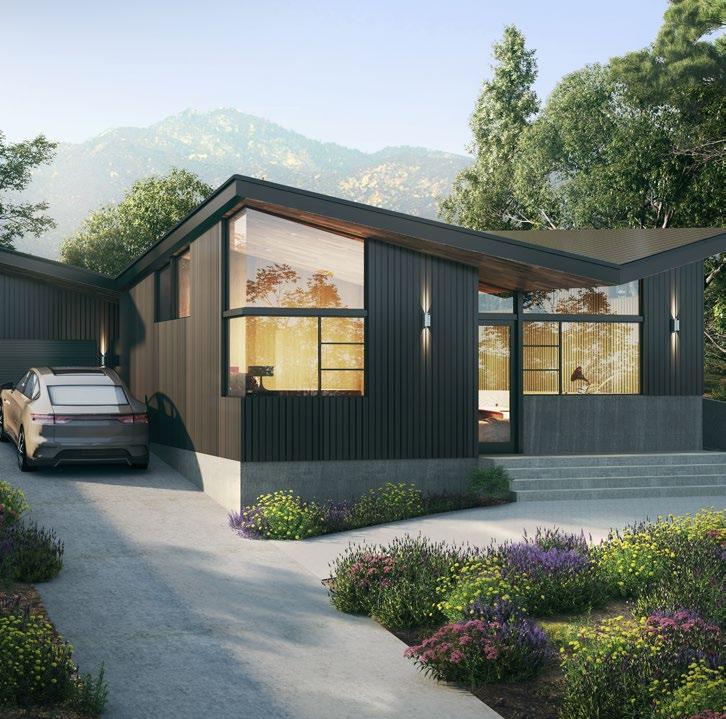
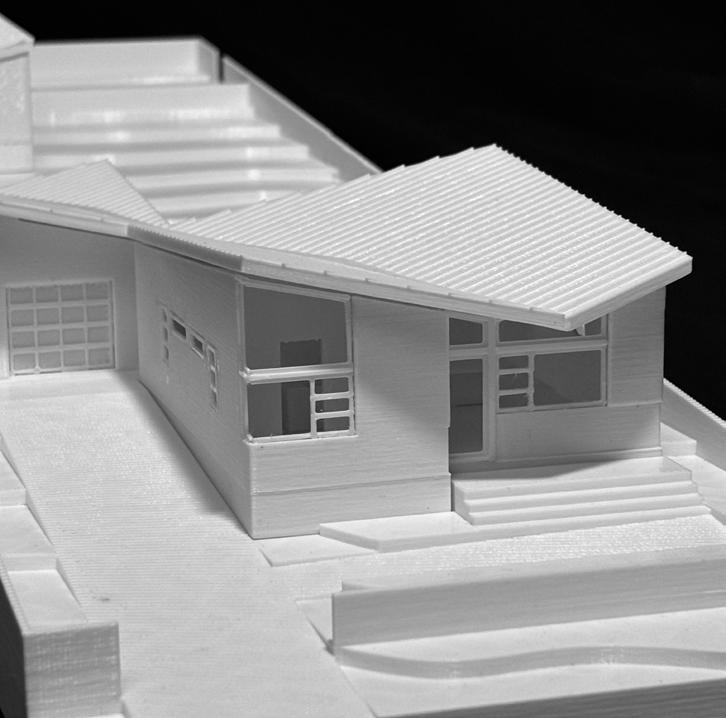
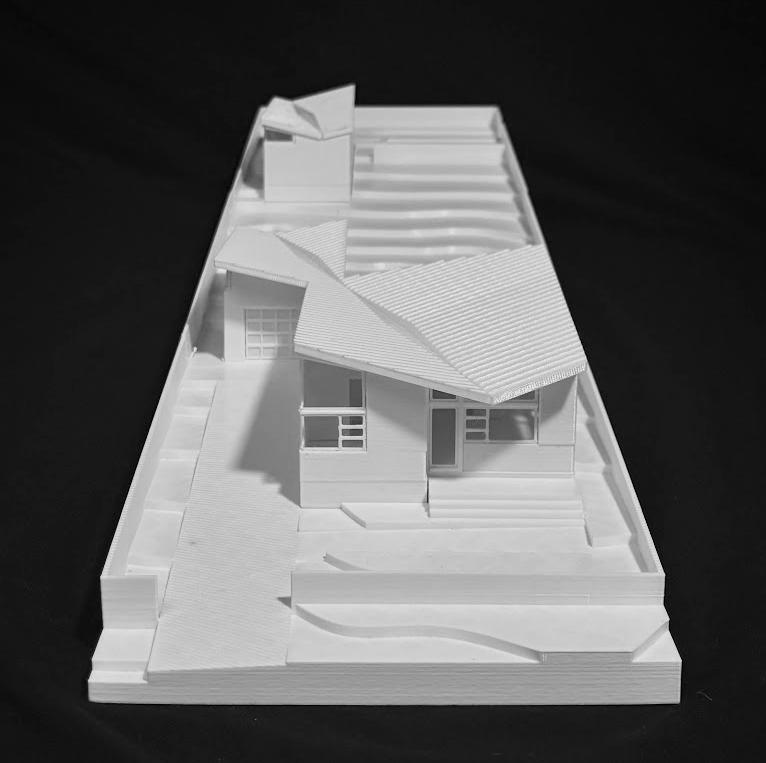
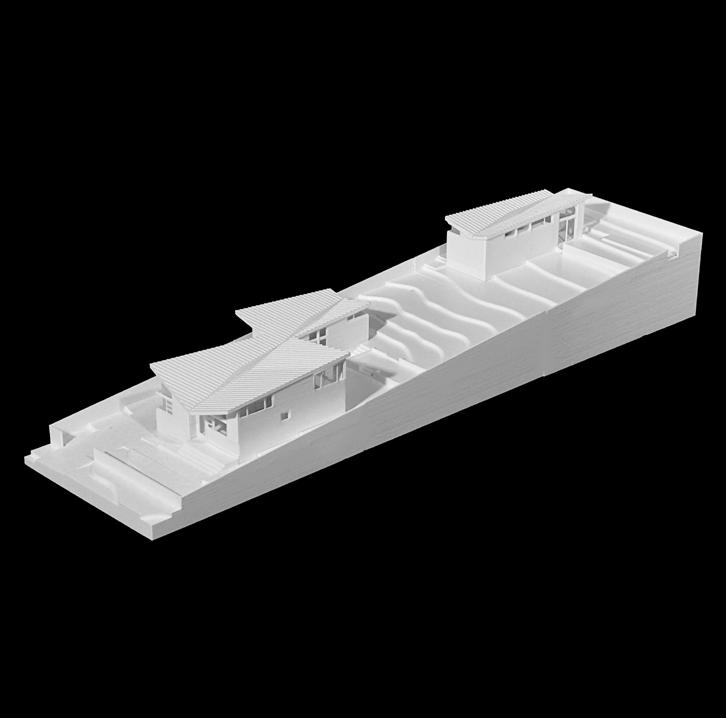
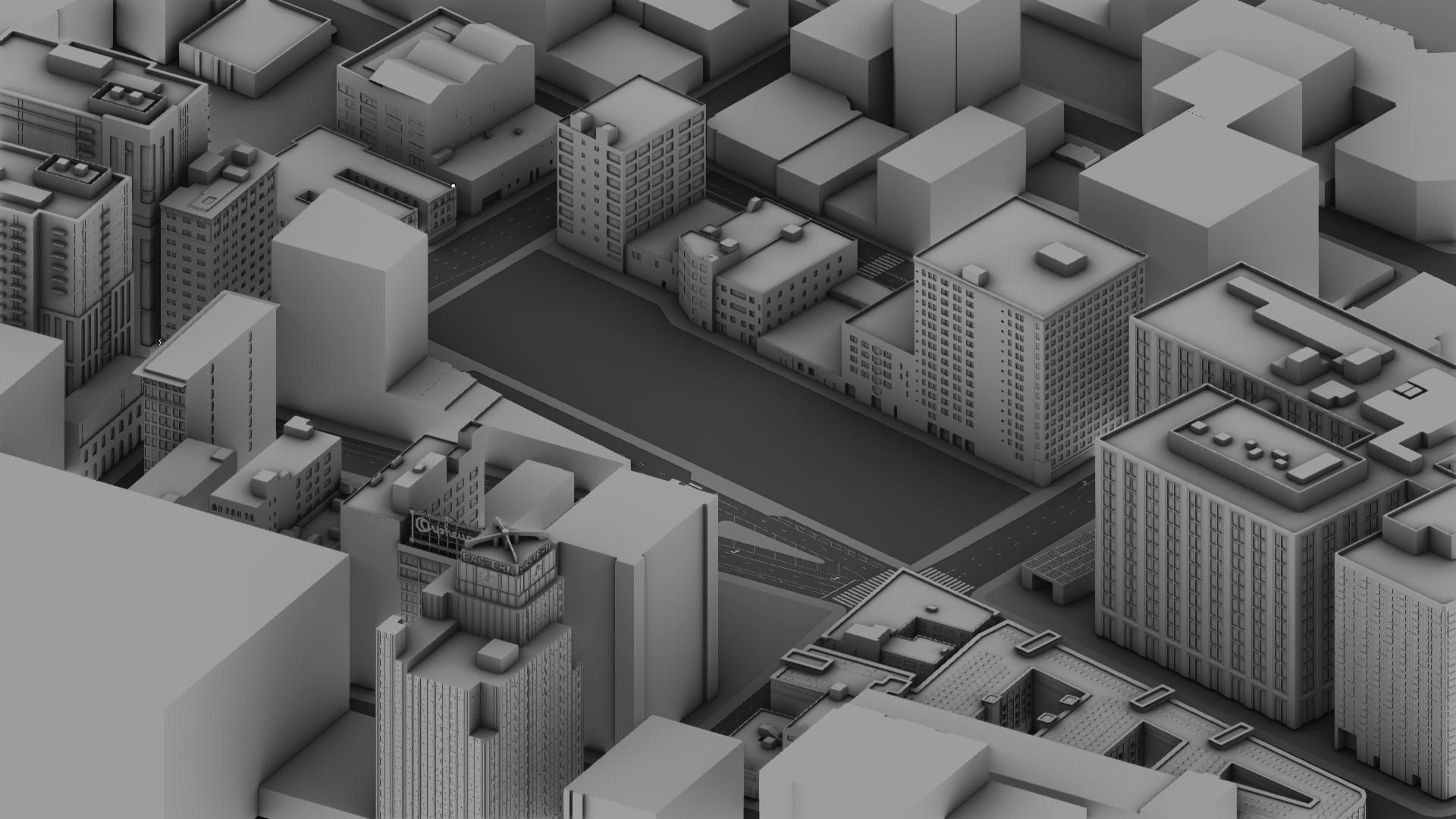
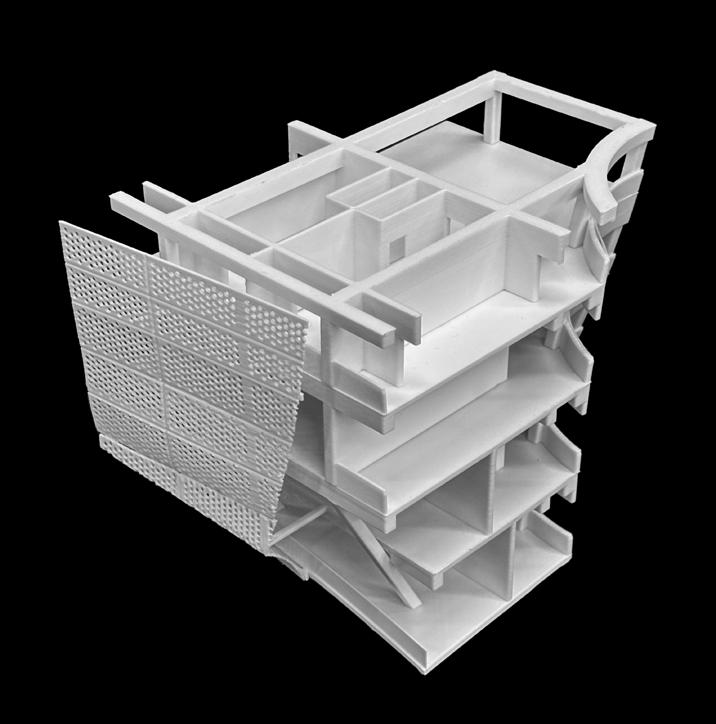
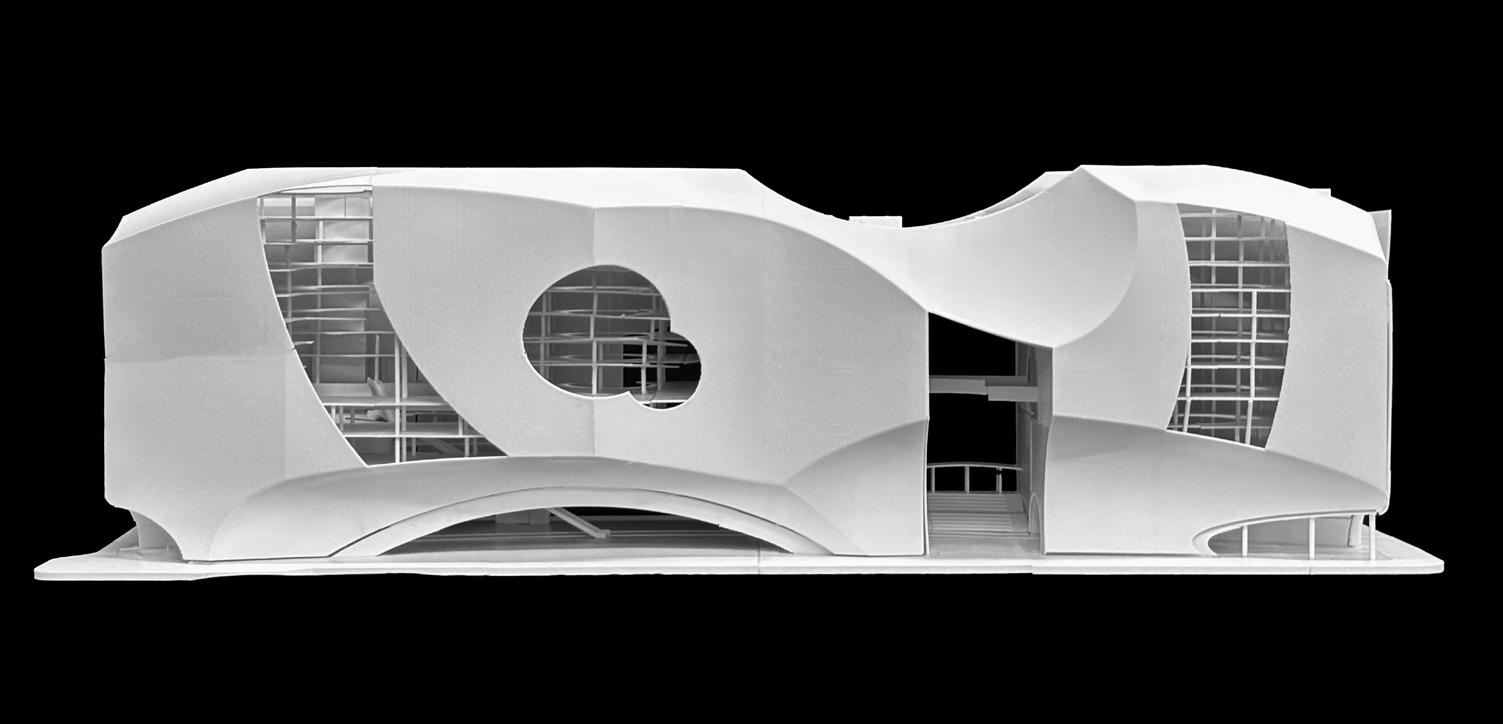
Built 3D models using 3D printing; photographing and post-processing for clients and publications.
Participated in drafting, rendering, and compiling AutoCAD/Illustrator drawings for client presentation.
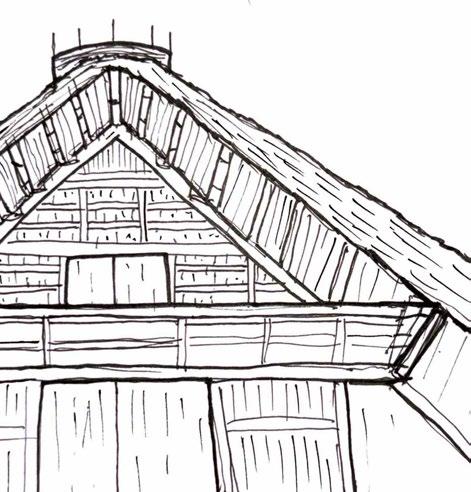
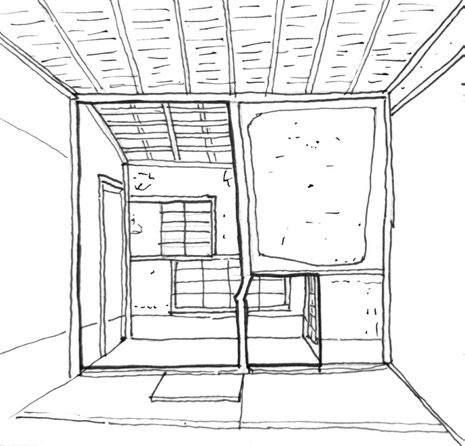
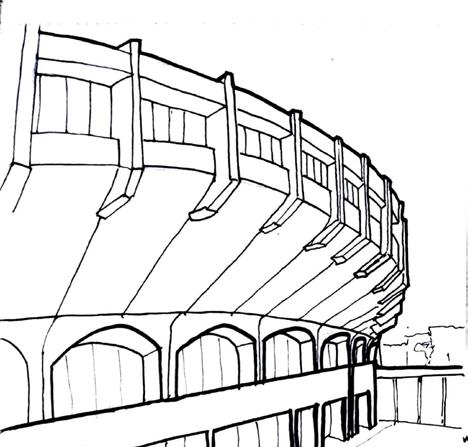
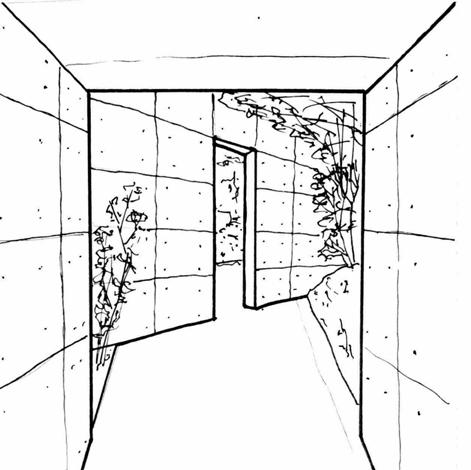
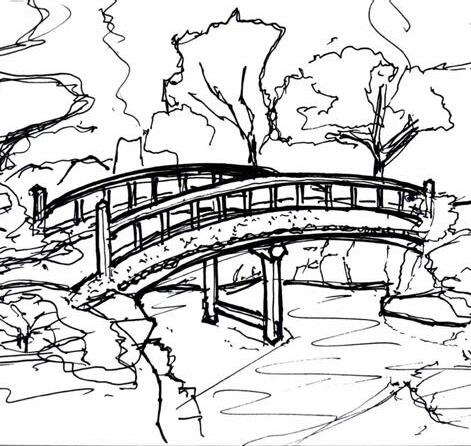
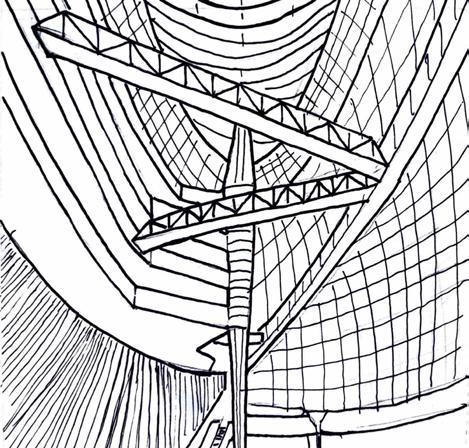
from Japan Study Abroad