

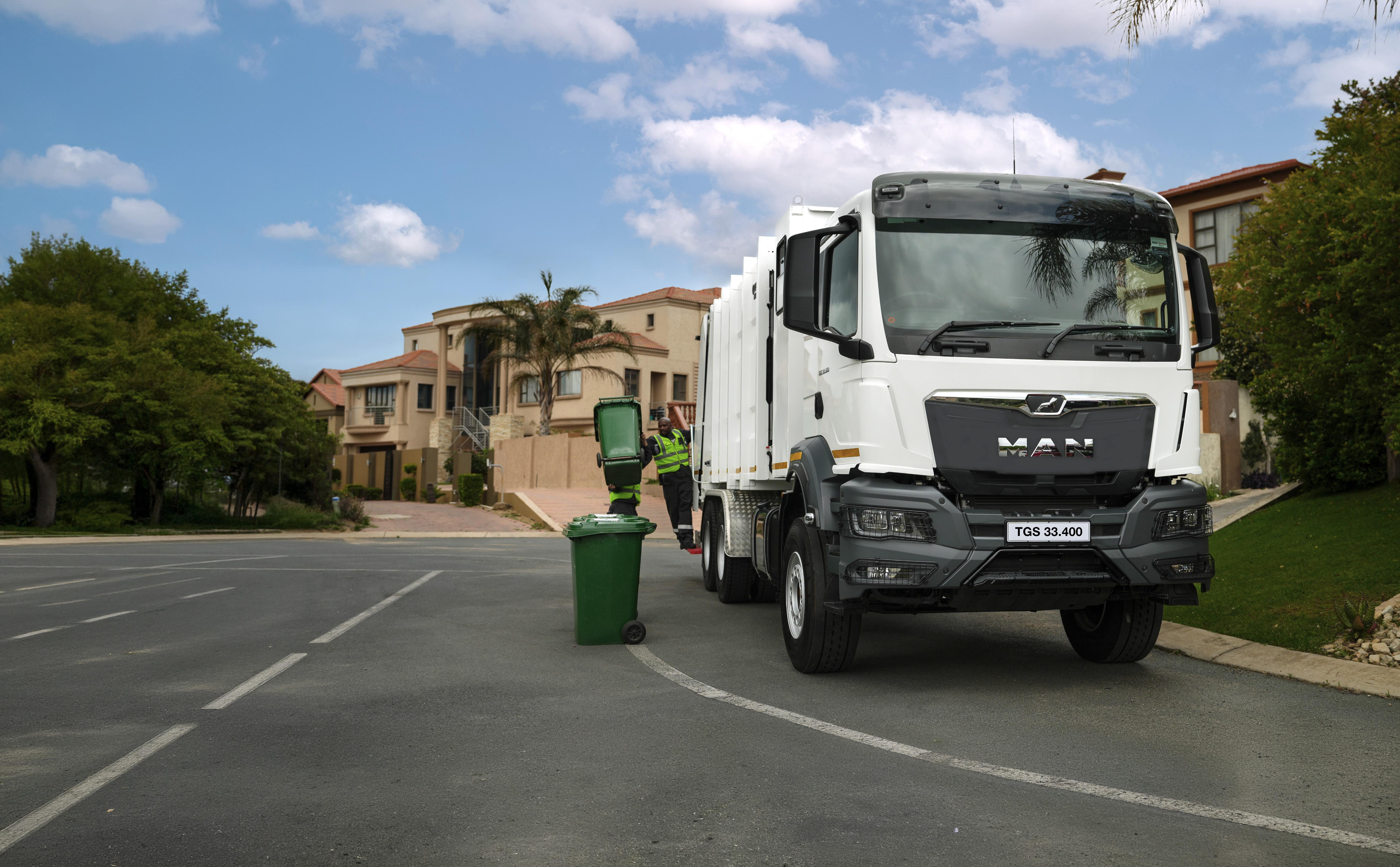
Waste collection demands equipment that performs every single day. The MAN TGS 33.400 is engineered for exactly that purpose.
With a 23m³ volume that allows maximum payload and a heavy-duty PTO built for continuous operation, the compaction system delivers consistent, high-density loading - allowing crews to collect more on every route. The MAN TipMatic gearbox, paired with the Collect Driving program for refuse collector, uses a gearshift strategy designed specifically for start-stop operation, improving efficiency and reducing wear that typically strains municipal fleets.
High ground clearance and robust planetary axles give the MAN TGS 33.400 dependable capability on challenging landfill terrain, ensuring a smooth transition from road to tip.
From streets to landfill sites, this cost-effective waste management solution is purpose-built to keep collecting - day after day.

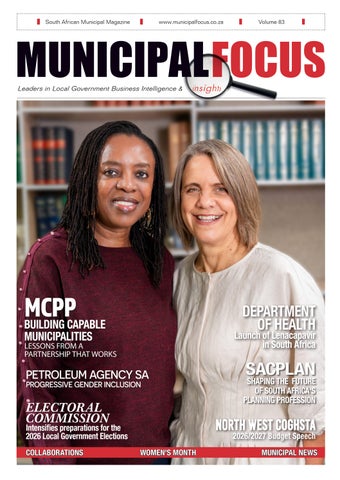
As we gear towards the 2026 Local Government Elections, we are reminded that the strength of South Africa’s municipalities depends on partnerships, capable leadership, innovation and a shared commitment to improving the lives of the communities we serve.
It is appropriate then that our cover story explores the independently evaluated Municipal Capability and Partnership Programme (MCPP), showcasing not only a collaboration that works, but a practical approach to strengthening local government by ‘working with municipalities rather than for them’. The MCPP highlights that sustainable change is achieved primarily by building institutional capability, nurturing local leadership and creating solutions that remain long after external support has ended.
Municipal Focus took the opportunity to speak with Musa Jack from Anglo
American and Dr Elsona van Huyssteen from the CSIR about the success of the MCPP.
We also unpack the North West Department of Cooperative Governance, Human Settlements and Traditional Affairs (CoGHSTA) 2026/27 Budget Speech, themed: “Fixing Local Government – Every Municipality Must Work”, which sets out MEC Gaoage Oageng Molapisi’s decisive plan to improve local governance, accelerate housing delivery and strengthen service delivery across the province.
In celebration of Women’s Month, we are proud to showcase remarkable women who are helping to shape South Africa’s future across sectors traditionally underrepresented by female leadership. From the women leading strategic portfolios at Petroleum Agency SA, to Gauteng CET College’s Florence Chechile who is expanding access to community education.

At Implats we have Nonkululeko Mosikare’s trailblazing leadership in mining. We also highlight Nonopa Tenza’s inspiring journey from corporate accountant to successful commercial farmer that was supported by the ECRDA.
Skills development and capacity-building remain recurring themes throughout this issue. We examine Northlink TVET College’s response to the changing world of work and unpack Tongaat Hulett’s remarkable investment in developing future agricultural leaders.
On the health front, Minister of Health Dr Aaron Motsoaledi has launched a groundbreaking long-acting HIV prevention injection, Lenacapavir, that provides protection for up to six months with a single dose. This landmark development will expand the range of prevention choices available through South Africa’s public health system.
It is clear that progress is seldom the result of isolated effort − it is built through partnerships, vision, and leaders who are prepared to invest in the future.
Finally, as we celebrate Women’s Month, we extend our sincere appreciation to the remarkable women who continue to lead, inspire and strengthen our communities. May you continue to break barriers, create opportunities and shape a brighter future for generations to come.
Enjoy the read and keep safe!














46 DEPARTMENT OF HEALTH
Dr Aaron Motsoaledi speaks on Lenacapavir for HIV prevention in South Africa
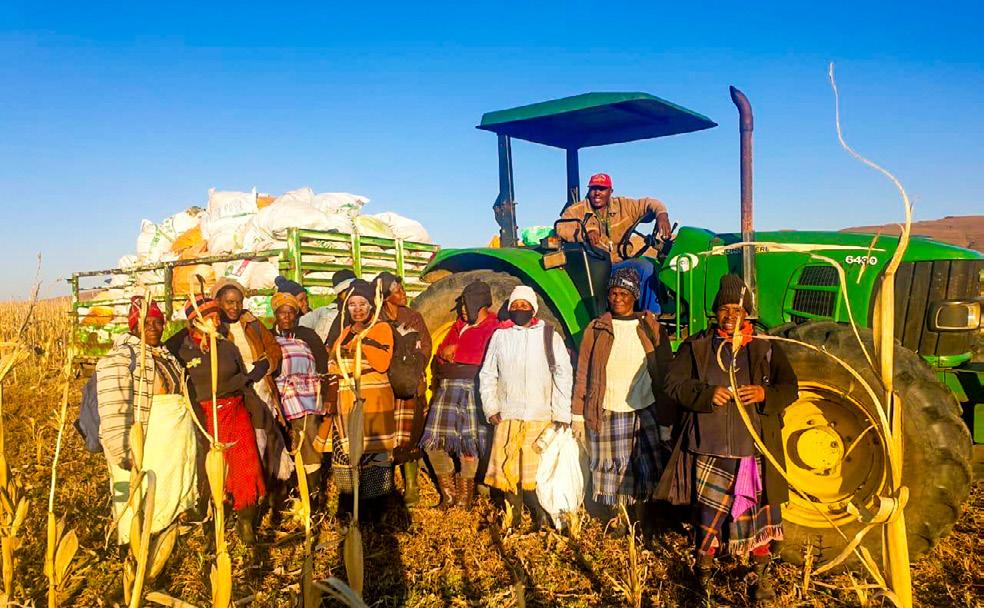
54 ECRDA
Support for Nonopa Tenza helps build a legacy from rural land in the Eastern Cape
58 TONGAAT HULETT
Investing in tomorrow’s agricultural leaders
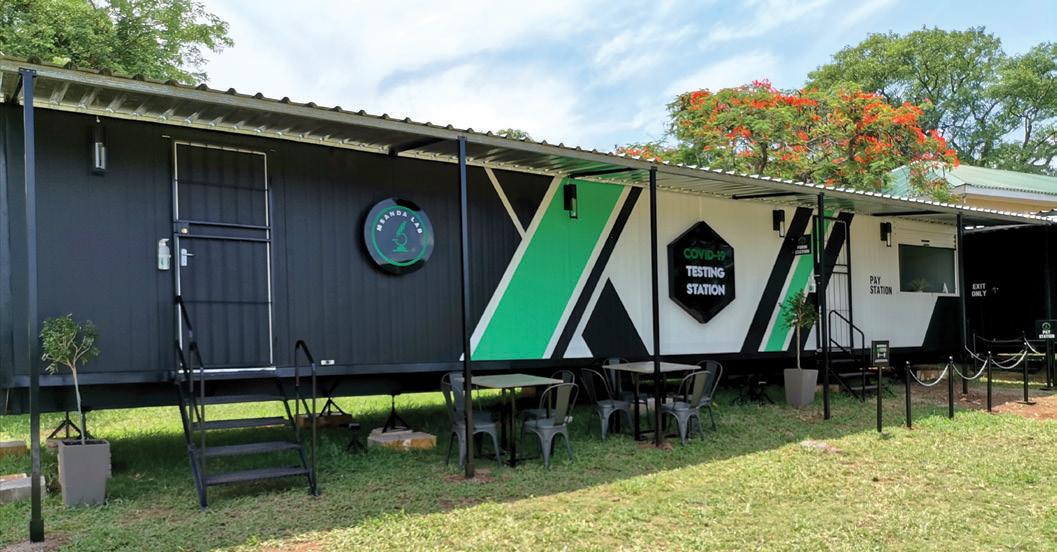
62 WEARCHECK
Strengthens onsite sampling capabilities
66 DGMT
The role of municipalities in the mission to end stunting
72
75
76
78
80



PUBLISHING EDITOR
PUBLISHING EDITOR
SIMO MKHIZE
SITHOLE MBANGA CEO: SA CITIES NETWORK
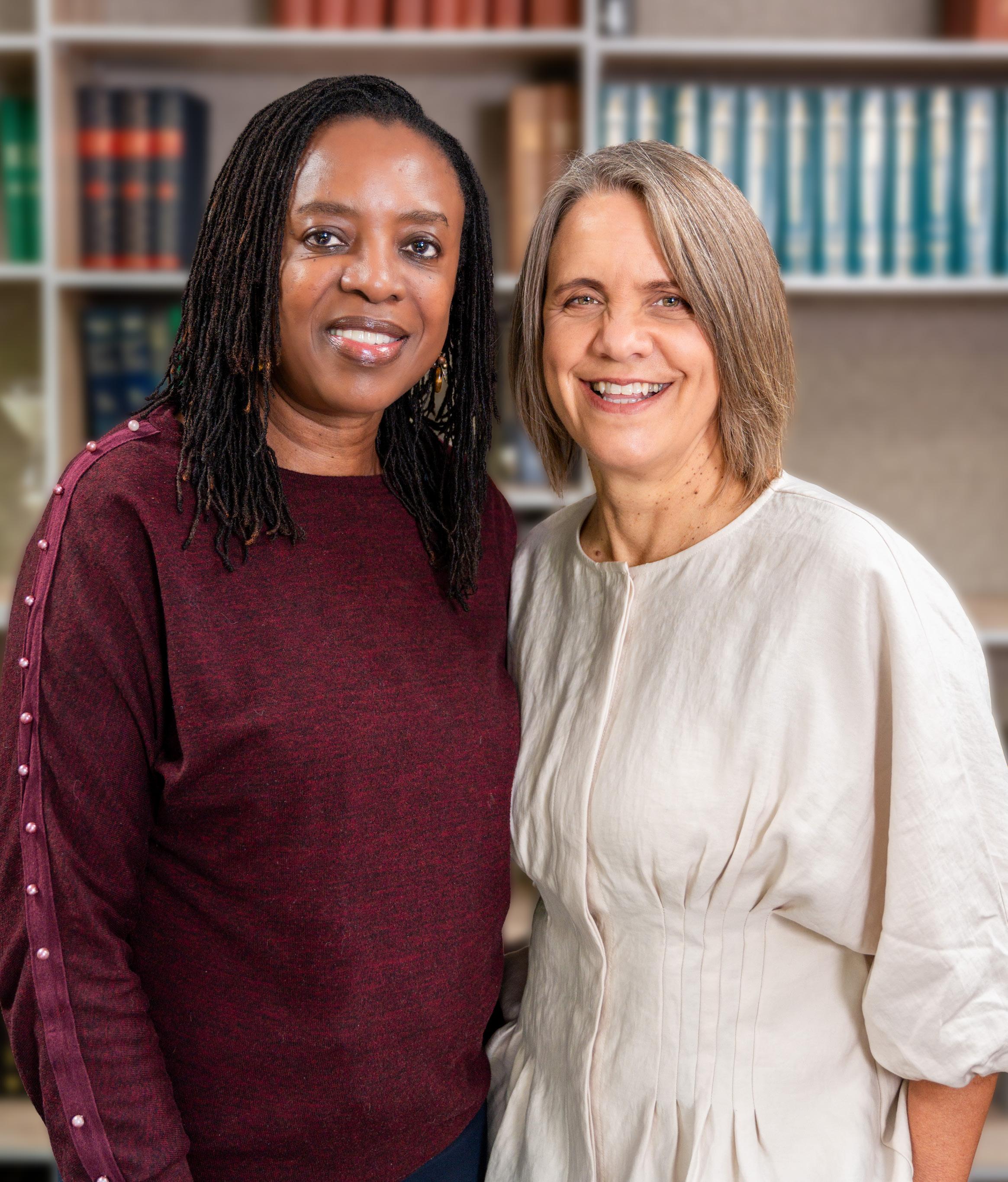
Municipal Capacity Development Principal at Anglo American, Musa Jack and Principal Researcher at The Csir, Dr Elsona Van Huyssteen
SITHOLE MBANGA
SIMO MKHIZE
DISTRIBUTION
“Communications, Marketing and Advertising are indispensable tools towards success and growth in any business venture…”
“Communications, Marketing and Advertising are indispensable tools towards success and growth in any business venture…”
Kweda Media & Communications offers a diverse range of business and sales solutions, strategies and ideas that are customised to meet our clients’ standards and exceed their expectations.
Kweda Media & Communications offers a diverse range of business and sales solutions, strategies and ideas that are customised to meet our clients’ standards and exceed their expectations.
Our Vision is driven by the passion to inspire, assist and elevate business enterprises by forming strategic collaborations that will yield multiple benefits of success and growth for all.
Our Vision is driven by the passion to inspire, assist and elevate business enterprises by forming strategic collaborations that will yield multiple benefits of success and growth for all.
Kweda Media and Communications is a Proudly South African, 100% black female owned company located in Plumstead, Cape Town, registered as a private company since May 2014 - we hold a level 1 B-BBEE certificate. We are a team of multi skilled staff members who have a fresh, innovative and diverse approach to working and always willing to put in the extra time and attention to ensure great service delivery on time.
Kweda Media and Communications is a Proudly South African, 100% black female owned company located in Plumstead, Cape Town, registered as a private company since May 2014 - we hold a level 1 B-BBEE certificate. We are a team of multi skilled staff members who have a fresh, innovative and diverse approach to working and always willing to put in the extra time and attention to ensure great service delivery on time.
Your vision… our drive
Your vision… our drive DESIGN PRINT PUBLISH


Nelson nardine@kwedamedia.co.za +27 82 739 3932
Nardine Nelson nardine@kwedamedia.co.za +27 82 739 3932
Nardine Nelson
Nelson
EDITORIAL CONTRIBUTORS
EDITORIAL CONTRIBUTORS
Contributors
nardine@kwedamedia.co.za +27 82 739 3932
Isaac Mahlangu
Nardine Nelson nardine@kwedamedia.co.za +27 82 739 3932 Nkhoma
EDITORIAL CONTRIBUTORS
Andile Moyo
Contributors
DISTRIBUTION
Thebe Mabanga
Contributors Happy Nkhoma Isaac Mahlangu Madala Thepa
Nwabisa Pondoyi Madala Thepa
Kenny Mahlangu
MAGAZINE DESIGN & LAYOUT
MAGAZINE DESIGN & LAYOUT
Happy Nkhoma Isaac Mahlangu Madala Thepa
MAGAZINE DESIGN & LAYOUT
KCDA Design Agency
nardine@kwedamedia.co.za +27 82 739 3932 Nkhoma Isaac Mahlangu Nwabisa Pondoyi Madala Thepa
MAGAZINE DESIGN & LAYOUT
Digital Pixels Studio Paul Sampson paul@digital-pixels.co.za
Jaco Kotze jk@kcda.co.za
Digital Pixels Studio Paul Sampson paul@digital-pixels.co.za
Digital Pixels Studio Paul Sampson paul@digital-pixels.co.za
MAGAZINE DESIGN & LAYOUT
Digital Pixels Studio Paul Sampson paul@digital-pixels.co.za
Advertising Nazly Leite nazly@kwedamedia.co.za
Advertising Mphumzi Njovana mphumzi@kwedamedia.co.za
Advertising Mphumzi Njovana mphumzi@kwedamedia.co.za Nazly Leite nazly@kwedamedia.co.za
Advertising Mphumzi Njovana mphumzi@kwedamedia.co.za Nazly Leite nazly@kwedamedia.co.za
Gareth Kay gareth@kwedamedia.co.za Lunga Zimemo lunga@kwedamedia.co.za
Nazly Leite nazly@kwedamedia.co.za
Advertising Mphumzi Njovana mphumzi@kwedamedia.co.za Nazly Leite nazly@kwedamedia.co.za
Production production@kwedamedia.co.za
Production production@kwedamedia.co.za
Brilliant Mabena brilliant@kwedamedia.co.za Production production@kwedamedia.co.za
Production Rayhaan Suleiman production@kwedamedia.co.za
Administration
Production Rayhaan Suleiman production@kwedamedia.co.za
Administration admin@kwedamedia.co.za
Administration Tameryn Moses tameryn@kwedamedia.co.za admin@kwedamedia.co.za
Administration/Finance Roxi Gildenhuys roxi@kwedamedia.co.za
Administration admin@kwedamedia.co.za
Tameryn Moses tameryn@kwedamedia.co.za admin@kwedamedia.co.za
Subscriptions / Distribution subscriptions@kwedamedia.co.za
subscriptions@kwedamedia.co.za
Subscriptions / Distribution subscriptions@kwedamedia.co.za
Marketing / Distribution Nozi Mbanjwa marketing@kwedamedia.co.za
subscriptions@kwedamedia.co.za
CEO: SA CITIES NETWORK
National Assembly, National Municipalities:
GCIS, National Assembly, NCOP, National & Provincial Departments, Municipalities: Mayors, Managers, Heads of Procurement, Tenders and Purchasing Officers, Conferences and the Private Sector
Provincial Mayors, Managers, Heads Tenders Conferences
GCIS, National Assembly, NCOP, National & Provincial Departments, Municipalities: Mayors, Managers, Heads of Procurement, Tenders and Purchasing Officers, Conferences and the Private Sector
Officers, Conferences Sector
DIGITAL E-BOOK CREATION

www.digital-pixels.co.za CCO: CELL C
www.KCDA.co.za
DIGITAL E-BOOK CREATION

www.digital-pixels.co.za CCO: CELL C
PUBLISHED BY Kweda Media & Communications
www.digital-pixels.co.za
Tel: +27 (21) 768 0115
www.kwedamedia.co.za
Communications The Square, Main Road, Town Tel: +27 (21) 768 0115 www.kwedamedia.co.za
PUBLISHED BY Kweda Media & Communications 1 The Village Square, Main Road, Plumstead, Cape Town Tel: +27 (21) 768 0115 www.kwedamedia.co.za
Communications Village Main Road, Plumstead, Cape Town
1 The Village Square, Main Road, Plumstead, Cape Town Tel: +27 (21) 768 0115 www.kwedamedia.co.za
PUBLISHED BY Kweda Media & Communications (Pty) Ltd 1 The Village Square Main Road, Plumstead Cape Town 7800
Tel: +27 (21) 768 0115 www.kwedamedia.co.za

All editorial, business and production correspondence should be addressed to Municipal Focus, PO Box 12454 Plumstead 7800. Manuscripts, illustrations and other material must be accompanied by a stamped, self-addressed envelope. No responsibility can be accepted for unsolicited material. The editor reserves the right to amend and to alter copy and visual material as deemed necessary. Copyright by Kweda Media & Communications. All rights reserved. No part of this publication may be reproduced, stored in a retrieval system or transmitted by any form or any means without prior permission of the publisher. The opinions expressed in Municipal Focus are not necessarily those of the publishers.
business and production correspondence should be addressed to Municipal Focus, PO Box 12454 Plumstead 7800. Manuscripts, illustrations and other material must be accompanied by a stamped, self-addressed envelope. No responsibility can be accepted for unsolicited material. The editor reserves the right to amend and to alter copy and visual material as deemed necessary. Copyright by Kweda Media & Communications. All rights reserved. No part of this publication may be reproduced, stored in a retrieval system or transmitted by any form or any means without prior permission of the publisher. The opinions expressed in Municipal Focus are not necessarily those of the publishers.
All editorial, business and production correspondence should be addressed to Municipal Focus, PO Box 12454 Plumstead 7800. Manuscripts, illustrations and other material must be accompanied by a stamped, self-addressed envelope. No responsibility can be accepted for unsolicited material. The editor reserves the right to amend and to alter copy and visual material as deemed necessary. Copyright by Kweda Media & Communications. All rights reserved. No part of this publication may be reproduced, stored in a retrieval system or transmitted by any form or any means without prior permission of the publisher. The opinions expressed in Municipal Focus are not necessarily those of the publishers.
All editorial, business and production correspondence should be addressed to Municipal Focus, PO Box 12454 Plumstead 7800. Manuscripts, illustrations and other material must be accompanied by a stamped, self-addressed envelope. No responsibility can be accepted for unsolicited material. The editor reserves the right to amend and to alter copy and visual material as deemed necessary. Copyright by Kweda Media & Communications. All rights reserved. No part of this publication may be reproduced, stored in a retrieval system or transmitted by any form or any means without prior permission of the publisher. The opinions expressed in Municipal Focus are not necessarily those of the publishers.
All business production correspondence should be addressed to Municipal Focus, PO Box 12454 Plumstead 7800. Manuscripts, illustrations and other material must be accompanied by a stamped, self-addressed envelope. No responsibility can be accepted for unsolicited material. The editor reserves the right to amend and to alter copy and visual material as deemed necessary. Copyright by Kweda Media & Communications. All rights reserved. No part of this publication may be reproduced, stored in a retrieval system or transmitted by any form or any means without prior permission of the publisher. The opinions expressed in Municipal Focus are not necessarily those of the publishers.




Access to experienced cyber security specialists, proven methodologies, and enterprise-grade capabilities without the need for extensive internal resources.
From service delivery platforms to citizen data and operational systems, municipal performance depends on secure digital infrastructure. Gijima's Advanced Cyber Defence helps local government reduce disruption, respond faster, and strengthen trust through practical cyber resilience. 24/7 Cyber Visibility
monitoring across critical environments.
Compliance Support
Support for governance, regulatory, and cyber security compliance requirements through structured controls, reporting, and risk management practices.
Proactive Threat Intelligence
Continuous monitoring of emerging threats and attack trends to identify risks early and strengthen municipal cyber resilience before incidents occur.
Let’s build your resilience roadmap. Schedule a session with our experts to assess your risks and strengthen your cyber resilience.
Scan to book a session to discuss your modernisation journey.

South Africa has invested billions of rand in strengthening local government, yet many municipalities continue to face persistent institutional, financial and service delivery challenges.
The question is no longer whether municipalities require support, but what kind of support leaves them stronger once external
assistance comes to an end.
Independently evaluated by the Public Affairs Research Institute (PARI), the Municipal Capability and Partnership Programme (MCPP) provides compelling evidence that sustainable municipal improvement is built through longterm partnerships, institutional learning and working alongside municipalities rather than working for them.
To better understand these lessons, Municipal Focus spoke with Musa Jack, Municipal Capacity Development Principal at Anglo American; Dr Elsona van Huyssteen, Principal Researcher at the CSIR, the MCPP’s implementing partner; and Jugal Mahabir, Programme Lead: Local Government at PARI, about the MCPP’s independently evaluated outcomes and the valuable lessons

the programme offers municipalities, government and development partners seeking to build capable, resilient local government across South Africa.
Capable municipalities remain fundamental to South Africa’s developmental future.
Every day, municipalities are expected to deliver reliable
basic services, maintain critical infrastructure, stimulate local economic development, guide spatial planning and create the conditions in which communities and businesses can thrive. Yet many do so in increasingly complex environments, shaped by ageing infrastructure, constrained finances, growing service delivery expectations and rapidly changing local economies.
This has prompted growing recognition that no single institution can address municipal challenges alone. Sustainable improvement depends on partnerships that combine complementary expertise that strengthens municipalities to lead their own development.
Musa Jack explained Anglo’s decision to tackle one of the thorniest problems facing the country – that of improving municipal governance and capability: “Local governance has many layers. In order to make meaningful impact, we need to understand these layers and complexities. You have different layers of government, you have neighbouring municipalities, and it’s important to build partnerships with the private sector, with the different layers of government and within the municipalities themselves.”
It was this challenge that led to the establishment of the Municipal Capability and Partnership Programme (MCPP) in 2019 through a partnership between Anglo American, the Department of Cooperative Governance (DCoG) and the Council for Scientific and Industrial Research (CSIR).
“We adopted the approach that local government is everyone’s responsibility, and that Anglo American is committed to
collaboration in the development of a capable state,” said Jack.
The MCPP deliberately challenged the conventional approach to municipal support. Rather than focusing on delivering solutions for municipalities, it sought to strengthen their ability to solve problems for themselves. This represents a fundamental shift in thinking about how municipal capability is built and sustained. This shift fundamentally redefines the role of government, industry and technical partners in building municipal capability.
Instead of external specialists arriving with predetermined solutions, municipalities become active partners in identifying challenges, designing interventions and embedding new ways of working that remain in place long after the programme has concluded.
The philosophy underpinning the programme is captured in five words that emerged repeatedly throughout both the interviews and the independent evaluation: “Working alongside, not working for.”
With the MCPP focused primarily on mining towns, instead of the mining company simply stepping in to fix individual problems, the programme works with and coaches municipal teams to solve problems, whilst strengthening systems and skills so they can provide reliable basic serves to communities located near mining operations and build municipal capacity for when the mines have closed. >
The programme centres its efforts on three main pillars:
• Water Services Management: Improving water quality, access, and wastewater management
• Infrastructure Management: Strengthening municipal capacity to plan, develop and maintain critical infrastructure
• Strategic Development Planning: Supporting 5-year plans, budgeting and long-term planning to strengthen local economies, improve service delivery and prepare municipalities for a future beyond mining
Originally implemented across ten municipalities, the programme was subsequently consolidated into four municipalities – Blouberg and Musina in Limpopo, and Gamagara and Tsantsabane in the Northern Cape –following the demerger of Anglo American Coal (now Thungela) and Anglo American Platinum (now Valterra) from Anglo American. All four municipalities are located in areas where Anglo American and its subsidiaries, Kumba Iron Ore and De Beers conduct operations.
While mines and municipalities fulfil distinct mandates and operate within different legislative and regulatory frameworks, they share a common interest in building sustainable, wellfunctioning local communities.
Mining towns present a unique set of opportunities and challenges. Mining operations stimulate economic activity and attract people in search of employment and opportunity, but they also require municipalities to plan beyond the life of the mine. There is the added pressure of having to collaborate with industry to deliver short-term, more immediate goals. These involve
overcoming service delivery challenges while ensuring sustainable infrastructure investment and aligning socio-economic impact for maximum impact. Preparing communities for long-term economic resilience and a successful post-mining transition is therefore a shared responsibility that depends on effective collaboration between industry, government and local municipalities.
For Jack, this shared responsibility lies at the heart of the MCPP. “We wanted the MCPP to be a bridge between mines and municipalities, where municipalities create the enabling environment for mines to operate successfully, ultimately benefiting the communities they both serve."
van Huyssteen believes this long-term perspective is often overlooked. "A lot of programmes directed at strengthening local economies are focused on local enterprise development in existing value chains. What you have in these four municipalities are complex economies that revolve around a dominant industry that is in transition. We need to start thinking longer term about regional diversification, alternative and circular economies.”
The MCPP was designed as a medium term, outcomes-based programme. Six years after its origin, the independent
evaluation undertaken by the Public Affairs Research Institute (PARI) provides perhaps the programme's greatest endorsement. It shows working alongside municipalities, rather than for them, offers a viable path forward for municipal capacity interventions.
“What the MCPP evaluation report shows is that adopting a more collegial approach is more effective than bringing in consultants or enforcing compliance from above,” says Mahabir. Importantly, the evaluation did not set out simply to determine whether projects had been completed or targets achieved. Instead, it asked a far more significant question: Had the MCPP strengthened the institutional capability of participating municipalities, and what lessons could inform future municipal capabilitybuilding across South Africa? Its conclusions are significant.
Rather than presenting the MCPP as a universal solution to the complex challenges facing local government, the evaluation concludes that the programme has developed a credible methodology for strengthening municipal capability – one built on long-term partnership, systems thinking, collaboration, adult learning, functional teams and institutional change. It also identifies practical recommendations that extend beyond the four participating municipalities.
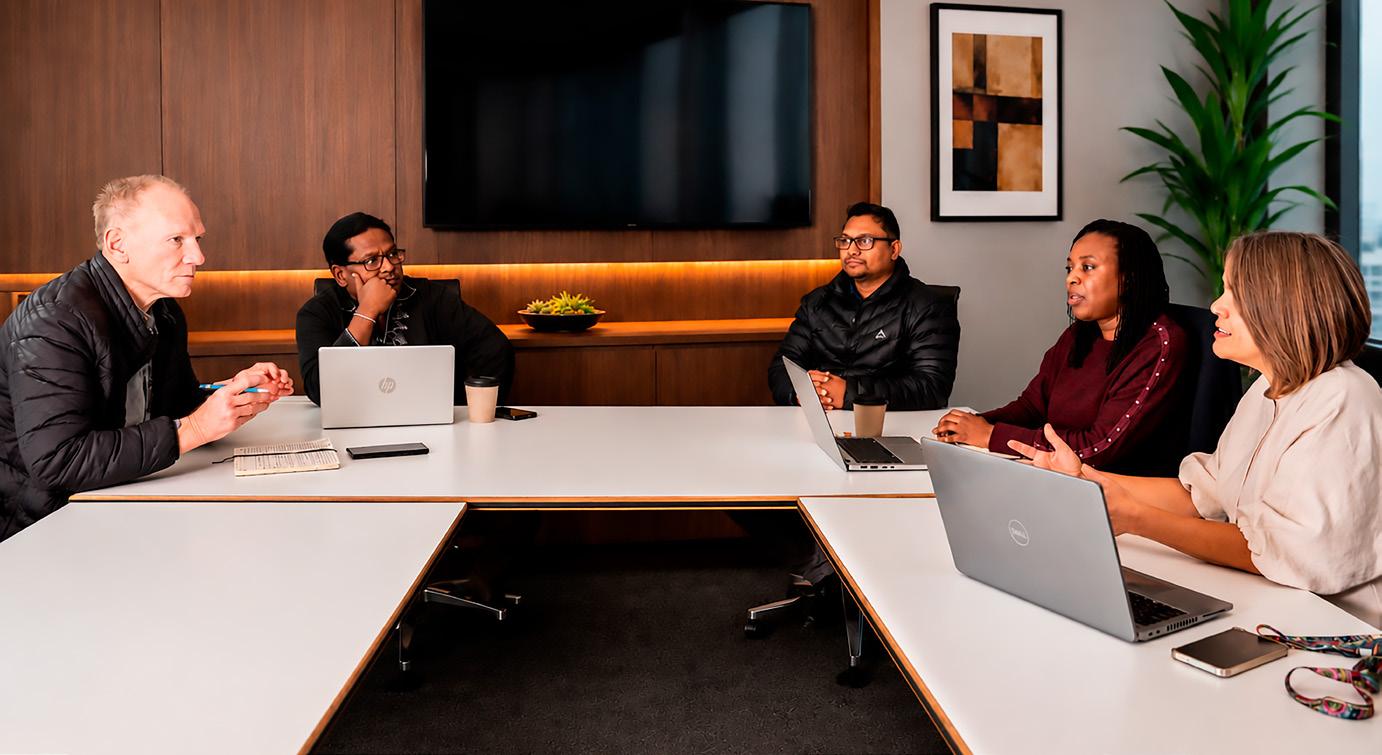
One of the evaluation's most striking findings is that the programme's greatest impact was not JUST technical. It was relational FIRST.
More than 90% of participants reported stronger collaboration across municipal departments during the course of the programme. Yet it was these stronger relationships that PARI found to be the foundation of many of the programme’s technical achievements.
van Huyssteen noted that this finding reinforces an important reality. Municipal capability cannot be strengthened by focusing on finance, planning, engineering or governance in isolation. These functions are interconnected. “When departments begin talking to one another, sharing information and planning together, municipalities become better equipped to solve complex problems,” she explains.
This systems-thinking approach shaped the programme from the outset.
Rather than arriving with predetermined technical solutions, multidisciplinary teams worked alongside municipal officials to understand each municipality’s unique institutional context before determining where support would have the greatest impact.
“We never wanted municipalities to feel that solutions were being imposed on them,” says van Huyssteen. “Our role was to work with officials, understand their realities and strengthen the systems they already had in place.”
“We found that once we put systems and processes in place and spent time working with the different teams, this created psychological safety,” says van Huyssteen. “A lot of our time was spent strengthening lines of communication within municipalities, for example, between the municipal manager and directors, and between managers in different units i.e. LED, Planning, Finance, Asset Management.."
Although this may appear intangible, its practical benefits proved considerable.
As communication improved, planning became more integrated, infrastructure priorities aligned more closely with financial planning, information flowed more freely across departments, and decision-making became increasingly coordinated. In this way, the programme sought not simply to strengthen municipal systems, but to strengthen relationships.
The programme began from a position of respect. Its purpose was never to replace municipal officials. Its purpose was to strengthen the institutional environment in which they work so that capability, confidence and ownership remain within the municipality itself.
The interviews and independent evaluation also highlight another important lesson for municipalities across South Africa. Compliance remains an essential component of accountable local government. However, when compliance becomes the principal measure of organisational success, municipalities can become
focused on meeting immediate regulatory requirements at the expense of both service delivery and sustained institutional change.
Mahabir believes this represents one of the systemic challenges confronting local government. Too often, he argues, municipalities experience external support primarily through compliance monitoring rather than capability development. The MCPP deliberately sought to change that conversation. Instead of asking only whether municipalities complied with legislative requirements, the programme explored whether they were becoming stronger institutions –better able to anticipate challenges, make informed decisions and sustain improvements over time.
As Musa Jack observes: “Compliance equates to survival.” When organisations are focused primarily on survival, there is little opportunity to innovate, collaborate or prepare for future challenges.
The programme therefore positioned compliance not as the destination, but as one outcome of stronger institutional capability.
That shift in thinking influenced every aspect of the programme –from infrastructure planning and land management to local economic development and regional collaboration and ultimately became one of the defining themes emerging from the independent evaluation.
The independent evaluation concludes that the MCPP’s methodology translated into measurable service delivery and institutional improvements across all four participating municipalities. >
While each municipality faced different priorities and institutional realities, a common thread emerged: capability grew where municipalities were supported to solve problems themselves rather than relying on external expertise.
In Blouberg , the programme strengthened infrastructure asset management, improved project documentation, introduced digital land-use management systems and enhanced the municipal asset register. These improvements contributed to stronger governance, improved audit readiness and supported the municipality’s progression from a qualified to an unqualified audit outcome. Better asset management also strengthened its ability to secure additional infrastructure and disaster funding.
In Musina, support focused on strengthening Geographic Information Systems (GIS), spatial planning and infrastructure management. As one of South Africa’s most strategically located municipalities and home to the Musina-Makhado Special Economic Zone, these improvements have strengthened the municipality’s ability to plan future infrastructure
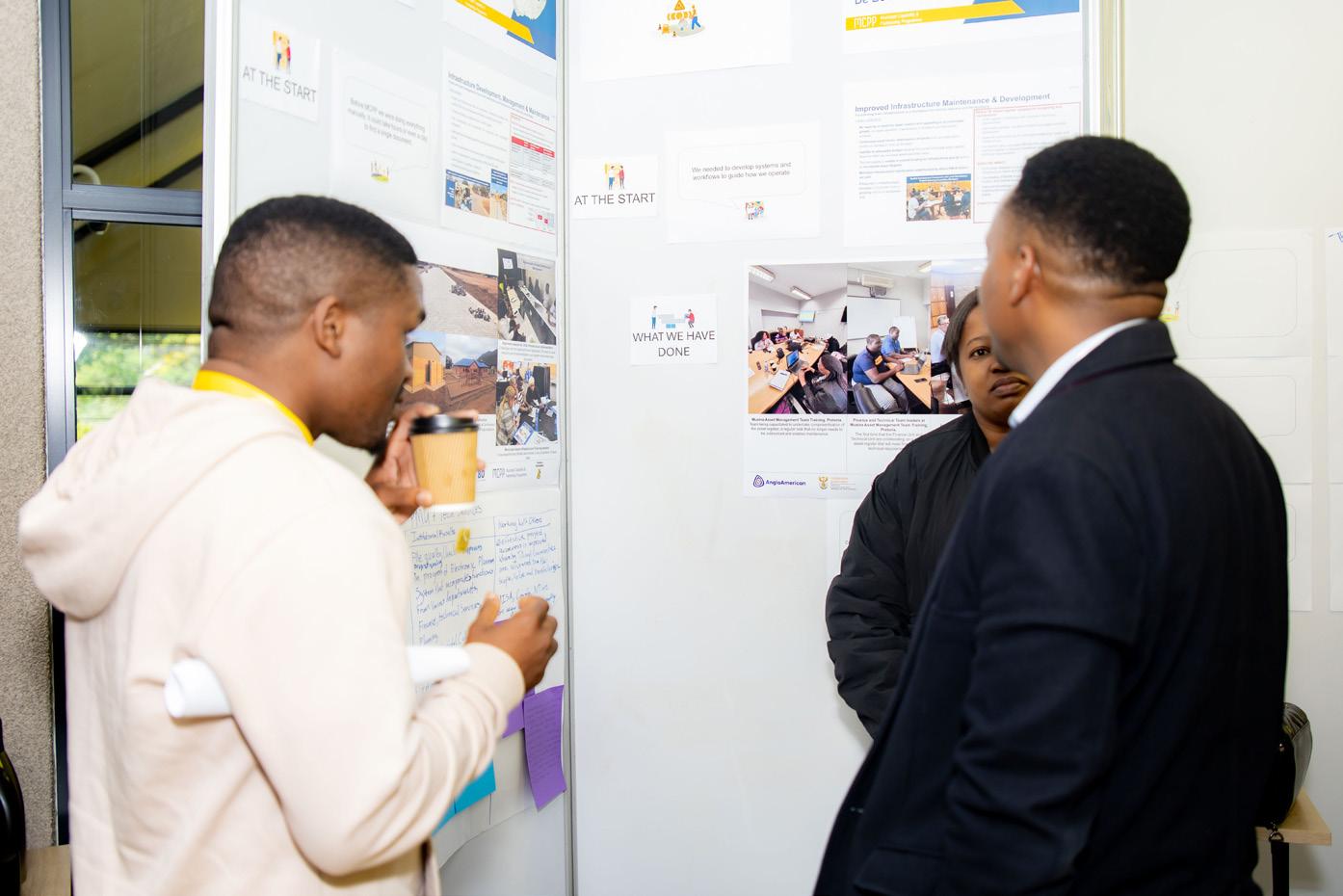
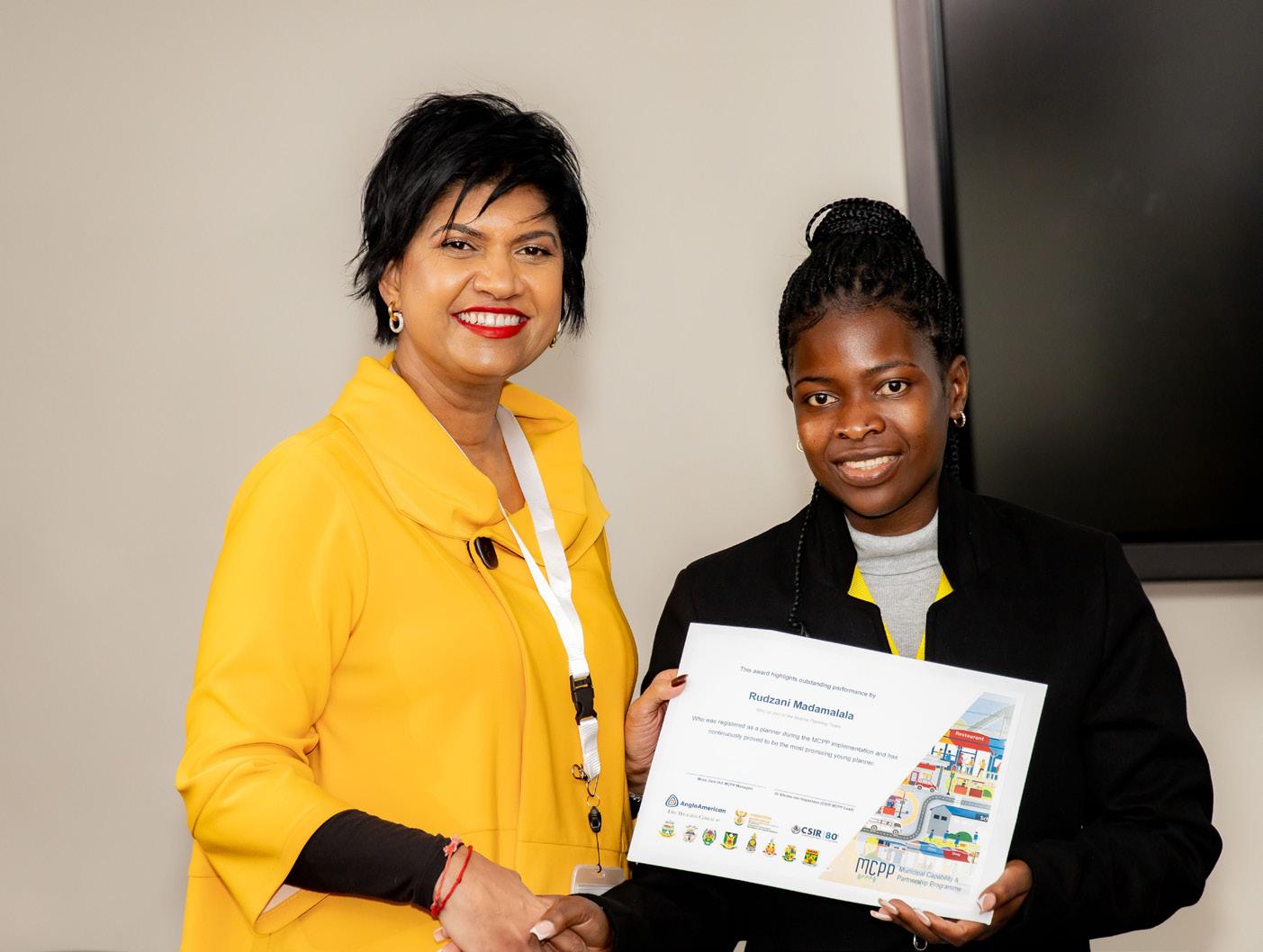
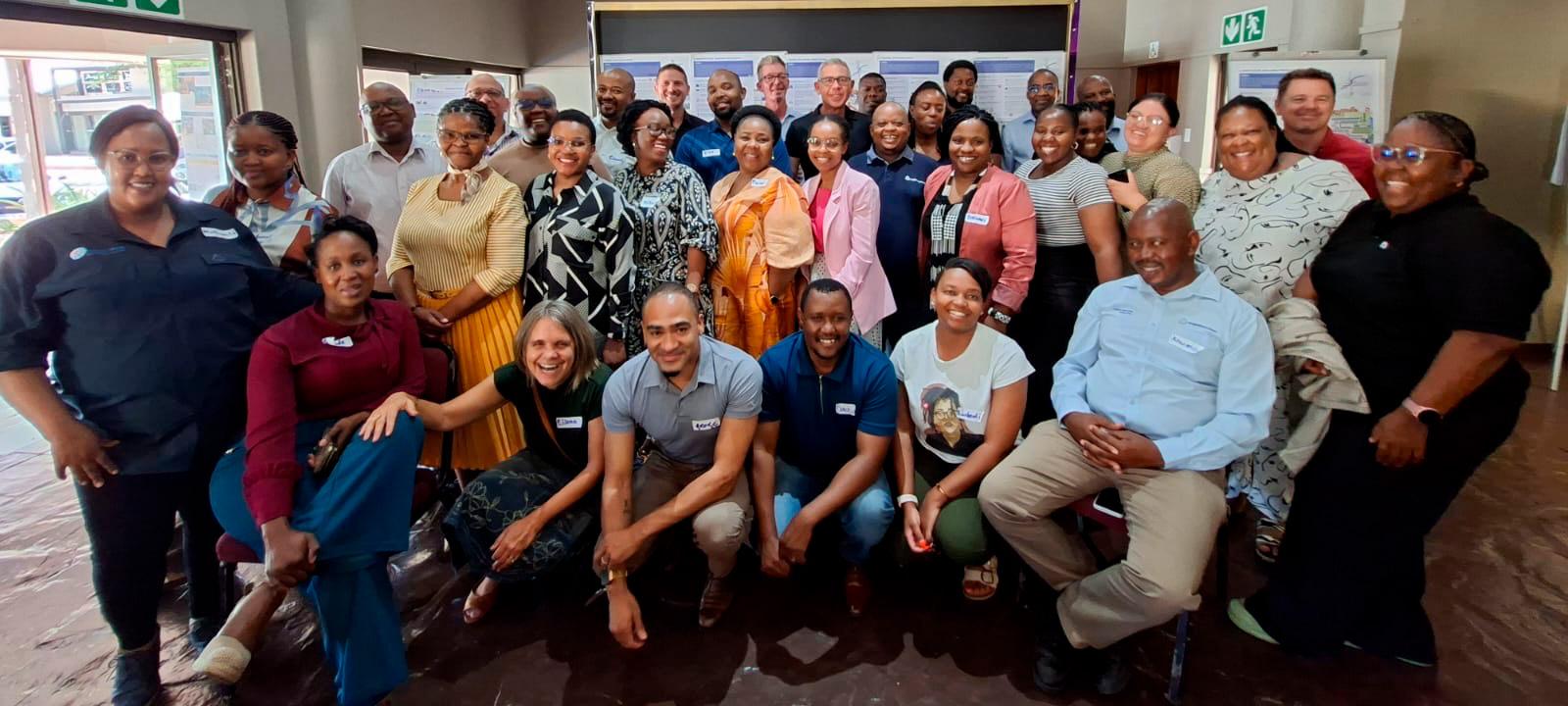
investment, and manage land and long-term development more effectively.
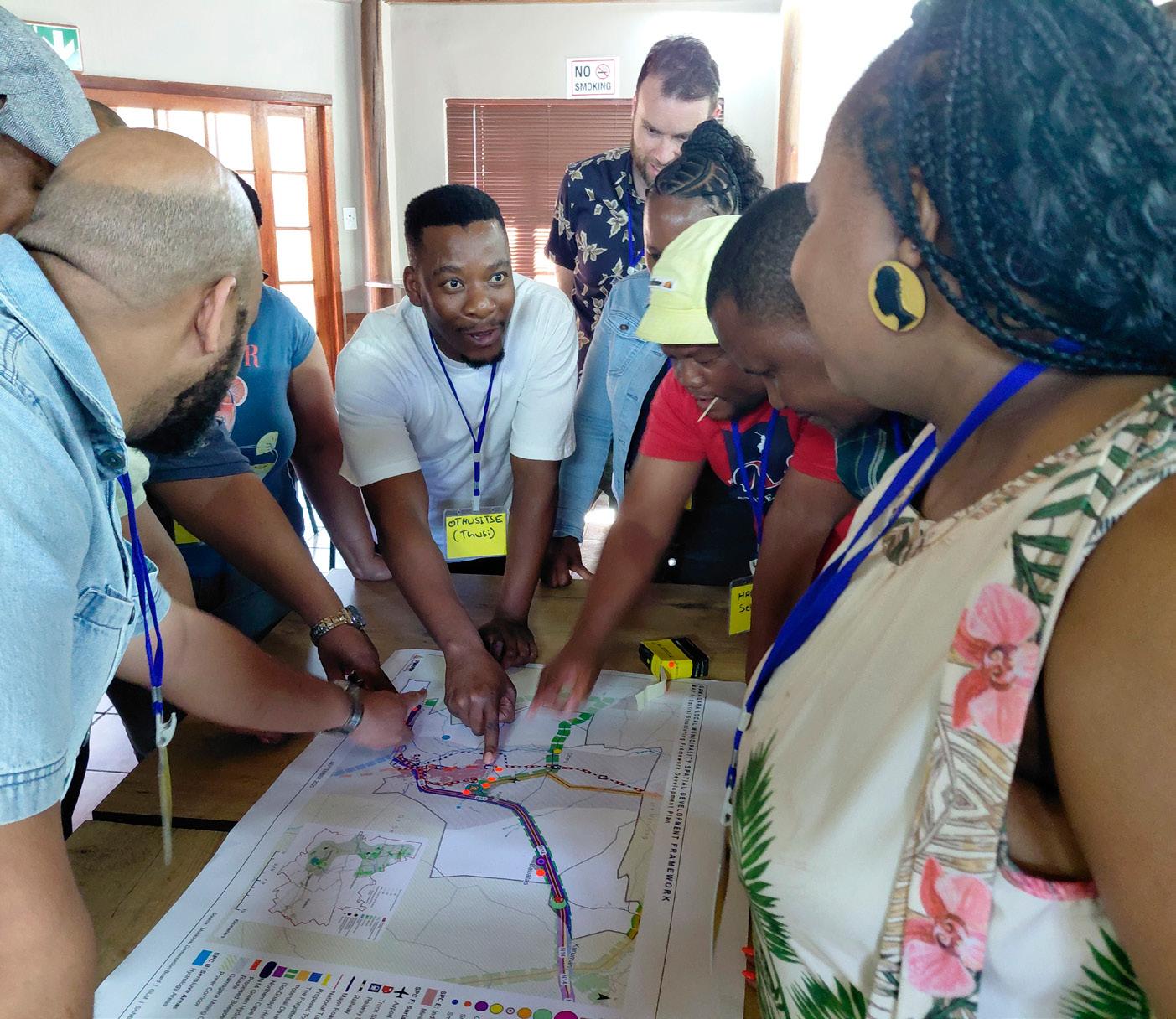
In Gamagara, home to Kumba’s Sishen Mine, the MCPP has turned planning into daily practice. Officials co-produced a new Spatial Development Framework that now guides real decisions, from solar applications to infrastructure sequencing. Green Drop water compliance has climbed from 26% to 44%, and nearly 600 previously unbilled properties have been added to the valuation roll. The municipality is now planning and managing infrastructure with post mining successor economies in the region, and industry-government collaboration firmly in view.
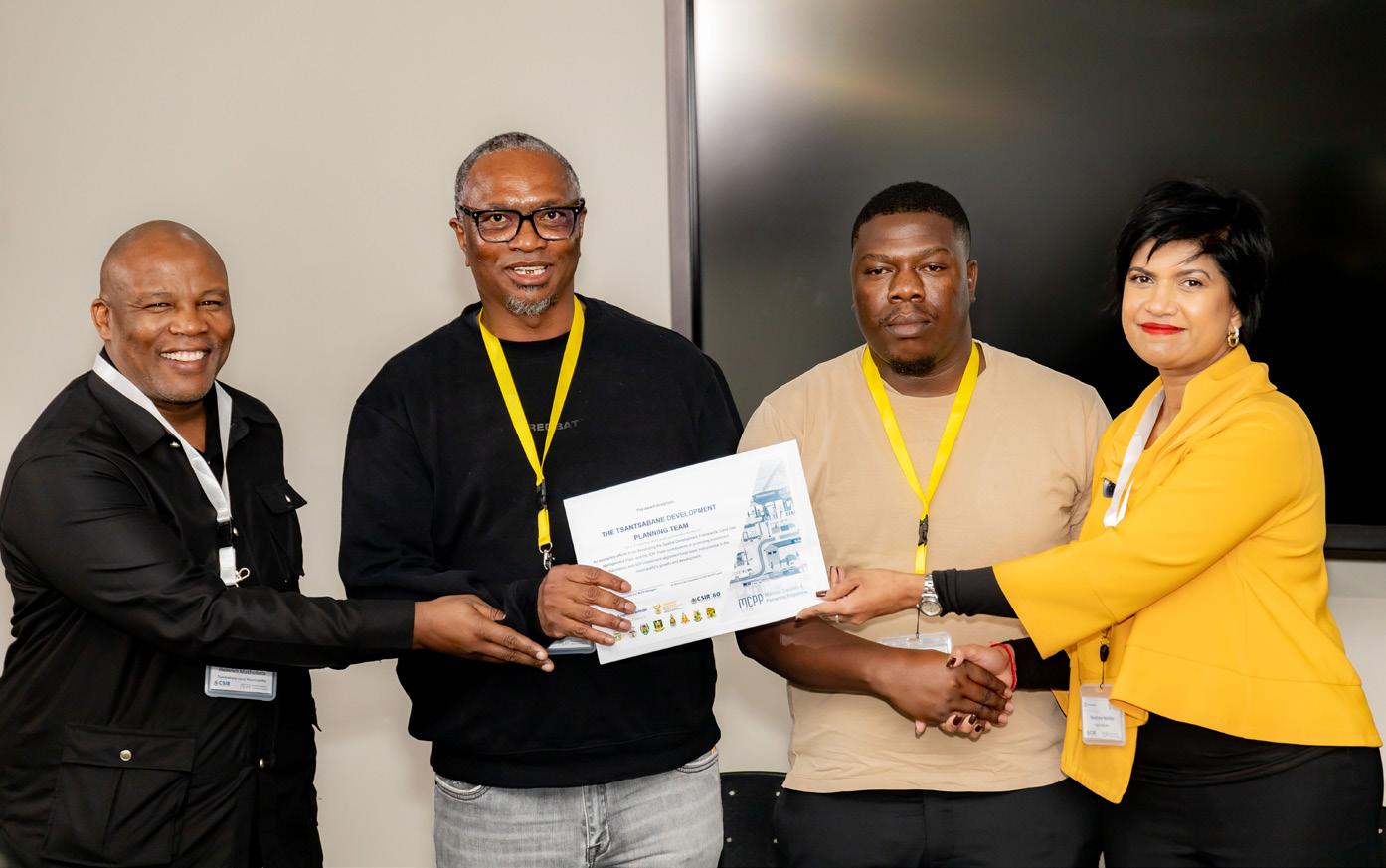
In Tsantsabane, home to Kumba's Kolomela Mine and the town of Postmasburg, the MCPP has built planning and water capability from a low base. The municipality’s first-ever land audit and land use management framework underpin its planning, alongside a co-produced Spatial Development Framework that maps out a post-mining economy and underpins its current revenue protection initiative. Tsantsabane has achieved Blue Drop compliance, staff now diagnose and repair boreholes in-house rather than calling in contractors, and the municipality has begun sharing resources and lessons with neighbouring Gamagara. Together, these gains reflect a shift from reactive, outsourced services to a more self-reliant, forward-looking municipality.
Perhaps the programme’s most significant institutional achievement, however, extends beyond any individual municipality.
The establishment of the GamagaraTsantsabane Regional Development Compact represents a shift from municipal problemsolving towards regional development planning. Rather than treating municipalities as isolated administrative entities, the Compact encourages neighbouring municipalities, government and industry to work together in preparing for long-term economic resilience beyond mining.
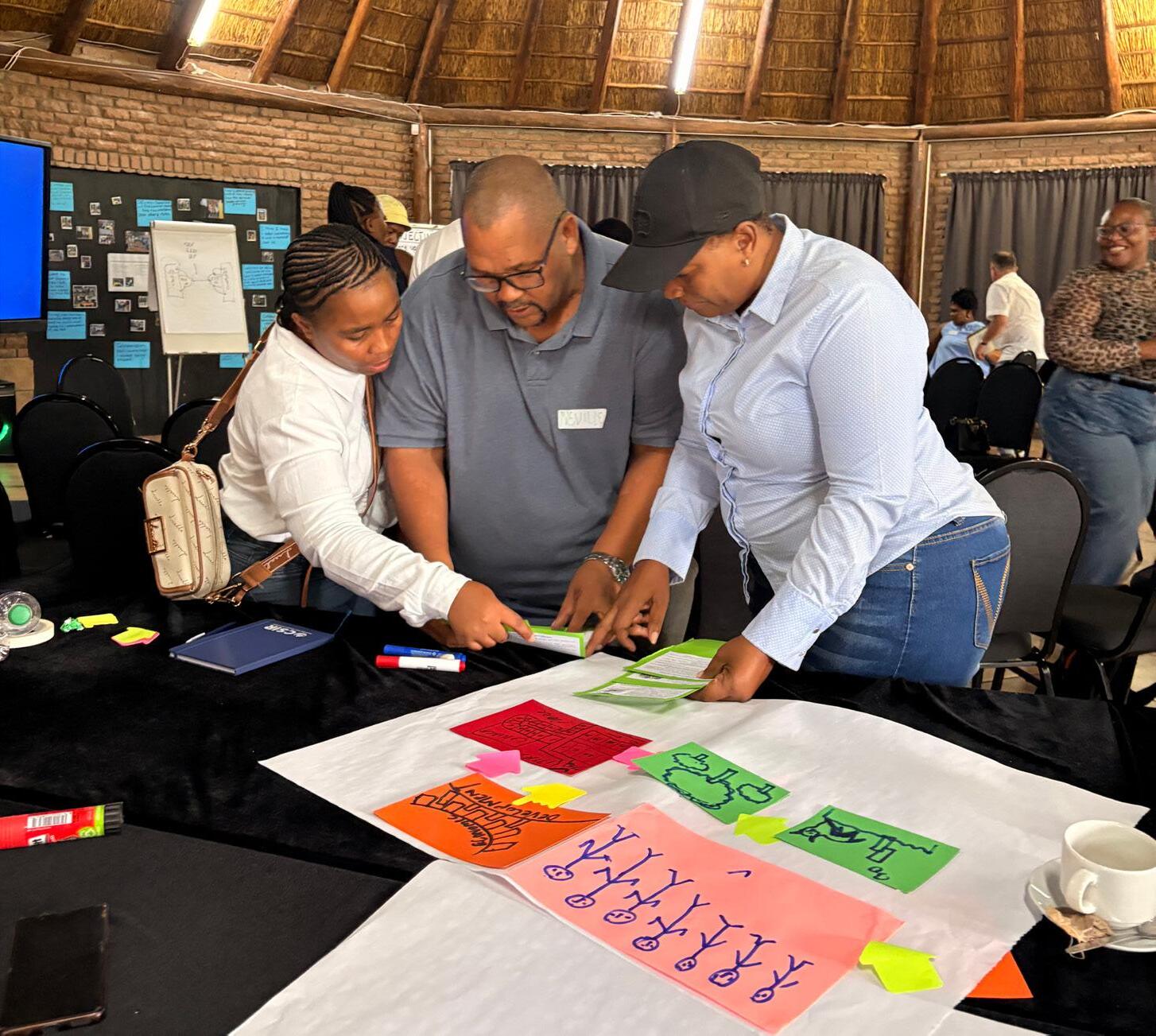
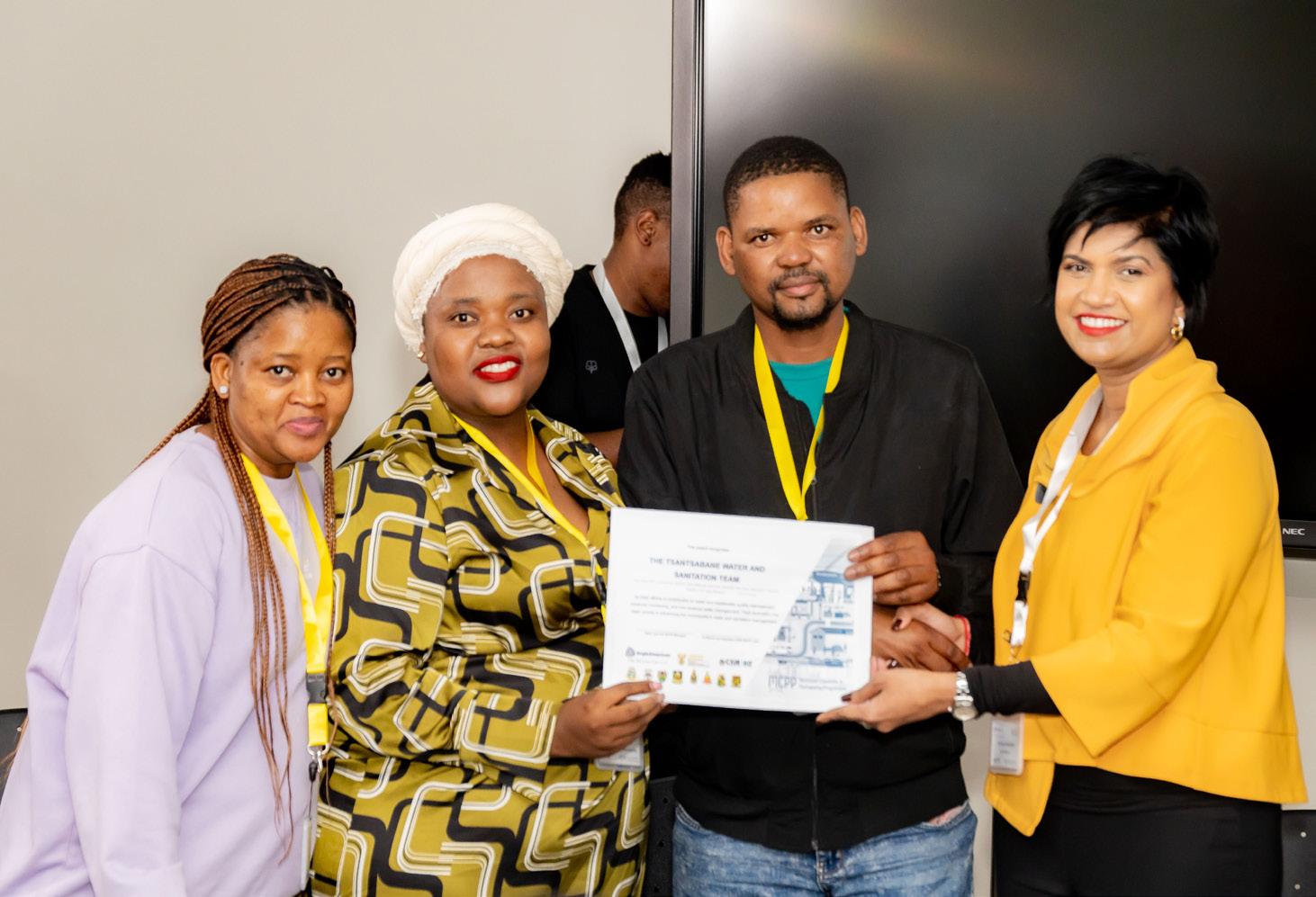
For PARI, this reflects one of the programme’s most significant contributions because it demonstrates how municipalities can begin planning not only for today’s service delivery challenges, but also for tomorrow’s economic realities.
While the evaluation concludes that the MCPP has delivered measurable
results across all four municipalities, it also makes clear that the next phase is to institutionalise these gains. Rather than introducing new interventions, the recommendations focus on embedding the systems, governance arrangements and institutional practices developed through the programme so they continue delivering value long after the MCPP concludes. >
The clearest message to emerge from the evaluation is that the programme’s deepest impact is relational before it is technical. Municipal teams that report genuinely improved collaboration between departments also show more confident use of technical tools, stronger planning and informed decision-making. Where that collaboration hasn’t taken root, technical gains stay fragmented – a land audit filed away in one department, a spatial framework produced by a consultant and simply handed over. The evaluators are blunt about what this means for how the programme should be judged: counting technical products delivered is the wrong measure. The relationships built between officials are what determine whether any of those products actually last.
That distinction plays out clearly on the ground. Individual officials across all four municipalities have visibly grown in capability, and the programme’s decision to build teams rather than
rely on single “champion” individuals is already paying off. In Blouberg and Musina, planning work has continued despite staff turnover precisely because more than one person knows how to do it. In the Northern Cape, Gamagara and Tsantsabane have gone even further, beginning to think and plan jointly for a shared post-mining future rather than treating closure as each municipality’s separate problem.
Where the programme has had more time, money and a broader mandate, as in the Northern Cape, the results are markedly more institutional than where resources have been tighter, as in Limpopo. The evaluators are careful to frame this not as a criticism of either mining partner, but as evidence of a simple, useful truth: sustained investment paired with interventions that target root causes produces sustained results.
Money remains the evaluation’s central worry. Municipal revenue in all four sites is still heavily tied to mining activity, consumer debt is

high and billing systems remain incomplete. The programme has helped municipalities understand these problems clearly and start acting on them together, but it cannot fix municipal finances on its own, and the evaluators are clear that no amount of planning capability will matter if the money to run services isn’t there.
On the question of what happens when the programme itself eventually steps back, the findings are more encouraging than is often assumed. Champions already exist: government, industry and municipal officials who have taken real ownership of the work, but champions alone won’t carry the model forward. What’s missing is the institutional anchoring and secure, possibly shared, funding that would let that commitment outlast any one budget cycle or personnel change.
Finally, the evaluation singles out something less tangible but, in its view, more valuable than any individual product: CSIR’s role as a trusted, independent intermediary. Officials across all four municipalities describe being able to speak honestly in CSIR-facilitated spaces in a way they wouldn’t with funders or regulators in the room. That role as trusted intermediary, the evaluators conclude, is the hardest part of the model to replicate and the clearest evidence that it works.
Importantly, the independent evaluation does more than assess what has been achieved. It also identifies practical recommendations that should inform future municipal capability-building initiatives. Rather than recommending that the MCPP’s projects simply be replicated elsewhere, PARI argues that it is the programme’s methodology that deserves wider application.
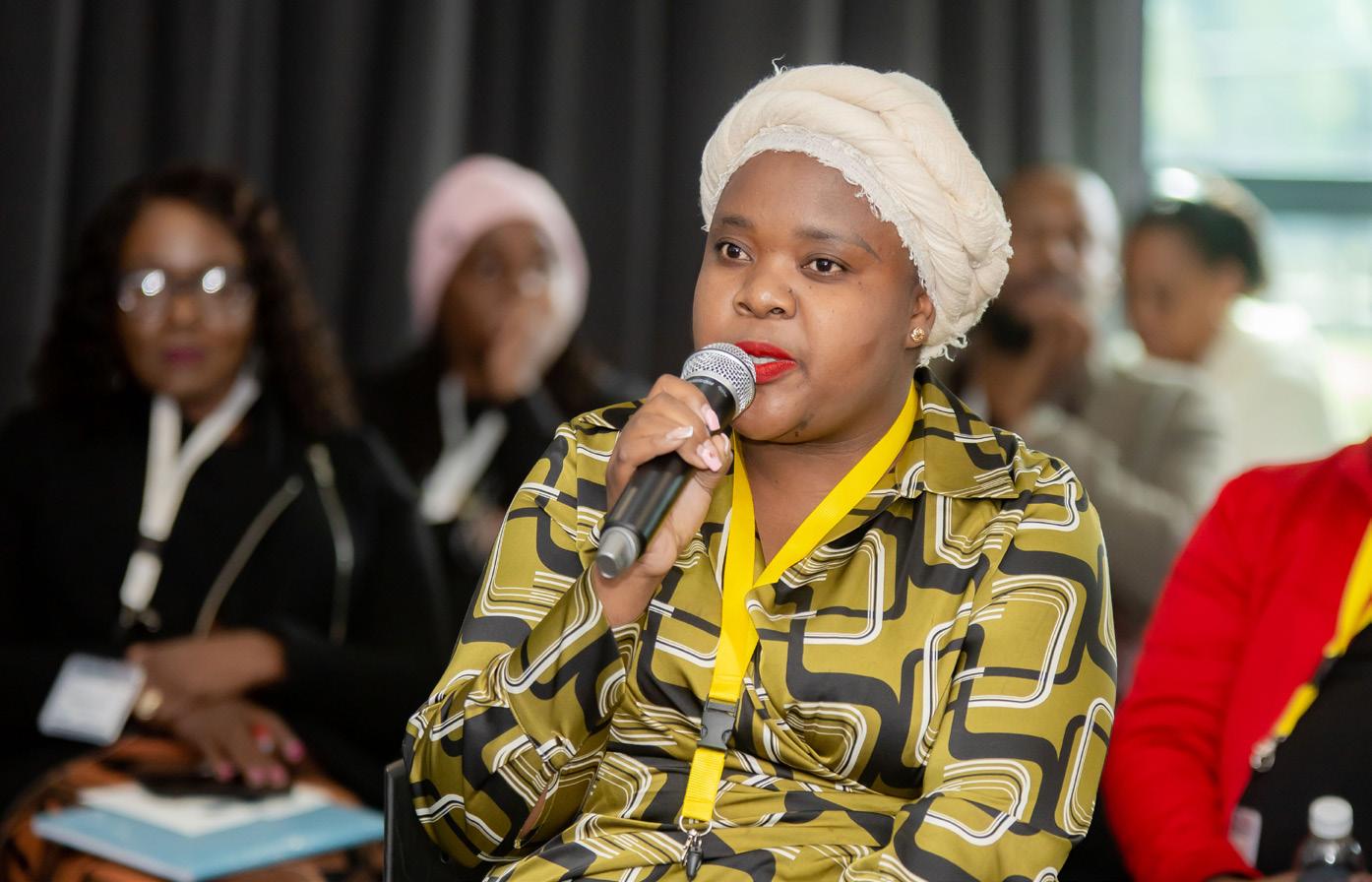
The evaluation recommends that future municipal capabilitybuilding initiatives should:
• Strengthen institutional capability rather than creating dependency on external support.
• Embed knowledge within municipal systems through succession planning, formal knowledge transfer and organisational learning.
• Improve financial sustainability, with greater emphasis on revenue enhancement, longterm asset management and financial resilience.
• Retain long-term partnership models, recognising that sustainable institutional change requires time, trust and continuity.
• Adopt differentiated approaches that respond to the unique context and developmental realities of individual municipalities.
• Promote stronger collaboration between municipalities, government, industry and development partners.
• Capture and replicate the MCPP methodology, adapting its principles to different municipal contexts rather than duplicating individual projects.
Collectively, these recommendations point towards a broader shift in thinking. Municipal capability cannot be built through isolated interventions alone. It develops through sustained partnerships, institutional learning and a willingness to understand the underlying causes of municipal challenges before designing solutions. >
One of the strengths of the PARI evaluation is that it remains balanced. It does not suggest that the Municipal Capability and Partnership Programme has solved every challenge facing local government, nor does it present the programme as a one-size-fits-all solution. Instead, it concludes that the MCPP has developed a credible, evidence-based methodology for strengthening municipal capability –one that can inform future partnerships between government, industry and development partners.
The evaluation also recognises that important work remains. Financial sustainability, institutional succession, political transitions and the long-term embedding of municipal capability
will continue to require focused attention. These are not shortcomings of the programme, but reminders that strengthening local government is an ongoing process rather than a once-off intervention.
Perhaps the programme's greatest contribution is that it demonstrates what can be achieved when municipalities are supported through long-term partnership, systems thinking and collaborative problem-solving, building capability from within rather than delivering solutions from outside.
The independent evaluation points to something larger than the future of the MCPP itself.

Rather than recommending that municipalities replicate individual projects, it concludes that the programme's enduring value lies in its methodology. Its phased implementation model, multi-disciplinary technical teams, sustained on-site presence and collaborative, capability-building methodology provide a practical framework that can be adapted to different municipal contexts while responding to their unique realities.
Ultimately, the significance of the MCPP lies not simply in what it achieved, but in what it demonstrated. Across six years of sustained engagement, the programme has shown that a problemdriven, trusted-intermediary, workingalongside approach can strengthen municipal institutions in ways that project-based or compliance-driven interventions cannot. The methodology is sound. The evidence base is strong.
As South Africa continues to seek more effective ways of building capable, resilient municipalities, the MCPP offers an independently evaluated model for how government, industry and development partners can strengthen institutional capability through long-term partnership. That may ultimately prove to be the programme's most enduring legacy.
FOR MORE INFORMATION CONTACT:
Ms Musa Jack: musa.jack@angloamerican.com
Dr Elsona van Huyssteen: EvHuyssteen@csir.co.za
Website: mcp-programme.co.za









































































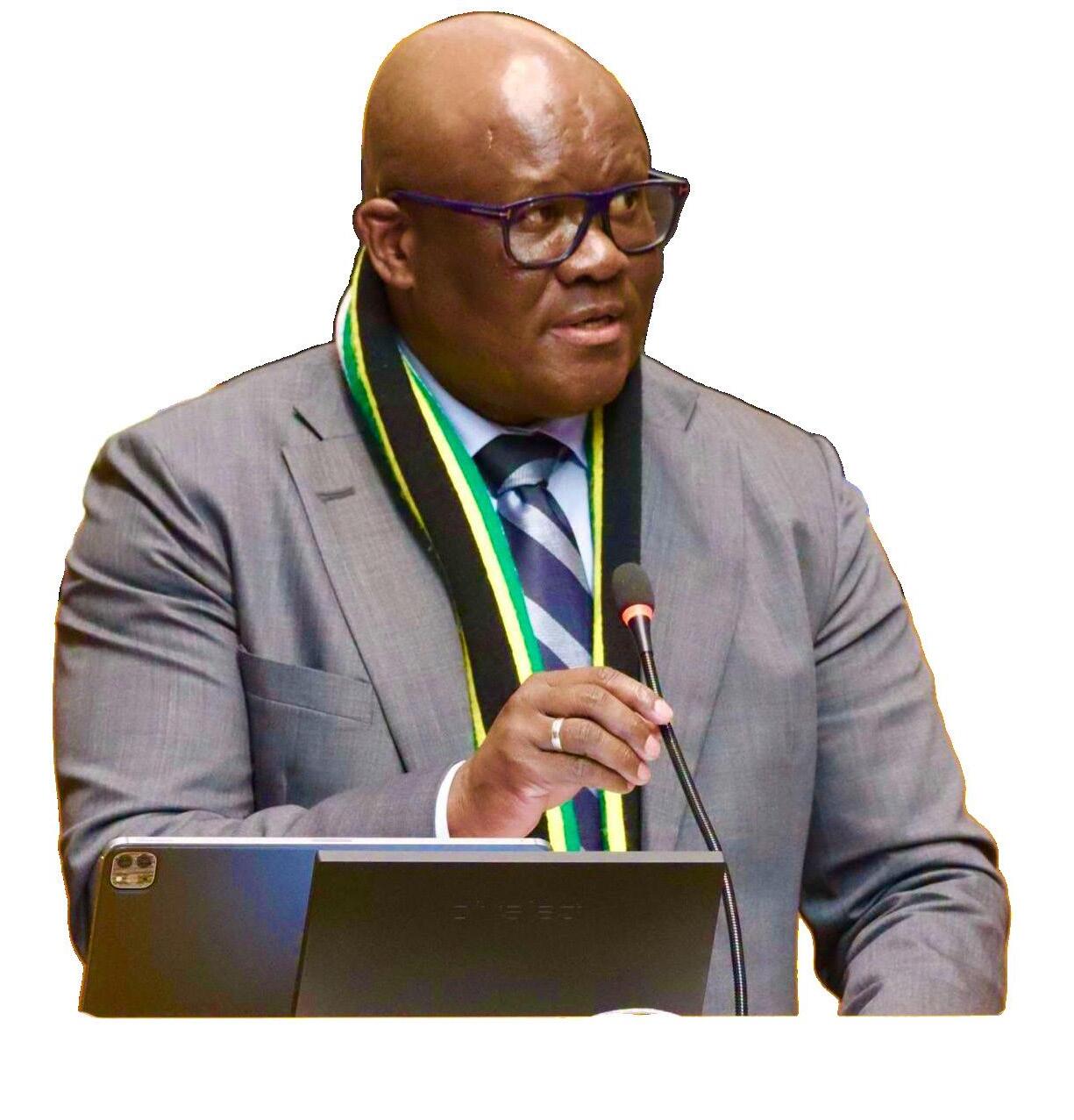

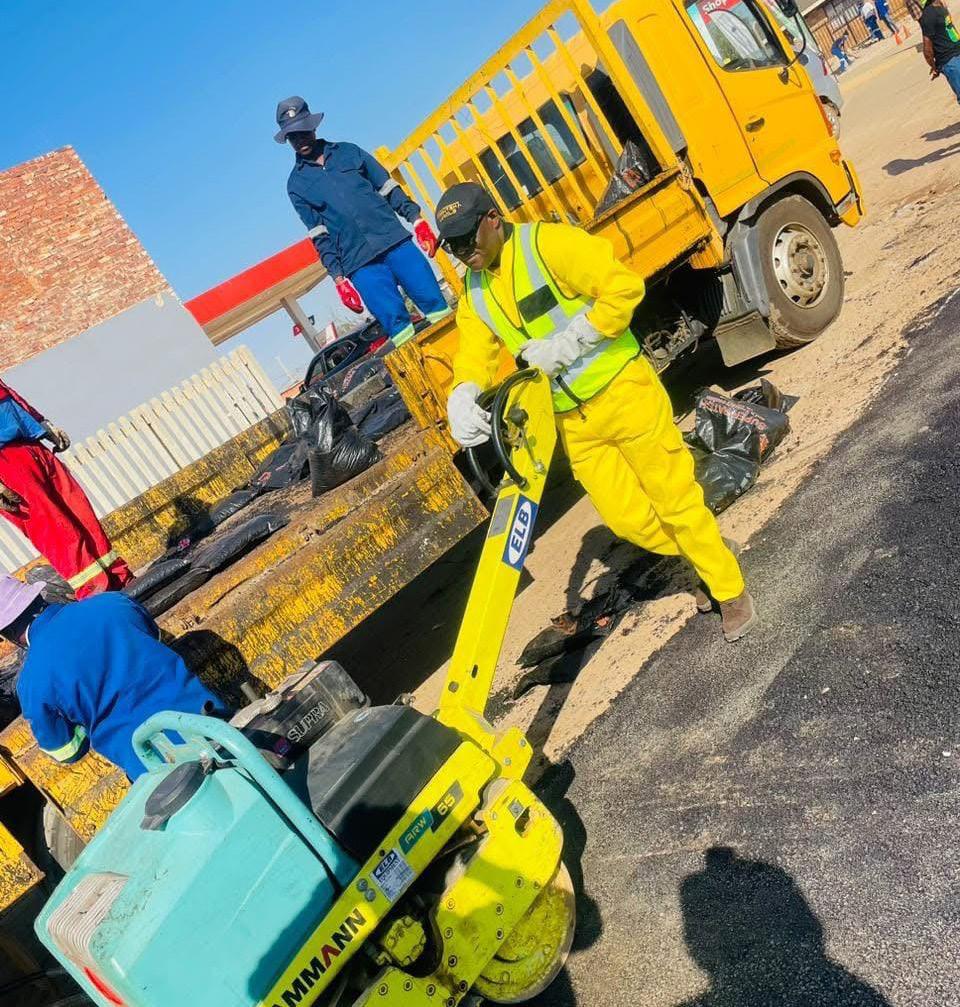
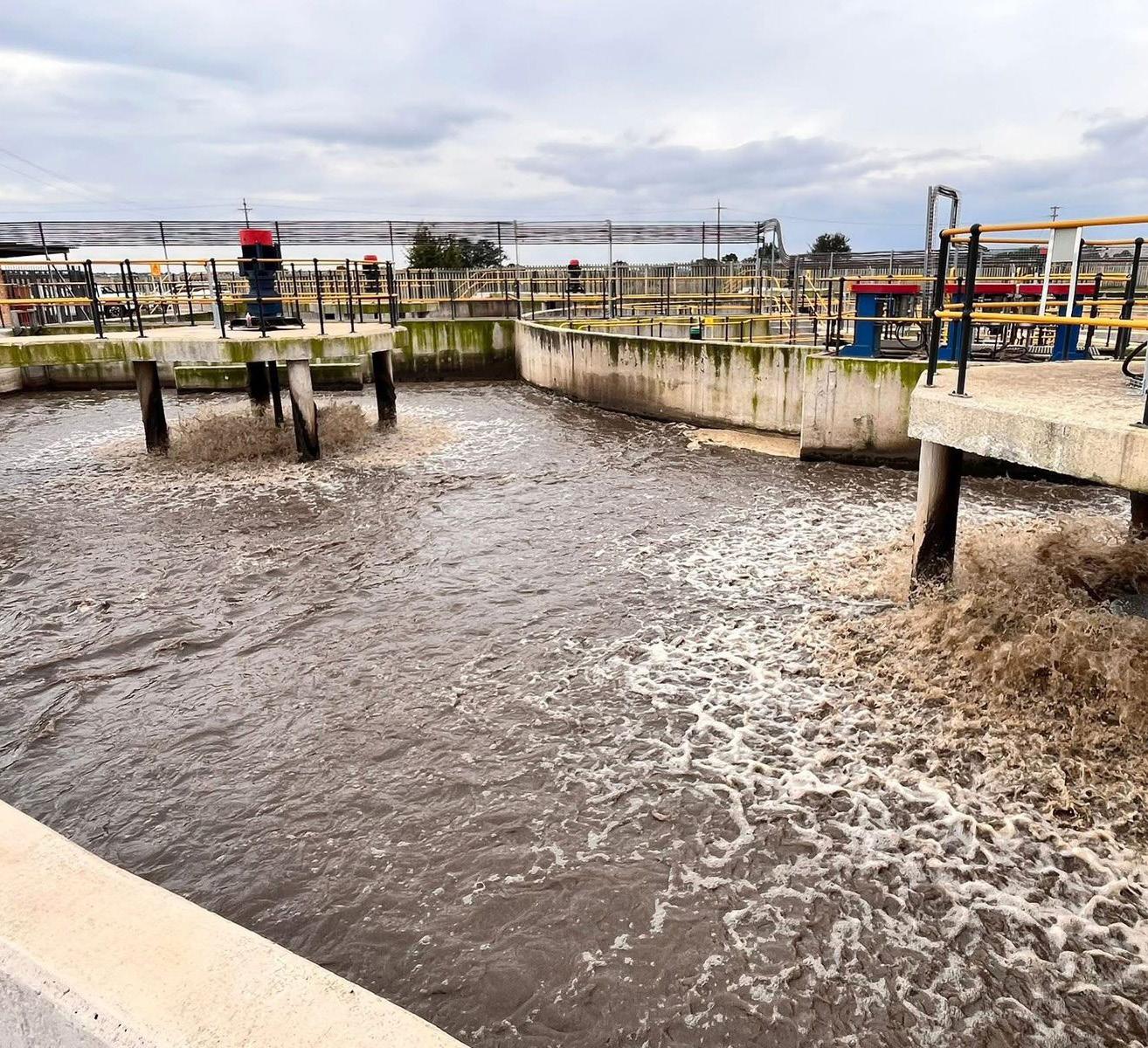
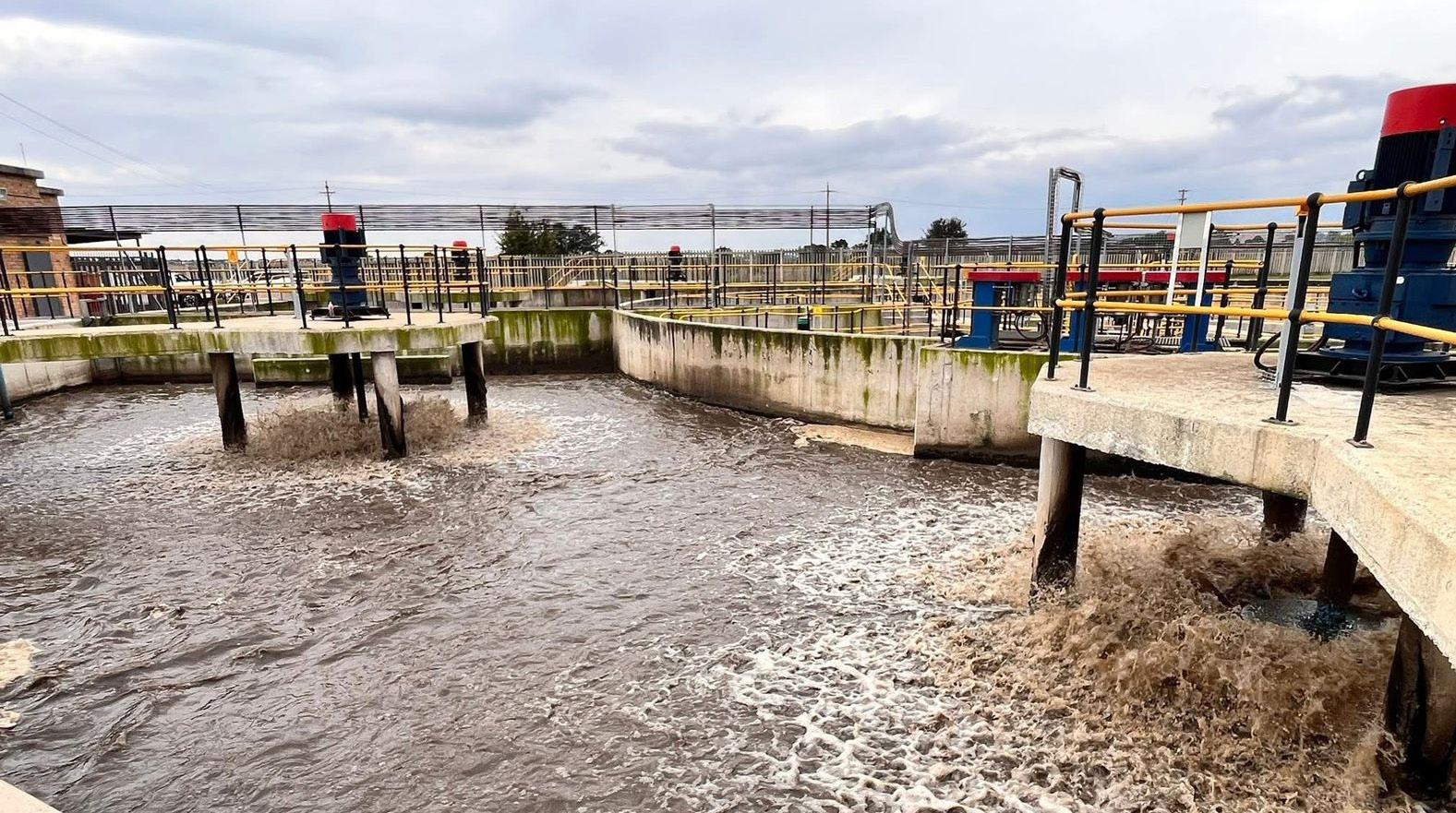
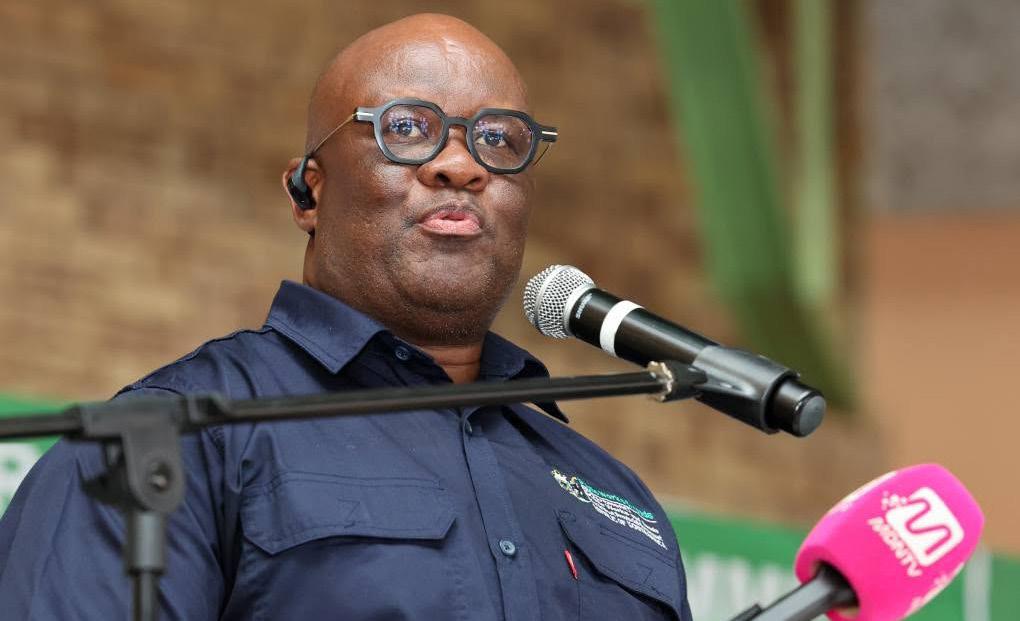
North West Department of Cooperative Governance, Human Settlements and Traditional Affairs (CoGHSTA) for the 2026/27 financial year, MEC Gaoage Oageng Molapisi is prioritising stronger municipalities, accelerated housing delivery, improved infrastructure and accountable governance as the Department works to improve the quality of life of communities across the province.
Presenting the 2026/27 Budget Speech in the North West Provincial Legislature on 25 June 2026, MEC for Cooperative Governance, Human Settlements and Traditional Affairs Gaoage Oageng Molapisi outlined a programme of action focused on strengthening local government, expanding access to housing, supporting traditional leadership and, accelerating infrastructure service delivery.
Of the department’s allocation, R712.6 million has been budgeted for Cooperative Governance
and Traditional Affairs (CoGTA), and R1.708 billion for Human Settlements (HS), providing the resources to drive a broad range of governance, infrastructure and housing interventions across the province.
“The theme guiding our work is clear: Fixing Local Government –Every Municipality Must Work. We are declaring this year a year of decisive action – one in which we fix local government, strengthen traditional leadership and accelerate service delivery for all our people.”

To strengthen its own capacity to support municipalities, North West CoGTA has filled 200 critical vacancies, including long-standing senior management positions responsible for disaster management, municipal administration, integrated municipal infrastructure, legal services and fraud and risk management. Building on this progress, a further 85 advertised positions are expected to be filled before the end of the current financial year, further strengthening the department’s ability to provide effective oversight and municipal support.
Investment in municipal capability also extends to skills development. Following the completion of skills audits across all 22 municipalities, Naledi, Mahikeng and Madibeng have been selected as pilot municipalities to implement

workplace skills plans aligned with LGSETA requirements. Municipalities have also been directed to implement skills audit recommendations and submit quarterly progress reports to ensure accountability and continuous improvement.
The department’s commitment to building capable municipalities is also reflected in its continued investment in employment creation. Through the Expanded Public Works Programme (EPWP), 94 employment opportunities were created during the period under review, while a partnership with North-West University enabled the placement of 100 graduates across all 22 municipalities. The programme provides graduates with three years of practical workplace experience, with 23 participants already permanently employed by various institutions.
In partnership with merSETA, a further 44 mechanical
engineers have been deployed to municipalities to strengthen technical capacity, while the Community Works Programme created more than 16 000 employment opportunities. Beyond temporary employment, the programme continues to equip participants with practical work experience, artisan skills and enterprise development opportunities through partnerships with the private sector.
The successful Provincial Local Government Kgothakgothe, convened under the theme Fixing Local Government – Every Municipality Must Work, marked an important milestone in shaping the department’s programme for the year ahead. Importantly, the resolutions adopted during the Kgothakgothe have now been formally incorporated >
into the Municipal Support Improvement Plan (MSIP) for the 2026/27 financial year, ensuring that the discussions translate into measurable interventions within municipalities.
Complementing these reforms is the development of an Early Warning System, designed to strengthen accountability and identify governance and financial risks before they escalate. The software has already been developed and tested, with officials currently undergoing training ahead of its provincial rollout.
The MEC stated that significant progress has been recorded at Ditsobotla Local Municipality, which remains under a Section 139(7) intervention. Measures already implemented include the election of a single Speaker and Mayor to eliminate duplication, the restoration of fully functional council structures, termination of 45 irregular appointments and the successful approval of the municipality’s 2026/27 budget.
Positive progress has also been reported in Kagisano-Molopo Local Municipality under its Section 139(1)(a) intervention, while Mamusa Local Municipality continues to experience limited implementation of directives, prompting consideration of stronger intervention measures.
The department has also instituted investigations and governance interventions in Ramotshere Moiloa, Matlosana, Madibeng, Tswaing and Kgetlengrivier Local Municipalities to address governance failures, strengthen accountability and ensure that recommendations are implemented to improve municipal performance.
The Budget Speech highlights encouraging progress in strengthening financial governance across municipalities. Moses Kotane, JB Marks and Greater Taung Local Municipalities improved from qualified to unqualified audit opinions, joining Bojanala Platinum District Municipality, Dr Kenneth Kaunda District Municipality and Moretele Local Municipality.
Other municipalities also recorded positive movement. Lekwa-Teemane improved from a disclaimer to an adverse audit opinion, Mamusa progressed from adverse to qualified, while Ratlou Local Municipality improved from a disclaimer to a qualified audit opinion after successfully preparing its Annual Financial Statements without external consultants, resulting in savings of approximately R3 million.
Perhaps most significantly, disclaimer audit opinions have declined dramatically – from nine municipalities during the 2020/21 financial year to only one municipality during 2024/25.
Looking ahead, the department will intensify support to municipalities through partnerships with SALGA
and Provincial Treasury to strengthen performance management systems, improve monitoring and evaluation and assist municipalities in progressing from unqualified towards clean audit outcomes.
Between August 2025 and February 2026, municipalities collectively paid more than R318 million to Magalies and Midvaal Water, while payments exceeding R1 billion were made to Eskom between August 2025 and March 2026. The department will continue working with Provincial Treasury to ensure municipalities maintain payment arrangements while provincial departments and public entities meet their obligations for municipal services rendered.
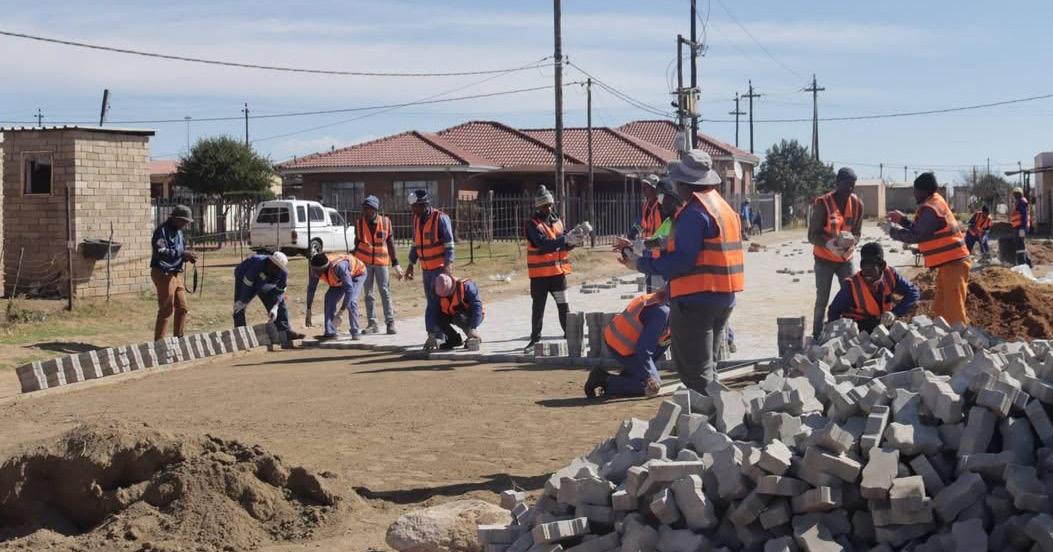
Through the Municipal Infrastructure Grant (MIG), the department continues to address infrastructure backlogs affecting poor households, social institutions and local economic development.

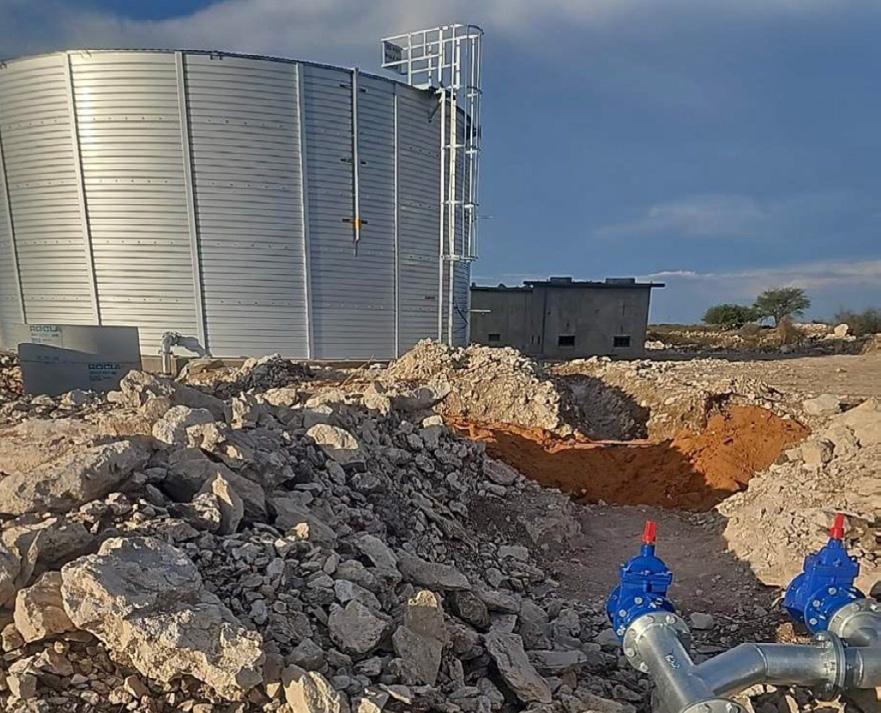
Among the major achievements highlighted in the Budget Speech is the successful completion of the R148 million Bona-Bona Bulk Water Scheme in Kagisano-Molopo Local Municipality. Completed in August 2025, the project now provides reliable water services to approximately 3 634 households in communities that have historically experienced shortages.
Complementing this work is Operation Bulela Metsi, one of Premier Lazarus Mokgosi’s flagship interventions aimed at accelerating equitable access to water and sanitation services throughout the province. Working alongside the Department of Water and Sanitation (DWS), Magalies Water and Water Service Authorities, CoGHSTA will continue supporting municipalities to improve the reliability and sustainability of potable water supply.
The department will also strengthen implementation of the Free Basic Services Programme by supporting municipalities to maintain credible indigent registers, improve indigent policies and expand registration drives through the Thuntsha Lerole service delivery programme.
Further work will continue to institutionalise the District Development Model (DDM) by strengthening collaboration between municipalities, provincial departments, national departments and state-owned entities.
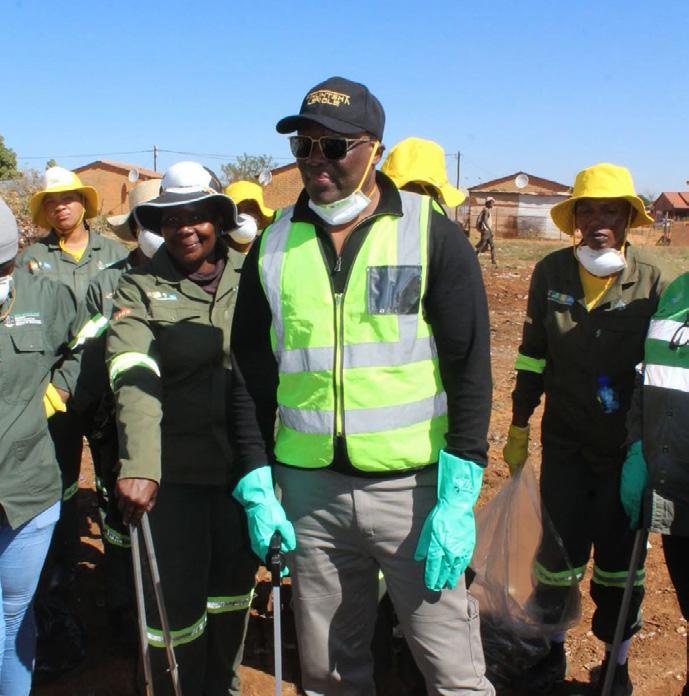
Meanwhile, the Clean Cities Campaign, launched under the theme Rata Tikologo Ya Gago, continues encouraging cleaner, greener and safer neighbourhoods through active citizen participation.
Following severe flooding across parts of the province, CoGHSTA coordinated flood assessments and remedial action plans that resulted in R42 million being allocated through the Municipal Disaster Response Grant during the 2024/25 financial year to repair damaged infrastructure. An additional R64 million has subsequently been allocated in this financial year for projects expected to be completed by February 2027 which will simultaneously create employment opportunities within affected communities.
To strengthen traditional institutions, the department will continue providing essential tools of trade, including vehicles, laptops and communication equipment. Investment will also continue in refurbishing Traditional Council Offices, upgrading the North West House of Traditional and Khoi-San Leaders chambers, maintaining existing facilities and constructing new Traditional Council offices across the province.
Further priorities include finalising the Coronation Policy, supporting the 2026 Lenaka Memorial Lecture, resolving traditional leadership disputes through Section 59 Investigative Committees, digitising traditional leadership records and strengthening oversight of customary initiation through improved monitoring, additional personnel and enhanced collaboration with health authorities and law enforcement agencies.
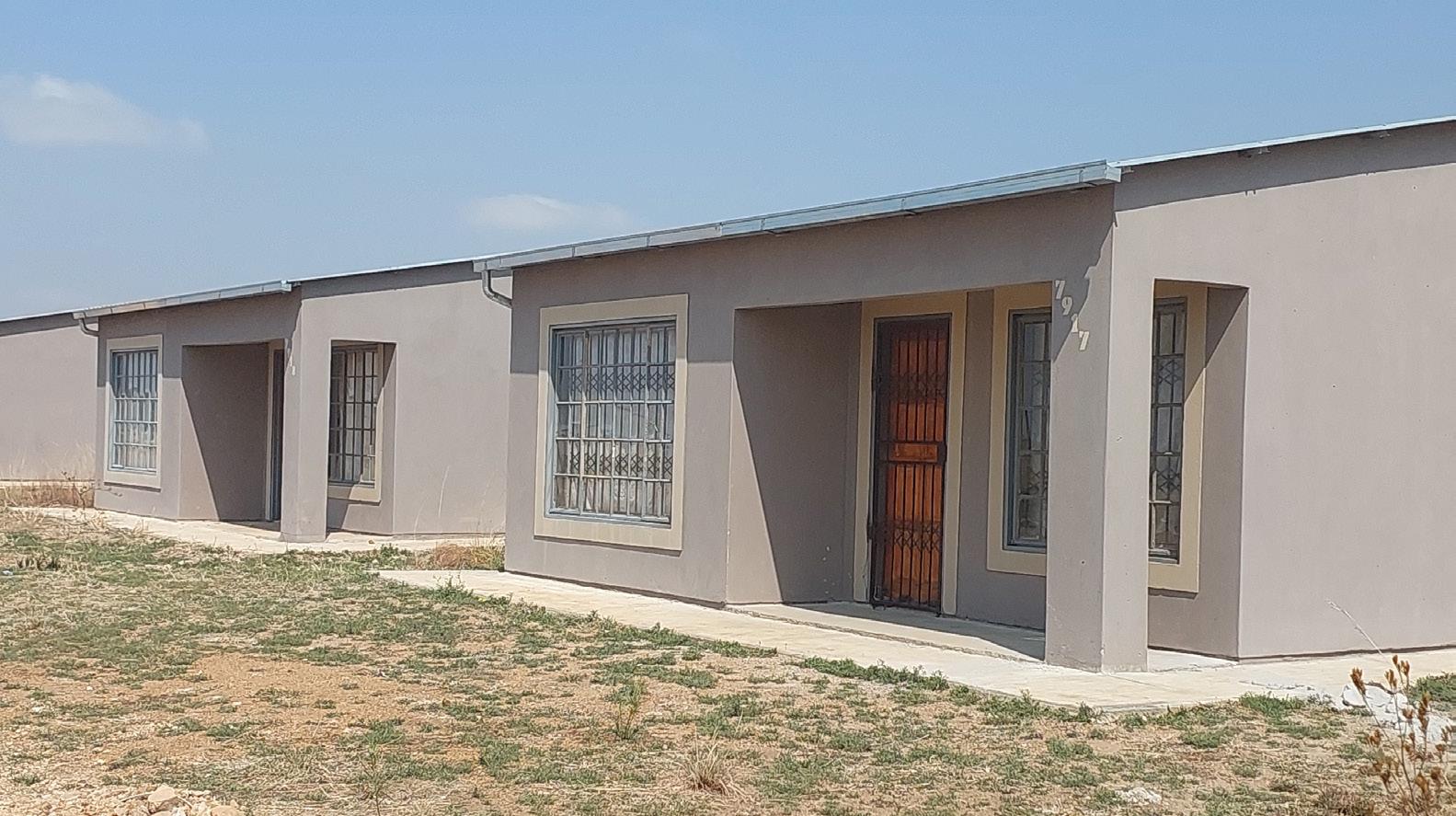
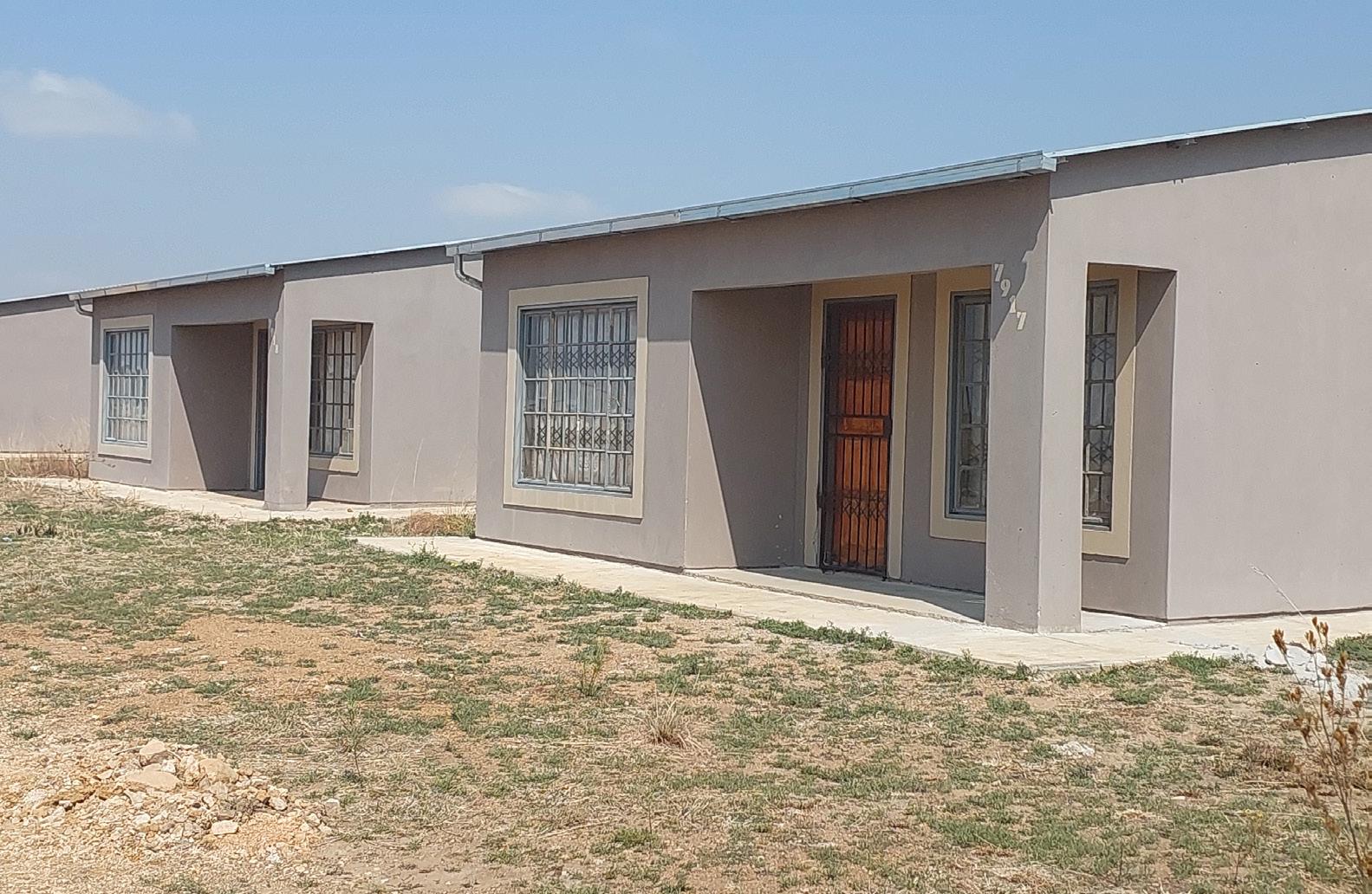
Improving access to adequate housing and secure tenure continues to be one of North West CoGHSTA’s most visible commitments to improving quality of life across the North West Province.
The Department of Human Settlements exceeded its housing delivery target during the previous financial year, delivering 3 692 Breaking New Ground (BNG) housing units against a target of 3 555. Building on this momentum, the department now plans to deliver 3 793 housing units during the 2026/27 financial year across all four districts of the province, comprising:
• 857 units in Bojanala
• 945 in Dr Kenneth Kaunda
• 816 in Ngaka Modiri Molema
• 795 in Dr Ruth Segomotsi Mompati
• 380 units through departmental programmes >
MEC Molapisi urged beneficiaries to not sell their RDP houses – currently known as Breaking New Ground houses –emphasising the importance of preserving their homes for future generations.
The MEC stated that catalytic housing developments in Bokamoso and Matlosana N12 continue to gather momentum after exceeding previous delivery targets. During the current financial year, 319 additional housing units are planned within these developments.
Housing delivery in mining communities is also receiving renewed attention. Following delivery targets achieved during the previous financial year, government now plans to construct 983 housing units and develop 1 379 serviced sites across Madibeng, Moses Kotane, Rustenburg and the City of Matlosana.
In informal settlement the department continues to improve serviced sites while strengthening collaboration with municipalities to ensure that Municipal Infrastructure Grant funding is used to install bulk services before housing construction begins.
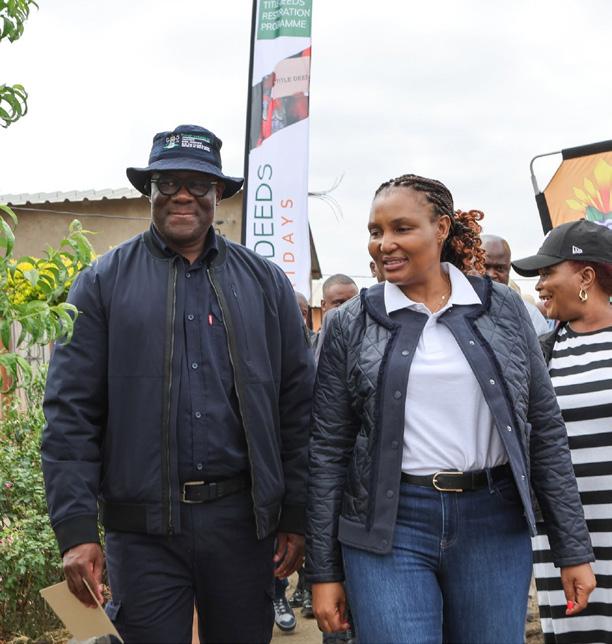
The department will also continue prioritising blocked housing projects, with approximately 80% of the available budget directed towards completing existing developments, eradicating mud houses, asbestos roof replacement, delivering military veterans’ housing, expanding the Title Deeds Programme and supporting services provided by the Housing Development Agency (HDA) and the National Home Builders Registration Council (NHBRC). The remaining 20% will support new housing developments.
Having transferred 3 048 title deeds during the previous financial year, the department now plans to transfer a further 2 450 title deeds during 2026/27 as part of the national Title Deeds Friday Campaign.
The First Home Finance Programme will continue assisting qualifying firsttime homebuyers through subsidies of up to R130 000, while new partnerships with the National Housing Finance Corporation (NHFC) and traditional authorities aim to expand access to home ownership within rural communities.
The newly appointed Board of the North West Housing Corporation (NWHC) will oversee ongoing governance reforms
after the entity achieved an unqualified audit opinion for the fourth consecutive financial year while reducing audit findings.
Planning also continues for the province’s Smart and Mega Cities Programme, supported by allocations for bulk infrastructure planning in Matlosana, Mogwase and Mahikeng. Together with the NWHC’s ongoing asset optimisation strategy and improved management of community residential units, these initiatives are intended to expand access to housing while supporting sustainable urban development across the province.
It is clear from MEC Molapisi’s 2026/27 Budget Speech, that while challenges remain, the Budget sets out a practical roadmap for strengthening local government, expanding housing opportunities and improving the quality of life of communities across the North West Province.

water crisis is not only about scarcity. It is also about responsible asset stewardship.
As South Africa looks ahead to the municipal elections, water reliability will remain one of the clearest measures of public service delivery.
What the sector evidence is telling us 47%
National municipal non-revenue water reported in 2023 277
municipal systems assessed as being in a critical performance state.

These are not isolated technical defects. They point to recurring gaps in infrastructure management, institutional capability, accountability, planning, maintenance, monitoring and implementation.
Asset visibility
Lifecycle planning
Institutional capability
Data credibility
Outcome-based delivery models
Transparency and trust
Water resilience starts with asset stewardship
Pragma enables organisations to improve infrastructure performance through practical asset management, maintenance planning, operational data and capability building.


Petroleum Agency SA is mandated according to Section 70 of the MPRDA to promote and regulate the sustainable development of oil and gas exploration and production in South Africa. Within this mandate, PASA is proud to be led in key strategic and technical portfolios by suitably qualified and experienced women, whose expertise reflects the Agency's commitment to gender parity and advancing women leaders, as we shape the future of South Africa's oil and gas sector.
In appreciation of the progressive gender inclusion in the petroleum sector, I am proud to shine a spotlight on some of the PASA women who are leading game-changing portfolios at the Petroleum Agency SA, highlighting their respective roles and their strategic influence in enabling the sustainable development of oil and gas in South Africa and across the region.
Ms Unathi Magida Executive: Communications & Stakeholder Relations, PASA

Vuyiswa
Executive: Chief Information Officer
What does your role as CIO actually involve and what do most people not understand about its strategic importance?
As CIO, my role extends far beyond managing technology. I align digital capabilities with PASA’s strategic objectives, ensuring that technology enables regulatory excellence, operational efficiency, cybersecurity, governance and innovation. I oversee digital transformation, ICT governance, petroleum data management, cybersecurity and the technology investments that support PASA’s mandate. What many people don’t realise is that a CIO is an organisational leader first, and a technology leader second. Every technology decision must create measurable value, manage risk and support national priorities. Technology is not simply a support function, it is a strategic enabler that
influences decision-making, service delivery and regulatory effectiveness.
How has digital transformation changed the way PASA operates and what are you most proud of building?
Digital transformation is changing how PASA delivers on its regulatory mandate. We are steadily moving from fragmented processes toward integrated digital platforms that improve efficiency, transparency and data-driven decision-making. By digitising core business processes, strengthening cybersecurity, modernising our infrastructure and enhancing stakeholder services, we have created a more responsive and resilient organisation. I am particularly proud of laying the foundation for an integrated petroleum data management
Technology is not simply a support function – it is a strategic enabler that influences decision-making, service delivery and regulatory effectiveness. " "

environment that preserves South Africa’s valuable petroleum information while enabling faster access, improved governance and informed exploration decisions. We have also enhanced our online application portal, improving the licensing process by giving stakeholders a more efficient, transparent and accessible platform to submit and track applications.
What does it mean to be the custodian of South Africa’s petroleum data and why does it matter?
Being the custodian of South Africa’s petroleum data means safeguarding one of the country’s most valuable strategic assets. This includes ensuring the integrity, security, accessibility and long-term preservation of geological, geophysical and exploration data collected over decades.
Reliable petroleum data reduces exploration risk, improves investor confidence and helps unlock future economic opportunities.
Our responsibility is not only to protect this information, but also to make it accessible in a controlled and efficient manner for industry, government and researchers. By maintaining trusted, high-quality data, PASA plays a critical role in supporting responsible resource development, energy security and sustainable economic growth. >
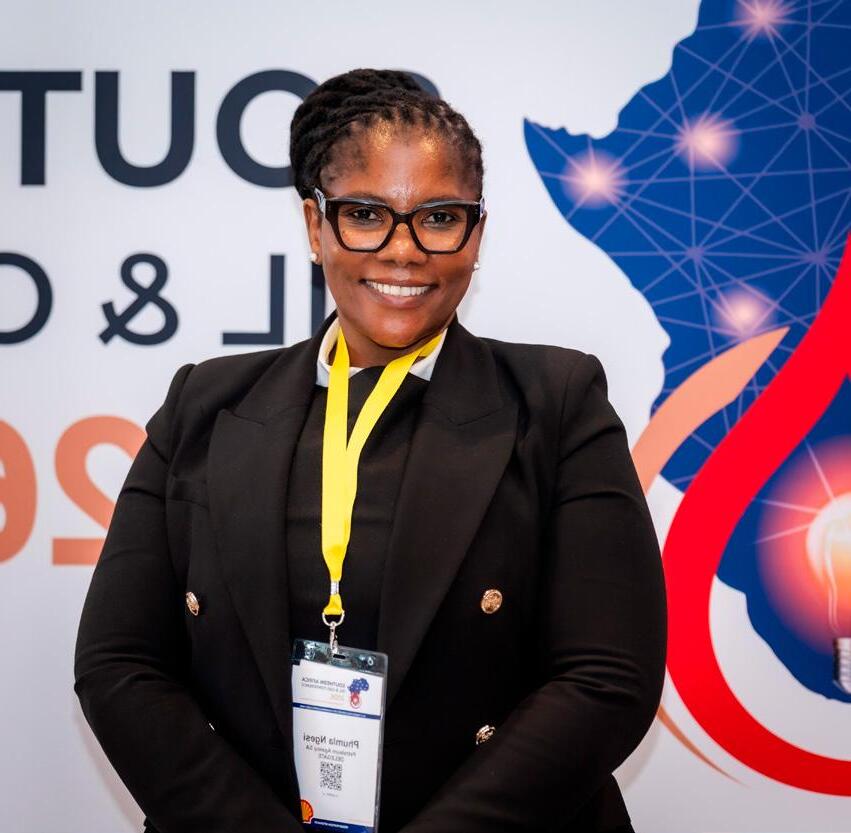
Ms Phumla Ngesi Manager: Environmental Compliance

Oil and gas isn’t always associated with environmental responsibility – how does PASA change that, and what would be at risk without rigorous environmental oversight?
I oversee the Environmental Compliance Department at the Petroleum Agency. Environmental compliance plays a central role in ensuring that the exploration and development of petroleum resources in South Africa are conducted responsibly, lawfully and in a manner that gives effect to constitutionally protected rights. At PASA, environmental compliance is integral to the regulation of petroleum activities and to assessing whether
exploration and production rights should be granted. In fulfilling this mandate, PASA upholds constitutional principles, including environmental rights, procedural fairness, equality, and the rights to life and dignity principles that are reflected throughout our environmental authorisation decision-making process.
The environmental authorisation process is a mandatory prerequisite for the granting or refusal of exploration and production rights. Through this process, the potential environmental and socio-economic impacts of oil and gas operations are identified and mitigation measures are designed to prevent or minimise significant impacts, supporting informed and balanced regulatory decisions.
Environmental compliance is a critical element of petroleum regulation – ensuring that environmental impacts are assessed, public concerns are considered, and compliance obligations are monitored and enforced. " "
How do communities near exploration areas get a voice in PASA’s environmental process?
Public participation is an essential component of the environmental authorisation process. Interested and affected parties, including local communities, are given the opportunity to raise their views and concerns about proposed oil and gas activities. These inputs are reflected in the reports submitted for decision-making and are considered before a final decision is made. Where a right is granted, PASA monitors compliance with the Environmental Authorisation, the Environmental Management Programme and the applicable regulatory framework. Where noncompliance is identified, operators are required to rectify it within a reasonable timeframe; where necessary, legally prescribed enforcement measures are applied. Through this work, PASA contributes to responsible petroleum resource development that respects constitutional rights and promotes environmental accountability.
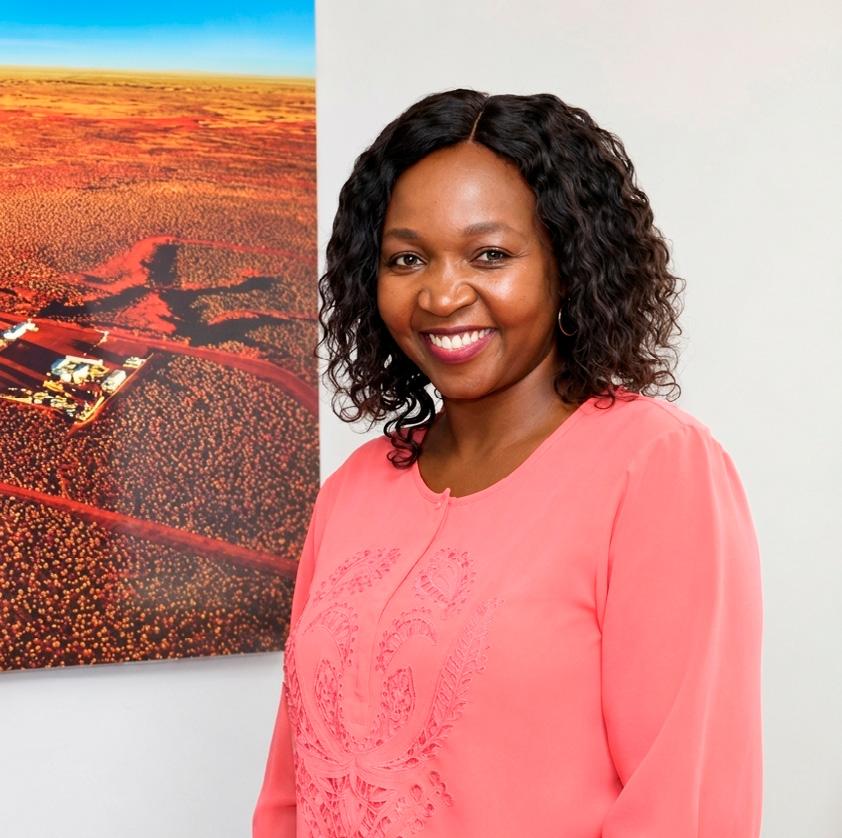
Ms Tshifhiwa Mabidi
Lead Geoscientist: Resource Evaluation, PASA

Tell us about your role and what it means for South Africa when that function works well?
As Lead Geoscientist in the Resource Evaluation Department at the Petroleum Agency SA, I oversee and lead the technical evaluation of the country’s petroleum resources, particularly onshore resources. My role involves integrating geological, geophysical and well data to evaluate the size, quality and potential of hydrocarbon accumulations. I work closely with multidisciplinary teams to provide robust resource assessments that inform regulatory decisions, support exploration strategies and contribute to the responsible management of South Africa’s petroleum resources. When resource evaluation is carried out effectively, it creates confidence in South Africa’s petroleum potential by reducing geological uncertainty and
providing credible, objective resource assessments essential for attracting responsible investment and ensuring sustainable, transparent resource development.
What role does regulatory compliance play in South Africa's petroleum sector, and what happens when it isn't upheld?
Regulatory compliance is fundamental to ensuring that South Africa’s petroleum resources are explored and developed responsibly, transparently and in line with the country’s legal and environmental frameworks. It provides assurance that
exploration activities meet the required technical, safety and environmental standards while balancing the interests of government, industry, communities and the environment. When compliance is effective, it builds investor confidence, promotes accountability and supports the sustainable development of the petroleum sector. When compliance fails, the consequences can be significant environmental harm, operational and safety risks, legal disputes and reduced investor confidence. Strong regulatory compliance is therefore essential to ensuring the sector delivers long-term value for both the economy and society. >
Our work strengthens South Africa’s energy security, supports economic growth, and ensures that the nation’s natural resources are managed for the long-term benefit of all South Africans. " "

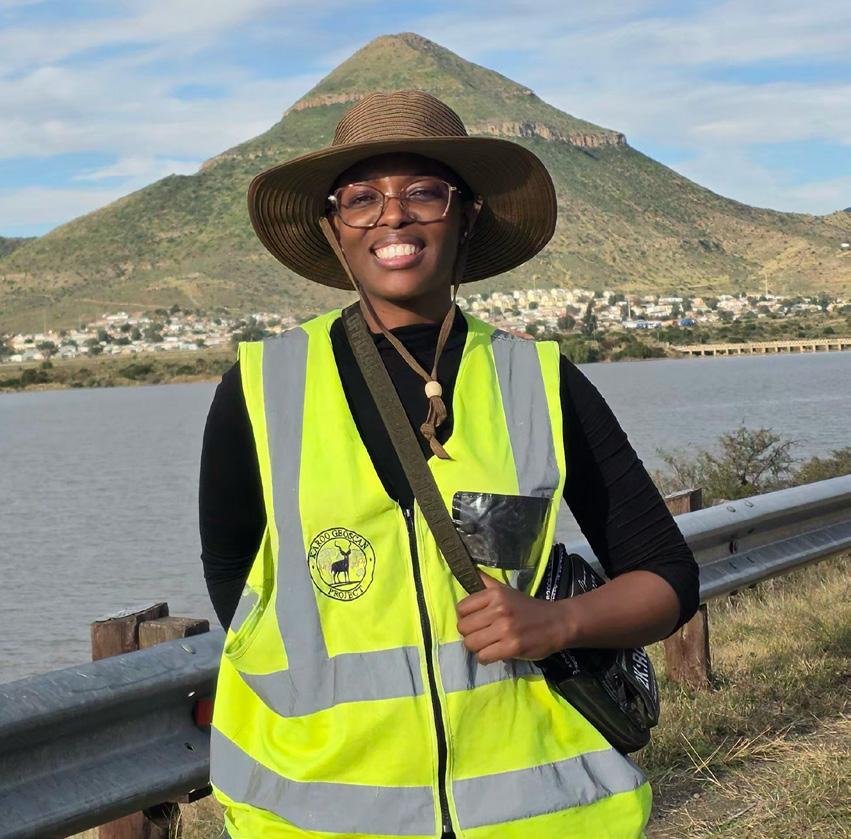
Dr Mimmie Mokoele
Shale Gas Project Manager
Tell us about the shale gas research programme you are leading?
The shale gas research programme is a national research project aimed at acquiring high-definition geophysical data in the Karoo Basin. The results will inform economic and environmental regulations for future gas exploration and potential development.
" "
This is a people-centred, governmentfunded project implemented by top South African geoscientists – bringing South Africa one step closer to energy security.
What outcomes are you hoping this research will deliver for South Africa?
A unique, multilayered case study which demonstrates the power of research and development investment in driving the economy. This is a people-centred, governmentfunded project implemented by top South African geoscientists.
We also expect increased stakeholder confidence, across the board, in government’s ability to attain security of energy supply through such initiatives.
What opportunities could the lifting of the moratorium on shale gas exploration unlock for South Africa if the evidence supports it?
Upstream Exploration Licensing Rounds will commence in the Karoo, bringing South Africa one step closer to unlocking the full potential of onshore gas for domestic supply.

iQ Academy offers accredited programmes in Public Administration and Local Governance, tailored for municipal professionals seeking applied knowledge and practical competencies.















Our offerings range from comprehensive qualifications to short courses, enabling accessible, career-focused learning that supports effective service delivery in local government. LOCAL GOVERNMENT



















strategic change and learn to build lasting relationships with communities.



HOW TO ENROL:











IN LOCAL GOVERNANCE NQF LEVEL 5


Gain practical skills in service delivery, planning, policy, finance and leadership to support effective and accountable municipalities.




























































































HIGHER CERTIFICATE IN PUBLIC ADMINISTRATION & MANAGEMENT NQF LEVEL 5
Gain a solid foundation in government and governance, with a focus on the evolving skills, service approaches, and ethical standards shaping today’s public sector.


Can you tell us about your leadership journey and what inspired you to work in Community Education and Training?
My leadership journey began as a Senior Lecturer at Goldfields TVET College in Welkom before serving as Acting Head of the Business Studies Department and later Campus Manager. One of my proudest achievements was leading the campus to improve its pass rate from 60% to 72%.
I was subsequently appointed Deputy Principal: Academic at Flavius Mareka TVET College and later served as Acting Principal for more than two years.
At Flavius I led the establishment of accredited Plumber and Electrician Training Centres, as well as an accredited Plumber Trade Test Centre.
Two years ago, I joined Gauteng Community Education and Training (CET) College as Acting Principal with a clear understanding of the challenges facing the CET sector and its immense potential to transform lives.
Since then, the College has improved from an adverse audit outcome to a qualified audit opinion with only one matter of emphasis, while also receiving recognition from the W&R SETA for best practice – the first such recognition in ten years.
What have been some of the key challenges you’ve encountered, and how have you addressed them?
Like many women in leadership, I have encountered gender stereotypes and unconscious bias, where women’s authority and leadership abilities are sometimes questioned. I have overcome these challenges by consistently building credibility through qualifications, experience, performance and results.
Another challenge has been limited resources. By establishing strategic partnerships with government departments, municipalities, TVET colleges, SETAs, industry, NGOs and community organisations, we have strengthened programmes, improved infrastructure and expanded opportunities for our students despite financial constraints.
Education has the power to transform lives. Our responsibility is to ensure that every community has access to opportunities, and to ensure that no one is left behind.
What leadership principles guide your work at Gauteng CET College?
I believe in leading by example and demonstrating the standards I expect from others. Integrity, accountability and ethical leadership underpin every decision I make.
I am equally guided by a clear vision, effective communication, collaboration and inclusivity. Sustainable success is achieved when people work together, feel valued and are united behind a shared purpose.
What role does Gauteng CET College play in expanding access to education for communities across the province?
Operating across Gauteng’s five municipal districts, Gauteng CET College provides adults with opportunities to complete their foundational education, obtain the General Education and Training Certificate (GETC), strengthen literacy and numeracy skills, and participate in skills programmes that improve employability and entrepreneurship.
The College continues to expand access through strengthened learner support, strategic partnerships and digital innovation, while ensuring that unemployed youth, women, persons with disabilities and underserved communities have access to quality lifelong learning opportunities.
What message would you like to share with women and girls aspiring to become leaders in their communities and professions?
Believe in your ability to make a difference. Never allow fear, self-doubt or societal expectations to define your potential.
Invest in your education, continue developing your skills and embrace every opportunity to learn and grow. Challenges will always arise, but they build resilience, wisdom and strength. Stay focused, believe in yourself and never underestimate the impact you can have on your community and beyond.
Can you highlight some innovative programmes or initiatives that the College has introduced to meet community needs?
Gauteng CET College offers Adult Education and Training (AET) Levels 1 to 4, Grade 12 support programmes and a wide range of formal and non-formal skills programmes that improve employability and promote entrepreneurship.
These include cabinet making, electrical training, plumbing, basic computer skills, sewing, upholstery, jewellery making, cook assistant programmes, cellphone repairs and other practical skills that respond directly to community and labour market needs.
Leadership is not about having all the answers –it is about having the courage to step forward, serve others and remain committed to your purpose.
Can you share some success stories of learners whose lives have been transformed through Gauteng CET College?
Many of our former students have returned as qualified lecturers, while others have built successful careers across a range of professions.
Our alumni include Mxolisi Ginya, who now owns a construction
company in Ekurhuleni; Precious Chiloane, who serves in the Ekurhuleni Legislature; Andile Bayanda Maseko, crowned Miss Deaf South Africa 2024; Elsie Ndowoni, now an attorney at the Constitutional Court; Andrew Lewis, who leads a successful law firm; and Kamogelo Rapapane, now a director at Anglo American. Others serve in organisations such as South African Airways and the South African Police Service.
Together, these achievements demonstrate how education can unlock potential, change lives and strengthen communities.
What is your vision and priorities for the future of Gauteng CET College?
My vision is for Gauteng CET College to be recognised as a place where people are given a genuine second chance to learn, grow and build a better future. Education has the power to transform lives, and our responsibility is to ensure that opportunity is available to every community we serve.
Our focus will remain on expanding access, strengthening partnerships and delivering programmes that equip learners with the skills they need to participate meaningfully in the economy and society.
Above all, every learner who comes through our doors should leave with greater confidence, practical skills and the opportunity to build a better future.



By 2014, she had earned her Mine Manager’s Certificate of Competency –no small feat in a demanding, highly regulated environment – and five years later, she made history as Implats’ first female Mine Manager. In 2023, she broke another barrier, becoming the first woman appointed General Manager: Mining at Impala Rustenburg.
These milestones matter. Not just symbolically, but practically. They signal to communities and the broader sector that transformation is happening, role by role, leader by leader.
Nonkululeko Mosikare, known to many as Nonku, represents the kind of leadership story that speaks directly to South Africa’s development ambitions – where investment in education, opportunity and inclusion translates into tangible impact.
Her journey with Impala Platinum Holdings Limited (Implats) began as a bursary recipient, studying Mining Engineering at the University of the Witwatersrand. It’s a familiar starting point for many young South Africans, but what sets Nonku apart is how she has built on that opportunity afforded by the Implats-sponsored bursary.
From graduate trainee to Mining Engineer, then Miner, Shift Supervisor and Mine Overseer, her path reflects steady progression grounded in technical depth and operational experience.
By breaking barriers and opening doors for others, Nonkululeko Mosikare is redefining what mining leadership looks like in South Africa.
Nonku’s leadership style is shaped as much by her upbringing as by her technical training. She often points to the values of discipline, perseverance and accountability as the anchors of her approach. In a sector where safety and performance are inseparable, these qualities are non-negotiable. Yet what distinguishes her is the balance she brings: a clear focus on results alongside a deep commitment to people.
This is evident in her active involvement in mentorship initiatives and communityfocused programmes.
She understands that the sustainability of mining depends on production output – but it also depends on whether the next generation sees a place for themselves in the industry. Through her work on Impala Rustenburg’s Gender Equity Forum, she has also helped drive conversations around the real barriers women face on site, from safety considerations to career progression.
For our stakeholders, her story reinforces the importance of partnerships that build capability over time. Bursary schemes, graduate programmes and structured development pathways are not quick wins. They require sustained investment, alignment with local education systems and a long-term view of skills development. But when they work, the results are powerful.
Today, as Acting Executive for Mining at Impala Rustenburg’s South Shafts complex, Nonku’s influence extends beyond her own career. She is part of a broader shift in how mining leadership is defined – less about hierarchy, more about capability, inclusivity and accountability.
Her success is a reflection of what can happen when access to education, corporate commitment and individual determination come together. It is a reminder that the future of the sector will be shaped by those willing to open doors, and keep them open for others.

The world of work is changing, and so is vocational education. Northlink College is embracing the QCTO Occupational Qualifications to ensure every graduate leaves with the knowledge, practical experience, and workplace readiness to succeed.
This mandate is clear: colleges must deliver education and training that is relevant, responsive, and directly aligned with labour market needs.
South Africa’s skills development landscape is undergoing a significant transformation, positioning Technical and Vocational Education and Training (TVET) colleges at the heart of economic recovery, social inclusion, and long-term workforce development. Northlink College has embraced this shift not merely as a compliance obligation, but as a strategic opportunity
to rethink how students are prepared for a rapidly changing labour market.
Guided by the mandate of the Department of Higher Education and Training (DHET), TVET colleges play a critical role in addressing the country’s most pressing socio-economic challenges, including unemployment, poverty, inequality, and the persistent shortage of skilled labour (DHET, 2013).
In response, the sector is transitioning from legacy qualifications – most notably the National Accredited Technical Education Diploma (NATED) Report 191 programmes – to a new generation of Occupational Qualifications. These qualifications fall under the Occupational Qualifications SubFramework (OQSF) and are quality assured by the Quality Council for Trades and Occupations (QCTO). Unlike traditional models, Occupational Qualifications are developed by industry subject matter experts and are explicitly designed to integrate three critical components: structured theoretical knowledge, practical training, and work-based learning.
This integrated approach represents a fundamental shift in vocational education. It ensures that graduates are not only academically competent but also workplace-ready, adaptable, and capable of contributing meaningfully from the first day of employment or self-employment.
Northlink College stands at the forefront of this evolution. As a public TVET college serving between 13,000 and 15,000 students annually, it recognises the importance of aligning its offerings with both national priorities and global megatrends. These include rapid technological advancement,
the growth of the green economy, the rise of entrepreneurship, climate change imperatives, and increasing globalisation. Collectively, these forces are reshaping the world of work and demand a more agile, future-focused education system.
“A responsive skills system benefits all stakeholders –industry gains work-ready graduates, communities benefit from reduced unemployment, and the economy becomes more competitive and inclusive.”
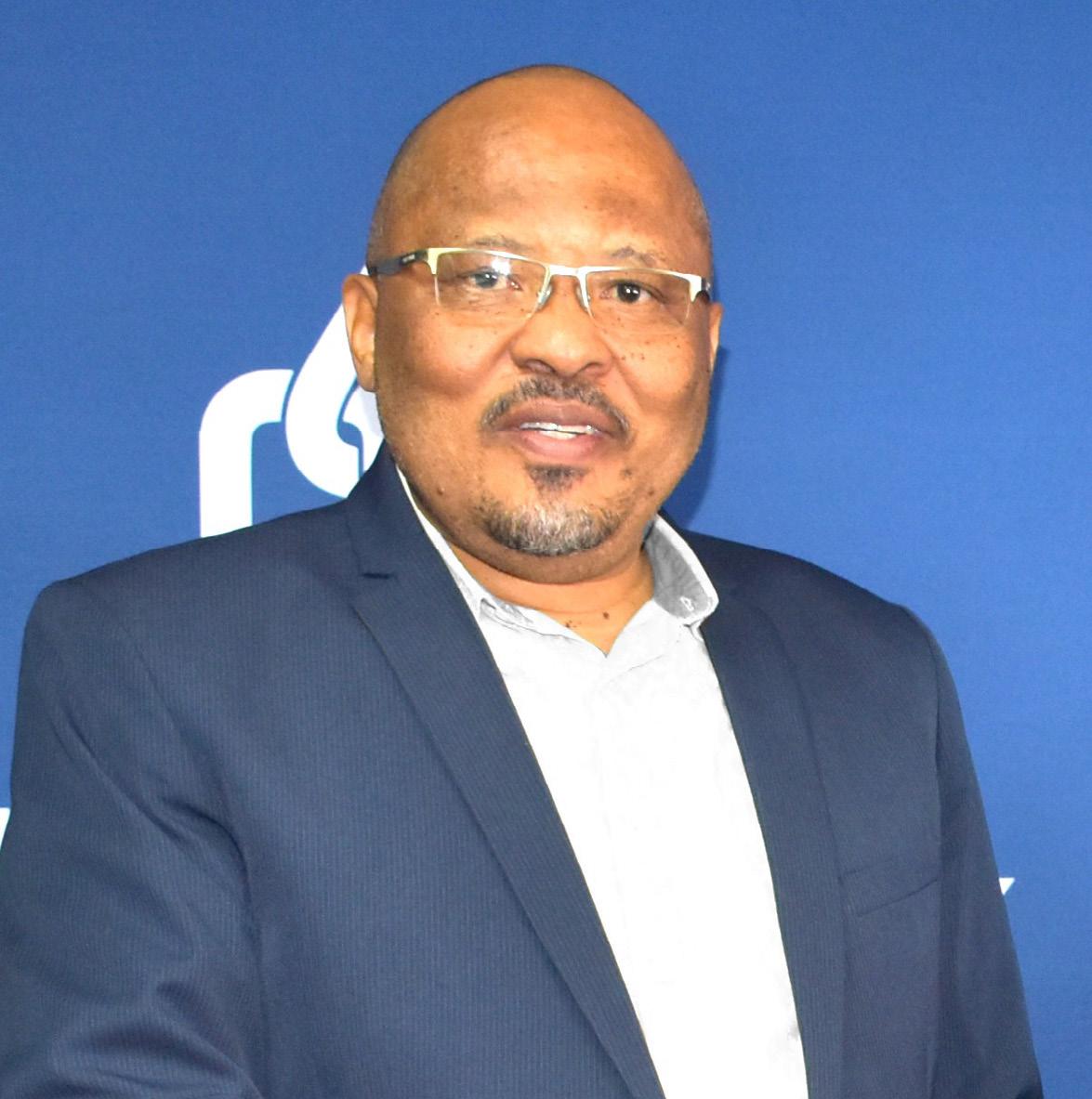
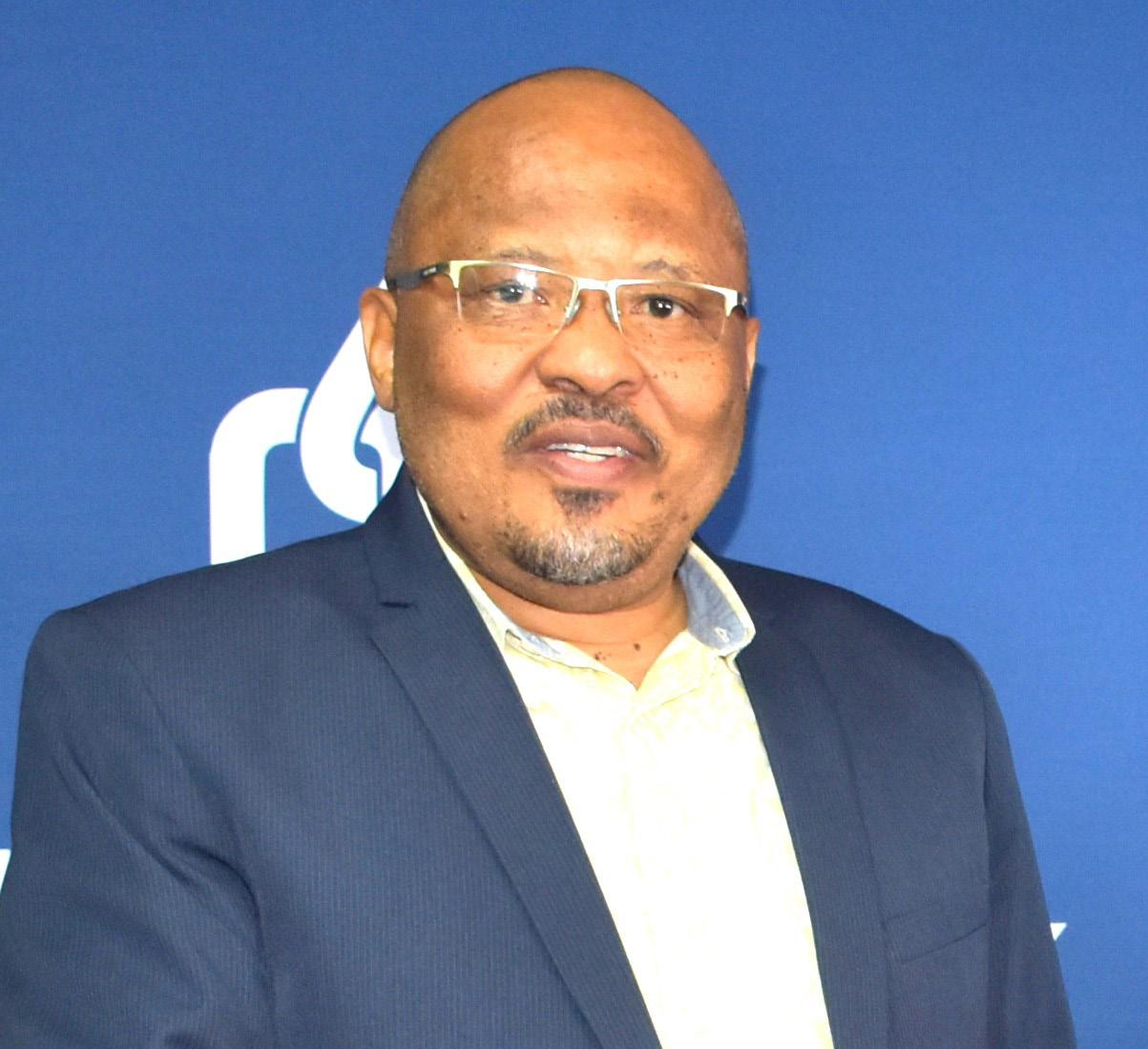
CEO
Xolelo Brian Phike
However, this transition is not without its challenges. The phasing in of Occupational Qualifications and the phasing out of NATED programmes require a comprehensive institutional response. Key areas of focus include securing sufficient workplace placement opportunities for all students, strengthening infrastructure and learning resources, and investing in the continuous upskilling and reskilling of lecturers. Equally important is the need to maintain consistent quality assurance across diverse workplace environments, ensuring that every student receives a standardised and meaningful learning experience.
The success of this transformation cannot rest on educational institutions alone. It requires a coordinated ecosystem approach involving government, industry, and community stakeholders. Northlink College therefore extends a strong call to business leaders, state-owned enterprises, municipalities, and private sector partners to actively collaborate in building this future workforce.
Workplace exposure and placement opportunities are no longer optional add-ons – they are central to the success of the Occupational Qualifications model. The College invites industry partners to open their doors to its students, not only as interns or trainees but as future employees, innovators, and contributors to economic growth. In addition, it encourages strategic partnerships in the form of sponsorships, co-designed training initiatives, equipment support, and collaborative research into emerging skills needs.
The value of such partnerships extends beyond corporate social responsibility. It is a direct investment in a skilled pipeline that supports productivity, innovation, and sustainable economic development. A responsive skills system benefits all stakeholders – industry gains work-ready graduates, communities benefit from reduced unemployment, and the economy becomes more competitive and inclusive.
In supporting national access and awareness efforts, August TVET Month –declared by the Department of Higher Education and Training (DHET) –serves as a key platform to highlight expanded opportunities within the post-school education and training sector. It reinforces the critical role TVET colleges play in advancing inclusive economic participation and skills development for young people. In this context, Northlink College encourages prospective students to explore available programmes as it prepares to open applications for the 2027 academic year.
As Northlink College continues to evolve within this dynamic landscape, its commitment remains firm: to deliver quality, relevant, and future-focused education and training. The College is determined to ensure that its graduates are not only employable but are equipped to shape and lead the industries of tomorrow.
Northlink College invites all stakeholders to join in this journey of transformation. Together, we can build a skills ecosystem that is inclusive, responsive, and capable of meeting the demands of a rapidly changing world.


As South Africa heads towards local government elections in November, political parties are once again campaigning on promises of basic service delivery. But young people cannot be treated as passive recipients of these promises. For Oxfam South Africa, the youth agenda must place one demand at its centre: the economic, social and political inclusion of young people in a truly Just Energy Transition.
The Just Energy Transition is often framed as a national debate about renewable energy, the fossil fuel phase-out and South Africa’s climate commitments. These conversations matter, especially in a country facing deep energy poverty. But a just transition cannot remain a distant policy discussion.
It must be felt in homes, schools, clinics, workplaces and communities. For many people, especially young people, its most immediate impacts are felt at municipal level.
A Just Energy Transition cannot succeed if young people are treated as passive recipients of change rather than active partners in shaping South Africa’s future.
The costs of a delayed fossil fuel phase-out are already visible. In 2023,
Oxfam South Africa collaborated with the Waterberg Women Advocacy Organisation in Limpopo to release Medupi and the Rose of Marapong, a documentary exploring the health impacts of coal pollution on young people in Marapong, in the Limpopo Province. It profiles Rose Dube, a young girl who dreams of becoming an accountant but must make repeated, costly visits to an optometrist to manage problems with her eyesight. These health issues are believed to be linked to Sulphur Dioxide by-products from the nearby Medupi Power Station.
The documentary shows that fossil fuels create more than environmental harm; they deepen social injustice. Furthermore, the documentary helps viewers also learn about high youth unemployment in the area and how
limited opportunities can contribute to drug use, teenage pregnancy and a loss of hope. The lack of investment in communities like Marapong robs young people of the chance to build healthy, secure and optimistic futures.
In South Africa, mining remains a major formal employer, accounting for around 4.5% of total formal employment and directly employing more than 460 000 people. At the same time, young people continue to face severe exclusion from the labour market. Statistics South Africa reports that in the first quarter of 2026, 5.6 million young people aged 15-34 were employed, while 4.7 million were unemployed and 10.6 million were outside the labour force. Any transition plan that fails to confront this youth unemployment crisis cannot be called just.
Yet, South African communities are not only passive bystanders affected by the energy transition; they are already creating and testing innovative solutions. In Waterdal, Vereeniging, Serapeng sa Ditlhare and Environment NPC established a community kitchen powered by a biogas digester sustained by organic waste from their garden. In Komati Village, Mpumalanga, LEMO Bricks – Green Sparks works with members to produce eco-briquettes from biomass and coal dust.
These efforts show what a peoplecentred transition can look like and deserve recognition, support and investment, with young people positioned as leaders, innovators and key stakeholders. Meaningful community beneficiation in the just energy transition has to include intentional and significant resourcing of community led solutions and innovations like the ones above.
Oxfam South Africa has also engaged young people on the Just Energy Transition through our Ubuntu Energy Project, funded by the EU-CEDAR and ClimateWorks Foundation and with local government elections approaching, young people must be equipped with information when they vote. But information alone is not enough. They must have real power to shape the policies, budgets and plans that determine their futures.
Municipalities must engage communities when developing their Integrated Development Plans, and those engagements must be more than a tick-box exercise. Young people, women and other marginalised groups need genuine spaces to influence local development priorities, energy planning and climate responses. Municipalities must also invest in community-based renewable energy solutions that can
reduce energy poverty, ease pressure on the grid and create pathways for improved local livelihoods.
Meaningful
youth inclusion means more than consultation –it means giving young people the power, resources and opportunities to help shape local energy and development decisions.
The Just Energy Transition will only be just when existing inequalities are addressed honestly and no one is left behind. Young people must not be consulted after decisions have already been made; they must be included from the start, with the power to shape outcomes. Political parties, municipalities and decision-makers must commit to a transition that protects young people’s health, expands their opportunities, invests in community-led solutions and places youth at the centre of the fossil fuel phase-out. The future being planned is theirs, and they must have a decisive voice in building it.




On 10 March 2026, the Minister of Land Reform and Rural Development, Hon. Mzwanele Nyhontso, gazetted a new South African Council for Planners (SACPLAN) Council, formally opening the Sixth Council’s term.
My own appointment as SACPLAN’s Registrar fell within the same period of transition. I bring to this role over two decades of experience in development planning, sustainability, local economic development, and public administration.
These years of experience are inclusive of capabilities in managing stakeholder coalitions and partnerships, public participation processes, standards setting and compliance monitoring, regional coordination, meaningful networks, and a decade of executive leadership at local government level.
The vision of the Sixth Council is to advance spatial transformation, sustainability, redress and societal impact, through a regulatory and transformative planning profession.
This is a timely opportunity to drive SACPLAN into achieving its vision of “a regulatory and transformative Council that advances spatial transformation, sustainability, redress and societal impact”, as the administrative head of Council.
The vision guiding this term of Council aligns to the transformation imperatives of the country. Everything we are doing currently, from how we approach and enhance our regulatory mandate, to who we partner with, to how visible and engaged we are, is in service of this vision.
This vision presents several priorities for this term of Council that are already in implementation, priorities the Council
is actively driving towards, including; transformation of the planning curriculum, strengthening of partnerships to build capacity within the profession, and advocacy for profession. Our focus is on quality planning education, registration of planners, ensuring ethical practices within the profession, and implementation of continuous professional development programmes.
In his foreword to our 1st State of the Planning Profession Report (SPPR) *, Minister Nyhontso writes that South Africa, three decades into democracy, still confronts apartheid’s spatial legacy of fragmented settlements and unequal access to opportunity. Legislation alone is not sufficient, he notes; the report points to underutilised graduates, uneven municipal capacity, and under investment in skills development. Government has committed to prioritising capacity-building specifically at municipal level, working with SACPLAN, universities, and the private sector. President Cyril Ramaphosa has also pointed to a lack of capacity in town planning within government, particularly at local government level.
The 1st SPPR reflects on where we are as a profession and gives pointers to strategic imperatives for capacity building, especially at local government level. Key to what needs to change within the profession and broader built environment sector is the enhancement of collaborations: planners, government, communities, voluntary associations and private sector must work together through networks, academia, mentoring, and joint training. These collaborations are furthermore key to creating discourse around pressing issues within the
profession with the aim of knowledge sharing and finding solutions collectively. To this effect, SACPLAN has initiated a series of webinars with our various partners, as a platform to impart knowledge, deepen engagements within the profession on topical issues with national and international partners, whilst contributing to policy advocacy. Through these webinars the aim is to also dissect the outcomes stemming from the 13 th World Urban Forum, and also initiating and strengthening relations with other African countries.
Building a capable planning profession requires more than policy – it requires strong partnerships, sustained collaboration and continued investment in skills development
In response to the high unemployment rate and limited entry-level pathways for planning graduates, SACPLAN introduced a candidacy programme as means to assist graduates, while also contributing to capacity development in the planning profession. The placement of candidates was prioritised for high-development pressure municipalities with minimal capacity and planning firms that have major projects to give sufficient exposure to the candidates.
From the implementation process of the candidacy programme, we have learnt that effective implementation depends on strong partnerships across all spheres of government and the private sector.
During this term we aim at ensuring the continuance of this programme and strengthening of capacity
development programmes through partnerships and collaborations. We currently have a Memorandum of Agreement with the Construction Education and Training Authority (CETA) which has been a strong collaborator for the candidacy programme through a discretionary grant.
Going forward we want to advance structured engagements with our partners; through the MOUs and MOAs that Council has entered into.
In the month of June 2026, SACPLAN signed a Memorandum of Understanding with the Local Government Sector Education and Training Authority (LGSETA) one of the concrete answers to what we are currently doing to help build capable municipalities. Its purpose is to formalise cooperation so that LGSETA’s national skills mandate translates into measurable deliverables against local government’s actual priorities, channelled through the National School of Government’s interventions and aligned with LGSETA’s Sector Skills Plan and NDP 2030. This is where our regulatory mandate meets municipal relevance: a professionalised planning profession means little without a coordinated skills pipeline behind it. Municipal leaders should expect a more visible, convening SACPLAN and LGSETA driving towards the capacitating of municipalities when it comes to spatial transformation and sustainable development.
These partnerships are key and reflect the importance of how we cannot push for a capacitated, transformative planning profession at local government, in isolation.
Preparations for the second and final voter registration opportunity are at an advanced stage, providing South Africans with another chance to register or update their details ahead of the 2026 Local Government Elections. The registration period will be followed by the proclamation of the elections date, which will trigger the closure of the voters’ roll.
Eligible voters are reminded that they must register in the voting district where they ordinarily reside and may only vote at the voting station where they are registered. In this regard registered voters are encouraged to verify their registration details through the online platform, by SMSing their ID number to 32810 or by contacting the IEC Contact Centre on 0800 11 8000.
Africans Invited to Submit Input on the Proposed Disinformation Code of Conduct
The road to the 2026 Local Government Elections is well underway, with the Electoral Commission advancing a

comprehensive programme of operational readiness. From strengthening safeguards against disinformation to modernising candidate nominations and expanding access to voter registration services, the Commission is taking practical steps to ensure the country is prepared for credible and inclusive municipal elections.
The Commission’s recent initiatives demonstrate a comprehensive approach to ensuring that every aspect of the electoral process is election-ready well before voting day.
One of the Commission’s key prioritise is protecting the integrity
of electoral information. To this end, it has published the draft Electoral Code of Conduct on Countering Disinformation in the Government Gazette for public comment.
The proposed Code establishes principles and standards to guide responsible conduct by political parties, independent candidates, public representatives, media practitioners, technology companies and other stakeholders participating in the electoral process. It seeks to promote ethical communication, transparency and accountability while reinforcing the constitutional rights to freedom of expression, political participation and access to information.
Recognising the growing influence of digital platforms, the draft Code also proposes practical measures to prevent, identify and respond to election-related disinformation, including content shared through social media and emerging technologies such as
artificial intelligence. At the same time, it aims to foster an informed and credible information environment that supports democratic participation while protecting elections from manipulation and coordinated disinformation campaigns.
The Commission has invited political parties, civil society organisations, academics, election observers, media practitioners and members of the public to submit comments on the draft Code before 21 July 2026, emphasising that safeguarding electoral integrity is a shared responsibility.
Operational readiness also depends on ensuring that election contestants are fully prepared long before nominations officially open. To support this objective, the Commission recently
completed orientation workshops in all nine provinces on the Online Candidate Nomination System (OCNS).
The workshops provided registered political parties and prospective independent candidates with practical training on every stage of the nomination process, including capturing candidate and supporter information, verifying voter registration details and making electronic election deposit payments.
Since becoming operational on 21 June 2026, the OCNS has enabled contestants to begin preparing their nominations well ahead of the statutory deadlines. By allowing parties and independent candidates to verify compliance early, the system reduces last-minute administrative challenges and contributes significantly to the Commission’s overall operational readiness.
The online platform enables contestants to submit information from anywhere at the comfort of their homes or offices.
This modernised approach not only improves efficiency but also gives contestants more time to resolve any issues before the official nomination period prescribed in the election timetable.
Political parties and independent candidates are encouraged to familiarise themselves with the applicable election deposits, which remain a legal requirement confirming a contestant’s intention to participate in an election.
Deposits are refundable to contestants who secure representation through the proportional representation system or achieve the statutory threshold in ward contests.
Preparing the electoral process also means preparing voters. >
In another significant step towards improving accessibility, the Electoral Commission has successfully zero-rated its Register to Vote online portal (registertovote.elections.org.za) across all major mobile networks.
The portal enables eligible South Africans to register to vote, update their registration details and access essential voter services without incurring mobile data costs, removing an important barrier to electoral participation.
Eligible South Africans can now register to vote or update their registration details online without incurring mobile data costs, removing an important barrier to participation.
The Electoral Commission encourages South Africans of voting age to make use of the free online service.


The data-free online registration forms part of the Commission’s commitment to remove barriers to voter participation, putting this service conveniently in the palm of voters’ hands.
Taken together, these initiatives illustrate an organisation preparing well beyond the immediate requirements of election administration. They reflect an integrated approach to operational readiness that combines modern technology, stakeholder engagement, regulatory development and voter accessibility to strengthen confidence in South Africa’s electoral processes.
As preparations continue, the Commission remains focused on ensuring that municipalities, election contestants and voters alike are equipped to participate in elections that are efficient, free and fair. By investing in readiness today, the Commission is laying the foundation for the successful delivery of the 2026 Local Government Elections.

1. Register where you ordinarily reside
2. Check that your registration details are correct
3. You can update your registration online
4. The Register to Vote portal is zero-rated across major mobile networks
5. The voters’ roll closes once the election date is proclaimed


As the Government Employees Pension Fund (GEPF) celebrates its 30th anniversary, it is reinforcing not only its commitment to safeguarding the retirement savings of South Africa’s public servants, but also the broader role retirement funds can play in building a stronger, more inclusive economy.
For GEPF Principal Executive Officer Musa Mabesa, retirement security extends far beyond financial planning. It is about ensuring that those who have dedicated their working lives to serving South Africa are able to retire with dignity, confidence and financial security.
“Retirement security is much more than the accumulation of savings. It is about preserving dignity after decades of productive work. It is about building confidence that today’s workers will enjoy financial security tomorrow.”
Mabesa believes pension funds are uniquely positioned to provide patient capital - long-term investments that deliver sustainable value for members while supporting South Africa’s development. Through GEPF-linked investments, pension capital has contributed to the creation of 174 491 jobs, including 23 391 opportunities for young people, supported 93 affordable housing projects, financed 10 hospitals and clinics, added more than 2 035 MW of electricity generation capacity, and helped expand access to higher education through student loans and accommodation.
These investments reflect the Fund’s belief that responsible stewardship delivers benefits that extend well beyond financial returns, contributing to stronger communities and a more resilient economy.
Reflecting on the Fund’s 30-year journey, Mabesa said the ultimate measure of success remains unchanged:
“The true measure of any retirement system is not the size of its assets. It is whether it delivers dignity. As custodians of retirement savings, we are not simply managing portfolios. We are managing futures.”

YOU’VE WORKED THE LONG NIGHTS. NOW YOU CAN RETIRE WITH EASE.
Behind every hospital, classroom, police station and public office is a South African public servant healing the nation. For three decades, the GEPF has secured them in return, turning those long nights of dedication into a secure, dignified retirement. By safeguarding 1 26 million active members and 565,000 beneficiaries, with a resilient R2 69 trillion portfolio and R167 billion in benefits paid in the 2025/26FY is our way of Serving Those Who Serve.
To learn about our commitment to Serving Those Who Serve, visit gepf.co.za/

The introduction of Lenacapavir for HIV prevention in South Africa represents the culmination of more than a decade of strategic leadership and health system strengthening led by the Minister of Health, Dr Aaron Motsoaledi, and the National Department of Health.
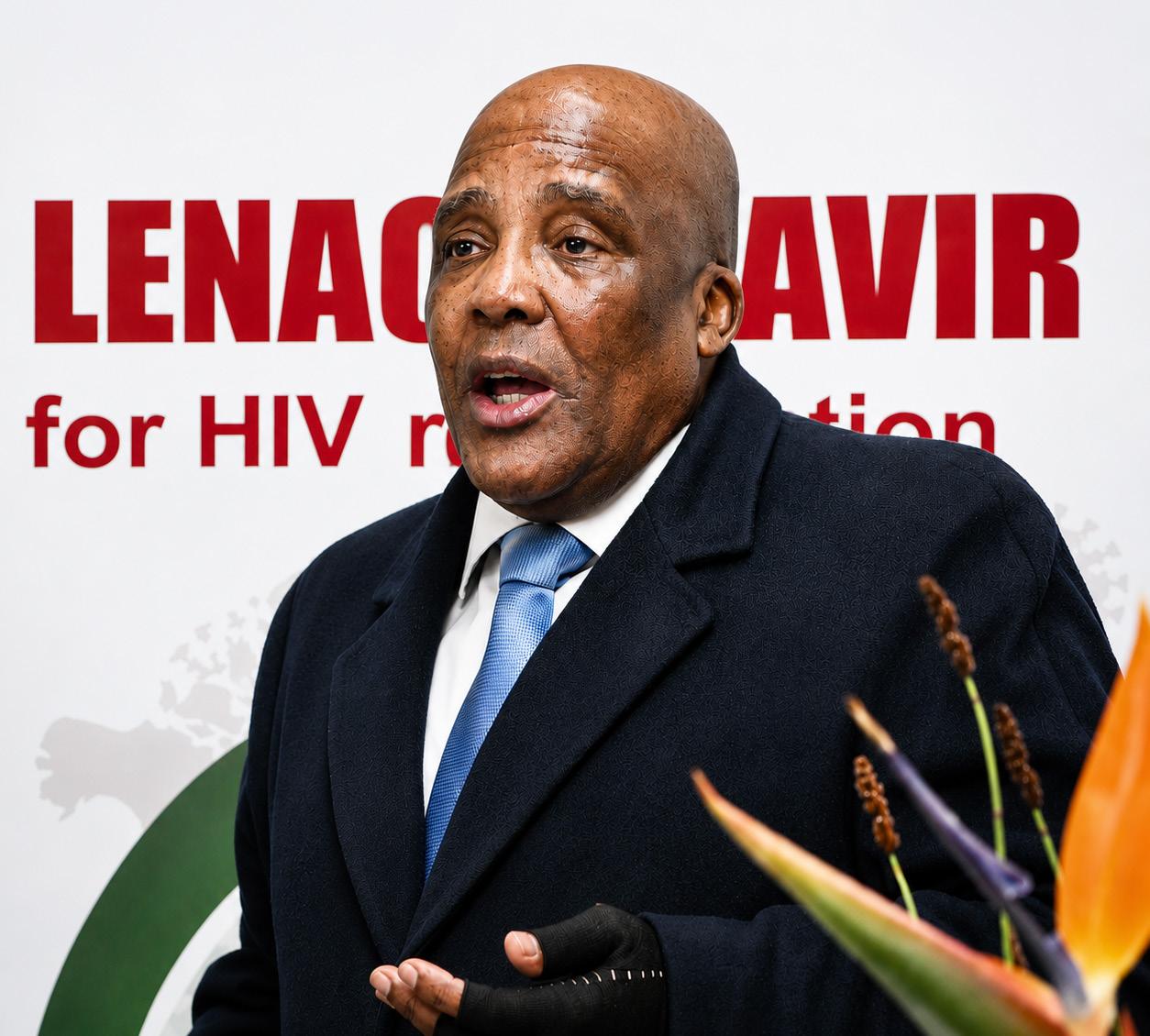
South Africa has been one of the few countries globally to make antiretroviral-based pre-exposure prophylaxis (PrEP) available as part of the Essential Medicines List and integrated within the country’s public primary healthcare (PHC) system. The rollout of Lenacapavir therefore does not represent a stand-alone intervention, but rather builds on a strong and
mature HIV prevention platform that has progressively expanded access to HIV prevention services across the country.
The Department of Health has adopted a bold and pioneering approach to HIV
prevention in 2016 by introducing oral PrEP. By 2021, South Africa had successfully scaled oral PrEP across the public health sector, even as many countries were still debating its feasibility, affordability, and implementation in routine health services. Today, more than 2.2 million South Africans have been initiated on oral PrEP through public sector programmes.
“The launch and rollout of Lencapavir is part of integrated, differentiated and people-centred HIV prevention services, offering new hope for people who face barriers to existing HIV prevention methods.”
I recognized early that ending new HIV infections would require not only the expansion of HIV treatment, but also sustained investment in innovative HIV prevention technologies that empower people to protect themselves from HIV. This strategic vision positioned South Africa as a global leader in HIV prevention innovation and laid the foundation for the introduction

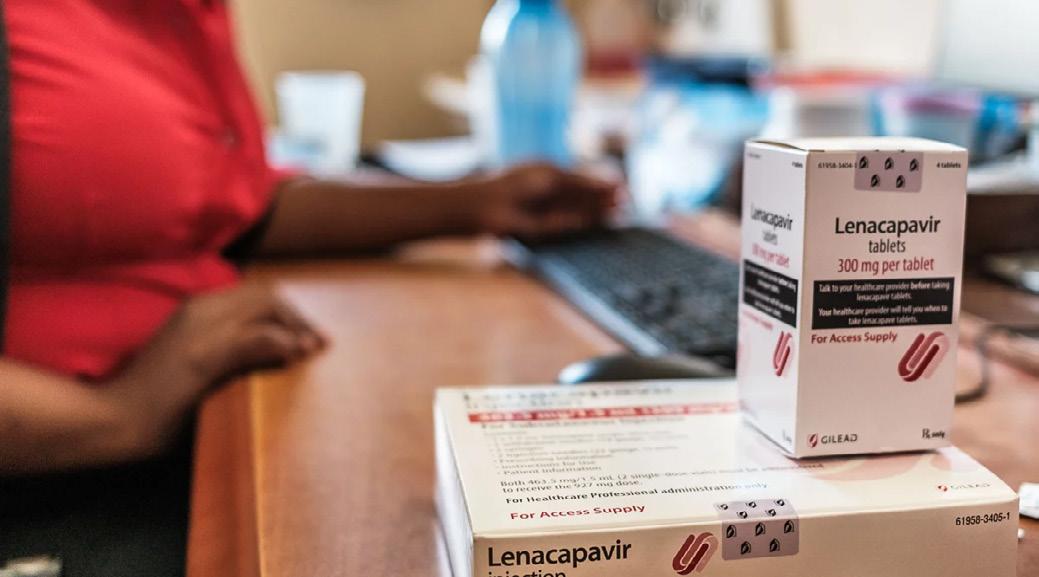
of next - generation long-acting prevention options such as Lenacapavir.
We have made efforts in ensuring that oral PrEP was integrated into routine PHC services, ensuring that HIV prevention became part of comprehensive healthcare that includes HIV testing services, sexual and reproductive health services, sexually transmitted infection management, TB screening, maternal and child health services, and linkage to HIV treatment and care.
The introduction of Lenacapavir now builds directly on this solid foundation. South Africa’s established PHC

infrastructure, trained healthcare workforce, HIV prevention guidelines, supply chain systems, monitoring platforms, and community mobilisation networks created the enabling environment necessary for the rapid introduction of long-acting HIV prevention technologies. Without the earlier strategic investments in oral PrEP and integrated prevention services, the country would not have been positioned to move so quickly towards implementing Lenacapavir at scale.
Lenacapavir represents a major scientific breakthrough in HIV prevention.
Unlike daily oral PrEP, Lenacapavir is administered as two injections every six months, offering individuals a highly effective long-acting prevention option that reduces the burden of daily pill taking and may improve adherence and convenience for many users. Clinical trials demonstrated unprecedented effectiveness in preventing HIV infection, leading to global recognition of Lenacapavir as one of the most important advances in HIV prevention in recent years.
Through coordinated engagement with regulatory authorities, researchers, international partners, provincial health departments, and civil society, I have overseen the introduction of Lenacapavir into the public health system as part of a broader combination HIV prevention programme. >

A list of health facilities offering Lenacapavir is available on the Department of Health website: www.health.gov.za
Importantly, I have consistently emphasised that Lenacapavir is an additional HIV prevention choice rather than a replacement for existing prevention methods. This reflects South Africa’s broader prevention philosophy of informed choice and combination prevention, recognizing that different individuals require different prevention options at different stages of their lives. By expanding prevention choices, I am helping ensure that more people can access prevention methods that suit their circumstances and preferences.
The significance of Lenacapavir extends beyond the introduction of a new medicine. It signals the next phase in the evolution

of HIV prevention and strengthens South Africa’s efforts to end new HIV infections. Long-acting prevention technologies have the potential to overcome many of the adherence and access barriers associated with daily prevention methods, particularly among populations most vulnerable to HIV infection, including adolescent girls and young women, sex workers, men who have sex with men, transgender persons, and pregnant and breastfeeding women.
I will continue to mobilize resources and strengthen partnerships to support the rollout of this game-changer as part of our ongoing efforts to prevent new HIV infections in our country. South Africa’s approach reflects a balanced model of domestic ownership and catalytic international support.
While development partners have assisted with catalytic support for the early introduction of Lenacapavir, I reaffirm government’s commitment to long-term sustainability and future domestic financing as more affordable generic products become available.
By building on the strong foundation established through the national oral PrEP programme, South Africa is undoubtedly positioned to once again lead globally in expanding equitable access to life-saving HIV prevention technologies and accelerating progress towards ending new HIV infections.
“I will continue to mobilize resources and strengthen partnerships to support the rollout of this game-changer as part of our ongoing efforts to prevent new HIV infections in our country.”
When you start using LEN for the first time, you will:
Receive 2 injections and 2 pills
Day 1
Receive 2 pills to take home, to be taken the next day
Day 2
How soon does it start working?
Day 3
IMPORTANT:
The two tablets that you take on day 1 and day 2, must be taken 24 hours apart, not sooner and not later!
Set a reminder!
LEN starts working on DAY 3 if you received the injection and taken 2 tablets on day 1, and 2 tablets on day 2.
Return to the clinic after 1 month for an HIV test and check-up
1 Month
Return to the clinic every six months for 2 injections
6 Months
Set a reminder to return to the clinic every 6 months!
It can be kept private It is safe
It is very effective in preventing HIV
There is no need to remember to use it every day
Most people experience injection site reactions (redness, pain, and/or swelling) A small number of people may experience nausea or feeling sick. If you experience any of these reactions, the staff at the clinic will assist you
IMPORTANT:
It is normal to feel a small lump under the skin where the injection was given - this is normal and you don’t have to be concerned about this.
HOW DOES LEN PREVENT HIV?
Lenacapavir is slowly released into the bloodstream where it prevents HIV f rom multiplying.
Women are more likely to get HIV when they are pregnant or during the time after birth.
LEN can be used during pregnancy and breastfeeding. It protects both mother and baby f rom getting HIV.
Speak to a healthcare provider about the benefits of using LEN during pregnancy and breastfeeding.
At 28 weeks after your last injection, LEN no longer prevents HIV. If you may still be exposed to HIV, you’ll need to use another prevention method such as oral PrEP and/or condoms. Speak to your healthcare provider for guidance on stopping LEN safely
LEN prevents HIV. It does not prevent pregnancy or STIs. Condoms and contraception can be used together with LEN if you want to prevent STIs and getting pregnant.


By Fatima Shaik (Executive Director)
Seventy years ago, approximately 20,000 women marched to the Union Buildings carrying petitions, determination and a vision of a different South Africa. They marched against pass laws and a society that sought to control, silence and diminish them. They believed future generations deserved something better than the world they had inherited.
Seventy years later, we are those future generations.
This year marks seventy years since the Women’s March of 1956. During those seven decades, South Africa has transformed politically, socially and economically, yet many of the inequalities the women of 1956 sought to dismantle remain. As we commemorate Women’s Month and honour their courage and sacrifice, we must confront a difficult question: have we honoured the future they fought to secure?
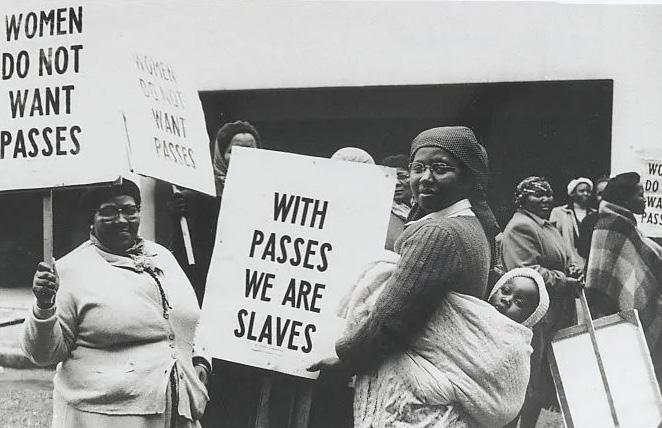
Have We Mistaken Commemoration for Progress?
South Africa has become remarkably good at celebrating women and far less successful at protecting them.
In many respects, we have confused remembrance with progress, symbolism with change, and resilience with justice. Commemoration can create the illusion of achievement, allowing us to celebrate historic victories while failing to confront present-day injustices. We celebrate women’s strength yet seldom ask why they are still required to be so strong.
The women who marched in 1956 were not demanding recognition; they were demanding change. The true measure of our commitment to their legacy is not how loudly we honour them during Women’s Month, but how effectively we protect the rights, dignity and freedom of women every day of the year.
Much has changed since 1956. Women lead institutions, shape policy and influence public life in ways previous generations could scarcely have imagined. These gains matter and should be celebrated. Yet a mature democracy must be capable of holding two truths simultaneously: recognising progress while refusing to ignore failure.
Despite significant gains, women continue to experience some of the highest levels of violence and insecurity in the world. Gender-based violence and femicide remain among South Africa’s most pressing human rights crises, while economic inequality continues to limit opportunities and reinforce dependence. Perhaps most disturbing is not simply that this violence persists, but that society has become accustomed to it. Reports of rape, domestic violence and femicide generate outrage, yet that outrage is often short-lived. Public attention shifts, headlines fade, and the cycle repeats.
A society should never become comfortable with violence against women.
Yet there are moments when South Africa appears to have learned to live alongside levels of violence that would be regarded as a national emergency elsewhere.
Perhaps the women who marched in 1956 would celebrate the progress made. But they would almost certainly ask harder questions. Why, seventy years later, does violence continue to define the lives of so many women and girls? Why are women still forced to navigate a world in which safety, dignity and equality remain uncertain?
If we are serious about honouring the women of 1956, then Women’s Month must be more than a celebration. It must be a reckoning.
Gender equality is often discussed through laws and policies, yet women experience government most directly through the safety of public spaces, access to services and opportunities within their communities.
The frontline of women’s safety is not Parliament. It is local government.
Whether public spaces are safe, opportunities are accessible and vulnerable communities are supported is often a direct consequence of decisions made in municipal offices and council chambers. Every municipality can contribute to a Women’s Month programme. Most can point to a policy, strategy or commemorative event. The more difficult question is whether they can point to evidence that women are safer because of the decisions they have made.
If not, municipalities must ask themselves a difficult question: are they changing women’s lives, or merely commemorating their struggles? The measure of leadership
is not what is said on 9 August. It is whether women are safer on 10 August. Women’s empowerment cannot live only in policies and strategic plans. It must be visible in budgets, service delivery, and daily life. Women’s rights cannot live in speeches while they die in budgets.
The measure of leadership is not what is said on 9 August. It is whether women are safer on 10 August, and whether the decisions made today improve their lives every day thereafter.
After decades of working alongside survivors of violence, I have come to believe that resilience is one of the most misunderstood concepts in our public discourse. Yet there is something deeply troubling about a society that continually praises women for surviving conditions it has failed to change. South Africa calls women rocks. Yet every day, women continue to carry burdens that would crush many of the institutions that celebrate them.
The phrase Wathint’ Abafazi, Wathint’ Imbokodo has become one of the most enduring symbols of women’s strength. Yet perhaps the greatest lesson of the Women’s March is not that women are rocks. It is that women should never have been required to carry so much weight alone.
There is a danger in romanticising resilience. When resilience becomes
the focus, responsibility shifts away from institutions and systems and back onto women themselves. The conversation becomes about how women survive rather than why they are still being placed in circumstances that require survival.
Seventy years after the Women’s March, the challenge before South Africa is not to produce more resilient women. It is to build a more just society.
The women who marched to the Union Buildings in 1956 did not march to demand a public holiday or annual commemorations. They marched because they believed South Africa could be different.
Seventy years later, the question is not whether we remember the women of 1956, but whether we have honoured the future they fought to secure. Every woman trapped in violence, denied opportunity or robbed of her dignity is evidence that their work remains unfinished. The women who marched on Pretoria carried the struggle as far as they could and handed the baton to us. Women’s Month is therefore not merely a celebration; it is a reckoning with unfinished justice. And seventy years later, the women of 1956 are no longer asking whether we remember them. They are asking what we have done with the future they fought to give us.
CONTACT INFORMATION:
Website: www.powa.co.za
Telephone: 011 642 4345/6
After-hours Emergency Number: 076 694 4911
Email: info@powa.co.za
WhatsApp: 060 400 0669







What was once an abandoned and dilapidated farm in Matatiele has been transformed into a growing agricultural enterprise that is creating jobs, supporting food security and opening new possibilities for rural development in the Eastern Cape.
At the centre of this story is Nonopa Tenza, owner of Kevinot Farming, whose journey reflects the power of determination, strategic support and the growing contribution of women in agriculture.
An accountant by profession, Tenza previously worked for one of South Africa’s leading financial services organisations in Johannesburg. Leaving behind a flourishing corporate career, she made the bold decision to return to the Eastern Cape and pursue farming on land that had belonged to her father-in-law.
It was not an easy beginning. The farm had no fencing, inadequate livestock handling infrastructure, no proper equipment, no storage facilities and farmhouses that had fallen into disrepair. What she inherited was not a ready-made business,
but land with potential that required vision, investment and hard work to restore.
Support from the Eastern Cape Rural Development Agency (ECRDA), as an implementing agency of the Department of Agriculture, played an important role in helping Kevinot Farming move from survival to growth.
Through its Structured Rural Finance and blended finance programmes, ECRDA assisted the enterprise with funding that contributed to the purchase of a tractor, fencing and livestock. This included an initial flock of 42 sheep, made up of two rams and 40 pregnant ewes. ECRDA also provided crop production support, helping to strengthen the farm’s operational base.
“Because of the ECRDA’s support, we are now able to create jobs, uplift our community, and contribute to economic activity in our rural area.”
- Nonopa Tenza, Owner: Kevinot Farming

Today, Kevinot Farming produces yellow maize and runs a growing livestock operation focused on cattle and sheep. The farm also grows lucerne and teff grass, which are used to feed its livestock and sold as bales to surrounding farms.
From that initial support, the farm has expanded significantly and now has more than 135 cattle and 279 sheep.
Kevinot Farming’s growth has also brought direct benefits to the local community.
The enterprise currently employs 15 people across full-time, part-time, seasonal and internship roles. During peak periods such as planting and harvesting, it brings in an additional 20 or more workers, creating much-needed income opportunities in the rural economy.
The farm’s impact is not limited to employment. It also supports a local primary school through educational tours, exposing learners to agriculture in practice. In addition, beans grown on the farm are donated to support the school feeding scheme. >

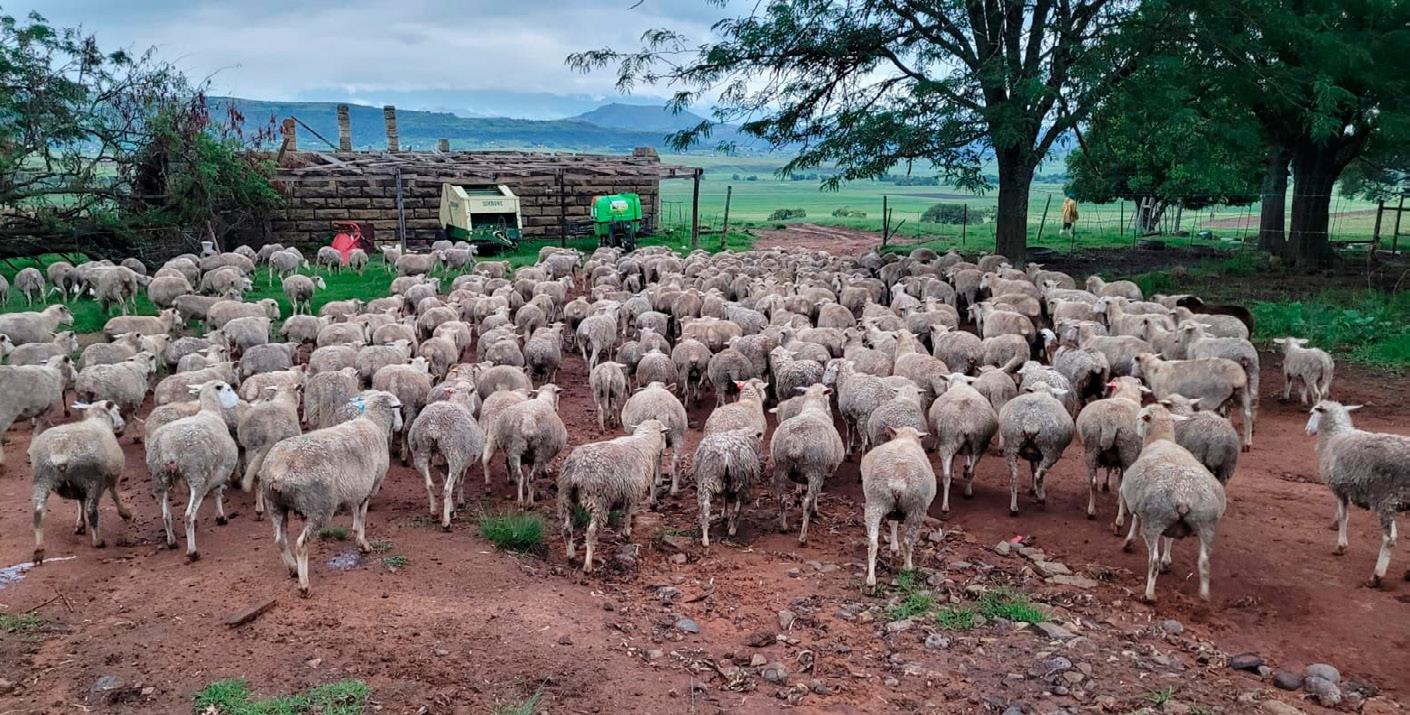
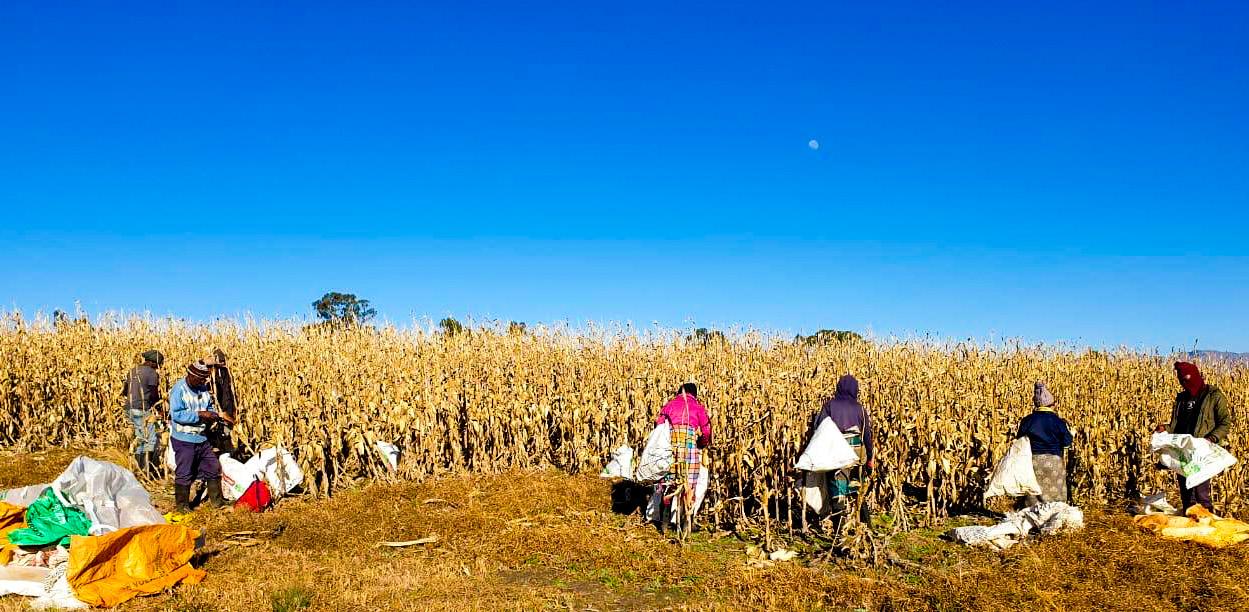
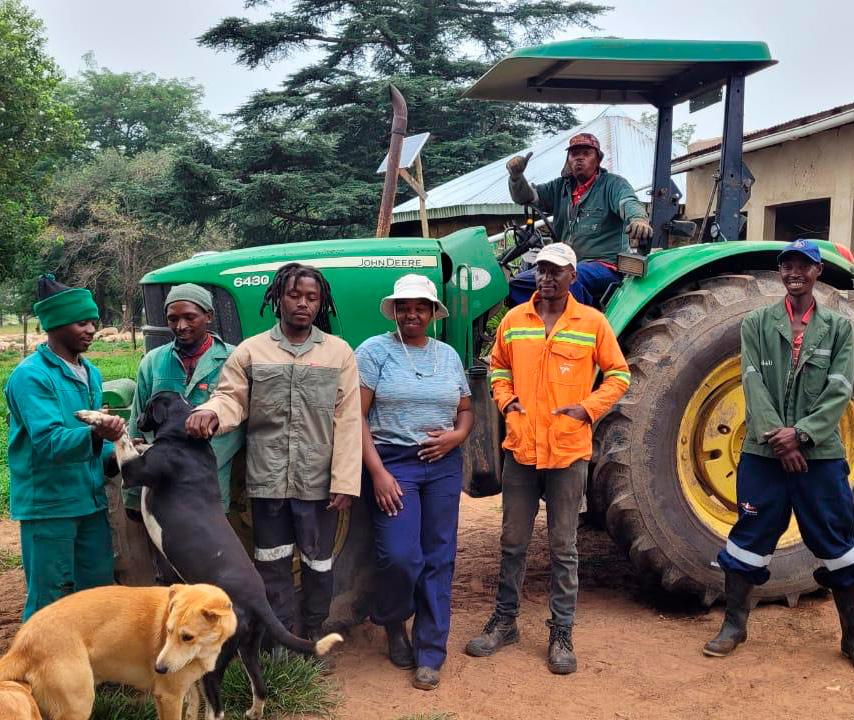
These contributions reflect the wider value of rural enterprises that are able to grow beyond their own production targets and become part of community development.
A key measure of Kevinot Farming’s progress has been its ability to access established markets.
The farm supplies maize to Kokstad Milling and buyers in Pietermaritzburg, with the produce later sold to Cargill for delivery to Epol for livestock feed. Its livestock is sold through AAM Livestock Agents and Auctioneers, Farmers Livestock Agents auctions, local communities, abattoirs and established buyers such as Karan Beef.
Kevinot Farming has also earned significant recognition and awards including:
• 2025 United Nations Food and Agriculture Organization Accelerator Programme graduate
• 2024 African Women in Business Award winner for Agriculture
• 2023 MTN Business SME Jumpstarter winner
• 2023 AWIEF Agri Entrepreneur Award winner in Kigali, Rwanda

• 2023 Top 3 Female Commercial Farmer of the Year, Eastern Cape Province
• 2023 Female Commercial Farmer of the Year, Alfred Nzo District Municipality
• 2022 Inaugural Presidential Award for Rural-based SMME of the Year winner
For Nonopa Tenza, ECRDA’s support came at a critical point in the development of Kevinot Farming.
“We are deeply thankful to ECRDA for the financial support they provided to Kevinot Farming. Their investment came at the right time and gave us the foundation to grow our business.
"Because of this support, we are now able to create jobs, uplift our community, and contribute to economic activity in our rural area. We truly appreciate ECRDA’s belief in us and their commitment to our success,” she says.
Kevinot Farming offers a powerful example of what becomes possible when women entrepreneurs are supported to turn potential into progress. It is far more than
a successful farming enterprise –it represents the transformation that becomes possible when determination is matched by meaningful institutional support and a long-term vision for rural development.
This Women’s Month, Nonopa Tenza’s journey serves as a powerful reminder that investing in women farmers is an investment in stronger local economies, greater food security and more resilient rural communities. It is a story that reflects both personal achievement and the lasting impact of development partnerships that empower people to succeed.
CONTACT INFORMATION:
Tel: 043 703 6300
Email: info@ecrda.co.za
Website: www.ecrda.co.za
Head Office:
3-33 Phillip Frame Road, Waverley Office Park, 2nd Floor, Chiselhurst, East London, 5201



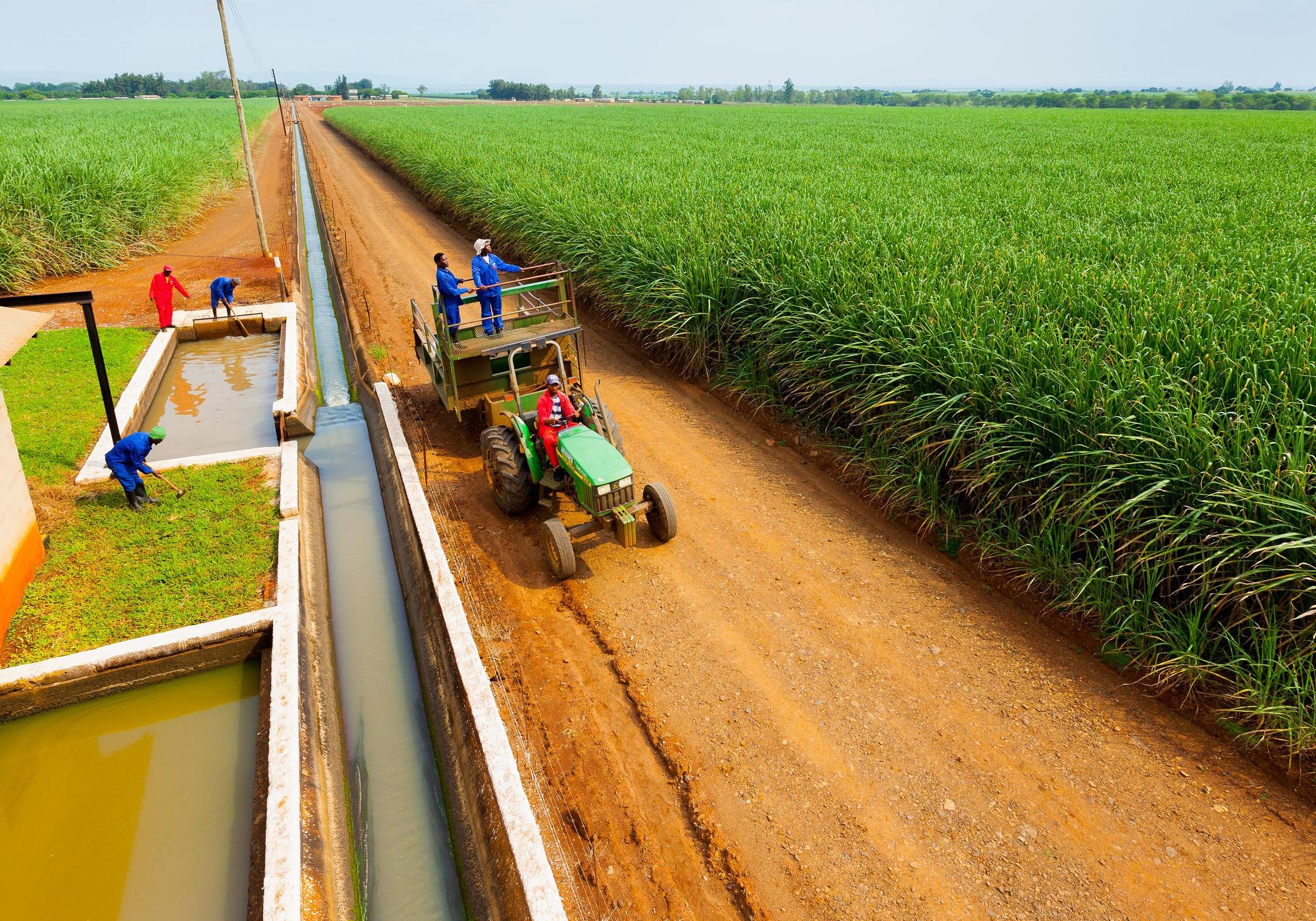
Tongaat Hulett is acutely aware of the need for skills transfer and youth development in rural communities where it actively operates. Through its long-standing bursary programme at Owen Sithole Agricultural College, the company has invested in the education, training, and practical development of more than 80 young people from sugarcane-growing communities. Closely aligned with Tongaat Hulett’s sugarcane development programmes, the initiative forms part of the company’s broader socio-economic development strategy.
By supporting young people with academic potential and financial need, the programme helps develop field expertise, improve human capital and creates opportunities for meaningful careers within the agricultural sector.
For Tongaat Hulett, the benefits extend beyond bursary support. Operationally, the Agricultural Department continues to source and recruit extension officers with practical agricultural experience to provide technical support and cane quality expertise to growers. Such interventions enable
Tongaat Hulett to manage integration into the system – succession planning and retention for critical operational roles. These interventions allow for a holistic integration to advance within Tongaat Hulett Limited’s operational structure, while at the same time expanding the knowledge pool within the value chain and in the larger community.
The programme has also enabled graduates to transition smoothly into the business, while expanding knowledge and technical capacity across the broader sugarcane value chain.
The bursary programme has been designed to deliver long-term value for both Tongaat Hulett and the students it supports. Alongside academic funding, the company places a strong emphasis on the personal development and well-being of its bursary recipients, helping prepare them for successful careers in agriculture.
Tongaat Hulett has also supported Owen Sithole Agricultural College in its vision of becoming a Centre
of Excellence in Sugarcane Agriculture and Agro-Processing, further strengthening the quality of agricultural education available to future industry professionals.
Students are selected based on academic merit, their roots in sugarcane-growing communities and demonstrated financial need. Over the past nine years, bursary recipients have also gained valuable workplace exposure through Tongaat Hulett’s Work Integrated Learning Programme, allowing them to apply their academic knowledge in a practical environment.

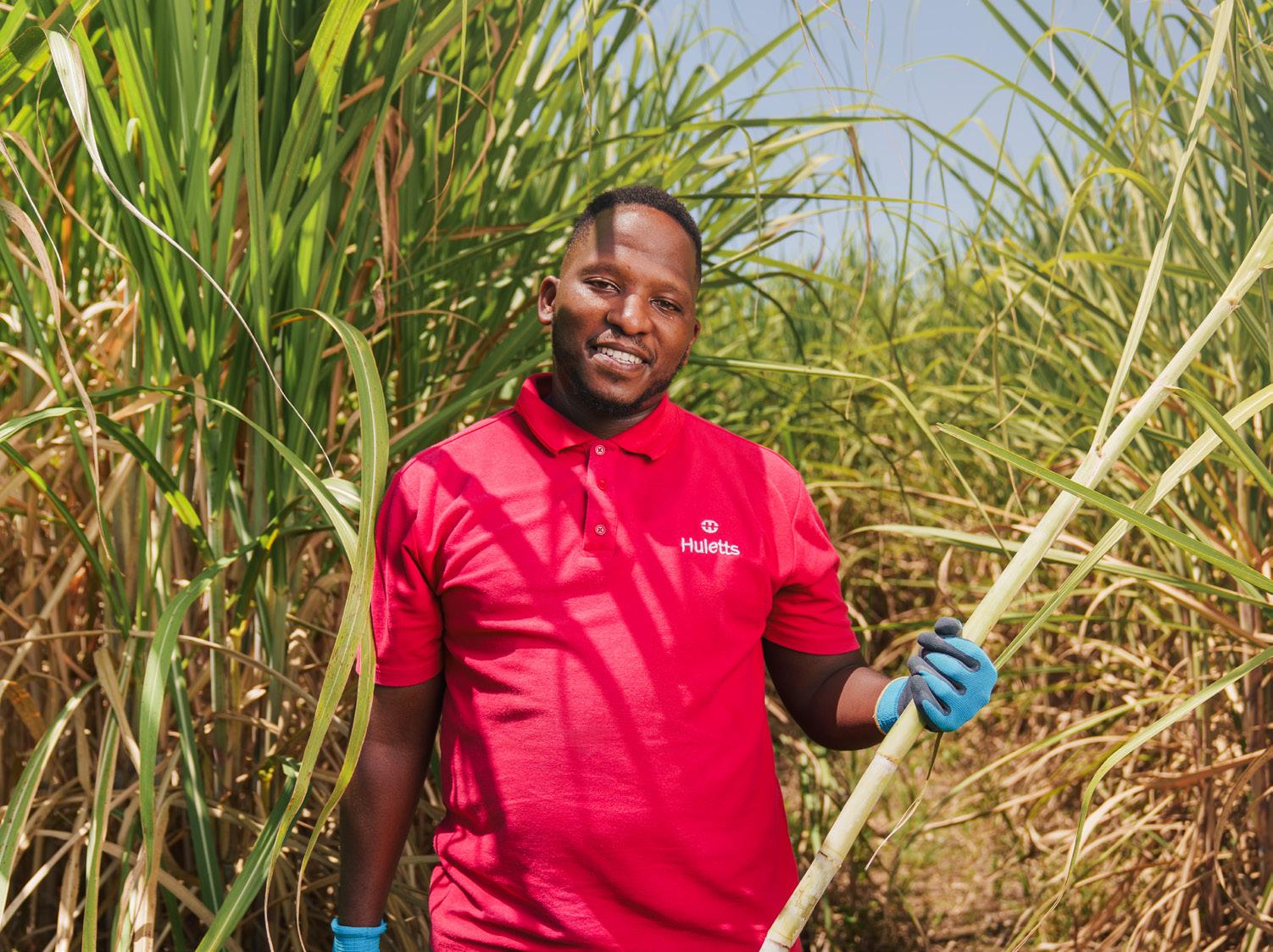
To further strengthen graduate development, Tongaat Hulett has partnered with AgriSETA to secure funding for graduate placements, ensuring that students are able to continue building their skills while contributing to the agricultural sector.
Investing in young people today helps strengthen tomorrow’s agricultural workforce, benefiting growers, rural communities and the broader sugarcane value chain.
We have further implemented trade testing and artisan training programmes that focus on equipping participants with skills that are currently scarce in the job market. This includes a strong emphasis on sustainable agricultural practices, which are vital for the industry's future. Candidates are identified and recruited from local rural communities, with an N2 qualification linked to a trade skill namely: Electrical; Fitting & Turning; Millwright and Instrumentation. Over the years, the candidates have been placed on the apprenticeship programme within Tongaat Hulett Limited's operations, for a period of three years for this occupational qualifications. These beneficiaries have experienced on-the-job training, mentorship, and guidance from seasoned professionals. Candidates are trained as part of their theory learning with KwaShukela Training Centre, equipped with the relevant trade toolbox, and assigned paying roles within the business for the duration of their training.
Skills development also plays an important role in Tongaat Hulett’s partnerships with cooperatives and communal property trusts participating in the land >
restitution programme. These initiatives support broader development plans aimed at strengthening local economies and promoting sustainable sugarcane farming.
This commitment is reflected in the employment of former bursary recipients who have successfully completed their training and demonstrated the practical skills, knowledge and values required by the organisation. Their hands-on experience enables them to provide valuable support to growers while contributing to the long-term sustainability of the industry.
Collaboration with sugarcane farmer organisations, landowners and other stakeholders has further strengthened access to quality education and training, particularly within rural communities. These partnerships help ensure that the benefits of development continue to reach communities where sugarcane farming remains an important source of livelihoods and economic activity.
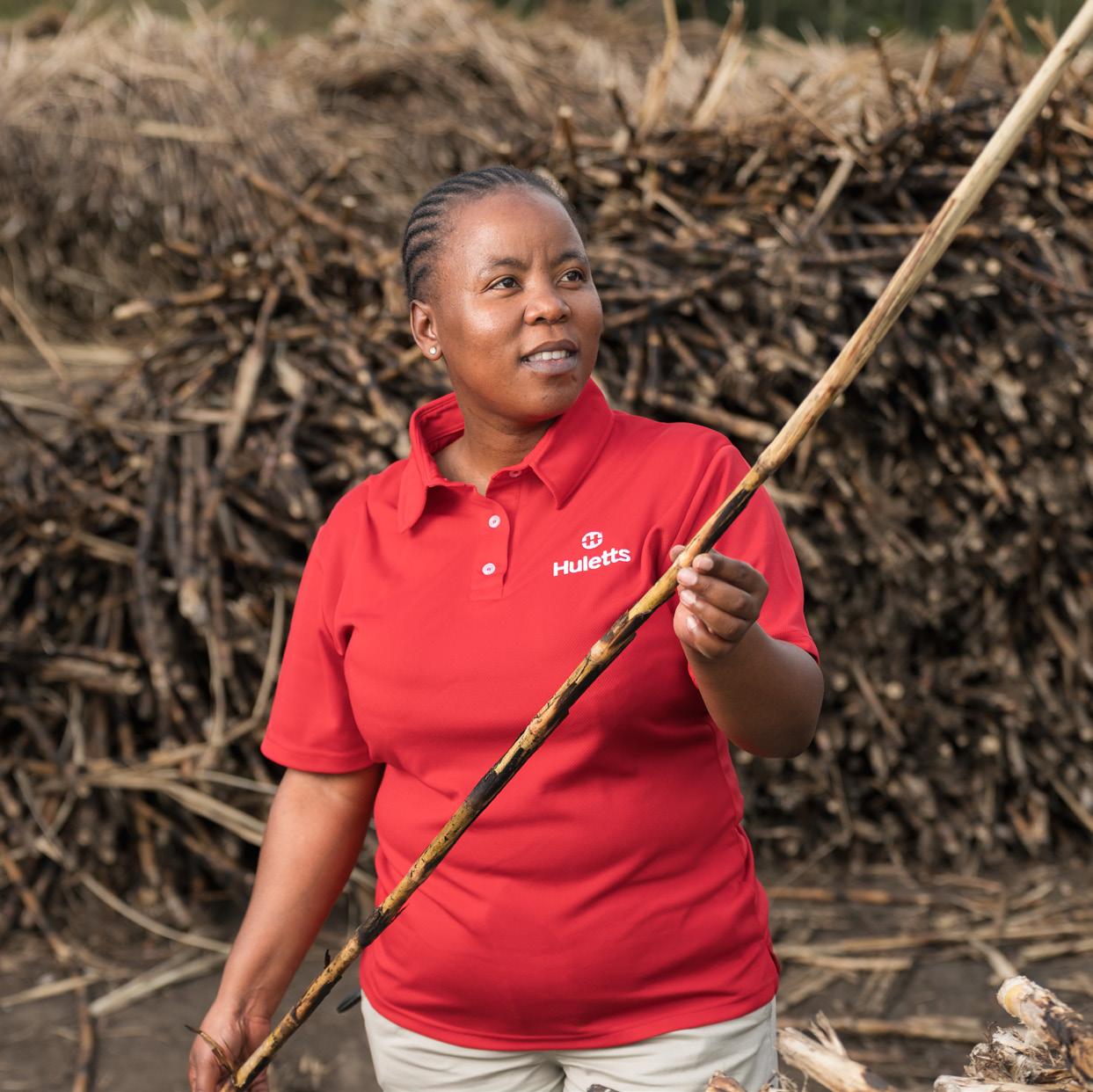
Through its bursary programme at Owen Sithole Agricultural College, Tongaat Hulett is developing the skilled graduates who will help strengthen South Africa’s sugarcane industry.
Tongaat Hulett has also implemented strategic projects to increase sugarcane supply and help ensure that its mills continue operating as close to full capacity as possible. Supporting these initiatives requires a growing pool of skilled professionals, including extension officers and cane quality
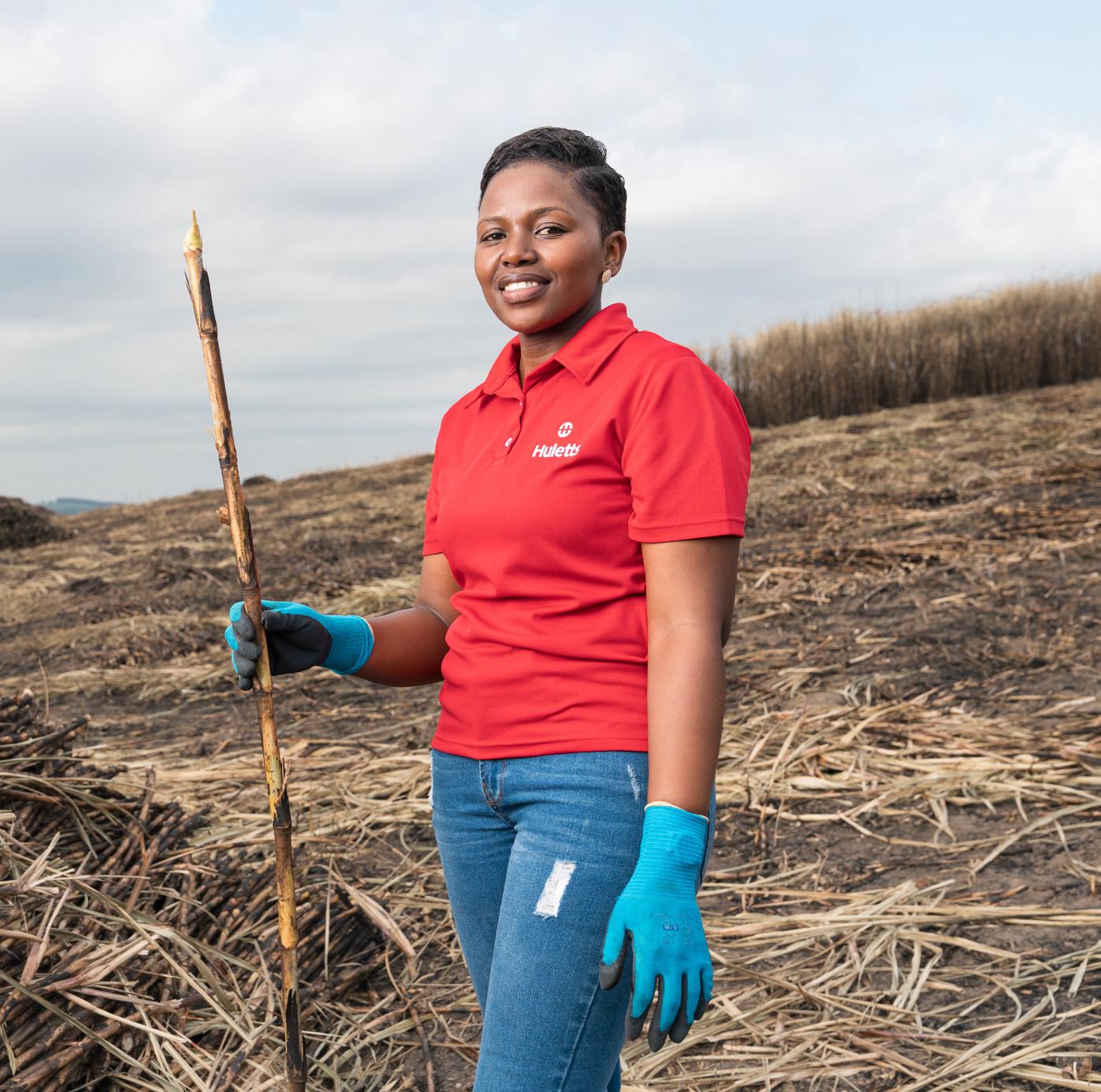
officers who work directly with smallscale and land reform growers.
Many of these positions are filled by former bursary recipients whose practical training and industry knowledge strengthen the effectiveness of the company’s extension services while improving operational efficiencies. The programme also enables Tongaat Hulett to recruit graduates who understand the company’s values, operational culture and long-term commitment to sustainable agricultural development.
By investing in education, practical training and strategic partnerships, Tongaat Hulett is helping to develop the next generation of agricultural professionals while creating lasting opportunities for rural communities and strengthening South Africa’s sugarcane industry.


Nedbank is committed to being the business banking partner for the public sector. Our bigger-picture approach to banking is designed to provide groundbreaking solutions for your municipality. With the expertise and knowledge of our community specialists, we can ensure continuity, accessibility and quick decision-making that guides your business growth.



Think bigger. Think Nedbank Commercial Banking. For more information email us at publicsector@nedbank.co.za.








The precise accuracy of taking an oil sample from a machine component is one of the most critically important steps in the scientific analysis of oil as part of a condition monitoring programme.
According to condition monitoring specialist company, WearCheck, taking samples is often a very specialised task, and not all maintenance teams have the correct training. Samples that are not taken correctly potentially contain external contamination and other material - even in miniscule amounts - that could compromise the accuracy of the test results.
“It is for this reason that we decided to grow our onsite sampling team, equip the technicians with extra training for a wider scope of fluids, and allocate dedicated vehicles to them,” says Juliane de Beer, WearCheck’s national sales manager.
WearCheck has been helping customers monitor the health and reliability of their equipment for 50 years through advanced condition monitoring services and scientific analysis of used oil and other fluids. The company operates world-class laboratories accredited to international standards and provides condition monitoring solutions to clients throughout South Africa and across the African continent.
Condition monitoring enables maintenance teams to identify developing mechanical problems long before they result in costly breakdowns or unplanned downtime. Through the analysis of lubricants, fuels, coolants, transformer oils and other industrial fluids, WearCheck’s specialists can detect abnormal wear, contamination, fluid degradation and other indicators of equipment


distress. This allows maintenance interventions to be planned proactively, reducing repair costs and extending equipment life.
WearCheck supports a wide range of sectors, including local government, water and sanitation, electricity distribution, mining, manufacturing, transport, construction, agriculture, aviation and marine operations. The company’s services are used to monitor critical assets such as vehicle fleets, standby generators, pumps, compressors, turbines, transformers, hydraulic systems and heavy earthmoving equipment.
According to de Beer, the quality of the laboratory analysis can only be as good as the quality of the sample received.
“Correct sampling is the foundation of every successful condition monitoring programme. Even the most sophisticated laboratory equipment cannot compensate for a poorly taken sample. By ensuring
Artboard 2.pdf 1 2026/06/18 14:32:07
WEARCHECK ...where analytical precision is an art form
that samples are collected according to strict procedures and best-practice guidelines, our onsite sampling team helps customers obtain the most accurate and meaningful diagnostic information possible,” she says.
“The WearCheck onsite sampling team now consists of eight highly skilled, technically certified professionals, collectively bringing over 40 years of industry experience. Their primary mission is simpleto make our customers’ lives easier through efficient, reliable, and expert onsite sampling services.”
De Beer explains that by taking the hassle out of sample collection, the team ensures that every sample is obtained using the correct procedures and best practices. This guarantees accuracy, consistency, and integrity, which are critical for dependable analysis results.


‘The sampling technicians travel to clients located anywhere in South Africa as well as internationally, to take samples.
“Our onsite sampling technicians collect a wide range of fluids from industrial equipment, including oil, fuel, coolant, transformer oil, brake fluid, AdBlue® and other fluids. Whether operating in demanding industrial environments or routine maintenance settings, our team delivers precision and professionalism at every step.”
The convenient onsite service eliminates the need for customers to manage the sampling process themselves, saving valuable time while reducing the risk of contamination or human error.
TO BOOK THE TAKING OF AN ONSITE SAMPLE, PLEASE CONTACT WEARCHECK JOHANNESBURG ON:
Tel: 011 392-6322
Email: martind@wearcheck.co.za
FOR MORE INFORMATION, PLEASE VISIT: Web: www.wearcheck.co.za
Tel: 031 700-5460
Email: marketing@wearcheck.co.za

Condition Monitoring is at the heart of machine reliability
WearCheck specialises in a range of sophisticated condition monitoring techniques which help to boost the availability and reliability of machinery, thereby helping our customers to operate more efficiently and save money on maintenance costs.
Machines speak, we listen, you save!


Secure systems for reliable service delivery
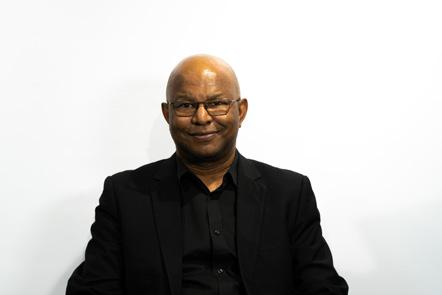
By Martin Nangoro, Industry Principal Public Sector, Gijima
Digital transformation is helping municipalities modernise billing, supply chain and citizen services. But every new system also creates a new point of vulnerability.
When cybersecurity is weak, billing freezes, prepaid electricity fails, supply chain platforms go dark and citizens lose trust. In local government, cyber resilience is now a leadership responsibility.

Cybersecurity can no longer sit inside IT alone. It must be visible to leadership, audit committees and operational management.

Auditor-General findings point to systemic vulnerability across local government.
Weak information security controls
Cyber risk overlooked by leadership
Uneven digital readiness across municipalities
The impact is operational, financial and reputational.
System downtime and lost productivity
Recovery costs and POPIA exposure
Citizen data and public trust at risk
Resilience requires practical intervention and stronger governance.
Shared security operations
IT general control remediation
•
•
POPIA compliance and data protection
Human capital development and training
Gijima partners with municipalities to embed resilience into digital transformation.
•
•
•
•
Shared SOC and real-time threat monitoring
IAM and access governance
Data protection and POPIA readiness
Awareness training and governance support
Secure digital infrastructure is a prerequisite for capable local government. Resilience is not only technical. It is organisational, operational and human.
Scan to book a session to discuss your modernisation journey.

South Africa is officially on a mission to end stunting by 2030, but progress will depend on decisive action across every sphere of government. With Local Government Elections set to take place this year, leaders should be positioning their municipalities as places where children can grow and thrive.
Stunting means that children are abnormally short-for-age because of poor nutrition.
More than a quarter of children under the age of five in South Africa are stunted because of chronic

DGMT is a South African foundation built on endowments from Douglas and Eleanor Murray. As a public innovator through strategic investment, DGMT is committed to developing South Africa’s potential. To this end, DGMT has identified 10 opportunities to escape the inequality trap and build a thriving society. These opportunities span early childhood development, innovation amongst civil society organisations, youth development, preventing nutritional stunting and promoting literacy.

malnutrition starting in the womb, made worse by repeated infections caused by unhygienic living conditions in informal settlements and poorly serviced areas. Stunting affects their physical growth and brain development. Consequently, they are shorter than their peers, have weaker immune systems and their chances of success in school, and later in life, are damaged even before they’ve learnt to speak.
“If we are to end stunting, we need to do two things,” says David Harrison, Chief Executive Officer at DGMT.
“First, we must ensure that children get enough nutritious food,
and second, we must prevent gut damage that causes those nutrients to be lost through malabsorption. Preventing nutrient loss through chronic malabsorption and diarrhoea requires us to prevent infection and treat it rapidly when it occurs.”
The critical strategies needed to ensure adequate nutrition are:
• make protein staples more affordable,
• reduce the number of babies born too small and remediate those who are, and
• help communities to grow their own food. >

Municipalities have a critical role to play in all of these strategies.
The greatest window of opportunity to prevent stunting is during the first 1 000 days, from conception until a child’s second birthday. This period is however not only shaped by clinics, but by the communities and environments that municipalities help manage every day. Their decisions and delivery of basic services, like water, sanitation, waste removal and spatial planning, shape the environments in which children live and grow.
“There are clear touchpoints at community level that fall squarely within municipal control or influence, from improved service delivery to prioritising maternal and child nutrition in municipal Integrated Development Plans,” says Liezel Engelbrecht, Nutrition Lead for the Hold My Hand Accelerator, incubated by DGMT.
“Experiences from countries like Chile, Ethiopia and Brazil show that local governments can play an important role in reducing stunting by strengthening coordination
across healthcare, sanitation, early childhood development, food security, and community support systems,” says Engelbrecht.
#1 Improve water, sanitation and waste removal services and prevent infections
Research shows that babies born with a low birth weight, because their mothers were malnourished while pregnant, drank alcohol or have HIV, are at higher risk of stunting. These factors influence growth and development in the womb, before birth.
However, environmental factors are a significant contributor too.
“Not having access to clean water, sanitation and solid waste removal can affect a child’s immune and gut heath, and we know that compounding deficits in a child’s earliest years leads to stunting by the age of five,” Engelbrecht explains.
“These external factors linked to unhygienic living conditions can be reduced by improving access to basic services, especially in informal areas, and by strengthening environmental health systems that help reduce infection risks that contribute to stunting,” Engelbrecht adds.
#2 Prioritise maternal and child health in Integrated Development Plans
Outside of some metros, the provision of primary healthcare is not a municipal responsibility, but this doesn’t mean they don’t have a role in promoting healthy pregnancies.
They must create supportive environments for pregnant women, by explicitly prioritising maternal and child health in their Integrated Development Plans, and by partnering with NGOs, community health worker programmes and communitybased organisations to improve maternal nutrition, breastfeeding and optimal child feeding.
A mother who is hungry, stressed and unable to access antenatal care during pregnancy is more likely to deliver a low birth weight baby with a higher chance of becoming stunted. But there are local support systems in place to help. In neighbourhoods across the country, community health workers are closing the distance between primary healthcare and residents by going door-to-door with information, guidance and support to new mothers.
“Local government can strengthen stunting prevention by supporting community-based outreach platforms that connect families to nutrition, health and social services,” says Engelbrecht.
In the Western Cape, for instance, community health workers are a critical part of the provincial government’s Khulisa Care programme which aims to reduce stunting through addressing low birthweight. The programme in
partnership with DGMT, Grow Great and Shoprite enable underweight pregnant women and mothers of low birth weight newborns to buy nutritious food and access regular support, counselling and care from trained community health workers.
Research shows that having frequent visits by CHWs trained in maternal and child health reduces the risk of stunting in the crucial first 1 000 days.
#3 Limit the density and opening hours of alcohol outlets
Maternal malnutrition and alcohol use during pregnancy are both contributors to low birth weight, underscoring the need for more effective measures to reduce alcoholrelated harm, including Foetal Alcohol Spectrum Disorder (FASD).
“South Africa’s rate of FASD is ten times higher than the world average, affecting about one in twelve babies here,” says Harrison. “The Constitution requires all spheres of government to secure the
wellbeing of the people of the Republic – and that must include children too. Municipalities have a crucial role to play in reducing heavy drinking, especially late at night and over weekends. This includes limiting the number of liquor outlets and restricting trading hours.”
#4 Allocate unused land to urban food production
South Africa produces enough food to feed its population. However, poverty, rising food prices and unemployment mean families cannot afford to buy nutritious food. It’s not a production problem; it’s an access and affordability problem.
While we tend to think of agriculture as a rural endeavour, it can be done in urban areas too. About two-thirds of South Africans live in urban areas so we should be creating linkages between urban food production hubs, community gardens and early childhood development (ECD) centres in low-income communities.
“Over the past few decades, China has dramatically increased the amount of land available for community agriculture by allocating and ploughing unused municipal land for community food production,” says Harrison. “There’s nothing to stop us from doing the same. In fact, there are a growing number of examples across South Africa where NGOs and local governments are working together to support smallholder farming – expanding access to nutritious foods to households and ECD centres.”
“There is surely no greater responsibility on our leaders than to ensure that our children are sheltered, kept safe and well fed. This year marks a powerful opportunity to align national, provincial and local government priorities behind the mission to end stunting. To do this, we must place children’s wellbeing at the centre of our development agenda and think about how best to ensure that our children thrive,” Harrison concludes.









Growing Investments
Maximising
Maximising returns to build member financial wellbeing.
Driving Impact
Driving Impact
Creating positive change for members and communities.
Growing Investments
Growing Investments
Creating positive change for members and communities.
Maximising returns to build member financial wellbeing.
Maximising returns to build member financial wellbeing.
Securing Futures
Driving Impact
Securing Futures
Securing retirement today for sustainable futures tomorrow.
Driving Impact
Securing retirement today for sustainable futures tomorrow.
Creating positive change for members, their families and communities.
Creating positive change for members and communities.
Securing Futures
Delivering Lasting Value
Delivering Lasting Value
Securing Futures
Providing competitive costs, superior benefits, and exceptional service.
Securing retirement today for sustainable futures tomorrow.
Securing retirement today for sustainable futures tomorrow.
Providing competitive costs, superior benefits, and exceptional service.
Delivering Lasting Value
Governance that Delivers
Governance that Delivers
Delivering Lasting Value
Strong leadership, accountable decisions, measurable results.
Providing competitive costs, superior benefits, and exceptional service.
Providing competitive costs, superior benefits, and exceptional service.
Strong leadership, accountable decisions, measurable results.
Governance that Delivers
Governance that Delivers
Consecutive clean audits, strong leadership, accountable decisions, measurable results.
Strong leadership, accountable decisions, measurable results.



CAPRICORN DISTRICT MUNICIPALITY
A Legacy of Progress
GARDEN ROUTE MUNICIPALITY
A colleague’s compassion inspires a partnership to restore independence
JOE GQABI DISTRICT MUNICIPALITY
Women, youth and infrastructure at the heart of development
RATLOU LOCAL MUNICIPALITY
Land ownership opens new opportunities
WEST COAST DISTRICT MUNICIPALITY
The gold standard in local government
NAMAKWA DISTRICT MUNICIPALITY
50 Calvinia families receive the keys to their new homes





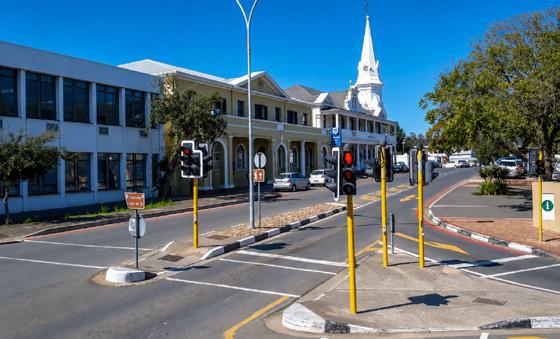
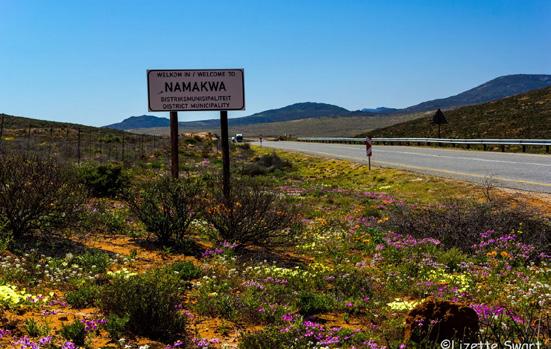

This Women’s Month, we showcase Capricorn District Municipality’s (CDM) five years of progress under the sterling leadership of Executive Mayor Mamedupi Teffo, who was initially elected to lead the district in September 2021 and was re-elected and inaugurated on 26 November 2021 following the 2021 Local Government Elections.
Every municipality reaches a point where it must pause to reflect on the impact of its decisions and consider how today’s investments will shape tomorrow’s communities. For Capricorn District Municipality, that moment has arrived.
Over the past five years, CDM has prioritised investment in bulk water infrastructure, regional water schemes and wastewater treatment facilities to improve service delivery and support long-term sustainability. The rollout of smart water metering has further strengthened water management by reducing losses and improving efficiency. These investments extend beyond infrastructure delivery – they support healthier communities, stronger local economies and greater resilience for future growth.
The 2026 State of the District Address
Reflecting on the municipality’s journey during her 2026 State of the

Executive Mayor, Mamedupi Teffo
District Address (SoDA) that was held on the 18 June 2026 at the Jack Botes Hall in Polokwane, Executive Mayor Teffo reaffirmed that the district’s development agenda remains firmly centred on improving the quality of life of residents through
sustainable infrastructure, responsible governance and strategic investment. The address not only reflected on progress achieved during the current council term, but also outlined the priorities that will guide the district into its next phase of development.


Central to this vision is the municipality’s R1 405 billion budget for the 2026/27 financial year, which provides the financial foundation for sustaining essential services while investing in future growth.
More than R1 074 billion has been allocated to operational expenditure, supporting critical services such as disaster risk management, fire and rescue services, municipal health programmes, infrastructure maintenance and the ICT systems that enable efficient and responsive administration. A further R331 million has been earmarked for capital projects that will strengthen infrastructure, improve service delivery and expand the district’s long-term development capacity.
Together, these allocations demonstrate a balanced approach – maintaining the reliable delivery of essential municipal services while continuing to invest in the infrastructure that supports economic development and community wellbeing.
Address reaffirmed Executive Mayor Mamedupi Teffo’s vision of a district built on resilient infrastructure, responsible governance and shared prosperity.
Mayor Teffo emphasised that the district’s progress has been achieved through close collaboration between Capricorn District Municipality and its four local municipalities, each contributing to the district’s broader development objectives:
• Polokwane continues to serve as the district’s economic hub, attracting investment and stimulating business growth
• Blouberg has strengthened its tourism and agricultural sectors

while continuing to improve local infrastructure.
• Lepelle-Nkumpi has advanced innovation and youth empowerment through smart city initiatives.
• Molemole continues to support agriculture, rural development and active community participation.
This coordinated approach reinforces the municipality’s commitment to ensuring that development is shared across the district, with local priorities
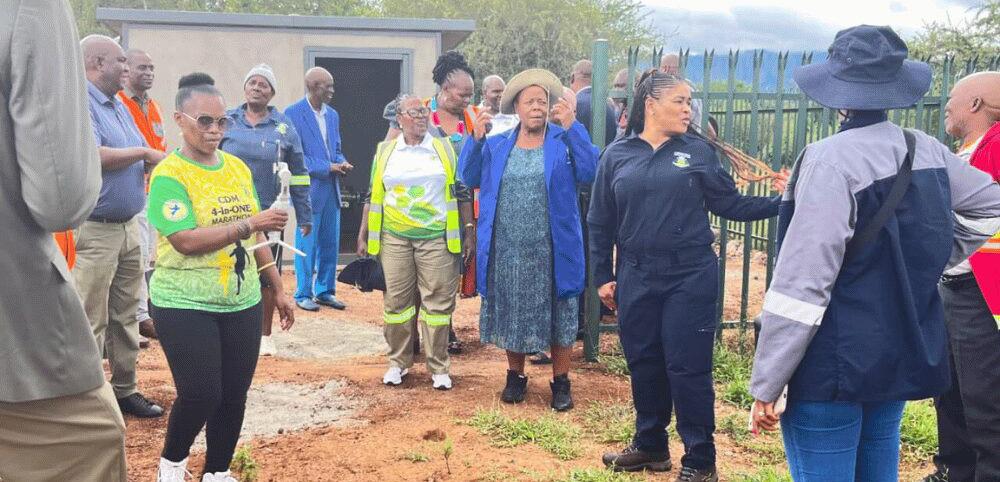
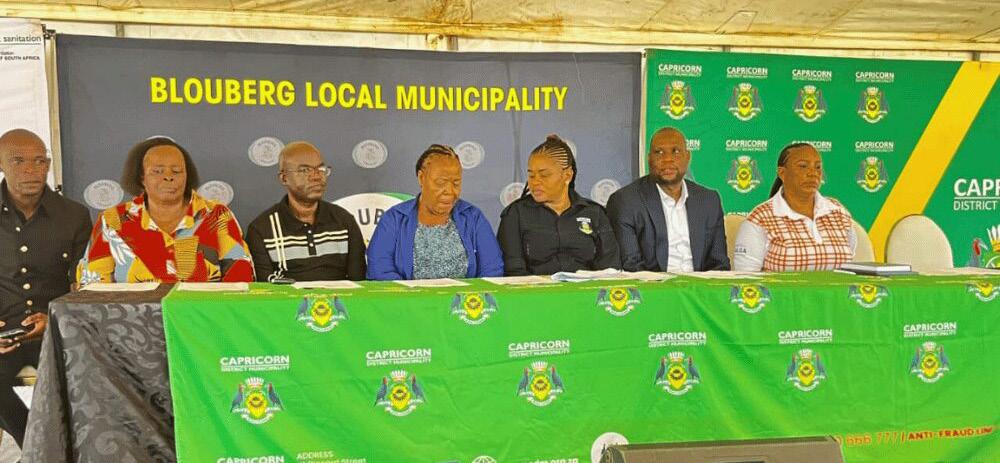
contributing to a common vision for inclusive and sustainable growth.
Beyond infrastructure investment, the State of the District Address highlighted the importance of accountable and responsive local government. The municipality continues to strengthen public participation through ongoing engagement with communities, ensuring residents have greater insight into municipal planning, budgeting and service delivery priorities.
By promoting transparency and encouraging meaningful public participation, CDM continues to reinforce the principle that sustainable development is achieved through partnership between government and the communities it serves.
Recognising that young people are central to the district’s future, CDM continues to prioritise initiatives that promote youth empowerment, skills development and active civic participation.
The recent District Youth Dialogue, hosted on 18 June 2026 in partnership with Blouberg Local Municipality, provided young people with a platform to engage directly with municipal leadership on issues including employment, entrepreneurship, education and skills development,
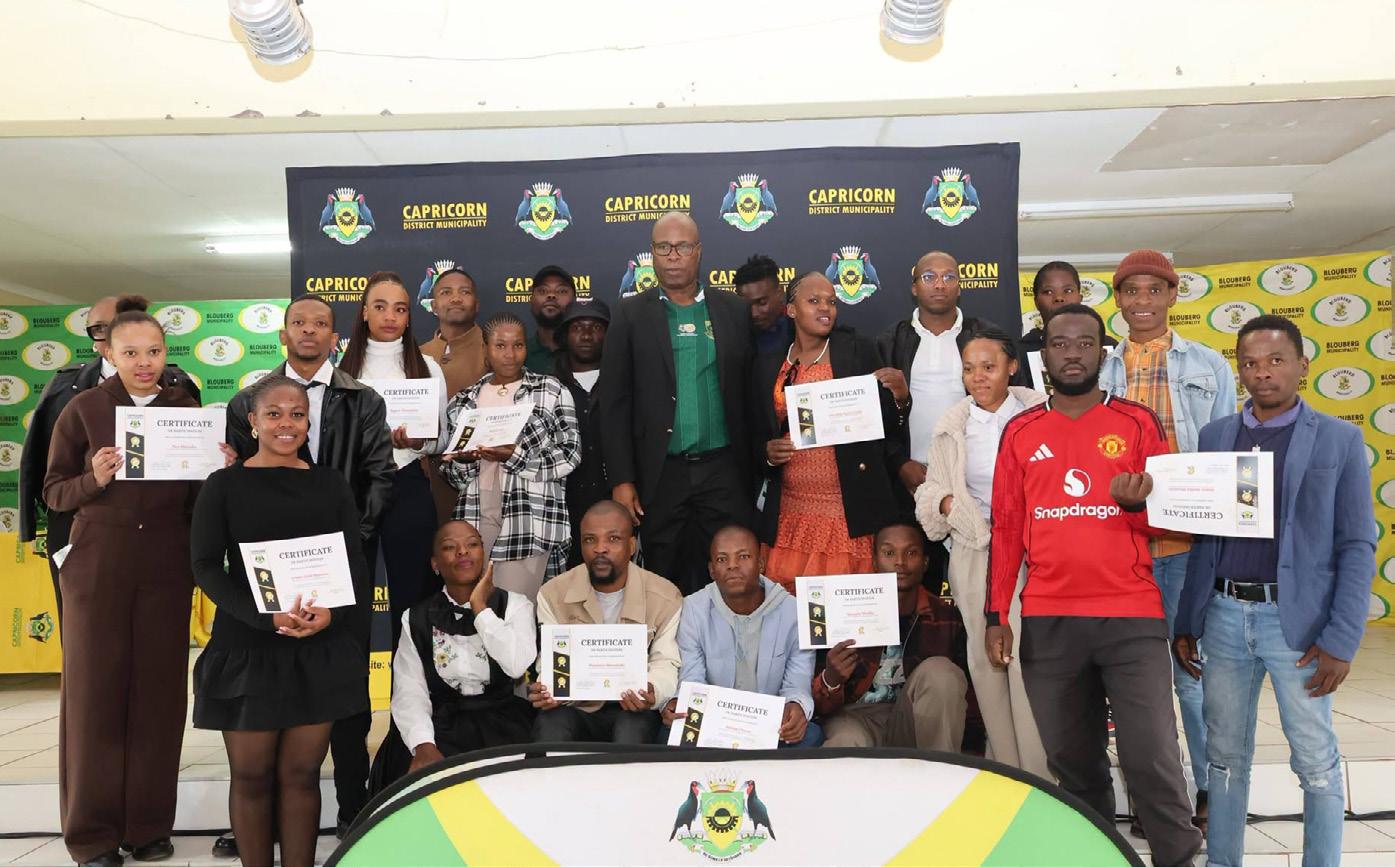
while also addressing social challenges such as gender-based violence, substance abuse, HIV/AIDS and teenage pregnancy.
The dialogue reflected the municipality’s commitment to ensuring that young people are not merely beneficiaries of development, but active participants in shaping the future of their communities.
While council terms may come to an end, the work of building resilient communities continues. Through sustained investment in water security, municipal infrastructure, disaster management, public health, digital innovation and youth development, Capricorn District Municipality is laying foundations that extend well beyond a single administration.
Building tomorrow requires more than delivering services today – it requires consistent leadership, responsible stewardship of public resources and a shared commitment to creating stronger, more resilient communities. As Capricorn District Municipality enters its next chapter, it does so with a clear focus on preserving the progress achieved while continuing to build a district that is better equipped to meet the opportunities and challenges of the future.
From water security to youth empowerment, the district’s development agenda continues to build resilient communities and create opportunities for future generations.

The Garden Route District Municipality (GRDM), through its Garden Route Skills Mecca initiative, has brought together government and private sector partners to improve the quality of life of beneficiary Clidine Davids.
Through the partnership, Davids received an electric wheelchair and a pair of spectacles, which will enhance her mobility, increase her independence and make it easier for her to access George and surrounding areas.
The initiative began in February 2026 when GRDM employee Bonisile Desha noticed that the wheels of Clidine’s wheelchair were damaged. Determined to help, he contacted Morné Pieterse, Station Manager at Eden FM, to enquire about assistance with replacing the wheels.
Pieterse immediately committed to the cause. What started as a plan to replace the damaged wheels soon evolved into a broader effort to provide Clidine with a new foldable electric wheelchair that would fit into smaller vehicles, making travel more practical as she relies primarily on public transport.
With Clidine’s long-term needs in mind, Desha approached several businesses to assist with the procurement of an EW-03 electric foldable wheelchair. The full cost of Clidine’s foldable electric wheelchair was sponsored by Letsatsi, with additional private sector partners contributing towards her spectacles and the handover event.
As the initiative gained momentum, the Garden Route District Municipality
(GRDM) continued to mobilise private sector support, with partners contributing towards the donation and handover of Clidine’s new mobility equipment. Through the initiative, participating sponsors were also provided with an opportunity to showcase their services while supporting a meaningful community cause.
At the handover ceremony held at the GRDM offices, Clidine expressed her gratitude to everyone who contributed to improving her quality of life.
The initiative highlights the role of the Garden Route District Municipality in connecting people with opportunities and mobilising partnerships that deliver tangible benefits for residents. Through the Garden Route Skills Mecca, the municipality continues to demonstrate how collaboration between government, business and the community can create meaningful change.
The GRDM said it is proud to have facilitated the initiative and to see Clidine’s quality of life significantly improved through increased mobility and independence.
“As a District Municipality, we are deeply grateful to the private sector for their meaningful contribution to Clidine’s well-being,” the municipality said.
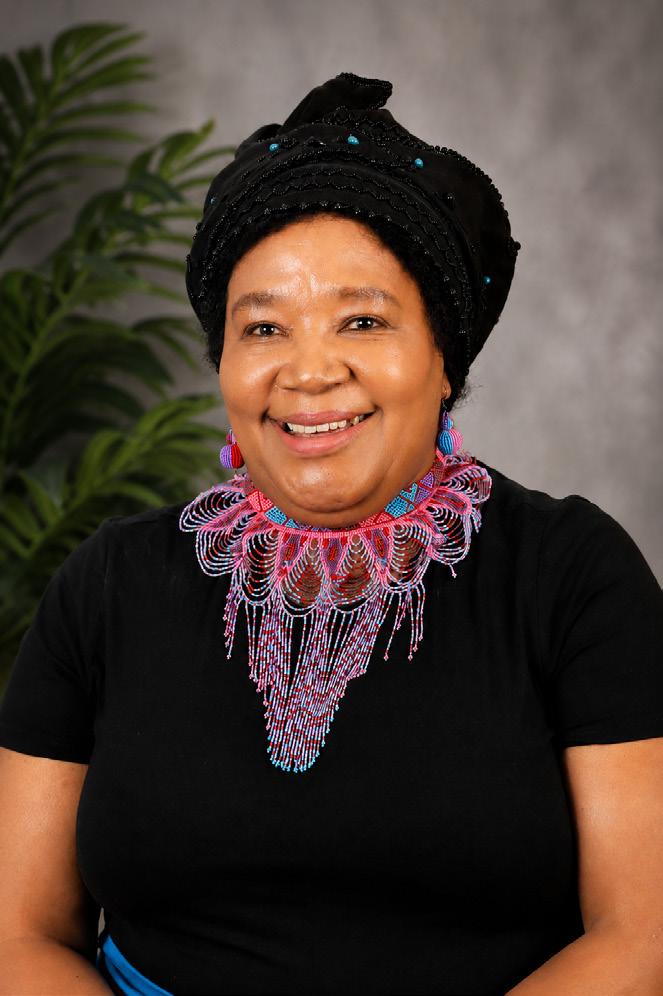
Executive Mayor: Nomvuyo Mposelwa
Joe Gqabi District Municipality’s (JGDM) commitment to inclusive development was recently highlighted when Acting Executive Mayor Cllr Unathi Hlathuka delivered the keynote address at the 2026 Women Entrepreneur Awards (WEA) and District Extension and Advisory Services Awards (DEASA), hosted by the Department of Agriculture.
The awards recognised women entrepreneurs, agricultural extension practitioners and municipalities that are advancing agricultural development, food security and economic growth across the Eastern Cape. Addressing delegates, Acting Executive Mayor Hlathuka reaffirmed the municipality’s

Acting Executive Mayor: Unathi Hlathuka
commitment to expanding education, skills development and entrepreneurship opportunities for women and young people, enabling greater participation in the local economy and contributing to more resilient communities.
“We are committed to expanding education, skills development and entrepreneurship opportunities for women and young people, enabling greater participation in the local economy.”
- Acting Executive Mayor Cllr Unathi Hlathuka
The municipality’s commitment to creating opportunities has also translated into measurable results through the Expanded Public Works Programme (EPWP), which continues to serve as an important intervention in addressing unemployment while supporting essential municipal service delivery.
For the 2025/26 financial year, Joe Gqabi District Municipality exceeded its EPWP targets by:
• Creating 845 work opportunities against a target of 762, achieving 110% of its planned target
• Delivering 262 Full-Time Equivalents (FTEs) against a target of 253, achieving 103% of its planned outcome
Importantly, 314 employment opportunities benefited women, while 341 opportunities were created for young people through projects focused on rural water supply, sanitation, environmental management, community safety and infrastructure development.
Beyond temporary employment, the Expanded Public Works Programme (EPWP) has provided valuable workplace experience, skills development and income support, while also stimulating local economic activity across the district.
The municipality’s performance was formally recognised by the Eastern Cape Department of Public Works and Infrastructure, which commended JGDM for exceeding its targets and maintaining consistent programme reporting. The achievement reflects the municipality’s ongoing investment in labour-intensive infrastructure and community development initiatives that improve living conditions while creating meaningful employment opportunities.
A number of strategic infrastructure and service delivery projects contributed to this performance, including the Senqu Rural Water Supply projects, the Elundini Rural Water Supply Scheme, rural sanitation programmes, water treatment works upgrades,
community safety initiatives and municipal environmental and cleaning programmes. Together, these projects not only expanded employment opportunities but also strengthened access to essential services and enhanced the quality of life in communities across the district.
Executive Mayor Cllr Nomvuyo Mposelwa said the achievement demonstrates the value of targeted public employment programmes in improving livelihoods while accelerating service delivery. She noted that the EPWP continues to empower communities, support vulnerable households and invest in the district’s long-term development. Sustained programme performance also strengthens the municipality’s prospects of securing additional EPWP incentive grant funding, enabling further expansion of labour-intensive projects,
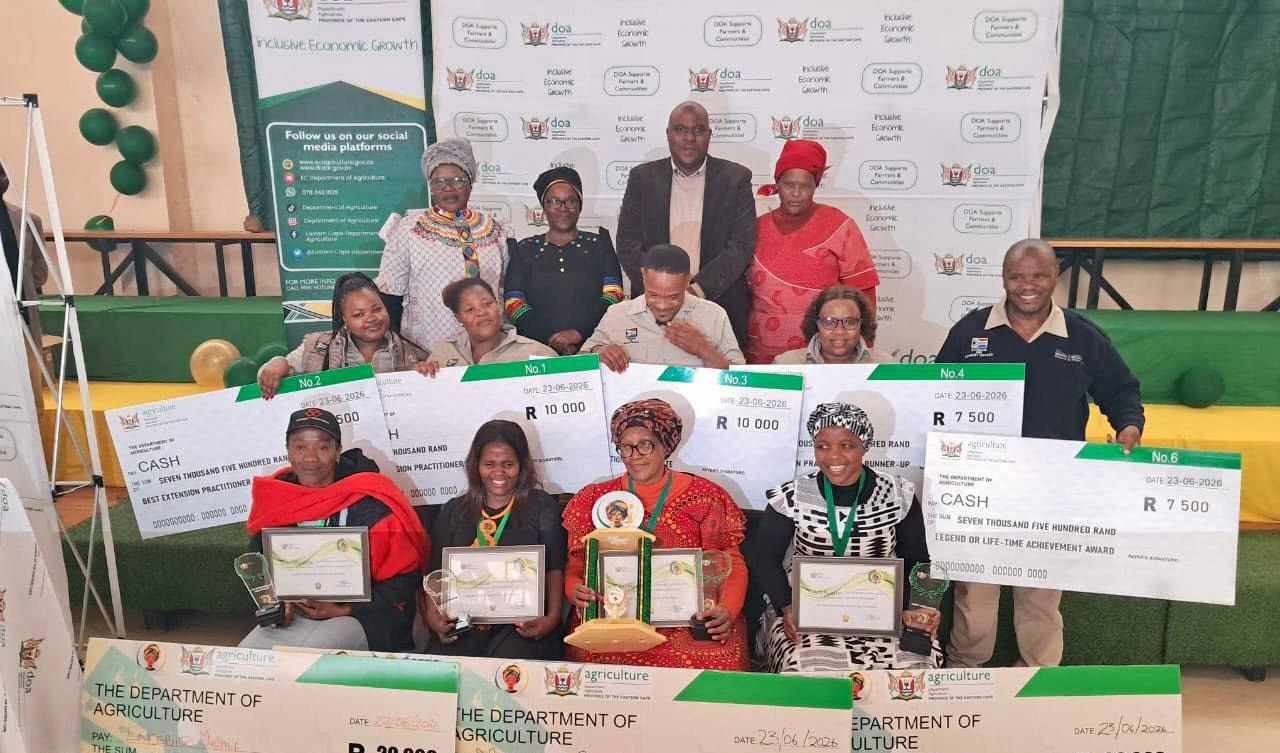
and creating even more opportunities for local residents.
Building on this momentum, Council has approved several key initiatives for the 2026/27 financial year, including the Water Services Development Plan, the Winter Season Preparedness and Snow Protocol Contingency Plan, and the renewal of its partnership with the Joe Gqabi Economic Development Agency (JoGEDA) to support infrastructure investment and drive local economic development.
Together, these initiatives reflect a municipality focused on responsive governance, inclusive economic growth, and sustainable community development. By investing in women, young people and strategic infrastructure and employment programmes, Joe Gqabi District Municipality is creating opportunities, strengthening local resilience, and laying the foundation for longterm growth across the district.
“Through the EPWP, we are not only creating work opportunities but also empowering communities, supporting vulnerable households and investing in the future of our district.”
- Executive Mayor Cllr Nomvuyo Mposelwa
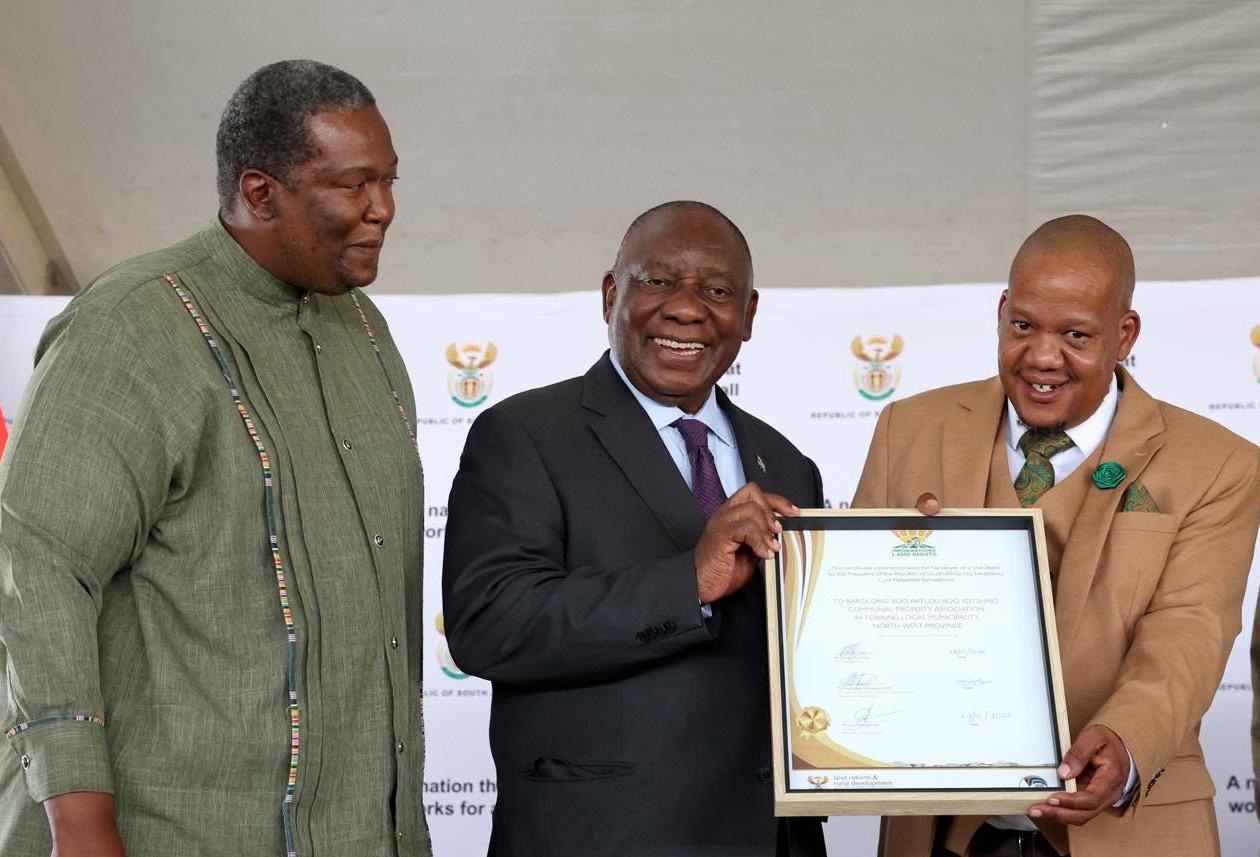
Hundreds of families, emerging farmers and community members in Ratlou Local Municipality are set to benefit from greater security and long-term development opportunities following the official handover of title deeds in Setlagole.
Held at the Setlagole Sports Ground, the ceremony marked an important step in South Africa’s ongoing land reform programme with residents of Setlagole and Madibogo, together with farmers, community representatives and traditional leaders, gathering to witness the formal transfer of ownership to beneficiaries whose connection to the land spans generations.
Addressing the gathering, President Cyril Ramaphosa described the handover
as part of government’s constitutional commitment to restoring land rights and advancing equitable development. He said the programme demonstrates progress towards “a fairer, more sustainable and more prosperous future for these communities.”
“Formal title means these households can now access mortgage credit, small business finance and development grants that were previously unavailable.”
- President Cyril Ramaphosa
For many recipients, the title deeds provide legal recognition of land they have occupied or farmed for years,
replacing uncertainty with ownership and creating new opportunities for investment, development and longterm planning. The handover also represents an important step towards strengthening tenure security in rural communities, providing beneficiaries with greater certainty while supporting more structured local planning and future development initiatives.
Highlighting the significance of ownership at household level, the President added: “Today is not just about the law. It is about a family being able to say: ‘This land is ours’.”
The handover included title deeds for 368 households, converting longstanding occupational rights into full legal ownership. Formal ownership gives families greater certainty over their property while opening opportunities to improve their homes, build intergenerational assets and access financial products where appropriate.
The agricultural sector also received a significant boost, with ownership of previously state-leased land transferred to 20 farmers. Secure tenure enables landowners to plan with greater confidence and supports future investment in farming infrastructure, livestock production, fencing, irrigation systems and equipment that can improve productivity over time.
The programme further included the transfer of land to Communal Property Associations through the restitution process, restoring thousands of hectares to communities with recognised historical claims. Beyond restoring ownership, these transfers provide a foundation for communities to determine how the land can contribute to future social and economic development.
During the ceremony, President Ramaphosa emphasised that land ownership should be accompanied by practical support to ensure that beneficiaries are able to realise the full value of their land. Referring to title deeds as “the foundation on which we must build”, he reaffirmed government’s commitment to ongoing post-settlement assistance, including agricultural support, infrastructure development and improved land-use planning.
The initiative also complements Ratlou Local Municipality’s broader development objectives. Plans to formalise the townships of Setlagole and Madibogo are intended to support more structured growth while creating opportunities for housing, community facilities, small business development, early childhood centres and improved access to public services.
Secure land ownership also provides a stronger platform for coordinated municipal planning. As communities become formally established, long-term infrastructure investment and service delivery planning can be undertaken with greater certainty, supporting more sustainable rural development over time. By linking land ownership with infrastructure development and ongoing post-settlement support, the initiative seeks to ensure that beneficiaries are able to realise the long-term social and economic value of their
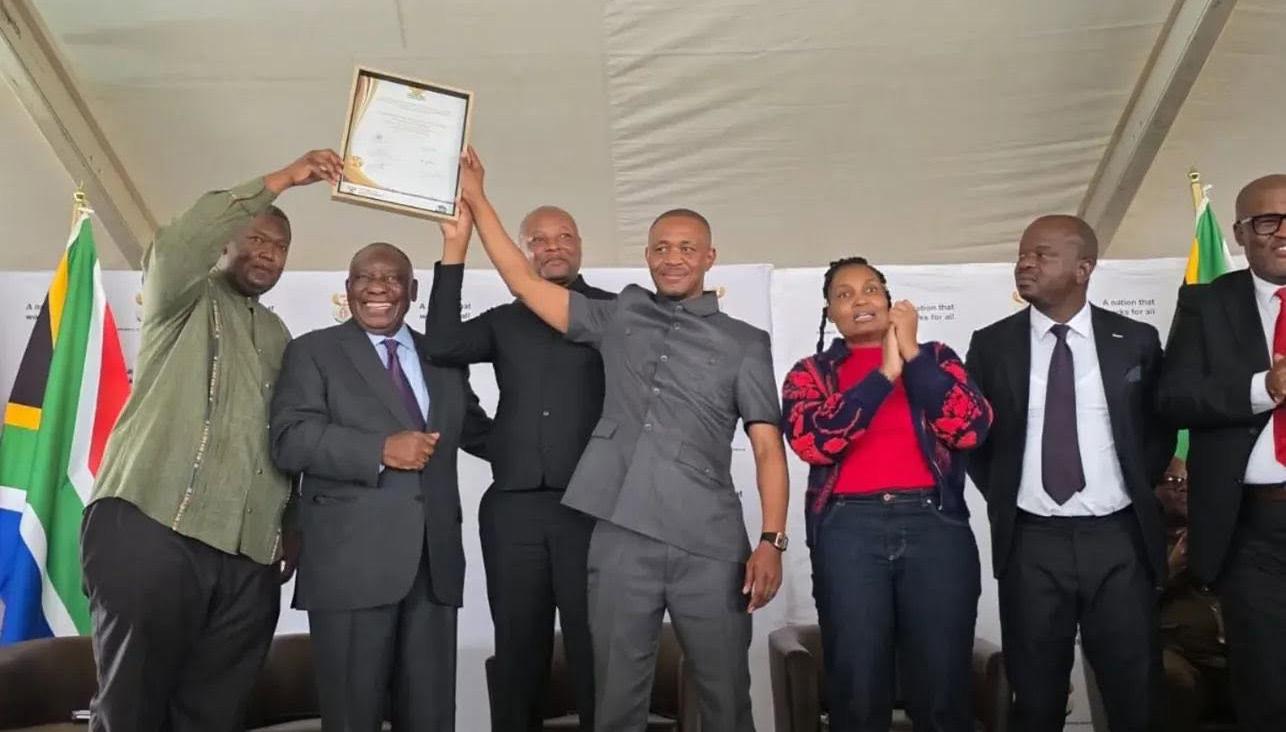
land while contributing to the municipality’s broader development objectives.
The title deed handover reflects the collaborative efforts of national, provincial and local government to advance land reform while promoting inclusive economic development and stronger rural communities.
For the beneficiaries of Setlagole and Madibogo, the significance extends well beyond the legal documents they received. Ownership provides greater security, creates opportunities for investment and enterprise, and enables families to build lasting assets that can be passed on to future generations.
As Ratlou LM continues to pursue sustainable growth and improved living conditions, the transfer of land ownership represents another important step towards building resilient communities supported by secure tenure, productive land use and coordinated local development.
“We are not only correcting a historical injustice. We are building a fairer, more sustainable and more prosperous future for these communities.”
- President Cyril Ramaphosa
The West Coast District Municipality (WCDM) has achieved what no other municipality in South Africa has managed – earning a clean audit for 15 consecutive years. This remarkable milestone has established the municipality as a national benchmark for accountability, consistency and sound financial management.
The municipality’s latest clean audit, confirmed in the Auditor-General’s 2024/25 Consolidated General Report on Local Government Audit Outcomes, reinforces its reputation as one of South Africa’s best-performing municipalities. It reflects disciplined financial management, effective internal controls and a sustained commitment to good governance.
A clean audit signifies far more than compliant financial statements. It confirms that a municipality has
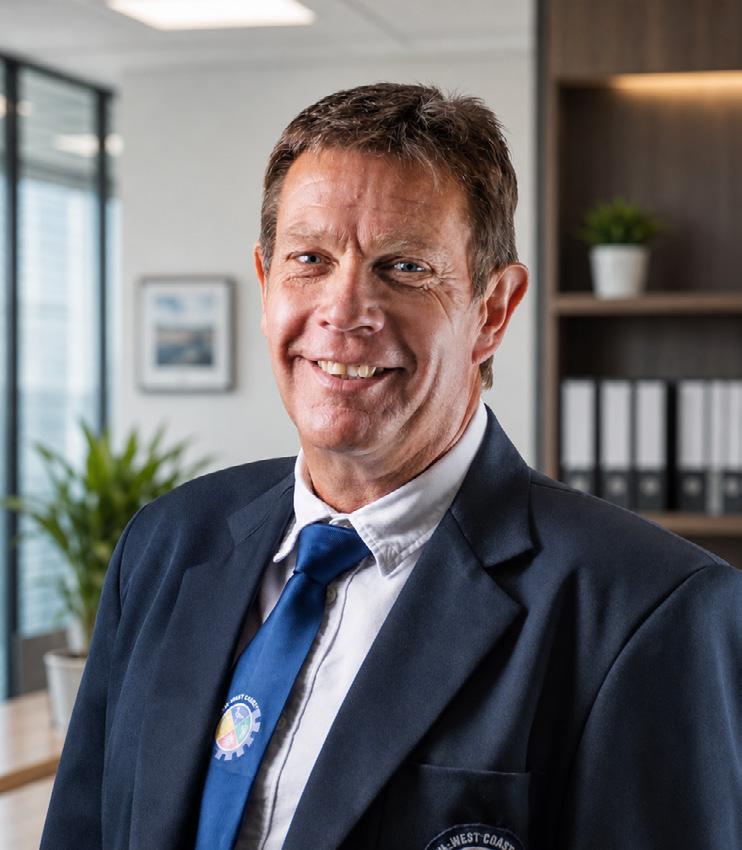
produced credible financial and performance reports while complying with public finance legislation. More importantly, it demonstrates ethical leadership, strong governance and responsible stewardship of public resources – creating a solid foundation for effective service delivery and long-term development.
Municipal Manager David Joubert believes the Auditor-General’s findings reinforce the importance of remaining focused on the core purpose of local government. He has emphasised that public servants exist to serve their communities and that compliance should never be regarded as an administrative burden, but rather as a safeguard that protects public funds, strengthens accountability and builds public confidence.
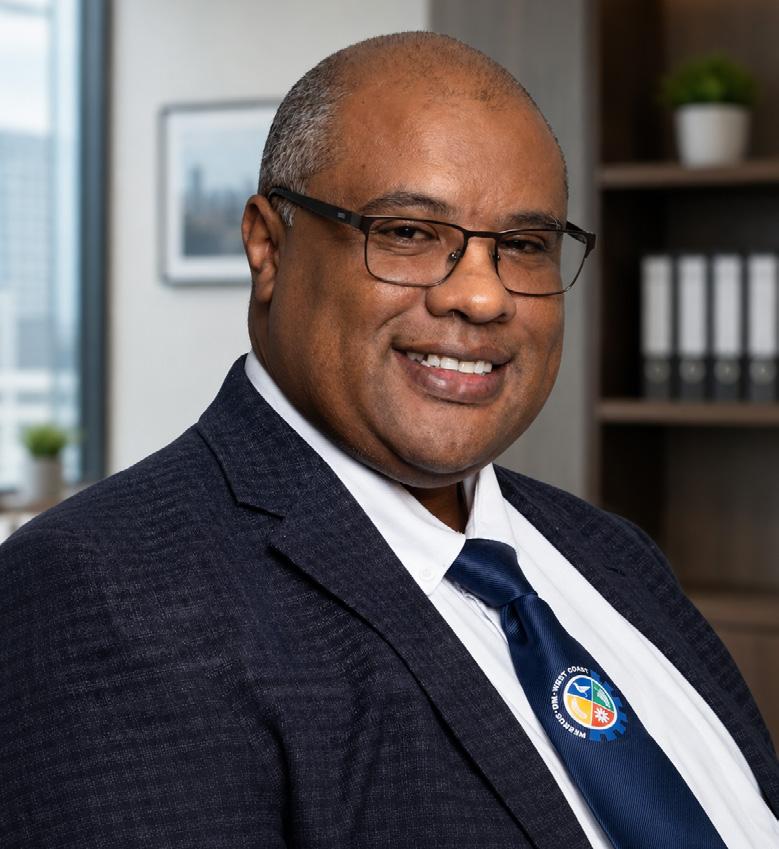
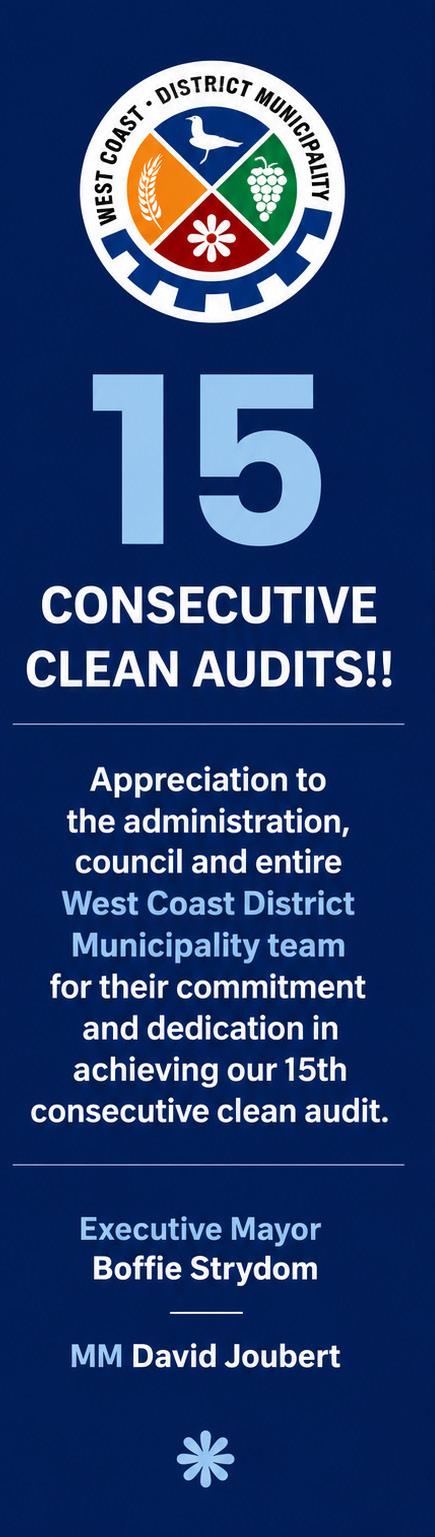
Executive Mayor Roelof “Boffie” Strydom says the municipality’s clean audit record reflects a culture of accountability embedded throughout the organisation. This culture enables the municipality not only to maintain sound financial governance but also to plan confidently for the future while continuing to deliver quality services.
According to the District, its long-term success has been built on several key principles:
• Strong governance and effective internal controls
• Consistent financial discipline and accountability
• Stable leadership in key management positions
• Compliance with public finance legislation
• Retention of institutional knowledge and critical skills
• Long-term planning beyond political and administrative changes
Speaking in a recent interview with eNCA, Joubert explained that maintaining excellence requires more than robust financial systems. Protecting institutional memory, identifying future skills requirements and planning proactively for leadership succession help ensure continuity, even during periods of political or administrative transition.
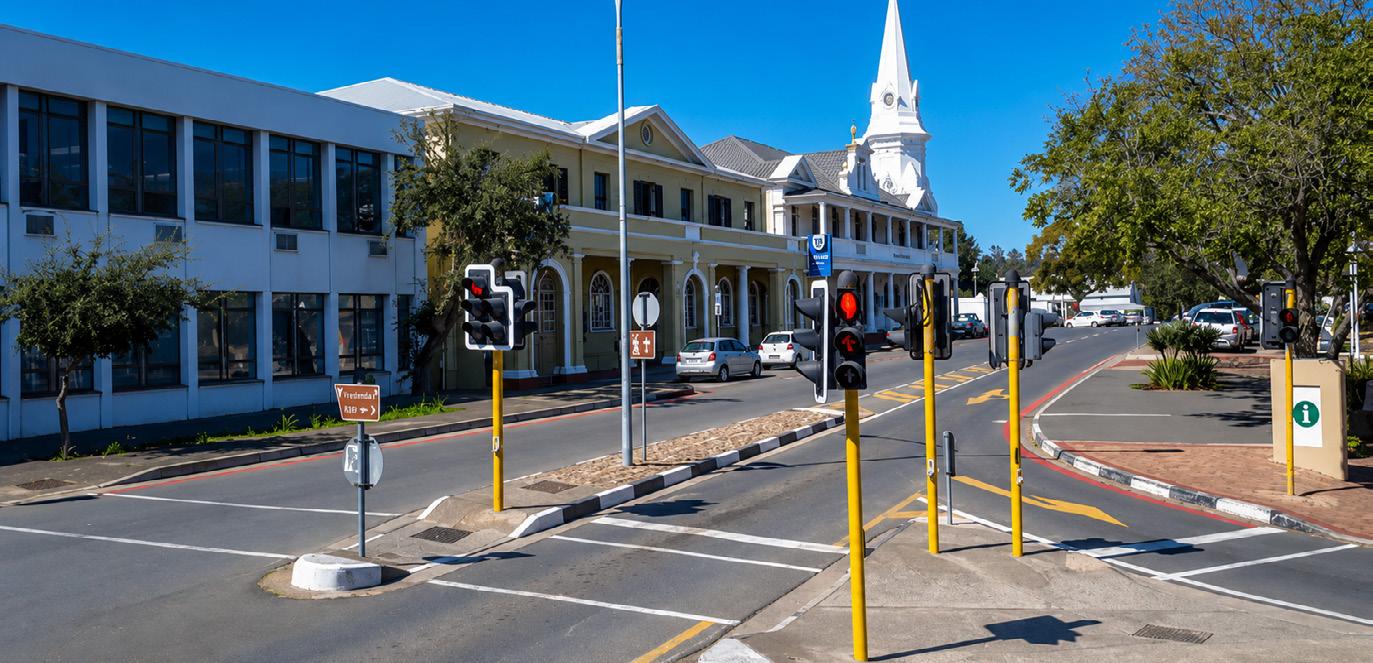
Municipal spokesperson Heinrich Robertson has similarly attributed the municipality’s success to political stability, committed leadership and a shared long-term vision rather than any structural advantage. This aligns with the Auditor-General’s observation that municipalities sustaining clean audits over extended periods typically benefit from stability in key leadership positions, particularly the Municipal Manager and Chief Financial Officer.
Consistent governance has enabled the District to focus on strategic priorities that support long-term regional growth, including:
• Attracting investment into the region
• Strengthening water security
• Exploring smart-city technologies
• Supporting local economic growth
• Building partnerships with the private sector
Situated north of Cape Town, the West Coast District Municipality serves nearly 500 000 residents across the Swartland, Saldanha Bay, Bergrivier, Cederberg and Matzikama local municipalities. Its disciplined governance and prudent financial management continue to position it among South Africa’s leading examples of municipal excellence.
Fifteen consecutive clean audits represent far more than an impressive achievement –they demonstrate that sustained excellence is possible through stable leadership, disciplined financial management and an unwavering commitment to accountability. By consistently applying these principles over more than a decade, the District has created a model of governance that inspires confidence, strengthens service delivery and sets the benchmark for local government excellence in South Africa.
Fifty families in Calvinia’s Blikkiesdorp settlement within the Namakwa District Municipality received the keys to their new homes on 19 May 2026 as part of the Calvinia 200 Housing Project, marking a significant milestone in improving living conditions in the region.
The handover brought the total number of completed homes in the development to 100 of the planned 200 housing units, reflecting steady progress in addressing the area’s housing needs. Beneficiaries will now move into permanent homes with access to electricity, running water and proper sanitation, replacing temporary structures with secure and dignified housing.
The official handover was led by Northern Cape Premier Zamani Saul and the MEC for Cooperative Governance, Human Settlements and Traditional Affairs, Bentley Vass. They were joined by the Executive Mayor of Namakwa District Municipality, Cllr Alinda Beukes, together with representatives of Hantam Local Municipality. Their presence underscored the importance of collaboration between provincial and local government in accelerating housing delivery across the Northern Cape.
Speaking at the event, MEC Vass said the project demonstrates
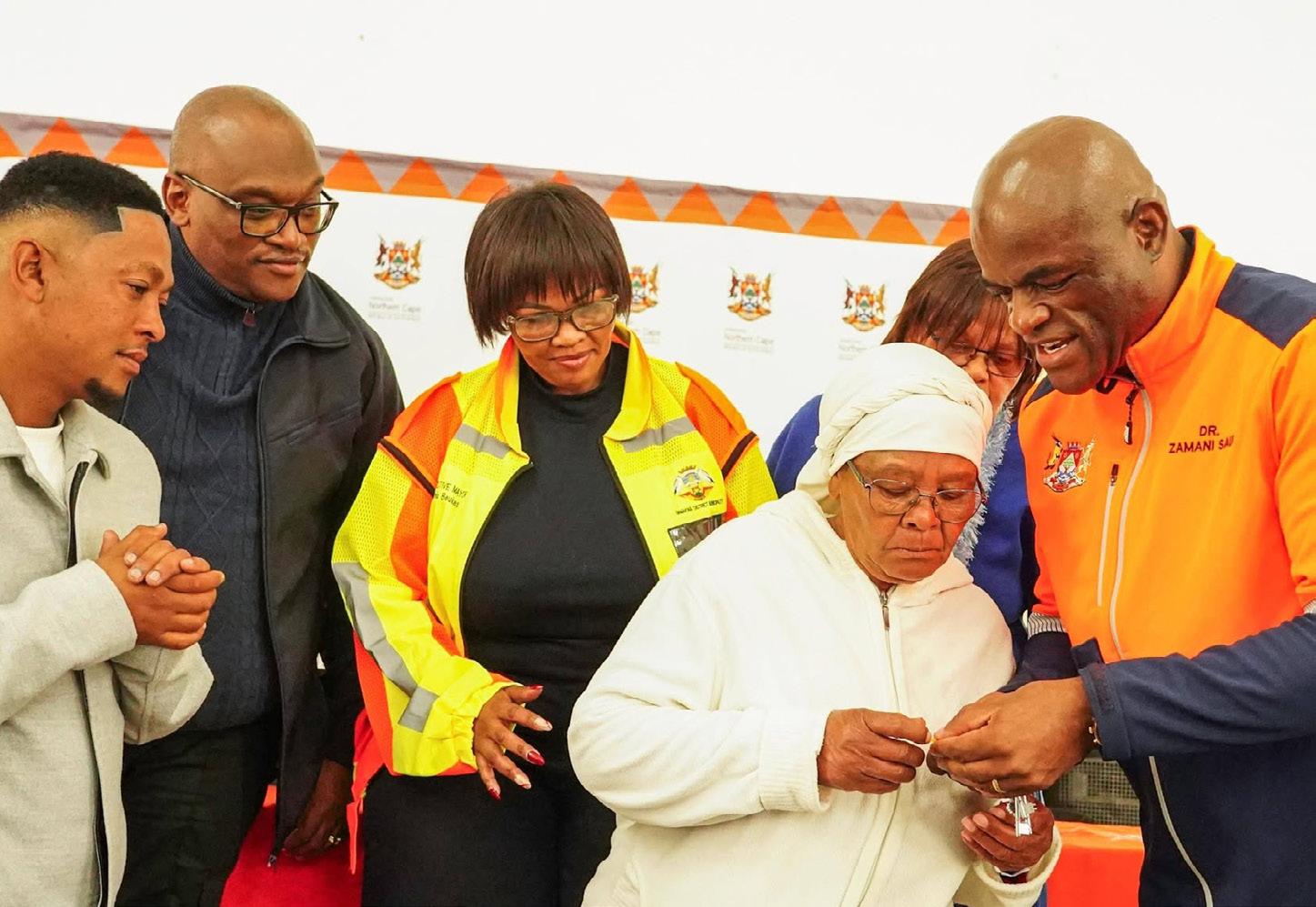
government’s continued commitment to restoring dignity through the provision of adequate housing, particularly in rural communities where housing and service delivery backlogs remain a challenge.
Construction on the remaining 100 housing units will continue as the project progresses towards completion. Once complete, the Calvinia 200 Housing Project will provide permanent homes for 200 families, contributing to the reduction of the housing backlog and supporting the development of sustainable human settlements in the region.
For the families of Blikkiesdorp, receiving the keys to their new homes marks the beginning of a new chapter of their lives – one built on dignity, stability and opportunity – while also reflecting government’s ongoing commitment to expanding access to quality housing and improving the lives of communities across the Northern Cape.
The Calvinia 200 Housing Project demonstrates how sustained collaboration can transform lives by replacing temporary structures with safe, dignified homes for Calvinia families.







A next- generation 20-ton class excavator engineered to deliver exceptional fuel efficiency, reliable performance, and low operating costs.
Designed specifically for the South African general construction and civil engineering environments.

*compared to the PC200-8M0