


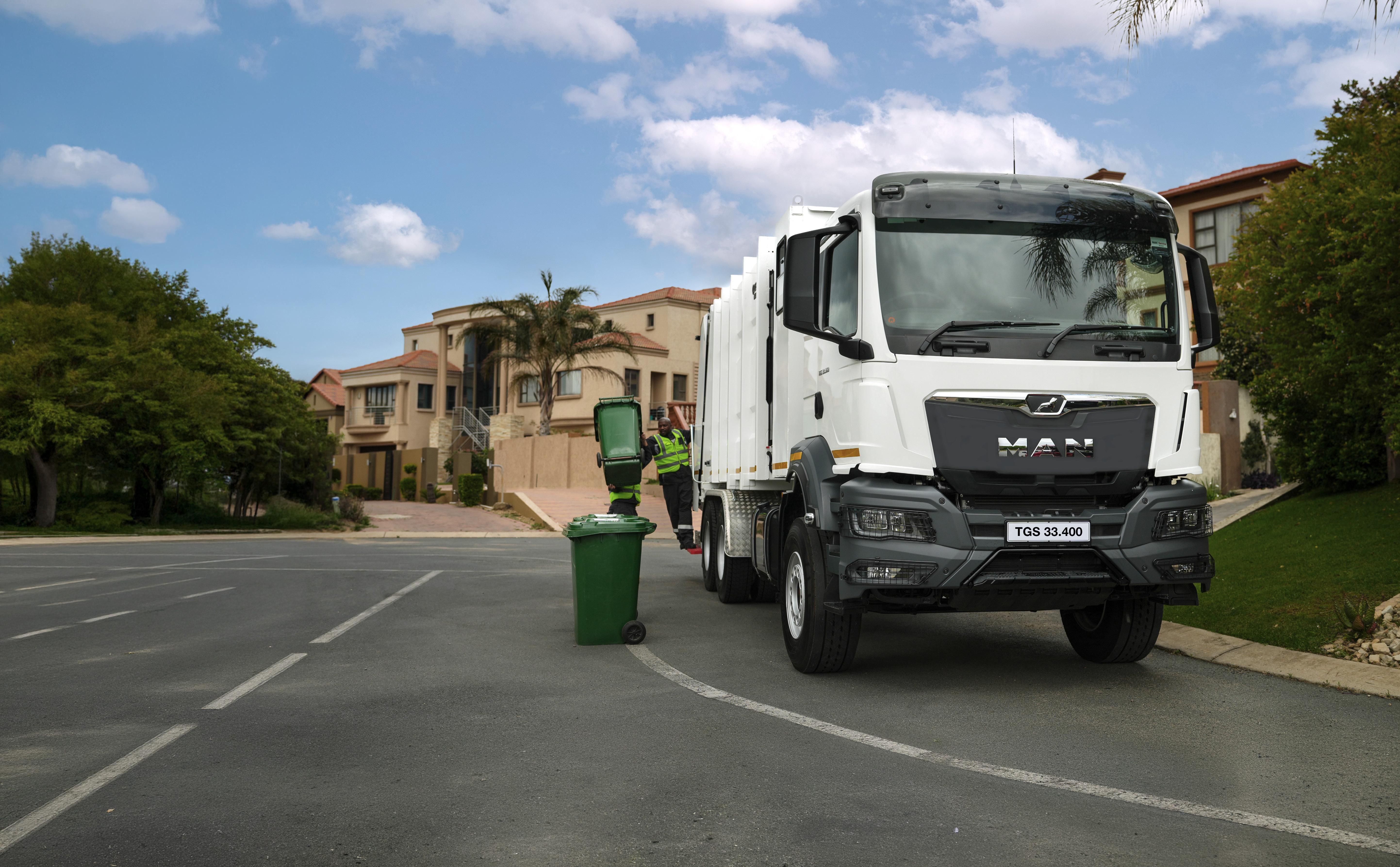
Waste collection demands equipment that performs every single day. The MAN TGS 33.400 is engineered for exactly that purpose.
With a 23m³ volume that allows maximum payload and a heavy-duty PTO built for continuous operation, the compaction system delivers consistent, high-density loading - allowing crews to collect more on every route. The MAN TipMatic gearbox, paired with the Collect Driving program for refuse collector, uses a gearshift strategy designed specifically for start-stop operation, improving efficiency and reducing wear that typically strains municipal fleets.
High ground clearance and robust planetary axles give the MAN TGS 33.400 dependable capability on challenging landfill terrain, ensuring a smooth transition from road to tip.
From streets to landfill sites, this cost-effective waste management solution is purpose-built to keep collecting - day after day.

As we steadily gear towards the 2026 Local Government Elections, conversations around governance, infrastructure delivery, energy security, youth empowerment, economic inclusion, and service delivery are increasingly gaining momentum.
At the same time, encouraging initiatives are emerging across the public and private sectors - reflecting innovation, collaboration, resilience, and a growing commitment to building more capable, sustainable, and opportunity-driven communities.
In this May - June 2026 edition of Municipal Focus we showcase a range of institutions, partnerships, projects, and leadership initiatives helping shape South Africa’s evolving development journey.
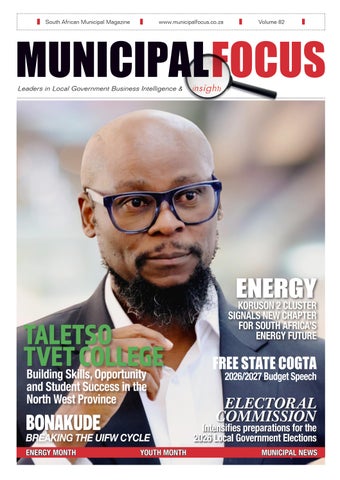
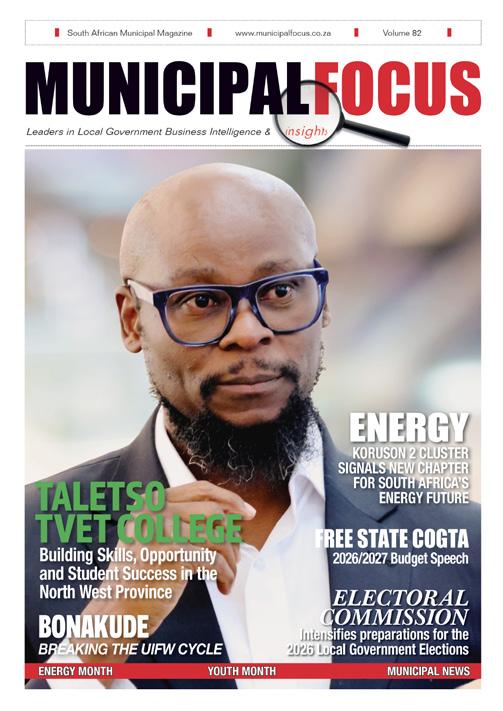
Our Front Cover Feature proudly showcases North West Province’s Taletso TVET College under the sterling leadership of Principal Mr Moeti Zakes Nkomo. Beyond brilliant academic performance, the feature reflects an institution steadily building momentum
through innovation, student development, industry alignment, and a growing commitment to preparing young South Africans for meaningful economic participation.
Our education and youth development focus continues through our features on Gert Sibande TVET College’s new 4IR Skills Laboratory, the national shift towards TVET Occupational Programmes, and YES4Youth’s perspective on the skills that will define tomorrow’s workforce.
Energy security, infrastructure modernisation, and sustainability also feature strongly throughout this edition. Alongside the landmark R15 billion Koruson 2 renewable energy development, Conlog’s expanding RT29 smart metering rollout highlights the growing shift towards smarter, more connected Municipal utility infrastructure.
Looking at accountability and governance, we unpack the Free State CoGTA 2026/2027 Budget Vote, President Cyril Ramaphosa’s renewed call for municipalities to “work for the people”,


and the Electoral Commission’s intensified operational preparations ahead of the Local Government Elections.
We also highlight organisations making meaningful contributions within their sectors. PPS explores the growing challenge of infrastructure vandalism and the need for resilient infrastructure solutions, while Bonakude provides insight into strengthening municipal financial controls and accountability.
The ECRDA’s support for agri-entrepreneurs across the Eastern Cape further demonstrates how targeted partnerships and investment continue unlocking opportunity within rural communities.
Towards the latter part of the edition, our Municipal News section offers a broader snapshot of positive developments unfolding across municipalities nationwide - from public transport expansion and environmental programmes to governance achievements, cleaner communities, infrastructure investment, and improved frontline safety services.
In a climate where challenges sometimes dominate, this edition serves as a gentle reminder that meaningful progress is being made through leadership, collaboration, innovation, and a shared commitment to building stronger and more capable communities.
Enjoy the read and keep safe!







54 WEARCHECK - Condition monitoring drives sustainable energy infrastructure and skills development
56 PRESIDENCY - “Municipalities must work for the people”
58 NORTH WEST COGTA - Accelerates municipal infrastructure delivery
60 FREE STATE COGTA - 2026/2027 Budget Speech
64 TVET COLLEGES - Transition towards Occupational Programmes
66 GERT SIBANDE TVET COLLEGE - Unveils 4IR Skills Laboratory advancing technical and vocational education in Mpumalanga
72 CITY OF TSHWANE
77 GREATER TZANEEN MUNICIPALITY
78 NELSON MANDELA BAY MUNICIPALITY
80 LEJWELEPUTSWA DISTRICT MUNICIPALITY
83 ULUNDI LOCAL MUNICIPALITY



PUBLISH
“Communications, Marketing and Advertising are indispensable tools towards success and growth in any business venture…”
“Communications, Marketing and Advertising are indispensable tools towards success and growth in any business venture…”
Kweda Media & Communications offers a diverse range of business and sales solutions, strategies and ideas that are customised to meet our clients’ standards and exceed their expectations.
Kweda Media & Communications offers a diverse range of business and sales solutions, strategies and ideas that are customised to meet our clients’ standards and exceed their expectations.
Our Vision is driven by the passion to inspire, assist and elevate business enterprises by forming strategic collaborations that will yield multiple benefits of success and growth for all.
Our Vision is driven by the passion to inspire, assist and elevate business enterprises by forming strategic collaborations that will yield multiple benefits of success and growth for all.
Kweda Media and Communications is a Proudly South African, 100% black female owned company located in Plumstead, Cape Town, registered as a private company since May 2014 - we hold a level 1 B-BBEE certificate. We are a team of multi skilled staff members who have a fresh, innovative and diverse approach to working and always willing to put in the extra time and attention to ensure great service delivery on time.
Kweda Media and Communications is a Proudly South African, 100% black female owned company located in Plumstead, Cape Town, registered as a private company since May 2014 - we hold a level 1 B-BBEE certificate. We are a team of multi skilled staff members who have a fresh, innovative and diverse approach to working and always willing to put in the extra time and attention to ensure great service delivery on time.
Your vision… our drive
Your vision… our drive
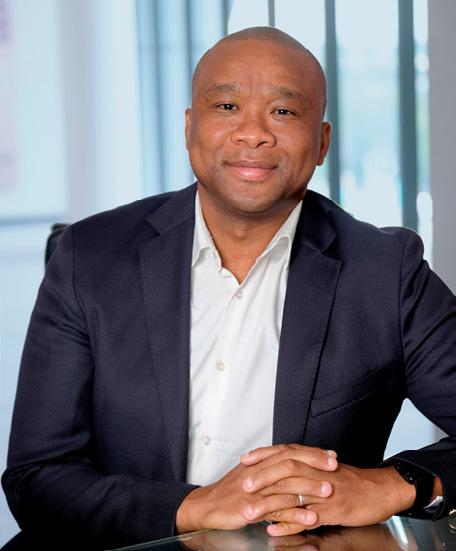
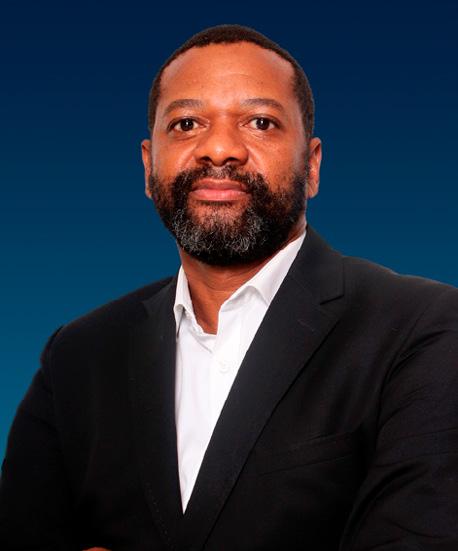
PUBLISHING EDITOR
PUBLISHING EDITOR
SIMO MKHIZE
SITHOLE MBANGA CEO: SA CITIES NETWORK
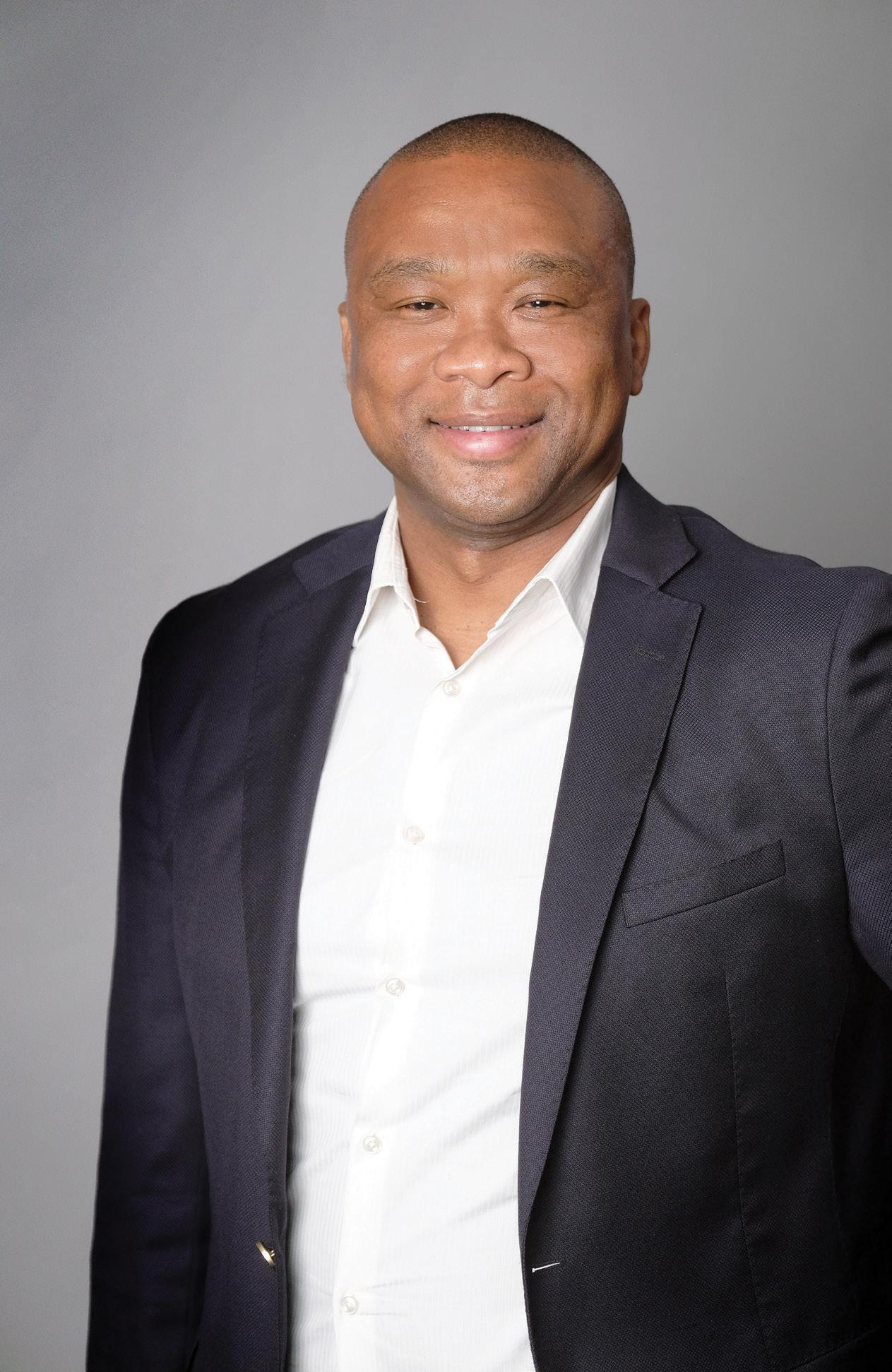
TALETSO TVET COLLEGE PRINCIPAL, MR MZ NKOMO
SIMO MKHIZE
SITHOLE MBANGA
DISTRIBUTION
Nardine Nelson nardine@kwedamedia.co.za +27 82 739 3932
Nelson nardine@kwedamedia.co.za +27 82 739 3932
Nardine Nelson
Nelson
EDITORIAL CONTRIBUTORS
EDITORIAL CONTRIBUTORS
Contributors
Nardine Nelson nardine@kwedamedia.co.za +27 82 739 3932 Nkhoma
DISTRIBUTION
nardine@kwedamedia.co.za +27 82 739 3932
Isaac Mahlangu Andile Moyo
EDITORIAL CONTRIBUTORS
Contributors
Thebe Mabanga
Contributors Happy Nkhoma Isaac Mahlangu Madala Thepa
Nwabisa Pondoyi Madala Thepa
Kenny Mahlangu
MAGAZINE DESIGN & LAYOUT
MAGAZINE DESIGN & LAYOUT
Happy Nkhoma Isaac Mahlangu Madala Thepa
MAGAZINE DESIGN & LAYOUT
KCDA Design Agency
nardine@kwedamedia.co.za +27 82 739 3932 Nkhoma Isaac Mahlangu Nwabisa Pondoyi Madala Thepa
MAGAZINE DESIGN & LAYOUT
Digital Pixels Studio Paul Sampson paul@digital-pixels.co.za
Jaco Kotze jk@kcda.co.za
Digital Pixels Studio Paul Sampson paul@digital-pixels.co.za
Digital Pixels Studio Paul Sampson paul@digital-pixels.co.za
MAGAZINE DESIGN & LAYOUT
Digital Pixels Studio Paul Sampson paul@digital-pixels.co.za
Advertising Mphumzi Njovana mphumzi@kwedamedia.co.za
Advertising Mphumzi Njovana mphumzi@kwedamedia.co.za Nazly Leite nazly@kwedamedia.co.za
Advertising Mphumzi Njovana mphumzi@kwedamedia.co.za Nazly Leite nazly@kwedamedia.co.za
Advertising Nazly Leite nazly@kwedamedia.co.za Nomonde Siko nomonde@kwedamedia.co.za Lunga Zimemo lunga@kwedamedia.co.za
Nazly Leite nazly@kwedamedia.co.za
Brilliant Mabena brilliant@kwedamedia.co.za
Production production@kwedamedia.co.za
Advertising Mphumzi Njovana mphumzi@kwedamedia.co.za Nazly Leite nazly@kwedamedia.co.za
Production production@kwedamedia.co.za
Production Rayhaan Suleiman production@kwedamedia.co.za
Production production@kwedamedia.co.za
Administration
Administration/Finance
Production Rayhaan Suleiman production@kwedamedia.co.za
Administration admin@kwedamedia.co.za
Administration Tameryn Moses tameryn@kwedamedia.co.za admin@kwedamedia.co.za
Tameryn Moses tameryn@kwedamedia.co.za
Administration admin@kwedamedia.co.za
Tameryn Moses tameryn@kwedamedia.co.za admin@kwedamedia.co.za
subscriptions@kwedamedia.co.za
Subscriptions / Distribution subscriptions@kwedamedia.co.za
Marketing / Distribution
Nozi Mbanjwa marketing@kwedamedia.co.za
subscriptions@kwedamedia.co.za
Subscriptions / Distribution subscriptions@kwedamedia.co.za

National Assembly, National Municipalities:
Provincial Mayors, Managers, Heads Tenders Conferences
GCIS, National Assembly, NCOP, National & Provincial Departments, Municipalities: Mayors, Managers, Heads of Procurement, Tenders and Purchasing Officers, Conferences and the Private Sector
DIGITAL E-BOOK CREATION
www.digital-pixels.co.za CCO: CELL C
Officers, Conferences Sector
GCIS, National Assembly, NCOP, National & Provincial Departments, Municipalities: Mayors, Managers, Heads of Procurement, Tenders and Purchasing Officers, Conferences and the Private Sector

www.KCDA.co.za
DIGITAL E-BOOK CREATION

www.digital-pixels.co.za CEO: SA CITIES NETWORK
www.digital-pixels.co.za CCO: CELL C
PUBLISHED BY Kweda Media & Communications
PUBLISHED BY Kweda Media & Communications
Tel: +27 (21) 768 0115
Communications Village Main Road, Plumstead, Cape Town
www.kwedamedia.co.za
PUBLISHED BY Kweda Media & Communications (Pty)Ltd, 1 The Village Square, Main Road, Plumstead, Cape Town 7800
1 The Village Square, Main Road, Plumstead, Cape Town Tel: +27 (21) 768 0115 www.kwedamedia.co.za
Communications The Square, Main Road, Town Tel: +27 (21) 768 0115 www.kwedamedia.co.za
1 The Village Square, Main Road, Plumstead, Cape Town Tel: +27 (21) 768 0115 www.kwedamedia.co.za
Tel: +27 (21) 768 0115 www.kwedamedia.co.za
All editorial, business and production correspondence should be addressed to Municipal Focus, PO Box 12454 Plumstead 7800. Manuscripts, illustrations and other material must be accompanied by a stamped, self-addressed envelope. No responsibility can be accepted for unsolicited material. The editor reserves the right to amend and to alter copy and visual material as deemed necessary. Copyright by Kweda Media & Communications. All rights reserved. No part of this publication may be reproduced, stored in a retrieval system or transmitted by any form or any means without prior permission of the publisher. The opinions expressed in Municipal Focus are not necessarily those of the publishers.
business and production correspondence should be addressed to Municipal Focus, PO Box 12454 Plumstead 7800. Manuscripts, illustrations and other material must be accompanied by a stamped, self-addressed envelope. No responsibility can be accepted for unsolicited material. The editor reserves the right to amend and to alter copy and visual material as deemed necessary. Copyright by Kweda Media & Communications. All rights reserved. No part of this publication may be reproduced, stored in a retrieval system or transmitted by any form or any means without prior permission of the publisher. The opinions expressed in Municipal Focus are not necessarily those of the publishers.
All editorial, business and production correspondence should be addressed to Municipal Focus, PO Box 12454 Plumstead 7800. Manuscripts, illustrations and other material must be accompanied by a stamped, self-addressed envelope. No responsibility can be accepted for unsolicited material. The editor reserves the right to amend and to alter copy and visual material as deemed necessary. Copyright by Kweda Media & Communications. All rights reserved. No part of this publication may be reproduced, stored in a retrieval system or transmitted by any form or any means without prior permission of the publisher. The opinions expressed in Municipal Focus are not necessarily those of the publishers.
All editorial, business and production correspondence should be addressed to Municipal Focus, PO Box 12454 Plumstead 7800. Manuscripts, illustrations and other material must be accompanied by a stamped, self-addressed envelope. No responsibility can be accepted for unsolicited material. The editor reserves the right to amend and to alter copy and visual material as deemed necessary. Copyright by Kweda Media & Communications. All rights reserved. No part of this publication may be reproduced, stored in a retrieval system or transmitted by any form or any means without prior permission of the publisher. The opinions expressed in Municipal Focus are not necessarily those of the publishers.
All business production correspondence should be addressed to Municipal Focus, PO Box 12454 Plumstead 7800. Manuscripts, illustrations and other material must be accompanied by a stamped, self-addressed envelope. No responsibility can be accepted for unsolicited material. The editor reserves the right to amend and to alter copy and visual material as deemed necessary. Copyright by Kweda Media & Communications. All rights reserved. No part of this publication may be reproduced, stored in a retrieval system or transmitted by any form or any means without prior permission of the publisher. The opinions expressed in Municipal Focus are not necessarily those of the publishers.










































Switch to the Emerald Value Option (EVO) before 31 October 2026 and save! As an EVO member, you receive the same benefits as Emerald, subject to care coordination rules. By switching from Emerald to EVO, you may save up to *16% on your monthly contribution. *This is based on comparative calculations of the GEMS Scheme Rules





























As South Africa continues to confront the realities of youth unemployment, skills shortages, economic pressure, and the growing demand for practical and industry-responsive education, Taletso TVET College is increasingly being recognised as a critical institution in shaping the country’s future workforce.
Within this evolving landscape, the College has continued to distinguish itself as a dynamic and forward-looking institutionone that is steadily strengthening its academic performance, investing in student development, modernising its systems and infrastructure, and positioning itself as a key contributor to youth empowerment and socio-economic advancement in the North West Province.
With campuses in Mahikeng, Lichtenburg and Lehurutshe, Taletso TVET College serves communities across the Ngaka Modiri Molema District and beyond, drawing students from surrounding towns, peri-urban areas and neighbouring regions, including Botswana. The College has become far more than a place of teaching and learning. It has evolved into an active centre of opportunity, leadership, innovation, sporting excellence, student wellness, civic engagement, and practical skills development.
Define the First Half of 2026
From celebrating outstanding national academic results and hosting oversight visits by senior government leaders, to strengthening campus infrastructure, empowering students through wellness programmes, recognising academic excellence, advancing lecturer development, and building international partnerships, Taletso TVET College has continued to demonstrate both institutional growth and strategic relevance.
Importantly, these developments are not isolated activities. They reflect a broader institutional vision centred on preparing students not only for employment, but also for meaningful participation in society and the economy.
At a time when questions around youth employability, skills pipelines, service delivery, governance capability, and economic participation are receiving heightened national attention, institutions such as Taletso TVET College continue to play an increasingly important role in shaping local and provincial development outcomes.
For Principal Mr Moeti Zakes Nkomo and the broader leadership of Taletso TVET College, the focus remains clear: building an institution that combines academic excellence with relevance, accessibility, innovation, student support, and community impact.
Taletso Comes 1st in Province in NC(V) Level 4 results
Taletso TVET College has proudly maintained its academic excellence at the latest National Certificate (Vocation) Level 4 Results. The College came first in the North West Province and took eighth position nationally among the top-performing TVET colleges, with an impressive 85.7% pass rate.
“This achievement reflects more than just strong academic performance. It speaks to a culture of resilience, discipline, and continuous improvement that defines the institution,” said Principal Nkomo. “It is the result of consistent effort from students, dedicated academic guidance from lecturers, and the essential support provided by administrative and support staff.” >
Nkomo says the College’s academic teams have continued to strengthen teaching and learning practices, ensuring that students are well-prepared and supported throughout their studies. He said the contribution of the lecturers and staff could not be overstated. Their dedication to student development, willingness to go beyond the call of duty and consistent support have been instrumental in achieving these outcomes.
“This milestone is a collective achievement for the entire Taletso TVET College community. It reinforces the institution’s position as a centre of excellence in vocational education and training, while also setting a strong foundation for future academic success,” said Nkomo.
“As the College celebrates this achievement, it remains focused on building on this momentum, further improving performance, and continuing to produce skilled graduates who contribute meaningfully to the economy and society,” says Nkomo.
On 09 January the College officially welcomed the Class of 2026 through a comprehensive induction programme held across its Mahikeng, Lichtenburg and Lehurutshe campuses. The initiative introduced new students to the academic environment, institutional systems, and support services available to them - including those delivered in collaboration with the College’s strategic partners - helping to build confidence and a sense of belonging from the outset.
Guided campus tours led by the SRCa dynamic and peer-driven element to the programme - further assisted students in familiarising themselves with their new environment, reflecting the College’s firm commitment to student support, wellbeing, and academic success from day one.
One of the key areas of investment for the Department of Higher education and Training in the positioning of TVET Colleges is lecturer development. Minister Buti Manamela frequently cites lecturer developments as a key part of his department budget vote. Lecturer development includes keeping lecturers updated on the latest trends in their areas of teaching. This is especially important for delivery through digital technology.
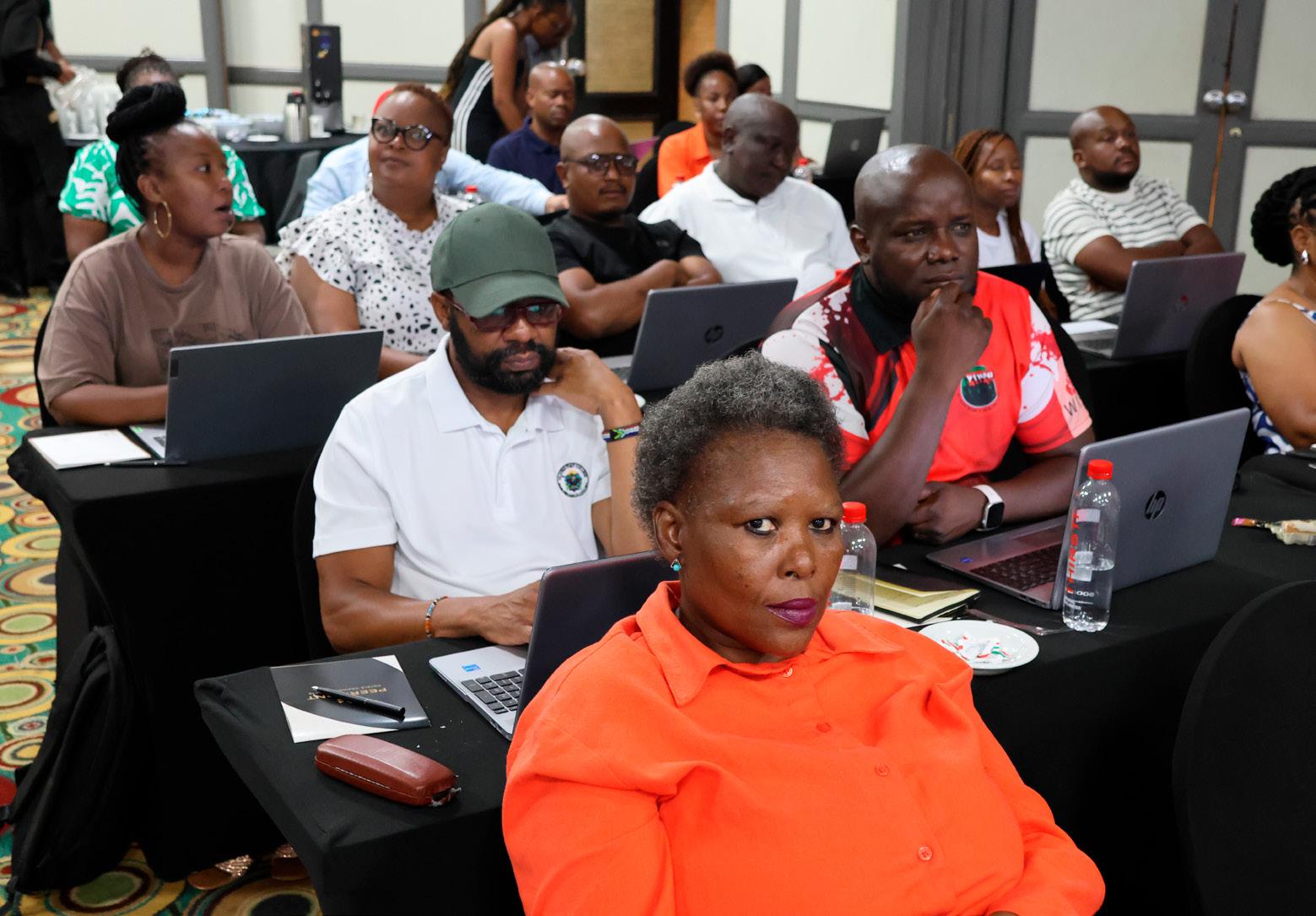
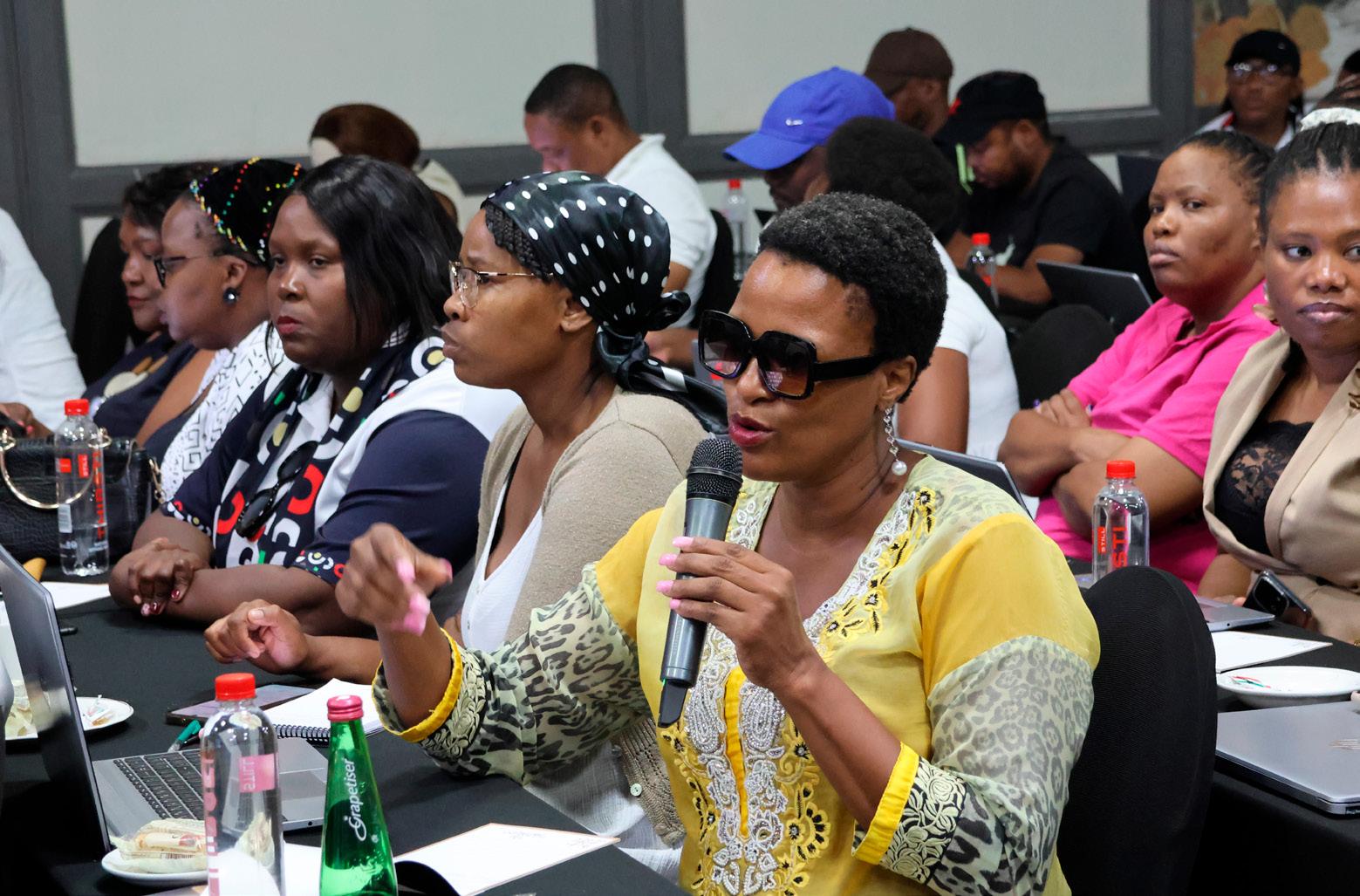
To align with this goal, Taletso TVET started off the 2026 academic year by hosting a lecturer development
workshop. College principal
Mr Moeti Nkomo said the workshop centred on translating strategy into practice, with detailed engagements on policy, legislation, and compliance to ensure alignment with national standards and institutional expectations. “This laid a solid foundation for consistent, high-quality academic delivery across all campuses.”
Phineas Nkau, the Deputy Principal for Academic at Taletso said lecturer development is a critical pillar of student success. He added that a key part of the workshop was a review of the academic performance across various NC(V), Report 191, and Occupational Programmes.
TVET Colleges are currently phasing out the N courses to the Quality Council and Trade Occupation (QCTO) accredited occupational qualification. This year will see the phasing out of the N4 to N6 courses.
The workshop also received an update on a proposed partnership on commissioning Work Integrated Learning in Jewellery Design and Manufacture. Updates on programme accreditation status by the QCTO were also provided to ensure compliance and credibility.
Nkau, who took up his post recently, proposed the formation of a more inclusive Academic Board with broader and fair representation of qualified lecturers. He argued that lecturers had a vantage point and better view of the college’s teaching landscape. His proposal was enthusiastically received by the academic community.
The workshop also discussed issues that may negatively impact student performance and success including financial aid, socioeconomic factors that impact student success as well as work readiness and post study opportunities.
Student Wellness, and GBVF Prevention, Takes Centre Stage
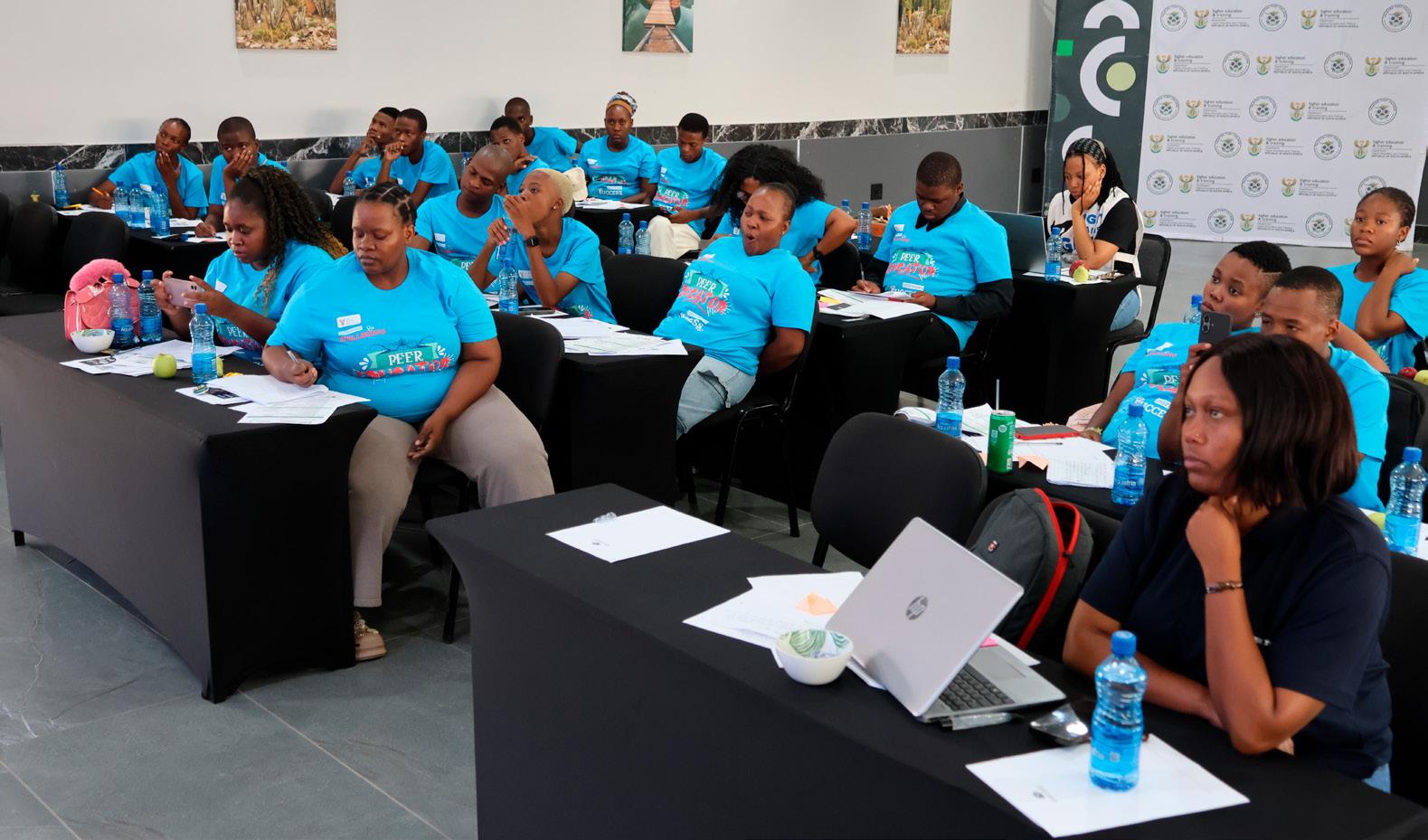
Strengthening Student WellnessHigher Health Peer Mentor Training
Taletso TVET College places high importance on the physical and mental well-being of students and staff. One of the key partners in providing of this service is Higher Health, a DHET entity, provides primary health care, clinical, and psychosocial services across the country’s 26 public universities and more than 50 TVET Colleges.
At the beginning of March, Taletso TVET hosted a two-day Peer
Mentorship Training programme in Rosewood, Rustenburg in partnership with Higher Health. The programme exposed participating students to skills such as the Civic and Soft Skills Programme as well as the Health Peer Education Programme.
The training was strategically designed to prepare students to play a meaning role in supporting their peers and contribute positively to campus life. Participants were equipped with essential life and workplace skills, including emotional intelligence, leadership and conflict resolution.
Strengthening Campus SafetyGBV and Femicide Awareness Training
Also in March, Taletso TVET College undertook an intervention through a separate event to raise awareness on the scourge of Gender Based Violence and Femicide (GBVF). The College hosted the Safety and Security Sector Education
and Training Authority (SASSETA), in partnership with Ramazwi Security Services and Transport Agency for a focused and impactful training session aimed at addressing GBVF in a South African context.
Participants were taken through key themes to understand and confront this national crisis. The training included:
• The human rights and legal framework governing GBV
• Institutional policies and DHET Standard Operating Procedure
• The various forms and manifestations of GBV
• Practical prevention strategies and available remedies
Over and above awareness, the training encouraged action and empowered participants with the knowledge and tools needed to identify, respond to, and help prevent incidents of violence within both the campus environment and broader communities. >
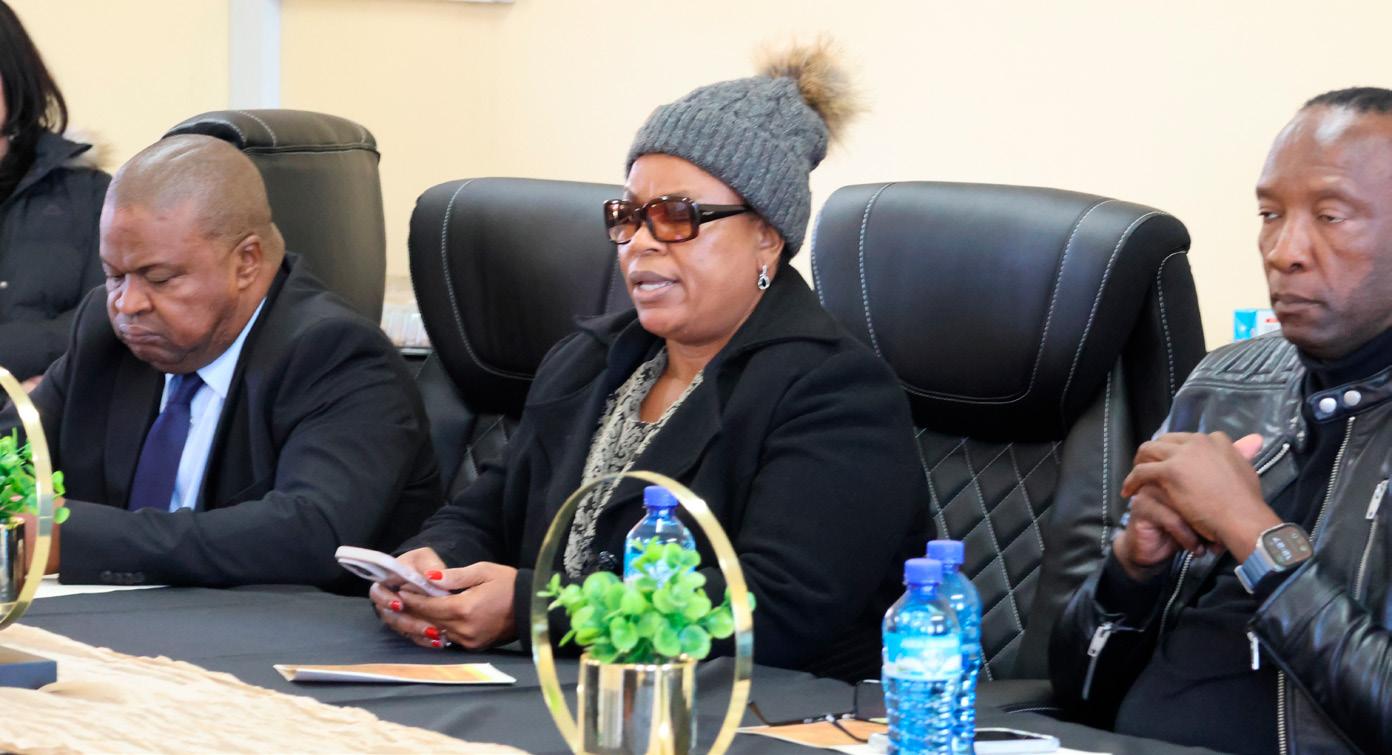
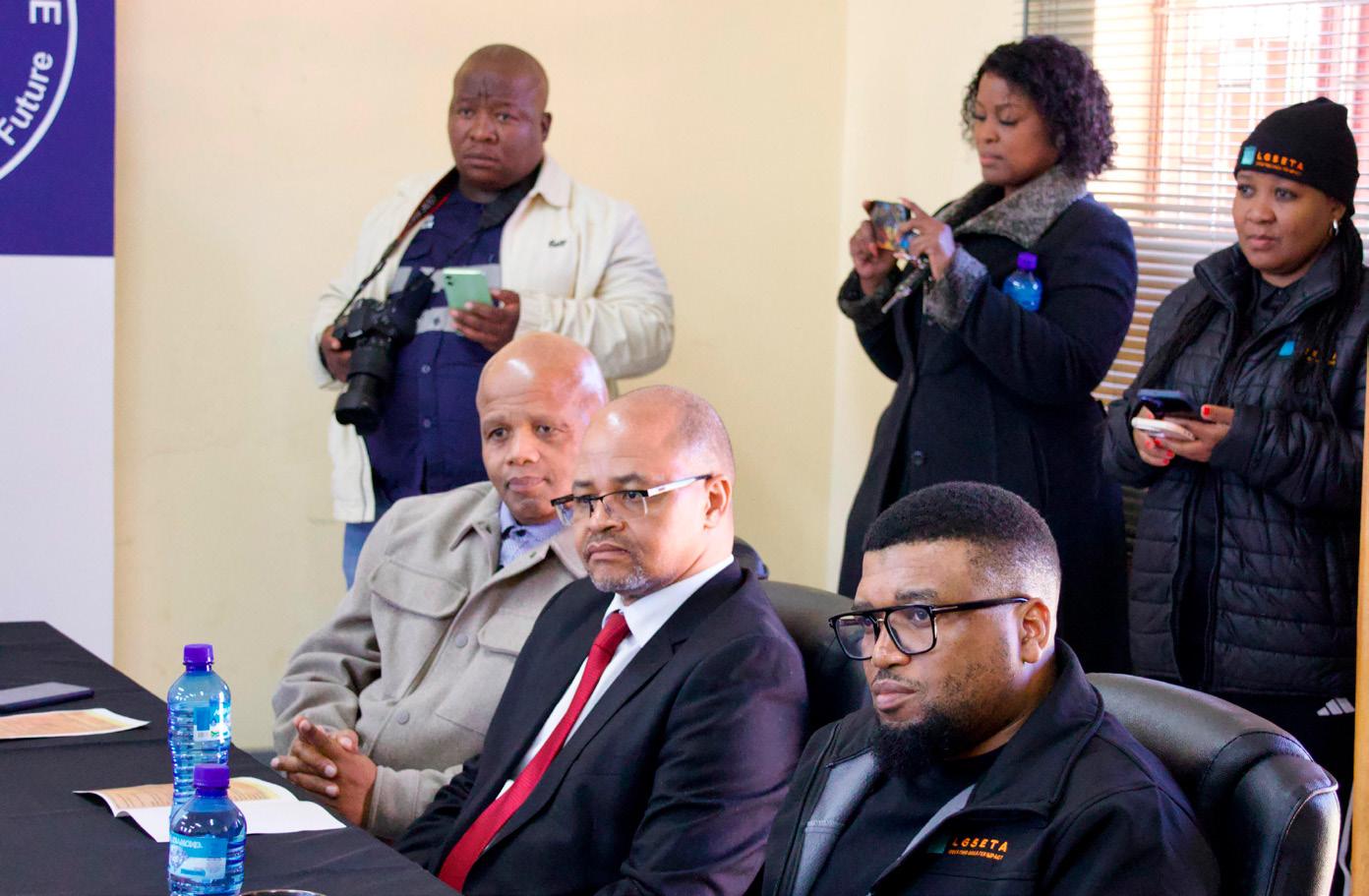
In the latter part of March, the Minister of Higher Education and Training, Buti Manamela, paid an oversight visit to the Taletso TVET College Mahikeng Campus. The Minister, himself a product of the TVET College system, emphasised the importance of positioning TVET Colleges as institutions of first choice for learners seeking vocational skills training and practical career pathways after matriculation.
The programme, directed with precision by Dr Nick Balkrishen, the regional manager for North West and Mpumalanga at the Department of Higher Education, ensured a focused and outcomes-driven engagement that enabled meaningful interaction between leadership, governance and sector stakeholders.
College Council Chair Dr Oupa Nkagisang in his opening remarks welcomed the Minister and emphasised the College’s readiness to engage constructively on matters of accountability, performance and future growth.
Principal Nkomo took the Minister and his delegation through a comprehensive overview of the College’s academic programme and strategicplans and pointed to areas of growth through partnerships. His presentation was followed by a robust interactive engagement between stakeholders as they sought to ensure alignment of national goals, including National Development Programme (NDP) goals.
Minister Manamela’s engagement provided strategic clarity and direction. His inputs affirmed areas of progress while offering critical insights to sharpen institutional focus, enhance performance, and ensure alignment with national priorities for post-school education and training. The interaction elevated the visit from a compliance exercise to a platform for constructivedialogue, reflection, and continuous improvement.
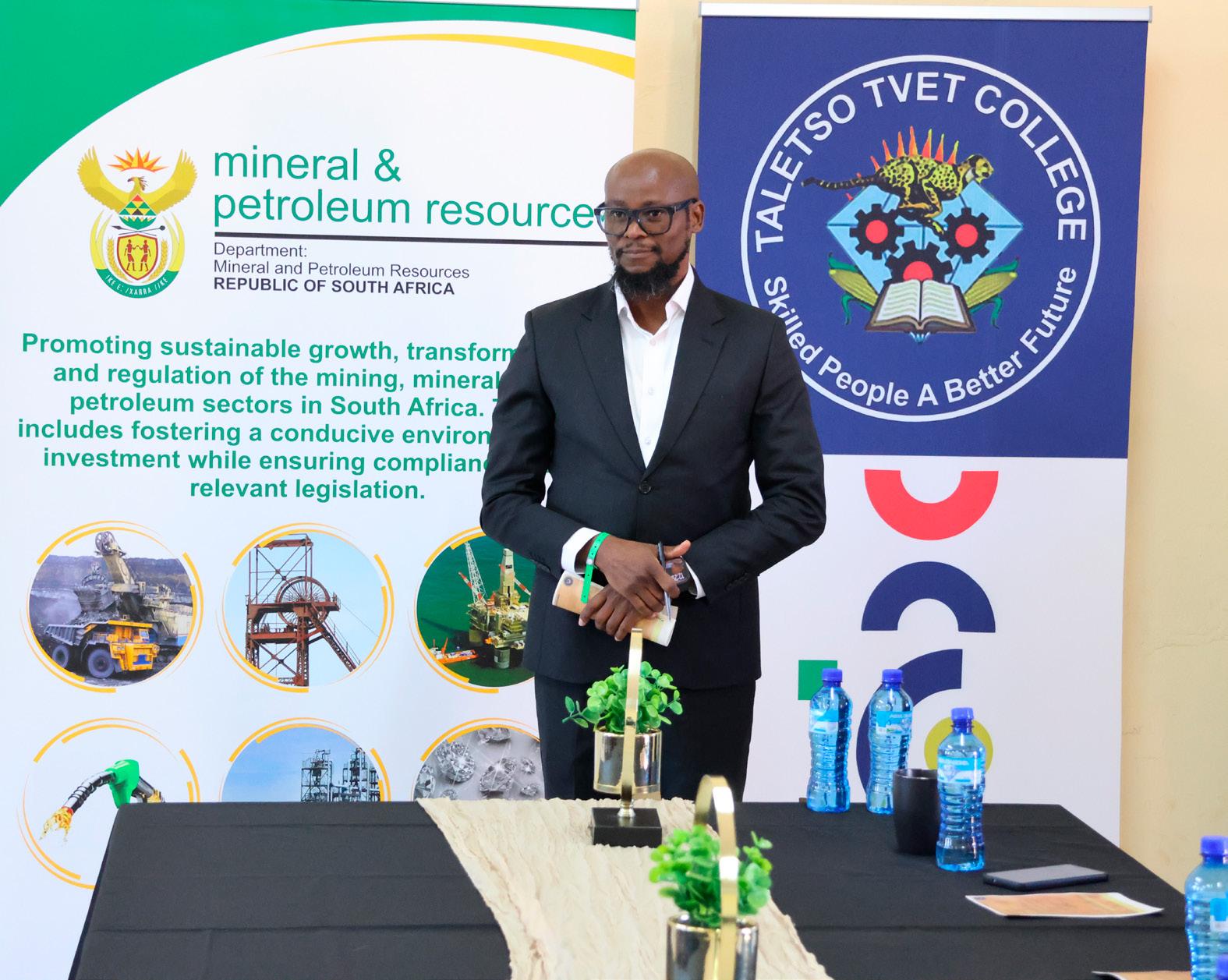
The participation of NSFAS added a vital dimension to the engagement, grounding discussions in the realities of student funding,access and support.
Delivering the vote of thanks, Council secretary Mr S Nyingwa said the visit achieved its core objective of strengthening governance oversight, institutional accountability, and strategic alignment, while reaffirming Taletso TVET College’s role as a key driver of skills development and socioeconomic advancement.
The College ended the first semester on a high note with the Deputy President’s Oversight Visit at the Lichtenburg Campus in May.
Principal Nkomo directed the programme, with College Council Chairperson Dr Oupa Nkagisang giving the welcome address and reaffirming Taletso TVET College’s commitment to institutional growth, quality teaching and learning, and to improve its service to the community.
Principal Nkomo said the significance of the visit extended beyond the day’s events and programme.
“For Taletso TVET College, the visit affirmed its growing contribution to the development agenda of the North West Province and its continued alignment with national priorities for accessible, practical, and industryresponsive education,” said Nkomo.
The College head gave an overview of the institution’s current developments, strategic priorities as well as ongoing efforts to expand access to quality technical and vocational education, which was followed by a robust engagement between stakeholders on the role the college can play in youth development.
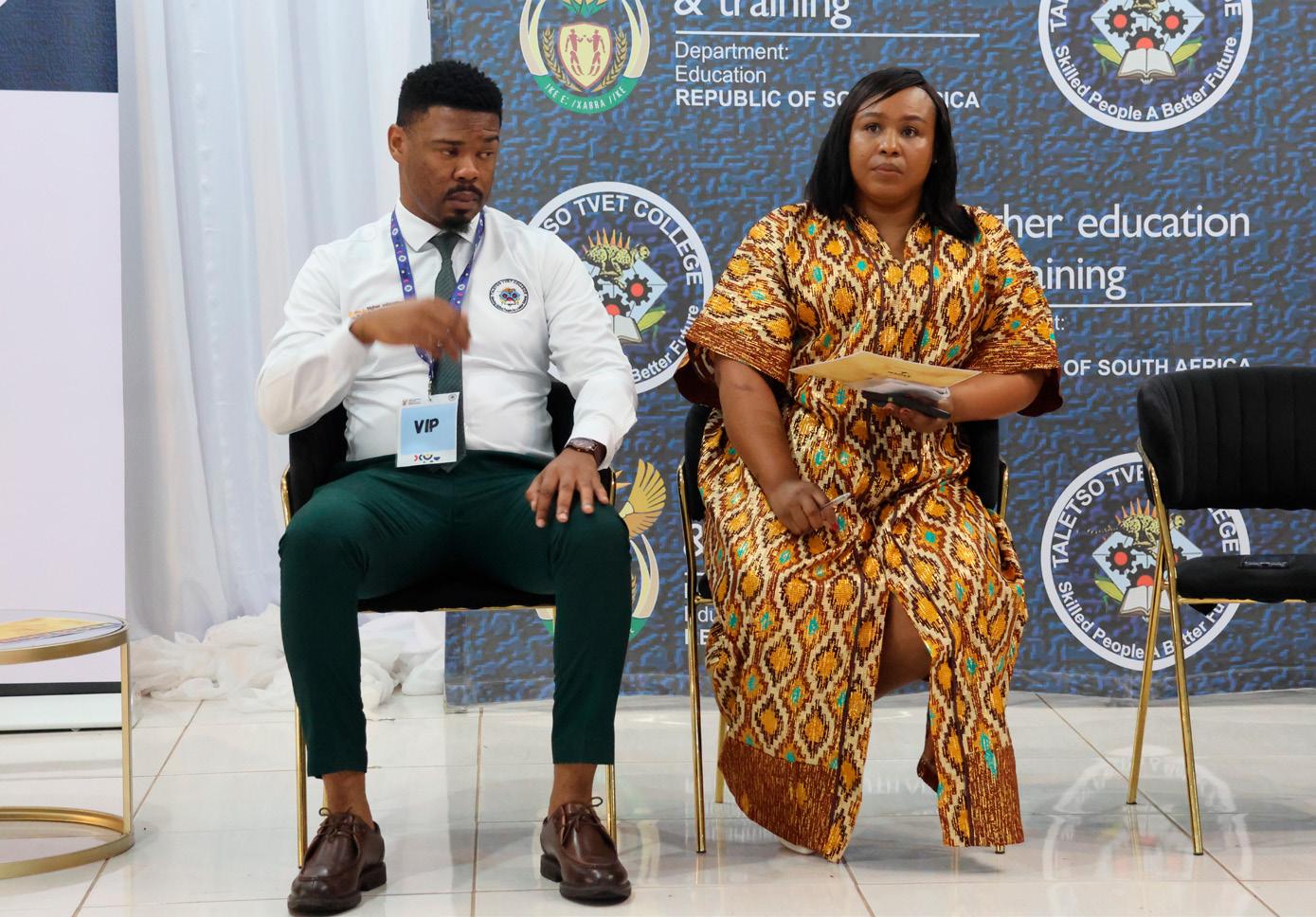
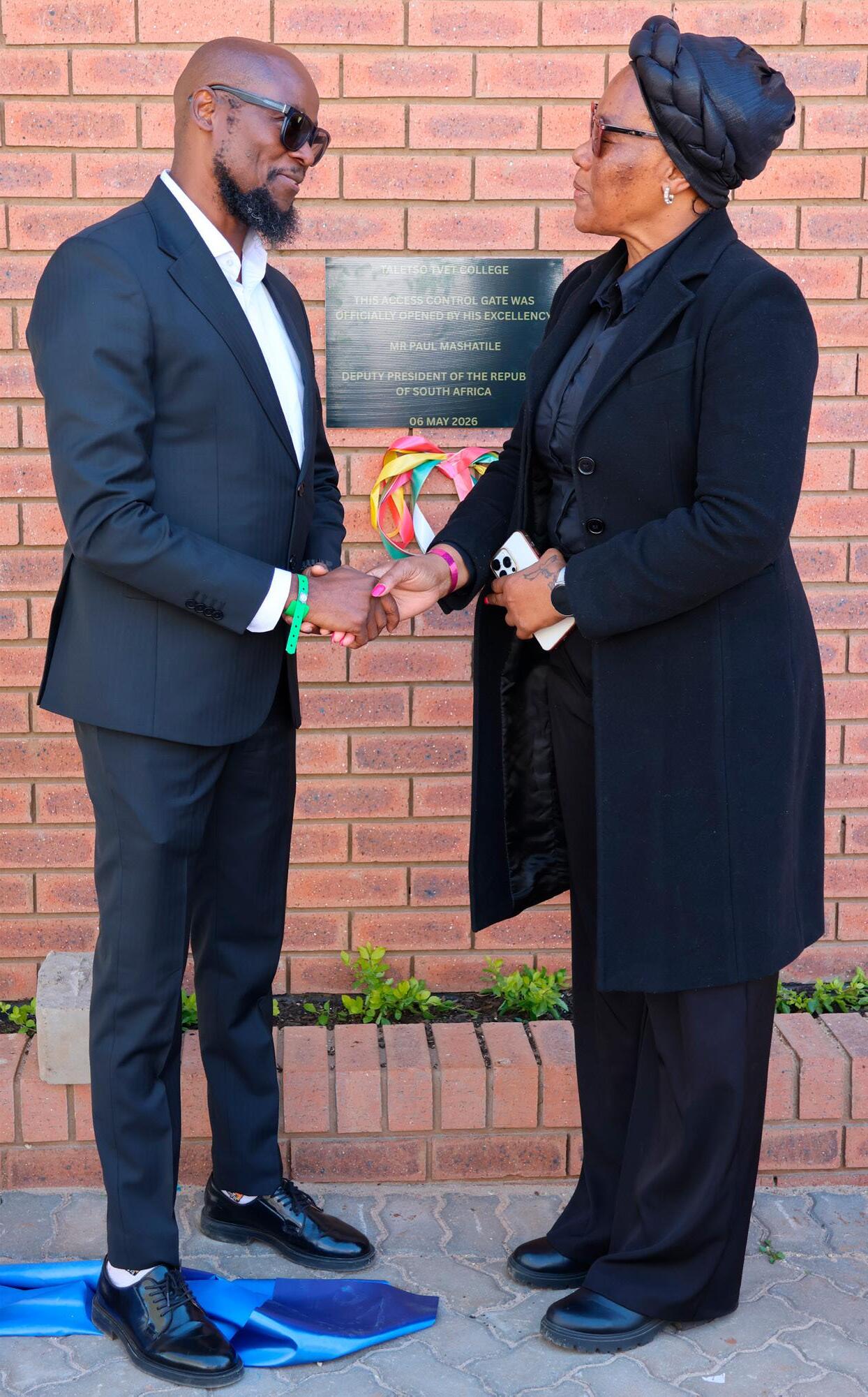
One of the key highlights of the Oversight Visit was the opening of the new Access Control Centre for Lichtenburg Campus which boasts biometric access for the campus community. North West MEC for Social Development Basetsana Susanna Dantjie
led the ribbon cutting and plaque unveiling done on behalf of Deputy President Paul Mashatile.
“The Access Control Centre is important because a safe and well-managed learning environment is central
to student success” said Nkomo of the facility.
Guests participated in a campus walkabout which included a tour of the Campus Resource Centre and a visit to the identified sight for the construction of the new multipurpose auditorium.
Principal Nkomo said the proposed auditorium speaks to the College’s long-term vision of creating modern, functional spaces for academic, cultural, leadership, and community activities. “Such infrastructure is essential for building a vibrant campus environment that supports both student development and broader community participation” said Nkomo.
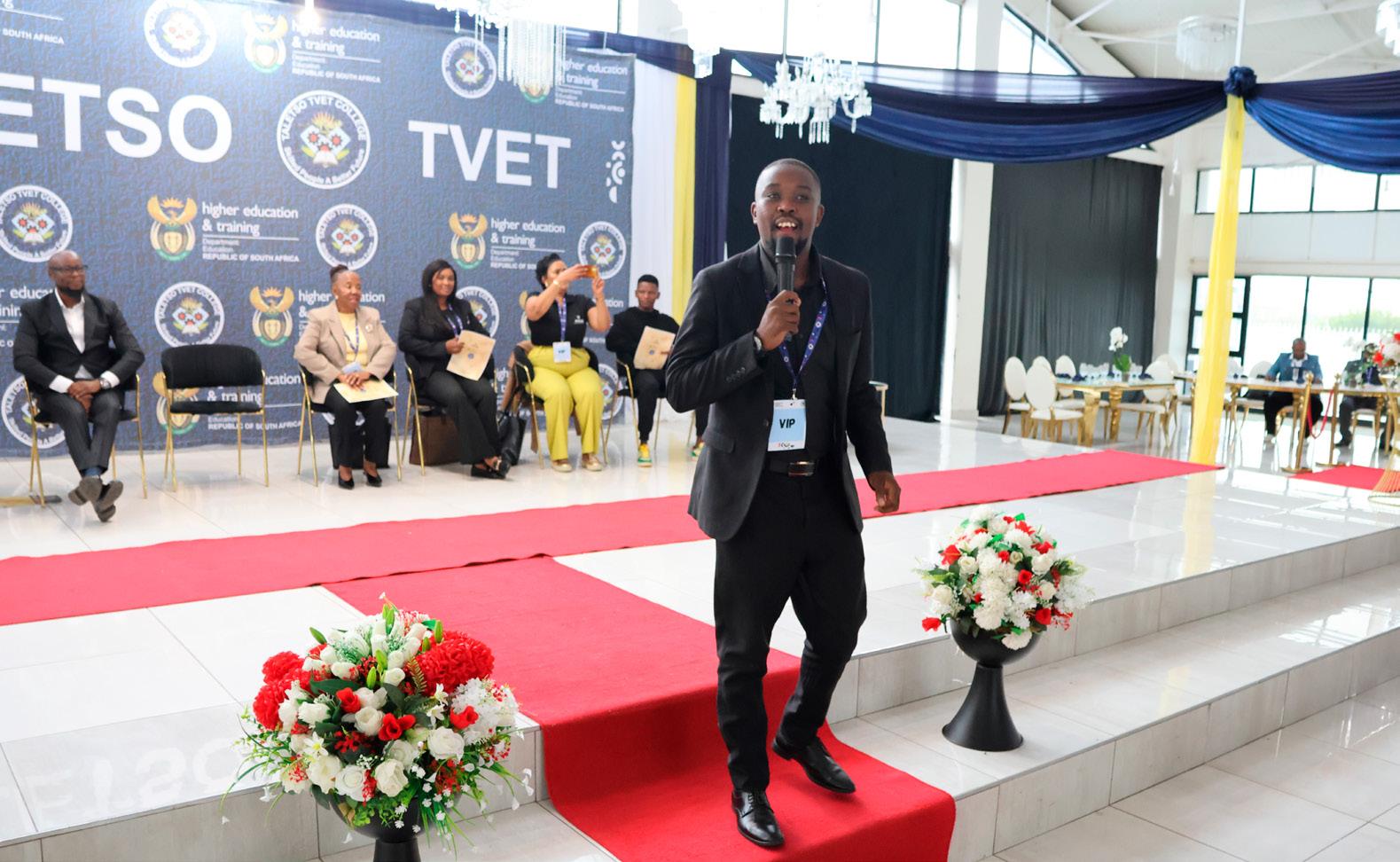
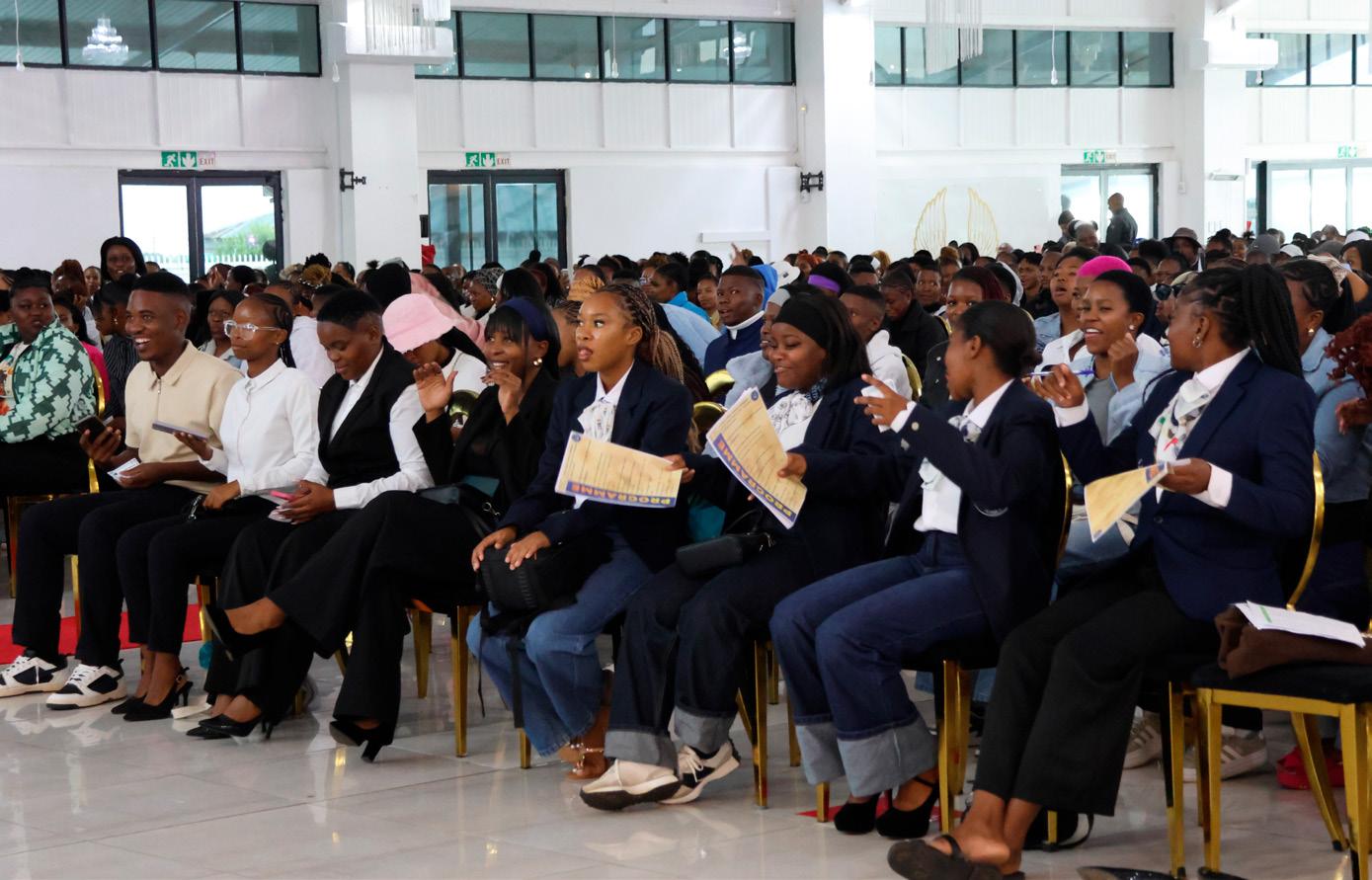
“Renowned motivational speaker Kagiso Mmitsi was the guest speaker when Taletso TVET College hosted its 2026 Student Awards in mid-April at the Seasons Conference Centre in Hartbeespoort, recognising top students from its three campuses: Mahikeng, Lehurutse, and Lichtenburg.
”The event, alive with a convivial, inspirational atmosphere, served as a memorable celebration of excellence, achievement and student advancement.
The opening address by Principal Nkomo set the tone for a celebration rooted in pride, purpose and achievement. His message reminded the students that “excellence is built through discipline, commitment and the courage to keep moving forward despite challenges.”
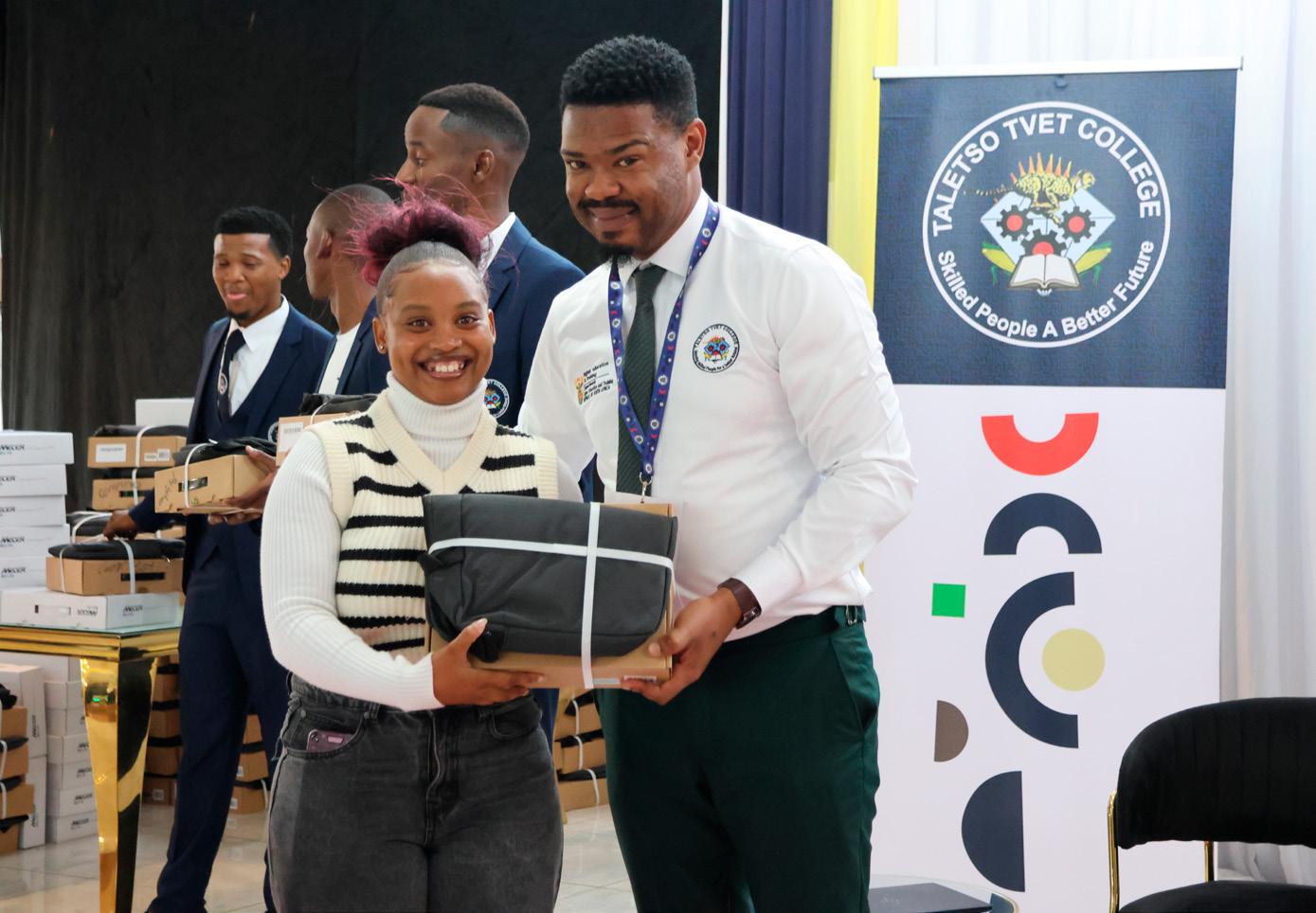
A major highlight of the day was the awarding of more than 900 laptops by NSFAS to deserving students. Principal Nkomo emphasised that this important initiative represents far more than the provision of devices >
- it is a direct investment in student success, digital access, and equal opportunity.
NSFAS acknowledged the efforts of the Deputy Principal: Academic, Phineas Nkau, and the College Principal for their role in ensuring that the initiative reached students and contributed meaningfully to their academic support.
Guest Speaker Mmitsi centred his talk on the value of time and urged students to be intentional, focused and disciplined in how they use each day. His thought-provoking message: “Your time is your trophy”, served as a strong reminder that success depends not only on talent, but also
on how wisely students manage their time and choices. He concluded with an equally powerful charge: “Your race, your lane, your pace.”
The event reflected the College’s belief that student success must be actively supported, encouraged and celebrated
Also in mid-April, the Taletso TVET College Mahikeng Campus had the honour of hosting a Joint Technical Committee meeting with a delegation from the Ministry of Education of the Republic of Ghana.
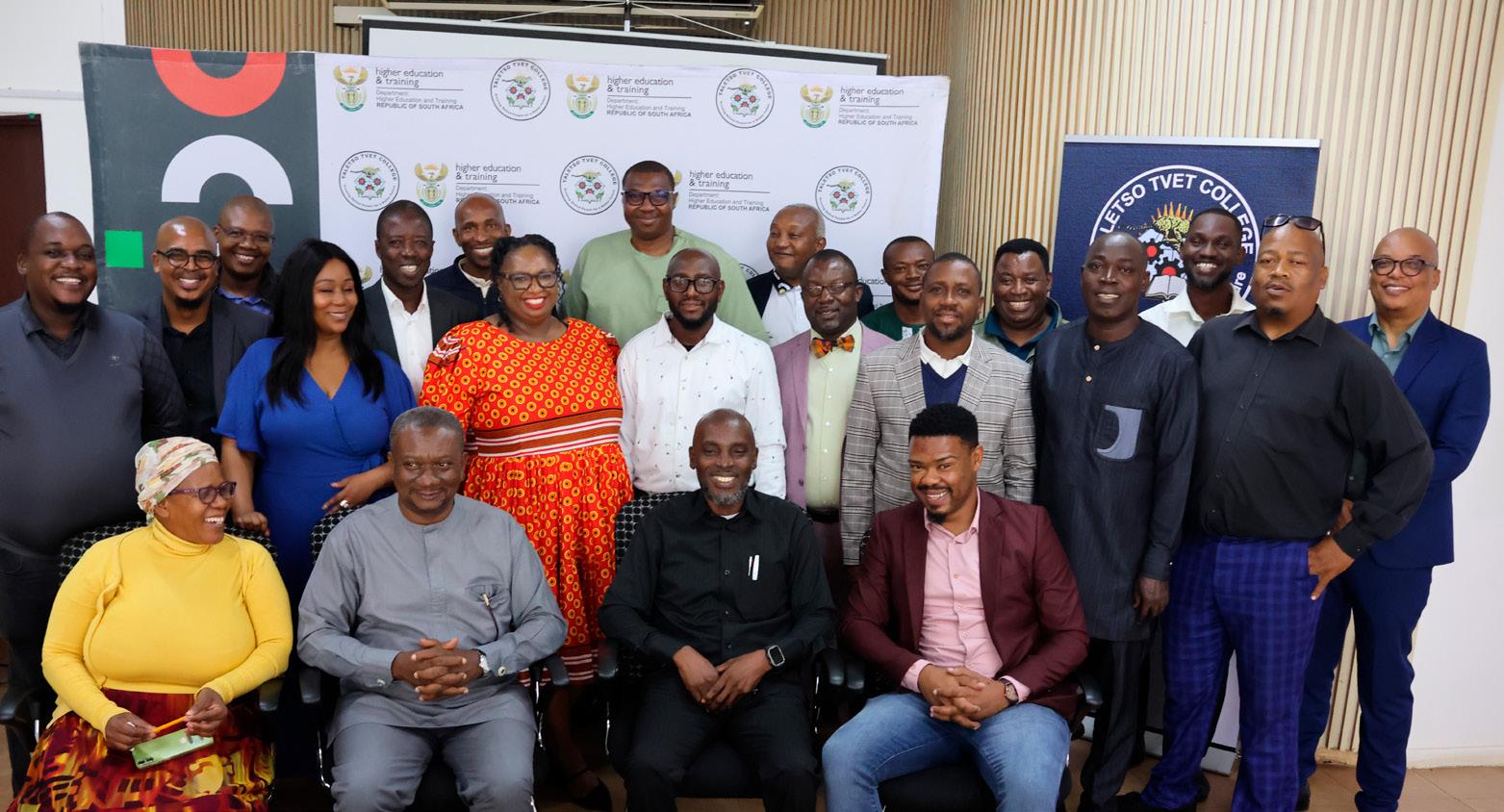
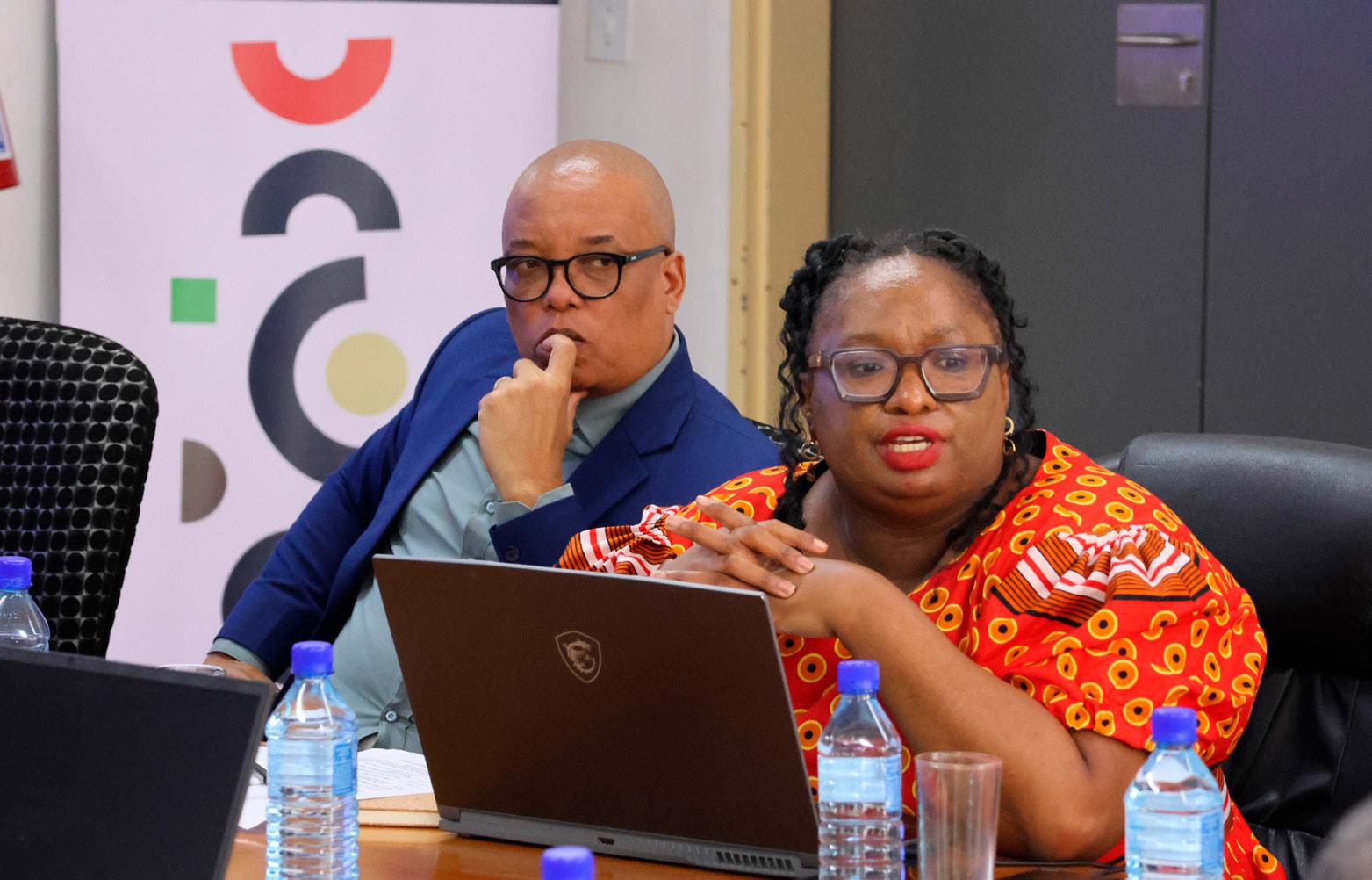
The meeting was a Post School Education and Training knowledge and information exchange session.
The delegation was welcomed by Deputy Principal: Academic, Phineas Nkau. For Taletso, the engagement provided a valuable platform to showcase its institutional work, exchange ideas on technical and vocational education, and contribute to broader conversations on skills development across the African continent.
Mr Nkau expressed that, for TVET colleges like Taletso, international and continental cooperation is vital in supporting innovation in teaching and learning, improving understanding of labour market needs, and encouraging institutions to think beyond local boundaries - while still responding to community needs.
Ms Seipelo Kgosiejang, who works in international relations at the Department of Higher Education and Training, gave an overview of the key goals of South Africa’s Post School Education and Training and the role of TVET Colleges in the skills development ecosystem, while emphasising the value of international partnerships in advancing postschool education priorities.
In response, the Ghanaian delegation was represented by Dr Emmanuel Newman, who reinforced the significance of cross-country cooperation in responding to common challenge such as youth unemployment, skills shortages, institutional capacity, curriculum relevance and the need forstronger links between education and industry.
The delegation also received a tour of the Mahikeng Campus and were shown practical work at the engineering workshop and other classes.
Taletso TVET College believes in investing in students beyond the classroom by helping to shape responsible and engaged citizens who appreciate the value of democratic participation.
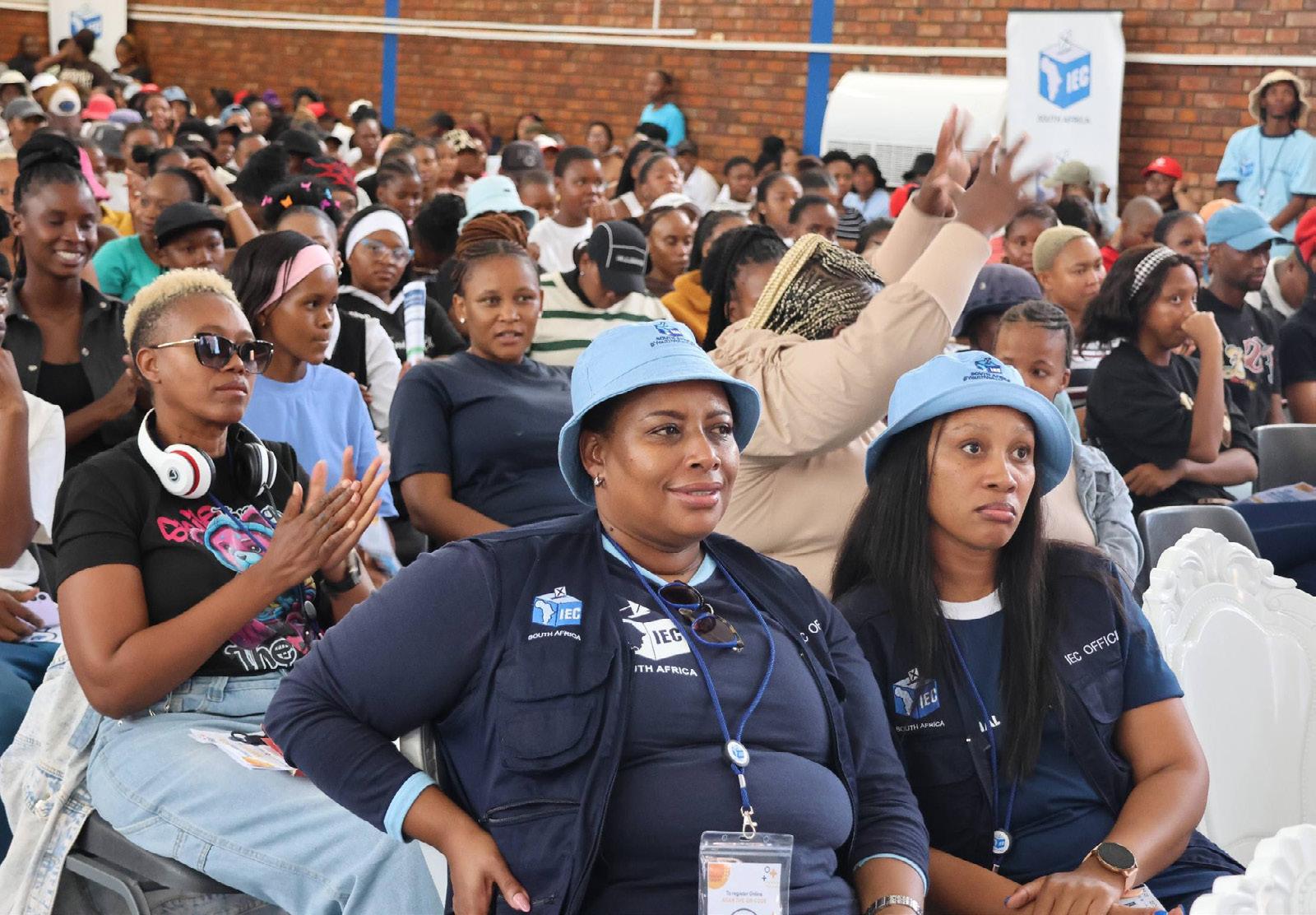
In February, the Electoral Commission (IEC) hosted its Tertiary Institutions Campaign at the Lehurutshe Campus under its civic education programme to encourage students to take an active interest in shaping South Africa’s future by understanding the value of their voice and participation in elections.
The event brought together delegates and stakeholders from Taletso TVET College, Vuselela TVET College, North-West University, the Electoral Commission, the Department of Higher Education and Training (DHET), Ngaka Modiri Molema Municipality, and other key partners, all providing valuable insights and engagement ahead of the local government elections.
Taletso Excels on the Sports Field
Sport continues to play an important role in student life at Taletso TVET College, contributing to discipline, teamwork, leadership, resilience, and campus pride. Across its three campuses, the College continues to create opportunities for student athletes to compete, grow, and represent the institution at both provincial and national level.
The first quarter of 2026 was particularly active as the COSACSA athletics season got underway. Taletso hosted inter-campus athletics competitions involving its Mahikeng, Lehurutshe and Lichtenburg campuses to identify athletes who would represent the College at provincial competitions. The events showcased
the determination, competitive spirit, and emerging talent of participating students, while also strengthening unity across the institution.
Among the College’s standout athletes is Oratile Moloadi, an Electrical Engineering student from Magogoe Village near Mahikeng, whose journey continues to inspire fellow students. Having first competed at the COSACSA Track and Field National Championships in 2022, and qualifying for the National Championships in Limpopo Province, Oratile went on to win silver medals in the 100m and 200m events in 2024.
In 2026, he was appointed coach of Taletso’s Athletics Track and Field team while continuing to compete successfully through Point Fitness 94 Athletics Club. Under his guidance Taletso Athletics successfully qualified for the 2026 Track and Field Championship in Cape Town, Western Cape. A proud achievement for both the team and the College.
His personal performances earned him qualification to represent the North West Province at the ASA Championship Nationalsin Stellenbosch.
team also proudly represented the North West Province at the College Cup 2026 tournament held in Sandton during March. The tournament showcased the talent, teamwork, and commitment of student athletes from across the country, while the presence of former national team and Mamelodi Sundowns coach, Dr Pitso Mosimane, added further inspiration to the occasion.
Through athletics, soccer, and broader sporting activities, Taletso TVET College continues to encourage holistic student development while creating opportunities for young people to excel both on and off the field.
Tel: 018 384 2346/ 50
Fax: 018 384 7511
Email: info@taletsofetcollege.co.za
Website: www.taletso.edu.za
Address: 761-762 Setlogelo Drive, Montshiwa Unit 2, Mahikeng, 2790






South Africans are living through another cycle of sustained economic pressure as rising fuel costs continue to filter through the economy, pushing up the price of transport, food and household goods. At the same time, broader global uncertainty and ongoing geopolitical tensions are adding further worry and dread to an already financially stressful landscape for South Africans.
A 2026 study on the impact of geopolitical tensions on mental health shows that sustained global conflict and political uncertainty are key drivers of anxiety, even among populations not directly a ected by war, contributing to a persistent sense of threat. For many people, this is experienced not as a single event but as a constant background load, compounding existing financial strain and intensifying everyday stress responses.
“When people are faced with instability and conflict narratives, even if events are occurring far away, the body can remain in a sustained stress response,” says Dr Themba Hadebe, Clinical Executive at Bonitas Medical Fund. “Even when individuals are not directly a ected, the constant sense that the world is unstable can heighten anxiety and intensify the strain already created by financial pressure. Over time, this compounds into burnout and emotional exhaustion that we are increasingly seeing in members.”
Mental health challenges are also having a wider economic impact, with South Africa estimated to lose over R250 billion annually (around 4.5% of GDP) due to mental health conditions. In addition, about 452 million work hours are lost each year,
with “presenteeism” alone costing more than R200 billion in lost productivity.
Chronic stress linked to money worries can also drive physiological changes in the body that are harder to detect early. Sustained elevated levels of stress hormones like cortisol can a ect sleep quality, weaken immune response and contribute to weight changes, fatigue and burnout. Over time, this creates a cycle where physical exhaustion and mental strain reinforce each other, making recovery more di cult.
While economic conditions are not within individual control, there are practical steps that can help reduce the health impact of ongoing stress.
Structured routines are important; regulating sleep patterns and ensuring you eat balanced, consistent meals can help regulate the body’s stress response.
Even small adjustments, like limiting late-night screen exposure or introducing short daily walks can improve sleep quaity and mood regulation over time.
uncertainty, which is often a major driver of chronic stress.
“Preventative approaches are also important,” says Hadebe. “Early support for mental health symptoms can help prevent them from becoming worse. Medical waid members should look into the structured care programmes they are able to access and take advantage of through their plans, which can help a great deal in the event that an individual requires further medical care that can become costly.”
Bonitas’ Mental Health Programme o ers its members structured support that is designed to help identify and manage conditions such as anxiety, depression and burnout earlier, with coordinated access to care pathways and ongoing support.
“As a society we are quicker to discuss how these pressures a ect us in economic terms, but are less cognisant of, or willing to speak about, the very real and problematic physical and mental health issues that arise as a result of what’s happening in the world right now.”
Financial clarity also plays a role in reducing anxiety. Simple budgeting tools or weekly financial check-ins can reduce the cognitive load of


“Stress linked to financial strain has real physiological and societal consequences, a ecting all of us whether on an individual or organisational level. Don’t ignore the early signs of burnout and seek support to stop stress from developing into more serious conditions,” concludes Hadebe.
“When people are faced with instability and conflict narratives, even if events are occurring far away, the body can remain in a sustained stress response,”























Although death is inevitable, many people find it difficult to talk about. Uncomfortable as it may be, it is crucial to share your funeral wishes with your loved ones. This includes conversations on whether you’d prefer a grave burial, cremation or Aquamation (also known as alkaline hydrolysis or water-based cremation).
AVBOB launched Aquamation in South Africa in 2019 and, at present, it is only available at the AVBOB Maitland Funeral Parlour in Cape Town, AVBOB Pretoria West branch in Gauteng, and at the newly launched facility, at the Gqeberha AVBOB Funeral Branch. Considering South Africa’s growing awareness of environmental issues, this offering comes at a good time, and AVBOB is investing heavily into it, going forward.”
The provision of a dignified send-off for loved ones has been part of AVBOB’s DNA for 107 years and it continues to lead the way in bringing this environmentally-friendly funeral service innovation to South Africa.

107 years old
Aquamation is an eco-friendly, water-based form of cremation.
The scientific name for the aquamation process is alkaline hydrolysis. However, it is also known as flameless cremation, water cremation and bio-cremation.
Although, it has been in use abroad in various applications for many years, AVBOB is at the forefront of developing this innovative procedure in South Africa.
Aquamation is currently being offered to private clients and policyholders at the AVBOB Maitland Funeral Parlour in Cape Town, AVBOB Pretoria West branch in Gauteng, and at the newly launched facility, at the Gqeberha AVBOB Funeral Branch.
AVBOB plans to expand its Aquamation service to three additional branches (one each in KwaZulu-Natal, Eastern Cape and Western Cape) in the next few years.
The aquamation process has a decreased carbon footprint and eliminates the direct emission of greenhouse gases or mercury into the environment, while ensuring an energy saving of 90% when compared to flame-based cremation.
At the core of the process is water, which is a natural and essential part of life, comprising 60% of our bodies.
Aquamation reduces the soft tissue of the body to its basic building blocks.
The bones (calcium) remain, which are then powdered and presented to the family as 'ashes' in an urn, in the same manner as with flame-based cremation.
The family receives a third more ashes from aquamation compared to flame-based cremation.
As South Africa marks Youth Month in June, the national focus once again turns to the role young people play in shaping the country’s future. For Impala Platinum Holdings Limited (Implats), this moment is a reminder that long-term sustainability depends on responsible mining, which includes deliberate investments in education, skills development and opportunity for youth across the regions in which the Group operates.
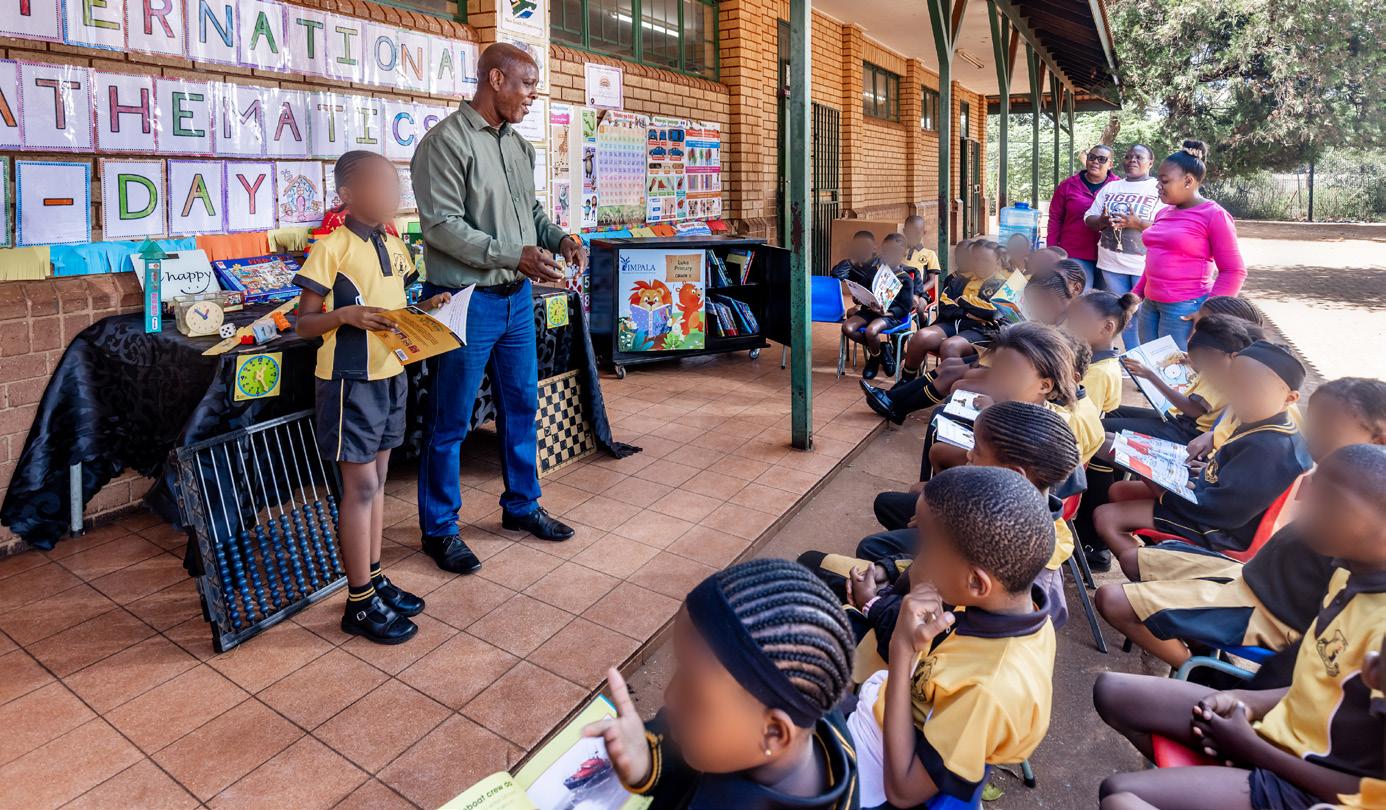
Youth unemployment and unequal access to quality education remain among South Africa’s most pressing challenges. Through a structured and long-term approach, Implats works with mine-host and labour-sending communities to support young people from school level through to entry into skilled employment and entrepreneurship. These investments are grounded in the belief that education and skills are central to economic inclusion and resilient local economies.
During the 2025 financial year, Implats supported thousands of learners through education and skills development initiatives across its South African footprint. These interventions ranged from school support programmes and teacher mentoring to bursaries, learnerships, artisanal training and graduate development opportunities. More than 75 schools and 4 500 learners
in mine-host communities benefited from support focused on improving learning outcomes, particularly in key subjects such as mathematics and science.
Implats’ investment in youth development is helping to build stronger communities, expand opportunity, and support a more inclusive future for South Africa.
Beyond the classroom, Implats continues to expand access to practical training pathways aligned with industry demand. Learnerships, apprenticeships and cadet programmes provide young people with accredited technical skills, hands on workplace exposure and a clear route into formal employment. In many cases, these programmes have led directly to permanent jobs, contributing to reduced barriers for local youth to participate in the mining economy.
Enterprise and supplier development initiatives further support youth participation at a local level. By equipping young entrepreneurs with business skills and compliance training, Implats helps diversify community economies and strengthen income generation beyond mining, supporting long-term regional stability.
Youth development at Implats also extends to programmes that emphasise wellbeing and personal development. Sports initiatives run in partnership with schools and community organisations provide structured environments where young people can build confidence, discipline and leadership skills alongside academic progress.
These efforts reflect a wider commitment to shared value creation. By supporting young people across the education and skills pipeline, Implats is helping to develop future artisans, professionals, business owners and leaders who can contribute meaningfully to the country’s growth.
As Youth Month 2026 is observed nationwide, Implats’ work with young people stands as a reminder that sustainable progress is built through partnerships and purposeful investment. By unlocking youth potential today, the Group is helping to build stronger communities and a more inclusive future for South Africa.


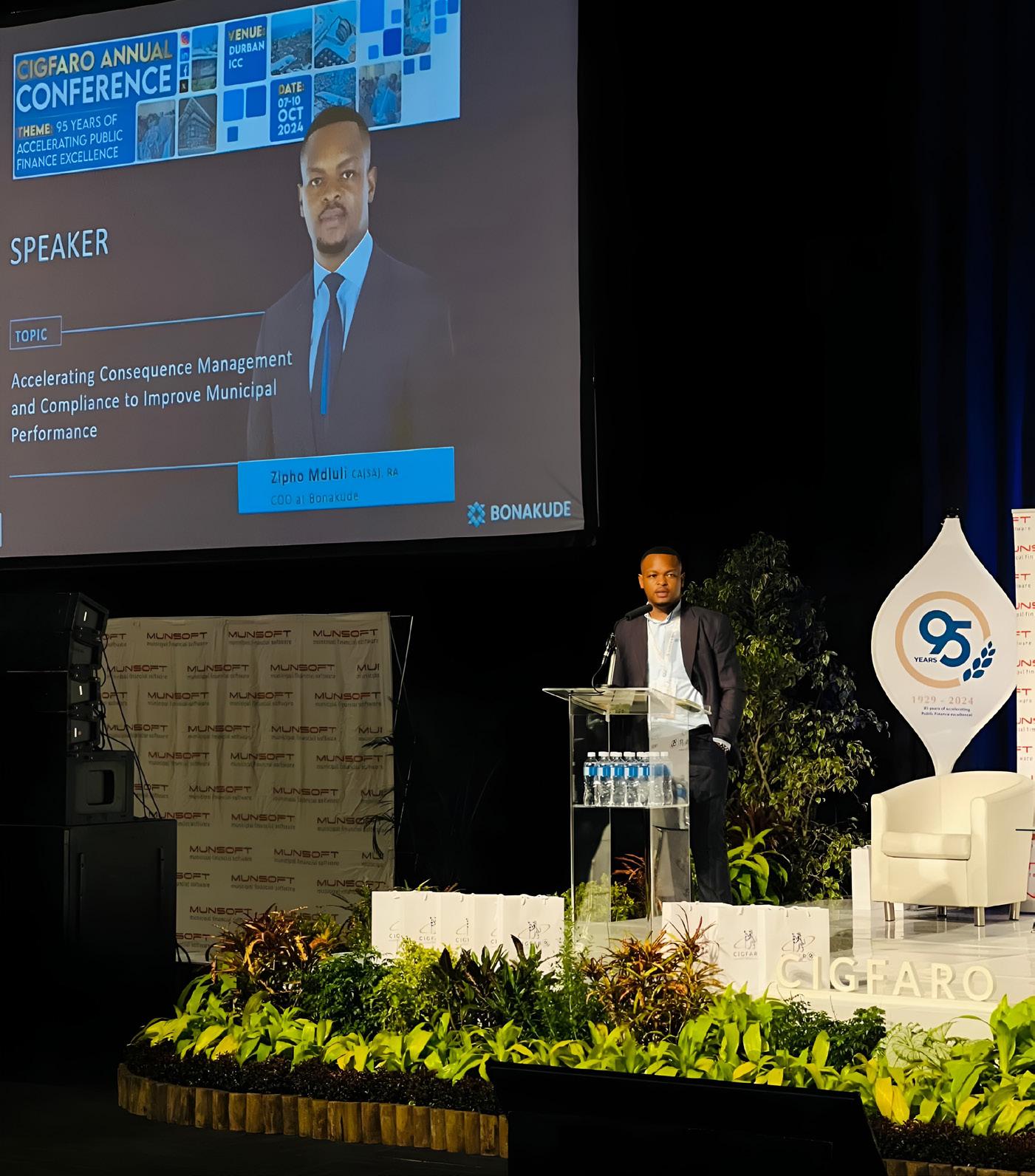
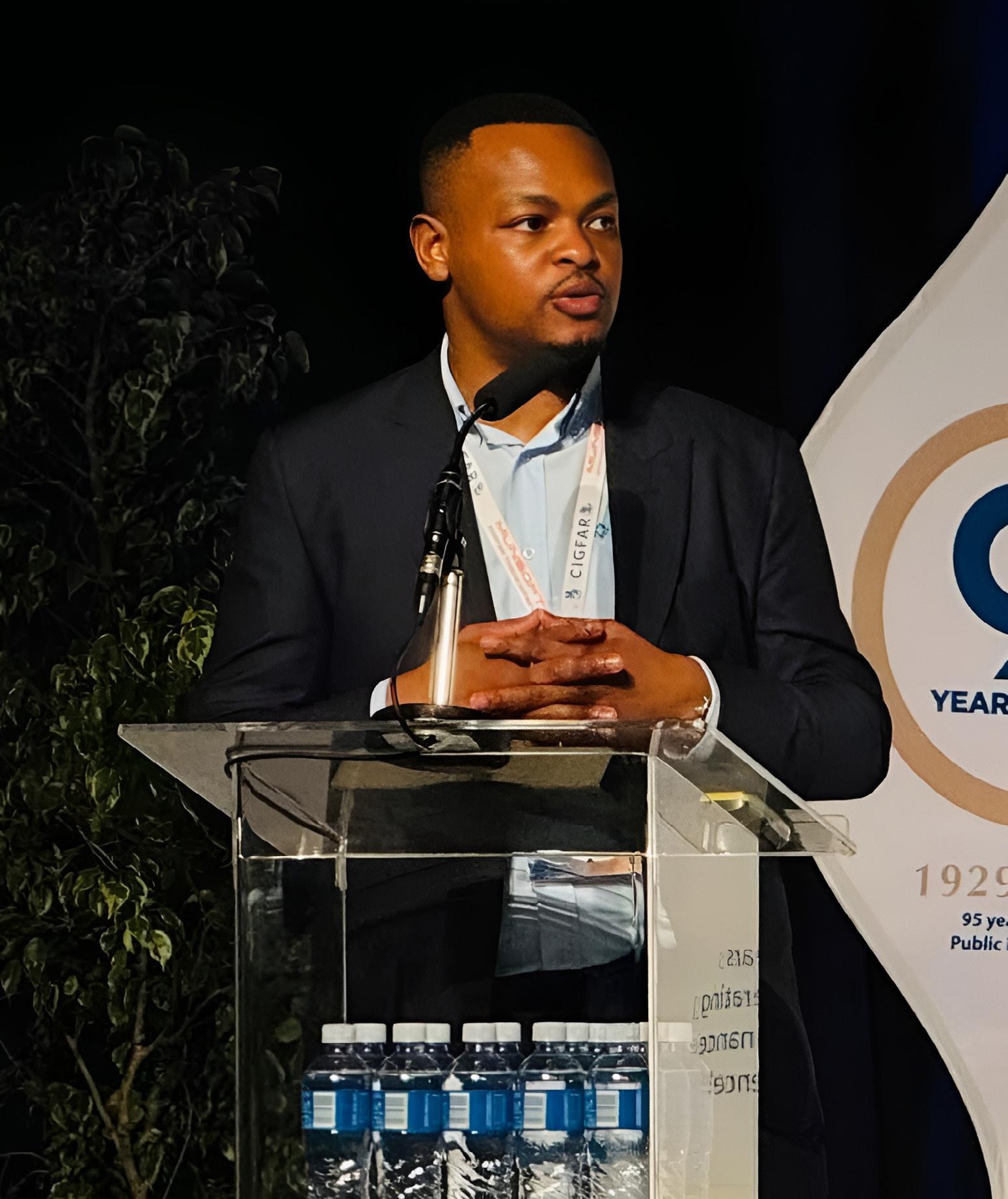
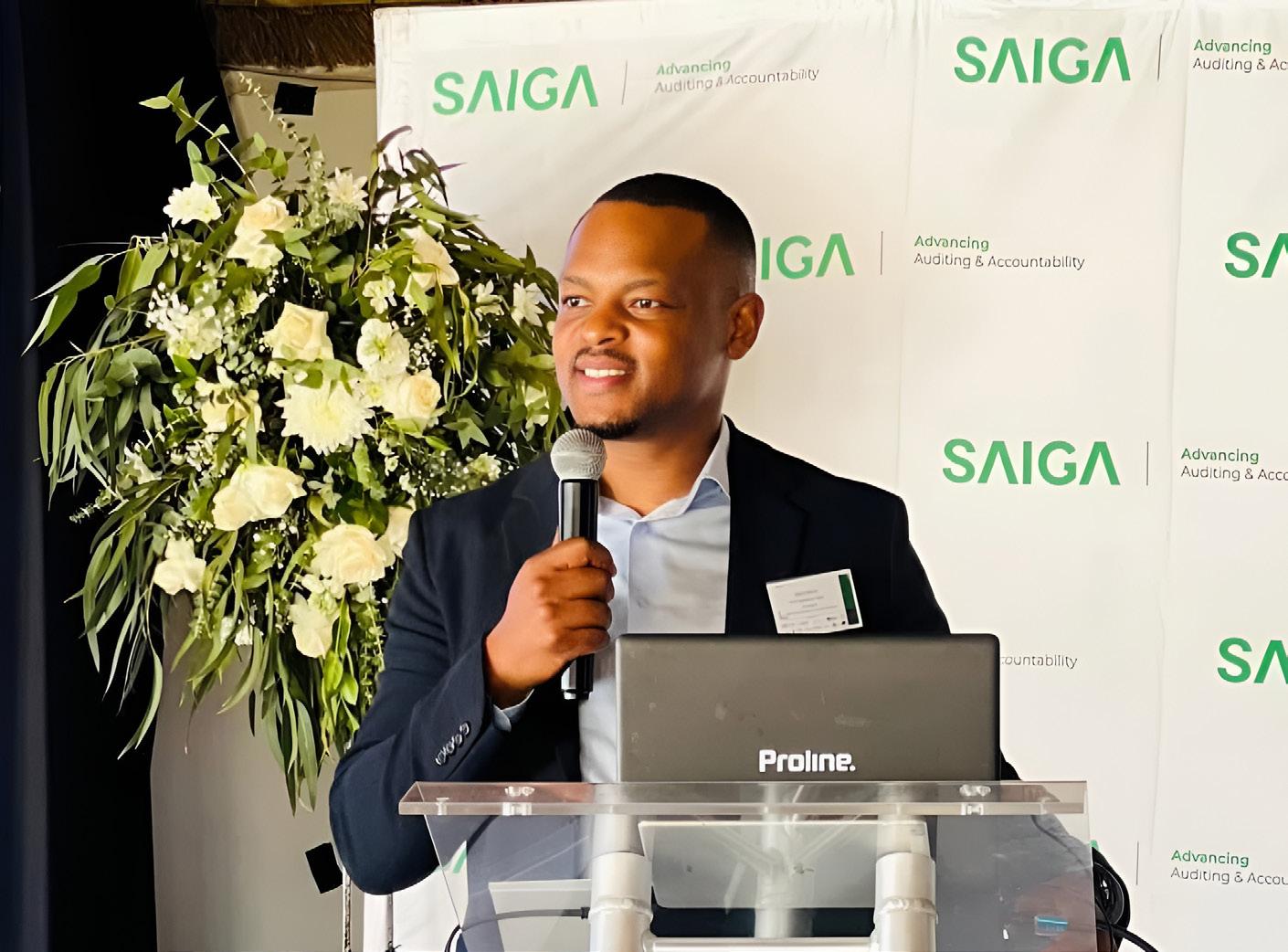
Ziphozonke Mdluli
Author: Ziphozonke Mdluli CA(SA), RA, COO at Bonakude
South Africa’s municipalities are haemorrhaging billions through unauthorised, irregular, fruitless and wasteful (UIFW) expenditure. This crisis starves communities of basic services, erodes public trust and raises borrowing costs. Drawing on national legislation, audit findings and best- practice case studies, this article frames the problem and sets out a practical framework and 90 - day action plan to rebuild municipal integrity and deliver on the Government of National Unity’s vision of a capable, ethical and developmental state.
Ziphozonke is a Director and Chief Operations Officer at Bonakude with more than 24 years auditing experience in the public and private sectors. He is a seasoned Chartered Accountant and Registered Auditor, with a strong focus on public sector governance, audit readiness and municipal performance improvement.
As a Chartered Accountant and Registered Auditor, he works with municipalities and public institutions to strengthen controls, improve compliance, and implement practical accountability models. His work emphasises operationalising consequence management through functioning committees, capable leadership structures, and transparent communication that rebuilds trust and enables better service delivery.
“There is a highlighted and urgent need for systemic reform, improved accountability, and stronger financial controls to ensure that public funds are used effectively and transparently in addressing community needs.”
- Ziphozonke Mdluli
Unauthorised, irregular, fruitless and wasteful (UIFW) expenditure has evolved from an accounting anomaly to a systemic crisis. Between the 2019/20 and 2023/24 financial years, municipalities and municipal entities collectively reported more than R1.08 trillion in UIFW expenditure, with irregular expenditure alone rising from R74 billion to R137 billion over five years. Unauthorised expenditure spiked from R41 billion to R81 billion, while fruitless and wasteful expenditure increased from R4 billion to R17 billion.
The Auditor- General notes that such spending undermines compliance with the Municipal Finance Management Act (MFMA) and diverts resources from essential services to investigations, condonement processes and litigation.
Only about five percent of municipalities are deemed financially stable, with more than sixty described as dysfunctional due to weak governance, poor institutional capacity and political interference. These failures have tangible consequences. Service delivery collapses as potholes deepen, sewage spills contaminate waterways and load - shedding worsens because municipalities cannot maintain electricity infrastructure.
The cost of capital escalates as rating agencies downgrade metros that have written down billions in consumer debt and failed to produce funded budgets. The human toll is devastating: whistleblowers, auditors and councillors have been intimidated and murdered, and tens of thousands of skilled professionals avoid or leave municipal service.
This dysfunction contradicts the MediumTerm Development Plan (MTDP) 20242029’s third strategic priority - to build a capable, ethical and developmental state with improved service delivery, good governance and an ethical, professional public service.
The MFMA and the Municipal Systems Act establish clear definitions and duties
regarding UIFW. Irregular expenditure refers to spending that contravenes the MFMA, the Municipal Systems Act, the Public Office - Bearers Act or the municipality’s supply - chain management policy. Unauthorised expenditure is any spending otherwise than in accordance with the approved budget or beyond the limits set by the Act. Fruitless and wasteful expenditure is money spent in vain that would have been avoided had reasonable care been exercised.
Section 62 of the MFMA obliges accounting officers to prevent such expenditures and to pursue disciplinary or criminal action against officials who commit financial misconduct. The Auditor- General’s enhanced powers under the amended Public Audit Act enable her office to issue material irregularity notices and refer matters for investigation and recovery. >
The MTDP emphasises that building a capable, ethical state requires improved service delivery in local government, improved governance and performance of public entities, and an ethical and professional public service. This strategic priority underscores the urgency of tackling UIFW and asks: how can municipalities deliver the infrastructure and services envisioned by the National Development Plan if they cannot first halt the bleeding of public funds?
Responding to UIFW requires more than compliance checklists. It demands a framework that institutionalises
accountability, professionalism and transparency. The following six principles offer a blueprint for municipalities seeking to restore financial integrity and public trust:
1. Establish strong preventative and detective controls: implement risk-based internal controls, segregation of duties, pre -audit checks and digital expenditure management systems to flag non- compliant transactions before they occur
2. Professionalise leadership and enforce accountability: appoint competent, qualified senior officials through transparent processes; sign performance agreements;
and apply consequence management without fear or favour when legislation is breached.
3. Embed financial discipline and transparency: adopt a zero -tolerance stance toward non- compliance; maintain an up -to - date UIFW register; regularly report to council; and publish expenditure reports that communities can access
4. Strengthen internal audit and oversight functions: ensure internal audit units are adequately resourced and independent; empower audit committees to track UIFW resolution; and provide training on forensic investigation and risk management
5. Build organisational capacity and systems: invest in training procurement and finance teams; roll out e -procurement platforms to reduce manual processes; modernise financial systems; and reduce reliance on external consultants by developing in-house skills.
6. Cultivate an ethical culture and engage communities: promote values-based leadership, encourage whistle -blowing through safe reporting channels, protect informants, and engage residents on budgeting and service - delivery priorities to rebuild social trust.
Municipalities face formidable obstacles in addressing UIFW. Political interference and patronage networks often override procurement rules, discouraging officials from challenging irregularities. Capacity constraints result in unqualified staff managing complex budgets, while the exodus of skilled professionals leaves municipalities reliant on expensive consultants whose work is sometimes ineffective. Chronic non - payment by consumers undermines revenue
streams, creating unfunded budgets and unfunded mandates. Violence and intimidation against auditors and whistleblowers foster a culture of fear and silence.
To counter these challenges, councils must ring - fence internal audit and supply - chain units from political influence and allocate sufficient resources for training and systems. Protective mechanisms for whistleblowers and audit staff should be institutionalised, drawing on the MTDP’s call for an ethical and professional public service. National Treasury and provincial treasuries can deploy support teams to stabilise finances in distressed municipalities and vet procurement above set thresholds.
A culture of accountability can be strengthened through performance contracts, rotation of supply - chain roles, and the publication of UIFW investigations and recoveries. Municipalities should also improve revenue management by adopting accurate billing, customer engagement, and enforcement to ensure service users pay for services rendered.
A phased approach over 90 days can kick-start the turnaround journey and demonstrate tangible progress:
• Days 1-30: Conduct a comprehensive diagnostic. Compile and reconcile the UIFW register; review outstanding investigations; map key processes; assess the competence of finance and supply - chain staff; and consult provincial treasury and the Auditor- General’s office for support
• Days 31-60: Implement corrective measures. Update policies and delegations; introduce pre -approval controls; roll out or upgrade digital
procurement and accounting systems; appoint or capacitate an internal audit unit; and provide targeted training on the MFMA, supply - chain management and consequence management.
• Days 61-90: Monitor, report and embed. Set clear reduction targets for each category of UIFW; report progress to council and communities; initiate disciplinary or recovery processes where wrongdoing is confirmed; integrate UIFW reduction into budgeting and performance reviews; and refine controls based on lessons learned.
Addressing UIFW is not merely a compliance exercise;
it is a moral and economic imperative. Every rand lost to irregular or wasteful spending is a rand stolen from clean water, reliable electricity, safe roads and dignified housing.
Eliminating UIFW can free billions of rands for investment in infrastructure and social programmes, reduce borrowing costs and improve municipal credit ratings. An ethical culture and competent leadership will attract and retain scarce skills, restore investor confidence and unlock partnerships with the private sector.
Ultimately, delivering on the MTDP’s vision of a capable, ethical and developmental state depends on municipalities demonstrating that public funds are used effectively, efficiently and in the public interest.

Komatsu has expanded its medium excavator range in South Africa with the introduction of the PC200-10M0 CE hydraulic excavator, a 20-tonne class machine developed specifically for general construction and civil engineering applications.
The PC200-10M0 CE is introduced alongside Komatsu’s established PC210LC-10M0, providing customers with a clearly defined choice between a cost focused civil engineering solution and a heavier duty excavator for more demanding applications.
Designed with a focus on practical performance and cost efficiency, the PC200-10M0 CE offers a low initial acquisition cost and dependable operating performance, supporting reduced total cost of ownership. The machine is well suited to urban construction environments, including road construction, trenching, land development, and light demolition.
“The PC200-10M0 CE is the result of listening closely to our customers,” says Mike Helm, General Manager - Construction Division.
“It delivers the reliability and performance expected of Komatsu equipment, while providing a cost-effective solution tailored to the realities of civil construction in southern Africa.”

Built on Komatsu’s globally proven Dash 8 excavator platform, the PC200-10M0 CE incorporates jobsite proven engine and hydraulic components to ensure durability and consistent performance.
The excavator features a ROPS/OPG Level 1 compliant cab, with hydraulic and electrical systems derived from the Dash 10 M0 series, and work equipment and a main pump adopted from the Dash 8 M0 range.
While the PC200-10M0 CE is optimised for general construction and civil engineering work, Komatsu will continue to offer the PC210LC-10M0 for operations requiring higher production and heavier duty capability, including mining and quarrying applications.
Together, the two models reinforce Komatsu’s approach of providing
fit for purpose solutions, allowing customers to select equipment that aligns precisely with their operational requirements.
Komatsu is a global manufacturer and supplier of equipment, technologies and services for the construction, mining, industrial and forestry markets. Supported by a worldwide distributor and service network, Komatsu works in partnership with customers to enhance safety, productivity and operational efficiency through reliable equipment and practical innovation.

In South Africa and communities worldwide, the need for robust road infrastructure is more critical than ever. At Komatsu, we acknowledge these challenges: we are actively working to overcome them.
As a leading manufacturer and supplier of capital equipment for the construction and mining industry we are committed to providing more than just machinery. We are dedicated to creating a sustainable future where people, businesses and our planet thrive together.
Through manufacturing and technology innovation, we harness the power of our collective expertise to address South Africa’s road infrastructure needs and beyond.
Power Process Systems (PPS) is an electrical enclosure and distribution equipment manufacturer. At our fully equipped manufacturing, assembly and wiring facilities in Gauteng and the Western Cape, we produce all components of our products inhouse.
In our CNC plants we cut, bend, and nest various enclosures, racking assemblies and mounting frames. We also laminate fibreglass boxes and have a complete range of polyethylene enclosures.
We fit and wire these enclosures according to required specifications in our various assembly lines. They are then FAT tested prior to delivery.
We predominantly supply to the electrical infrastructure market. Our focus is on electrical reticulation (underground and overhead) and commercial distribution (office complexes, shopping malls, hospitals, etc.).
We are an OEM and product partner to CBI, ABB, Schneider Electric, Hager, Legrand, Chint, and many other common switchgear brands.
We have an ISO 9001/2008/ SABS quality accreditation and are a SABS accredited production facility for electrical assemblies up to 10 kA.

Infrastructure vandalism in South Africa has evolved into a widespread and systemic issue, affecting power distribution, street lighting, and telecommunications networks nationwide. According to Power Process Systems (PPS), the scale and frequency of incidents continue to rise, placing increasing pressure on municipalities, utilities, and private sector operators to rethink how infrastructure is designed, deployed, and maintained.
“Infrastructure is targeted mainly for copper and cable theft and ease of access. If something can be opened quickly, removed easily, or stripped for value, it becomes a target. A lot of older infrastructure was not designed with today’s risks in mind, which makes it even more exposed,” explains Julius Viljoen, Sales Manager at PPS Cape Town Branch.
While the Western Cape remains comparatively well-managed, it is not immune. The region has demonstrated strong operational responsiveness, but the strategic focus is now shifting toward preventative measures that prioritise long-term resilience over reactive repairs.
As infrastructure vandalism escalates across South Africa, resilience is no longer optional - it has become a critical engineering and service delivery priority.
“As the threat landscape evolves, infrastructure can no longer be designed purely for function but must be designed for resilience,” says Viljoen. “On the ground, we are seeing a clear shift in client priorities. It is no longer just about supplying infrastructure but securing it to actively deter tampering and theft.”
AV-CAB is a purpose-engineered, anti-vandal copper aluminium busbar solution. AV-CAB is a next-generation conductor that combines the conductivity of copper with the affordability and lightness of aluminium - and most critically, offers no resale value as pure copper to thieves.
AV-CAB is designed to replace traditional copper busbars in electrical distribution panels, substations, kiosks, and industrial switchboards. AV-CAB is compatible with Existing infrastructure.
AV-CAB is a high electrical performance solid bar product where 20-30% copper by weight is permanently fused to an aluminium core. This is not a surface plating - the materials are metallurgically bonded through heat and pressure to form a single, inseparable alloy.
AV-CAB is impossible to strip, melt down, or separate like traditional copper busbars - meaning it holds no illicit scrap value, discouraging theft and vandalism.

The company’s presence in Cape Town has provided valuable insight into how client needs are evolving. There is a growing emphasis on securing infrastructure assets through anti-vandal enclosures, tamper-resistant designs, and enhanced monitoring capabilities.
Beyond physical protection, there is also increasing pressure to minimise downtime. “When infrastructure is hit, it needs to be restored quickly, so resilience and ease of maintenance are becoming just as important as the initial
installation,” says Viljoen. This points to making ease of maintenance and system accessibility key considerations alongside durability and security.
Certain types of infrastructure remain particularly vulnerable, including streetlight kiosks, distribution boards, and low-voltage reticulation systems. These assets are often targeted for >

THEFT – EQUIPMENT STOLEN FROM SUBSTATIONS OR FACILITIES INTERRUPTS OPERATIONS AND INCREASES COSTS.
ENVIRONMENTAL EXPOSURE – DUST, HEAT, UV AND MOISTURE DEGRADE COMPONENTS OVER TIME.
PROTECTING YOUR INFRASTRUCTURE STARTS WITH CHOOSING THE RIGHT ENGINEERED ENCLOSURE SOLUTIONS.
copper and cable theft, especially where access is quick and components can be easily removed or resold.
In response, PPS is placing greater emphasis on design-led resilience. “From a design perspective, we now need to factor the vandalism element into the functional consideration,” says Viljoen. Key considerations are o exposed fasteners or easy access points, use of alternative materials where possible, reinforced enclosures and locking mechanisms, and designs that simply delay access.
“Even a few extra minutes can be a deterrent. It is about designing and manufacturing the product in such a manner that makes it more difficult to gain entry to, and utilising parts and fittings that offer the same quality and strength but little resale value,” says Viljoen.
Technology is increasingly central to the company’s approach. Solutions now incorporate features such as door sensors, power monitoring, and real-
VANDALISM –TAMPERING OR DELIBERATE DAMAGE COMPROMISES SAFETY AND RELIABILITY.
OPERATIONAL DOWNTIME – LOSS OF SERVICE AFFECTS BOTH REVENUE AND COMMUNITIES.
WEAK PHYSICAL PROTECTION – POORLY DESIGNED OR UNPROTECTED ENCLOSURES INCREASE RISK OF FAILURE.

time alerts, enabling early detection of unauthorised access or system faults. This allows for faster response times, reduced downtime, and improved accountability.
Equally important is proactive maintenance. Regular inspections help identify vulnerabilities before they are exploited, shifting the focus from costly reactive repairs to preventative intervention. “Proactive maintenance is no longer optional but essential,” comments Viljoen.
“In today’s environment, waiting for failure is simply too expensive.”
Modern infrastructure systems must operate as part of a connected ecosystem. PPS’s solutions are designed to integrate seamlessly with municipal SCADA systems, third-party monitoring platforms, and broader security networks, ensuring full visibility and control.
Looking ahead, the company sees significant growth opportunities in retrofitting existing infrastructure,
deploying modular and standardised systems, and combining physical security with smart technologies.
“What sets PPS apart is that we do not just supply products but design solutions based on real-world conditions. We understand local risks, installation challenges, and maintenance realities. Our approach is practical in that we focus on what actually works on the ground, not just what looks good on paper,” concludes Viljoen.

CONTACT INFORMATION:
Phone: 0861 777 769 (0861 PPS POW)
Email: ash@ppspower.co.za
Web: www.ppspower.co.za
Facebook:
https://www.facebook.com/PowerPPS
LinkedIn:
https://www.linkedin.com/company power-process-systems/


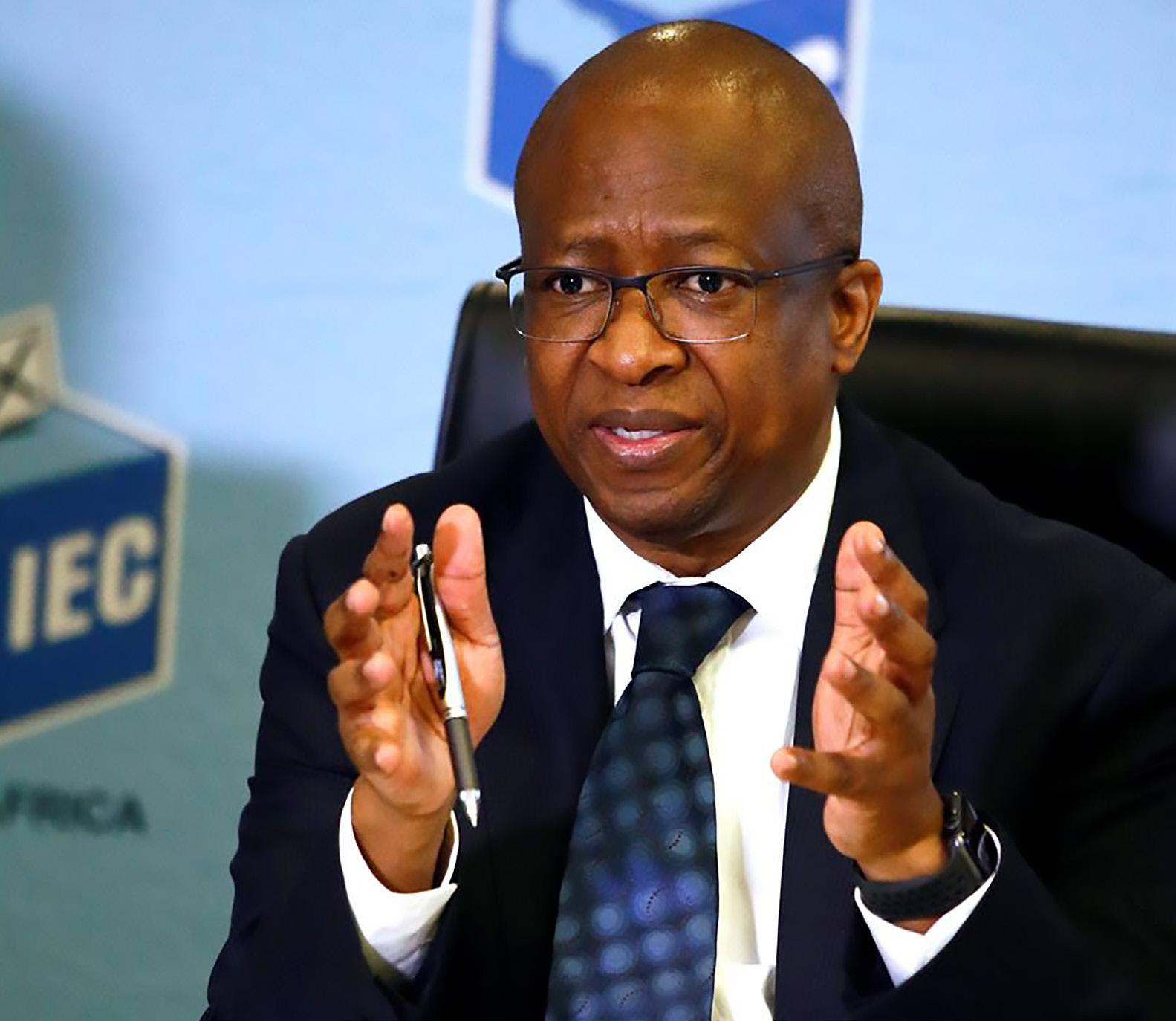
Since President Cyril Ramaphosa officially proclaimed 4 November 2026 as the date for South Africa’s next Local Government Elections, the country’s electoral landscape has shifted decisively into full preparation mode.
For the Electoral Commission of South Africa (IEC), the announcement represented far more than a constitutional formality. It triggered the final operational phase of one of the
country’s most significant democratic exercises - an election that will shape municipal political leadership and governance for the next five years.
Since the proclamation, the Electoral Commission has intensified work across multiple fronts, including voter registration readiness, stakeholder mobilisation, electoral logistics, civic education, technological systems, security coordination, and intergovernmental collaboration.
At the same time, government departments, provincial administrations, Parliament, traditional leadership structures, and civil society stakeholders have all increased engagement around ensuring that the 2026 Local Government Elections are free, fair, peaceful, and credible.
The months since the election date announcement have therefore offered important insight into the scale of planning and coordination currently underway behind the scenes as South Africa prepares for another major democratic milestone.
The official announcement of 4 November 2026 immediately accelerated operational timelines for both the Electoral Commission and stakeholders across government.
Local Government Elections occupy a uniquely important position within South Africa’s democratic framework. Unlike national and provincial elections, municipal elections directly influence governance at community level, shaping leadership responsible for water provision, sanitation, electricity distribution, refuse removal, roads, housing support, local economic development, and community services.
Against the backdrop of ongoing national discussions around municipal governance, service delivery, infrastructure performance, and accountability, the upcoming elections are expected to attract significant public and political attention.
Shortly after the proclamation, the Electoral Commission described the confirmation of the date as a major milestone that enabled the institution to intensify advanced planning and implementation processes nationwide.
The Commission subsequently indicated that preparations had movedinto a heightened operational phase involving detailed coordination across all provinces.
Since the election date announcement, the Electoral Commission has intensified preparations across several key operational areas essential to delivering a credible election.
Among the areas currently receiving attention are:
• voter registration and voters’ roll verification
• voting station readiness
• staff recruitment and training
• electoral technology systems
• logistics and procurement
• stakeholder coordination
• communication campaigns
• dispute management mechanisms
• election security planning
The Commission’s work extends far beyond election day administration alone. Significant focus is also being placed on maintaining public confidence in the integrity, transparency, and efficiency of the electoral process.
Election administration in South Africa remains one of the largest logistical undertakings in the country’s democratic system, involving thousands of voting stations, temporary election workers, transport arrangements, communication systems, technology infrastructure, and extensive coordination between national, provincial, and local stakeholders.
The scale of the undertaking has become increasingly visible in recent weeks as the Electoral Commission continues strengthening operational readiness ahead of November 2026.
As preparations intensify nationwide, the Electoral Commission continues balancing large-scale operational demands with the constitutional responsibility of safeguarding democratic integrity.
A significant development since the election date proclamation
has been the allocation of additional funding to support election preparations.
Earlier this year, Electoral Commission Chief Electoral Officer Sy Mamabolo confirmed that the Commission’s baseline allocation for the 2026/27 financial year stood at approximately R3.1 billion, against projected election-related expenditure estimated at about R4.75 billion.
National Treasury has since allocated an additional approximately R1.1 billion to support preparations for the upcoming elections.
The funding forms part of broader national budget processes aimed at supporting constitutional institutions and strengthening democratic governance systems. The additional allocationis expected to assist the Electoral Commission in expanding operational capacity as preparations intensify nationwide.
The allocation has been widely viewed as an important intervention given the scale, complexity, and constitutional significance of administering elections across South Africa’s municipalities. >
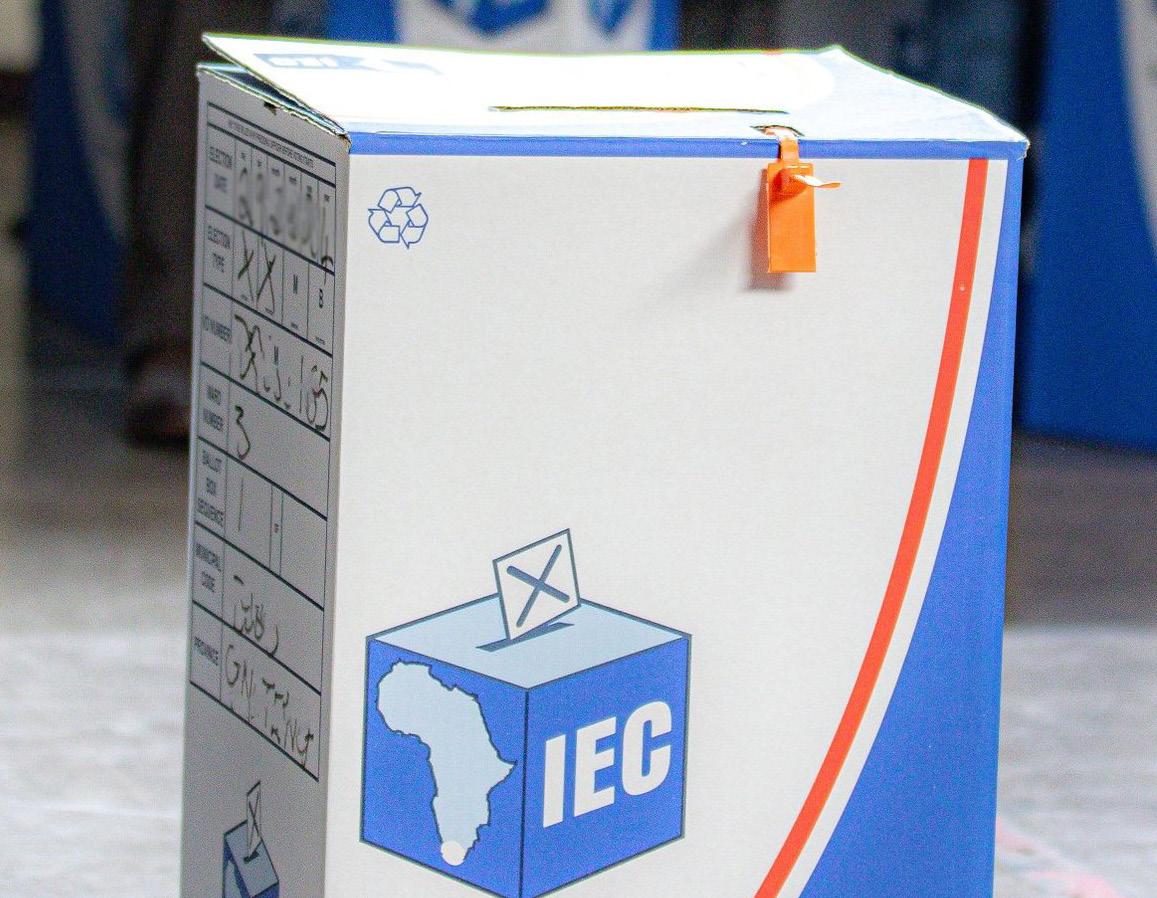
Parliamentary oversight has also intensified as preparations for the elections gather momentum.
The Standing Committee on Public Accounts (SCOPA) recently engaged the Electoral Commission on expenditure planning, operational systems, governance measures, and election preparedness and expressed satisfaction with the Commission’s operational and financial readiness for the 2026 Local Government Elections.
The committee’s assessment provided further assurance regarding the Electoral Commission’s state of preparedness as planning and coordination efforts continue to intensify nationwide.
Parliamentary oversight remains an important component of democratic accountability, particularly in relation to national electoral processes involving extensive public expenditure and large-scale operational coordination.
An important aspect of election preparation currently underway involves strengthening access to identity documentation and voter registration systems.
The Department of Home Affairs has in recent weeks reported major progress in expanding Smart ID services and increasing Smart ID production capacity ahead of the elections.
Government has also expanded Smart ID services through participating banks as part of broader efforts to improve access to identity documentation for South Africans.
At the same time, citizens have been encouraged to collect identity documents and ensure their voter registration details are up to date ahead of the upcoming electoral process.
The scale of coordination already underway reflects the significance of the 2026 Local Government Elections within South Africa’s evolving democratic and governance landscape.
Since the election date announcement, stakeholder engagement programmes have intensified across provinces as preparations continue to gather momentum.
In KwaZulu-Natal, the Electoral Commission and provincial leadership recently reaffirmed their commitment to strengthening electoral democracy and ensuring peaceful, transparent, and credible elections.
The collaborative engagements brought together government leaders,community stakeholders, and electoral structures around a shared commitment to democratic participation, voter awareness, social cohesion, and electoral stability ahead of November 2026.
KwaZulu-Natal reported strong progress in election preparedness, with provincial stakeholders indicating that planning and coordination efforts are well advanced ahead of November 2026.
Traditional leadership structures have likewise continued to play
an important role in promoting democratic partici-pation and peaceful elections. His Majesty Misuzulu kaZwelithini recently reaffirmed support for transparent and peaceful elections, underscoring the importance of credible democratic processes and constitutional participation.
The ongoing engagements reflect growing recognition that successful elections depend not only on efficient administration, but also on public trust, social stability, and strong collaboration between institutions, leaders, and communities.
Beyond logistics and operational planning, the Electoral Commission continues to place strong emphasis on civic education and voter participation.
As preparations intensify, public awareness campaigns are expected to increase significantly in the months ahead, focusing on voter registration, electoral procedures, democratic participation, and peaceful electoral engagement.
The Electoral Commission has consistently stressed that active citizen participation remains fundamental to strengthening constitutional democracy in South Africa.
Particular emphasis is expected to be placed on encouraging participation among young voters, first-time voters, rural communities, and historically underrepresented groups.
With local government continuing to play a central role in service delivery and local development, voter participation in municipal elections is expected to remain a key national focus area.
Among the more notable developments since the election date announcement the IEC, in partnership with the Electoral Institute for Sustainable Democracy in Africa (EISA), launched the latest issue of the African Journal titled “Sustaining MultiParty Democracy through Enhancing Political Funding in South Africa.”
The journal’s launch comes at a time when democratic resilience, electoral integrity, constitutional governance, and public trust in democratic institutions continue to receive growing attention globally and across Africa.
The journal aims to contribute towards electoral research, democratic dialogue, governance knowledge, and institutional learning across the African continent – and importantly, reflects increasing recognition that sustaining constitutional democracy requires not only credible elections, but also ongoing research, public engagement, institutional reflection, and democratic education.
The initiative positions the IEC as an institution contributing to broader democratic thought leadership and policy discourse - and represents an important expansion of the IEC’s role beyond election administration alone.
With the election date now confirmed, the Electoral Commission has intensified messaging around voter registration and address verification ahead of the 2026 Local Government Elections.
The Commission has repeatedly encouraged eligible South Africans who are not yet registered, or who have changed their place of residence, to ensure that they are registered in the voting district where they ordinarily reside.
Voter registration weekend is scheduled to take place on 20 and 21 June 2026 as the Electoral intensifies preparations for the upcoming Local Government Elections - forming part of broader efforts to strengthen participation and maintain the credibility of the voters’ roll.

Chief Electoral Officer Sy Mamabolo has also emphasised the importance of early voter registration clarity, noting that municipal elections require voters to cast ballots in the voting district where they are registered.
Alongside physical registration drives, the Electoral Commission continues encouraging citizens to use its digital platforms and mobile application to confirm registration details, update addresses, and access election-related information.
The voter registration campaign is expected to become increasingly visible across the country as preparations intensify ahead of 4 November 2026.
The developments seen since the proclamation of the election date have already demonstrated the scale of coordination, preparation, and institutional effort required to deliver credible local government elections in South Africa.
For the Electoral Commission, the period leading to November 2026 will involve balancing complex operational demands with the constitutional responsibility of ensuring elections that are free, fair, transparent, and credible.
As voter registration initiatives expand, stakeholder engagement deepens, and logistical planning advances nationwide, the country’s democratic calendar is steadily and confidently moving towards one of its most important milestones.

ECRDA continues to record remarkable progress from community-based Agri-entrepreneurs across the province, particularly in job creation, grain and vegetable value chains, and the expansion of cultivated land, despite challenging climatic conditions, including heatwaves and hailstorms. This achievement reflects the resilience, determination, and growing strength of Eastern Cape farmers in driving rural agricultural development.

In recent months, job creation has significantly outperformed targets, with 184 full-time jobs created or sustained against a target of 83, alongside the creation of 308 seasonal employment opportunities.
Grain production also performed exceptionally well, reaching 1,839 hectares against a target of 1,756 hectares. Vegetable production exceeded expectations with 78.1 hectares achieved against a target of 50 hectares, while fodder production slightly surpassed its target, with 253 hectares planted compared to the planned 250 hectares.
These significant results come from more than 100 Agri-entrepreneurs supported under ECRDA’s Grain, Fodder and Vegetable (Food) Crops Programme, which focuses on strengthening crop production systems that enhance food security and promote the commercialisation of rural agriculture. These farmers are spread across the OR Tambo, Amathole,Chris Hani, Joe Gqabi, and Alfred Nzo district municipalities.
One of the Agri-entrepreneurs making the province proud is Kevinot Farming, a rural enterprise managed by young farmer Ms Nonopa Tenza in Matatiele.
Kevinot Farming successfully revived an old and dilapidated farm into a growing agricultural business. At the beginning, the farm had no fencing, inadequate livestock handling infrastructure, no equipment, no storage facilities, and even the farmhouses were in poor condition.
ECRDA supported Kevinot Farming with essential crop production assistance, regular production monitoring, and sustainability support. Financial assistance also enabled the purchase of a tractor, fencing, and livestock, including an initial 42 sheep made up of two rams and 40 pregnant ewes. Today, the farm has grown significantly and now boasts more than 135 cattle and 279 sheep.
“We are deeply thankful to ECRDA for the significant support they provided to Kevinot Farming. Their investment came at the right time and gave us the foundation to grow our business. Because of this support, we are now able to create jobs, uplift our community, and contribute to economic activity in our rural area. We truly appreciate ECRDA’s belief in us and their commitment to our success,” said Ms Nonopa Tenza.
Kevinot Farming is one of manyagrientrepreneurs performing exceptionally well across the province, demonstrating how integrated support for rural communities can create meaningful and lasting impact.
ECRDA’s continued investment in rural agriculture is helping to unlock opportunity, strengthen food security, create jobs, and empower farming communities across the Eastern Cape.
In delivering these milestones, ECRDA continues to work closely with its
mother department, the Department of Agriculture, as well as strategic partners including the Land and Agricultural Development Bank of South Africa (Land Bank), >
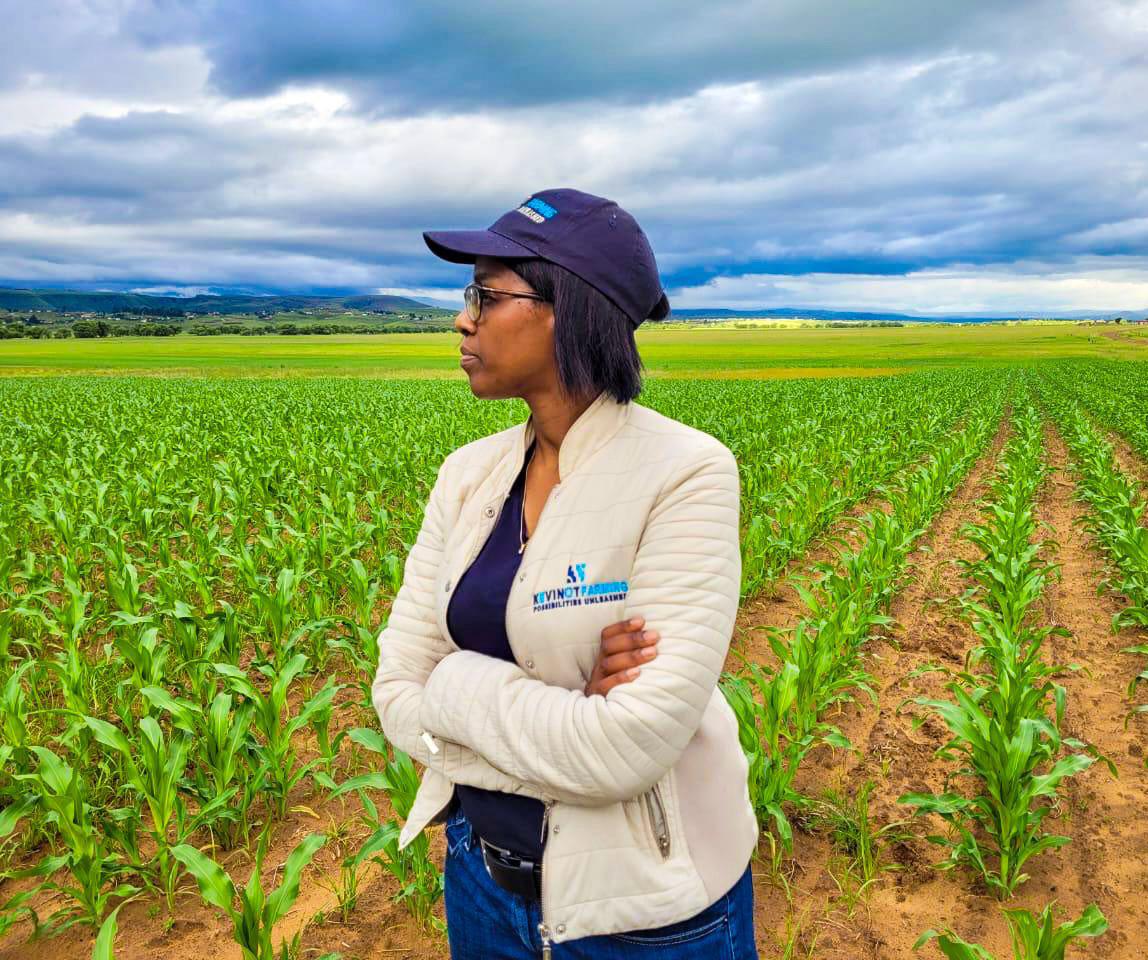
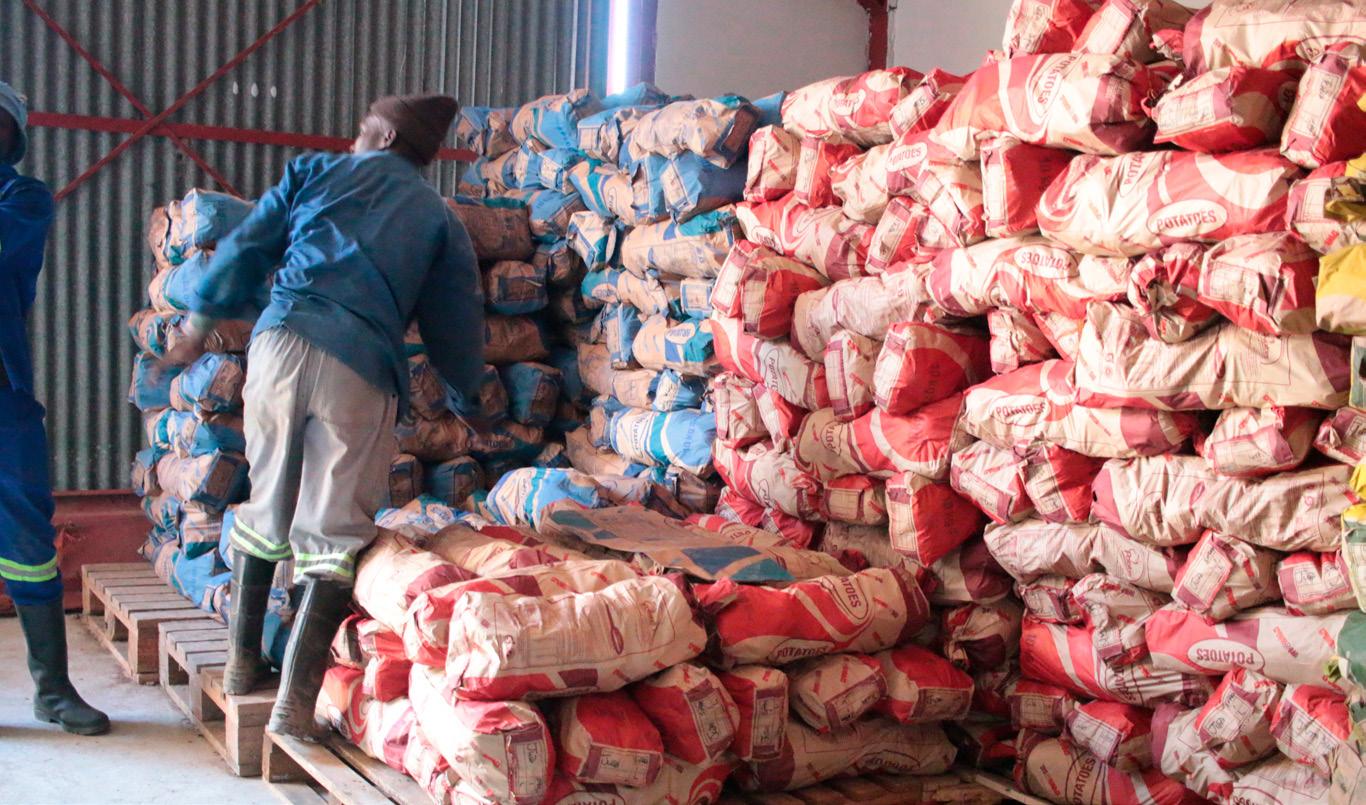
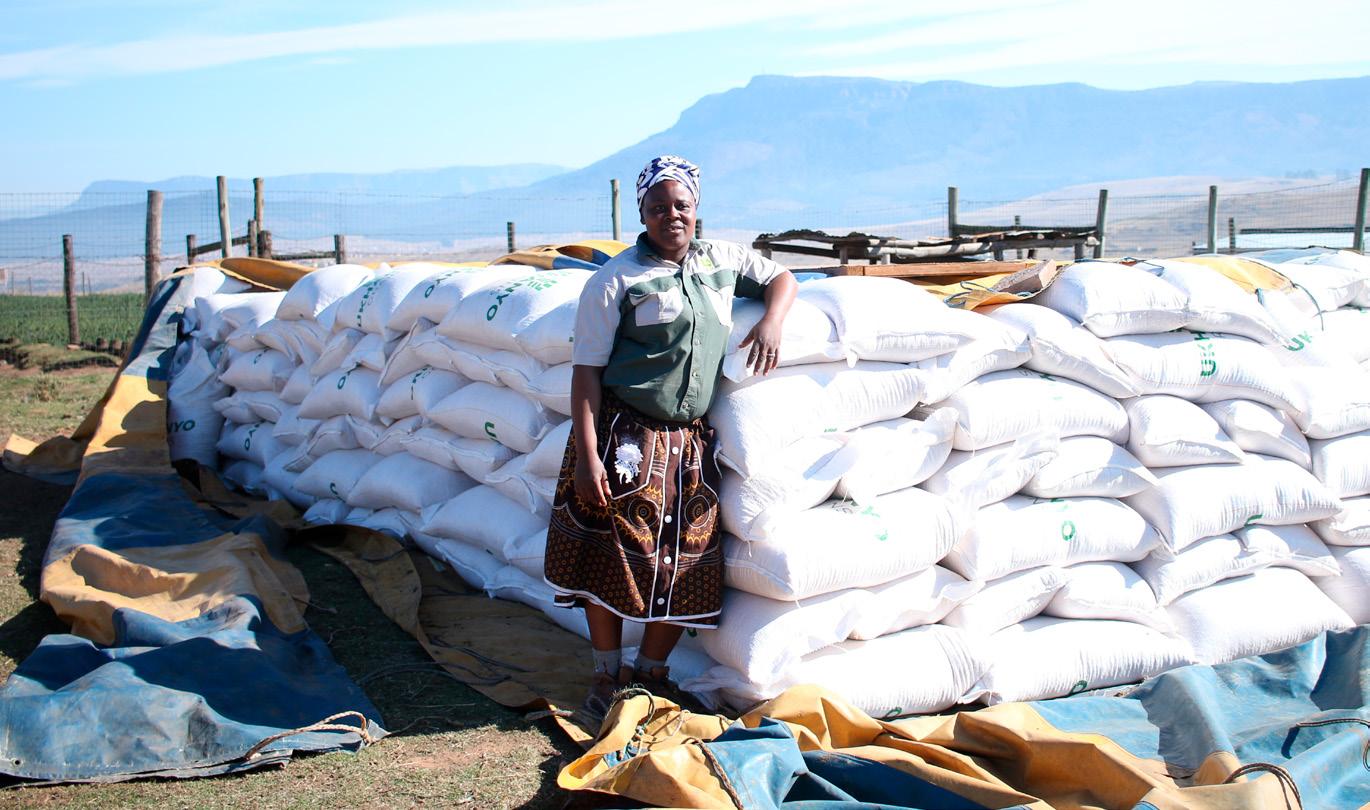
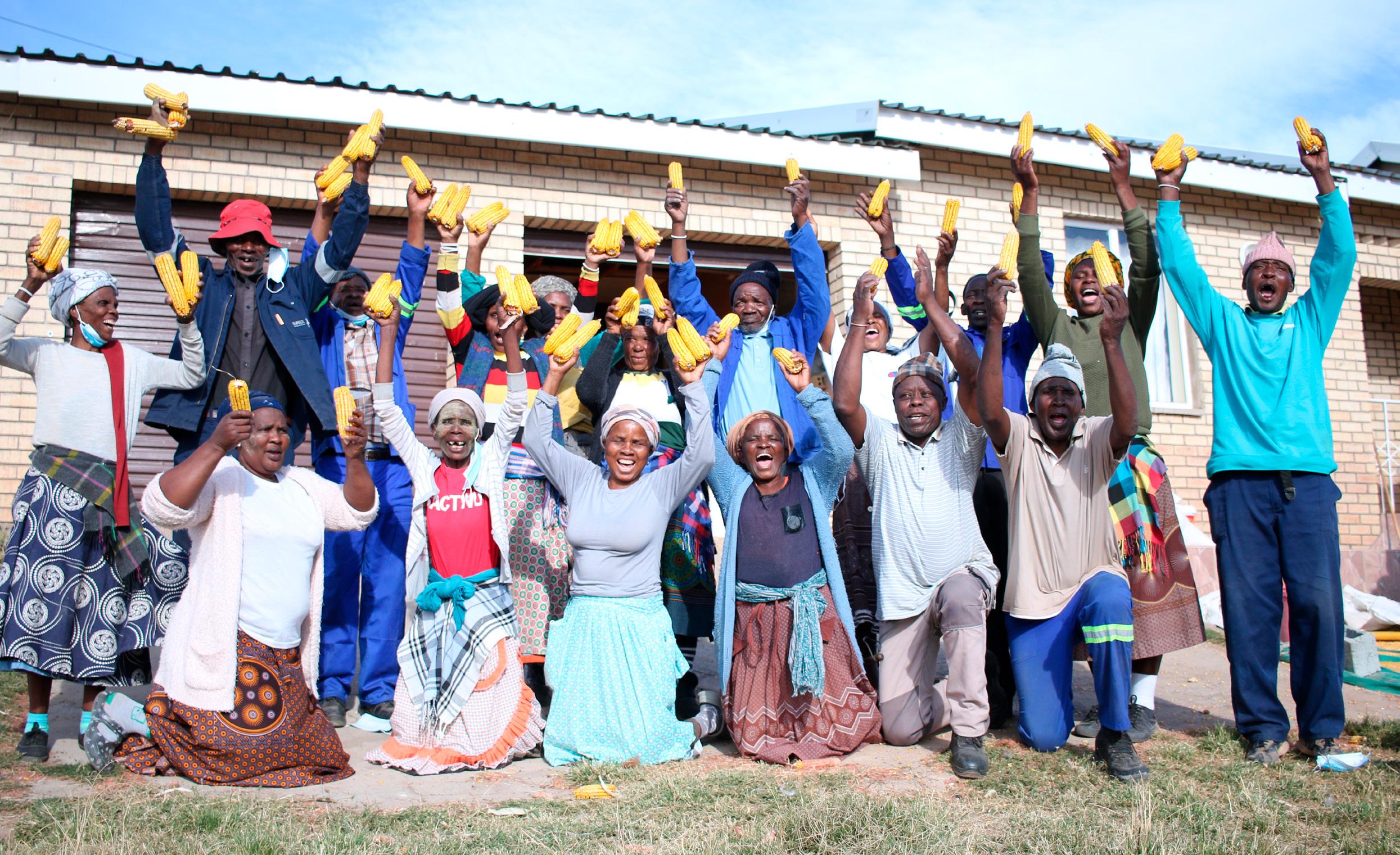
The (ECRDA) is a Schedule 3C public entity established in terms of the Eastern Cape Rural Development Agency Act. The agency is mandated to drive integrated rural development and agrarian transformation across the Eastern Cape Province.
Operating under the Eastern Cape Department of Rural Development and Agrarian Reform, the ECRDA works to stimulate sustainable rural economic growth through a range of strategic programmes focused on agriculture, agro-processing, rural finance, enterprise development, infrastructure support, and investment facilitation.
The agency supports a number of high-impact sectors and value chains, including forestry, wool and mohair, cannabis and hemp, aquaculture, agro-processing, and rural enterprise development, with the broader objective of promoting job creation, food security, economic participation, and inclusive rural development.
The ECRDA's vision is to create “an inclusive and sustainable rural economy,” while its mission is centred on connecting stakeholders to catalyse prosperity in the rural Eastern Cape.
African Seed Group, HelloChoice, Potato SA, the Eastern Cape Development Corporation (ECDC), and the Small Enterprise Development and Finance Agency (SEDFA).
Through these partnerships, ECRDA has been able to strengthen support for farmers, improve market access opportunities, expand production, and advance the commercialisation of rural agriculture across the province.
“As the Agency, we are pleased to see that our plans are yielding positive results in making an inclusive and sustainable rural economy a reality in communities across the province. Early last year, we issued a Call for Expression of Interest to partner with ECRDA in transforming and commercialising rural agriculture in the Eastern Cape, and today the stakeholders who joined us are doing an excellent job. We hope to continue working together to make a significant footprint and change the lives of our people because that is the responsibility entrusted
to us by government,” said ECRDA CEO, Simpiwe Somdyala.
Through partnerships, community participation, and farmer dedication, agriculture continues to prove that it can be a powerful tool for creating sustainable livelihoods, empowering young people and women, and building stronger, self-reliant communities across the Eastern Cape.
CONTACT INFORMATION:
Tel: 043 703 6300
Email: info@ecrda.co.za
Website: www.ecrda.co.za
Head Office:
3-33 Phillip Frame Road, Waverley Office Park, 2nd Floor, Chiselhurst, East London, 5201


iQ Academy offers accredited programmes in Public Administration and Local Governance, tailored for municipal professionals seeking applied knowledge and practical competencies.
Our offerings range from comprehensive qualifications to short courses, enabling accessible, career-focused learning that supports effective service delivery in local government.


































strategic change and learn to build lasting relationships with communities.











IN LOCAL GOVERNANCE


NQF LEVEL 5



Gain practical skills in service delivery, planning, policy, finance and leadership to support effective and accountable municipalities.
NQF LEVEL 5



























































































HIGHER CERTIFICATE IN PUBLIC ADMINISTRATION & MANAGEMENT
Gain a solid foundation in government and governance, with a focus on the evolving skills, service approaches, and ethical standards shaping today’s public sector.

A NEW CHAPTER FOR SOUTH AFRICA’S ENERGY FUTURE
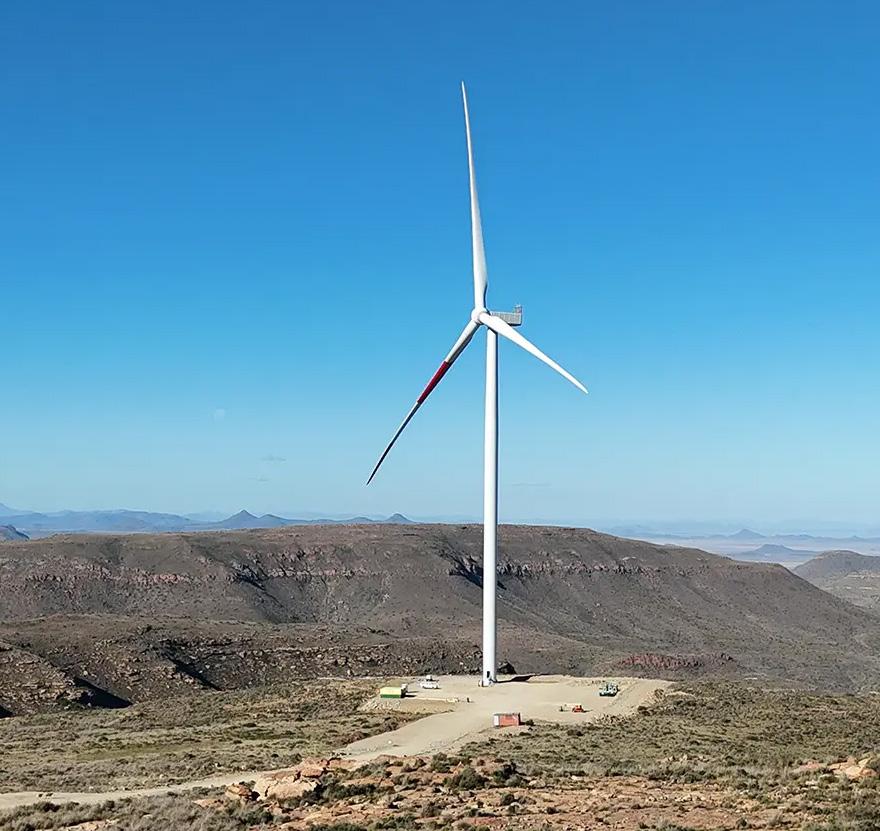
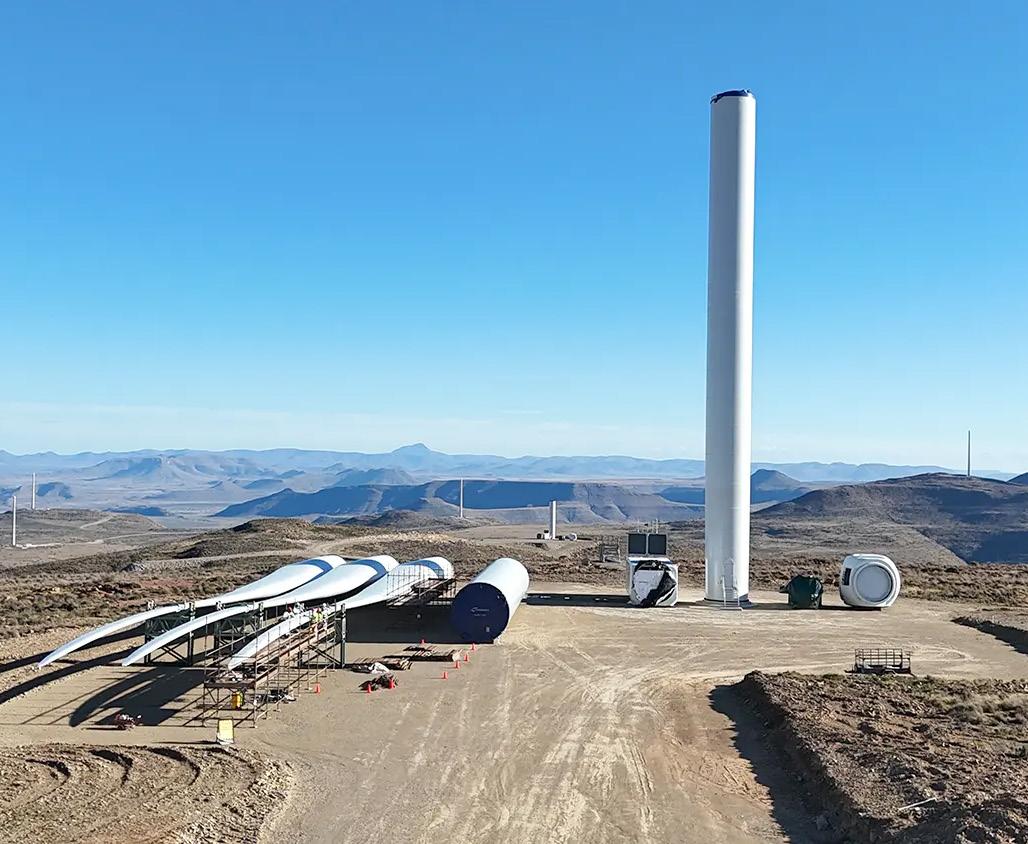
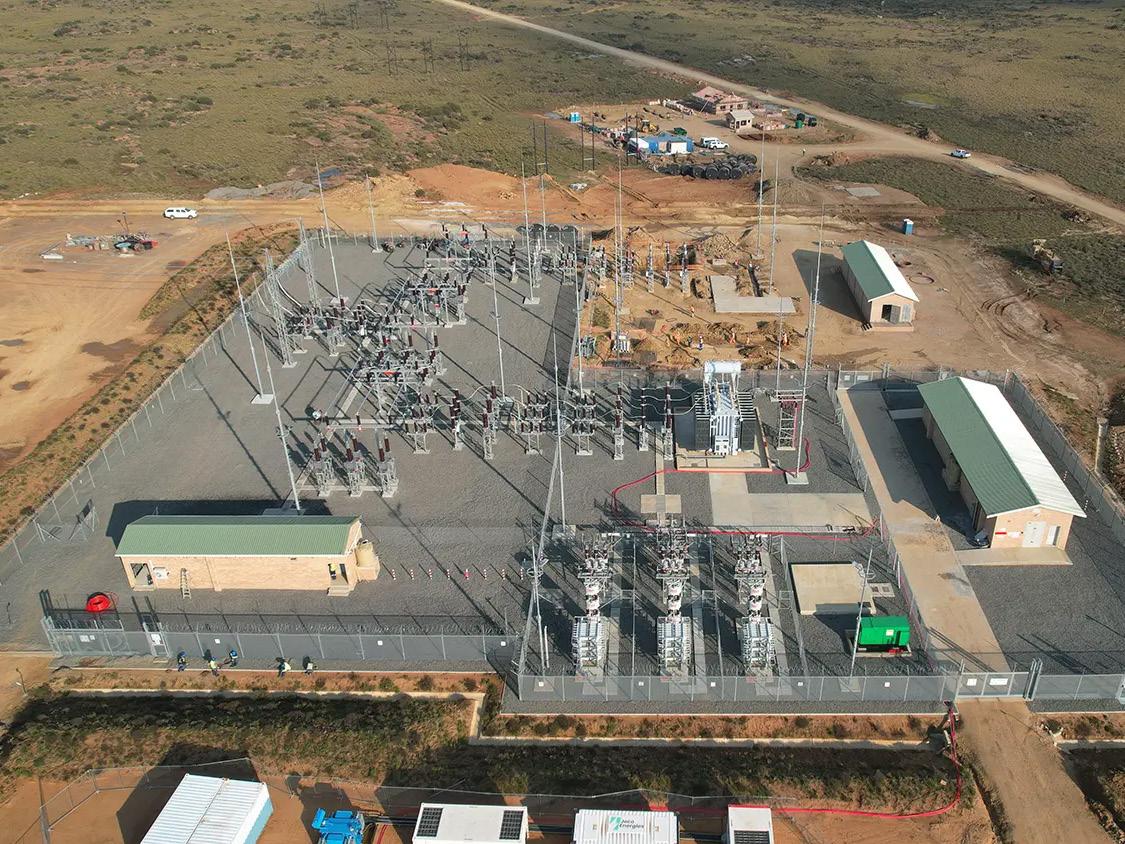
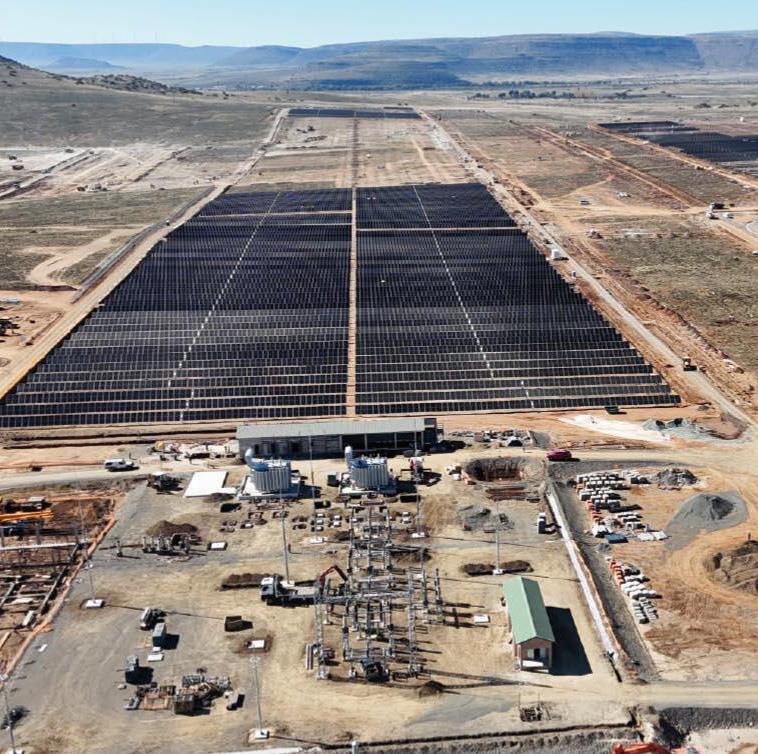
On 24 April 2026, South Africa took a decisive step forward in reshaping its energy future with the inauguration of the Koruson 2 (K2) cluster - a R15 billion renewable energy development that is as ambitious in scale as it is strategic in intent.
The launch, attended by Eastern Cape Premier Oscar Mabuyane, Northern Cape Premier Zamani Saul, and Minister of Electricity and Energy Kgosientsho Ramokgopa, brought together government, industry leaders, and community stakeholders around a shared objective: building a more secure, sustainable, and inclusive energy system.
But beyond the ceremony, Koruson 2 represents something far more meaningful - a working model of how South Africa can deliver energy infrastructure at scale, through partnership, innovation, and coordinated leadership.
At the heart of Koruson 2 is a 520 MW hybrid renewable energy system, combining solar photovoltaic and wind generation across three major facilities:
• The 240 MW Mooi Plaats Solar PV plant
• The 140 MW Umsobomvu Wind Farm
• The 140 MW Hartebeesthoek Wind Farm Together, these assets form a cohesive energy cluster designed to maximise output and stability.
This is not incidental. It reflects a deliberate shift in how renewable energy is being developed in South Africa - moving away from isolated projects towards integrated systems that balance generation profiles and improve reliability.
By April 2026, approximately 380 MW had already been connected to the grid, with the remaining capacity expected to come online by June 2026, bringing the cluster to full operational strength.
This phased rollout underscores both the scale and the execution capability behind the projectdelivered on time, within budget, and with high construction standards.
Koruson 2 is the flagship project of Envusa Energy, a joint venture established in 2022 between Anglo American and EDF Power Solutions.
The mandate is clear: to develop between 3 and 5 GW of renewable energy capacity by 2030, creating a dedicated ecosystem that can support large-scale industrial decarbonisation.
Koruson 2 is the first major milestone in that journey - and it sets the tone.
What makes this model particularly compelling is its alignment between:
• Industrial energy demand
• Private sector investment
• Public policy objectives
It is not simply about generating electricity - it is about reconfiguring how energy is produced, distributed, and consumed in South Africa’s industrial economy.
One of the defining features of the Koruson 2 cluster is its use of a wheeling model, where electricity generated at the site is transmitted across Eskom’s grid to end-users located elsewhere.
This allows major industrial playersincluding Kumba Iron Ore, De Beers Group, and Valterra Platinumto access clean energy directly under long-term agreements.
The implications are significant:
• It reduces pressure on the national grid
• It enables large-scale industrial decarbonisation
• It enhances energy security for key sectors
In effect, Koruson 2 is not just supplying power - it is reshaping the energy economy by linking generation directly to demand.
“Koruson 2 highlights the importance of provincial collaboration in building infrastructure that strengthens both economic development and long-term energy resilience.”
- Premier Oscar Mabuyane
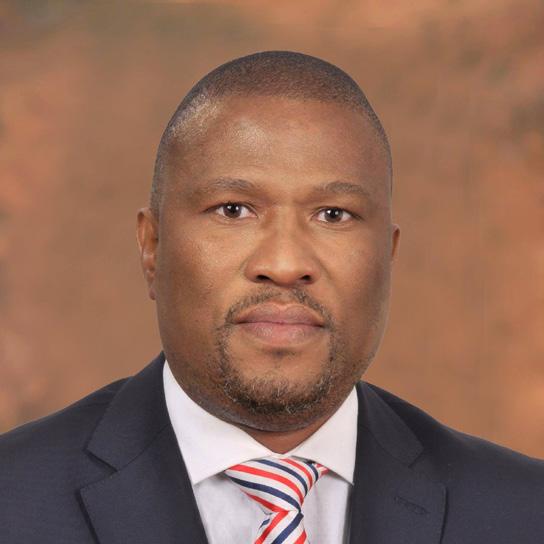
The successful delivery of Koruson 2 reflects more than technical executionit speaks to a broader shift in South Africa’s energy landscape.
As noted by industry leaders at the launch, progress in the sector has been driven by: >
• Deliberate policy reform
• Improved operational performance at Eskom
• Greater private sector participation
Envusa Energy Chair Nolitha Fakude captured this sentiment, highlighting that recent developments reflect “deliberate action, bold decisionmaking, and sustained collaboration” across government and business.
This alignment is critical.
For years, South Africa’s energy challenges were defined by fragmentation - between policy and implementation, public and private sectors, and generation and demand. Projects like Koruson 2 suggest that this fragmentation is beginning to give way to coordinated execution.
While energy generation is the headline, the local economic impact of Koruson 2 is equally important.
During peak construction:
• Over 2,000 direct and indirect jobs were created
• Around 80 SMMEs from surrounding communities were contracted
• More than R73 million was directed toward local enterprise and socioeconomic development initiative
Importantly, the project goes further than short-term impact.
Through structured ownership models, local communities hold equity stakes in the development, ensuring longterm participation in the value created.
This approach aligns with broader national priorities around inclusive
growth and economic transformationensuring that infrastructure development translates into tangible community benefit.
Large-scale infrastructure inevitably raises environmental considerations, and Koruson 2 has incorporated mitigation measures into its design and execution.
These include:
• Protection strategies for birdlife
• Careful site planning to minimise ecological disruption
• Integration of sustainability principles into construction and operation
More broadly, the project contributes to South Africa’s climate commitments by reducing reliance on carbon-intensive energy sources and supporting the country’s Nationally Determined Contribution (NDC) targets.
As Fakude noted, renewable energy is no longer an alternative - it is an essential pillar of South Africa’s future energy mix, aligned with the Integrated Resource Plan.
The Koruson 2 cluster also reflects a broader geographic and economic shift taking place within South Africa’s renewable energy sector. Both the Northern Cape and Eastern Cape are increasingly positioning themselves as important contributors to the country’s energy transition, leveraging their respective renewable energy potential to attract investment and support infrastructure-led growth.
For the Northern Cape, projects such as Koruson 2 continue to strengthen the province’s growing role within South Africa’s renewable energy landscape, with large-scale solar and wind developments contributing to economic activity, infrastructure

“Koruson 2 demonstrates what is possible when industry expertise, investment, and public-sector alignment come together behind a shared national objective.”
- Envusa Energy Chair Nolitha Fakude
expansion, and long-term investment potential.
At the same time, the Eastern Cape has continued to expand its own renewable energy footprint, particularly within the wind energy sector, while strengthening regional collaboration around energy infrastructure and economic development
Premier Oscar Mabuyane’s participation in the inauguration reflected the province’s broader commitment to infrastructure-led growth and South Africa’s evolving energy transition.
Importantly, the project highlights the increasing interconnectedness of provincial economies, particularly in sectors such as energy, where infrastructure, investment, and economic impact extend beyond provincial boundaries.
Koruson 2 does not exist in isolation. It forms part of a broader pipeline of renewable energy projects that will define South Africa’s energy trajectory over the next decade.
For Envusa Energy alone, the target of up to 5 GW by 2030 points to continued large-scale development.
More broadly, the project demonstrates:
• That complex infrastructure can be delivered at scale
• That effective publicprivate partnerships can accelerate delivery
• That energy reform is translating into real-world outcomes
For investors, it reinforces confidence.
For policymakers, it offers a practical working model. For communities, it provides proof of impact.
“The scale of Koruson 2 reflects the growing confidence in the Northern Cape as a destination for major renewable energy investment.”
- Premier Zamani Saul
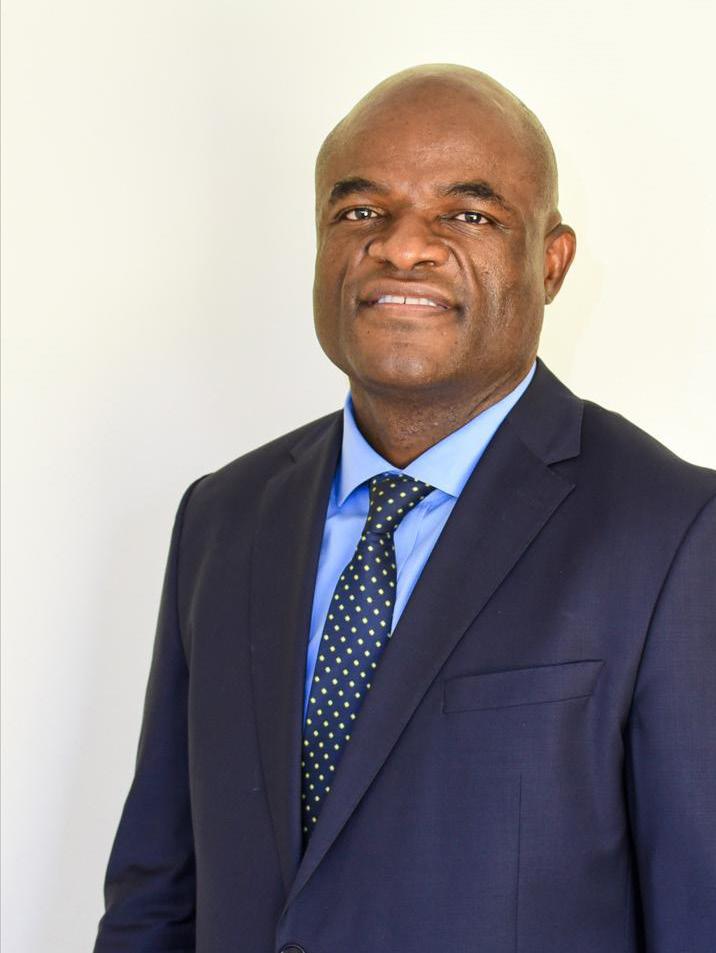
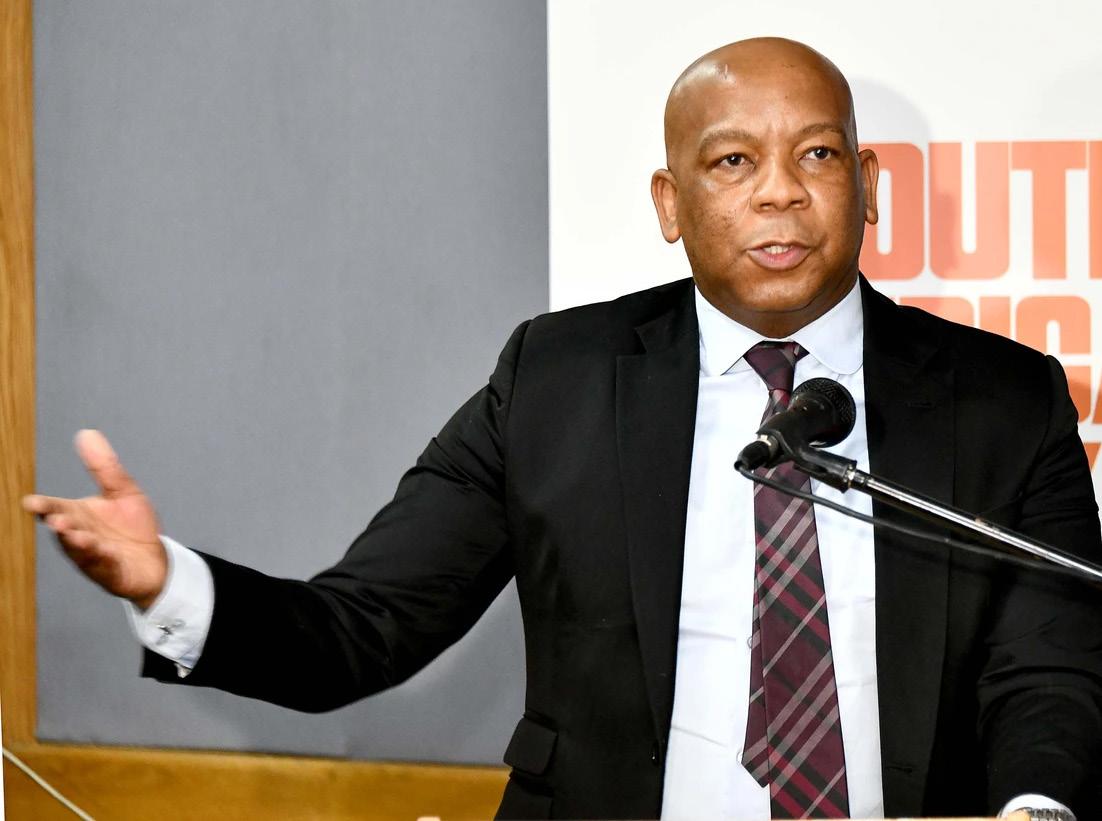
“Every new megawatt added through projects like Koruson 2 brings South Africa closer to a more stable, reliable, and diversified energy system.”
- Minister RamokgopaKgosientsho
The inauguration of the Koruson 2 cluster marks a shift in South Africa’s energy narrative.
For years, the conversation has centred on constraints - capacity shortages, infrastructure challenges, and policy uncertainty. Koruson 2 tells a different story: one of delivery, coordination, and forward momentum.
It is a project that brings together:
• Government leadership
• Private sector investment
• Community participation
• Environmental responsibility
And in doing so, it reflects a country actively moving from ambition to implementation.
In the vast landscapes of the Northern Cape, turbines now turn and solar panels track the sun - quietly generating the power that will help drive South Africa’s next chapter.
Koruson 2 is not just a milestone. It is a marker of progress - and a blueprint for what is possible.
By Aditi Lachman, Programme Delivery Executive, Youth Employment Service (YES)
The world of work is changing faster than our education systems can track, which means preparing for a single career or a fixed set of skills is, paradoxically, one of the least effective strategies a young person can adopt today. The most important shift is to think about careers as journeys rather than destinations.
The World Economic Forum’s (WEF’s) Future of Jobs Report 2025 confirms what we see at YES every day: by 2030, 170 million new jobs will be created globally, while 92 million will be displaced. The net gain is a positive 78 million roles, but they will look very different from the ones that disappear Young people who can adapt will ride the crest of this wave.
But what does adaptability look like as a skill? It’s made up of a few components.
According to WEF, analytical thinking is the number one core skill employers are looking for – with seven out of 10 rating it as essential. This means showing, in an interview or in the workplace, how you’ve applied knowledge, solved a problem, or made an impact. Simply put, the shift is from credentials to capabilities.
Closely related is digital and AI fluency. Technology is no longer just a tool: it’s a co-worker, a thinking partner, a source of competitive advantage. WEF reports that AI and big data literacy is the fastest-growing skills category, with 87% of employers identifying it as increasingly important.
This doesn’t mean every young person needs to learn to code. Instead, they need to understand how to work with AI, ask the right questions of it, and leverage it to think and act faster. The person who knows how to use AI well will have a significant edge over the one who doesn’t.
There is, however, a counterintuitive flipside to this: human skills are becoming more valuable. As AI takes on more of the routine, rule-based work, great employees will be distinguished by their ability to communicate clearly, collaborate meaningfully, lead with empathy and navigate complex interpersonal environments.
Here self-awareness becomes foundational. Young people entering the workforce –especially those from disadvantaged backgrounds, who often carry significant additional pressures and responsibilities – need to understand themselves, their strengths and their communication style. Confidence needs to be cultivated deliberately, and often with structured support.
What can government and the private sector do? For government, there is an urgent need to reform education systems, so they keep pace with a world that is changing quarterly. That means integrating digital tools into classrooms, rethinking what “computer literacy”, and creating space for the kind of applied, critical thinking that employers value.
It also means acknowledging that microlearning – yes, even the TikTok-style, bite-sized format – is a legitimate learning modality, provided it is paired with the ability to evaluate and apply what is learned.
For corporates, as job roles evolve and new titles emerge, companies must invest in upskilling and reskilling their workforces –including young people. Hiring a young person and placing them in a static role without investing in their development is a missed opportunity. Linking training investment to actual employment outcomes, rather than funding enrolments and qualifications in isolation, will produce far better returns.
This is exactly where YES is trying to make a difference, in helping to build and prepare the youth workforce for the long term and future world of work. Our partnership with Microsoft is among the most tangible examples: through the YES x Microsoft AI Skills Initiative, we provide access to globally recognised, exam-based AI certifications – free of charge – across pathways in cybersecurity, data engineering, AI operations and more. These are not aspirational credentials. They are the certifications our corporate partners are actively hiring for.
The skills gap is a moving target, and the most future-proof thing any young South African can do now, is become someone who knows how to keep learning.


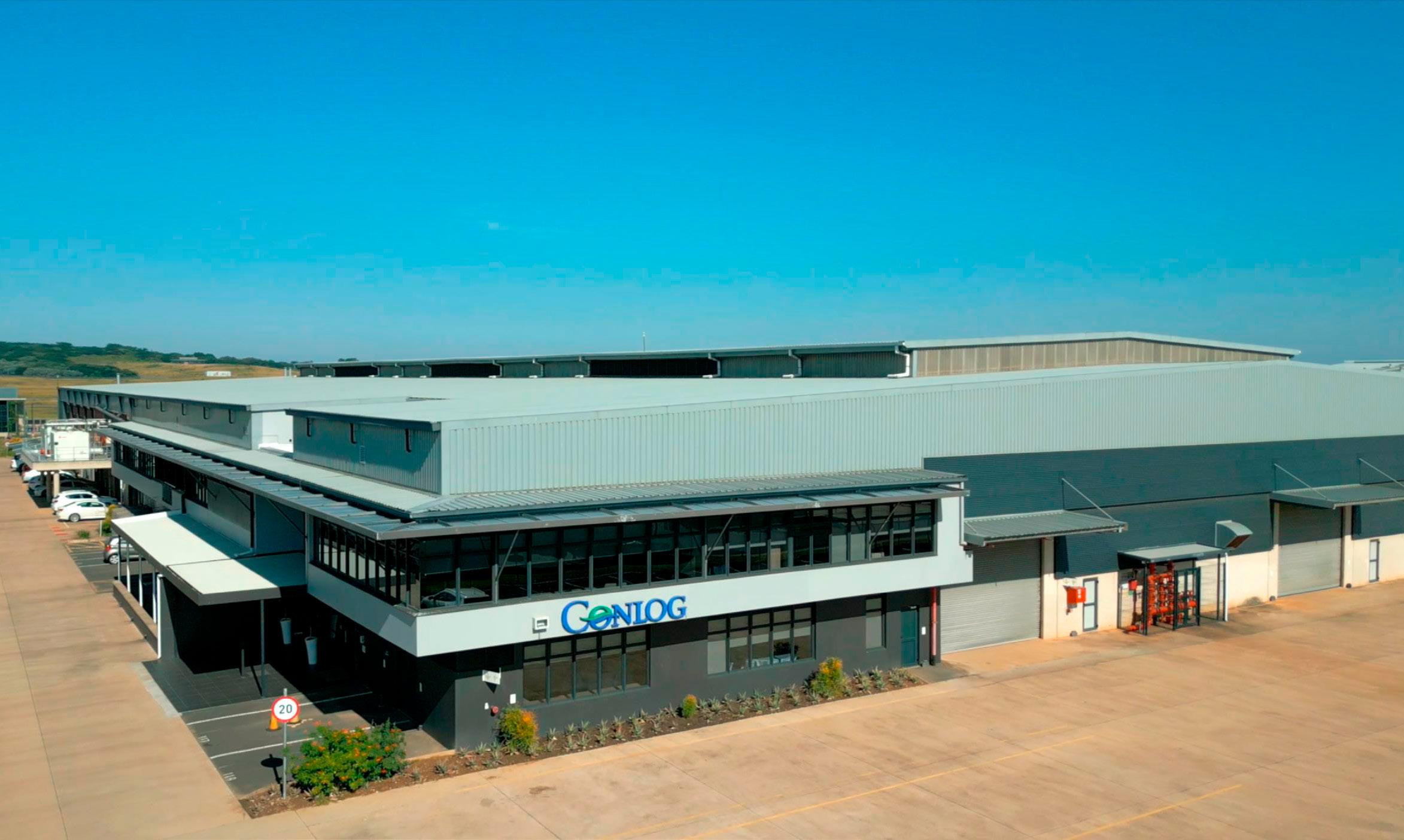
Conlog is reinforcing its leadership in South Africa’s utility modernisation journey through the successful rollout of smart metering projects under the RT29 programme across local municipalities. These projects represent more than meter deployments. They reflect a broader shift in the municipal utility sector toward smarter, more connected, more data-driven infrastructure that improves revenue performance, strengthens service delivery, and supports longterm grid modernisation.
Facilitated through the National Treasury Smart Meter Grant Fund, the RT29 programme is enabling municipalities to modernise their electricity networks while addressing some of the sector’s most pressing challenges, including revenue leakage, non-technical losses, billing accuracy, customer trust, and network visibility. Within this context, Conlog is
increasingly positioning itself not only as a metering supplier, but as a technology partner to utilities, with capabilities spanning products, platforms, and services.
As a proudly South African original equipment manufacturer, Conlog brings a rich local heritage and a long-established reputation in utility metering innovation. That history is important, but the company’s story today goes further. Conlog is building on its metering leadership to play a broader role in smart utilities, digital utility infrastructure, intelligent energy management, and grid modernisation. In a market where municipalities are under growing pressure to do more with limited resources, Conlog is demonstrating that it can deliver both the foundational technologies and the long-term support required for meaningful utility transformation.
One of Conlog’s strongest differentiators is the breadth of its offering.
From a product perspective, Conlog continues to supply reliable, fieldproven smart metering technologies designed for municipal environments. Its APEX smart meter portfolio enables utilities to move beyond conventional metering and into intelligent, connected operations with improved control and visibility.
From a platform perspective, Conlog is increasingly focused on the digital and operational architecture that sits behind the meter. Smart metering today is no longer only about the device in the field. It is about the data, system intelligence, analytics, communication, monitoring, and responsiveness that allow municipalities to operate more
efficiently and make better decisions. This is where Conlog’s evolution toward smart utility enablement becomes especially important.
From a services perspective, Conlog offers far more than equipment supply. The company has demonstrated full-scope capability across project execution, installation, commissioning, systems integration, training, maintenance, and ongoing support. This makes Conlog one of the few players able to support municipalities across the full smart utility value chain rather than through isolated product supply alone.
Through the RT29 Smart Meter Grant Fund programme, Conlog deployed a total of 33 940 meters across municipalities in South Africa.
The significance of these rollouts lies not only in the number of meters installed, but in what those installations enable.
Conlog’s APEX smart metering technologies provide municipalities with improved visibility across their electricity networks, enabling more proactive management of outages, tampering, irregular consumption patterns, and meter-related issues. They also support more accurate and data-driven billing, improved revenue protection, detection of illegal connections, reduction of non-technical losses, and stronger overall infrastructure reliability.
This is a meaningful shift for municipal utilities. Traditionally, many municipalities have operated in reactive environments, with limited network visibility and fragmented operational data. Smart metering begins to change that. It introduces the intelligence layer needed to move toward more responsive, controlled, and efficient utility operations.
That is why the RT29 programme should not be viewed simply as a meter replacement exercise. It is a foundational step toward smart utility operations. It creates a platform for municipalities to improve service delivery today while preparing for a future shaped by digital infrastructure, network intelligence, and increasingly modernised grid environments.
This is where Conlog’s positioning becomes especially powerful.
The utility sector is changing. Municipalities are under pressure to strengthen collections, improve operational efficiency, respond more rapidly to service issues, and prepare for more complex energy systems. As electricity networks evolve, utilities
will increasingly require solutions that combine hardware, software, data visibility, analytics, and sustained operational support.
Smart metering is no longer simply about measuring consumption - it is about enabling smarter utilities, stronger revenue performance, and more intelligent municipal operations.
Conlog is moving decisively into this space. Its strategic direction is no longer limited to metering hardware alone. The company is expanding its role into smart utilities, utility digitisation, and grid modernisation, helping municipalities build the capabilities required for more intelligent and futureready electricity management. >


Smart metering is one of the first and most practical layers of that transition, and through RT29 Conlog is demonstrating how this can be achieved in live municipal environments.
The rollout benefits are both immediate and strategic.
For municipalities, the deployments support stronger revenue collection through improved billing accuracy and reduced losses. Better visibility also enables faster responses to outages and operational issues, improving overall efficiency and control. In practical terms, this strengthens financial sustainability while enabling municipalities to operate with greater confidence and discipline.
For residents, the benefits are equally relevant. Smart meters introduce greater transparency by giving users better insight into electricity consumption and improving the fairness and accuracy of billing. In many municipal environments, this is essential to rebuilding trust between utilities and the communities they serve.
The combined result is a stronger utility model: better information, better service responsiveness, better revenue assurance, and a more sustainable operating environment for both municipalities and customers.
A key factor in successful rollout is public understanding and participation.
These projects were not only technical interventions. They also relied on structured communication and community engagement to support adoption and reduce resistance. Municipal awareness activities, councillor engagement, and direct communication with affected communities are critical in ensuring that residents understand the purpose and benefits of smart metering.
This matters because utility modernisation succeeds when it is understood not just by engineers and operators, but by the communities it serves. Effective deployment therefore depends on a combination of sound technology, strong project execution, and meaningful stakeholder engagement.
Through RT29, Conlog is demonstrating that utility modernisation requires more than products alone - it demands integrated technology, long-term support, and trusted local partnership.
Another defining strength of Conlog’s model is that its involvement does not end with installation.
A core part of Conlog’s value lies in its ability to support municipalities beyond deployment through long-term maintenance, monitoring, reporting, training, and operational enablement. This positions the company not merely as a vendor, but as a sustained implementation and technology partner.
That distinction is important. Municipalities do not only need products; they need dependable partners who understand the complexity of utility operations and can help ensure long-term success after project handover. Conlog’s ability to combine industrial capability, systems expertise, and service support is one of the strongest reasons it stands out in this sector.
Conlog’s role in RT29 is also significant from a localisation perspective.
As a proudly local South African OEM, Conlog brings not only technology capability, but local understanding, local relevance, and local commitment.
The company understands the realities municipalities face and is able to tailor implementation to those operating conditions. This gives Conlog a distinctive advantage in supporting South African utilities through practical, grounded transformation.
That local identity also matters strategically. South Africa’s utility future will require partners who can combine innovation with execution, manufacturing capability with systems intelligence, and technology with long-term service support. Conlog is increasingly demonstrating that it can do exactly that.
The RT29 rollouts across the local municipalities tell a much bigger story than project completion alone.
They show Conlog’s ability to deliver at scale across multiple municipalities, with a total of 33 940 meters deployed. They highlight the company’s strength across products, platforms, and services. They reinforce its credibility as a proudly South African OEM with a rich heritage in utility metering. And, most importantly, they show how Conlog is evolving into a broader technology partner for utilities, one capable of supporting municipalities not only with metering, but with the wider transition toward smart utilities, digital infrastructure, and grid modernisation.
In a market that increasingly demands more than standalone products, Conlog is demonstrating that it has the capability, the credibility, and the strategic direction to help shape the future of utility transformation globally.
CONTACT DETAILS
Tel: +27 (31) 268-1111
Fax: +27 (31) 268-1500
Email: Info@conlog.com
Website: www.conlog.com
Durban Address: 10 Mzimkhulu Drive, Dube Trade Port, La Mercy, 4407
JHB Address: 21A Woodlands Office Park, 851 Woodlands Drive, Woodmead, 2080






































The GEPF’s investment portfolio has grown to R2.69 trillion; proof that every year of service contributes to a fund built on trust and responsibility. Your dedication has built this strength, and this strength now protects your future.
From years of service to years of dignity... For Life


For
As South Africa accelerates its transition towards renewable energy and more sustainable infrastructure, municipalities are under increasing pressure to ensure that critical assets operate efficiently, reliably and responsibly. From wind farms and substations to water-treatment facilities and municipal fleets, the performance of mechanical systems plays a central role in service delivery and environmental stewardship.
Condition monitoring specialist WearCheck supports municipalities and energy providers in meeting these challenges through advanced diagnostic services that enhance infrastructure efficiency, promote environmental responsibility and contribute to skills development.
Renewable energy systems, particularly wind turbines, are an increasingly important energy source. However, these systems present unique operational challenges. Wind turbines operate under highly variable loads, heightening mechanical stress and potential component failure.
The wind turbine’s gearbox - a critical component - transfers energy from the rotor to the generator. Gearbox failures are a leading cause of downtime and maintenance costs.
Condition monitoring, specifically oil analysis, helps manage these risks proactively. Analysing lubricating oil reveals early signs of abnormal wear, contamination and lubricant degradation. This allows maintenance teams to intervene before minor issues escalate into major failures.
Steven Lara-Lee Lumley, WearCheck technical manager, explains: “Wind turbines operate in a highly dynamic environment, with considerable stress on internal components.
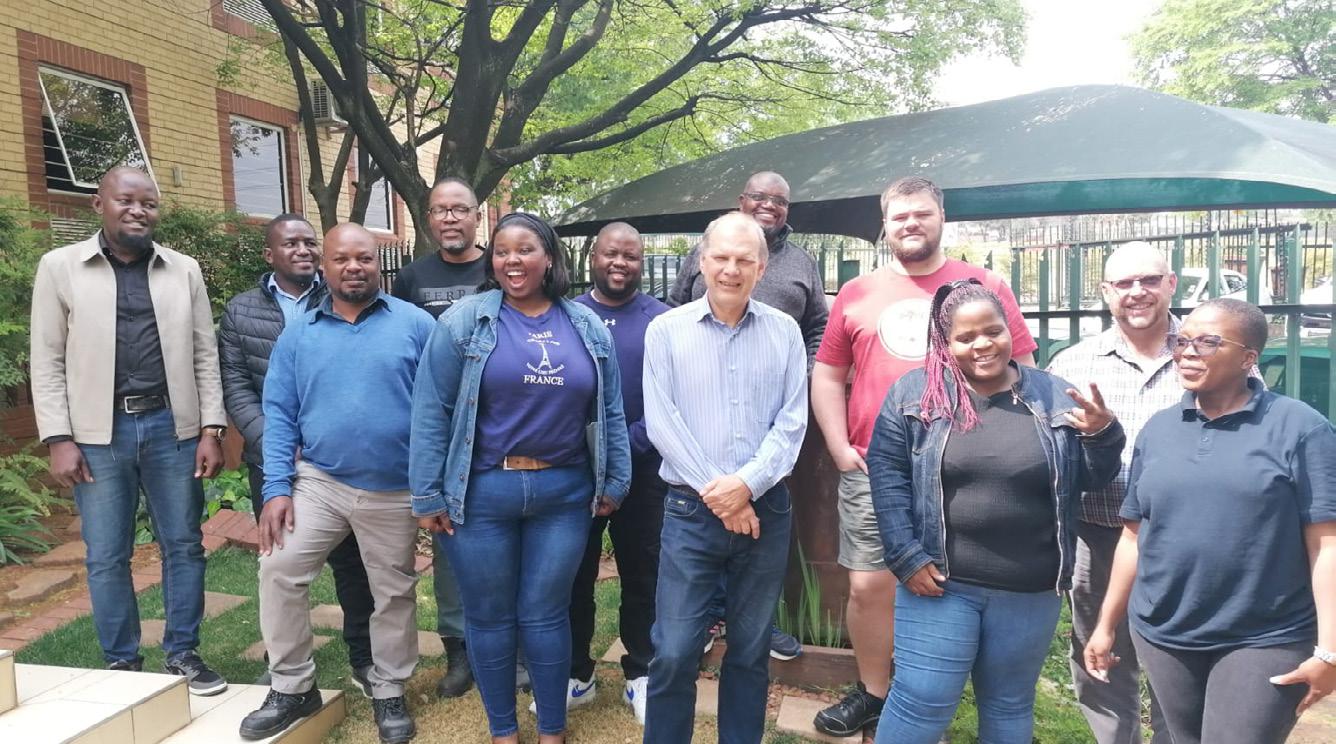
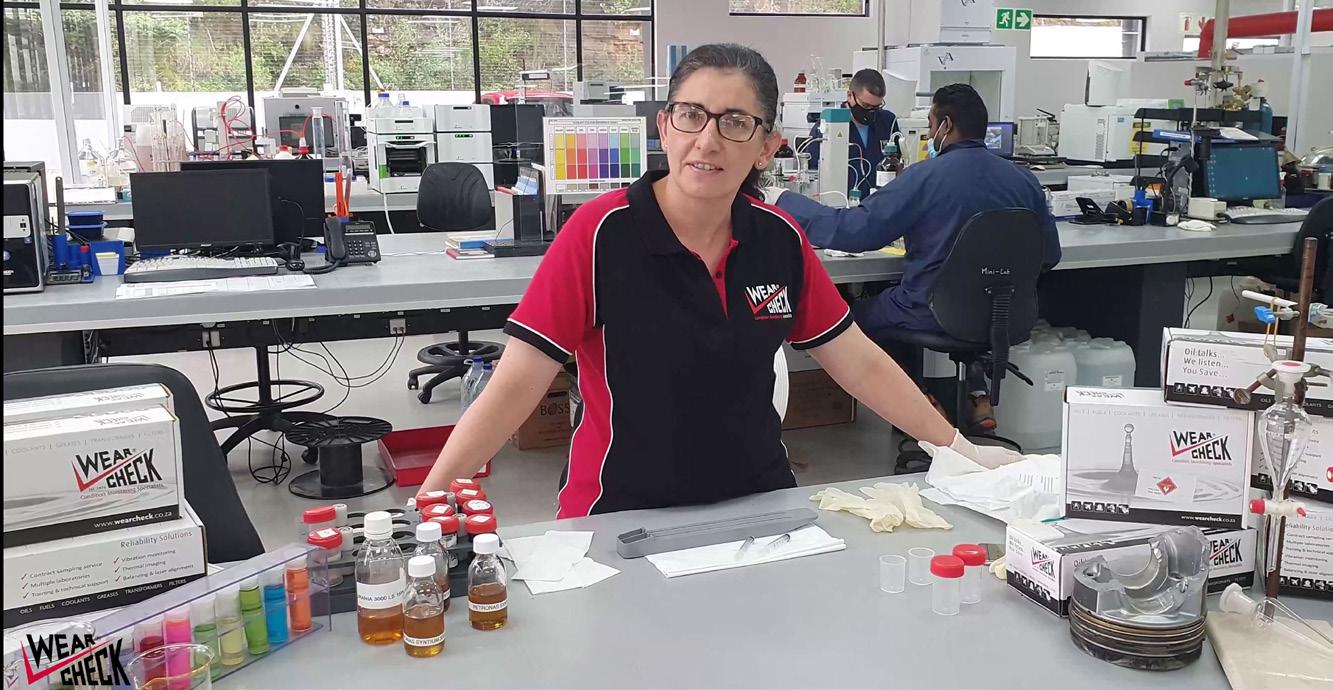
WearCheck technical manager, Steven Lumley, says that condition monitoring
a key enabler of sustainable progress, helping municipalities to build resilience, efficiency and environmental responsibility.
Oil analysis exposes what is happening inside the gearbox, enabling early detection of wear and other issues.”
This proactive approach improves infrastructure efficiency by reducing unplanned downtime, extending component life and ensuring consistent energy output. For municipalities, this translates into more reliable service delivery and improved return on investment in renewable energy projects.
For more information on oil analysis and gearbox reliability, download: chrome-extension:// efaidnbmnnnibpcajpcglclefindmkaj/ https://www.wearcheck.co.za/shared/ TB58.pdf
Environmental Responsibility through Proactive Maintenance
For municipalities, environmental considerations are important, particularly
regarding energy generation and water management. Condition monitoring mitigates the risks of equipment failure. Identifying issues such as lubricant degradation or contamination early on, helps prevent failures and prevent environmental damage.
Oil degradation, particularly through oxidation, can lead to formation of acids, sludge and varnish, which impair lubrication and increase wear. Similarly, contamination from water, dirt and air can accelerate degradation and reduce the effectiveness of lubricants. These factors affect equipment performance and environmental incidents.
“Maintaining clean, cool and dry oil is essential for the reliability of any mechanical system,” Lumley notes.
“Monitoring oil condition ensures that equipment operates efficiently and minimises the risk of environmental harm.”
In addition, extending the service life of lubricants through conditionbased maintenance reduces waste and supports more sustainable resource use. This aligns with broader environmental objectives and helps municipalities meet regulatory requirements.
WEARCHECK ...where analytical precision is an art form
Sustainability is closely linked to efficiency and reliability. By reducing energy consumption, minimising waste and extending the life of assets, municipalities can significantly improve their environmental footprint.
Condition monitoring provides the data needed to achieve these goals. Changes in oil condition can indicate inefficiencies in equipment operation, such as increased friction or overheating, which often lead to higher energy consumption. Addressing these issues not only improves performance but also reduces energy usage.
Furthermore, proactive maintenance reduces the need for emergency repairs and component replacements, which are typically more resource intensive. This preventative approach supports long-term sustainability and contributes to more resilient infrastructure.
South Africa’s continued investment in renewable energy and sustainable

infrastructure means the importance of proactive maintenance cannot be overstated. Condition monitoring offers a practical and effective solution for improving reliability, reducing environmental impact and supporting long-term sustainability.
By leveraging advanced diagnostic tools and data-driven insights, municipalities can replace reactive maintenance with a more proactive, efficient approach to enhance service delivery.
In the context of Energy, Environment and Youth Month, condition monitoring serves as a key enabler of sustainable progresshelping municipalities to build a more resilient, efficient and environmentally responsible future.
This year, WearCheck celebrates fifty years of identifying problems before they become more expensive.

Every unexpected turbine failure impacts output and profitability, making proactive condition monitoring essential in today’s renewable energy landscape.
WearCheck’s specialised gearbox and hydraulic oil analysis detects early signs of wear, contamination, and stress — helping you prevent failures, extend component life, and keep turbines operating at peak efficiency.
with us to keep your turbines turning and your
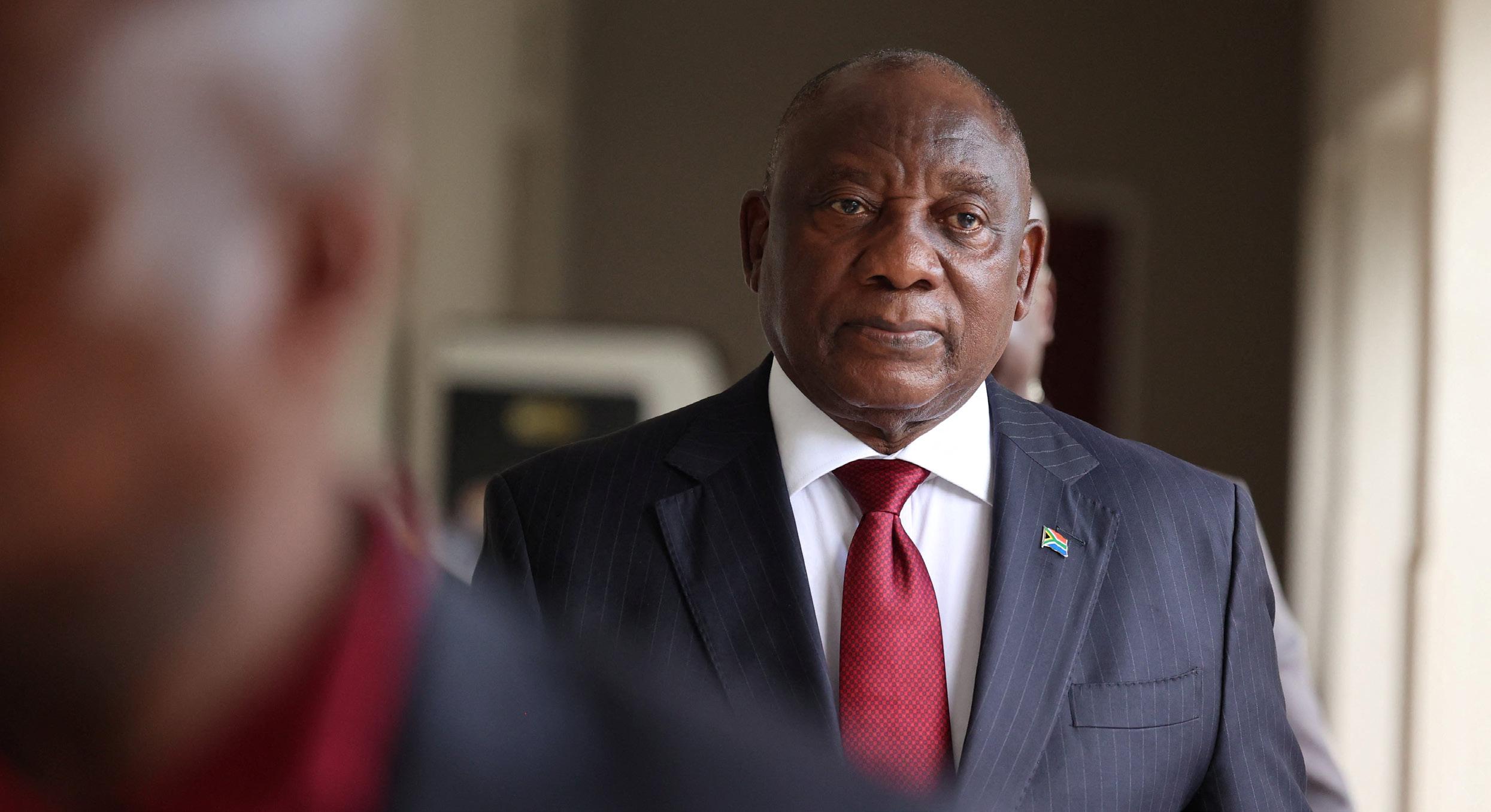
With South Africa’s municipalities buckling under myriad challenges, President Cyril Ramaphosa has warned that local government is “the axis on which our entire economy turns” and that it must now “rise anew from the ground up”.
President Ramaphosa delivered an address at the closing session of the National Council of Provinces (NCOP), Taking Parliament to the People programme, held in the Matlosana Local Municipality in the North West province.
President Ramaphosa did not mince words about the scale of the crisis, declaring that poor municipal performance is not just a service delivery problem but a direct threat to jobs, investment and national prosperity.
“Local government is critical in ensuring that people have water and sanitation, electricity, roads,
clinics and community services. Local government is critical in determining where companies choose to establish their offices, factories, shops and outlets.
“When companies choose to close down and move elsewhere because of poor services, jobs and livelihoods are lost and the local economy suffers. When local government works, when municipalities are wellmanaged and deliver on their mandates, cities, towns and villages thrive,” President Ramaphosa said.
As such, the President added, local government isn’t just
a platform for development, but it is the “axis on which our entire economy turns”.
“We are determined that local government must rise anew from the ground up. Municipalities must be able to fulfil their role of building inclusive communities, expanding opportunity and upholding the dignity of all.
“To do so, it is not enough to merely paper over the cracks. Simply allocating more budgets or hiring more people is not enough, important though these may be. We have to fundamentally transform the way local government works and how it is structured.
The structures developed in the past may not serve us anymore.
“We have to change how local government coordinates with national and provincial government for proper planning. We have to relook at the manner in which accountability and consequence management has been enforced in instances of non-performance,” he said.
Local government isn’t just a platform for development - it is the axis on which our entire economy turns, shaping investment, service delivery, jobs and opportunity.
The President stated that government must “reclaim the constitutional spirit that is meant to guide all the affairs of local government”, where the citizenry is central through consultation and active participation in decision-making.
The President told the gathering of the draft White Paper on Local Government that proposes four major reforms, including binding intergovernmental coordination, stricter financial accountability and the professionalisation of municipal appointments.
“When there have been failures, municipalities have been able to blame each other. The aim now is to create a system where roles, responsibilities and lines of accountability are clear.
“The second issue is to make intergovernmental coordination binding, in line with the Constitution. The different spheres of government will be expected to work together
on resolving problems at local level instead of in silos.
“The third issue is to reform and tighten municipal finance systems. Municipalities will be held to a stricter account on how and where they spend public money, particularly on maintaining essential infrastructure. The draft White Paper also proposes an overhaul of municipal billing and revenue collection,” President Ramaphosa explained.
The fourth challenge will be to “bring local government into the digital age” through digitisation and strengthening of data systems that are “able to facilitate and monitor service delivery”.
The President reiterated government’s stance that corruption will not be tolerated, vowing that there will be “tougher consequence management for corruption and maladministration”.
“We must declare the days of patronage and factional politics in local government over. The days of those with political ambition colluding with corrupt business people to loot municipalities are over. We can no longer allow municipal infrastructure to be deliberately ruined so that preferred private companies can take over critical functions like providing water.
“This is the people’s government. Our task is to make it work for the people. Not for politicians. Not for connected businesspeople. Not for vested interests,” he warned.
Now, the President added, meaningful participation with citizens will be a hallmark with communities, businesses, civil
society organisations and traditional leaders roped in as meaningful partners in rebuilding municipalities.
The president emphasised that “Meaningful public participation in local government must be a structured partnership. We are going to be looking at the different ways in which all of society can play a more direct role in shaping how local government is administered,” he declared.
“Our country has entered a new era of hope and promise. Our economy is recovering. Investors are increasingly seeing South Africa as a favourable place in which to do business. Over the past few years, we have faced moments where our resolve has been sorely tested, including a global pandemic and an energy crisis. By working together, we have been able to weather these storms and emerge stronger,” the President stated.
Citing the recent flooding events in the country and how South Africans pooled together to assist those in need, the President said this proves without doubt that “we will fix local government so it can assume its rightful place as the beating heart of our democracy”.
“We must take our people’s concerns back to our offices, our legislatures and our councils, and act on them. When the next session of Taking Parliament to the People comes around, we must be able to show what we have done.
“This is about restoring confidence and trust in our government and our democracy.
“A government based on the will of the people is the promise of our democracy. It is the promise of our Constitution. And as all South Africans, we must be determined to honour it, now and into the future,” President Ramaphosa concluded.
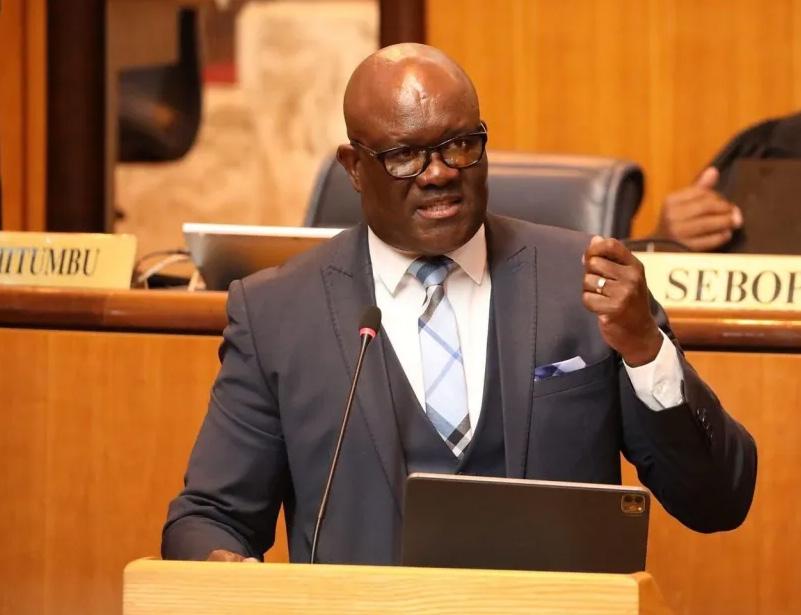
The North West Department of Cooperative Governance and Traditional Affairs (CoGTA) has reported encouraging progress in the implementation of Municipal Infrastructure Grant (MIG) projects across the province, reflecting continued efforts to strengthen service delivery and improve the quality of life in communities.
For the 2025/26 financial year, the province received a total MIG allocation of R2.19 billion, with the full allocation transferred to municipalities to support critical infrastructure develop-ment. By the end of March 2026, municipalities had collectively spent R1.3 billionrepresenting 64% expenditure of the total allocation.
According to MEC for Cooperative Governance, Human Settlements and Traditional Affairs, Gaoage Oageng Molapisi, “The progress recorded demonstrates that municipalities are increasingly improving their capacity to deliver critical infrastructure. We remain on course to ensure 100% expenditure of funds allocated after achieving 99% last financial year.”
The MIG programme remains a critical funding mechanism for municipalities, supporting infrastructure projects linked to water and sanitation, roads and stormwater systems, waste management, community facilities, and other essential municipal services.
Several municipalities recorded particularly strong performance levels, especially within the Dr Ruth Segomotsi Mompati District, where expenditure reached 82% of allocated funds - an indication of improved planning, implementation, and project management capacity.
To further accelerate infrastructure delivery, additional allocations were directed towards municipalities facing urgent infrastructure needs. These include:
• Ditsobotla Local Municipality - R37 million
• Greater Taung Local Municipality - R19 million
• Ratlou Local Municipality - R17 million
• Maquassi Hills Local Municipality - R16 million
• Kgetleng Rivier Local Municipality - R15 million
The province also acknowledged that some municipalities lost portions of their allocations due to slow spending and implementation challenges. However, the department stressed that reallocations are intended to maximise provincial delivery outcomes and ensure that grant funding achieves meaningful impact.
Importantly, the province is already preparing for the 2026/27 municipal financial year. Municipal draft implementation plans are currently being assessed to ensure alignment with grant conditions, infrastructure priorities, and the Division of Revenue Act.
A provincial MIG workshop will also be convened ahead of the new financial year to assess municipal readiness and ensure projects are implementation-ready by July 2026.
As municipalities across South Africa continue to face increasing pressure to improve service delivery, the North West province’s infrastructure spending progress signals a continued focus on practical implementation, accountability, and longterm infrastructure sustainability.

As businesses tap into Africa’s booming markets, the right workforce makes all the difference. Workforce Staffing is expanding into SADC and beyond delivering staffing solutions that boost growth, cut risk, and uplift communities.
YOUR LOCAL EXPANSION PARTNER
Breaking into new markets? We smooth the way with:
• Local compliance-aligned recruitment
• Skills transfer programmes
• Fast, disruption-free onboarding
HR SOLUTIONS THAT WORK
Our tech-enabled, on-the-ground teams help you:
• Find and grow the right talent
• Stay compliant
• Simplify payroll and HR admin
Starting in Mozambique in 2012, we recognised the critical need for skilled labour, particularly in the liquid natural gas sector.
We’ve since expanded into Botswana, Zambia, Tanzania, and Namibia, with registered entities in Uganda and Rwanda, and plans for further growth.
- Jimmy Samuels, Africa Executive
Expand with confidence. Partner with Africa’s trusted staffing leader.

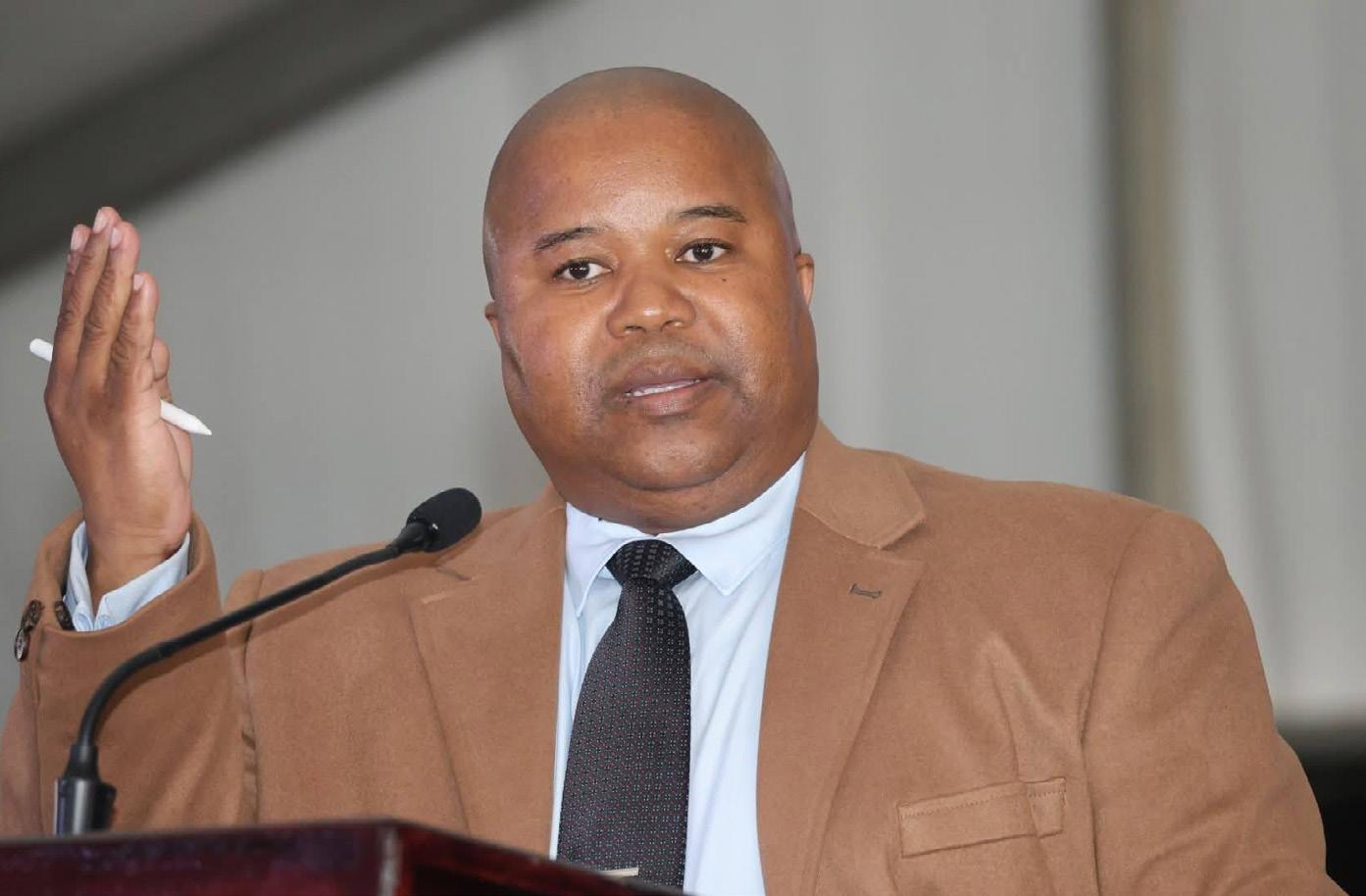
with increased national attention on the effectiveness of local government.
For the 2026/2027 financial year, the department has been allocated R483.541 million - representing a 6.2% increase from the previous financial year. According to the MEC, the allocation is intended to support municipalities, strengthen administrative capacity, improve infrastructure delivery, and enhance governance systems across the province.
The Free State Department of Cooperative Governance and Traditional Affairs (CoGTA) has tabled a 2026/2027 Budget Vote centred on strengthening local government, improving service delivery, accelerating infrastructure support, and building more stable and capable municipalities across the province.
Presented by Free State MEC for Cooperative Governance and Traditional Affairs, Saki Moekoena, the Budget Vote outlines a programme of municipal support, infrastructure investment, and financial recovery measures aimed at improving municipal performance across the province.
The budget also comes at an important time as South Africa gears towards the 2026 Local Government Elections,
“2026 is declared as the year to fix local government and make the economy work.”
A key focus of the Budget Vote is stabilising municipalities and strengthening governance structures to improve service delivery and accountability.
The MEC said the province has adopted a more hands-on intervention approach in municipalities experiencing

governance and service delivery challenges. This includes targeted support programmes, Section 154 interventions, and recovery plans in municipalities facing administrative and financial difficulties.
Municipalities such as Mafube, Kopanong, Mohokare, Letsemeng, Maluti-a-Phofung, and Moqhaka are among those receiving focused support interventions aimed at improving administration, strengthening financial systems, and restoring service delivery capacity.
The Budget Vote also highlights the constitutional responsibility of provincial government to support, monitor, and intervene where municipalities are unable to fulfil their obligations effectively.
Professionalising local government administration emerged as another key theme within the Budget Vote.
The MEC stressed the need for municipalities to appoint competent and qualified officials, particularly at senior management level, to improve operational efficiency, governance, and service delivery performance.
The department indicated that compliance with municipal recruitment regulations will continue to receive close attention, while the review of senior management appointment regulations is expected to strengthen professionalism and accountability within municipalities.
“The relationship between strong management and service delivery cannot be denied any longer.”
The MEC also noted encouraging signs that municipalities are improving adherence to recruitment regulations and competency requirements.
Municipal financial management and audit outcomes remain priorities for the department.
While the MEC acknowledged that no municipality in the province achieved a clean audit during the 2024/2025 financial year, the Budget Vote pointed to encouraging progress in municipalities showing improvement in governance, financial controls, and audit outcomes.
District municipalities such as Xhariep, Lejweleputswa, Fezile Dabi, and Thabo Mofutsanyana were identified as municipalities capable of progressing from unqualified audit outcomes towards clean audits. Municipalities including Dihlabeng and Kopanong were also commended for improvements achieved through support interventions and strengthened oversight measures. >
2026/2027 Budget Allocation: R483.541 million
Main Allocations:
• Administration - R183 million
• Local Governance - R132.4 million
• Development and Planning - R70.1 million
• Traditional Institutional Management - R75.3 million
• House of Traditional Leaders - R17.5 million
Municipal Infrastructure Grant (MIG): R949.469 million allocated to the province’s 18 local municipalities for infrastructure projects
MIG Focus Areas:
• Water - 29%
• Sanitation - 28%
• Roads and Stormwater - 24%
• 19 500 Community Works Programme job opportunities
• Emergency vehicles secured for districts
• Support for bucket eradication initiatives
• Increased focus on municipal recovery and audit improve-ment
• Preparations underway for the 2026 Local Government Elections
To support this process further, the province has established a joint initiative involving the Premier’s Office, CoGTA, Provincial Treasury, and the Auditor-General to strengthen implementation of municipal audit action plans and improve accountability.
Infrastructure investment and service delivery remain major components of the department’s programme for the new financial year.
The Budget Vote confirmed that R949.469 million has been allocated through the Municipal Infrastructure Grant (MIG) for infrastructure projects across eighteen municipalities during the 2026/2027 municipal financial year.
The funding is expected to support projects linked to water, sanitation, roads, stormwater systems, waste management, sports facilities, and other municipal services.
The MEC also highlighted interventions linked to wastewater treatment infrastructure, bucket eradication programmes, disaster management support, and improved emergency response capabilities. The province has already secured emergency vehicles for districts and is advancing efforts to strengthen fire-fighting capacity in municipalities such as Maluti-a-Phofung.
“Municipalities must enforce payment of services, including taking action against those able to pay but are simply refusing.”
The department’s programmes also focus on community development, local economic growth, and job creation.
The Community Works Programme (CWP) currently creates approximately 19 500 job opportunities across municipalities in the Free State.
The department is also supporting municipalities with Local Economic Development (LED) strategies aimed at improving investment attraction, supporting township economies, and encouraging business development.
Additional focus areas include spatial planning, disaster management resilience, cleaner city initiatives, and strengthening municipal planning systems.
With the 2026 Local Government Elections approaching, the department is intensifying preparations for the next term of local government.
This includes support for governance training, first council meeting procedures, ward committee establishment, public participation processes, and voter awareness programmes.
The MEC stressed the importance of stable governance, effective public participation, and constructive engagement between municipalities and communities as the province prepares for the elections.
Overall, the Free State CoGTA Budget Vote reflects a determined effort to strengthen municipalities, improve governance systems, accelerate infrastructure delivery, and support more effective local government across the province.
As the province moves towards the 2026 Local Government Elections, the Budget Vote positions capable municipalities, improved service delivery, and stronger governance at the centre of the Free State government’s agenda - underpinned by the MEC’s call for decisive action in building municipalities that work for communities.

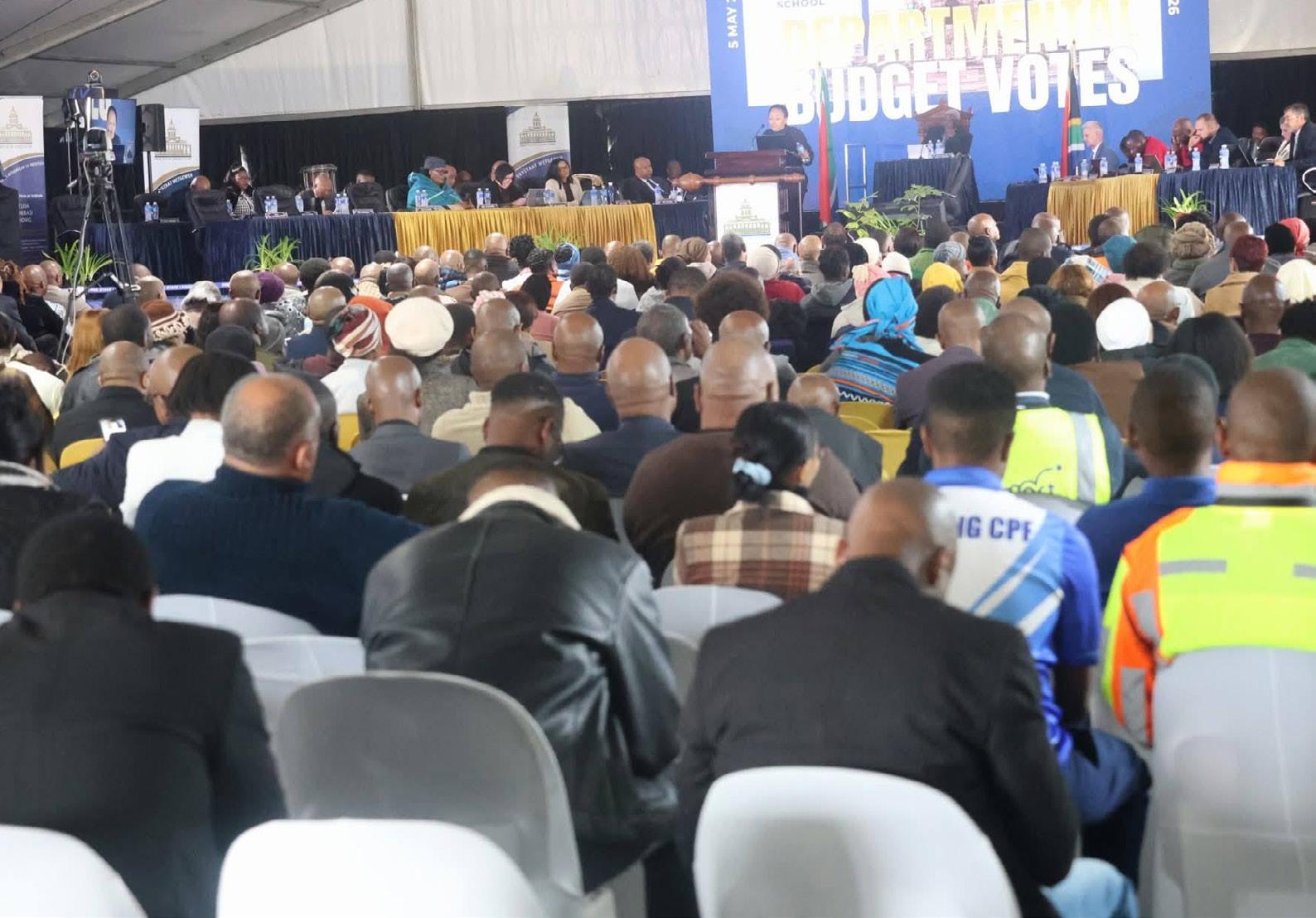


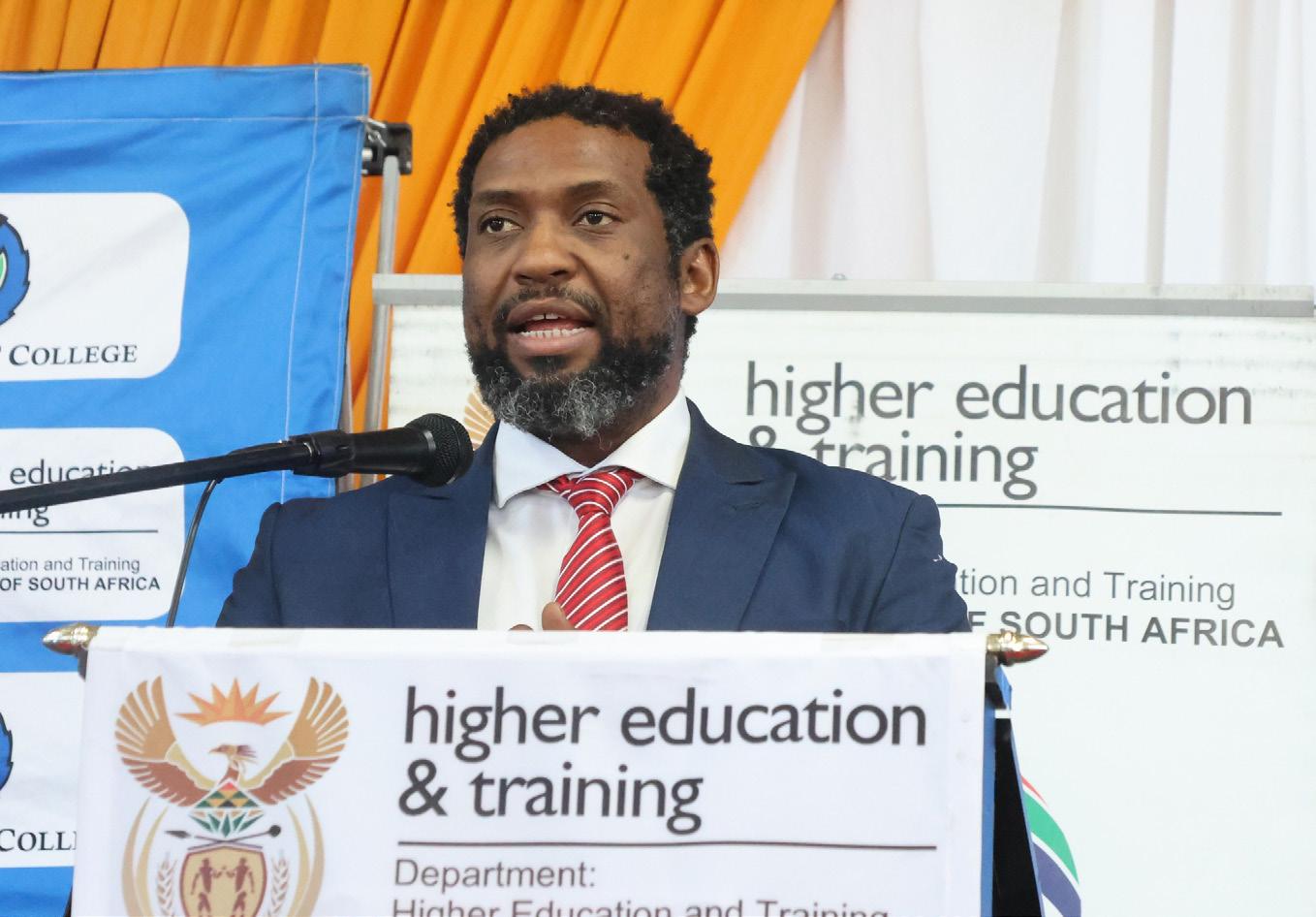
South Africa’s Technical and Vocational Education and Training (TVET) sector is undergoing a significant transformation as colleges across the country increasingly transition towards Occupational Qualifications and occupationally directed programmes aligned with industry needs and the future of work.
Driven by the Department of Higher Education and Training (DHET) in partnership with the Quality Council for Trades and Occupations (QCTO), the transition forms part of a broader national strategy to strengthen skills development, improve graduate employability,
and ensure that young South Africans are equipped with practical competencies required by a rapidly evolving economy.
The shift is increasingly being positioned as a critical step in modernising the Post-School Education and Training (PSET) sector and improving alignment between education, workplaces, and economic growth priorities.
According to the DHET and QCTO, occupational programmes are designed to be more workplace-oriented than many traditional programmes, combining theory, practical learning, and structured workplace experience to prepare students
directly for employment opportunities and specific occupations.
The transition comes at a crucial time for South Africa, where youth unemployment remains among the country’s greatest socio-economic challenges. Government and industry stakeholders are increasingly emphasising the need for skills programmes that respond directly to labour market demands, technological change, infrastructure development, and emerging industries.
In recent months, the DHET has intensified messaging around what it describes as a “skills revolution mandate”, highlighting the importance of modernising colleges and improving the responsiveness of the sector to economic realities.
For TVET colleges, the transition towards occupational qualifications represents more than a curriculum adjustment. It signals a broader repositioning of colleges as key drivers of practical skills development, artisan training, entrepreneurship, and employability.
A growing number of public TVET colleges are already implementing DHET-approved occupational programmes accredited by the QCTO. These qualifications are developed with industry
participation and are aimed at equipping students with practical and occupational competencies linked to real workplace environments.
Compared with many older programme structures, occupational programmes place stronger emphasis on integrated learning, workplace exposure, simulation-based training, and industry standards. The QCTO notes that occupational skills programmes are “occupation directed” and focused on practical experience to improve employability outcomes for certified learners.
The transition is also closely linked to South Africa’s broader industrialisation, infrastructure, digital economy, and energy transition ambitions. As industries increasingly adopt automation, digital technologies, renewable energy systems, and advanced manufacturing solutions, demand continues to grow for technically skilled graduates who are work-ready from the outset.
Government has repeatedly stressed the need for closer collaboration between education institutions and employers to ensure that training programmes remain relevant and responsive to changing economic needs. In this regard, occupational qualifications are increasingly being viewed as an important bridge between education and employment.
The DHET has further highlighted the role of TVET colleges in supporting national development priorities through skills production in areas such as con-struction, engineering, manufacturing, energy, transport, ICT, water infrastructure, and community services.
Importantly, the transition also seeks to improve the overall credibility, quality assurance, and standardisation of vocational qualifications across the country. The QCTO was established specifically to oversee the design, accreditation, implementation, assessment, and certification of occupational qualifications and skills programmes.
Industry involvement is considered central to the success of the new system. Occupational qualifications are generally developed in consultation with employers and sector stakeholders to ensure that curricula remain aligned with workplace expectations and skills shortages.
For students, the benefits could be significant. Occupational programmes are expected to strengthen pathways into employment, apprenticeships, artisan development, entrepreneurship, and further learning opportunities. The stronger practical and workplace components are also intended to help graduates transition more effectively into the labour market.
At the same time, experts acknowledge that the transition presents challenges for institutions. Research into the rollout of occupational qualifications in South African TVET colleges points to the need for sufficient infrastructure, equipment, lecturer training, industry partnerships, and workplace placement opportunities to support effective implementation.
The success of the transition will therefore depend not only on policy direction, but also on institutional readiness, investment in facilities, lecturer development, and sustained
collaboration between government, colleges, SETAs, and industry.
Nevertheless, momentum around the transition continues to build. Across the sector, colleges are increasingly investing in modern training environments, digital learning infrastructure, artisan development centres, and Fourth Industrial Revolution (4IR) facilities to support the new occupationally directed approach.
“The establishment of the Fourth Industrial Revolution (4IR) Digital Innovation Lab, along with the Centre of Specialisation for artisan training, represents a significant advancement in our efforts to cultivate a capable, skilled and competitive South Africa.”
-
For many young South Africans, the evolving TVET landscape may offer renewed opportunities to access skills directly linked to employment and economic participation. As South Africa continues to confront unemployment, inequality, and skills shortages, the strengthening of occupational education may prove increasingly important in building a more capable, skilled, and future-ready workforce.
In the years ahead, the transition towards occupational programmes is likely to play an increasingly central role in reshaping technical and vocational education in South Africa - positioning TVET colleges not only as institutions of learning, but as strategic enablers of economic growth, industrial development, and youth empowerment.
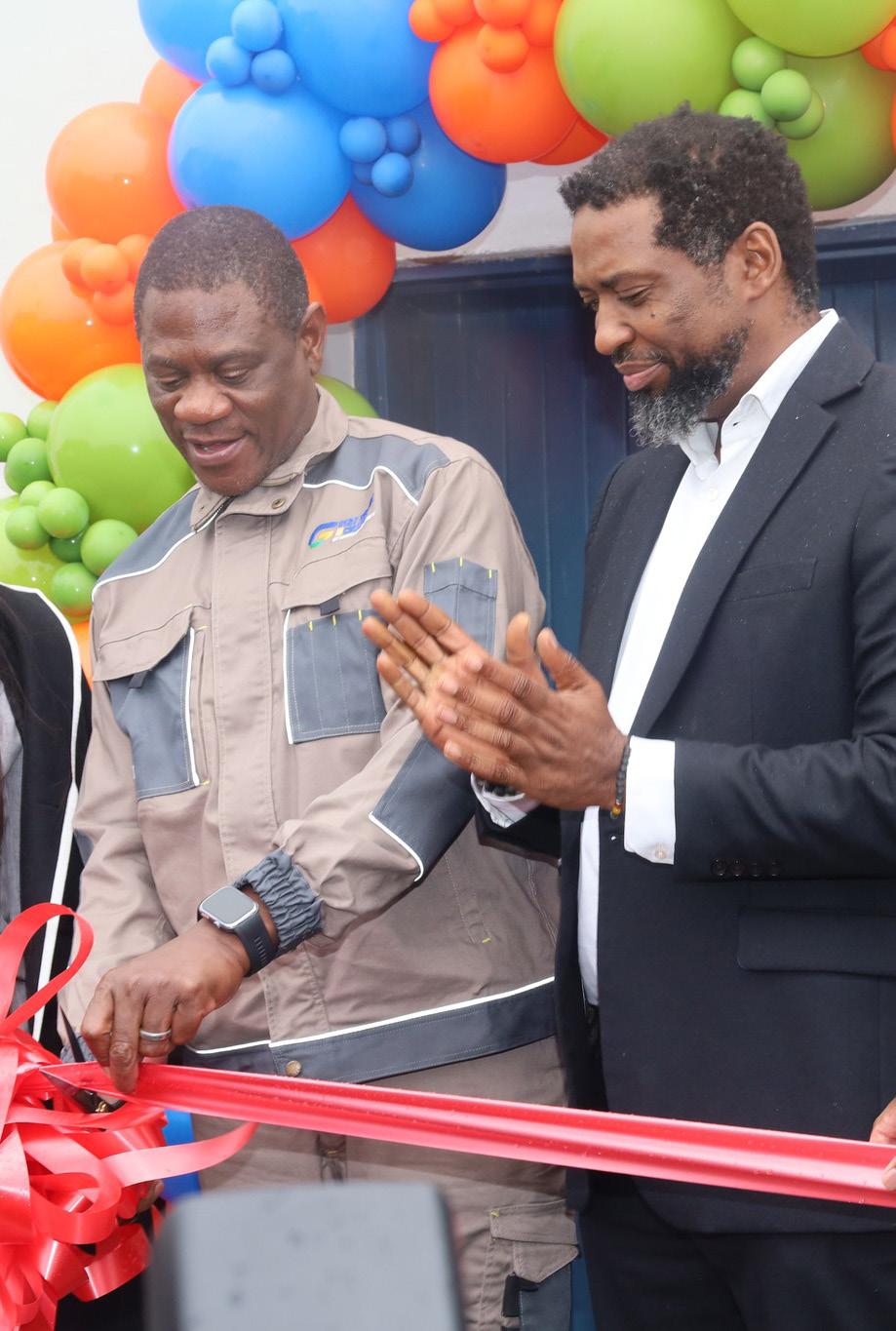
Gert Sibande TVET College has strengthened its position as a leading institution for technical and vocational education following the official handover in April of a new Fourth Industrial Revolution (4IR) Laboratory at its Skills Academy and Artisan Development Centre in Standerton, Mpumalanga.
The launch ceremony was attended by Deputy President Paul Mashatile, Minister of Higher Education and Training Buti Manamela, senior government officials, industry stakeholders, college leadership, and representatives from the Sasol Foundation.
The new laboratory is aimed at strengthening access to modern and industry-relevant technical training for students enrolled at the College, while supporting broader national efforts to equip young South Africans with future-ready skills.
According to the Presidency, the initiative forms part of ongoing efforts to modernise the Technical and Vocational Education and Training (TVET) sector and improve alignment between education, industry, and economic development priorities.
The development further reflects the increasing importance being placed on equipping students with practical competencies that respond directly to the demands of a rapidly evolving economy. As industries adopt more technology-driven systems and processes, institutions such as Gert Sibande TVET College are expected to play an increasingly important role in preparing a skilled workforce capable of supporting South Africa’s industrial and economic growth objectives.
“The establishment of the Fourth Industrial Revolution (4IR) Digital Innovation Lab, along with the Centre of Specialisation for artisan training, represents a significant advancement in our efforts to cultivate a capable,skilled and competitive South Africa.”
- Deputy President Paul Mashatile
The establishment of the 4IR Laboratory comes at a time when industries across the country are increasingly integrating advanced technologies, automation, digital systems, and smart manufacturing processes into operations.
For Gert Sibande TVET College, the facility is expected to enhance practical learning opportunities and expose students to technologies associated with the evolving world of work. The laboratory will support training linked to technical disciplines and
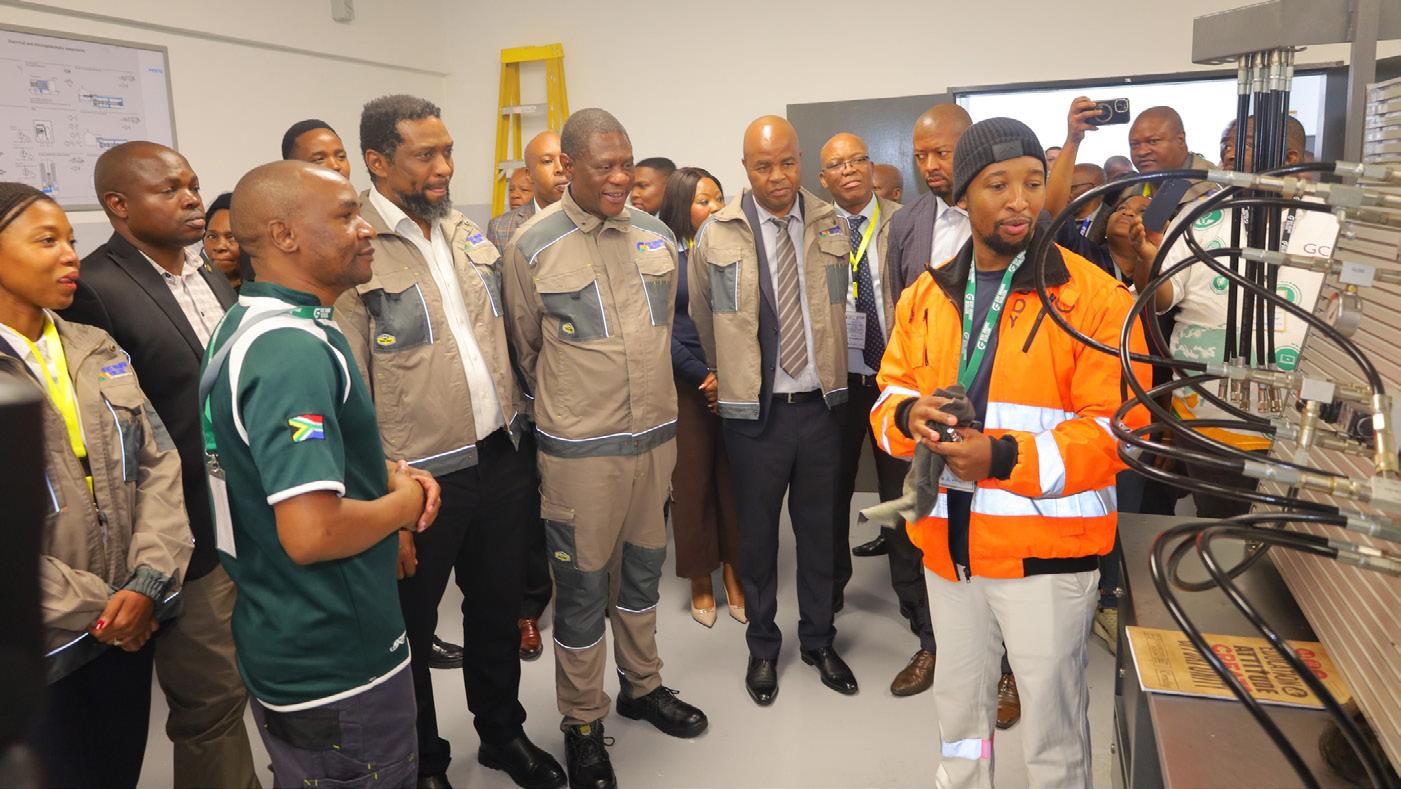
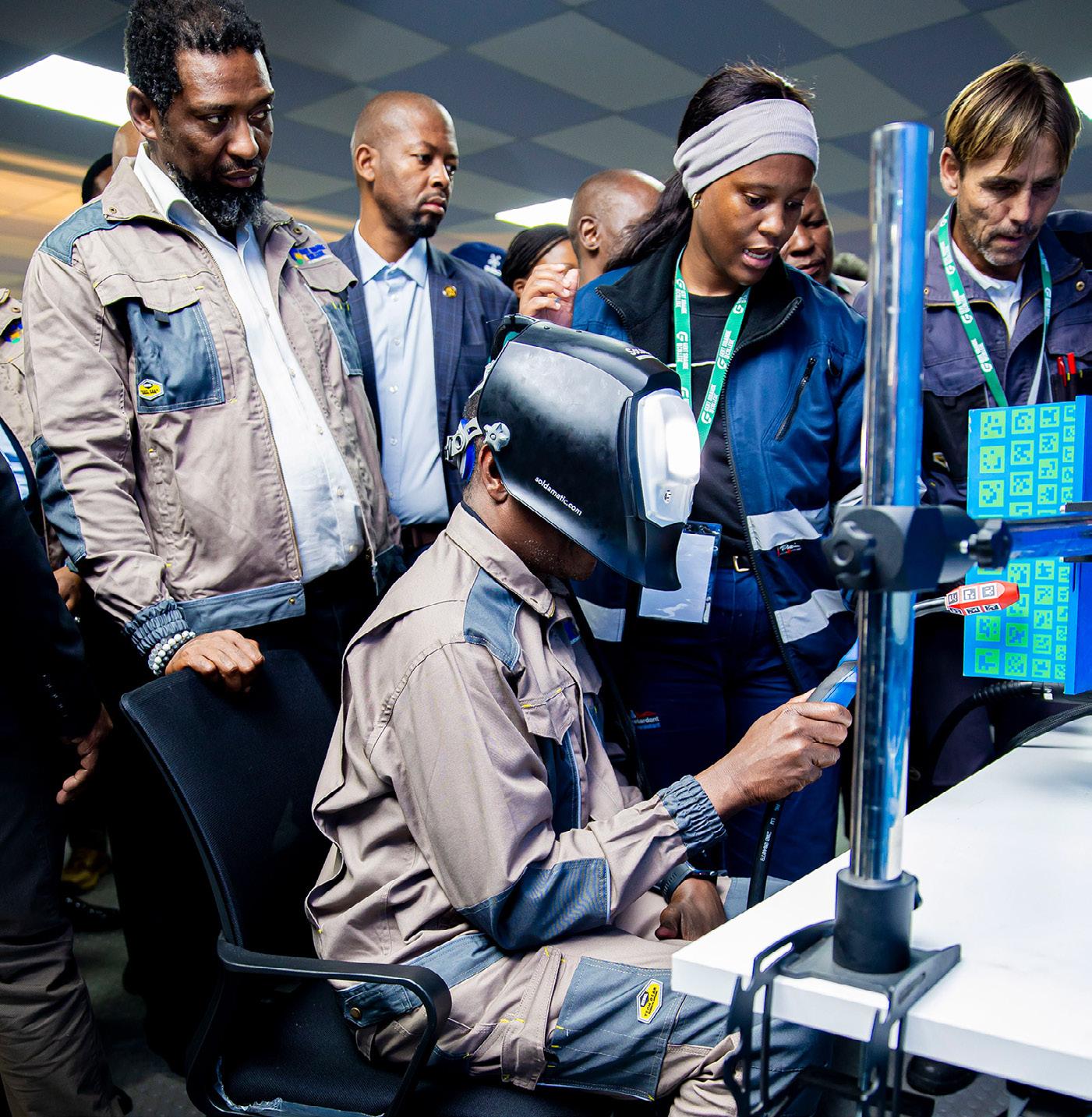
artisan development, helping students develop competencies required in modern industrial environments.
The launch also included the unveiling of a Centre of Specialisation Millwright Workshop, further strengthening the College’s artisan training capacity. Millwrights remain critical to sectors such as manufacturing, mining, engineering, energy, and infrastructure, particularly as industries continue to modernise operations and equipment.
Government leaders at the launch highlighted the importance of strengthening TVET institutions to ensure that graduates possess practical, employable, and industry-aligned skills.
Speaking during the event, Deputy President Paul Mashatile emphasised the role of skills development in driving economic growth, reducing unemployment, and preparing young people to participate meaningfully in the economy. The initiative >
also aligns with broader national priorities aimed at strengthening innovation, industrialisation, and youth empowerment.
The launch of the 4IR Laboratory further reflects the growing importance of partnerships between industry, government, and educational institutions in addressing South Africa’s skills challenges.
Collaboration between the public and private sectors continues to play a significant role in expanding infrastructure, improving training environments, and ensuring that TVET colleges remain responsive to labour market demands.
The Presidency noted that partnerships of this nature contribute towards building institutional capacity while helping create pathways to employment and economic participation for young people.
For students, access to facilities equipped with modern technologies is expected to improve practical exposure and workplace readiness, while supporting the development of technical and occupational
skills that remain in demand across multiple sectors of the economy.
Gert Sibande TVET College continues to play an important role within Mpumalanga’s education and skills development landscape. The College operates campuses in Standerton, Ermelo, Evander, Balfour, Perdekop, and Mpuluzi, offering a range of National Certificate Vocational (NCV), NATED, occupational, and skills development programmes.
As South Africa continues to place increasing emphasis on infrastructure development, industrial growth, energy security, localisation, and economic inclusion, TVET colleges are expected to become even more central to the development of technical and artisan skills.
The introduction of the 4IR Laboratory therefore represents more than the addition of new infrastructure. It reflects a broader commitment to strengthening vocational education and ensuring that students are equipped with relevant skills for participation in a modern and increasingly technologydriven economy.
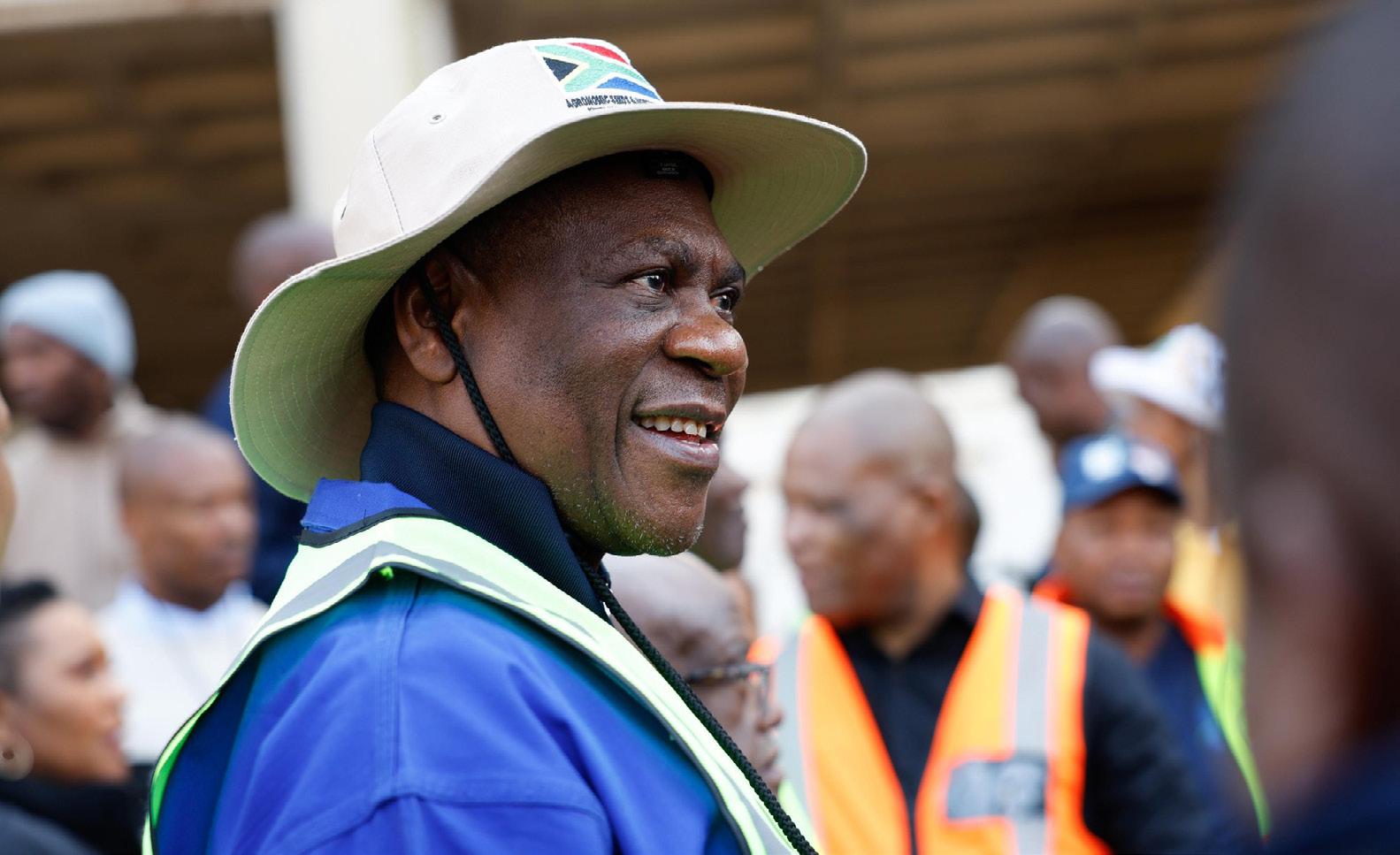
“The work beginning here will ripple outward, motivating communities, empowering youth, and strengthening South Africa’s voice in the global dialogue on technology and human progress. Artificial Intelligence (AI) is reshaping cognition, operations, and problemsolving at a pivotal moment in history.”
- Deputy President Paul Mashatile
With youth unemployment remaining one of South Africa’s most pressing socio-economic challenges, investment in technical and vocational education continues to be viewed as a critical component of long-term economic development.
Initiatives such as the new 4IR Laboratory at Gert Sibande TVET College are expected to support efforts to improve employability, expand access to specialised technical training, and create stronger connections between education and industry.
As government and industry continue working together to strengthen the country’s skills pipeline, the launch positions Gert Sibande TVET College among institutions actively contributing towards the development of a capable, skilled, and future-ready workforce.



Nedbank is committed to being the business banking partner for the public sector. Our bigger-picture approach to banking is designed to provide groundbreaking solutions for your municipality. With the expertise and knowledge of our community specialists, we can ensure continuity, accessibility and quick decision-making that guides your business growth.



Think bigger. Think Nedbank Commercial Banking. For more information email us at publicsector@nedbank.co.za.















Growing Investments
Maximising
Maximising returns to build member financial wellbeing.
Driving Impact
Driving Impact
Creating positive change for members and communities.
Growing Investments
Growing Investments
Creating positive change for members and communities.
Maximising returns to build member financial wellbeing.
Maximising returns to build member financial wellbeing.
Securing Futures
Driving Impact
Securing Futures
Securing retirement today for sustainable futures tomorrow.
Driving Impact
Securing retirement today for sustainable futures tomorrow.
Creating positive change for members, their families and communities.
Creating positive change for members and communities.
Securing Futures
Delivering Lasting Value
Delivering Lasting Value
Securing Futures
Providing competitive costs, superior benefits, and exceptional service.
Securing retirement today for sustainable futures tomorrow.
Securing retirement today for sustainable futures tomorrow.
Providing competitive costs, superior benefits, and exceptional service.
Delivering Lasting Value
Governance that Delivers
Governance that Delivers
Delivering Lasting Value
Strong leadership, accountable decisions, measurable results.
Providing competitive costs, superior benefits, and exceptional service.
Providing competitive costs, superior benefits, and exceptional service.
Strong leadership, accountable decisions, measurable results.
Governance that Delivers
Governance that Delivers
Consecutive clean audits, strong leadership, accountable decisions, measurable results.
Strong leadership, accountable decisions, measurable results.



CITY OF
2026 SoCA - “Rebuilding with Purpose”
GREATER TZANEEN MUNICIPALITY
Limpopo municipality crowned South Africa’s cleanest
NELSON MANDELA BAY MUNICIPALITY
Strengthens frontline safety services
LEJWELEPUTSWA DISTRICT MUNICIPALITY
Advancing a cleaner, greener and more inclusive future
ULUNDI LOCAL MUNICIPALITY
Sets the benchmark for local government excellence
GEORGE MUNICIPALITY
Expanding access through smarter public transport



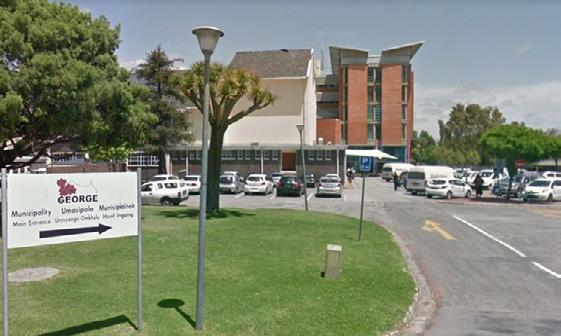

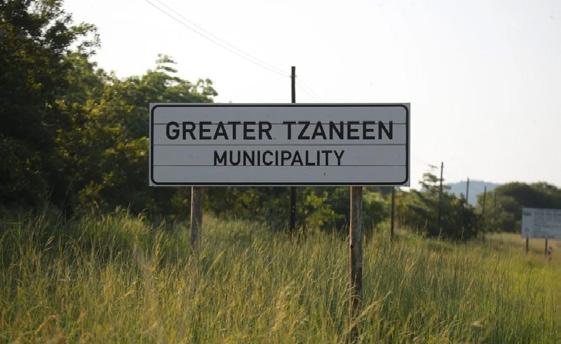
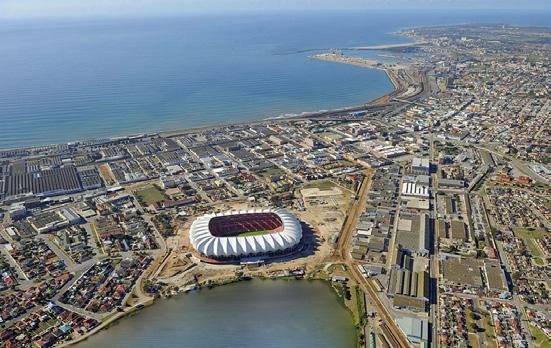
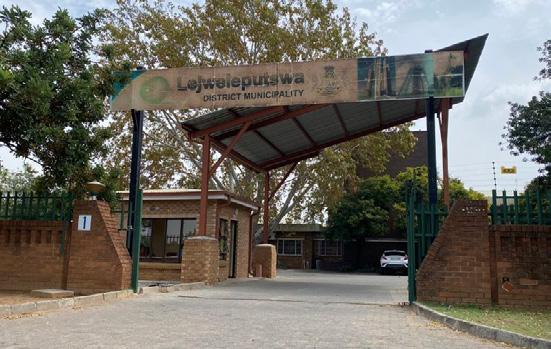


Presented at the University of South Africa on the 16 April 2026, Executive Mayor of the City of Tshwane, Dr Nasiphi Moya, delivered a substantive and assured State of the Capital Address - one that balanced reflection with accountability, and ambition with measurable progress
Delivered at the University of South Africa, the address offered a structured account of a city undergoing deliberate stabilisation, underpinned by clear priorities, disciplined governance, and a focus on implementation.
Mayor Nasiphi Moya’s address did not rely on broad rhetoric. Instead, it reflected a leadership approach centered on rebuilding institutional functionality, restoring financial stability and improving the everyday experience of residents across Tshwane.
At its core, the address positioned Tshwane as a city not yet where it needs to be - but firmly on a path where systems are being rebuilt, finances stabilised, and delivery restored.
Mayor Moya’s address was anchored in a candid acknowledgement of the condition in which the administration assumed office. The City, she noted, was under strain. Systems were weakening, institutional foundations were fragile, and too many residents were living with uncertainty.
Rather than overstating progress, the Mayor framed the past 18 months as a period of stabilisation and reseta deliberate effort to restore the basic functionality of the municipality.
This has required:
• Re-establishing internal discipline
• Strengthening administrative systems
• Rebuilding the credibility of governance structures
Importantly, this work is being undertaken within a multi-party coalition, bringing together a wide range of political formations under a shared commitment to service delivery.
“We are building a capable City that pays its bills, delivers services consistently, and puts its people first in everything we do as a municipality.”
The significance of this should not be understated. The address made clear that while coalition governance presents its own complexities, it has also


demonstrated that cooperation - when anchored in delivery - can produce stability and forward momentum.
What emerges from the Mayor’s address is not a broad claim of restored confidence, but something more credible: a city where governance systems are beginning to function as they should.
Central to the Mayor’s address is a clearly defined framework of six (6) priorities, each reinforcing the other in building a capable city.
These priorities reflect a practical understanding that: 1. Financial stability
It is this level of integration that gives the address its weight - moving
beyond individual initiatives to a cohesive and deliberately coordinated programme.
The first priority - financial stabilityremains the cornerstone of the City’s recovery.
The Mayor outlined the depth of the financial challenges inherited:
• Debt exceeding R13 billion
• Consecutive unfunded budgets
• Weak financial controls and declining discipline
The response has been deliberate and structured.
The City of Tshwane has:
• Delivered a fully funded 2025/26 budget, independently verified by National Treasury
• Increased cash-backed reserves from R835 million to over R1,9 billion
• Set projections to reach R2,86 billion by year-end
Liquidity and cash coverage ratios have improved, while Eskom-related debt has been significantly reduced.


Beyond the numbers, the address high-lighted something more fundamental: the rebuilding of trust between the City and its residents.
This is evident in:
• Improved billing accuracy
• Revenue collection through Tshwane Ya Tima
• Over 20 000 residents regularising accounts
• A commitment to 90% meter reading accuracy, now achieved
“We have stabilised the City’s finances, reduced historical debt and rebuilt our cash position, creating a stronger and more reliable foundation for service delivery.”
The Debt Relief Scheme further supported vulnerable households, writing off over R4,3 billion in debt and reaching more than 85 000 indigent residents.
Together, these measures signal a municipality regaining financial controland, importantly, credibility.
With financial stability improving, the City has turned to economic recovery.
Mayor Moya did not shy away from the reality of decline:
• Growth slowed to below 1% over the past decade
• Population growth outpaced economic performance

• Residents are, on average, poorer than they were ten years ago
The response is the Tshwane Economic Revitalisation Strategy, targeting:
• 3,9% average economic growth
• 80 000 new jobs by 2029
Early indicators are encouraging:
• R86 billion in investment pledges secured
• Investment pipeline expanding to nearly R12 billion
Key sectors driving this momentum include:
• Automotive manufacturing
• Infrastructure and energy
• Logistics and tourism
Major developments - such as Chery’s manufacturing decision and BMW’s continued investment in Rosslynreinforce Tshwane’s position as an industrial hub.
“We are building a stronger, more inclusive city, with greater opportunity for all who call Tshwane home, through systems that work together effectively.”
The City has also shifted towards implementation, unlocking land and assets for development and establishing mechanisms to fasttrack investment.
Expanding Access: From Investment to Inclusion
Crucially, the Mayor emphasised that growth must translate into opportunity.
Support for the informal and small business sector includes :
• New trading infrastructure
• Licensing and regulatory support
• Business development services
Public employment programmes have created thousands of work opportunities, while SMMEs are receiving targeted support to scale operations.
For young people, the Ithuba Programme represents a structured pathway into the economy:
• R8 million initial funding
• Nearly 3 000 participants registered
• Focus on entrepreneurship, skills, and market access
The emphasis here is clear: removing barriers to participation, not merely creating opportunities in principle.
3. Infrastructure: Restoring the Systems That Sustain the City
Infrastructure delivery formed one of the most detailed sections of the address.
Water: Control, Not Shortage
Mayor Moya clarified that Tshwane’s challenge is not water availability, but system inefficiencies - losses, leaks, and ageing infrastructure.
The Water Stabilisation Plan has:
• Restored supply in long-affected communities
• Fixed over 150 major leaks in early 2026
• Advanced key reservoir and treatment infrastructure
In Hammanskraal, progress on the Klipdrift plant has improved access to potable water.
Electricity: Rebuilding a Fragile Network
The electricity network has been stabilised through:
• Upgrades to critical substations
• Restoration of backup capacity
• Transition to theft-resistant materials
The scale of infrastructure damageover R169 million since 2021 - highlights the urgency of these interventions.
Mobility and Transport Transport was framed not just as infrastructure, but as access.
Key developments include:
• Expansion of the A Re Yeng BRT system
• Completion of major transport corridors
• Development of intermodal facilities
Over 220 km of roads resurfaced and the revival of internal asphalt productioncapacity reflect a renewed focus on delivery.
Human Settlements: Reconfiguring the City
The address placed strong emphasis on spatial justice and housing.
Interventions include:
• Formalisation of over 60 informal settlements
• Preparation of nearly 70 000 stands
• Relocation of over 3 800 households
Infrastructure investments are unlocking development in key areas, while over

1 700 title deeds have been issuedrestoring ownership and dignity.
The Affordable Rental Strategy further responds to the realities of a growing and changing housing market.
4. Safety and Urban Management: Reclaiming Order
Safety interventions have been decisive and highly visible.
Through coordinated enforcement:
• 64 major operations conducted
• 400+ premises inspected
• Illegal operations shut down
The Reclaim Our City strategy targets urban decay and criminal activity, reclaiming spaces for lawful use.
This is supported by:
• Recruitment of over 200 TMPD officers
• Expanded emergency services capacity
• Strengthened disaster response systems
Urban cleanliness remains a visible measure of performance.
Key outcomes include:
• Removal of over 19 000 tons of illegal dumping
• Weekly clearing of more than 1 200 hotspots
• Faster response times across regions
Community participation, through initiatives such as Re A Spana, reinforces shared responsibility.
Beyond infrastructure and economic growth, the address reinforces that a capable city must also respond to the social realities faced by its residents.
Mayor Moya emphasised that social services remain central to ensuring that no community is left behind, particularly as the City works to stabilise and rebuild.
This includes targeted support for vulnerable households, continued provision of basic services in informal settlements, and interventions that address immediate needs while longerterm solutions are being implemented.
The City is currently supporting over 170 informal settlements, reaching more than 312 000 households with access to water services, alongside sanitation and other essential support measures.
These interventions are not presented as permanent solutions, but as part of a broader, structured transition
towards more sustainable service delivery models - ensuring that communities are supported in the present while infrastructure and formalisation efforts continue.
In this regard, social services act as a critical bridge between stabilisation and long-term development - anchoring the City’s commitment to dignity, inclusion, and equitable access.
The final priority brings the focus back to the functioning of the City itself.
Mayor Moya made it clear that even the strongest plans and investments will fall short if residents do not experience the system as responsive, reliable, and accessible.
Governance, in this context, is not only about oversight and complianceit is about ensuring that the full machinery of the City works as it should, and that residents can see and feel the difference
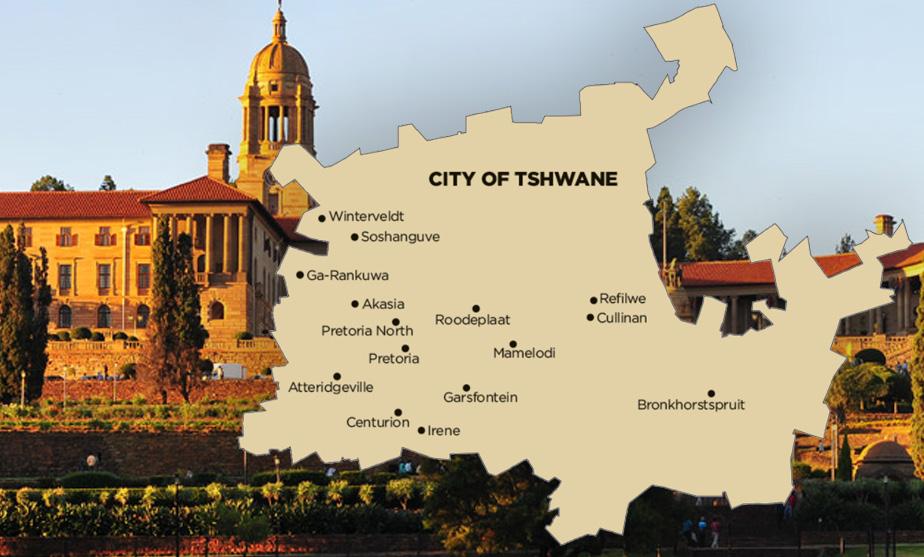
in their daily interactions with municipal services.
This includes improving customer care, strengthening accountability, and ensuring that service delivery systems respond efficiently to community needs.
The emphasis throughout the address is on functionality:
• Systems that are aligned
• Processes that are responsive
• Services that are delivered consistently
It is this focus on operational effectiveness that underpins the broader programme of reformensuring that governance is not abstract, but experienced directly by residents in the reliability of services and the responsiveness of the City.
What stands out from Mayor Moya’s State of the Capital Address is its clarity of direction.
This is not a narrative of quick fixes or overstated success. It is a measured account of a city doing the difficult work of rebuilding:
• Restoring financial discipline
• Re-establishing functional systems
• Reigniting economic activity
• Delivering visible improvements in infrastructure and services
Tshwane is not yet where it needs to be - but it is no longer standing still. And in that movement - from fragility to functionality - lies the true significance of this address.

The Greater Tzaneen Municipality (GTM) has earned national recognition after being named South Africa’s cleanest municipality at the 2026 National Waste Management Awards hosted by the Department of Forestry, Fisheries and the Environment (DFFE).
The awards ceremony, held at the Presidential Hotel in Bloemfontein on 19 March 2026, recognised municipalities demonstrating excellence in waste management, environmental sustainability, public cleanliness, and community participation initiatives.
Situated within Limpopo’s Mopani District, Greater Tzaneen secured the top accolade following sustained efforts to improve waste collection services, environmental compliance, public awareness, and the overall cleanliness of communities across the municipal area.
According to the DFFE, the awards programme aims to “recognise, encourage
and promote best practices in waste reduction, recycling and environmental management” across South Africa’s municipalities.
Executive Mayor Gerson Molapisane described the achievement as an important milestone for the municipality and a reflection of the commitment shown by municipal teams and local communities alike.
“This award reaffirms our ongoing environmental management efforts,” Molapisane said following the announcement. He further noted that the municipality had recently also been recognised by the Limpopo Department of Economic Development, Environment and Tourism through the provincial Green Municipality Competition.
That provincial recognition came only weeks earlier when Greater Tzaneen reclaimed the title of Limpopo’s Greenest Municipality after achieving an overall
score of 82.9% in the provincial competition held in Polokwane. The municipality also received prize money of R250 000 linked to the achievement.
The municipality’s Waste Management Manager, Maggy Machumele, accepted the national award on behalf of GTM, while emphasising that the recognition should serve as motivation to continue strengthening environmental management efforts.
Recent municipal documentation and procurement notices further indicate continued investment into waste management operations, including litter collection, kerbside refuse removal, transportation services, and expanded waste management programmes across municipal service areas.
The latest accolade adds to a growing list of recognitions for Greater Tzaneen Municipality in recent years, including strong performances in governance and municipal audit award platforms.
For residents, businesses, and visitors alike, the recognition reinforces Greater Tzaneen’s positioning as a municipality increasingly associated with environmental responsibility, cleaner public spaces, and improving municipal management standards.
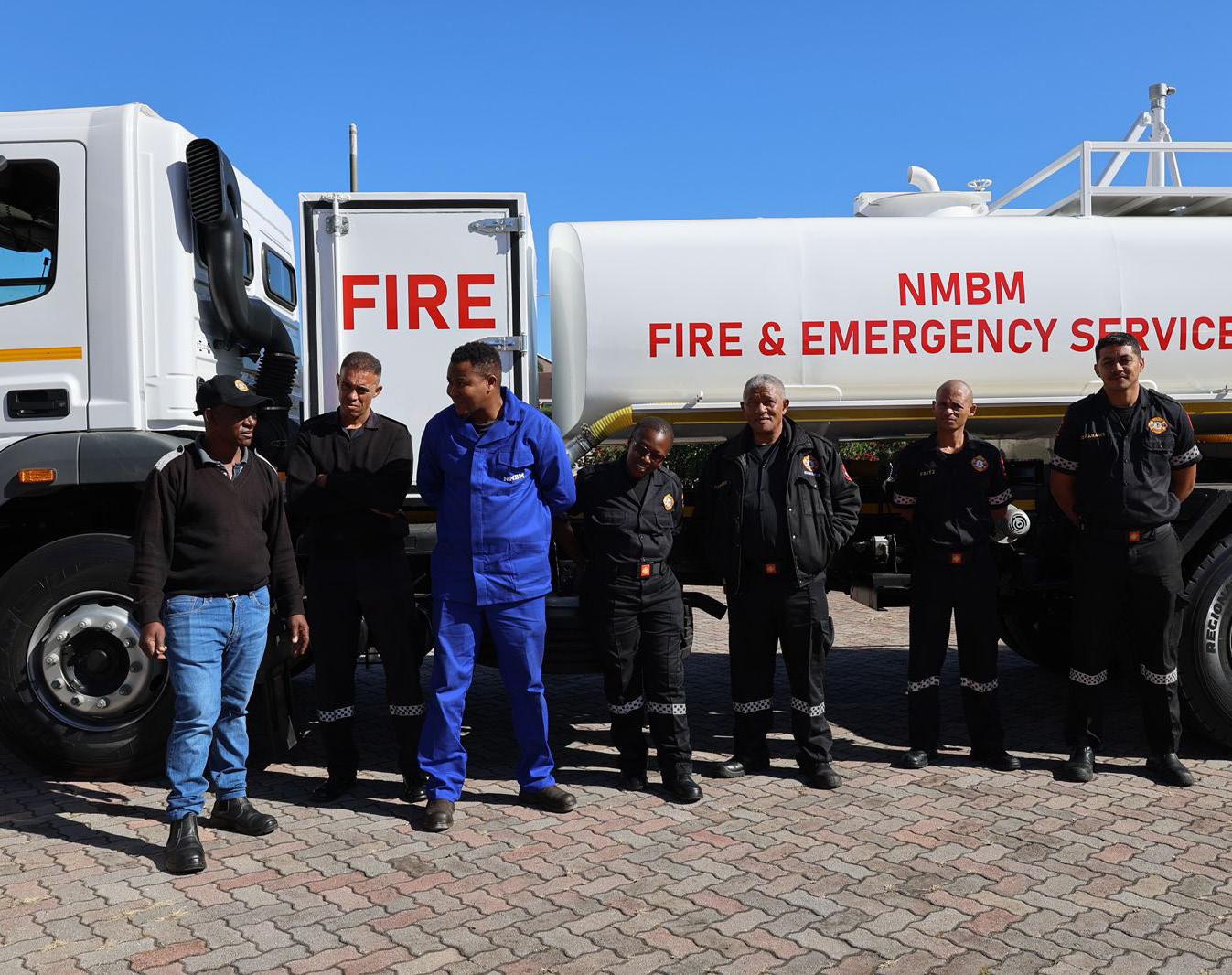
The Nelson Mandela Bay Municipality has unveiled a new safety and security fleet valued at R16.1 million, aimed at strengthening crime prevention, emergency response, and disaster management across the metro.
The launch, led by Executive Mayor Babalwa Lobishe and MMC for Safety and Security Luyanda Lawu, forms part of a broader capital investment exceeding R43 million dedicated to frontline safety services.
The fleet includes 20 vehicles already delivered and deployed across Metro Police, Fire and Emergency Services, Traffic and Licensing, Security Services, and Disaster Management units to improve operational visibility, coordination, and rapid response capability.
The allocation includes two Metro Police vehicles valued at R555 600; two fire tankers, with two additional units pending, together valued at R7.9 million; and traffic and licensing vehicles, including a VW Transporter, Mercedes Fuso breakdown truck, and two Toyota bakkies valued at R4.45 million.
Security services vehicles account for R3.13 million, while three
disaster management vehicles are valued at R1.75 million. Communication equipment worth R4.7 million has already been delivered, with a further R4.1 million in equipment expected.
The municipality is also awaiting specialised firefighting vehicles valued at R27 million, including a rescue pump and hydraulic platform, expected to significantly strengthen emergency response capabilities.
Lobishe said the investment forms part of a targeted programme to improve frontline service delivery in response to crime, fires, and disaster incidents. “At its core, this is an investment in people’s safety, dignity, and confidence in government. A safer city is a more liveable city and a more investable city,” Lobishe said.
Lawu said the investment strengthens the responsiveness of the Safety and Security Directorate across law enforcement, fire and emergency services, security operations, and disaster management.
“These resources are critical tools to ensure that response is not delayed, and that service delivery is felt directly by our communities,” Lawu said.
The municipality confirmed that procurement of the fleet was conducted in compliance with the
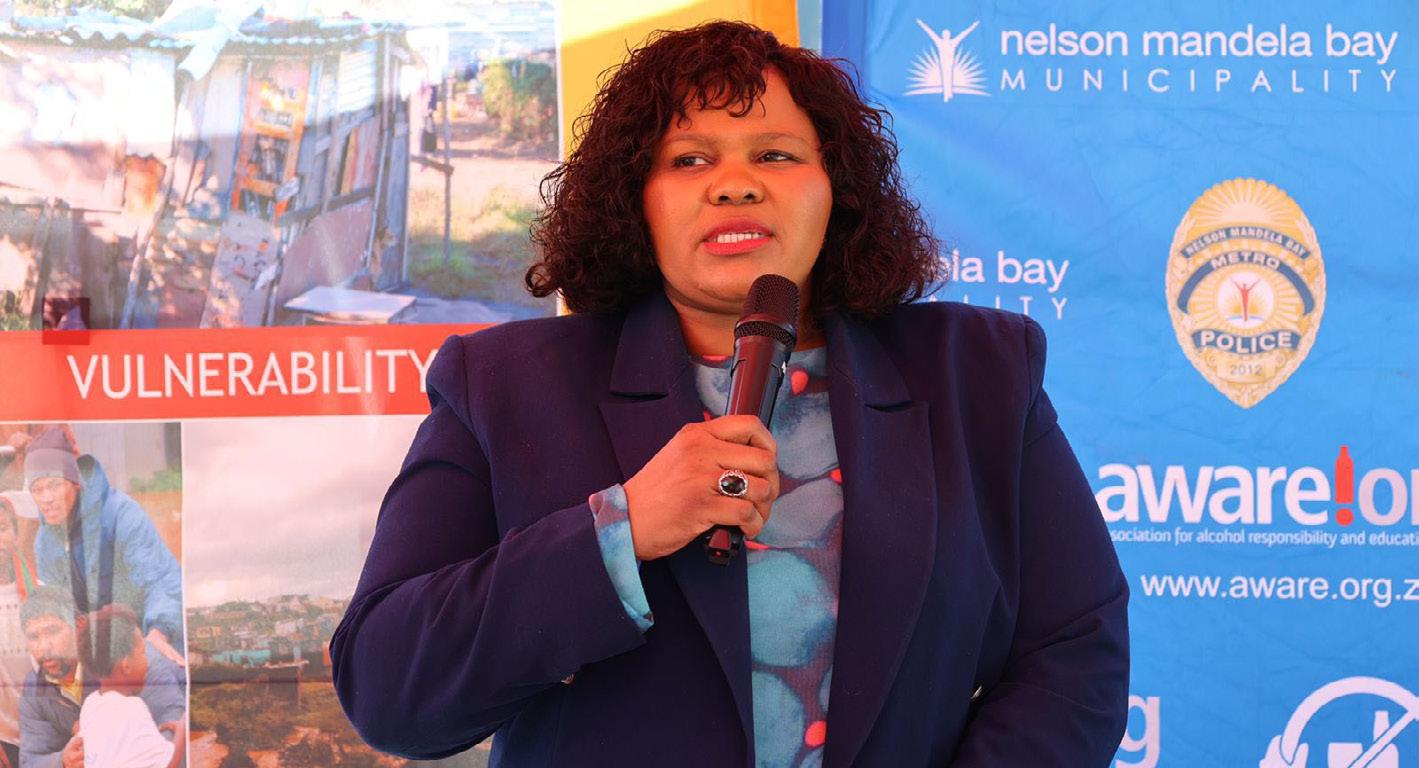
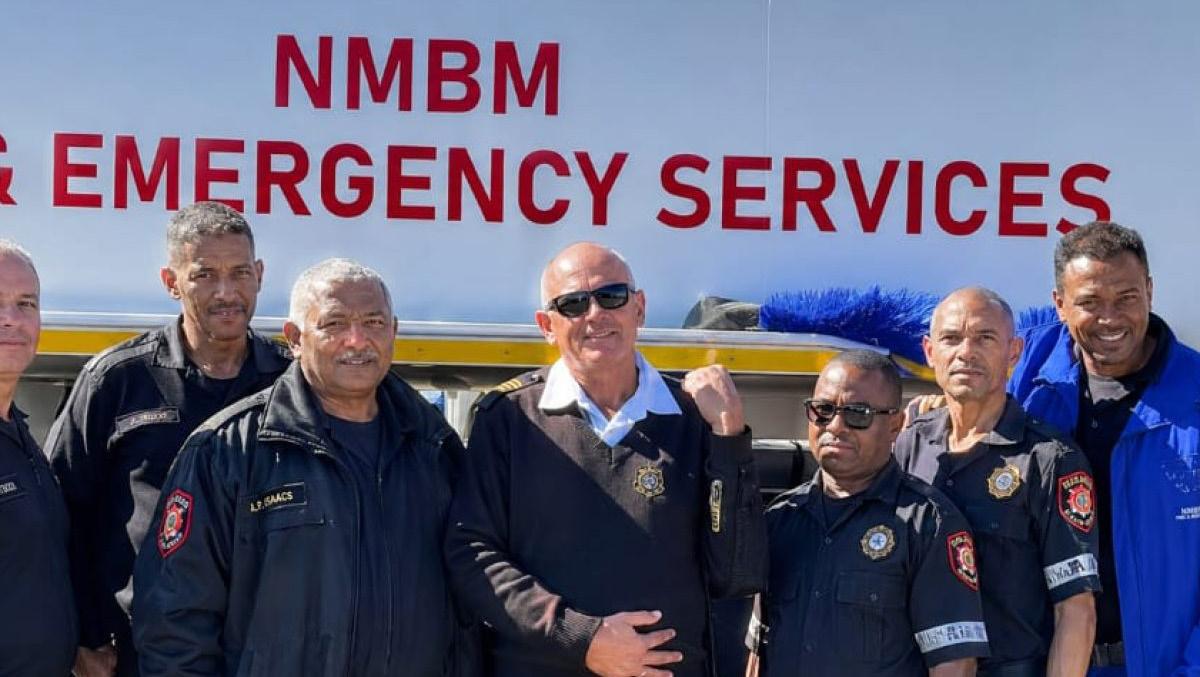
Municipal Finance Management Act, underscoring its commitment to transparent, accountable, and value-driven public spending.
The metro has reaffirmed its commitment to continued investment in frontline safety services to build a more responsive, coordinated, and capable city.
“These resources strengthen the municipality’s ability to respond to crime, fires, and disasters with greater speed, coordination, and effectiveness.”
- Executive Mayor Babalwa Lobishe
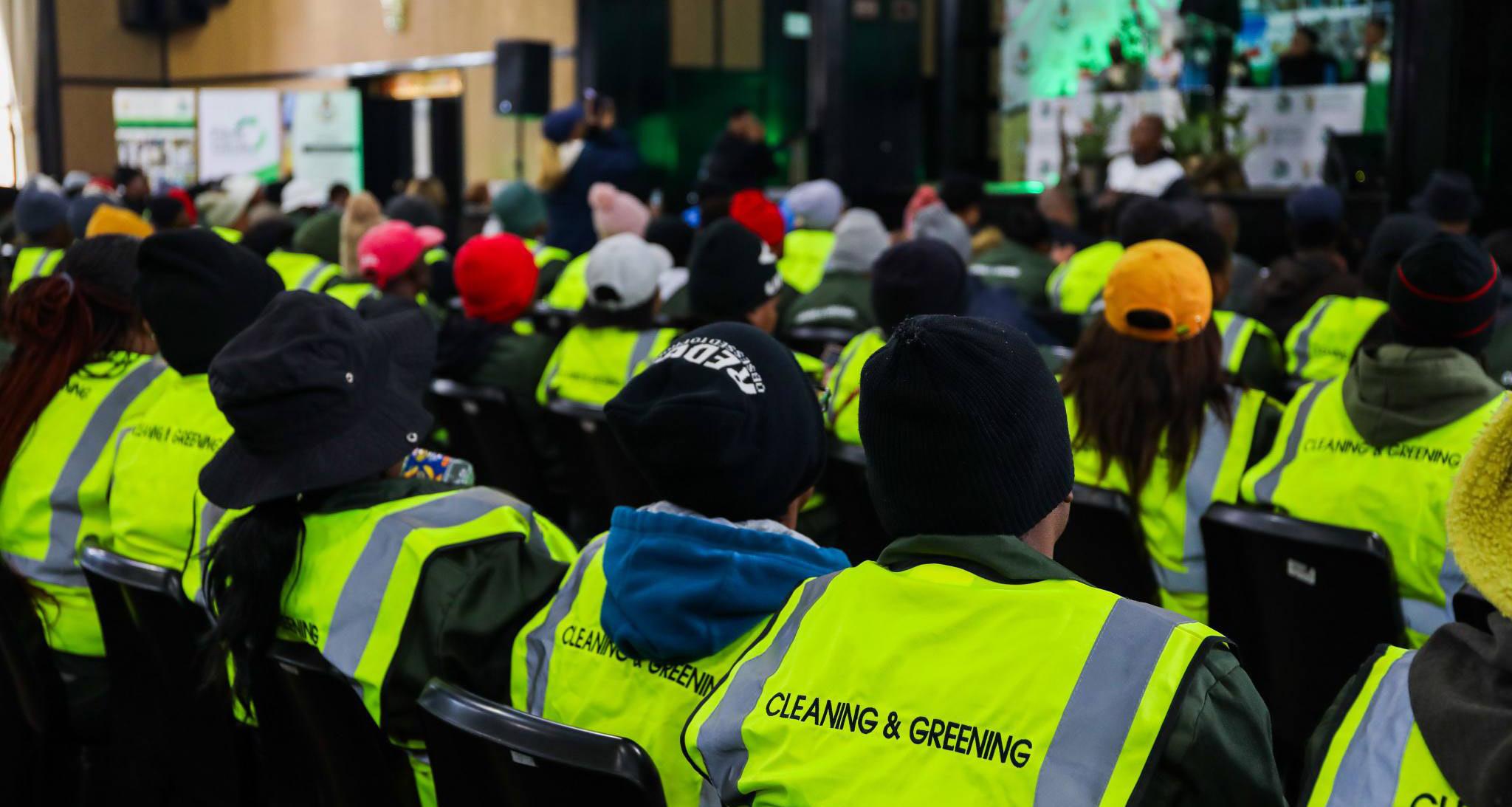
As South Africa marks Environment Month, the spotlight increasingly turns towards municipalities that are finding practical ways to combine environmental sustainability with socio-economic development.
In the Free State, Lejweleputswa District Municipality is positioning itself at the forefront of this effort through programmes aimed at tackling waste management challenges, supporting community empowerment, and creating meaningful economic opportunities.
One of the municipality’s recent milestones was the launch of the EPWP Cleaning, Greening and Recycling Project at Ferdie Meyer Hall in Welkom - an initiative that reflects a broader commitment to environmental responsibility, job creation, and local economic development across the district.
The programme, launched in partnership with Fibre Circle and other stakeholders, forms part of the Circular Economy Expanded Public Works Programme (EPWP) and will be
rolled out across all five local municipalities within the districtMatjhabeng, Nala, Masilonyana, Tokologo, and Tswelopele.
Lejweleputswa District Municipality and Fibre Circle are turning waste into opportunity while creating cleaner, greener communities and supporting sustainable livelihoods across the district.
While environmental sustainability remains a key focus, the initiative also seeks to address some of the district’s pressing socio-economic challenges.
The programme will create approximately 550 EPWP work opportunities across the district while simultaneously supporting recycling initiatives, waste diversion, greening programmes, and communitybased enterprise development.
Beneficiaries - including youth, women, and persons with disabilities - will receive training and practical exposure in recycling, waste management, and environmental maintenance. The programme is designed not only to improve environmental conditions within communities, but also to equip participants with skills that can support long-term livelihoods and entrepreneurship opportunities.
According to the municipality, the initiative aims to help beneficiaries establish cooperatives and small businesses linked to recycling and waste management activities, creating sustainable income streams while contributing towards
cleaner and healthier communities across Lejweleputswa.
A major focus of the project is advancing circular economy principles within the Lejweleputswa District Municipality.
Speaking at the launch, Deputy Minister of Forestry, Fisheries and the Environment, Ms Bernice Swarts, highlighted the importance of viewing waste not simply as refuse, but as a resource capable of supporting economic growth, enterprise development, and employment creation.
The Deputy Minister also noted that the district continues to face
a number of waste management challenges, including illegal dumping, pressure on landfill infrastructure, inconsistent waste collection services in some areas, and limited recycling infrastructure.
However, she emphasised that stronger collaboration between municipalities, industry stakeholders, producer responsibility organisations, and communities could significantly improve recycling rates, waste diversion, and environmental outcomes.
The introduction of Extended Producer Responsibility (EPR) measures nationally is also expected to create additional opportunities within the recycling and waste recovery sectors by encouraging greater reuse, recovery, and beneficiation of waste materials.
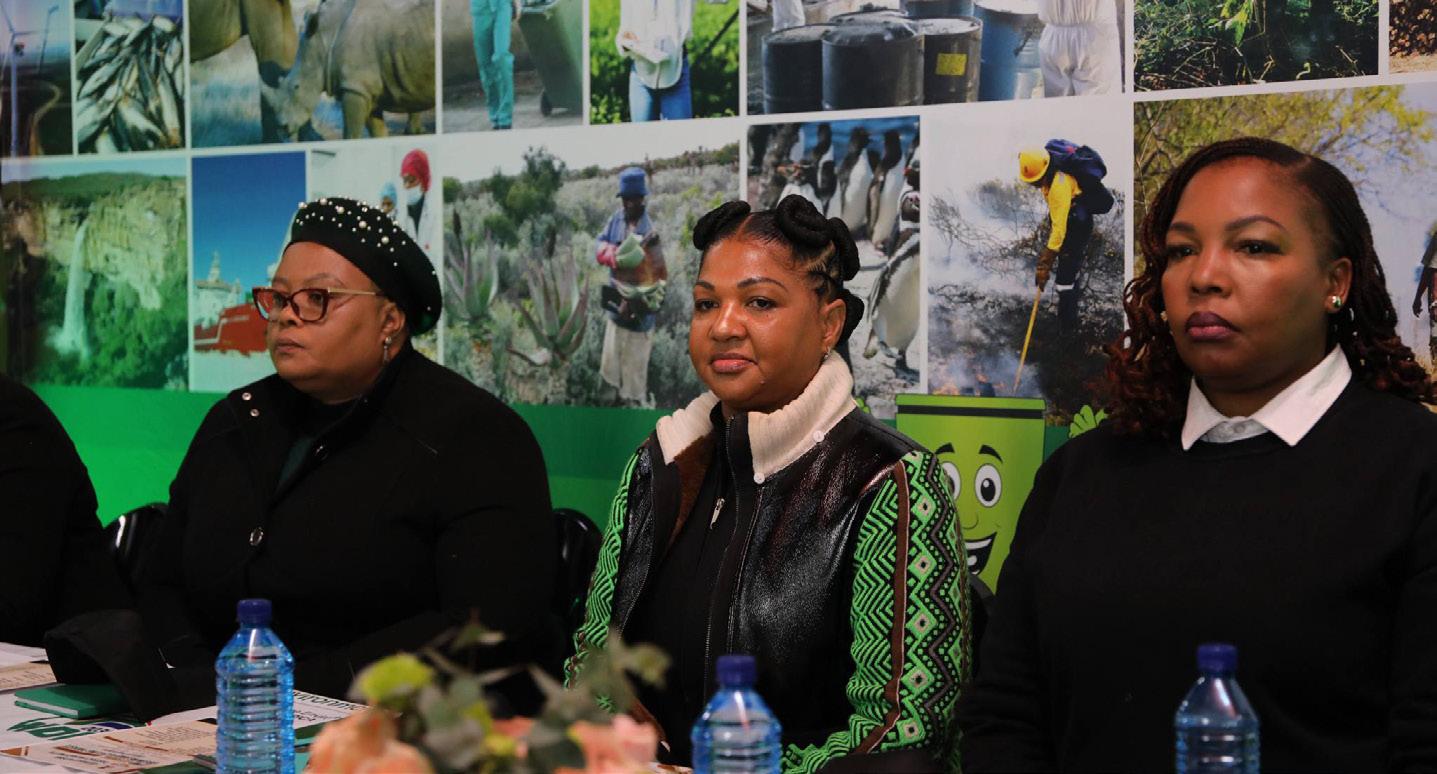
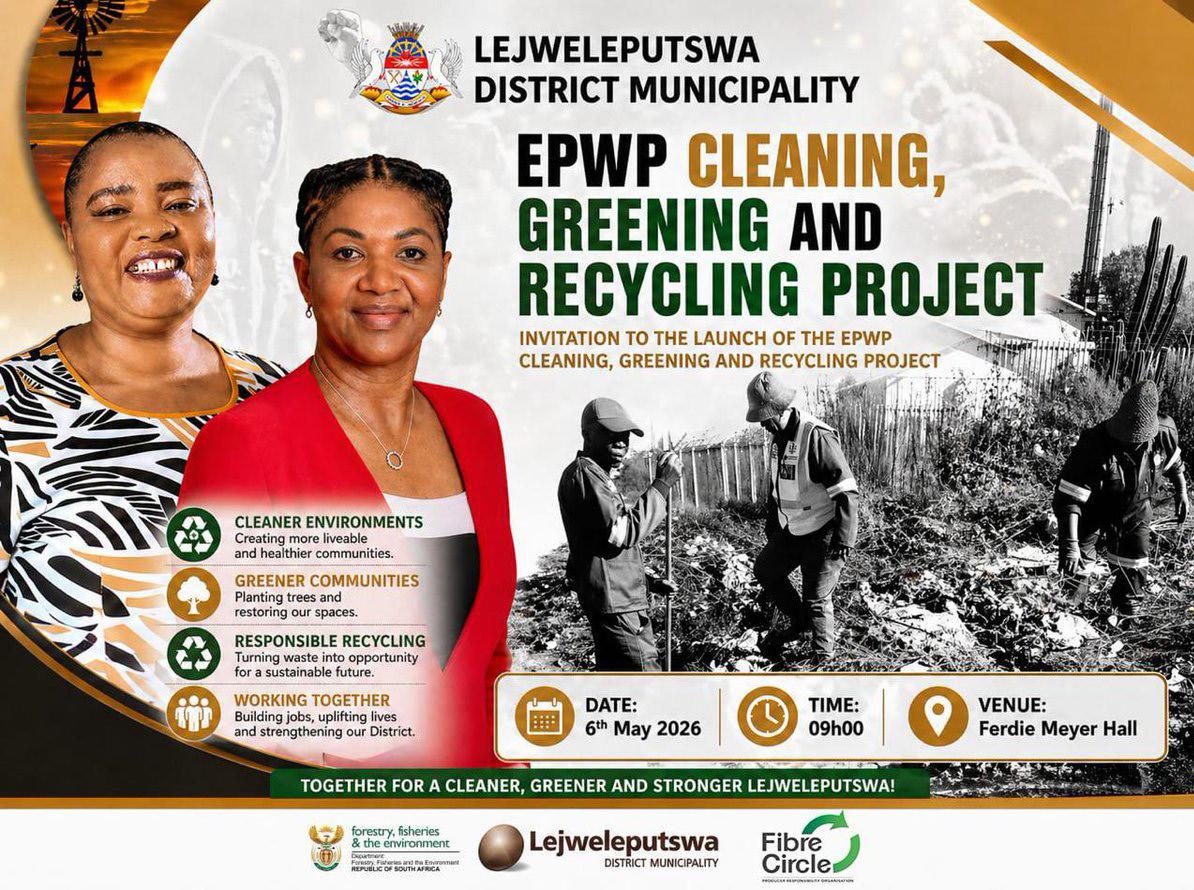
The launch brought together municipal leadership, government representatives, environmental stakeholders, industry partners, and community members in support of a shared environmental and developmental agenda.
Lejweleputswa District Municipality Executive Mayor, Cllr. Veronica Ntakumbana, welcomed the initiative and acknowledged the importance of collaborative partnerships in supporting local communities and driving sustainable development across the district.
The programme was led by MMC for Environmental Health Services, Disaster Management and Fire, Cllr. Sipho Tsunke, while Executive Manager of Environmental Health
Services and Disaster Management, Ms Michelle Sello, presented an overview of the project and its implementation strategy.
The municipality’s collaboration with Fibre Circle and other industry partners has also been recognised as an important step towards expanding recycling initiatives beyond traditional cleaning programmes into broader enterprise and circular economy opportunities.
As municipalities across South Africa continue searching for sustainable solutions to unemployment, environmental degradation, and service delivery pressures, programmes such as the EPWP Cleaning, Greening and Recycling Project demonstrate how integrated approaches can deliver impact on multiple fronts.
For Lejweleputswa District Municipality, the initiative represents more than a once-off environmental campaign. It reflects an ongoing commitment to cleaner communities, inclusive economic participation, improved waste management practices, and stronger environmental stewardship.
Importantly, the programme also aligns with broader national priorities around green economic development, circular economy implementation, and support for communitybased employ-ment initiatives.
As the project rolls out across the district’s five municipalities, it is expected to contribute towards cleaner public spaces, improvedrecycling participation, reduced illegal dumping, and expanded economic opportunities for local communities.
At a time when sustainable development is increasingly becoming central to municipal governance, Lejweleputswa District Municipality is demonstrating how environmental initiatives can also become catalysts for empowerment, inclusion, and long-term local development.
The EPWP Cleaning, Greening and Recycling Project initiative reflects how environmental programmes can simultaneously create jobs, empower communities, and build a more sustainable local economy.
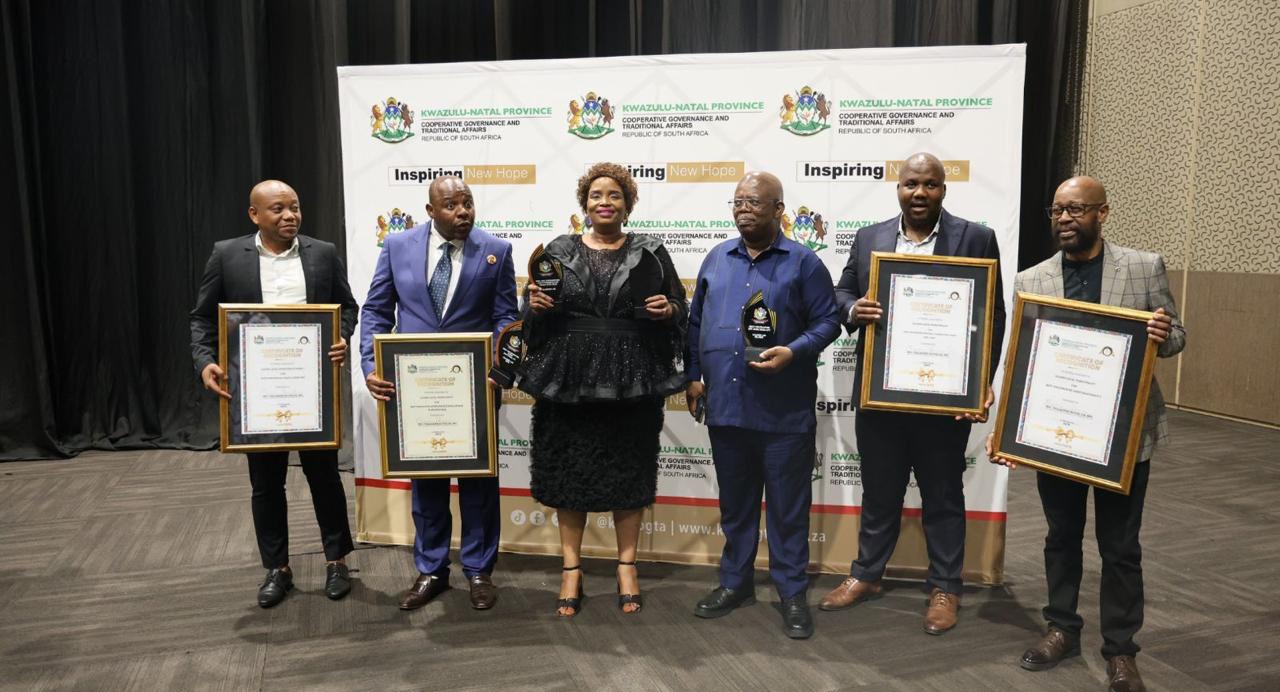
Ulundi Municipality has reaffirmed its position as a leading example of effective and people-centred governance after securing four prestigious accolades at the KwaZulu-Natal COGTA Municipal Excellence Awards held at the Durban ICC on 12th March 2026.
The municipality’s remarkable achievements included awards for:
• Best Performing Ward Committees in Ward 1
• Best Implemented Service Delivery
• Budget Implementation Plan (SDBIP) for 2024/2025
• Best Developed Integrated Development Plan (IDP) for 2025/2026
The municipality also received recognition for achieving 100% Municipal Infrastructure Grant (MIG) expenditure for three consecutive financial years from 2022 to 2025.
In an era where communities increasingly demand responsive and transparent governance, Ulundi Municipality’s accomplishments demonstrate the impact of strong leadership, collaborative governance, and active community participation.
Mayor Wilson Ntshangase expressed gratitude to the Department of Cooperative Governance and Traditional Affairs for acknowledging the municipality’s dedication and hard work.
“These awards are a confirmation that when we work together with commitment, transparency, and accountability, we can deliver meaningful services to our communities,” said Ntshangase.
He further noted that the achievements were the result of collective effort across all levels of the municipality,
including councillors, ward committees, municipal management, officials, and residents themselves.
Particularly noteworthy is the municipality’s consistent 100% spending of its MIG over three consecutive yearsa significant indicator of effective financial management and the ability to implement infrastructure projects that directly benefit communities. Equally impressive is the recognition received for its Integrated Development Plan and SDBIP, both of which are essential tools in ensuring that municipal priorities align with community needs and measurable service delivery outcomes.
Mayor Ntshangase dedicated the awards to the people of Ulundi, emphasising that excellence in local government is an ongoing journey rather than a final destination.
Ulundi Municipality’s success story stands as an inspiring example of what can be achieved through unity, accountability, and visionary leadership.
These awards reflect more than administrative success; they highlight a municipality committed to accountabiity, strategic planning, and sustainable service delivery.
The George Municipality has taken another important step in strengthening mobility and improving access to economic opportunities with the official launch of GO GEORGE’s new Route 11 between Thembalethu and the Garden Route Mall precinct.
Officially launched on 17 May 2026, the new route marks a significant milestone for residents of Thembalethu and forms part of the continued expansion of the GO GEORGE integrated public transport network. Route 11 becomes the third GO GEORGE route serviing the community.
Speaking at the launch, Alderman Kruger described the initiative as more than simply a transport development.
“Today is more than the launch of a new route - it is a step towards greater dignity, opportunity and connection for residents of Thembalethu. They have waited patiently for this direct route, and I am proud that the George Municipality together with the Western Cape Mobility Department can finally deliver this service,” he said.
The new route provides a direct connection between Thembalethu and the Garden Route Mall precinct, home to major retail centres, businesses, and employment opportunities. Until now, many residents relied on
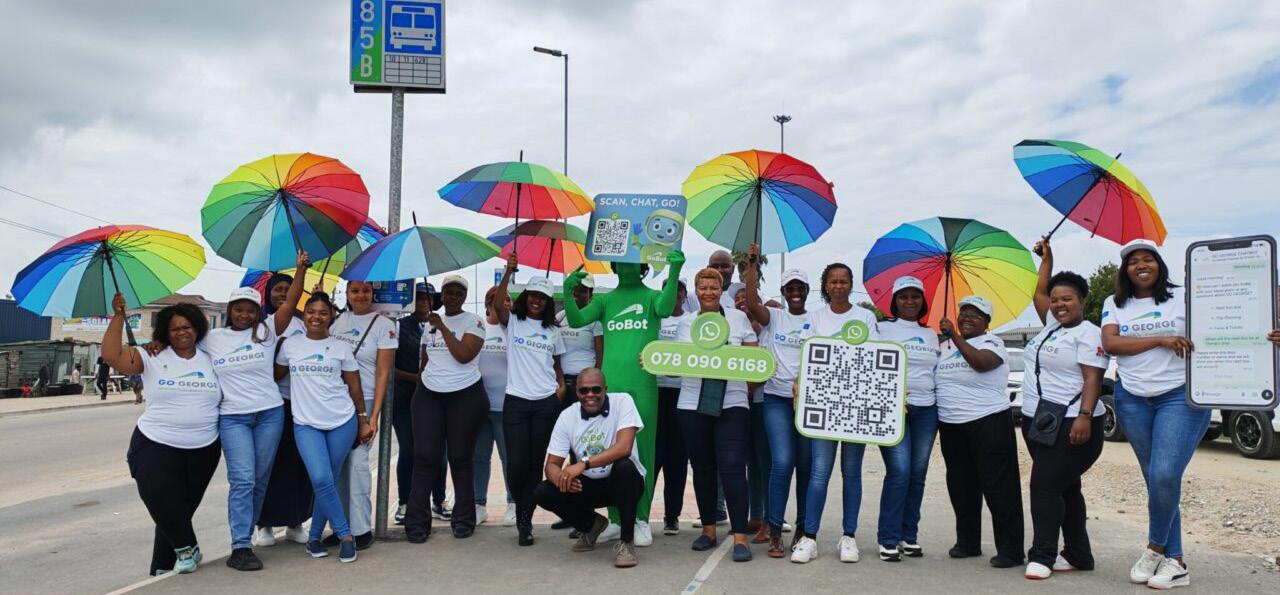
longer journeys involving transfers via the N2 bridge and Route 16.
The direct route is expected to improve commuting convenience, reduce travel times, and make it easier for residents to access workplaces, schools, shopping centres, and services.
Passengers travelling on Route 11 will also be able to connect to additional GO GEORGE routes serving areas such as Rosemoor, Loerie Park, Eden, Bergsig, George East, and the CBD.
Western Cape Minister of Mobility, MEC Isaac Sileku, said the route demonstrates the value of collaboration between government, operators, and communities in developing residentcentred mobility solutions.
Ahead of the launch, the GO GEORGE communication team engaged directly
with commuters in Thembalethu to assist residents in understanding the new route and available travel options.
Passengers can also access digital support through GoBot, GO GEORGE’s WhatsApp chat assistant, which provides route planning and system information, while the GO GEORGE website offers additional trip-planning tools.
The launch of Route 11 further reflects the growing importance of integrated public transport in supporting accessibility, mobility, and socio-economic development within the George municipal area.
The official launch of Route 11 is a welcome milestone for Thembalethu, improving daily mobility for residents and strengthening access to employment, services, and opportunity across the George municipal area.