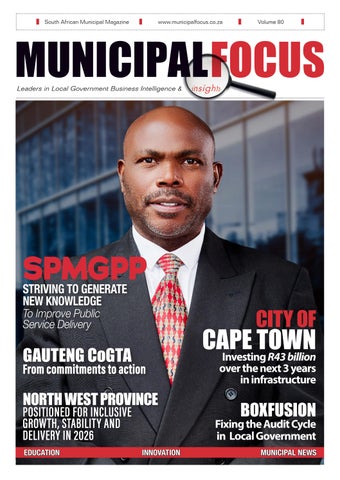
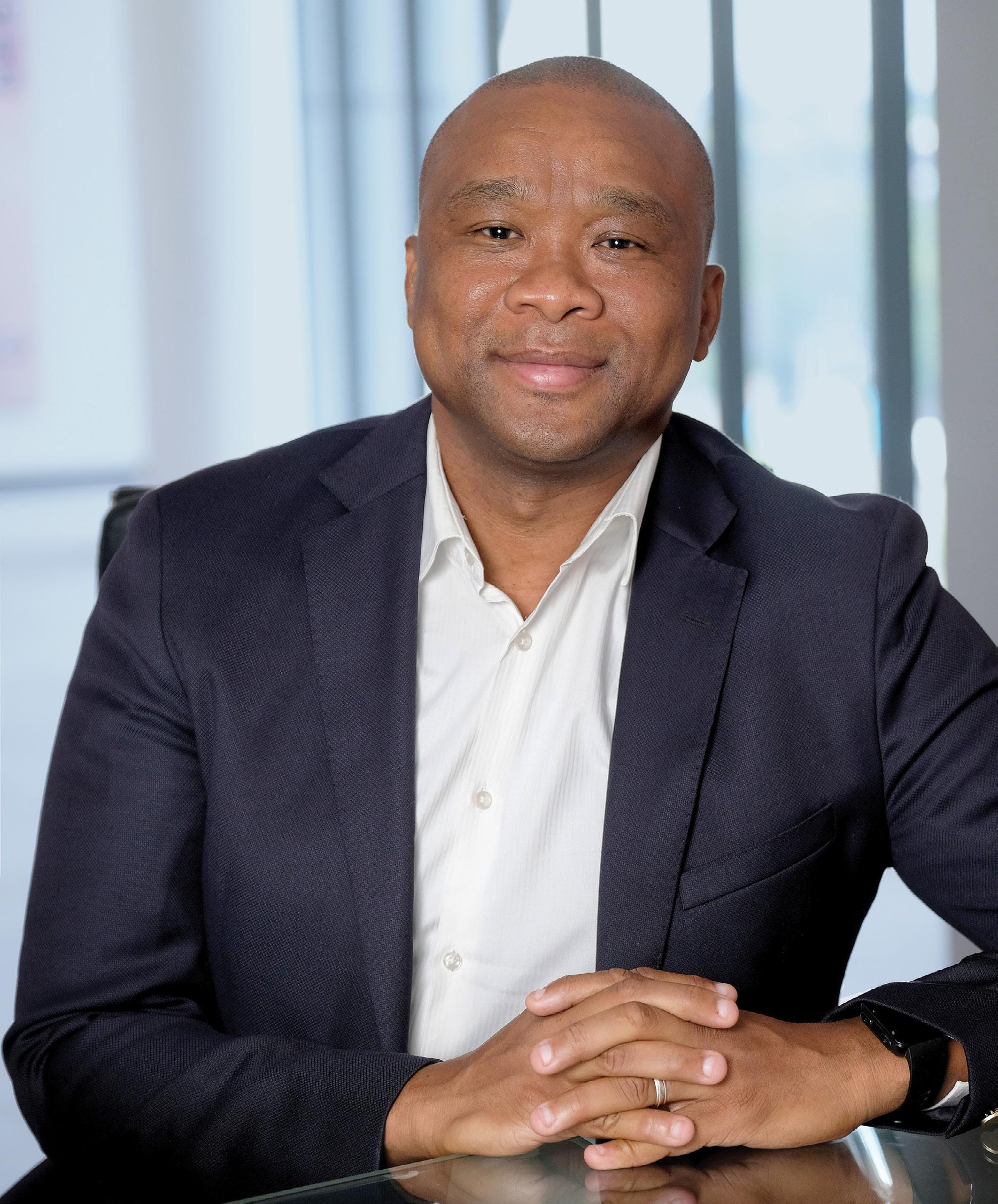
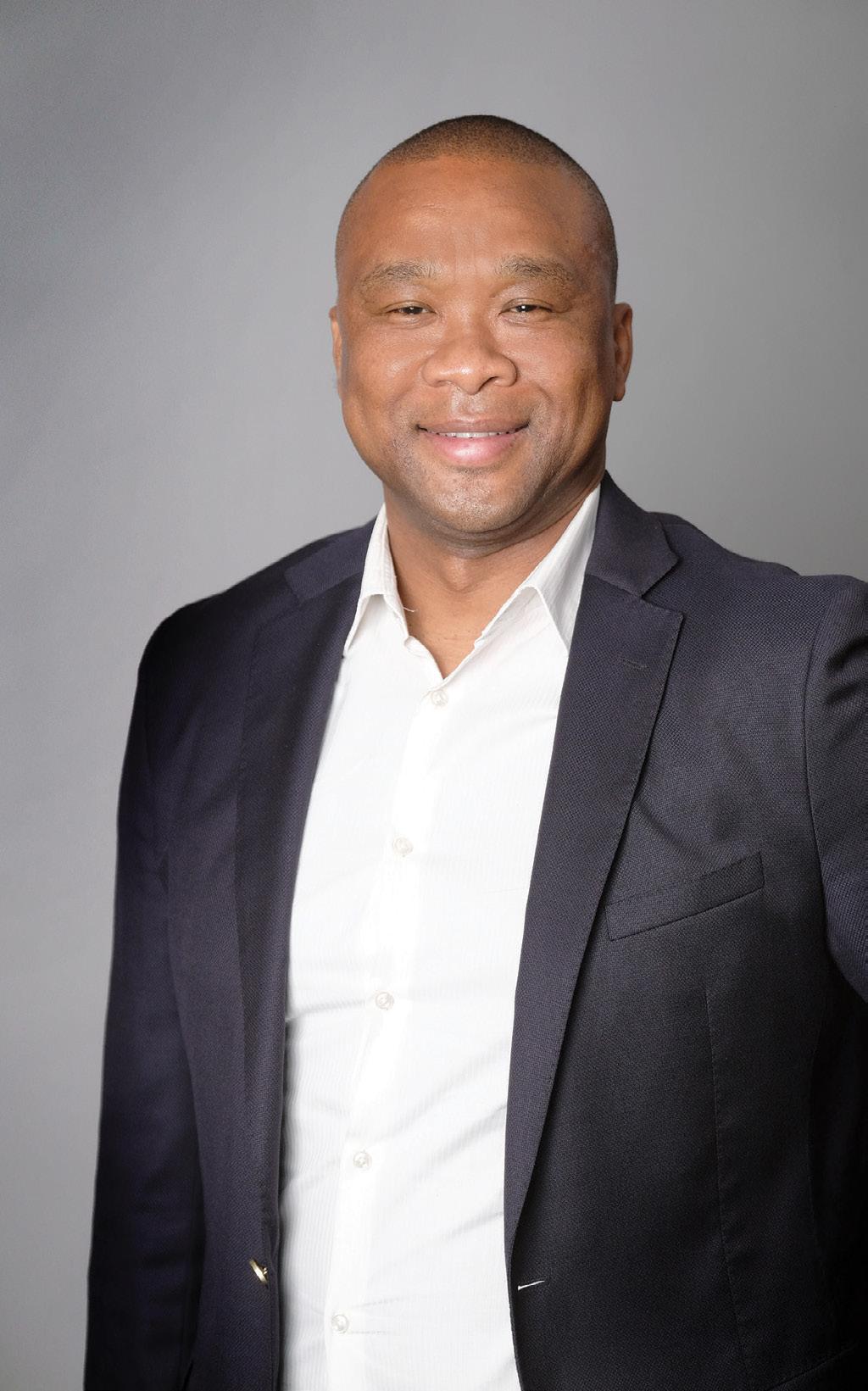
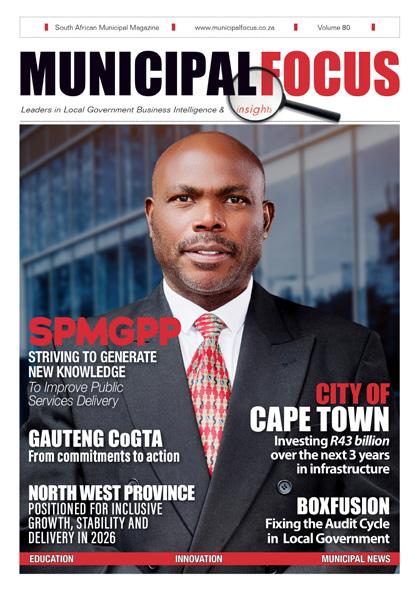
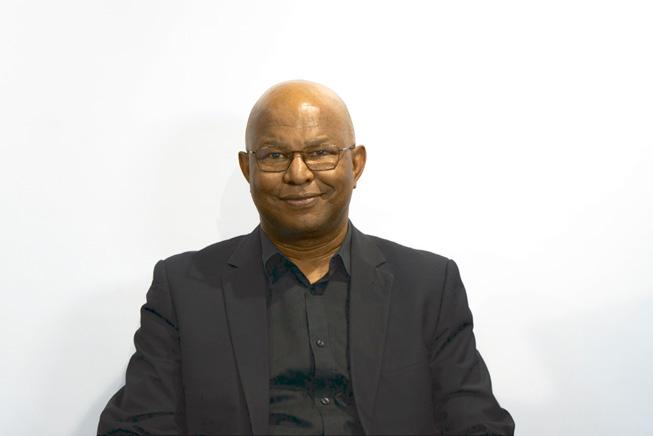
SPMGPP’s Director: Professor Dominique Uwizeyimana
PUBLISHER'S NOTE
As we begin the year and move closer to the 2026/2027 Local Government Elections, citizens are calling for visible leadership, capable institutions and measurable progress on the ground.
Our front cover feature on the University of Johannesburg’s School of Public Management, Governance and Public Policy (SPMGPP) speaks directly to the long-term sustainability of the state, showcasing the School’s role in strengthening governance capacity and developing future-ready public servants. Under the leadership of its Director, Professor Dominique Uwizeyimana, the School continues to focus on cultivating capable and ethical public sector leaders equipped to navigate South Africa’s evolving developmental challenges.
Equally foundational is investment in early development. The Department of Basic Education’s R496 million Early Childhood Care and Education (ECCE) Outcomes Fund links funding to verified results.
The initiative reinforces a core principle of democratic governance: that every rand must deliver real outcomes for communities.
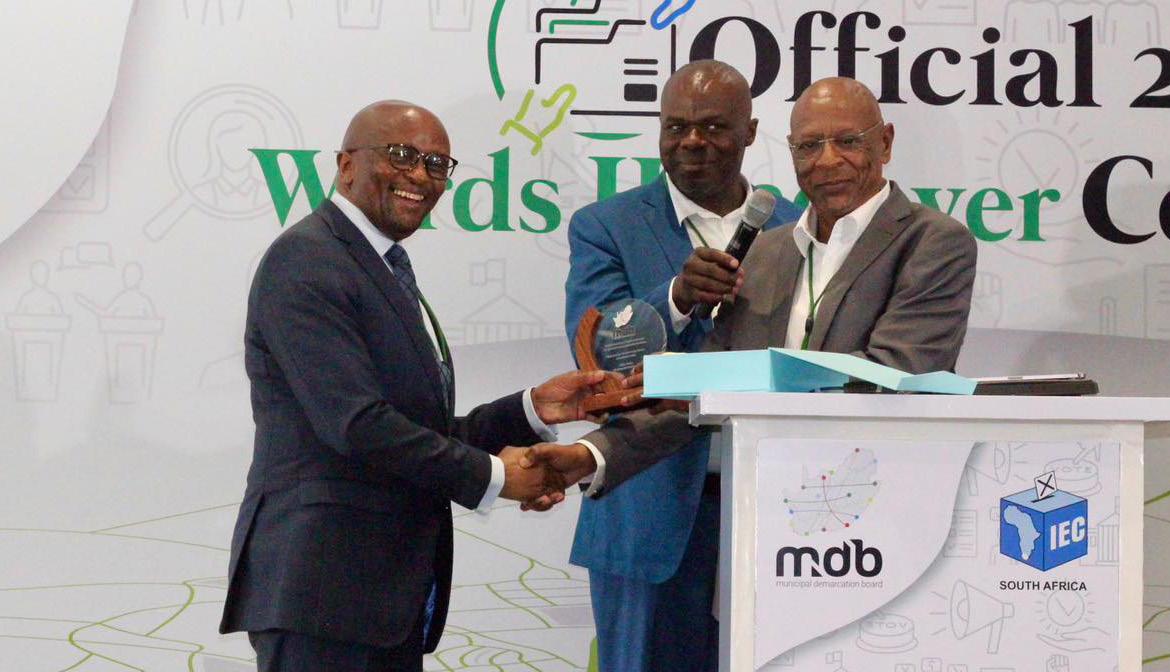
We also feature the official handover of municipal ward boundaries by the Municipal Demarcation Board (MDB) to the Electoral Commission (IEC), marking a pivotal milestone in safeguarding credible elections and reinforcing public trust in democratic institutions.
Two companies contributing meaningfully to the strengthening of local government systems through digital transformation are Gijima and Boxfusion. The feature on Gijima explores how data and artificial intelligence can support smarter decision-making and responsive service delivery, while the feature on Boxfusion highlights the importance of embedding compliance, accountability and audit readiness into daily municipal operations.
Water security remains a defining national priority. Our feature on the Water Institute
of Southern Africa (WISA) underscores the importance of professionalisation within the sector, reaffirming that sustainable service delivery depends not only on infrastructure investment, but on skills development, oversight and ethical governance.
Our Municipal News features reflect local government in action - municipalities responding decisively to challengesfrom infrastructure investment and economic growth initiatives to improved audit outcomes and community-centred engagement.
Finally, the contribution from People Opposing Women Abuse (POWA) highlights the organisation’s long-standing advocacy against gender-based violence, while serving as a reminder of the criticaland often neglected - role that government and municipalities play in strengthening community safety, social cohesion and dignity - responsibilities that cannot be seasonal, symbolic or negotiable.
We wish all our readers, and all South Africans, a peaceful 2026 - one that brings with it opportunities to fulfil all our personal, philanthropic and professional aspirations.
Keep safe and enjoy the read!
Warm regards,
Nardine Nelson: Publisher & CEO Kweda Media & Communications
JUST-in-Time Training
Public sector courses
LGSETA Certificate: Municipal Finance Management Programme (MFMP) (6 study blocks of 28 Units Standards)
Course in Supply Chain Management for Public Officials
Local Government Ethics, Budgeting and Risk Management
Municipal Public Accounts Committee Training Course (MPAC)
Integrated Public Sector Risk Management
Municipal Asset Management
Procurement and Supply Chain Management in the Public Sector
Business Presentation and Public Speaking in the Public Sector
Monitoring and Evaluation for the Public Sector
Asset Management for the Public Sector
Public Financial Management Act
Public Financial Management for Non-Financial Managers
Public Financial Management for Public Sector Managers
Training Solutions for a capable and responsive
To strengthen service delivery and advance the principles of Batho Pele, the public sector needs training that is practical, relevant, and adaptable. Our customised solutions, listed below, are designed for a minimum of 15 delegates and can be delivered at any suitable venue in South Africa or beyond. Each course is fully customisable to meet your organisation’s unique objectives.
Public Policy, Problem Solving and Analysis for Public Sector Managers
Policy Management, Implementation and Analysis in the Public Sector
Change and Organizational Management for Public Sector Managers
Board of Directors Induction Training
Executive Development Programme for the Public Sector
Knowledge and Information Management for Public Sector Managers
Strategic Capability and Leadership for Public Sector Managers
People Management for Public Sector Managers Programme
Programme and Project Management for Public Sector Managers
Public Management Development Programme
Communication in the Public Sector
Leadership Development Programme for Municipal Councillors
Municipal Management Development Programme (MMDP)
Executive Leadership Municipal Development Programme (ELMDP)
Municipal Cash Handling and Customer Care
Municipal Governance Excellence
Programme in Empowering Responsible Leaders in Local Government
44 WISA - Strengthening water services by professionalising Process Controllers
52 POWA - Keeping women's safety at the centre of public responsibility
54 NLC - Unqualified audit opinion for 2024/25 financial year
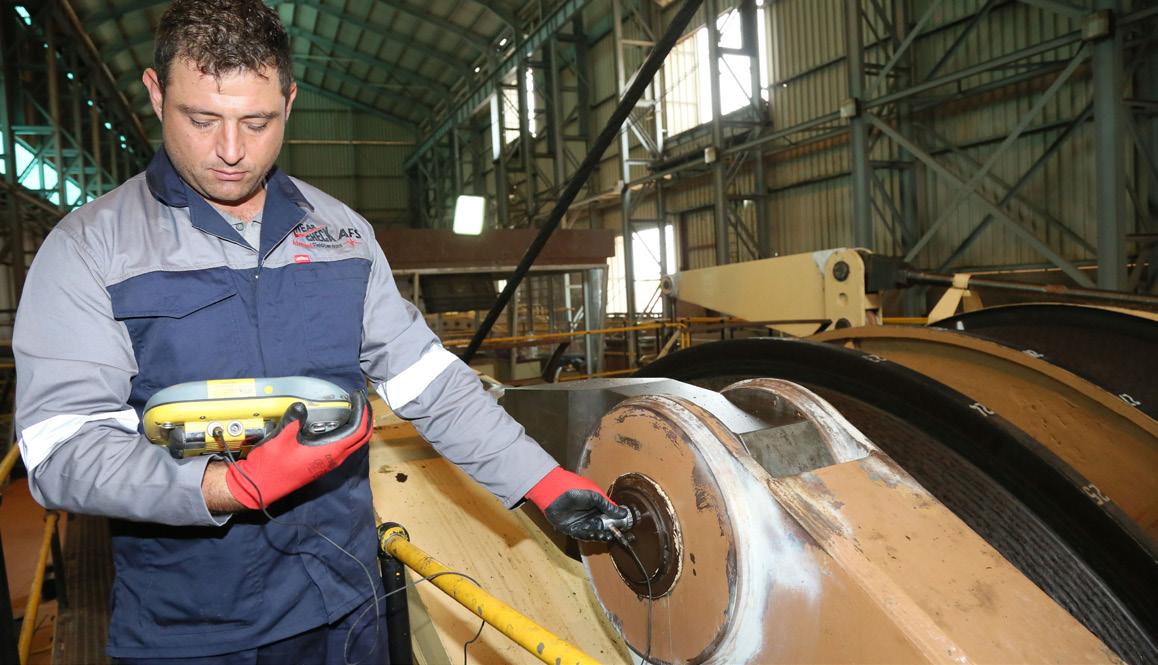
58 WEARCHECK - Broadens condition insight with non-destructive testing
60 NUWATER - When the taps run dry, will leadership still be in the room?
68 BOJANALA PLATINUM DISTRICT MUNICIPALITY
70 CITY OF CAPE TOWN
72 DRAKENSTEIN LOCAL MUNICPALITY
75 OVERBERG DISTRICT MUNICIPALITY
76 CHIEF ALBERT LUTHULI MUNICIPALITY 78 ETHEKWINI MUNICIPALITY
DESIGN PRINT
PUBLISH
“Communications, Marketing and Advertising are indispensable tools towards success and growth in any business venture…”
“Communications, Marketing and Advertising are indispensable tools towards success and growth in any business venture…”
Kweda Media & Communications offers a diverse range of business and sales solutions, strategies and ideas that are customised to meet our clients’ standards and exceed their expectations.
Kweda Media & Communications offers a diverse range of business and sales solutions, strategies and ideas that are customised to meet our clients’ standards and exceed their expectations.
Our Vision is driven by the passion to inspire, assist and elevate business enterprises by forming strategic collaborations that will yield multiple benefits of success and growth for all.
Our Vision is driven by the passion to inspire, assist and elevate business enterprises by forming strategic collaborations that will yield multiple benefits of success and growth for all.
Kweda Media and Communications is a Proudly South African, 100% black female owned company located in Plumstead, Cape Town, registered as a private company since May 2014 - we hold a level 1 B-BBEE certificate. We are a team of multi skilled staff members who have a fresh, innovative and diverse approach to working and always willing to put in the extra time and attention to ensure great service delivery on time.
Kweda Media and Communications is a Proudly South African, 100% black female owned company located in Plumstead, Cape Town, registered as a private company since May 2014 - we hold a level 1 B-BBEE certificate. We are a team of multi skilled staff members who have a fresh, innovative and diverse approach to working and always willing to put in the extra time and attention to ensure great service delivery on time.
Your vision… our drive
Your vision… our drive
PUBLISHING EDITOR
PUBLISHING EDITOR
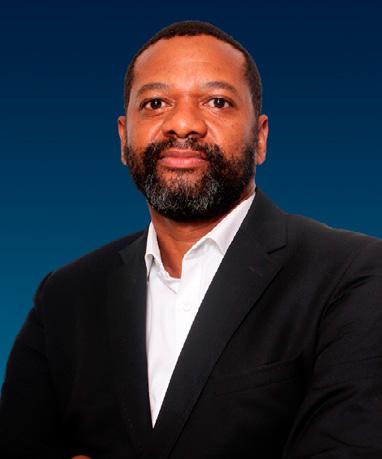
SIMO MKHIZE
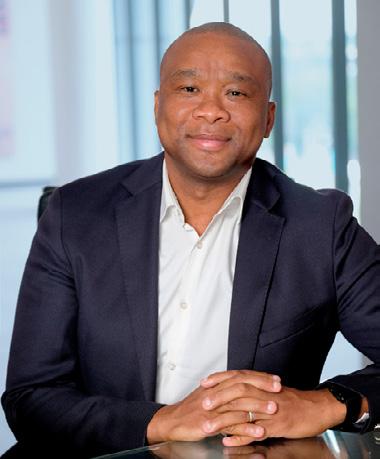
SITHOLE MBANGA CEO: SA CITIES NETWORK
SPMGPP’s DIRECTOR: PROF. DOMINIQUE UWIZEYIMANA
SIMO MKHIZE
SITHOLE MBANGA
DISTRIBUTION
Nardine Nelson nardine@kwedamedia.co.za +27 82 739 3932
Nelson nardine@kwedamedia.co.za +27 82 739 3932
Nardine Nelson
Nelson
EDITORIAL CONTRIBUTORS
EDITORIAL CONTRIBUTORS
Contributors
DISTRIBUTION
nardine@kwedamedia.co.za +27 82 739 3932
Isaac Mahlangu
Nardine Nelson nardine@kwedamedia.co.za +27 82 739 3932 Nkhoma
EDITORIAL CONTRIBUTORS
Andile Moyo
Fatima Shaik
Contributors
Contributors Happy Nkhoma Isaac Mahlangu Madala Thepa
Kenny Mhlangu
Nwabisa Pondoyi Madala Thepa
MAGAZINE DESIGN & LAYOUT
MAGAZINE DESIGN & LAYOUT
Happy Nkhoma Isaac Mahlangu Madala Thepa
MAGAZINE DESIGN & LAYOUT
KCDA Design Agency
nardine@kwedamedia.co.za +27 82 739 3932 Nkhoma Isaac Mahlangu Nwabisa Pondoyi Madala Thepa
MAGAZINE DESIGN & LAYOUT
Digital Pixels Studio Paul Sampson paul@digital-pixels.co.za
Jaco Kotze jk@kcda.co.za
Digital Pixels Studio Paul Sampson paul@digital-pixels.co.za
Digital Pixels Studio Paul Sampson paul@digital-pixels.co.za
MAGAZINE DESIGN & LAYOUT
Digital Pixels Studio Paul Sampson paul@digital-pixels.co.za
GCIS, National Assembly, NCOP, National & Provincial Departments, Municipalities: Mayors, Managers, Heads of Procurement, Tenders and Purchasing Officers, Conferences and the Private Sector
DIGITAL E-BOOK CREATION
www.digital-pixels.co.za CCO: CELL C
Officers, Conferences Sector
GCIS, National Assembly, NCOP, National & Provincial Departments, Municipalities: Mayors, Managers, Heads of Procurement, Tenders and Purchasing Officers, Conferences and the Private Sector
www.KCDA.co.za
DIGITAL E-BOOK CREATION
www.digital-pixels.co.za CEO: SA CITIES NETWORK
www.digital-pixels.co.za CCO: CELL C
PUBLISHED BY Kweda Media & Communications
PUBLISHED BY Kweda Media & Communications
Tel: +27 (21) 768 0115
Communications Village Main Road, Plumstead, Cape Town
www.kwedamedia.co.za
PUBLISHED BY Kweda Media & Communications (Pty)Ltd, 1 The Village Square, Main Road, Plumstead, Cape Town 7800
1 The Village Square, Main Road, Plumstead, Cape Town Tel: +27 (21) 768 0115 www.kwedamedia.co.za
Communications The Square, Main Road, Town Tel: +27 (21) 768 0115 www.kwedamedia.co.za
1 The Village Square, Main Road, Plumstead, Cape Town Tel: +27 (21) 768 0115 www.kwedamedia.co.za
Tel: +27 (21) 768 0115 www.kwedamedia.co.za
All editorial, business and production correspondence should be addressed to Municipal Focus, PO Box 12454 Plumstead 7800. Manuscripts, illustrations and other material must be accompanied by a stamped, self-addressed envelope. No responsibility can be accepted for unsolicited material. The editor reserves the right to amend and to alter copy and visual material as deemed necessary. Copyright by Kweda Media & Communications. All rights reserved. No part of this publication may be reproduced, stored in a retrieval system or transmitted by any form or any means without prior permission of the publisher. The opinions expressed in Municipal Focus are not necessarily those of the publishers.
business and production correspondence should be addressed to Municipal Focus, PO Box 12454 Plumstead 7800. Manuscripts, illustrations and other material must be accompanied by a stamped, self-addressed envelope. No responsibility can be accepted for unsolicited material. The editor reserves the right to amend and to alter copy and visual material as deemed necessary. Copyright by Kweda Media & Communications. All rights reserved. No part of this publication may be reproduced, stored in a retrieval system or transmitted by any form or any means without prior permission of the publisher. The opinions expressed in Municipal Focus are not necessarily those of the publishers.
All editorial, business and production correspondence should be addressed to Municipal Focus, PO Box 12454 Plumstead 7800. Manuscripts, illustrations and other material must be accompanied by a stamped, self-addressed envelope. No responsibility can be accepted for unsolicited material. The editor reserves the right to amend and to alter copy and visual material as deemed necessary. Copyright by Kweda Media & Communications. All rights reserved. No part of this publication may be reproduced, stored in a retrieval system or transmitted by any form or any means without prior permission of the publisher. The opinions expressed in Municipal Focus are not necessarily those of the publishers.
All business production correspondence should be addressed to Municipal Focus, PO Box 12454 Plumstead 7800. Manuscripts, illustrations and other material must be accompanied by a stamped, self-addressed envelope. No responsibility can be accepted for unsolicited material. The editor reserves the right to amend and to alter copy and visual material as deemed necessary. Copyright by Kweda Media & Communications. All rights reserved. No part of this publication may be reproduced, stored in a retrieval system or transmitted by any form or any means without prior permission of the publisher. The opinions expressed in Municipal Focus are not necessarily those of the publishers.
All editorial, business and production correspondence should be addressed to Municipal Focus, PO Box 12454 Plumstead 7800. Manuscripts, illustrations and other material must be accompanied by a stamped, self-addressed envelope. No responsibility can be accepted for unsolicited material. The editor reserves the right to amend and to alter copy and visual material as deemed necessary. Copyright by Kweda Media & Communications. All rights reserved. No part of this publication may be reproduced, stored in a retrieval system or transmitted by any form or any means without prior permission of the publisher. The opinions expressed in Municipal Focus are not necessarily those of the publishers.
‘Partnerships: Key to Serving SA
Advance your skills in
PUBLIC ADMINISTRATION AND LOCAL GOVERNANCE
iQ Academy offers accredited programmes in Public Administration and Local Governance, tailored for municipal professionals seeking applied knowledge and practical competencies.
Our offerings range from comprehensive qualifications to short courses, enabling accessible, career-focused learning that supports effective service delivery in local government.
LOCAL
strategic change and learn to build lasting relationships with communities.
HOW TO ENROL:
IN LOCAL GOVERNANCE
NQF LEVEL 5
Gain practical skills in service delivery, planning, policy, finance and leadership to support effective and accountable municipalities.
NQF LEVEL 5
HIGHER CERTIFICATE IN PUBLIC ADMINISTRATION & MANAGEMENT
Gain a solid foundation in government and governance, with a focus on the evolving skills, service approaches, and ethical standards shaping today’s public sector.
Professor DOMINIQUE UWIZEYIMANA Shaping Africa’s Next Generation of Public Sector Leaders
The University of Johannesburg’s (UJ) School of Public Management, Governance and Public Policy (SPMGPP), within the College of Business and Economics (CBE), is playing a major role in preparing Africa’s current and next generation of public service leadership. The School offers undergraduate and postgraduate programmes at UJ’s Auckland Park and Soweto campuses, alongside a growing suite of fully online non-subsidised programmes designed to strengthen governance capability and municipal performance.
Municipal Focus sat down with the SPMGPP’s Director, Professor Dominique Uwizeyimana, to unpack the School’s strategic direction, its contribution to state capacity building, and its ambition to become one of the leading public governance schools globally.
What vision is guiding SPMGPP’s strategic direction and its role in shaping public-sector leadership?
The School’s vision is to be a successful, Africa-rooted and globally competitive SPMGPP that deeply cares for its staff, students and society. Our strategy is anchored in UJ’s 2035 Strategic Core Areas: Education, Research & Innovation, and Purposeful Collaborations, ensuring academic excellence, societal impact and global reach.
Teaching & Learning
We pursue excellence in teaching by embedding practical, real-world learning, digital tools, and problembased pedagogy. Our aim is to equip students with the competencies needed for modern governance and public-sector leadership.
The School operates at two campuses. The Auckland Park Campus provides a range of academic programmes, from Undergraduate Bachelor’s degrees and Honours degrees, to a Master’s degree and a PhD in Public Management and Governance (PMG). Our School also operates at the Soweto Campus, where we provide specialised undergraduateprogrammes in Public Leadership and Governance (PLG) and PMG.
The School also offers a range of non-subsidised programmes (NSPs), including the Higher Certificate in Municipal Governance (NQF Level 5) and the Advanced Certificate in Municipal Governance (NQF Level 6). These two programmes are fully online, and no physical classes are needed. Students who complete the Advanced Certificate in Municipal Governance (NQF Level 6) with an average of 65% can get entry to the second year full-time residential BA (Public Management and Governance: Leadership and Local Governance
Focus) at Soweto Campus, provided they have fully paid the fees for the Advanced Certificate in Municipal Governance (NQF Level 6). Several students who have successfully used this NSP programme to articulate into the BA PMG programmes have gone on to graduate with Master’s and Doctorate degrees. The NDP 2030 target is to produce more than 100 doctoral graduates per million per year by 2030.
It is heartwarming to report that the School continues to respond to the NDP and African Union’s Agenda 2063 in very significant ways. About 130 Honours students, 32 Master’s graduates and 13 PhD students graduated in 2024, and the SPMGPP continues on this upward graduation trajectory, thus confirming our strong commitment to the national agenda as well as Agenda 2063.
In 2025, 123 Honours students successfully completed their assessments and are in a position to graduate in 2026, 27 Master’s students graduated, and 16 PhD students completed their qualification (13 graduated, with three graduating on the March 2026 graduation programme). Most of our students and graduates are black South Africans, including a few from other African countries.
Learning Experience
We adopt a student-centred, supportive, and inclusive approach, guided by Ubuntu and developmental values. We prioritise well-being, mentoring, and enabling academic success through innovative teaching and digital integration.
Since the beginning of 2023, we have introduced strong internal and external quality control measures to ensure the quality of the content in our teaching materials, as well as the assessments of our students. In addition, we have introduced
various initiatives to improve quality teaching and learning to support at-risk students at the undergraduate and postgraduate levels, improve the pass rate, and reduce the drop-out rate.
For example, we have supported hundreds of students with over R500 000 in registration, and we have strengthened fees annually since 2023.
We are happy to report that since the introduction of these initiatives, a few years ago, the School has:
• consistently achieved an excellent pass rate in all our modules (above 80% across all undergraduate and postgraduate modules) since 2023;
• reduced the students’ drop-out rate from 10% to an average of 2.5% in just three years (2023 - 2025). The drop-out rate is arguably the lowest across UJ faculties and departments; and
• consistently increased Master’s graduations from 08 in 2022 to 27 in 2025, and Doctoral graduations from 08 in 2022 to 16 in 2025.
All of this is made possible by the hard work of highly qualified academic and administrative staff. We achieved 100% of academic members with PhD qualifications in 2024, and all administrative staff held a Master’s degree in 2024. Five of the 14 academic staff members are NRF-rated. All (except three) permanent academic staff members have been promoted to the position of Senior Lecturer, Associate Professor or Full Professor. As the Head of the School, I aim to get all permanent lecturers promoted to the position of Senior Lecturer by 2027.
Community Engagement
Our work is embedded in real governance contexts. We collaborate with municipalities, NGOs, the civil service, and communities to co-create solutions that support state capacity and societal development.
Research & Development
With only 14 permanent academic staff, the SPMGPP is the smallest in the College of Business and Economics (CBE) and the University of Johannesburg.
However, due to visionary and exemplary leadership, the School consistently produced over 10% of the CBE research output. Our research focuses on key policy-relevant scholarship addressing governance reforms, public-sector innovation, monitoring and evaluation (M&E), and continental development goals.
Our team of 14 SPMGPP academic staff, postdoctoral research fellows (PDRFs) and students achieved exponential growth of research output units (ROUs) in three years, with 40 ROUs in 2020, 147 ROUs in 2023, and 216 ROUs in 2024. Several SPMGPP staff members and PDRFs regularly receive awards at the annual College of Business and Economics’ Prestigious Research Awards Ceremony.
Global Partnerships
We have 30+ international partnerships, including the International Public Policy Association (IPPA) and African universities, enabling joint research, postgraduate supervision, visiting scholar programmes, and crosscontinental knowledge exchange.
What goes into your curriculum development?
Curriculum development is guided by UJ’s 2035 Strategic Plan and national qualification standards, as well as consultations with the public sector, alumni, employers, and international partners.
We integrate local and global governance trends, such as M&E, digital governance, climate policy, ethical Leadership, and evidencebased policymaking. Curriculum inputs are strengthened by academic staff with expertise in evaluation, governance, policy studies, and municipal management.
We strongly believe that to be a good lecturer you must be able to contribute to knowledge creation through research. It is through research that lecturers update their knowledge and learn new knowledge to be included in the teaching and learning material. >
Our curriculum is constantly reviewed and updated to include new insights from community projects, research findings, and feedback from students, alumni, government partners, and colleagues in various professional bodies in our disciplines.
The emphasis is on African-centred, globally competitive, future-oriented content.
What distinguishes you from others?
UJ’s public management and governance programmes stand out because they combine African relevance, global competitiveness, and applied learning in a way that few institutions in South Africa can achieve.
Key differentiators include:
Africa-rooted, context-driven training
Our curriculum is designed around the realities of South Africa’s governance challenges, municipal performance, state capacity building needs, servicedelivery systems, digital transformation, ethics, and public-sector reform.
Strong emphasis on research and innovation
Our programmes are fully informed by new developments in the discipline. The School consistently achieves over 100 research output units annually - one of the strongest performances in the country for a governance school. This ensures students learn in a research-intensive environment grounded in evidence and current policy debates.
Highly qualified academic staff
All SPMGPP permanent staff have PhD qualifications in their areas of expertise, and five of the 14 academic staff members are NRFrated. All (except three) permanent academic staff members have been promoted to Senior Lecturer, Associate Professor or Full Professor. There are few, if any, public management and governance institutions in South Africa that can claim to have this kind of high-calibre academics.
Integration of digital governance and 4IR competencies
We embed technological skills - such as digital policymaking tools, virtual evaluation, e-governance systems, and data-informed decision-making - into our modules. This prepares graduates for public service in the 4IR and 5IR era.
experts we have recently hosted are the Honourable Mr Shipokosa Paulus Mashatile, the Deputy President of the Republic of South Africa (9 April 2024), and Mr Lesetja Kganyago, the South African Reserve Bank Governor (10 May 2023).
in policy knowledge exchange. We have also hosted several successful guest lectures and international conferences.
The SPMGPP currently manages a portfolio of over 30 external researchers, among others Professors of Practice,
Visiting Professors (VPs), Postdoctoral Research Fellows (PDRFs), Research Associates (RAs), alumni and students.
A strong alumni network in government
Our alumni occupy leadership positions across national, provincial,and local government, meaning our programmes are shaped by the lived experiences of practitioners at the frontline of publicsector reform.
In addition, we use prominent alumni with PhD qualifications - such as Dr Malusi Gigaba, Dr Dumisani Jantjies, and Dr N Masiapato - in the supervision of postgraduate students.
Strong international profile
Through 30+ international partnerships - including with African, European, and North American universitiesstudents gain exposure to comparative governance, joint research, and global public policy conversations.
Should we expect any new programmes?
The SPMGPP has a well-established Master’s programme with a strong focus on the use of 4IR technology to make, implement and evaluate public policies. Students who graduated from this Master’s programme are fully equipped with the knowledge and skills to use technology in the different stages of public policy management.
Some of the courses in this programme include:
Technologically Integrated Public Policy Management (4IR); Policy Evaluation Theories, Models, Systems and Practice; Public Policy Indicator Development and Application; Africa and Sustainability: Governance Frameworks and Applications; Good Governance and Sustainable Development in Africa; Local Governance: Leading Sustainable Communities; and Research Methodology. >
In 2025, the School introduced the MA Stream on Sustainability, with a strong focus on sustainable development, where graduates are fully equipped with the knowledge and skills to solve Good Governance and Sustainable Development issues in Africa, and to lead sustainable communities globally.
How does the School embed practical skills and experiential learning into the curriculum?
Experiential learning is one of the School’s strongest features. We integrate practical skills through:
• real-world case studies drawn from South Africa’s public sector, including municipalities, provincial departments, and national reforms;
• guest lecturers and masterclasses delivered by senior public servants, municipal managers, policy advisors, and governance experts;
• field-based assignments and community-engagement projects, where students work directly with communities or public institutions on live governance problems;
• simulated policy labs, applied policy analysis workshops, and M&E exercises that mirror real government processes;
• use of digital tools, such as online dashboards, e-government platforms, virtual evaluation tools, and data-analysis applications to build modern governance competencies; and
• internships, postgraduate supervision by practitioners, and consultancy-style projects, many of which are supported by our influential alumni network.
What can we expect from the School in future?
The School is entering a period of strategic consolidation and growth. Therefore, a lot of exciting staff can be expected. Over the next few years, we aim to:
• deepen our identity as Africa’s leading school of public management and governance, grounded in local realities but globally competitive;
• expand programme offerings in digital governance, climate policy, public-sector innovation, and M&E;
• strengthen our research footprint by producing high-impact, policyrelevant scholarship and expanding interdisciplinary research clusters;
• grow our national and international partnerships to drive collaborative projects, capacity-building initiatives, and student mobility; and
• increase our communityengagement footprint, working closely with municipalities and government departments to support governance reform.
We are currently in the process of introducing two new NQF Level 8 Postgraduate Diplomas: one in Public Management and Governance (PMG) and the second Postgraduate Diploma course in M&E Technology. These courses are a direct response to our efforts to support the South African government and governments across African countries in their state capacity initiatives and the professionalisation of public services initiatives.
Are there opportunities for collaboration?
The School maintains over 30 international partnerships, including leading African universities, SouthSouth collaborations, and institutions in Europe and North America. We are also active members of global bodies such as the IPPA and other public administration networks.
The SPMGPP is a member of several international associations, including the South African Monitoring & Evaluation Association (SAMEA), the IPPA, the International Association of Schools and Institutes of Administration (IIAS/IISA), the International Institute of Administrative Sciences (IIAS),
and the African Association of Public Administration and Management (AAPAM).
What partnerships does the School currently have with government departments or municipalities?
The School has strong working relationships with national departments, provincial governments, and several municipalities. These include collaborations on:
• capacity-building programmes, such as the Advanced Certificate in Local Governance and Management (NQF 6, 120 credits) and the Higher Certificate in Local Governance and Management (whole programme, non-subsidised, NQF 5, 120 credits). Many public service employees graduated from these programmes, many went on to complete a Bachelor’s degree in Public Management and Governance, and many proceeded to postgraduate studies, with a few completing PhD degrees from the University of Johannesburg;
• governance and servicedelivery research;
• monitoring and evaluation initiatives;
• public-sector innovation strategies; and
• policy development support.
How does industry engagement influence the design and delivery of academic programmes?
Industry engagement is central to our programme design. We regularly consult practitioners, policymakers, and public-sector leaders to ensure our curriculum remains relevant.
We invite industry stakeholders to participate in reviews of our programme offerings. Influential alumni contribute to postgraduate supervision, curriculum development, and advisory roles. We make extensive use of guest lecturers, drawing on senior government officials, municipal managers, and policy experts to connect classroom learning to real practice. Partnerships with government and civil society inform modules, case studies, and experiential learning activities.
Are there internship, fellowship, or consultancy opportunities for students or external professionals?
Yes. Through our networks with government departments, NGOs, development agencies, and municipalities, students have access to research assistantships, policy consultancy projects, and communitybased research engagements.
How does the School address issues such as corruption and ethical leadership in its teaching programme and research?
Ethics and integrity are embedded throughout our curriculum. We offer dedicated modules on ethical leadership, particularly at the Soweto Campus. Many modules integrate themes such as anti-corruption strategies, good governance principles, publicsector accountability, and ethical decision-making.
Research projects within the School frequently examine corruption, service-delivery failures, oversight weaknesses, and governance reforms. We aim to develop graduates who demonstrate ethical leadership and strong public values.
Where do you see the School in the next 5 - 10 years in terms of impact and academic reputation?
In the next decade, the School aims to be:
• one of Africa’s top three schools of public management and governance;
• a continental leader in digital governance, public-sector innovation, and evidencebased policymaking;
• a recognised centre for excellence in research, producing influential, policy-shaping scholarship;
• a trusted partner to government for capacity-building and governance reform; and
• a global player with strong South - South and NorthSouth collaborations.
Our ambition is to shape the next generation of ethical, innovative, and capable public leaders for South Africa and beyond.
MINISTER
GWARUBE LAUNCHES R496 MILLION OUTCOMES BASED EDUCATION FUND
TO TURBOCHARGE ACCESS
TO EARLY CHILDHOOD DEVELOPMENT PROGRAMMES
Minister of Basic Education: Siviwe Gwarube
On 1 December 2025, South Africa witnessed a significant milestone in its efforts to strengthen the foundation of the national education system with the official launch of the R496 million Early Childhood Care and Education (ECCE) Outcomes Fund by the Minister of Basic Education, Ms Siviwe Gwarube. This bold investment marks the country’s largest outcomesbased education initiative and signals a renewed commitment to expanding access to quality early learning for the nation’s youngest learners.
The launch, held in Midrand, brought together more than 100 government officials, implementing partners, philanthropic donors and early childhood development (ECD) experts,all united around the shared vision of ensuring that children aged 0-5 years receive a strong start to life.
The ECCE Outcomes Fund represents a transformative shift in how early childhood care and education is financed in South Africa. Unlike traditional funding models that allocate resources based on activities or inputs, this initiative uses outcomes-based financing, meaning resources are tied to measurable improvements in children’s developmental outcomes.
Under this model, government and donor funding are released only when verified improvements are achieved, ensuring accountability and value for every rand invested. >
The fund aims not only to expand access to early learning but also to enhance the quality of programmes and strengthen the capacity of ECD providers.
Minister Gwarube described the fund as “not just a fund, but a new way of doing things in South Africacollaborative, accountable, outcomesdriven and unapologetically focused on the child”. By anchoring financing to results, South Africa is positioning itself as a global leader in innovative education funding.
Early childhood development is where inequality
can be addressed earliest, and where sustained public investment yields the greatest long-term return for education, communities and national development.
Targets and Impact: What the R496 Million Will Achieve
Over the three-year lifespan of the ECCE Outcomes Fund (2026–2028), the initiative aims to achieve measurable improvements for young children across the country. The key targets of the programme include:
115,000 children gaining access to quality early learning programmes.
2,000 ECD centres receiving structured support to strengthen teaching, learning environments and developmental outcomes.
These targets are rooted in the understanding that early childhood care and education is one of the most powerful determinants of future learning, social development and long-term success. Research
consistently shows that quality early learning yields significant social and economic returns, particularly for children from historically underserved communities.
The initiative will focus on provinces where access to quality early learning remains limited, including KwaZuluNatal, the Eastern Cape and Limpopo, ensuring that the most vulnerable children are prioritised.
Locally Rooted Implementation with National and Global Partnerships
A defining feature of the ECCE Outcomes Fund is its locally led implementation, with all delivery partners drawn from established South African non-governmental organisations. These implementing partners include SmartStart, The Early Learning Resource Unit (ELRU), Ntataise, Impande and The Unlimited Child.
From January 2026, these partners will begin work across the three priority provinces, strengthening existing early learning programmes, establishing new ones and testing innovative approaches tailored to community needs. The model gives these organisations the flexibility to innovate so long as they deliver measurable developmental improvements.
In addition to local partners, the fund is backed by a coalition of South African and international donors including the LEGO Foundation, Yellowwoods & This Day, FirstRand Foundation, Standard Bank Tutuwa Community Foundation and the Oppenheimer Memorial Trust. This partnership ensures a blend of public, private and philanthropic capital, maximising the fund’s reach and sustainability.
Strategic Alignment with National Priorities
The ECCE Outcomes Fund aligns directly with South Africa’s 2030 Early Childhood Development Strategy and the Bana Pele Blueprint, both of which prioritise universal access to quality early learning and care.
Early learning is widely recognised as the decisive equaliser of opportunity in South Africa’s deeply unequal society. By focusing on early childhood, policy makers aim to lay a stronger foundation for lifelong learning, reduce early learning gaps, and improve later life outcomes in schooling and beyond.
Minister Gwarube highlighted the long-term significance of investing in the earliest years of life, noting that the brain development that shapes future learning, behaviour and health occurs predominantly before age five. Failing to invest in this critical period, she warned, can lead to greater costs later in life through remediation and lost potential.
A Model for Accountability and Innovation
One of the most significant breakthroughs of this initiative is its focus on accountability. By making funding contingent on verified results, the ECCE Outcomes Fund seeks to ensure that investments translate into real improvements in children’s lives, not just activities or outputs.
Independent evaluators will measure progress against predefined outcomes, and implementing partners will only receive payments when those outcomes are achieved. This approach incentivises quality, evidence-based practices and encourages continuous improvement.
This outcomes-linked financing model also opens doors for scalability and sustainability, with the potential to inform future national mechanisms that could reach even more children across South Africa.
Looking Ahead…
While the launch of the ECCE Outcomes Fund represents a major achievement, stakeholders emphasise that this is just the beginning of a long-term transformation in how early childhood education is delivered and financed in South Africa.
Over the next three years, the initiative will provide valuable evidence on what works in early learning, shaping future policy and practice. It also reaffirms South Africa’s commitment to ensuring that every child, regardless of background, has access to quality education from the earliest yearsa promise that lies at the heart of the nation’s aspirations for equitable and inclusive development.
The fund is about ensuring that where you’re born doesn’t determine whether you’re ready for school. Every child in South Africa deserves the best
possible start,
and
this
Fund
is
a major step toward making that a reality.
In launching this fund, Minister Gwarube has signalled a bold direction for the Basic Education Ministry - one that places children’s developmental outcomes at the centre of strategy, policy and investment. As implementation progresses, the ECCE Outcomes Fund could well become a blueprint for how governments, civil society and philanthropy can work together to transform early learning and unlock the potential of the next generation.
Quick Facts
Early Childhood Development (ECD)
• The first five years of life are critical for brain development, learning ability and long-term wellbeing.
• Quality ECD improves school readiness, reducing dropout rates and later remediation costs.
• Early learning investment delivers some of the highest social and economic returns in education.
• Access to ECD remains uneven, particularly in rural and low-income communities.
• Strong ECD programmes support family stability and enable greater economic participation by caregivers.
• Improving early learning contributes to longterm social cohesion and inclusive growth.
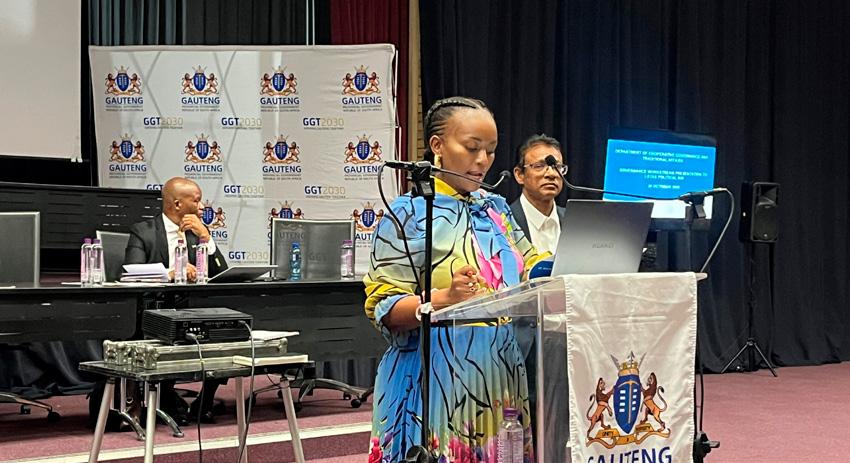
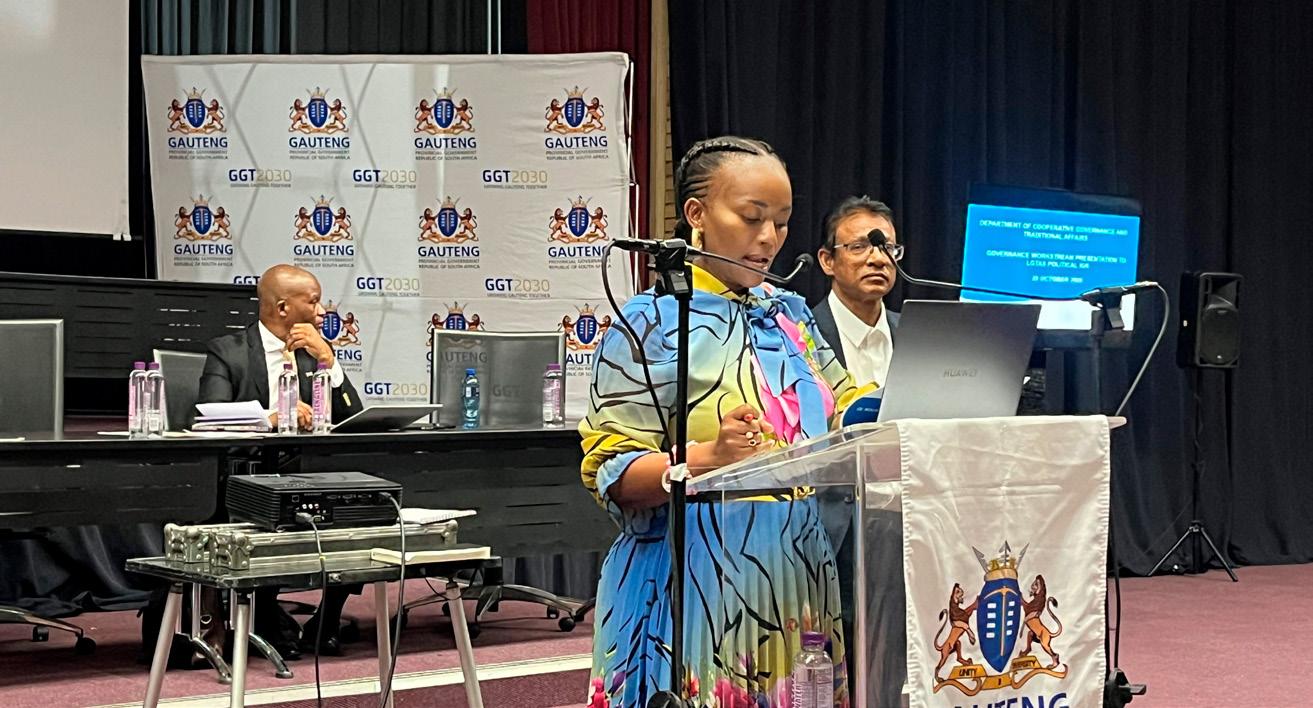
ONE YEAR ON… FROM COMMITMENT TO ACTION IN THE LOCAL GOVERNMENT TURNAROUND AGENDA
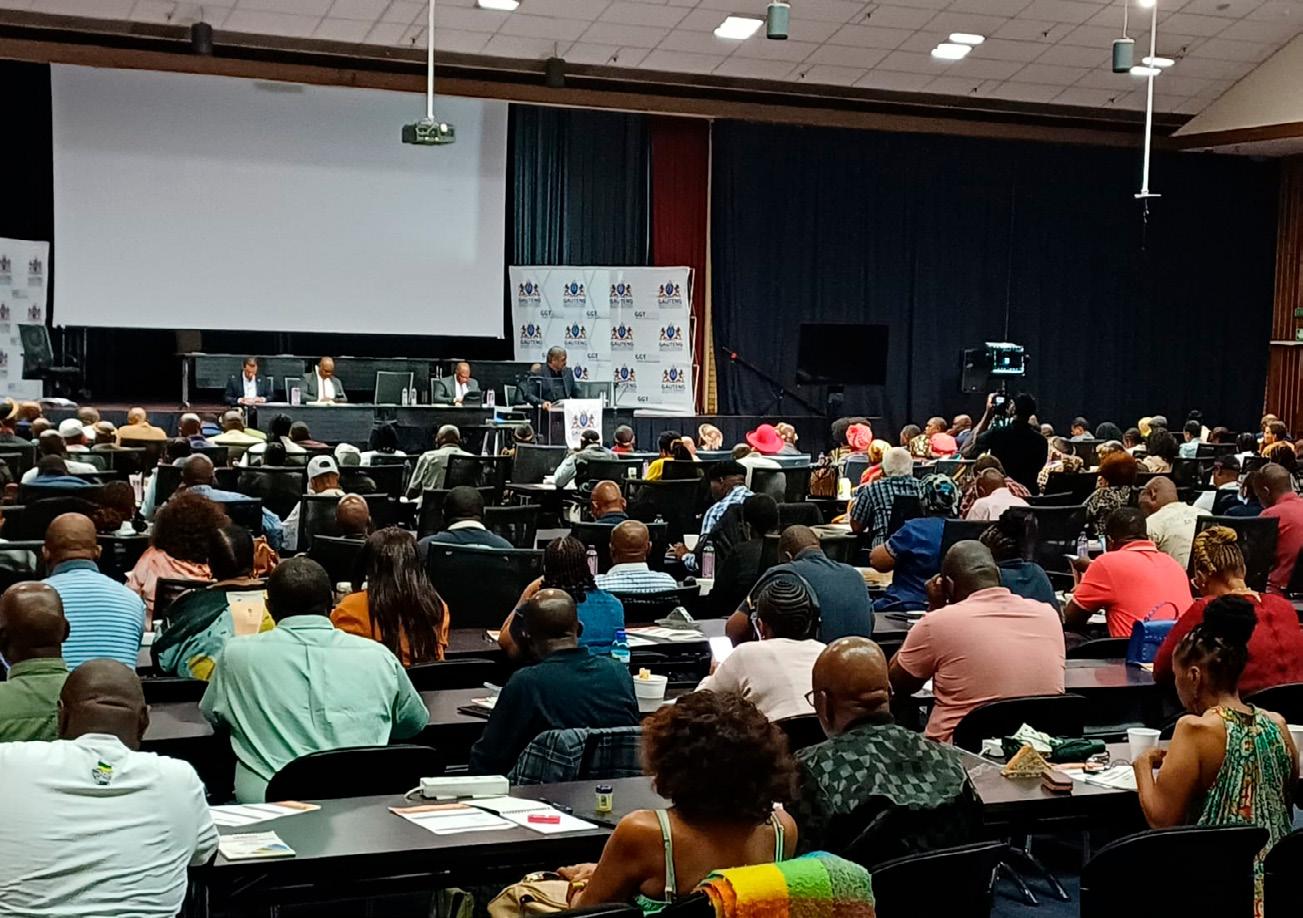
The recent Councillors Imbizo held in Ekurhuleni on 24 October 2025 was more than a routine engagement. It marked one year since the Local Government Turnaround Summit of October 2024 - a defining moment where government collectively acknowledged that local government had reached a critical inflection point. The summit, under the theme “Building Smart and Resilient Municipalities of the Future”, did not merely diagnose
the challenges facing municipalities; it produced a set of practical, consensus-driven recommendations that gave birth to the Local Government Turnaround Strategy (LGTAS) workstreams. A year later, the Imbizo provided an opportunity to reflect not only on progress made, but on a fundamental shift in how provincial government, through CoGTA, works with municipalities. The message emerging from Ekurhuleni was clear: turnaround is no longer a
concept - it is an active programme of work, anchored in political leadership, intergovernmental coordination and visible delivery.
The Local Government turnaround is being measured through implementation, oversight and delivery - not through resolutions alone.
From Summit Resolutions to an Overarching Provincial Approach
Since the Local Government Turnaround Summit of October 2024, the Local Government Turnaround Strategy workstreams have shifted from policy resolution to practical implementation, providing a coordinated platform for councillors, municipalities and all spheres of government to drive measurable change. Through the establishment of structured workstreams within the Local Government Turnaround IGR Forum, municipalities have been supported to implement Municipal Specific Turnaround Plans, address priority service delivery and governance challenges, and track progress against agreed indicators.
The Councillors’ Imbizo therefore served as a critical impact-assessment platform to reflect on progress made, interrogate challenges, and strengthen political oversight and accountability in advancing the turnaround of local government in Gauteng.
Political Leadership as a Catalyst: The Role of MMCs and Mayors
One of the most significant innovations flowing from the Summit recommendations has been the appointment of Members of the Mayoral Committees (MMCs) to work directly with Mayors on the development and implementation of local government turnaround plans.
This intervention recognised a critical reality: turnaround efforts often fail not
because of a lack of technical solutions, but because of weak political ownership. By placing MMCs at the centre of the turnaround process, working alongside Mayors, the province has reinforced political accountability for outcomes, driven by actions across nine core workstreams:
1. Governance
2. Finance
3. Service Delivery & Infrastructure
4. Institutional & Administrative Capabilities
5. Spatial Restructuring
6. Local Economic Development
7. Digital Transformation
8. Safety & Security
9. Disaster Management & Climate Resilience >
Why Intergovernmental Relations are NonNegotiable
A recurring lesson from municipal distress is that siloed interventions fail. Financial problems quickly become service delivery crises; infrastructure failures escalate into governance challenges. Recognising this, the province has deliberately strengthened IGR structures to monitor and support the Local Government Turnaround Strategy work.
The IGR structure of Gauteng COGTA is implemented through a rigorous weekly schedule designed to maintain constant dialogue and oversight. Each week begins with the Gauteng Integrated Communicator’s Forum on Mondays, followed by the Gauteng Safety & Security IGR Forum on Tuesdays, chaired by the Premier and MEC. Wednesdays alternate between the Water and Sanitation IGR Forum for water governance issues and the MEC-Mayors Touchbase held bi-weekly to escalate matters
requiring high-level intervention. Thursdays are dedicated to the LGTAS IGR Forum, monitoring the implementation of summit resolutions. Beyond these weekly engagements, the Head of Department convenes quarterly technical meetings with municipal managers to review reports, while ad-hoc structures are formed as needed to address emergent issues in areas such as energy, disaster management, and distressed infrastructure. This layered approach ensures continuous coordination, timely escalation, and adaptive response to governance challenges.
These IGR structures bring together National departments, Provincial sector departments, Municipal leadership, Key stakeholders such as SALGA and state-owned entities.
Their purpose is not compliance, but problem-solving and coordination. Through structured, regular engagements, these platforms allow challenges to be escalated early, responsibilities to be clarified, and support to be synchronised.
This has enabled faster response times to emerging risks and a reduction in duplicated or contradictory interventions.
Financial and Governance Stabilisation: The Foundation of Turnaround
Consistent with the LGTAS workstreams, early efforts have focused on stabilising governance and financial management, recognising these as prerequisites for sustainable service delivery.
Provincial CoGTA, working closely with Provincial Treasury, has prioritised:
• Restoring council functionality
• Supporting the filling of critical senior management posts
• Strengthening compliance with the MFMA and Municipal Systems Act
• Improving revenue management and expenditure controls
These interventions have yielded practical gains like more predictable council processes, improved cash flow in several municipalities and greater confidence from creditors and service providers
While these gains may appear incremental, they represent structural shifts that enable municipalities to move out of perpetual crisis mode.
By placing Mayors and MMCs at the centre of turnaround plans, accountability for municipal outcomes has shifted from intention to action.
Service Delivery where it Matters Most
For residents, turnaround is experienced not in reports, but in the restoration of basic services. The LGTAS service delivery and infrastructure workstreams have therefore focused on removing blockages that delay delivery.
Key interventions include fast-tracking stalled infrastructure projects, deploying technical expertise to municipalities with limited capacity, and coordinating provincial support for fleet and asset management.
In many municipalities, the completion of long-delayed projects has had a disproportionate positive impact on public confidence.
Strategic benefit: Visible delivery signals momentum, helping to stabilise communities and reduce service delivery protests.
Water Security: A Dedicated IGR Response
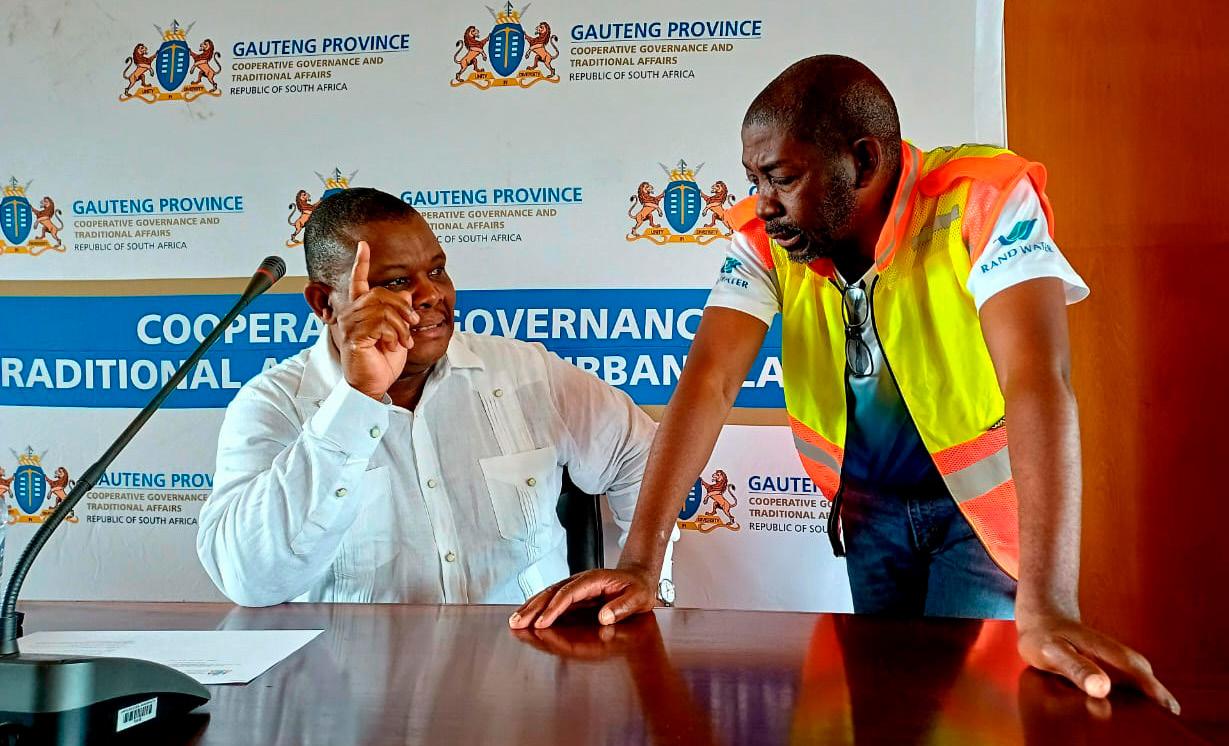
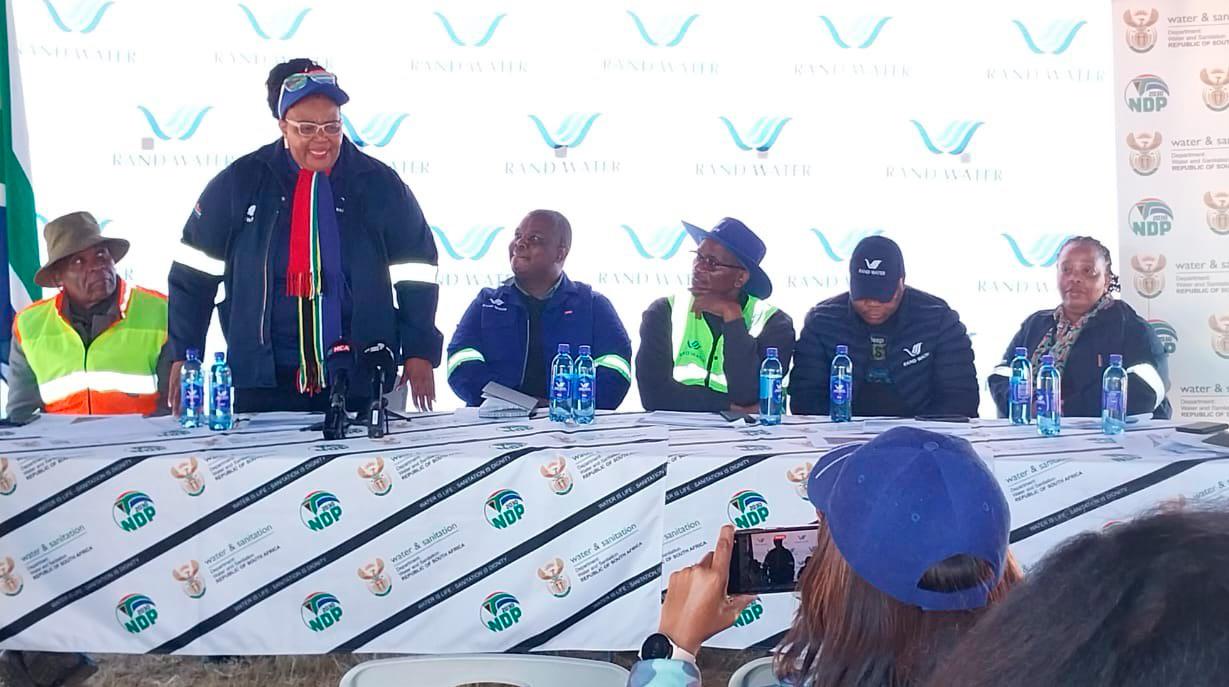
Water availability has emerged as one of the most pressing challenges across the province. In response, a weekly Water IGR has been established, bringing together the National Department of Water and Sanitation, 11 Gauteng Municipalities, the South African Local Government Association, Rand Water, Eskom and other provincial government departments.
This platform has fundamentally improved coordination around water supply, infrastructure maintenance and emergency responses. Instead of fragmented engagements, stakeholders now operate through a single,
Quick win: Improved coordination has reduced response times to water supply disruptions and improved planning across municipal boundaries.
Integrated Law Enforcement: Restoring Order and Authority
Another critical intervention flowing from the turnaround agenda has been the signing of a Memorandum of Understanding (MoU) with municipalities to integrate law enforcement agencies’ operations across the province. >
structured forum with shared situational awareness.
This agreement enables:
• Coordinated operations between municipal, provincial and other law enforcement agencies
• Improved enforcement of by-laws
• Stronger action against vandalism, illegal connections and infrastructure sabotage
• Law enforcement integration reinforces the authority of local government and protects critical infrastructure essential for service delivery.
Repositioning Communication as a Strategic Function
For years, local government communication has been under-prioritised, treated as a peripheral function rather than a strategic enabler. The LGTAS recognises this as a critical gap.
In response, the province is strengthening municipal communication through an Integrated Communicators IGR structure. This platform aligns communicators across spheres, ensuring
consistent messaging, proactive engagement and rapid response to misinformation.
Early improvements include:
• More coherent communication on service delivery challenges
• Better coordination during crises
• Improved engagement with communities and media
• Trust becomes an asset rather than a casualty of turnaround efforts.
From One Year of Action to Long-Term Renewal
One year after the Local Government Turnaround Summit, the workstreams are demonstrating that disciplined coordination delivers results. However, the true test lies ahead. Stabilisation must now give way to institutional resilience, ensuring municipalities can sustain gains without perpetual intervention.
For provincial CoGTA, this means:
• Embedding turnaround practices into normal operations
• Strengthening political and administrative leadership pipelines
• Ensuring IGR structures remain active beyond crisis moments
A Shared Responsibility, a Shared Future
The Councillors Imbizo in Ekurhuleni was a reminder that turnaround is not owned by any single institution - it is a collective responsibility. The Local Government Turnaround Strategy has provided a framework, but its success depends on continued political will, intergovernmental cooperation and honest engagement with communities.
As provinces, our role is not to replace municipalities, but to walk alongside them, ensuring that local government emerges stronger, more capable and more trusted than before. One year on, the direction is clear: from commitment, to action, to lasting renewal.
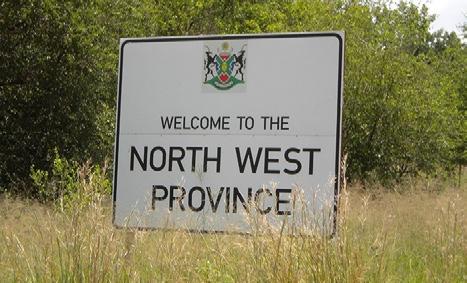
Premier of the North West Province: Lazarus Kagiso Mokgosi
As South Africa enters a defining year marked by the State of the Nation Address (SoNA) and the build-up to the 2026/27 Local Government Elections (LGE), the North West Provincial Government is deliberately positioning itself as a province focused on delivery, governance reform, and inclusive economic growth. A comprehensive programme of interventions - spanning infrastructure, health, job creation, municipal stabilisation, and global engagementsignals a province intent on translating policy into impact.
Global Engagement with Local Relevance
2025 marked an important moment for the North West Province as it played host to key engagements linked to South Africa’s G20 Presidency. The G20 Stakeholder Consultation, held at the North West University - Potchefstroom campus and MM Sebitloane Special School in Taung, placed a spotlight on women, youth, and persons with disabilities - groups central to inclusive development and social justice.
This was followed by the Third G20 Sherpas Meeting in Sun City, where South Africa reinforced Global South priorities, including inclusive growth, sustainable development, debt sustainability for low-income economies, critical minerals, and the Just Energy Transition.
For the North West, these discussions were far from abstract. They directly align with the province’s socioeconomic realities, where unemployment, inequality, and poverty remain persistent challenges. By anchoring global commitments within provincial development
priorities, the North West has signalled its intention to ensure that international policy frameworks translate into tangible local benefits.
As President Cyril Ramaphosa has repeatedly emphasised, inclusive growth and social justice are central to South Africa’s developmental trajectory. For provinces such as the North West, the effective implementation of these global priorities offers a pathway to economic renewal and social stability.
With
governance reform, infrastructure investment, and municipal recovery gaining momentum, the North West is positioning itself for heightened scrutiny and accountability in 2026.
A Strengthened Fiscal Framework to Support Delivery
This commitment to delivery was reinforced by the presentation of the 2025 Provincial Adjustment Budget, tabled by MEC for Finance Kenetswe Mosenogi. An additional R1.4 billion was announced, informed by early signs of economic recovery emerging nationally.
The lion’s share of this allocation was directed towards Health, Education, and Public Works and Roads - sectors that form the backbone of service delivery and human development.
The targeted investment reflects a clear policy stance: strengthening frontline services while addressing long-standing infrastructure backlogs.
Education remains central to provincial priorities, with funding aimed at safeguarding effective teaching >
and learning environments. In healthcare, the focus is on expanding access, strengthening capacity, and addressing systemic pressures that affect service quality. Meanwhile, investment in public works and road infrastructure is designed to unlock economic activity, improve mobility, and support local development.
Advancing Health Outcomes and Social Resilience
The provincial government’s focus on health and social development gained further momentum during the Sixteen Days of Activism for No Violence Against Women and Children, as well as the successful commemoration of World AIDS Day in Tlhabane, within Rustenburg Local Municipality.
The North West has made notable progress in responding to HIV and TB, aligned with the Global AIDS Strategy 2021-2026. Over 95 percent of people living with HIV in the province know their status, and those on treatment are virally suppressed. The province is also leading nationally in the management of drug-resistant TB, achieving a success rate of between 84 and 86 percent.
To strengthen healthcare delivery further, an additional R200 million has been allocated to support the employment of nurses and doctors. This includes the procurement of 54 new ambulances, expected to be delivered before the end of the year - a significant boost to emergency medical services, particularly in rural and underserved areas.
In parallel, the province has reaffirmed its support for victims of Gender-Based Violence and Femicide (GBVF), echoing the President’s declaration of GBVF as a national crisis. The provincial leadership maintains that inclusive growth, women’s empowerment, and social equity are essential
to addressing the root causes of violence and inequality.
Driving Economic Recovery Through Jobs and Growth
Job creation and accelerated service delivery have been identified as the province’s two apex priorities. Central to this agenda is the Provincial Growth and Development Strategy, approved by the North West Executive Council in May 2025.
Coupled with a detailed implementation plan, the strategy provides a clear roadmap for economic revitalisation, anchored in infrastructure development, sector diversification, and inclusive participation. Its formal launch is scheduled for February 2026, ahead of the State of the Province Address, positioning it as a cornerstone of the province’s 2026 economic agenda.
Encouragingly, the latest Quarterly Labour Force Survey reflects the creation of 42 000 jobs, contributing to a two-percent reduction in unemployment. Agriculture, a key economic driver, has played a meaningful role in this improvement.
Through targeted support programmes, more than 1 000 subsistence producers have been assisted, with over R80 million allocated to strengthen smallholder
At a Glance:
North West in Numbers (2025–2026)
• R1.4bn - Adjustment Budget boost
• 42 000 jobs - Unemployment down 2%
• 8/12 departments - Unqualified audit outcomes
• R476m – Road rehabilitation and upgrading
• R201m - Rural bridges (580+ jobs)
• R100m - Investment in provincial yellow fleet
• R200m - Additional funding for nurses and doctors
• 95%+ - HIV status awareness and viral suppression
• 84-86% - Drug-resistant TB treatment success
• 54 - New ambulances strengthening EMS capacity
and emerging farmers. These interventions aim to improve food security, enhance productivity, and revitalise rural livelihoods.
In addition, initiatives such as the Dunlop Wheel and Alignment Projects, launched under the Thuntsha Lerole programme, are taking shape as catalytic hubs for SMME development and local economic activity.
Infrastructure Investment as a Catalyst for Development
Infrastructure remains a central pillar of the province’s growth strategy. Significant progress has been recorded across major road rehabilitation projects in Mahikeng, Kgetlengrivier, Kagisano Molopo, and Ditsobotla Local Municipalties, including routes supporting access to Sephaku Mines. These projects improve safety, facilitate trade, and enhance access to social services.
A R100 million investment in the provincial yellow fleet has strengthened maintenance capacity, while districts have been tasked with implementing joint road maintenance initiatives to address persistent backlogs.
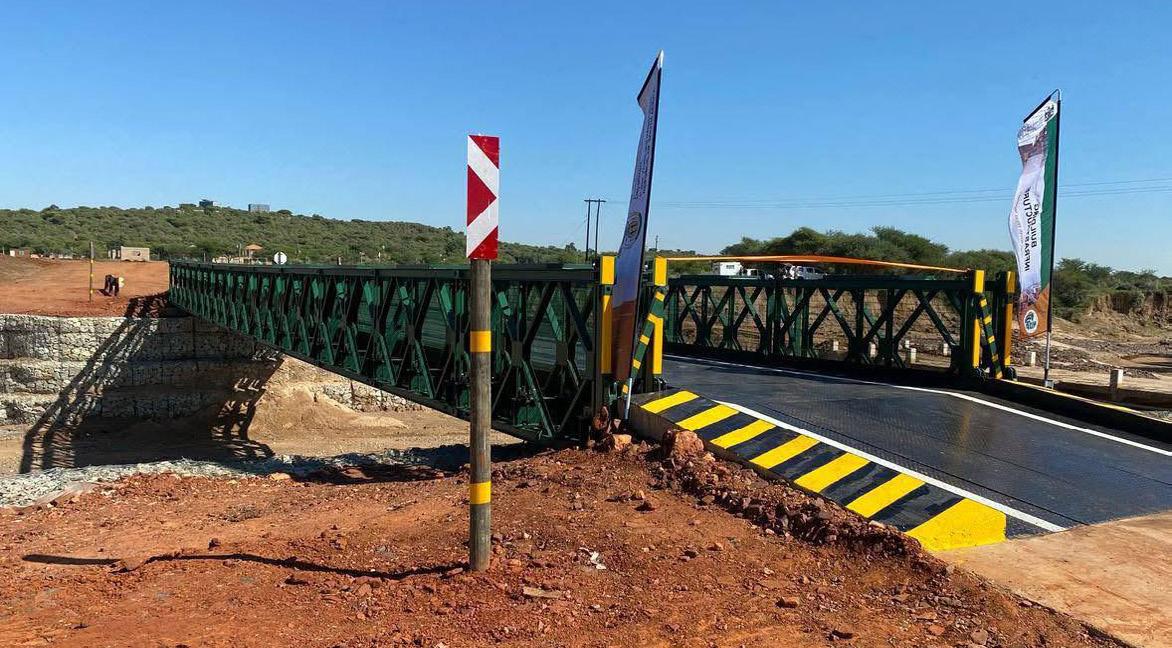
Further investment includes R201 million for the Welisizwe Rural Bridge Programme, expected to create more than 580 job opportunities across fourteen projects. An additional R476 million from the Provincial Road Management Grant has been allocated to rehabilitation and upgrading through labour-intensive block paving projects.
To address flood damage experienced earlier in the year, the Department of Public Works and Roads received an additional R256 million, including R150 million in disaster relief funding.
Expanding Access to Water and Sanitation
Water security remains a critical development priority. Through Operation Bulela Metsi, implemented in collaboration with the Department of Water and Sanitation, the province continues to roll out targeted interventions to ensure universal access to water.
A R106 million water supply project is underway in Dinokana, within Ramotshere Moiloa Local Municipality, while a 25-megalitre reservoir under construction in Ikageng Township (JB Marks Local Municipality) will serve multiple communities and industrial areas.
Additional projects funded through the Municipal Infrastructure Grant (MIG) include the augmentation of bulk water infrastructure in Ipelegeng, Schweizer-Reneke, valued at R131 million and nearing completion. The City of Matlosana Local Municipality is refurbishing electrical and mechanical equipment at several pump stations to ensure consistent supply, with a R39.5 million project lose to completion.
Across Mahikeng Local Municipality, water and sanitation projects at various stages of construction represent a combined investment of R385 million, further reinforcing long-term service reliability.
Strengthening Governance and Municipal Performance
These infrastructure and service delivery gains are underpinned by an improving governance environment. In the most recent audit cycle, eight of twelve provincial departments achieved unqualified audit outcomes, with the Departments of Arts, Culture, Sports and Recreation and Provincial Treasury receiving clean audits.
At municipal level, decisive interventions have yielded stabilising results. Ditsobotla Local Municipality was placed under administration in terms of Section 139(7) of the Constitution, restoring operational stability and accountability.
The implementation of Mandatory Financial Recovery Plans (FRPs) across municipalities under provincial
intervention continues to register encouraging progress. Ramotshere Moiloa Local Municipality has advanced to the Sustainability Phase – the final stage of the FRP framework – and has formally exited financial distress. This achievement follows the adoption of a funded budget and qualification for Eskom debt relief. Similarly, Dr Ruth Segomotsi Mompati District Municipality has adopted a funded budget for the 2025/26 MTREF and has commenced the Sustainability Phase, with expectations that it will exit financial distress in the coming months.
Looking Ahead... Stability, Accountability and Growth
As South Africa enters 2026, the North West Province is aligning governance reform, infrastructure investment, and economic inclusion with national priorities articulated through SoNA and the broader reform agenda.
With the upcoming Provincial Local Government Kgothe-kgotla, infrastructure summits, and continued engagement across economic sectors, the province is reinforcing its commitment to ensuring that every municipality works.
In a year that will define the country’s governance trajectory ahead of the 2026 Local Government Elections, the North West Province’s focus on delivery, accountability, and inclusive growth positions it as a province intent on turning strategy into measurable outcomesfor communities, municipalities, and the broader economy.
North West Provincial Government
MISA STRENGTHENS ROAD INFRASTRUCTURE SUPPORT ACROSS 30 MUNICIPALITIES
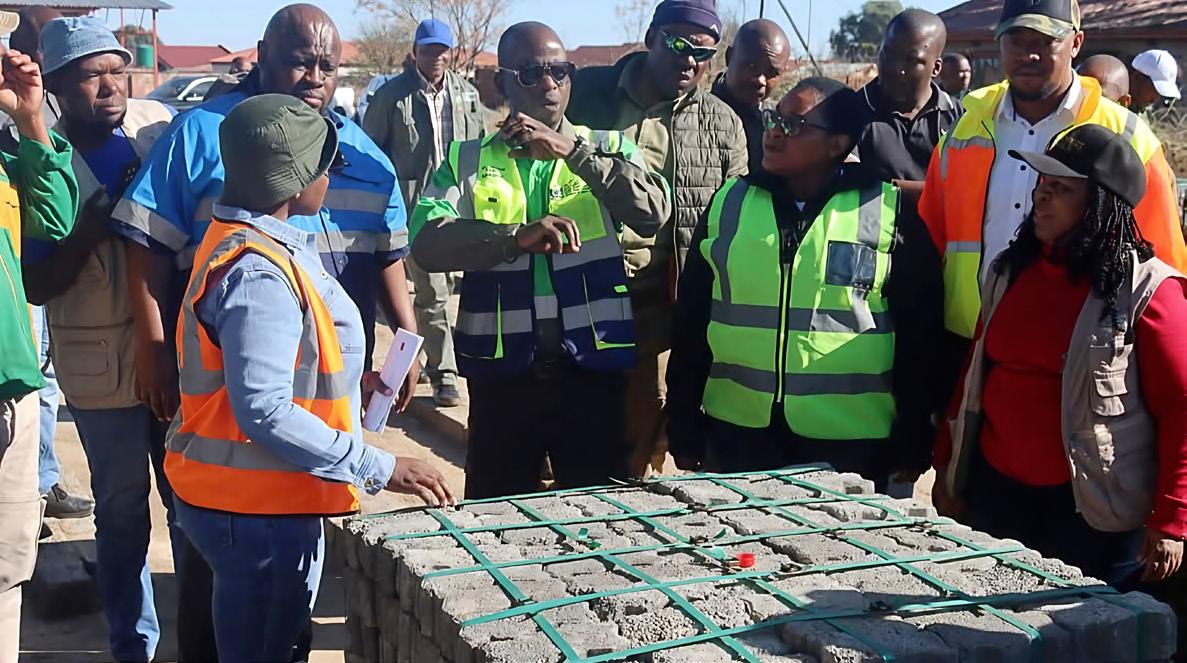
The Municipal Infrastructure Support Agent (MISA) has completed a major phase of its national intervention aimed at improving road infrastructure in 30 municipalities across South Africa. The initiative forms part of a targeted response to service delivery challenges identified by the InterMinisterial Committee (IMC) on Service Delivery, which prioritised municipalities requiring urgent technical and operational support.
The IMC identified a range of Metropolitan, Intermediate City and Local Municipalities in need of additional assistance to accelerate service delivery. In response, MISA implemented a focused intervention centred on pothole patching and general road maintenanceessential functions for ensuring safe, accessible and reliable transport networks for communities.
While MISA’s core mandate is to provide technical support to municipalities, it also extends assistance to metropolitan municipalities on an ad hoc basis when required. Of the 30 identified municipalities, 19 were selected for material support, with 13 priority IMC municipalities receiving direct assistance in the form of road maintenance materials for pothole patching.
This intervention reinforces MISA’s mandate of strengthening
municipal capacity and improving service delivery outcomes.
By addressing deteriorating road conditions, particularly in municipalities facing financial and operational constraints, the programme contributes to restoring mobility and supporting local infrastructure stability.
Why Road Maintenance Remains Critical for Municipalities
Municipalities are responsible for managing extensive road networks that require continuous maintenance to prevent deterioration. Without timely upkeep, surface cracks and structural failures can worsen rapidly due to contraction and expansion within road layers, leading to increased repair costs, unsafe road conditions and reduced accessibility.
Many municipalities continue to experience budgetary limitations that affect their ability to maintain internal roads, access routes and stormwater systems. These challenges impact public transport operations, daily commuting and local economic activity. Through this intervention, MISA helped ease these pressures by supplying essential materials, enabling municipalities to prioritise critical transport corridors such as bus routes, main roads, link roads and high-traffic intersections.
The selected IMC municipalities were prioritised not only based on infrastructure need, but also on their readiness and capacity to implement repairs effectively once materials were provided. This approach ensured that the support delivered resulted in measurable and sustainable improvements at local level, maximising the value of government investment.
Well-maintained municipal roads play a vital role in socio-economic development. Improved road conditions enhance the movement of people and goods, strengthen connectivity between communities and economic centres, and contribute to inclusive growth.
The completion of the pothole patching intervention across 30 municipalities reflects MISA’s continued commitment to strengthening municipal infrastructure and supporting service delivery. Through ongoing collaboration with municipalities and government stakeholders, MISA remains focused on practical interventions that improve infrastructure resilience and contribute to sustainable municipal development.
FIXING THE AUDIT CYCLE IN LOCAL GOVERNMENT
HOW SMARTMUNIC BY BOXFUSION IS HELPING MUNICIPALITIES MOVE FROM RECURRING FINDINGS TO AUDIT-READY OPERATIONS
Year after year, the AuditorGeneral of South Africa (AGSA) delivers a familiar message to municipalities across the country. Weak internal controls, irregular expenditure, missing documentation, and unreliable performance information continue to dominate municipal audit outcomes.
Despite repeated interventions, only a small percentage of municipalities achieve clean audits. Behind these figures lies a deeper challengeone that affects not only compliance, but service delivery, financial sustainability, and public trust.
For municipal leadership, the issue is no longer whether audits matter, but why the same failures persist and what can be done differently to break the cycle.
Why Municipal Audits keep Failing
AGSA’s findings remain consistent largely because the underlying systems and processes have not fundamentally changed. In many municipalities, daily operations still rely on manual or paperbased processes that struggle to meet modern governance requirements.
Common Challenges Include:
• Paper records that cannot be easily verified or retrieved
• Manual data capturing that leads to duplication and human error
• Fragmented systems that do not speak to one another
• Weak enforcement of internal controls
• Over-reliance on consultants to prepare audit files at year-end
These challenges do not exist in isolation. When billing systems are inaccurate, municipalities lose revenue. When procurement controls are weak,
irregular expenditure escalates. When documentation cannot be produced, audit findings increaseeven when services may have been delivered.
Ultimately, audit failures translate into delayed infrastructure projects, reduced service delivery, and declining confidence from communities and investors alike.
Audit readiness cannot be a yearend scramble. It must be built into daily municipal operations, where compliance, evidence, and accountability are captured at the point of action.
Audit Readiness must be Built into Daily Operations
One of the most critical lessons emerging from recent audit cycles is that compliance cannot be treated as a year-end exercise. Audit readiness must be embedded into the day-today functioning of a municipality.
This requires digital systems that automatically enforce controls, capture evidence at the point of transaction, and create a reliable audit trail throughout the financial year.
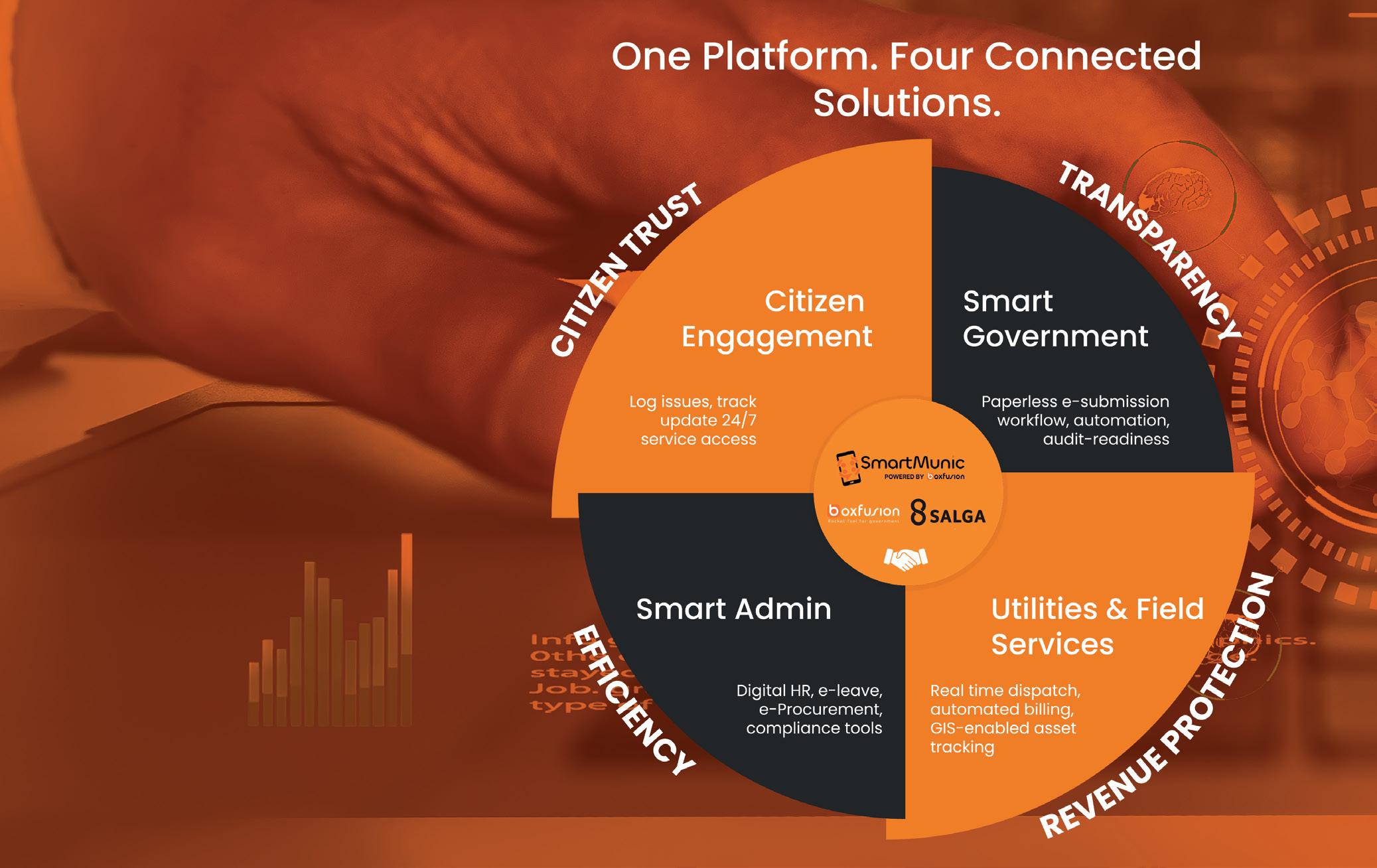
SmartMunic, developed by Boxfusion in partnership with the South African Local Government Association (SALGA), was designed with this reality in mind - enabling municipalities to move away from reactive compliance towards audit-ready operations by design.
Rather than digitising old inefficiencies, SmartMunic focuses on strengthening governance processes at source.
Building Compliance into Municipal Systems
Through its integrated modules, SmartMunic supports municipalities across several high-risk audit areas.
Supplier management functionality verifies vendors against SARS, CIPC and National Treasury restricted supplier databases before onboarding, reducing exposure to irregular expenditure.
Invoice and payment tracking ensures that supporting documents, proof of delivery and approvals are captured digitally before payments are processed, creating a complete audit trail.
Council and committee resolution tracking records decisions together with supporting documentation, improving governance credibility and accountability.
Municipal billing and revenue management tools digitise the full
revenue lifecycle, reducing leakage and ensuring that every bill, payment or disconnection is traceable.
By embedding controls within the system itself, compliance becomes part of normal operations rather than an administrative burden imposed at audit time.
Aligning Municipalities with National Digital Reform
Digital transformation is no longer optional within the public sector. National government has clearly articulated this through South Africa’s Digital Transformation Roadmap, which outlines how government institutions - including municipalitiesshould modernise service delivery and governance.
SmartMunic aligns directly with the roadmap’s core pillars, enabling municipalities to position technology
investments as national compliance rather than discretionary ICT expenditure.
Through citizen-facing applications, WhatsApp channels and digital service portals, municipalities support the Digital Identity pillar by creating secure and accessible service platforms.
eProcurement tools, online service requests and automated workflows align with the Digital Services pillar, enabling always-on platforms that improve accessibility for communities.
Smart Insights dashboards consolidate operational, financial and performance data, supporting real-time reporting and enabling municipalities to strengthen evidence-based decision-making under the Data Exchange and Open Data framework.
Built in line with public sector cloud and data requirements, SmartMunic also supports municipalities’ transition away from isolated legacy systems toward secure and scalable platforms.
This alignment allows municipal CFOs, CIOs and accounting officers to justify technology investments as strategic enablers of reform.
Delivering Quick Wins
that Communities can See
Digital transformation does not need to take years to deliver impact. Practical smart city solutions can produce visible improvements within months.
SmartMunic enables municipalities to implement targeted quick wins such as:
• eBilling and revenue analytics that improve collections and reduce losses
• Service request tracking that allows residents to log issues digitally and monitor progress
• Fieldworker applications that assign work orders, capture GPS data and close jobs in real time
• Supplier onboarding portals that speed up registration and prevent repeat non-compliance
Each intervention can be measured against tangible indicators - including revenue recovered, service turnaround times, and reduced audit exceptions.
These measurable outcomes help leadership demonstrate progress to councils, communities and oversight bodies.
Proven Impact in Municipalities
Across South Africa, SmartMunic solutions are already supporting operational improvements in both metros and districts.
In eThekwini Electricity, work order management systems have strengthened planning, reduced errors and protected critical revenue streams through improved revenue protection processes.
At OR Tambo District Municipality, a service delivery mobile application provided residents with a direct channel to log service issues and track progress. The system improved transparency, reduced response delays and strengthened communication between the municipality and its communities.
These implementations are not pilots. They are live systems delivering measurable governance and service delivery outcomes.
From Compliance to Public Confidence
Audit readiness is about more than clean opinions. It directly influences how communities experience local government.
When irregular expenditure is reduced, more funding becomes available for infrastructure and maintenance. When service requests are tracked transparently, accountability improves. When financial systems are credible, trust begins to rebuild.
Strong digital governance sends a clear signal that a municipality is functioning, stable and committed to responsible leadership.
A Decisive Moment for Local Government
The next AGSA report will not soften its findings. Fiscal pressure continues to grow and public expectations remain high.
Municipalities face a clear choicecontinue repeating the same patterns, or embrace systems that support modern governance.
SmartMunic by Boxfusion, developed in partnership with SALGA, offers municipalities a practical path forward: audit-ready operations, alignment with national digital reform, and visible service delivery improvements.
The tools exist. The policy direction is clear. What remains is the decision to act.
WARD DEMARCATION
ELECTORAL BOUNDARIES FINALISED
Local Government Elections
South Africa has entered a decisive phase in its democratic calendar. The formal handover of final municipal ward boundaries by the Municipal Demarcation Board (MDB) to the Electoral Commission (IEC) marked a critical milestone in
preparation for the 2026/2027 Local Government Elections that must take place between November 2, 2026 and January 31, 2027.
More than an administrative requirement, the completion of the ward delimitation process
represents the closing of one constitutional chapter and the activation of another. It provides the geographic and legal foundation upon which electoral logistics, political participation, and local democratic representation will now be built.
A Constitutional Process Brought to Completion
Municipal ward demarcation is among the most technically demanding and constitutionally sensitive responsibilities in South Africa’s democratic system. It determines how communities are represented at local level, how councillors are elected, and how municipalities plan and govern for the duration of an electoral term.
In fulfilling its mandate, the MDB is required to apply legislated criteria that balance population equality, community cohesion, accessibility, and administrative practicality. This work must be done transparently, independently, and with due regard for public participation.
The handover of final ward boundaries confirms that this process has been completed in accordance with the law - following extensive data analysis, consultation, and consideration of objections. With ward boundaries now settled, certainty is provided not only to the IEC, but also to municipalities, political parties, independent candidates, and communities across the country.
Marking the Moment: The Wards Handover Event
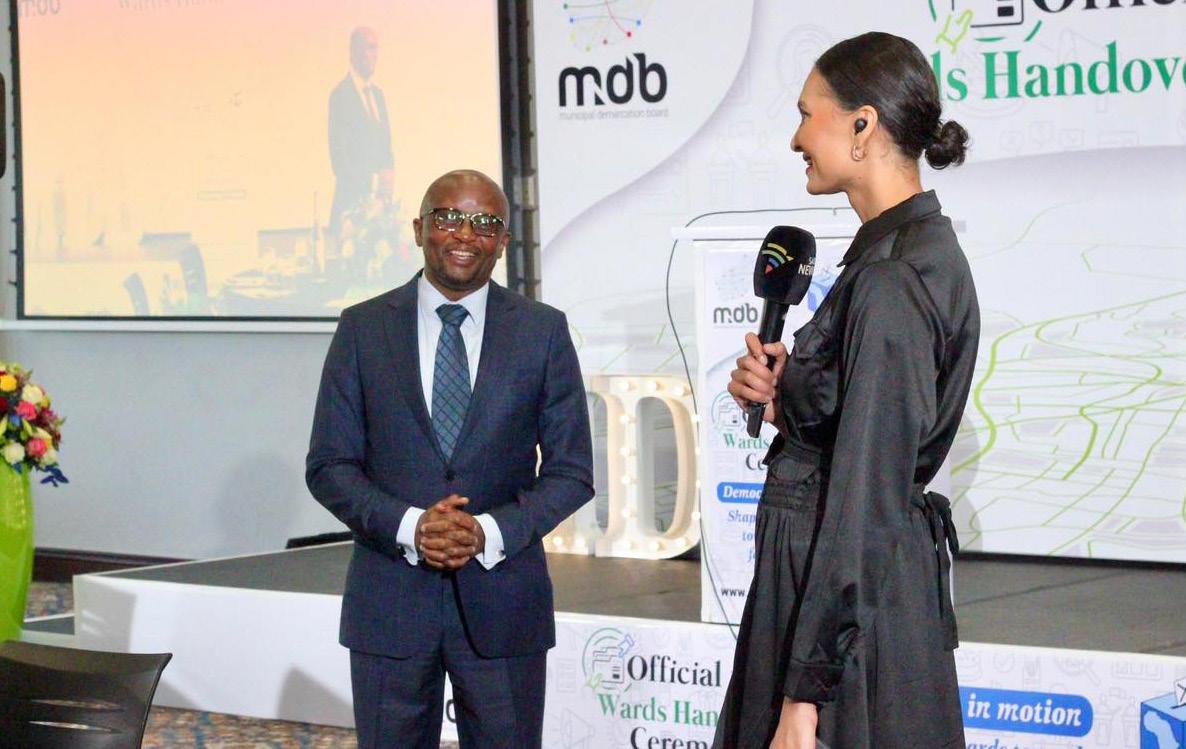
The official handover of the wards was marked by a ceremony at the IEC’s head office in Centurion on 10 December 2025, attended by senior representatives from national government, the Municipal Demarcation Board, the Electoral Commission, municipalities, traditional leadership, and civil society.
The occasion carried both symbolic and practical significance. Symbolically, it underscored the importance of ward boundaries as the building blocks of local democracy. Practically, it marked the point at which responsibility for the next phase of the electoral process transitions fully to the IEC.
Speakers at the event emphasised that ward boundaries are not abstract lines on a map, but instruments that shape representation, accountability, and service delivery at community level. The handover reaffirmed the principle that credible elections begin long before ballots are cast - with sound preparation, institutional coordination, and respect for constitutional processes.
The event also highlighted the collaborative yet independent roles of the MDB and the IEC, demonstrating how constitutional bodies operate in sequence to safeguard democratic outcomes.
What the Final Ward Delimitation Means
The latest ward delimitation cycle reflects changes in population distribution, settlement growth, and spatial development patterns since the previous local government elections. While municipal outer boundaries remain unchanged, wardlevel adjustments were necessary to ensure equitable representation and compliance with prescribed norms.
These final wards now form the basis for:
• the configuration of voting districts and voting stations
• the alignment of voters’ rolls
• the nomination of ward candidates
• the planning and execution of election operations
For communities, the finalisation of wards provides clarity about representation and voting arrangements. For municipalities, it supports improved alignment between governance structures, planning processes, and community needs.
Enabling Electoral Readiness
With the ward framework now finalised, the IEC is able to proceed with full certainty in its operational preparations for the 2026/2027 Local Government Elections.
Accurate ward boundaries are essential to ensuring that every registered voter is correctly assigned to a voting district, that election materials are prepared accurately, and that logistical planning is executed efficiently across all municipalities.
This certainty also allows political parties and independent candidates to engage communities within clearly defined electoral spaces, strengthening the fairness and transparency of the contestation process. >
Minister of CoGTAVelenkosini Hlabisa
“Municipal wards are the foundation of local democracy. They ensure citizens know who to approach, allow councillors to be held accountable, and align service delivery with real communities rather than arbitrary boundaries.”
Electoral Commission ChairpersonMosotho Moepya
“We acknowledge the intricate and sensitive nature of determining ward boundaries … and will now carry the process forward, emphasising the importance of active societal involvement.”
Electoral Commission CEOSy Mamabolo
“With ward boundaries now confirmed, the Commission can proceed with detailed operational planning to support a credible and well-managed local government election.”
The timely handover of final wards therefore contributes directly to the credibility and integrity of the upcoming elections.
Implications for Local Governance Beyond Elections
Ward boundaries do not only matter on election day. They shape local governance throughout the five-year term that follows.
Councillors elected within these wards will be responsible for representing defined communities, engaging residents on service delivery issues, and participating in municipal decisionmaking processes. Well-designed wards support effective representation, manageable workloads for councillors, and stronger accountability between communities and local government.
In this context, the completion of the demarcation process has longterm implications for governance stability, planning effectiveness, and community engagement across South Africa’s municipalities.
Reinforcing Institutional Trust
Public confidence in democratic institutions is built through consistency, transparency, and adherence to constitutional principles. The orderly completion of the ward delimitation process and its formal handover to the IEC reinforces trust in the independence and professionalism of South Africa’s electoral system.
It demonstrates that even in a complex and evolving socio-economic environment, constitutional bodies continue to fulfil their mandates without political interference
and with due regard for public input and legal oversight.
This institutional reliability is particularly important as the country approaches elections that will shape the composition and direction of local government during a period of heightened public expectations around service delivery and accountability.
A Defining Electoral Cycle
The 2026/2027 Local Government Elections will take place against a backdrop of economic pressure, infrastructure demands, urbanisation, and growing citizen scrutiny of municipal performance. Local government remains the sphere of government closest to communities - and often the most immediately felt.
As such, the integrity of these elections matters deeply. The finalisation of ward boundaries is one of several foundational steps that will determine the credibility and smooth functioning of the electoral process.
By completing this step timeously and transparently, the MDB
has enabled the IEC and other stakeholders to focus on the next phases of voter engagement, education, and participation.
From Boundaries to Ballots…
With ward boundaries now finalised, the institutional groundwork has been concluded, and the focus now shifts decisively to implementation. Voter registration initiatives, candidate nominations, election logistics, and civic education efforts will intensify in the months ahead.
For communities, this marks the beginning of a period of engagement - understanding ward changes, confirming registration details, and preparing to exercise the right to vote. For institutions, it signals the transition from planning to execution.
The work undertaken by the MDB now becomes embedded in the democratic process itself, shaping representation and governance for years to come.
For municipalities, political formations, and citizens alike, the framework is now set - allowing the democratic process to unfold with certainty, transparency, and purpose in the months ahead.
The GEPF’s investment portfolio has grown to R2.69 trillion; proof that every year of service contributes to a fund built on trust and responsibility. Your dedication has built this strength, and this strength now protects your future.
From years of service to years of dignity... For Life
NORTH WEST COGTA ACCELERATES MIG WATER AND SANITATION PROJECTS
Access to safe, reliable water and dignified sanitation remains one of the most critical service delivery imperatives facing South Africa’s municipalities. In the North West Province, tangible progress is being made as the provincial Department of Cooperative Governance and Traditional Affairs (CoGTA), working through municipalities and sector partners, records significant momentum in the delivery of water and sanitation infrastructure funded through the Municipal Infrastructure Grant (MIG).
Sustained investment in bulk water, reservoirs, pump stations and sanitation infrastructure is essential to stabilise supply, ensure compliance, and strengthen long-term municipal service delivery.
Recent updates from the provincial department point to a portfolio
of projects at advanced stages of completion, reflecting improved planning, implementation oversight and intergovernmental coordination. Collectively, these projects are aimed at addressing long-standing water shortages, stabilising supply systems and extending services to growing communities across both urban and rural areas of the province.
Advancing Critical Water Infrastructure Across Municipalities
Among the flagship interventions is the R131 million Bulk Water Augmentation Project in Ipelegeng, SchweizerReneke, which has reached 95% completion. The project represents a major step towards resolving chronic water supply challenges in the area and includes the R14.8 million refurbishment of the Schweizer-Reneke Water Treatment Works, enhancing the system’s capacity and reliability.
In the City of Matlosana, investment in the refurbishment of key water
pump stations in Jouberton, Ellaton, Loraine, Kanana and Khuma is nearing completion. Valued at R39.5 million, these upgrades are expected to stabilise water supply across a densely populated municipal area that has historically experienced intermittent disruptions.
Mahikeng Local Municipality continues to benefit from extensive water and sanitation investments, with projects underway in Madibe A Tau, Lonely Park, Setlopo, as well as the Mahikeng Rural Sanitation initiative. Combined, these interventions represent an investment of approximately R385 million, underscoring the scale of commitment required to address backlogs in both reticulation and sanitation infrastructure in mixed urban-rural settings.
In Rustenburg, the Tlhabane Bulk Internal Water Reticulation Project, valued at R58 million, is now 96% complete, while in Lethabong, the Internal Sewer Reticulation and Waste Water Treatment Works Upgradeworth more than R140 million - has reached 82% completion. These projects are critical not only for
household access, but also for environmental compliance and public health protection.
Complementing MIG Through Targeted Interventions
In addition to MIG-funded projects, water security in the province is being strengthened through Operation Bulela Metsi, a targeted water and sanitation intervention programme implemented in collaboration with the Department of Water and Sanitation. The programme focuses on fast-tracking solutions in high-risk and waterstressed areas through coordinated planning, emergency interventions and infrastructure upgrades.
One of the notable projects under this initiative is the R106 million Dinokana Water Supply Intervention in Ramotshere Moiloa Local Municipality, which is currently underway and aimed at strengthening long-term water security for residents. In JB Marks Local Municipality, construction of the 25ML reservoir in Ikageng is progressing well and will soon supply water to several extensions, including Potchefstroom Industria and Mohadin, significantly improving storage capacity and distribution resilience.
Understanding the Role of the Municipal Infrastructure Grant (MIG)
The progress recorded across the North West Province highlights the strategic importance of the Municipal Infrastructure Grant, one of government’s primary funding instruments for basic service infrastructure at local government level.
The MIG is designed to support municipalities in providing essential infrastructure such as water supply, sanitation, roads and stormwater,
particularly in under-served and historically disadvantaged communities. As a conditional grant, it requires municipalities to meet specific planning, reporting and implementation standards, while provincial and national departments provide oversight and technical support.
The progress recorded across the North West reflects a renewed focus on disciplined implementation, strengthened oversight, and coordinated delivery to ensure reliable water and sanitation services for our communities.
When effectively managed, MIG funding enables municipalities to address infrastructure backlogs, improve service reliability and support inclusive development. The North West projects demonstrate how strengthened monitoring, quarterly performance forums and improved coordination between CoGTA, municipalities and implementing agents can translate funding into visible outcomes on the ground.
Strengthening Governance and Delivery Capability
MEC for Cooperative and Traditional Affairs Gaoage Molapisi has emphasised that the progress achieved reflects a deliberate focus on improving project implementation and oversight.
“These achievements reflect CoGTA’s commitment to strengthening provision of basic services such as water to improve the quality of life of our communities. The success in project implementation and monitoring done through quarterly forums, have improved our performance in implementing MIG projects” remarked MEC Molapisi.
Reliable water and sanitation services are foundational to economic activity, public health and community wellbeing, and remain central to strengthening municipal governance and institutional capability, and restoring public confidence in local government in the North West Province.
Sustained Impact
As municipalities continue to contend with ageing infrastructure, growing demand and fiscal constraints, the progress recorded in the North West demonstrates how disciplined implementation of MIG-funded projects, supported by targeted interventions and intergovernmental coordination, can deliver lasting service delivery outcomes.
The developments in the North West underscore the continued relevance of MIG as a tool for addressing service delivery backlogs and advancing government’s commitment to improving the quality of life for communities.
With several projects nearing completion and others progressing steadily, CoGTA’s work in the province reflects a sustained effort to move from planning to implementation - and from commitment to impact - in one of the most critical areas of municipal service delivery.
BUILT FOR WORK. DESIGNED FOR YOUR MUNICIPALITY.
A WASTE MANAGEMENT SOLUTION FOR RELIABLE SERVICE DELIVERY
Waste collection demands equipment that performs every single day. The MAN TGS 33.400 is engineered for exactly that purpose.
With a 23m³ volume that allows maximum payload and a heavy-duty PTO built for continuous operation, the compaction system delivers consistent, high-density loading - allowing crews to collect more on every route. The MAN TipMatic gearbox, paired with the Collect Driving program for refuse collector, uses a gearshift strategy designed specifically for start-stop operation, improving efficiency and reducing wear that typically strains municipal fleets.
High ground clearance and robust planetary axles give the MAN TGS 33.400 dependable capability on challenging landfill terrain, ensuring a smooth transition from road to tip.
From streets to landfill sites, this cost-effective waste management solution is purpose-built to keep collecting - day after day.
STRENGTHENING WATER SERVICES BY PROFESSIONALISING PROCESS CONTROLLERS
South Africa’s water sector cannot stabilise without stronger governance at municipal level. Ageing infrastructure, limited budgets and technical backlogs all play a role, but they are not the only factors behind service failures. A large part of municipal performance hinges on whether treatment works are operated by qualified, accountable professionals who are subject to independent oversight.
This is where Regulation 3630 of the National Water Act comes in, which was designed to close the gap. It makes the professional registration of Process Controllers a legal requirement and a governance necessity.
Municipal managers and councillors face growing scrutiny around water quality, compliance and environmental risk. To meet these expectations, they need operational leaders at plant level who can uphold standards
consistently and Professional Process Controllers are central to this effort.
Why Process Controllers are Essential to Water Governance
Process Controllers manage the daily operations that determine whether water is safe and effluent is compliant. They monitor systems, interpret readings, make operational decisions and ensure that treatment processes run as designed.
Their work directly affects public health and the environment.
As Dr Lester Goldman, CEO of the Water Institute of Southern Africa (WISA), explains, “Process controllers essentially run the water and wastewater treatment plants across the country by monitoring, operating and managing all the required processes.”
Water services cannot be stabilised without professionally registered Process Controllersthey are the governance backbone of safe, compliant municipal treatment operations.
Historically, these roles were undervalued. Many Process Controllers began as plant operators with minimal qualifications, often assigned to treatment works as an undesirable placement. Over time, as processes grew more complex and automation became central to operations, the responsibilities and skill requirements expanded. Today, senior controllers require a minimum NQF 6 qualification and several years of experience before they can be considered for professional registration. Municipalities depend on this competence. Without it, even modern plants fail to meet national standards. National water sector assessments, including the Blue Drop and Green Drop reports, consistently show that municipalities with higher levels of qualified technical staff, especially Process Controllers, deliver significantly better performance.
What Municipal Leaders must Act on in Terms of Regulation 3630
Regulation 3630 requires every licenced water or wastewater treatment facility to appoint a Senior Process Controller
registered with WISA as the supervisor in charge. Engineers or natural scientists cannot be substituted into this role. They bring valuable expertise, but do not possess the specific operational competencies required to manage treatment processes. Dr Goldman emphasises that municipalities must have “a senior process controller and be professionally registered” as the supervisor in terms of the regulation.
Non-compliance carries direct risk, as treatment operations may face penalties or forced shutdowns, municipalities may be exposed to civil or criminal liability for environmental or health violations, and HR departments, compliance officers and operations managers may be held accountable for failing to register the correct staff member. Dr Goldman notes that the regulation recognises “the increasing complexity of water purification, and the understanding that water and wastewater processes need to be monitored, even if they are to some extent automated.”
Municipalities cannot afford to treat the requirement as optional.
Professionalisation as a Governance Tool
Professional registration strengthens governance at plant level by introducing verified competence, an ethical framework and independent oversight. Registered Process Controllers must comply with WISA’s Code of Conduct, maintain their skills through continuous professional development and uphold the standards of the profession. This results in improved reliability of treatment processes, strengthened accountability and ethical assurance, external disciplinary mechanisms, reduced risk of organisational malpractice and better alignment with municipal oversight requirements. Dr Goldman explains that professional bodies like WISA “set high standards for competency”, support ongoing development and provide disciplinary processes that protect both the profession and the public. >
If a registered Process Controller is found guilty of misconduct, they can be struck from WISA’s register. This does not automatically remove them from municipal employment, but it prevents them from serving as a supervisor in terms of the regulation. The consequence is significant. Losing a professional designation can derail a career, which creates a meaningful deterrent to misconduct. As Dr Goldman states, the effect of losing a designation “can have a major impact on one’s career.”
Regulation 3630 positions professional Process Controllers not as optional technical staff, but as accountable operational leaders essential to municipal water governance.
The link between professionalisation and service delivery
Governance failures often surface first at operational level, where treatment works without trained and accountable professionals face far greater risks of contamination, non-compliant discharge and system breakdowns. National assessments have shown a positive correlation between the number of trained professionals and improved performance in the water sector. Regulation 3630 helps municipalities close this gap by standardising qualifications, strengthening training pathways and elevating the status of the profession.
Compliance creates broader public benefits, including safer drinking water, reduced environmental impact, more predictable service delivery, higher community trust in water governance and greater stability in municipal operations. Dr Goldman
stresses that mandatory registration “should not be a grudge purchase,” as compliance is “a crucial investment in the water security of South Africa.”
King V and the need for ethical leadership
The publication of the King V Code in 2025 reinforces the urgency of strengthening professional competence within municipal systems. The Code places renewed emphasis on building an ethical culture, and Dr Goldman points out that “technical fixes and infrastructure development will fail if governance at national, provincial and municipal levels remains weak.” Ethical leadership at council level must be supported by ethical professionals on the ground. Without accountability in operational roles, governance structures remain vulnerable.
The municipal imperative to act now Municipalities that have not yet met the requirements of Regulation 3630 need to act promptly by identifying all treatment facilities that require a registered Process Controller supervisor, confirming the registration status of current plant supervisors, supporting eligible controllers through WISA’s assessment and registration
process, allocating budget for training and professional development and embedding ongoing compliance into HR and governance frameworks.
A foundation for sustainable water services
Professional Process Controllers are not simply technical staff, they are governance assets who bring stability, ethical accountability and verified competence to water services. Their registration under Regulation 3630 provides municipalities with a reliable framework for ensuring operational excellence and public protection. As Dr Goldman concludes, Process Controllers “are the unsung heroes who ensure that everything functions in the provision of our most precious natural resource.”
For more information visit: Website: www.wisa.org.za or Email: pr.pcwater@wisa.org.za
POWERING BUSINESS EXPANSION ACROSS AFRICA
Smart staffing. Seamless growth.
As businesses tap into Africa’s booming markets, the right workforce makes all the difference. Workforce Staffing is expanding into SADC and beyond delivering staffing solutions that boost growth, cut risk, and uplift communities.
YOUR LOCAL EXPANSION PARTNER
Breaking into new markets? We smooth the way with:
• Local compliance-aligned recruitment
• Skills transfer programmes
• Fast, disruption-free onboarding
HR SOLUTIONS THAT WORK
Our tech-enabled, on-the-ground teams help you:
• Find and grow the right talent
• Stay compliant
• Simplify payroll and HR admin
Starting in Mozambique in 2012, we recognised the critical need for skilled labour, particularly in the liquid natural gas sector.
We’ve since expanded into Botswana, Zambia, Tanzania, and Namibia, with registered entities in Uganda and Rwanda, and plans for further growth.
- Jimmy Samuels, Africa Executive
Expand with confidence. Partner with Africa’s trusted staffing leader.
VODACOM BECOMES FIRST SOUTH AFRICAN ORGANISATION TO EMBED SIGN LANGUAGE IN THE WORKPLACE
Groundbreaking initiative in partnership with the National Institute for the Deaf sets a new standard for disability inclusion
Vodacom South Africa has achieved a historic milestone in workplace inclusion, becoming the first organisation in the country to embed South African Sign Language (SASL) in the workplace. This pioneering initiative, launched in partnership with the National Institute for the Deaf (NID), reflects Vodacom’s purpose: to connect everyone to a better future.
“Recognised as South Africa’s 12th official language in 2023, SASL is now being integrated across Vodacom’s digital platforms, employee training programmes, and everyday business operations. The initiative will roll out in phases from January 2026.”
“At Vodacom, inclusion is a serious commitment,” said Njabulo Mashigo, Director: Human Resources, Vodacom South Africa. “This initiative is about fostering a sense of belonging. By embedding SASL into our digital DNA, we’re ensuring Deaf talent are seen, heard, and valued in every aspect of our workplace.”
From September to October, Vodacom enabled the SASL Font across Microsoft 365 and from January will integrate a dedicated SASL dictionary into the company’s Employee Engage app, making it easier for employees to learn, reference, and use SASL in daily interactions.
Additionally in January 2026
Vodacom is launching a 12-module SASL learning path across the organisation, developed in collaboration with Deaf educators and NID. The initiative is championed by Vodacom’s leadership, including Vodacom South Africa CEO, Sitho Mdlalose, demonstrating the company’s commitment to embedding DEIB at the highest levels.
“This initiative sits at the heart of our purpose,” continued Mashigo. “We’re creating a workplace where diversity and lived experience are celebrated. The Deaf community is not on the margins, they are integral to our workforce, our customer base, and our future.”
A Challenge to Corporate South Africa
Vodacom is issuing a challenge to organisations across all industries and sectors to follow suit.
“Embedding SASL is not just the right thing to do; it’s a strategic imperative in a country where inclusion must be intersectional and intentional,” said Mashigo. “I invite my peers across industries to partner with NID, invest in SASL training, and make their workplaces truly inclusive. Let’s move beyond compliance and build cultures of belonging.”
Lynette Victor, Representative at the National Institute for the Deaf (NID), said, “Vodacom’s commitment represents a transformative moment for the Deaf community. This partnership demonstrates what is possible when organisations move beyond tokenism to create genuine linguistic access and cultural recognition.”
The initiative aligns with Vodacom’s broader DEIB strategy and supports compliance with the Skills Development Act and the UN Convention on the Rights of Persons with Disabilities (UNCRPD).
South Africa’s Municipalities Need AI and Data.
South Africa’s municipalities are buckling under the weight of broken infrastructure, water losses exceeding global norms, shrinking revenue, trash piling up and communities that no longer believe government can respond. The future of service delivery might not depend on new megaprojects or massive budgets, instead, it rests on something already within reach: data and artificial intelligence.
Across the world, cities are deploying sensors, analytics and AI to solve the same challenges South African municipalities face daily. The results are real and measurable. With the right approach, ours can do the same.
Take water, the most urgent threat. Municipalities lose up to half of their treated supply through bursts, undetected leaks, illegal connections and incorrect billing. AI systems can spot leaks at household level within hours, detect tampering and identify pressure irregularities before a pipe bursts. Smart meters and acoustic monitoring are already being used in parts of the Western Cape, saving millions in water losses. These aren’t futuristic concepts, they’re operational today.
Financial sustainability is another battleground. Debt, non-payment and irregular expenditure cripple South African municipalities.
AI can help here too. Machine-learning models can flag suspicious billing patterns, zero consumption on active meters or estimates that don’t make sense. As I always said, the willingness to pay a bill is directly linked to the correctness of the bill.
Predictive debtor analytics can di erentiate between those unable to pay and those simply unwilling.
We all aware of the latest AG reports that flags poor Financial Management and unlawful expenditure as a common thread across most municipalities.
Analytics engines can scan procurement transactions for red flags before money goes out the door. For a sector desperate to protect revenue, this is game-changing.
And yes, mSCOA was designed to address precisely many of the weaknesses that lead to audit-failures, poor financial management and irregular or wasteful spending in municipalities. It provides a foundation of uniform accounting, data integrity, transparency and potential oversight. However, the mere existence of mSCOA does not guarantee that municipalities will improve.
Please scan here to get in touch
Martin Nangoro
Industry Principal Public Sector
Its impact depends heavily on how well it's implemented, whether there is real commitment to proper controls and governance and whether broader systemic issues (capacity, leadership, oversight, consequence management) are addressed.
It helps, but only if it is correctly implemented and fully incorporated with good governance.
Waste management, often the most visible sign of municipal failure, is ripe for optimisation.
Instead of fixed truck routes, AI routing and bin sensors can send waste teams exactly where they’re needed.
Computer vision can detect illegal dumping, record evidence and create heatmaps for enforcement.
Johannesburg has already piloted elements of this, proving that cleaner, more predictable waste removal doesn’t require more trucks, just smarter decisions.
On safety, AI is rapidly becoming an operational force-multiplier. Safe-city CCTV analytics can detect break-ins, loitering, abandoned objects and even identify at-risk public spaces.
Crime pattern analysis can help police and metro departments deploy smarter, faster and in the right places.
In high-risk areas, gunshot detection systems can triangulate firearm discharges and alert responders within seconds.
These capabilities don’t replace o cers, they help them do more with less. And perhaps most importantly, AI can rebuild citizen trust.
Digital channels powered by AI assistants, WhatsApp, USSD, web portals, can help residents log faults, track service requests, submit meter readings, and get answers instantly, as in the case of City of Tshwane.
For municipalities, these technologies aren’t optional experiments. They’re tools for survival. With collapsing infrastructure and ever-tightening budgets, every litre of water saved, every illegal connection detected, every kilometre avoided on a waste truck and every dispute resolved quickly is money back into the system as well as dignity restored to citizens.
None of this requires turning municipalities into tech companies.
What it needs is clarity: a data strategy, partnerships for skills, ethical guardrails for privacy and outcome-based procurement that rewards results, not promises.
Start (small scale first) with a single CBD corridor, a single pilot water zone or a targeted platform for community interaction.
Gain momentum, scale what works and measure the impact. The choice facing South African municipalities is stark: continue fighting service breakdowns or use data and AI to move from reactive crisis-management to proactive service excellence.
Around the world cities that made that leap are seeing cleaner streets, safer communities, stronger revenue and more engaged citizens.
It’s time for our municipalities to do the same. AI won’t solve every problem, but it might just be the most powerful lever we have to fix the ones that matter most.
Scan here to book a session to explore your AI and Data needs.
FROM A SUITCASE TO A MOVEMENT... POWA AND THE UNFINISHED BUSINESS OF ENDING GENDER-BASED VIOLENCE IN SOUTH AFRICA
By Fatima Shaik (Executive Director)
In 1979, at the height of apartheid, a small group of women in South Africa made a radical decision. They would no longer turn away women fleeing violence. With no offices, no funding, and no state support, they began their work with a suitcase, a referral list, and an unshakeable commitment to women’s safety and dignity. In those early days, the founders and volunteers of People Opposing Women Abuse (POWA) opened their own homes to women and children in danger, offering refuge where none existed.
That courageous act laid the foundation for what would become one of the oldest gender-based violence organisations in South Africa.
From Grassroots Refuge to a National Lifeline
Four decades later, POWA operates across 14 sites in Gauteng, including two shelters for women and their children. The organisation provides psychosocial counselling, legal support, court preparation, shelter services, community education, and advocacy. POWA’s offices are located in the very communities where gender-based violence is most endemic, communities shaped by inequality, poverty, migration stress, housing insecurity, and systemic neglect. Despite the organisation’s growth, the essence of its work remains unchanged. POWA continues to step in where systems fail and to stand with survivors when institutions fall short.
South Africa is not a country at war. Yet we live with levels of violence against women that rival, and in some cases exceed, those of conflict zones. South Africa’s femicide rate is estimated to be five times higher than the global average, a statistic that should deeply trouble every policymaker, public servant, and political leader. This is not an unfortunate anomaly. It is a profound indictment of a society and a state that continue to fail women.
It is often said that one in three women in South Africa will experience genderbased violence in her lifetime. Numbers like these risk losing their meaning unless we pause to fully grasp their implications. Women make up just over 51% of South Africa’s population. One in three translates to more than 10 million women whose lives will be shaped by violence, fear, and trauma. These are not abstract figures.
They represent mothers, daughters, partners, colleagues, and neighbours. The violence is happening daily in homes, workplaces, taxis, schools, and public spaces across the country.
On 21 November 2025, on the eve of South Africa hosting the G20 Summit in Johannesburg, President Cyril Ramaphosa and the national government formally classified gender-based violence and femicide as a national disaster. This decision followed sustained pressure from civil society and widespread public protest demanding urgent action. In principle, the declaration was intended to unlock extraordinary measures, including accelerated funding, stronger coordination across government departments, and emergency-level responses to protect women and children.
Women’s safety cannot be seasonal, symbolic, or negotiable - it must be treated as a permanent responsibility of the state, reflected in budgets, systems, and action on the ground.
When Declarations Meet Lived Reality
Months later, critical questions remain unanswered. What has changed on the ground for survivors seeking help today? What does a national disaster declaration mean for the woman turned away at a police station, for the survivor waiting months for a protection order to be enforced, or for shelters operating at full capacity with limited and uncertain funding? What does it mean for frontline organisations that continue to shoulder the burden of response without the resources required to meet the scale of the crisis?
From POWA’s vantage point, too much of the response remains
rhetorical. Survivors still encounter under-resourced police stations, inconsistent enforcement of protection orders, overburdened courts, and fragmented referral systems. Civil society organisations, particularly those working in historically marginalised communities, remain the first and last line of defence. They do so without sustainable funding, adequate infrastructure, or meaningful longterm partnership with the state.
As South Africa approaches local government elections, this moment demands more than campaign slogans and symbolic commitments. Local government sits at the coalface of this crisis. Municipalities shape community safety through lighting, housing, spatial planning, clinics, local policing forums, and social development partnerships. Yet gender-based violence is still too often treated as a peripheral issue, visible during 16 Days of Activism and then sidelined for the rest of the year.
POWA is calling on political parties and local government departments to move beyond promises and demonstrate clear, costed, and measurable commitments to addressing gender-based violence. This must include properly resourced shelters, survivor-centred psychosocial and legal services, trained frontline staff, integrated referral pathways, and accountability mechanisms that ensure women are protected rather than blamed, delayed, or retraumatised.
Responsibility does not rest solely with the government. Every department, every municipality, every official, and every individual in South Africa must confront a
fundamental question. What position will I take? Silence is a position. Inaction is a position. Both come at a devastating human cost.
The upcoming local government elections present a critical opportunity not only to vote, but to demand better. This is a moment to insist that women’s safety is not negotiable, seasonal, or secondary. It is a moment to hold leaders accountable for turning declarations into action and rhetoric into real change.
From a suitcase and a referral list to a province-wide movement, POWA’s history is a testament to what is possible when women refuse to accept violence as normal. But civil society cannot end this crisis alone. Forty-six years on, the question remains whether the state will finally meet survivors with the urgency, resources, and accountability that a national disaster demands, or whether history will record that once again, women were left to save themselves.
This is the moment to do better. To be better. And to act, decisively, collectively, and now.
If you or someone you know is experiencing abuse, support is available.
CONTACT INFORMATION:
Website: www.powa.co.za
Telephone: 011 642 4345/6
After-hours Emergency Number: 076 694 4911
Email: info@powa.co.za
WhatsApp: 060 400 0669
NATIONAL LOTTERIES COMMISSION (NLC) UNQUALIFIED AUDIT
OPINION FOR 2024/25 FINANCIAL YEAR
The receipt of an unqualified audit opinion from the Auditor-General of South Africa for the 2024/25 financial year marks a significant governance milestone for the National Lotteries Commission (NLC). For a public institution entrusted with administering and safeguarding lottery-derived funds for public benefit, the audit outcome signals renewed institutional stability, strengthened oversight, and improved confidence in the Commission’s governance framework.
The outcome follows the tabling of the NLC’s Annual Report by the Minister of Trade, Industry and Competition, Mr Parks Tau, to Parliament on 30 September. It is the first unqualified audit opinion achieved by the Commission since the 2019/20 financial year, following several years in which qualified opinions highlighted weaknesses in controls and oversight. In a public-sector environment where audit outcomes are closely scrutinised by Parliament, regulators and the public, the 2024/25 result represents a clear turning point.
Governance as a Leadership Priority
Under the leadership of Commissioner Jodi Scholtz, governance has been positioned as a central operational discipline rather than a compliance exercise. The NLC Board and executive management implemented a structured turnaround strategy focused on strengthening internal controls, reinforcing accountability, and modernising operational systems. These interventions were aimed at stabilising the organisation and ensuring that governance principles are embedded across all areas of operation.
The unqualified audit opinion reflects the cumulative effect of these measures. Importantly, the AuditorGeneral did not identify any material findings on the reported performance information for the selected indicators, providing assurance that performance reporting is reliable and supported by appropriate systems and controls.
“This achievement is not just about numbers, but about accountability, integrity, and serving the civil society sector with honesty.”
- Commissioner Jodi Scholtz, National Lotteries Commission
Performance and Financial Discipline
The 2024/25 financial year results demonstrate improved organisational discipline across both financial and non-financial performance areas. The Commission achieved 80 per cent of its Annual Performance Plan (APP) targets, meeting 12 of the 15 approved objectives for the year. This level of alignment between planning and delivery is a key indicator of institutional stability in the public sector.
CommissionerJodiScholtz
From a financial perspective, the NLC reported an operating surplus of R707 million and an accumulated surplus of R4,3 billion, reflecting prudent financial management and strengthened oversight. These outcomes support the long-term sustainability of the National Lottery system and its ability to continue funding eligible organisations.
Payment performance also improved significantly. Of the 4 823 invoices received, 4 430 were paid within 30 days, with only 207 invoices outstanding beyond that period at the time the financial statements were prepared. This improvement is particularly relevant in a public-sector context where late payments remain a systemic challenge.
Key Highlights from the 2024/25 Annual Report
The following outcomes underscore the progress achieved during the year under review:
• 80% of Annual Performance Plan (APP) targets were achieved (12 out of 15 targets). The AuditorGeneral did not identify any material findings on the reported performance information for the selected indicators. Issued by the National Lotteries Commission
• Disbursements to community projects increased from R523 million to R988 million underscoring the important contribution lotteries make to community development and social upliftment.
• The Commission initiated the modernisation of its grant management system, Thuthuka, aimed at streamlining application and adjudication process. Through the Thuthuka online grant portal, the NLC has made it easier for nonprofit entities to apply for funding and for the NLC to process applications.
• Ticket sales rose from R1,83 billion to R1,96 billion.
• The group achieved an operating surplus of R707 million and an accumulated surplus R4,3 billion.
• A total of 4 823 invoices were received, 4 430 paid within 30 days, 184 paid after 30 days and only 207 unpaid invoices were older than 30 days at the time financial statements were prepared.
• Irregular expenditure declined considerably from R44,9 million to R6,8 million attributed mainly to historical contracts.
“Clean governance and strong financial management translate into better service delivery and enhanced public trust in the entire system.”
- Commissioner Jodi Scholtz, National Lotteries Commission
Strengthening Grant Governance through Systems and Controls
A central feature of the NLC’s governance journey has been the modernisation of its grant funding processes. The introduction of the Thuthuka online grant management system represents a shift towards greater transparency, traceability and efficiency in the administration of grant funding. By digitising the application and adjudication process, the Commission has reduced administrative bottlenecks and strengthened oversight across the grant lifecycle.
In parallel, the implementation of revised internal controls - including the requirement for valid identity numbers and tax clearance certificates from prospective grant recipients from February 2023 - has further reinforced governance safeguards. These measures ensure that funding decisions are
supported by verifiable information and aligned with legislative requirements.
Leadership Focus on Accountability and Sustainability
In the last two financial years, the Commission has strengthened governance systems, tightened internal controls, and prioritised consequence management as a tool for accountability. This approach aligns with broader public-sector expectations that clean administration is achieved through consistent enforcement of standards rather than one-off corrective actions.
Reflecting on the achievement, Commissioner Jodi Scholtz described the unqualified audit opinion as a historic milestone for the organisation, acknowledging the collective effort of the Executive Authority, Board, management, officials and stakeholders. While the Commission is celebrating the outcome, the focus now shifts to sustaining good governance.
She emphasised that the achievement was not only about financial results, but about accountability, integrity and ethical stewardship. The outcome, she noted, demonstrates that sound governance and disciplined financial management translate into improved service delivery and enhanced public trust.
As the NLC moves forward, the emphasis remains firmly on embedding governance practices that support transparency, accountability and institutional credibility - ensuring that public confidence in the system continues to be strengthened.
MILPARK EDUC A TION LAUNCHES
Immersive Online Learning Initiative to Transform Higher Education in South Africa
On 13 October 2025, Milpark Education announced the launch of its Immersive Online (IO) Learning Initiative. A bold new approach designed to reshape the way higher education is delivered and experienced in South Africa.
IO Learning introduces a guided, flexible, and human-centred model of digital education. Through interactive content, scheduled sessions, and collaborative activities, students engage in a connected learning journey that fosters deeper understanding, meaningful interaction, and career readiness.
This strategic shift is the result of collaboration between subject matter experts, a dedicated learning innovation and design team, and an academic team focused on personalised support. As we enter an era where access to information is no longer a differentiator, Milpark shifts its emphasis to developing practical, context-driven skills that prepare students for the realities of the modern workplace.
From 2026, IO Learning will replace the current Distance Learning Online (DLO) model. This transition reflects Milpark’s continued pursuit of excellence in digital education—leveraging global best practices in learning design and supported by world-class learner management systems.
Compared to most traditional online education, which relies on static content and self-directed study, Milpark’s IO Learning focuses on engagement and support – the modern pillars of meaningful learning.
By prioritising skill development in real-world contexts, students are empowered with the confidence, adaptability, and professional competence needed to succeed in today’s fast-changing work environments.
WHY IMMERSIVE LEA
South Africa’s education of persistent challeng
▪ Youth unemployment remains among the highest globally, po classroom learning and workplace readiness.
▪ Shifts in the workplace – driven by AI, globalisation, and economic transformation –demand more than technical competence; they require critical thinking, leadership, and adaptability
▪ Equitable access to quality education, including mentorship and psychosocial support, continues to limit opportunities for many students.
Milpark’s programmes – already spanning business, commerce, financial services, accounting, and management – address these challenges by embedding immersive, human-centred learning into every step of the academic journey.
WHAT IMMERSIVE LEARNING LOOKS LIKE
Immersive Learning at Milpark is about deep engagement, real-world practice, and meaningful connection. Students will not only learn about concepts, but will live them through experiences that mirror professional and community realities.
1. Applied, real-world modules – Case studies, virtual simulations, practicums, and study tours that expose students to real organisational settings.
2. Collaborative problem-solving – Projects with companies, non-profits, and communities that challenge students to work on real problems, not just textbook examples.
3. Leadership in practice – Leadership, ethics, and emotional intelligence woven into all levels of study, from undergraduate to MBA.
4. Blended support systems – Faculty mentorship, peer-learning circles, and guided feedback that ensure students remain supported, connected, and motivated.
5. Alignment with national priorities –
A curriculum shaped by South Africa’s urgent needs in governance, commerce, finance, and sustainable development
THE MILPARK PERSPECTIVE
Andrew Horsfall, CEO at Milpark Education, said:
“Education in South Africa must be more than the pursuit of a certificate. It must develop graduates who are confident, ethical, and ready to act in a world that is changing every day. Immersive learning bridges the gap between theory and practice. It gives students the chance to test themselves, to collaborate, to fail safely, and to grow as leaders. At Milpark, we are committed to building education that is rigorous, relevant, and deeply human.”
WHAT THIS MEANS FOR STUDENTS AND STAKEHOLDERS
▪ For students: More than accredited qualifications – graduates leave with portfolios of real projects, practical leadership experience, and networks that enhance employability.
▪ For employers: A pipeline of adaptable graduates who can engage with complexity from day one.
▪ For industry and public sector partners: Collaborations that generate practical solutions to pressing policy, governance, and socio-economic challenges.
▪ For South Africa’s education ecosystem: A push toward models that prioritise depth, context, and equity alongside academic rigour. The IO Immersive Learning Initiative will launch in the 2026 academic year starting with focused rollouts in:
• The Bachelor of Business Administration –integrating leadership and stakeholder engagement more intensively
• BCom in Accounting and other professional streams – incorporating exposure to contextual technical software that graduates will use in the workplace.
• MBA and postgraduate electives – including study tours and real-organisation case engagements.
• Short courses and executive education –in governance, risk, design thinking, and emotional intelligence, where experiential learning has immediate application.
Support infrastructure – from faculty training and mentorship systems to learning design and virtual environments – will scale alongside the initiative.
EXPECTED IMPACT
▪ Stronger student engagement, retention, and success.
▪ Improved alignment between graduate skills and labour market needs.
▪ Graduates who combine technical expertise with ethical leadership and resilience.
▪ Greater equity by making immersive, world-class learning accessible to students across South Africa, regardless of geography.
There is no doubt that as the world of education shifts so too do the systems that support it need to and we are very proud that as an online institution, we are able to innovate even further in this space –bringing real-life, immersive learning to the online education environment.
ANDREW HORSFALL, CEO, MILPARK EDUCATION
Welcome to Milpark’s way of learning: Immersive Online. It’s learning designed around you. Collaborative, connected, and alive beyond the screen.
WEARCHECK BROADENS CONDITION INSIGHT WITH NON-DESTRUCTIVE TESTING
While scientific analysis of used oil samples remains the core business of condition monitoring specialist company, WearCheck, a wide range of complementary assessment techniques enables the company to provide a holistic view on the health of an asset.
WearCheck’s Asset Reliability Care (ARC) division incorporates specialist monitoring techniques such as rope testing, technical compliance and Non-Destructive Testing (NDT).
‘The NDT approach features a variety of testing techniques through which the properties and condition of a component or system are evaluated without causing any permanent damage to it’, explains Adri Ludick, NDT manager for WearCheck.
‘NDT is typically used in critical component assessments, machine condition assessments, and inspection of ancillary equipment such as main vent fans, compressors, mills, pumps and conveyors.
‘One of the jobs of the WearCheck NDT team is to deliver quality assurance and quality control assessment of new components as well as refurbished ones.
‘We can conduct various NDT tests, depending on the component in question. Our selection of NDT tests includes eddy current testing, magnetic particle testing, liquid penetrant testing, radiographic testing, ultrasonic testing and visual inspection,’ says Ludick.
The main advantage of NDT methods is that they do not permanently alter the test object undergoing inspection,
WearCheck’s senior machinery inspector, Jaco Venter, conducts ultrasonic testing on the brake components of a man & material winder, as part of the company’s NDT condition monitoring service offering.
Here, ultrasonic testing is conducted with a single crystal probe. The WearCheck technician assess the internal composition by means of ultrasonic waves being inducted into the material of the brake component shaft to ensure no defects are present.
On this ultrasonic testing machine, the reading is displaying a background echo of the brake component and any variations inside the material of the brake component, during NDT testing by WearCheck.
making NDT a valuable tool that can save both money and time in a condition monitoring programme.
The selection of which techniques to deploy depends on the machine, the suspected problem/s or evident faults, and the circumstances in which the component operates. In some cases, just one technique is sufficient, while in others, two or more assessments are conducted, to validate results and assist maintenance teams to make informed decisions.
NDT techniques include:
Eddy current testing - detects surface defects, such as early-stage cracks, on metallic machine components, and is used across a wide range of industries, from aerospace to beer brewing.
Magnetic particle testing - similar to eddy-current testing (both techniques detect surface cracks on magnetic materials), this is used in many industries.
Liquid penetrant testing - typically performed on non-magnetic materials (e.g., copper, aluminium) and is essentially a non-magnetic version of magnetic particle testing.
Radiographic testing - similar to X-rays done on humans and uses different types of X-ray sources, which penetrate the material and display onto an X-ray plate behind the component. It is a widely used technique which detects sub-surface defects which cannot be detected visually.
Ultrasonic testing - just how a “fish finder” on a fishing boat reveals the depth and size of the fish, this uses similar methodology, allowing technicians to see subsurface defects in both metal and non-metal components.
Visual inspection - WearCheck’s highly experienced, well-trained technicians’ eyes are conditioned to recognise visible early-stage defects, and to identify potential “hotspots” for further testing.
In addition to traditional used oil analysis, other fluid testing and the asset reliability care (ARC) services, the company’s technicians also perform transformer oil testing, water testing and lubricant enabled reliability services.
Ludick highlights the benefits of regular condition monitoring, ‘By ascertaining the health of machinery on an ongoing basis, potential failures can be averted before they occur. With today’s technology, we can predict impending disasters in advance, giving the time for repairs to be conducted at an early stage.
‘The major benefit of this process is that the availability of machinery is significantly higher than without condition monitoring. Making a small investment into a programme which includes NDT generates notable returns to the bottom line, as equipment availability is enhanced, which has a ripple effect on the entire production line.’
Condition
Monitoring is
at the
heart of machine reliability
WearCheck specialises in a range of sophisticated condition monitoring techniques which help to boost the availability and reliability of machinery, thereby helping our customers to operate more efficiently and save money on maintenance costs.
WHEN THE TAPS RUN DRY…. WILL LEADERSHIP STILL BE IN THE ROOM?
Why water security has become a measure of political will, institutional strength, and public trust.
Author: Billy James
When communities turn on their taps and nothing happens, the question is no longer technical. It is profoundly political and deeply human. In those moments, residents are not asking for feasibility studies or future plans, they are asking whether leadership is present, capable, and willing to act.
Water scarcity and failing infrastructure have turned access to water into one
of the clearest measures of municipal leadership in South Africa today.
Water is no longer simply a service delivery function. It is a defining test of governance, credibility, and institutional strength.
From Crisis to Capability
As systems age, climate pressures increase, and sanitation infrastructure deteriorates, municipalities face a
choice, delay and manage decline, or act decisively and restore confidence. Leveraging experienced water treatment companies such as NuWater has become one of the most effective ways to move from crisis management to sustainable delivery.
At a social level, access to reliable water underpins dignity, education, and economic participation. When water systems fail, the consequences ripple outward. Schools close, clinics struggle, businesses stall, and inequality
deepens. Specialist water treatment partners bring proven technologies, scalable solutions, and operational expertise that municipalities often lack internally. These partnerships allow leaders to stabilise services quickly while building longer-term resilience.
The public health stakes are even higher. Contaminated water contributes directly to outbreaks of waterborne disease and places immense pressure on healthcare systems, with children and the elderly carrying the greatest burden. Companies like NuWater operate at the intersection of engineering precision
and public health protection. Their ability to treat wastewater, purify non-potable water, and rehabilitate failing systems translates into fewer hospital admissions, improved community health, and measurable social outcomes. Choosing such partners is not just a technical decision, it is an ethical one.
Importantly, these solutions do not always require large upfront capital investment. Modern water treatment partnerships can be structured with minimal or even no capital expenditure, provided municipalities budget sufficiently for ongoing
operational expenses. This operational expenditure approach allows municipalities to bypass lengthy capital approval processes, reduce financial risk, and deliver results faster. It shifts the focus from what cannot be funded to what can be delivered now, making it a pragmatic and financially responsible solution.
Water failure exposes leadership instantly. Recovery depends on operational discipline, skilled operators, and the ability to stabilise infrastructure before public trust can be rebuilt
Where Leadership Is Proven
Sanitation is often where leadership is tested most quietly. Wastewater treatment and reuse are complex, politically sensitive, and largely invisible when done well. Yet they are critical to environmental protection, public health, and long-term water security. Partnering with experienced operators shows foresight and courage, a willingness to invest in outcomes rather than optics.
Ultimately, collaboration with capable water treatment partners signals political strength, not weakness. It demonstrates confidence, accountability, and a commitment to results. In a context where trust in institutions is fragile, visible improvement in water services restores belief faster than any speech or policy document.
When the taps run dry, leadership is judged by who stays in the room and who delivers solutions. In South Africa’s water future, decisive action, smart partnerships, and operational discipline will define not only service delivery, but leadership itself.
POLLUTION IS IMPACTING AQUATIC ECOSYSTEMS, SPECIES AND DEPENDENT ECONOMIC ACTIVITIES
Pollution is putting more pressure on South Africa’s rivers, wetlands, estuaries, groundwater and marine ecosystems. Findings from the National Biodiversity Assessment (NBA) 2025, launched on 9 December 2025, highlighted that the pollution assimilation capacity of our aquatic ecosystems is being exceeded. This affects nature, people and the economy.
Healthy aquatic ecosystems are essential for clean drinking water, farming, fishing, tourism, jobs and many other benefits. But many of South Africa’s rivers, wetlands and estuaries are already struggling. Pollution is building up faster than these systems can clean themselves, and water quality is becoming worse in several areas across the country. Species such as fresh water fish, sharks, and rays are also affected.
A wide mix of pollutants is causing this decline. These include plastics, pesticides, untreated or poorly treated sewage, dirty stormwater from towns and cities, and waste from farms and industries. New types of pollution are also becoming a concern, such as microplastics, medicines that wash into rivers, chemicals used in household and industrial products, and old pesticides like DDT - the latter has been found in places like Lake Sibaya, coral reefs and submarine canyons.
Pollution enters water from many sources:
• leaking sewage pipes
• overloaded wastewater plants
• run-off from farms and factories
• litter dumped in rural and urban areas
Besides decreasing water quality for drinking and industrial use, pollution can also cause algal blooms, low oxygen, fish kills, and the spread of invasive water plants. This disrupts the natural balance of rivers, wetlands and coastal systems. As a result, there is less clean water available for households, food production and other economic activities.
Despite the challenges, there is real hope. Across the country, many groups are working to turn things around. Government departments, researchers, NGOs and communities are restoring rivers, fixing wetlands, improving waste management and raising awareness about water pollution.
Wastewater treatment plants are being upgraded. Cities are testing new ways to manage stormwater. Catchment forums and community groups are removing litter, reporting pollution incidents and helping monitor water quality.
Local clean-up campaigns and citizen science projects show that ordinary people can make a big difference when they work together.
Working Together for Cleaner Water
Water pollution affects everyoneour health, our food, our jobs and our environment. Solving it requires teamwork and commitment from all parts of society. The encouraging progress already underway shows that recovery is possible.
With continued action and strong partnerships, South Africa can restore its rivers, wetlands and coastal systems, protect the species that depend on them, and secure healthy water resources for future generations.
Explore the full NBA 2025 results and dive deeper into South Africa’s biodiversity.
Visit: http://nba.sanbi.org.za/
Shapi ng t he f ut u re
Shaping the future
The National Fund for Municipal Workers is a leading retirement fund, with more than 60 000 members and over R36-billion in assets under management. In shaping the Fund’s focus for the next financial year, it has adopted the strategy EMPOWER. EVOLVE. EXCEL! We spoke to Dr Leslie Ndawana, principal executive officer of NFMW, about what this theme means for the Fund and its members.
The National Fund for Municipal Workers is a leading retirement fund , with more than 60 000 members and over R36 -billion in assets under management. In shaping the Fund’s focus for the next financial year, it has adopted the strategy EMPOWER. EVOLVE. EXCEL! We spoke to Dr Leslie Ndawana, principal executive officer of NFMW, about what this theme means for the Fund and its members.
DDr Leslie Ndawana, Principal Executive Officer of NFMW
DDr Ndawana, why was it important for NFMW to adopt a new theme for the financial year ahead?
Dr Ndawana, why was it important for NFMW to adopt a new theme for the financial year ahead?
A theme provides focus, direction and a shared sense of purpose. For us, EMPOWER. EVOLVE. EXCEL! is more than a slogan – it captures our aspirations and responsibilities as a Fund. It reflects our unwavering commitment to continuous improvement and innovation while staying true to our vision: making a meaningful difference by positively impacting the lives of our members, their families and the communities we serve, today and tomorrow.
A theme provides focus, direction and a shared sense of purpose. For us, EMPOWER. EVOLVE. EXCEL! is more than a slogan – it captures our aspirations and responsibilities as a Fund. It reflects our unwavering commitment to continuous improvement and innovation while staying true to our vision: making a meaningful difference by positively impacting the lives of our members, their families and the communities we serve, today and tomorrow.
Let’s unpack the first part of your theme.
Let’s unpack the first part of your theme. What does EMPOWER mean for NFMW?
What does EMPOWER mean for NFMW?
Empowerment is about unlocking potential through engagement, knowledge and inclusion. We want every employee, member and stakeholder to feel equipped and valued. Engagement is key here – when people are noticed, heard and actively involved, they are motivated to contribute their best.
We are creating an environment where everyone understands their role in the bigger picture and has access to the resources they need to grow. An engaged and empowered individual doesn’t wait for change, they help create it.
Empowerment is about unlocking potential through engagement, knowledge and inclusion. We want every employee, member and stakeholder to feel equipped and valued. Engagement is key here – when people are noticed, heard and actively involved, they are motivated to contribute their best. We are creating an environment where everyone understands their role in the bigger picture and has access to the resources they need to grow. An engaged and empowered individual doesn’t wait for change, they help create it.
The second part of the theme is EVOLVE. How is NFMW evolving?
The second part of the theme is EVOLVE. How is NFMW evolving? Change is constant, and so is our commitment to grow with it. For us, EVOLVE means adapting with purpose – refining our systems, embracing innovation and remaining agile to meet emerging needs. It’s not only about technological advancements, but also about evolving our mindset, strategies and service delivery to better serve our members.
Change is constant, and so is our commitment to grow with it. For us, EVOLVE means adapting with purpose – refining our systems, embracing innovation and remaining agile to meet emerging needs. It’s not only about technological advancements, but also about evolving our mindset, strategies and service delivery to better serve our members.
And finally, EXCEL.
How does NFMW define excellence?
And finally, EXCEL. How does NFMW define excellence? Excellence is our standard. It’s about consistently delivering value, driving growth and making a lasting impact. We aim not only to meet expectations but to exceed them, setting benchmarks for high performance and holding ourselves accountable to the highest ethical standards. When we EXCEL, we honour our purpose and build a legacy of meaningful impact.
Excellence is our standard. It’s about consistently delivering value, driving growth and making a lasting impact. We aim not only to meet expectations but to exceed them, setting benchmarks for high performance and holding ourselves accountable to the highest ethical standards. When we EXCEL, we honour our purpose and build a legacy of meaningful impact.
2025 marks a pivotal moment with the conclusion of the 20212025 strategic cycle and the launch of the Fund’s renewed fiveyear roadmap. Could you share some insights into NFMW’s strategic direction for 2025-2030?
2025 marks a pivotal moment with the conclusion of the 2021- 2025 strategic cycle and the launch of the Fund’s renewed five- year roadmap. Could you share some insights into NFMW’s strategic direction for 2025-2030?
Absolutely. The Board undertook a thorough review of the outcomes from the 2021- 2025 cycle, reaffirming our core strengths and identifying key opportunities to lead transformation within the municipal pension
Absolutely. The Board undertook a thorough review of the outcomes from the 2021- 2025 cycle, reaffirming our core strengths and identifying key opportunities to lead transformation within the municipal pension fund sector.
EMPOWER. EVOLVE. EXCEL!
EMPOWER. EVOLVE.
This process clarified our strategic intent and set clear priorities for the next 12, 36 and 60 months. Our renewed strategy is framed around three overarching pillars: Empowering members and communities. We focus on promoting member wellbeing, financial resilience and retirement readiness through inclusive benefit structures and support services. Driving strategic growth and evolution. This pillar emphasises advancing our digital transformation, expanding scalable operations and adapting to regulatory and socio-economic shifts. Demonstrating operational excellence and good governance. We are committed to sustaining superior performance, embedding accountability and ensuring ethical, transparent fund management.
fund sector. This process clarified our strategic intent and set clear priorities for the next 12, 36 and 60 months.Our renewed strategy is framed around three overarching pillars:
Empowering members and communities. We focus on promoting member wellbeing, financial resilience and retirement readiness through inclusive benefit structures and support services. Driving strategic growth and evolution. This pillar emphasises advancing our digital transformation, expanding scalable operations and adapting to regulatory and socio-economic shifts. Demonstrating operational excellence and good governance. We are committed to sustaining superior performance, embedding accountability and ensuring ethical, transparent fund management.
Moving forward, NFMW aims to deepen its role not just as a pension provider but as a trusted partner, innovator and agent of inclusive and sustainable development.
Moving forward, NFMW aims to deepen its role not just as a pension provider but as a trusted partner, innovator and agent of inclusive and sustainable development.
How will this strategy complement the theme EMPOWER. EVOLVE. EXCEL?
How will this strategy complement the theme EMPOWER. EVOLVE. EXCEL?
The strategy and theme are fully aligned. EMPOWER links directly to empowering members and communities; EVOLVE reflects our commitment to strategic growth and adapting to change and EXCEL embodies our pursuit of operational excellence and governance. Together, they provide a unified foundation for purposeful future-focused work over the next five years.
The strategy and theme are fully aligned. EMPOWER links directly to empowering members and communities; EVOLVE reflects our commitment to strategic growth and adapting to change and EXCEL embodies our pursuit of operational excellence and governance. Together, they provide a unified foundation for purposeful future-focused work over the next five years.
What can members and stakeholders expect from NFMW in the year ahead?
What can members and stakeholders expect from NFMW in the year ahead?
Members can expect a continued focus on engagement, innovative services and ethical stewardship of their retirement savings. We will push boundaries to deliver measurable value and meaningful engagement, adapt responsively to their needs and collaborate broadly to ensure a lasting and positive impact well beyond retirement.
Members can expect a continued focus on engagement, innovative services and ethical stewardship of their retirement savings. We will push boundaries to deliver measurable value and meaningful engagement, adapt responsively to their needs and collaborate broadly to ensure a lasting and positive impact well beyond retirement.
Do you have any closing remarks?
Do you have any closing remarks?
Thank you for the opportunity to share NFMW’s vision. We look forward to walking this journey with our members and partners, empowering, evolving and excelling together.
Thank you for the opportunity to share NFMW’s vision. We look forward to walking this journey with our members and partners, empowering, evolving and excelling together. S
Dr Leslie Ndawana, Principal Executive Officer of NFMW.
BOJANALA PLATINUM DISTRICT MUNICIPALITY
Steady leadership, sound governance
CITY OF CAPE TOWN
Leads the way with record infrastructure investment
DRAKENSTEIN LOCAL MUNICPALITY
Takes Gold at the 2025 Western Cape Government Service Excellence Awards
OVERBERG DISTRICT MUNICIPALITY
Positioned for growth and investment
CHIEF ALBERT LUTHULI LOCAL MUNICIPALITY
Holds Mayoral Imbizo to strengthen community dialogue
ETHEKWINI MUNICIPALITY
A festive season that delivered billions and created thousands of jobs
NEWS
BOJANALA PLATINUM DISTRICT MUNICIPALITY
Steady leadership, sound governance
Institutional stability is built through consistent leadership and credible governance outcomes. For Bojanala Platinum District Municipalit (BPDM), the 2024/25 financial year reflects a period of consolidation - marked by strengthened financial controls, improved audit outcomes, and decisive steps to stabilise senior management by appointing a new Municipal Manager. A clear commitment to restoring service delivery and public confidence.
These developments are not isolated events. They reflect a deliberate effort by Council and the administration to stabilise the institution, strengthen internal controls, and position the District Municipality as a capable coordinating authority for the communities and local municipalities
it serves across the Bojanala Platinum region.
With experienced leadership in place and corrective measures underway, BPDM is consolidating gains and building momentum towards sustained service delivery and institutional excellence.
Leadership Renewal: at the Administrative Helm
New Municipal Manager Appointed
In September 2025, Council appointed Edith Tukakgomo as the new Municipal Manager, with effect from 1 October 2025, following a period during which the position had remained vacant.
Ms Tukakgomo brings more than 35 years of experience across national, provincial, and local government, as well as exposure to government entities and the private sector. Her extensive background in senior management and governance structures positions her well to provide strategic direction, institutional stability, and ethical leadership at a critical juncture for the Municipality.
Her academic credentials - including a Master’s Degree in Town and Regional Planning, Environmental Development, and Social Science qualifications, along-
side executive leadership and financial management certifications - further reinforcing her suitability for the role.
A United Leadership Collective
The Municipality’s political leadershipincluding the Executive Mayor, Speaker of Council, and Single Whip of Council - has publicly affirmed its unequivocal support for the new Municipal Manager, as have municipal employees. This unified leadership stance sends an important message of institutional cohesion and shared purpose, both internally and to external stakeholders
Such alignment between political and administrative leadership is a critical enabler of effective governance. It creates the conditions for decisive implementation, clearer accountability, and a consistent focus on organisational priorities - particularly improving audit outcomes further and accelerating service delivery.
An Unqualified Audita Meaningful Governance Milestone
Central to BPDM’s progress is the unqualified audit opinion issued by the Auditor-General of South Africa on the Municipality’s financial statements for the year ended 30 June 2025. The audit confirms that the financial statements fairly present the financial position, performance, and cash flows of the Municipality in line with the Standards of Generally Recognised Accounting Practice (GRAP), the Municipal Finance
Municipal Manager: Edith Tukakgomo
Management Act (MFMA), and the Division of Revenue Act (DORA)
For a district municipality operating in a complex socio-economic environment, this outcome is significant. It speaks to improved financial discipline, credible reporting, and strengthened governance oversight - all essential foundations for sustainable service delivery.
The audit outcome further reflects the collective efforts of Council, executive management, the Accounting Officer, and municipal officials in reinforcing compliance and internal controls. Importantly, it also demonstrates a shift towards greater institutional accountability and transparency, reinforcing confidence among stakeholders and partners.
Addressing Challenges with Resolve and Accountability
While the unqualified audit marks progress, the Municipality has been clear-eyed about the work that still lies ahead. The Auditor-General’s emphasis of matters, including historical unauthorised, irregular, fruitless and wasteful expenditure, as well as findings related to performance reporting and compliance, have been formally acknowledged and taken seriously by leadership.
Corrective measures, consequence management processes, and targeted
action plans are already underway to address root causes, strengthen performance planning, and improve legislative compliance. This proactive stance reflects an understanding that sustainable improvement is achieved not by avoiding scrutiny, but by responding decisively to it.
Encouragingly, the audit also highlights that 96% of planned targets were achieved during the period under review - including critical interventions in municipal health, environmental management, water services, disaster management, fire services, and infrastructure support to local municipalities across the district.
These outcomes underscore the link between sound governance and tangible service delivery results.
Building Momentum towards Service Excellence
Looking ahead, Bojanala Platinum District Municipality has articulated a clear commitment to clean governance, ethical leadership, strengthened consequence management, improved performance reporting, and enhanced procurement and contract management. These priorities align closely with national local government reform objectives and the expectations of communities for reliable, responsive public administration.
The unqualified audit outcome, coupled with experienced leadership at the helm of the administration, provides a strong platform from which to build. It positions the Municipality to move beyond stabilisation and into a phase of consolidation and continuous provement - ensuring that governance gains translate into sustained service delivery impact across the district.
A Credible Path Forward
As BPDM Municipality continues its journey of institutional renewal, the message is clear: progress is being made through deliberate leadership, strengthened governance systems, and an honest engagement with both chievements and challenges.
In an environment where trust in local government must be actively rebuilt, these developments represent more than compliance milestones. They signal a district municipality that is taking responsibility for its mandatecommitted to accountability, responsive leadership, and delivering qualityervices with integrity for thepeople of Bojanala.
An unqualified audit confirms the credibility of BPDM’s financial reporting and reflects sustained improvements in governance, compliance, and institutional accountability.
NEWS
CITY OF CAPE TOWN Leads the way with record infrastructure investment
As Cape Town enters 2026, following record infrastructure spending, the City is positioning itself as South Africa’s most investable metro and a leading industrial destination on the African continent.
During the 2024/25 financial year, Cape Town invested R9.5 billion in infrastructure - the highest municipal spend in the country. Mayor Geordin Hill-Lewis said the scale of investment is intentional, aimed at securing longterm growth as the metro approaches a population of five million residents.
“Cape Town has outspent Johannesburg and Tshwane combined during this term of office, and we are on track to outspend all three Gauteng metros by the end of the financial year,” he said.
The City’s latest Infrastructure Report, launched on 14 February at the City Council Chambers by Mayor Hill-Lewis
and City Manager Lungelo Mbandazayo, confirms that Cape Town’s R120 billion ten-year infrastructure pipeline remains firmly on track.
Over the next three years alone, the City will invest R43 billion - more than Johannesburg and eThekwini combined. Nedbank’s Capital Expenditure Project Listing for 2023 further shows that Cape Town accounted for 60% of all government infrastructure projects announced nationally last year.
Infrastructure Driving Economic Growth
Cape Town’s infrastructure programme is closely linked to economic development and job creation. The metro added more than 200 000 jobs in the past year - more than all other metros combined - with a further 135 000 jobs expected over the next three years based on initial infrastructure investment alone.
Importantly, 73% of the City’s R11 billion infrastructure budget will directly benefit lower-income households and residents in informal settlements.
“Our ambition is clear: we are building a City of Hope for all our residents, regardless of where they live,” said Hill-Lewis.
Cape Town’s infrastructure programme demonstrates that consistent leadership, sound governance and disciplined financial management are essential to delivering large-scale municipal investment.
Unlocking Industrial Capacity
Major investments are removing long-standing constraints in key industrial areas.
The R5.2 billion Potsdam Wastewater Treatment Works upgrade is 60% complete, with operational trials expected in 2026. Once completed, the project will double treatment capacity from 47 million to 100 million litres per day, unlocking growth in the Killarney industrial corridor.
In Montague Gardens, a R600 million sewer upgrade is nearing completion, strengthening one of South Africa’s most important manufacturing hubs.
Executive Mayor: Geordin Hill-Lewis
The City’s Water and Sanitation directorate achieved a 95% spend of its R4 billion capital budget in 2024/25.
Water and Sanitation now accounts for 42% of Cape Town’s ten-year pipeline, including upgrades at seven wastewater treatment works. Sewer pipe replacement has been quadrupled to 100 km annually, alongside major bulk sewer upgrades such as the Cape Flats line - the largest project of its kind in the country.
Energy Certainty for Business
Reliable electricity remains critical for industry. Approximately 70% of Cape Town’s geographic area is supplied directly by the City rather than Eskom.
The City’s electricity tariff increase is 2%, compared to Eskom’s 11.32% national increase. Businesses can also sell excess power back to the grid and participate in the City’s energy wheeling programme - measures that significantly improve operating certainty.
By 2026/27, Cape Town aims to add 650 MW of independent power to its grid, with a longer-term target of 1 GW.
Investment Facilitation and SEZ Growth
The Atlantis Special Economic Zone continues to attract green manufacturing investment, with more than R3 billion secured and over 800 jobs created. Four large investors are already fully operational.
The SEZ offers a reduced 15% corporate tax rate, duty-free imports for renewable energy components, and access to a sector that produces around 70% of South Africa’s renewable energy manufacturing components.
Beyond the SEZ, the City supported 11 Special Purpose Vehicles across sectors including business process outsourcing, technology, textiles, and marine manufacturing. In 2024, this support facilitated R6.4 billion in investment and more than 15 000 jobs.
Mobility, Resilience and Liveability
Urban mobility remains a key focus in the outer years of the infrastructure plan. Public transport projects valued at R21 billion are planned along the Khayelitsha-Century City, Symphony Way, and Klipfontein corridors.
These follow the MyCiTi Phase 2A expansion, currently the Western Cape’s largest infrastructure project, valued at R5.4 billion over the next three years.
Climate resilience also features strongly, with R55.5 billion - 40% of the ten-year pipeline - allocated to addressing drought, flooding, fires, heat and storm surges.
The City’s New Water Programme aims to add 300 million litres per day from alternative sources by 2030. By 2040, approximately 25% of Cape Town’s water supply is expected to come
from desalination, groundwater and reuse.
Strong Delivery and Investor Confidence
Despite delivery risks, Cape Town achieved a 92.3% capital budget spend in 2024/25 - one of the strongest performances in the municipal sector.
Completed projects such as the R4 billion Zandvliet Wastewater Treatment Works pgrade and accelerated sewer replacement programmes demonstrate delivery capacity.
International confidence has followed, with the International Finance Corporation committing R2.8 billion over an 18-year period to support the City’s infrastructure programme.
As major projects approach completion in 2026, Cape Town’s message to investors is increasingly clear: infrastructure delivery, financial stability and long-term planning are firmly in place - positioning the metro for sustained growth in the years ahead.
“We are future-proofing Cape Town by investing in infrastructure at a rate far outpacing any other metro, ensuring reliable services and long-term economic growth.”
- Cape Town Mayor, Geordin Hill-Lewis
DRAKENSTEIN LOCAL MUNICPALITY
Takes Gold at the 2025 Western Cape Government Service Excellence Awards
At a time when public confidence in local government remains under pressure nationally, the 2025 Western Cape Government Service Excellence Awards offered a rare opportunity to celebrate municipalities that continue to demonstrate what effective, acountable governance looks like in practice.
Among the province’s top performers, Drakenstein Municipality emerged as the standout, securing the Gold Award for Best Municipality at the prestigious ceremony held at Grand West Casino and Entertainment World in Cape Town on Friday, 12 September 2025.
The accolade placed Drakenstein ahead of Swartland Municipality, which received Silver, and Mossel Bay Municipality, which earned Bronze -
reinforcing Drakenstein’s position as the Western Cape’s leading secondary city and one of the country’s most consistently performing municipalities.
Hosted annually by the Western Cape Government, the Service Excellence Awards recognise municipalities that demonstrate exceptional governance innovation, responsiveness, and measurable impact on communities. For Drakenstein, the Gold Award represented not a single achievement, but the culmination of years of institutional stability and performance-driven leadership.
Recognition Built on Consistent Performance
The 2025 award builds on a strong governance foundation that has
distinguished Drakenstein over more than a decade.
During the same period, the Municipality secured its 11th clean audit for the 2024/2025 financial year, contributing directly to its recognition at the Service Excellence Awards. The AuditorGeneral of South Africa once again confirmed that Drakenstein’s financial management, internal controls, and governance processes were operating at the highest standard.
The Gold Award reflects years of commitment to service excellence, accountable governance and teamwork that continues to place Drakenstein among the Western Cape’s topperforming municipalities.
Since 2011, the Municipality has achieved 18 consecutive unqualified audit opinions, including 11 clean audits - a track record that continues to set it apart within the national local government landscape.
Executive Mayor Councillor Stephen Korabie said the award reflects the collective effort behind the Municipality’s performance.
“This recognition is a testament to the dedication of our municipal
Executive Mayor: Cllr Stephen Korabie
teams, our industry partners, and importantly, the residents and business community of Drakenstein,” he said.
“We are proud to serve a community that believes in accountability and excellence.”
Excellence Beyond Compliance
While clean audits remain a key indicator of good governance, Drakenstein’s performance extends beyond financial compliance.
The Service Excellence Awards evaluate municipalities on their ability to translate sound administration into real service delivery outcomes - a standard Drakenstein continues to meet through citizen-focused programmes, infrastructure resilience, and innovation.
A defining feature of the Municipality’s governance model is the way audit outcomes are used as a tool for continuous improvement rather than a year-end exercise.
Drakenstein is the first municipality in South Africa to convert its Municipal Audit Action Plan into Departmental Audit Action Plans (DAAPs) - an approach that embeds accountability directly within each department.
City Manager Dr Johan Leibbrandt said this structure ensures that performance responsibility is shared across the organisation.
“These DAAPs provide clear, departmentspecific directives, creating a structured roadmap for continuous improvement and accountability across the Municipality,” he explained.
“Our internal audit function plays a vital role in ensuring that feedback from the Auditor-General translates into tangible improvements in how we operate.”
Provincial Recognition of Leadership and Innovation
Drakenstein’s Gold Award at the 2025 Service Excellence Awards adds to a growing list of accolades that reflect both innovation and leadership.
In June 2025, the Municipality received the Schneider Electric Sustainability Impact Award for the Anglophone Africa region, recognising its progress
in decarbonisation and environmental management.
In August 2025, it was awarded the Municipal Innovation Recognition Award for its Indigent Management System - a technology-enabled platform designed to identify and support vulnerable households more efficiently and with greater dignity.
At the same event, Drakenstein was also acknowledged for its readiness for digital transformation, highlighting its preparedness for the next phase of modern municipal governance.
These achievements strengthened the Municipality’s profile ahead of the September awards ceremony, where it ultimately secured the province’s highest municipal honour.
A Municipality that Delivers for its Communities
Located approximately an hour from Cape Town, Drakenstein is the largest economy in the Cape Winelands District and home to more than 311,000 residents. Its jurisdiction includes the historic towns of Paarl and Wellington, positioning the Municipality as a vital regional hub.
For residents and businesses alike, the significance of the Service Excellence Award lies in its practical implications - stable service delivery, accountable governance, and confidence in municipal leadership.
The Western Cape has consistently performed above the national average in municipal governance, and Drakenstein’s Gold Award reinforces
the province’s position as a benchmark for effective local government.
A Culture of Collaboration
Leadership within the Municipality attributes its success to a strong culture of collaboration - across political leadership, administration, frontline service teams, and community stakeholders.
“We are especially proud of the collaborative spirit that drives our work and performance,” said Dr Leibbrandt.
“From frontline service teams to strategic planners, every person in this municipality plays a role in building a better Drakenstein.”
This shared accountability has enabled the Municipality to sustain
performance even amid broader fiscal and operational pressures facing local government nationally.
Setting the Standard for Municipal Excellence
The 2025 Western Cape Government Service Excellence Awards served as both recognition and affirmationconfirming that municipalities with strong leadership, disciplined systems, and a commitment to transparency can deliver meaningful results.
For Drakenstein Municipality, the Gold Award represents more than provincial recognition. It signals a model of governance that prioritises service delivery, innovation, and trust - qualities increasingly demanded by communities across South Africa.
As the Municipality looks ahead, it remains committed to building on this momentum, ensuring that excellence is not a onceoff achievement, but a standard embedded in everyday governance.
“From frontline service teams to strategic planners, every person in this municipality contributes to building a better Drakenstein.”
- City Manager Dr Johan Leibbrandt
OVERBERG DISTRICT MUNICIPALITY
Positioned for Growth and Investment
The Western Cape Investment Summit (WCIS 2025), held at the Cape Town International Convention Centre in November 2025, marked a significant milestone in the province’s drive to unlock private-sector investment and accelerate economic growth.
Hosted by the Western Cape Government’s Department of Economic Development and Tourism, the Summit brought together provincial leadership, municipalities, investors and the private sector to showcase pre-vetted investment opportunities across eight priority sectors. Central to the engagement was the release of a Deal Book - a curated pipeline of projects designed to connect local, national and international capital with infrastructure, water security, tourism and other high-impact growth opportunities.
Opening the Summit, Premier Alan Winde emphasised that sustained investment
remains the engine of economic growth, calling for strong publicprivate collaboration to expand job creation and long-term development across the province.
Overberg at the Centre of Investment Conversations
The Overberg District Municipality (ODM) participated in the Summit to position the region as an emerging investment destination and to engage directly with potential investors and partners.
Among the key opportunities promoted was the Overberg Dam Water Security Project, listed in the official WCIS Deal Book as a potential regional infrastructure investment. The project formed part of broader discussions around water resilience and longterm sustainability - a critical priority for the district’s future growth.
The Municipality also highlighted tourism and wine-route development opportunities, promoting value-chain investment across the visitor economy, alongside broader service-sector and innovation themes that signal the Overberg’s readiness for diversified growth.
From Engagement to Implementation
Participation in WCIS 2025 has provided ODM with a tangible platform to advance investment-ready projects. The Summit opened pathways for follow-up discussions on feasibility, funding models and potential publicprivate partnerships, while strengthening networks with provincial stakeholders and neighbouring districts.
As the Western Cape intensifies its investment drive, the Overberg District Municipality’s presence at the Summit reaffirmed its commitment to unlocking economic opportunity, strengthening water security and supporting inclusive, tourism-led development for communities across the region.
By engaging directly with investors and provincial partners, the Overberg is advancing practical pathways to translate opportunity into projects that deliver lasting value for communities.
Executive Mayor Ald Sakkie Franken (middle) and MEC Tertuis Simmers (far right), together with ODM dignitaries and officials.
CHIEF ALBERT LUTHULI MUNICIPALITY
Holds Mayoral Imbizo to strengthen community dialogue
In its continued effort to place communities at the centre of local governance, the Chief Albert Luthuli Local Municipality recently hosted a successful Mayoral Imbizo at Nhlazatshe No. 4 in Ward 20. Held on Thursday, 15 January, the engagement formed part of the municipality’s commitment to open dialogue, accountability, and responsive leadership.
Mayoral Imbizos remain a vital mechanism within local government, enabling residents to engage directly with political leadership, raise service delivery concerns, and receive clarity on municipal programmes. Such platforms reinforce the principle that governance must remain rooted in the lived experiences of communities.
Leadership in Action
Led by Executive Mayor Cllr Mbuso Magubane, the Ward 20 Imbizo brought together community members, municipal officials, and local stakeholders in a constructive engagement focused on both immediate challenges and long-term development priorities.
Addressing residents, Mayor Magubane emphasised unity, shared responsibility, and collaborative problem-solving. In alignment with the national 16 Days of Activism for No Violence Against Women and Children campaign, he reaffirmed the municipality’s firm stance against Gender-Based Violence and Femicide (GBVF), describing it as a societal crisis requiring collective action from families, community leaders, and institutions.
He called on residents to play an active role in creating safer communities, noting that municipalities have an important responsibility in awarenessbuilding and social cohesion.
The Mayor also highlighted the importance of inclusion for people with disabilities, stressing that development initiatives must remain accessible and equitable. Turning to education, he appealed to parents and guardians to support the Class of 2025 as learners prepare for the academic year.
“An Imbizo like this is the heartbeat of our democracywhere your voices direct our work, and your concerns remain are our mandate.”
Recognising the financial strain faced by many households, Mayor Magubane assured residents that the municipality would assist deserving matriculants who encounter barriers to tertiary education, particularly regarding registration fees. He underscored education as a critical pathway to economic mobility and long-term community upliftment.
Economic development formed a key focus of the engagement. Addressing local speculation around a proposed shopping mall, the Mayor firmly dismissed claims that the municipality
- Executive Mayor, Cllr Mbuso Magubane
Executive Mayor: Cllr Mbuso Magubane
Speaker of Council: Cllr Sibongile Gininda
was blocking the development. He reiterated the administration’s commitment to township economic growth and investment facilitation.
“We are committed to creating an enabling environment for development,” he said, encouraging young people and entrepreneurs to actively pursue opportunities that can stimulate job creation and support local enterprise.
From Dialogue to Delivery
In support of this objective, the municipality distributed toolkits to local small, medium and micro enterprises (SMMEs) to strengthen operational capacity. Food parcels were also handed over to identified vulnerable households, reflecting a balanced approach that supports both economic participation and immediate social relief.
Mayor Magubane spoke candidly about ongoing service delivery challenges, including road damage
caused by heavy rainfall, illegal dumping, and water shortages exacerbated by population growth and ageing infrastructure.
He informed residents that projects are underway to upgrade sections of the water supply network, aimed at improving reliability and long-term sustainability. While acknowledging that some challenges require time to resolve, the Mayor emphasised the importance of transparency and continuous communication.
The values underpinning the Imbizo echo the legacy of the municipality’s namesake, Chief Albert John Luthulia respected leader whose life was defined by dialogue, ethical leadership, and deep respect for community participation. As South Africa’s first African Nobel Peace Prize laureate, Chief Luthuli championed consultation and moral courage as foundations for lasting progress.
By engaging communities directly,the municipality continues to reflect these principles, reinforcing leadership that listens, explains, and remains accountable.
In his closing remarks, Mayo Magubane thanked the residents of Ward 20 for their meaningful participation.
“An Imbizo like this is the heartbeat of our democracy. Your voices direct our work, and your concerns are our mandate. Let us move forward together in building a more prosperous ward,” he said.
The Ward 20 Mayoral Imbizo once again demonstrated Chief Albert Luthuli Local Municipality’s commitment to participatory governance. Through dialogue, practical support, and transparent leadership, the municipality continues to strengthen trust between government and communitiesadvancing a model of local governance grounded in dignity, inclusion, and shared responsibility.
Rooted in the values of Chief Albert Luthuli, the Imbizo reflects leadership built on dialogue, moral responsibility and respect for community voices.
The Executive Mayor Cllr Mbuso Magubane with the Speaker of Council Cllr Sibongile Gininda, MMC Cllr Jabu Mathebula and House of Traditional Leaders handing over gifts
ETHEKWINI MUNICIPALITY
A
festive season that delivered billions and created thousands of jobs
Packed beaches, full hotels and a vibrant events calendar powered one of eThekwini Municipality’s strongest festive seasons in years, generating billions in economic activity and reaffirming the metro’s status as South Africa’s premier summer destination.
From sunrise swims to late-night promenade strolls, eThekwini Municipality’s festive season unfolded as a celebration of sun, sound and economic revival. As holidaymakers poured into the city from early December through mid-January, the metro experienced a tourism boom not seen since before the Covid-19 pandemic - translating into billions of rands and thousands of jobs.
According to eThekwini Mayor Cyril Xaba, the municipality welcomed more than 490,000 visitors from December 1, with direct visitor spend reaching R1.8 billion and an estimated R6 billion contribution to the city’s GDP. “These indicators confirm strong festive season performance and sustained tourism demand,” he said, describing a clear uplift across the local tourism economy.
The scale of the season was unmistakable. More than 1.2 million people visited eThekwini’s beaches, while another 1.2 million bathers made use of the municipality’s public swimming pools. In total,
an estimated 6.8 million visitors - including promenade users and day-trippers - enjoyed the metro’s coastline, public spaces and entertainment precincts.
Accommodation occupancy climbed to between 70 and 77 percent, up on the previous year, while tourism’s contribution to GDP nearly doubled, growing from R5.5 billion to R9.6 billion. The festive surge supported more than 14,000 job opportunities, delivering meaningful benefits to local households and businesses.
Signature events added to the momentum, attracting over 83,000 attendees so far, with more still expected. The peak came on 16 December, when more than 201,000 people descended on the beachfront - the busiest day in recent history. Despite the crowds,
“Durban delivered a vibrant, safe and well-coordinated festive season, that translated into strong visitor numbers, meaningful economic impact and renewed confidence in the city”
- Executive Mayor, Cyril Xaba
the city recorded zero drownings and no major incidents.
“This was the best festive season the City has experienced in many years,” Xaba said, crediting coordinated safety operations, visible policing and well-maintained public spaces. As summer winds down, the season has reaffirmed eThekwini Municipality’s place as a vibrant, resilient and confident tourism hub.
In South Africa and communities worldwide, the need for robust road infrastructure is more critical than ever. At Komatsu, we acknowledge these challenges: we are actively working to overcome them.
As a leading manufacturer and supplier of capital equipment for the construction and mining industry we are committed to providing more than just machinery. We are dedicated to creating a sustainable future where people, businesses and our planet thrive together.
Through manufacturing and technology innovation, we harness the power of our collective expertise to address South Africa’s road infrastructure needs and beyond.