FashionScarvesCollection

Introduction
Have you ever seen a scarf with a distinctive checkered pattern, flowing from someone’s shoulders or wrapped neatly around their head, and wondered about its story? You’re not alone. This iconic piece is more than just an accessory; it’s a tapestry woven with history, culture, and identity. Today, we’re diving deep into the world of authentic Arab fashion scarves, focusing on the timeless shemagh kufiya. This guide will walk you through its rich heritage, explain its significance, and show you how this traditional garment continues to resonate in modern fashion. By the end, you’ll not only appreciate its beauty but understand the profound narrative behind every thread.
Understanding Shemagh Kufiya Cultural Heritage
To truly appreciate this garment, we must move beyond viewing it as a simple scarf. It is a symbol, a practical tool, and a legacy piece passed down through generations across the Arab world and beyond.
What Makes Shemagh Kufiya Special
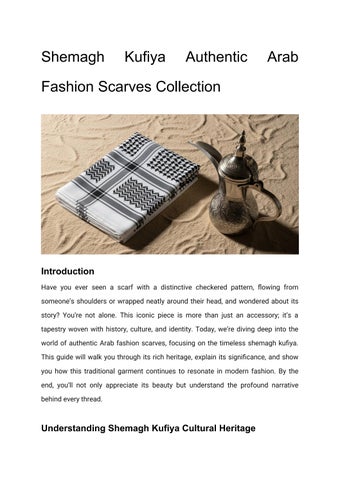
The shemagh kufiya stands out for its unique blend of function and deep cultural meaning. Traditionally, it served as essential protection for those living in desert climates, shielding the face and neck from relentless sun, wind, and sand. But its importance runs much deeper. The pattern, particularly the iconic fishnet or olive leaf design, is steeped in symbolism, representing concepts like strength, resilience, and connection to the land. Wearing it is an act of cultural expression, a quiet statement of heritage and pride that speaks volumes without saying a word.
The History and Traditions Behind Arab Scarves
The origins of these headscarves are ancient, tracing back to Mesopotamian civilizations. Their practical design made them indispensable in the harsh desert environment. Over centuries, the scarf evolved, with different regions developing their own styles, colors, and names.
Perhaps the most widely recognized version today is the palestinian keffiyeh. In the 20th century, it transformed from a pastoral garment into a potent symbol of national identity and political expression. The patterns became codified: the bold fishnet pattern symbolizing the fisherman’s nets, and the curved lines representing olive leaves, a testament to agricultural roots and steadfastness. When someone wears a palestine scarf, they are engaging with this complex history, whether as a personal connection, a fashion choice, or a symbol of solidarity.
Shemagh Kufiya vs. Other Traditional Scarves
The terminology can be confusing, as names are often used interchangeably. Let’s clarify the key differences in a simple way.
Key Differences You Should Know
While all terms refer to similar square-shaped scarves, subtle distinctions exist:
● Keffiyeh (or Kufiya): This is the most accurate term for the checkered scarf, typically made of cotton and featuring the distinctive fishnet pattern. It refers to the specific style and pattern we’ve been discussing.
● Shemagh (or Ghutra): This is a broader term often used in the Gulf region. It can be the checkered keffiyeh, but it also refers to plain white headscarves, often made of finer cotton or silk and held in place with a black igal (cord). In everyday conversation, especially in the West, keffiyeh and shemagh are used to mean the same patterned scarf. The key takeaway? "Keffiyeh" points to the specific patterned design, while "shemagh" can be more general.
Quality and Craftsmanship in Authentic Pieces
In a market flooded with mass-produced copies, knowing how to identify a quality piece is crucial. Authenticity lies in the details of craftsmanship.
What to Look for in Original Designs
True craftsmanship is tangible. Original Palestinian Keffiyehs are traditionally made from 100% cotton, which makes them breathable, durable, and incredibly soft over time. The weaving should be tight and even, and the pattern, especially the fishnet design should be clear and not blurry. The edges are typically finished with handstitched or carefully woven fringe. These scarves are often heavier than fast-fashion versions, a testament to the quality of the material. When you hold one, it should feel substantial, like an heirloom, not flimsy.
Modern Fashion Meets Traditional Heritage
The journey of the shemagh from functional desert wear to global fashion staple is remarkable. Its versatile design and striking pattern have captured the imagination of stylists and streetwear enthusiasts worldwide.
Styling Shemagh Kufiya Today
The beauty of the modern shemagh kufiya lies in its adaptability. Here are a few respectful and stylish ways to wear it:
● The Neck Wrap: Draped loosely around the neck over a jacket or coat for a bold, textural statement.
● The Headband: Folded into a wide band to keep hair back, adding a bohemian or utilitarian vibe.
● The Shawl: Simply thrown over the shoulders on a cool evening, much like a blanket scarf.
● Bag Accessory: Tied to the handle of a tote or backpack for a pop of pattern and personality. The key to styling it respectfully is understanding its significance. It’s not just a trend piece; it’s a cultural artifact. Wearing it with that awareness makes all the difference.
Choosing Your Heritage Scarf
If you’re looking to add an authentic piece to your collection, focus on supporting artisans and companies that honor the tradition. Look for retailers that are transparent about the origins of their scarves, highlighting fair labor practices and traditional manufacturing methods. For those seeking a high-quality option that respects this heritage, brands like KUVRD are known for their focus on authentic materials and craftsmanship. Ultimately, choose a scarf based on the quality of the fabric, the clarity of the weave, and the ethics of its production, ensuring your piece carries a story worth telling.
Conclusion
The shemagh kufiya is a powerful reminder that what we wear can carry the weight of history and the breath of culture. It’s a story of practicality born from the desert, of
identity forged through struggle, and of beauty that transcends borders. By understanding its roots, recognizing quality craftsmanship, and styling it with conscious respect, we do more than just accessorize an outfit. We connect with a living tradition and carry forward a narrative that is as relevant today as it was centuries ago. It’s not just a scarf; it’s a conversation, and now you’re a part of it.
Frequently Asked Questions
What is the difference between a shemagh, kufiya, and keffiyeh?
While often used interchangeably, "keffiyeh" or "kufiya" typically refers specifically to the checkered patterned scarf. "Shemagh" is a more general Arabic term for a headscarf, which can include both the patterned keffiyeh and plain white styles common in the Gulf.
How do you wear a shemagh kufiya properly?
There are many ways! For everyday fashion, it’s commonly worn loosely around the neck as a scarf or shawl. Traditional head wraps vary by region but generally involve folding the scarf into a triangle, placing it on the head, and securing it, often with a black cord called an igal.
Are shemagh kufiya scarves suitable for everyday wear?
Absolutely. Its durable cotton fabric and versatile design make it perfect for daily use. It can be a stylish neck scarf in cooler weather, a lightweight wrap for breezy evenings, or even a practical head covering for sun protection during outdoor activities.
What materials are traditional shemagh kufiya made from?
Authentic traditional shemagh kufiyas are almost always made from 100% cotton. This natural fiber provides the perfect balance of breathability, warmth, and durability, making it ideal for both its original desert purpose and modern fashion use.