

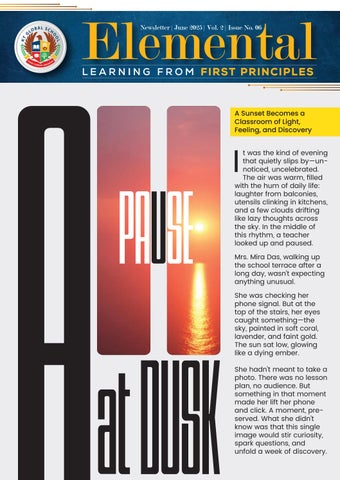



made her lift her phone and click. A moment, preserved. What she didn’t know was that this single image would stir curiosity, spark questions, and unfold a week of discovery.







he next morning, Mrs. Das entered her class with a quiet smile. She plugged in her USB drive and projected the photo. No words, just the image. The classroom buzz hushed. Pens paused, backpacks zipped. One by one, students turned to the glowing screen. It showed a fading sun behind distant hills, light spreading across rooftops. Hues of peach, pink, and purple floated across the sky like silk.
Mrs. Das let the silence settle. Then, in a soft voice, she asked, “What do you see?” The responses began plainly: “The sun.” “Buildings.” “Clouds.” But deeper thoughts soon surfaced.
“The sky looks purple. Why not blue?” “The sun looks smaller. Is it really that far?”And then, from the back: “It feels like the sky is saying goodbye.”
Mrs. Das turned to the voice and nodded. “Yes. Sometimes, the sky speaks. You just have to listen.” She moved toward the screen and said, “This isn’t just a sunset. It’s a story—told by light, by air, and by how we choose to see it.” The photo had become a doorway—into memory, science, and wonder.
Mrs. Das turned away from the image of the sunset and walked toward the chalkboard, picking up a stick of chalk. She paused before she spoke, as if choosing her words with care. “Have you ever wondered,” she asked, “why the sky turns red, orange, or pink in the evening? Why doesn't it stay blue all day long?”
A few hands went up. “Because of pollution?” someone offered. “Maybe the clouds reflect the colors?” said another. Mrs. Das smiled. “Those are interesting guesses. But the real answer lies in a scientific phenomenon called Rayleigh scattering.”
She wrote the term clearly on the board and turned back to face them. “Rayleigh scattering is named after a British physicist—Lord Rayleigh, or John William Strutt—who studied how light behaves when it passes through gases or tiny particles. This happens every day, all around us, without us even realizing it.”
She sketched a curved Earth, a sun positioned high in the sky, and arrows representing beams of sunlight.
“The Earth’s atmosphere contains gases and molecules and is comparatively dense (distance between particles is smaller). When the sun is overhead, its light travels a shorter path through the atmosphere. Blue and violet light have shorter wavelengths. Shorter wavelength means light in this wavelength travels as shorter, smaller hops. Because of these characteristics, they are scattered more than other colors by the atmospheric particles. That’s why the sky appears blue.
thickness of atmosphere. That longer journey means that most of the short-wavelength colors—blue and violet—are scattered even more out of our direct line of sight. The longer wavelengths— red, orange, and yellow— which travel as longer hops, scatter less, allowing those warm, rich colors during sunset to pass straight through, to our eyes.”



Then she drew the sun lower, near the horizon, and traced a much longer path through the atmosphere. “But during sunset, the sun is near the horizon, and its light must travel through a greater
She stepped aside and pointed to the image still glowing on the screen. “What you’re seeing there is not just light. It’s a story of waves, their characteristics, entry angles, and atmosphere.”
Just as the students were letting that idea settle in, Mrs. Das posed a new question—one that shifted the mood from familiar to cosmic.
“What do you think a sunset looks like… on Mars?”
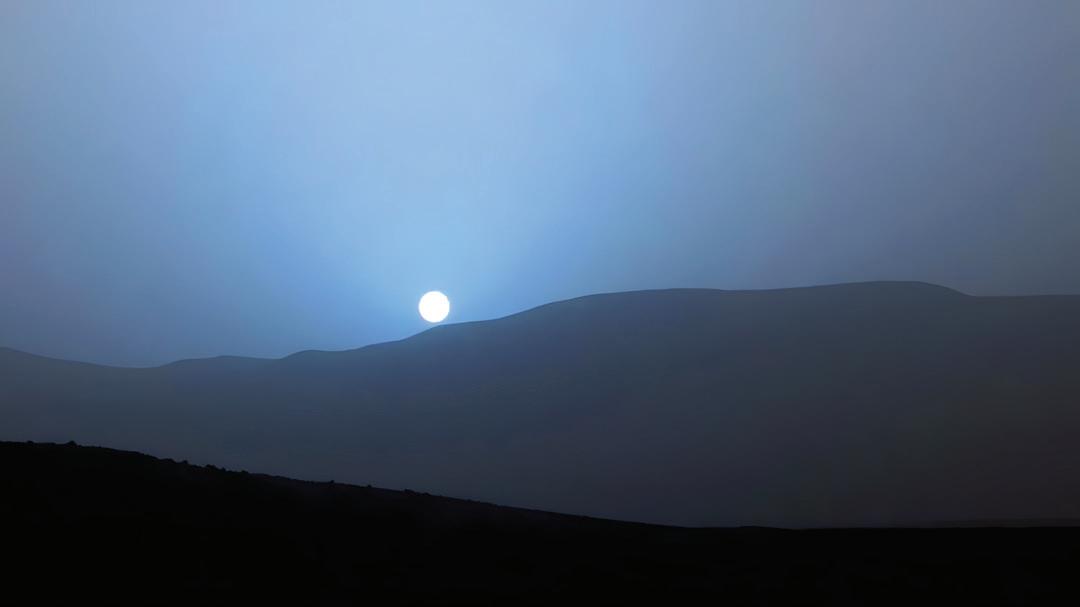
The class stirred. “Mars?” one student repeated, unsure if it was a riddle. Mrs. Das clicked on the key. The screen
changed, revealing an image taken by NASA’s Curiosity rover—a Martian sunset. The sun was small, dipping below a barren horizon, but instead of red or orange, it was ringed in a cool, bluish hue.
The classroom fell silent. “It looks so different,” whispered one voice. “Why is it blue there and not red?” asked another.
Mrs. Das walked toward the screen. “That’s the Martian atmosphere,” she said.
She explained, “Mars has an atmosphere, but much thinner—only about 1% of Earth’s. And while Earth’s atmosphere is made mostly of nitrogen and oxygen, and heavy particles, Mars’s air is made of carbon dioxide and very fine iron-rich dust. The atmosphere being thinner, the distance between particles is larger. Because of this characteristic and the fact that the very fine dust is just the right size, shorter wavelengths like blue light can penetrate the Martian atmosphere slightly more efficiently than other colors. That’s why the sky near the sun appears blue during sunset. During the daytime, this effect reverses and the Martian sky looks more orange or reddish.”
She paused, letting that sink in, then drew a quick comparison:
“On Earth, Rayleigh scattering spreads blue light across the sky during the day and allows red and orange light to dominate during sunset. On Mars, the same scattering phenomenon—acting on fine dust particles—causes red and orange light to appear during the daytime, while at sunset, it allows blue light to pass through, creating a narrow bluish halo around the sun.”



Source credits: NASA


A student raised their hand. “So… even though Mars is red, its sunsets are blue?” “Exactly,” Mrs. Das said. “Same sun. Different atmosphere. Entirely different sky.” She smiled and added, “And that, my dear learners, is the beauty of light. Same physics—different planet— completely different painting.”
At that moment, Mars didn’t feel so far away. Because the students weren’t just seeing a sunset—they were learning how to read one, even across the solar system.
Mrs. Das turned back to the original sunset photo still displayed on the screen.
“Now,” she said quietly, “look again.”
The students did. This time, they weren’t just looking, they were noticing. Their eyes moved across the rooftops, the soft glow behind the buildings, the fading light near the horizon. The image hadn’t changed, but how they viewed it had.
She walked between the rows. “It’s not only about what we see,” she said. “It’s about what we feel. This picture doesn’t move, yet it speaks to us. Why?”
A hand went up. “It makes me feel calm,” said one student. “Like home,” said another. “Like everything’s slowing down,” someone added.
Mrs. Das nodded. “That’s how perception works. What we see or observe is often deceptive. Observation isn’t just about registering light or color—it’s about how it resonates with us. Is it just the beauty we notice, or the truth behind that beauty—the science, the insight—that turns it into knowledge?”
She returned to the board and wrote in chalk, “Sometimes, the world teaches us most when we’re just still enough to notice.” The words stayed there long after the discussion ended.






The photo, taken without intention, became something larger. It sparked questions about science, space, and us. It inspired writing, sketching, and quiet thought. It helped students connect emotion with observation. Some wrote about goodbyes. Others about change. A few said the image helped them pause. It became a science lesson—about light, scattering, and sunsets beyond Earth. It became a mirror of feelings, reflections, and moments noticed.
Mrs. Das hadn’t planned any of it. She had simply looked up. By the time the final bell rang, the sun had long set. But something had risen: Curiosity. Awareness. Understanding. And maybe that’s what true learning is. Not just answers and facts, but discovering meaning in the ‘everyday’.
From one moment. From one photograph. From a pause at dusk.


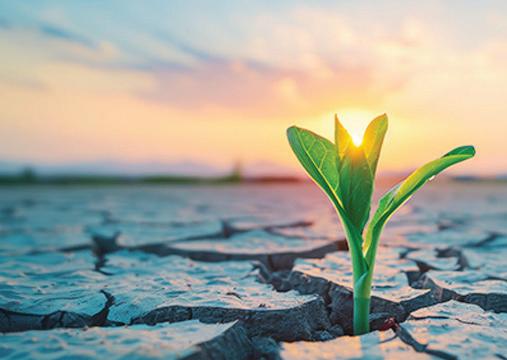

uilding persistence and resilience are cornerstones of success in any endeavour, whether academic, professional, or personal. They are not innate qualities possessed by a select few, but rather cultivated strengths that develop through intentional effort and experience. Persistence, at its core, is the unwavering commitment to a goal, even when faced with difficulties or the temptation to give up. Resilience, on the other hand, is the mental and emotional fortitude to adapt to change and overcome adversity.
While persistence is a strategic understanding that mastery and achievement often require multiple attempts and a willingness to learn from each misstep, resilience doesn't let us crumble under pressure but pushes us to view these challenges as opportunities for growth.



Life inevitably throws curveballs –unexpected failures, personal losses, or professional setbacks. Consider an inventor who faces hundreds of rejections before a breakthrough, or an athlete who endures countless hours of training for a fleeting moment of glory. Their persistence is fueled by a clear vision and an intrinsic belief in their capacity to eventually succeed. They possess a strong sense of self-efficacy, believing in their ability to navigate turbulent times.

Developing persistence involves setting clear, achievable goals, breaking down large tasks into smaller, manageable steps, and celebrating incremental progress to maintain motivation. On the other hand, key aspects of building resilience include developing effective coping mechanisms, such as mindfulness or seeking social support, and reframing negative experiences into learning opportunities.




Ultimately, both of them are intertwined. Persistence provides the drive to continue, while resilience equips us with the tools to recover and adapt when our efforts are met with resistance. By consciously practicing these qualities – embracing challenges, learning from setbacks, and maintaining an optimistic yet realistic perspective – individuals can build an internal fortress that allows them to not only survive, but thrive in the face of life's inevitable storms.



Warm regards, Smt.
Rinku Sarangi
Principal

KT Global School, Bhubaneswar
CBSE A l. No. 1530418








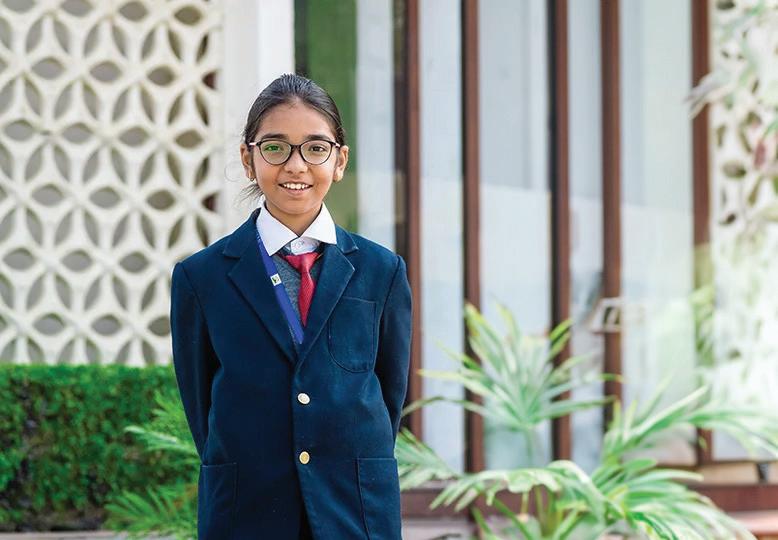
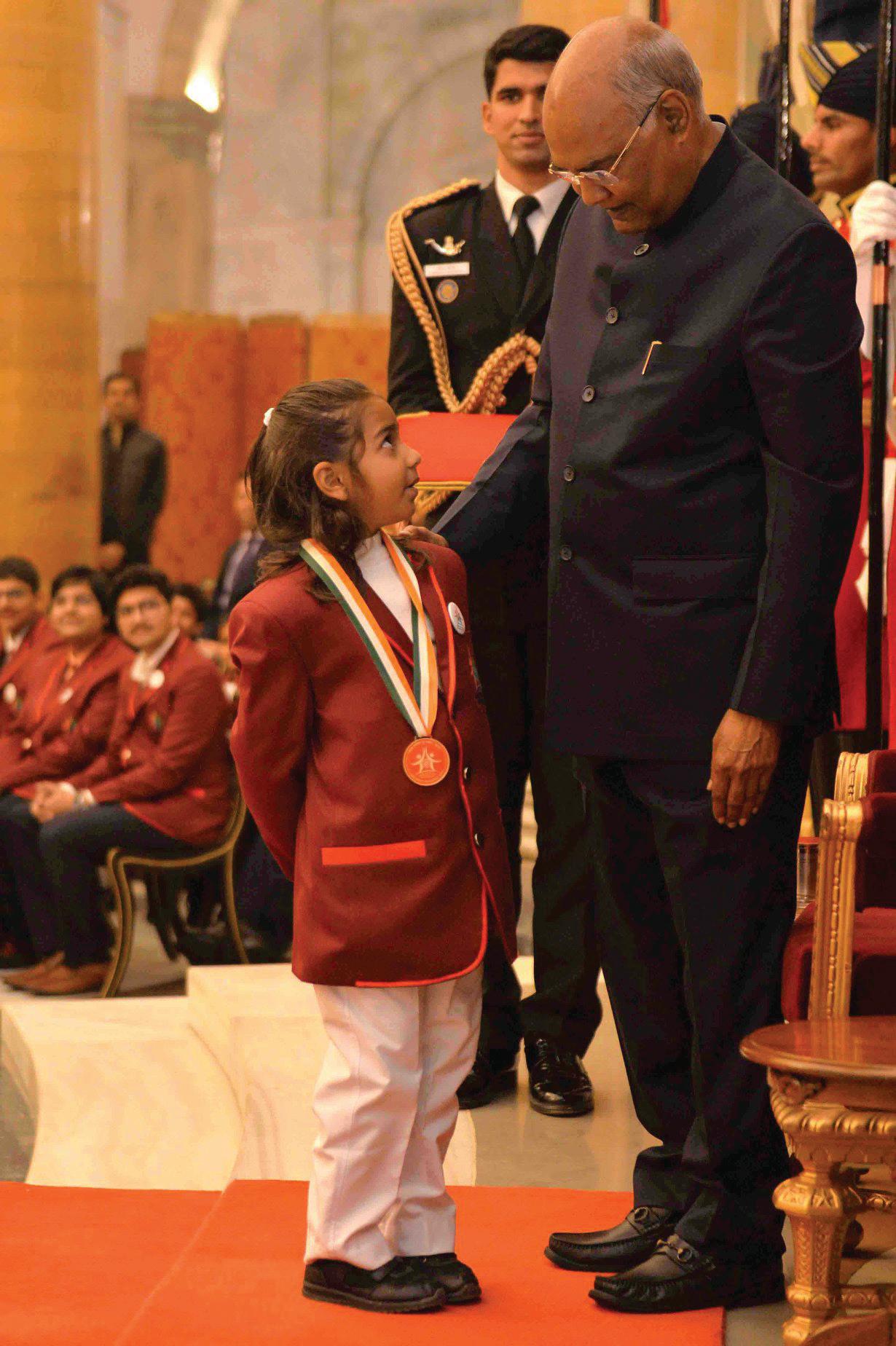
n a world grappling with the escalating urgency of climate change and environmental degradation, the voices of young activists often cut through the noise with remarkable clarity and passion. Among these inspiring figures, Eiha Dixit stands out as a beacon of hope and an embodiment of proactive environmental stewardship. Hailing from Meerut, India, Eiha is not merely an advocate but a doer, transforming her commitment to a greener planet into tangible, impactful action.
What distinguishes Eiha is her profound understanding that environmental
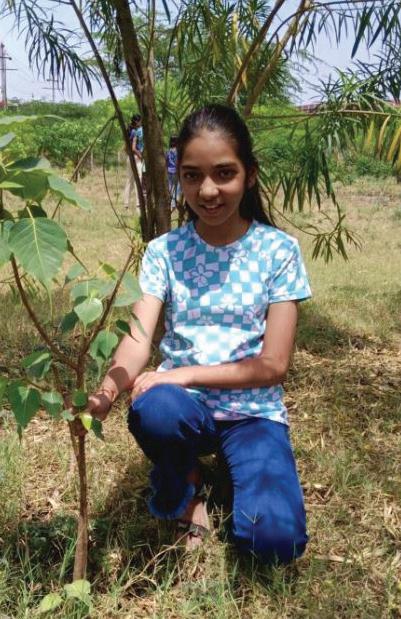
protection is not an abstract concept but a deeply personal responsibility that demands immediate and sustained effort. While many her age might be engrossed in digital entertainment or academic pursuits, Eiha embarked on a mission to revitalize her local environment, one sapling at a time. Her brainchild, the "Green Eiha Smile Foundation," is a testament to her dedication, through which she has spearheaded the planting of over 20,000 saplings. This is no small feat; each sapling represents a breath of fresh air, a new habitat for wildlife, and a step towards mitigating the effects of deforestation and air pollution.
Eiha's work extends beyond simply putting plants in the ground. She possesses a holistic vision, recognizing that successful tree planting requires careful nurturing and a sustained commitment. The creation of mini-forests and green belts, a core aspect of her foundation's work, transforms barren or neglected spaces into vibrant ecosystems. These green
pockets not only enhance the aesthetic appeal of an area but also play a crucial role in improving air quality, conserving biodiversity, and even moderating local temperatures – a vital benefit in a country increasingly vulnerable to extreme heat.
Perhaps one of the most innovative aspects of her environmental endeavours is the establishment of a "plant bank" at her own home. This initiative exemplifies her resourcefulness and her belief in the power of collective action. By providing a safe haven for saplings before they are ready for permanent planting, she ensures their survival and readiness for transplantation. This not only optimizes the success rate of her planting drives, but also serves as a model for community-based nurseries, encouraging others to contribute to the greening of their neighbourhoods.
Her journey is a powerful reminder that age is no barrier to making a significant difference. Her actions resonate far beyond the confines of Meerut, inspiring countless others, especially young people, to take ownership of their


environmental future. She embodies the spirit of grassroots activism, demonstrating that monumental change can begin with simple, consistent efforts driven by genuine concern. In a landscape often dominated by policy debates and scientific reports, Eiha’s hands-on approach offers a refreshing and tangible example of how individuals can actively contribute to a more sustainable and vibrant planet. Her work is not just about planting trees; it is about planting hope, fostering community engagement, and cultivating a greener tomorrow for generations to come.
Shreeraj Patel PGT English







From 1st to 5th June, KTGS hosted 345 young chess players from 27 states for the 38th National (Under-7) Chess Championships. The event was marked by sharp competition and strategic brilliance. Winners in the Girls’ Category included Shreyanshi Jain (Rajasthan), while Evan Antonio Telles (Goa) topped the Open Category. The closing ceremony featured dignitaries like Ms. Sagarika Nath, IPS (S.P. Khordha) and chess professionals from across the country.
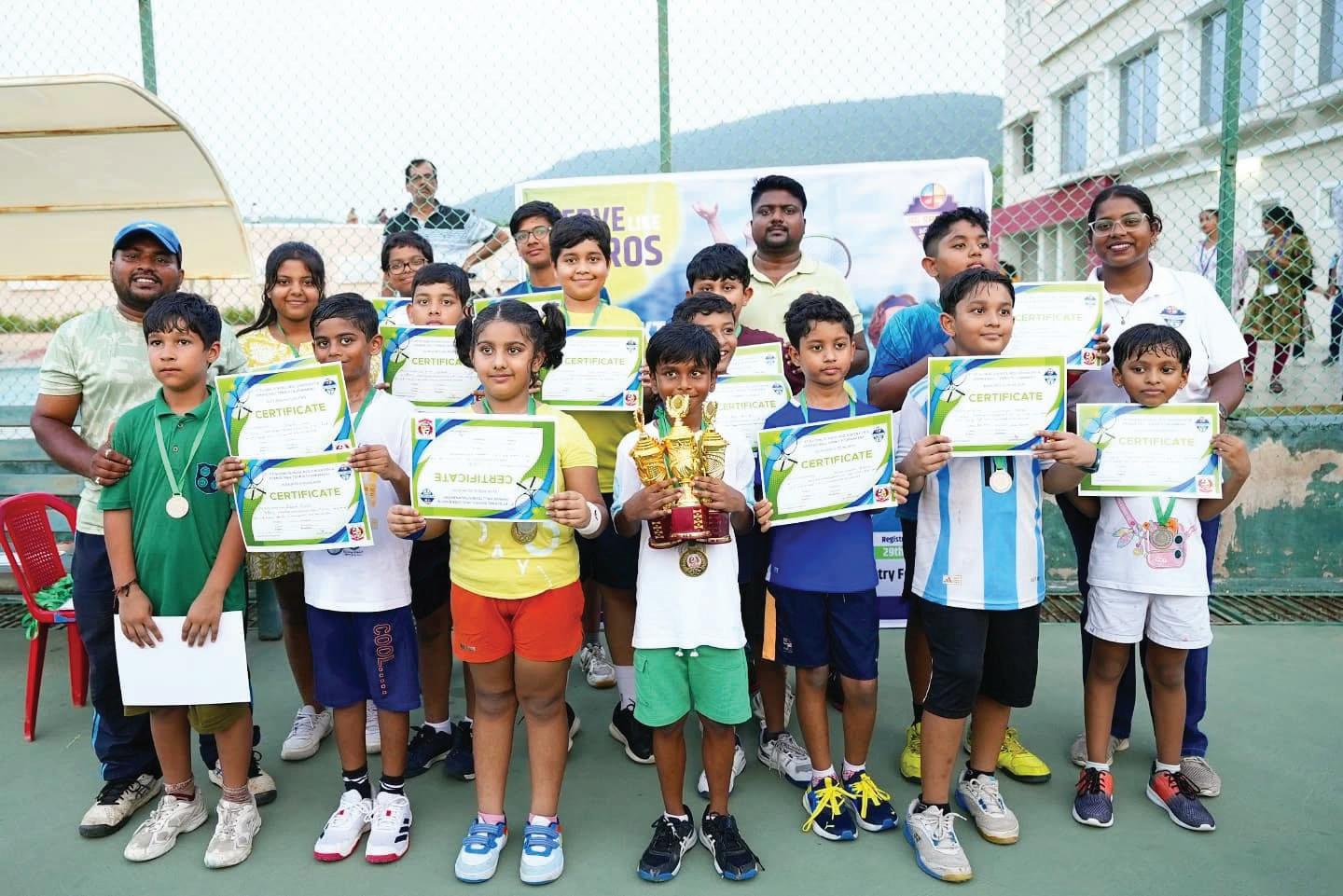
The school’s annual tennis tournament, held on 31st May & 1st June, witnessed participation from 40 players across Odisha. Young tennis star Adhrit Patnaik emerged as a triple champion, winning the Red Ball, Green Dot Ball, and Orange Ball categories.

Held from 28th June to 4th July 2025, the prestigious AITA OTA Men’s Tennis Tournament brought together 63 players from across India at KT Global School. Powered by IIG Sports Academy, the event showcased high-level competition and exceptional talent on court, further strengthening KTGS’s reputation as a hub for national sports.
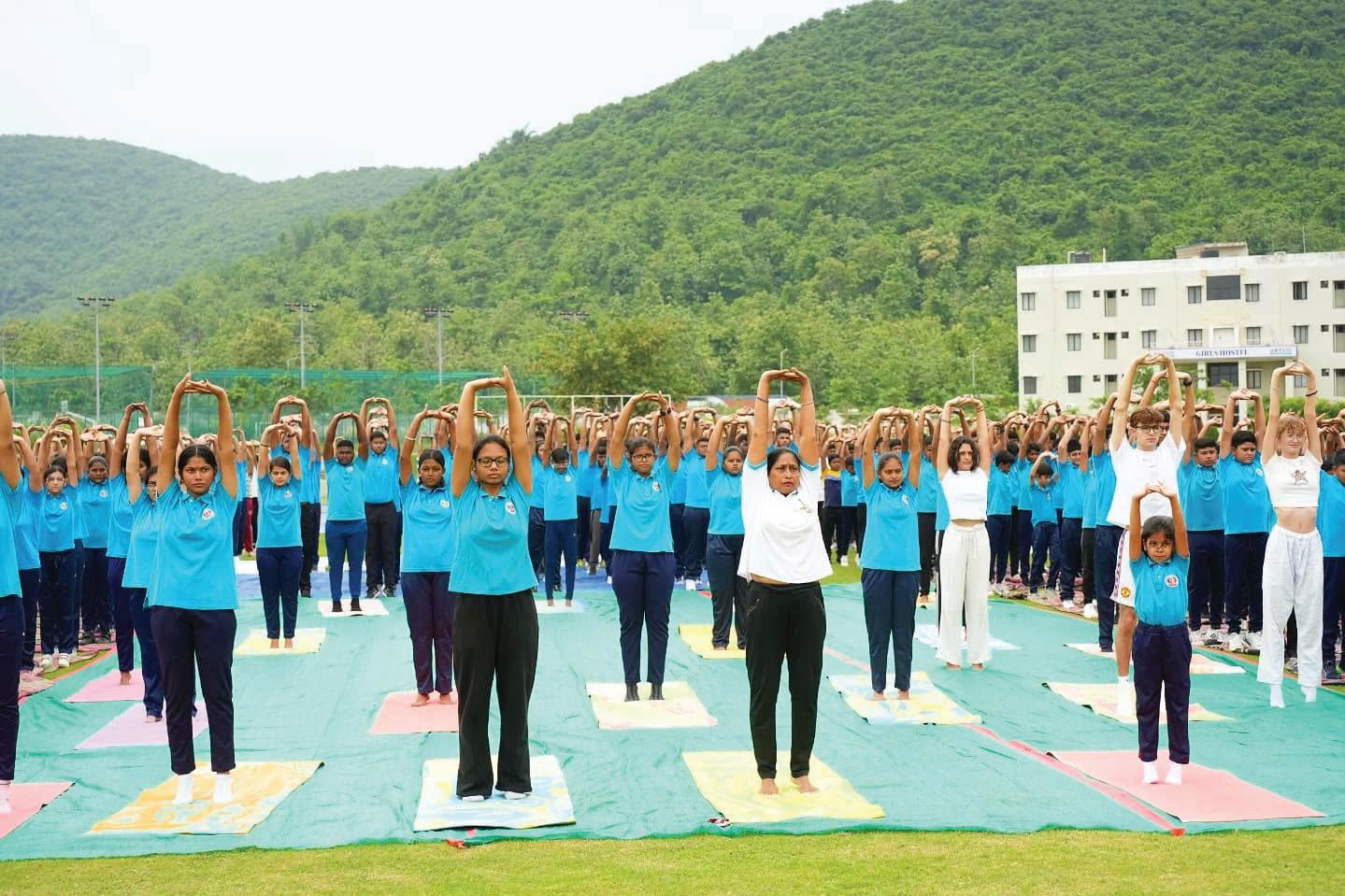
On 30th June, over 400 students and faculty members gathered at the cricket ground to celebrate International Yoga Day. Guided by yoga expert Mr. Swapneswar, the session focused on mindfulness, breathing, and wellness through asanas and meditation, following CBSE protocols.
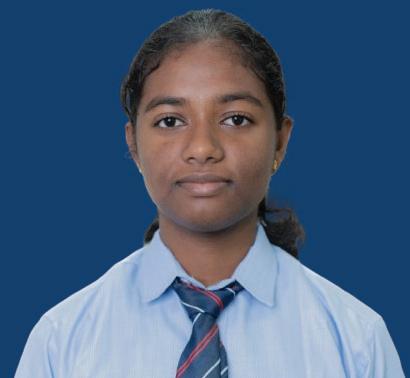
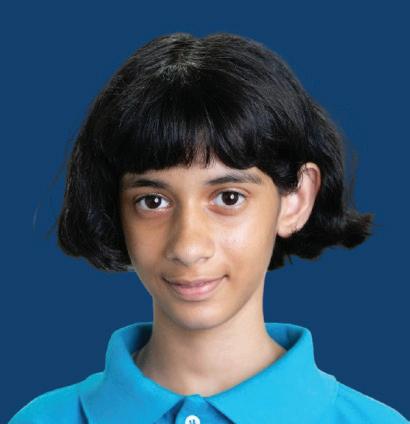








Cover Story Conceived & Developed by Students: Nibedita, Pracheeta, Akriti, Rutamjali, Samriddhi, Anwesha Sahu, Swasti Soma Samantaray, Harshit Sahu, Amisha Patel, Shaswat Sindhu Majhi, Aditi Nayak, Ipsita Sahu Mentors: Shreyasi Ma'am, Shreeraj Sir, Sidharth Tanmay Sir, Sekhar Sir