





JANUARY 1, 2025 THROUGH DECEMBER 31, 2025

JANUARY 1, 2025 THROUGH DECEMBER 31, 2025
In 2025, the City’s drinking water system was compliant with all applicable state and federal drinking water quality regulations.
Every day, our water professionals work behind the scenes to ensure that the water delivered to your home or business meets or exceeds all applicable state and federal drinking water standards. This Consumer Confidence Report (CCR) is designed to help you better understand where your water comes from, how it is treated, what it contains, and how its quality compares to regulatory requirements.
For nearly a century, Temple Terrace’s water system has grown and evolved alongside the City. From its early beginnings serving a small residential community to today’s modern system supporting thousands of residents, businesses, and visitors, the City has continuously invested in its water infrastructure to meet increasing demand, advancing regulations, and higher expectations for water quality.
Today, the City operates two water treatment facilities, Whiteway and Sunningdale, which together provide a resilient and dependable supply of drinking water. These facilities are monitored 24 hours a day, seven days a week by licensed and certified operators for water quality, treatment processes, and system performance. Their commitment, training, and experience are essential to protecting public health and maintaining customer confidence in the drinking water system

As drinking water regulations continue to evolve, including new standards for emerging contaminants such as PFAS that are scheduled to go into effect by 2031, the City remains committed to continuous improvement. Through careful monitoring, ongoing evaluation of treatment technologies, and long-term capital planning, Temple Terrace is working to ensure that our drinking water system remains compliant, sustainable, and reliable for current residents and future generations.
The City of Temple Terrace routinely monitors for contaminants in your drinking water according to federal and state laws, rules, and regulations.
This report reflects monitoring results from January 1 through December 31, 2025. Any data collected prior to this period is from the most recent testing conducted in compliance with applicable regulations
The Florida Department of Environmental Protection (DEP) conducted a Source Water Assessment in 2025 on the City of Temple Terrace’s water system to identify potential sources of contamination in the vicinity of our wells The assessment identified a total of six potential sources of contamination that vary from low to moderate risk. Based on current testing standards, these potential hazards do not impact our drinking water system.
While these potential sources have been identified, our system is routinely monitored and tested by licensed professionals to ensure your drinking water meets all state and federal standards.
Assessment results are available on the DEP Source Water Assessment and Protection Program (SWAPP) website at: https://prodapps.dep.state.fl.us/swapp/
You may also contact Brian Vogel, Environmental Compliance Specialist, for more information at 813-506-6593
Si no comprende la información contenida en este informe y necesita asistencia, comuníquese con: Ciudad de Temple Terrace | Departamento de Servicios Públicos (Public Works Utilities Department) | (813) 506-6570 • templeterrace.gov/publicworks
También puede visitar nuestro sitio web para acceder a la versión en español de este informe
The sources of drinking water (both tap water and bottled water) include rivers, lakes, streams, ponds, reservoirs, springs, and wells. As water travels over the surface of the land or through the ground, it dissolves naturally occurring minerals and, in some cases, radioactive material, and can pick up substances resulting from the presence of animals or from human activity.
Contaminants that may be present in source water include:
(A) Microbial contaminants, such as viruses and bacteria, which may come from sewage treatment plants, septic systems, agricultural livestock operations, and wildlife
(B) Inorganic contaminants, such as salts and metals, which can be naturally occurring or result from urban stormwater runoff, industrial or domestic wastewater discharges, oil and gas production, mining or farming
(C) Pesticides and herbicides, which may come from a variety of sources such as agriculture, urban stormwater runoff and residential uses
(D) Organic chemical contaminants, including synthetic and volatile organic chemicals, which are by-products of industrial processes and petroleum production, and can also come from gas stations, urban stormwater runoff, and septic systems.
(E) Radioactive contaminants, which can be naturally occurring or be the result of oil and gas production and mining activities.
To ensure that tap water is safe to drink, the EPA prescribes regulations, which limit the amount of certain contaminants in water provided by public water systems. The U.S. Food and Drug Administration (FDA) regulations establish limits for contaminants in bottled water, which must provide the same protection for public health.
Drinking water, including bottled water, may reasonably be expected to contain at least small amounts of some contaminants The presence of contaminants does not necessarily indicate that the water poses a health risk More information about contaminants and potential health effects can be obtained by calling the Environmental Protection Agency’s Safe Drinking Water Hotline at 1-800-426-4791.
*Some people may be more vulnerable to contaminants in drinking water than the general population. Immunocompromised persons such as persons with cancer undergoing chemotherapy, persons who have undergone organ transplants, people with HIV/AIDS or other immune system disorders, some elderly, and infants can be particularly at risk from infections. These people should seek advice about drinking water from their health care providers. U.S. Environmental Protection Agency/Center for Disease Control guidelines on appropriate means to lessen the risk of infection by Cryptosporidium and other microbiological contaminants are available from the Safe Drinking Water Hotline (800-426-4791)
This glossary explains common words and abbreviations used in this Consumer Confidence Report (CCR) to help customers better understand their drinking water quality information
Action Level (AL) The concentration of a contaminant which, if exceeded, triggers treatment or other requirements that a water system must follow.
Aquifer A natural underground layer of rock or sand that holds and transmits groundwater Temple Terrace’s drinking water comes from the Upper Floridan Aquifer
Consumer Confidence Report (CCR) An annual water quality report required by the EPA that provides information about a community’s drinking water, including sources, treatment, and monitoring results
Corrosion Control Treatment methods are used to reduce the likelihood that metals such as lead or copper will dissolve into drinking water from household plumbing. Temple Terrace uses chemical corrosion control to protect pipes.
Disinfection A treatment process that destroys harmful microorganisms such as bacteria and viruses
Temple Terrace uses chlorine as a disinfectant to protect public health
EPA (U.S. Environmental Protection Agency) The federal agency responsible for setting national drinking water standards and protecting public health and the environment
FDOH (Florida Department of Health)
The state agency that oversees drinking water systems in Florida and enforces EPA drinking water regulations at the state level.
Groundwater Water found beneath the Earth’s surface fills the spaces in soil and rock. Groundwater is the source of Temple Terrace’s drinking water
Hardness A measure of the amount of dissolved calcium and magnesium in water Hard water is common in Florida and poses no health risk, but it can cause scale buildup in plumbing and appliances.
Initial Distribution System Evaluation (IDSE)
An important part of the Stage 2 Disinfection ByProducts Rule (DBPR) The IDSE is a one-time study conducted by water systems to identify distribution system locations with high concentrations of trihalomethanes (THMs) and haloacetic acids (HAAs). Water systems will use results from the IDSE, in conjunction with their Stage 1 DBPR compliance monitoring data, to select compliance monitoring locations for the Stage 2 DBPR
Locational Running Annual Average (LRAA)
The average of sample analytical results for samples taken at a particular monitoring location during the previous four calendar quarters.
Maximum Contaminant Level (MCL) The highest level of a contaminant that is allowed in drinking water MCLs are set as close to the MCLGs as feasible using the best available treatment technology
Maximum Contaminant Level Goal (MCLG)
The level of a contaminant in drinking water below which there is no known or expected risk to health. MCLGs allow for a margin of safety
Maximum Residual Disinfectant Level (MRDL)
The highest level of a disinfectant allowed in drinking water There is convincing evidence that addition of a disinfectant is necessary for control of microbial contaminants.
Maximum Residual Disinfectant Level Goal (MRDLG)
The level of a drinking water disinfectant below which there is no known or expected risk to health MRDLGs do not reflect the benefits of the use of disinfectants to control microbial contaminants
Monitoring The regular testing of drinking water for contaminants to ensure compliance with state and federal regulations
ND (Not Detected) means not detected and indicates that the substance was not found by laboratory analysis
Parts Per Million (ppm) One part by weight of analyte to 1 million parts by weight of the water sample
Parts Per Billion (ppb) One part by weight of analyte to 1 billion parts by weight of the water sample.
Parts Per Trillion (ppt) An extremely small unit of measurement used for certain contaminants such as PFAS One ppt is equivalent to one drop of water in 20 Olympic-size swimming pools
PFAS (Per- and Polyfluoroalkyl Substances) A group of manufactured chemicals that have been widely used in industrial and consumer products. PFAS are persistent in the environment and are now monitored in drinking water nationwide
Picocurie per liter (pCi/L) Measure of the radioactivity in water
Primary Drinking Water Standards
EPA regulations that limit contaminants in drinking water to protect human health
Secondary Drinking Water Standards
Non-enforceable guidelines related to the taste, odor, color, or appearance of water These standards address aesthetic qualities, not health risks.
Treatment Technique (TT) A required process intended to reduce the level of a contaminant in drinking water.
Turbidity A measure of how clear or cloudy water
appears Low turbidity indicates effective filtration and treatment
Upper Floridan Aquifer A major groundwater source underlying much of Florida that supplies drinking water to Temple Terrace and many other communities.
UCMR-5 An EPA monitoring program for unregulated drinking water contaminants, including PFAS
Water Distribution System The network of pipes, pumps, storage tanks, and valves that delivers treated drinking water from treatment plants to homes and businesses.
All drinking water supplied to the City of Temple Terrace comes from groundwater wells drawn from the Upper Floridan Aquifer, one of Florida’s most productive and reliable freshwater sources. This aquifer extends beneath much of the state and has provided highquality drinking water to Florida communities for generations. The City operates 10 production wells throughout Temple Terrace, providing operational flexibility during periods of high demand or maintenance activities.
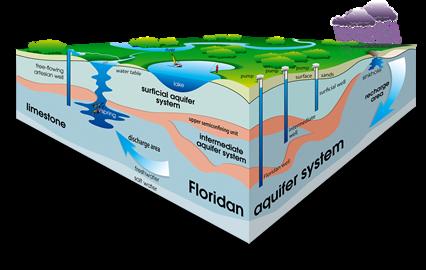
Groundwater from the Upper Floridan Aquifer is naturally filtered as it moves slowly through layers of limestone and sand, resulting in water that is typically clear and low in organic material. However, this natural process also dissolves minerals from the surrounding geology. As a result, Temple Terrace’s groundwater is consi very hard and contains naturally occurring minerals such a and magnesium. While hardness does not pose a health ris contribute to scale buildup in plumbing and water-using appliances.
Protecting the aquifer that supplies Temple Terrace is a shared responsibility. The City works closely with regulatory agencies to monitor potential sources of contamination, maintain well integrity, and ensure that groundwater resources remain protected for current and future generations.
EARLY YEARS (1920S–1970S)
Temple Terrace began providing municipal drinking water in the early 1920s through small groundwater wells and later transitioned to a centralized system as the City grew and standards advanced.
EXPANSION AND MODERNIZATION (1980S–1990S)
Rapid growth in the 1980s and 1990s led Temple Terrace to expand its water system with two treatment facilities. Whiteway became the primary plant, improving water quality and meeting regulatory standards, while Sunningdale provides additional capacity.

TODAY AND LOOKING AHEAD
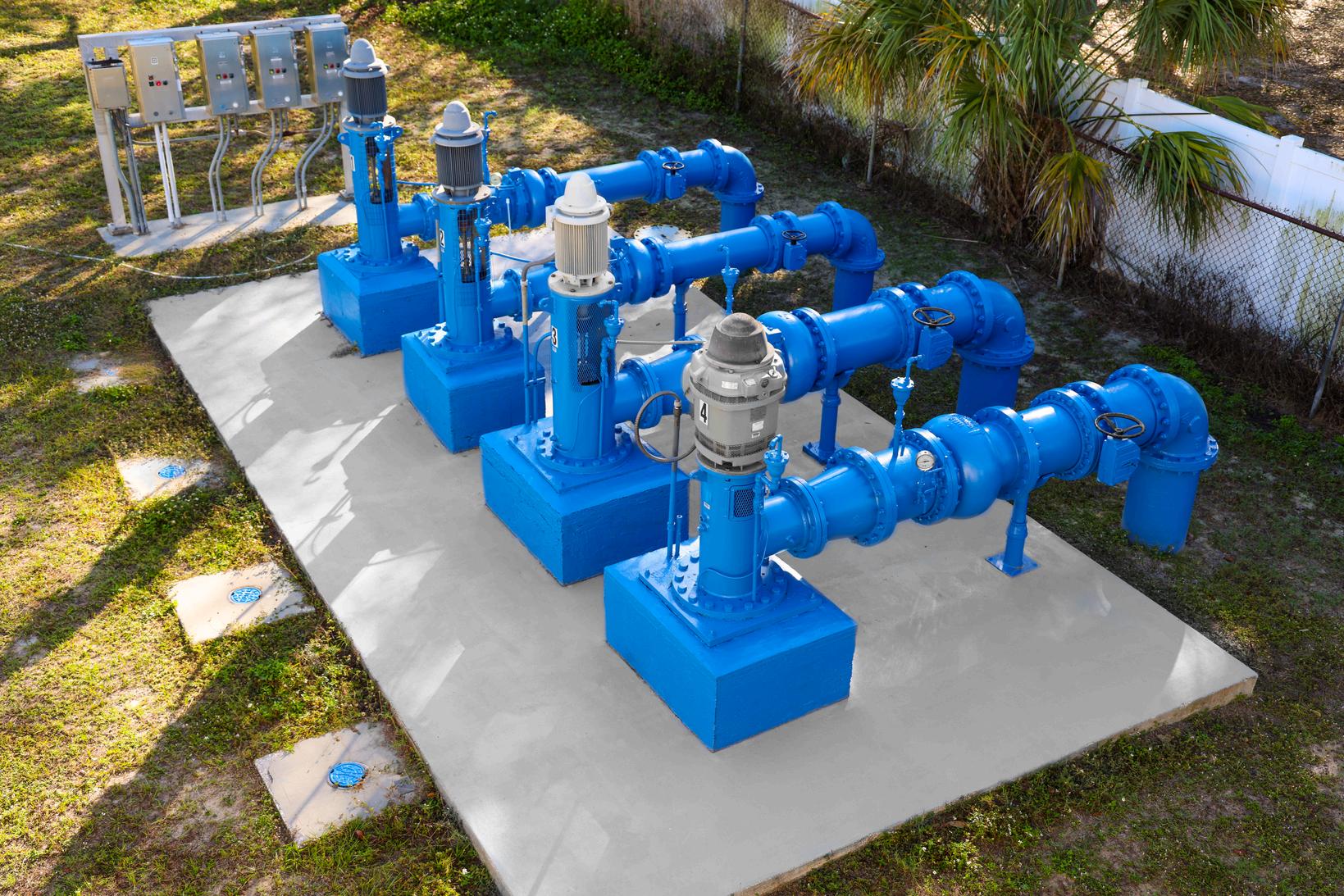
Temple Terrace currently treats about 4 million gallons of drinking water daily, with a permitted capacity of 9 million gallons per day. Planned upgrades will help the City meet evolving regulations and continue delivering highquality water.
Treatment occurs at two facilities Whiteway and Sunningdale each serving a specific role within the City’s water system.
The Whiteway Water Treatment Plant is the City’s primary treatment facility and provides the majority of Temple Terrace’s drinking water. Water treated at Whiteway typically undergoes the following steps:
1. Aeration Raw groundwater is aerated upon entering the treatment process. Aeration helps remove naturally occurring gases such as hydrogen sulfide, which can cause a “rotten egg” odor. It allows blending water from multiple wells to ensure consistent quality and stable system operation.
2 Softening (Historical Process) Whiteway was initially designed with lime softening to reduce water hardness by removing excess calcium and magnesium While this process effectively reduced hardness, changing regulatory requirements, operational considerations, and emerging treatment priorities have prompted the City to evaluate modern alternatives such as nanomembrane technology
3 Filtration Following aeration and conditioning, water passes through dual-media filtration These filters remove fine particles, improve clarity, and reduce turbidity, helping ensure that treated water meets aesthetic and regulatory standards before disinfection
4.Disinfection Chlorine is added to disinfect the water and eliminate harmful microorganisms such as bacteria and viruses. Disinfection is a critical step in protecting public health as the water travels through the distribution system.
5.Corrosion Control To protect household plumbing and reduce the potential for metals to leach into drinking water, zinc orthophosphate is added as part of the City’s corrosion control program. This treatment forms a protective coating on the inside of pipes, helping maintain water quality from the treatment plant to the customer’s tap. The use of zinc orthophosphate is a common practice across the United States, including in the City of Tampa, and is considered safe when used as directed under drinking water regulations.
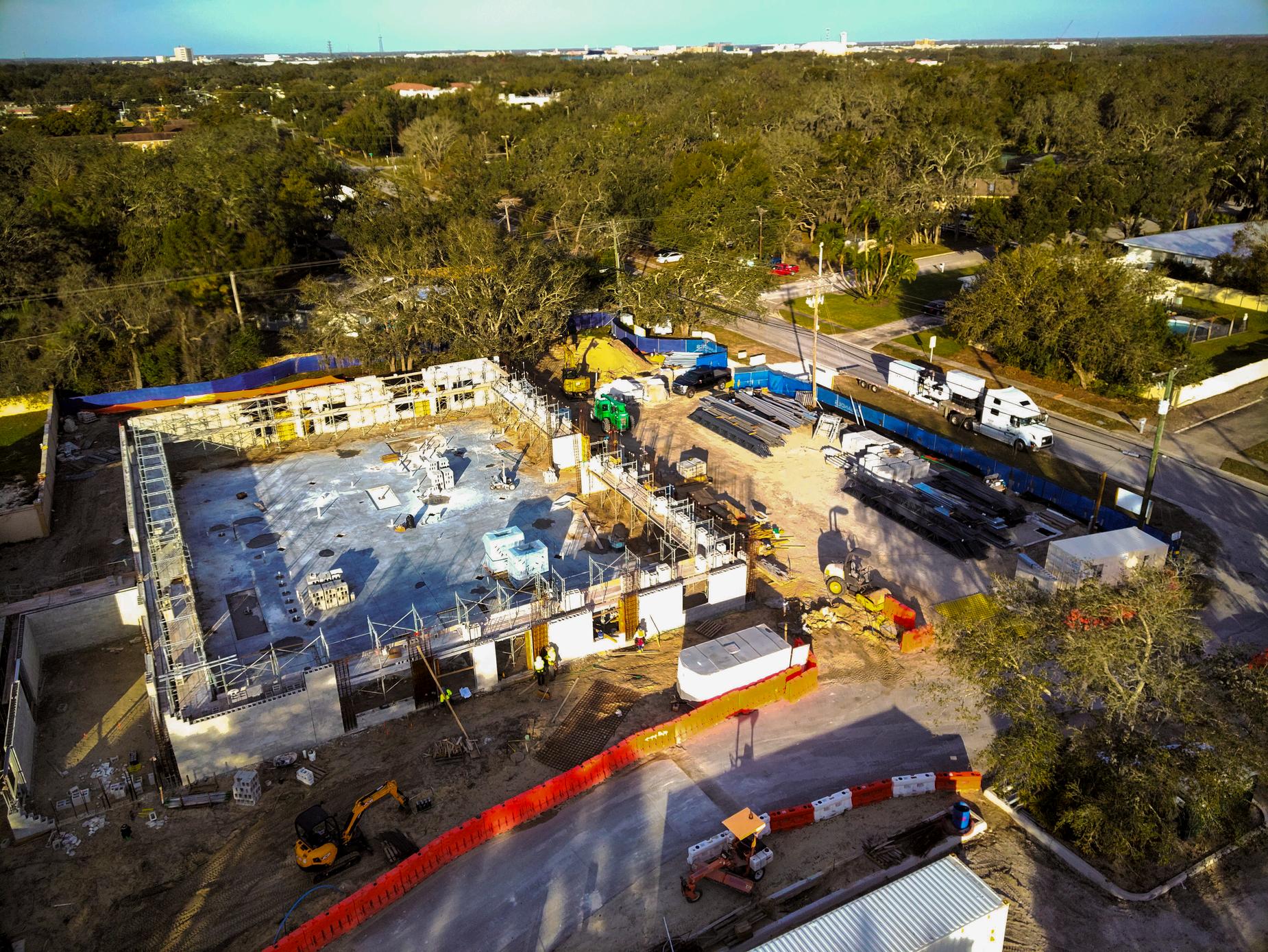
If you’ve driven down Whiteway Drive recently, you may have noticed construction activity at the Whiteway Water Treatment Plant. This work reflects progress on the City of Temple Terrace Utility Service Center project, which will replace an aged building with a new hurricane-resistant facility, funded by $7 million from the Federal Government’s American Rescue Plan Act (ARPA) awarded in 2021. Construction began in July 2025 and is projected to conclude in late summer or early Fall 2026.
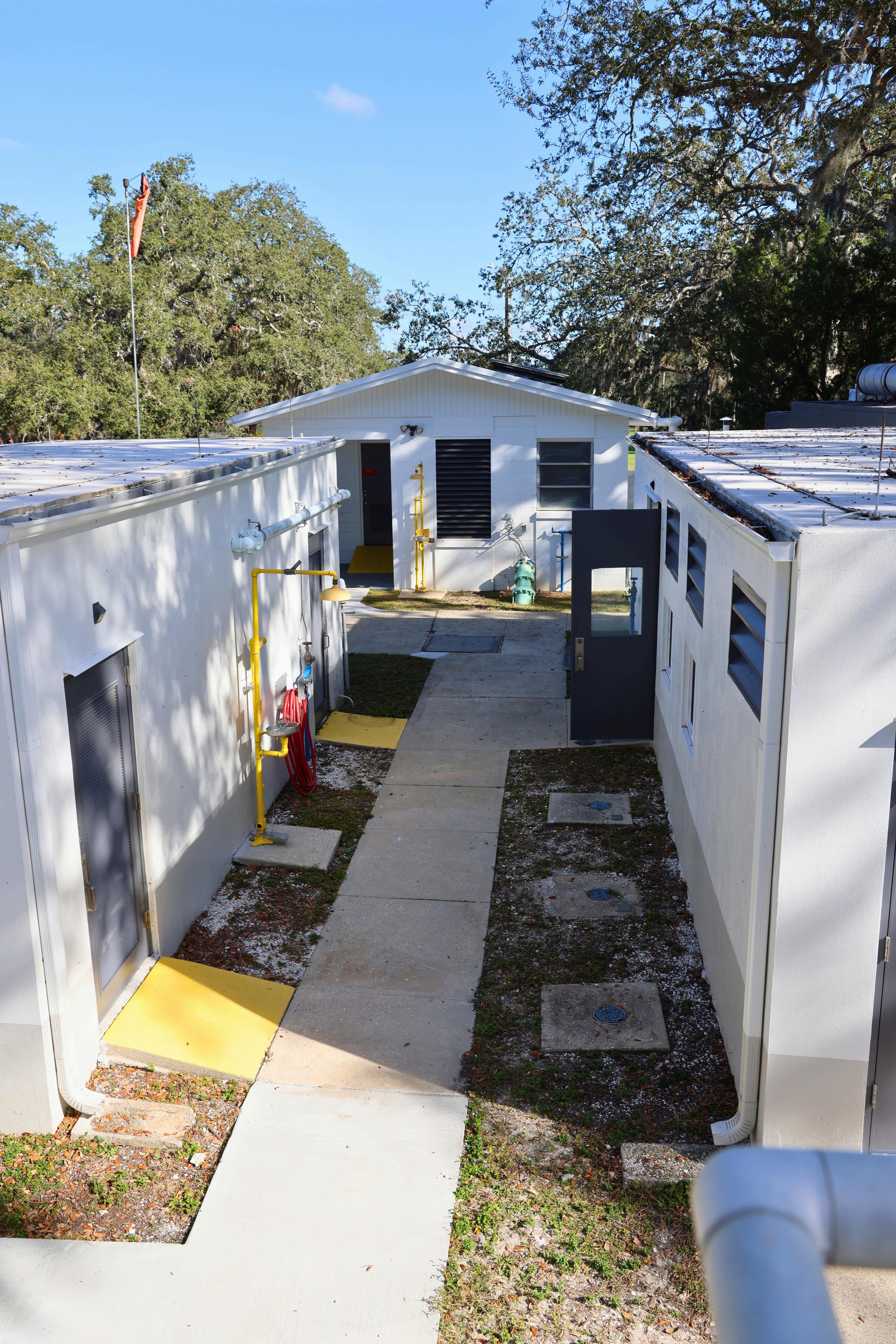
The Sunningdale Water Treatment Plant serves as a supplemental and peak-demand facility that enhances the overall reliability of the water system. Water is chlorinated then disinfected before entering distribution.
On average, 4 million gallons a day (MGD) are treated at the Whiteway and Sunningdale Water Treatment Facilities.
The water treatment system can produce up to 5 million gallons of drinking water at peak capacity in a single day.
Our drinking water is delivered to over 31,000 people across our 12.04-square mile service area
The water treatment system is monitored 24-hours a day, yearround by licensed operators.
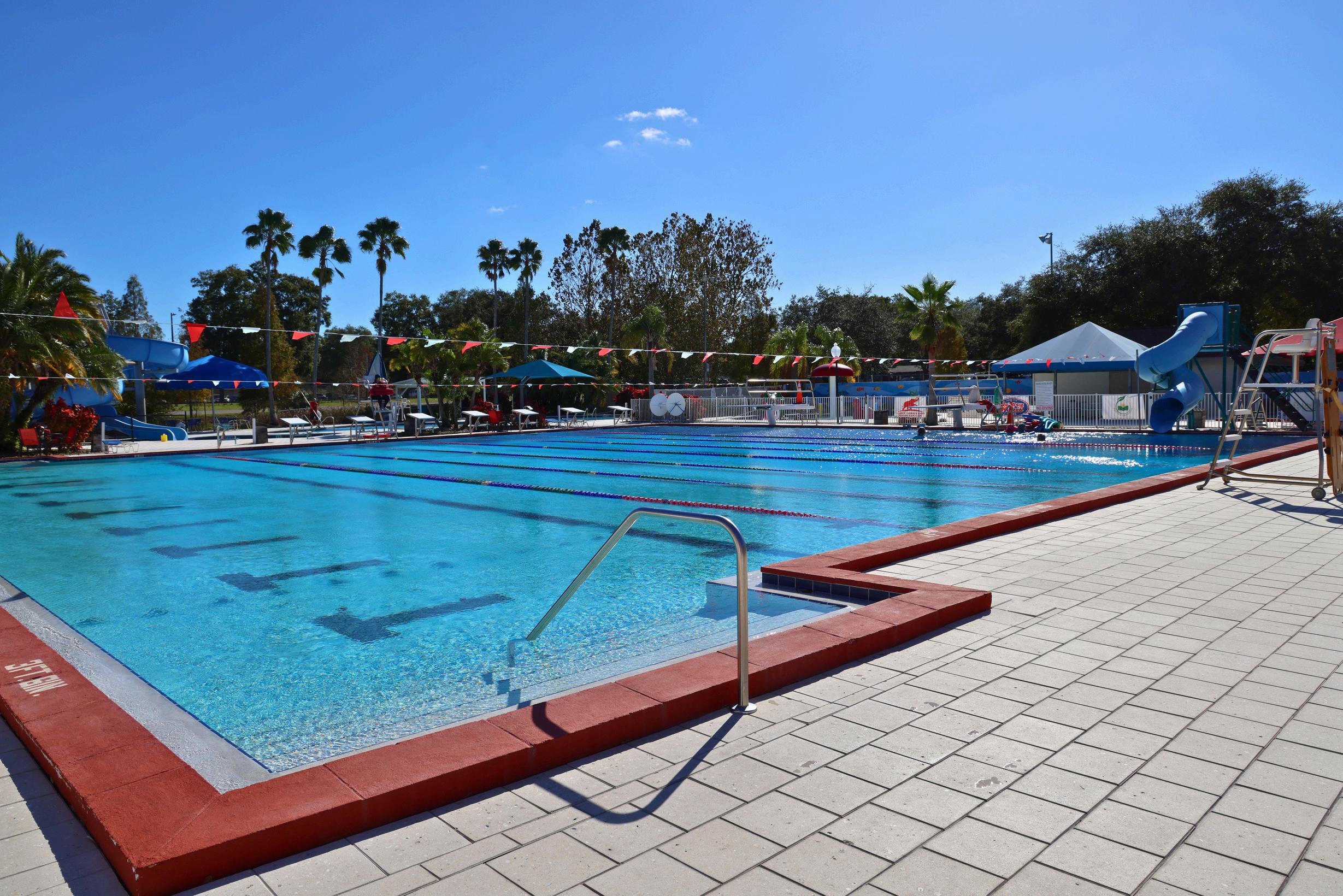
In 2025 alone, the City of Temple Terrace produced over 1.49 billion gallons of drinking water the equivalent of more than 4,100 Family Recreation Complex–sized pools (Family Recreation Complex pool = 360k gallons)
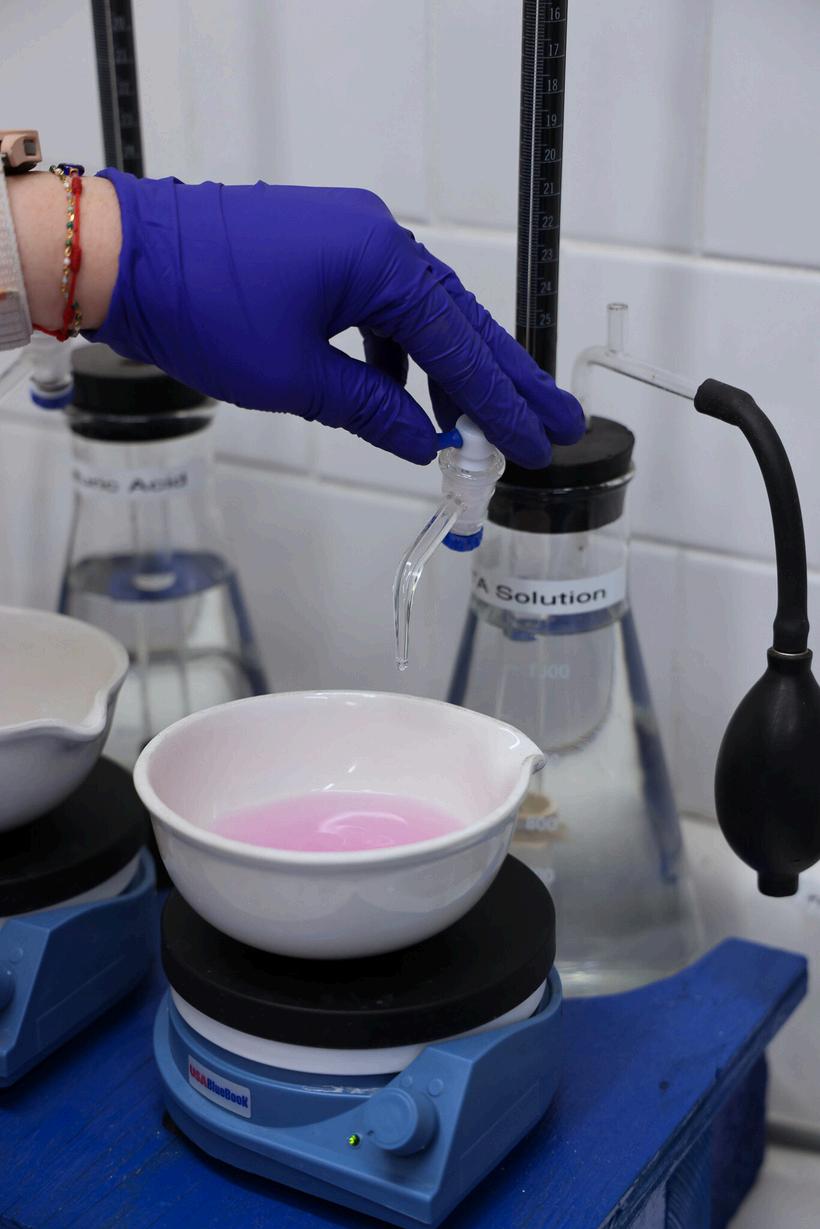
In 2025,
There were 19k water samples analyzed for over 150+ contaminants to ensure for water quality.
The results shown in the “Level Detected” column represent the highest detected level at any sampling point, or the highest average of sampling points, depending on sampling frequency. Some results may appear unchanged from the previous report because certain contaminants are monitored on a multi-year sampling cycle. Please refer to the sampling date listed for each contaminant for the most recent testing information
ND Not Detected the substance tested was not found in the water sample or was below the laboratory’s measurable detection limit
MCLG The level of a contaminant in drinking water below which there is no known or expected health risk MCLGs are health-based goals and are not enforceable
MCL The highest level of a contaminant that is allowed in drinking water MCLs are set by the EPA to protect public health
Contaminant and Unit of Measurement
1/25 - 5/25 No
*Theuseofflurorideasanadditivewasdiscontinuedin2025duetostatestatute
Arsenic (ppb) Barium (ppm)
(ppb)
Erosionofnaturaldeposits; dischargefromfertilizerand aluminumfactories
Erosionofnaturaldeposits; dischargefromfertilizerand aluminumfactories
Run-offfromfertilizeruse; leachingfromseptictanks; sewage;erosionofnatural deposits
Erosionofnaturaldeposits; runofffromorchards;runofffrom glassandelectronics productionwastes
Dischargeofdrillingwastes; dischargefrommetalrefineries; erosionofnaturaldeposits
Dischargefromsteelandpulp mills;erosionofnaturaldeposits
Pollutionfromminingand refiningoperations Natural occurrenceinsoil
Leachingfromoreprocessingsites; dischargefromelectronics,glass, anddrugfactories
Dischargefrompetroleumand metalrefineries:Erosionofnatural deposits;dischargefrommines
Saltwaterintrusion;leaching fromsoil
Contaminant and Unit of Measurement
Erosionofnaturaldeposits
Erosionofnaturaldeposits
Erosionofnaturaldeposits
For the following contaminants monitored under D/Dbp regulations, the level detected is the annual average of the quarterly averages: Bromate Chloramines, Chlorine, Haloacetic Acids (five) (HAA5), and/or TTHM Range of Results: is the range of results lowest to highest at the individual sampling sites.
Contaminant and
Haloacetic Acids (five) (ppb)
TTHM [Total Trihalomethanes] (ppb)
Lead can cause serious health effects in people of all ages, especially pregnant people, infants (both formula-fed and breastfed), and young children Lead in drinking water is primarily from materials and parts used in service lines and in home plumbing The Temple Terrace water system is responsible for providing high quality drinking water and removing lead pipes but cannot control the variety of materials used in the plumbing in your home Because lead levels may vary over time, lead exposure is possible even when your tap sampling results do not detect lead at one point in time. You can help protect yourself and your family by identifying and removing lead materials within your home plumbing and taking steps to reduce your family's risk. Using a filter, certified by an American National Standards Institute accredited certifier to reduce lead, is effective in reducing lead exposures Follow the instructions provided with the filter to ensure the filter is used properly Use only cold water for drinking, cooking, and making baby formula Boiling water does not remove lead from water Before using tap water for drinking, cooking, or making baby formula, flush your pipes for several minutes You can do this by running your tap, taking a shower, doing laundry or a load of dishes. If you have a lead service line or galvanized requiring replacement service line, you may need to flush your pipes for a longer period.
If you are concerned about lead in your water and wish to have your water tested, contact the Temple Terrace Public Works Utilities Department at (813) 506-6570 Information on lead in drinking water, testing methods, and steps you can take to minimize exposure is available at https://wwwepagov/safewater/lead
During the fourth quarter of 2025, the City of Temple Terrace collected disinfectant by-product (DBP) samples outside the approved monitoring window specified in the state-approved sampling plan. Samples were collected during the last week of October rather than during the second week of November
This was a technical monitoring violation and did not involve exceedance of
Per- and polyfluoroalkyl substances (PFAS) are a group of manufactured chemicals that were widely used around the world in products such as firefighting foams, non-stick cookware, food packaging, and stain-resistant materials Due to their extensive historical use and persistence in the environment, PFAS are now found in thousands of water supplies across the United States
Recent testing confirmed that certain PFAS compounds are present in Temple Terrace’s groundwater at levels above EPA drinking water standards proposed for 2031. This condition is not unique to Temple Terrace and reflects a broader regional and nationwide issue. Temple Terrace continues to meet all current state and federal drinking water quality regulations, and the EPA’s new PFAS standards timeline allows water utilities time to design and implement appropriate treatment solutions
The City of Temple Terrace is working to be fully compliant with the EPA’s 2031 target by addressing PFAS through a multi-step approach:
Conducting PFAS monitoring in compliance with EPA requirements
Performing pilot testing and evaluation of treatment technologies such as granular activated carbon (GAC), ion exchange resins, and membrane processes including nanofiltration and reverse osmosis, which are widely demonstrated for effective PFAS removal under appropriate design and operating conditions
Developing a long-term capital improvement plan that addresses PFAS treatment while also improving the City’s water system.
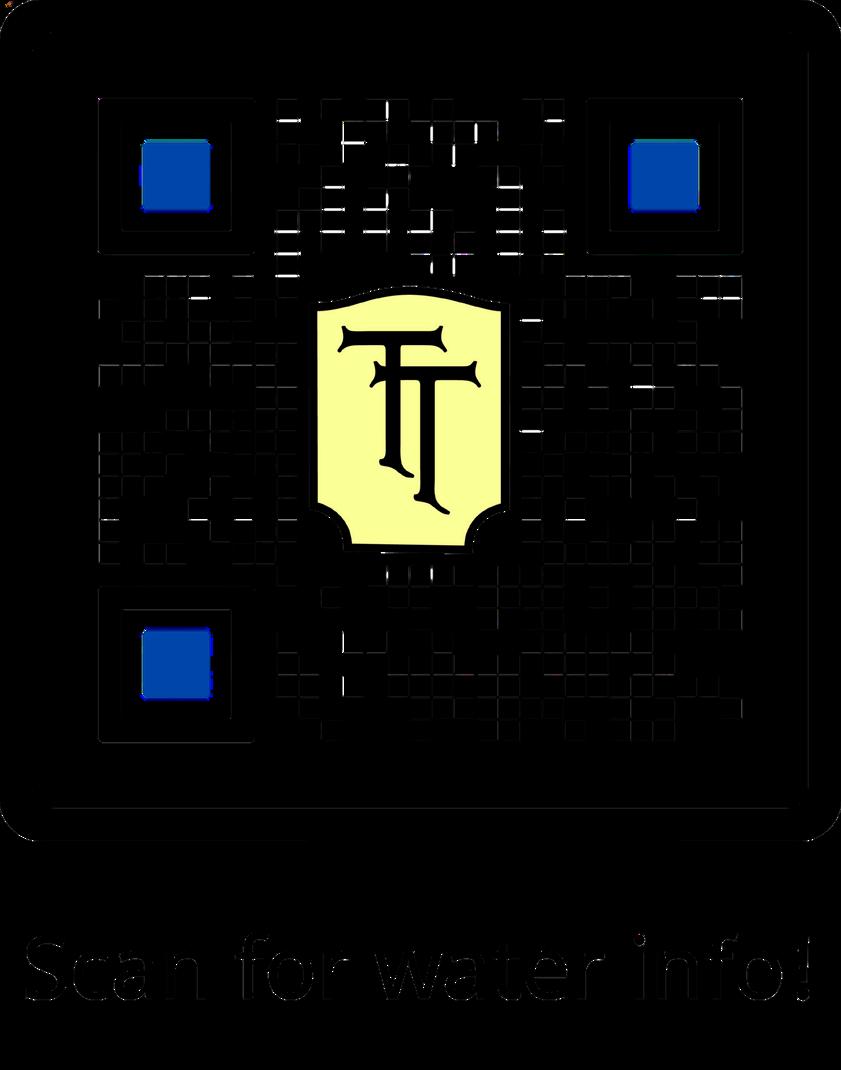
Scan the QR code to visit our Water Questions page for answers to common questions about water quality, testing, and results as well as updates on the City’s PFAS remediation efforts.

The City of Temple Terrace monitored for per- and polyfluoroalkyl substances (PFAS under EPA’s Fifth Unregulated Contaminant Monitoring Rule) (UCMR-5) At the time of sampling, no federal drinking water standards were in effect for these contaminants. EPA has finalized future drinking water standards that are anticipated to become enforceable in 2031. The City is working to implement the necessary systems to comply with these future regulations for PFOS and PFOA Periodically, the EPA requires drinking water systems in the US to test for unregulated contaminants under UCMR The charts below illustrate the results from the last two rounds of UCMR testing
If you would like more information on the EPA’s Unregulated Contaminants Monitoring Rule (UCMR), please visit epa.gov/sdwa
3/25, 5/25
3/25, 5/25
3/25, 5/25
3/25, 5/25
Public Works Utilities Department (813) 506-6570 • templeterrace.gov/publicworks
City Council meetings are held on the 1st and 3rd Tuesday of each month at 6pm.
Location:
City Hall Council Chambers 11250 N 56th St Temple Terrace, FL 33617
All meetings are open to the public Residents may attend to observe and are welcome to provide public comment in accordance with the meeting agenda
View upcoming City Council meetings at templeterrace.gov/calendar.
Get important City updates straight to your phone. Sign up for Temple Terrace text alerts.

Report issues like potholes, broken streetlights and more right from your phone. Available on Apple and Android devices.