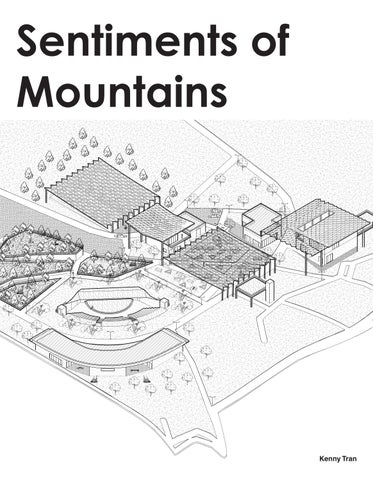
Sentiments of Mountains
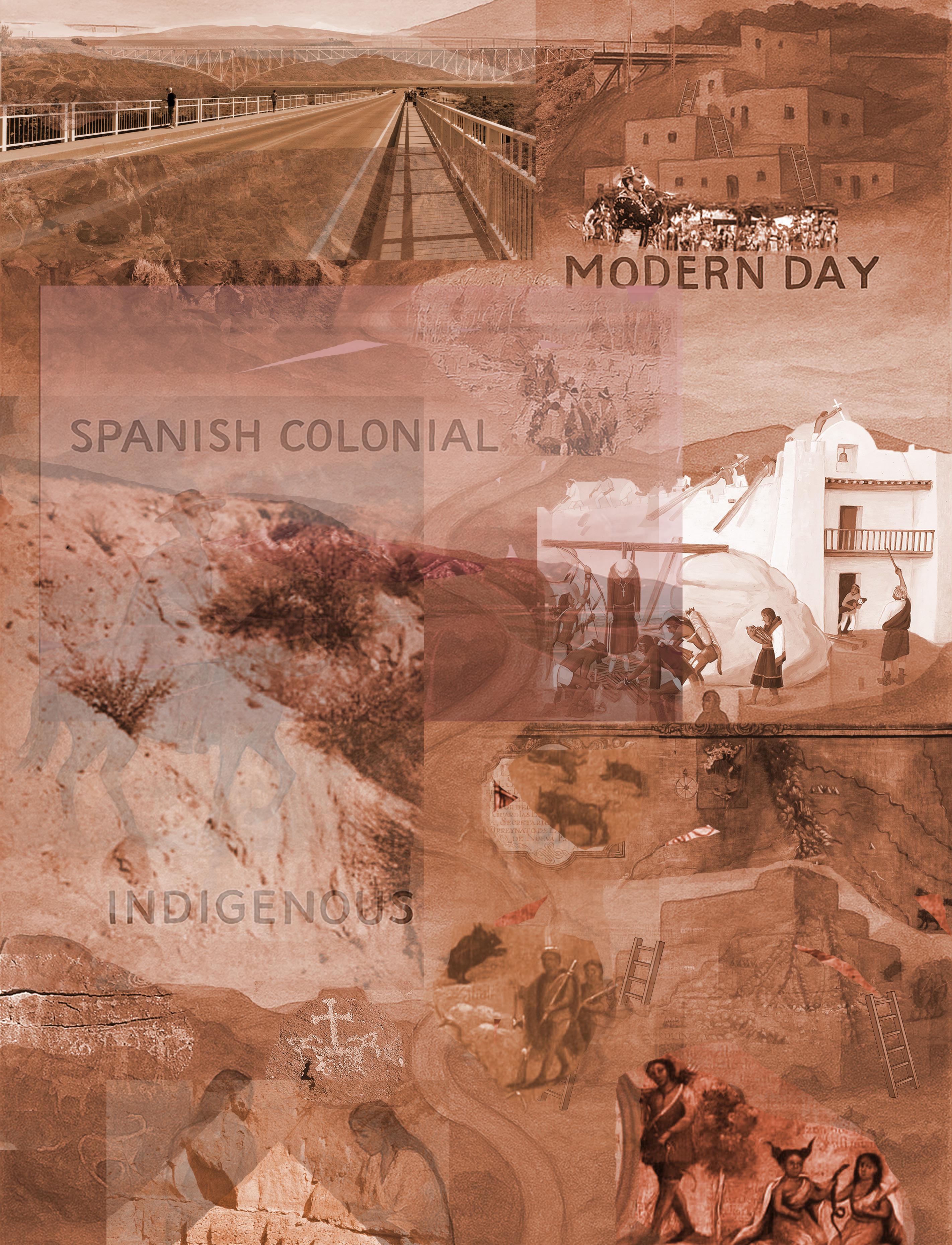
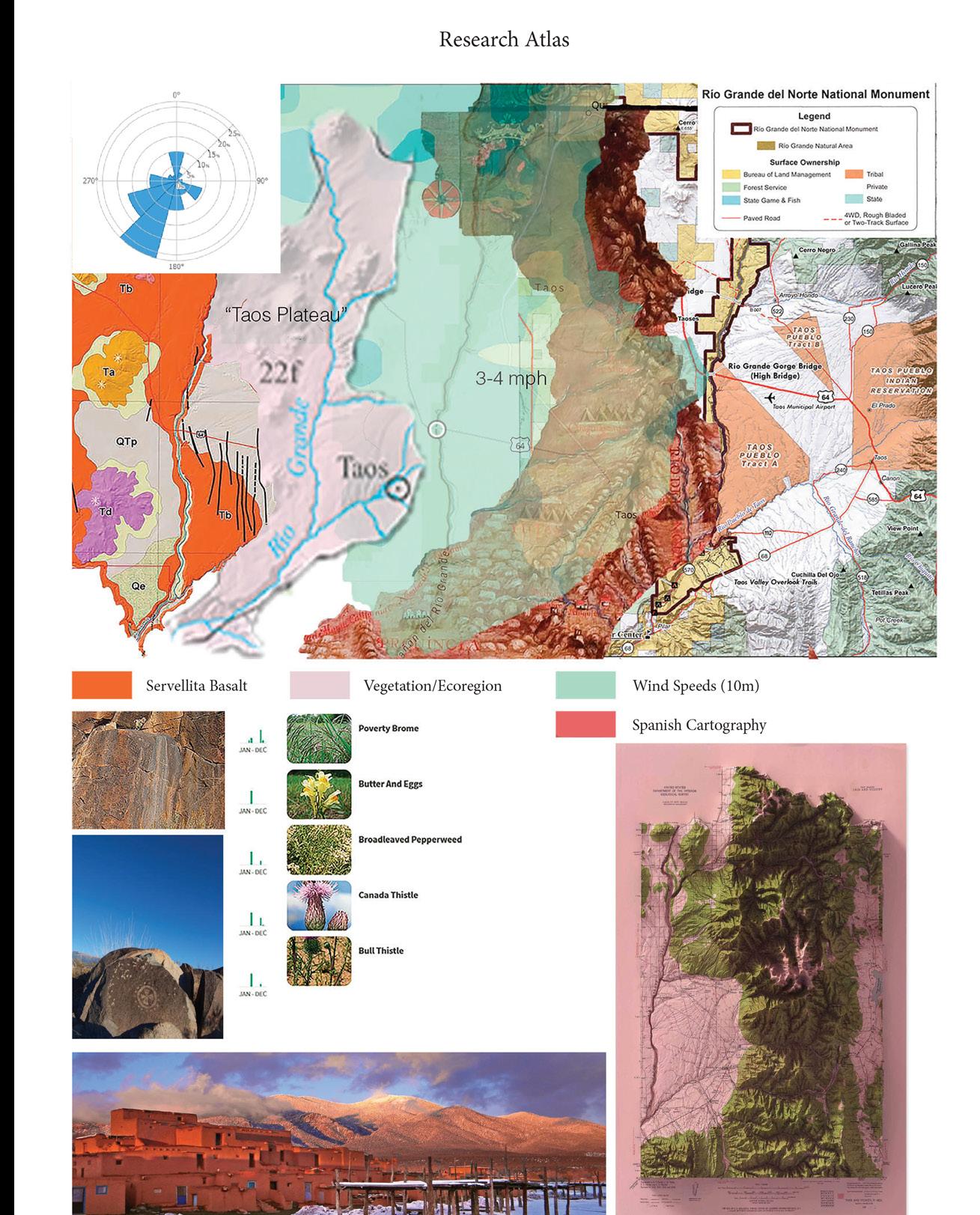
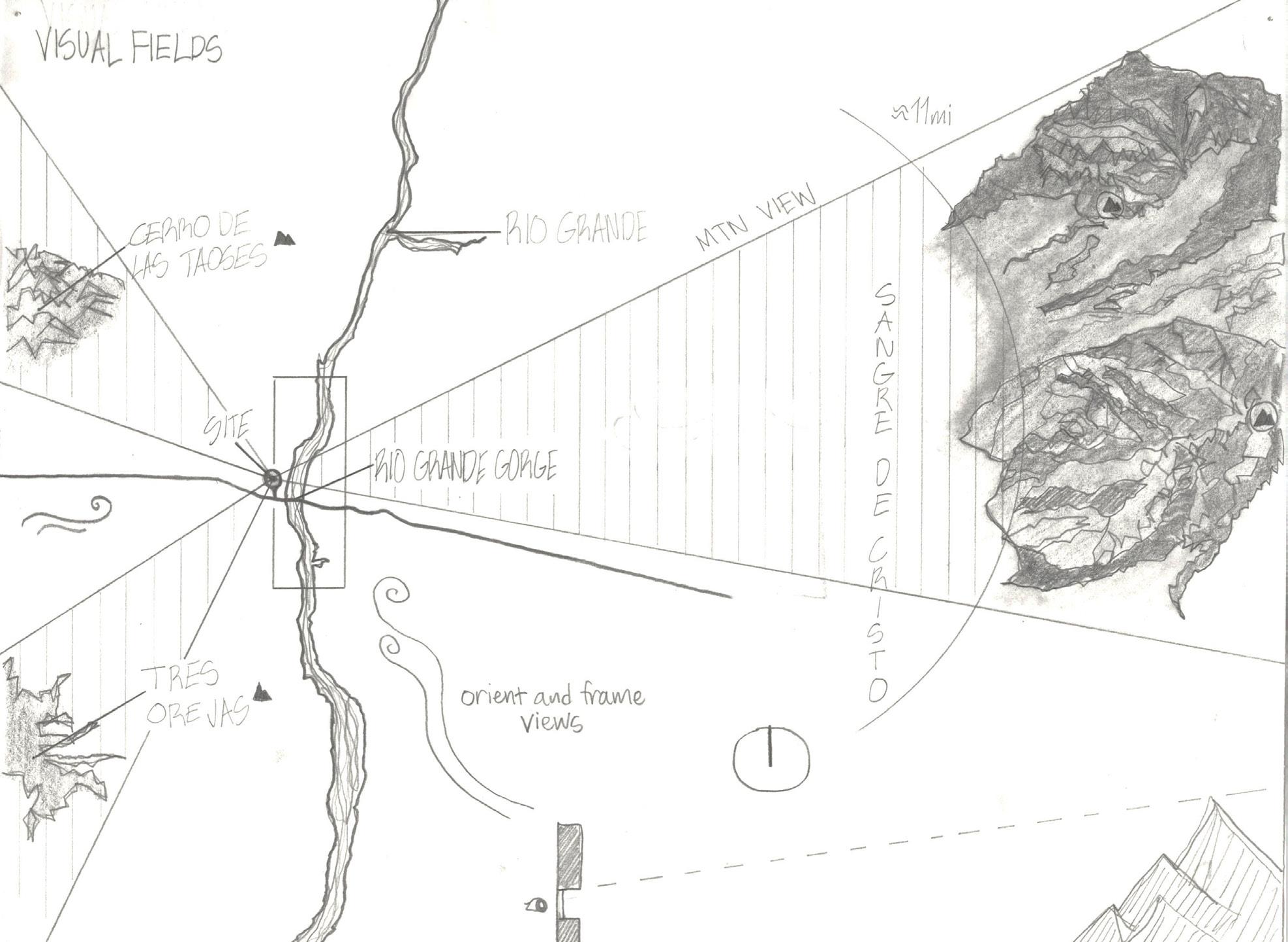
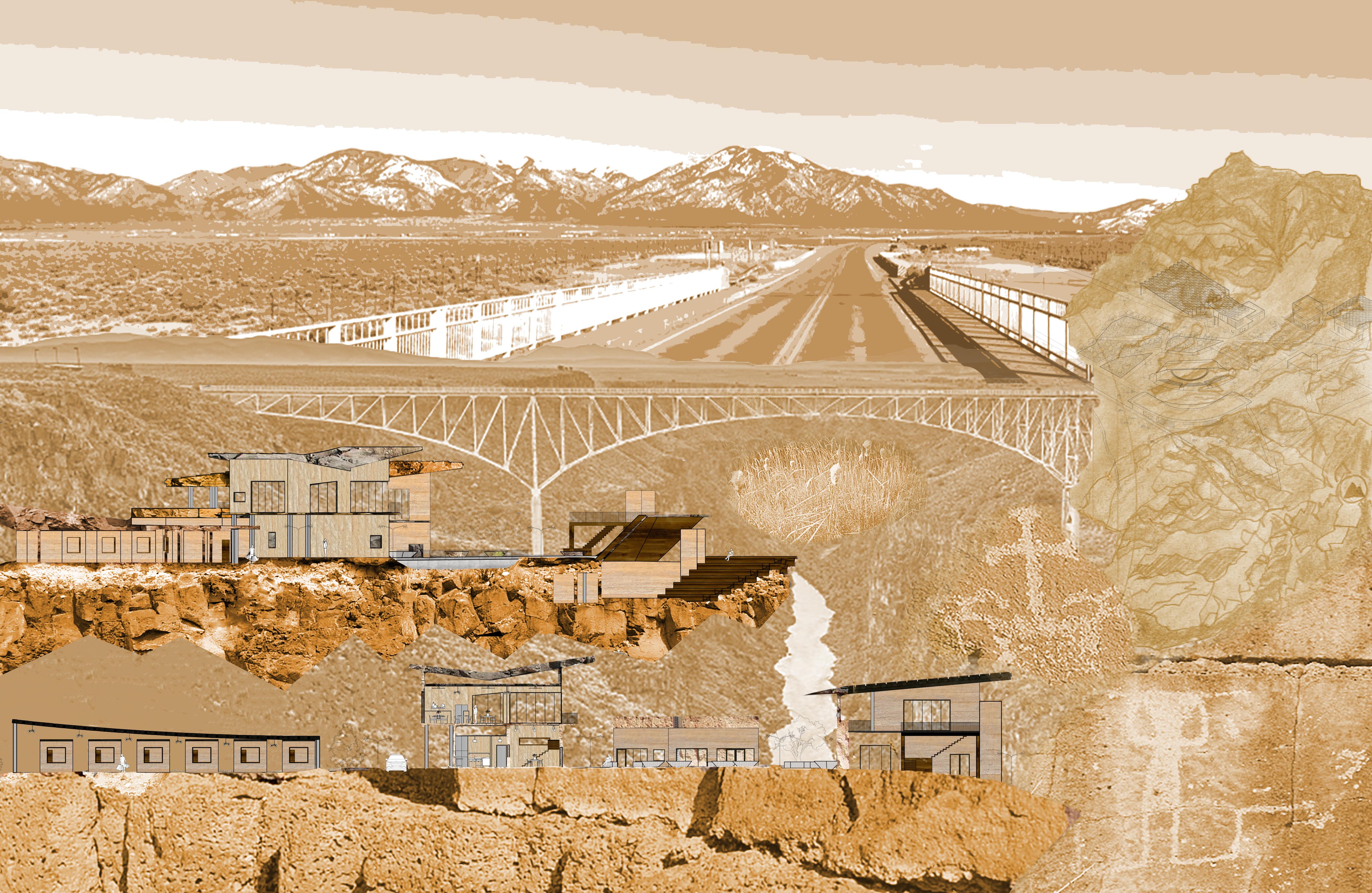
Indigenous presence, petroglyphs, and routes.
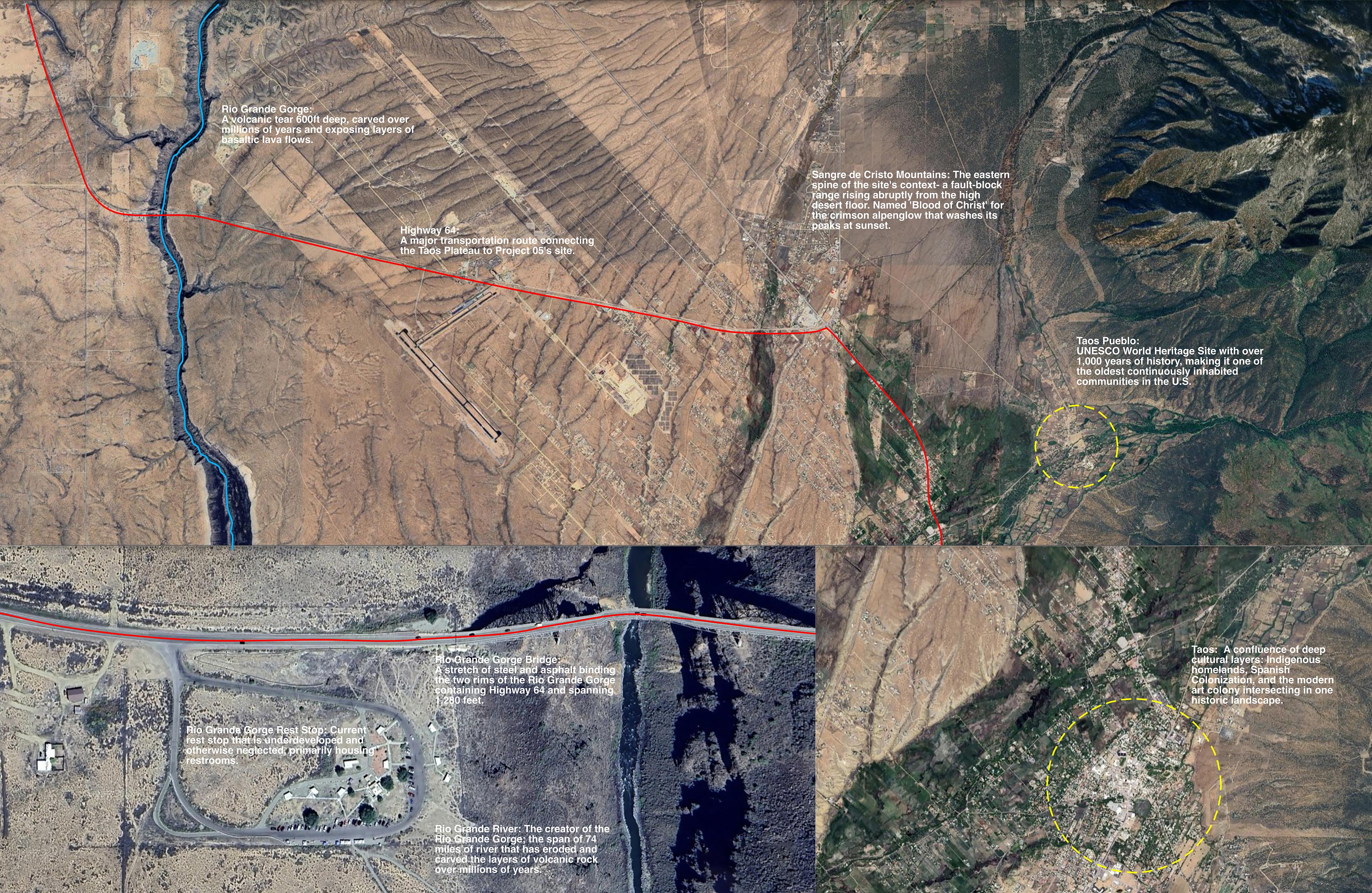
Modern highway and bridge tourism.
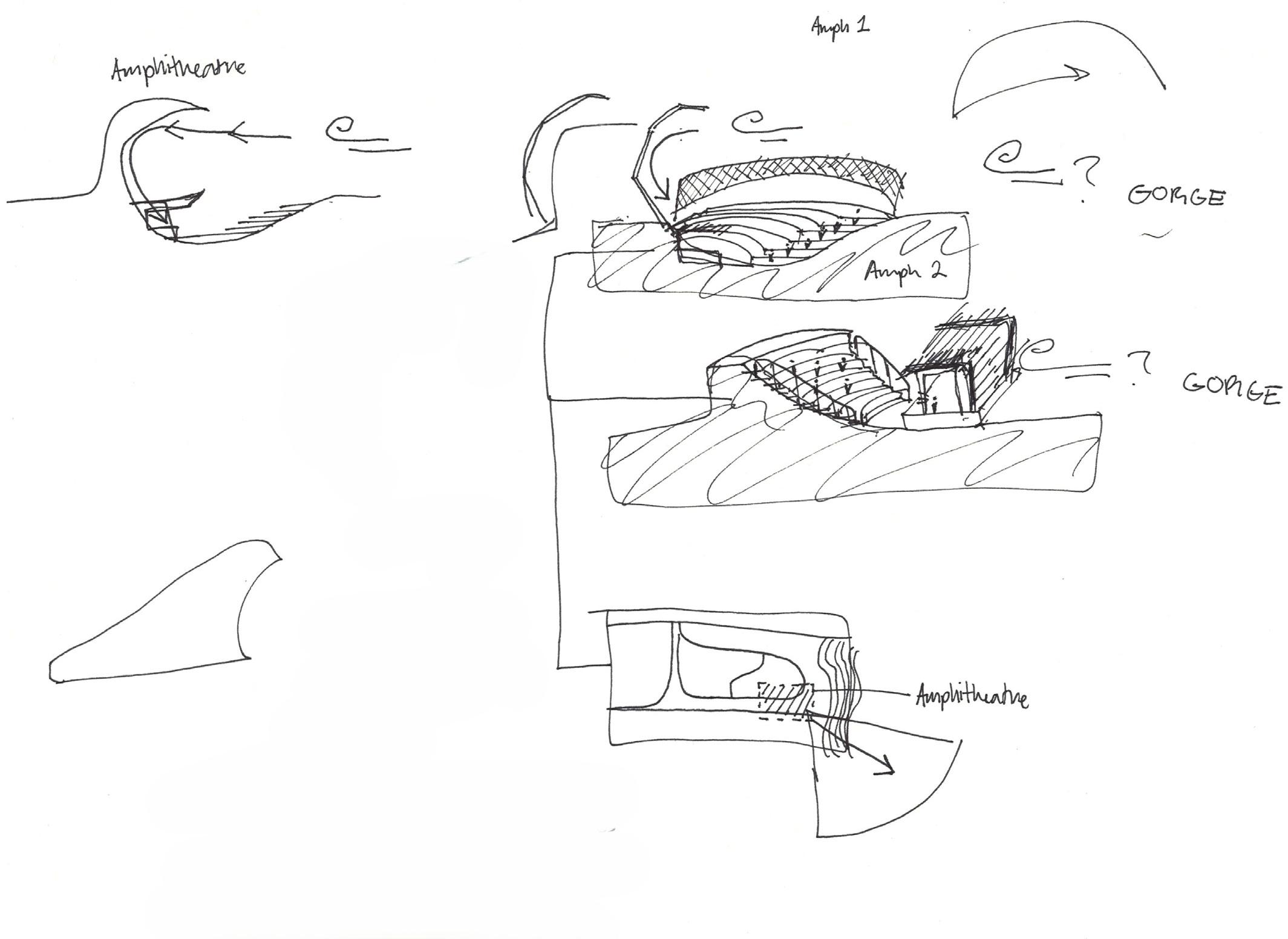
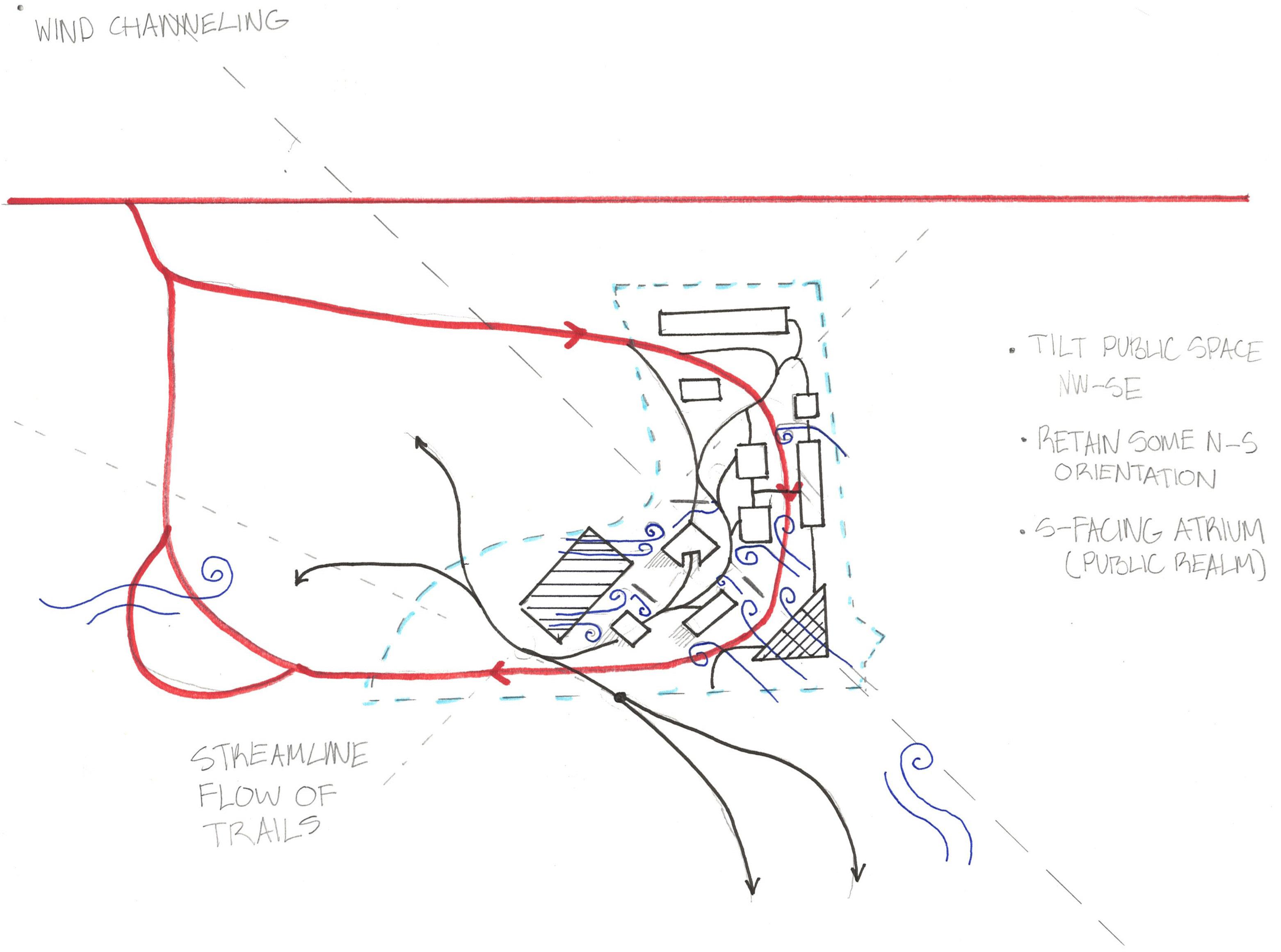
Orientation intent: leaning NW-SE.
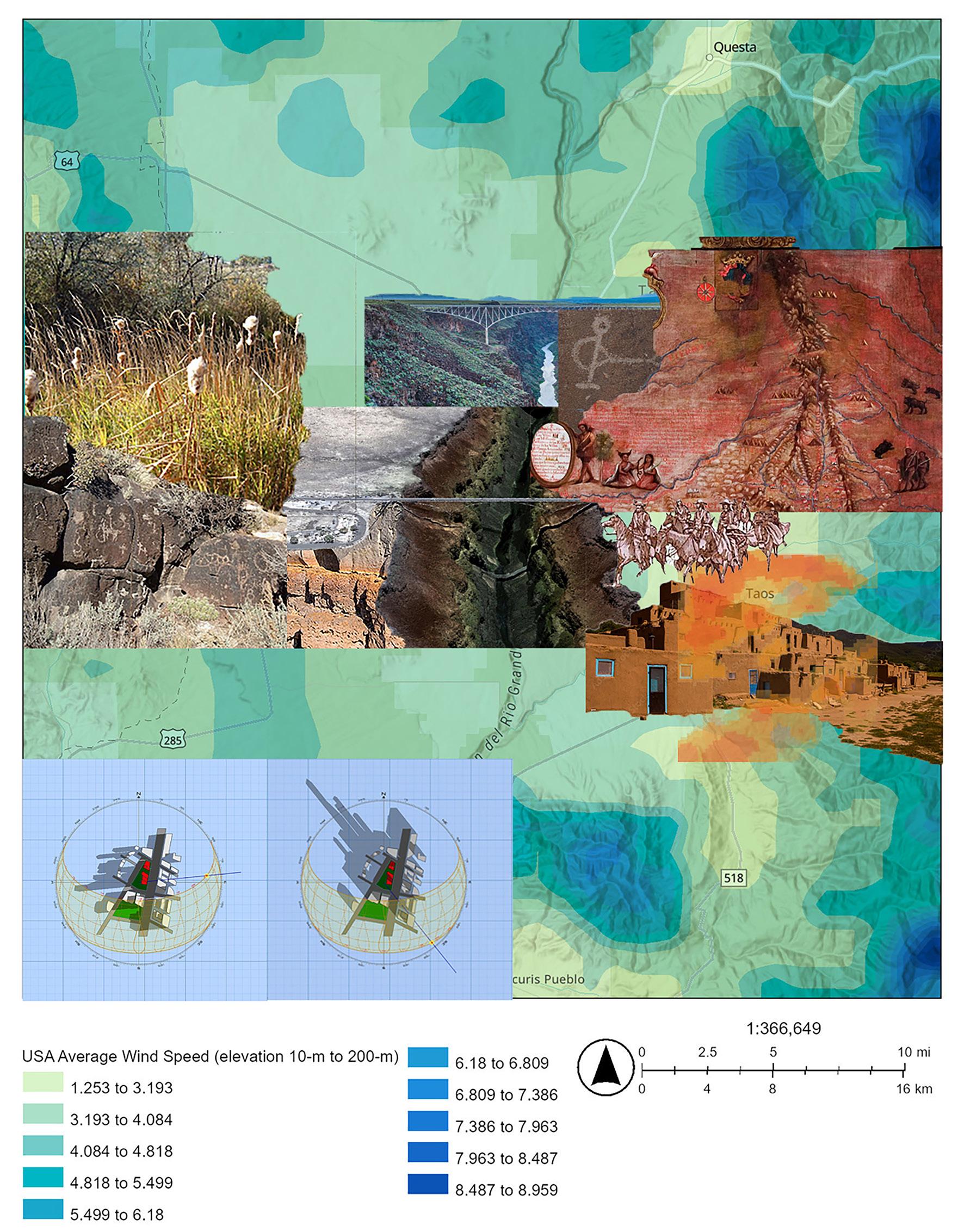
Appearance of doors and windows postoccupation.
Moderate heat intensity mapping.
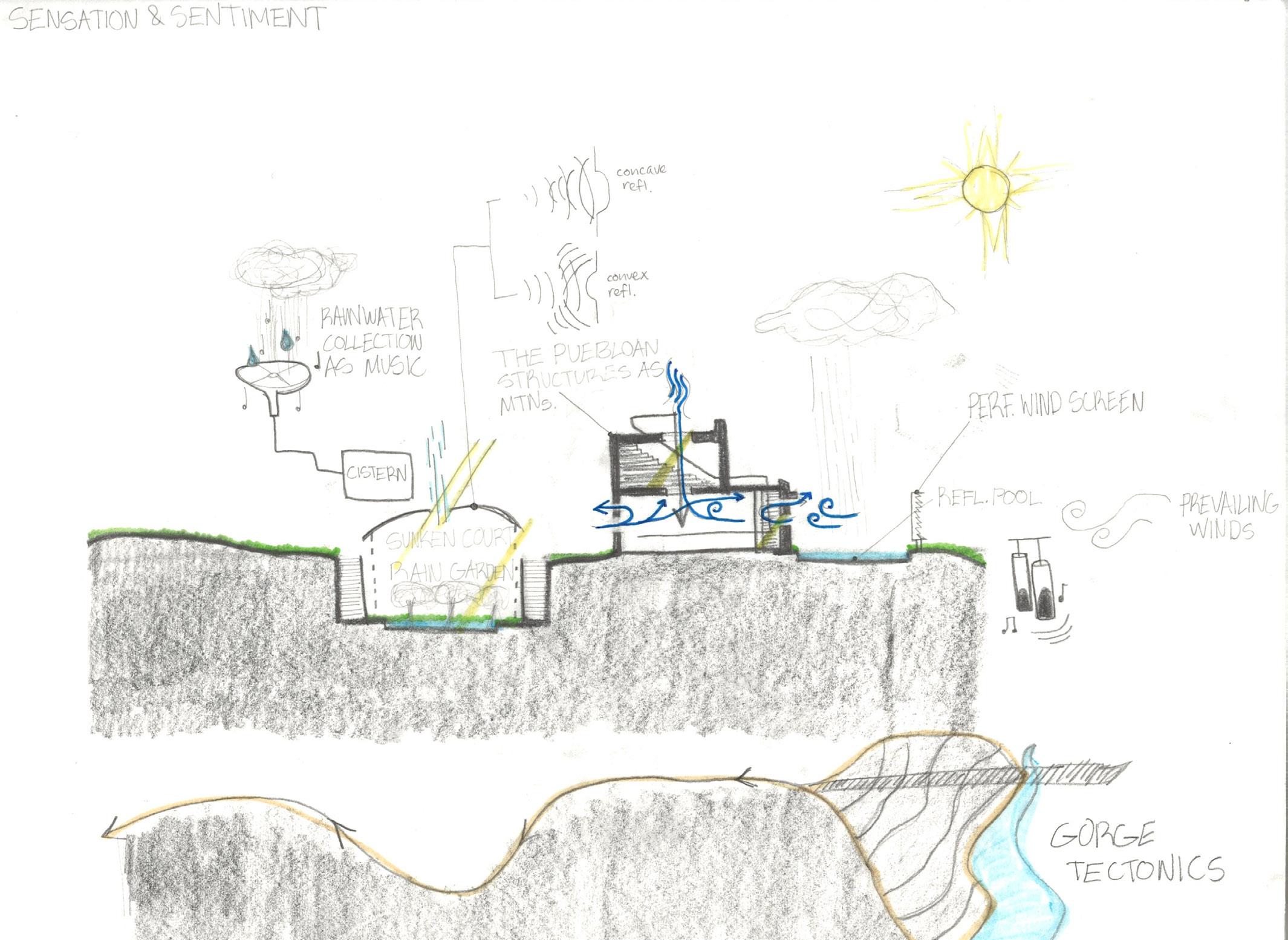
Prevailing winds from SE in summer and W in winter. Spanish cartography indicates activity, colonization.
Where Land Speaks and People Gather: Seattle Central Library
Content is a chaotic manifesto from OMA that covers a large collection of projects, essays, and images. Among the countless projects documented, one of his most significant works that most resonate with the themes in “Where Land Speaks and People Gather” is the Seattle Central Library. The project’s key architectural ideas include radical reprogramming of institutional logic, creation of a vibrant public domain, and dramatic formal expression (the informal polyhedron).
When researching and diagnosing the modern library, they saw that the institution was flawed: torn apart between the physical storage of books and the digital influx of information, especially during a time of emergent technologies and the internet. OMA’s solution to the modern library was through a strategy of “organization by separation,” a compartmentalized approach in program that is sorted into five definite “platforms” dedicated to a specific use (see figure [3] and [3a]).
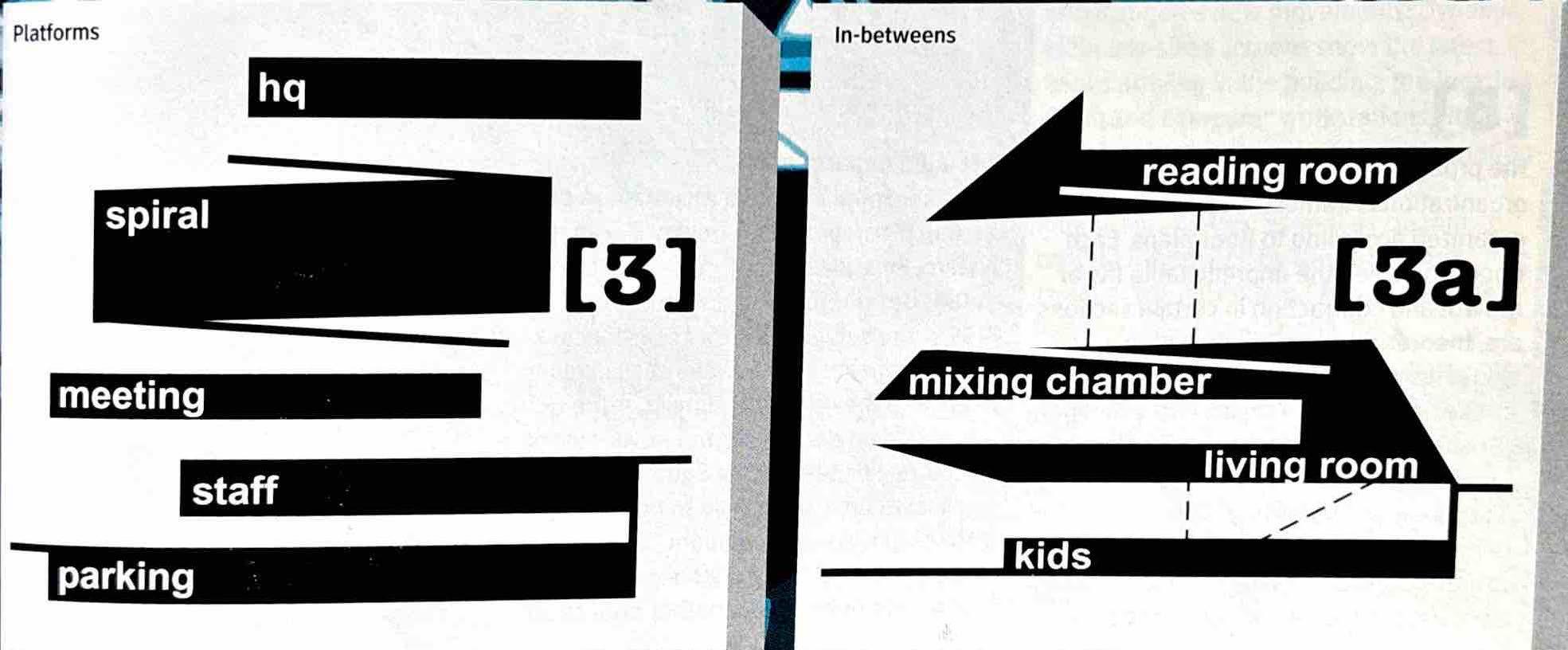
“Each platform is a programmatic cluster… equipped for maximum, dedicated performance” (Ramus, 141). These stable platforms are then interlaced by a continuous “wrapping” surface that create buffer spaces for circulation, work, and social interaction. The organizational logic brings clarity to a complex brief and determines the building’s iconic angular form; the informal polyhedron is not arbitrary but directly diagrams interior order.
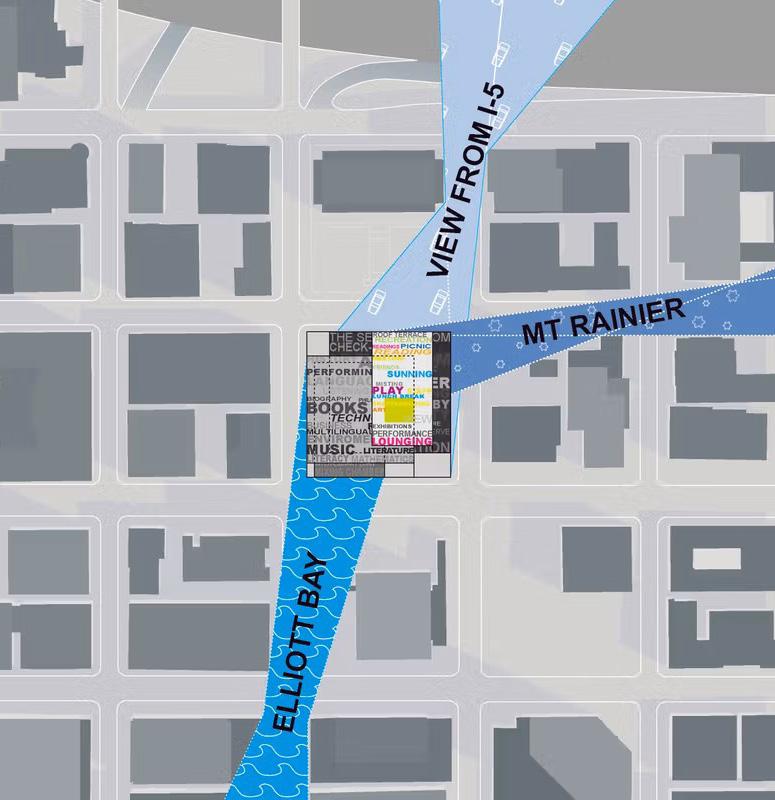
Subsequent to its internal reorganization, the sensitivity of the building’s geometry provides shade or variable quantities of daylight in places where it’s desirable. It’s also contextually reactive to specific urban conditions by reconnecting a fragmented urban fabric and framing desired views. This is because Downtown Seattle is divided by the I-5 corridor to which the library acknowledges and engages with it. It’s visual connection spans outwards to the iconic Pacific Northwest landscape by creating view corridors that captures the Mt. Rainier and Elliot Bay- creating a moment of discovery and awe outside the consciousness of the library (see figure [4]).
Culturally, the library moves beyond a silent, dusty warehouse of knowledge to become a dynamic social and intellectual hub for the city. The “Living Room,” a vast, multi-story public space towards the entrance, is a key space because it functions as an urban porch and blurs the boundary between the city street and the library interior. This seamless transition creates an inviting, naturally accessible gathering place for urban play and reinforces the project’s cultural ambition to reach all citizens. In addition, the transparency in the facades dematerializes the massive volume which conveys a commitment to openness, public accessibility and makes activity visible from the outside.
Spatial experience for visitors is of streamlined discovery as circulation is a celebrated architectural event.
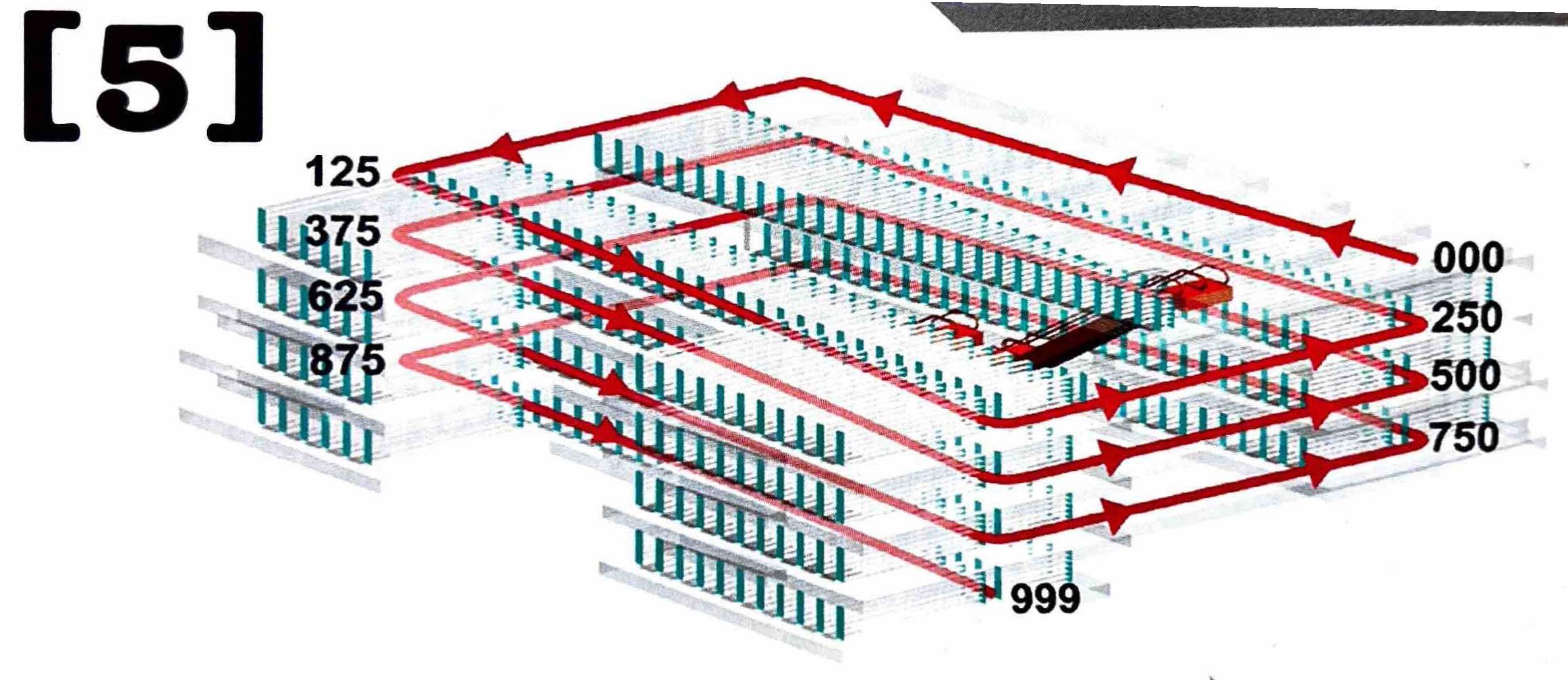
When ascending through the building on bright yellow escalators, it offers constantly shifting viewpoints of the interior “city” of platforms and the external cityscape of Seattle. As OMA partner Joshua Ramus points out, “The problem of traditional library organization is flatness… floor is discreet… materials are disassociated from their categories…” Thus, the “Book Spiral,” a circulatory datum, reclaims the Dewey Decimal System by arranging the collection in a continuous ribbon which organizes it by relative topics and guarantees flexibility in adding or removing books. This reapproach improves on typical library design- once certain sections or collections swell, excess materials overflow without proper reorganization (see figure [5]).
When tracing the library to Project 05, the Seattle Central Library offers profound, informed lessons. The methodology in deriving form from program provides a model in designing the Taos cultural institution.
The success and emphasis on creating a “gathering” space through design in circulation and transparency resonates with goal of modeling place as a site where people and landscape both visually and spatially converge. Therefore, the library demonstrates that architecture can give a new voice to a place and transforms a civic institution into a vibrant, vocal part of the urban landscape.
1. ENTRY COMPLEX
2. EXHIBITS
3. PLAZA
1. ENTRY COMPLEX
4. AMPHITHEATER
2.
5. COMMUNITY CENTER
3.
6. NATIVE PLANT GARDENS
4.
7. CAFE
8. WC
5.
6.
9. MARKETPLACE & VENDOR OFFICE
7.
10. INTERPRETIVE TRAIL LOOP
8. WC
11. OBSERVATION DECKS
9. MARKETPLACE & VENDOR OFFICE
12. PARKING & ACCESS
10. INTERPRETIVE TRAIL LOOP
13. SERVICE YARD
11. OBSERVATION DECKS
12. PARKING & ACCESS
13. SERVICE YARD
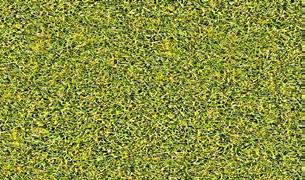
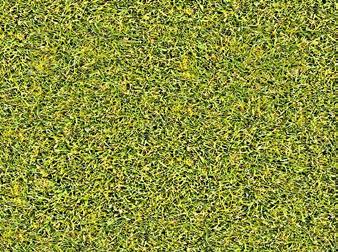
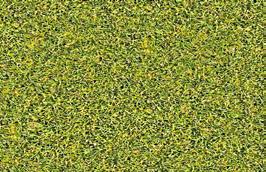
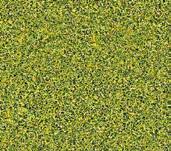
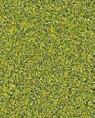
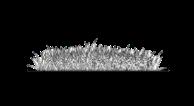
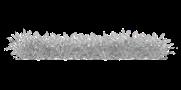
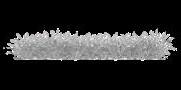
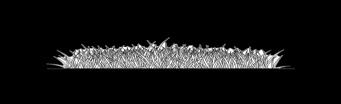
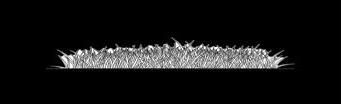
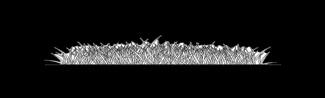
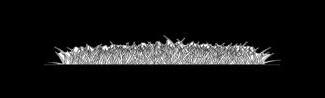
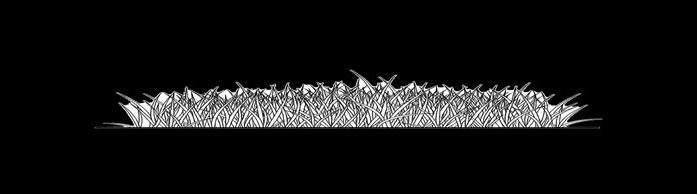
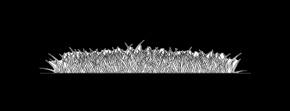
Bouteloua gracilis (Blue grama grass)
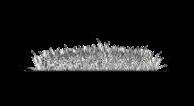
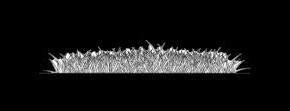
Hesperostipa neomexicana (New Mexico feathergrass)
Bouteloua gracilis (Blue grama grass)
Crushed Stone #57 (Coarse gravel)
Hesperostipa neomexicana (New Mexico feathergrass)
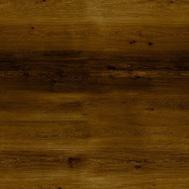
Pinderosa Pine (Mass timber)
Crushed Stone #57 (Coarse gravel)
Wells/Gates precast permeable pavers
Pinderosa Pine (Mass timber)
Quercus gambelii (Gambel Oak)
Wells/Gates precast permeable pavers
Pseudotsuga menziesii (Douglas Fir)
Quercus gambelii (Gambel Oak)
Pinus edulis (Piñon Pine)
Pseudotsuga menziesii (Douglas Fir)
Pinus edulis (Piñon Pine)


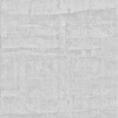




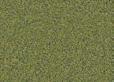





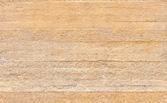


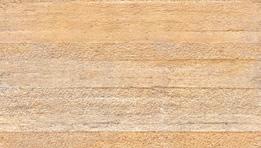
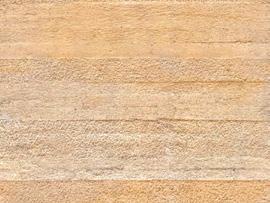



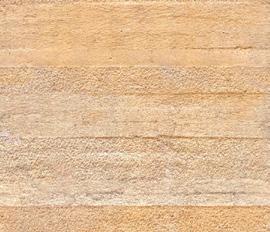



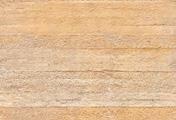

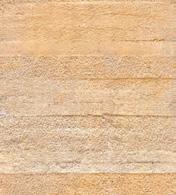
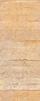





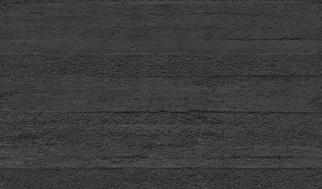
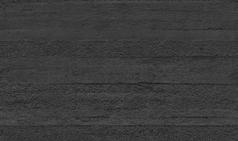
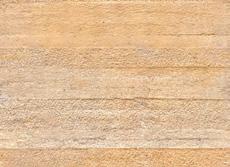
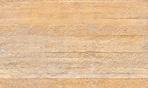
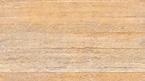

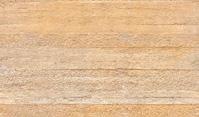




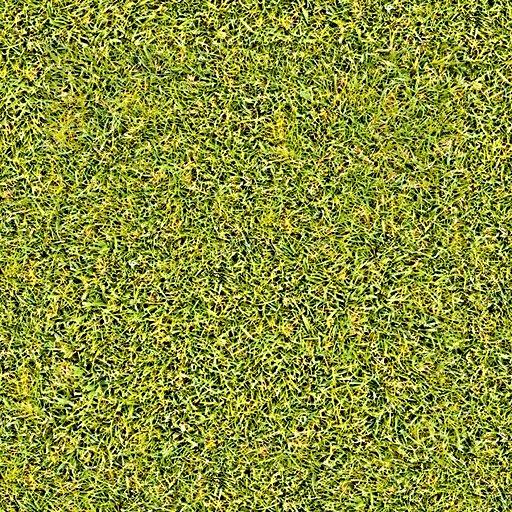


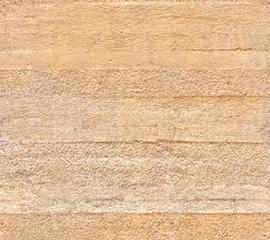






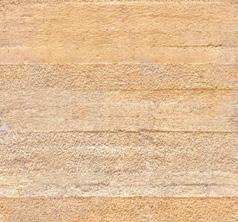


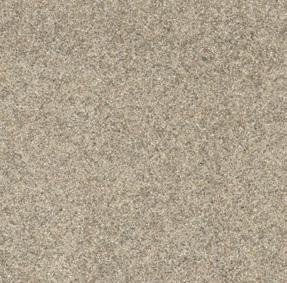
































































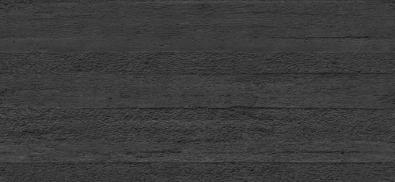
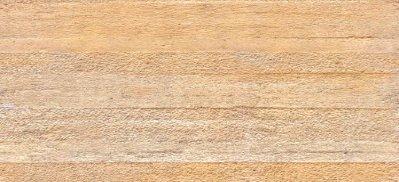
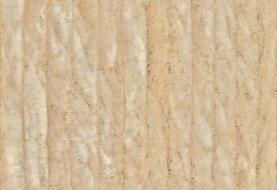



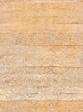

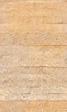












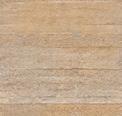





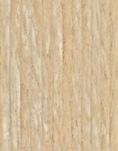


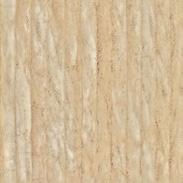






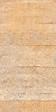


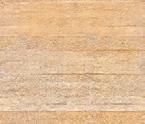







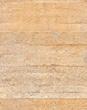





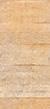





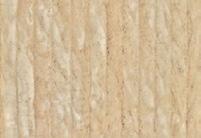


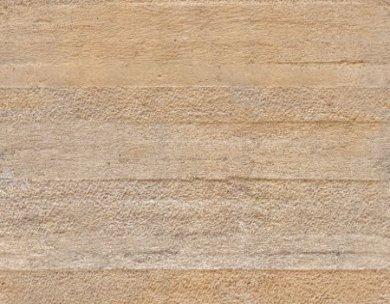




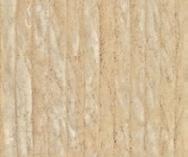



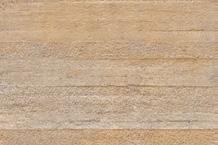


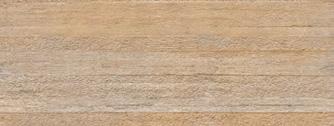



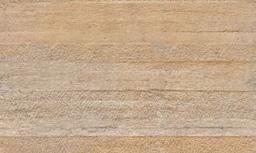

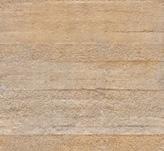








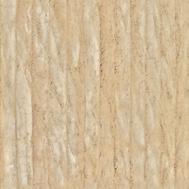
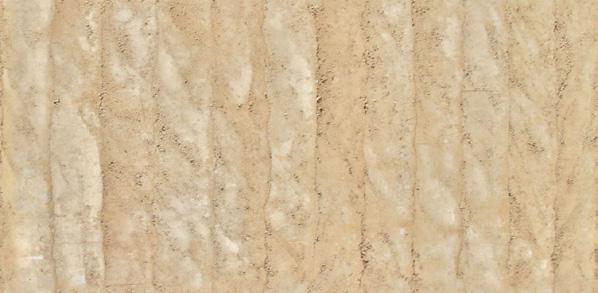
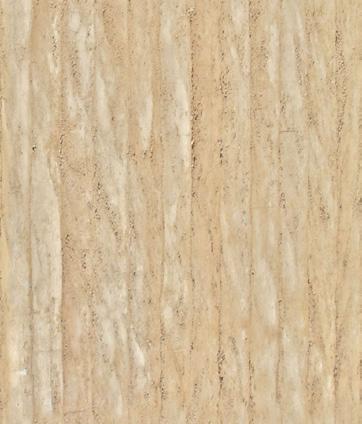
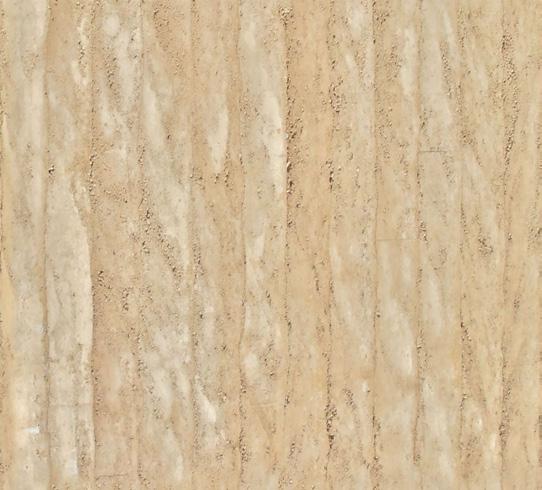
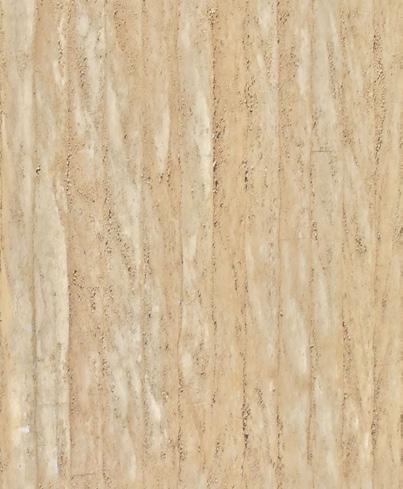
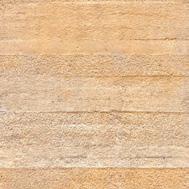
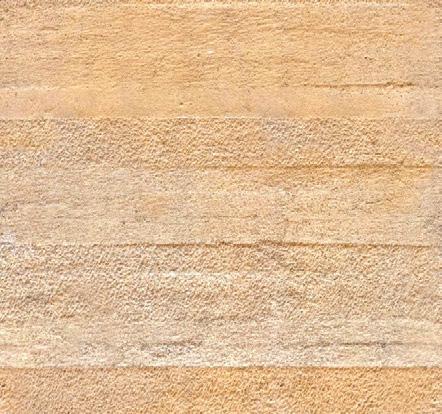
RAMMED EARTH CONCRETE
RAMMED EARTH CONCRETE
PRECAST PIGMENTED CONCRETE

PRECAST PIGMENTED CONCRETE
STAINLESS STEEL
STAINLESS STEEL
GALVANIZED STEEL w/ ZINC
GALVANIZED STEEL w/ ZINC


DOUBLE PANE (LOW-E) GLAZING
DOUBLE PANE (LOW-E) GLAZING






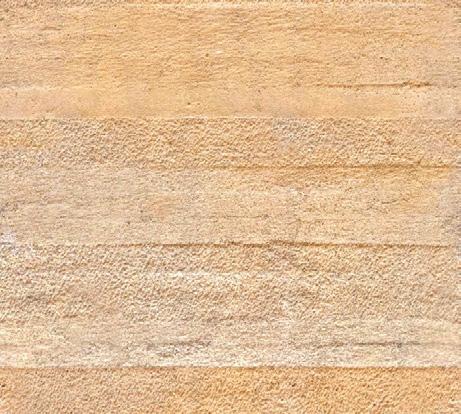
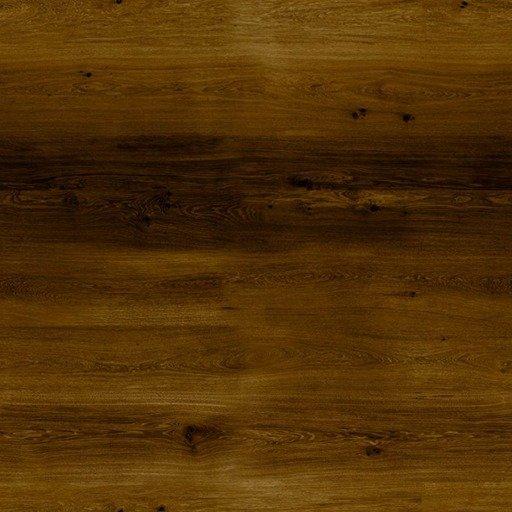
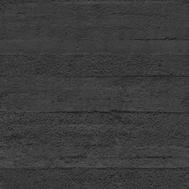
PRECAST & REINFORCED PIGMENTED CONCRETE
PRECAST & REINFORCED PIGMENTED CONCRETE




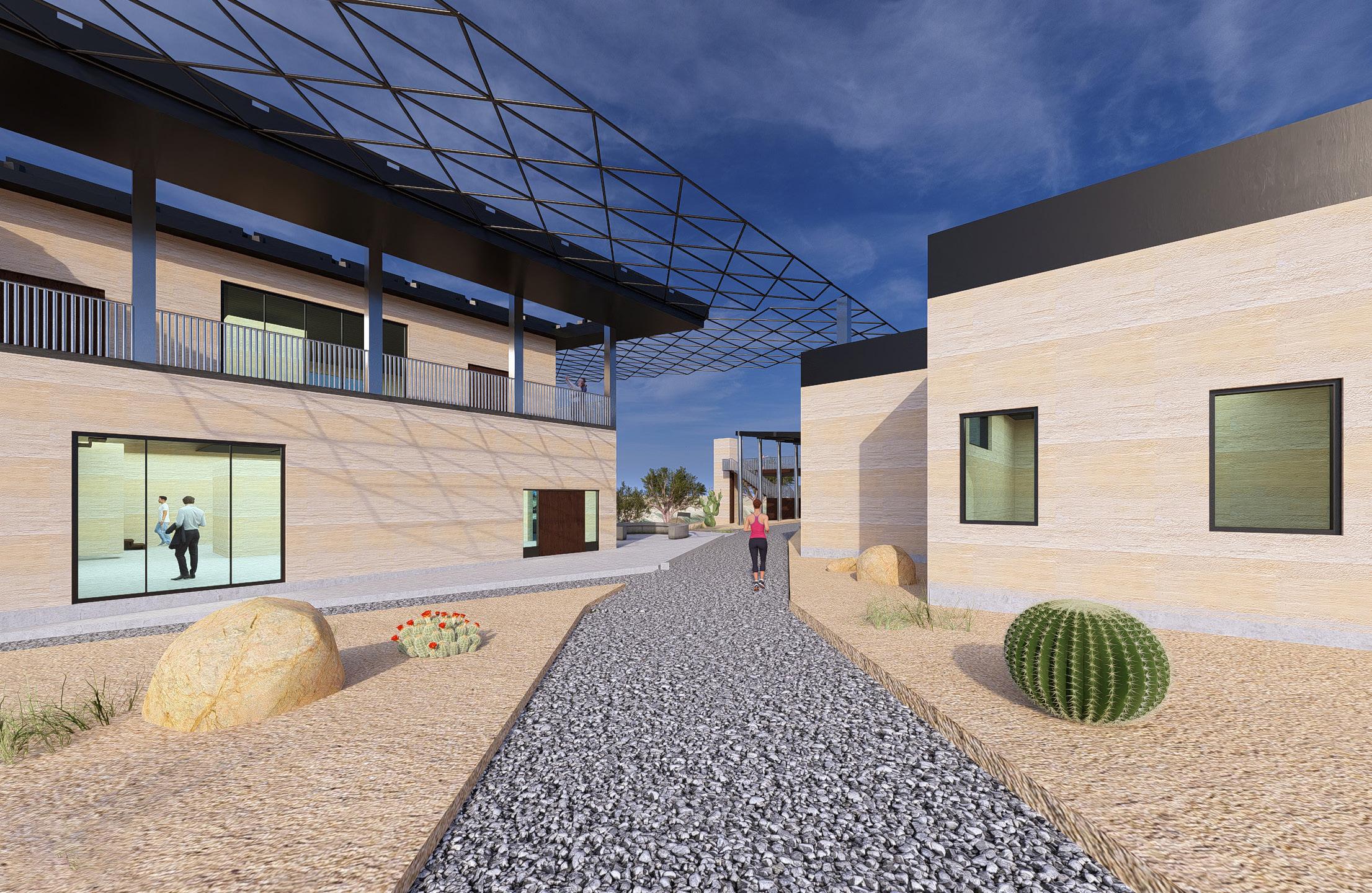
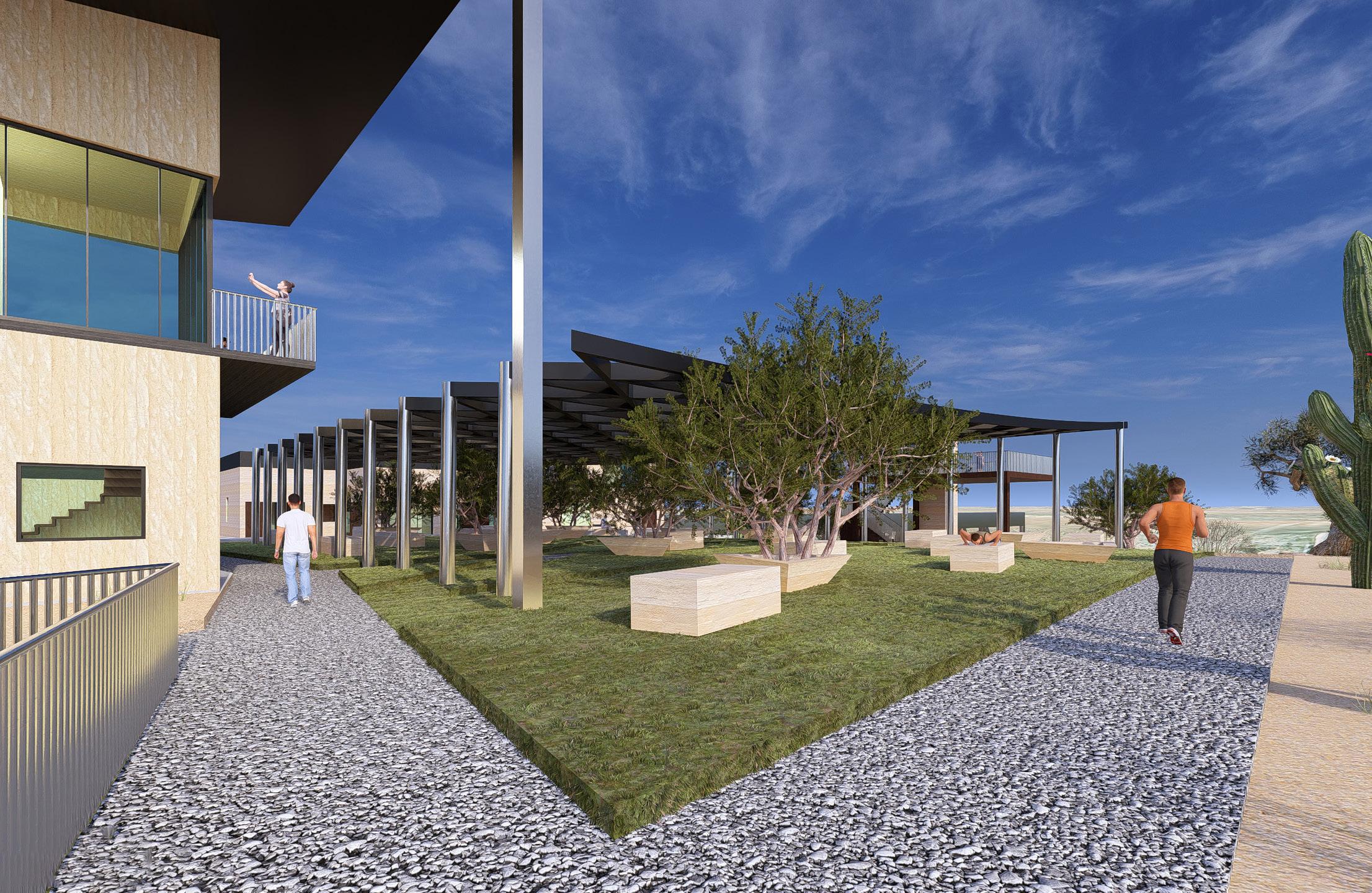
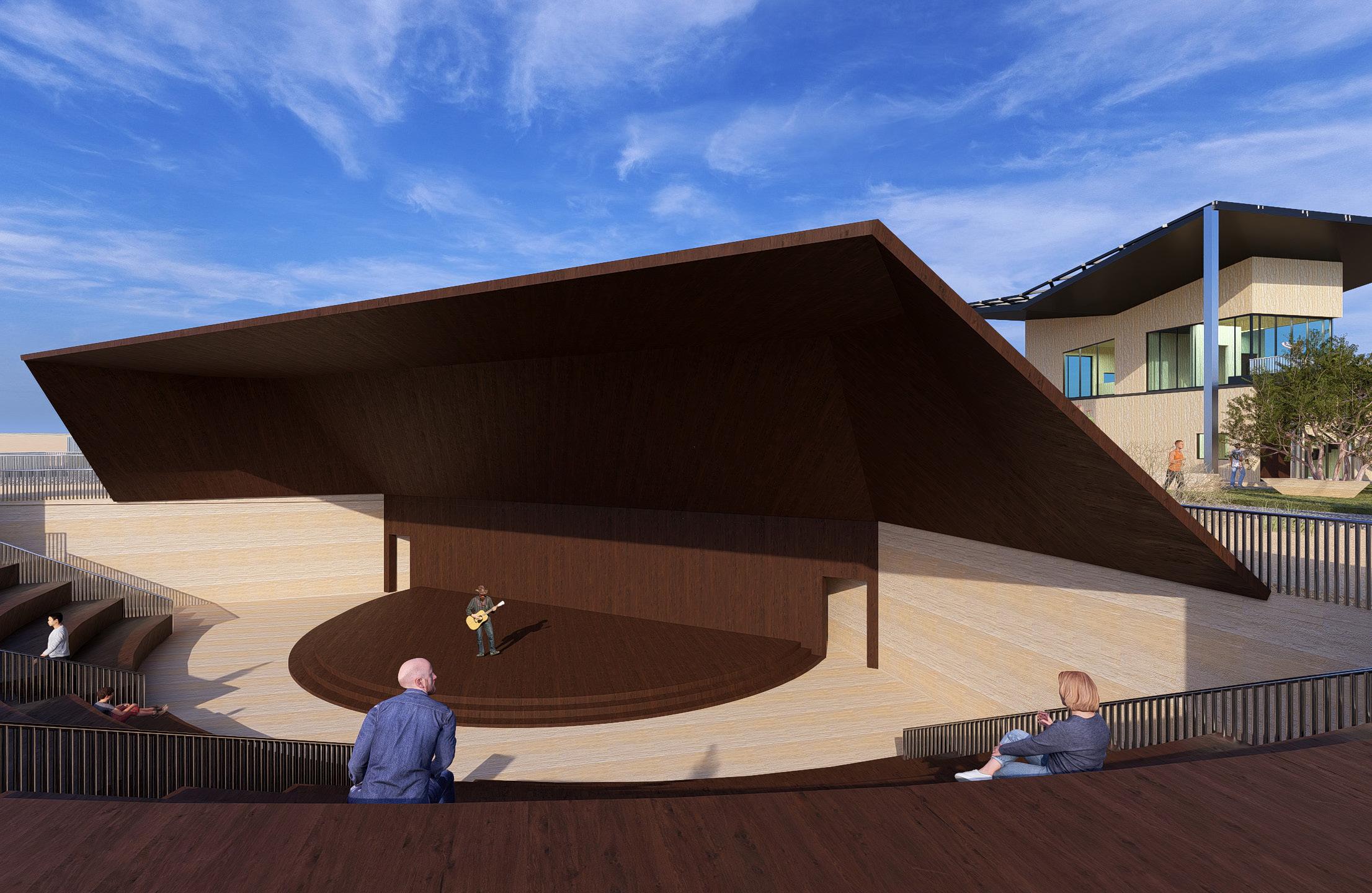
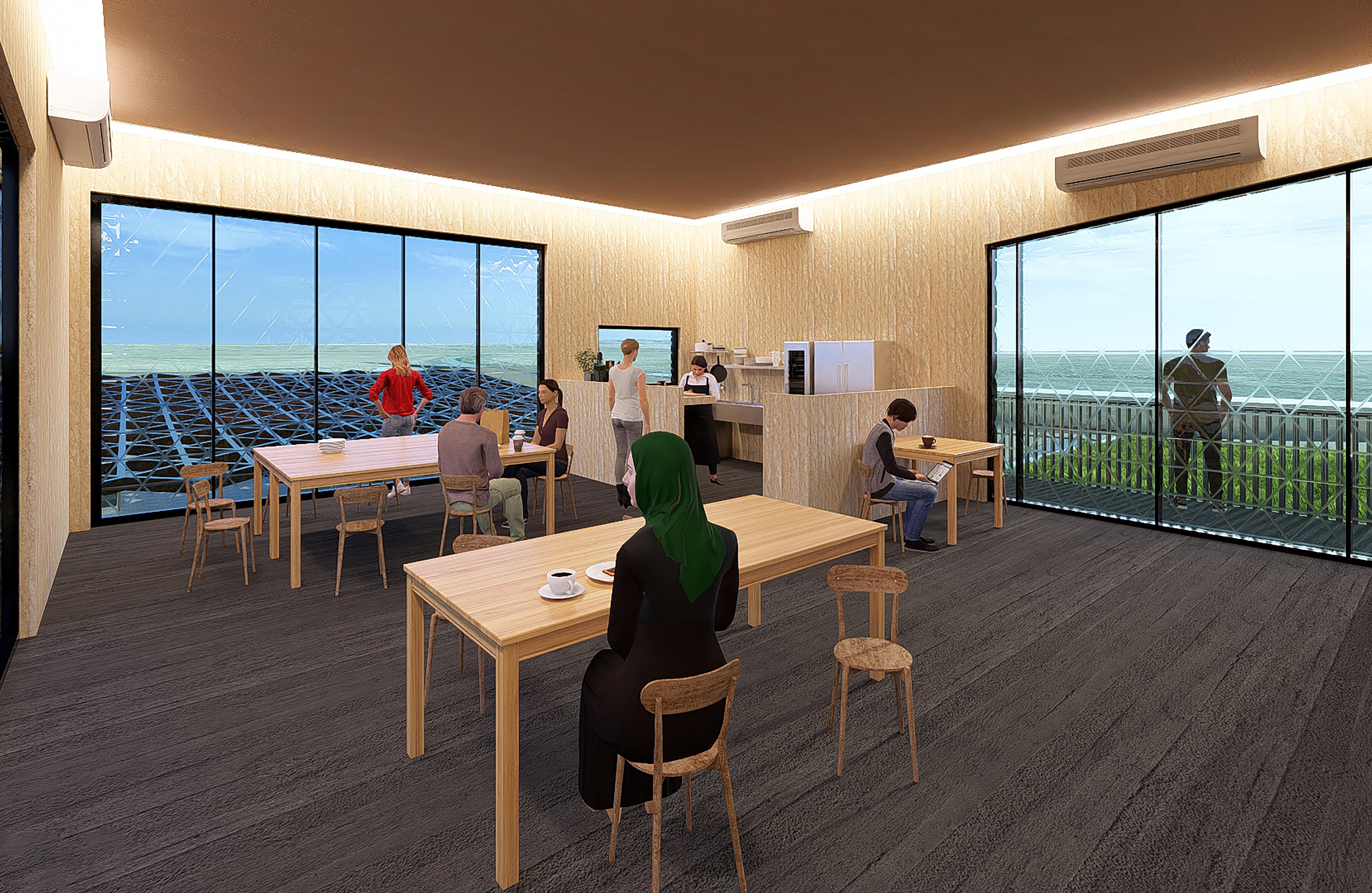
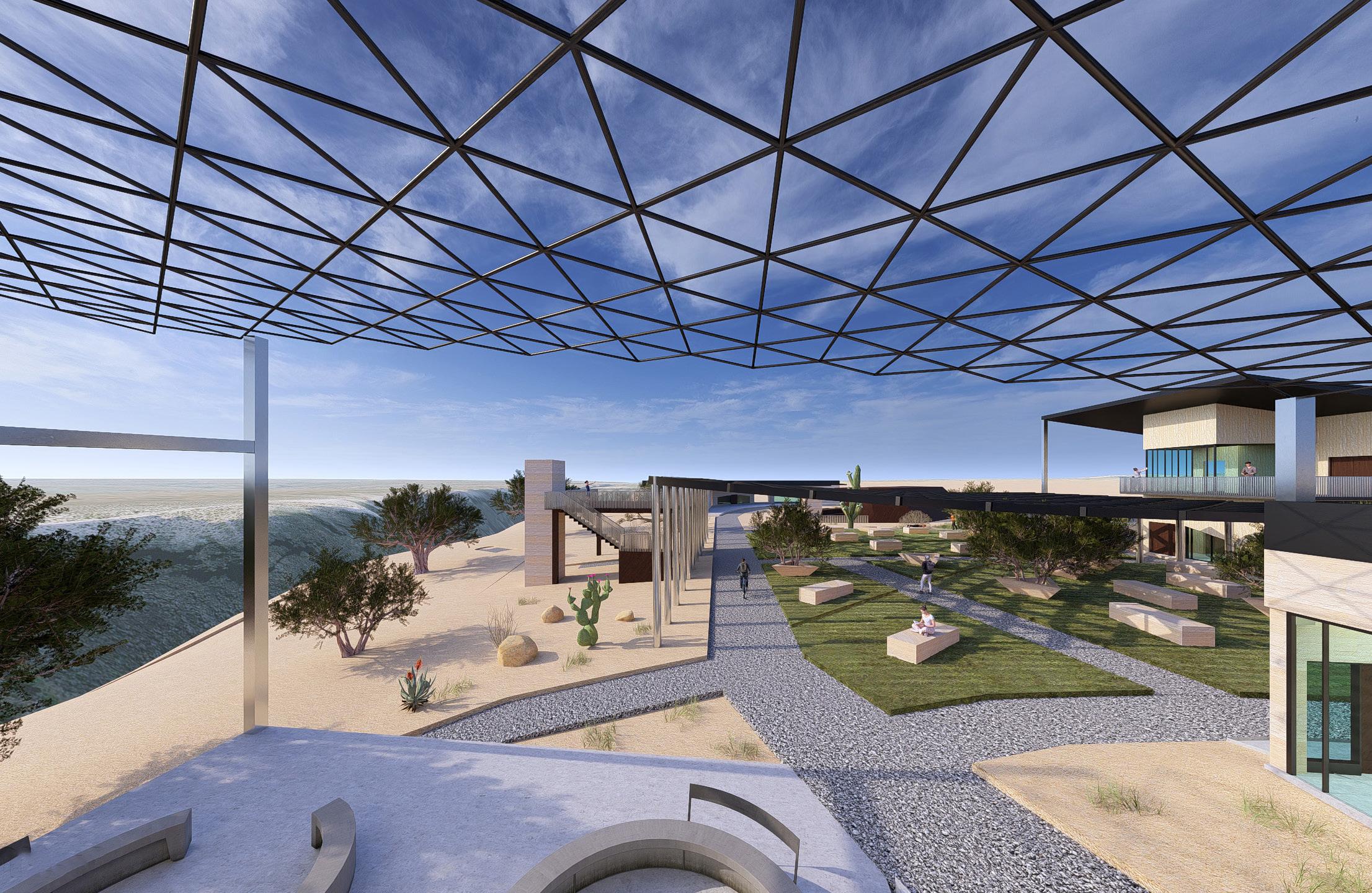
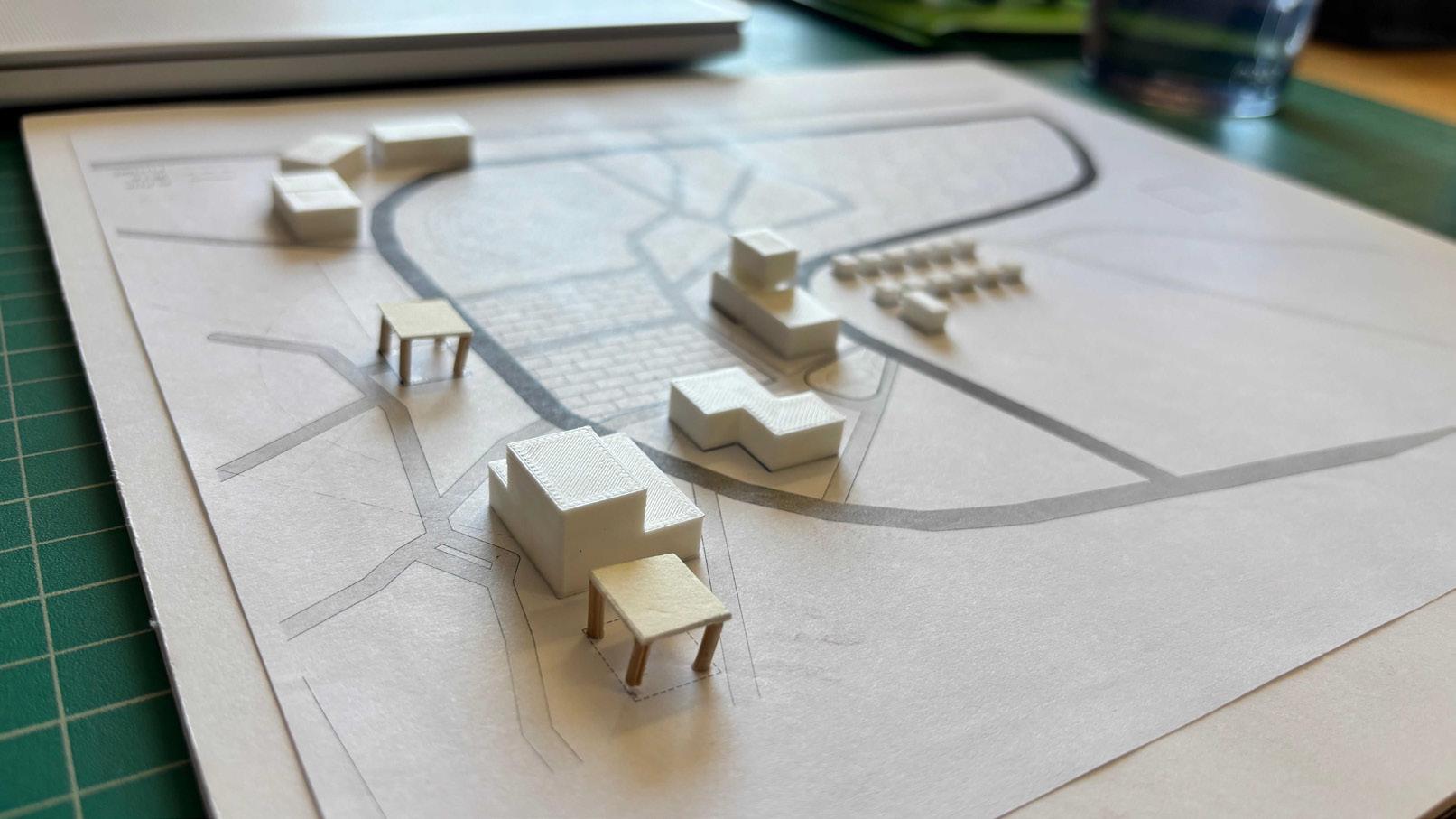
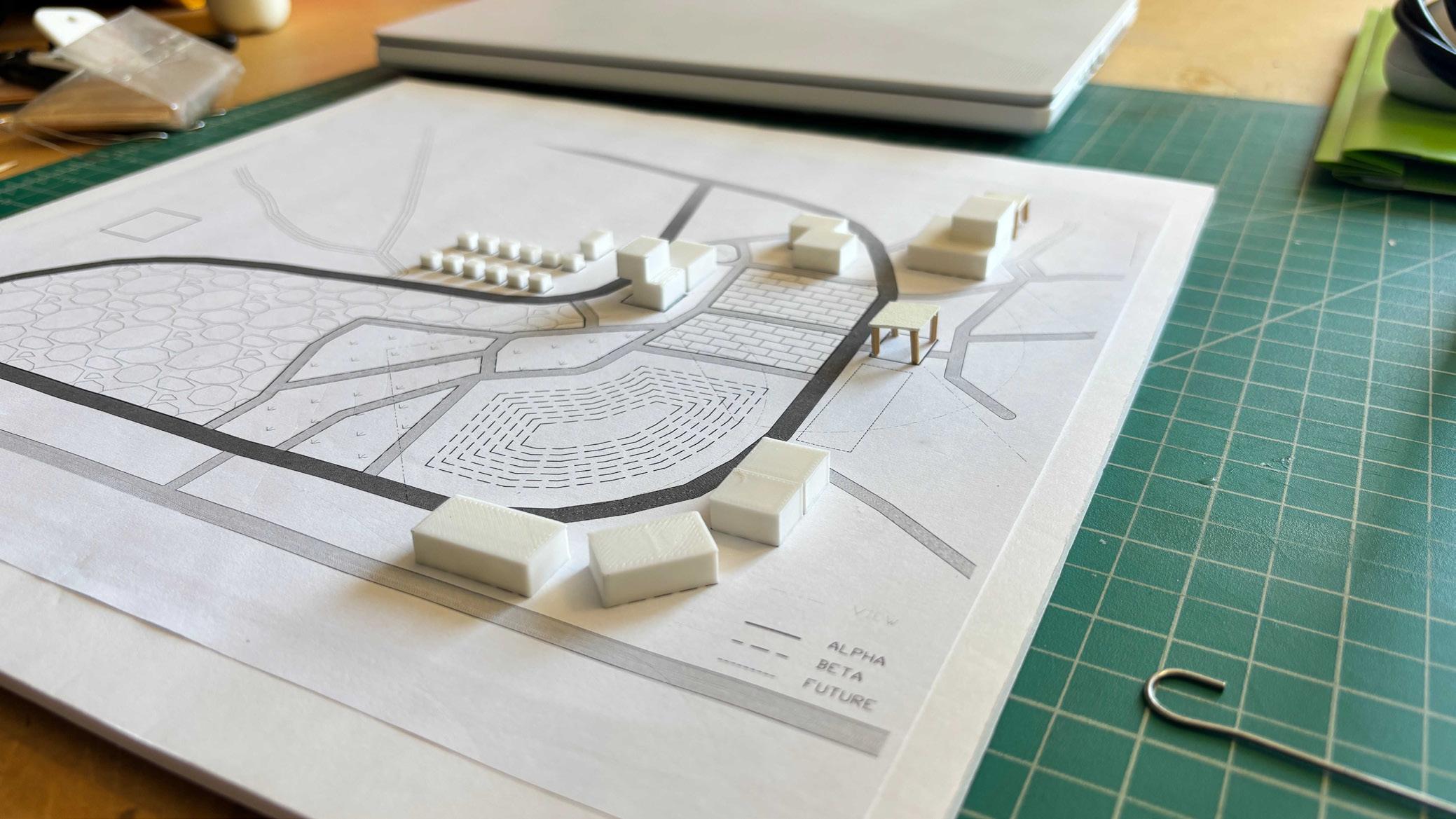
“Sentiment of Mountains” encapsulates the collective memory of ground and land in reimagining the Rio Grande Gorge Rest Stop. It serves as a place of momentary contemplation and congregation, situated within one of Taos’s most treasured sites.