interior architecture portfolio
kate sitniewski
columbia college chicago | selected works
kate sitniewski
columbia college chicago | selected works
Hello! My name is Kate and I am a third-year interior architecture student at Columbia College Chicago. I began my academic career in psychology, earning a bachelor’s degree in psychology and a master’s in organizational and social psychology. I was drawn to psychology as a framework for understanding what makes us human and using that as a tool for creating meaningful, positive change.
My focus on organizational psychology grew from a fascination with work as a microcosm of the social world. I spent nearly a decade in HR tackling complex challenges around collaboration, culture, employee engagement, and diversity and inclusion. Over time, I realized HR allowed me to influence only a small piece of what I cared most about: how people actually experience their environments every day.
Interior design emerged as a natural evolution of that interest. As a first-generation college graduate, I hadn’t initially seen design as a viable career path, but it has always been a passion. I naturally think in terms of systems and patterns, love interrogating the “why” behind decisions, and approach problems like puzzles, seeking solutions that are both thoughtful and beautiful.
My favorite projects center around branded environments, accessibility and inclusion, and building community. I am especially drawn to workplace design because it allows me to bring my background in psychology and HR to life in a new way. My goal is to help transform environments from places we have to be into places we want to be. Spaces that support authenticity, connection, and being unapologetically human.
Thank you for taking the time to review my design journey so far!

skills
modeling
Revit, Rhino, SketchUp, AutoCAD, Enscape, Lumion, and physical modeling
graphics
Adobe InDesign, Photoshop, and Illustrator
other
Construction documents, hand drafting, material specifications, and qualitative and quantitative research
education
Columbia College Chicago
Anticipated graduation: May 2027
BFA, Interior Architecture
The London School of Economics and Political Science
2017
MSc, Organizational and Social Psychology
University of Illinois at UrbanaChampaign
2016 BS, Psychology
Interior Architecture Extern
HDR Inc. | March 2025 (4-day externship experience)
Immersive exposure to civic and healthcare design projects. Contributed to material selection; observed space planning, rendering workflows, and client presentation development.
Kimball International | October 2025
Worked in a small student team in a 4-hour design charette to conceptualize a design studio classroom. Awarded first place for balancing a strong concept with a deep understanding of human-centered design and product application.
Catholic Charities of the Archdiocese of Chicago | 2023 – Present
Leading executive-level data visualization and strategic insights. Focus on optimizing user experience (UX) and digital workflows for 800+ employees.
Vivid Seats | 2021 – 2022
Led data-driven initiatives and workshops to enhance engagement and culture. Translated behavioral insights into recommendations to optimize overall workforce experience.
Egon Zehnder | 2018 – 2021
Consulted for Fortune 500 clients on DEI, organizational culture, and team effectiveness. Recognized as “Client Champion” for high-impact insight development.
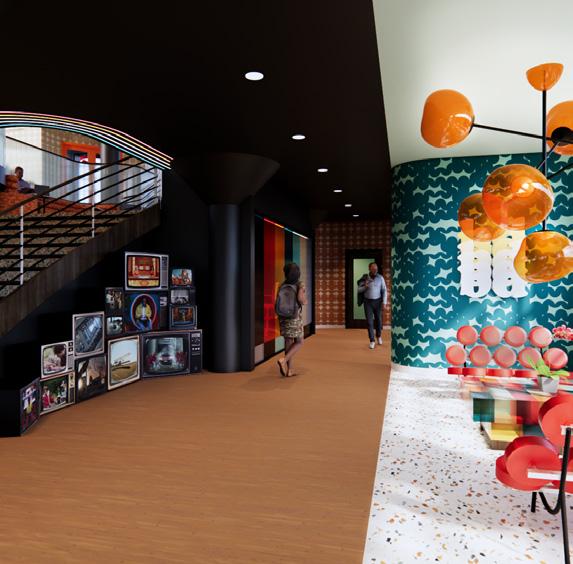

mama shelter tokyo
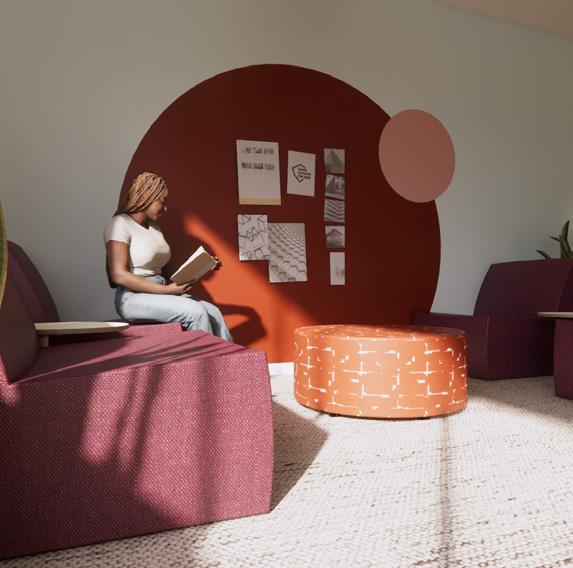
prelude design studio
workplace studio - fall 2025
ad agency | adaptive reuse
detroit, michigan
8,000 sq ft
design development phase
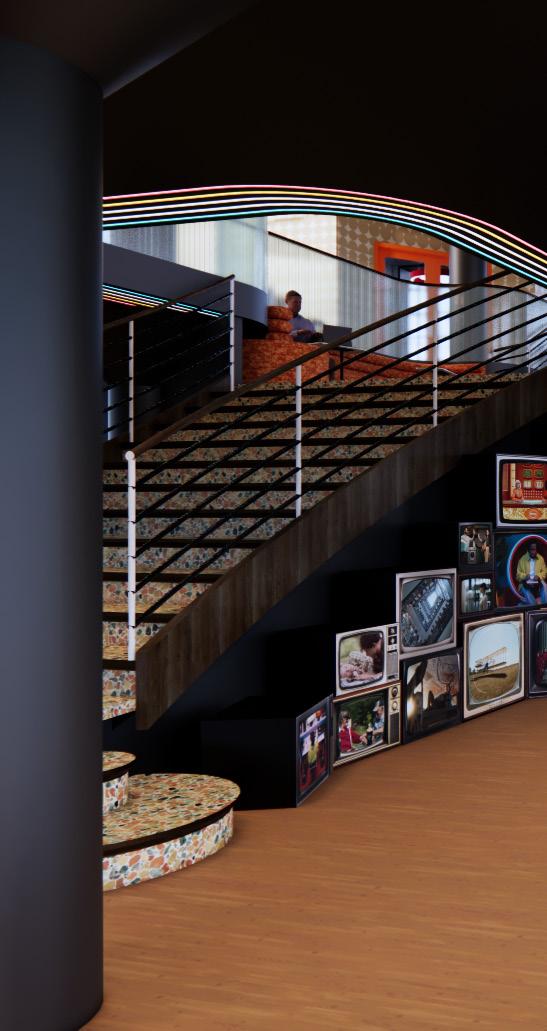
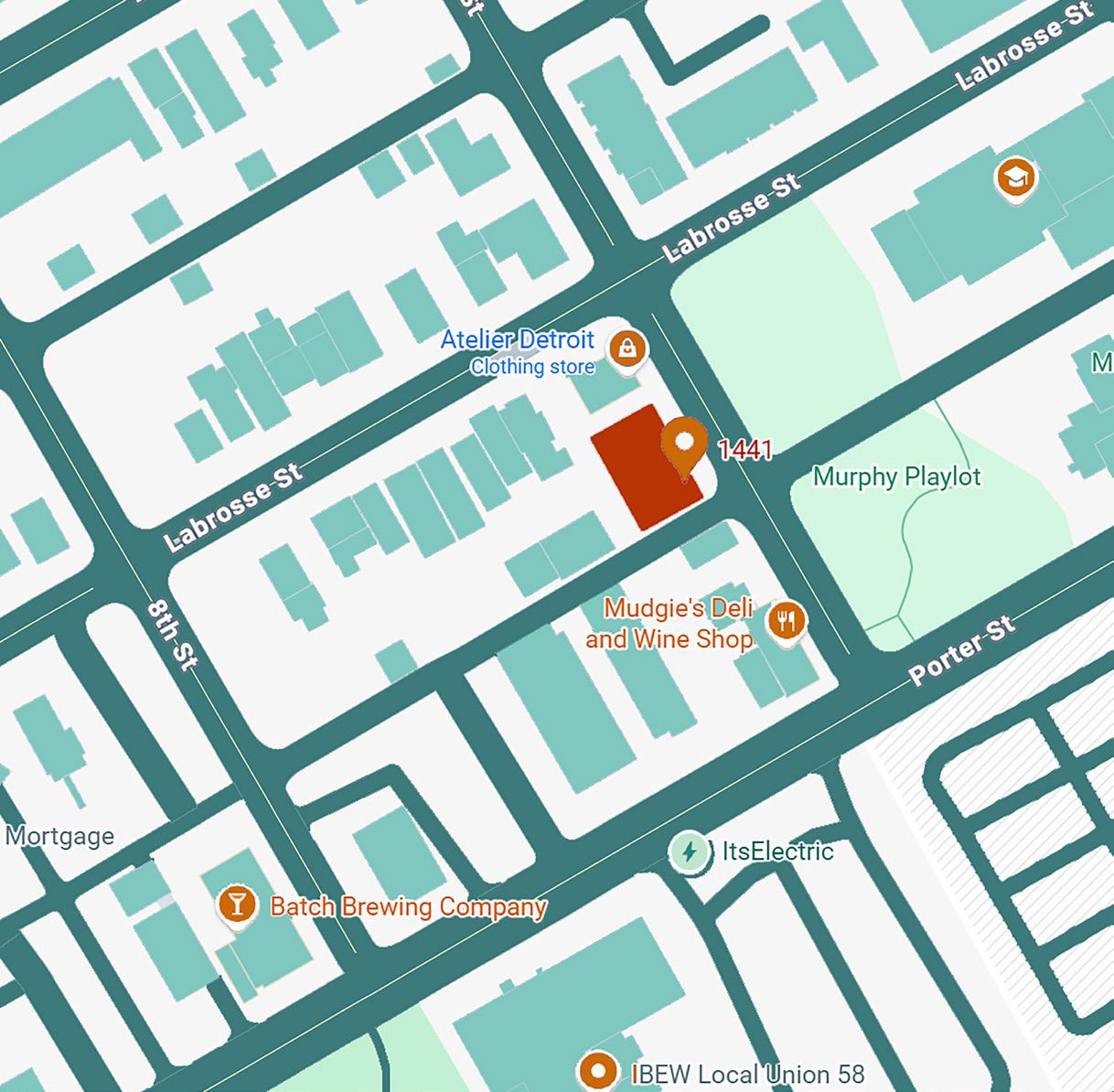
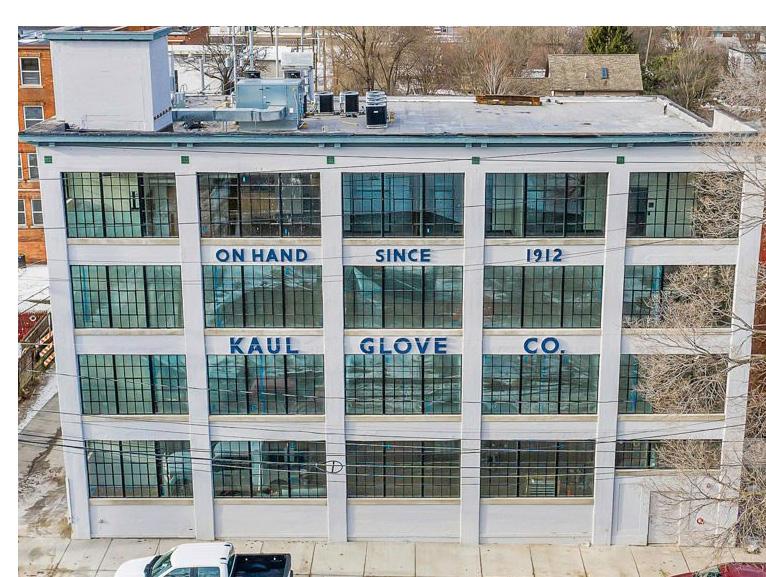
1441 brooklyn st., detroit, mi
The Kaul Glove building was originally built in 1917 to manufacture gloves for workers in the automotive industry. Nestled in historic Corktown, the neighborhood offers amenities including green spaces, parking, bars and restaurants, and vintage shops.


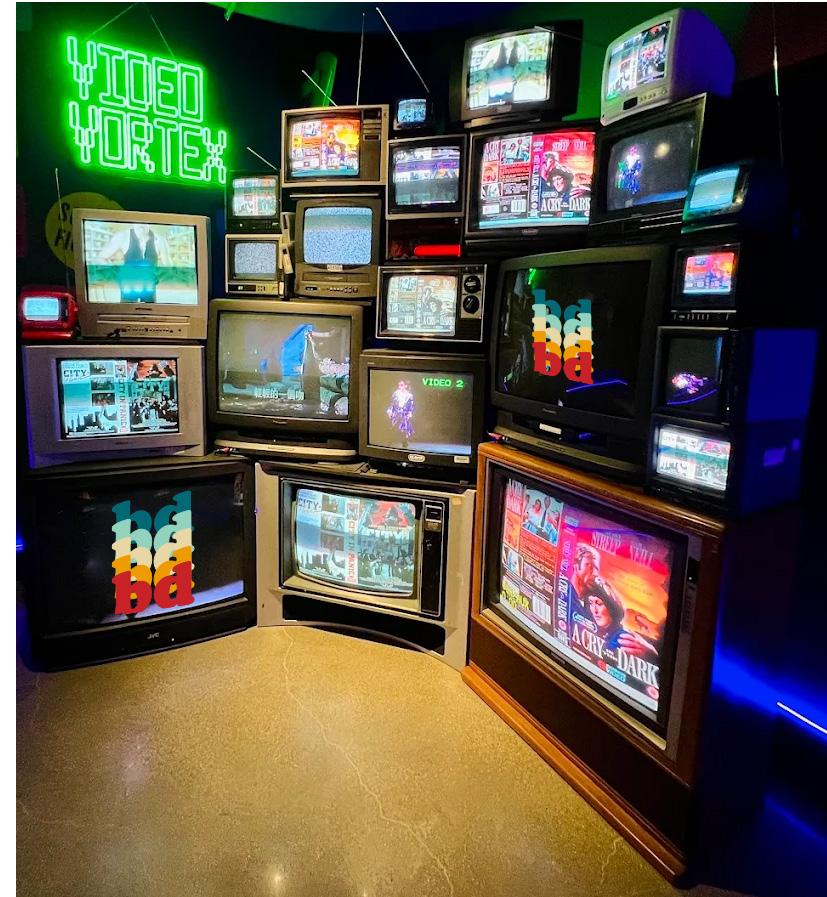
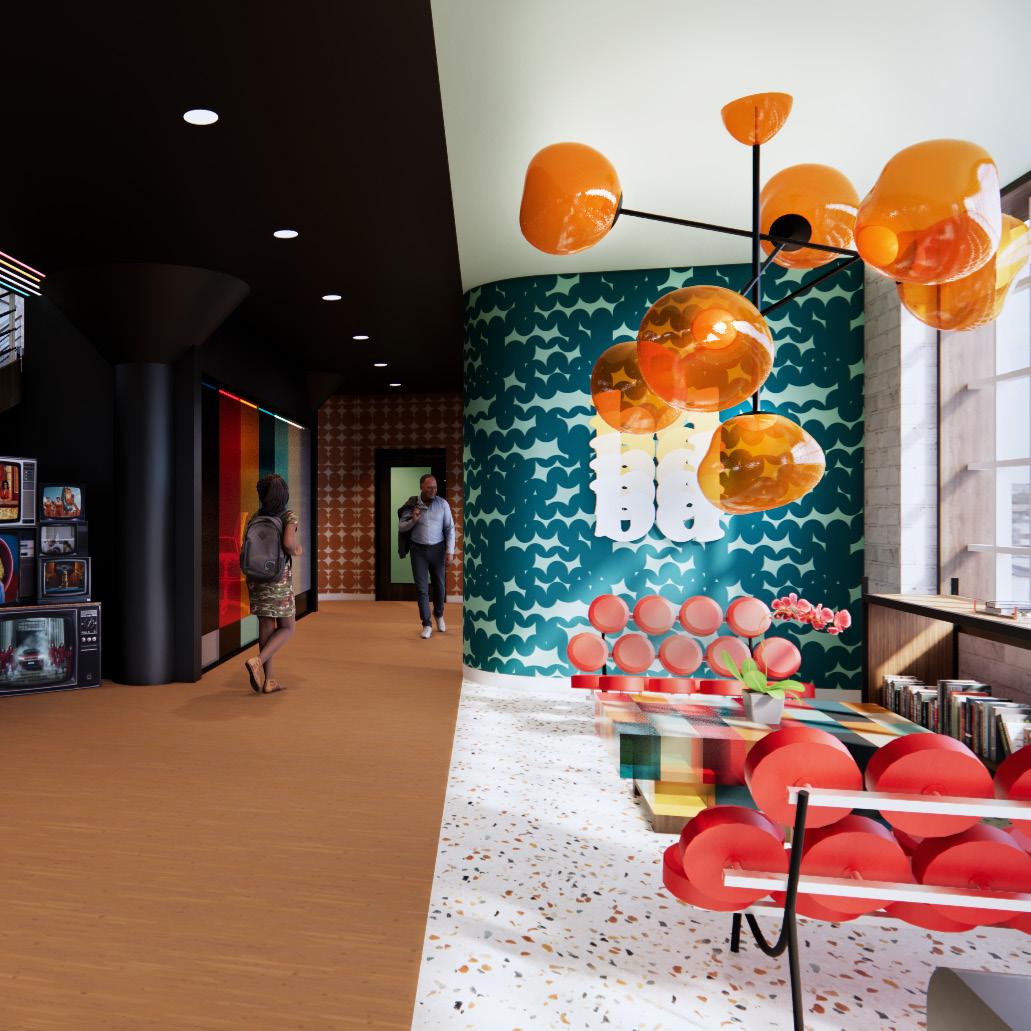
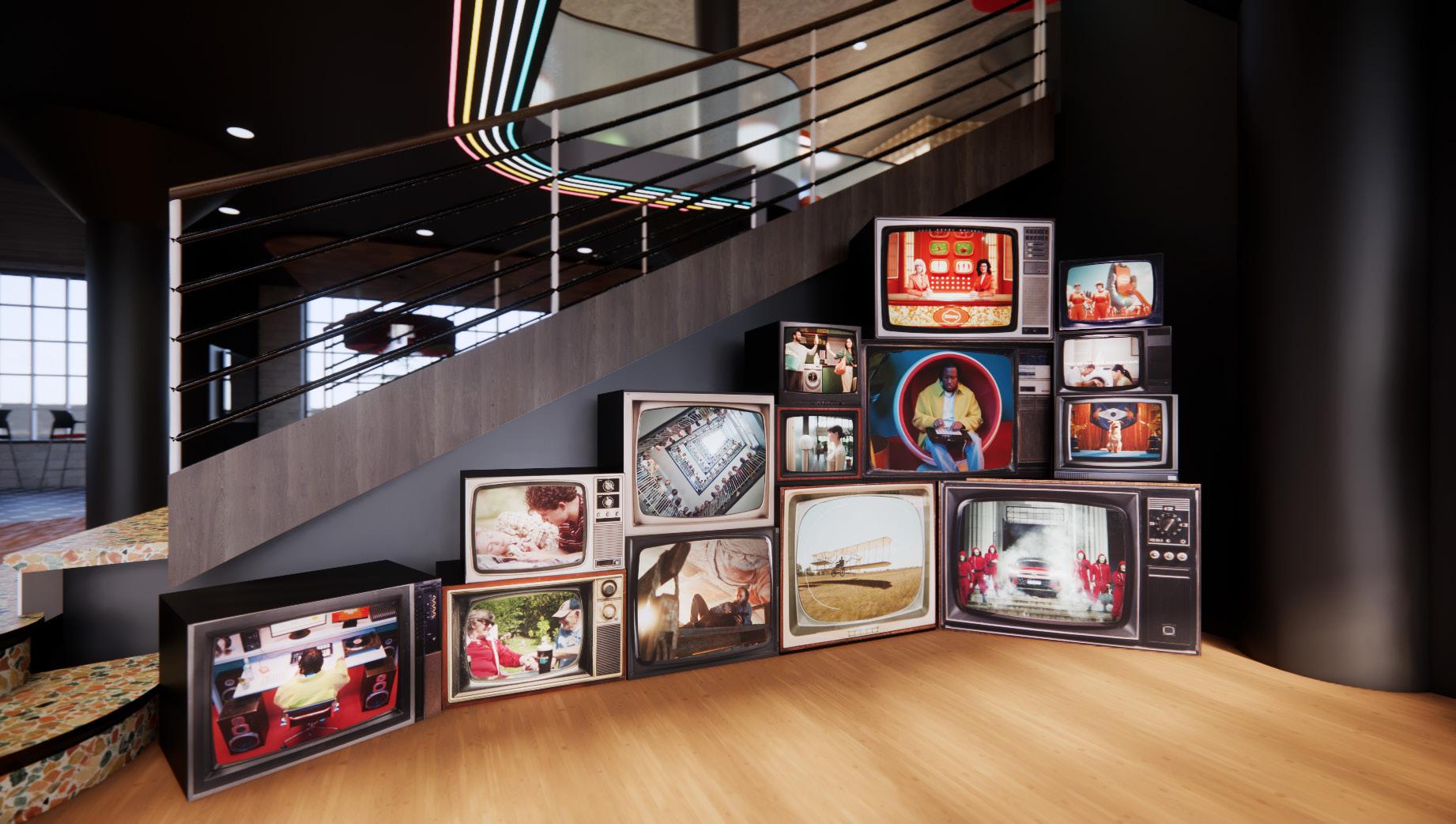
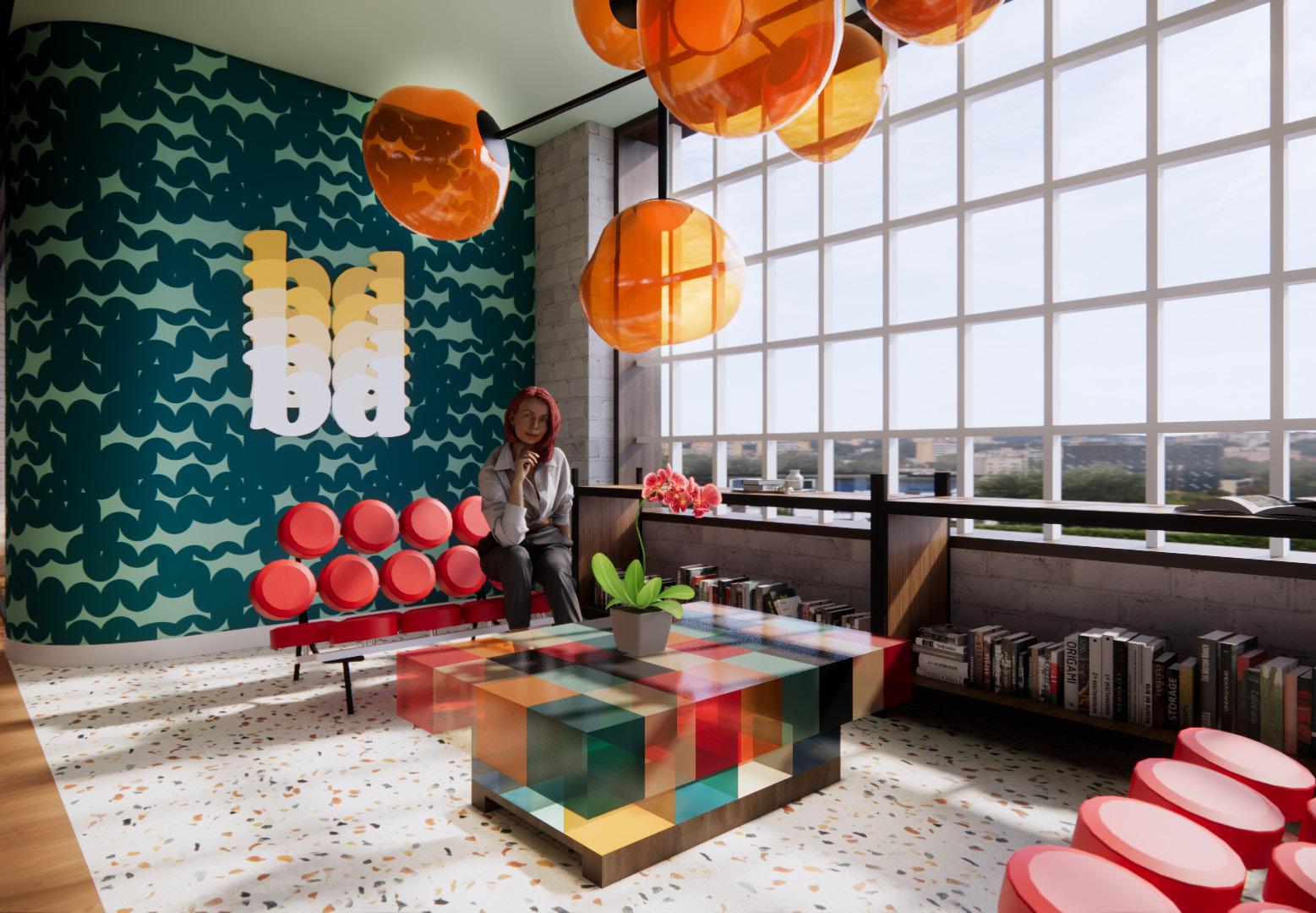
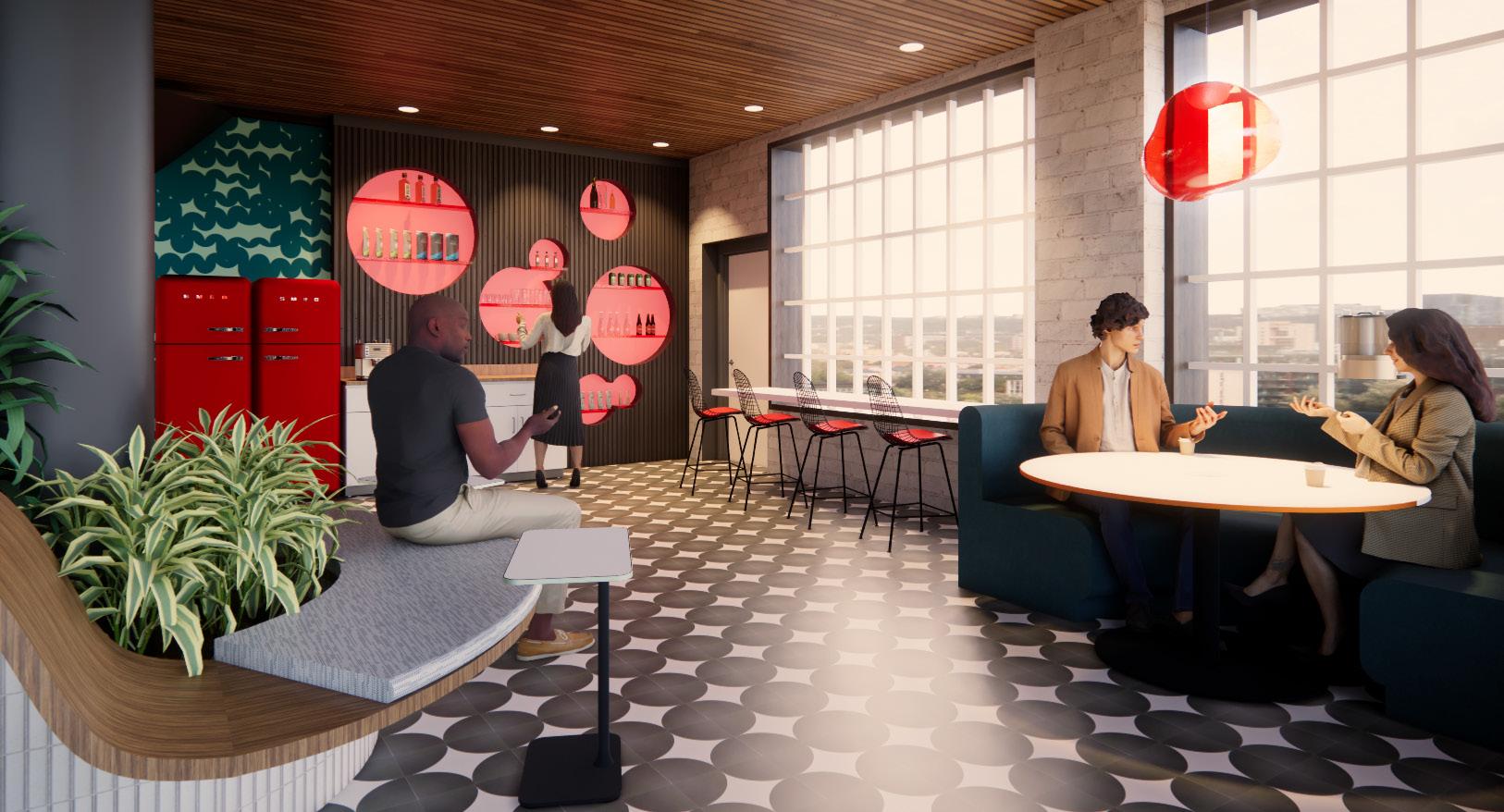
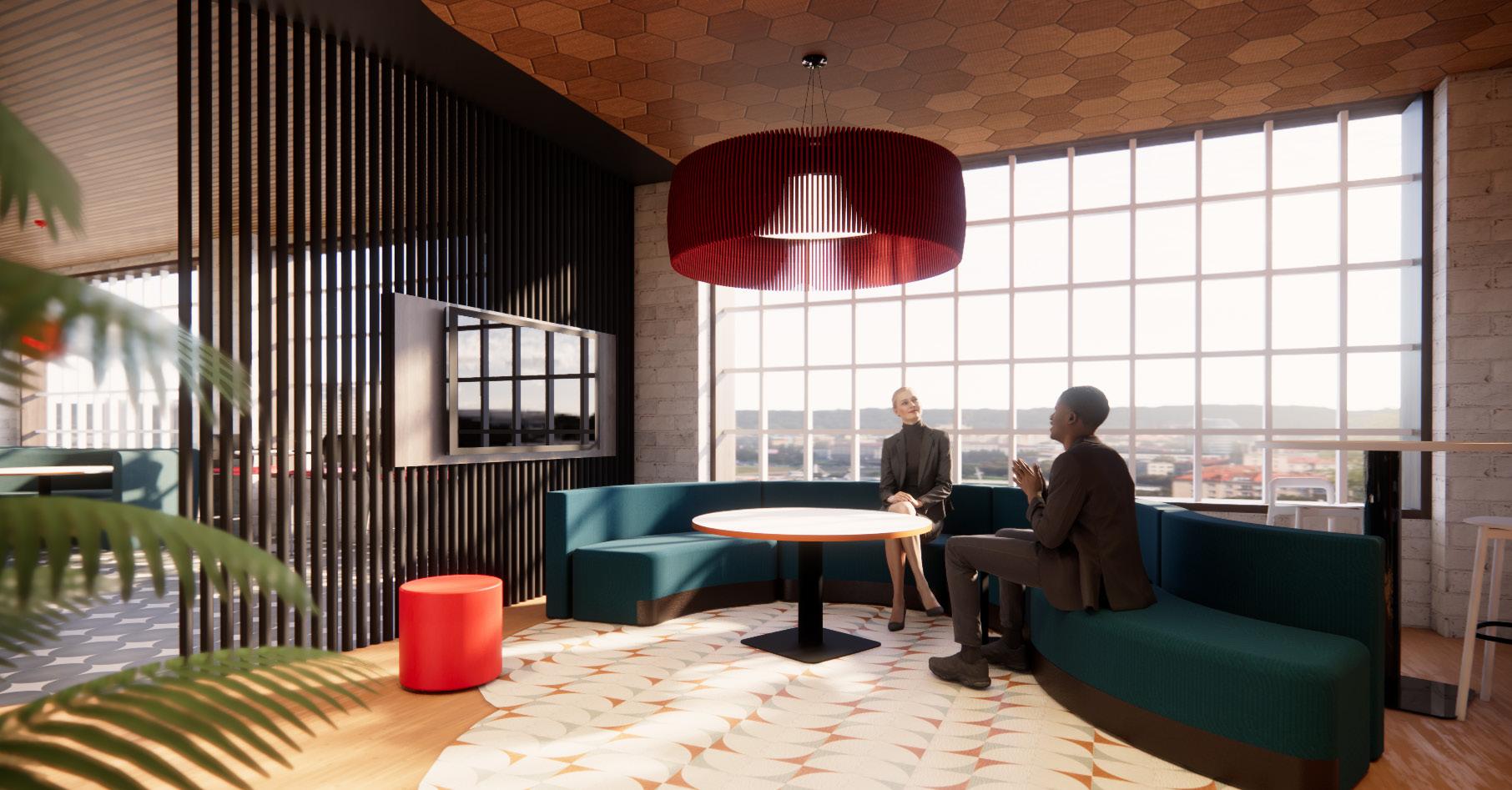
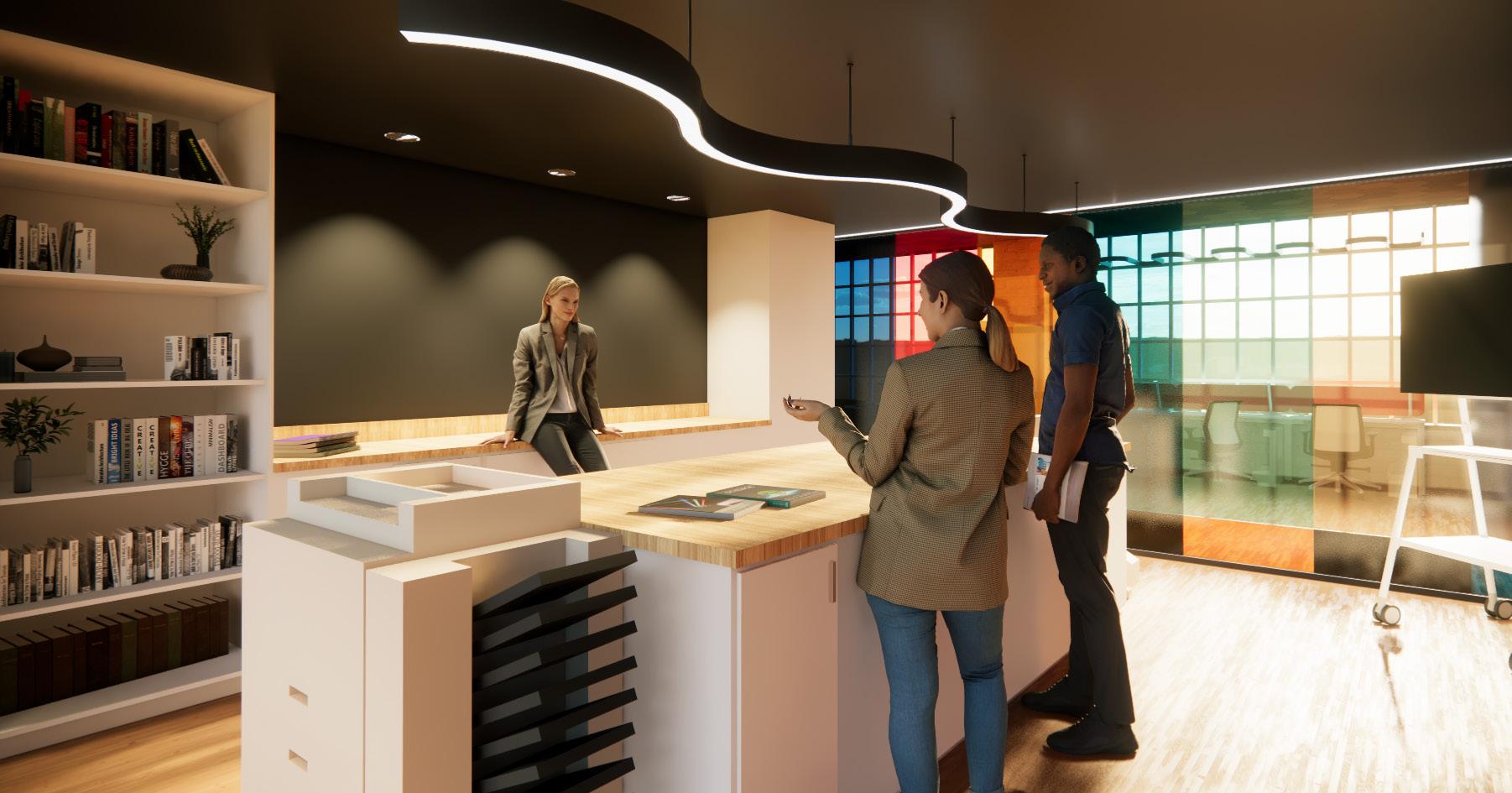
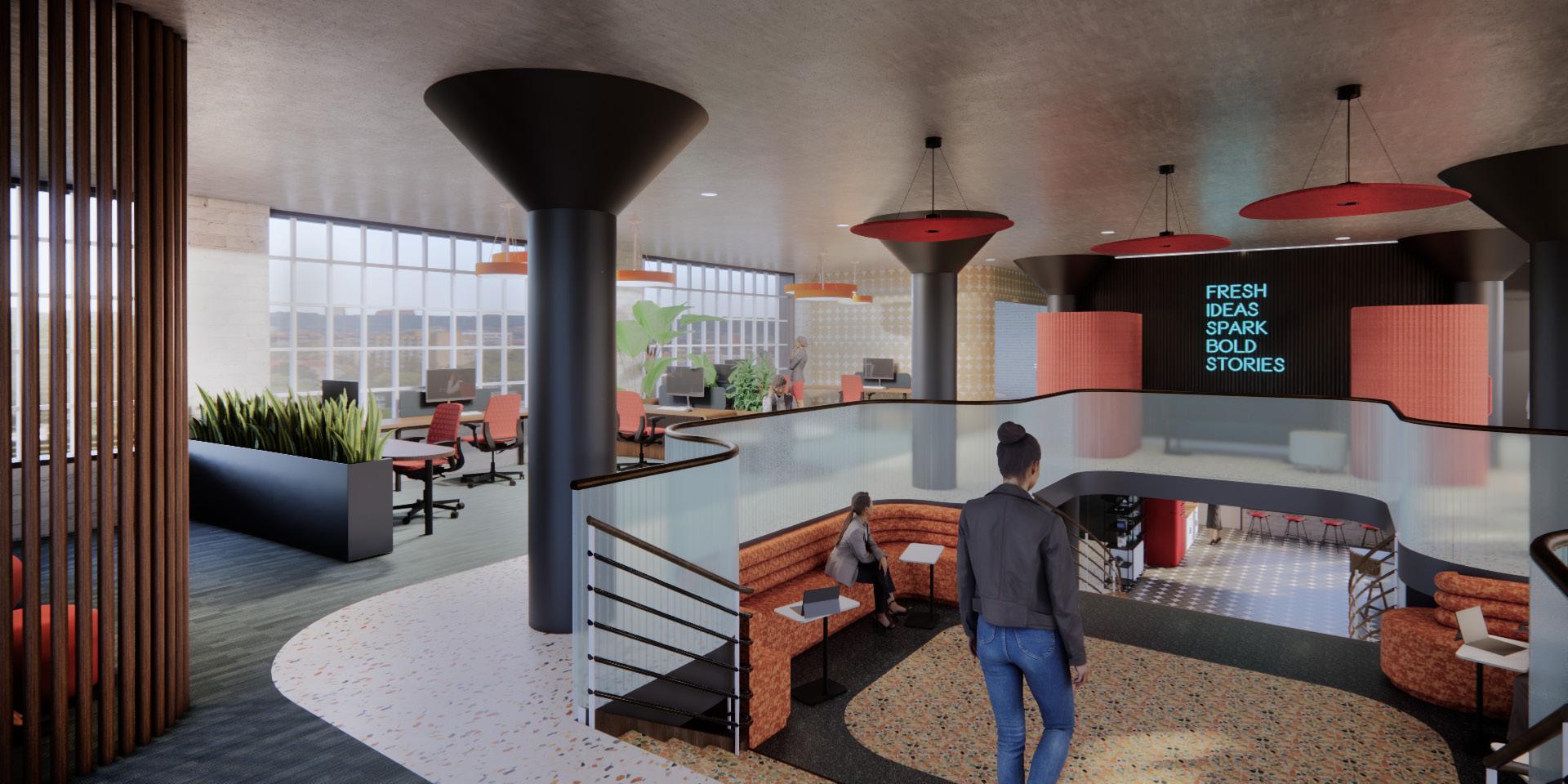
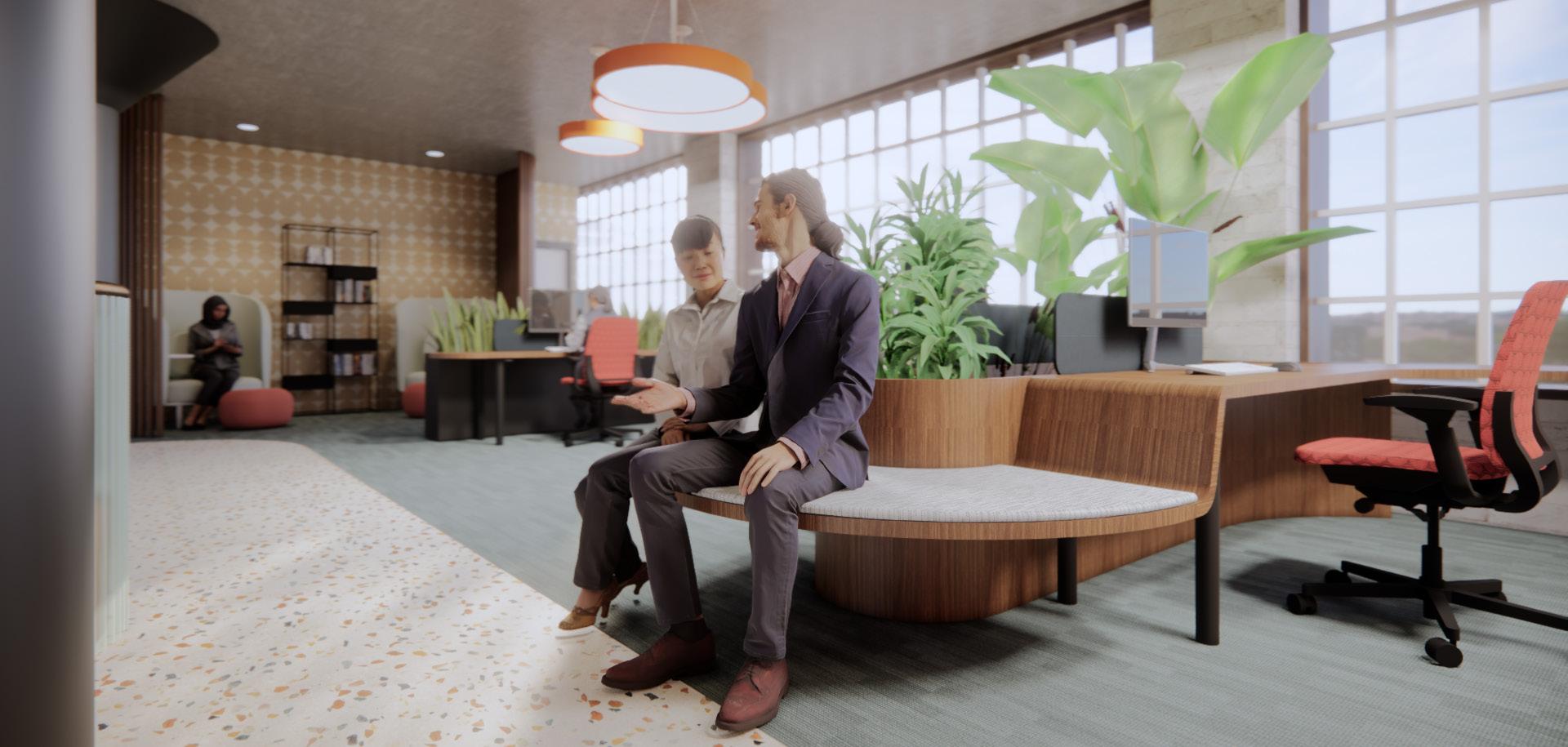
Rooted in Barton Dach’s ethos of “being more human,” this project reimagines the workplace as a community where nostalgic advertising media becomes a tactile framework for engagement, layering memory, material contrast, and spatial sequencing to cultivate collective creativity.
This two-level office is organized by 3 key elements:
• Energy zoning
• Intuitive circulation
• Casual collisions
Third floor goals:
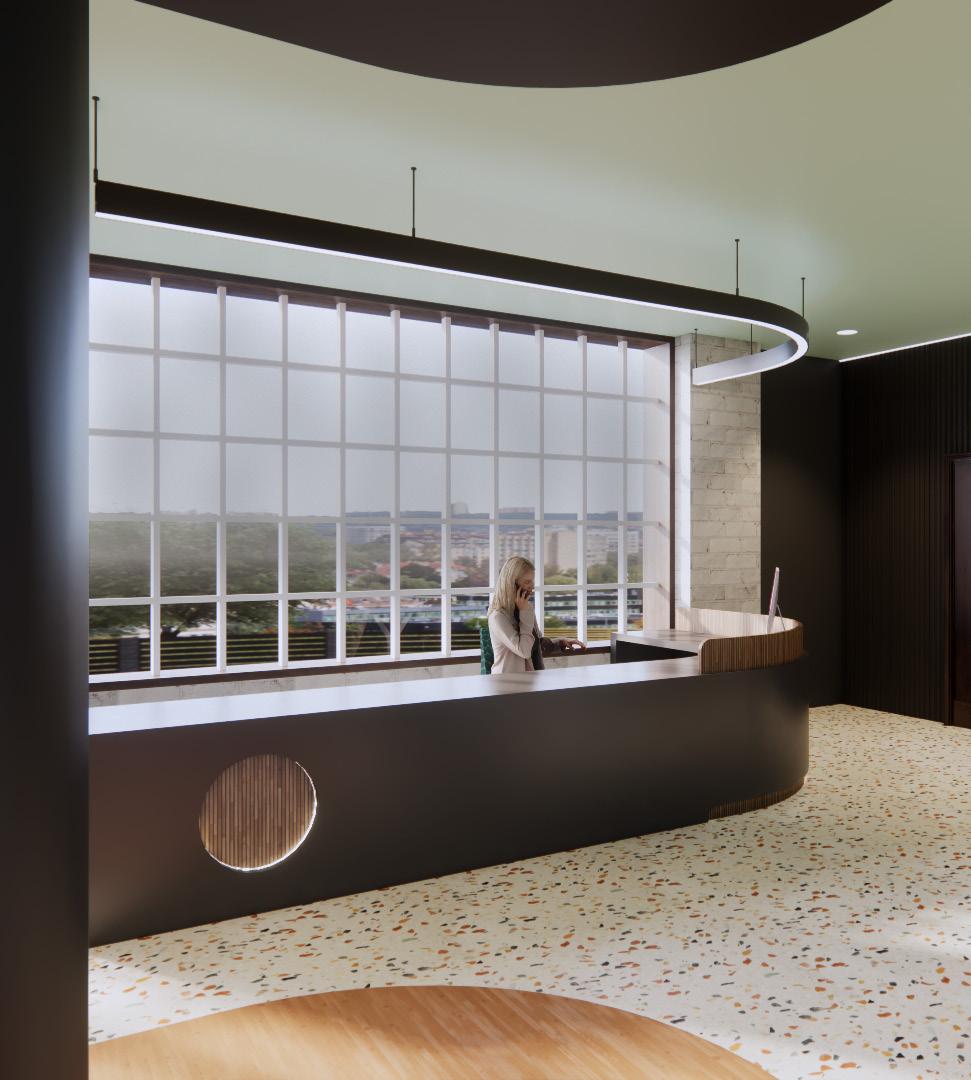
• Visual excitement, strong first impression
• Varied energy levels
• Strategically placed support spaces
Fourth floor goals:
• Focused work environment
• Circulation and collaboration
• Varied seating for choice, privacy, and flexibility
huddle room
workstations
meeting room
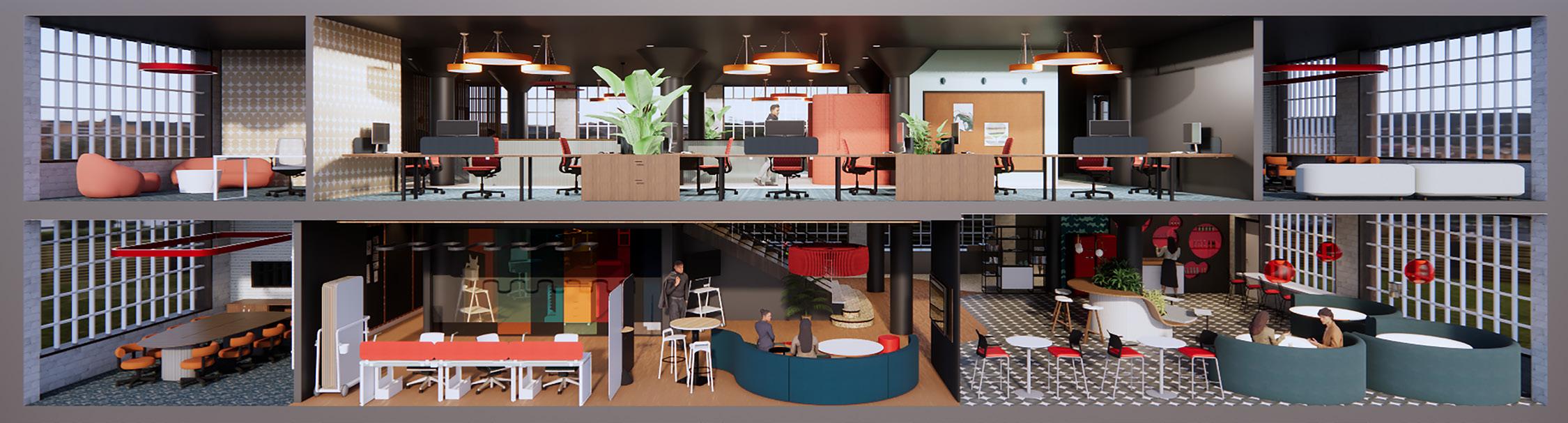
workstations + collaboration meeting room cafe
workstations
work pods + seating
workstations
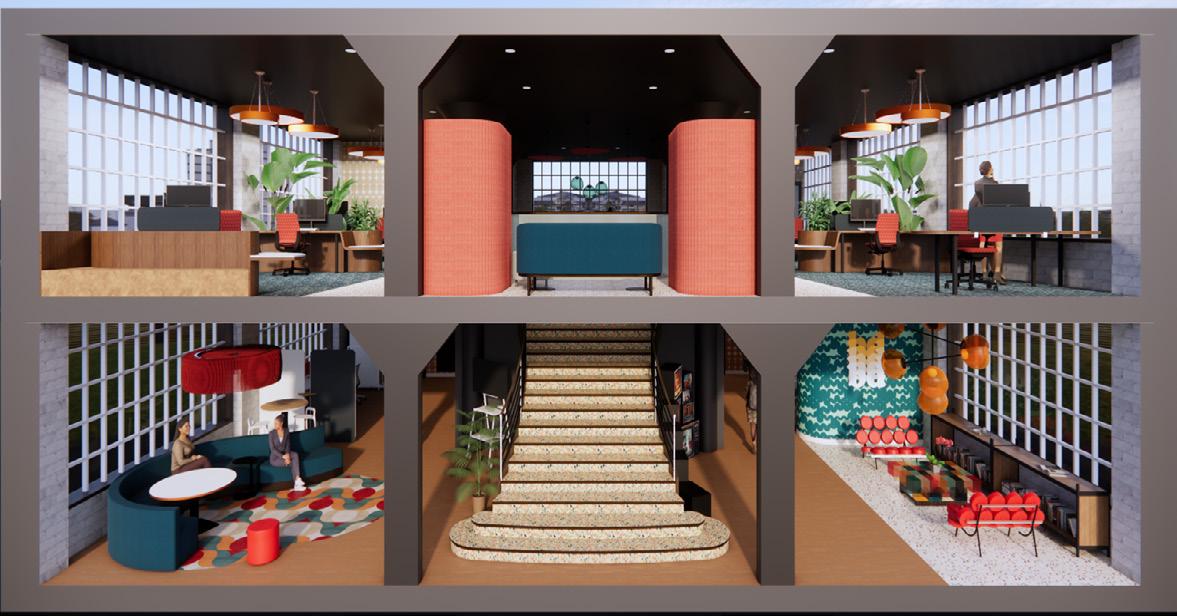
collaboration main stair + client display reception
The design focuses on the “vertical community,” using a central monumental stair to bridge the gap between individual focus and collective innovation. These sections illustrate the intentional layering of acoustics and activity.
hospitality studio - spring 2025
lifestyle brand hotel
harajuku, tokyo, japan
2300 sq ft
design development phase
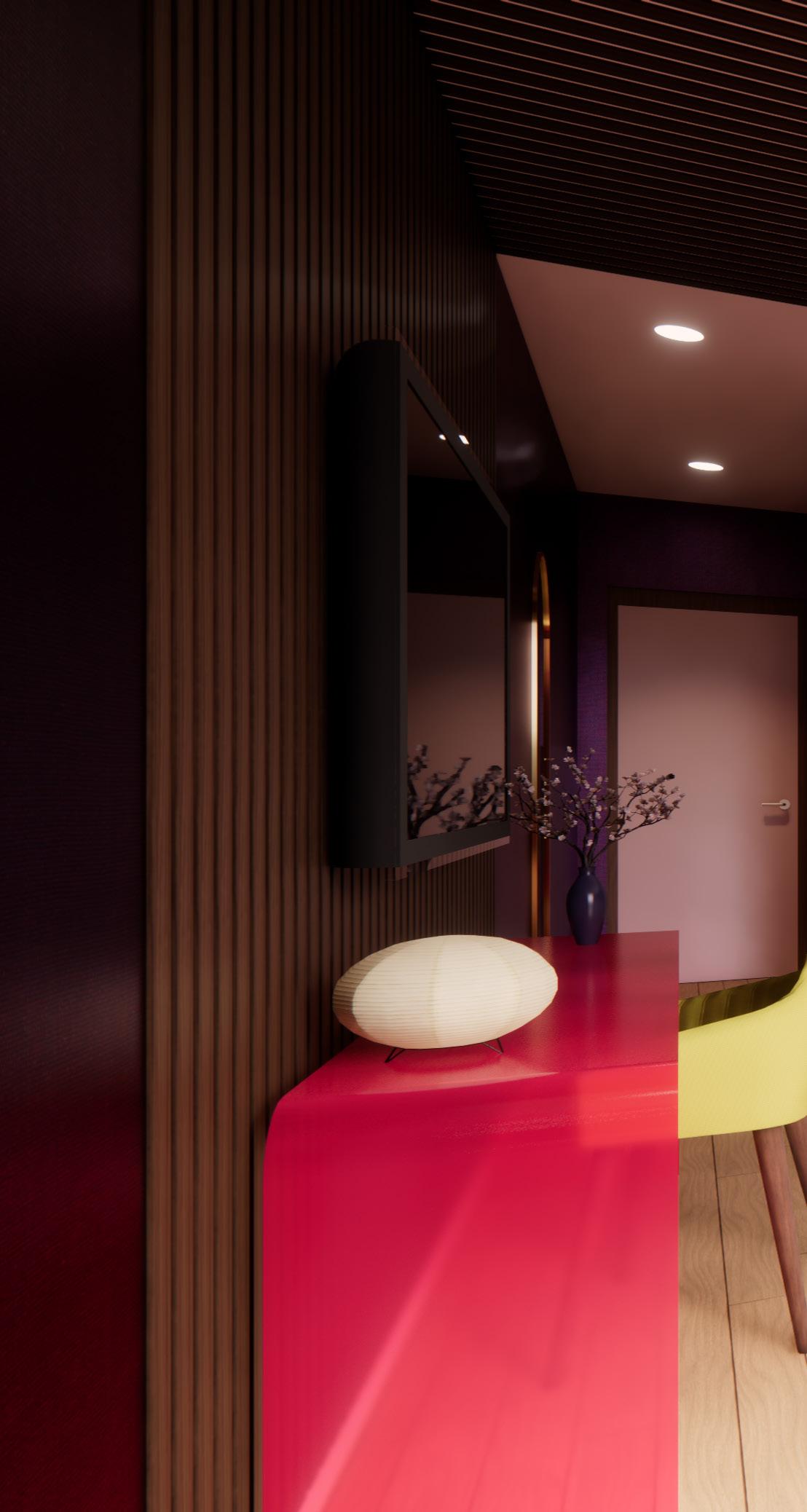
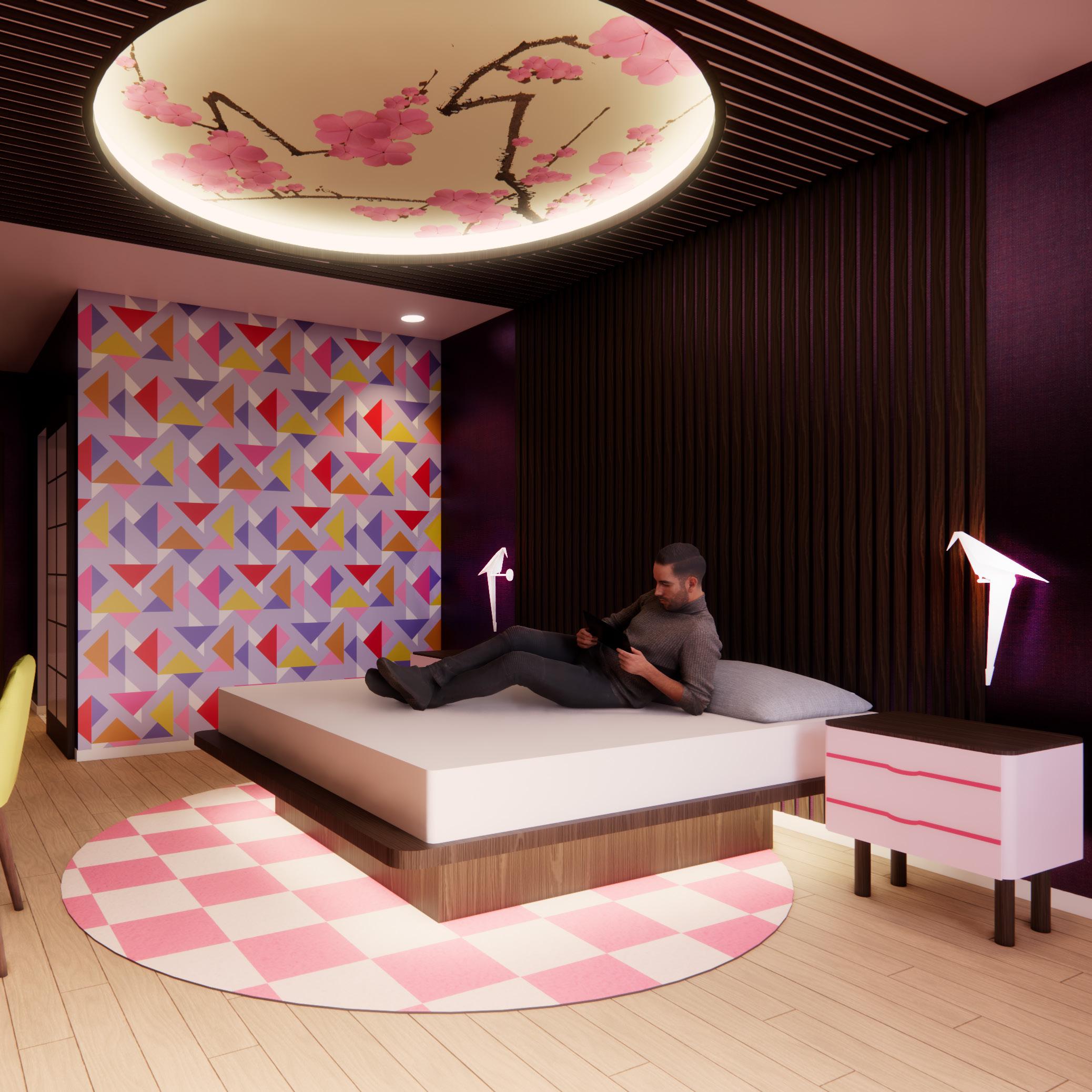
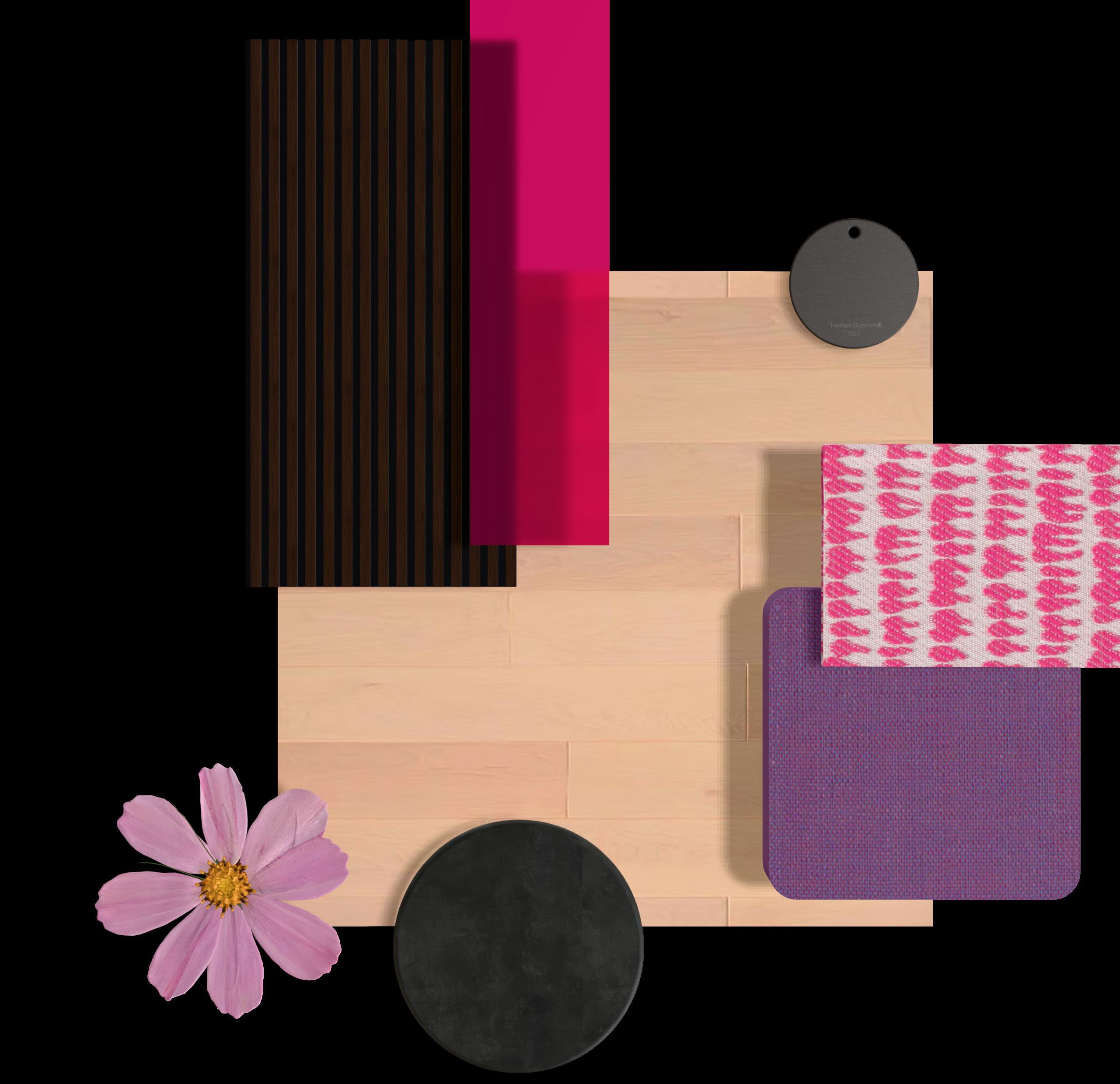
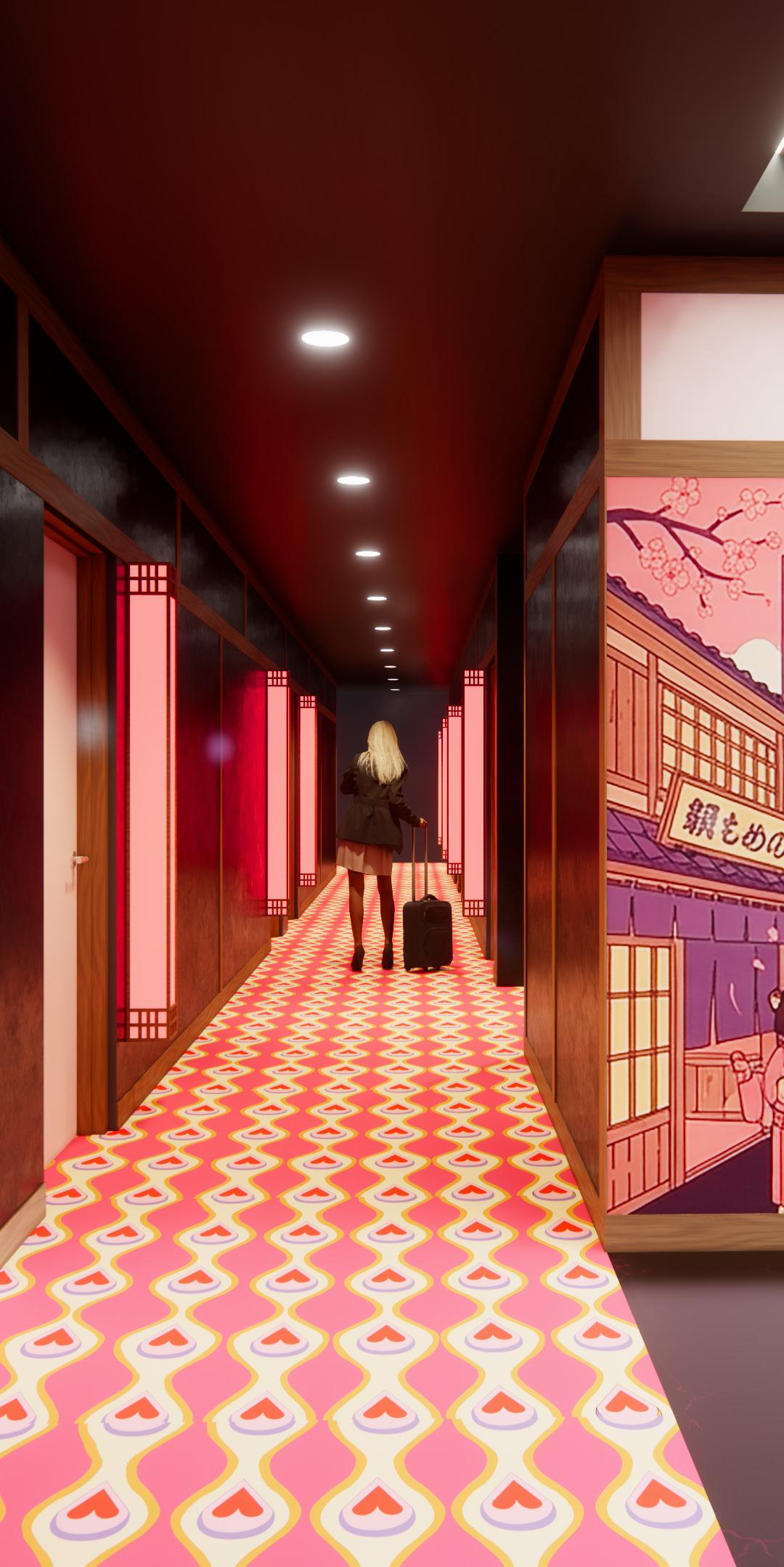
Inspired by the wild child spirit of Harajuku, this project treats the hotel as an extension of the street where bold contrast, high-impact arrival, and cinematic corridors transform nightlife energy into an immersive guest experience.
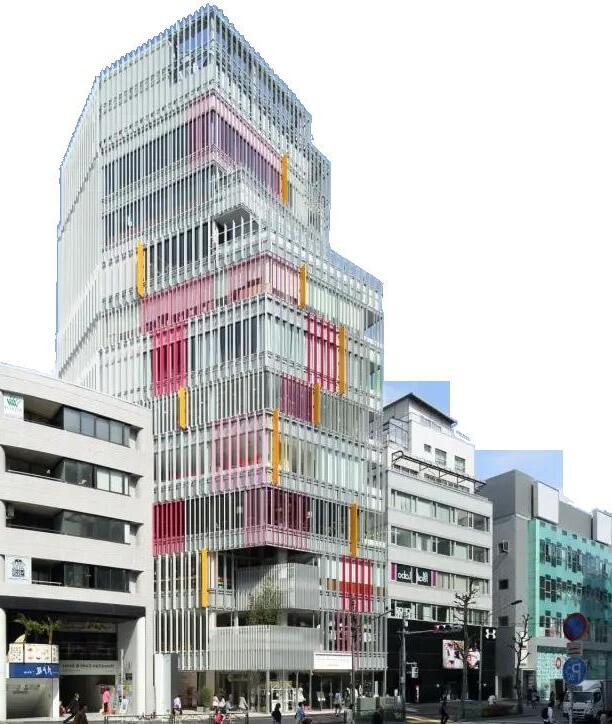
Tokyo, Japan
Q Plaza was chosen for its prominent place in a high-density, walkable district known for its creative atmosphere. The site is a short walk from major transit hubs that allows seamless travel and is in close proximity to comparable hotels.
Rather than treating the elevator lobby as a transitional threshold, this entry amplifies Mama Shelter’s irreverent brand voice by translating Harajuku’s street energy into bold graphics, interactive amenities, and communal seating that invite connection beyond the guest room.
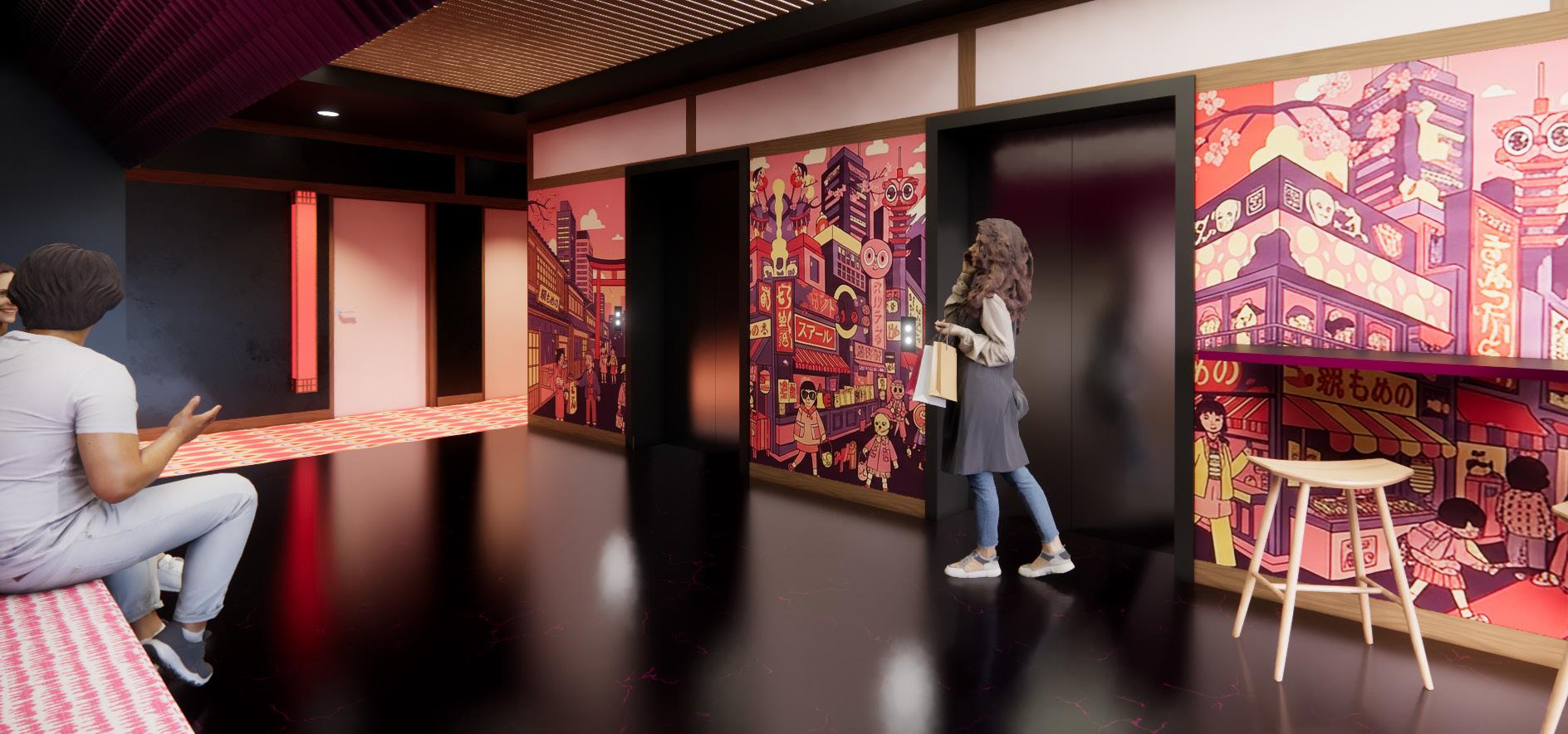

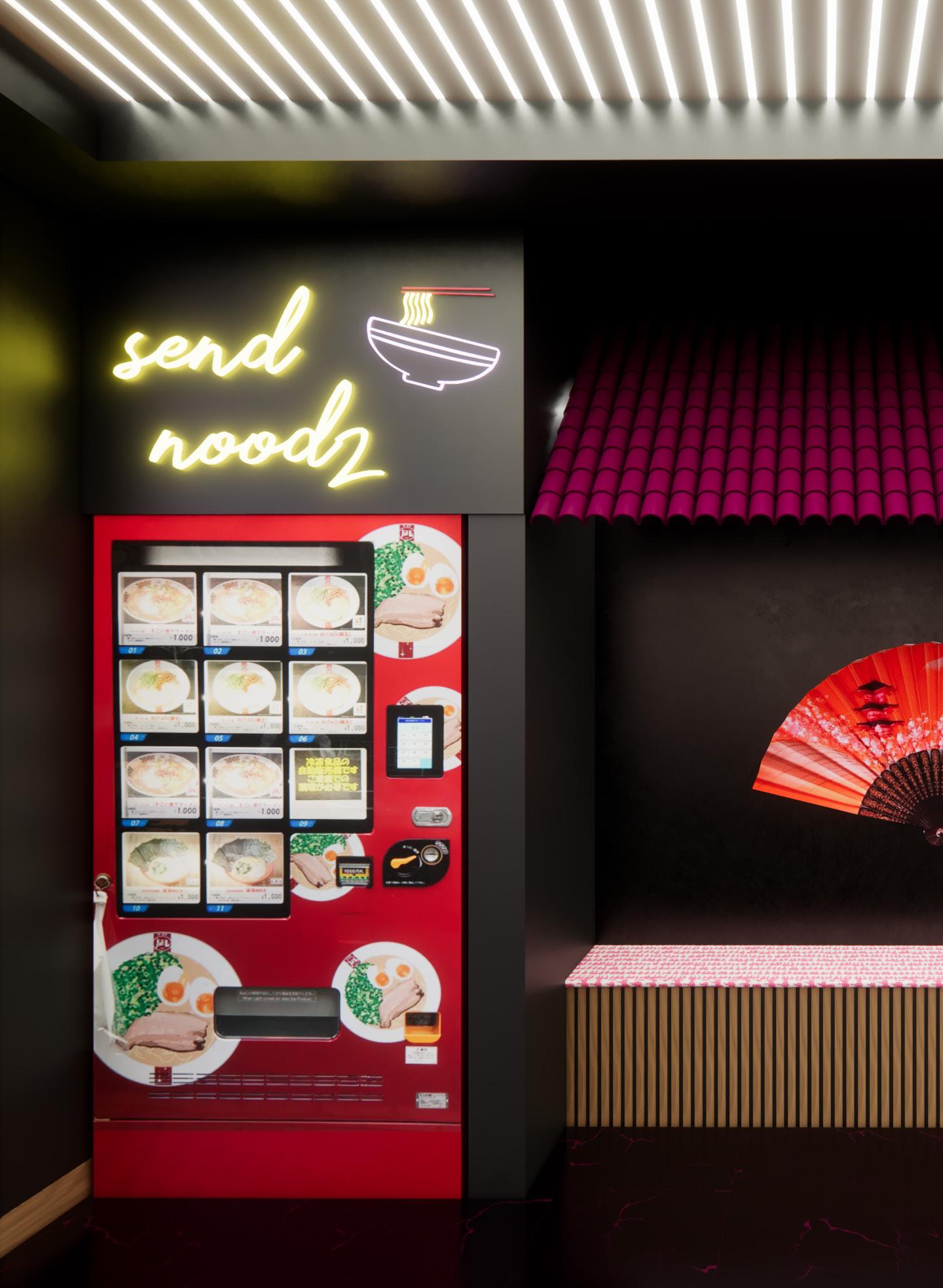
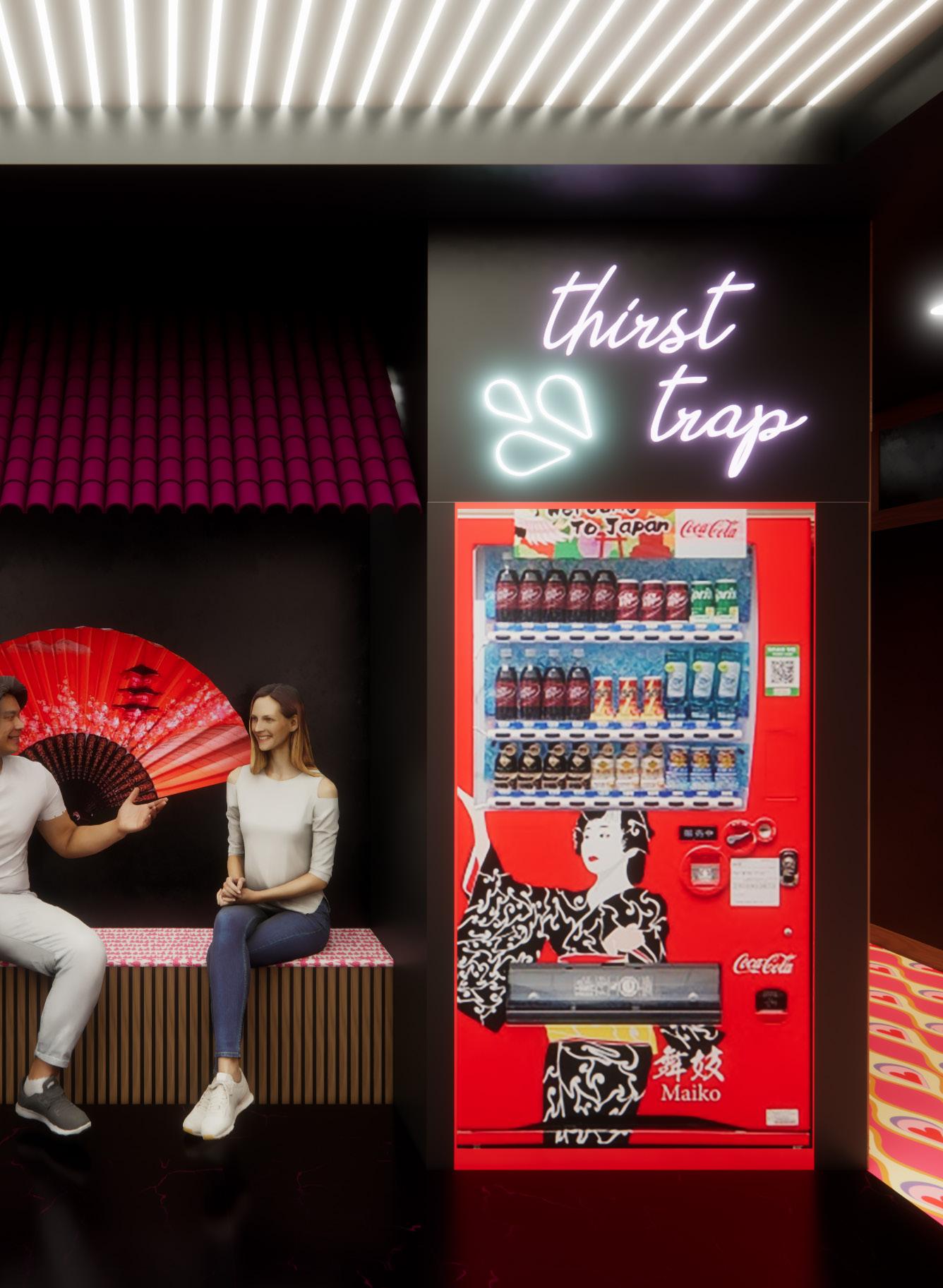

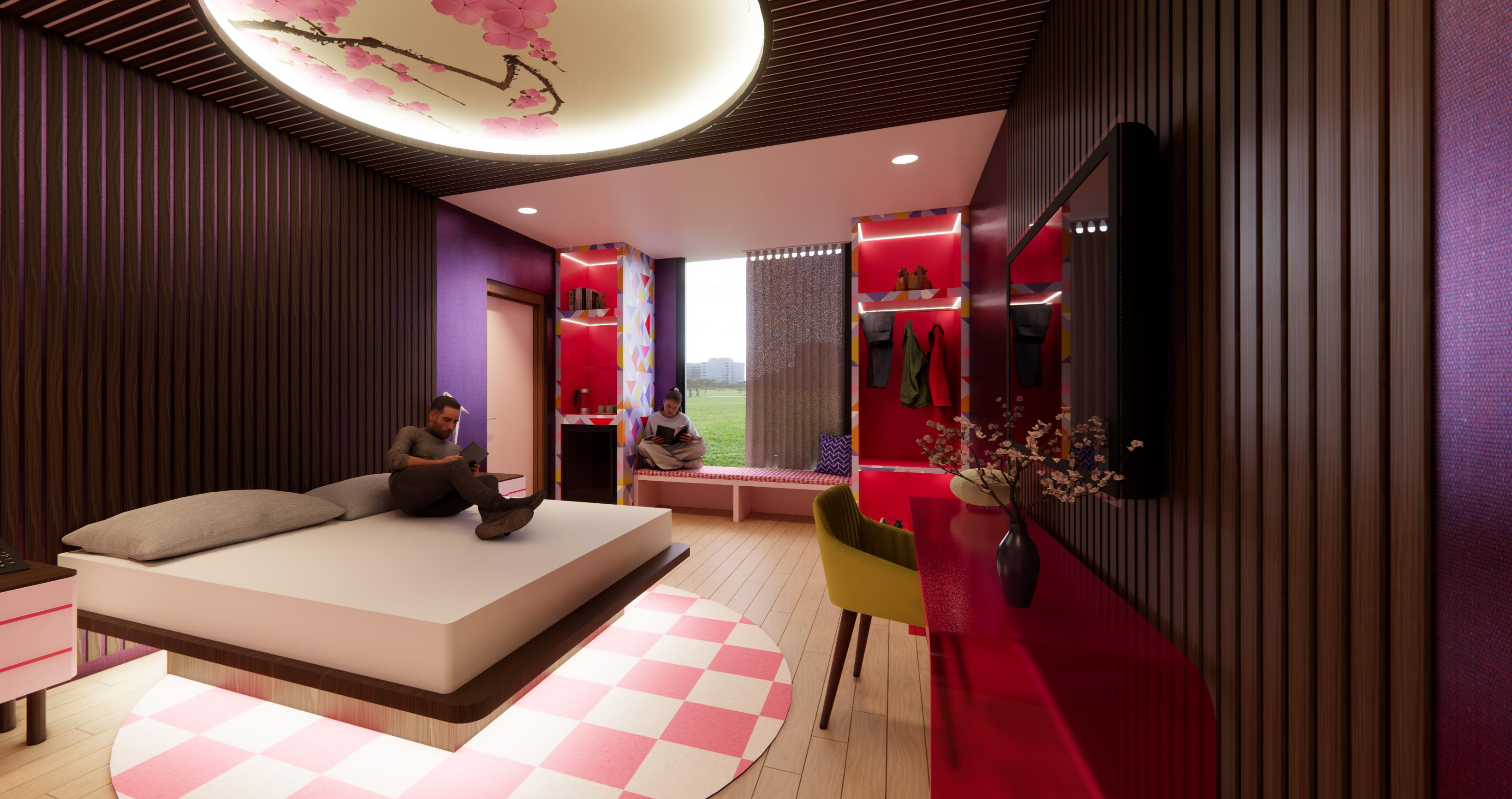
The floral recessed ceiling is a focal point of the guest rooms, taking inspiration renowned artist Ito Jakuchu’s series of flowers that adorn the ceiling of the Sekihoji Temple in Fukakusa, Kyoto.



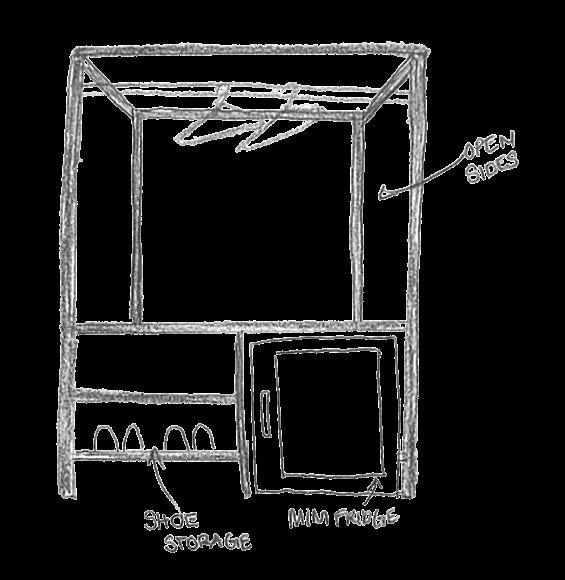
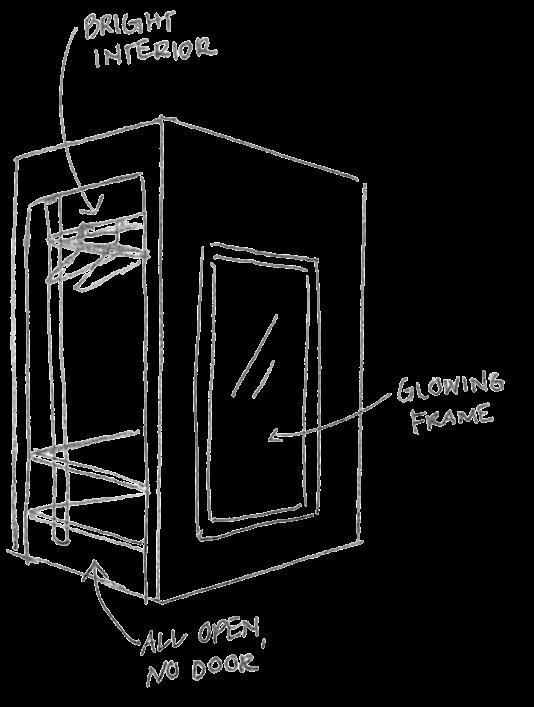
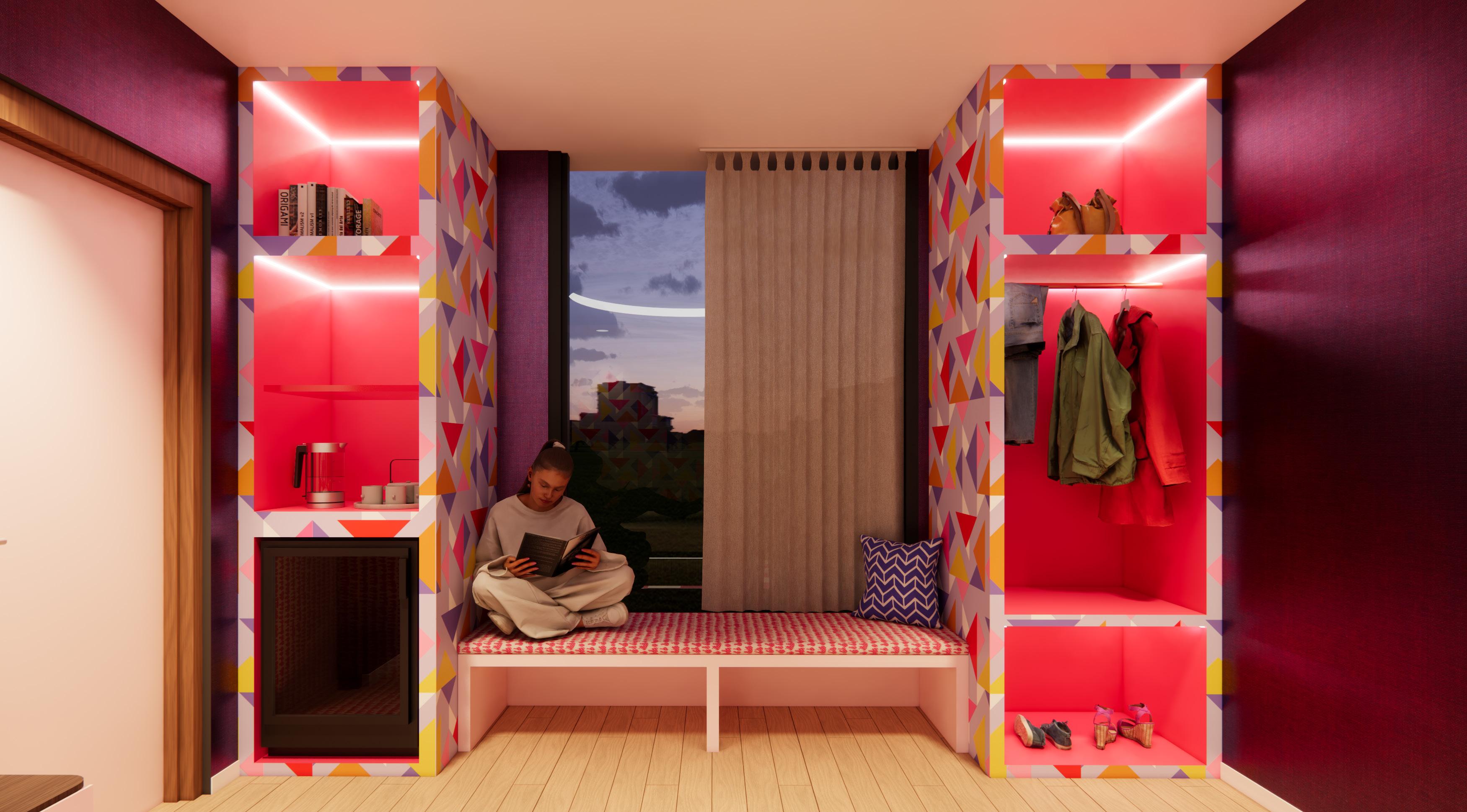
Modeled after retail displays, built-in closets with neon accents turn storage into spectacle. The integrated window nook doubles as seating and concealed storage, compressing multiple functions into a compact footprint.
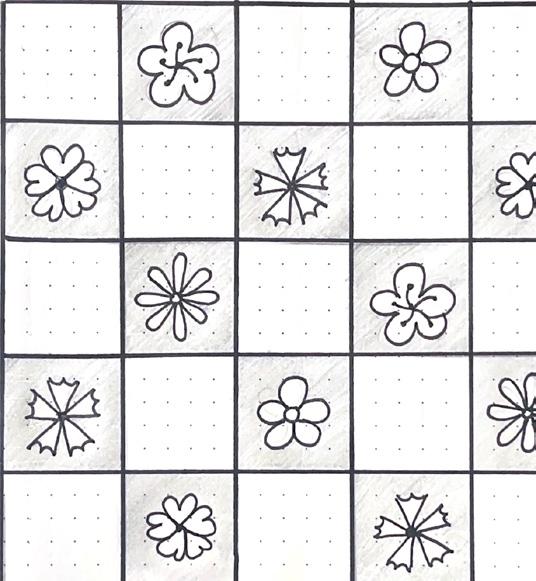
This project explores how traditional patterns can be reinterpreted through the bold, eclectic lens of the Mama Shelter brand. Inspired by the work of Ito Jakuchu and Japanese motifs, the custom pattern was designed in four phases: research, sketching, digital creation, and application.
initial sketches selected pattern





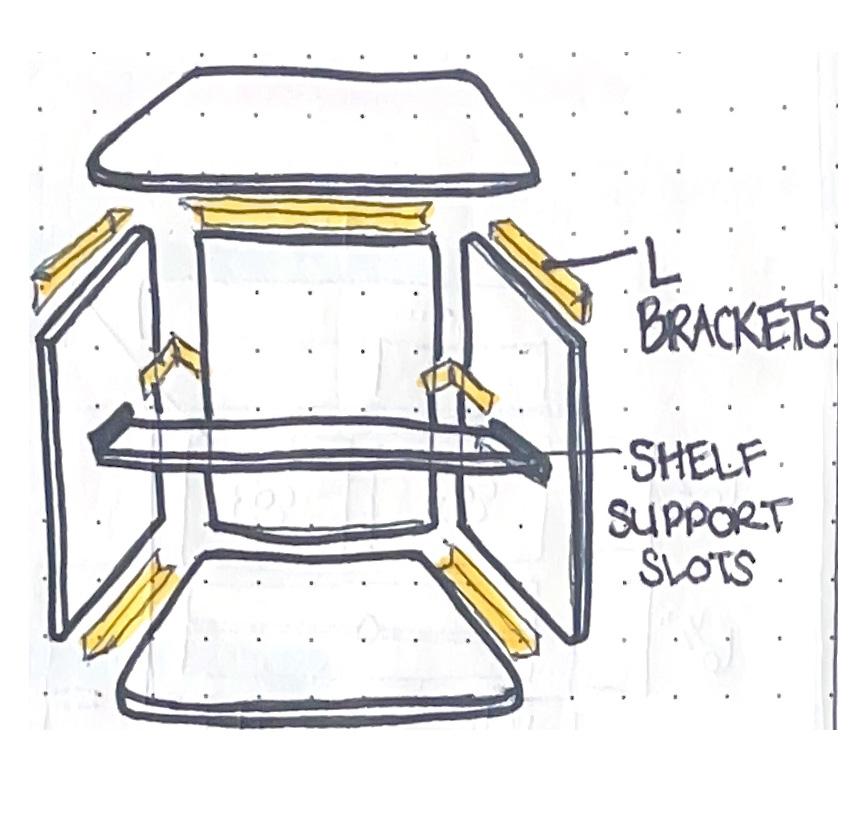
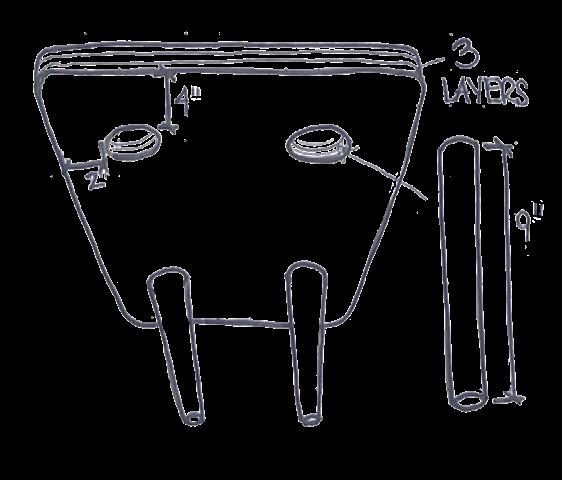
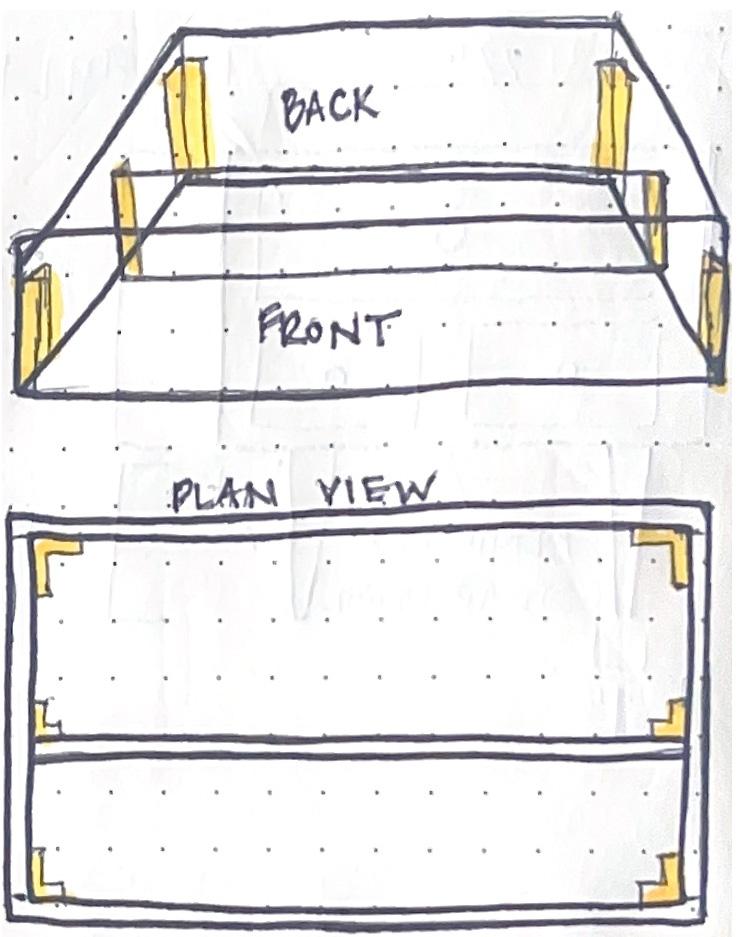
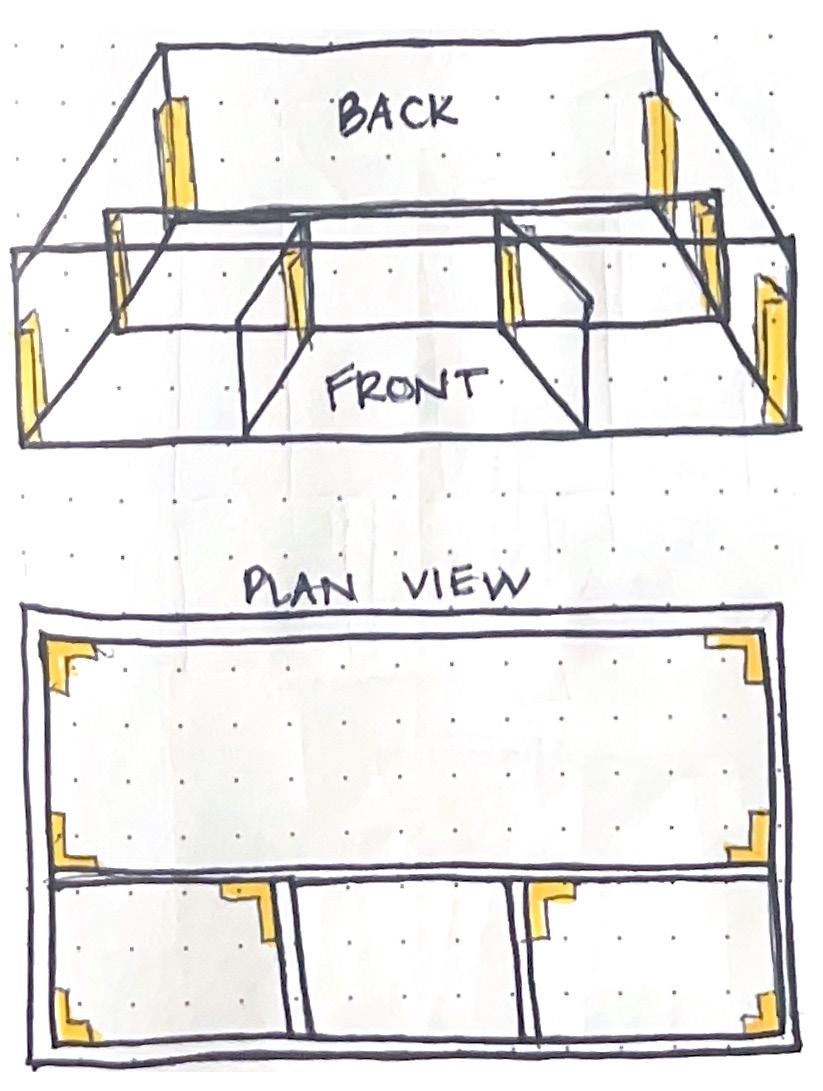
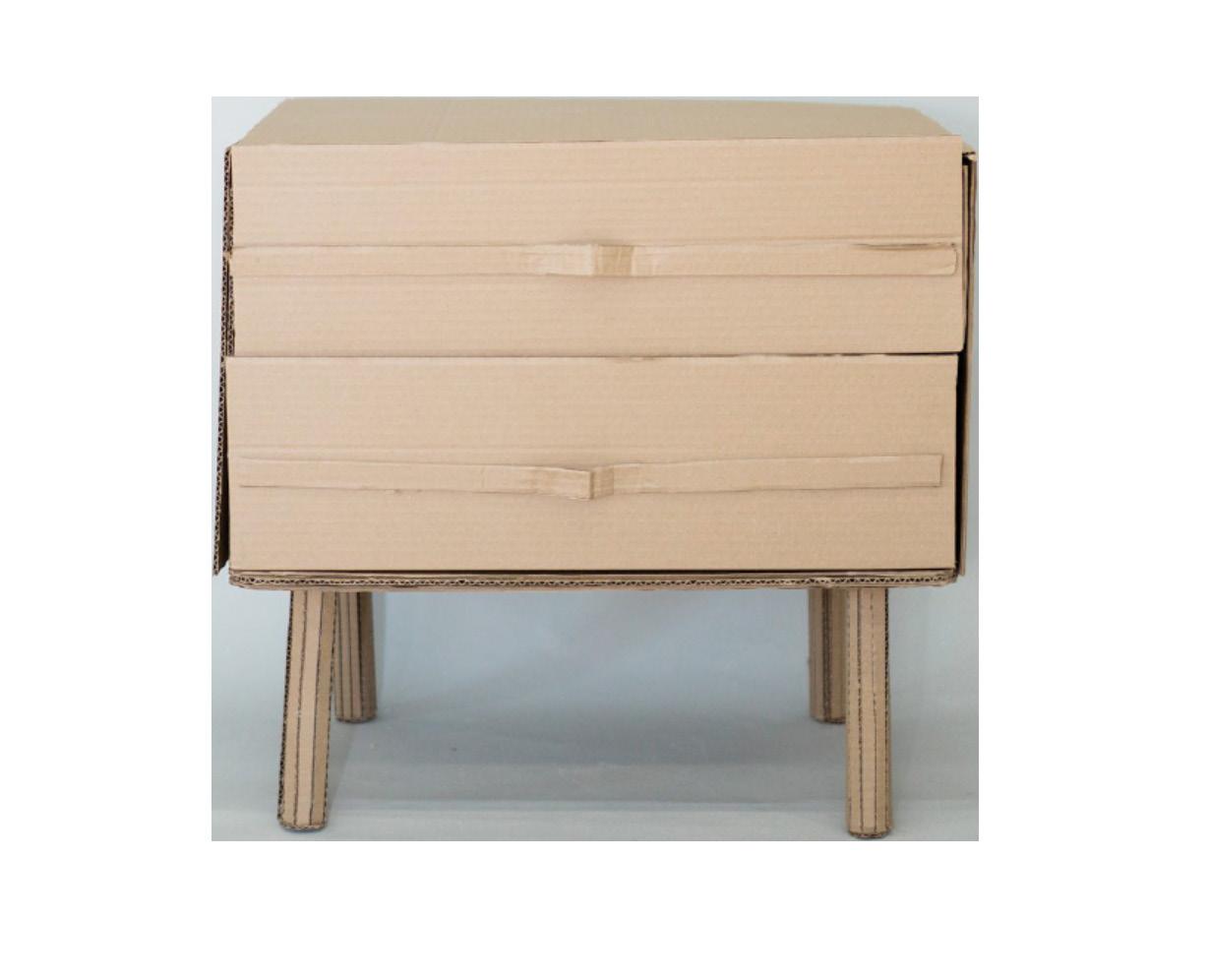
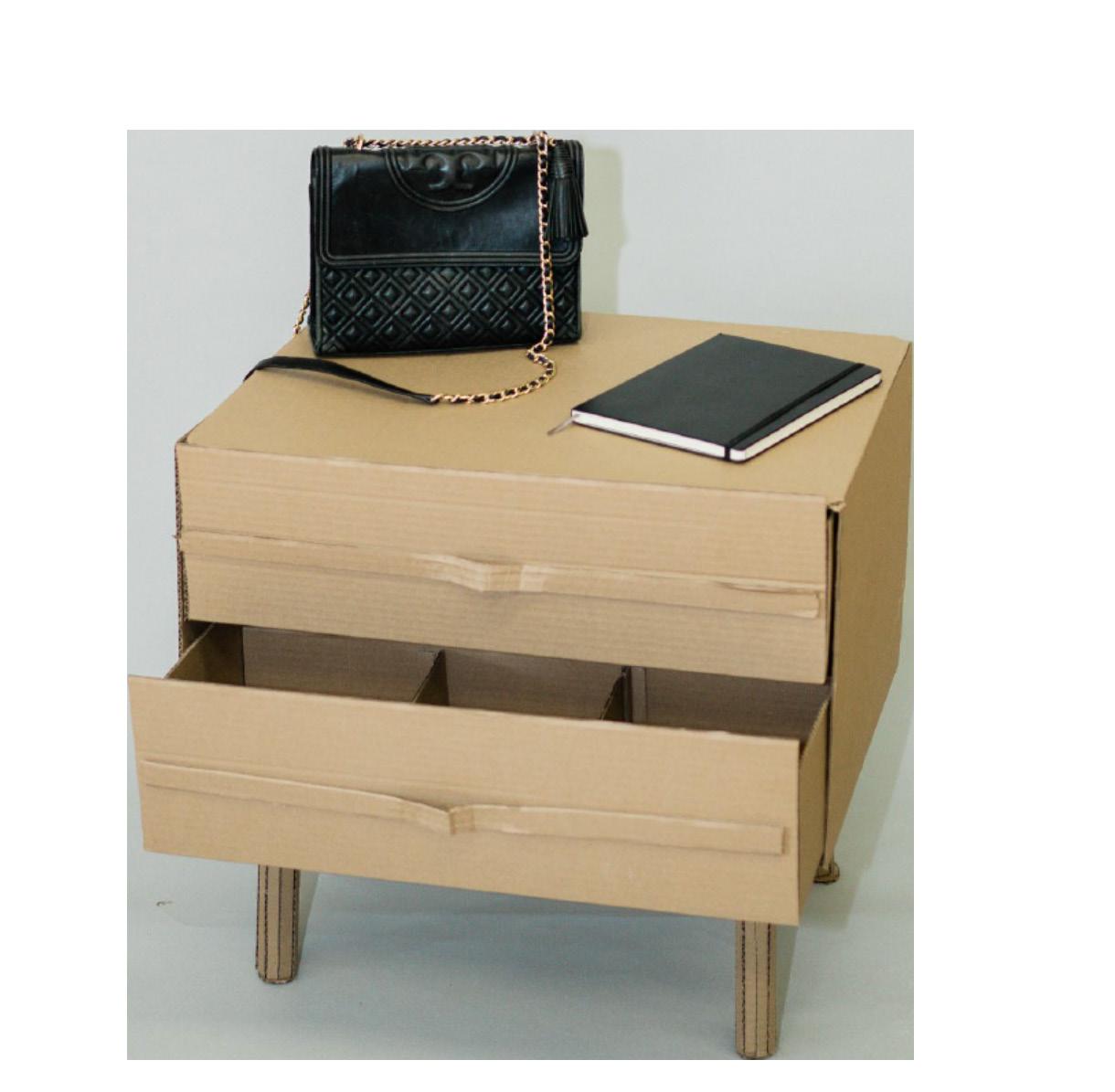
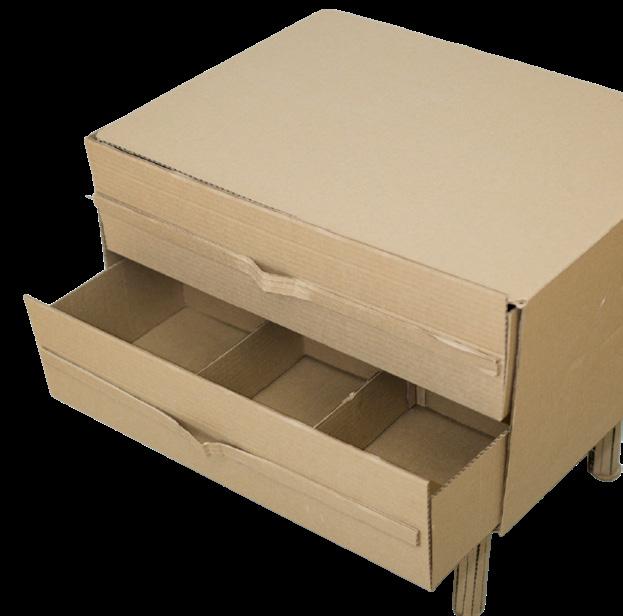
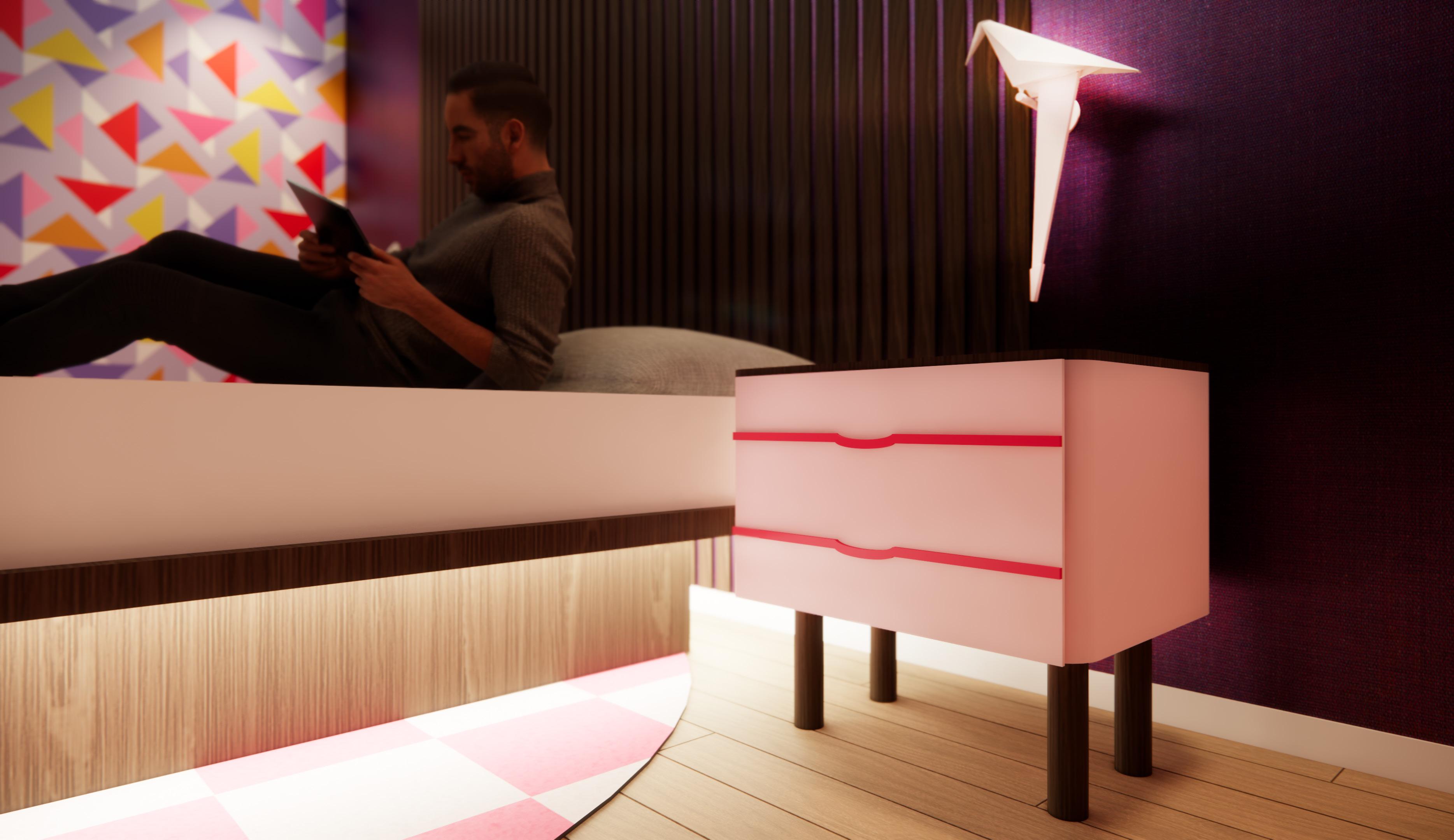
Inspired by the structure of a Japanese bento box, this nightstand features layered compartments and drawer pulls resembling bento straps.

1:1
kimball international prelude student design competition first place winner
interior design studio classroom
1800 sq ft.
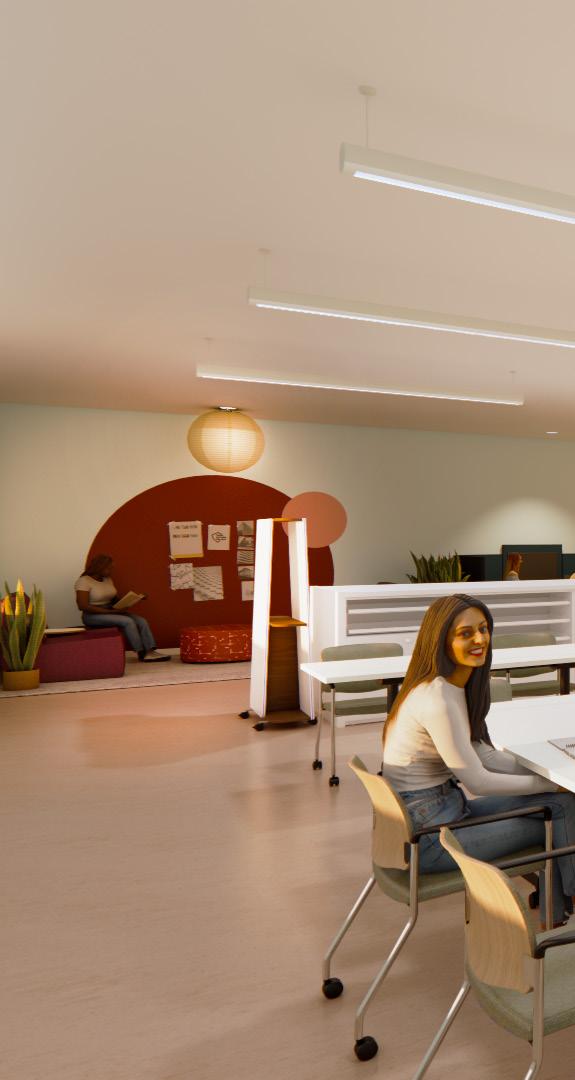
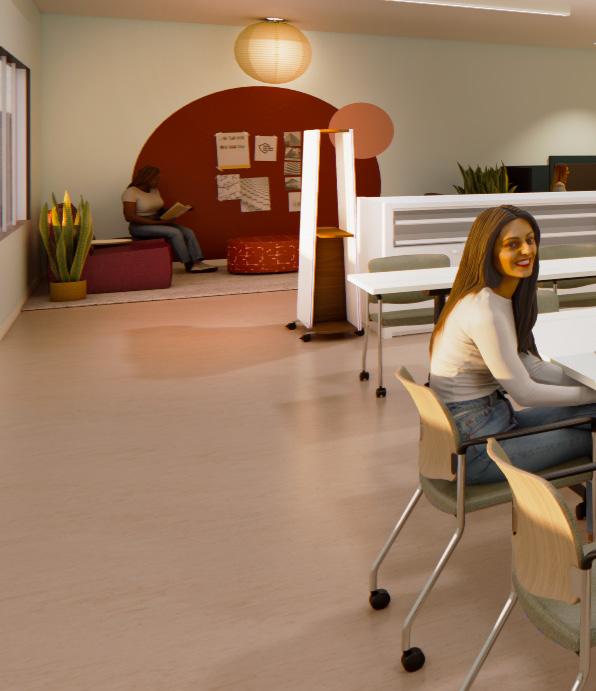
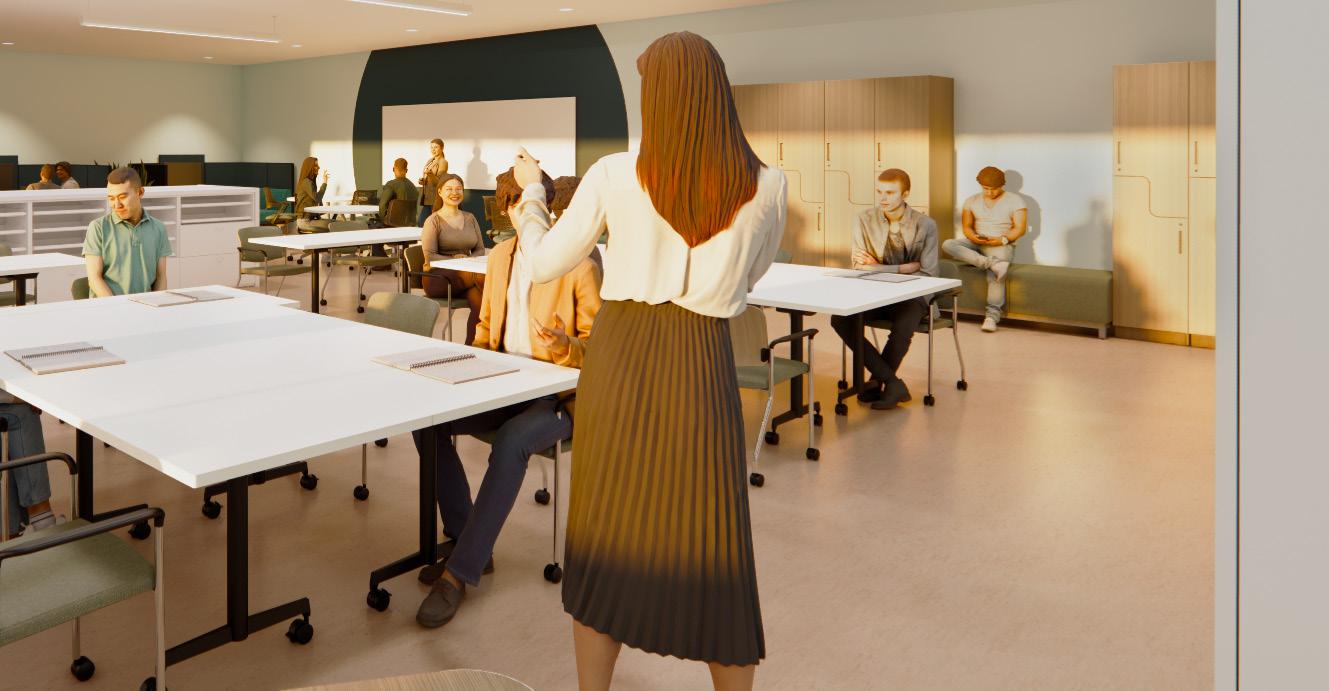
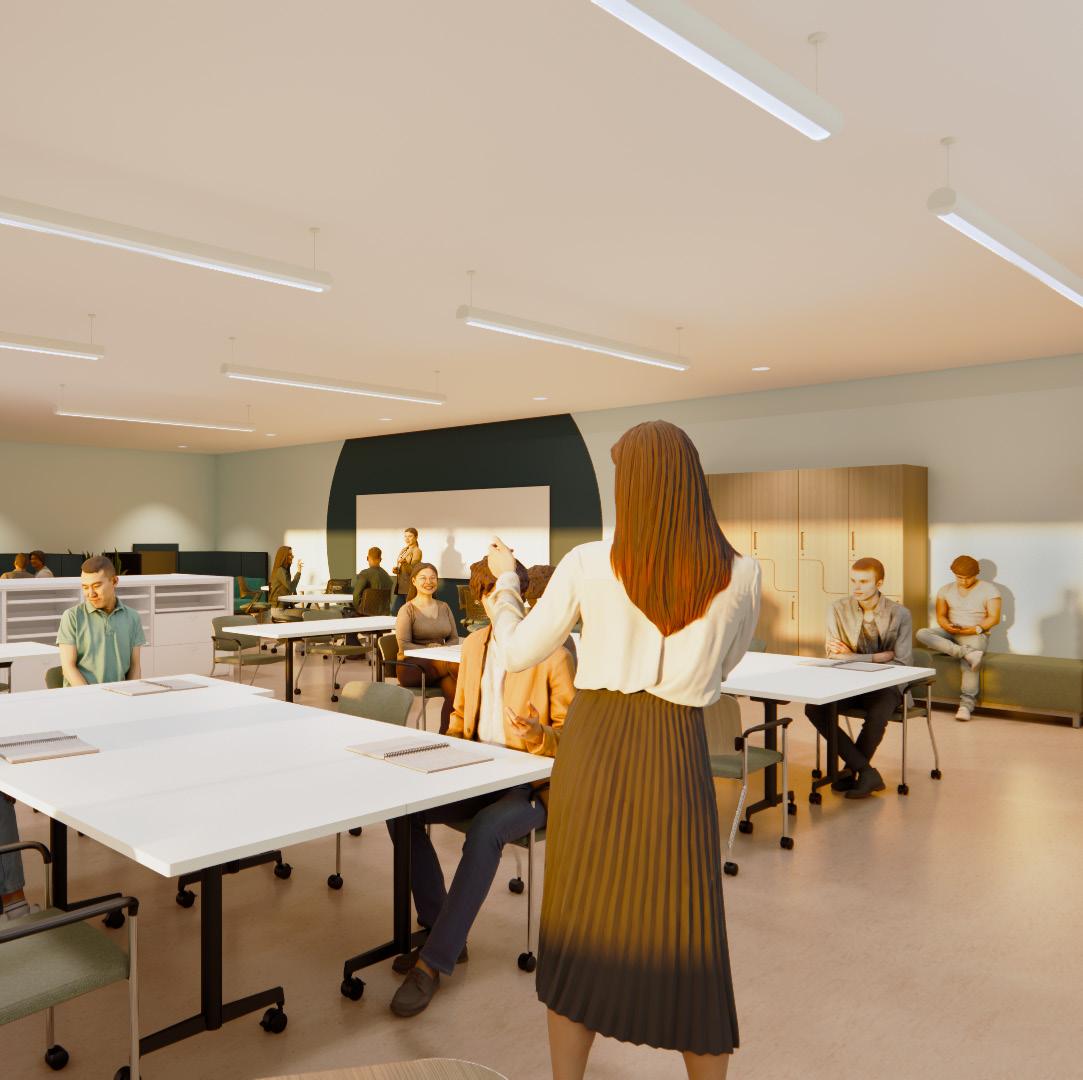
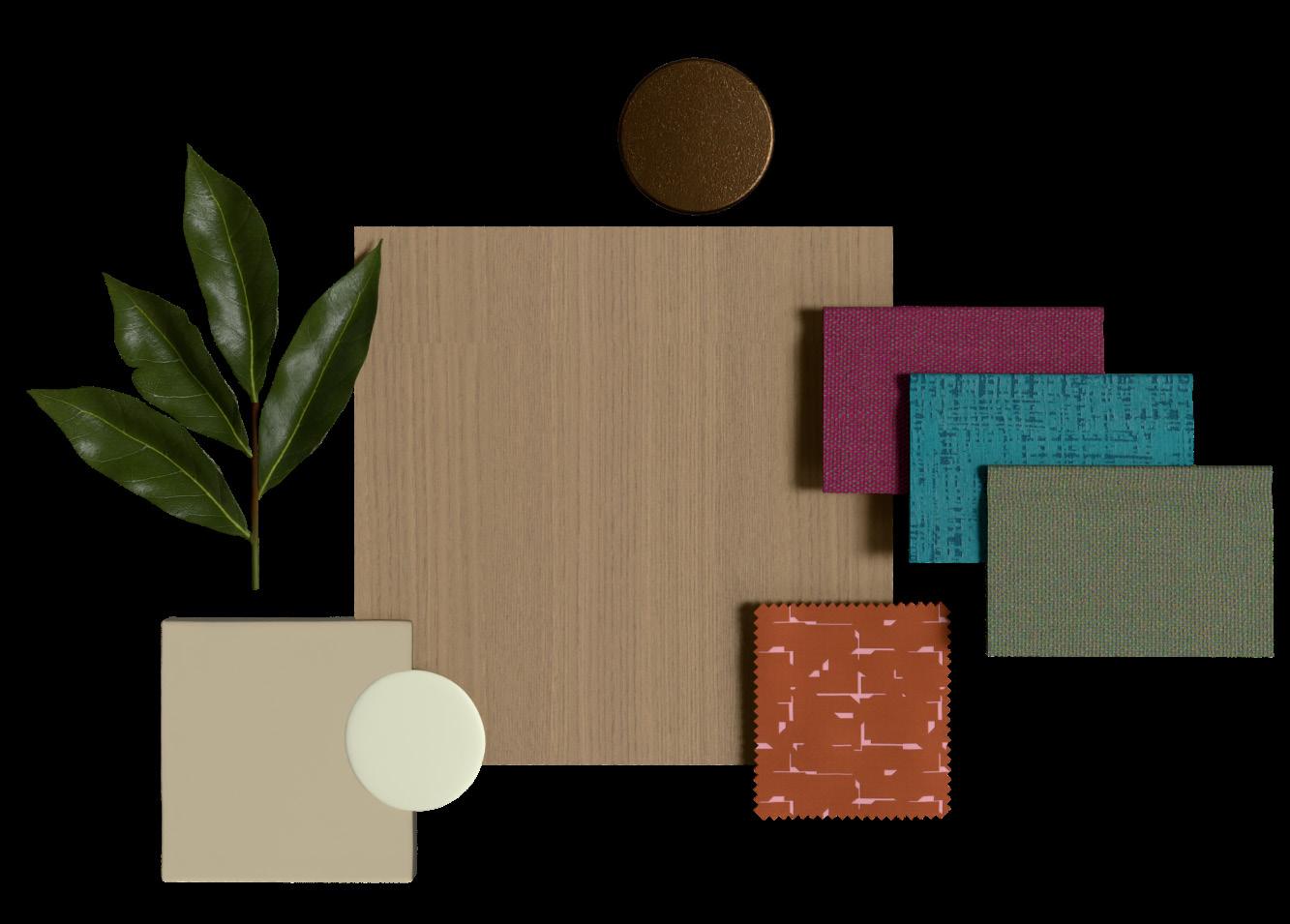
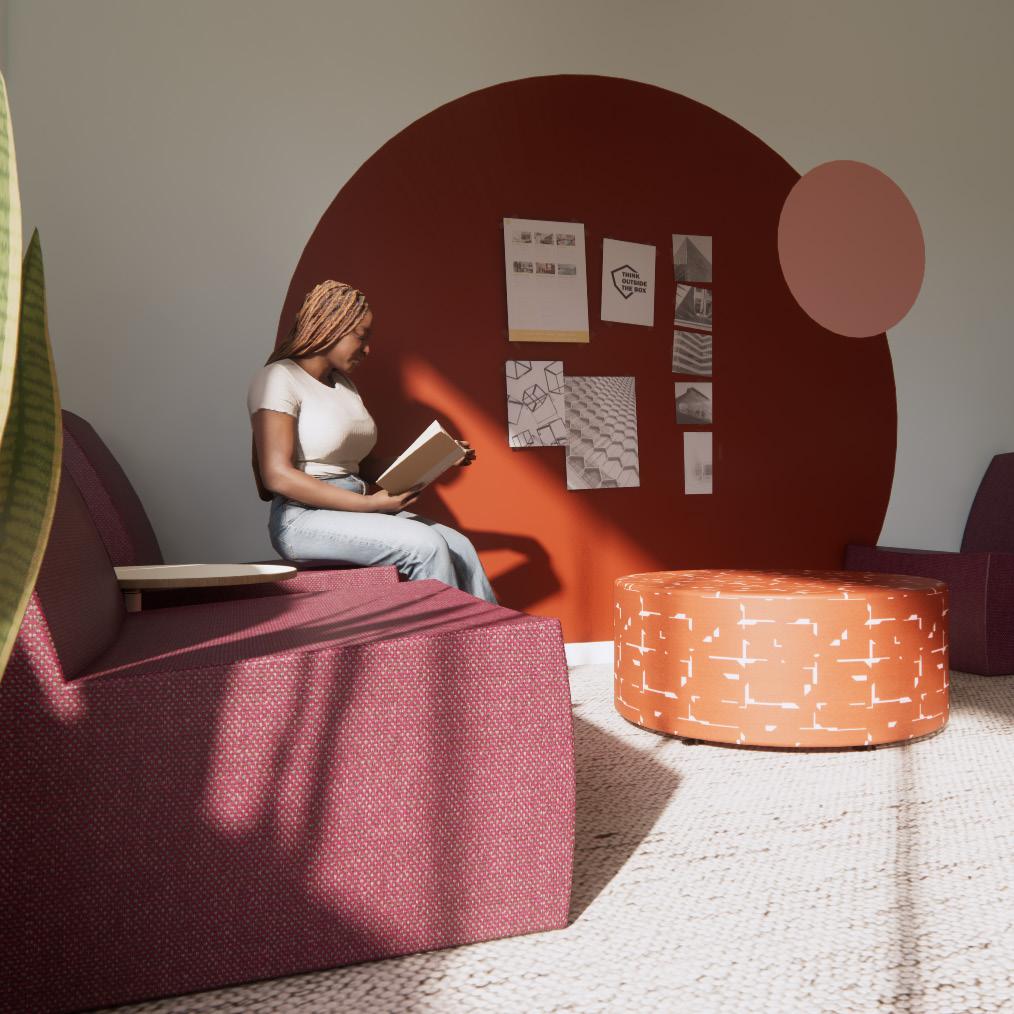
This studio embodies a spatial journey of metamorphosis, shifting from structured learning to collaboration to reflection in order to mirror and support the evolving identity of the design student.
1. learning zone
2. collaboration zone 3. reflection zone
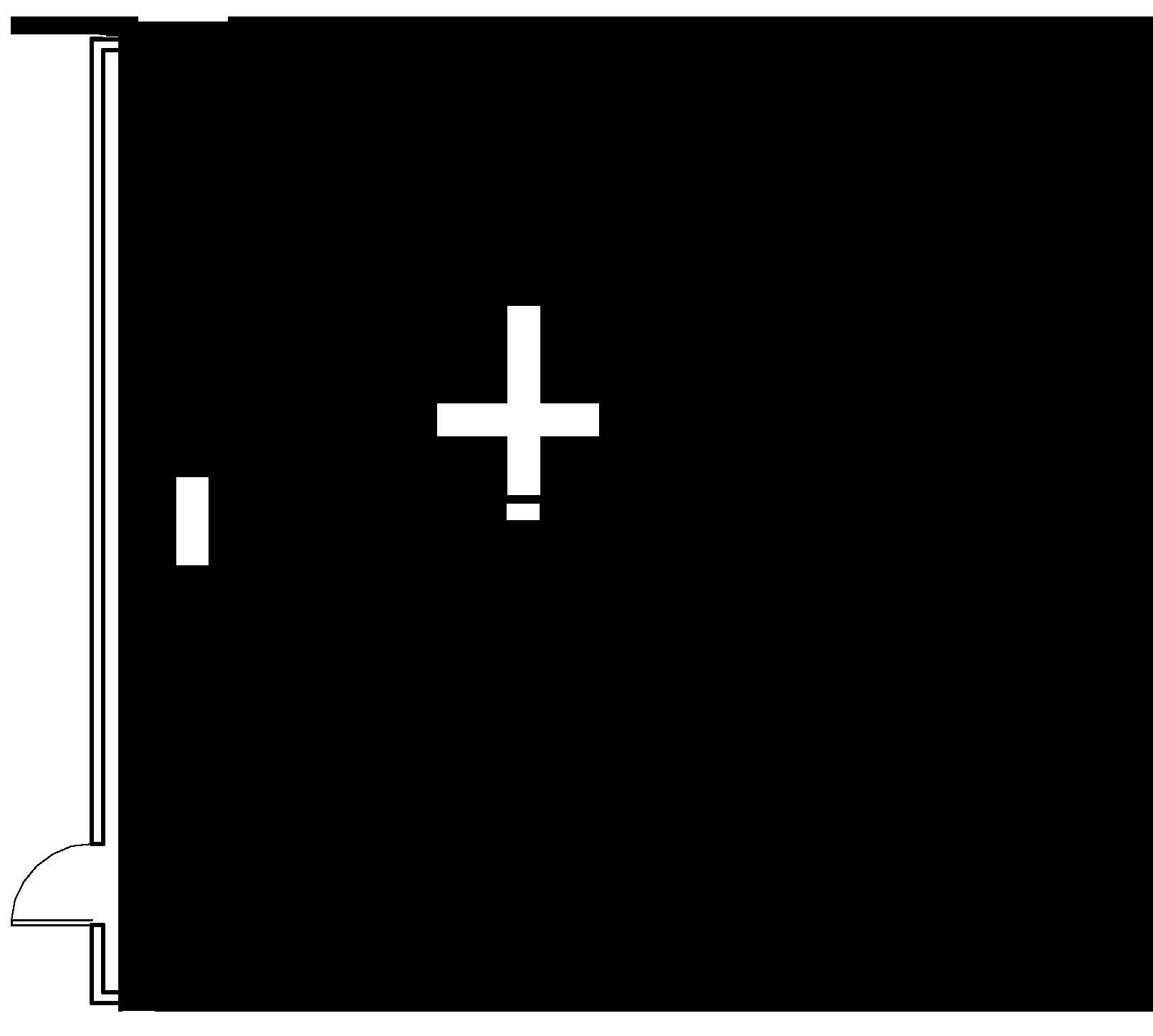
calmest distance. high energy prominent. multipurpose. engaged.
threshold between energy levels
highest energy movement. chatter. coming & going.
threshold between energy levels
moderate energy centered. flexible. approachable.
calmest energy distance. comfort. daylight.

Student energy levels shift throughout the day and the semester. The classroom must support them through each moment to ensure academic success and overall wellbeing. quiet. protected. focused.
calmer energy
adaptability
student wellbeing equity and inclusion
project storage
ample circulation
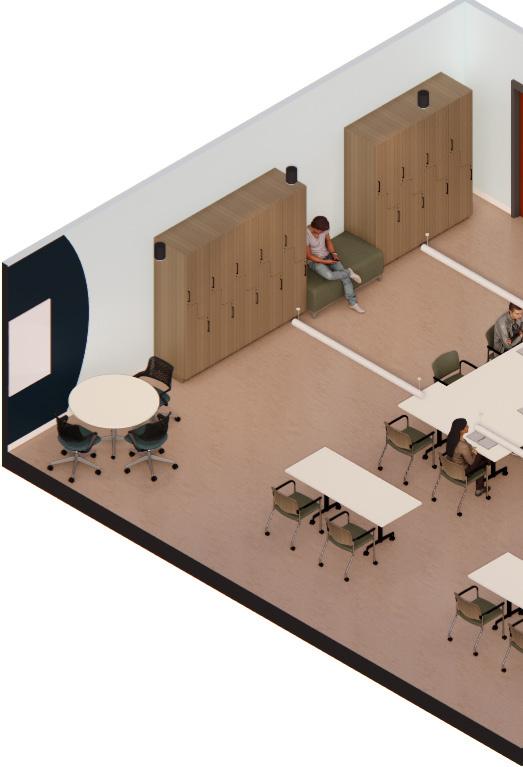
digital + physical

configuration flexibility
clear sight lines
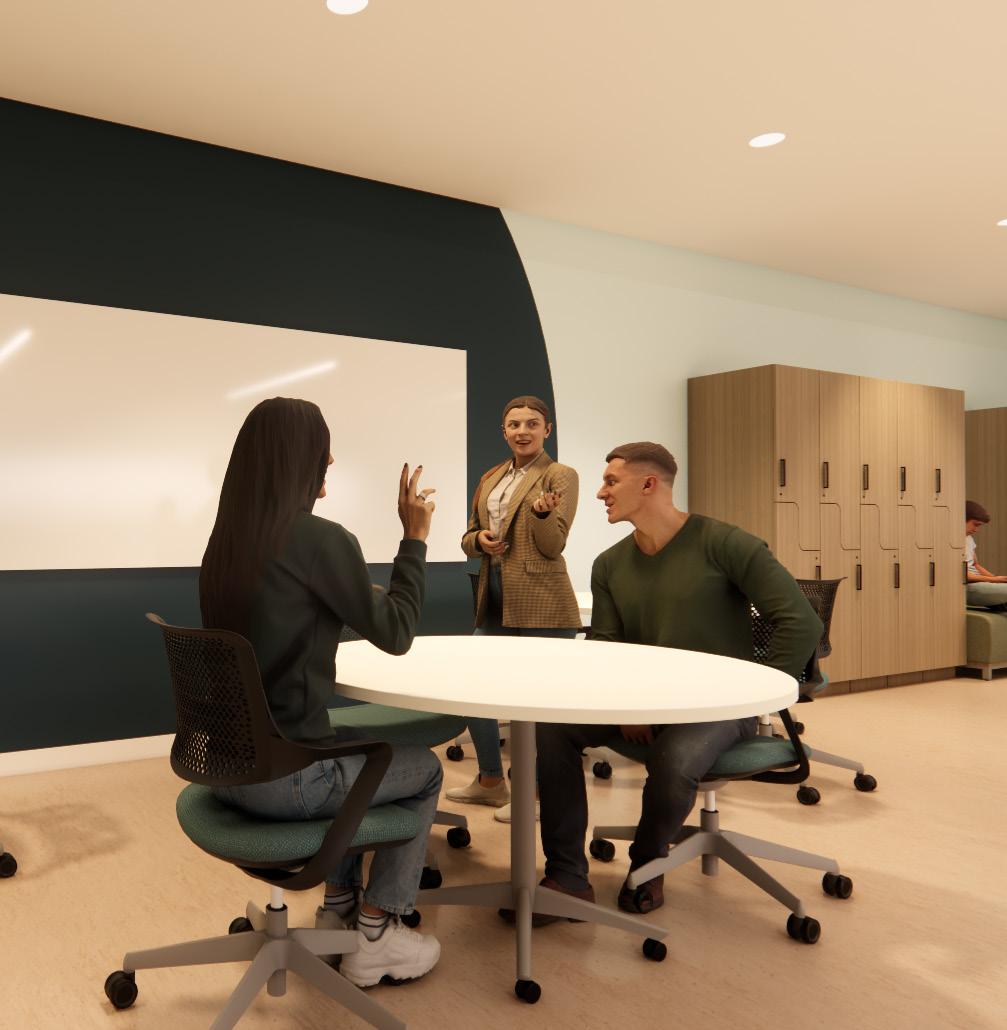
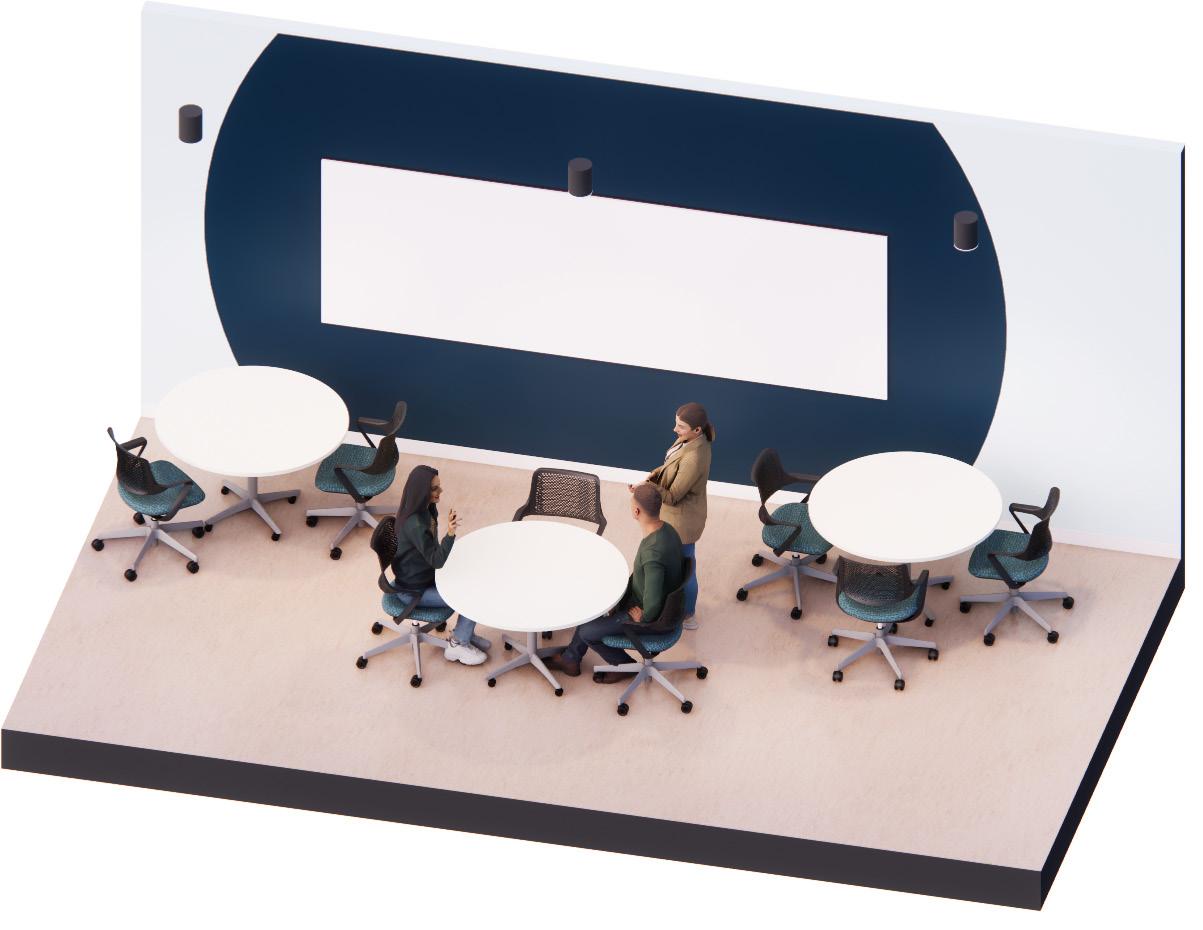
Flexible collaboration space empowers students to shape their own learning journeys and build community.
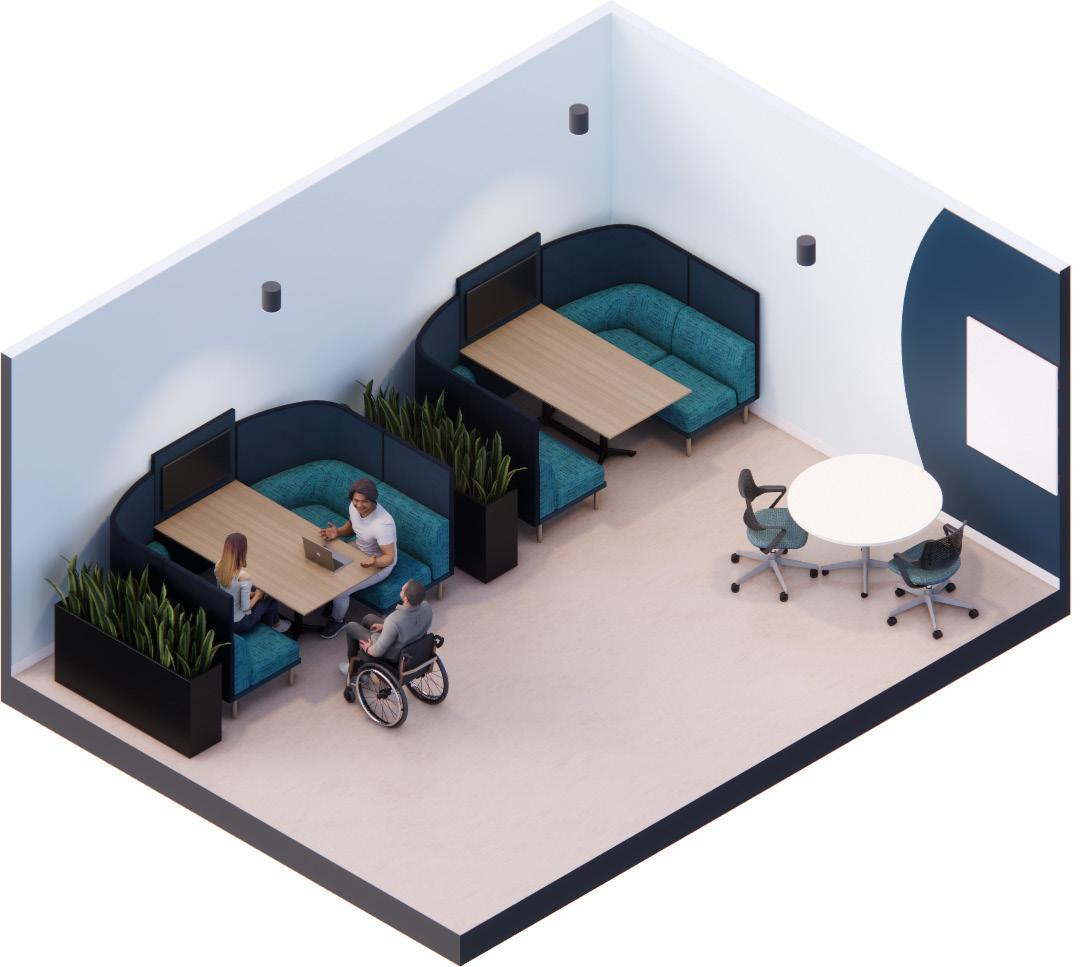
Booths with privacy panels enable more focused group work and act as a transition between the higher energy collaboration space and the reflection zone.
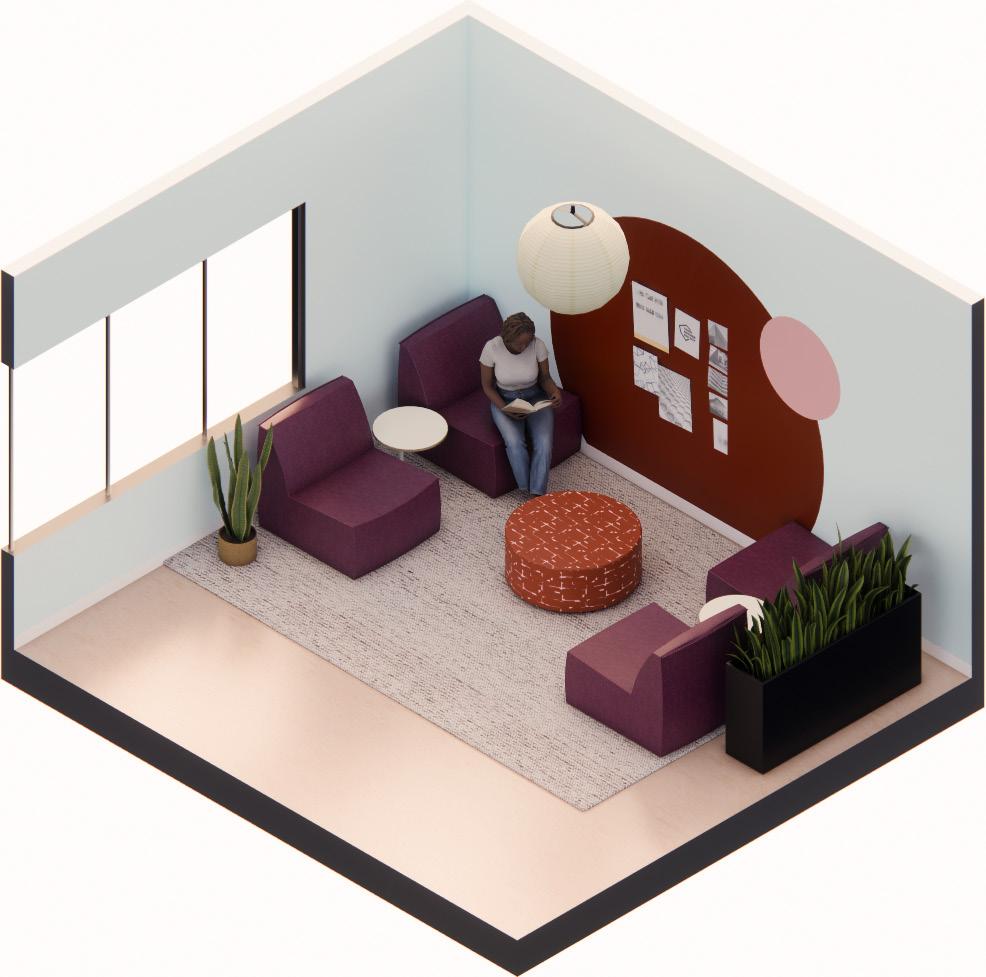
The reflection zone has the smallest footprint and biggest impact, offering a refuge for students and fostering psychological safety in the classroom. daylight + views softness +

“Design is not just a visual thing, it’s a thought process, a skill. Ultimately, design is a skill to enhance our humanity. It’s a frame for life.”
— Ilse Crawford