

PORTFOLIO
KRYSTYNA JOZWIK
Bachelor’s of Architecture


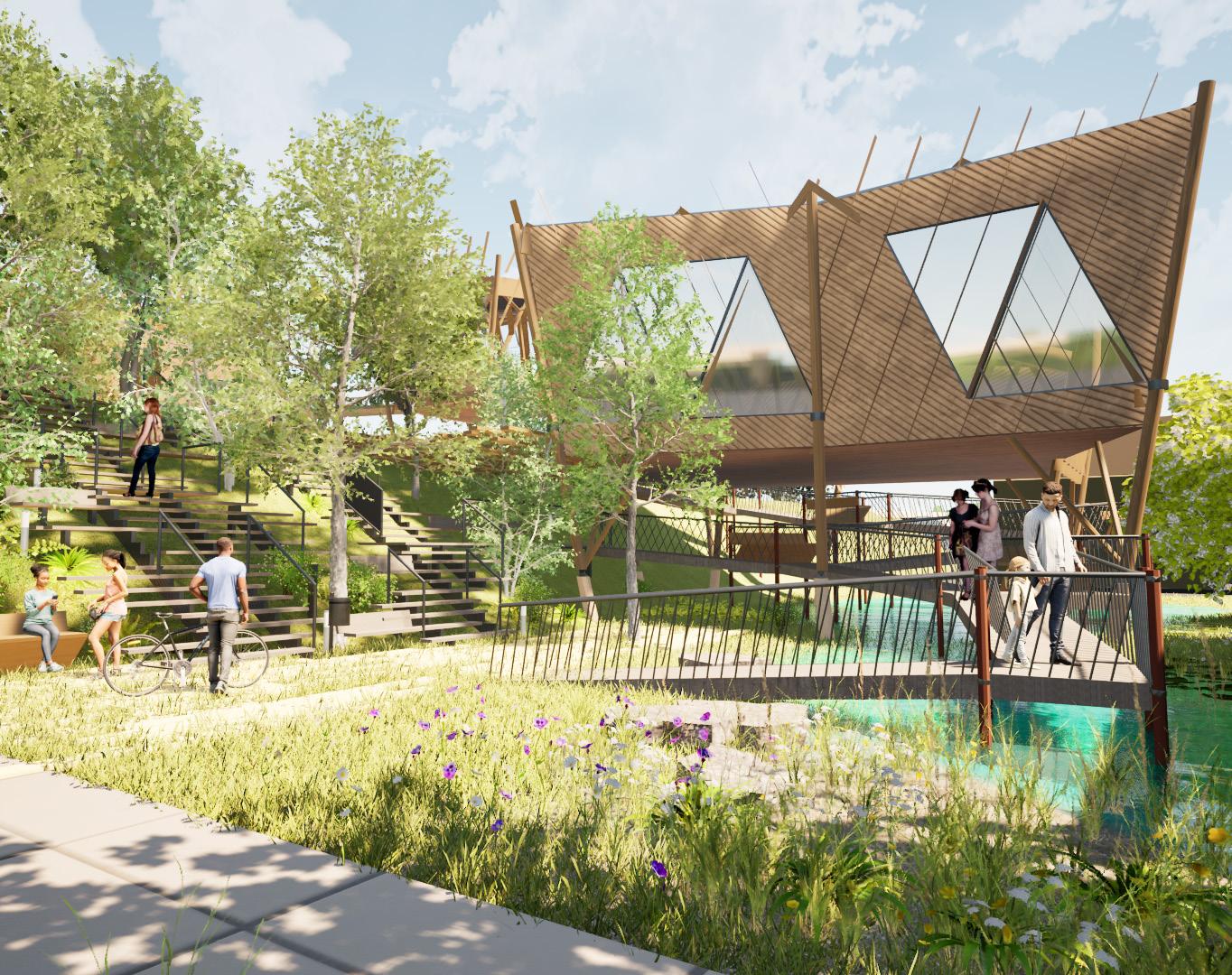
The Englewood Treehouse
4th Year Partner: Emma Spahr Professors: MichalOjrzanowski, Steven Pantazis
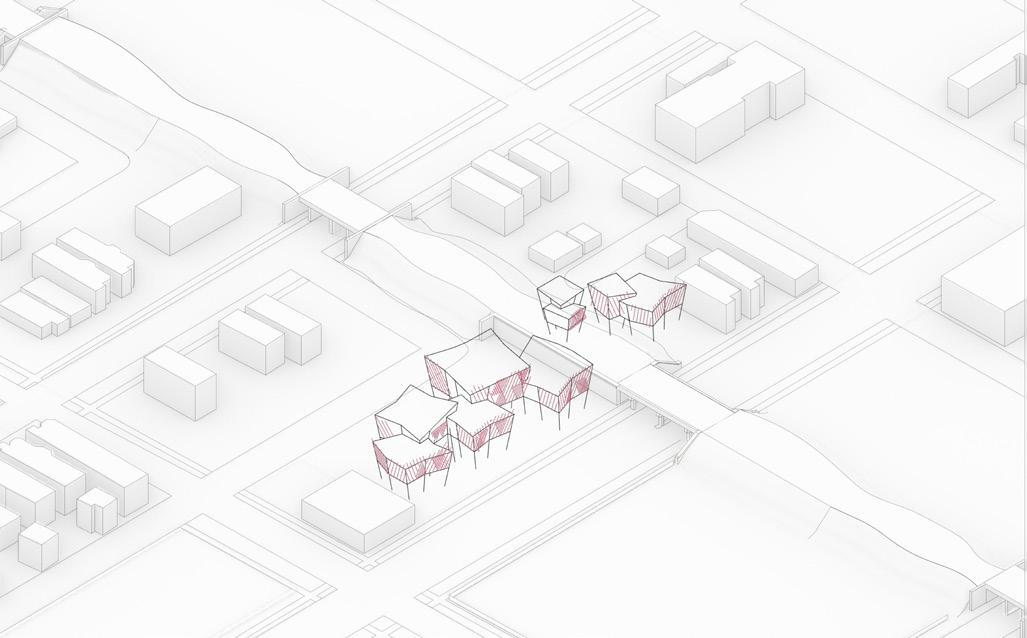
The Englewood Treehouse is a careerprep center focusing on middle and high school students and young adults. Due to the proximity to the Englewood trail, the program encourages people to explore ways of connecting all types of careers to nature. To integrate access to nature, the majority of the program is located on the trail level, elevating the building on wooden
columns 15 ft above street level. This move opens up the area beneath the building, creating space for ease of circulation through the site, as well as ample area for immersive landscaping. Careful consideration of sunlight and building form ensures enough sunlight reaches the street level landscaping.
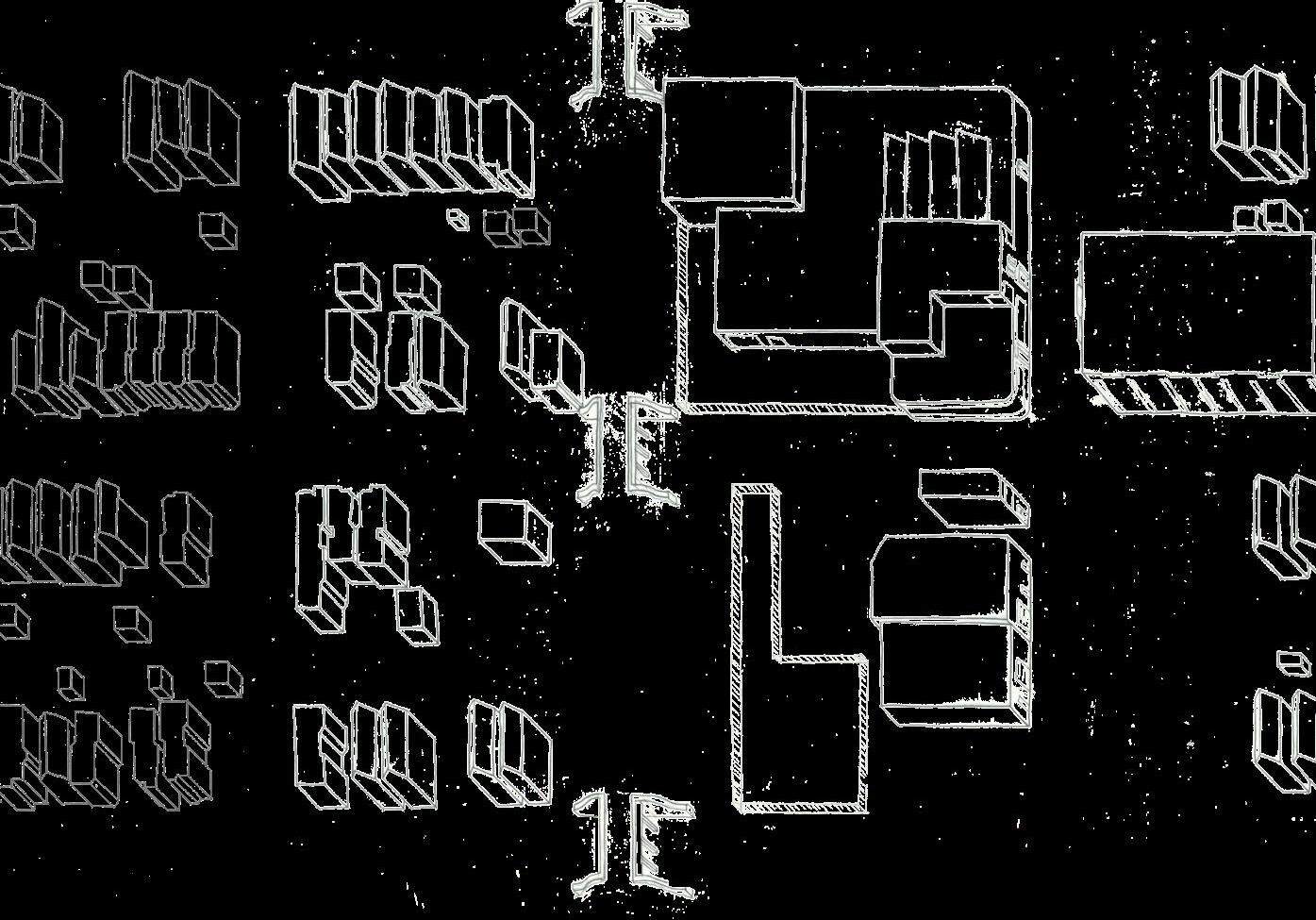
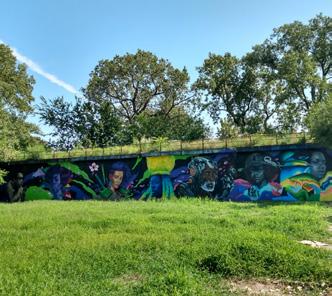
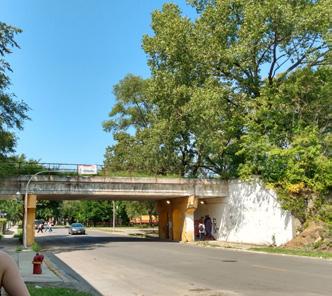
To understand the composition of the community, a visit was made to the Englewood neighborhood in Chicago. The abandoned train tracks embankment had overgrown with trees and were determined as a valuable green corridor. A project to convert the train tracks to a trail is currently underway. This project is intended to compliment those plans.
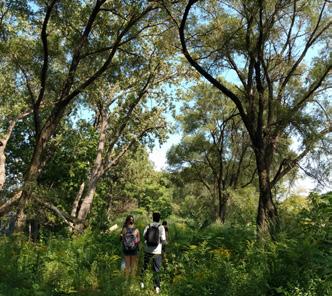
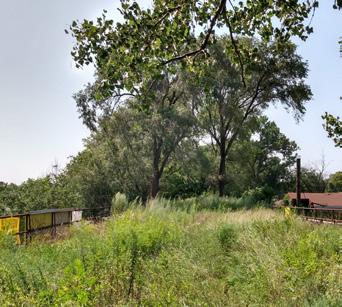
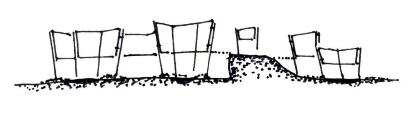
The drawing analyzes how the trail can be a barrier in the community and discourage circulation.
The map, drawn in seperate layers on vellum, breaks apart flat greenery, tree canopy and building types in the community. For this project, an empty site along the train tracks embankment.
Map drawn jointly.
Englewoodtrail
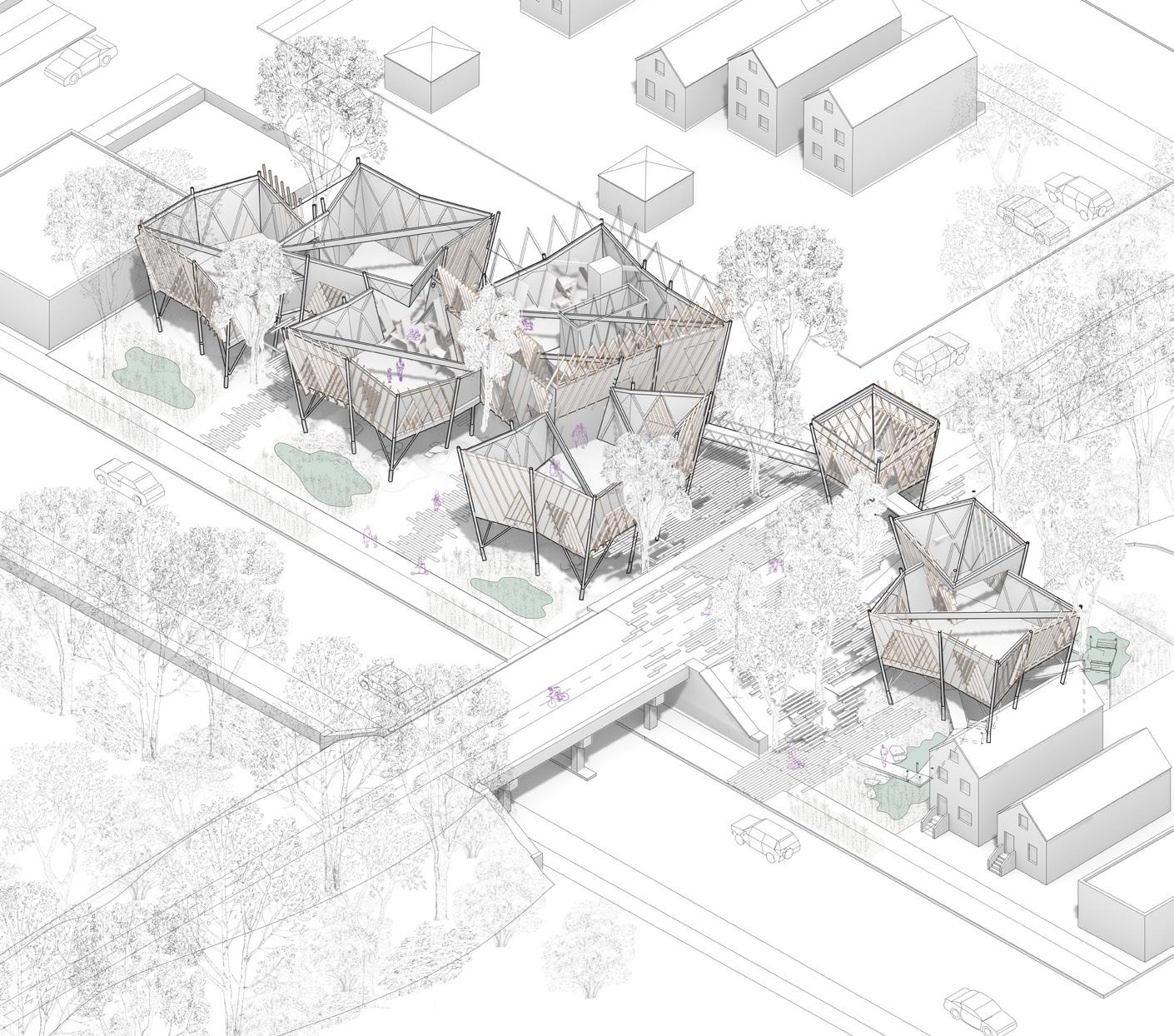
Axonometric facing NE
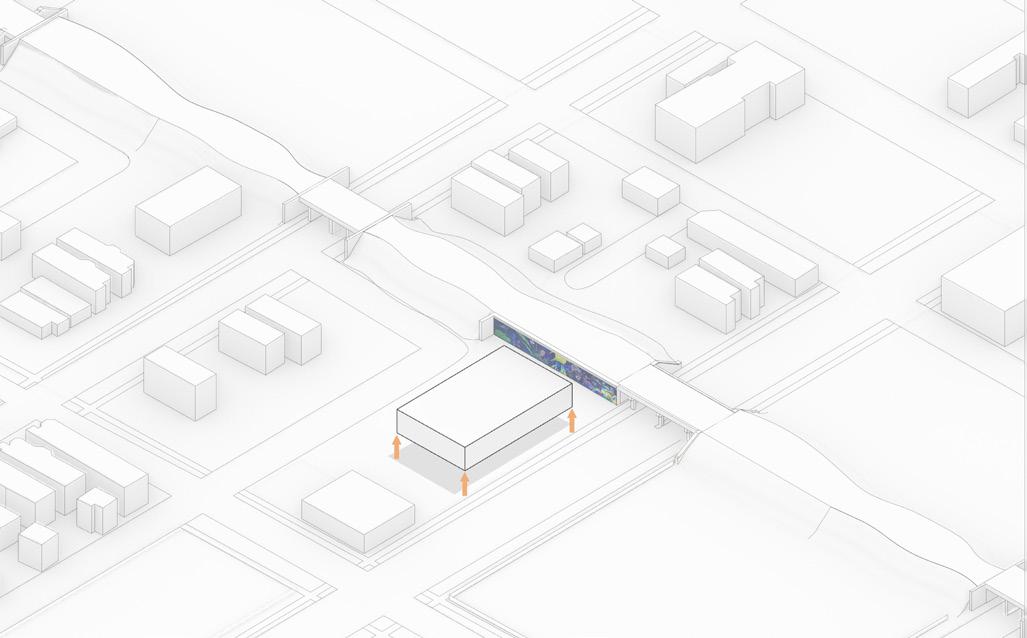
Racinest.
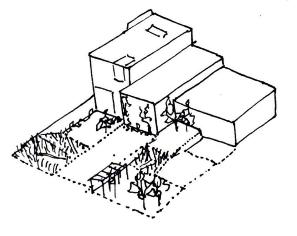
The building program is anchored to the nature trail, offering connection to the community, and an extension of nature. Axon drawn jointly, finalized by applicant
Program massing raised to free ground floor

Breaking up form for light and program organization

Tilt columns for optimal sunlight

Trail level floor plan
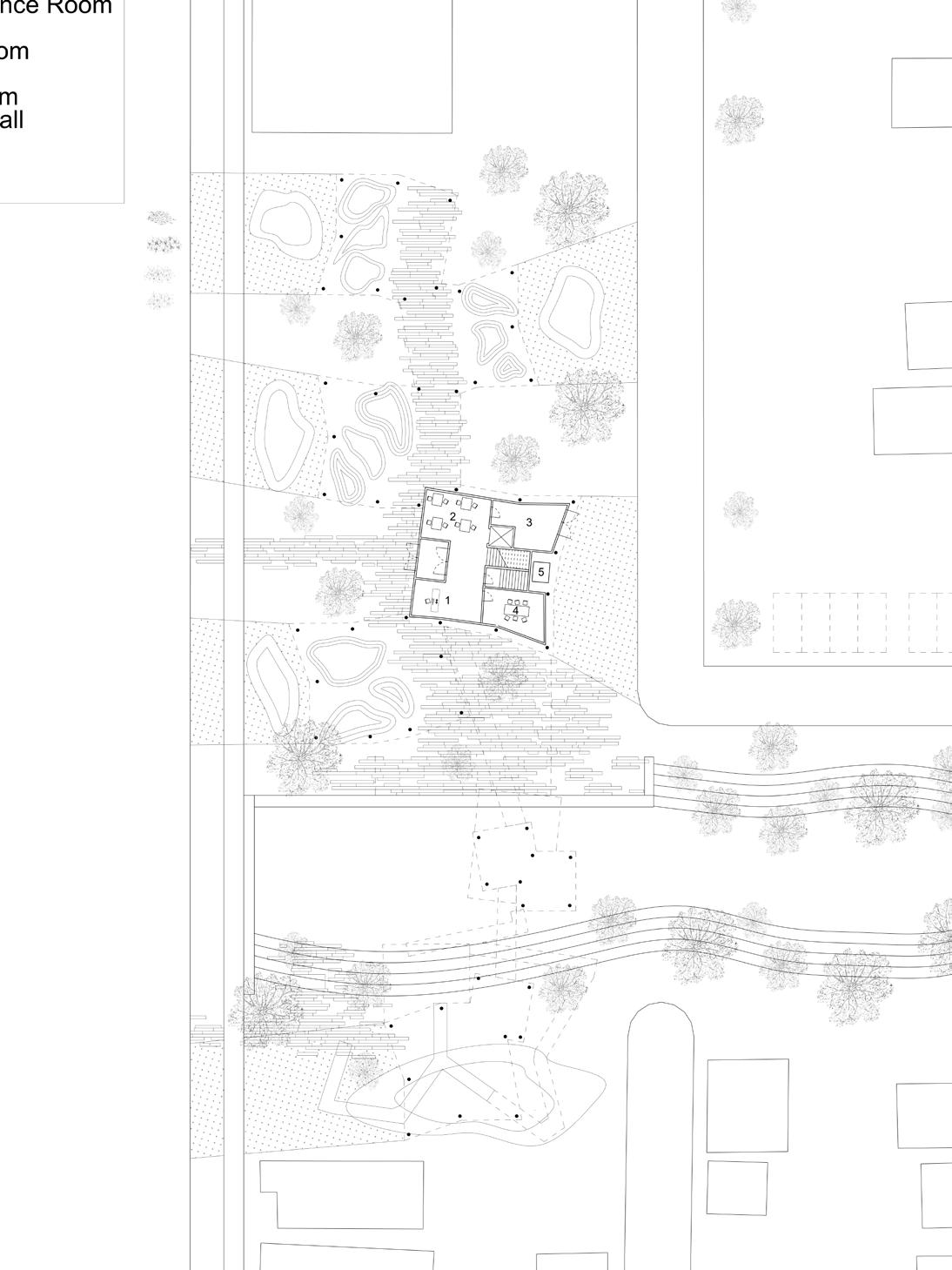
Street level floor plan
Programmed spaces and connection to the trail. Lanscape plan and street level vestibule. Plans drawn by teammate.
responds to sunlight and structure
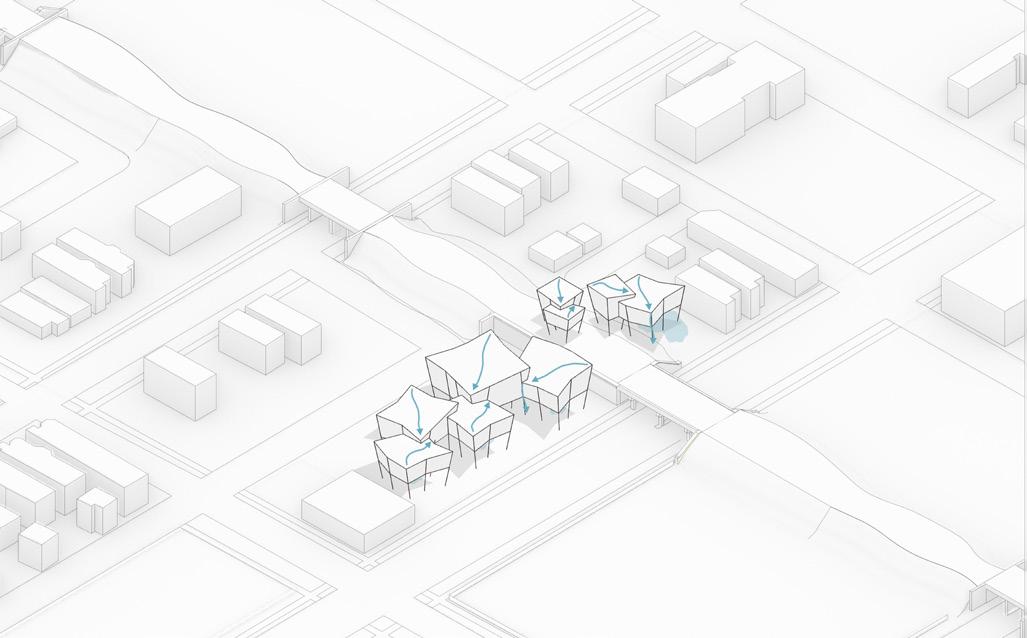
Butterfly roof directs waterflow
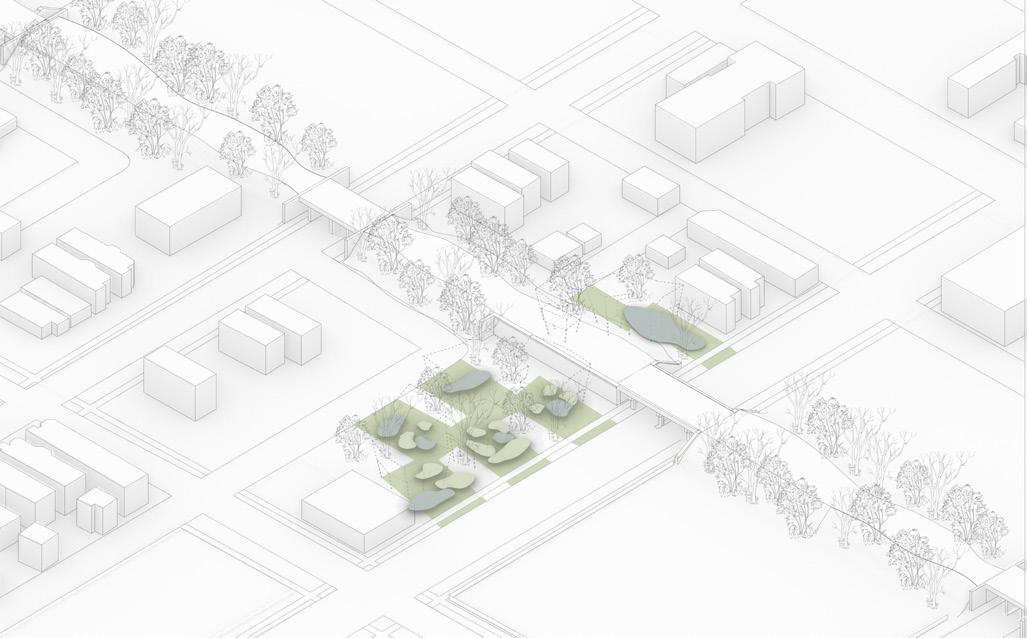
Area under building serves as ecological landscape
Facade
Diagrams drawn by Teammate
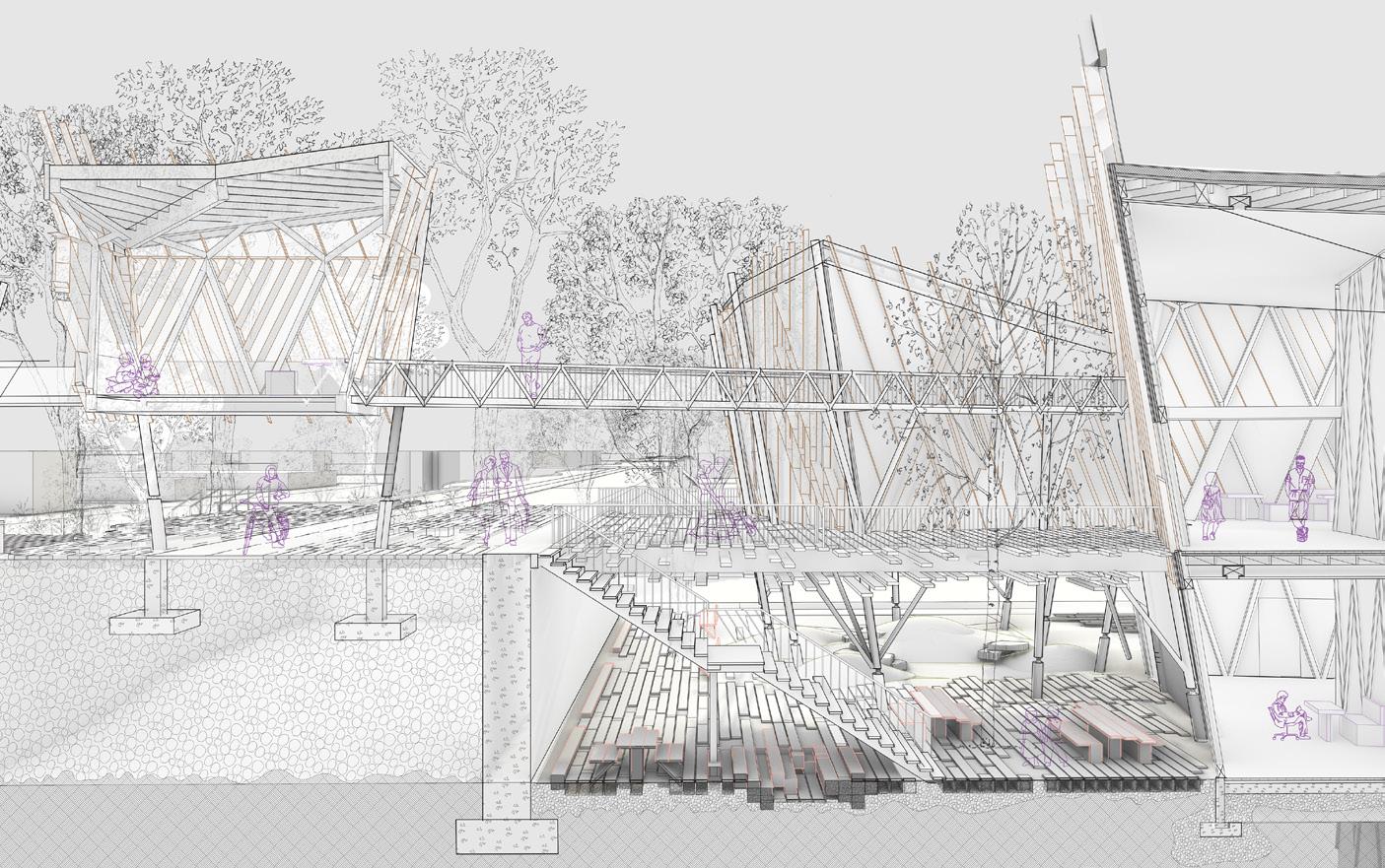
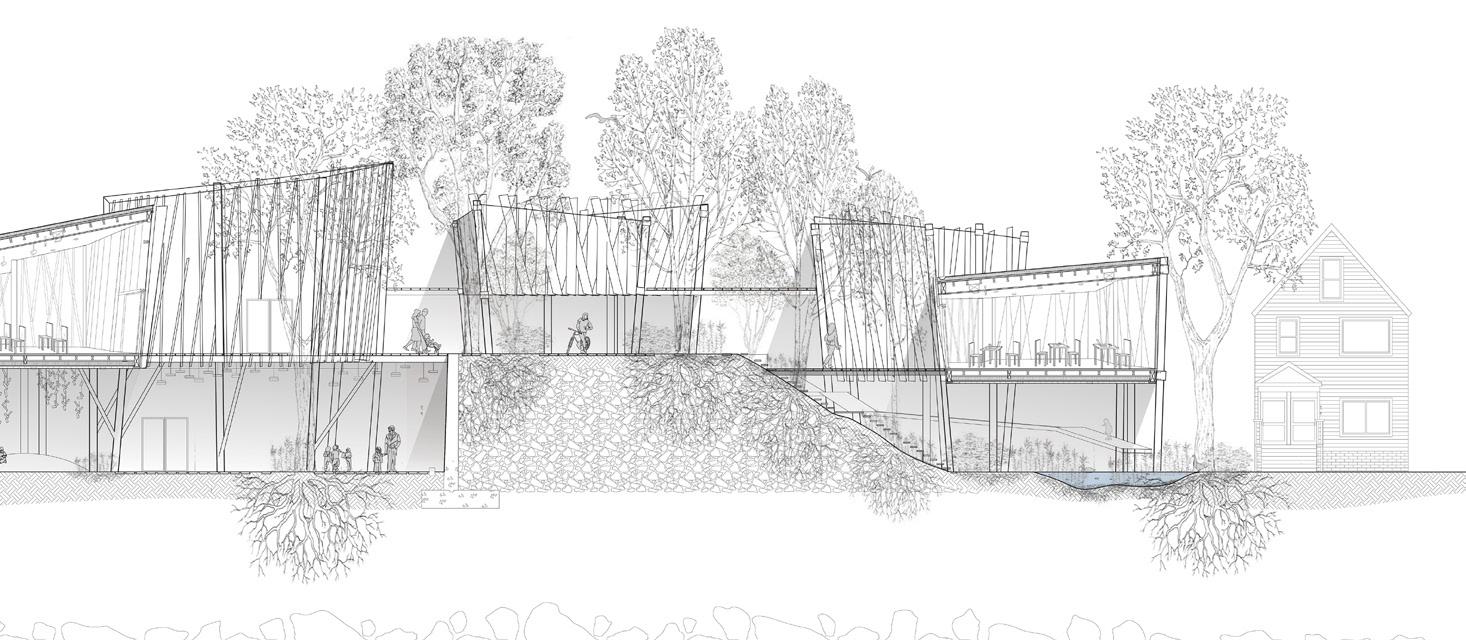
Section facing west
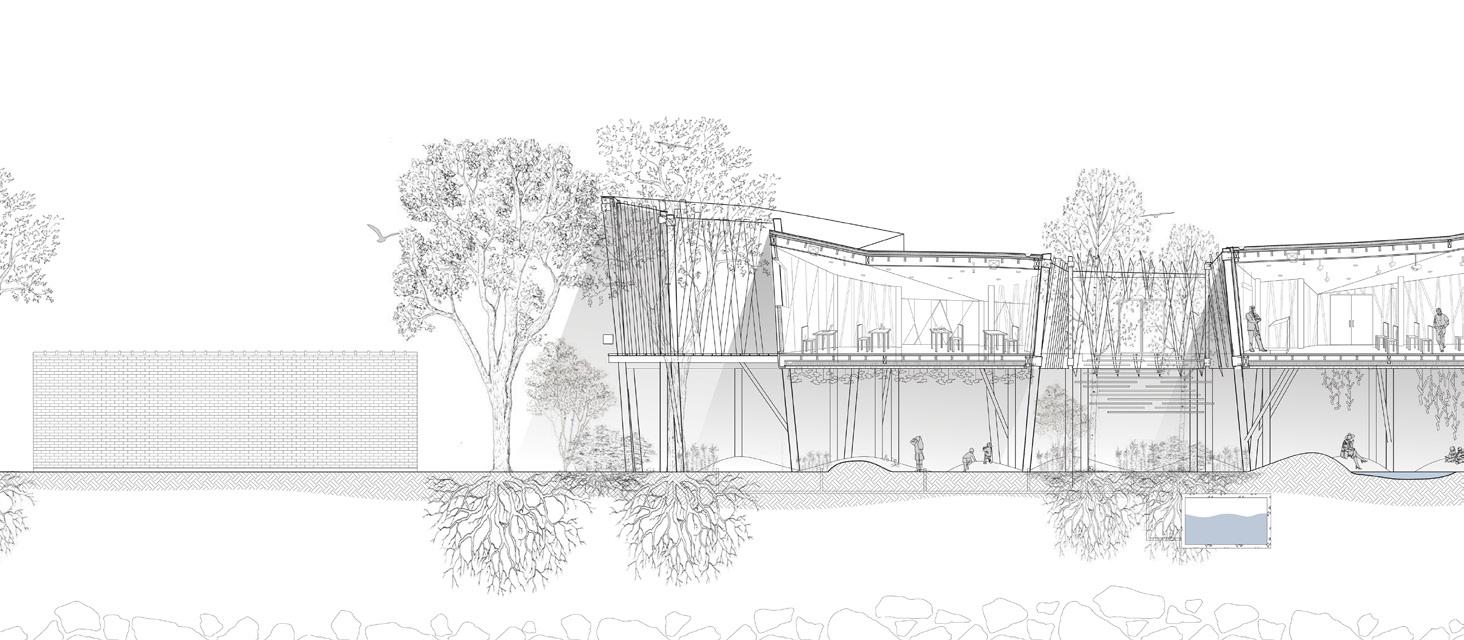
To immerse the program into nature, the building is raised to trail level. By separating the programmed spaces, this allows for trees to be placed almost within the building and for sunlight to penetrate to the ground level. Adjusting the
angles of the facade allows control of how much sunlight can penetrate and add aesthetic to the building. Adding terraces connecting spaces to the trail allows the users to open up the programmed spaces to the outside.
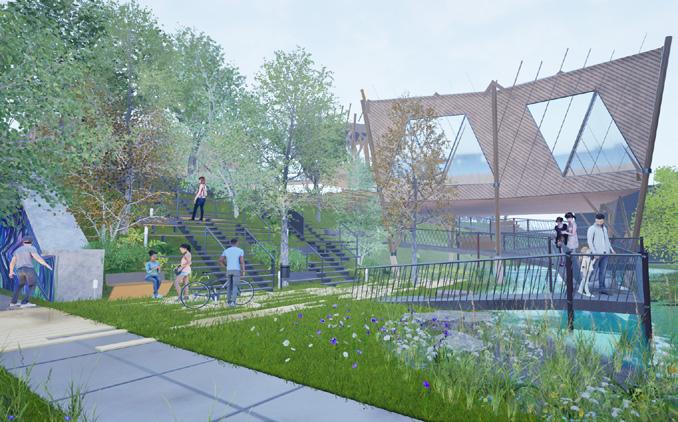
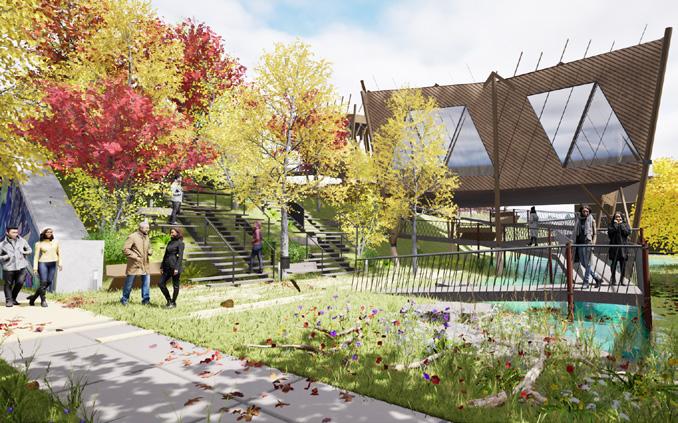
South trail entrance seasonal changes
Below: Section through the trail shows components of building on both sides. Area beneath building is open to public. Drawing constructed in Rhino and edited in Adobe Il. Trees are hand drawn.
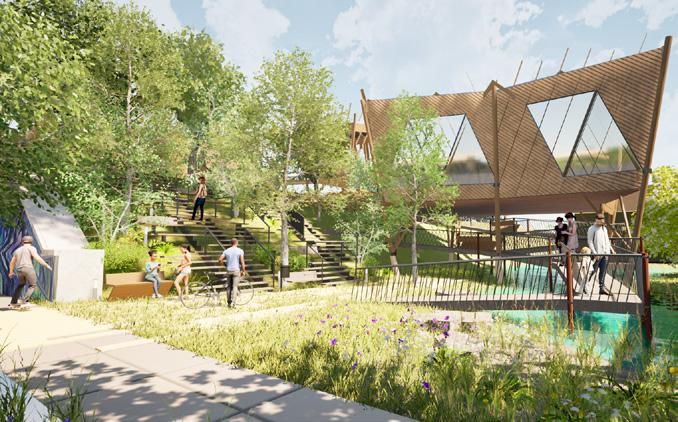
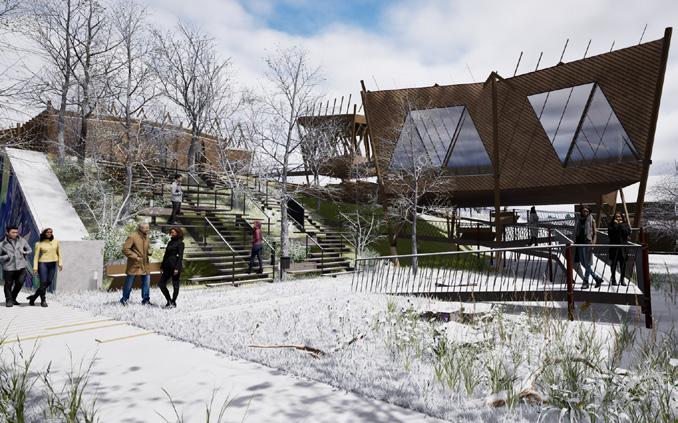
Above: The south part of the site provides an ideal entry point to the Englewood trail. A staircase and ramp travel through natural landscape features. Renders created with Twinmotion.



Viticultural Trail
5th Year Fall Partner: Lexi Gomez Prof: Dr. Maria Villalobos, Jordi Barri
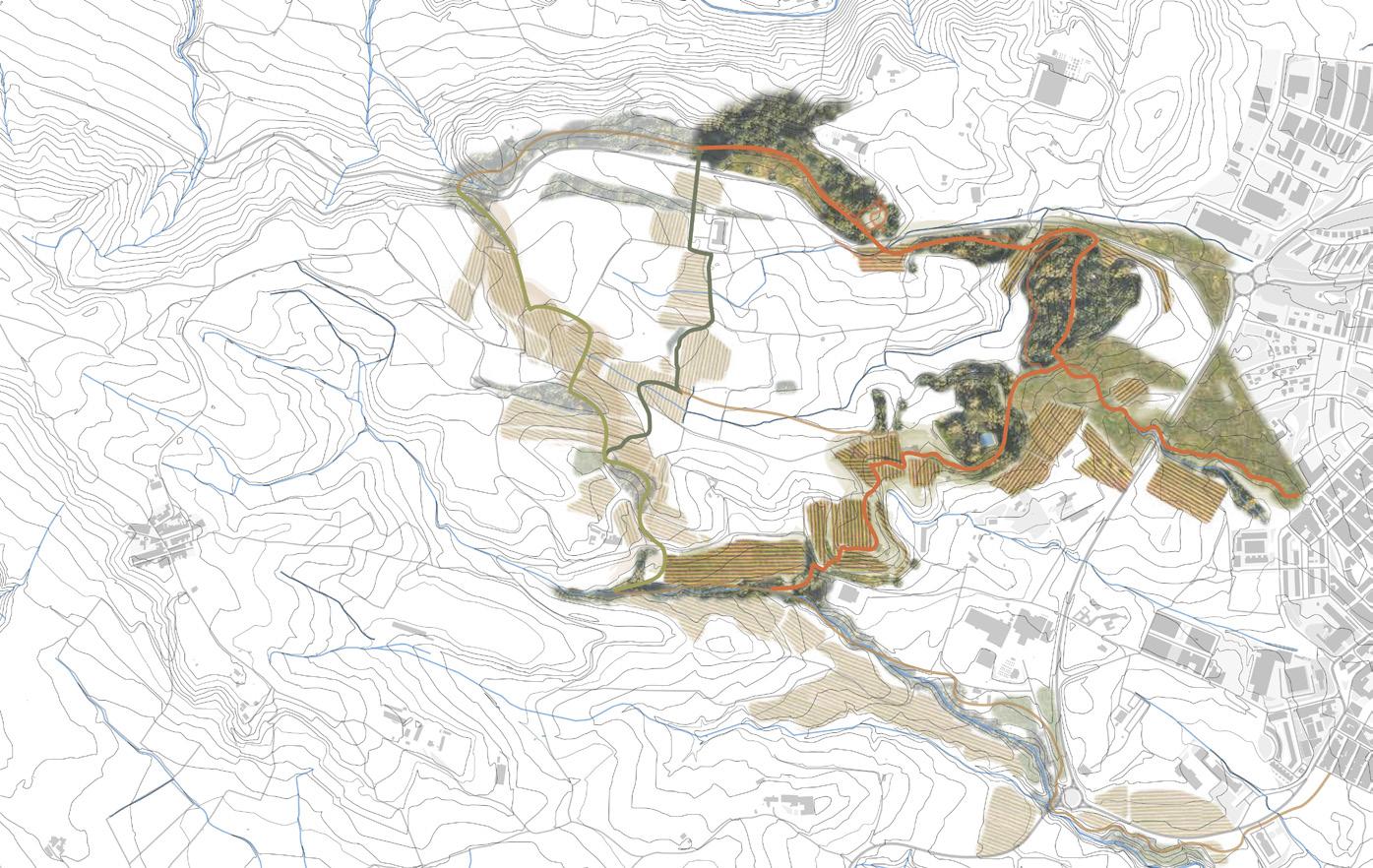
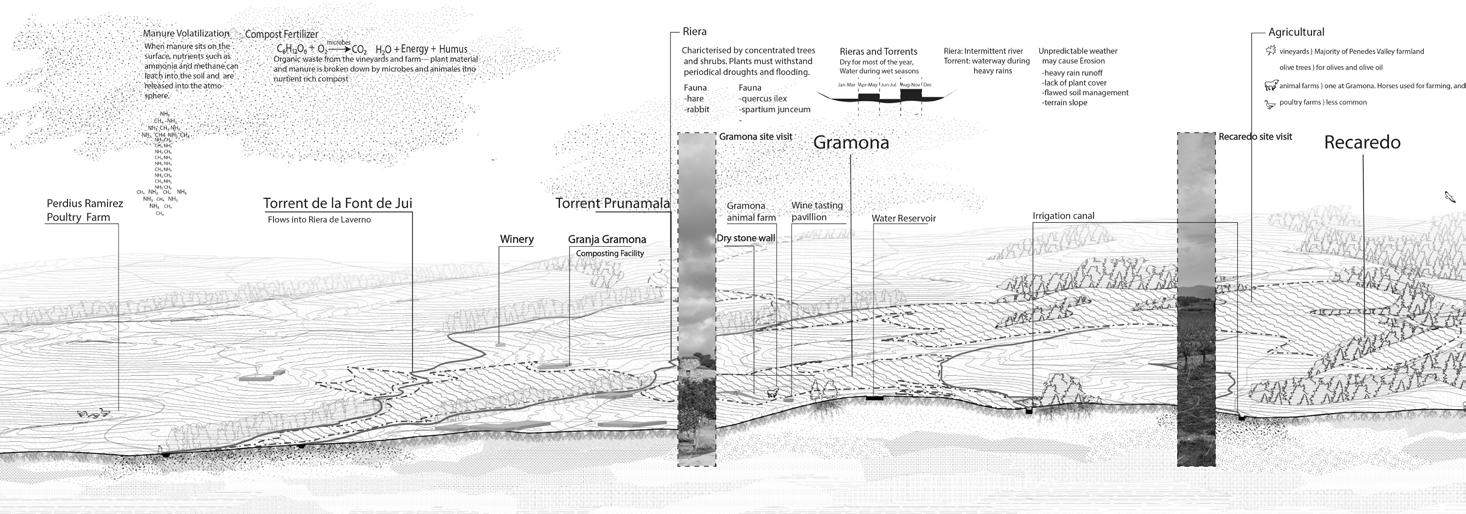
The Viticultural Trail is located in Penedes, Spain, and intends to highlight the landscape value of agricultural grape cultivation. During a site trip, data was gathered about plants, climate, and context, as a collective studio. A notable discovery was the increase of harsh droughts in recent years, as well as the more intermittent, but heavier rains.
After speaking with winemakers in Penedes, we learned about their values, practices, and concerns. The proposed design builds on this to offer a design that responds to recent climate changes as well as bring more notice to the intricate process of winemaking. This is achieved through a trail that traverses the scenic vineyards, with designed stopping points.
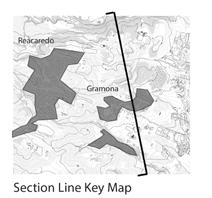
Recaredo
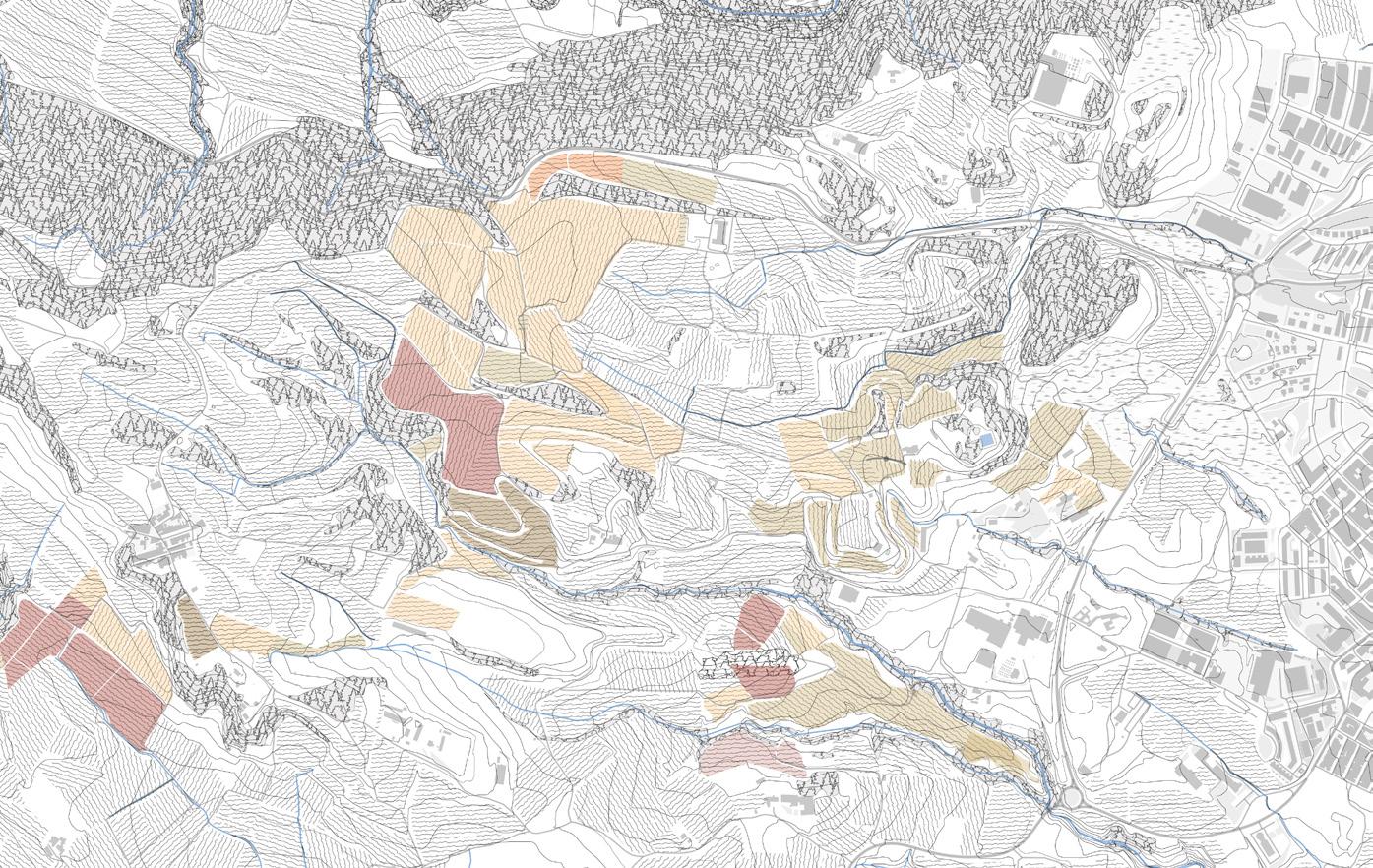
Recaredo and Gramona vineyards
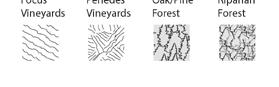
Focus Vineyards

Ecology types



Recaredo macabeo xarel . lo perellada other vines vineyard meadow/overgrown field forest roads buildings/urban Gramona macabeo xarel . lo other vines

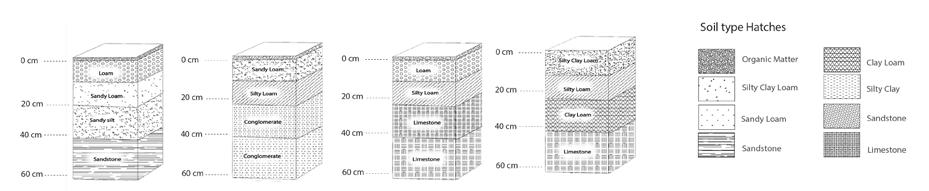
Field sketches and plant analysis






Gramona
Bitles River
Sant Sadurni d”Anoia
Viticultural Trail

New Proposal
Ecological Patches trail by Hai,
Future connection trails
Recaredo and Gramona vineyards
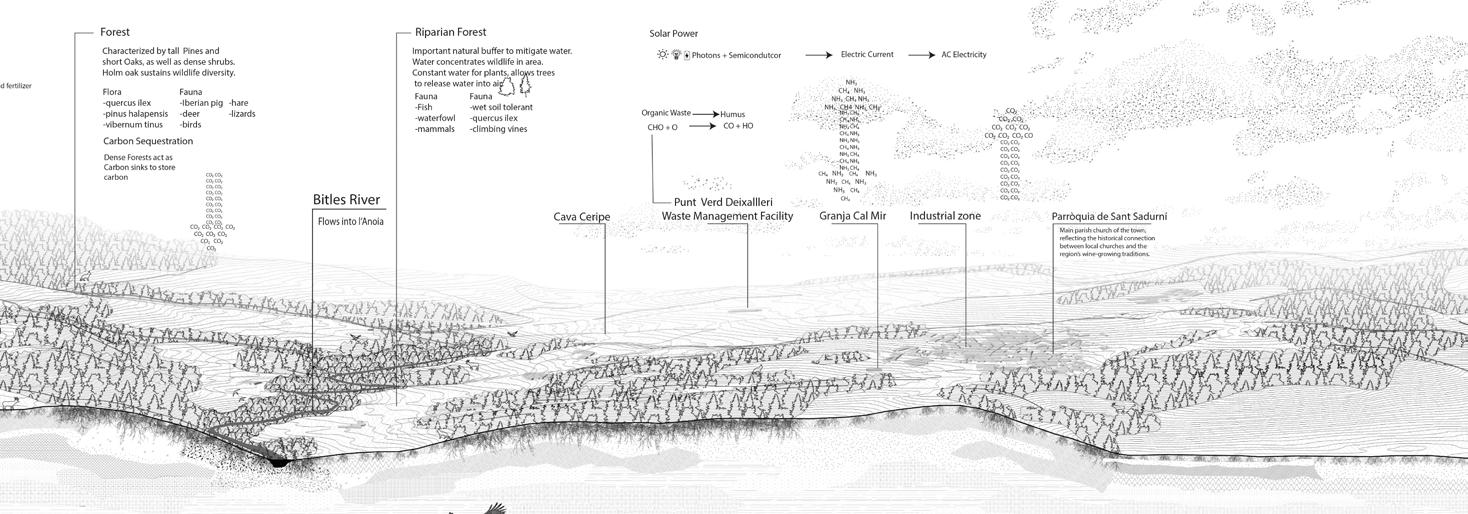
The new Viticultural trail connects to trails proposed by students in previous years. It travels along the edge of a small plateau for scenic views of vineyards and the town of Sant Sadurni d’Anoia. Several stopping points along the route
highlight varied ecological conditions as well as the winemaking process. Interventions intend to address climate concerns. The trail connects to the town to encourage interaction with resdents and as well as visitors.
Elyse, Cesar
Vineyard Acts trail by Udo + Patricio
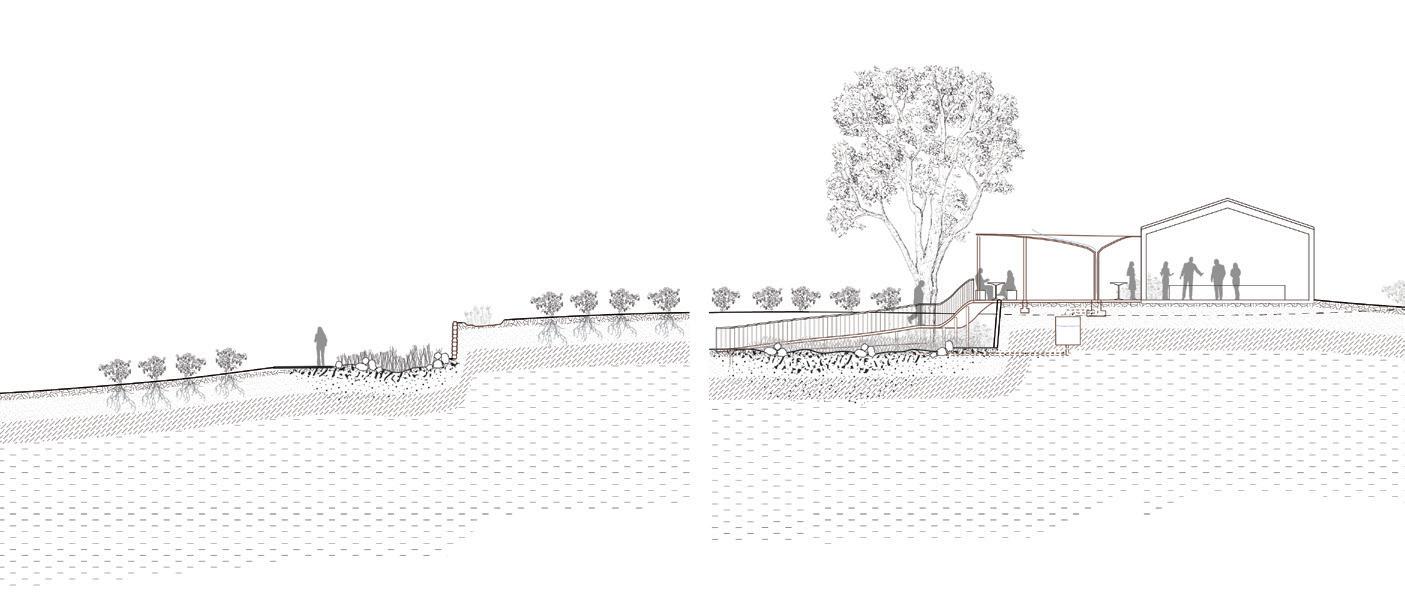
1 Wine tasting pavillion and historic wall
To limit damage caused by heavy rain, planted wetlands are strategiacally placed throughout the vineyards. These increase biodiversity that benefits grape growing.
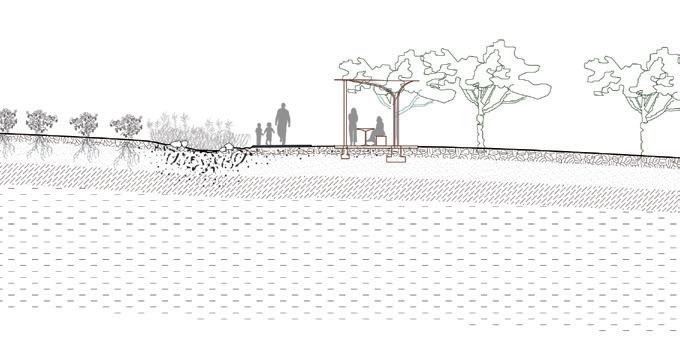
2 Olive tree grove and vineyards
The trail highlights interaction of olive and grape production. A wetland trench directs water through the fields.
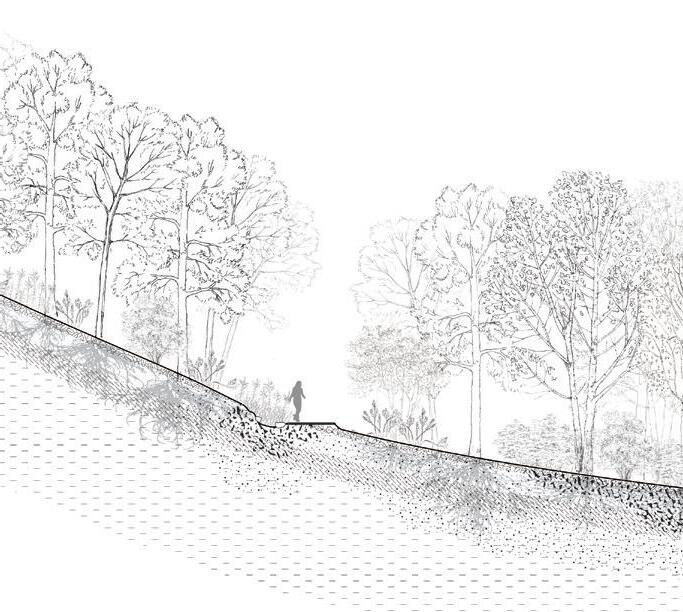
3 Forest grove
To regenerate withered patches in the forest, a wetland trench is directed to them. The trial travels along the forest.
Roseland Theater Library
3rd Year Spring Professor: Armel Sagbohan
This Adaptive Reuse project transforms the former Roseland movie Theater into a new public library. Situated on a unique to Chicago slanted site, the old building took good advantage of the slope for theater seating. To regenerate the slant in a new way, the site is divided into sections that have varying grade levels. These become spaces for varying programs inside the
building and on the landscape adjacent to it. This topography strategy organizes program spaces, while maintaining visual connection. Large glazed operable facades connect the interior to the exterior, providing more adaptable spaces for community events, as well as encouraging people to bring everyday activities outside.

Street level site and building plan


Interior vs exterior
Exterior
Enclosed
Existing and New
Existing wall (masonry)
New wall (glass)
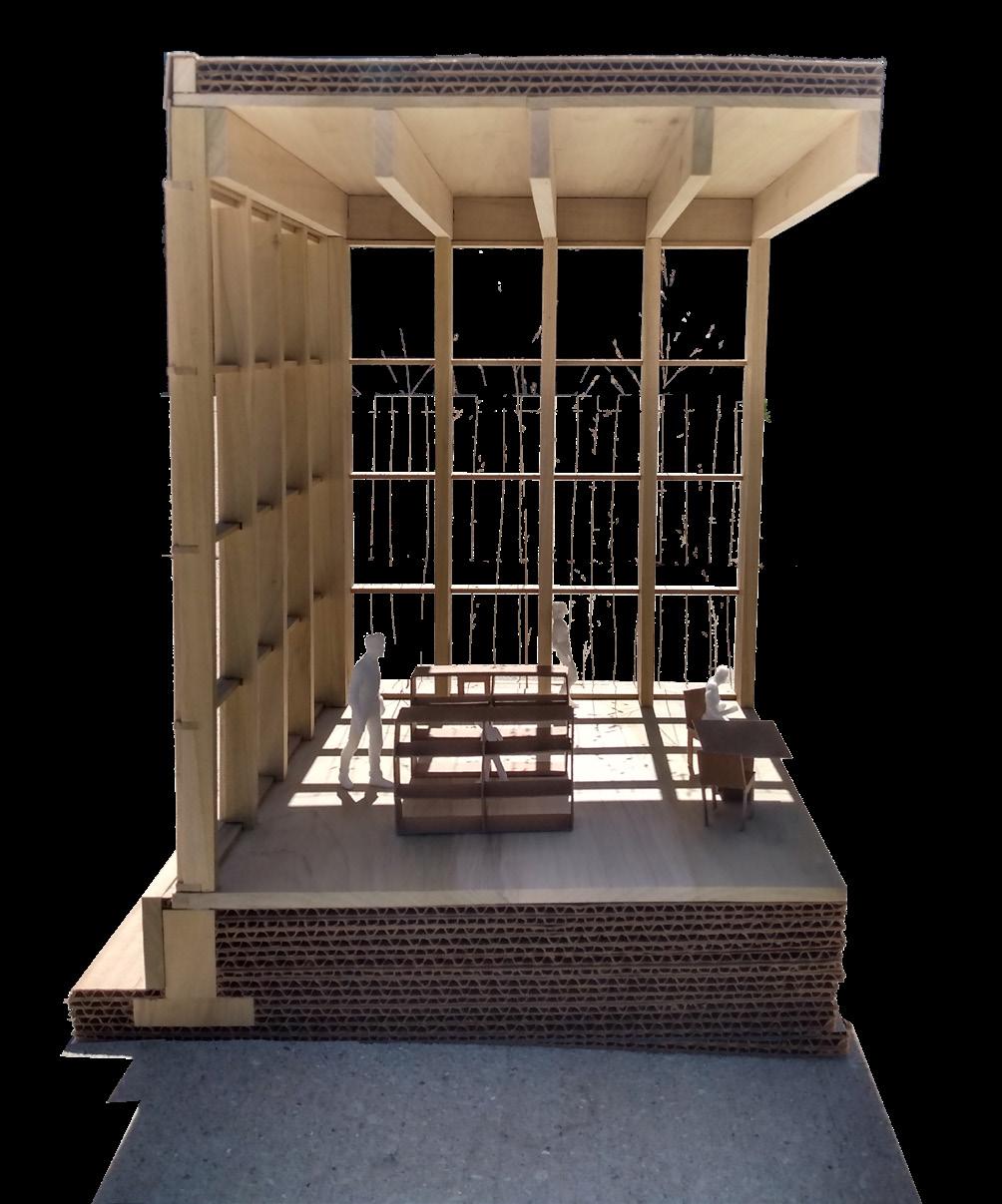
Section model at 1/2’ = 1’
Topography Levels
The site is divided into terraces with varying grade levels. These create programmatic organization and continuity between building and site
Ramp Connections
Ramps act as seams connecting the varying heights on the site. When a height difference is greater, more ramps are needed, and they become spaces integrated with furniture
These are new additions building, to provide serrve as thresholds building, where the program
Translucent
Wall section
Volumes
additions to the old provide light, as well as to the exterior of the program can spill into.
Main Structure Material Reuse
Glu-lam mass timber is used as the main structure. Large beams span the width of the building and columns support it.
The existing masonry walls inside the building head house are removed. The bricks are reused throughout the site for the retaining walls.

Central library
Above: The existing building, due to its function, had no natural lighting on the thater side, To lighten up the space, punctures are cut from the building. this creates a bright welcoming library floor.
Section through head house facing East
Below: the head house was clustered with brick walls, these are removed and Glu-lam structutre is inserted. The bookshelf ramp encourages wandering while ensuring accessibility.
Blackbox theatre seating ramp
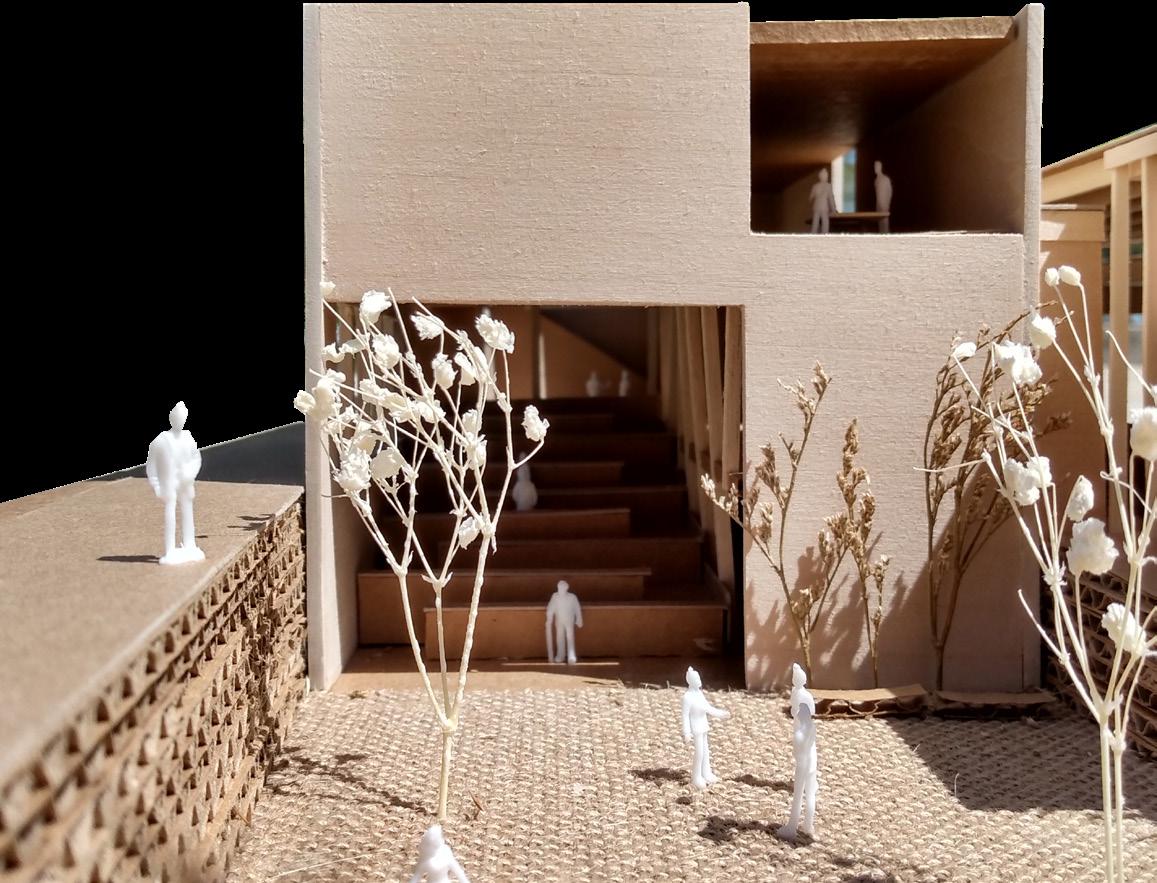
The double height space of the staircase ramp connects to the suken courtyard, an intimate space that draws library activity outside. The proximity to the street also draws in people.
Above: In the middle of the library, as tiers step down, ramps are provided and used as seating. Walls created by stepping tiers are populated with functioning furniture.
Sunken Courtyard
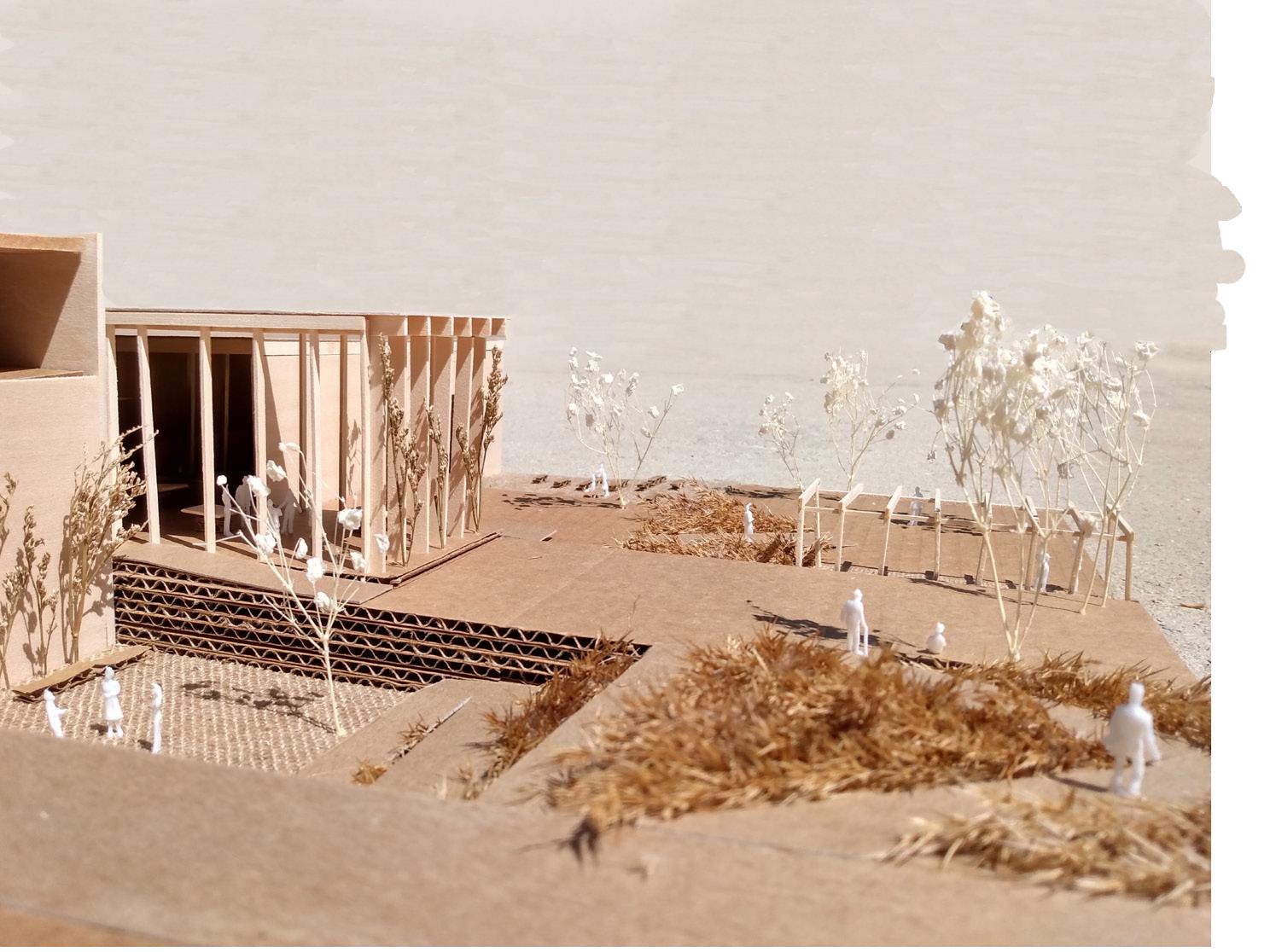
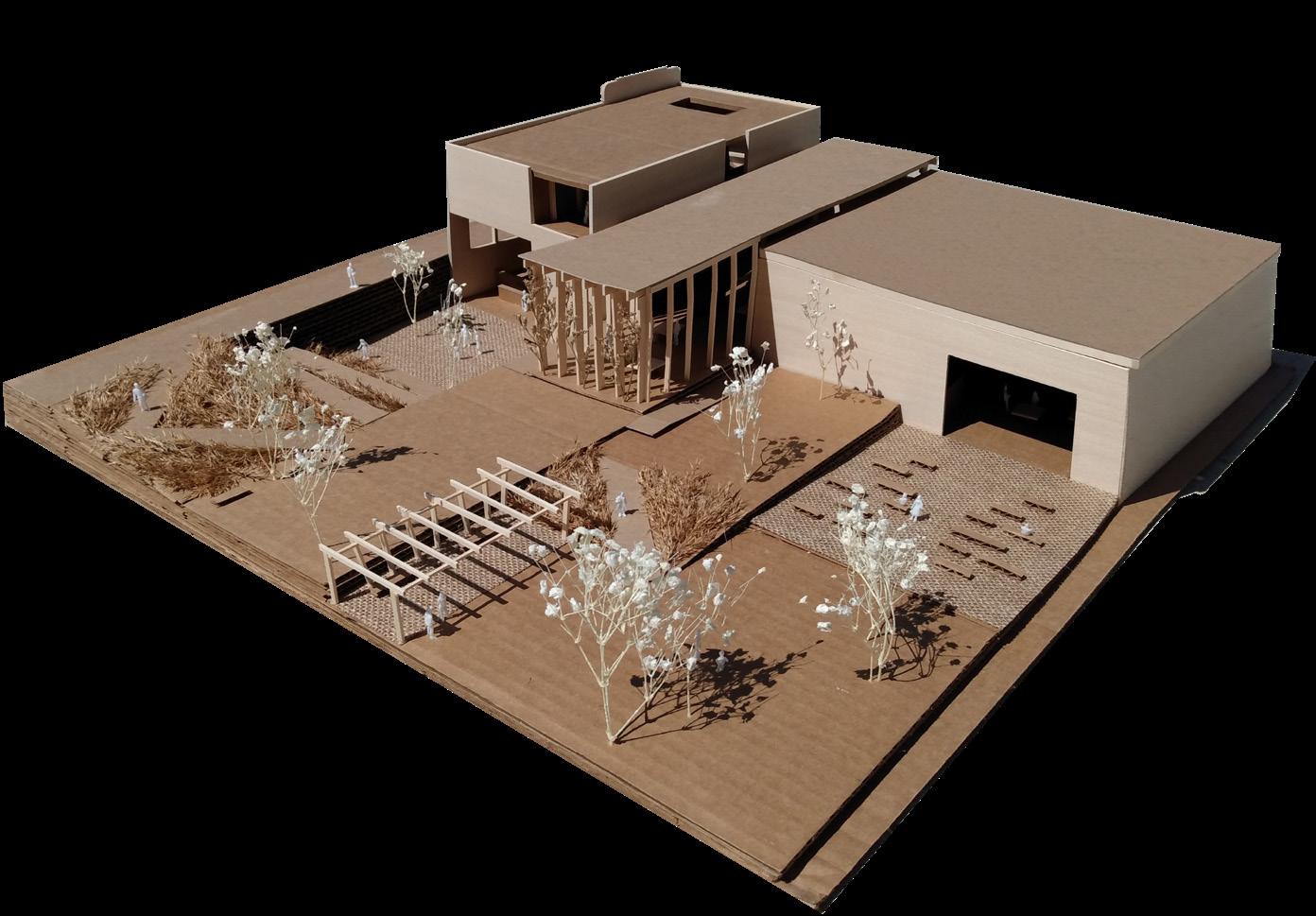
Model at 1/8” = 1’ 0”.
The Existing building had sufficient area for the necessary program, Therefore the changes and additions focus on improving sunlight and organization of form.
Right above: West Facade to sunken courtyard. Creates visual connection to street and staircase ramp, while distinguishing a space.
Right below: View of landscape from SW side of the site. Tiers have different qualities, such as grassland, permeable paving, and lawn.
The tiered landscape is divided into several types. Lawn, slanted grasslands. and permeable paving. Trees, plants and a pavillion act as additional guides for wandering. Paved areas connecting to building openings allow programs, such as library gatherings or blackbox theater shows, to spill outside and draw in more community.
Prairie-esque Fieldhouse
3rd Year Fall Professor: Sharon Xu
This fieldhouse remixes architectural elements from existing Historical Fieldhouses in the Community and combines them into a new community center for East Pilsen. Czechbuilt, Romanesque style community and athletic centers, Sokols built in the late 1800’s (like a YMCA), and the prairie style Dvorak fieldhouse, built in the early 1900’s. Because
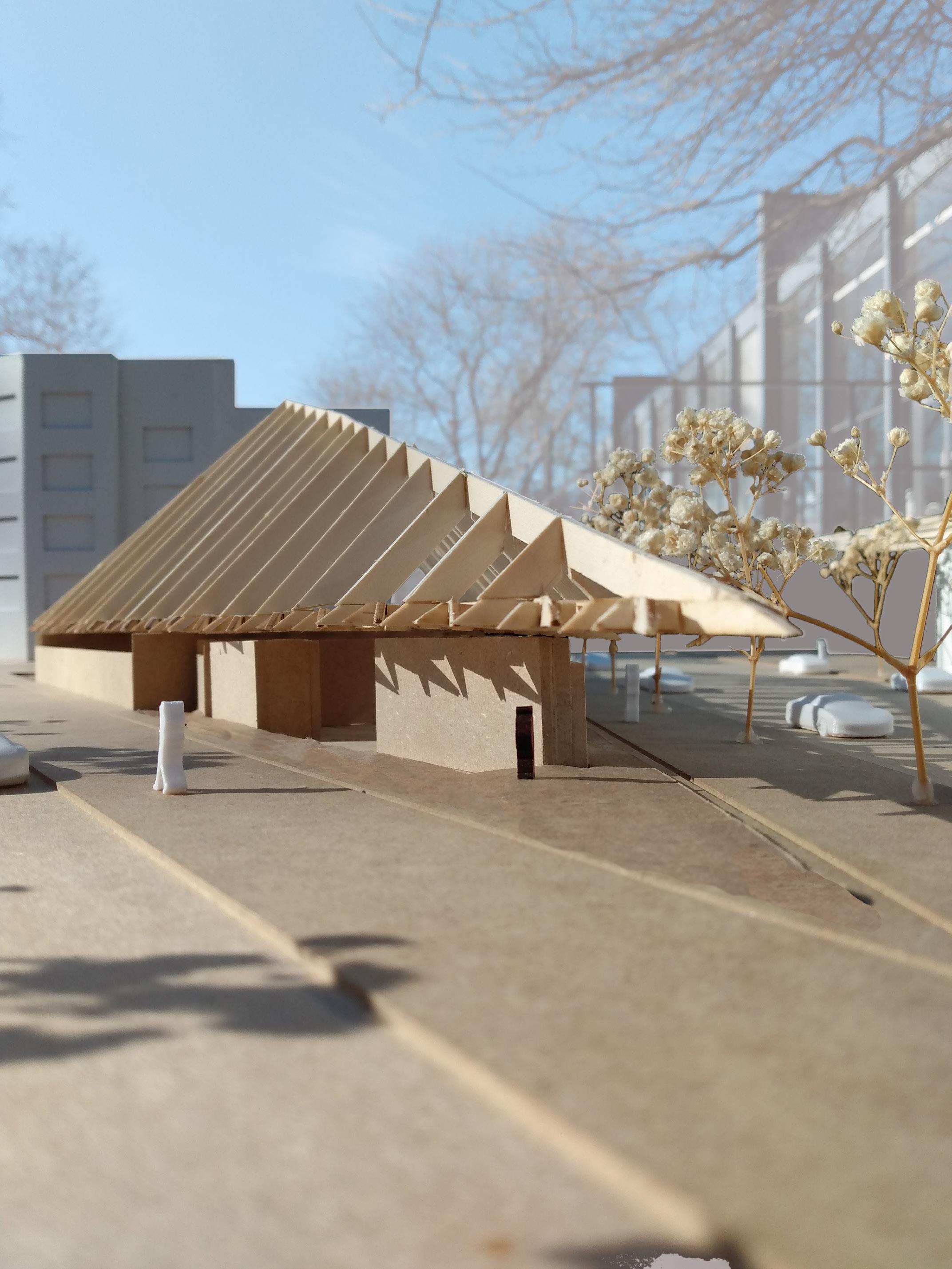
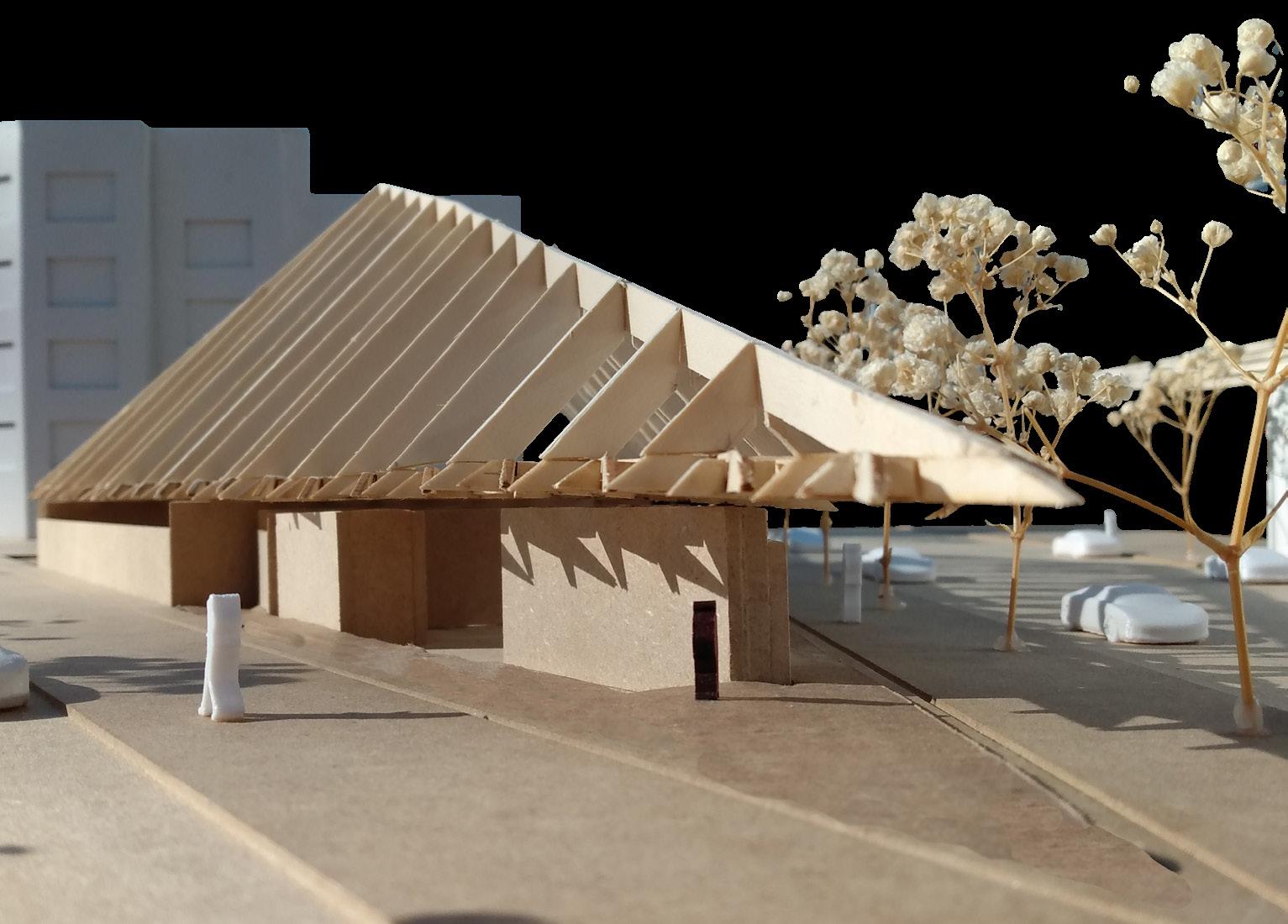
these buildings were so vibrant and significant to the neighborhood in the past, referencing their architecture acknowledges the history of the community.
The triangular site is located at a busy intersection in East Pilsen, which has the opportunity to become a prominent community hub.
Street level plan
Form application in plan
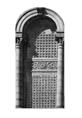
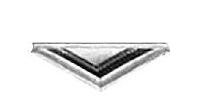
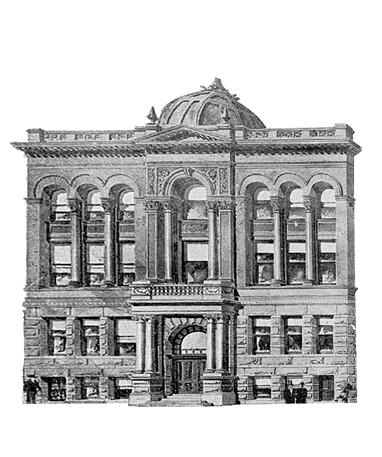
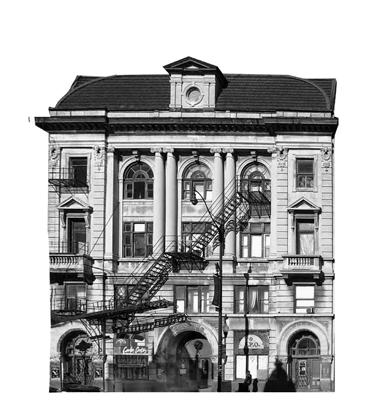
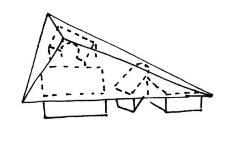
Forms extracted from the Richardsonian Romanesque style Sokols translate into volumetric forms that shape space in plan, providing places for diverse cultural and athletic activities. The gymnasium can transform into a venue for community performances, promoting cultural arts along with sports. The Hip roof element from the Prairie style Fieldhouse is
exaggerated to become a recognizable feature, which holds a celebratory community space for East Pilsen. The transparency of the roof makes it appear lighter, and opens views from the interior. The Sharp form of the building accents reflects the site boundary, and the lowered roof line adapts it to the surrounding buildings
CSAS sokol
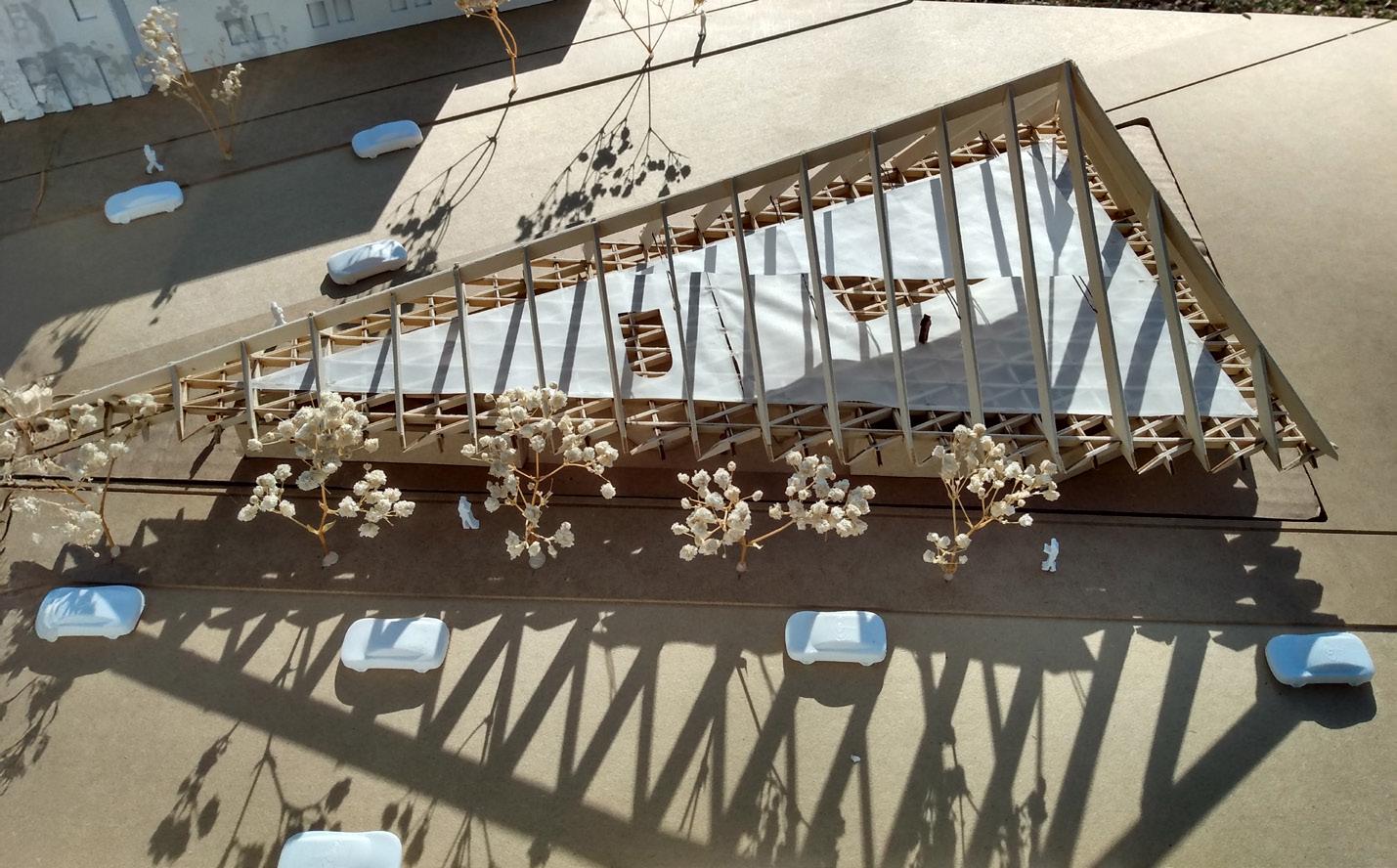
Model in site context
Above: full aerial view of the fieldhouse facing South. Model is built at 1/16” = 1’ 0”. Site model built by studio group,
The stark hip roof shape is intended as Glu-lam structure
Below: Model at 1/4” = 1’0”. Hip roof provides open floor plan activity space, available for sport or community use
To maintain East pilsen building height, the gym is dug into the basement.

bird’s eye: The outline of the shapes is projected onto the hip roof floor, creating a visual connection to the programs below and allowing light to filter through the bright roof.
worms eye: The extracted shapes become solids that organize fieldhouse program. spaces within smaller forms serve as more private storage or lockerrooms.
drawing constructed in Rhino and edited in Adobe Il.

Japan Study Away
Summer 2025 Professor: Catherine Wetzel
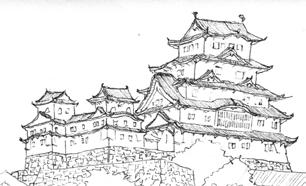
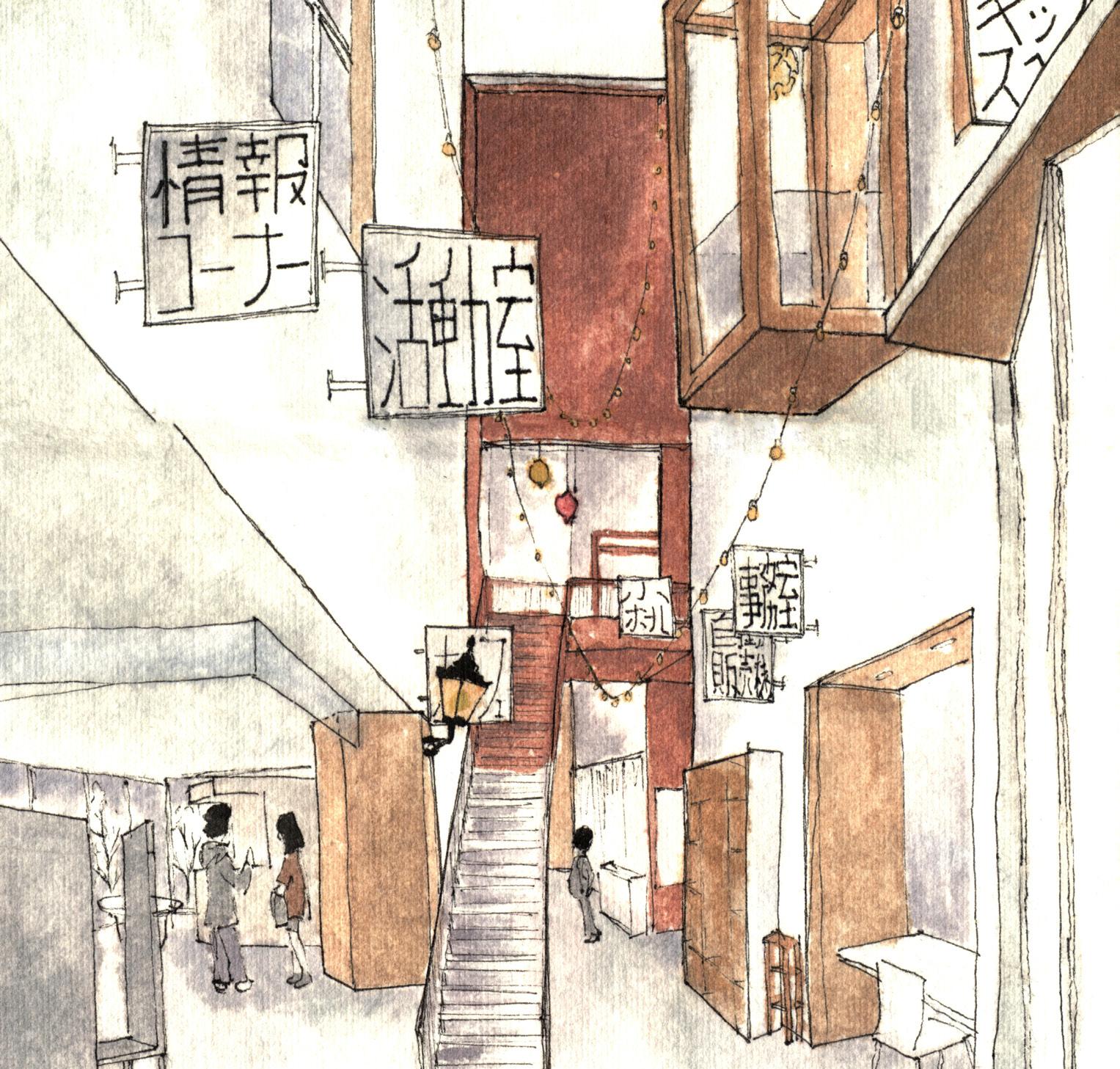
Collection of sketches and photos captured during a Japan study away during summer 2025. This trip focused on contemporary and historical Japanese Architecture, as well as an immersion into Japanese culture.
The photos and sketches are a medium to record experiences and analysis of design strategies and personal impact.
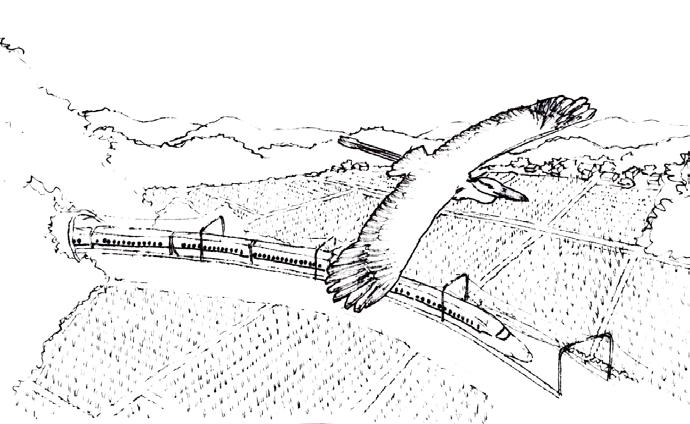
After the trip, digital poster was created to reflect on a concept inspired by the trip, while representing Japanese graphic style.
Photographs and sketches were organized into a printed book.
A long drawing in an accordion sketchbook is a medium for storytelling through drawing.
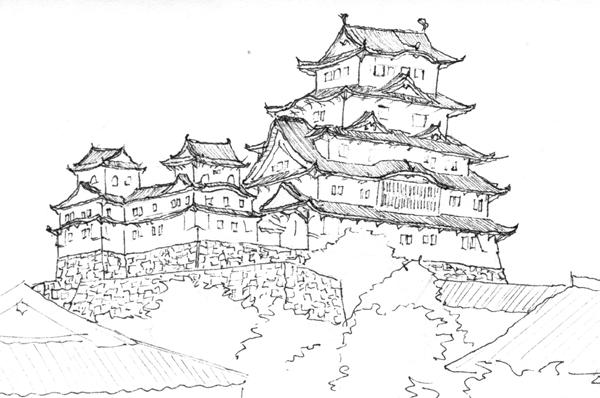
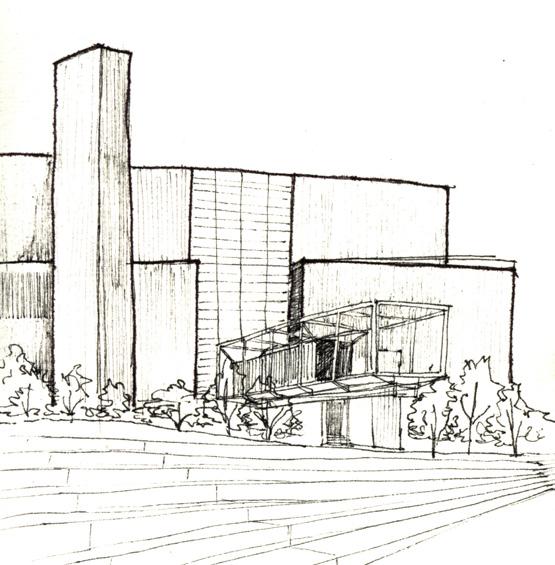
sketches
digital and hand drawn poster
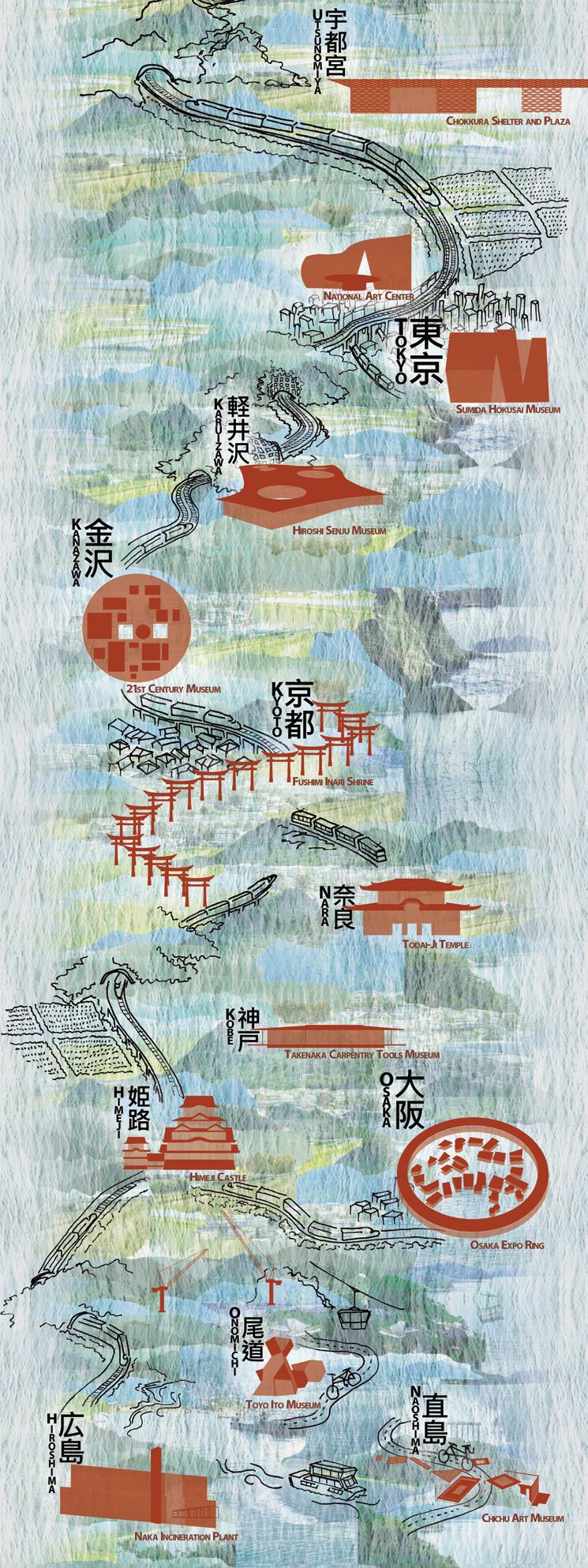
left:
right:
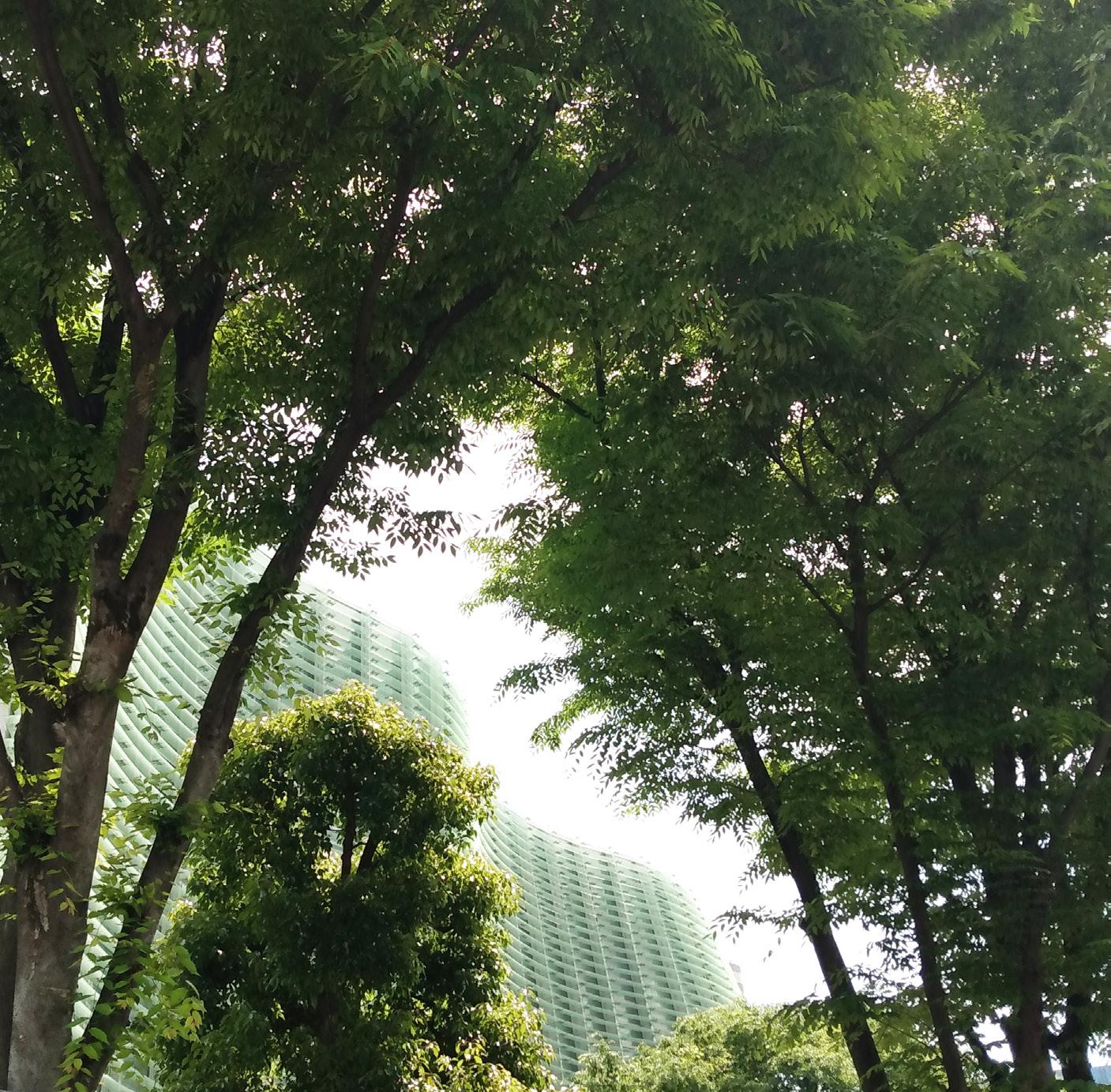
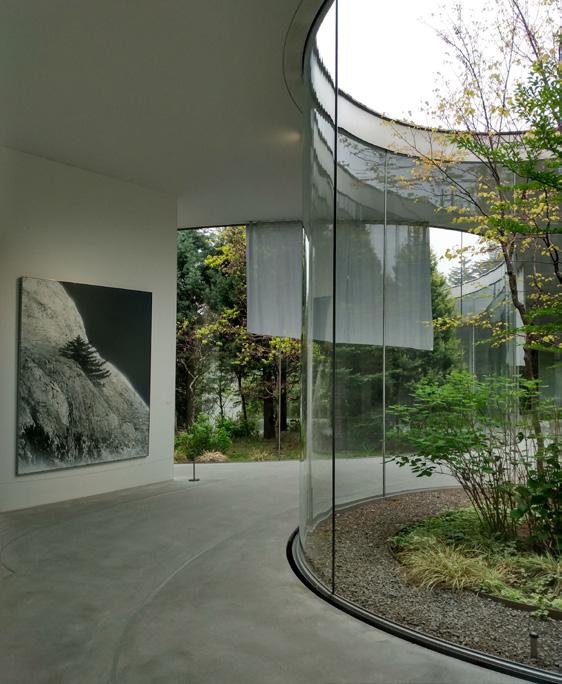
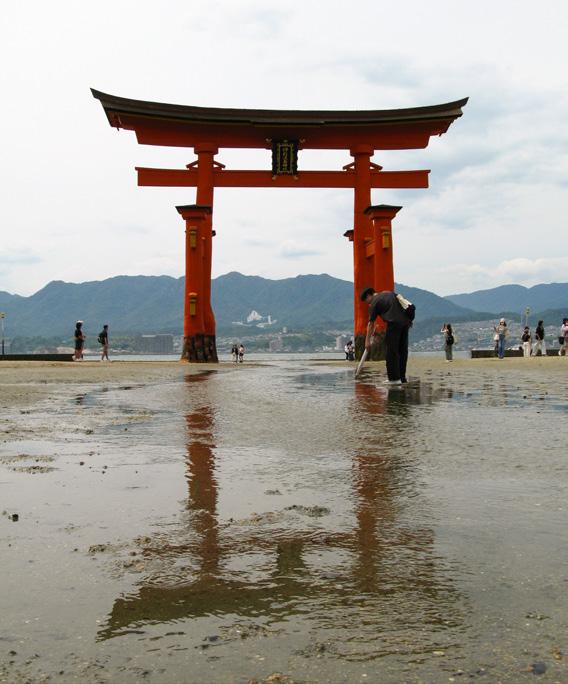
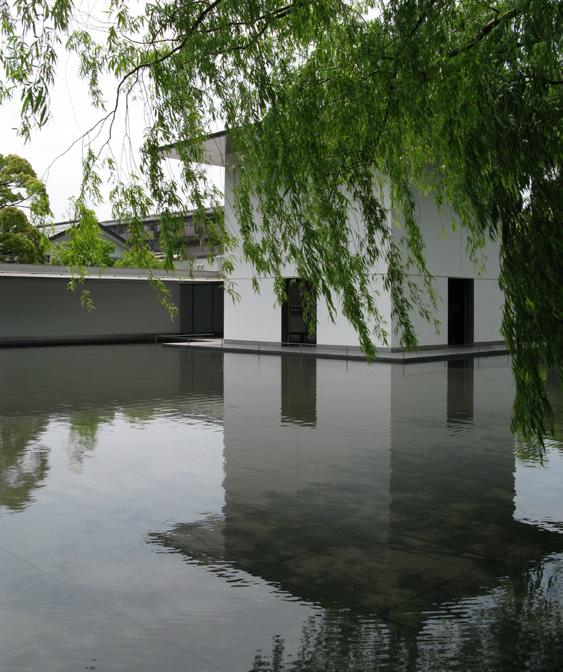
The Dialogue of Nature and Architecture photo series


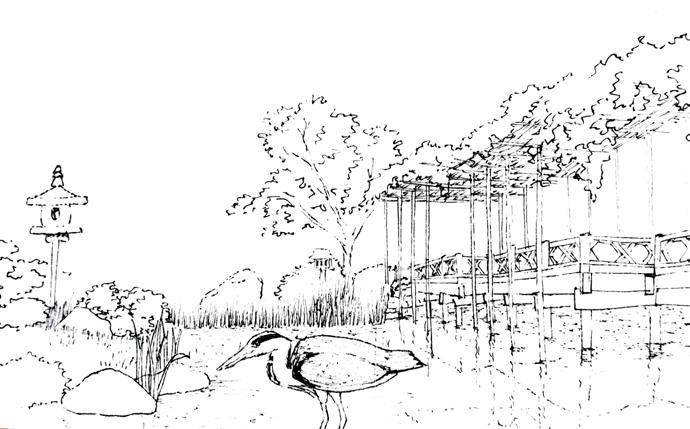

Sketches and Watercolors
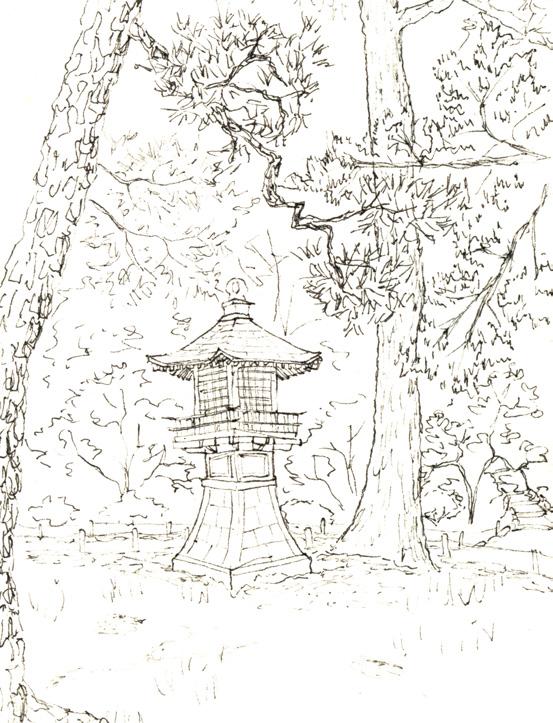
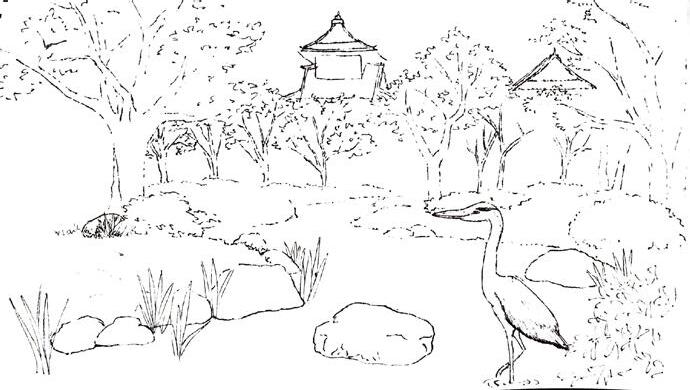
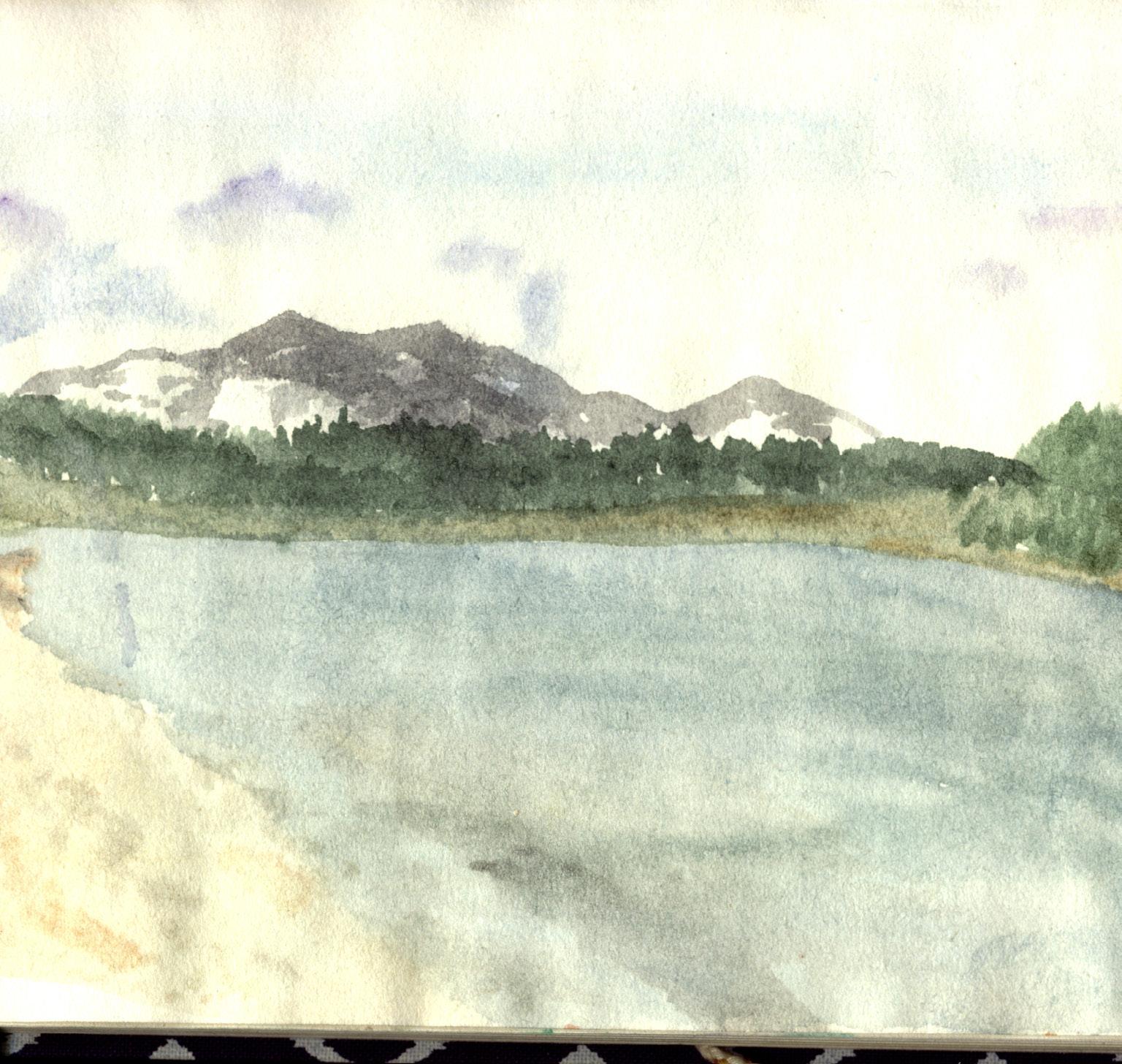
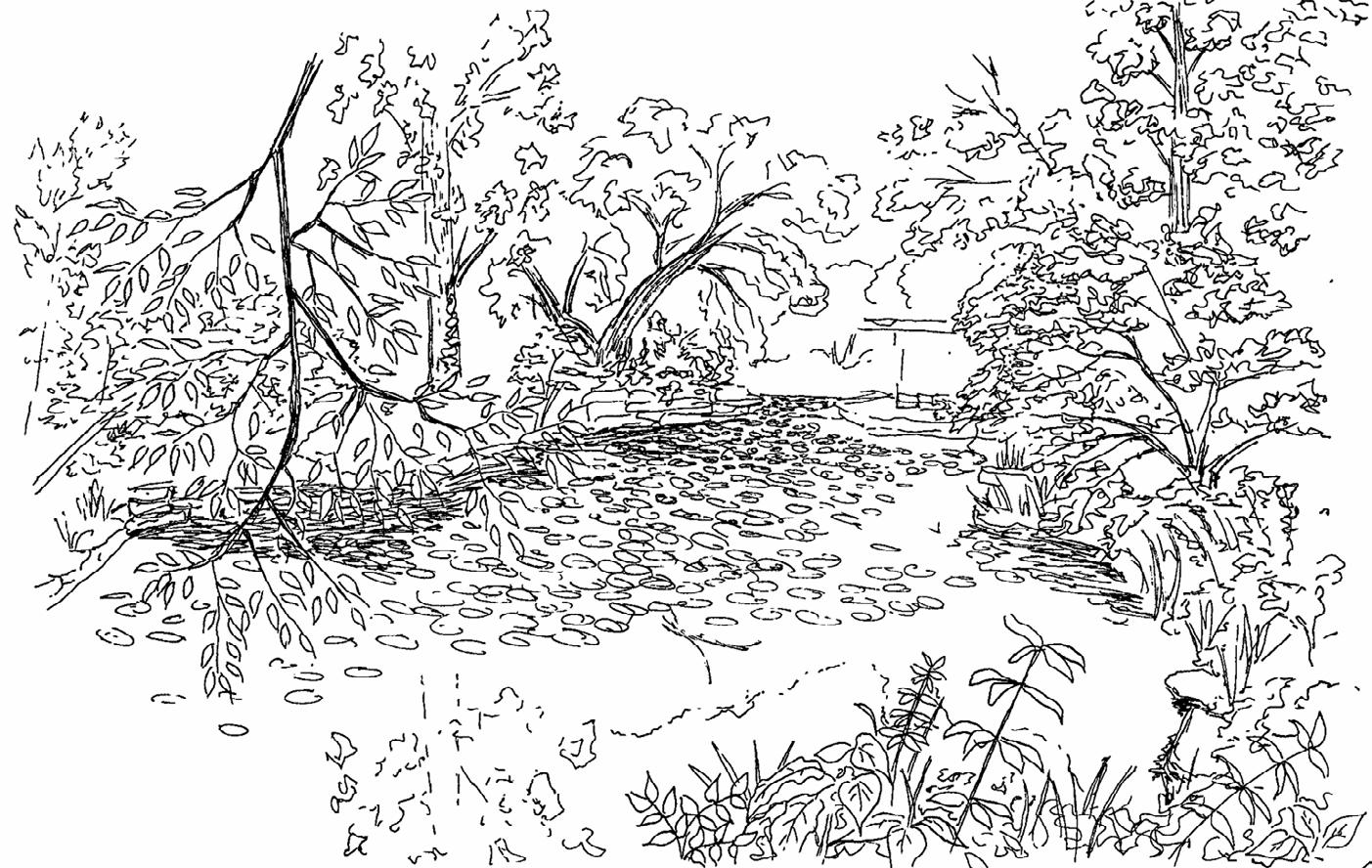
This is an assortment of pen sketches and watercolors, gathered during IIT classes or personal travels. All are experiments of mediums and style.
While watercolors explore color and form, pen drawings are a good medium for diving into details and texture.
Pictured above: Mt. Rainier watercolor.
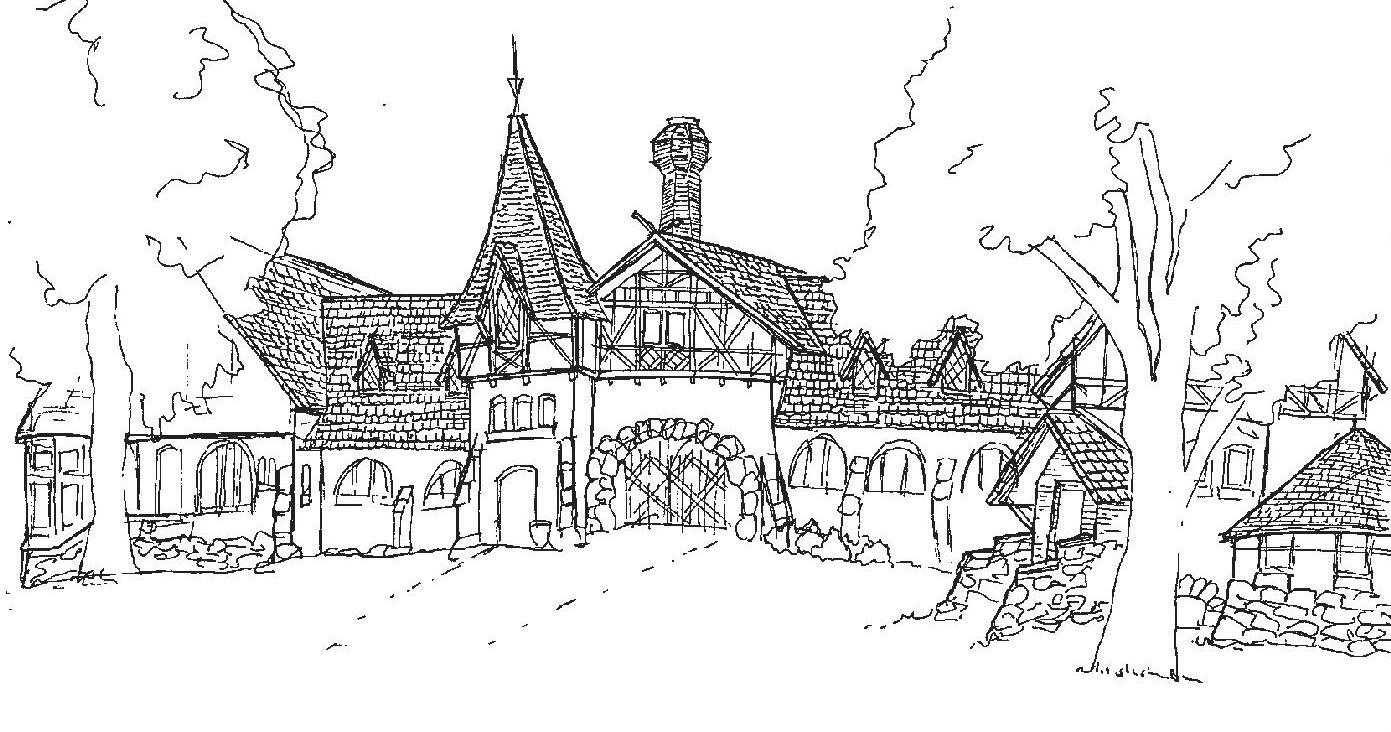
Pen sketch of Humboldt park Cultural Center
Pen sketch of Alfred Caldwell’s lilly pond
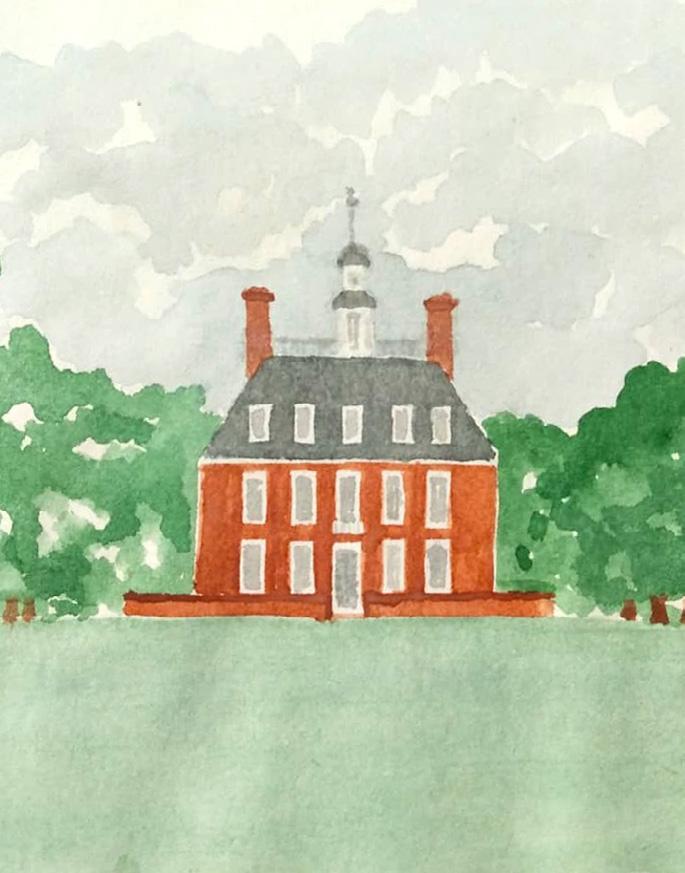

Williamsburg, Virginia watercolor Arizona watercolor

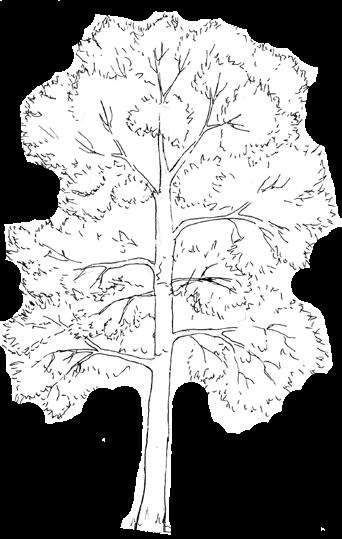
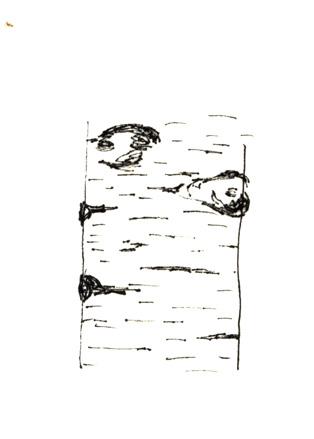
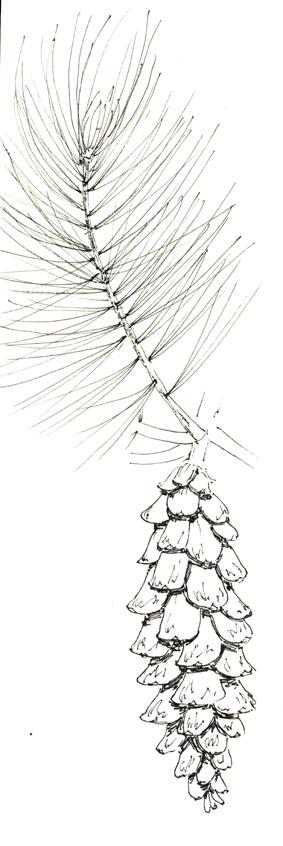
Tree drawings, taxonomy class




Sunset watercolor