In the early days of game design, developers around the world faced challenges with limited resources and technological constraints. However, they embraced these limitations and created games infused with unique tones and cultural significance.
As technology advanced, game developers began to explore more immersive experiences like arcade games and personal gaming consoles to play from the comfort of your home.
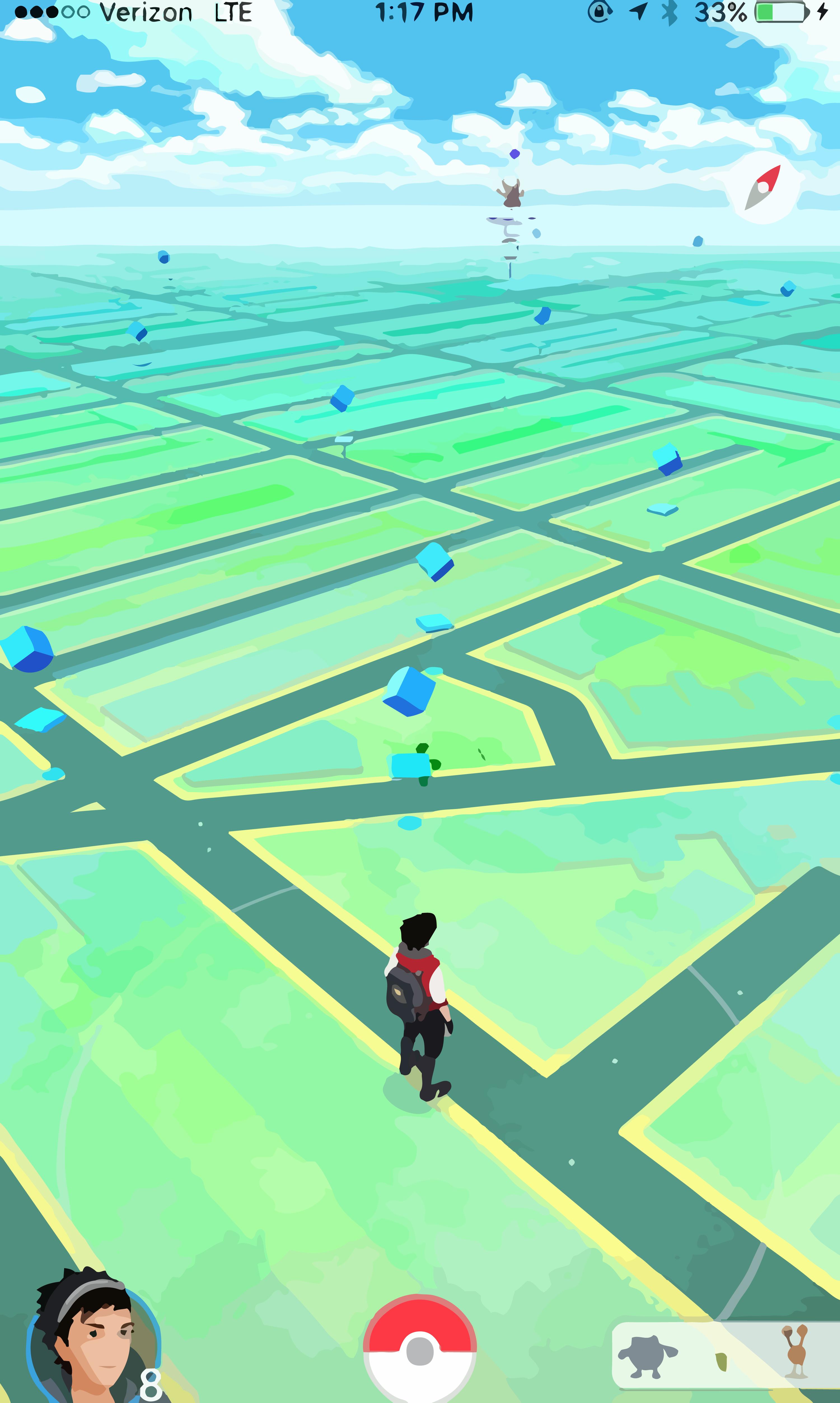
In recent years, the evolution of gaming has continued with the advent of virtual reality (VR) and augmented reality (AR) technologies that offer players fully immersive experiences, blend the virtual and real worlds where they can interact in ways never before possible.
G i v en th islonghistory, it’s safetosaythat t h e gameofKanchaevolved over time,with o u n t l ess peoplecontributing to its rulesandvariations.
Evidenceof marbles hasbeenfoundin
ValleyCivilization, Mesopotamiaand A n
game with rootsgoingbackth
KANCHA LAGORI
The origins of Lagori, or pithoo, are shrouded in the mists of time which was a game deeply rooted in Indian culture
Lagori was a cherished pastime for children and adults alike, connecting generations through shared joy and competition.
CHOR POLICE
Then we cometogam eslike chor police. Chor Police, or Cops and Robbers, is a classic game ofcha seand strategy Chor Police wasmore thanjust a game; it was a way for children to explorethemes of justice, strategy a ndcooperation.
BOARD GAMES
Early Beginnings: Senet and Chess
Board games have been a part of human civilization for thousands of years, with some of the earliest examples found in ancient Egypt and Mesopotamia dating back to around 3100 BC.
Senet boards were discovered in Egyptian tombs, suggesting that the game was not only a pastime but also had religious significance. It was believed that playing Senet could help the deceased navigate the afterlife.
Chess, another ancient game, originated in India around the 6th century AD.
Known initially as Chaturanga, it represented the four divisions of the Indian army: infantry, cavalry, elephants, and chariots.
The game spread to Persia, where it became known as Shatranj, and eventually to Europe during the Middle Ages.
Board Games: Snakes and Ladders, Ludo and Beyond
LUDO
acrossgenerations.
entIndiangame Pachisi, involves moving tokens
esoffamily gatherings and friendly competition.
erollofadie, with the aim ofgetting allyour pieces to
nakesandLadders have long held a cherishedplace
ponents . Itssimple rules and engaging gameplay have
SNAKEANDLADDERS
Snakes and Ladders,another timeless classi c,alsohasitsrootsinancient India. Originally known as Moksha Patam,the game wasdesignedtoteachmorallessons, with ladders representing virtues and snakes symbolizing vices . Pl a yersrolladietomovetheirpieces along a numbered grid, climbing ladders to advancemore quicklyandslidingdownsnakeswhen landing on them, adding an element of chancethat keepsth egameexciting .
MODERN BOARD GAMES
As the 20th century progressed, a renaissance in board game design brought a new wave of creativity and innovation.
RCA B B L E
One of the standout creations of this era was Monopoly, developed by Charles Darrow during the Great Depression.
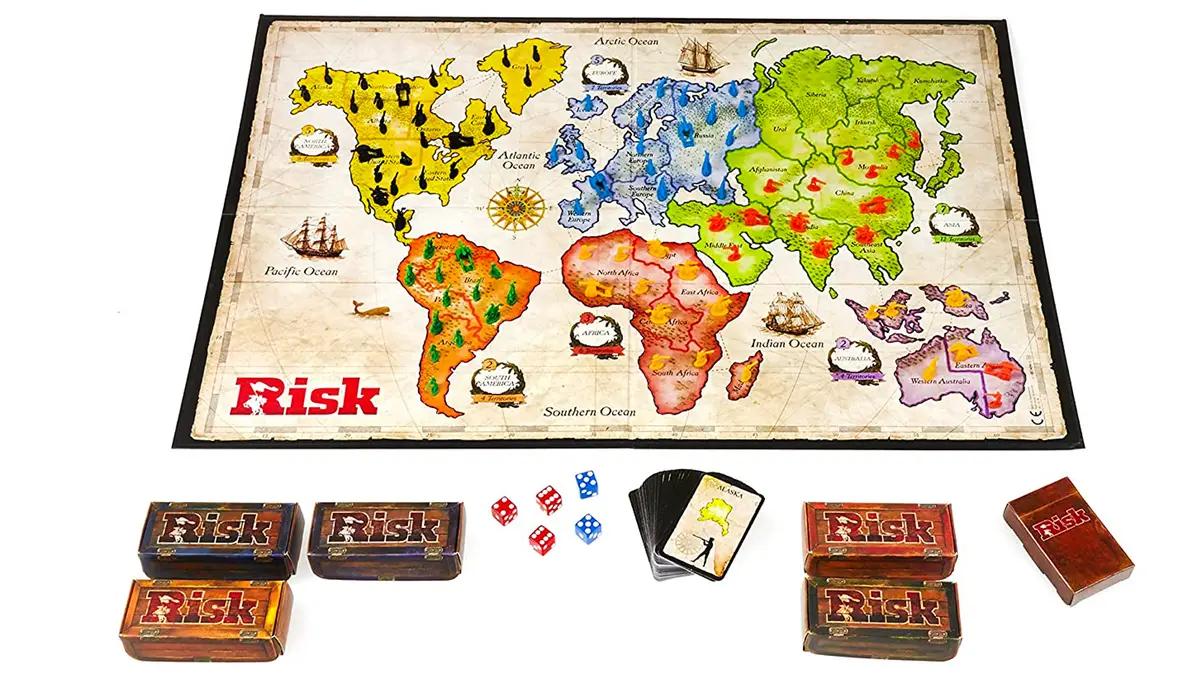
Monopoly’s success paved the way for a plethora of new board games. Risk, introduced in 1957, focused on global conquest and strategy, challenging players to think critically and plan their moves carefully.
Releasedin1978by Taito,SpaceInvaders is one of the earliest and most iconic arcade games.
CreatedbyTomohiro Nishikado,thisgame setthestageforthe shoot'emupgenre, whereplayerscontrola laser cannon to defeat waves of alien invaders.
Thegame'srelentless paceandincreasing difficultycreateda senseofurgencythat keptplayerscoming back for more.
E
A D E R S
Space Invaders was so popular that it reportedly caused a temporary shortage of 100-yen coins in Japan!
The 1980s are often considered the golden age of arcade games, with iconic titles like Pac-Man, Donkey Kong, and Galaga capturing the public's imaginat ion.
THE GOLDEN AGE
. . for young people. gathering places servingaswitharcadesSOCIALACTIVITY Theybecamea . . . .
Thecompetitive gameplay. natureofthese andaddictive gamesfostereda catchysoundtracks, senseof COMMUNITY VIBRANTGRAPHICS, asplayersshared characterizedbytheir tipsand strategies periodwere to achieve during this high scores. .
Arcade games . PAC MAN
the violent
Pac-Man's design was inspired by a pizza with a missing slice! The character’s name is derived from the Japanese phrase "paku-paku," which mimics the sound of a mouth opening and closing.
DONKEY KONG DONKEY KONG
Released in 1981 by Nintendo, Donkey Kong was one of the earliest platformers, created by Shigeru Miyamoto.
The transition from arcades to home consoles marked a significant shift in the gaming industry, making games more accessible to a wider audience.
Super Mario Bros. was released in 1985 by Nintendo and quickly became one of the most influential video games of all time.
Created by Shigeru
The iconic 1-1 level has been studied and praised for its perfect introduction to the game’s mechanics, making it a textbook example of great game design. side-scroll
The Legend of Zelda was released by Nintendo in 1986, created by Shigeru Miyamoto and Takashi Tezuka.
Thegame
’s titular character , Zelda , was Fitzgerald . wifeof author F . Scott namedafter Zelda Fitzgerald , the
the character a sense of timelessness. ShigeruMiyamoto admired her name and wantedtogive
It was one of the first games to offer an open-world experience, where players could explore, solve puzzles, and embark on quests to save Princess Zelda from the evil Ganon.
In 1991, Sonic the Hedgehog zoomed onto the scene as Sega’s answer to Mario.
Fun Fact: Sonic’s shoes were inspired by Michael Jackson’s boots, and his personality was partly based on Bill Clinton’s “can-do” attitude!
Developed by Sega’s AM8 team (later known as Sonic Team), Sonic became the face of Sega and a symbol of the 1990s.
Evolution of Graphics and Gameplay
Known for his incredible speed, Sonic’s gameplay was all about fast-paced action, collecting rings, and battling the villainous Dr. Robotnik.
As technology advanced, so did the capabilities of video games. The introduction of 16-bit consoles like the Super Nintendo and Sega Genesis in the early 1990s brought more detailed graphics and complex gameplay.
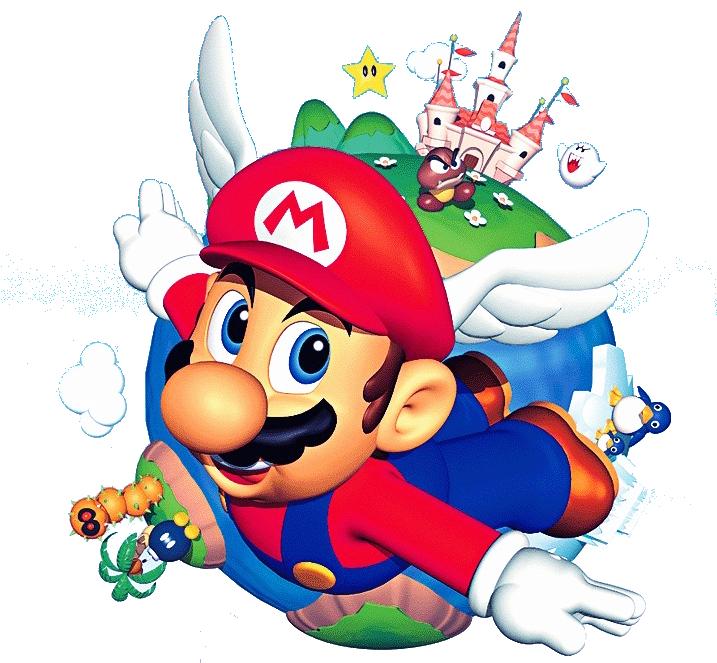
The transition to 3D graphics in the mid-1990s marked another significant milestone. The release of the Sony PlayStation and Nintendo 64 introduced gamers to fully three-dimensional worlds. Super Mario 64, in particular, redefined platforming with its open-ended level design and fluid camera control.
Released in 1996 as a launch title for the Nintendo 64, Super Mario 64 revolutionized 3D gaming. Directed by Shigeru Miyamoto, it was one of the first games to feature a fully 3D world that players could explore freely. The game’s innovative camera system, fluid controls, and expansive levels were groundbreaking at the time.
Fun Fact: Super Mario 64 was one of the first games to feature a fully 3D open world, allowing players to explore Princess Peach’s castle and its surrounding areas in a way that was unprecedented at the time.
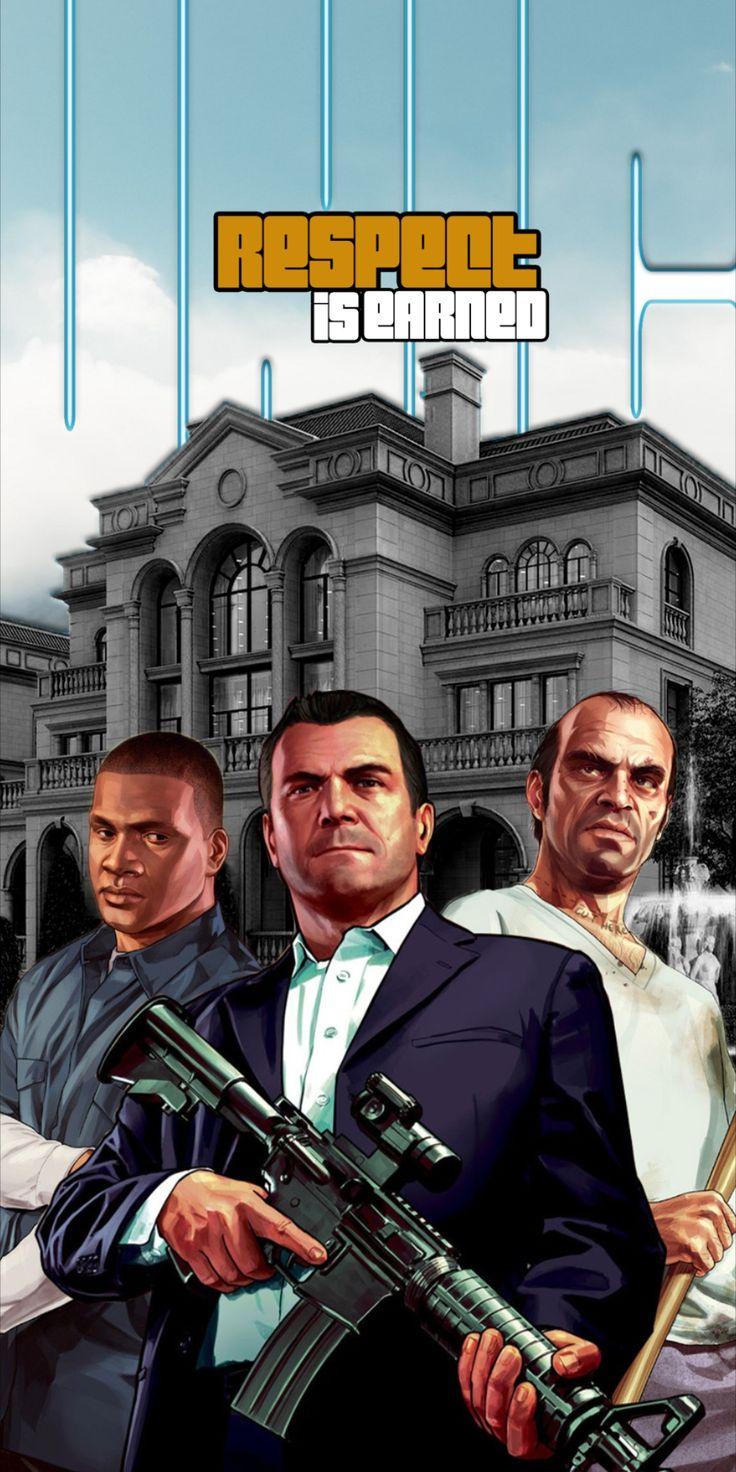
The Grand Theft Auto series, developed by Rockstar Games, began in 1997. The third game, GTA III, released in 2001, revolutionized the series by introducing a fully 3D open world, where players could freely explore the city of Liberty City. The game’s mix of freedom, storytelling, and controversial themes made it a groundbreaking title.
The late 1990s and early 2000s also saw the rise of Grand Theft Auto (GTA), a series that would become known for its open-world design and freedom of player choice. GTA III, released in 2001, set the standard for sandbox games, allowing players to explore vast cities, engage in missions, and interact with the environment in unprecedented ways.
GTA V, released in 2013, is one of the most expensive video games ever made, with a budget of $265 million. Despite this, it has made over $6 billion in revenue, surpassing many blockbuster movies.
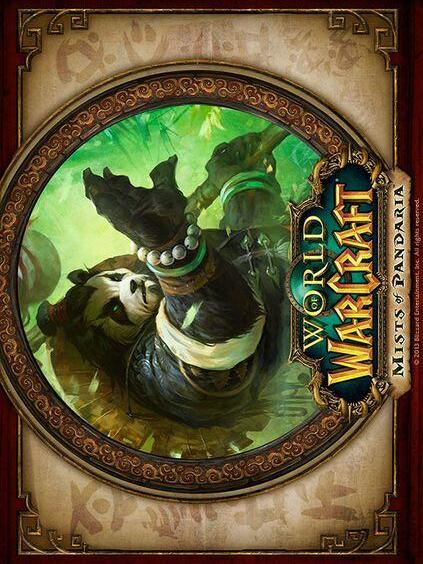
Launched in 2004 by Blizzard Entertainment, World of Warcraft (WoW) is a massively multiplayer online role-playing game (MMORPG) that has become a cultural phenomenon. Set in the fantasy world of Azeroth, WoW allows players to create characters, complete quests, join guilds, and battle against both computercontrolled enemies and other players. Fun Fact: World of Warcraft became so popular that it inspired a South Park episode titled “Make Love, Not Warcraft,” which won an Emmy!
The Rise of PC Gaming and Online Multiplayer
While consoles dominated the market, PC gaming also saw significant advancements. The advent of the internet in the late 1990s and early 2000s transformed gaming, enabling online multiplayer experiences. Massively multiplayer online games (MMOs) like World of Warcraft created vast virtual worlds where players could interact, cooperate, and compete.
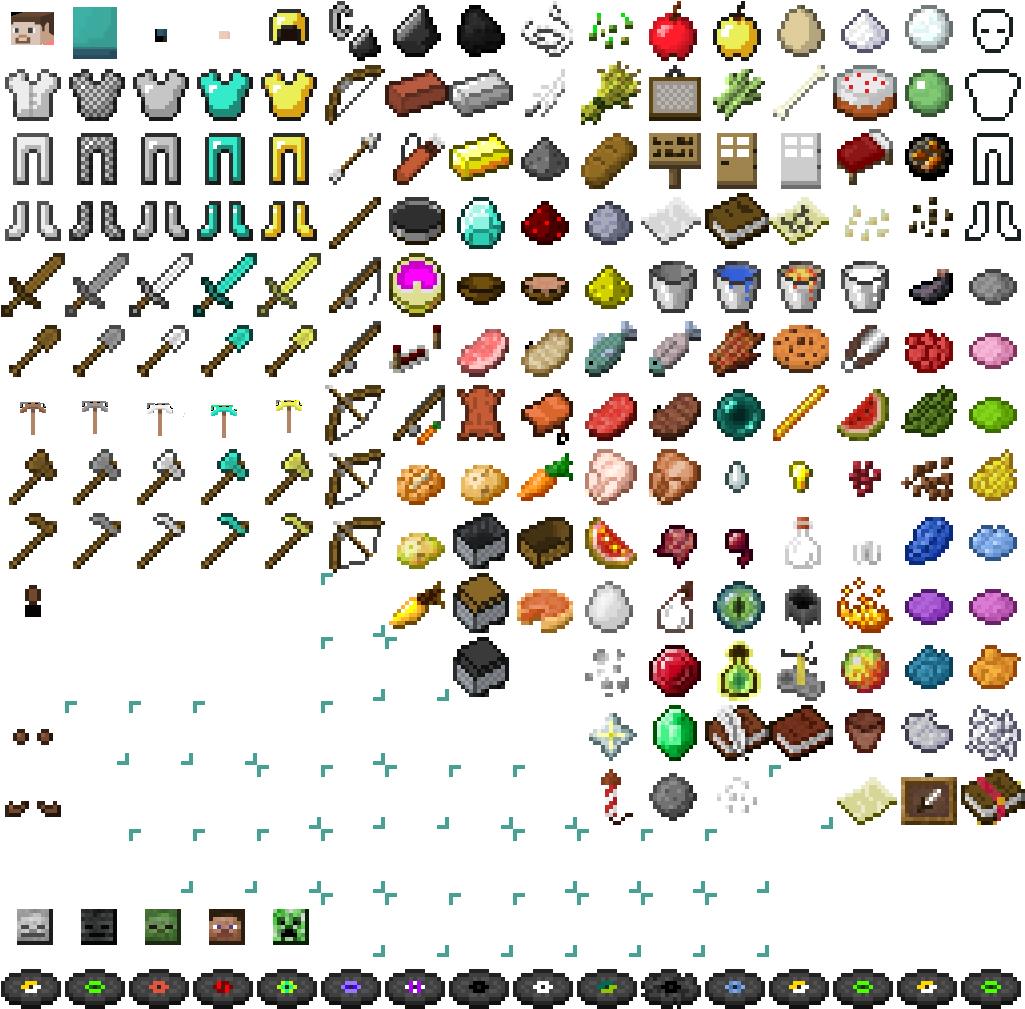
Minecraft, created by Markus “Notch” Persson, was released in 2011 by Mojang. Initially developed as an indie project, it quickly gained popularity due to its unique sandbox style, where players could build, mine, and explore an infinite blocky world.
Microsoft acquired Mojang in 2014 for $2.5 billion, solidifying Minecraft’s status as a cultural phenomenon.
The first version of Minecraft was created in just six days! Despite its simple graphics, Minecraft’s infinite world and creative potential have captivated players of all ages, making it the best-selling video game of all time, with over 238 million copies sold.
0086 MOBILE GAMES
Early Mobile Games
The emergence of mobile gaming can be traced back to the late 1990s, with simple games like Snake becoming pre-installed on Nokia phones. Snake’s addictive gameplay and accessibility made it a global sensation, introducing millions of people to mobile gaming.
Snake is a simple but addictive mobile game that became a cultural icon in the late 1990s. Pre-installed on Nokia phones, Snake involves navigating a growing line (the “snake”) around the screen, eating dots to increase its length while avoiding running into itself or the screen edges.
Fun Fact: Snake has been ported to almost every digital device imaginable, from calculators to smartwatches!
Impact of Smart phones
The intro of smart phones in the mid-2000s revolutionized mobile gaming. Apple’s iPhone and Google’s Android platforms offered powerful hardware and touchscreens, enabling more sophisticated games.
Angry Birds, developed by Rovio Entertainment, was released in 2009. The game’s premise is simple: players use a slingshot to launch birds at structures to destroy the pigs inside.
Its combination of physics-based gameplay, charming characters, and catchy music made it an instant classic in mobile gaming.
Angry Birds became so popular that it spawned an entire franchise, including merchandise, animated series, and even a feature film. The game has been downloaded over 4 billion times across all platforms, making it one of the most successful mobile games ever.
Candy Crush Saga, developed by King, was released in 2012 as a free-to-play game on Facebook and mobile devices. Its match-three puzzle gameplay, where players swap colored candies to create combinations, became an addictive hit.
The game’s features, allowed players to compete with friends, contributed to its viral success.
At its peak, Candy Crush Saga was generating $1 million per day in revenue. It was one of the first mobile games to use the “freemium” model, where the game is free to play but offers in-app purchases.
Launched in 2017, Animal Crossing: Pocket Camp brought the beloved Animal Crossing series to mobile devices. In this game, players manage a campsite, decorating it with furniture, amenities, and other items to attract animal friends.
Fun Fact: Pocket Camp’s seasonal events and collaborations, like the one with Sanrio’s Hello Kitty, keep players coming back for exclusive items and characters!
VIRTUAL REALITY
THE FUTURE OF GAMING
As mobile technology continues to advance, the line between mobile and console/PC gaming blurs, offering players more ways to engage with their favourite games, whether they’re playing Candy Crush on a commute or exploring the endless possibilities of Minecraft on a tablet. Artificial intelligence (AI) is another area that is revolutionizing gaming. AI is being used to create more intelligent and responsive non-player characters (NPCs), leading to more dynamic and unpredictable game worlds. AI can also be used to tailor gaming experiences to individual players, offering personalized challenges and storylines based on player behaviour.
Cloud gaming is perhaps one of the most significant developments on the horizon. Services like Google Stadia, Xbox Cloud Gaming, and PlayStation Now are making high-quality gaming experiences accessible on a wide range of devices, from smartphones to smart TVs. This shift could democratize access to gaming, allowing players to enjoy top-tier games without the need for expensive hardware.
As these technologies continue to develop, the gaming industry is likely to see even more innovation, with new genres, experiences, and ways to play emerging in the years to come.