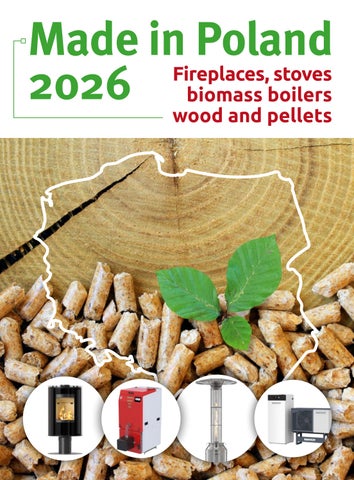
Made in Poland 2026
Fireplaces, stoves biomass boilers wood and pellets
Read our magazines
Read our magazines
Aldona Mazurkiewicz deputy editor-in-chief of “Świat Kominków”
“Świat Kominków” – a magazine for a common consumer
Our publishing adventure with fireplaces began in 2002 and in 2003 resulted in the first issue of “Świat Kominków” – a periodical that is our lead title to this day. We provide our readers an overview of the wide gamut of fireplaces available on the Polish market as well as the variety of technical solutions used in this type of heating units. We write not only about fireplaces designed for wood, but also for pellet, gas, electricity or bioethanol. We also present the variety of garden heating units such as grills, smokehouses, bonfires, bread ovens or summer kitchens. The whole is complemented by articles dedicated to the use and operation, fuel issues, flue gas evacuation as well as all kinds of equipment and accessories for fireplaces. We try to cover the topic of the fireplace as widely as possible. We pay attention to how to combine the fireplace with other heating systems such as heat pumps, photovoltaics, HVAC systems or gas boilers. Since 2021 there has been a separate section of our journal dedicated exclusively to wood or pellet boilers.
The magazine has a wide distribution system of both the traditional paper version (available in showrooms and fireplace companies, newsagents, DIY stores) and the electronic version available on the issuu platform and promoted, among others, on our portal fireplaces.org and Facebook thematic groups. We participate in many trade fairs, not only those related to fireplaces, but also regional ones, dealing with construction, interior design and gardening.
We are considered a trustworthy and influential magazine. We are a co-founder and a supporting member of the Polish Association “Kominki Polskie”. Since 2006, we have established the Flame of the Year prize awarded, among others, to the best companies, products and events.

Since 2008, we have been creating a fireplace-related website www.kominki.org. Here, the end-customer cannot only view a rich photo gallery and read about various technical and aesthetic fireplace solutions, but also find an executive company and manufacturer using the database of companies, or learn about legal issues regarding the construction of fireplaces.
“KominkiPRO” – a magazine for fireplace
We are constantly advancing, as best proven by the magazine addressed exclusively to professionals from the broadly understood fireplace industry – “KominkiPRO”, which expanded our portfolio in 2009. The periodical is distributed directly by mail (both by snail mail and in electronic form accessible via the issuu platform) to over 2,500 fireplace and fireplace-related companies in Poland. In “KominkiPRO”, there are texts on legal, economic and marketing aspects of the functioning of companies, important current topics for the industry, materials dealing with technical problems important for contractors, as well as update information on industry events, trainings and fairs. It is a perfect place to look for trade representatives, establish business contacts or reach a wide group of fireplace contractors and stove fitters in Poland.
Our professional sales department is always willing to adjust the offer to the needs and expectations of each client. We are not a large media concern, but a small family publishing house that puts the emphasis on quality and genuineness. We are a reliable partner for companies and a valuable source of information for the Readers.
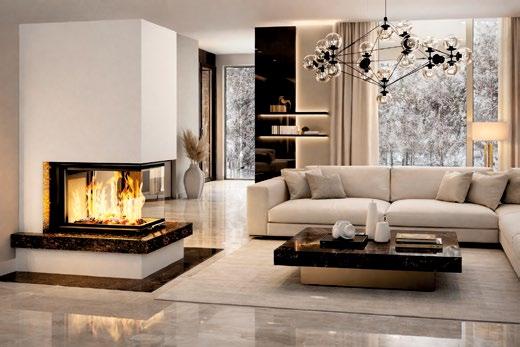
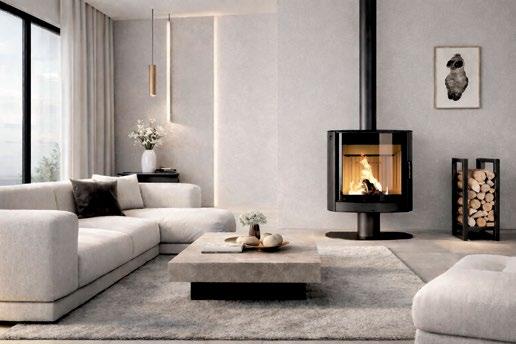

Poland has been one of the 27 countries of the European Union since 2004, and the unification of legal regulations within the EU framework makes most of the products manufactured in Poland meet common European standards. This is also the case with fireplace inserts, stoves and biomass boilers. The EU Regulation 1185/2015, the popular „Ecodesign directive” entered into force on January 1, 2022, but already much earlier most devices manufactured in Poland had met its requirements.
Polish manufacturers of fireplace inserts, stoves or biomass boilers are a very experienced group, and many of them have been present on the market for 25 years or even longer. It is thanks to them that from the position of the country-importer of practically everything related to fireplaces, fireplace inserts, connections, ventilation grilles, etc., we have reached the state where Polish producers cover most of the domestic needs. They are not small, because with a population of 37.7 million, the country boasts a steadily growing group of individuals whose personal income is approaching the European average. These people not only buy and install around 100 thousand devices every year, they also seek for higher technical and aesthetic quality. What is important, domestic manufactured inserts and stoves are mostly own constructions, which are the result of many years of experience and the work of our own designers. These include fireplaces with multi-sided and large glazing, with a water jacket, gas fireplaces or bioethanol furnaces. In recent years, we can observe not only the adaptation of products to the requirements of Ecodesign but also changes

Witold Hawajski editor-in-chief of “Świat Kominków”
in the production structure – there are more and more free-standing stoves and fireplace inserts for more demanding buyers, classified as „premium” by producers. The number of garden equipment offered is also growing dynamically.
You can rely on Polish manufacturers, constructors and highly qualified employees. That is why the recognized European manufacturers, SPARTHERM, NORDPEJS and JØTUL, SCHIEDEL or JEREMIAS located their production plants in Poland some years back.
The manufacturers of central heating boilers fired with wood and pellets are also able to meet the expectations of markets where there is a high demand for this type of device. Modern machinery, professional staff and long-standing experience mean that Poland is the seat of good boilers production and the renown European producers, like HARGASSNER, have found reliable partners in here. Polish manufacturers also provide a wide range of mechanical and electronic equipment, everything necessary to install and control modern biomass devices. Poland does not only produce equipment. As a country with large, sustainably managed forest resources, we have also been a producer of excellent quality pellets for many years. The increasing number of installed pellet boilers is boosting pellet demand, while a share of high-quality EN PLUS and A1 pellets is exported outside Poland.
If you do not know fireplaces or biomass boilers from Poland yet, it is worth reading our report, which – we hope – will help you navigate through the wide range of devices made in Poland.





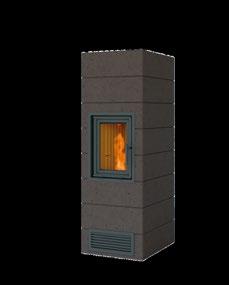
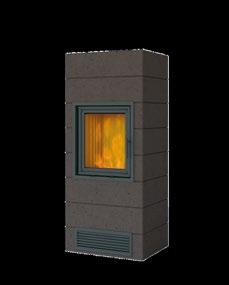
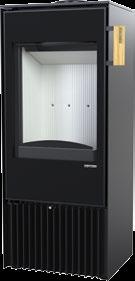
A new line of stoves: Defro Home Adeo – a modern 6 kW wood-burning stove designed with energy efficiency and environmental responsibility in mind. Thanks to its compact size and carefully balanced output, Defro Home Adeo delivers effective heating in both small interiors and slightly larger spaces, giving you full control over thermal comfort.
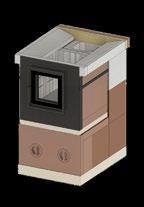
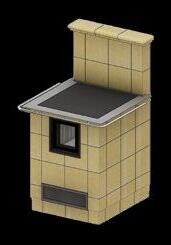
Defro Home Adeo was created to combine high heating performance with everyday user comfort. Its steel body and advanced wood-combustion support system result in an impressive efficiency of 85.4%, meaning lower wood consumption and real savings on fuel. Decorative base slats and a wooden handle with a smooth sliding mechanism ensure convenient daily operation, while the natural wood accent adds warmth and a cozy touch to the interior.
With its minimalist, contemporary design, the Defro Home Adeo wood stove meets the expectations of even the most demanding customers, offering not only a reliable source of heating but also a distinctive and elegant feature for the home.
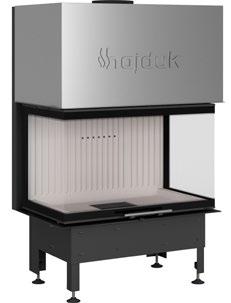
The Volcano 3ATh is a fireplace insert with a three-sided, frameless, lift up – opening door featuring the CLING+ mechanism, which ensures smooth and precise opening and closing, as well as exceptional sealing when closed. The 820 mm wide x 510 mm high door provides a wide and impressive view of the fire. As with other Hajduk models, the Volcano 3ATh insert features an optimally shallow firebox lined with heat-storing ceramics available in light or black, a comprehensive range of standard equipment, and a robust, proven construction. It meets eco-design requirements and can be installed and used throughout Europe.
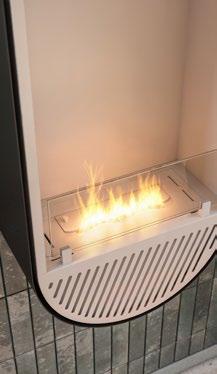
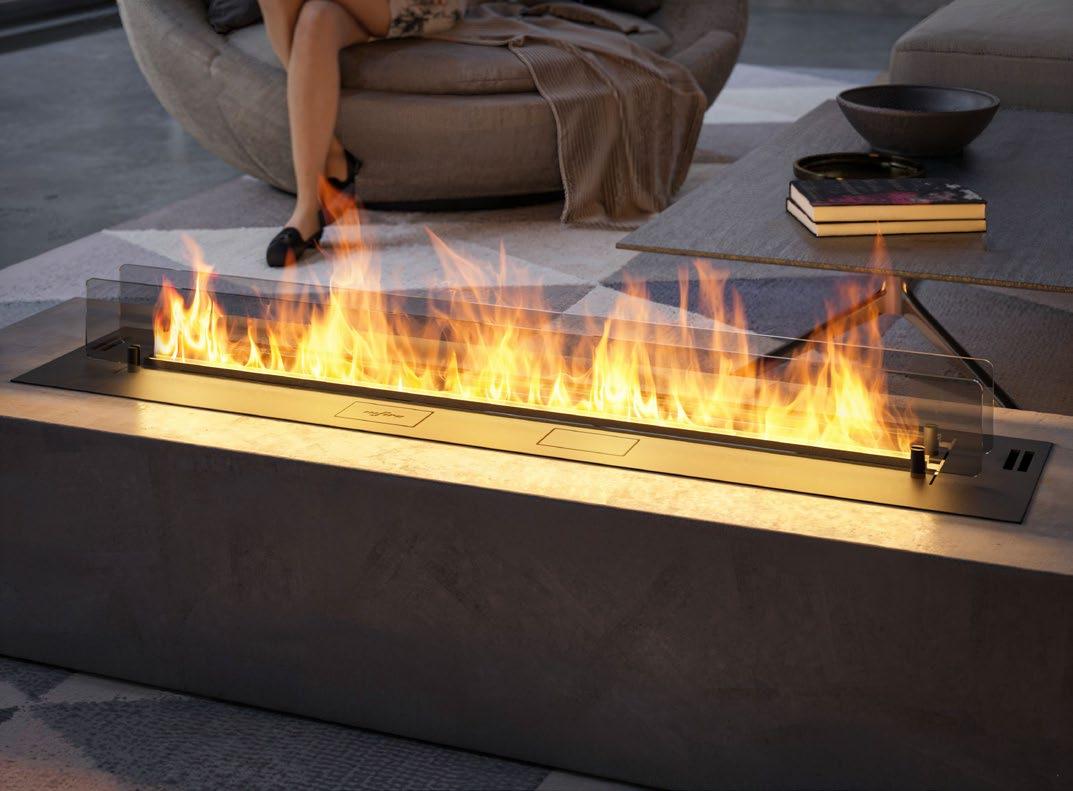
The unusual SLIMfire biofireplaces from INfire feature an original form that stands out for its design alone. Perfectly rounded shapes and the view of a live fire, which also instantly warms the room, provide comfort one can only envy. INCYRCLE Slim VERT is a vertical, elongated version of the round INCYRCLE WALL with perfectly kept proportions and the highest quality. In addition, the natural, visible flame that provides comfort and creates atmosphere is a feature of all INFIRE biofireplaces.
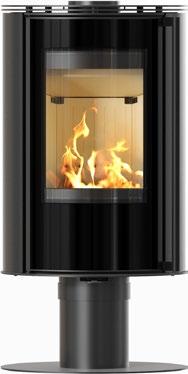
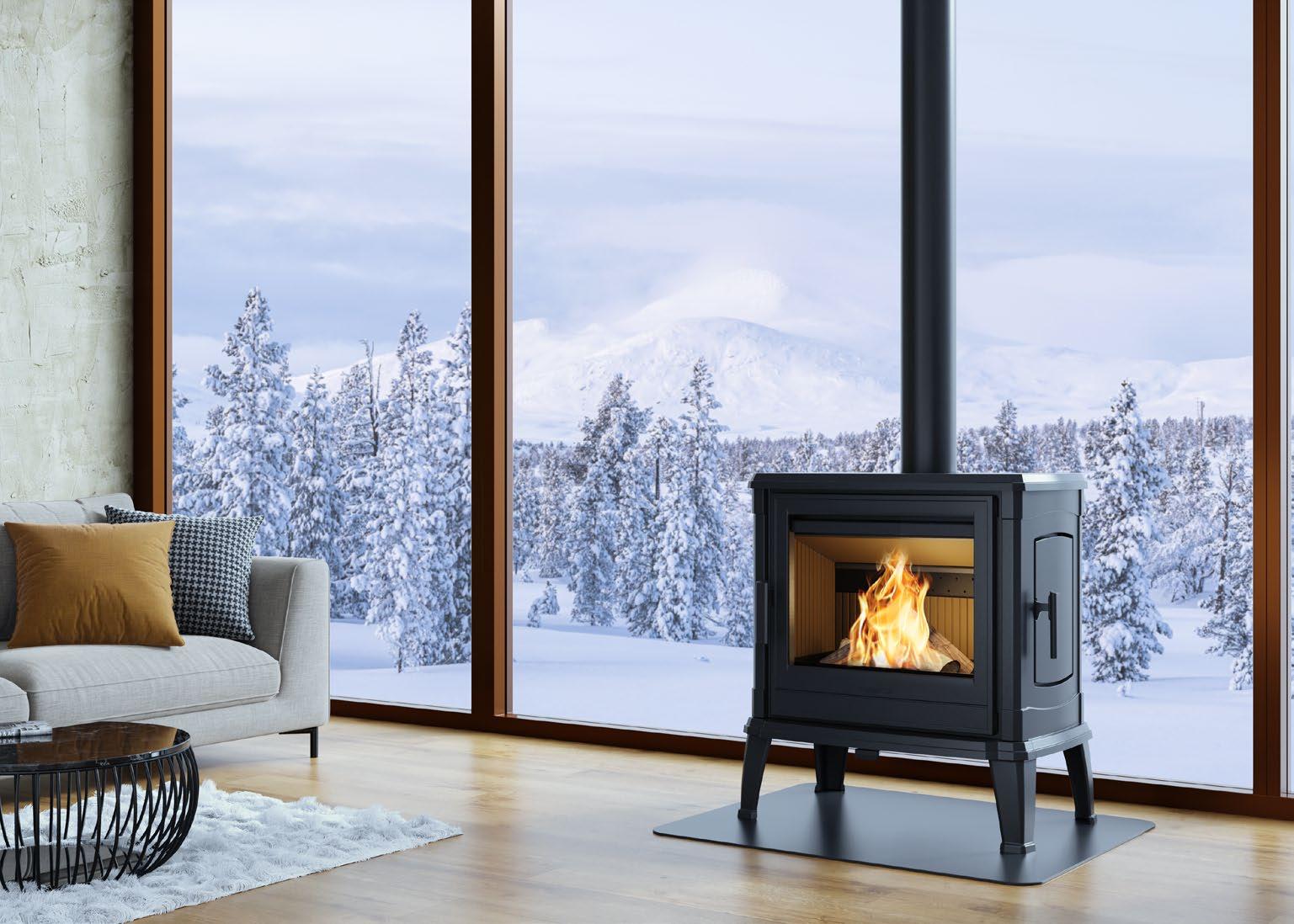
KRATKI ERIK is a modern freestanding stove on a leg with a rotating body from the PRO line, covered by a 10-year warranty. Thanks to its sealed combustion chamber, it works perfectly with heat recovery systems and complies with Ecodesign standards.
For over 28 years, we’ve been manufacturing fireplaces that combine design, modern technology, and reliability. We’ve sold over a million units worldwide. Thanks to full automation, we ensure production consistency, safety, and constant availability of spare parts.
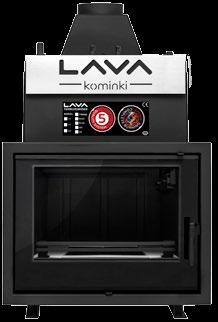
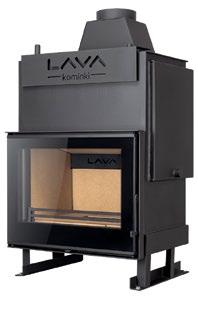
An appliance showcasing the modern styling of the LAVA water jacket inserts. Our devices are fully customizable, here you can see a version with an additional handle and frame for easier installation. Noteworthy is the exceptionally high output of the water exchanger of 12-19 kW with a nominal output of 13-22 kW. Thermofireplace in the innovative design guarantees maximum heat exchange surface from the flue gases to the heating circuit, which has a direct effect on reduced fuel consumption with the same heating result. Each of our fireplace inserts has a certified combustion system and a five-year warranty. We strongly encourage You to check out our products at
phone: +48 517 816 024 biuro@lavakominki.pl www.lavakominki.pl
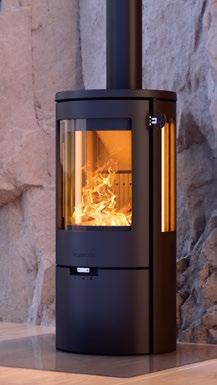
The latest Aurora range of stoves in A+ energy class from NORDflam is designed to underline the character of modern interiors. The range includes a wide selection of versions – apart from the basic single-glazed version (standard glass or glass with a black decorative finishing), Aurora range also includes versions with soapstone or sandstone cladding, which enhance the stove’s heat accumulating properties. The rich selection of available variants ensures that the stove perfectly integrates with various modern interior styles and individual design concepts. It is also suitable for houses equipped with mechanical ventilation and heat recovery system.
Contact us for more information
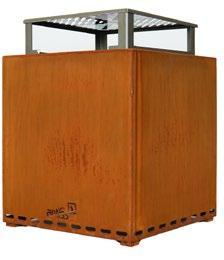
The Artiss.design Z1 features advanced post-combustion technology, where air supply openings channel air over combustion gases, ensuring cleaner burning and significantly reducing smoke emissions. This results in a more environmentally friendly fire. Compact, portable, and ready for any adventure, it’s ideal for camping or gardens with its sleek design. Available in graphite, corten, and red. Enjoy the warmth and charm of a fire without the smoke, thanks to innovative, eco-friendly technology.
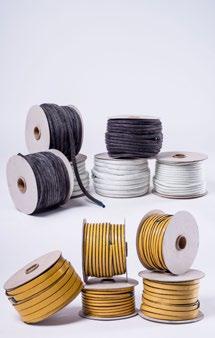
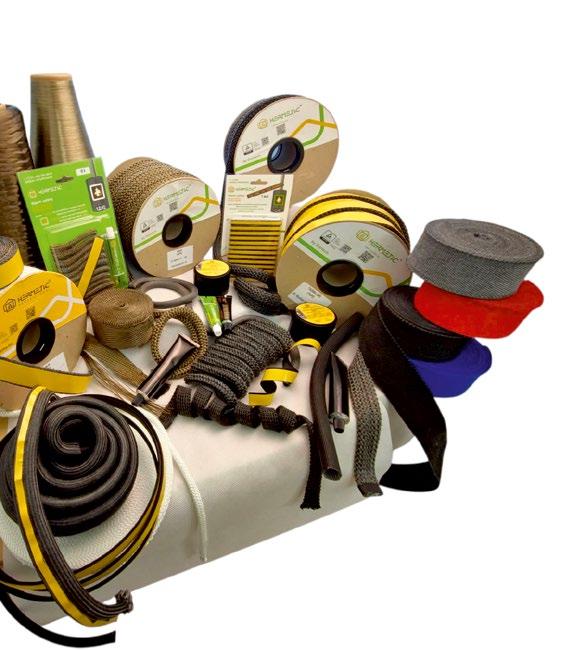
We offer a wide range of sealing materials for central heaters, fireplace inserts and fireplace doors:
• thermal insulation glass cords;
• self-adhesive glass tapes;
• repair kits (ready-made).
Production capabilities:
• glass tapes up to 35 mm, thickness up to 4 mm;
• thermal cords from 5 to 30 mm;
• thermal cords up to 20 mm without glass filling;
• thermal cords over 20 mm with glass filling;
• rectangular thermal cords sewn with non-flammable thread;
• square ceramic sealants from 6 to 30 mm (up to 1200°C);
• ready-made.
The thermal insulation products we offer are produced on our own, therefore we are able to customize technical parameters of the products to specific requirements our customers, within the technical capabilities of our machines.
phone: +48 33 852 15 06 nordflam@nordflam.eu www.nordflam.eu
phone: +48 12 284-06-40 parkanex@parkanex.pl www.galeriakominkow.pl
phone: +48 660 761 202 phone: +48 509 220 470 puhagkom@gmail.com www.puhagkom.pl
Our History and Ambitions
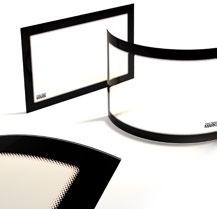
For over 30 years, we’ve excelled as a leading special glass processor in the heart of Europe, rooted in a family glassmaking tradition. Combining innovation, sustainability, and advanced service, we offer top-quality fireplace glass. Our skilled team fosters longterm partnerships built on mutual value.
Our Offer and Distinctions
We provide the widest range of fireplace glass panels, from flat (up to 2400 mm) to curved and spherical shapes. Using heatreflective and anti-reflective coatings, we handle black decoration and logos in-house. Flexible schedules, excellent price-quality ratio, and secure packaging ensure customer satisfaction.
Quality and Trust
Certified by ISO 9001 from TÜV Nord, we support European stove and fireplace manufacturers with the highest standards of quality and safety. We invest in advanced machinery and offer technical assistance at every stage. Our long-standing relationships are built on shared benefits and a customer-centric approach.
Contact us – test our quality!
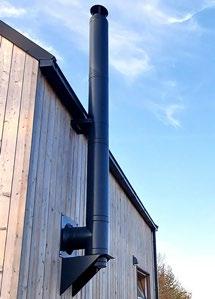
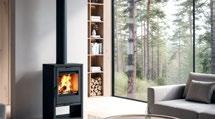
Dual Wood Stove is a premium-class chimney system, available as standard in two colours: BLACK and ANTHRACITE, designed as a functional and aesthetic complement to the latest wood-burning stoves. The system meets the requirements of modern heating installations, ensuring safe operation, high resistance to elevated temperatures and condensate, as well as precision manufacturing in line with current construction standards. Upon individual request, the system can be manufactured in any colour from the RAL palette, enabling full integration of the chimney with the interior design concept and the architectural character of the building.
phone: +48
info@wegierglass.com.pl www.wegierglass.com.pl
phone: +48 606 106
info@checz.pl www.checz.pl







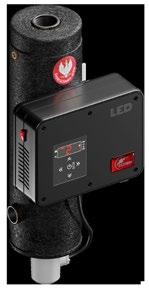

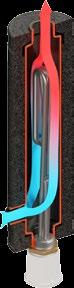
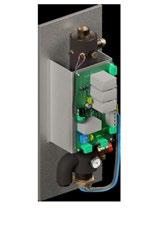
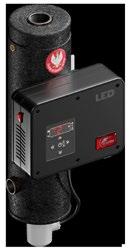
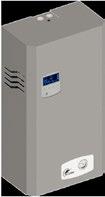
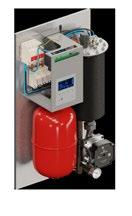
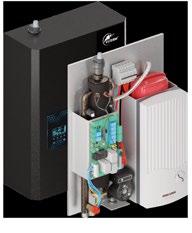
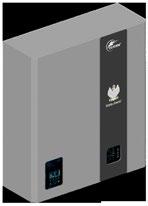
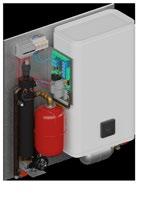
Boatswain LED PRO in central heating systems can function as an additional and emergency heat source, or even as the primary heat source. It has many advantages, including:
• Electronic control panel (microprocessor).
• System heater operation counter

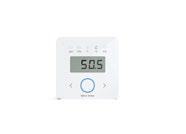






• Possibility of connecting an external room thermostat (0V).
• Possibility of connecting an external three-way central heating/hot water valve.
• Equipped with automatic control of heaters and central heating pump.
• 230/400V electric heater.
• Universal body allows replacement of heaters with different power ratings.
• Device designed for central heating with the option of connecting a hot water package for domestic hot water supply.
• Can be installed in open and closed systems.

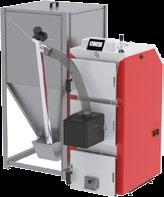
A dual fuel wood gasification boiler with the possibility of pellet combustion, in accordance with the EN 303−5+A1:2023−05 and Eco Design standards. The choice of burning method is simply a matter of selecting the function on the boiler controller. This product highly appreciated by customers thanks to its fuel flexibility and available nominal outputs of 12 kW, 18 kW and 24 kW
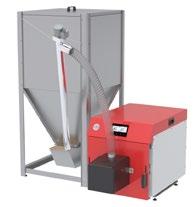
One of the smallest pellet boilers on the market, with side fuel hopper. Produced in the 8−35 kW power range. Its advantages are: fully automatic control, modern design, compact dimensions and maintenancefree operation. The boiler meets the requirements of the EN 303−5+A1:2023−05 and Eco Design standards.
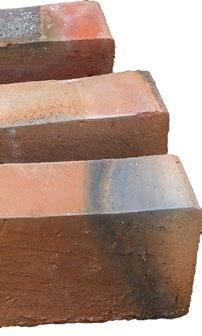
A natural brick with exceptional character, proven in commercial and private projects.
Zendra performs well in both traditional and modern projects, especially in the construction of smokehouses, fireplaces, cookers and decorative pieces that require durability and resistance to high temperatures. Its noble, distinctive character gives structures a unique style – from rustic to loft. It blends perfectly with both wood and steel, and in garden arrangements, it blends in very well with the surrounding vegetation.
Technical features:
• Dimensions: 250×120×65 mm
• Weight approx. 3.3 kg
• Low water absorption
• Frost resistant
phone: +48 600 494 315 handlowy@kotlospaw.pl www.kotlospaw.pl
28th International Power Industry and Renewable Sources of Energy Fair ENEX
• 4–5.03.2026 Kielce targikielce.pl/en/enex
Industry Trade Fair for Heating Technologies HEATING TECH • 8–10.09. 2026, Warsaw heatingtechexpo.com/en
International Fair of Installations and Equipment INSTALACJE • 14–16.04.2026 Poznań instalacje.com/en
phone: +48 697 075 586, 883 074 003
cegielnialabuda@gmail.com biuro@cegielnia-labuda.pl www.cegielnia-labuda.pl

International Trade Fair for Heating, Ventilation and Air Conditioning Technology WARSAW HVAC EXPO • 2027, Warsaw warsawhvacexpo.com/en


International Construction and Architecture Fair BUDMA • 2027, Poznań budma.pl/en

He was selling fireplace inserts and stoves between 1992 until 2018. At the same time, he was involved in social and journalistic activities, writing for “Gazeta Wyborcza”, Murator and local media dealing with construction issues. He initiated the foundation of the Polish association of fireplace industry. As a result of cooperation with the IHZ Publishing House in 2002, a project of a generally accessible magazine about fireplaces was born, of which he became the editor-in-chief. In 2003, the first issue of “Świat Kominków” was published, followed a few years later by the magazine for specialists in the industry, “KominkiPRO” and the portal, kominki.org.
Since 2006, “Świat Kominków” has been awarding the FLAME OF THE YEAR award for the best companies, products and most important events in the industry.
For some time, the traditional area of interest of “Świat Kominków” with domesticated fire has expanded to include ecological home heating solutions, mainly those based on wood and pellets.
Poland is the sixth-largest country in the European Union. With a population of 37.7 million, it ranks fifth among the 27 Member States.
There are over 6 million residential buildings in Poland, of which over 5 million are single-family houses. Over the last years, approximately 1 million apartments and single-family houses have been built in Poland. In 2025, as many as 208,792 apartments and single-family houses were built, +4.3% compared to 2024.
Multi-family housing accounts for the largest share of development with 60−65% share in the whole number, while individual housing, with single-family homes, accounts for 35−40%, or approximately 85,000−86,000 in numbers. I am providing the data on Polish construction industry because, after all, an apartment or a house constitutes a potential location for a fireplace. According to the Central Emission Register of Buildings (pol. acronym CEEB), at the end of 2023 in Poland there were about 3,000,000 wood and pellet heaters: 1,550,000 fireplaces and stoves, 1,050,000 tiled stoves, as well as 850,000 kitchen stoves and ranges.
The increase in energy prices and the threat of electricity and gas supply shortages have led to a situation in which not only the declared enthusiasts of their own hearthside, but the majority of Polish society started to understand the importance of locally available fuel and the devices that enable its use. Although around 30% of houses in Poland are connected to natural gas, wood-fueled fireplaces, tiled stoves and even more freestanding stoves, which are particularly quick to install, have become a sought-after commodity.
Despite various fluctuations caused mainly by factors outside the industry and the lack of co-financing programmes for the replacement of old heating devices or purchase of new ones, which are popular in many other countries (obviously, all the devices sold currently meet Ecodesign standards), the present-day potential of the Polish fireplace market can be estimated at around 80−100 thousand devices per year.
However, regardless of these glaring errors in official documents and statistics, many householders in cities and villages use wood in their home fireplaces, which makes
wood the most popular renewable fuel in Poland, as it is in many other countries.
“Świat Kominków” has been observing the Polish fireplace-and-stove market for over 22 years and we hope that now the time has come for all the forms of ‘green energy’, and so for wood as a renewable fuel, and for ecological fireplaces to not only be socially but also legally acceptable. Both the present and future users as well as manufacturers and distributors of fireplaces and any other kinds of wood- and pellet-fired devices are looking forward to it. After all, you cannot talk forever about ecology, prioritize coal and forget about locally-sourced wood.
Since 1989, when Poland entered the path of democratic development and a free-market economy, we have been facing a dynamic growth of the economic activity of Poles. Poland’s accession to the structures of the European Union on May 1, 2004 and to the Schengen area on December 21, 2007 increased the activity of Poles even more and encouraged the presence of foreign companies in Poland. Several European manufacturers of fireplaces, such as SPARTHERM, NORTHSTAR or JOTUL, took advantage of the possibility of doing business and locating their production plants in Poland. However, the Poles themselves also took matters into their own hands. Numerous small workshops that functioned in the shade of large stateowned behemoths, at most using materials the latter rejected, grew into enterprises employing several dozen or even several hundred people.
Among the companies that were created completely from scratch, there are mainly one-person or several-person service establishments. However, whenever the founding ideas were original and supported by the determination and perseverance in pursuing their goals, companies thus created are today appreciated not only on the domestic market but also on the demanding markets of other countries.
Polish fireplace industry, its diversity and current potential are a perfect example of this growth. While in the early 90’s the Polish fireplace market was dominated mainly by products imported from France, Norway or Germany, currently these are Polish manufacturers that prevail on the domestic market in terms of the number of devices sold. Attractive products from other EU and non-EU manufacturers complement the market. Polish fireplace companies have made excellent use of their assets and are increasingly bold in entering foreign markets with their fireplace products.
According to CEFACD partners, in 2022, 1.245 million units were sold in the EU 27 and the UK including 100,000−120,000 estimated sales (production + distribution) in Poland.
Products of DEFRO, HAJDUK, HITZE, KAWMET, KRATKI.PL and UNICO are today the most frequently installed fireplace inserts and stoves in Polish homes. The size and range of production places some of them among leading producers in Europe. Of course, wood-burning, air-fired and water-jacket fireplaces are the most popular, but attractive gas and pellet models are also offered. In every large DIY store in Poland one can find fireplace inserts and stoves from KAWMET or NORDFLAM. To the contrary, manufacturers such as CEBUD or IWONA PELLETS do not produce tens of thousands of units, but offer innovative devices which are attractive to specific groups of buyers. These are, among others, accumulation stove inserts with a pellet gasification hearth or dual-fuel inserts for wood and pellets. And this is just a part of the list of Polish manufacturers of fireplace inserts and stoves. The total production potential of Polish companies exceeds 200,000 fireplace inserts and free-standing stoves. This can be estimated on the basis of data provided by major manufacturers: KRATKI, DEFRO HOME, HAJDUK,
NORDFLAM, HITZE, KAWMET, UNICO, CEBUD and IWONA PELLETS. Of course, this potential is not fully used every year because there are many market situations beyond the producers’ control, but production capabilities allow not only to cover the domestic demand for modern hearths, but to deliver a noticeable number of high-quality devices to foreign markets.
It is one of Polish specializations. The most famous manufacturer of bioethanol fireplaces in the world is, of course, PLANIKA, the creator of the innovative BEV combustion system. However, for several years now at almost every construction fair in Europe one can also meet the INFIRE company, which expands its offer year by year and biofuel fireplaces made by KRATKI.
Although various forms of outdoor fire installations have been present for centuries, in recent years they have experienced a revival. Currently available materials and technologies make it possible to expand the garden
and terrace range with various forms of gas, bioethanol or pellet heaters and to create attractive shapes not only from traditional ceramics but also from steel. This group of products attracted such a great interest that almost every manufacturer of the fireplace industry has garden heating devices in its offer which expands every year. Various interesting forms of fire devices for gardens and terraces are also produced by Polish manufacturers.
A fireplace is not a bare fireplace insert or stove. To build a fireplace or just install a ready-made one, which is a freestanding wood or pellet stove, one needs additional materials. Ropes and insulating tapes as well as ceramics for lining the hearth are necessary already at the stage of production. This is only the beginning, for then one needs materials to connect the fireplace to a chimney, make insulation, accumulation, ventilation grilles, and to create and finish the body of the fireplace. If the fireplace is to perform a heating function, additional elements are required to create a system distributing hot air or accumulating and distributing heated water. The wide gamut of fireplace accessories and electronic controllers can be found in the offer of Polish manufacturers, which is addressed not only to the domestic market, but also to overseas markets.
It is difficult to compete with experienced leaders in ceramic production from Austria, Germany or the Czech Republic. Nevertheless, several Polish small, mainly family-run ceramic manufactories such as KAFEL-KAR, RIWAL, KORNAK, PALACE NAKOMIADY, KAFEL-ART have managed not only to create an assortment that almost completely meets the demands of the Polish consumer, but also demonstrates attractive modern design solutions and allows to complete ambitious renovations of antique fireplaces. Several Polish ceramic manufacturers also offer ceramic elements for interior decoration, which not only complement the fireplace and stove range but are also an independent proposition addressed to interior designers and decorators.
“Świat Kominków” visits many construction trade fairs across Europe. It must be stressed that for quite a few years the presence of Polish fireplace products also be observed. If the trade fair presentations are not made by companies themselves, then the products are exhibited at least by local distributors.
We remember the timid beginnings of the fireplace market in Poland, so we are all the more pleased with the current production volume and assortment. The thriving activity of the Polish fireplace sector makes us look with optimism to the future.
The oldest historical documents confirm the existence of the Guild of Stove Fitters and Potters in Kraków as early as 1403. This heritage forms the foundation of the contemporary activities of the Guild of Tiled Stove Builders and Related Professions of Lesser Poland (Polish: Małopolski Cech Zdunów i Zawodów Pokrewnych), which – after a period of decline of craftsmanship during the communist era – reactivated its active operations in 2016. For the past 10 years, it has been integrated into national craft structures as a member of the Małopolska Chamber of Crafts and Entrepreneurship in Kraków. The Guild Master is a member of the Chamber’s Board and represents the stove-fitting sector in the European association VEUKO.
Currently, the Guild focuses its activities on restoring the traditional role of the stove fitter within the thermal energy sector, promoting the use of both traditional and the latest stove-fitting materials and technologies in the construction of modern stoves and fireplace stoves designed for comfortable, aesthetic primary heating.
As part of the Green Deal transformation, these solutions offer the most affordable, low-emission renewable energy (RES) heating devices. To this end, the Guild works to restore the traditional system of vocational education for young people and currently
conducts professional stove-fitting courses for adults – future Masters – preparing them to provide practical vocational training to young apprentices in their own workshops. To continuously raise the professional qualifications of its members, the Guild organizes numerous training courses as well as journeyman and master examinations, thereby admitting new members. The Guild maintains dialogue with public administration and the expert community to help shape rational legal regulations, and in Kraków specifically to repeal unjustified restrictions on wood combustion. In its activities, it particularly emphasizes the traditional skill of using ceramic tiles in the construction of stoves and fireplaces – both traditional and modern large-format tiles – combining centuries-old craftsmanship experience with modern technological solutions.
Year of establishment: before 1403; Year of reactivation: 2016.
Members: craftsmen and micro, small, and medium-sized enterprises from the stove-fitting and related trades – especially the tile-making sector.
Mission: to popularize home heating with modern masonry stoves; to develop innovative, low-emission stove-fitting heating technologies that provide stable and independent heating of residential buildings using renewable energy sources (RES).
The National Association of Fireplaces and Stoves (Polish: Ogólnopolskie Stowarzyszenie “Kominki i Piece” – OSKP) brings together manufacturers, importers, agents and contractors of fireplaces and stoves throughout Poland. The association promotes the idea of clean wood. Members recognize the role of wood as the Polish national treasure and indicate that heating by means of wood does not only protect the interest of the poorest groups of society, but also ensures security and is a supplement to the energy balance. The association cooperates with Polish tiled stove building guilds, chimney sweep guilds and chimney organizations.
Year of establishment: 2003.
Who it associates: manufacturers, importers, sellers and contractors of fireplaces and stoves.
Mission: the aim of the association is to represent the common interests of the environment related to the fireplace and tiled stove building industry, as well as to act for the protection of health and the natural environment.
www.kominkipolskie.com.pl www.pozytywnaenergia.org
The Guild of Polish Tiled Stove Builders (Polish: Cech Zdunów Polskich) takes care of continuing the tradition connected with tiled stove building and learning the profession of a tiled stove builder. The Guild conducts social, social and organizational, cultural, educational and integration activities for the benefit of the community. The aim of the Guild is to strengthen the bond among the tiled stove builders and to reinforce the environment’s image in line with the principles of professional ethics and dignity of the Polish craftsmen. The Guild also aims at executing tasks in the field of supervision over the craftmanship courses of young workers, people employed in enterprises run by the Guild members and provides assistance in the
field of further training and additional active qualification of the Guild. The Guild cooperates with the Chamber of Crafts in Kalisz.
Year of establishment: 2017.
Who it associates: craftsmen, micro-entrepreneurs, small entrepreneurs working in the field of tiled stove building and people studying to become a tiled stove builders
Mission: the aim of the Guild is to care for the correct development of the craftsman and to cultivate its tradition, to protect the rights and represent the interests of members associated.
www.cechzdunowpolskich.pl
The Guild of Tiled Stove Builders and Fireplace Fitters (Polish: Cech Zdunów i Kominkarzy) was founded in May 2024 and has members from all over Poland. It aims to support and integrate professionals involved in building stoves, fireplaces, and heating systems. The Guild organizes training, apprentice and master examinations, cares for the professional development of its members and promotes the craft among younger generations. We also work to provide accurate education and fight misinformation about wood, stoves, and fireplaces in Poland.
The guild’s website includes a map of tiled stove builders and fireplace fitters in Poland. The Guild also has a fanpage on Facebook.
Year of foundation: 2024.
Who it associates: The Guild was established to bring together both tiled stove builders and fireplace fitters within a single organization for the first time in Poland.
Mission: We aim to exchange knowledge, educate future craftsmen, examine apprentices in the profession of a tiled stove builder, and support people in need. We strive to promote the tiled stove builder and fireplace fitter profession, and anyone who wants to learn and develop can join us as a supporter.
www.czik.org
AGKOM
Materials for central heaters, fireplace www.puhagkom.pl
CAMINO sp. z o.o.
Manufacturer of cast iron pellet boilers www.kotlycamino.pl
CEBUD S.C. Jacek Ręka, Maria Ręka Fireplace inserts, accumulation materials www.cebud.eu
CHECZ – SYSTEMY KOMINOWE
Manufacturer of chimney systems www.checz.pl
DARCO sp. z o.o.
Heat distribution systems, chimney systems, chimney cowls, chimney venting systems www.darco.pl
DEFRO HOME
Fireplace inserts, stoves, gas fireplaces, outdoor heaters www.defrohome.pl
ELTERM sp. j.
Manufacturer of plumbing fittings www.elterm.pl
ECO-PALNIK
Manufacturer of burners www.eco-palnik.pl
FENIXUS S.C.
Manufacturer of stove building materials and fireclay tiles www.fenixus.pl
FHU EKO-TERM Kućmierz
Accumulation materials www.etksystem.pl
FIRE FLY PIT
Garden fire pits www.fireflypit.com
GÓRBET REFRACTORIES
Wojciech Mikulski
High-class monolithic refractory masses and precast concrete elements producer www.gorbet.com.pl
HAJDUK Agnieszka i Dariusz
Nasińscy sp. z o.o. s.k.
Fireplace inserts, stoves www.hajduk.eu
HENITOM DRYJSKI sp. j.
Manufacturer of chimney systems www.henitom.com
INFIRE Karol Lipka
Bio-ethanol fireplaces www.infire.pl
IWONA PELLETS sp. z o.o.
Hybrid fireplaces heated with wood and pellet, outdoor heaters www.iwonapellets.pl
KAFLARNIA KAFEL-KAR
Rafał Karny
Tiles, ceramic wall panels www.kafel-kar.pl
KLIMOSZ sp. z o.o
Manufacturer of pellet boilers www.klimosz.pl
KOMIN-FLEX sp. z o.o.
Gas garden heaters www.vulkan.com.pl
KOTŁOSPAW sp. z o.o
Manufacturer of pellet, wood and dual-fuel boilers www.kotlospaw.pl
KRATKI.PL Marek Bal Fireplace inserts, stoves, gas fireplaces, garden equipment www.kratki.com
KUBU
Saunas and garden tubs www.kubu-wellness.com
LAVA Nikodem Szymkowiak, Julia Tomczak sp.j. Fireplace inserts www.lavakominki.pl
METAL-FACH
TECHNIKA GRZEWCZA sp. z o.o
Manufacturer of pellet boilers and wood gasification boilers www.metalfachtg.com.pl
MPM Projekt
Manufacturer of pellet boilers, wood gasification boilers, and dual-fuel boilers www.mpm-kotly.pl
NORDFLAM HS sp. z o.o.
Fireplace inserts, stoves, outdoor heaters www.nordflam.pl
PARKANEX sp. z o.o.
Flue connections, outdoor heaters, fireplace inserts, bio-ethanol fireplaces www.parkanex.pl
PEKABET Krzysztof Paluszak Chimney systems www.pekabet.pl
PEREKO sp. z o.o
Manufacturer of pellet boilers and wood gasification boilers, heat pumps www.pereko.pl
PW KOTŁOREMBUD
L. Cichosz, B. Szatlach s.k.
Manufacturer of garden fire pits www.krmb.pl
STAHL SYSTEM Bartosz Graniczka
Manufacturer of flue gas exhaust systems www.stahlsystem.pl
TATAREK sp. z o.o.
Electronics www.tatarek.com.pl
TECH STEROWNIKI
Electronics manufacturer www.techsterowniki.pl
TEXTHERMA.EU
Glass and basalt sealing rope www.dortech.eu
UNICO
Fireplace inserts, stoves, outdoor heaters www.unico-kominki.com
UNIWERSAL sp. z o.o
Manufacturer of fans and ventilators www.uniwersal.com.pl
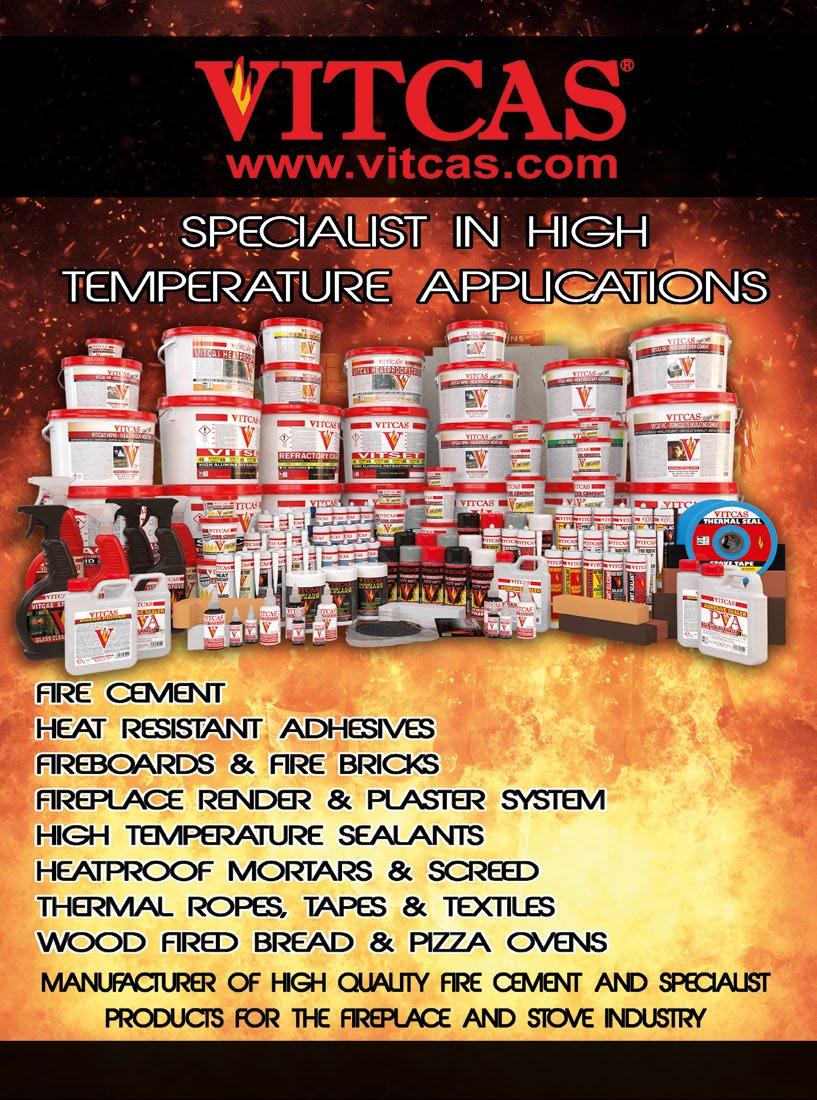
VITCAS Polska sp. z o.o.
Stove fitting materials www.vitcas.pl
WĘGIER GLASS Wojciech Węgier
Fireplace glass www.wegierglass.com.pl
ZPH KRZACZEK sp. z o.o
Manufacturer of wood and pellet boilers www.krzaczek.eu


B l u c
g a s i f i
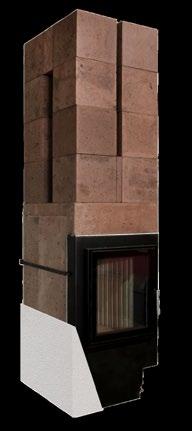
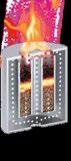
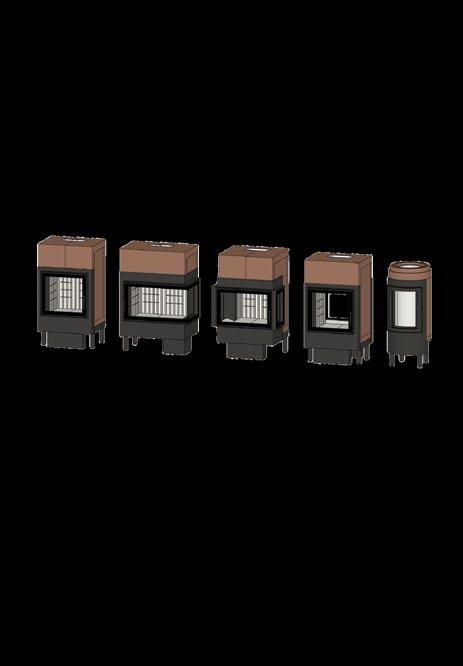



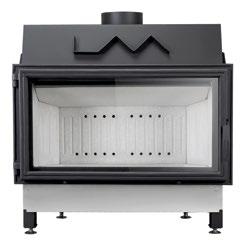
LAVA Complete Burning System is a solution involving the process of optimum air supply, combustion, heat exchange and flue gas removal
The solutions used allow us to guarantee the highest quality and include a 5 year warranty on every Lava Thermofireplaces.
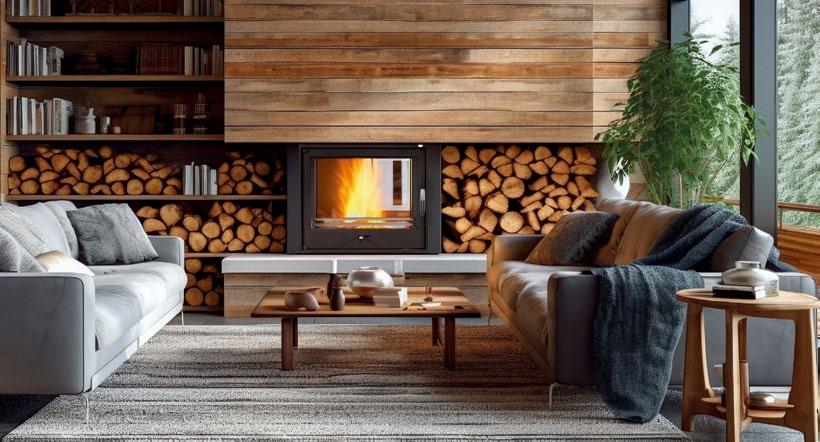
Lava fireplaces offer excellent heating power and maximum efficiency while meeting Ecodesign standards.
www.lavakominki.pl www.lavakotly.pl
Innovative
25

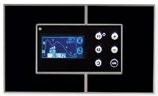
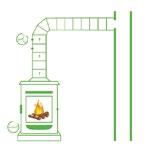
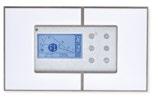
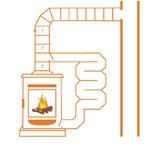
Fireplace control for traditional and modern fireplaces, heating fireplaces and wood stoves.
The control stabilizes the burning process to maintain the desired temperature in the stove for as long as possible and extend the burning time.
The flue gas temperature sensor measures the temperature above the combustion chamber, and the air damper regulates the air supply for combustion.
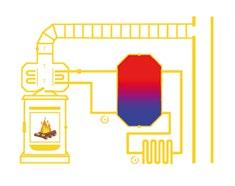
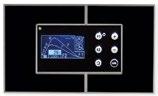
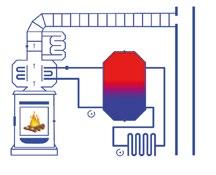
Fireplace control for water -circulating fireplaces, including buffer storage and central heating.
The control stabilizes the burning process to maintain the desired temperature in the stove for as long as possible and extend the burning time.
In addition, the control can manage two pumps (buffer storage charging pump, circulation pump), as well as other devices (e.g. room ventilation, smoke exhaust fan).
Fireplace control for tiled stoves, basic stoves, combination stoves, and other storage systems.
The control ensures optimal air supply to the combustion chamber for a quick heating process. Controlled air supply prevents premature cooling of the stove and stores the heat obtained for as long as possible.
The optimal air supply ensures low-emission combustion and protects the stove from overheating.
Fireplace control for watercirculating fireplaces with heat storage system, including buffer storage and central heating.
The control ensures optimal air supply to the combustion chamber for a quick heating process. Controlled air supply prevents premature cooling of the stove and stores the heat obtained for as long as possible.
In addition, the control can manage two pumps (buffer storage charging pump, circu-


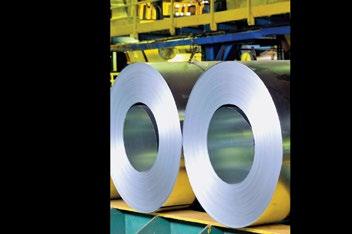






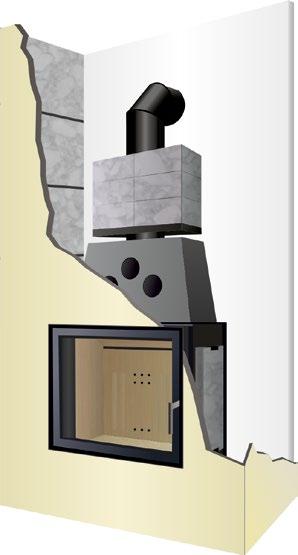


We operate in two areas: production for all markets demanding monolithic materials, research and development (R&D) – cooperation with The National Centre for Research and Development, AGH University of Krakow and many more.
Our products are used in the most demanding industrial pyroprocessing equipment (e.g. the energy, cement and waste incineration sectors) and non-industrial areas such as the fireplace and stove sector.
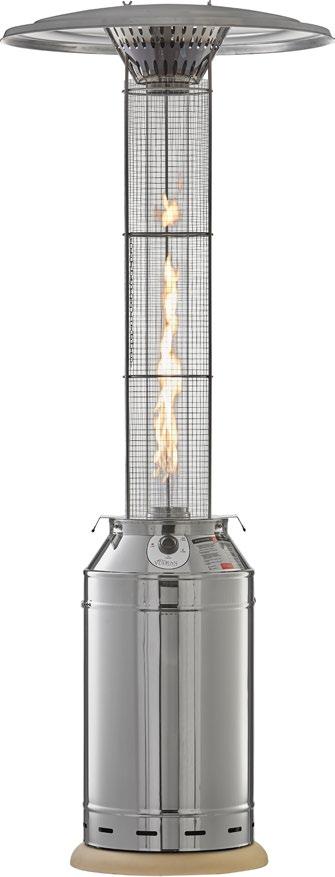
“We give you heat” is our motto. We want you to feel comfortable while spending time with your loved ones – during family meetings, parties with friends or by yourself, relaxing after a long and exhausting day. We will be very pleased, if there is a place for Vulkan products on your terrace, patio, in the garden – wherever you like to spend time.
We are a Polish family company, relying on many years of experience, a good and dynamic team of employees and proven technological solutions. We know every single one of our products inside out and have tested them in many different ways. We vouch for its quality, functionality and, above all, safety. We manufacture only such terrace heaters we would like to use ourselves. We are not afraid of competition, because… there’s practically none of it.
30 years of continuous development and improvement have allowed us to clearly define our goals, proven solutions and the values we hold dear. We trust that by sharing them with us, you will choose Vulkan products.
Unlike many of our competitors on the market, we do not import finished products from China. We are a manufacturer in the full sense of the word. All our products are manufactured in a production plant in Pszczyna, by qualified staff, using the best certified materials and specialized machinery.
The quality of Vulkan products has been recognised not only by our customers, but also by independent experts and auditors. The entire production process is carried out in accordance with the adopted and supervised Company Quality Control System, as part of the ISO 9801−2015 Quality Management System. Each of our heaters is fully compliant with the PN-EN standard and has obtained a certificate authorising the marking of products with the European CE mark. However, we realise that the ultimate reviewer of our products are… you, our customers.
To ensure safety, all manufactured heaters are equipped with a number of protections, such as protection against uncontrolled outflow of gas from the burner or an installed tilt switch, and are subject to a meticulous final inspection, including a tightness test and a flame safety test. This makes our products synonymous with safety for the whole family – and they can even withstand small hands!
We know how important, apart from high quality and attractive price, is the functionality of the product. Therefore, we make every effort to ensure that the assembly of our terrace heaters is simple and does not require higher technical knowledge, all its necessary elements are perfectly fitted, and the instructions for the operation of the equipment are clear and logical. Above all, we want to provide you with a high temperature after the entire installation, not during it…


















































Who are we?
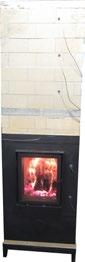
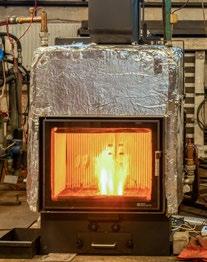
The Power Engineering Equipment Research Department has over 40 years of experience in testing boilers, burners and heating equipment fired by solid fuels. The department also provides consulting and expert services in the above-mentioned field. The department’s clients are domestic and foreign customers. An Accredited Laboratory (no. AB 087) operates within the department structure. It carries out tests on boilers and solid fuel equipment. The laboratory carries out tests within the framework of accreditation and evaluates performance in the 3 CPR system according to the Regulation of the European Parliament and of the Council (EU) No. 305/2011 of 9 March 2011, (CPR) on the basis of the notification issued by the EC (NB1452).
What do we do?
Over 40 years of experience in the design and testing of heating equipment enables us to:
• design and modernise low-power heating equipment (up to 1 MW),
• rent a measuring station (with or without an operator),
• test pellet burners,
• test capacity water heaters according to PN-EN 12897+A1:2020−03,
• test hot water storage tanks,
• test other low-power heating devices (e.g. air heaters),
• test residential solid fuel burning devices according to the PN-EN 16510 series of standards,
• perform thermo-emission tests for combustion of alternative fuels,
• conduct research and development in the power industry of low-power heating devices (up to 1 MW).
The Power Engineering Equipment Research Department has an Accredited Laboratory (no. AB 087) that tests boilers and solid fuel equipment. It is the only laboratory in Poland accredited to test heating boilers with a thermal power of up to 1 MW.
The Boiler and Heating Equipment Testing Laboratory offers accredited and notified tests for:
• Roomheaters according to PN-EN 16510−2−1:2023−06 or PN-EN 13240:2008,
• Inset appliances including open fires according to PN-EN 16510−2−2:2023−06 or PN-EN 13229:2002,
• Mechanically by wood pellets fed roomheaters, inset aplliances and cookers according to PN-EN 16510−2−6:2023 or PN-EN 14785:2009,
• Cookers according to PN-EN 16510−2−3:2023 or PN-EN 12815:2004,
• Slow heat release appliances fired by solid fuels according to PN-EN 16510−2-5:2025 or PN-EN 15250:2009,
• Combination aplliances fired by wood logs and pellets according to PN-EN 16510−2-7:2025,
• Heating boilers for solid fuels manually and automatically stoked according to PN-EN 303−5+A1:2023.
Compliance with the requirements of the above standards during the assessment by a notified body, together with documented factory production control, enables the equipment to be placed on the market within the EU.
The Power Engineering Equipment Research Department has an experienced team of experts who offer comprehensive services in the field of testing boilers, burners and heating equipment fired by solid fuels.
Institute of Power Engineering –
National Research Institute
Power Engineering Equipment
Research Department ul. Dostawcza 1, 93-231 Łódź phone: +48 609 799 455 e-mail: cue@ien.com.pl www.ien.com.pl/cue
PhD Marta Jach-Nocoń member of the Chamber of Commerce for Renewable Energy Sources Devices (Polish acronym: IGU OZE)

Dr. Marta Jach-Nocoń has been working for 20 years on renewable energy sources, combustion processes in low-power boilers and the quality of solid biofuels. It was in this field that she earned her doctorate in sciences. During her career, she has supervised and controlled the work of the Laboratory for Actual Combustion of Solid Fuels. As part of numerous projects, she conducted analyses and tests aimed at optimizing combustion processes and improving the energy efficiency of heating equipment using renewable energy sources.
Her hands-on approach to science has allowed her to successfully combine theory and practice. Through scientific publications in the heating industry, she has contributed to the introduction of innovative RES products to the European market.
Today, the Polish heating equipment industry is one of the most dynamically developing sectors of the HVAC industry in the European Union. Domestic manufacturers offer technologically advanced heat pumps, pellet boilers and wood gasification boilers, which, in terms of efficiency, automation, reliability and compliance with rigorous EU standards, fully compete with solutions available on Western European markets.
A well-developed engineering background, extensive production experience, and a high level of technological integration have made Poland an important centre for the production of modern heating devices. Polish manufacturers successfully combine innovation with cost advantages, offering solutions that are attractive to both distributors and trade partners in foreign markets.
A particular strength of the Polish sector is renewable technologies – modern heat pumps, pellet boilers and wood gasification boilers – developed for demanding climatic conditions and high performance standards. It is in these segments that Polish companies are building their competitive position relative to manufacturers from Western Europe.
Poland has one of the largest production bases in Europe in the heating equipment segment. A high concentration of manufacturing plants, developed supply chains, and access to qualified technical staff enable the efficient design, testing, and mass production of modern heating devices powered by renewable energy sources. In Poland, approximately 250 companies manufacture wood-biomass heating equipment. These include large companies employing up to 1,000 people as well as micro-companies with up to 10 employees.
Climatic conditions in Central and Eastern Europe, along with many years of experience supplying equipment to EU markets, have necessitated the development of technologies characterised by high durability, stable operating parameters, and resistance to intensive use. As a result, equipment manufactured in Poland is perceived as solutions
fully ready for use in even the most demanding foreign markets.
According to the data contained in the report “The role of the municipal and household sector as a strategic pillar of Poland’s energy security”, this sector accounts for approximately 20% of the country’s final energy consumption and includes more than 4 million single-family buildings that are not connected to heating networks.
The Polish heating equipment sector is based on solid industrial foundations. The total production potential of domestic manufacturers is estimated at approximately 200,000 heating appliances per year, comprising pellet boilers, wood gasification boilers, and heat pumps. Extensive production facilities, experienced engineering teams, and in-house research and development departments enable rapid product adaptation to the requirements of individual markets, regulatory changes, and the expectations of trading partners. This scale allows for large export volumes and long-term commercial contracts.
Heat sources applied for under the Clean Air Programme in 2025
April 2025
May 2025
June 2025
July 2025
August 2025
Heating equipment manufactured in Poland complies with the European Union’s rigorous emission requirements, including Ecodesign standards. Pellet boilers and wood gasification boilers are fully automatic devices, equipped with advanced combustion control systems, power modulation and integration with heat buffers and energy management systems. At the same time, the heat pump segment is developing dynamically. Polish manufacturers and component suppliers are designing devices suitable for operation in colder climate zones, in modernised buildings, and in hybrid systems. These technologies are characterised by stable operating parameters, high seasonal efficiency and resistance to changing operating conditions.
The Polish heating equipment industry is prepared for further export expansion, offering foreign markets solutions that are certified, scalable, and fully compliant with EU technical and environmental requirements.
Poland has a population of over 38 million people, a large proportion of whom live in single-family households. It is estimated that several million such buildings still require replacement of heating sources or deep thermo-modernisation. This is a direct result of the historical dependence on fossil
fuels, dispersed development and the high proportion of older buildings in the housing pool. Poland’s climate, characterised by a long heating season and low winter temperatures, necessitates the use of heating devices with high reliability, stable output and predictable operating costs. These conditions significantly influence the technological choices made by the end users.
The 2025 market data show a clear dominance of biomass-based technologies in the modern heating appliance segment. In volume terms, biomass boilers accounted for the largest share of equipment production covered by the support schemes, whereas heat pumps accounted for less than one-third as much. This structure confirms the high industrial maturity of biomass technologies and their cost and technological competitiveness. At the same time, the dynamic development of the heat pump segment demonstrates Polish manufacturers’ ability to rapidly scale up modern solutions in line with European energy transition trends.
The Clean Air Programme is the largest instrument supporting the modernisation of heat sources in the municipal and household sector in Poland and, at the same time, the most important source of data on the real preferences of individual investors. In 2025, biomass boilers played a dominant role in the Clean Air Programme. In particular months, their share within the applications submitted reached approximately 70−77 per cent. Heat pumps accounted for around 20−25 per cent
of applications, while other technologies – including condensing gas boilers – had a marginal share, often not exceeding a few per cent. In 2025, the heat pump control system requirements were change. The Clean Air Programme regulations introduced an obligation to submit test reports from accredited laboratories for heat pumps.
These figures are extremely significant. They show that biomass has become the primary pillar of the energy transition in the household sector, regardless of the narrative promoted in public debate. It is households, not strategies written by armchair experts, that have made the real choice of technology.
These data are fundamental to assessing the market. They show that biomass has become the primary pillar of the energy transition in the Polish individual heating sector. These choices are not the result of theoretical models or marketing narratives, but rather practical decisions made by households. These choices account for investment costs, energy security, and fuel availability. At the same time, the lack of complete data makes it impossible to reliably assess the programme’s impact. It is unknown how many appliances actually operate according to the declared parameters, how many have been installed not in the optimal manner, and what the longterm costs of these decisions will be for users and the energy system.
Poland is at a pivotal point in the energy transition of the individual heating sector. Market data clearly indicate that biomass and modern heat pumps are the cornerstones of this transformation. At the same time, the domestic industry has reached a high level of technological and manufacturing maturity. The Polish market favours solutions that are proven, cost-effective and adapted to the real needs of end users. For manufacturers, this means the need to offer technologies that are not only modern but above all functional and resilient to changing operating conditions.
Today, the municipal and household sector functions between the Ministry of Climate and Environment and the Ministry of Development and Technology. In practice, this means the absence of a single decision-making centre and a lack of accountability, which
negatively affects the further development of the sector.
The municipal and household sector – the foundation of energy security – has found itself in a decision-making vacuum. It has no strategy, no one to oversee it, and no effective protection of the public interest. This is no longer a technical problem. It is a systemic problem.
The Renewable Energy Sources industry, through its organisations, is advocating for:
unequivocal assignment of competences to one ministry,
creation of a specialised unit (department or government plenipotentiary),
ensuring that this structure has a real influence on support programmes and regulations.
Without this, the sector will continue to drift between institutions, and decisions will be made chaotically and in an uncoordinated manner.
The industry today operates without a long-term vision for development. It calls for the creation of a national roadmap that will:
define the directions of technological development for the next 10−15 years,
identify the role of particular technologies (biomass, heat pumps, hybrid solutions),
take into account the actual climatic, infrastructural, and social conditions in Poland,
be consistent with national industrial and energy policies.

The Chamber of Commerce for Renewable
and the Polish Industry (Polish acronym: IGU OZE) brings together leading Polish manufacturers of heating equipment, as well as automation systems and components essential for their production. Its structure also includes renowned installers and service technicians whose expertise and high professional standards contribute to the development of the renewable energy sector and strengthen Poland’s industrial potential.
The Chamber plays an important role in shaping the RES market and modern industry in Poland. Through the dynamic work of its specialised departments, continuous dialogue with public authorities and close cooperation with industry representatives, it supports stable and sustainable development. Its mission is to ensure fair competition for domestic manufacturers, foster technological innovation and promote modern, efficient and environmentally friendly energy and industrial solutions.
The Department is responsible for the development and improvement of solid biofuels available on the domestic market. Biofuels, defined as fuels derived from biomass used
for the production of heat, electricity, and cooling, are evaluated to ensure the highest quality standards, user safety, and environmental protection.
The primary objective of the Department is to ensure that equipment, subassemblies and components used in the production of RES devices meet the highest quality requirements. The Department implements and supervises quality assurance procedures guaranteeing the safety and efficiency of products placed on the market.
The Department focuses on ensuring that heat pumps offered on the Polish and European markets comply with the highest quality standards. Verification is based exclusively on comprehensive test reports issued by accredited laboratories within the European Union and EFTA. The Department also promotes innovative heat pump solutions and their optimal application in heating systems.
The Department supports the development of heating technologies based on solid biofuels while striving for maximum emission neutrality. It actively participates in legislative processes, advocating regulatory improvements, including subsidy levels, income thresholds and updates to government programmes such as the “Clean Air” Programme.
The Department represents and supports Polish manufacturers of modern, low-emission stoves and fireplace inserts fuelled by solid
biofuels (wood logs, briquettes and pellets). Its objective is to develop this market segment and implement support systems for producers and distributors, increasing the share of environmentally friendly heating technologies.
The Department promotes micro wind turbines and raises public awareness of their benefits. It supports initiatives facilitating the implementation of small-scale wind installations in households and businesses, contributing to the sustainable development of the RES sector.
The newly established Machinery Industry and Economic Security Department was created in response to the growing need to build a decentralised economic security system and to integrate entities operating within the Polish machinery industry. The Department brings together machinery and equipment manufacturers, component suppliers, processing facilities and strategically important enterprises capable of flexibly adapting production during crisis situations.
The Department’s mission is to support the development of industrial production capacity, strengthen economic resilience and foster cooperation among entities crucial to national security. Its activities include initiating industrial projects, cooperating with public institutions, universities and R&D centres, and preparing analyses, reports and recommendations on the industrial potential of associated companies.
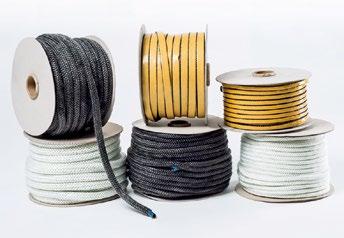
A family company operating on the Polish market since 2008, built on the knowledge and experience of the previous generation, as well as on the passion and desire to develop production for the current generation. Excellent craftsmanship and expanding technical resources allow us to strengthen our position in Poland among producers of high-temperature seals for fireplace inserts and central heating furnaces, and in small steps in other European markets.
Focused on a solid path of production development, thanks to the family atmosphere, each day strengthens and brings us closer to the intended goal. Openness and the ability to listen, help us encourage old and new business contacts.
Production capabilities:
• glass tapes up to 35 mm, thickness up to 4 mm;
• thermal cords from 5 to 30 mm;
• thermal cords up to 20 mm without glass filling;
• thermal cords over 20 mm with glass filling;
• rectangular thermal cords sewn with non-flammable thread;
• square ceramic sealants from 6 to 30 mm (up to 1200°C);
• ready-made.
https://iguoze.pl/
e-mail: biuro@iguoze.pl
PUH AGKOM Agnieszka Piotrowska-Jakimowicz
mob.: +48 660 761 202 mob.: +48 509 220 470 e-mail: puhagkom@gmail.com www.puhagkom.pl
KOTŁOSPAW – How did it all begin?
KOTŁOSPAW is a family company established in 2001 by Przemysław Wroński. The founder’s previous experience of nearly fifteen years in the boiler industry resulted in the introduction of products which were very quickly accepted by customers. From the very beginning, we have focused on very intensive development, and we use the experience we have gained and our knowledge of the latest technological achievements to improve the quality of our products to satisfy the requirements of our customers in Poland and worldwide. We are dynamically developing our Sales Department, Customer Support Department and Service Department to meet our customers’ expectations.
Improving the quality of design concepts
A qualified team of employees and the implementation of the latest technological solutions contribute to improving the design and quality of the structural solutions offered in our boilers. Cooperation with institutes and other companies producing central heating boilers results in modern, eco-friendly solutions that influence the modernization and enhancement of our products. Our production is one of the few in Poland that is supervised and certified by the Office of Technical Inspection.
Ecology and certificates
Our boilers have ecological certification and emission levels and energy efficiency tests carried out by authorised institutes. All our products meet emission standards in accordance with EN 303-5+A1:2023-05 and Eco Design label.
Flagship products
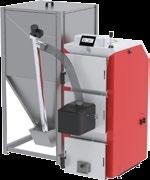
DrewKo Hybrid – a dual fuel wood gasification boiler with the possibility of pellet combustion, in accordance with EN 303-5+A1:202305 and Eco Design standards. Thanks to the capability of burning two fuel types, the DrewKo Hybrid boiler is an excellent solution for uncertain times or when the user has their own wood resources but does not limit themselves to operating only on it. The choice of burning method is simply a matter of selecting the function on the boiler controller. The boiler is equipped with a self-cleaning burner with a rotary combustion chamber. This product highly appreciated by customers thanks to its fuel flexibility and available nominal outputs of 12 kW, 18 kW and 24 kW. The device has to be installed with a buffer tank, which is also included in our offer.
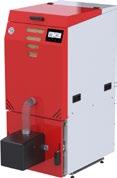
SlimKo Plus – one of the smallest pellet boilers on the market, with a large fuel hopper. Optional side hopper configuration is possible. Produced in the 8−35 kW power range, the boilers with automatic feeder are based on a pipe heat exchanger. Thanks to the well-thoughtout design, running a pellet boiler is limited to periodically refilling the hopper and removing the ash from the ash drawer. The modern design and fully automatic control of the solid fuel boiler make the SlimKo Plus stand out from other pellet boilers in terms of functionality, compactness and completely maintenance-free operation, while ensuring all the parameters required in terms of the EN 303-5+A1:202305 and Eco Design standards.
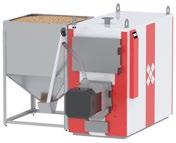
SlimKo MAXI – modern design, simplicity of operation, plus excellent energy efficiency of up to 91% and compliance with EN 303-5+A1:202305 and Eco Design standards. The SlimKo MAXI central heating boiler is an ideal solution for heating both small offices and buildings with a huge surface area. Pellet boilers are available in a wide range of power outputs ranging from 50 kW to 520 kW Depending on the type chosen, they are capable of efficiently heating an area from around 150 m² to as much as 4,000 m². The highest quality materials are used in their manufacture, i.e. P265GH boiler steel plate and a high-quality self-cleaning pellet burner. As a result, the construction is durable, has a long service life, and guarantees excellent energy efficiency, which translates into lower heating costs.
KOTŁOSPAW Sp. z o.o.
ul. Szenica 38, 63-300 Pleszew phone: +48 600 494 315 e-mail: handlowy@kotlospaw.pl www.kotlospaw.pl
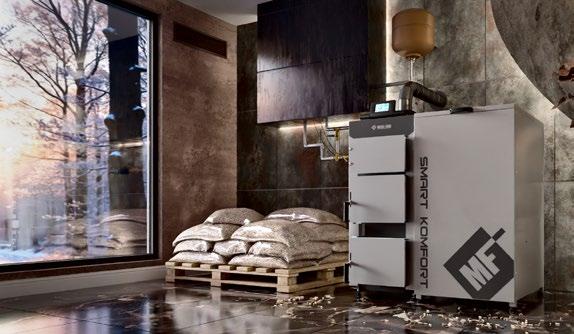
During the heating season, one thing matters most: keeping your home warm and comfortable. Pellets, the fuel that is convenient to store and stable in quality, are becoming a natural choice. And when pellets meet automation, you get heating that works quietly in the background, just as it should: without smoke, without stress, and without daily boiler-room rituals.
This is exactly what SMART KOMFORT from METAL-FACH offers. It is designed for buildings with low to medium heat demand, where reliability and simple operation are essential. The boiler automatically selects the optimal fuel dose. An intelligent feeder precisely dispenses pellets based on sensor signals, ensuring stable temperature and peace of mind for the user. At the same time, combustion remains economical and environmentally friendly.
In everyday use, ‘small’ details make a big difference. The heat exchanger is designed for quick front-access cleaning without tedious disassembly. Swirlers slow exhaust gases and maximise heat extraction, while ceramic plates in the combustion chamber increase temperature and enable complete particle afterburning, resulting in cleaner flue gases.
Comfort also comes from fully automatic ignition and operation. SMART KOMFORT is equipped with a self-cleaning combustion unit and a ceramic igniter adapted for 6–8 mm pellets. The boiler ignites itself, maintains stable performance, and adjusts smoothly to changing weather conditions. Control is provided by the PLATINUM PELLET controller, which allows the user to tailor heating to the home’s rhythm using schedules, summer/winter modes, weather-based control, integration with a mixing circuit and a room thermostat. With the ecoNET module, you can manage the boiler from a smartphone—at home, at work, or on the go.
Peace of mind is also important, not only the financial one, but above all everyday peace of mind related to safety. A door-mounted limit switch automatically stops the boiler when the door is opened and restarts it only after the door is again properly closed. It is a simple solution that significantly improves everyday operational safety.
SMART KOMFORT is available in 11, 15, and 20 kW power ratings, with a 220 -litre fuel tank. For many boiler rooms, flexibility is the key aspect. The boiler can be configured as left- or right-hand sided, and the feed system can be installed on the side that best fits the available space. A flexible flue outlet at the rear or top of the boiler further simplifies chimney connection.
The unit meets the requirements of Class 5 as well as EcoDesign, and is classified as eligible for the Clean Air programme. METAL-FACH also offers a wide range of other solutions, including wood gasification boilers, hybrid wood gasification and pellet systems, and eco -pea coal boilers.
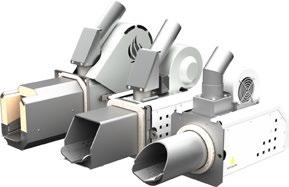



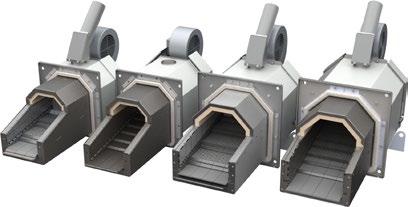

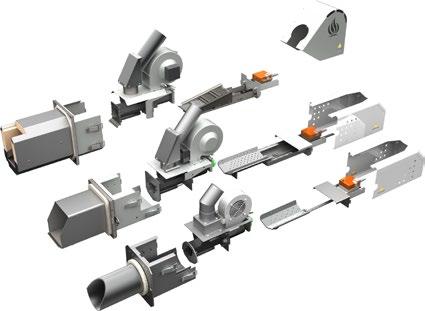



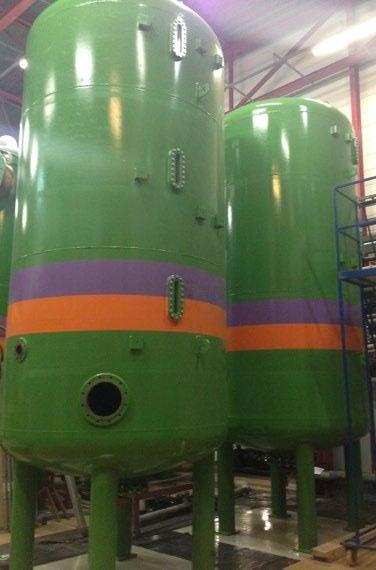
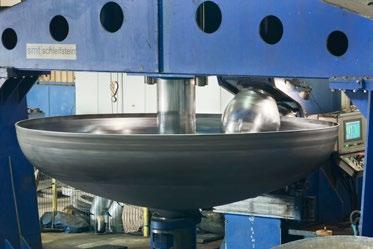
The Company KOTŁOREMBUD was established as a civil partnership on 1986. The company’s establishment and initial business profile were determined by the partners’ experience gained while working in companies providing services related to conventional boilers.
40 years of development have made Kotłorembud a renowned manufacturer in the steel industry, building its market position on providing top-quality steel tanks and bottoms made of structural steel and stainless steel in a wide range of materials.
A key pillar of our offerings are advanced pressure vessels, including pressure filters used in the water, sewage, and industrial sectors, hydrophores, water-air mixers, compressed air tanks, and hot water cylinders. The company also provides comprehensive steel structures, including hall frames, viaducts, and flue gas ducts, which are professionally treated for corrosion protection. Thanks to UDT (Office of Technical Inspection) authorizations and PED certification, all products are characterized by complete safety of use and the highest quality of workmanship.
The company manufactures a wide range of bottoms, including ellipsoidal, basket, and conical models, meeting stringent DIN and PN standards. Each product is made from certified materials such as carbon and acid-resistant steel, ensuring reliability in extreme operating conditions. We also offer heat treatment in a large-scale furnace.
The latest initiative is expanding into the garden architecture segment, offering high-quality garden grills and fire pits. The offer includes both stationary models and designer fire pits that combine practicality with modern aesthetics.
Currently, the company operates three production facilities with a total area of over 60,000 m² (including 22,000 m² of hall and warehouse space). Kotłorembud continually invests in its technical resources, focusing on stable growth and the highest quality of workmanship.
Contact us: kotlorembud.pl dennice.pl krmb.pl
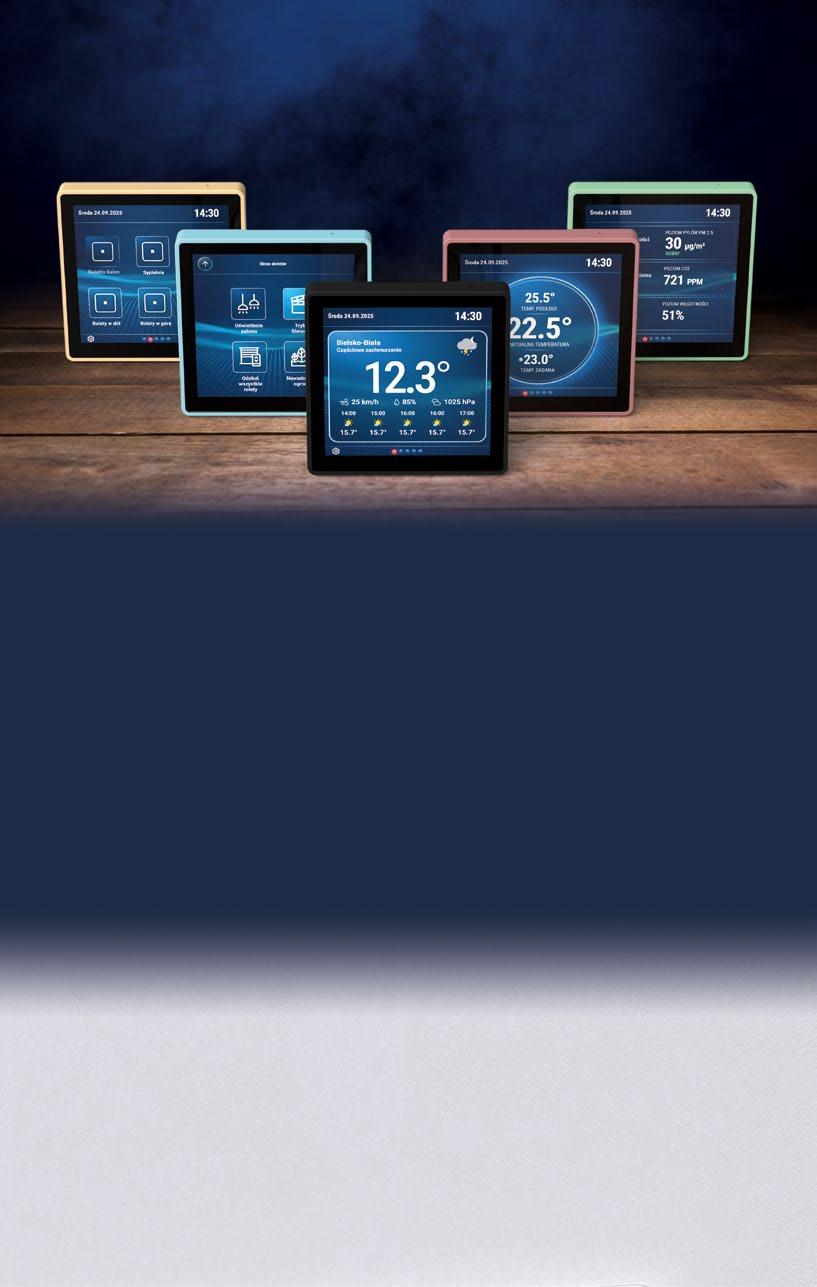
Agnieszka Kędziora-Urbanowicz
President of Biocontrol Sp. z o.o.
Vice-president of the Polish Pellet Council Auditor ENplus/DINplus/KZR SURE/SNS

I graduated from the Faculty of Commodity Science, specialisation: Commodity Science and Quality Management at the Maritime Academy in Gdynia. Later, I graduated from postgraduate studies in Energy Science and Renewable Energy Sources at the University of Warmia and Mazury in Olsztyn. For 10 years, I have been involved in certifying product quality and management systems. I am a long-term third-party auditor in certification bodies, i.e. Polish Centre for Testing and Certification, SGS Polska Sp. z o.o., Control Union Poland Sp. z o.o., DINcertco GmbH, Bureau Veritas Polska Sp. z o.o. and DQS Polska Sp. z o.o. I am an active working committee member at the European Pellet Council (EPC) within Bioenergy Europe. Currently, I am also Vice-President of the industry association, the Polish Pellet Council.
Wood pellets remain one of the key renewable biofuels used in the residential and commercial heating sector in Europe. Despite dynamic regulatory changes and a marked slowdown in investment in the heating sector observed between 2023 and 2025, the pellet market has remained relatively stable on both the supply and demand sides. Data published by Bioenergy Europe in its Pellets Statistical Report 2025 confirms that wood pellets are not a declining or transitional technology, but a permanent part of the energy mix in many European Union countries, including Poland.
According to Bioenergy Europe, global wood pellet production in 2024 reached a volume of 48.3 million tonnes, remaining at a similar level to the previous year. Europe – despite a drop in production of around 7% y-o-y (from 24.5 million tonnes in 2023 to 22.7 million tonnes in 2024) – remains the largest production region in the world, accounting for around 40% of global supply. The largest producers are Germany, France, and Poland. Poland consistently ranks among the top ten pellet producers in Europe, with annual production estimated at 1.8−2.0 million tonnes, making it a key country in this market segment. Pellet production in Poland is mainly based on the use of wood industry by-products, i.e. sawdust, wood chips or other post-production residues, which strengthens its compliance with the principles of a closedloop economy.
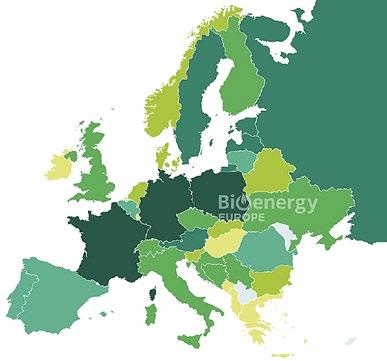
The map of pellet production (Figure 1) clearly shows a strong concentration of production facilities in Central and Western Europe. Poland is one of the leaders among wood pellet-producing countries in Europe, with annual production estimated at around 2.0 million tonnes, i.e. comparable to France and higher than in many Southern European countries. The long-term nature of the development of the domestic pellet market is confirmed by an analysis of historical data. Between 2004 and 2024, pellet production in Poland rose from marginal to one of the highest in the EU, indicating that the sector is
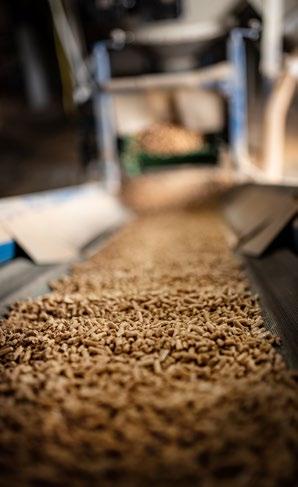
firmly entrenched in the domestic wood and energy industry.
Why
In recent years, the Polish wood pellet market has grown into one of the most important in Europe. As already mentioned in this text, Poland produces about 2.2−2.3 million tonnes of pellets per year, ranking Poland as a country among the top European states. At the same time, the total production capacity is higher, estimated at about 2.7 million tonnes with about 140 active plants (as of 2023). It is safe to estimate that about 250−300 entities in total are involved in the production, trade, or distribution of wood pellets in Poland. This difference between potential and real volume describes well the specifics of the industry today: the result is no longer determined solely by demand and production capacity,
Source: EPC Survey 2025
but primarily by the availability of raw material for production.
The most characteristic feature of the Polish pellet industry is the strong dispersion of production. There are many plants with relatively small capacities of about 3−6 thousand tonnes per year, often embedded in local supply chains (sawmills, carpentry plants, wood processing facilities). This distinguishes Poland from markets where single, very large plants dominate. As a result, the average plant size in Poland is smaller, and the sector as a whole is more sensitive to fluctuations in the supply of raw material for production, which is sawdust or woodchip, mainly sourced from wood processing plants as sawmill residues.
Among the largest producers, those integrated with the timber industry stand out, as they have an advantage due to more stable access to raw materials and the ability to balance by-product streams from their own processing operations. An example is the segment of large, modern production
installations, i.e. STELMET, Mr Garden, Tartak Olczyk, IKEA Industry, Barlinek, and MMJ, where declared capacities among the largest players reach up to 150,000 tonnes per year. On the other hand, the ‘backbone’ of the market still consists of dozens of medium and small plants, operating on the basis of local raw materials and local customers, which together account for the production volume in Poland indicated in the introduction.
On a European scale, the basic input for the production of wood pellets is wood residues from the roundwood processing industry –primarily sawdust, woodchips, shavings and wood dust (i.e. the by-product streams of sawmills and further wood processing). In Poland, the mechanism is analogous, namely, links to regions with high sawmilling activity and access to stable supplies of raw material with consistent parameters (moisture content, particle size, impurities) are of key importance. And here we come to a factor that increasingly determines the ‘to be or
not to be’ of a plant, i.e. continuity of supply. Even with available production capacity, a shortage of raw materials leads to downtime and a decline in plant utilisation to its full rated capacity. In 2024, the risk of production declines and capacity constraints has been signalled, with the scale of about 200,000 tonnes appearing in industry materials.
The issue of raw material availability in Poland was further worsened by the debate surrounding the so-called moratorium on logging in forests of the highest natural value. The order from the Minister of Climate and Environment was issued on 8 January 2024 and subsequently extended, as announced by the government on 30 September 2024. The decision, embedded in coalition commitments to protect 20 per cent of forest resources from logging, was ad hoc and was extended in subsequent months.
In terms of the volume, the ministry indicated that the scale of the restrictions was small. According to the ministry’s data, the reduction in timber harvesting by about 154,000 m³ – which represented about 0.4% of the planned annual harvest – did not disrupt the overall level of sales or raw material prices. However, in some forest districts covered by the moratorium (Białystok Forest District or Krosno Forest District), the realisation of timber harvesting plans in 2024 exceeded 90−100% of the plan, and total sales of raw material did not decrease compared to periods before the moratorium. Thus, from the perspective of companies in the wood industry, among others, those involved in the production of wood pellets, the effect of uncertainty is equally important – the market reacts to risk, and risk is translated into prices and the inclination to contract raw materials ‘for longer’.
A completely different position is taken by Timber Entrepreneurs and foresters, who have organised protests and demonstrations, and have been calling on the government since the moratorium was announced. Initiatives such as the Timber Industry
Protest (including sawmill owners, forestry service providers, and foresters’ unions) point to the real concerns of companies in the sector about difficult access to raw materials, declining orders, and threatened jobs. Protesters have repeatedly called on the Prime Minister and the ministry to immediately withdraw the moratorium and to engage in dialogue with the industry, arguing that decisions to tighten harvesting conditions were taken without consultation with the industry. The foresters, in turn, warned that changes in forest use without wide consultation and economic impact assessment could lead to the ‘destruction of Polish forestry’ and increased unemployment in regions dependent on the forestry and timber industry. They highlighted the need for respect for the forestry profession and a stable forest management policy, and called for the moratorium to be either withdrawn or reviewed.
For the wood pellet sector, which depends heavily on the availability of by-product raw materials, i.e. sawdust, wood shavings, and woodchips, the disputes around the moratorium confirmed that the key factor is not conservation policy per se, but the broader context of the availability of wood raw
(in 2024, tonnes, %) Source: EPC Survey 2025, Howkins Wright
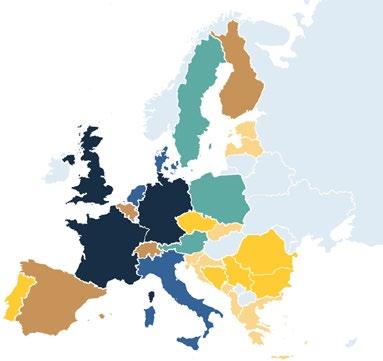
materials throughout the supply chain. Even a small reduction in supply can amplify price pressures and reduce flexibility in contracting for materials to be processed – especially in the case of small and medium-sized production facilities.
How much can we produce, and how much are we producing? In short, we can produce more than we do. A potential of approx. 2.7 million tonnes, juxtaposed with a production of approx. 2.2−2.3 million, shows that it is not the production line that is the limitation, but raw materials, logistics and profitability at current prices.
The Polish market is currently strongly oriented towards quality, including certification such as ENplus, DINplus, Dobry Pellet (www.dobry-pellet.pl) and other systems. Poland is indicated as the leader in terms of the number of ENplus certificates issued in Europe. At the same time, the ENplus system has tightened procedural requirements (including changes from 1 January 2024,
such as additional unannounced sampling). However, it is worth being clear: in Poland, there is no single, public summary that separates domestic production into ‘certified’ and ‘non-certified’ in terms of volumes (different systems, different scope of the supply chain, some production goes in bulk, some in bags, some in local contracts). However, it is possible to describe a trend: the share of certified wood pellets is increasing because end consumers and distributors increasingly expect certified quality, and the market is learning from the experience of the energy crisis.
The pellet sales model in Poland is largely based on local distribution. This is due to the cost of transport (vehicles up to 3.5 t), seasonality and the need for quick availability during the heating peak. Hence, short chains, namely producer → local distributor → customer, dominate, and recent years have also seen the growth of ‘home delivery’ channels. Looking at exports – especially to Western markets –they have fallen significantly in comparison
to the pre-2022 period, from as much as 70% to 30%. There are several reasons for this: a change in the price relationship after the 2022 energy shock, greater raw material uncertainty, increasing price competition, and the fact that Polish domestic demand can ‘absorb’ a significant proportion of production during the heating seasons.
From a demand perspective, global pellet consumption reached a record high of 46.5 million tonnes in 2024. The structure of wood pellet use has shifted further towards large industrial installations – the industrial sector (power generation and CHP) already accounts for about 56% of global consumption, while the heating sector, residential and commercial, accounts for about 44%. In Europe, however, wood pellets remain primarily a heating fuel, used in modern boilers and small household appliances. In 2024, pellet consumption in Europe rose further. Total consumption of this biofuel in Europe reached 32.7 million tonnes, an increase of 9.5 per cent year-on-year. In contrast to global trends, where the commercial power sector plays a dominant role, the European market remains a heat market, based largely on appliances used in the residential and commercial heating sector, i.e. households and institutional buildings, such as schools, offices, hospitals, to name a few.
As shown in the Figure 4, the residential and commercial heating sector (residential <50 kW and commercial >50 kW) accounts for approximately 17.8 million tonnes of pellet consumption in Europe, making it a key market segment.
Undisputedly, Europe remains the largest heating pellet market in the world. The data in the Figures confirm that pellets in Europe primarily serve as a local, renewable heating fuel, particularly important in regions with dispersed housing and limited access to gas and district heating networks. Among European countries, Poland is among those with growing consumption in this segment (+19% y-o-y).
Wood pellets are also playing an increasingly important role in the industrial power sector. As shown by data from Bioenergy Europe, in 2024, pellet consumption in the European power & CHP sector increased by more than 22% y-o-y – from 12.2 million tonnes in 2023 to 14.9 million tonnes in 2024. This means that industrial power generation has become the fastest growing segment of pellet use in Europe.
This growth is particularly evident in Western and Northern European countries, where pellets are used for co-firing or direct combustion in electricity and district heat-generating installations. These figures clearly indicate that woody biomass in pellet form is increasingly important for decarbonising the electricity and district heating sectors.
As shown in the Figure 5, pellet consumption in the power sector increased by 22.6% y-o-y to 14.9 million tonnes. An analogous trend is observed in Poland. Wood pellets are increasingly used in electricity and district heat-generating installations. At present, the consumption of wood pellets in the domestic power industry is estimated at nearly 600,000 tonnes per year, with a tendency to increase this volume year on year, confirming the growing role of this biofuel not only in individual heating but also in district heating and electricity systems in Poland.
Turning to the domestic scene, Poland stands out in Europe as a market where wood pellets play an important role in the shift away from coal-based heating in single-family buildings. A key factor supporting this process remains the government ’s Clean Air programme, a public instrument that supports the transformation of heat sources in single-family buildings. Biomass, including pellets, is one of the most frequently selected heating technologies among the beneficiaries.
(in 2024, tonnes, %)
Source: EPC Survey 2025, Howkins Wright
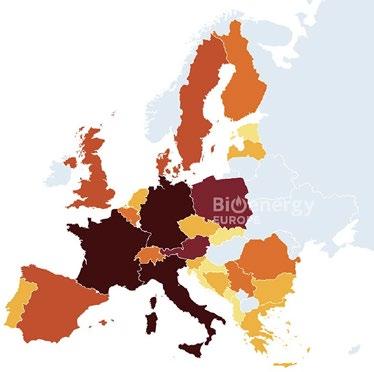
According to data from the National Fund for Environmental Protection and Water Management, by 26 December 2025, more than 1 million applications had been submitted to the Clean Air programme, a significant proportion of which concerned the replacement of coal-based heat sources, the so-called “kopciuch” (inefficient coal-fired boiler), with biomass equipment. Although the rate of new applications has slowed noticeably in 2025, pellets have remained a stable choice among the technologies eligible for support, particularly for households located outside areas with a gas network.
The decrease in the number of applications in the second half of 2025 reflects a general slowdown in modernisation investments rather than the abandonment of biomass technologies.
In practice, however, this means that wood pellets have remained the technology of first choice for many households, especially in rural areas and small towns, where alternatives – such as heat pumps – face technical or economic barriers.
Therefore, it is safe to say that, compared with other European countries, it is Poland that belongs to the group of those where public support instruments have had a real impact on maintaining demand for modern pellet boilers, even during the period of weakening sales of heating equipment observed in many EU countries in 2023 and 2024. Bioenergy Europe data indicate that Poland is among the few markets in which the number of applications associated with switching from fossil fuels to biomass exceeds interest in heat pumps. In this context, wood pellets should be regarded not as a transitional technology but as a sustainable component of the energy mix in the heating sector, particularly in regions where technical and economic conditions limit the use of other zero-carbon solutions. However, the further development of this market segment will be significantly dependent on regulatory stability, predictability of support schemes and coherence of climate and energy policies at the national and EU level.
On 24 May 2025, the Regulation of the Minister for Climate and the Environment on quality requirements for wood pellets and briquettes, issued on 8 May 2025, came into force. This regulation is a milestone in tidying up the market. It implements the demands of the Polish Pellet Council, which had long been made. For the first time, mandatory quality parameters were introduced for wood pellets – both those produced in Poland and those imported from abroad. i.e. those subject to customs procedures, such as maximum moisture content, ash, sulphur and chlorine content, and minimum mechanical strength. At the same time, the acceptable sources of raw materials are clearly defined: only wood biomass, without chemical treatment or impurities.
In the case of wood pellets intended for boilers of energy classes 3, 4 and 5, or meeting the ecodesign requirements, the quality requirements will correspond to quality class A1 according to PN-EN ISO 17225-2, so, among other things, they will have to show a maximum permissible ash content of not more than 0.7% (and not 1.20% as in quality class A2). The Ministry of Climate and Environment emphasises that the new regulations are intended to limit the burning of solid biomass fuels containing chemically processed additives and plastics in households and heating installations with a capacity of up to 1 MW. Currently, not all pellets and wood briquettes available for sale meet the quality requirements of the European standard of ISO EN 17225 series. Increased control over the quality of biofuels available on the market is expected to help eliminate low-quality products and reduce environmental emissions.
The new regulations have a direct impact on reducing pollutant emissions and improving air quality, particularly in the residential heating sector and installations up to 1 MW, where fuel quality is crucial to environmental performance. By tightening biofuel requirements, users will have access to selected, high-quality products, which will have a positive impact on combustion efficiency and enhance health and environmental safety.
Manufacturers and trading companies holding ENplus®, DINplus, or Dobry Pellet certificates are, in practice, very close to meeting the requirements of the Polish regulation, as these certificates attest to compliance with PN-EN ISO 17225-2, ongoing external supervision, testing in accredited laboratories, and a product traceability system. This, however, does not exempt them from the obligation to issue quality certificates for solid biofuel and to retain the required documentation for each sales batch. At the same time, certification offers an important market advantage: ready-made procedures, data, and parameters enable faster and safer compliance with new regulations. Certification will ensure market transparency and also protect consumers from purchasing low-quality fuels. The new regulations for wood pellets are definitely a positive development that raises the quality and safety standards of biofuels, while supporting efforts to limit air pollution and promoting market transparency.
Under the current legislation, every producer and distributor of wood pellets is obliged to:
conduct quality tests in an accredited laboratory,
issue a quality certificate of solid biofuel for each batch of the product,
keep quality certificates for a period of at least 2 years,
properly label the packaging, including an indication of the quality class (A1 or A2) and the intended use of the product,
in the case of imports, carrying out the customs release procedure with documentation confirming the quality class.
Failure to comply with the obligations is threatened by fines amounting to several hundred thousand zlotys and, in the case of importing unqualified biomass, also criminal liability. Importantly, individuals who actually manage the fuel trade are also liable, regardless of their formal position. The new regulations create a real opportunity to
(in 2024, tonnes, %)
Source: EPC Survey 2025, Howkins Wright
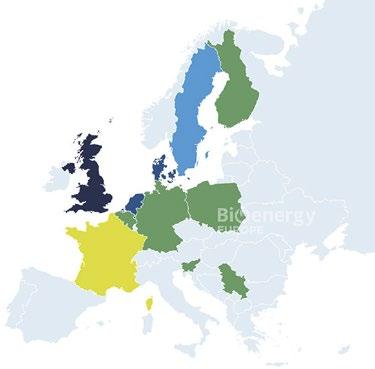
bring order to the market, eliminate cheap and hazardous pellets, and rebuild consumer confidence. Unified rules and mandatory certification can strengthen the competitiveness of Polish producers and support exports.
In 2025, the wood pellet market in Poland entered a new phase of development in which quality regulation, which the pellet industry had been seeking for years, played a key role. It should be unequivocally emphasised that the Polish Pellet Council (PRP) is the industry organisation that has consistently fought to ensure that only the highest-quality pellets can be purchased in Poland and that the market is covered by a monitoring and control system. Today’s regulatory status is a direct result of many years of PRP activities, carried out since 2017, dialogue with the public administration, and active participation in expert and legislative work.
The next few years present many challenges and opportunities that are likely to further
increase the share of wood pellets in both domestic and international markets. It should be noted that, due to our efforts, the Association has finally been recognised by decision-makers, as evidenced by our invitation to join two Working Groups at the Ministry of Climate to develop new legislation on solid-fuel quality monitoring and on biomass market development for district heating. We are actively engaged in both groups, and our demands and proposals are taken into account. In addition, we continue to try to promote high-quality wood pellets and pellet installations from the bottom up by regularly publishing newsletters, contributing to trade magazines, and participating in trade events both at home and abroad. In the current year, we would also like to start actively promoting our members on social media and industry portals, of course, with their permission and with their help in the form of promotional materials sent to us.
The Polish Pellet Council has successfully halted attempts by some local authorities and provinces to ban biomass, including pellets. Here, we can already mention considerable successes: the withdrawal of such bans on pellets in the Pomeranian and Mazovian
Provinces, and an ongoing struggle to have such bans removed from the proposed antismog resolutions for the Warmian-Masurian Province. At the same time, it is worth noting that in this area of activity, we are working with other associations representing the fireplace industry, heating appliance manufacturers, and scientific and ecological communities that have joined forces with us.
A recent but no less important success is our membership of the Industry Contract and Advisory Team to the Prime Minister on the development of the wood industry in Poland – this is, of course, a great effort by many members of the association, who actively participate in the meetings of the team and its work.
The pellet industry, which began as a niche sector, has become an important component of household heating in recent years. The activities of the Polish Pellet Council have contributed to this perception of the industry.
Overall, it looks like the Polish Pellet Council team will have another busy period ahead of them! As we enter the 2025−2026 heating season, the pellet industry is once again at a tipping point due to the lack of availability of raw materials for pellet production. The key difference from last year, however, is that market participants are, or should be, somewhat better prepared for whatever lies ahead. It will take cooperation and cool heads to steer the sector into calmer waters. Hopefully, together we can all accomplish this.

What gives hope for the future is an analysis of European and national data that clearly shows that wood pellets should not be regarded as a transitional solution. Both the scale of production and the structure of consumption confirm its enduring role in heating systems based on local renewable resources. Under Polish conditions, wood pellets are an important supplement to the energy transition, supporting reductions in pollutant emissions while maintaining household energy security.
The new quality regulations, achieved largely thanks to the Polish Pellet Council, confirm that wood pellets in Poland are not a transitional solution but a permanent component of the energy system, including both individual heating and industrial power generation. Although the transitional period until the end of 2025 poses organisational and cost challenges, in the long term, these regulations promote transparency, quality, and fair competition.
Further development of the pellet market in Poland will, however, be significantly dependent on regulatory stability, predictability of support schemes and coherence of climate and energy policy both at national and EU level, as well as further dialogue between public administration and the industry. In this process, the Polish Pellet Council remains a key partner and a guarantor that the voice of pellet producers and users is truly heard.
The Polish Pellet Council (Polish: Polska Rada Pelletu), a National Industry Association to promote pellets, was established in 2017 as a result of a grassroots initiative of the representatives to address the needs of this thriving industry. We focus on activities that contribute to improving air quality and reducing CO₂ emissions through ongoing collaboration with legislators on national regulations, promoting pellets as an environmentally friendly biofuel, and conducting research, development, and education activities. We actively support producers, traders, service companies, and end users. The Council also acts as a national point of contact for the pellet industry in Poland and abroad regarding regulations, pellet quality, certification systems, and testing. We are also involved in monitoring and fighting counterfeiting and abuse by entities impersonating certified pellets or introducing non-compliant pellets. Moreover, the Council represents the pellet industry in interactions with bodies of state administration and local governments.
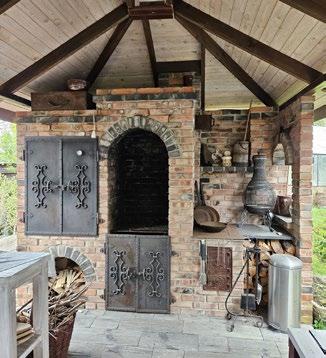
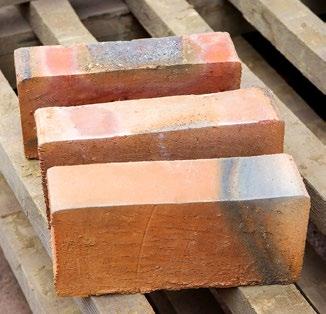
Cegielnia Łabuda (Łabuda Brickworks) is a place where history meets the future. Our story began in the mid-20th century, when Antoni Łabuda, a man full of passion and vision, founded a family business built on honesty, hard work, and respect for the craft. Many decades have passed since then, and we, as successive generations, have continued to develop the company, staying true to the tradition that has been the foundation of our success.
We have survived turbulent times for many Polish businesses: floods, economic crises, and pandemics. Each of these challenges has only strengthened our determination to deliver bricks that are reliable, durable, and beautiful. Today, thanks to the commitment of the third generation, headed by Wojciech Łabuda, we combine experience with innovation. We introduce modern technologies, process automation, and ecological solutions while retaining the character of true artisanal brickmaking.
Our raw materials come from our own deposit, giving us full control over product quality. Among other things, we produce solid bricks of exceptional strength, light and practical perforated bricks, aesthetically pleasing sill bricks (known as Gothic bricks), brick tiles to suit interiors in various styles, and brick dust, used primarily in the creation of sports surfaces. The latter is ideal for: tennis courts, sports fields, athletics tracks, and playgrounds. Brick dust provides excellent cushioning, proper substrate moisture, stability and a natural, aesthetic appearance. It is completely ecological and safe. Clay powder, on the other hand, is a versatile material with a very wide range of applications: in industry – as a natural filler for the production of paints, paper, rubber and plastics; in horticulture – it improves the structure of the soil, increases water and nutrient retention; in ceramics – it is the basis for ceramic masses, sculpting clays, and tiles; in cosmetics – it is used in masks, soaps and scrubs thanks to its absorbing and conditioning properties. All these materials are made from natural ingredients, are environmentally friendly, frost – and weather-resistant, and their appearance enables the creation of both traditional and modern architectural designs.
We are trusted by customers throughout Poland and Europe. Our products stand out thanks to their durability, stable parameters and attractive price, and our flexible approach means that we can tailor an offer to suit any project – from single-family homes to large commercial developments. We provide comprehensive advice, timely nationwide transport, and individualised service, which enables us to execute the investment smoothly and without issues.
Cegielnia Łabuda is not only a brick manufacturer. It is a brand created by people who understand the importance of solid building materials. Our mission is to provide products that will last for generations and become part of the Polish landscape. If you are looking for quality and tradition combined with modern solutions, we are the partner you can trust.
cegielnialabuda@gmail.com biuro@cegielnia-labuda.pl www.cegielnia-labuda.pl
Why choose our bricks?
Durability.
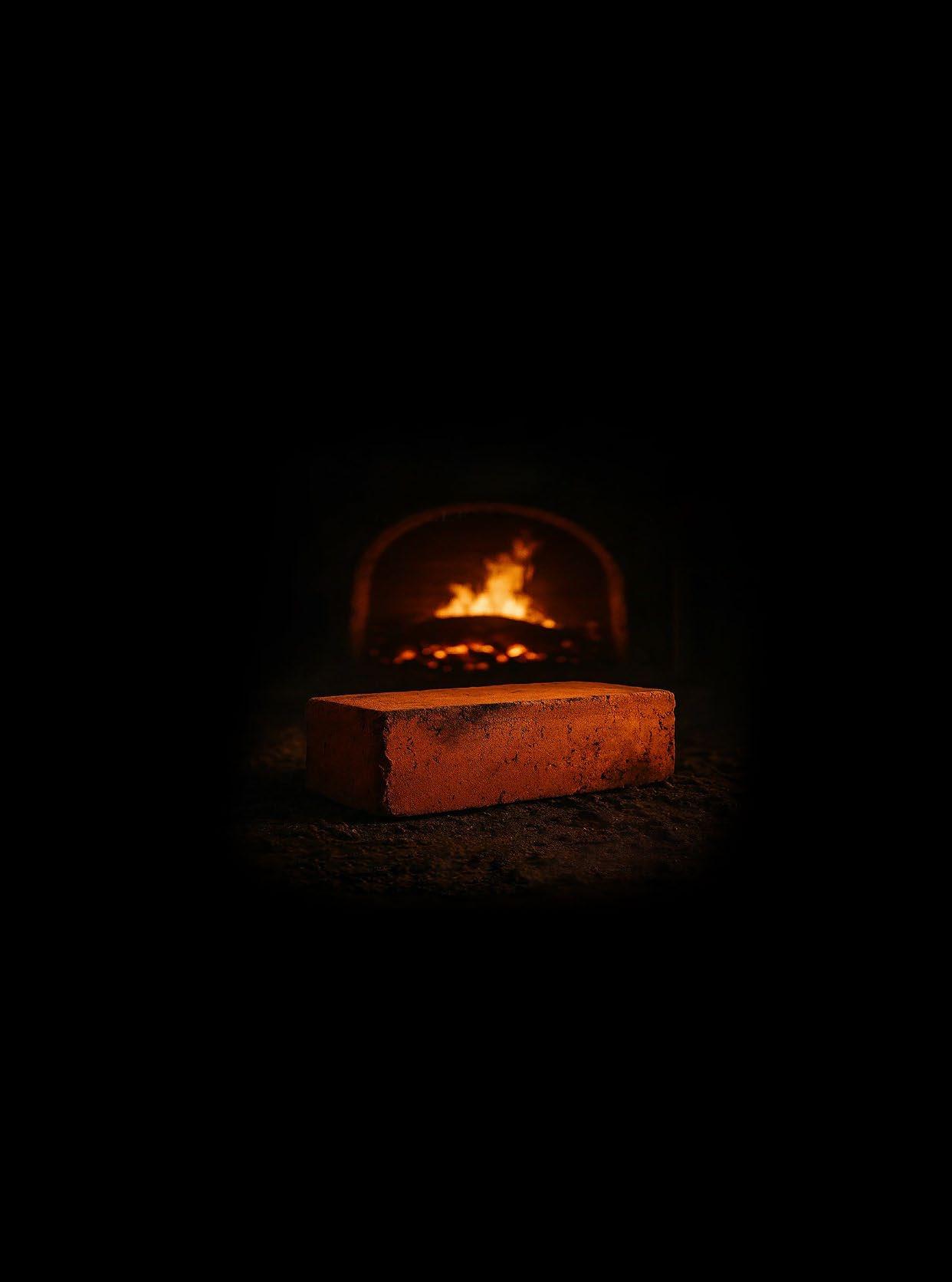
Attractive
We
fireplaces, stoves
biomass boilers
wood and pellets
bioethanol fireplaces
garden heaters, fire pits
chimneys
controlers for furnance and heating
Made in Poland 2026: firePlaces, sToVes, bioMass boilers, wood and PelleTs
Catalogue published by
Editorial office: Poland, 20-722 Lublin, ul. Roztocze 5B phone: +48 81 53 50 980, fax: +48 81 53 50 969 redakcja@swiatkominkow.pl, www.kominki.org
Editor-in-chief: Witold Hawajski
Deputy editor-in-chief: Aldona Mazurkiewicz
Advertising: Jarosław Flak – director, Beata Kowalska
Technical editor: Elżbieta Amborska; Translation: Maria Sieńko
Typesetting and page layout: Info Studio s.c.
Publisher: Informator Handlowy „Zaopatrzeniowiec” s.c.
Cover: Maciej Wasilewski