How to Choose the Best Decentralized Exchange
New DEXs launch almost every month, all claiming to be fast, cheap, and secure. But not every DEX deserves your trust — or your funds.
Here's exactly what to check before you connect your wallet.
BY KOINEXX

What Is a DEX?
A decentralized exchange (DEX) lets you swap cryptocurrencies directly from your own wallet — no centralized custodian, no middleman. Trades are executed by smart contracts, so you stay in control of your assets at every step.

That control is powerful — but it also means the responsibility of choosing a safe, reliable platform falls entirely on you.
1. Security & Smart Contract Audits

Published audit
From a known, verifiable auditing firm
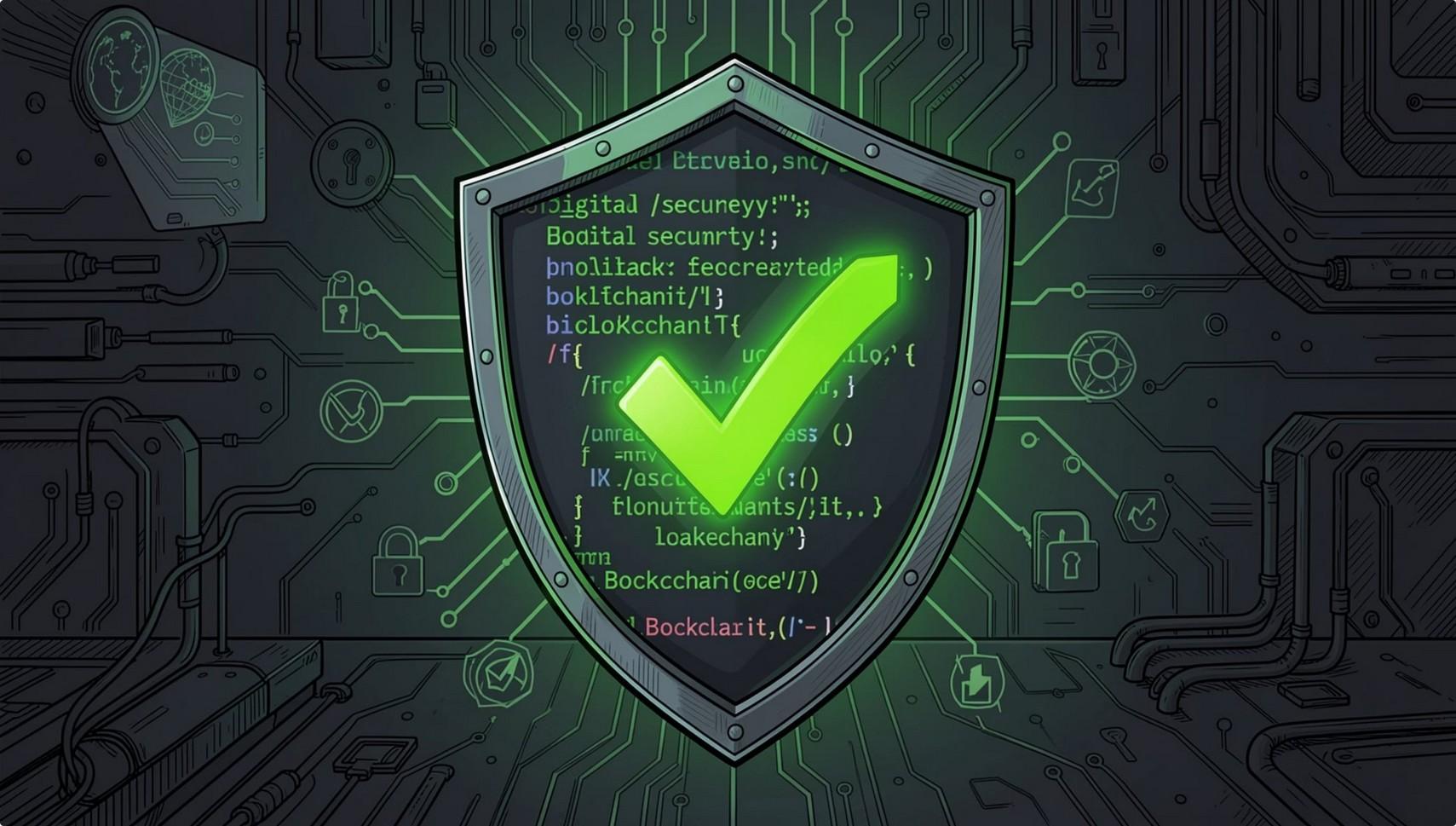
Before doing anything else, verify the DEX's smart contracts have been audited by a reputable third-party security firm. An audit doesn't guarantee zero risk, but it significantly reduces the chance of exploits or rug pulls.
Security history
Any past incidents and how the team responded
Contract safeguards
Time-locked or multi-signature admin functions
2. Liquidity Depth
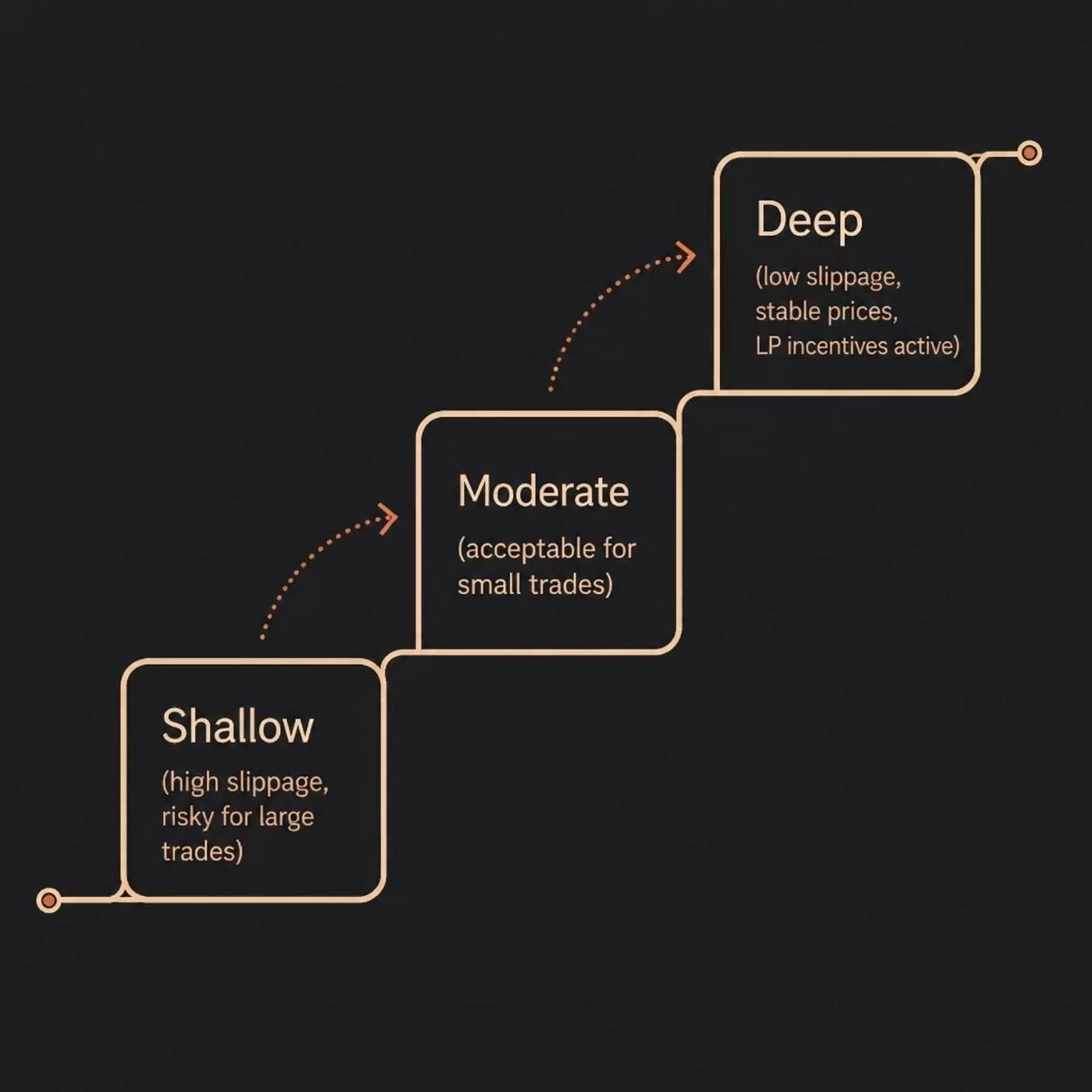
A DEX can look great on the surface, but shallow liquidity pools cause high slippage — the price shifts unfavorably between when you submit a swap and when it executes. Low liquidity is especially risky for larger trades.
3. Transaction Fees & Gas Costs
Every swap involves two costs: the platform's trading fee and the blockchain's gas fee. Chains like Ethereum mainnet can be expensive during high traffic; chains like BNB Smart Chain typically offer much lower gas costs.
Swap Fee %
The DEX's stated trading fee percentage Network Choice Which blockchain it runs on and typical gas costs
Fee Transparency Fees clearly disclosed before you confirm a transaction
4. Supported Chains & Tokens
Supported Blockchains
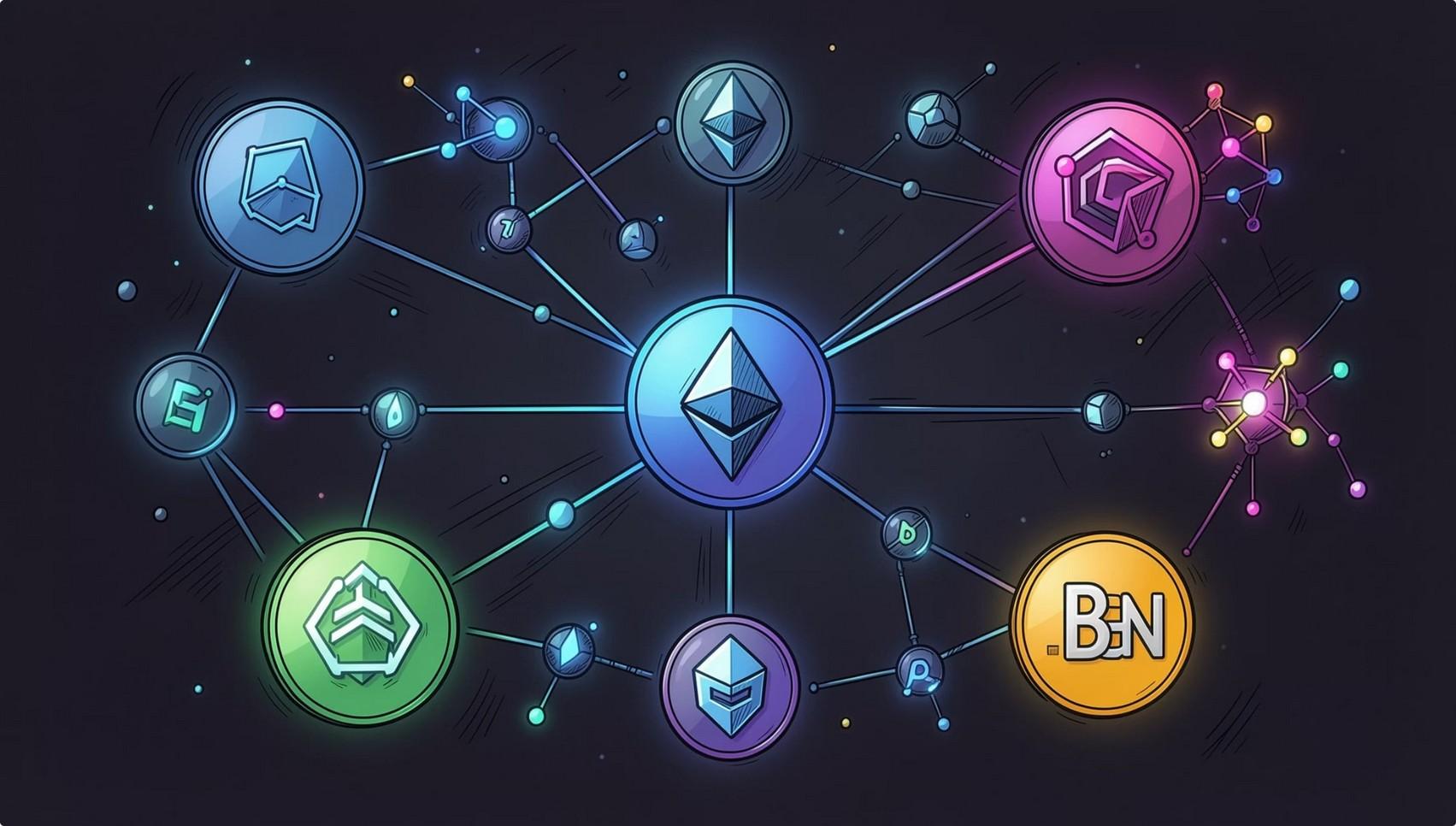
Ethereum, BNB Smart Chain, Polygon, etc.

Not all DEXs support every blockchain or token. If you're actively trading across multiple ecosystems, look for strong multi-chain support so you're not juggling five different exchanges.
Token Availability
Whether the specific tokens or trading pairs you need are actually listed Vetting Process
How new tokens get added and whether there's any review
5. UI & Wallet Compatibility
A secure DEX is only useful if you can actually navigate it without confusion. A cluttered or unclear interface increases the chance of costly mistakes — like approving the wrong contract or setting slippage tolerance incorrectly.

Wallet Support
MetaMask, Trust Wallet, WalletConnect, and more

Clear Swap Flow
Visible price impact and slippage settings before confirming

Approval Clarity
The platform explains exactly what you're approving before you sign
6. Transparency & Community Trust
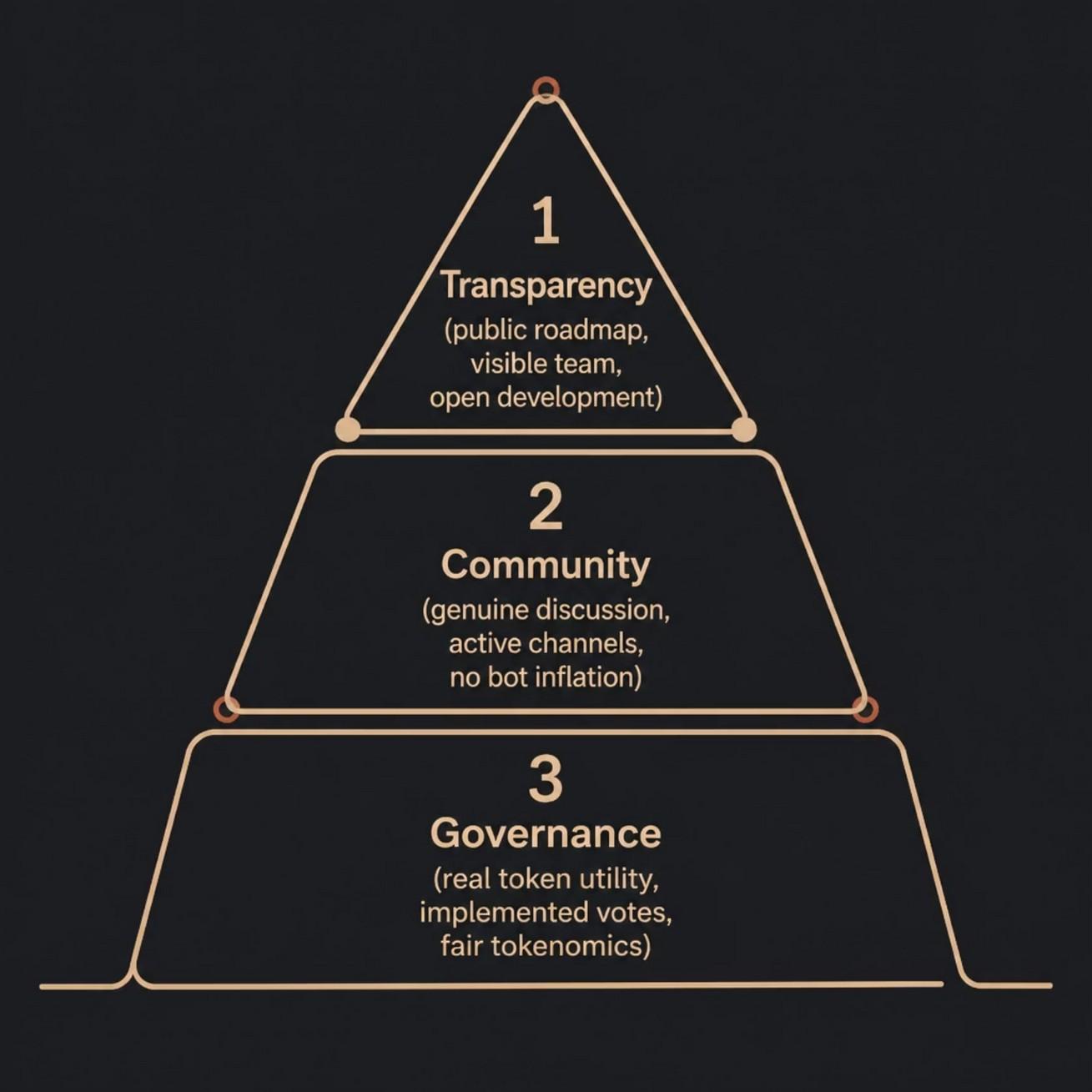
Public Roadmap
Regular development updates and a visible plan
Identifiable Team
At minimum, consistently active and responsive
Genuine Community
Real discussion in Telegram, Discord, X — not just hype and bots
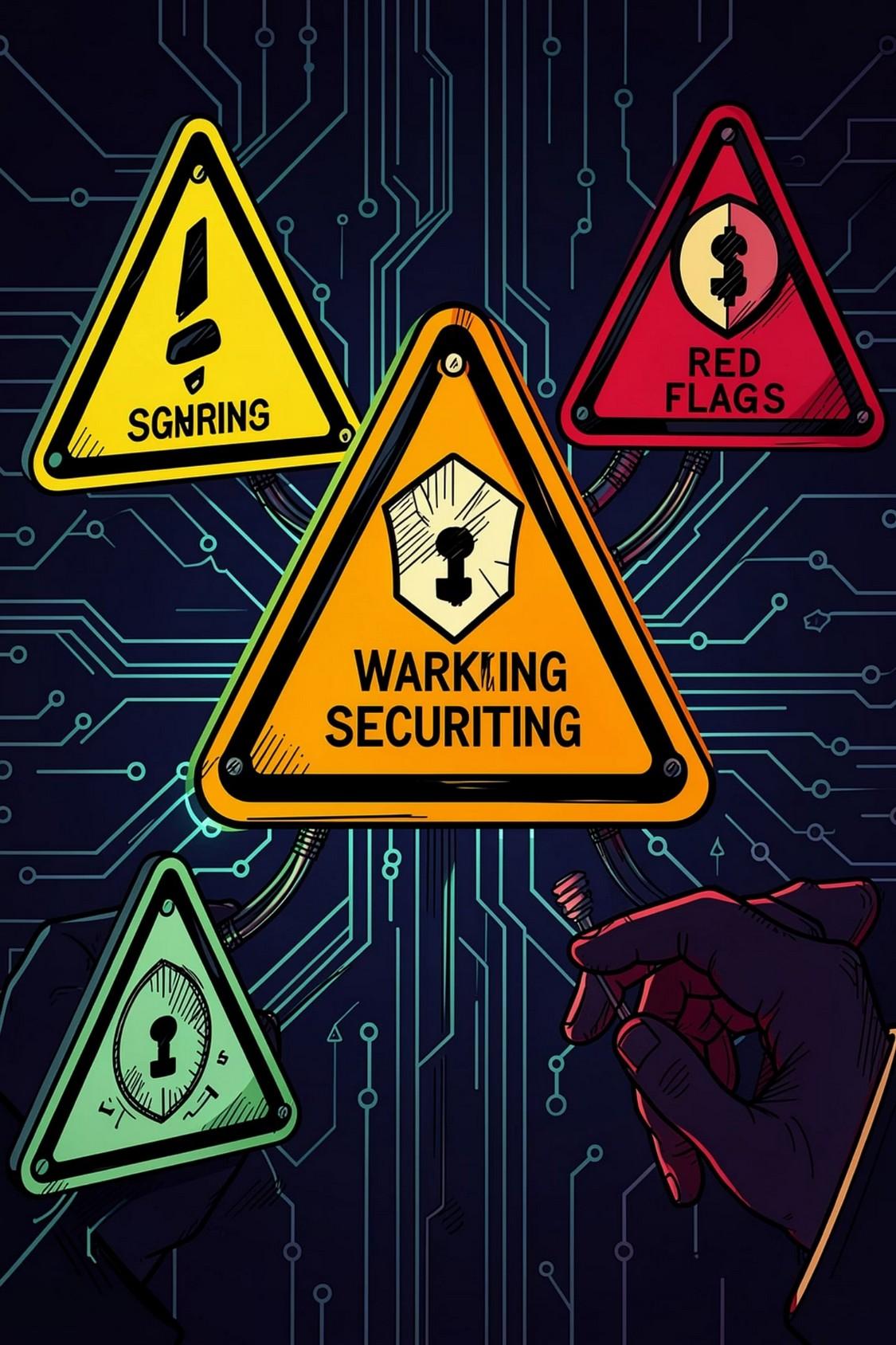
7. Governance & Red Flags to
Avoid
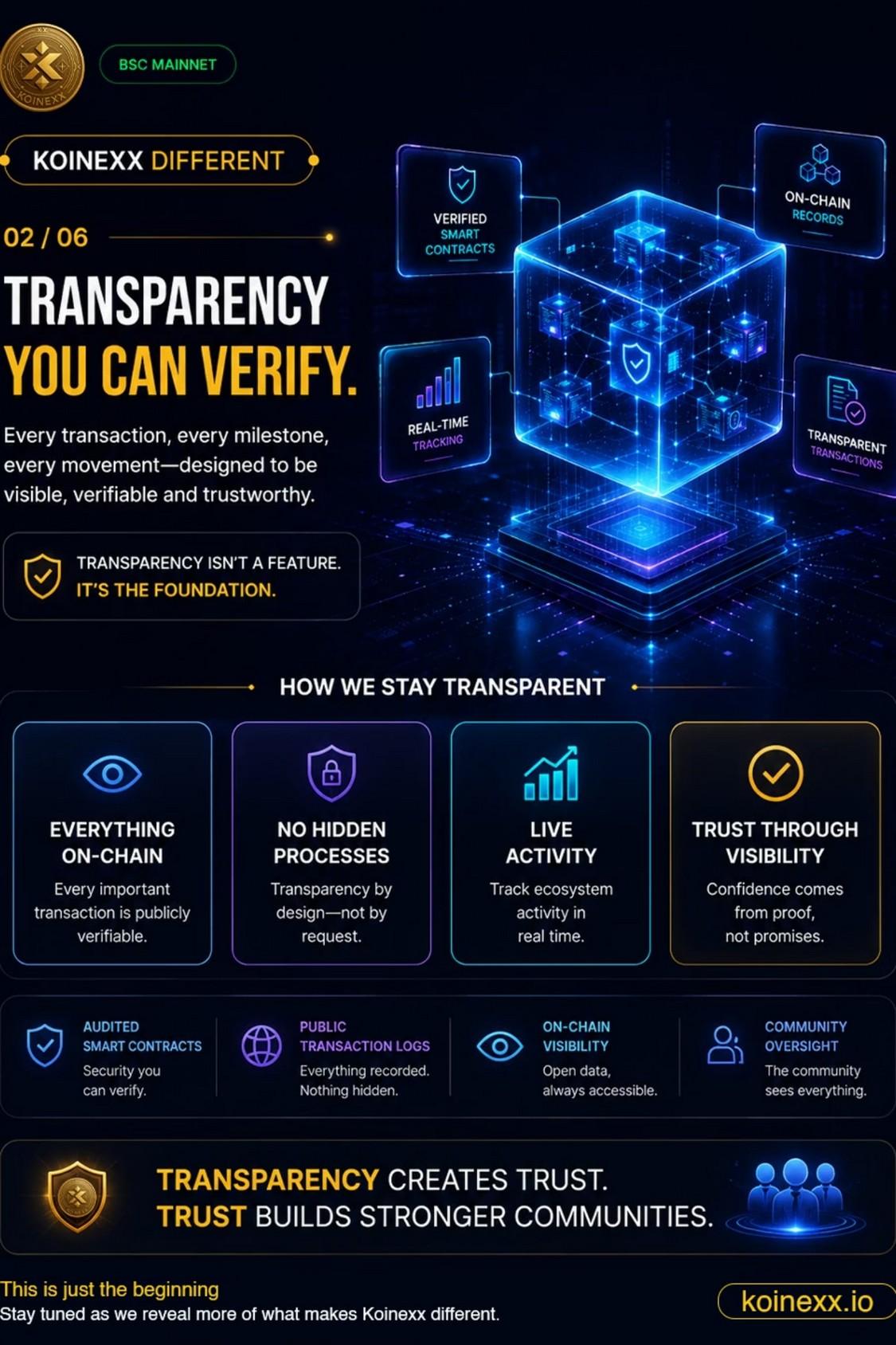
Many DEXs run on a governance token that lets holders vote on protocol changes, fee structures, or new listings. This tells you whether the platform is built for long-term, community-driven growth — or just a short-term cash grab. Check for real token utility, implemented governance decisions, and a clear tokenomics structure with no excessive team or insider allocation.
�� Guaranteed Returns
Unusually high or "guaranteed" profit promises
�� Anonymous Team
No track record, no accountability
�� No Audit
Or an audit from an unknown, unverifiable firm
�� Pressure Tactics
"Limited time" bonuses to rush your deposit
Final Checklist Before You Swap
Take the extra ten minutes to run through this list — it's a small effort compared to the cost of a bad decision in DeFi.
Your wallet and required tokens are
Liquidity is sufficient for your trade size
Fees and gas costs are clear and reasonable

Choosing the best DEX isn't about the flashiest homepage — it's about verifying security, liquidity, fees, and transparency before you ever connect a wallet. — Koinexx Team