ADVERTISING: For advertising information, call the Academy offices at (865) 531-2766. The magazine is published four times per year by the Knoxville Academy of Medicine (KAM). All rights reserved. This publication or any part thereof may not be reproduced without the expressed written consent of the KAM. The appearance of advertising in KAM publications is not a KAM guarantee/endorsement of the product or the claims made for the product by the manufacturer. The fact that an advertisement for a product, service, or company has appeared in a KAM publication shall not be referred to in collateral advertising. The KAM reserves the right to accept or reject any advertising in the publication.
What are we, as physicians, up against in the wake of the recent congressional passage of the Big, Beautiful Bill? With the advent of our country's current administration, many changes can be expected in the practice of medicine, and this bill is just the latest harbinger of those changes. The dust is far from settled. We are going to have to be smart and innovative to maintain and improve the care of our patients in this new environment. Preventing, diagnosing, and treating disease is already a pretty tough chore, so how can we handle new challenges created by the 2025 political environment? Let's run down the list:
1. Cuts to scientific, including medical, research are a win-win for the current administration: it can spend less money and punish political enemies. For example, funds for cancer research at the University of Pennsylvania were cut because a transgender athlete was allowed on the women's swimming team. Federal financial support of medical research has contributed monumentally, along with corporate and gift money, to the United States' leadership in this area. Slashing of the federal funds allocated for any endeavor usually means that the legislative branch has determined that the voters want fewer of their tax dollars spent for that purpose. However, it is not clear whether a majority of Americans actually favor cutting back federal support for medical research, and it will take years for the average citizen to feel the possibly irreversible effects of such cutbacks. Every time a patient benefits from diagnostic tests or treatment made possible through research grants, we doctors can make sure they know this.
KAM
cally apply for and receive insurance through their non-existent jobs, or pay directly for their health care or insurance with their non-existent discretionary funds. I believe that's not going to happen. They will get sicker and present for care in emergency departments, or die. Those of us on the front lines of healthcare will have to remind ourselves to be sympathetic with their plight when we see them for preventable problems at inconvenient times and places, probably without reimbursement.
4. Engendering mistrust of physicians, other healthcare professionals, and scientists in general allows for the scientifically naive to succumb to misinformation and conspiracy theories to explain what they don't understand. We physicians find ourselves in a critical position now to push back against pseudoscience propaganda. We alone start with some credibility with our patients. Even those patients who already are convinced that "experts" conspire to deceive them will put some trust in their doctor. However, the minute they perceive that we are talking down to them, that fragile trust can vanish. We must be gentle and caring, not only in our promotion of our patients' physical well-being, but also in our guidance regarding their life choices and information sources. Occasionally we may even be able to use a health event they have experienced to demonstrate how real science can be beneficial to them.
In these interesting times, when confronted with difficult choices over what to do or say in our practices, we need simply to step back and ask ourselves that timeless question: what is best for our patients?
2. Appointment of a vaccine-skeptic lawyer to lead health care for our country does not bode well our interaction with patients. When faced with difficult treatment choices for a patient, most of us don't explain the clinical trials that may support our recommendations, and most patients have no concept of placebocontrolled studies anyway. They just trust us to guide them. But now they may be misguided by our very own government institutions; their trust in us now becomes even more critical.
3. Reducing the number of people who qualify for federal help with their healthcare would be a great thing if all those cut off magi-
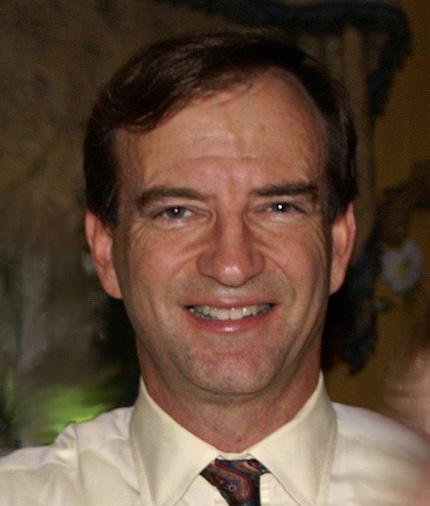
- David Harris, MD KAM President 2024 - 2025
This article is an editorial and views expressed should not be construed as an official position for the Knoxville Academy of Medicine or it’s Membership at large. It is intended to advance patient well-being advocacy only. Any comments or additional thoughts regarding this and any other editorial appearing in Knoxville Medicine are always welcome from our Membership. Please send any remarks to info@ knoxvillemedicine.org
Academy Officers
ACADEMY NEWS
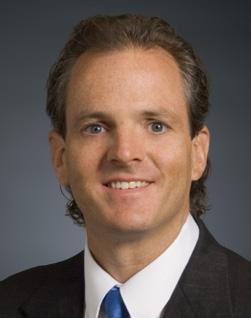
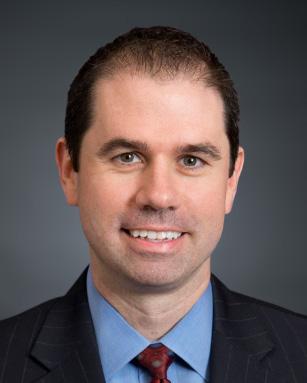
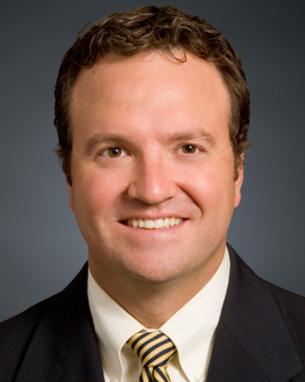
Brian Daley, MD
PRESIDENT
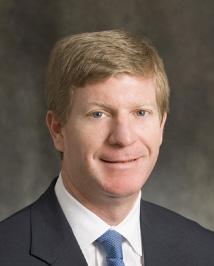
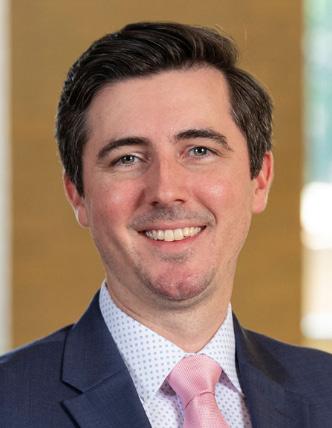
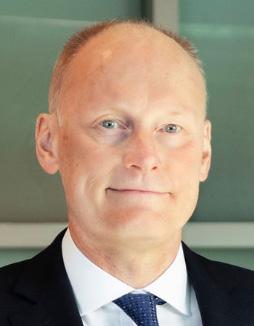
David Harris, MD
PRESIDENT ELECT
Patient Satisfaction
It Takes a Village: Updates from the KAPA Kitchen
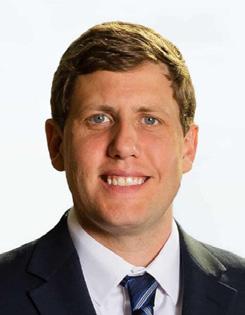
Melissa Chiles, MD
SECRETARY
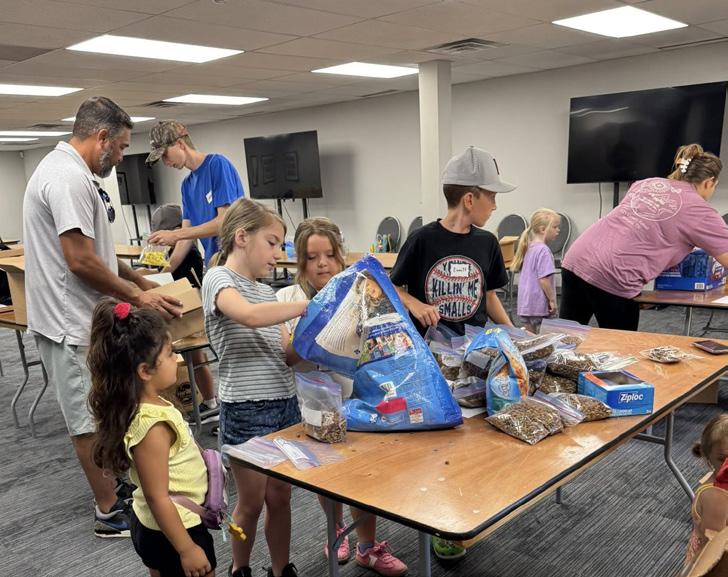
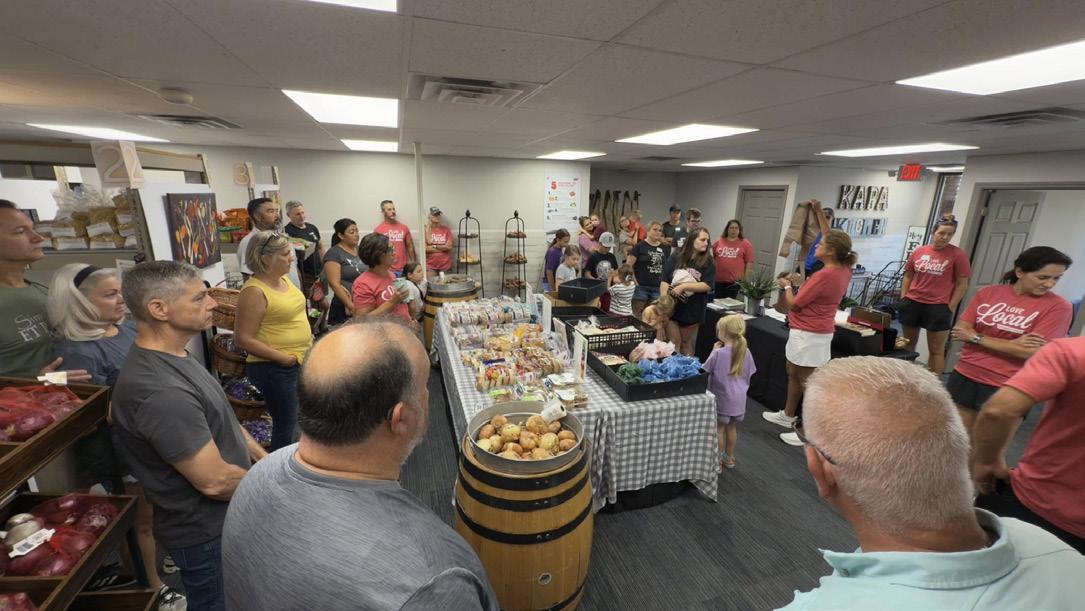
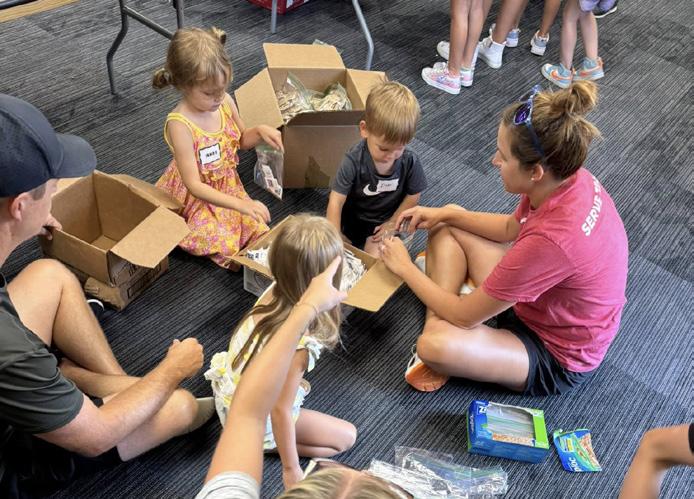
At the KAPA Kitchen we have come to learn that it definitely “Takes a Village” to be able to meet the needs of our food insecure patients. We are so grateful for our village that showed up and showed out this summer! In early June we received a large 200-pound donation of trout from the Shrimp Dock here in Knoxville. Next, we just happened to meet the Swaggerty Sausage Farms family in the suite next door to ours at the KAM Day at the Smokies. After sharing with them about who we help and about the KAPA Kitchen, they wanted to donate some of their delicious food products to us. That same week we got to meet with Gordon Food Service and after getting a tour of the KAMF, they wanted to donate food to us as well. Well, after receiving the trout from the Shrimp Dock, and learning that Swaggerty’s donation was going to be 3 pallets worth of frozen sausage and chicken biscuits and other delicious sausage products, and learning that Gordon’s donation also included them planning to support us with grilled hamburgers and hotdogs at any future event we might be planning, we decided to do just that. So, we planned a Summer Family Shopping Event on Saturday June 28th for our KAPA food insecure patients to be able to share the amazing products we had just received from our village. The week leading to the event WATE TV came here for a story about our increasing
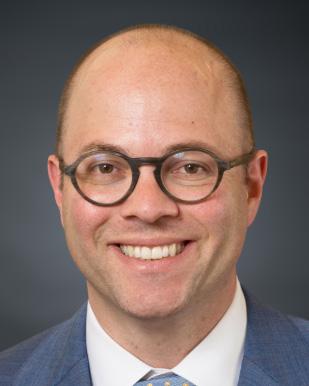
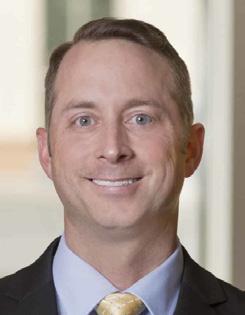
Daniel Bustamante, MD
TREASURER
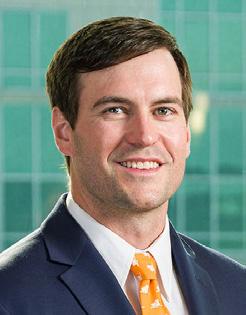
Jeff Ollis, MD
IMMEDIATE PAST PRESIDENT
Kimberly Weaver, PhD CEO
Board of Trustees
Greg Curtin, MD
Matt Doppelt, DO
Carley Fowler, MD
Jeff Gilbert, MD
Patrick McConville, MD
Darinka Mileusnic-Polchan, MD
Ex- Officio Board Members
Mark Browne, MD
Richard Briggs, MD
Debbie Christiansen, MD
Production/Advertising
I just filled out my umpteenth survey this month on a recent store purchase. We get asked about everything these days from hotel stays, plane flights, to how our restaurant meal was. In academia, this is the new research tool that is easy, convenient, and low-cost. We all have a feeling that we are affecting a beneficial change when we respond, and having our voices heard. IS this really the case?
Everyone should read the Viewpoint in the December 13th issue of JAMA about Patient Satisfaction Instruments.
(JAMA 328(22): 2209-10). In brief, it spells out the exact reasons such surveys are not only not efficacious in determining or improving care but detrimental to physicians. Quoting Edward Demming himself – such ratings “build fear, demolishes teamwork and nourishes rivalry and politics “(ibid).
pitals and the government. Such ratings, folks who use the ratings, are not with the patient. The surveys are not they are often used to decide remuneration. feel powerless because many of the impact our patients, and their responses, system-related and ability to change. We all agree communication is the key and could by all practitioners.
referrals for the pantry and helped us get the word out about needing more food and monetary donations in support of the KAPA Kitchen. Food and monetary donations began to come in and it’s a good thing they did, because we had to purchase 3 more freezers, borrow 5 freezers (4 from Faith Promise Church and 1 from a staff member) and utilize Dollar General’s walk-in Freezer to be able to hold all the donations that we received from Swaggerty’s, Shrimp Dock, Gordon Food Service, and private parties. The family shopping event was a huge success! We had over 120 people that represented over 40 families that were served by our staff and about 20 volunteers that showed up on the 28th. The families were able to shop and take home a lot of the special delicious food and hygiene items that were donated the week before the event. In addition to shopping, they and their families were treated with a family cookout donated and prepared onsite by Gordon Food Service. They got to enjoy delicious grilled hamburgers, hot dogs, potato salad, coleslaw and chips and some great fellowship time out in our courtyard. The week following the event we had another 11 families come and shop that could not attend on Saturday. So, all in all we had over 150 people from over 50 families that got to experience the outpouring of help to meet their needs from our…………. Village.
It’s not so much the asking patients for their opinions, but rather the way it is asked, and more importantly, the way it is used by our hos-
mayor of New York Koch, was known the streets and asking doin’?” It was personal, able, and very much care. It encourages tion and conversation at the person the sake of our patients, and for our not worry about the surveys, but we’re seen in that moment by that need to act to make changes at the level and ask “How’m I doin’?
- Brian J. Daley, MD, MBA,
865 584 2 1 1 6
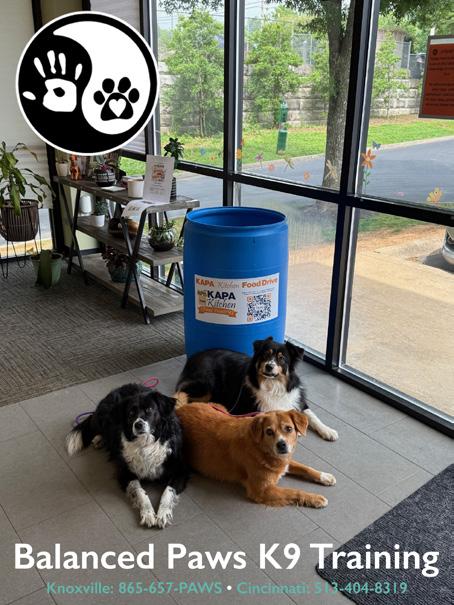
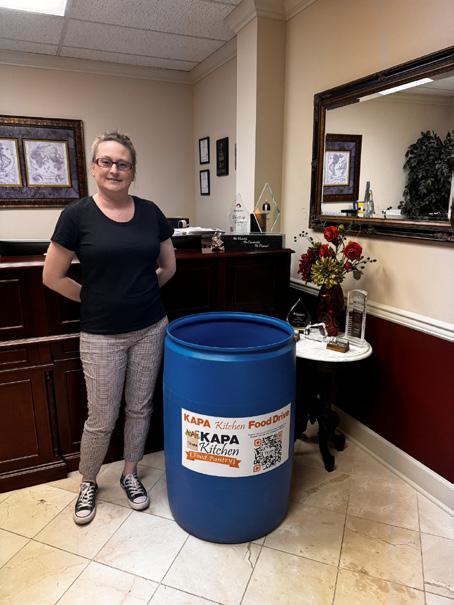
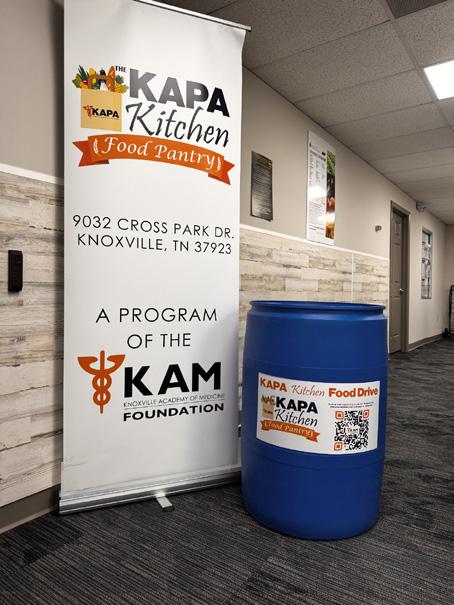
KAPA Kitchen Food Drives
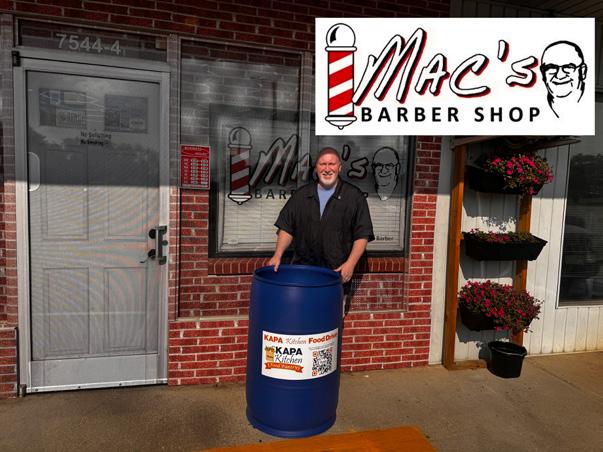
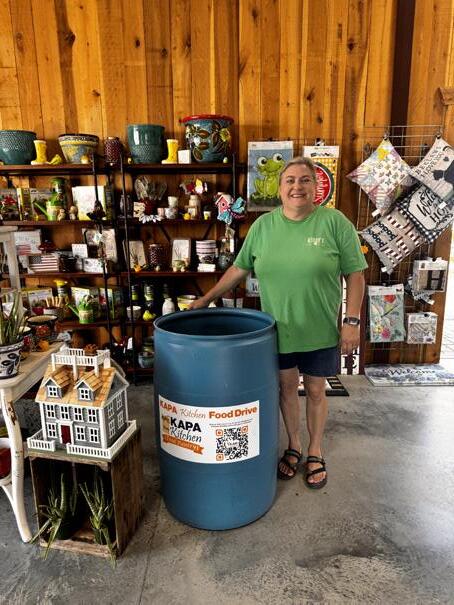
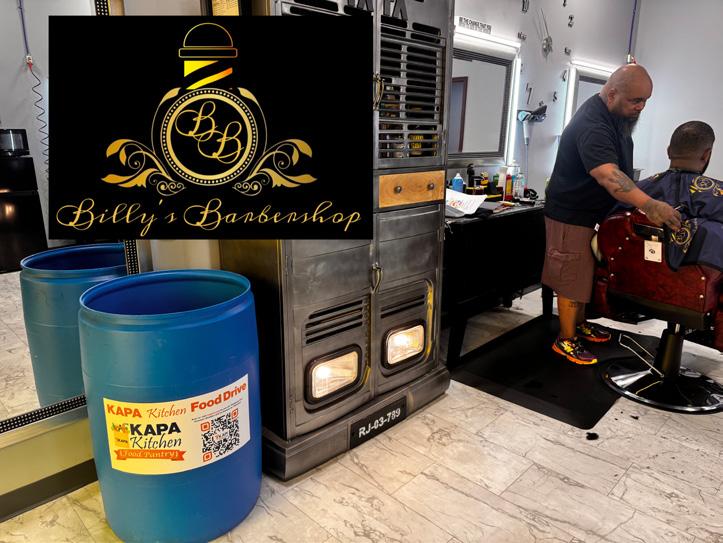
The KAPA Kitchen Food Pantry is in desperate need of supplies for those in need. Many businesses around town have already started food drives for the KAPA Kitchen by hosting a donation barrel at their location.
If you are interested in hosting a donation barrel or donating items directly, please call Kandice Baker today at (865) 531-2766 or email kbaker@knoxvillemedicine.org.
ACADEMY NEWS
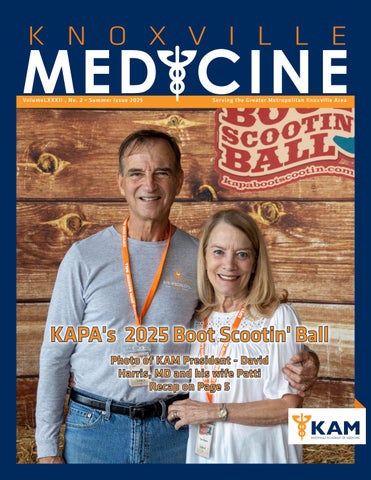
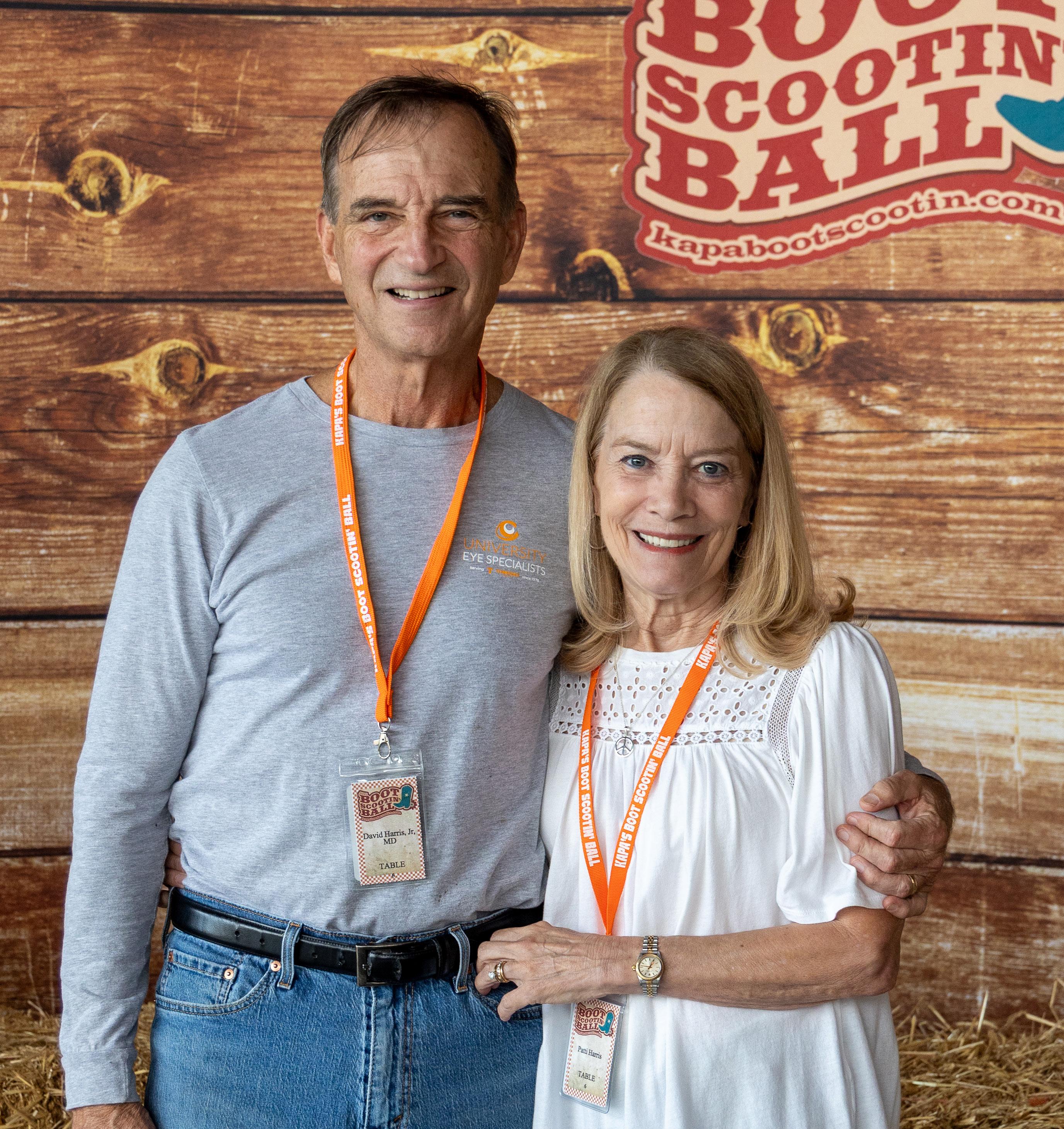
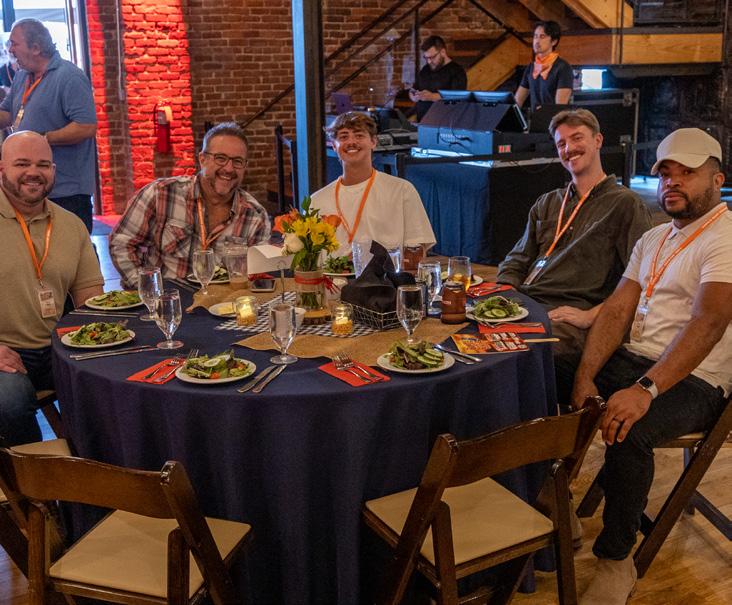
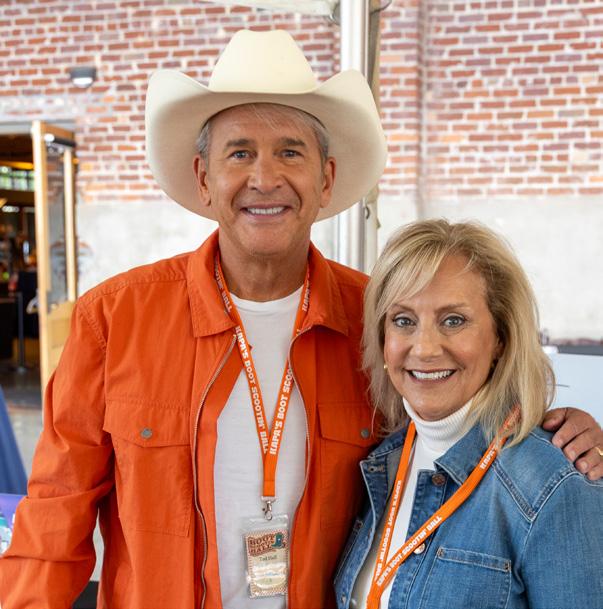
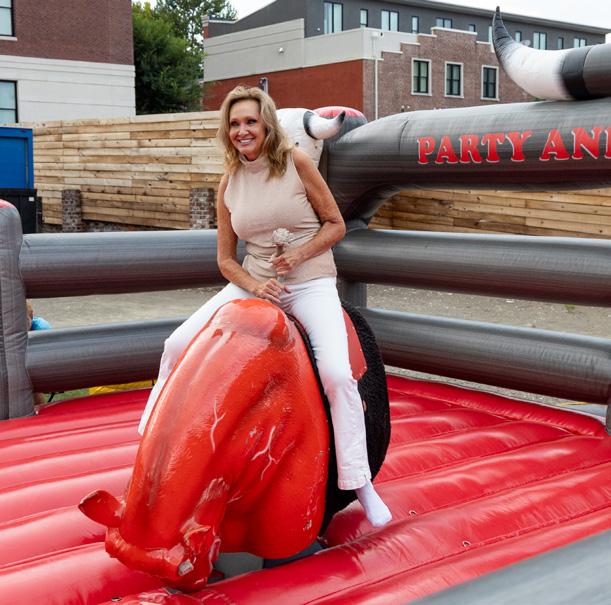
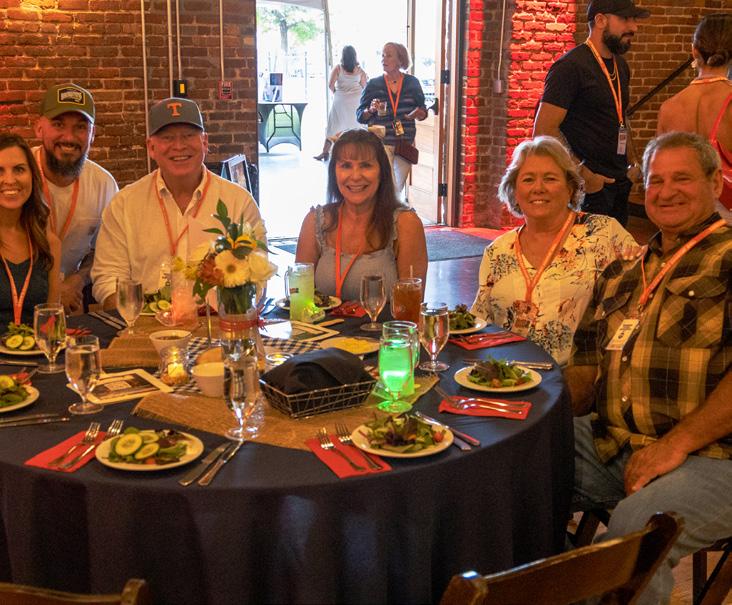
In August, the Knoxville Academy of Medicine Foundation held its annual Boot Scootin’ Ball Fundraiser. Everyone seemed excited to “dust off their boots” and return to the original theme of the event. A good time was had by all but most importantly, thousands of dollars were raised for the KAM Foundation! Thank you to our many sponsors who made this event a success!
Thanks to our Sponsors:
Gold Sponsors: The University of Tennesee Medical Center, Tennova Healthcare, and Alpha Graphics.
Other Sponsors: Yee-Haw Brewing Co., Ole Smoky Tennessee Moonshine, Tennessee Othopaedic Alliance, and Nurse First
KAPA's Boot Scootin' Ball
TCRN Update
The Tennessee Community Resource Network (TCRN) is a program of the Knoxville Academy of Medicine Foundation and is a partnership with the East Tennessee Health Information Network (etHIN). TCRN is a web based, closed loop referral platform which connects clients to necessary services in the medical, behavioral, and social service domains.
In July of 2024, TCRN started working with families to assist them on their path to self-sufficiency through a DHS Families First grant. Each participant is assigned a Community Health Worker (CHW) who screens each family for eligibility. Once enrolled, the CHW completes a medical screener and a PRAPARE social determinant of health screener to identify barriers and needs. The CHW and participant work together to complete a goal planner which consists of multiple action plans and tasks needed to help achieve the overall goal and address identified needs. The CHW uses the TCRN platform to connect the participant to the appropriate resources.
One TCRN Families First participant is working toward their overall goal of securing part-time employment. To do so, the participant first needed to find a daycare that would take their daycare voucher. The participant’s CHW was able to help them find a daycare they were comfortable with that would take their voucher and assisted the participant in obtaining the child’s shot records. The CHW also connected the participant to a resource that provides formula and diapers, which the participant was able to pick up from the KAPA Kitchen while also receiving groceries. Because the participant’s child was now in daycare, the participant had free time to work with her CHW to find part-time employment. The participant is now employed part-time and working toward a new goal of moving into a two-bedroom apartment. To help, the CHW connected the participant through TCRN to a financial coach who assists the participant with budgeting.
TCRN is actively seeking partners to refer into the TCRN Community Care Hub. If your organization is interested in a license to TCRN or utilizing TCRN’s Community Care Hub, please contact Danielle Sims or Michelle McCrory at tcrn@knoxvillemedicine.org.
TCRN
KAPA UPDATE
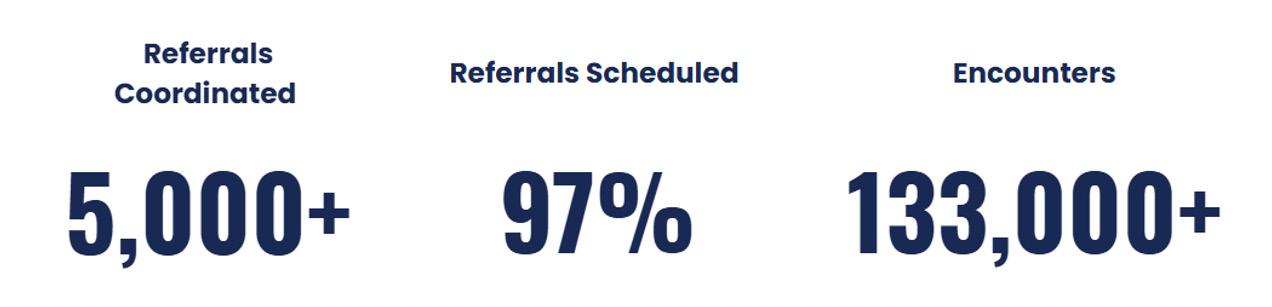
KAPA staff have been working tirelessly over the last year and previous years to assist those low-income uninsured neighbors in need with necessary health services. With the help of our KAPA network of over 2,900 hospitals, physicians, and physician assistants, we have been able to coordinate thousands of referrals for patients enrolled in KAPA. Encounters for KAPA have increased by 30% and include patient and provider interactions such as scheduling appointments, surgeries, providing medical education and outreach, and coordinating social services for patients enrolled. Below are some of the accomplishments of the program between July 2024 and June 2025. If you are interested in becoming
ACADEMY NEWS
New Members
A big welcome to our newest members! We are excited that you have decided to join KAM.
PATRICK BOLT, MD
ORTHOPEDIC SURGERY
Tennessee Orthopedic Alliance
COLIN BOOTH, MD
ORTHOPEDIC SURGERY
Tennessee Orthopedic Alliance
PAUL BRADY, MD
ORTHOPEDIC SURGERY
Tennessee Orthopedic Alliance
E. BRANTLEY BURNS JR., MD
ORTHOPEDIC SURGERY
Tennessee Orthopedic Alliance
MICHAEL CASEY JR., MD
ORTHOPEDIC SURGERY
Tennessee Orthopedic Alliance
WADE GOBBELL, MD
ORTHOPEDIC SURGERY
Tennessee Orthopedic Alliance
DUSTIN HAMILTON, MD
ORTHOPEDIC SURGERY
Tennessee Orthopedic Alliance
CONRAD IVIE, MD
ORTHOPEDIC SURGERY
Tennessee Orthopedic Alliance
BRADLEY JAQUITH, MD
ORTHOPEDIC SURGERY
Tennessee Orthopedic Alliance
JUSTIN KENNON, MD
ORTHOPEDIC SURGERY
Tennessee Orthopedic Alliance
NICHOLAS KOLINSKY, DO
ORTHOPEDIC SURGERY
Tennessee Orthopedic Alliance
JOHN LAVELLE, DO
ORTHOPEDIC SURGERY
Tennessee Orthopedic Alliance
MICHAEL MCGUIRK, DO
ORTHOPEDIC SURGERY
Tennessee Orthopedic Alliance
JOHN OWENS, MD
ORTHOPEDIC SURGERY
Tennessee Orthopedic Alliance
ANDREW POOLE, MD
ORTHOPEDIC SURGERY
Tennessee Orthopedic Alliance
TIMOTHY RENFREE, MD
ORTHOPEDIC SURGERY
Tennessee Orthopedic Alliance
JOHN REYNOLDS IV, MD
ORTHOPEDIC SURGERY
Tennessee Orthopedic Alliance
KENT RINEHART, MD
ORTHOPEDIC SURGERY
Tennessee Orthopedic Alliance
MICHAEL TOMPKINS, DO
ORTHOPEDIC SURGERY
Tennessee Orthopedic Alliance
DANIEL WELLS, MD
ORTHOPEDIC SURGERY
Tennessee Orthopedic Alliance
First Column: Patrick Bolt, MD; Colin Booth, MD; Paul Brady, MD; E. Brantley Burns Jr., MD; Michael Casey Jr., MD; Wade Gobbell, MD; Dustin Hamilton, MD.
Second Column: Conrad Ivie, MD; Bradley Jaquith, MD; Justin Kennon, MD; Nicholas Kolinsky, DO; John Lavelle, DO; Michael McGuirk, DO; John Owens, MD.
Third Column: Andrew Poole, MD; Timothy Renfree, MD; John Reynolds IV, MD; Kent Rinehart, MD; Michael Tompkins, DO; Daniel Wells, MD.
New Members Continued
First Column: Grvoer Wilson, MD.
Second Column: Paul Yau, MD.
Third Column: Samuel Yoakum, MD.
GROVER WILSON, MD
ORTHOPEDIC SURGERY
Tennessee Orthopedic Alliance
PAUL YAU, MD
ORTHOPEDIC SURGERY
Tennessee Orthopedic Alliance
SAMUEL YOAKUM, MD
ORTHOPEDIC SURGERY
Tennessee Orthopedic Alliance
NEW Resident Members
Mallory Allen, MD
Jordynn Baldwin, DO
Breezy Barr, MD
Abigail Benton, DO
Jate Bernard, MD
Olivia Billingsley, MD
Addison Bond, MD
Matthew Bounds, MD
Brandon Buck, DO
Alexander Cantral, MD
Luis Cervera, MD
Rachel Cervera, MD
Kelsie Cherry, DO
Michael Collier, MD
Chance Cuthbert, MD
Anisha Dash, MD
James Dunaway, MD
Emily Ellis-Gilbertson, MD
Ryan Ferguson, DO
Marcos Flores, MD
Taylor Gray, DO
Jake Hecker, DO
Tosha Hedin, MD
Brock Hodges, DO
Kelsey Holland, MD
Safwan Hyder, MD
Katie Hytek, MD
Stephen Ivey, DO
Rami Jadallah, MD
Bryan Jenkin, MD
Eileen Joseph, DO
Tatsuhiro Kato, MD
NEW Student Members
Sara Allaman
Paul Allen
Lauren Amodie
Adrian Thornton II
Keaton Kaye, DO
Elizabeth Kelly, MD
Emily Krier, MD
Jeevan Kypa, MD
Connor Latiolais, MD
Annie Lee, MD
Rebecca Losensky, MD
Catey Marine, DO
Nick McCarthy, MD
Aaron McConeghey, MD
Samuel Morgan, MD
Daniel Navid, DO
Daniel Nikolaidis, MD
Mandvi Pandey, MD
Subin Paul, MD
Tanner Pettit, MD
Ricky Rana, MD
Caroline Roberts, MD
Mark Rowley, MD
Kristen Scott, DO
Vikrant Singh, MBBS
Jared Smith, DO
Meghan Standridge, MD
Nathan Steele, MD
Joseph Steinhauer, DO
Samuel Suite, MD
Timothy Sullivan, MD
Benjamin Teruel, MD
John Wall, MD
Jackson Wilson, MD
Vendor Agreement “Got’chas”
Eliza Jones and Dale Amburn - London & Amburn, PC
Greater Knoxville’s Premier Otolaryngology Center
From electronic medical record systems to billing services and payroll software solutions, healthcare providers rely on their vendors to keep their organizations running. Often the administrative staff on both sides can agree on what needs to happen and make things run. But, somewhere, lurking in the shadows, with steely eyes and coffee-stained teeth, are the attorneys. Gasp!
Some vendors take the approach of starting with an agreement that is generally fair to both parties, with a few extra “goodies” thrown in for their side. They’ve been through enough negotiations to know what the other party is generally willing to sign. They also prioritize getting agreements in place quickly so that the businesspeople can move onto other business. However, other vendors may provide a one-sided proposed agreement hoping that the other party isn’t paying attention and they can get some big “wins.” While there are numerous potential agreement “got’chas,” let’s consider a couple of examples that may impact providers.
Hidden “Deal Breakers”
GKENT_Card_June2017.indd 1
These may be stuffed into the middle of a paragraph three-fourths of the way through a 25-page document, whether by a provider or vendor. In a contract for EMR services, for example, this may include a vendor denying all liability for any data corruption or loss, although the provider expects part of their subscription fee to cover ensuring data integrity. As another example, a vendor may want to lock a provider out of their cloud service solution in various circumstances, although a provider needs ac-
cess to maintain continuity of care. On the other hand, from the vendor’s perspective, a provider may attempt to exert an unreasonable level of control over the internal policies of the vendor or their subcontractors, although a conscientious vendor knows how to address reasonable concerns in accordance with industry standards.
Limitations of Liability
These provisions provide a means to “turn the tables” on what otherwise appears to be a generally reasonable agreement. Some limitations of liability are fairly standard, depending on the circumstances, such as limitations related to business interruption losses because these risks are often insured against as a satisfactory way to address them. However, promises to be responsible for a variety of problems are of little value if the aggregate amount of damages that a party is required to pay under an agreement is too severely limited by a clause in the agreement.
Hopefully, some “got’chas” will never be triggered by an unfortunate event. However, when something does go wrong in the healthcare industry, it can be surprisingly expensive to address. So, it is important that someone carefully reviews the “wall-to-wall" text in those 9-point font agreements. A good bit of advice when it comes to legally-binding documents is to “take your time, and don’t just sign.”
This information is provided for educational purposes only, does not constitute legal advice, and may not be appropriate for your specific circumstances. If you have questions about any specific agreement, consult with an attorney.