
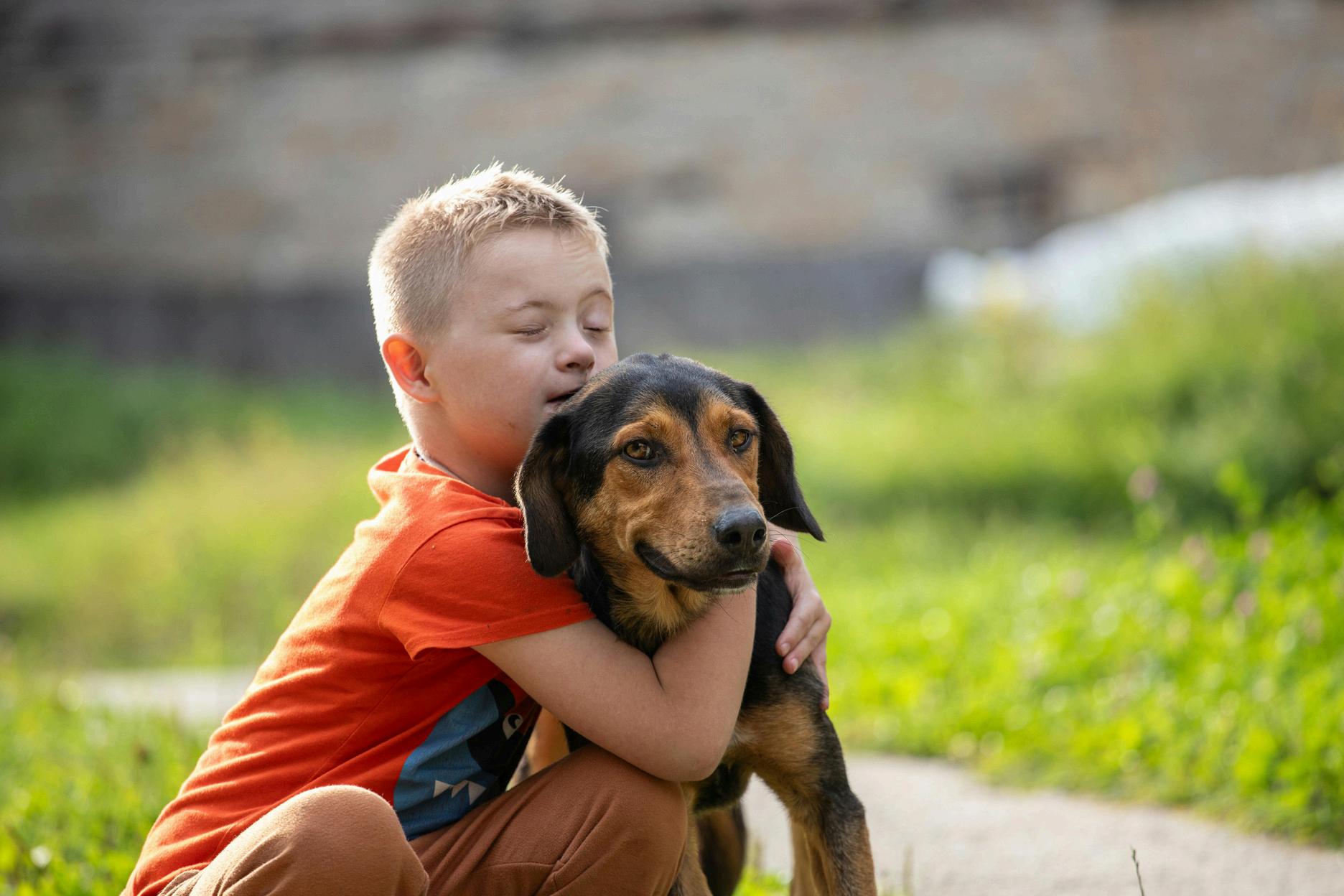
Dogs are common in Minnesota homes, but any dog can bite; children are at risk, understanding causes helps prevent injuries.

Dog bites are more common than most parents realize. Every year, approximately 4.5 million people are bitten by dogs in the United States, and the majority of those are children. Children between the ages of five and nine are at the highest risk, and younger children often suffer the worst injuries.
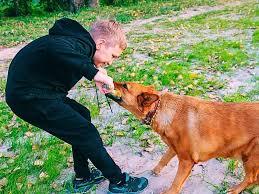
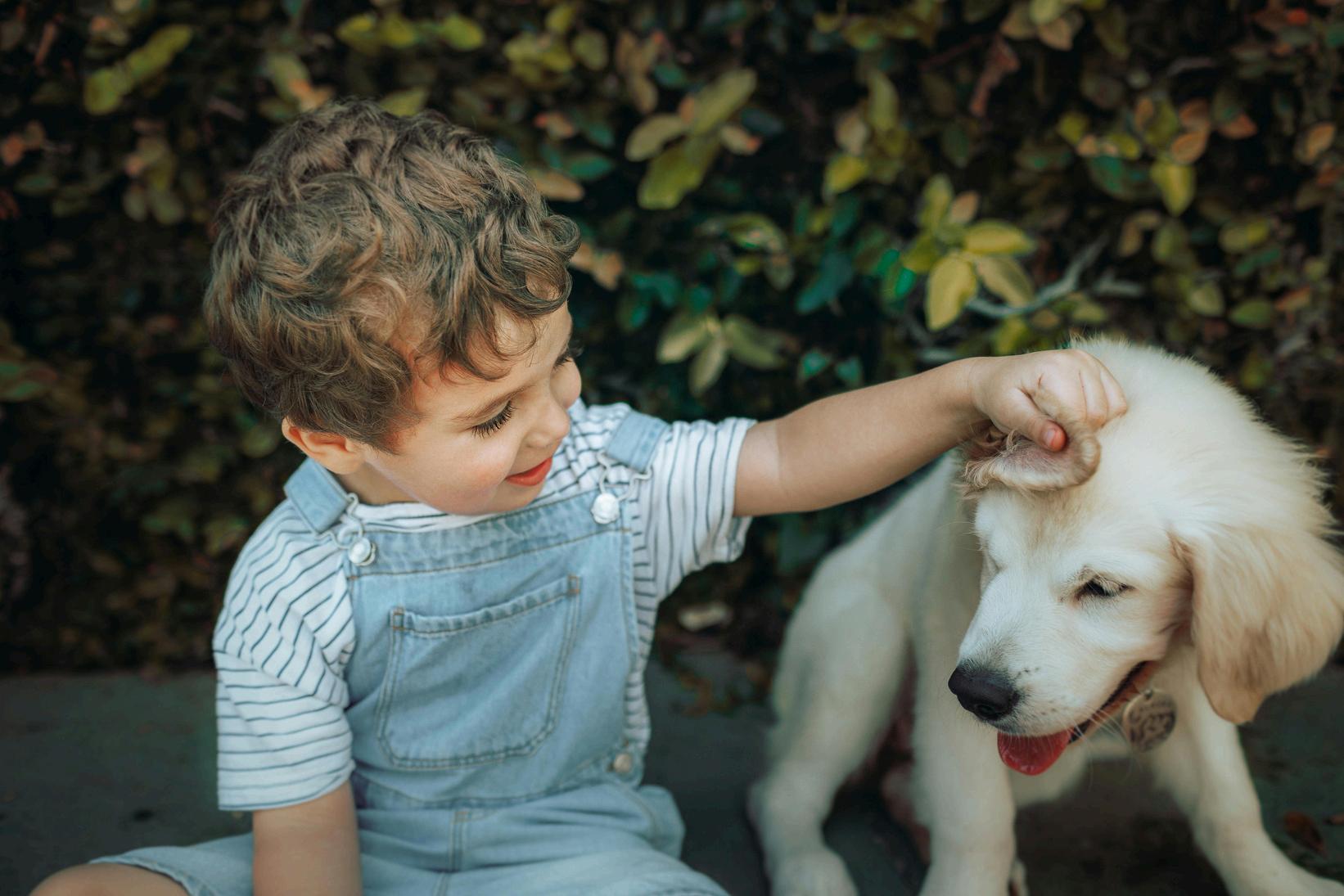
What makes these numbers even more alarming is that most dog bites involving children occur in familiar settings. The vast majority of dog bites to children come from dogs they know, either the family dog or a friend's or neighbor's dog. More than half of these incidents occur at home.
Several factors make children particularly vulnerable to dog bites. Understanding those factors can help you ward off the most common risks.
Size: Young children are smaller and closer to a dog's level, increasing the risk of serious injury.
Unpredictable behavior: Children move quickly, make sudden gestures, and produce high-pitched sounds that can startle or excite dogs.
Lack of understanding: Young children don't yet grasp that dogs are animals with their own needs, boundaries, and ways of communicating. A toddler may see a dog as a living stuffed animal to hug, climb, or pull on.
Inability to read warning signs: Most dog bites don't happen "out of the blue." Dogs give warning signals through body language, but children often miss or misinterpret these cues. They may not recognize when a dog is becoming uncomfortable or stressed.
Limited impulse control: Children may approach dogs impulsively without thinking about whether it's safe or whether the dog wants interaction.
Dogs can bite for a variety of reasons, including:
Fear or anxiety: A dog that feels cornered, threatened, or frightened may bite in self-defense.
Protection of resources: Dogs may become protective of their food, toys, beds, or even a favorite person. This behavior is called resource guarding.
Pain or illness: A dog in pain may bite when touched, even if the person touching them means well. Sick dogs may also be more irritable and less tolerant of handling.
Overstimulation: Rough play can escalate quickly, and an excited dog may nip or bite without realizing how hard.
Poor socialization: Dogs that aren’t properly socialized with children may not know how to behave around them and may react unpredictably.
Startling: Approaching a sleeping dog, sneaking up from behind, or suddenly reaching for a dog can startle them into a defensive bite.
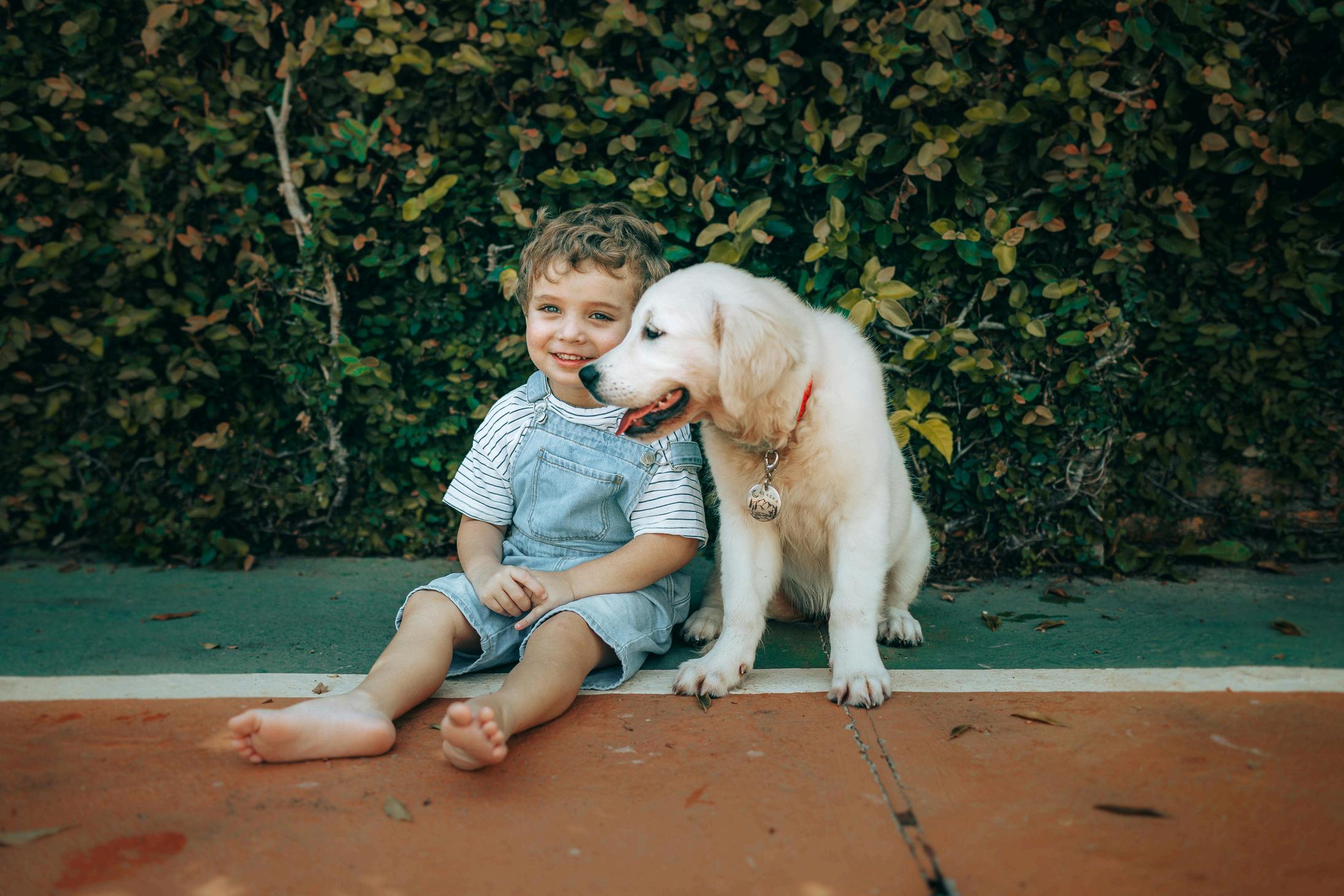
1. Never Leave Young Children
Unsupervised with Dogs: Never leave under-6 children unsupervised with dogs; actively watch, intervene always.
2. Always Ask Permission Before
Approaching a Dog: Teach children to always ask dog owners before petting, and respect any signs of discomfort or avoidance shown.

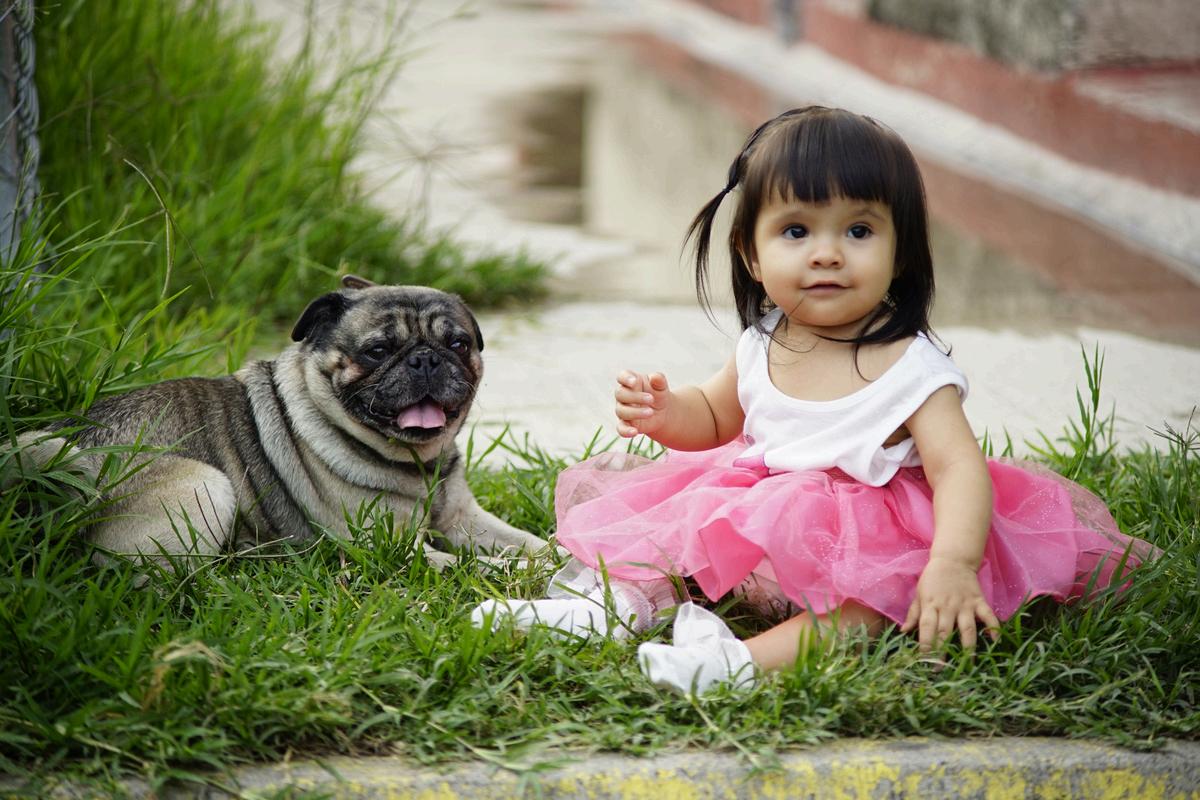
3. Approach Dogs the Right Way: Approach calmly, let dog sniff, pet gently.
4. Know When to Stay Away:
Never approach dogs when eating, sleeping, injured, or guarding
5. Use the "Be a Tree" Technique: Stand still, stay calm, fold arms, look down, wait quietly.
6. Recognize Warning Signs in Dog Body Language: Teach kids dog discomfort signs: yawning, lip licking, whale eye, growling.
1. Supervise All Interactions: Always supervise kids with dogs; accidents happen in seconds.
4. Don't Allow Rough Play: Rough games excite dogs; teach kids calm, toy-based play.
6. Get Professional Help If Needed: Consult vet and trainer; children shouldn't handle aggressive dogs.
2. Give Your Dog a Safe Space: Give dog a quiet retreat; teach children to leave it alone.
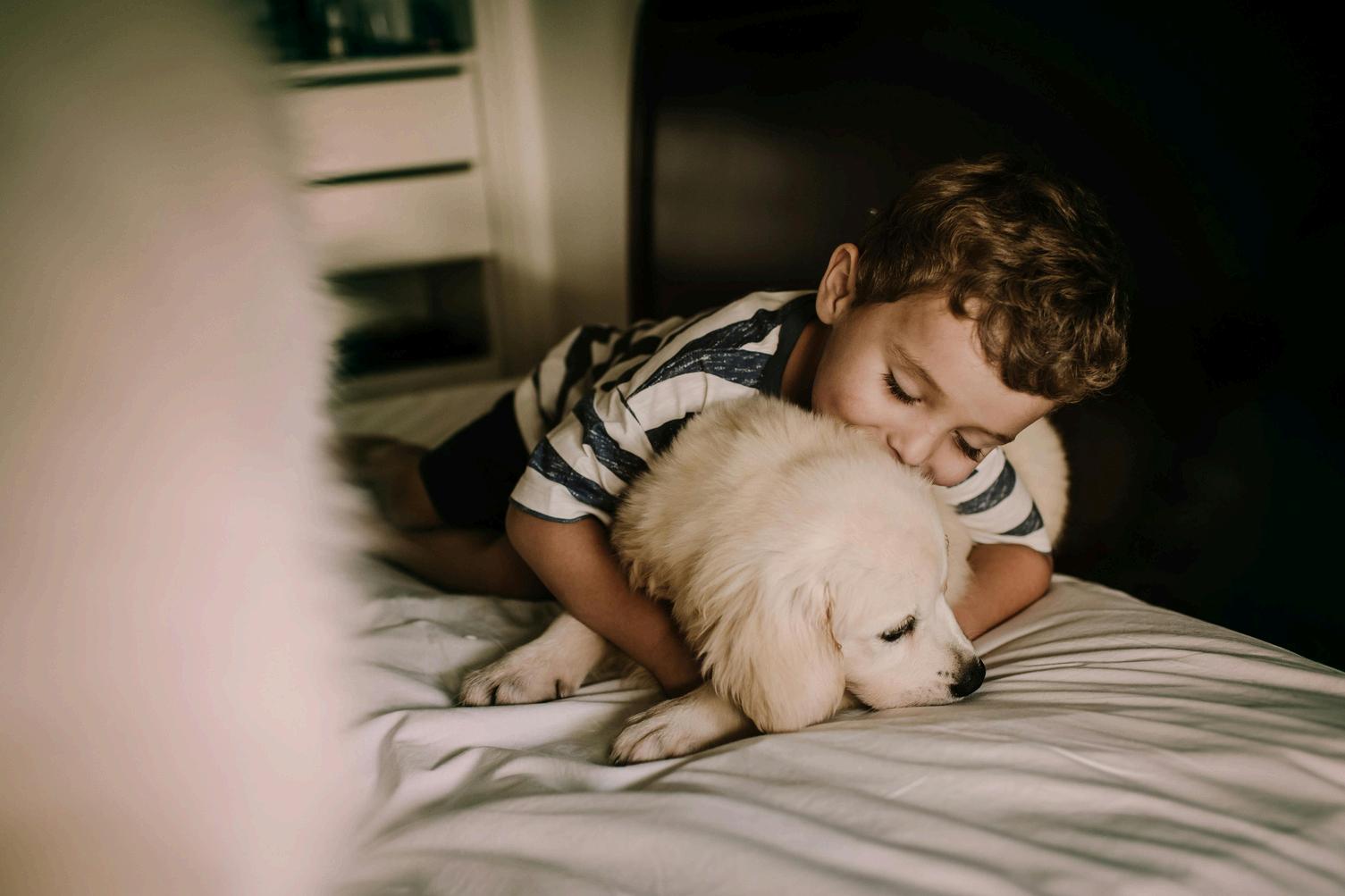
3. Teach Children Not to Hug or Kiss Dogs: Most dogs dislike hugs; teach children gentle petting or calm sitting nearby.
1. Immediate First Aid: For minor bites (scratches or small puncture wounds):
1.Wash the wound thoroughly with soap and warm water for at least five minutes.
2.Apply antibiotic ointment.
3.Cover with a clean bandage. For serious bites (deep punctures, tears, bleeding that won't stop, or injuries to the face, head, or neck):
1.Apply pressure to stop bleeding.
2.Call 911 or go to the emergency room immediately.
3.Don't try to clean deep wounds yourself.
2. Get Medical Attention: All dog bites need medical evaluation; children vulnerable; doctors treat wounds, prescribe antibiotics, assess rabies.
3. Document Everything: If a dog bites your child, collect owner witness details, vaccination status, photos, report to animal control.
4. Consider Psychological Effects: Dog bites may cause lasting emotional trauma in children; watch behavior changes, sleep issues, and seek psychologist.
Minnesota takes dog bites seriously and protects victims under Minnesota Statutes Section 347.22. Dog owners are held to strict liability, meaning they are responsible for injuries even if the dog has never bitten anyone before or shown aggression. If a dog attacks without provocation while someone is lawfully present, the owner must pay full damages, including medical expenses, pain and suffering, psychological counseling, and related costs, usually covered by homeowner’s insurance policies.
Preventing dog bites involves education, supervision, and respecting dogs’ boundaries. No single method guarantees safety, but teaching children how to interact calmly and safely with dogs can greatly reduce risk. Start these conversations early, repeat them often, and model good behavior. With proper guidance, children and dogs can build safe, positive relationships. If your child is bitten, SiebenCarey’s experienced attorneys can help. With 70 years serving Minnesota families, they offer free consultations to discuss your legal options and pursue fair compensation. Protect your child’s rights and future.