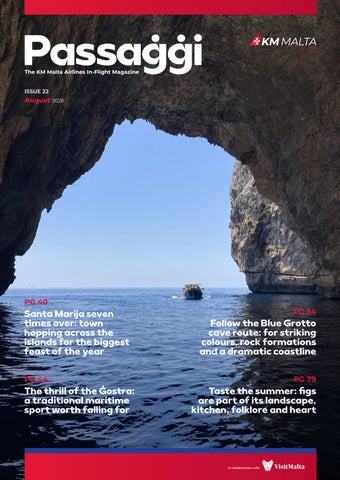
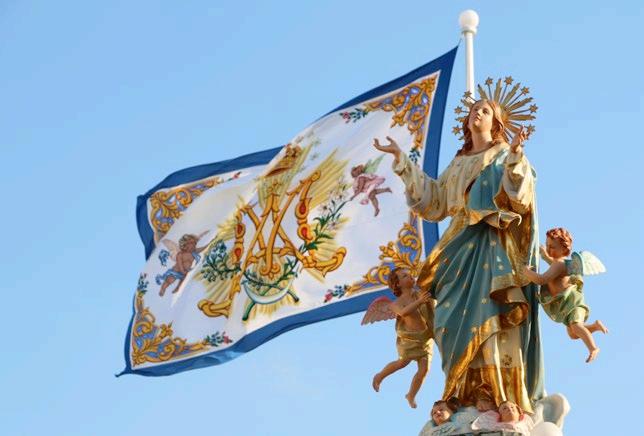
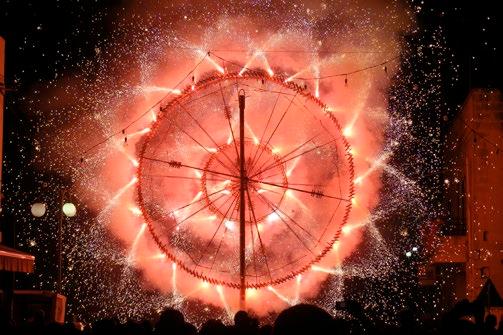
Santa Marija seven times over: town hopping across the islands for the biggest feast of the year
PG 44
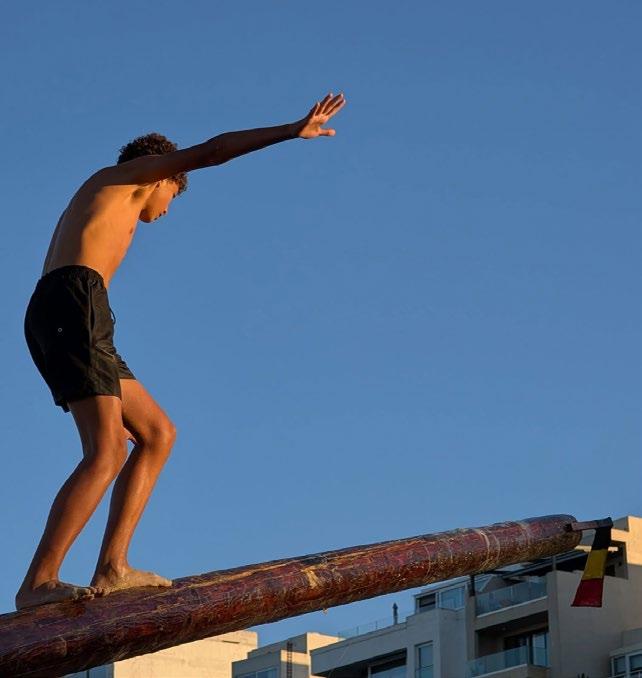
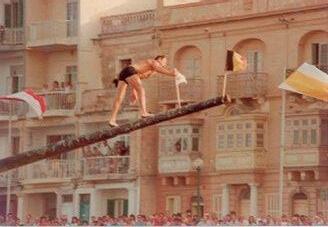
The thrill of the Ġostra: a traditional maritime sport worth falling for
PG 54
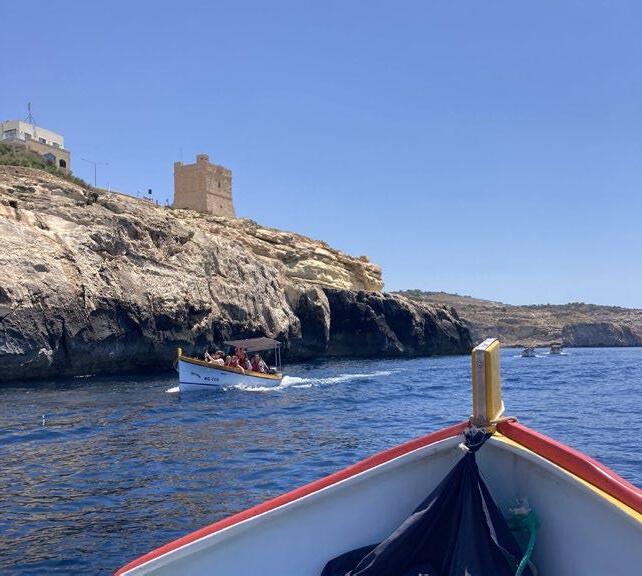
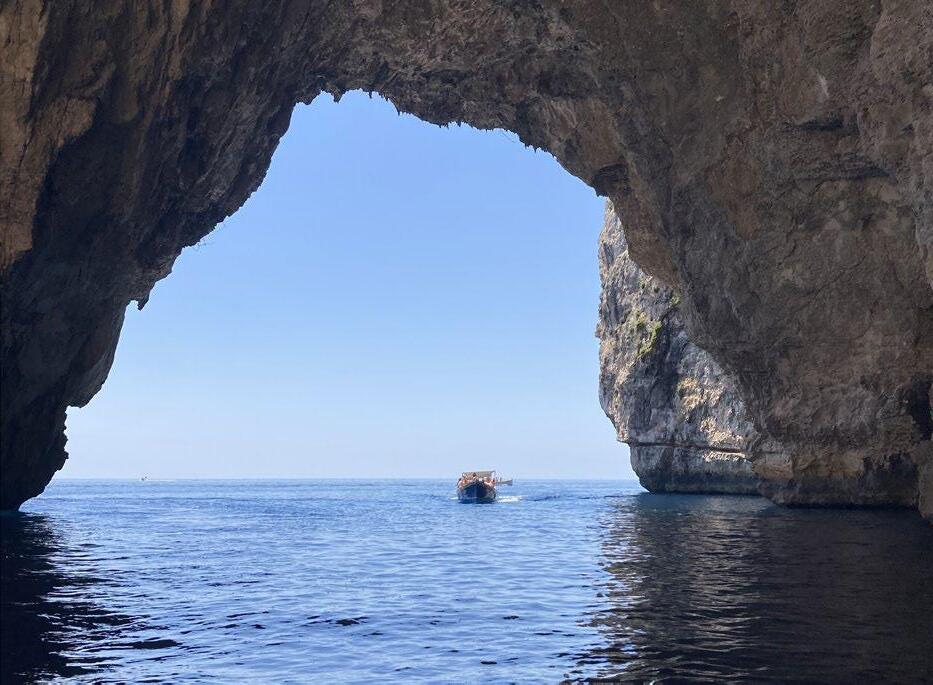
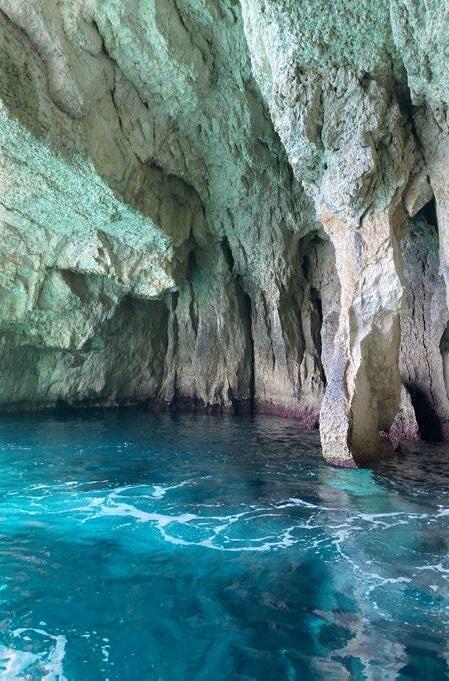
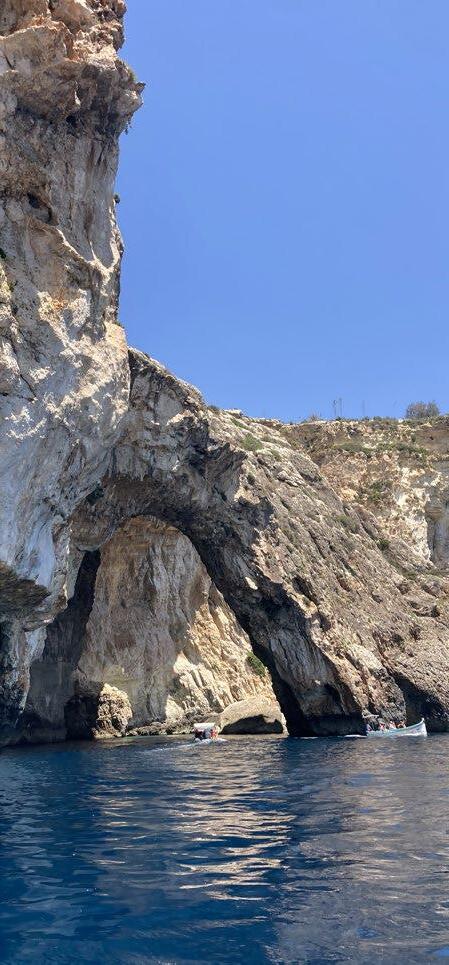
Follow the Blue Grotto cave route: for striking colours, rock formations and a dramatic coastline
PG 79
Taste the summer: figs are part of its landscape, kitchen, folklore and heart
The KM Malta Airlines In-Flight Magazine
ON THE COVER
A cave in Blue Grotto. Photo: David Carabott.
MEET THE TEAM
PUBLISHER
Associated News Group
EDITOR
Fiona Galea Debono
SALES AND BUSINESS DEVELOPMENT
Associated News Group
CONTRIBUTORS
Adriana Bishop
David Carabott
Edward Bonello
Emmanuel Galea
Iggy Fenech
Inkontru.app
Lea Hogg
Leanne Ellul
Ramona Depares
Ruth Zammit DeBono
WOULD YOU LIKE TO BE FEATURED IN PASSAĠĠ I?
For advertising opportunities, get in touch with Associated News Group on passaggi@tbwa-ang.com or (+356) 2131 0608
Abigail: abigail@tbwa-ang.com or (+356) 9929 0518
DESIGN
forty Creative Studio
PRINTER
Gutenberg Press
PHOTOGRAPHERS
David Carabott
Jason Lloyd Evans
Joel Gueller Photography
Mark Micallef Perconte
Tony Gatt
HOW TO PRONOUNCE PASSAĠĠ I /pasˈsadʒi/
Here’s the breakdown: • /p/ as in pass • /a/ as in art • /sˈ/ as in sun (with stress on the following syllable) • /dʒ/ as the sound of the j in 'judge' (geminated or doubled sound) • /i/ as in eat The word passaġġi means 'passages' in English.
The publisher, authors and contributors reserve their rights with regards to copyright. No part of this magazine may be reproduced or copied by any means without the written consent of the publisher. Editorial features and opinions expressed in Passaġġi do not necessarily reflect the views of KM Malta Airlines, the publisher, or the editorial team. Both KM Malta Airlines and the publisher do not accept responsibility for commercial and advertising content. Although the authors and publisher have made every effort to ensure that the information in this magazine was correct before going to print, the author and publisher do not assume and hereby disclaim any liability to any party for any loss, damage, or disruption caused by errors or omissions, whether such errors or omissions result from negligence, accident, or any other cause. Special thanks to KM Malta Airlines and Visit Malta for the provision of photographic material. All magazine rights are reserved by KM Malta Airlines.
Associated News Group, 3rd Floor, Professional Building, Sliema Road, Gżira GZR 1633 Malta - (+356) 2131 0608
Welcome to
The KM Malta Airlines In-Flight Magazine
David Curmi Executive Chairman KM Malta Airlines
As we reach the height of the summer season, I would like to thank all our passengers for choosing KM Malta Airlines during one of the busiest travel periods of the year. Whether you are travelling for a well-earned holiday, an important business trip, or returning home to Malta, our dedicated teams remain committed to providing you with a safe, reliable and enjoyable journey. Despite the significant increase in passenger numbers across our network, our teams continue to work tirelessly to deliver the reliable and punctual service that our customers have come to expect.
While many of our passengers are making the most of the summer months, we are already looking ahead to the busy travel periods later in the year. Our Christmas and Easter flight schedules are now available for booking, giving travellers the opportunity to plan ahead and secure their preferred travel dates and fares. As demand during these peak periods is traditionally high, booking early offers the greatest choice and value.
Our seasonal service to Málaga continues to provide an excellent gateway to southern Spain, with flights operating until the end of October. From its beautiful beaches and vibrant cultural scene to the wider attractions of Andalucía, Málaga remains an ideal destination for anyone seeking a memorable Mediterranean escape.
Planning your next holiday has also become even easier with KM Malta Holidays. By combining flights and accommodation in a single booking, together with optional extras such as airport transfers and car hire, passengers can enjoy a seamless travel planning experience backed by the reassurance of ATOL protection.
For larger groups, our Group Bookings service provides a straightforward solution for parties of 10 or more travellers. Whether you are organising a school trip, corporate event, sports team, family celebration or leisure group, our dedicated specialists are on hand to guide you through every stage of the booking process. Group booking requests can be submitted quickly and easily through the dedicated section of our website.
As part of our ongoing investment in the customer experience, we are delighted to announce that our website is now available in both Italian and French, following the successful introduction of the Maltese language option. These enhancements make it even easier for more passengers to browse and book in the language they are most comfortable using, with additional language options planned in the future as we continue to improve our digital services.
Throughout this exceptionally busy summer period, our focus has remained unchanged. Safety continues to underpin every aspect of our operation and remains the foundation upon which we build our reliability, punctuality and customer service. Together with our dedicated employees and valued partners, we remain committed to delivering the high standards our passengers expect from Malta's national airline.
Thank you once again for choosing KM Malta Airlines. We wish you a wonderful summer and look forward to welcoming you on board again soon.
Fiona Galea Debono Editor
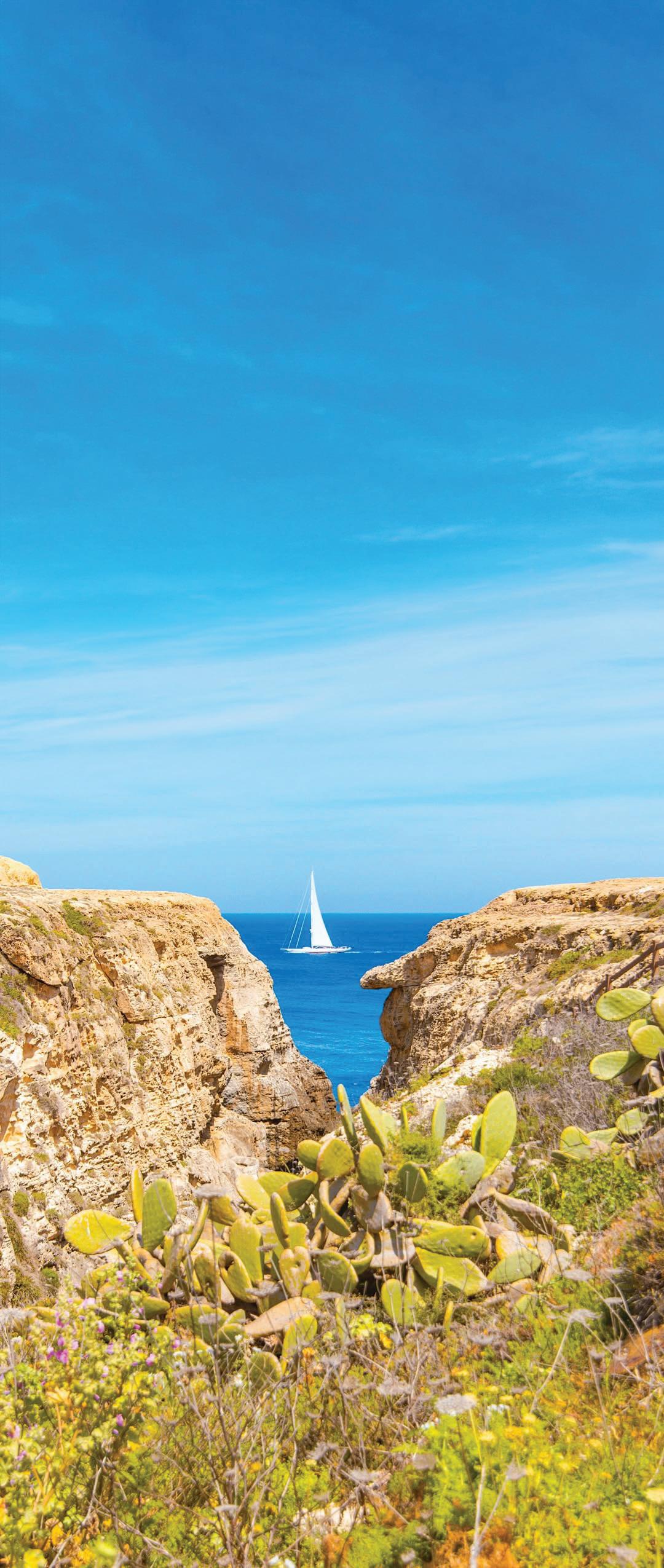
At the height of summer, there is no better place to be than on the water. I've always believed that Malta is best experienced from the sea. Sailing around the islands offers a perspective that everyone should enjoy, while also revealing secluded beaches and hidden coves that are hard to reach by road.
There is something magical about cruising across the water, the wind in your hair, heading towards Comino or Gozo for a day at sea, and returning at sunset with a shimmering wake trailing behind you as Malta unfolds from the outside in. This is the islands at their most captivating.
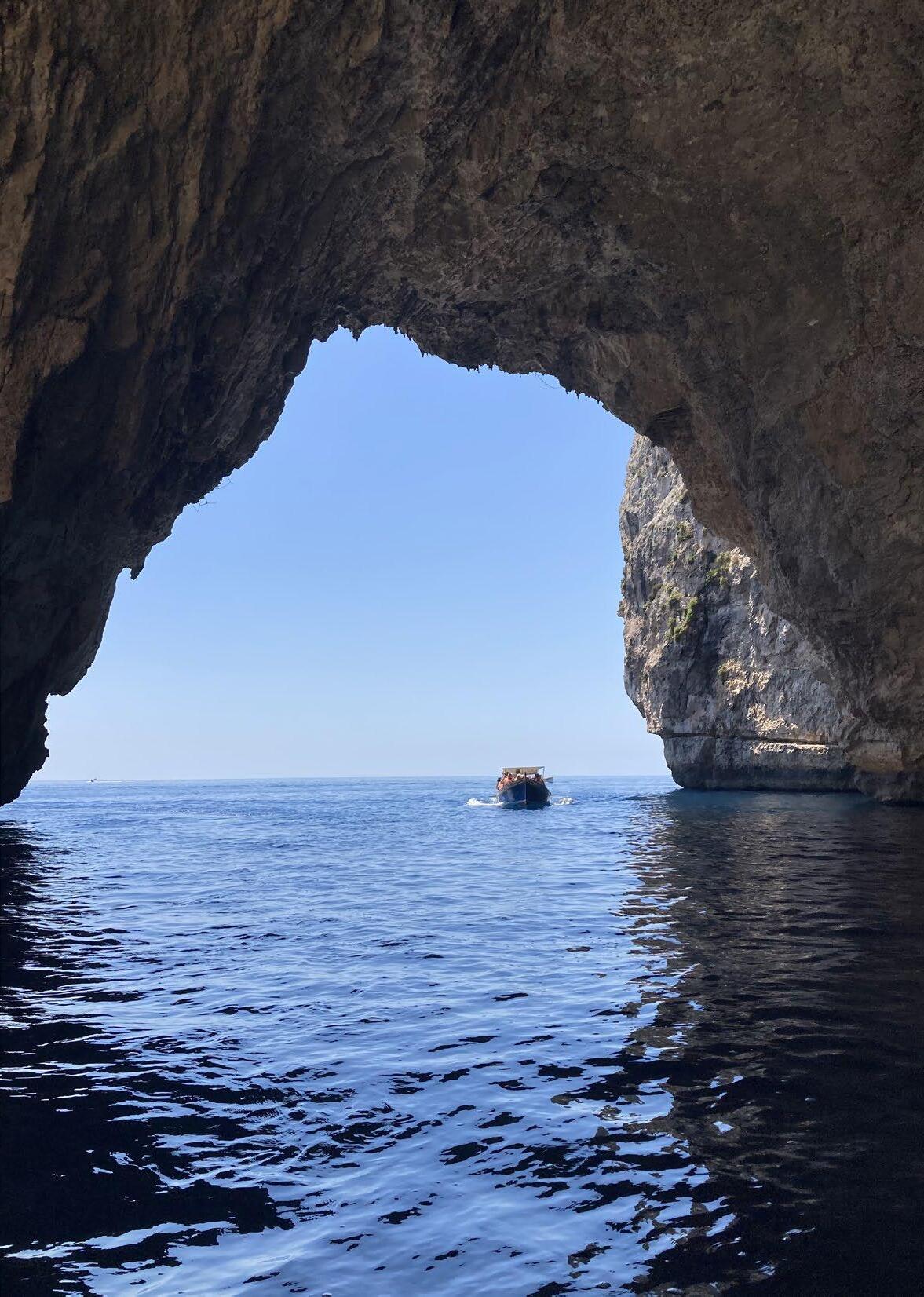
In this month's issue of Passaġġi, we take you on a boat trip to the Blue Grotto, venturing inside not one but six spectacular sea caves carved into the limestone cliffs of Wied iż-Żurrieq. While this excursion is a favourite with visitors, locals often overlook the treasures on their own doorstep. Reading this feature reminded me that it is time to return to these remarkable rock formations and once again experience the crystal-clear waters, illuminated by the ever-changing reflections of the Mediterranean sun.
Our writer did exactly that, and his infectious account – complete with a simple meal of limpets by the shore – rekindles memories of the timeless pleasures and natural beauty that Malta has to offer.
The peak of summer also brings the feast of Santa Marija, celebrated in seven towns and villages across Malta and Gozo in the middle of August. We don't expect you to visit them all in a single day as our intrepid writer did, but his feast-hopping adventure offers the ideal itinerary to help you choose where to experience these vibrant traditions.
Wherever you decide to celebrate, you'll find colourful street decorations, lively band marches, spectacular fireworks and festive celebrations that capture the spirit of the Maltese summer.
But this issue of Passaġġi is not just about basking in the intensity of a Mediterranean summer. While we embrace the season in all its sun-drenched, golden glory – from the sacred to the profane – it also celebrates exceptional fashion design, innovative artisans who are reimagining traditional crafts for a new generation, and the creativity that continues to put Made in Malta on the map. Along the way, we savour the fruits, flavours and culinary traditions that define a truly Maltese summer.
For those seeking a slower pace, we also invite you to step away from the crowds, whether by crossing the channel to the quieter corners of Gozo or wandering through the timeless streets of the Silent City, Mdina, uncovering Malta's history one doorway at a time.
Whether you're discovering the islands for the first time, or returning to familiar shores, we hope this issue of Passaġġi inspires you to look a little closer, venture a little further and experience them at their summer best.
You'll find ideas for what to do before you even land, reasons to return if you couldn't fit everything in, and perhaps the urge to rediscover something you've long overlooked, with a few surprises along the way even if you think you've already seen it all.
ISLANDS 8
Where silence meets the sea
Quiet San Lawrenz above Gozo’s wildest coast
TRAVEL 16
A city of two rivers
Lyon blends Roman history with everyday life
HERITAGE 20
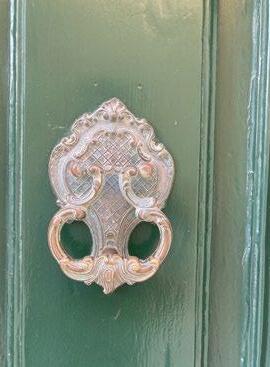
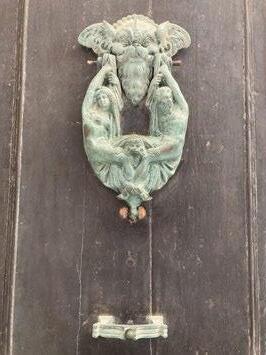
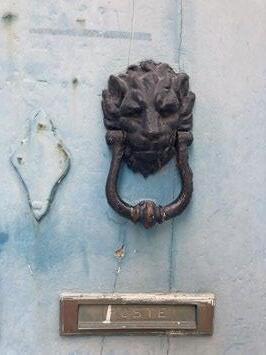
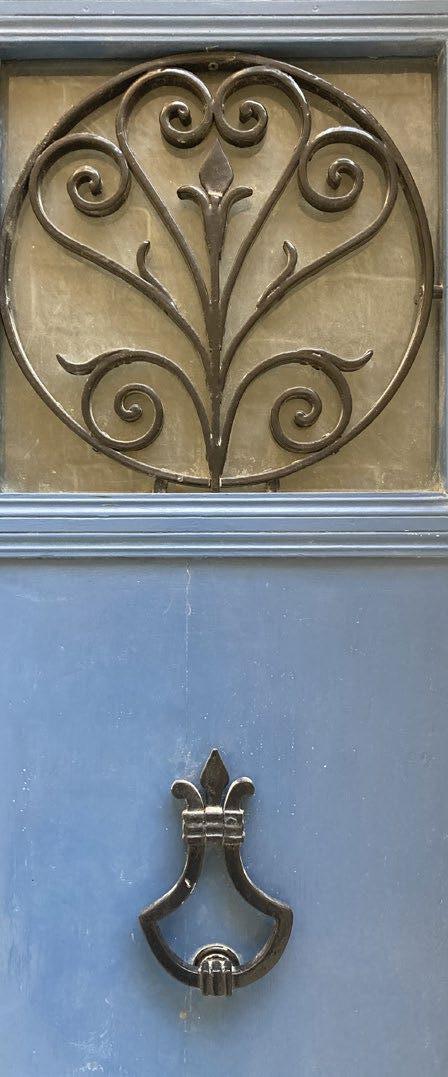
Knocking on Mdina’s doors
Stories cast in the brass of handles and knobs
CULTURE 24 This month’s must-see events
Make the most of August in Malta
BOOKS 31
Fly me to the moon… but not so soon
Meet the authors of the Med’s Literature Festival
FASHION 35
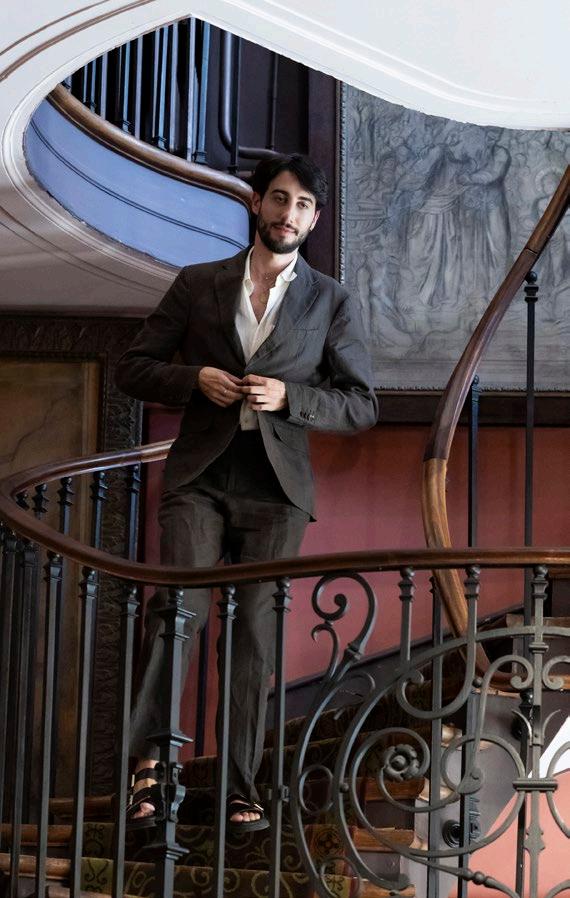
Salomé: where folk meets high fashion
Designer Luke Azzopardi hits Paris
TRADITIONS
40
One day, seven feasts
Following Santa Marija across Malta
ACTION 44
Chasing the greasy pole
A centuries-old seaside tradition
GOZO
50
Gozo off the map
An itinerary to its quieter, calmer corners
BOATING
54
Exploring Blue Grotto
For a striking stretch of six caves
PETS
59
The doors Roy opens
A well-groomed poodle with a passport can change your trip
ENTERTAINMENT
63 Your guide to August's biggest festas
The most memorable of the month
67
A vibe for every generation
The summer party calendar is high on energy
MADE IN MALTA
72
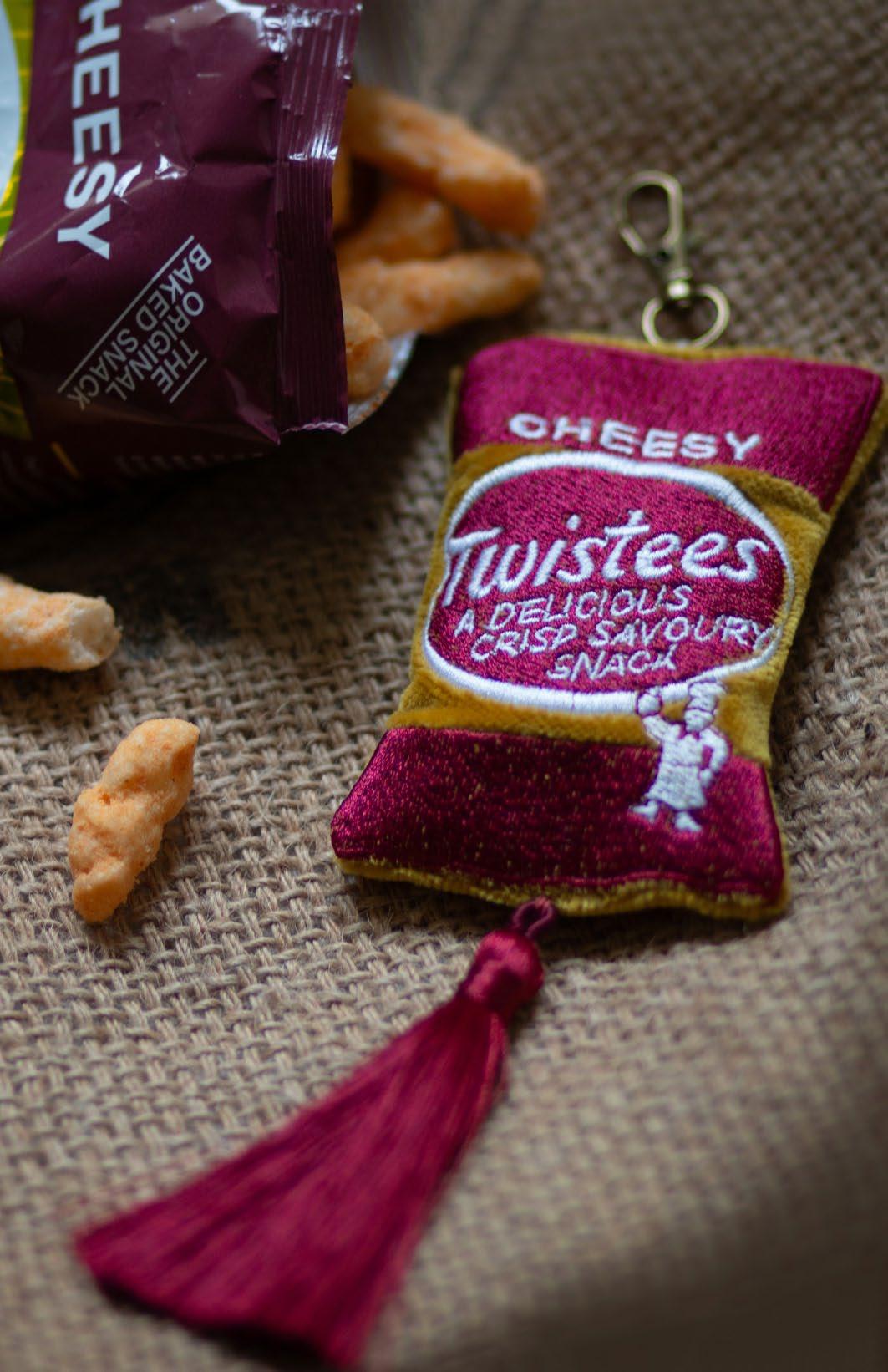
Embroidering collective memories
Iconic snacks become bag charms, stitch by stitch
FOOD
79
The secret life of the Maltese fig
Far more than just a summer fruit
AIRLINE NEWS
87
Flight, company and destination information
All you need to know about flying with KM Malta Airlines
Where silence meets the sea
A quiet village in Gozo sits above its wildest coast. San Lawrenz is a place of saints, silence and a strange rock.
Words by Emmanuel Galea
Emmanuel is a Gozitan freelance writer, who draws on his global experience to promote Gozo as a destination that rewards those who take the time to explore it.
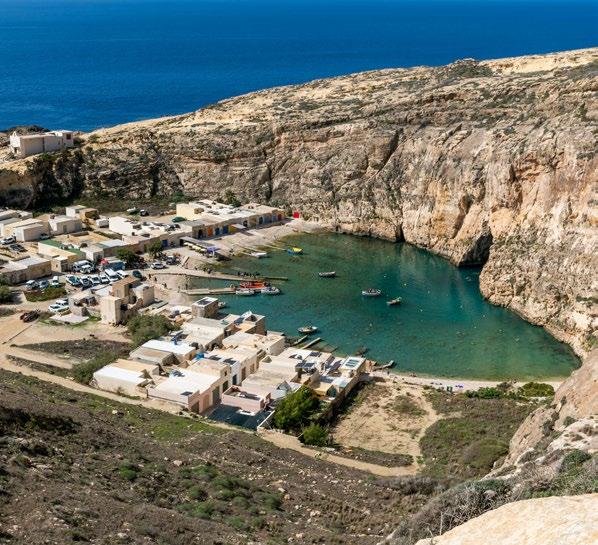
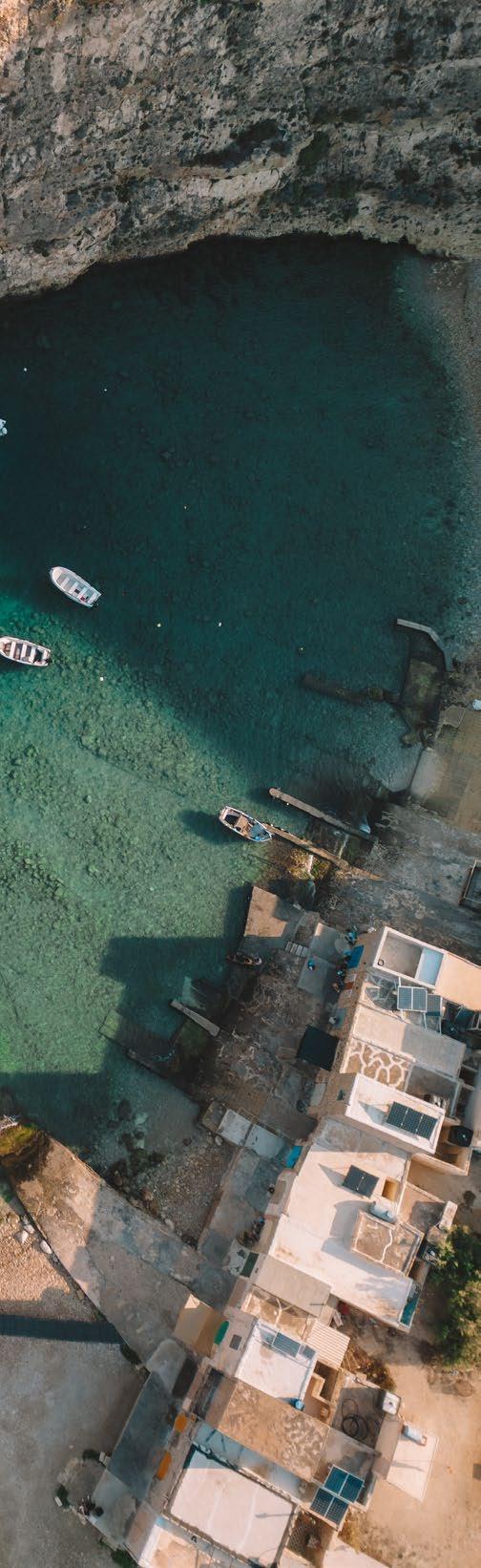
The Inland Sea, Dwejra.
Photo: Jes and Dom, courtesy of Visit Gozo.
Drive west across Gozo and the noise falls away. The roads narrow and the hills close in around you. Then San Lawrenz village appears, low and pale on its plain. It is the quietest village on the island. It means to stay that way.
This is the only village in Gozo named after its patron saint. Martyred on a gridiron, St Lawrence represented fire and open flame. The villagers chose him centuries ago. Sailors trading with Spain may have carried the devotion home. They built him a church, laid his relic beneath the foundation stone, and have honoured him every August since. Even the World Wars never broke the rhythm.
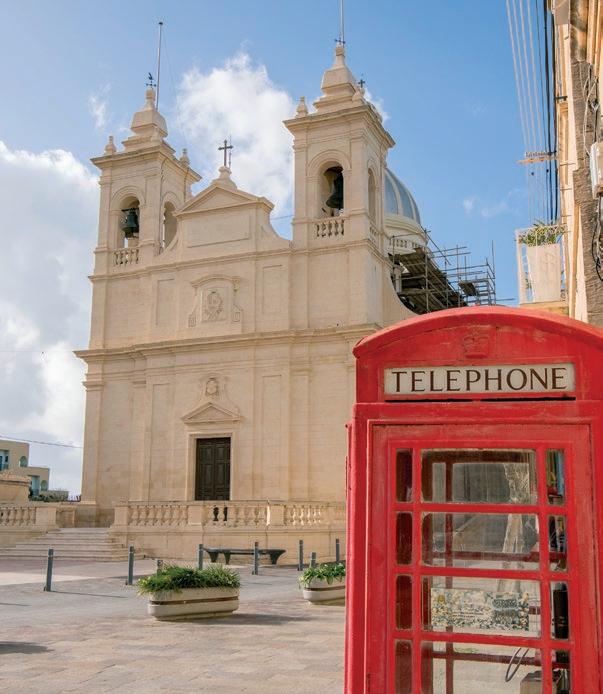
The church holds the village together. It is small but proud, inviting you to step inside and look up. The main altarpiece is by Giuseppe Calì, one of Malta’s finest painters. Outside, the square is calm while a few old men talk in the shade. A cat crosses the road without hurrying.
These days, you can also visit the restaurant on the corner, which lets you take it all in over a long lunch. Time moves differently here, and you feel it the moment you arrive.
The quiet has long drawn people to San Lawrenz. One was Nicholas Monsarrat, an English novelist who wrote The Cruel Sea. He bought a house here in 1968 on the last day of a brief holiday. The place captivated him, leading him to stay for 10 years until he passed away.
Monsarrat did not keep to himself and he paid for the village children’s Christmas party every year. And in this calm, he wrote The Kappillan of Malta, his influential novel of these islands during the war. The village has not forgotten him. The local village school still bears his name.
There is craft here too; just on the edge of San Lawrenz sits Ta’ Dbieġi, a cluster of artisan workshops beneath Gozo’s highest hill. Watch lace grow under quick fingers. See glass take shape in the heat. Take home honey, olive oil, filigree, or a length of Gozitan lace. These are gifts made within sight of where you buy them.
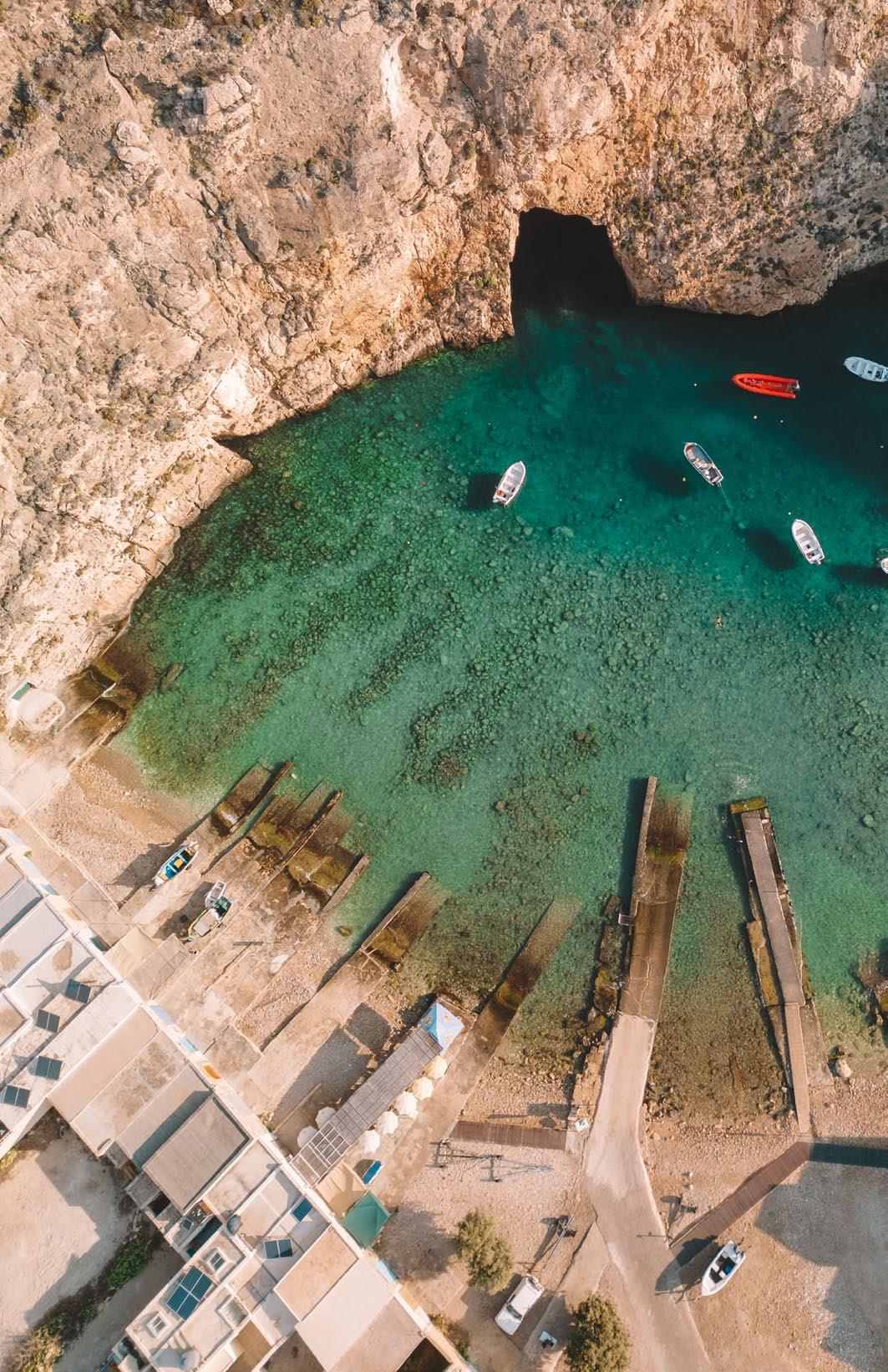
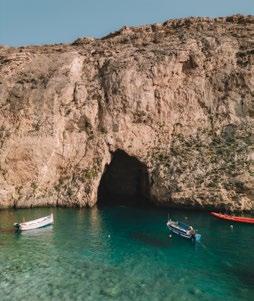
But the genuine drama waits below. Follow the road down towards the coast, and the land opens out. Dwejra appears at the bottom, exposing Gozo at its wildest – cliffs, fossil beds and the vast blue sea ahead. The Azure Window stood here until a storm pulled it down in 2017. Its loss still stings, and yet Dwejra remains unforgettable without it. The Inland Sea still glitters, embracing the boats while drifting through the cave tunnel to the open water beyond.
Photo: George Scerri, courtesy of Visit Gozo.
Where to go
The Blue Hole A natural rock pool beside the old window site. Divers come from across Europe to drop into it.
A walk to Dwejra
Start in the village square, by the church. Follow the road downhill towards the coast. It runs through open country and old limestone quarries, gently sloping all the way. The village sits about two kilometres from the bay. Allow 20 to 30 minutes to walk down.
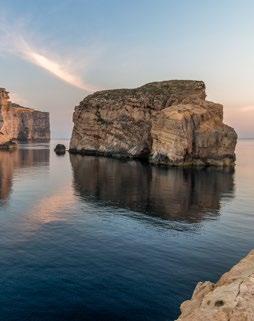
As you descend, the view opens out. Dwejra Bay, Fungus Rock and Dwejra Tower lie ahead, with the vast sea beyond. The disused quarries and fields frame the walk. In August, they lie mostly dry and barren, bleached pale by the summer heat.
At Dwejra, walk out onto the flat limestone shelves to hunt for fossils. Then follow the coastal path towards the tower and the old window site. The terrain here is level but rough underfoot. The path ends at private land, so turn back when it does.
Retrace your route uphill to the village. This return climb is the only real effort.
Tips: wear sturdy shoes and take water and a hat in August.
No car? Bus Route 311 runs hourly from Victoria.
DIAMONDS DIAMONDS
Exceptional lab-grown diamonds crafted in 18k gold and platinum.
BEACHES
Dingli Cliffs
Rabat Dingli Buskett
‘Luzzu’
‘Qarnita’
Ta'
Dbieġi hill near San Lawrenz.
The Inland Sea, Dwejra. Photo: Jes and Dom.
Fungus Rock, Dwejra. Photo: Joanne Mohr.
Words by Heritage Malta
The national agency for museums, conservation practice and cultural heritage, it is the guardian of over 8,000 years of history.
If this is your first visit to the Maltese Islands, you cannot leave without ticking these sites off your list.
National Museum of Archaeology
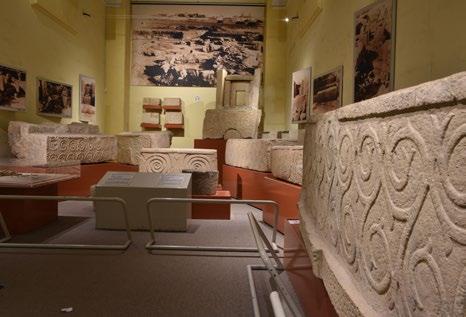
With artefacts dating back from Malta's Neolithic period (5900-2500 BC) up till the early Phoenician period (8th6th century BC), the National Museum of Archaeology is definitely your first step to understanding the richness of the land you tread on, its people and their ancestors. Its ground floor is dedicated to the Neolithic period, while the upper floor currently houses the Bronze Age and the Phoenician period sections. The museum regularly hosts temporary exhibitions.
Fort St Elmo and the National War Museum
Valletta
The splendid, unobstructed views of Grand Harbour, enjoyed today from Fort St Elmo, originally served the purpose for which the star-shaped fort was built – to face and hold back the wrath of the Ottoman armada. The National War Museum, located within the fort, is divided into seven sections and covers 7,000 years of Maltese military history from the Bronze Age until Malta’s accession to the EU. Notable artefacts include military armour of the Order of St John and the Ottoman Turks, while World War II is the most represented conflict in the museum. Highlights include the Gloster Sea Gladiator N5520, Faith, Roosevelt’s Jeep ‘Husky’, and Malta’s award for gallantry, the George Cross.
Valletta Ġgantija
Archaeological Park
Xagħra, Gozo
The Ġgantija Archaeological Park complex is a unique prehistoric monument listed by UNESCO as a World Heritage Site. Situated in Xagħra, it consists of two structures built between c.3600 and c.3200 BC. Notwithstanding its age, the monument survives in a considerably good state of preservation. Entrance to the Ġgantija Archaeological Park is through an interpretation centre, which houses a selection of the most significant artefacts discovered at various prehistoric sites in Gozo.
Ta’ Kola Windmill Xagħra,
Gozo
Imagine... a bright new morning with just the right wind; a miller letting the locals know by blowing through a triton shell; the villagers bringing their cereals to be ground into flour. Ta' Kola Windmill is a unique relic of breadmaking in Gozo, transporting you back to such a morning. This 300-year-old building is a living testimony to our forefathers' way of life, marked with hardships and daily struggles, at a time when bread was the most indispensable food item. The exhibits inside the windmill belonged to the last miller residing there and were used to operate and maintain the building and milling mechanism.
Ħal Tarxien
Prehistoric Complex Ħal
Tarxien
Have the honour and the privilege of stepping inside a UNESCO World Heritage Site! Discovered in 1913 by farmer Lorenzo Despott, the Hal Tarxien Prehistoric Complex consists of four megalithic structures built in the late Neolithic and then re-adapted for use during the Early Bronze Age. The site was excavated between 1915 and 1919 by Sir Themistocles Zammit, Director of Museums at the time. This year marks the 110th anniversary since the first sketches of the site were made by Zammit himself during the initial excavations.
National Museum of Natural History
Mdina
The National Museum of Natural History in Mdina is housed within Palazzo Vilhena, a Parisian baroque palace commissioned in 1724 by Grand Master Antonio Manoel de Vilhena and designed by Charles François de Mondion. Before becoming a museum, the building served as a temporary hospital during the 1837 cholera outbreak, later a British military sanatorium, and eventually a tuberculosis clinic until 1956. Inaugurated in 1973, the museum is dedicated to the acquisition, curation and conservation of Malta’s biological and palaeontological heritage. Its collections include thousands of minerals, geological specimens, birds, mammals, molluscs, insects and fossils, displayed through thematic exhibitions and supported by active research and public outreach.
Words by Lea Hogg
Lea is a Malta-based journalist and writer, known for her TV programme on current affairs, cultural news and in-depth interviews about politics and global issues.
A city of two rivers
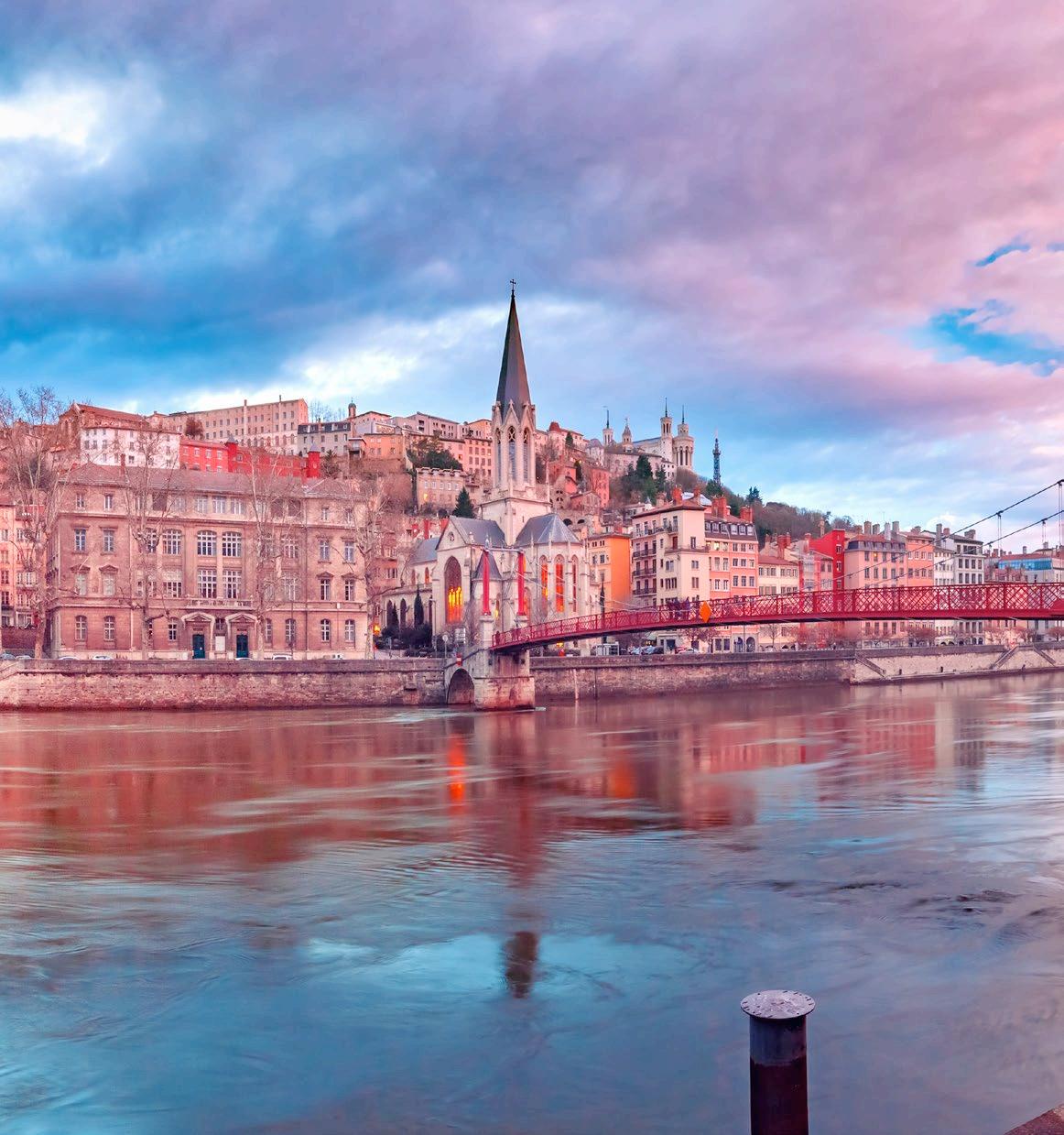
The journey through Lyon moves from the Rhône and Saône to Vieux Lyon, across the Presqu’île, up to Croix-Rousse and out to La Confluence, with each district marking a clear change in character and pace. It is a city that can be comfortably and thoroughly explored over a long weekend.
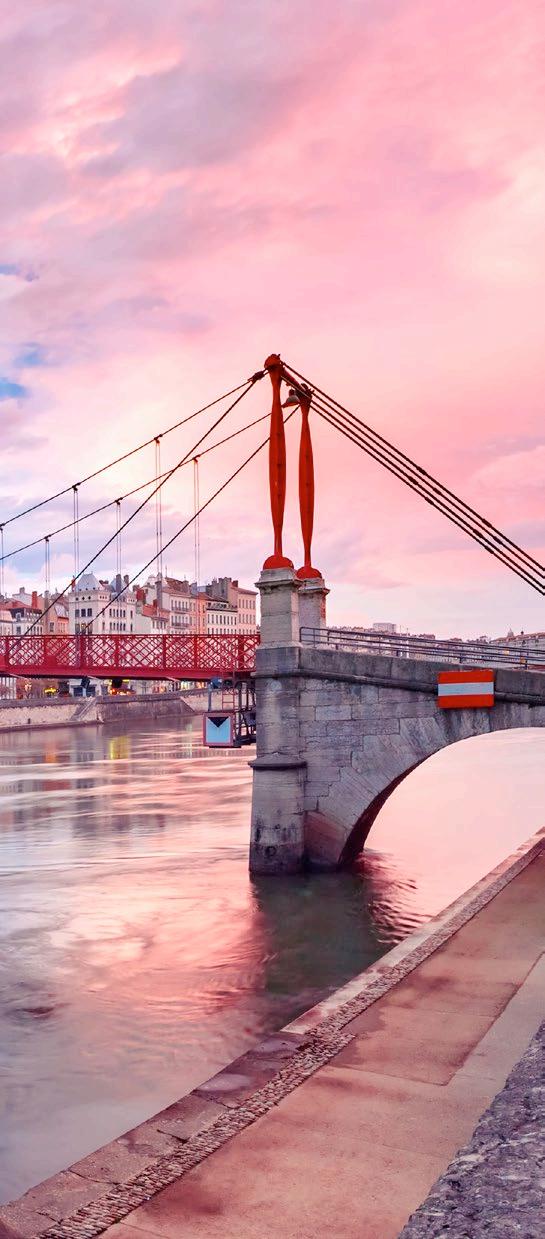
The footbridge across the Saône river.
There are no glittering skylines or overwhelming crowds in Lyon. Instead, it offers stone streets, river light and a restrained elegance, with exceptional food that encourages you to take your time. It works well as a short break for those looking to slow down while enjoying city life.
Founded over two millennia ago as the Roman city of Lugdunum, Lyon was a crossroads of merchants, pilgrims, silk weavers and revolutionaries. Today, it is a city where history is not confined to museums, but is present in the streets, in hidden courtyards and in neighbourhood cafés that have changed little over time. Roman foundations still shape its geography, even where the city feels most modern.
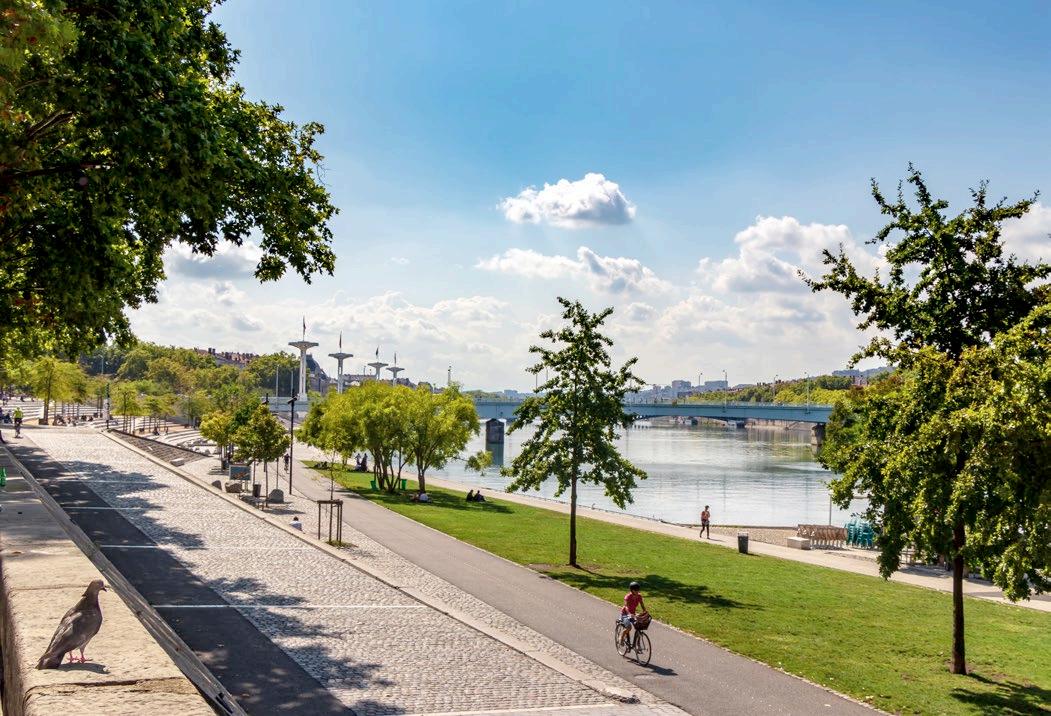
The Rhône and Saône rivers meet in the city, their waterfronts creating some of Lyon's most inviting places to walk, dine and linger. Start your morning early along the banks of the Rhône, a route used by cyclists, runners and office workers on their way in, and with locals enjoying coffee at a relaxed, unhurried pace.
From here, an elegant footbridge leads towards the Presqu’île. A pavement café offers a natural pause for an espresso before the grand squares and boutique-lined streets unfold. The walk continues towards Les Halles de Lyon Paul Bocuse, where the city’s culinary reputation comes alive in rows of artisan cheesemongers, charcuteries and pâtisseries.
Some French friends had recommended a visit to La Mère Richard, and it is not difficult to understand why. What gives the stall its weight is its history. Founded in 1965 by Renée Richard, a Lyonnaise cheesemonger, it built its reputation supplying some of the city’s most respected restaurants long before Les Halles became the gastronomic landmark it is today. When the market moved to its current site in 1971, the fromagerie moved with it, embedding itself in what would become Lyon’s most famous food hall.
Inside Les Halles de Lyon, the smell is dense and lactic; a mix of ripening rind and butterfat. But it is only one layer of the Halles, where cheeses sit alongside stalls of cured meats and sweet specialities, from pastry creams to baked sugar and pâtisserie. There is a constant movement through the aisles. At the charcuterie stalls, joints of ham are sliced to order, paper is folded tightly around still warm saucisson, and terrines are cut with clean, deliberate strokes. Across from them, pastry counters are more precise and still, with rows of fruit tarts, éclairs and glossy pralines arranged in strict order.
Behind the glass, the cheeses are set in quiet order too. SaintMarcellin sits soft at the edges, while Saint-Félicien is fuller and heavier, each at a different stage of ripeness. Nothing is staged for display, but everything is arranged with care.
Lyon is not a city that can be understood in a single place. Beyond the market, it unfolds in distinct layers, each shaped by its geography and its history.
From Gare de Lyon Part-Dieu, you can take the Metro Line D towards Vieux Lyon–Cathédrale Saint-Jean, emerging into one of the oldest quarters in the city. Vieux Lyon is dense and narrow, its streets built long before modern planning. Stone passages open unexpectedly into small courtyards, and shopfronts sit beneath Renaissance façades that feel almost unchanged.
It is one of the largest surviving Renaissance districts in Europe, and yet it feels lived in rather than preserved. The cathedral itself sits at the edge of the river, its twin towers marking the entrance to the old town. Inside, the light is subdued, filtered through stained glass that softens the stone. Just behind it, the river Saône runs close, separating Vieux Lyon from the rising hill of Fourvière.
At the top, the Basilica of NotreDame de Fourvière dominates the skyline. It is highly decorative; almost elaborate in contrast to the restraint of the old town below, with mosaics,
gold detailing and layered stonework inside. Outside, the view stretches across Lyon. The Saône curves through Vieux Lyon, the Rhône wider and more industrial in contrast, and the Presqu’île sits between them, organised in grids of streets and squares. From here, the city’s structure becomes clear: two rivers shaping everything around them.
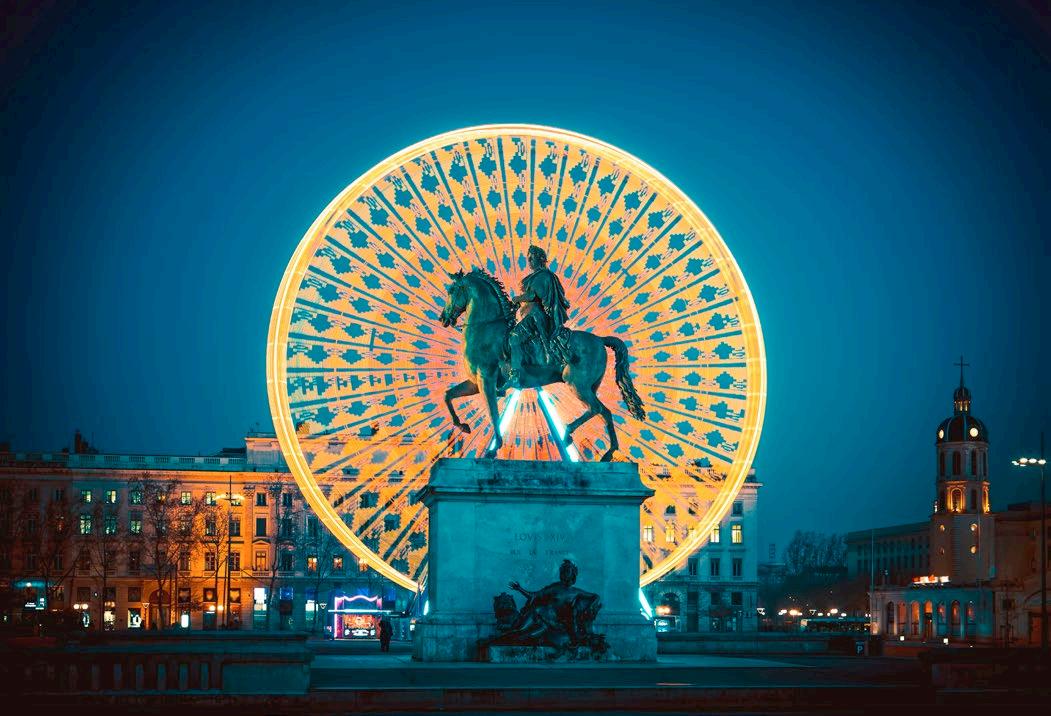
The square is vast and open, one of the largest in Europe, functioning less as a destination and more as a meeting point. It is crossed rather than stayed in, a space between shopping streets, cafés and the riverbanks beyond. At its centre, the equestrian statue of Louis XIV stands as a reminder of Lyon’s long connection to French political history, though today it feels more like a landmark for orientation than authority.
From Place Bellecour, the Presqu’île unfolds northwards, where the streets become narrower and more commercial. Cafés spill onto pavements, and bookshops and
boutiques sit alongside older buildings with faded stonework. Lyon has always been a working city as much as a historic one, and that mix is most visible here, where daily life and heritage overlap without separation.
Further on, Parc de la Tête d’Or offers an immediate shift in pace. The noise of the city softens, replaced by open space, water and tree-lined paths. One of the largest urban parks in France, it is used as an extension of daily life rather than a formal garden. People run along its paths, row boats on the lake, or sit in long, unstructured afternoons under the trees. There are also a botanical garden and a small zoo, but the park’s appeal lies less in individual attractions than in its scale and calm.
From there, the city shifts again in La Confluence, where Lyon changes character. The district sits at the meeting point of the Rhône and Saône, once an industrial zone, now redeveloped into a modern architectural quarter. Glass buildings
The Rhône river banks.
reflect the water, and angular structures sit alongside converted warehouses. It is a deliberate break from the rest of Lyon, all glass, angles and open water.
At the far end of the district is the Musée des Confluences. The building itself is difficult to categorise: part museum, part sculpture, its steel and glass structure appears to hover above the rivers. Inside, the exhibitions move between science, anthropology and natural history, tracing human development across time and geography. It is not a traditional museum experience, but a broad, thematic one that reflects the scale of the building itself.
From the upper levels, the view returns again to the rivers. The Rhône and Saône meet here, their confluence visible as two currents merging and continuing together downstream. It is a fitting point to end the journey through Lyon, because the city itself operates in the same way – two distinct forces meeting, shaping everything around
them without ever fully losing their separate identities.
Up at the La Croix-Rousse neighbourhood, one is drawn by its reputation as Lyon’s vintage district, where the city feels really lived in. The streets are slightly steeper here, the buildings less formal, with cafés again spilling onto pavements and small independent shops appearing as you walk rather than announcing themselves.
One of the places to stop at is Ciguë Vintage, a small shop tucked into the neighbourhood rather than standing apart from it. Inside, the space is compact and tightly arranged,
rails close together, everything selected with a clear eye rather than randomness. It doesn’t feel styled for effect, just edited, in the way good vintage shops usually are.
In La Croix-Rousse, you don’t arrive for a moment of discovery; this happens as you move through the area. Walking back down, the neighbourhood feels slower than the centre of Lyon; like everything has shifted slightly out of pace with the rest of the city.
What remains after a visit to Lyon is not just a single image, but a series of contrasts: old and new, quiet and busy, river and stone, market and monument.
KM Malta Airlines operates regular flights between Malta International Airport (MLA) and Lyon (LYS) kmmaltairlines.com
The famous Place Bellecour.
Words by David Carabott
David is a teacher, specialised in mentoring students of different abilities. An avid traveller, his target is to visit all the countries in the world. When he is not in Malta or travelling elsewhere, you can find him somewhere in Rome.
Knocking on Mdina’s doors
There are many reasons to visit Mdina. One could even be looking for door knockers, handles and knobs. In a place called the Silent City, these details, stories cast in brass, seem to speak the loudest.
Photos: David Carabott.
On a bright morning, with the city gates behind me and narrow streets unfolding ahead, I found myself slowing my pace and lifting my gaze from the cobbles to the doors. Not the grand palaces and churches, but the entrances themselves: the knockers, handles and knobs that have greeted visitors for centuries. In a place often referred to as the Silent City, these details seem to speak the loudest.
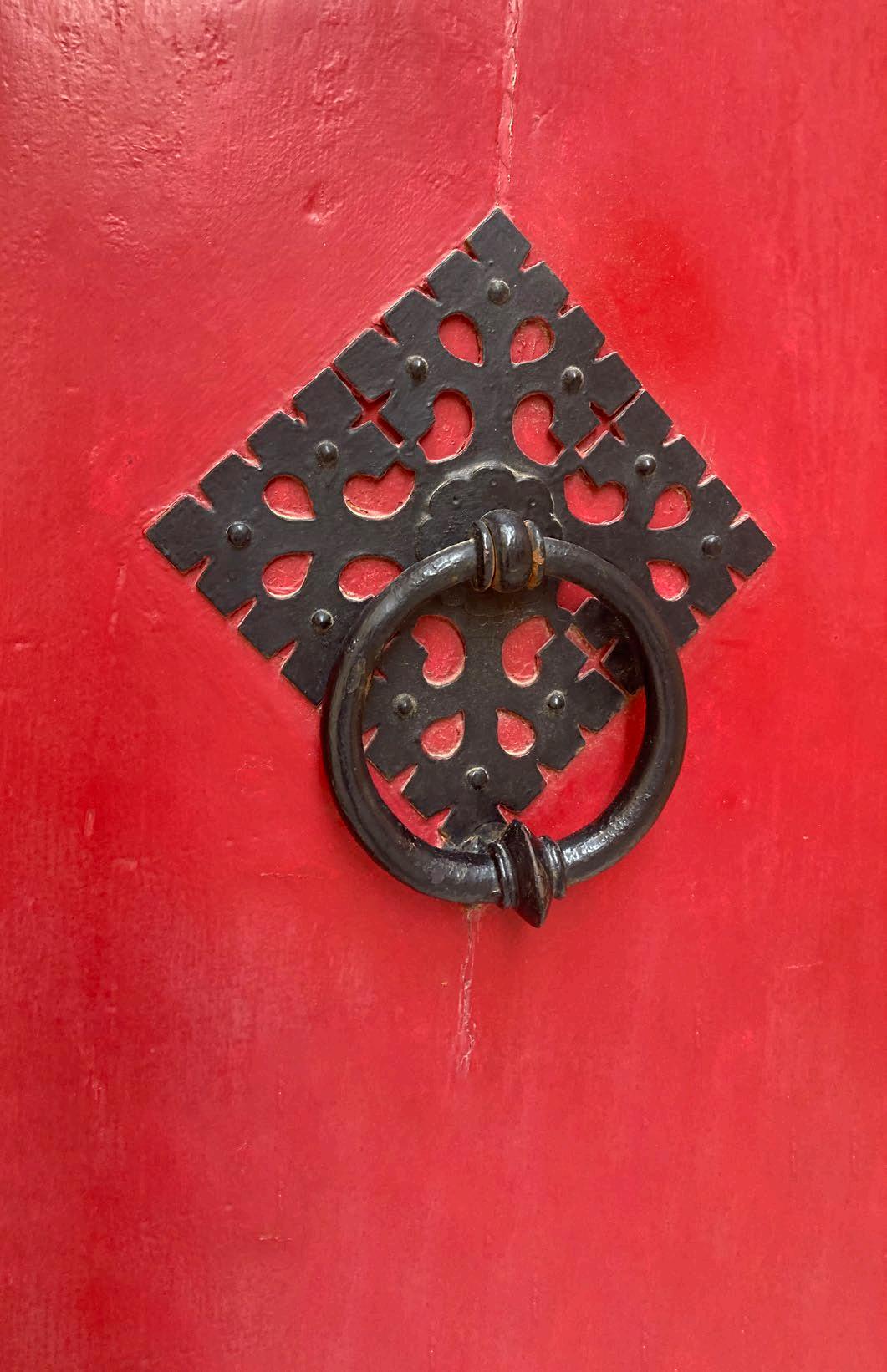
Mdina is best explored without a map. The streets twist and narrow unexpectedly, revealing hidden courtyards, balconies and doorways that seem untouched by time. Every turn offers a new discovery. And before long, I realised that no two doors were quite the same. Some were painted in deep shades of green or burgundy. Others wore faded blues that mirrored the Mediterranean sky. Yet it was the metalwork that truly captured my attention.
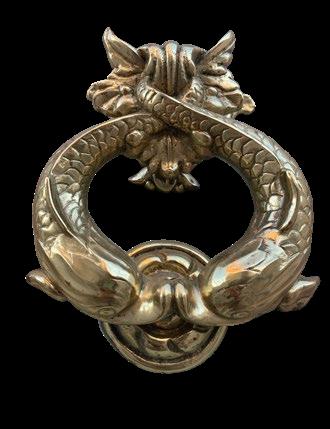
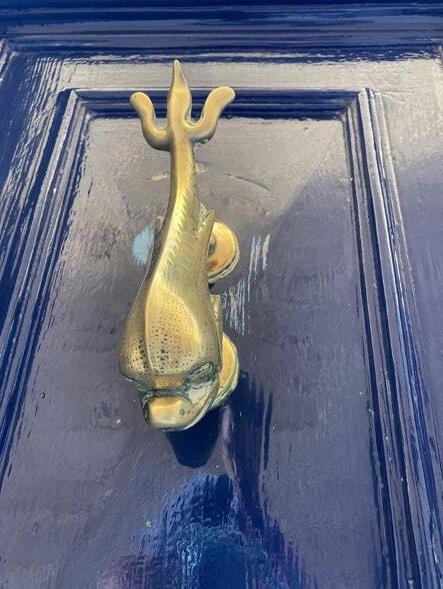
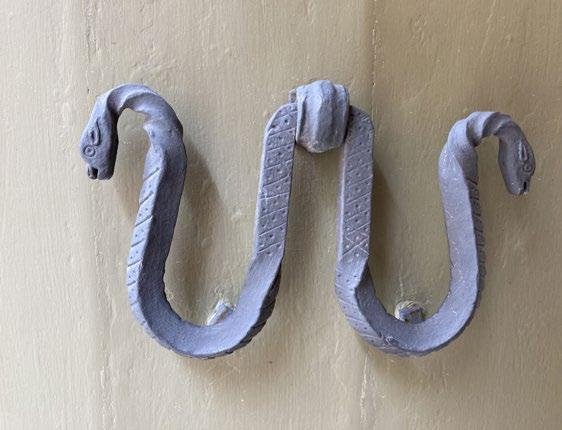
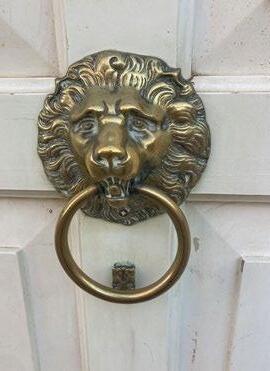
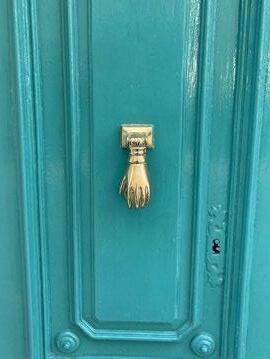
A lion's head stared proudly from one doorway, its heavy ring hanging from a mouth frozen in a permanent roar. Nearby, a dolphin curved gracefully across an ancient wooden door. Further along, I found a handshaped knocker, worn smooth by generations of visitors announcing their arrival. Each seemed to possess its own personality.
As I wandered through Mdina's lanes, I began to see each doorway as a composition of carefully crafted elements. The knocker was the voice of the house, announcing visitors with a rap against timber. The handle was the invitation, guiding guests across the threshold, and used to open and close the door. The doorknob, where present, was the finishing touch, often smaller and a rounded and more understated fitting, used to turn and open or secure the door, but still crafted with the same care and pride as the larger pieces around it. Together, they transformed even the simplest doorway into something memorable.
The traditional Maltese door knocker is far more than a decorative feature. Historically, it served a practical purpose, announcing guests long before electric bells existed. Over time, however, these pieces became symbols of identity, status and craftsmanship.
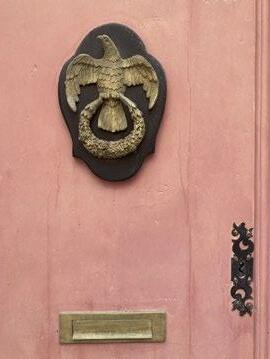
Walking through Mdina feels like visiting an open-air gallery. Lions remain among the most popular designs, representing strength and protection. Mythical creatures appear occasionally, while religious symbols and the crosses of the Knights Hospitaller reflect the island's deep connection with faith and the Order. Some knockers are elegant and restrained; others are wonderfully extravagant.
As I continued my walk, I began paying attention to the handles and doorknobs as well. If the knocker was the voice of the house, these were the details that welcomed visitors inside. They often receive less attention, yet many are miniature works of art.
Some were crafted from polished brass that caught the sunlight. Others displayed intricate floral patterns or geometric designs. Several appeared almost sculptural, transforming simple functional objects into pieces worthy of admiration.
There is a particular pleasure in slowing down enough to notice such details. In most cities, I rush past doorways without a second glance. Mdina invites the
opposite. Here, I found myself lingering in the moment rather than moving quickly through it. Even walking felt unhurried, as though the city itself discouraged urgency. Every few metres, another unexpected detail drew my attention and brought me to a halt.
Occasionally, a resident would emerge from behind one of these remarkable doors, offering a glimpse into life within the ancient walls. The contrast felt striking. While visitors often view Mdina as a historical treasure, it remains a living community where people continue to pass through these same entrances every day.
The beauty of Malta's door furniture lies not only in its appearance but also in its connection to the island's past. Many examples have survived for decades,
even centuries. Local craftsmen once devoted considerable skill to creating pieces that were both functional and decorative.
Today, they offer insight into changing tastes and cultural influences. Arab and European traditions have both left their mark on Maltese architecture and design, and the knockers, handles and doorknobs of Mdina reflect this unique blend.
Yet, despite their artistic value, they remain wonderfully accessible. No admission ticket is required; no museum queue to join. The collection is scattered throughout the streets, waiting to be discovered by anyone willing to look closely.
Travel often encourages to seek out famous landmarks and celebrated views. Mdina reminded me that some of the most memorable experiences can be found in the smallest details: a weathered brass hand resting against ancient wood, or a beautifully crafted handle polished smooth by centuries of use.
Leaving the Silent City, I glanced back at the bastions and thought of the countless doors hidden within them. Behind every knocker lies a story; behind every handle a history; and behind every doorknob a connection to the generations who have passed through. Together, they form a remarkable collection – one that reveals the soul of Mdina not through its grand monuments, but through the quiet artistry woven into its doors.
Words by
This month’s must-see events
Celebrate centuries-old Maltese traditions, discover some of today's most exciting artists, explore futuristic ideas, and make the most of August in Malta with our pick of the month's standout events.
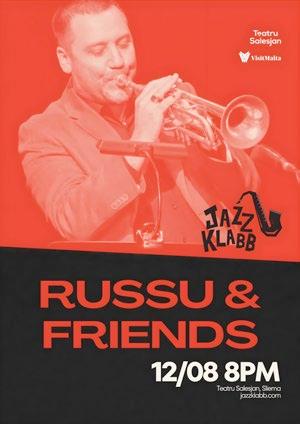
& Friends
When: 12th August
Where: Teatru Salesjan, Sliema
Avatars, Monsters, {Robots}, Ghosts
When: 1st - 14th August
Where: Valletta Contemporary, Valletta
This solo exhibition of recent works by Letta Shtohryn takes four figures that extend the experience of the human towards posthuman subjectivity: the avatar, the monster, the robot and the ghost. Each figure is approached as enacted positions that unsettle the stable boundaries of the humanist subject.
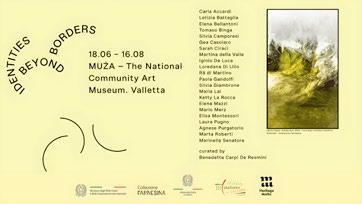
Identities Beyond Borders
When: 1st - 16th August
Where: MUŻA, Valletta
Exploring identity in an increasingly complex world, this international exhibition reflects on migration, ecology, geopolitics and cultural exchange. Developed in collaboration with the Italian Cultural Institute, it brings together diverse artistic perspectives on belonging, transformation, and shared human experience.
Adrian 'Irrussu' Brincat returns to Jazz Klabb for an evening of jazz, swing and Latin rhythms. Joined by special guests, one of Malta's leading trumpet soloists brings nearly three decades of experience, virtuosity and infectious energy to an intimate night of live music.
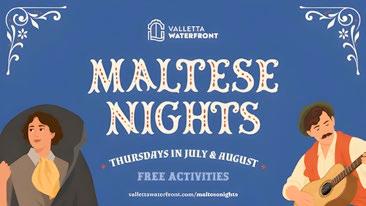
Maltese Nights
When: 6th, 13th, 20th & 27th August
Where: Valletta Cruise Port, Valletta
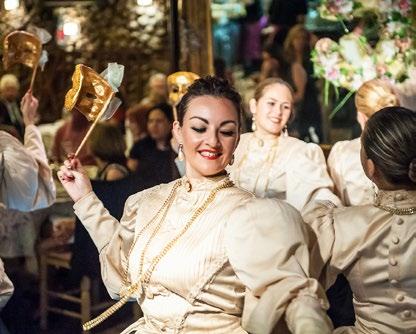
Experience Malta's living traditions with an evening of folk dancing, falconry, traditional music and the carnivalesque sounds of the terramaxka (a traditional Maltese travelling organ). Set against the historic Valletta Waterfront, this free weekly summer event celebrates the island's cultural heritage alongside the waterfront’s eclectic dining scene.
Jazz Klabb: Russu
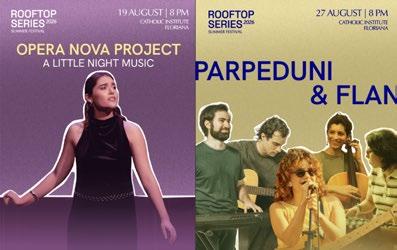
Rooftop Series
When: 19th & 27th August
Where: Catholic Institute, Floriana
Rooftop Series returns with an open-air programme of music, opera and theatre atop the Catholic Institute in Floriana. This August, enjoy two standout performances: A Little Night Music, featuring rising Maltese classical voices and operatic favourites, followed by an evocative collaboration between Maltese and Barcelona-based artists inspired by Mediterranean soundscapes.
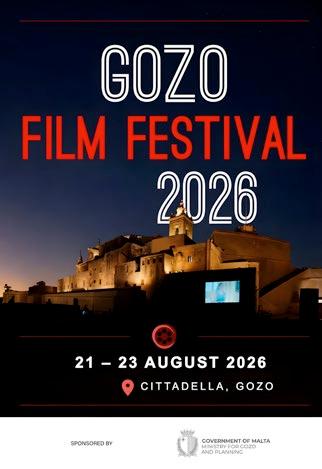
Gozo Film Festival
When: 21st - 23rd August
Where: Cittadella, Gozo
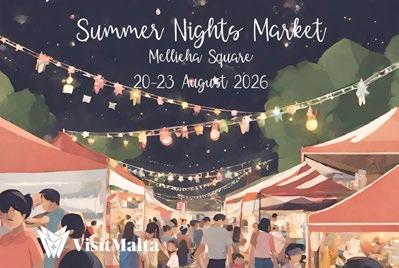
Summer Nights Market
When: 20th - 23rd August
Where: Mellieħa Square, Mellieħa
Browse a selection of eco-friendly products, handmade crafts and sustainable souvenirs at the Summer Nights Market in Mellieħa. Running daily from 7pm to 11pm, this four-day event combines conscious shopping with a welcoming atmosphere for locals and visitors alike.
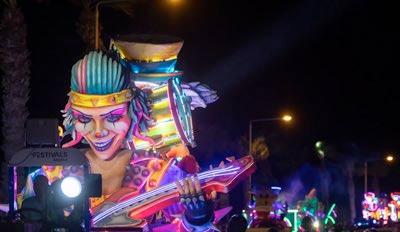
Il-Karnival Tas-Sajf
When: 21st - 23rd August
Where: Buġibba and Marsascala
Colourful floats, dazzling costumes and lively dance performances bring Carnival spirit to Malta's summer promenades. Taking place around the waterfronts of popular coastal towns Buġibba and Marsascala, these celebrations offer a summer twist on one of the island's most cherished traditions.
Gozo Film Festival returns for its eighth edition with three days of cinema beneath the historic Citadel. Celebrating local and international filmmaking, the programme features short films, feature screenings and hands-on workshops for all ages, bringing visual stories to one of Gozo's most impressive heritage settings.
Discover and experience more with Inkontru.app, your web-based application that prioritises functionality and performance, meaning no need to download, seamless updates, no storage space taken and easy sharing. Enjoy!
Traditional Feasts & Celebrations
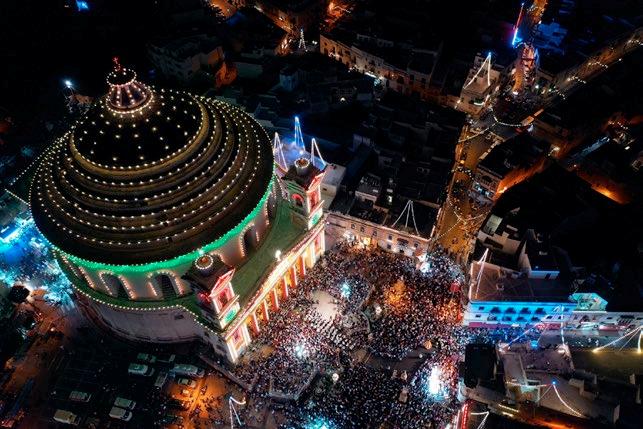
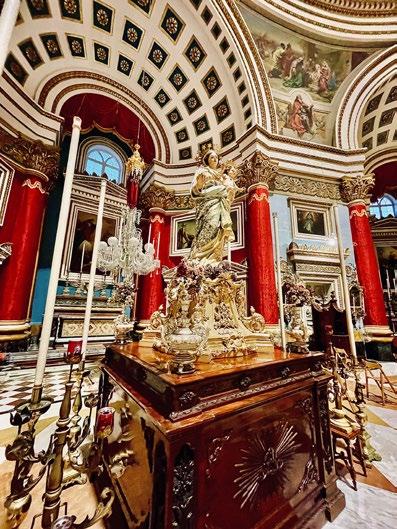
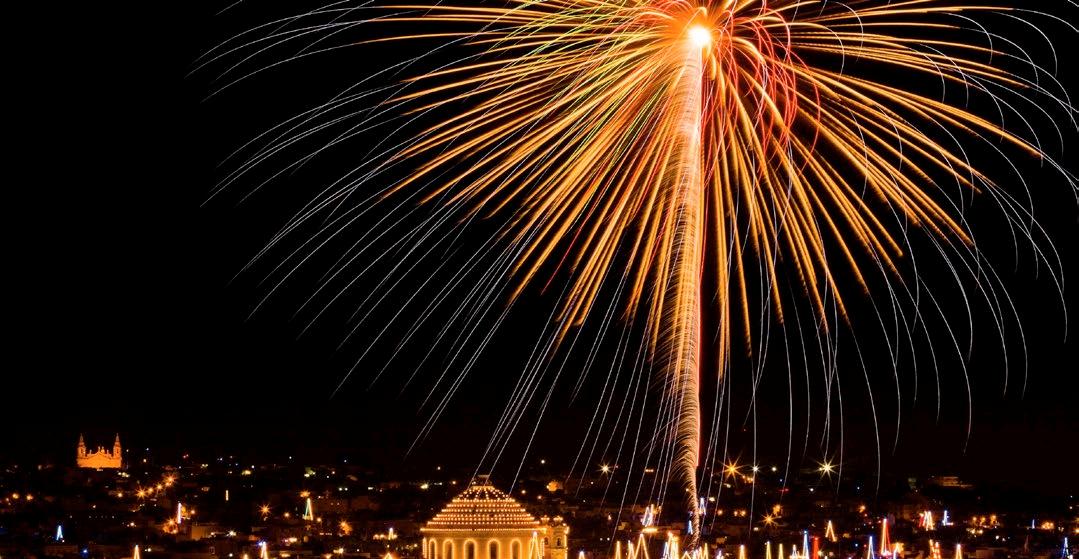
On 15th August, thousands descend on Mosta for the Feast of the Assumption. Beneath sky-blue decorations, dazzling fireworks and jubilant street celebrations, the Rotunda takes centre stage. For many visitors, it's an essential stop on any Maltese itinerary. But beyond its famous silhouette lies a story that's every bit as extraordinary as the celebrations themselves.
In the early 19th century, Mosta's growing population had outgrown its modest parish church. Enter Maltese architect Giorgio Grognet de Vassé, whose bold proposal was inspired by Rome's Pantheon rather than the traditional cruciform design expected of Catholic churches. The plans were so unconventional that the Bishop of Malta initially opposed them, believing a circular church was unsuitable for worship.
What followed was an extraordinary community effort, spanning almost three decades. Ingeniously, the new Rotunda was built around the existing church, allowing parishioners to continue attending Mass while
construction progressed. Farmers, craftsmen and labourers volunteered their time on Sundays and feast days, while stone quarried on Mosta's outskirts was hauled into place by teams of mules using little more than ropes, pulleys and sheer determination. Grognet himself agreed to live in Mosta throughout the project, even negotiating the right to be buried inside the church he had designed, where his tomb remains today.
This August, as the statue of Santa Marija emerges beneath the soaring dome and the streets erupt into celebration, take a moment to consider that every stone of the Rotunda tells a story of an entire community determined to build something that would stand for generations. (See stories on PG 40 and PG 63 for more details of feasts this month.)
For a guide to upcoming religious celebrations and traditional feasts across the Maltese Islands, be sure to visit Inkontru.app
TA' MARIJA RESTAURANT
Constitution Street, Mosta
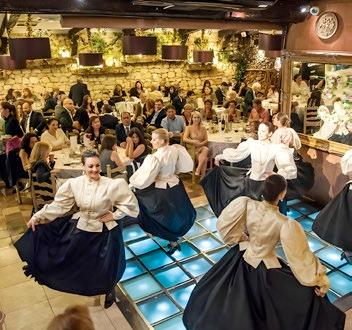
And while you're in Mosta, continue the experience with another local institution. For more than 60 years, Ta' Marija Restaurant has been welcoming guests with authentic Maltese cuisine and hospitality. Still family-run today, it's the perfect place to round off a day of festa celebrations, whether by enjoying one of its renowned folklore dining shows every Wednesday, Friday and Sunday evening, or soaking up the lively atmosphere on its SaturGroove nights, where traditional flavours are paired with wine, dancing and retro classics every Saturday, courtesy of the restaurant's resident sax-singer-DJ.
7:00-7:45pm & 8:15-9:00pm SALA SAN DUMINKU 152 Merchants Street
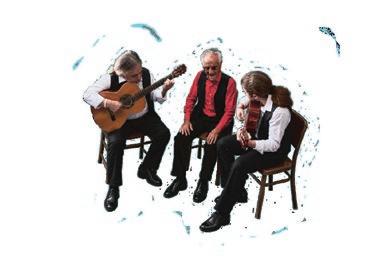
DISCOVER MALTA'S UNIQUE TRADITION OF SONG AND GUITAR.
AN INTIMATE EXPERIENCE OF LIVING HERITAGE BENEATH THE STREETS OF VALLETTA.
@folk.underground
hello@folkunderground.com www.folkunderground.com
INKONTRU.APP MEETS...
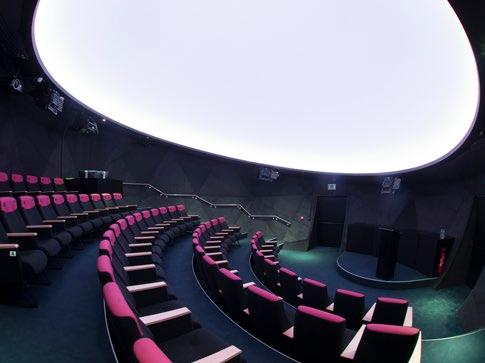
Visit Esplora and discover the stars. Deputy director Kiki Mizzi talks about the Esplora Planetarium, where immersive films, live shows and hands-on space exploration are all included with your Esplora admission ticket.
What makes the Esplora Planetarium such a unique experience?
The Planetarium is your chance to journey through space. Beneath our impressive 10.7-metre 4K dome, visitors can travel across the Solar System, explore distant galaxies, and discover fascinating facts about our universe. Combined with immersive projection technology, surround sound and comfortable reclining seats, it creates a truly memorable experience for visitors of all ages.
What can visitors expect when they attend a Planetarium show?
There’s always something new to discover. Our programme includes a mix of educational films and live presentations covering everything from planets and stars to space exploration and the mysteries of the cosmos.
Younger visitors can join adventures such as Dinosaurs: A Story of Survival or Kitz the Cat’s Supermoon Adventure, while older audiences can explore topics like the sun and humanity’s place in the universe. We also host live shows such as Wonders of the Night Sky, which take audiences on a guided journey through the cosmos.
Beyond the dome, what else is there to discover at the Planetarium?
The adventure continues beyond the Planetarium theatre. Visitors can explore our Universe Exhibition, home to 13 interactive exhibits that delve into the cosmos and the possibility of life beyond Earth. It's a hands-on space where you can experiment, learn and satisfy your curiosity. Together, the exhibition and Planetarium create an experience that is inspiring, educational and, above all, great fun for the whole family.
INSTALL inkontru.app
Step into Malta’s scene with Inkontru.app, your personal guide to all the latest art, culture and heritage events in Malta and Gozo. More than just a calendar, the app connects you with exciting events and artists through exclusive interviews and video features. Easily find event details, get directions and purchase tickets – all in one place. Need a ride? Book a cab effortlessly through the app and share your plans with friends and family with ease.
Esplora deputy director
Kiki
Mizzi.
Your first step into the history of the Maltese Islands
15% Discount
On the purchase of an adult ticket Please quote “Passaggi” at the ticketing counter to claim your discount. (Not valid with any other offer)
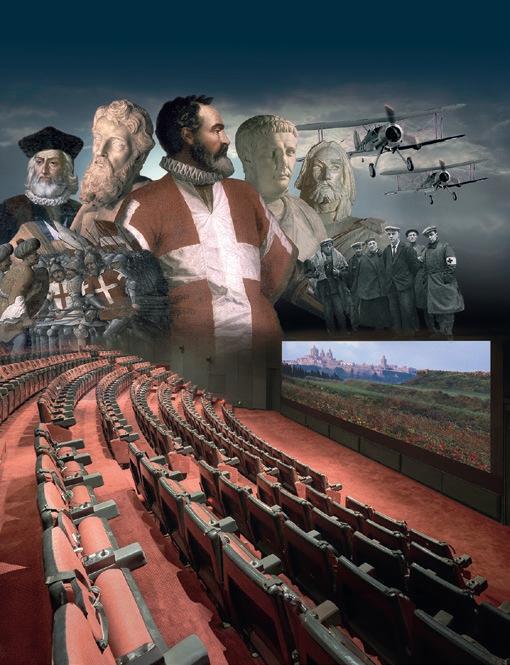
Few places have a history as turbulent and inspiring as the Maltese islands. Its gripping story is that of a country buffeted by world events, in which the bravery and resilience of its people have been tested to the limit.
Through beautiful authentic imagery and a gripping commentary, the show covers 7000 years of history in 45 minutes. From the early settlers of the temple period to the Knights of the Great Siege through to the destruction of World War 2, The Malta Experience chronicles the events that have shaped the island's history.
Mela REGGIE BURROWS HODGES
Open until 30 August 2026
MICAS, Floriana
Free Entry every Sunday with a guided tour at 11am
Malta’s National Contemporary Art Museum
FIND US
Ospizio Complex, Bieb ilPulverista, Triq Joseph J Mangion, Floriana FRN1830
TRADEMARK
& DESIGN BEFORE YOU MAKE IT
Words by Leanne Ellul
Leanne is a writer and poet, and currently the artistic director of Inizjamed and its literary festival.
Fly me to the moon… but
not so soon
Meet the authors at this year’s Mediterranean Literature Festival and find out about their travel aspirations and what they are looking forward to most in Malta.
In Maltese, there is a popular phrase used when someone is lost in their own thoughts: moħħok fil-qamar (lit. your mind is in the moon). But while some of us like to wander as far and wide as possible, others prefer to be grounded on Earth.
Ahead of the 2026 Malta Mediterranean Literature Festival, some of its guest authors from around the globe have been asked about their place of residence, their dream place of residence, and everything in between. Their wanderings, as you’ll discover, are as diverse as the genres they write and translate. This is what they have to say:
Karl Schembri’s humanitarian work has taken him to Gaza, Jordan, Iraq, Syria, Yemen and East Africa. His latest novel, Eħlisna mid-Deni (Merlin Publishers, 2025), was a bestseller. His work has been translated into Arabic, Slovenian, Romanian, Greek and Spanish, and has appeared in international festivals and anthologies across four continents.
Place of residence: Nairobi, Kenya
Dream place of residence: by the sea
Somewhere you keep on returning to: Malta
Somewhere you still wish to visit: Cuba
A place you mention in your works: Palestine
Something you look forward to in Malta: the sea, friends, the Malta Mediterranean Literature Festival
Rosaria Lo Russo was born in Florence and has lived there ever since. She is a poet, performer, translator and essayist who has performed the work of countless poets. Her translations of Anne Sexton into Italian span four volumes. Her latest poetry collection is Tande (Vydia, 2023).
Place of residence: Florence, Italy
Dream place of residence: Venice and surroundings, Italy
Somewhere you keep on returning to: Trieste and Aquileia, Italy
Somewhere you still wish to visit: Saint Petersburg, Russia
A place you mention in your works: Calabria, Southern Italy
Something you look forward to in Malta: the Megalithic Temples
Claire Lajus is a poet and translator, and she is currently working on her first novel. She has translated a number of poetry collections from Turkish into French. Claire compares poetry to a compass in her life; it helps her seek a better way of living and keep her eyes wide open.
Place of residence: İstanbul, next to the Golden Horn; a very old and popular neighbourhood
Dream place of residence: on a mountain, wild and green
Somewhere you keep on returning to: my parents’ house
Somewhere you still wish to visit: Andalusia
A place you mention in your works: Turkey
Something you look forward to in Malta: the language, the landscape and the people
Hamed Abboud spent his childhood in Algeria until the civil war forced his family to move back to Syria. At the end of 2012, Hamed made his way to Austria via Egypt, Dubai and Turkey. He is well published in poetry and has also written short stories and a children’s book.
Place of residence: Vienna
Dream place of residence: Rome
Somewhere you keep on returning to: Burgenland
Somewhere you still wish to visit: Scotland
A place you mention in your works: Syria
Something you look forward to in Malta: the Grand Harbour
Jen Calleja works with and in between languages. A British-Maltese writer, literary translator and creative writing tutor, she is also co-publisher at Praspar Press, which publishes Maltese literature in the UK. She has translated over 20 works of German-language literature into English, one of which was shortlisted for the Booker International Prize in 2019.
Place of residence: Hastings, the UK
Dream place of residence: a hotel in the Swiss mountains
Somewhere you keep on returning to: Vienna (and Malta!)
Somewhere you still wish to visit: Sicily
A place you mention in your works: Zurich
Something you look forward to in Malta: pastizzi!
Keith Borg writes on whatever comes to hand, from tissues to plane tickets. You might still find his words on a wall in a club in Paceville. He has worked in various boarding schools in different countries. His writing swings between poetry and prose with his latest publication being a cycle of poems on domestic violence, Meta nsir disgħa (Merlin Publishers, 2025).
Place of residence: Malta/the UK
Dream place of residence: the moon
Somewhere you keep on returning to: islands
Somewhere you still wish to visit: South America
A place you mention in your works: a surreal village hidden in a valley
Something you look forward to in Malta: the sea
The 21st edition of the Malta Mediterranean Literature Festival will be held in various venues around Malta and Gozo between 25th and 29th August. The festival is organised by Inizjamed. For the full line-up of authors and events, visit www.inizjamed.org and Inizjamed’s pages on Facebook and Instagram.
Words by Iggy Fenech
Iggy is a cultural journalist and lifestyle writer. His favourite thing about travelling is getting to discover new ingredients and flavours to blend into his cooking.
SALOMÉ: where folk meets high fashion
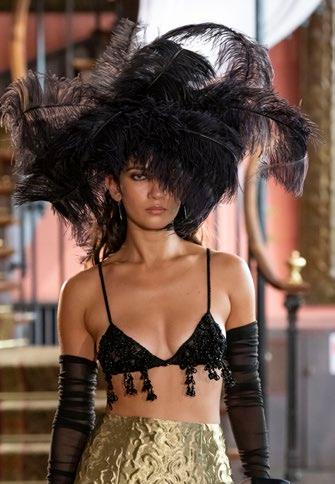
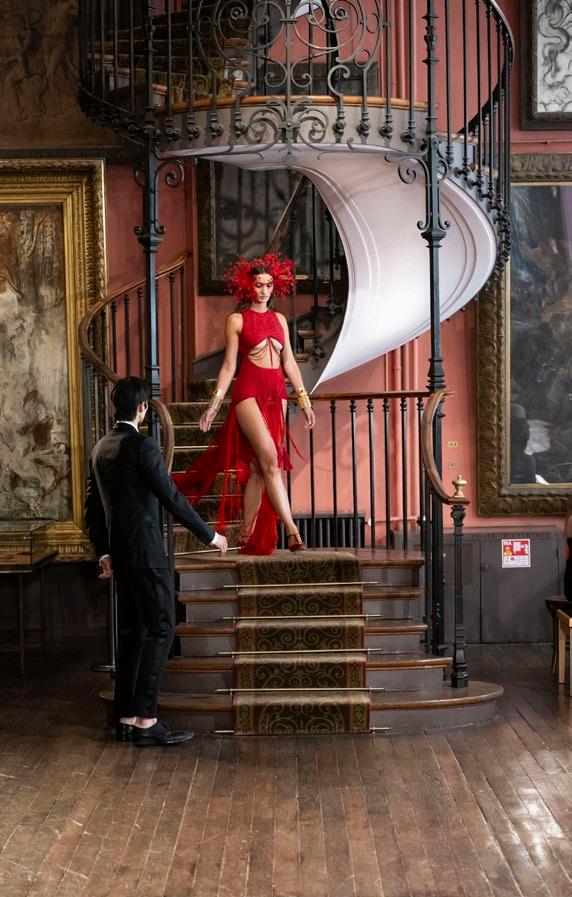
Fresh off an off-calendar presentation in Paris during Couture Week, Gozitan designer Luke Azzopardi discusses the Decadent movement, Maltese craftsmanship and folk traditions as high fashion.
Photo: Jason Lloyd Evans.
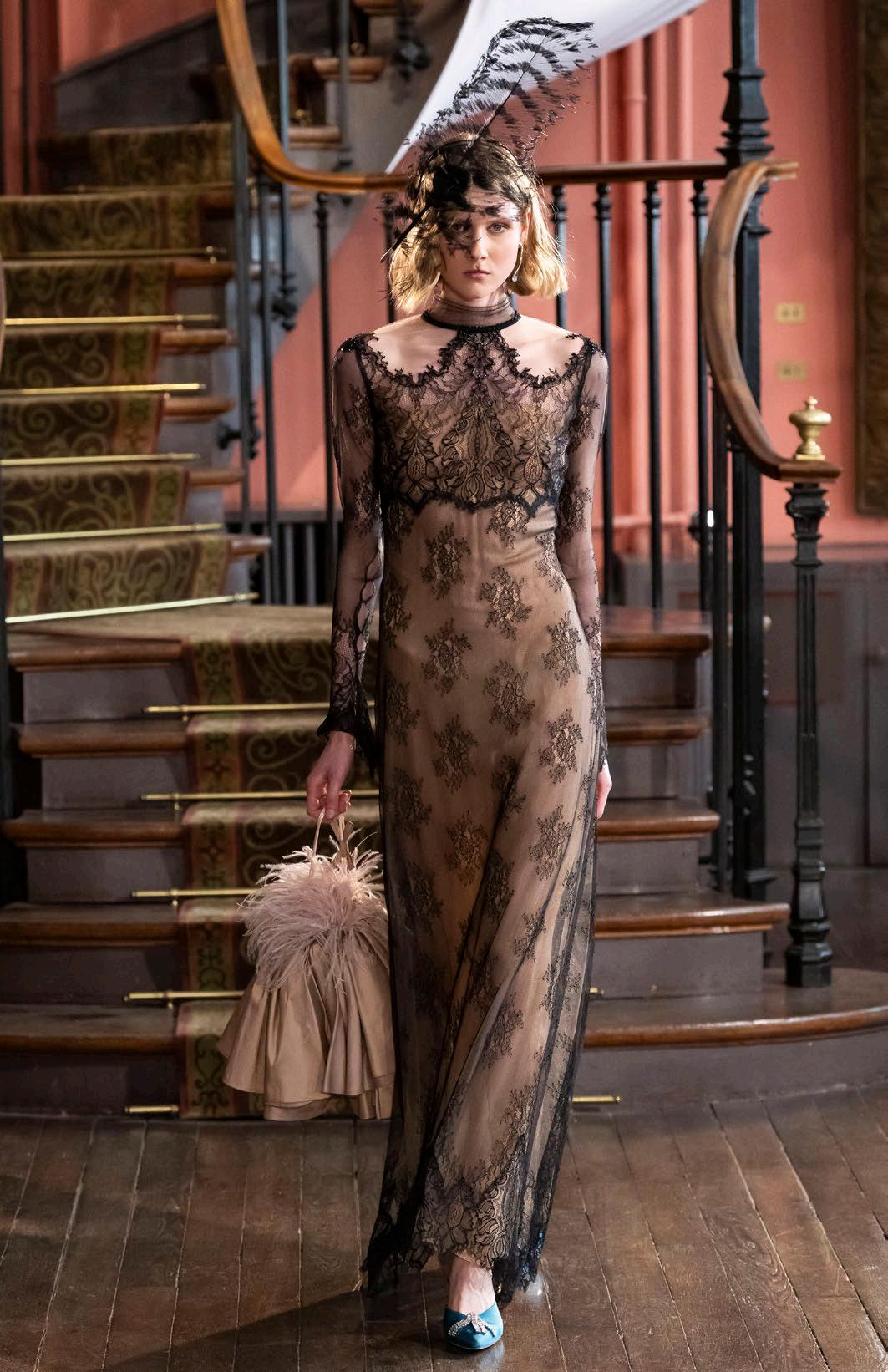
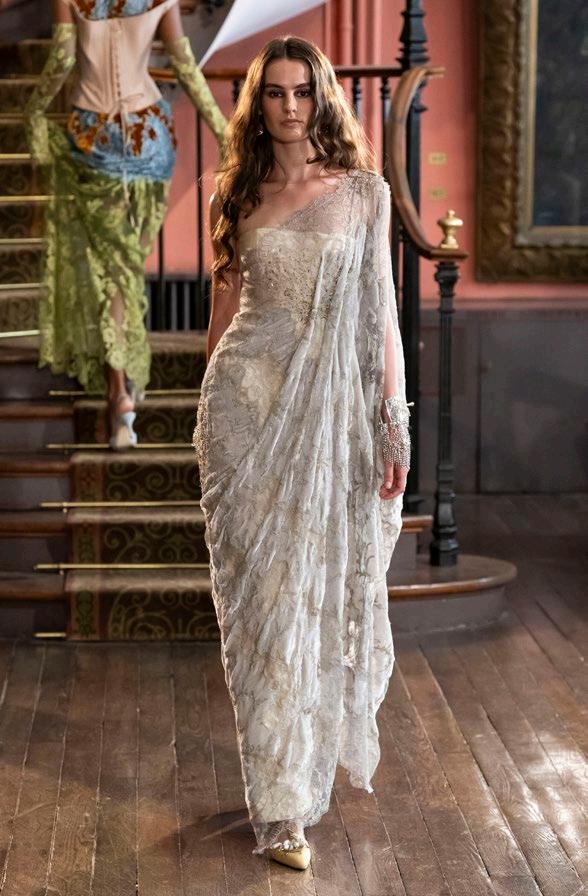
When Gozitan designer Luke Azzopardi unveiled his latest haute couture collection in Paris last month, it represented more than just another international showcase for his fashion studio. Instead, it gave Maltese crafts – both traditional and modern – a spotlight that’s much deserved but rarely shined.
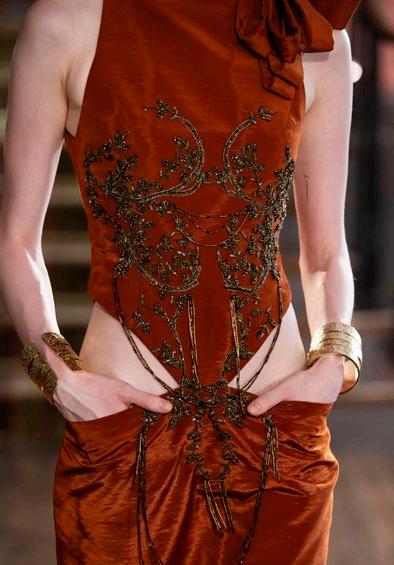
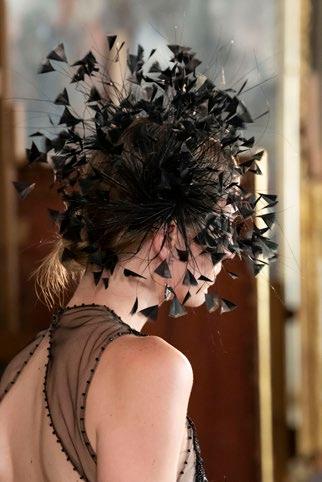
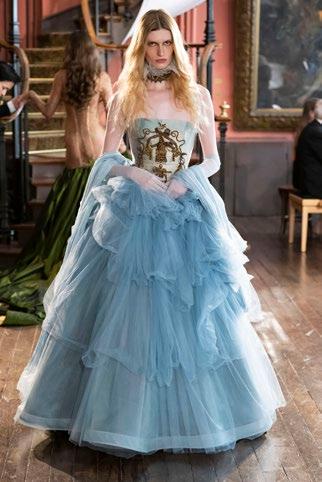
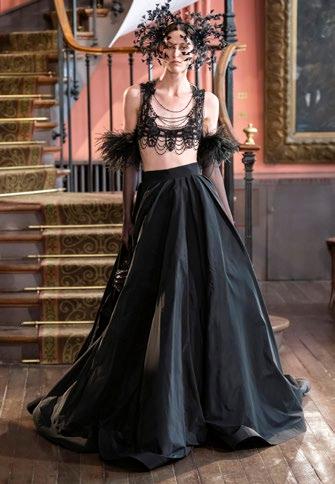
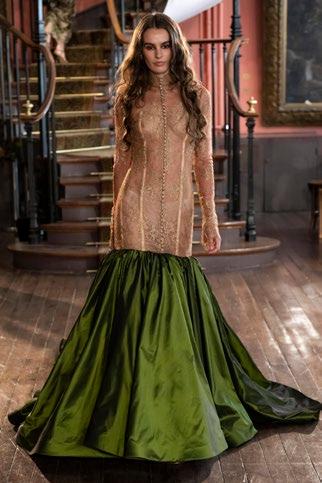
Luke’s artisanal collection, entitled Salomé, consisted of 25 entirely hand-crafted, one-of-a-kind looks that cover Autumn/ Winter 2026 - 2027. Each look took Luke’s team and a handful of hand-picked, local artisans dozens of hours to create, and the inspiration was derived directly from the venue where the collection was launched.
“To accommodate all visitors, we held our show three times, back to back, at the decadent and majestic Musée Gustave
Moreau,” Luke, whose first collection debuted over 11 years ago, explains. “The building and the man who once lived in it both served as points of inspiration for the collection and shaped the way local crafts and garments were turned into haute couture pieces.”
By ‘the man who once lived in it’, Luke means Gustave Moreau (1826 - 1898), a French Symbolist painter whose richly detailed works became central to the late 19thcentury Decadent movement, which emerged as a reaction against industrialisation and realism, with its focal point being the importance of embracing beauty for its own sake.
Moreau wasn’t on his own, however. Writers such as Oscar Wilde also embraced this movement, often blurring the line between beauty and danger. They explored themes of sensuality and mythology in their works, including those inspired by Salomé, the biblical figure who requested St John the Baptist’s head on a platter.
Photos: Jason Lloyd Evans.
For this collection, Luke drew particular inspiration from one of Moreau's most celebrated paintings, Tattooed Salomé, in which intricate markings and translucent veils create an almost dreamlike surface, rich with symbolism.
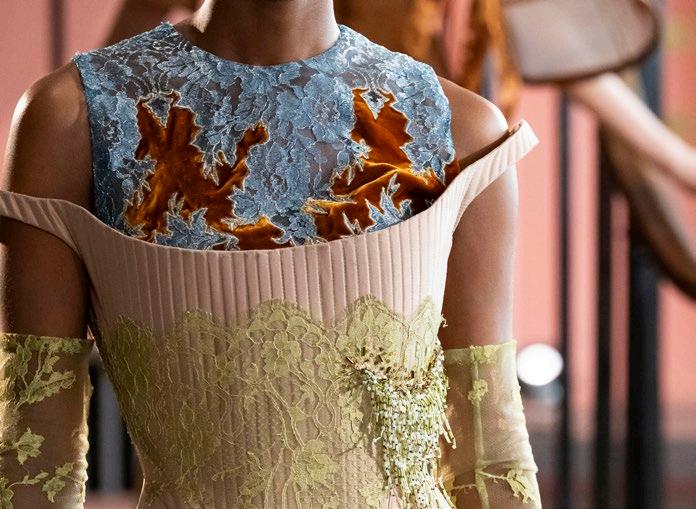
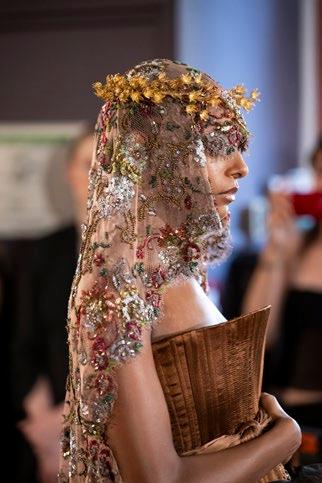
In Luke’s collection, however, those layered veils became the point of departure for reinterpretation: the veils were reimagined as gowns, and the għonnella (a traditional hooded cloak that’s unique to the Maltese Islands) was transformed into sharply tailored suits. The result elevated Maltese folk heritage into the language of contemporary couture with all that that entails.
Indeed, each garment wasn’t just handstitched and embroidered but also featured hand-thrown porcelain jewellery from THISS Ceramics, traditional filigree motifs by Mark Borg, Maltese lace, and exoskeletons crafted out of ganutell, a traditional craft where lifelike artificial flowers are made out of thread, beads and wire.
"Malta has an extraordinary legacy when it comes to crafts, as can be seen by the treasures found in our churches, palaces and stately homes," Luke continues. "Today, there are many incredible artisans building on this legacy, and with this collection, we hoped to take those crafts and folk traditions to the heights of couture.”
Luke’s defilés unfolded as performances rather than conventional catwalks.
The models walked to arias from the Decadent era, including excerpts from Wilde’s opera, Salomé, performed by mezzo-soprano Marvic Monreal, accompanied by pianist Leo Debono. Guests also received a specially produced publication documenting the collection's creative journey, written by Luke’s longtime collaborator and friend, writer Dr Maria Theuma.
“I have to admit that I approached this project with a level of anxiety: a showcase like this can make or break the reputation of the studio,” Luke says. “But I feel it’s been a success, and I couldn’t be more grateful to Malta’s Ambassador to France Pierre Clive Agius for his initiative, as well as my team, including the 14 members who joined me in Paris.”
Undoubtedly, this was another resounding success for Luke’s studio, which has, over the past few years, presented in London, Dubai, Osaka and New York. It also reminded guests and, admittedly, us that Malta’s creative identity extends far beyond its historic architecture and landscapes.
The initiative was supported by the Ministry for Foreign and European Affairs: Cultural Diplomacy Fund, the Embassy of Malta in France, the Permanent Delegation of Malta to UNESCO, Arts Council Malta, Virgata Group, Alliance Malta, KM Malta Airlines and Manolo Blahnik.
Designer Luke Azzopardi during his show.
Photos: Jason Lloyd Evans.
Words by David Carabott
One day, seven feasts
Chasing Santa Marija across Malta from Mqabba to Mosta… and Gozo too.
Photo:
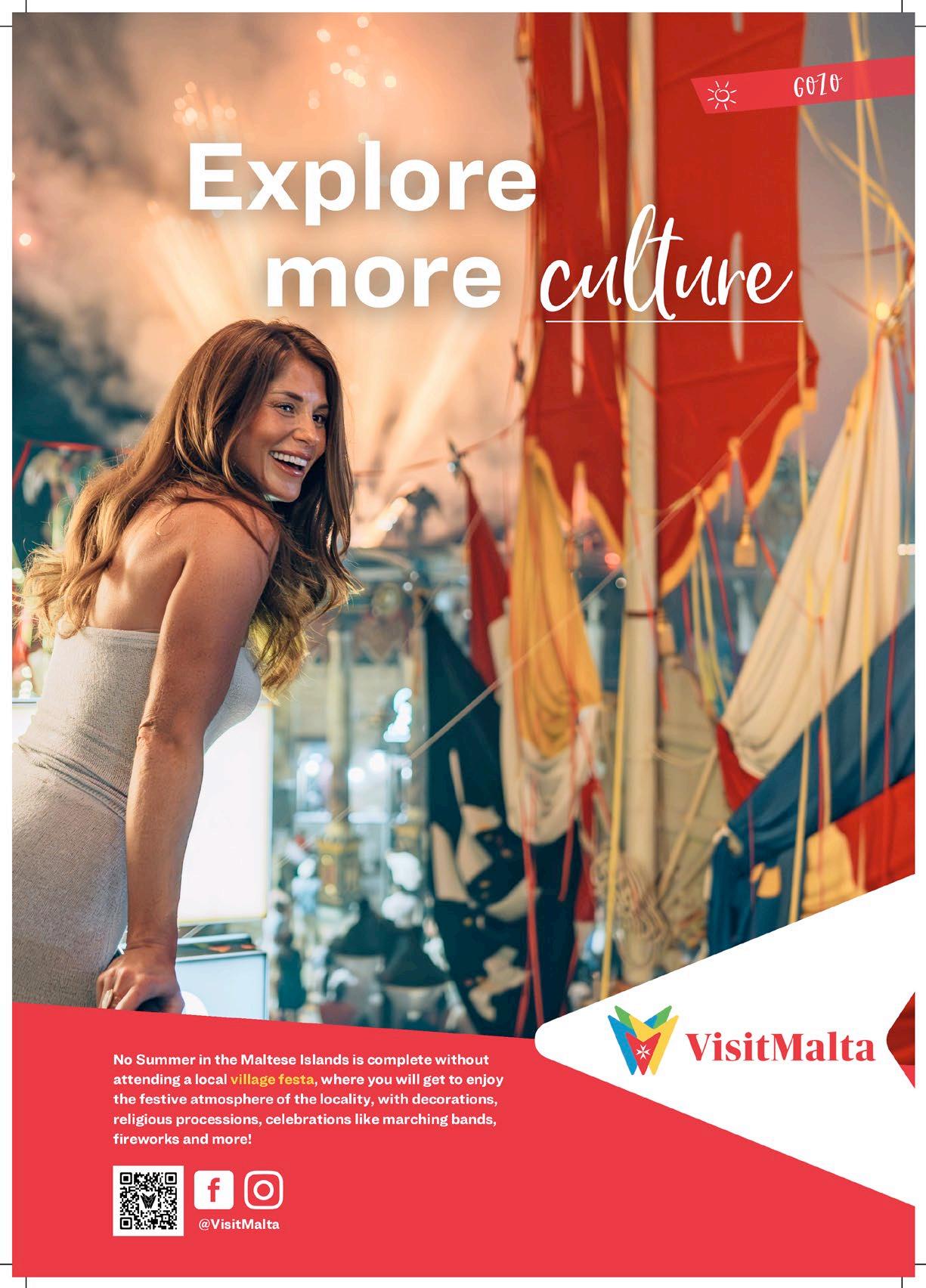
There are easier ways to spend a Maltese summer holiday than trying to visit seven village feasts in a single day. But Santa Marija is no ordinary festa. Celebrated on 15th August, the Feast of the Assumption turns seven communities across Malta and Gozo into scenes of colour, devotion and celebration. After many years of dreaming about it, I finally decided to go for it.
My journey began in my hometown of Mqabba, with the joyous 15-minute tolling of bells at midnight on the 15th, welcoming the feast day.
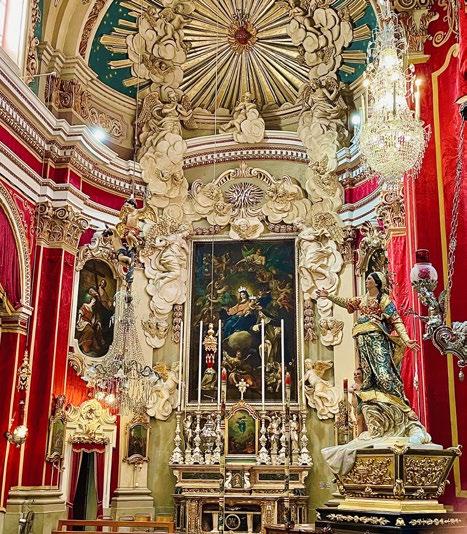
In the morning, my first stop was the nearby village of Qrendi. Children ran through the decorated streets while neighbours leaned over balconies draped with colourful banners. Inside the church, two large Bohemian crystal chandeliers are displayed only for the feast. I attended the 9am High Mass, accompanied by an orchestra and a panegyric, a long festive homily in honour of the saint being celebrated.
From Qrendi, I moved on to another charming and quaint village, Gudja. The village had a stillness about it, anchored by its church and three bell towers, and I enjoyed the tolling of the bells. Inside the church, I paused at the main altarpiece of the Assumption by Pietro Gagliardi, finally getting to see it up close. Afterwards, at one of the band clubs, I stopped for a beer.
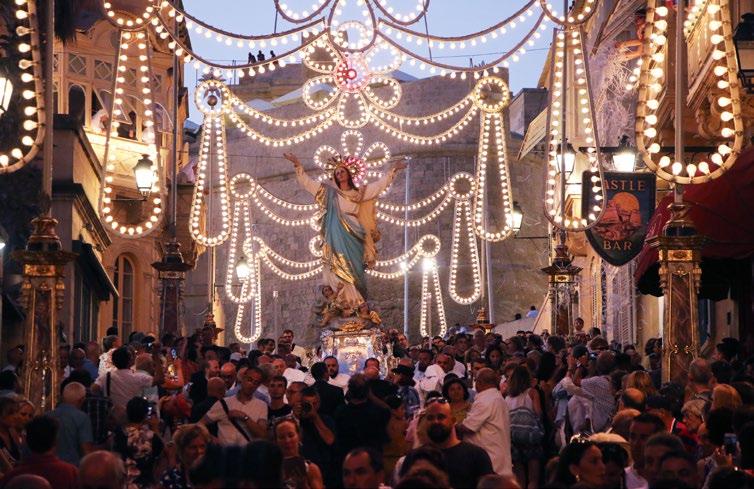
Next came Għaxaq, which is a stone’s throw away. The energy changed immediately. Streets were lined with elaborate decorations, turning the village into something almost theatrical. Standing in front of the titular statue by Mariano Gerada, I felt the reason it draws so much attention. There is something about it that feels caught in motion, as though lifted by a sudden gust of wind. It is not just about beauty in the usual sense, but about movement and character; something unmistakably its own.
From there, I went north to Attard, arriving in the early afternoon. The parish church, regarded as the finest Renaissance church in Malta, features an intricate façade by Tommaso Dingli and gives the village a calm presence, pleasing the eye with its beauty. Music drifts through the streets as people gather outside cafés and small shops, taking their time and speaking quietly in the shade. By the afternoon, the village shifts into full celebration, with marching bands moving through the streets and crowds gathering to follow the procession.
The road then led me to Mosta. The Rotunda, beautifully lit, appeared long before I reached it, dominating everything around it. In the square, people were already gathering, preparing for the evening celebrations. Beneath that immense dome, there was a sense of shared belonging, as though the entire town moved as one, following the brass band.
From there, I made my way to the northernmost part of Malta before crossing the Gozo Channel as daylight faded behind me and Gozo came into view: quieter, slower, but deeply atmospheric.
In Victoria/Rabat, I made my way up to the Cittadella, where the Gozo Cathedral stands at its heart. It is one of those places that carries both weight and stillness, shaped by centuries. Around it, the festa unfolded in its own rhythm, with bands playing, families gathering, and life filling the narrow streets as they followed the titular statue.
Santa Marija, the renowned statue of Għaxaq.
Photos: Tony Gatt.
Santa Marija within the majestic Mosta Rotunda.
highlights
Santa Marija at a glance
• Celebrated on 15th August, marking the Assumption of the Virgin Mary.
• The largest and most anticipated feast of Malta’s summer festa season.
• One of Malta’s most important religious feasts and a national public holiday.
• Celebrated in seven localities on the feast day: Attard, Għaxaq, Gudja, Mosta, Mqabba, Qrendi and Victoria (Gozo).
• While seven Santa Marija feasts are on 15th August, another three, Dingli, Mġarr and Żebbuġ (Gozo) celebrate on the first Sunday after that.
• Celebrated with processions, band marches, street decorations, traditional food and spectacular fireworks.
• A centuries-old tradition combining faith, culture and community.
• Also commemorates the arrival of Operation Pedestal on 15th August 1942, which brought vital supplies to wartime Malta. The tanker SS Ohio played a crucial role in preventing Malta’s surrender during World War II. Known locally as Il-Konvoj ta’ Santa Marija, the convoy remains a symbol of resilience and national pride.
RETURNING TO THE BEGINNING
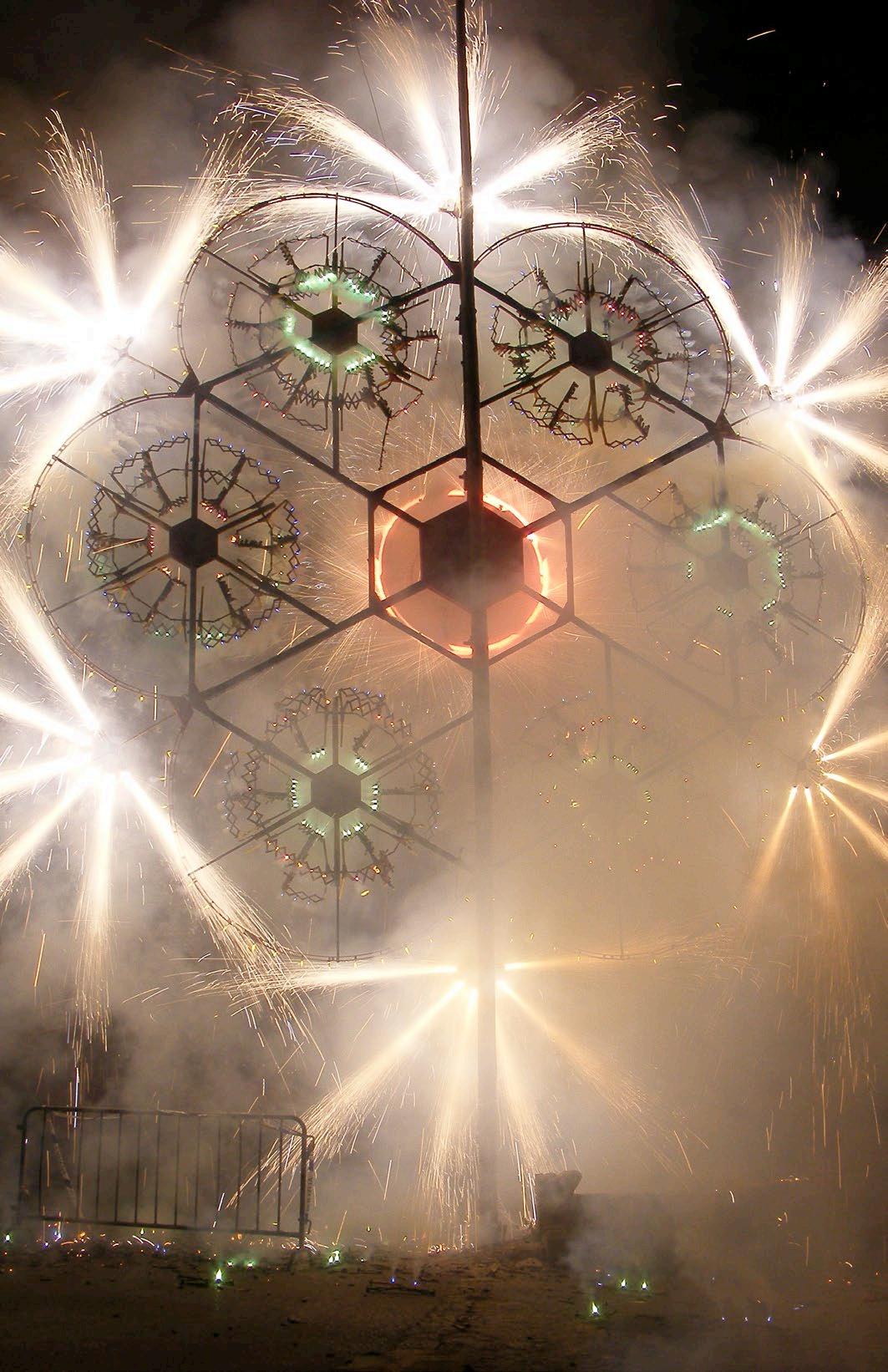
I ended the circuit back in my hometown of Mqabba, where it had all begun. As night fell, fireworks erupted across the islands. From my rooftop, I could enjoy displays in village after village lighting up the sky, with domes and towers briefly glowing in bursts of colour. The sound carried across the landscape, linking every place I had visited into one continuous experience.
final echoes faded into the night, bringing a quiet sense of closure. A long day of movement, colour and tradition came to rest where it started, a farewell to Santa Marija and to the journey itself.
By the end of the day, I had travelled from one end of the Maltese Islands to the other in pursuit of a single feast. Yet what I discovered was far more than seven celebrations dedicated to the same occasion. Each village revealed its own personality, traditions and stories, while contributing to something uniquely Maltese. Santa Marija is not simply the biggest feast of the year; it is a living expression of identity, resilience and community.
For visitors, it offers a glimpse into the soul of Malta. For locals, it remains a cherished tradition that continues to unite generations. And for one unforgettable August day, I experienced seven different worlds connected by a single celebration.
The
Ground fireworks in Mqabba.
The statue making its way down the hill from the Cittadella. Photos: Mark Micallef Perconte.
Words by Edward Bonello
Edward is a content writer and PR consultant. He is interested in the wonderfully superfluous and exquisitely redundant. When he's not happily tapping away at his laptop, he enjoys collecting useless trivia and watching B-movies.
Chasing the greasy pole
How San Ġiljan folk keep alive the Ġostra – a centuries-old seaside tradition – one perilous, slippery run at a time.
Photos: St Julian's Ġostra.
My father would run up the pole well after his 70th birthday
Each feast in Malta has its own unique traditions, some more special and curious than others. Perhaps the much-loved Ġostra is one such tradition that stands out in particular.
The seaside village of St Julian’s, today a pumping mecca for year-round nightlife and entertainment, was once a sleepy fishing village, with the feast of St Julian in August being the showstopping event that perhaps broke the daily routine.
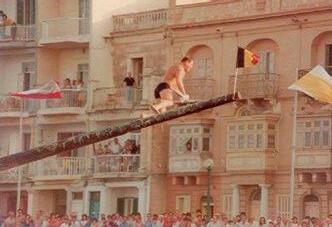
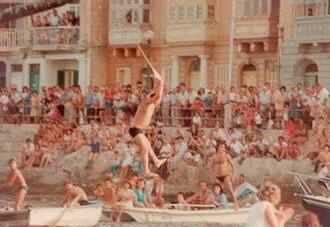
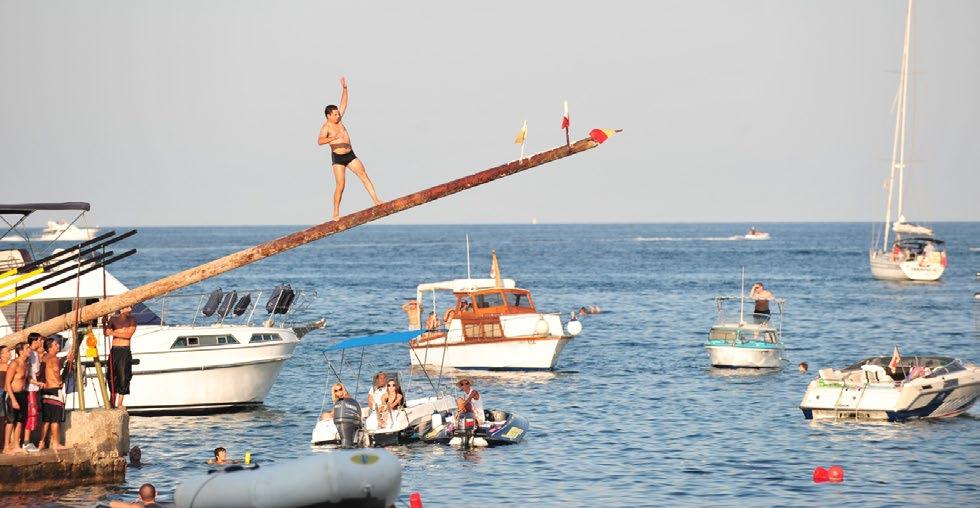
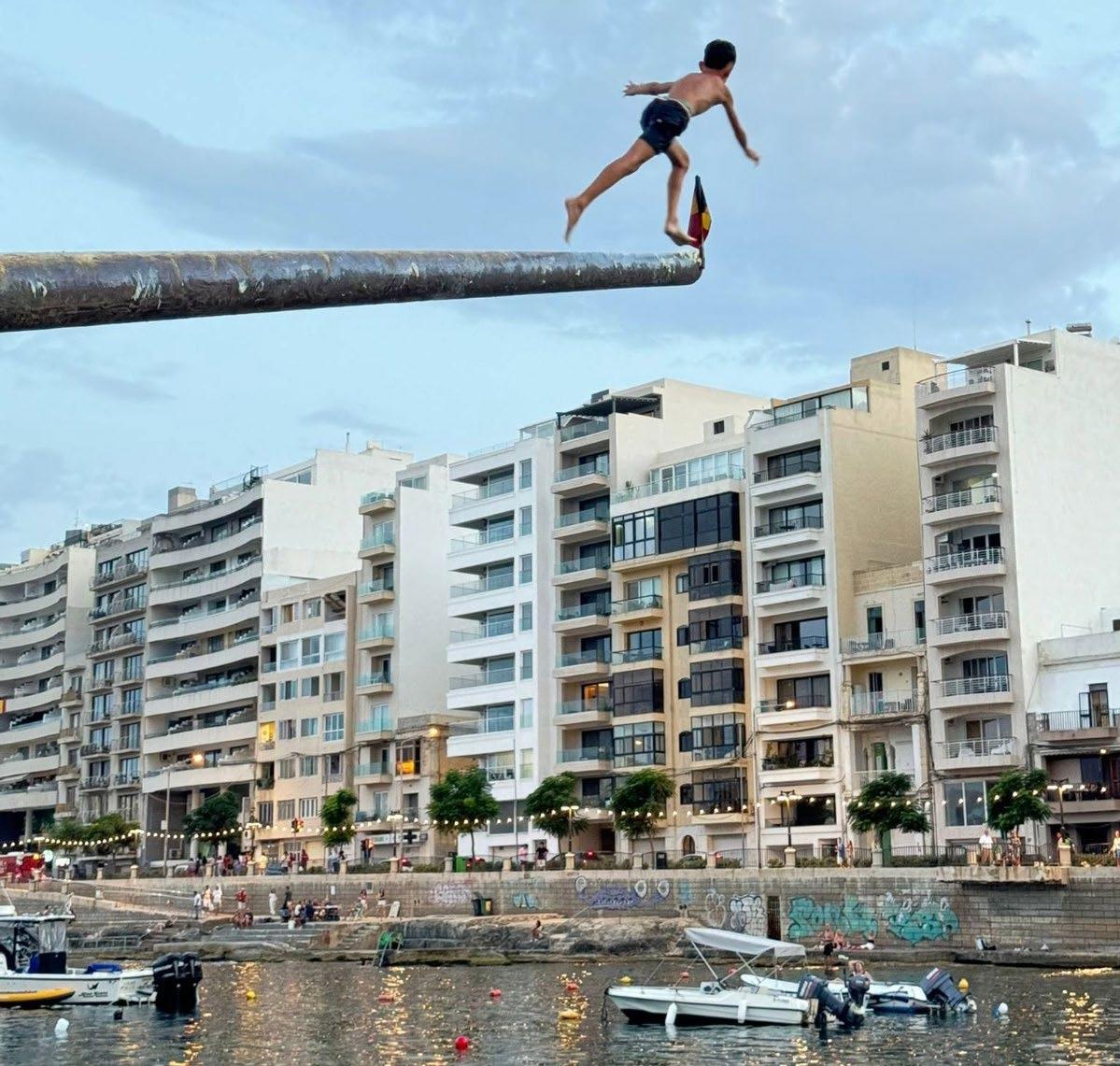
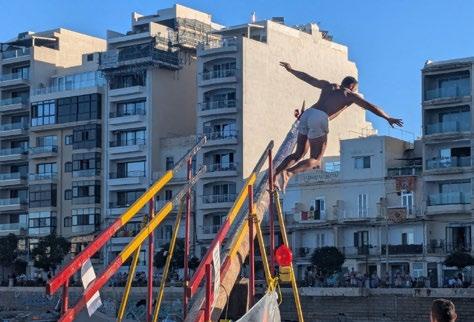
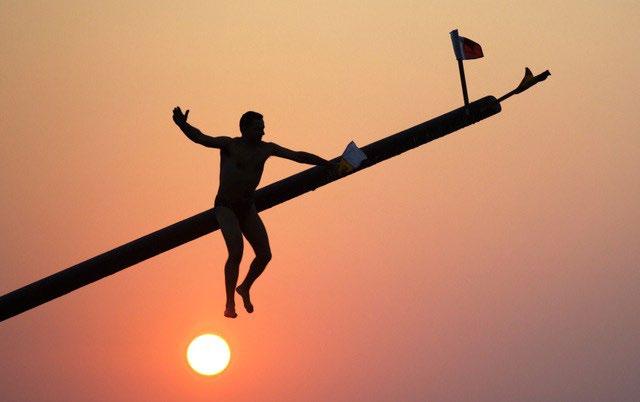
The Ġostra, Malta’s version of the greasy pole, surely helped to make that yearly feast special as youths of all ages challenged each other at grabbing one of the coveted small flags at the end of the slanted wooden pole suspended over the sea.
The Ġostra in Malta goes back several centuries, evolving from its Neapolitan cousin, the Cockaigne. It was brought over to the island by Grand Master Marc'Antonio Zondadari in 1721.
For 56-year-old Simon Bugeja, the Ġostra is more than a tradition – it is practically part of the family as he has taken over the responsibility of organising the entire event from his father, who, in turn, took it on from his.
“Our family has been organising the Ġostra in St Julian’s for many generations. It’s a moment of extreme pride for us, seeing the pole all set up and ready to take the first runners,” Simon says.
A proud Ġiljaniż, through and through, his life has revolved around the feast of the hunter saint in more ways than one. But his most important role remains that of setting up the greasy pole and rounding up enough courageous and somewhat incautious boys to keep the tradition alive.
"It goes back to my childhood," Simon reminisces with a smile. "I started climbing the pole when I was 11. And even though I must have done it 100 times, every time you are looking up that greasy 50-foot wooden pole,
Simon Bugeja in action.
Simon Bugeja's father Nazju in action back in the day.
the excitement is the same as the very first time! It never fades away.”
Asked what makes a good run, Simon says that focus is key, but throwing caution to the wind does help too. “Otherwise, you get into your head, and start to fear getting hurt,” he says. “You need to be able to run fast and hard in order to climb up the pole, and you also need to be young at heart, otherwise you won’t manage.”
The mix of excitement, fear and adrenaline is perhaps the unique cocktail that gives the Ġostra its special flavour. Competitors come from near and far to race up the wooden beam coated in copious layers of grease, oil and animal fat.
At its end fly three small traditional flags – that of St Julian’s, the national flag of Malta and of the Papal States. The athlete
who brings one of the flags home is crowned winner. But reaching a flag requires agility, speed, courage and, perhaps most importantly, accepting that whatever happens, there is a guaranteed dive into Malta’s lovely blue sea.
"The Ġostra keeps you young," Simon asserts as he flips through some photos of his late father Nazju, who remained involved in the proceedings well into his 70s.
“My father would run up the pole well after his 70th birthday, albeit not as part of the competition, but for personal satisfaction and to show everyone how its done,” Simon recalls. His uncles Żużu and Alfie were veritable pros at the craft, but his cousin Louis took the cake.
“He would run up the pole so effortlessly. He would even climb it up backwards to show off – he was that good!”
Then there were some remarkable characters who contributed directly to the familial festa atmosphere,
such as a certain Johnny Bonell, who would famously turn up in fancy dress, complete with parasol, to the event, much to the merriment of all those present.
"Those were different times indeed," Simon recalls. “As the days get warmer, and summer is with us, the older folks of St Julian’s start asking me: ‘Ta’ Nazju, will you be setting up the Ġostra this year?’ And I always tell them: ‘Of course’.”
The tradition itself has evolved in other ways too. Preparing the Ġostra today is considerably different from decades ago. "Before, the whole ordeal was much more dilettantesque and spontaneous. Today, the setup is more professional, and the gear is all
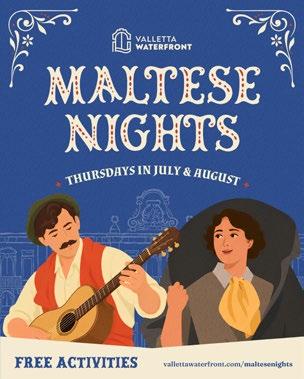
MALTESE NIGHTS AT VALLETTA WATERFRONT
Triq il-Vittmi Furjaniżi tal-Gwerra, Floriana
Immerse yourself in the charm of Valletta Waterfront. Located in the harbour area, a short walk from Valletta and Floriana, this destination captivates with its doors adorned with vibrant colours representing the storage of goods from a bygone era. Sample local food and enjoy traditional dancing, falconry displays, the melodies of the terramaxka, maltese games and more on Thursday evenings in July and August.
certified as it should be. What hasn’t changed is the amount of, forgive the pun, elbow grease involved”, Simon continues.
"It’s always a great satisfaction to see the Ġostra fully assembled and watching the hopeful athletes taking a chance at grabbing one of the flags.”
This year's Ġostra will once again light up Spinola Bay over the final two weekends of August, marking the feast of the town’s patron saint, St Julian, with events taking place on the 22nd, 23rd, 29th and 30th, beginning at 5.30pm each day. As always, the spectacle promises a grand mix of athleticism, courage and countless unforgettable splashes into the sea.
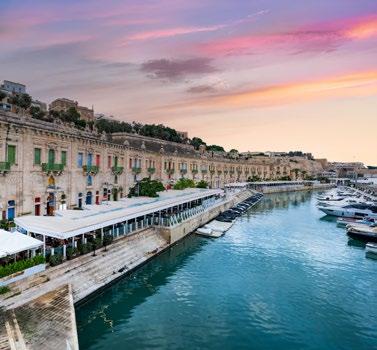
Nestled amid historical architecture and offering breathtaking views of the Grand Harbour and the Three Cities, the Valletta Waterfront's picturesque promenade is a true gem. While there are many restaurants around the islands, few can match the Valletta Waterfront's combination of panoramic views, rich history and an extensive selection of culinary delights with a great atmosphere and unique entertainment.
Escape the hustle and bustle and immerse yourself in the charm of Valletta Waterfront. Tucked away amid historic golden bastions in the harbour area, just a stone's throw from Valletta, it is the first sight welcoming visitors arriving on ships and a staple location on the islands’ places of interest.
Beyond its photogenic appeal, the Valletta Waterfront holds a special place in the hearts of locals with plenty of established restaurants, as well as new experiences to explore and savour. Today, the outdoor terraces allow patrons to enjoy the balmy Mediterranean weather overlooking the sea. The small chapel of the Flight to Egypt by the Holy Family further creates a unique 'village' seaside ambience.
Embark on a vibrant journey through Maltese history with captivating activities: traditional folk dancing, falconry displays, the harmonious melodies of the terramaxka, soul-stirring Maltese songs, renowned games like passju and spinning tops, the bubble-filled joy of bżieżaq tas-sapun, and the whimsical wonders of the ċirku.
Kick off the evening with a refreshing drink or indulge in a meal at one of the outlets dotting the Valletta Waterfront, and embark on a food journey that encompasses Maltese and Mediterranean flavours, and more.
Save the date for Thursdays in July and August, where Maltese Nights bring history, culture and pure enjoyment to Valletta Waterfront.
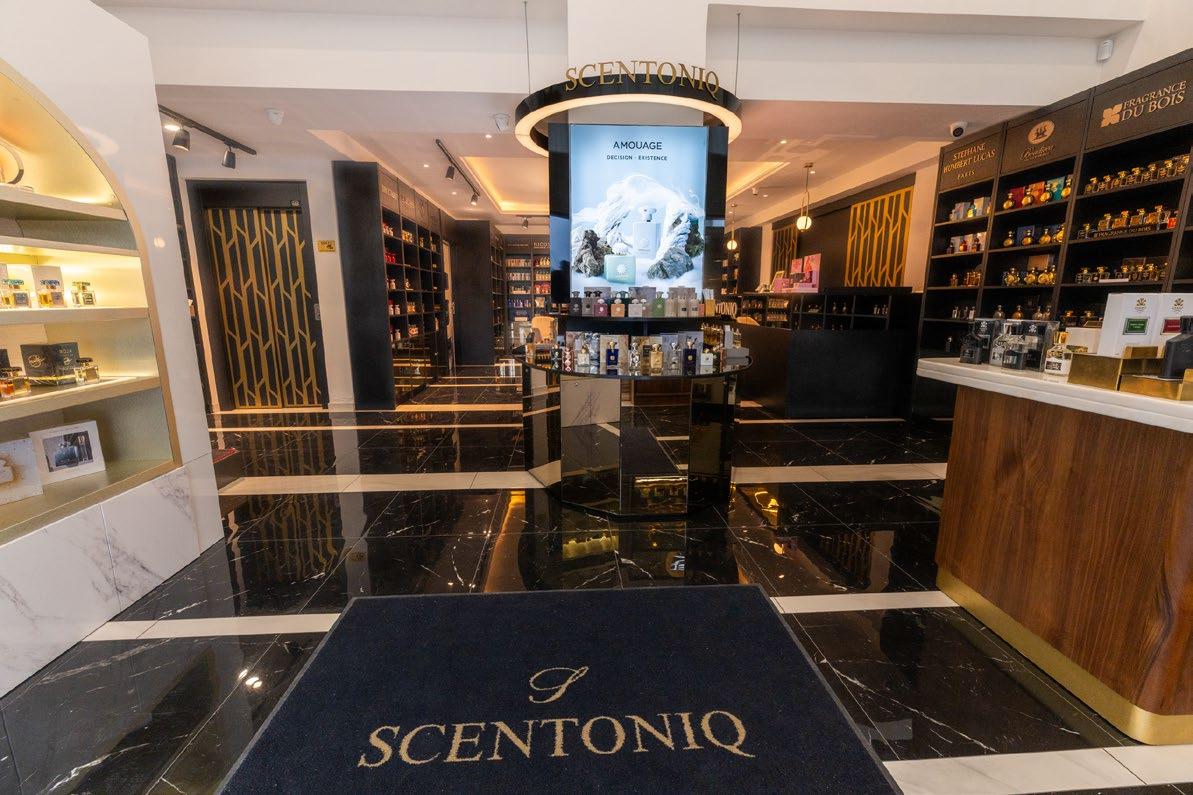
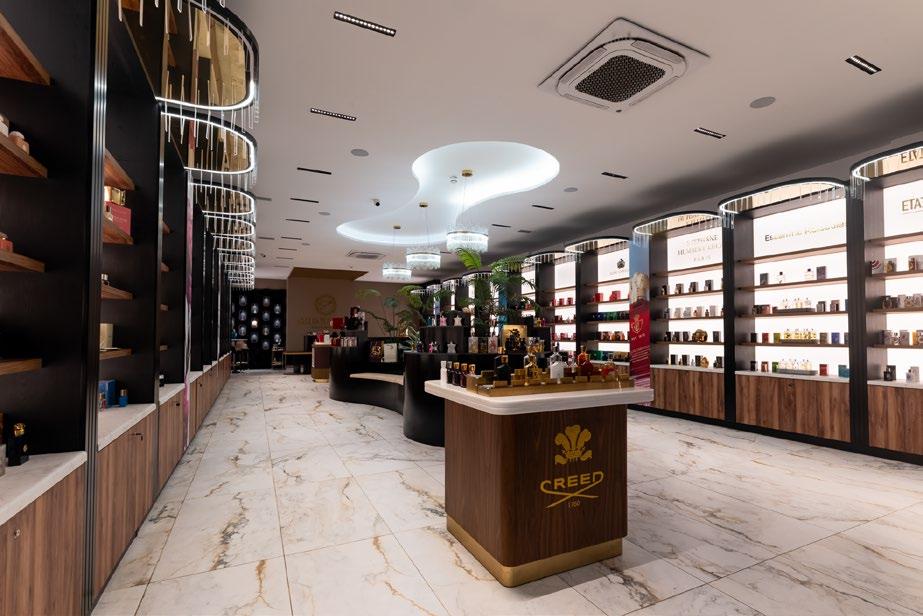
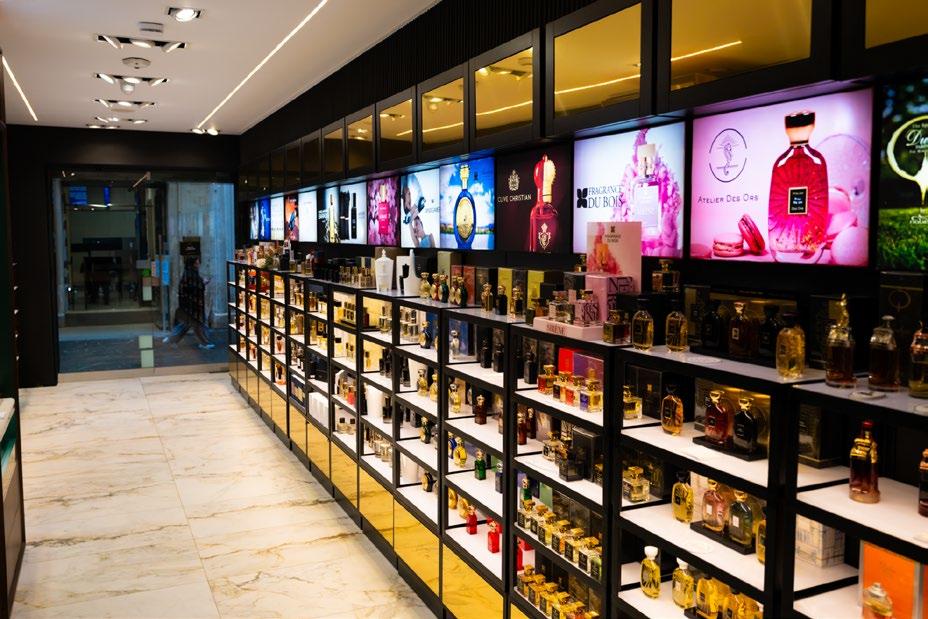
SCENTONIQ specialises in delivering premium and niche perfumes to customers in Malta, featuring over thirty exceptional brands from across the world. This unique retail concept is a new shopping experience, merging lifestyle, art, design, and perfumes, all under one roof.
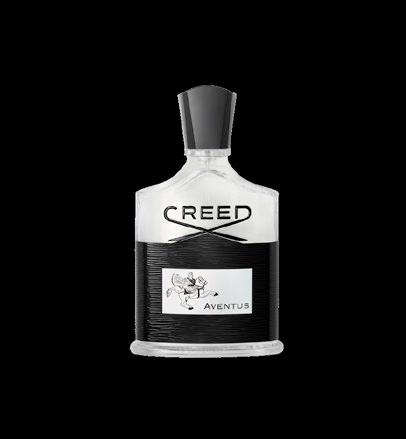
EAU DE PARFUM
By Creed
A lasting impression of modern boldness. Aventus is a fragrance that stands the test of time. A bold presence that resonates without raising its voice, leaving behind an intentional
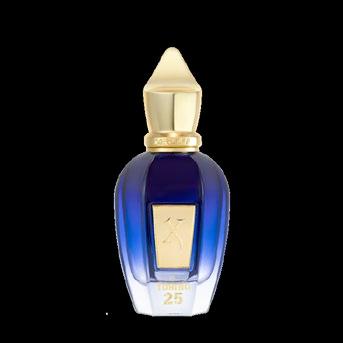
TORINO 25
PARFUM
By Xerjoff
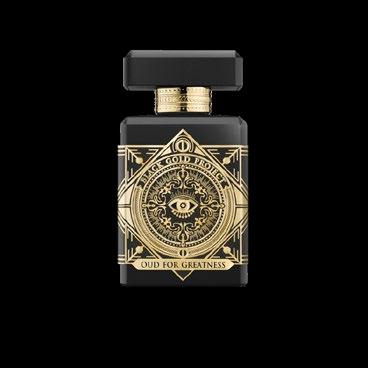
Oud For Greatness
EAU DE PARFUM
By INITIO Parfums Privés
Embrace your power and greatness to feel unstoppable, conquer, reign and shine. Combining the psychoactive power of Oud with the magical vibration of sacred geometry. Bold and divine, the power of Oud awakens a desire for conquest, where greatness is no longer a dream but a certainty.
Metal Lavender
EAU DE PARFUM
By MATIERE PREMIERE
A modern lavender. Effortless. Oversized. Comfortable. Easy to wear.
METAL LAVENDER contrasts vibrant, metallic lavandin with a softer, floral lavender.
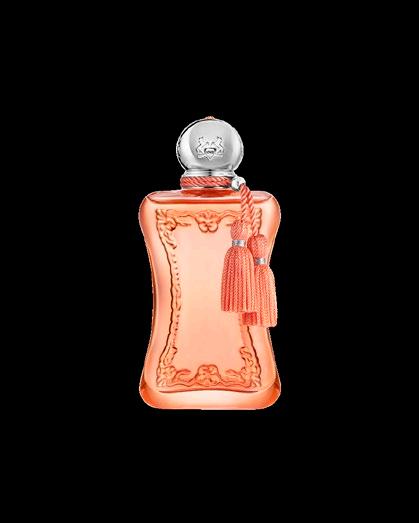
Athénaïs
EAU DE PARFUM
By Parfums de Marly
Parfums de Marly unveils Athénaïs, a new creation inspired by the duality of one of the most captivating feminine figures of the18th century, Athénaïs de Montespan. This creation echoes the contrast of her personality, and celebrates a modern and intrepid femininity.
75ml | €285
A luminous, enveloping trail built around lavandin grown in the organic fields of Founder and Perfumer Aurélien Guichard, exclusively for MATIERE PREMIERE.
100ml | €250
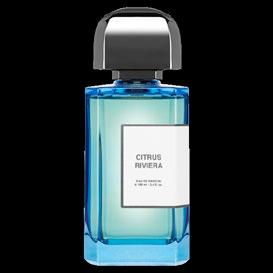
Citrus Riviera
EAU DE PARFUM
By BDK Parfums
Citrus Riviera pays homage to the landscape of Cap d’Antibes, in the south of France. A luminous fragrance, evoking the delicacy of sun-drenched citrus blended with the sensuality of white musks, and reminiscent of the joys of summer shared with loved ones.
100ml | €225
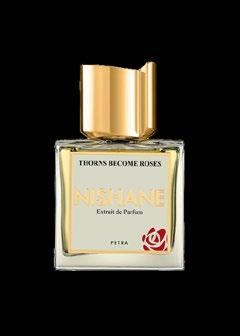
Thorns Become Roses
EXTRAIT DE PARFUM
By Nishane
Thorns Become Roses reimagines the modern rose through contrast and transformation. Crafted as an Extrait de Parfum, it unfolds from luminous freshness into a refined woody amber signature, balancing strength and softness with remarkable depth.
100ml | €325
Words by Emmanuel Galea
GOZO off the map
Tranquil moments on Gozo are never far away once you stop following the signs. Trade in a famous view for a more intimate one and follow this itinerary to its quieter, calmer corners.
Gozo likes to present itself as Malta’s slower, softer sister. For most of the year, that gentle promise holds beautifully true. Then summer arrives, and the island fills with the very crowds it sells escape from.
Ramla Bay turns golden and crowded, and the Citadel hums with coaches by mid-morning. Gozitans respond as
they always have, by quietly drifting somewhere else.
They know their island hides its finest corners just beyond the easy road.
By August, the hills have browned, yet the vines, olive groves and prickly pear cactus hold their colour. Those corners reward a little patience, a sturdy pair
of shoes and a wrong turn. Tranquil moments on Gozo are never far away once you stop following the signs. You simply trade the famous view for an emptier, more intimate one.
Reaching the island remains gloriously simple, despite its reputation for remoteness. A car ferry crosses from Ċirkewwa in roughly 25 bright and
Photo: Alana Mifsud, courtesy of Visit Gozo.
breezy minutes. A faster passenger ferry now runs straight from Valletta, sparing you the drive up north. Hire a car at Mġarr Harbour the moment you step ashore. The whole island measures barely 14 kilometres across, so nothing lies very far apart. One unhurried day can loop you clockwise around the coast and back.
In August, expect a long hot day that sets its own gentle rhythm, and you should follow it. Rise early and swim soon after dawn, while the rock still holds the night’s cool. The fields have long since browned, but olive groves silver every slope. Vineyards thicken green across the terraces, with the grapes still weeks from harvest.
Retreat indoors through the white afternoon hours, as Gozitans have always done. Then let the long golden evenings carry you back to the coast.
Begin right beside the harbour, at Xatt l-Aħmar, the red shore. A long, narrow track winds down through the farms, easily missed and worth the care. Fort Chambray watches over the bay from the headland above. Swimmers slip off the rocks and a low pier into clear, gentle water. Beyond the bay, three old ships rest on the seabed as artificial reefs. One of them, the Xlendi, once ferried Gozitans across the channel you just crossed.
Follow the coast west to Mġarr ix-Xini, hidden between Sannat and Xewkija.
A prominent watchtower guards the inlet, and clear water fills the gap below. Brad Pitt and Angelina Jolie once shot a film along this very shore. The rough access road keeps the casual visitor away. Divers love the cool, deep entry, and snorkellers trace the walls for hours.
Climb next to the Ta’ Ċenċ cliffs, which fall sheer into a restless sea. Walk the open garigue at Sannat, past a dolmen and ancient cart ruts. Seabirds wheel far below the edge, and the silence grows almost physical. In summer, the garigue bakes dry, yet wild thyme still scents the warm air. Time for your sunset walk, when the last few ramblers head home. The whole
Photo:
wide plateau then belongs to you and the wind alone.
Turn inland a little to the Lunzjata Valley above Kerċem. Spring water feeds neat rows of citrus and a chapel set into the rock. The valley gently contradicts everything a first visit teaches about this dry island. Even in summer, the springs keep it green when every other field has burned gold.
Carry on to the northwest, to Wied il-Mielaħ, a sea-carved arch near Għarb. It quietly inherited the fame the Azure Window surrendered to the waves. A gentle path follows the gorge down towards the window and the open water. Almost nobody comes now, because the coaches no longer know where to point. Stand
Drop by Wied il-Għasri, a deep coastal opening on the northern shore. Pale cliffs rise on either side of a slender pebble cove. Swimmers slip into the opening where the water turns a cold, clear green.
Bring water shoes because the pebbles turn sharp underfoot near the waterline. Come before the sun climbs the eastern wall, while shadow still fills the cleft.
Close the circle at Daħlet Qorrot, where fishermen carve their boathouses into soft rock. This stretch of coast still works hard for its living every single day.
Painted luzzu boats bob at anchor
while the tide turns against the stone. Sunrise here glows soft and pink, long before the day grows busy elsewhere. You watch a real working place here, not a scene staged for visitors. The harbour lies close again, just a short drive back along the shore.
The long light fades, and the day’s slow circle closes where it began. Soon enough, the ferry will carry you back across the channel. Gozo will fold its quiet corners away, exactly as you found them. Yet something of that stillness travels home with you, light as sea air.
Gozo keeps its best secrets precisely by asking you to slow down. Find that slower pace, and the crowded island quietly becomes your own.
beneath the arch as the light fades, and you hear only the swell.
Lunzjata Valley.
Photo: Alana Mifsud. Mġarr ix-Xini.
Photo: Joanne Mohr.
Ta'
Ċenċ cliffs, Sannat.
Photo: Micheal Kagerer.
Tap 10 times. Make a wish...
Whether it’s a luxury leather handbag in Rome or your tenth museum ticket in Vienna, every tap brings you closer to your next flight.
Get in the chance to win a €300 KM Malta Airlines travel voucher by using any BOV Classic or Premium Card 10 times or more during your trip.
Words by David Carabott
Exploring Blue Grotto
One of Malta’s best-known natural attractions, Blue Grotto is not a single sea cave but a complex of six carved into the same stretch of limestone cliffs over thousands of years. Enjoy a dramatically different perspective from the sea.
Photos: David Carabott.
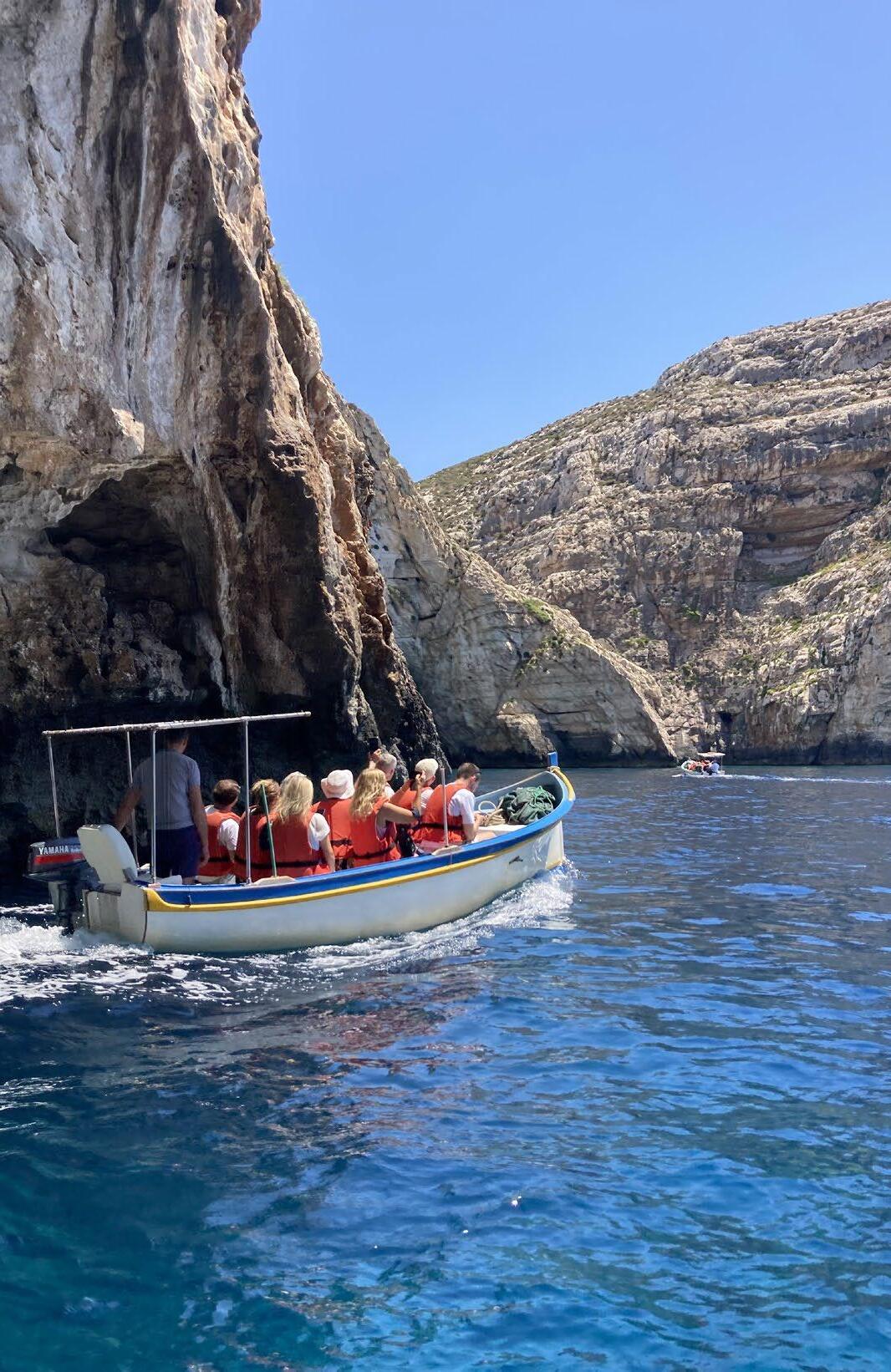
The small harbour at Wied iż-Żurrieq on Malta’s southern coast is already busy when I arrive in the morning to join the steady flow of visitors heading towards the boats that operate trips to the Blue Grotto. Boatmen are preparing for departures, while swimmers and divers make the most of the sea.
The Blue Grotto is one of Malta’s best-known natural attractions. Despite its name, however, it is not a single sea cave but a complex of six carved into the same stretch of limestone cliffs over thousands of years.
Together with the remarkable colours created by sunlight reflecting through the water, these caves attract visitors throughout the year for a closer look at this striking stretch of coastline.
The traditional Maltese boat sits quietly alongside the jetty as passengers take their seats. Once aboard, boatman Antoine Caruana unties the rope, starts the engine and steers away from land.
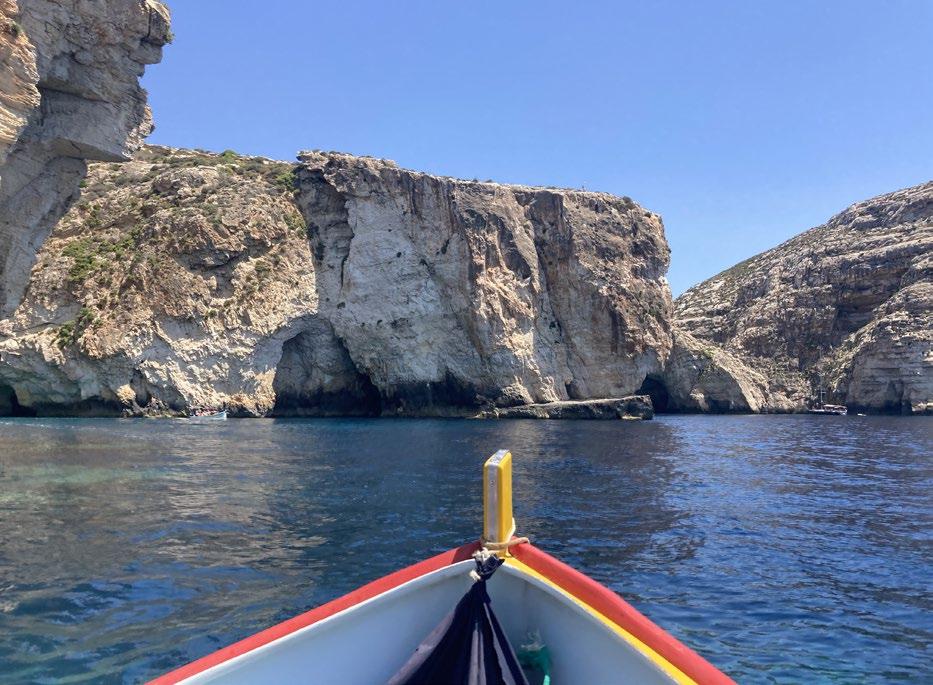
The journey begins with views of the rugged coastline. Dramatic cliffs rise sharply from the sea, sculpted by centuries of wind and waves. From the water, the landscape looks very different from the view I have known all my life from the Blue Grotto lookout point above.
The boat trip is brief, yet it quickly becomes clear to me why it remains one of Malta’s most popular coastal excursions.
As it moves closer to the cave complex, the colour of the sea becomes increasingly striking. The deep blue of the open water gradually gives way to vivid shades of turquoise and sapphire. Even before entering the caves, the clarity of the water is impressive.
Ahead, the openings of the six caves appear in the cliffs. Further offshore stands Filfla, the small uninhabited islet that has long served as a landmark for fishermen and sailors along Malta’s southern coast. Today, it is a protected nature reserve and an important habitat for seabirds.
FOLLOW THE BLUE GROTTO CAVE ROUTE
The boat slows as it approaches the first cave entrance and prepares to enter. Inside the Blue Grotto cave complex, Antoine uses informal names to identify the different chambers and openings. These are not official geological terms, but practical labels used by boatmen to describe changes in shape, light and atmosphere from one section to the next.
The first stop is Cat’s Cave, a small opening where the shadows in the rock can, depending on the light, resemble the outline of a cat. From there, the journey continues into Reflection Cave, where the still water transforms the surface into a mirror, doubling the colours and rock formations above.
Next comes the main chamber of the Blue Grotto itself, where sunlight filtering through the water creates vivid blue tones across the limestone walls. After that is
Circle Cave, a rounded chamber where the rock curves naturally around the boat.
The route then continues into Honeymoon Cave, a sheltered and atmospheric chamber whose name is more romantic than geological yet perfectly suited to the setting.
The final stop is Blue Window Cave, where a natural opening frames the sea beyond like a window, allowing a brief burst of light to flood the interior before it fades once again into shadow.
As the journey progresses, the experience changes completely. The sounds of the harbour disappear, leaving only the gentle movement of water against rocks. Light filters through the crystal-clear sea, illuminating the limestone in shifting shades of blue, turquoise and green that move with the water. At one point, I am very tempted to jump in and swim in that limpid water inside the caves.
Each chamber possesses its own character. Some are bright and open, allowing sunlight to penetrate deep inside, while others feel darker and more enclosed, with the rock appearing to close in around the boat.
Over thousands of years, wave action carved these spaces into arches, tunnels and chambers, creating a natural sequence of rooms where light, silence and form define the experience more than distance.
Seeing the Blue Grotto from the water is entirely different from viewing it from the clifftop lookout
RETURNING TO SHORE
All too soon, the boat turns back towards Wied iżŻurrieq. The return journey offers another opportunity to admire the cliffs from the water. Having passed through the caves, my attention shifts to details in the coastline that had earlier gone unnoticed.
After disembarking, I take one final look out to sea, breathing in the iodine-rich air and the freshness of the coast.
Soon after returning to shore, I go for a swim. With the morning steadily warming up, it feels like the perfect way to end the excursion. Floating in the calm sea, with the cliffs rising around me, offers a different perspective of the coastline I had just explored by boat.
After comes a seafood snack of fresh limpets, now something of a rare treat, accompanied by a local beer. Looking out across the sea, the morning’s excursion falls into perspective. Seeing the Blue Grotto from the water is entirely different from viewing it from the clifftop lookout. The boat trip may be short, but it provides access to all six caves and offers a close appreciation of the colours, rock formations and dramatic coastline.
For anyone visiting this part of Malta, it remains among the simplest and most rewarding ways to experience one of the island’s best-known natural attractions.
VALLETTA WATERFRONT
Triq il-Vittmi Furjaniżi tal-Gwerra, Floriana
Discover this hidden gem within Malta's Grand Harbour, where history meets modern indulgence. Enjoy panoramic views, exciting activities and delectable dining experiences along this strolling promenade. Savour Chinese, American, Mediterranean, sushi or local cuisine in beautifully refurbished 1752-built stores, or dine al fresco by the water's edge. Just a short walk from central Valletta and Floriana, and across from the Three Cities, experience fun and relaxation away from the crowds. There is always something happening at Valletta Waterfront, with cultural celebrations, seasonal events, live music, special themed nights and family-friendly activities that bring the historic promenade to life.
vallettawaterfront vallettawaterfront.com
Sondage
Felmérés
Encuesta Pesquisa Umfrage
Ankieta Enquête
Scan and Win €500 Survey
Towards the end of your stay,
The Malta Tourism Authority invites you to share your travel experience. simply scan the QR code, complete the questionnaire, provide a valid email address, and consent to the Terms and Conditions to enter our monthly draw for a chance to win €500.
Open exclusively to non-resident tourists aged 16 and over. Your feedback shapes the future of Malta.
Thank you for visiting the Maltese Islands and good luck!
Words by Ruth Zammit DeBono
Ruth is a passionate traveller, artist and devoted dog mum, who finds joy in storytelling and discovering the world always with her pet by her side.
The doors ROY opens
This toy poodle doesn't read guidebooks. He follows his nose – and his nose leads to the stories no travel blog will ever list.
Every city has a version of the same tourist trail. The same squares, the same cafés Google recommends, the same viewpoints with the same queues. Roy ignores all of it.
Travelling with a dog rewrites the itinerary entirely. Not because you plan it that way, but because people stop you: the old man outside a bakery in Rimini who wanted to tell me about his childhood poodle; the flight attendant on our KM Malta Airlines flight who upgraded Roy's under-seat spot with an extra treat and a wink; the woman in a New York deli who insisted I try something "because your dog clearly has good taste".
There's a pattern to it. You arrive somewhere new, slightly anxious about the logistics – the carrier, the passport, the "are dogs allowed here?" dance. And then someone crouches down, asks his name, and suddenly you're having a conversation you'd never have had alone. The barista who sketches Roy on your coffee cup. The hotel concierge who reveals the locals-only beach because "your little one would love it there".
Ruth Zammit DeBono and Roy on their travels.
Travelling with your pet in the cabin –
key rules
PETC is available for small dogs or cats only.
The pet, including the carrier, must not exceed 10kg in total weight.
Only one pet container is permitted per adult passenger.
The pet must remain inside the carrier for the entire flight.
The carrier must be placed under the seat in front of the passenger during the flight.
Planning your next trip with your four-legged travel partner? I'm always happy to share what I've learned – find me on Instagram @PupsPaintAndProsecco.
Roy doesn't read guidebooks. He follows his nose – and his nose leads to the stories no travel blog will ever list. I used to think travelling with a dog was a compromise. More paperwork, more planning, more limitations. Twelve years and several countries later, I know the truth: he doesn't limit where I go. He changes how I arrive. Doors open differently when you walk through them with a small, well-groomed accomplice.
The best travel hack isn't an app or a packing list. It's a well-groomed poodle with a passport and zero interest in the Colosseum.
Discovering new trails.
Roy making new friends.
DRINK DIFFERENT
at the feast of Our Lady in Mosta.
Words by Edward Bonello
Clear your diary,
it’s festa time!
August is the crescendo of Malta's festa season, with fireworks, band marches and centuries-old traditions filling towns and villages across the islands. Here's our pick of the most unique festas taking place this month.
With the height of summer, comes the height of Malta’s festa season, from the fireworks-lit skies of Lija to the watermelon-fuelled revelry of Għajnsielem, culminating in the great national feast of Santa Marija on the 15th. As we have done for May, June and July, here's a pick of our favourite feasts happening in August, what to look out for, and what to make absolutely sure not to miss out on!
ST DOMENIC, VALLETTA | 2nd August
Kicking off the month, the feast of St Dominic in Valletta, celebrated on the first Sunday of August, fills the narrow streets and grand squares of the city with festa decorations. The Dominican Church, dedicated to Our Lady of Porto Salvo, or safe haven, has ancient links to the maritime heritage of the city. It remains one of Valletta's three parishes and is still cared for by the Dominican Order, whose convent overlooks the adjoining street to this day.
On the days leading to the festa, children carry a small version of the statue through the streets in their own procession, before the adults take over in the evening, finally placing their life-size statue of the saint on its pedestal in front of St John's Co-Cathedral. The more solemn note comes on Sunday evening, when the wooden statue of St Domenic is carried in procession through the city.
CHRIST THE SAVIOUR, ĦAL LIJA | 6th August
The feast of Christ the Saviour, or is-Salvatur as he is affectionately called, is one of the oldest on this list. The people of Lija are very proud to celebrate the feast on 6th August, no matter if it falls on a working day of the week –it is an honour they cherish greatly!
The feast is also vividly associated with stunning aerial fireworks displays, crafted by local artisans and let off on the days of the feast’s triduum. The greatest show takes place on the eve, 5th August, when thousands of Maltese fireworks enthusiasts, as well as tourists, line the streets commanding the best views to watch the marvellous display. The impressive statue by master artist Carlo Darmanin, depicting the transfiguration of Our Lord, flanked by Moses and Elijah, is carried by statue bearers shoulder high on the day of the feast, and taken round the narrow picturesque streets of Lija as per the ancient tradition.
ST LAWRENCE, BIRGU | 10th August
This is another feast that is proudly celebrated on its proper feast day, no matter what! The devotion to St Lawrence, goes back many centuries in Malta, but in Birgu, it is intimately linked to the presence of the Knights of St John and its maritime heritage. A chapel dedicated to the saint in the city, however, is referenced in documentation even before the arrival of the Knights in 1530. His effigy, dressed in Spanish-style embroidered ecclesiastical robes, lovingly venerated in the present Collegiate Church dedicated to him, is reminiscent of this ancient tradition.
Feasts in the cities surrounding the Grand Harbour have a special feel to them. Perhaps it’s the stunning architecture; perhaps the genuine warmth of the people who keep them alive. It’s not easy to put your finger on it.
THE ASSUMPTION OF OUR LADY, VARIOUS TOWNS AND VILLAGES | 15th & 23rd August
For many, this is considered the peak of summer. Not only is it because it literally marks the middle of the season, but especially since the cultural links of this feast to the island are so profound and deep-rooted. Suffice it to say that farmers still renew their qbiela, or agricultural leases, on this day – an ancient tradition that is kept alive. Santa Marija, as it is called by the Maltese, is celebrated in no less than 10 different parishes around Malta and Gozo, so you can’t miss it! (Read more about this special feast on PG 40.)
ST HELEN, BIRKIRKARA | 23rd August
St Helen’s is the only feast in Malta and Gozo that takes place in the morning, and Birkirkara folk are pretty proud of the special arrangement! As the clock strikes 8am, and the large bell of the Helenian Basilica chimes its mighty call, the majestic statue of St Helen, holding the Holy Cross, appears in the main door of the church as the packed town square bursts into cheer.
The statue is the work of celebrated Maltese sculptor Salvo Psaila from Cospicua. Tradition in Birkirkara has it that he crafted the likeness of the Empress saint, based on that of his beloved wife, who sadly passed away after just 13 years of marriage. Perhaps the expressive melancholy in the saint’s eyes tells a deeper story.
highlights Feasts in August
2nd St Peter in Chains Birżebbuġa
2nd Our Lady of Pompei Marsaxlokk
2nd St Joseph Qala
2nd Our Lady of Lourdes San Ġwann
2nd St Dominic Valletta
6th Christ Our Saviour Ħal Lija
9th St Maximilian Kolbe Buġibba
9th St Cajetan Ħamrun
9th St Laurence San Lawrenz
10th St Laurence Vittoriosa
15th The Assumption of Our Lady Gudja
15th The Assumption of Our Lady Ħ’Attard
15th The Assumption of Our Lady Ħal Għaxaq
15th The Assumption of Our Lady Mosta
15th The Assumption of Our Lady Mqabba
15th The Assumption of Our Lady Qrendi
15th The Assumption of Our Lady Victoria
23rd St Helen Birkirkara
23rd The Assumption of Our Lady Ħad-Dingli
23rd The Assumption of Our Lady Mġarr, Malta
23rd Our Lady of Lourdes Paola
23rd St Pius X Santa Luċija
23rd Stella Maris Tas-Sliema
23rd The Assumption of Żebbuġ, Our Lady Gozo
30th Our Lady of Loreto Għajnsielem
30th St Bartholomew Ħal Għargħur
30th The Conversion of St Paul Ħal Safi
30th St Joseph Manikata
30th Marija Reġina Marsa
30th St Julian St Julian’s
30th St Dominic Vittoriosa
Birkirkara is the largest town by population in Malta, and its parish is mother to several others around the island that were hived off into new parishes in their own right. In fact, the feast is considered a bit of a homecoming for the towns and villages of the centre of the island.
OUR LADY OF LORETO, GĦAJNSIELEM | 30th August
The feast of Our Lady of Loreto on the sister island is quite remarkable. First of all, it celebrates the odd reference to the miraculous transportation of Mary’s house of Nazareth to Loreto in Central Italy, by angelic delivery! The house exists, and is venerated in the Italian town, as a beautiful baroque basilica was constructed around it. Back to Gozo, the feast takes a very specific flavour, as even the street decorations here are quite unique.
However, the showstopper is definitely the famous Marċ ta’ Balzunetta, which takes place on the Friday before the feast, where thousands of enthusiasts and revellers pour onto the main thoroughfare of Għajnsielem to celebrate. This is nothing like any other band march you will see on the islands. The townsfolk swap their usual festa T-shirts for complete tailored outfits, crafted for the occasion from one chosen fabric pattern. That is because each year, the organisers of the feast buy several bolts of the same patterned fabric, which they make available ahead of the feast. The result is an extraordinary ensemble of dresses, suits, jackets and tops, all sewn from the same cloth.
Also unique to this feast is the famous hollowed-out watermelon, which is carefully carved to contain the revellers’ poison of choice. The merriment is guaranteed. At the end of the band march, the statue of Our Lady is hoisted up high above the crowd, as she appears to glide across the pjazza, much like the house did according to the legend, resting on her plinth of honour for the remaining festa days.
ST BARTHOLOMEW, ĦAL GĦARGĦUR | 30th August
Traditionally, the feast of St Bartholomew in Għargħur is regarded as the last feast of summer, even though it isn’t. It’s because the end of August brings with it expected changes in weather, and the first summer showers. In fact, the saying goes that St Bartholomew holds the keys to winter.
The statue of St Bartholomew, venerated in this town’s church, is a marvellous work of peak baroque era, which was shipped from Rome in 1772. Unfortunately, no record of the artist exists, though curiously, the mark of two fingers on the wooden effigy does survive and is believed to be that of the mysterious author.
ST JULIAN, ST JULIAN’S | 30th August
Finally, the feast of St Julian in the seaside town of St Julian’s dances to the beat of its own drum. While the feast features all the bells and whistles of your usual festa, it boasts a few unique traditions that have survived time in a town that has over the years developed into the entertainment and nightlife mecca of the island.
The Ġostra challenges youths of all ages to run up a greasy pole and grab one of three flags, before they plunge into the sea. Though the tradition exists in other seaside villages, such as Marsaxlokk and Msida, St Julians’ is wildly popular. (Read more about this on PG 44.)
What’s truly unique to this town is the gun salute offered to the saint at the start of the procession on Sunday. Instead of the fireworks display that traditionally welcomes the statue in other villages, in St Julian’s, hunters fire endless blanks with their rifles from the church’s roof, mimicking the musket salute of times gone by. It is a nod to the fact that St Julian was a hunter himself – in fact, he is the patron saint of hunters.
Words by Ramona Depares
Ramona is an author and journalist with an interest in culture-related topics. She runs her own food and culture website at ramonadepares.com
A vibe for every generation
The Malta summer party calendar may have earned a reputation for being high on energy, but make no mistake! No matter where your tastes lie, you’ll find something to vibe with. Hop along on a virtual tour of the fun.
Malta has quite the reputation for being a busy party island, particularly throughout the summer months. Given the big names we’re seeing this season, ranging from Fatboy Slim to Nina Kraviz, Steve Aoki and Carl Cox, the energy screams party island!
A well-earned description, some may say. And yet, not one that’s 100 per cent accurate as, in truth, the range of events are eclectic enough to appeal to Gen Z and Alpha as well as to Millennials and Gen Xers like myself.
That said, Malta’s appeal as a summer destination is precisely this: it’s not about age, it’s about finding your vibe and rolling with it. In short, you’re just as likely to see the Gen X cohort on the dance floor as
you are to see the younger ones enjoying one of the more chill events on the calendar.
The largest summer event that took place last month set the temperature for this year’s upcoming festivals, concerts and parties. It doesn’t get much more iconic than Katy Perry, but luckily, the energy doesn’t look like it’s going to dip anytime soon.
If you’re on your way to the Med and you’re looking for an itinerary that combines live performances with a packed dance floor that is likely to take you all the way through to sunrise, your first stop should probably be Gianpula Village. The sprawling clubbing area on the outskirts of Rabat and Żebbuġ is set to host one of the biggest EDM
names of the noughties, famous for hits like Just Hold On and Waste It On Me.
Bonus? Gianpula is the setting from which to enjoy the Mediterranean sunrise, and you can walk right up to Serkin in Rabat for that most Maltese tradition – afters in the public garden with half a dozen pastizzi and a mug of builder’s tea to replenish your energy. This is what’s known as the “breakfast taċ-champions” in our neck of the woods.
The first week of August is pretty much the calm before the Santa Marija storm in Malta, as both islands get ready for what are the biggest nationwide parties of the year. It all starts the week of 10th August, which leads up to the national holiday on 15th August – aka the Feast of the Assumption of the Blessed Virgin Mary.
There are various ways to enjoy this holiday, and if festivals and DJs are your thing, you’re going to have trouble choosing your preferred activity. The Elrow Island show sets the ball rolling nicely on 8th August, with household names like Carl Bee, Ale de Tuglie and Bixbita leading a three-day event at the Uno Malta open-air club in Ta’ Qali. This one’s strictly if you’re up for a high-energy, relentless tempo. I’ve got one word for you, and that’s electrolytes. Nighttime temperature in Malta is still punishing and rarely dips under 30 degrees Celsius, so the alcohol hits different.
Fast-forward three days and you’re going to need a fresh supply of electrolytes and protein bars as Lewis Capaldi and Calvin Harris headline this year’s biggest Santa Marija weekend party, SummerDaze. Close by in Ta’ Qali National Park, it’s another outdoor venue that will undoubtedly be packed in honour of hits like Someone You Loved and Before You Go. Not to mention Calvin Harris’s dancefloor-filling remixes. Safe to say everyone under the age of 70 is going to be belting out We Found Love under the stars.
If your tastes run more niche, Glitch is also taking place right that weekend. The festival has built a reputation
for hosting some of the biggest names in techno, and this year’s lineup fully validates that. Think the likes of Ben Klock, Chris Stussy and Efdemin. Tickets for this festival go fast, but if you’re lucky, you’ll find some stray ones available.
Where does that leave you if your tastes run to different kinds of festivities? Worry not, as there is plenty to do that doesn’t necessarily involve a worldclass DJ, starting with the Santa Marija festivities themselves… (See story on PG 40.)
If your taste leans more towards unstructured music, dancing and cocktails, all you need to do is drop in to Valletta at nighttime. Here, you’ll find impromptu jazz, DJ sessions around Strait Street, live music in St Paul’s Street, plenty of food and drink and outdoor dancing pretty much everywhere. St Julian’s is more focused on the al fresco dining and drinking scene, but if you want a club vibe all you need to do is hop over to neighbouring Paceville.
For a more sedate vibe, André Rieu is performing in Floriana on 29th and 30th August at what must be one of the most spectacular outdoor venues – The Granaries. Lionel Richie plays Ta’ Qali on 18th August, while an evening dedicated to Neapolitan songs will undoubtedly be a touch less composed on the 21st at Pjazza Teatru Rjal in Valletta.
Malta and Gozo may well have earned their reputation as party islands, but we certainly can’t be accused of an unimaginative calendar that only caters for one taste. A word of advice: if any of these tickled your fancy, don’t leave it too late for tickets, or you may end up with a bad case of FOMO.
That said, one of the best aspects of a summer break in Malta is also the ability to walk out of your hotel, follow the sound of people having fun and simply enjoy an impromptu evening wherever. After all, no Mediterranean holiday is complete without a spontaneous escape.
Words by Palazzo Parisio
Palazzo Parisio: Malta's garden after dark
There is an hour, just as the light turns gold over Naxxar, when the walled garden at Palazzo Parisio becomes the best-kept open secret in Malta.
Giuseppe Scicluna laid Palazzo Parisio’s garden out as a private retreat more than a century ago; all clipped box hedges, stone urns and a fountain that has been murmuring since Edwardian times.
The palazzo itself holds just as many corners worth discovering: an 18th-century Orangery, vaulted stone cellars and a ballroom lit by chandeliers built for another era.
By day, the garden sits open to anyone touring those gilded rooms and painted ceilings, and as the day fades, it turns into a place to simply slow down.
Ask a Maltese friend where to send first-time visitors after Valletta and Mdina, and the answer tends to circle back here. Most arrive for the palace and its history and leave already planning their return for an evening in the garden. Wherever you are staying on the island, Naxxar sits close enough to most hotels to fold an evening here into almost any itinerary.
Wednesdays belong to Gin & Jam, back again this year with a run of Malta's favourite live acts, taking turns on the garden stage while the gin flows and the bar bites keep coming. On Thursdays and Fridays, the pace changes to Jazz & Dine for dinner beneath the stars. A saxophone drifts somewhere past the palm trees, and there is enough candlelight for every table to look ready
for its close-up. On select Saturdays, the garden shifts again for Bistro & Beats with DJ Don Peltrinsky on the decks from 7pm, a full à la carte menu, and an evening that moves easily between a proper dinner and a round of cocktails with friends.
For anyone whose schedule does not stretch to a late dinner, there is Negroni Interlude, available every day, at any time. Three miniature Negronis arrive with three crostini built to match them, an afternoon ritual borrowed loosely from the idea of afternoon tea and rebuilt around Italy's favourite aperitivo. Settle into the garden, in the shade of the trees, and take your time over it. Summer, after all, tends to loosen the rules around what time a Negroni is appropriate.
Once a month, wine expert Andrew Azzopardi sits down with our Executive Chef, David Giacomelli, to build a menu around a wine list from Vintage82 that is worth discussing over dessert. The remaining dates for the
season fall on 21st August and 11th September, each one built around a different conversation between food and grape. It draws a small crowd who return every month, as much for the company as for the pours.
At Luna, the kitchen has turned to the summer menu. Giacomelli builds each dish around whatever the season hands him: Mediterranean produce at its peak, familiar dishes given a new detail, delicate starters through to indulgent desserts, and plates designed for both the palace's grand rooms and the quieter corners of the garden. It is a menu built to be eaten slowly, ideally with a view.
Visitors keep finding new corners to linger in, such as the citrus trees with fallen blossoms beneath them; the marble statues that seem to watch the tables below; the baroque façade lit amber as the evening wears on; and a fountain lit just as the sky deepens past 9pm. Every table, it turns out, has a view worth returning for.
None of it needs an occasion beyond landing in Malta. Book a table, walk past the shell-topped figures that have greeted guests at our entrance since 1903, and let the garden do the rest. You will use your camera more than you expect, whether what catches your eye is the fountain, the food, or a friend across the table caught mid-laugh.
Reserve your evening, or your afternoon Negroni, at www.palazzoparisio.com. We are in Naxxar, a short drive from the airport and several centuries from the ordinary.
(+356) 2141 2461 reservations@palazzoparisio.com
E M B R O I D E R I N G
collective memories
Embroidery artist Sarah Muscat Azzopardi has turned iconic snacks and drinks into bag charms, making visible the unseen strings that run through the generations.
Words by Iggy Fenech
They say inspiration can come from anywhere, and that’s certainly true for embroidery artist Sarah Muscat Azzopardi and her latest collection of bag charms. Stitch by stitch, she has created tiny works of art that encapsulate familiar flavours shared across generations, and product packaging that is as evocative to us as the colour of the sea or the smell of wet limestone.
Indeed, while at first glance these small, vibrant accessories may look like nothing more than a fun bit of whimsy, they hold within their stitching something far more layered. For Maltese people, the packet of Twistees – the islands’ unofficial national snack – will undoubtedly trigger flashbacks of days spent in the sun at Mellieħa or Pretty Bay.
Similarly, a can of Cisk beer can instantly transport us to a traditional village festa, while the pastizz (a diamond-shaped savoury pastry stuffed with either a pea or ricotta mixture) might take us back to a Holy Communion party held in a band club hall.
Small but mighty, Sarah has truly bottled nostalgia in charms measuring just 10cm in height and finished with a tassel.
“These items aren’t Maltese only because they’re made in Malta,” she says. “They’re Maltese because they’ve become part of our shared experience and our collective memory. Anyone who has grown up or lived in Malta will know these products and will have a very strong opinion about them. Meanwhile, tourists visiting our little island will almost certainly be asked whether they’ve tried them by every other Maltese person they encounter,” Sarah says.
This places her hand-embroidered charms in a hybrid space: objects of beauty that instinctively unlock memories for locals, and tactile souvenirs of Malta that visitors can carry home. And that has always been the idea behind them: “They’re little things that evoke big memories,” Sarah explains.
She certainly achieves that across all her work, including these charms, which are made by hand, slowly and precisely. There is no mass-market manufacturing here. Each piece is created by Sarah in her home studio on Malta’s sister island of Gozo, where she moved with her husband a few years ago in the aftermath of the COVID pandemic.
Sarah Muscat Azzopardi.
That move also marked the start of a new chapter for The Secret Rose: at a time when many people were reconsidering pace and purpose, Sarah decided it was time to turn a lifelong fascination with embroidery into her main profession.
“I was introduced to the craft by a friend back when I was reading for an English degree at university,” she explains. “I’ve always been a hobby collector, but embroidery quickly became a mainstay in my life, especially as I experimented with initials and patterns and realised just how peaceful it could be, but also creative and fun.”
The timing of this discovery is also reflected in the name of her brand.
The Secret Rose is drawn from W. B. Yeats’ poem of the same name, in which the romantic poet muses on the hidden, mystical rose as a symbol of spiritual beauty, longing and an ideal world that exists just beyond the visible one.
Of course, there is also a deeper cultural thread running through all of Sarah’s work. Embroidery has long been part of Maltese domestic life, historically practised by women creating keepsakes such as cushion covers, table linens and ceremonial gifts. Sarah sees her work as a continuation of that lineage.
“I like that, historically, it’s a femaleled craft,” she says. But in her hands, embroidery becomes less about tradition as constraint and more about tradition as foundation: something to build from, reinterpret and share more widely.
These bag charms are also one of the most accessible entry points into that world. Small enough to attach to an everyday object, they carry a sense of place that is both specific and, for Maltese readers, universal. Whether it
Embroidery becomes less about tradition as constraint and more about tradition as foundation: something to build from, reinterpret and share more widely
is a Twistees-inspired charm spotted on a suitcase at the airport, or a Kinnie bottle design dangling from a tote bag – Kinnie is an iconic bitter orange soft drink – each one becomes a small ambassador of Maltese culture.
In the end, that may be what defines The Secret Rose most clearly: not just embroidery as craft, but embroidery as storytelling. Stories of the Maltese Islands, of memories, of shared tastes and familiar jokes – stitched together and carried out into the world, one charm at a time.
Follow Sarah Muscat Azzopardi on her website www.thesecretrose.com.
Maltese Original Baked Snacks
Words by Liam Gauci, Heritage Malta
Liam is a maritime historian and author whose work explores the intersection of food, war and seafaring in the Mediterranean.
Heritage Malta's Frozen Luxury
On a hot Maltese summer afternoon, few pleasures rival the refreshing taste of a lemon sorbet. But behind that simple and refreshing burst of citrus lies a story of ships arriving from Syracuse with precious ice, elegant salons filled with conversation, handwritten recipe books, and generations of Maltese who transformed a frozen drink into one of the island's most fashionable luxuries.
Today, lemon sorbets are found in cafés, restaurants and ice cream parlours across the islands. Yet 250 years ago, that same icy delight was something altogether more extraordinary.
In 18th–century Malta, ice was a luxury. Long before refrigeration, ice arrived aboard a specialised vessel known as the Tartana della Neve. The ice itself
was 'harvested' from atop Mount Etna, transported down on the back of donkeys, and then the vessel sailed from Syracuse laden with one of the Mediterranean's most precious cargoes.
Stored in insulated ice houses and sold at considerable expense, it transformed the social life of the islands. Contemporary accounts suggest that the arrival of these
shipments became eagerly anticipated, allowing Malta's wealthier households to indulge in frozen drinks and desserts that were the envy of the Mediterranean.
Among the handwritten recipe books of the period, we find elegant instructions for preparing sorbetto di limone. These manuscripts reveal that Maltese kitchens were connected to
Liam Gauci. Photos: Joel Gueller Photography.
a wider Mediterranean world where culinary fashions travelled alongside merchants and sailors.
Yet what fascinates me most is not the recipe itself, but the society that grew around it. It actually was on a hot summer afternoon that I came across a manuscript that would inspire the many menus we create at Heritage Malta for Taste History. This description from the 18th century shows ladies dressed in shimmering silk gowns adorned with delicate Maltese lace paying formal visits to one another. After the customary greetings and refined conversation, the hostess would inevitably offer an iced refreshment. It had become a symbol of hospitality and sophistication.
One delightful dialogue, still preserved at the National Library of Malta, even
records a hostess offering a guest lemon sorbet, only for the visitor to politely decline in favour of an almondflavoured one. The choice of the sorbet was even more important than the conversation's main topic – an impending Ottoman invasion. Such moments remind us that frozen drinks had become woven into the rituals of polite society.
To offer a chilled sorbet after an elaborate meal was not merely to serve dessert; it was also to display wealth, refinement and access to a commodity that nature had denied a sun-soaked island.
At Heritage Malta's Taste History, our chefs and historians recreate dishes directly from 18th-century manuscripts, allowing guests to ‘taste history’ exactly as it may once
have been served on the tables of the Knights and Malta's noble families. Occasionally, that includes serving this remarkable lemon sorbet, prepared from recipes written centuries ago.
So, the next time you order a lemon sorbet while exploring Malta, or if you're fortunate enough to enjoy one at a Taste History dinner, pause before the first spoonful. Behind that refreshing burst of citrus lies a story of ships arriving from Syracuse with precious ice, elegant salons filled with conversation, handwritten recipe books, and generations of Maltese who transformed a frozen drink into one of the island's most fashionable luxuries.
History, after all, is sometimes best served ice cold.
Words by Adriana Bishop
Adriana is a news journalist and former travel PR executive, now a freelance writer based in Switzerland, with her heart and eyes always set on her forever home, Malta.
The secret life of the Maltese fig
Sweet, fragrant and woven into Maltese language, folklore and cuisine, the fig is far more than just a summer fruit.
Can’t speak Maltese? No problem. Here’s a tongue twister to get you started. And it features two of the most iconic fruits on the Maltese Islands: mulberries and figs.
'Toni tagħna tani tina, Talli tajtu tuta tajba' translates into 'our Tony gave me a fig because I gave him a good mulberry' and makes little sense. But then again, most tongue twisters never do.
Both fruits are juicy, fragrant symbols of a Maltese summer. While mulberries have a very short season in late Spring, heralding the start of the warmer months, figs delight us with two harvests, one in June and another one in the steamier end of summer in August/September.
Widely believed to be the oldest cultivated fruit in the world, predating the cultivation of wheat and barley, figs have been growing in Malta since at least Roman times, if not earlier, and are deeply rooted in our culture.
Once upon a time, Malta boasted over 30 varieties of figs although only a handful survive today after a bark beetle devastated much of the island's fig population.
Some fig varieties have cutely patriotic names such as Maltese Falcon, Maltese Beauty and Gozo Girl. One variety – Tin tad-Dikkiena – takes its name from the small rural area outside the village of Siġġiewi where they grew abundantly.
That variety is less common these days, but it is still known for its medium-sized fruits with dark skin and rich red pulp inside, which some know as Malta Black.
With two harvests each year, one name is simply not enough. The first harvest matures in late May or early June, producing large, tender and plump fruits. That harvest traditionally coincides with the feast of St John the Baptist, celebrated in the village of Xewkija in Gozo, and those figs are known in Maltese as bajtar (singular: bajtra) ta’ San Ġwann. Incidentally, and totally unrelated to figs, Xewkija would like you to know that its parish church has the third largest unsupported dome in the world.
The village next door, Xagħra, celebrates that first harvest with an annual festival. The soil around Xaghra is said to offer the best conditions for fig trees to flourish.
That first yield is particularly prized because it is so short-lived, but the fruit’s droopy shape has inspired some rather unkind expressions. If someone is slouching, we would tell them “qisek bajtra” – you’re like a fig. And if you wait too long to take a decision, we would urge you not to wait until the fig falls off the tree into your mouth – “tistennix il-bajtra taqa’ f’halqek” – as the fig famously takes quite some time to fall off the tree once ripe, and when it does, it’s probably too late and it’s already rotten.
The same tree produces a second harvest that ripens around August, yielding a smaller, darker fruit, which is incredibly sweet and perfect for drying or for
making jam. That fruit, which we call tin (pronounced teen) in Maltese is the product of a very particular pollination process involving a tiny non-biting wasp that is roughly the same size as a mosquito. Some varieties of figs are self-pollinating, but each of the hundreds of different varieties of wild fig species depend on its exclusive type of fig wasp to pollinate the internal flower.
The process, known as caprification, is as fascinating as it is slightly unsettling. A tiny fig wasp squeezes through a microscopic opening into the fruit, often losing its wings in the process. If it enters a female fig, it pollinates the hidden flowers but cannot lay eggs and soon dies. The fig's enzymes then break down the insect completely. Before you swear off figs, however, remember that most supermarket figs come from self-pollinating varieties, so your chances of eating a wasp are extremely slim.
The fig is not just delicious to eat but it’s also one of the most nourishing fruits around, rich in several minerals, high in fibre and also a good antioxidant. Its lush, delicate texture and juicy, fleshy interior have also earned the fig a reputation as an inherently erotic fruit, a symbol dating back to antiquity. The fruit has long been associated with fertility and Ancient Greeks and Romans used fig branches in fertility rituals.
Legend has it that Cleopatra had a particular soft spot for the fruit that only served to fan the flames of its mythical aphrodisiac qualities. And then there's the fig leaf – history's most famous item of clothing.
The fig fruit growing on tree branches in the Maltese countryside.
If you could take just one fruit to understand Malta, it would be the fig
Ever since Adam and Eve reached for one in the Garden of Eden, it has become the sculptor's modesty patch of choice.
With a fruit as perfect as the fig, you don’t need to do much to it to enjoy it. I prefer them fresh off the tree, still warm from the sun, peel and all. Others may opt to slice them in half and caramelise them under the grill, with a touch of honey, pairing them with cheese. The leaves can also be used to wrap around meat in a similar fashion to vine leaves, or dried and
served as a tea delivering a sweet, earthy and slightly coconut-like flavour, which, allegedly, could help manage blood sugar levels, reduce inflammation and lower cholesterol.
If you could take just one fruit to understand Malta, it would be the fig. For centuries it has been part of our landscape, our kitchen, our language, our folklore and our heart. Sweet, fleeting and unmistakeably Mediterranean, it is, in many ways, the taste of a Maltese summer.
TA’ MARIJA – YOUR GASTRO MALTESE KITCHEN
Constitution Street, Mosta
Established in 1964, Ta’ Marija is one of Malta’s most historically rich restaurants. Enjoy their cultural Folklore Dinner Shows every Wednesday, Friday and Sunday evening for Maltese liveliness (transport can be arranged). The gastro menu is bursting with creativity and local traditions, stamped with Ta’ Marija’s signature flavours. From appetizers and platters to traditional homemade ravioli, Ta' Marija brings Maltese favourites to the table in a unique way. Mains include a popular rabbit selection, fish and shellfish in season, local meats and the famous Whisper chargrilled steaks.
If you're looking for an extraordinary dining experience in the capital city, book a table at MUŻA Restaurant. Situated in the picturesque courtyard of an old auberge, MUŻA provides a cosy, laidback ambiance, perfect for a romantic dinner, or a night out with friends. The menu is bursting with fresh, local ingredients, and the knowledgeable staff can help you select the perfect wine to complement your meal.
(+356) 7979 0900 muzarestaurant.com.mt
TIDE BISTRO
66, Church Street, St Paul’s Bay
MUZARestaurantValletta muzarestaurant
Discover Tide Bistro, where the land meets the sea. Located within the historic Gillieru, a beloved landmark dating back to 1966, Tide Bistro brings together the best of both worlds: fresh fish from the sea and great meat from the land, with plenty of variety served in a relaxed seaside bistro setting, where everyone finds something they enjoy. With one of the best sea views in St Paul’s Bay, it’s the perfect spot for a long lunch or a sunset dinner by the water's edge after a day exploring the island.
Tucked away in the heart of Rabat, just a short stroll from the historic Mdina, Bottegin Palazzo Xara offers an authentic Maltese dining experience. Situated within a local band club, the cosy bistro provides a welcoming atmosphere, while the peaceful Mediterranean courtyard offers a tranquil setting for al fresco dining. The extensive menu features everything from hearty breakfasts to pizzas, pastas, grills and traditional local dishes. With soft jazz music and a vibrant, social atmosphere, it's the perfect place to dine like a local!
Looking for an unforgettable experience in Malta? Step into a night of music, dancing and seaside magic with the Mamma Mia Experience at Gillieru. Every Friday, this spectacular dinner show brings ABBA’s greatest hits to life with dazzling live performances, sing-along moments, DJ sets and an electric atmosphere that keeps the party going all night long. Enjoy a delicious threecourse dinner, sing along to ABBA’s greatest hits and keep the night going on the dance floor. More than just a meal, it’s a one-of-a-kind experience, where dinner turns into music, dancing and unforgettable memories!
(+356) 7902 2371 tidebistro.mt/mamma-mia
The Mamma Mia Experience mammamia_experience_mt
ANDREW’S BAR
St George’s Bay, St Julian’s Andrew's Bar is a freshly re-opened venue where fun is not optional, good food is compulsory, and building great memories is essential. Steeped in legacy, this is, in fact, Malta's oldest bar! The place is a go-to, and you're simply going to love indulging in the extensive menu, with a great local cuisine focus, serving traditional Maltese and modern dishes, such as pizza or pasta. Ideal for breakfast, lunch and dinner, it is also perfect for a quiet drink or two.
(+356) 2138 8031 info@andrewsbar.com
Eat. Drink. Watch. Unwind.
With large screens showing all the biggest sports , it’s your go-to restaurant for great atmosphere, seaside vibes, and a relaxed day or night out.
TA' KOLINA
151, Tower Road, Sliema
Ta’ Kolina is a quaint, family-run restaurant on Tower Road (one of Sliema’s most popular spots). Open since 1974, it is a typical Maltese restaurant with a traditional Maltese interior and décor. A set menu comprising of traditional Maltese food offers a choice of starter, main dish, dessert and coffee for €27 per person. There is also a vibrant à la carte menu and daily display of fresh local fish. Dining here is a true Maltese experience for a reasonable price. Ta' Kolina is open for both lunch and dinner from 12 to 10.30pm.
(+356) 2133 5106 www.takolina.mt
YOUR PRE-FLIGHT PIT STOP
LAND YOUR MOMENT
Ayrton Farrugia KM Malta Airlines Duty Executive MEET...
WHAT’S THE MOST REWARDING PART OF YOUR JOB?
The most rewarding part of my job is seeing flights depart safely and on time. Safety is our airline's top priority, and being able to combine that commitment with punctual operations is incredibly satisfying.
WHAT’S ONE TRAVEL TIP YOU THINK EVERY PASSENGER SHOULD KNOW?
Always read your itinerary carefully and familiarise yourself with your baggage allowance before travelling. It helps avoid unnecessary surprises, reduces stress and makes your airport journey much smoother.
IF SOMEONE’S VISITING MALTA FOR THE FIRST TIME, WHAT’S THE ONE THING THEY MUST SEE OR DO?
Take a trip from Wied iż-Żurrieq to the Blue Grotto on a traditional Maltese luzzu and explore the sea caves by boat. The crystal-clear turquoise waters and spectacular coastal scenery make it one of Malta’s most stunning natural attractions.
FAVOURITE MALTESE PHRASE/ WORD OR DISH?
My favourite Maltese dish is rabbit stew, especially when enjoyed with family and friends during a traditional fenkata.
WHERE’S YOUR FAVOURITE PLACE TO RELAX IN MALTA AFTER A BUSY DAY?
Wied iż-Żurrieq, a rocky coastal spot close to my hometown. A swim there, followed by a sunset view over Filfla, is the perfect way to unwind.
WINDOW SEAT OR AISLE SEAT?
Window seat! Whether I'm departing or returning home, I never miss the opportunity to enjoy a bird’s-eye view of the beautiful island of Malta that I proudly call home.
WHAT DESTINATION ON OUR NETWORK WOULD YOU RECOMMEND FOR A WEEKEND TRIP, AND WHY?
For me, Sicily is an excellent weekend destination. Palermo in particular offers outstanding Italian cuisine, culture and seaside relaxation, all within a short flight from Malta.
IF YOU COULD SWAP JOBS FOR A DAY WITH SOMEONE IN THE AIRLINE, WHAT ROLE WOULD IT BE AND WHY?
If I could swap roles for a day, I would choose to be a cabin crew member. Having previously worked in this role, I have many fond memories of the experience and the friendships I built along the way. The role combines safety, teamwork and customer care, and it would be a pleasure to experience that environment once again.
Perfect for curious minds, our detailed Airbus A320neo models make a unique keepsake or a fun gift for children who love travel and aviation. Choose from the 1:200 scale model (€25) or the larger 1:100 scale model (€55). Available from our Sales Office at Malta International Airport, it’s the perfect way to bring a little piece of the sky home with you.
Respect takes flight: keeping every journey safe
Asafeandenjoyablejourneystartswithrespect.AtKMMalta Airlines,wearecommittedtoensuringeverypassengerandcrew member can travel in a comfortable and secure environment.
While the vast majority of travellers follow safety procedures and enjoy a smooth journey, unruly passenger behaviour remains a concern across the aviation industry. According to the latest IATA figures, one unruly passenger incident was reported for every 355 flights in 2025. While these incidents remain uncommon, they can have serious consequences, including delays, diversions and risks to those on board.
To help raise awareness, KM Malta Airlines has launched a public campaign highlighting that disruptive behaviour has no place on board. Actions such as refusing crew instructions, verbal or physical aggression, smoking or vaping, and intimidating behaviour can compromise the safety and comfort of everyone travelling.
A few simple reminders for a smoother journey:
• Give yourself time to check in, clear security and settle. Rushing only adds tension before you board.
• Follow all instructions given by our crew – they are there for your safety.
• Treat fellow passengers and crew with kindness and respect.
• Enjoy alcohol responsibly – excessive consumption can affect judgement and behaviour.
• Remember that safety always comes first from boarding until arrival.
Together, we can make every flight a positive experience. Because at 35,000 feet, respect is always on board.
Meet Marija – Your 24/7 Travel Support
Need a quick answer before your next flight? Marija, our virtual travel assistant, is available 24/7 to help with your most common travel questions. From baggage allowances and check-in information to general travel queries, Marija is ready whenever you need her. Simply visit our Customer Support website help.kmmaltairlines.com and start a conversation. For more complex requests, Marija can connect you with our live agents, available daily from 8am to 8pm.
Discover a world of exclusive benefits with KM Rewards, the loyalty programme designed to make your travels with KM Malta Airlines even more rewarding. Every time you fly, you earn SkyBux, which can be redeemed for flights, extras and more!
Join for free today and start turning your SkyBux into unforgettable journeys. Climb the tiers faster and unlock the exclusive perks of KM Elite – before you can say: ‘Ready for take-off!’
NEW FOR 2026 – FLY FOR LESS!
Better fares await KM Rewards members who book direct on our website or app! Log in and save with the KM Rewards Discount, guaranteeing the lowest available price on our website. Exclusively for members, applicable on KM operated flights.
EARN INSTANTLY!
Just joined KM Rewards? You can still claim flights you took up to three months before your enrolment date. It’s our way of helping you get the most out of every trip, right from the start.
BOOK FASTER, FLY SOONER!
Log in before you book and let us do the work for you! Your personal details are filled in automatically, saving you time and making your booking experience smoother than ever. Less typing, more travelling!
REDEEM ON THE FLY!
Whether you fly often or just once in a while, your SkyBux can help you save on your next trip with KM Malta Airlines. Just log in and use our slider on the website or app to choose how much SkyBux and Cash to combine. No blackout dates – if the flight is for sale, your SkyBux are ready to go. Use them to lower the cost of your flight or enjoy extras like extra legroom or an additional bag.
KM MALTA AIRLINES DIRECT FLIGHTS
Amsterdam (AMS)
Berlin (BER)
Brussels (BRU)
Catania (CTA)
Düsseldorf (DUS)
Istanbul (IST)
London (LHR)
London (LGW)
Lyon (LYS)
Madrid (MAD)
Málaga (AGP)
Milan (LIN)
Munich (MUC)
Palermo (PMO)
Paris (CDG)
Prague (PRG)
Rome (FCO)
Vienna (VIE)
Zurich (ZRH)
Düsseldorf
Catania
Munich Berlin
Vienna
Istanbul
Prague
Milan – Linate Zurich
Paris – Charles de Gaulle
Rome – Fuminicio
Palermo
FLIGHT AND COMPANY INFORMATION
INFORMAZZJONI DWAR
IT-TITJIRA U L-KUMPANIJA
Welcome on board
KM Malta Airlines
We’re excited to have you with us and want to ensure you have a comfortable and enjoyable flight. Here are a few important tips to keep everything smooth and safe for everyone.
OUR MAIN AIRPORT HUB
Merħba abbord
il-KM Malta Airlines
Aħna ħerqanin li inti tkun magħna, u rridu nkunu żguri li jkollok titjira komda u pjaċevoli. Hawnhekk issib ftit pariri importanti biex jinżamm kollox pinna u sigur għal kulħadd.
IĊ-ĊENTRU EWLIENI TAL-AJRUPORT TAGĦNA
Malta International Airport (MLA), the main hub for KM Malta Airlines, first opened in 1958 as Luqa Airport and has since grown into a modern, world-class facility. Playing a crucial role in connecting the island to hundreds of destinations, MLA supports KM Malta Airlines’ extensive network of flights. Guided by core values, the airport ensures a seamless travel experience for all passengers. By working sustainably and collaboratively with its partners, MLA continues to enhance Malta's connectivity and deliver exceptional service to travellers worldwide.
L-Ajruport Internazzjonali ta’ Malta (MLA), iċ-ċentru ewlieni għall-KM Malta Airlines, fetaħ għall-ewwel darba fl-1958 u minn dakinhar kiber f’faċilità moderna u ta’ klassi dinjija. Bi rwol kruċjali biex jgħaqqad ’il gżiritna ma’ mijiet ta’ destinazzjonijiet, l-MLA jappoġġja x-xibka estensiva tat-titjiriet tal-KM Malta Airlines. Iggwidat minn valuri tal-qalba, l-ajruport jiżgura esperjenza ta’ vjaġġ trankwill għall-passiġġieri kollha. Permezz tal-ħidma sostenibbli u kollaborattiva mal-imsieħba tiegħu, l-MLA jissokta jsaħħaħ l-konnettività ta’ Malta u jagħti servizz eċċezzjonali lill-vjaġġaturi mad-dinja kollha.
OUR FLEET
IL-FLOTTA TAGĦNA
AIRBUS 320NEO
QUANTITY: 8 IN FLEET
NUMBER OF SEATS: 180
ENGINES: CFM LEAP-1A
MAXIMUM TAKE OFF WEIGHT: 73.5 / 77 METRIC TONS
OVERALL LENGTH: 37.57M
WINGSPAN: 35.8M
CRUISING SPEED: MACH 0.78 (450KNOTS, 833KM/HR)
RANGE: 6,500KM, 3,500 NMI, 4,025 SMI
FUEL CONSUMPTION: 1.8 LITRES PER 100KM PER PASSENGER*
* Based on a 1,000NM (1,860KM) journey with 180 pax and bags.
A quick heads-up!
Inħejjuk bil-quddiem!
SEATBELT SAFETY
Your seatbelt is here for your protection! Please fasten it whenever the seatbelt sign is on or while the aircraft is moving. For your safety, we recommend keeping it fastened throughout the flight. If you’re travelling with a child under two, they’ll need to be secured on your lap with an infant seatbelt, which our crew will be happy to provide.
ALCOHOL CONSUMPTION
Only alcohol served by our crew is allowed on board, and it’s only for passengers aged 17 and over. Remember, alcohol can have a stronger effect at high altitudes, so please enjoy responsibly. In line with international regulations, we may prevent intoxicated passengers from boarding or continuing their journey.
PHOTOGRAPHY ETIQUETTE
We want everyone to feel comfortable, so please respect your fellow passengers and crew. Please do not take photos or videos on board without their verbal permission.
NO SMOKING ZONE
For the safety and comfort of everyone, smoking – including e-cigarettes and vaping – is strictly prohibited at any time when on board the aircraft. If you see anyone smoking, let our crew know immediately.
SURVEY
Customer satisfaction is of the utmost importance at KM Malta Airlines and we are always looking for ways to improve. Scan the QR code to tell us about your experience and be in with a chance to win a pair of return flights with us!
IS-SIGURTÀ TAĊ-ĊINTURIN
Iċ-ċinturin tiegħek qiegħed għall-protezzjoni tiegħek! Jekk jogħġbok aqflu kull meta s-sinjal taċ-ċinturin ikun mixgħul jew sakemm ikun miexi l-ajruplan. Għas-sigurtà tiegħek, aħna nirrakkomandaw li żżommu maqful matul it-titjira kollha. Jekk qed tivvjaġġa bl-ulied taħt is-sentejn, dawn għandhom jinżammu fuq ħoġrok b’ċinturin għat-trabi li l-ekwipaġġ ikun kuntent li jagħtik.
IL-KONSUM TAL-ALKOĦOL
Abbord huwa permessibbli biss l-alkoħol servut mill-ekwipaġġ tagħna, u dan qiegħed biss għallpassiġġieri li għandhom 17-il sena jew iktar. Ftakar, f’altitudnijiet għolja l-alkoħol jista’ jkollu effetti aqwa, għalhekk, jekk jogħġbok, ħu gost b’mod responsabbli. Skont ir-regolamenti internazzjonali, nistgħu nipprevjenu lill-passiġġieri fis-sakra milli jitilgħu abbord jew milli jissuktaw bil-vjaġġ tagħhom.
L-ETIKETT TAL-FOTOGRAFIJA
Irridu li kulħadd iħossu komdu, għalhekk, jekk jogħġbok, irrispetta lill-passiġġieri ta’ miegħek u lillekwipaġġ. Jekk jogħġbok tiħux ritratti jew filmati abbord mingħajr il-permess verbali tagħhom.
POST LI FIH MA TPEJJIPX
Għas-sigurtà u l-kumdità ta’ kulħadd, it-tipjip – inklużi s-sigaretti elettroniċi u vaping – huwa pprojbit f’kull waqt abbord l-ajruplan. Jekk tara lil xi ħadd ipejjep, għarraf lill-ekwipaġġ tagħna minnufih.
ST ĦARRIĠ
Is-sodisfazzjon tal-klijent huwa tal-ogħla importanza għall- KM Malta Airlines u b’hekk aħna dejjem infittxu modi kif intejbu dan. Skennja l-kodiċi QR biex tgħidilna iktar dwar l-esperjenza tiegħek u idħol fiċ-ċans li tirbaħ magħna żewġ biljetti bir-ritorn!
USING PORTABLE ELECTRONIC DEVICES (PEDs)
L-UŻU TAT-TAGĦMIR ELETTRONIKU PORTABBLI (PEDs)
Most portable electronic devices (PEDs) are equipped with powerful lithium batteries. Under certain conditions, these can overheat and catch fire. By following these instructions, you will be enhancing safety on board our aircraft. Monitor your PEDs during the flight and protect them from damage and unintentional activation. E-cigarettes and power banks can be easily activated and raise their temperature quickly. Keep them on your person if you can, and do not place them next to flammable items such as perfume when in hand baggage. Power banks are not to be used or charged while on board the aircraft. No more than two power banks per person with a limit of 100Wh each are allowed.
PEDs IN FLIGHT MODE
Any devices that can send or receive data by wireless means, such as smartphones, tablets and e-readers must be switched to flight mode before departure and can be used throughout the flight. If data transmission capability cannot be switched off while the device is operating, the device itself must be switched off completely for the duration of the flight. Bluetooth connectivity can be used during all phases of flight.
LARGER DEVICES (LAPTOPS, LARGE TABLETS)
These should be turned off and stowed away during taxi, take-off and landing, but you’re free to use them during the cruise.
USE OF HEADPHONES
Headphones may be used during all phases of flight, however we ask you to remove them during the safety briefing. Customers sitting in an emergency exit row must refrain from using headphones during taxi, take-off and landing.
DAMAGED OR OVERHEATING DEVICES
If any device is damaged, starts to overheat or produces smoke, is lost or falls into the seat structure, please notify our crew immediately. Do not try to retrieve it yourself if it falls between seats; we’ll take care of it. Carriage of damaged, defective or recalled lithium batteries or devices is prohibited on board our flights.
We kindly ask that all passengers follow these guidelines for the safety and comfort of everyone on board. Have a fantastic flight with KM Malta Airlines!
Ħafna mill-PEDs huma mgħammra b’batteriji b’saħħithom tallitju. Meta jkunu taħt ċerti kundizzjonijiet dawn jistgħu jisħnu żżejjed u jieħdu n-nar. Jekk issegwi dawn l-istruzzjonijiet, inti tkun qed issaħħaħ is-sigurtà abbord l-ajruplani tagħna. Osserva l-PEDs tiegħek matul it-titjira u pproteġihom millħsara u milli jixegħlu b’mod mhux intenzjonat. Is-sigaretti elettroniċi u l-power banks jistgħu jixegħlu faċilment u t-temperatura tagħhom tista’ tiżdidilhom malajr. Jekk tista’ żommhom fuqek, u tqegħedhomx ħdejn oġġetti li jieħdu n-nar bħal fwieħa meta dawn ikunu fil-bagalja tal-idejn. Il-power banks m’għandhomx jintużaw jew jiġu ċċarġjati fuq l-ajruplan. Kull persuna jista’ jkollha magħha sa żewġ power banks b’limitu ta’ 100Wh ta’ kapaċità kull waħda.
IL-PEDs FUQ IL-MODALITÀ TAT-TITJIRA
Kwalunkwe tagħmir elettroniku li jista’ jibgħat jew jirċievi d-data mingħajr il-ħtieġa ta’ wajer, bħall-ismartphones, it-tablets u l-e-readers għandhom jinqalbu għall-modalità tat-titjira qabel it-tluq, u hekk jistgħu jintużaw matul ittitjira kollha. Jekk il-funzjoni tat-trasmissjoni tad-data ma tistax tintefa waqt li t-tagħmir elettroniku jkun mixgħul, it-tagħmir innifsu għandu jintefa għalkollox tul it-titjira kollha. Il-konnettività tal-Bluetooth tista’ tintuża tul il-fażijiet kollha tat-titjira.
IT-TAGĦMIR ELETTRONIKU TA’ DAQS IKBAR (LAPTOPS, TABLETS KBAR)
Dawn għandhom jintfew u jintrefgħu matul is-sewqan, it-tlugħ u l-inżul, iżda tista’ tużahom b’mod liberu tul il-kruċiera.
L-UŻU TAL-HEADPHONES
Il-headphones jistgħu jintużaw tul il-fażijiet kollha tat-titjira, madankollu nitolbuk tneħħihom waqt l-ispjegazzjoni tas-sigurtà. Il-klijenti bilqiegħda f’xi filliera tal-ħruġ tal-emerġenza m’għandhomx jużaw ilheadphones matul is-sewqan, it-tlugħ u l-inżul.
IT-TAGĦMIR ELETTRONIKU BIL-ĦSARA JEW LI JKUN SAĦAN IŻŻEJJED Jekk xi tagħmir elettroniku jkollu l-ħsara, jibda jisħon jew idaħħan, jintilef jew jaqa’ fl-istruttura tal-pultruna, jekk jogħġbok għarraf lill-ekwipaġġ tagħna minnufih. Tippruvax issibu inti jekk jaqa’ bejn il-pultruni; nieħdu ħsiebu aħna. Il-ġarr ta’ batteriji tal-litju jew tagħmir elettroniku bil-ħsara, difettuż jew wieħed li ntalab jinġabar lura huwa pprojbit abbord it-titjiriet tagħna.
Ġentilment nitolbu li l-passiġġieri kollha jsegwu dawn il-linji gwida għas-sigurtà u l-kumdità ta’ kulħadd abbord. Nixtiqulek titjira fantastika mal-KM Malta Airlines!