A practical guide for parents forimportantincludingtips
coping with heat waves
Why are paediatricians talking about climate action?
We want your children to grow up healthy and happy. We are committed to providing excellent medical care; we are also committed to maintaining a healthy planet.
Why?
We are part of nature; the natural environment significantly impacts our health. Children‘s bodies especially are sensitive to changes in the environment and to pollution. With every tenth degree of additional global warming, we will see more illnesses such as allergies and infectious diseases. Climate change and its consequences can also cause anxiety among children and youth. Families working together to protect the planet can strengthen community and inspire hope.
What is our mission?
We want to show you that the health of our planet is closely linked to the health of our children. We also want to offer practical, small steps to bring into daily life that can improve our children‘s health and the health of our planet, so called “co-benefits”.
Together, we can make a difference!
This is a win-win for us and our planet!
Every day, our choices shape the world around us. – Jane Goodall
A primarily plant-based diet provides children and adolescents with all the necessary vitamins and nutrients for optimal development and leads to better health for them and the planet. Current farming practices and industrial agriculture are responsible for up to one third of all harmful greenhouse gases worldwide. Industrial farming is harmful to our health, to the animals and to our planet. From farm to fork, up to 35% of food is lost or wasted... an unnecessary waste of money, natural resources and energy.
A diet rich in meat and dairy increases the risk of many illnesses including obesity, diabetes and cardiovascular disease.
What can I do?
• Buy regional and seasonal produce whenever possible
• Opt for a diet that consists mainly of vegetables and fruit, potatoes, wholegrains and plant-based protein such as nut butters, beans and lentils
• Consume meat, fish, eggs and dairy products sparingly;
• support small, local family-owned farms and buy organic if possible
• Limit ultra-processed foods
• Plan shopping and meals to reduce food waste
• Double-check before throwing away; many foods (except fish and meat) can be eaten safely passed the expiration date
Exercise and clean transportation... ...for wellbeing and clean air
Cars, planes and other motor vehicles are a major source of air pollution and noise. These pollutants contain greenhouse gases that cause climate change, as well as particulate matter that contributes to many health problems including allergies, lung disease and developmental problems.
Regular exercise is essential for children‘s mental and physical development. Plus, the body`s endorphin release improves their wellbeing. Being active in everyday life is the best protection against obesity, back problems and many other health problems.
Children will get more exercise and stay fit if the family does not always take the car.
What can I do?
• Walk or bike instead of driving a car – good for health, air quality and the climate
• Use public transportation
• Consider an alternative to flying; what about a family trip by train? Perhaps a night train journey as a special adventure for children?
• If a car is the best or only option, drive smarter: consider carpooling or an electric vehicle
Green energy... …clean air, healthy children
If we decrease our burning of fossil fuels, there will be less bron chitis and asthma, and even problems in pregnancy like premature births will become less common.
During combustion of these raw materials, many other pollutants are also released into the air causing severe health problems.
Children are particularly sensitive to air pollutants because they breathe faster, allowing more harmful substances to enter their lungs and developing bodies.
What can I do?
• Save electricity and switch to green alternatives such as green electricity providers
The burning of coal, oil, gas and wood is responsible for most of global greenhouse gas emissions.
• Dress warmly and lower the room temperature to 19 degrees in winter
• Use less hot water - keep showers short and use watersaving shower heads
• Consider using solar cells on the balcony or rooftop
• Consume smarter: repair, reuse, recycle
Mother Nature instead of plastic…
…clean water, better life
Man-made pollutants such as microplastics, pesticides and chemicals build up in nature and in drinking water. These substances are harmful to many animals and plants and enter our bodies via food, drinking water and the air we breathe. The skin can also absorb harmful substances from clothing and skincare products.
Children are particularly susceptible to these toxins which can even disrupt their hormone levels.
If we reduce the amount of harmful substances in the environment, we can help prevent chronic diseases and developmental disorders in children.
What can I do?
• Separate waste and recycle as much as possible
• Buy second-hand clothing
• Use kitchen utensils without plastic and uncoated pans made of materials such as cast iron or stainless steel
• Use skincare products that are free from microplastics, fragrances and preservatives
• Choose cleaning products made from 100% natural ingredients
• Buy untreated (e.g. organic) fruit, vegetables and grains wherever possible to reduce exposure to pesticides
• Avoid waterproofing chemicals and synthetic pesticides such as glyphosate
For health & climate:
The most important tips
Walking and cycling instead of using the car reduces pollutants and CO₂ in the air and keeps children healthy and fit
• Eating more fruit, vegetables, nuts and less meat and dairy products improves children‘s health and protects nature
• Green electricity and saving energy helps to reduce asthma and bronchitis by ensuring less combustion of raw materials, which in turn means cleaner air
• Waste separation and recycling reduces the amount of plastic and pollutants in the environment, which in turn lowers the risk of chronic diseases
• Not wasting food is good for your wallet and the climate
• Fewer cars means more space for parks, playgrounds, outdoor sports, and better air quality
• Get involved and talk about climate action – even small steps can lead to exponential change
What to do during a heat wave
Heat waves are becoming more common and extreme because of climate change. In cities, various factors can lead to the formation of so-called heat islands. Asphalt surfaces absorb solar radiation causing the surrounding area to become even warmer. Tall buildings preventing air circulation, as well as a lack of green spaces contribute to the increase in temperature.
In Central Europe, temperatures above 30°C are generally defined as heat, with extreme heat stress beginning at 35 °C.
Here we would like to provide you with information on how to protect you and your family from heat and its negative effects.
Why is heat dangerous for us?
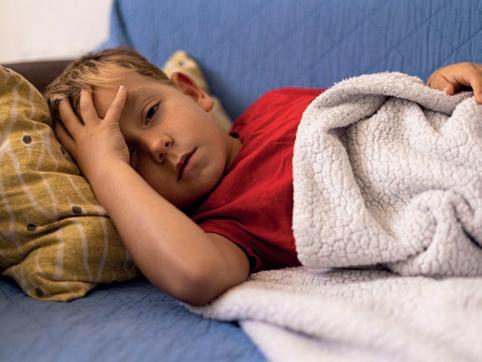
Heat can affect organs and their functions, which can have serious consequences for health. In high temperatures, the body tries to cool itself down to 37 °C, which means the heart has to work harder. Dehydration can affect the kidneys, while circulatory disorders can affect the brain. Consequences can include headaches, drowsiness and a general lack of mental and physical wellbeing. Heat waves can pose health risks, especially for people with preexisting conditions.
Watch out for signs of overheating:
• elevated body temperature or fever
• severe headache
Why are children and families particularly at risk?
vomiting
drowsiness
• cold sweated skin
Immediately move your child out of the sun to a cool place. Try to cool down with wet cloths and get to drink as much as possible. If you find 2 or more of these symptoms, call a doctor or emergency.
Children, and especially infants, are more susceptable to the effects of heat. Their small bodies heat up more quickly and they are less able to cool off by sweating. Although they need more fluids, they often need encouragement to drink more. In addition, signs of dehydration are more difficult to recognize in children than in adults. Women who are pregnant or breastfeeding also need to drink more liquids.
Children‘s skin is much more sensitive than that of adults. As they enjoy playing outdoors, they need to be particularly well protected from sunstroke and harmful UV radiation.
What can we do?
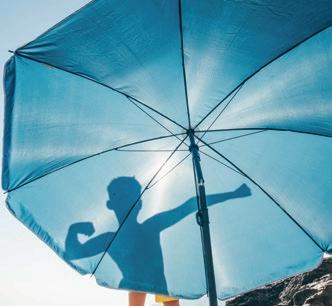
Stay in the shade
• Shift physical activity to the early morning and late evening hours
• Stay in cool rooms or in the shade during the hottest part of the day
• Never expose babies to direct sunlight
• Wear loose head/neck coverings, lightweight and loose-fitting, light colored clothing, and protect the eyes with sunglasses
• Cover exposed skin with sun protection and reapply after playing in the water
• Never leave children in a parked car (even with the windows open), as it can quickly become dangerously hot
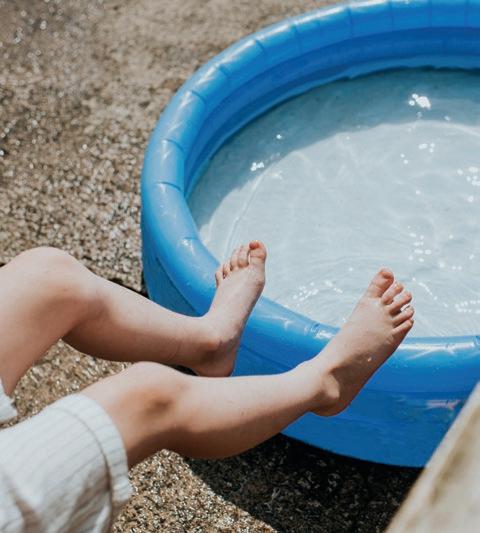
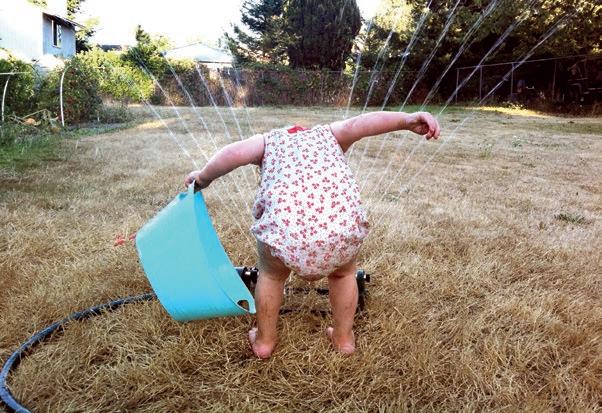
• Swimming pools and water playgrounds offer a pleasant way to cool off
• Wet head and hair to prevent sunstroke
How to tell if your baby or toddler is too hot or too cold:
Feel the skin between their shoulder blades below their neck – it should feel warm but not sweaty. Watch for other signs of overheating.
Find out when it will be hot, e.g. via National Weather Service‘s heat warning map
or
MyWorldWeather
Keep your home cool
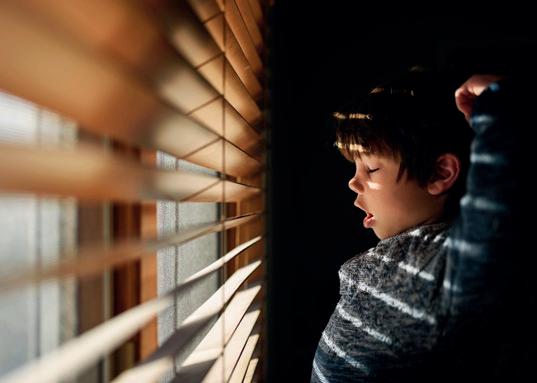
Keep windows, blinds and curtains closed during the day
Use external roller blinds or shutters where possible, or alternatively install sun protection film on the windows
Ventilate when the air has cooled down, i.e. at night and early in the morning
Use fans to create a cooling breeze and put a glass full of ice cubes in front of it
Let babies and toddlers sleep in the coolest place in the home
A thin cotton sleeping bag or pyjamas are suitable for babies to sleep in, and a duvet cover or cloth as a blanket is suitable for children aged 1 year and older
Promote greening of roofs, house walls and gardens together with neighbours or landlords and apply for subsidies from local authorities
If you own your own home: avoid unnecessary sealing of surfaces
Drinking and nutrition
The recommended amount of fluid intake for children between 1 and 7 years of age under normal conditions is at least 800-1000 ml/day.
If the temperature is above 30 degrees, your child may need to drink twice or even three times as much.
Doctor`s tip: Look for regular excretion of light-coloured urine.
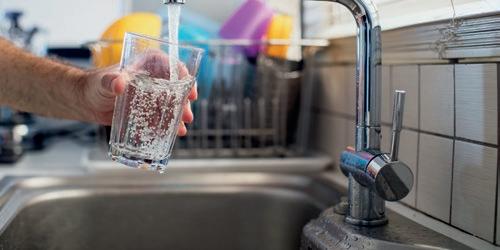
Drink plenty and regularly: water, with lemon or cucumber, alternatively unsweetened herbal or fruit teas
Offer children extra fluids and remind them to drink something every hour
Offer drinks that are slightly chilled, but not ice-cold
Always carry a refillable water bottle with you Breastfeeding is sufficient even at high temperatures, if babies are breastfed more frequently according to their needs
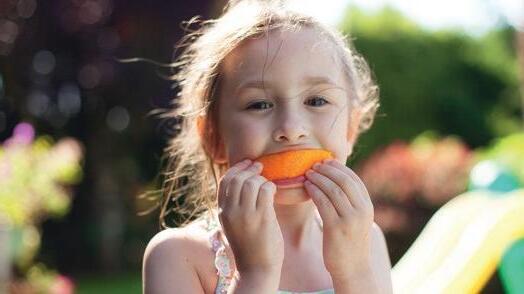
Offer light, cool meals such as cold soups and foods with a high water content such as fruit, vegetables and salad.
Rather than having three large meals, try having several small meals.
Eat less protein-rich foods – meat, fish and dairy products as well as nuts and legumes, as these increase body heat even further.
Offer children water-based ice lollies with less sugar, such as homemade ice lollies made from unsweetened fruit juice.
In addition:
If you have a child with chronic illness, speak to your paediatrician about adjusting medication during heatwaves. Fever and headaches in children can be signs of sunstroke or severe heat stress. If in doubt, contact your paediatrician.
Keep an eye out for other people in need of help, such as elderly or homeless people, and outdoor workers.
Doctor`s tip:
Avoid harmful substances in sunscreen by using e.g. the CodeCheck App or by asking your paediatrician about suitable products.
Further information on sun protection for children: https://bit.ly/sunprotection_ children
Who are the KlimaDocs?
KlimaDocs are an international network of medical professionals and public health workers who want to improve their patient´s and people´s health by empowering them for climate action. KlimaDocs educate people about how closely our health and the climate are linked and provide simple tips on how to protect both.
A sustainable lifestyle means an improvement in health and quality of life – for us, our fellow human beings and all generations to come. Would you like to know more about health and climate protection? Contact us or visit our website.
Scan this for the PDF version of the brochure
Publisher: KlimaDocs e.V.
Contributors: The Federal Institute of Public Health (Bundesinstitut für Öffentliche Gesundheit) | German Alliance on Climate Change and Health (Deutsche Allianz Klimawandel und Gesundheit) | Association of Child and Adolescent Physicians (Berufsverband der Kinder- und Jugendärzt:Innen)
Note: The organizations listed above contributed to the development of this brochure. Logos have been omitted in this version and replaced by this acknowledgment