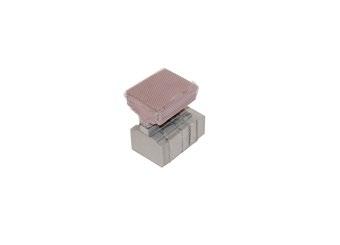
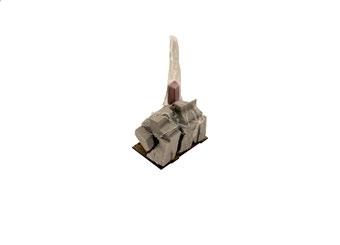
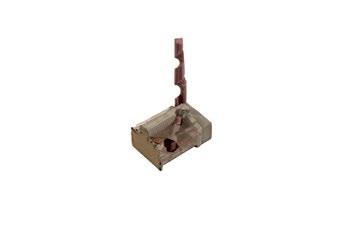
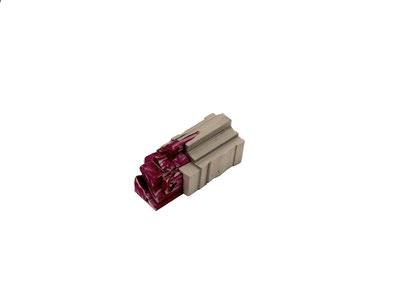
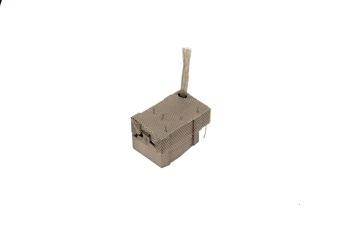
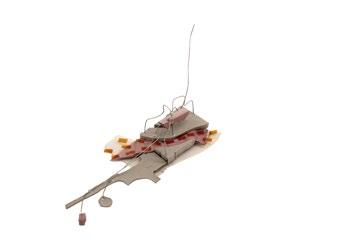
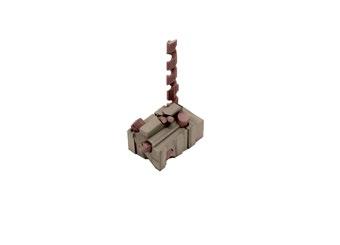
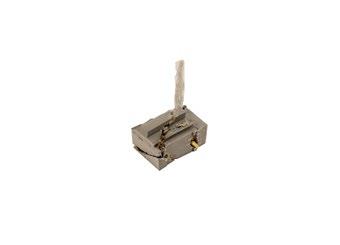
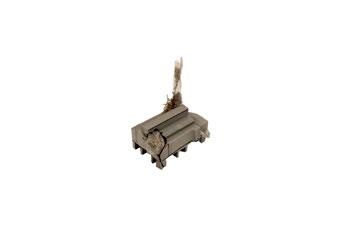
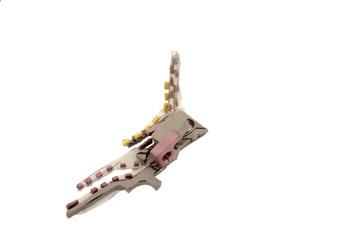
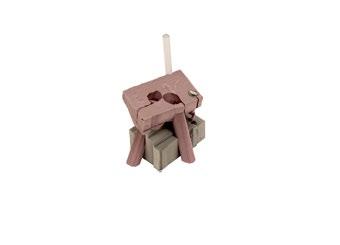
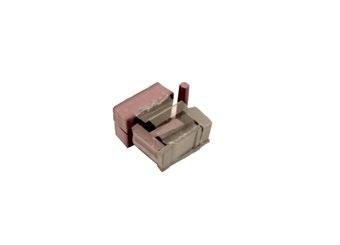
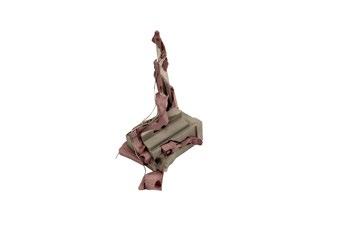
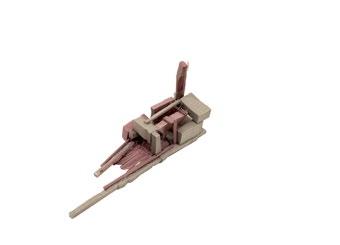
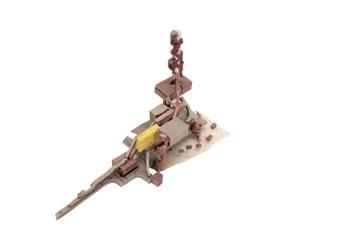
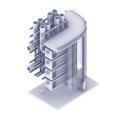
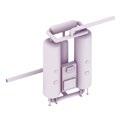
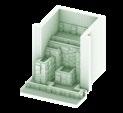
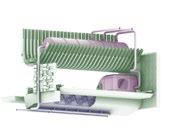
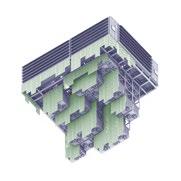
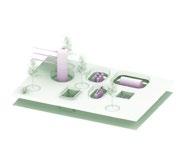
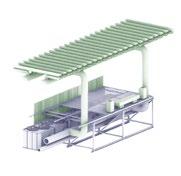
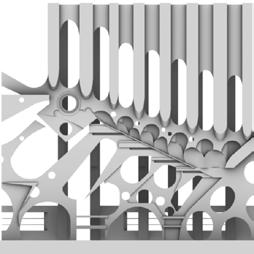
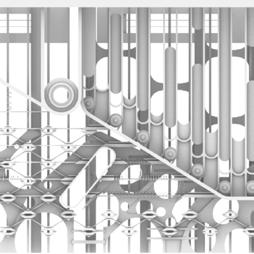
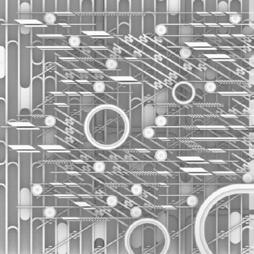
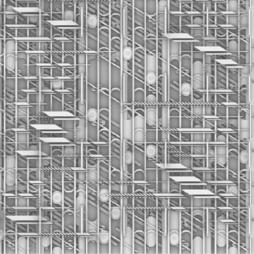
Architecture is approached here as a medium of sensation and symbolism beyond structure or function. Infrastructural poetics reframes systems as more than technical frameworks, instead treating them as carriers of rhythm and atmosphere through material transformation, repetition, and generative geometry. Each work arises at the intersections of art and engineering, memory and ecology, the digital and the hand-drawn, forming a layered architectural language shaped by experimentation, iteration, and coexistence.
Robotic Hatchery 01
Spring 2025, Pratt Institute
Academic, Collaborative Work, Partner: Jonathan Lee
Professor: Fabian Llounch
Automatic Robotic System + Billion Oyster Project
Location: Brooklyn Army Terminal, Brooklyn, New York
Software: Rhino + Vray + Adobe Suite
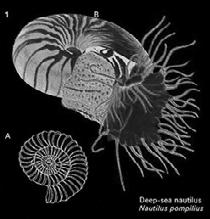
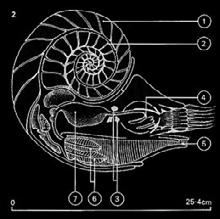
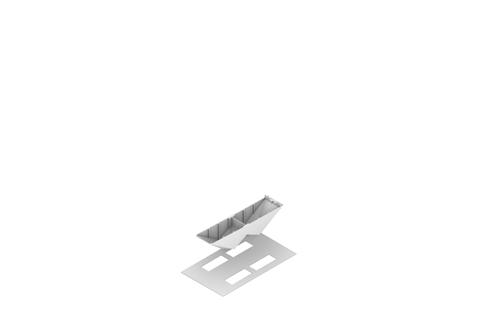
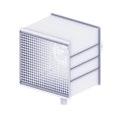
Deep Sea Nautilus Diagrams showing external shell and internal chambered anatomy
How should architecture be designed for new oyster farming infrastructure?
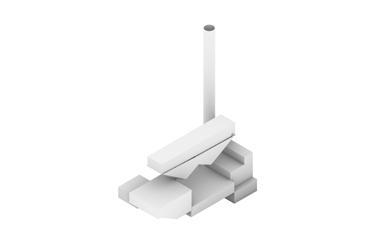
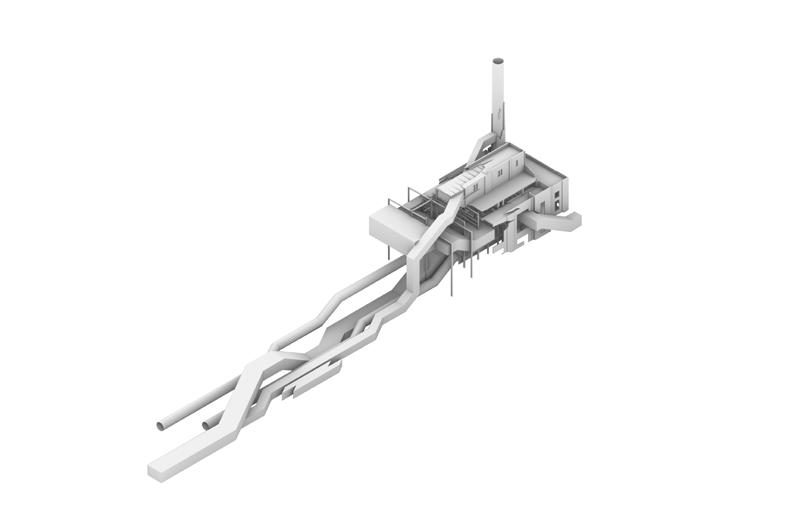
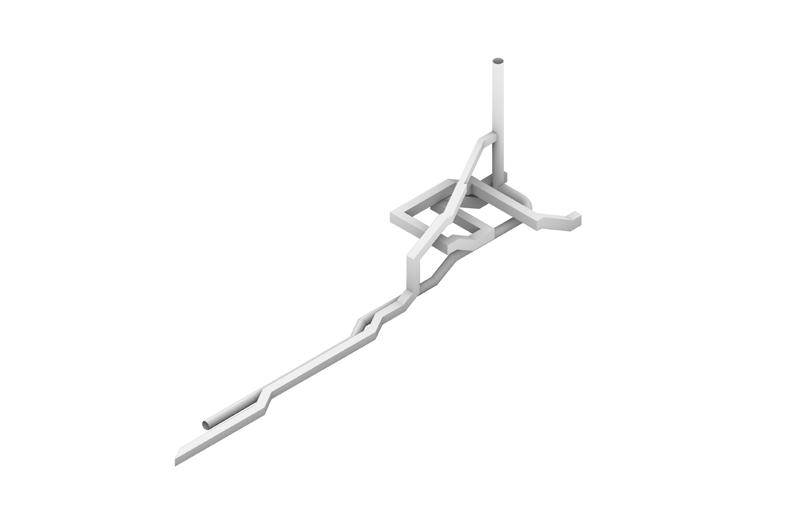
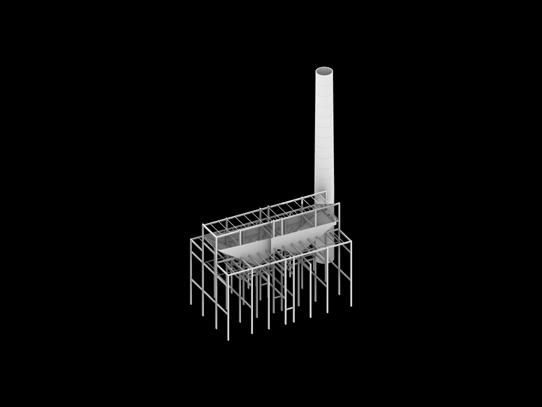
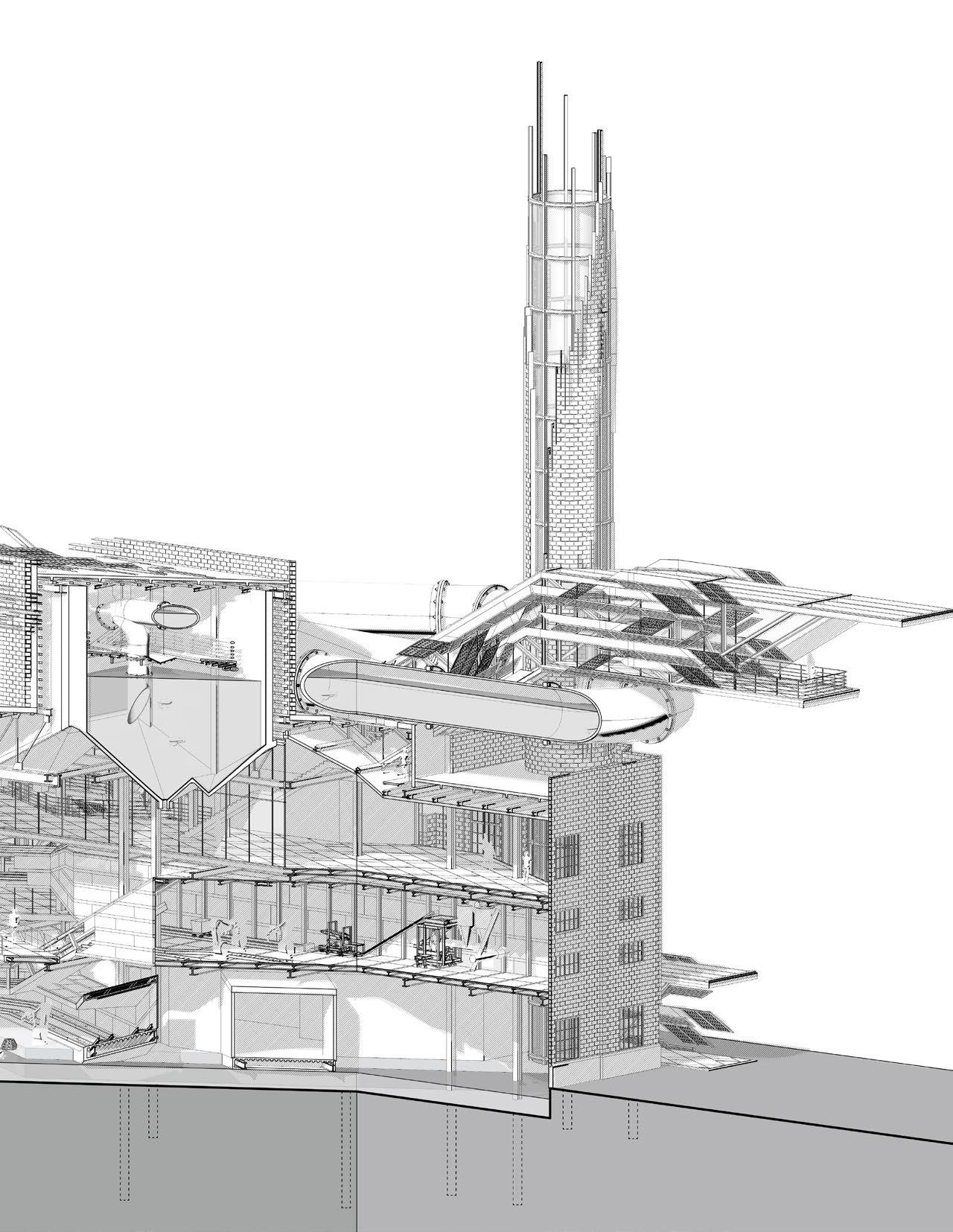
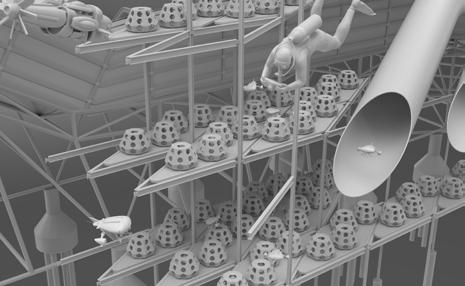
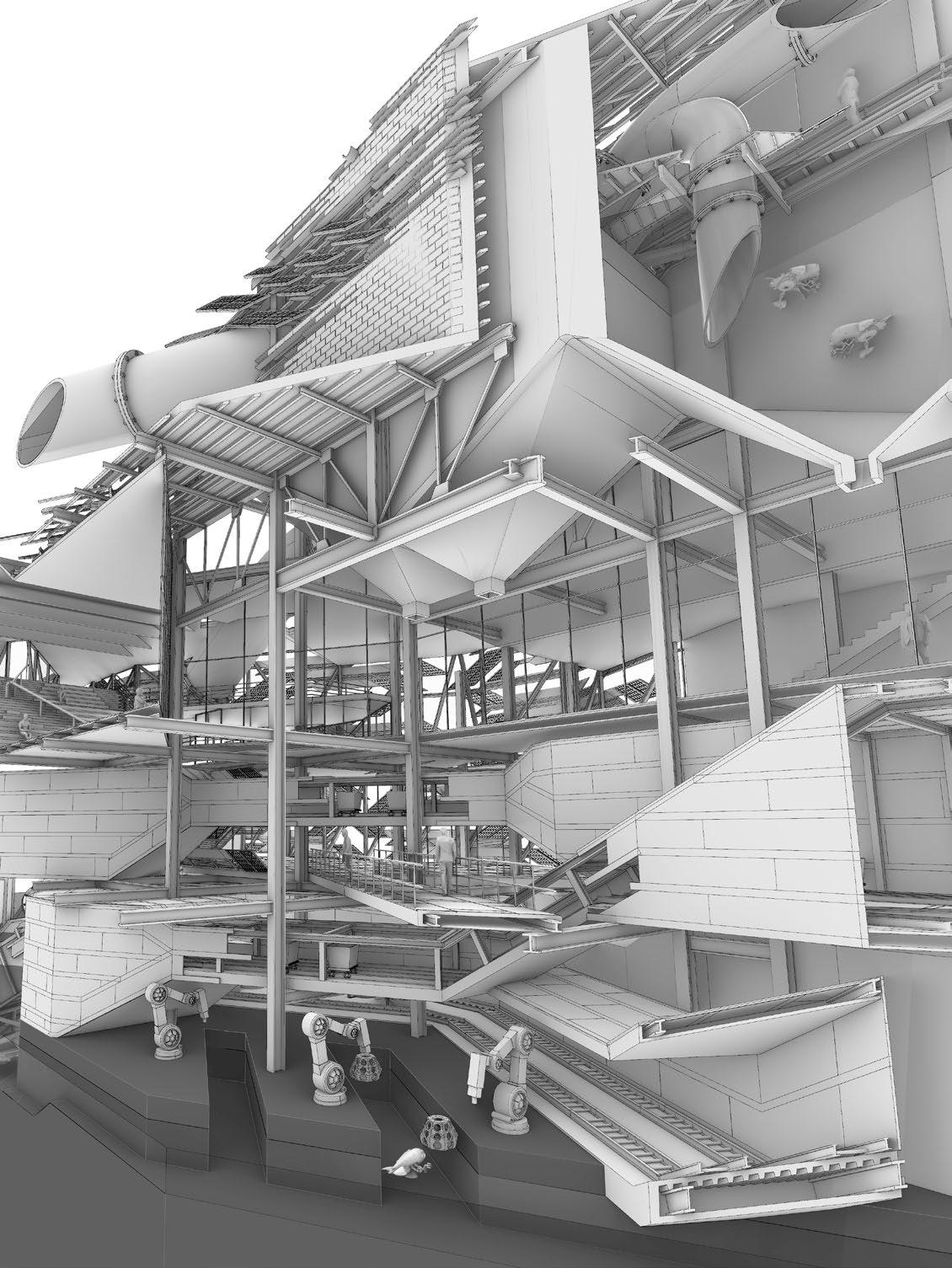
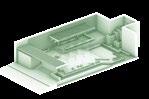
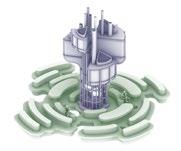
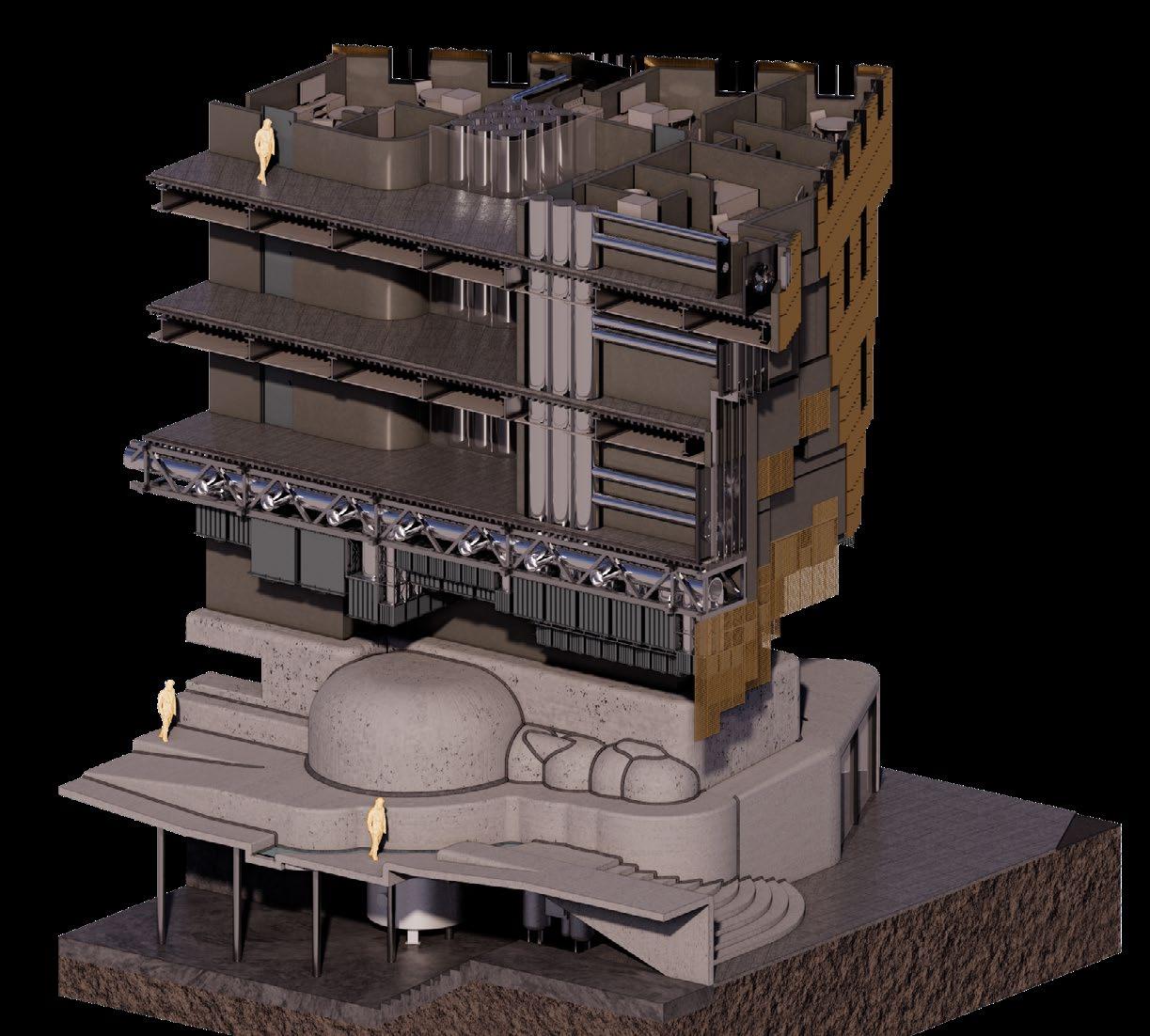
This project encompasses infrastructure for automated oyster farming, reef production and maintenance, as well as public programs for education. Based on biological metaphors, we approached the design with a systems-thinking mindset rooted in scalable and selfsustaining biological processes.
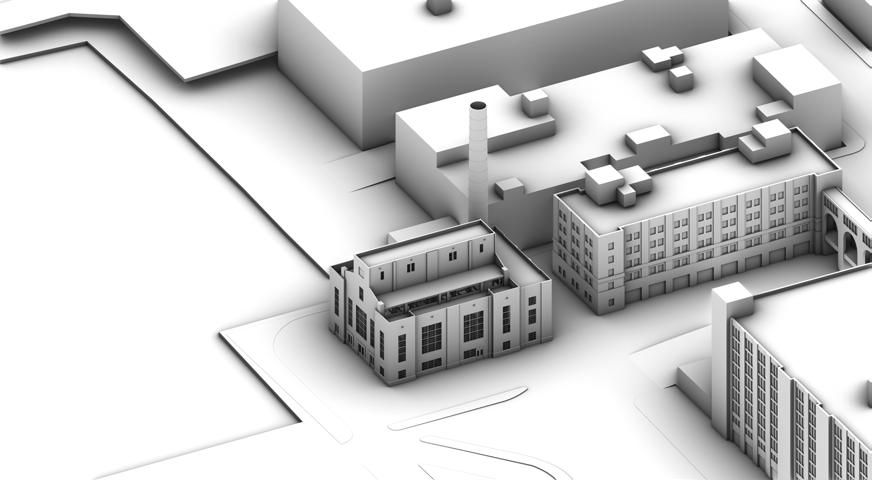
Functioning as a local landmark, the building operates like a living organism—grafted onto existing structures and adapting to its surrounding environment.
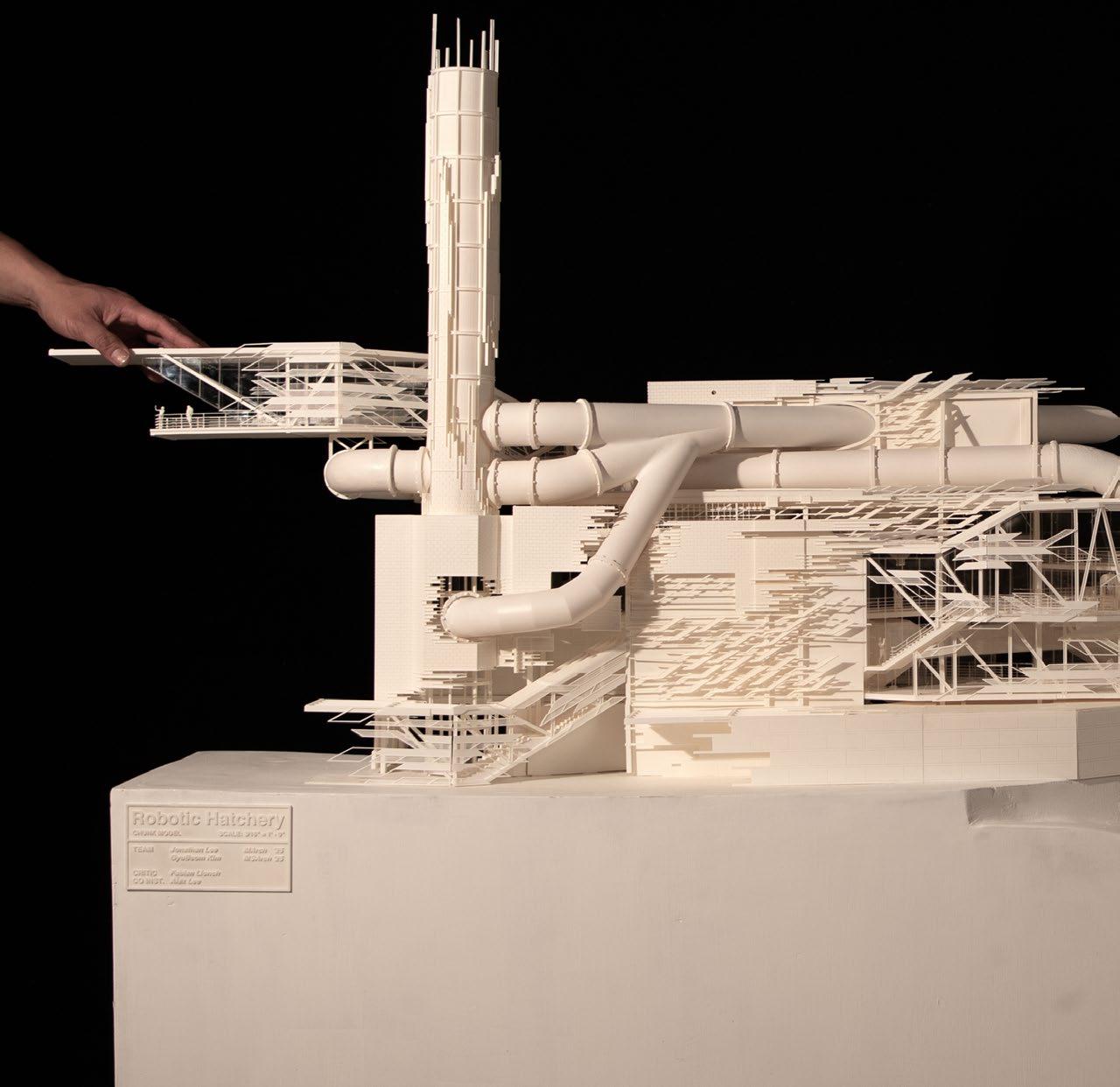
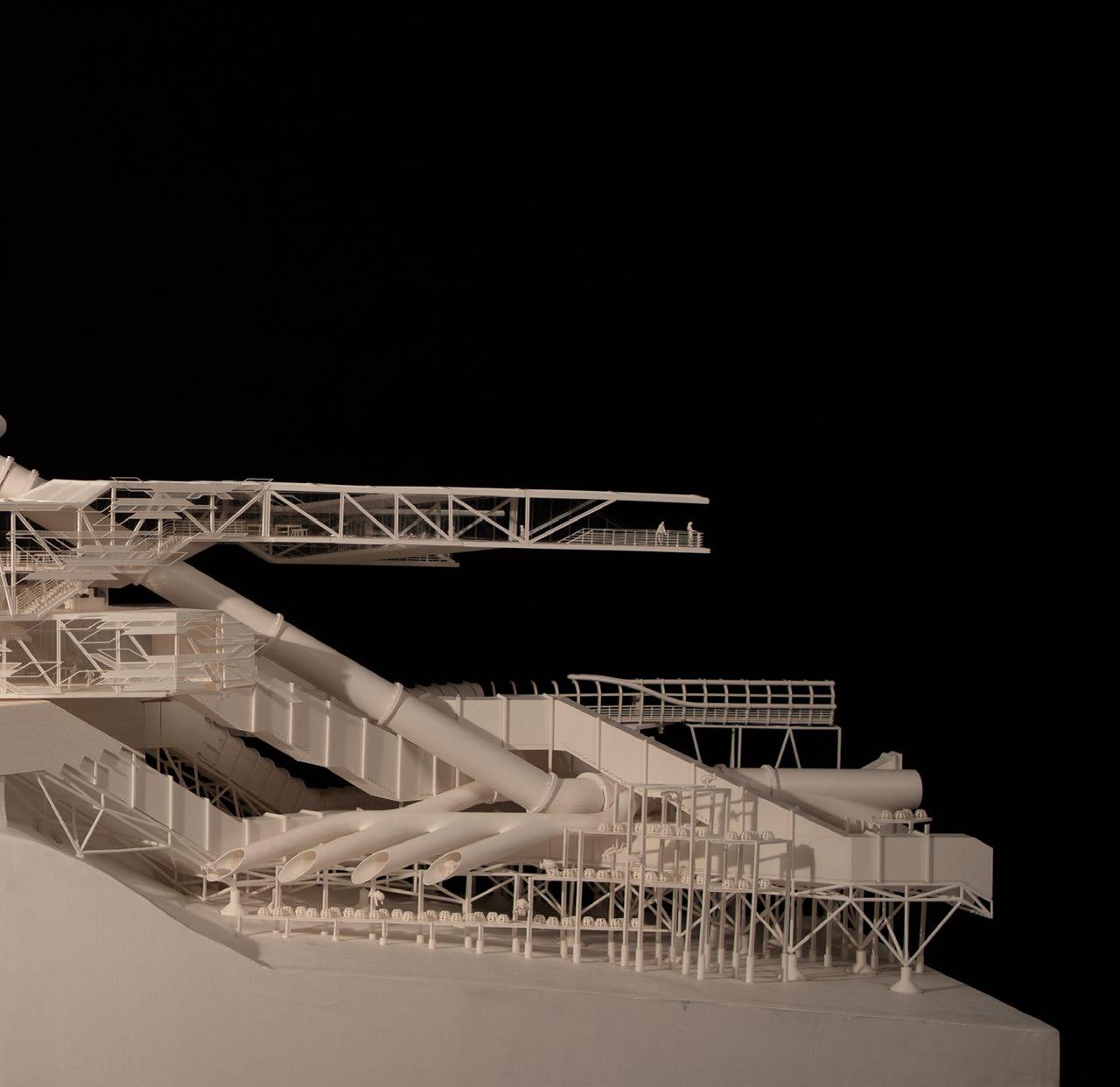
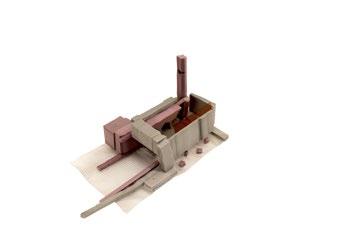
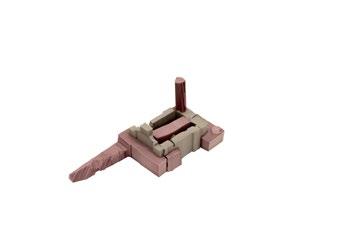
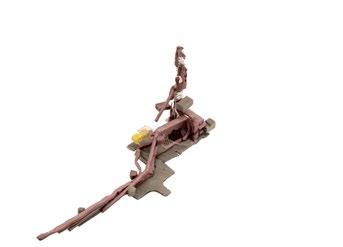
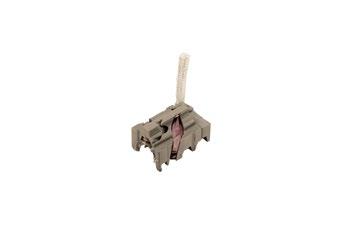
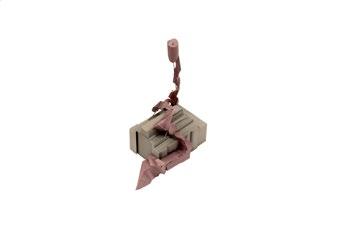
3/16”=1’-0” Physical Model
Airbrushed PLA, UV Resin, PVC, Cast Acrylic, Plywood, Framing Lumber, HDU, 25” x 74” x 50”
Selected for 2025 Pratt Show Archived at Pratt Institute School of Architecture
For
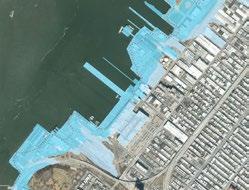
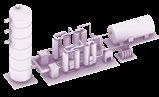
This project focuses on oyster cultivation as a means of water purification. Research at both local and global scales shows that climate change and sea level rise are driving marine pollution. Building on the Billion Oyster Project, the site is proposed as a testing ground for an automated, globally adaptable purification system.
ADDED AQUA ROBOTICS PROGRAM
GIVEN
EARLY ED. ROBOTICS PROG. VENTURE CAPITAL BILLION OYSTER PROJECT
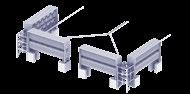
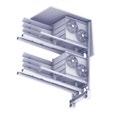
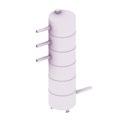
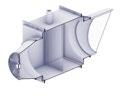
The taxonomy diagram, integrated with the bug models, illustrates the flow of thought from site, building, and program research to the identification of issues, potentials, and design solutions. On the left, the 24 bug models represent iterations of program, building conditions, and design ideas, which converge into a cohesive narrative. This narrative unfolds into program organization, design language, and the relationship between people and infrastructure, ultimately extending beyond function and renovation toward metaphor, symbolism, and the role of the building as a landmark.
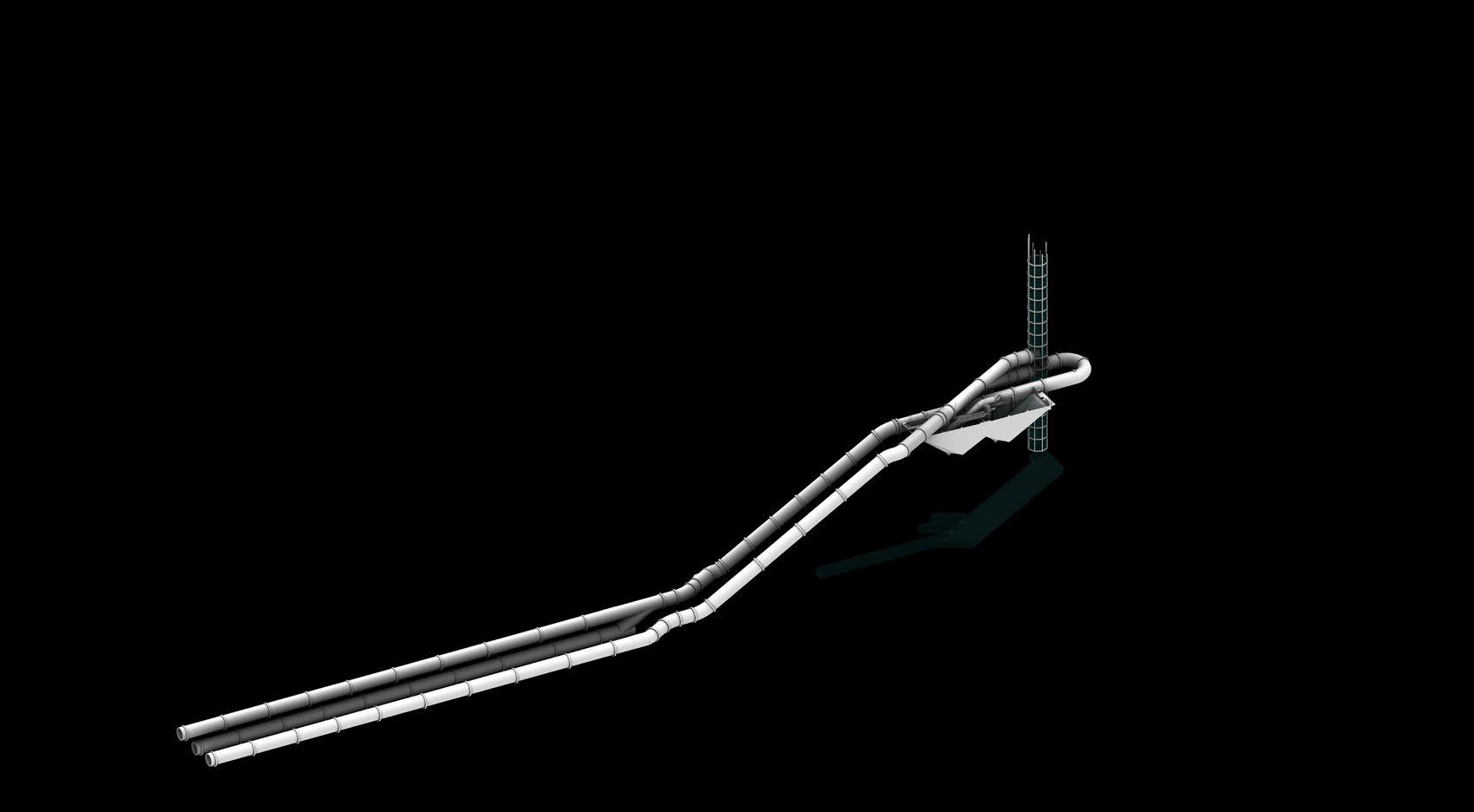
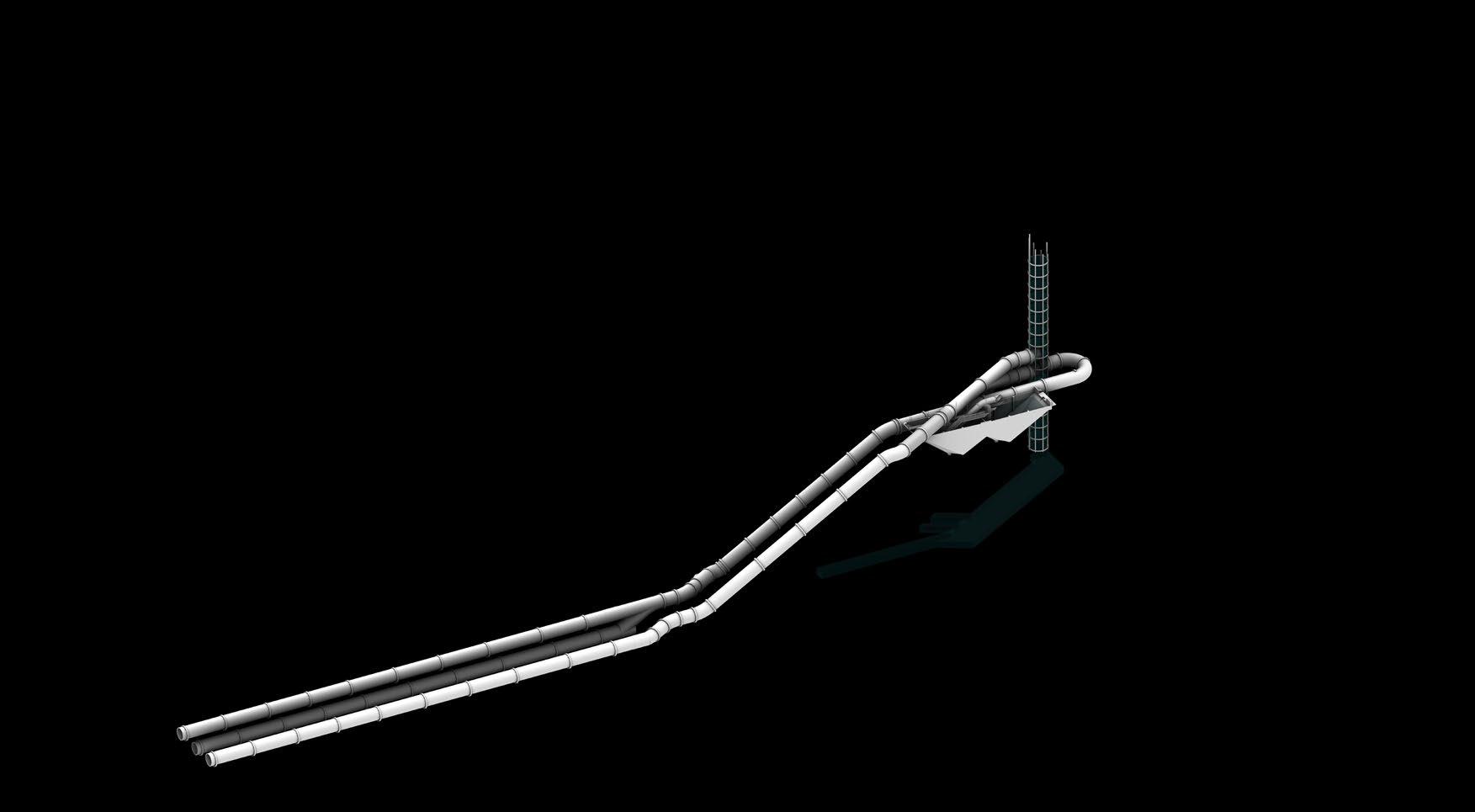
Isolated Water Testing Deep Water Testing Conveyer Pipe
Oyster Shell Grinding
Oyster Reef Fabricating
Oyster Reef Propagating Storage / Water Pump
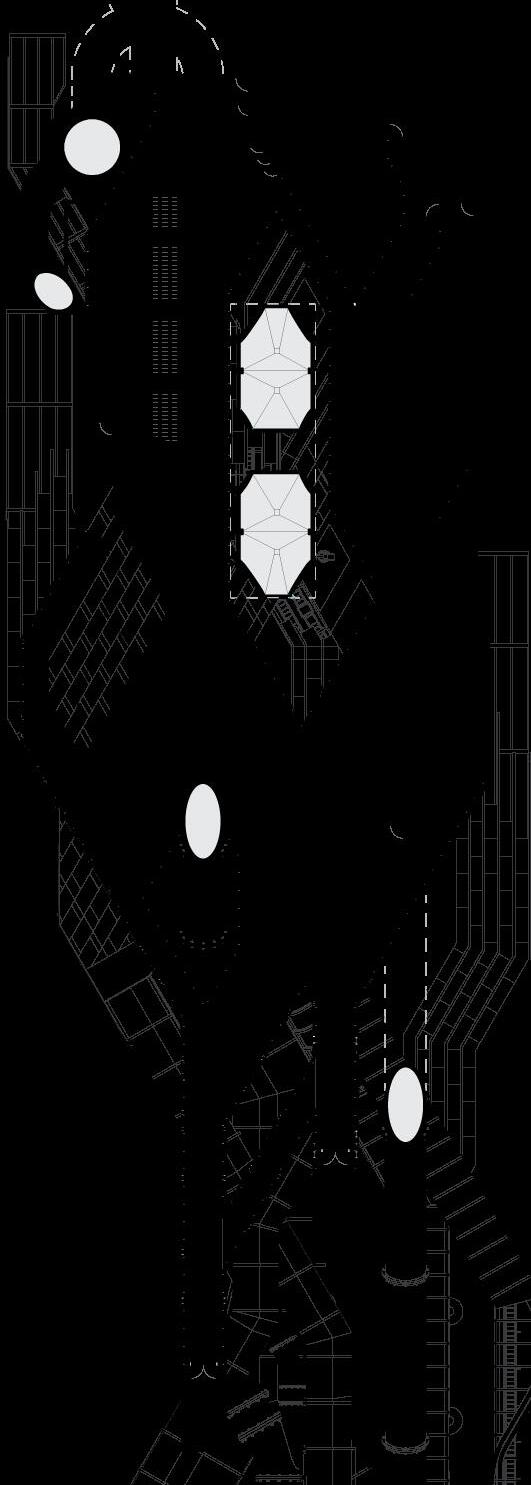
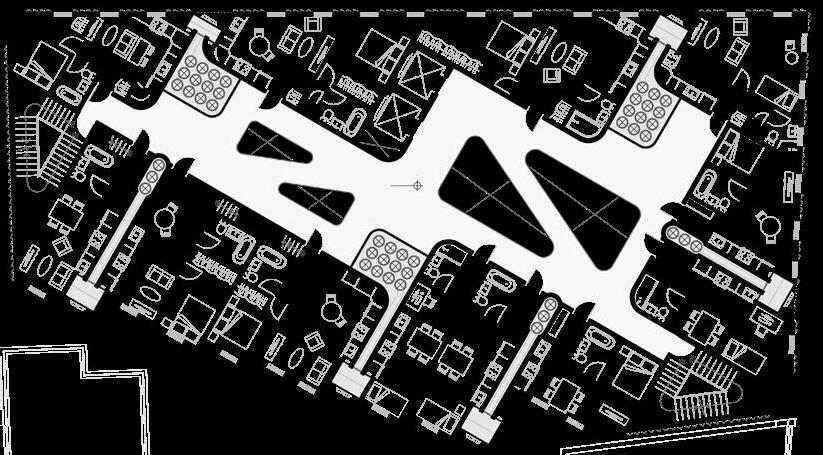
3rd Floor Plan
Isolated
Deep
Conveying
Community Steps
Observatory Deck
Lounge
Cafe
Office
Open Education Space
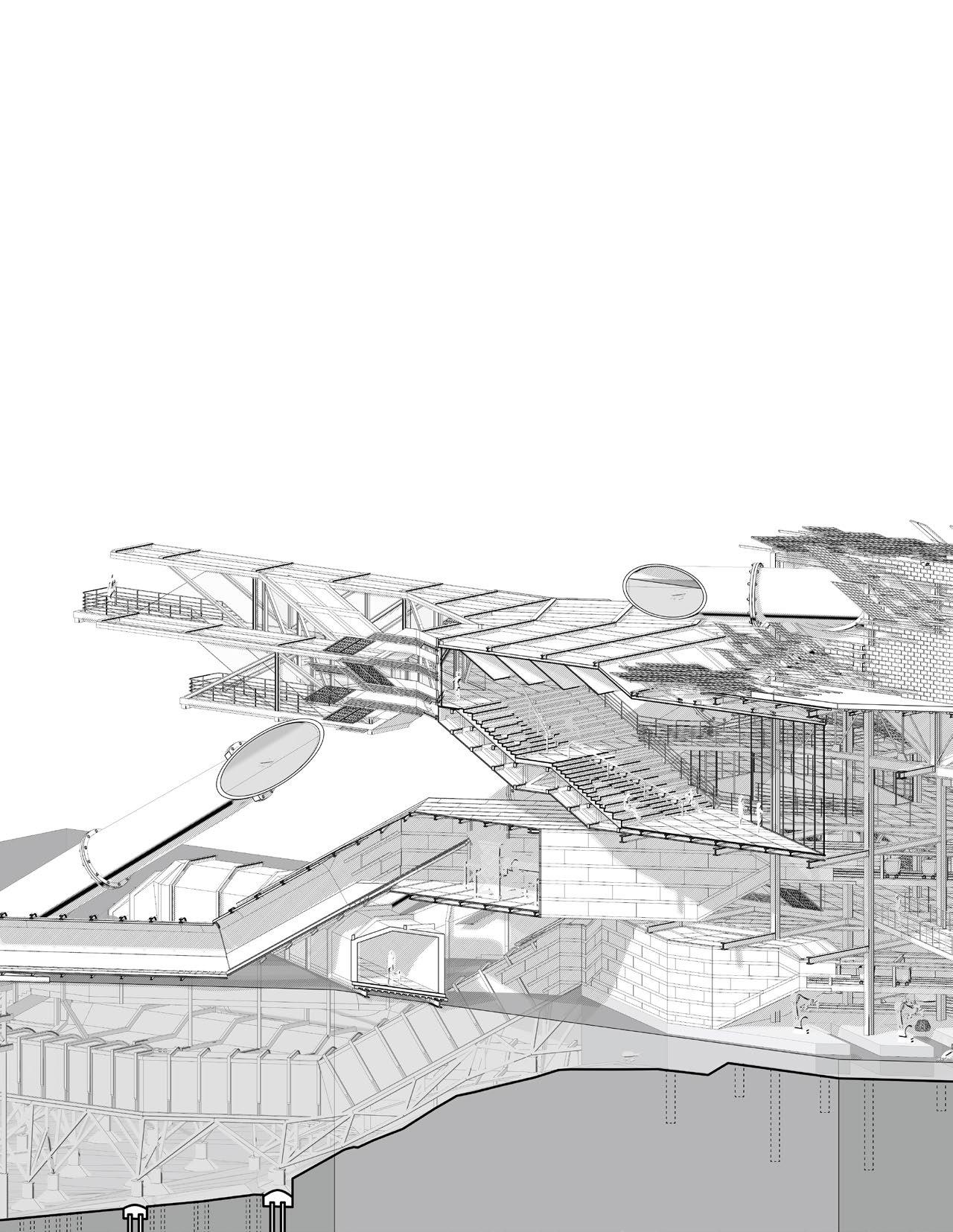
The intersection of fabrication technologies, aquarobotic systems, and human-centered spaces generates a new kind of spatial experience distinct from conventional design approaches.
At these points of convergence, automated systems and human environments are intricately interwoven, producing complex spaces where technological precision and sensory engagement coexist.
Perpective View of Underwater
Summer 2025, Pratt Institute
Academic, Individual Work
Professor: Erich Schoenenberger, Alex Tahinos
Program: Hydro-Infrastructure, Mobility Network, Community Center
Location: Coyoacan, Mexico City, Mexico
Software: Rhino + Enscape, D5 + Adobe Suite
Speculative
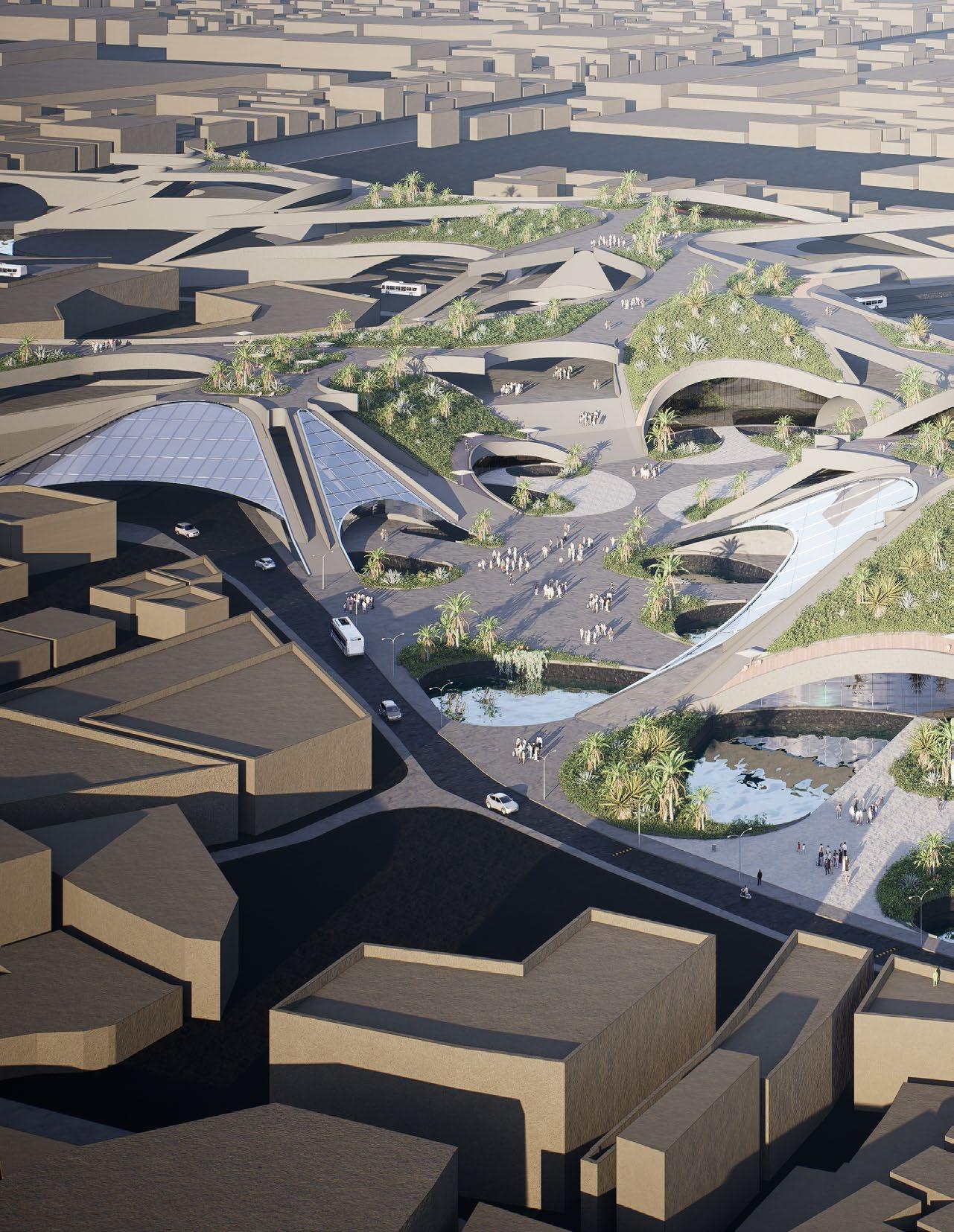
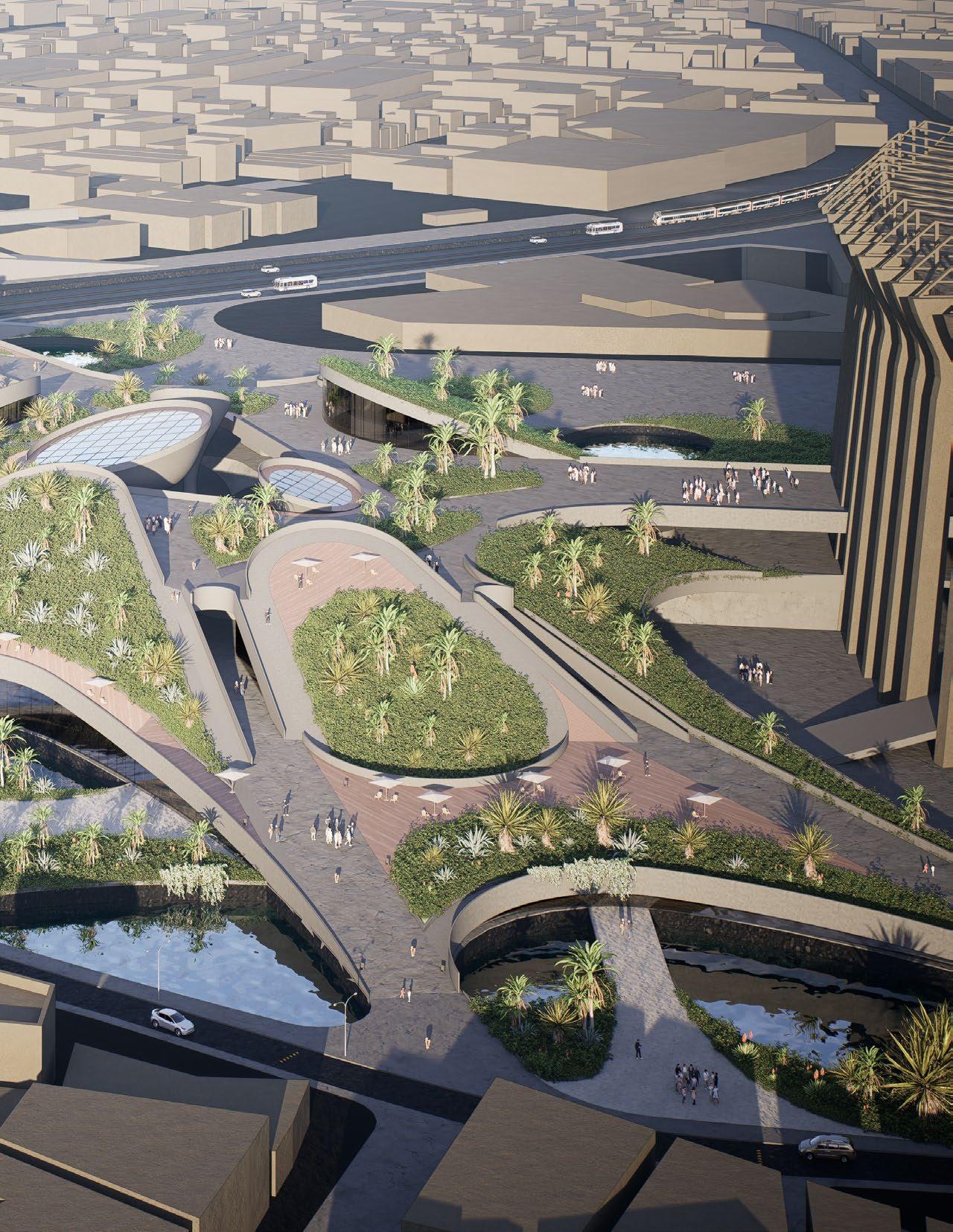
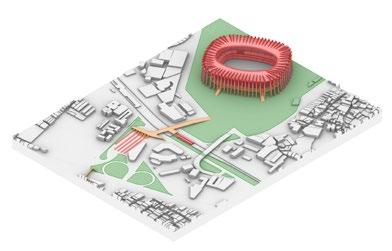
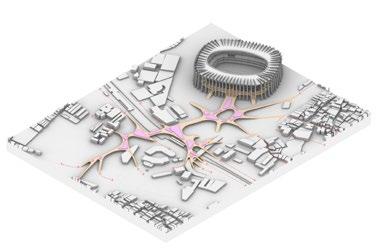
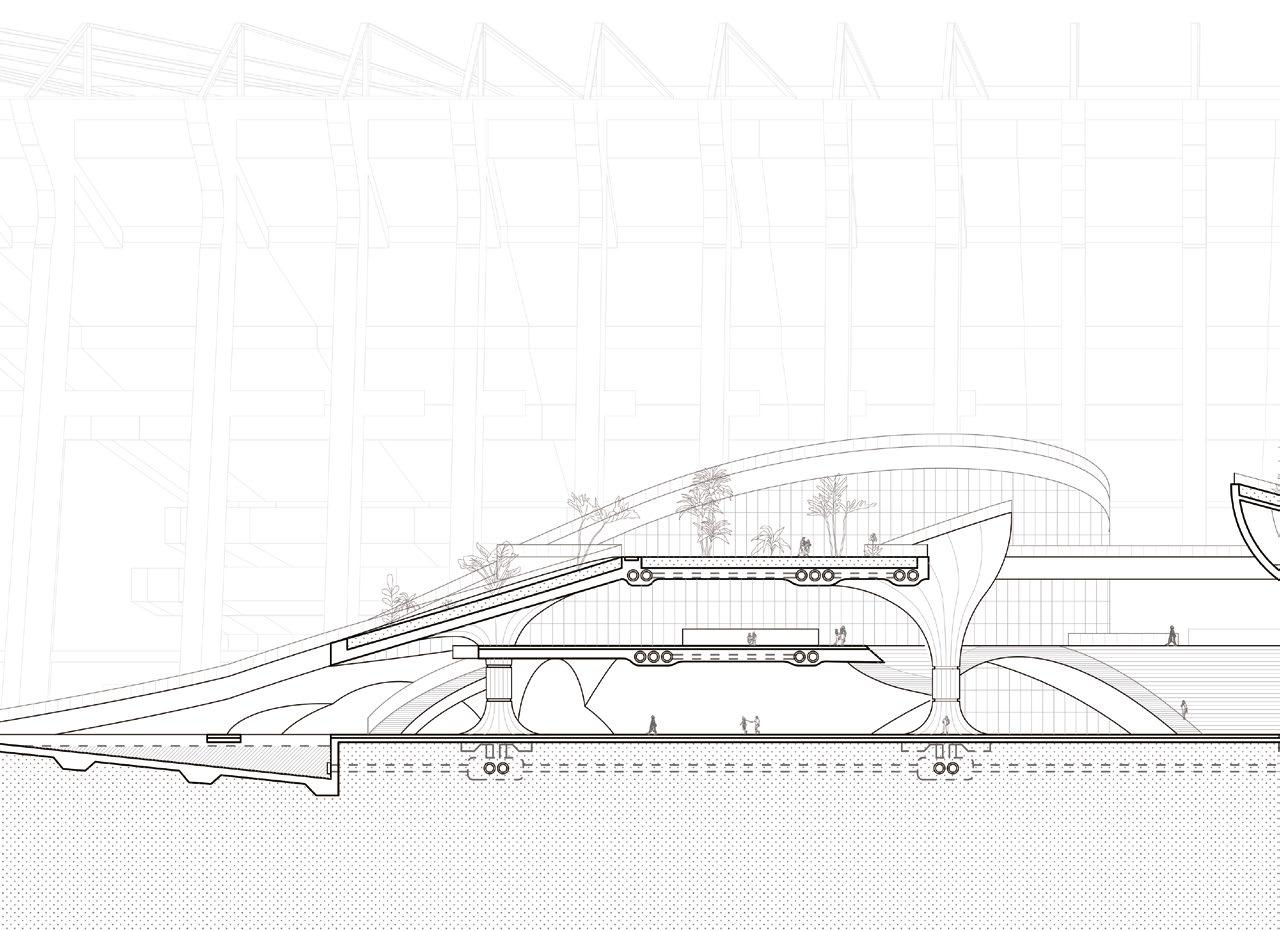
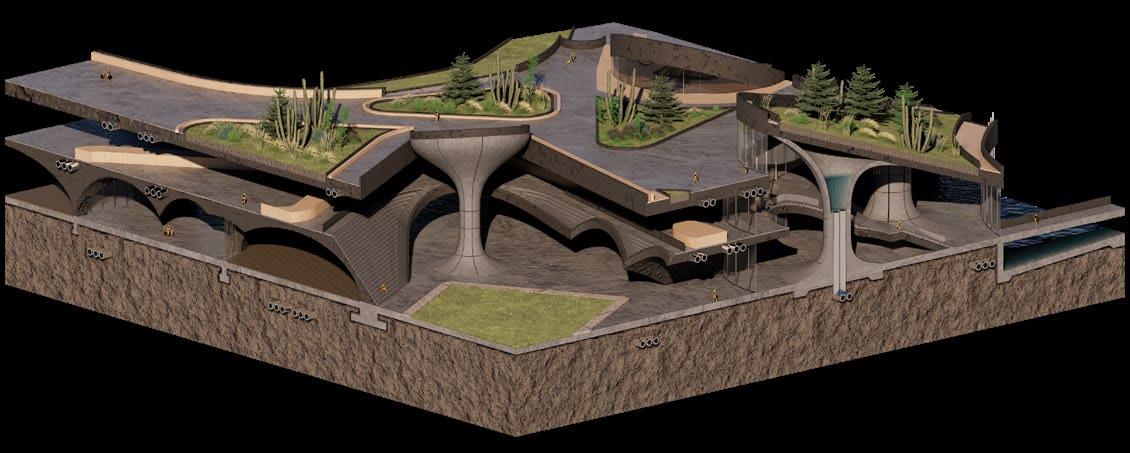
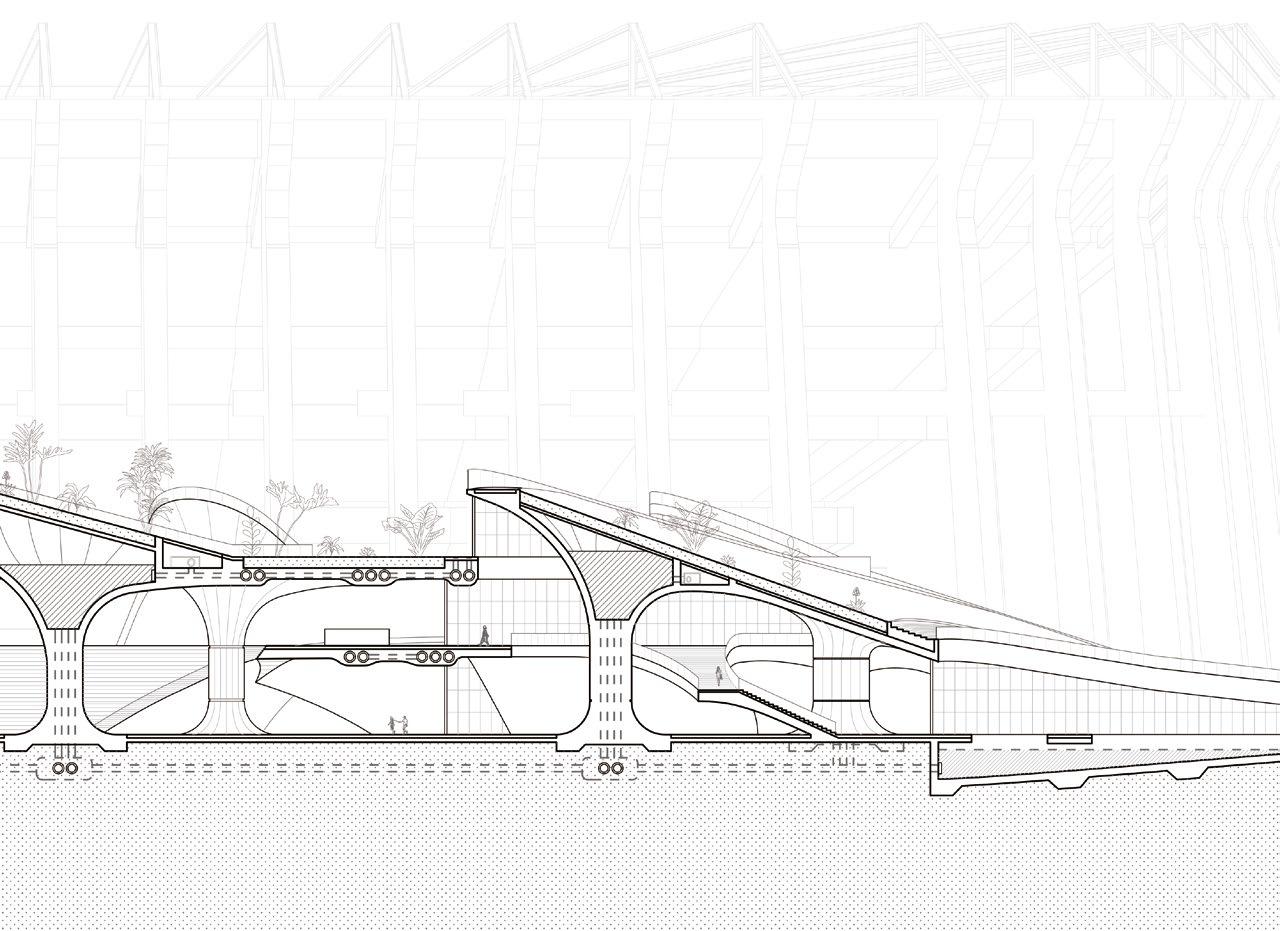
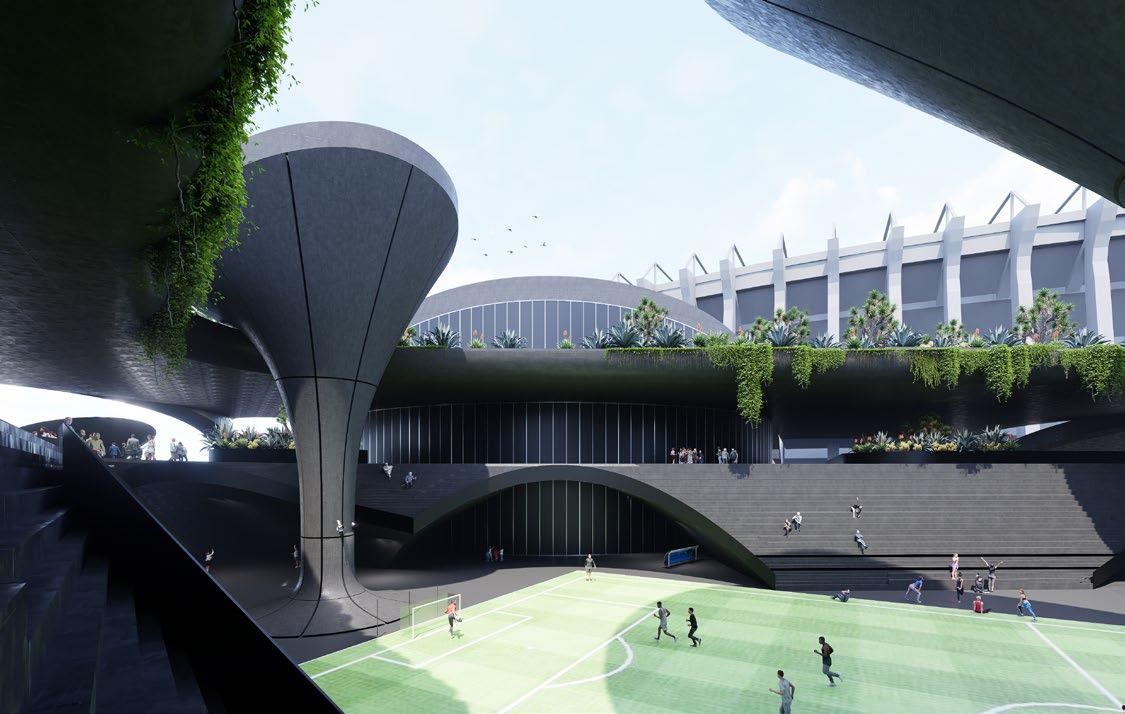
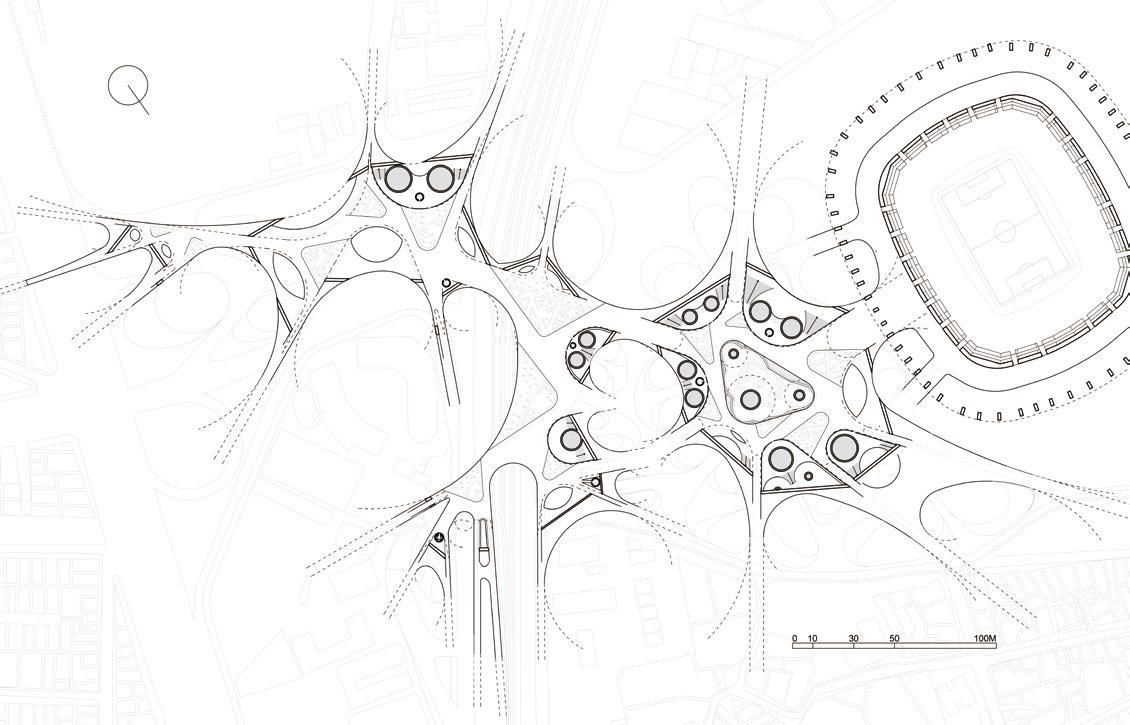
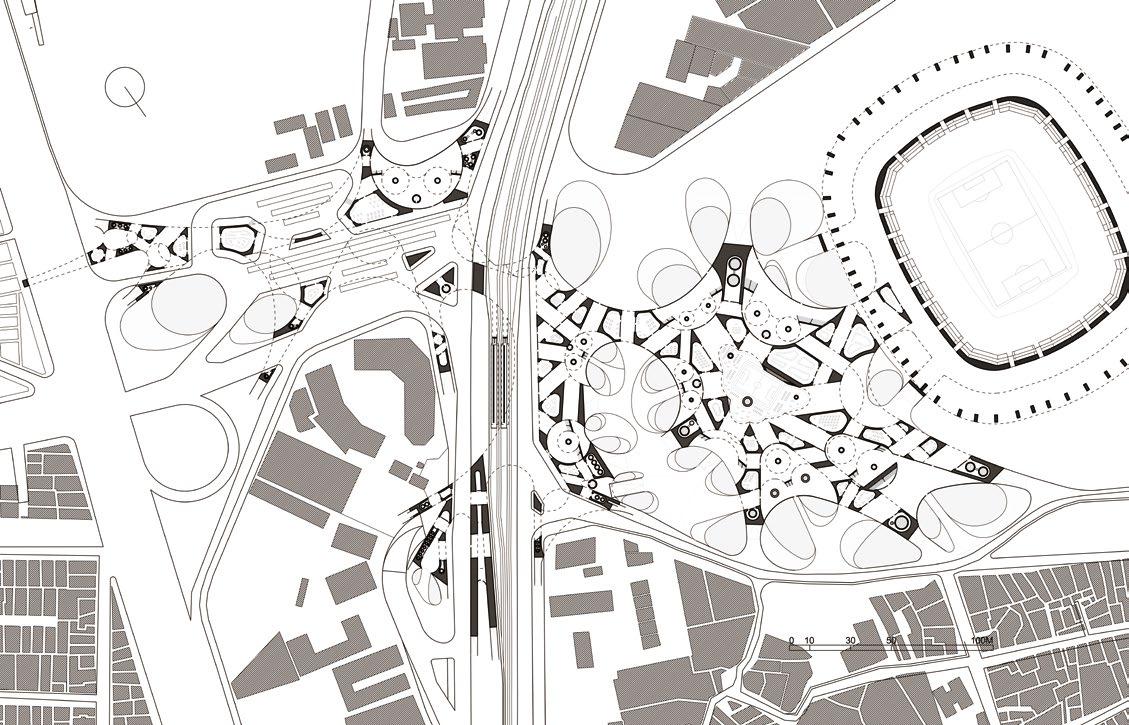
This project is located near the Norte Stadium in Mexico City and speculates on the city’s future conditions before and after large-scale events such as the upcoming World Cup. It addresses the paradoxical challenges of water scarcity and flooding that affect the city, reconnects pedestrian networks fragmented by road infrastructure, and provides new public space. More importantly, through a speculative lens, the project extends beyond problem-solving to propose an experimental framework that reimagines how infrastructure and urban life can generate new possibilities for community activation and resilience.
Arial Perspective View Rhino, D5
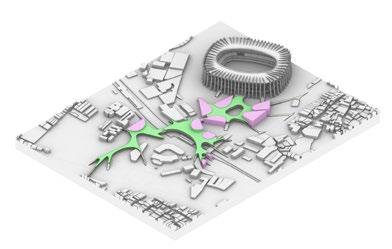
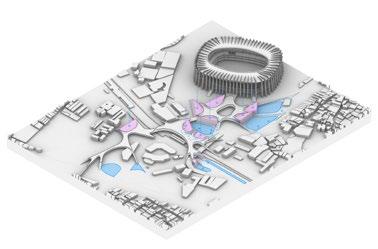
The design connects multiple potential spots across the site, where public programs and an activated pedestrian network form key urban nodes. Simultaneously, rainwater collection and a flood-responsive plaza serve as passive strategies addressing water scarcity and flooding.
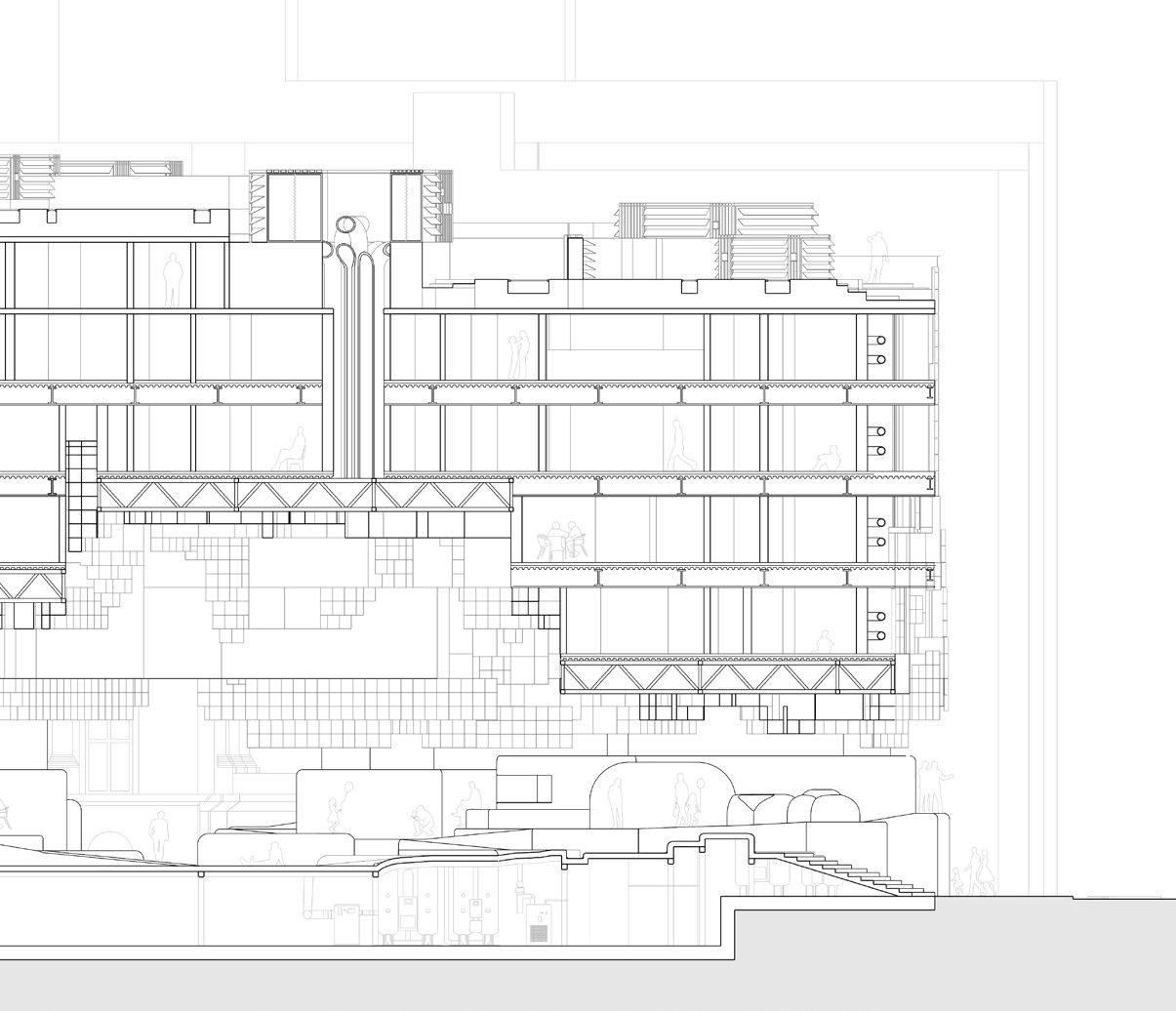
Typical Building Section
2. Pedestrian Network + Vendor Market
4. Flood Responsible Plaza Water-collecting Roof and Walkaways 1. Important Spot & Possibility
3. Enhancing Spots with Roofing and Programs
Station
Land
Community Center
Axonometric Building Section Rhino, Enscape
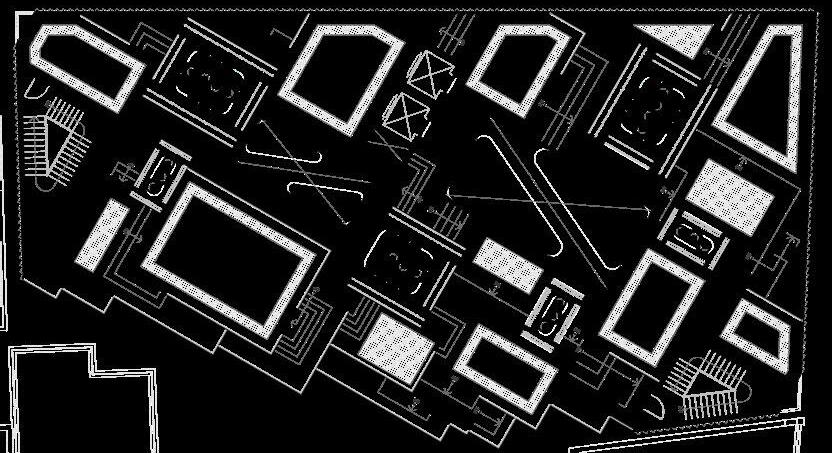
The floor plan integrates water collection, filtration, storage, and distribution while adapting to everyday use, flooding, and large-scale events such as the World Cup. The ground floor not only operates the rain harvesting system but also shifts between functions: a pond during floods, a public park in daily life, and a gathering space during events. The second floor serves primarily as circulation, hosting a vendor market and community space on ordinary days, but can be cleared to accommodate large flows of people during events. In the diagram, contrasting shading highlights differences in occupancy density between daily and event conditions.
Small Stadium Court Yard Rhino, D5
Inhale-Exhale 03
Fall 2024, Pratt Institute
Academic, Individual Work
Professor: Alex Tahinos
Program: Housing, Public Park + CO2 Capturing
Location: 395 Broome St, New York
Software: Rhino + Enscape + Adobe Suite
Arial Axonometiric View of Building Rhino, Enscape, Photoshop
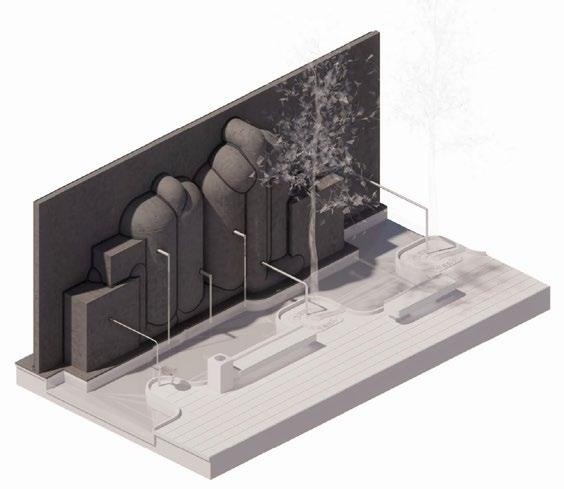
Urban Sampling
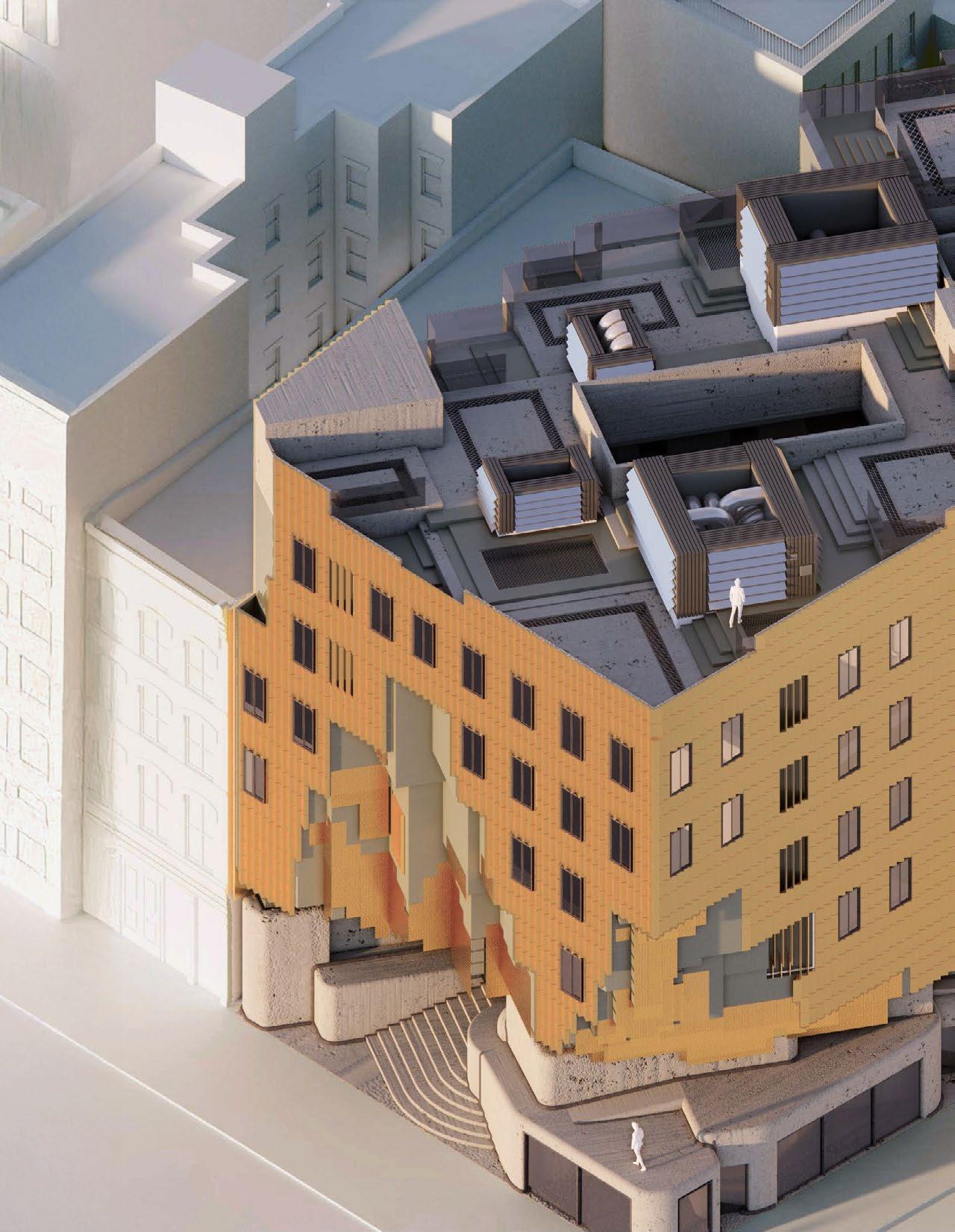
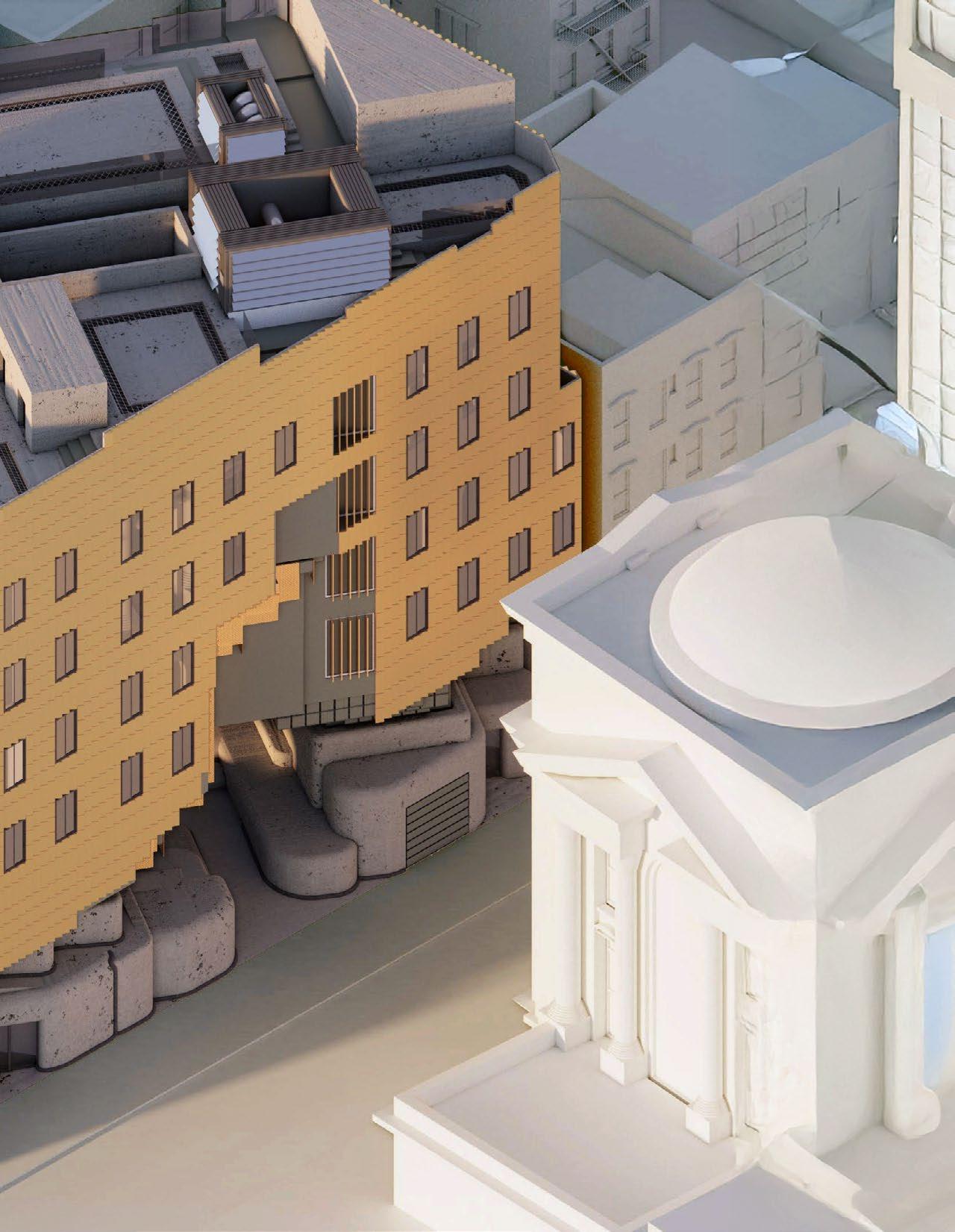
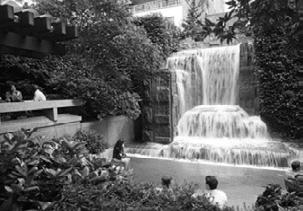
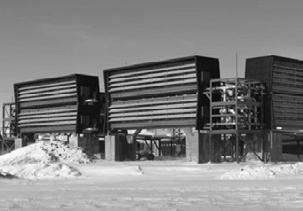
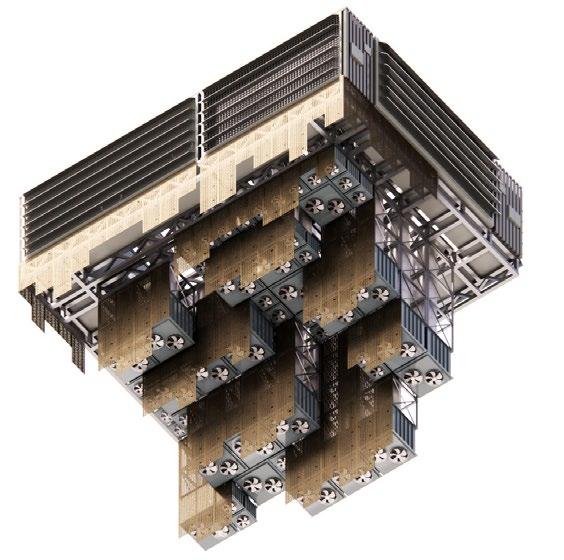
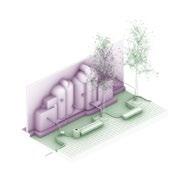
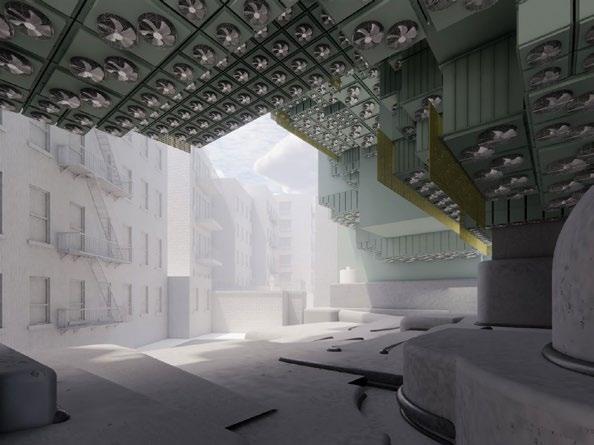
This project explores the integration of CO₂-capturing technology with urban elements such as small parks in New York City. Its goal is to merge futuristic technology with familiar spaces, creating a new architectural experience where past and future intersect. Through this process, the project investigates how emerging technologies can organically embed themselves within the urban environment.
Phase 1: Representation to Hybrid
Through hybrid experimentation, the potential for integrating new technologies with the urban environment both systemically and sculpturally has been explored, and the process has now reached the stage of applying these concepts to architecture. This phase focuses on how hybrid objects can be incorporated into architectural design and their surrounding context. Flexible, Curved
Modular
1. CO2 Capturing System and Park
2. Sectional and Elemental Anatomy
3. Hybrid Objects
Phase 2: Architecturalization
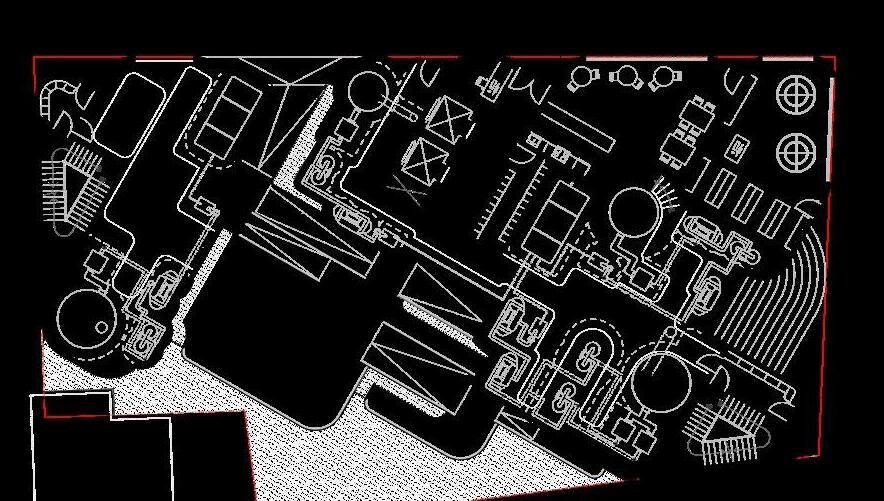
The site is a corner lot previously used as a parking area, with balconies of adjacent buildings facing its rear. Additionally, the windows facing the street emphasize verticality.
Respecting this context, the CO2 Free Park is positioned towards the rear balconies of the site, while the exterior envelope aligns with the vertical rhythm of neighboring windows, creating a contrast with the interior conditions of the building.
Axonometric
Vertical Dynamics 04
Fall 2024, Pratt Institute
Academic, Individual Work
Professor: Fabian Llonch
Proseminar: Skins
Location: 110 Prince St, New York
Software: Midjourney, Rhino, Enscape, Adobe Suite
Phase 1: AI Generative Image
Mid Journey
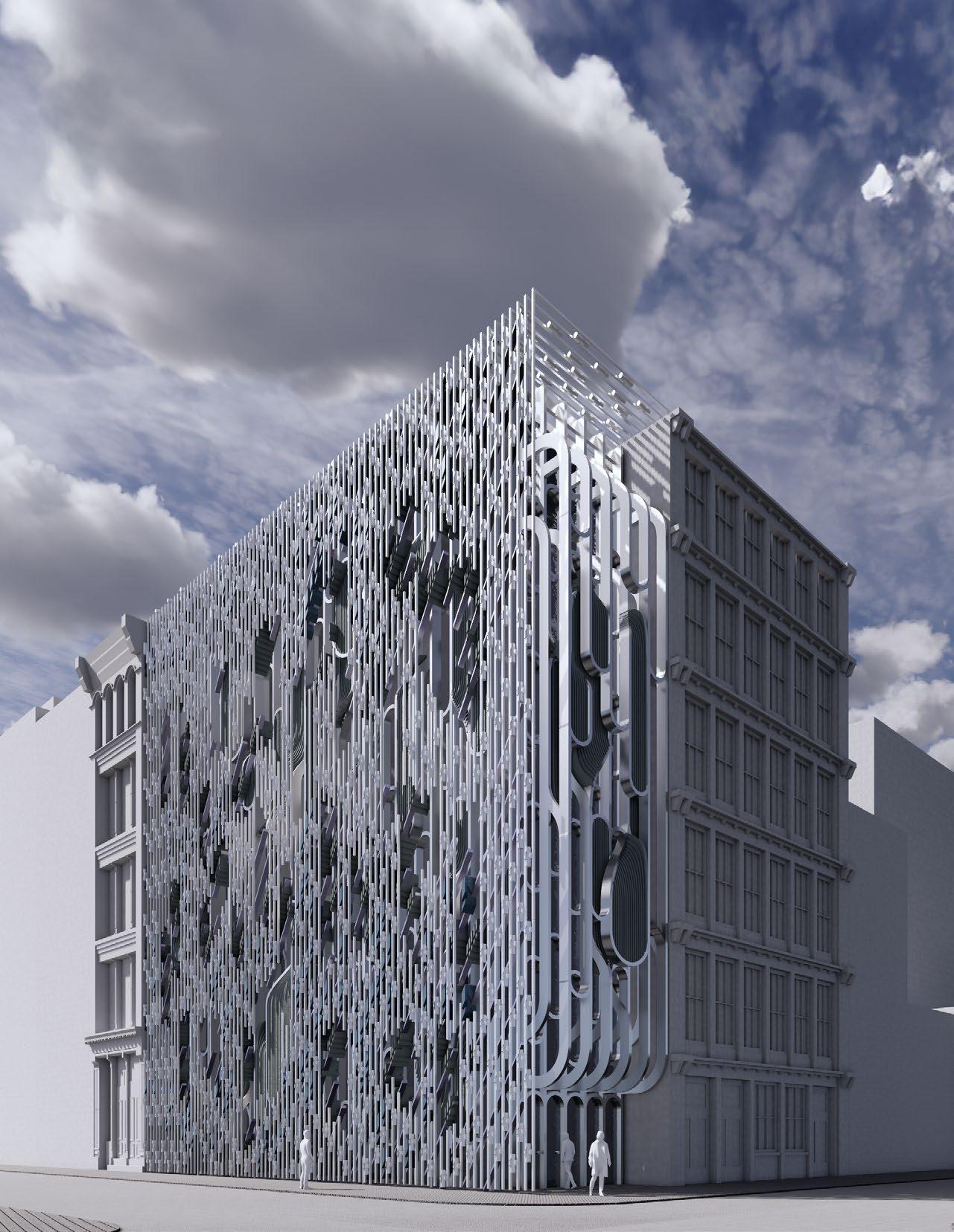
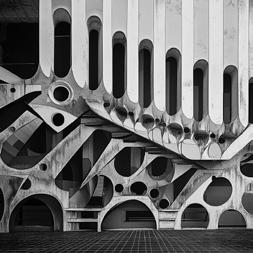
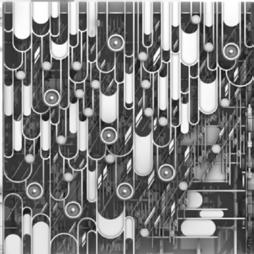
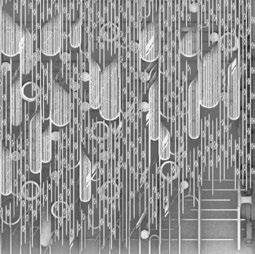
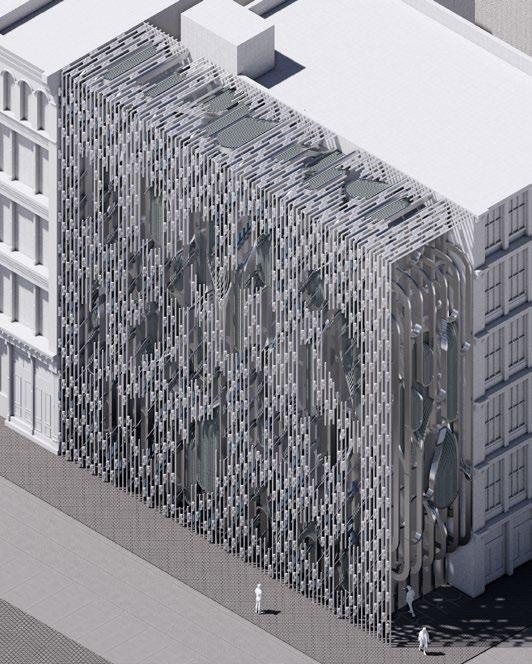
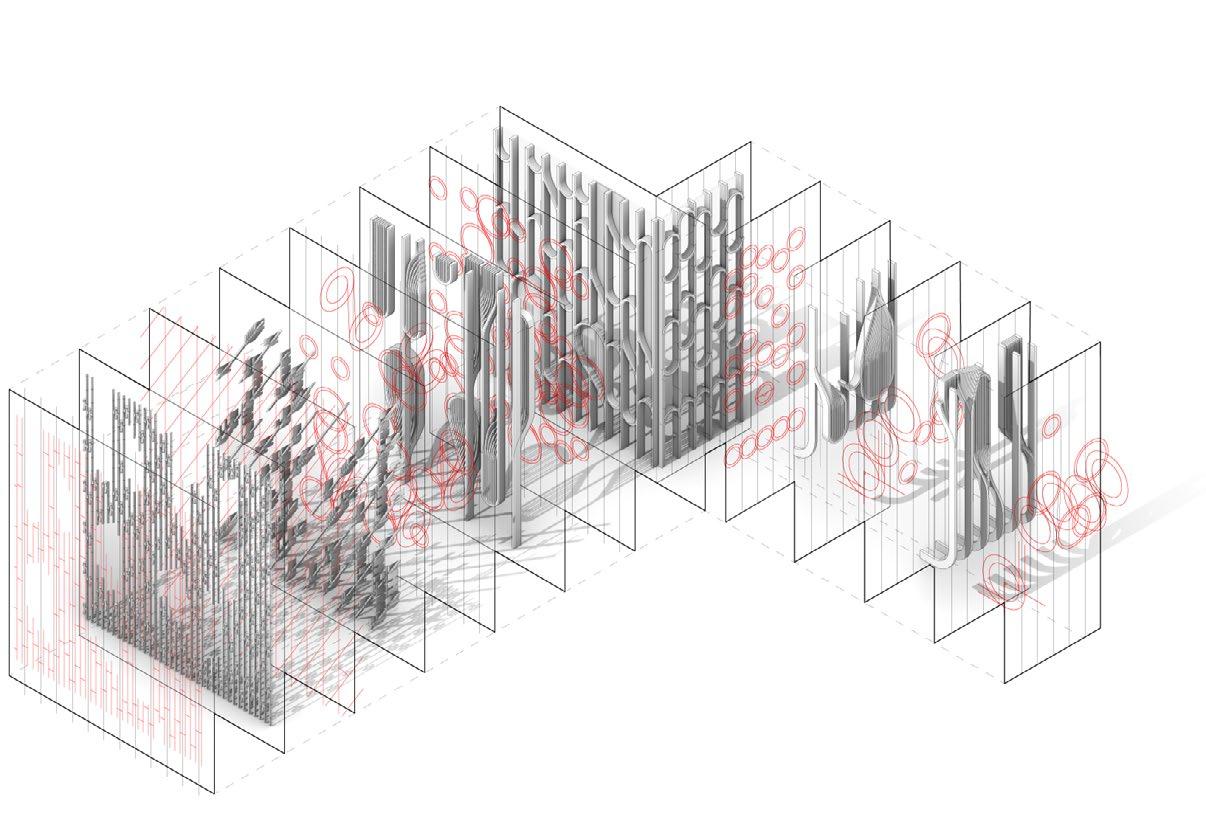
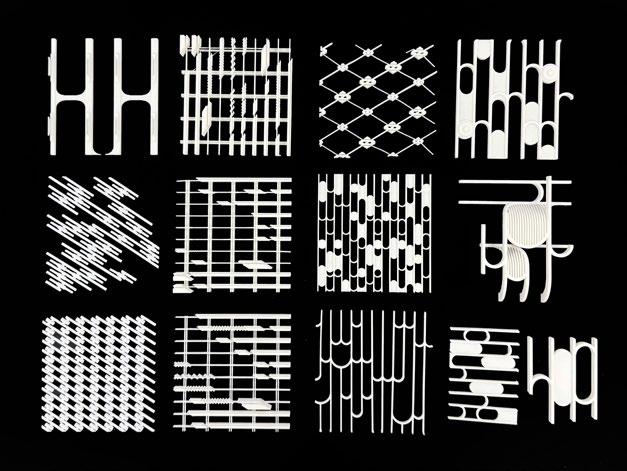
Based on images obtained through Midjourney’s blending feature, this project explores the potential of functioning as a skin by extracting forms, separating similar elements, and layering them.
Phase 2: Respect of Verticality
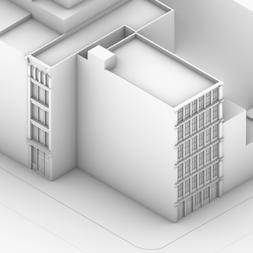
110 Prince St, Soho, Manhattan
With the goal of designing dynamism while respecting the strongly vertical context, the project was gradually developed by varying density, scale, layering, and assembly.
AI Generative Image
Think about Verticality Blurring Geometry
Different Density, Scale
Image to 3D Modeling Making Inital Geometry
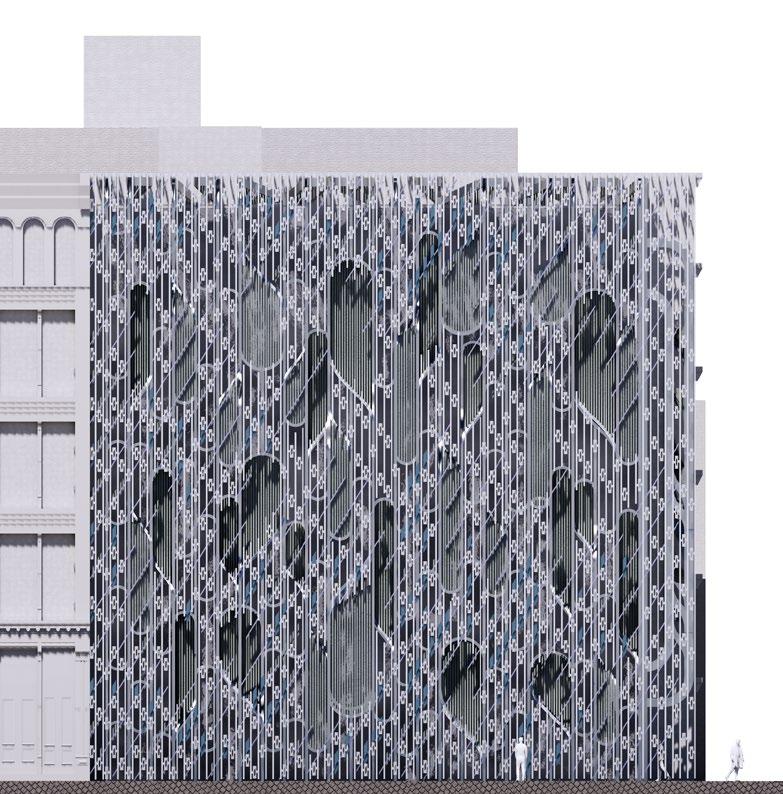
Building Elevation Rhino, Enscape
Phase 3: Methaphor of Water Fall
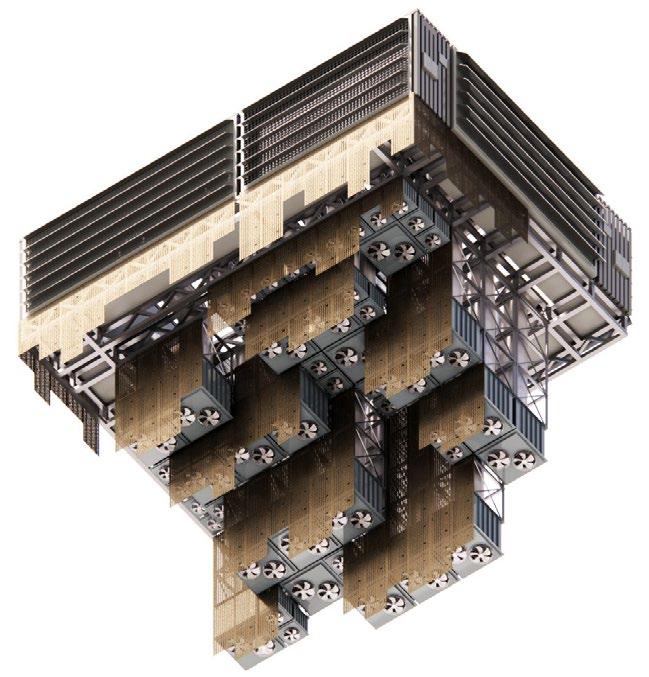
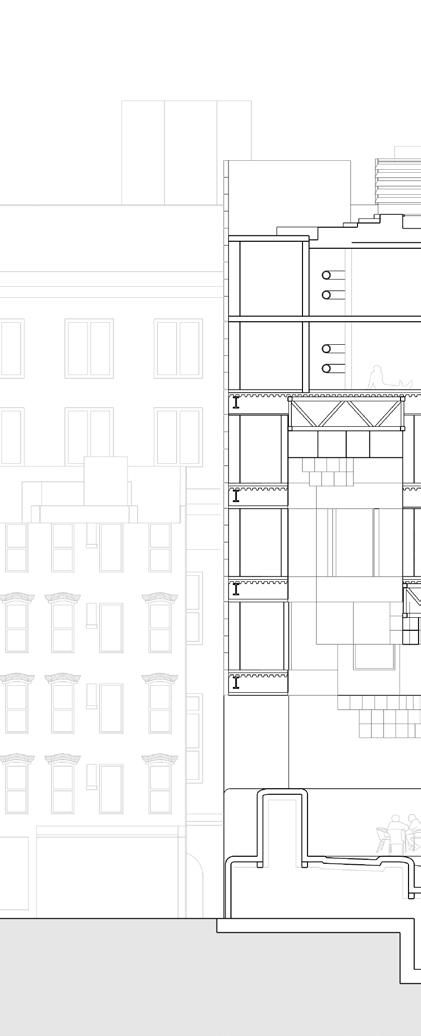
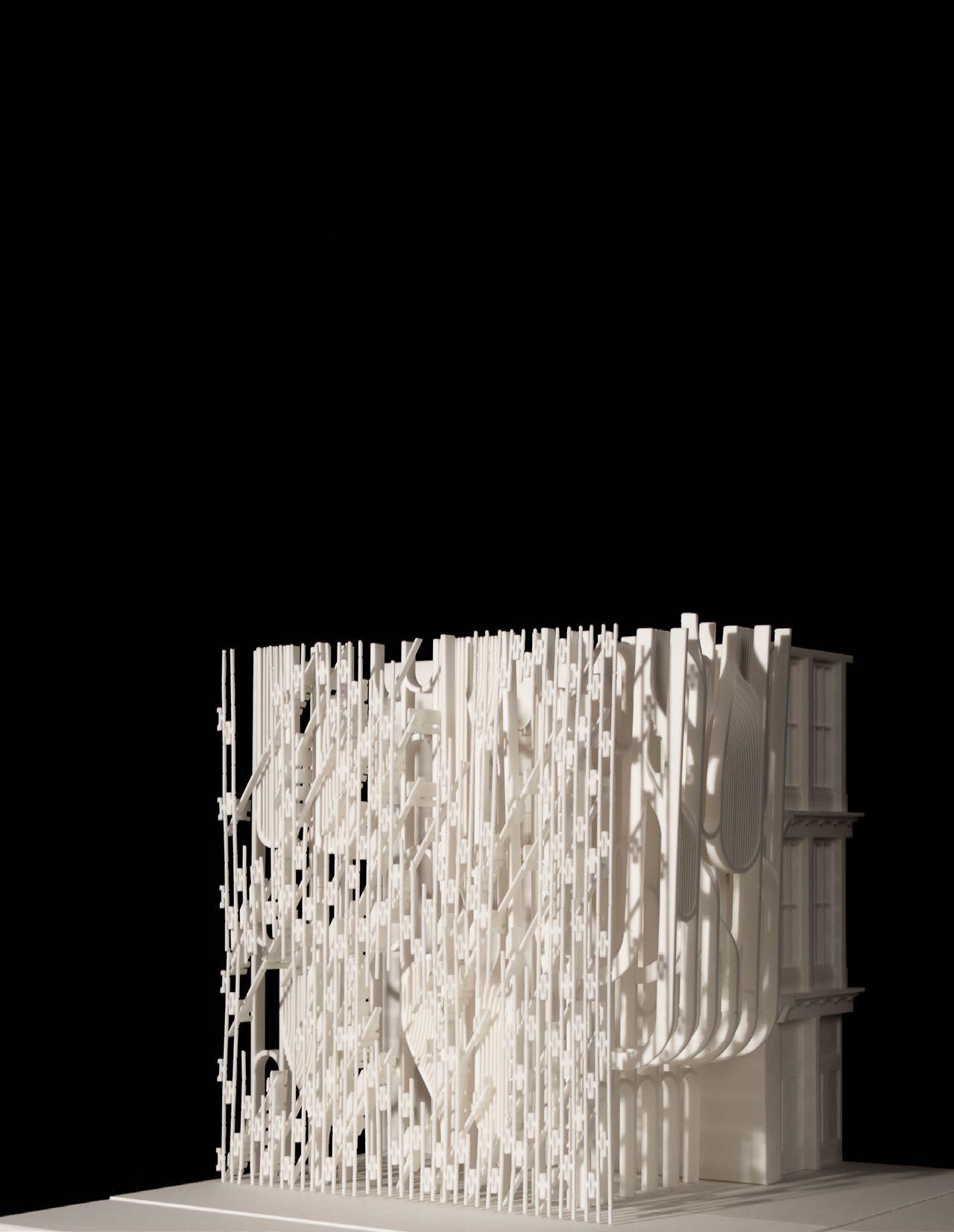
The final façade, shaped through layering and density testing, metaphorically resembles a waterfall. It introduces a pocketpark quality into the city’s vertical monotony, with each layer abstracting elements of flowing water—streams, stones, and mist—turning the skin into both structure and poetic image.
Vertical Rain String
Circular window Circular window
(up)
Arial Axonometric View Rhino, Enscape
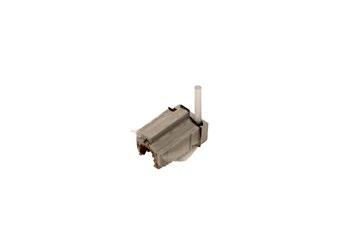
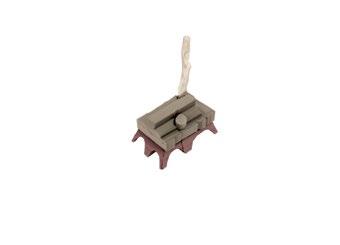
3/16”=1’-0” Study Models
PLA, 4” x 4”
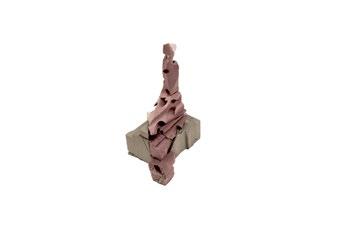
3/16”=1’-0” Physical Model
Archived at Pratt Institute School of Architecture