Department of Bio-Industrial Machinery Engineering
architectural experience
Corals Inc
Architectural Intern (Full Time, Hybrid)
08. 2024 - 08. 2025
Busan, Republic of Korea 03. 2020 - 12. 2023
New York, USA 03. 2014 - 12. 2019
New York, USA 12. 2024 - 02.2025
- Contributed to a villa renovation project from schematic to design development phases.
- Produced 3D models, plans, elevations, sections, and renderings using Rhino and Enscape.
Hana Retail (Independent Project)
Freelance Project Contributor (Hybrid)
Busan, Republic of Korea 01. 2021 - 05. 2023
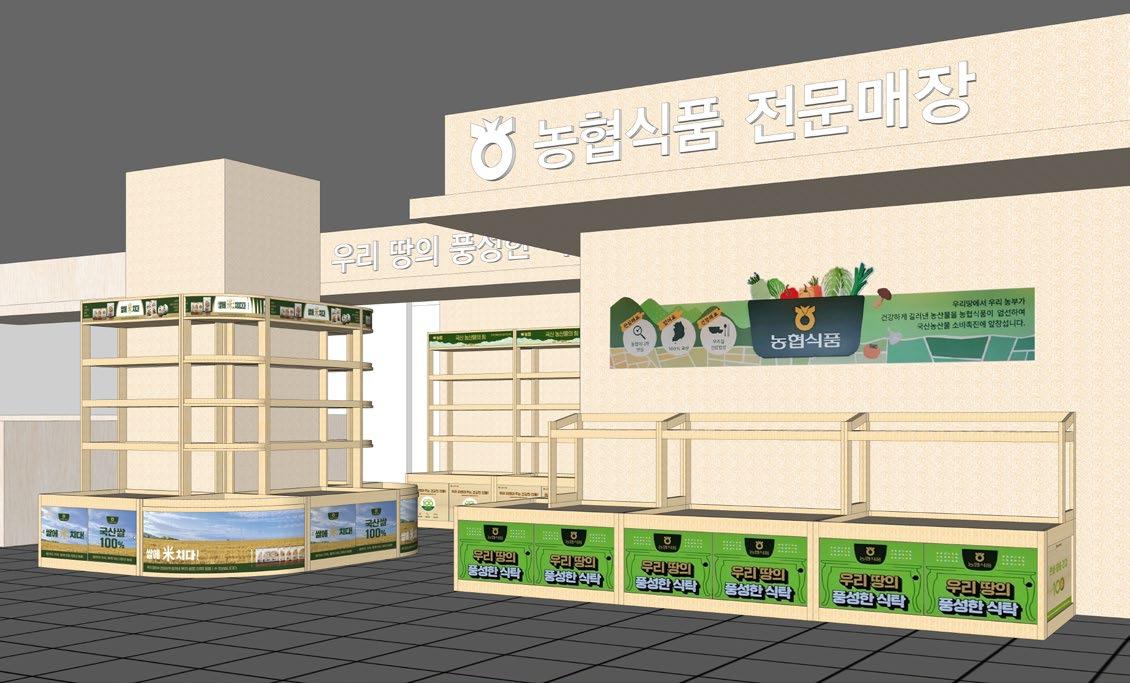
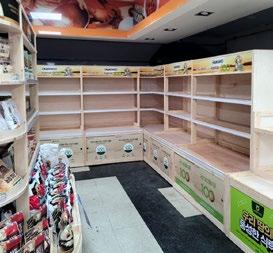
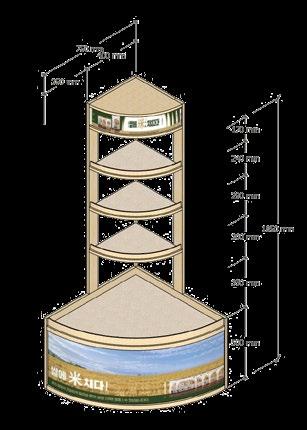
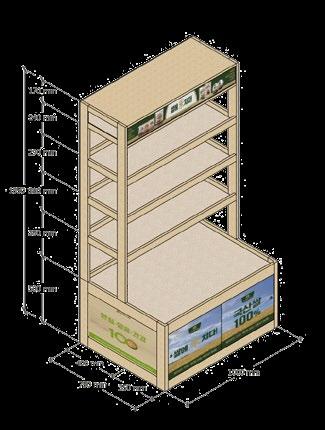
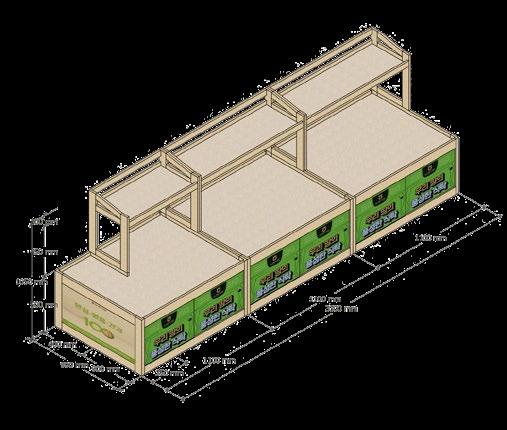
- Produced millwork drawings and visualizations for grocery store display fixtures.
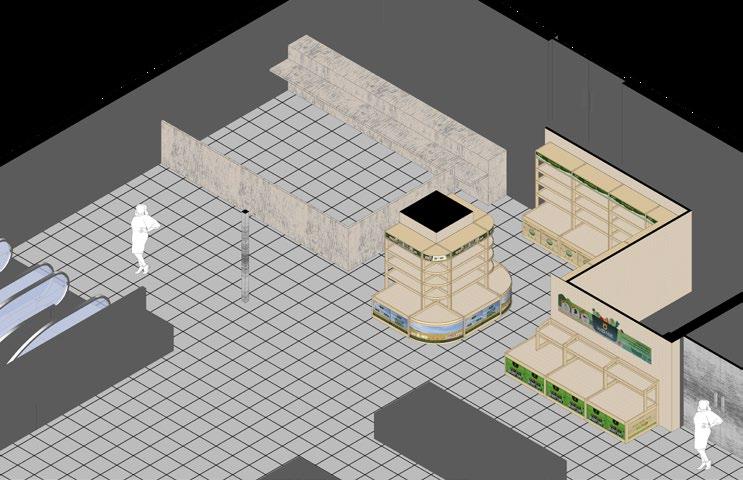
- Conducted site survey and prepared materials for client meetings.
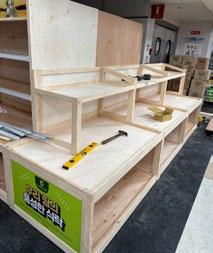
- Coordinated with carpenter to ensure feasibility of designs.
Pusan National University
Exhibition Director of Graduation Exhibition
Busan, Republic of Korea 07. 2023
- Defined concept and layout requirements for optimal space use and circulation.
- Coordinated material supply and collaborated with fabricators for exhibition components.
Busan Architecture
Architectural Intern (Full Time)
Busan, Republic of Korea
01. 2022 - 02. 2022
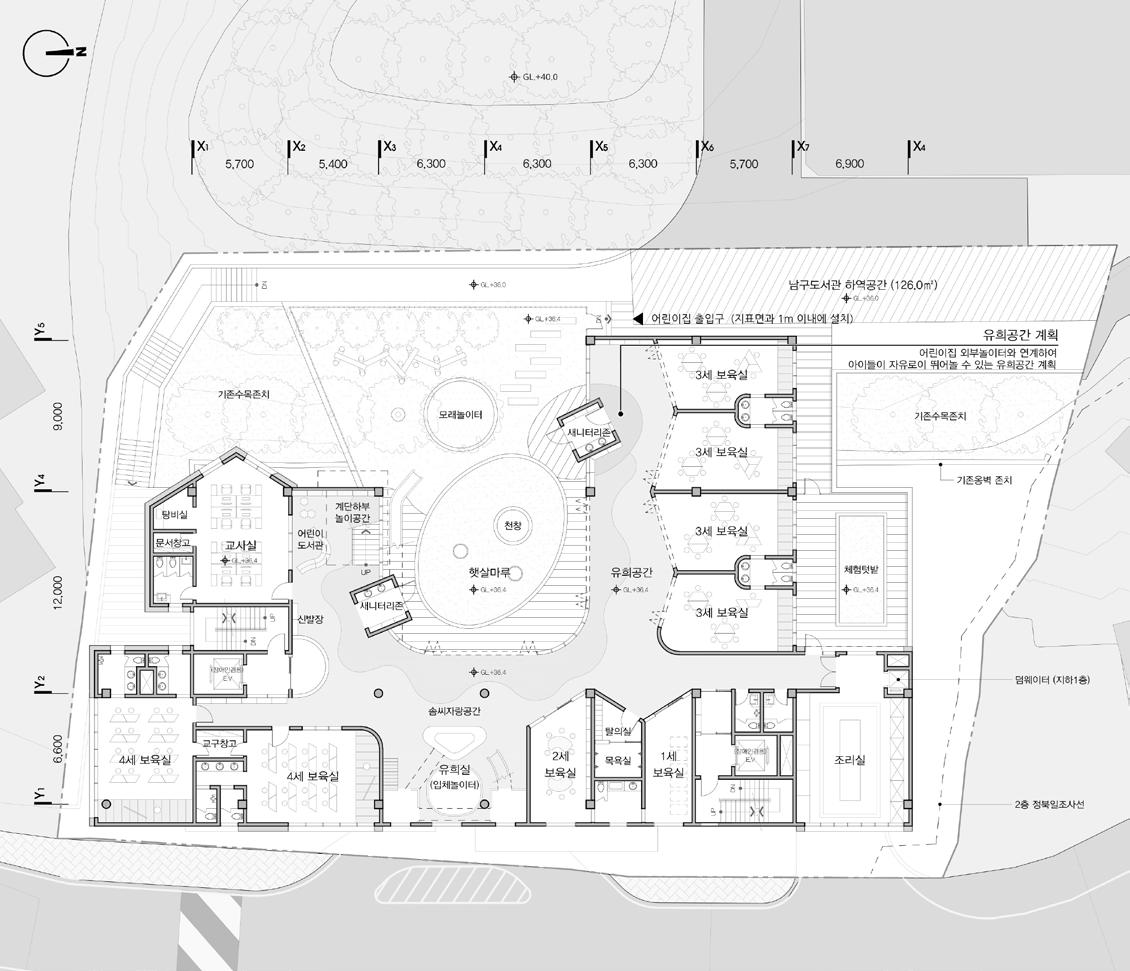
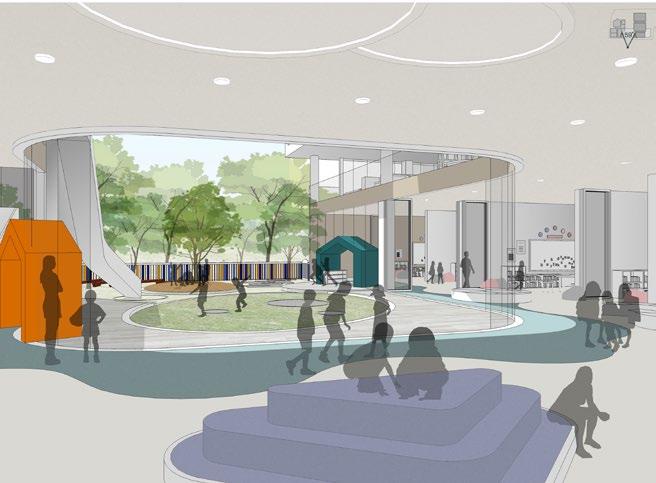
- Designed massing, layouts, and study models for Community Child Care Center.
- Researched childcare trends and developed visual presentations.
- Created sketches and façade concepts to support feedback in the early design phase.
SEOHEOUNG TECH Co., Ltd
Busan, Republic of Korea 01. 2021 - 03. 2021 Freelance 3D Designer (Hybrid)
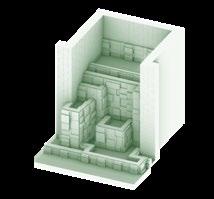
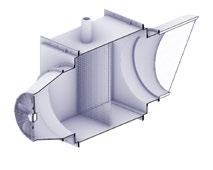
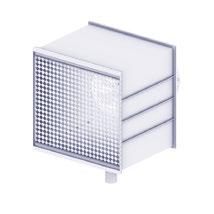
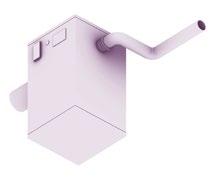
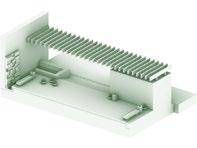
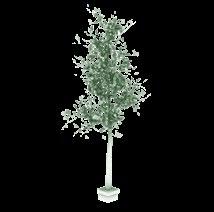
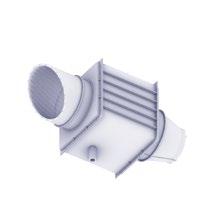
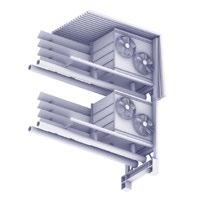
- Coordinated translating mechanical components into 3D models for 8 industrial products.
- Collaborated with engineers to ensure technical accuracy of models.
- Produced renderings for the company’s product webpage and internal presentations.
activities
Korean Architects Association of New York (KAANY) Member
Portfolio Tutoring Volunteer Tutor
Pusan National University
Leader of Design Study Group (membership of 8)
New York, USA 10. 2024 - Present
New York, USA 06. 2025 - Present
Busan, Republic of Korea 01. 2022 - 03. 2022
- Building Design Analysis : Spatial Syntax, Structure, Detail, Quantitative Analysis. Leader of Design Study Group (membership of 4)
- Coordinated group research and discussion on design theory and practice.
01. 2021 - 02. 2021
3D Modeling & CAD
REVIT, AutoCAD, Rhino, SketchUp, Grasshopper
Rendering
D5, Enscape, V-ray
Graphic Design & Presentation
InDesign, Illustrator, Photoshop
Fabrication
3d Printing, Robotic 3Dprinting, Laser Cutting
Languages skills
English(Fluent), Korean(Native)
references
Available upon request
This portfolio, titled Infrastructural Poetics, approaches architecture as a medium of sensation and symbolism beyond structure or function. It interprets infrastructure as poetic, exploring rhythm and atmosphere through repetition, material transformation, and generative geometry. Each project emerges at the intersections of art and engineering, memory and ecology, the digital and the hand drawn, developing a layered architectural language shaped by experimentation, iteration, and coexistence.
Robotic Hatchery 01
Spring 2025, Pratt Institute
Academic, Collaborative Work, Partner: Jonathan Lee
Professor: Fabian Llounch
Automatic Robotic System + Billion Oyster Project
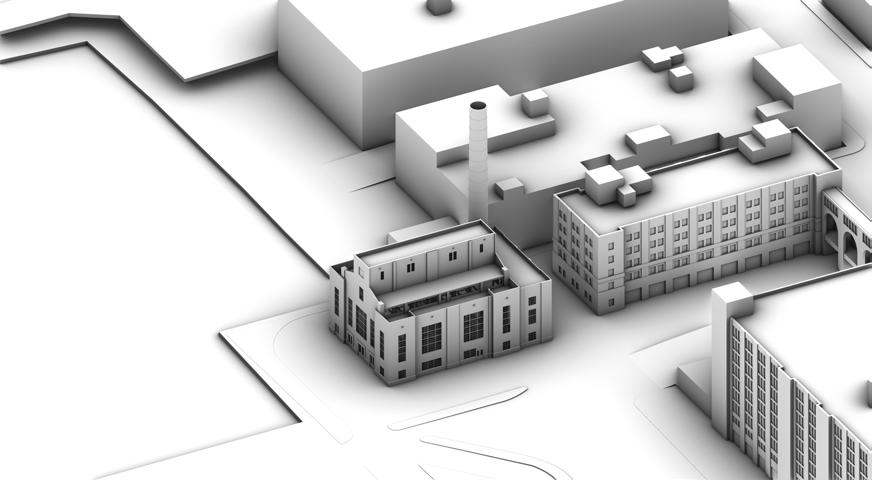
Location: Brooklyn Army Terminal, Brooklyn, New York
Software: Rhino + Vray + Adobe Suite
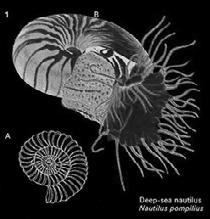
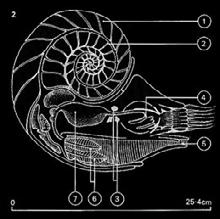
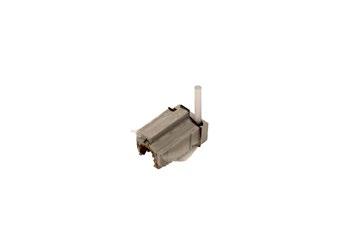
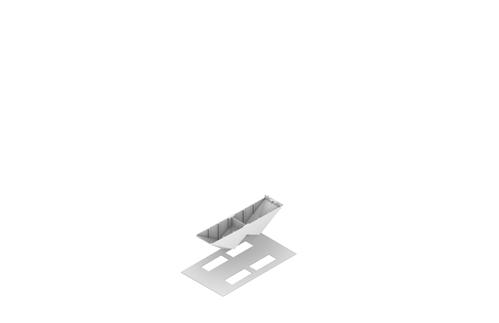
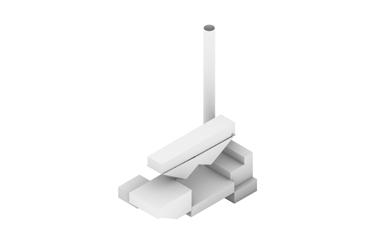
Deep Sea Nautilus Diagrams showing external shell and internal chambered anatomy
How should architecture be designed for new oyster farming infrastructure?
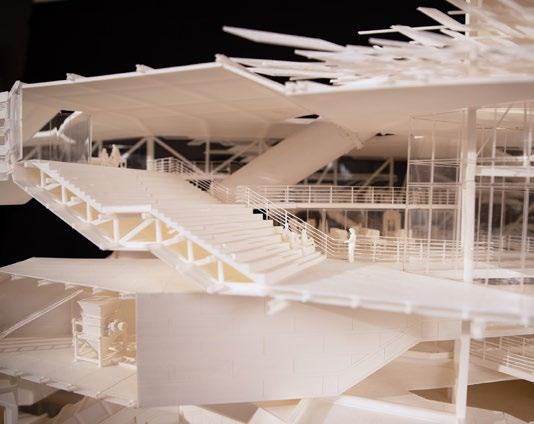
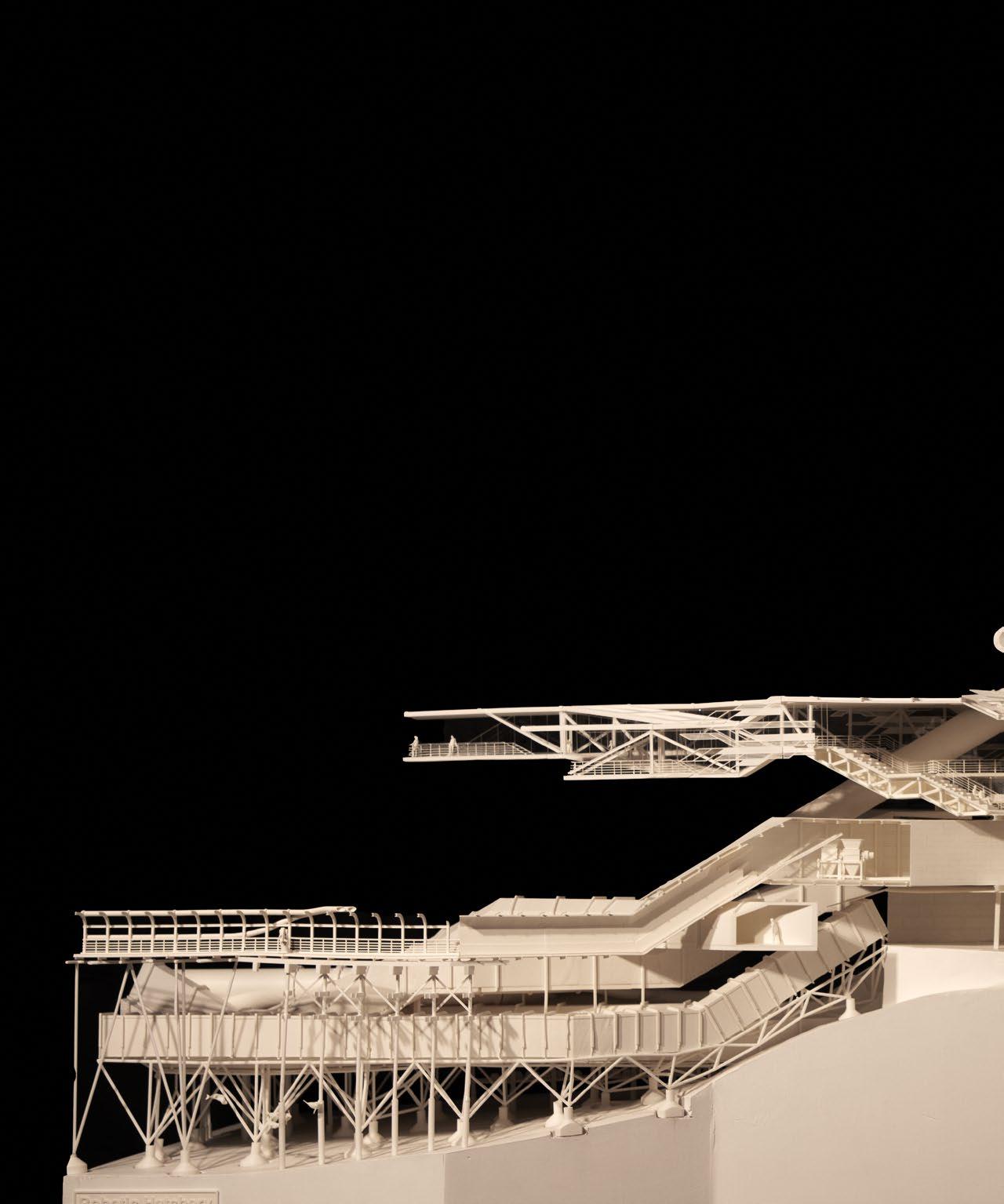
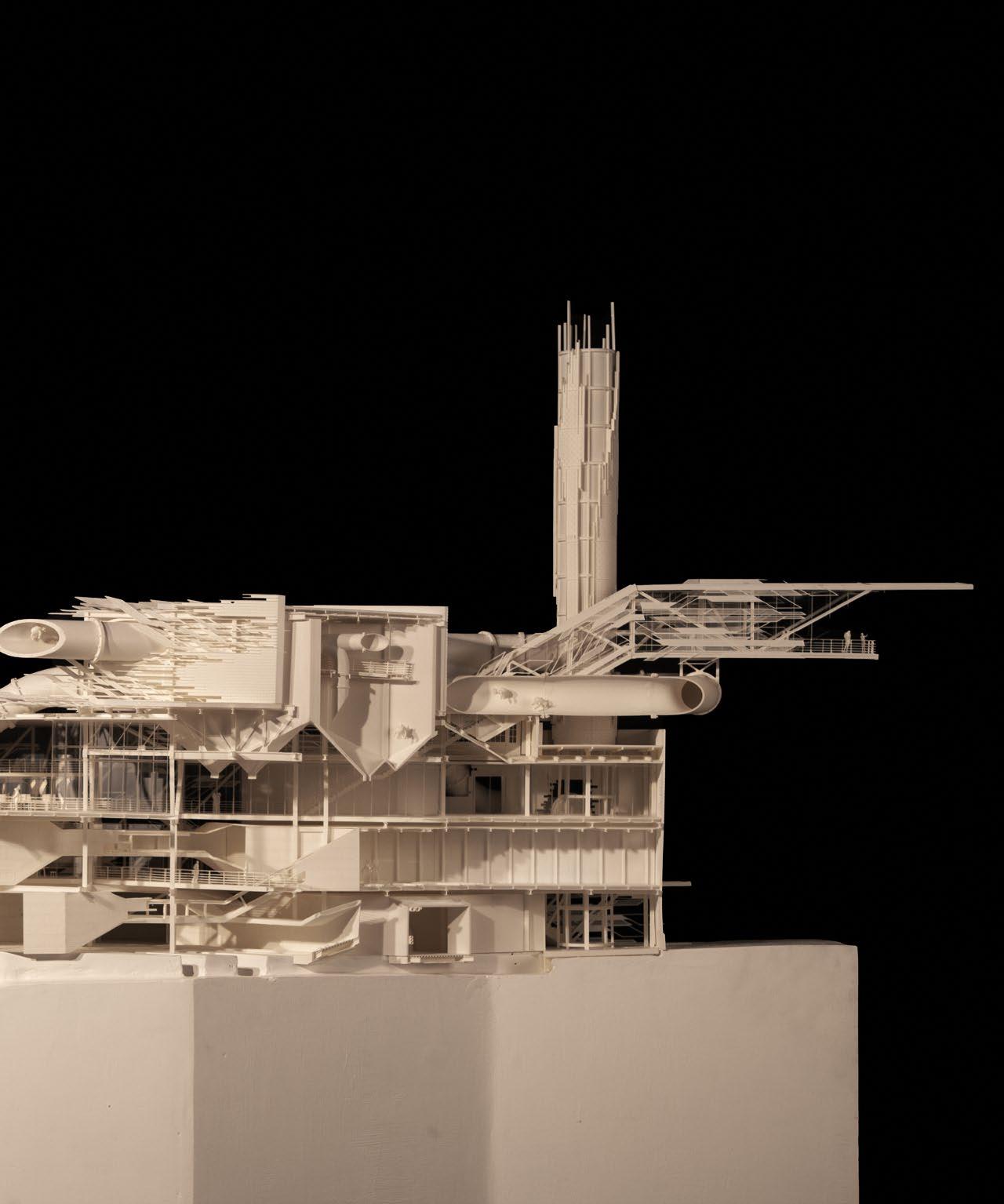
This project encompasses infrastructure for automated oyster farming, reef production and maintenance, as well as public programs for education. Based on biological metaphors, we approached the design with a systems-thinking mindset rooted in scalable and selfsustaining biological processes.
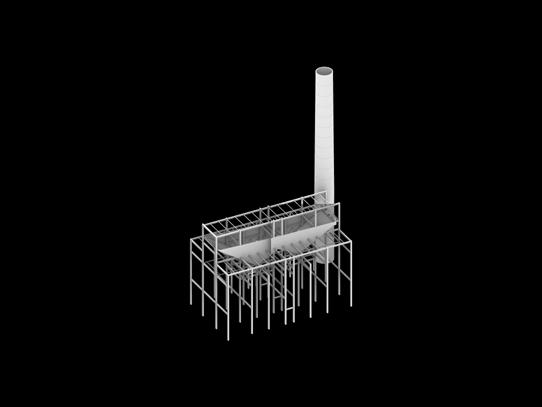
Functioning as a local landmark, the building operates like a living organism—grafted onto existing structures and adapting to its surrounding environment.
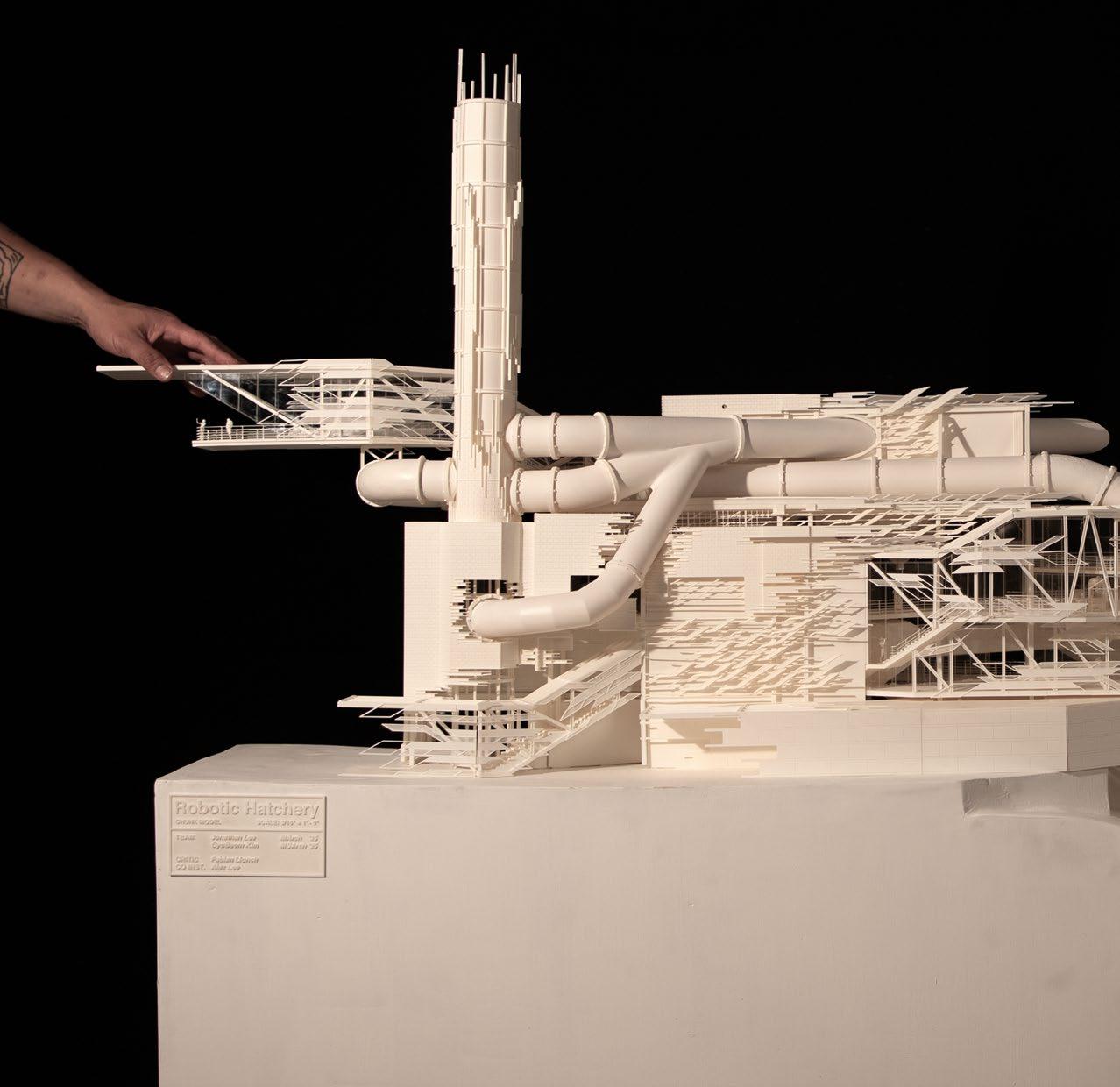
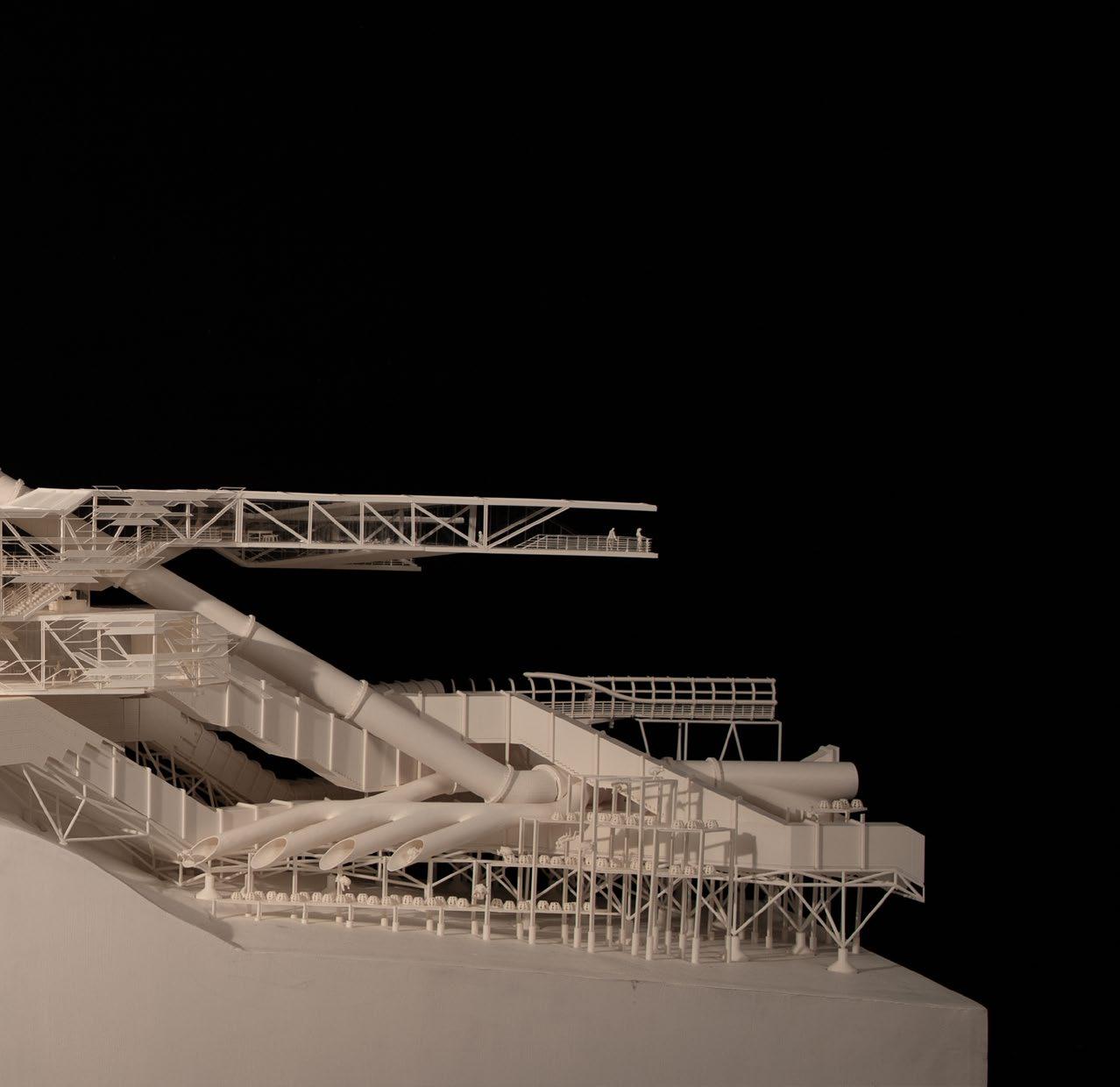
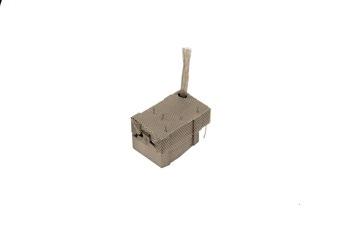
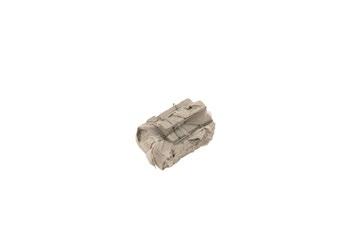
3/16”=1’-0” Physical Model
Airbrushed PLA, UV Resin, PVC, Cast Acrylic, Plywood, Framing Lumber, HDU, 25” x 74” x 50”
Selected for 2025 Pratt Show Archived at Pratt Institute School of Architecture
For
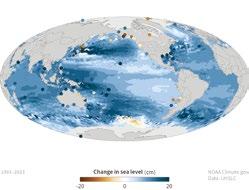
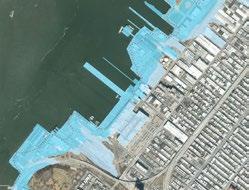
This project focuses on oyster cultivation as a means of water purification. Research at both local and global scales shows that climate change and sea level rise are driving marine pollution. Building on the Billion Oyster Project, the site is proposed as a testing ground for an automated, globally adaptable purification system.
ADDED AQUA ROBOTICS PROGRAM
GIVEN
EARLY ED. ROBOTICS PROG. VENTURE CAPITAL BILLION OYSTER PROJECT
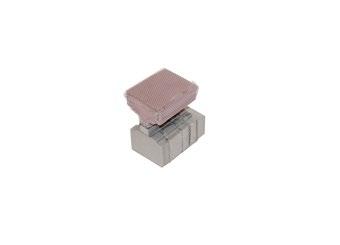
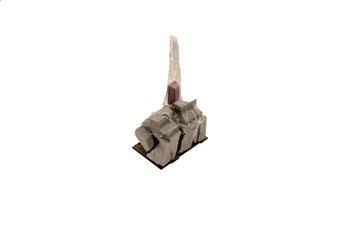
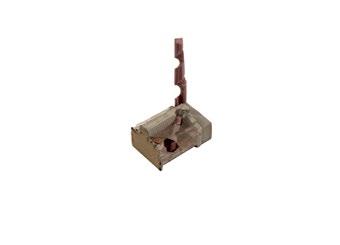
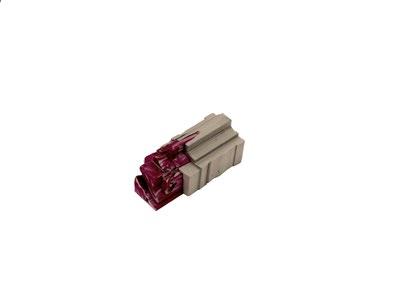
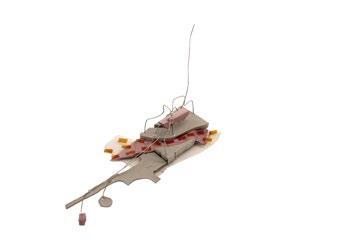
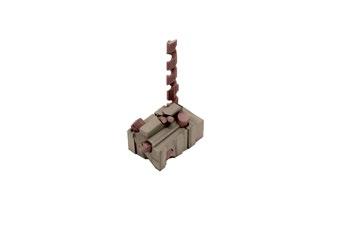
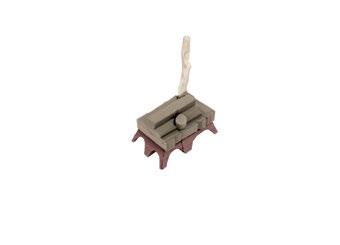
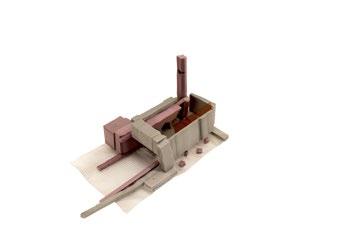
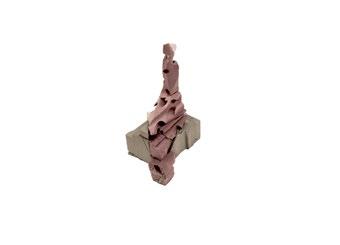
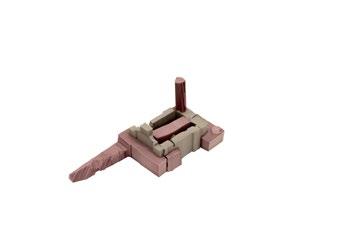
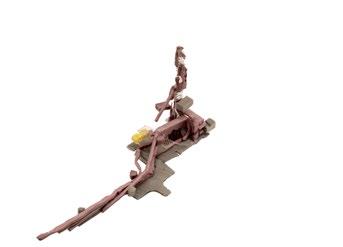
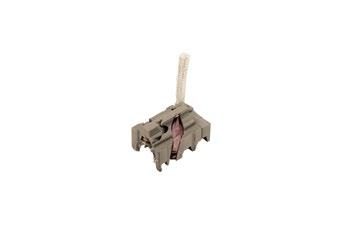
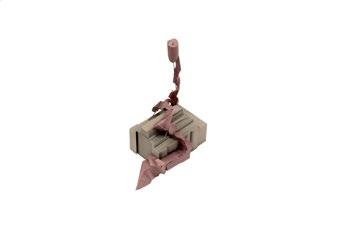
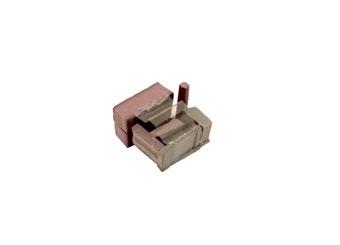
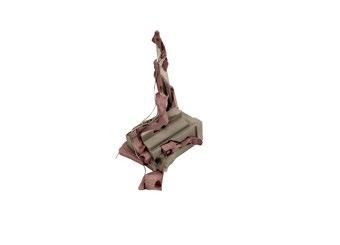
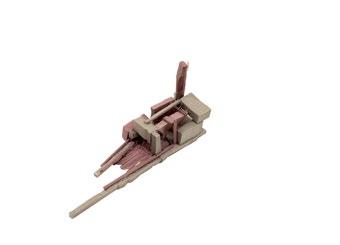
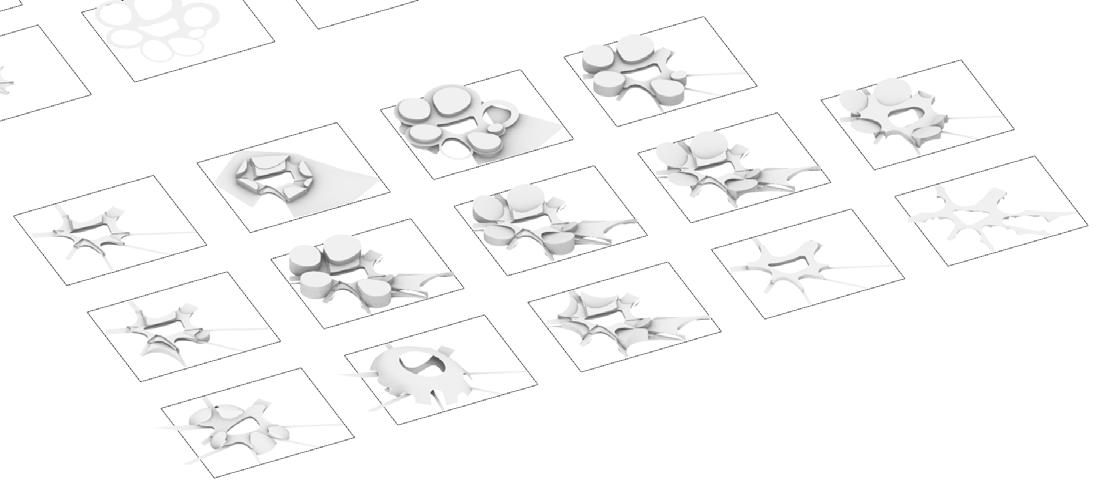
The taxonomy diagram, integrated with the bug models, illustrates the flow of thought from site, building, and program research to the identification of issues, potentials, and design solutions. On the left, the 24 bug models represent iterations of program, building conditions, and design ideas, which converge into a cohesive narrative. This narrative unfolds into program organization, design language, and the relationship between people and infrastructure, ultimately extending beyond function and renovation toward metaphor, symbolism, and the role of the building as a landmark.
layering - cutting
program arrangement
human - robotics
nautilus
Viewing Steps
Intersecting Space
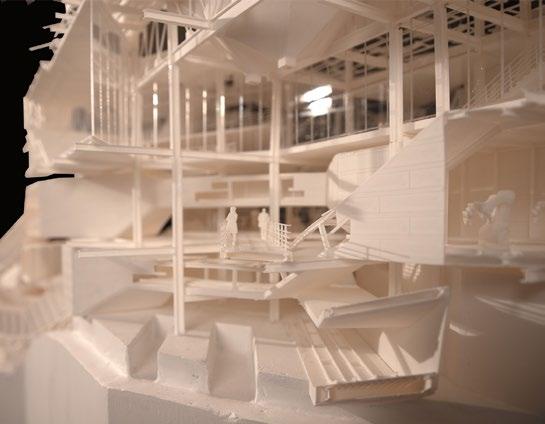
Sectional Physical Model, 3/16”=1’-0”
Air brushed PLA, UV Resin, PVC, Cast Acrylic, Plywood, Framing Lumber, HDU, 25” x 74” x 50”
Selected for 2025 Pratt Show
Archived at Pratt Institute School of Architecture
Water Elevation
Exisiting vs New
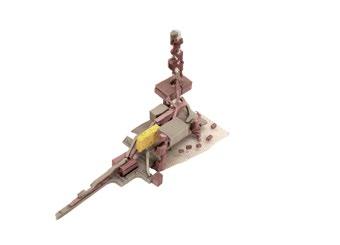
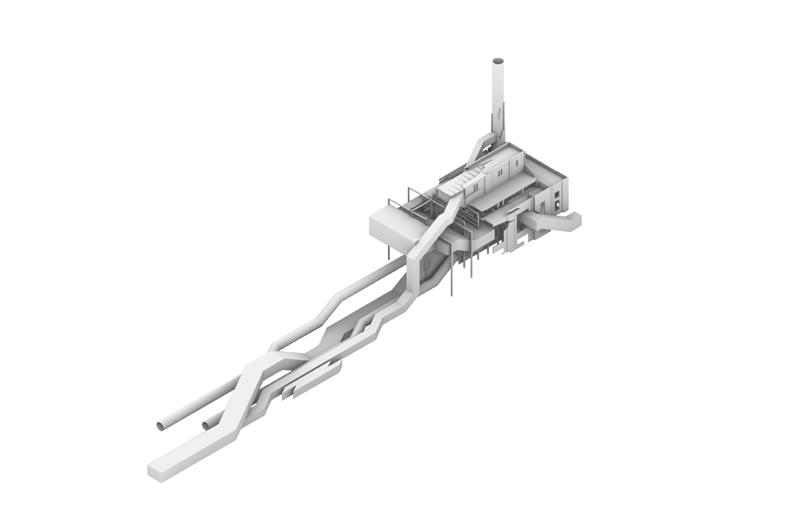
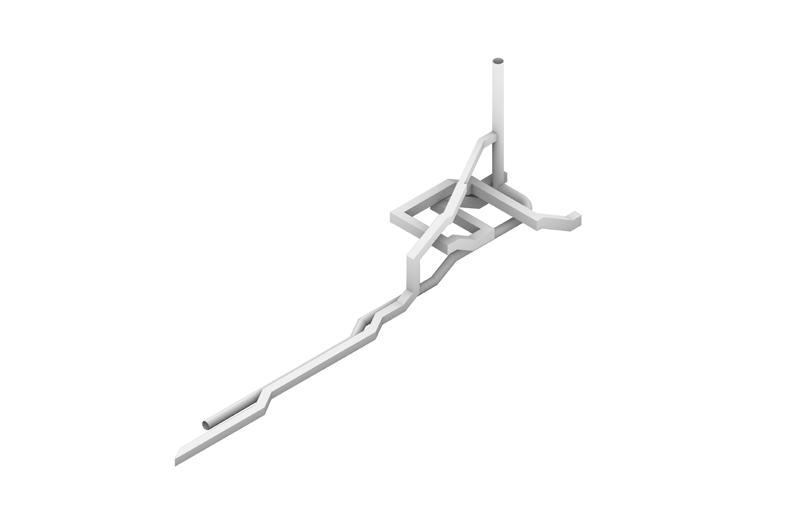
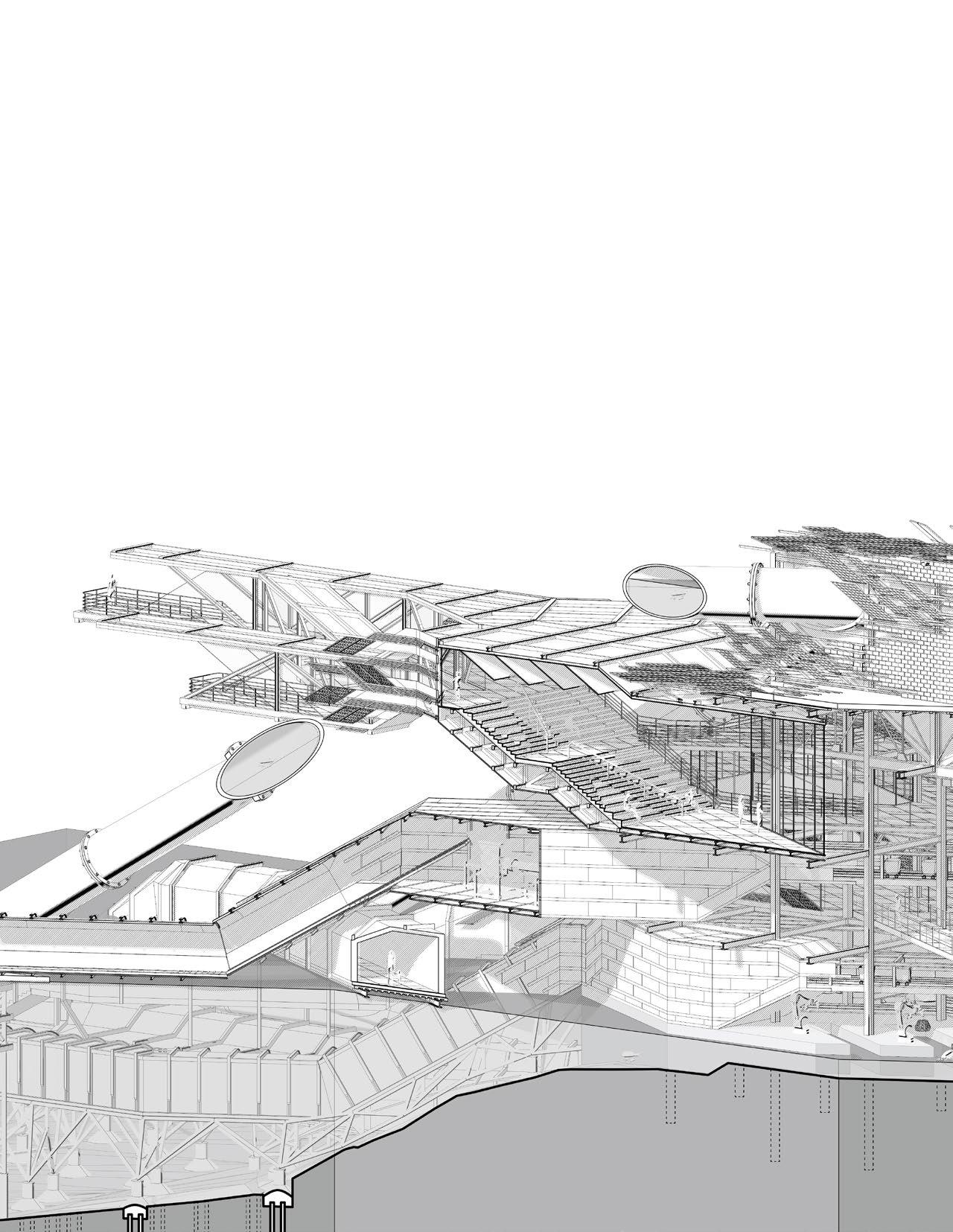
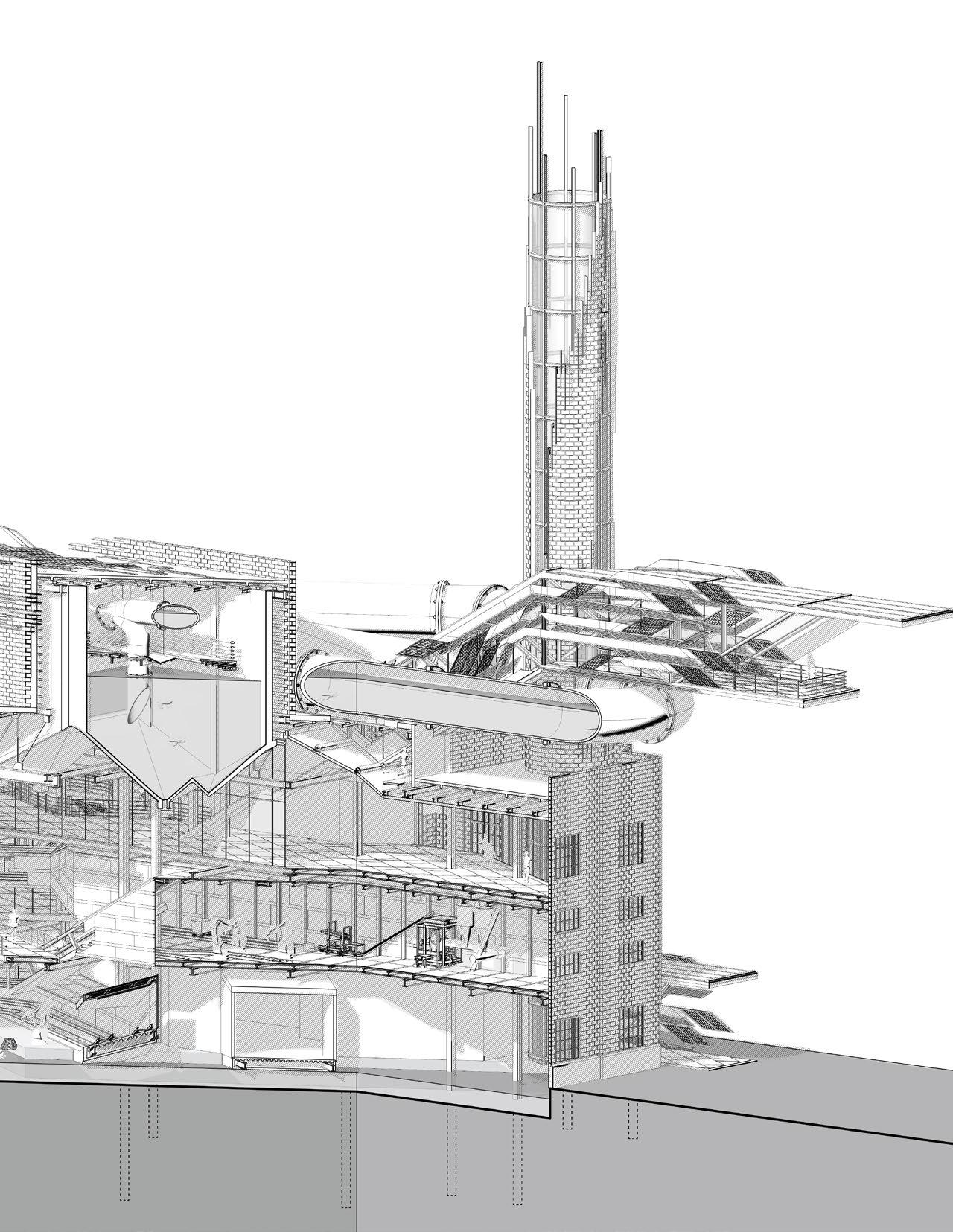
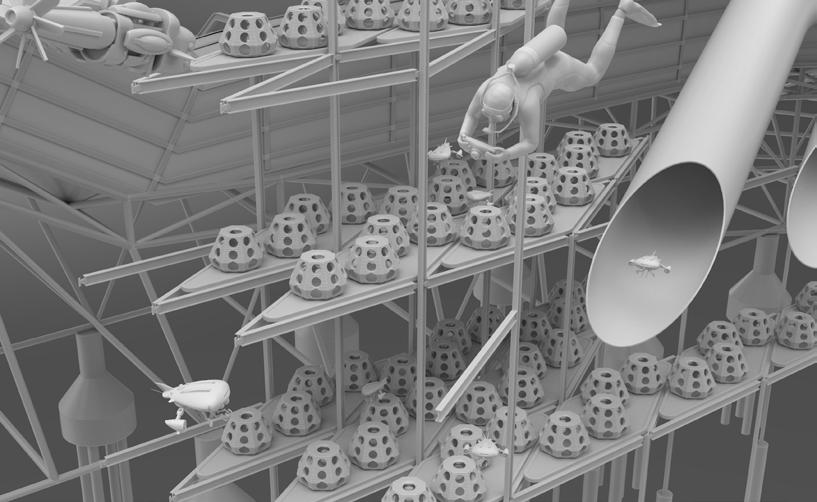
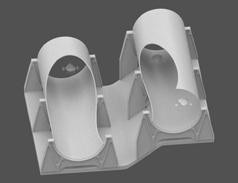
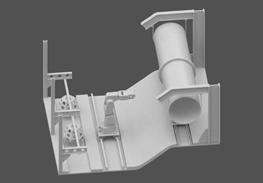
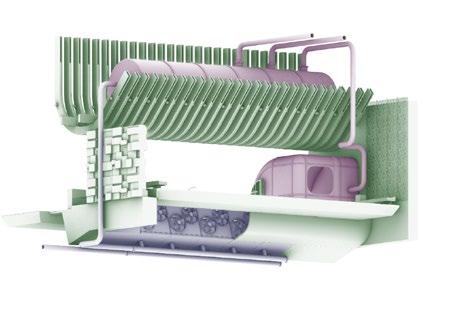
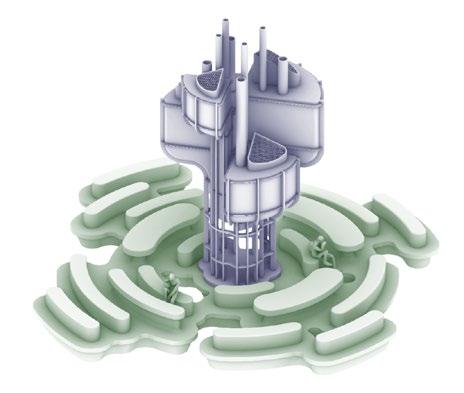
The building is conceived as a single organism composed of multiple “organs” where the expandable oyster-farming automation system intersects with public programs. Within these organs, the moving objects interact and form relationships. The three model images on the upper left illustrate how people experience the building as part of this flowing system, and how new organs connect to the existing structure and evolve into design.
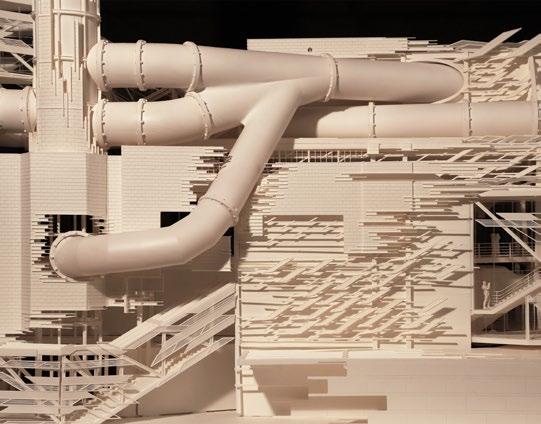
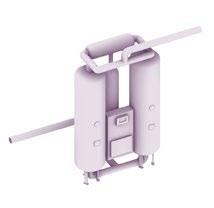
Isolated Water Testing Deep Water Testing Conveyer Pipe
Oyster Shell Grinding
Oyster Reef Fabricating
Oyster Reef Propagating Storage / Water Pump
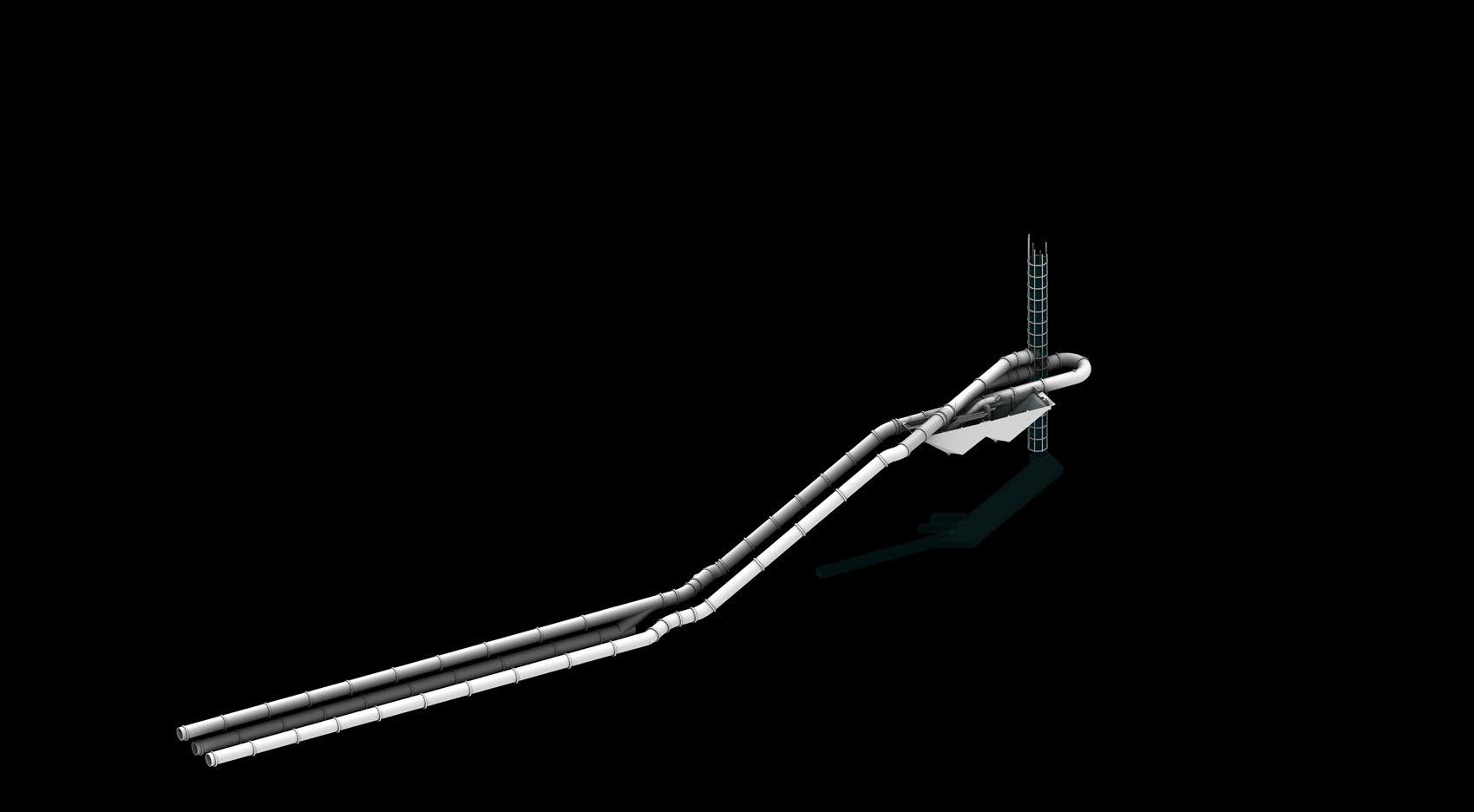
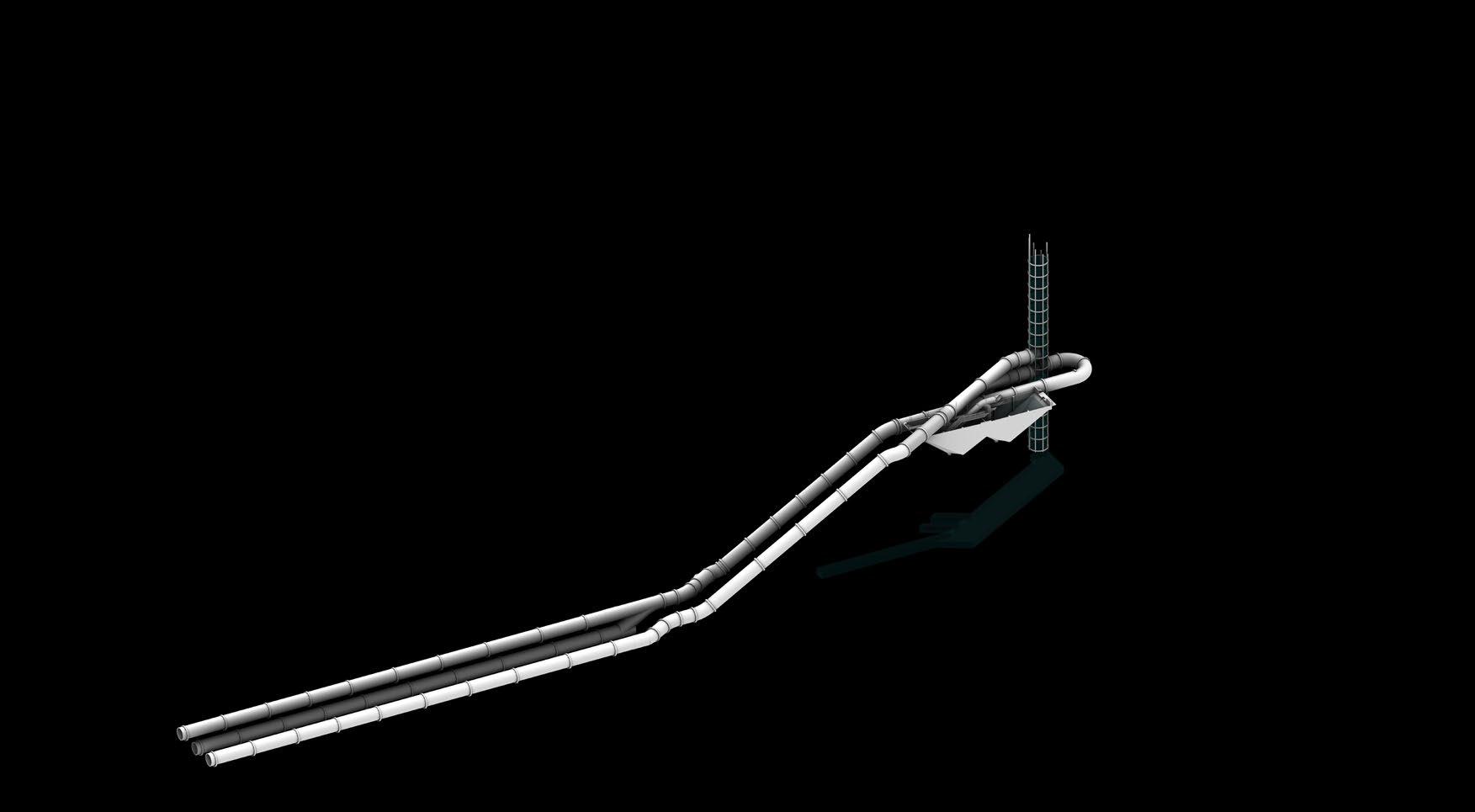
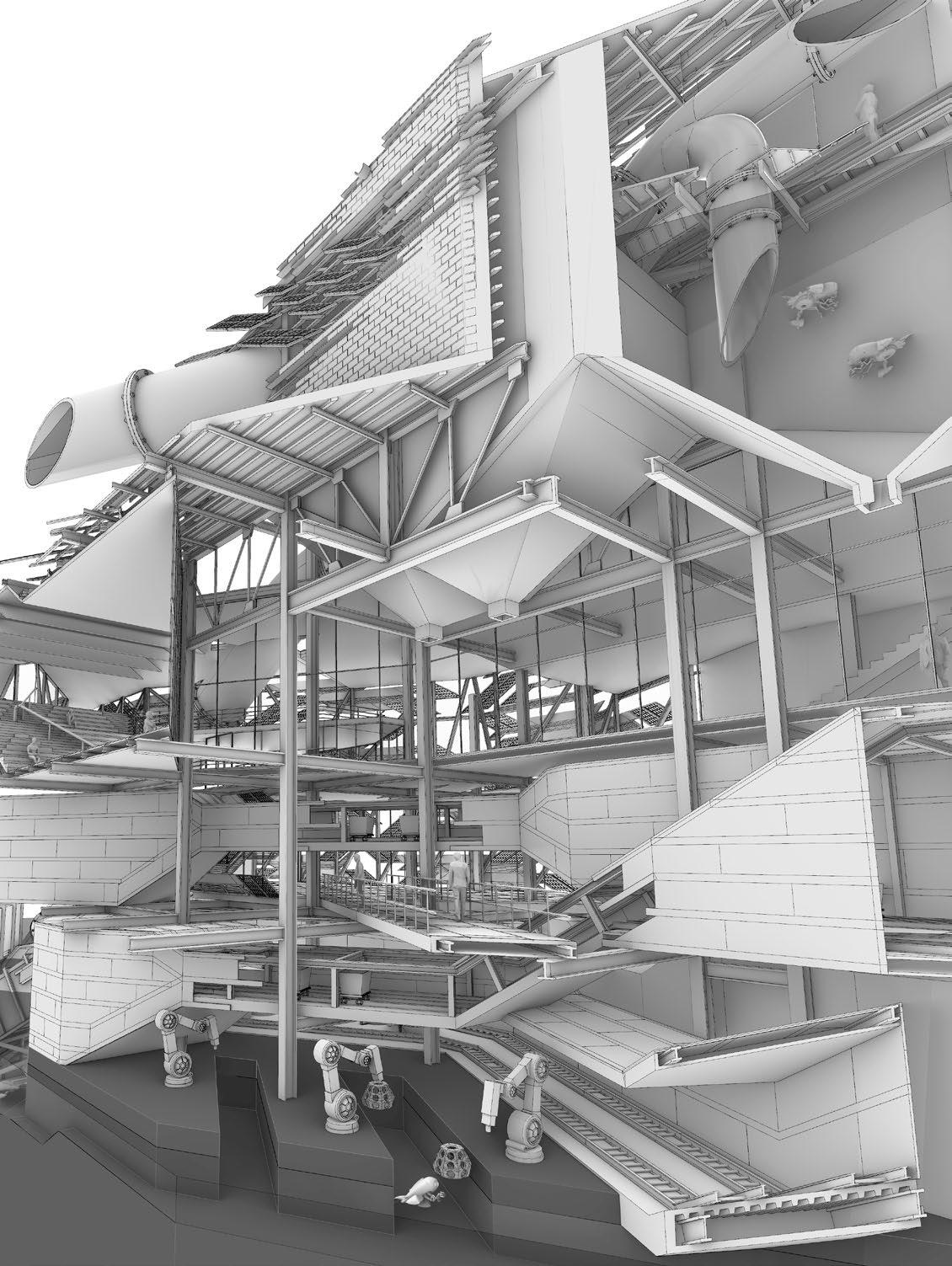
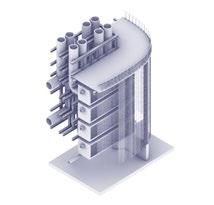
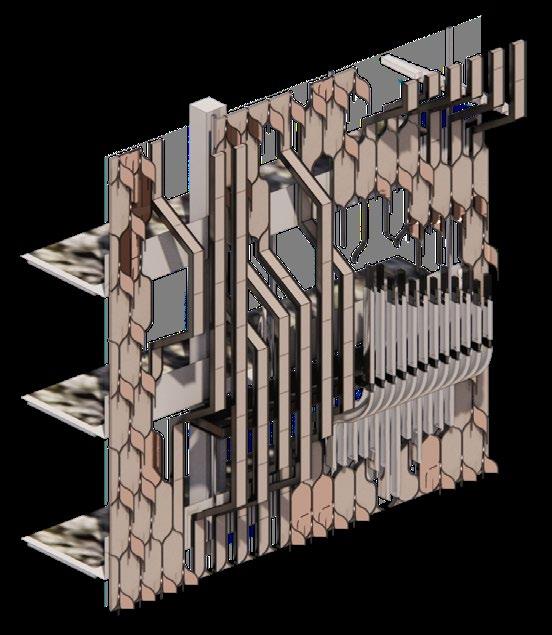
Within this vast, organism-like building, people encounter devices that redefine how they relate to architecture. Pipes cut across the structure, testing tanks are vertically embedded to connect systems, and similar elements are distributed throughout the space. These devices are integrated with one of the Billion Oyster Project’s central goals—education—allowing learning to emerge naturally through spatial experience.
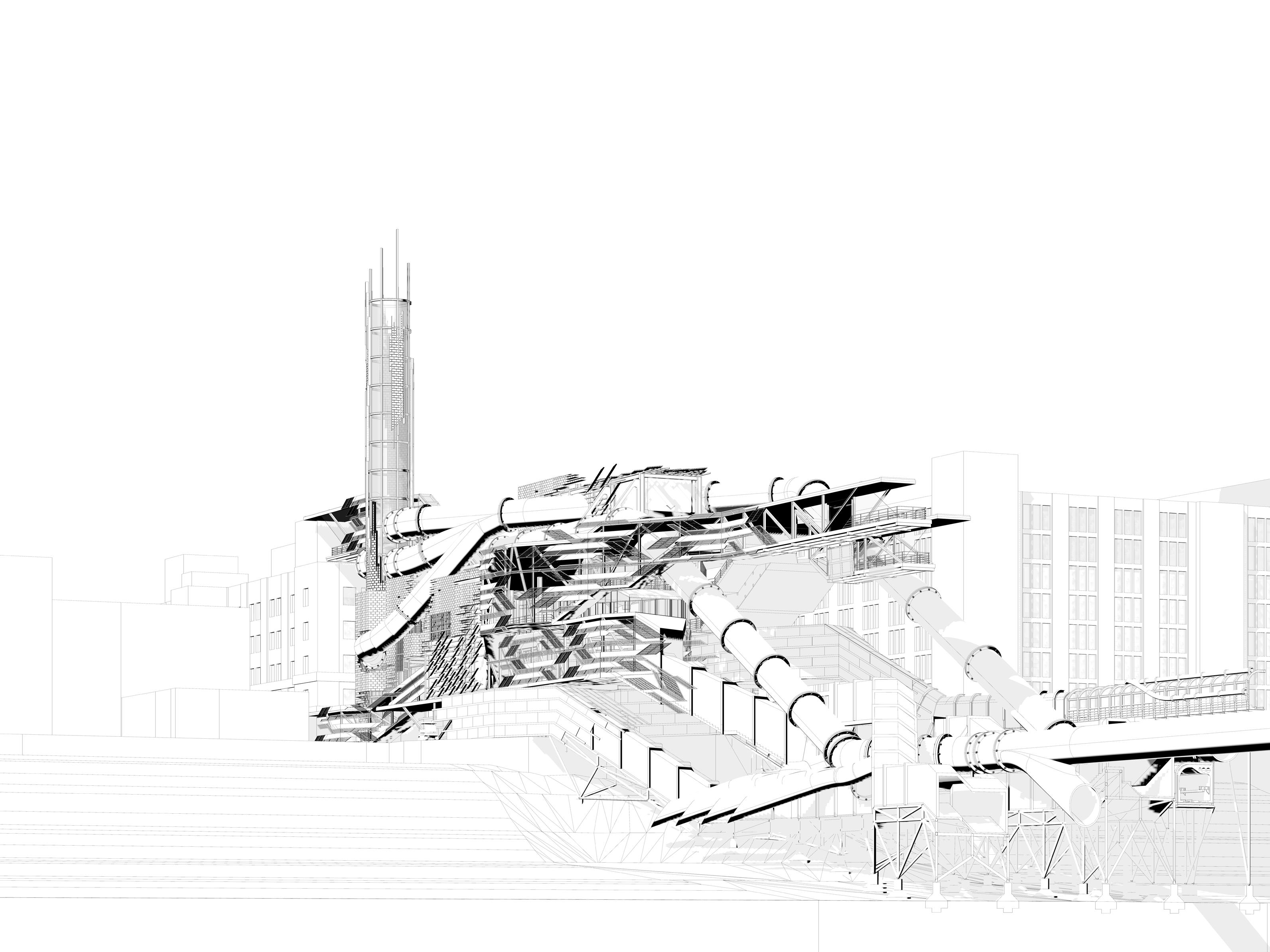
Overall Building Perspecitve Drawing Rhino, Illustrator
One of the building’s most important functions is not only to operate as infrastructure but also to reveal how people engage with this system. Just as we find interest in watching the preparation process in omakase dining, or observing robotic arms making coffee through transparent glass, this building allows visitors to directly see and feel how the infrastructural system works. Such experiences serve an educational role, foster curiosity about infrastructure itself, and ultimately contribute to achieving the crucial goal of sustainability.
Summer 2025, Pratt Institute
Academic, Individual Work
Professor: Erich Schoenenberger, Alex Tahinos
Program: Hydro-Infrastructure, Mobility Network, Community Center
Location: Coyoacan, Mexico City, Mexico
Software: Rhino + Enscape, D5 + Adobe Suite
Speculative
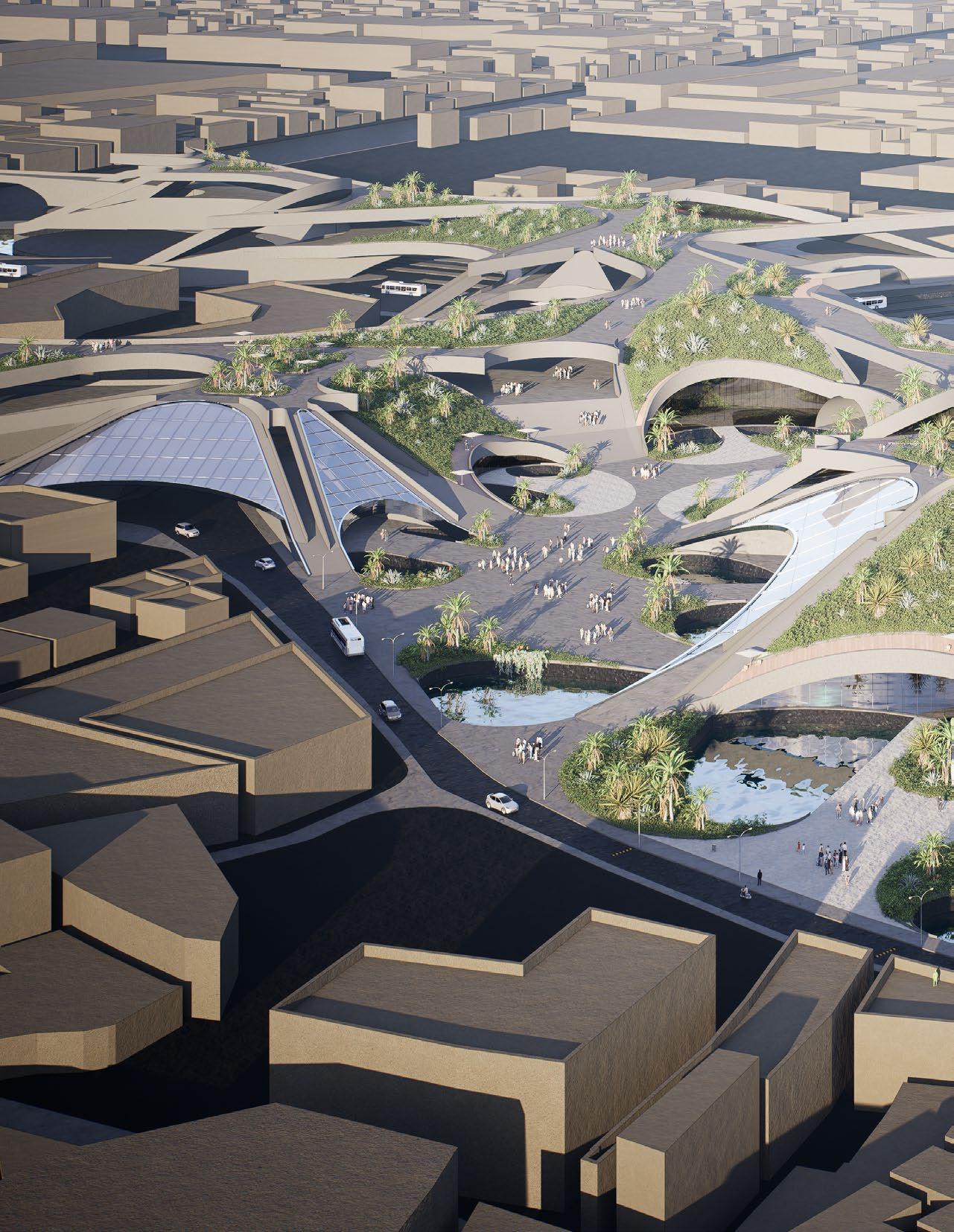
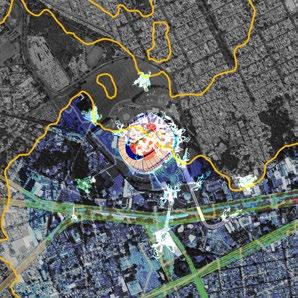
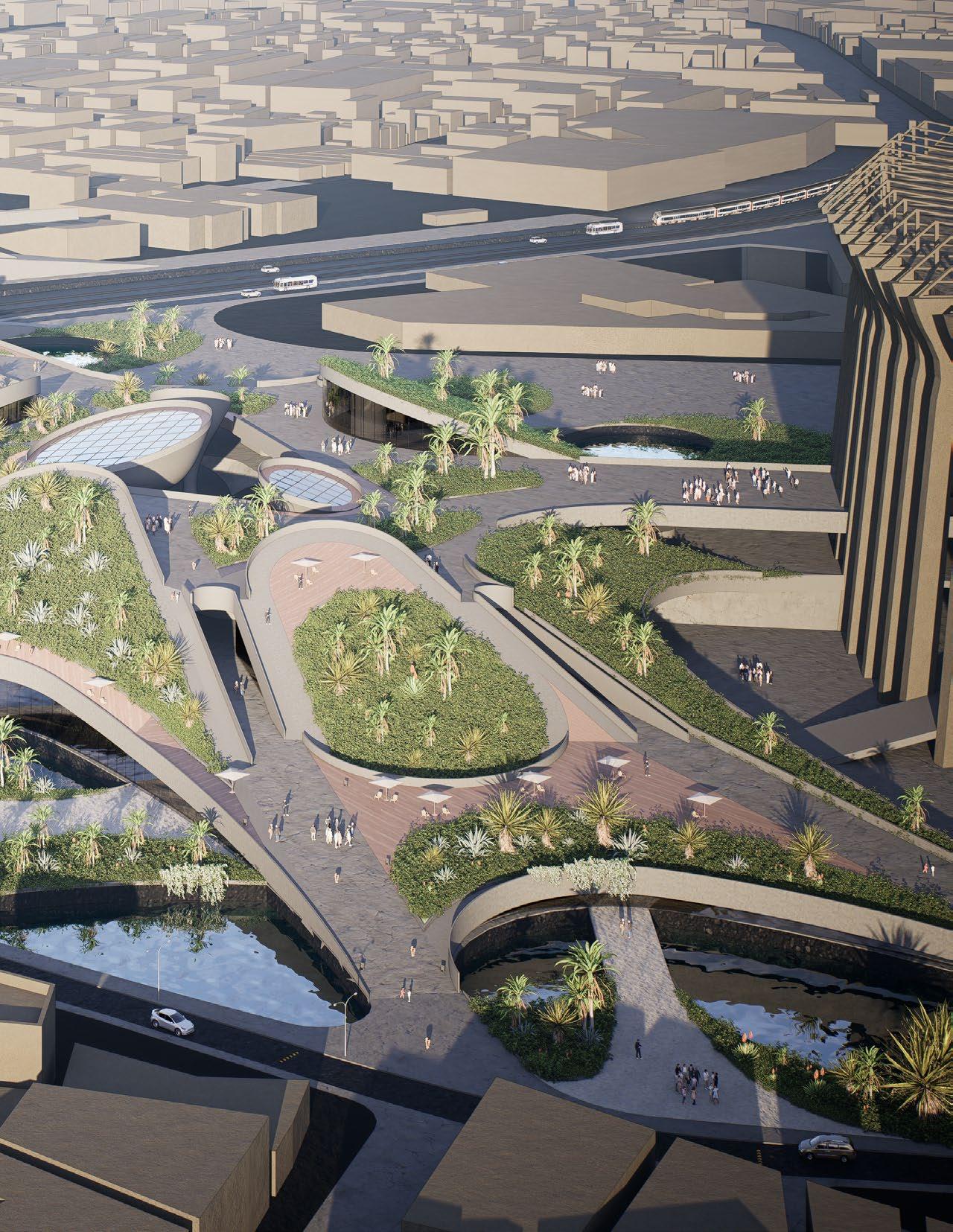
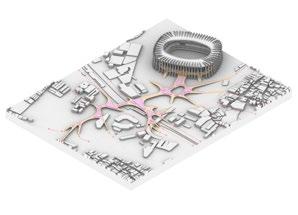
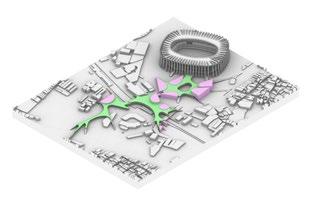
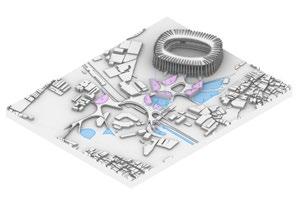
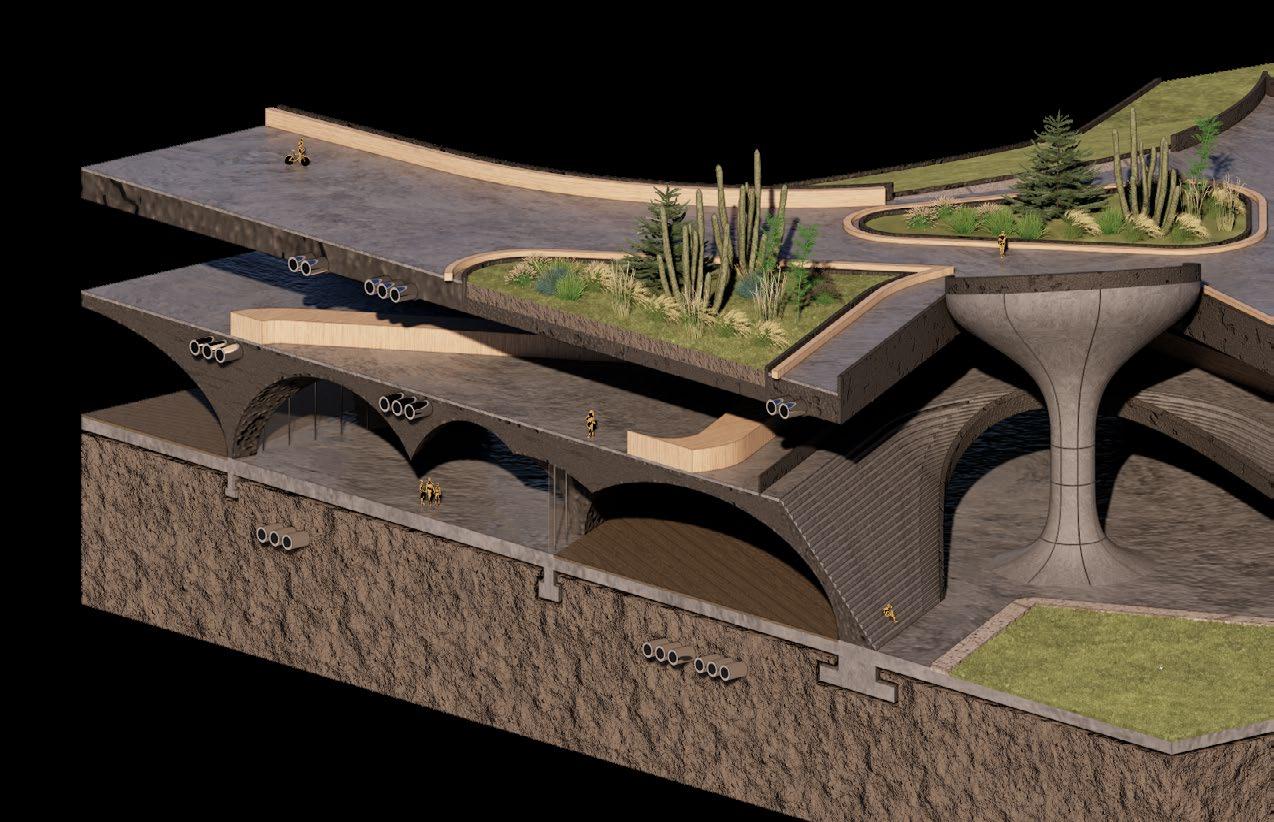
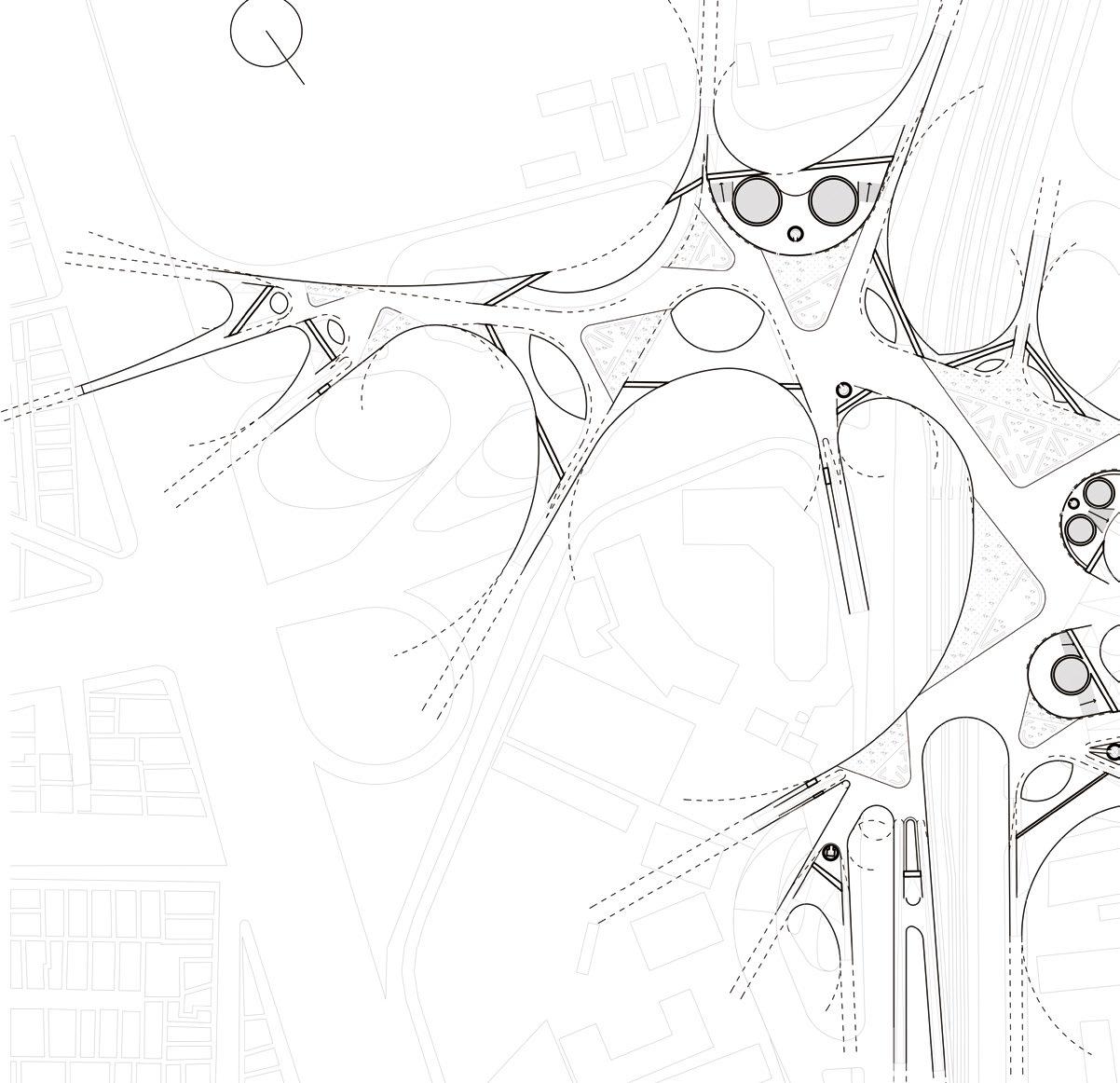
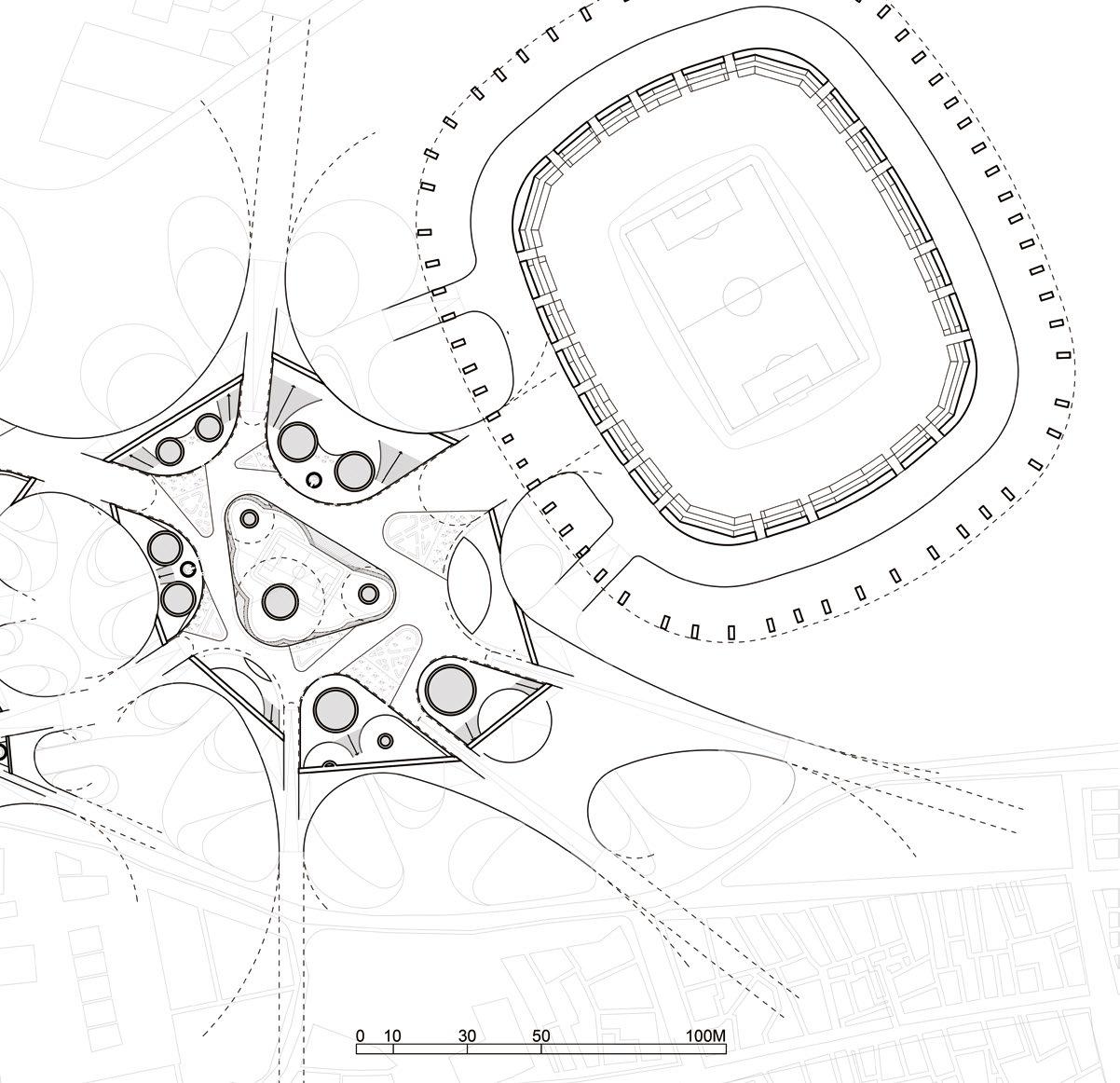
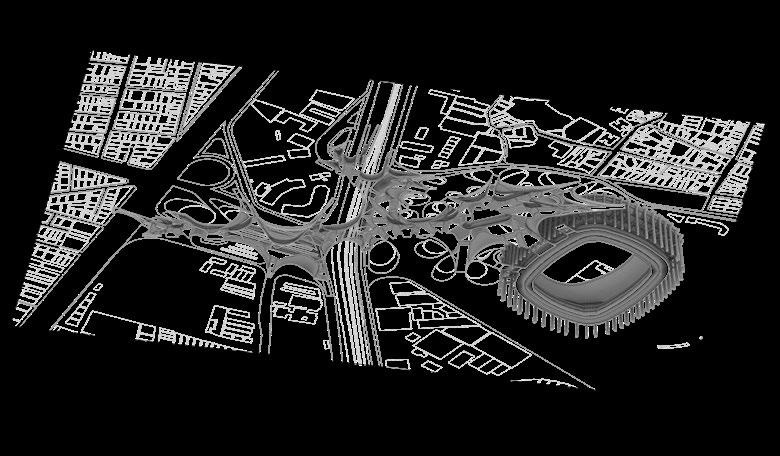
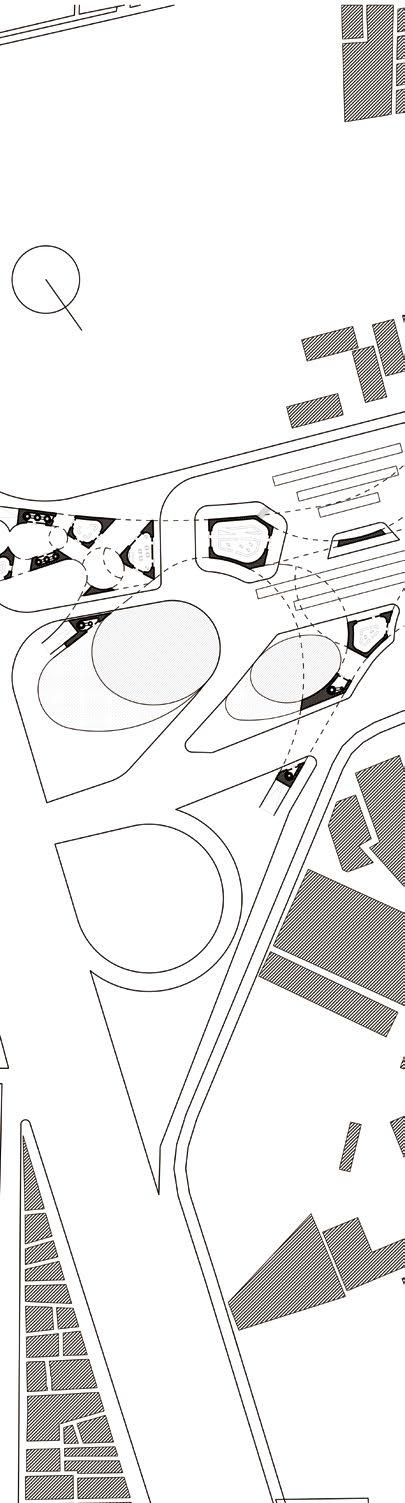
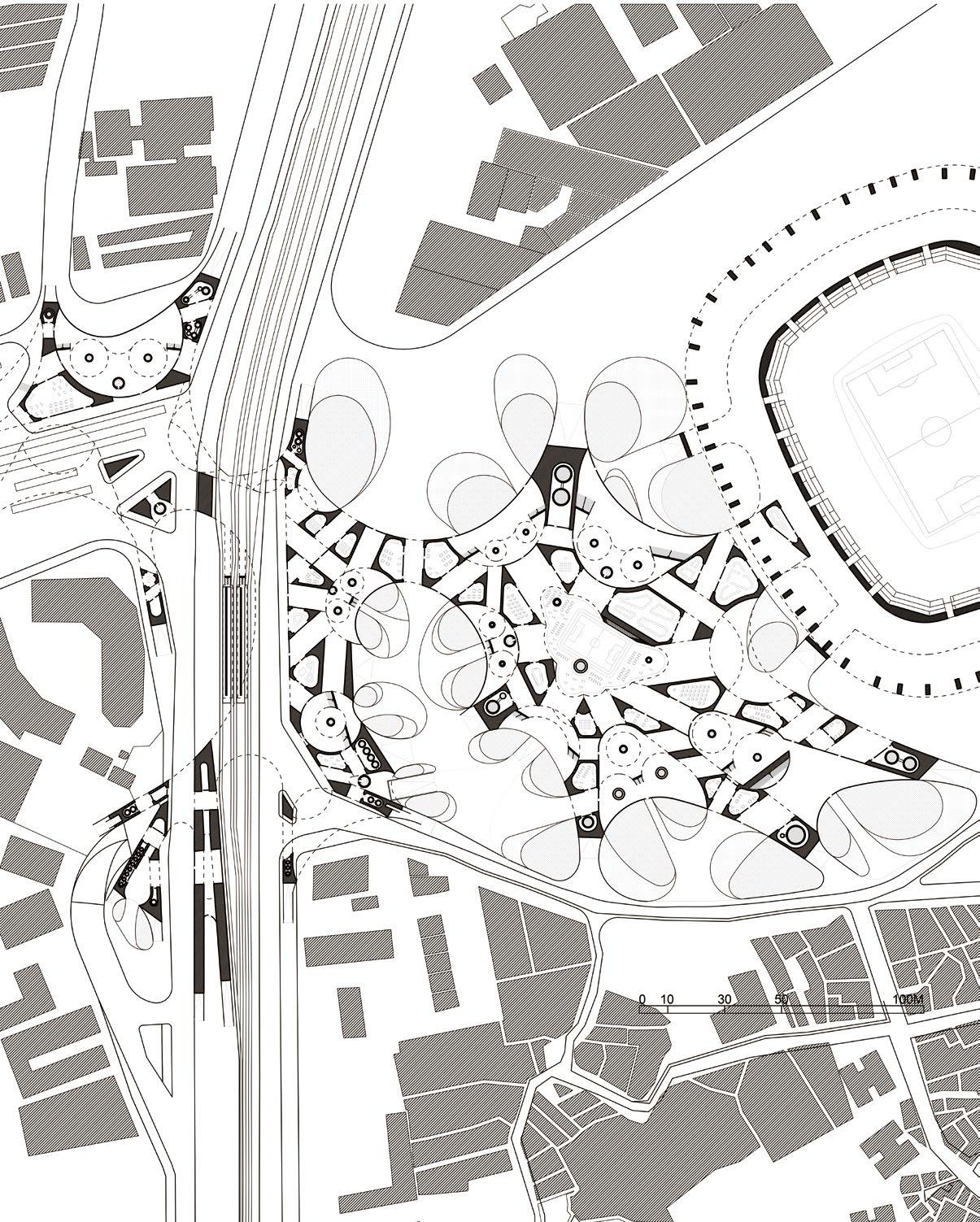
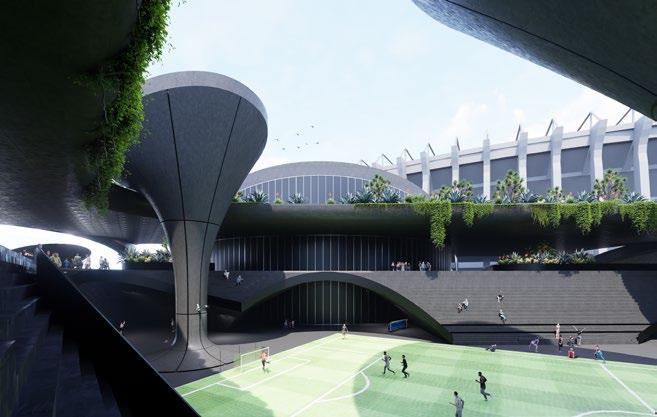
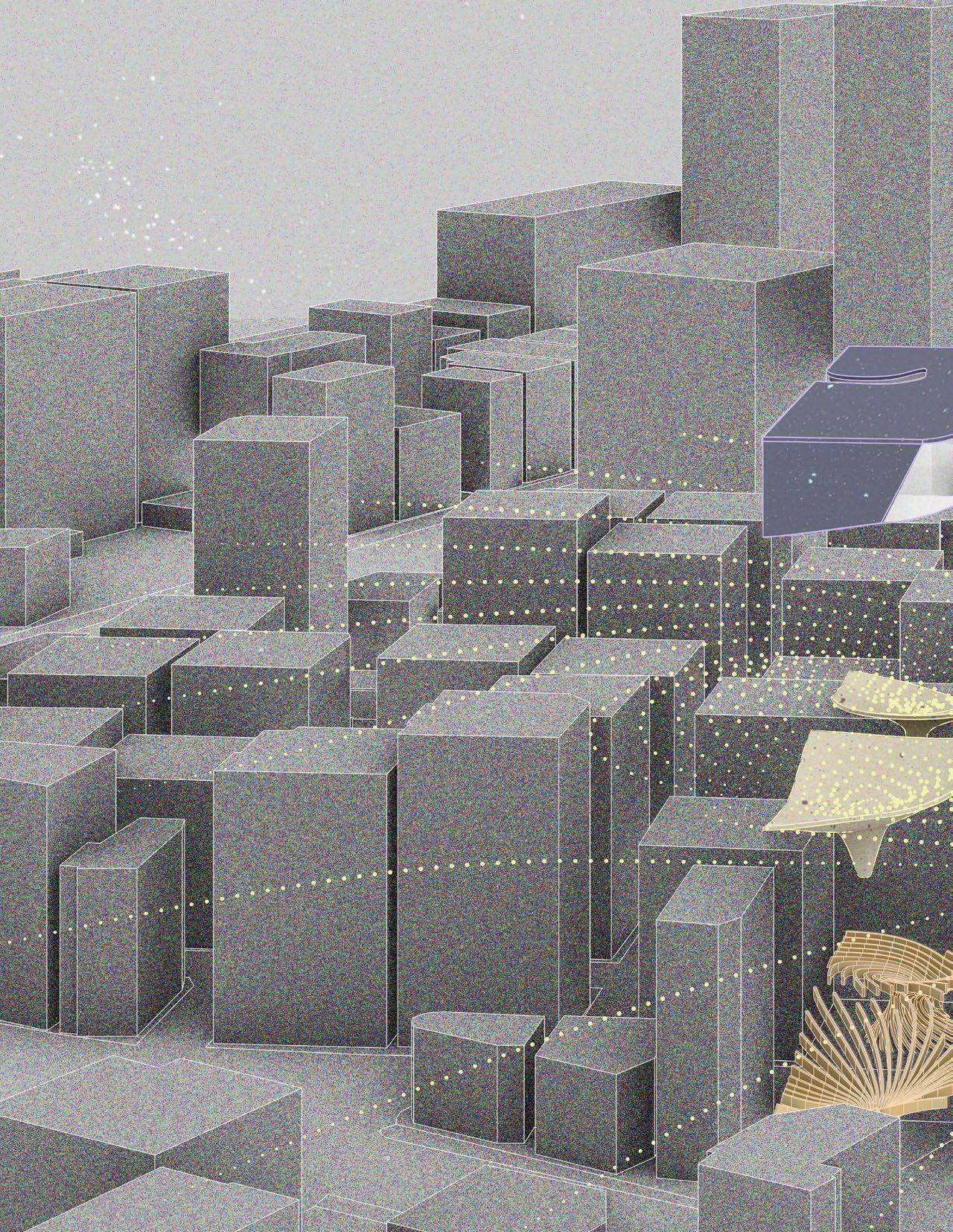
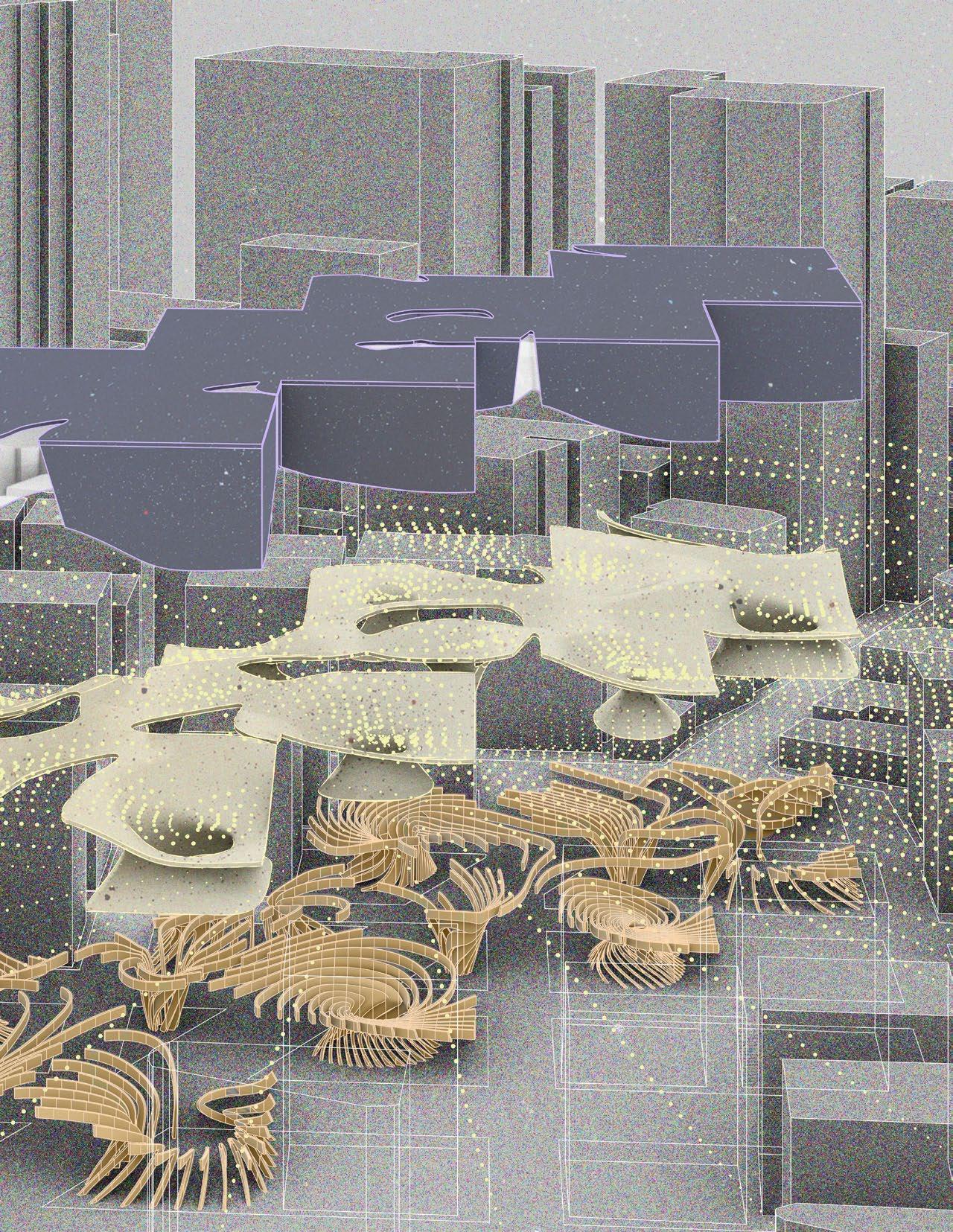
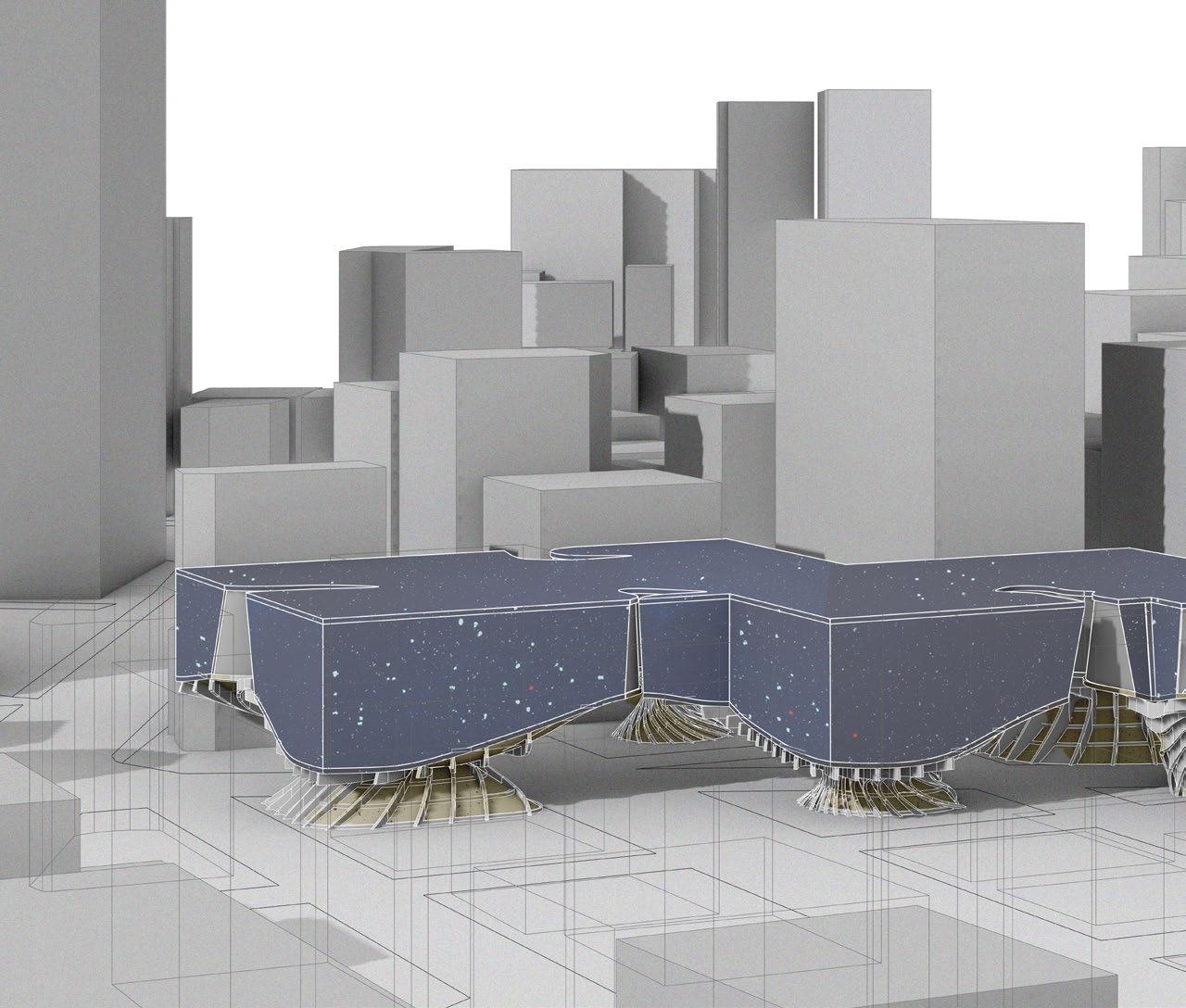
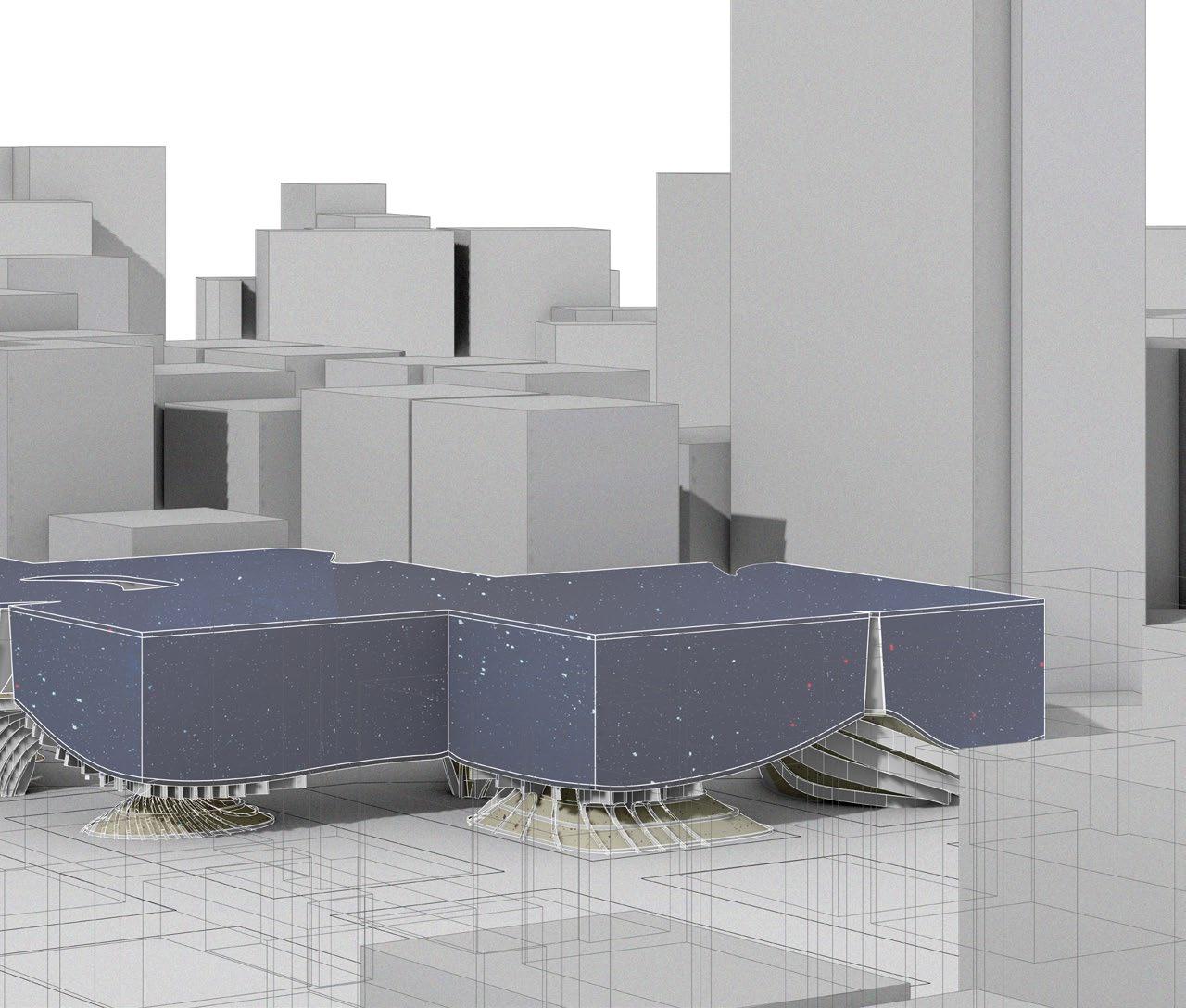
This project is located near the Norte Stadium in Mexico City and speculates on the city’s future conditions before and after large-scale events such as the upcoming World Cup. It addresses the paradoxical challenges of water scarcity and flooding that affect the city, reconnects pedestrian networks fragmented by road infrastructure, and provides new public space. More importantly, through a speculative lens, the project extends beyond problem-solving to propose an experimental framework that reimagines how infrastructure and urban life can generate new possibilities for community activation and resilience.
Arial Perspective View Rhino, D5
Connecting Spots, Collecting Water
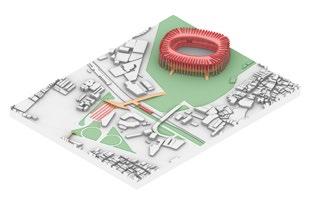
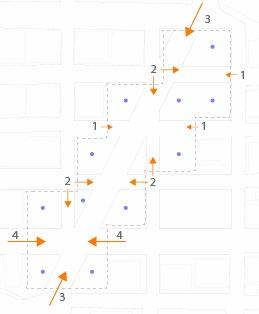
The design begins by identifying and connecting multiple potential spots around the site. Public programs, positioned alongside an activated pedestrian network, transform these points into key urban nodes. At the same time, rainwater collected from the building’s surfaces and a flood-responsive plaza serve as passive strategies to address both water scarcity and flooding.
2. Pedestrian Network + Vendor Market
4. Flood Responsible Plaza Water-collecting Roof and Walkaways
1. Important Spot & Possibility
3. Enhancing Spots with Roofing and Programs
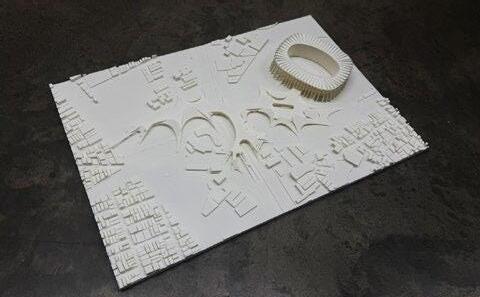
Site Physical Model, 1:2500 Spray Paint on PLA, 14” x 20”x 5”
Base on Function as footbridge, Roof, Program, Rain Harvesting
Through a formal study exploring forms suitable for a system that simultaneously addresses pedestrian networks and water collection and storage programs, the design has evolved into a form that not only meets these requirements but also enables the system to operate effectively.
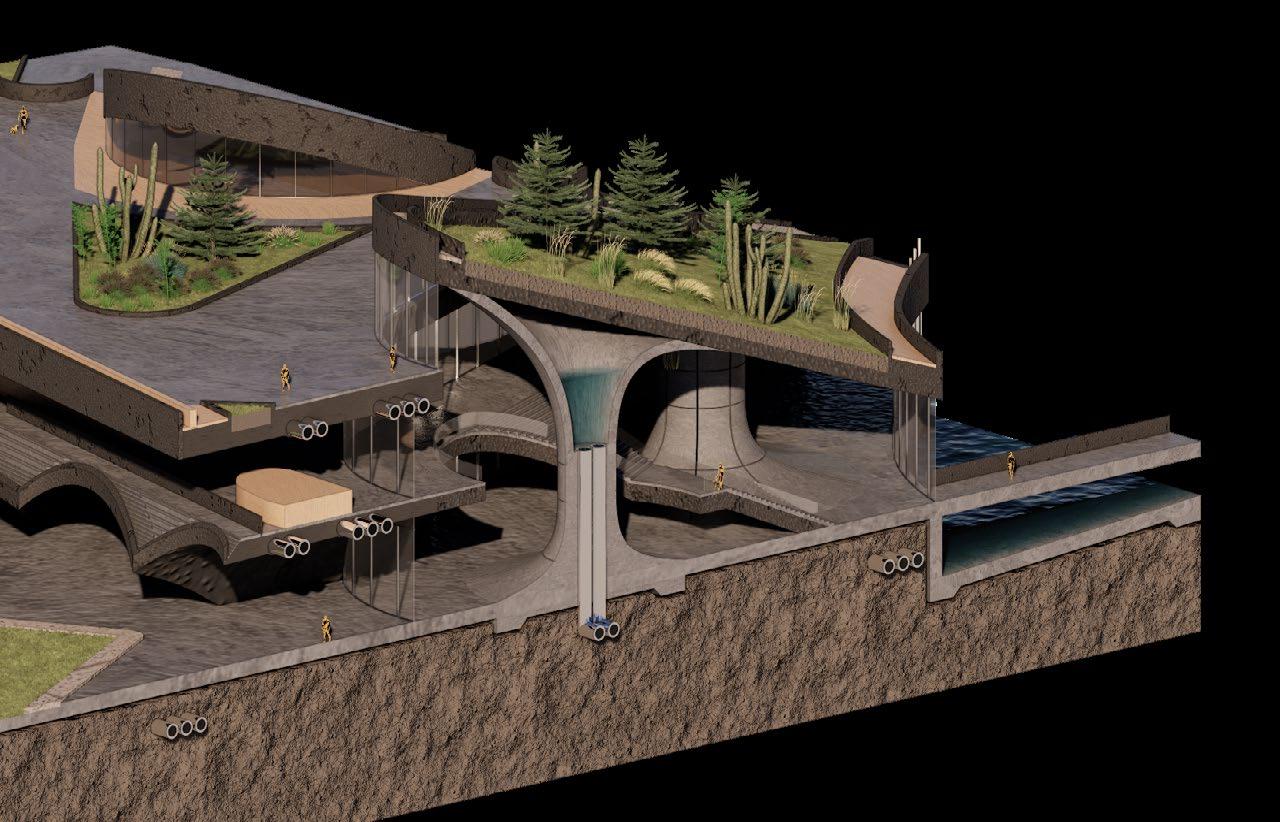
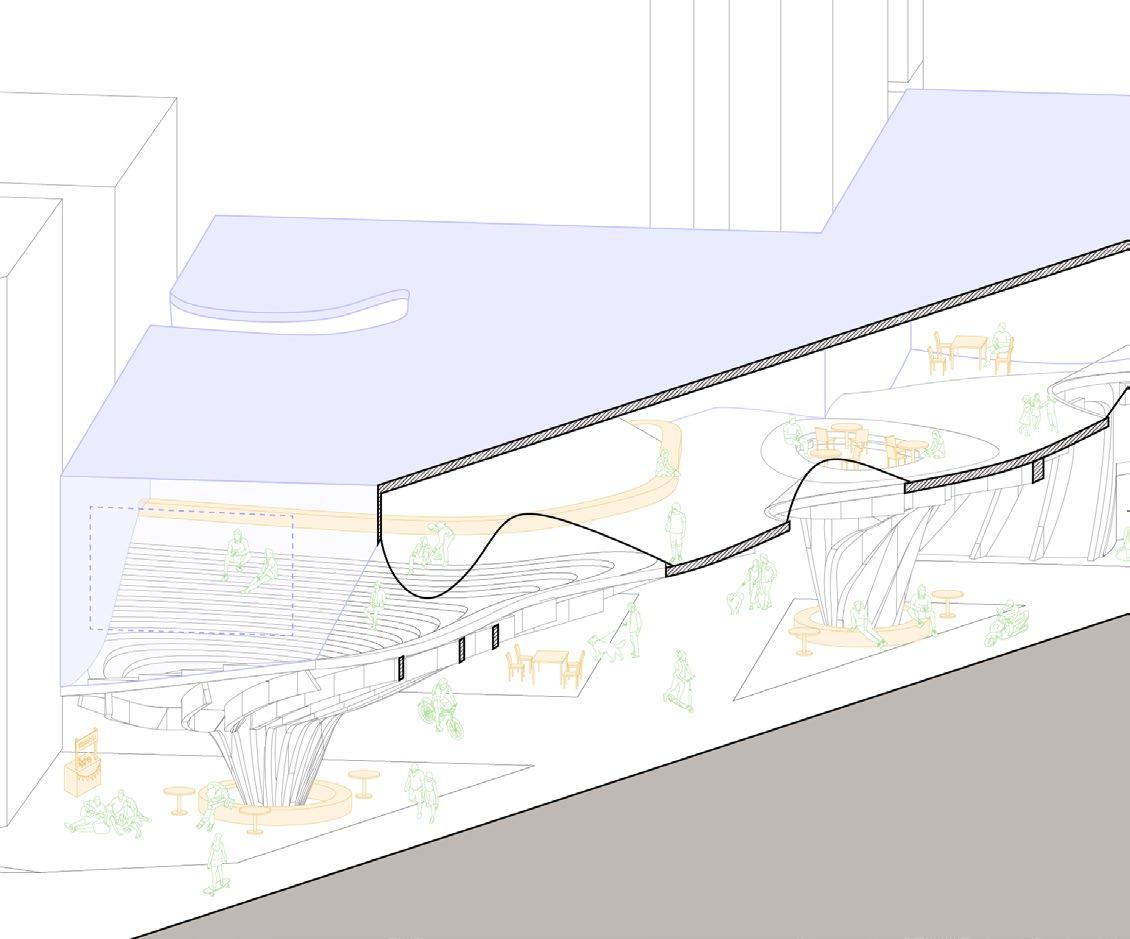
Axonometric Building Section Rhino, Enscape
Infrastructure for People and Water
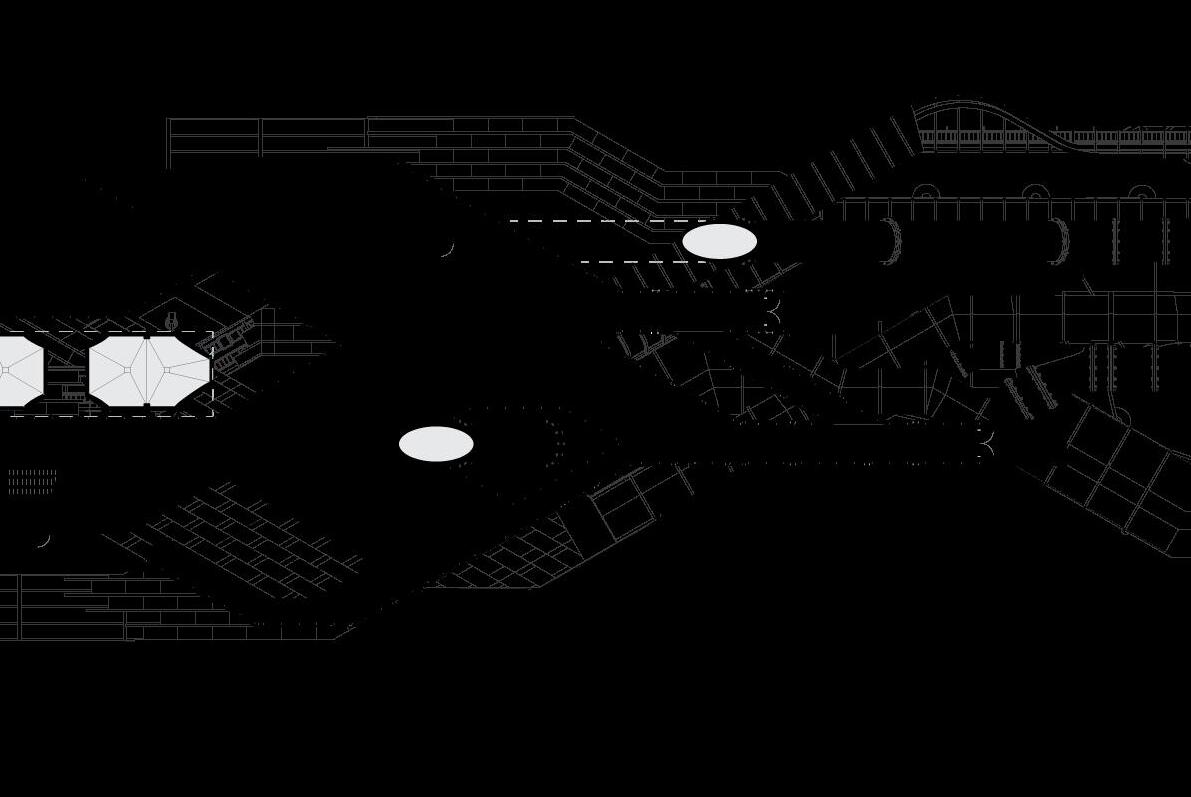
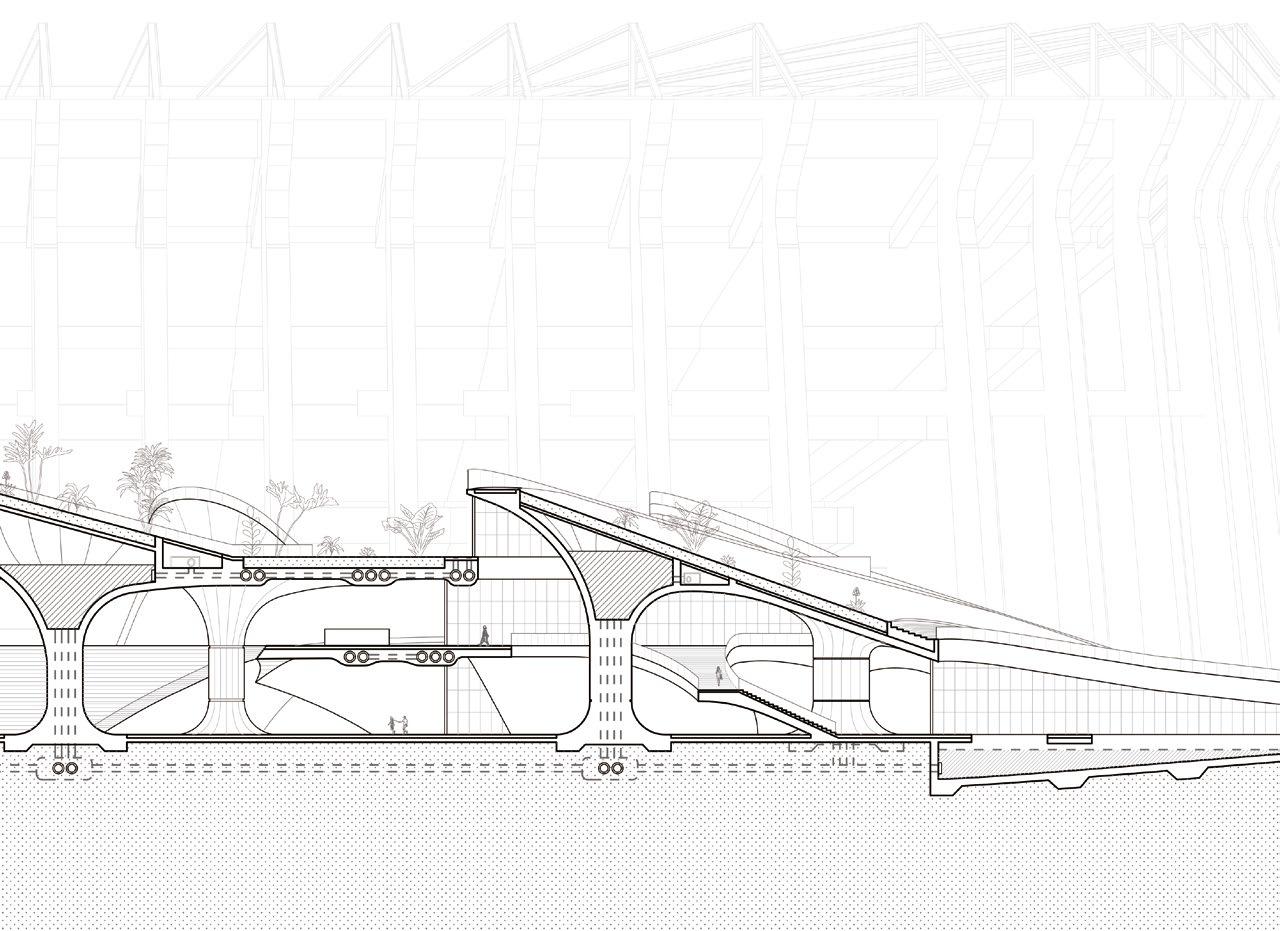
The floor plan not only performs the system of water collection, filtration, storage, and distribution but is also designed to adapt to both everyday conditions and large-scale events such as the World Cup, where massive crowds gather and disperse. The second floor primarily functions as a circulation level; on ordinary days, it accommodates a vendor market and provides space for the local community to stroll and gather. During events, however, all spaces can be cleared to accommodate large flows of people.
Designing for Everyday and Event
Similar to the second floor, the ground floor is developed not only to operate the rain harvesting system but also to adapt to conditions before and after flooding. During floods, the plaza functions as a pond that retains water; in everyday situations, it becomes a public park; and during events, it transforms into a gathering space for people. In the diagram, the contrasting shading illustrates the difference in occupancy density between event periods and ordinary days.
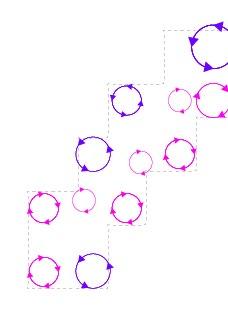
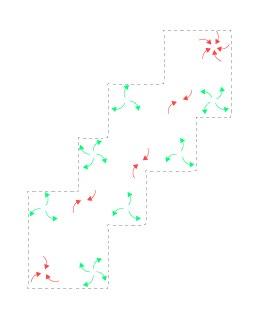
The ground space condition diagram illustrates a porous form carved by human movement, revealing unique spatial qualities shaped through circulation. Unlike the uncomfortable underpasses of conventional footbridges, this serves as a strong example of how pedestrian infrastructure can be integrated with architecture to function more effectively.
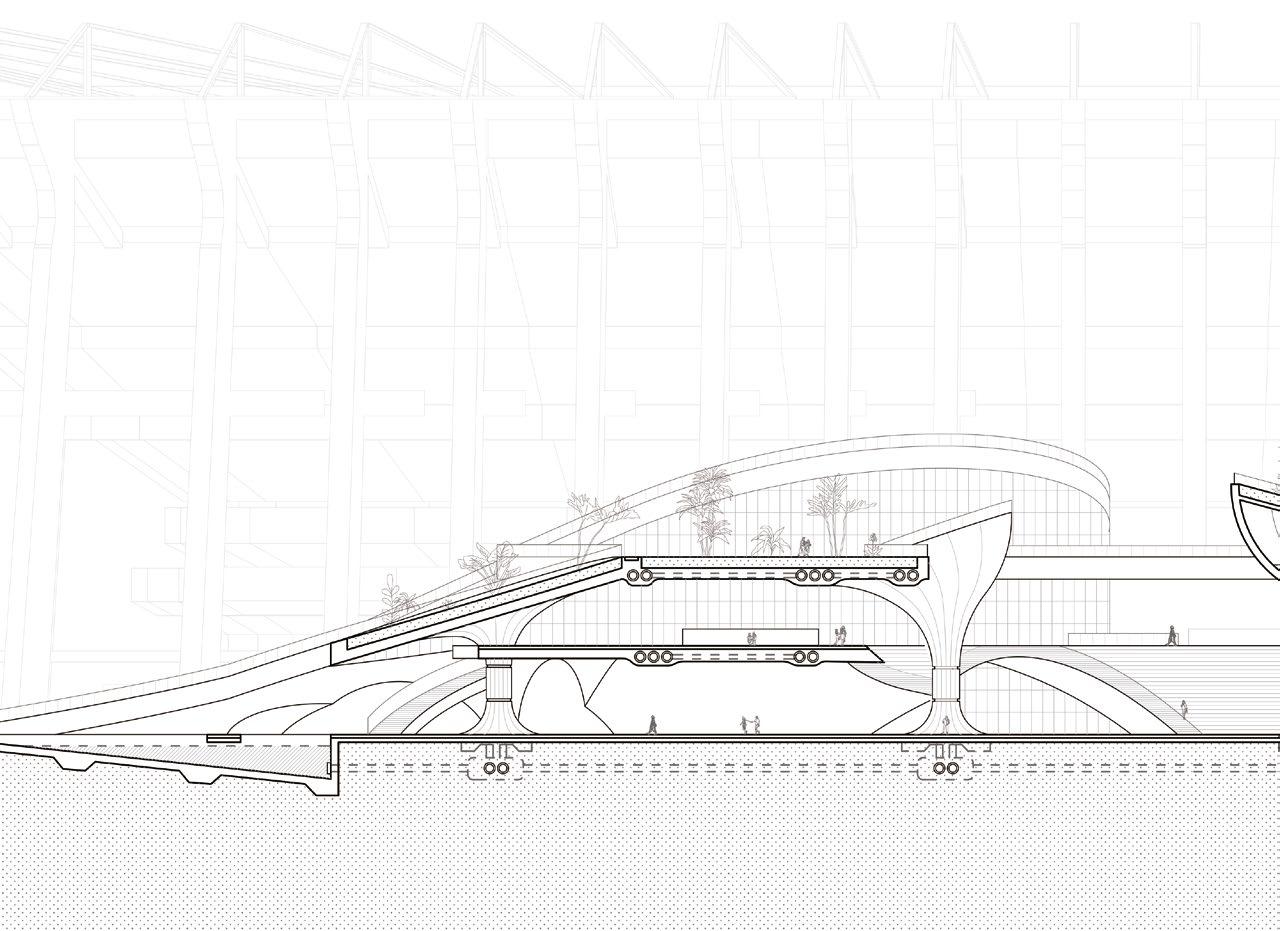
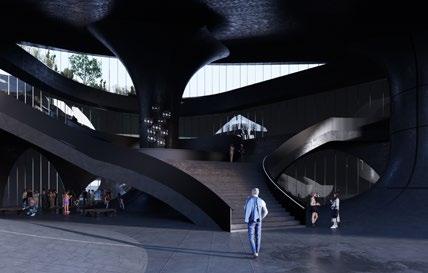
How can we experience architecture that is integrated with infrastructure? From its earliest planning stages, this project has focused on the flows of water and people. Just as water is collected, filtered, stored, and redistributed through a sequence of processes, the movement of people is aligned with this sequence, allowing them to directly experience each stage of rain harvesting within the building. Through this, residents can transform negative associations with water into new experiences, while the building itself functions as both a community hub and a device for shifting perception.
Typical Building Section
Small
Vendor Market & Pedestrian Network Public Park
Small Stadium Court Yard Rhino, D5
Interior View with Water Fiteration and Storage Column Rhino, D5
Inhale-Exhale 03
Fall 2024, Pratt Institute
Academic, Individual Work
Professor: Alex Tahinos
Program: Housing, Public Park + CO2 Capturing
Location: 395 Broome St, New York
Software: Rhino + Enscape + Adobe Suite
Arial Axonometiric View of Building Rhino, Enscape, Photoshop
Urban Sampling
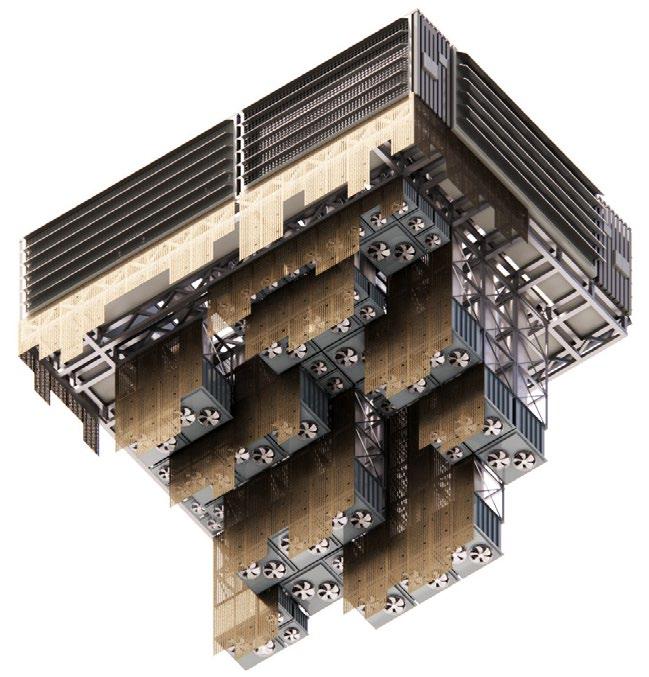
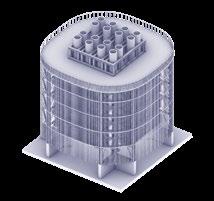
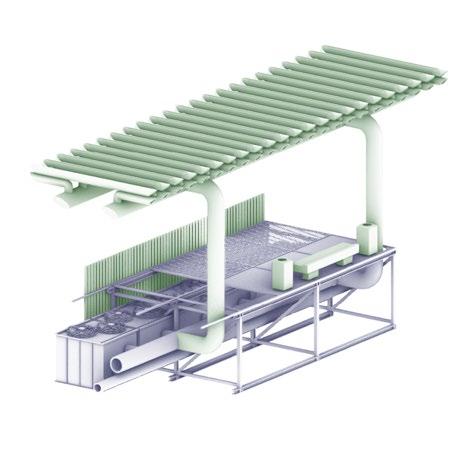
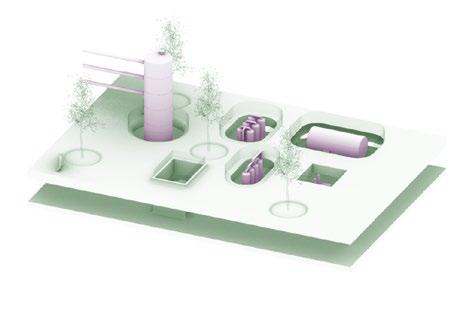
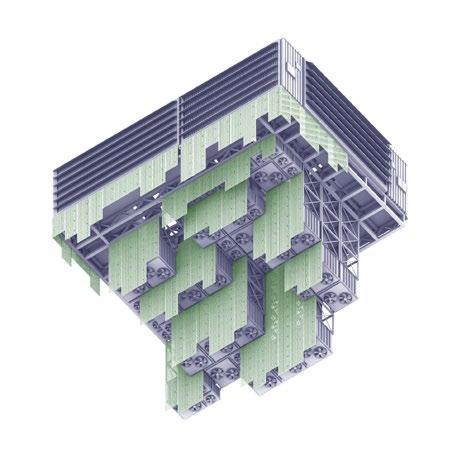
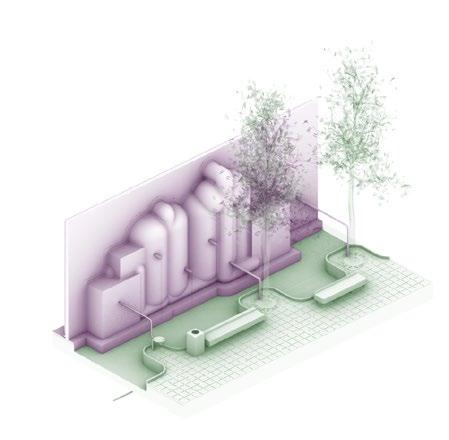
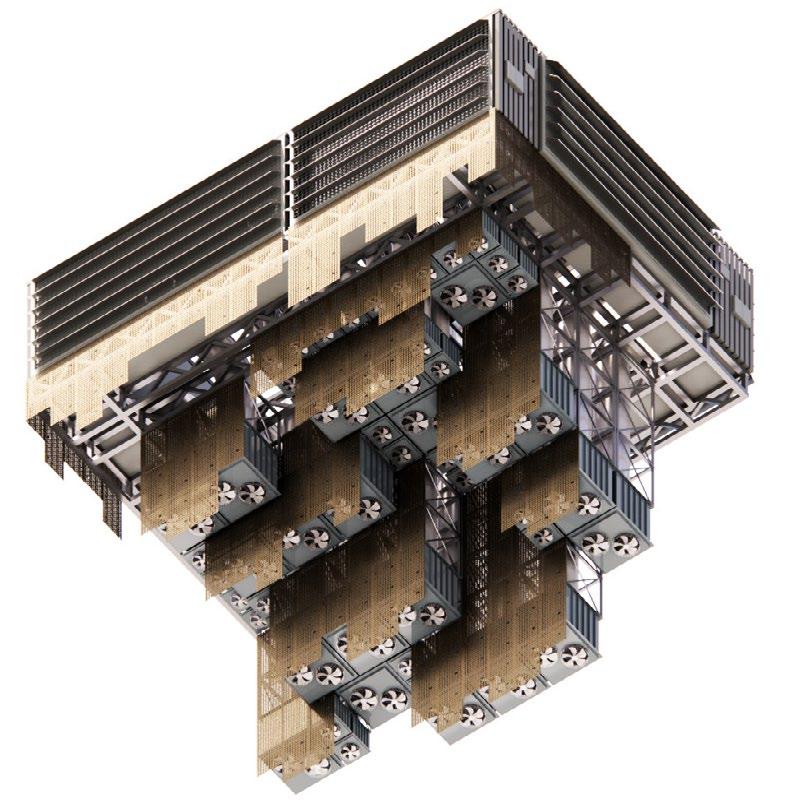
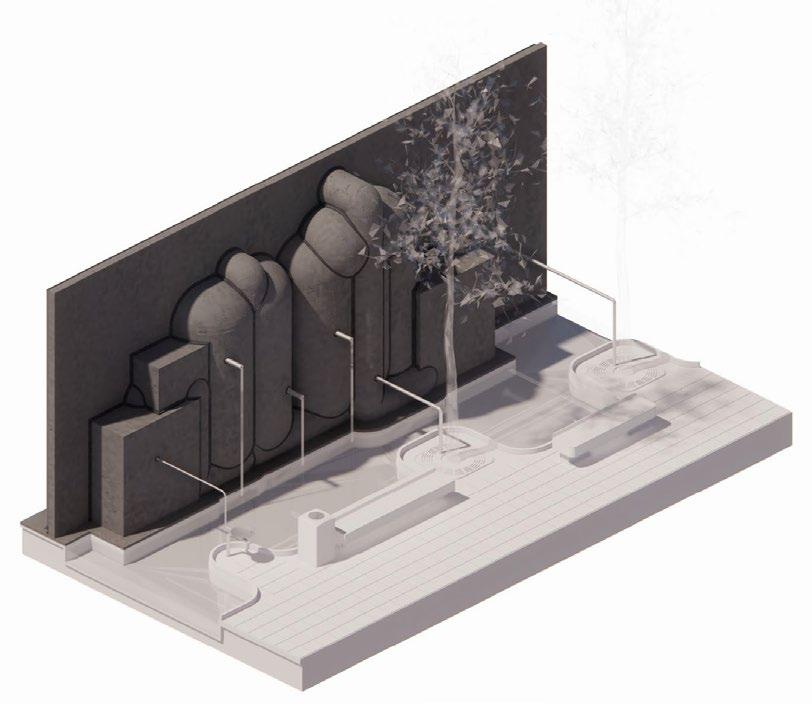
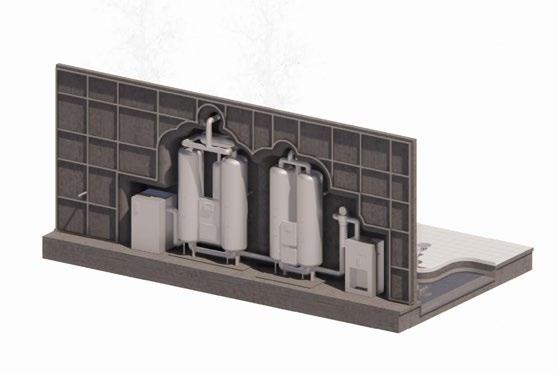
This project explores the integration of CO₂-capturing technology with urban elements such as small parks in New York City. Its goal is to merge futuristic technology with familiar spaces, creating a new architectural experience where past and future intersect. Through this process, the project investigates how emerging technologies can organically embed themselves within the urban environment.
Step 1: Hybrid Experimentation
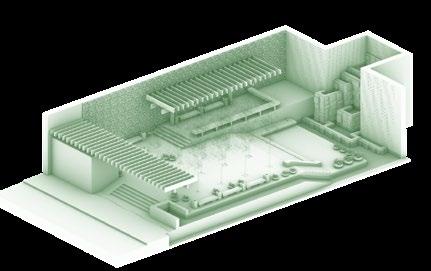
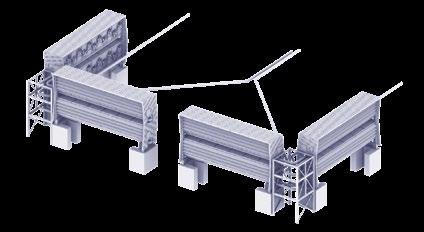
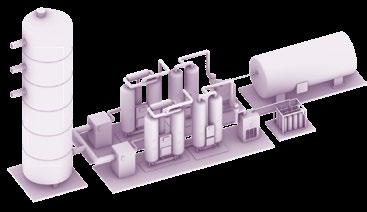
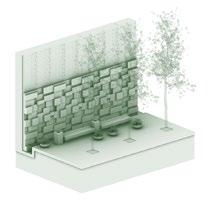
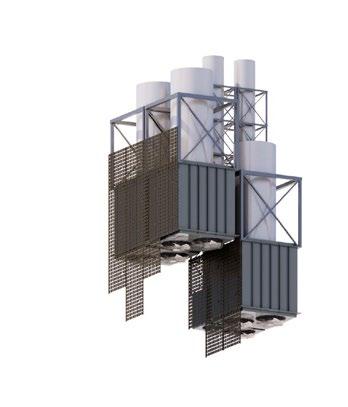
In the initial stage, the project analyzed the functional aspects of CO₂ capturing and processing devices and explored their potential to merge seamlessly with architectural forms. Through 3D modeling experiments, elements of urban parks—such as benches, streetlights, plantings, and paving—were sampled and combined with new technological devices in a hybrid modeling process. This experiment went beyond simply visualizing technical performance, aiming instead to explore how urban spaces might acquire new aesthetic and atmospheric qualities in the era of climate change.
Urban Sampling
1. Whole 3D Model Studies
2. Sectional & Partial Studies
CO2 Gas Storage
Park Entrance Tree
Cluster Section
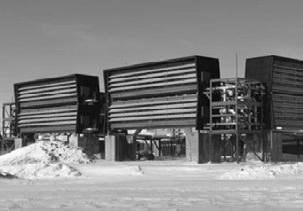
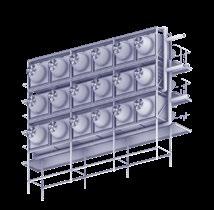
CO2 Capturing Module
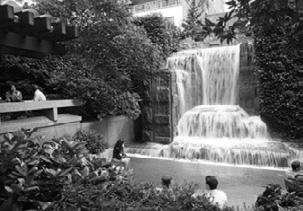
Greenarce Park, New York
2nd Generation
CO2 Processing Facility
3rd Generation
1st Generation
CO2 Capturing and Processing by Climeworks
Water Stream Wall
Cascaded Waterfall
01. Original Model
Modeling Experiment
Hybrid Experiment
3. Hybrid Experiments
Entrance for CO2 Free Park
CO2 filtering Machinary Tree
CO2 Free Shelter
Park Entrance + Snack Bar + CO2 Storage
Tree + Bench + CO2 Filtering Machine
Canopy Shelter + CO2 Filtering Machine
CO2 Facility Deck
CO2 Free Wind Fall (Selected)
CO2 Processing Wall (Selected)
Open Park + CO2 Facility
Cascaded Waterfall + CO2 Capturing Cluster
Water Stream Wall + CO2 Processing Facilty
CO2 Free Wind Fall
Flexible, Curved Public Space, Free Form Angular, Rectangular Housing, Modular
Step 2: Selection on Hybrid Object
Among the various hybrid models, objects suitable for residential and public programs were selected. The multi-family housing is composed as if made of modular units, resonating with the logic of windfall. Meanwhile, the park is envisioned not as a standardized or efficiency-driven space, but as a place where people can linger and relax—integrated with CO₂ processing casings. These hybrids embody both functional and sculptural qualities, visualizing how CO₂-capturing technology can naturally permeate the urban context. Renderings of the selected hybrids present concrete spatial images, revealing a new hybrid atmosphere within familiar cityscapes.
01. Whole Parts of Hybrid Objects
02. Details of Hybrids Objects
Kinetic Element
Inlet and Outlet Connection
Whole System Section
Phase 3: Architectural Integration
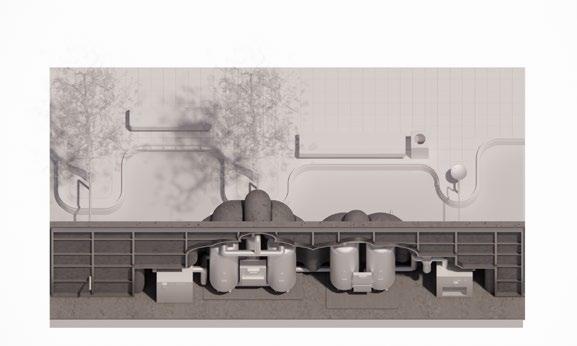
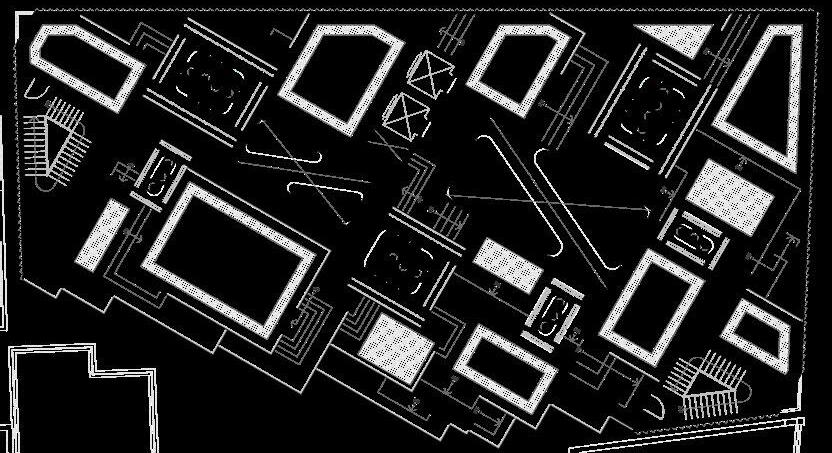
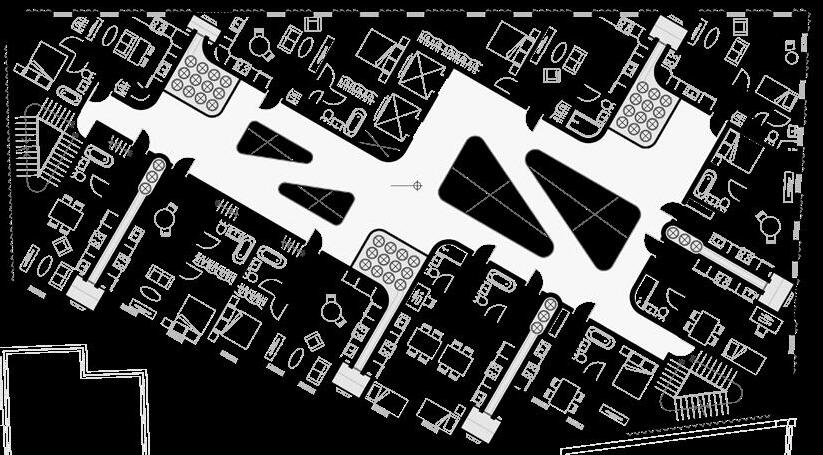
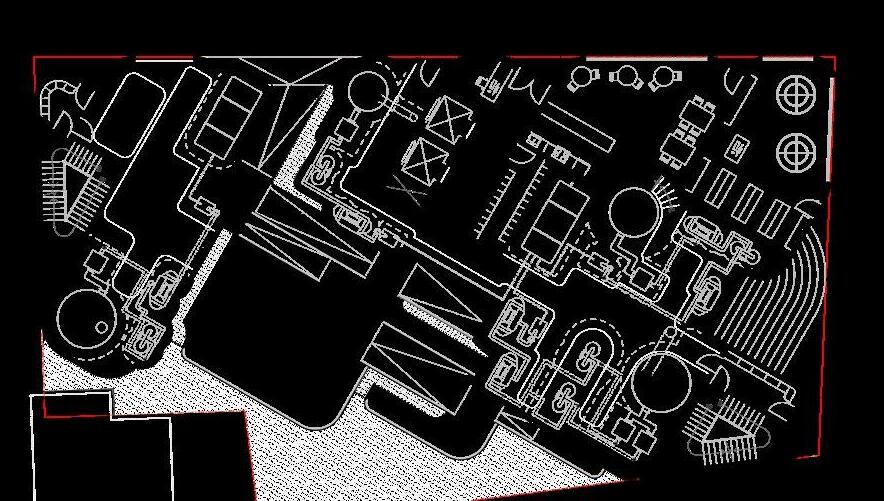
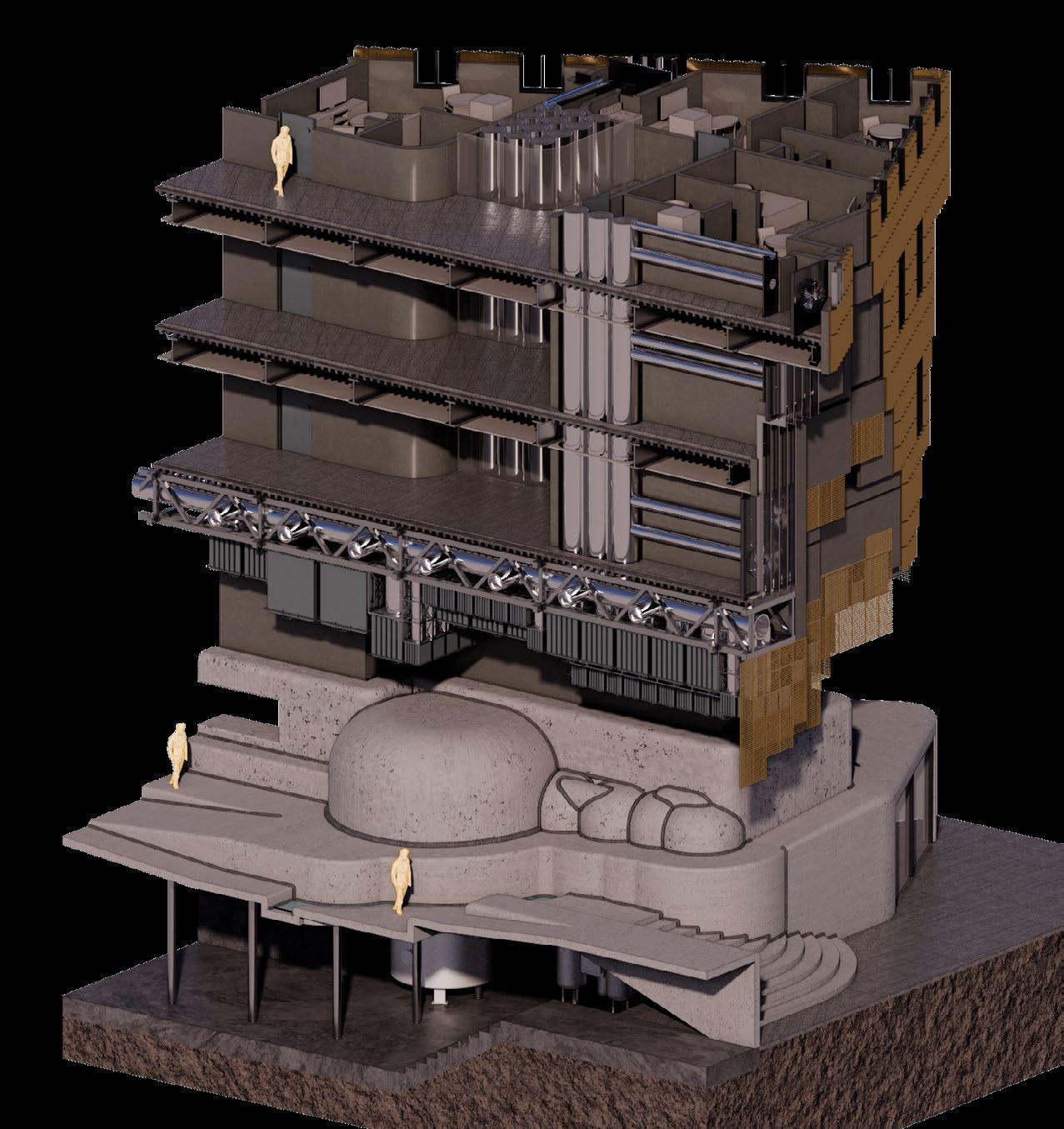
In the final stage, these hybrid objects were fused with actual architecture. As seen in the contrast between the floor plan and the axonometric building section, CO₂-capturing machines equipped with filters are integrated into residential units, supplying purified air to the interior. At the same time, the filtered air is released into the CO₂ Free Park, where it merges with kinetic devices to generate an entirely new type of park atmosphere. Through this process, people are able to sense, observe, and experience the act of filtration directly.
Axonometric
In the final stage, the project is articulated as a single building operating in dialogue with its context. At the rear of the site, where the balconies of adjacent buildings face inward, the CO₂ Free Park is strategically placed in respect to this condition. The surrounding buildings emphasize a repetitive verticality, which the design both acknowledges and reinterprets. This results in a gradually recessed, cave-like entrance at the front, contrasted by a vastly open public park at the rear. The strong juxtaposition of these elements produces a spatial drama, allowing the building to operate as an architectural form that resonates with its context while offering a new type of public space.
Broom St (3 Lane Road)
Eye Level Building Perspecitve View Rhino, Enscape
Perspecitve View of CO2 Free Public Public Park Rhino, Enscape
Vertical Dynamics 04
Fall 2024, Pratt Institute
Academic, Individual Work
Professor: Fabian Llonch
Proseminar: Skins
Location: 110 Prince St, New York
Software: Midjourney, Rhino, Enscape, Adobe Suite
Image to Skin
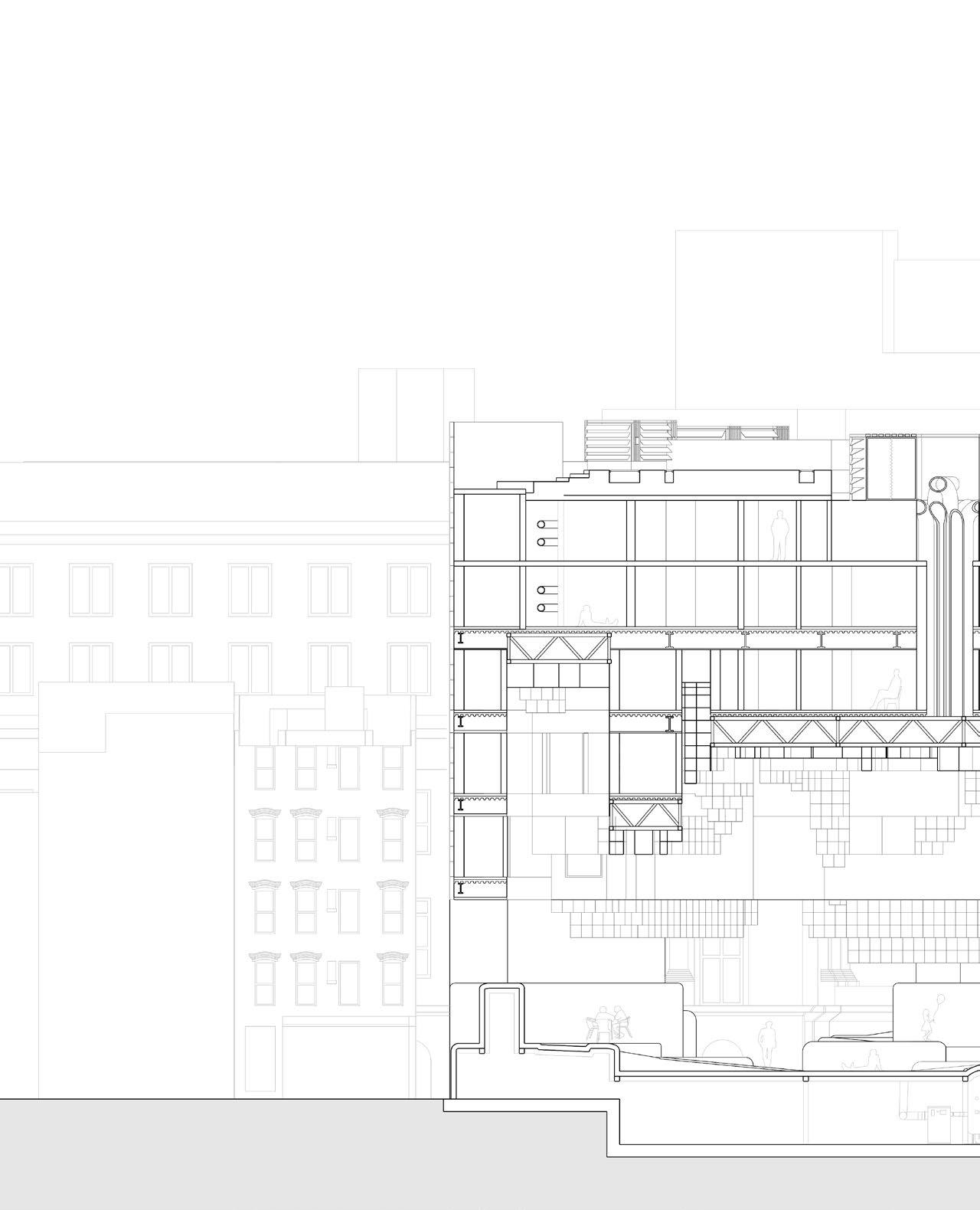
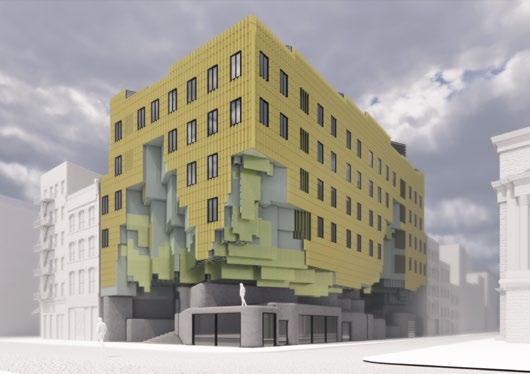
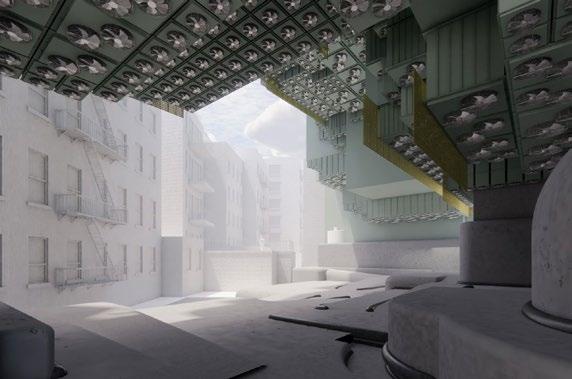
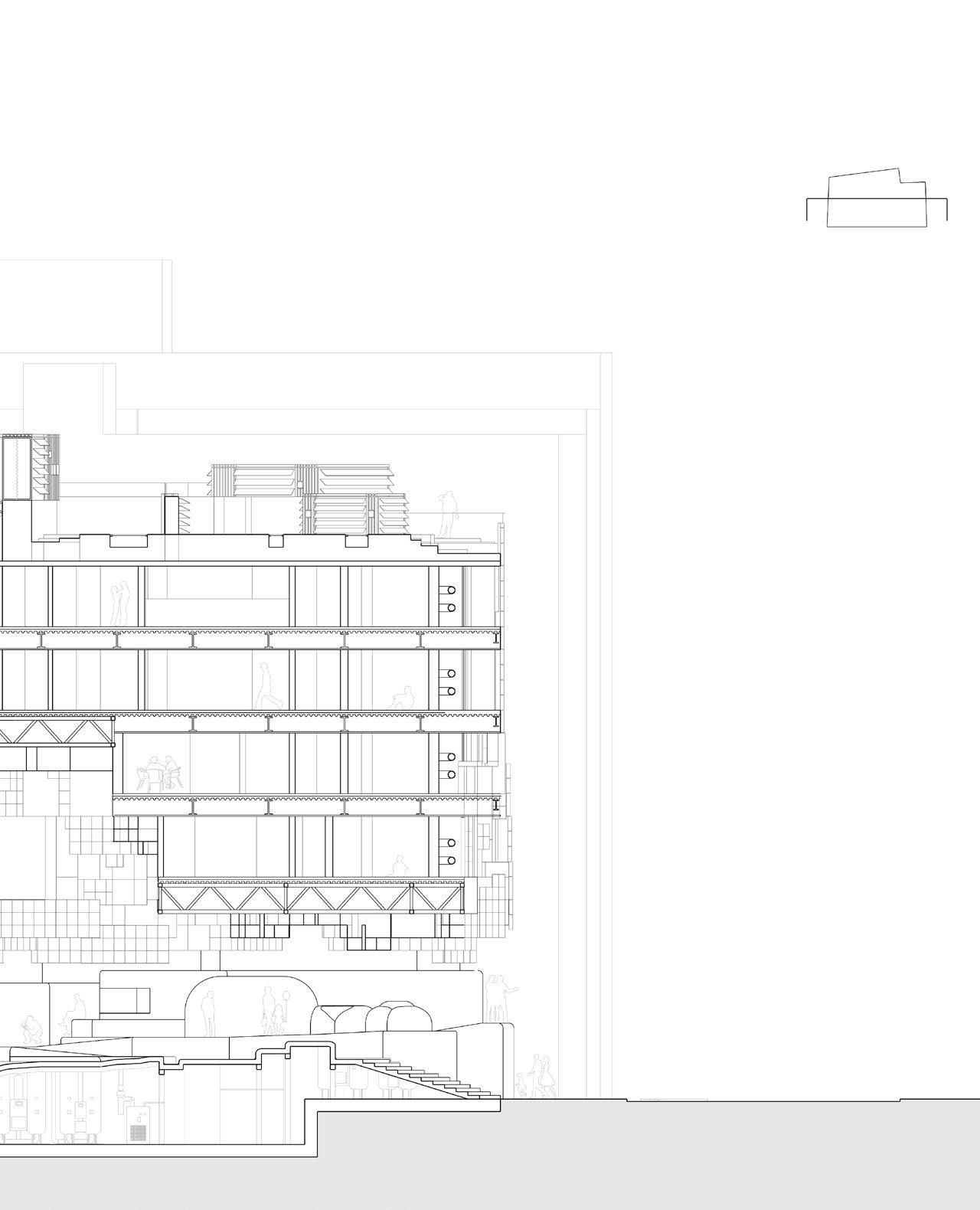
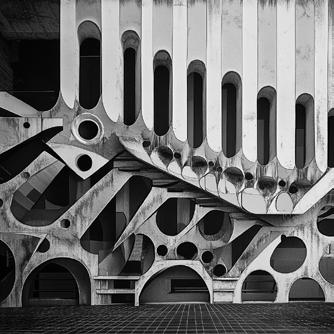
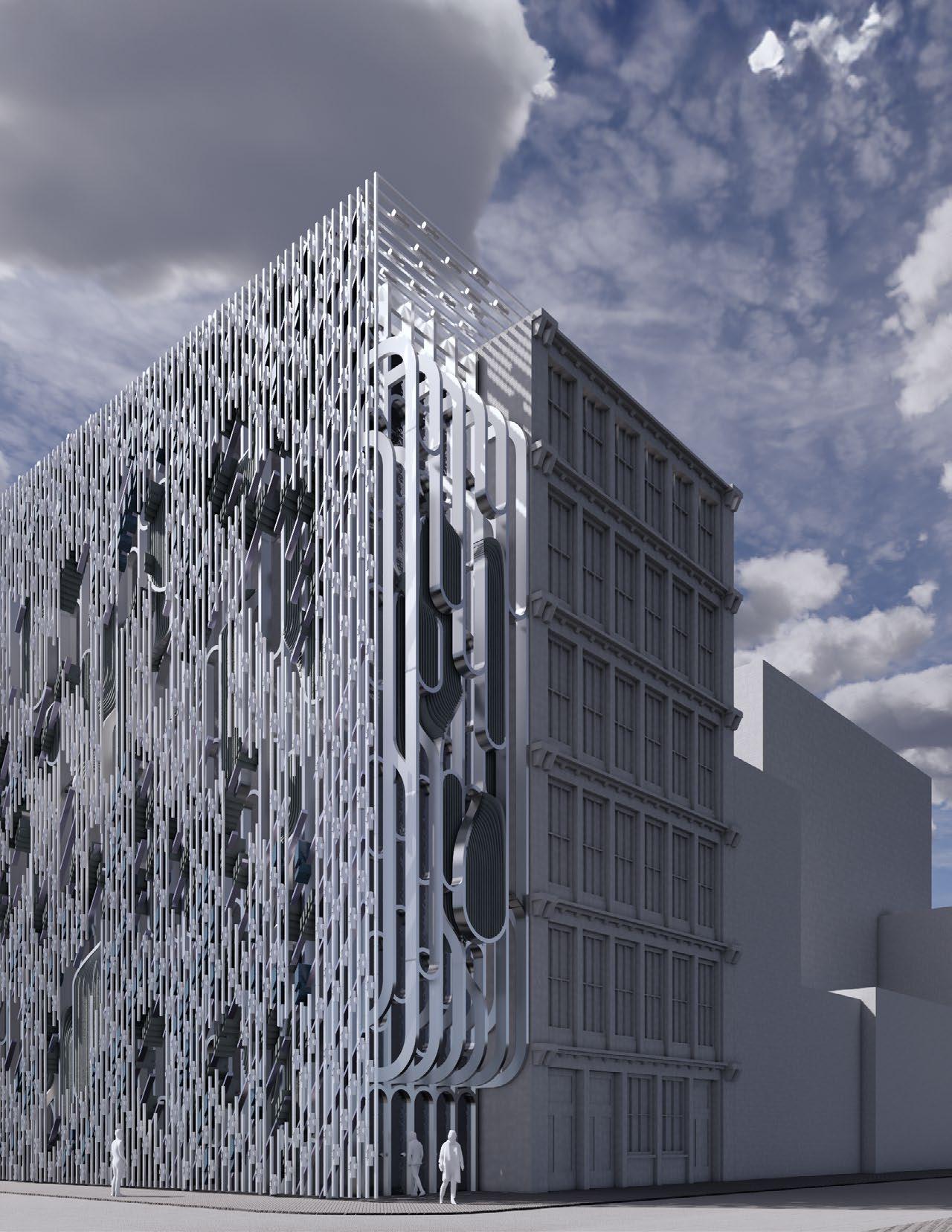
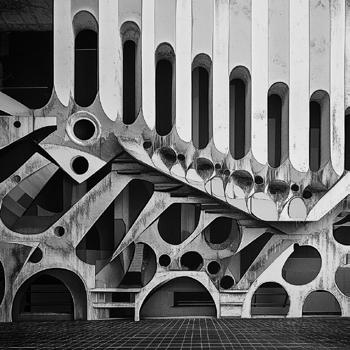
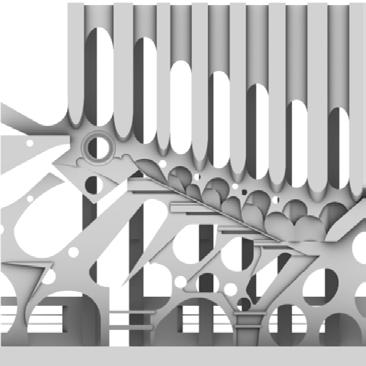
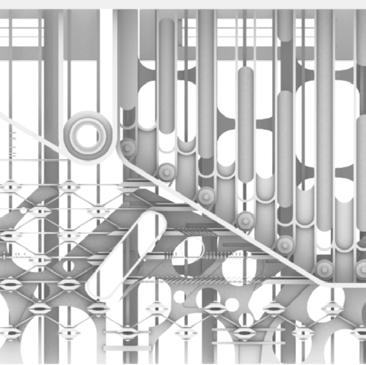
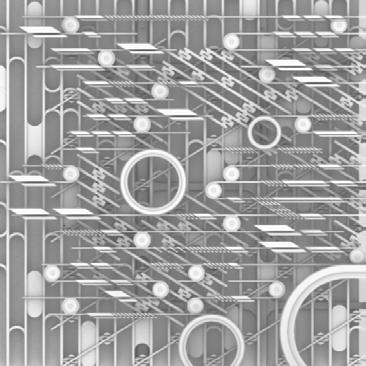
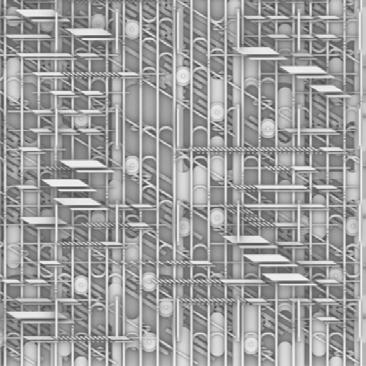
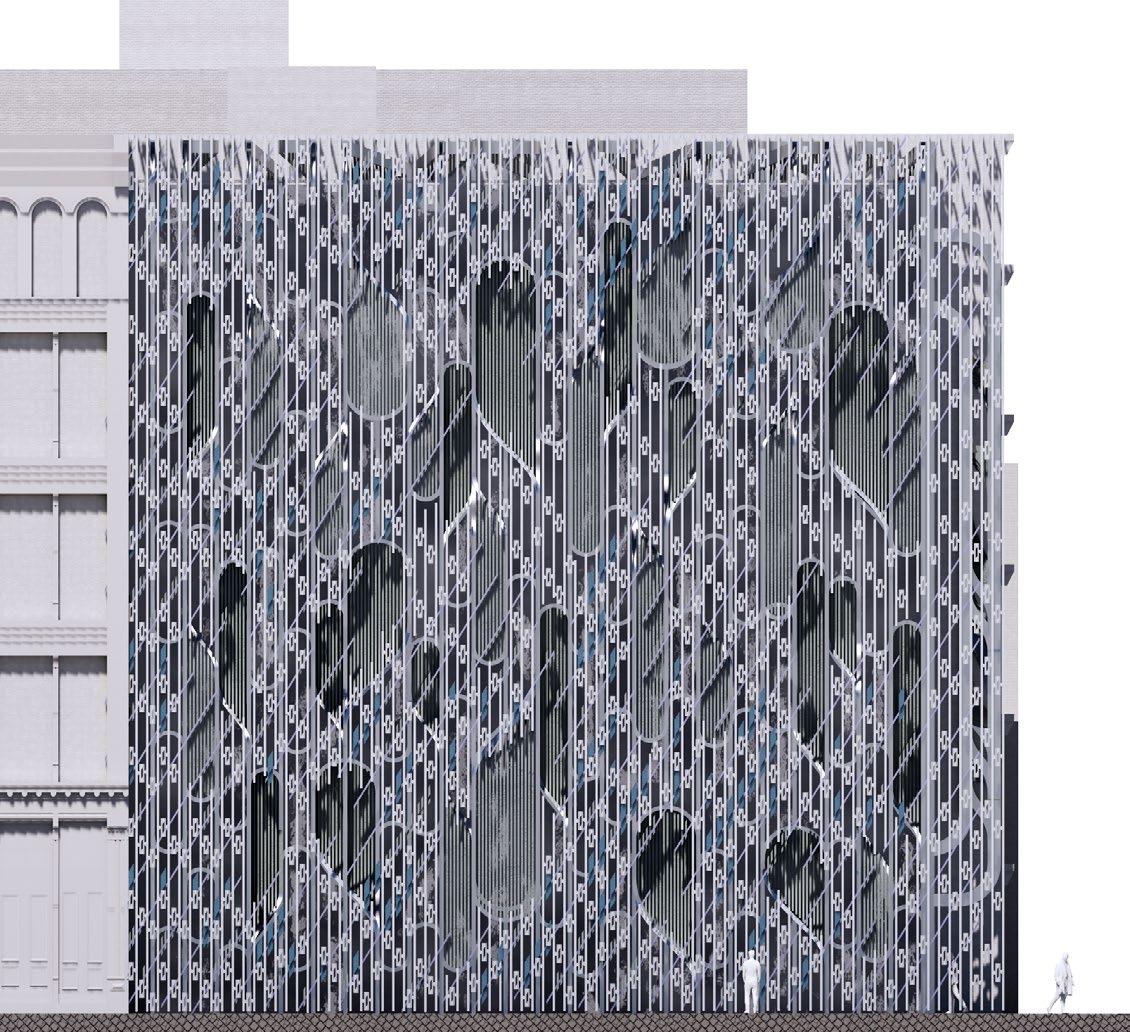
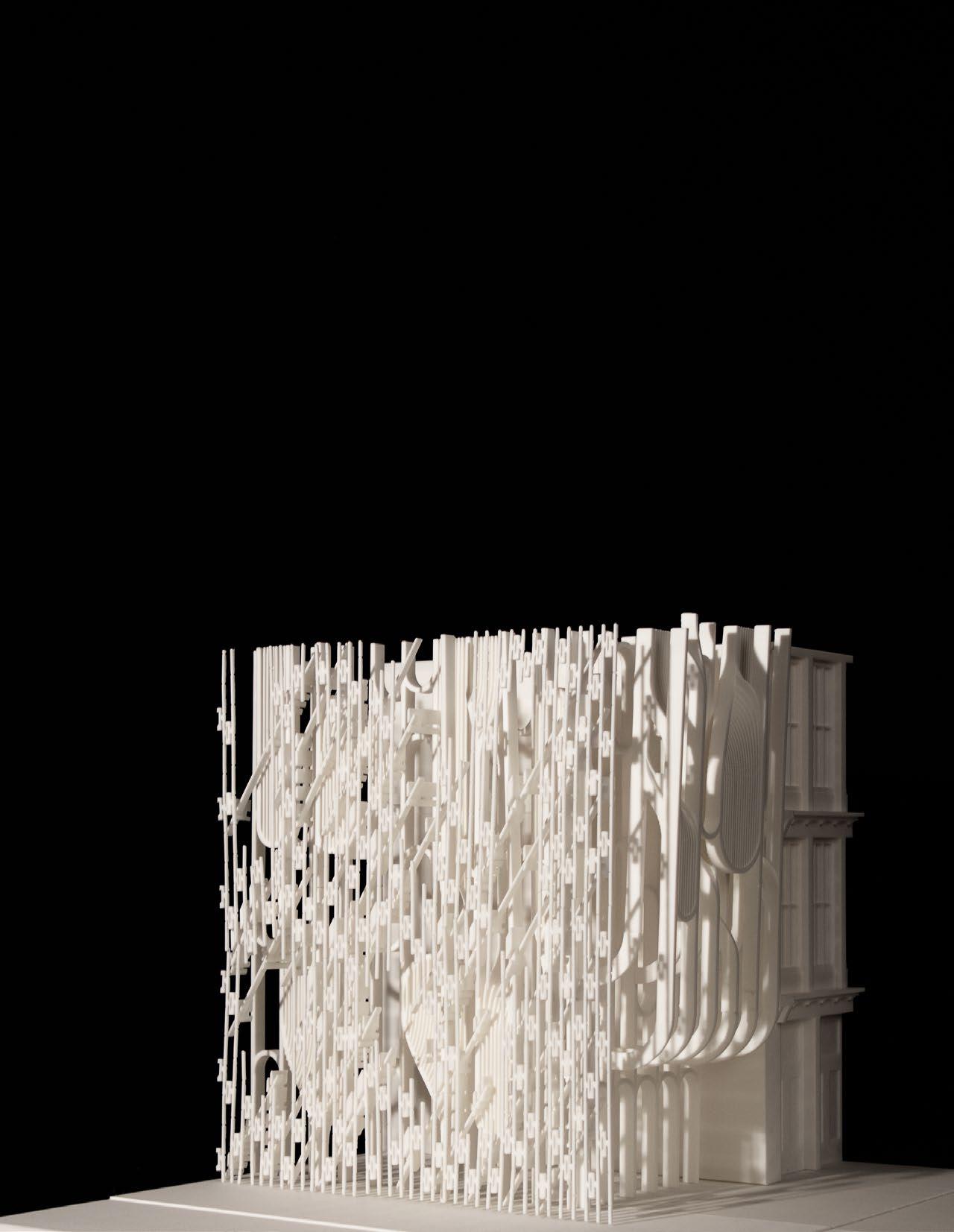
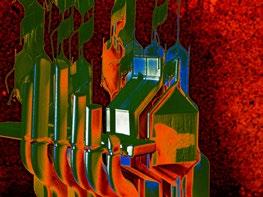
This project explores the architectural potential of geometries derived from AIgenerated images. By analyzing and translating these algorithmically-produced forms and patterns, the study investigates how they can be applied to existing environments as expressive facade designs. It aims to propose new modes of spatial expression where digital imagery meets material architecture.
AI
Phase 1: AI Generative Image
Mid Journey
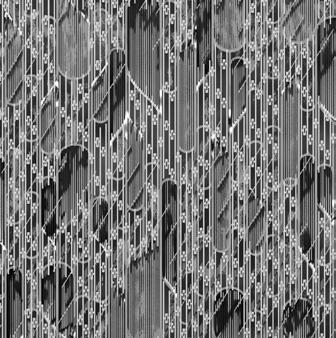
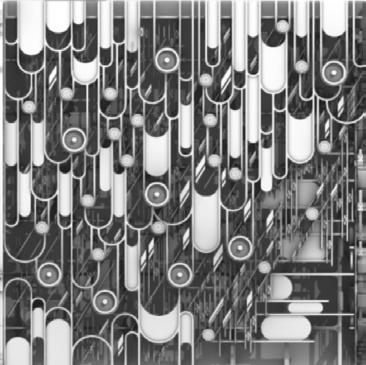
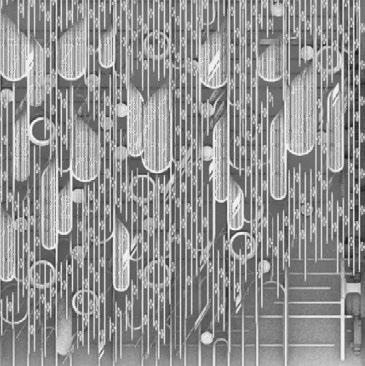
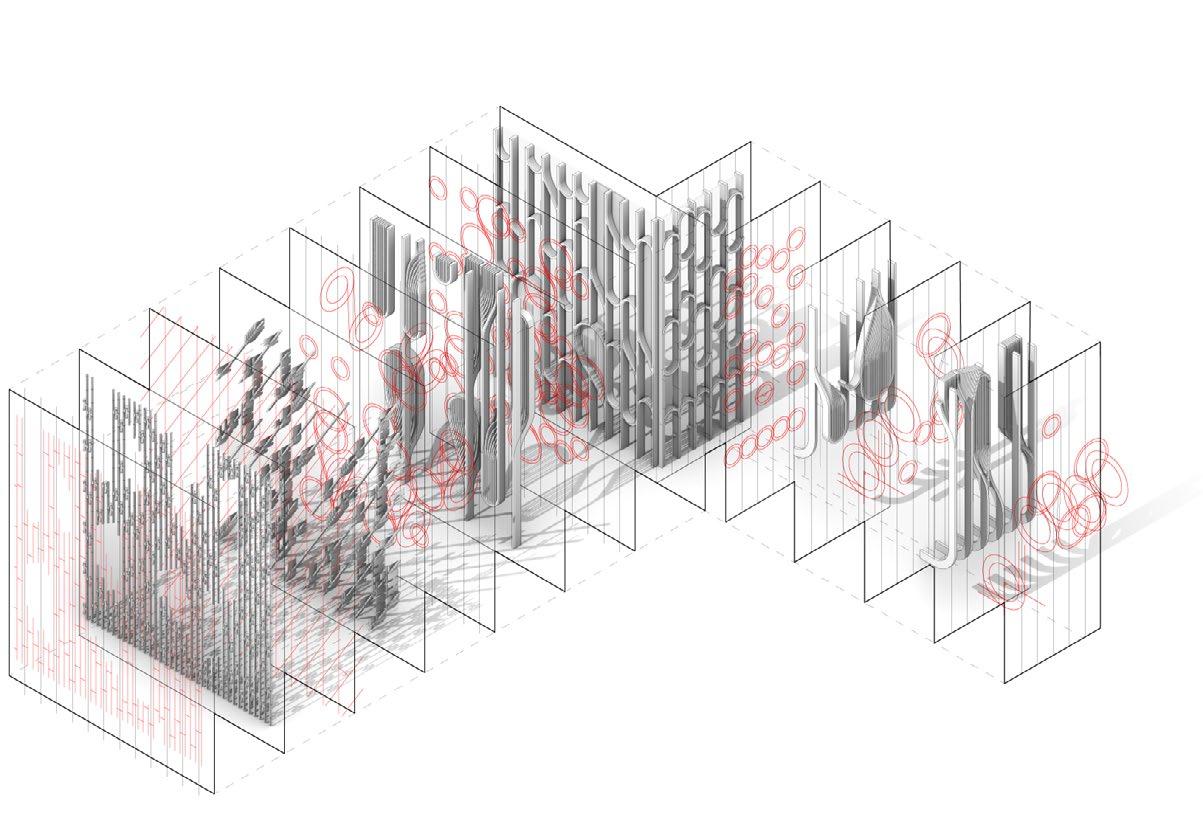
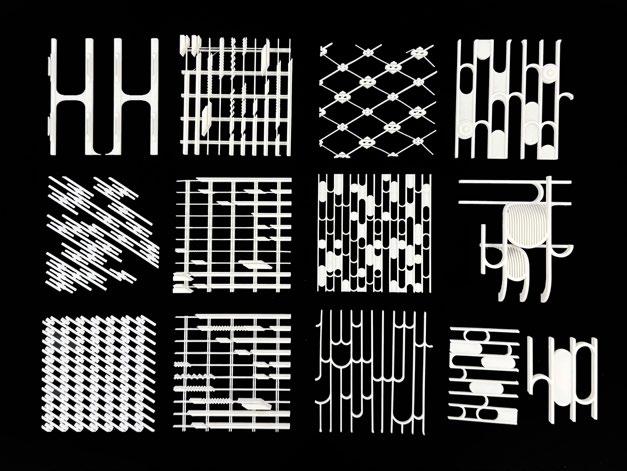
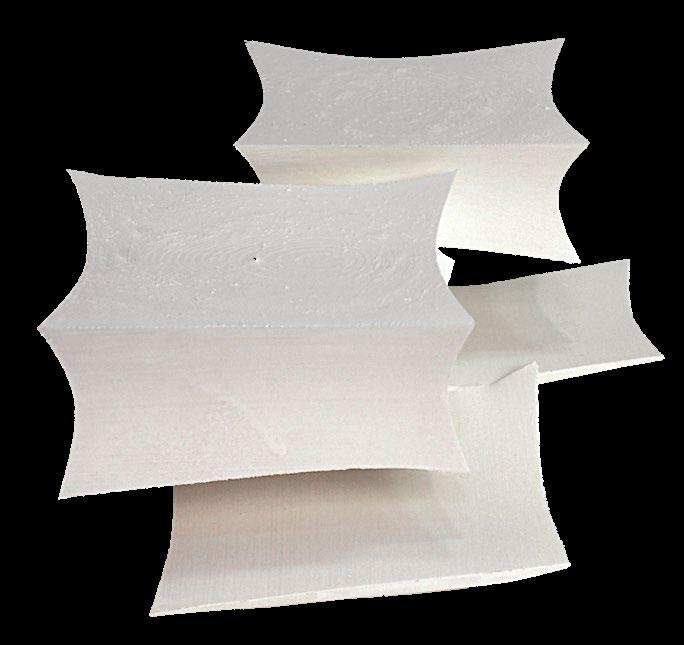
Based on images obtained through Midjourney’s blending feature, this project explores the potential of functioning as a skin by extracting forms, separating similar elements, and layering them.
AI Generative Image
Think about Verticality
Blurring Geometry
Different Density, Scale
Image to 3D Modeling
Making Inital Geometry
Phase 2: Respect of Verticality
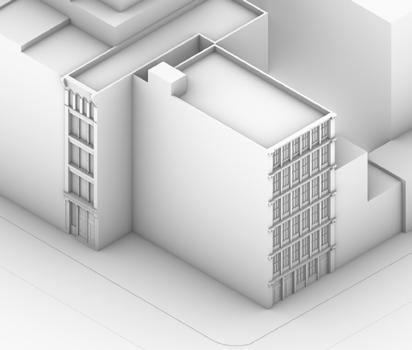
110 Prince St, Soho, Manhattan
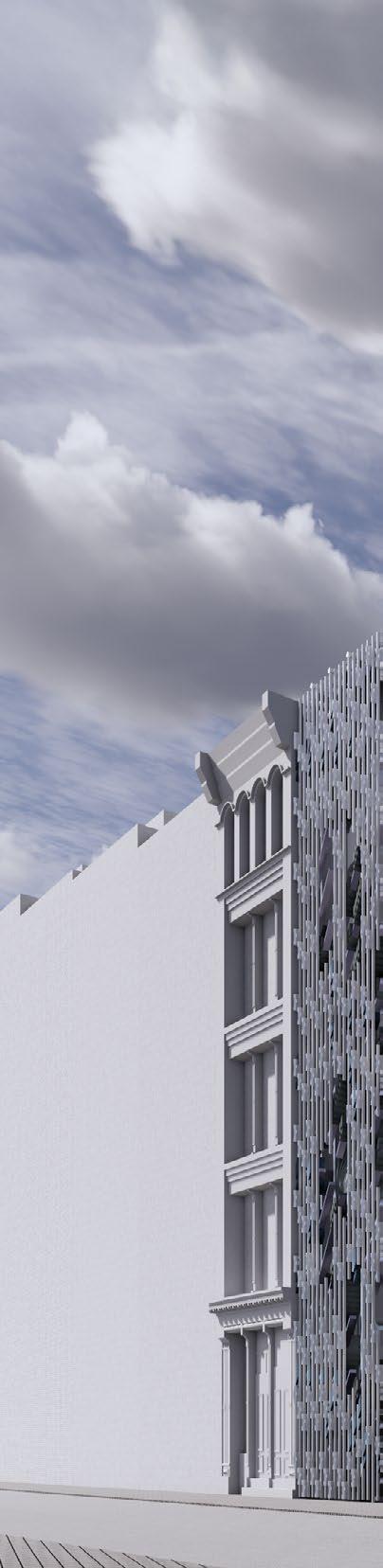
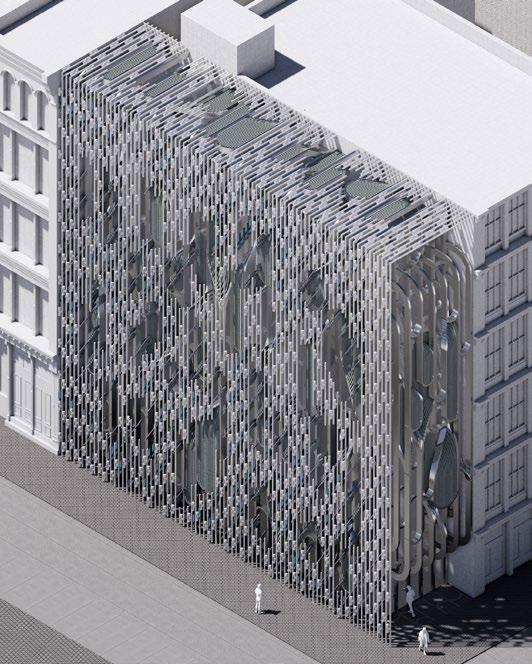
With the goal of designing dynamism while respecting the strongly vertical context, the project was gradually developed by varying density, scale, layering, and assembly.
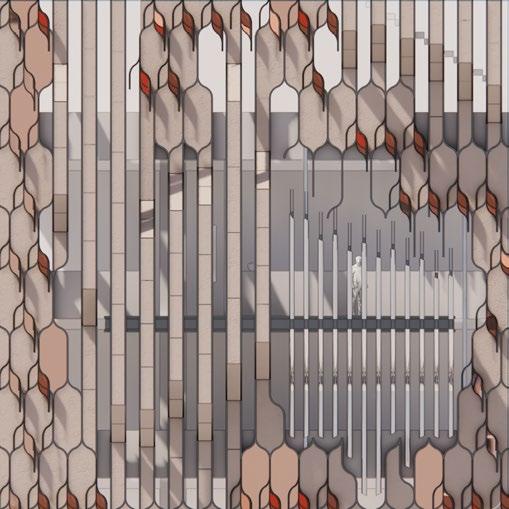
Building Elevation Rhino, Enscape
Phase 3: Methaphor of Water Fall
The final façade, shaped through layering and density testing, metaphorically resembles a waterfall. It introduces a pocketpark quality into the city’s vertical monotony, with each layer abstracting elements of flowing water—streams, stones, and mist—turning the skin into both structure and poetic image.
Vertical Rain String
Prism
Circular window Circular window
(up)
Arial Axonometric View Rhino, Enscape
3/16”=1’-0” Study Models PLA, 4” x 4”
3/16”=1’-0” Physical Model
Archived at Pratt Institute School of Architecture
PLA, 18” x 18” x 20”
Mimicry Facades 05
Spring 2025, Pratt Institute
Academic, Individual Work
Professor: Joseph Giampietro Mediums 3: Visuallization
Location: 500 Park Avenue, New York
Software: Midjourney, Rhino, Enscape, Adobe Suite
Mimicry, Fragmentation, Systemic Assemblies
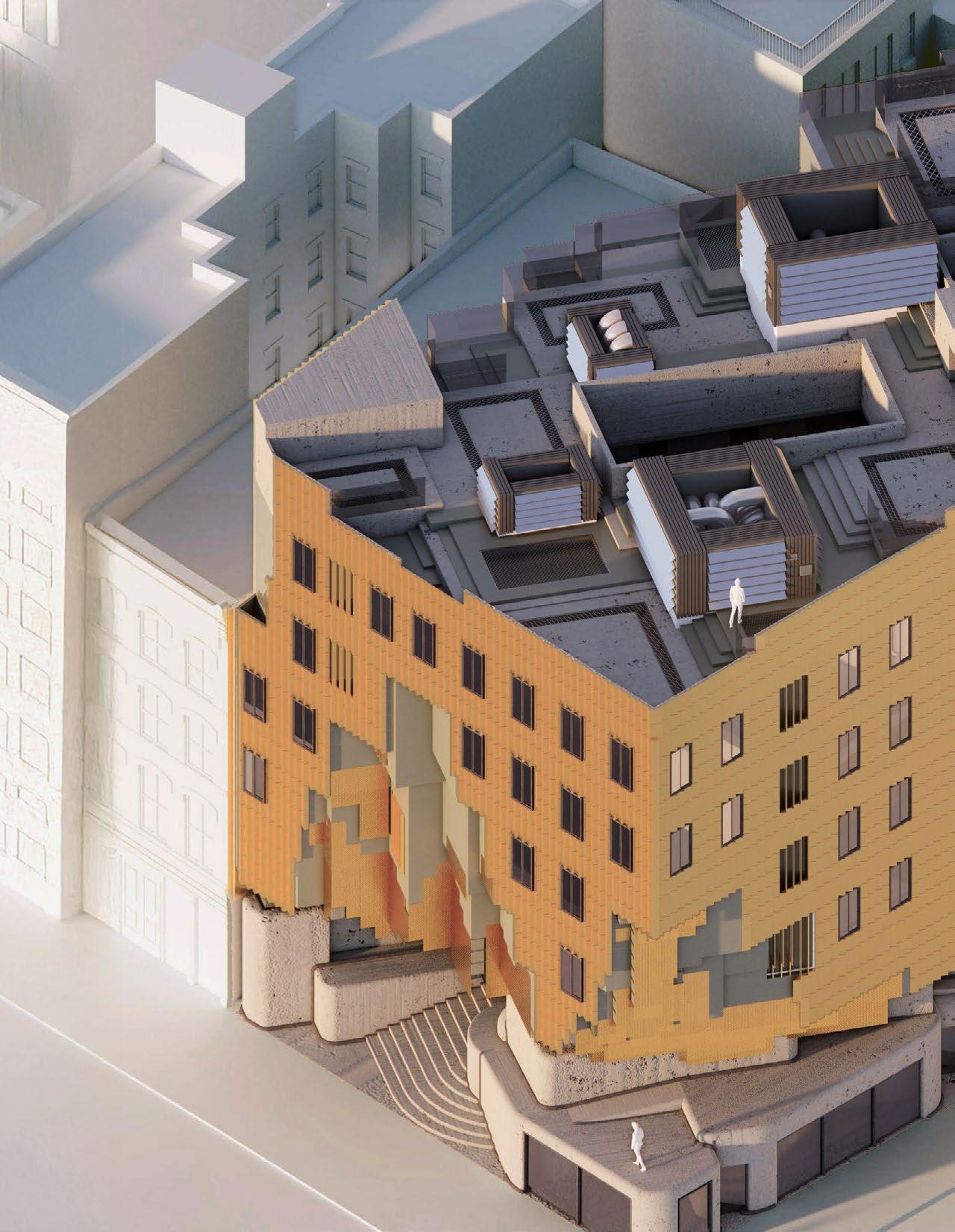
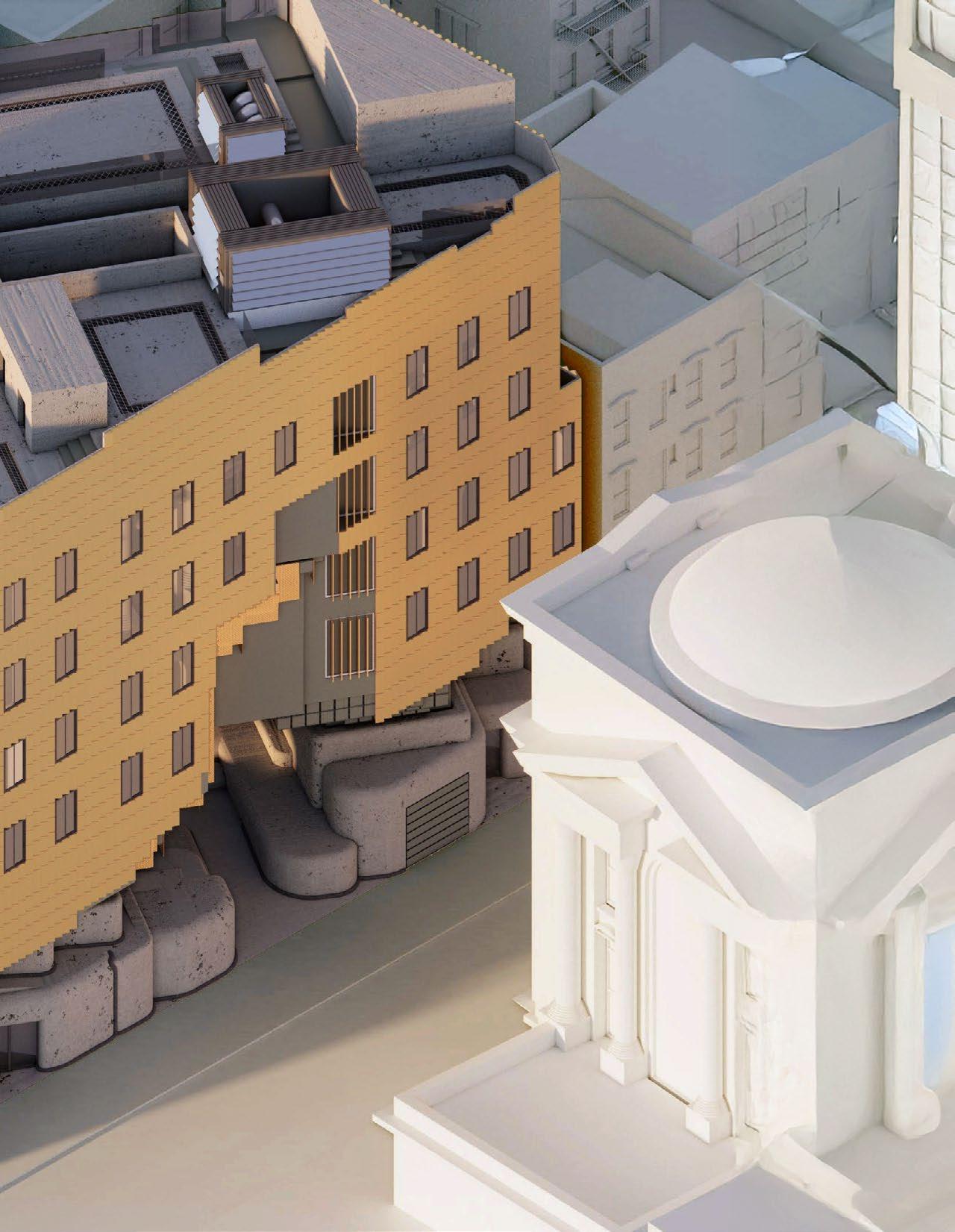
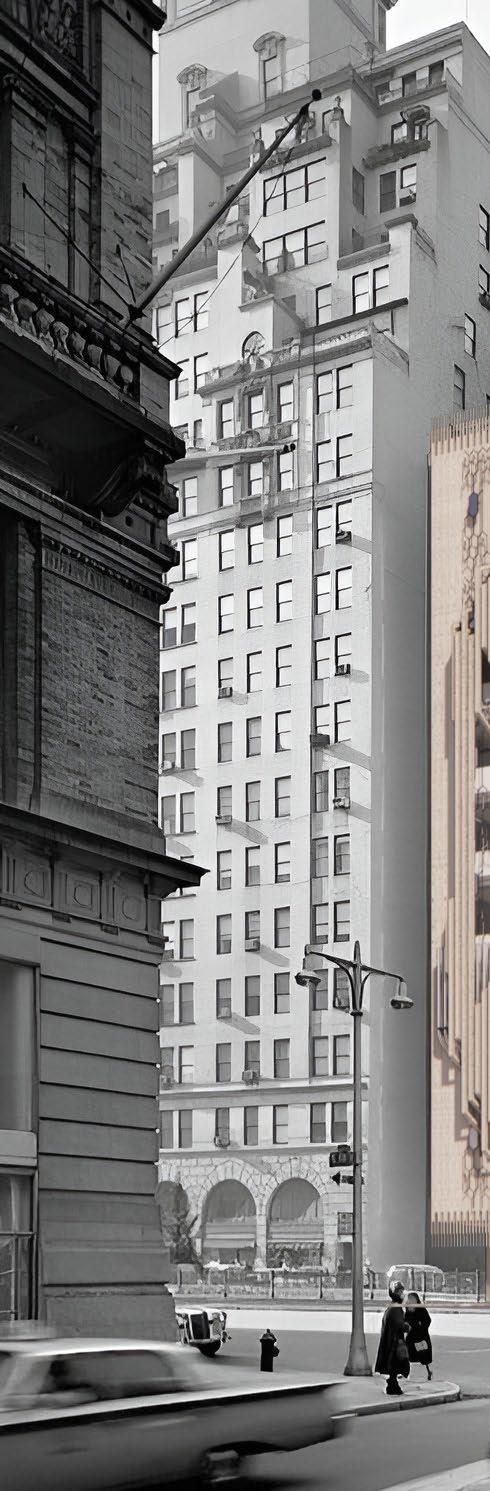
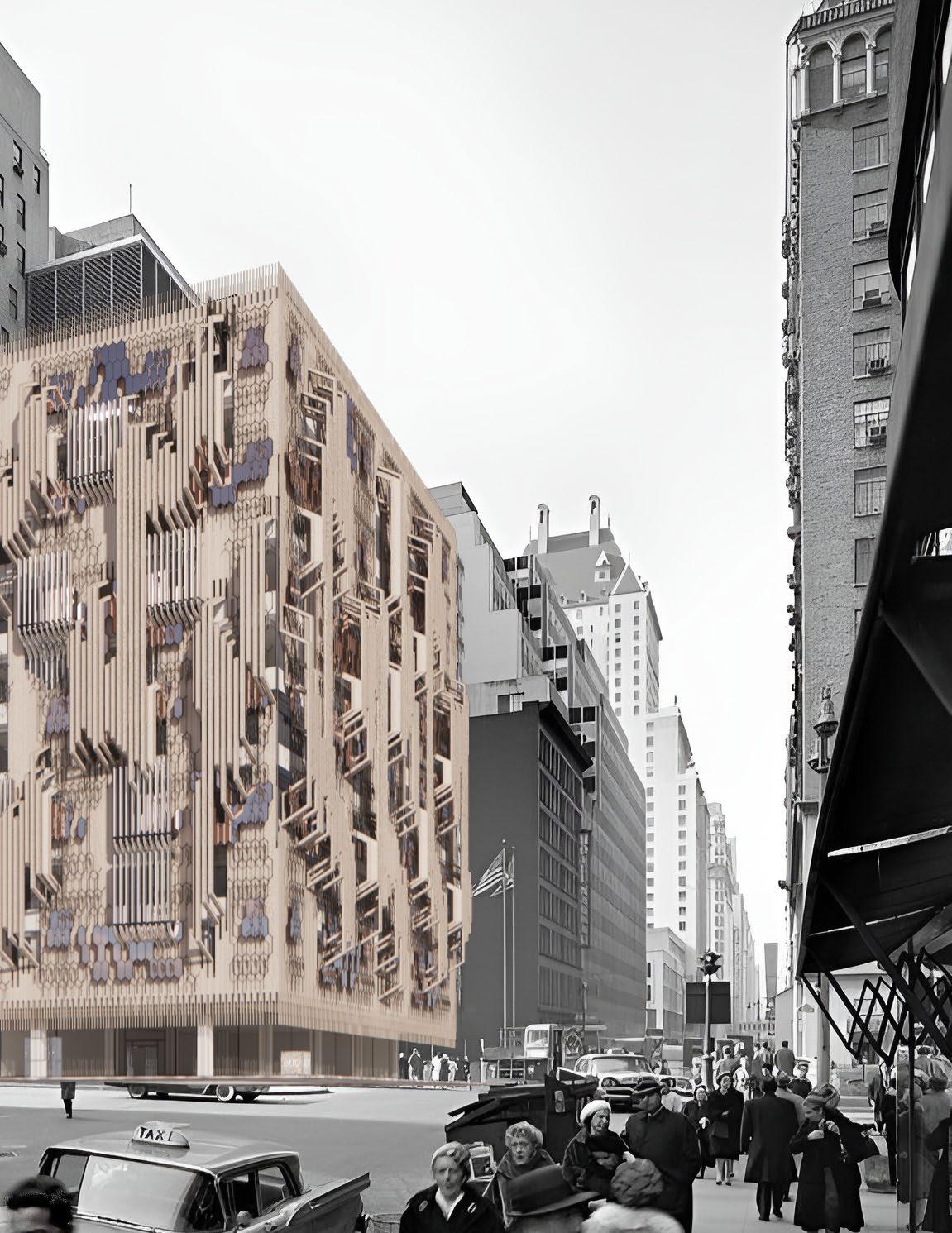
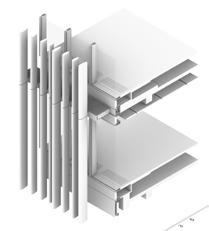
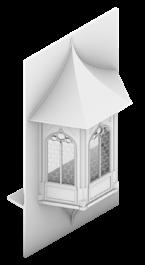
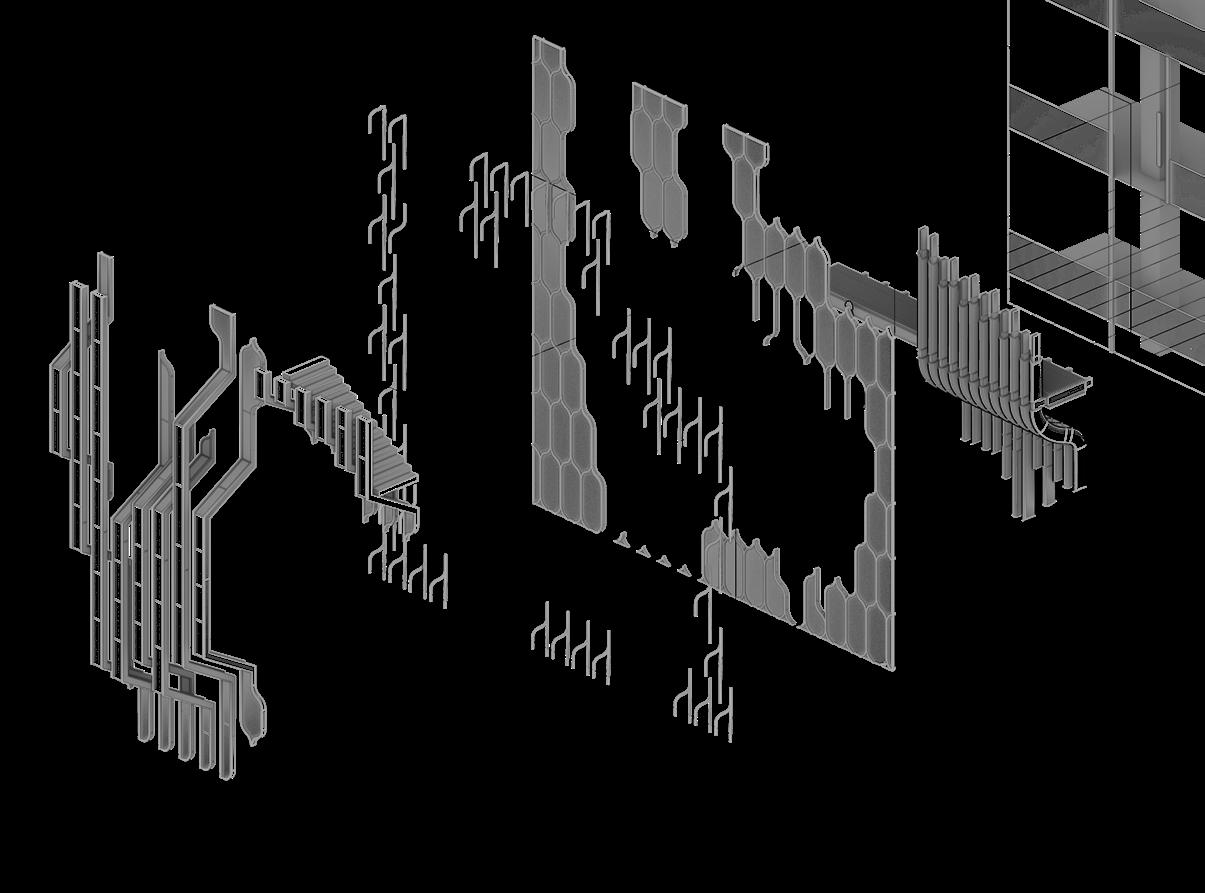
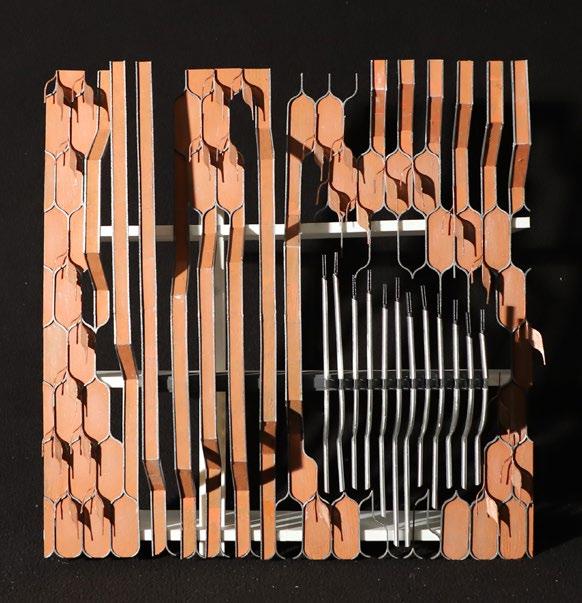
“Mimicrying Facade” is an architectural experiment where different façade systems coexist with similar functions and forms, yet never fully integrate. Rooted in the concept of mimicry, the project explores the tension between similarity and difference, and the assemblage-like collisions that shape the façade design.
Partial Building Facade Elevation Rhino, Enscape
Eye level Building Perspective View Rhino, Enscape, Photoshop
Transition via Visual Mediums
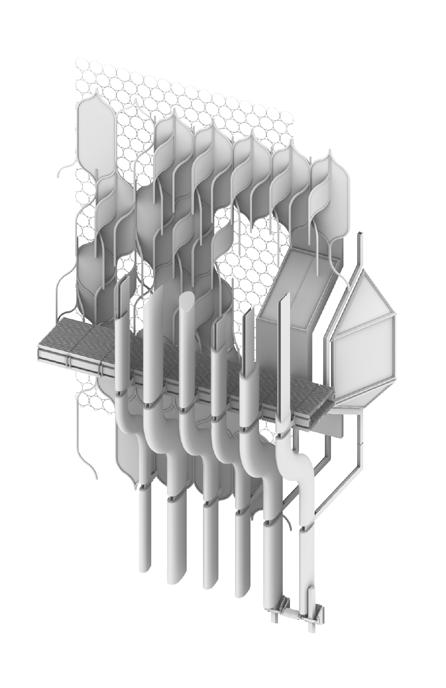
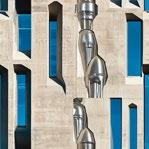
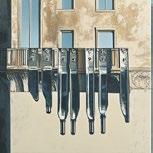
Mimicrying Facade is an experimental façade design that explores the concept of mimicry. By allowing the curved bay window and the vertical curtain wall–louver system to imitate yet resist full integration, the project creates a layered surface where similarity and difference coexist, producing tension, continuity, and unique architectural expression.
Initial Modeling Studies
Louver System(left), Bay Window(right)
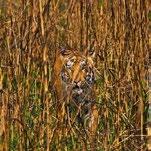
Photography Reinterpretation
Photoshop
AI Inspiration
Midjourney
Initial Hybrid Facade Chunk Rhino
Final Facade Chunk Rhino, Enscape
Reference Image for Hybrid System
Deformed Baywindow Shading
Deformed Baywindow
Implanted
Louvered-Balcony
Reflective Ornament
3/16”=1’-0” Physical Model Spray Paint, PLA, Sand, 18” x 18” x 5” 01. Design Process 02. Chunk Exploded Isometric
Physical Model
Victory of Jagalchi Market 06
Spring 2021, PNU
Academic, Individual Work
Professor: Jaehoon Jook
Program: Cultural Complex
Location: Jagalchi Market, Busan, Republic of Korea
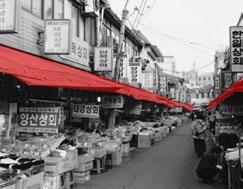
Preservation of Traditional Markets and Sensibility
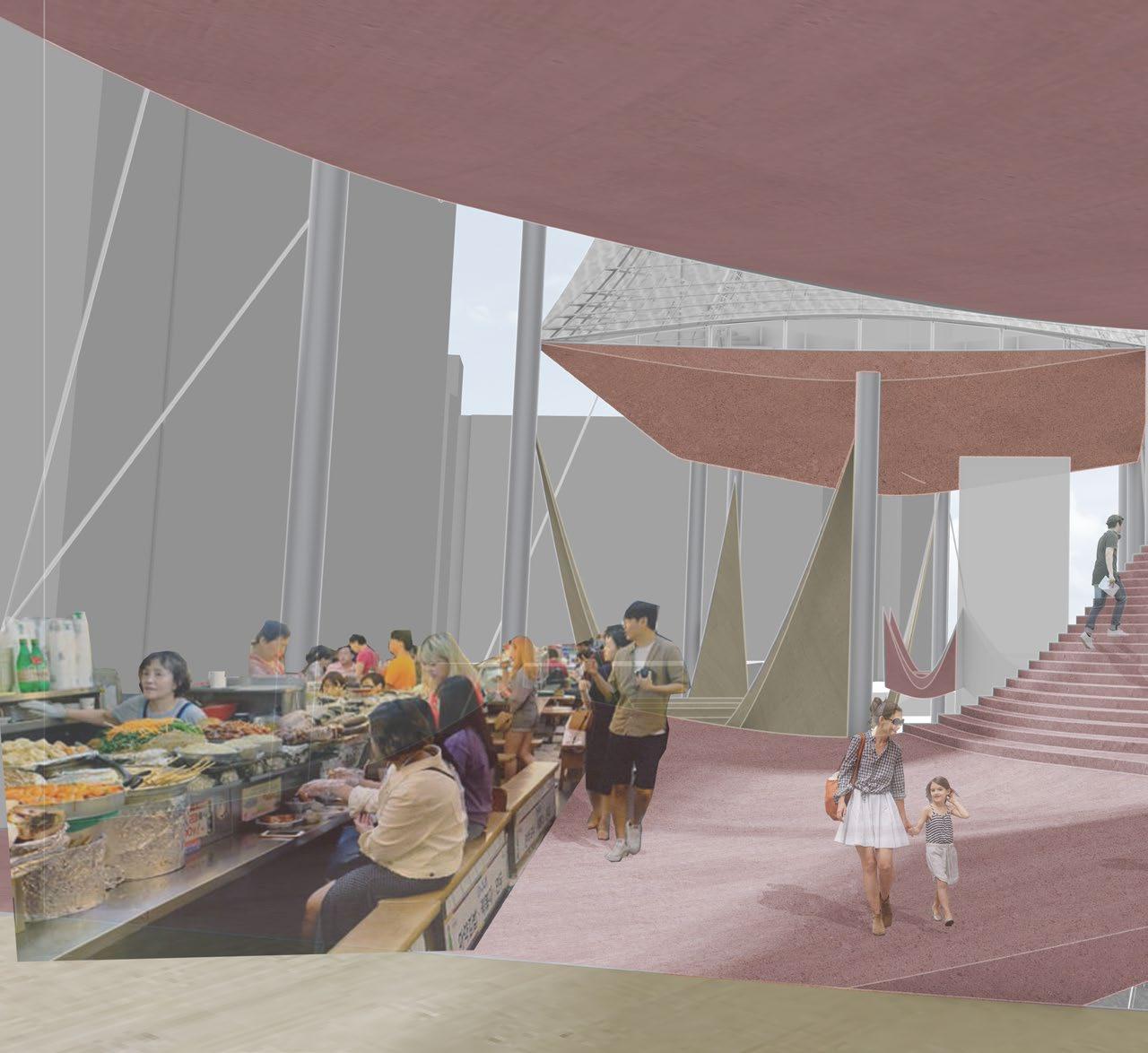
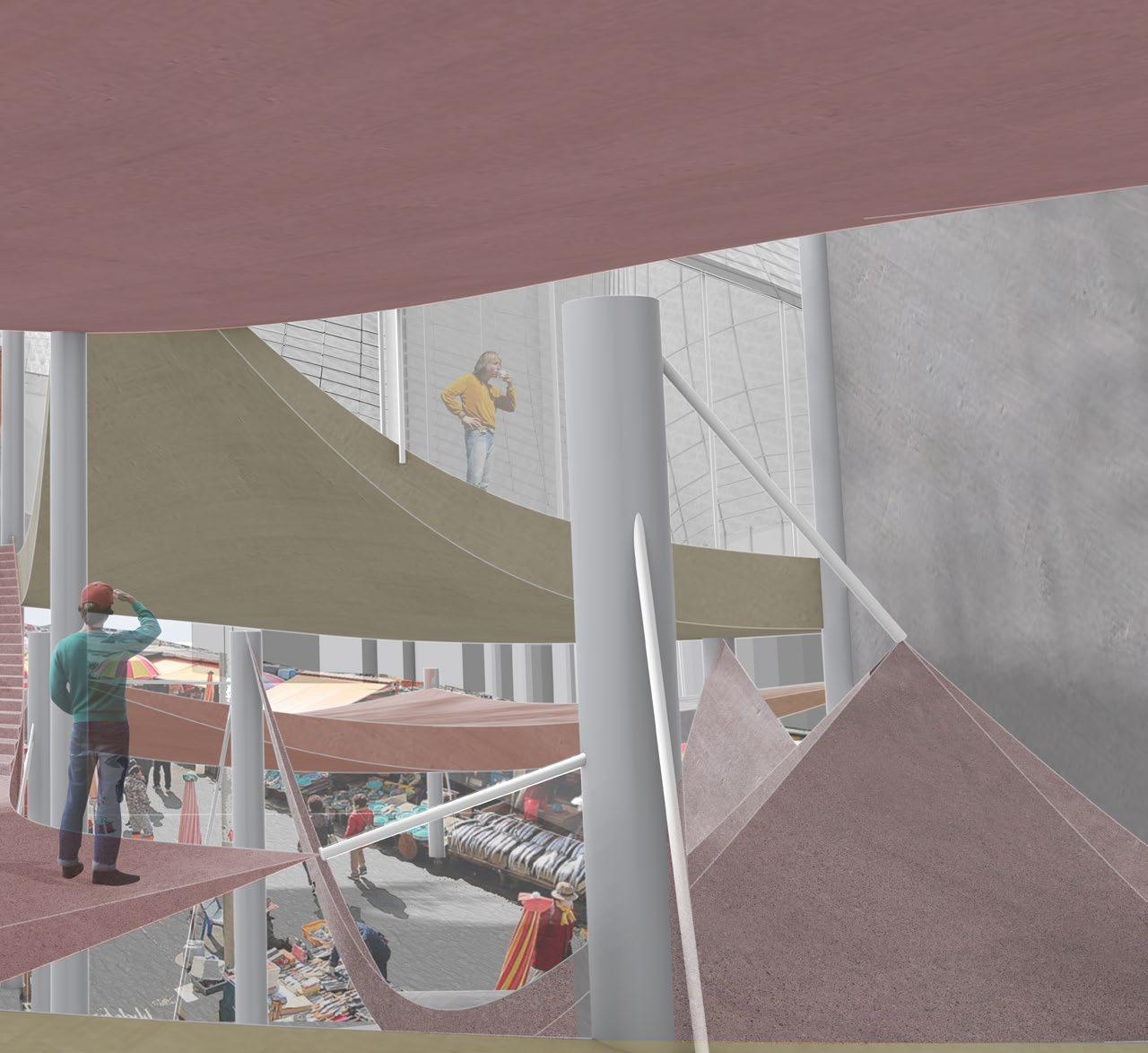
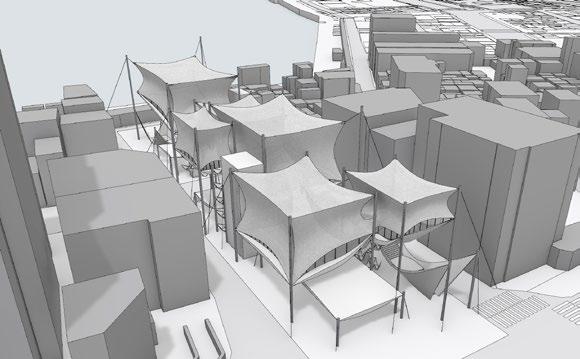
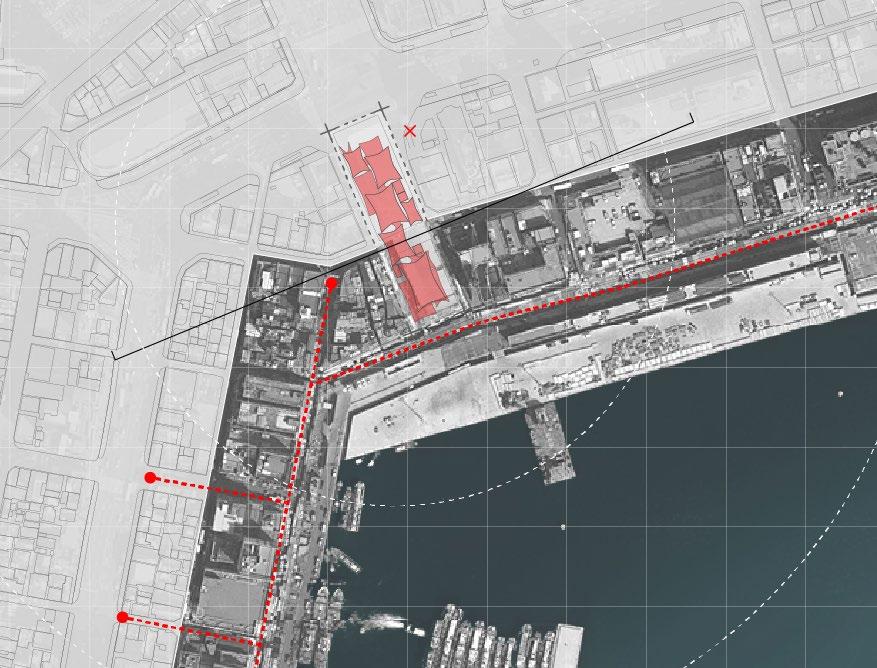
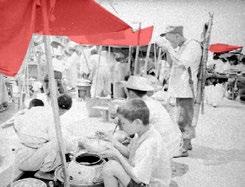
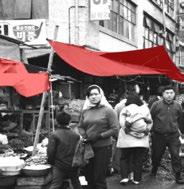
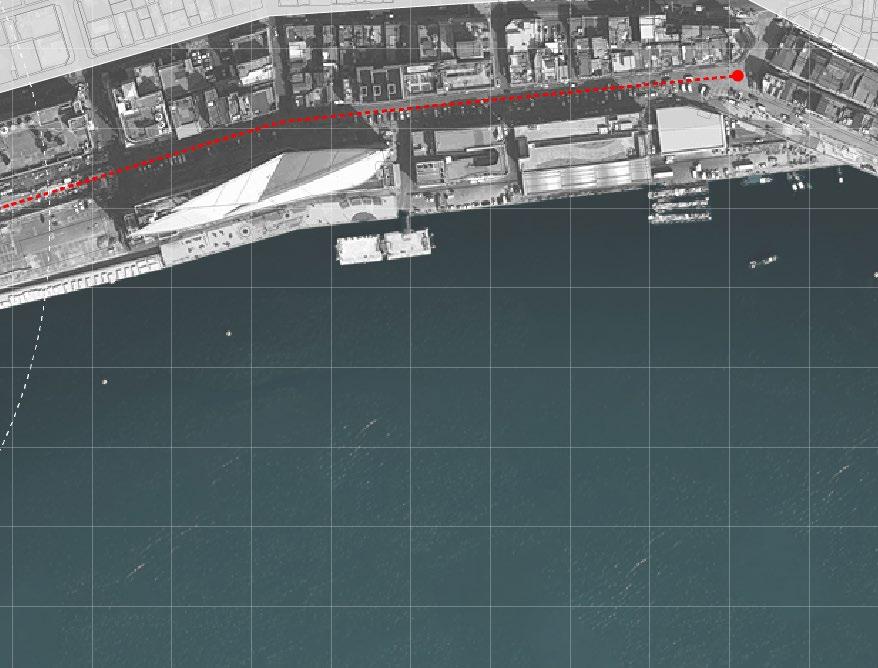
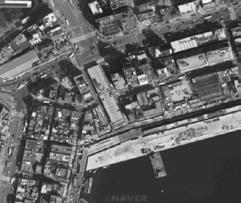
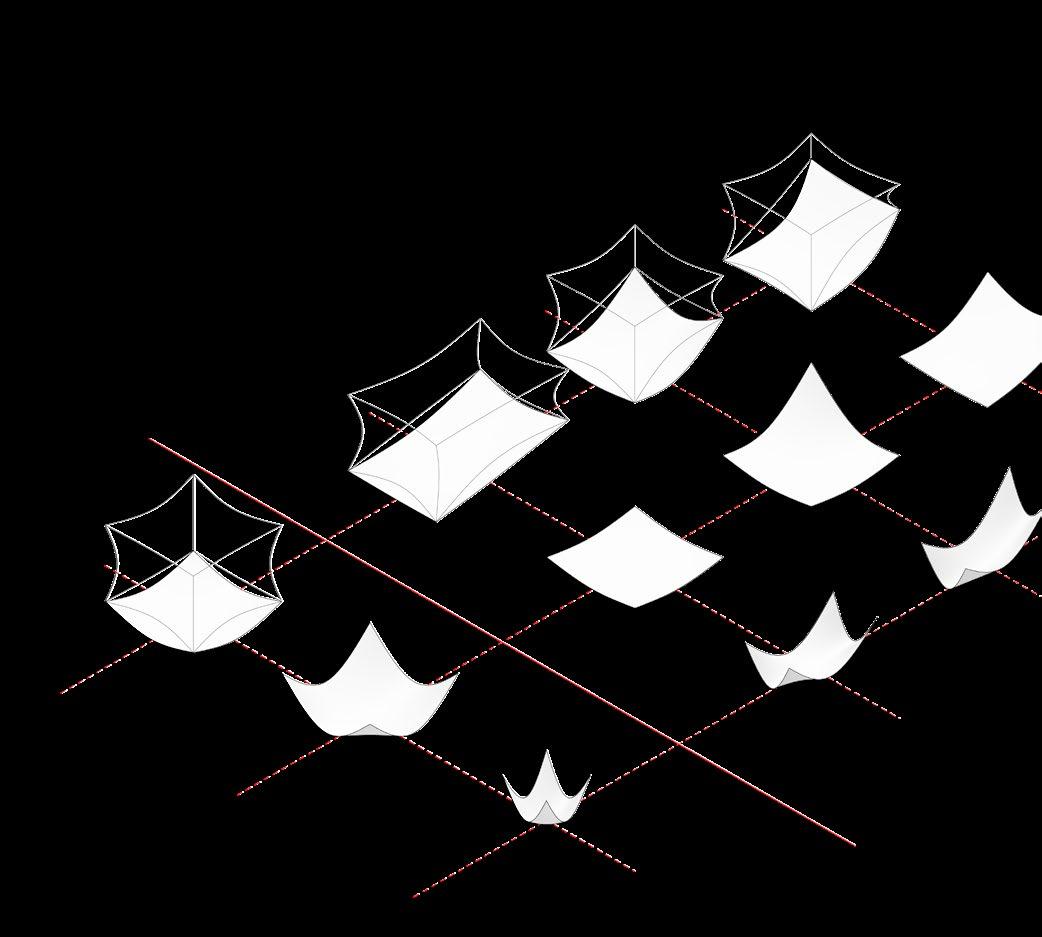
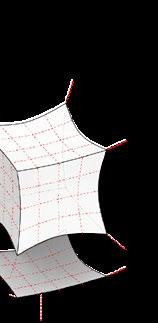
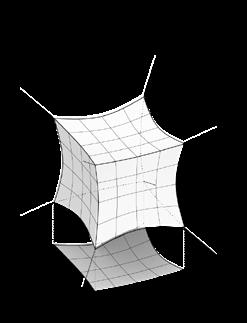
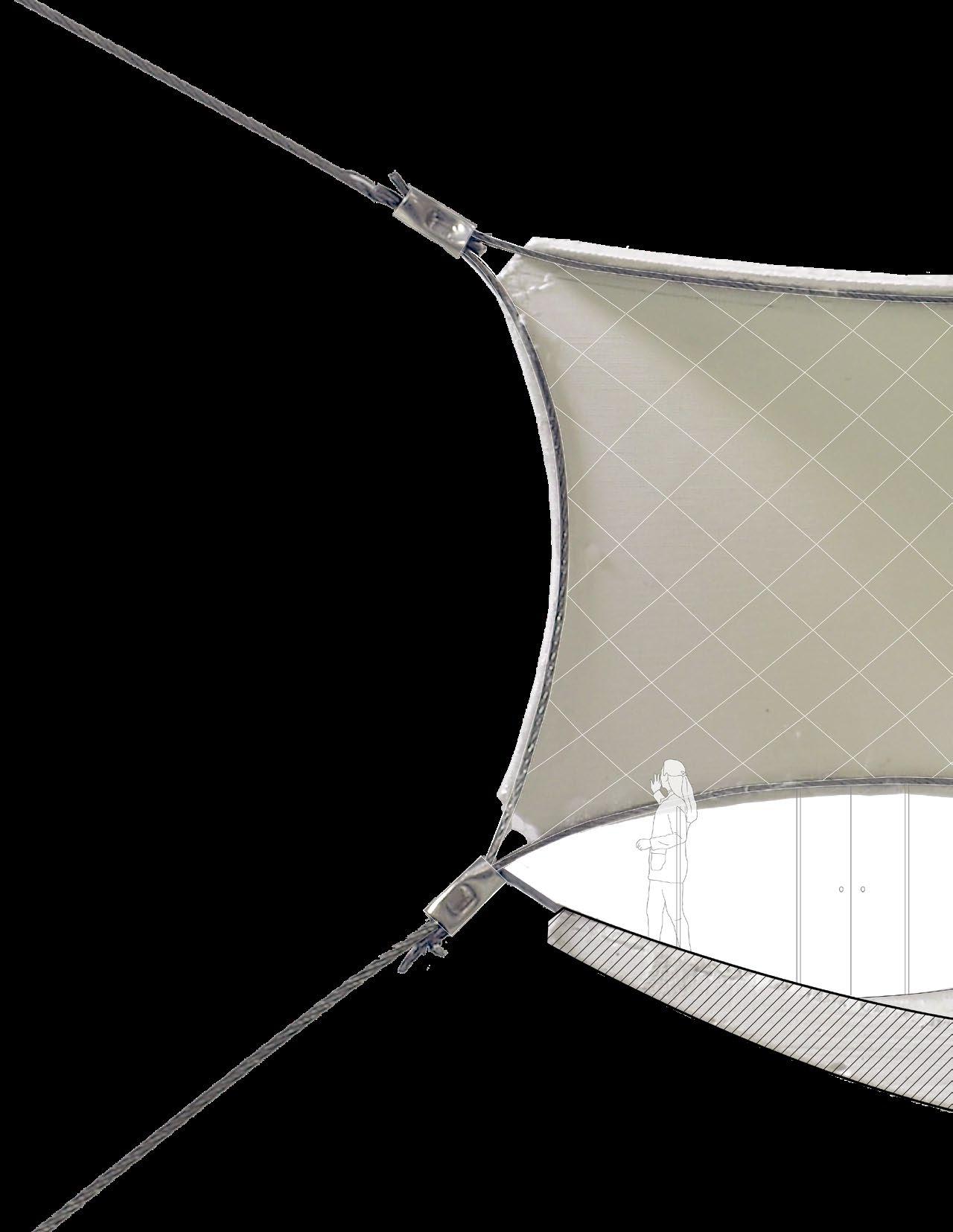
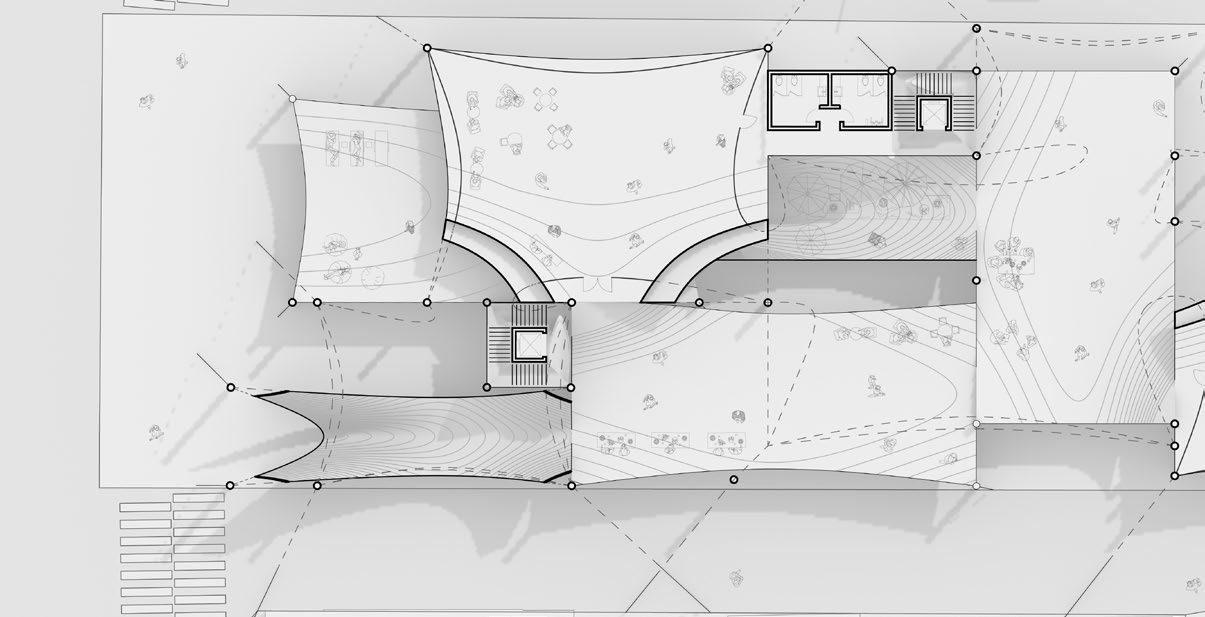
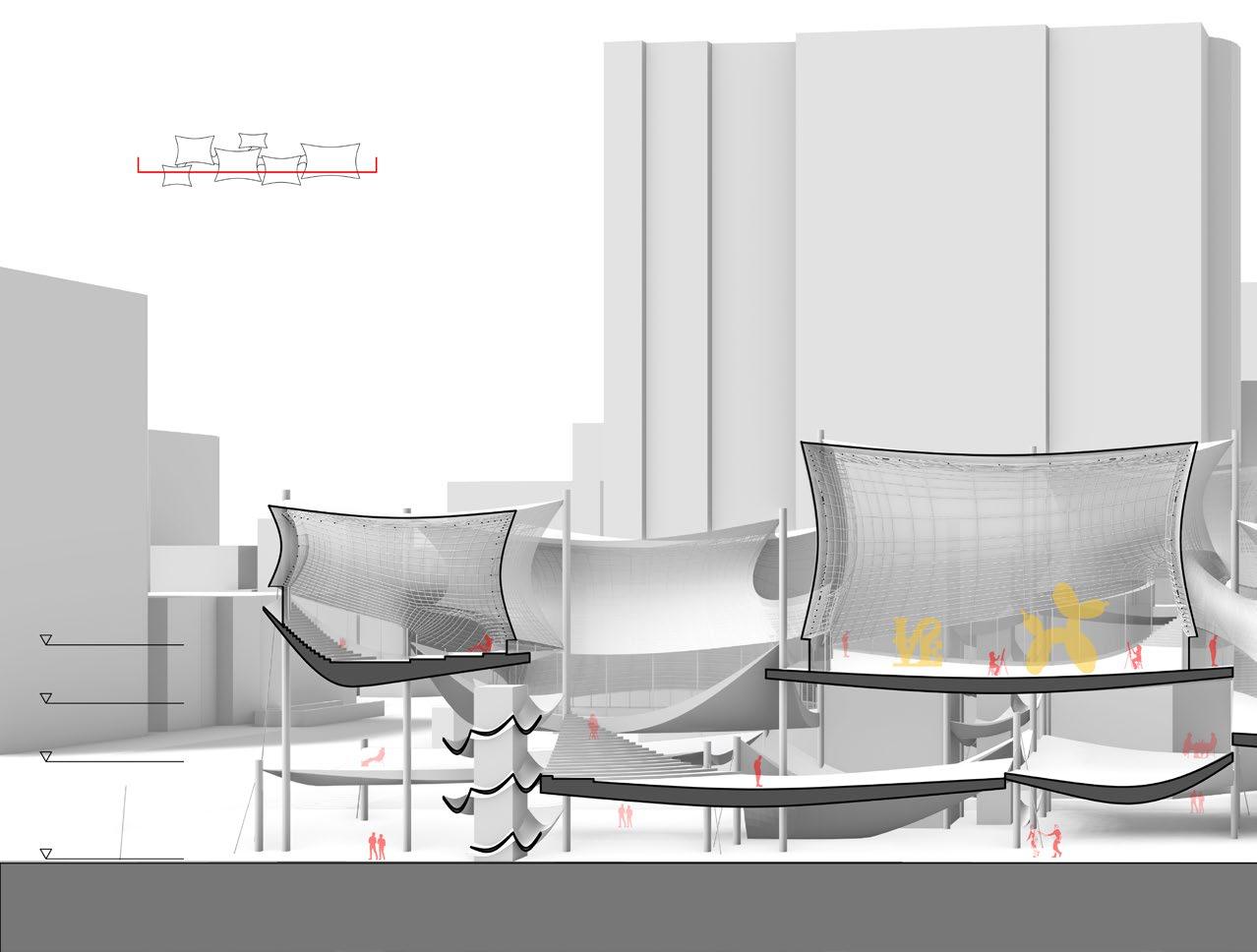
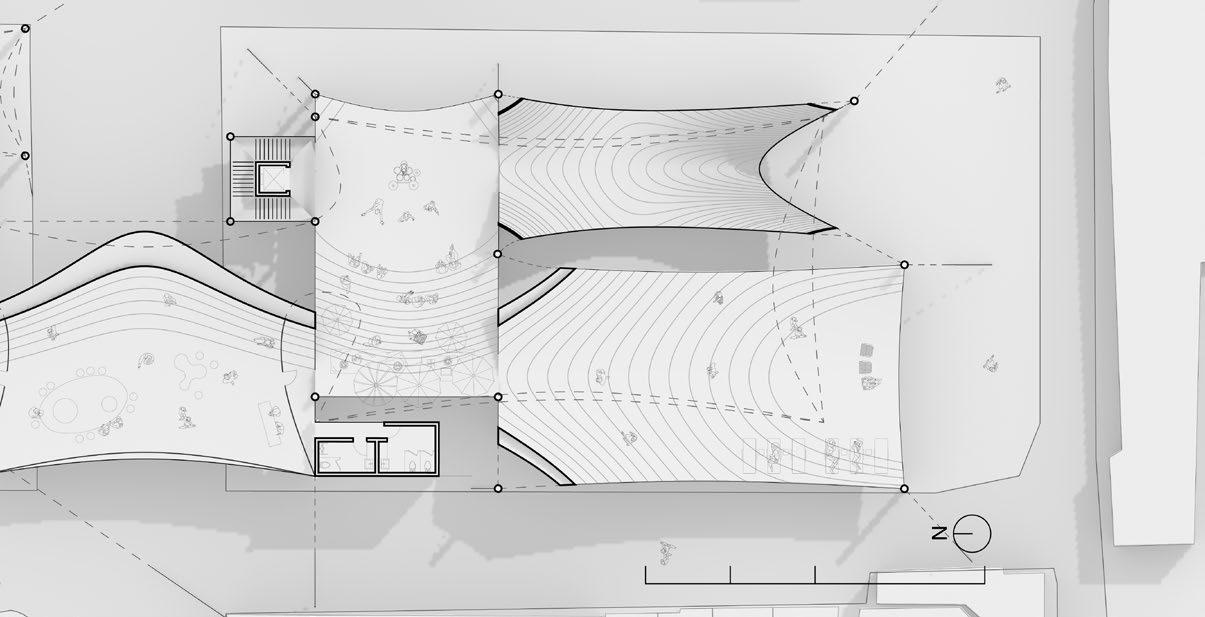
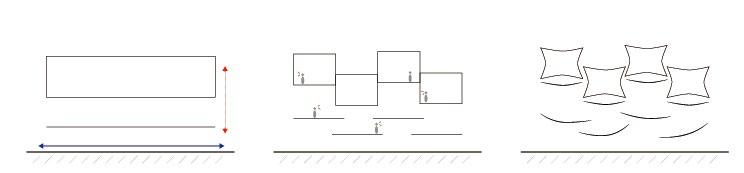
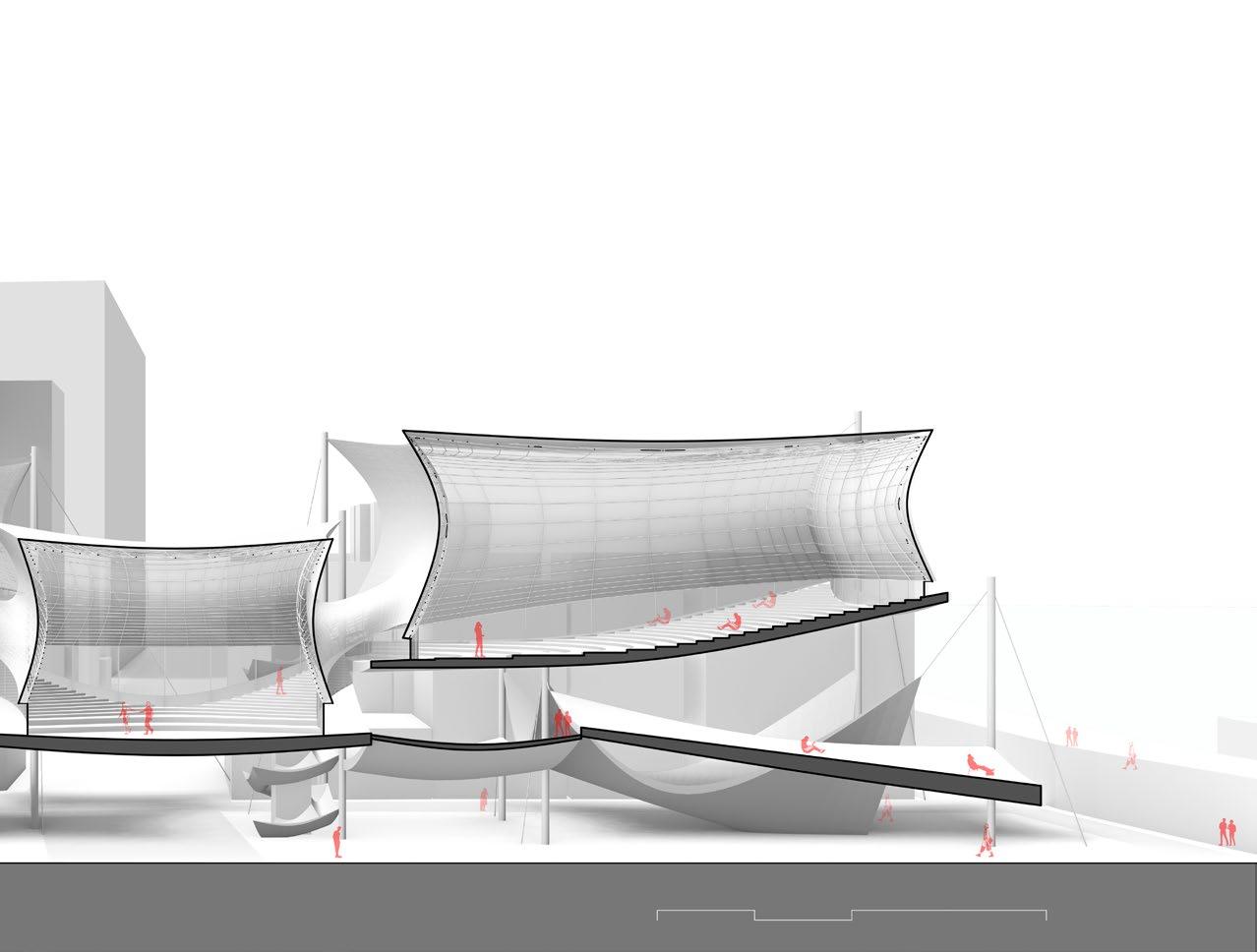
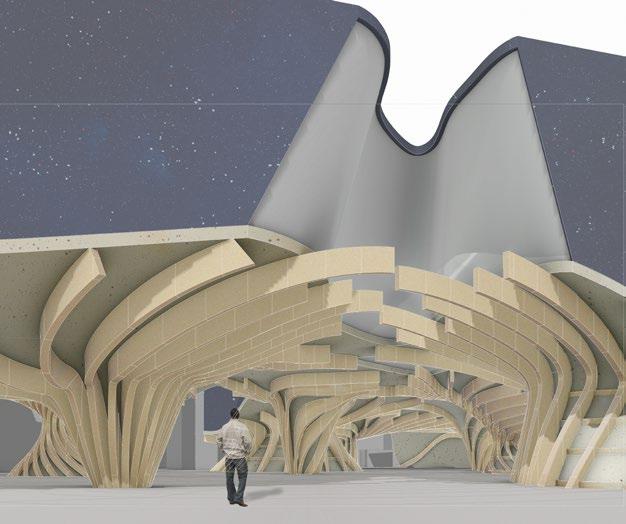
This project preserves the traditional market while adding vibrancy through a cultural facility above it, which also provides the market’s entrance and roof. Inspired by the market’s iconic canopy, the upper structure employs a tensile system that maintains the market’s distinctive ambiance while introducing modern functionality.
The suspended, overlapping canopies serve as the building’s surface, symbolizing the market’s disorderly yet harmonious character. Through gaps between them, fragmented scenes of the market emerge, immersing visitors in its atmosphere. Together with the market’s historical value, this complementary architecture enriches the community and elevates the market as both a daily hub and a tourism asset.
Arial Perspective View Rhino, Photoshop
2nd Ploor Perspective View Rhino, Photoshop
150m
jagalchi gulf
jagalchi subway station
jagalchi gulf
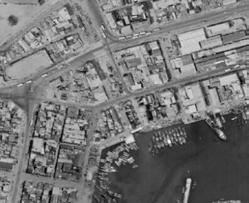
A-A’ ground section
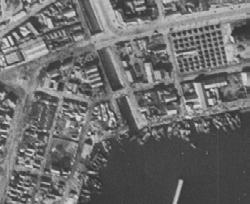
1950s
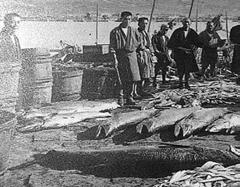
1970s gathering people forming market begining of fish trade
The first market is created when people gather to buy and sell daily necessities and various items. Over time, buildings are erected and streets become organized, and the variable and temporary characteristics of the market fade away. The physical market becomes standardized and loses its sensitivity. What is the role of architecture in preserving the traditional market and its unique sensibilities? A hint could be found in the objects used in the formation of the first market, such as tents.
Interconnection Model Paint Spray, 3d print
Deformation
Section Detail Model
Gravity 07
Spring 2023, PNU
Academic, Individual
Professor: Chaerin Lee
Program: Community Center
Location: Busan, Republic of Korea
Structure: Timber, Reinfored Concrete
Software: Rhino + Grasshopper
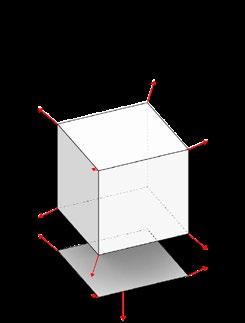
The project explores the relationship between the theories of physics and architecture. It began with my idea that architecture has the power to attract people, similar to how massive celestial bodies in space draw objects towards them. The aim of the design is to create spaces that embody the force of architecture, including a complex facility for the local community.
The structures and forms created through the metaphorical similarities between physics and architecture will provide people with new shapes and a variety of spatial experiences.
Operation1 : General Theory of Relativity
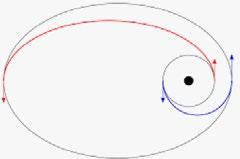
Oparation2: Hohmann transfer orbit
The theories of relativity and the Hohmann transfer orbit have been applied to architecture, developing them into structural basic forms and specific designs, respectively.
Design Sequence
entering space (positive) gathering space (negative) program strength (mass)
Arial Perspective View Rhino, Photoshop
Section Plan
551 Breezy Hill Villa (In progress) 01
Project Contributor(Full Time), Corals Inc
2024. 12 - 2025. 02
Professional, Intern Architect
Program: Villa
Project Type: Renovation
Location: 551 Breezy Hill Rd, Hillsdale, NY
Structure: Timber
Software: CAD, Rhino, Enscape
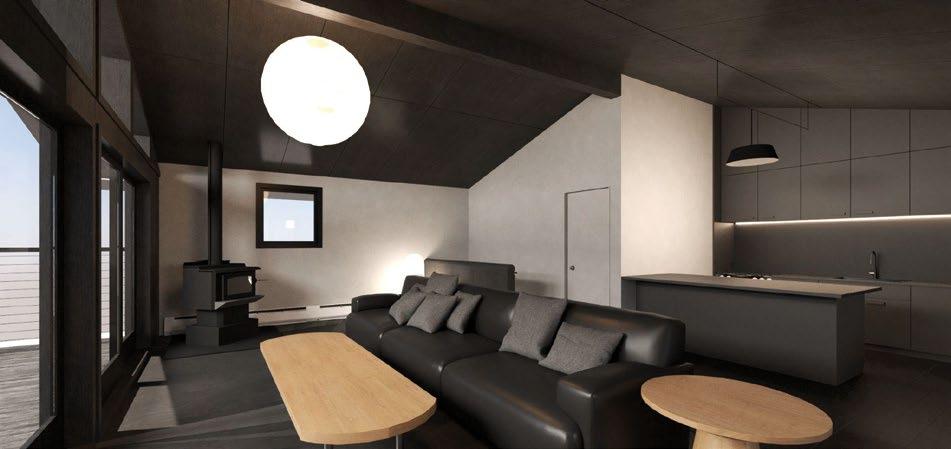
This project renovates a vacation home at 551 Breezy Hill with one basement and two above-ground stories. The basement, once storage, is now a recreation room. On the first floor, a bedroom and large bathroom replace the small living area. The second-floor living room was expanded by moving the dining space to the terrace, adding spatial flow. A framed visual axis at the entrance creates a staged view into the living room.
My role in this project was to produce the basic drawing set, including sections, elevations, and detailed drawings. Through this process, I developed a deeper understanding of the construction principles of typical two-story wood-frame buildings in the U.S. and gained valuable insight into interior architectural detailing.
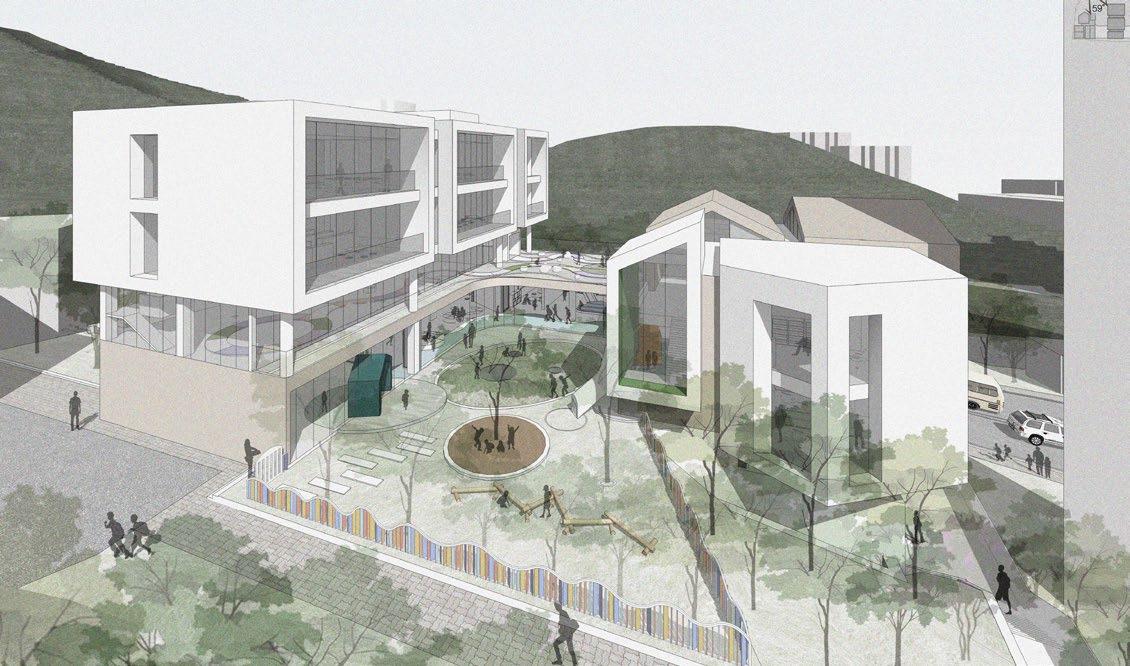
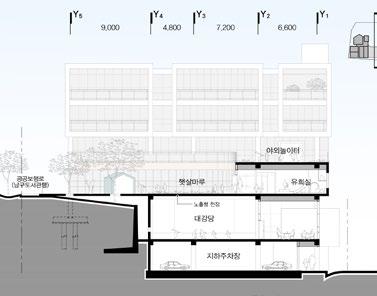
A Childcare Facility Balancing Public Accessibility and Security
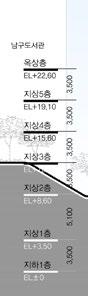
This project aims to achieve both public accessibility and security by leveraging the unique characteristics of the site. The site is located on a steep slope, with a small forest at the rear and a main pedestrian road at the front. Taking advantage of this terrain, the outdoor play area is placed on the upper level, enclosed by the building and the forest to ensure a safe environment for children. Meanwhile, the multipurpose auditorium is positioned on the lower level, enhancing accessibility not only for the children at the daycare but also for local residents. Through this design, the facility goes beyond its childcare function to serve as a communal space for the neighborhood.
2nd Floor
Retail Display Fixtures 03
Freelancer(Hybrid), Hana Retail Display
2021 - 2023
Professional, Freelance 3D Designer
Project Type: Renovation, Interior
Location: Busan, Republic of Korea
Software: CAD, SketchUp
Design Intent
The project involved designing and detailing custom display fixtures for a grocery retail environment. Tasks included precise site measurements, floor plan adjustments, and fabrication coordination to ensure functional layouts and durable millwork solutions. The design emphasized efficiency, accessibility, and clear product presentation.