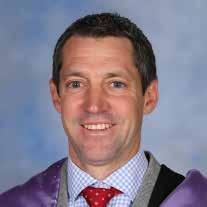
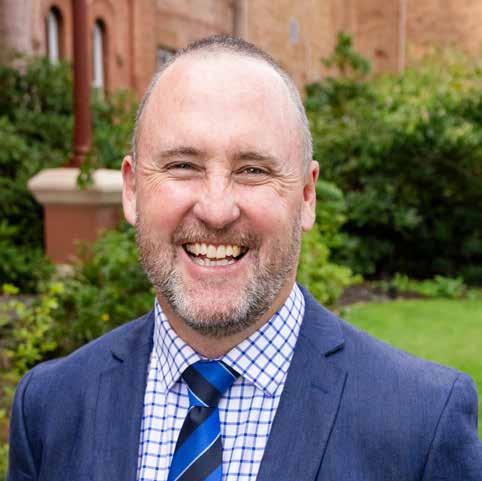
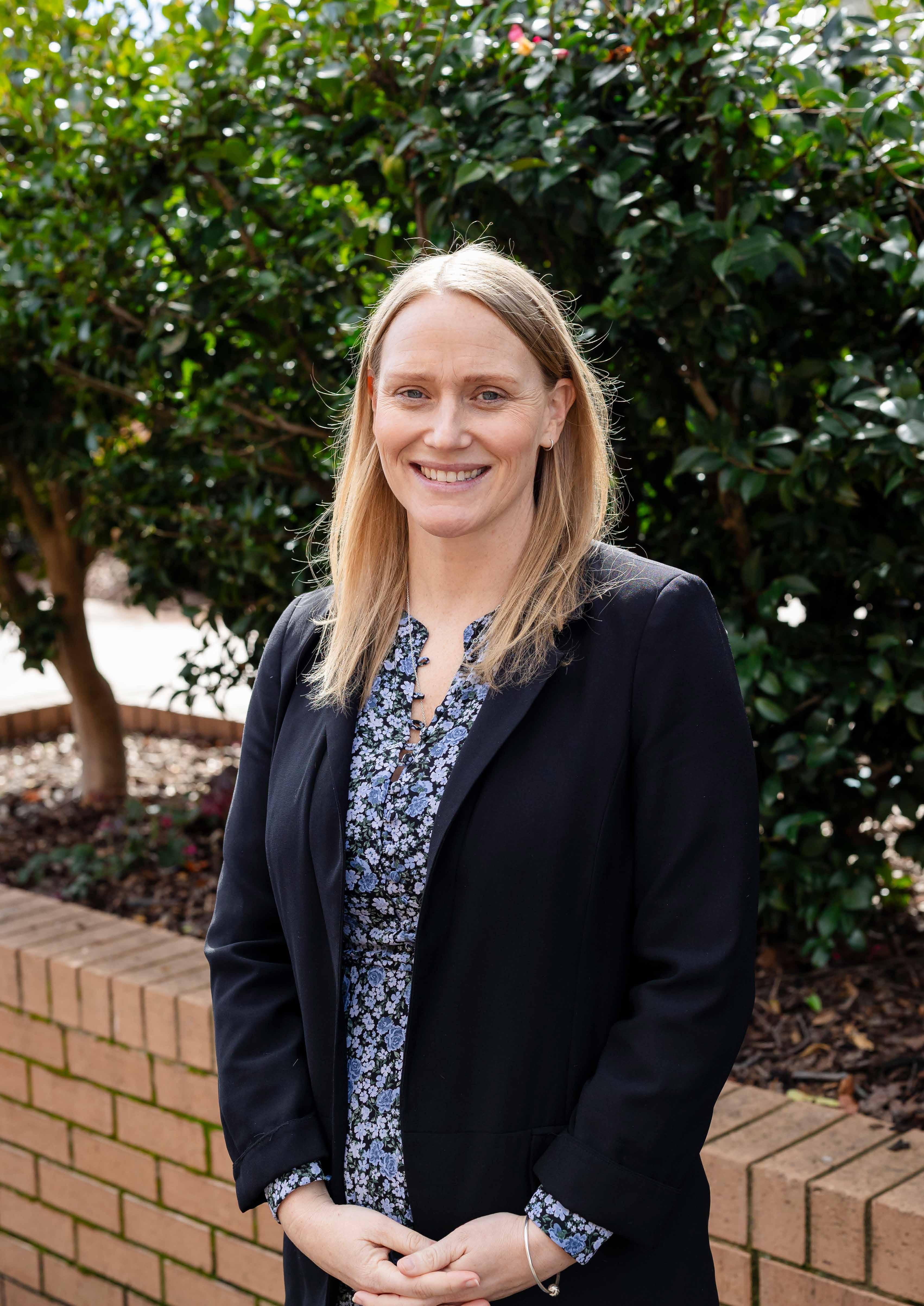
Marketing, Communications & Community Engagement Manager
Design & Coordination
Jennifer Hill
Design and Publications
Journalism
Hannah Sparks
Photography
Kirsten Cunningham
Printing
Clarke Murphy Print
Contributions
Contributions are welcomed. Please forward to chronicle@kws.nsw.edu.au
Alumni Relations
Events and Alumni Officer ex-students@kws.nsw.edu.au
Kinross Wolaroi School is a school of the Uniting Church in Australia
FROM THE EDITOR
Dear Readers,
This edition of The Chronicle captures a moment of both reflection and renewal for Kinross Wolaroi School. As we farewell Dr Andrew Parry, we honour a principal whose leadership has been grounded in values, relationships and a deep belief in educating the whole child. At the same time, we look ahead with optimism as Mr Timothy Kelly begins the next chapter of our School’s story.
Throughout these pages, a strong theme emerges: a commitment to holistic education. From wellbeing and positive behaviour to the thoughtful use of data and artificial intelligence, innovation at Kinross Wolaroi is always guided by care, purpose and humanity.
This issue also celebrates community and connection - past, present and future. From the creation of our School Museum to the achievements of students, staff and alumni, our story is shaped by the people who belong to it.
If you have a story, milestone or moment worth sharing, we warmly invite you to get in touch at chronicle@kws.nsw.edu.au. We’d love to help tell your story.
Warm regards, Jennifer
Divall
IN THIS ISSUE
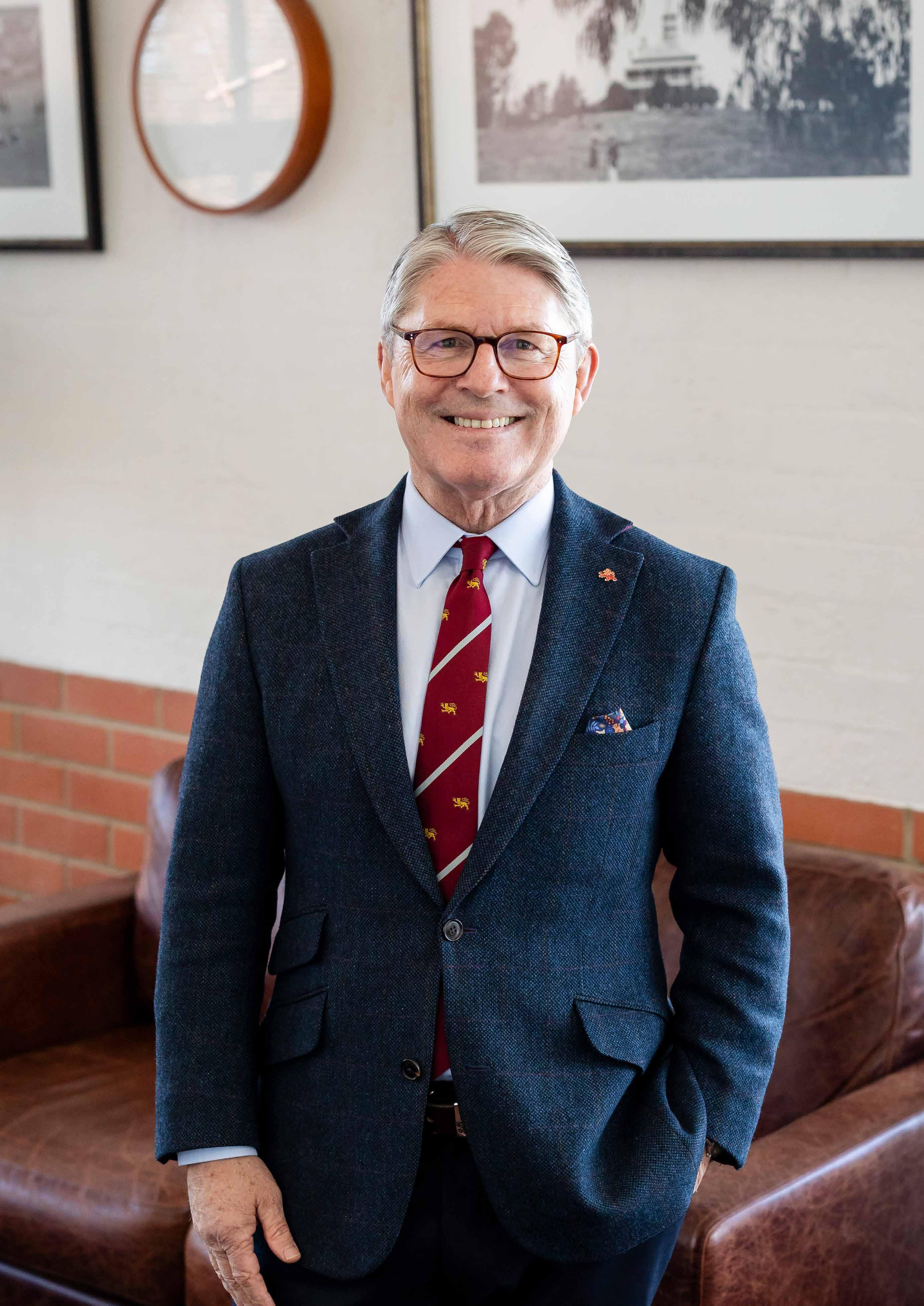
A FAREWELL MESSAGE A
From Dr Andrew Parry, Principal 2017-2025
fter 43 years of service in independent schools, and nine immensely rewarding years here at Kinross Wolaroi, the time has come to conclude my deeply satisfying career.
It closes a journey that has been the privilege of my life: working with young people, with families and with communities in the noble endeavour of education.
From the very beginning of my career, one spent entirely in boarding schools, I have held firm to the belief: that education is about far more than academic achievement alone. It is about providing a holistic education that nurtures good character.
As educators I believe we must possess a vision for learning that encompasses all aspects of life. Not just the intellectual, but also the social, cultural, physical and spiritual dimensions where educational experiences are deliberately structured to develop the whole person.
As Aristotle reminds us:
“Educating the mind without educating the heart is no education at all.”
I firmly believe we must inculcate within our students, our future generations, the notion of what it is to live a civilized life, one firmly based upon strong ethical values. Though our world is rapidly changing, demanding new skills and presenting so much previously unknown opportunity, the core personal values that one must possess to lead a noble and good life remain steadfast.
These age-tested values are based around respect for the human dignity of all and being a person of fine character.
To have been entrusted with this responsibility has been both humbling and profoundly rewarding.
Throughout my years in this profession, and particularly during my time here,
I have been surrounded by colleagues of the highest professionalism and dedication.
Teachers, boarding staff, sports coaches and all who work in support of our students, embody a spirit of service that is the bedrock of this school. Nothing of what we celebrate today could have been achieved without their tireless commitment. To them, I extend my deepest gratitude.
I must also pay tribute to the families who make up this remarkable community. Drawn largely from regional NSW, you are people who embody authenticity, resilience, and generosity of spirit.
You are grounded and hardworking, and it is little wonder that your children reflect those same qualities. To partner with families who hold a well-rounded education in such esteem - not simply as a pathway to opportunity, but as a means of shaping character and instilling values - has been an honour.
The boarding context has always been a constant in my life and vocation. There is something unique, and indeed very special, about the relationships forged in a boarding school.
Days and nights are shared, challenges and triumphs are lived together, and enduring bonds are formed. Boarding instils resilience, independence, and an appreciation for community that lasts a lifetime. To walk alongside generations of boarders in that journey has been a great joy in my personal and professional life.
As I step away, I do so with a profound sense of confidence in the future of this school. Its foundations are strong: a commitment to holistic education, a belief in the importance of values, and a community spirit that is second to none.
I know that the young people who continue their journeys here will go out into the world well prepared - not only to succeed, but to contribute, to serve, and to live with purpose.
To have devoted my life to this work has been an extraordinary privilege. I retire with gratitude - for the opportunities I have been given, for the friendships formed, and for the countless moments of joy that have marked my time in schools. Above all, I retire with immense pride in the young people whose lives I have had the honour to share, however briefly, along the way.
To our students: you are the reason for everything we do. My hope for you is that you carry forward the values instilled here; that you approach life with courage, gratitude, and integrity; and that you find joy in contributing to something larger than yourselves.
Finally, I wish to acknowledge my wife Josephine, whose unwavering support has been the foundation upon which my career has rested. Her warmth, generosity, and wholehearted commitment to school life over the past 43 years have been remarkable. From entertaining students, staff, and families in our home, to offering care and encouragement to those in our boarding houses, to travelling the world on rugby tours and attending countless school events, she has shared fully in this life.
She has been my confidante and sounding board, my constant source of wisdom and perspective, and the steady centre of our family during the many years when my time was consumed by life at school, in the boarding house, or on the sports fields.
I owe her an immense debt of gratitude, and I could not have done any of this without her love, support and patience.
And finally, thank you - each of youfor your support, your trust, and your friendship. It has been the privilege of a lifetime to serve the Kinross Wolaroi School community.
Good luck and God Bless.
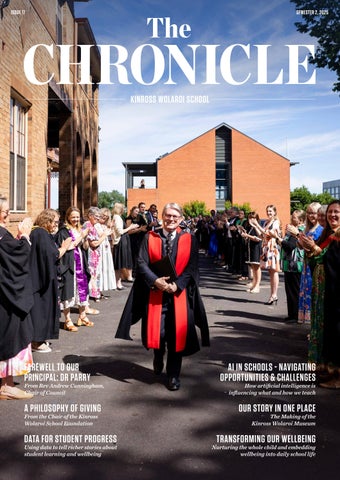
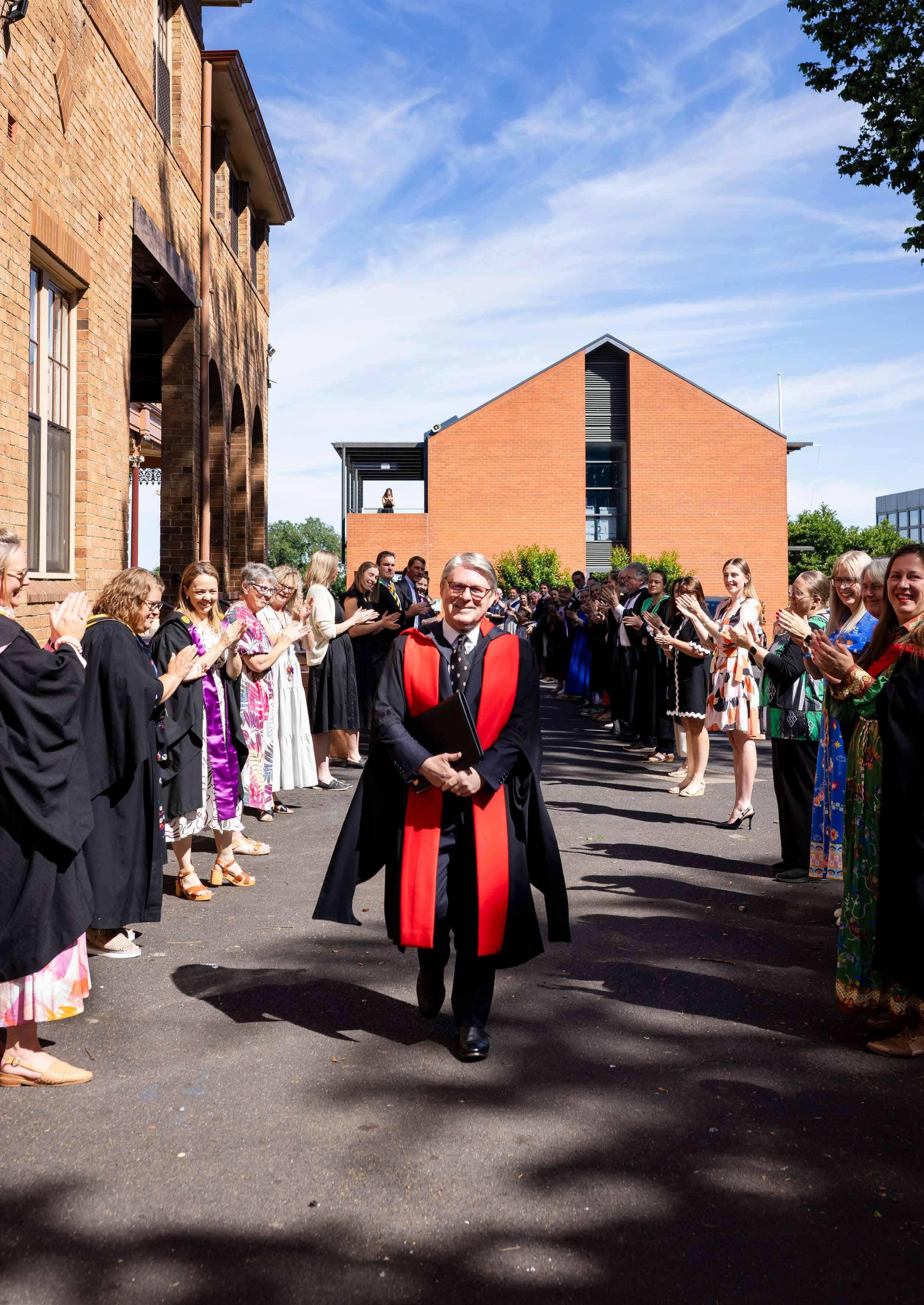
FAREWELL TO OUR PRINCIPAL: DR PARRY
From Rev. Andrew Cunningham, Chair of Council
Do you remember the first time you spoke to Dr Parry?
My first conversation with him was on the 21st of June 2016. He was in the UK, and I was with other members of the School Council in the McLachlan Boardroom at the school. We were meant to have an initial interview with him via Skype for the role of Principal. Skype failed, and we ended having a conversation over the phone on a poor line. It was the middle of the night for him. They were not the ideal interview conditions, but needless to say, it did not stop him getting the job!
I asked my daughter if she remembered her first conversation with him. With her permission, I share the story. She remembers meeting him on the little bridge at the Junior School. She was in Year 1 in early 2017. I know what the conversation was because Dr Parry told me not long afterwards. She said to him, ‘I think you are a friend of my daddy.’ After asking who her daddy was, he replied with a smile, ‘Yes, I am a friend of your daddy.’
I mention this because when we were seeking a new Principal in 2016, high on our list was the ability of the new Principal to be warm and engaging in one-on-one situations.
Dr Parry excelled in this and found ways to engage with people of all ages and roles within the school and community. Throughout his career, Dr Parry has been a passionate advocate for a holistic approach to education, one that nurtures not only academic achievement but also the personal growth and character development of each student. His commitment to fostering the skills and attributes of the whole person has left an indelible mark on our school and its community.
Since joining Kinross Wolaroi, Dr Parry’s leadership has resulted in a series of transformative achievements that have shaped the school’s identity and future. These include:
The implementation of a dynamic learning philosophy rooted in experiential education, initially through the Regional Engagement Enterprise and now embedded across the whole curriculum.
The introduction of a taught Wellbeing curriculum that prioritises the mental and emotional health of students. Championing the school’s identity as a community that possesses a regional heart and global outlook, through membership of Round Square, a prestigious global network of schools dedicated to experiential learning and character education.
Successfully navigating the school through the challenges posed by the COVID-19 pandemic. His leadership ensured continuity of learning as the school swiftly transitioned to online learning platforms, ensuring that students’ education remained uninterrupted despite lockdowns and restrictions.
Establishing a flourishing international and national student exchange program and fostering a deep commitment to social justice initiatives.
Strengthening the school’s engagement with the Uniting Church and embedding a robust philosophy of student leadership throughout the school.
Introducing a contemporary school uniform that honours the school’s heritage while reflecting its progressive ethos.
Developing a clearly defined set of school values, which serve as guiding principles for the behaviours and attitudes of the school community.
Dr Parry has overseen significant advancements in the school’s facilities, including the construction of a state-ofthe-art Technology Centre for Metals and Engineering, new learning spaces, and a new boys’ boarding house, the latter set to be completed in 2026. Under his leadership, the boarding houses have undergone extensive upgrades and improvements.
As we reflect on Dr Parry’s tenure, we celebrate the profound impact of his leadership and dedication. His vision and tireless efforts have elevated Kinross Wolaroi School to new heights, ensuring that our students receive an exceptional educational experience.
While today we celebrate Dr Parry’s leadership, it is also a moment to recognise someone who has supported him unfailingly throughout his years at our School.
Josephine, we are deeply grateful for the encouragement, warmth and generosity you have shown our community. Your presence at School events, your support on tours and your quiet dedication behind the scenes have made a meaningful difference. Thank you for the grace with which you have shared this journey.
While the conclusion of the 2025 academic year will mark the end of Dr Parry’s tenure as Principal, his contributions will resonate within the fabric of our school for years to come. On behalf of the entire school community, we extend our heartfelt thanks to Dr Parry for his unwavering commitment, exemplary service, and inspirational leadership.
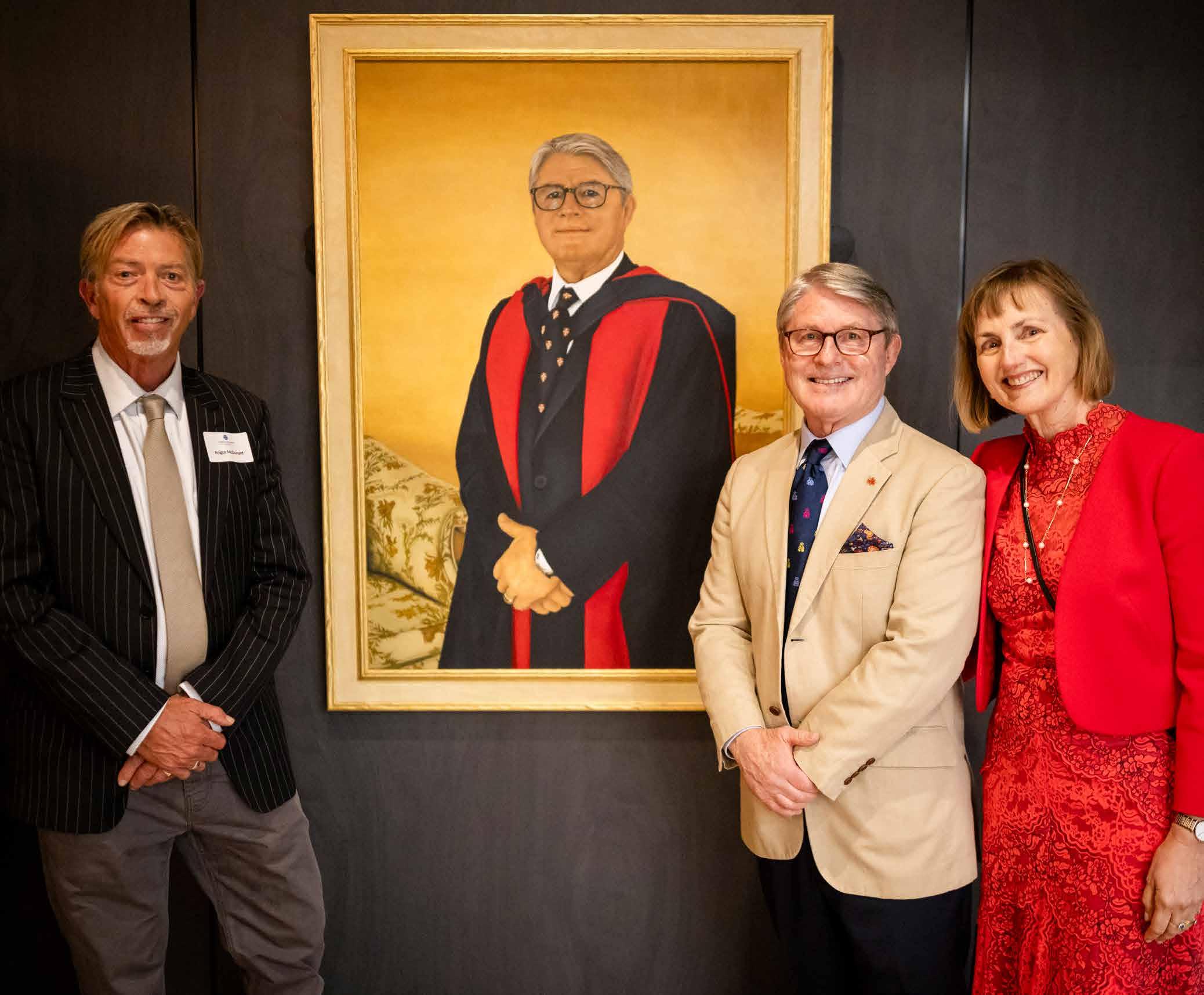
Dr Parry’s Portrait Unveiled
One of the traditions of our School is to commemorate the leadership of each Principal with a portrait. The School commissioned artist Angus McDonald to paint Dr Parry, and the portrait was unveiled at the Speech Day Assembly.
Angus McDonald is an award-winning artist and documentary filmmaker. He has been a frequent finalist in numerous
national art awards including Australia’s biggest art competition, the Archibald Prize, where he has been selected as a finalist on seven occasions. In 2024, his portrait of Indigenous academic & writer, Professor Marcia Langton AO received the Archibald Prize’s People’s Choice Award. It was the second time Angus had won the People’s Choice,
also receiving the award in 2020 for his portrait of Kurdish Iranian writer and filmmaker, Behrouz Boochani. His work is held in private and public collections including the Museum of Contemporary Art and the Art Gallery of NSW.
Dr Parry’s portrait will be hung in the Derek Pigot Auditorium alongside portraits of other past principals.
A PHILOSOPHY OF GIVING: FROM THE CHAIR OF THE KINROSS WOLAROI SCHOOL FOUNDATION
As the first Chair of the recently incorporated Kinross Wolaroi School Foundation, Mrs Paras Meates brings extensive expertise in law, governance and community building to a role she describes as both “a privilege and a responsibility.” A commercial lawyer with 25 years of experience and Manager of Legal Services at Charles Sturt University based at the Orange campus, Paras considers philanthropy not only a professional calling but also a personal philosophy of giving back.
I’ve been a commercial lawyer for 25 years, and the past 13 years have been spent at Charles Sturt University as an in-house lawyer,” she explains. “Working in this role means I’m very familiar with navigating complex governance frameworks; I hope this will help support the School in building robust policies to support the Foundation’s work.”
Her background offers a unique vantage point. “In-house lawyers also see more than just a contract or a dispute; we see the full spectrum of legal risk, which includes contractual, reputational and regulatory risks. This will be important in helping to shape a resilient and future-proof Foundation.”
Mrs Meates’ connection with governance at Kinross Wolaroi began in 2022, when she was invited to join the School Council. “It provided me with the opportunity to not only use my legal skills in a volunteer capacity, but also to develop governance skills and obtain exposure to strategic planning, risk management and leadership,” she says.
Becoming Chair of the Foundation came naturally. “My experience as a Council member and the opportunities I’ve had as the current Deputy Chair of Council have already given me the governance skills to take on the role,” she notes. “Furthermore, my years on Council have built mutual trust and respect with the Chair of Council and the Principal, which has given them confidence in me taking on this role.”
Integrity and accountability, she says, are the cornerstones of effective governance. “My legal training anchors me in integrity, transparency and accountability - qualities that set the tone for a values-driven board culture, which is what we’re after with the Foundation Board.”
Philanthropy is not just about financial donations - it’s about time commitment, it’s showing up, it’s supporting in kind by volunteering. All of that matters and shapes the School’s future”
Mrs Paras Meates, Chair of the Foundation
But she emphasises that the Board is far from a one-person effort. “We have the Chair of the Council, Rev Andrew Cunningham, and the Principal, Mr Timothy Kelly, as well as an incredibly motivated and talented bunch of people,” she says, naming Deputy Chair Stewart Church and fellow members Dr Alex Elder, Mrs Sarah Glover, Dr Chris Hayward, Dr Andrew Litchfield and Mr Craig Smith. “Their professional expertise, personal connection to Kinross Wolaroi and desire to give back are what give the Board its authenticity.”
For Mrs Meates, philanthropy is about foundations in every sense. “As the inaugural Chair, my focus is on setting up the Foundation properly with due care and concern by ensuring we put in place a supporting strategic plan and relevant policies. This groundwork will pave the way for future Chairs and Foundation Board members to direct philanthropy with vision and energy.”
Her personal philosophy of giving is influenced by her lived experiences.
“I’m a first-generation Australian and have seen how education was a powerful and transformative tool for my parents, who arrived in Australia from Fiji in the 1970s,” she reflects. “After seeing both my children thrive at Kinross Wolaroi, I came to appreciate the importance of a strong school and community in a regional setting.”
That sense of community lies at the core of the new Foundation. “The incorporation of the Foundation really comes down to Kinross Wolaroi School acting in a manner that is transparent and accountable to its stakeholders,” Mrs Meates explains. “By having the Foundation follow the same structure as the School, we create clear accountability and congruence.”
She emphasises that philanthropy extends far beyond just financial
donations. “Many of us parents do the regular fees-dance during the year, so it’s simply not financially reasonable to expect donations as well. Philanthropy is not just about financial donationsit’s about time commitment, it’s about showing up and it’s about supporting inkind by volunteering. All of that matters and shapes the School’s future.”
As the Foundation develops its strategic plan, Mrs Meates and her colleagues are focused on careful, community-centred growth. “We call on our stakeholders to be patient as we work on these next steps,” she says. “It’s exciting to be part of something new, to ensure we are building this version of the Foundation from the ground up in an appropriate way: respectful to the community, compliant with our Constitution and with a keen eye on creating a lasting impact on our students and the future of the School.”
KINROSS WOLAROI SCHOOL FOUNDATION FAST FACTS
• Established: 2024 as a company limited by guarantee.
• Purpose: To develop and encourage philanthropy within the Kinross Wolaroi School community for the benefit of the School.
• Structure: Operates a Building Fund and Scholarship Fund, enabling donations to support infrastructure, bursaries and future educational opportunities.
• Focus: Building a sustainable, transparent framework for giving - where generosity of spirit, not just financial capacity, defines community contribution.
KINROSS
GUIDING THE NEXT CHAPTER: INTRODUCING MR
TIMOTHY KELLY AS PRINCIPAL OF
KINROSS WOLAROI SCHOOL
From Rev Andrew Cunningham, Chair of Kinross Wolaroi School Council
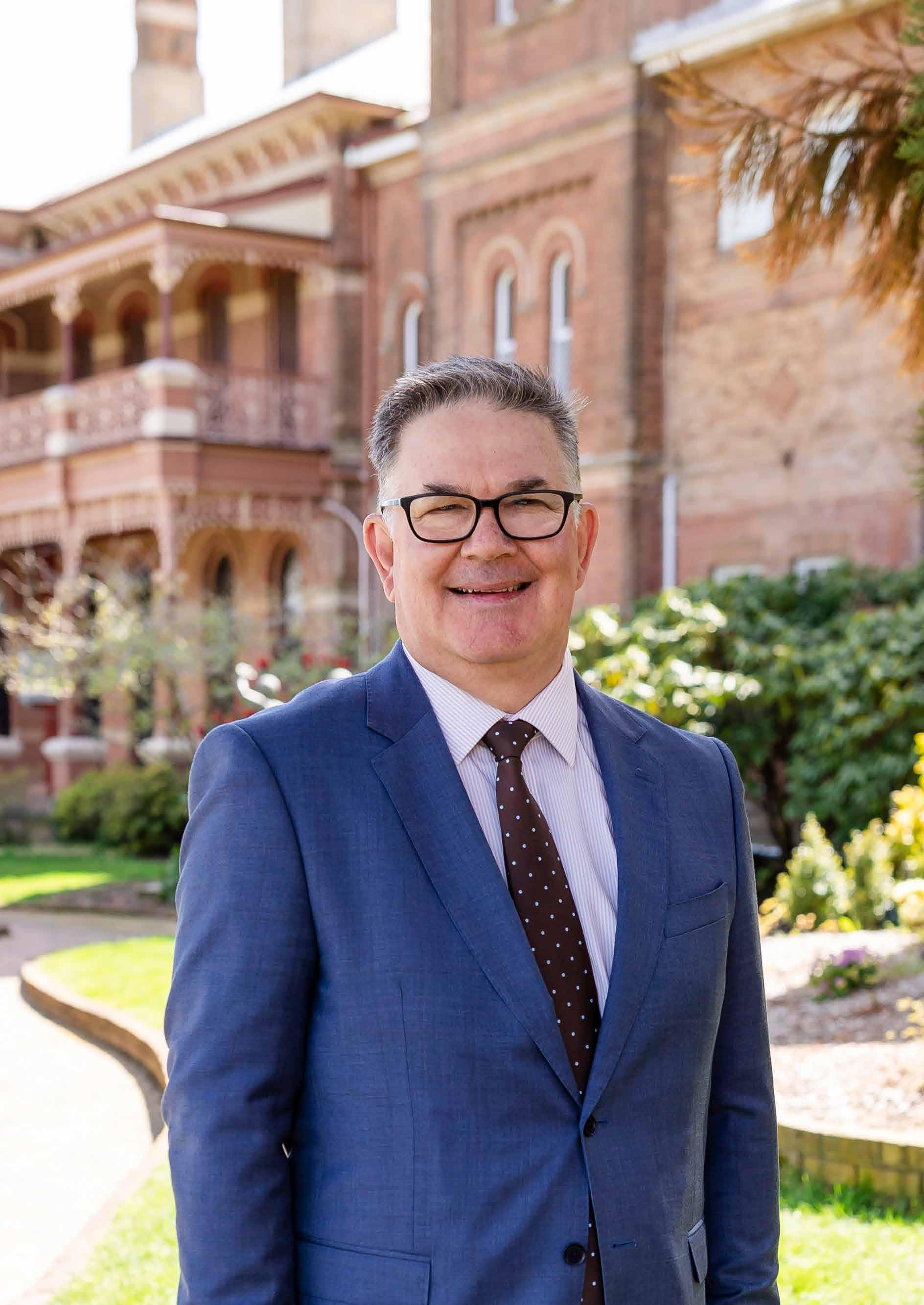
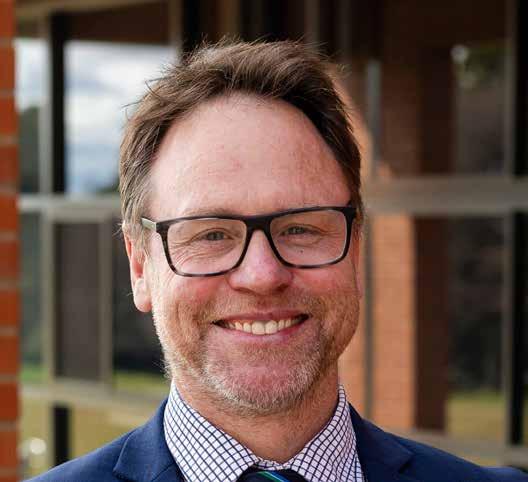
As we begin a new year, it is my pleasure to welcome Mr Timothy Kelly as our new Principal. His appointment marks an inspiring new chapter for our School and follows the remarkable leadership of Dr Andrew Parry, who retired at the end of 2025.
Times of leadership change are significant markers in the story of Kinross Wolaroi. They invite us to pause with gratitude for past achievements, while also looking ahead with optimism and ambition. They remind us of the enduring values that define our school and inspire us to continue building on that strong foundation together.
Dr Parry’s vision and tireless commitment have elevated Kinross Wolaroi to new heights. Under his guidance, our students have thrived within an environment that champions excellence, opportunity and belonging. We extend our sincere thanks for his outstanding service and celebrate the profound and enduring legacy of his leadership on our School community.
Now, as we look to the future, we do so with great confidence in Mr Kelly’s ability to lead Kinross Wolaroi into its next era. With more than 25 years of experience in independent education and a distinguished record of leadership, Mr Kelly brings both depth of expertise
and clarity of purpose. Since 2018, he has served as Principal of Townsville Grammar School, one of Queensland’s oldest grammar schools, where he guided a period of significant transformation, enhancing academic achievement, broadening co-curricular opportunities and strengthening an inclusive and connected school culture.
Mr Kelly’s career reflects a deep commitment to regional education, shaped by many years leading schools outside metropolitan centres. His understanding of the challenges and opportunities unique to regional schooling, combined with a genuine enthusiasm for nurturing vibrant and supportive communities, aligns closely with the values and aspirations of Kinross Wolaroi.
Earlier in his career, Mr Kelly spent more than a decade as Deputy Headmaster at Toowoomba Grammar School and began his teaching journey at Anglican Church Grammar School in Brisbane. He is applauded for his relational leadership style, his integrity and his ability to unite communities around shared values and forwardlooking educational goals.
A lifelong learner, Mr Kelly holds a Master of Educational Studies from the University of Queensland, as well as degrees in economics, business and education. He has also undertaken leadership and governance programs through the London School of Economics and the Australian Institute of Company Directors.
His leadership philosophy is grounded in collaboration, community building and a deep respect for both tradition and innovation and resonates strongly with the spirit of Kinross Wolaroi. With his background in finance and international experience, he is exceptionally wellpositioned to strengthen our school’s global outlook and advance our strategic priorities. His thoughtful and compassionate manner fosters trust, inspires confidence and encourages those around him to deliver their best.
The School Council is confident that Mr Kelly will lead Kinross Wolaroi forward with warmth, purpose and vision. We warmly welcome him, his wife Nicky and their three adult children to Orange and our community.
WHERE POSITIVE BEHAVIOUR SHAPES EVERY DAY
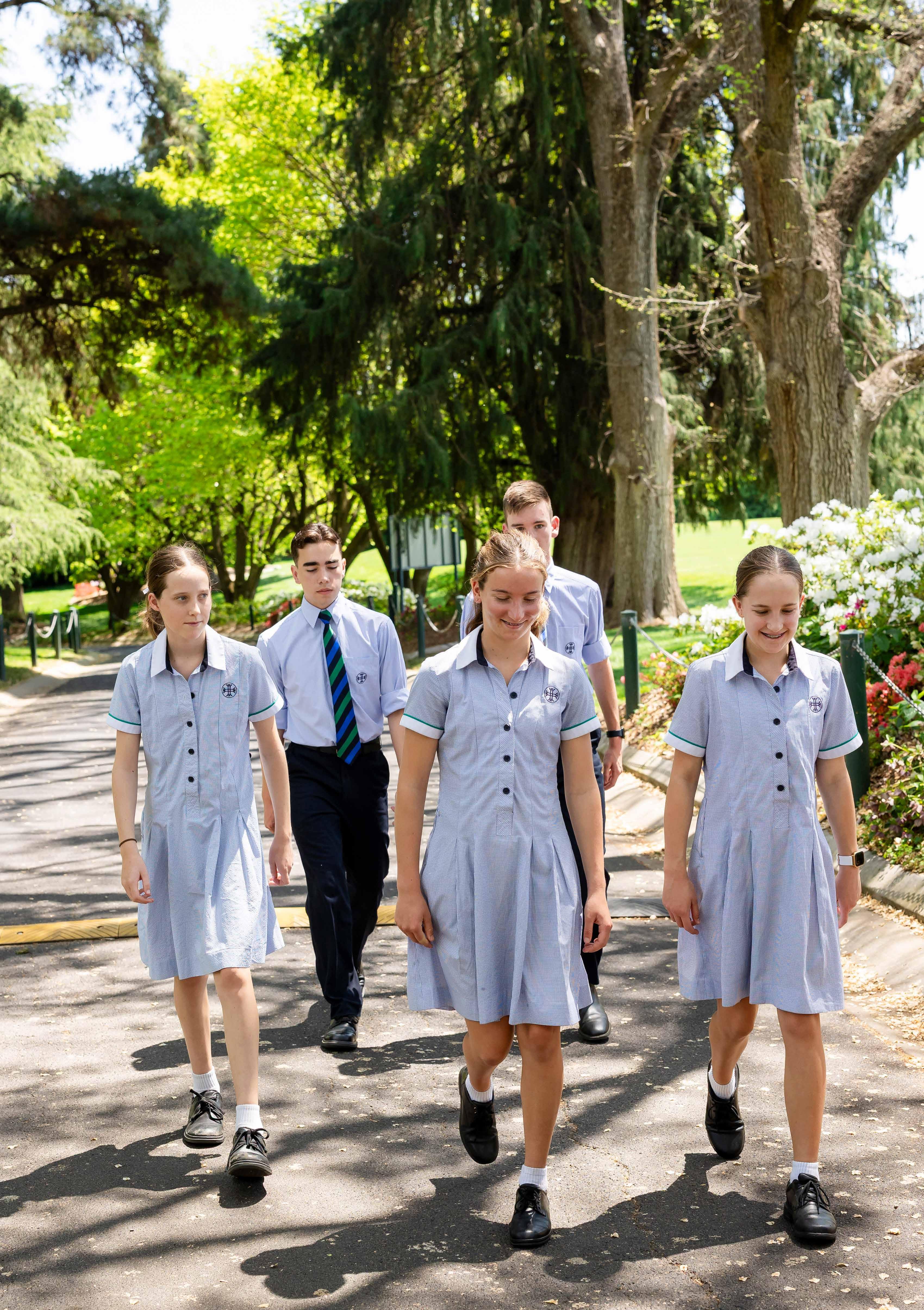
When you walk through the Senior School at Kinross Wolaroi, there’s a noticeable atmosphere: calm, respectful and purposeful. It isn’t accidental. Positive behaviour is at the heart of the School’s new Strategic Plan, and the Senior School is building a culture where students feel safe, supported and inspired to succeed.
It means creating a culture where students are accountable for their actions, supported through restorative practices and encouraged to grow both personally and academically. It’s about modelling the School’s values - courage, respect, resilience, commitment and inclusiveness - in everyday interactions,” said Head of Senior School, Mr Trent Chapman.
Far from being a set of abstract ideals, positive behaviour at Kinross Wolaroi is lived out in classrooms, corridors and conversations every day. The School’s approach draws directly from its mission to develop young people who are authentic, empathetic, adaptable, collaborative and creative.
“Positive behaviour is deeply aligned with the School’s mission… it ensures every student is supported to thrive, not just academically, but socially and emotionally,” Trent explained.
A culture like this creates more than good manners. It builds the conditions for deep learning: students feel safe to take academic risks, engage fully in their studies and develop resilience in the face of challenges. Conflict is reduced, empathy is nurtured and reflection becomes second nature.
Our focus on positive behaviour underscores the importance of building a community where respect, reflection and relationships are the foundation for academic success, personal growth and well-being.”
Mr Trent Chapman, Head of Senior School
Behind the sense of calm and respect lies a carefully designed framework. In the Senior School, positive behaviour is reinforced through:
• Restorative conversations and conferences using the WARM framework (What happened, Affect, Repair, Move forward).
• Recognition of positive behaviours and effort.
• Individual goal setting and reflection.
• Structured, supportive consequences where needed.
• Mentor and well-being check-ins and additional layers of support such as the Maximising Academic and Personal Success (MAPS) Guides for senior students.
What’s more, students are central to the process. They are encouraged to take ownership of their choices through restorative dialogue, leadership roles, peer modelling and open conversations about School values.
The impact is already visible. “A notable success of implementing restorative conversations has been the transformation in how behavioural challenges are addressed and resolved. Bringing together students, parents and pastoral leaders has fostered a culture
of accountability, empathy and growth,” said Trent.
Students approach challenges with a willingness to reflect and change, while parents value the balance between accountability and care. The broader community has noticed too - praising the fairness, consistency and personal growth focus of the School’s approach.
Kinross Wolaroi is not standing still. The next phase of the plan includes expanding student leadership, enhancing data tracking to monitor trends and strengthening partnerships with families. Teachers will continue to deepen their expertise in restorative practices, ensuring that positive behaviour remains woven into the fabric of school life.
As Trent summed it up: “Our focus on positive behaviour underscores the importance of building a community where respect, reflection and relationships are the foundation for academic success, personal growth and well-being.”
At Kinross Wolaroi, it’s clear: positive behaviour isn’t just a policy. It’s a culture - and one that sets the gold standard.
DATA FOR STUDENT PROGRESS
From the rugby field to the classroom, Mr Trent Dyer’s career has always focused on performance, growth and connection. Now, as Director of Learning Systems and Analytics at Kinross Wolaroi School, he’s applying those same principles to education, using data to tell richer stories about student learning and wellbeing.
Trent recently spoke at the Data by Design conference at St Aloysius’ College in Sydney, where he discussed how Kinross Wolaroi is leading the way in creating unified, people-centred data systems that enhance both teaching and student outcomes.
I’ve said it more in the past few years than ever before, but I guess you could say that I have quite contrasting interests - sport and computers,”
Trent says with a laugh. “I’ve always been drawn to the philosophy of high performance - not just winning, but understanding how people grow, how systems evolve and how small changes can lead to better outcomes.”
That focus began in sport. “I learnt the value of discipline, feedback and marginal gains,” he explains. “Later, working in Indigenous education, I saw how important it is to understand context, listen deeply and make sure every decision is grounded in relationships and cultural safety.”
Moving into analytics felt like a natural step for Trent. “It gave me the tools to connect those instincts with evidence. Now, I use data to help Kinross Wolaroi design smarter interventions, track progress meaningfully and make decisions that are both rigorous and human.”
At the Data by Design conference, Trent’s session examined the idea of unified data and analytics - an approach that merges the thousands of data points generated by schools into a single, clear vision.
“Unified data and analytics is really about bringing together the thousands of small data points schools generate - think attendance, behaviour, wellbeing and academic results - and turning them into a coherent, usable picture,” he says.
“On their own, those data points don’t mean much. But when you link them over time, across different areas of school life, you start to see patterns that tell a story. For example, a student being late to period one every day might not raise alarms individually, but when you see that trend over weeks, it becomes something worth exploring. It’s not just about identifying problems; it’s about celebrating growth, reinforcing strengths and making smarter, more timely decisions that actually support students. It’s about telling a person’s story and supporting a child through their journey at school.”
At Kinross Wolaroi, that philosophy is brought to life through Student Insights, the School’s in-house analytics platform. “A comprehensive view means staff genuinely know our students - not just academically, but across all aspects of their school journey,” Trent explains.
“We’ve built an analytics platform that brings together pastoral care records, academic results, attendance, wellbeing data, NAPLAN, co-curricular involvement and more.”
Trent explains that it is designed to be simple, intuitive and flexible.
“Staff can use it to spot early signs of disengagement, celebrate positive trends or tailor support based on a student’s history. It’s not about surveillance - it’s about personalisation - making sure every student is seen, understood and supported in a way that reflects their full experience at school.”
That vision has already produced real results. “One example that stands out was a teacher who noticed a student’s improvement in mathematics through the platform and made a point of
praising him in the playground,” Trent recalls. “It was a small gesture, but for that student - a young man who hadn’t received any academic recognition before - it was a proud moment. His confidence lifted and his engagement in class noticeably improved.”
“We’ve also used our algorithm to identify students who are quietly underperforming - capable kids who aren’t stretching themselves. By surfacing those patterns, teachers can adjust their approach and offer more targeted support. It’s not just about fixing problems; it’s about making sure every student feels seen and celebrated.”
The response to Trent’s presentation was overwhelmingly positive. “After the session, several schools reached out to learn more about our platform and how we’ve built it, which reinforced for me that we’re not just doing something useful - we’re doing it well,” he says.
“A standout question was about staff buy-in, which I think is the real challenge when talking about data and
It’s not just about identifying problems; it’s about celebrating growth, reinforcing strengths and making smarter, more timely decisions that actually support students.”
Mr
Trent Dyer, Director of Learning Systems and Analytics
its use in schools. Data can be scary. When people hear data, they think Excel spreadsheets and formulas, which, for most people, isn’t fun or intuitive. It’s not just about building a system - it’s about building trust, making sure the data serves the people who use it and ensuring it fits the culture and values of the school.”
Looking ahead, Trent believes the next frontier for education lies in artificial intelligence and predictive analyticsbut grounded in human connection. “AI is going to play a huge role in how we interpret and use data in schools,” he says. “We’ve already trialled a beta version of our platform with AI running across it, summarising student data and generating family-friendly insights and summaries. It’s early days, but it’s exciting.”
“The key will be making sure we don’t lose the relational side of education, especially in our reporting. Data should support human connection, not replace it. Data can be misinterpreted, and there’s always a contextual narrative
that a raw number or data point can’t give you - and this is why unification and personalisation are so important.”
He also highlights the potential of adaptive learning, predictive tools and immersive technologies. “We’re seeing tools that can flag students at risk of disengagement before it happens, and platforms that tailor content to individual learning patterns in real time,” he says. “Higher education does this well to improve retention and I think the exponential growth in AI will make these systems more accessible to schools too.”
“Beyond that, immersive tech like AR and VR is beginning to produce new types of engagement data,” he adds. “But again, the tech only works if it’s grounded in context and driven by people who understand the students behind the numbers.”
AI IN SCHOOLS - NAVIGATING THE OPPORTUNITIES AND CHALLENGES
The Chronicle spoke with Head of Science Alex McLennan, Head of English Kate Callaghan and Head of Mathematics Ben Doyle about how artificial intelligence is influencing their subjects, the risks they are managing and the skills they believe matter most in an AI-enabled world.
AIis transforming the world at a remarkable pace, and schools everywhere are grappling with its implications for teaching, learning, assessment and student wellbeing.
Insights from three Heads of Department highlight Kinross Wolaroi is adopting innovation carefully, thoughtfully and with a focus on preparing students not only to use AI but to excel beyond it. For Kinross Wolaroi School, the rise of AI presents both a chance and a duty: an opportunity to improve learning and a responsibility to protect academic integrity, student independence and ethical standards.
Across the school, teachers are observing rapid growth in the ways students use AI to support their learning. In Science, Alex McLennan sees AI as a natural extension of existing tools: “AI can be a useful tool, much like Google and encyclopaedias before it. It can support the learning that occurs in the classroom and is useful in providing hints and tips for homework.”
In senior Science courses, students work with highly technical academic texts. Here, Alex has found AI beneficial: “In Science Extension, where we have students reading research aimed at a post-graduate university level, AI has been helpful to simplify the language without losing the meaning of the content.”
AI is also supporting learning in Physics, Chemistry and Biology by providing explanations, sample solutions and additional examples. These tools, Alex explains, help students engage by “making it easier to understand and to meet the students where they are in their learning.”
In Mathematics, Ben Doyle describes AI’s influence as: “An interesting space…as we are impacted in different ways than other subject areas.” Ben emphasises that while AI is evolving, “our experience is that it still makes errors, especially in more complicated mathematical processes.”
One of the most innovative uses he has seen is students using AI is to create personalised revision resources: “One of the more interesting uses we have seen among our students is their use of large language models like ChatGPT or Copilot to create extra revision resources like mock papers based on existing resources.”
In English, Kate Callaghan has observed students using AI for research support, drafting, editing and developing reading lists. However, there is a cautionary side. Kate notes that “some students rely on it to create their ‘work’ and attempt to pass this off as their own thinking and writing.” This tension between support and shortcut sits at the heart of current debates in education.
All three faculty heads agree that AI must never replace human thought. Alex is candid about the risks: “AI currently often provides wrong, misinterpreted or completely made-up answers.” Without strong subject knowledge, students may not recognise when an AI output is inaccurate or fabricated.
To address this, Alex and the Science faculty directly teach responsible use. They highlight when AI is incorrect and incorporate inquiry-based learning, questioning, experimentation and collaborative problem-solving to ensure students continue to think independently rather than simply accepting answers.
In Mathematics, similar concerns arise. Ben believes students must be able to evaluate AI-generated content critically: “We need to ensure that we are giving students the skills to comprehend the information that is generated through the use of AI and use critical thinking to evaluate the worth/validity of that information.”
For Ben, the greatest danger is overreliance: “Overall, our biggest challenge is not to produce a generation who are willing to let AI ‘do the thinking’ for them. Instead, we need critical consumers who use the wealth of information available to build knowledge.”
Kate echoes this sentiment. English teachers have shifted towards more in-class learning, handwritten work, collaborative tasks and direct instruction to safeguard originality and depth. These approaches foster “critical and creative practices that we know students need to grow and learn.”
Across all subjects, AI appears to be reinforcing, not replacing, the importance of human thinking. Alex explains that: “Critical thinking and problem-solving skills will still be needed in an AI-enabled world, just as much as they are now.”
The updated Science syllabuses emphasise data analysis, inference and evidence-based reasoning. Mathematics syllabuses similarly promote creativity, communication and non-routine problem-solving. Ben notes that students must now demonstrate:“increased creativity in their thinking that is at times beyond the capability of current AI engines.”
In English, Kate highlights the enduring importance of human qualities: “Critical thinking and problem-solving skills will always be valued within society, and English is a subject that can foster a deep connection and passion for conceptual understanding. By looking at the power of literature, students are encouraged to build skills in empathy, compassion, tolerance and understanding. Despite the wonderful benefits AI can offer us, these human qualities enrich and deepen our society. English is a subject that actively encourages an appreciation of these aspects of the human condition.”
Teachers across Kinross Wolaroi remain optimistic about the potential of AI when used responsibly. Alex believes its most valuable role is in expanding access: “Being able to ask an AI a question and have it support you in finding the answer (rather than just giving you the answer) is really valuable for student learning.”
However, convenience remains a universal concern. When learning becomes challenging, AI can offer an easy shortcut. Ben warns that such reliance comes: “with a great cost to your learning and understanding overall in the long term.”
Kate has seen similar risks. AI can assist with differentiation and resource creation, but without a foundation of subject knowledge, “it is easy to take all information at face value, even if it is incorrect.”
When used thoughtfully, AI can support diverse learners. Kate highlights its potential for students with learning needs through features such as visual text reading, voice-to-text and grammar correction. Still, access alone does not guarantee equity. Ben cautions that students who use AI as a thinking partner will deepen understanding, while those who use it as an answer machine may fall behind.
Overall, our biggest challenge is not to produce a generation who are willing to let AI ‘do the thinking’ for them. Instead, we need critical consumers who use the wealth of information available to build knowledge.”
Ben Doyle, Head of Mathematics
As AI continues to evolve, Kinross Wolaroi is taking a careful, principled approach: embracing innovation while ensuring that curiosity, inquiry, reasoning and creativity remain firmly in human hands. Alex, Kate and Ben share the belief that the qualities most essential to life and learning cannot be automated. AI may assist, enhance and extend learning, but it cannot replace the human ability to question, analyse, empathise and create.
Across classrooms, that balance is already being shaped thoughtfully and deliberately, with a clear focus on preparing students for a future where artificial intelligence is powerful, but human intelligence remains essential.
ROUND SQUARE UPDATE: HOW WE ARE DELIVERING ON THE IDEALS
At Kinross Wolaroi School, the Round Square IDEALS - Internationalism, Democracy, Environmentalism, Adventure, Leadership and Service - are more than just words on a poster. They are guiding principles woven through the School’s academic and co-curricular programs. Liam Callaghan, Head of Experiential Learning and Round Square, explains how these values are shaping confident and compassionate global citizens.
Round Square at Kinross Wolaroi embeds the IDEALS into the co-curricular and academic programs of the School,” Liam explains. “The School has a Round Square co-ordinator (me) and staff who champion each of the IDEALS, facilitating meetings, attending and organising events and engaging with the community.”
Each of the six IDEALS is brought to life through practical experiences. From Year 8 and Year 10 exchanges to the Junior School’s Round Square Day, debating, public speaking and service initiatives, the program provides a variety of opportunities for students to develop leadership and global awareness.
“Regional heart, global spirit - the School is committed to fostering a global perspective in all students,” Liam says. “Through international collaboration, cultural exchanges and international tours, the School is committed to producing global citizens.”
One way this connection is built is through Round Square Postcards -
Regional heart, global spirit - the School is committed to fostering a global perspective in all students.”
Liam Callaghan, Head of Experiential Learning and Round Square
interactive online sessions that link students from Round Square schools across the globe. “They’re designed to be quick, engaging opportunities for international collaboration and discussion,” Liam explains. “It’s a great way for students to experience international dialogue without the need for travel.”
Exchange opportunities continue to expand, with 2024 seeing 23 students complete overseas placements in France, South Africa, Kenya, Germany and Japan, and a further five students joining international exchanges in 2025. Domestically, 17 students undertook exchanges in 2024, with another 15 in 2025.
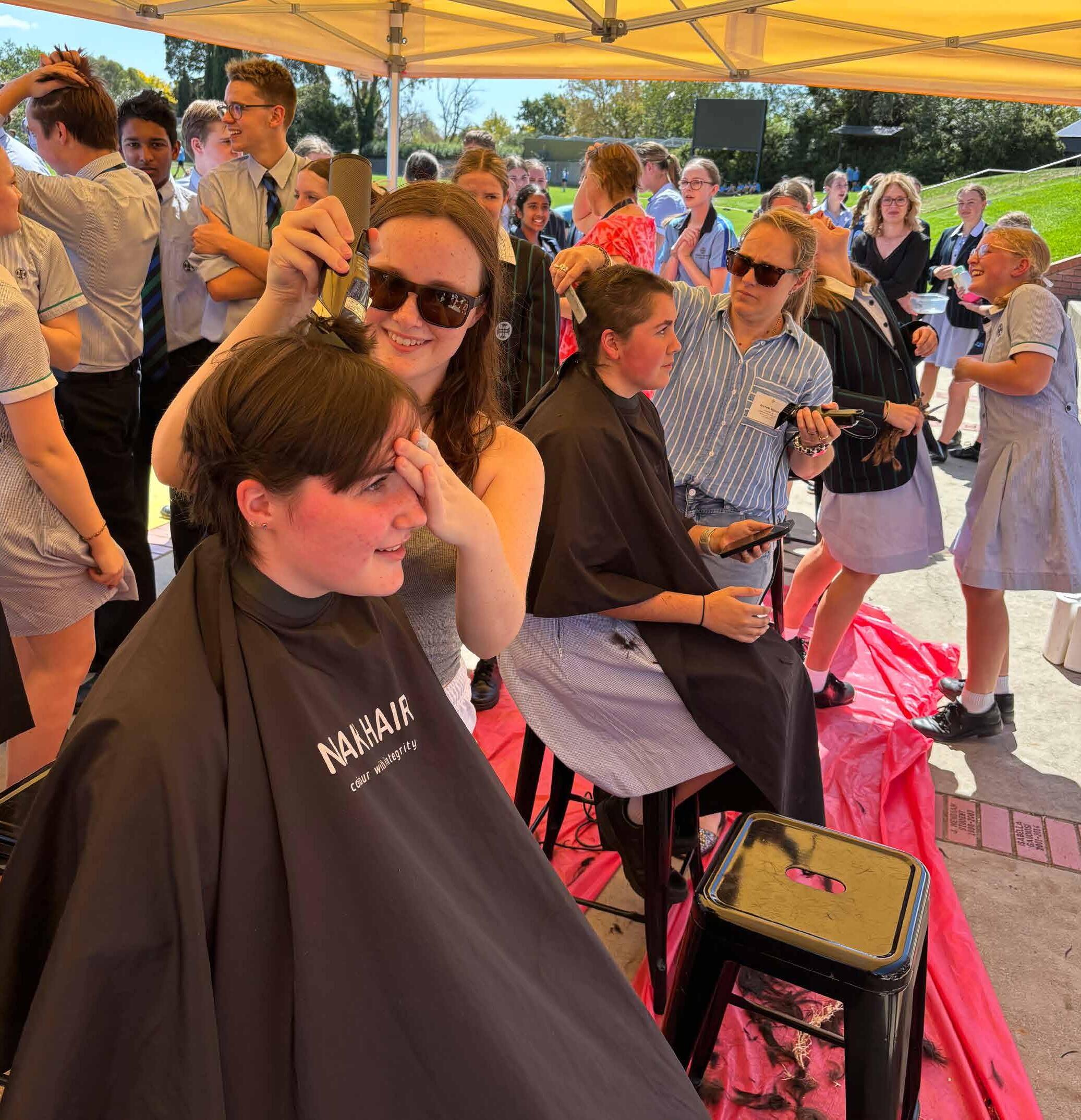
Beyond travel, the program inspires students to find their voice and lead with purpose. “There are many opportunities across the academic and co-curricular programs for students to step up and contribute to the Kinross Wolaroi and Orange community,” Liam says. “Student run programs like the World’s Greatest Shave, Pink Stumps Day and Round Square Week provide students with
the chance to have a voice, liaise with staff and make decisions. This provides them with a greater sense of purpose and lets them witness first-hand the results of hard work, good planning and leadership.”
Environmental awareness is another key focus. “Students recently launched ‘Return and Earn’ where all funds generated will go into sustainable programs in the Junior and Secondary School,” Liam says. “Students at Kinross Wolaroi are very passionate about the environment and educating the wider community about sustainability.”
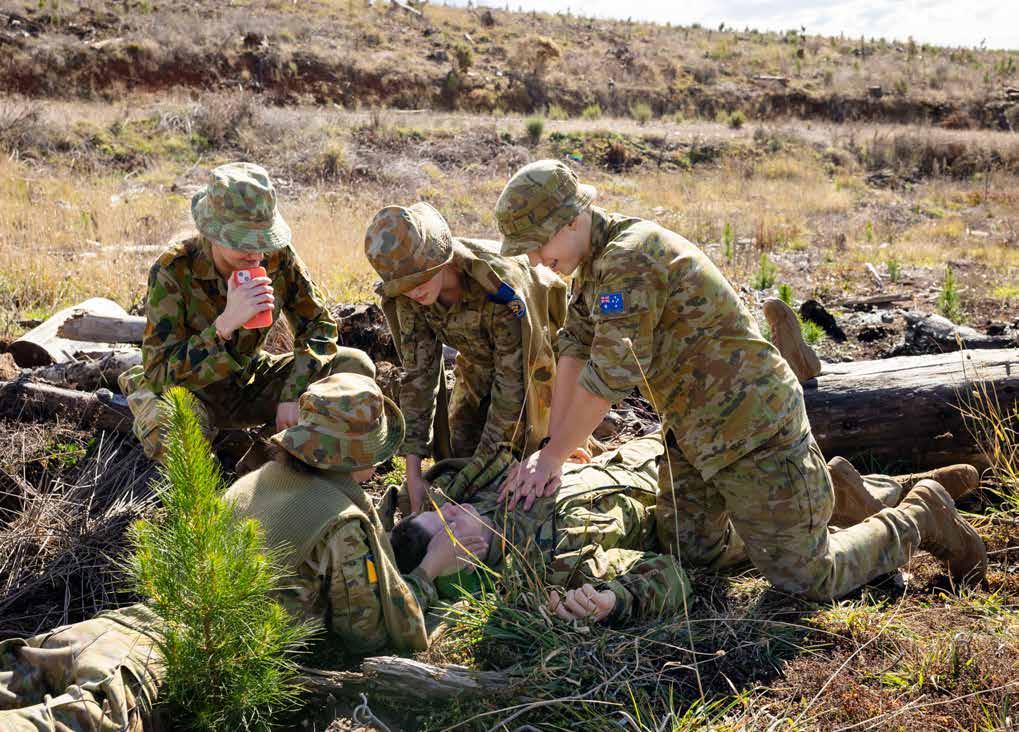
Adventure is showcased through the School’s Cadet program and the Duke of Edinburgh’s Award. “We currently have 250 students enrolled in the Duke of Edinburgh, and in 2025, 12 students received their Gold Award,” Liam explains. “In Year 9, the School pays the registration fees because we believe that completing a skill, service, physical activity and an adventurous journey gives students the framework to set and achieve goals.”
Leadership development remains of central importance. “This year, the School badged 18 Year 11 students as Round Square leaders - their role is to drive programs that align with the IDEALS and motivate younger students to give of their time and talents,” Liam says.
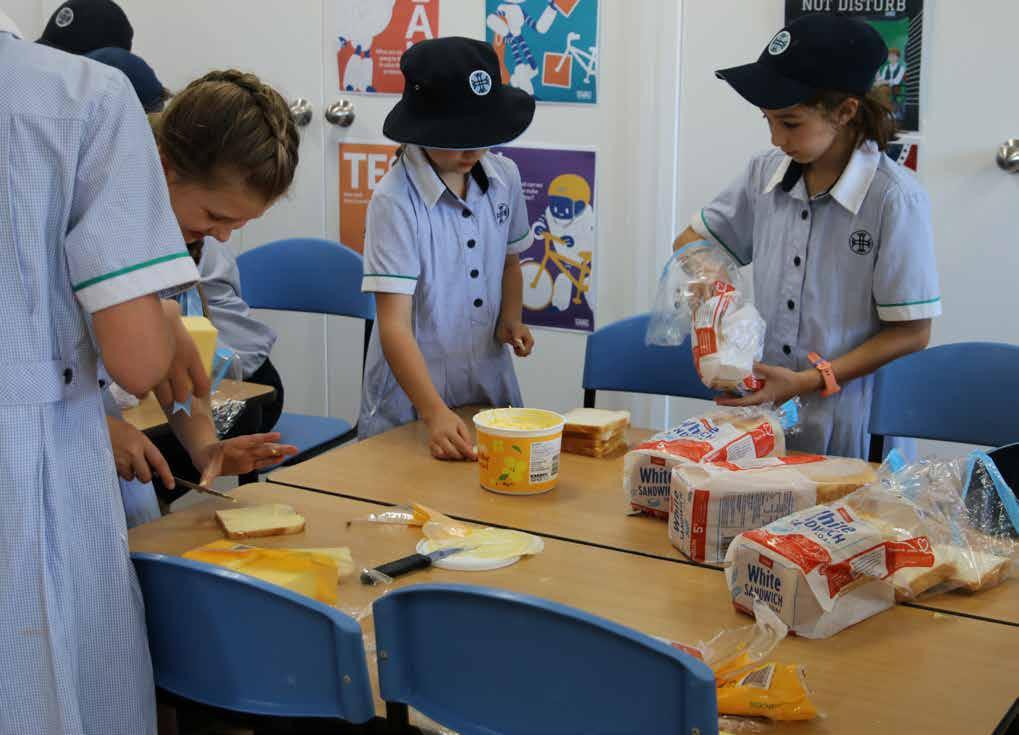
Service continues to thrive through meaningful local involvement. “Over the past 12 months, the School has made a significant push for service learning,” Liam explains. “Activities include the Wontama intergenerational project, Riding for the Disabled, Hot Meals at the Uniting Church, sandwich-making for Eat Up Australia and the Sony Foundation Australia December Camp.”
The impact of student-led initiatives is tangible. “The Round Square senior committee facilitated The World’s Greatest Shave - this involved a number of students and staff fundraising and shaving their hair for the cause,” he says. “It was a fabulous School event that generated over $16,000 for the Leukaemia Foundation.”
Looking ahead, Liam is focused on embedding the Round Square Discovery
DELIVERING ON THE IDEALS
INTERNATIONALISM: Global exchanges, Round Square Postcards and cultural collaboration.
DEMOCRACY: Student-led initiatives such as debating, Round Square Week and advocacy events.
ENVIRONMENTALISM: Return and Earn, recycling, eco-awareness campaigns and the Junior School Garden Club.
ADVENTURE: Cadet program, Duke of Edinburgh’s Award and international expeditions.
LEADERSHIP: Round Square Leaders and Ten4Ten mentoring program.
SERVICE: Wontama Intergenerational Project, Riding for the Disabled, Hot Meals at UCA and The World’s Greatest Shave.
Framework across the curriculum. “It’s a model that helps schools nurture and develop key character qualities and competencies in students,” he explains. “It provides a shared language for personal growth and supports schools in designing meaningful learning experiences.”
The framework encompasses 12 ‘Discoveries’ grouped into three categories - Character, Competence and Attitudes - emphasising compassion, courage, communication, teamwork and sustainability.
A highlight on the horizon is the 2026 Nepal Adventure, combining service and exploration. “Students will travel to Nepal to complete a 21-day adventure with a nine-day hike of Annapurna and several service-based programs in Nepalese villages,” Liam says.
Ultimately, Liam sees the Round Square IDEALS as a lifelong compass for Kinross Wolaroi students. “The IDEALS provide an excellent framework for students to engage locally, nationally and internationally in a network of schools,” he says. “Through the various
opportunities students can engage in exchange programs, service projects and adventurous journeys to become connected and empathetic global citizens.”
In his dual role as leader of Experiential Learning, Liam also oversees the Portfolio of Achievement - a framework designed to promote character development in Years 9 and 10. “Students set goals that align with our School Values - Courage, Resilience, Inclusiveness, Respect and Commitment - as well as Environmental Responsibility,” he says. “They provide evidence of their engagement in activities that reflect these values, ensuring they are not just spoken about but actively lived.”
“The initiative offers a structured yet challenging way for students to track their engagement and achievements,” Liam explains. “Through this process, students gain a stronger sense of purpose, develop resilience and establish a solid foundation for their senior years.”
BUILDING OUR FUTURE: ACADEMIC EXCELLENCE AND WELLBEING AT KINROSS WOLAROI SCHOOL
By Matthew Byrne, Executive Director, Learning and Wellbeing
This is an exciting time for Kinross Wolaroi. We are creating a learning environment where students are challenged, supported and inspired - and where wellbeing and academic success go hand in hand.”
By Matthew Byrne, Executive Director, Learning and Wellbeing
Kinross Wolaroi School is entering a bold new chapter, guided by its Strategic Plan 2024–2026 and a clear commitment to academic excellence, wellbeing and future-focused learning. Central to this transformation is a redesigned timetable and a renewed emphasis on teaching innovation - both shaped by the School’s strategic direction.
Mr Matt Byrne, Executive Director of Learning and Wellbeing, says the Strategic Plan is more than an aspirational document; it is actively shaping classroom practice and the student experience.
“Our strategic plan is the engine driving teaching innovation at Kinross Wolaroi,” Mr Byrne explains. “It ensures that every decision we make - from curriculum design to how we structure the school day - is aligned with providing a rich, rigorous and future-focused education.”
A strategic vision driving innovation
The Strategic Plan sets a clear ambition: to deliver a rigorous and diverse educational experience from Pre-Kindergarten to Year 12 that prepares students to thrive in a complex world. From the earliest years, students are immersed in high-quality learning environments designed to nurture curiosity, confidence and capability.
For families, this translates into a consistent and supportive journey across every stage of schooling. Academic expectations are clear, growth is emphasised and students are encouraged to pursue both excellence and personal development.
Distinctive academics with real-world relevance
Kinross Wolaroi’s academic model emphasises breadth, depth and relevance. Students are encouraged to stretch themselves, try new experiences and discover their strengths. Extended learning periods will allow for inquiry-based and interdisciplinary projects that foster critical thinking and creativity. Students are given time to question, analyse and apply knowledge - skills essential for life beyond school.
Wellbeing as the foundation for success
At Kinross Wolaroi, wellbeing is not viewed as an add-on; it is integral to successful learning.
“Wellbeing is fundamental to academic success,” Mr Byrne says. “When students feel connected, supported and emotionally equipped, they are better able to focus, persist and achieve.”
The timetable reflects this philosophy by embedding dedicated wellbeing lessons - known as ‘Compass’ periodsalongside community time. These sessions build emotional literacy, resilience and self-awareness while strengthening students’ sense of belonging.
Community time also fosters leadership, service and connection, reinforcing a values-driven school culture.
Preparing students for life beyond school
The School’s vision extends beyond examination results. Its Graduate Profile identifies the attributes students develop during their time at Kinross Wolaroi: authenticity, adaptability, empathy, collaboration, creativity and independence.
To support the Graduate Profile, several key innovations are on the horizon:
• Interdisciplinary, real-world learning experiences through experiential curriculum design.
• Greater student agency, with expanded opportunities for choice and voice.
• Enhanced digital integration to foster collaboration and creativity, alongside continued focus on handwriting and foundational skills.
• Stronger community partnerships that extend learning beyond the classroom.
Through rigorous academics, leadership opportunities and a robust wellbeing framework, students graduate equipped not only for further study, but for meaningful participation in a rapidly changing world.
A balanced and purposeful future
Kinross Wolaroi School is shaping an environment where every student can achieve their personal best - academically, socially and emotionally. With its Strategic Plan guiding innovation, a timetable designed to support deep learning, and wellbeing embedded at the heart of school life, the School is building a future that balances excellence with care.
OUR STORY IN ONE PLACE: THE MAKING OF THE KINROSS WOLAROI MUSEUM
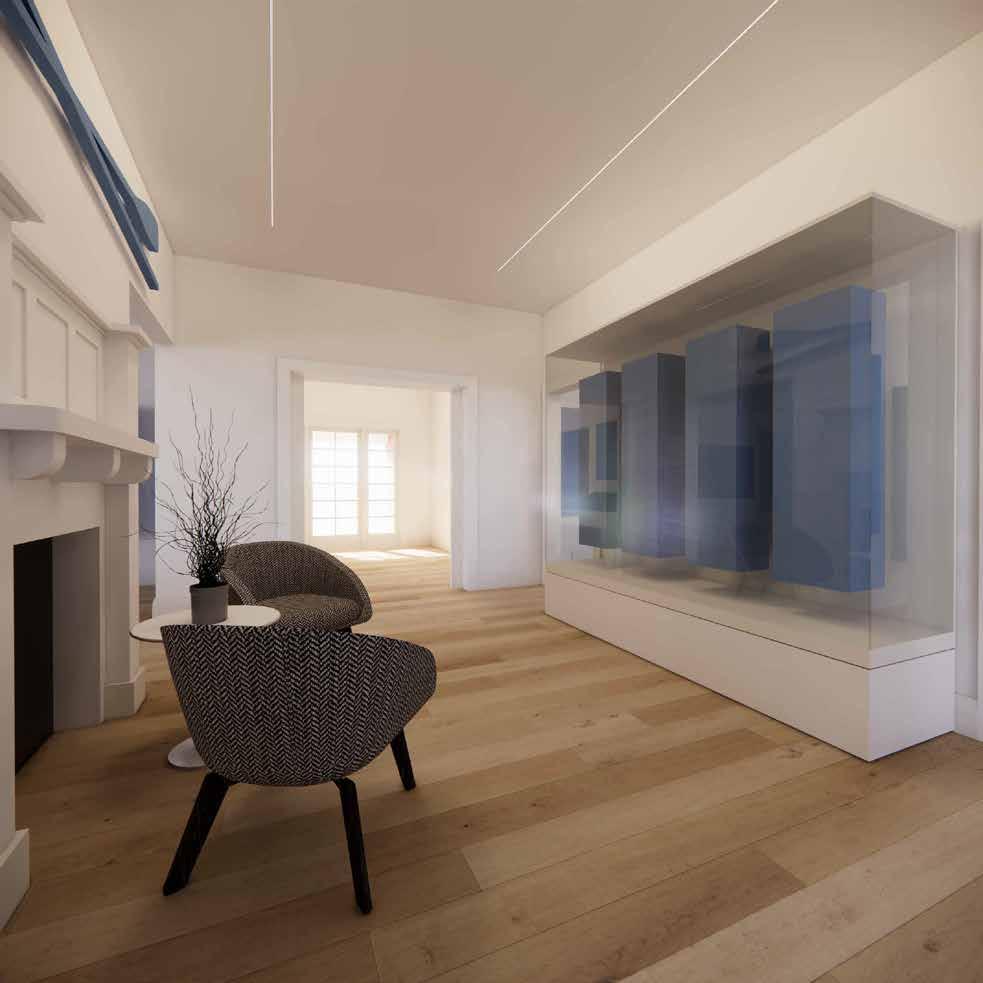
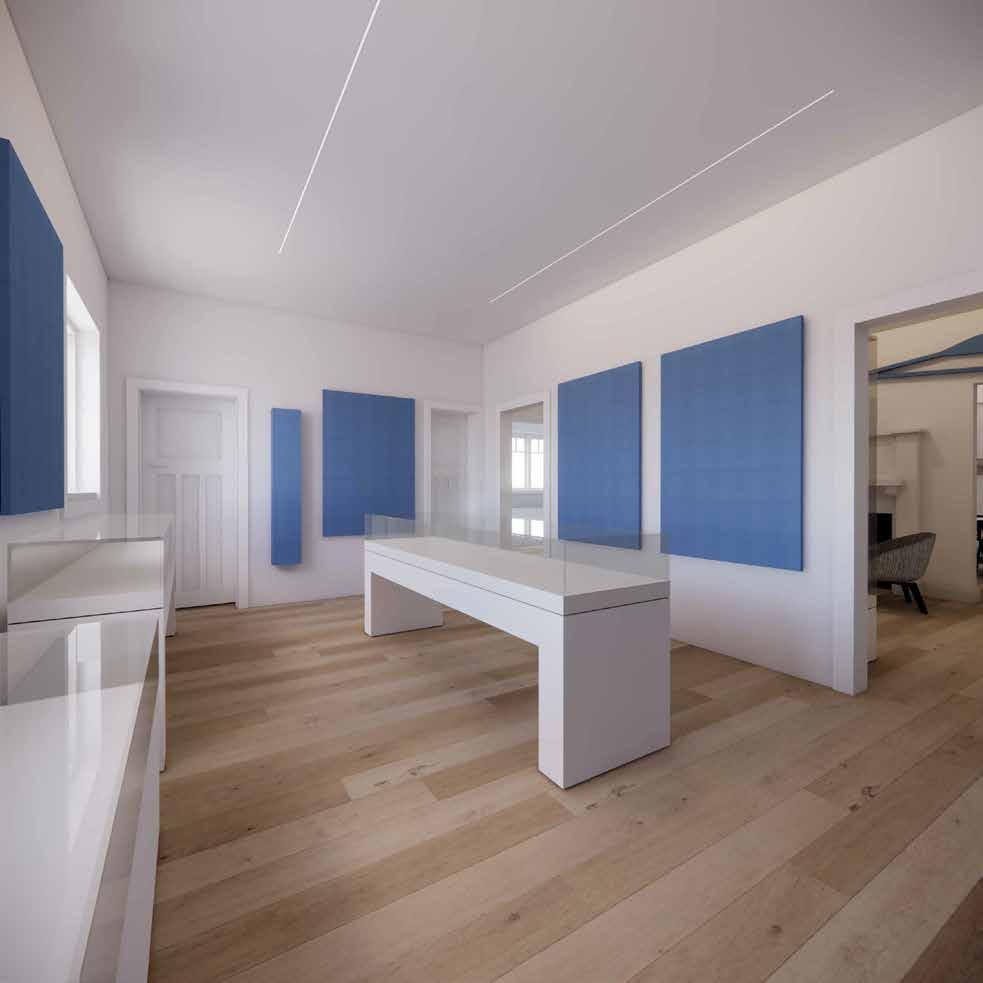
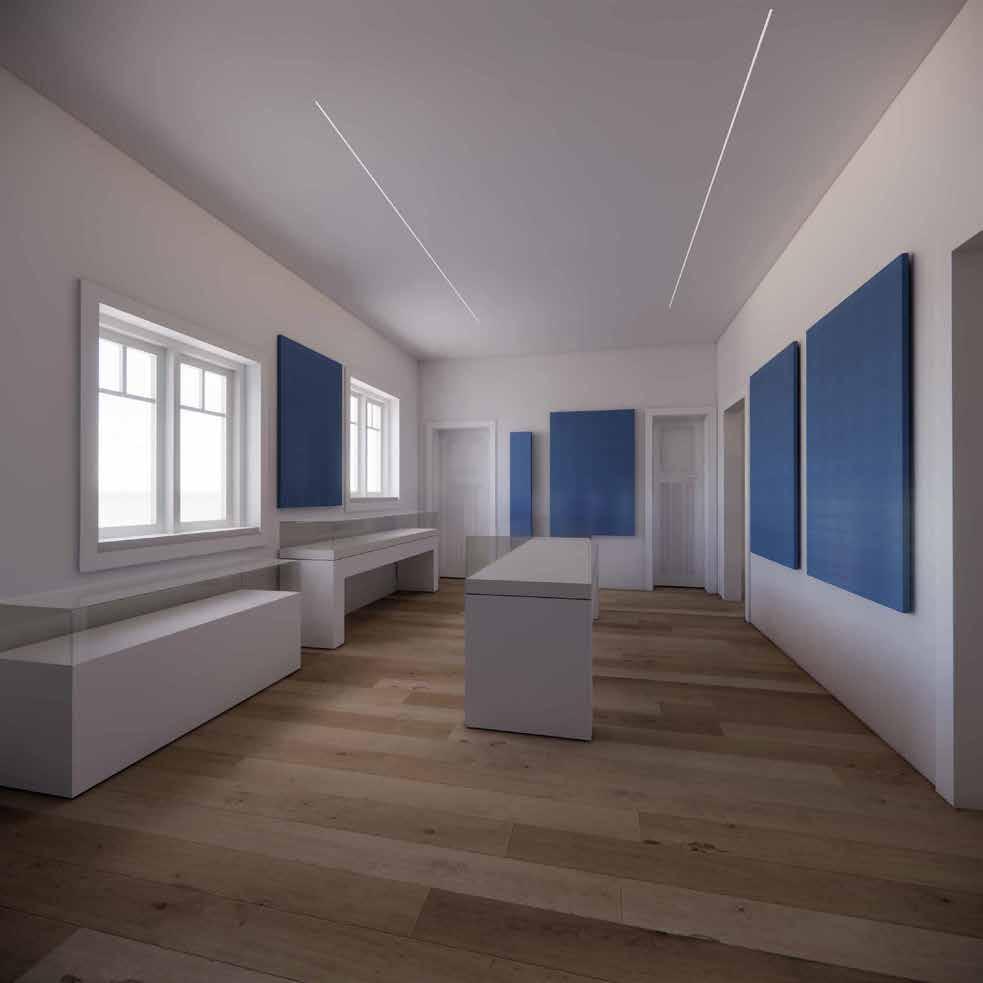
When Kinross Wolaroi School began planning a museum, it wasn’t just about displaying artefacts; it was about capturing a story. The Chronicle spoke to academic staff member and Archivist Marlo Robson, about how the new museum will play an important role in enriching the educational experience of current and future students by serving as a space for exploration, reflection and connection.
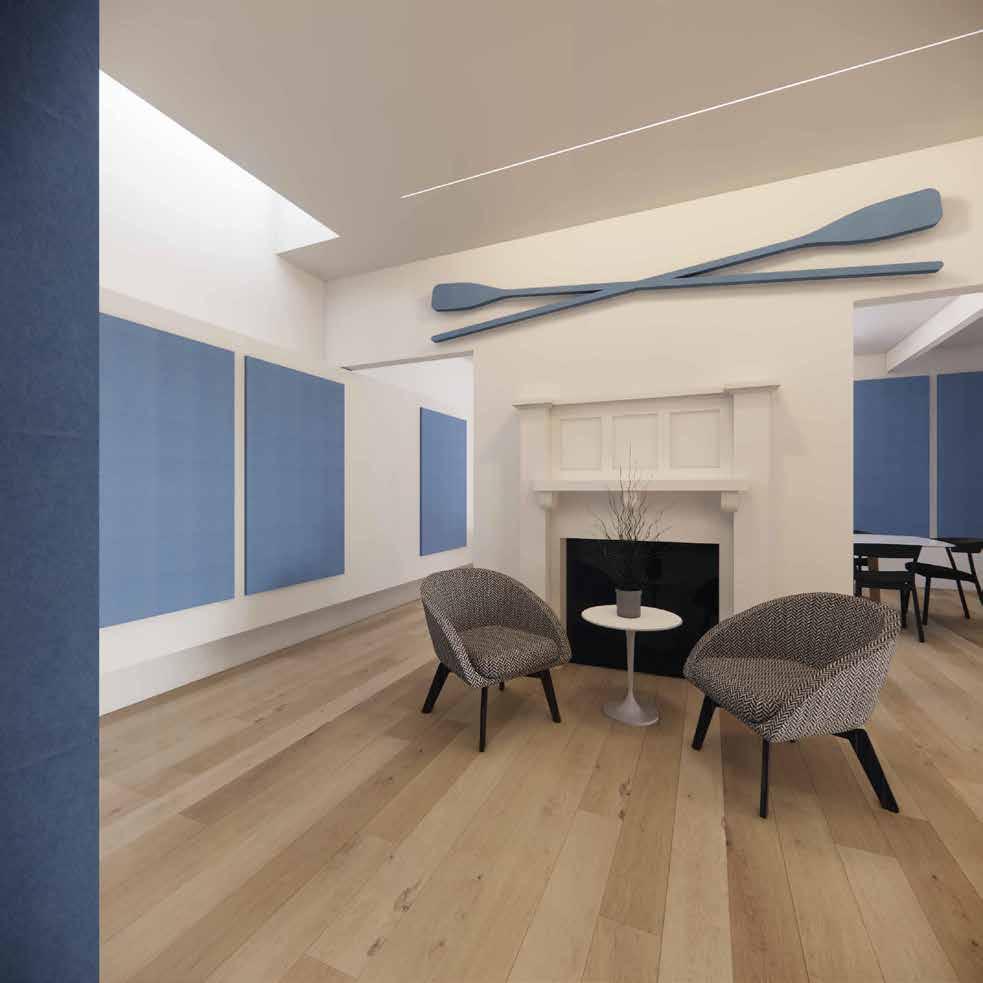
The idea of preserving and sharing Kinross Wolaroi School’s rich and varied history took shape when a space in the former headmaster’s residence at the top of the main drive became available. “It offered the perfect location to capture our story in one place and celebrate the people, events and milestones that have shaped our School community,” Marlo explains. “The museum will honour our past, inspire pride in our present and serve as a lasting archive for future generations.”
Bringing the museum to life has been a community effort. Driven by the vision of the then Principal, Dr Andrew Parry and strongly supported by the School’s Ex-Students’ Association, the museum project kicked-off in early 2025 with designs by David Sutherland of Source Architects. Creating the School’s timeline involved the help of consulting archivist Kim Eberhard and extensive research, including reviewing over 100 years of School publications, archival documents and historic objects. The challenge for the team was to distill the School’s rich history into a timeline that is both accurate and engaging.
The museum will honour our past, inspire pride in our present and serve as a lasting archive for future generations.”
Mrs Marlo Robson
The project’s scope soon expanded to include the School’s extensive photography collection. “Digitising our extensive photography collection was another major task,” Marlo explains. “A rewarding part of the many hours spent sorting and scanning photographs was discovering forgotten moments and faces that help bring the School’s legacy to life. These discoveries have reminded me just how powerful visual history can be in connecting past and present.”
Among the discoveries were some true treasures. “Working through the School’s textiles and piecing together the various changes in uniform really highlighted what an eclectic history we have!” she says. “We uncovered some real treasures, including a Wolaroi cap from the very early days. It is in surprisingly good condition.”
Donations from alumni have added depth and sentiment to the displays. “We’ve received some wonderful donations from former students over the years, each item holding deep personal and historical value,” she notes. “Pieces such as the delicate Presbyterian Ladies’ College (PLC) tea set and Wolaroi napkin ring highlight just how much times have changed. Personal items like this help
to keep individual memories alive and enrich our collective story.”
The museum isn’t just a tribute to the past - it’s a tool for learning. By engaging directly with curated exhibits, students will deepen their understanding of history in a meaningful and context-rich environment. “The School Museum will serve as a valuable educational resource, accessible to all students from Pre-K to Year 12,” Marlo explains. “It will offer a hands-on space for historical research, helping students explore timelines, significant individuals and key changes in our School’s development.”
For current and future students, the space will offer context and connection. “It will help them understand how they are part of a continuous thread linking generations of our students, each contributing to the School’s evolving story,” she says. “It will be a place where students can engage with the past to better understand their present and imagine their future.”
The museum is due for completion in 2026.
BUILDING A CULTURE OF STRENGTH: HOW
‘SEARCH’ IS TRANSFORMING
OUR WELLBEING
2025 marked an important new chapter at Kinross Wolaroi School - one defined by a renewed commitment to nurturing the whole child and embedding wellbeing into the fabric of daily school life. With the introduction of Professor Lea Waters’ renowned Visible Wellbeing program, powered by the SEARCH Framework, Kinross Wolaroi is taking a bold, research-driven step towards creating a school culture where every student’s strengths, emotional needs, relationships and coping skills are valued, understood and actively supported.
Across the world, educators are recognising that student wellbeing cannot be left to chance, nor delivered in disconnected pockets.
As one leading wellbeing researcher notes, many schools struggle, because “programs feel fragmented… we have different programs spread across the school, but it’s piecemeal.” To address this, evidence shows that schools benefit most from meta-frameworks - broad, wholeschool strategies that bring coherence, structure and focus to wellbeing.
The SEARCH Framework is one of the most robust in the world. Developed from more than 16,000 psychology studies, trialled with more than 35,000 students worldwide and refined through action research in ten schools, it provides six clear pathways that underpin human wellbeing: Strengths, Emotional Management, Attention & Awareness, Relationships, Coping and Habits & Goals.
At Kinross Wolaroi, these pathways are already becoming part of the school’s shared language. Director of Wellbeing, Olivia Kite, says: “Kinross Wolaroi School chose to implement Professor Lea Waters’ Visible Wellbeing program using the SEARCH framework because it aligns deeply with the school’s commitment to holistic education, student empowerment and valuesbased development.” The program, she explains, is grounded in more than 20 years of research in positive psychology and learning science, giving
it both academic rigour and real-world applicability. “It integrates wellbeing science with learning science, making it a powerful tool for both academic and personal development.”
The school’s adoption of Visible Wellbeing is deliberate and long-term. Kinross Wolaroi has entered into a two-year partnership with Professor Waters and her team, including a series of whole-staff professional learning days. “Staff have engaged well with the training and we’re seeing the practical strategies from these days being used in the classroom,” Olivia says. The program also fits seamlessly with the school’s Strategic Plan 2024–2026, which prioritises student wellbeing, staff development and community engagement.
Importantly, SEARCH is not designed to replace what already works at Kinross Wolaroi, but to strengthen and connect it. Olivia describes Visible Wellbeing as “not a rigid curriculum but a flexible framework that can be adapted across subjects and year levels,” which is vital for a school with diverse learners and a rich academic, pastoral and cocurricular offering. This adaptability has already shaped the development of the new Kinross Wolaroi ‘Compass’ Program, that was launched in Term One, 2026. “The Program draws on Visible Wellbeing and the SEARCH Framework to provide the foundation for our Compass Program while also being flexible enough to meet the needs of our students.”
Parents have also been brought into the journey through a dedicated session,
Foundations of Visible Wellbeing, led by Professor Waters herself. “Parents received worksheets and newsletters with activities aligned to the SEARCH pathways, helping them reinforce wellbeing practices outside of school,” Olivia explains.
While the rollout is still in its early stages, subtle but meaningful shifts are already emerging. Teachers are noticing increased emotional vocabulary in classrooms, greater confidence in students naming their strengths and more constructive responses to challenges. Olivia expects these early signs to deepen over time. “As students grow through the program, they will increasingly use strengths-based language with confidence, demonstrate deeper emotional literacy and engage in more proactive, constructive helpseeking.” These changes, she says, will also translate into improved organisation, study routines and overall readiness for senior learning.
The program also offers clear benefits for staff. A unified framework and shared language of wellbeing help ensure that pastoral practices are consistent across the school, supporting teachers as they guide students through both everyday challenges and more complex situations. Over the long term, the school expects a reduction in repeated low-level behavioural issues as students develop stronger relational and coping skills. “Parents will also begin to notice the transfer of these skills into home life, as students use the shared language of strengths, coping and emotional management beyond the classroom,” Olivia notes.
Kinross Wolaroi chose to implement Professor Lea Waters’ Visible Wellbeing program using the SEARCH framework because it aligns deeply with the school’s commitment to holistic education, student empowerment and values-based development”
Olivia Kite, Director of Wellbeing
Monitoring progress will be a key part of the process. Kinross Wolaroi will use a mix of quantitative and qualitative tools, such as student pulse surveys, strengths maps, self-assessments, pastoral records, engagement patterns and teacher observations to track wellbeing across the six SEARCH pathways. “Together, this will give us a comprehensive view of student progress,” Olivia says. This approach keeps the framework responsive and rooted in student experience.
For other schools considering Visible Wellbeing, Olivia provides clear guidance: take the time to build solid foundations, keep structures simple and use data to guide decisions. “SEARCH works best when staff feel confident, informed and genuinely connected to the framework - not when it’s rushed or
layered on top of existing pressures,” she says. She also stresses the importance of consistency, shared language and celebrating early successes to build momentum. Supporting staff wellbeing is equally vital. “It ensures the program is lived authentically and remains sustainable over time.”
Asked to envision what wellbeing at Kinross Wolaroi might look like five years from now, Olivia describes a school where SEARCH is simply part of everyday life, not an initiative. “Students and teachers will use wellbeing and strengths language instinctively in classrooms, Day and Boarding Houses and informal corridor conversations,” she says. She sees students equipped with strong coping and self-regulation strategies, healthier relationships, fewer preventable behavioural issues
and better study habits. Staff will feel supported by consistent systems, and families will be using the same wellbeing language at home. The outcome, she believes, will be “a connected, capable and compassionate school community where wellbeing and learning are seamlessly integrated and mutually reinforcing.”
As Kinross Wolaroi advances its Visible Wellbeing journey, the SEARCH Framework is becoming more than just a set of ideas - it is establishing itself as a core part of a culture dedicated to helping students thrive in all areas of their lives. By prioritising wellbeing in learning, Kinross Wolaroi is fostering a healthier school community and a more optimistic future for all our students.
WHAT IS THE SEARCH FRAMEWORK?
A science-based wellbeing meta-framework developed from 16,000+ psychology studies and implemented in schools across Australia, New Zealand, Canada, the Netherlands, Hong Kong and the UAE.
WHAT SEARCH STANDS FOR:
S - Strengths: Using personal strengths to build confidence and engagement
E - Emotional Management: Understanding and managing emotions
A - Attention & Awareness: Mindfulness, focus and self-awareness
R - Relationships: Building healthy social connections
C - Coping: Developing strategies for challenge and stress
H - Habits & Goals: Creating routines and setting purposeful goals
KINROSS
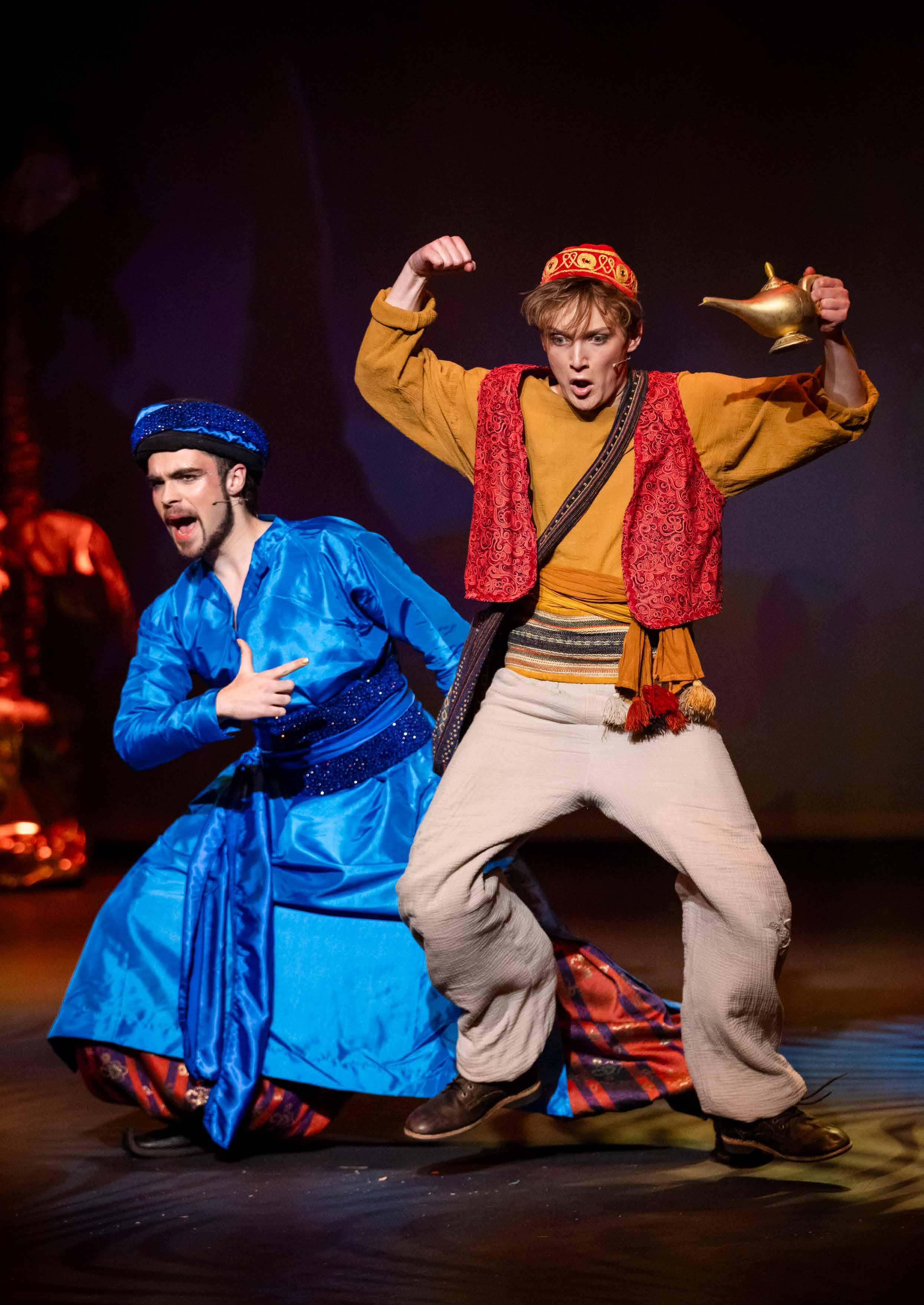
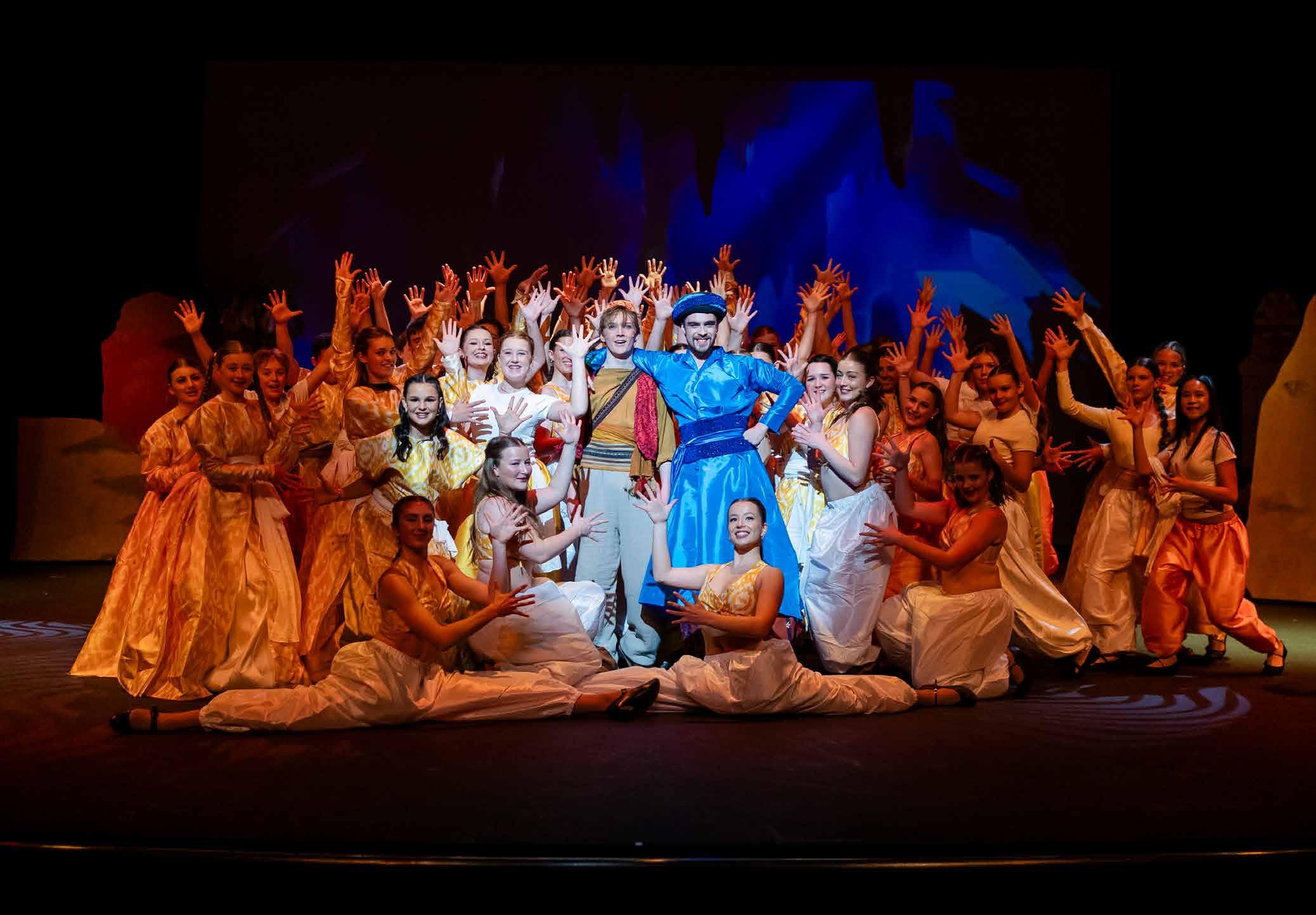
ALADDIN JR. BRINGS THE MAGIC
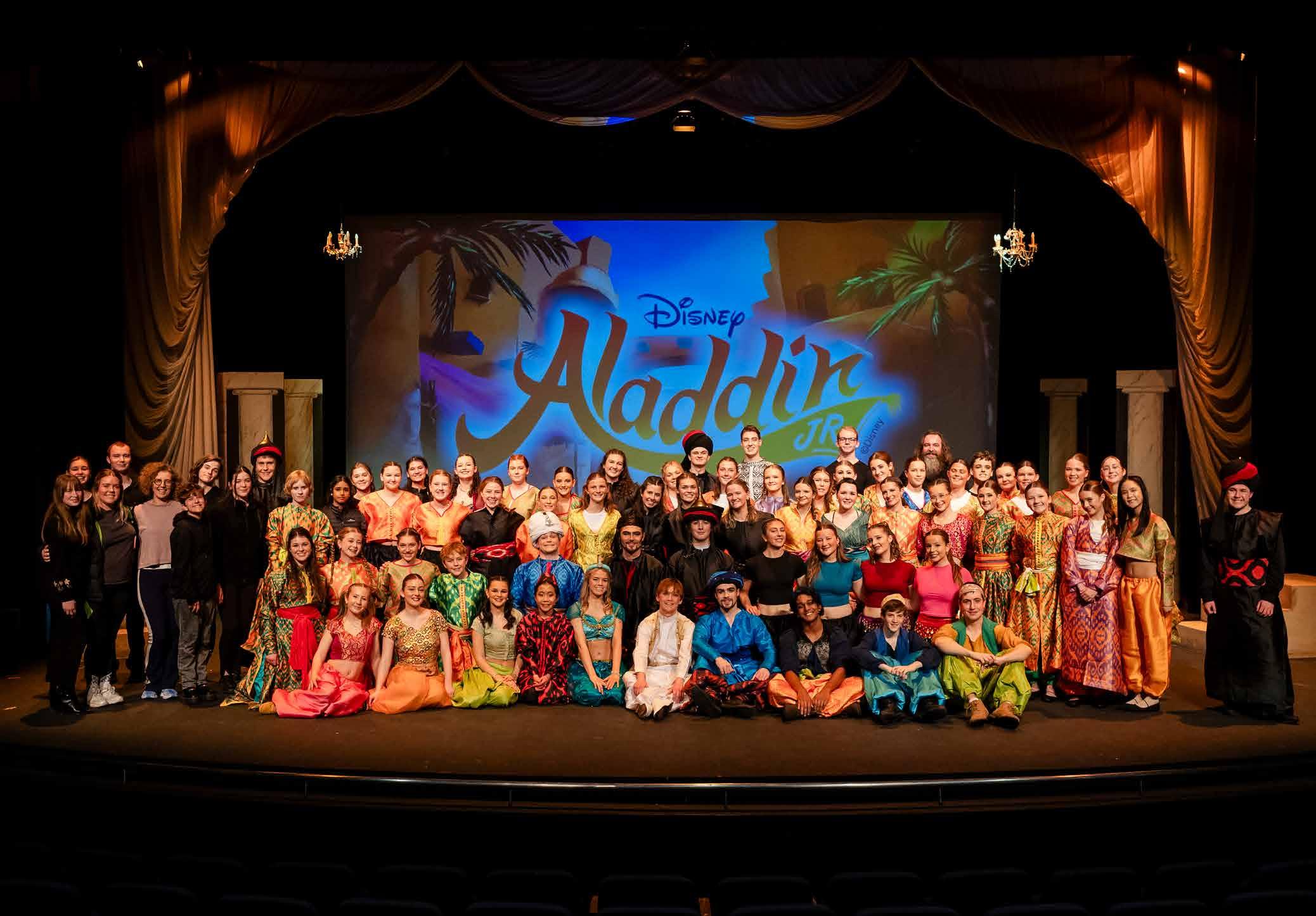
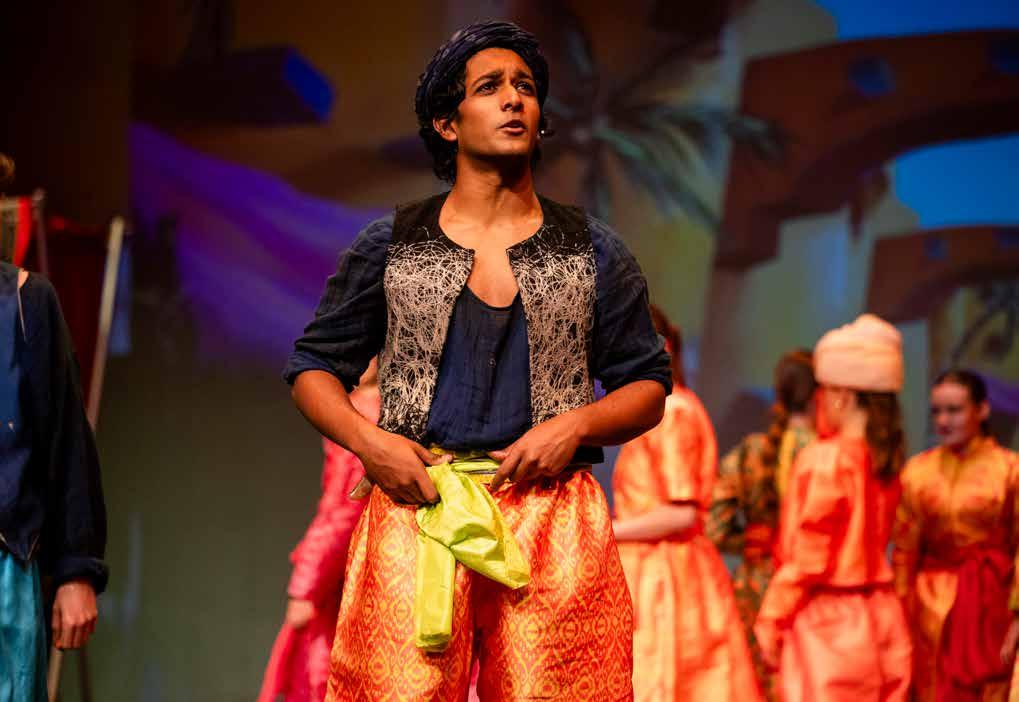
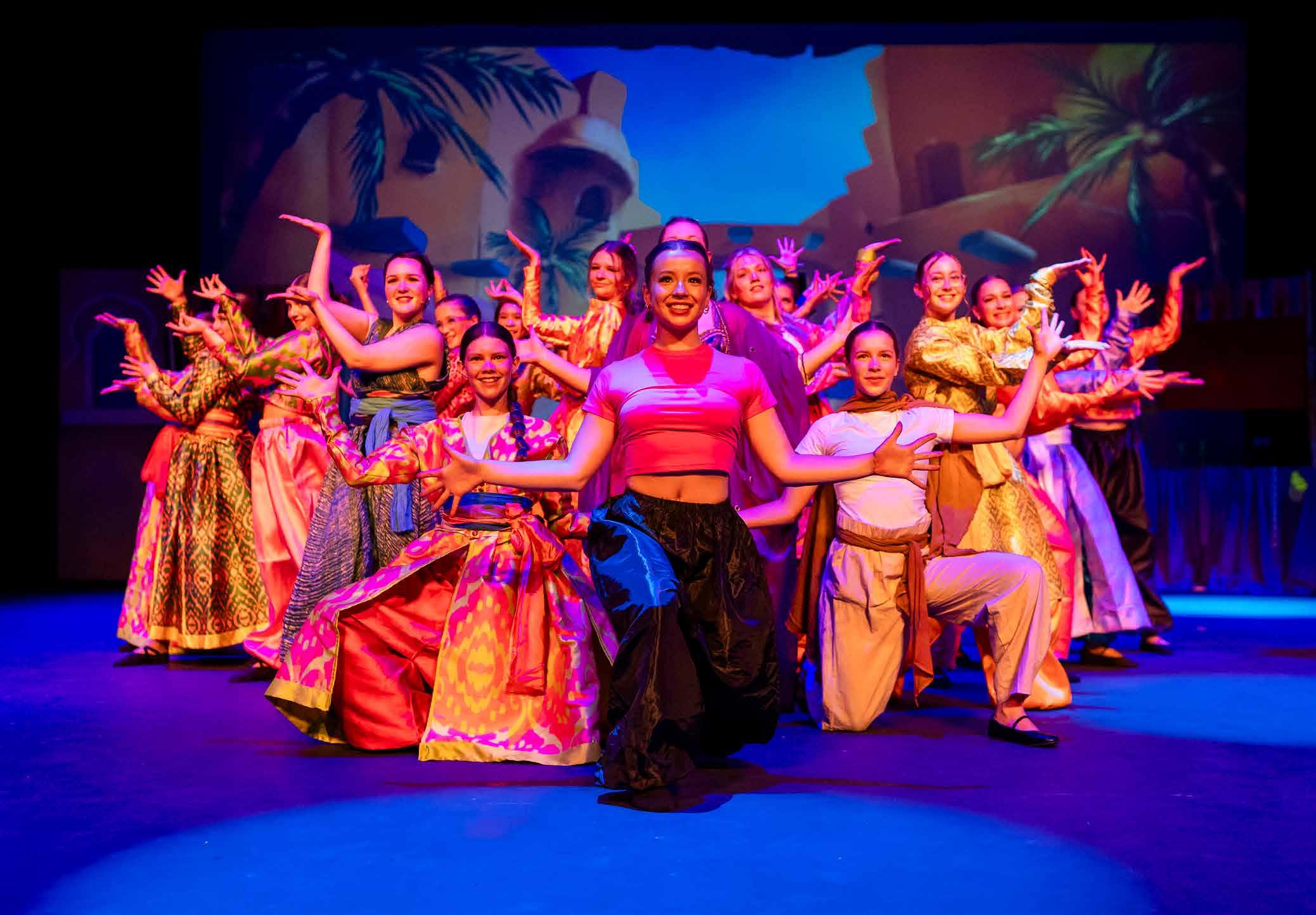
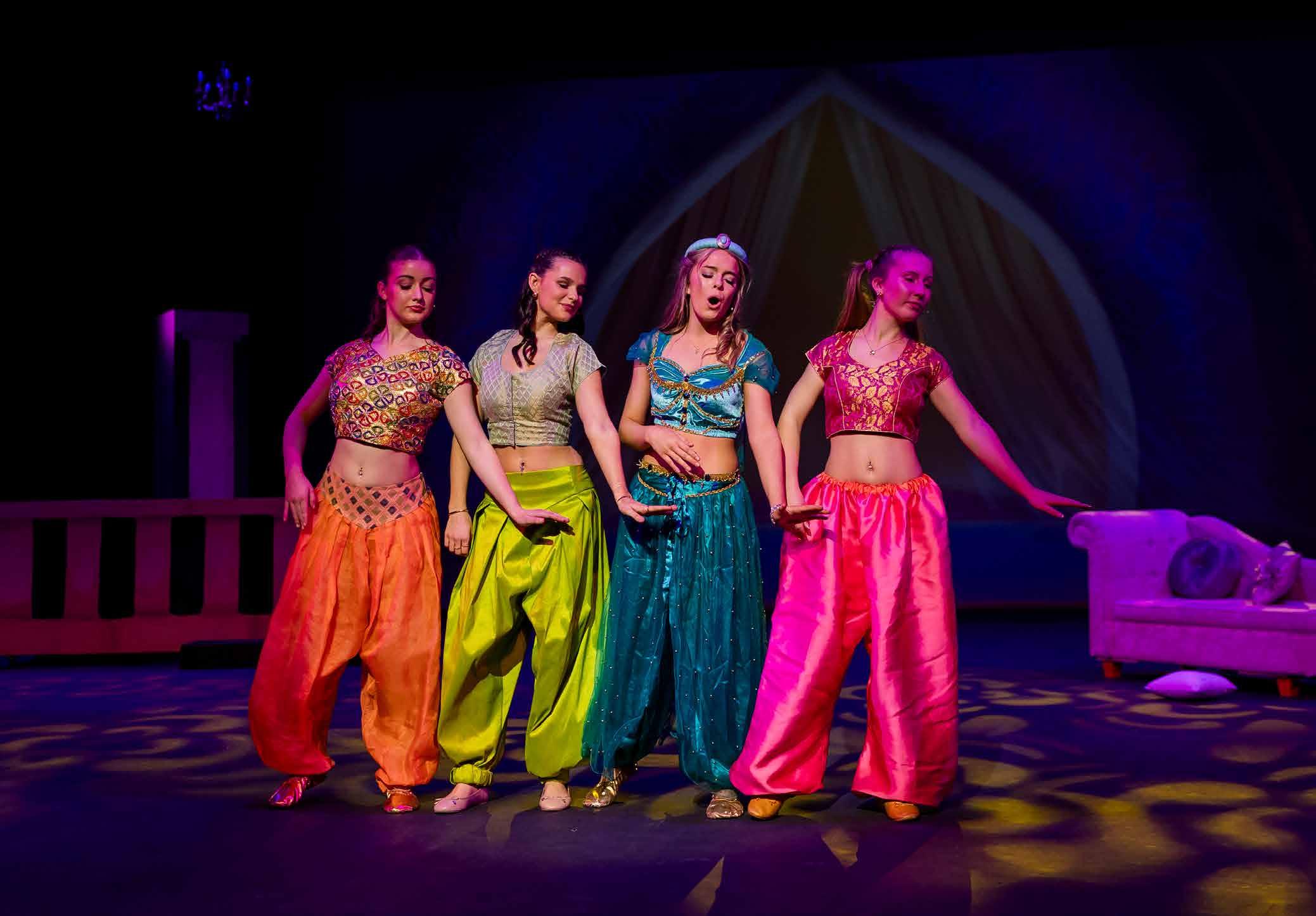
Well done to the 68 talented students from Years 7 to 12 who brought Aladdin Jr to life on stage! The energy, creativity and dedication shown during the holiday rehearsals and throughout the production period was nothing short of inspiring.
From backstage to centre stage, every student played a part in creating a vibrant and memorable showbuilding not only a brilliant performance, but also friendships and teamwork across year levels.
A huge thank you to the staff who made it all possible: Alex Dunkley, Catherine Litchfield, Brooke Mortimer, Andrew Orme-Smith, Helena Rollo and Luke Moxey.
Principal cast included: Luca Popa as Genie, Samuel Martin as Aladdin, Phillipa Richmond as Jasmine, Nick Tancred as Jafar, Josh Leung as Iago, Lachlan Watts as Sultan, Felix Kairaitis as Babkak, Chamara Fernando as Omar and Milo Mages as Kassim.
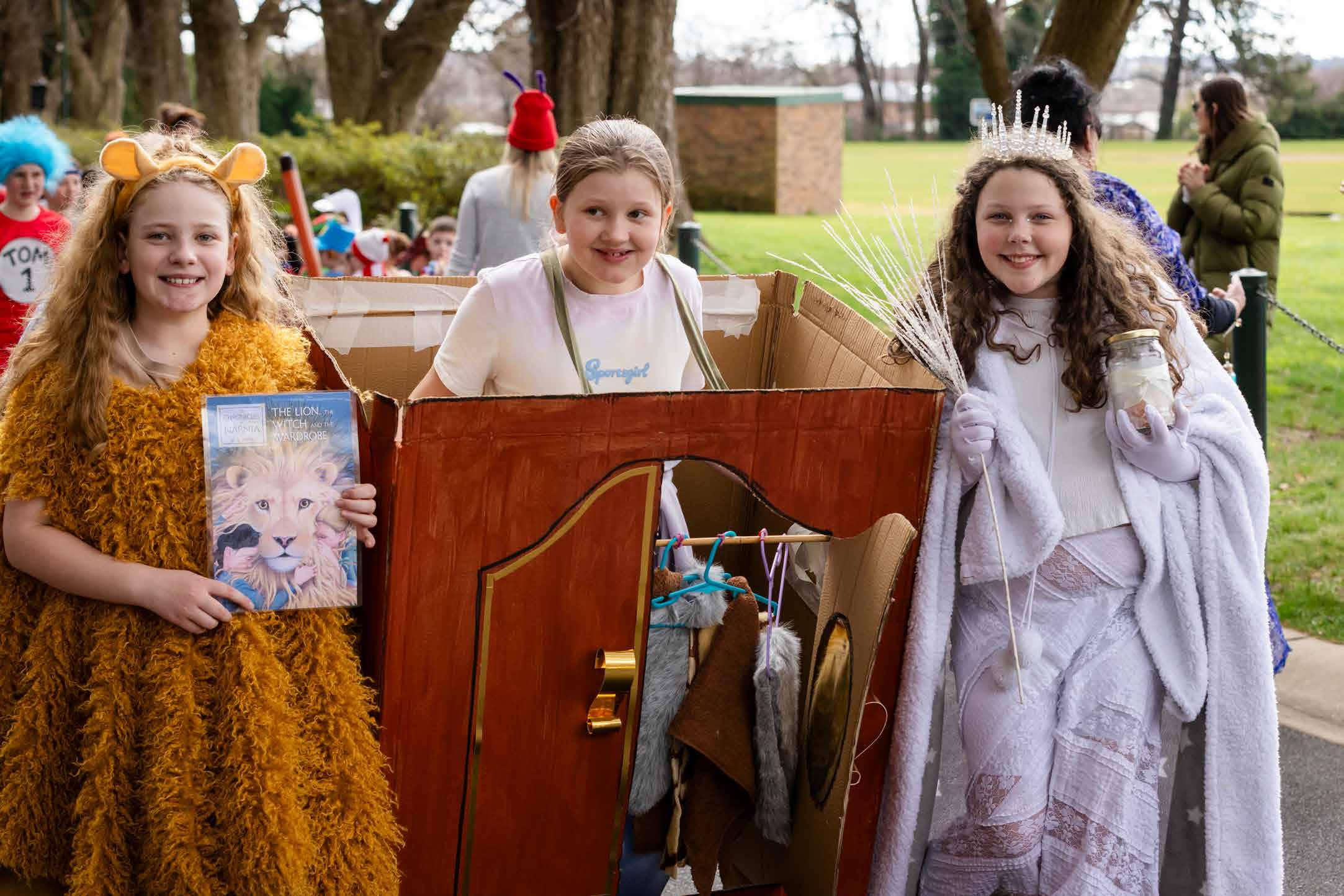
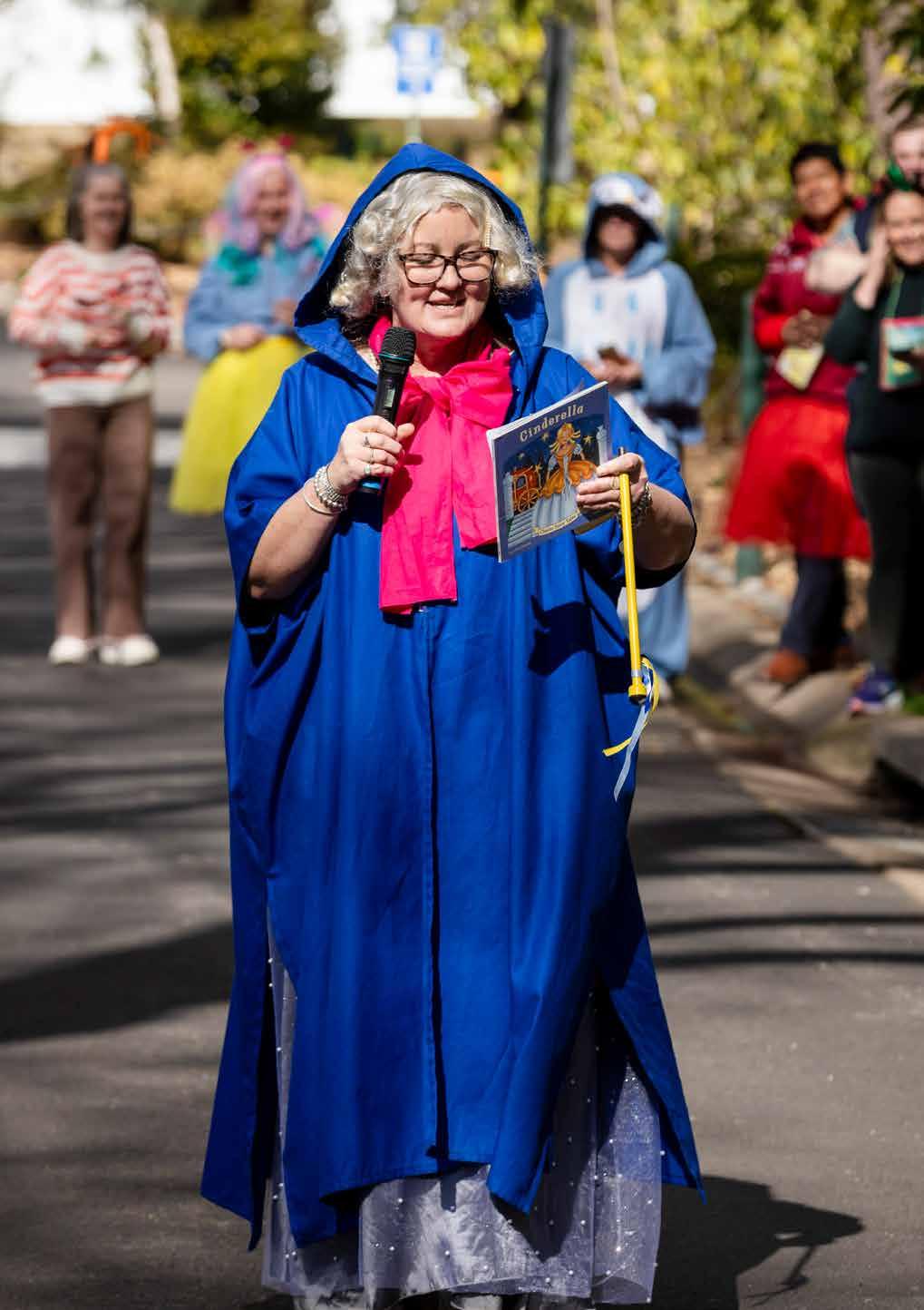
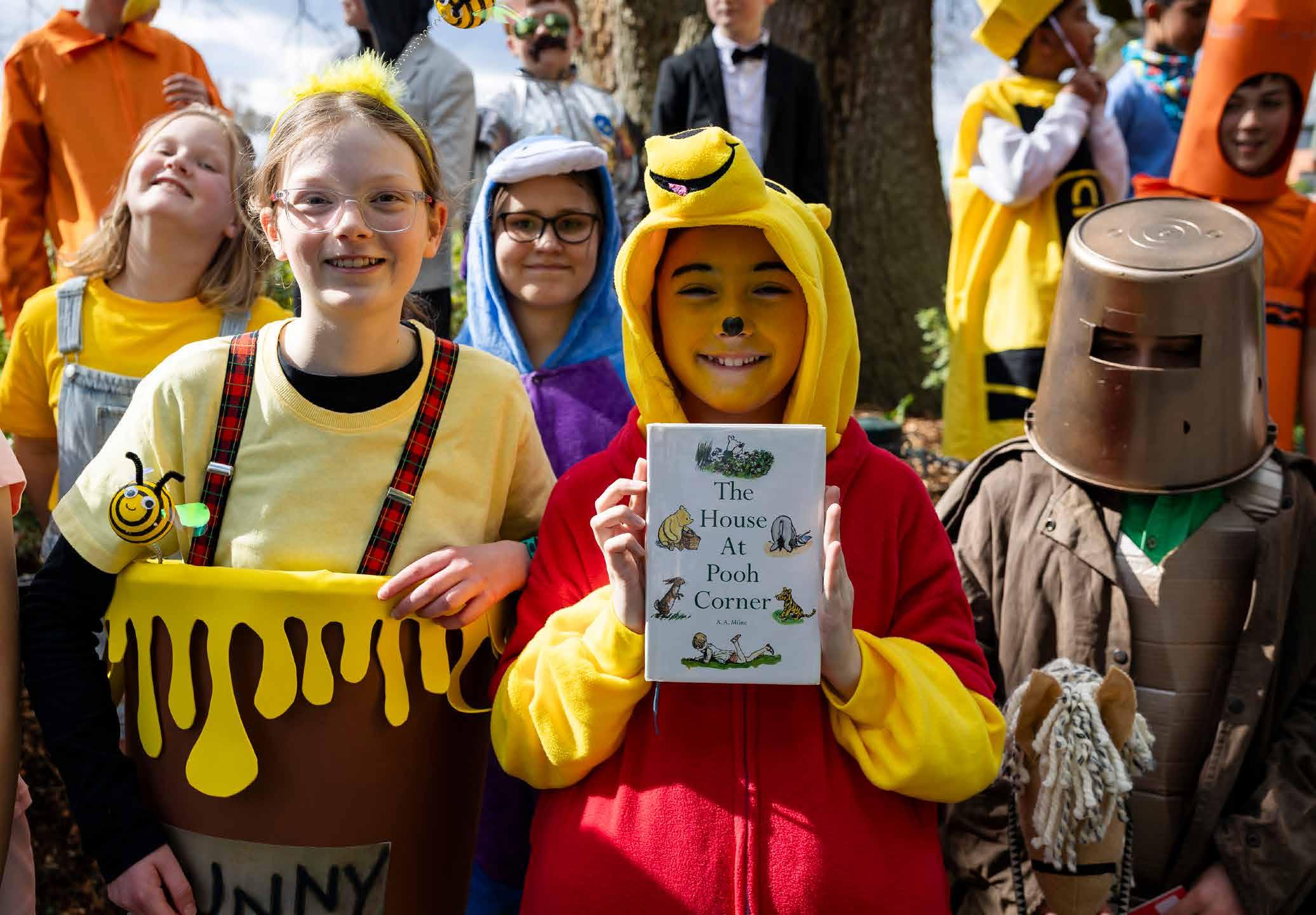
BOOK WEEK PARADE 2025
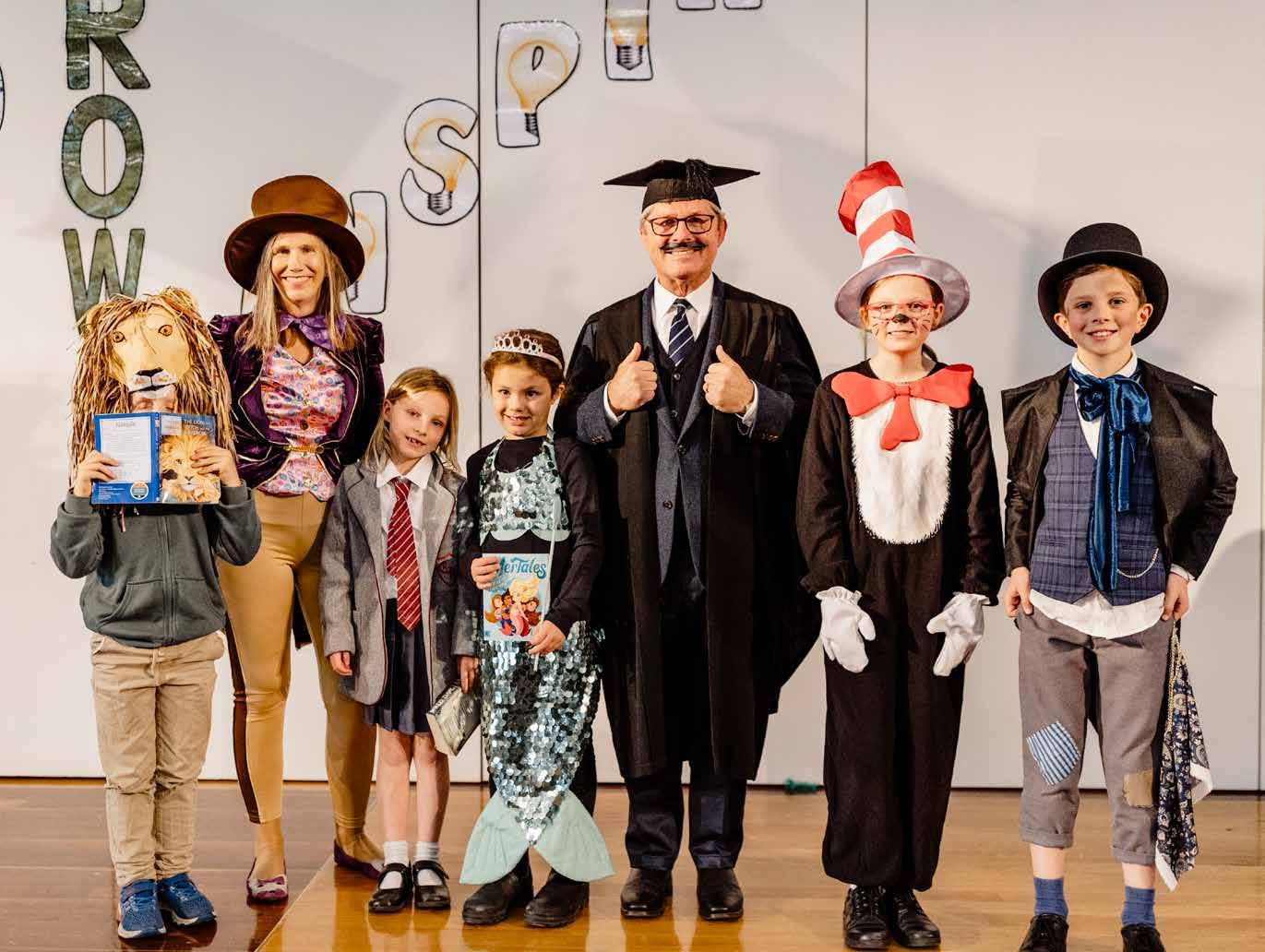
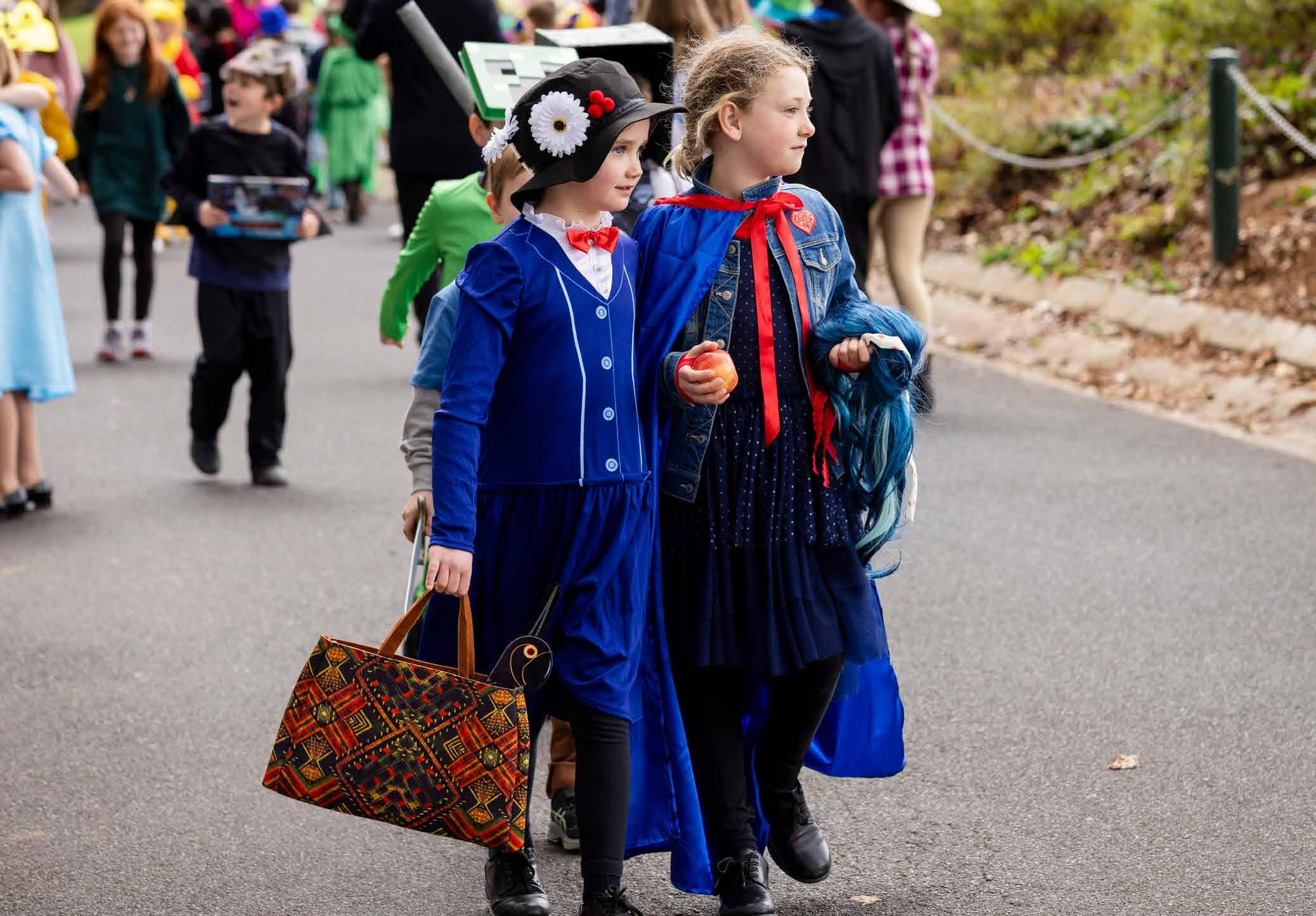
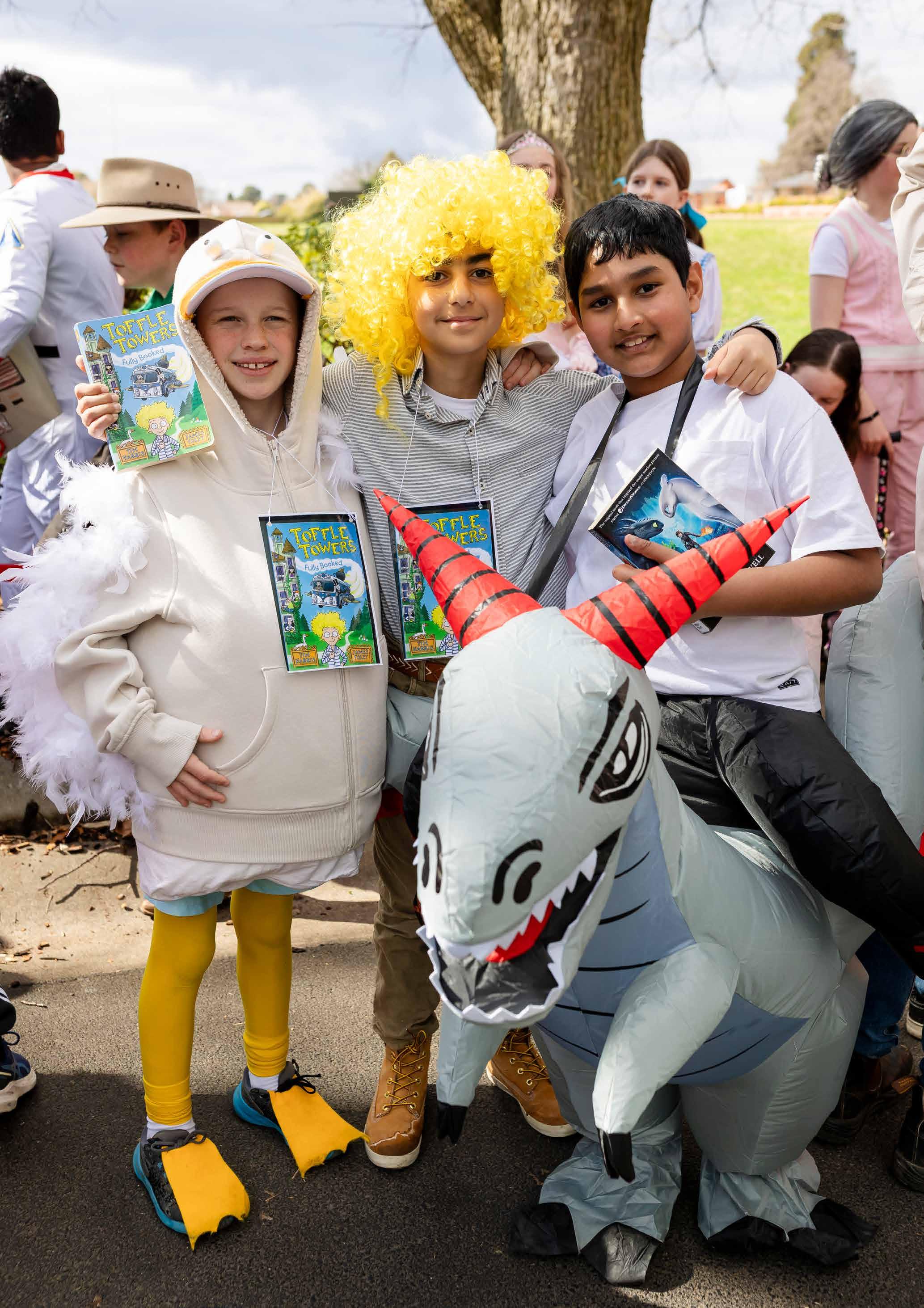
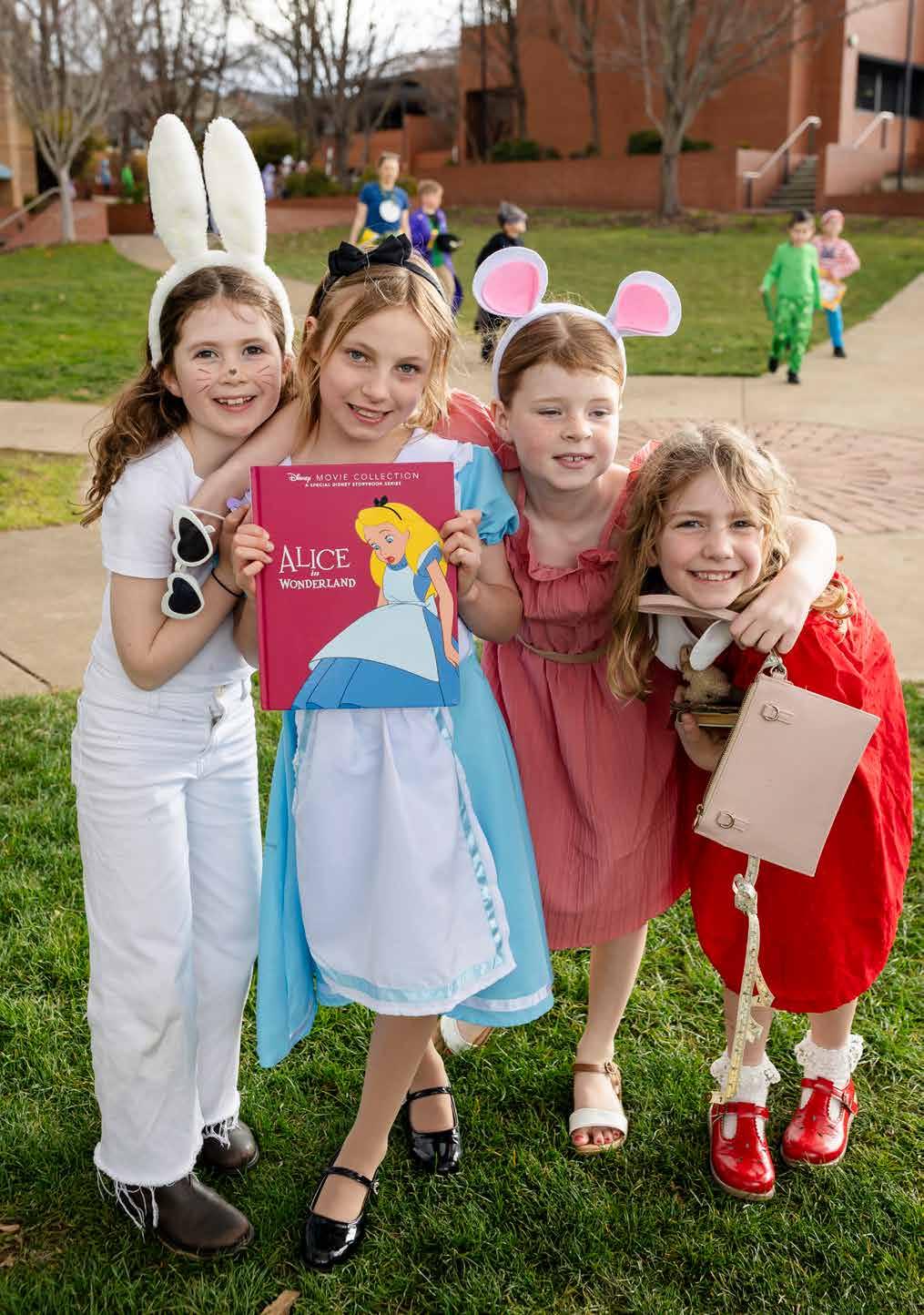
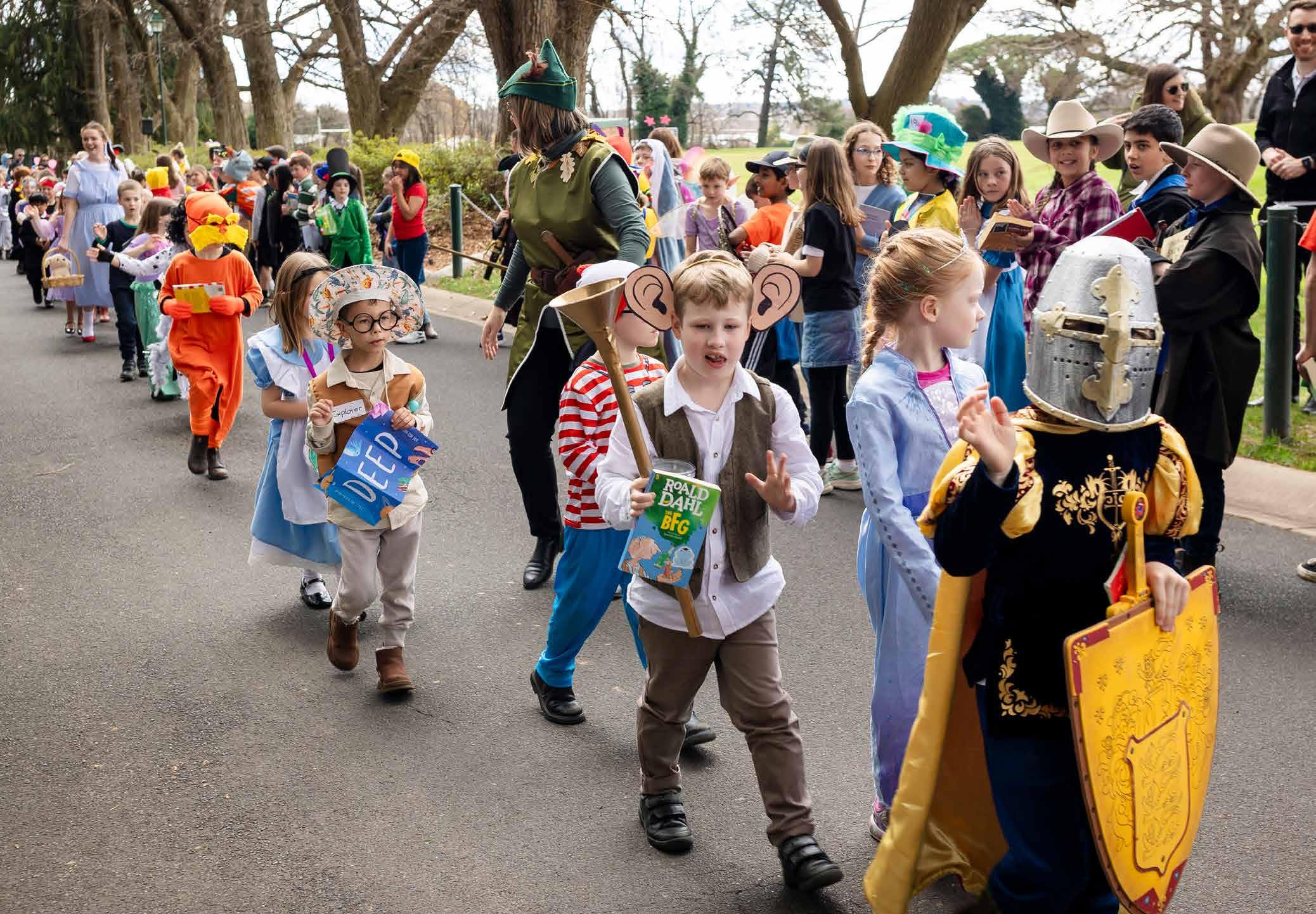
On 29 August, the Junior School celebrated Book Week in style. The impressive coordination of Mrs Pengilly, Mrs Oechsle and Mr Ryan ensured we had a seamless, adventurous day. Students paraded their costumes on the Main Drive highlighting the Children’s Book Week theme of ‘Book an Adventure’.
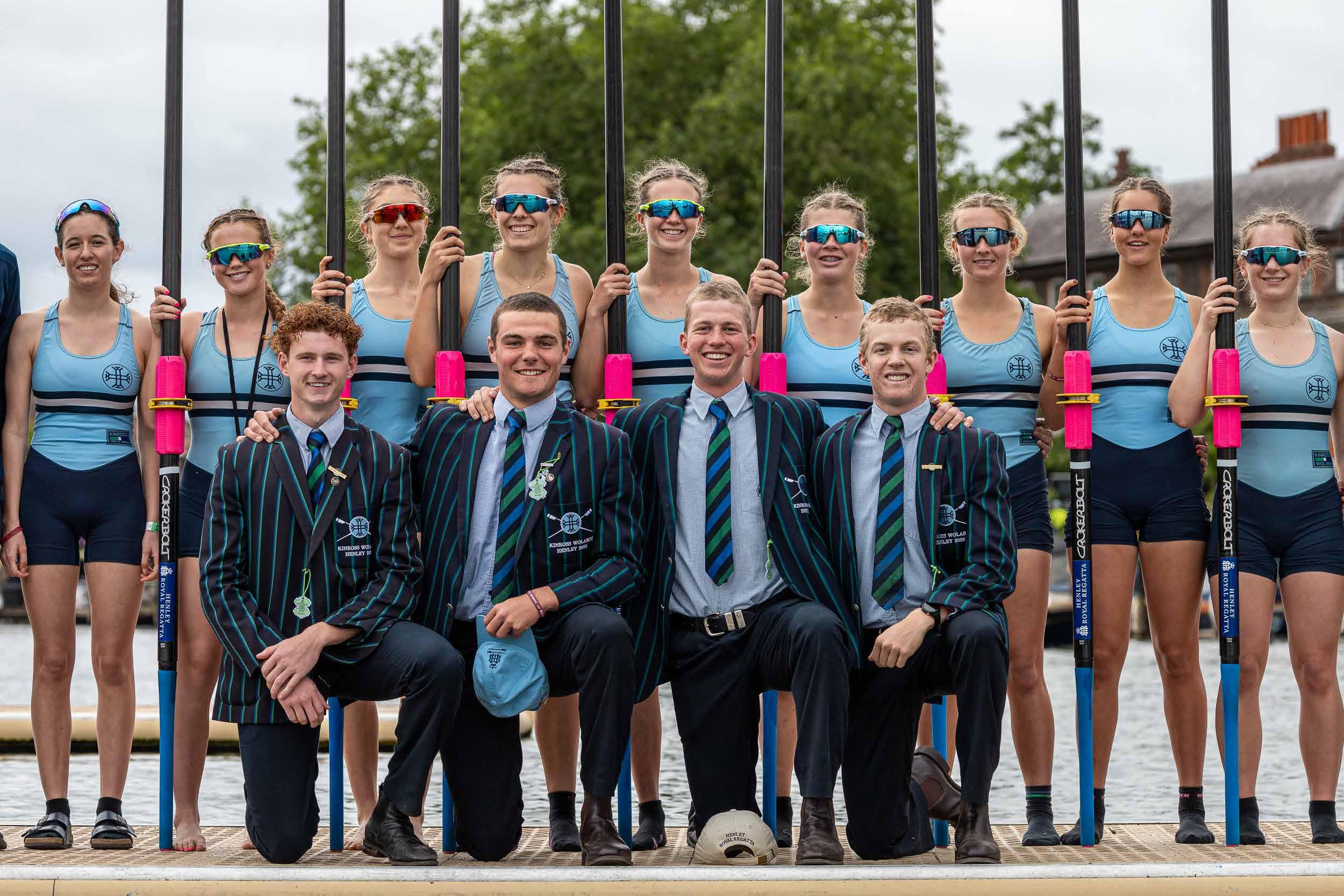
KINROSS WOLAROI CASTS A LONG SHADOW AT HENLEY ROYAL REGATTA
From Ben Watt, Master in Charge of Rowing
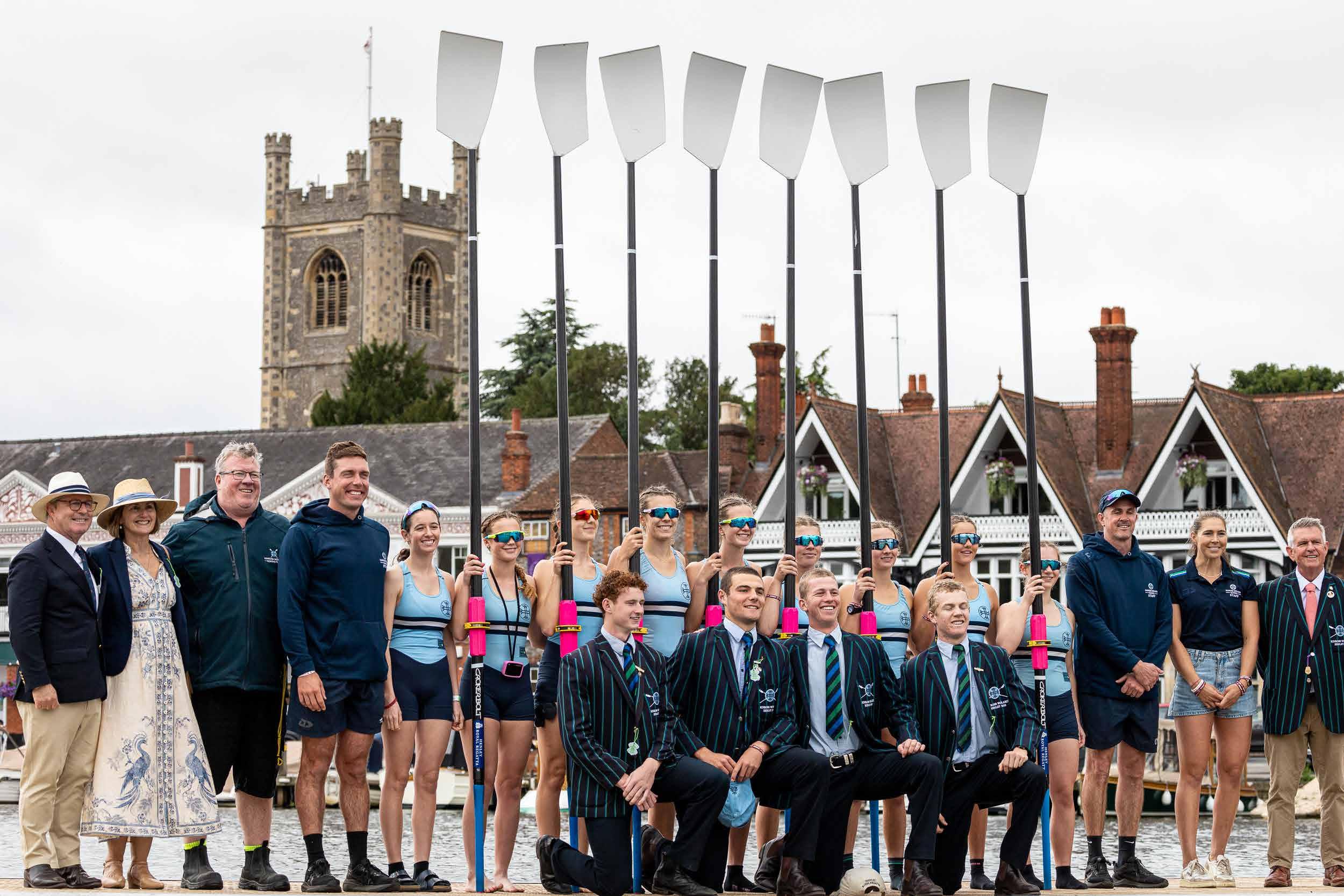
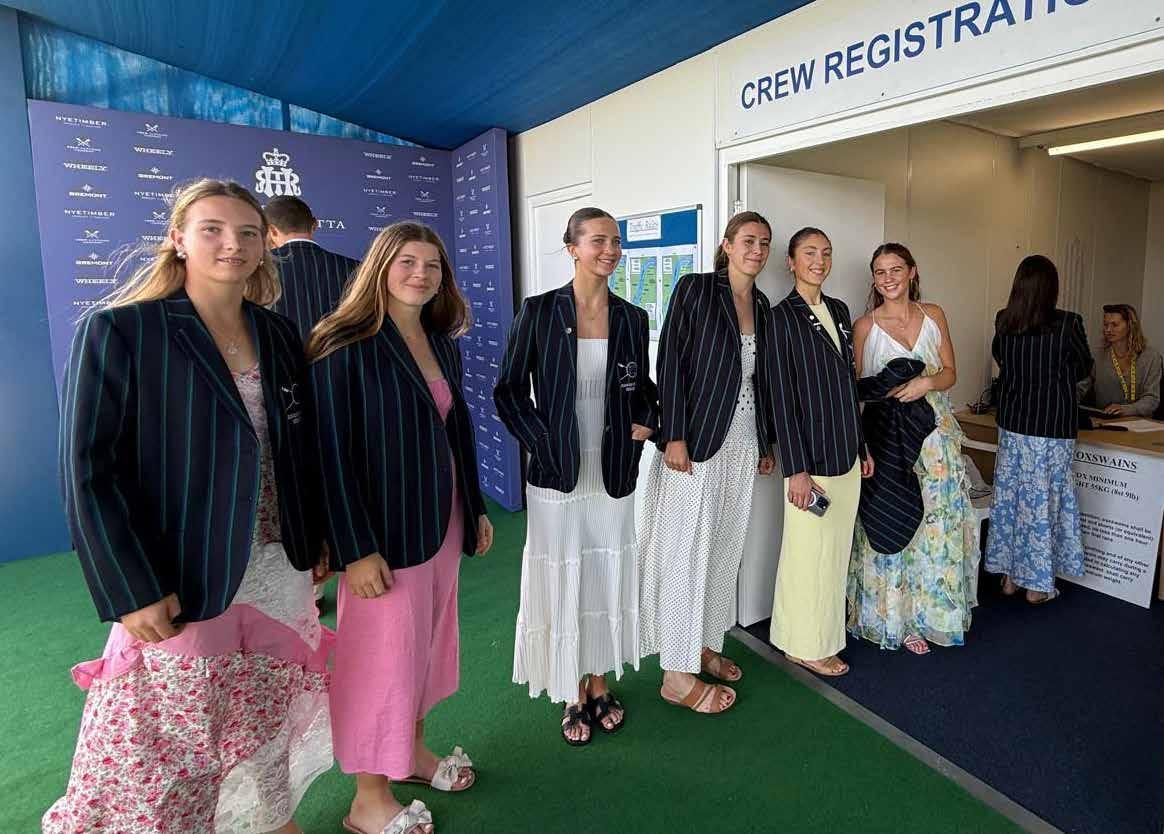
On 24 June, 13 students and four staff members departed for London to compete at the world’s most prestigious rowing event - the Henley Royal Regatta. Known globally for its fierce one-onone, knockout-style racing - akin to the format and grandeur of Wimbledon - HRR is the pinnacle of schoolboy and schoolgirl rowing, drawing elite crews from across the globe.
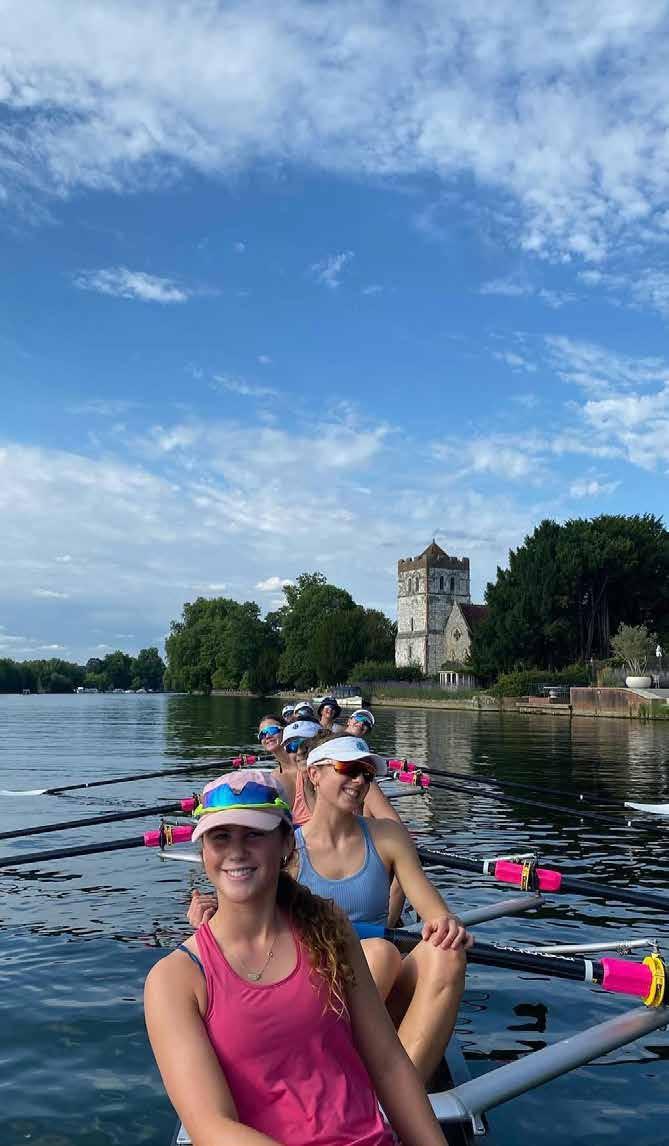
Our athletes touched down in London on 26 June, and after settling into accommodation, began training immediately out of Marlow Rowing Club - just 20 minutes south of Henley-onThames. Marlow served as the ideal launchpad, as the Henley qualifying regatta was underway and the course itself was unavailable. Amidst the intensity of qualification week, both of our crews proudly entered the main draw as pre-qualified crews based on the strength of their performances throughout the Australian domestic season.
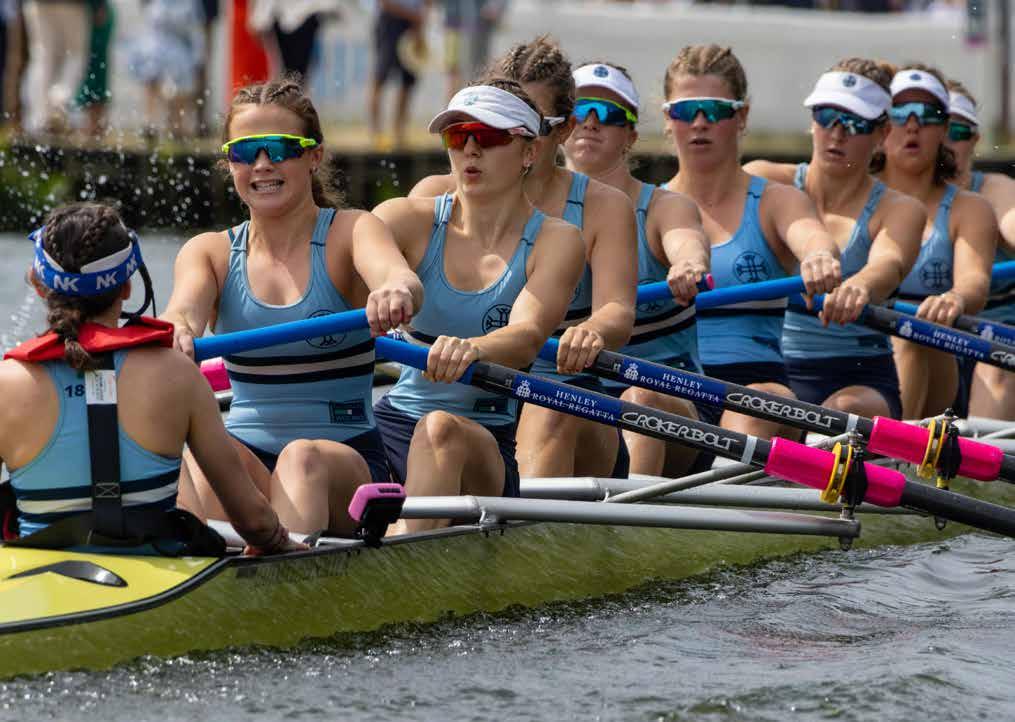
2 JULY - PRINCE PHILIP CHALLENGE TROPHY (SCHOOLGIRL 1ST VIII)
Our campaign began with the Schoolgirl 1st VIII facing Godolphin and Latymer School in the first round. With grandstands packed and thousands in attendance, nerves
were high among athletes and coaches alike. As the girls were clapped onto the course by an incredible sea of travelling supporters, they rose to the occasion. What followed was nothing short of dominant - a composed and clinical row saw our crew power away to win by five lengths and book their spot in Friday’s quarterfinals.
3 JULY - FAWLEY CHALLENGE CUP (SCHOOLBOY 1ST QUAD)
Our Schoolboy Quad entered the regatta at the Round of 16, drawing local powerhouse Shiplake College - the premier rowing school in the UK and based just upriver from Henley. The Kinross Wolaroi boys got off to a courageous start, holding overlap through the first 750m in a gutsy show of speed and belief. Shiplake eventually edged ahead, building a lead through the middle thousand, but our crew fought tenaciously to remain within striking distance to the line. In a brutally tough draw, the boys represented themselves, their school, and their families with immense pride and resilience.
4 JULY - QUARTERFINAL: PRINCE PHILIP CHALLENGE TROPHY
The girls were drawn against Latymer Upper School - the British National Champions. In an ironic twist, Kinross Wolaroi had been racing all week in a boat borrowed from Latymer. Undaunted, the crew lined up with a quiet confidence and an eye on opportunity. Launching from the start with precision and purpose, the girls quickly took control of the race and never looked back. Despite commentary that favoured the locals, our eight delivered a mature and masterful performance to claim victory and a spot in Saturday’s semifinal.
5 JULY - SEMIFINAL: PRINCE PHILIP CHALLENGE TROPHY
To race on Saturday at Henley is to be among the elite. Our girls now faced Shiplake College, the reigning British champions. Amid a sea of Australian supporters, the Kinross crew made their way through a tunnel of cheers to the start line. Battling strong headwinds and the weight of the occasion, the girls delivered a brave and composed race. With unrelenting spirit, they challenged Shiplake stroke for stroke - ultimately falling short by just a length and a half in what was a sensational semifinal performance.
BEYOND THE COURSE
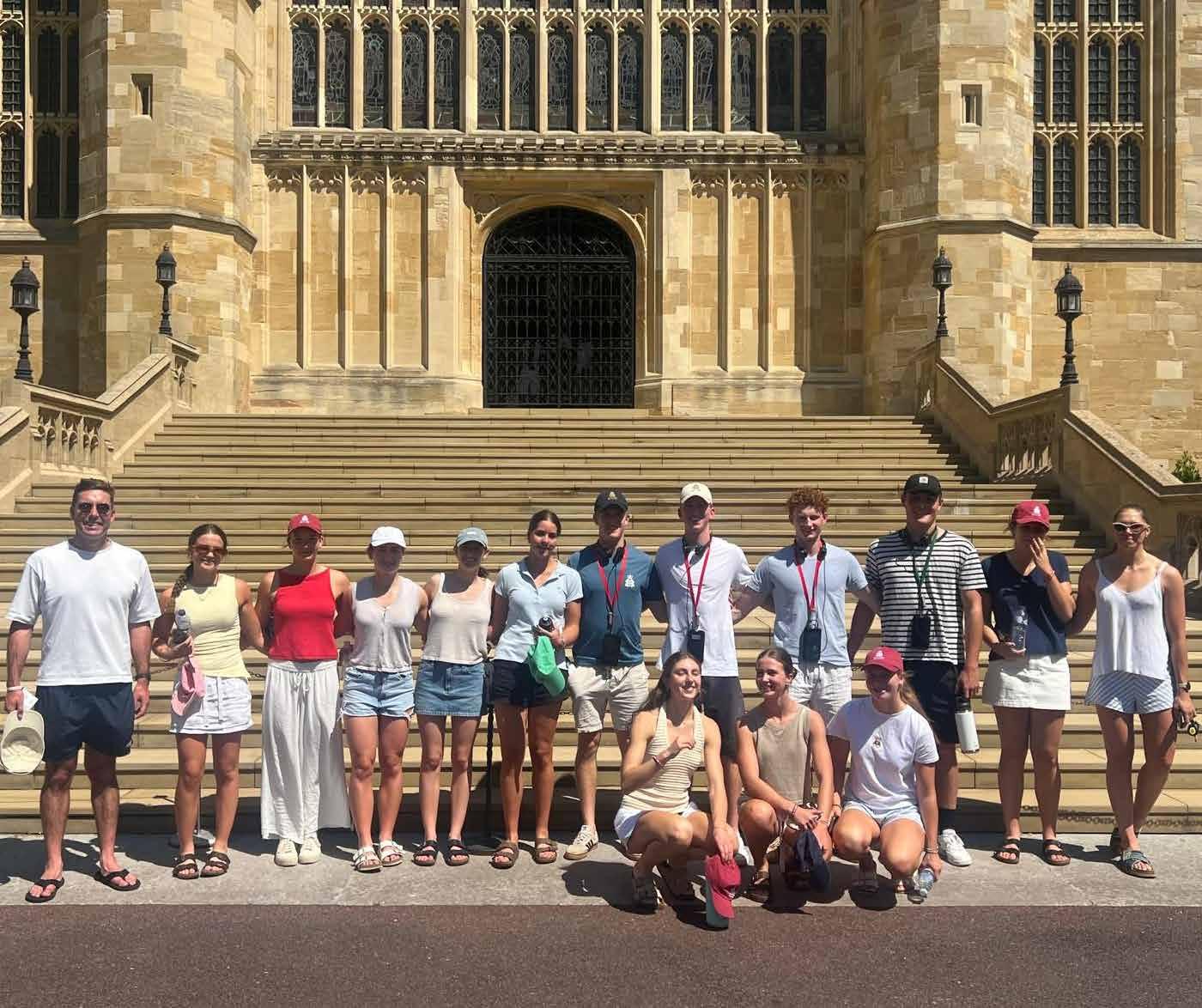
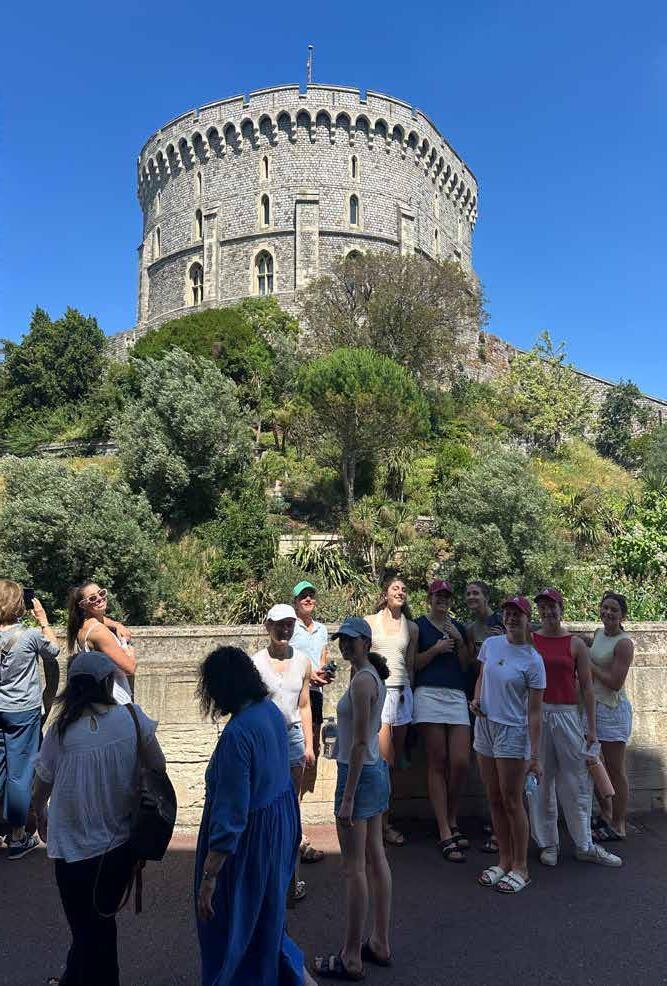
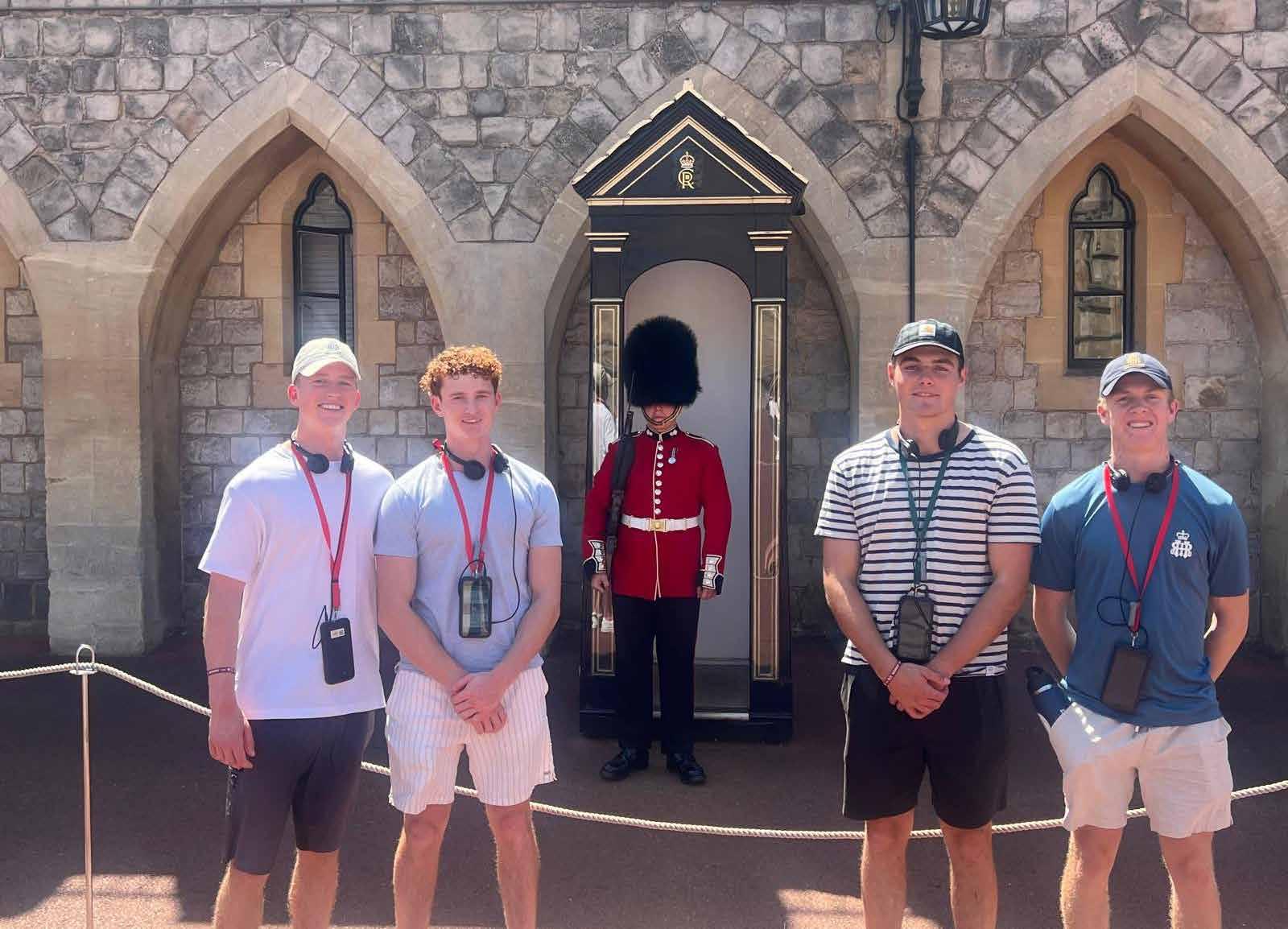
The trip wasn’t all racing. The squad also soaked in the history and culture of England, exploring London and Oxford, including visits to Buckingham Palace, Windsor Castle, the London Eye, Mayfair, Tower Bridge and more - experiences that added depth and richness to this once-in-a-lifetime tour.
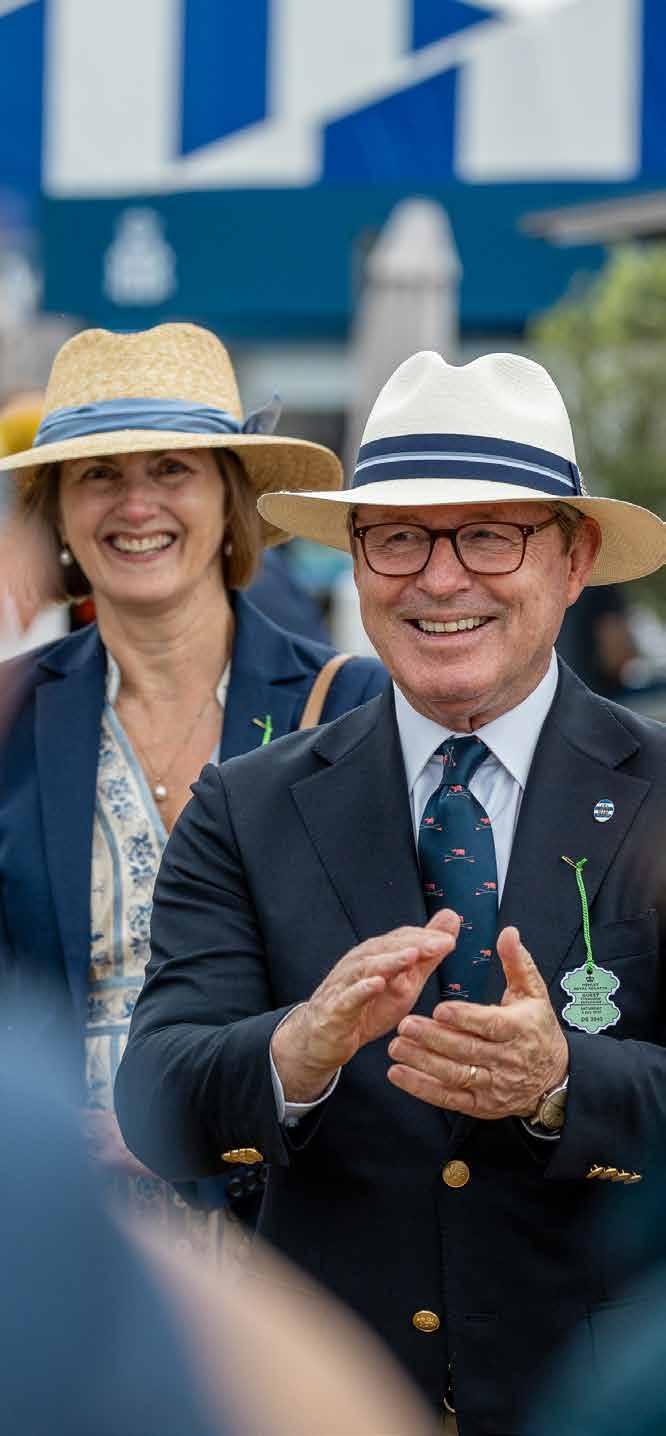
We extend our deepest thanks to our exceptional travelling staff - Adam Harrison, Emma Fessey, and Andrew Gannonwhose dedication and leadership made the tour possible. The support from parents at Henley was inspiring, and the backing from our School families and alumni back home was felt profoundly - lifting our crews through every race. To Dr Andrew and Josephine Parry, their travelling support was immensely
appreciated, it was incredibly special to have them both join us at the regatta. The Parrys have been incredible supporters of our Rowing program and we will be forever grateful.
TO THE 2025 HENLEY ROWING SQUAD
You represented Kinross Wolaroi School on the international stage with passion, integrity, and resilience. Your leadership, independence, and fighting spirit have etched your names into the legacy of Kinross Wolaroi Rowing. This tour was more than a campaign - it was a celebration of character, unity, and belief. Well done team. You made us all immensely proud.
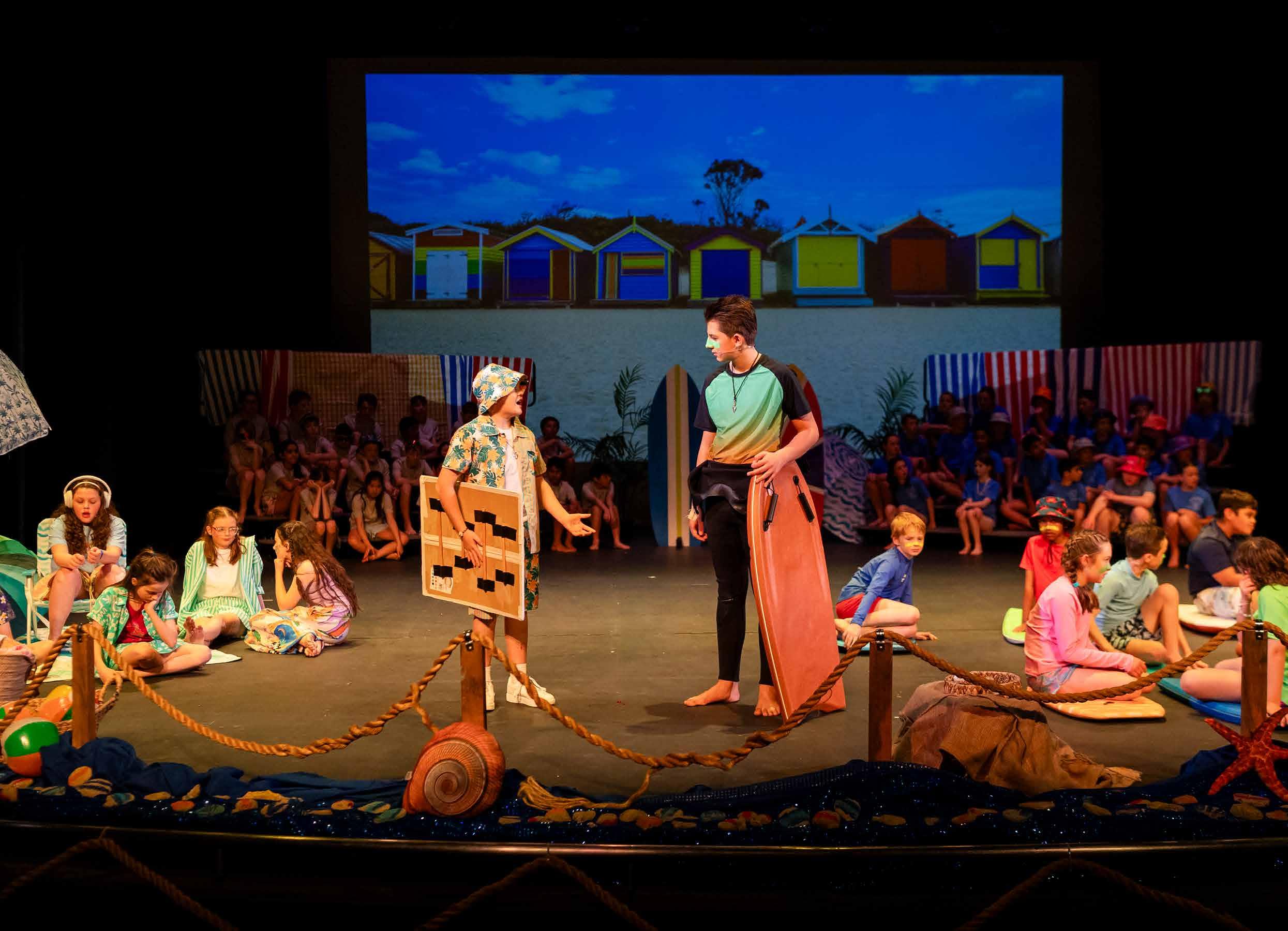
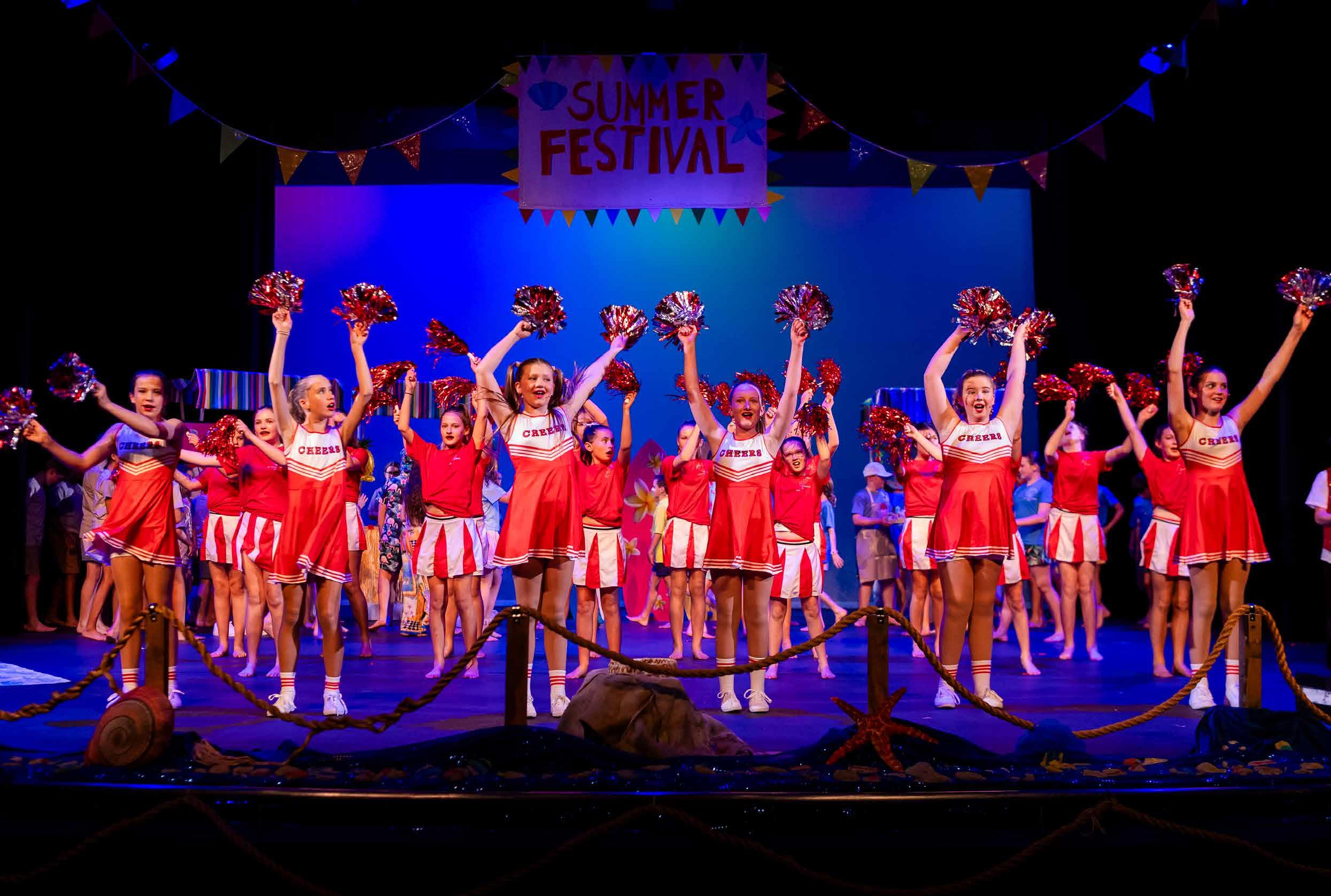
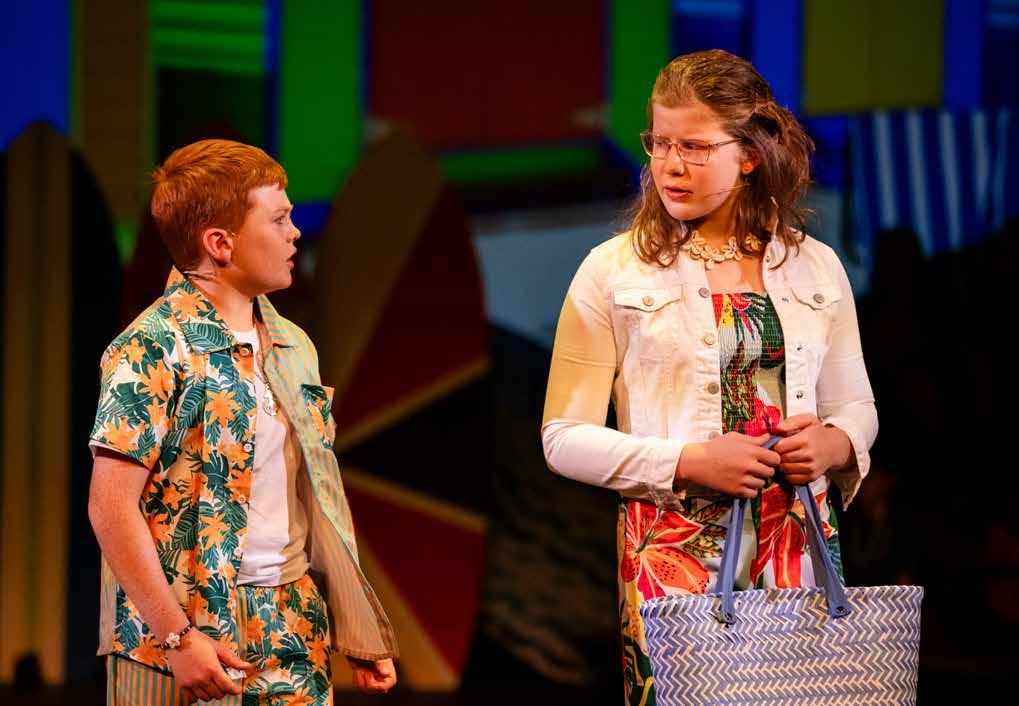
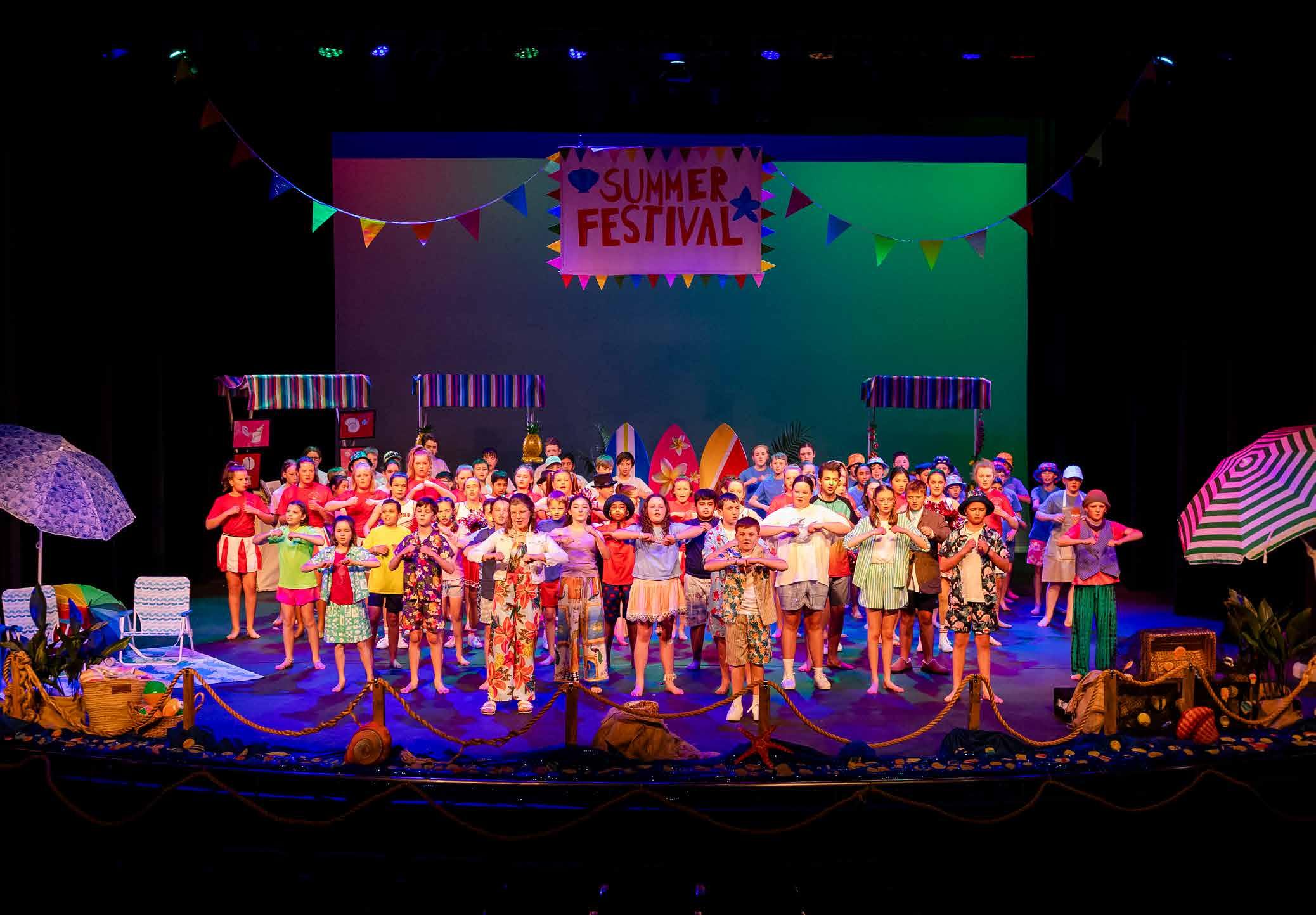
JUNIOR SCHOOL PRODUCTION SALLY SELLS SEASHELLS
We were blown away by the talent and expertise that our Stage 3 students brought to the stage in our annual Junior School production of “Sally Sells Seashells”. This event is a highlight on the school calendar and is an experience that brings joy and excitement to all involved. We were all thoroughly entertained by the Year 3 and Year 4 Rapping Grannies who opened our Thursday performances. The evening was a testament to the effort and hard work of our teaching staff and their ongoing pursuit of excellence in all that we do at Kinross Wolaroi.
On the evening, we proudly supported the Uniting Church and Veritas raising $475 to go towards their project to transform its former Sunday school hall into safe, supportive accommodation for individuals and families aged 17–25. This initiative offers young people experiencing homelessness a place to belong, rebuild, and move forward. Thank you for your support! Our two musical leads, Harry Sullivan and Claire Gordon proudly presented this donation to Chair of Council, Rev Cunningham.
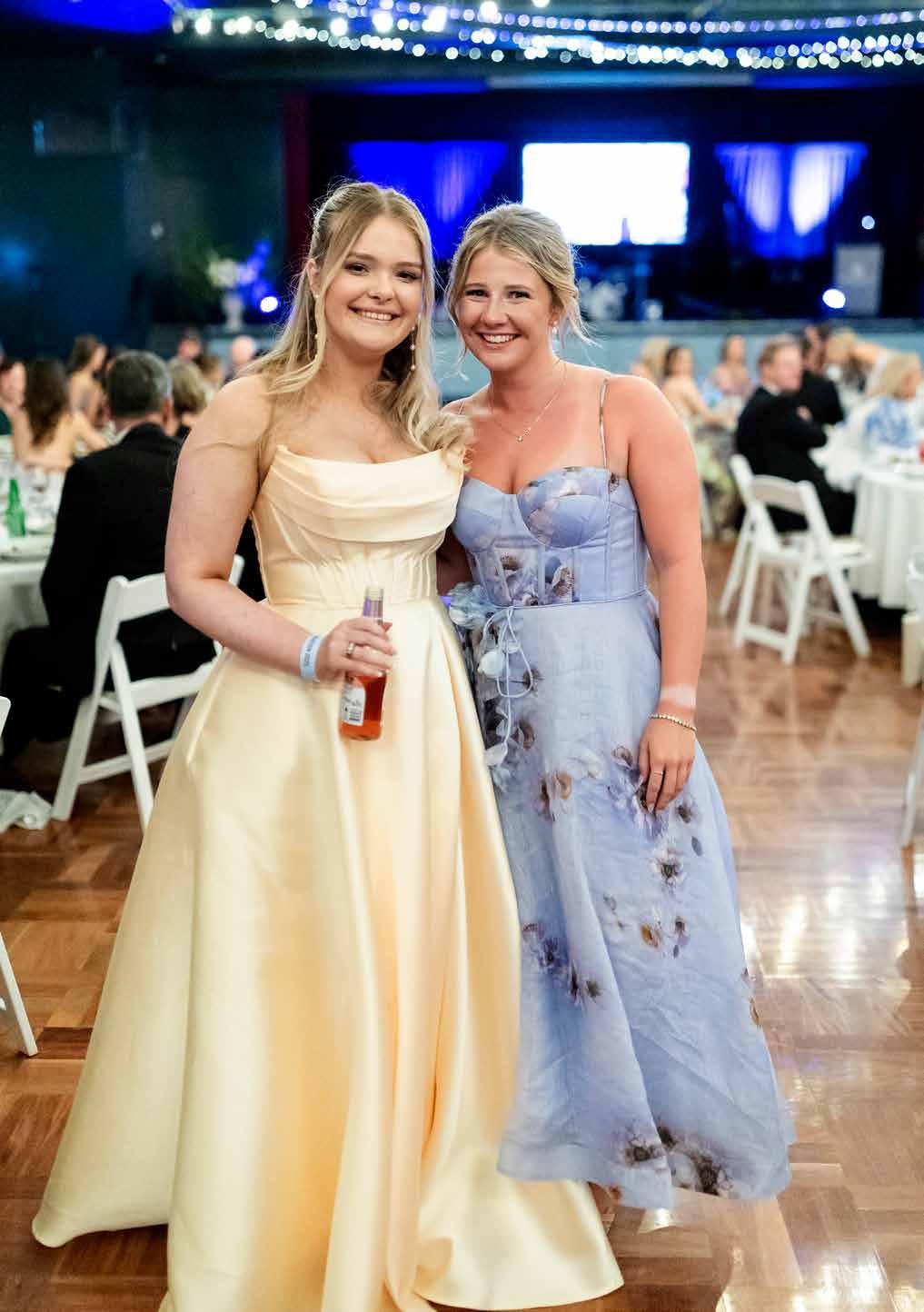
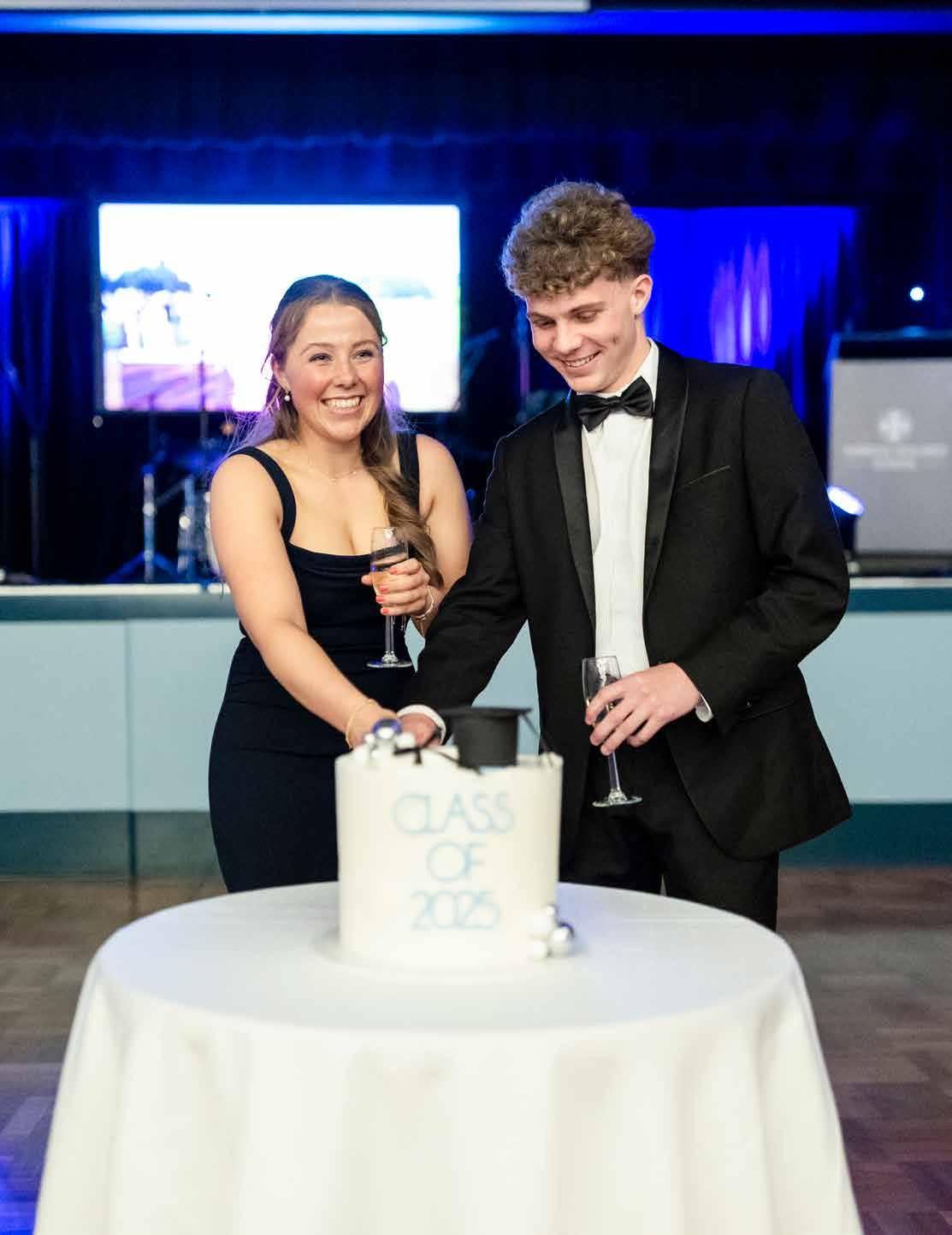
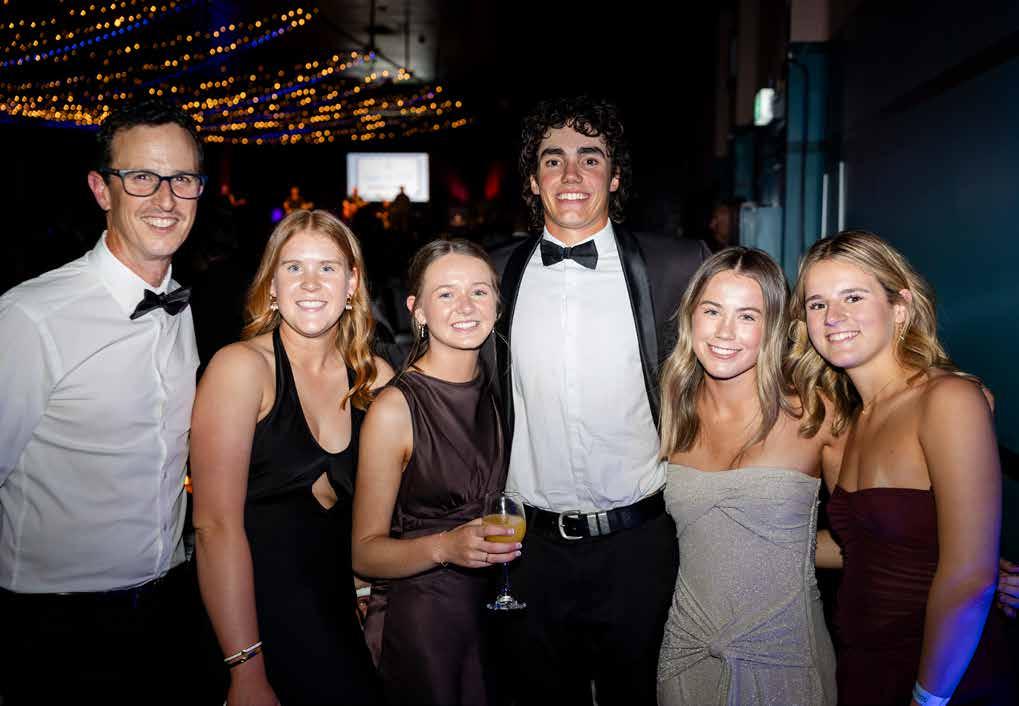
CONGRATULATIONS & FAREWELL YEAR 12!
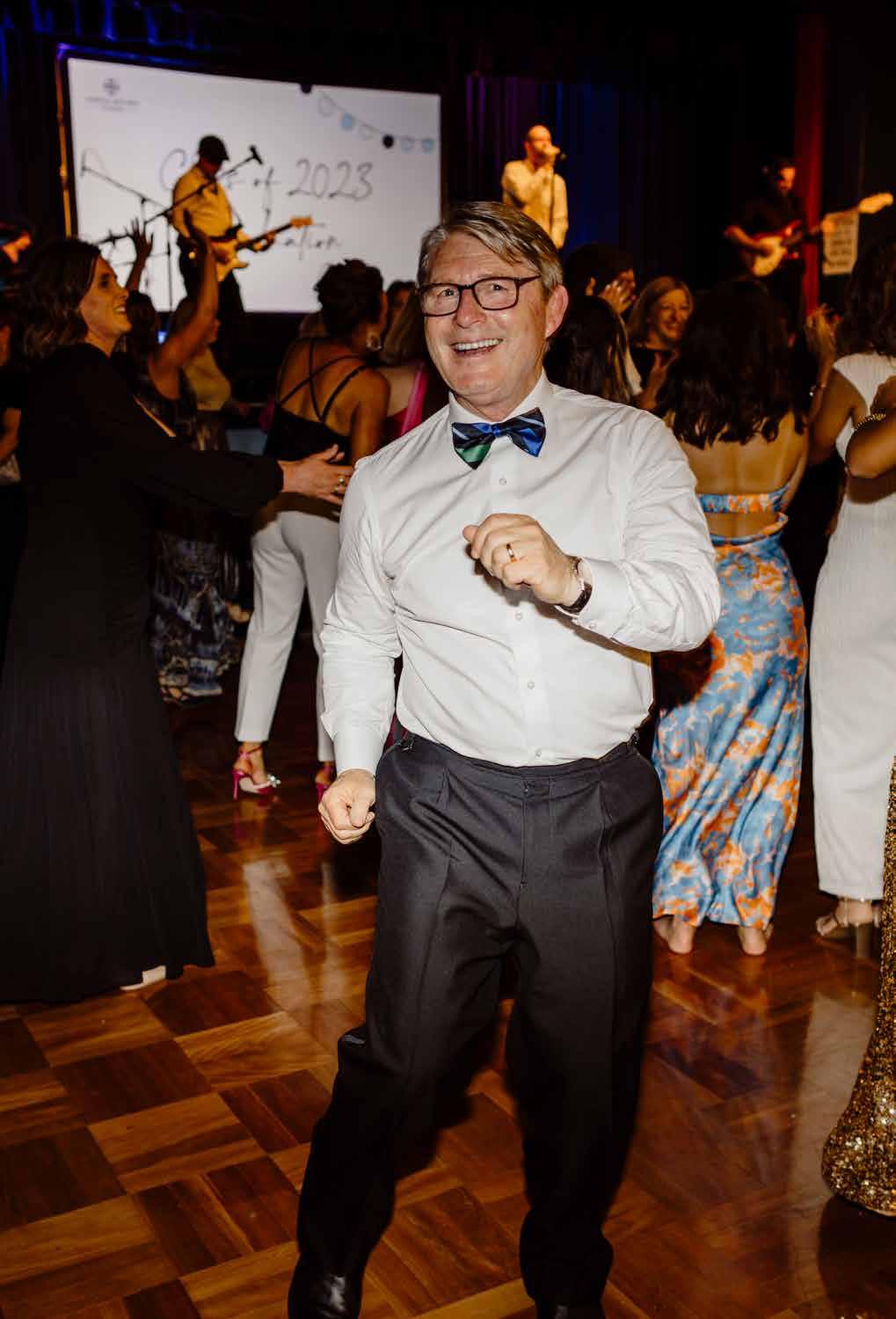
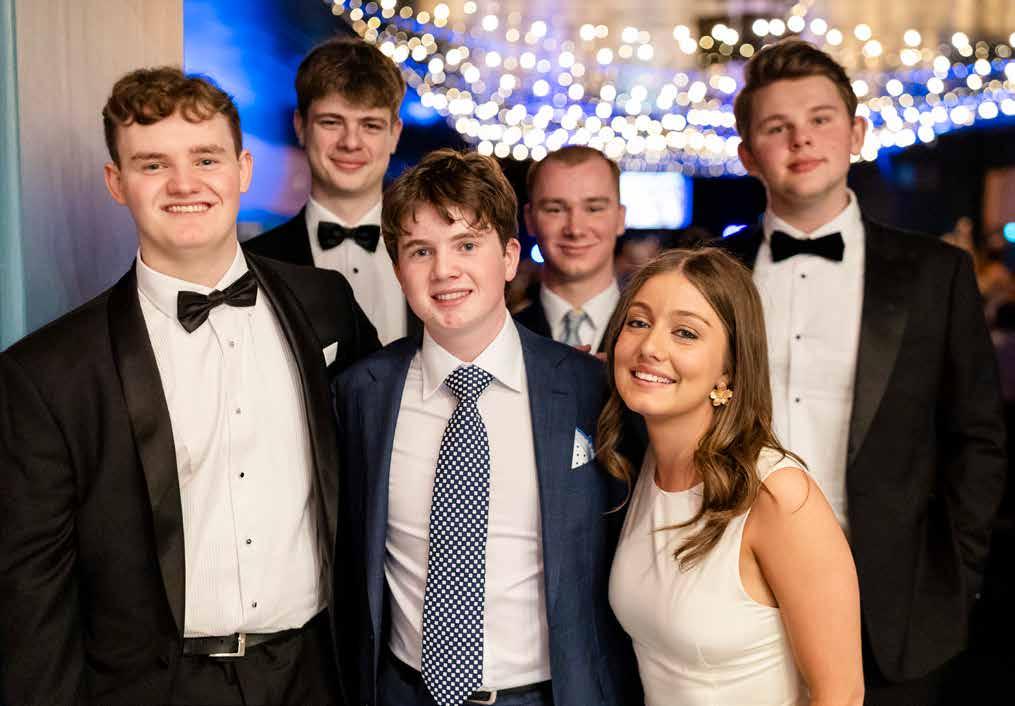
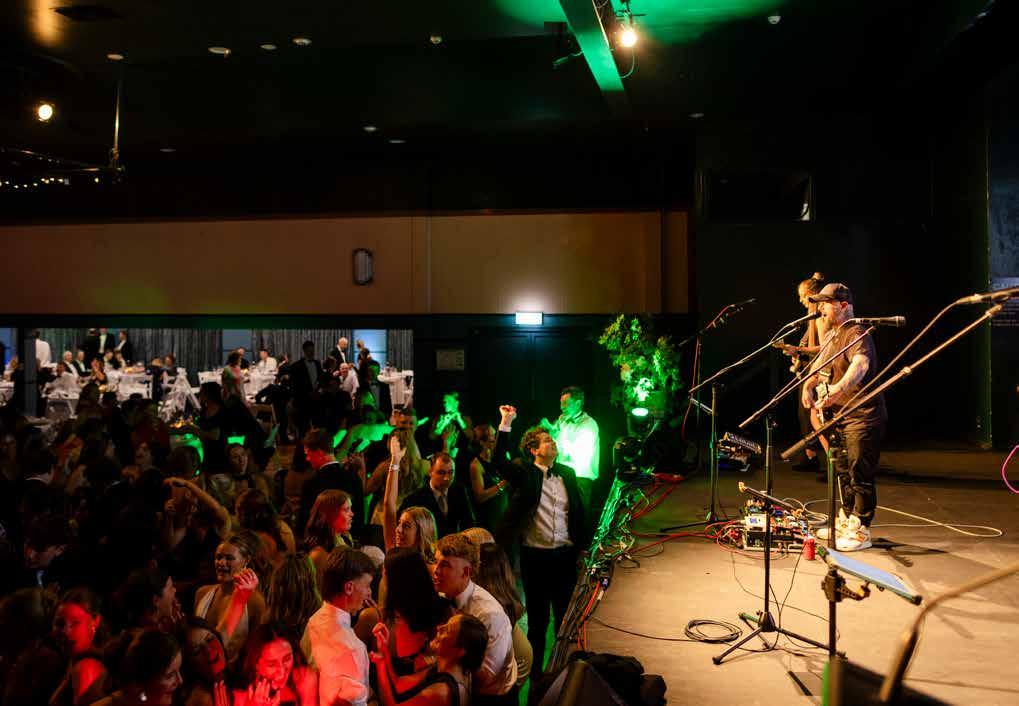
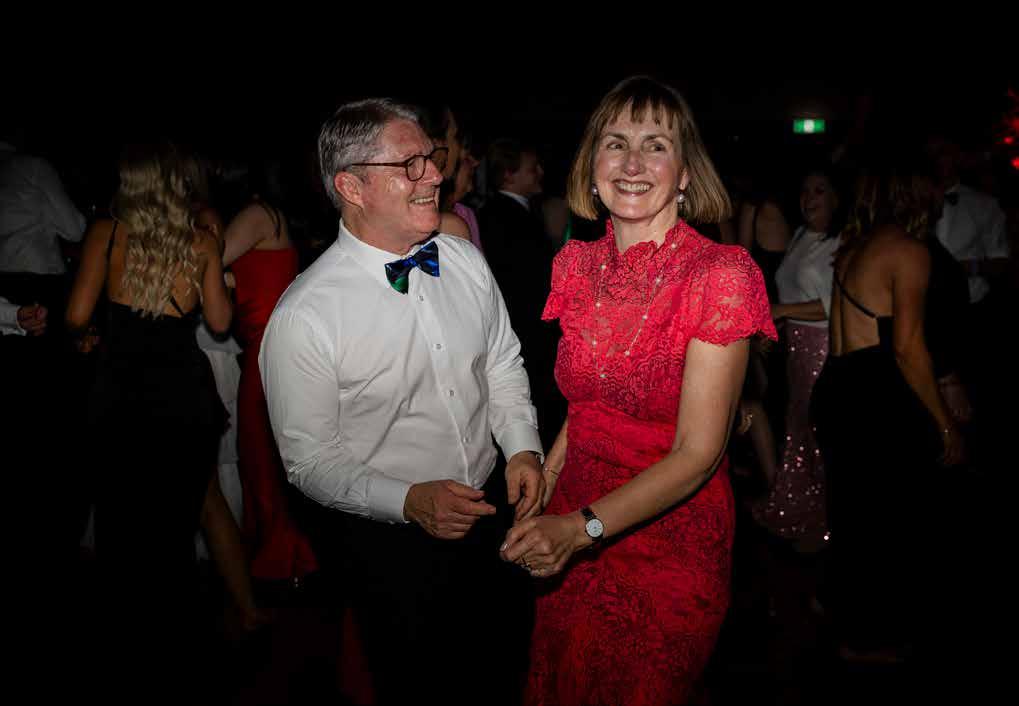
On 7 November, we celebrated our Class of 2025 at their Year 12 Graduation Celebration. Everyone arrived dressed to impress and enjoyed a brilliant evening filled with good food, plenty of laughs and lots of dancing. Congratulations to the Class of 2025. We’re so proud of each and every one of you!
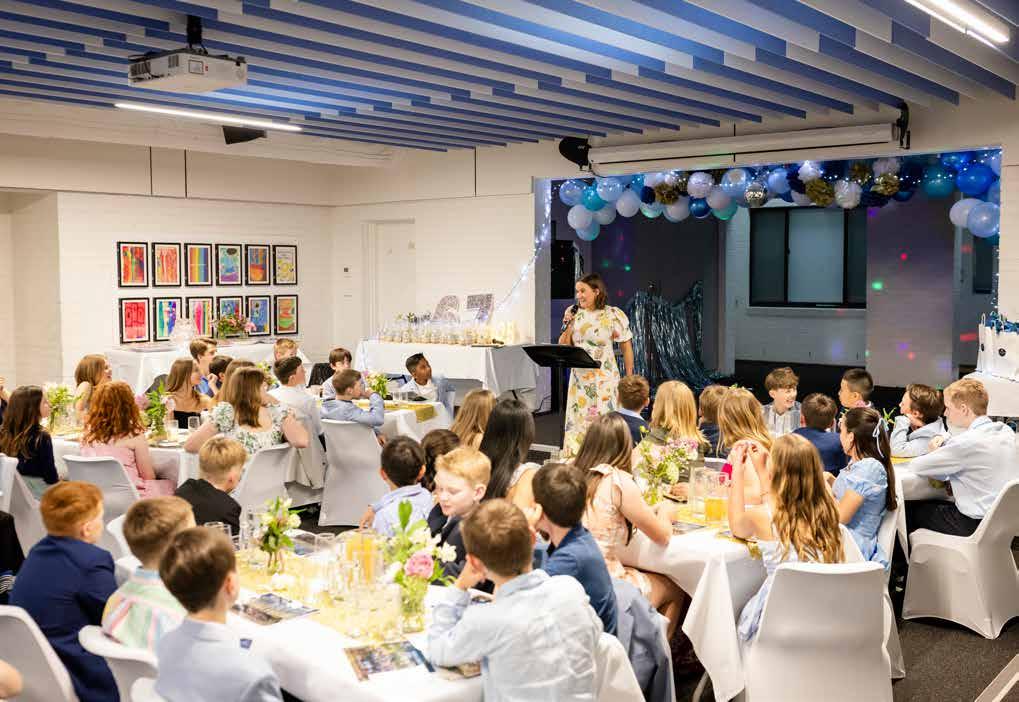
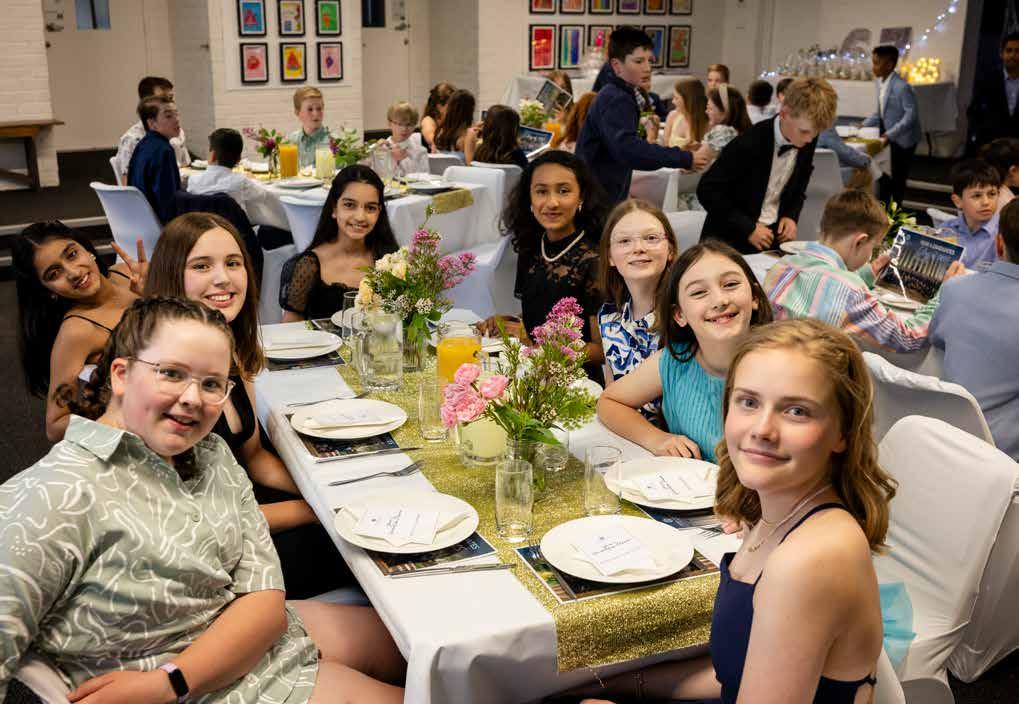
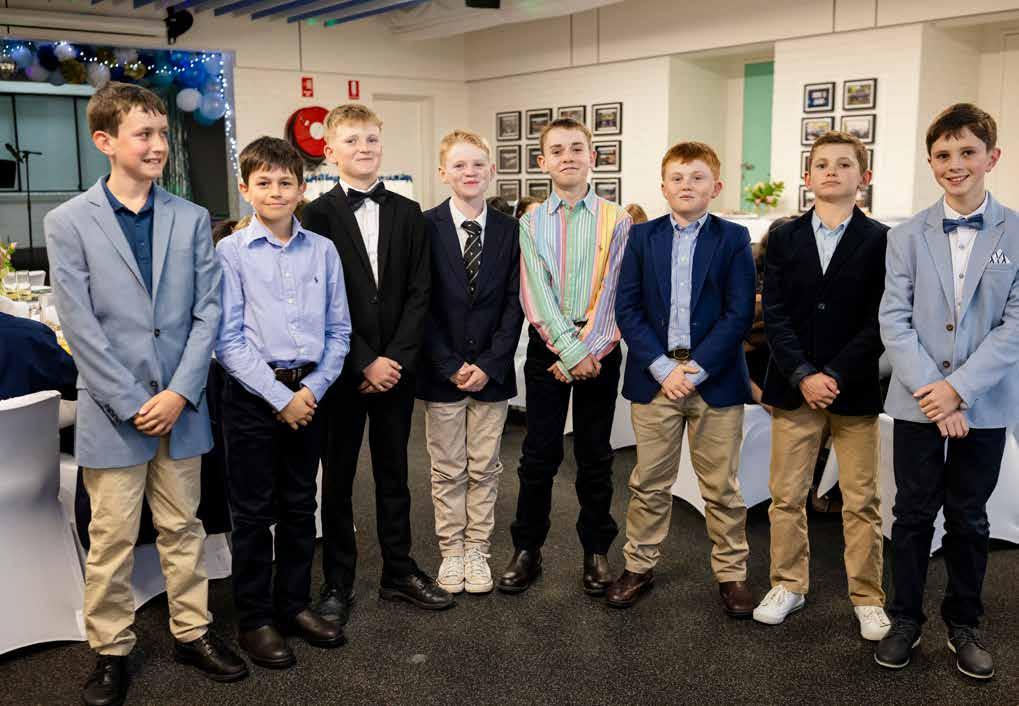
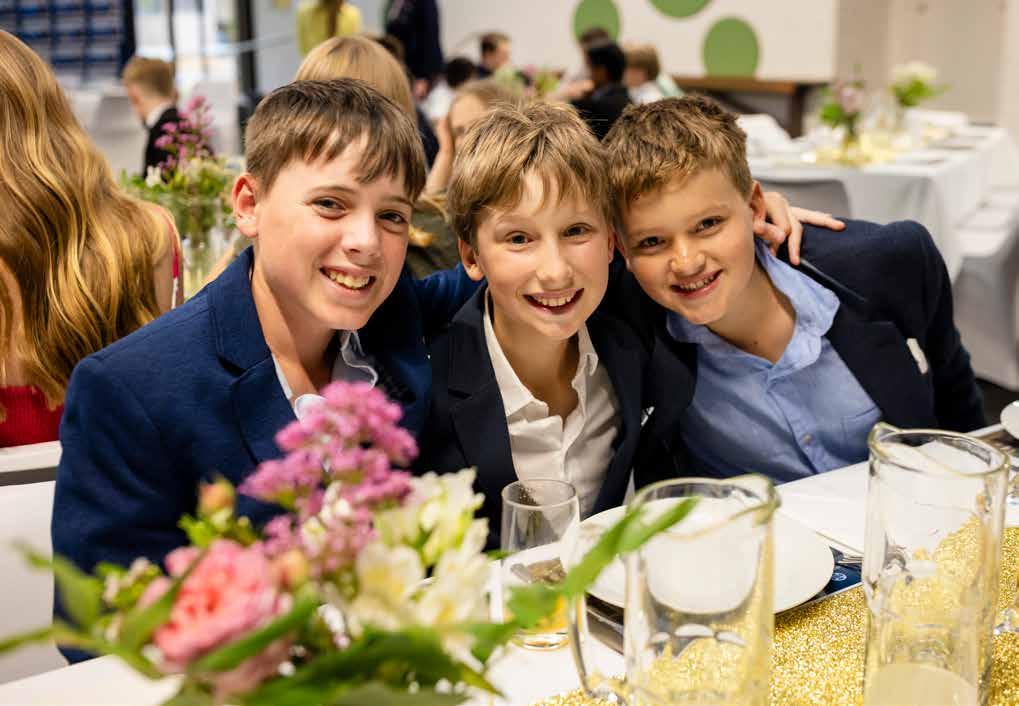
YEAR 6 GRADUATION DINNER
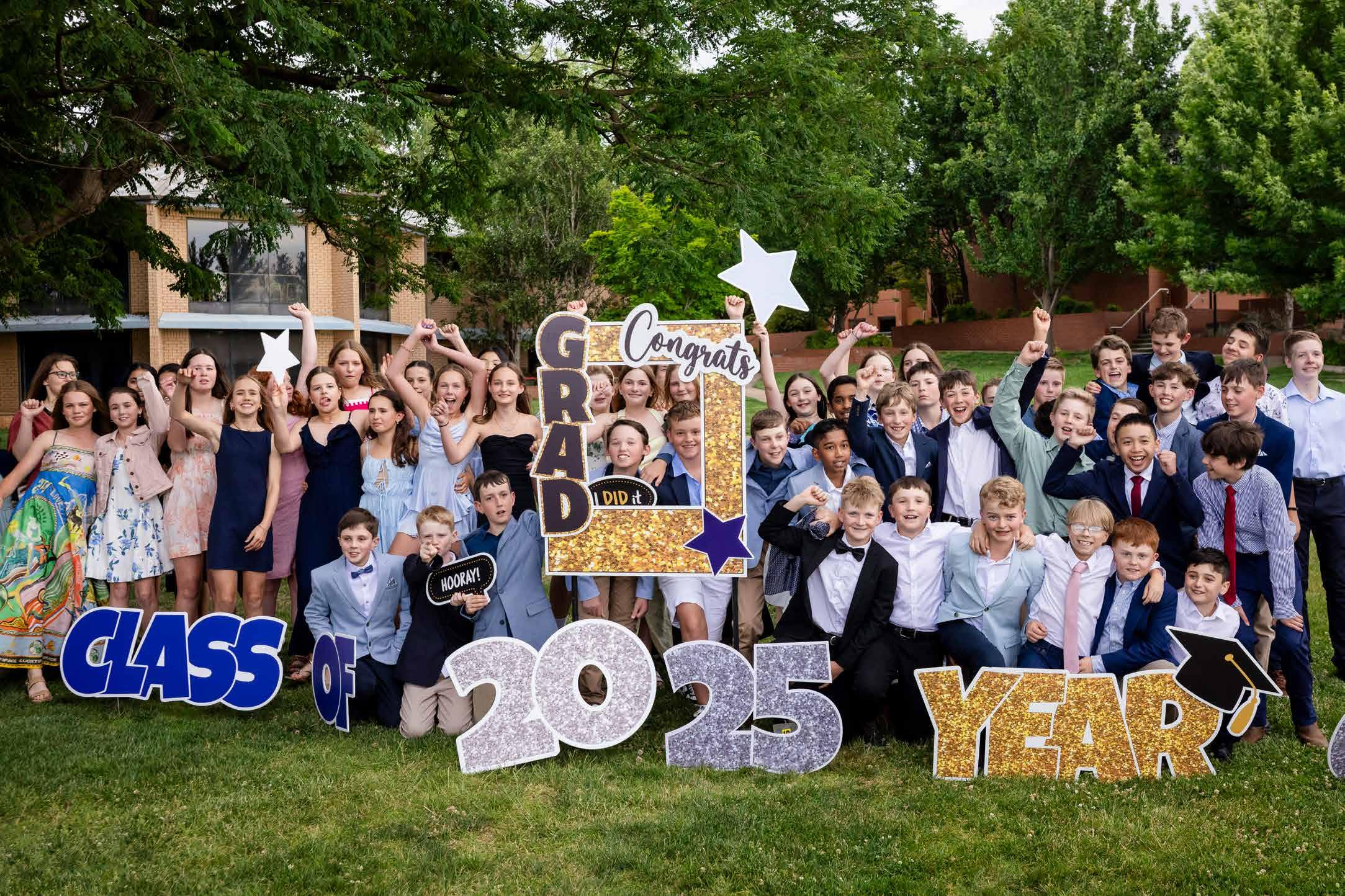
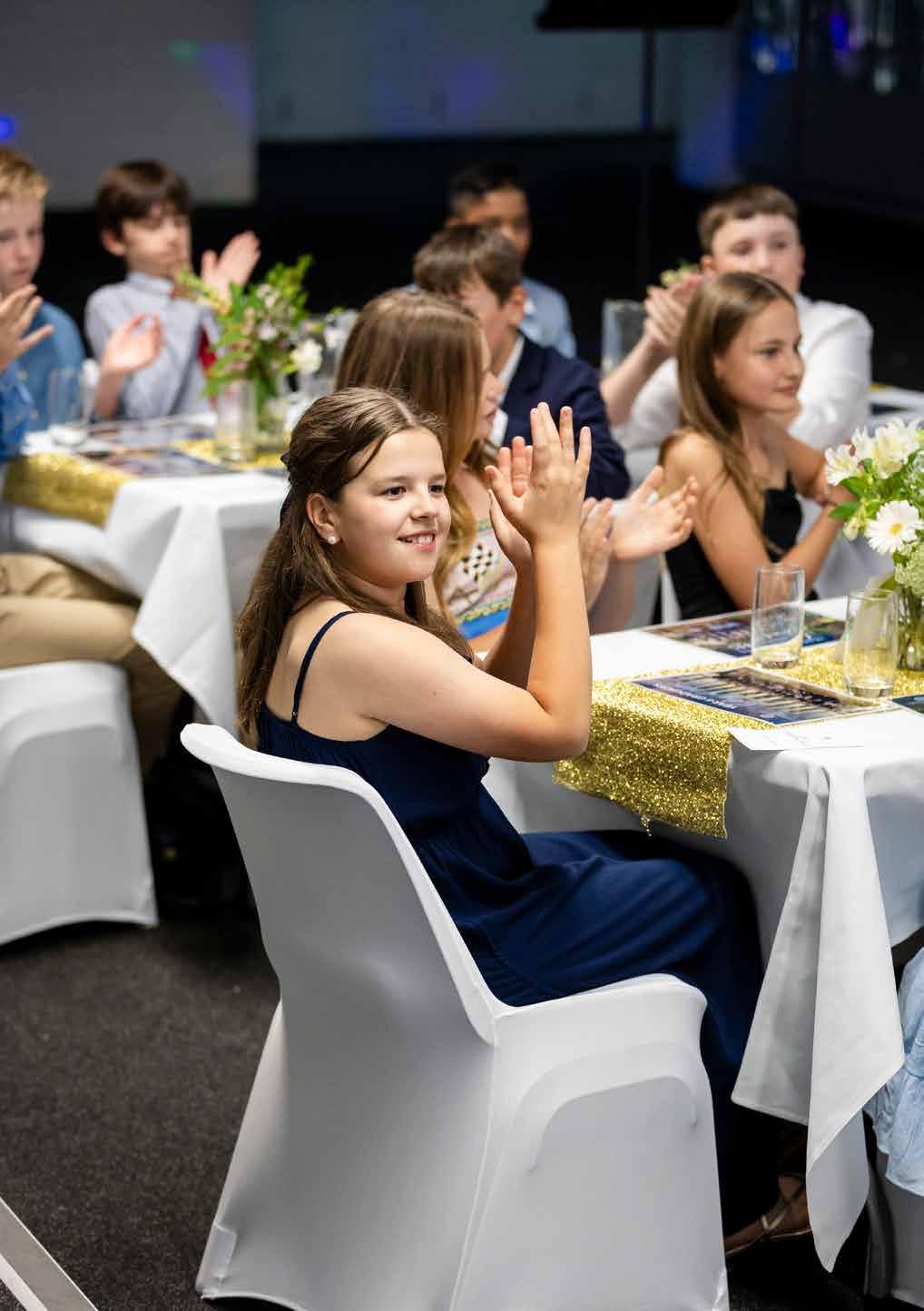
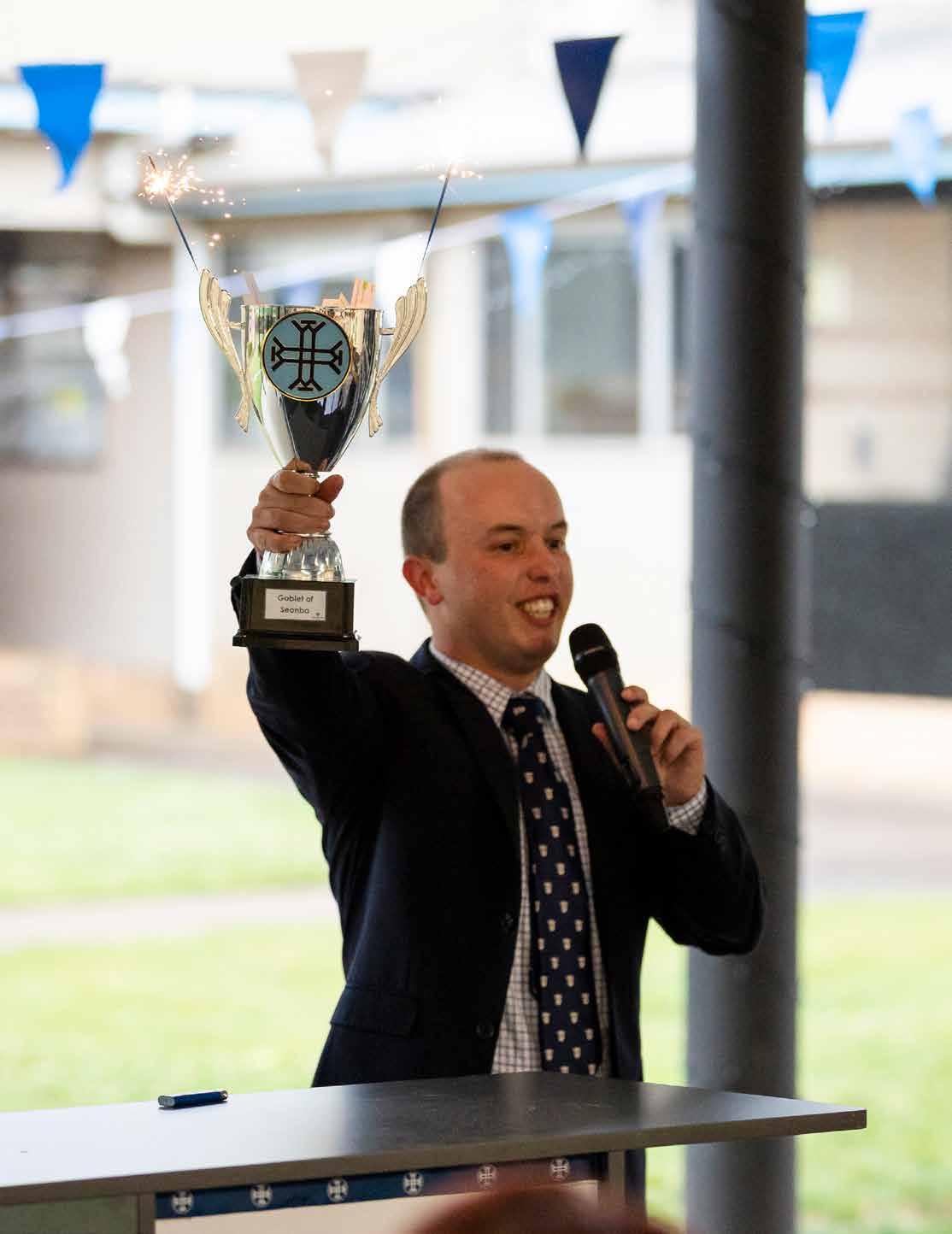
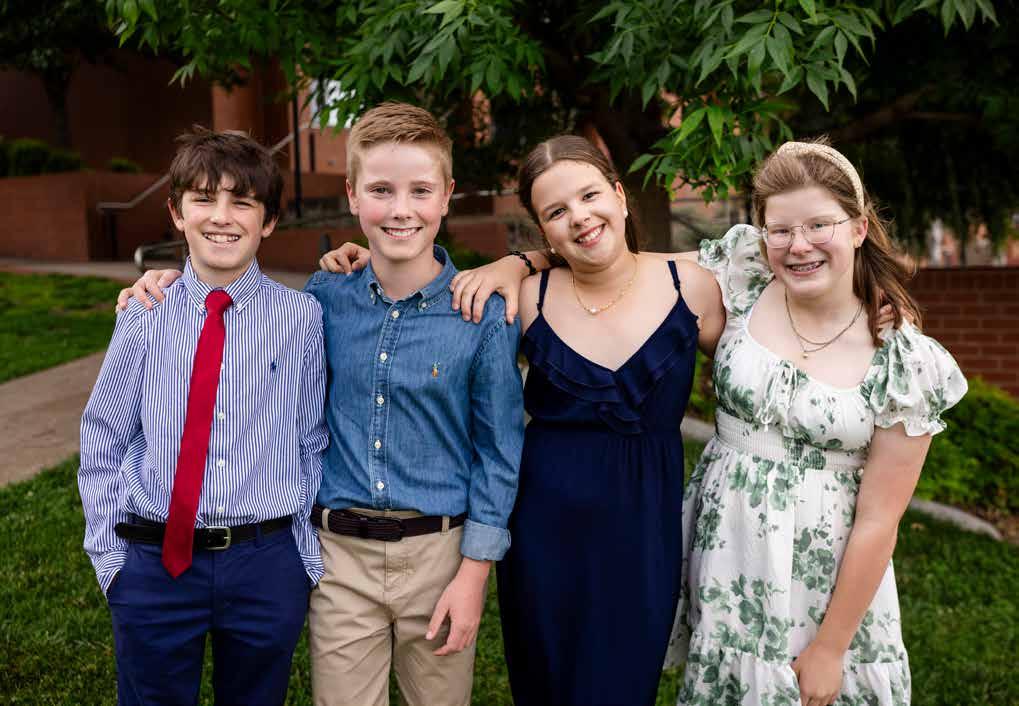
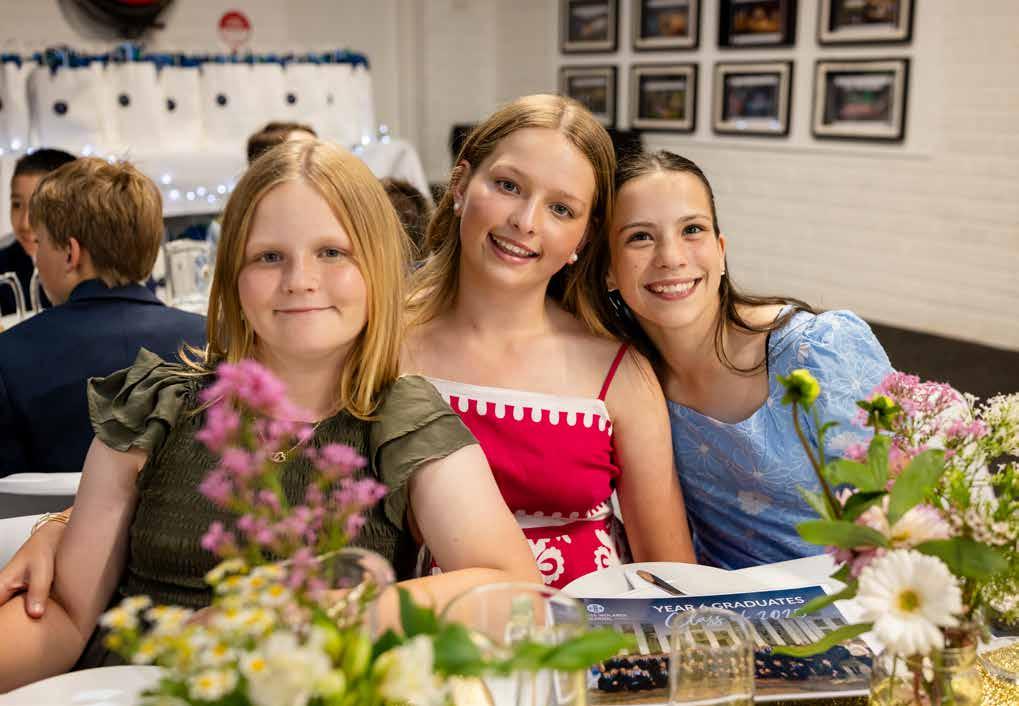
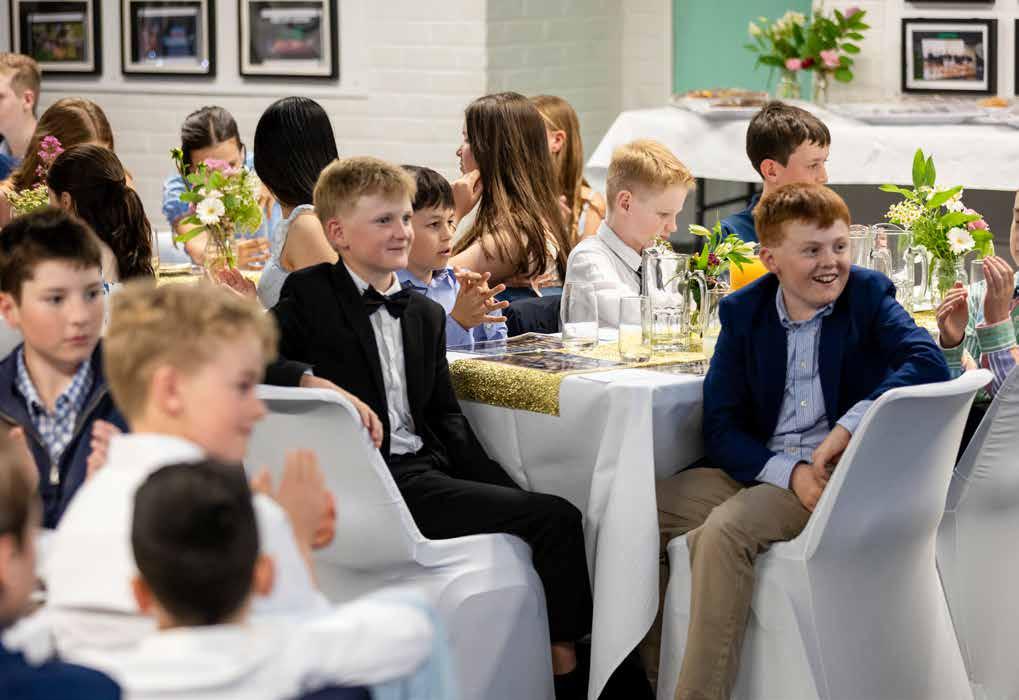
The Kinross Wolaroi Year 6 Class of 2025 enjoyed their Graduation Dinner on Friday 23 November - a night filled with laughs and reflections on all the wonderful memories made in Junior School.
STRENGTH, RESILIENCE AND PURPOSE
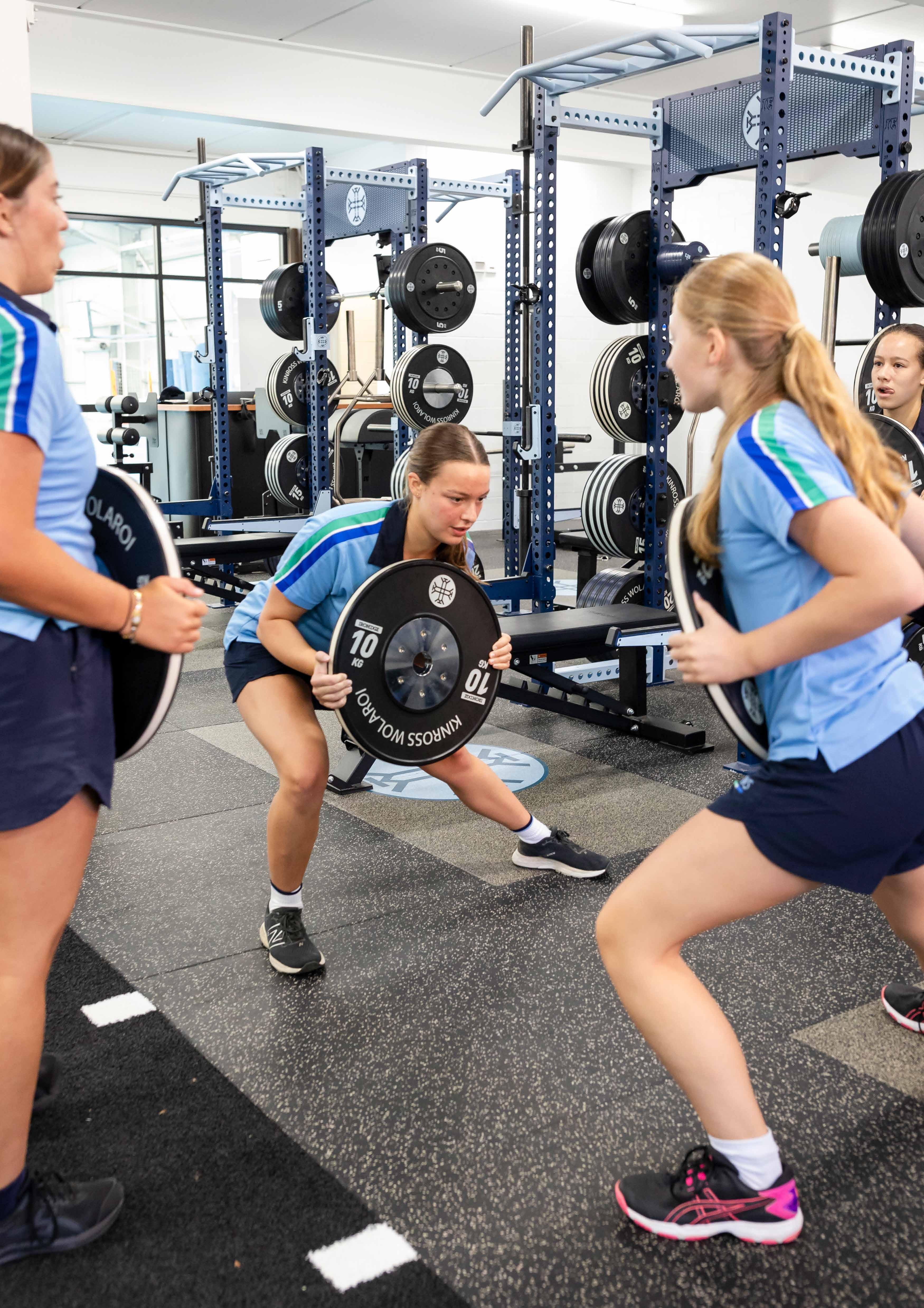
Elly Reynolds’ passion for health, fitness and physical activity began long before she became Head of PDHPE at Kinross Wolaroi School.
“Health, fitness and sport have always been at the heart of my upbringing,” she reflects. “My parents encouraged me to participate in a wide range of sports including surf lifesaving, netball, tennis and softball. These experiences nurtured my love for competition and helped shape my identity from a young age.”
Her formative years were further influenced by her father, Ross Reynolds, whose career in rugby left an indelible mark on her understanding of dedication, resilience and the pressures of performance. “I spent countless Saturdays beside rugby fields from Manly and Gordon to Sydney University, witnessing both the triumphs and challenges of elite sport,” she recalls. “Watching my father, who played ten tests for the Wallabies and touring the UK in 1984 and New Zealand in 1986,
instilled in me a deep appreciation for commitment, resilience and the emotional journey of athletes.”
In 2007, Elly joined the Palm Beach Surf Life Saving Club and discovered a long-term passion for surf boat rowing. Training six or more times per week in a team of four under the guidance of a coach Peter Spence, she developed the strength, courage and dedication to training and performance that would define her professional approach. “Surf boat rowing taught me resilience, mental toughness, self-confidence, teamwork and the importance of clear communication,” she says. “These are invaluable skills that I carry into my role as an educator and leader in health.”
Her love for movement and teaching naturally led Elly to pursue a Bachelor of Human Movement and Health
Education at the University of Sydney. “It was the perfect alignment of my interests in human movement, training and education, and it set the foundation for a career dedicated to empowering others through health and physical activity,” she says.
Over the years, Elly’s experiences in both personal and professional spheres shaped her commitment to health promotion and well-being, particularly in the area of drug education. Growing up immersed in conversations about physical and mental health, she developed an early awareness of the pressures young people face. “My father’s elite sporting career exposed me to both the highs and the pressures of performance, which sparked my interest in how young people manage stress, identity and choices,” she explains.
Young people navigate increasingly complex social environments, and to support them effectively, we must understand their perspectives.”
Elly Reynolds, Head of PDHPE at Kinross Wolaroi School
These insights were reinforced in the classroom. “Over the years, I’ve seen how students struggle with peer pressure, mental health challenges and misinformation around substance use,” she says. “These real-life conversations made it clear that drug education needs to be more than just facts - it must be empowering, relevant and ongoing.”
Elly’s commitment to holistic well-being extends into pastoral care. “Some of the most powerful moments in my career have come from supporting students through personal challenges including substance misuse,” she says. “These experiences reinforced the importance of early intervention, open dialogue and equipping students with practical strategies to make safe decisions.”
Her dedication and expertise were recently recognised with her appointment to the National Drug Education Principles (NDEP) co-design team, an initiative led by the NSW Ministry of Health and the Department of Education in partnership with Monash University. The co-design team is tasked with updating the 2004 Principles for School Drug Education to reflect contemporary research and the lived realities of young people.
Elly describes her initial reaction as a mixture of gratitude, pride, reflection, excitement and curiosity. “It was an honour to be invited to contribute to such an important national initiative,” she says. “The work we are doing is vital because it ensures drug education across Australia is evidence-based, relevant and effective for today’s students.”
The co-design team’s objective is to develop practical recommendations and school resources that support effective, ongoing drug education. Workshops conducted by ACHPER NSW and Monash University gather input from teachers across diverse contexts, ensuring the revised principles are inclusive and adaptable. “Having taught in Sydney’s inner west for over a decade and now in a rural and remote setting at Kinross Wolaroi, I can contribute insights from two very different educational environments,” Elly explains. “This diversity is crucial to creating principles that work for all schools.”
Elly brings extensive professional experience to the table. She has been teaching since 2011 and has served as Head Teacher since 2014 across multiple educational systems and geographic locations. “My experience gives me an in-depth understanding of the challenges young people face and the changing accessibility to drugs and alcohol,” she says. “It allows me to actively participate in discussions and provide practical feedback during the co-design workshops.”
Working across different educational systems has given Elly firsthand insight into how easily young people can turn to unhealthy coping mechanisms when they lack support or purpose and the need to promote healthy alternatives and proactive education.
The national framework developed by the NDEP will influence classroom practice significantly. “The revised principles will provide a clear framework for a wholeschool approach to drug education,”
she says. “It will allow schools to embed consistent strategies across PDHPE, wellbeing and boarding programs, fostering collaboration among key stakeholders and supporting long-term goals of reducing alcohol and drug use.”
For Elly, tailoring education to the realities of students’ lives is essential. “Young people navigate increasingly complex social environments, and to support them effectively, we must understand their perspectives,” she explains. Research from Monash University, which included student panels, confirmed a strong desire for ongoing, practical learning experiences rather than one-off workshops. “Students want education that is relevant, consistent and empowering,” she says.
The PDHPE syllabus provides the ideal framework for delivering these lessons. “It equips students with stage-appropriate strategies to make informed decisions when faced with risky behaviours,” Elly notes. “Through targeted, responsive drug education, we can foster resilience, critical thinking and self-awareness - skills that are essential for navigating adolescence.”
Elly is particularly excited about the potential impact of the updated principles. “A whole-school approach strengthens support for students, teachers, educators and the broader school community in preventing drug and alcohol misuse,” she says. “It ensures that learning is not only about information but also about building trust, connection and the confidence to make safe choices.”
FROM KINROSS TO CAMBRIDGE: BRYCE O’CONNOR’S JOURNEY OF CURIOSITY AND COMMITMENT
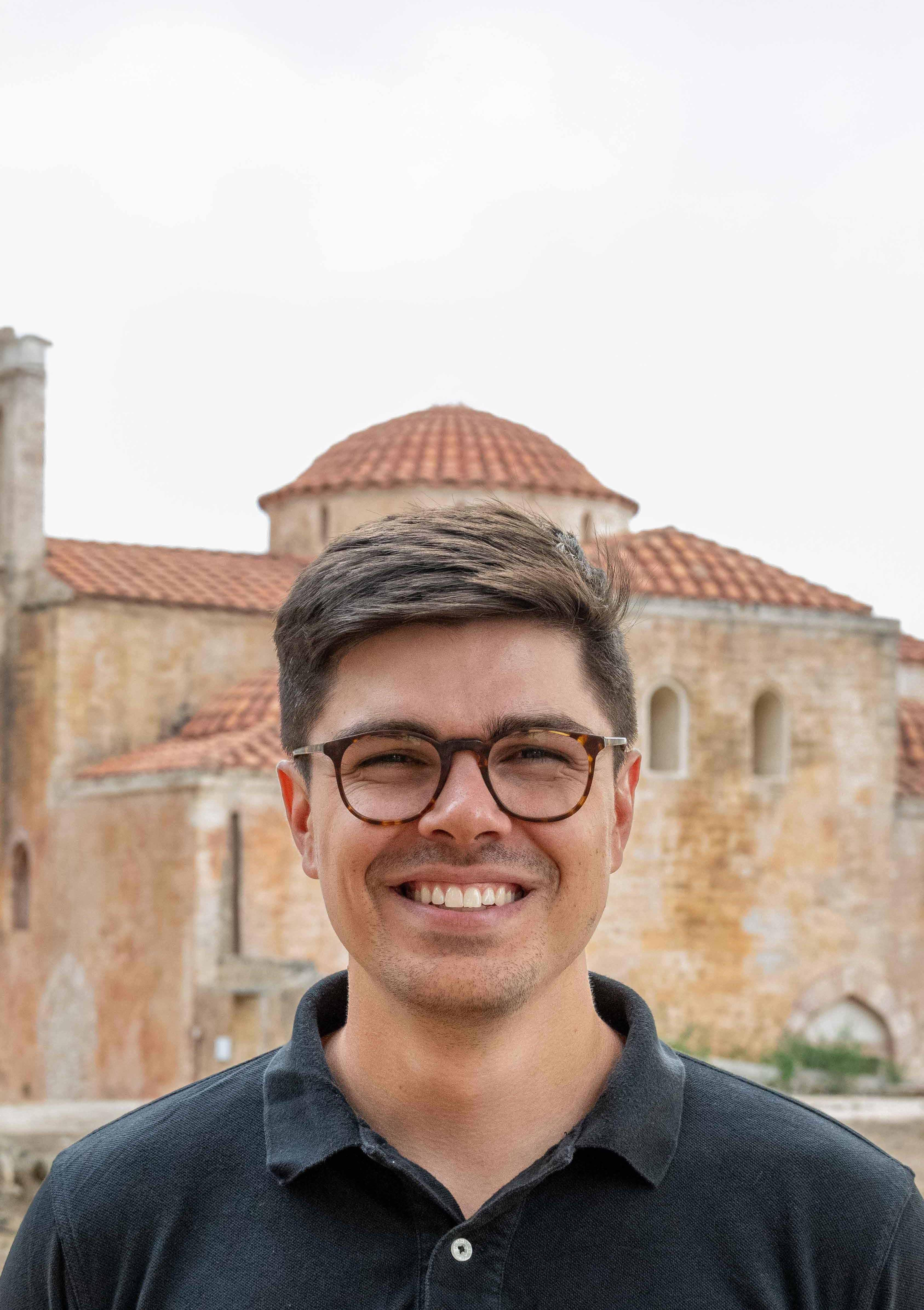
For Bryce O’Connor (Class of 2015), the journey from Kinross Wolaroi School to Cambridge University has been driven by curiosity, persistence and a lifelong passion for history. Now completing a PhD in History under the Cambridge Australia Poynton Scholarship at Trinity College, Cambridge, Bryce shares his reflections on what inspired his academic path - and the lessons he has learned along the way.
Don’t be afraid to follow what genuinely interests you, even if it feels a bit niche or uncertain. Passion goes a long way in keeping you motivated through late nights and setbacks.”
Bryce O’Connor
“I’ve always loved history. As a kid, I found the most compelling stories were the ones that actually happened,” Bryce says. “That never really went away.”
After several years working full-time in government, Bryce decided to formalise his passion. “When I was working full-time and decided to take on an undergraduate degree, I chose Ancient History because I knew my passion for it would keep me motivated to study after work on evenings and weekends,” he explains. “I ended up enjoying reading and writing history papers far more than I first imagined, and that pushed me to aim higher and think about postgraduate study.”
Byzantine history soon captured his imagination. “There are still so many unanswered questions and untranslated texts, which means you can make real contributions to the field,” he says. “That sense of discovery certainly drew me in.”
Bryce’s academic path has taken him from Macquarie University to Oxford and now Cambridge, where he’s delving into a ninth-century religious controversy known as the Photian Schism. “At first glance, it’s about whether one patriarch was legitimately replaced by another, but in reality it became a way for people to argue about much bigger things like East–West differences in Christianity, geopolitics in the Balkans and the balance of power between church and state,” he explains. “The interaction of these bigger issues is really what drew me to the topic.”
The last major study on the controversy was published in the 1940s. “It’s well overdue for an update,” Bryce says. “In my thesis, I’m hoping to revisit the topic with fresh eyes, while also focusing on some of its previously neglected aspects.”
He credits much of his success to the people who supported and inspired him. “For me, it’s less about key moments and more about key people,” Bryce reflects. “At Kinross Wolaroi, I had history teachers like Mr Stevens and Mrs Vernon who taught me to think critically about written sources and whoever wrote them. At university, I was lucky to have great mentors who guided me and believed in me.”
Family and community have been just as important. “I also can’t overstate the role of my family and friends, especially my wife, Bethany, and my daughter, Rosemary,” he says. “They’ve been endlessly patient and supportive, especially when I’ve had to miss important things because of my studies. Without that support network, I certainly wouldn’t have made it this far.”
Receiving the Cambridge Australia Poynton Scholarship was a pivotal moment for Bryce. “Applying for universities and scholarships can be a gruelling process - it’s a great deal of work for no guarantee of success,” Bryce says. “After finding out that I’d been awarded the scholarship, I was honestly speechless - it was such a mix of joy and relief.”
“It’s incredibly humbling to be supported in this way, and I’m super grateful to Cambridge Australia Scholarships, the Cambridge Trust and the AG Leventis Foundation. Without them, I don’t think I’d be doing a PhD.”
ABOUT THE SCHOLARSHIP
Though now immersed in academia, Bryce remains deeply connected to public life. “Even though I’ve shifted from government into academia, I still feel that same pull towards public service,” he says. “It would be a shame to let go of the skills and experiences I built up in government, so I’d like to keep finding ways to contribute.”
He believes historical perspective can enrich modern policymaking. “One of the great things about academia is that you get the time and space to think deeply about issues,” he explains. “I’d love to use that space to reflect on some of the big challenges facing Australia and hopefully contribute something useful to public debate. Whether or not anyone listens is another question entirely, but I think it’s worth trying!”
Bryce’s advice to aspiring historians and students is simple yet profound:
“Don’t be afraid to follow what genuinely interests you, even if it feels a bit niche or uncertain. Passion goes a long way in keeping you motivated through late nights and setbacks,” he says. “Also, don’t underestimate the value of asking for help - mentors, teachers, friends and family can make all the difference. And finally, remember that there’s no single ‘right’ path. If you stay curious, keep working hard and remain open to opportunities, you may be surprised at where you end up.”
The Cambridge Australia Poynton Scholarship is granted to exceptional Australian students pursuing postgraduate studies at the University of Cambridge. The scholarship supports scholars who show academic excellence, leadership and a dedication to making a positive contribution to society.
BUILDING ON A FAMILY LEGACY: JACK EVANS ON BUSINESS, COMMUNITY AND GIVING BACK
When Jack Evans (Class of 2014) reflects on his years at Kinross Wolaroi School, it is not the milestones or ceremonies that stand out, but the friendships forged in the everyday moments.
Career-wise, there’s no better place than Orange. We have strong industries that always need new, energetic recruits, and the lifestyle is fantastic.”
Jack Evans
I often remember my small, tight-knit group of mates and the time we spent hanging around the front of the library,” he recalls. “For such a small group, we’ve ended up in very different careers - explosive technicians in mines, divers, dog handlers in the Air Force, computer programmers and business owners.”
Jack credits much of his academic inspiration to the guidance of several teachers during his senior years. “Brian Kerridge, Peter Stevens and Lyn Vernon were constants in my final years,” he says. “They helped me develop a real interest in History and the Politics of History.”
That interest led Jack to study History and Politics at the University of Wollongong. “My aim wasn’t to become a historian or a politician, but to practise critical thinking - something that has shaped the way I approach both business and community life.”
Today, Jack is a sixth-generation member of Orange’s business community, running the family-owned Worklocker Orange, formerly known as Evans’ Store. “Our family has been trading in Orange since the mid-1850s, starting as Tinsmiths and General Merchants in Lords Place,” he explains. “Most notably, my great-grandfather, Jack Evans, left the main business to open a disposal and camping store in 1948, just after World War II. Since then, each generation has adapted the business to meet the needs of the time.”
For decades, the store was a household name. “The old local saying used to be ‘whatever you need, try Evans’ first,’” Jack says with pride. “Today, we specialise in workwear and PPE. In 2020, we changed our trading name to Worklocker and have continued to grow, offering the same level of service and an improved specialty range.”
For Jack, the lessons of family business are about more than commercial success - they are about relationships. “A key part of my upbringing was learning customer service and building strong relationships with suppliers, customers and other local businesses. Our customers know they can rely on us for quality products and our partnerships with suppliers allow us to meet those expectations. And if we can’t provide what someone needs, we make sure to connect them with another local business. That way, the benefits stay within the community.”
That commitment to Orange has always been central to the Evans family legacy. “Every generation of our business has been actively involved in the community - whether through charities, service clubs or other groups - to give back to the region that has supported us for so long,” Jack says.
It was this sense of duty that encouraged him to enter public service. After serving as President of the Orange Business Chamber (Business Orange) during the early days of the pandemic, Jack was invited to run for Orange City Council in 2021. “My concern at the time was the growing threat of online shopping to local businesses and the impact it could have on the CBD,” he explains. “We trialled a number of initiatives with mixed results, but when Councillor Tony Mileto asked me to join his ticket for the election, I eventually agreed.”
His time as a councillor offered valuable insights. “While the Council can be frustrating, overall it was a positive experience,” Jack reflects. “I learned how internal processes work and where funding comes from. That knowledge has helped me guide Business Orange and other local organisations on how to approach issues more effectively.”
After one term, Jack chose not to recontest in 2024, feeling he could contribute more directly through Business Orange. “With all the competing priorities of the Council, I wasn’t having the same impact on the business community as I had through Business Orange, so I stepped away from the Council and returned to the board.”
Through his business, public service and community work, Jack has remained focused on what he calls “leaving the community better than you found it.” He believes lasting change comes from steady commitment. “The trick is not to overextend yourself, because you risk burning out or achieving
nothing. Instead, choose an area, work with a group and stay open to new ideas.” One of his proudest achievements has been fostering greater cohesion among local businesses and community organisations. “When I first became involved, there was a lot of segregation. Over time, I’ve seen businesses collaborate more openly and organisations communicate better, often partnering on projects.”
Throughout all of this, Jack has stayed connected to Kinross Wolaroi and the Ex-Students’ Association, where he serves as Secretary. “For me, the ESA provides a valuable opportunity for business networking,” he says. “Between alumni who went straight into the workforce and those who pursued further study, there’s a wealth of experience to draw from.”
He is particularly passionate about the Association’s potential to mentor the next generation. “President Mitch Colton brought me on board with the vision of creating a closer alumni–student program. If we can connect school leavers with university graduates or alumni already established in their careers, we can give better advice about employment and study pathways and build an ongoing mentorship culture.”
Jack believes this could also strengthen the local economy. “If we get it right, we can retain more skilled school leavers and attract graduates back to the region, instead of losing them to the major cities.”
When asked what advice he would give current students, Jack is quick to respond. “Career-wise, there’s no better place than Orange. We have strong industries that always need new, energetic recruits, and the lifestyle is fantastic. Wherever you end up, take pride in and be involved with your community. You don’t have to set the world on fire - just make a positive difference in your own patch.”
STAY CONNECTED WITH KINROSS WOLAROI SCHOOL
The Kinross Wolaroi School Ex-Students’ Association plays a vital role in keeping alumni connected - to each other and to the School. Through reunions, events, mentoring opportunities and ongoing communication, the Association ensures that the sense of community built at Kinross Wolaroi continues well beyond graduation.
The Association’s new online hub is the place to discover the latest events, reconnect with fellow alumni and explore the ever-growing Business Directory. We invite you to join today and be part of a thriving community that celebrates and supports our Kinross graduates everywhere.
Visit: mykws.com.au
Below:
Bottom:
Left: Mr Richards and the Wolaroi College Students 1896.
The Union Bank restaurant was originally the Weymouth House School opened in 1886.
Mr Richards and Students 1897.
THE MAN WHO STARTED IT ALL: CELEBRATING 140 YEARS OF T. H. RICHARDS’ VISION
140 years on, we celebrate the remarkable legacy of Thomas Henry Richards - the visionary educator whose passion, discipline, and integrity laid the foundations of Kinross Wolaroi School.
As Kinross Wolaroi School marks its 140th anniversary, we look back to a determined young educator whose ideals and energy laid the foundation for the school we know today. Thomas Henry Richards, born in 1851 in the Cornish fishing village of Porthleven, could scarcely have imagined that his pursuit of educational excellence would echo across generations in Orange.
Richards arrived in New South Wales in 1876 with his family, and soon took up a position at All Saints’ College, Bathurst, where he served for eight transformative years as principal assistant master. When he arrived, the school enrolled just seventeen boys, yet by the time he left in 1886, All Saints had grown into a respected institution - a testament to his “able teaching and untiring devotion.”
In 1886, newly married, Richards moved to Orange to establish a new school of his own. On 27 January 1886, he opened Weymouth House School on Byng Street, offering “a thorough English education” and “special attention to backward boys,” promising pupils “a pleasant home in a bracing climate.” His reputation for integrity, academic rigour, and moral guidance quickly shaped Weymouth into a thriving educational community. Former students later recalled how he “wrought wonders among them” and instilled “the highest code of honour and morals.”
By 1892, the school had outgrown its original site, shifting “to the great relief of everyone” to the Wolaroi property, where Richards continued as headmaster. He remained at the helm until 1903, guiding the school through its formative decades and setting the trajectory for what would eventually become Kinross Wolaroi School.
Richards’ influence stretched beyond the classroom. His counsel helped shape the identity of the wider region - he famously proposed the name Millthorpe when the township sought to change from Spring Grove, believing it the “prettiest” of the suggested names.
After decades of devoted service, Richards’ health declined, worn down by overwork. He died on 24 June 1913 at his home in Vaucluse, remembered across the state as a widely respected educator.
Today, as we celebrate 140 years, we honour Thomas Henry Richards - a visionary whose commitment to character, scholarship, and opportunity continues to shape the heart of Kinross Wolaroi School. His legacy lives not only in our history, but in every student who walks these grounds with curiosity, courage and purpose.