How Online Slots Work: A Look Behind the Reels
Online slots have become a massive trend in the world of digital entertainment, and understanding how they work can enhance the gaming experience. Unlike traditional slot machines that rely on physical mechanics, online slots use sophisticated software algorithms to determine outcomes. In this article, we’ll delve into how online slots work, from the basics to the more complex mechanisms like RNG (Random Number Generators) and paylines.
The Basics of Online Slots
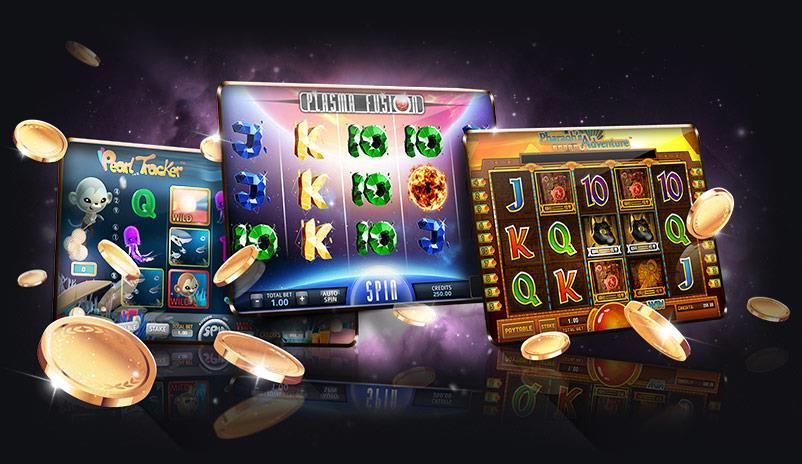
At its core, an kingkongbola functions similarly to its physical counterpart. The player places a bet and spins the reels, which feature symbols like fruits, numbers, or themed icons. If the symbols align in certain combinations on the designated paylines, the player wins a payout. Each slot game has its own unique set of rules, number of reels, and payline structures, but the general objective remains the same: line up winning symbols.
Random Number Generators (RNG)
The key technology behind online slots is the Random Number Generator (RNG). This algorithm ensures that each spin's result is entirely random and independent of previous spins. The RNG operates by generating thousands of numbers every second, even when the game isn’t being played. When a player
hits the spin button, the RNG stops on a specific number, which correlates to the symbols that appear on the screen.
This randomness guarantees fair play, meaning that neither the player nor the casino can predict or manipulate the outcome of a spin. The use of RNG also ensures that online slots meet the legal requirements of licensing bodies, providing a fair gaming environment.
Paylines and RTP
Paylines are the patterns in which matching symbols must align to trigger a payout. While traditional slots may have just one payline, modern online slots can have dozens or even hundreds. Some slots allow players to adjust the number of active paylines, giving them more control over their bets and potential winnings.
Another critical factor to consider is the Return to Player (RTP) percentage. RTP is a theoretical figure that indicates how much of the total money wagered on a slot is returned to players over time. For example, a slot with an RTP of 96% theoretically returns $96 for every $100 wagered. Understanding the RTP can help players make more informed decisions about which slots to play.
Conclusion
Online slots offer a mix of simplicity, excitement, and potential rewards, making them a favorite among casual and seasoned gamblers alike. By understanding how these games work and approaching them responsibly, players can enjoy a safe and engaging gaming experience. Whether you’re drawn to the thrill of progressive jackpots or the variety of themed slots, the world of online slots is vast and full of possibilities.