I extend my deepest love and gratitude to the dear artists for their trust, patience, and friendship throughout this process. My sincere thanks to my cohort for their collaboration and exchange, and to our mentors, Latika Gupta and Shuddhabrata Sengupta, for their guidance and support.
I am thankful to Sanjeev Maharjan for generously listening to my display plans and sharing his thoughtful insights. I am grateful to Swarnima Shrestha for the beautiful designs she brought to the exhibition.
This exhibition is part of the Curatorial Intensive South Asia programme, supported by Khoj and Goethe-Institut / Max Mueller Bhavan.
Artists: Nabina Sunuwar
Sofiya Maharjan
Tara Abdullah
Taranga
Tsering Tsomo Gurung
Curated by Pooja Poudel
Curatorial Note
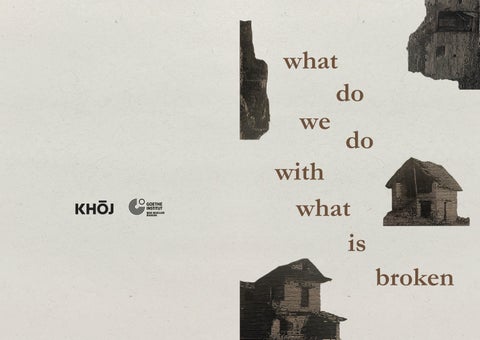
what do we do with what is broken? what do we choose to mend, and what do we discard? who gets to decide what is broken? what does a constant state of brokenness produce? how much does it matter how something breaks?
in what ways do we use break in language— a war breaks, a heart breaks, silence is broken, the law is broken?
what kinds of ruins and debris are left behind? what is carried forward as memory, and what is actively erased? what kinds of futures can we imagine with fragments?
Five artists respond to brokenness as both condition and method, across material and social worlds, in memory, relationships and institutions. Their practices approach breakage not as an anomaly, but as something carried, inherited, and negotiated daily. They offer stories of grief, of families splintering and reforming, of returns to homes that no longer recognise those who come back. They excavate the habits, silences, and modes of thinking that women are taught to carry with shame.
Many of us move through the world with an ingrained impulse to repair relationships, systems, and communities. And when repair is impossible, what remains is grief. Here, we sit with weight and debris, listening closely and asking insistently what we choose to carry forward, and what kinds of futures might still be shaped from what refuses to be made whole.
Nabina Sunuwar
Nepal
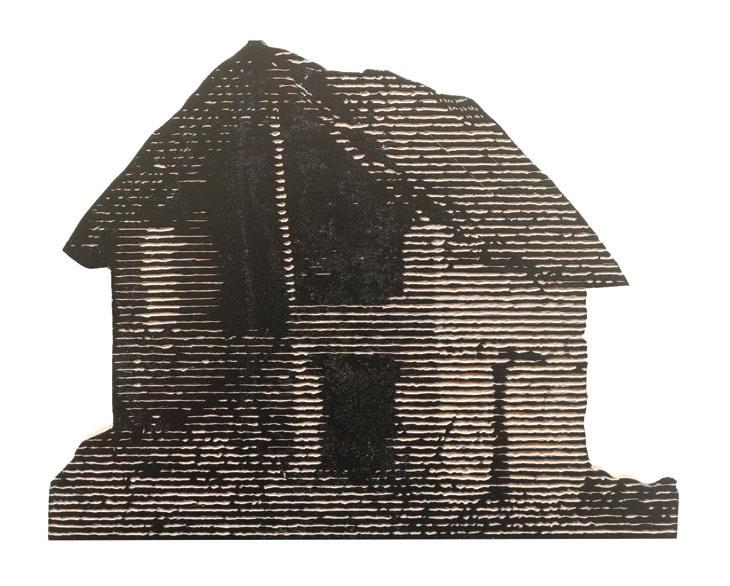
Nabina Sunuwar is a visual artist from Okhaldhunga, Nepal, currently based in Bhaktapur. She completed her Master’s in Fine Arts from Tribhuvan University in 2022 and is a Co-founder of Aakrit Collective, an artists’ group based in Bhaktapur. Working primarily with printmaking, Nabina explores themes of memory, belonging, and the emotional landscapes of home. Her work draws deeply from personal narratives and recollections tied to her ancestral home in Okhaldhunga. Through the labor-intensive process, she carves forgotten stories and layered memories into tangible form, reviving the silence of abandoned spaces. Her practice navigates the delicate balance between past and present, presence and absence. In tracing the remnants of her childhood home, Nabina honors its quiet history while examining her own evolving relationship to identity, place, and displacement.
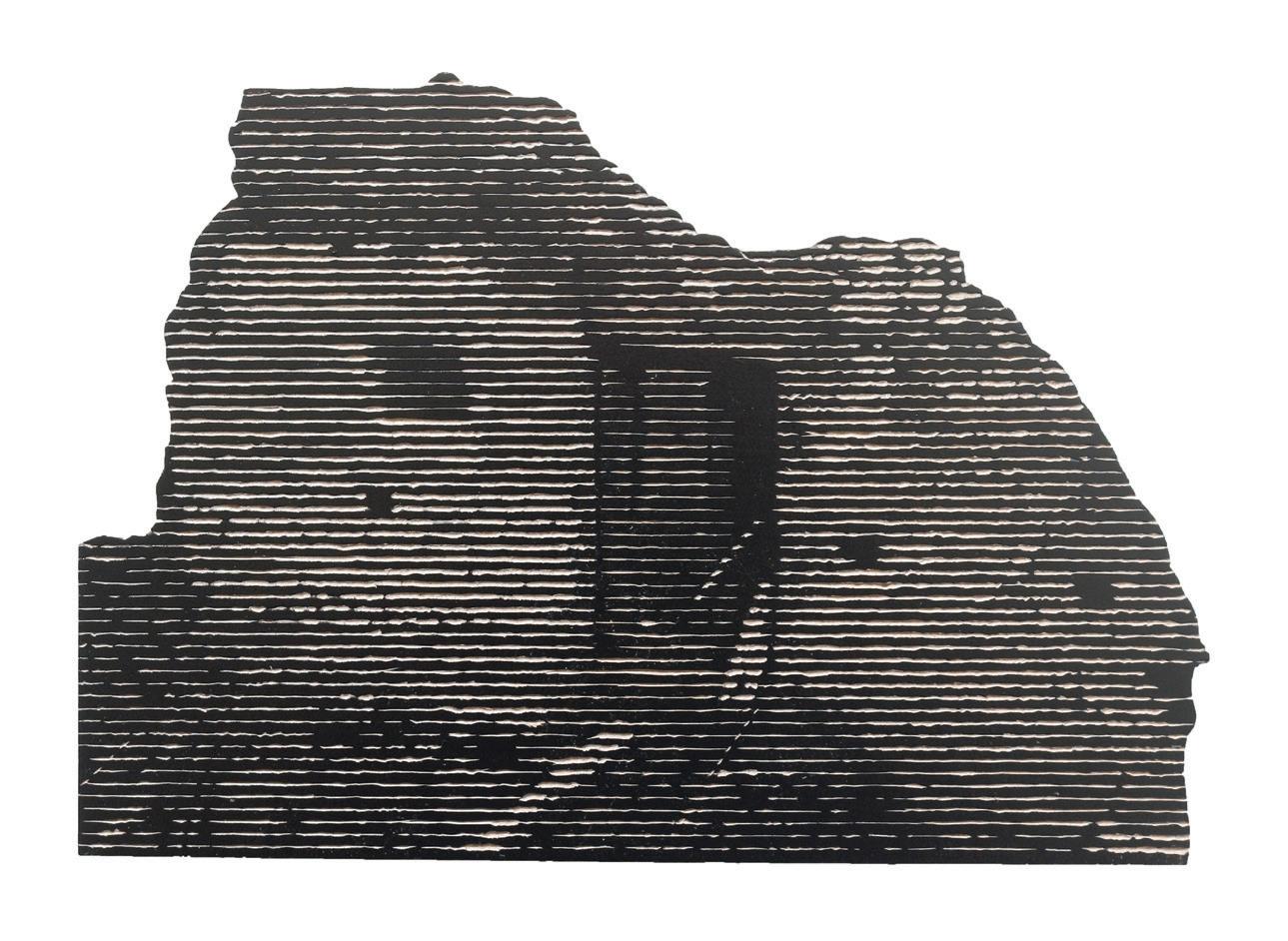
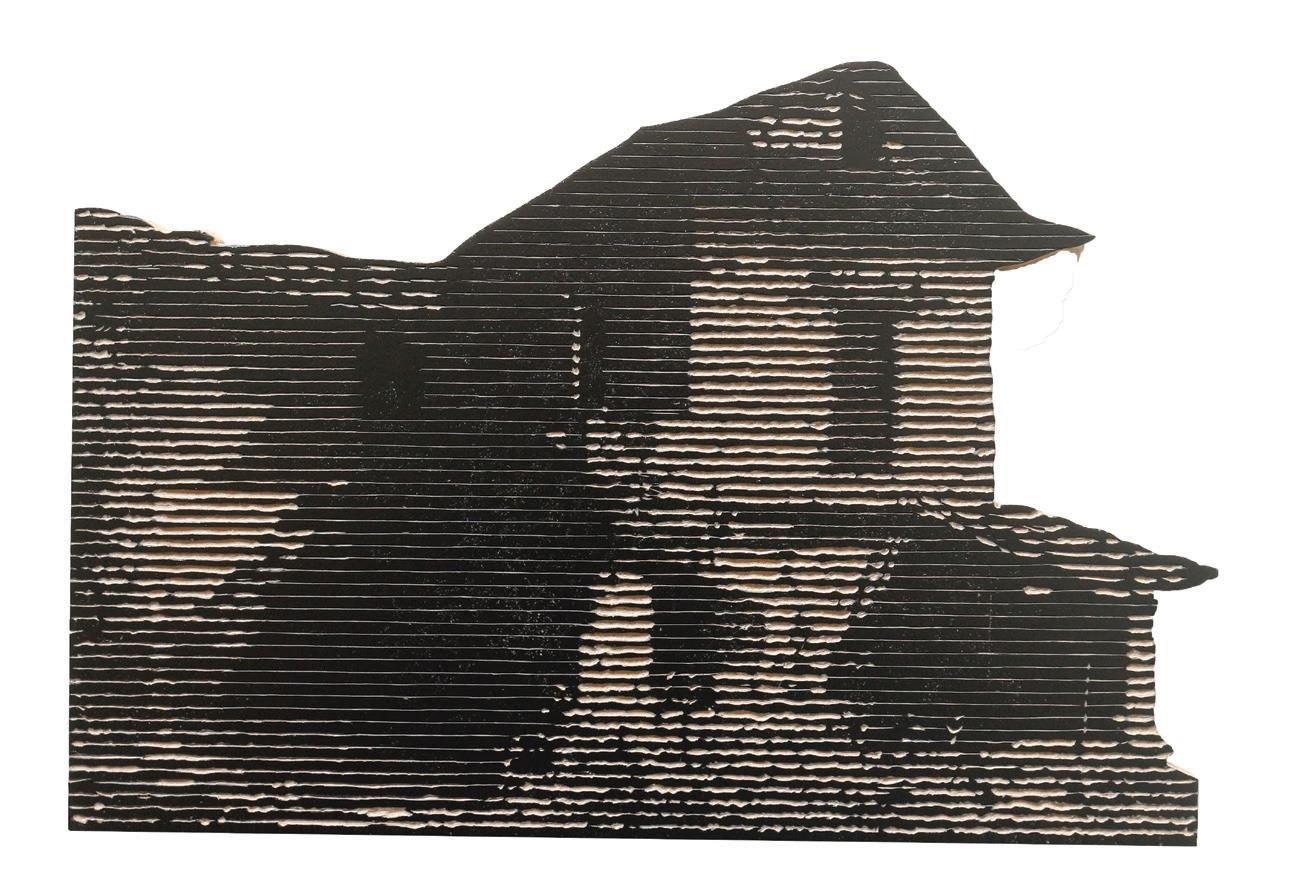
Letter of Home
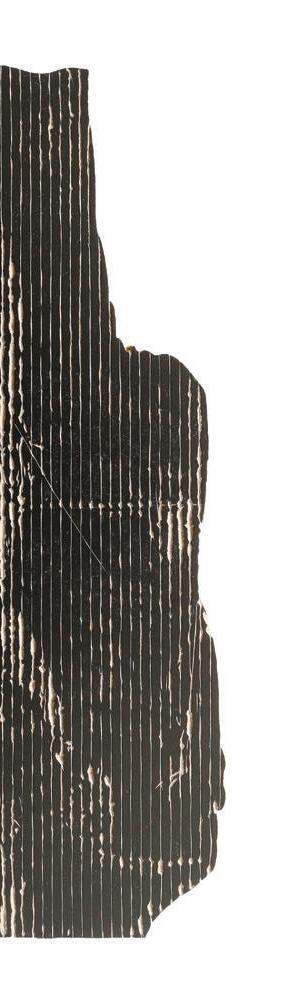
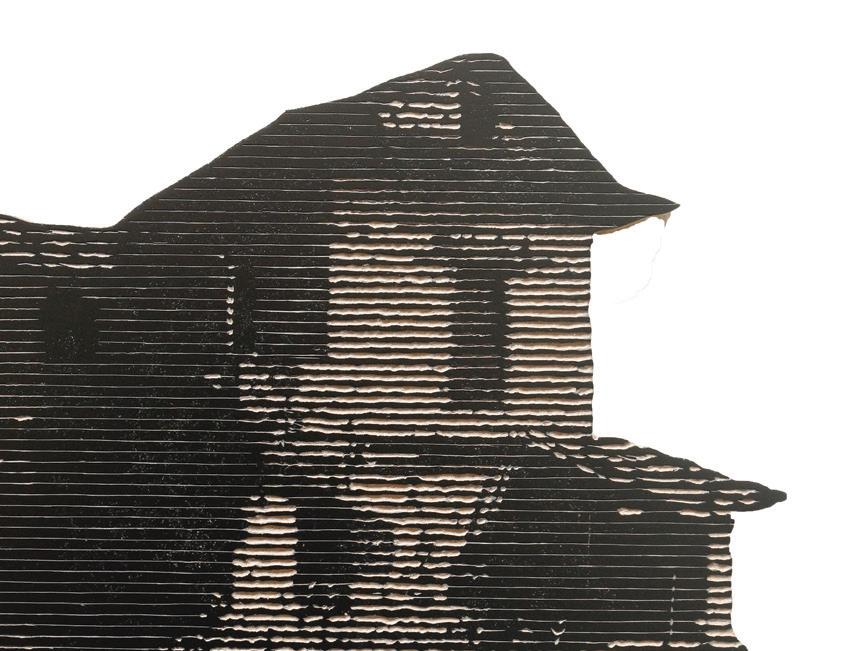
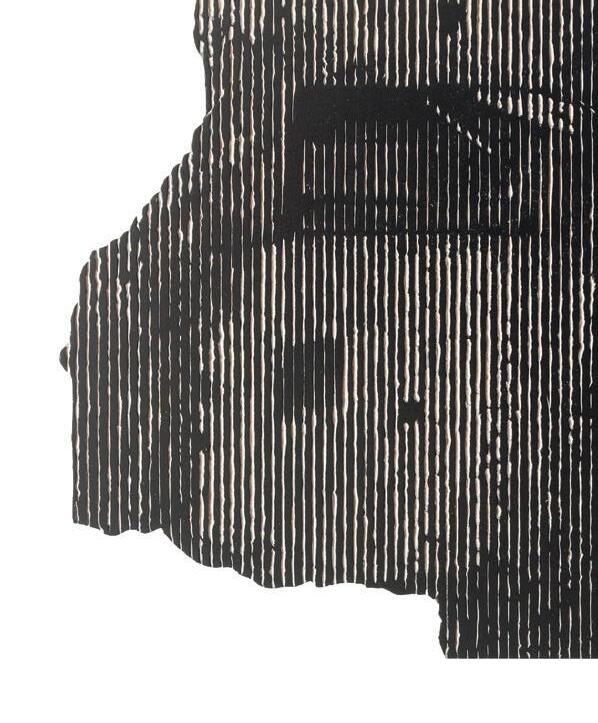
Carving on MDF board and retrieved dust on Nepali paper, 2025
Letter of Home is a sculptural and poetic exploration of what remains when someone or something has gone. Rooted in the emotional landscapes of migration in Nepal, where people leave their villages for cities or foreign countries, the work reflects on the homes left behind, mud houses slowly returning to the earth, carrying unspoken memories of those who once belonged to them. These structures, abandoned yet breathing with history, become quiet witnesses to departure, longing, and time. In this work, the home becomes a being that feels, remembers, and endures. The process of carving the houses into wooden boards becomes a gesture of removal that simultaneously preserves and listens. The dust produced from carving becomes a fragile language, tracing words of memory, absence, and longing. Each mark and trace whispers the house’s stories, allowing its warmth and memory to stay with me.
Sofiya Maharjan
Nepal
Sofiya Maharjan is a visual artist with a keen interest in attachment to personal belongings and the private space, the individual and collective experiences, and the ways memory is held within them. She received her BFA in Studio Art from Kathmandu University and is pursuing her MA in Anthropology. Maharjan has a solid closeness to her surroundings, which she expresses through her artistic practice. She believes that it is not so much about how the world is as it is about how we perceive it.
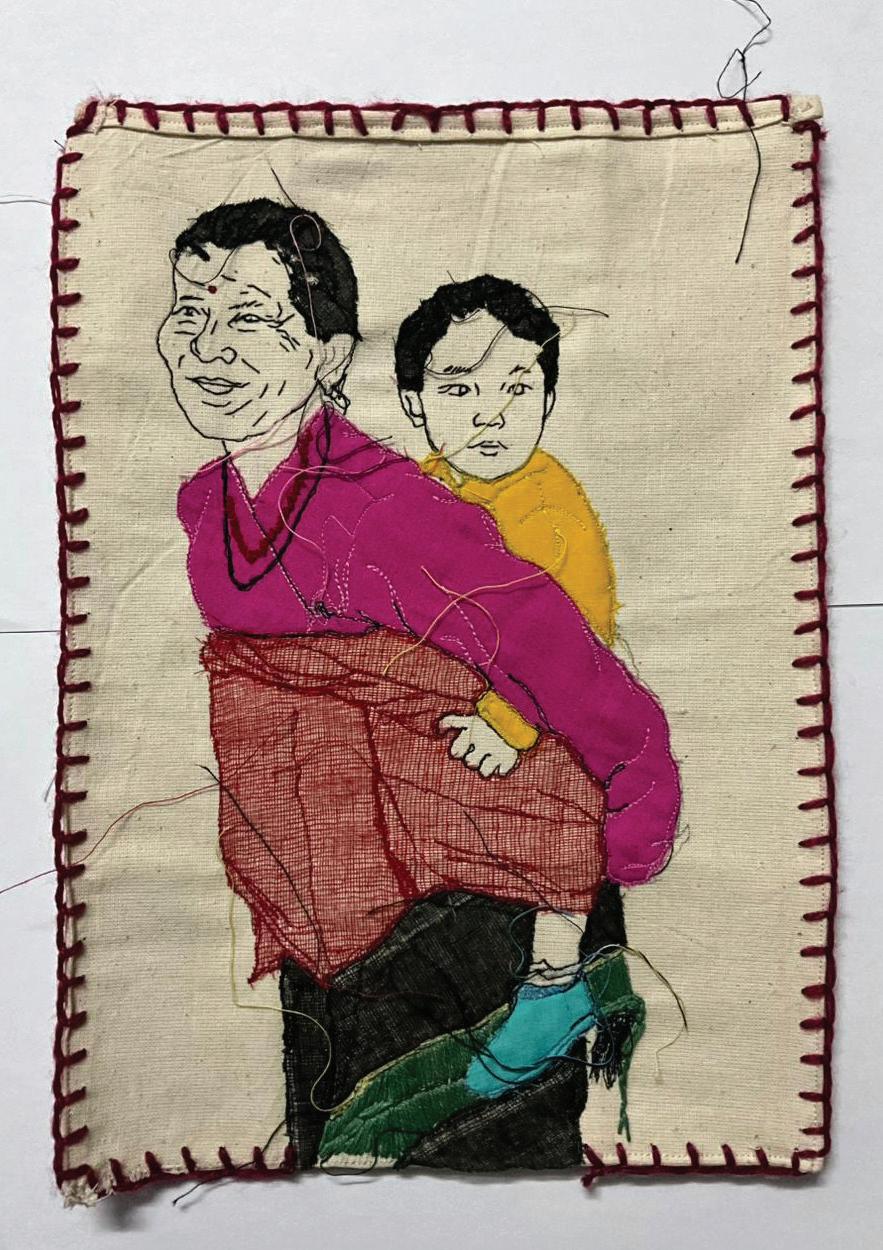
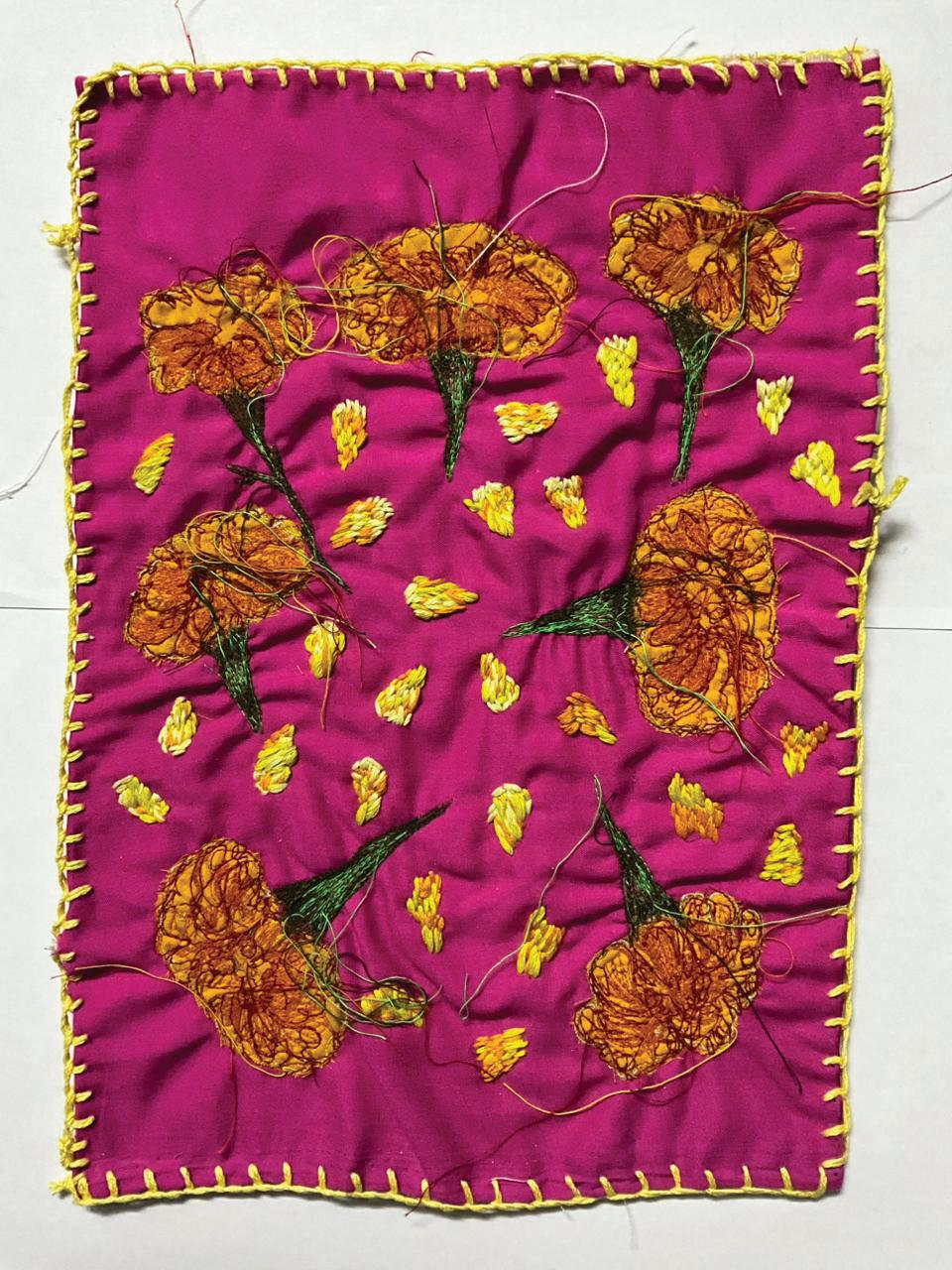
She narrates her ideas and stories through textiles. Her attachment to the thread comes from finding common ground with her mother. She enjoys exploring lines and textures and finding herself within the works.
We mend what we didn’t break
Texture and Stitching, 2026
Om, I bow to the blessed one to the Tathagata, the sovereign purifier of all misfortune and suffering to the fully and perfectly awakened one thus it is declared Om, purifier one who purifies fully purifying all negative actions purifying all fear, harm, and suffering all sins completely purified purify all karmic obstacles
svaha
This piece of Namsangati is a purification mantra that invokes the Buddha as the remover of suffering, misfortune, sin, fear, and karmic obstacles. My grandmother taught it to me, and I was told to chant it whenever I felt low.
This work is composed of small, separate surfaces brought together through slow, deliberate joining. Each fragment holds an image, a gesture, or a trace of belief where none compete on its own, none seeking resolution. What connects them is not narrative, but proximity. The seams remain visible, insisting that continuity is something made, not given.
Influenced by ordinary lives, the work turns towards the subtle fractures that are woven into everyday life: faith practiced without assurance, care carried across generations, voices that speak despite being unheard, guard against unseen harm, labor that accumulates only after action has ended. These panels do not form a single narrative. They coexist, joined, but not merged.
We mend what we didn’t break speaks to a condition where care, belief, and memory continue not as something to repair, but as presence, and to move forward with gentleness, carrying what still asks to be held.
Lastly,
May all beings, everywhere, be happy and free.
Tara Abdullah
Kurdistan Region of Iraq
Tara Abdullah Mohammed Sharif is a Kurdish artist from the Kurdistan Region of Iraq. Her practice spans sound, installation, painting, and socially engaged art. Her work explores themes of gender, identity, cultural erasure, grief, and collective healing, often drawing from personal and communal experiences shaped by conflict and displacement. Tara’s projects frequently involve collaboration with women and local communities, using art as a tool for resistance, memory, and care. She has exhibited internationally and is a recipient of several awards, including a Special Prize at the Future Generation Art Prize and Prince Claus Seed Award.
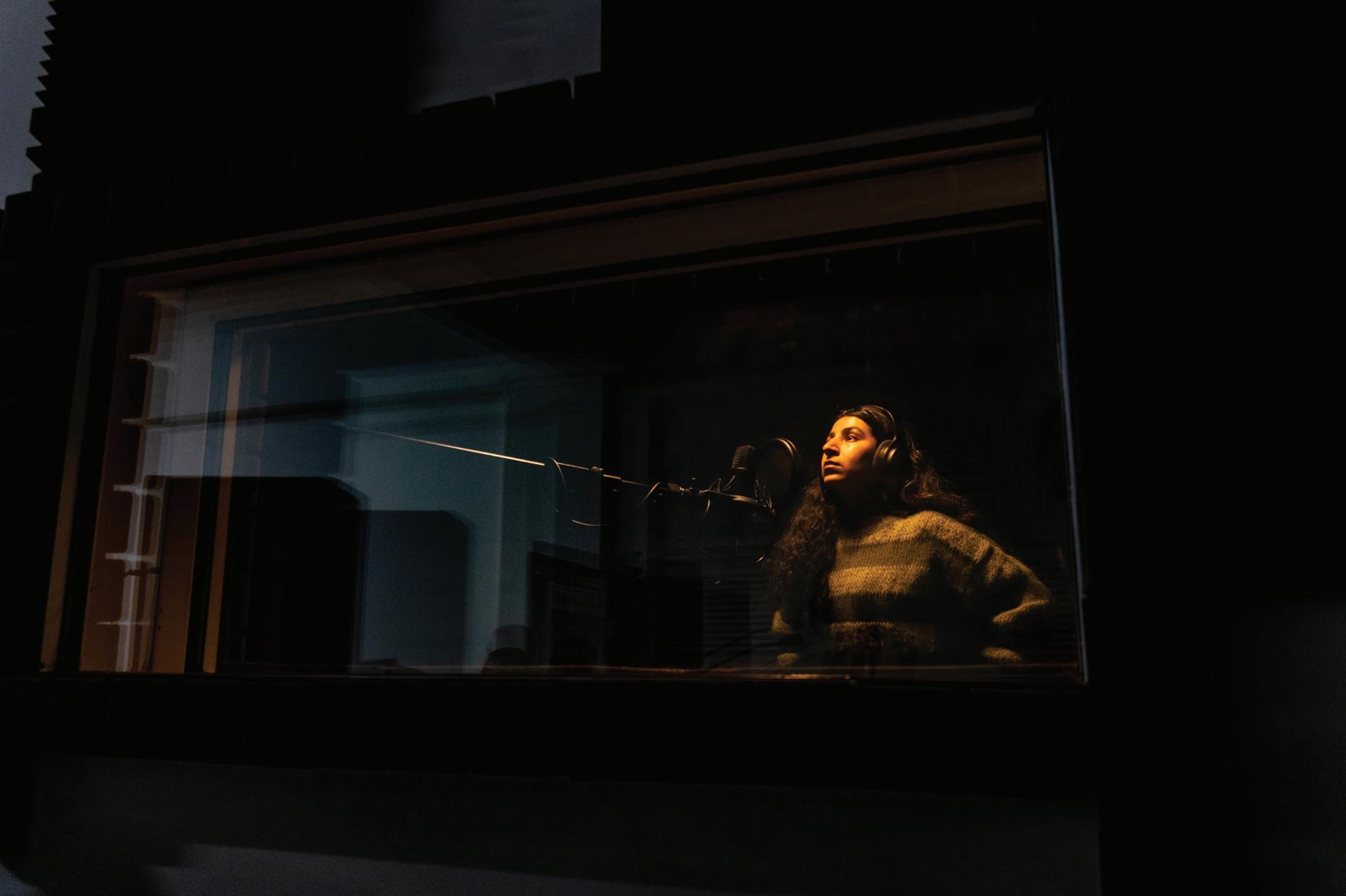
Wailing
Immersive Sound Installation, 2025
Wailing is a sound based work on a vocal expression deeply rooted in Kurdish culture and carried primarily by Kurdish women. This sound emerges from personal sorrow and differs from one individual to another. Each person creates her own form of wailing, shaped by grief—whether caused by the burning or occupation of land, the loss of a child, or the injustice experienced as a woman. While the melodic harmony may be similar, each wailing becomes its own story. Wailing functions as a form of therapy—a way to release sorrow and reach calm. Those who perform it do so to bring peace to themselves and to others, especially during moments of collective grief. The sound helps Kurdish individuals remain strong in the face of brutal and often irreparable pain caused by violence and occupation.
This practice has been forbidden and erased by occupying powers that control Kurdistan, a land divided into four parts and ruled by different ideologies. It has also been suppressed by religious ideologies that forbid women from making loud sounds or using their voices publicly. As a result, this form of expression has not been passed down for at least two generations, contributing to the erasure of culture, identity, and healing practices.
In this work, wailing brings us closer to the spiritual sounds of humanity—to ways of rebuilding ourselves from broken pieces.
Taranga Nepal
Taranga, is a creative practitioner based in Bhaktapur, Nepal. Her practice interrogates the absurd and often uses kitsch as a tool to deconstruct and interpret the world’s chaos.
this is true / this is not untrue
Moving Image, 9min, 2026
What if one’s rottenness—the parts of ourselves most carefully hidden—could become a site of community rather than isolation? this is true / this is not untrue examines the nasty, vile, and wretched inner realms of contemporary women. The work invites women to speak about the “ugly stuff”—desires, resentments, contradictions, and buried thoughts. These confessions are not purified or resolved, but held and sat with.
Tsering Tsomo Gurung
Nepal
Tsering Tsomo Gurung is a fiction writer and researcher who is passionate about listening to people’s life stories, and documenting them through writing. She has closely worked with the Tibetan community in exile in Manang, focusing on topics of migration, identity and belongingness. Much of her writing reflects on questions such as “Who am I?” and “Where do I belong?” through the stories of her Tibetan mother and other Tibetans living in Nepal. Beyond writing, she enjoys painting food and flowers, loves to travel, and is an avid animal lover.
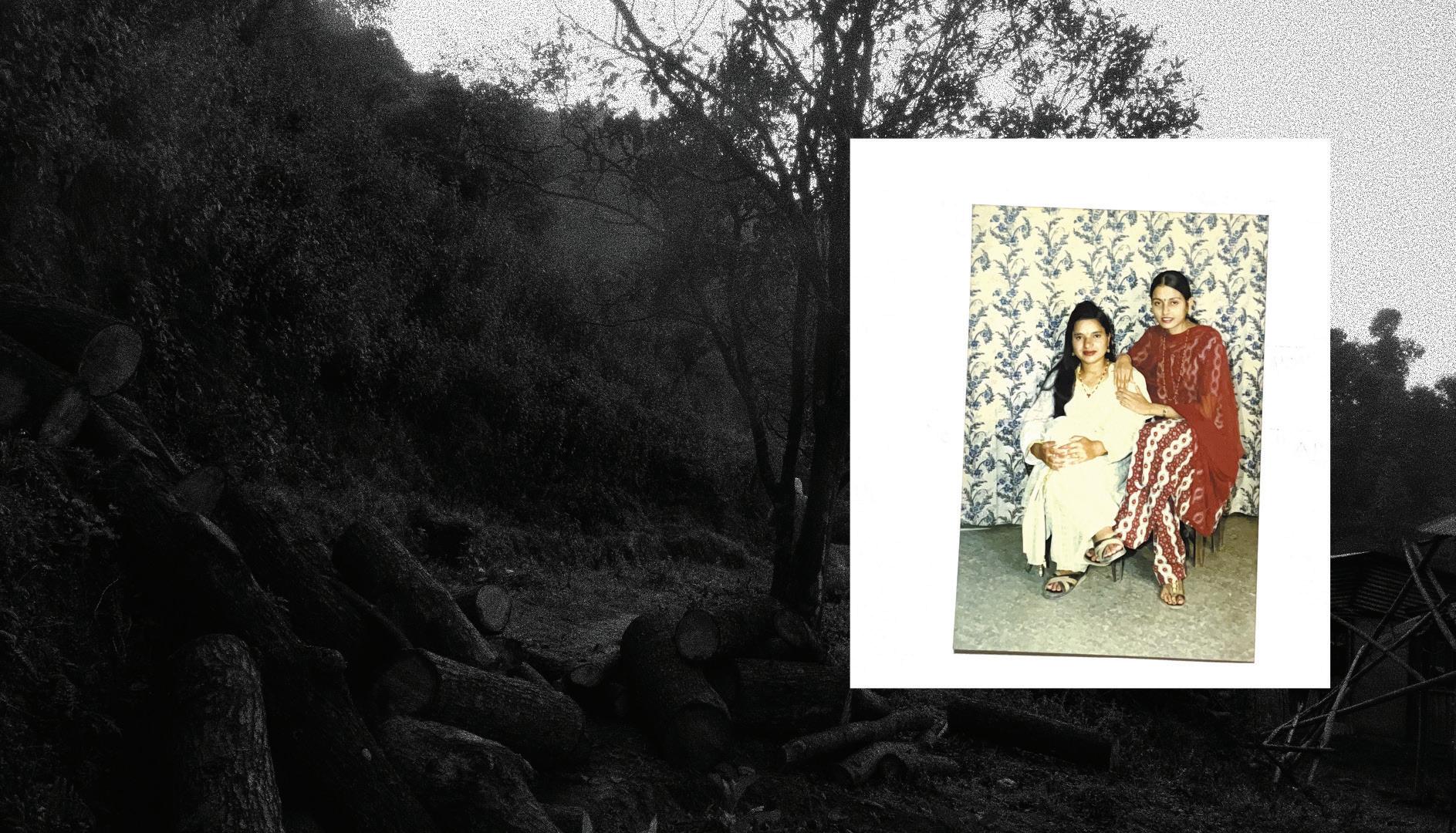
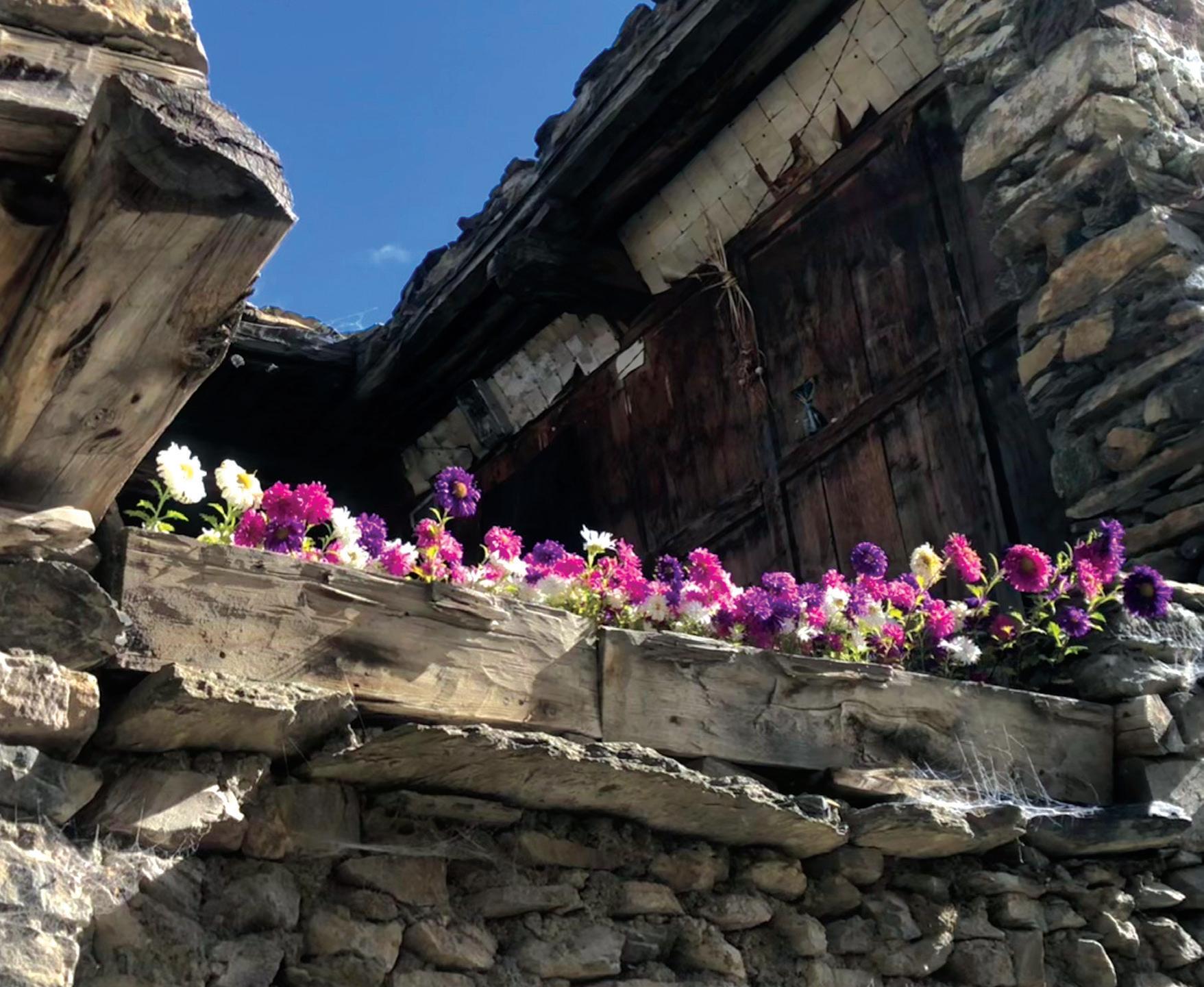
What remains
Text and Photographs, 2026
My work is often a dialogue between an individual’s memories and how they shape the way they think or act in the present. I explore such spaces and lived experiences, where I notice subtle yet beautiful human gestures we don’t usually pay attention to; gentleness while speaking, the act of sharing food or simply being present with another person. At this stage of my practice, I am exploring how we experience emotions like love, fear, and attachment, particularly in relation to beliefs surrounding death. Coming from a Buddhist family, I often reflect on ideas of the afterlife and how attachment can affect the soul’s journey.
In this body of artwork, I share my mother’s stories of losing her son and the guilt she still carries for not being able to protect him.
But I have been a murderer myself, several times. I remember killing hundreds of bugs, putting them into bottles and shaking them until they died. I also crushed thousands of bees that sheltered in the walls of our house.
There were too many, and I always thought they would come back, no matter how many I crushed. Their deaths felt too easy. They came back every summer. Even the yaks. Even the goats. Even the lice on my head, no matter how many I killed.