CONTENT
Slate Crescendo
Thesis
PAGE 4-9
From Aperture to Massing
Design Studio
PAGE 10-15
Algae Oasis
Environmental System
PAGE 16-21
Unfired Clay Brick Column
Vertical Studio
PAGE 22-27

Slate Crescendo
Thesis
PAGE 4-9
From Aperture to Massing
Design Studio
PAGE 10-15
Algae Oasis
Environmental System
PAGE 16-21
Unfired Clay Brick Column
Vertical Studio
PAGE 22-27
ADVISOR: KAREL KLEIN PARTNER: BREENA FOIGELMAN | DINORWIC, WALES
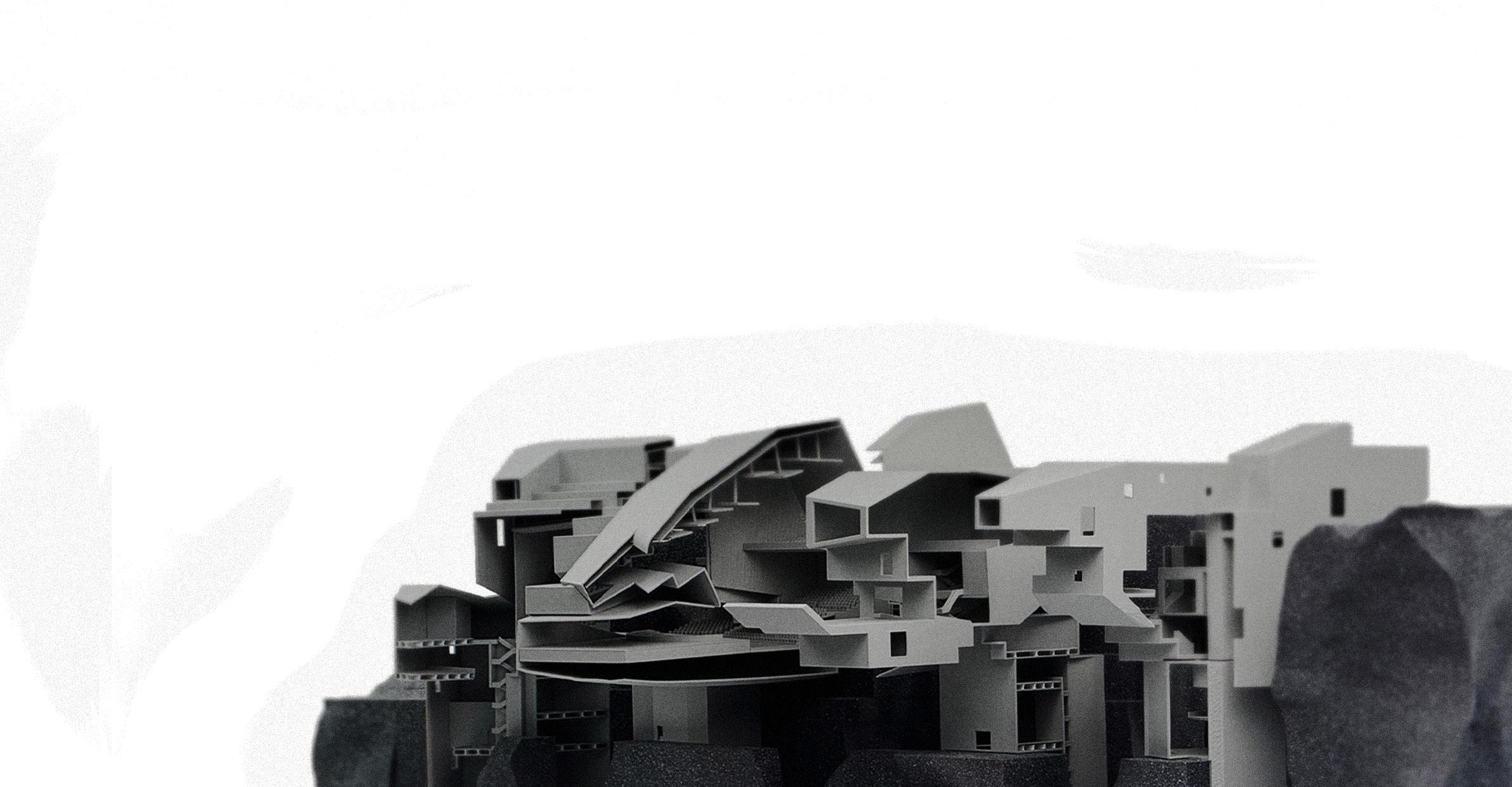
Located within Dinorwic Quarry in Wales, this concert hall engages a historic slate landscape shaped by industrial extraction. The project rethinks preservation as active transformation by extracting slate from the site and reusing it as the building’s exterior. Traditional quarry stepping and trenching informed the massing and section. The structure sits within a cut trench and cantilevers over the ground to minimize impact. Five sectional volumes organize the program and frame views of the quarry and water below, allowing the site’s material history to continue through architecture.
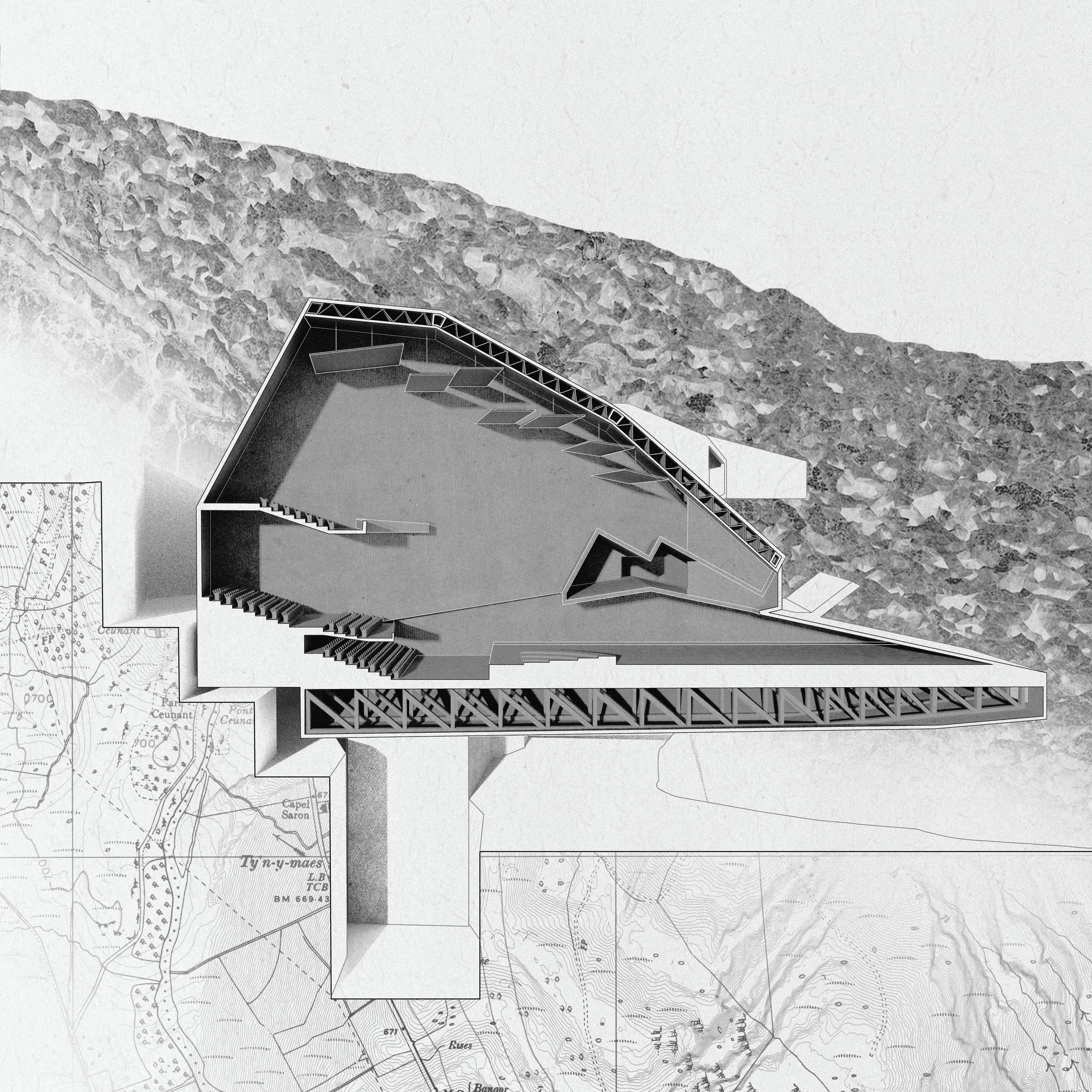
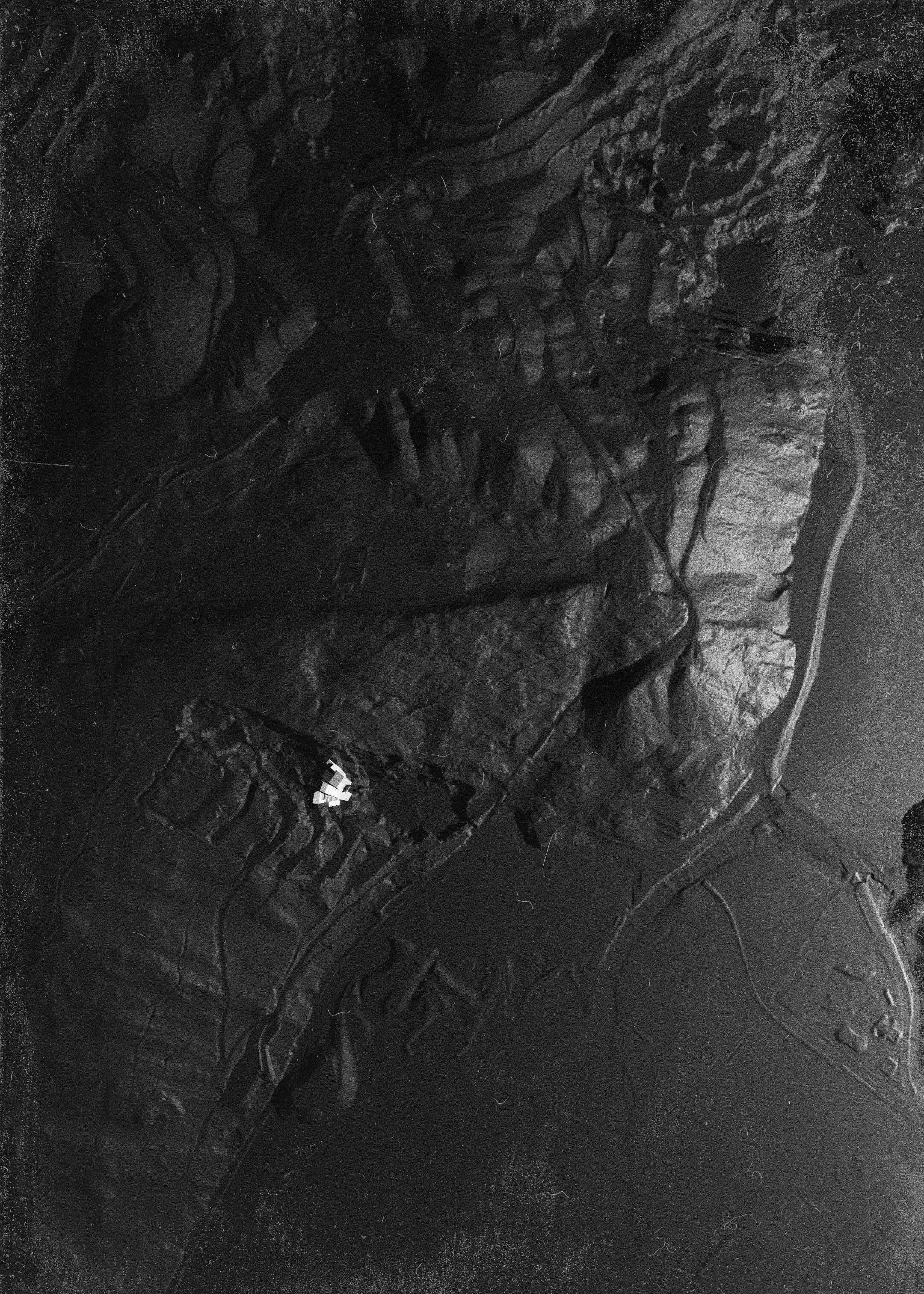

The building is organized through a series of sectional volumes derived from the quarry’s stepped extraction patterns. Each volume accommodates a different program while maintaining a continuous spatial and structural system embedded within the trench.
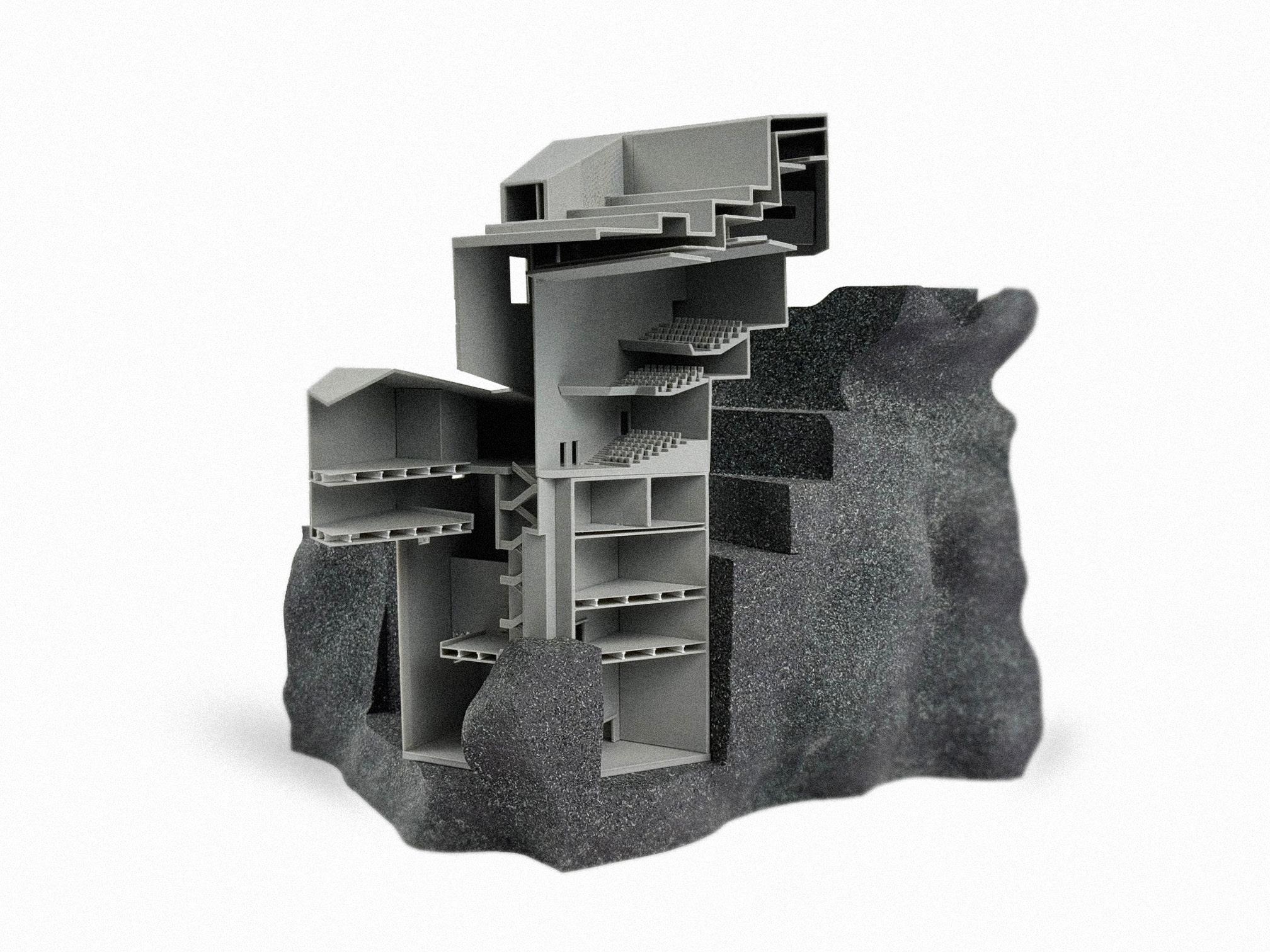
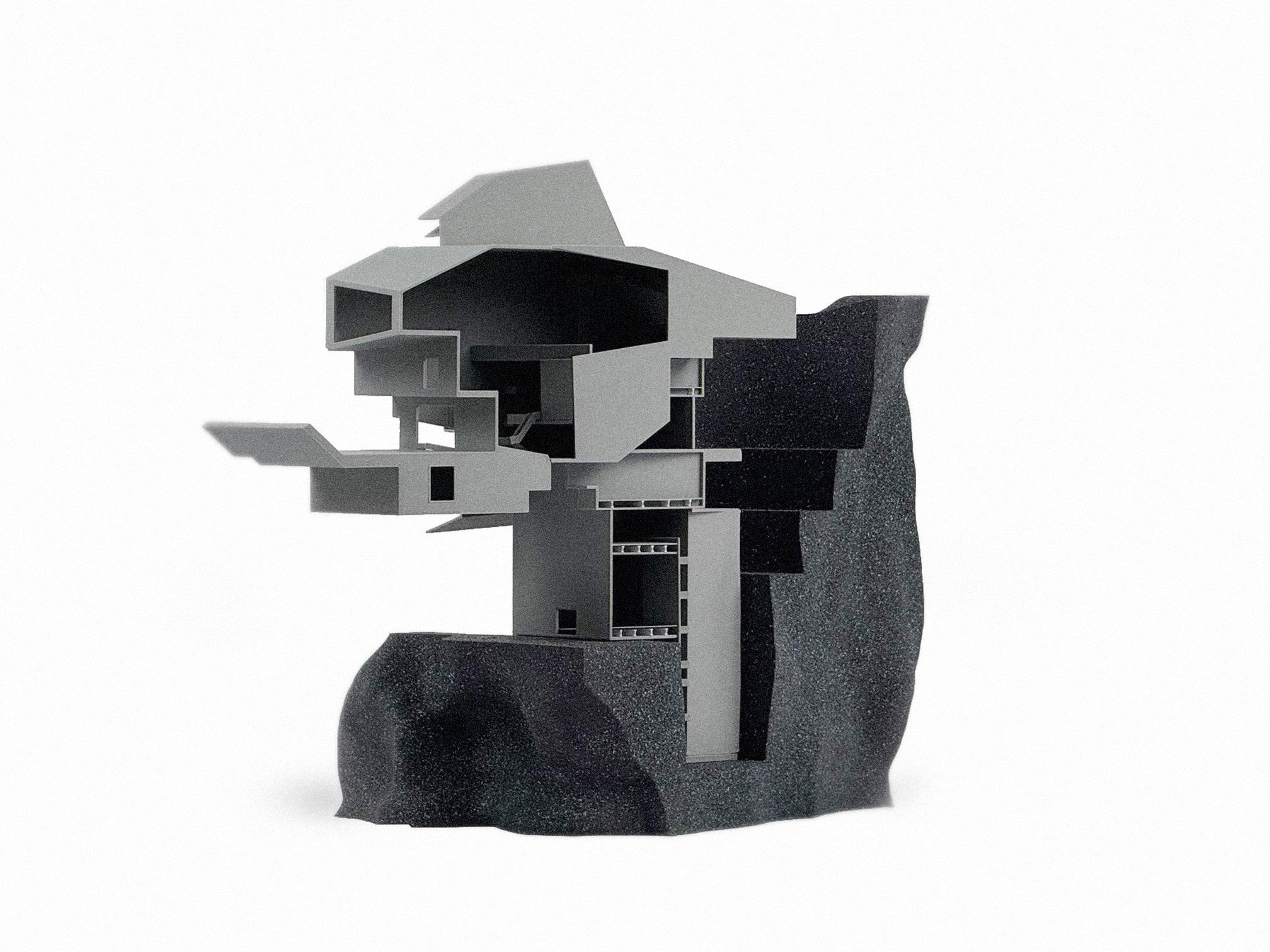
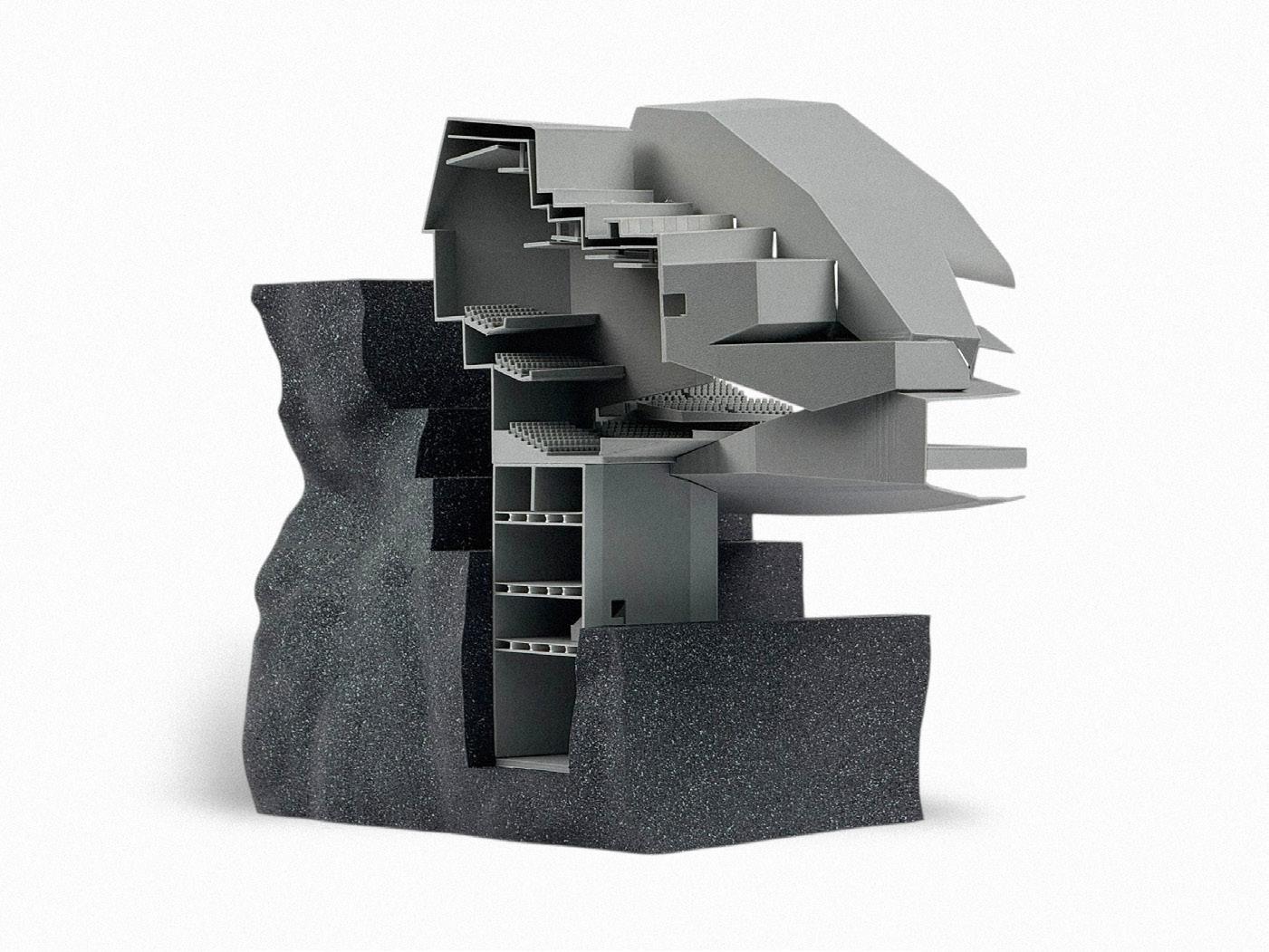
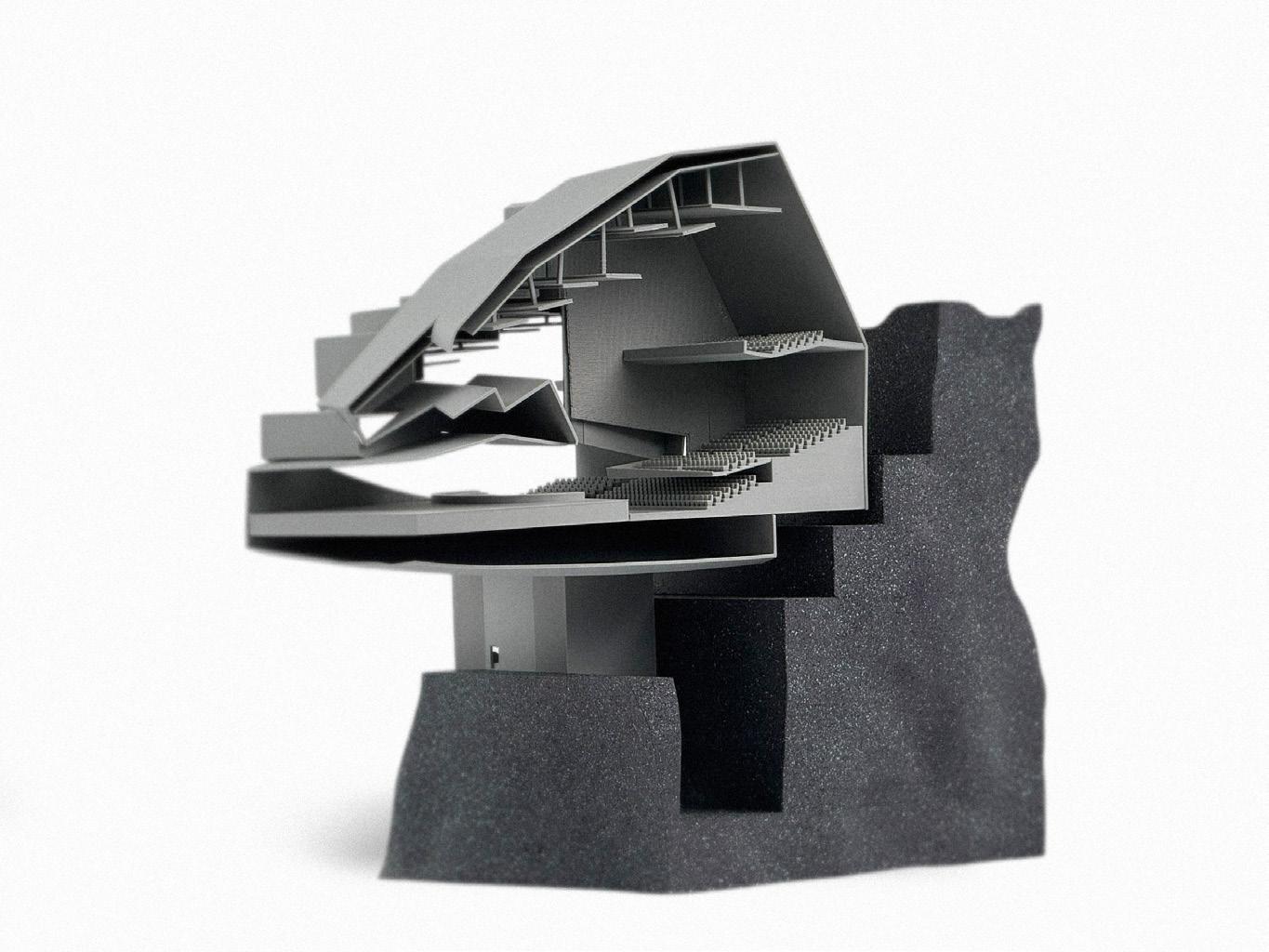
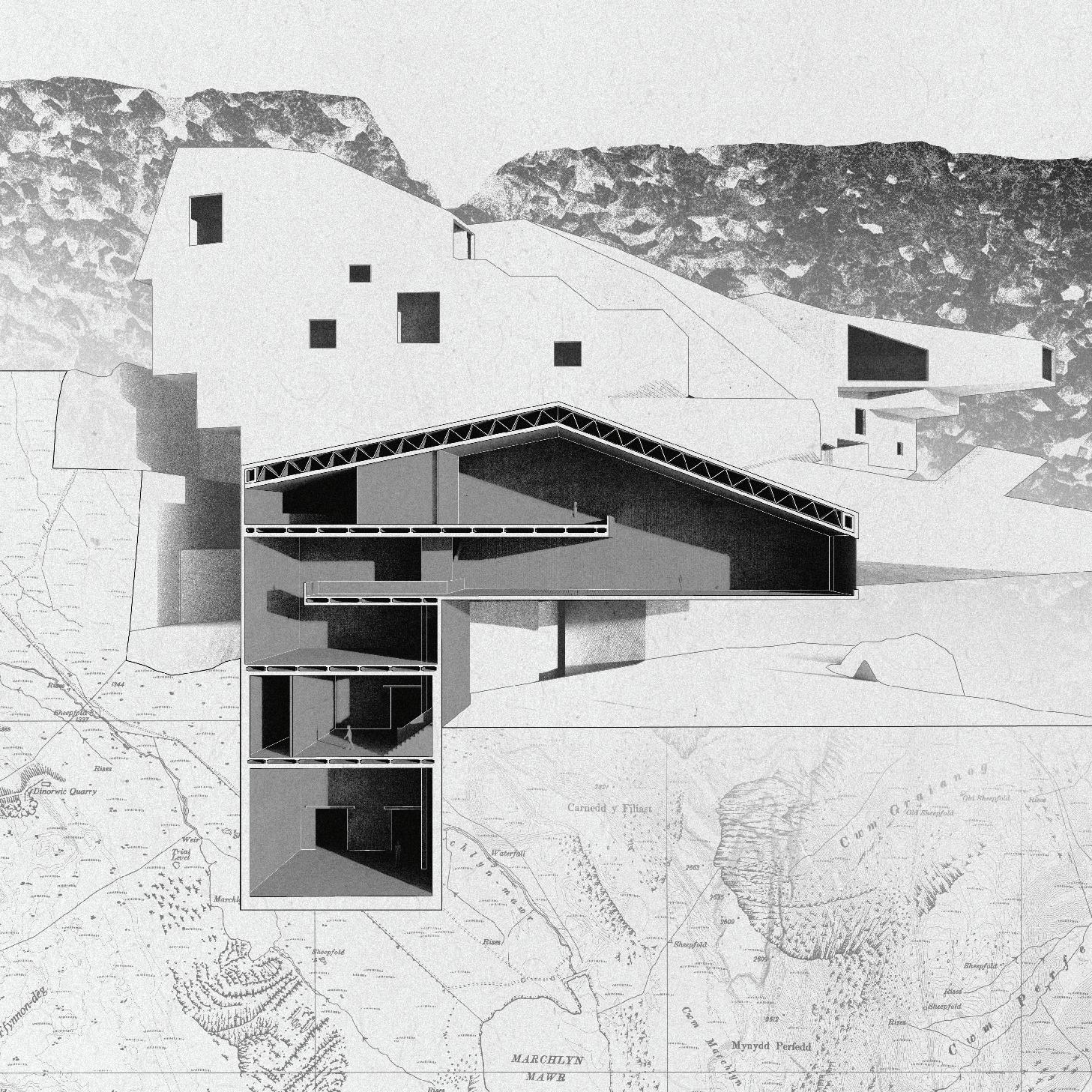

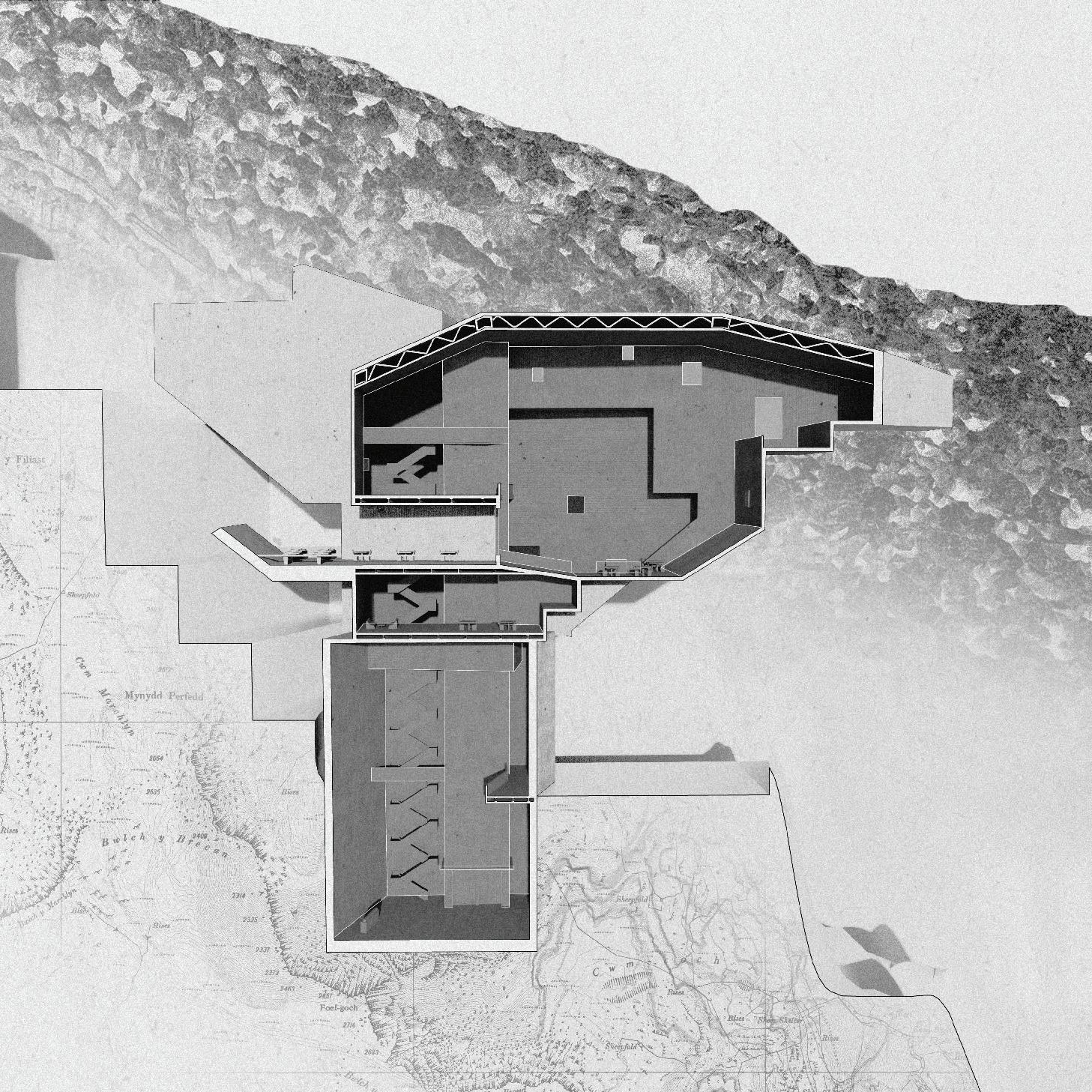
The perspective sections reveal the vertical circulation and spatial relationships within the concert hall. Cantilevered volumes frame views toward the quarry while minimizing contact with the ground.
CRITIC: KAREL KLEIN | INDIVIDUAL | LOS ANGELES, CALIFORNIA
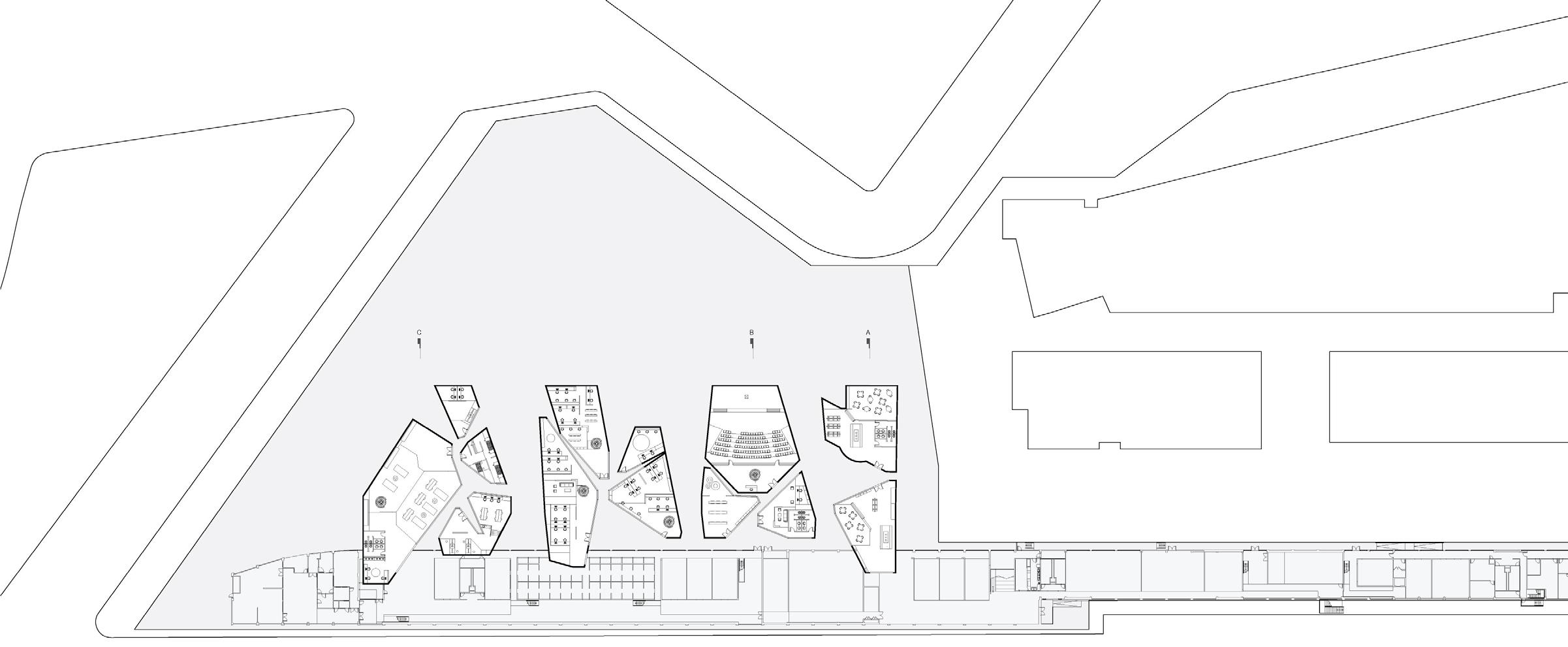
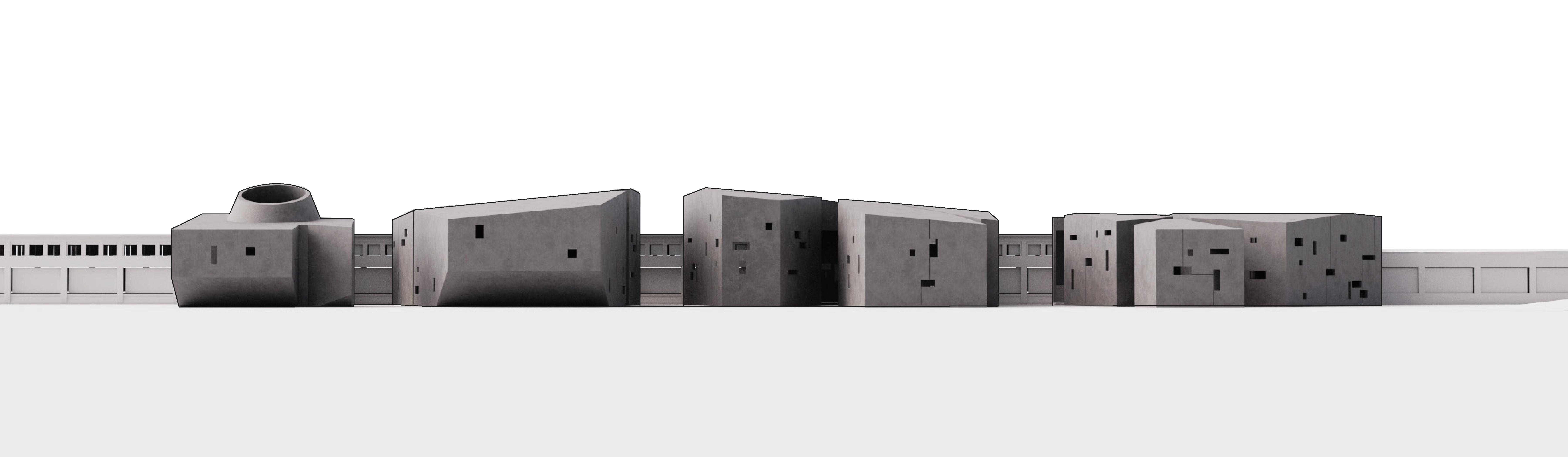
Inspired by Le Corbusier’s sectional drawings, the project reinterprets the Southern California Institute of Architecture through an archipelago of interconnected volumes. Program and circulation are organized through layered sectional relationships that generate a dynamic spatial environment and establish new connections between institutional spaces and public program.

Plans
The floor plans position four distinct masses behind the main Southern California Institute of Architecture building. Each mass is fragmented into archipelago-like clusters, generating interconnected spaces and dynamic relationships with the existing structure.
ENVIRONMENTAL SYSTEM
CRITIC: JAMEY LYZUN | COLLAB | HOUSTON, TEXAS
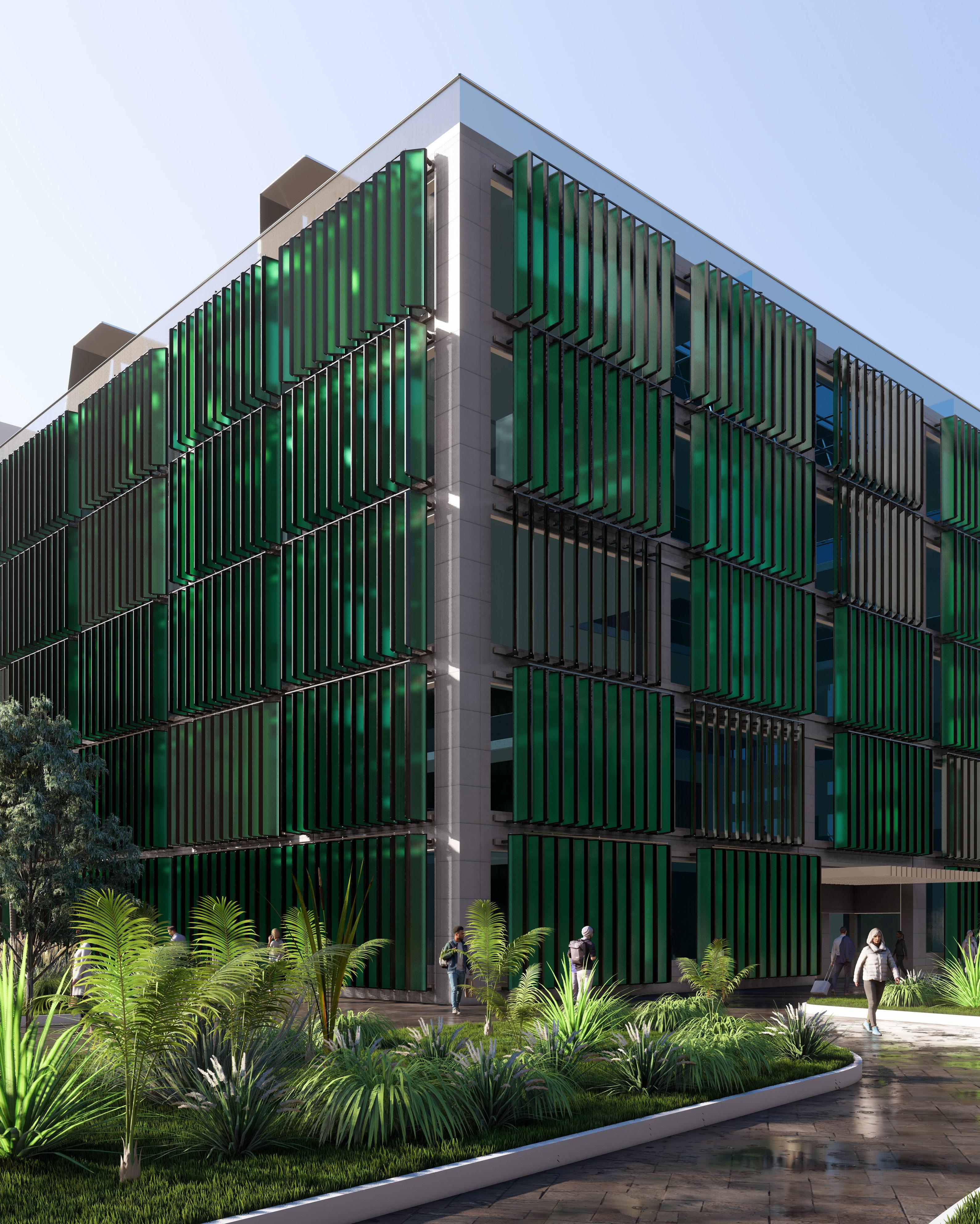
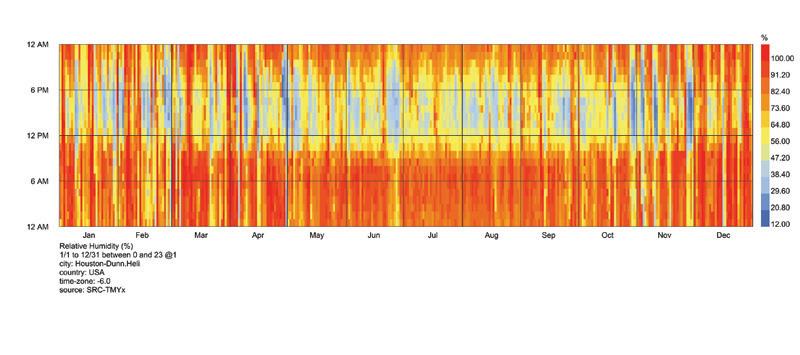
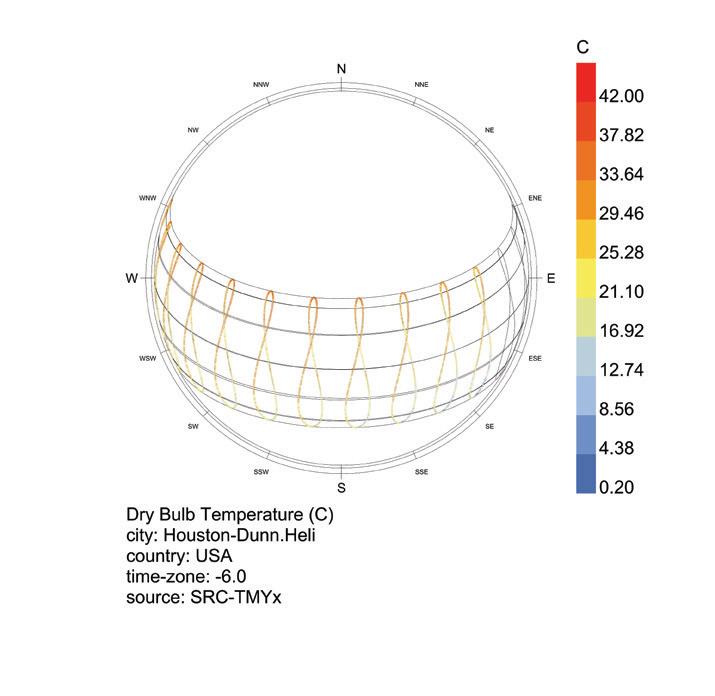
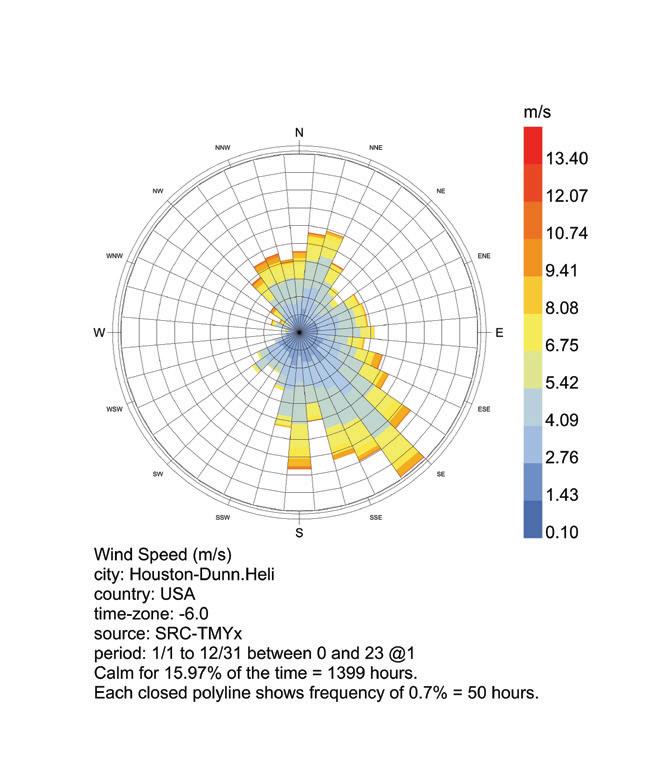
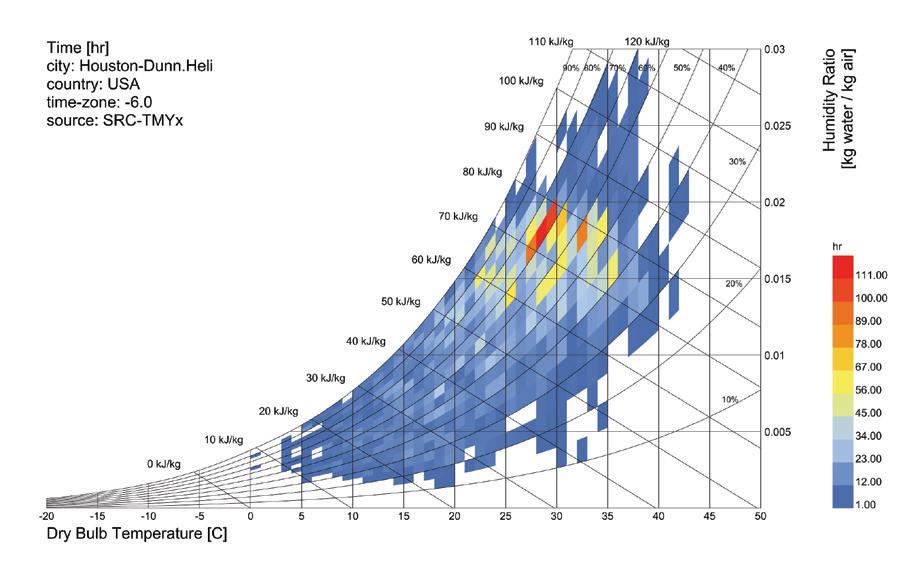
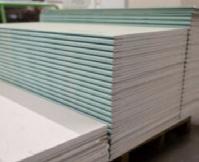
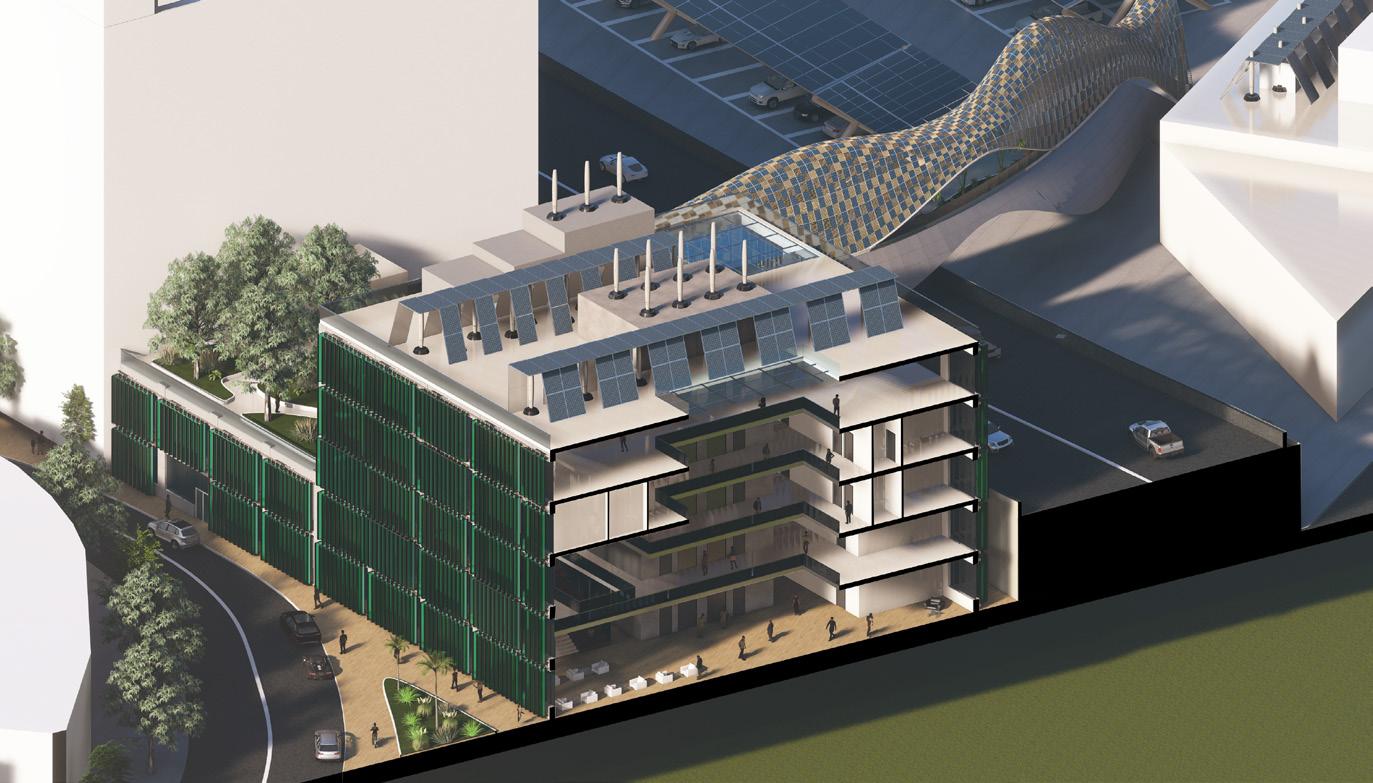
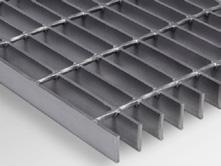
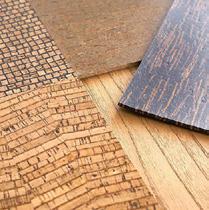
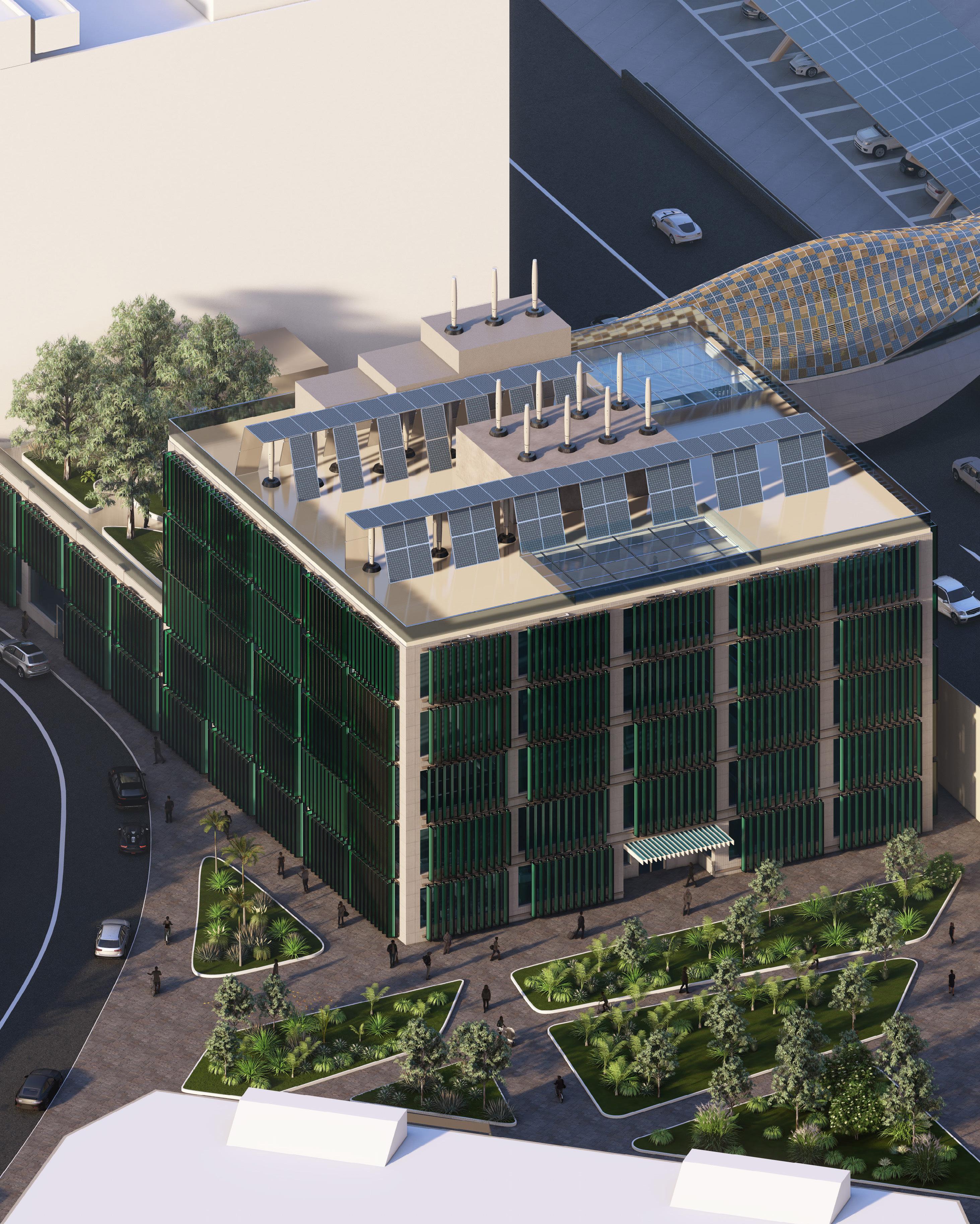
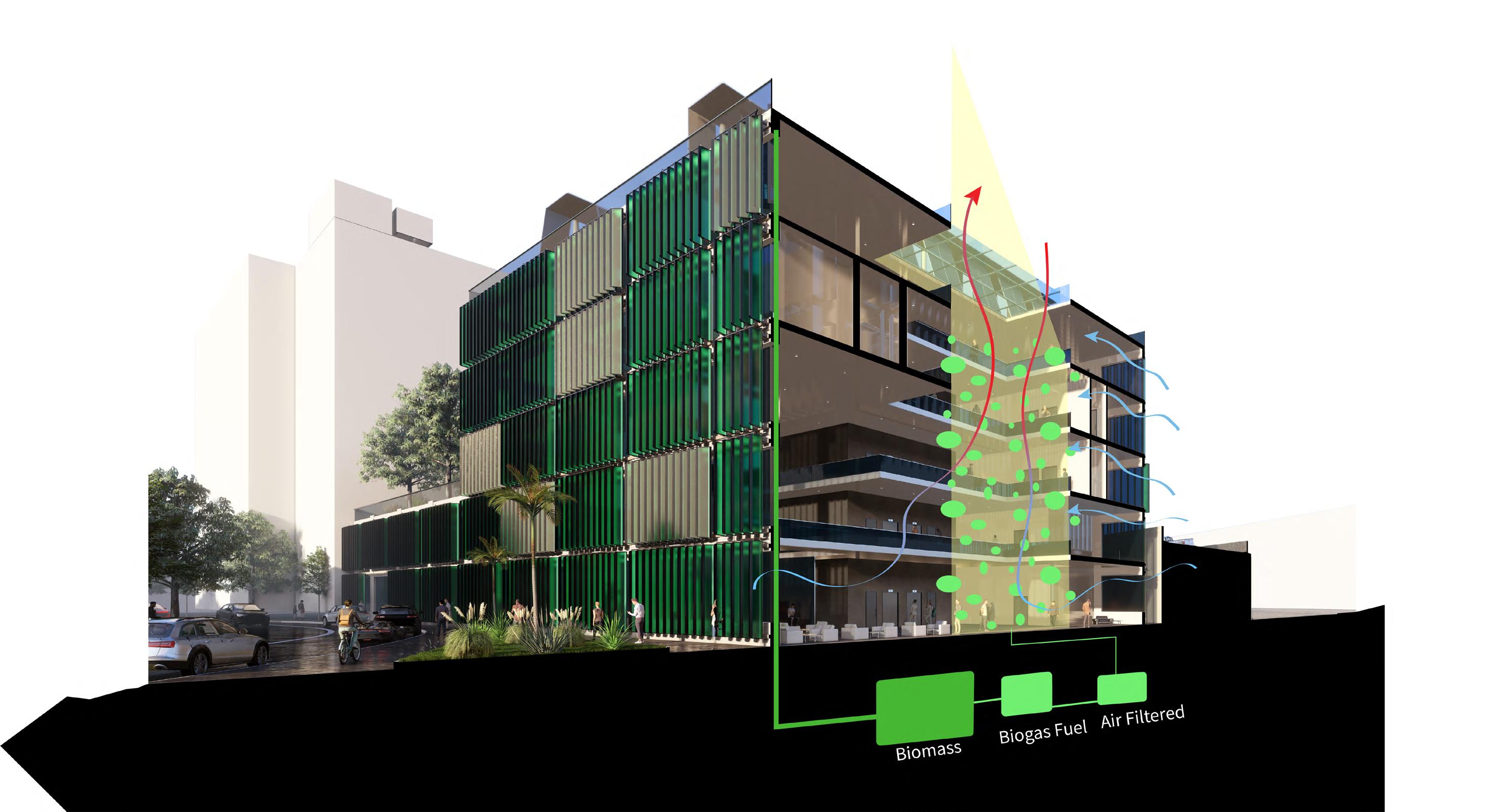
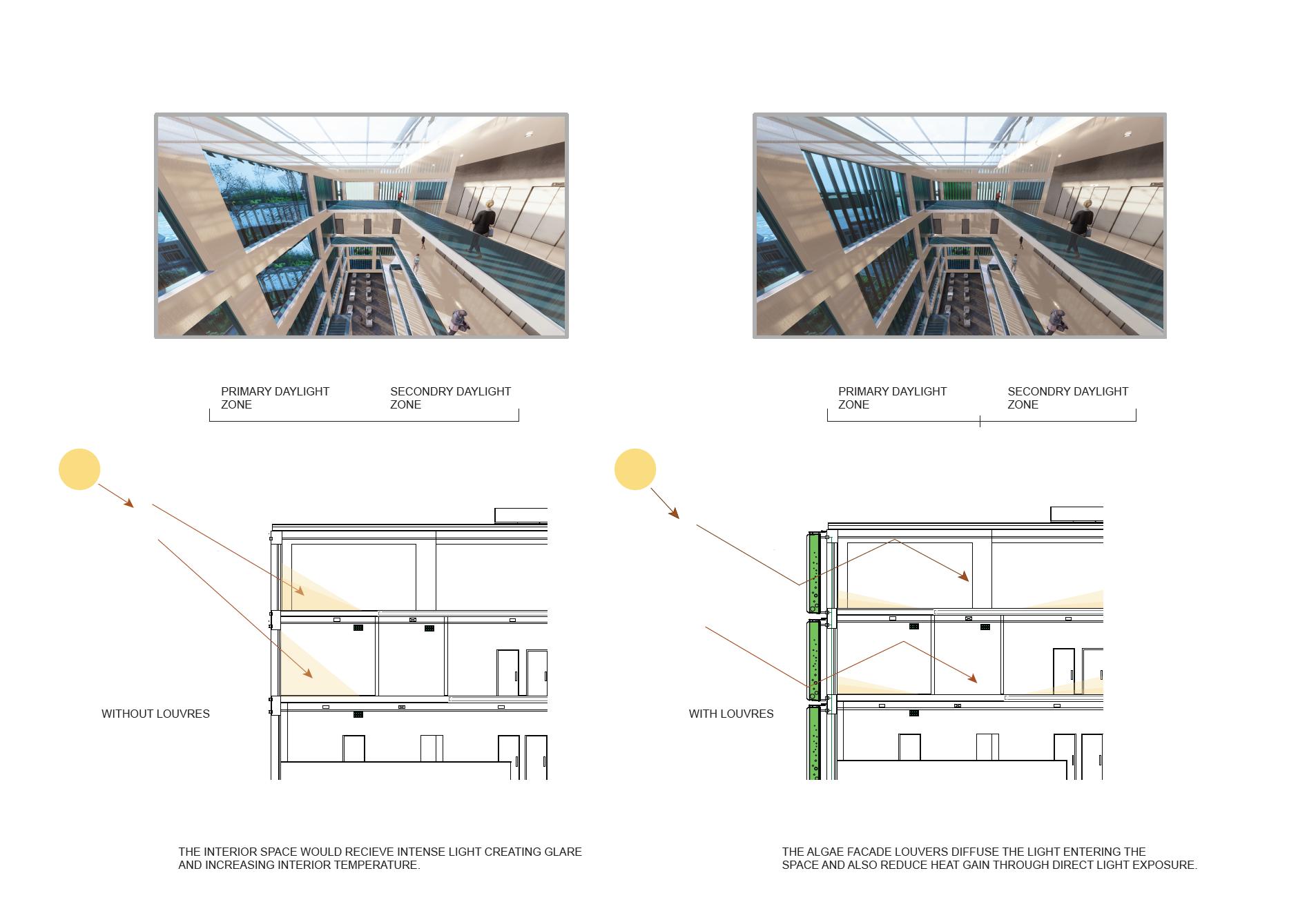
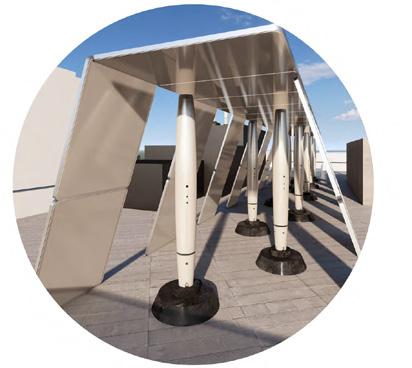
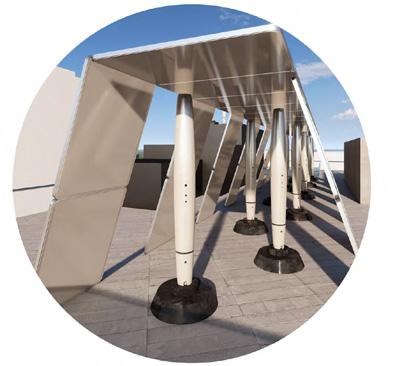
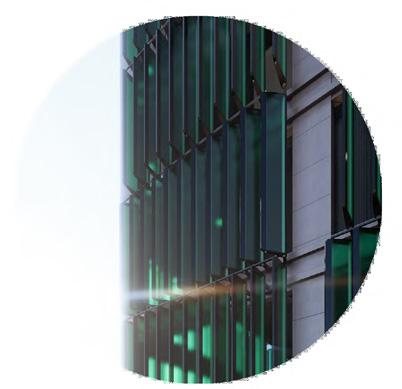
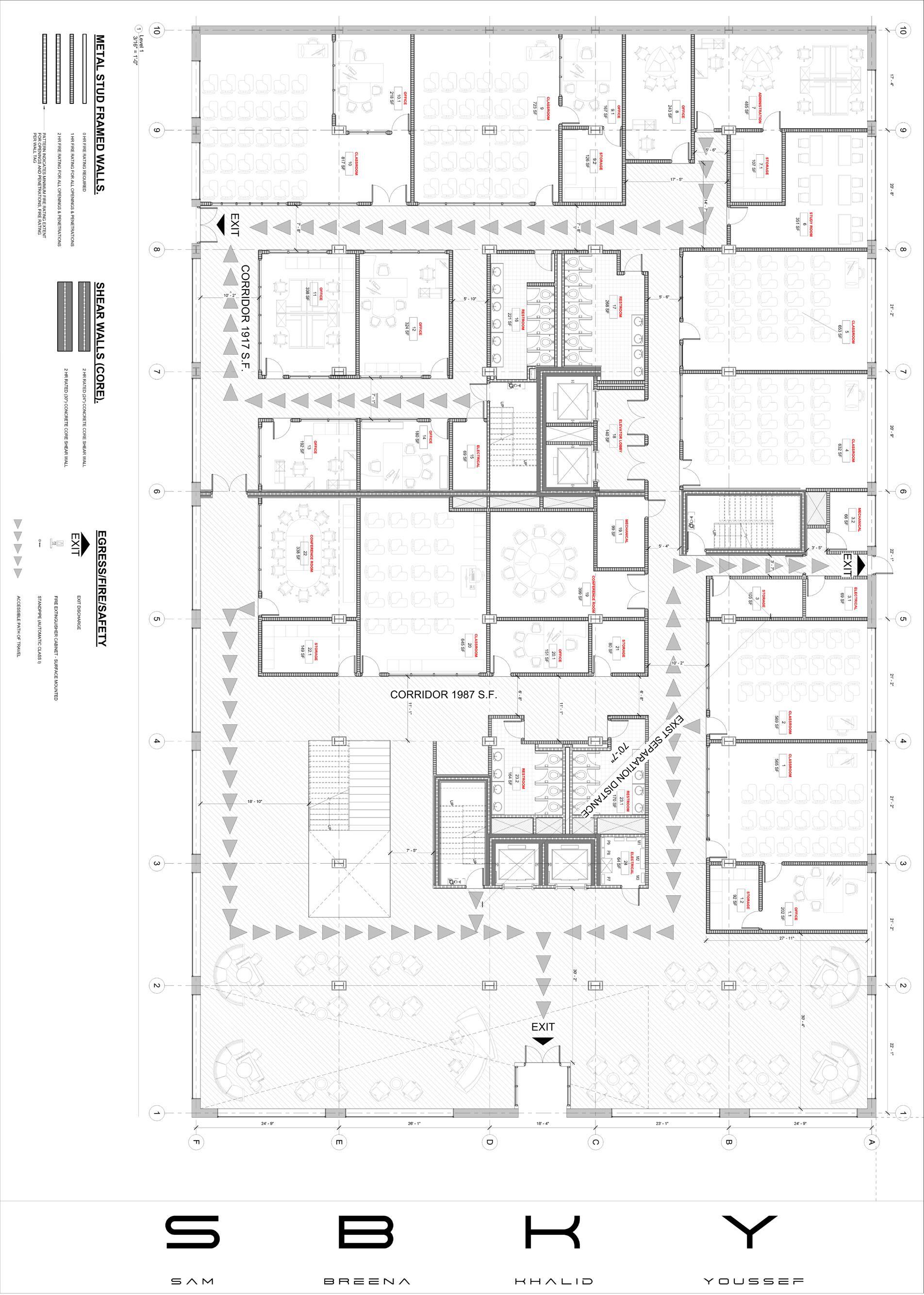
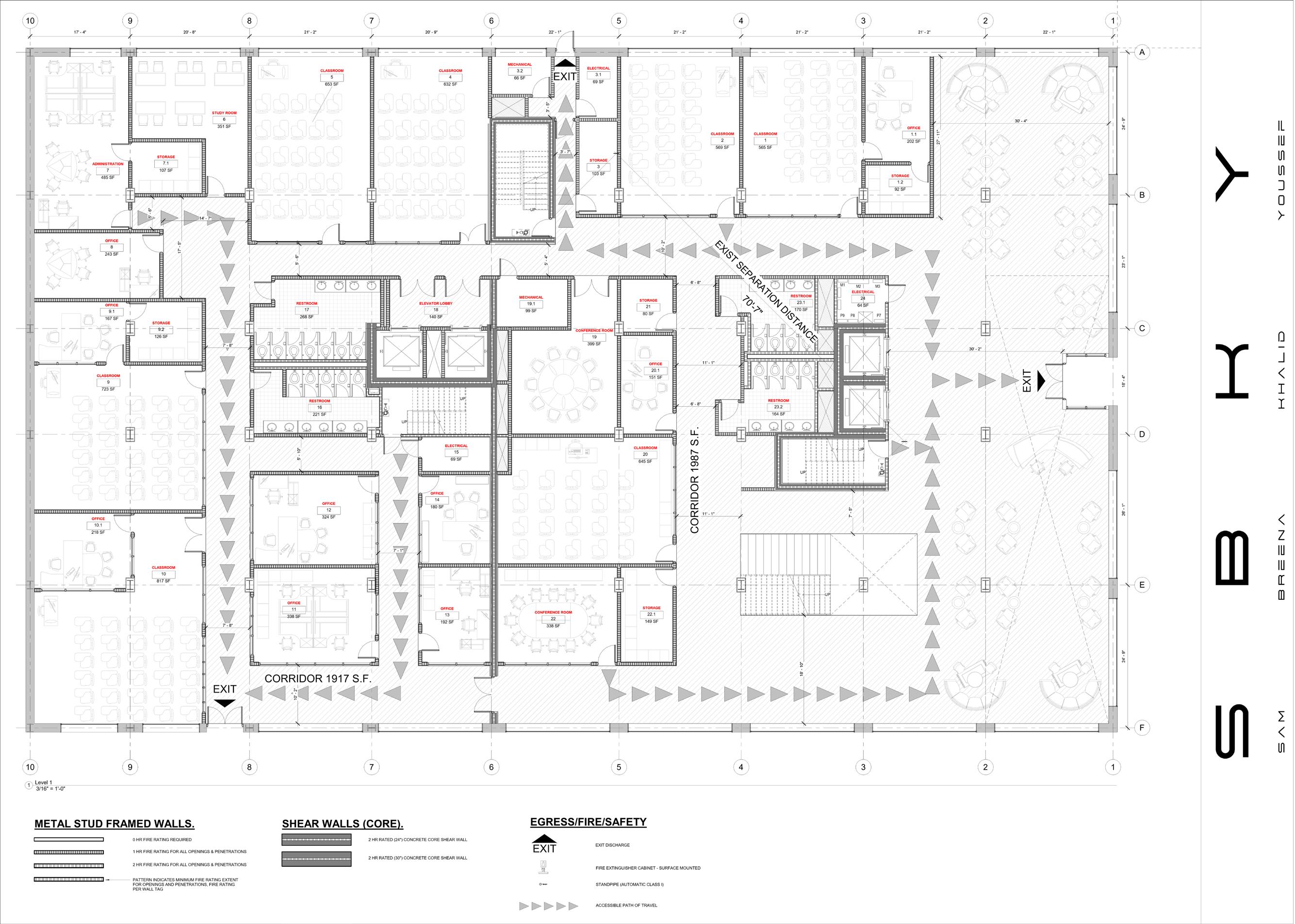
Algae Oasis explores performative architecture through environmental analysis and building systems integration. Climate data, daylighting strategies, material selection, façade systems, and mechanical systems inform the development of architectural form and spatial performance. The project investigates ways to improve energy efficiency and occupant comfort while strengthening the relationship between building systems and architectural space.
The selected work represents my individual contributions within a collaborative project.
Partners: Breena Foigelman and Sam Lay.
Psychometric Chart
CRITIC: GORDON KIPPING | PARTNER: CASPER CLAUSEN | LOS ANGELES, CALIFORNIA
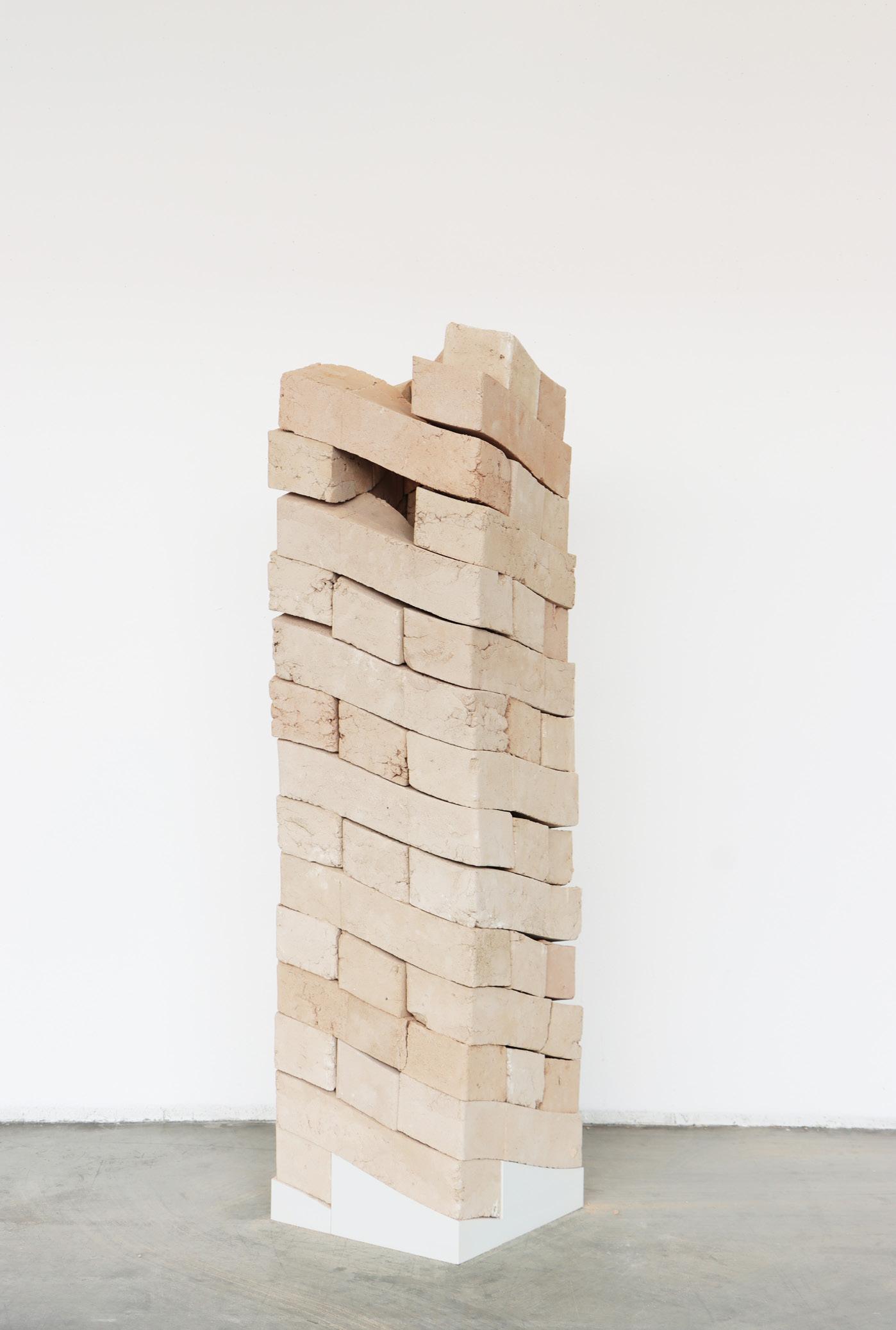
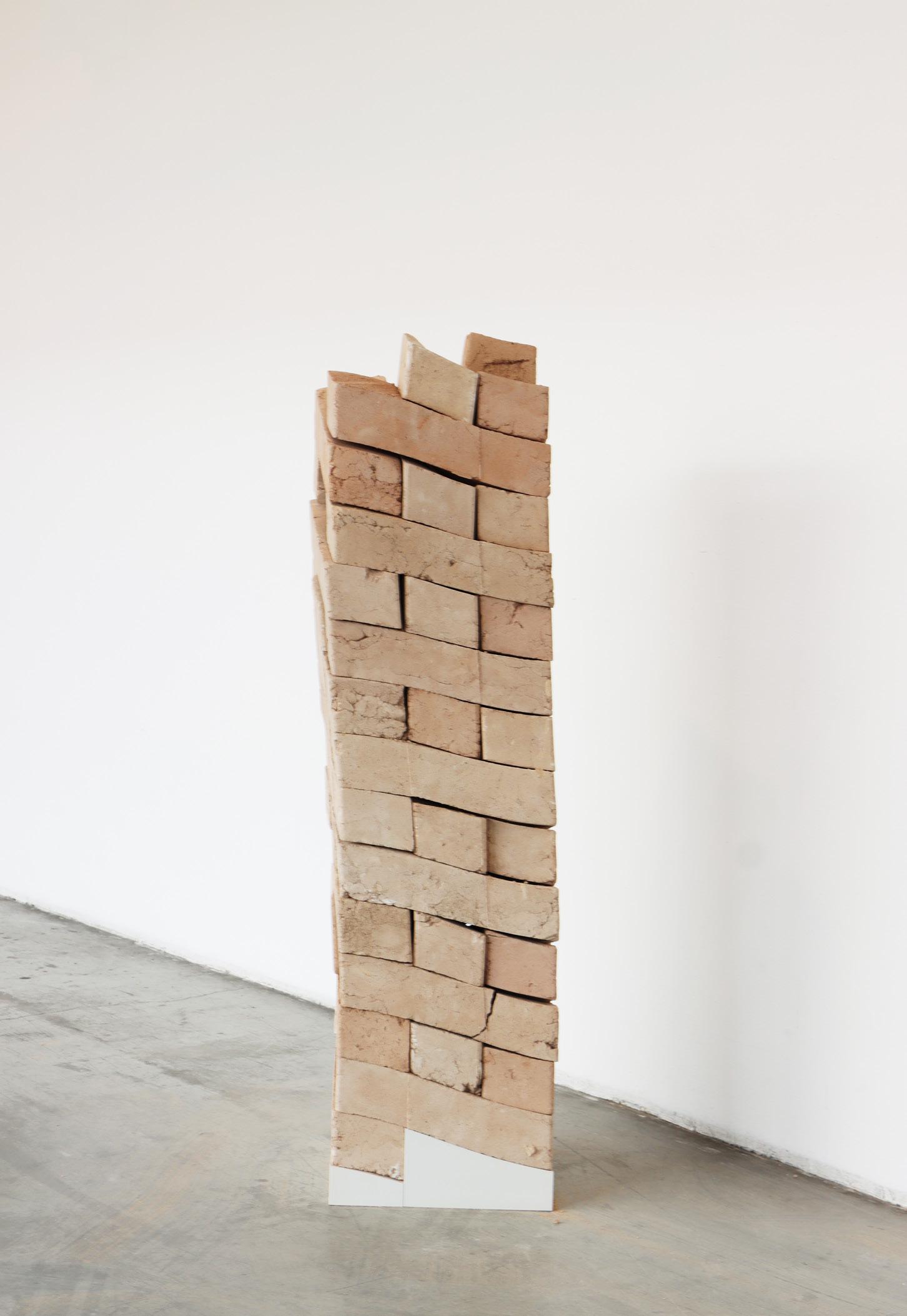
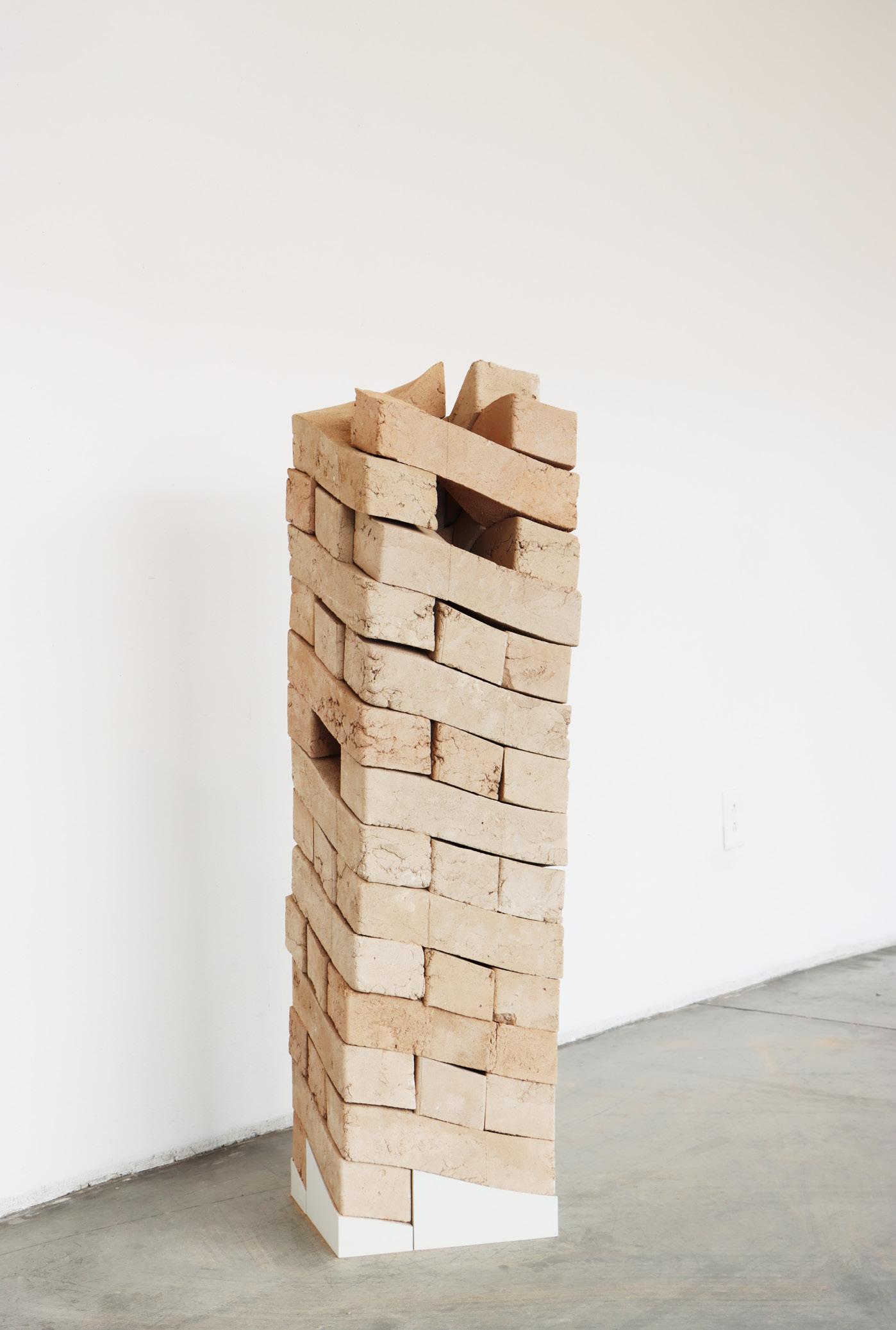
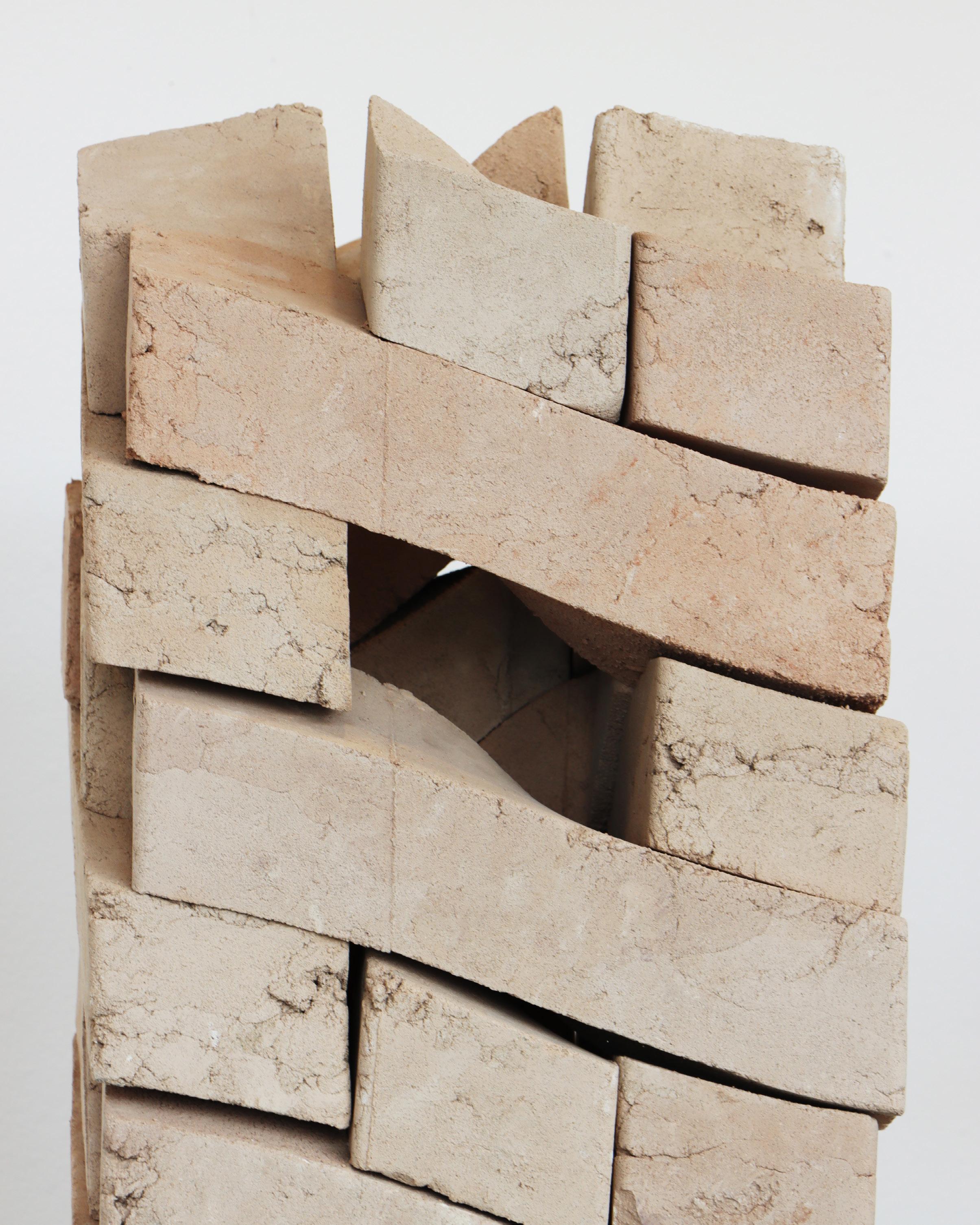
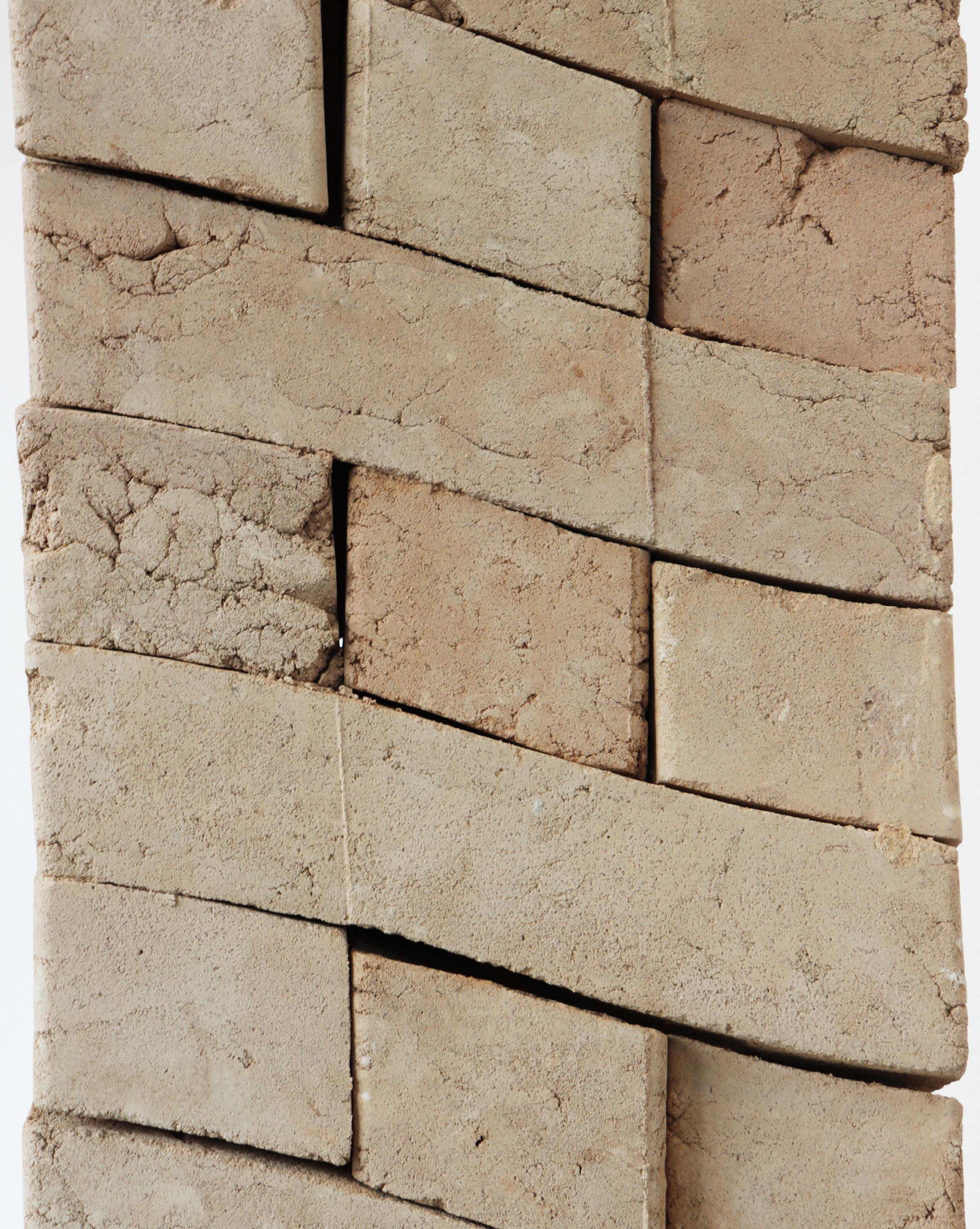
The architectural potential of unfired clay brick is explored through material experimentation and full-scale construction. Custom bricks were developed using a water/sand mixture and cast with 3D-printed molds to test curved geometries and assembly strategies. The system was evaluated through the construction of a 12-inch by 12-inch, 6-foottall column composed of interlocking bricks, demonstrating how natural materials, fabrication methods, and geometric variation can generate structural form and sustainable construction approaches.
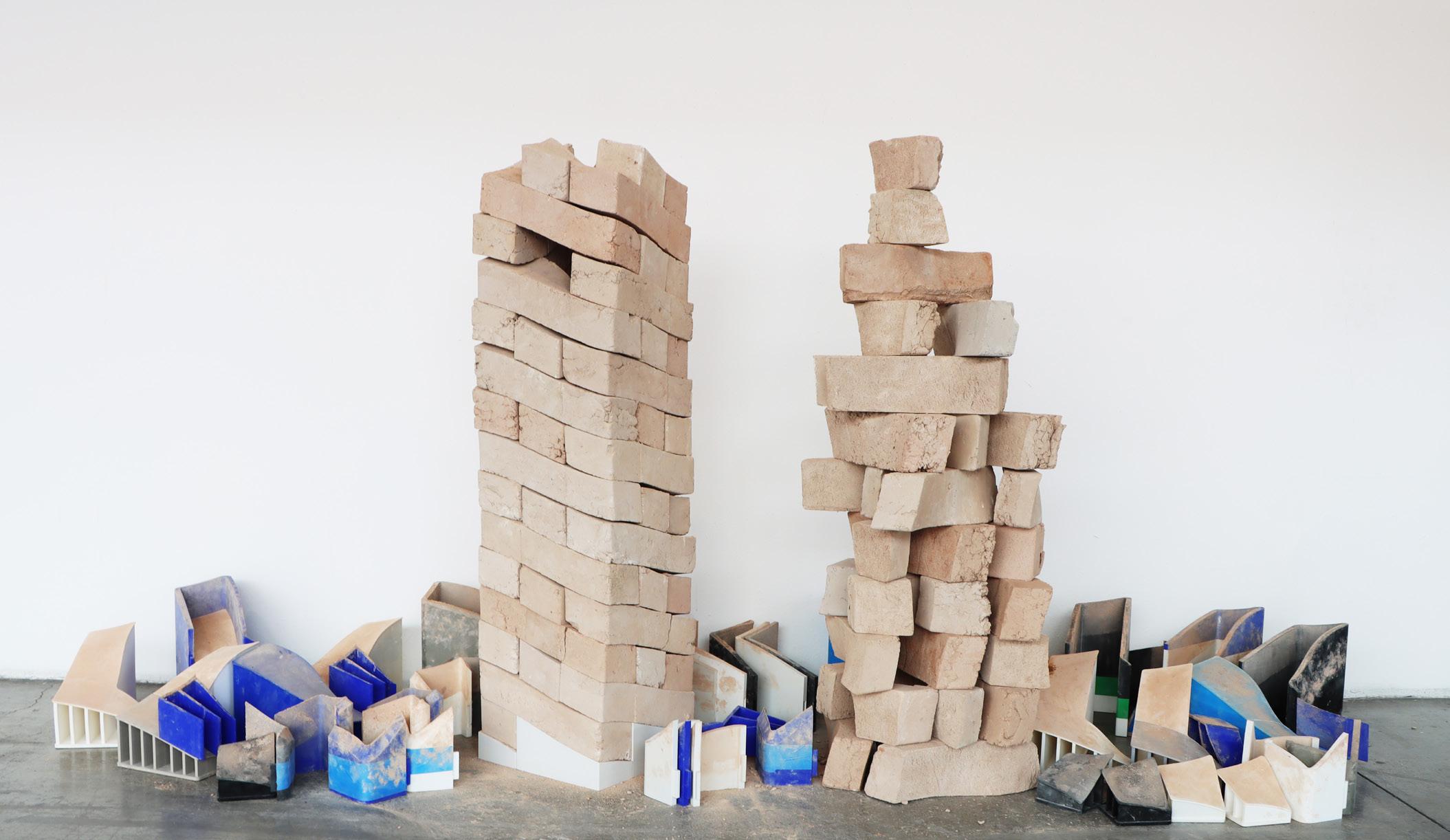
PROCESS: 3D-PRINTED MOLDS & UNFIRED CLAY BRICKS
Curved geometric bricks form a continuous column system through interlocking assembly. By developing unfired clay bricks using a 50% clay sand mixture combined with water and cast in custom molds, the study examines how fabrication methods and geometric variation influence structural stability, material behavior, and sustainable construction strategies.