Architecture Portfolio
Kevin Yao
Kevin Yao
Personal Email: yaofo778@gmail.com
LinkedIn: www.linkedin.com/in/kevin-yao-602bba200
Carnegie Mellon University — Bachelor of Architecture (Honors) 2019 – 2024
EPFL (École Polytechnique Fédérale de Lausanne)
Architecture Exchange Program Fall 2023
Digital Skills: REVIT
AutoCAD
Bluebeam
Rhino
VRay Grasshopper
Adobe Photoshop
Adobe Illustrator
Adobe InDesign
SketchUp
Enscape
Microsoft Office
Languages: English Mandarin
Analog Skills: Modelmaking Woodshop
Other Skills: Photography
AIBC Intern Architect (Registered)
Available upon request
PROFESSIONAL EXPERIENCE
Arcadis, Vancouver, BC, Canada — Architectural Designer I JULY 2024 - MARCH 2026
• Assisted in space planning and layout development for multi-unit residential tower projects.
• Coordinated with electrical and mechanical consultants to integrate building systems and ensure accurate placement of required equipment.
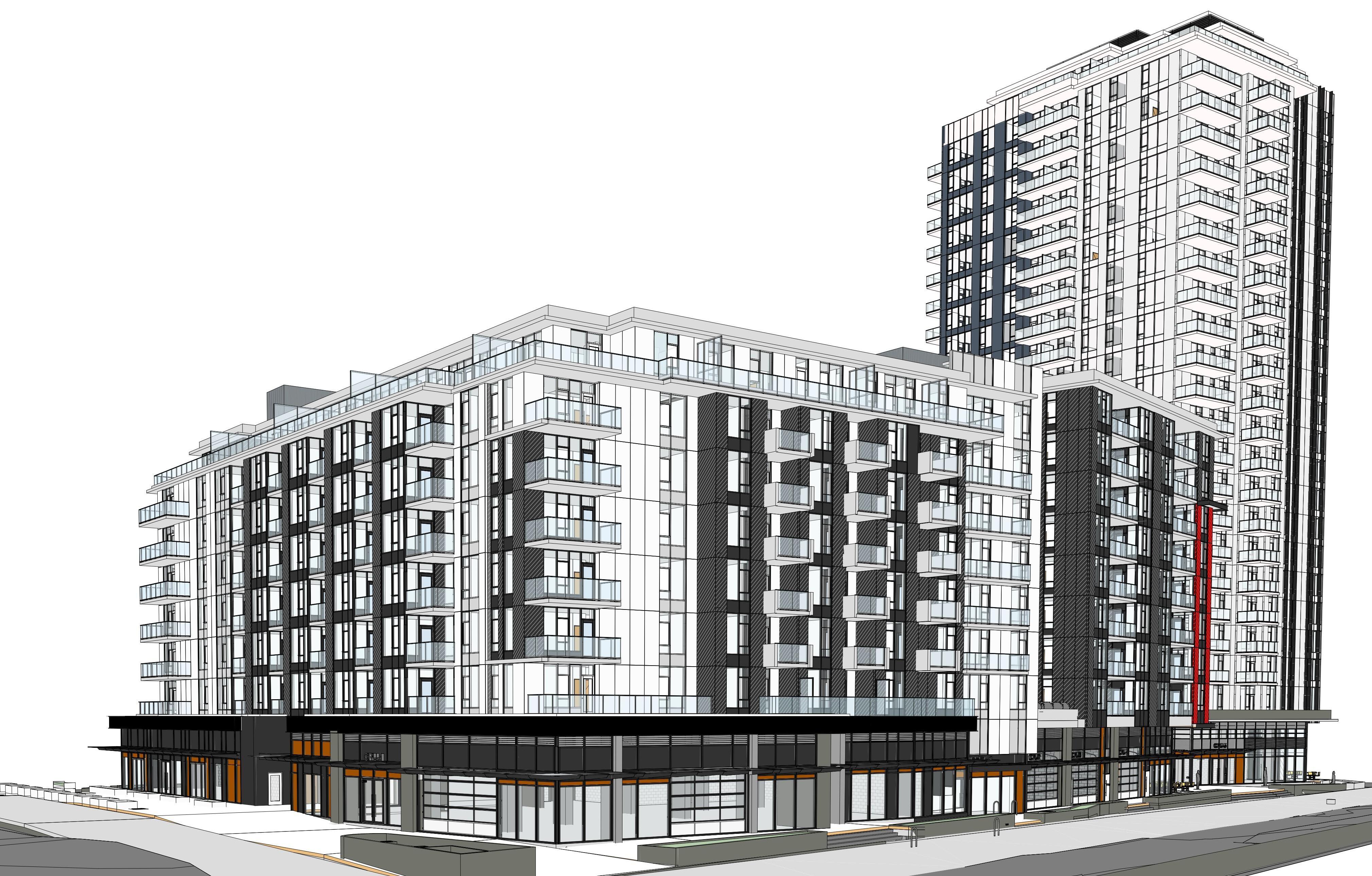
• Produced detailed working drawings in Revit for building permit submissions, including window schedules, enlarged floor plans, wall sections, and slab edge details.
• Developed and maintained comprehensive 3D building models using Revit to support design development and coordination.
• Ensured residential unit layouts complied with applicable local building codes and zoning bylaws.
• Created and maintained project data using Excel, including unit counts, floor space ratio (FSR) calculations, and gross floor area (GFA) analyses.
• Prepared and annotated wall and floor schedules to support construction documentation.
• Organized and maintained project documentation and drawing records.
Tianhua, Shanghai, China — Intern MAY 2023 - JULY 2023
• Aided design development on an urban design project in Harbin, utilizing both Rhino and Grasshopper.
• Collaborated with colleagues to create plans, sections and elevations for the Yangzhou Sanwan Park International Architecture Competition.
• Assisted with modeling building details in Rhino
HGA, Minneapolis, MN, USA — Intern MAY 2022 - AUGUST 2022
• Catalogued files for different projects.
• Contributed to creating a large-scale site model for a potential Minneapolis Institute of Art renovation.
• Developed structural and architectural diagrams for the Jacobs Music Centre renovation project.
• Created a 3D digital model of the Minneapolis Institute of Art in order for a project design team to study.
• BCIT - BC Building Code Part 3 Introduction
• BCIT - Autodesk REVIT 2 (Advanced REVIT for Construction Documentation)
Studio Coordinator: Sarosh Anklesaria
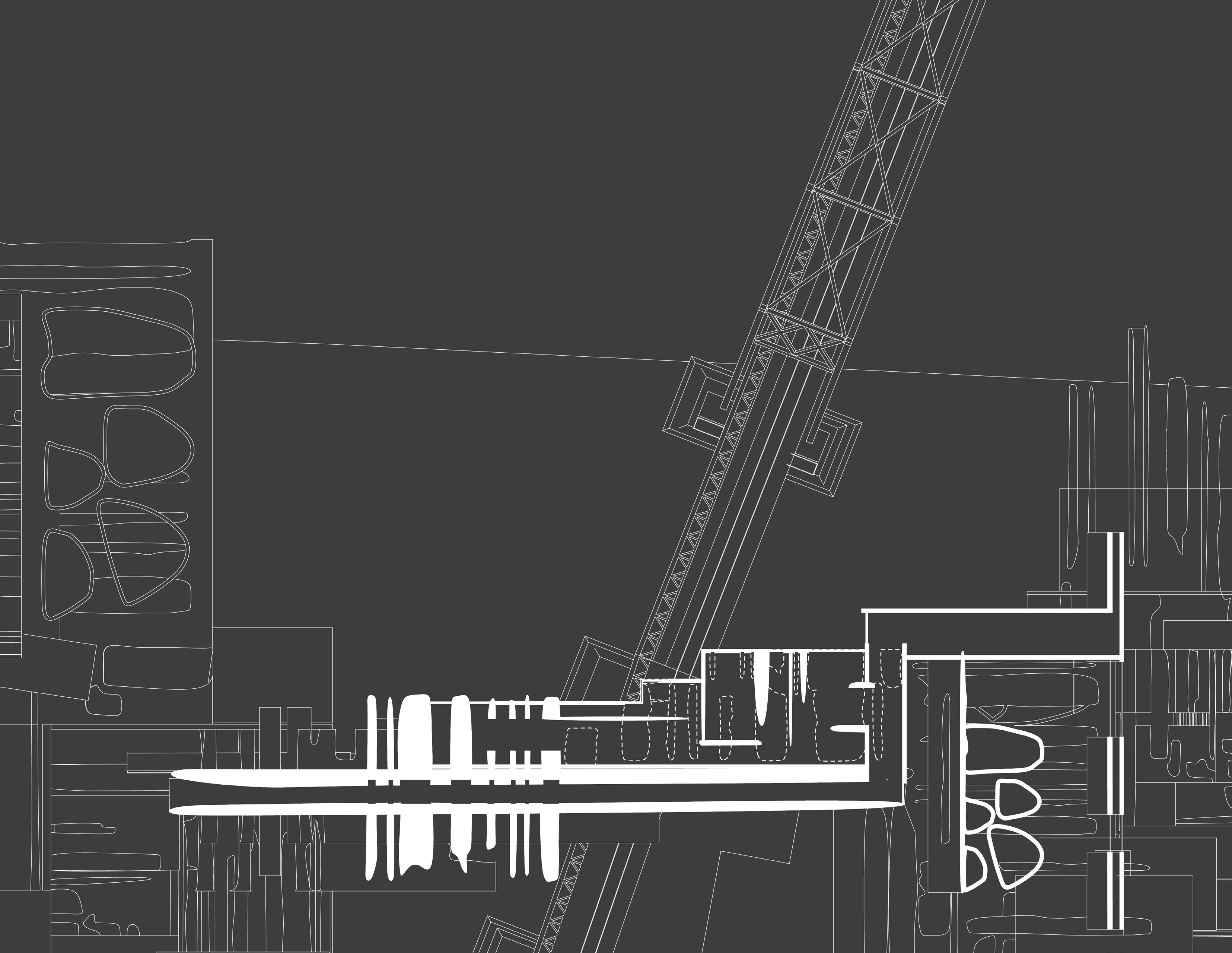
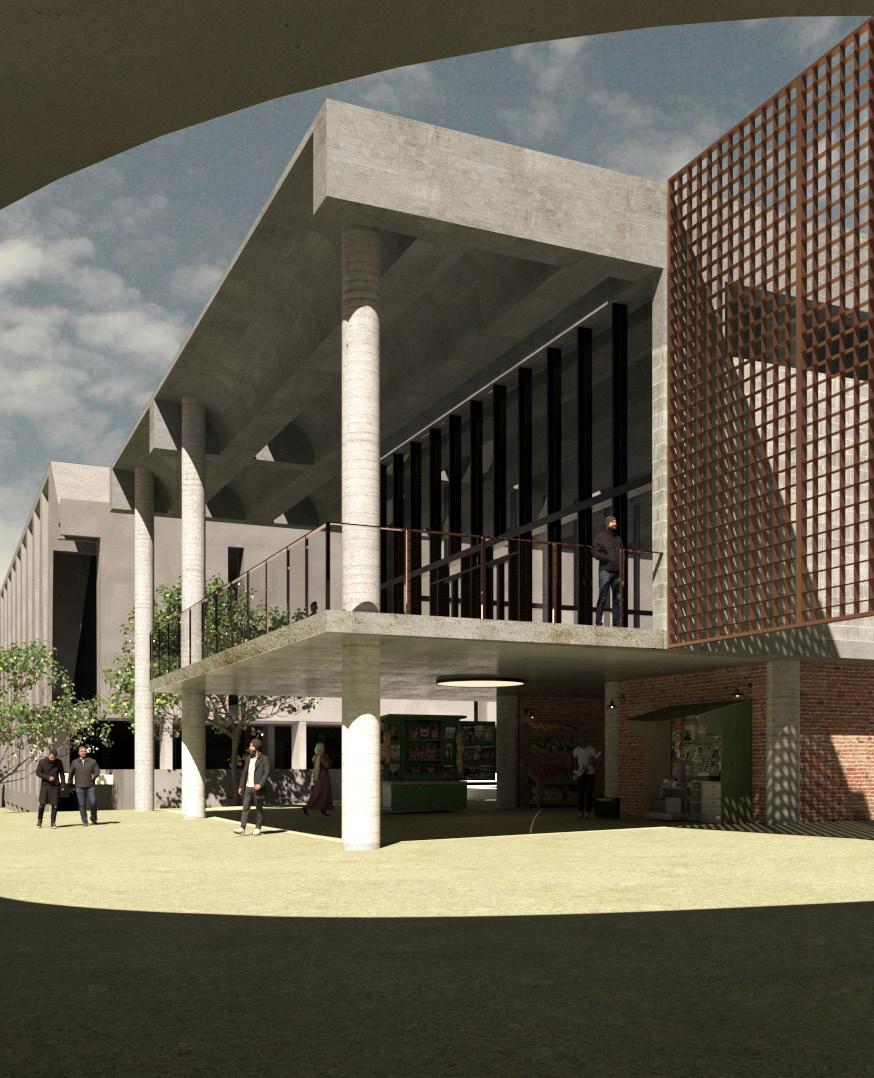
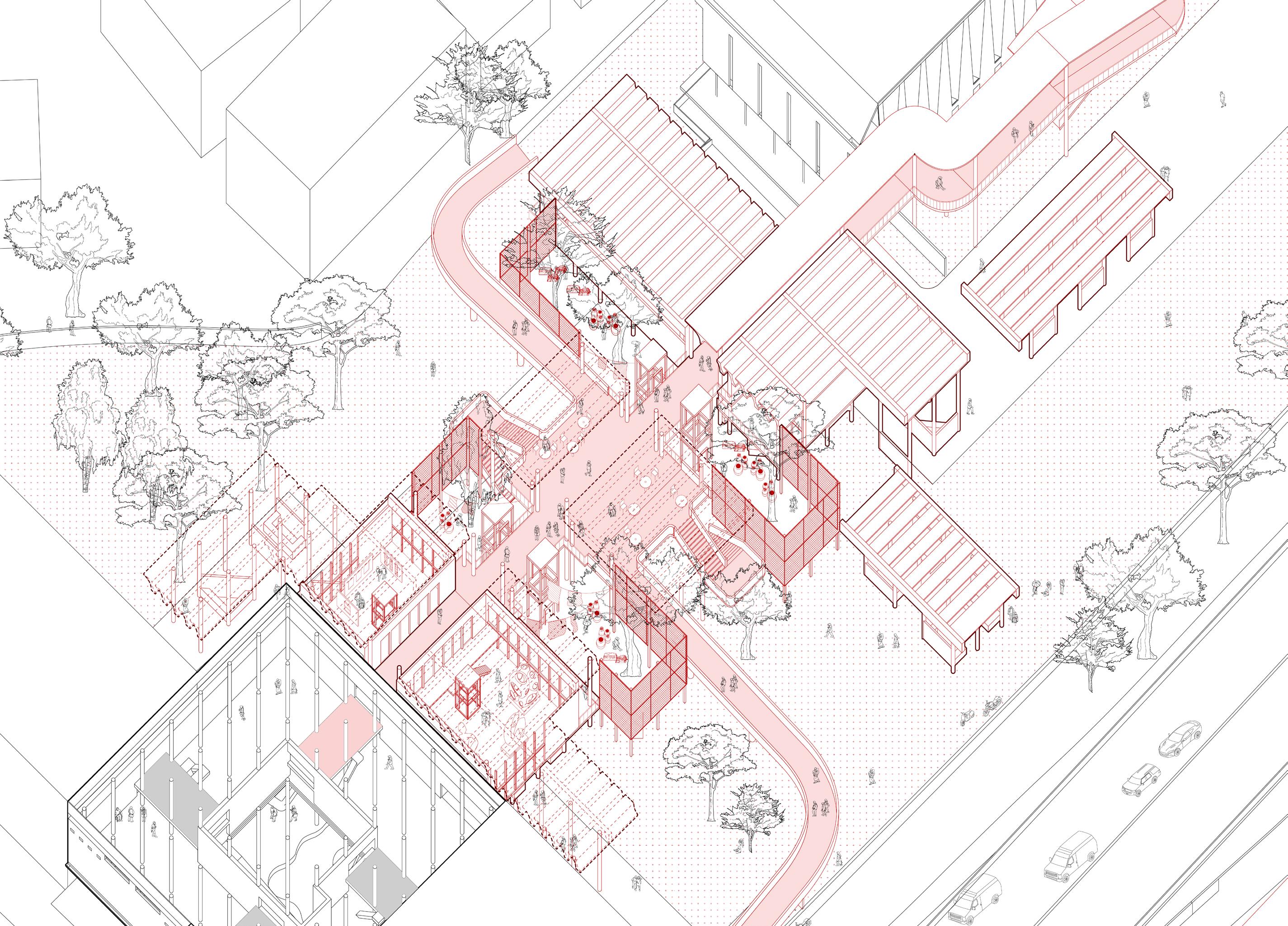
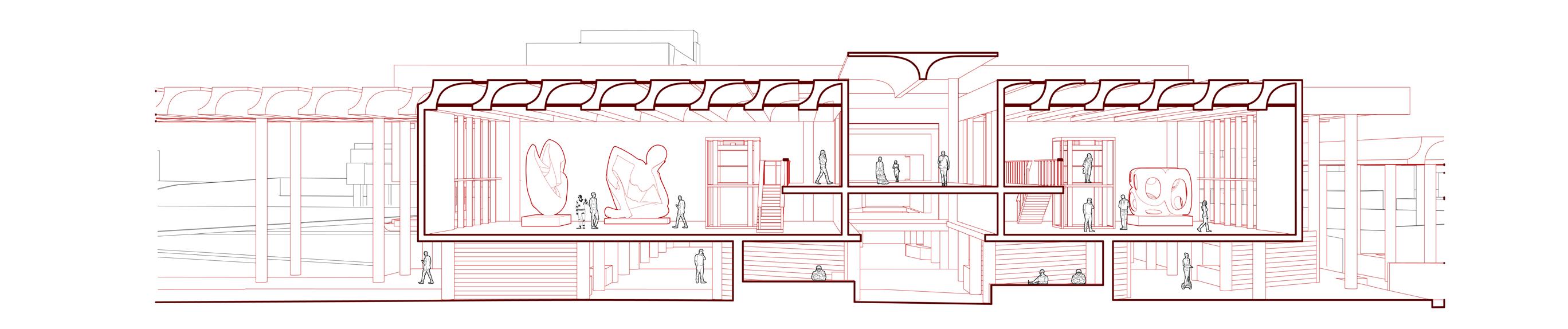
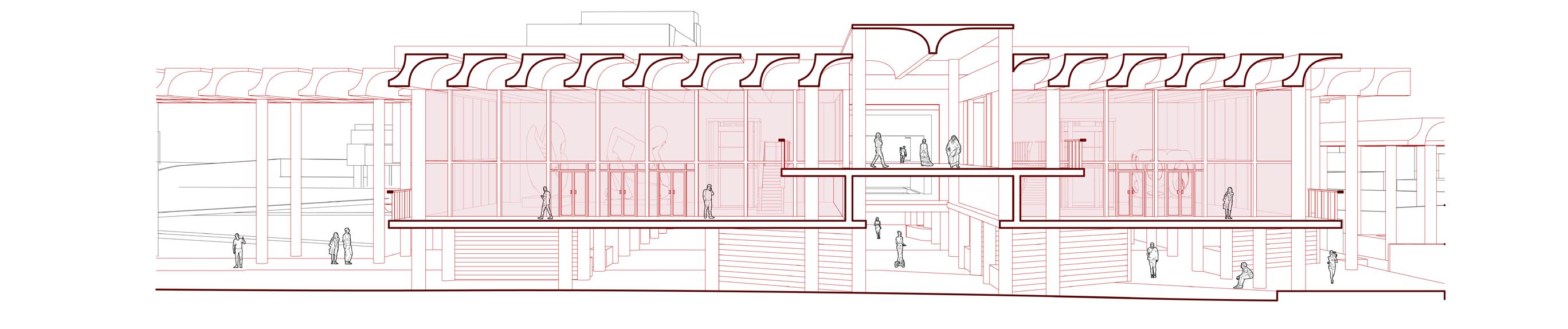
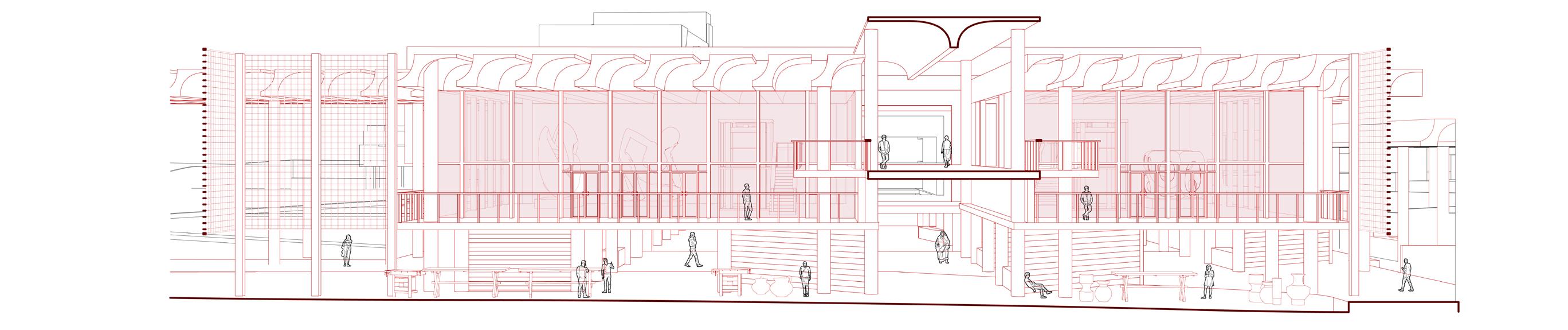
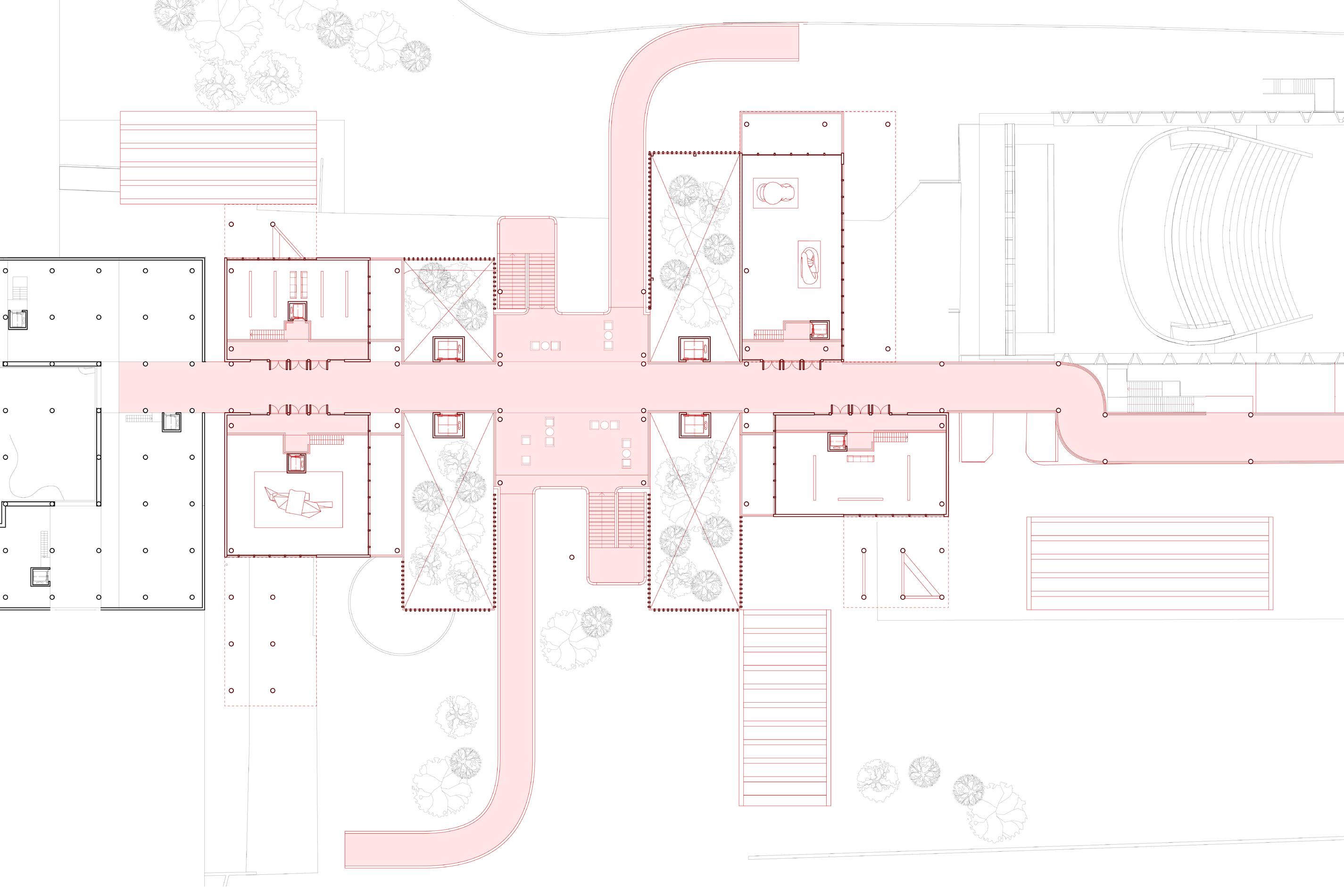
Located in Ahmedabad, India, Sanskar Kendra is a modernist art museum designed by Corbusier. Although the museum was originally intended to be an innovative symbol of modernism and showcase a new museum typology, the museum is currently in a state of disrepair and receives almost no weekly visitors. Many modernist monuments across the world have suffered the same fate as Sanskar Kendra, being monuments of a bygone era that have either been abandoned or are being slated to be demolished. Thus, this project that I have designed is meant to revive Sanskar Kendra and its surrounding site. Keeping in mind that Ahmedabad was a important centre of art and crafts in modern India, I decided to design a holistic complex that would combine both local Indian craft traditions with artworks created by famous Indian artists. This way, people visiting the newly refurbished museum would experience a variety of art forms in a way that is integrated into one whole. Thus, the ground floor of the museum, designed to be a bazaar-like space, contains workshops and stalls for craftspeople and artists to sell their wares while the upper floors contain the gallery spaces for storing famous Indian artworks. Architecturally, the complex is meant to be a natural extension of Sanskar Kendra and its pinwheel composition. The essence of the entire building revolves around a central walkway that extends from one of the four main walkways of Sanskar Kendra. Blocks of space are then arranged around this central walkway with the blocks being aligned strictly to the grid set in place by Sanskar Kendra.
w/ Xiao Jie Zou
Studio Coordinator: Dana Cupkova
Studio Instructors: Jared Abraham and Heather Bizon
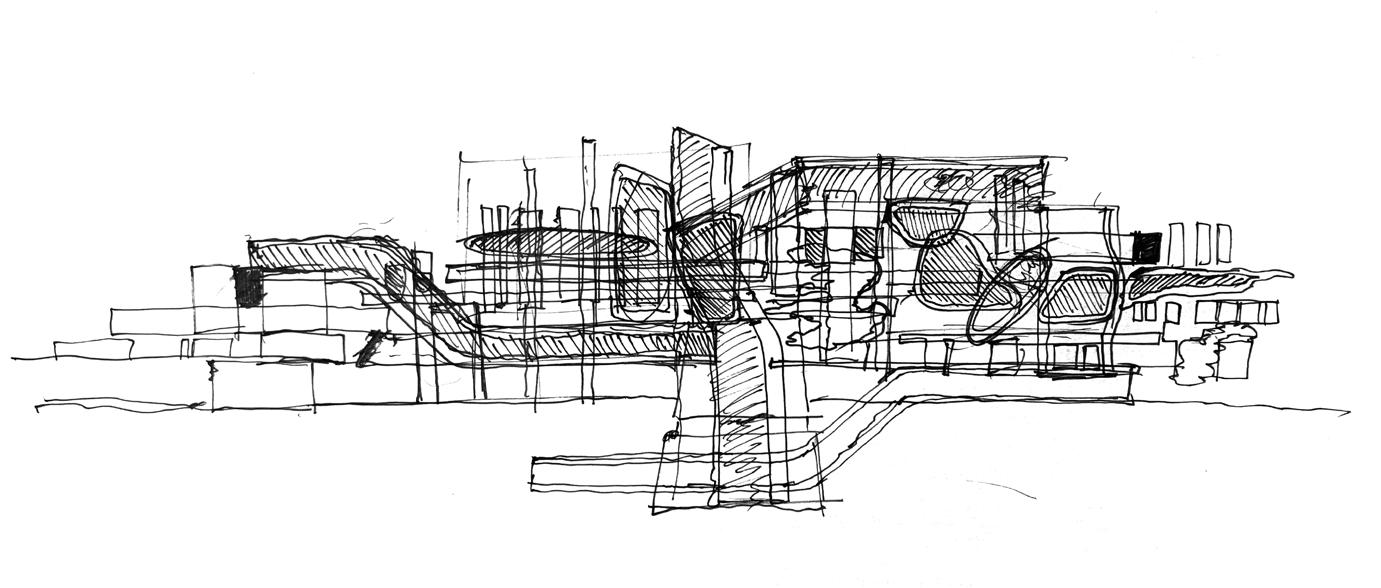
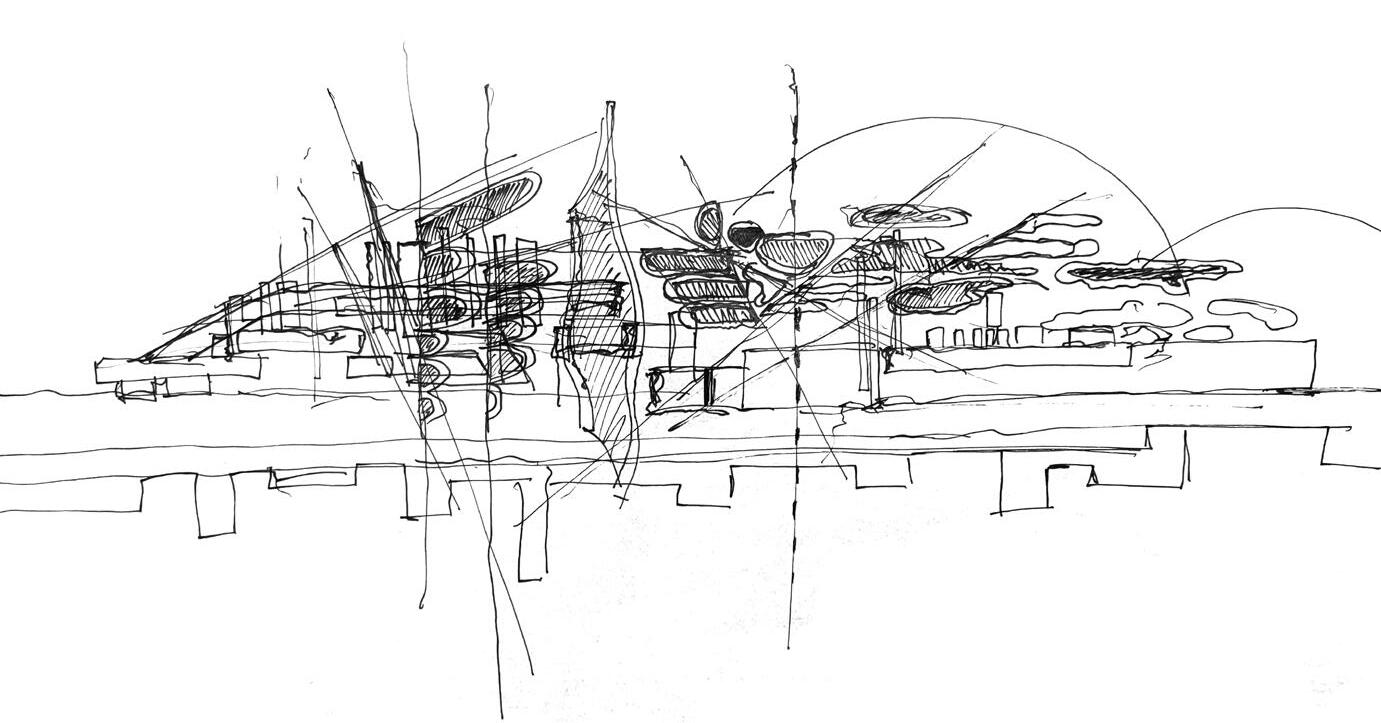
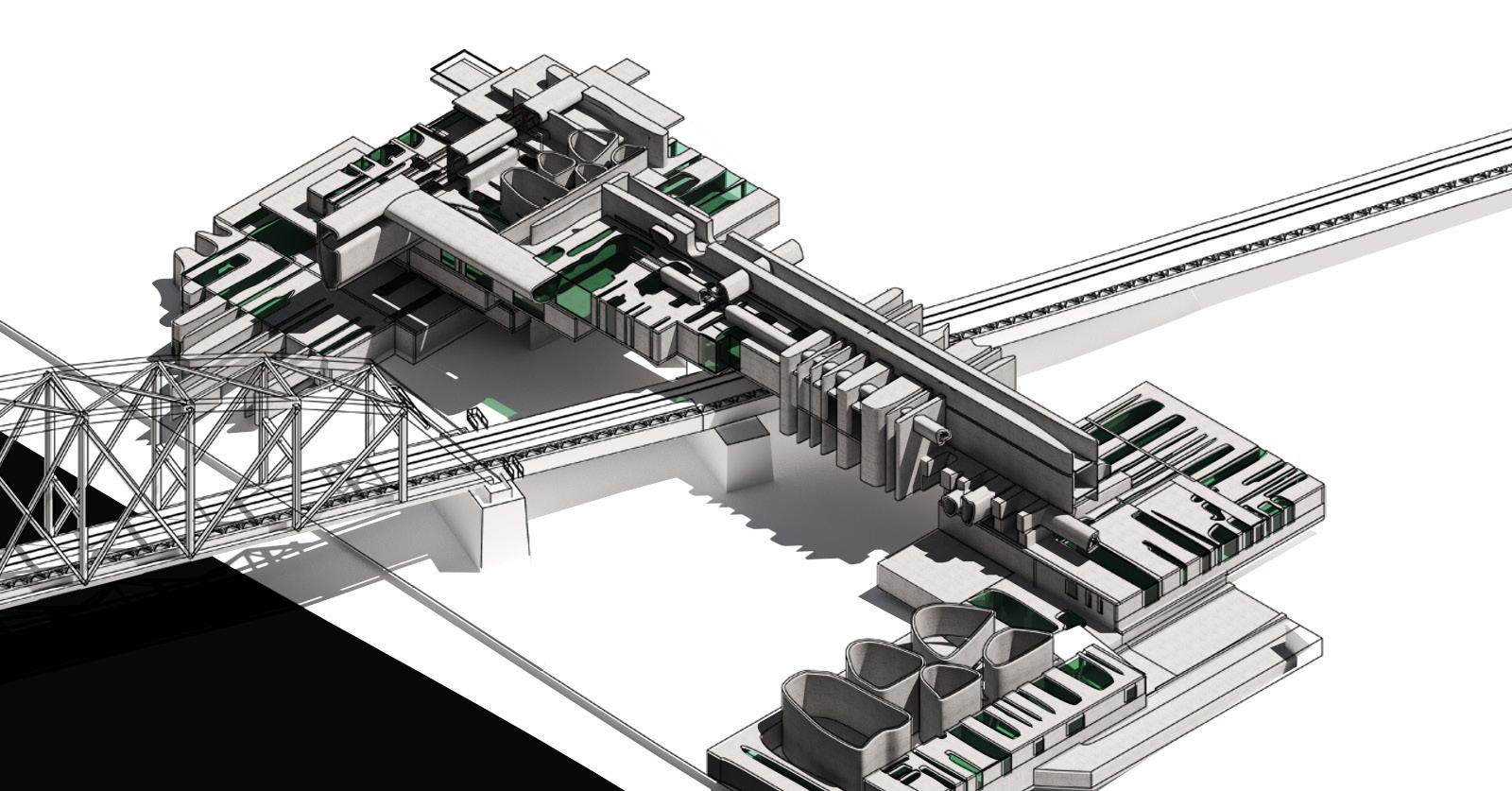
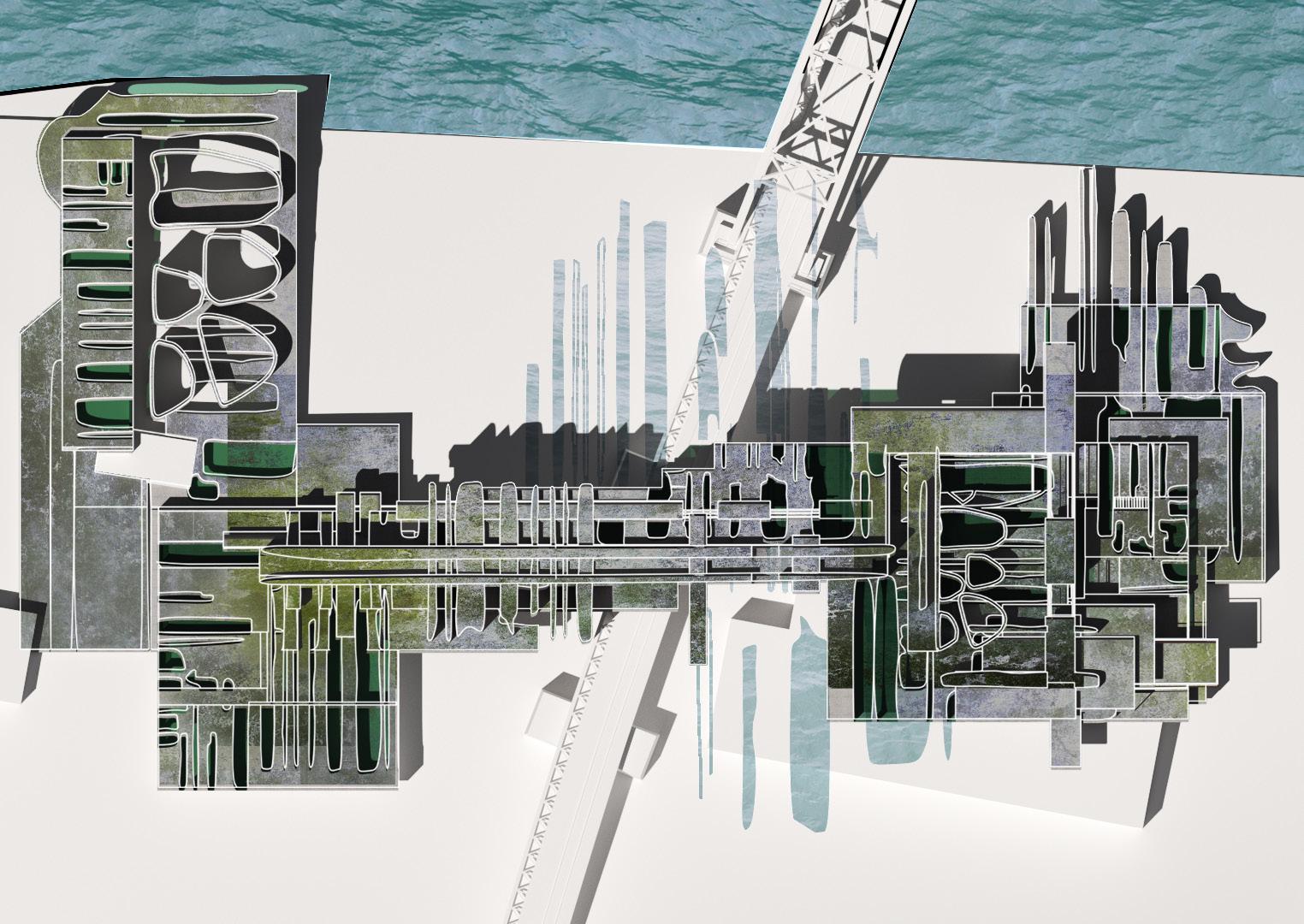
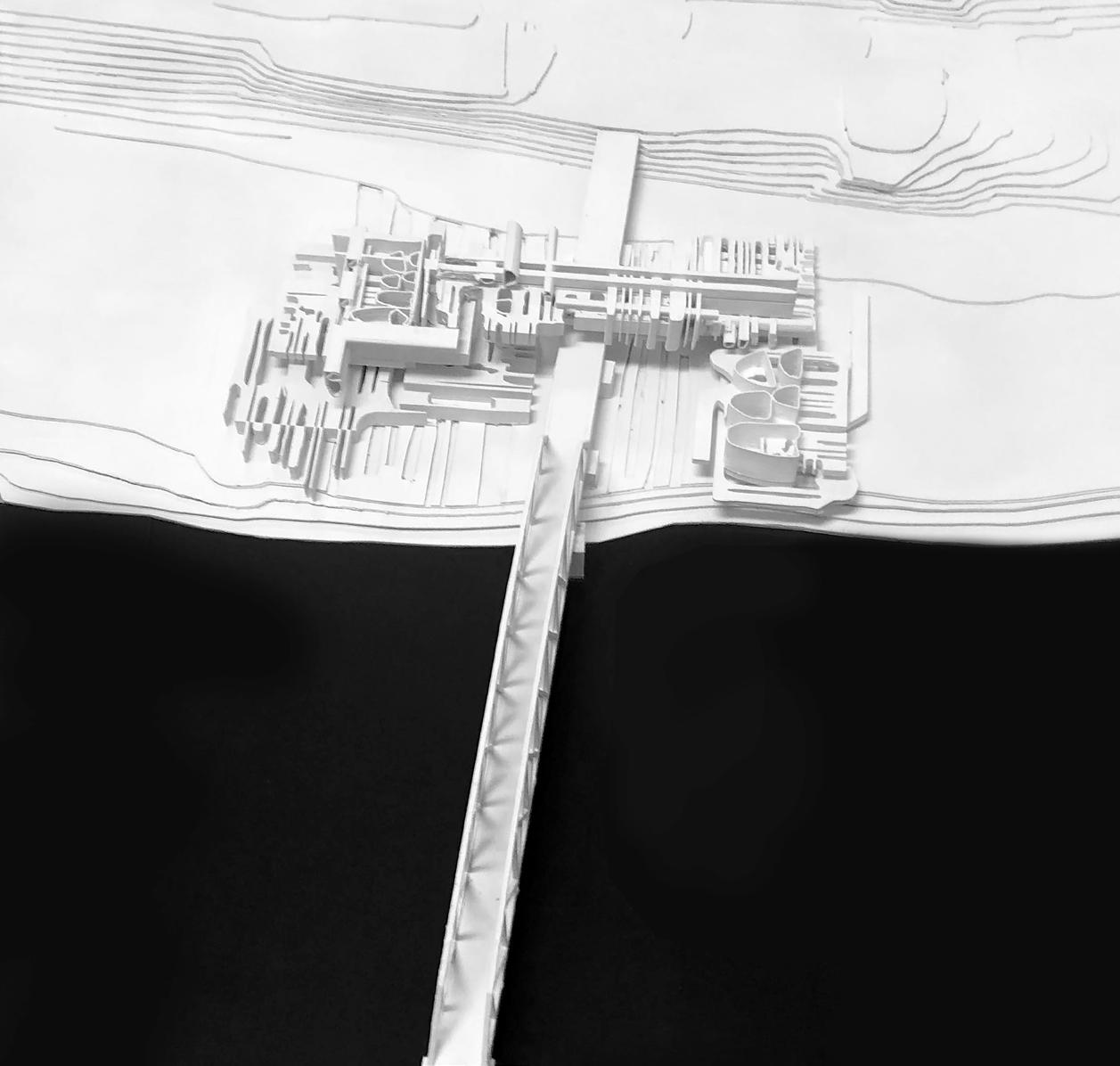
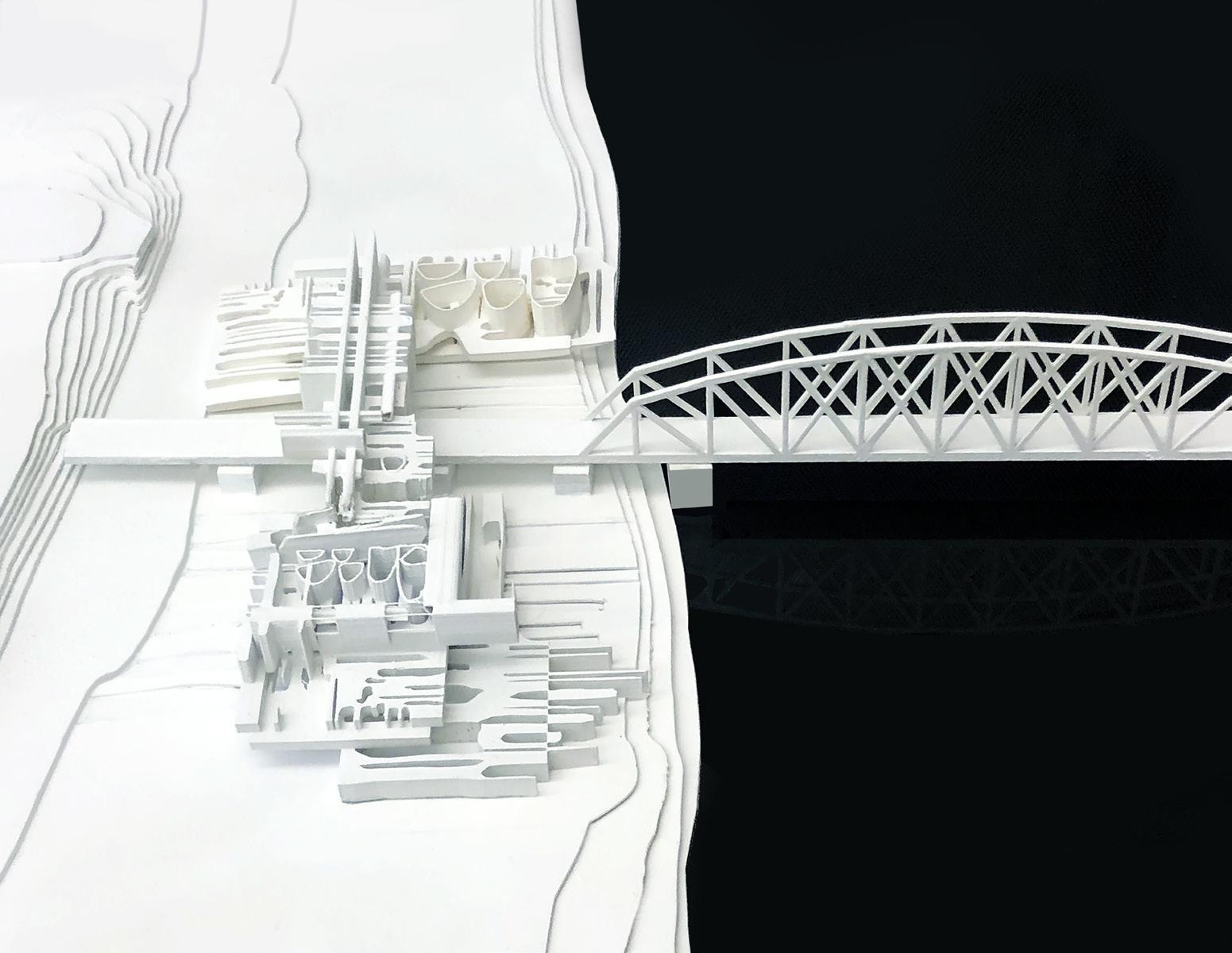
This project was meant to cultivate a building and situate it within the context and landscape of an old industrial site by the bank of the Allegheny River. Being so close to the banks of a large river that serves as a major artery of fresh water for the city of Pittsburgh, we decided to integrate the site’s hydrology into our building. First, we decided to create a stacked massing that would cross over the bridge situated at the site. We then decided to create a porous condition that would be applied as a skin across the massing. This skin would then intersect with the various vertical and horizontal wells that crisscross through my entire building. These wells are essential to my project, as they have multiple functions for the building. Some wells are used as circulatory space, while other wells are utilized to act as light wells that help light reach the further ends of the building. However, the main purpose of these wells is to store the water that is collected and filtrated through the entire building. As mentioned before, the building is closely tied to the hydrology of the landscape. The collection and filtration of this water are facilitated by the porous and curvilinear geometry of the entire building. In essence, the building could even begin to be considered as a machine that filtrates the plentiful rainwater and river freshwater that is available at the site. This water is then put into use within the building, acting as fresh water for the residents of the building and also cultivating a thriving ecosystem of plants within the building, as shown in my renders below.
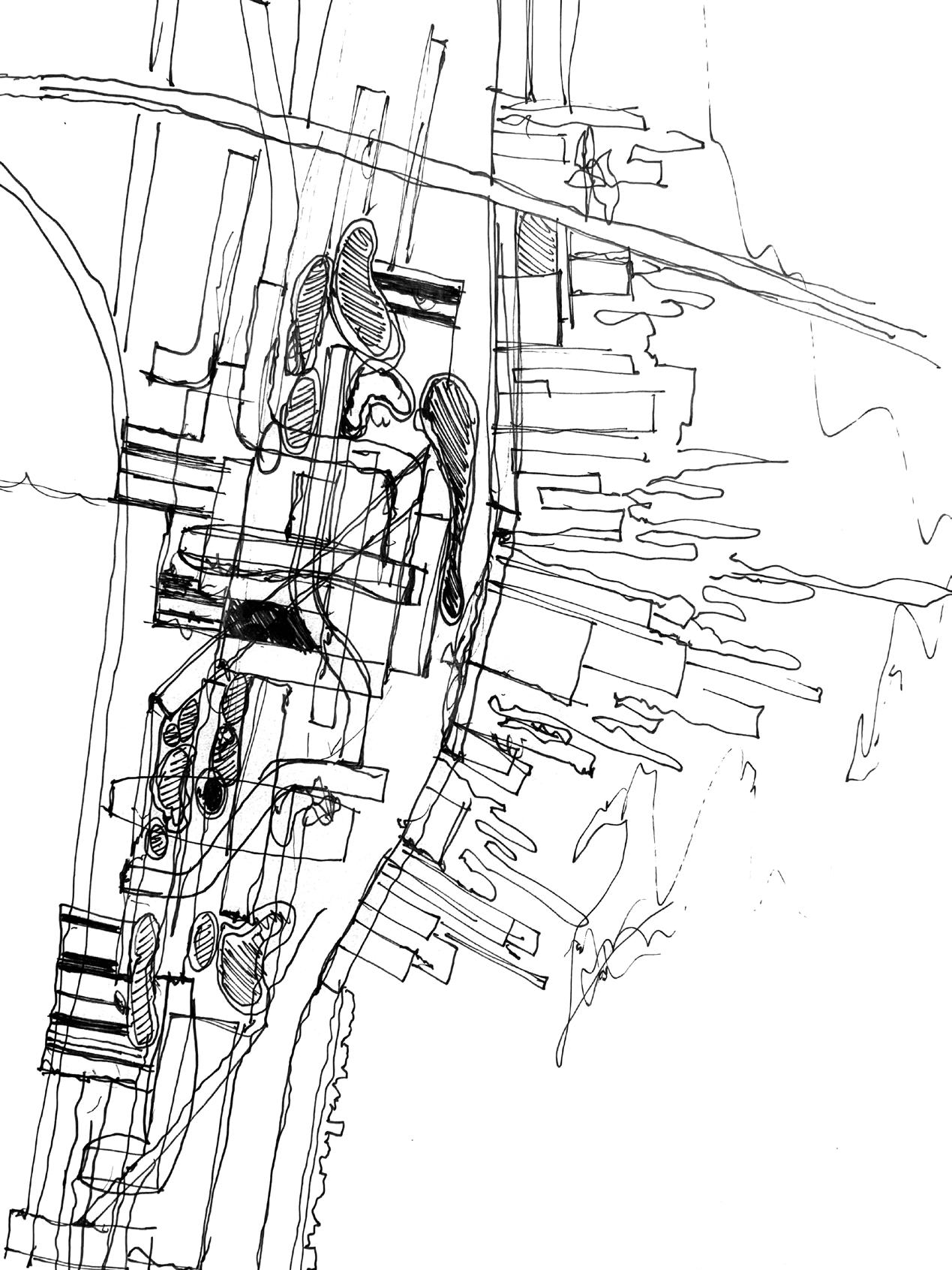
Concept Sketch Section 1
Concept Sketch Section 2
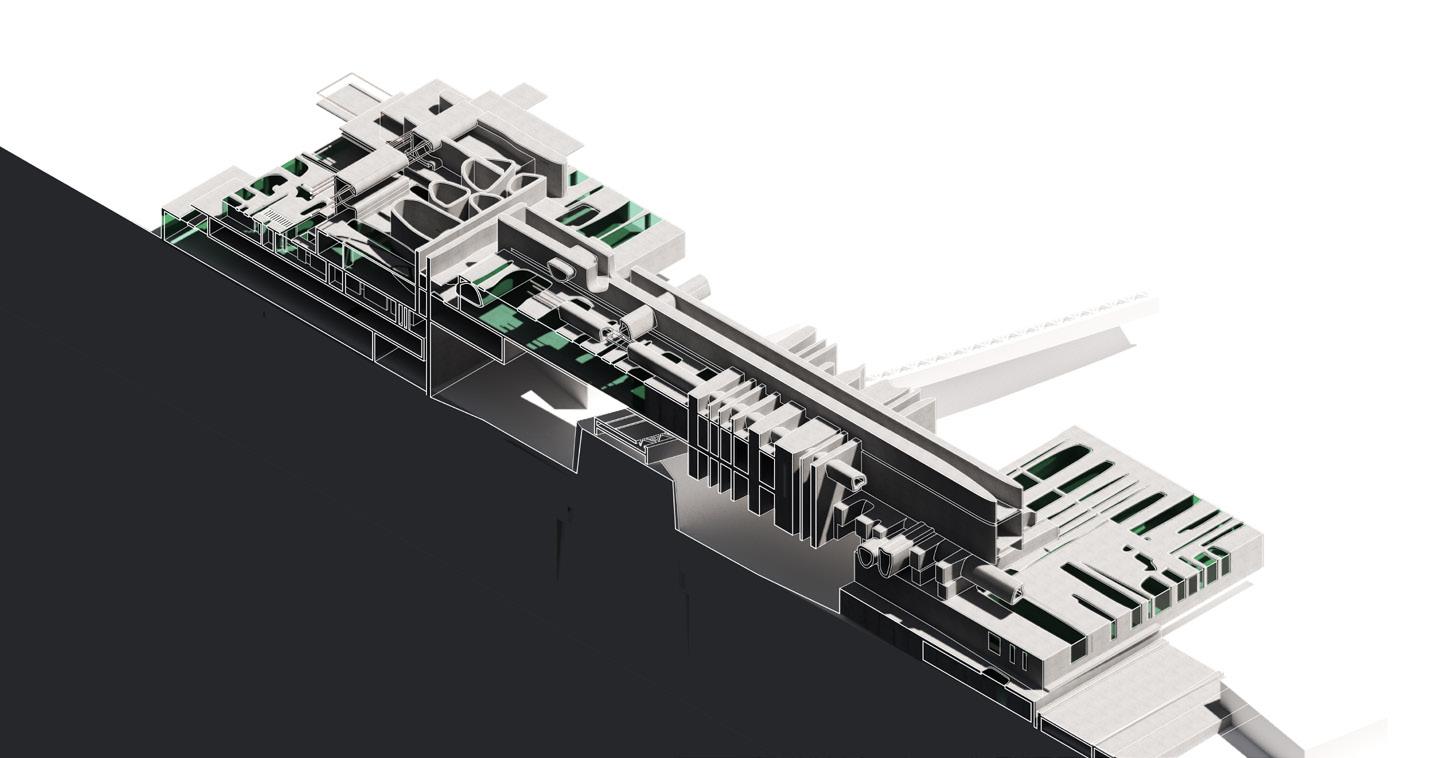
Axonometric Section
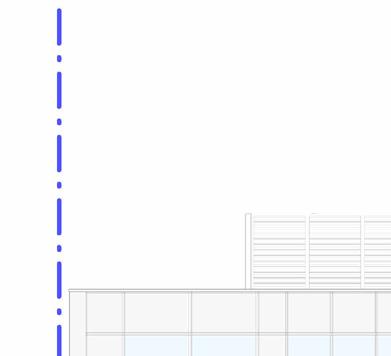
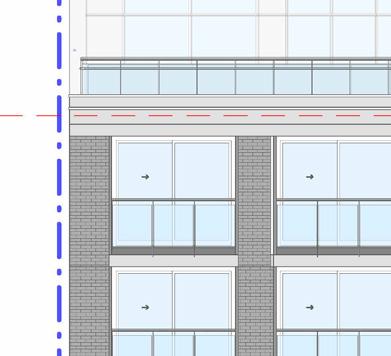
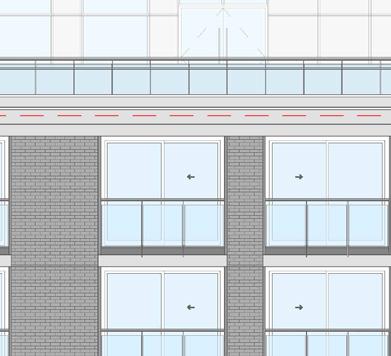
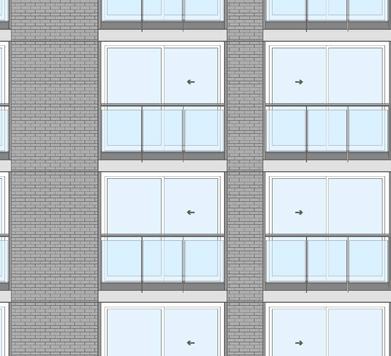
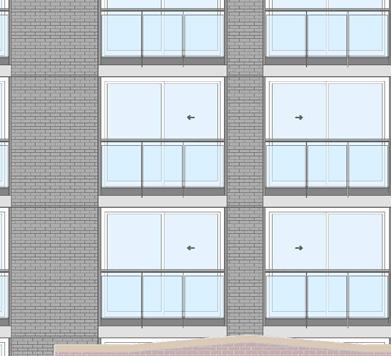
ALUMINIUM SLIDING DOOR SYSTEM
DR 2 PREFINISHED METAL LOUVER DOOR

DR 3 PRE FINISHED METAL ROLLING DOOR
DR 4 METAL DOOR (SINGLE)- PAINTED GRAY
DR 5 METAL DOOR (DOUBLE)- PAINTED GRAY
FC 1 PRE FINISHED FIBER CEMENT CLADDING
FL 1 PRE-FINISHED METAL CAP FLASHING (MATCH PARAPET FINISH)
FL-1
GL 1 1/2" TEMPERED GLASS GUARD C/W POWDER-COATED ALUMINIUM STANCHIONS & TOP RAIL
GL 2 PRIVACY SCREEN- METAL W/ OPAQUE GLASS
GL-3 JULIET BALCONY WITH TEMPERED GLAZED GUARD AND VERTICAL POWDER-COATED ALUMINUM STANCHIONS
RA-1 PRE FINISHED PICKET GUARDRAIL FLOOR MOUNTED- BLACK
SCR 1 POWDER-COATED ALUMINUM PRIVACY FENCE, MECHANICAL ENCLOSURE
SCR-1
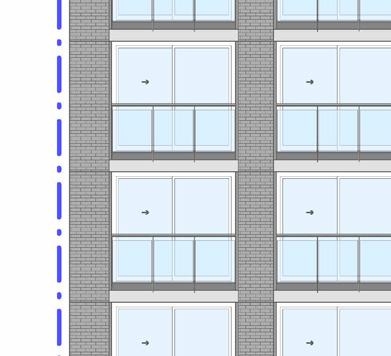
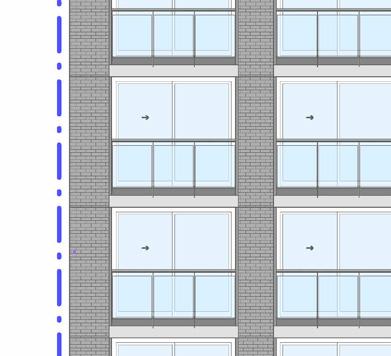
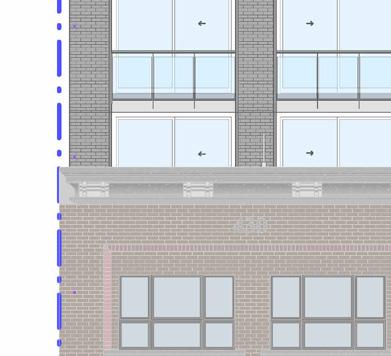
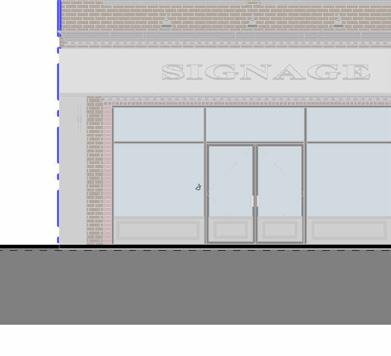
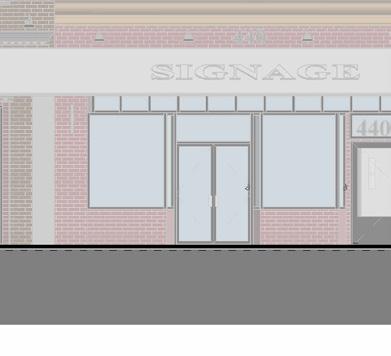
During this role, I was involved in a range of architectural and design coordination tasks related to residential unit planning and documentation. I worked on developing and refining unit layouts to ensure they met overall project design requirements while maintaining functionality and efficient use of space. As part of the interior planning process, I incorporated key elements within each unit, including furniture layouts, electrical panels, washer–dryer units, and plumbing manifolds, ensuring that these components were properly integrated within the design and coordinated with the overall building systems.
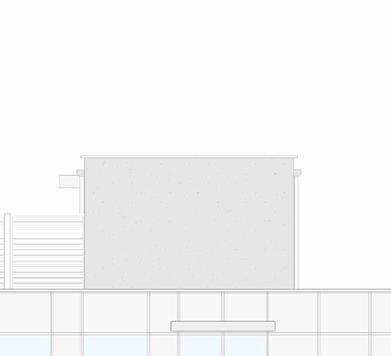
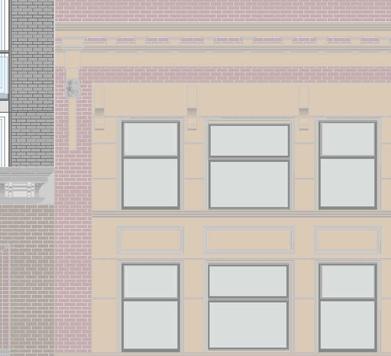
In addition, I assisted with preparing elevation-related documentation by compiling material lists for elevation views and extracting relevant views from architectural elevations to develop detailed window wall schedules. This work required careful review of drawings to ensure accuracy and consistency across project documentation. I also reviewed the unit designs to verify compliance with applicable local building codes and municipal bylaws, helping to ensure that the project met regulatory requirements. Furthermore, I checked the adaptability requirements for the units to confirm that they satisfied accessibility and adaptability standards, supporting the goal of creating functional and inclusive residential spaces.