

Artificial Intelligence hasrapidly evolvedintoone of themosttransformative technologies of ourtime.
What beganasanexperimentalcapabilityhas maturedintoapractical tool that shapes howcompanies think, operateand deliverwork. Across industries,AIishelping teams analyzeinformation,reducerepetitivetasks and make more informed decisions. Thesechanges arehappening faster than anyone expected andthe organizations that aremovingforward with clarityand purposeare positioningthemselvesfor asignificant advantage.
Haskellis entering this moment with astrongfoundation. Ourpeopleunderstandthe importance of innovation andthe companyhas alreadyexploredawiderange of AI toolsacrossdesign, preconstruction, construction, safety,marketing andoperations. At thesametime, theindustryisaccelerating. Competitorsare adopting enterprise AI platforms, building custom toolsand experimentingwithnew workflowsthatgivethemmorespeed andinsight.Clients areaskingdeeperquestions abouthow theirproject data is protectedwhenusedwithAI.
Youngerteammembersare entering theworkforce with differentexpectations, oftenusing AI toolsprivately when secure optionsare notavailable.All of this createsbothopportunity andurgency
This report outlines aclear strategy forhow Haskellshould approach AI in 2026 andbeyond. It begins with the broaderAIlandscape andthe specific changeshappening within theArchitecture, Engineeringand Construction industry.ItreflectsonHaskell’s pilots andexperiments overthe last severalyears andthe lessonsfromthose experiences. It then provides an honest assessment of ourreadiness across people,processes,technologyand culture. Finally, it introduces astrategic plan builtonfourpillars that will helpustransitionfromexperimentation to intentionalintelligence

Thefourpillars that guidethisstrategyare:

Establishing an enterprise AI backbone that givesevery team member secure access to toolstheycan trust. 1 Strengthening governance and data protection to keep clientsand the companysafe. 2

Elevatingour people throughstructured workshops, learning pathways and office-level hackathons 3


OperationalizingAI across business units in away that supports howeachteam actually works. 4

For years, the focus has been on exploration and pilot testing. In 2026, the approach becomes more active and coordinated, with a dedicated AI Strategy Team leading training, adoption and ongoing support This shift will help team members gain confidence, help business units uncover meaningful workflows and help Haskell move toward a future where AI is a natural part of how we operate
In 2026, Haskell will adopt an integrated AI access strategy that unifies three coordinated layers. Copilot will expand across the enterprise to support everyday productivity inside the applications team members rely on most. OpenAI Enterprise will serve as the advanced reasoning layer, enabling secure experimentation, agent development and deeper use cases. Datagrid will extend these capabilities to the field by powering rapid information retrieval and jobsite-specific agents. This approach eliminates the need for personal AI accounts, strengthens data protection and supports a more consistent model for enterprise adoption
The strategy also introduces new governance safeguards that protect internal intellectual property by establishing oversight for agent creation, data access and AI-driven development. Priority missions for 2026 include safety automation, generative design to enable faster and more accurate designs, carbon-tracking through EquipAI and field information retrieval and agentic workflows. These initiatives reflect where AI can deliver immediate value while preparing Haskell for deeper automation over time.
The goal of this strategy is not to adopt AI for the sake of technology.
The goal is to improve the way our people work, protect our clients and make informed decisions with more clarity and less friction. The companies that thrive in the coming years will be those that move with intention, encourage learning and align technology with purpose. With this strategy, Haskell can do exactly that.
Artificial intelligence is rapidlyreshaping howorganizations think, work anddeliver value. Theshift is accelerating across everymajor sector andthe AECindustryisnoexception.AIisbecomingapractical tool that enhances decision-making, streamlinesworkflows andexpands ourability to solveproblemswithclarity andspeed.For companiesthatembrace this shiftwithintention,the next decade will look fundamentallydifferent from thelast. Haskellhas always been at itsbestwhenitleans into forwardmovement.Innovationisnot newtous, it is somethingour teamshavepracticed foryears by searchingfor better ways to work,refiningprocesses, adopting useful technologies andchallenging thestatusquo.Artificialintelligenceissimplythe next step in that journey. Over thepasttwo years, Dysruptekhas explored howAIcan supportour people across design, planning,constructionand operations.Through pilots,experimentation,trainingsessionsand dozens of internal collaborations,wehaveseenenoughtoknowthatthistechnologycan strengthen theway we plan,design, build andsupport ourteams
Thedetails of thoseefforts will be coveredlater in this report,but onetruth hasbecomeclear:AIisreal, practical andalready influencinghow we operate. It opensdoors to improvementsthatwould have been difficultto imagineonlyafew yearsago


Last year,weframedour AI approach around threesimpleideas that remain true today. First, AI is nothereto replacethe people whomakeHaskell what it is.These toolsare meanttohelpusworksmarter,stayahead of problems andeliminate unnecessarystrain. Second,AIwillcontinuetoevolve. Everyfew months,capabilities expand,accuracyimprovesand newopportunities emerge,makingcontinuouslearningessential.Third,noneof this matterswithoutsecurity. Protecting ourclients,our people,our reputation andour data is foundational to everyAIinitiativewepursue.
Beyond Haskell, theAEC industry is shifting unevenly.Somecompanies areleaning into automation,othersare experimentingquietly andmanyare stillwatchingfromthe sidelines. Waitingfor complete claritywould putusat adisadvantage. Thechoices organizationsmaketoday will determinewho leadsthe next decade.Haskell hasan opportunitytodefinewhatresponsible adoption lookslikeacrossintegrateddeliveryand to strengthen ourability to serveclientsata higher level.
Internally,the implications arejustassignificant.Thismomentisnot only abouttools;itisabout people.Adopting AI at scalewillrequire newskills, newhabitsand amindset that welcomes experimentation. Team membersneed support, training andguidance. They also need clarityonhow AI benefits them andhow it fits into theirday-todaywork. With theright approach,thisbecomes an opportunitytosimplifycomplexity, reduce friction andcreate more fulfilling work foreveryoneinvolved.
2026,Haskell is transitioningfrom exploratorypilotsto amoreunified and intentional strategy.
Thecompany nowhas theopportunity to establish an enterprise AI backbone that givesteammembers secure,consistentaccesstothe toolstheyneedwhile reducing fragmentationand eliminatingrelianceon personal AI accounts.Thisshift includes structured training,clearer governance,safeguardsthatprotect internal intellectual property anda cohesive access modelbuilt on Copilot, OpenAI Enterprise and Datagrid.Together, theseelementsprovide the foundation Haskellneeds to scaleAIresponsibly andprepare teamsfor deeper integrationinthe yearsahead



This report outlines thecurrent stateofAI, the progress we have made so farand thesteps we need to take as we move through2026and beyond. It offers arealistic view of today’stechnologywhile pointing toward the possibilities ahead. More importantly, it frames AI notasatrend but as afoundationalshift that will influenceeverythingfromstrategyto execution. Thegoalissimple. We want Haskelltobeprepared, confident andahead of thecurve as this technology becomesacorepartofhow the industry operates.
Artificial intelligence hasshifted from atechnical conceptintoone of themostinfluential forces shapinghow the worldworks.AlthoughAIhas existedfor decades, therelease of ChatGPTinlate2022changed theconversation entirely.Millionsofpeoplesuddenlyunderstood what AI coulddofor them andthe technology movedfrom theoreticaltopractical almost overnight. Today, AI influences howindividuals think, learnand solveproblems, and that shifthas carriedintothe workplaceinsignificant ways
Theyounger generation entering theworkforce hasgrown up alongsidethistechnology. For them,AIisnot unusualordisruptive. It is simply part of howtheyoperate.Theyuse AI to study, plan,brainstormand navigate dailylifeand they expect thosesamecapabilitiesatwork. This expectationmatters becauseitinfluenceshow newteammembers evaluate culture, capability andopportunity.Tocontinueattractingtop talent,Haskell must be prepared to meet them wheretheyalready are.
Outsidethe AECindustry, AI is reshapingentiresectors.Healthcareteams useAItoanalyze images anddetect risksearlier.Manufacturers rely on predictive systemstooptimizeproductionlines.Logistics companiesadjust routes dynamically. Financialinstitutionsuse AI to analyzedataatspeedshumanscannotmatch.Evencreative disciplines, includingmusic,film, writingand design,haveembracedAIasacollaborative accelerator. These advancements reinforceasimpletruth:AIisnolongeranemergingtrend.Itisbecomingacoreingredientinhow modern organizationsoperate,similar to therolethe internet or mobile deviceseventuallyplayed.


Underlying this transformation areafew foundational concepts.Early AI systemsreliedon rigidrules andif-then statements.Ascomputing powerand data availability increased, machine learning enabledsystems to recognizepatternsand enhancepredictions.Deeplearningexpandedthose capabilities by interpreting images,voicesand natural language.Retrieval-augmented generation (RAG) improvesaccuracybyenablingAItocombine trusted sourceswithmodel outputs. Together,these ideas form thebasis forthe toolsweuse today.
Aparticularlyimportant developmentisthe rise of AI agents,which aresystems capableofperforming tasks on behalf of auserratherthansimplyproviding information. Agents cansearchdocuments,follow instructions,updaterecords,generatereports and executemulti-stepworkflows with limitedoversight This shiftreflectswhere AI is heading, toward more active andtask-driven supportthatallowspeopleto focusonhigher-value work
Within theAEC industry,AIisbeginning to influence nearly everystage of aproject.Designers canrapidly generate conceptual optionsand explore variations Preconstructionteams canautomateearly quantity takeoff, producemoreaccurateconceptualestimates andgeneratedynamic schedule scenarios. On thejob site, teams oftenstruggletofindaccurateinformation quicklyastheynavigatethousandsofdocuments, drawings,specifications, emails andphotos. AI toolslikeDatagridcan surfacerelevantinformation in seconds, improvingspeed,safetyand decisionmaking.Asthese toolsmature, they canalsowrite informationbackintosystems of record,enhancing data accuracy andcross-functionalcollaboration
Across theindustry, companiesare taking four primary approaches to AI adoption:

Some organizationsfocus solely on thetools alreadyembeddedintheir software ecosystem.
MicrosoftCopilot is an example. It offers conveniencebut limiteddepth becausebuilt-in features rarely unifydataorsupport complexAEC workflows. DPRiscurrently taking this approach
Afew firms, such as Rogers O’Brien, choose to buildcustomAIinterfacesthatconnect data from multiple systems. This approach canbepowerful butrequiressubstantialengineering talent, dedicatedfunding andlong-term maintenance commitments. It also dependsheavily on internal resourcesthatcan be difficulttoscale
PlatformslikeGlean provideasingleinterface for enterprise search andknowledge retrieval. This createsmorestandardizationacrossdepartments andsimplifieshow team membersaccess information. McCarthy hasrolledout Gleanastheir enterprise solution

Whilethese strategies representintentional movement,manyfirms arestill taking await-andseeapproach,watchingcompetitors adoptAIwhile delayingtheir owndecisions untilthe technologyfeels more mature.Thishesitationisunderstandablebut risky. AI is advancingquickly andwaiting forperfect claritycan putorganizations yearsbehindtheir peers. Haskellcannotaffordtotakeapassive stance.The choiceswemaketoday will determinehow effectively we serveclients,attract talent andoperate in an increasingly digitalindustry. Intentionalactionnow positionsustoleadratherthanreact
Recent research from MIT’sIceberg initiative reinforces this urgency. Theirfindingsshowthat companiesthatadopt AI intentionallyand earlyare alreadywideningthe productivity andcapability gapcomparedtothose that delay. Thereport highlightsthatAIis shifting from aniche tool to a foundational layerof organizational performance.


Some organizationsworkwithenterprise-grade AI providerssuchasOpenAItoshape asecure andscalableAIstrategy. This approach offers deeper controloverprivacy,workflowintegration andlong-termadaptability. Turner is following this model


It also emphasizes that talent,especiallyyounger professionals, increasingly gravitates toward companiesthatprovide modern AI-enabled workflows. Theseinsightsmirrorwhatwesee across theAEC industry.Waiting forAItofully mature can result in yearsoflostlearningand missed competitive advantage. Theorganizations preparingnow arethe ones shapingthe trajectory of theirindustries.
ForHaskell,the fourth path offers thestrongest alignment. We want asecureand flexible backbone that protects client data,integratesacrossour systemsand allows team memberstoexperiment withoutunnecessary risk.OpenAIEnterpriseprovides that foundation whileensuringwecan evolve with thetechnologyratherthanbeconstrained by narrow or short-livedsolutions
At thesametime, many firmshavetaken ahands-off approach,allowingteammemberstoexplore external AI toolsindependently. Whilewellintentioned, this createsrisksuchasdataleakage,inconsistent workflowsand an inabilitytoscale successful ideas. Moreimportantly,unstructuredadoption prevents organizationsfrombuildingsharedknowledge or cohesive long-term strategies.
Clientsare also becoming more awareofhow AI intersects with projectdelivery. Many nowask howtheir data is handled, whetherAItools retain or trainontheir informationand what safeguards areinplace.These questionswillbecomemore common andHaskell must be prepared with clearand confidentanswers
Thebroader challenges in construction,suchas laborshortages, rising costs, compressed schedules, safety incidentsand fragmented data,remainas presentasever. AI will noteliminate them,but it cansignificantly reduce thepressuretheycreate ToolssuchasSafetyEHD,SmartPM,Togal andKayaAI alreadysupport hazard detection, schedule analysis,
takeoffautomationand procurementinsight. Companiesadoptingthese solutionsare notjust gainingefficiencies; they arechangingthe waythey deliverprojects. Theriskofnot adopting AI is not simply fallingbehindcompetitors.The greaterriskis remainingcomfortablewithoutdatedmethods
Thepathtosuccess begins with people.Technology becomesimpactful only when teams understand how to applyitand feel confidentexperimenting with new workflows. Training,collaboration andclear guidance areessential.Thiscreates ahealthy environment whereinnovationand governance supportone another. We test,learn,refineand scaleresponsibly
Thelandscape of AI is evolving quicklyand the opportunitiesahead aresignificant.Astools mature andbecomeembeddedintoeverydayplatforms, they will stop beingperceived as AI andwillinstead become theway work gets done.The organizations that preparenow will create ameaningfuladvantage


Haskellhas theopportunity to lead this shift by understandingwhere theindustryistoday, recognizingwhatispossible andmaking deliberate choicesthatalign with ourculture, ourpeople andthe impact we wanttocreate.
To understand howHaskell should move forward, we firstneeda clear view of what we have alreadytried.The next sectionoutlinesour pilots, what they taught us andhow thoselessons shapethe directionahead.
Haskellhas spentthe last severalyears testing, learning andrefininghow artificial intelligence cansupport the waywedesign, plan andbuild.LongbeforegenerativeAIentered themainstream, Dysruptekpartnered with business unitsacrossthe companytoexplore whereintelligentsystems couldreducemanualeffort, improve qualityand supportbetterdecisionmaking. Some pilots deliveredimmediate value. Others revealed processgaps, training needsordatalimitations that shaped howwethink aboutadoptiontoday.Taken together,these efforts createda foundation that positionsHaskell well.Theytellastory of curiosity, experimentationand disciplined evaluation.Theyalsogiveusaclear pictureofwhere AI is readyfor practicaluse,where thetechnologyneeds time to mature andwhich areasshould guideour long-termstrategy.
Before generative AI became widely accessible, Haskellpiloted Newmetrixon10projectstoexplore whethercomputervisioncould assist with safety analytics. Newmetrixusedmachine learning to scan photoand videocontent from jobsites andidentify at-riskbehaviors,unsafeconditionsand leading indicators.Our teamscollected alarge datasetduring thepilot,which provided astrongevaluationbase. Thetoolsuccessfullyflagged patterns such as missing PPE,improperequipment use, blockedaccesspaths andhousekeepingconcerns. Thelessonslearned from this pilotweretwofold.First,computervisioncan be effectivewhentrained on aconsistentand wellstructured imagedataset.Second, thevalue of these systemsdepends on adoption at theproject level. Whilethe tool worked reliably,its integrationinto dailyworkflows varied by superintendentand project culture. With Oracle’s acquisitionofNewmetrix,we expect similarcapabilitiestoappearnativelyinour upcoming Cloud ERPsystem.
In 2019,Haskell partneredwithPrenavtotrain a computer vision modelcapableofidentifying issues in stainlesssteel pipe welds. Thegoalwas to determine whetherAIcould assist with qualityinspectionby detectingdefects such as undercut,underfill,overfill, misalignment,porosityand cold laps.The model achievedmeaningfulaccuracyonthe specific pipe size andweldtypeusedinthe training dataset. However, scalabilitybecamethe primarylimitation. When photos varied or pipe sizeschanged,the model struggledtogeneralize. This limitation wasdriven by inconsistent imagecapture practicesand alack of standardized documentationatscale.While the pilotprovedthatAIinspectionispromising,italso demonstrated that sustainedperformance requires larger andmorediverse training datasets.Withmore mature training techniques availabletoday,including syntheticdatageneration, this conceptremains viable forfutureevaluation.
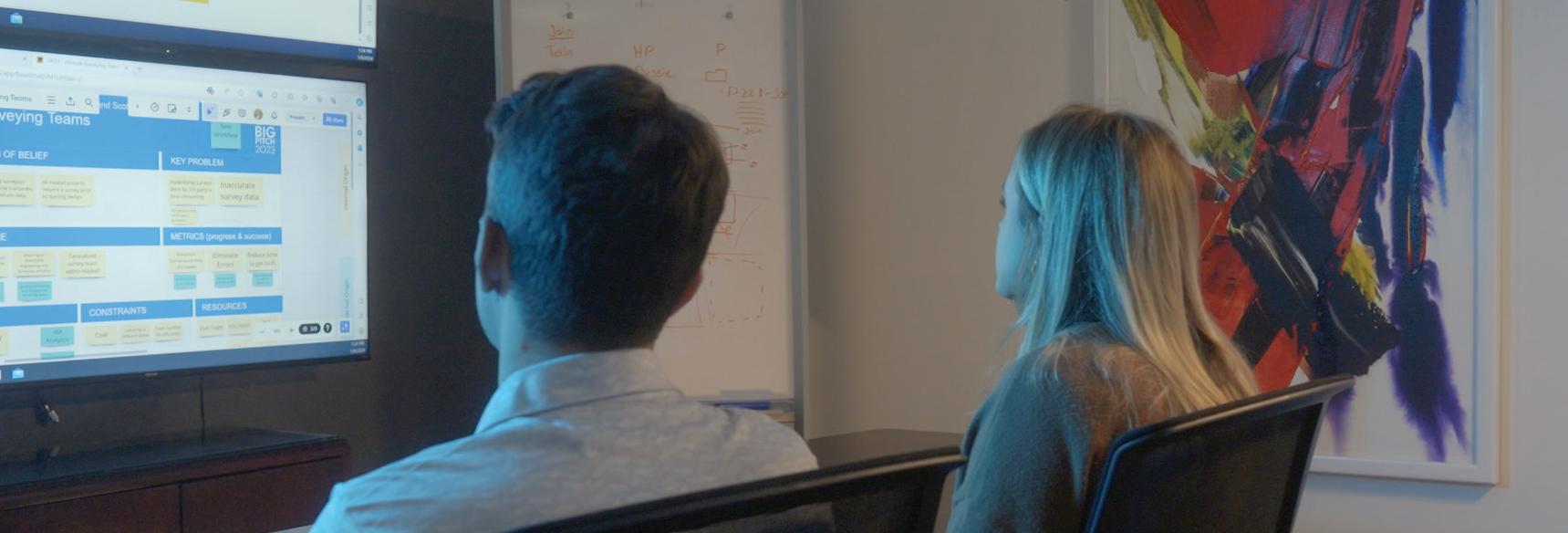

In early2025, Haskelldeployed90 Microsoft365 Copilotlicensestoteammembers across Design and Consulting,Planningand Development,Construction andManufacturing andadministrativestaff.Copilot integrates generative AI into Outlook, Teams, Word, Exceland otherMicrosoft applications.The rollout focusedonraising AI literacy,exposingteams to embedded AI capabilities andunderstanding what workflowswould benefitmostfromassistance.
Survey resultsfrom69users indicatedsignificant early adoption.Mostusers engaged with Copilotdaily or weekly,primarily throughTeams meetingsummaries, emaildrafting, document summarizationand basic contentgeneration. Meetingnoteautomationwas consistently thehighest-value usecase, especially sinceTeams handlesmostinternal calls. Copilot performedwellwithinthe Microsoftecosystem but struggledwhenusers joined external callsonZoomor Google Meet.
Theoverall sentimentwas positive butnot strong Usersappreciatedthe convenienceofbuilt-inAI tools, buttheyconsistentlycomparedCopilot to standalone LLMs like ChatGPTand Grok.Inmany cases, Copilot’soutputquality,reasoning andspeed didnot meet expectations.The AI performedbeston meetingsummaries andbasic editingbut delivered mixedresults in Exceland Word.Someusers noted difficulty differentiatingbetween standard Microsoft features andCopilotcapabilities,which lowered perceivedvalue
Thekey lesson from this pilotisthatCopilot is useful as asupportiveadministrativetoolthatwillcontinue to play an importantroleinthe future,but it is not thebackboneofan enterprise AI strategy.Itenhances communicationand documentationbut does not deliverthe depthorflexibility required foroperational workflowsindesign, preconstructionand field operations.Power userswillcontinuetorelyonmore capablegenerativeAItools unless Haskellimplements aunified enterprise solution with stronger reasoning andbroader usecasecoverage.
ProcoreAssistwas pilotedonthree projects to evaluate whetheranAI-poweredchatbot couldaccelerateinformation retrievalwithinthe construction management platform.The tool provides search andsummarization capabilities based on projectdocuments andhistoricalinputs. Whilethe conceptalignswellwithwhatour fieldteams need, thepilot revealed severalgaps. Responseswereslow, accuracy varied andthe differencesbetween Assist andProcore’sstandardsearchfunctionwerenot obvioustousers.Mostteams concludedthatthe tool did notdeliver meaningful improvements.Thispilot reinforced arecurring lesson:searchand retrieval must be fast andprecise to earn adoption from field teams,which rely on immediateanswers.Because Assist didnot meet thoseexpectations, Haskellchose to evaluate otherdeep-search platforms, eventually leadingtostrongeralignment with toolslikeDatagrid. Procorealsoannounced Helix, itsAI-Agentcreation tool that workswithinthe platform.Wewillcontinue to explorethisaswedeployadditional, more mature tools.

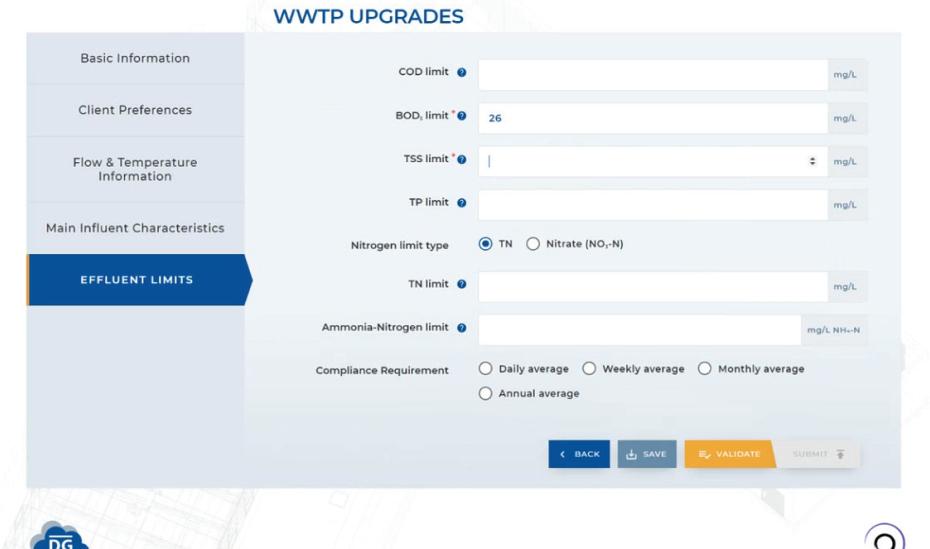
Transcendautomates conceptual engineering for industrial waterfacilitiesbygeneratingpreliminary plantlayouts,equipment sizing andengineering concepts.Haskell pilotedthe tool within theIndustrial WaterGroup.The team determined that because they subcontractmostwater treatmentdesignwork, theanticipated valuewas limited. Thelow volume of industrial waterdesign furtherreduced applicability Whilethe technology is strong,itdid notalign with Haskell’scurrent delivery model
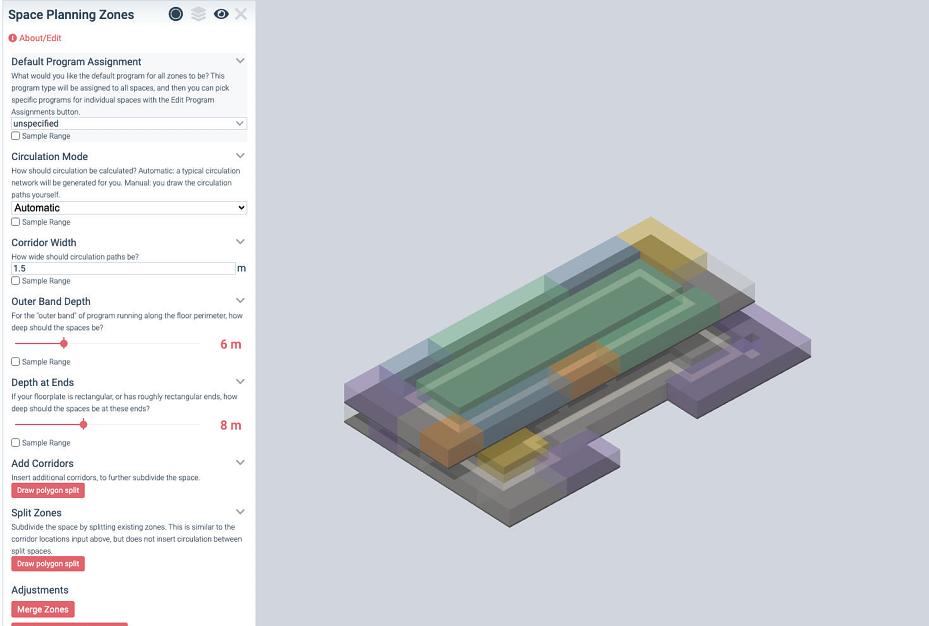
Augmenta automateselectricaldesign by generating conduitrouting,clash-freepathwaysand detailed layouts. Haskellpiloted Augmenta twicewith differentelectricalengineering teams. Both groups likedthe conceptbut concludedthattypical design packages do notrequire thelevel of detail Augmenta produces.Since electrical detail routingisnot a deliverablewetypically issueatthatdepth,the tool wasnot alignedwithour currentscope.The lesson here is that AI toolsmustmatch both theworkflow andthe deliverables of each discipline.
Hyparprovidesparametricautomationfor earlystagedesign, allowing designerstogeneratemultiple spatialand layout variations rapidly. Haskelltested Hyparwithhealthcaredesigners to automate interior layouts. Whilethe tool produced rapidoptions, thedesignteams preferredworking directly inside Revit. Therequirement to operateoutside their primarysoftwareslowedadoption, highlighting a consistent lesson.Designteams adoptAItools more readilywhentheyintegrate seamlessly with their existing environment.
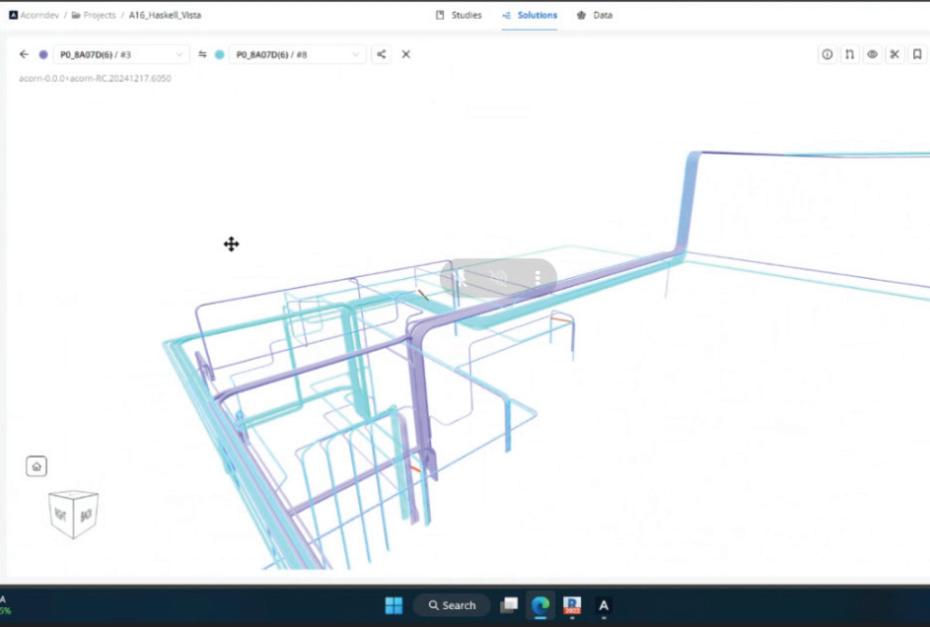
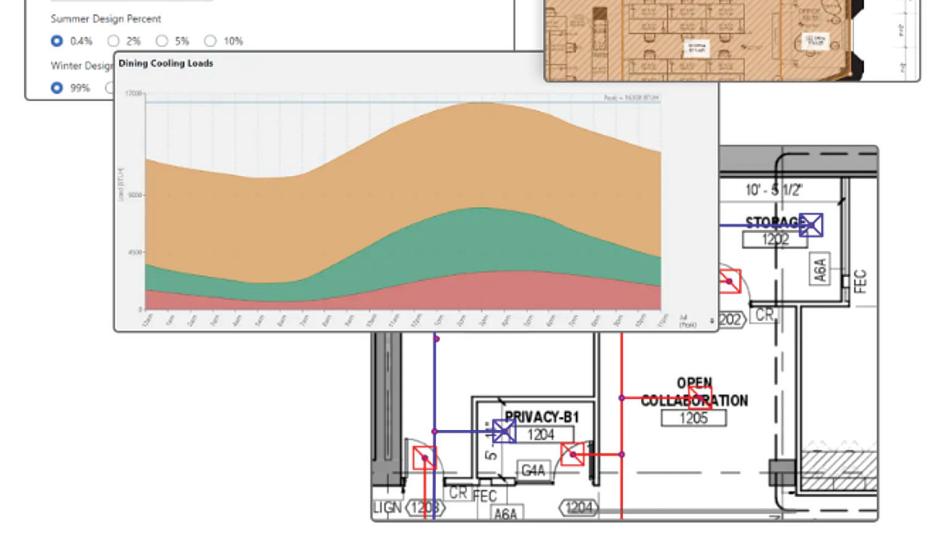
HVAKRautomates HVAC load calculations usingAI andrule-basedmodelingtoprovide rapidanalysisand earlydesign recommendations. Mechanical engineers at Haskellare actively piloting thetool. Earlyfeedback suggests strong potentialbecause HVAC load calculations aretime-consumingand highly repetitive If successful,thistoolcould reduce manual calculation effort andshorten earlydesigncycles.
Ferrisassists civilengineers with site evaluation, gradingconceptsand earlyfeasibility analysis.The pilotis ongoingand earlysignals show promise. The tool mayassistwithrapid scenario generation for earlysiteplanningtasks

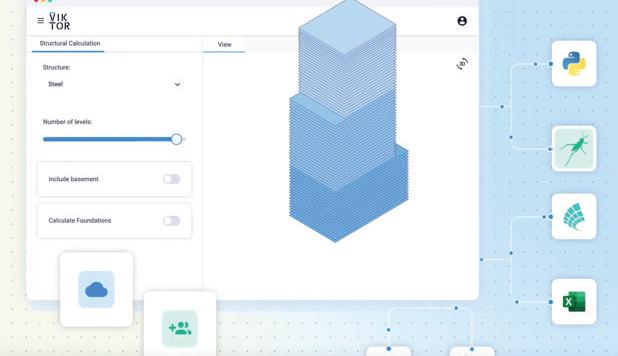
Viktor provides no-codeworkflowautomationfor engineering calculations.Structuralengineers used Viktor to replicateand automate calculations that typicallytakedaysorweeks.The tool significantly reducedturnaroundtimes,and theteamchose to adoptitbeyondthe pilot. Viktor will be introduced to otherengineering disciplinesasanexample of AI-drivenautomationthatalignswellwith existing workflows.
UpCodesappliesAItobuilding code research, providing naturallanguagesearchacrossjurisdictions andenablingdesigners to quicklylocaterelevantcode sections.Haskell pilotedUpCodes with designers, whoadopted it immediately. TheAIchatfunctionality andjurisdiction-leveldetailhelpedteams answer code questionsquickly,reducingtimespent searching throughdocuments.UpCodes is alreadyinuse beyond thepilot phase.
Togal
Togalautomates quantitytakeoff usingcomputer vision.The tool is widely adoptedincommercial andresidential markets, butduringHaskell’s pilot, it struggledwiththe complexity of manufacturing facilities.Because theAIwas nottrained on industrial projecttypes,its detections were inconsistent.The preconstructionteamultimatelychose to revert to PlanSwift. This pilotreinforcedalessonthatappears across severalevaluations:AIperformance is heavily dependent on domain-specifictraining.
Roger
Rogerautomates scopecreationduringbuyoutby reviewingdrawingsand specifications to generate tradescopesand avoidoverlapsorgaps. Haskellis piloting Rogerona largeawarded project. Feedback is pendingdue to early-stagedeployment, butif successful,Roger couldsignificantly reduce theriskof scopemisalignment during procurement.
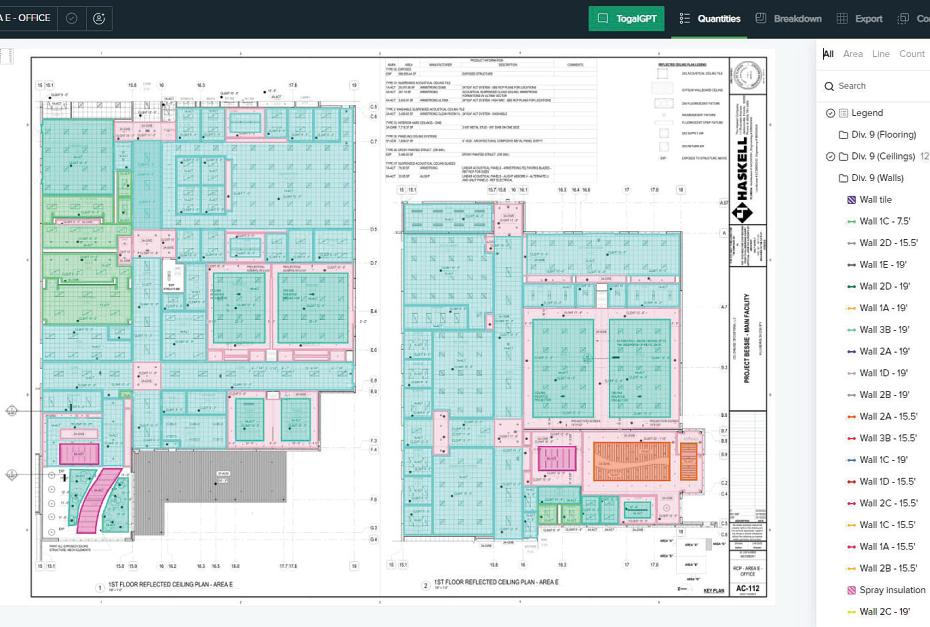
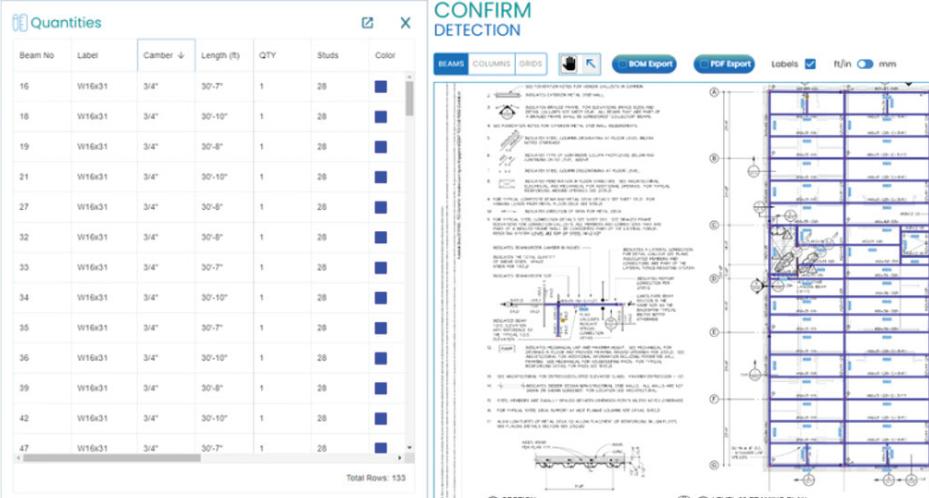
SketchDeck AI acceleratessteel takeoffbyrecognizing structural components andgeneratingquantity outputsquickly.The pilotisongoingwithstructural estimators,and earlyfeedbackisverypositive. If resultscontinueatthistrajectory, this tool has thepotential to shortenbid preparationtimes and improve consistencyacrossestimators.
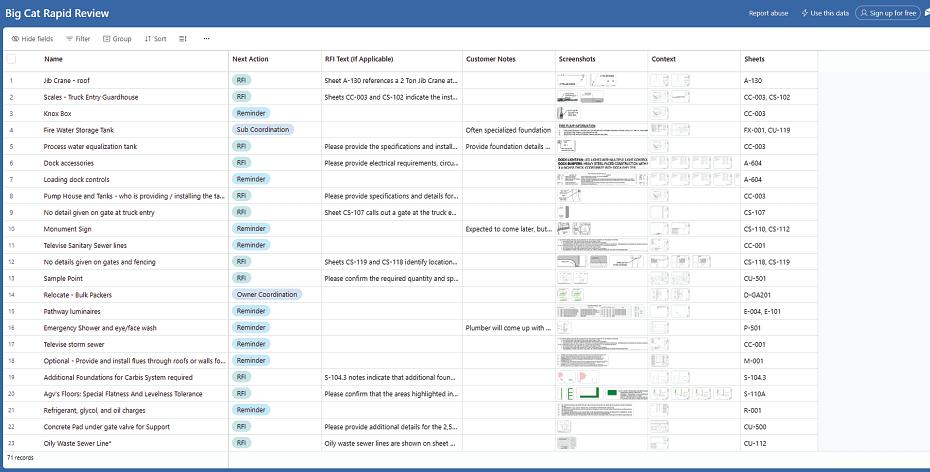
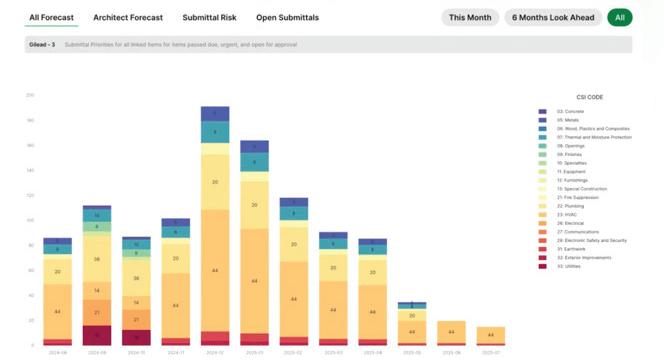
KayaAI automatesprocurement follow-ups by monitoring material statuses,contactingvendors andupdatingprocurement logs.Multiplebusiness unitsare interested in early2026adoption, especially Preconstruction’scentral procurementunit. The pilotshowedstrong potentialfor reducing manual coordination andimproving visibility into long lead items.
*Pilot currentlyinprogress, mayscale in 2026
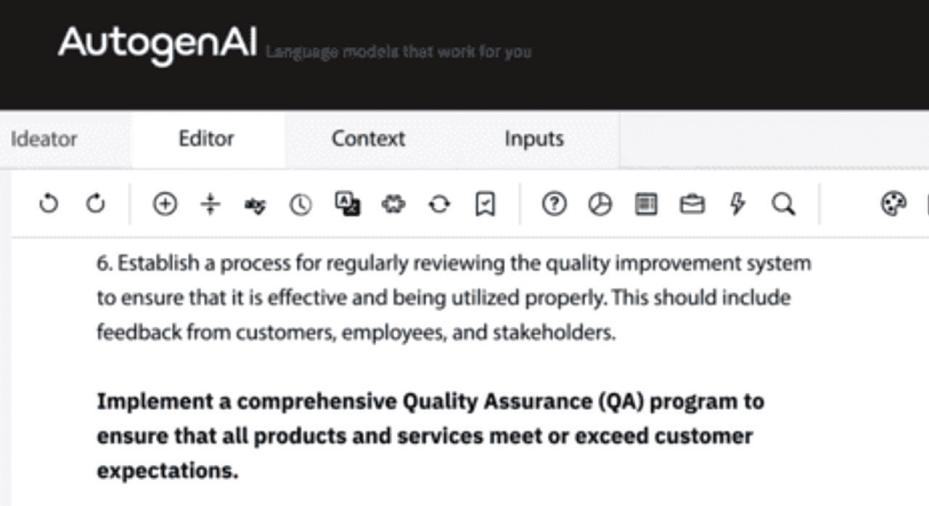
AutogenAIusesgenerativemodelstodraft proposals, ingest resumesand buildboilerplateproject content. Themarketing team didnot find thetoolintuitive, noting that it relied heavilyonAI-generatedcontent with limitedfunctionaldepth.It did notalign with theteam’sworkflow, leadingtoapivot toward anotherplatform
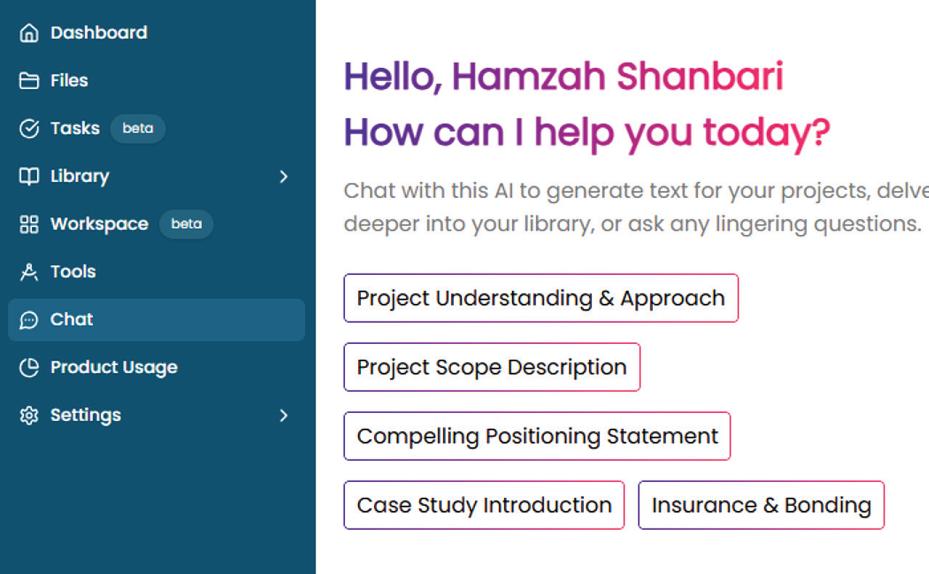
JoistAIisamarketing-specificAIplatformdesigned to help AECteams generate proposals, locate content andanswerquestions aboutpastprojects. Thepilot produced promisingresults andthe team is exploring wideradoption. JoistAI’sfocus on industry-specific workflowsdifferentiatesitfrommoregeneralpurposeAIwriting assistants


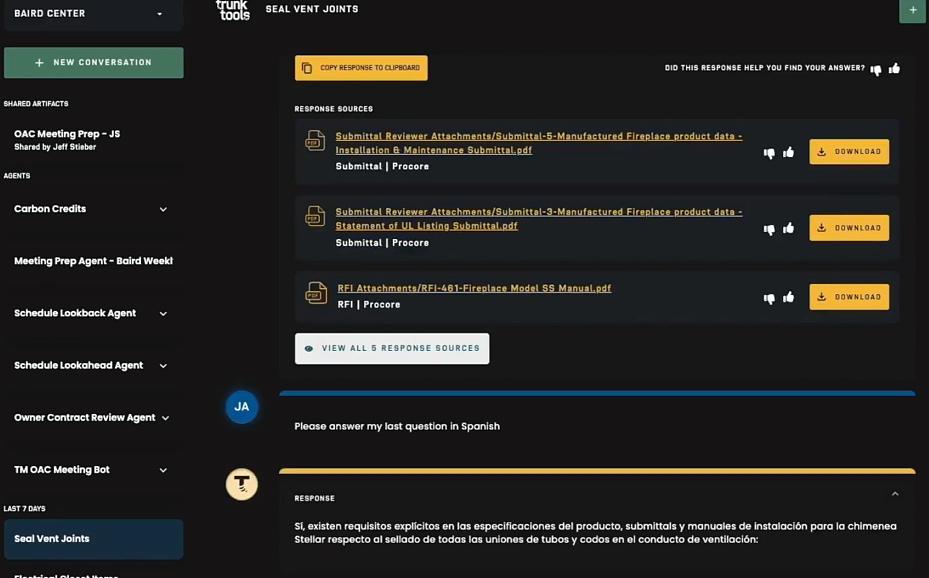
TrunkTools uses AI to search Procoredocuments and answer projectquestions.The pilotproducedgood results, butlimitations emerged. TheAIsometimes surfaced outdated documentsand lacked theability to prioritize more recent content.Integrationissues with Procorealsohinderedperformance.Because deep document search is oneofour highestpriority usecases,Haskell decidedtoevaluate alternativeplatforms.
Datagrid provides AI agentbuilders,including a powerful deep search agentcapable of indexing andretrievinginformation from Procoreand other data sources. Pilots on active projects showed strong results. Teams reported faster answers, more relevant document retrievaland fewerlimitations than with othertools.Datagrid’sagent framework mayallow Haskelltobuild additional automated workflows, making it apotential candidatefor broaderdeployment
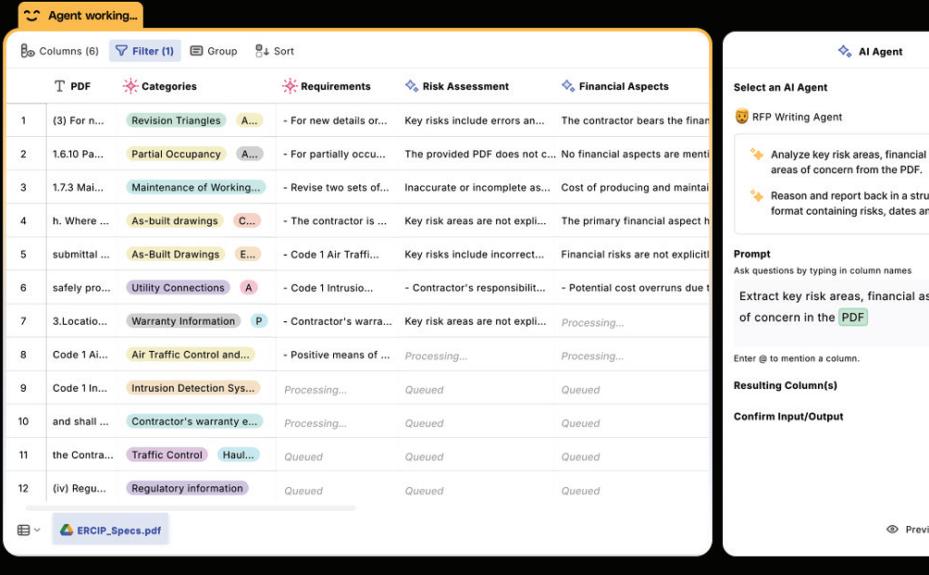
Document Crunch uses AI to review contracts andidentifykey clauses, risksand compliance requirements.While thelegal team didnot support using AI to review contracts, they recognized significantvalue in using thetoolfor contract execution. Severaldirectors of construction adoptedit to help projectteams understand contract obligations andstayaligned during theproject lifecycle. The lesson learnedisthatAIismorereadily accepted when it assistsexecution rather than replaces professional judgment. *Pilot currentlyinprogress, mayscale in 2026
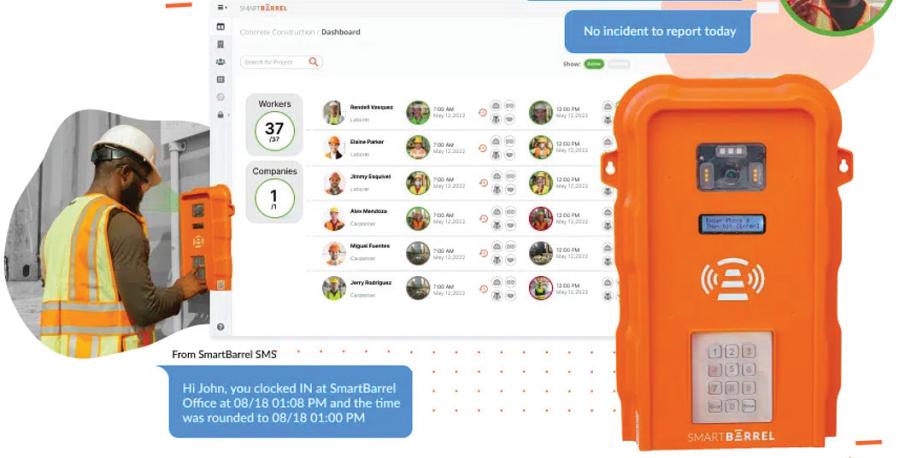
SmartBarrelautomates jobsitetimetrackingusing facial recognitiontoprevent buddypunching. Twobusiness unitsadoptedthe tool beyond the pilotbecause it integrates cleanlyintoProcore andremoves significant manual effort forfield administrators.The tool demonstrates howAI-driven automation cansolve practicaljobsite challenges

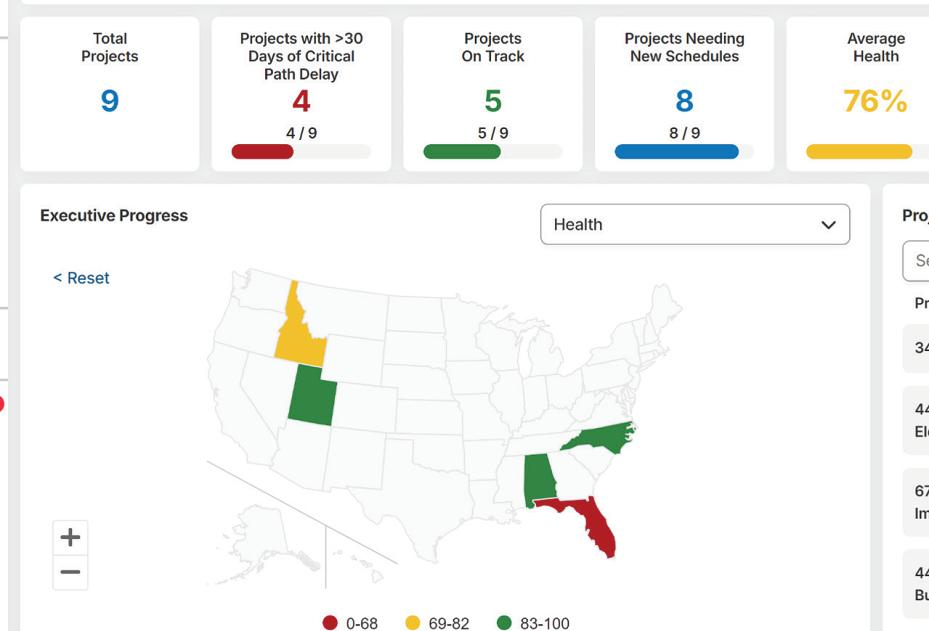
SmartPManalyzesP6schedules andprovides insights into floaterosion,logic issues andpotential delays.While thetool’sAIfeaturessupported better scheduling decisions, theproject controls team preferredScheduleValidator forsimplicity This highlights that adoption dependsnot only on capabilities butalsooneaseofuse andfit within establishedworkflows
Versatileisasensorthatattachestocranestoanalyze liftingoperations, tracktrade performanceand identify inefficiencies. Haskellhas pilotedVersatile on oneproject andearly feedback is positive.The tool couldhelpimprove production tracking andtrade coordination on complexjobs.
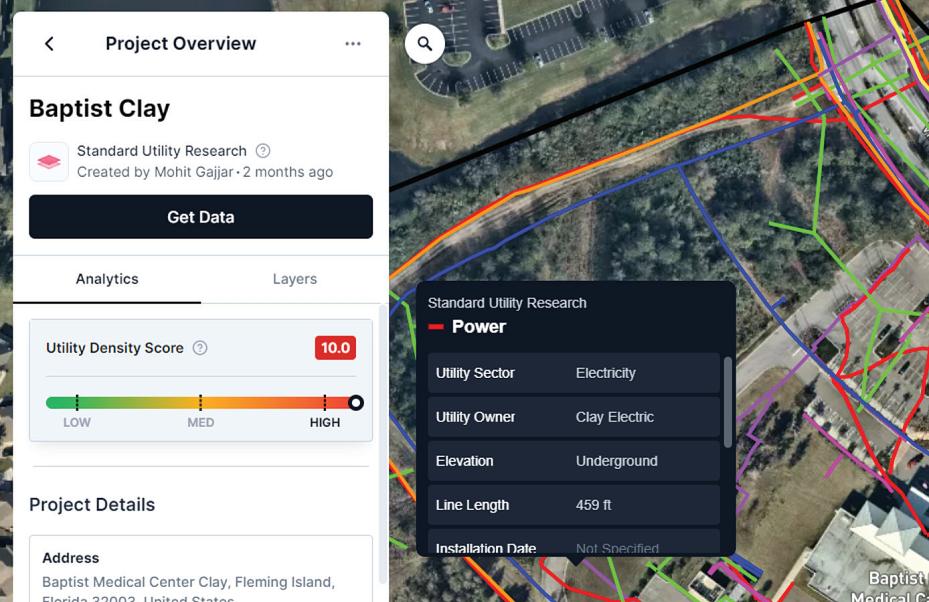
4M AnalyticsusesAItomap undergroundutilities andprovide excavation intelligence.The VDCteam pilotedthe tool with mixedfeedback. Concerns about accuracy andhighcostled to thedecisiontopause furtheradoption.The lesson here is that emerging technologies must demonstratebothaccuracyand cost effectivenesstoscale
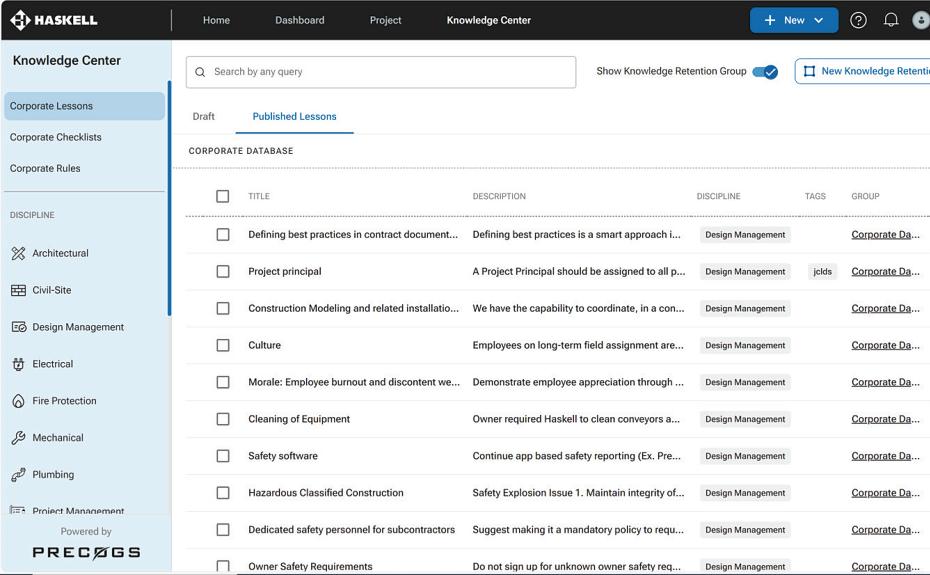
Precogsisaplatformdeveloped from theBig Pitch2021winning idea,designedtostore and analyzelessons learnedfromall Haskellprojects. Dysruptekpartnered with VIATechnik to integrate an AI layerthatevaluates past issues andprovides recommendationsfor upcoming projects.This approach helpsreducerepeatmistakesand supports stronger projectstart up practices. Precogs demonstrates howHaskell canbuild internal solutions tailored to ouruniqueprocesses anddata.
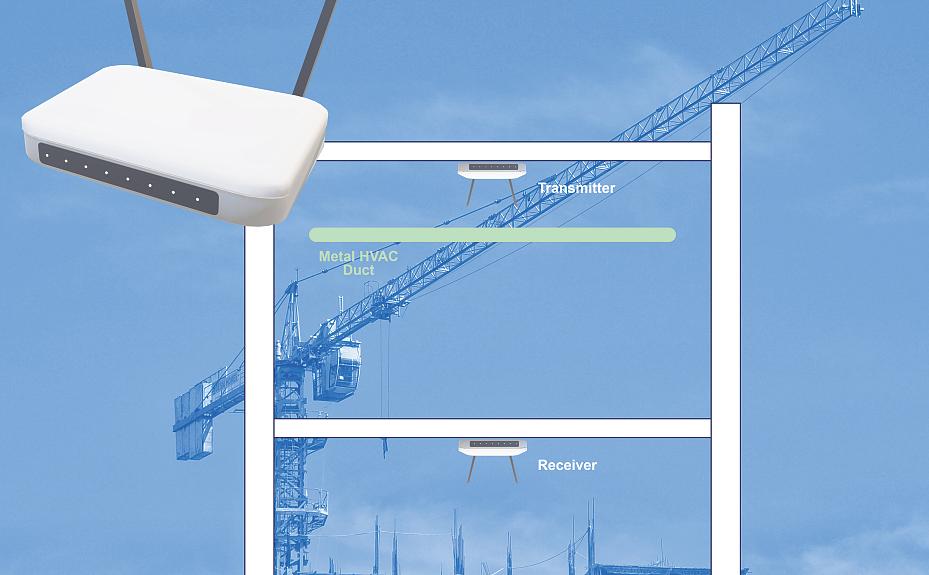
WiSE is an R&DinitiativethatusesWiFirouters to detect objectsonjobsitesbyanalyzing channelstate information. Theprototype successfully identified ducts, conduits andPVC pipesand determined their location within acontrolledspace.The next phase involves comparingdetectedelementstodesign models,which couldenableautomated progress tracking.WiSEreflectsHaskell’s long term vision to leverage ambientsensing insteadofrelying solely on camerasormanualreporting
AMPT uses AI to read drawings andspecifications to generate alistofquality testsrequiredfor each project. Thepilot successfully demonstrated the concept. This tool couldhelpstandardize quality planning,reducemanualreviewtimeand alignproject teamsearlier in thelifecycle

FirstFreight automatesthe creation of optimalsteel loadingplans usingthe 3D modelof a building.The tool evaluatesgeometry, weight andsequencing to help plan truckloads efficiently.Itiscurrently in phasetwo of development. When complete,First Freightcould reduce shipping costs, streamline fabricationlogistics andimprove downstream installationefficiency.
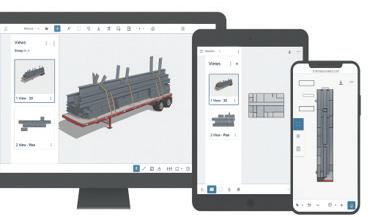
In early2025, DysruptekalsodeployedaninternalConTech AI chatbotdesignedtohelpteammembers identify theright construction technology solutionsfor specific pain points basedonDysruptek’s library of toolsand past evaluations. Whilethe intent wastostreamlineaccesstoour innovation knowledgebase, thetoolwas often treatedlikeageneral purposechatbot.Manyusers askedbroad questionsunrelated to theunderlyingdataset, whichlimited itseffectiveness andcreated confusionabout itspurpose.The projectwas sunset later in theyear andthe lessonslearned areshaping howweframe,nameand onboardfutureAItools so that expectations match what theunderlyingsystems aredesignedtodo.
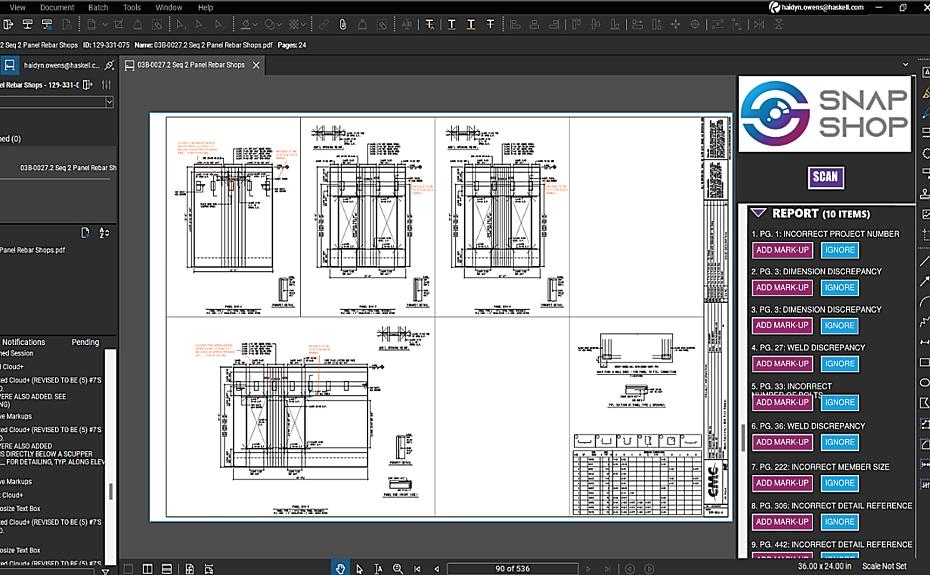
SnapShop compares submittaldrawingstodesign models to identify discrepancies. Earlytests show potential, butthe tool is stillinevaluationbecause severalstartupsare tackling thesameproblem.The goal is to determinewhether internal development or external partnerships will create thebestlong term solution.
Across design,preconstruction,marketing andconstruction, Haskellhas tested abroad spectrum of AI tools. Thesepilotsrevealedwhere AI createsclear value, whereintegration challenges remain andwhere theunderlying workflowsrequire refinement before automation canbeeffective.The past severalyears of experimentation have positioned us well.Wehaveastrongunderstanding of what ourteams need,whatthe market canoffer and whichtechnologiesalign with ourprocesses.Mostimportantly,these experiencestaughtusthatAIadoptionis as much aboutculture,trainingand workflow clarityasitisabout technology.Thisfoundationgives us aclear directionaswemove toward amorecoordinated andenterprisewideAIstrategyinthe coming year
Takentogether, thesepilotsdomorethanvalidatetools They expose whereHaskell is readytoscale AI, whereour processesand data need tightening andwhere ourpeopleneedmoresupport. Thenextsection organizesthose insights into aclear view of ourreadiness across people,processes,technologyand governance
Haskell’sexperiencewithAIpilotsoverthe past severalyears givesusadeeperunderstandingofwhere we arepreparedtoscale andwhere we must focusbeforetransitioning to an enterprise approach.While the technology continuestoevolveatanaccelerated pace,our readinessasanorganizationdepends just as much on ourpeople, ourculture,our processesand theclarity of ourgovernance. Thelessons from Section4point to meaningful strengths, clearareas of opportunityand aset of conditions we must addressinorder to evolve from experimentationtooperational impact
Haskell’speopleremainour greatest strength when it comestoadoptingnew technologies andthe past year hasshown that interest in AI is already presentacrossthe company. What we see, however, is notasingleunified response butaspectrum. On oneend,manyofour youngerteammembers areenthusiasticand eagertoexperiment. They have grownupwithmoderndigital tools, andfor them,AIisanatural extensionofhow they learn, communicateand problemsolve.Several newhires have alreadyincorporatedAIintotheir personal workflowsbeforejoining Haskell, andfor this group, thequestionisrarely“should we useAI” but“whyisn’t this alreadypartofour everyday work environment.” This enthusiasmisanasset,but withoutguidanceor guardrails it also createsrisk, especially when team membersuse external toolstomovefasterthanour policiescan keep up
On theother endofthe spectrum,several managers andseniorleaders approach AI with more caution. This is understandable. Establishedworkflows feel familiar,and thethought of reshapinglongstanding processescan be daunting.The saying that “the devilyou know is better than theangel youdon’t” captures what we seeinpractice. Even when teams acknowledgethattheir currentmethods arenot ideal, theuncertainty around adopting somethingnew can slow momentum.Manybusiness unitsare waitingfor clearerguidanceorstrongersignals from executive leadership before committing to broaderchanges Withoutthattop-downalignment,decisions aboutAI remain highly personal andoften conservative
This tensionbetween eagernessand hesitation is not aproblem in itself,but it does highlightthe need for structured support. Team membersatall levels need abetterunderstanding of howAIfitsintotheir roles
andhow it canenhance theirworkratherthandisrupt it.Manyofthe concerns we’veencountered come from notknowing what AI canand cannot do,orfrom fear of taking afirst step withoutknowing whether leadership supports thedirection.Clear messaging from executives will play an importantroleingiving managers permission to experiment,learn and adjust.Whenthe organization signalsthatthoughtful experimentationisexpected, teamsbecomefar more willingtotry newtools andevaluatenew ideas.
Upskilling will be essentialtounlockthe full potential of this technology.Thisisnot somethingwehave fullyimplemented yet, butitmustbecomeone of thecorepillars of our2026direction.Partnering with Learning &Development will allowustocreate structured training programs,hands-onworkshops andeveninternal hackathons whereteams cansafely learn, test ideasand buildconfidenceinAIworkflows Theseinitiatives also create asafeenvironment for experimentation, whereteammemberscan push theboundariesoftheir work withoutexposingthe companytounnecessary risk.Thisaligns naturally with thethree messagingpillars we used this year:AI is notheretoreplace ourpeople, AI toolswillcontinue to improve,and we must approach this technology with aclear focusonsecurity.
Ultimately,our people areready to take thenext step,but readinessalone does notguarantee progress.Whatmatters nowisequipping them with thedirection,trainingand spacetheyneedtoturn interest into impact.Withthe rightsupport,the enthusiasm of earlyadoptersand theexperienceof ourseasonedleaders cancomplementeachother, creating aculture that is confidentinits abilityto evolve andpreparedtotakeadvantage of what AI canoffer
Ourprocess anddatalandscape is oneofthe most importantfactors in determininghow effectively AI cansupport ourwork. Thereality is that many of ourprocesses differ across businessunits,disciplines andevenamong projectteams.Thisvariation is not inherently aproblem.Infact, it reflects thediversity of work we deliveracrossmarkets.The challengearises when workflow differencesproduce inconsistent data.AIthrives on patterns.It builds strength when data is structured,predictable andaligned to a familiar framework. When twoprojectswithinthe same market storeinformation differentlyororganize documentsinconflicting ways,eventhe most advanced toolsstruggletodeliver consistent results.
This is notacallfor one-size-fits-allstandardization Instead, it highlights theneedfor claritywithineach market andbusiness unit.Aproject in thesamesector should producedatathatlooks andbehaves thesame way. Construction projects managedbythe same groupshould follow similardocumentorganization practices. Design packages produced within the same discipline should follow consistent naming conventions, folder structures andinformation handoffstandards.These patterns make it easier for teamstofindthe informationtheyneed, andthey dramatically improvethe accuracy andusefulnessof AI tools. When this consistencyispresent,automation becomesaforce multiplier.Withoutit, AI is limitedto surface-levelgains
Data fragmentationremains oneofour biggest obstacles. Across thecompany,project fileslivein Procore, SharePoint,OneDrive, Teamsfolders and localdrives. Versioncontrol is notalwaysfollowed rigorously, which leadstoduplicatedocuments, conflictingupdates,or missingrevisions.Jobsite photos arenot always captured.Evensimpletasks like searchingfor thelatestsubmittal or updateddrawing canvarysignificantly dependingonhow each team organizesits files.
Thesegapsbecomemorevisible as clientsincreasingly askhow we protecttheir data,how AI toolsaccess it andhow we maintain controloverproject information. Whilewewilladdress theseexpectations more fullyinthe governance section, it is important to acknowledgethemhere. They highlightthe need
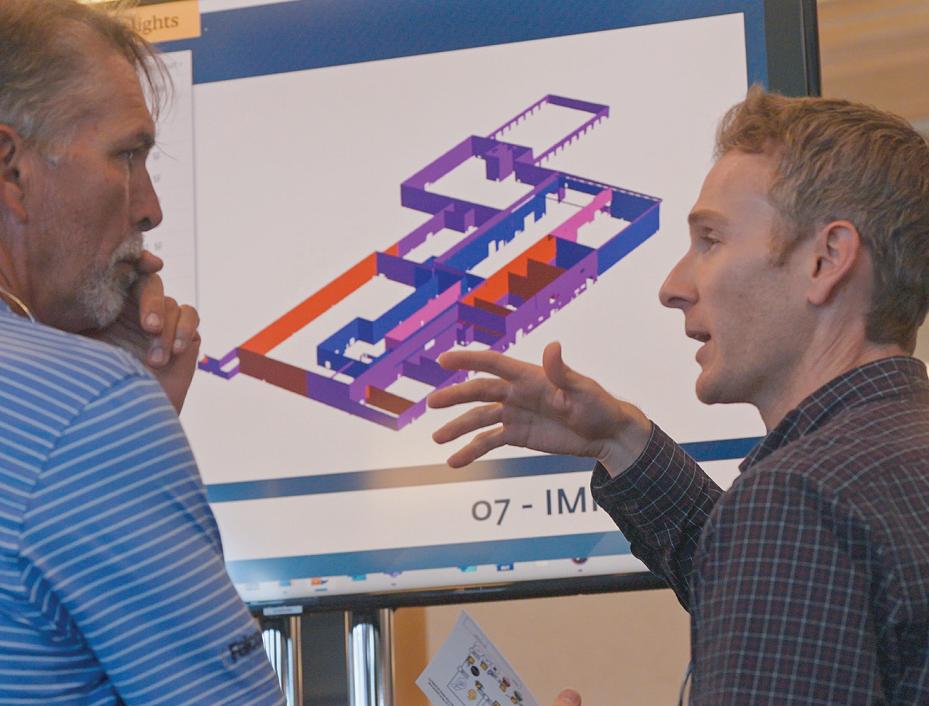
foramoreunified approach to data management and workflow execution, especially as IT begins standing up adedicated data governance function.This function will play acrucial role in establishing clear structures forhow data is captured, organizedand maintained across thecompany
Some business unitshavestarted exploringAIata conceptual level, buttheyhavenot yettranslated that explorationintoday-to-dayoperational changes. For example, interest in renderingtools or visualization platformsisgrowing,but theseefforts remain peripheral compared to theworkflows whereAIcould have deeper impact.Thisisnot acriticism.Itreflectsa naturalfirst step.Teams oftenbegin by experimenting at theedges before applying newtechnologytocore responsibilities.The opportunitynow is to channel thoseearly explorations into more structured, operationaluse casesthataddress real bottlenecks andpainpoints.
Overall, ourprocesses anddatapractices are functional,but they arenot yetoptimized forAIat scale. We do notneedtooverhauleverything. We simply need to establishenoughconsistency within each business unit to allowAIsystems to recognize patterns,learn from them andsupport ourpeople more effectively. Once that foundation is in place, thevalue of AI increasesrapidly,and automation becomesfar easier to introduce. Theworkahead lies in improvingclarity,reducingfragmentation and ensuring teams across agiven market operatewith repeatablepatternsthatAIcan buildupon.

From atechnologyperspective,Haskell hasseveral advantages that position us well forthe next phaseof AI adoption.Our foundational systemsare strong.Procore provides aunified environmentfor construction management,Microsoft 365supportscommunication anddocumentation across theenterprise, andour underlying IT infrastructure givesus a reliable backbone fordigital work.Looking ahead, therollout of the Oracle CloudERP in mid-2026 will furtherstrengthenour position.Byconsolidating financial, procurementand operationaldataintoamoremodern, unifiedplatform,Oraclewillcreateopportunities fordeeperautomation, cleanerintegrationsand more consistent data structures across business units. This transition will be asignificant enabler forany long term AI strategy
At thesametime, we areentering2026without an enterprise-level LLMstrategy. Copilothas introduced many team memberstothe idea of AI-assistedwork, butitisnot well suited to thetypes of operationalworkflows ourteams rely on.CreatingcustomagentsinCopilot requires specializedAzure expertise, andthe back-end permissioningstructure makesexperimentation difficultfor most team members. Usagereporting is limited, whichmakes it hard to measureimpact, understand whichteams aregetting value, or closethe loop with success stories. Theselimitations mean Copilotcan play asupportingrole, butitcannotserve as thecentral AI system that drives ourbroader strategy

IT hastaken theright approach in protecting Haskell’sdata. Theircautiousstanceensures that third-partyvendors undergocareful review and that no tool touchesclient informationwithout the appropriatesafeguards. However, thecurrent review cycleislong, andthe processfor evaluating newAI vendorsisnot yetoptimized forthe speedatwhich AI innovation moves. Delays in completing vendor questionnaires,clearingsecurityreviews andsetting up single sign-onaccesshavecausedseveral pilots to lose momentum.Teams that were readytotesta tool oftenmovedonbeforewecould complete the technicalonboarding. IT andDysruptek arealigned in wantingtoprotect thecompany,but we need amore structured workflow forintroducing,evaluatingand piloting AI tools. With aclearer processinplace,we canaccelerateresponsible experimentationwithout compromising security
Governance is anotherareathatwillrequire focus. Dysruptekisresponsible forcreatingthe frameworks that help evaluate AI tools, whileITgovernsrisk, security anddataaccess. Both sidesare acting responsibly, butwe aremissing aunified process that connects theseefforts in apredictable way. Haskellpublished an AI policy in 2023,but it hasnot been updatedto matchthe capabilities,risks and usecases we areseeingin 2025.The policy needs revision, renewedvisibilityand training to ensure
that team membersunderstandwhattheycan use, howtheyshoulduse it andwhere theboundaries lie. Best practicesmustbeclear,accessibleand consistently communicated.AsAIbecomes more embedded in ourwork, this alignmentwillbecome increasingly important.
Clientsare also raisingnew expectations.Some alreadyask howtheir data is protectedwhenused with AI tools, what models have access to it,where it is stored andwhatvulnerabilities third-party vendorsmay introduce. Others will beginaskingthese questionsastheir ownawareness grows. We must be prepared with clear, confidentanswers.Protecting client data is acoreresponsibility, andour readiness dependsonhavingthe rightpolicies, systems andcommunication patterns in placetoaddress theseconcerns.
Oneadditionalchallenge is thefragmentation of whereour projectdatalives.Teams storefiles across Procore, SharePoint,OneDrive, Teamsfolders and localdrives. This makesintegrationsmorecomplex Whilethere aretools that canbridgemultiplestorage systemstosupport asingleAImodel,weneedto approach this methodically.Fragmentation does not preventusfromexecuting astrongAIstrategy, but it reinforces theneedfor discipline in howwestore, structureand access ourinformation
Overall, ourtechnologyand governance postureissolid butrequiresrefinement before AI canscale across theenterprise.
We have theright building blocks.Whatweneednow is aclearer process, amoremodernAIpolicy, faster andmorecoordinated evaluation workflowsand aunified directionthatalignsDysruptek,IT, Legaland Risk.Withthese elements in place, Haskellwillbeready to adoptAIina waythatisbothsecureand transformative.
With this readinesspicture in view,the path forwardbecomes clearer. To move from pilots andfragmentedexperimentation to enterprise-scale impact,Haskell needsa strategy that strengthensfourareas at thesame time:access, governance,peopleand operations.These four pillarsform thestructure of our2026AIplan.




To turn AI from acollectionofisolatedpilotsintoameaningfuladvantage forHaskell,weneeda strategy that is intentional, structured androotedinhow ourpeopleactuallywork. Ourgoalin2026istoestablish thefoundation that will carryHaskell throughthe next decade.Thatfoundationmustbesecure, accessible andaligned with theway each business unit operates.Oncethisfoundationisinplace,adoptionwillgrownaturally,and AI will become part of howprojectsare designed,estimated,planned anddelivered.Thisiswhere we transition from experimentationtodeliberatecapabilitybuilding,guided by four strategic pillars.
Thesefourpillars arenot independentworkstreams.Theyformasinglesystemthatenables enterprise-scale AI Secure access withoutgovernance createsrisk. Governance withouttraininglimitsadoption.Trainingwithout operationalintegration produces curiosityinstead of impact.And operationalintegration cannot occurwithout theright technicalbackbone. Strengtheningall four pillarstogetheriswhatallowsAItobecomea reliable, repeatable capability at Haskell.
Thefourpillars that guidethisstrategyare:
EstablishanEnterprise AI Backbone 1 Strengthen Governance,Policyand Data Protection 2
ElevatePeople Through Structured AI Training andEnablement 3
Operationalize AI Across the Business Units 4


To scaleAIacrossHaskell,weneedanoperating modelthatclearly definesownership,coordinationand responsibility.Dysruptek will serveasthe centralenablementfunctionfor AI,responsible forguiding adoption, supporting business unitsand ensuring that AI is integrated into day-to-day workflowsinasustainable way. This role builds on Dysruptek’smulti-yearhistory of leadingAIpilots, evaluating vendorsand workingdirectlywith teams across design,preconstruction,field operations andcorporate functions.
To fulfillthisrole, Dysruptekwillestablish adedicated AI Strategy Team within theInnovationgroup.Thisteam will actasthe enterprise hub forAIenablement—supporting workflow design,training, agentdevelopment and cross-functional coordination.ITwillcontinuetoown governance,securityand infrastructure,while business unitswillown operationalexecution within theirprocesses.Dysruptek’s AI Strategy Team will connectthese functions, ensuring that AI is deployed responsibly, consistently andwithadeepunderstanding of howour peoplework.
This operatingmodel provides thefoundationfor thefourstrategic pillarsthatfollow. It ensuresthattechnology decisions, governance standards, training effortsand operationalworkflows move together in acoordinated, enterprise-wideapproach rather than fragmentedinitiatives.Withclear leadership anda unifiedstructure, Haskellcan scaleAIadoption effectivelyand builddurable capability across theorganization.
AI will only scaleat Haskellif team membershavesecure, reliable access to thetools that supporttheir daily work.In2026, this access will come from threecoordinated layers.Microsoft Copilotwillcontinuetoserve as the primaryentry point, giving team membersAIsupport directly inside Outlook, Teams, Word,Excel andPowerPoint. OpenAI Enterprise will providethe higher levelreasoning layerthatallowsteams to experiment,build internal agents andexplore more advanced usecases in aprotected environment. Datagrid Enterprise will extend thesecapabilitiestothe fieldbyenablingproject teams to access AI agents that deliverrapid search,document understandingand workflow support. Thesethree layers work together to create acohesiveAIecosystem that aligns with oursecuritystandards,supportscross-functionalexperimentation andpreparesthe companyfor deeper integrationasour systemsevolve.
By giving everyteammemberaccesstoa secure enterprise models,weeliminate theneedfor Shadow AI tools andcreatethe foundation forconsistentand responsibleadoptionacrossthe entire organization
Haskell’senterpriseAIbackbonewillbeanchoredinthree coordinatedlayersthatworktogethertosupport experimentation, productivity andresponsible adoption across thecompany.These layers complement one anotherand give team membersmultipleentry points into AI basedontheir needs, theirroleand theirday to dayenvironment
1. ExpandingMicrosoft CopilotAcrossthe Enterprise
CopilotwillremainintegraltoHaskell’s commitment to AI.Itprovidesimmediate supportinsidethe applications ourteams alreadyuse.Expanding Copilot licenses will allowmoreteammembers to draft documents, summarizemeetings, analyzeinformation andexperimentwithAIinfamiliarenvironments. This expansionwillbe supportedwithupdated training andclear examples that helpusers understand how Copilotfitsnaturally into theirworkflows
2. OpenAI Enterprise as aSecure Experimentation andAgent Layer
OpenAI Enterprise will give teamsaccesstoa more advanced reasoningenginethatsupportsdeeper experimentation, structured usecases andinternal agentdevelopment.The rolloutwillbegin once the enterprise agreementiscompleted,the environment is configured andthe system is connectedtoour infrastructure.Duringthistransition, personal ChatGPTaccountswillbesunsetand team members will access thesystemthrough MicrosoftSSO.A licenserequest processwillbeestablished to ensure fair allocation andvisibility. This environmentwillalso supportguidelinesand policiesthatclarify howAIcan be used safely andhow data should be managed.
ExpandingDatagridwillallow projectteams to useAIagentsthatsupport deep search,document understandingand workflow automation inside the systemstheyalready rely on.These agents will create thefoundationfor future fieldautomationand will help teamssurface informationfaster, reduce manual searchingand test newagent-based workflowsthat supportdaily projectexecution
Together,these threelayersformthe foundation of Haskell’sintegratedAIaccessmodel.Copilot introduces AI whereteammembers already work,OpenAIEnterpriseprovidesthe secure environmentfor deeper explorationand internal agentdevelopment andDatagridunlocks immediate valuefor projectteams in thefield.Combinedwith vendor-specifictools across design,preconstruction, safety andmarketing,thisarchitecturewillgiveteam membersaunified andreliableway to engage with AI.Justasimportantly,itallowsDysruptek andIT to capturefeedback, monitoradoption,document successstories andrefinethe approach as AI becomes anatural part of howwedeliver projects
Our2023AIpolicywas theright starting pointfor an emerging technology,but theenvironment in 2026 requires amoremodernand visiblegovernance structure. Team membersneedclear guidance on what is allowed, howclientinformation should be handled, wheretheir data goes andwhatpractices keep Haskellprotected.Policiesmustbeeasytofind, easy to understand andsupported with real examples
IT continuestoplaya responsibleand thoughtful role in protecting Haskell. Still, thecurrent vendor review cycles andonboardingprocesses move slower than thepaceofAIinnovation. Theindustryisevolving tooquickly formulti-month evaluation periods. Once we identify apilot team,weoften lose momentum whilewaiting forreviews,questionnairesand SSOintegrations
This does notmeanreducingour standards. It means designingamorestructuredworkflowfor evaluating AI toolssothatsecurityand innovation move together.Arepeatable, predictableprocess will help Dysruptek, IT,Legal andRiskoperate with thesame expectations andavoid bottlenecksthatprevent us from learning fast
Thecreationofthe Data Governance groupwithinIT is particularly important.Market-specific consistency in howinformation is captured andstoredwill eventually enable cleanerAI-driven insights and internal agents.Thisisnot aboutstandardizing every workflow across Haskell. It is aboutensuringthattwo similarprojectswithinthe same market speakthe same data language.
Clientsare also becoming more informed andmore cautious.Manyare alreadyaskinghow projectdata is handledinsideAItools.Otherswillbegin asking soon.Weneedtobepreparedwithconfident answers long before thosequestions appear in RFPs or kickoffmeetings.
As Haskellexpands itsuse of AI,anew category of risk hasemerged related to internal intellectual property Whileexternaldataexposurehas historically been theprimary concern, theorganizationmustalso addressthe potentialfor team memberstouse internal toolsand datasets to developpersonalside projects or commercializesolutions outsideofHaskell This risk is nottheoretical.Itreflectsapattern seen across industries as team membersgainaccessto increasingly powerful AI platformsand theability to buildagentswithminimal technicalexpertise
As Haskellcontinues to scaleand provideteam memberswithaccesstoAI-developmenttools,the organization must ensure appropriatesafeguardsare in place. Thesesafeguardsinclude establishing clear approval processesfor agentcreation, implementing tiered access to data sourcesand maintainingregular visibility into AI usageand developmentactivity across thecompany.Bystrengtheninggovernance around thesecontrols, Haskellcan protectits intellectual assets whilestill encouragingcreativity andexperimentation within approved boundaries

People arethe core of this strategy.And ourpeoplebring differentlevelsofreadiness.Younger team members expect AI to be part of theirday.Somealready useAItools privatelybecause they feel held back by thelackof approvedoptions.Moreseasonedteammembers mayhesitate, waitingtounderstandhow AI fits into theirwork andhow it mightchangetheir responsibilities
Both ends of thespectrumdeserve attention. We need to enable curiositywithout lettingitdrift into unsafe practices, andweneedtosupport cautionwithoutallowingittoslowprogress. Theway to do this is through structured preparationand accessible learning pathways
Thetrainingecosystem for2026should include:
A BU-SpecificAIWorkshops
Theseworkshops connectAItorealworkflows inside each business unit.Teammembers see exactlyhow AI canhelpthemwithdesign, estimating,scheduling, procurement, safety, construction management,marketing andmore.
A QuarterlyHackathonsatEachOffice
Localhackathonsgiveteammembers achanceto test ideas, buildsimpleworkflows andcollaborate in ahands-onenvironment.These events spark creativity,buildconfidenceand help identify naturalchampions inside each office
A Leadership-Focused AI Education
Business unit leaders, directorsand managers need dedicatedsessionstounderstandhow AI supports theirstrategic goals. Leaderswho understand AI’s valueare more likely to champion it within theirteams
A CoursesinHaskell University
Internal coursesprovide team memberswith accessible training pathways that arealigned with Haskell’sexpectations. This reducesthe need for outsideeducation andkeeps learning consistent across thecompany
A ASecureAISandbox Team membersneedaprotected placeto experiment,testagentsand exploreideas without creating risk.Asandbox environmentencourages experimentationand reducesthe need forShadow AI tools.


Theseefforts will lowerthe barrier to adoption and help us shiftfromearly experimentationtointentional intelligence.The morecomfortable team members become,the more creative they get. Themore creative they get, themoreuse casesweuncover.
To unlock enterprise-widevalue,AImustmove beyond isolated pilots andbegin supporting real work across operations andall business units. With theAIStrategyTeaminplace,Dysruptek will partner with teams throughoutthe organization to identify high-impactworkflows,provide hands-on support andhelpintegrate AI into dailyprocesses.Thisshift marksthe move from experimentationtosustained operationalintegration
Each business unit will receivesupport to surface workflows, refine usecases andbuild internal champions. Office-level workshops, targeted pilots andteam-focusedhackathonswillhelpuncover opportunitiesthatare unique to each group. As patterns emerge,these workflow improvements will form alibrary of repeatableand scalable AI-enabled processesthatother unitscan adopt.
Fieldoperationsrepresent oneearly high-value opportunity, particularly forroles that benefitfrom faster informationretrieval,documentunderstanding andprogress-supporting agents.Aspartofthe broaderenterpriseeffort, oneofthe strongest opportunitiestoacceleratefield engagementwillbe afocused AI hackathonduringthe Superintendent
Meetings,where operationalleaders arealready gathered.Although thetimelinewillbetight, prioritizing this eventwillcreateearly momentum, surfacepractical jobsiteworkflows anddemonstrate Haskell’scommitmenttoenablingAIthroughout theorganization.
Across allbusinessunits,Dysruptek will document emerging usecases in aclear andstructuredformat andestablish aregular communicationcadence to shareprogress, successstories andmeasurable impact.Highlighting what problemwas solved, howthe workflow improved andwhattimeor cost wassaved will help buildorganization-wide confidence in AI.Thisconsistentcommunication, supportedbydirectional ROIinsights,willaccelerate adoption andensureteams seethemselvesinthe transformation journey.
As access expandsand teamsgainconfidenceusing AI toolsinrealscenarios,adoptionwillgrownaturally Over time,AIwillbecomesomething team members expect rather than somethingtheyexperimentwith. This shift, from noveltytonecessity,isthe true marker of organizational transformation
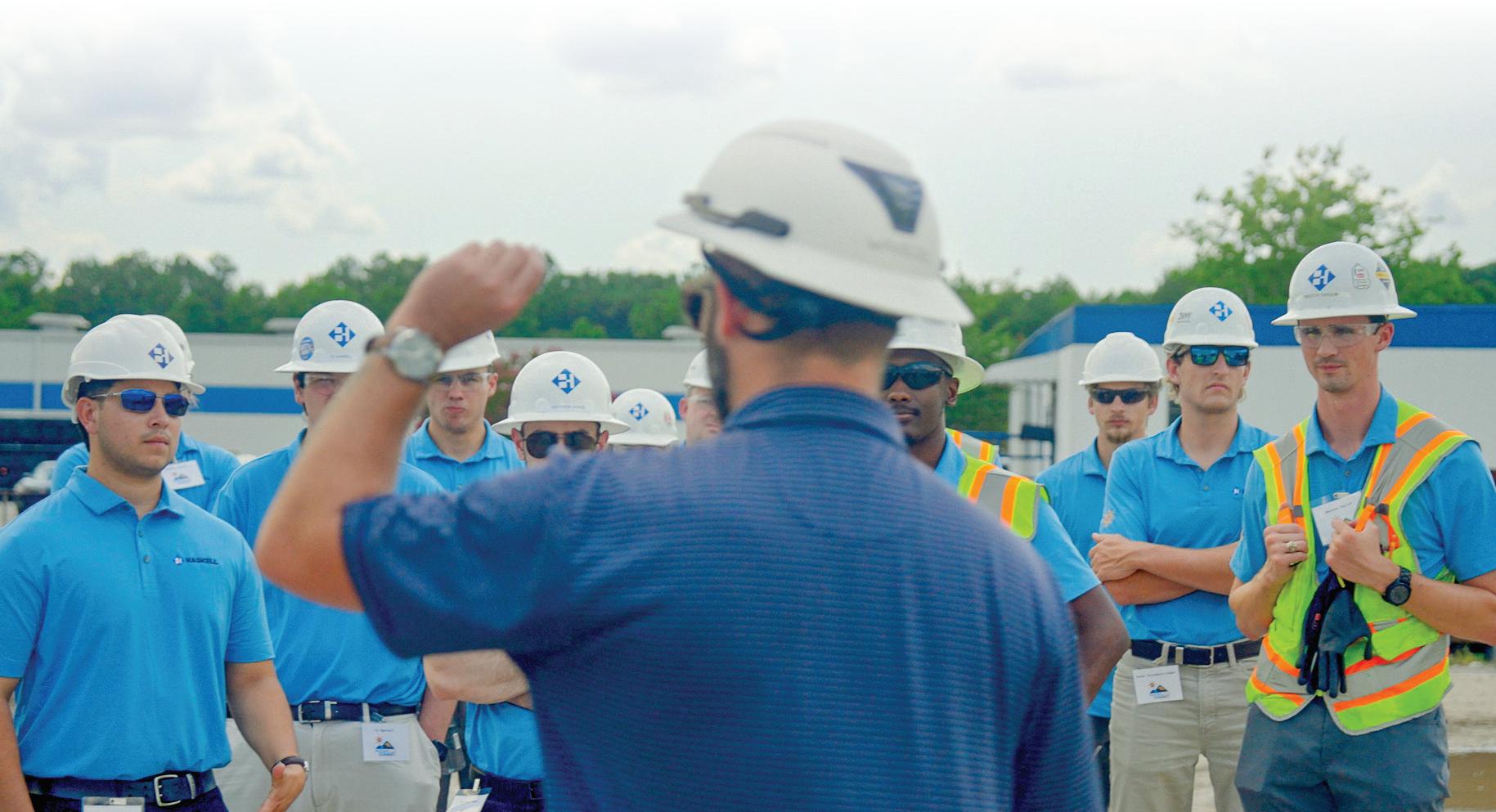

As Haskellentersthe next phaseofits AI adoption journey, it is importantthatour earlyfocus remainsdeliberate andgroundedinpractical outcomes.While thebroader landscapeofopportunities is significant, theorganization will prioritize five core initiativesin2026. Theseinitiatives reflectareas whereAIcan create immediatevalue, strengthen ouroperational capabilities andsupport theteams whodrive ourworkevery day.
Safety is Haskell’shighest priority,and AI hasthe potentialtosupport amoreproactive approach to risk identification.In2026, theorganizationwillexpandits evaluation of AI-enabled toolsthatassistwithhazard detection, safety analyticsand field-basedreporting PlatformssuchasHammertechand SafetyEHD, along internally developedagents, cananalyze photos, observations andfield data to uncoverpatterns andhighlight potentialrisks before they escalate. This missionrepresentsa significantopportunity to supportour teams with technology that strengthens situationalawareness andreinforcesHaskell’s commitment to thesafetyofevery team member
Mission2 focusesontransformingHaskell’s design andengineering workflowsbyembedding AI into theearliestand most critical stages of project development.Thisincludesacceleratingconceptual anddetaileddesignthrough generative design tools, improvingconstructabilityand qualitythrough AIdriven design review andautomated qualitychecks andreducingproject delays by expediting permitting andregulatorysubmissions with AI assistance Together,these capabilities enhancecollaboration betweenarchitectureand engineeringteams,reduce rework andcreatefaster, more predictableproject outcomes This missionsetsthe foundation foramore efficient,data-driven design processthatimproves both internal productivity andclientexperience.
Thethird majorprioritycenters on sustainability and environmentalimpact. BigPitch 2025 winner,EquipAI andrelated initiativeswillallow Haskelltocapture carbon footprintdatafromacrossour jobsites, automate portions of ESGreporting andsupport clientswithclearer insights into theenvironmental performanceoftheir projects.Thiscapability aligns directly with evolving client expectations and strengthensour abilitytodeliver work that reflects long-termstewardship. As theindustrycontinues shifting toward more transparentenvironmental reporting, this missionpositions Haskelltoleadwith clarityand purpose.
Improvingaccesstocriticalproject information remainsone of themostvisible opportunitiesfor AI at Haskell. By leveraging ourenterprisebackboneand agentbuilderssuchasDatagrid, fieldteams will gain faster access to drawings,RFIs, submittals,safety documentationand schedule information. These toolscan providedeepsearchcapabilities, generate dailyproject briefs andsupport naturallanguage questionsthatsurface theright informationatthe righttime. This missionrepresentsahigh-value step toward reducing friction on thejobsite andhelping superintendents,APMsand projectmanagersmake confidentdecisions with less time spentsearching foranswers.AdditionalAI-Agents will unlock more workflowsand create furtherefficiencies.
TheAIStrategyfor 2026 followsa phased approach that balances readiness,governance,trainingand responsible scaling. Thefocus is on rollingout an integrated AI access modelacrossCopilot,OpenAIEnterpriseand Datagrid, whilepreparing teamsfor theOracleERP transition andcapturing earlysuccess storiesthatinformlong-term direction. This report focusesonreadiness,prioritiesand sequencing.A more detailed financialROI analysis can be developedseparatelyonceadoption data from 2026 is available.
Foundation,Agreementsand Governance
PrimaryObjectives: Establishthe technical, contractualand governance groundwork required for AI deployment.
A OpenAI Enterprise contract executed
A Datagrid Enterprise agreementfinalized and configured forHaskell’s environment
A Copilotlicense expansionplanned with IT
STANDUPTHE INTEGRATED AI ACCESS MODEL
A ConfigureMicrosoft SSOaccessfor OpenAI Enterprise
A Establishsingleintakeformfor AI licenserequests
A Sunset personal ChatGPTuse across the organization andtransitionteammembersto enterprise-controlledaccessthrough Microsoft SSO, ensuring allAIactivityremains secure, monitoredand aligned with policy.
GOVERNANCE ANDPOLICYUPDATE
A Update the2023AIPolicywithnew security,usage andagent-creationguidelines
A Create guidance on internal IP protection and prevention of side-hustlemisuse
A Define theapprovalworkflowfor agentcreation, data access andsandbox experimentation
COMMUNICATIONAND AWARENESS
A Launch theAIStrategyAnnouncementatthe start of Q1
A Shareclear expectations:purpose,accessmodel, security andhow to participate
A Publishthe AI tool directoryincluding Copilot, OpenAI,Datagridand vendor pilots
TechnicalDeploymentand EarlyAccess
PrimaryObjectives: Beginenablingearly adopters whilestandingupthe infrastructure needed for broaderscale
AI PLATFORM CONFIGURATION&HARDENING
A ConnectOpenAIEnterprisetoHaskell’s systems forcontrolledinternal data retrieval
A ConfigureDatagriddeepsearchagentsand fieldfacing pilotagents
A Standupthe AI Sandboxwithsafe, isolated experimentationenvironments
AI STRATEGY TEAM ACTIVATION
A Twodedicated AI specialistsonboarded
A Startdocumenting role expectations,RACIand cross-BU collaboration models
A Beginestablishingearly usecasecatalogs(Design, Precon,Construction, Safety,Marketing)
A First200 OpenAI Enterprise usersonboarded
A Initialproject teams selected forDatagrid field-agentpilots
A Copilottrainingrefresh forexpandedteams
OFFICE-LEVEL HACKATHONS BEGIN
A Jacksonville,St. Louis, Salt Lake City andDallas host initialsessions
A Firstwaveofexperiments collectedand addedto the“AI UseCaseLibrary”
Training,Adoptionand Field-Focused Expansion
PrimaryObjectives: Expand onboarding,build AI literacy andcollect earlywinsthatguide future scaling.
ORACLE ERPDEPLOYMENT
A Core rolloutplanned forend-Q2
A Beginidentifying ERP-integrated AI workflows
A Establishthe groundwork forfutureautomation tied to Oracle’s unifieddatabackbone
BU-SPECIFICAIWORKSHOPS
A Design &Consulting: code search,loadassistance, design automation awareness
A Preconstruction: takeoffacceleration, procurementinsights, scopedrafting
A Construction &Manufacturing:Datagridfield agents,documentretrieval,daily workflows
DATAGRID EXPANSIONFOR FIELDTEAMS
A Broadenpilot to additional superintendentsand projectengineers
A Beginprototyping custom fieldagents(RFIs, submittallookup, playbook agents)
A Collectfeedbacktorefineagent permissionsand document indexing standards
FEEDBACK ANDSUCCESS STORYCOLLECTION
A Centralrepositorylaunched
A Monthly roundups publishedinternally viaDysruptek
Scaling, Integrationand Enterprise Learning
PrimaryObjectives: Convertearly learnings into scalable models for2027and strengthen the AI-enabled culture.
WIDEROPENAIENTERPRISEACCESS
A Addanadditionalusercohortbased on Q3 demand andadoption success
A Formalize licensemanagementprocess basedon usagemetrics
CODIFYINGAIBESTPRACTICES INTO SOPS
A Define “AI-supportedworkflows”for majorBUs
A Standardizenamingconventions anddata structures that improve agentaccuracy
A EmbedAItasks into onboarding fordesigners, engineers,estimatorsand PEs
2026 IMPACT REPORT
A CaptureROI results, successmetrics and adoption patterns
A Publishcasestudies from marketing, precon, design,constructionand safety
A Presentfinal recommendationsfor 2027 scale-up
A IncludeAImaturityassessmentfor each BU
Although 2026 marksthe turningpoint,the benefits of this strategy will continue unfoldingoverthe next twotothree years.
As adoption grows, we will seemoreautomationofrepetitivetasks,deeperintegration with oursystems,better data-drivendecisions,fasterworkflows andamoreinnovativeworkforce.Clientconversations will evolve,and ourability to respondwithclarity andconfidencewillstrengthen.
What mattersmostiscommitment. Once thebackbone, governance model, training ecosystemand operational supportare in place, therestwillfollow. This strategy positionsHaskell to stay competitive, attractnew talent, meet client expectations andavoid thecomfort of thestatusquo.AIismovingforward whetherweparticipate or not. By embracingitintentionally,wehaveachancetoshape thefutureofhow Haskellbuilds.
Haskellstandsatanimportant moment in itshistory TheriseofAIisreshaping howindustriesoperate, howteams collaborateand howdecisions aremade. For many organizations, this shiftfeels overwhelming or distant. Forus, it represents an opportunitytotake athoughtful step forwardand shapethe future rather than reacttoit. We have thetalent, theculture and thecapabilitiestouse AI in waysthatelevate how we design,estimate, plan andbuild.Wealsohavethe advantageofbeing acompany that understandsits people andadaptswithintention.
Thedecisions we make in 2026 will influencehow our teamsworkfor yearstocome. If we approach this technology carefullyand confidently, we canbuild a foundation that helpsevery team member,fromthe fieldtothe boardroom, make better decisionswith clearerinformation.Whenteammembers have secure access to AI in theireverydayworkflows,theycan shifttheir attentiontowardthe work that matters most:solving problems,buildingrelationships and deliveringprojectswithexcellence.
Intentionalintelligence is themindset that will guide this transformation.Itmeans using AI notbecause it is neworexciting, butbecause it helpsusworksmarter andwithmoreclarity.Itmeans choosing toolsthat align with ourvaluesand ourresponsibilities.Itmeans protecting ourclients whileenablingour people. It meansmovingforward with astrategythatties technologytopurpose
Dysruptekwillplayacentral role in leadingthisshift For years, itsworkhas centered on explorationand experimentation. In 2026,thatworkexpands into a more active andcoordinated approach as we establish
an enterprise AI backbone,strengthen governance, elevateour peoplewithstructuredenablementand embedAIintothe dailyrhythms of ourbusiness units. This transition will nothappenovernight, and it will nothappenbyaccident. It will happen because Haskellchooses to move with clarity, leadership and shared commitment
AI is notheretoreplace ourpeople. It is here to help them.The companiesthatthriveinthe coming years will be theonesthatlearn quickly, adaptopenly andembrace thetools that make theirworksafer, faster andmoreinformed. This is ourmomenttodo exactlythat. By acting nowand building intentionally, we canpositionHaskell notonlytokeeppacewith change,but to shapehow change is broughttothe builtenvironment
Thepathforward is nowclearer than ever.With an integrated AI access modelanchoredinCopilot, OpenAI Enterprise andDatagrid, Haskellwillprovide everyteammemberwithsecureand consistent access to thetools that supporttheir work Updatedgovernanceand internal IP safeguards will ensure that innovation growsresponsibly andthat experimentationhappens within definedboundaries. Structured enablementthrough workshops, training programs andhackathonswillhelpteams build confidence anduncover theworkflows whereAI createsrealimpact. Priority missions in safety, design andengineering,sustainabilityand field automation will guideearly adoption andgenerate themomentumneededfor long-termtransformation. This is just thebeginning,and more workflowsand usecases will follow shortly.