


SPECIAL THANKS TO THE KENT PLACE ETHICS INSTITUTE, MRS. CONTI, MS. STITHAM, AND DR. REZACH FOR GUIDING LODESTAR THROUGH THIS PROCESS

CoverArtbyGabbyMaria’29


SPECIAL THANKS TO THE KENT PLACE ETHICS INSTITUTE, MRS. CONTI, MS. STITHAM, AND DR. REZACH FOR GUIDING LODESTAR THROUGH THIS PROCESS
CoverArtbyGabbyMaria’29
Lodestar is an academic ethics journal that is reviewed, edited, and published by high school students It is dedicated to promoting the application of ethics in everyday life, educating communities about contemporary ethical issues, and encouraging curiosity and discourse surrounding ethical dilemmas. Lodestar provides an avenue through which students can participate in scholarly dialogue. Through publishing original submissions, case studies, editorials, essays, reviews, and reflections. It is sponsored by The Ethics Institute at Kent Place School in Summit, New Jersey.


Ourpublicationacceptsarticles,case studies,artwork,poetry,andessaysrelating toorcommentatingonethicalquestions, topics,anddilemmasformiddleandhigh schoolstudents.PleasevisitTheEthics Institute’swebsiteat www.ethicsatkentplace.orgwithany furtherinquiries.

Olivia Peters is a senior at Kent Place who has attended the school for 13 years. She has been co-editor-in-chief of the Lodestar journal since her junior year, helping the journal reach publication in its inaugural year. Outside of Lodestar, she serves as Green Key president, President of KP Democrats, and is a member of the Student Affairs committee She is extremely proud of the publication and is excited for these pieces to make their way into the hands of readers within the Kent Place community and beyond.
Claire Cherill is a senior at Kent Place and has attended the school for 13 years. She has been deeply involved with The Ethics Institute since middle school, where she created ethical conversation cards and began her involvement in writing ethics case studies Since then, she has enjoyed being a member of the Ethics Bowl team and participating in the Bioethics Project Outside of ethics, Claire plays rugby, is a Science Olympiad captain, and enjoys reading and baking. She is excited to apply what she has learned leading Lodestar and sparking an interest in ethics beyond the Kent Place community.






Karanina Asuncion Hoang is a junior who has explored ethics throughout her Kent Place experience She served as one of the first Art and Image Editors during the inaugural year of Lodestar last year and is interested in how creativity and ethics come together in design and technological spaces. Outside of school, Kara has created a program called ARTiculate, an ongoing project that promotes inclusivity and accessibility in tech education spaces. In school, she is also a leader in APICA, where she helps teach and promote Asian culture and community at Kent Place, and serves on Green Key welcoming prospective students to the Kent Place community. After months of dedication, she is excited to see all the hard work the Lodestar staff and contributors have put in to make urnal come to life.

Copyeditor in Chief





Tara Khurana ’26
Social Media Coordinator
Claire Pierson ’28
Annabelle Chow ’26
Copyeditor in Chief

Emmie Kimball ’27
Social Media Coordinator
Communications Coordinator

Nia McDaniel ’27 Communications Coordinator
Art & Image Editor
Chelsea Chen ’28
Jahnavi Ponnolu ’27
Zara Sharma ’30
Middle School Liaison
Kate Lee ’26
Bioethics Editor

Liliah-Deborah
Nicholas ’30
Middle School Liaison

Head Artist





Caden Almond ’28
Mira Lalani ’27
Staff Writer
Katie MacKay ’27
Staff Writer
Paige Sulkes ’28
Staff Writer
Anna Bultó ’26
Staff Writer
Staff Writer
Tessa Chow ’27
Staff Writer

Skylar Li ’26
Staff Writer

Ellie Ritter ’28
Laila Gandhi ’27
Staff Writer

Krisana Manglani ’28
Staff Writer



Siara Gupta ’28
Art Contributor
Eva Joglekar ’29
Art Contributor

My’Asia Bennett ’27
Divyanshi Bansal ’31


Welcome to the Spring ’26 edition of Lodestar! We are ecstatic to bring you a new collection of intellectual work produced by Kent Place Students
Lodestar proudly remains an extension of the well-established Ethics Institute at Kent Place and serves as an outlet for students to think ethically about a variety of currently relevant topics. Our Ethics Institute carries on the Kent Place mission to promote ethical decision-making while empowering girls to be confident and intellectual leaders who advance the world Lodestar continues this mission by engaging students with topics from multiple perspectives and examining how they impact society. As a publication, we strive to reflect the values of The Ethics Institute while acting as a guide for analytical thinking.

As our publication continues to grow, we adapt aspects of each issue to place emphasis on the kinds of ethical considerations made by our writers. We have carefully chosen the addition of a theme for this issue that reflects the main considerations of the journal For the spring edition, we chose “What do we owe to each other?” Not only does this theme broadly guide the main idea of this edition, but it also represents the interests of our writers, staff, and greater community, as well as promotes deeper consideration of societal relationships in a time of rapid change While this Spring edition is smaller in scale, it has been intentionally streamlined to highlight the connections between pieces and key ethical questions explored by our writers.
In an age where technology is shaping human relationships, healthcare systems face growing ethical strain, and public discourse becomes more polarized, our writers chose to explore the ethical implications of human interaction, responsibility, and care in a modern society. Through discussions of AI in healthcare, physician and medical autonomy, the ethics of globalization in medicine, political expression in pop culture, and the pressures placed on individuals by society, this issue examines how our choices shape our own lives but the lives of others. These pieces encourage readers to consider the impact of innovation and social change on our world, but also the obligations we hold toward one another within it.

We applaud our team for their careful analysis of this theme through a diverse array of topics, and we hope it inspires you to consider the implications of your actions as well We are especially proud of the writers and artists featured in this issue, whose work explores these questions with creativity and honesty. The pieces welcome reflection, spark conversation, and invite readers to engage actively with the ideas presented This spring edition not only highlights the talent within our community, but also the aspirations and values that will guide us forward as a society
Enjoy!
Liv Peters, Claire Cherill, & Karanina Asuncion Hoang
As you explore these pages, we invite you to reflect not only on the ideas presented, but also on your own role within them In our world today, perhaps the most urgent question we can ask is also the most enduring: “What do we owe to each other?”




BY JACQUELYN REIG ’26
Introduction
What does a patient deserve when they walk into a doctor’s office? As patients, we often assume that we will be given care without condition. Whether that be a basic evaluation, a prescription of medicine, or a complicated procedure, doctors have a responsibility to care for their patients’ well-being. But what if that responsibility conflicts with a physician’s personal beliefs? What role should a physician’s personal beliefshaveintheirpracticeofmedicine?
ConsideranIVFdoctorwhoisapproachedbyasamesex couple interested in IVF treatment. The couple is medically eligible and financially able to begin the process. The doctor refuses to provide the treatment because of personal and religious objections to providing IVF to same-sex couples. The doctor refers thecoupletoanotherclinic,butthenearestprovideris far away, making it more difficult for the couple to access care. This situation raises an ethical question: should a physician’s personal beliefs allow them to refuse treatment, even if it limits a patient’s access to care?
BackgroundInformation
This tension introduces the ongoing debate over conscientious objections in healthcare—the refusal to provide certain services because of a physician’s moral beliefs. Conscientious objections are legally protected by state-specific conscience clauses, which havechangedintheirscopeovertime.Medical
conscience clauses first appeared in the United States in 1973, following the Supreme Court’s Roe v. Wade decisiontolegalizeabortion.Theseclausesspecifically protected a physician’s refusal to perform abortions due to religious or moral objections. Recently, conscience clauses have broadened. Tennessee’s Medical Ethics Defense Act (MEDA), signed into law in April of 2025, expands conscience protections to allow physicians to refuse to perform any procedure in violation oftheirbeliefs. While thislawseekstobetter defend physicians’ moral agency and autonomy, its broad language could potentially permit discrimination in medicine. Physicians could expand their objections from specific procedures to entire patient populations. Legislation like this makes it difficult to differentiate between legally permissible medical objections and acts of discrimination, as it's difficult to evaluate the legitimacyofsomeone’sbeliefs.

This ethical dilemma poses two major questions, framed using (1) the perspective of the patient, and (2) theperspectiveofthephysician.
First,wecanconsider:
Is it ethically justifiable for physicians to refuse care based on conscientious objections?
This question considers the patient, focusing on the refusalofcareratherthantheprotection ofconscience. Using this ethical question, we can consider what physicians owe to their patients, and if/when their personalbeliefsshouldoutweighthoseresponsibilities.
Thesecondquestionasks:
Should physicians ever be morally required to perform treatments they feel violate their own values?
This question shifts the narrative to the physician, honing in on the importance of physician autonomy and preserving moral agency. This question also helps usconsiderwhatphysiciansowetotheirpatients,butit challengestheideathataphysician’sresponsibilitiesto their patient should come before all else, including theirownvalues.
In answering these questions and analyzing this bioethical issue, we can consider three bioethical principles:autonomy,non-maleficence,andjustice.
Conscientious objections create a tension between patientandphysicianautonomy,asapatient’srequest
for a medical service may conflict with a physician’s moral beliefs. Patients with decision-making capacity have the autonomy to choose their treatment plans. Physicians also have autonomy, but it is exercised differently,asmedicalandprofessionalresponsibilities limit their ability to act solely on personal beliefs. While conscience clauses allow physicians to decline participation in certain procedures, they still carry professional duties to respect patient autonomy and ensurecontinuityofcarethroughreferral.Itisdifficult to determine when and under what circumstances a physician should be permitted to refuse care, as existinglegalprovisionsestablishstandardsthatdonot always align with broader ethical considerations. A good example of this is the Tennessee Medical Ethics Defense Act (MEDA) that I mentioned earlier. This legislation protects physicians very broadly in using conscientious objections. Recently, a physician cited MEDA when he denied care for a pregnant patient, whose unmarried status conflicted with his personal beliefs.Ifweanalyzetheethicsofthisrefusal,Iwould argue that discriminating against patients based on marriage status is unethical. In this case, though, the refusalwaslegallyprotected,displayinganexampleof inconsistencybetweenlawandethics.
The Hippocratic Oath describes the first obligation of physicians to “do no harm,” meaning physicians must avoid causing harm to patients during the provision of care. However, the meaning of “harm” is subjective. For example, Medical Aid in Dying (MAiD) allows terminally ill patients to request lethal medication to end their lives. One physician may view this as preventingharmbyalleviatingsuffering,whileanother may believe it causes harm by intentionally ending a life. This illustrates how interpretations of harm can vary significantly based on personal, moral, or religious beliefs, making it difficult to establish an agreed-upon standard for what physicians owe patients.
Conscientious objections raise concerns about unequal access to care and potential discrimination. If objectionsbecomemorewidespread,patientsmayface decreased access to care, making it more important for healthcare systems to implement safeguards such as mandatory referrals. However, those safeguards do not always eliminate barriers related to cost, availability, or timeliness of care. If conscience clauses continue to broaden without clear limitations, physicians’ personal beliefs could contribute to unequal treatment of certain populations, undermining fairness in the healthcare system.
What does a patient deserve when they walk into a doctor’s office? What does a physician owe to them?
Consideringtheissueofconscientiousobjectionshelps usdissectthesequestions,asphysicianmoralagencyis put at odds with patient access to care. While physicians should not be required to abandon their beliefs, their role as medical professionals carries obligationsthattheymustfulfillfortheirpatients.

Physicians have responsibilities to “do no harm,” and toensurefairaccesstohealthcare.Whileconscientious objectionspreserverespectforphysicians'beliefs,they must have safeguards to protect fairness in healthcare. When legalizing conscientious objections in healthcare,it’simportanttoprovidespecificguidelines about when they are permissible, such as only allowing pre-disclosed objections to certain procedures, rather than arbitrary ones to certain patients.Inordertopreventdiscrimination,Ithinkitis important that conscientious objections are not permitted for conflicts with a patient’s identity. These objections should be reserved for medical, ethical opinions (such as disagreement with a procedure like MAiD), rather than personal preferences (such as a preference for treating patients of a certain race, ethnicity, etc.), to maintain integrity in healthcare. Physicians don’t necessarily owe patients any procedure they request, but I believe our healthcare system owes patients accessible, affordable medical care, and it’s important that conscientious objections enhance,ratherthandiminish,thatcare.
BY BROOKE DAMBROT ’26
By1999,JackKevorkianhadaidedinthedeathsof over one hundred and thirty people. Kevorkian, a Michiganmedical pathologist andadvocate forselfdetermined death, used a self-made machine he called the “mercitron” or the “thanatron.” Soon, he was coined “Dr. Death,” and sentenced to serve timeinaMichigancorrectional facility forinjecting Thomas Youk, a fifty-two-year-old man with Lou Gehrig’s Disease, with a lethal dose of medication to effectively end his life. At the time, Kevorkian’s actions were highly controversial. However, his strong advocacy of assisted death challenged social taboos about disease and dying while prompting the public to question the role of suffering in medical decision-making, and leading many doctors to be more sympathetic to those in severe pain. In 1997, for example, Oregon state lawmakers drafted and signed the Death with Dignity Act, which allowed doctorsinthestatetoperscribelethalmedicationsto helpterminallyillpatientsendtheirlives.
The act of self-administering a lethal dose of medication to induce death is known as Medical Aid in Dying (MAiD) and is legal in thirteen U.S. states and the District of Columbia. American MAiD laws have made it clear that its use is for populations who are suffering from terminal conditions, most notably with less than six months to live. Someone who wishestoaccessMAiDintheU.S.mustalsobe
above the age of 18, maintain mental capacity, and and certainly has a unique circumstance for their illness, both medically and socially. be able to selfadminister the medication. However, in numerous circumstances, MAiD medication has been prescribedtopatientswhoseterminalityand
decision-making capacity were questionable. Included in this description is the use of MAiD for patientsdiagnosedwithAnorexiaNervosa(AN).
Historically, Anorexia Nervosa (AN) has been described as an illness rooted in one's need for control; individuals suffering from the illness control their body weight, physical appearance, and food intaketofulfillaneedforconsistencyandselfregulation (Branley-Bell et al.; Young et al.). Other factors may play a part in the growth of AN within someone’s mind; namely, social influences that conflate skinniness with beauty and health. Each person suffering from AN may have a different cause.
In 2022, Jennifer Gaudiani, an eating disorder specialistinColorado,prescribedMAiDmedication to three of her anorexic patients and wrote an article explaining why her actions were justified. In it, she clarified that deeming some anorexic patients as terminal and allowing them to access MAiD relieves intensesufferingattheendoftheirlives.

She explains that there is no standard criterion for determining terminality or life expectancy in the context of AN and continues to propose certain clinical characteristics for anorexic terminality. The characteristics of “terminal AN,” as proposed by Gaudiani,includeadiagnosisofanorexianervosa,an age of 30 or older, engagement in prior high-quality eating disorder care, and expression of an understanding that further treatment may be medically inappropriate and death will be the outcome (Gaudiani et al.). As I mentioned previously,GaudianiprescribedMAiDmedicationto three of her anorexic patients. One of these patients was an impassioned supporter of the use of MAiD for AN and asked to be included in the writing of Gaudiani’s 2022 paper. Alyssa Bogetz had been struggling with restrictive AN since her teenage years. After years of intermittent inpatient treatment, Bogetz contacted Guadiani to discuss treatment options. Several months after an initial consultation withDr.Gaudianiandavaliantefforttogainweight, she experienced no meaningful weight gain (most likely because of the hypermetabolic state often seen in malnourished patients who increase their calorie intake). She red, admitted, “I was experiencing extremephysicalpain,wasunabletowalk,couldnot sit without discomfort, I couldn’t swallow my food, mybreathwaslabored,andIhadfrequentchestpain. I was not living.” Alyssa explored future plans with Dr. Gaudiani, who offered hospice care, care to keep patientscomfortableastheynaturallyneartheendof their lives, as an option. One week later, Alyssa wrote to Gaudiani explaining that her priority was to obtain access to the appropriate MAiD medication that would “support her legal right to die.” Dr. Gaudiani prescribed MAiD medication six weeks after Alyssa entered hospice care, but at age 33, Alyssadiedbeforetakingthemedication.
While psychological suffering and physical suffering are different and should be treated as such, psychologicalsufferingshouldnotbedeemedasless real than physical suffering. In Alyssa’s case, the pain she experienced from her AN led her to pursue MAiD,althoughMAiDhasveryrarelybeenusedfor AN in the U.S. If patients are experiencing insufferablepsychologicalpain,thefundamentalrule of non-maleficence would support that a physician should do everything they can to cause the least amount of harm possible. Lydia S. Dugdale -- a member of the department of internal medicine at Columbia University -- supports this argument by stating that “at its core, medicine has always aimed to relieve the suffering of patients from illness and disease”(Dugdaleetal.).
On the contrary, doctors may feel that in validating MAiD for any illness, they are contradicting their vow to do no harm as they pledged in the Hippocratic Oath. The ancient oath promises to use treatments to help the sick but not to “administer a poisontoanybodywhenasked todoso”(Dugdale et al.). For physicians who have given their lives to the pursuit of healing, I assume the act of prescribing MAiD medication might seem completely immoral. While MAiD is not a means of suicide, physicians may feel that prescribing MAiD medication (especially for AN) goes against their vow not to harm,possiblybecauseofthepotentialforpremature deathinthecaseofMAiDforAN.
A pledge not to harm, while it can change with the circumstances, is the basis of medical practice for doctors who have taken the Hippocratic Oath. The role of the physician within a healthcare setting is ultimately subjective; however, in my own research, I have often asked myself if the role of the doctor is torelievesufferingortopreservelifeatallcosts.For patients like Alyssa, Guadiani’s goal in prescribing MAiD was to relieve her decades-long suffering caused by AN. For other doctors, sustained investment in the eventual recovery of their patients proves tobeasuccessful strategy. Truly, because we will never be able to predict the future, it is difficult toknowwhatthebestchoiceseverare.
BY CLAIRE CHERILL ’26
In order to make medical decisions for themselves, a patient must possess medical decision-making capacity, which is defined as the ability of a patient to understand the benefits and risks of, and the alternatives to, a proposed treatment or intervention (including no treatment). Decision-making capacity can change over time, with one potential reason being a change in medical condition, notably the development of a degenerative neurological condition like Alzheimer’s disease or dementia. Once a patient develops or starts exhibiting symptoms of such a condition, it can become difficult to assess whether they possess medical decision-making capacity, and at what point they should be unable to make medical decisions for themselves. At this point, it is necessary to find an alternative method by which the patients' wishes about their medical decisions can be made known. The main method would be to appoint a substitute decision-maker or healthcare proxy -- a person close to the patient who will make the decision for them. Another alternative would be the creation of an advancedirective.
Advance directives are legal documents that patients can draft before losing capacity to provide instructions for medical care in the event that they are unable to convey their wishes themselves. Advance directives are legally recognized, but there ispotentialfordeviationormisinterpretationin
unclear situations. The use of advance directives to dictate the medical care of a person who has lost capacity raises questions about whether previouslydocumented wishes truly comport with present-day preferences, calling into question when and to what extentthesedirectivesshouldbeupheld.
A prominent scholar on the topic of advance directives, Ronald Dworkin, advocates for strict adherence to a patient’s advance directive. He does so by distinguishing between the types of interests in a person’s life. He defines experiential interests asthethingswedobecauseweenjoytheexperience of doing them. He considers these less important than critical interests, which are the hopes and aims thatbringmeaningtoourlives.Thesearethe
choices that people make to fulfill their conceptualized narrative of their lives or to act in alignment with their characters. In cases where people have made clear their wishes for their end of life or their care in an advance directive, he says that their wishes should be honored to respect their autonomy and fulfill their critical interests (Dworkin). To limit this control would be “an unacceptable form of moral paternalism” (Dworkin 231).
In contrast, another scholar, Rebecca Dresser, argues that a looser interpretation of advance directives, taking into account a patient’s present identity and desires, is necessary. She asserts that the inevitable change in identity people experience after developing dementia, even over the course of a natural life, makes them a different person. Therefore, she argues that advance directives may not accurately reflect the person and preferences that exist in the present, and that people should not be bound to the preferences voiced when their lives and identities were far removed from their current reality and identity (Dresser 35). Additionally, she argues that people are often not clear on their wishes and that people are likely not to have had a complete understanding of what the implications of a disease or treatment will be when they drafted their advance directives. Dresser says that “we do not advance people’s autonomy by giving effect to choices that originate in insufficient or mistaken information” (Dresser 35). This speaks to the unavoidable uncertainty present when attempting to make a decision without having all the available details, and the difficulty of conceptualizing one's future self, how they will experience the world, and what they will want. Therefore, past choices are not necessarily fully informed ones, and may not accurately represent what someone wants in the present day. In thisview,bindingsomeonetopastwisheswould
not accomplish the goal of preserving their autonomy.
Unfortunately, no method to identify the present wishes of a patient is as effective as consulting the patient directly in the moment. Written advance directives may have an advantage over querying proxies in that the statement of wishes or preference comes directly from the patient. They reflect the wishesofthatpatientatapointintime,which,while potentially removed from their present preferences, was at least representative of them at some point. As Dresser argues, it is true that people change significantly over the course of their lives. Overarching values and principles may remain similar, but technology, pain tolerance, and notions of what does and doesn't constitute a good or dignified life often change over time. The long-term reliability/durability of an advance directive may depend on many variables. Therefore, strict adherence without consideration of current circumstances could result in pushing an unwanted option onto a patient. While written advance directives purport to preserve wishes for future reference, they may hinder patient autonomy if there is no way to update them to reflect a change in preference or adapt them based on a change in circumstance, new understanding of a situation, or a different reality. This inability to adjust the advance directive comes once patients have lost decisionmaking capacity, and is complicated by the fact that it is difficult to predict when this will occur. Therefore, Dresser holds that it is important to balance past wishes with an understanding ofpresent circumstances.
Proxies are beneficial to this end in that their decisions can be made with consideration of the current situation and their current experience of a patient.Whenabletodeviatefromtheinstructionsof
an advance directive, proxies may be better able to makeinformeddecisionsforthepatient,astheyhave a larger amount of information to inform the choice at hand, such as details about the methods and outcomes of a certain treatment. This supports a more informed decision than the patient’s surmises about a theoretical future when they drafted their advance directive. On the other hand, when a proxy may not have a full or accurate understanding of a patient’s preferences about a certain treatment, and may have differences in their values and principles by virtue of being a different person, having an advance directive can help inform their decisions. This allows for the patient's wishes to guide decisions, while still enabling consideration of presentcircumstancesandexperiencesthatmayhave changedthepatient’searlierviews.Thiscombination approach -- advance-directive-as-guidance-document plus proxy -- allows for the most effective preservation of patient autonomy, as it aims to preserve choice and long-term preferences, while mitigating the risk of forcing an option on a patient that they no longer desire due to a change in experienceorpriorities.
Asweconsiderhowtonavigatedecision-makingfor patients with Alzheimer’s disease, we are forced to grapple with the conflict that arises between paternalismandpatientautonomy,andtheambiguity thatcomeswithdeterminingpatients'wishes.Weare left to question who the most appropriate decision makeriswhenapersonhaslostcapacity:thatperson intheircurrentstate,adocumentoftheirpastwishes, a family member, or another stakeholder. This question is also confounded by the reality that we cannot predict the future, and that our circumstances do not always turn out how we imagine. For example, in the case study of Sophie Anderson (printed after this article), the reality of her life seemstobedifferentfromwhatsheenvisionedit
would be, and, as a result, her medical proxies struggle to decide how to best respect her wishes for medical treatment. Situations such as this highlight the numerous complexities around decision-making for individuals with diminished capacity and urge us to question what we owe to each other, in terms of protection and autonomy, mercy and opportunity, andmore.
SophieAndersonisthefavoritepatientofallofthehealthworkersattheFirstRateAssistedLiving Home. No one can resist her kindness, her joy and her sheer elation at all of the simple things of life. Each day Sophie greets everyone with a smile, and comments on being blessed to be alive on such a glorious day! She loves all of the food, and gets especially gleeful when the special dessert of the day is chocolate pudding- her favorite. Sophie brings such joy to all who come around her! When her children visit with her, they smile, too. But beneath their smiles there is also sadness… theirmotherisnotthepersonsheusedtobe.
Ten years ago, Sophie was diagnosed with Alzheimer’s disease. At that time, Sophie was an active member of her community, known for her intelligence and wit. When diagnosed, Sophie became distraught. She did not want to live a “diminished life” with no quality - she would not be able to read,write,participateorenjoythethingsthatweresomuchofherexistence.
Sophie hires a lawyer to draw up an advance directive. She makes it clear that she would not want toliveoncehercognitiveabilitieswerediminished Shouldshebecomeillwhenthattimecame,no medical interventions should be made, not even a relatively benign intervention. She was adamant with her children that this was the way she wanted it, and they should remember this in the coming yearsandhonorherwishes.
Sophie contracts a bacterial infection - not life threatening, but needing aggressive antibiotics to treat.Ifitgoesuntreated,shewillbecomeseriouslyillandpossiblydie.Herchildrenarenowfaced with the decision about whether or not to treat their mother, Sophie, keeping in mind what she had saidtothem10yearsago.
WhatshouldSophie’schildrendo?

BY KAVYA BALLAL ’27
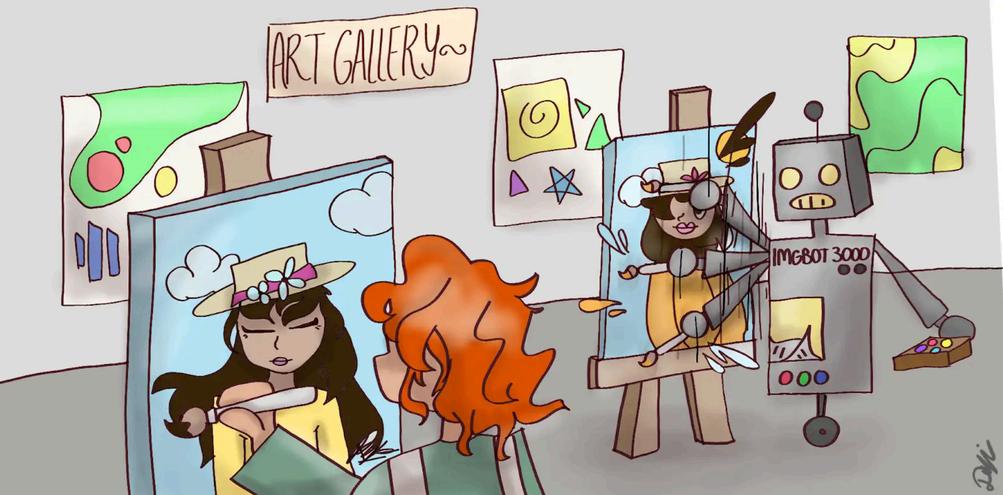
As technology becomes increasingly embedded in everyday life, it is no longer just changing how people work or communicate, but also how institutions respond to human needs. Innovation now influences questions of accessibility, trust, efficiency,and accountability across nearly every major industry. At the same time, people still expect systems to be built around human well-being rather than convenience alone. These tensions have forced industries to reconsider not just what they can improve, but also what responsibilities they hold toward the peoplewhorelyonthemthemost.
These challenges have become especially clear in healthcare as physician shortages and rising healthcare costs expose the difficulty of providing accessibility for growing populations. The healthcare industry, including insurance carriers, pharmacies, and large drugmakers, accounts for the largest share of the economy at 18% of GDP and is expected 2040 (CMS 2023). As to outpace inflation and worsen, the question balance the dual task access to healthcare burdenofaphysicianshortage?
If healthcare extends beyond an industry, possibly considered a social responsibility, then innovation becomes not just practical but also moral.
Decades of development in machine learning technologies across academia, pharmaceutical research, and technology companies allowed for usableAI tools to make their way to the masses, and the timing could not have been more advantageous. Machine learning uses vast amounts of data to identify patterns and make predictions, forming a foundational part of what is largely referred to as Artificial Intelligence (AI).
While AI can disrupt many industries, one of its most remarkable applications has been in healthcare. I, myself, have had the opportunity to be part of a major hospital foundation board, as well as work in a clinical setting with physicians. I witnessed how much time gets lost to inefficiencies that could easily be improved with AI.Physiciansspendmorethan40%oftheirtime on administrative tasks like charting, handling repetitive or logistical information with patient caregivers, and getting medical records all of which drain energy and time from actual patient care particularly when these interactions are administrative rather than relational. These routine tasks are a major source of dissatisfaction to both the physician and the patient.Automating through an intelligent mobile or agent capable of summarizing retrieving medical records could ficiency. Another use of AI is record conversations between patients during a visit and then assessment and recommendations
However, such solutions must address ethical concerns, particularly patient and adherence to HIPAA privacy Beyond privacy, patients also need knowingthatAIwon’tmisuse ormisunderstand sensitive personal data. EthicalAI in means not just following the law, trust. And trust, in medicine, is central we owe one another: honesty, confidentiality and respect. Furthermore, it is not only the administrative tasks, like confirming patient appointments,thatcanbeautomated,butweare nowbroachinganeweraofhealthcaredelivery: potentially automating the physician-patient relationshipitself.

Some argue that AI will inevitably support, or even replace, certain physician roles. For example, studies show thatAI is as good as, and sometimes better than, physicians at reading specific X-rays. Despite this, the possibility of AI decision-making brings up the ethical issues of accountability and liability: if something goes wrong, which stakeholder bears responsibility? Would it fall on the physician, AI, the software developers,orthehospital?Theseblurredlines
reconsider what the future structure of might look like. They also raise whether efficiency alone is whether care requires something beyondwhatanalgorithmcanprovide.
forAI tools being developed for and counseling. On one hand, the therapy soars while therapists are in makingAIseemlikeaveryenticing the other hand, there are serious ethical concerns about building emotional relationships with an algorithm. For instance, we’ve already witnessed the potentially dangerous situations in which individuals relied on ChatGPT for mental health advice instead of professional care, sometimes worsening or reinforcing harmful thinking (NBC, 2025). In addition to these ethical concerns, privacy remains a significant ethical challenge. As our data becomes increasingly commodified, how do we ensure we can trust these tools with our information? If protected financial data like credit cards can be hacked, what happens when it’s our medical records or private conversations? As healthcare becomes increasingly digitized, it is important to consider not only how accessible it is, but also what kind of support it ultimately provides.
Like any technological revolution, whether it is railroads, infrastructure, the internet, or AI, we must embrace innovation while addressing risks. Weallusecredit cardsdespite theriskofidentity theft. We continue to use the internet, although our passwords can be hacked. We connect over social media, even if it sometimes consumes hoursofourtime.
Similarly, AI is going to be an incredibly powerful tool in healthcare, assisting physicians with triaging tasks, managing workloads, and treatingpatients.Ifmillionsneedaccesstobasic care, and the resources to pay for it, there needs to be multiple solutions: more physician assistants, the ability of remote clinicians to consult globally, and AI models grounded in real scientific data—not just generic chatbots. We have to build trust as we manage the new Physician-AI-Patient dynamic, using AI to enhance the quality of care, not replace caregivers. As the president of the American Medical Association, Dr Jesse Ehrenfeld, said, “It is clear to me that AI will never replace physicians–but physicians who use AI will replace those who don’t” (AMA, 2023). Ultimately, the real question is not whether AI belongs in healthcare, but whether we are willing to implement it in a way that reflects what we owe to each other: accessible, compassionate,andtrustworthycare.
Artwork from Canva

BY SKYLAR LI ’26
Bothmedicine andtechnologyhaveadvanced,pushing research to operate at a global level as countries collaborate on treatments, clinical trials, and other research partnerships. Health data can now be shared across the world much more easily than before, increasingaccesstoessentialresearchthatcanimprove the local quality of medicine and healthcare. However, this can also expose patients to privacy risks, as their data is distributed to researchers, corporations, and healthcare systems in different countries that uphold varying standards for consent, confidentiality, and data protection. The globalization of medicine creates an ethical tension between the collective benefit and individuals’ right to privacy. While worldwide collaboration can reduce inequalities by expanding access to innovation, it can expose vulnerable populations to loss of autonomy over the handling of their personal information. Therefore, an ethical global medical system must balance equitable access and strongprotectionsforindividualrights.
The globalization of medicine entails the international movement of medical research, treatments, data, and healthcare systems. These include multinational clinical trials, global pharmaceutical development, and cross-border sharing of patient data for research or treatment.
Recently, the United States has significantly tightened restrictions on sharing patient data with other countries, bringing this privacy matter to a national security concern. In February of 2024, President Biden signedExecutiveOrder14117,“PreventingAccessto
Americans’ Bulk Sensitive Personal Data and United States Government-Related Data by Countries of Concern.” With this in effect, even “bulk” de-identified data may not be shared if it exceeds volume thresholds.
Some may argue that this is crucial for the safety of patients in the US, who have the right to privacy and the protection of their data. Others, however, may believe that the sharing of data across countries is essential for global equality in access to high-quality medical care, especially in underserved regions that rely on treatments and research support from more developed areas.
Additionally, many different healthcare systems exist, some with more government influence, as in socialized medicine, and others with a private, market-driven system This brings an immense challenge, as countries need to adapt their data to meet the standards of other governments Thus, it is difficult to truly globalize data to make medical advancement accessible to all communities
Equality in access to medicine across countries is a crucial value, and the globalization of medicine can provide lifesaving research and treatments to regions with fewer medical resources. Additionally, reducing inequality in access to medical data can increase global innovation, as research can be conducted on more varied data. However, patient privacy and autonomy can be jeopardized in global medical systems due to the potential weakening of control over personal information.
It is important to note that some medical research has moved to medium-income countries as pharmaceutical companies seek low-cost labor. Therefore, the incentive to globalize their medicine does not only originate from a desire to increase medical access, but also from a desire for the greatest profit As a result, these areas do not always experience a proportional positive impact on their healthcare based on the collected data and resulting research.
Globalizing medicine is essential as research aims to improve the health of all populations, regardless of development status. In addition, collaboration across countries allows for a greater knowledge base, which can expedite innovation and improve countless healthcare structures. However, as countries share the patient data that grounds this research, there must be a global standard of protection of private information and a prioritization of autonomy and informed consent.
When globalizing medicine, informed consent, which is one of the priorities in healthcare, can be extremely difficult, especially in areas that lack awareness and knowledge of drugs. Patients need to be made completely aware of the efficacy and potential adverse events of the medicines that are shared with them. However, oftentimes in places that are already lacking access to medical care, there are not many resources to provide this information Therefore, in the globalization of medicine, the deployment of treatments must be paired with thorough guidance and details so that all patients understand their implications.
Additionally, in a world with increasing integrationofartificialintelligence,theprotection of data becomes more important than ever, as patient information can be used in countless ways. This is especially relevant as all countries continue to navigate how to legislate the constantly evolving technology that is based entirelyonimmensedatasets.
In the globalization of medicine, governments, pharmaceutical companies, healthcare providers, and other stakeholders must collaborate to balance the protection of individual privacy and autonomy with global innovation and equality of access to the highest-quality research. When considering what communities owe each other in this context, it is essential to examine the tension in prioritizing their safety and the improvement ofthequalityofhealthcareacrosstheworld.
BY KRISANA MANGLANI ’28 & PAIGE SULKES ’28
Aslifelong fans ofthe popartist Lorde, highschool students Piper and Katie were ecstatic to hear that she wasbeginninganewworldtour.Thetwogirlsdecided to tackle the struggle to get tickets and eventually secured them. After spending $400 each, they head to Madison Square Garden for the concert. Immediately, PiperandKatiearehavinganamazingtimeandgreatly enjoy Lorde's performance. To their surprise, right before the chorus of their favorite song, Lorde, in a stadium of 20,000 attendees, yells out, “Free Palestine!” The unexpected comment, as Piper and Katie notice while looking around, is met with both resounding cheers and simultaneous discomfort or uneasefromotherconcertgoers.
Katie and Piper were quite shocked by this political comment during Lorde’s concert, unaware of how politicshadslowlyseepedintothemusicindustry.This prompts them to research more about the frequency of political sharing during concerts to determine their feelingsonLorde’scomment.
Theylearnthatotherartistsusetheirfameandconcerts to promote opinions surrounding controversial matters. For example, many artists, including avid democrat Bruce Springsteen, comment on the Trump Administration attheirconcerts.Evenatpublicawards shows, like the Grammys, artists, including Bad Bunny,havespokenoutagainstpoliticalinitiativeslike the actions of the U.S. Immigration and Customs Enforcement (ICE). These new revelations create a struggle for Piper and Katie as they become ethically conflictedaboutLorde'scommentduringtheconcert.
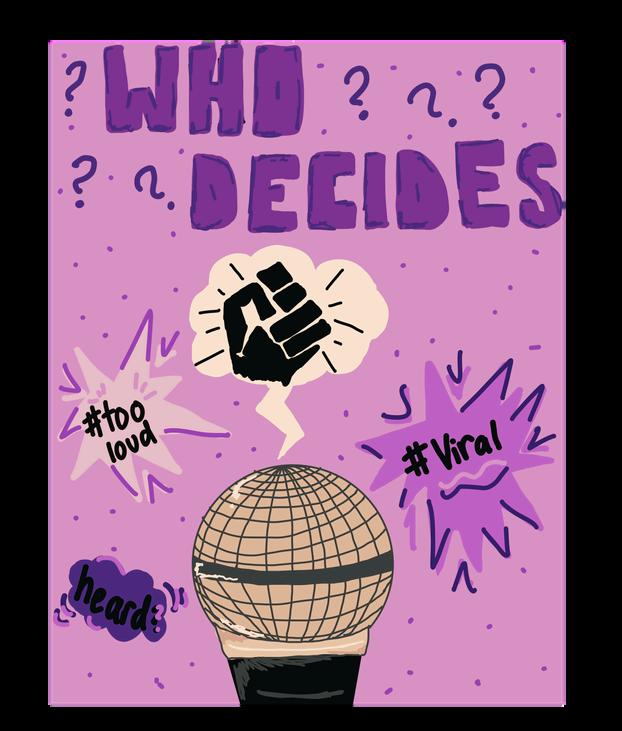
one hand, these statements can create awareness or increase political involvement. Similarly, they could encourage more political curiosity and provoke further research on relevant current events, just as it did for Katie and Piper. In addition to driving civic involvement, voicing political views also promotes authenticity for musicians, allowing them to feel comfortable in public spaces by sharing their personal convictions rather than feeling forced to conceal their beliefs Political sharing can be said to create sentiments of solidarity, helping people feel supported and unified through the beliefs of a popular artist, especially when such perspectives could be otherwise uncommon or condemned by others.
On the other hand, it can make people feel uncomfortable at a concert that they paid for, considering that music is often perceived as an escape from the stressful, sometimes harsh realities of political landscapes Some argue that bringing politics into this sphere is intruding on a safe space and the music industry as a whole. Potentially paternalistic, these comments can even pressure people to adopt certain political stances based on the views of their favorite artists, especially for those with limited access to information about an issue With the power artists hold over fans, hearing a comment from a celebrity may bring someone to adopt a similar stance without researching enough about the issue itself to make an informed decision.
Katie and Piper now question whether artists have an ethical responsibility to separate political expression from paid entertainment spaces or if they can freely use platforms of fame to work towards progress on issues they choose. As for audience members, they question if they should be anxious about artists sharing political beliefs, or if they, along with other fans, could simply separate the art from the artist itself.
1.Isitethicalforartiststoshare politicalbeliefsataconcert?
2.Whatdoartistsowetopaying customersandconcertgoers?Whatdo theyowetothemselvesandtheir beliefs?Ingeneral,whatdoweoweto eachotherwhenexpressingpolitical opinions?
3.Isthereanethicaldistinction betweenartistssharingpoliticalbeliefs atapaidvenue,likeaconcert,versusa publiclystreamedeventlikeanawards ceremony?
E S P O N S E


BY CHLOE JENKINS ’28
This case examines the ethical repercussions of an artist sharing political views through the lens of two concertgoers. After spending a large amount of money to attend a Lorde concert, Piper and Katie are subjected to her political views. After facing many ethical dilemmas themselves due to this experience, an ethical question is also posed about the artist: “Is it ethical for artists to share political beliefs at a concert?” Viewing this case through a deontological lens and applying the values of autonomy, integrity, and freedom, it is ethically permissible for artists to vocalize their political beliefs both through and outside of their art.
Deontology, designed by Immanuel Kant, is an ethical decision-making framework that prioritizes moral duty and honesty. Using this framework, it is ethical for artists to share their political views at concerts due to their moral duty to be honest about their beliefs It is also an artist's duty to honor their moral convictions, even if it means utilizing the platform they have been given to support and attempt to raise awareness for causes that they believe in. Artists also hold a duty to themselves to honor their values and morals both in their
private and public life in whatever way they see fit–even if that means publicly proclaiming their beliefs at a concert as Lorde did. Artists are particularly subject tothisastheyhaveamuchlargeraudience than the average person; this only increases their moral duty to share their views, supported by the framework of deontology.
The value of autonomy must be applied when evaluating the ethical implications of a musical artist broadcasting their political beliefs at a concert Through considering the value of autonomy, which prioritizes an individual’s right to self-governance, it is ethical for an artist to share their political views at a concert. While public figures are often scrutinized to a higher degree than others, they have the same indisputable right to exercise their autonomy in their speech and beliefs To say that it is unethical for an artist to share their political beliefs at a public forum is to deny their autonomy Kantian ethics, particularly deontology, also emphasize the importance of autonomy in acting ethically. It is ethical for artists to exercise their autonomy through vocalizing their political beliefs during concerts.
The integrity of the artist must also be considered when examining the ethical
implications of an artist, like Lorde, expressing their political views in a public space Musical artists must act with integrity in the portrayal of their values and political views, even if this means boldly sharing them the way Lorde did Artists owe it to themselves to remain authentic when expressing their beliefs, despite their large viewership Furthermore, being in the public eye and acting with integrity and transparency by openly discussing their political views could inspire the larger population to also do so This is necessary, as it will increase civic engagement and promote open discussion and possibly future compromise and progress If artists do not maintain integrity while sharing their political views, it both dishonors their values and morals and discourages others from being transparent and open to discussion. Prioritizing the value of integrity, it is ethical for artists to share their political views at concerts to benefit both themselves and others.
Additionally, the value of freedom applies when exploring this case and the ethical considerations it provokes While musical artists are paid performers, they also tend to be inherently creative people who should not be prohibited from sharing their opinions and beliefs. If they were to be restrained in what they could say and do, it would limit both their creative and personal freedoms Lorde, in particular, is often recognized as having an unconventional and unapologetic style, and to limit her political expression would be to dilute her authentic creativity. If artists are forced to refrain from open political discussion, it restricts their freedom of speech and expression Thus, it is ethical for artists to share their political views publicly.
Using the value of community, someone who disagrees with me might conclude that it is unethical for artists to share their political views. Another ethicist could say that an artist sharing their political views does not honor the value of community. In sharing political views in an extremely public forum like a concert, artists have the potential to isolate paying fans. As the case noted, fans could experience “discomfort or unease,” which undermines the community art is meant to strengthen. However, in Lorde’s case, fans have paid to attend this concert and therefore join this temporary community. This creates an ethical distinction between private events, which fans must pay to attend, and publicly streamed events, such as the Grammys, ofwhich the case notes “Bad Bunny…used…to speak out against political initiatives.” While the value of community is important for public events so as not to isolate the general public, when a fan pays to see a private concert, they implicitly consent to engaging more intimately with the artist's personality and opinions during the performance. When people have not consciously chosen to be subjected to an artist's personality and views, it could be unethical for artists to share their views due to the larger audience and the potential to alienate unconsenting viewers. Thus, sharing political views could be unethical when applying the value of community, but the ethical distinction between private and public events must be considered.
Using the ethical decision-making framework of deontology, the values of autonomy, integrity, and freedom, and considering the ethical distinctionsofpublicandprivateevents,itcanbe concluded that it is ethical for artists to share theirpoliticalviewsattheirconcerts.
E S P O N S E
BY CHELSEA CHEN ’28
The case study, “Politics in Pop: Propaganda or Purpose?” explores the recent controversy surrounding artists who are extremely vocal on political issues in settings such as concerts and awards shows, focusing on popular New Zealand singer Lorde and her pro-Palestine comments during a concert in New York City. Lorde, who has expressed her support for the Palestinian cause since the early 2010s, received both praise and backlash for this action as many continue to debate whether or not explicitly expressed political opinions belong in music and the arts.
In response to the case study, it is not ethical for artists to share political beliefs at concerts because it infringes on fans’ right to create their own opinions, violates the responsibility of the artist to protect fans’ well-being, and has the potential to have detrimental societal consequences
The central issue discussed in the case revolves around an issue of autonomy, which is usually defined as an individual’s capacity for selfdetermination and informed decisionmaking. To this, we introduce the stakeholder of the uninformed fan someone who enjoys the music of an
artist but remains largely ignorant of said artist’s political views. These fans exist in many forms. For example, fans of pop music such as that of Lorde tend to be young and impressionable. Many, such as Piper and Katie, are teenagers just beginning to form their own opinions on controversial social issues. In the digital age, celebrities and artists are more influential than ever, especially as young people become increasingly disillusioned with traditional authority figures such as politicians and religious leaders. Thus, artists should consider the potential negative ramifications of their outward political expressions on those who have not yet had the opportunity to create their ownstances.
Also, it is important to look at the obligations and responsibilities an artist might have Obligations often arise from relationships between one or more stakeholders. In this case, the most relevant would be the relationship between the artist and the fan. It can be argued that artists are morally obligated to protect fans, or to at least keep them out of harm’s way. For example, artists are frequently criticized for failing to take adequate safety precautions at concert and festival venues. This indicates that artists are, to some extent, responsible for fans’ physical safety and
well-being at paid events. Why not extend it to emotional well-being as well? By exercising their own autonomy inconsiderately, artists are unfairly capitalizing on a vulnerable audience Specifically, in the case, it is mentioned that Lorde’s comment was made “right before the chorus of [Piper and Katie’s] favorite song,” emphasizing the idea that artists’ interjections of political commentary often come at emotionally tense times, making it more difficult for fans to distinguish their own opinions from those of the artist.
Additionally, the value of freedom applies when exploring this case and the ethical considerations it provokes. While musical artists are paid performers, they also tend to be inherently creative people who should not be prohibited from sharing their opinions and beliefs Some might say that if they were to be restrained in what they could say and do, it would limit both their creative and personal freedoms Lorde, in particular, is often recognized as having an unconventional and unapologetic style, and to limit her political expression would be to dilute her authentic creativity If artists are forced to refrain from open political discussion, it restricts their freedom of speech and expression; thus, it is ethical for artists to share their political views publicly.
In addition to ethical implications on the artist and the fans, there are many potential consequences on society if this behavior were to continue By continuing to polarize the realm of music, especially in environments like concerts that exist to immerse fans in music which differ from publicly livestreamed award shows, it places more pressure on both artists and fans to make their political opinions
public. Many artists and celebrities who might be more inclined to use their status in different ways, such as making donations to organizations associated with the causes they support or spreading awareness on social media platforms, could be forced to integrate politics in their work. On the other hand, fans might feel obligated to categorize their music listening based on artists they do or don’t agree with politically, further complicating the issues of political and social division already present in our modern society.
After considering the ethical values of autonomy and responsibility in the context of the case, as well as analyzing the societal consequences of artists’ political expressions at concerts, it is concluded that such actions are unethical.

BY PEARL DAWADI ’30
Imagine being born with a mission, a purpose, before you can even talk, walk, or make choices. That is the reality for some children known as savior siblings. These are babies that are created through advanced science to help save the lives of their siblings At first, it sounds heroic, but when you think deeper, it can also feel confusing, emotional, and even unfair.
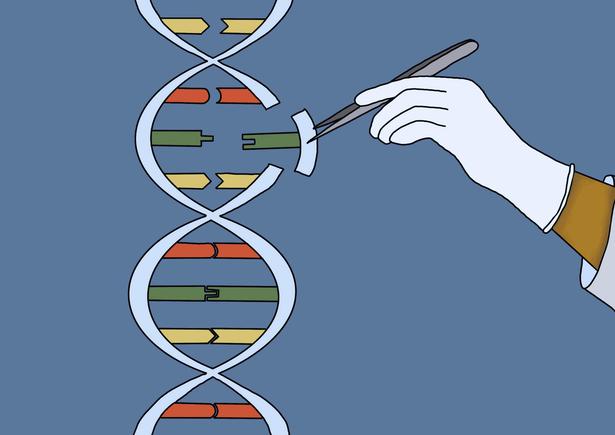
A savior sibling is a baby born through IVF, which stands for in vitro fertilization. This means the embryo is created in a lab rather than inside a body Doctors then use a process called preimplantation genetic testing, which is when scientists check embryos for genetic problems and choose the healthiest one that is also a good match, to select an embryo that will be born healthy and a close genetic match for the sick sibling, ensuring that the newborn will be able to help.
This is a crucial step because the new baby could donate stem cells to help treat serious illnesses like leukemia and other inherited blood diseases. The Mayo Clinic explains that these treatments can sometimes give a sick child a real chance to survive when other types of treatments do not work. According to research from Washington and Lee University,about75%ofbonemarrowdonationsfor children come from their siblings. This is because siblingsareverylikelytobegoodtissuematches,
increasing success rates when compared to unrelated donors
One of the most common ways savior siblings can help is through the umbilical cord blood. After a baby is born, doctors can collect stem cells from this area, which can be used in transplants to help their sibling’s blood make healthy cells again. Stem cells are especially powerful because they can develop into many different types of cells and repair damaged or diseased cells in the body. The Cleveland Clinic explains that this cord is filled with blood-forming stem cells and is commonly used to treat certain cancers and blood disorders. This makes the idea of savior siblings seem like a miracle of modern medicine
The first widely known savior sibling was Adam Nash, born in 2000 to help his sister Molly, who was diagnosed with Fanconi anemia, a lifethreatening blood disorder. Doctors used his umbilical cord blood to save her, and both children survived. This case is often considered the first of its kind and later inspired the book My Sister’s Keeper, by Jodi Picoult
Even many experts who support savior siblings admit that the ethics are complicated The situation raises concerns about autonomy and lifelong injuries because these children are brought into the world for a purpose beyond
themselves One study shows that if a child is born to save another, there is a risk of reducing them to that role rather than recognizing their humanity, worth, and potential. This challenges the idea that every person should be valued for who they are
This creates a tough question:
Is it fair to expect a child to go through medical procedures they didn't choose or agree to?
The concerns are not always about the science; rather, they are about the child's rights and the pressure that could arise later in their lives
Even if a savior sibling grows up in a loving home, emotions can still get complicated Some siblings feel proud and happy that they can help their siblings, but others may feel pressure, anxiety, or guilt, especially if treatments don't work as planned These children may struggle with their identity, stress, and feelings that their purpose is tied to someone else's survival This can be a lot for a child to carry on their own.
Parents can also feel torn They might be trying to save one child while simultaneously protecting another’s future emotional wellbeing This is not a decision parents make lightly; it is usually made during some of the hardest times, when time and hope are running out
Another important fact is that laws and rules about savior siblings vary depending on where a family lives. Some places allow IVF and embryo testing to create a genetic match, while other places limit it or only allow it under strict conditions.
In the United States, there is no single federal law that specifically controls creating a savior sibling through preimplantation genetic testing, so most of the decisions are left up to doctors, fertility specialists, and families
In other parts of the world, this process may require approval from a national medical ethics board, and some countries only allow it when the donation is limited to cord blood, since it does not harm the baby. These differences in
perspectives show that even though science exists, not everyone agrees on how far it should go or how it should be controlled.
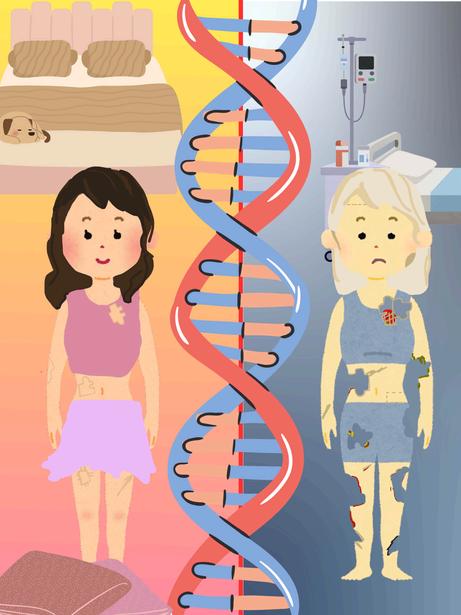
The truth is savior siblings are both hopeful and heartbreaking. Science can save lives, and that is powerful But science doesn’t erase the emotional weight of being born with a job you never asked for. A savior sibling should never be treated like spare parts They deserve love, respect, and the freedom to be seen as more than a medical solution.
In the end, savior siblings remind us of something important: saving a life matters, but so does protecting one If a child is born to help someone else, the world must ensure that the child is also valued simply for being human. But, then again, if someone is born with a purpose they never chose, is it still fair to call that choice ethical?
dnce or a StepTowards n Reig)
Berlinger, N. (2023a, August 1). Conscience clauses, health care providers, and parents. The Hastings Center for Bioethics. https://www.thehastingscenter.org/briefingbook/conscience-clauses-health-care-providers-and-parents/
Chaet, D. H. (2017, July). AMA Code of Medical Ethics’ opinions on patient decision-making capacity and competence and surrogate decision making | Journal of Ethics | American Medical Association. AMA Journal of Ethics https://journalofethics ama-assn.org/article/ama-code-medical-ethics-opinions-patient-decision-makingcapacity-and-competence-and-surrogate/2017-07
Congressional Research Service (2010, January 29) The history and effect of abortion conscience clause laws EveryCRSReport com https://wwweverycrsreport com/reports/RL34703.html
First do no harm - AMA journal of ethics. AMA Journal of Ethics. (n.d.). https://journalofethics.amaassn org/issue/first-do-no-harm
Helfrich, B., & Bertino, J. (2025, November 3). The 2025 Tennessee Medical Ethics Defense Act is leading to unethical healthcare Journal of Medical Ethics blog. https://blogs bmj com/medical-ethics/2025/08/21/the-2025tennessee-medical-ethics-defense-act-is-leading-to-unethical-healthcare/
Lee, C. (n.d.). A woman says she was denied prenatal care for being unmarried | time. TIME. https://time com/7306009/tennessee-prenatal-care-medical-ethics-defense-act/
New Jersey Medical Aid in dying for the terminally ill act 2019 data summary. (n.d.-b). https://wwwnj gov/health/advancedirective/documents/maid/2019_MAID DataSummarypdf
Physician exercise of conscience. AMA. (n.d.-a). https://code-medical-ethics.ama-assn.org/ethicsopinions/physician-exercise-conscience
Branley-Bell, D., Talbot, C.V., Downs, J. et al. It’s not all about control: challenging mainstream framing of eating disorders. J Eat Disord 11, 25 (2023). https://doi org/10 1186/s40337-023-00752-9
Dugdale LS, Lerner BH, Callahan D. Pros and Cons of Physician Aid in Dying. Yale J Biol Med 2019 Dec 20;92(4):747-750 https://pmc.ncbi.nlm.nih.gov/articles/PMC6913818/
Gaudiani, JL , Bogetz, A & Yager, J Terminal anorexia nervosa: three cases and proposed clinical characteristics. J Eat Disord 10, 23 (2022). https://doi.org/10.1186/s40337-022-00548-3
Young, J.E., Jaye, C., Egan, R., Winters, J., Egan, T., The discursive context of medical aid in dying: A paradox of control?, Social Science & Medicine, Volume 291, 2021, https://doi org/10 1016/j socscimed 2021.114501.
Dresser, Rebecca. “Advanced Directives in Dementia Research.” IRB: Ethics & Human Research, vol. 23, no 1 January-February, 2001, pp 1-6 JSTOR, https://wwwjstor org/stable/3563979?seq=1 Accessed 15 February 2025.
Dresser, Rebecca “ADVANCE RESEARCH DIRECTIVES: IMPLEMENTATION ISSUES ” Journal of the American Geriatrics Society, vol. 48, no. 7, 2000, pp. 859-860, https://doi.org/10.1111/j.15325415.2000.tb04773.x. Accessed 17 February 2025.
Dresser, Rebecca. “Dworkin on Dementia: Elegant Theory, Questionable Policy.” Hastings Center Report, no. November-December, 1995, pp. 32-38. Accessed 15 February 2025.
Dworkin, Ronald. Life’s Dominion: An Argument About Abortion, Euthanasia, and Individual Freedom. Vintage, 1994.
Centers for Medicare & Medicaid Services. “National Health Expenditure Data: NHE Fact Sheet.” CMS, 14 January 2026, https://wwwcms gov/data-research/statistics-trends-and-reports/national-health-expendituredata/nhe-fact-sheet. Accessed 15 April 2026.

Nadine “Parents of teenager who took his own life sue OpenAI ” BBC, 27 August 2025, www.bbc.com/news/articles/cgerwp7rdlvo. Accessed 23 April 2026.
n Medical Association “AMA in the News: July 2023 ” AMA, 31 July 2023, https://wwwama/press-center/ama-news/ama-news-july-2023 Accessed 23 April 2026
, Fabrizio et al “How Physicians Spend Their Work Time: an Ecological Momentary Assessment ” of general internal medicine vol 35,11 (2020): 3166-3172 007/s11606-020-06087-4
ween
Mark. “Clinical Research in Low- and Middle-Income Countries.” American Medical Association vol 11, no 7, 2009, pp 511–515. The Virtual Mentor, https://journalofethics ama/article/clinical-research-low-and-middle-income-countries/2009-07. Accessed 5 April 2026.
n, Kela, and Neha Khan “New DOJ Regulations on Bulk Sensitive Personal Data Transfers: ions for Healthcare Organizations.” Healthcare Law Insights, 4 March 2026, www.healthcarelawinsights.com/2026/03/new-doj-regulations-on-bulk-sensitive-personal-data-transfers/. d 5 April 2026
ting Access to U.S. Sensitive Personal Data and Government-Related Data by Countries of Concern or Persons ” Federal Register, 8 January 2025, www.federalregister.gov/documents/2025/01/08/2024-31486/preventing-access-to-us-sensitive-personald-government-related-data-by-countries-of-concern. Accessed 5 April 2026.
m, Tanyaporn. “Exploring Physician Responsibilities to the Global Community.” American Medical ion (AMA), vol. 11, no. 7, 2009, pp. 489–491. The Virtual Mentor, https://journalofethics.ama-
Mattson, Jennifer. "'No Kings' spring 2026: Bruce Springsteen concerts are a protest against ICE and Trump." Fast Company, 19 Feb. 2026, www.fastcompany.com/91494833/no-kings-2026-protests-bruce-springsteen-tourdates-schedule-anti-ice-trump-minneapolis-minnesota. Accessed 19 Feb. 2026.
Savage, Mark, and Paul Glynn. "Bad Bunny says 'ICE out' in Grammy Awards speech." British Broadcasting Corporation, 2 Feb. 2026, www.bbc.com/news/articles/c9vx9xpdz12o. Accessed 19 Feb. 2026.
Born to be a Savior... Or Born Under Pressure?TheTruthAbout Savior Siblings (Pearl Dawadi)
Dickens, B.M. "Preimplantation Genetic Diagnosis and 'savior Siblings.'" International Journal of Gynecology and Obstetrics, vol 88, no 1, 13 Nov 2004, pp 91-96, https://doi org/10 1016/j ijgo 2004.10.002. Accessed 26 Jan 2026
Graham, Claire. "Spare Parts or Saviour Sibling? The Birth of an Ethical Dilemma." W&L, www.wlu.edu/mudd-center/mudd-undergraduate-journal-of-ethics/volume-10-spring-2025/spare-parts-orsaviour-sibling-the-birth-of-an-ethical-dilemma Accessed 26 Jan. 2026
Kjos, Kari. "A Case Study Based on My Sister's Keeper." Marrakula Center for Applied Ethics, Santa Clara University, 1 Apr. 2010, www.scu.edu/ethics/focus-areas/bioethics/resources/savior-siblings/. Accessed 26 Jan. 2026
Kuek, Chee Ying, et al. "Conception of Saviour Siblings: Ethical Perceptions of Selected Stakeholders in Malaysia." National Library of Medicine, 17 Mar. 2021, pmc.ncbi.nlm.nih.gov/articles/PMC8079567/. Accessed 26 Jan. 2026.
Mayo Clinic Staff "In Vitro Research, 1 Sept. 2023, ww