BY KEMPINSKI
BY KEMPINSKI
































CONTRIBUTORS
Travelling in Style is published by ARTO 7 Avenue Villebois Mareuil 06000 Nice France, in association with the issuer
Kempinski Hotels S.A.
Rue Henriette-et-Jeanne-Rath 10 1204 Geneva, Switzerland
Editor-in-Chief: Jaclyn Thomas
DESIGN – EDITING
ARTO
Antoine Gauvin
gauvin@arto-network.com
Artistic Director: Aïcha Bouckaert
Publication Manager: Aurélie Garnier
COPYWRITING - CONTRIBUTING
EDITORS
Antoine Gauvin, Jaclyn Thomas, Joe Mortimer, Laurie Jo Miller Farr, Melanie Coleman, Tim Johnson.
PHOTOGRAPHY - SOURCES
Cover - Claes Bech-Poulsen
Table of contents - Claes Bech-Poulsen, Kempinski
Editorial - Kempinski
Unforgettable Adventures - Adobe Stock, Kempinski
Budapest - Claes Bech-Poulsen, Kempinski, illustration by Mayeul Gauvin
Treasures of Egypt - Adobe Stock, Exodus Adventure Travels, Laurie Jo Miller Farr, Kempinski In Vino Veritas - Adobe Stock, Kempinski, Stadtarchiv Worms
Insights - Norman Zweyer, Kempinski Pastry - Adobe Stock, Kempinski Live Local - Adobe Stock, Kempinski The Map of Moments - Kempinski, maps by Aïcha Bouckaert
Despite careful research, we have not been able to identify the rights holders in every case. If you hold the rights to any of the images, please contact marketing.corporate@kempinski.com.
PRINTED BY FOT, Lyon France
NOMINAL CHARGE 8€ ISSN 2409-2916
ICONIC DESTINATION BUDAPEST: A LIVING CANVAS
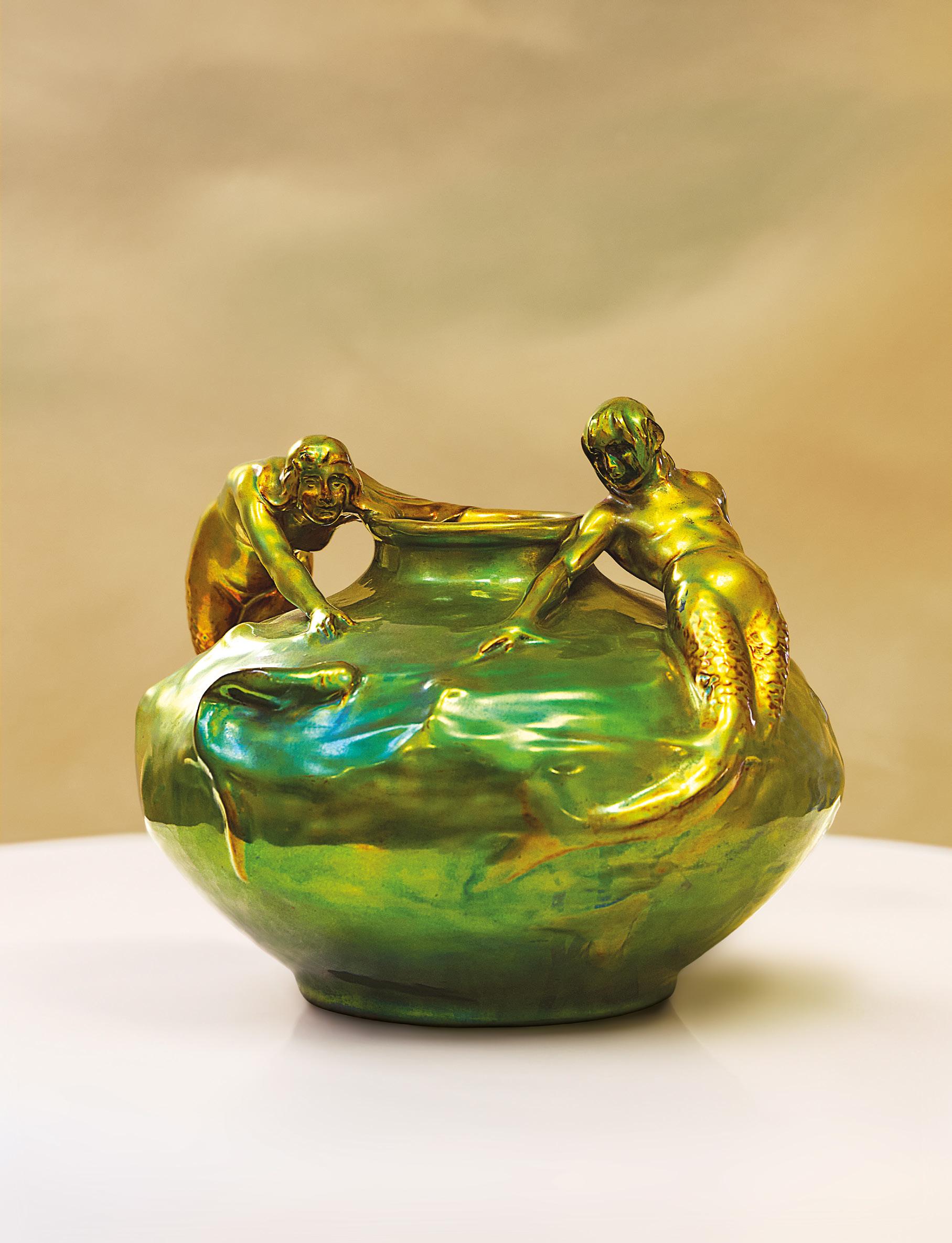
Cover image:
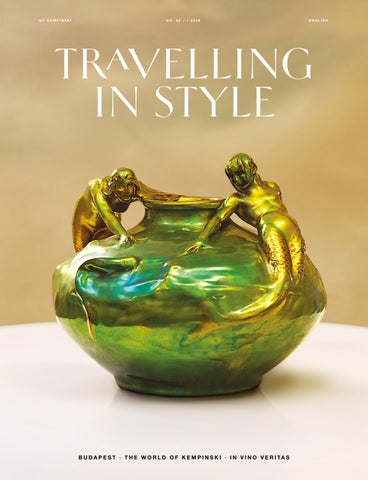
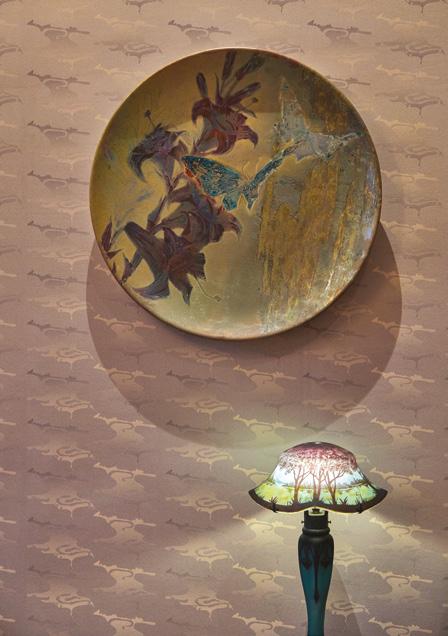
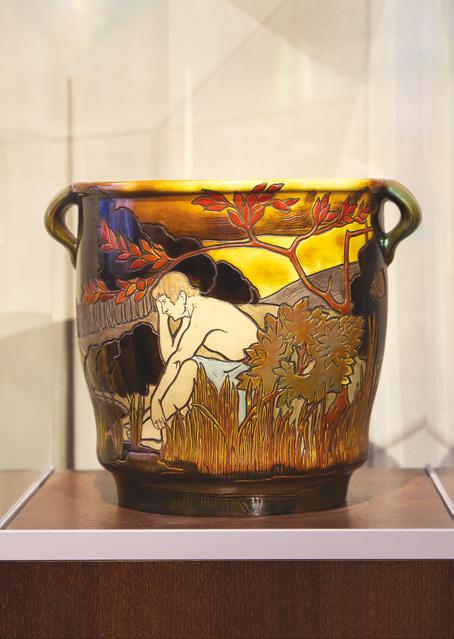
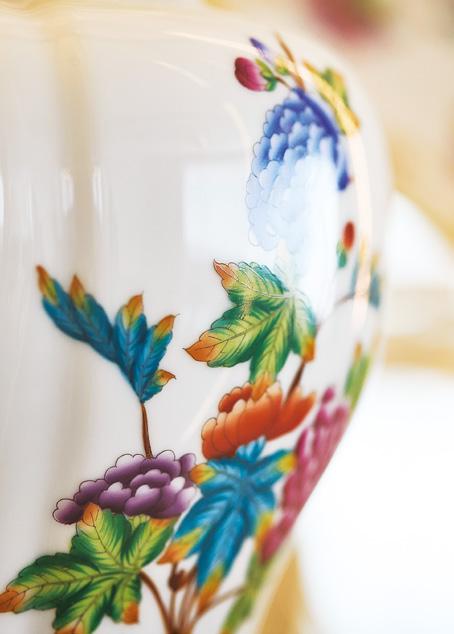
Vase with mermaids (circa 1900) from the collection displayed at ResoArt Villa in Budapest (facing page). This piece is part of a unique collection of ceramics from the Zsolnay manufactory that uses the eosin technique to obtain striking iridescent colours.
Travel has always invited us to see the world differently. Sometimes that means crossing continents in search of new experiences; sometimes it means slowing down long enough to notice the details. In this issue, we celebrate travel as a way of looking again – at cities layered with history, traditions reshaped for the present and familiar activities rediscovered from a fresh perspective.
That spirit is perhaps best captured in Budapest, our cover story and the heart of this edition. On page 12, Antoine Gauvin explores the Hungarian capital through the flowing lines and intricate craftsmanship of its Art Nouveau architecture. From grand façades by the Danube to hidden interiors rarely seen by most visitors, Budapest emerges as a living canvas: a city that honours its past while constantly reinventing itself.
Elsewhere, history and transformation continue to intertwine. On page 30, Laurie Jo Miller Farr takes us inside Cairo’s remarkable Grand Egyptian Museum, where thousands of years of civilisation have been gathered into a monumental new cultural landmark. Meanwhile, on page 52, Tim Johnson traces the history of pastry – those delicate creations whose recipes and rituals have travelled across borders and generations, carrying stories of craftsmanship, indulgence and artistry with them.
Travel is also shaped by the people who know a destination intimately. On page 46, Kempinski team members share their personal recommendations, offering perspectives that lead beyond the expected and into the authentic rhythms of a place.
The relationship between heritage and reinvention runs deeply through Kempinski itself. On page 36, Joe Mortimer uncorks our fascinating roots in wine, tracing a story that began long before our first hotel opened. From vineyards and wine merchants to today’s celebrated dining experiences, it is a history shaped by taste, hospitality and the enduring pleasures of gathering around a table.
Finally, our directory on page 68 serves as both guide and invitation: a reminder that every Kempinski destination offers its own dialogue between past and present, tradition and discovery. Whether returning to a favourite city or encountering somewhere entirely new, each journey gives us the opportunity to understand a little more deeply the places, histories and people that shape our world.
Wherever your travels take you next, may this issue encourage you to pause, look again and discover the beauty that emerges when we experience the world from a new angle.

Travel is so much more than just exploring a new place. It’s about gathering experiences to add to a rich and varied catalogue that we compile throughout our lives – one that speaks of cultures discovered, people encountered, adventures seized, miles covered, memories made and stories collected. Whether you’re feeling the call to walk the Great Wall of China, float in Jordan’s Dead Sea or scale the Burj Khalifa in Dubai, this list of unforgettable bucket list adventures will inspire your next transformative trip.
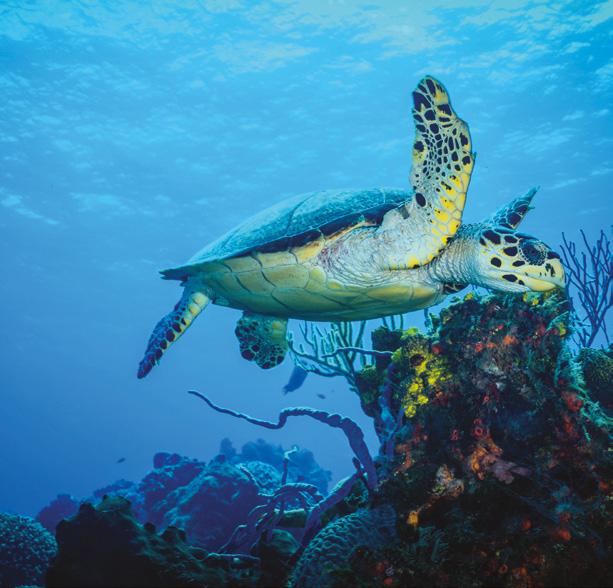
The magical underwater world is a fascinating frontier. Watching kaleidoscopic shoals of fish gliding gracefully against a backdrop of colourful corals is a privilege – and Cancún offers an extraordinary window onto this marine spectacle. Thanks to its clear waters, shallow reefs, sheltered coves and array of species, including whale sharks, manta rays and barracudas, the Yucatán Peninsula is ideal for snorkelling, diving, swimming, kayaking and paddleboarding. Or perhaps watching from the thatched villas on the private beach at Kempinski Hotel Cancún is more appealing – either way, it’s a tropical playground. kempinski.com/cancun
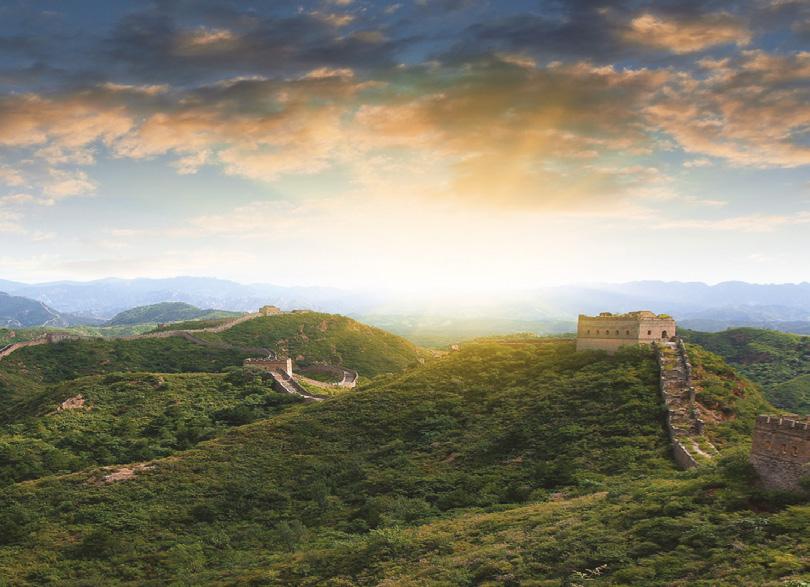
There’s something powerful about being confronted by an ancient masterpiece such as the Great Wall of China – and being able to touch and traverse a tangible piece of history. Construction began in 770 BCE and continued up to the 16th century, making it a literal patchwork of history and a compelling symbol of human ambition, engineering and resilience. Such is its magnitude that it’s visible from space, and the scale, age and ingenuity have earned it a place as one of the New 7 Wonders of the World. With forested peaks and valleys as it weaves up the mountainside, it’s one of the most atmospheric places on earth. Stay on the outskirts of Beijing to escape the bustle of the city. kempinski.com/sunrise
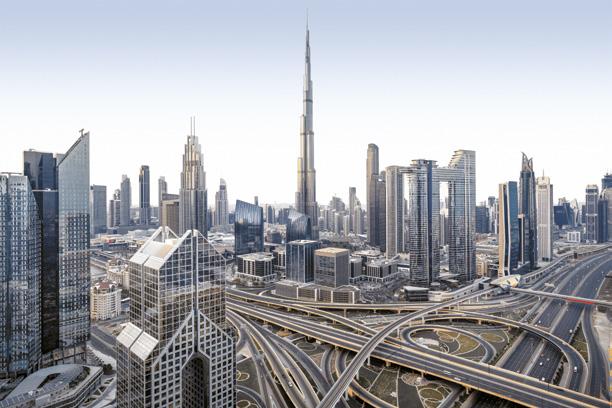
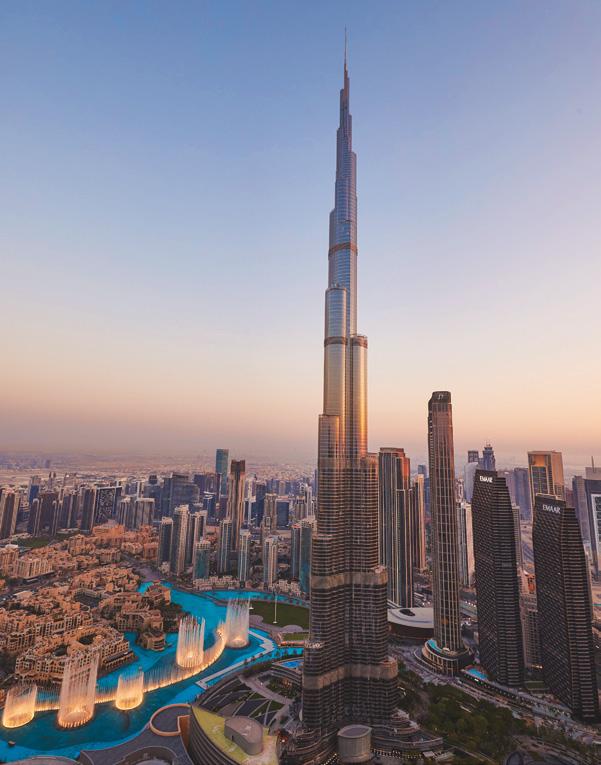
For a staggering feat of modern architectural brilliance, a visit to the world’s tallest skyscraper is a worthy contender on any bucket list. Stretching 828 m (2,716 ft) into the eternally sunny skies of the United Arab Emirates, the mighty Burj Khalifa opened in 2010, redefining the Dubai cityscape and cementing its reputation for innovation, imagination and ambition. The view from the observation deck is breathtaking, especially when gazing down at the city beneath and the surrounding sea, desert and mountains in the amber light of sunset. Yet there’s more to Dubai than the monumental accomplishment of Burj Khalifa. A trip here will be packed with chic beachside relaxation, thrilling desert safaris, vast shopping malls and world-class cuisine. Indulge in one of two unapologetically opulent hotels with unrivalled Burj Khalifa views. kempinski.com/downtown-dubai

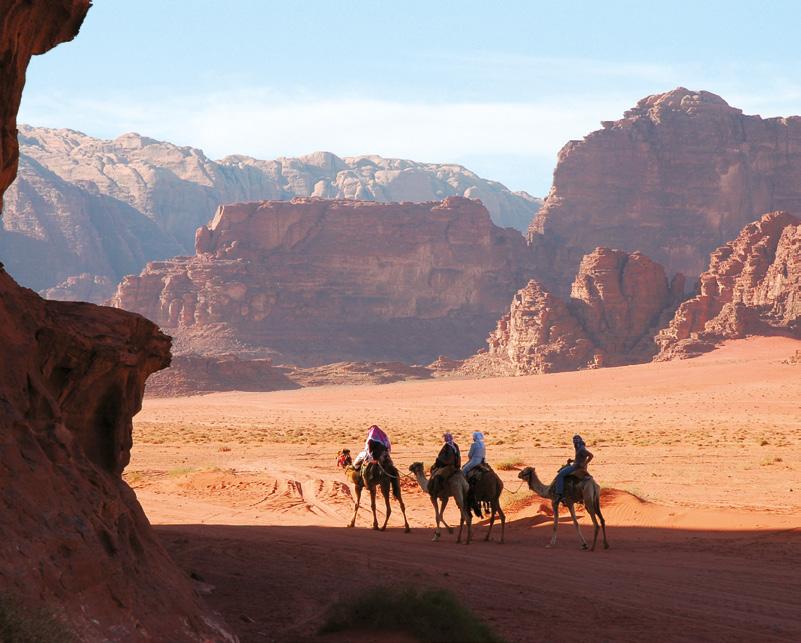
For an unforgettable aerial escapade, glide in a hot air balloon over the sandstone peaks, ancient riverbeds and rich red fabric of the Wadi Rum desert. The experience is particularly mystical at sunrise, and this vast area of southern Jordan has been dubbed the Valley of the Moon by virtue of its otherworldly scenery. A balloon ride here manages to achieve the impossible – simultaneously inducing a feeling of peace and serenity along with exhilaration and elation. On the Red Sea, Kempinski Hotel Aqaba is a spellbinding spot to stay, with silk sand beaches, a mesmerising infinity pool and epic historical attractions on the doorstep. kempinski.com/aqaba
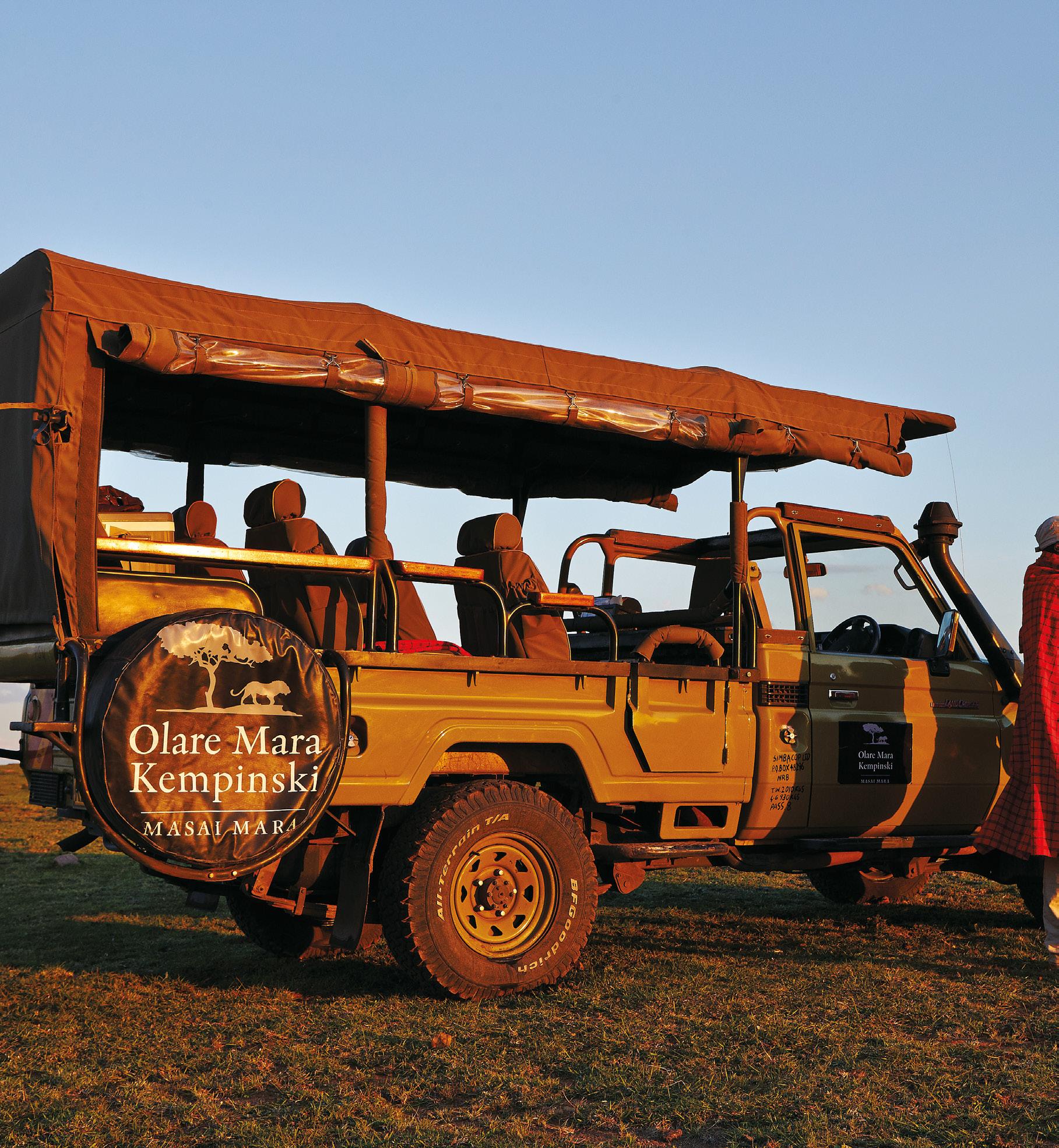
Nothing compares to getting up close to awe-inspiring animals in the African wilderness. During jeep safaris, bush walks, horseback tours, night expeditions or hot air balloon rides, glimpse cheetah, leopards, hyenas, monkeys, elephants and rhinos, along with lions rearing their cubs, hunting and eating. With the right timing, it’s possible to witness the annual migration of millions of wildebeest, zebra and gazelle from the Serengeti plains to fresh Masai pastures. It’s an indescribably dramatic spectacle, with a stampede thundering across the plateau and crossing the crocodile-infested river. Olare Mara Kempinski, an exclusive tented camp, offers luxurious front row seats. kempinski.com/olaremara
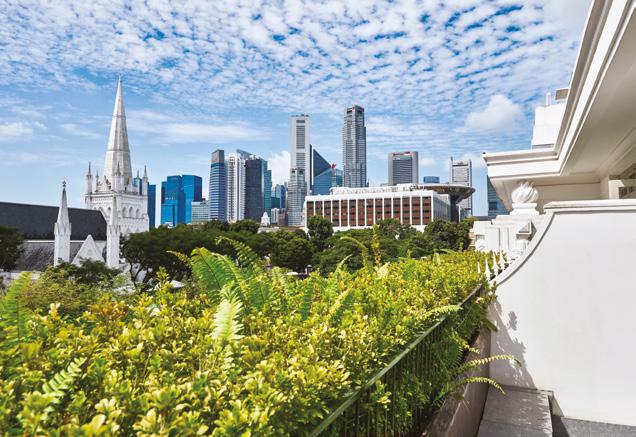
There are few destinations as effervescent as Singapore. At Gardens by the Bay, witness the beauty of nature blended with futuristic architecture. In the evening, the canopy of the Supertree Grove is bathed in light and music reverberates at the spectacular Garden Rhapsody Light Show. A stroll by the waterfront to admire the shimmering lights adorning yachts and skyscrapers is equally memorable, as is a visit to the rooftop of the ingeniously designed Marina Bay Sands for food, drinks and views. The city also dazzles by day, with golden temples, colourful markets, sparkling malls and the kaleidoscopic Chinatown. The Capitol Kempinski Hotel is an ideal base from which to explore Singapore in all its glory. kempinski.com/singapore
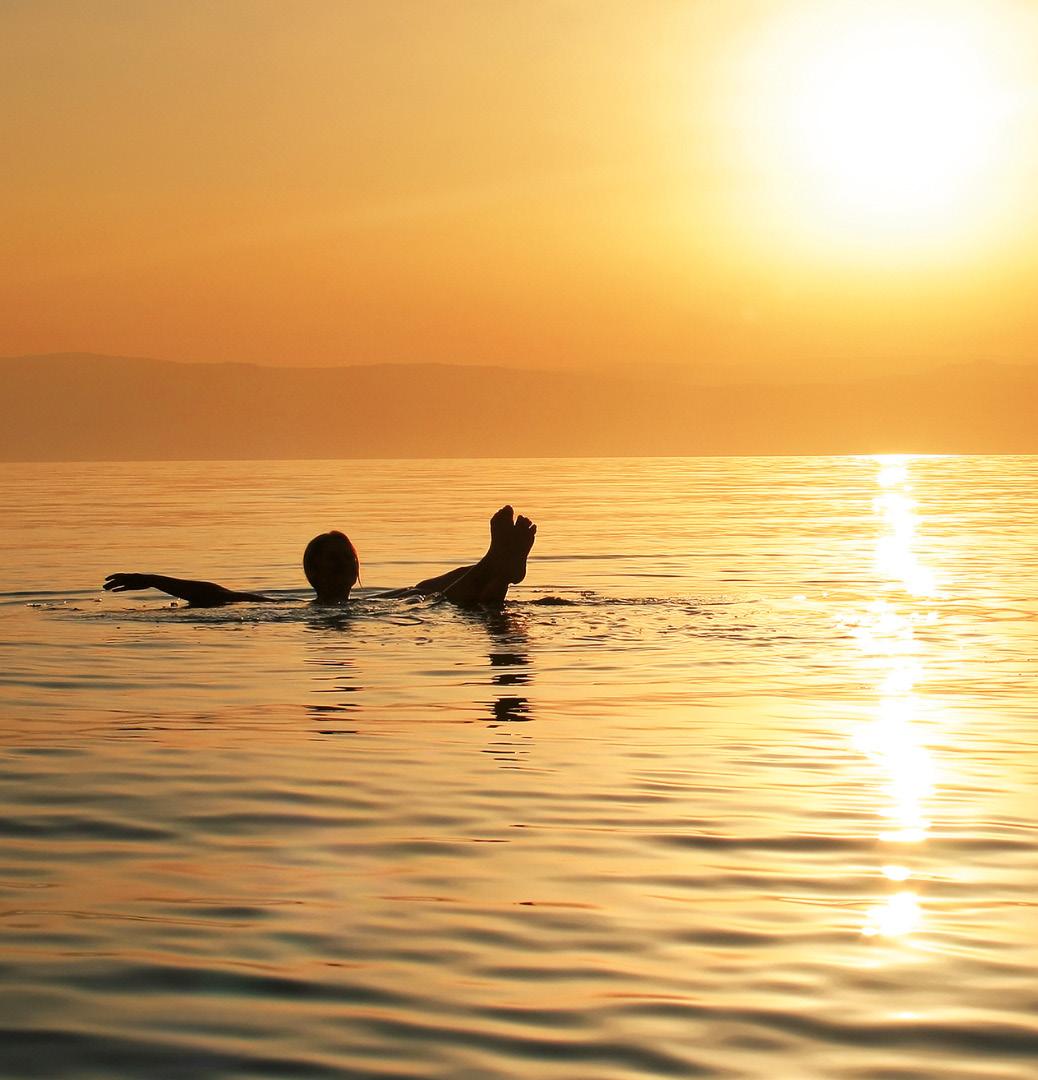
We all crave those moments that are different, defining and out of the ordinary. With a history dating back millennia, a unique position at the lowest point on earth and mystical healing minerals, the Dead Sea is not to be missed. Floating effortlessly in the therapeutic waters and being cocooned in the purifying mud is a surreal and serene experience – and one of spiritual renewal. Make the most of every moment with a stay at Kempinski Hotel Ishtar, on its own private beach on the shores of the salty Dead Sea. kempinski.com/ishtar
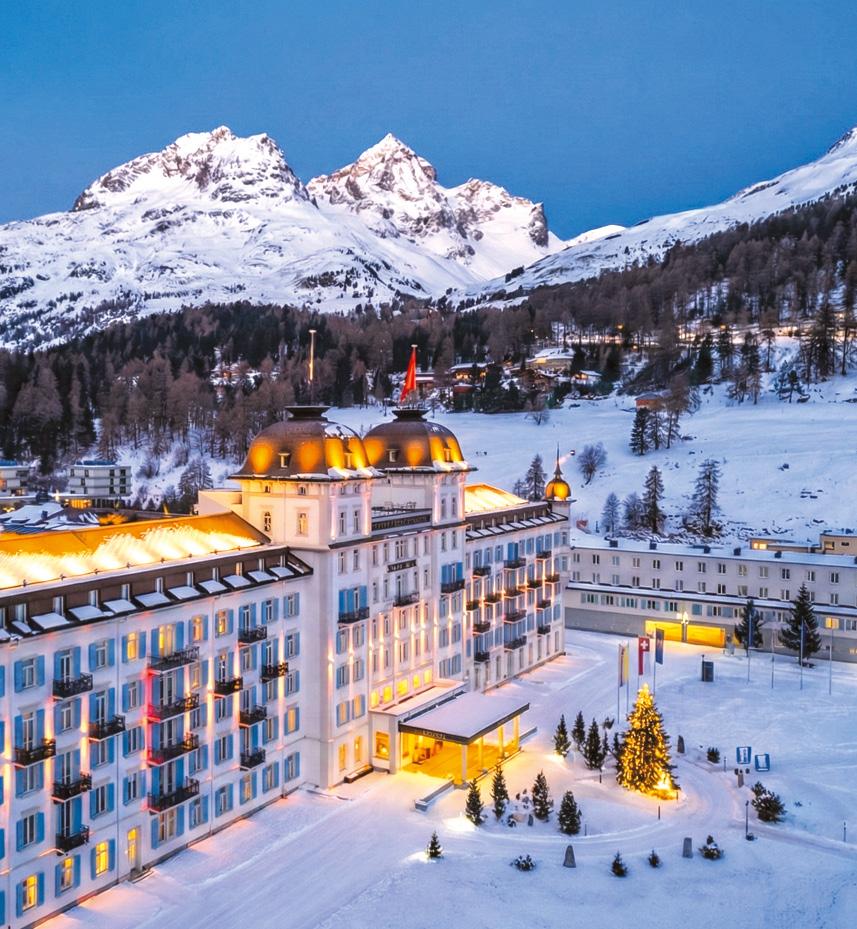
When winter arrives, the image of snowflakes twirling as they shroud the mountainside in a blanket of white elicits a childlike excitement in everyone lucky enough to encounter it. Whether visitors are seasoned snow pros, or new to the world of winter wonderlands, the fairytale magnificence of glaciers, mountains and valleys never loses its charm. Don snowshoes and crunch through silent forests dotted with pine trees. Descend slopes that stretch for hundreds of kilometres. Weave along untouched trails on a sledge or toboggan. Throw snowballs, make snow angels and rediscover an inner playfulness. Stroll through enchanting mountain villages and sip mulled wine beside roaring fires in a magical alpine atmosphere. From Germany to Austria and Switzerland to Slovakia, there are a plethora of elegant Kempinski resorts on the slopes, with sumptuous rooms, award-winning restaurants and soothing spas to restore tired muscles.
Hit the slopes
Scan this QR code to choose your snowy escape.


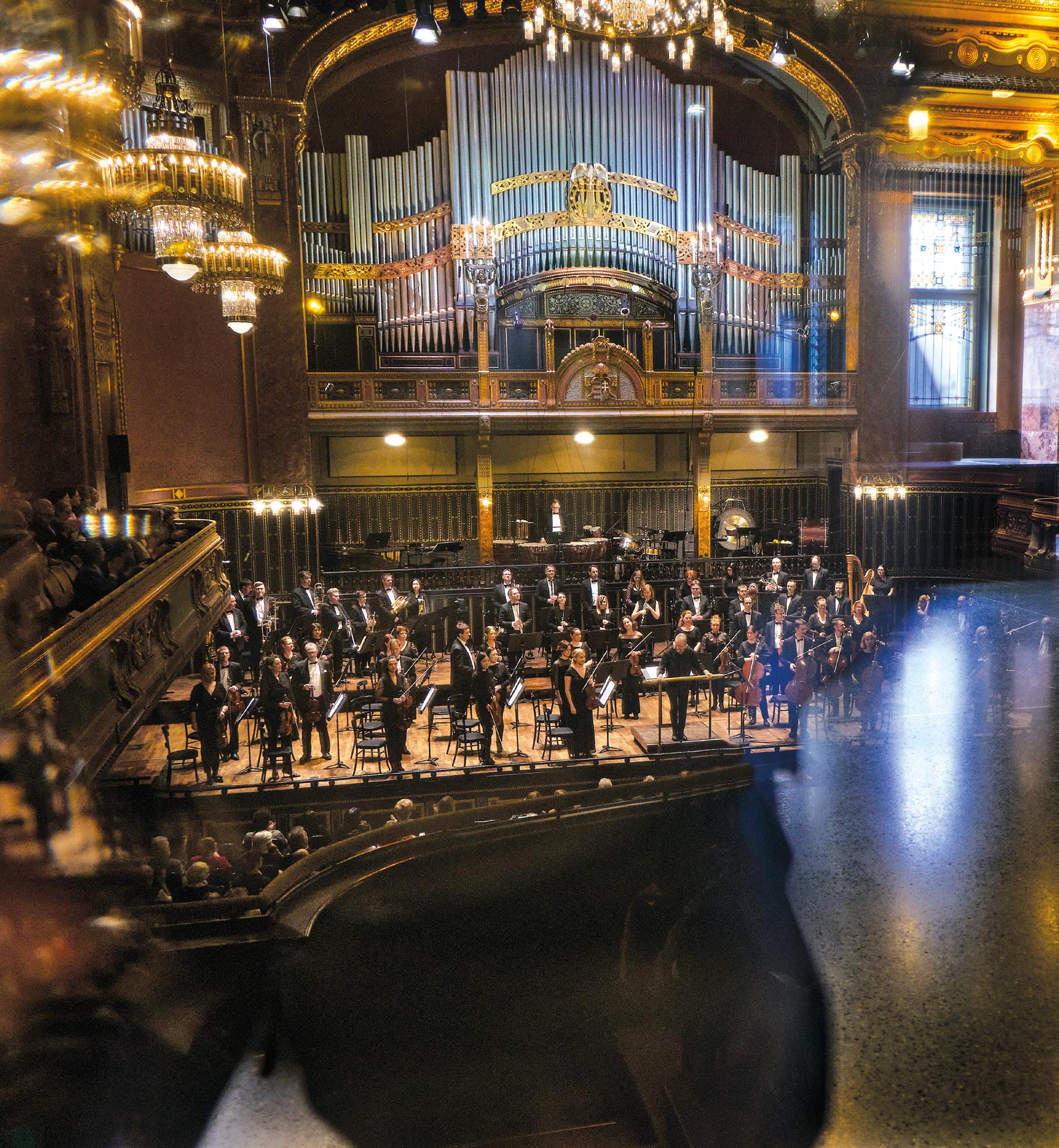
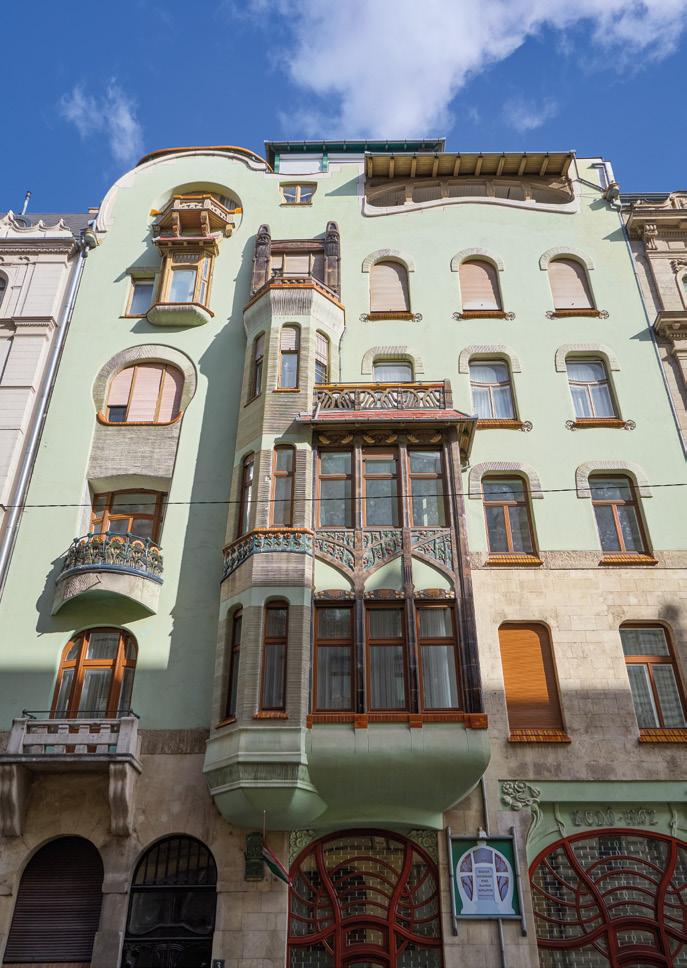
Straddling the Danube, Budapest (home to Kempinski Hotel Corvinus) is a city shaped by history and transformation, where grand avenues and quieter streets reveal a variety of styles and atmospheres. To explore it more closely, Antoine Gauvin takes us on a journey guided by its Art Nouveau buildings – a distinctive architectural language that reshaped façades, interiors and everyday life at the turn of the 20th century. From embellished villas to seldomopened doors, this is a different way to discover the city: through the expressive details that define its unique character.
BY ANTOINE GAUVIN
When I return to Budapest for my fourth visit, I leave the usual landmarks – the castle, the Parliament building, the cathedral –behind. This time, I’ve come for Hungarian Art Nouveau.
The city’s gems of late 19th-century architecture are a match for anything to be found in Vienna, London or Paris. Neglected for decades, but many now beautifully restored, it’s a real pleasure to wander the streets of Budapest, gazing at the colourful roofs and façades, and stumbling across hidden museums and spectacular arcades.
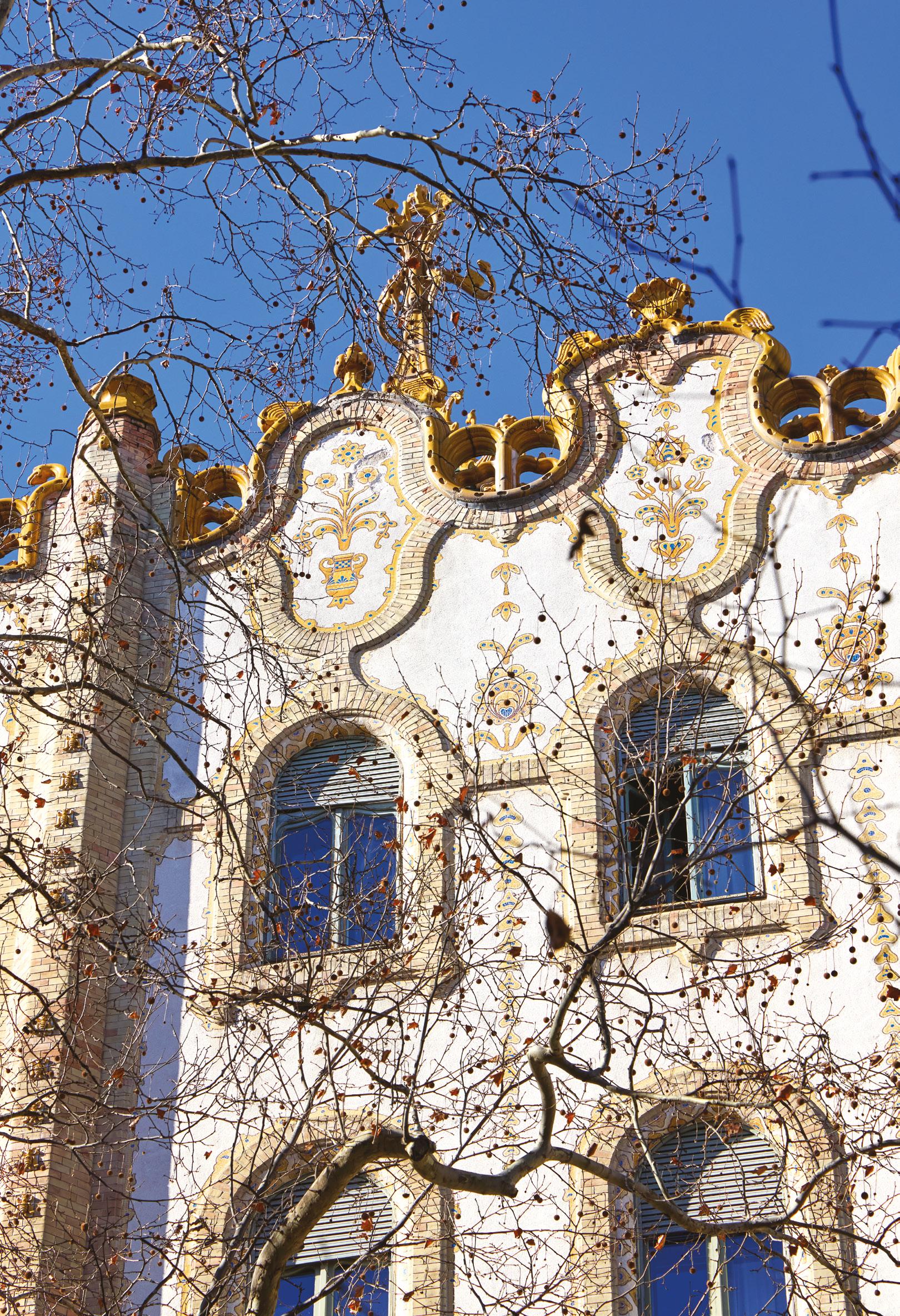
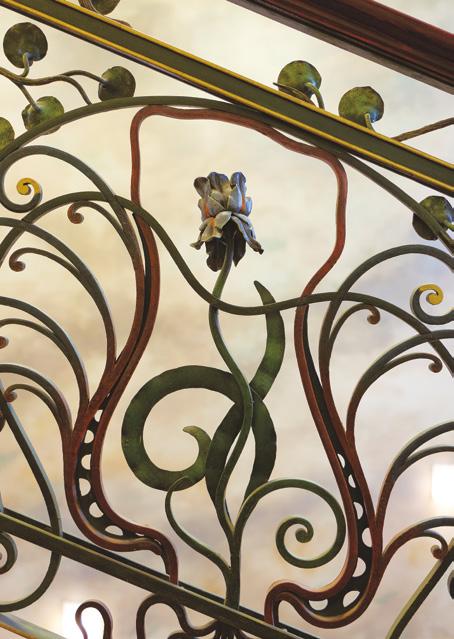
Budapest, Pearl of the Danube, is more than a thousand years old but it owes much of its present-day character to a largescale expansion in the late 19th century. Its heyday began in 1873, with the unification of Buda, Pest and Óbuda. This was a prosperous time, and an ambitious urbanisation plan spawned public buildings, attractive monuments and new areas for work, housing, business and leisure. As architecture and the decorative arts flourished, Budapest's Art Nouveau – though less well known than its Viennese counterpart – became a defining feature of the new urban landscape.
I start my stroll at the former Hungarian Royal Postal Savings Bank building, not far from the parliament. This Art Nouveau masterpiece was built by Ödön Lechner in 1901 in an exuberant style complete with arabesques, floral motifs, angels’ heads and sculpted dragons. Nicknamed the ‘Hungarian Gaudí’, this brilliant architect shaped Hungarian Art. Thonet House is another example of his work, proudly standing between two boutiques on Váci utca, not far from Kempinski Hotel Corvinus.
Initially inspired by Neo-Gothic motifs such as those seen on Thonet House, this ‘new art’ soon developed its characteristic curves, plant forms and colours. From 1890 onwards, it developed into a distinctive style known as Hungarian Secession, when Ödön Lechner set out to create a ‘Hungarian national style’. This blend of the traditional forms of Art Nouveau with native Magyar folk art also incorporated influences from Persia and India.
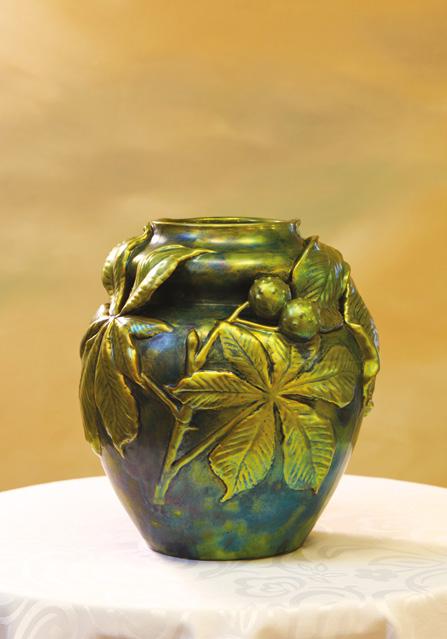
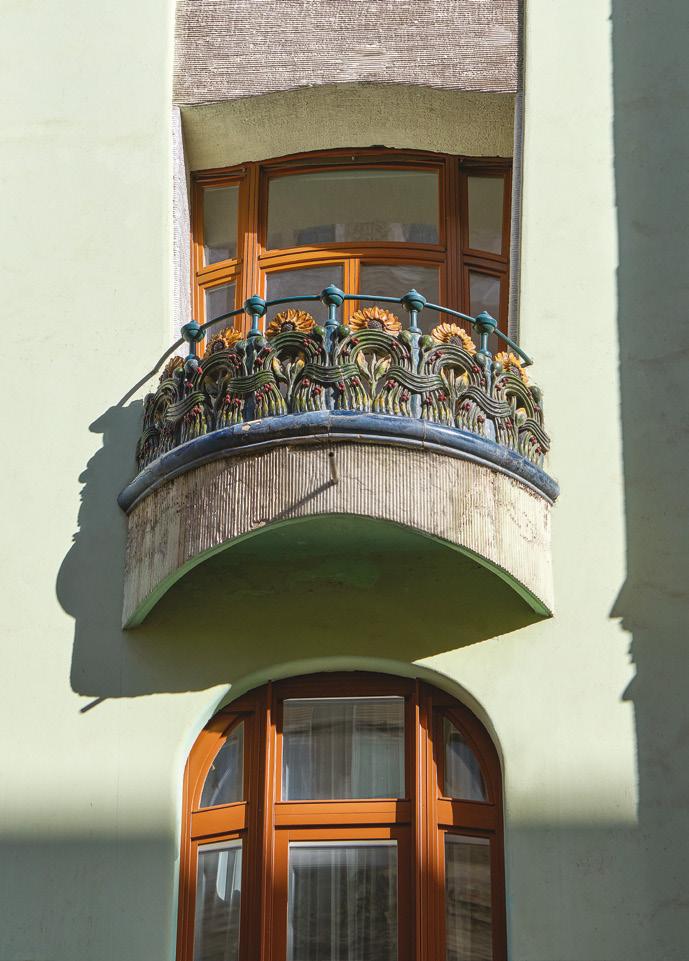
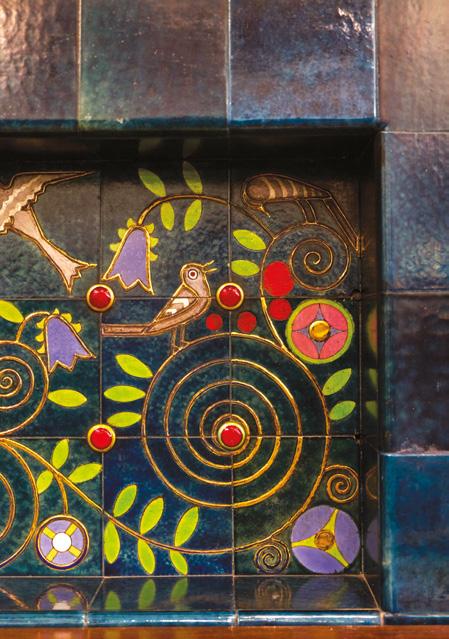
The bold use of colour and materials is another defining feature that sets this style apart from the Viennese Secession. Ceramics from the Zsolnay porcelain manufactory played an essential role – just look up, and you’ll see many of their colourful tiles and decorative features on the roofs. Zsolnay also earned international acclaim for its use of eosin, a technique that creates ceramic glazes with a green and turquoise iridescence reminiscent of a dragonfly’s wings (an example is shown on this magazine’s cover). To better understand the role of Budapest’s talented craftspeople, I head to the György Ráth Villa. Originally the home of its namesake,
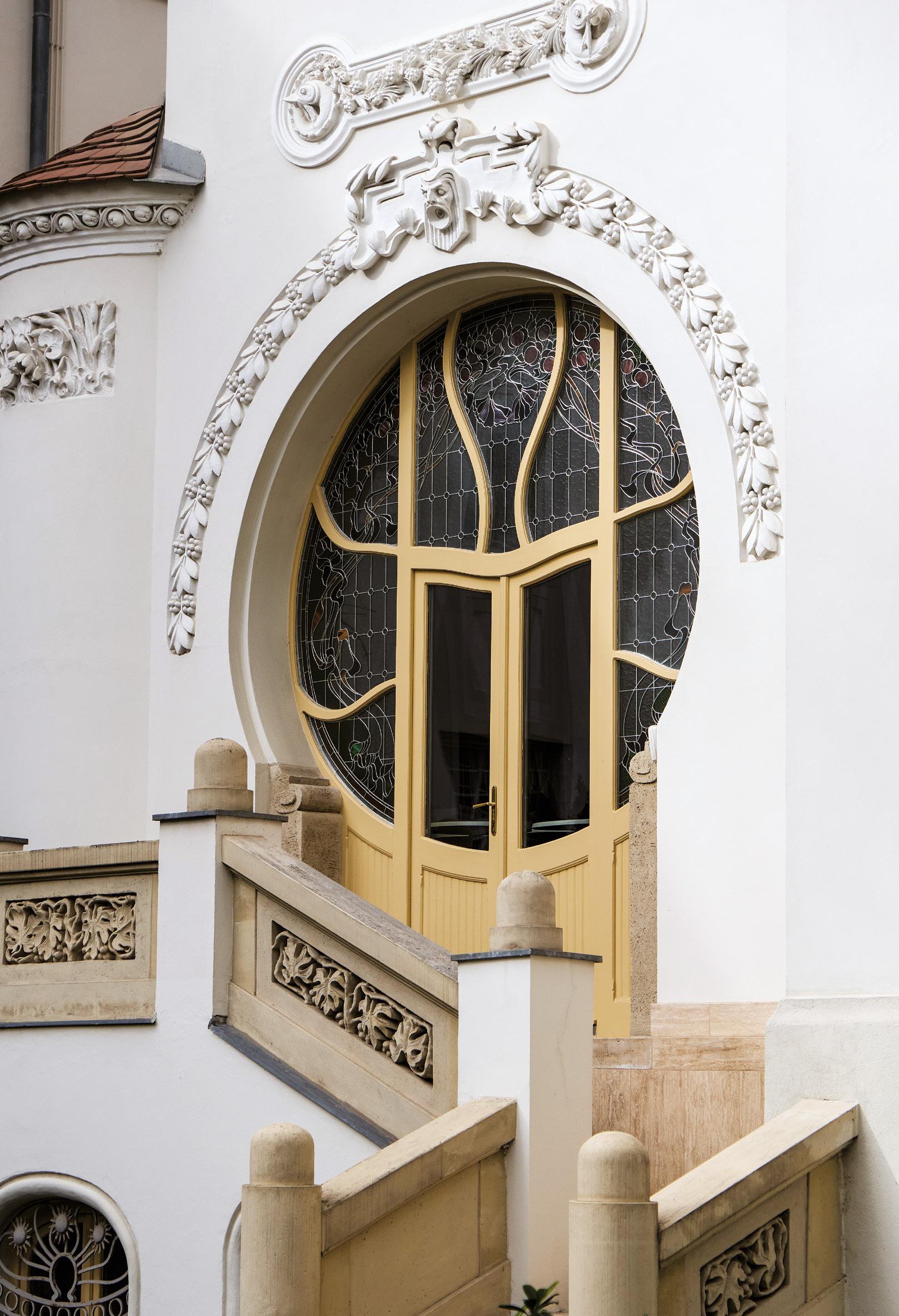
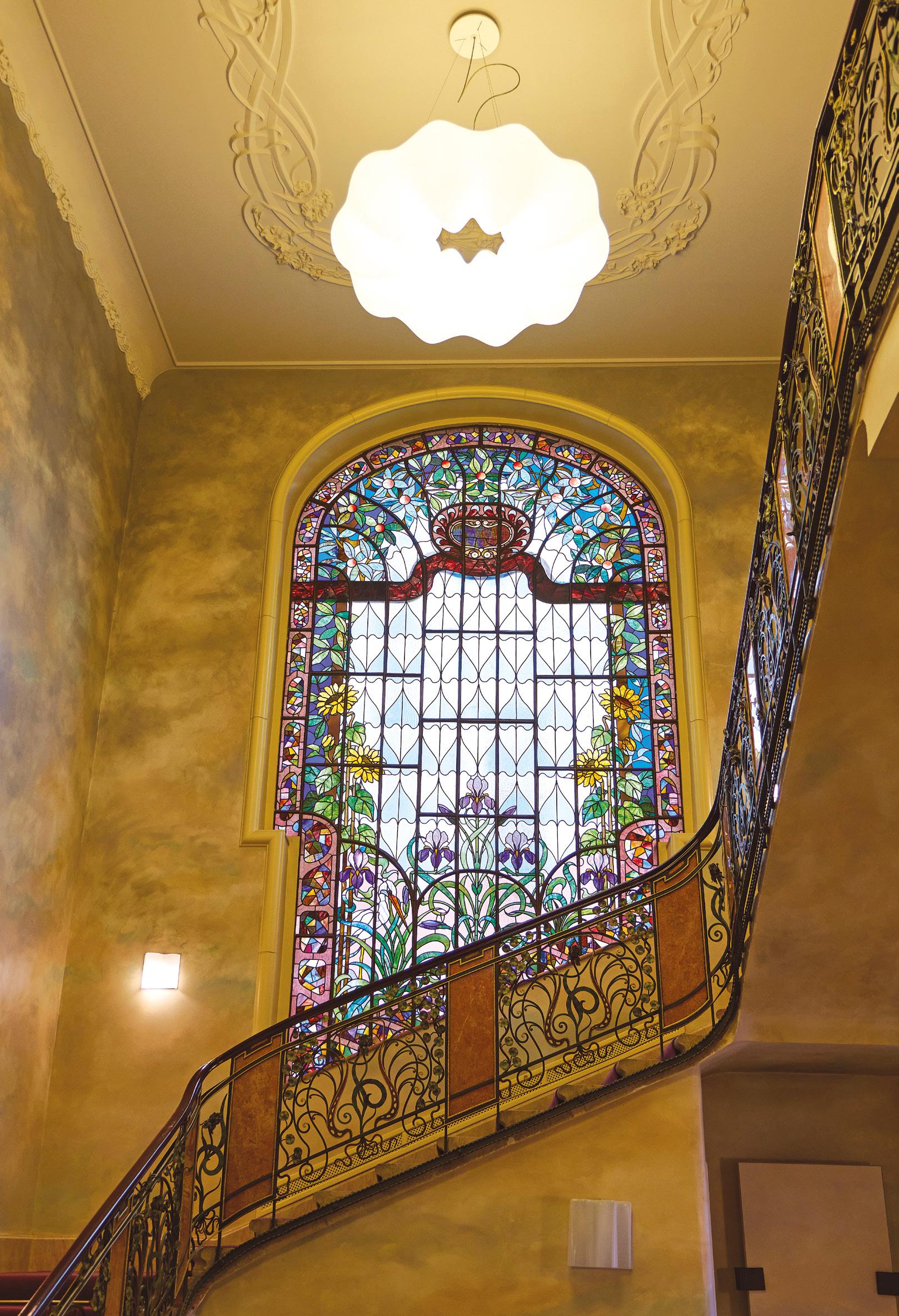
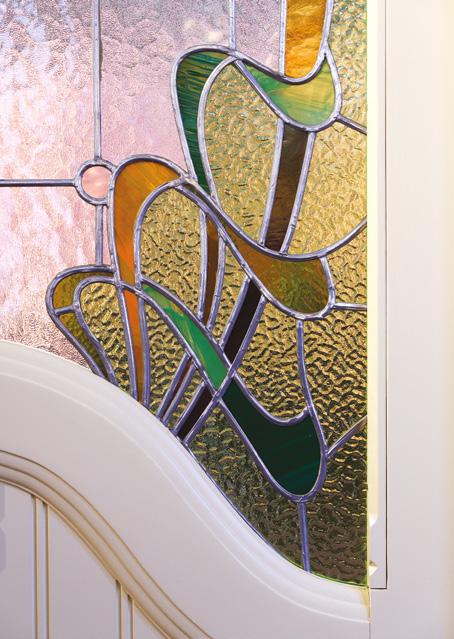
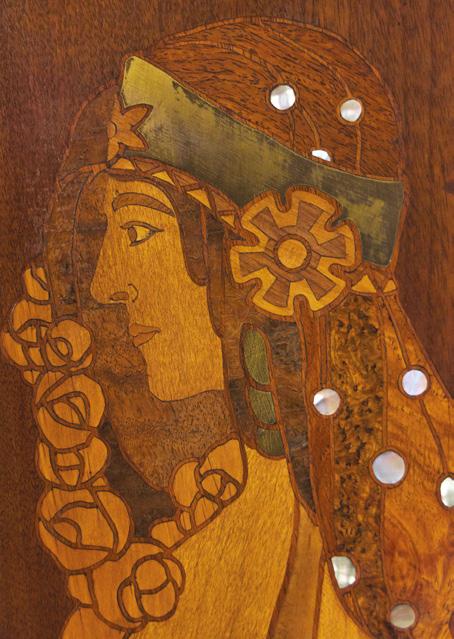
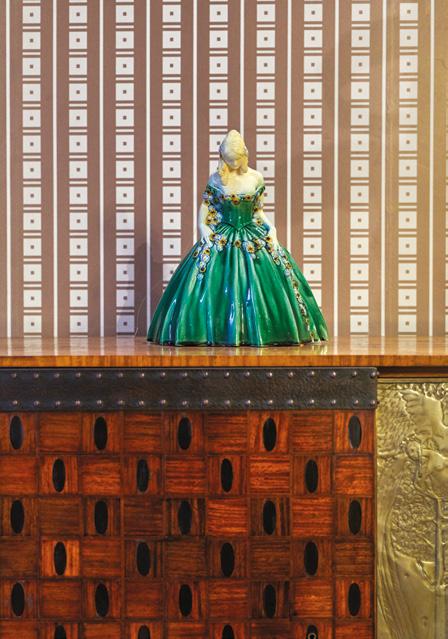
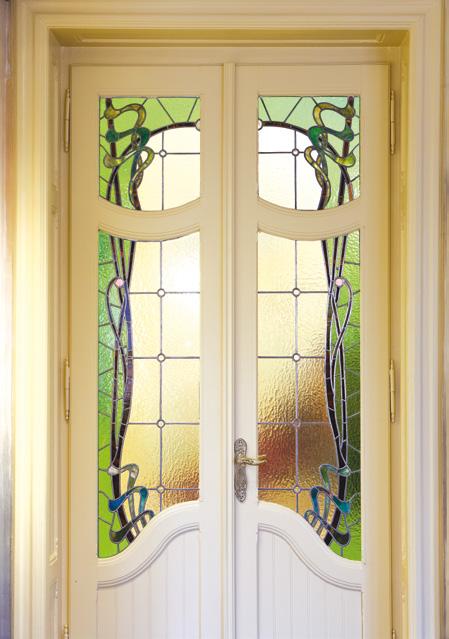
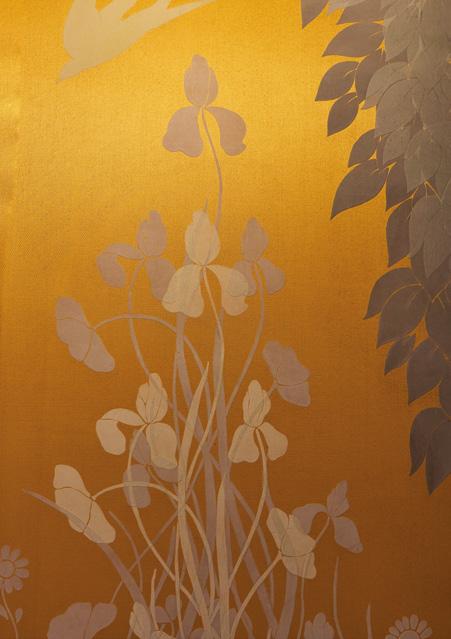
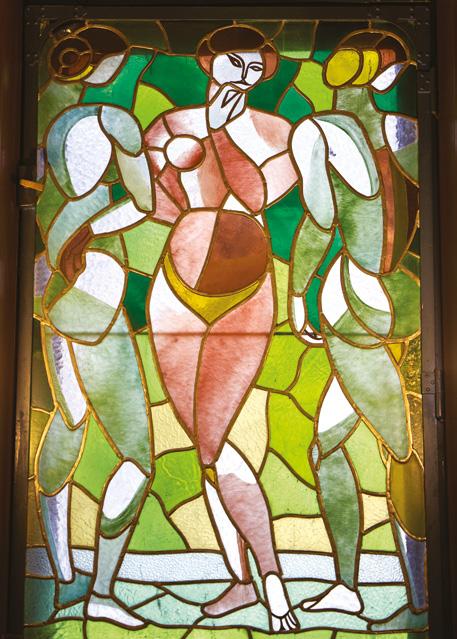
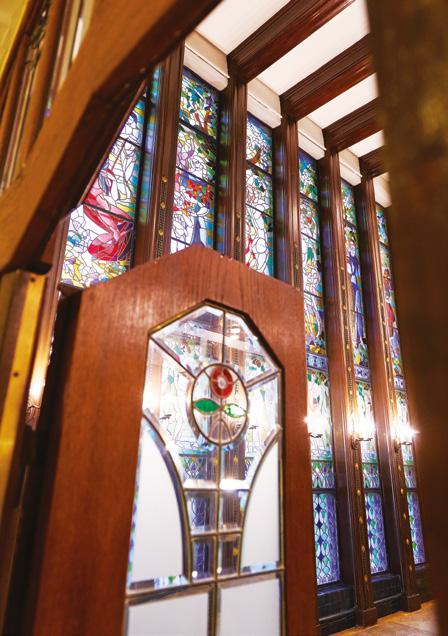
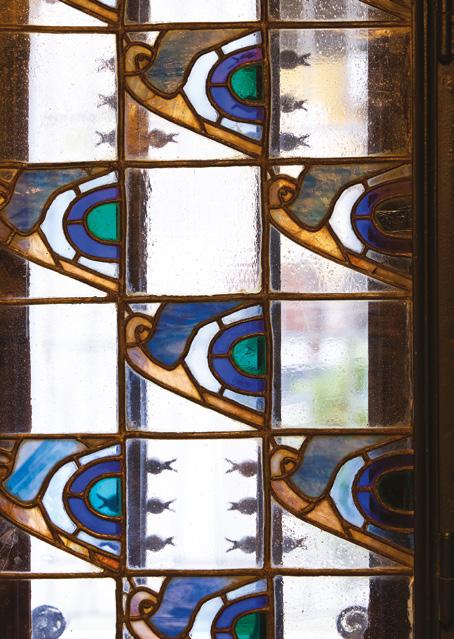
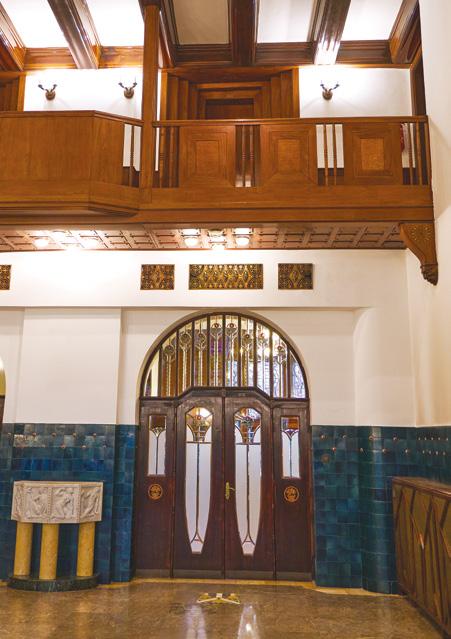
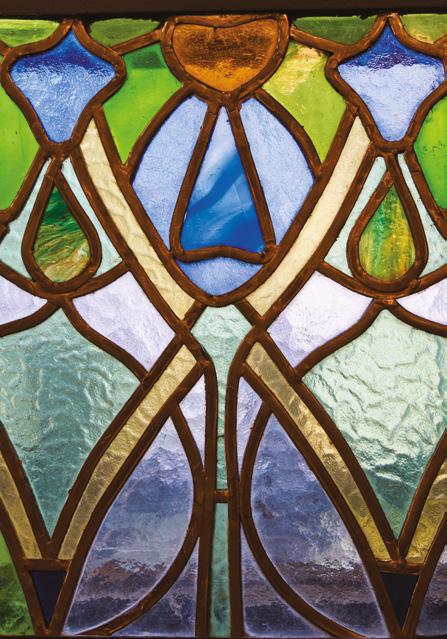
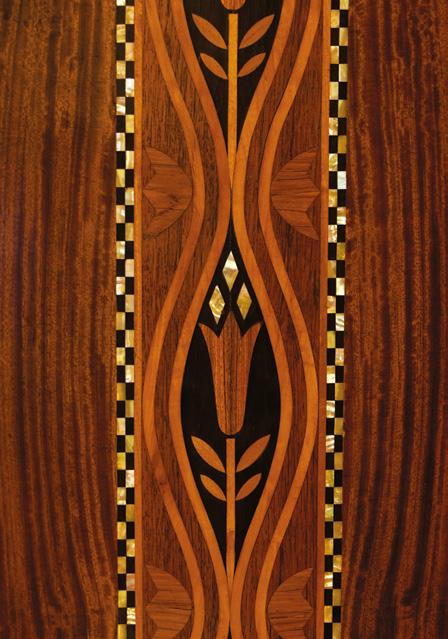
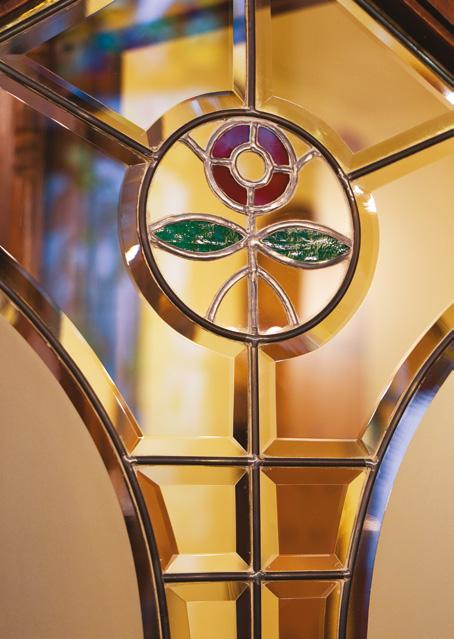
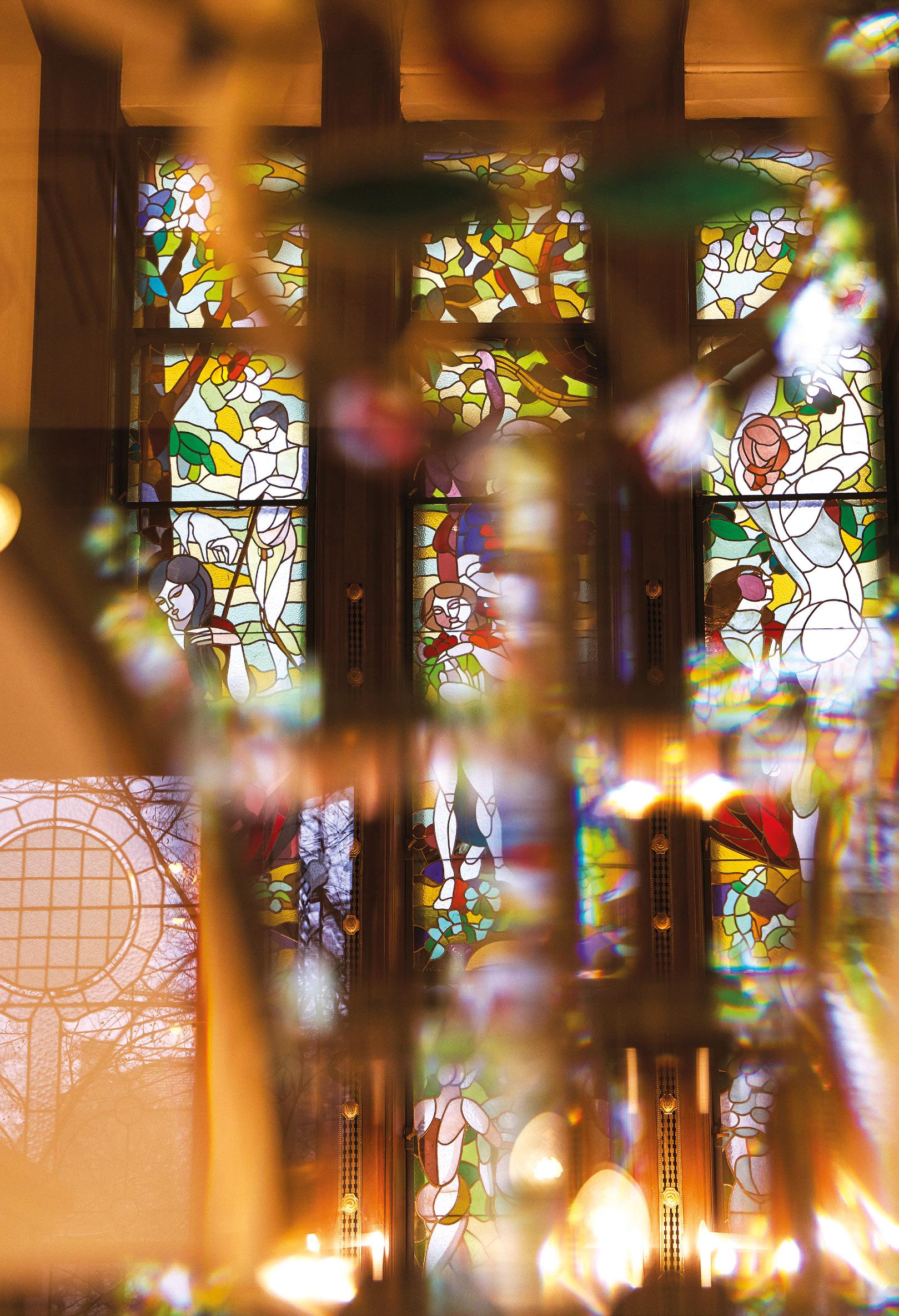
an influential art collector in the early 20th century, the museum now displays furniture, ceramics and light fittings that showcase local skills. Just a short distance away, the Schiffer Villa (visits by appointment) stands as a 1910s total work of art, with its magnificent seven-metre-high stained-glass windows by Károly Kernstock, smooth marble floors and finely crafted marquetry doors (see pages 22-23).
Another masterpiece of the period, ResoArt Villa is an outstanding example of Hungarian Art Nouveau shaped by German Jugendstil and French Art Nouveau influences. Built by Albert Kálmán Kőrössy in 1900 on the tree-lined Városligeti fasor, its elegant white façade, asymmetrical composition, flowing floral ornamentation and distinctive window forms reflect the artistic spirit at the turn of the century. Inside, an outstanding collection of Zsolnay ceramics awaits visitors (see pages 18–19).
A short car journey away is the Budapest Zoo & Botanical Garden. I love it, but not necessarily for its residents. Founded in 1866, the zoo was transformed during a major reconstruction in the early 1900s, when architects Károly Kós, Dezső Zrumeczky and Kornél Neuschloss introduced the Hungarian Secession style that still defines much of the site today. Many of the buildings have intricate, exotic interiors, and the Elephant House, with its Indianstyle domes and the impressive glass and steel palm house, reveals a fascination with far-off lands.
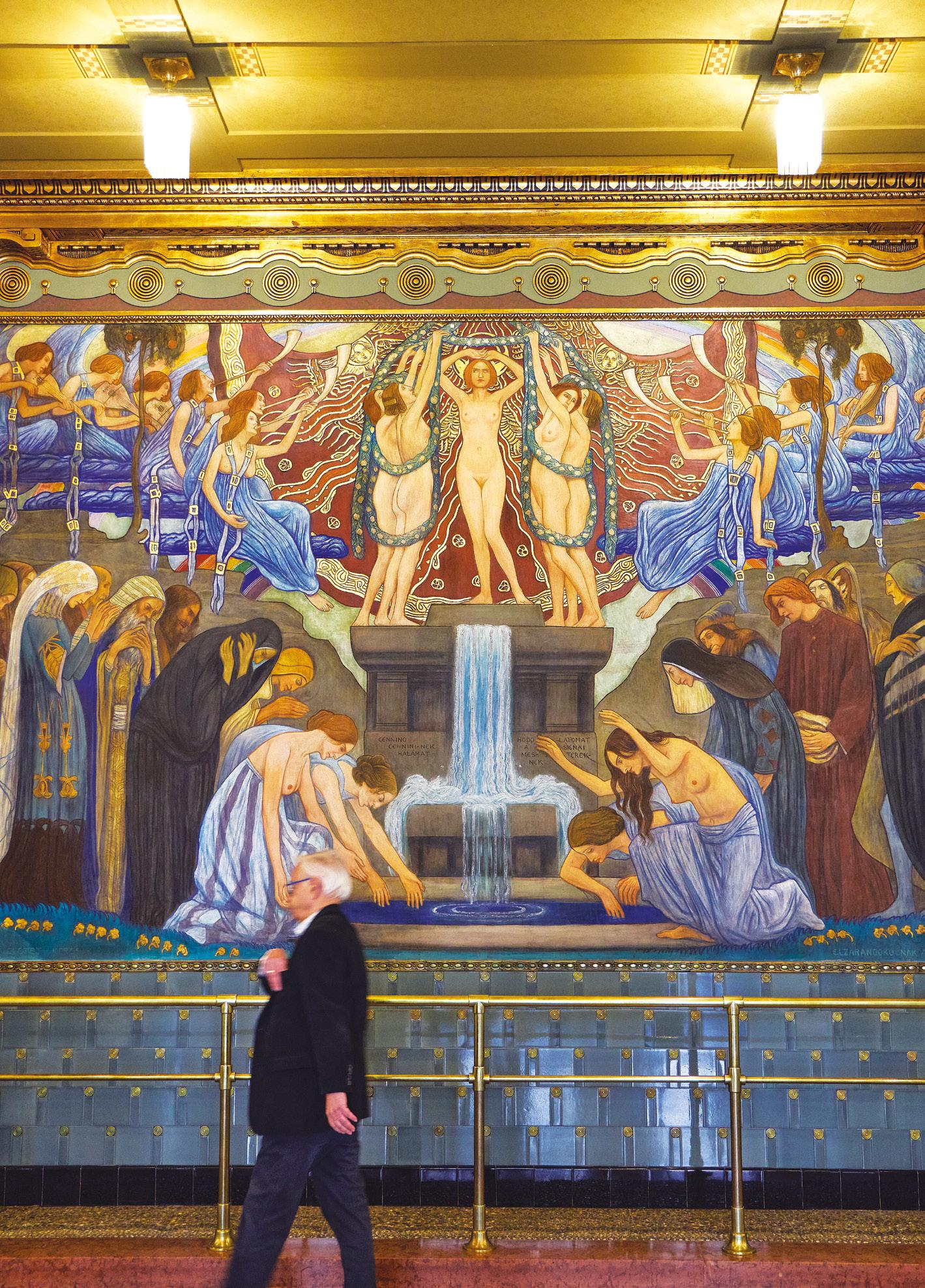
Back in the city centre, one of my favourite buildings is the Franz Liszt Academy, which opened in 1907. The façade of this music school and concert hall is deceptively classical. Few people think to stop to peek inside, and yet the interior is majestic – stained glass, mosaics, gilding, sculptures and stylised motifs all pay tribute to music. When visiting the city, I always make time to take in a concert in the grand hall (page 12).
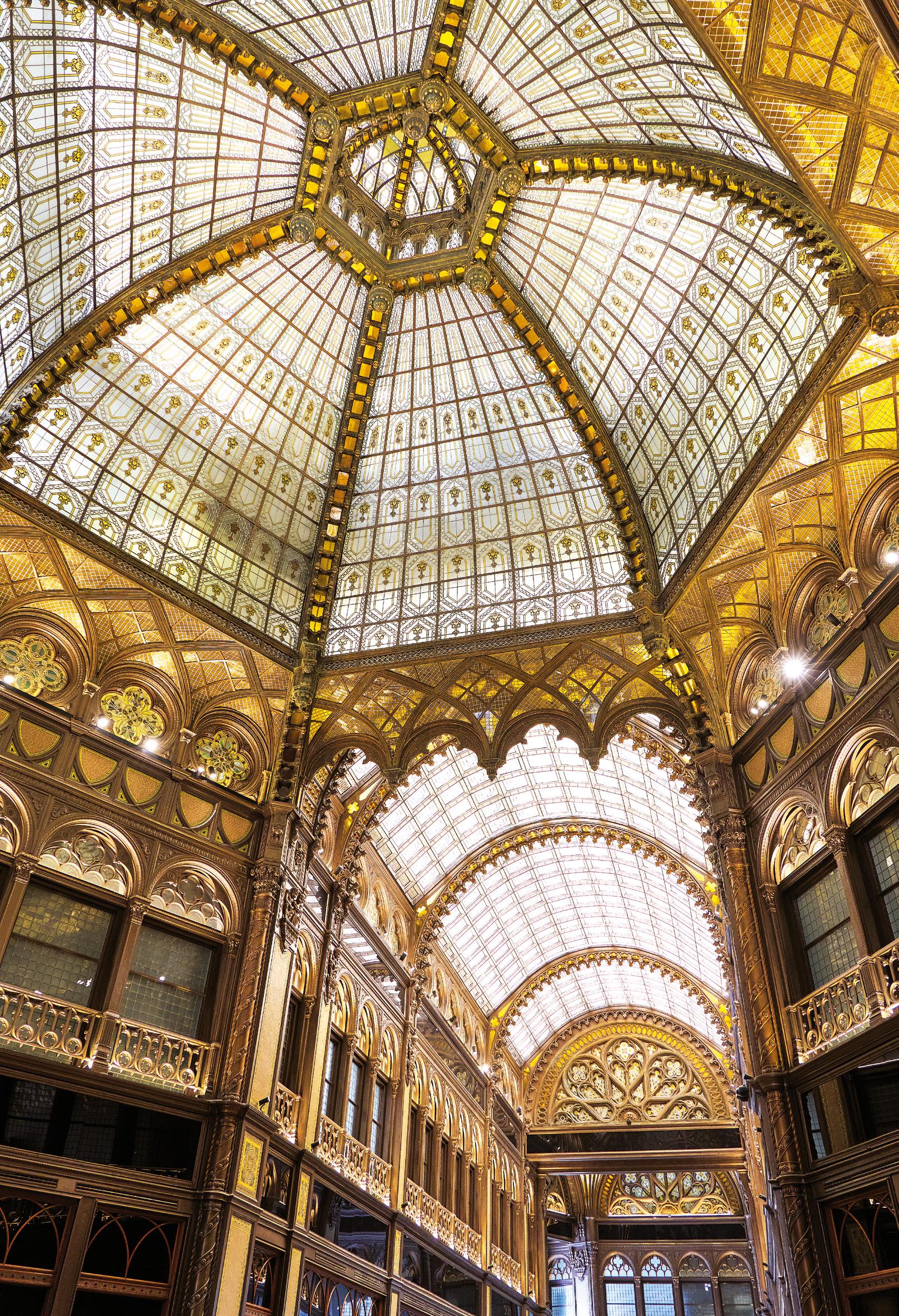
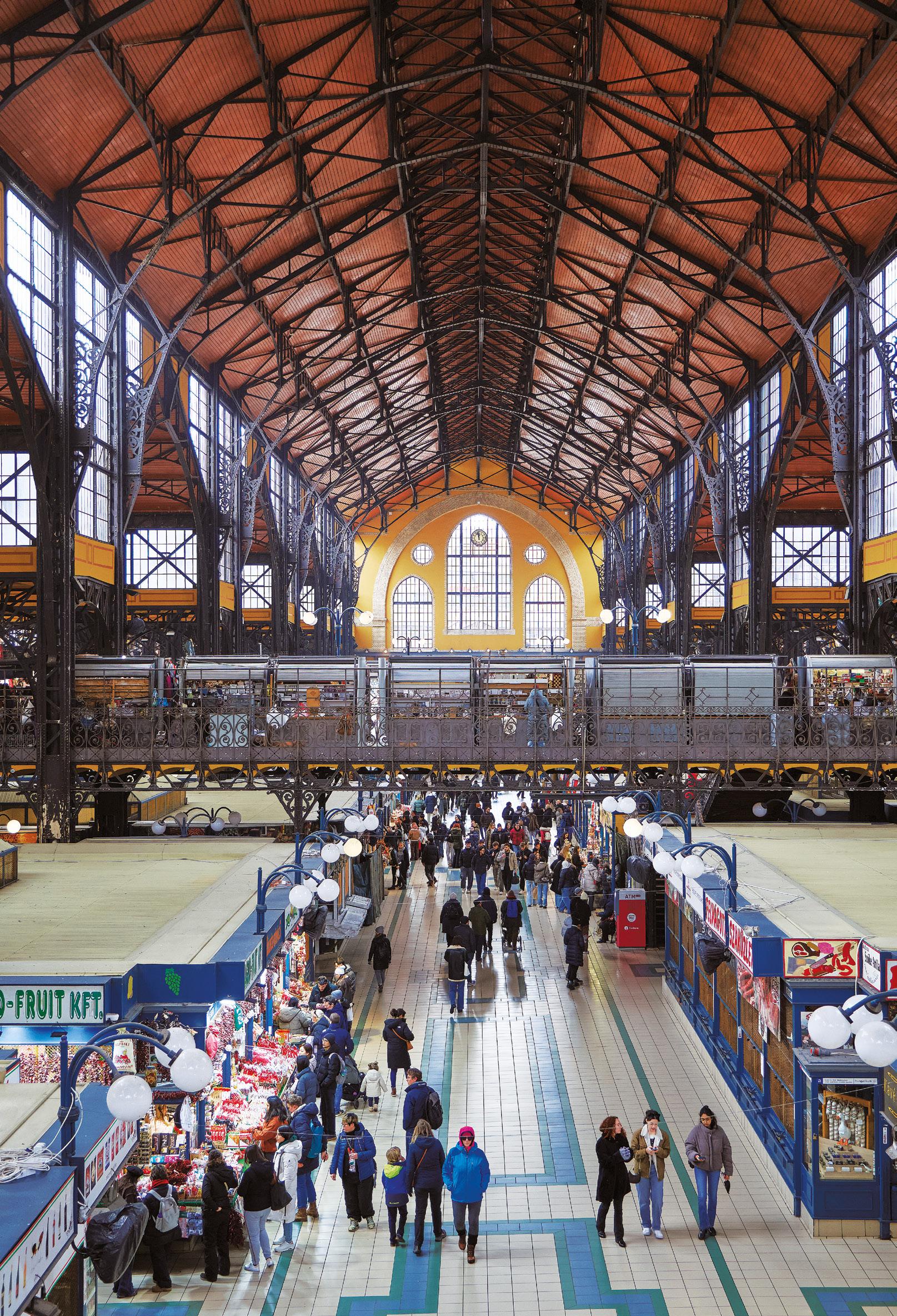
Heading south, not far from Erzsébet Bridge, I step inside Párisi Udvar, one of the city’s foremost buildings of the 1890s. In the past, I’ve seen it shrouded in dust like a great phantom ship. Today, it’s a vast arcade with a striking steel and glass dome (see page 17). Built between 1909 and 1913, Párisi Udvar was designed to echo the grand arcades of Paris.
A city of a thousand faces, Hungary’s capital takes me timetravelling to other centuries too, but I remain drawn to the infinite variety of forms and colours in its Art Nouveau buildings. Seen from this perspective, Budapest becomes a city-wide showcase of art, where each building expresses a unique variation on a shared ideal: integrating art into everyday life.
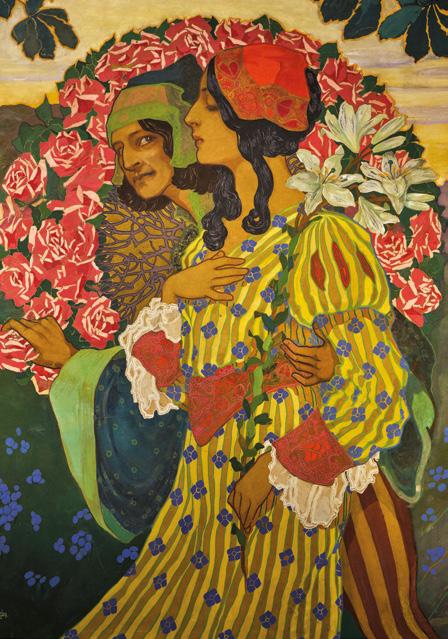
Budapest
Scan this QR code to go behind the scenes of the photoshoot.
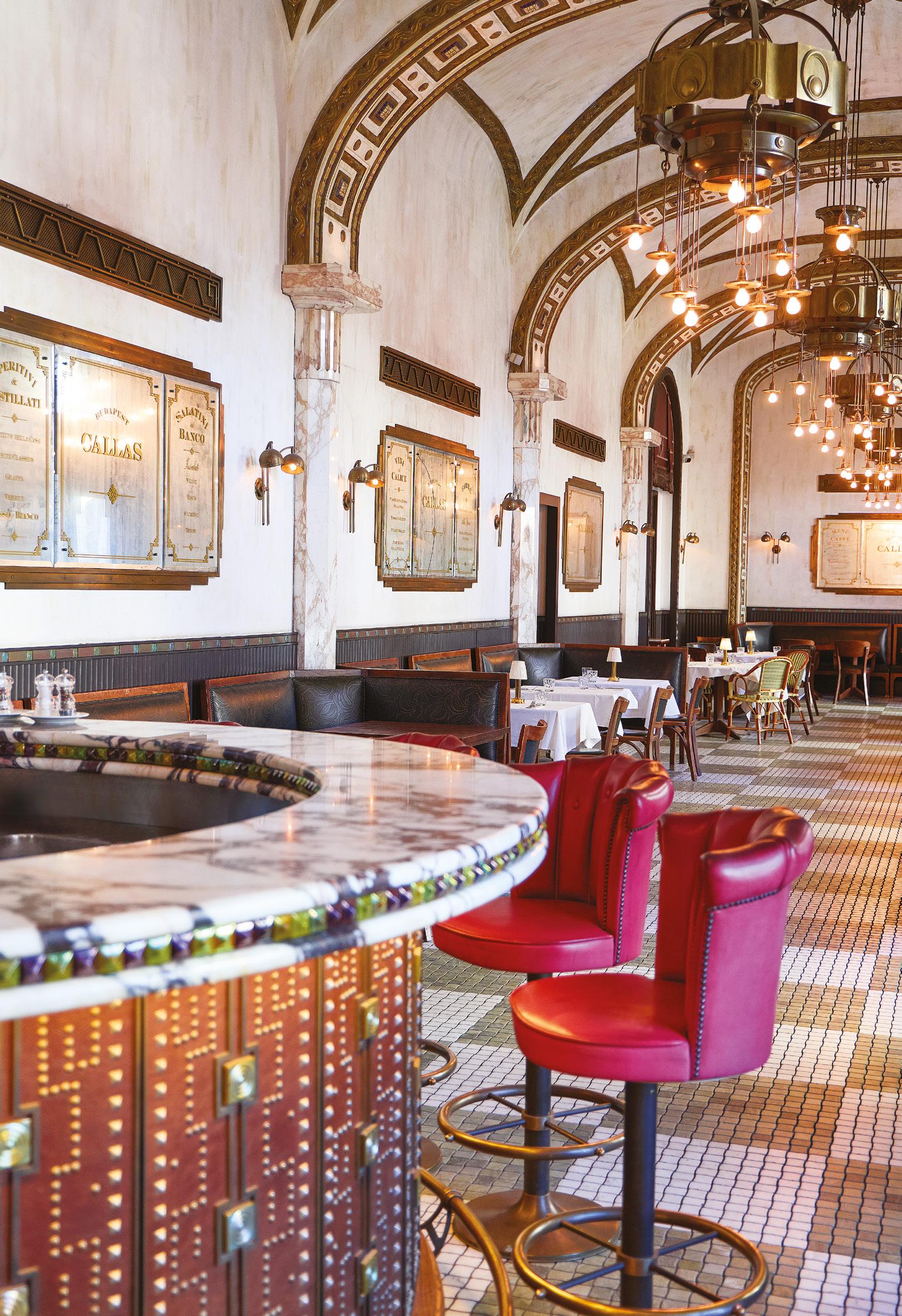
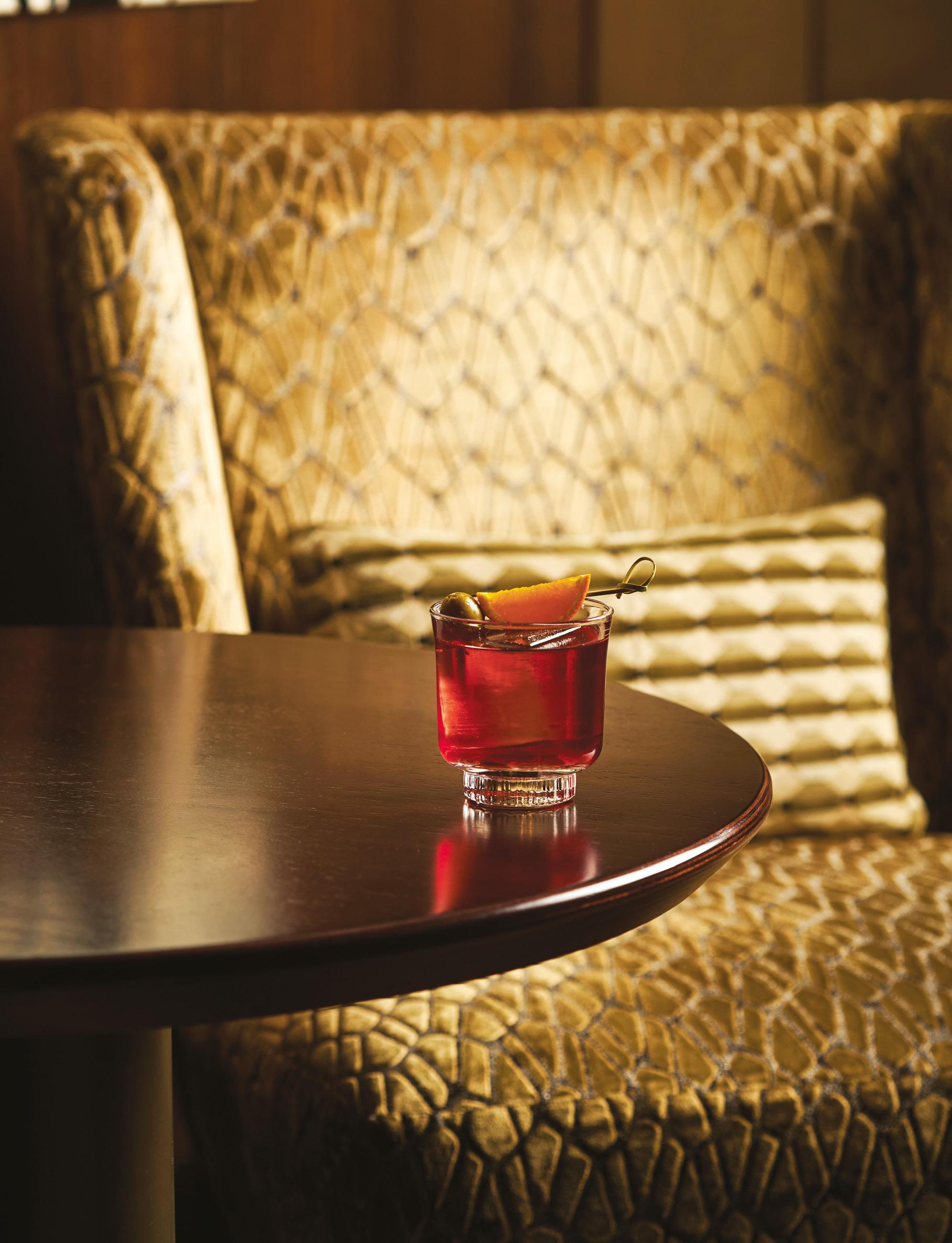
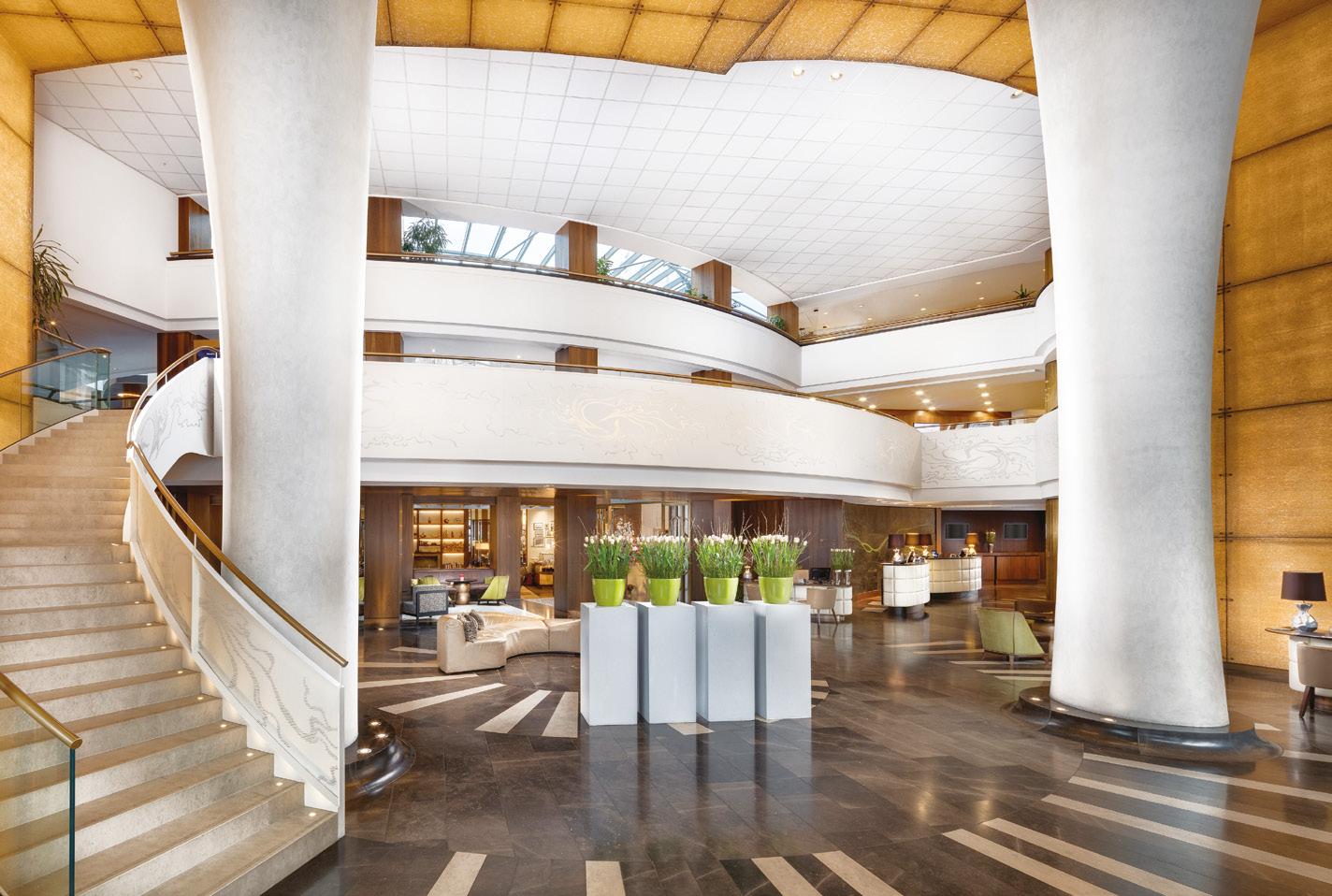
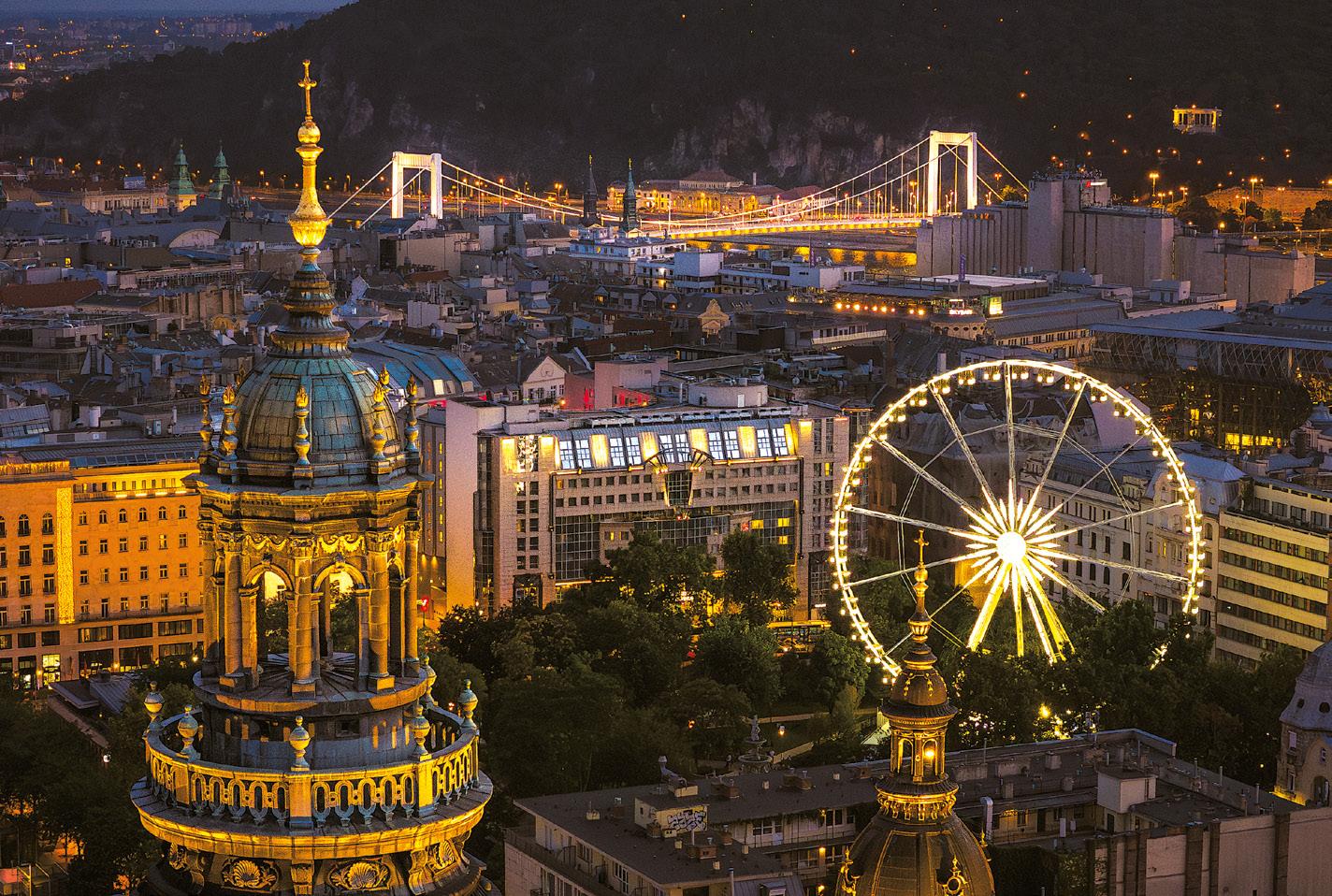
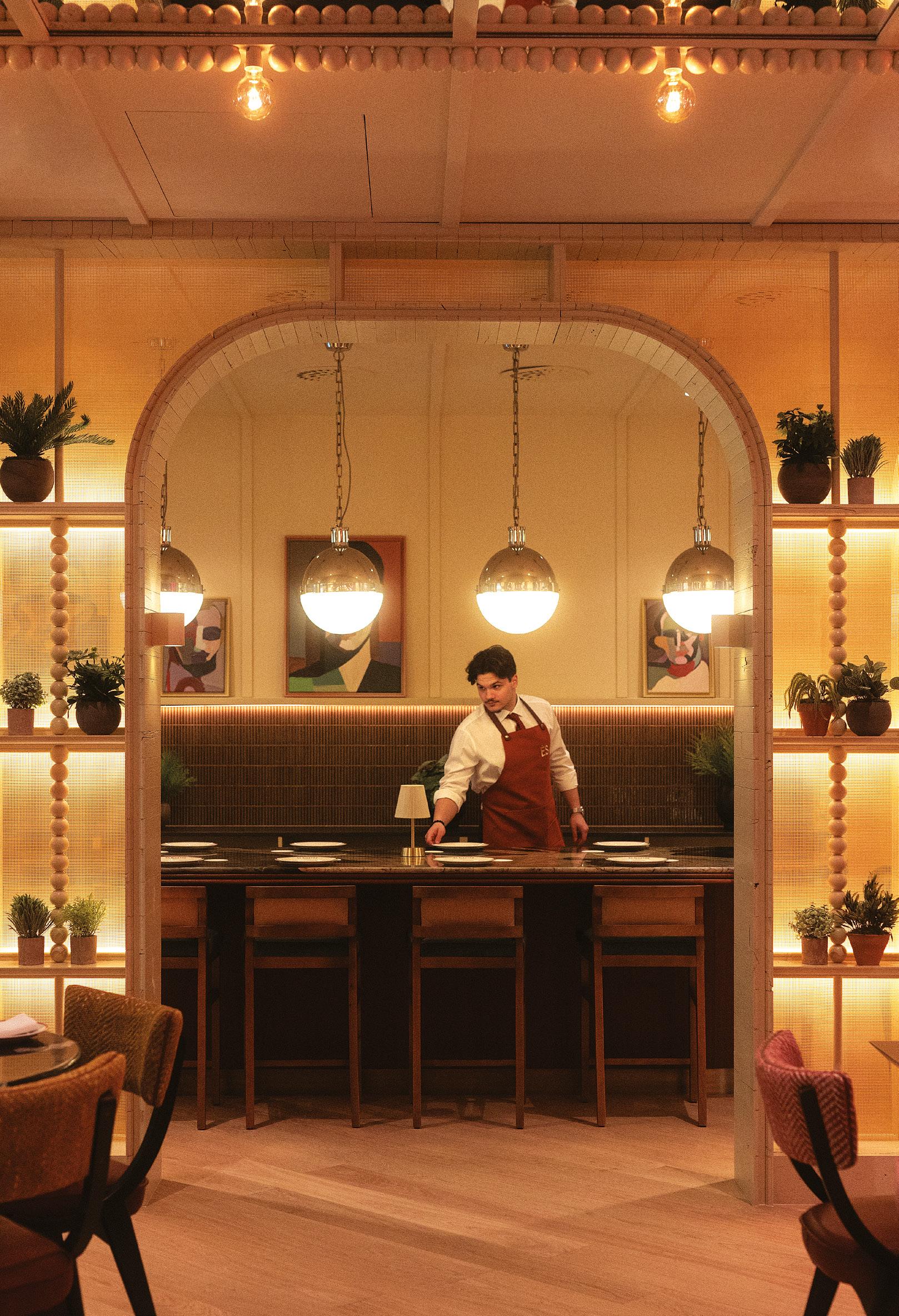
In the centre of Budapest, Kempinski Hotel Corvinus Budapest is part of the rhythm of the city. Close to the Danube and major cultural and commercial districts, guests and visitors move easily between Budapest’s historic layers and its contemporary life. For a city that unfolds like an open-air museum, it feels natural that art is present throughout the hotel, with contemporary Hungarian works and timeless design elements seamlessly integrated into the interiors. This sensibility extends into the service culture, which encourages guests to see, taste and experience the city beyond the hotel. A continuation of the city’s energy, the hotel remains intrinsically linked to its surroundings, with Budapest unfolding just beyond its doors.

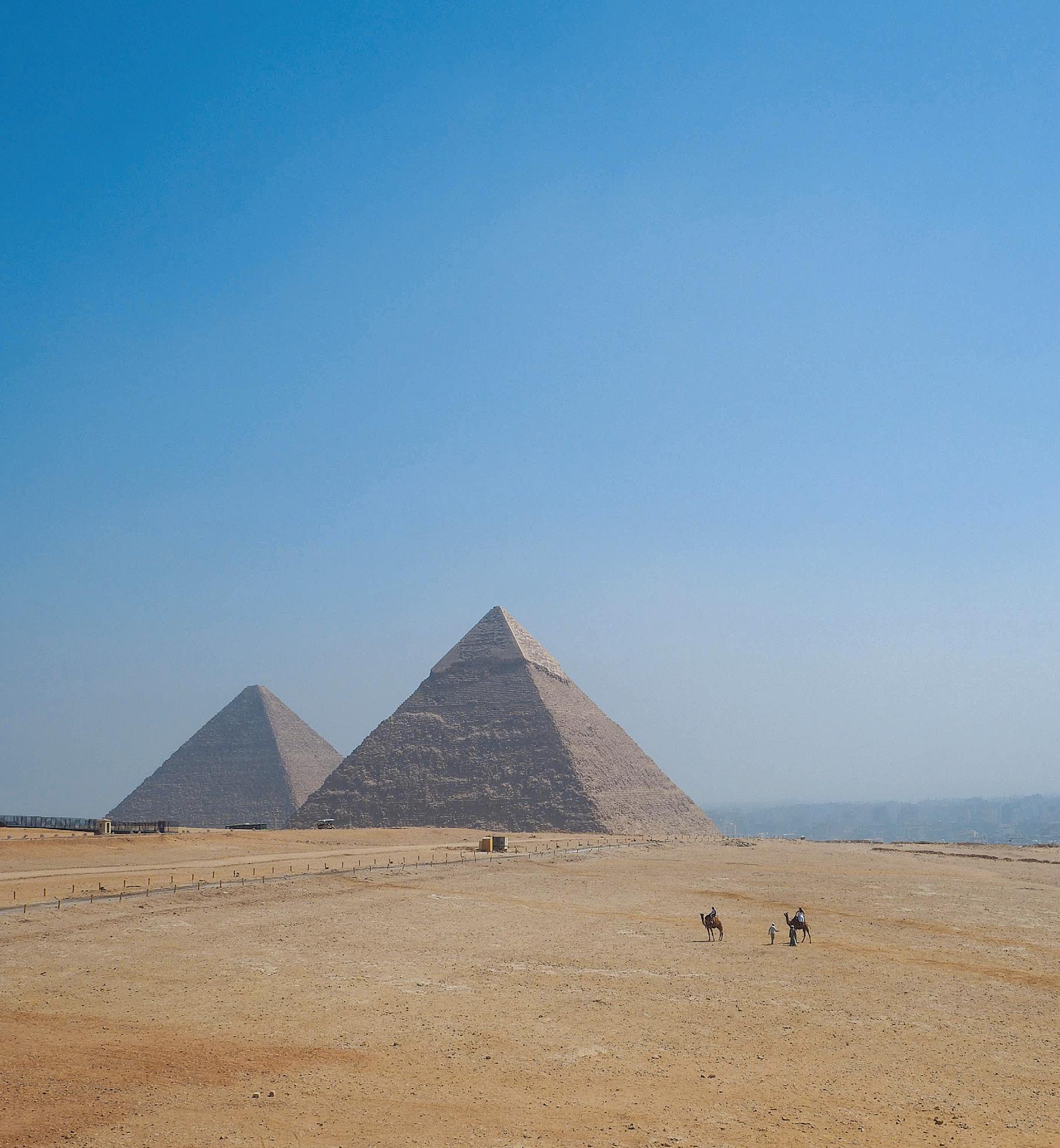
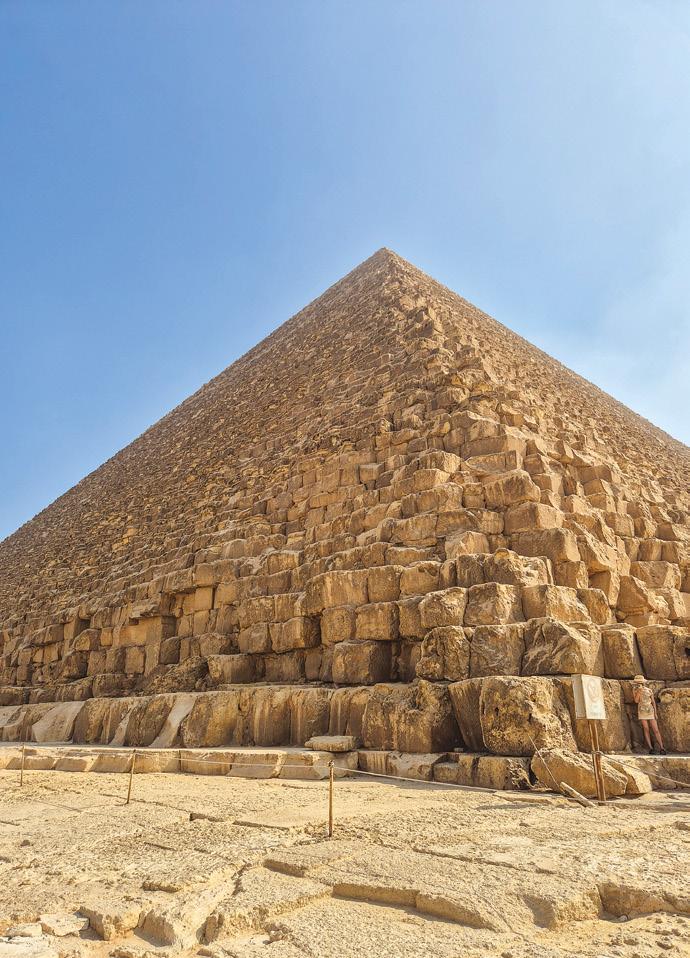
For most of human history, the pyramids have been among the tallest man-made structures on Earth.

A new era of exploration began in 2025 with the opening of Cairo’s Grand Egyptian Museum. Guided by an Egyptologist, travel writer Laurie Jo Miller Farr experienced the museum ahead of its debut, and here she shares her first impressions of this monumental space – a place where 7,000 years of history unfold in a single, awe-inspiring afternoon.
BY LAURIE JO MILLER FARR*
Ever since Treasures of King Tutankhamun became the world’s first blockbuster museum exhibition nearly 50 years ago, millions have been enthralled by antiquities connected to ‘the boy king’. With the 2025 opening of the Grand Egyptian Museum (GEM), a permanent home to King Tut’s Golden Mask and 5,600 precious items from his tomb, we’re experiencing a renewal of the global obsession with ancient Egyptian culture and imagery.
Although Tutankhamun’s boyhood years on the throne from 1332 to 1323 BCE were relatively unimportant, the twentieth-century discovery of his intact royal tomb provided a wealth of insights into his ancient world.
As a first-time visitor to Egypt, my head was spinning with visions of mummies, pyramids and hieroglyphs when I sat down with Ahmed Youssef, CEO of the Egyptian Tourism Authority, a leading figure in defining and promoting the country’s tourism strategy. “The GEM marks a major milestone for Egypt’s cultural heritage and plays an important role in strengthening tourism in Cairo and beyond,” he said. “I think it’s definitely an added value for a well-established destination. We’ll certainly attract more lovers of culture.”
Once again, King Tut is front and centre. For the first time since the discovery of the young pharaoh’s tomb in 1922, neverbefore-seen objects are on display. The complete collection of treasures includes jewellery, heirlooms, furniture, all six funeral chariots and the spectacular burial mask. Poignant artefacts in the GEM’s permanent exhibition further reveal his personal story, such as the two tiny mummified princesses that are known to be Tutankhamun’s stillborn daughters.
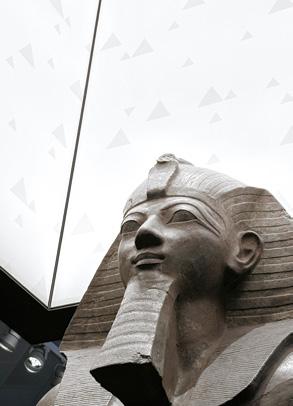
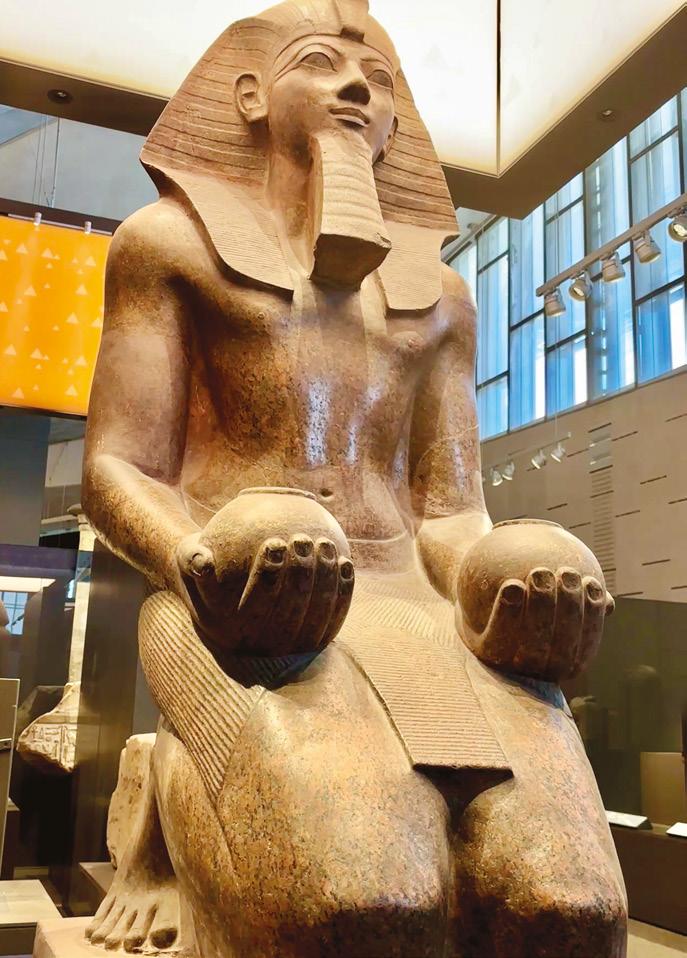
The sheer size of the museum can be overwhelming… but then again, so is Egypt. The Tutankhamun Galleries showcase only a sliver of the treasures housed in what is now the world’s largest museum dedicated to a single civilisation. Visitors are greeted by a 3,200-year-old red granite figure of King Ramses II weighing about 83 tonnes. Another surprise? This colossal statue is precisely positioned so that a beam of sunlight illuminates its face twice a year, on 21 October and 21 February, marking the pharaoh’s birthday and coronation.
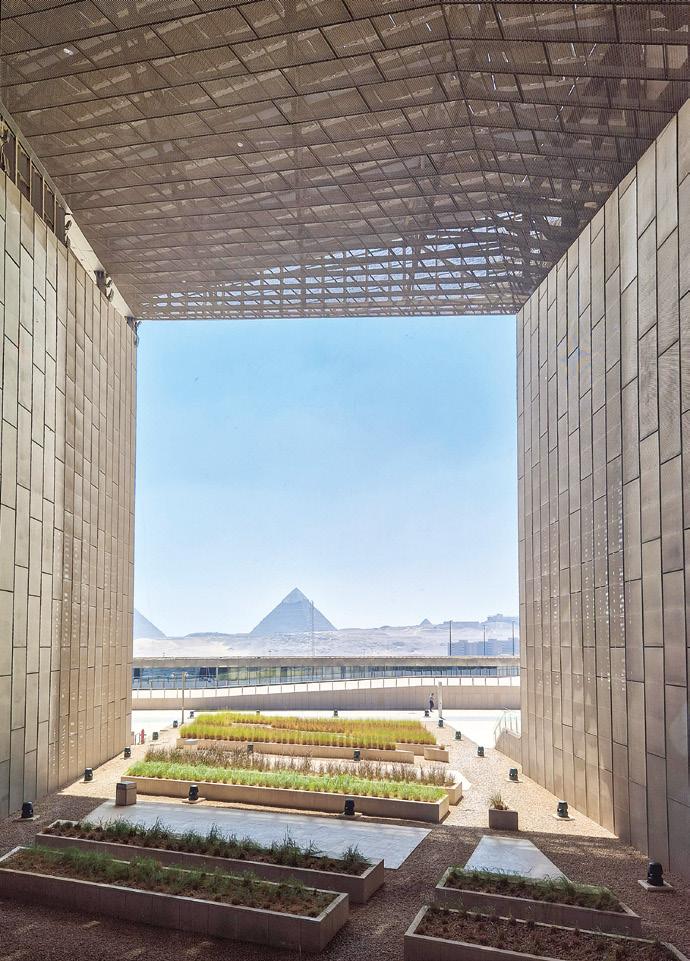
Larger-than-life statues of pharaohs, queens, gods and goddesses by the dozens line the open Grand Staircase, which ascends six floors through a timeline of Egyptian dynasties. Galleries at each level feature curated exhibitions to take visitors on a journey from prehistoric times to the Roman era. At the top, a perfectly framed panoramic view of the Giza Pyramids – the oldest and only surviving Wonder of the Ancient World – metaphorically bridges the millennia.
Because Egypt’s dry desert climate preserves materials so well, visitors come face-to-face with some of the earliest manmade objects anywhere in the world. As Dr Ahmed Ghoneim, CEO of the GEM, puts it, the museum is something truly unforgettable –“a remarkable gift from Egypt to the world.”
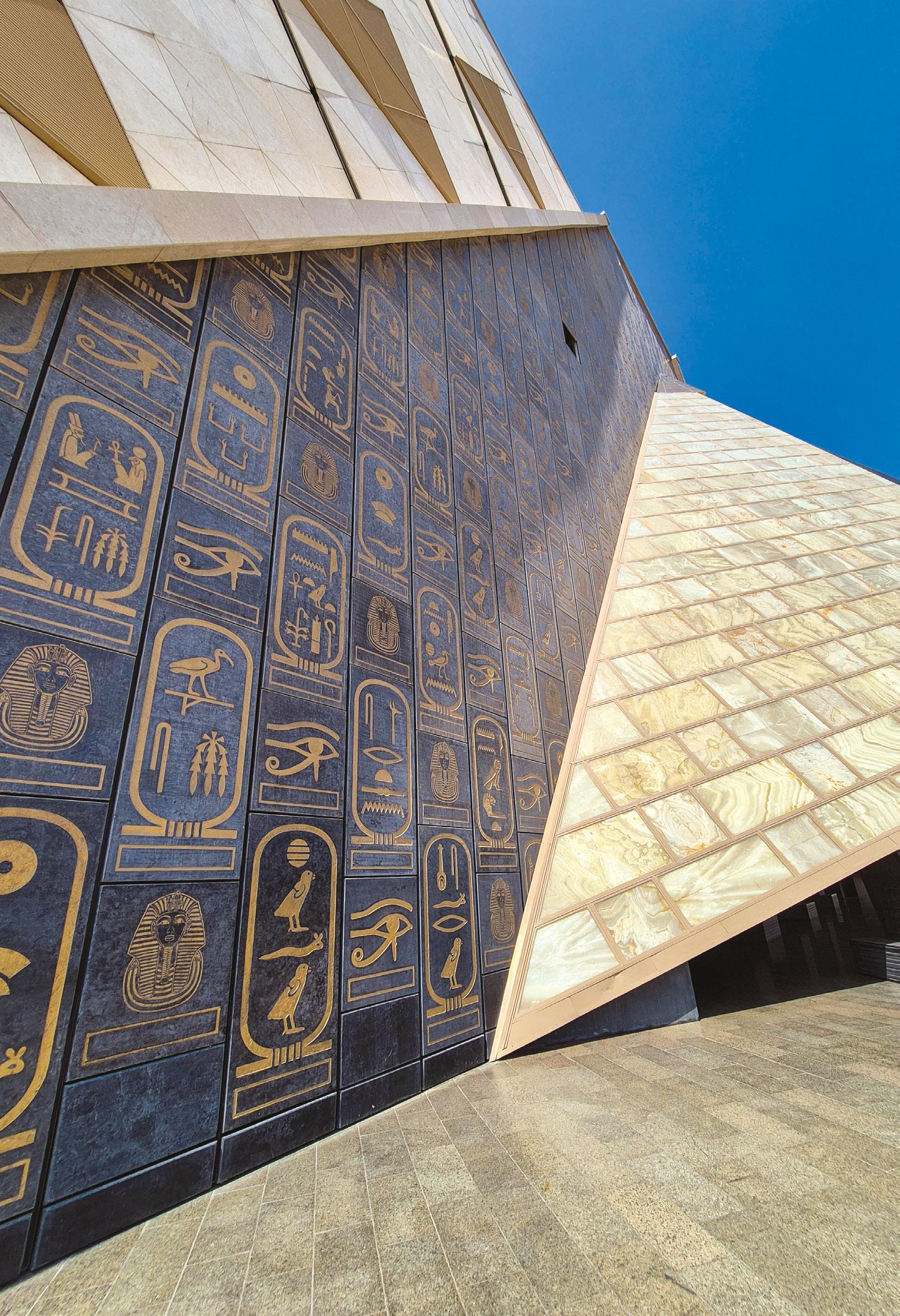
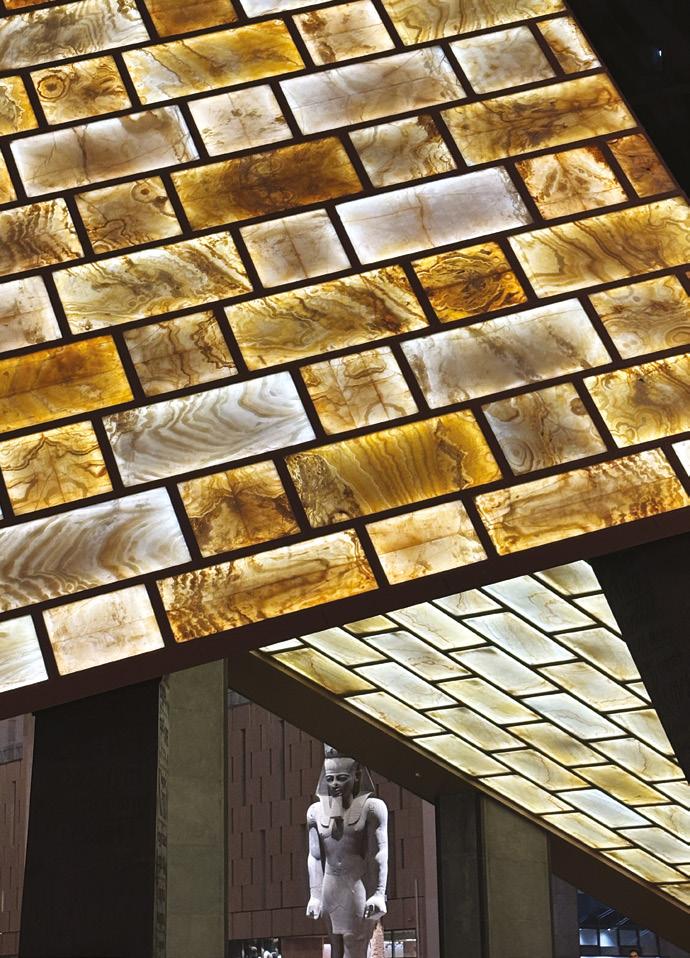
Architecturally designed to evoke a fourth pyramid, the GEM was 20 years in the making, and from the moment the ribbon was cut in November 2025, attendance has surpassed expectations. Buoyed by pent-up demand and glowing word-of-mouth reviews, the Grand Egyptian Museum is rapidly rising through the ranks of the world’s most visited museums.
KEMPINSKI NILE HOTEL
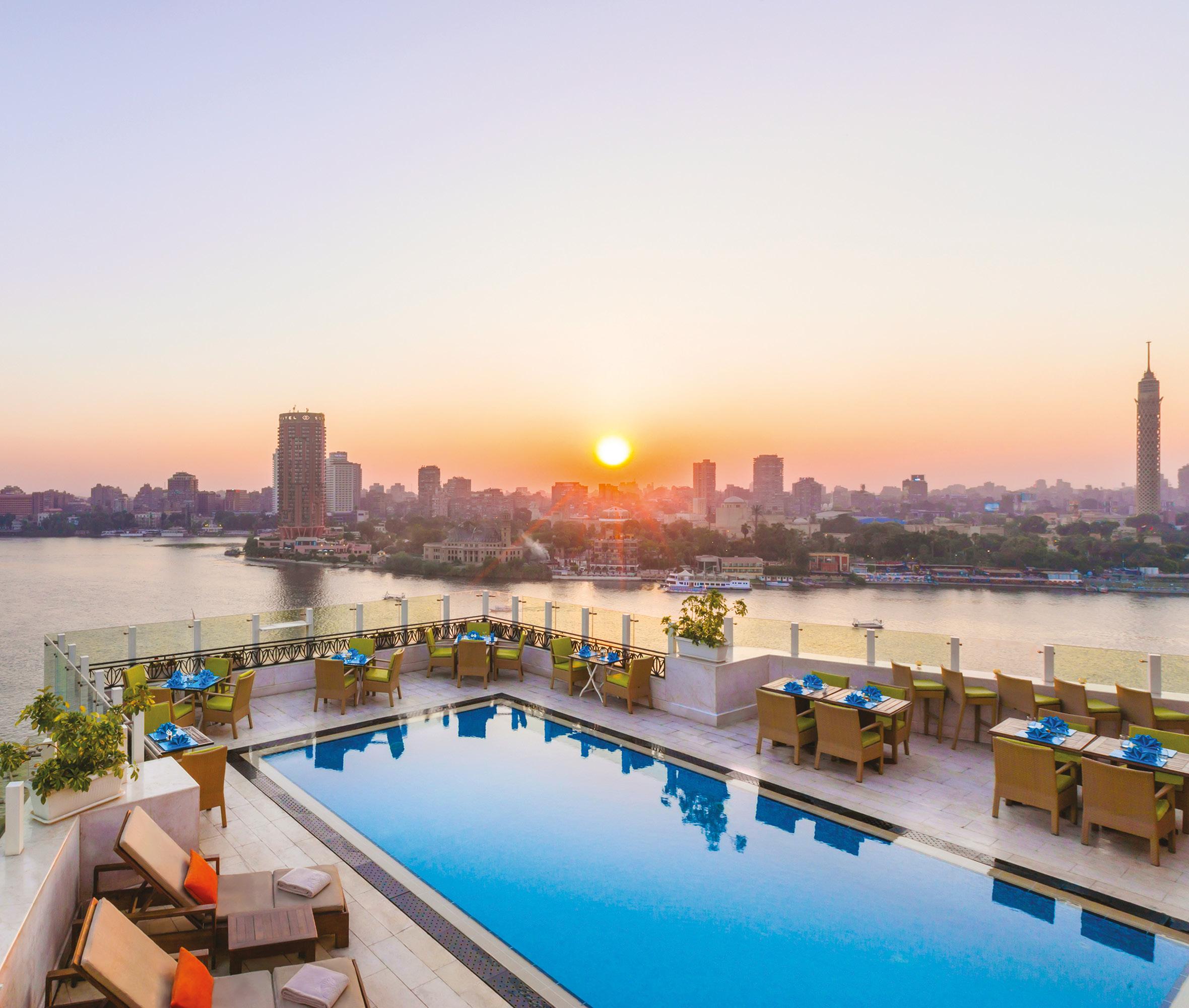
The Nile, flowing through Cairo from south to north, lends the town a grandeur that suits it well. It gives a sense of strength and gentleness – like the people, whose lineage stretches back to the days of the pharaohs. Take a walk along the banks of the world’s second-longest river; enjoy a drink on the rooftop of Kempinski Nile Hotel as the last rays of the setting sun pick out the feluccas (traditional sailing boats) gliding soundlessly through the water. An unequalled sense of peace and calm overcomes you.
KEMPINSKI PALACE CAIRO
New Cairo is different. It’s a 21st-century city, with broad thoroughfares cutting across the desert. It’s here, east of the historic capital, that the Cairo of tomorrow is taking shape, made up of golf courses, shady palm trees and the elegant outlines of residences, palaces and shops. As the sun goes down, the magic begins. In the blue hour, lights appear one after another, then Kempinski Palace Cairo, the jewel in New Cairo’s crown, stands out like something from a fairy tale.
PRACTICAL TIPS:
Admission must be booked in advance through the museum website by selecting a date and entry time. Tickets are sent via email, and a valid ID is required at entry.
PLAN AHEAD:
The GEM is two kilometres (1.2 miles) from the Giza Pyramids and about 19 kilometres (11.8 miles) from Cairo, a sprawling city where traffic is heavy even on a quiet day. Allow ample time to properly explore all the sights.
GOOD TO KNOW:
King Tutankhamun’s sarcophagus, inner coffins and mummy are not on display in the GEM. These remain in the burial chamber at the Valley of the Kings near Luxor, where limited numbers of visitors are permitted with ticketed entry.
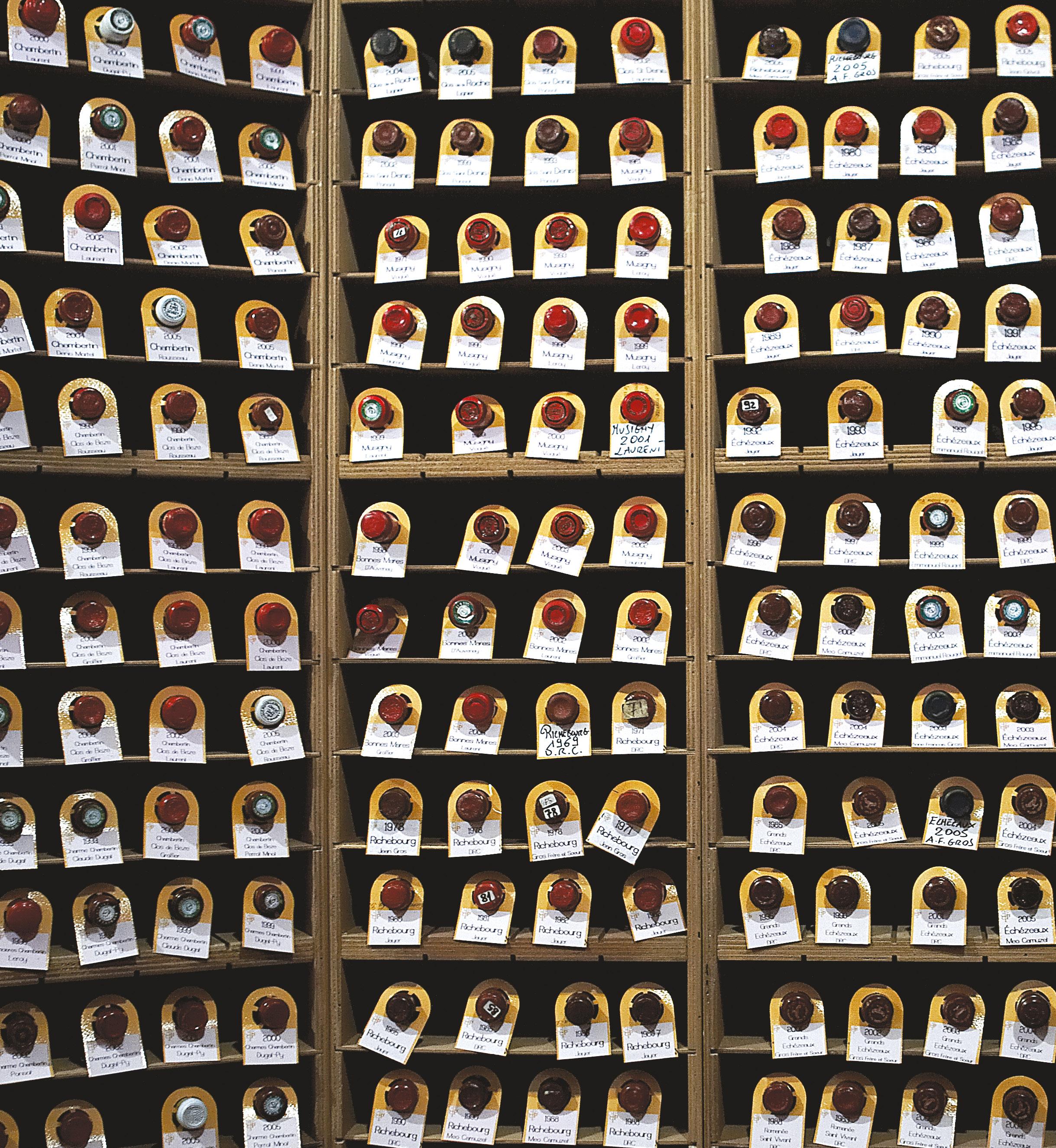
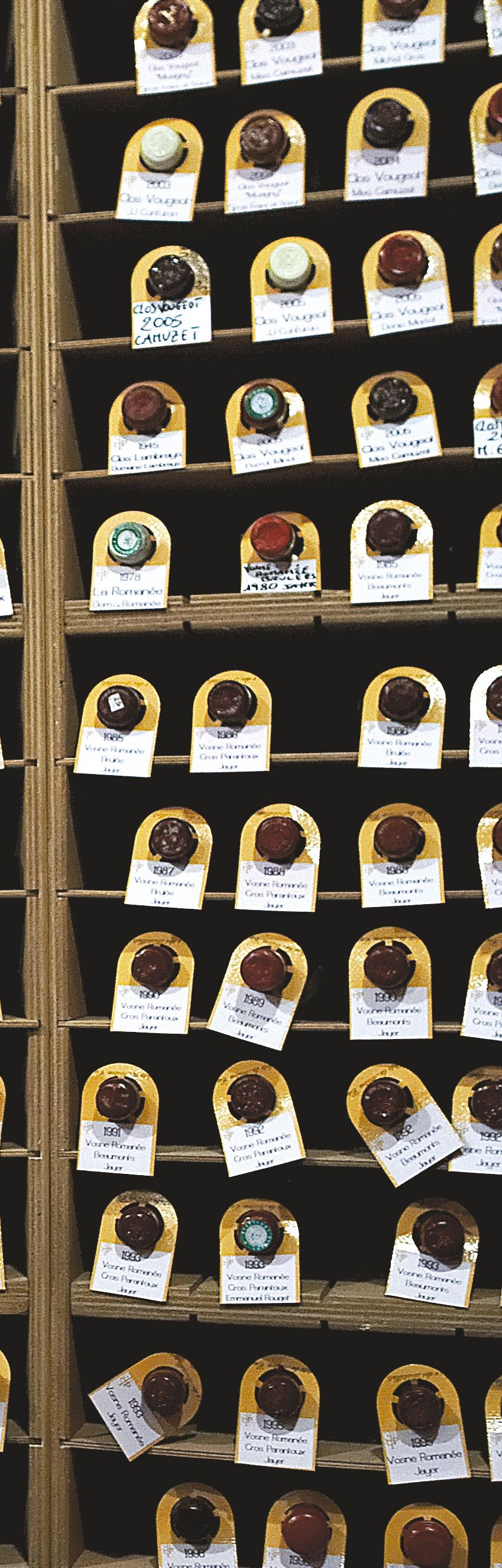
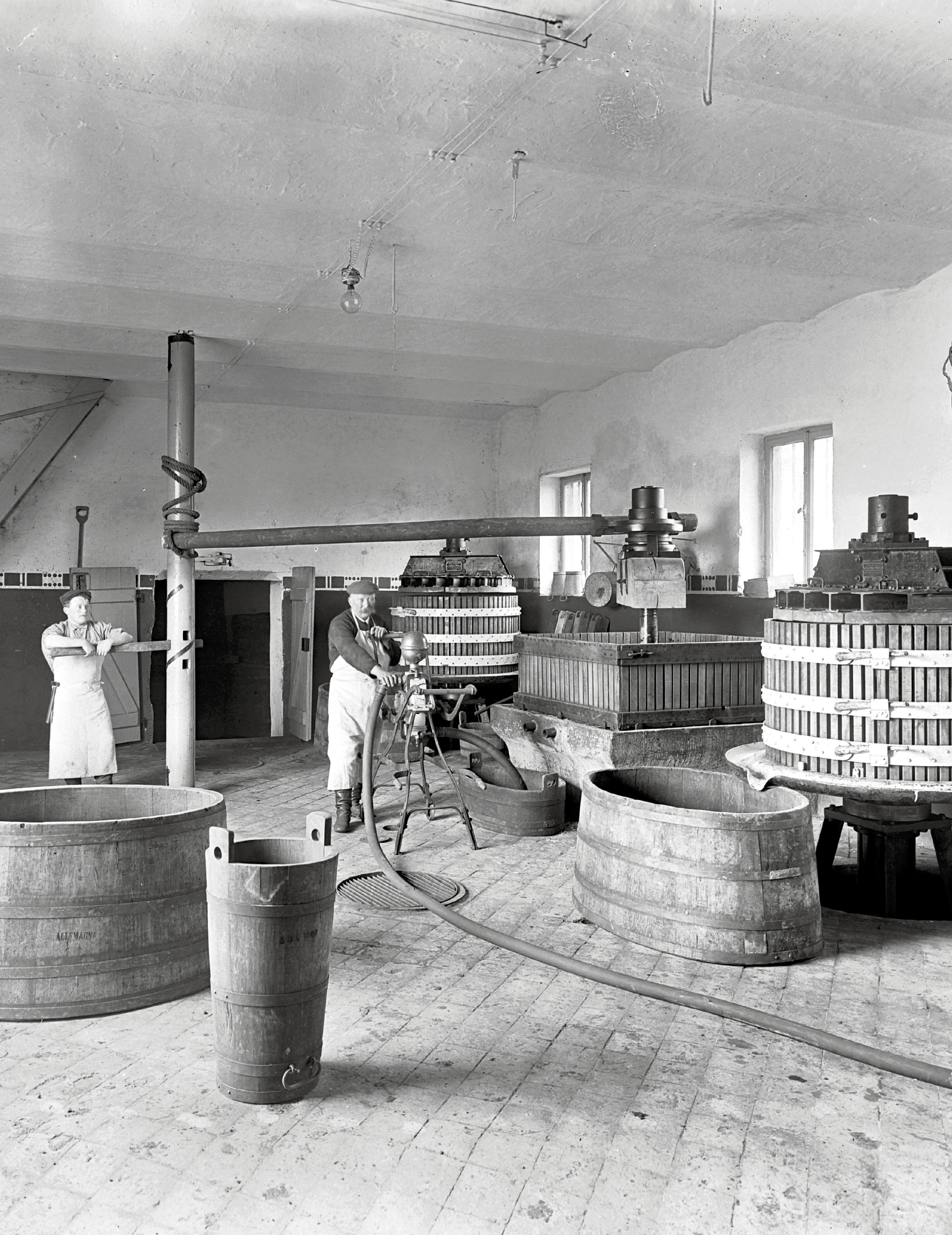
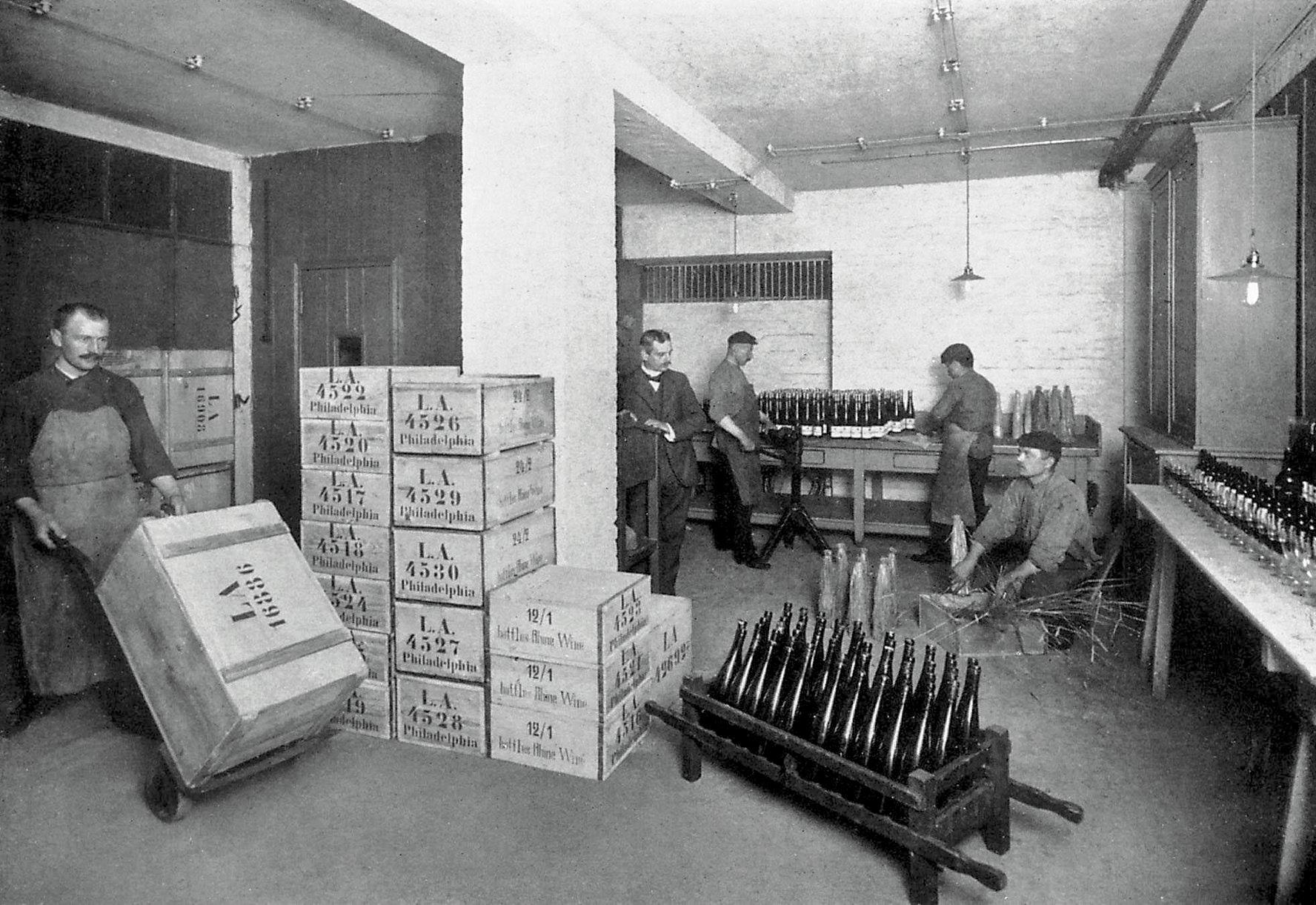
Long before Kempinski entered the hotel business, the name was already synonymous with The Good Life. From aspiring wine merchants and 19th-century vineyard owners to a Berlin-based food and beverage empire and the Michelin-starred dining rooms of today, the Kempinski story is a rich blend of innovation and evolution, rooted in the world of wine. With one eye on the present, we take a closer look at the humble beginnings and defining moments that shaped Europe’s oldest hotel company.
BY JOE MORTIMER*
Like many good stories, the Kempinski tale began with a glass of wine. Its roots trail back to the middle of the 19th century, when the entrepreneurial brothers Berthold and Moritz Kempinski discovered they had two things in common: a keen interest in wine and razor-sharp business acumen.
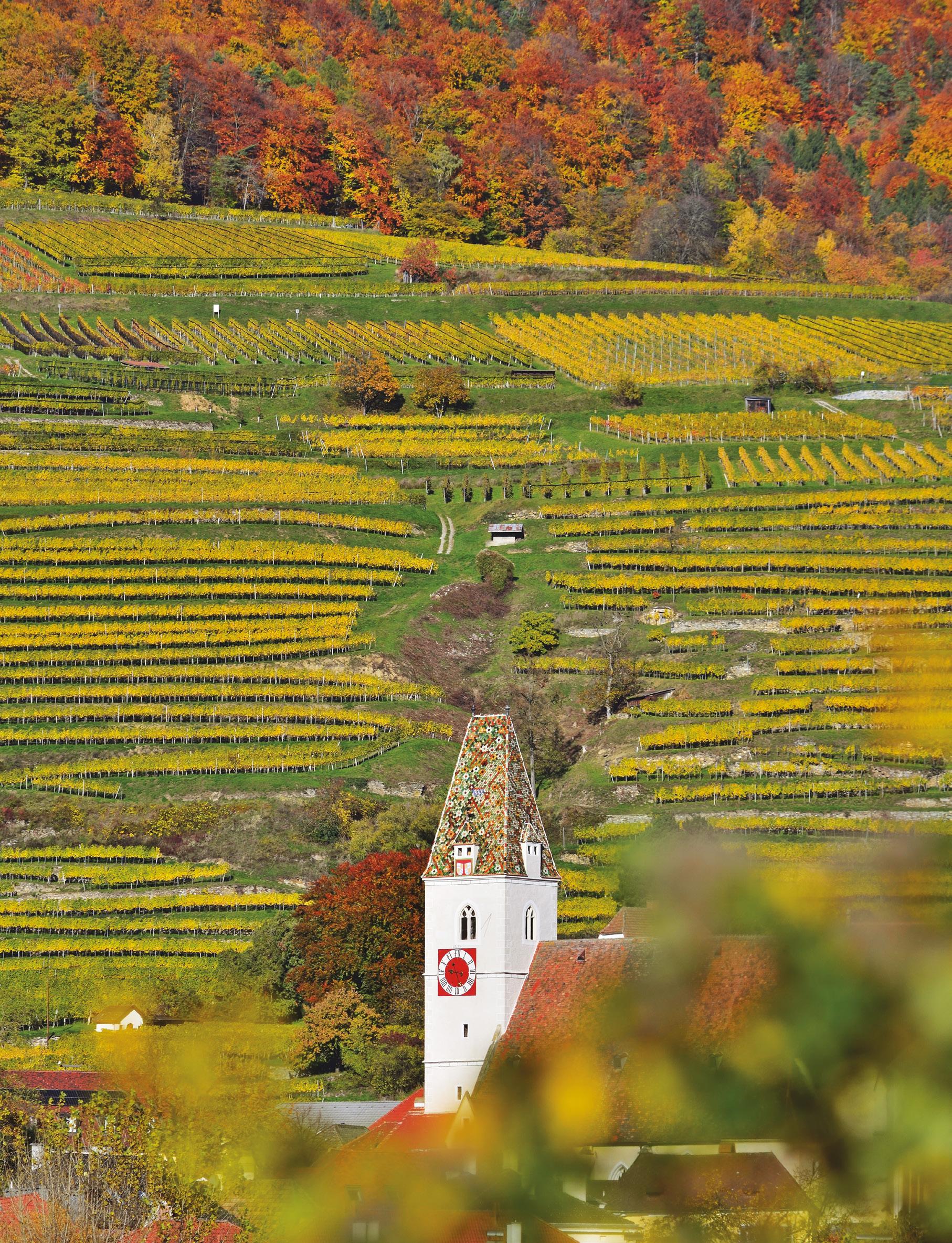
In 1862, Moritz Kempinski, the elder brother, established a wholesale wine business in Breslau, modern-day Wroclaw in Poland. He opened a wine shop a few months later and soon after, his brother Berthold acquired a vineyard in the Hungarian village of Mád. Situated in the heart of the prestigious Tokaj wine region – one of the world’s first formally demarcated appellations – Mád was (and still is) famed for its luscious Tokaji Aszú wines. Rich, sweet and very expensive, it was the perfect libation for a new generation of upwardly mobile merchant and bourgeoisie classes.
With shared interests in wine production, distribution and sales, the brothers went into business together in the early 1870s, when the establishment of M. Kempinski & Co. laid the foundations for an empire that would spread across oceans and continents in the next half a century, eventually growing into the luxury hotel company we know today. There couldn’t be a more fitting genesis for a brand committed to celebrating The Good Life, where the sharing of fine wine and fine food with family and friends remains a fundamental part of the Kempinski experience.
OENOLOGICAL EVOLUTION
The European winemaking landscape of the era looked very different to the one we know today. While modern palates tend to favour dry wines, 19th-century wine drinkers quaffed dessert and fortified wines like Sauternes, Tokaj, Madeira and Port as well as sweeter expressions of Riesling, Germany’s most beloved and versatile grape. Even Champagne had a distinctly sweeter profile than it does today.
“Whether you’re talking about red, white, rosé or sparkling wines, today’s rather refreshing, acidity-driven, aromatic profiles
showcase a vinicultural style with much more lightness and transparency in the glass than they would have 150 years ago,” explains Hans-Martin Konrad, Head Sommelier at Hotel Adlon Kempinski Berlin.
“Dense, high-caloric wines like Port, highly fruity Auslese or Beerenauslese wines made from Riesling, as well as the famously intense wines from Sauternes in Bordeaux, will always be exclusive and of interest to wine lovers. But they are consumed today in much smaller quantities than even four or five decades ago.”
Europe’s winemaking landscape was also much less organised than today. The 1855 Bordeaux Classification decreed by Napoleon III helped to sort the winemaking chateaux of France’s most prominent region into the distinct ‘crus’ that we know today. But in much of Europe, winemaking remained unregulated. It was the start of a period of organisation and restructuring that presented an opportunity for the Kempinski brothers.
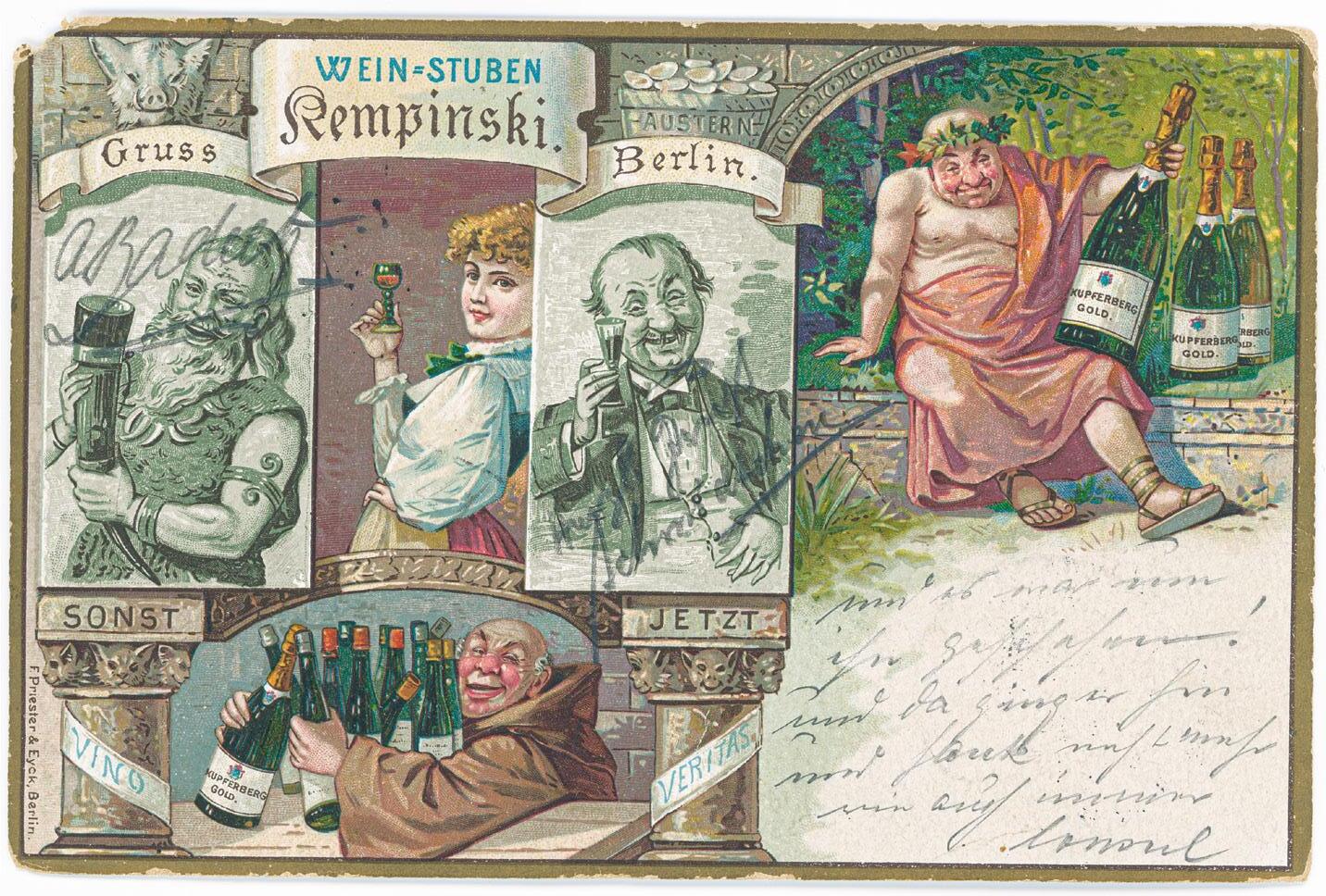
Berthold set his sights on Berlin, where he attempted to woo local merchants with his exotic Hungarian wines despite the city’s deep-rooted appreciation of Bavarian beer. Challenge inspired innovation: he opened a small wine shop to sell direct to Berliners, bypassing the merchants who snubbed his approaches.
As business picked up, Berthold’s small courtyard shop became a place to socialise while sampling a glass of something special; a spot to linger with new friends. He expanded the premises, adding tables and seating. Sensing that guests were reluctant to buy a full bottle of wine before knowing whether they would enjoy it, he also sold wines by the glass – all priced equally so customers could focus on taste rather than price. His wife, Helene, started serving cured meats, cheese and fresh bread alongside the wine, and Berlin’s first de facto wine bar quickly became the talk of town.
In the space of a decade, simple meals were replaced with luxuries
like caviar, oysters and brown trout, elevating it into an address of distinction and excellence where Berliners could indulge in the finer things in life.
As the world of wine and consumer tastes became more sophisticated, so too did Kempinski, reinforcing its reputation for quality and excellence. The next decades were a whirlwind of success set to an unlikely backdrop.
“The world of wine was turbulent in the late 19th and early 20th centuries,” says Konrad. “Unsteady weather conditions, the Phylloxera pandemic – which destroyed a significant portion of European vines in this period – and global military conflicts posed enormous challenges to any wine dealer and producer of the time, Kempinski included.”
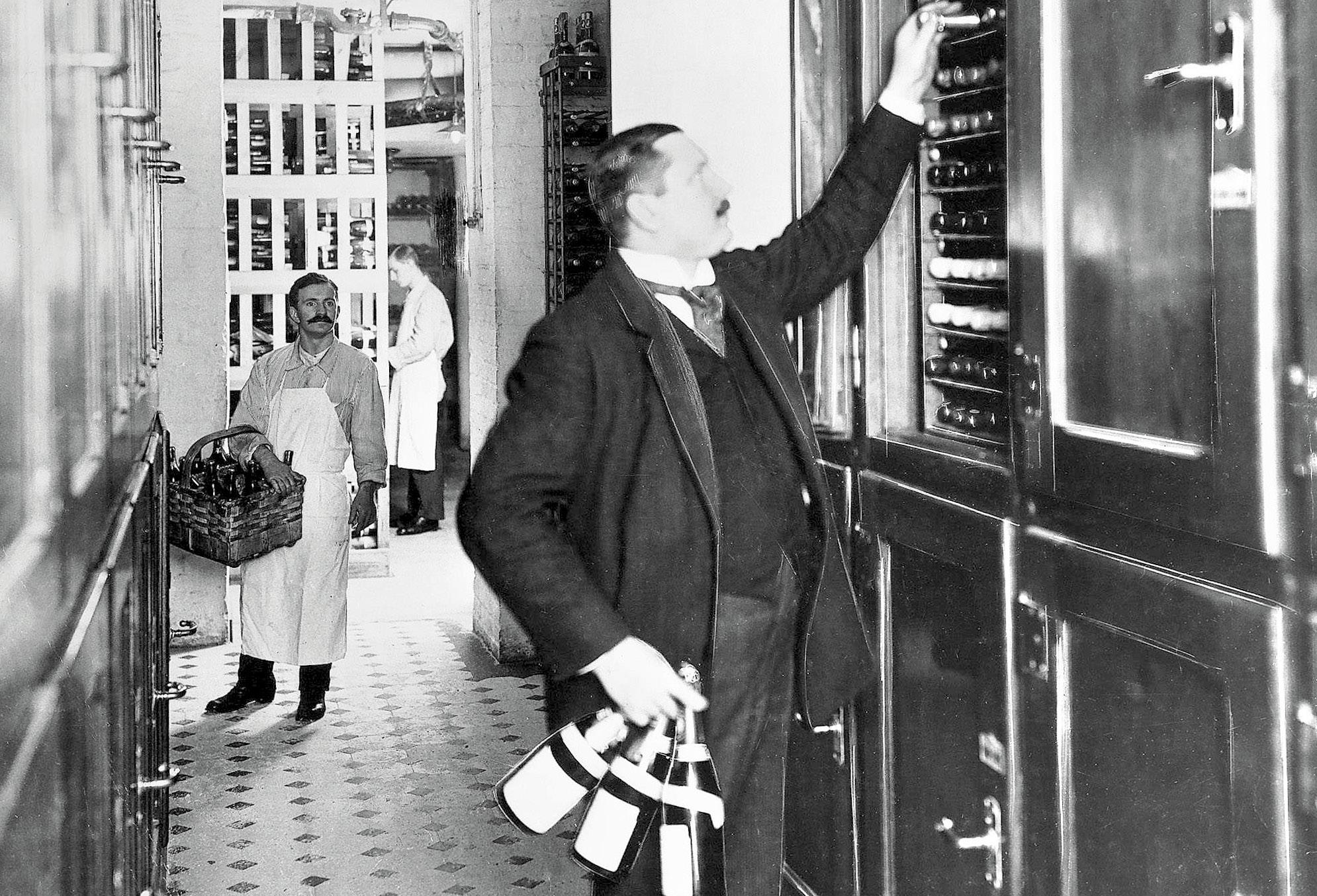
And yet, Kempinski continued to innovate. Opening the first Kempinski Weinhaus on Berlin’s Leipziger Strasse in 1889 was the ambitious next step. With vaulted ceilings, a central kitchen and extensive wine cellars, Kempinski brought something new and fresh to Berlin – and the first multi-floor restaurant in Germany. A complete renovation and expansion in 1907 included several elegant dining halls with up to 2,500 seats, including an opulent Emperor’s Hall that hosted lavish banquets for aristocrats, royalty and those in search of The Good Life. Thousands of bottles of wine and up to 20,000 oysters were sold each day, served by a 600-strong team, 50 of whom were dedicated to bringing up wines from a labyrinth of temperature-controlled cellars containing more than two million litres of wine.
As Berlin entered its Golden Twenties – an era synonymous with cinema, music and the arts – Champagne and Sekt (a light German sparkling wine) flowed freely. Having achieved volume, the Kempinski businesses branched out in a new direction: fine dining. In 1926, the new Kempinski restaurant on Kurfürstendamm welcomed visitors every night of the week in a quieter, more refined setting, cementing the company’s reputation for excellence.
By now Kempinski had already started bottling wines from around Europe under its own brand name and soon added liqueurs, fortified wines and food products to its growing collection of luxury consumer goods, which were exported as far as South America and the Caribbean. Business expanded to other German cities and Kempinski wine shops opened in London, Prague, Copenhagen and other European cities.
In the early 30s, just before the end of Prohibition in the United States, the Kempinski flag was lifted on Broadway, New York – the same year Spain established its own vineyard appellation system to regulate and formalise wine production, ensuring consistency and quality for consumers. France would follow in 1936, capitalising on new innovations in the world of winemaking that led to better yields, disease-resistant vines and higher-quality wines.
This was the start of planned major overseas growth for the brand, but history had other ideas. The loss of property, stock and supply chains during the Second World War prompted the reorganisation of the business in the 1950s and accelerated the pivot towards becoming a full-fledged hotel business.
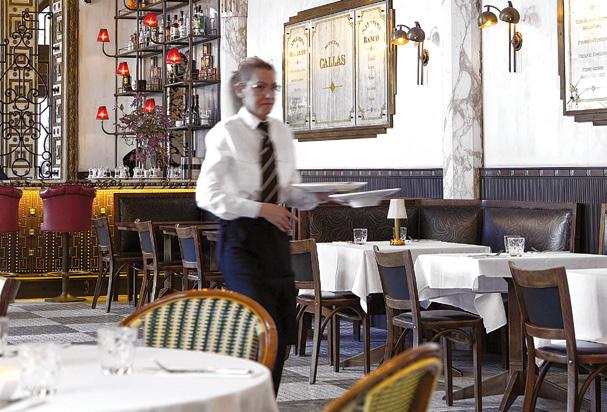
But the legendary brand’s ties to the wine world remained. Today, Kempinski restaurants around the world such as Lorenz Adlon Esszimmer at Hotel Adlon Kempinski Berlin uphold the long legacy of wine that began all those years ago. Overseen by Hans-Martin Konrad for almost a decade, the wine list at the one Michelin-star restaurant is unrivalled in Berlin, with more than 80 wines by the glass and more than 1,600 labels showcasing the finest wines from Europe and beyond.
As Kempinski continues its own evolution, wine and its central role in the Kempinski story are once again being brought into the spotlight. For guests, it’s yet another way in which the Kempinski name will forever be is synonymous with The Good Life.

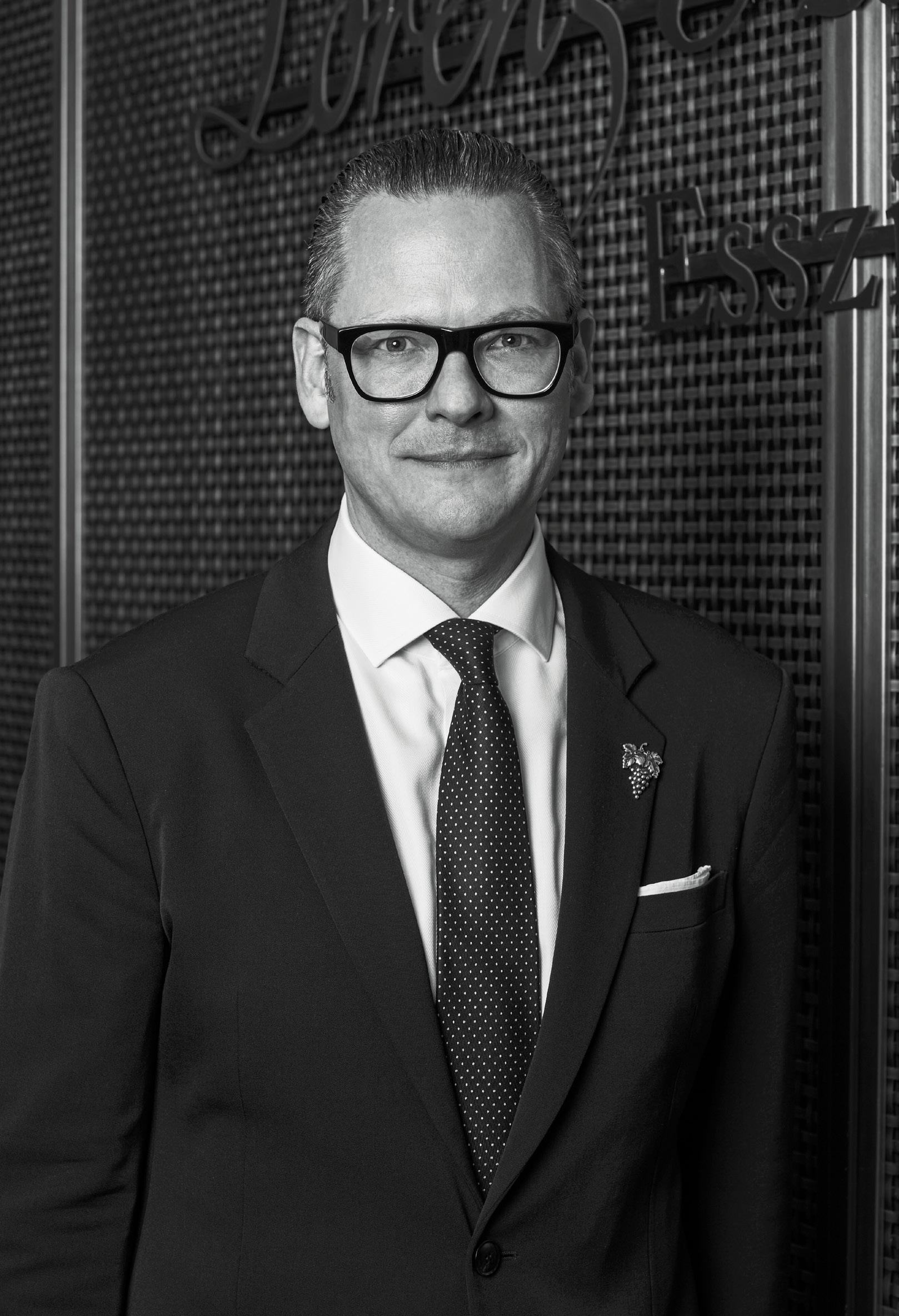
Early Kempinski wine innovations included wines by the glass and wine pairings with meals. How do you uphold this legacy of innovation?
We serve over 80 different wines by the glass across the restaurants and bars at Hotel Adlon Kempinski Berlin. This is one the widest selections of wine offered by the glass in Europe. The offering is as ever changing as the world of wine itself and my search for contemporary yet high quality wines is one of the most central parts of my role as Head Sommelier.
How important is wine to the fine dining experience in 2026?
Fine wine and a well-curated wine cellar are key factors in the successful operation of a fine-dining restaurant. Our guests have been able to rely on my expertise and wine selections for over nine years. It makes a huge difference if a sommelier has been in contact with wine growers, wine merchants, the people in wine logistics and with the wine-loving guests of a hotel or restaurant for almost a decade. Suggesting and eventually selling the right bottle or glass of wine is a matter of trust. For me, the most cherished guest is one who returns to a Kempinski hotel because of a great winerelated experience.
When did restaurants first start offering a full wine list to diners?
The first wine list was, to my knowledge, offered to wine drinkers in Herculaneum, close to the Roman city of Pompei in the first century AD. Possibly even earlier, since amphoras traded in the Egyptian empire were labelled, stating which wine was inside. Though this was probably done for storage and record-keeping purposes only.
How have consumer tastes changed in the last century?
Tastes in wine have changed drastically in the last 150 years. Even in the almost 20 years I have been in the job, I have witnessed remarkable developments. Today’s wine enthusiast favours freshness, a distinct aromatic profile and – in the case of our clientele at Hotel Adlon Kempinski Berlin – the highest level of exclusivity in terms of availability and service. World famous origins for wine like Bordeaux or Barolo, as well as brands like Dom Pérignon, Cristal or Tignanello, promise and still deliver the highest quality. But fine wine with much less visibility and availability, for instance from French Burgundy, or from boutique wineries in Germany, is something that our guests are expecting to be on offer as well.
Some of the most legendary chateaux are known worldwide. Can you share some names of relatively new winemakers that have established themselves as world-class?
Producers like Charles Lachaux and Domaine Roulot in Burgundy, Anselme Selosse and Jérôme Prevost in Champagne and German top-producers like the Keller estate in Rhine-Hesse or the Huber winery in Baden should definitely make the list. Their wines are currently amongst the most fought-over on the market and are only obtainable for a restaurant if the relationship between the responsible sommelier and the respective importer or dealer is a close and trusting one. Sometimes just a single bottle or two are available so these wines are the crown-jewels of a well-curated wine list.
What are the oldest wines stocked in the cellars of Hotel Adlon Kempinski Berlin?
A pristine condition Château Lafite Rothchild – a red wine from the Pauillac region of Bordeaux – from the revered 1959 vintage, is the oldest wine we currently offer our guests.
How do you stay on top of the latest trends in wine?
Apart from the daily news and a novel or two during the holidays, pretty much everything I read, watch, listen to, talk and think about is fine wine and good food. That has been the situation for the better part of two decades and this routine is the backbone of my professional approach. Wine magazines and publications by specialised wine writers remain very important. Another source of industry intelligence is the close contact I maintain with colleagues all over the world. It is not uncommon for me to ask a sommelier colleague working, for example, in Sicily about this or that southern Italian wine. Finally, I sample on average about a dozen new wines a week and have been doing so for over 10 years. This way I try to stay differentiated in my evaluation of the newest trends in the wonderful, but vast world of wine. Yet my focus lies naturally on purveying the finest and rarest wines of the most established wineries in the world to our guests at Hotel Adlon Kempinski Berlin.
kempinski.com/adlon
As you take a spellbinding sojourn around this diverse, enrapturing world of ours, the gift of insider knowledge from people who have genuine expertise on a destination can make a trip infinitely more special. With their wealth of wisdom, Kempinski teams can steer you towards divine cuisine, fascinating attractions and astounding views that might otherwise have gone undiscovered. Here, our inside experts offer their personal recommendations and indispensable tips to make your trip even more memorable.
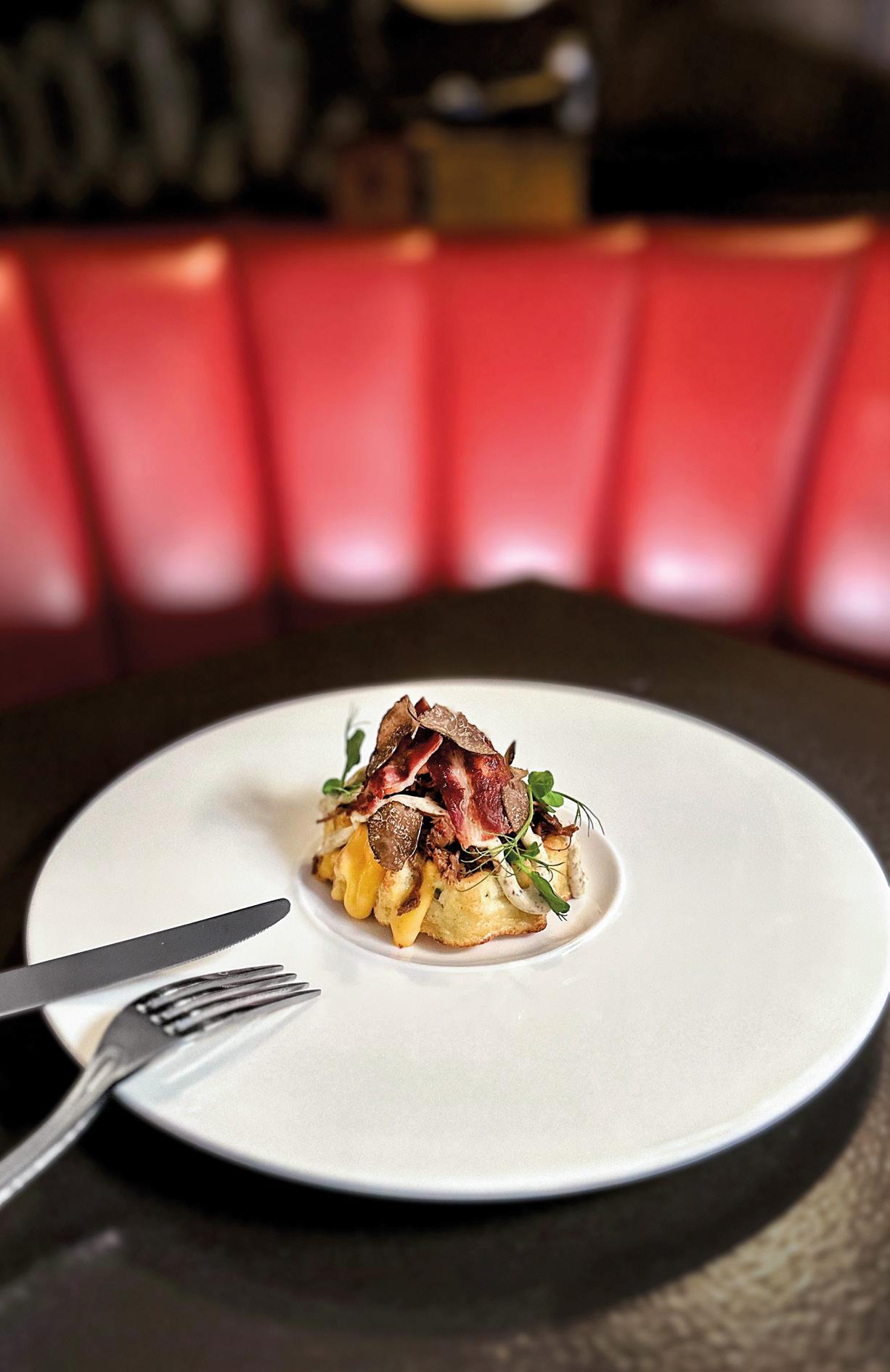
There are those elusive times when you taste a dish so delightful and with such a sense of place that the memory of it lingers even when the flavours themselves have faded. And at Hotel Taschenbergpalais Kempinski Dresden, guests are in line for just this type of culinary awakening. Marcel, the hotel’s Senior Executive Chef, says, “While enjoying a cocktail or two at Bar 1705, don’t forget to order the MacKartoffel dish. A combination of potato waffles, pulled beef, truffle mayonnaise, bacon and cheese sauce results in a creation that nobody can resist. The best part? It can also be delivered to your room.”
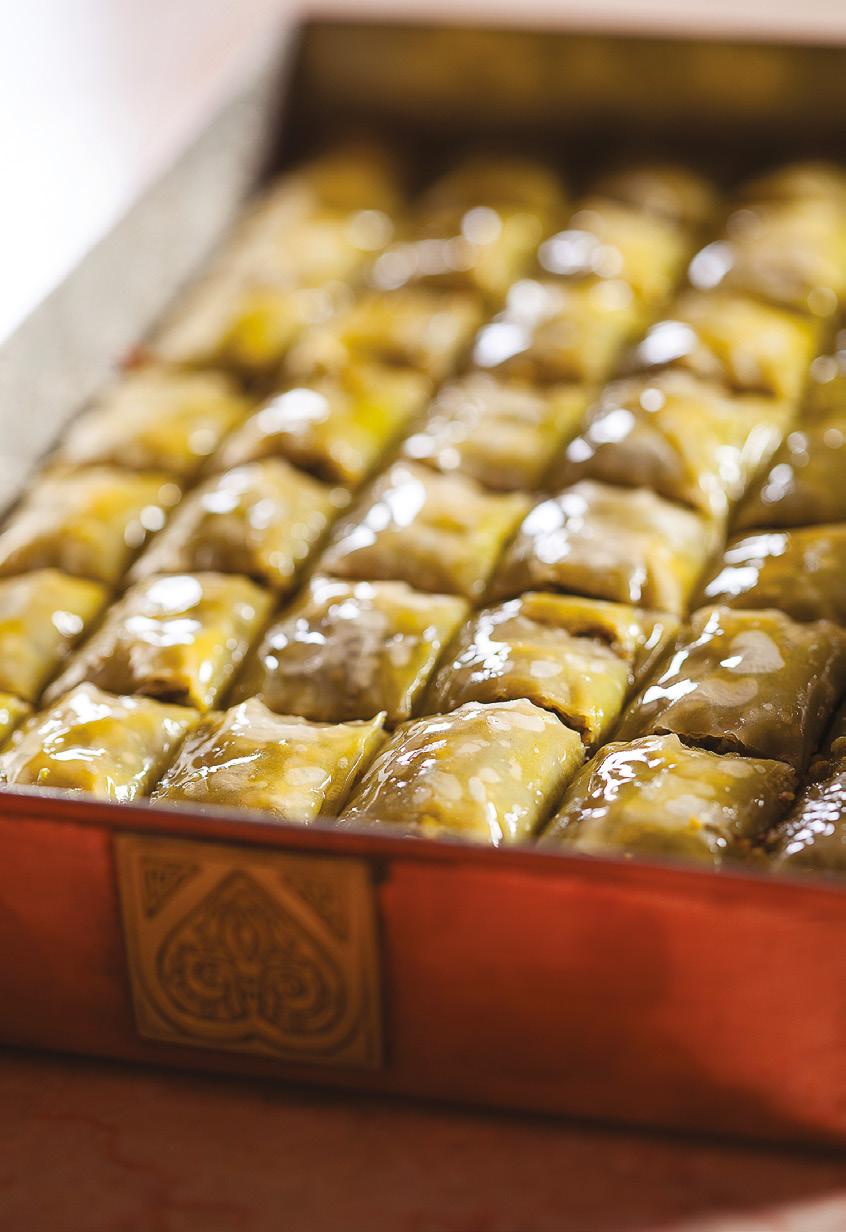
What better way to gain an understanding of a destination’s culture and traditions than to acquaint yourself with its national dessert? Harun from the pastry team at Çırağan Palace Kempinski lets guests in on a secret gastronomic gem. In the hotel’s very own dedicated Baklava Room, chefs from Gaziantep, a city in Anatolia renowned for its world-famous baklava, work tirelessly to craft 32 flavours of this delightful delicacy. These are true experts in this art form – and guests are encouraged to embrace their expertise and savour every last bite, as well as taking some baklava home, too.
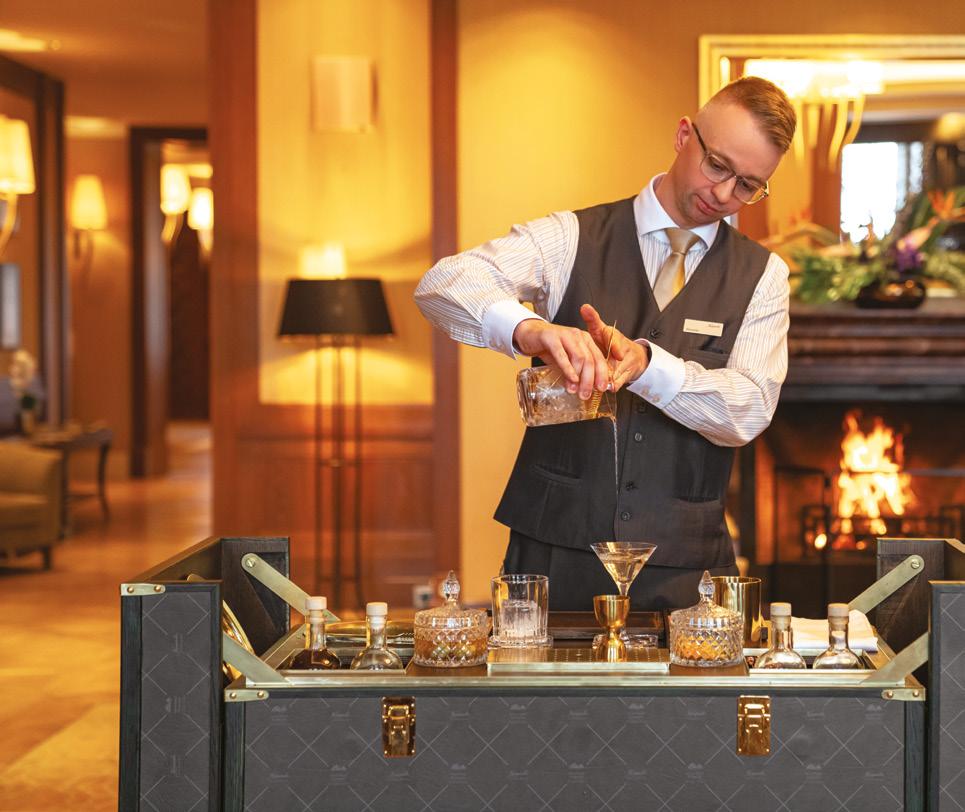
Drinks are far more than just something to imbibe – there’s a sense of theatre that elevates each moment, with every glass revealing its own distinctive story. At Grand Hotel Kempinski High Tatras in Slovakia, there’s a magical opportunity for guests to be served cocktails from a luxurious handmade vintage travel trunk. To add a touch of grandeur to the evening, guests can sample drinks that are mixed right in front of their eyes in whichever stylish corner of the lobby they choose. Take a tip from Serhan ‘Charley’ Kusaksizoglu, Director of Bars & Concepts at Kempinski, and sample the High Tatras Negroni, a refined twist featuring gin infused with forest pine. These memorable moments are sure to keep you warm and entertained on the colder nights.
The most fulfilling trips are not just about the sites seen, but also about the effect on body, mind and spirit. That’s why it’s important not to overfill your itinerary and factor in time to explore and enjoy the stunning surrounds of your hotel – and naturally that includes the spa. At Kempinski Seychelles Resort, Sarita from the spa team recommends the After-Sun Soother treatment using freshly-harvested aloe vera, which is ideal after a day in the Indian Ocean heat. The aloe vera is grown and sourced locally by the hotel’s partner, Belliche, underlining the Kempinski commitment to celebrating the wealth of resources and suppliers on the islands. With a focus on luxurious, ecofriendly, plant-based beauty and skincare products, it’s a match made in heaven. Whether you opt for the After-Sun Soother in the sublime Seychelles, or another tranquil treatment elsewhere in the world, your spa therapist can enlighten you on the best treatments tailored for your body and skin type.
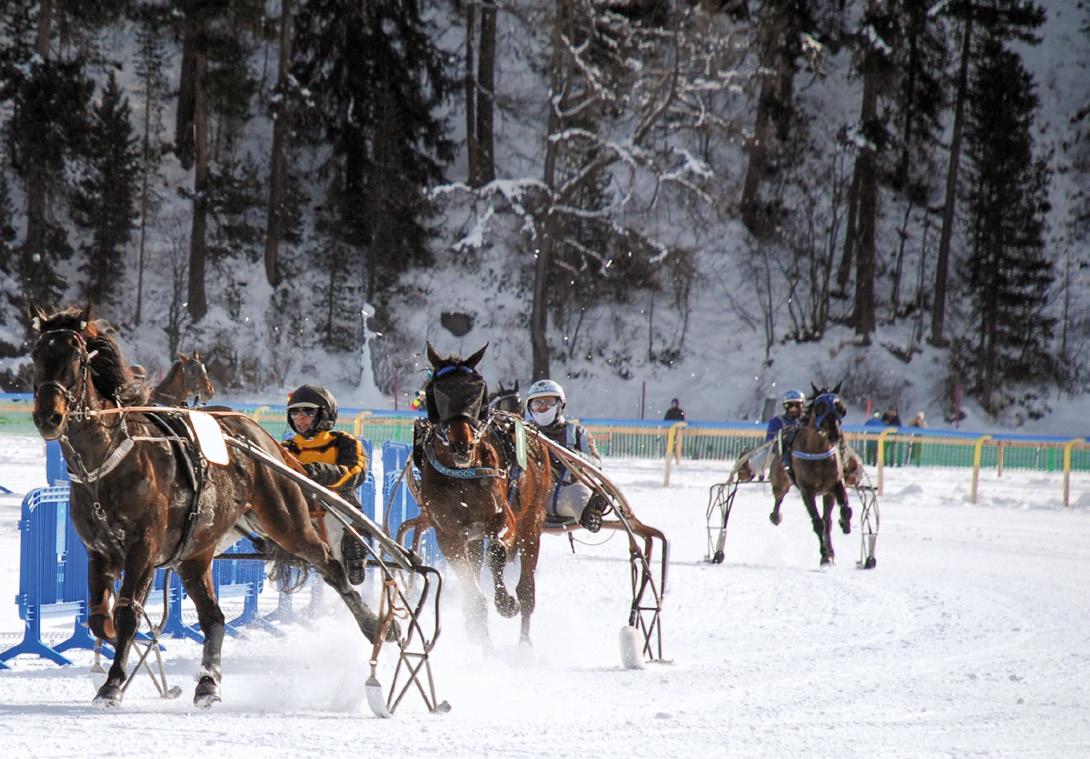

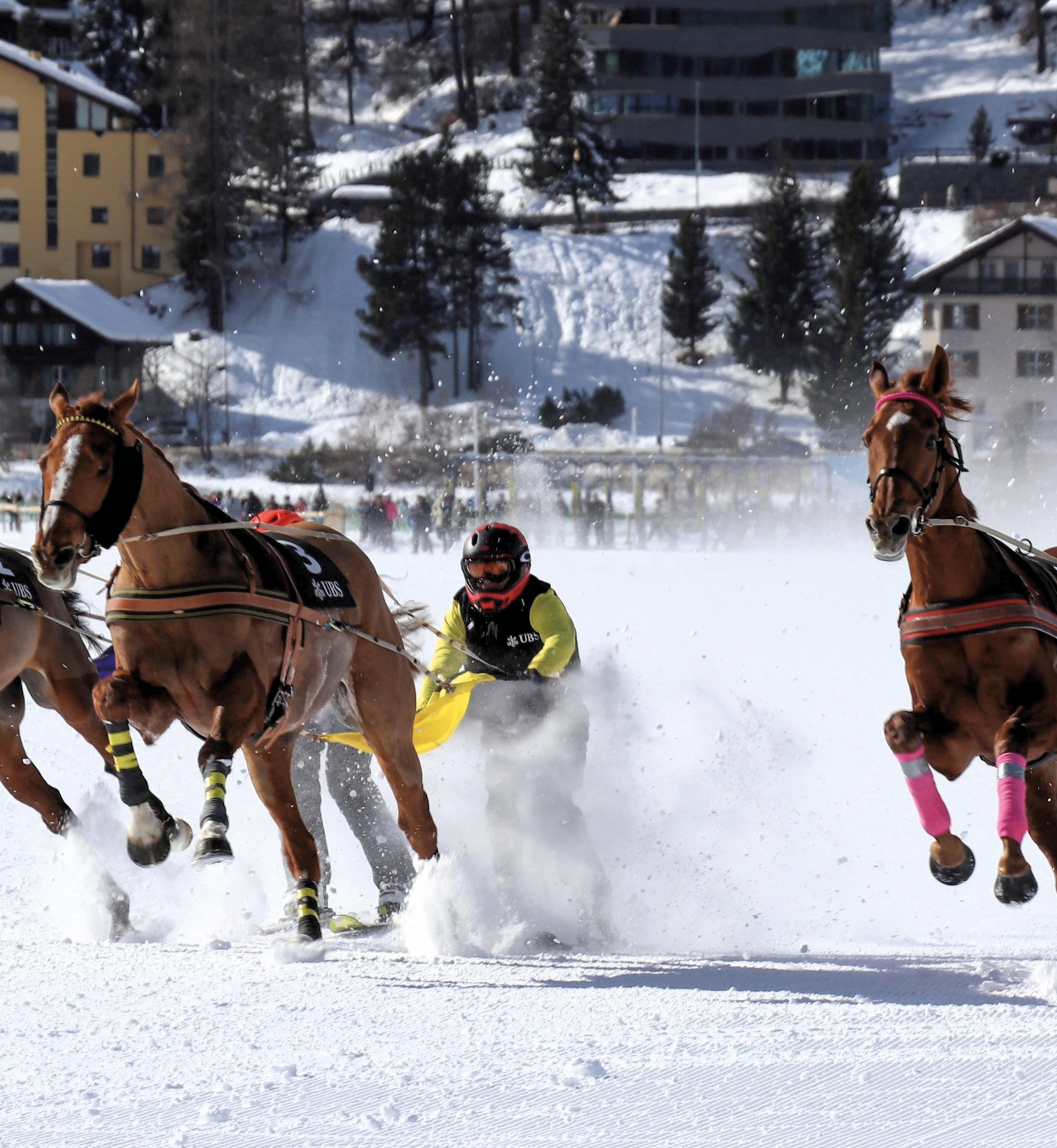
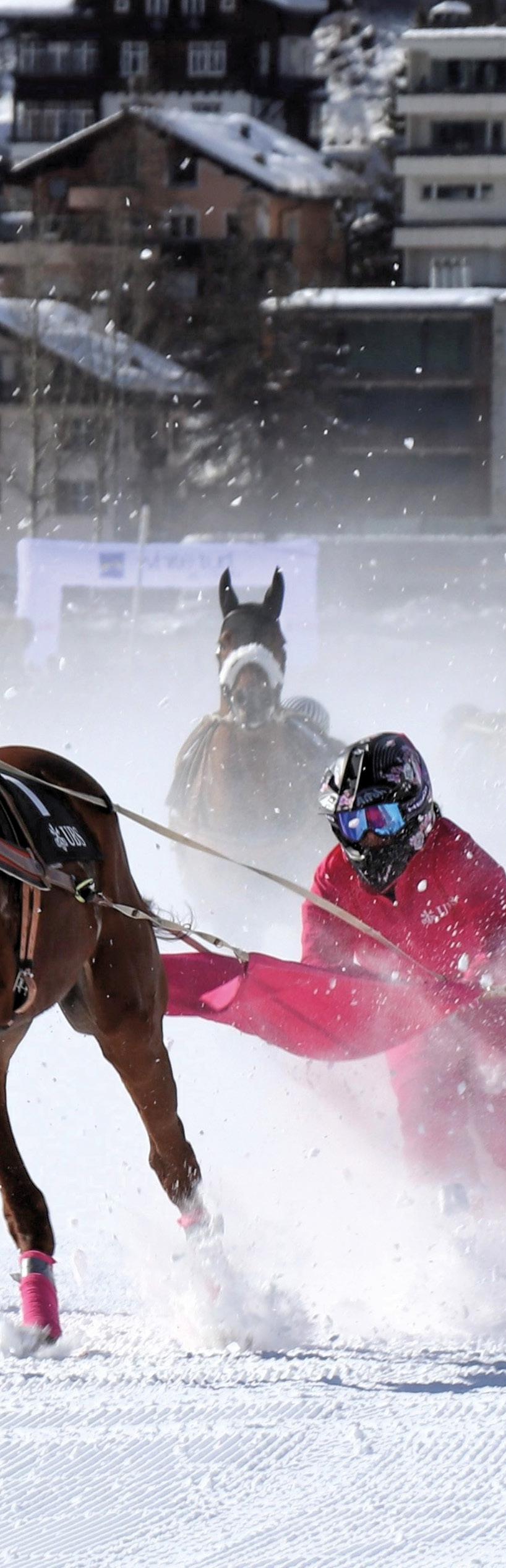
For a truly exclusive experience, Norman from the PR & Marketing team at Grand Hotel des Bains Kempinski St Moritz recommends going behind the scenes at a highly distinguished occasion. During the annual White Turf equestrian event, guests can soak up the pre-dawn hours on the frozen Lake St Moritz before meeting the trainers. Norman explains: “Nothing rivals skijoring during the White Turf races, where the horses’ breath forms a mist in the sub-zero air, offering a rare glimpse into the bond between athlete and animal. This is St Moritz at its most raw and prestigious – a silent, frozen theatre before the Champagne starts flowing and the world’s elite arrive.” Whether you pick a mountain escape or a sun-soaked sanctuary, you can rely on the deep local connections forged by hotel teams and their instinct for what’s new, extraordinary and worthy of sharing with guests. No guidebook or Instagram post can match the power of human knowledge. It’s a good idea to contact the hotel before your arrival for itinerary suggestions so they can tell you about exclusive insider options, transforming ideas into tailor-made experiences.
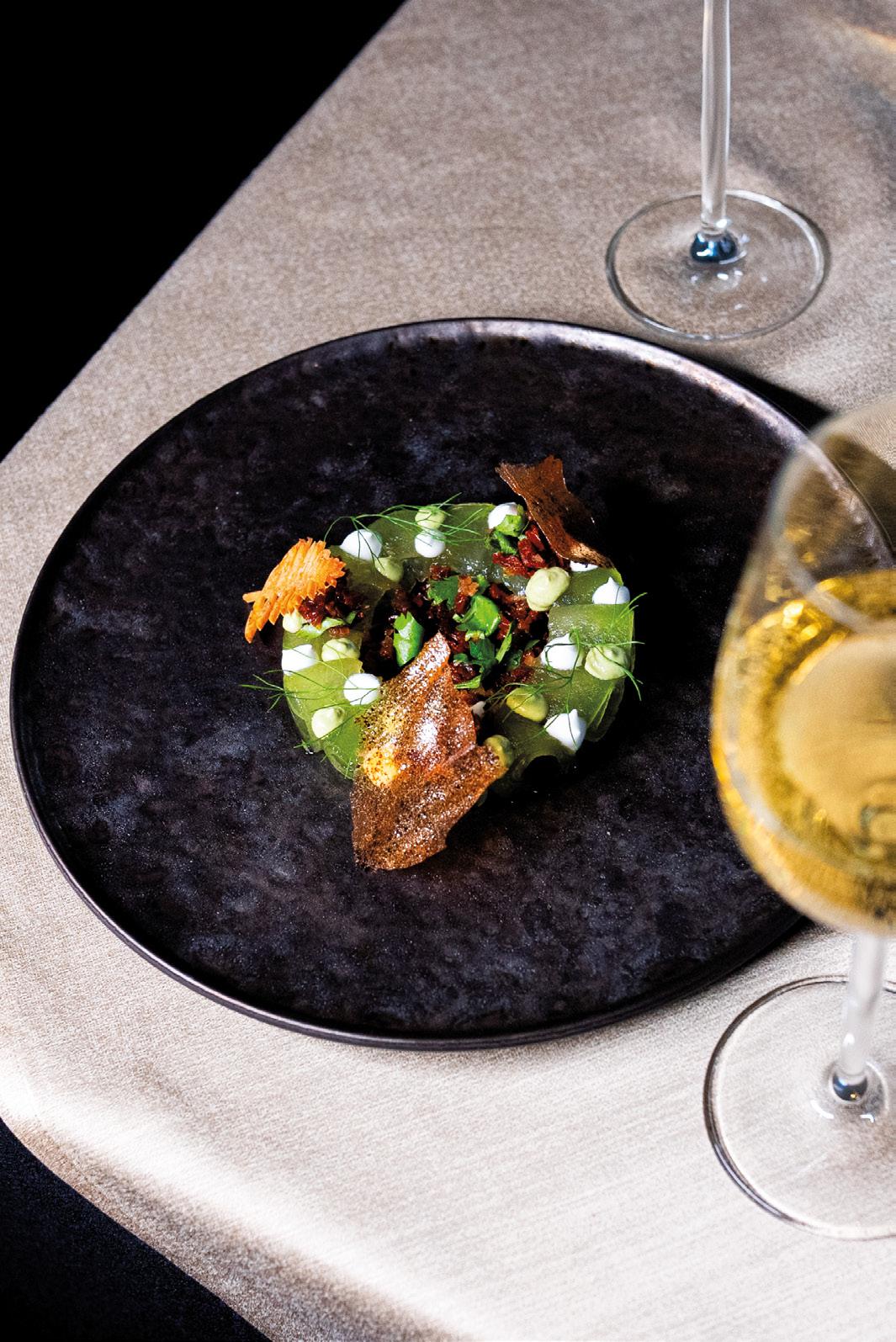
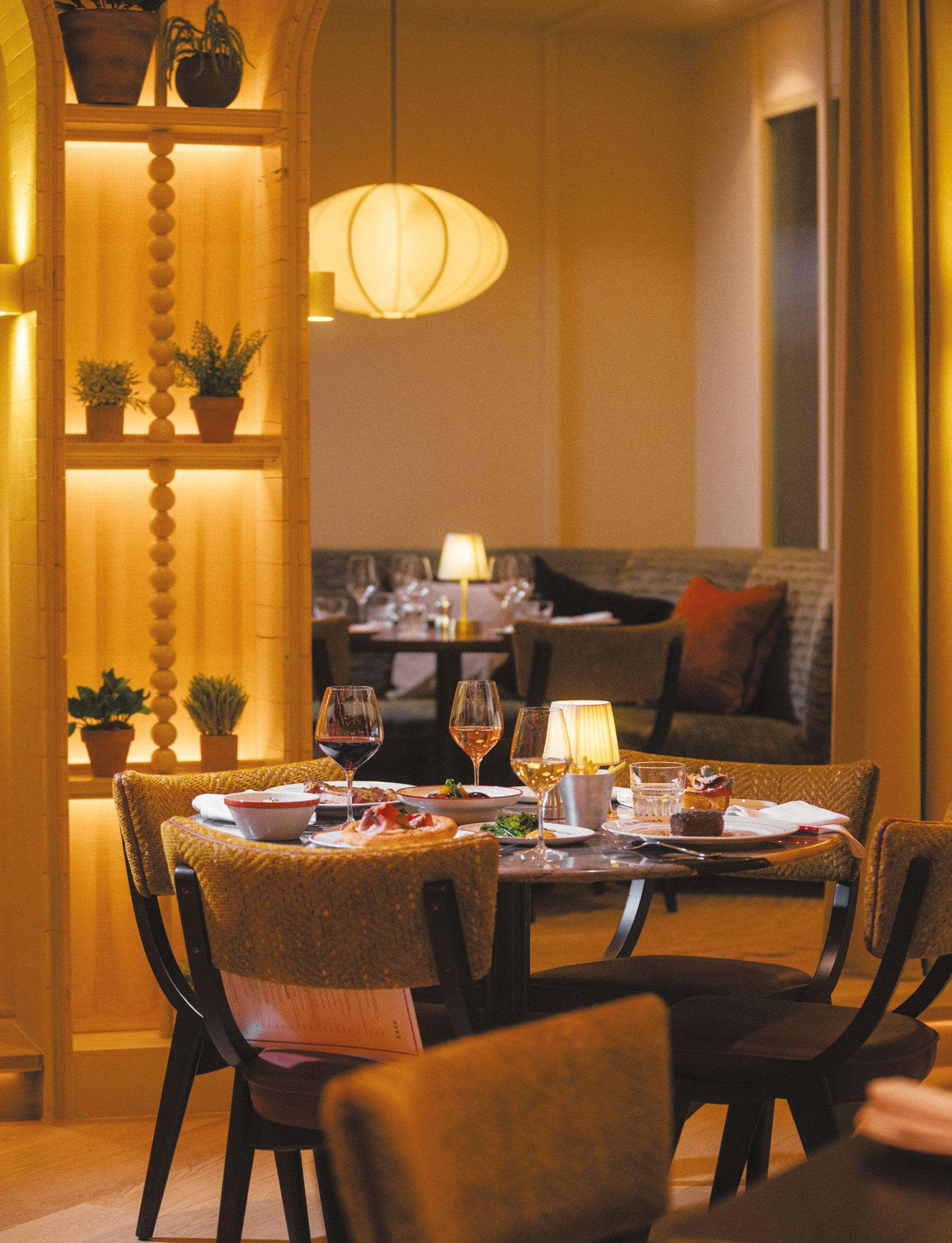
Exquisite cuisine is an important part of any trip and is often the memory that people savour the most. That’s why at Kempinski Hotel Muscat, a secret gastronomic experience awaits, unlike anything you’ve encountered before. “At the exclusive Zale Chef’s Table, guests enjoy a bespoke five-course menu where they’re taken on an immersive journey through Omani fusion cuisine and guided through the stories behind each dish – narrated by the chefs themselves,” explains Deandra from the hotel’s Marketing & Communications team. This little-known yet highly-rewarding experience has an intimate feel – it’s limited to 12 guests and is available only once a week. This interaction with the chefs who have crafted such delectable dishes is something truly priceless. Indeed, wherever you stay in the world, it’s worth asking the hotel’s expert chefs and bartenders for their food and drink recommendations, as well as enquiring about extra special dining experiences to elevate your trip further, from menus tailored to your tastes to private dining in the comfort of your room.
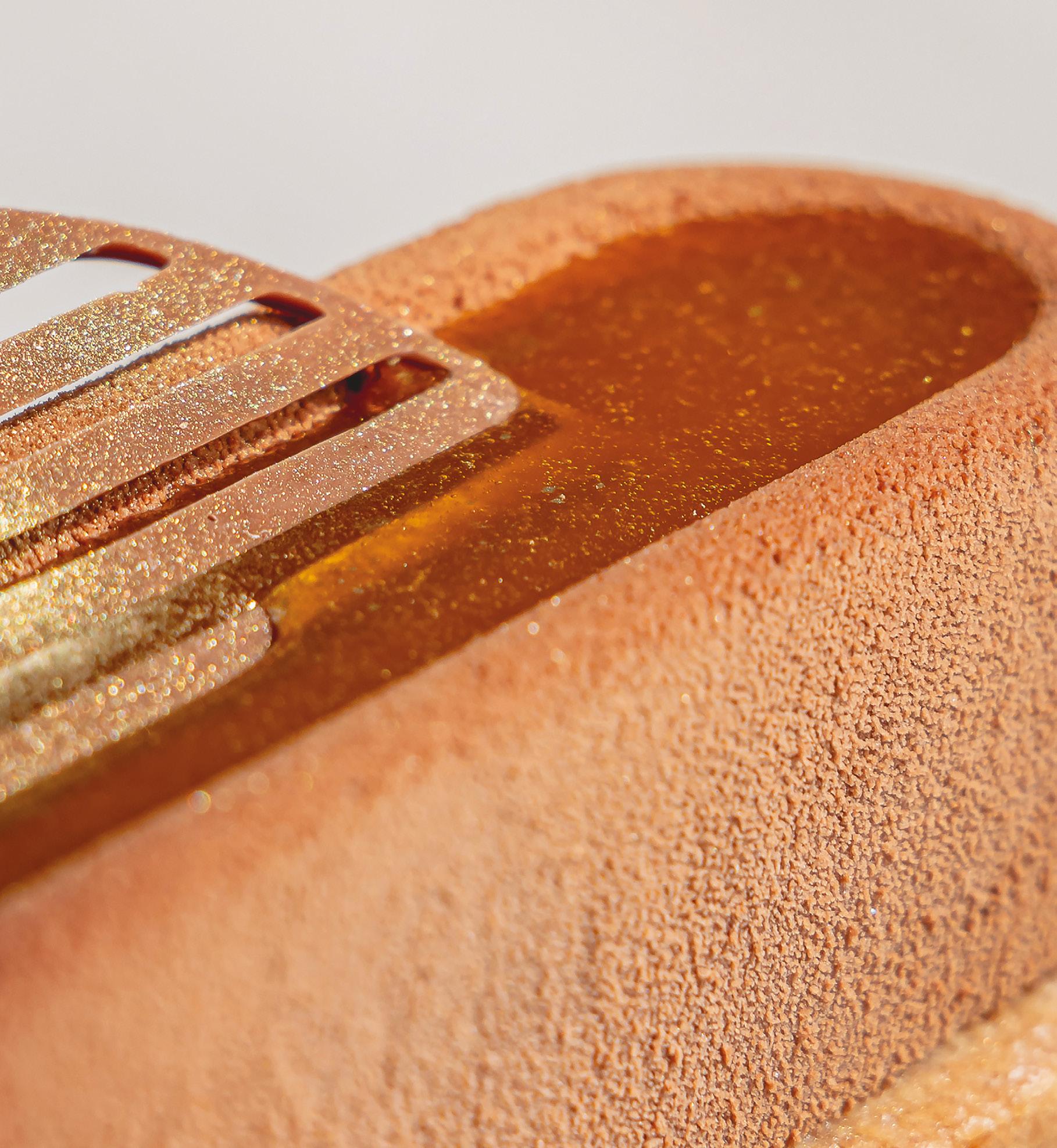
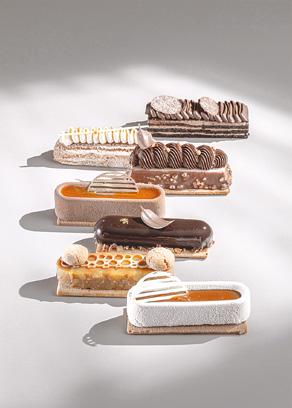
Step into a bakery and you’re instantly surrounded by sensory delight. Macarons, éclairs, mille-feuille, fresh fruit tarts and an array of delicate creations fill the air with sweet aromas, each one beautifully finished and steeped in its own story – enough to lift even the gloomiest mood. Travel writer and food lover Tim Johnson traces the history of these irresistible culinary treasures.
BY TIM JOHNSON*
‘Let them eat cake’ are words often attributed to Marie Antoinette, but really, wouldn’t those masses, downtrodden and driven to revolution by her husband, King Louis XVI, have preferred pâtisserie? After all, who doesn’t love one of those mouth-watering French treats? Even those manning the barricades would surely have appreciated a delicious bite.
Appropriately enough, the modern roots of pastry (and the method to make it, as well as the word itself) run to the French. But perhaps not the ancient ones. Classic Mediterranean civilisations – including Romans, Greeks, Ottomans and Phoenicians – all enjoyed filo pastries. One Greek comic playwright from the 5th century BCE even loved filo enough to include it in his popular productions.
Visit Istanbul today, and you’ll find filo on every corner. Especially baklava, the ultimate Turkish pastry dessert. Stepping into the Egyptian Bazaar, where traders have been doing business since the seventeenth century, you’ll experience the best kind of sensory overload. A cacophony rising from the visiting crowds overlaid by invitations from the sellers, all competing to entice you into one of hundreds of stalls selling thousands of spice combinations.
The one that succeeded in temping me? Well, they had a tray of (free) baklava in hand. Hazelnuts layered with sugar and syrup, encased in – you guessed it – filo. Paired with a special tea blend, steaming and hot, it was just about perfect on a rainy afternoon in that slightly chaotic but endlessly fascinating city.
From Istanbul, sail west across the Mediterranean and up the Adriatic, and you’ll find that Venice offers more than canals plied by melodious gondoliers. Pop into a pasticceria, and the enthusiastic owners will probably tell you that pastry in this city of islands dates back to the time of Marco Polo.
For centuries, La Serenissima ruled trade routes, both silk and spice. They combined ginger, cloves, nutmeg and cinnamon from Asia with butter, cream and jam from the verdant flanks of the nearby Dolomites into delicate pastry creations. Once, following
the best squid-ink seafood pasta I’ve ever had, I capped it off with a visit to a tiny pasticceria for a big bite of frittella, the most traditional of desserts in this city, particularly popular during carnival. And some cannoli, too, for good measure.
The Swiss and Germans, and many other countries, love their strudel, which dates back to the time of the Habsburg Empire. Thin layers of pastry filled with apples, cherries, apricots or plums, as well as raisins, sugar and cinnamon. The Portuguese adore eggcustard-filled pastéis de nata, which originally created by monks in Lisbon. And the French? Where to begin?
Eclairs, mille-feuille, petit fours, pain au chocolat... And what about the most famous one of all? Because nothing transports you back to the Left Bank like a croissant paired with a café au lait. Close your eyes, and you can almost hear the Bateaux-Mouches motoring up and down the Seine.
But on a recent visit to Vienna, I was surprised to learn that this rich, buttery treat actually originated there. I was in town to learn how to waltz – another story for another day, but let’s just say that, for me, the real success was managing to stay upright while attempting the box step at the famed Elmayer Dance School. Back to croissants, and originating in Austria as ‘kipferl’, the recipe dates back to the thirteenth century, perhaps even earlier. A popular legend relates that it was invented to mimic the crescent moon after the defeat of the Ottomans in the Battle of Vienna, although historians insist that this is nothing more than a myth.
So who brought it to Paris? Well, of course, Marie Antoinette. As one well-known version of the (perhaps apocryphal) story goes, the French queen, born as a Habsburg archduchess, was homesick and looking for comfort food.
And – voilà! – just like that, it became a Gallic classic. Which raises the question: could she have extended her life had she instead said, ‘let them eat croissants’? As with so many tales in the world of pastry, this delicious detail has been lost amid the many layers of history.
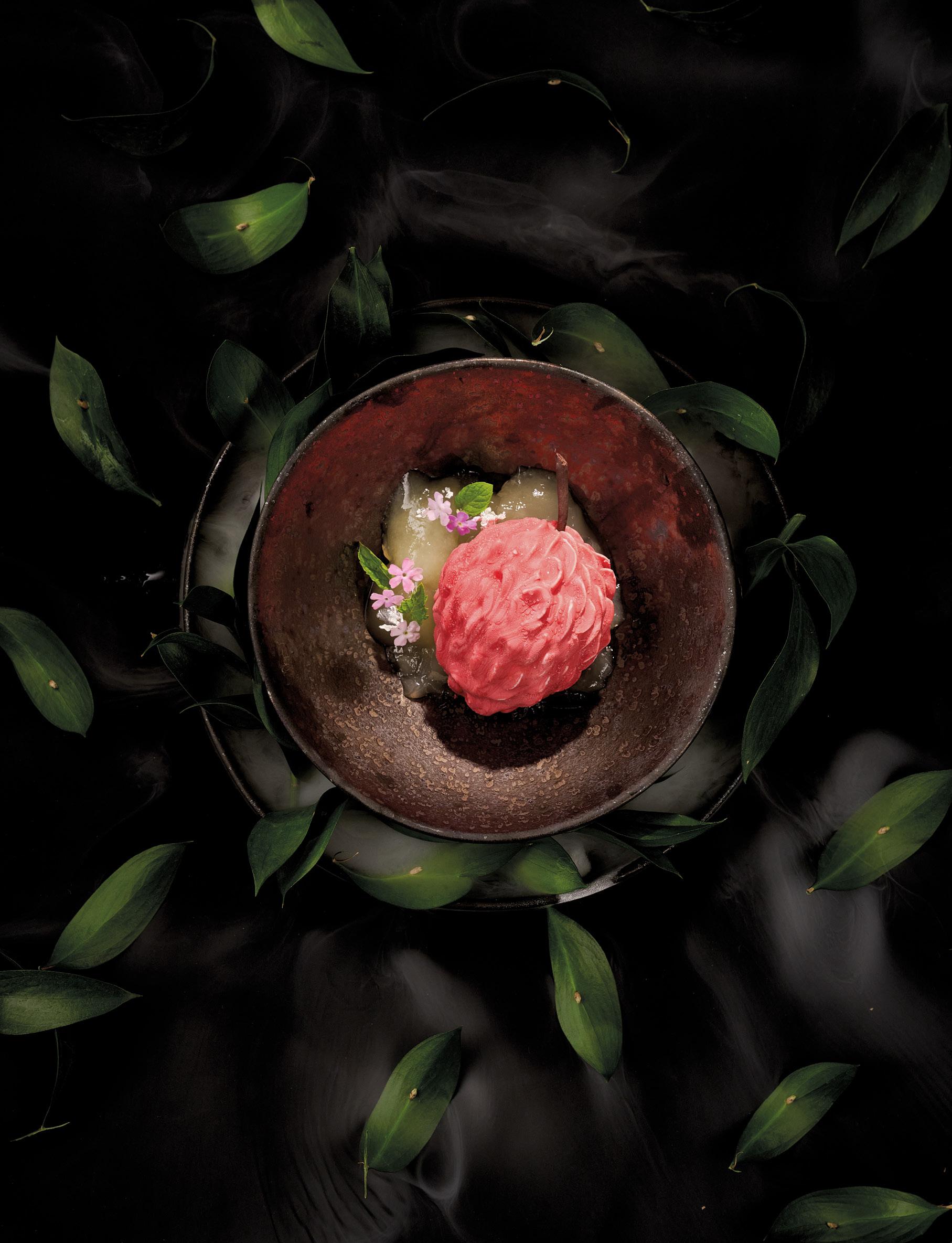
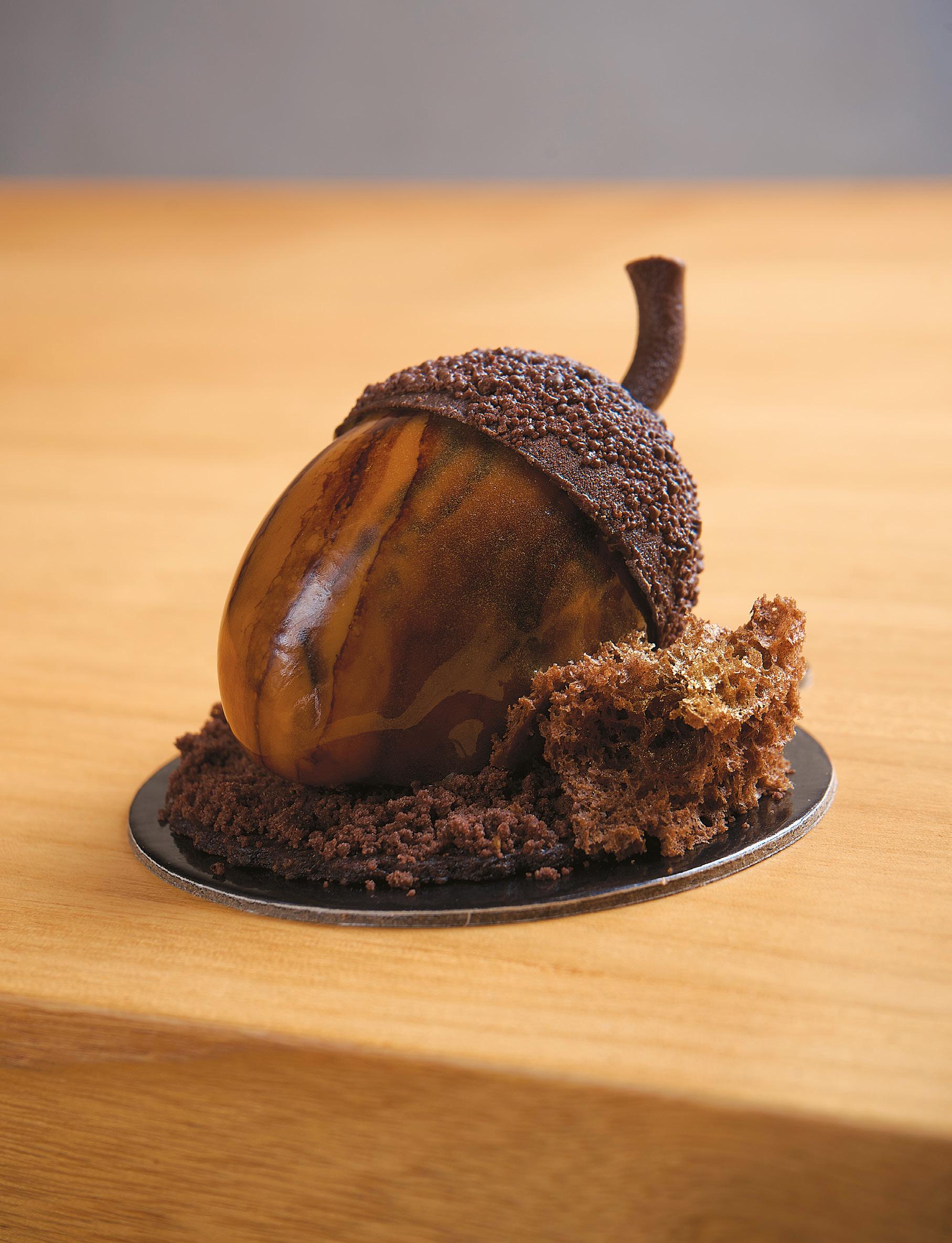
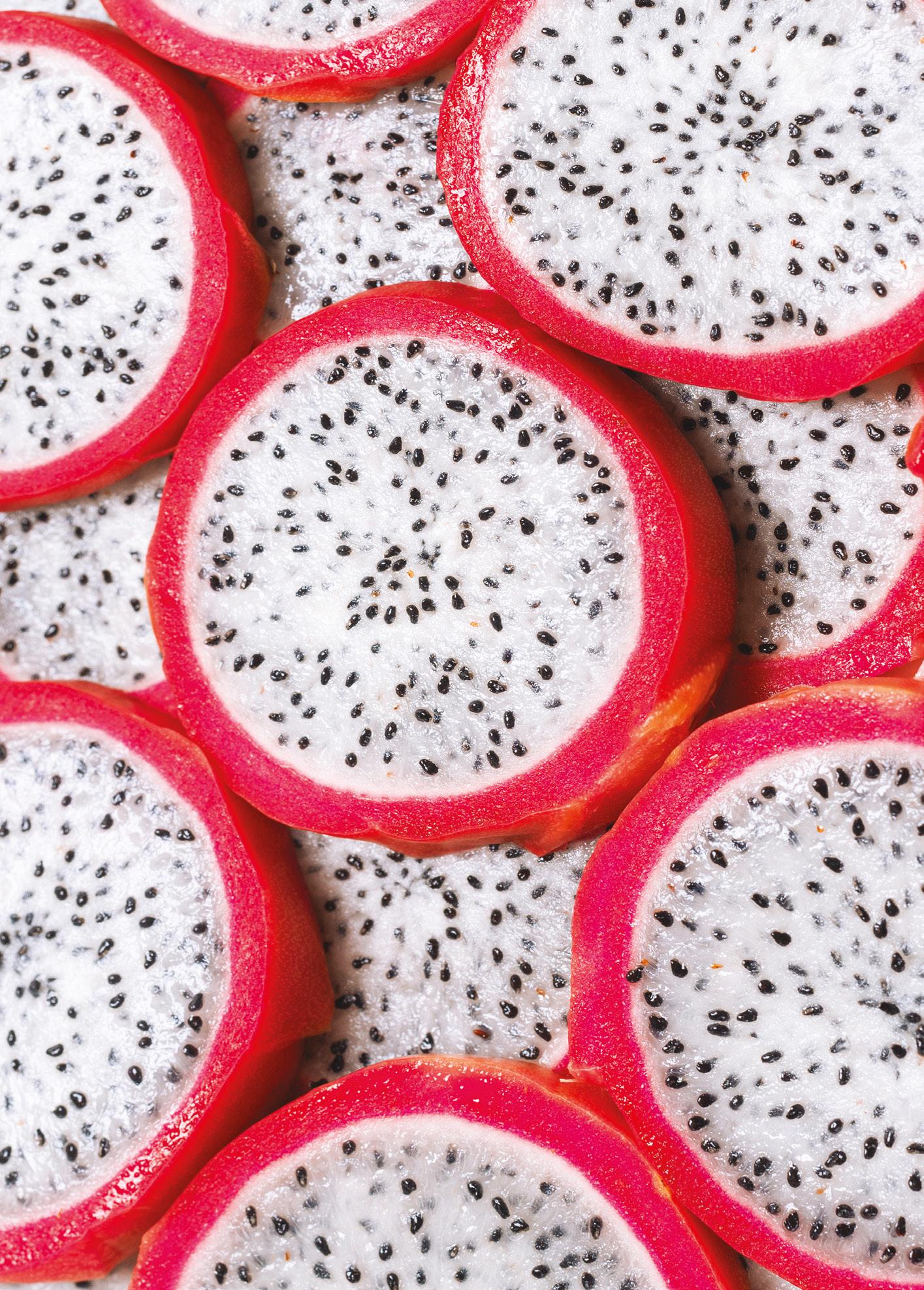
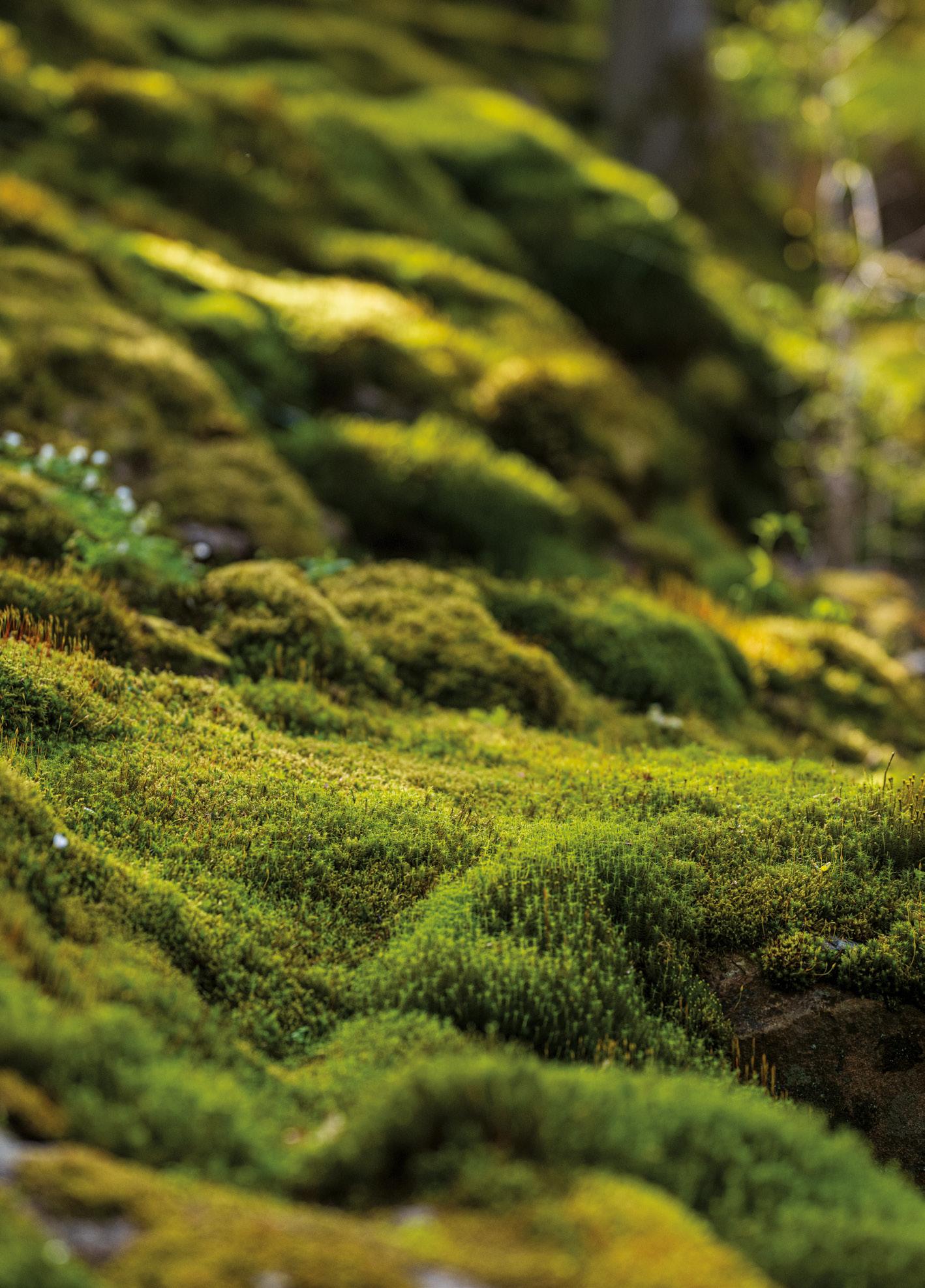
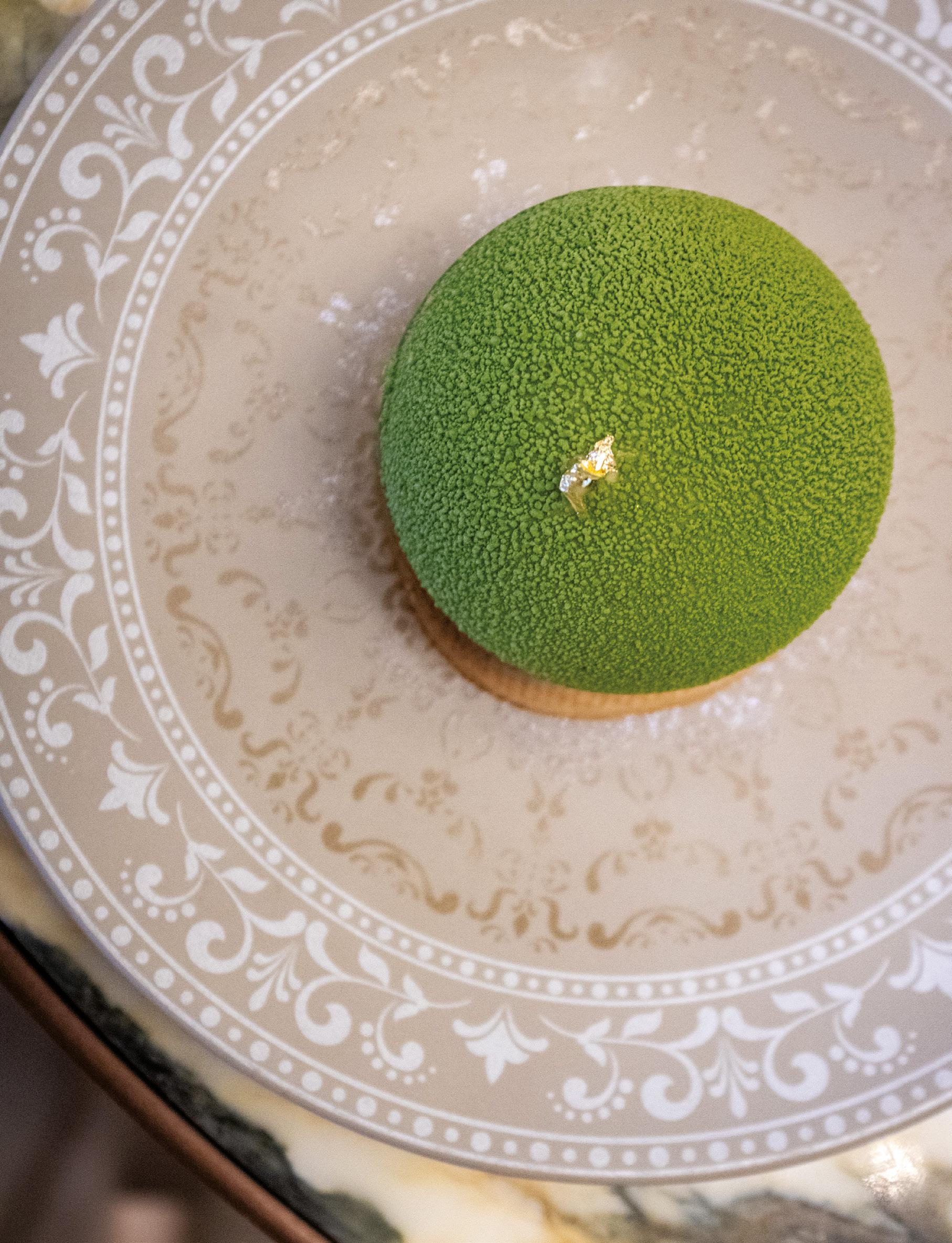
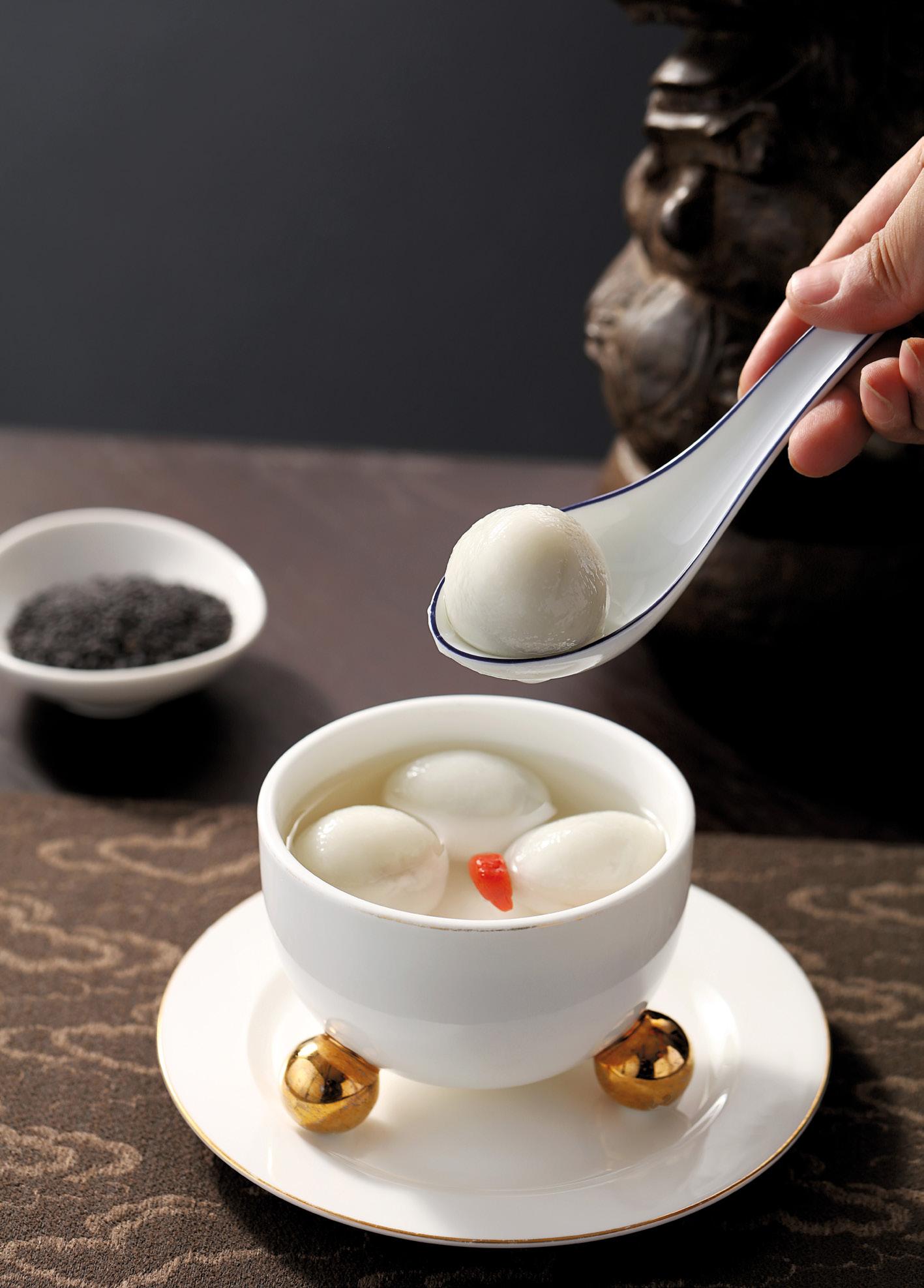
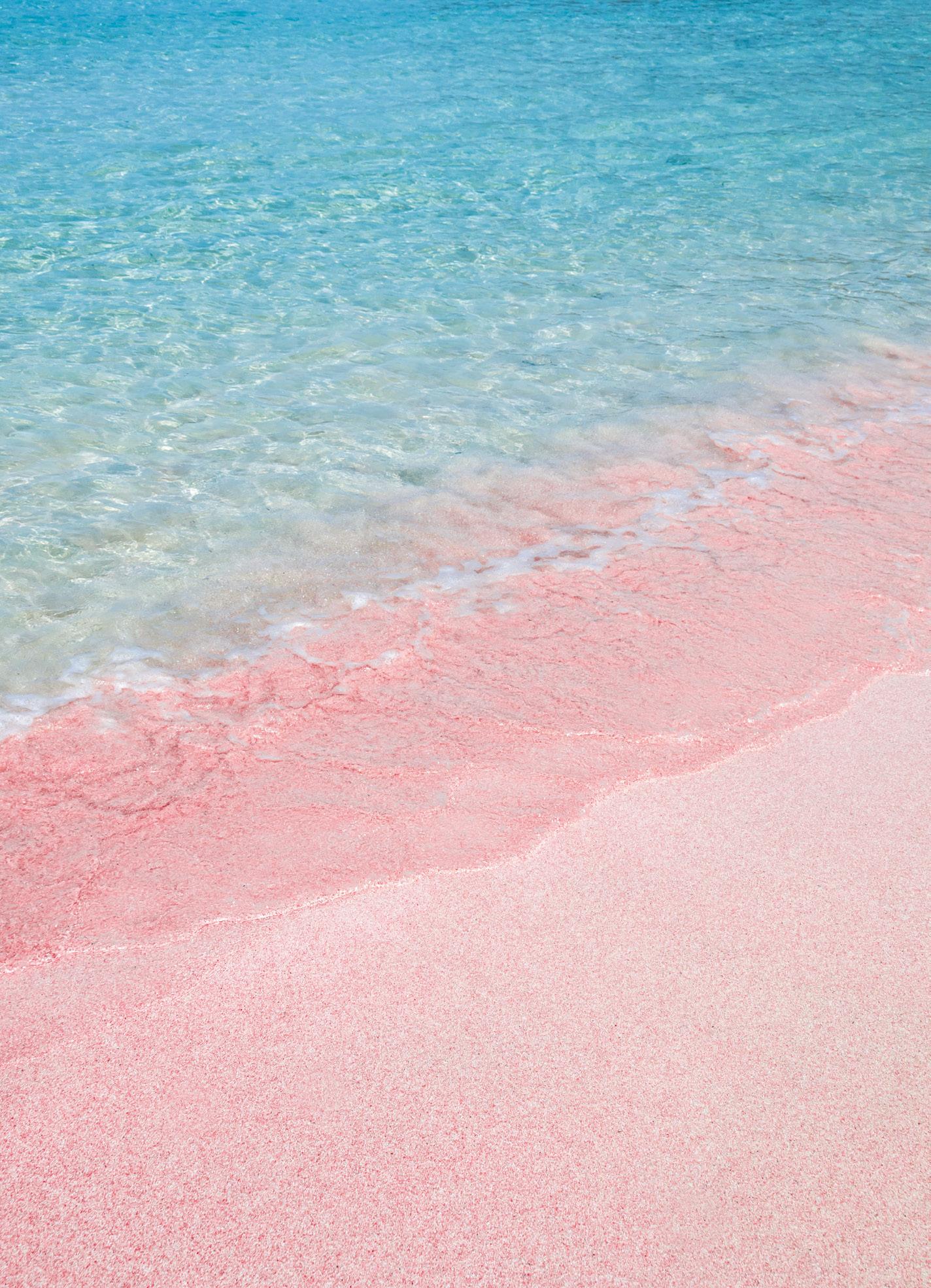
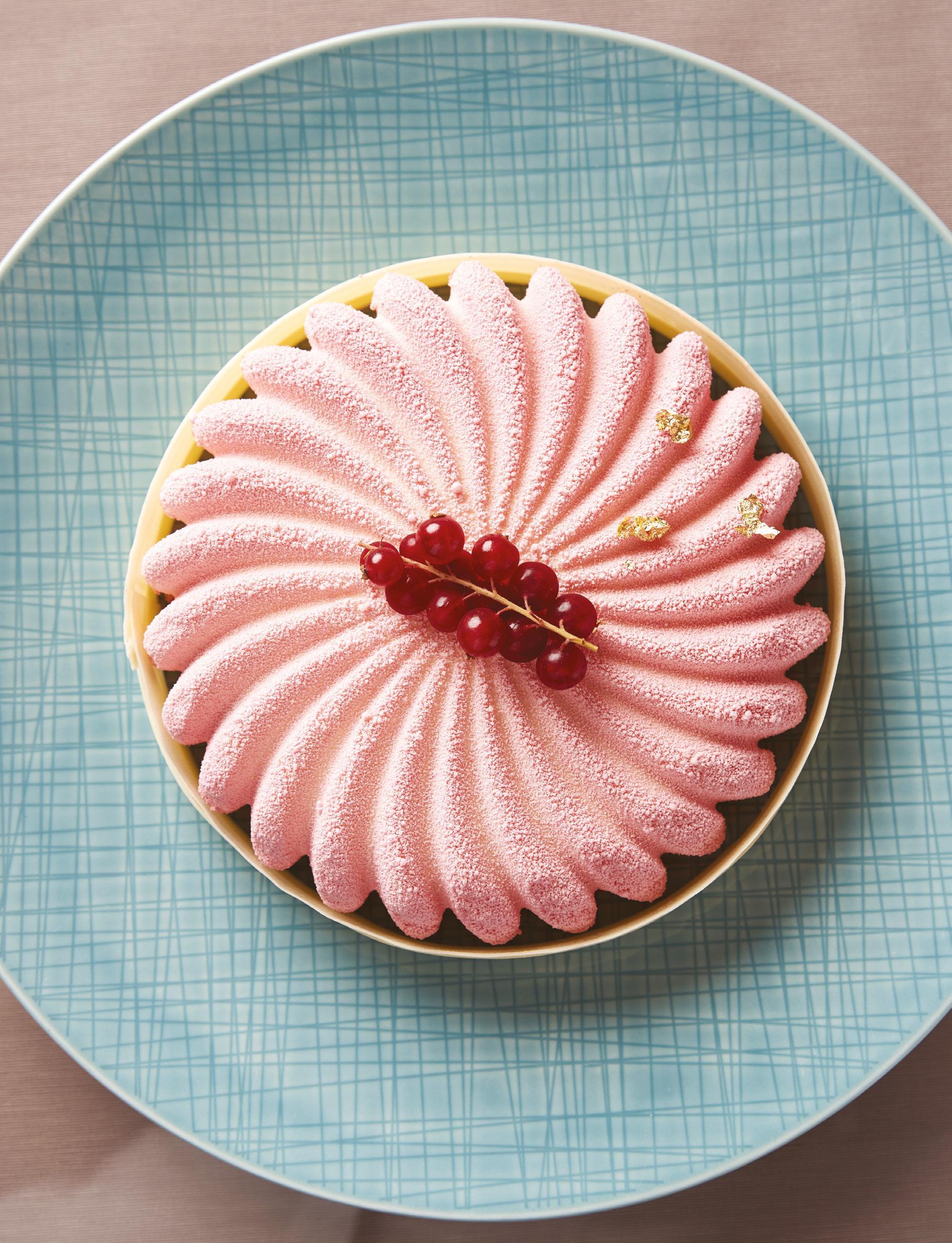
For centuries, pastry chefs have looked to the natural world – its colours, shapes and textures –to craft desserts that are as beautiful as they are delicious. Let’s take a closer look.

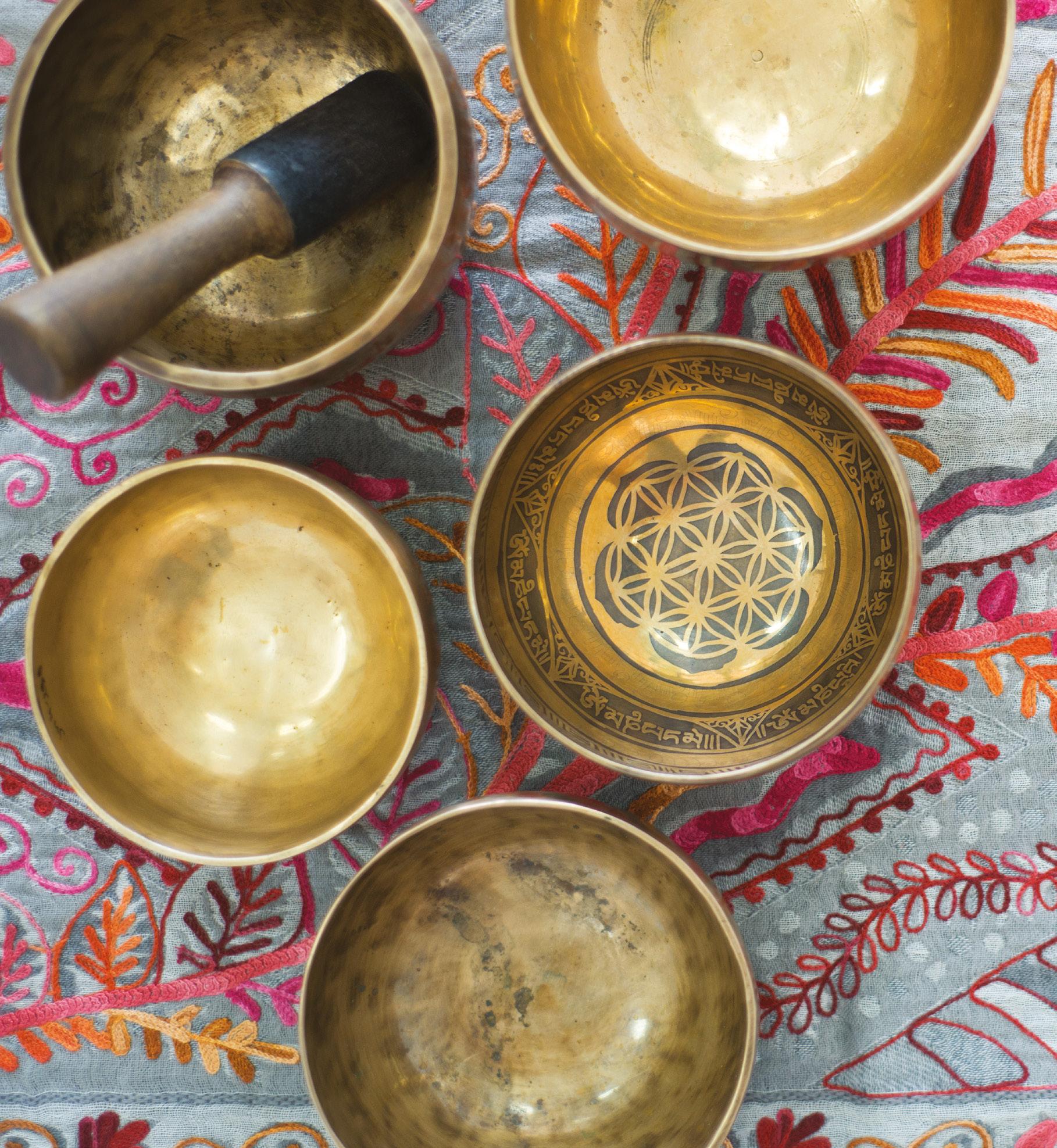
In a world filled with perpetual and all-pervading noise, you’d be forgiven for thinking the last thing we need is yet more sound. But with this KEMPINSKI DISCOVERY experience at Sindhorn Kempinski Hotel Bangkok, you can get a glimpse into the fascinating realm of sound healing and explore how these serene and soothing sessions can help reduce stress and boost wellbeing in a profoundly transformative way.
BY MELANIE COLEMAN*
With our pace of life ever more frenetic – diaries full, bodies tired, brains racing – we’re all looking for those elusive moments of peace and rejuvenation. Many of us are in search of our inner calm, seeking to feel something deeply restorative. And while everything from mindfulness to meditation and massages to manifesting has its place, there’s another means by which you can feel renewed and rebalanced. And that is the humble art of listening, in one of the sublime sound healing sessions at Sindhorn Kempinski Hotel Bangkok.
THE HISTORY OF SOUND
Music has long been hailed as something transformative. It has a unique way of lifting the spirits, enhancing the moment, changing the mood and enabling us to release hidden emotions, express difficult sentiments and really feel. We all know music is powerful. But this is not just about a quick blast of your favourite genre; sound healing goes further.
With ancient roots, sound healing has been used across many cultures as a method of restoring balance and harmony for millennia. Australian Aboriginal populations used the didgeridoo to heal broken bones, while Tibetans relied on singing bowls. Ancient Egyptians and Greeks also drew on sound healing, while in Thailand, people have long embraced rhythm, chanting and sound for mindfulness and spiritual connection. Music therapy was also utilised to rehabilitate soldiers returning from battle. In a way, it’s a technique that bridges the gap between historical rituals and the more modern wellness landscape. As for how it
actually works, the probing minds among us may be pleased to hear there is science behind bathing ourselves in sound.
THE SCIENCE OF SOUND
Certain frequencies and vibrations are thought to interact with the nervous system and influence brain waves, helping to create slower and more meditative states. As a result, stress hormones may decrease, while endorphins increase. In fact, MRI scans have been used to show how the brain responds when listening to different sounds, and some scientific studies suggest that sound-based practices can support relaxation, stress reduction and improved mood. There are links between calming sound frequencies and improved heart rate and lower blood pressure. Sound therapy has also been harnessed within the medical profession for the treatment of Alzheimer’s, as well as during labour and chemotherapy.
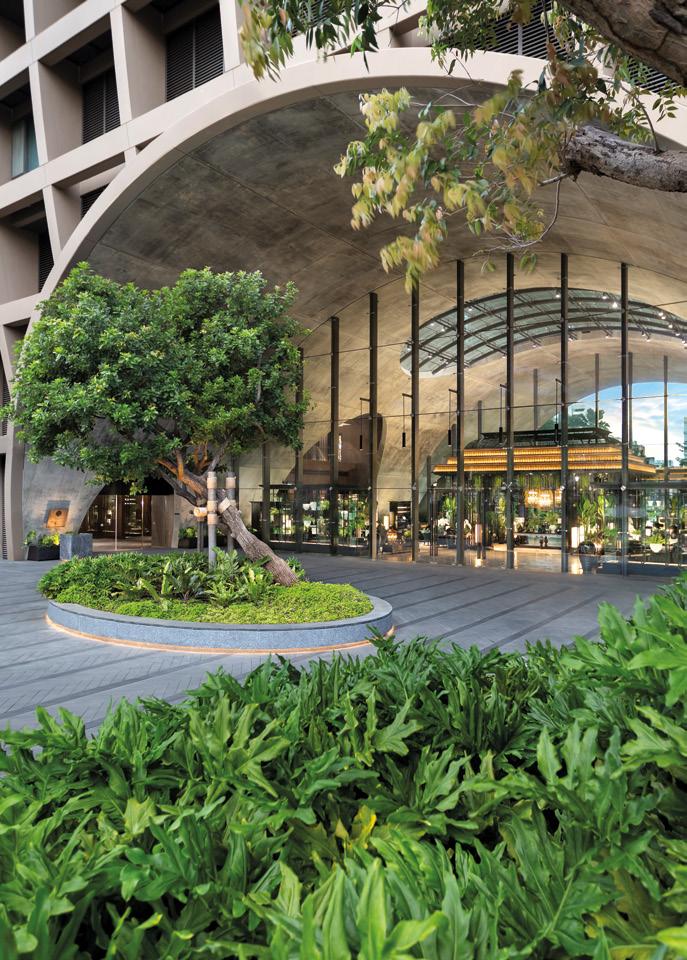
So, what is a sound healing experience actually like? Picture the scene. You glide into the secluded sanctuary of the hotel’s Chevaa Garden, where you’re surrounded by lush green scenery – an oasis of calm, gentle tranquillity. The soft breeze wafts through the trees and nature stretches out on all sides, fostering a feeling of connectedness with the flora and fauna of the hotel’s leafy landscape. In less clement weather, participants retreat to a peaceful private room with an equally calming atmosphere.
Whether inside or outside, ambient music forms the soundtrack as the session begins and participants settle themselves into the most comfortable position. Then, a warm welcome from the
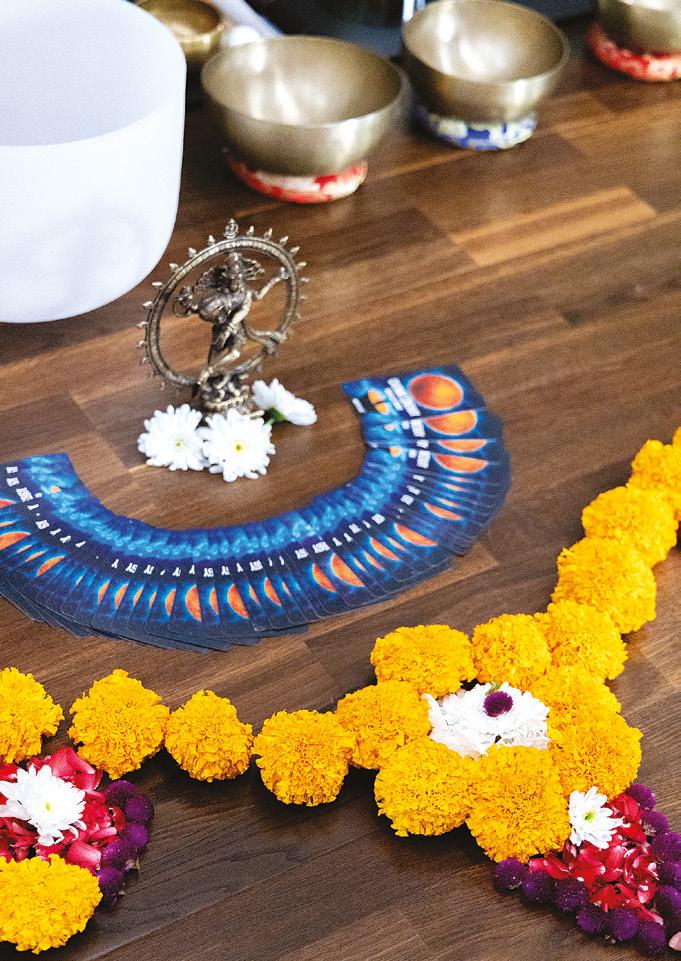
sound leader and an intention-setting mantra, helping everyone to envision what lies ahead over the next hour, honing attention on the end goal of deep relaxation.
Now the time comes to start disconnecting from daily distractions as the sound healing experience begins to unfold. You start to hear the pulse and beat of various instruments layered together, each carefully chosen for its soothing vibrations and gentle tones that resonate with the body’s natural rhythms, guiding the mind into deep rest. It is thought that low-frequency sounds can help induce relaxing brain states, whereas higher frequencies can lead to a more alert mind. That’s why it’s vital that the sounds are combined in exactly the right way.
The magnificent harmonies wash over you – attune your ears and pick out singing bowls, chimes and percussion instruments. As the melodies echo around, time becomes suspended. Sound leaders channel everyone into guided breathing, as though conducting an orchestra, to ease the nervous system. Thoughts, tensions, pressures, deadlines, mental to-do lists and internal monologues fade away. Focus is on the here and now and on the sounds of your own body as you deeply exhale and inhale.
As the session draws to a close, there’s a moment of reflection. Your body feels lighter. It’s that almost indescribable sensation between wakefulness and sleep, where all is well with the world and you’re utterly contented.
Ask participants how they feel afterwards, and many speak with certainty of feeling refreshed, rested, grounded, happier, centred and with less anxiety and more mental clarity. Some even say they were unexpectedly emotional. And the results can be physical too, with guests reporting improved sleep quality, increased energy levels, relaxed muscles and even the alleviation of aches and pains. By consciously and deliberately bringing music to the fore rather than relegating it to something in the background of your life, sound is given its rightful place as a tool for healing, nourishing, transforming, inspiring and connecting with the world around you and yourself.
At Sindhorn Kempinski Hotel Bangkok, this rare opportunity for over-stimulated minds to take a meaningful pause and to be afforded the uninterrupted time and space for healing is truly a gift. And one that, no doubt, we would all welcome into our hectic and hurried lives.
Embark on a journey across continents. From the charm of Europe to the contrasts in the Middle East & Africa region, and the discoveries in Asia to the beauty of the Caribbean, each Kempinski destination tells a unique story, with local character and timeless hospitality coming together to create truly memorable stays. Turn the page to explore new horizons or revisit cherished favourites.
Europe
Scan this QR code to start exploring
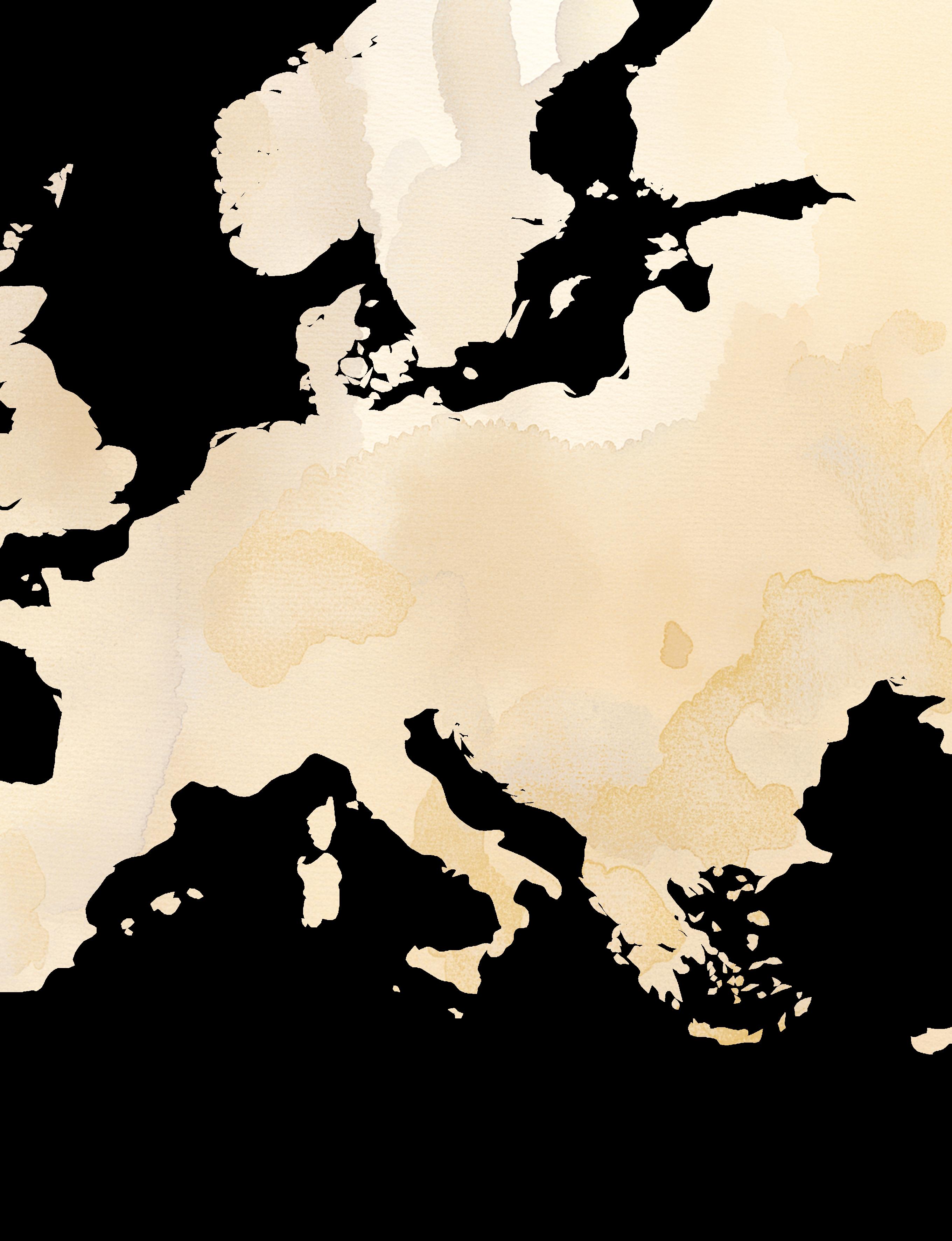
With our long and proud heritage as luxury hoteliers in Europe, sophisticated city sanctuaries, tranquil alpine havens and riverside gems are waiting to welcome you.
AUSTRIA
Kempinski Hotel Das Tirol, Jochberg
BULGARIA
Kempinski Hotel Grand Arena Bansko
CZECH REPUBLIC
Augustine Hotel, Prague (Partner Hotel)
GERMANY
Kempinski Hotel Berchtesgaden
Hotel Adlon Kempinski Berlin
Hotel Taschenbergpalais Kempinski Dresden
Kempinski Royal Residence Nymphenberg, Munich
Hotel Vier Jahreszeiten Kempinski Munich
HUNGARY
Kempinski Hotel Corvinus Budapest
LATVIA
Grand Hotel Kempinski Riga
MALTA
Kempinski Hotel San Lawrence Gozo
SLOVAKIA
Grand Hotel Kempinski High Tatras
SWITZERLAND
Kempinski Palace Engelberg
Frutt Mountain Resort (Partner Hotel)
Grand Hotel des Bains Kempinski St Moritz
TÜRKIYE
Kempinski Hotel The Dome Belek
Kempinski Hotel Barbaros Bay, Bodrum
Barbaros Reserve Bodrum Residences, managed by Kempinski
Çırağan Palace Kempinski Istanbul
Middle East & Africa
Scan this QR code to start exploring

From sun-kissed beaches to ancient cities, and the wondrous spectacle of wildlife to glittering modern attractions, this region promises to invigorate, astonish and excite.
DJIBOUTI
Djibouti Palace Kempinski
EGYPT
Kempinski Palace Cairo
Kempinski Nile Hotel
Kempinski Hotel Soma Bay
GHANA
Kempinski Hotel Gold Coast City Accra
IRAQ
Bristoria Hotel Erbil (Partner Hotel)
ISRAEL
The David Kempinski Tel Aviv
JORDAN
Kempinski Hotel Aqaba
Kempinski Hotel Ishtar, Dead Sea
KENYA
Olare Mara Kempinski, Masai Mara Villa Rosa Kempinski Nairobi
LEBANON
Kempinski Summerland Hotel & Resort Beirut
OMAN
Kempinski Hotel Muscat
QATAR
Kempinski Residences & Suites Doha
Marsa Malaz Kempinski The Pearl, Doha
REPUBLIC OF THE CONGO
Kempinski Hotel Brazzaville
SAUDI ARABIA
Kempinski Al Othman Hotel, Al Khobar
Kempinski Hotel & Resort Sariya, Yanbu
SEYCHELLES
Kempinski Seychelles Resort Baie Lazare
UNITED ARAB EMIRATES
Kempinski Central Avenue Dubai
Kempinski Hotel Mall of the Emirates Dubai
Kempinski Hotel & Residences Palm Jumeirah, Dubai
Kempinski The Boulevard Dubai
Glistening seas, golden sands, impressive architecture, irresistible cuisine and inviting pools. All this and more awaits in the Caribbean, where our hotels provide an idyllic backdrop.
CUBA
Gran Hotel Manzana Kempinski La Habana
MEXICO
Kempinski Hotel Cancún

Caribbean Scan this QR code to start exploring
Choose between exhilarating city escapes and calm coastal breaks, for a journey of discovery that awakens all of the senses and inspires unforgettable lasting memories.
CHINA
Yanqi Island Pavilion Beijing, managed by Kempinski
Sunrise Kempinski Hotel Beijing
Yanqi Hotel Beijing, managed by Kempinski
Kempinski Hotel Beijing Yansha Center
Kempinski Hotel Chengdu
Kempinski Hotel Chongqing
Kempinski Hotel Fuzhou
Kempinski Residences Guangzhou
Kempinski Hotel Guiyang
Kempinski Hotel Hangzhou
Kempinski Hotel Jinan
Kempinski Hotel Nanjing
Grand Kempinski Hotel Shanghai
Kempinski Hotel Shenzhen
Kempinski Hotel Suzhou
Kempinski Hotel Taiyuan
Kempinski Hotel Xiamen
Bristoria Hotel Yangzhou (Partner Hotel)
Kempinski Hotel Yinchuan

Asia Pacific Scan this QR code to start exploring
INDONESIA
Hotel Indonesia Kempinski Jakarta
The Apurva Kempinski Bali
MONGOLIA
Kempinski Hotel Khan Palace Ulaanbaatar
SINGAPORE
The Capitol Kempinski Hotel Singapore
THAILAND
Siam Kempinski Hotel Bangkok
Sindhorn Kempinski Hotel Bangkok