the splash



Bartlesville, OK
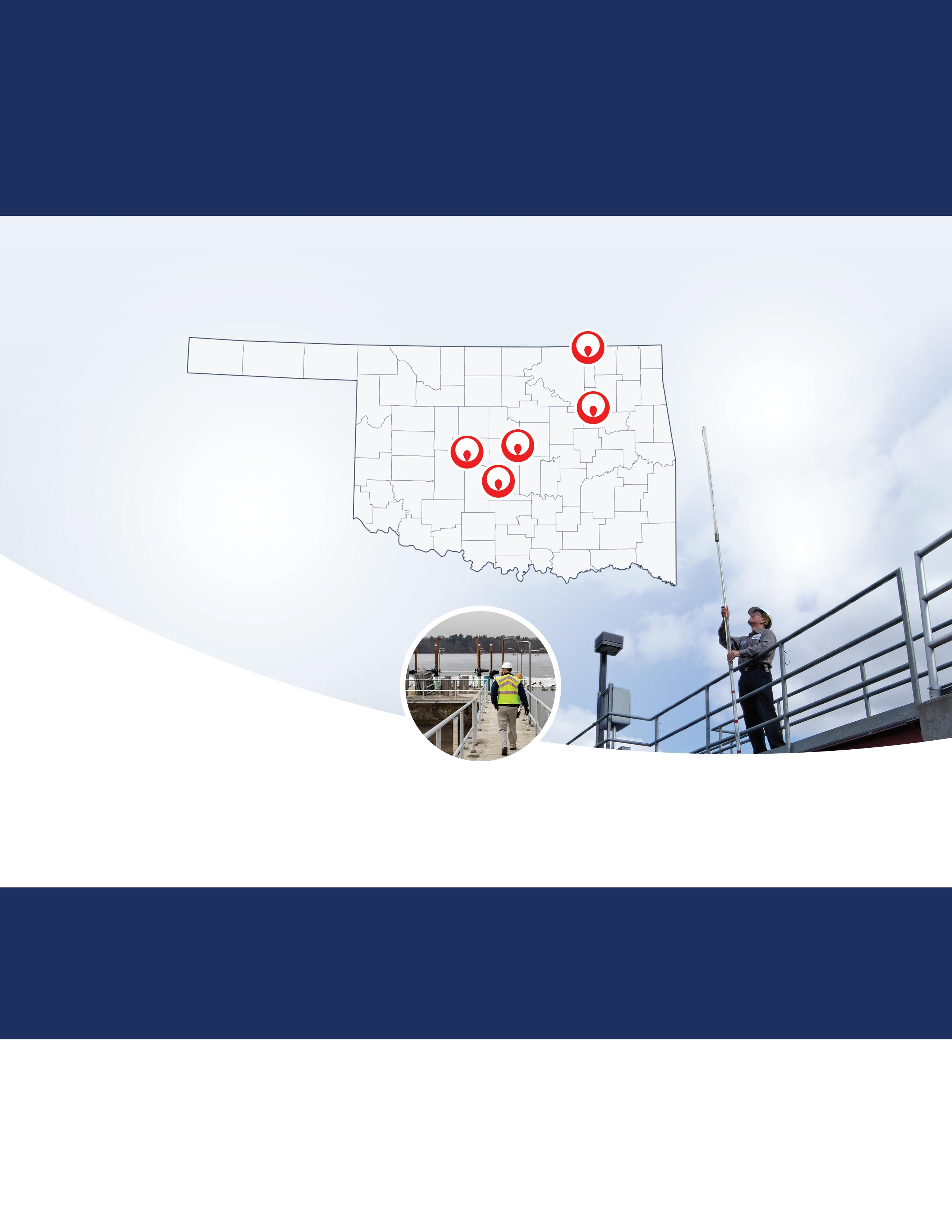
Yukon | Scaling for Growth
Scaling Operations to meet the city’s future demands.
Moore | 30-Year Foundation
Operating wastewater treatment and water distribution since 1993—three decades of trusted partnership and reliable service.
Choctaw | Preparing for the Future
Focused on compliance and protecting the community today, tomorrow and for years to come.
Regulatory Compliance
Certified Operators & Workforce Solutions
24/7 Emergency Response
Asset Management & Optimization
Reliable, Cost-effective Operations
Veolia | North America
veolianorthamerica.com
tel: +1 833-4-VEOLIA
Linkedin: Veolia | North America

OK
Sapulpa, OK
Choctaw, OK
Moore, OK

Every utility faces the challenge of upgrading existing infrastructure to meet evolving demands, tighter regulations, and the need for greater operational performance. When Broken Arrow needed a new disinfection system — with only two feet of head available — Garver engineered a smart, cost-effective solution that ensured Broken Arrow’s new system met today’s standards while preparing for tomorrow’s.
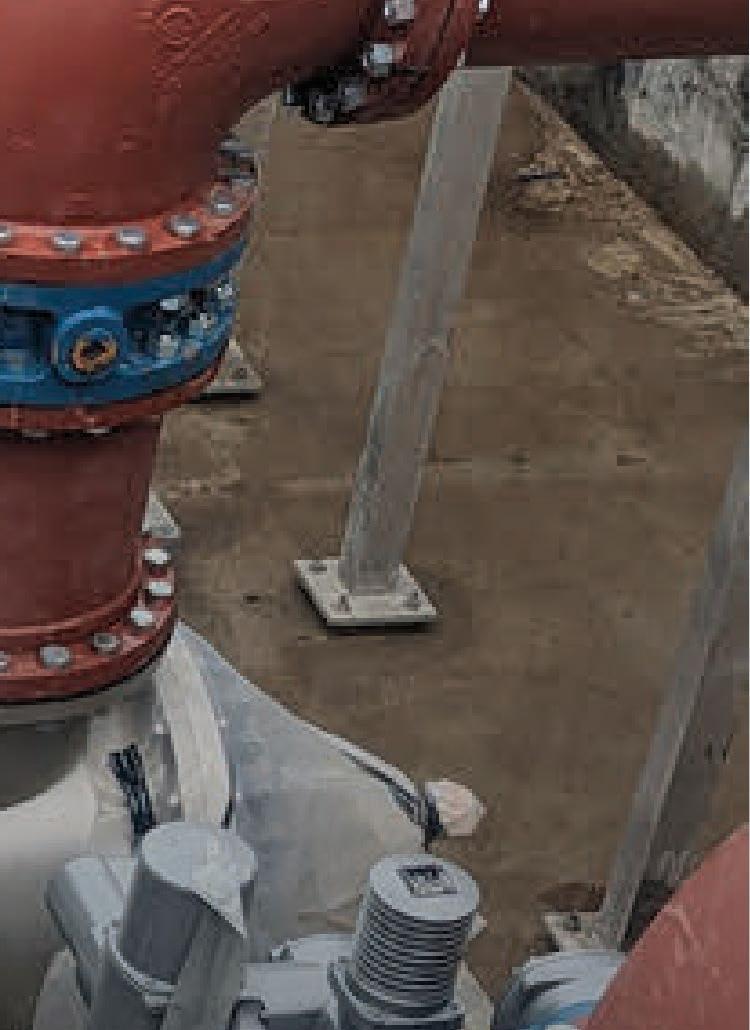
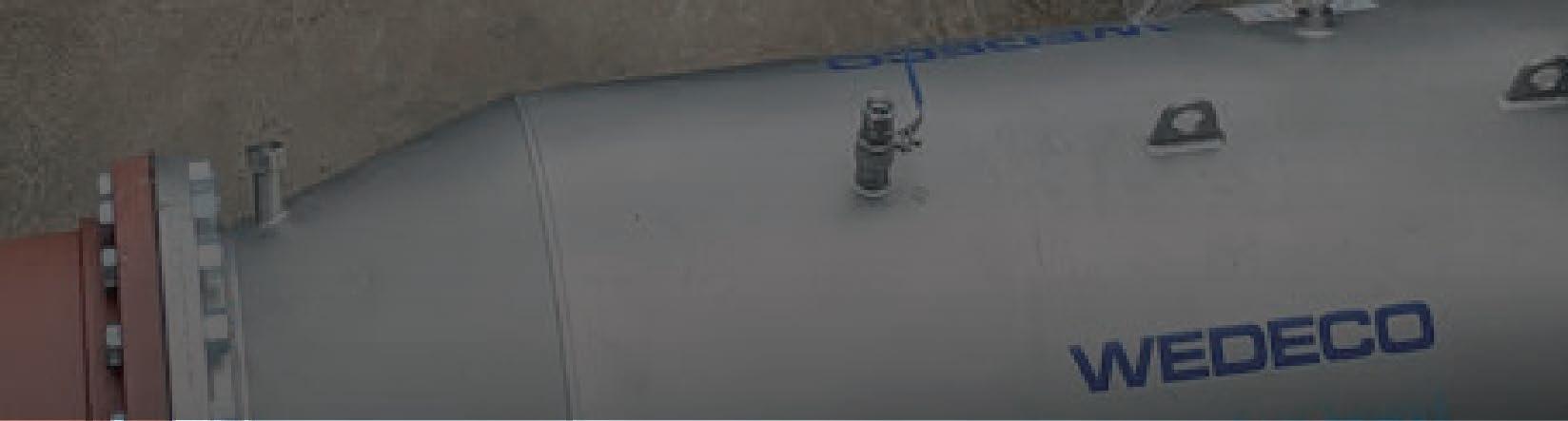
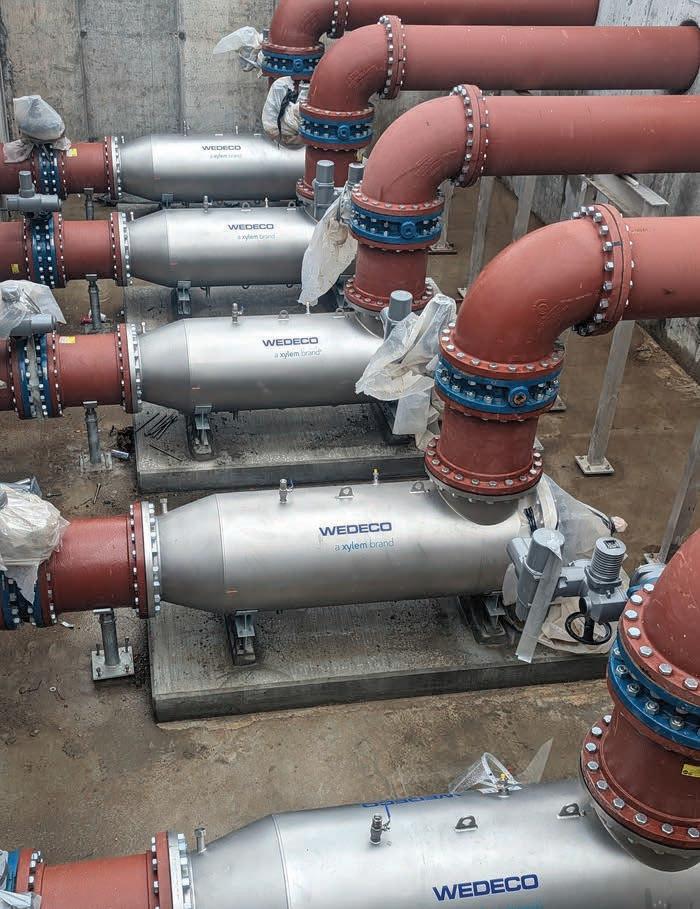
Every community relies on critical infrastructure to stay safe, healthy, and thriving. At Sulzer, we deliver innovative pumping, mixing, and treatment solutions that safeguard what matters most.
From stormwater management that prevents flooding, to wastewater treatment that ensures clean water, to pumping systems that keep essential services running, Sulzer products are at the heart of resilient communities. Whether it is for hospitals, schools, or neighborhoods, our technology works behind the scenes to keep your water pumping.
Because when it comes to your community, reliability is not optional; it is essential. go.sulzer.com/one-reliable-solution-a-time-26
















Spring brings a sense of renewal, excitement, and lots of conference preparations. Are you also looking forward to reconnecting with colleagues or engaging in the member association? We have some opportunities for you!
The 2026 APWAOK/OWEA Joint Technical Conference & Trade Show will be held May 4-6 in Tulsa. Sponsorship and registration are anticipated to open in March. A few details are listed below, but check our website and article in this issue for more details!
• OWEA Quarterly Board (4:00-5:00 pm) and Annual Member (5:00-5:15 pm) Meetings will be held on Monday, May 4, in the Birch Room of the Southern Hills Marriott, Tulsa.
• OWEA Young Professionals will meet on Wednesday, May 6, at 10:30 am in the Cypress Room.
Our Government Affairs has included industry-related legislation to Keep an Eye On as part of this issue. OWEA will participate in the upcoming Water Appreciation Day at the Capitol on May 14. This gives us a chance to connect with legislators and other agencies/ groups focused on Oklahoma water.
We are partnering with Southwest AWWA again to offer an Operator Short School in June in Oklahoma City. We will post more information on our website at https://www.owea.org/events/ in the coming weeks.
Get connected with OWEA by following our new LinkedIn page. We will use it to share upcoming events and industry news that may be of interest to our members.
OWEA developed the following strategic intentions in 2019 and, after a brief COVID-caused delay, has taken consistent actions align with them.
1. Provide membership value and engagement.
2. Deliver professional enrichment.
3. Engage Emerging Professionals.
4. Host Operations Challenge.
5. Develop and foster active committees.
6. Develop partnerships and alliances.
Many of the items happening this year were envisioned during the strategic planning workshop. It is very exciting to see our progress and
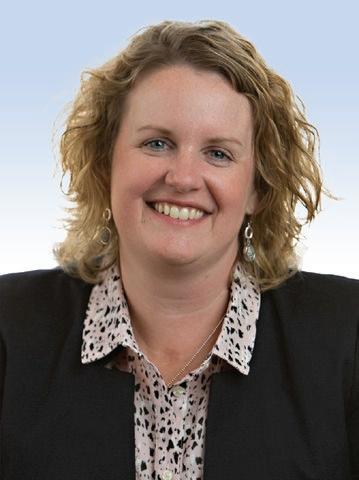
imagine the growing future. Maybe some of these intentions resonate with you, too? If so, we would love for you to get more involved. Connect with us at one of the opportunities listed above or reach out directly to me at awooten@carollo.com or any other Board members or committee chairs.

Separate tracks for water and wastewater courses. Includes classroom and interactive training.
8.0 Operator Certification hours - ODEQ Approved.
8.0 Professional Development hours.









June 4, 2026 8:00 am to 5:00 pm Cost: $50 per attendee (Lunch,


Oklahoma City Street Maintenance 3738 SW 15th St, Oklahoma City








May 4-6, 2026
Marriott Southern Hills, Tulsa, Oklahoma
The American Public Works Association Oklahoma Chapter (APWAOK) and the Oklahoma Water Environment Association (OWEA) are combining again to create an excellent conference experience for all participants, exhibitors, and sponsors. Beyond great technical sessions and a full exhibit hall, there will be several special events including a golf tournament, heavy equipment road-eo, water taste contest, operations challenges, socials, and more. We reach professionals from all areas of public works and utilities including design, management, and operations. Our attendees include utility managers and staff, public works managers and staff, state regulatory staff, private sector consultants, equipment representatives, elected officials, tribal nation staff, and many others. Up to 10 professional development hours or continuing education credits will be available for technical session attendees.
Make plans to join us at the 2026 APWAOK and OWEA Joint Technical Conference and Trade Show!

APWA Oklahoma Chapter
Devin Randall, Vice President
(918) 380-8868
devin.randall@kimley-horn.com
OWEA
Amber Wooten, President (918) 822-4869
awooten@carollo.com

This update is provided to share timely, informational updates on select water-related legislation, regulatory activity, and related events relevant to OWEA members.
The information below is shared for awareness and education purposes only and does not reflect advocacy for or against any specific legislation. This list is not comprehensive.
HB 1813 Waters and water rights; authorizing the Oklahoma Water Resources Board to enter into memorandums of understanding or contracts with certain entities; effective date.
HB1817 Waters and water rights; stating legislative findings; creating the Oklahoma Water Resources Board Well Driller and Pump Installer Program; effective date.
HB 2976 Directs the Dept. of Environmental Quality to establish numeric water quality criteria for aluminum in surface waters. 2026
HB 2977 Public Trust Tax Exemptions
HB3193 Creates the Waters and Water Rights Modernization Act of 2026 2026
HB 3403 Creating the Oklahoma Biosolids Land Application Research Pilot Program Act 2026
HB3843 Modifies water records requirements under Open Records Act 2026
HB4246 Expands DEQ authority to contract with nonprofit entities for rural water assistance 2026
HB4316 Allows additional corporations to form rural water and sewer districts 2026
HB4350 Requires Water Resources Board to provide five-year flexible groundwater allocation 2026
HB 4459 Authorizes a groundwater measurement program, allow certified participants to apply for a five-year flexible groundwater allocation based on measured use, and set limits and penalties related to groundwater pumping and monitoring 2026
SB 92
Establishes a Water and Wastewater Infrastructure Investment Program within the Water Resources Board to provide loans for water and wastewater projects in the state; EMERGENCY. 2026
SB 133 Requires those intending to use groundwater for a medical marijuana growing facility to present a valid commercial grower license to the Board; EMERGENCY. 2026
SB 196 Makes an appropriation to the Water Resources Board to provide infrastructure grants to rural water districts; EMERGENCY. 2026
SB 265 Directs the Water Resources Board to establish a Water Infrastructure Loan Program to assist with development of water projects and improvements; EMERGENCY. 2026
SB265 Cities and towns; establishing requirements for legislative municipal procedures. Effective date. 2026
https://oksenate.gov/senators/roland-pederson https://www.okhouse.gov/representatives/ carl-newton
https://www.okhouse.gov/representatives/ cody-maynard
https://www.okhouse.gov/representatives/ Jim-Grego
https://www.okhouse.gov/representatives/ Collin-duel
https://www.okhouse.gov/representatives/ carl-newton
https://legiscan.com/OK/people/pre ston-stinson/ id/22577 https://legiscan.com/OK/people/ shane-jett/id/3681
SB 914
SB 1206
SB 1246
SB 1252
SB 1265

Creates the Oklahoma Regional Water District Act, directing the Water Resource Board to designate geographic areas to be known as regional water districts and develop a water plan. 2026
Open Meetings Act; modifying requirements for public comment at meetings of a public body 2026
Modifying provisions of the Oklahoma Uniform Environmental Permitting Act 2026
Oklahoma Open Meeting Act; requiring public bodies to provide opprotunity for public comment 2026
Municipal ordinances; increasing the time limit for publication of certain ordinances. Effective date. 2026
SB 1288 Emergency management; providing for cost sharing of federal matching requirements. Emergency. 2026
SB 1314
SB 1332
Raises funding caps and allowable expenditures for the Well Drillers and Pump Installers Remedial Action Indemnity Fund administered by the Oklahoma Water Resources Board. 2026
Establishes the THRIVE Communities Program within the Water Resources Board to provide zero-interest loans for housing-related water, wastewater, and stormwater infrastructure projects and creates a dedicated revolving fund. 2026
SB1333 Creates new water infrastructure grant and low-interest loan programs administered by the Water Resources Board and establishes related revolving funds; EMERGENCY. 2026
SB 1345 Provides funding to the Oklahoma Water Resources Board to support engineering services for establishment of a regional water district serving Creek and Okmulgee counties; EMERGENCY. 2026
SB 1346
SB1488
Establishes a Water and Wastewater Infrastructure Investment Program within the OWRB to provide competitive loans for infrastructure projects, requires public reporting and clawback provisions, and creates a revolving fund; EMERGENCY. 2026
The measure directs the Corporation Commission to conduct a study on the potential impacts that data centers might have on the water supply, utility rates, property values, and other areas deemed of interest by the Commission. 2026
SB1509 Modifies basin hearing standards for Water Resources Board 2026
SB1513 Prohibits fluoridation of public water supplies; requires DEQ rulemaking 2026
SB 1513 Flouride prohibitions for political subdivisions 2026
SB1573 Allows REAP Water Projects funds to assist irrigation and rural water districts 2026
SB 1799 Prohibition on land application of septic biosolids 2026
SB 1818 Requiring labeling use of biosolids 2026
SB1918 Requires groundwater permit applicants to present valid ID 2026
SB1928 Adjusts standards related to water use; establishes five-year flexible groundwater allocations 2026
SB1933 Prohibits diversion of water from the Kiamichi River for sale, profit, power generation, and data storage 2026
SB 2141 Creating the Oklahoma PFAS-Safe Biosolids and Farmland Protection Act 2026
https://www.okhouse.gov/representatives/ carl-newton
https://www.okhouse.gov/representatives/ derrick-hildebrant
https://www.oksenate.gov/press-releases/ senator-sacchieri-files- legislationaddress-unknown-impacts-data-centersoklahoma?back=/press-releases
This list will be updated regularly as legislation advances and new items are introduced. If you are aware of legislation or regulatory activity that may be relevant to OWEA members, please feel free to share it with the Government Affairs Committee.





May 4-6, 2026













We hope you can join hundreds of your fellow public works, water and wastewater professionals for a great APWA/OWEA conference at the Southern Hills Marriott in Tulsa, OK! Registration is open on our websites at https://oklahoma.apwa.org or through https://www.owea.org/conference
The conference kicks off with our annual golf tournament on Monday, May 4, at the Battle Creek Golf Course in Broken Arrow, OK and the popular Heavy Equipment ROADeo at Warren Cat Equipment facilities in Tulsa. Other activities on Monday include Exhibitor Set-Up, Registration, and the OWEA Board and Annual Meetings. We wrap up the day at A&R Axe Throwing at a phenomenal social sponsored by Hartwell Environmental and EI2.

This year’s agenda highlights two days of a packed technical program covering
topics including Roadways and Transit, Parks and Streetscapes, and treatment for Wastewater, Biosolids, and Stormwater systems. Special topics include Leadership, Safety, Intermodal, and AI and how those affect our infrastructure planning, day-to-day operations, and operator training.
The Tuesday agenda also includes our Opening Session featuring a welcome by Tulsa Mayor Nichols. Our OWEA awards luncheon guest speaker is Kalpna Solanki, WEF delegate, and we encourage everyone to spend a few minutes at the Women in Water Happy Hour in the afternoon. Our evening social with fantastic food is sponsored by Haynes Equipment at the Redrock Canyon Grill.
Wednesday is filled with more technical presentations, and the APWA Luncheon with keynote speaker Terry Ball, Tulsa Public Works Director. New this year
is a special event, E-Bikes and Community Mobility: Regulations, Safety, and Riding Basics, sponsored by Laneshift. Pre - registration is required for this hands-on program to learn more about pedestrian and biking in our communities. Don’t miss the Waters Worth It silent auction located in the Exhibit Hall to raise money for extra scholarships, STEM events, and other water and wastewaterfocused activities.
A critical component of our conference is the exhibitors who bring so much information regarding the latest equipment and technologies, detailed engineering and environmental consulting expertise, and regulatory updates by our state agencies and councils. Please plan to spend some time visiting with the exhibitors during the conference.
Lots more information, sign-up sheets, and registration materials are located on our website at https://oklahoma.apwa.org or through https://www.owea.org/conference!

MONDAY, MAY 4
7:30 AM - 4:00 PM
Golf Tournament | Battle Creek 3200 N. Battle Creek Drive Broken Arrow, OK 74012
9:00 AM - 1:00 PM
Heavy Equipment ROADeo Warren CAT Equipment 3601 N. Garnett Rd., Tulsa
1:00 PM - 5:00 PM
Registration Open and Exhibitor Setup Second Floor
4:00 PM - 5:00 PM OWEA Quarterly Board Meeting Birch
TUESDAY, MAY 5
7:00 AM - 8:00 AM Exhibitor Setup
8:00 AM - 5:00 PM
Registration Open
8:00 AM - 5:00 PM
Exhibits Open Exhibit Hall - Sequoia
8:00 AM - 3:00 PM
APWA Delegates Meeting (By Invitation Only) Cypress
8:00 AM - 8:45 AM
Moderator Meeting Redbud
9:00 AM - 10:00 AM
Welcome, Color Guard, Tulsa Mayor Nichols Silver Oak
10:00 AM - 10:30 AM Break with Exhibitors Exhibit Hall - Sequoia
10:30 AM - 12:00 PM
Concurrent Technical Sessions
11:30 AM - 12:00 PM
Water Taste Contest Judging Dogwood
12:00 PM - 1:30 PM
Lunch | OWEA Awards Kalpna Solanki, WEF Delegate Silver Oak
1:30 PM - 3:00 PM
Concurrent Technical Sessions
WEDNESDAY, MAY 6
8:00 AM - 9:00 AM APWA Board Meeting Cypress
8:00 AM - 1:30 PM
Registration Open
8:00 AM - 1:30 PM
Exhibits Open
9:00 AM - 10:30 AM
Concurrent Technical Sessions
10:30 AM - 11:00 AM
Break with Exhibitors
10:30 AM - 11:00 AM
OWEA Young Professionals Cypress
11:00 AM - 12:00 PM
Concurrent Technical Sessions
12:00 PM - 1:30 PM
Lunch | Keynote: Terry Ball, Tulsa Public Works Director Silver Oak
1:30 PM
Water’s Worth It Silent Auction Closes Exhibit Hall - Sequoia
1:30 PM
Exhibitor Tear Down
5:00 PM - 5:15 PM
OWEA Anunual Meeting Birch
5:30 PM - 10:00 PM
Social Event | Hartwell & EI2
A & R Axe Throwing 6975 S. Lewis Ave. Tulsa, OK 74136
3:00 PM - 3:30 PM
Break with Exhibitors
Ticket Drawing at 3:15 PM
Exhibit Hall - Sequoia
3:30 PM - 5:00 PM
Concurrent Technical Sessions
5:00 PM - 6:00 PM
Women in Water Happy Hour Silver Oak
5:00 PM - 9:00 PM
Social Event | Haynes Equipment Redrock Canyon Grill 9916 Riverside Pkwy, Tulsa
Pre-Registration Required. Must be present to win.
1:30 PM - 3:00 PM
Concurrent Technical Sessions
1:30 PM - 4:45 PM
E-Bikes and Community Mobility Cypress
3:00 PM - 3:30 PM
Networking Break
Ticket Drawing at 3:15 PM
Registration Area
3:30 PM - 5:00 PM
Concurrent Technical Sessions
$100 gift cards will be given away in the last technical sessions. Must be present to win.

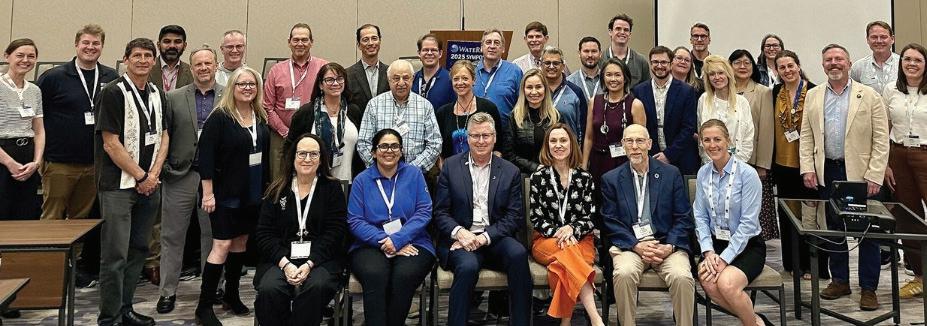

The Water Environment Federation (WEF), a not-for-profit, nonpartisan organization providing water professionals with the latest in education and training, today announced it will incorporate Partnering for Impact into WEF.
Partnering for Impact is a collaborative initiative launched in 2016 to unite water-sector leaders and organizations in advancing shared goals of resilience, equity, and innovation through strategic partnerships. Its proven event and learning methodology will now scale globally through WEF's extensive network and technical expertise, creating new opportunities for the larger community.
Water challenges are increasingly complex and interconnected, requiring solutions that span sectors and geography. By bringing Partnering for Impact's collaborative methodology into its events and programs, WEF will accelerate mission progress and scale alongside its global network of more than 31,000 water professionals.
"We are committed to creating new opportunities for our members, partners and community to collaborate and drive progress," said Keith Hobson, president
of WEF's Board of Trustees. "By bringing Partnering for Impact into WEF, we further our global strategy to attract the water workforce, enhance our community and lead the transformation to the circular water economy."
As part of the collaboration, Partnering for Impact’s leadership, including Rick Warner, Eileen O’Neill, Krishna Pagilla, Matt Ries, and Bahram Vahedi, will serve as strategic advisers to WEF, helping to guide future initiatives.
Rick Warner of Partnering for Impact and Jacobs said, "Partnering for Impact was built on the belief that collaboration drives progress. We’re thrilled with the opportunity to get closer to the WEF community and ensure that our mission continues and scales globally, benefitting the entire water sector."
"Bringing Partnering for Impact into WEF is a smart and timely move for the water community," said Jenn Jones, CEO of the California Water Environment Association. "The value of this work is its ability to turn big challenges into shared, actionable next steps: connecting practitioners, ideas, and resources in a way that accelerates realworld progress. We’re excited to see this approach expanded and sustained through WEF’s reach and convening power."

"Partnering for Impact has shown what’s possible when leaders across the water sector come together with intention and purpose," said Adam D. Link, executive director of the California Association of Sanitation Agencies. "Integrating this powerful collaborative model into WEF's global platform is an exciting step forward for our community. It strengthens our collective ability to share trusted knowledge, elevate innovation, and deliver progress for clean water agencies and the communities they serve."
While specific initiatives are still being shaped, WEF members and the broader water community can expect elements of Partnering for Impact reflected in upcoming programs and events aligned with WEF’s strategic priorities. More details will follow in future communications. Stay tuned to wef.org for updates.
Partnering for Impact is a collaborative initiative founded to unite water sector leaders and organizations in advancing shared goals for resilience, equity, and innovation through strategic partnerships. Since 2016, it has convened national and international stakeholders to address critical water challenges.











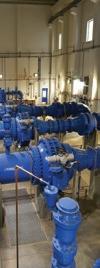

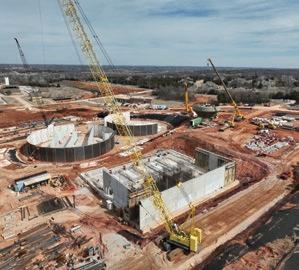
VALVES WE OFFER FROM 2 - 120”
Gate Valves AWWA Resilient Seated & Metal Seated
Butterfly Valves Resilient Seated, Lug, Wafer and Flange
Plug Valves Metal Seated
Ball Valve Metal Seated
Plunger Valves Energy Dissipating Control Valves
Pump Control Valves
Check Valves Swing Check Valves with Air/Oil Cushion, Ball Check Valves, HedFlex Duckbill Check Valves, Wafer Swing Check Valves
* Inventory sizes Thru 60” Available for Quick Shipment
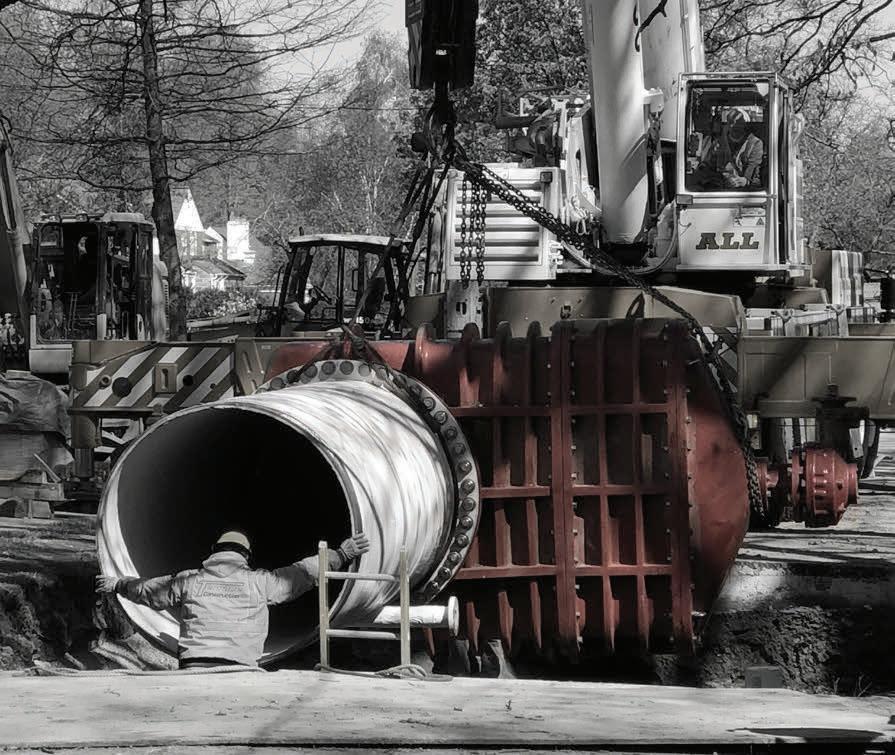
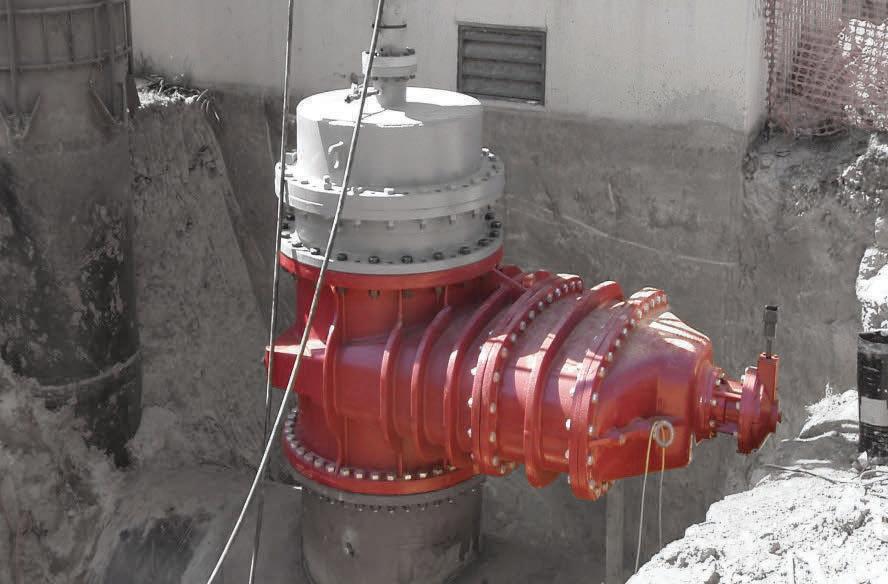
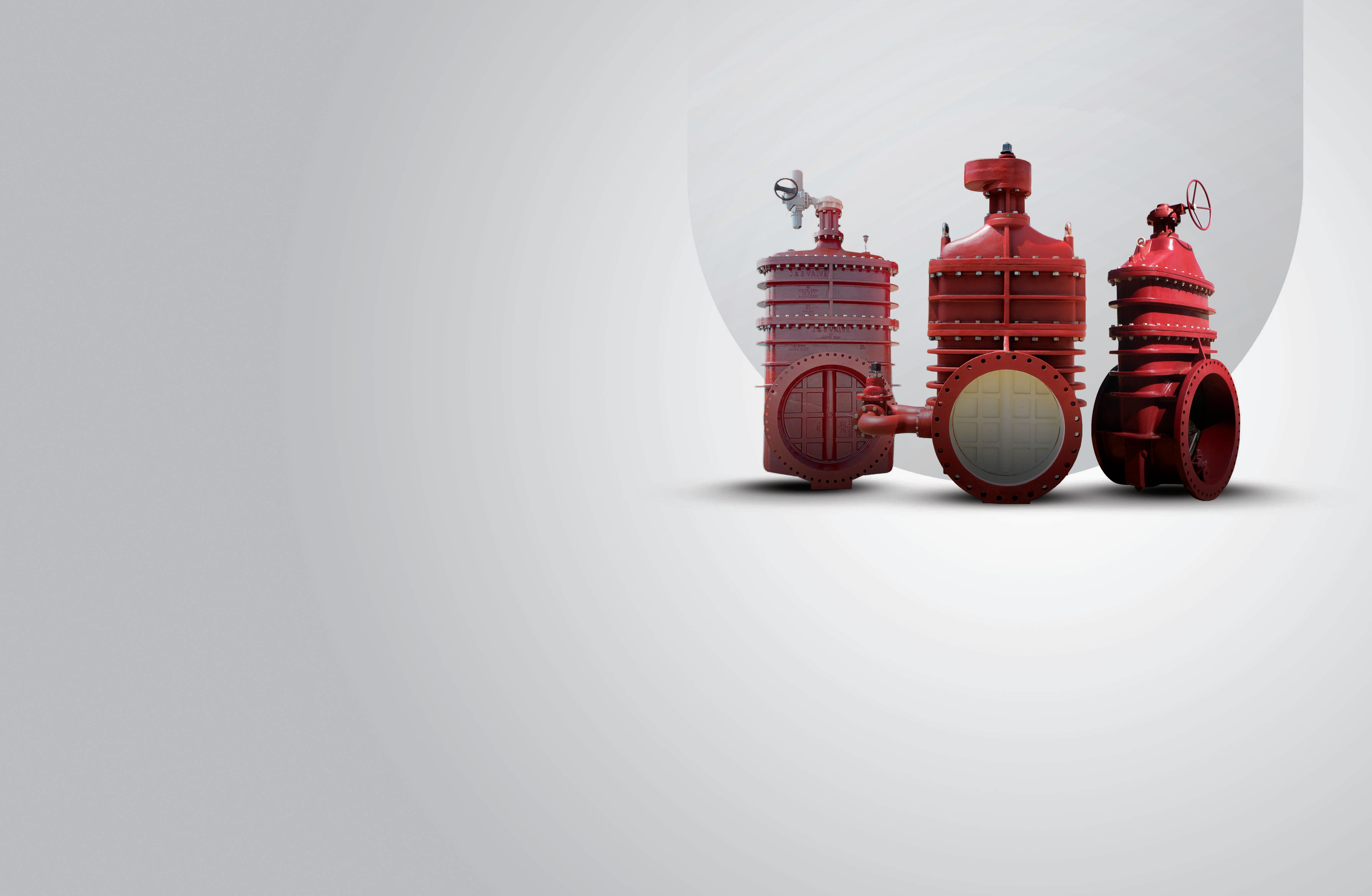
J&S Valve’s quality products have been solving the toughest flow control requirements in the waterworks industry. With a wide range of robust gate valve sizes and configurations.
J&S Valve is a leading producer of large robust gate valves for municipal and industrial applications. Valves available in sizes 2”- 120”.

deployment, and a reduced environmental footprint, making it an optimal and responsible choice for interim disinfection.
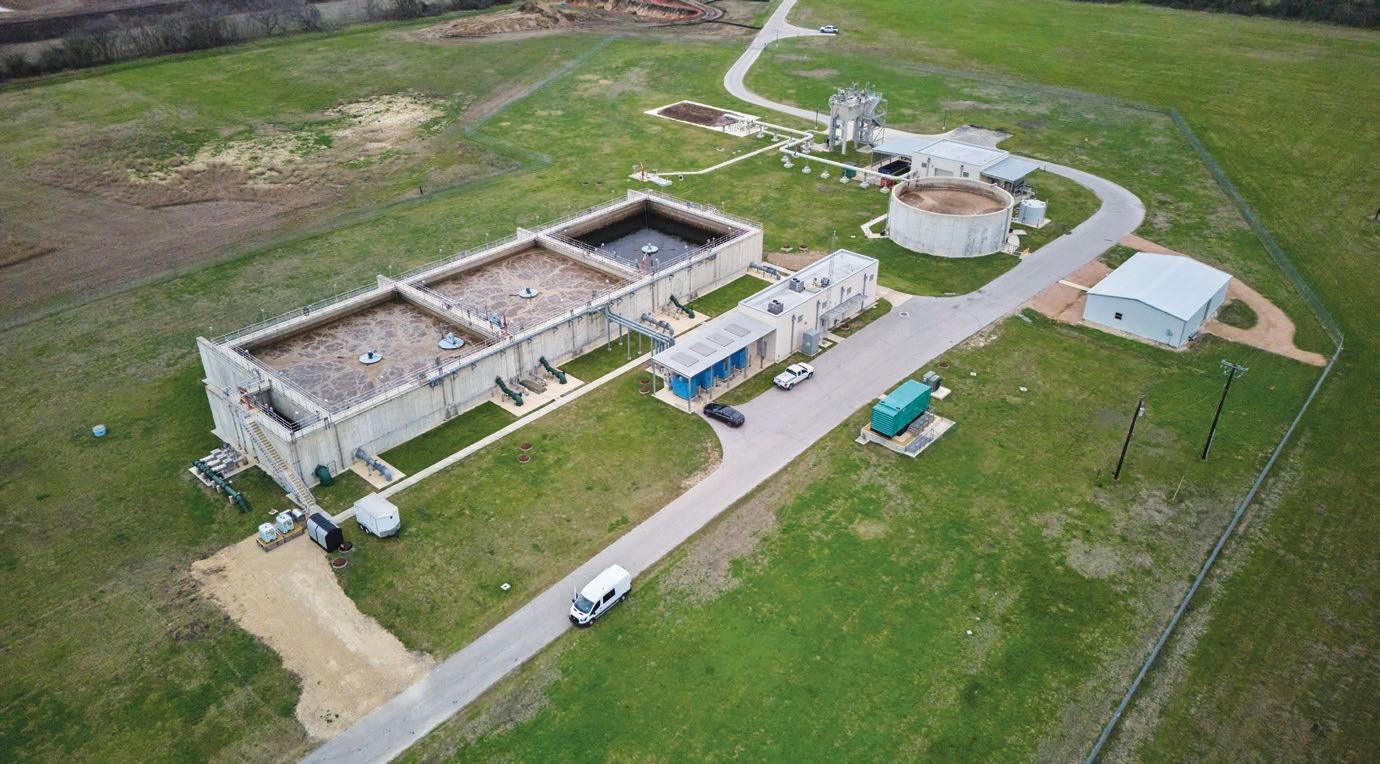
The Hutto South WWTP treats municipal wastewater before discharging it into Brushy Creek. Currently operating at a capacity of 2.5 MGD, the South WWTP is undergoing an expansion to 6 MGD to meet increasing

wastewater demands in the region. The South WWTP, shown in Figure 1, currently uses a multi-channel microwave ultraviolet (UV) disinfection system for its disinfection process. However, the age of the existing equipment has led to recent challenges in obtaining essential UV system components, such as ballasts and lamps. To address these challenges and improve performance and reliability, the City engaged Garver to evaluate alternatives for a temporary disinfection system that could be deployed while the new, expanded UV facility was being constructed.
After evaluating various options, the Garver Team identified PAA as the most suitable temporary chemical disinfection solution. As a result, the City selected PAA as a supplemental disinfectant to enhance system reliability and maintain regulatory compliance. This interim solution will provide redundancy for the existing system
and enhance treatment capacity until the scheduled expansion is completed in 2026. At that time, a new UV disinfection system will be installed, and the interim PAA system will be decommissioned.
Since the City needed a rapidly deployable temporary system to continue meeting their disinfection requirements, Garver evaluated multiple options, including temporary pad-mounted UV trailers and the use of PAA disinfection system. After careful evaluation, PAA emerged as the optimal choice because of its many advantages:
• Regulatory Compliance: Effectively meets water quality standards without leaving an oxidant residual that requires quenching before discharge.
• Safety: Easier and safer to handle compared to chlorine-based disinfectants.
• Environmental Benefits: Produces no harmful halogenated disinfection byproducts (DBPs).
• Storage and Management: Available in stable, bulk solutions easy to store and manage.
• Cost-Effectiveness: Easily retrofitted into existing systems with minimal modifications, making it a lowmaintenance and economic solution.
• Rapid Implementation: Ideal for situations requiring quick deployment.
• Reduced Environmental Footprint: Provides effective disinfection while reducing ecological impacts. These benefits made PAA a practical, efficient, and environmentally responsible choice for temporary disinfection at the South WWTP.

PAA is a fast-acting and powerful disinfectant composed of acetic acid (vinegar) and hydrogen peroxide (C₂H₄O₃). When dissolved in water, it breaks down into peracetate ions and hydrogen peroxide, both of which contribute to its antimicrobial properties. With a higher oxidation potential than chlorine dioxide and sodium hypochlorite, PAA disrupts the outer membranes of microorganisms, causing cell rupture and subsequent death. While PAA offers several advantages, it also introduces unique challenges when used for disinfection in a WWTP. PAA can contribute carbonaceous biochemical oxygen demand (BOD) to the wastewater effluent during disinfection. Additionally, overdosing can significantly affect effluent pH levels, potentially impacting downstream processes. To address these concerns, a 30-day full-scale testing cycle was conducted under Texas Commission of Environmental Quality (TCEQ)-approved testing protocols. The testing evaluated the impact of PAA on key parameters, including BOD, E. coli, and pH, ensuring the solution’s effectiveness while reducing operational risks.
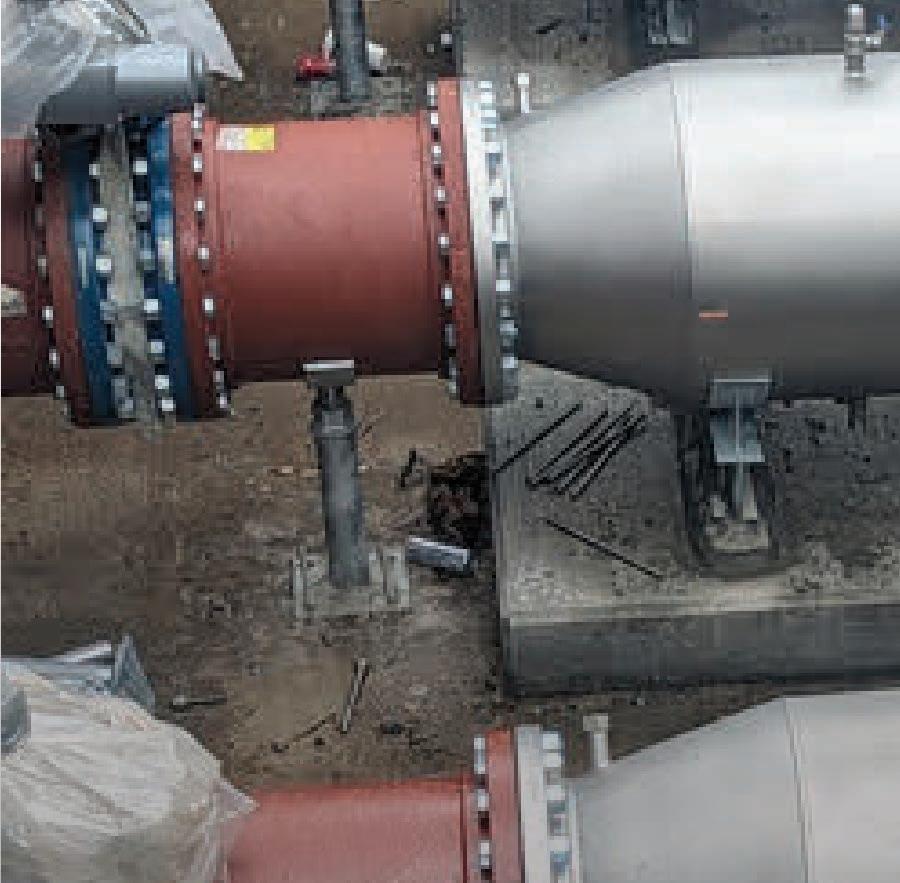
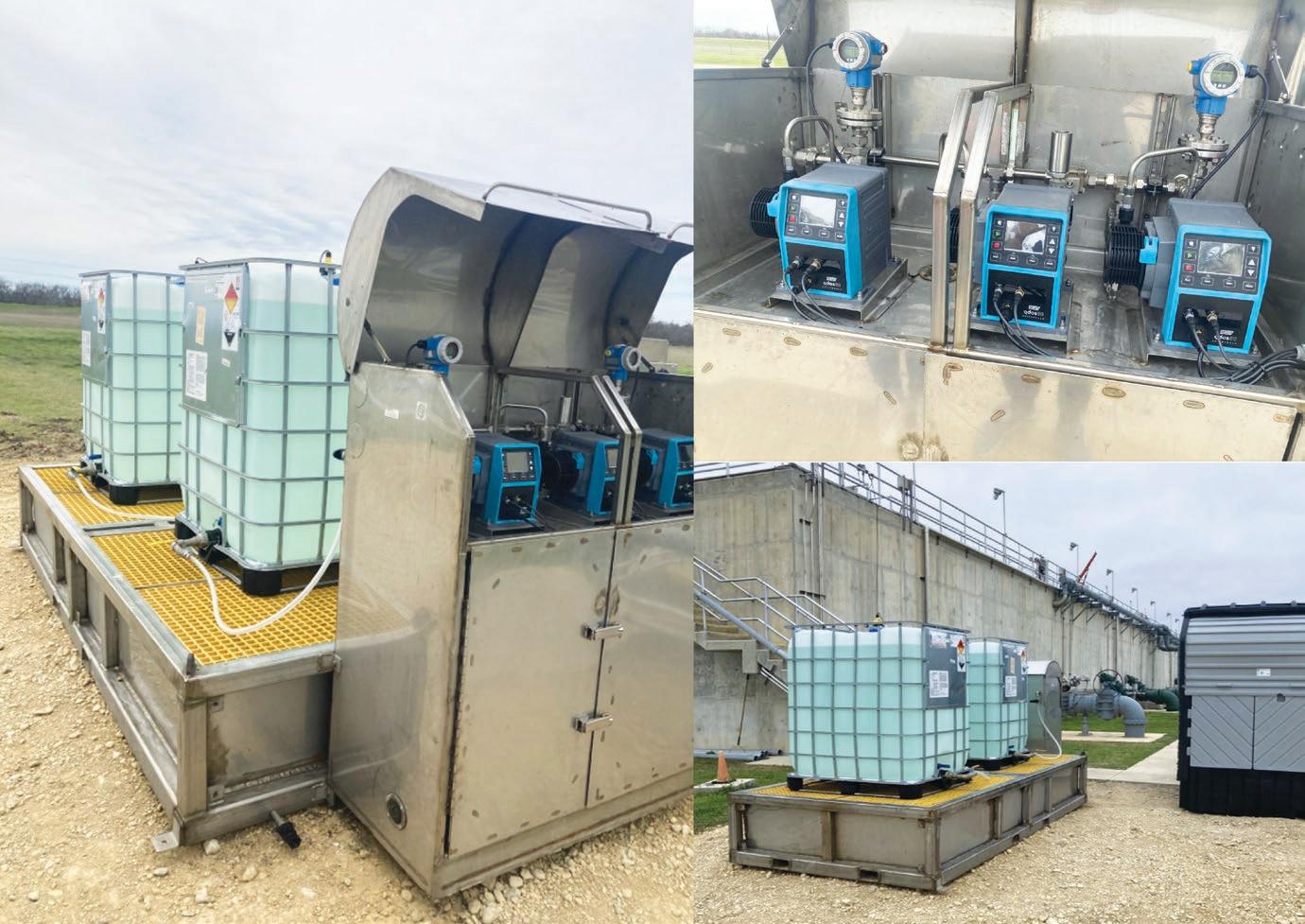
As the first PAA disinfection system in Texas, TCEQ required a 30-day full-scale pilot test for approval. The PAA system was installed by Enviro Tech, an Arxada company in February 2024. The system, shown in Figure 2, included three Qdos 60 peristaltic chemical feed pumps (15 gph each) housed in a 316 stainless steel enclosure for outdoor operation. A stainless-steel secondary containment tank (125% capacity for two totes) provided spill protection, while an additional roll-top containment system housed two extra 300-gallon totes for redundancy.
Garver, in collaboration with BRA plant operators, conducted a full-scale pilot test from February to March 2024. During this 30-day period, several key wastewater parameters were monitored while the PAA system operated for supplemental
disinfection. PAA was dosed upstream of the UV system, which remained in operation throughout the test. The monitored wastewater parameters included:
• BOD concentrations
• pH values
• Average and peak flows
• Contact time
• PAA dose and residual concentrations
• Disinfection efficiency (E. coli destruction)
• Hydrogen peroxide (H2O2) concentrations The full-scale pilot test aimed to:
1. Test different PAA dosages to determine the optimal PAA dosage for effective E. coli reduction.
2. Monitor wastewater parameters to confirm that PAA residuals would not impact the receiving water body.
3. Monitor wastewater parameters to confirm that PAA addition would not cause an exceedance of any discharge parameters outlined in the existing TPDES permit.
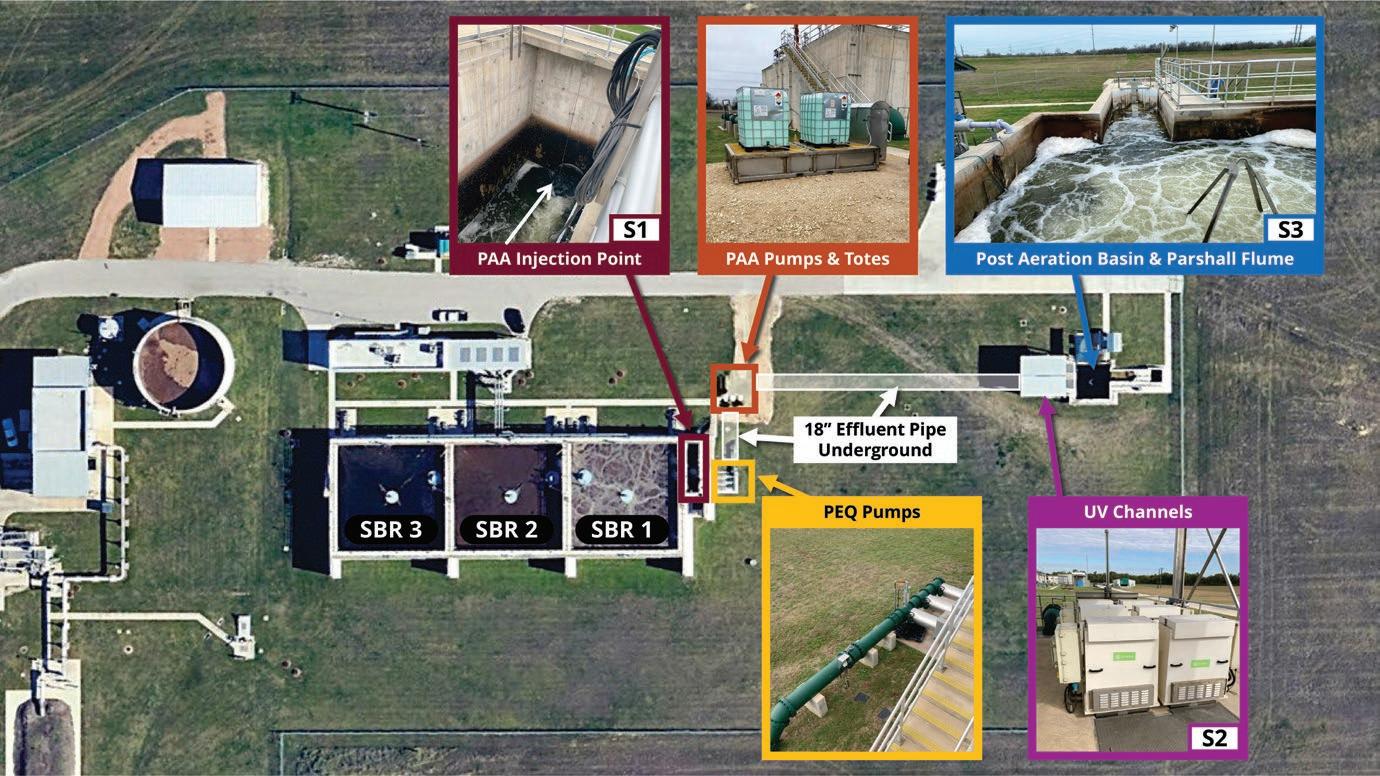
The PAA disinfection system was installed adjacent to the Post-Equalization (PEQ) basin. A stainless-steel injection line was routed from the PAA chemical station to the inlet pipe of the PEQ basin. Figure 3 shows the PAA chemical station, injection point inside the PEQ basin, and sampling locations S1, S2, and S3:
• S1 – Collected from the top of the Sequence Batch Reactor (SBR) basin
before effluent was transferred to the PEQ basin, serving as a baseline to assess the impact of PAA addition.
• S2 – Collected from the PEQ basin effluent before it entered the UV channels to evaluate the effectiveness of PAA disinfection prior to UV treatment.
• S3 – Collected from the Parshall Flume after the UV Channels to evaluate the performance of PAA with the existing UV system.
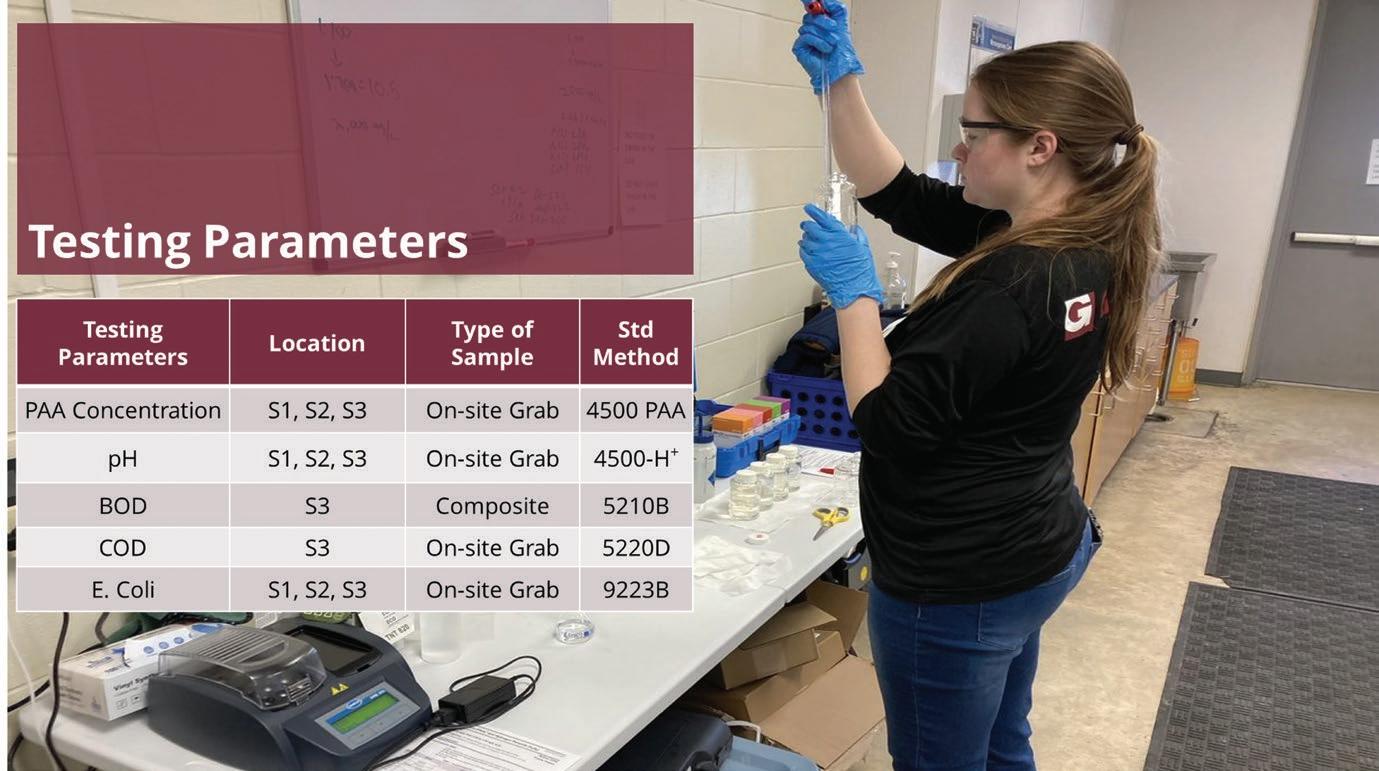
PAA concentrations were measured with a HACH DR900 spectrometer using the HACH Method 4500. The standard methods used during the full-scale testing are shown in Figure 4. During the full-scale testing period, four PAA dosages ranging from 1 mg/L to 2.50 mg/L were applied at the PEQ basin to determine the optimal disinfection levels for reducing E. coli concentrations. PAA residual concentrations were continuously monitored at S2 and S3, while hydrogen peroxide (H2O2) concentrations were monitored at S3.
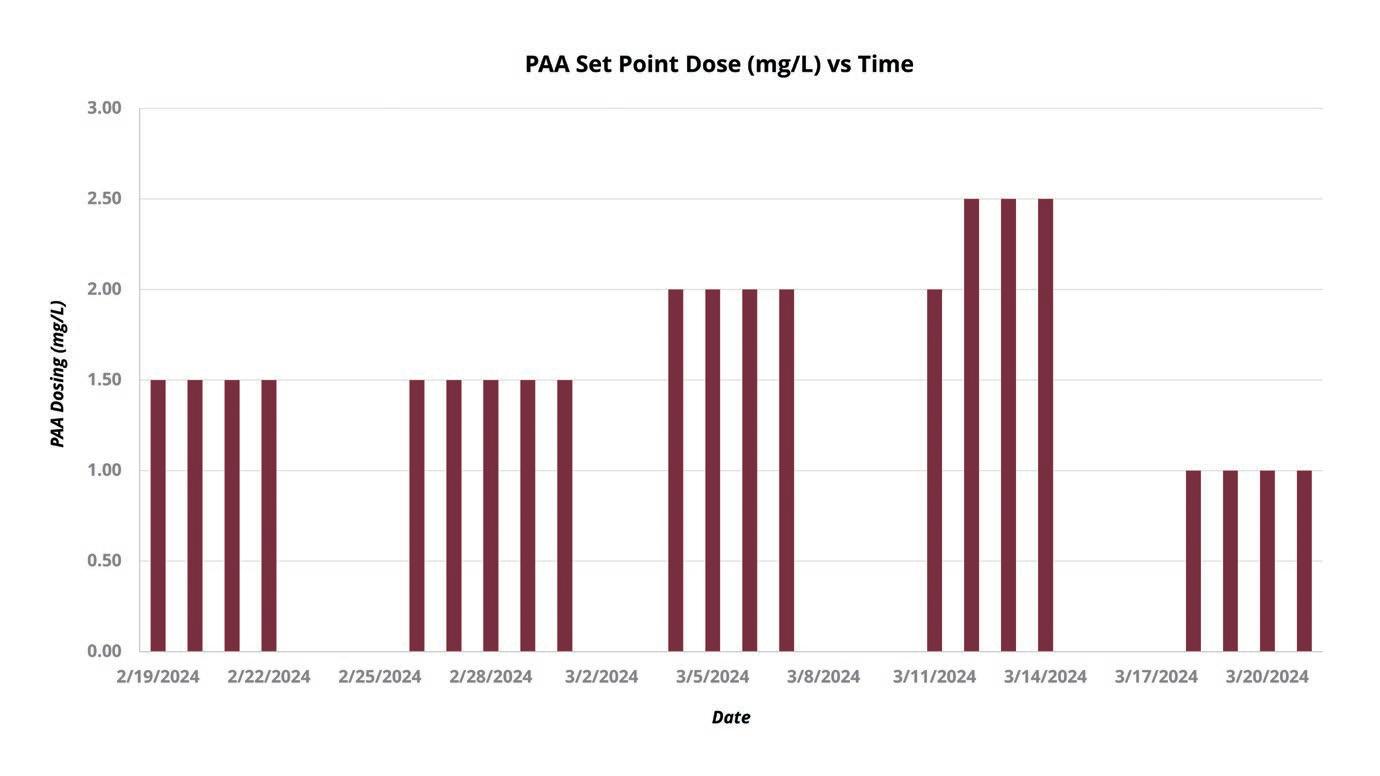
Figure 5 shows the different PAA dosages applied each week during the full-scale testing period. Wastewater samples were collected daily, Monday through Friday, from S1, S2 and S3 to assess the impact of PAA addition into the South WWTP on disinfection performance. The PAA system remained operational over the weekends to ensure continuous treatment.
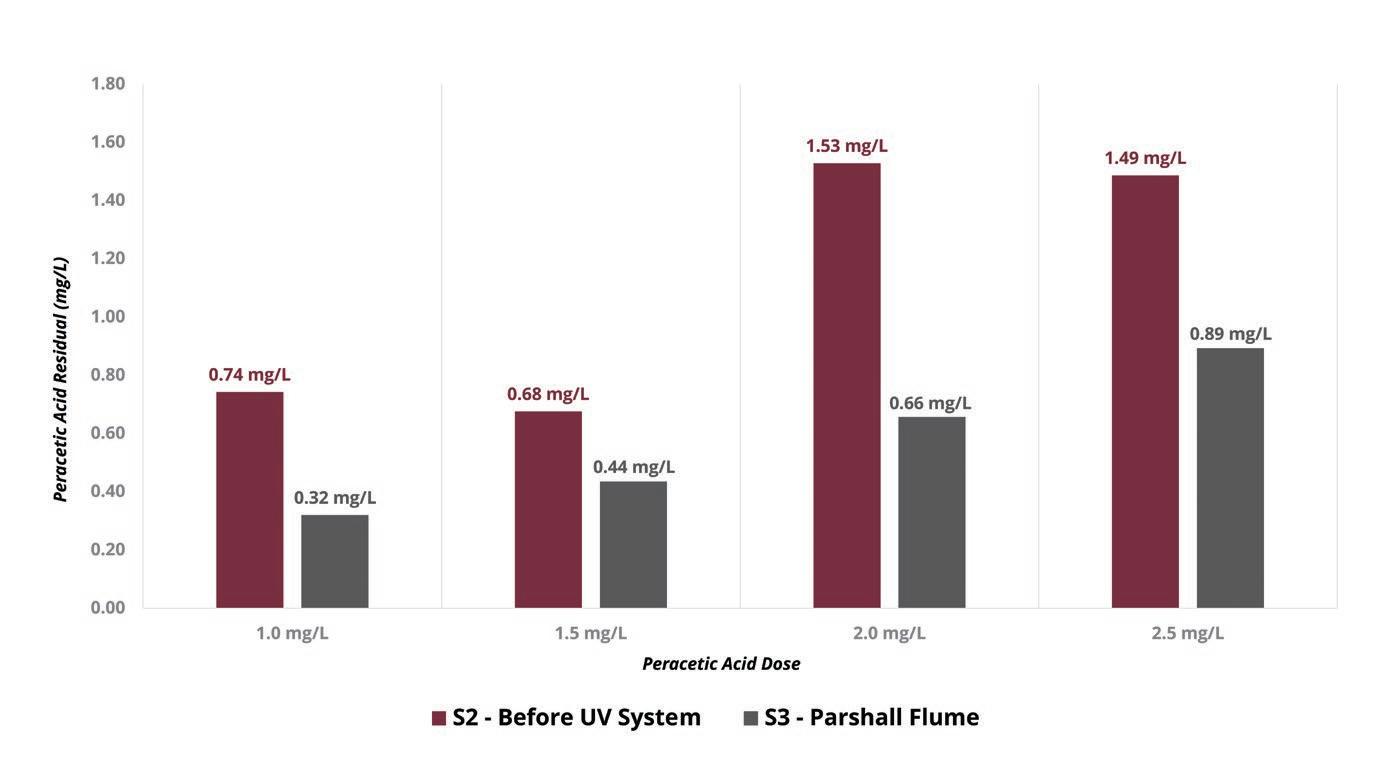
The PAA dosage applied at the PEQ basin varied from 1.0 mg/L to 2.5 mg/L. Additionally, the PAA residual concentration was continuously monitored at the postaeration basin. Figure 6 shows the average PAA residual concentrations for each dosage tested during the full-scale testing period. Based on these results, a PAA dose of 2.0 mg/L showed the best results. The PAA dose of 2.5 mg/L had a residual concentration of 0.89 mg/L, which was which was nearing the permit exceedance threshold of 1.0 mg/L.
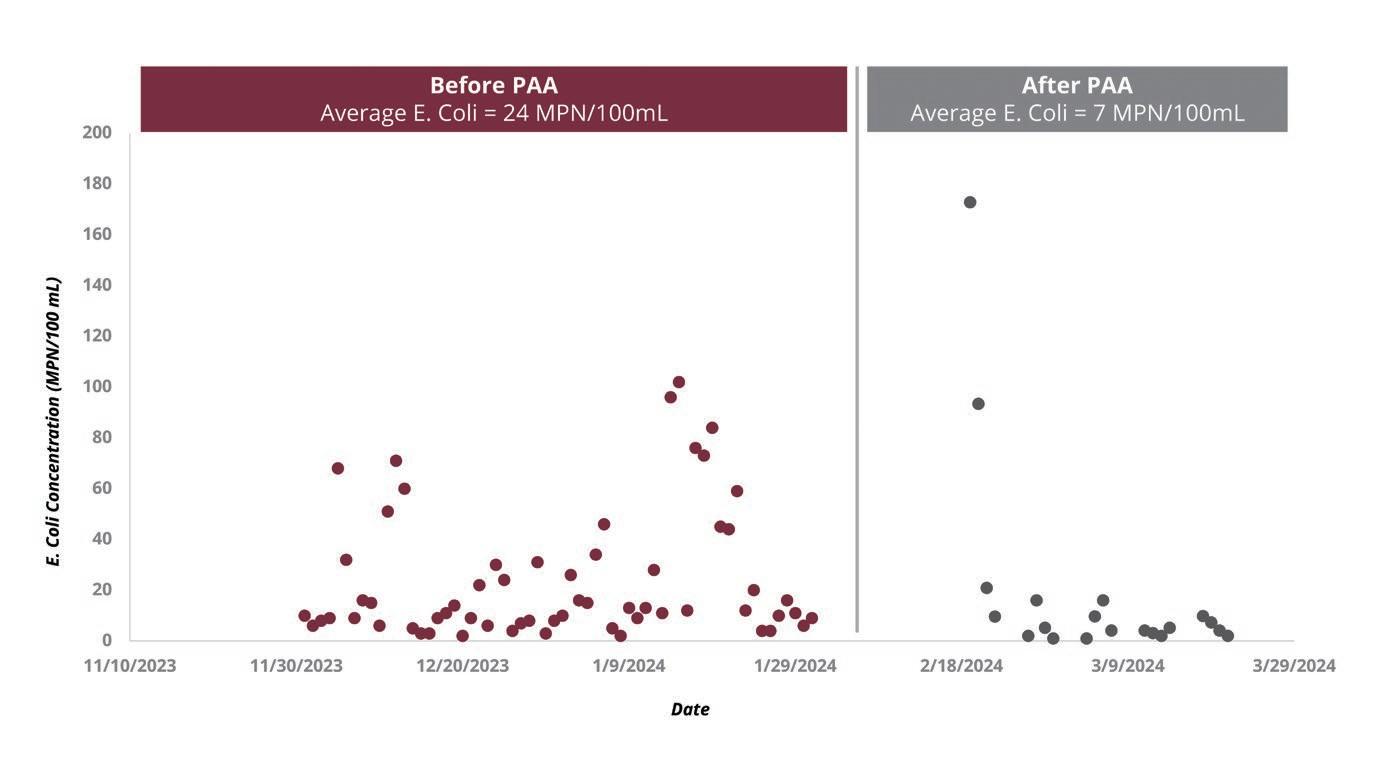
E.coli concentrations from December 2023 and January 2024, prior to the installation of the PAA disinfection system, were compared with those measured during the full-scale testing period. Data analysis revealed that the average E.coli concentration before the addition of PAA (UV disinfection alone) was 24 MPN/100mL. After the installation of the
PAA system, average E.coli concentration dropped to 7 MPN/100mL, representing a significant improvement in the plant’s disinfection capacity. Figure 7 shows the E. coli concentrations before and after the addition of PAA. Additionally, the data
showed that PAA alone inactivated 95% of the E. Coli before the UV system. The UV system further enhanced disinfection, increasing E. coli inactivation from 95% to 99%. Figure 8 shows the E. Coli concentrations at each disinfection zone.
During testing and full-scale operation, air bubbles in the tubing feeding PAA into the water were a challenge. Hydrogen peroxide, a component of PAA, releases oxygen gas, which can get trapped in the tubing, affecting pump calibration, and causing underdosing of PAA. Another issue involved PAA leakage from fittings and gaskets during operation. As a strong oxidant, PAA reacts with certain materials, such as PVC, which can degrade. To prevent chemical leaks, proper compatible materials for pump heads, gaskets, seals, and fittings should be used during operation.
DISINFECTION APPROVAL
Coordination with TCEQ resulted in the establishment of Texas’ first temporary municipal discharge permit for PAA disinfection. The interim permit established for the PAA disinfection system included a PAA residual limit of no more than 1 mg/L and the requirement to monitor and report hydrogen peroxide concentrations in the effluent. To further refine the permit requirements, TCEQ mandated a 30-day full-scale pilot trial of the PAA disinfection system, requiring detailed data reporting. To achieve regulatory compliance and obtain TCEQ approval, these steps were undertaken:
• Initial Testing: A 30-day testing period began with the PAA system operating in tandem with the existing UV system. During this period, key parameters such as pH, BOD, flow, temperature, E. coli concentrations, PAA residual, and hydrogen peroxide concentration, were monitored. Samples were collected from S1, S2, and S3 (shown in Figure 3) within the plant, and testing was conducted in alignment with the TCEQapproved protocol.
• Data Analysis and Documentation: Following the testing phase, the data collected was analyzed and compiled into a comprehensive Technical Memorandum. This document analyzed the correlations between PAA dosage
“These findings confirm that PAA, both as a standalone and supplementary disinfection system, is a reliable and effective disinfection solution that enhances wastewater treatment while meeting regulatory and operational standards.”
and changes in pH, BOD, and E. coli concentrations, providing critical insights into the effective operational parameters for the PAA system.
• Submission and Approval: The finalized Technical Memorandum was electronically submitted to TCEQ for review. On June 8, 2024, TCEQ granted approval for the PAA disinfection system at South WWTP. This approval marked the successful completion of the regulatory compliance process and confirmed PAA as a viable alternative to traditional disinfection methods.
The testing demonstrated that PAA is a highly effective disinfection system for wastewater effluent with these key findings:
• PAA can be effectively used as a disinfection system for wastewater effluent.
• PAA alone can reduce E. coli concentrations by up to 95%.
• When used in combination with UV disinfection, PAA can further reduce E. coli concentrations, achieving up to 99% reduction.
• No significant changes to BOD loading were detected at PAA concentrations below 2.5 mg/L.
• Concentrations above 2.5 mg/L could exceed TCEQ’s established PAA residual limit of 1 mg/L.
• No significant changes to pH levels were observed during the testing period.
• Hydrogen peroxide concentrations remained below 0.2 mg/L in final effluent samples.
These findings confirm that PAA, both as a standalone and supplementary disinfection system, is a reliable and effective disinfection solution that enhances wastewater treatment while meeting regulatory and operational standards.

Figure
E
Ankita Jain, PE
Ankita is a Water and Wastewater Engineer with over 6 years of experience, specializing in the design, management, and optimization of water and wastewater facilities. She has expertise in groundwater treatment plant expansions, UV disinfection systems, chlorine feed systems, nonpotable water systems, and hydraulic and GIS modeling. With a strong background as both a project engineer and assistant project manager, Ankita has successfully led the development of new treatment facilities and system expansions, ensuring regulatory compliance and efficient project execution. She holds a master’s degree in civil engineering from Texas A&M University and is a licensed professional engineer in Texas. Ankita joined Garver in 2023 and is now a Project Manager based in the Austin office.
1. Bettenhausen, C. A. (2020, April 20). How peracetic acid is changing wastewater treatment. Retrieved from Chemical & Engineering News: https://cen.acs.org/ environment/water/peracetic-acidchanging-wastewater-treatment/98/i15
2. Environmental Protection Agency. (2012, September 1). Alternative Disinfection Methods Fact Sheet: Peracetic Acid. Retrieved from epa.gov: https://www. epa.gov/sites/default/files/2019-08/ documents/disinfection_-_paa_fact_ sheet_-_2012.pdf
3. Hird, D., & Wilson, J. N. (2022, 11 22). Water Technology. Retrieved from Water Tech online: https://www. watertechonline.com/wastewater/ article/14285607/paa-and-biologicaloxygen-demand-in-wastewater
4. Sousa, D., Dias, R., Lourinho, R., & Mauricio, R. (2023). Exploring the Potential of Peracetic Acid for Wastewater Disinfection: Insights from a PilotScale Study. Journal of Environmental Engineering, Volume 150, Issue 1.


This article features excerpts from the Water Collaborative Delivery Association’s (WCDA) Water and Wastewater Collaborative Delivery Handbook, 6th edition, and is published with permission of the WCDA.
Collaborative delivery is the fastestgrowing form of project delivery in the water and wastewater industry. Collaborative delivery methods include:
• Construction Management At-Risk (CMAR)
• Progressive Design-Build (PDB)
• Fixed-Price Design-Build (FPDB)
• Design-Build-Operate (DBO)
• Public-Private Partnerships (P3)
While each collaborative delivery method is unique from the other in terms of team structure, procurement, and contracting, each leverages the power of collaboration and innovation as the primary drivers for success. Widely adopted in other sectors such as transportation and power, collaborative delivery represents a full range of approaches to water and wastewater project procurement and delivery involving close collaboration among all stakeholders – the owners, designers, constructors, operators, technology providers, and equipment suppliers.
Collaborative delivery methods go beyond traditional design-bid-build (DBB) by providing a wider range of solutions to address specific water and wastewater project needs, integrating both the design and construction phases to optimize innovation, schedule efficiencies, constructability, bidability, and risk management.
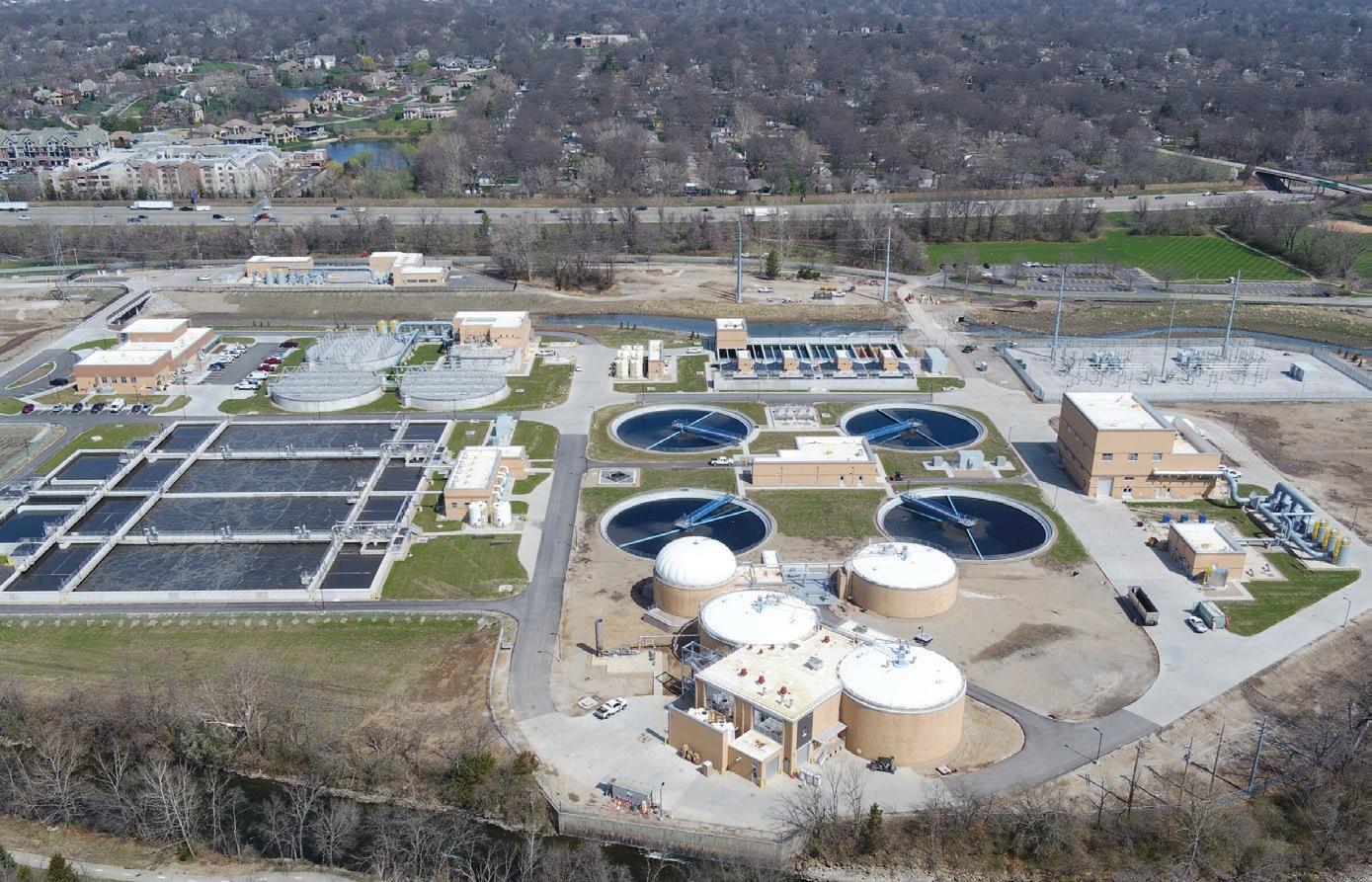
FACILITY EXPANSION (KS) (CMAR)
“The Tomahawk Creek Expansion was the largest capital project ever undertaken in Johnson County’s history. There were many critical considerations for us, including ongoing operational costs, a major rehabilitation of an existing facility, and the overall project schedule. These factors led us to select construction management at-risk as the preferred delivery method. The collaborative
team of JCW, McCarthy, Black & Veatch, and HDR allowed us to effectively navigate those potential hurdles and provide value-driven constructability input, project cost certainty, and transparent risk management. This project was completed ahead of schedule and on budget. Based on those successes, we’ve elected to use the method once again for our next large project, the Nelson Complex Improvement Project.”
– Susan Pekarek, General Manager, Johnson County Wastewater

Successful collaborative delivery projects harness the unique talents and resources of team members under one common goal: successful project outcomes. Successful collaborative delivery projects are grounded in shared accountability, trust, teamwork, and transparency. By working collaboratively through all stages of the project, team members benefit from early involvement and planning; continuous problemsolving and communications; collective decision-making; and ongoing checks and balances. In the end, successful project outcomes are achieved with more innovation, project certainty, cost control, schedule efficiencies, and overall value with less risk of conflict.
Think about previous projects that did not go well:
• Bid day brought an unpleasant surprise regarding cost vs. budget, forcing you (the owner) to secure more funding, reduce scope, or re-bid the project –often resulting in delays.
• Electrical gear or treatment equipment (or even pipe) could not be delivered in time to keep the project on schedule or was stranded overseas for various reasons.
• Permitting was delayed and disrupted the project schedule, possibly adding costs for remobilization or design changes.
• The plant was expanded with legacy equipment even though more efficient,

smaller-footprint, or lower life-cycle-cost alternatives exist in the market.
• The project was completed, but there was not enough incoming flow for start-up.
• The Owner’s, Engineer’s, and Contractor’s teams were all Type As, and everything was a fight.
• The constant “nickel and diming” throughout the project (we’ll speak more of this later when we talk about shared perspectives).
Owners choose collaborative delivery because of its proven ability to drive better project outcomes with more innovation, control, certainty, and value. Some benefits of collaborative delivery include:
• Faster project delivery
• Cost savings
• Reduced risk
• Early engagement of the project team
Like water itself, innovation flows through every challenge and shapes new possibilities. For over 90 years, Carollo has pioneered breakthroughs in water technology – from resilient infrastructure protecting growing communities to groundbreaking solutions safeguarding public health and ecosystems. At Carollo, innovation isn’t just about what’s new – it’s about what’s necessary. Every advancement, every improvement, and every solution flows from a single purpose: shaping a future where water enriches every community it touches.
• Constructability reviews integrated early in design
• Advanced innovation
• Improved price certainty
• Quality and value management
• Early mitigation of supply chain risks
• A commitment to collaboration and shared success from the outset of the project
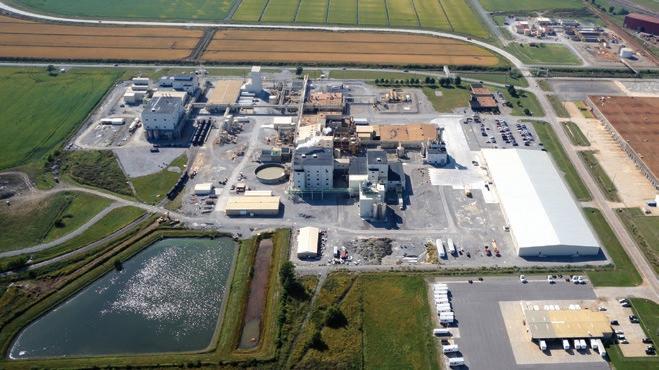
The new facility was delivered within BioKyowa’s $8.1 million budget and not only on time, but just 13 months from preliminary design to substantial completion. In operation since August 2014, the upgraded plant has an unblemished record of regulatory performance for bacteria reduction. The level of MBR water treatment technology goes beyond the norm for an industrial discharger, demonstrating BioKyowa’s commitment to exceeding regulatory requirements. As the demand for BioKyowa’s products continues to grow, the newly upgraded WWTP now enables the plant to expand production, create new jobs, and contribute to Cape Girardeau’s economy – while decreasing its environmental impact on the Mississippi River. The plant’s design, which uses modular components, will facilitate future expansion.
When an owner decides to use collaborative delivery for a project, it expects its partners to bring strong technical expertise, construction capability, and sound project management. But project success also depends on how
the owner’s organization engages in the process.
Collaborative delivery is not “business as usual.” It requires different behaviors, faster decision-making, and stronger communication than traditional design–bid–build. Owners that approach it with the same processes and expectations used for conventional delivery often experience delays, added costs, and reduced collaboration.
To be effective, collaborative delivery requires participation from multiple departments – planning, engineering, operations, procurement, legal, finance, and public outreach. Each plays a critical role in both procurement and project execution. Staff must be prepared to contribute time, coordinate internally, and support timely decisions that keep the project moving. When an owner’s internal processes or culture inadvertently creates obstacles, projects can take longer, cost more, and fall short of the cooperative environment that collaborative delivery is designed to foster.
Andrew Carlson, Branch Chief of the OMD’s (Oklahoma Military Department Planning and Construction Branch, has overseen more than half a billion dollars in Design-Build Done Right® construction. Whenever there is a major acquisition on the horizon, Andy procures it with DBIA’s Design-Build Done Right® principles and hosts a three-day boot camp for DBIA certification, along with additional courses. He attributes the success of his projects to all team members attending this training and having an attitude and a heart for cooperation, collaboration, and having fun on the job.
Getting educated about collaborative delivery is a great first step, and training is available to you and your staff from the Design-Build Institute of America (DBIA) and the Water Collaborative Delivery Association (WCDA). Involving all stakeholders in the education process, including engineering, operations, procurement, and legal staff, can help ensure alignment and shared
understanding of the collaborative delivery process.
Remember earlier when I said we’d talk about shared perspectives? Have you ever wondered why a project might be plagued with RFIs and change orders? The answer is not usually the “dirty, rotten contractors” trying to get away with robbing you. I think it is explained best in a WCDA blog titled “Three steps to overcoming your fear of collaborative delivery methods”:
So many business innovations, including within construction, focus on breaking down silos – silos of data, knowledge, skills, or resources. Taking a closer look at design-bidbuild, it is a highly siloed process. An owner and architect/engineer can spend two or three years designing a project. Then, when it goes out to bid, contractors have a month to essentially become experts on it, plan how to execute it, and put forth their lowest price possible to win the project. Disputes over gray areas, problems with the plans, and unconstructible elements are all bound to occur, and they do.
This is why a lack of trust exists between owners and contractors. For decades, we’ve operated with a “low-bid mentality.” To be low on bid day, a contractor has to interpret the plans to do the minimum – not the maximum – to be successful.
We must unlearn the low bid, low trust mentality. It is not a good business decision for the contractor to “assume intent” or cover for the most expensive option if it is unclear, even if they end up having to provide it. For a low-bid project, the contractor’s only option is to gamble on which risks to cover and which risks they hoped wouldn’t happen, no matter how that actually pans out. They simply cannot include all the “what ifs” if they want to be low and stay in business. They are also responsible for a successful project, and that includes covering all expenses and sending some money home if they want to keep a job. (Side note: early RFIs are a good management practice to get the unknowns answered timely to avoid or minimize higher costs or delays when discovered later in the project).
WWTP IMPROVEMENTS, SALINA, (KS) (PROGRESSIVE DESIGN-BUILD)
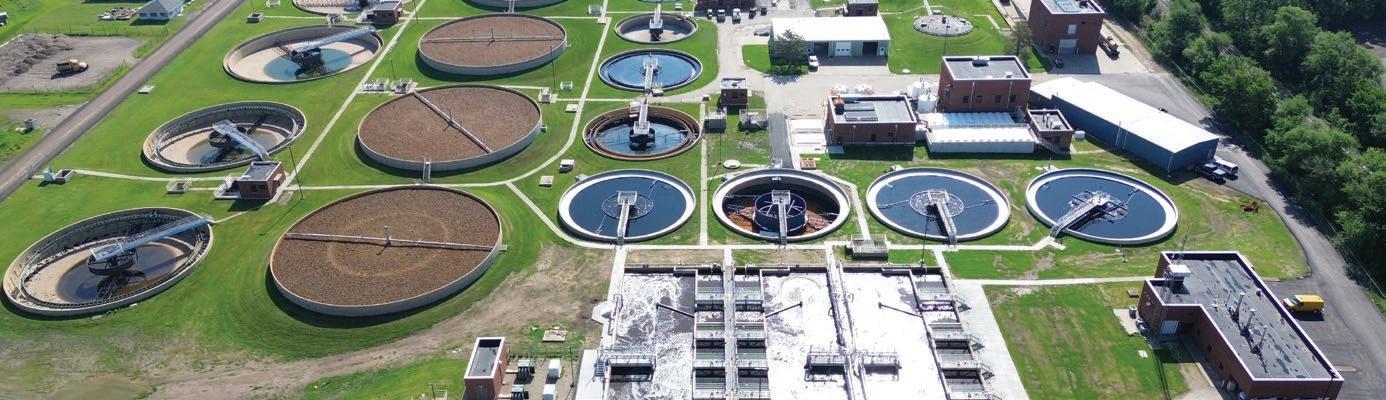
Benefits Experienced from Collaborative Delivery:
• High levels of collaboration during Phase 1, which drove best value and targeted the desired scope and price
• Construction staff engagement during the design process, which allowed for effective constructability and operational reviews
• Transparent communication during volatile market conditions which assisted in the owner’s understanding of the drivers for cost increases and allowed decisions on scope to be made

Collaborative delivery methods rely on a higher level of teamwork and shared risk, ensuring that all participants are invested in achieving a successful project that meets the owner’s objectives. When owners and engineers openly communicate what keeps them up at night - whether that be a consent decree, permitting deadlines, market uncertainties, or anticipated growth beyond the project’s original scope - they enable the contractor to apply their expertise to address these issues rather than simply “build the plans”. This transparency fosters shared ownership of both risks and solutions. As Leofwin Clark, WCDA’s Education Director, notes, “All of us are much smarter than each of us”.
Through continuous collaboration, planning, problem solving, decision making, and communication, teams reduce the likelihood of conflict and costly delays while creating more opportunities for innovation.
Successful collaborative delivery projects are grounded in trust, teamwork, and transparency. They harness the unique talents and resources of all team members to achieve one unified goal: successful project outcomes.
Water and Wastewater Collaborative Delivery Handbook, 6th Edition, WCDA 2023.
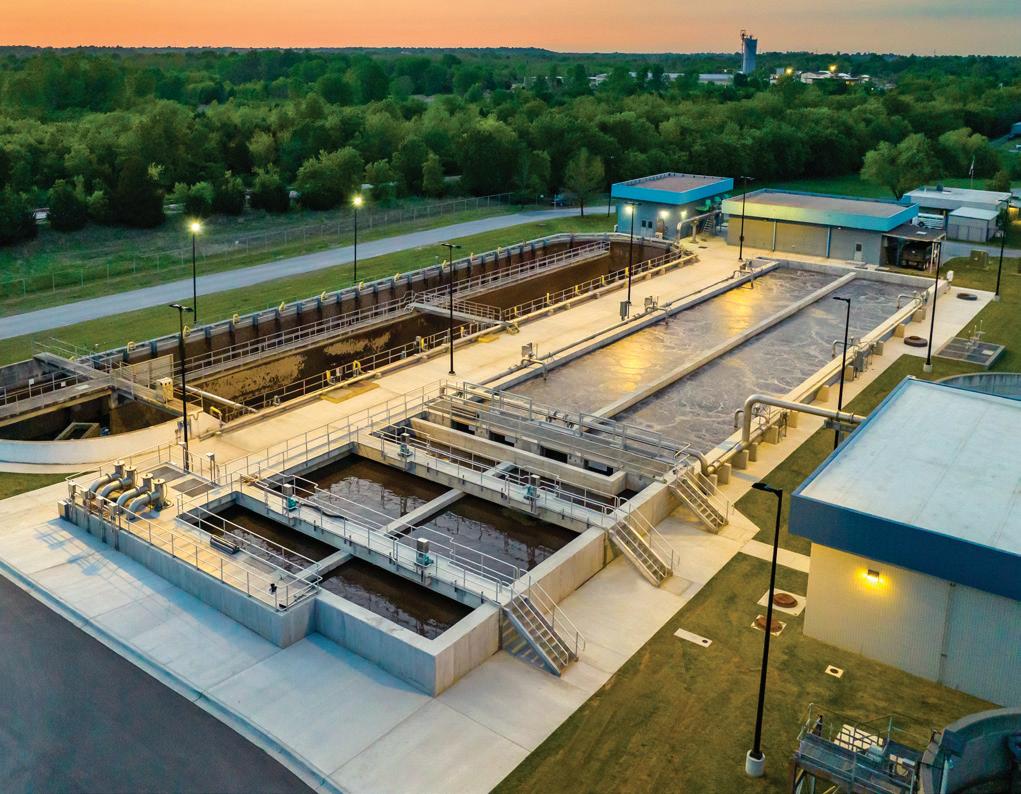
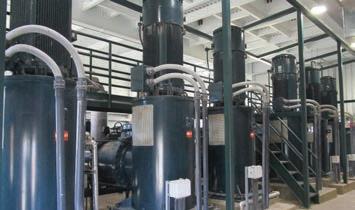
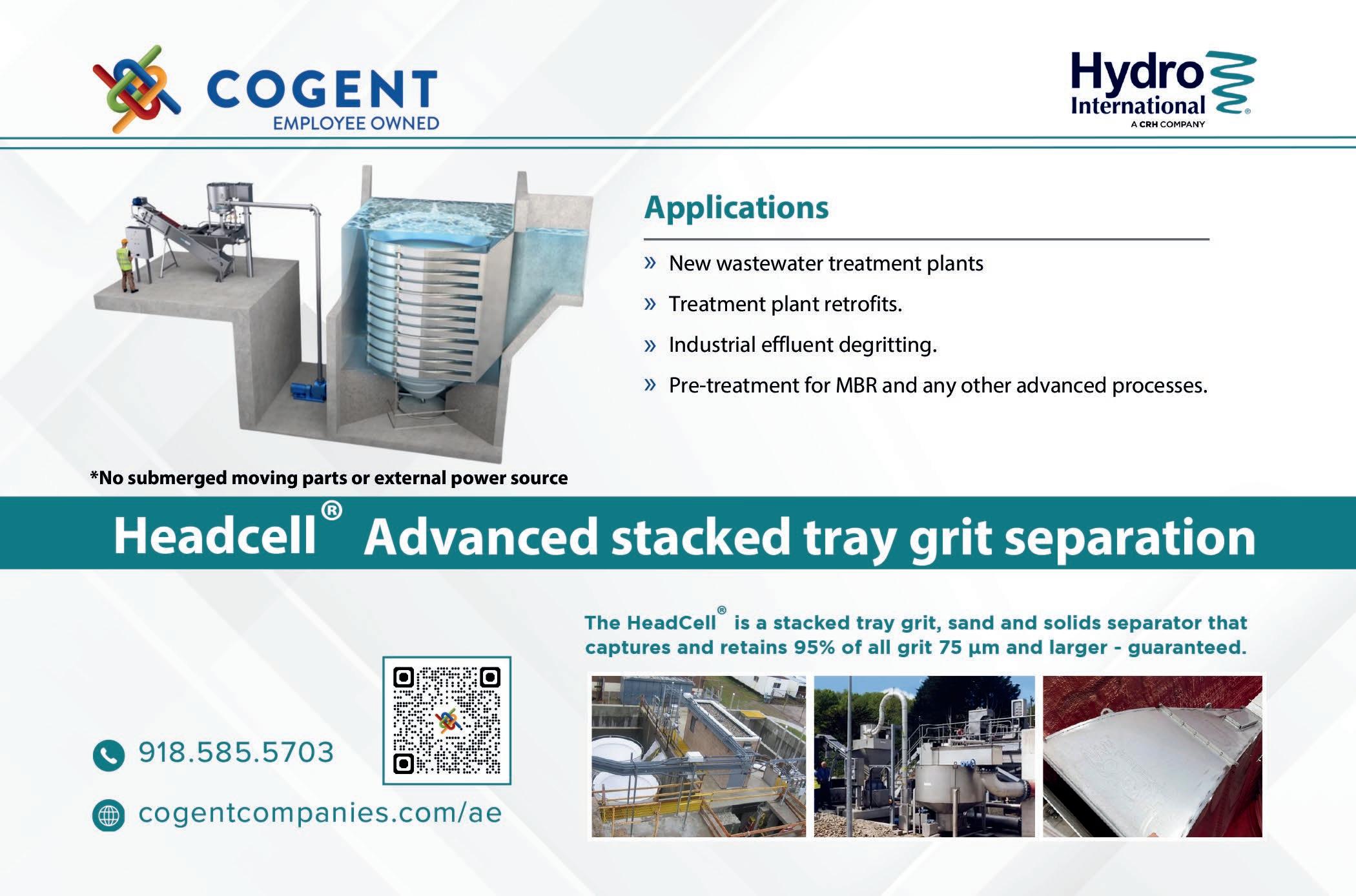


















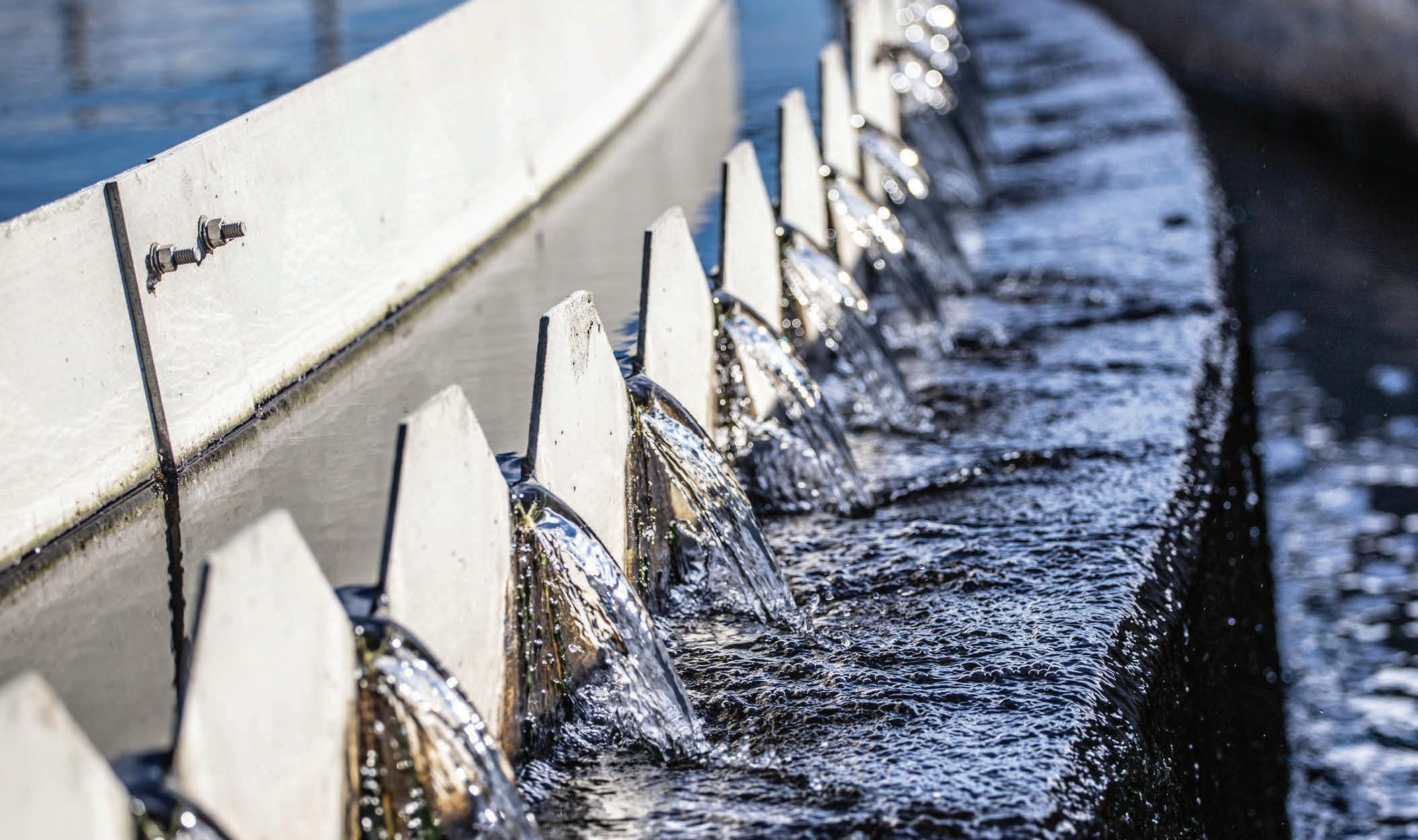






The Splash is made possible by the companies below who convey their important messages on our pages. We thank them for their support of OWEA and its publication and encourage you to contact them when making your purchasing decisions. To make it easier to contact these companies, we have included the page number of their advertisement, their phone number, and, where applicable, their website.













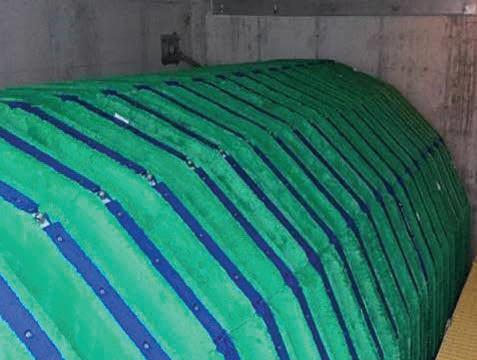
• Primary filtration application
• TSS removal greater than 80%
• BOD removal greater than 50%
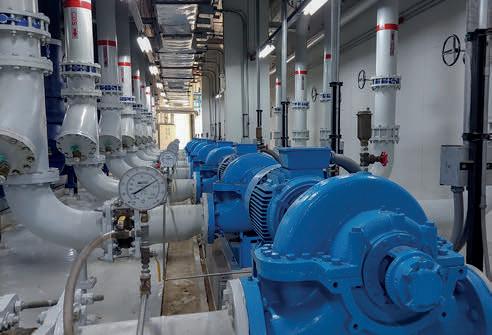
The AquaPrime® filtration system utilizes OptiFiber PF-14® pile cloth media in a disk configuration with three zones of solids removal to effectively filter wastewater, including wet weather flows without the use of chemicals. The system is designed to handle a wide range of flows in a fraction of space compared to conventional clarifiers.
AquaPrime is ideal for primary filtration, primary effluent filtration and industrial wastewater due to its proven removal efficiencies and high quality effluent, even under varying influent conditions.
• Specifically designed floatable and settled solids removal zones
• Reduced energy costs in the secondary process due to reduction in organic loading
• More solids for increased biogas production in anaerobic digesters
• A footprint that is 15-20% of conventional primary treatment