

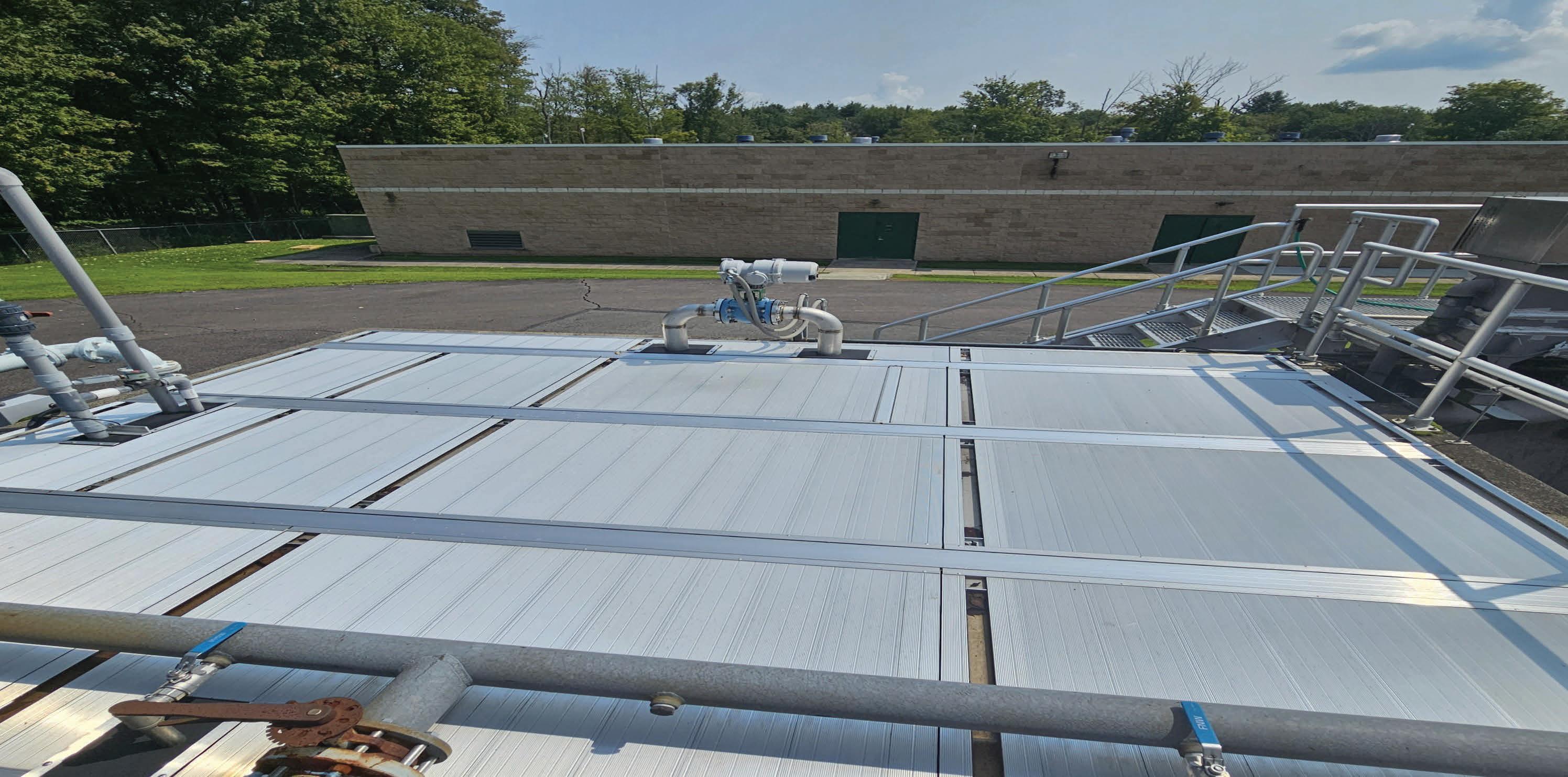

























Application √ Double Interlocking Constructio √ 6 (Standard) or 3 Wide Deck Plank √ 20+ 606 T6 Aluminum Extrusion






√ 50 psf Live Load (Standard Design


√ 400 Lbs. Concentrated Loa √ L/240 Live Load Deflection Limi





Piece Extruded Hing

Gasketed Interlock & Edge Handle


√ Hinged & No Hinged Cover Panel √ Easy Panel Remova √ NEBB Leak Test Certifie





Interlock Beam/Support Member

Santoprene Gasket

Slide Latching System

Flush or Top Moun


Sturdy Wal Safe Cove


Slip Resistant Striation

Standard Year Warrant



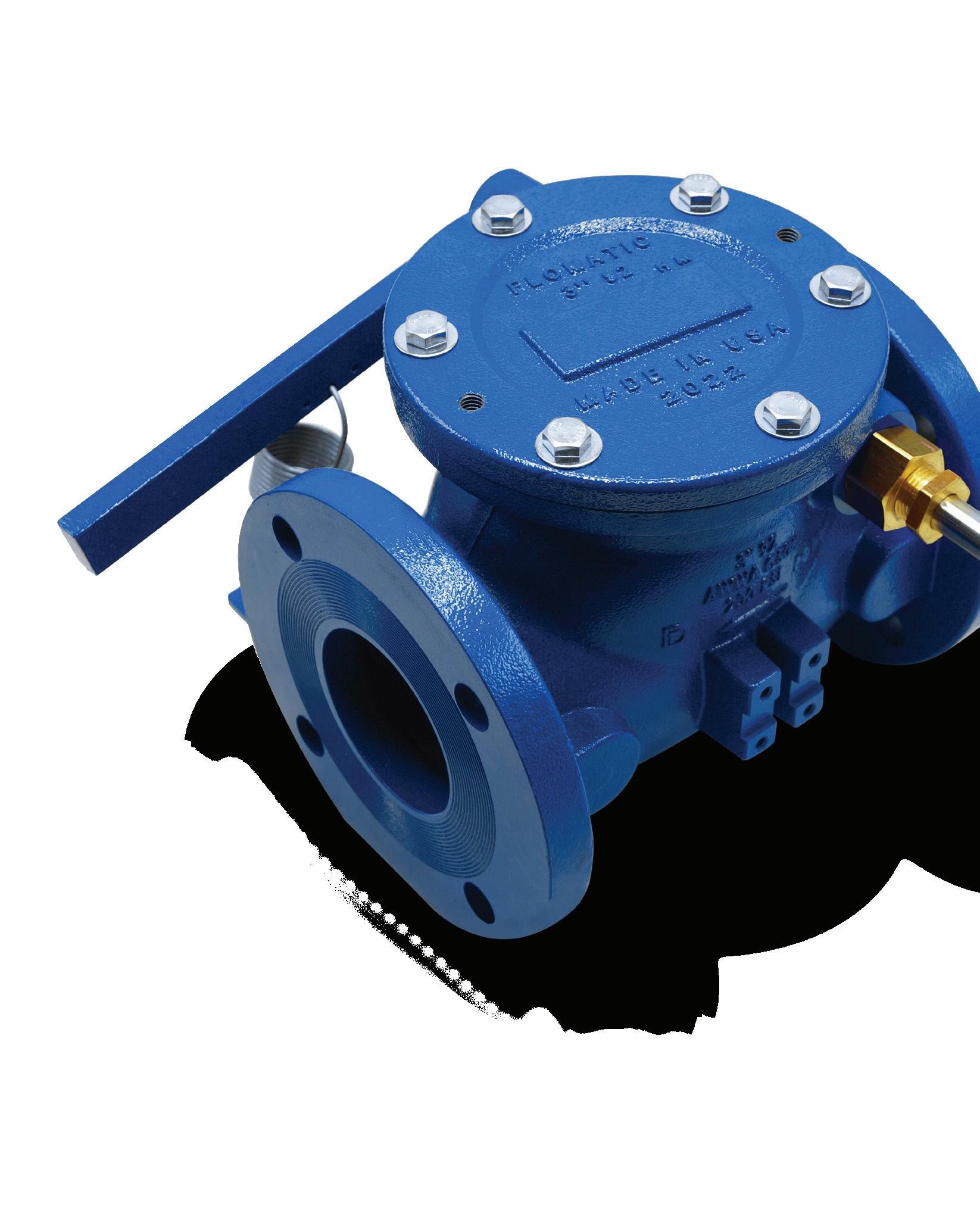
Explore AIS‑Compliant Valves Backed by American Craftsmanship
Built by American hands that take pride in every detail, our AIS‑compliant check valve lineup is engineered to perform long after installation. Three field‑ready solutions—crafted with precision, tested for reliability, and supported by a team that stands behind the work—so your wastewater system keeps flowing efficiently, project after project.
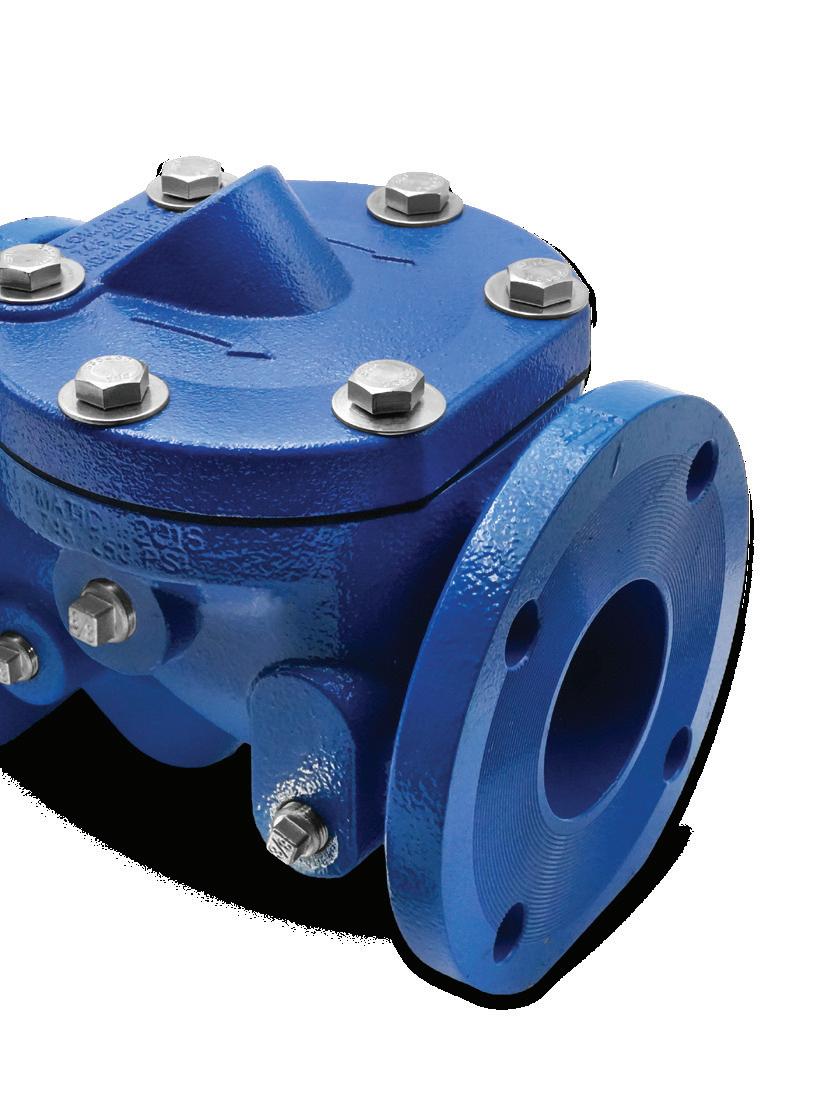
Flomatic’s AIS‑compliant line of check valves for water & wastewater applications. Explore more at www.flomatic.com


Ryan
CHAIR-ELECT
Richard Fedder Raftelis
PAST CHAIR
Christopher Woodcock Retired
TREASURER
Chi Ho Sham
Independent Consultant
SECTION DIRECTOR
Renee Lanza
GEI Consultants Inc.
MASSACHUSETTS TRUSTEE
Peter Salvatore
Boston Water & Sewer Commission
MAINE TRUSTEE
Patsy Root
IDEXX Laboratories, Inc.
NEW HAMPSHIRE TRUSTEE
Sarah Trejo Aquarion Water Company
RHODE ISLAND TRUSTEE
Carleigh Samson
Corona Environmental Consulting, LLC
VERMONT TRUSTEE
Andrew Evans
RCAP Solutions
YOUNG PROFESSIONAL
Cielo Sharkus
Endicott College
EXECUTIVE DIRECTOR
Hillari Wennerstrom
Mosaic AMC LLC
COMMUNICATIONS COMMITTEE
Sarah Trejo – Editor and Chair

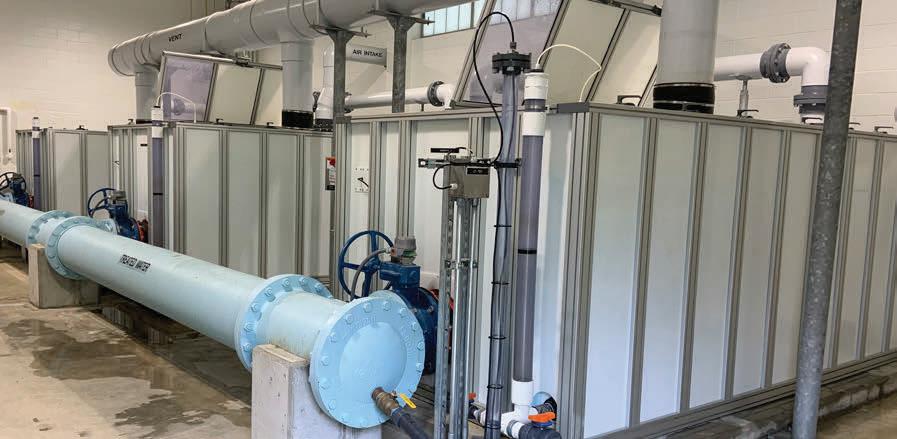
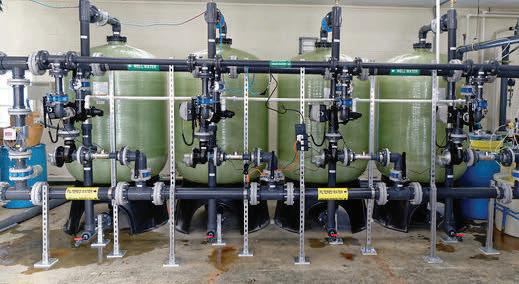
The DeepBubbleTM Multi-Stage Air Stripper
• High efficiency deep stages
• Dependable performance
• Corrosion proof
• Insulated, no-sweat tank
• Robust, reliable operation
• Low maintenance / Long service life Optimized for:
• Lead & Copper/Corrosion Control without Chemicals
• CO2 Removal/pH adjustment
• H2S/Sulfides Removal
• Radon Removal
• THM & VOC Removal



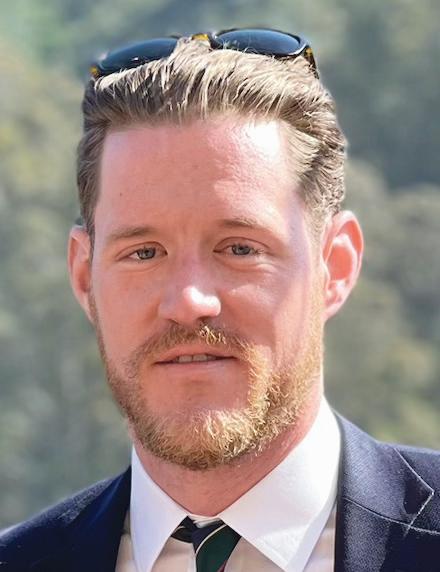
Ryan Thomas Shea, Section Chair

The New England Board of AWWA wishes you some warm vibes and a fresh start to summer!
Thus far this year, the NE-AWWA Board organized, attended, and advocated for safe, equitable drinking water policy at the AWWA Water Matters Fly-In, hosted an Effective Utility Management Principles Spring Workshop, and continued to host monthly webinars and prepare for the Annual Fall Conference.
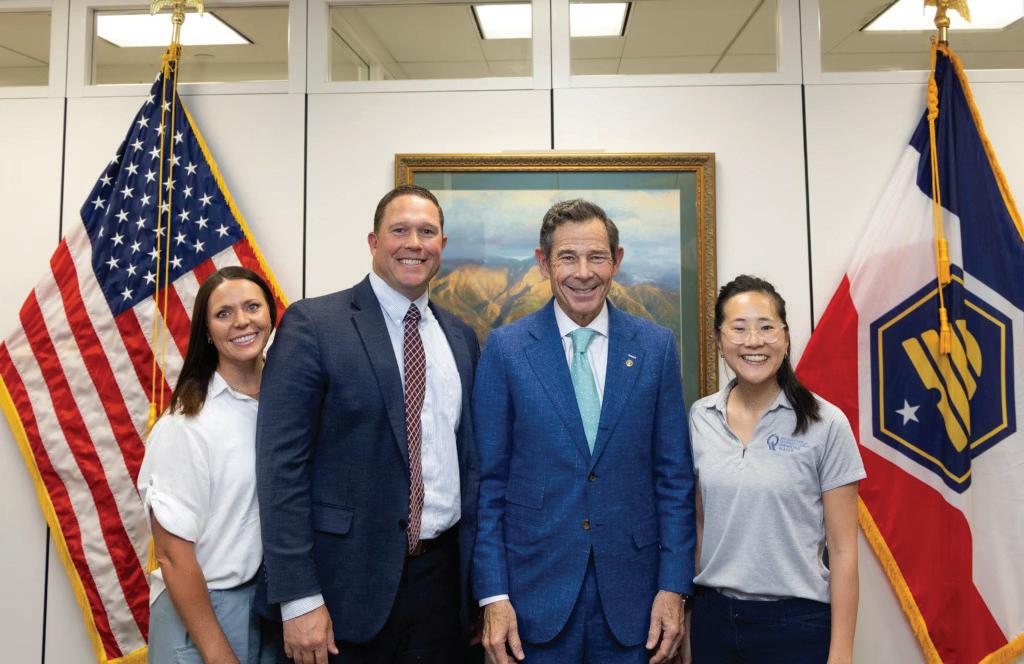
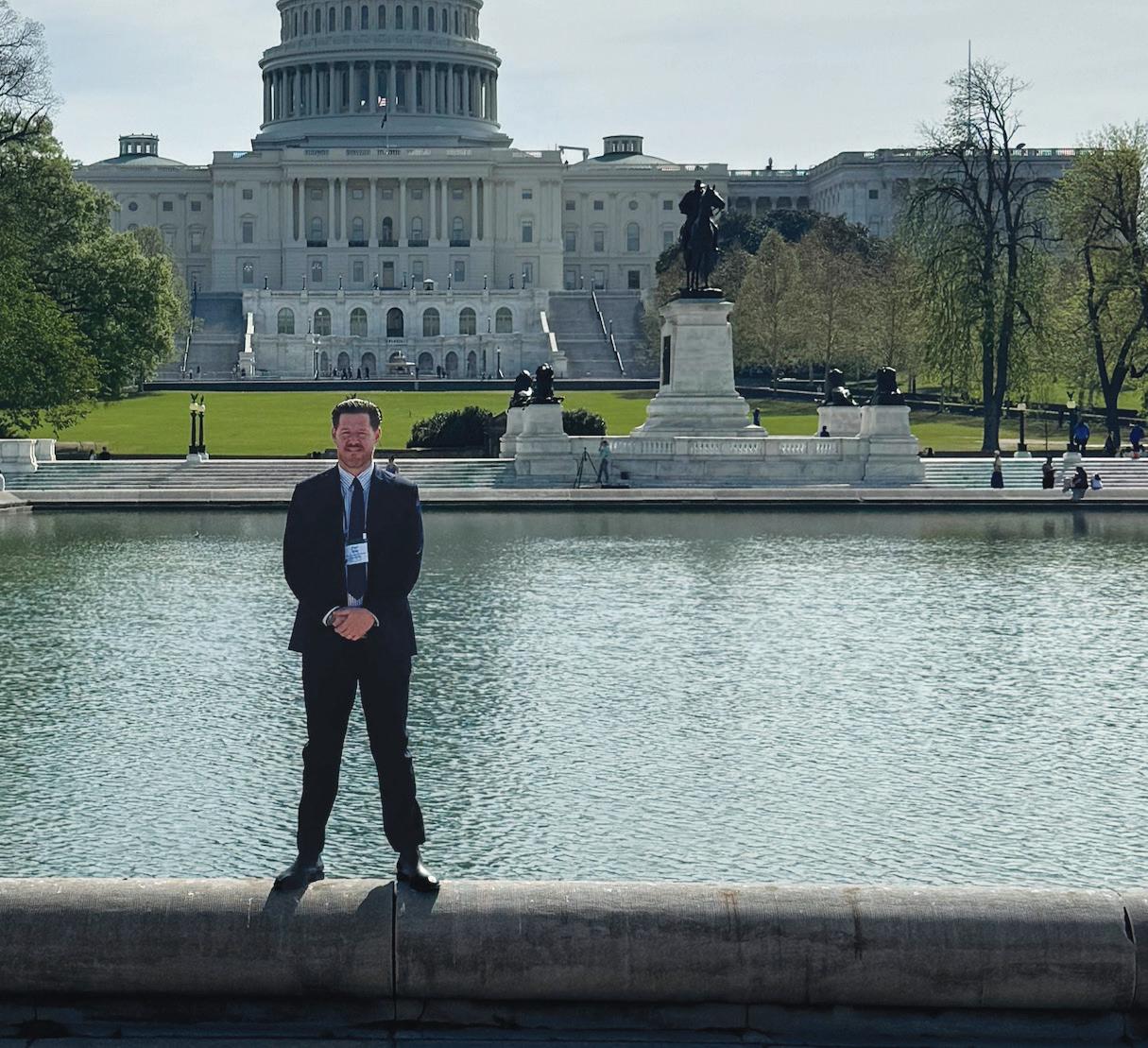
The AWWA Water Matters Fly-In was a total success, with representatives from each of the New England States attending, advocating for safe, equitable drinking water policy. This year’s legislative agenda included;
• Funding: Support for increasing or at least maintaining drinking water system investment by reauthorizing the Drinking Water State Revolving Fund (DWSRF) and Clean Water State Revolving Fund (CWSRF), as well as the Water Infrastructure Finance and Innovation Act (WIFIA) program.
• PFAS: Strong support of the ‘Polluter Pays’ principle for PFAS Cleanup, urging to support H.R. 1267, which will ensure that PFAS manufacturers and polluters pay to clean up environmental PFAS contaminations, not water systems and their rate payers.
• Affordability: Strong support of H.R. 4733 to re-establish the Low-Income Household Water Assistance Program (LIHWAP) Establishment Act, which expired in 2023, to ensure that water
systems can continue to invest in critical infrastructure upgrades while keeping water service affordable for struggling families and communities.
• Cyber Security: Advocated for a suite of bipartisan legislation, including H.R. 2594, 5566, 5868, 2109, 2344 & S. 3590, 1549, 3251, 1018, 1118, 2983, all of which are aimed at strengthening the security, resilience and sustainability of the nation’s water systems. Notably, H.R. 2594, the Water Risk and Resilience
“THE AWWA WATER MATTERS FLY-IN WAS A TOTAL SUCCESS, WITH REPRESENTATIVES FROM EACH OF THE NEW ENGLAND STATES ATTENDING, ADVOCATING FOR SAFE, EQUITABLE DRINKING WATER POLICY. ”
Organization Establishment Act, would establish an independent, nongovernmental organization to develop minimum cybersecurity requirements for the water sector with oversight from the EPA.
NE-AWWA would like to thank the Congressional representatives who took time out of their busy schedules to discuss the future of clean drinking water. Secondly, NE-AWWA would like to thank our host utility, DC Water, for

hosting us after the Fly-In at their stateof-the-art headquarters, which also serves as a function hall overlooking the Potomac River. Finally, NE-AWWA would also like to thank our fellow water professionals at MWWA, MAWEA, MCWRS, NEWEA and NEWWA for coordinating Congressional meetings and joining together to advocate for a safe and equitable future of drinking water because we all know a united voice is a powerful force.
Outside of the Fly-In, the NE-AWWA board hosted an Effective Utility Management Principles workshop at the Townsend Water District Headquarters. The AWWA National branch in Denver, Colorado, was kind enough to send Frank Roth, the Water Utility Benchmarking Program Manager, to lead the workshop. The initial feedback was overwhelmingly positive, to the point where we’re considering hosting a second workshop in the Fall of 2026. Attendees cited Mr. Roth’s first-hand
"WHETHER YOU CAN ATTEND ACE THIS YEAR, WE’RE LOOKING FORWARD TO HOPEFULLY CELEBRATING THE RESULTS OF THE NATIONAL TAP WATER TASTE TEST FROM ACE AT THE NE-AWWA ANNUAL FALL CONFERENCE."
experience implementing effective utility management practices and engaging curriculum designed specifically for utility managers. I personally attended and found the ‘Leadership Tournament’ exercise to be a good catalyst for discussion around what traits your organization values most in leadership, and have included an example for you to try in this issue of Water Wayfinder.
In addition to the In-Person workshops, the NE-AWWA board also hosts monthly TCH-credited webinars at no cost to its members. Please keep an eye on your inbox to register in advance.
With all this awesome programming, it’s easy to forget ACE is right around the corner in Washington, DC! As much as I
would love to attend, ACE this year, the dates coincide with the due date of our second child. So, this year I’ll be trading attending Hydrant Hysteria in DC for Diaper Delirium in JP! In any case, whether you can attend ACE this year, we’re looking forward to hopefully celebrating the results of the National Tap Water Taste Test from ACE at the NE-AWWA Annual Fall Conference, located at the Verve Hotel, October 21-22.
As always, if you have any questions, comments or concerns with the section leadership of direction, I invite you to reach out and have your voice heard as we work to build a strong pillar for Drinking Water in the New England region, and we need your help to do so.


Hillari Wennerstrom, CAE, Mosaic AMC LLC, NEAWWA Executive Director


It’s been an exciting spring for NE-AWWA!
Spring highlights
Hosted our monthly webinar series and an April in-person workshop.
• Launched the new Section Sponsorship Program.
• Opened exhibitor registration for our Annual Conference this October.
• Redesigned the Section website, visit ne-awwa.org to explore what’s new.
• Representatives from all five states participated in AWWA’s Federal Fly-in.
Let’s stay connected!
Our monthly e-newsletter, H2O in the Know, is the best way to stay up to date on Section events and announcements. If you’re not receiving communications from us, please reach out so we can make sure you’re on the list.
Interested in getting involved?
As I approach my first anniversary with the Section, I’m continually impressed by what our volunteers accomplish. We’re fortunate to have such dedicated board and committee members, and we’d love for more members to join the work being done locally. Many committees are currently recruiting new members; committee descriptions and a volunteer form are available on the website. If you’re interested, please reach out. We’re happy to help you find the right fit.
“WE’RE FORTUNATE TO HAVE SUCH DEDICATED BOARD AND COMMITTEE MEMBERS, AND WE’D LOVE FOR MORE MEMBERS TO JOIN THE WORK BEING DONE LOCALLY. ”

Updates on the One Water, One Future Conference: room block reservations and sponsor/exhibitor registration are now open.
A limited number of rooms at our conference venue, The Verve MetroWest, are available for attendees on October 20-21. Located 18 miles from Boston Logan Airport in Natick, the hotel features décor inspired by four decades of 20th-century pop culture. The room block closes September 20, so reserve early.
Interested in elevating your company’s presence at this year’s conference? We are offering a range of sponsor and exhibitor options that increase visibility and demonstrate your support for our organization. Opportunities are limited and available on a first-come, first-served basis. Secure your spot soon.
For details on hotel rooms, sponsorships, exhibitor options, and registration, please visit our website. A detailed agenda and attendee registration are expected to go live in mid-June.

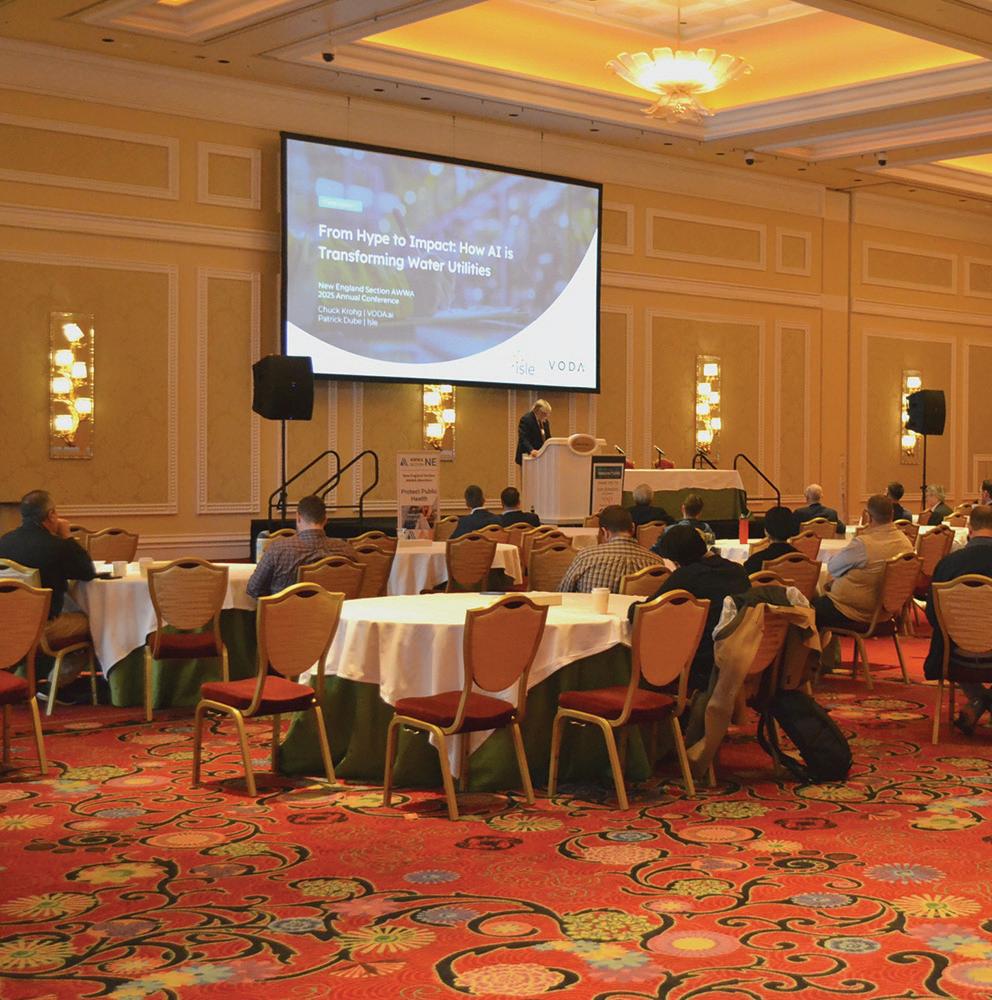
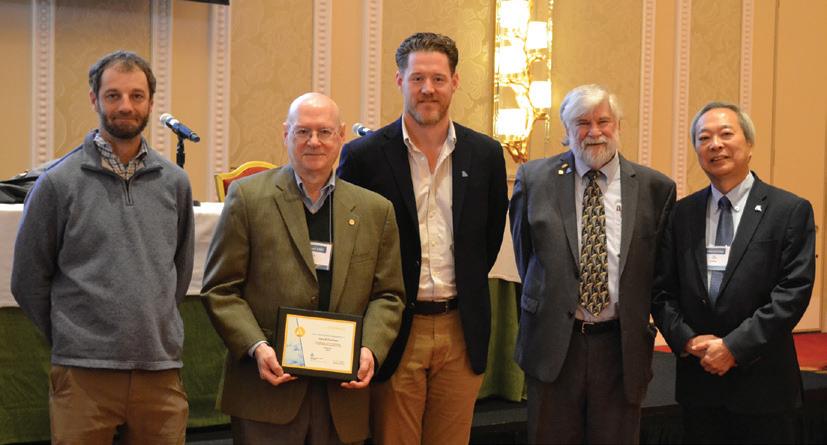
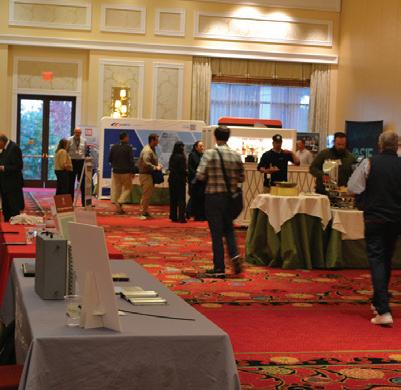
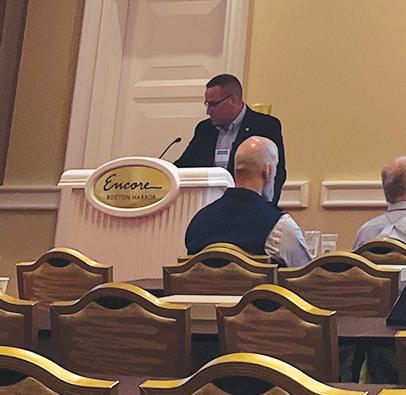

NE-AWWA is pleased to introduce a new annual Section Sponsorship program. Alongside our meeting- and program-specific sponsorships, this option provides more year-round value and engagement opportunities. Section Sponsors receive greater visibility with our members and are recognized across our platforms and communication channels for their continued support of the section.

This opportunity is ideal for businesses and organizations seeking to make a lasting impact in our community. All sponsorship funds directly support the section’s mission and help sustain and improve the programs we provide to members.
To learn more about Section Sponsorship and our other sponsorship options, please visit our website. Christine
Engineering Performance Solutions provides municipalities with testing services for their PFAS, DBP, taste and odor, and other emerging treatment challenges.
Visit our website at epslabs.com to learn more.
ACE26 FACILITY TOURS TO HIGHLIGHT OUR REGIONAL FACILITIES!
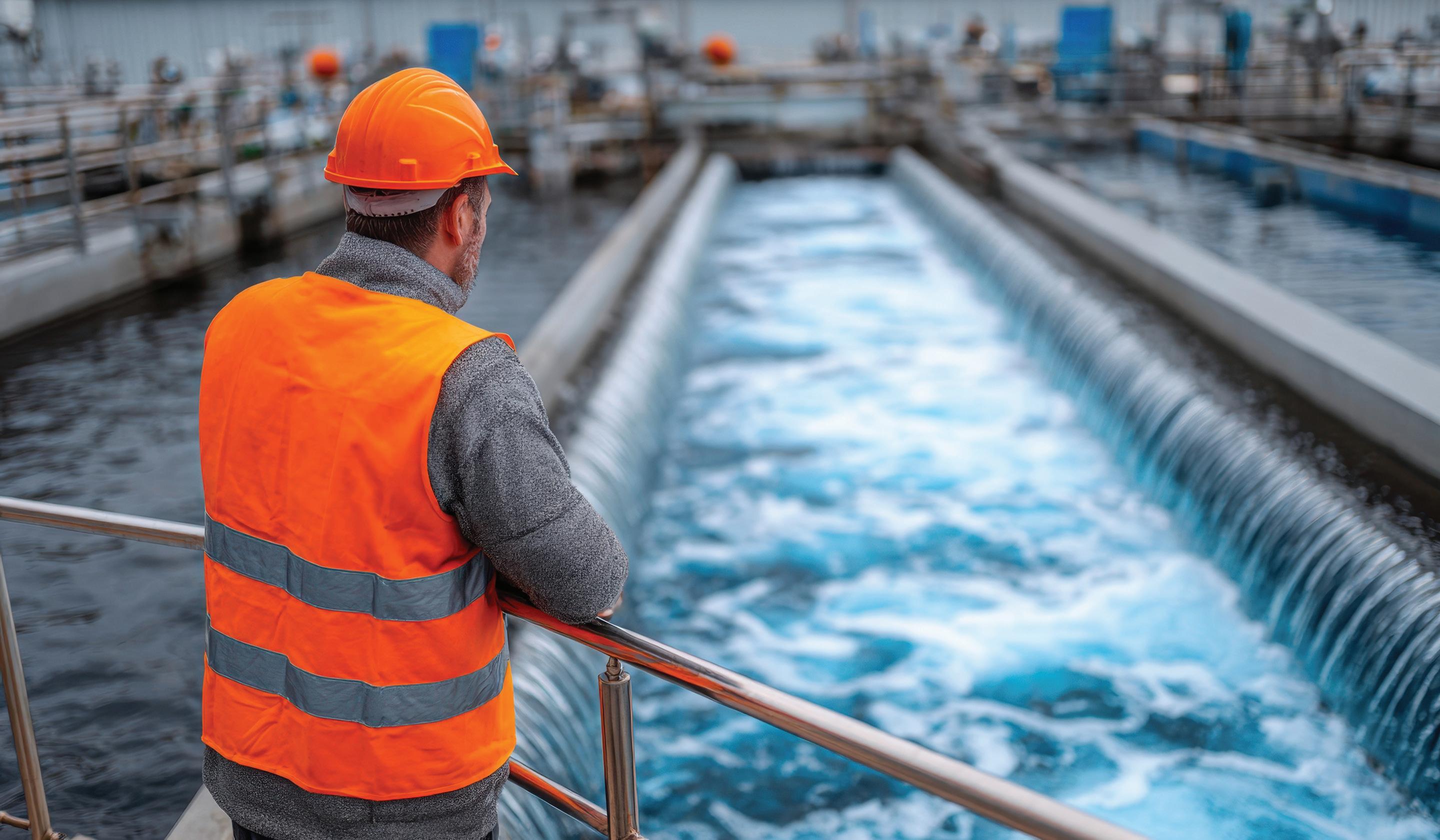
During ACE26, several local facilities will be providing tours to attendees on Tuesday, June 23 and Wednesday, June 24.
Blue Plains is one of the largest Advanced Treatment Plants in the US, with an average daily capacity of 384 mgd plus an additional 225 mgd of wet weather treatment on a compact 157-acre footprint. In addition to meeting stringent nitrogen and phosphorus limits, the plant operates the world’s largest Thermal Hydrolysis and Anammox treatment, has a robust Research Division that covers bench and full-scale applied testing, state-of-the-art automation, condition monitoring of assets, and industry-leading biosolids management.
The Broad Creek Water Treatment Plant offers an insightful tour designed to provide visitors with a comprehensive understanding of its operations. The experience begins with a facility overview presentation, detailing the plant’s mission, capacity, and its vital role in providing clean drinking water to the community. Following the presentation, guests will embark on a guided tour led by our knowledgeable staff. This immersive journey will take visitors through the various stages of the water treatment process, with a particular focus on the innovative Upflow Clarification Treatment Process currently employed at the facility. Staff will explain each step, from raw water intake to final distribution, highlighting the science and engineering behind ensuring water quality and safety.
The Dalecarlia Water Treatment Plant is the larger of the Washington Aqueduct’s two plants, which produce safe drinking water for Washington, DC and portions of northern Virginia. Built in 1925 and upgraded in the 1950s, the Dalecarlia plant produces an average of 180 MGD and has a maximum capacity of 220 MGD. Treatment includes presedimentation; flocculation/coagulation/sedimentation with alum and polymers; gravity filtration in 36 dial media filters; and disinfection with chlorine and chloramine for secondary disinfection. The tour will highlight the Aqueduct’s justcompleted hypochlorite facility and residuals processing facility.
This tour is designed to highlight how infrastructure, environmental stewardship, and cultural revitalization intersect to benefit the broader community. Since the early 2000s, the Lorton region of Fairfax County has undergone a remarkable transformation – from a former correctional facility to a vibrant area focused on public service, sustainability, and the arts.
The Trap Rock Water Treatment Facility, commissioned in 2018, is a 21 MGD facility utilizing pretreatment with ozonation, coagulation, flocculation, sedimentation, settled water ozonation, filtration with biological GAC filters, UV, and chloramine disinfection. Raw water is pumped from the Potomac River and travels five miles to the facility. The facility
has no discharge to the river. Residuals processing utilizes plate setters and thickeners, and the treated stream is recycled to the head of the treatment process.
The Bioenergy Facility tour will explore the anaerobic digestion and combined heat and power processes, focusing on our new and innovative thermal hydrolysis process (CAMBI), Gas Upgrading System, and Side Stream Treatment processes. There will be time for Q/A throughout the tour.
Visitors will embark on a comprehensive tour of our state-ofthe-art Environmental Water and Wastewater Laboratory, which conducts over 500,000 tests annually through its Laboratory Division. This high-throughput operation plays a critical role in ensuring the safety, compliance, and sustainability of regional water systems. The tour will begin in the Laboratory Division, where guests will observe advanced analytical instrumentation and testing protocols used to monitor a wide range of water quality parameters, including microbiological, chemical, and physical analyses. Staff will demonstrate how samples are processed, tracked, and validated to meet rigorous regulatory standards. Next, the tour will transition to the Water Quality Division, which oversees broader environmental monitoring and compliance efforts. This division integrates field sampling, data interpretation, and public health initiatives to maintain water safety across the community. Visitors will gain insight into how real-time data and long-term trends are used to guide decision-making and policy development. Throughout the tour, participants will have the opportunity to engage with expert LD managers, chemists/microbiologists, and technicians, explore interactive displays, and learn how both divisions collaborate to protect water resources and public health.
Thank you to all the facilities that are opening their doors to ACE26 attendees! And a special thanks to Rosanna La Plante of WSSC Water, and Jessica Edwards-Brandt of Loudoun Water, for organizing and coordinating the tours!

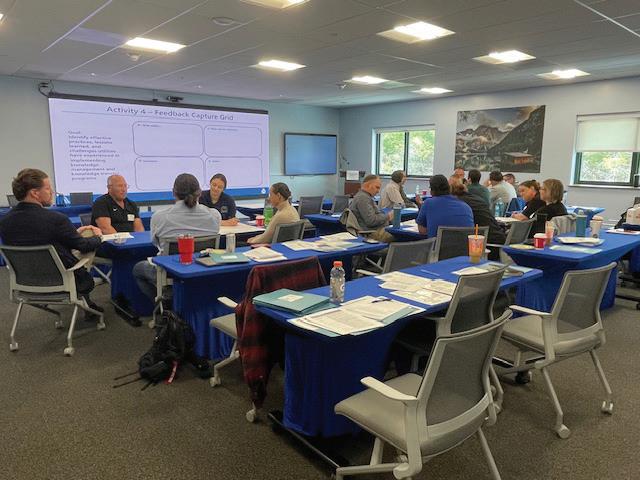
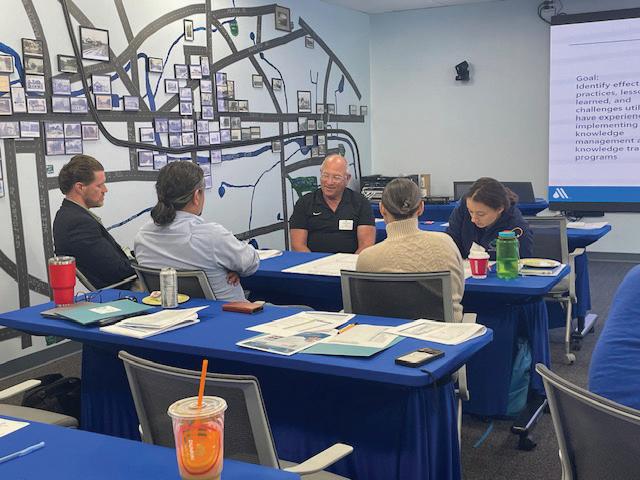
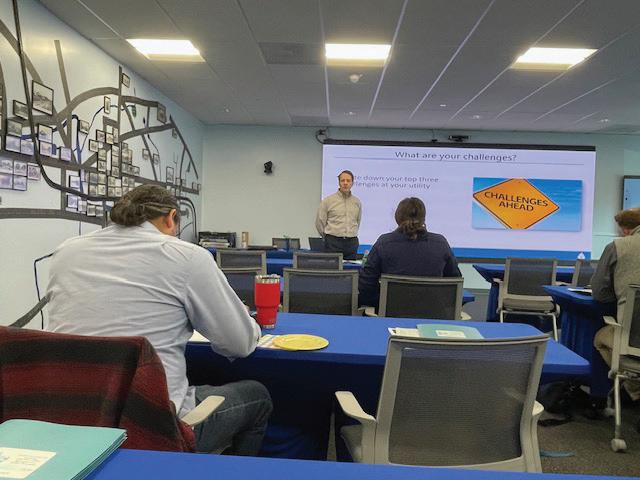
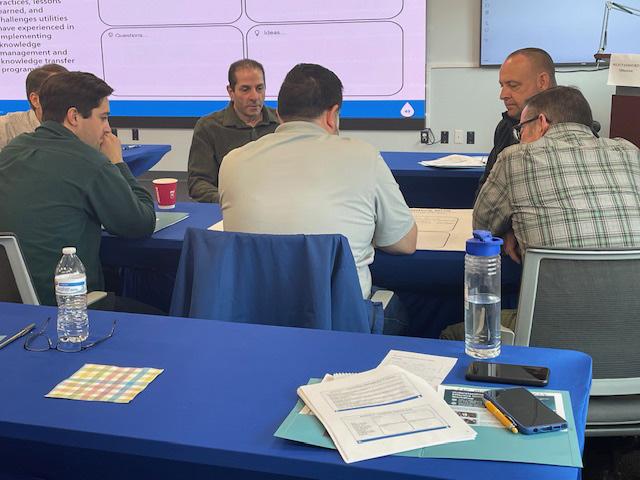
On April 29, 2026, the Section hosted an in-person workshop, Understanding and Applying Effective Utility Management, at the Townsend Water District offices and water treatment facility in Townsend, Massachusetts. Section members from Vermont, New Hampshire, and Massachusetts participated in training led by AAWA Trainer Frank Roth. The program also included a guided tour of Townsend’s state-of-the-art water treatment plant.
“SECTION MEMBERS FROM VERMONT, NEW HAMPSHIRE, AND MASSACHUSETTS PARTICIPATED IN TRAINING LED BY AAWA TRAINER FRANK ROTH.”


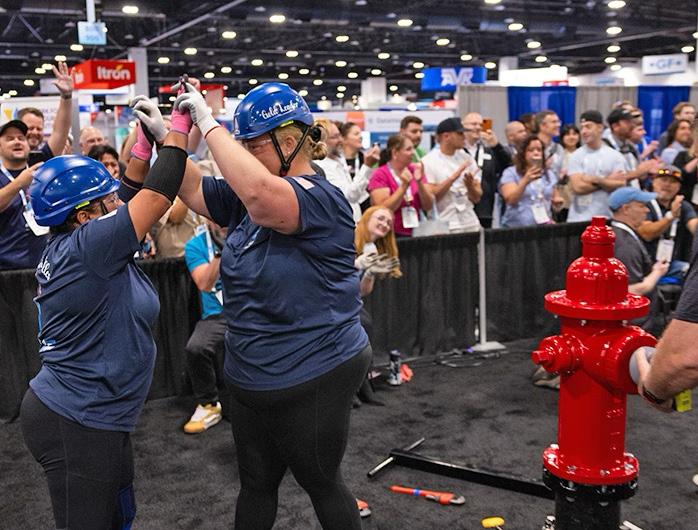
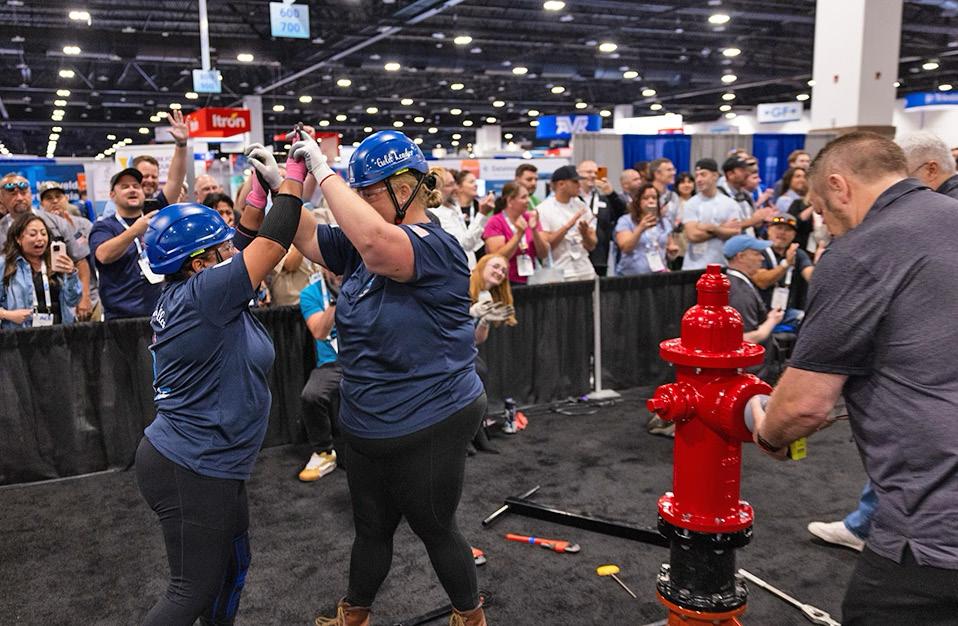
The operator competitions at AWWA’s Annual Conference and Exposition (ACE) are easy to spot. Follow the cheers. Watch the crowd lean in. Notice the way competitors, some meeting for the first time, others reconnecting after a year apart, clap just as hard for rival teams as they do for their own.
For decades, these competitions have been a high-energy centerpiece of ACE, showcasing the technical expertise, teamwork, and pride of water professionals. Events like the Pipe Tapping Competition, Meter Challenge, and Top Ops simulate real-world tasks operators perform every day, except at ACE, they’re done on a national stage, under time constraints, and with a crowd watching.
“While it is about winning, I also think it’s more about the shared experience,” says Randy Payton, chair of the AWWA Operator Involvement Committee, which organizes the competitions each year. “It’s about the camaraderie and the connection that’s made there.”
Payton first came to know AWWA competitions as a competitor himself in the early 1990s.
“What it gave me as a young operator, I know what it did for me, and I’m here trying to give back that opportunity, that mentorship,” said Payton, now pipeline manager at North Texas Municipal Water District. “Many people don’t realize, day in and day out, the duties of these operators and how critical their role is.”
The Pipe Tapping Competition, the oldest and most popular of the competitions, began in 1986. Teams are required to tap a waterpressurized ductile iron pipe, install a corporation stop, cut and flare 3/4’’ copper tubing for installation of a water service line with a curb stop, and connect this line to a meter yoke. In the competition’s first year, the winning team finished in 2:44; last year’s winning men’s team finished in 1:10, and the women’s team in 2:29. (A women’s division was added in 1998.)
AWWA Sections are eligible to submit two teams of four for the Pipe Tapping Competition, two representatives for the Meter
“EVENTS LIKE THE PIPE TAPPING COMPETITION, METER CHALLENGE, AND TOP OPS SIMULATE REAL-WORLD TASKS OPERATORS PERFORM EVERY DAY, EXCEPT AT ACE, THEY’RE DONE ON A NATIONAL STAGE, UNDER TIME CONSTRAINTS, AND WITH A CROWD WATCHING.”
Challenge, and one team for Top Ops. The Meter Challenge asks teams to assemble a water meter as fast as possible, and Top Ops quizzes teams on technical questions and equations. Teams first compete at the Section level; winners of those competitions advance to the ACE competitions.
Tony Cuzzone, who has been involved with the competitions since 1999 and has emceed them since 2010, says many teams, particularly first-timers, arrive a little nervous, but by the end of the week, they leave with new confidence and new friends.
“The networking that they do here, the camaraderie that’s created, the partnerships, the experiences that are shared, that’s priceless. They came to win, there’s no doubt about that, but they’re also getting a priceless educational experience at the same time,” said Cuzzone, a retired utility superintendent and capital projects administrator in Illinois.
For many operators, ACE is their first opportunity to attend a national conference, explore the exhibit hall, and engage with peers outside their utility. Operators trade tips, talk shop between heats, and stay connected throughout the year.
“You earned the right to be here,” Cuzzone said he often reminding teams during the events. That simple message reflects one of the core purposes of these competitions: elevating the operator profession and recognizing the expertise behind delivering safe, reliable water every day.
Cuzzone says it isn’t just a contest; it’s a reunion. And every year, the family grows.
“We do this for the operators,” he said. “We’re showcasing them.”
For young professionals, opportunities to grow often hinge on access to experiences, to decisionmakers, and to professional development that extends beyond their daytoday work. Water Equation’s scholarship programs are designed to connect earlycareer professionals to these kinds of highimpact experiences that might otherwise be financially or logistically out of reach.
Each year, Water Equation provides travel scholarships to:
• Utility employees to attend AWWA’s Young Professional Leader Training Day and AWWA/WEF YP Summit.
• Young professionals to attend the Water Matters Fly-In in Washington, D.C.
• Emerging utility leaders accepted to the Transformative Water Leadership Academy.
These opportunities give emerging leaders in the sector real-world exposure, confidence, and a platform to contribute. In April, Water Equation sent five young professionals to Washington, D.C., to participate in the Water Matters Fly-In, an advocacy effort that includes meetings on Capitol Hill. For many, it was the first time they had met with their congressional representatives or their staffs, and that, in itself, was eye-opening.
“What I learned the most is that there’s no equation to being heard. It’s really repeatedly reaching out, getting your face remembered, and building a rapport with the different offices,” said Rebecca Yoo, a permitting engineer for the state of Utah. She said the visits reinforced the importance of communication during meetings like these.
“Communicating across disciplinary lines and understanding how important it is for engineers to learn how to talk to our representatives was really valuable to me,” she said. “I’m an engineer, but we’re obviously not talking to engineers [on the Hill]. The details aren’t as important there as conveying the big picture and the impact it makes for constituents.”
Daryl Young, manager of regulatory compliance for Kansas City Water, attended the Fly-In for the second consecutive year, and he said the return trip felt “gratifying.” He and his colleagues from Missouri met with nine of 10 congressional offices, including two meetings with members. “It felt like we were making a difference,” he said, noting that they championed seven proposed bills pertaining to cybersecurity and resilience of water systems.
His delegation included representatives from engineering, operations, regulatory compliance, and manufacturing.
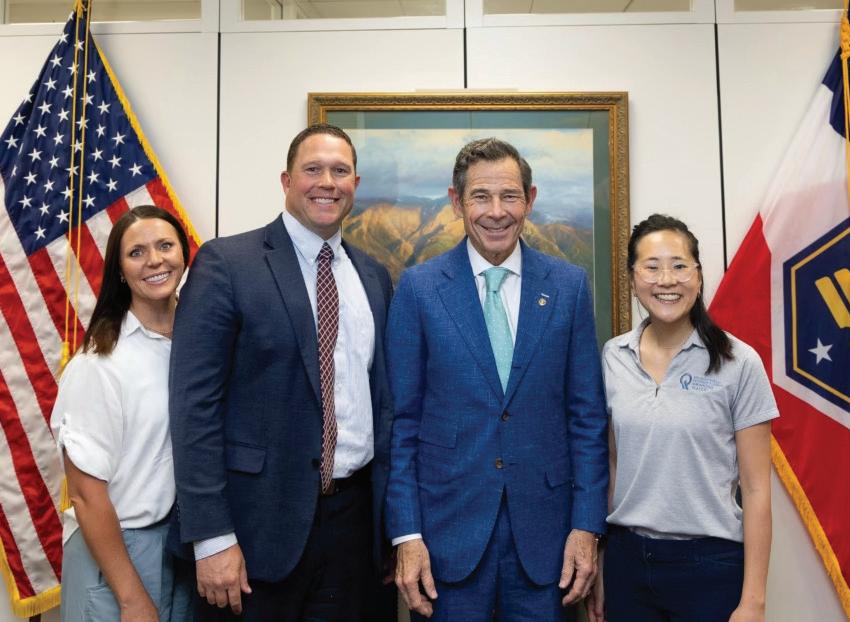
“Because we had this very diverse group that could convey the message at their level and stress the importance with very specific examples, our meetings were far more effective this year,” he said.
For Yoo, Young, and others, receiving the Water Equation scholarship made it possible for them to experience the Fly-In; without it, they say they wouldn’t have gone, and they would have missed out on the professional development inherent in these opportunities.
“These scholarships are about more than helping someone attend a single event,” said Margo Hatton, who oversees Water Equation. “They’re about building confidence, developing leadership skills, and ensuring young professionals understand how their expertise connects to decisions that affect communities across the country.”
To receive a travel scholarship from Water Equation, individuals must submit an application, which is reviewed by a three-member committee. Applications for the next cycle, including support for the Young Professionals Summit and the Water Matters Fly-In, will open August 1.
Travel scholarships are just one of many types of assistance Water Equation provides each year to develop emerging leaders in the water sector. Water Equation depends on donations to support its mission. To donate, visit awwa.org/water-equation.
"ARSENIC CONCENTRATIONS CAN VARY GEOGRAPHICALLY, EVEN WITHIN THE SAME AQUIFER SYSTEM, DUE TO WEATHERING OF LIMESTONE AND OTHER ROCKS, WHICH OVER TIME GRADUALLY INCREASES THE PH OF THE GROUNDWATER."

Kaitlyn Rullo, Lab Manager, Engineering Performance Solutions, Christine Valcarce, Director, Engineering Performance Solutions
Arsenic in the New England Region
Arsenic is a naturally occurring metalloid commonly found in groundwater due to the natural breakdown of local minerals. Anthropogenic sources of arsenic can come from runoff due to mining, pesticide application, and manufacturing activities.
Arsenic concentrations can vary geographically, even within the same aquifer system, due to weathering of limestone and other rocks, which over time gradually increases the pH of the groundwater (Ayotte et al., 2003). This shift to basic pH will cause arsenic to desorb from the sediment and become more mobile in the groundwater, leading to potential risks for the drinking water industry due to the adverse health effects attributed with arsenic exposure.
The Environmental Protection Agency (EPA) has set the arsenic MCL at 10 ug/L with an MCL goal of zero. Most New England states follow the EPA MCL, except for New Hampshire, which established its regulatory level at 5 ug/L (Hooper et al., 2020).
Removing Arsenic from Drinking Water
• Water treatment options for targeting arsenic include:
• Ion exchange
• Sorbent Filters
• Coagulation
• Membrane Technologies
Sorbent filters use adsorptive media, such as activated alumina, silica gel, zeolites, and activated carbon, to remove arsenic via absorption mechanisms (Gu et al., 2005) and are a proven, reliable and cost-effective technology in water treatment.
Activated carbon, being versatile at removing co-contaminants such as TOC and PFAS, offers flexibility and reassurance. Since activated carbon performance will depend on a complex set of factors, such as the target pollutant concentration, background competition, ionic strength, pH, pore size distribution, and adsorption active sites, it is recommended that pilot or bench-scale
"IN RECENT YEARS, ACTIVATED CARBON HAS BEEN HEAVILY STUDIED FOR ITS PERFORMANCE AT REMOVING PFAS AND HAS BECOME A POPULAR TECHNOLOGY CHOICE FOR NEW ENGLAND UTILITIES, ESPECIALLY IN MASSACHUSETTS AND CONNECTICUT."
optimization studies be conducted with the source water (Gu et al., 2005). Selecting the most efficient activated carbon product for each specific source water reduces the risk of adverse performance during long-term operation. Furthermore, because water source quality and activated carbon production can change over time, we advocated filter efficacy studies with each procurement contract cycle as a way of ascertaining continued operational optimization.
In recent years, activated carbon has been heavily studied for its performance at removing PFAS and has become a popular technology choice for New England utilities, especially in Massachusetts and Connecticut. As utilities proceed with their permitting process of implementing full-scale GAC adsorbers in preparation for regulatory enforcement, an emerging problem has come to light: arsenic will leach out of some GAC products, particularly during initial startup of the GAC bed.
The amount of arsenic that may leach out depends widely on the GAC source material, the pH and the ionic strength of the source water. The knowledge that GACs may contain impurities that contaminate the drinking water is not new. The drinking water and activated carbon community have a few standard methods for quantifying impurities from activated carbon. For instance, the ASTM D28 committee have a standard method D5029 for quantifying the total amount of water-soluble impurities that may leach off a carbon product (ASTM International, 2020). NSF (2016), the Food Chemical Codex (2018), and the European Committee for Standardization (2009) have all adopted similar versions for quantifying impurities. While the methods can easily be modified (if need be) to test specifically for arsenic, the shortfall of most of the methods is the use of deionized (DI) water or a synthetic water “recipe” as a substitute for the source water. Thus, none of these methods can truly quantify the extent of the problem a utility might face during the GAC startup cycle. Unintentionally, figuring out if arsenic will be a problem and how to deal with it has become a surprising twist and operational challenge.
During startup, pH excursions often occur until the GAC has been sufficiently conditioned with the source water and reaches an equilibrium. Similar to sediment affinity in the aquifer, the temporary rise in pH will cause any inherent arsenic in the GAC to desorb into the water. As a result, activated carbon manufacturers have started acid washing their products to remove arsenic impurities and to further reduce the initial pH flux during conditioning. It is worth noting here that the impact of acid washing the GAC needs to be evaluated for target contaminant removal (i.e. PFAS) in comparison to the non-acid-washed GAC through RSSCT or pilot evaluation so that a holistic decision on GAC product can be made.
Typically, when GAC is placed in service, the product must be fully wetted to remove entrapped air and rinsed to remove fines and stabilize the pH. Beyond that, any additional specifications for conditioning may be set by the manufacturer and/or state or local permitting authorities. For instance, a plan for properly handling the discharge from the conditioning and backwash procedures should adhere to local regulations (MassDEP, 2026).
The potential impact of arsenic in the conditioning discharge has created uncertainties for utilities to navigate, such as: 1) what concentrations of arsenic will leach out, and 2) how long to condition before arsenic reaches safe drinking water levels. Knowing this will help determine the volume of waste to handle for discharge.
Engineering Performance Solutions partners with utilities to provide data-driven solutions through filter efficacy studies that simulate operational conditions. To this extent, there are a few different methods for evaluating arsenic during GAC startup:
• Performing a standardized test for measuring extractable arsenic using the utility source water as a substitute for DI or a synthetic water recipe.
• Custom soak tests (with utility source water) that will mimic the wetting and backwash procedures during GAC placement.
• Forward rinse simulations to 100 bed volumes (BVs) while monitoring arsenic at regular intervals.
Each subsequent test requires more of the utility source water. For instance, an arsenic extraction test can be performed with as little as 200 ml of water per GAC product. A soak test can be performed with about 2 L of water per GAC, but the forward rinse simulation will require about 10 gallons of water per GAC.
A simple arsenic extraction test is a cost-effective strategy for evaluating if arsenic will be a problem. For instance, comparing
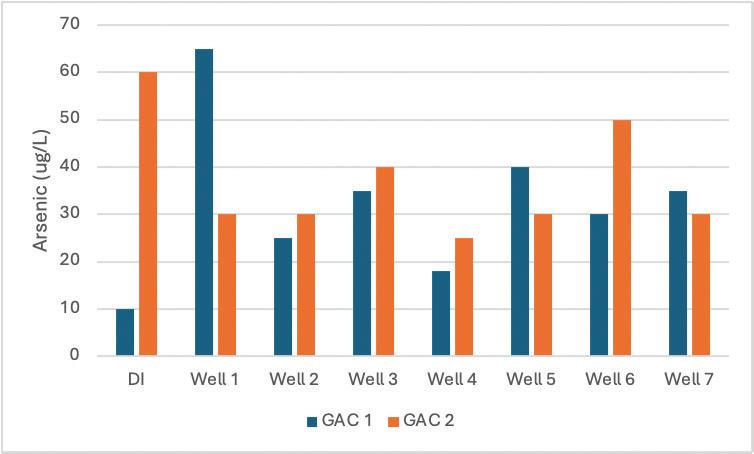
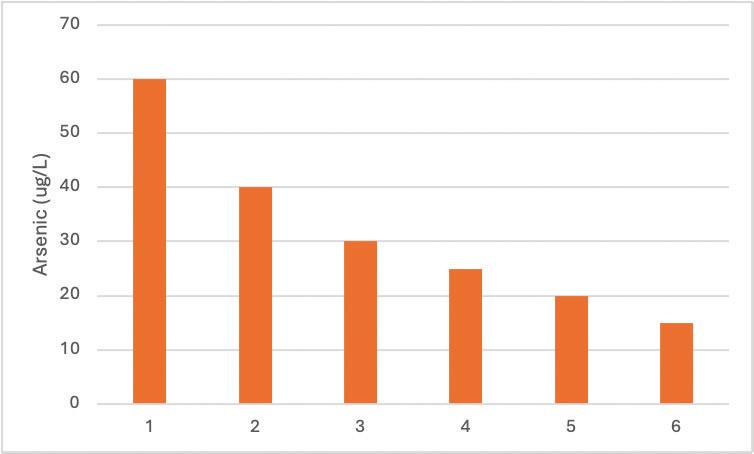
Figure 2. GAC was soaked for an initial 24-hour period at a 70:30 GAC: water ratio, similar to pressure-vessel scenarios, with subsequent fill-and-decant cycles to approximate the number of flushes necessary to remove arsenic.
6 different wells from the same well field with pH 7.7-7.9, Figure 1 shows that each well behaved differently in how much arsenic was extracted from the GACs. Interestingly, if the test was performed per the standard method, with only DI, then GAC 1 would have appeared to be in compliance with the EPA MCL. By contrast, using the source water and evaluating different wells, it is evident that arsenic will be a problem during startup with either GAC product chosen.
Once arsenic is a known concern for the site, the next iteration of testing can include a soak, agitate, and decant procedure similar to backwashing (Figure 2), or a forward rinse column test (Figure 3) to determine the BVs necessary to flush the arsenic from the GAC. The soak test can be especially useful during GAC changeouts to determine if a problem will persist (or arise) with reactivated GACs from changes in carbon pore structure during the reactivation process.
Column tests, on the other hand, are important full-scale simulations to consider when utilities are faced with deciding whether to use a non-acid-washed GAC or an acid-washed GAC. Figure 3 shows that acid washing the carbon drastically mitigated the initial arsenic concentration, but both GACs required similar BV to rinse the arsenic to steady state conditions. Since an acid-washed product is likely to cost more on a per-pound basis than the non-acid-washed GAC due to the extra processing required during manufacturing, complementing the utility’s decision matrix with an RSSCT to look at long-term performance for the target contaminant (i.e. PFAS) can help them make a cost-effective and holistic data-driven decision.
"THE AMOUNT OF ARSENIC THAT MAY LEACH OUT DEPENDS WIDELY ON THE GAC SOURCE MATERIAL, THE PH AND THE IONIC STRENGTH OF THE SOURCE WATER. THE KNOWLEDGE THAT GACS MAY CONTAIN IMPURITIES THAT CONTAMINATE THE DRINKING WATER IS NOT NEW. "
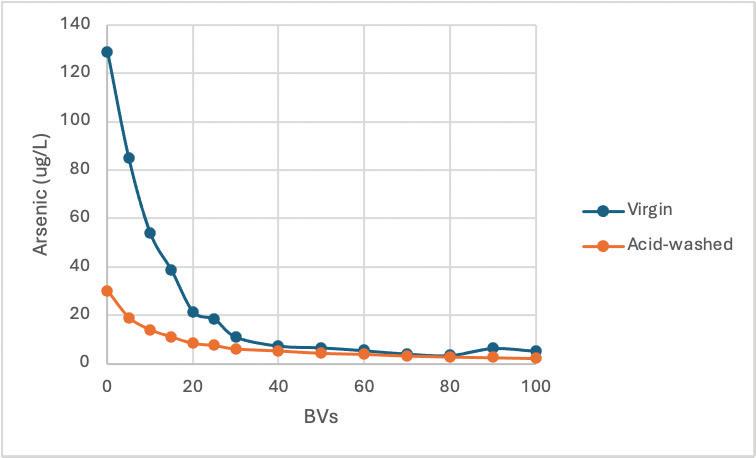
Figure 3. A column study was conducted using the utility source water with the virgin GAC and its acid-washed counterpart to determine the total bed volumes necessary for arsenic to reach baseline.
References
ASTM International. (2020). Standard test method for water soluble in activated carbon (ASTM D502998[2020]) https://doi. org/10.1520/D5029-98R20
Ayotte, Joseph D., et al. “Arsenic in groundwater in eastern New England: occurrence, controls, and human health implications.” Environmental Science & Technology, vol. 37, no. 10, 9 Apr. 2003, pp. 2075–2083, https://doi.org/10.1021/es026211g.
European Committee for Standardization. (2009). EN 12915-1: Products used for the treatment of water intended for human consumption — Granular activated carbon — Part 1: Virgin granular activated carbon.
Food Chemicals Codex. 2018. Appendix III: Chemical Tests and Determinations. Food Chemicals Codex. https://doi. org/10.31003/FCC_Fl 00294_06_01.
Gu, Z., Fang, J., & Deng, B. (2005). “Preparation and evaluation of GAC-based iron-containing adsorbents for arsenic removal”. Environmental Science & Technology, 39(10), 3833–3843. https://doi.org/10.1021/es048179r.
Hooper, L.; Susca, P.; Rigrod, P.; (Fall 2020). Supply Lines with the Source. New Hampshire Department of Environmental Services. MassDEP. (January 2026). “Guidelines for Public Water Systems Chapter 5: Treatment”. Guidelines for Public Water Systems | Mass.gov.
NSF International. (2016). NSF/ANSI 61: Drinking water system components – Health effects.
Author Bio
Kaitlyn and Christine work at Engineering Performance Solutions (EPS) as lab manager and director, respectively. They pride themselves on working closely with clients to provide testing services that lead to data-driven solutions. They specialize in testing activated carbon to help engineering firms and utilities find cost-effective products and designs that optimize operations and efficiency.





Jinlin Tong, Sentinel Water Solutions

Introduction: The Illusion of the Standard Pilot
Ask most vendors about pilot testing for PFAS removal, and they will point you toward a standard rental skid. The columns have a fixed height. The sample taps are where they have always been. The underdrain is what came with the unit. The pitch is straightforward: here is the equipment, now design your test around it.
The problem is that PFAS treatment is not a standard problem. Every source water is different, regulatory requirements vary by state, and site flow rates and facility space constraints directly impact vessel sizing and system layout. On top of that, treatment media such as GAC and IX resin carry very different footprints and longterm cost implications depending on the application. Yet utilities and engineering teams are often forced to accept standard rental pilot equipment and hope it accommodates all these variables.
This article examines the core advantages and disadvantages of pilot testing for PFAS removal, with particular attention to a risk that is frequently overlooked: that a poorly configured pilot test does not just produce imperfect data. It can actively mislead the design decisions that follow.
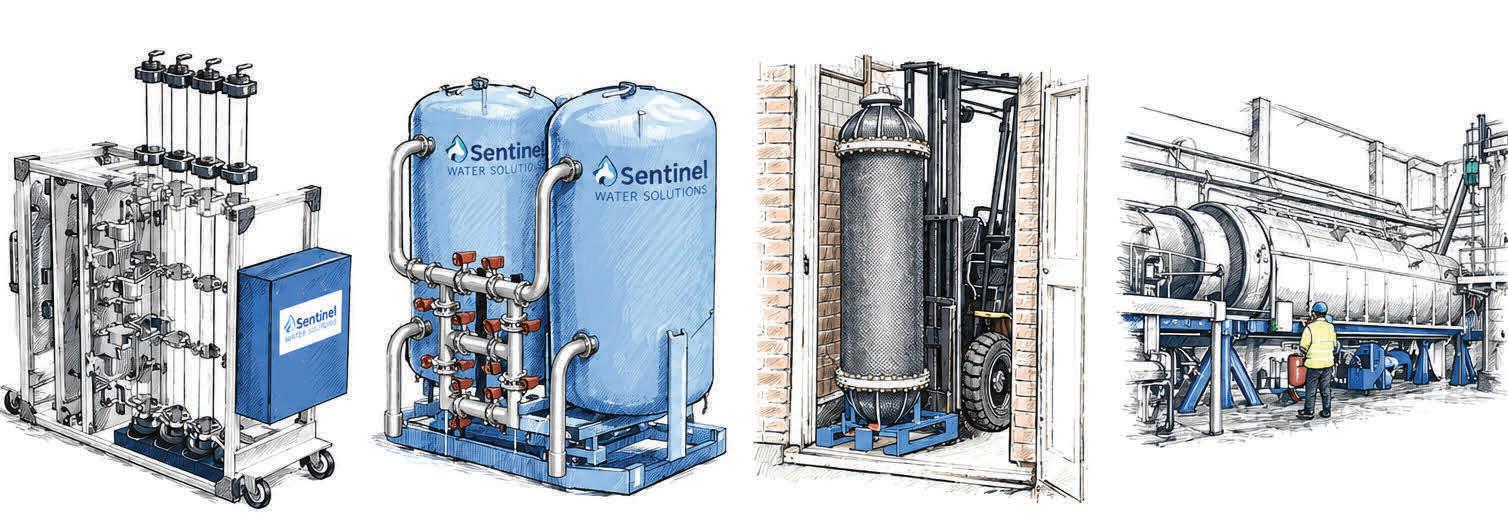
At its most basic level, a pilot skid is a compact, rack-mounted system of pipe columns that simulates full-scale treatment vessels at a fraction of the size. These columns are packed with the treatment media under evaluation, and source water is passed through them under controlled conditions to observe performance. A well-designed pilot should help utilities and engineers understand how site-specific water quality affects treatment performance, estimate media life and operating costs, evaluate hydraulic behavior and vessel sizing, and compare treatment media options.
Pilot testing is not new to the water treatment industry. Surface water treatment plants have long used jar testing for coagulants and powdered activated carbon. Pilot testing for PFAS is, in essence, another form of small-scale testing, though one that
the industry is only beginning to embrace fully for PFAS-specific applications, and one where significant knowledge gaps still exist.
Perhaps the single most impactful benefit of pilot testing is helping project teams select the right media before committing to full-scale treatment. Annual operations and maintenance (O&M) costs, driven heavily by media replacement, typically represent 15-20% of the initial capital outlay. Over a five-to-eight-year window, a facility can expect to have re-spent its original installation cost on O&M alone. Against that backdrop, the difference between selecting a media with a six-month lifespan versus one with a 12-to-18-month lifespan is substantial. Pilot testing provides the data needed to make that distinction confidently before a shovel hits the ground.
Media selection does not exist in isolation; it directly dictates vessel size, vessel arrangement, and ultimately the physical and financial footprint of the full-scale system. Ion exchange resin vessels, for instance, are roughly one-third to one-quarter the size of equivalent GAC vessels for the same treatment objective. For facilities with constrained site conditions, that difference can determine whether a viable design is even achievable within a given footprint. Pilot testing helps engineering teams understand not only which media performs better chemically, but also whether that media is compatible with the physical constraints of the site, a distinction that can carry seven-figure implications.
3
In some states, conducting a pilot test is a regulatory mandate before a full-scale PFAS treatment system can be permitted. Even where it is optional, pilot data often plays a meaningful role in the permitting process. Regulators reviewing atypical treatment configurations
(anything outside a standard lead-lag vessel arrangement, for example) frequently request pilot-scale data that validates the proposed approach. Similarly, when a utility is considering a media that reviewers are unfamiliar with, pilot results provide regulators with the assurance they need that the proposed system will perform as intended.
One area of particular concern for regulators involves the potential downstream impacts of PFAS treatment on chlorination and corrosion control. Certain media types can significantly affect pH, which may create simultaneous compliance challenges downstream. A pilot test can demonstrate, prior to permit issuance, that the selected media will not compromise these critical secondary treatment processes.
4
An often-overlooked application of pilot skids is their value as ongoing process verification tools, even after full-scale treatment has been installed. Unlike conventional water quality parameters, PFAS cannot currently be monitored online; no real-time PFAS analyzer exists at the concentrations relevant to drinking water or wastewater treatment, and the development of such technology remains distant. In the absence of online monitoring, side-stream pilot skids running parallel to full-scale treatment can provide periodic, two-to-four-week process snapshots that help operators assess media performance, detect early breakthrough, and respond proactively to fluctuations in source water quality. This is especially pertinent for wastewater applications, where influent composition can vary significantly from day to day.
1
The most commonly cited objection to pilot testing is the combination of upfront cost and time. An extensive pilot involving multiple media, high media volumes, frequent sampling, and a long duration can cost upward of $200,000. For a small system, that figure could approach the cost of the full-scale treatment system itself. Meanwhile, grantfunded projects frequently operate under rigid timelines that require a fully permitted design before funding can be secured. In that environment, adding weeks or months for a pilot test can feel like, and sometimes genuinely be, an obstacle to project delivery.
However, it is important to recognize that pilot testing is not a binary, all-or-nothing proposition. The scope, duration, and configuration of a pilot test can be scaled to fit a project’s timeline and budget. A well-designed, targeted pilot that asks specific questions about media performance rather than attempting to characterize every variable can be conducted far more economically and quickly than a comprehensive, multi-variable study.
"THE CLEAREST INDICATOR THAT A PILOT TEST IS WARRANTED IS THE PRESENCE OF UNRESOLVED QUESTIONS ABOUT MEDIA SELECTION AT THE DESIGN STAGE. "
2
One of the most problematic rationalizations for skipping a pilot test is the belief that vessel designs can be made media-agnostic, such that a system built around GAC can simply be retrofitted for ion exchange later if performance falls short. In practice, this is rarely achievable without major reconfiguration. GAC and ion exchange vessels operate under fundamentally different hydraulic loading rates, contact times, and regeneration (or replacement) regimens. The differences in vessel size alone, with IX systems requiring only a fraction of the footprint of equivalent GAC systems, make interchangeability far more complex than it appears on paper. Discovering post-installation that a chosen media is underperforming is an expensive and operationally disruptive outcome that a pilot test is specifically designed to prevent.
3
Pilot testing has inherent limitations that practitioners must understand. A pilot skid simulates treatment process performance; it models hydraulic loading rates and empty bed contact times (EBCT) at scales that can be extrapolated to full-scale vessels. What it does not replicate is the complex hydraulic behavior of full-scale treatment systems: underdrain design, media bed flow distribution, parallel treatment train imbalances, and other real-world factors that only emerge at scale. Engineers should interpret pilot results as process performance indicators, not as perfect predictors of full-scale system behavior. Careful, experienced design remains essential even with robust pilot data in hand.
4
This is the limitation that receives the least attention and arguably poses the greatest risk. A pilot test that is poorly configured for the specific treatment challenge does not simply generate imperfect data. It can generate confidently wrong data, leading engineering teams toward full-scale design decisions that are difficult and costly to reverse.
Consider a straightforward example involving EBCT, one of the most critical parameters in any PFAS pilot. EBCT is a function of both column height and the position of sample taps within that column. A sample tap placed at 13.75 inches represents 25% of bed depth on a 55-inch column, but that same tap represents 30% of bed depth on a 46-inch column. When column geometry is fixed by rental fleet inventory rather than dialed in for the specific test, these discrepancies compound across the dataset, producing results that cannot be cleanly scaled to full-size vessels.
Similar problems arise from inadequate sampling resolution, which can cause teams to miss breakthrough events or draw misleading conclusions about media longevity. Improper media support, whether through incorrect underdrain mesh sizing or inadequate bed support structures, can introduce channeling and media loss that skews performance data in ways that are not always immediately apparent. The downstream consequences range from re-running pilots at additional cost and time, to oversizing or undersizing full-scale systems, to reduced data confidence during permitting review.
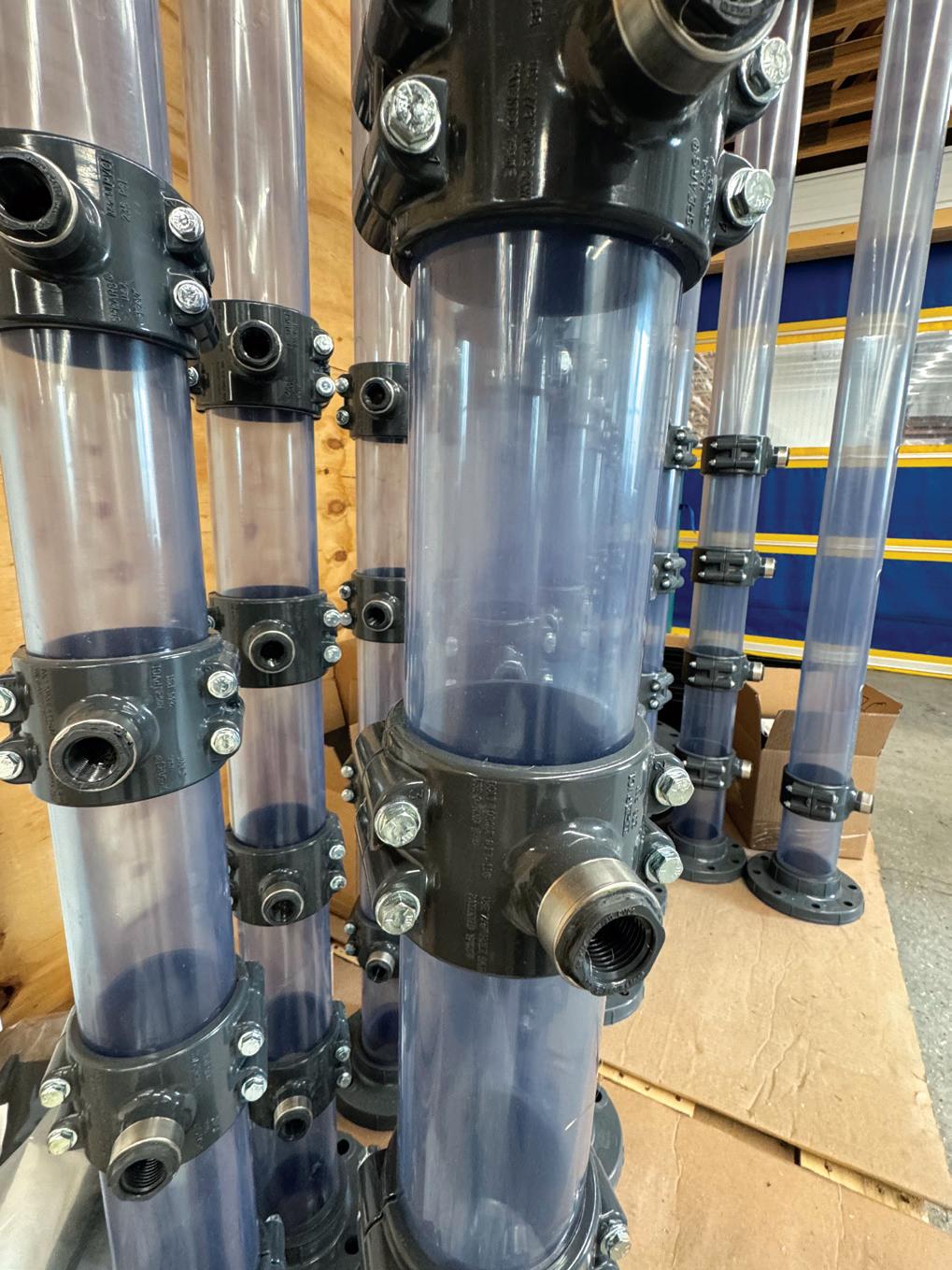
Most pilot skids available on the market today are offered through fixed rental fleets: standardized units with set column geometry, predetermined sample tap locations, and limited ability to modify internal components. In this model, the utility and its engineering team adapt the test to the equipment, not the other way around. This represents a fundamental inversion of sound engineering practice.
Beyond the data quality implications, rental fleet availability is increasingly becoming a practical bottleneck. As PFAS treatment timelines tighten and more utilities move toward piloting simultaneously, the industry’s fixed rental inventory is being stretched thin. Project teams facing compliance deadlines are, in some cases, accepting suboptimal equipment configurations simply to stay on schedule, compounding the risks described above.
The clearest indicator that a pilot test is warranted is the presence of unresolved questions about media selection at the design stage. If a project team is still uncertain about which media will be used in the full-scale system, a pilot test should be strongly considered. The greater the uncertainty, the greater the justification.
Computational simulation tools offer a partial alternative for systems with better-established performance data. However, current simulation tools for PFAS removal, particularly for GAC, carry wide
"IF A PROJECT TEAM IS STILL UNCERTAIN ABOUT WHICH MEDIA WILL BE USED IN THE FULL-SCALE SYSTEM, A PILOT TEST SHOULD BE STRONGLY CONSIDERED. THE GREATER THE UNCERTAINTY, THE GREATER THE JUSTIFICATION."
uncertainty bands that limit their reliability as standalone design inputs. Until more accurate and validated simulation packages are available, physical pilot data remains the gold standard.
Grant timelines, project budgets, and compliance deadlines will always factor into the decision. The key is to treat the pilot program and the full-scale design as connected, interrelated parts of a single project, rather than as independent phases that compete for resources. A pilot program structured around the specific questions the full-scale design needs answered, and scaled to fit the project’s economic and schedule constraints, delivers the greatest value at the least cost.
Addressing the limitations of standard rental inventory requires a different starting point. Rather than offering fixed configurations and asking project teams to work within them, Sentinel Water Solutions designs pilot skids around the specific objectives of each test. The process begins by understanding what questions the full-scale design needs to answer, then working backward to configure equipment that generates the most relevant data possible.
In practice, this means adjustable column height and diameter to achieve accurate EBCT simulation without approximation. It means customizable sample tap number and placement, including options for remotely located sample valves that improve both safety and sampling consistency. It means media-specific underdrain mesh sizing tailored to the characteristics of GAC versus IX media, preventing channeling, media loss, and the hydraulic inefficiencies that compromise data integrity. And it means a modular rack and panel system designed for upgrades and expansion, so that a skid configured for an initial pilot study can be adapted for ongoing process verification as the full-scale system matures.
Site constraints are treated as engineering inputs, not afterthoughts. Ceiling height limitations, available footprint for the pilot itself, access requirements, and operator skill levels all inform how a skid is designed and dimensioned. When engineering consultants come to Sentinel with a test objective already defined, the team works to configure a skid that achieves it. When they arrive earlier in the process, Sentinel draws on full-scale treatment experience to help define the right questions before configuring the equipment to answer them.
Sentinel offers multiple pilot skid models spanning a range of budgetary and operational profiles, providing a practical starting point that can be configured to fit the demands of each project without the cost or complexity of a fully bespoke build. The result is a pilot program that is technically sound, economically realistic, and matched to the actual conditions of the site and test.
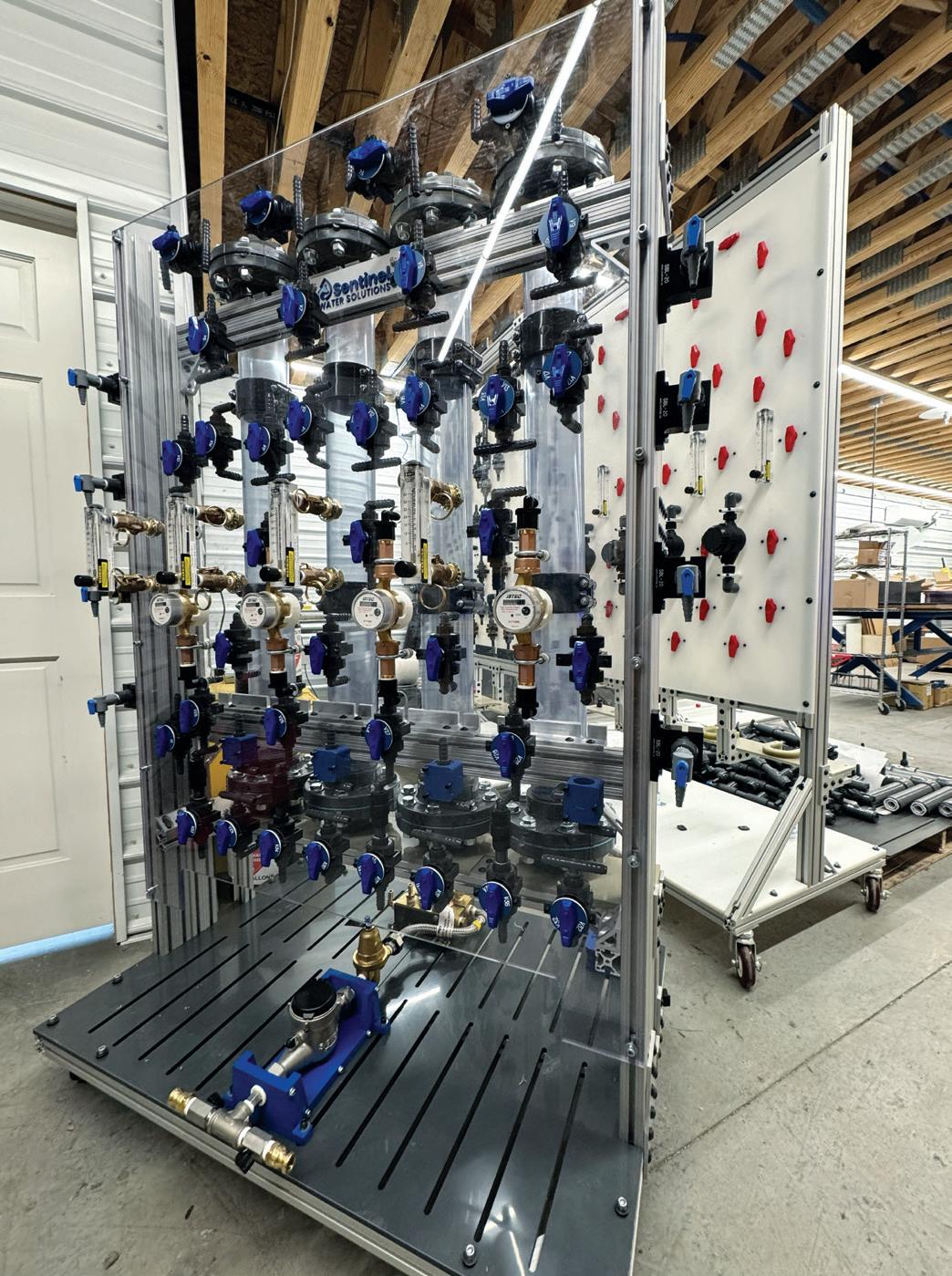
In the near term, a wave of PFAS pilot testing activity is anticipated as utilities race to meet EPA and state-level compliance deadlines with full-scale treatment systems. The urgency is real: designing, permitting, and constructing full-scale PFAS treatment is a lengthy process, and the time to gather pilot data is now.
Over a longer horizon, the role of pilot skids is expected to evolve beyond pre-design testing toward a more permanent function as ongoing process verification instruments. As full-scale PFAS treatment systems proliferate and the limitations of current analytical tools, namely the absence of real-time PFAS monitoring, become more consequential, side-stream pilot systems running in parallel with production-scale operations will provide operators with their most practical tool for continuous process assessment.
Pilot testing for PFAS removal is not without its costs and complications, but the risks of proceeding to full-scale treatment without one are substantial. And the risks of proceeding with a poorly configured pilot may be just as significant. Selecting the wrong media because a fixed rental column skewed the EBCT calculation is not a better outcome than skipping the pilot entirely. It may be worse, because it carries the false confidence of having done the work.
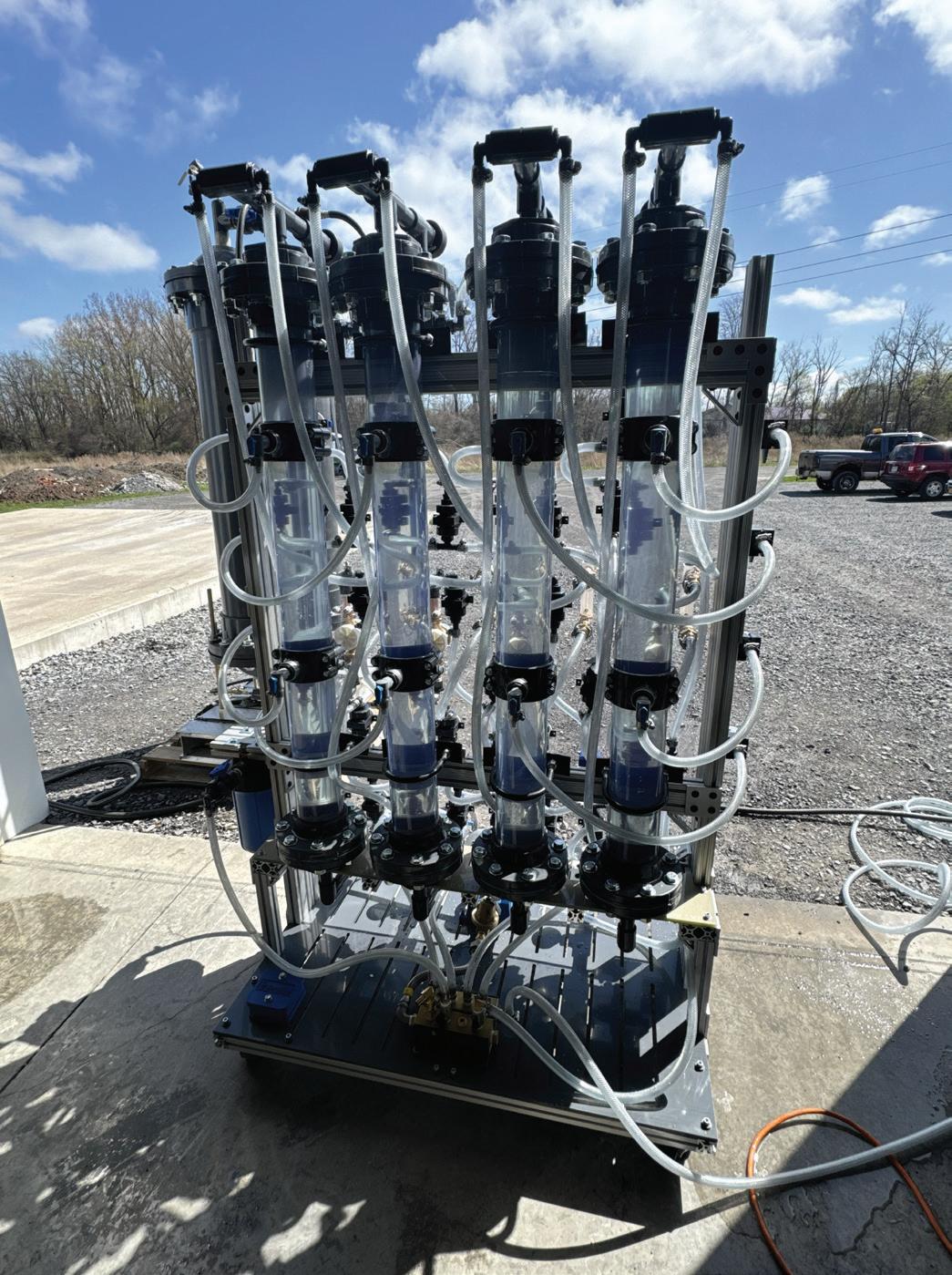
The right question to ask at the start of any PFAS pilot program is not simply whether to run a pilot test. It is whether the pilot is designed to answer the questions that actually matter for the full-scale system that follows. Are you designing your pilot around your treatment challenge, or inheriting someone else’s equipment constraints? Is your pilot skid helping you reduce risk, or quietly introducing it? Are you getting the data you need, or just the data your equipment allows?
A well-configured pilot program designed with the same rigor and intentionality as the full-scale treatment system it is meant to inform offers an exceptional return on investment. Spend a little money today to answer the right questions, and the full-scale design that follows will be built on a far more solid foundation. If your pilot provider cannot adapt the equipment to your test, it may be time to rethink the partnership.
Jinlin Tong is a Product Manager at Sentinel Water Solutions, where she leads the development and delivery of PFAS treatment solutions for municipal and industrial clients. She focuses on aligning customer needs, pilot program strategy, and full-scale system implementation to drive successful treatment outcomes across drinking water, wastewater, and industrial applications.
Joint CT & New England Section Luncheon (at ACE 26)
12:30 pm to 2:00 pm Clyde's of Gallery Place
pm
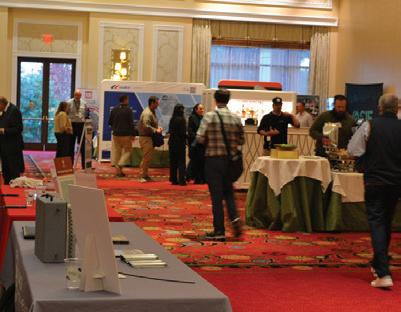
2026 Annual Conference –Sponsorship, Exhibitor & Career Fair Registrations 10:30 am to 2:30 pm
Name
Company Name
Aida Santana Lawrence Water Works
Brent Ranalli Cadmus
Derek Mason Lawrence Water Works
Drew Lamarca Watts Water Technologies, Inc.
Emmalee Cherington Town of Middlebury
Francisco Puello Lawrence Water Works
George Istefan Watts Water Technologies
Gregory McNeal Woodard & Curran
Joel Chalas Lawrence Water Works
Jorge Jaime Lawrence Water Works
Name
Company Name
Lauren Crory Groton Water Department
Luis Perdomo Lawrence Water Works
Michael Schrader Haley Ward
Sarah Elizabeth Pedicini Beta Group, Inc.
SL Pate Laconia Water Works
Thomas Heath Xylem
Thomas Brady Town of Watertown
Tracy Santoro Xylem Vue
Tyler Chase Watts Water Technologies, Inc.
William Hale Lawrence Water Works



New England Water Wayfinder is made possible by the companies below who convey their important messages on our pages. We thank them for their support of NE AWWA and its publication and encourage you to contact them when making your purchasing decisions. To make it easier to contact these companies, we have included the page number of their advertisement, their phone number, and, where applicable, their website.






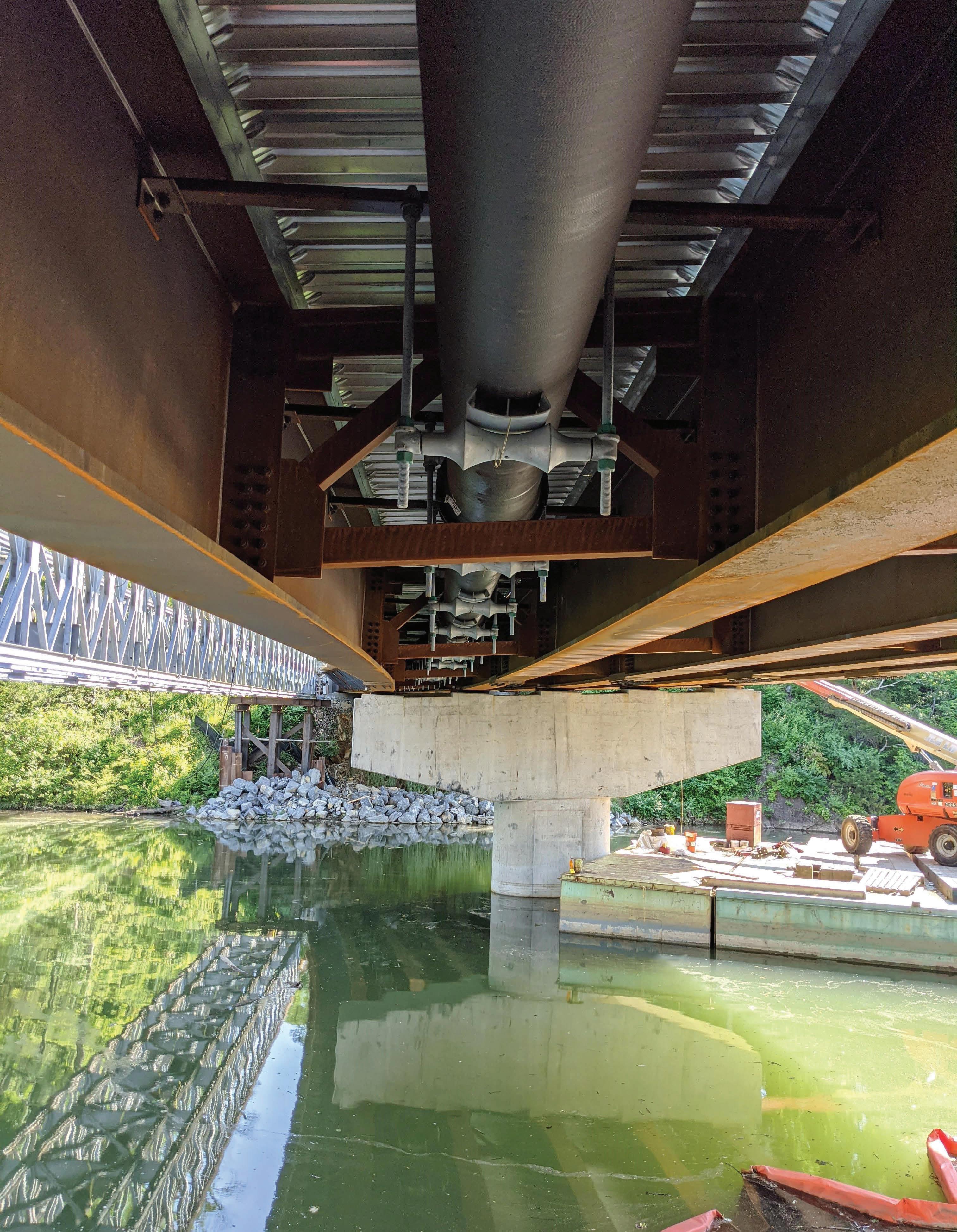
U.S. PIPE’S HDSS RESTRAINED JOINT PIPE IS THE SMART CHOICE FOR BRIDGE CROSSINGS.
Its fully restrained, leak-free joints, eliminate thrust blocks while accommodating vibration, thermal movement, and deflection. Built for strength and durability, HDSS resists environmental exposure and simplifies installation in challenging spans, delivering long-term reliability, reduced maintenance, and confidence where failure isn’t an option.
SCAN THE QR CODE TO LEARN MORE ABOUT BRIDGE CROSSINGS