



20
Terry Sinopoli of
Arlene’s Costumes
38
WOMAN LEADING THE WAY
Jenny LoMaglio
100 COVER STORY
SHE HUSTLES TALKS
Juanita Worboys
20
Terry Sinopoli of
Arlene’s Costumes
38
WOMAN LEADING THE WAY
Jenny LoMaglio
100 COVER STORY
SHE HUSTLES TALKS
Juanita Worboys
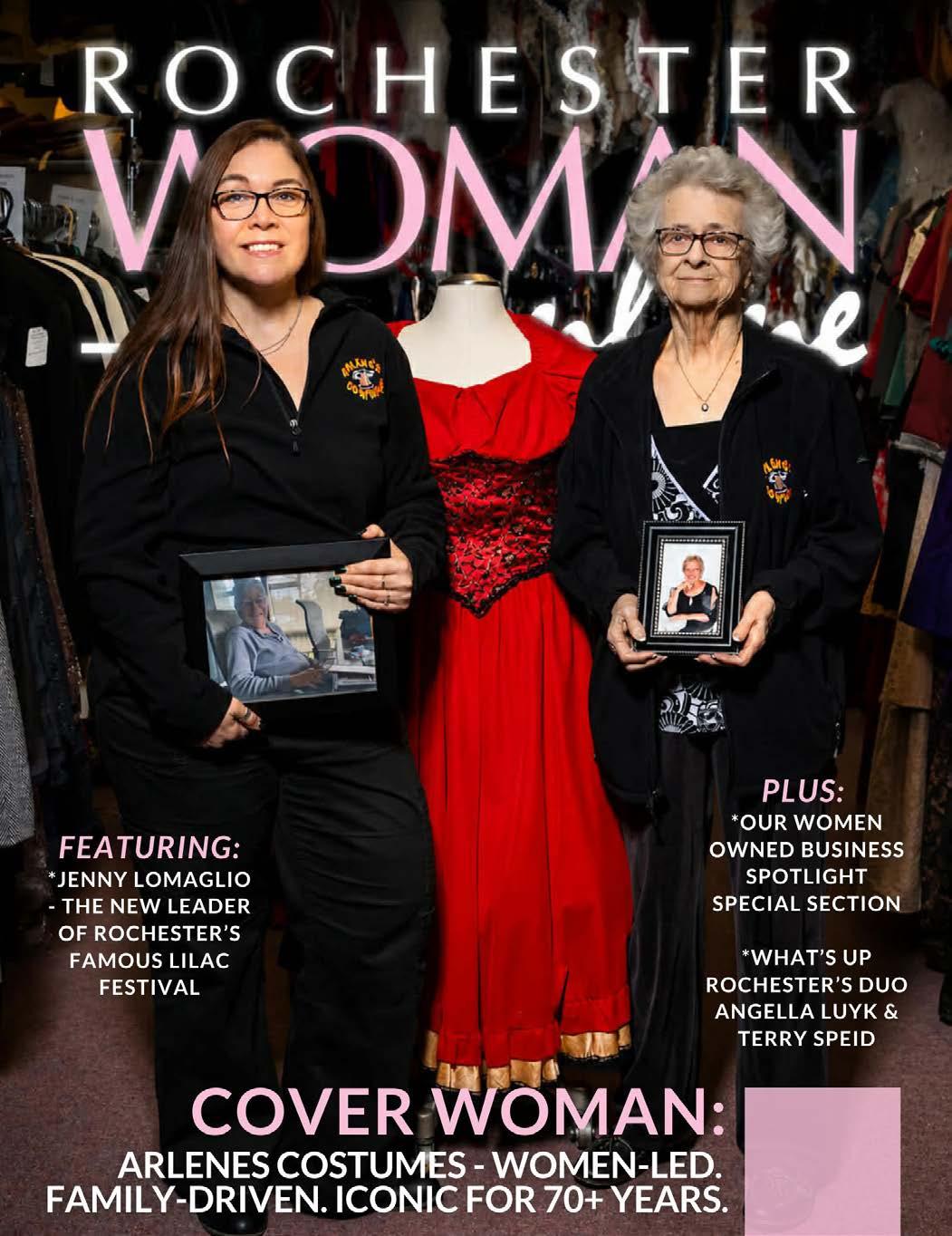
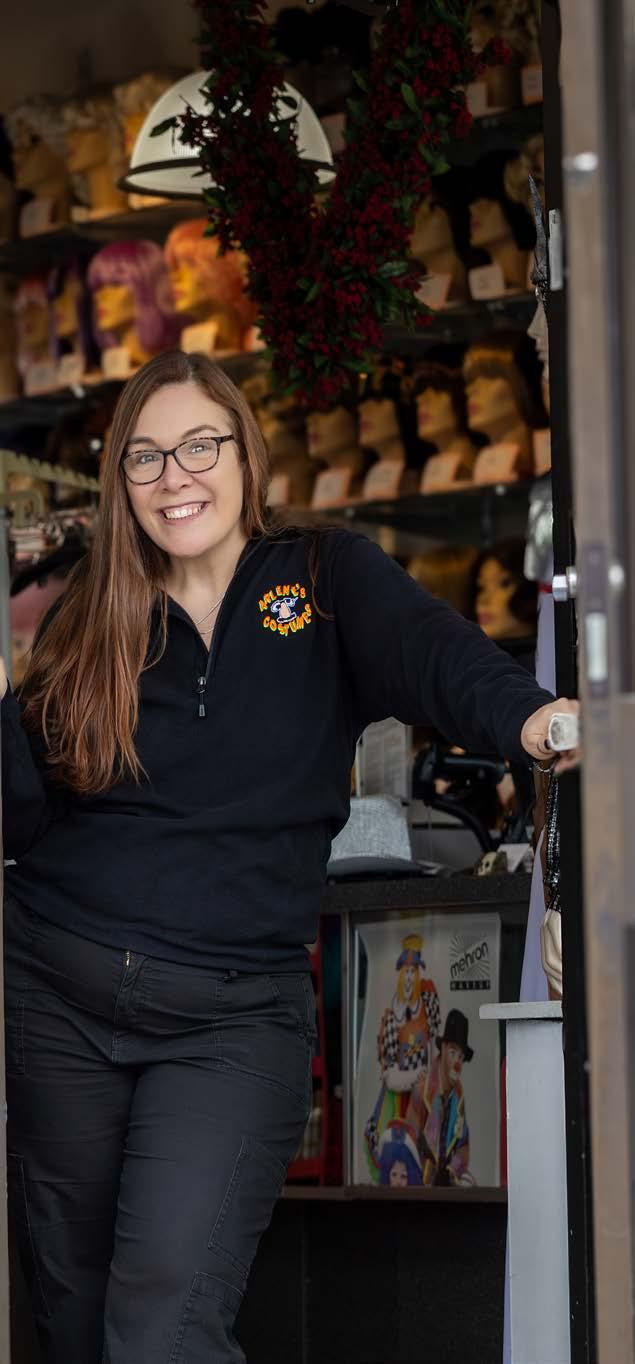
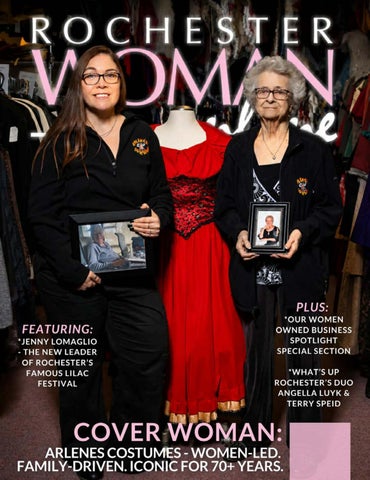
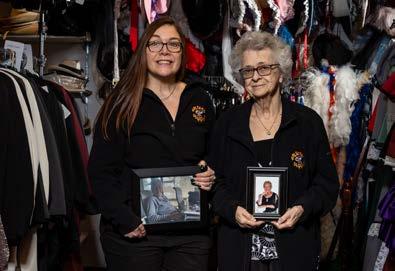
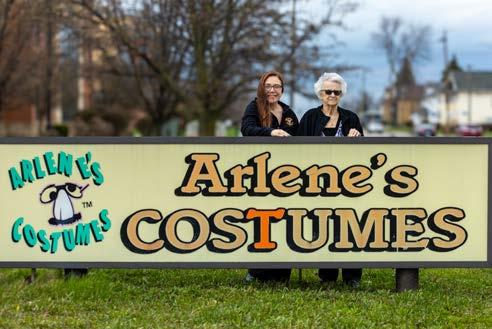
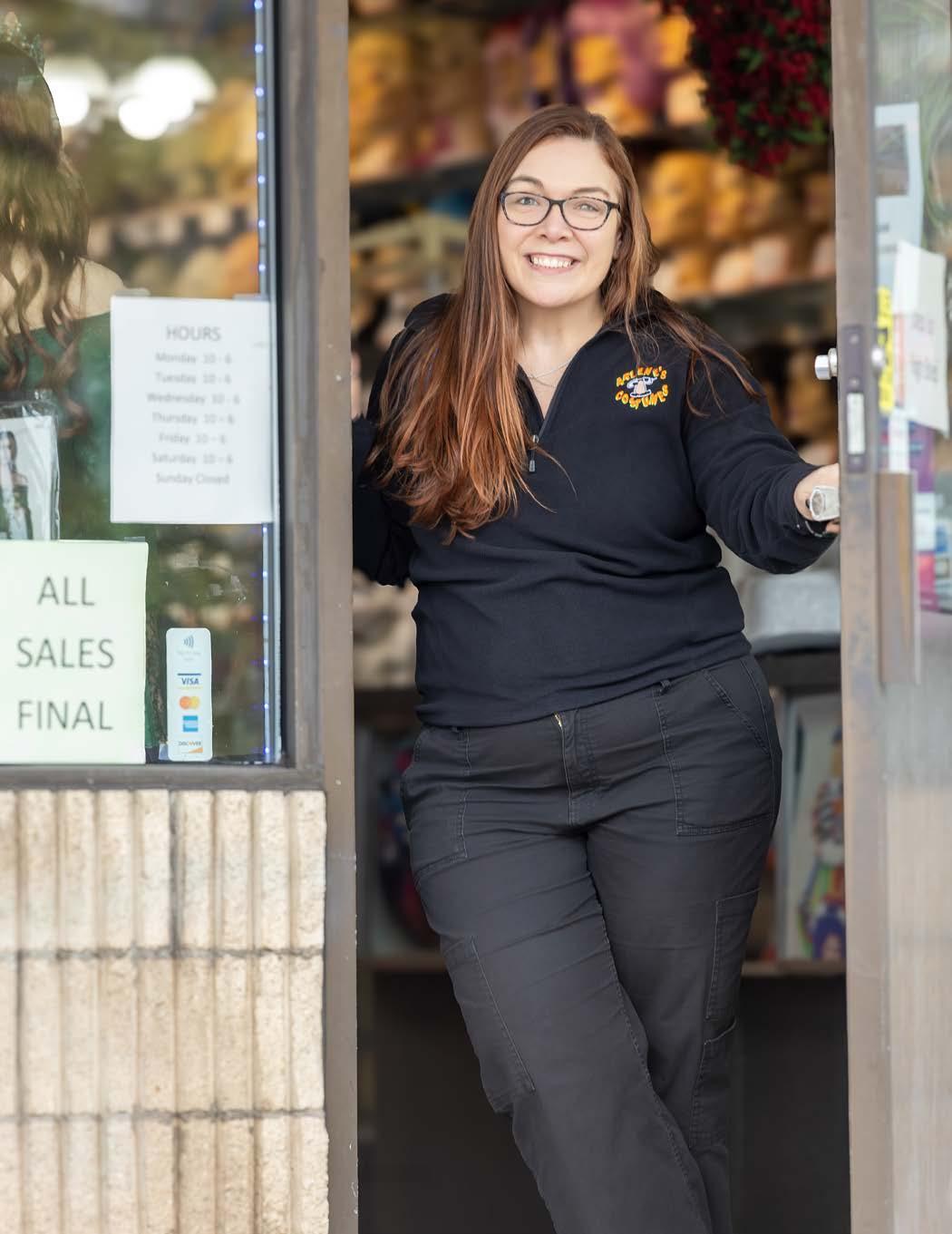
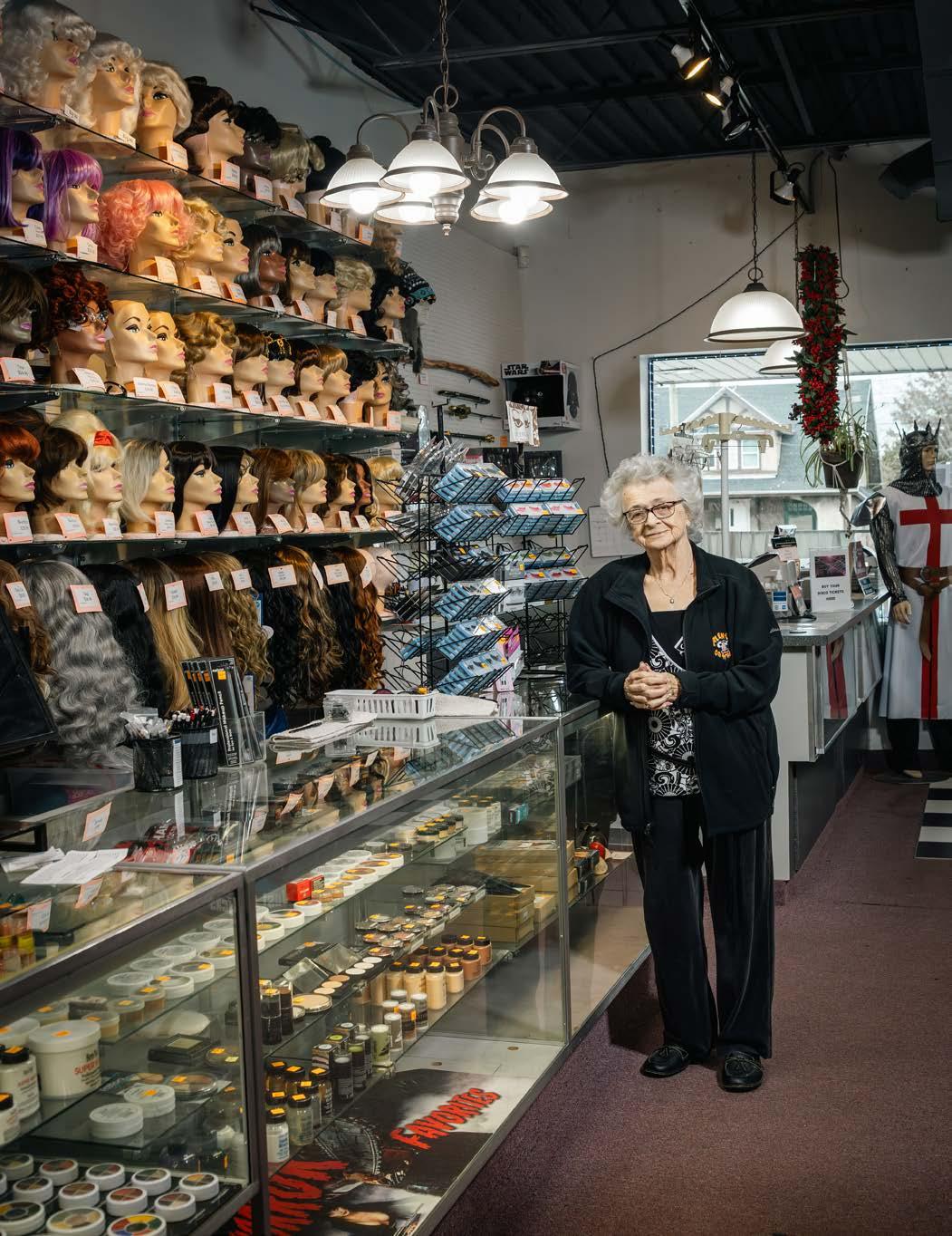
Our annual women entrepreneurs cover featuring Terry Sinopoli and her grandmother, owners of Arlene’s Costumes were photographed by Belevati Studios on location at Arlene’s on Portland Ave, Rochester NY.
As I sit down to write this letter for our annual Women Entrepreneurs Edition, I can honestly say my heart feels so full. Every single year, this edition reminds me why Rochester Woman Online Magazine was created in the first place — to shine a light on incredible women who are building businesses, breaking barriers, creating legacies, and inspiring others simply by daring to show up as themselves. And this year’s issue may be one of my favorites yet. �� Our cover woman, Terry Sinopoli of Arlene’s Costumes, represents everything this edition stands for. Arlene’s is not just a business — it is a legacy. Celebrating an incredible 70 years in business, female-led through five generations, their story is one of resilience, creativity, community, and the power of women who continue showing up decade after decade to build something meaningful. Terry’s story touched me deeply because it’s about so much more than costumes — it’s about family, tradition, perseverance, and carrying forward the vision of the incredible women who came before her. In a world where so many businesses come and go, seeing a woman continue to lead and evolve a beloved Rochester institution through generations is nothing short of inspiring.
This issue is also filled with stories of women who are redefining leadership in every industry imaginable. One woman I am especially excited to feature is Jennifer LoMaglio, the first female Executive Producer of the Rochester Lilac Festival — one of the most recognized festivals in the country and a Rochester tradition for generations. Jenn’s story is such a powerful reminder that women belong in leadership spaces, at decision-making tables, and at the forefront of shaping major events, organizations, and experiences. Watching women continue to step into roles historically held by men is exactly the kind of progress and empowerment this magazine has always hoped to celebrate. And speaking of celebrating women… I personally want to invite each and every one of you to join us for one of the most exciting events we have ever created:
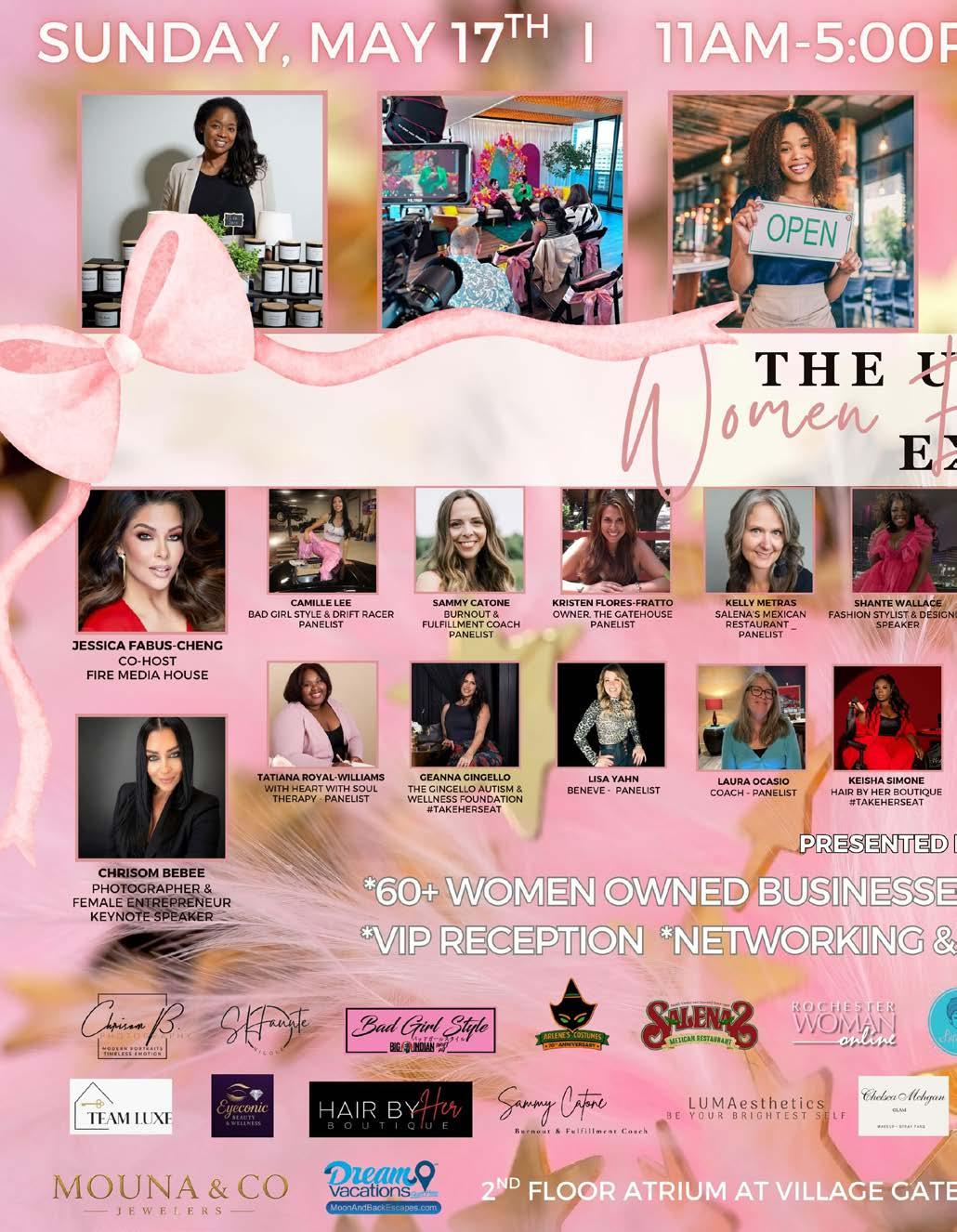
The Ultimate Women Entrepreneurs Expo
Sunday, May 17th | 11 AM – 5 PM
Village Gate – 2nd Floor Atrium
This is more than just an event — it’s an experience. A movement. A room filled with women who are ready to connect, collaborate, inspire, support, and empower one another. With over 60+ women-owned businesses, incredible speakers, powerful panel discussions, networking opportunities, live interviews, performances, and so much more, this day is all about community and visibility. And the best part? It’s absolutely FREE to attend.
If you’ve been craving connection… inspiration… encouragement… or simply a reminder that you are not alone in your journey — this is where you need to be. Because when women gather intentionally, something incredible happens. Businesses grow. Confidence expands. Opportunities appear. Friendships form. And sometimes, lives change.
As always, I also want to personally invite YOU to become part of the Rochester Woman Online movement. Do you have a story to share? Are you building a business, brand, or mission you’re passionate about? Have you overcome something that could inspire another woman? We want to hear from you.
Whether it’s through a feature, advertising, live interviews, events, collaborations, or even becoming a future cover woman, there is a place for you here. Rochester Woman Online Magazine has spent 17 years building a platform centered around one mission: helping women be seen, be heard, and be visible. And with an audience of over 100,000 readers across our platforms, your story truly has the power to inspire someone else.




PUBLISHER
FREELANCE EDITOR
CREATIVE DIRECTOR/GRAPHIC DESIGN
LEAD PHOTOGRAPHER
PHOTOGRAPHY CONTRIBUTING WRITERS
Kelly Breuer
Marisa Zeppieri
Kelly Breuer
Belavati Studios
Creating Your Memories
Dominic Guzman
Suliany Vargas
North Glow Photography
Chrisom Bebee
Christine Conte
Walida More-Sims
Victoria Fountaine
Alexis Hall
Tamesha Beckford
The ACS Team
Clianda Florence
Meg Tobin
Shauna Dixon
Lori Bruton
Erin Pittinaro
Victoria Fountaine
Jessica Fabus Cheng
Robin Dewind
Chrstine Piacentino
Laura Ocasio
Angella Luyk
Heather Carroll
Keisha Simone
ADVERTISING SALES
SOCIAL MEDIA DIRECTOR
WEB DESIGN & MANAGEMENT
Kelly Breuer
Network Rochester
Network Rochester
Jenny LoMaglio
Karin Rogers
Tatiana Williams
Anna Evevsky
Tatiana Royal-Williams




BY NICOLE HEROUX WILLIAMS I PHOTOS BY NSP STUDIO
PHOTOS BY BELAVATI STUDIOS
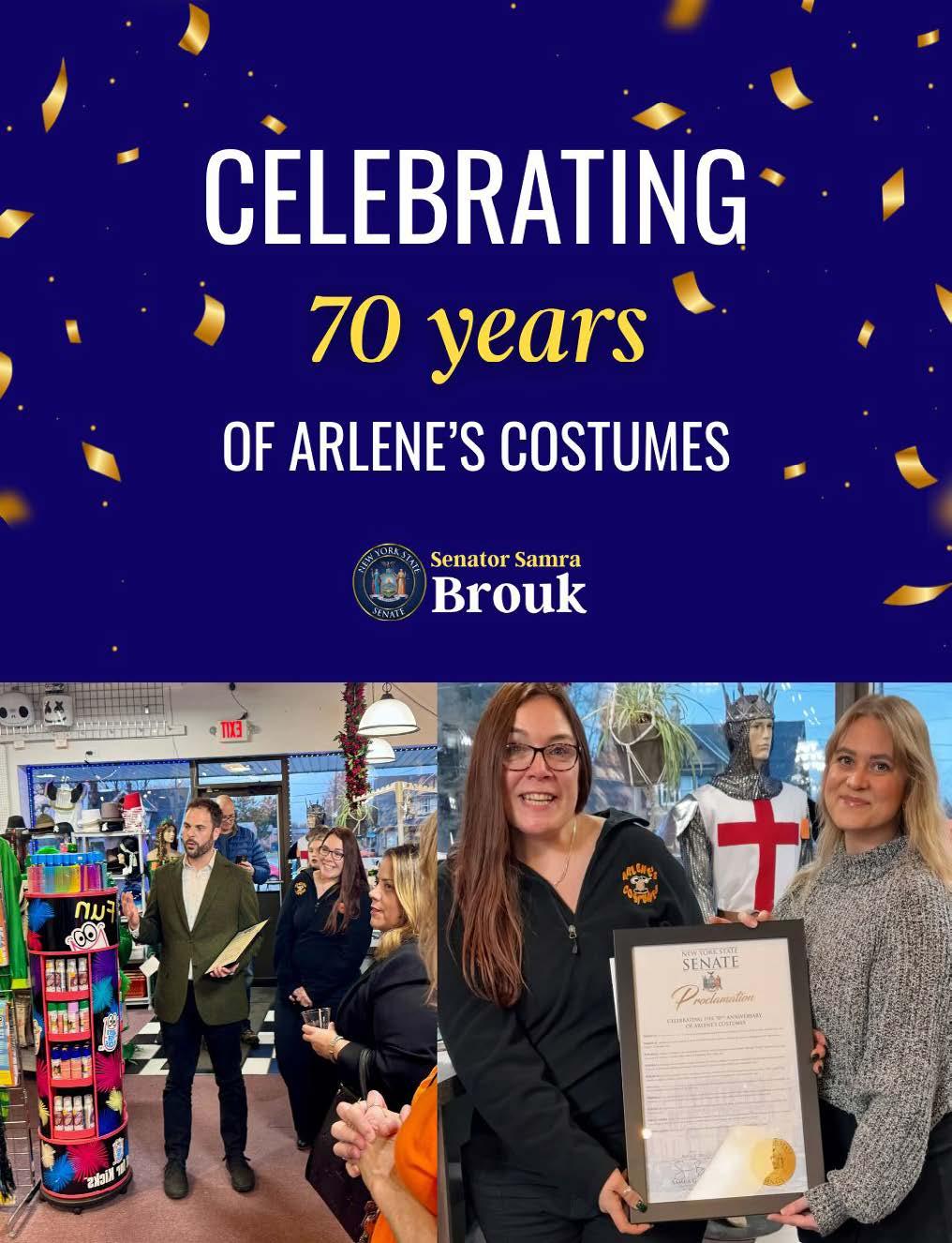
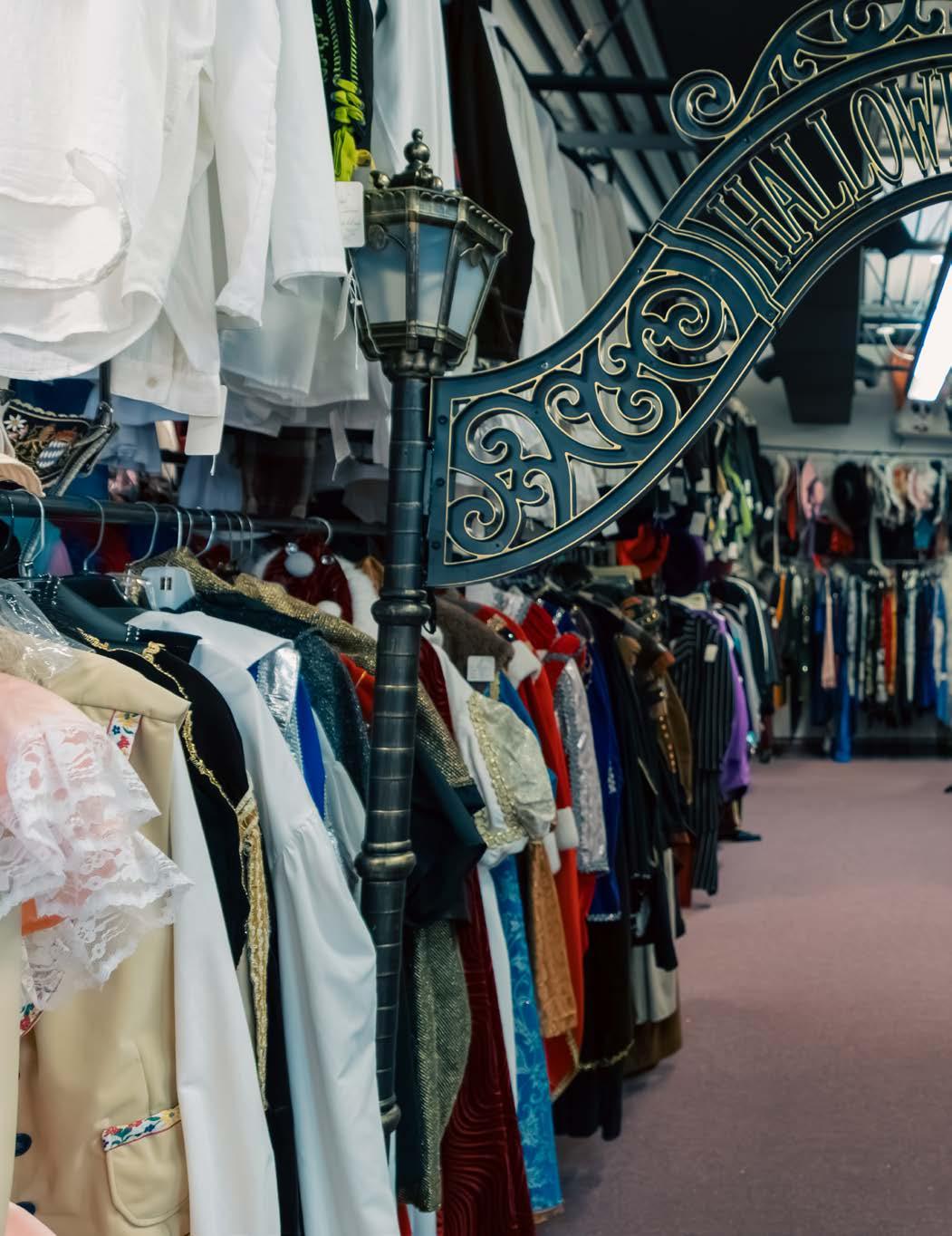
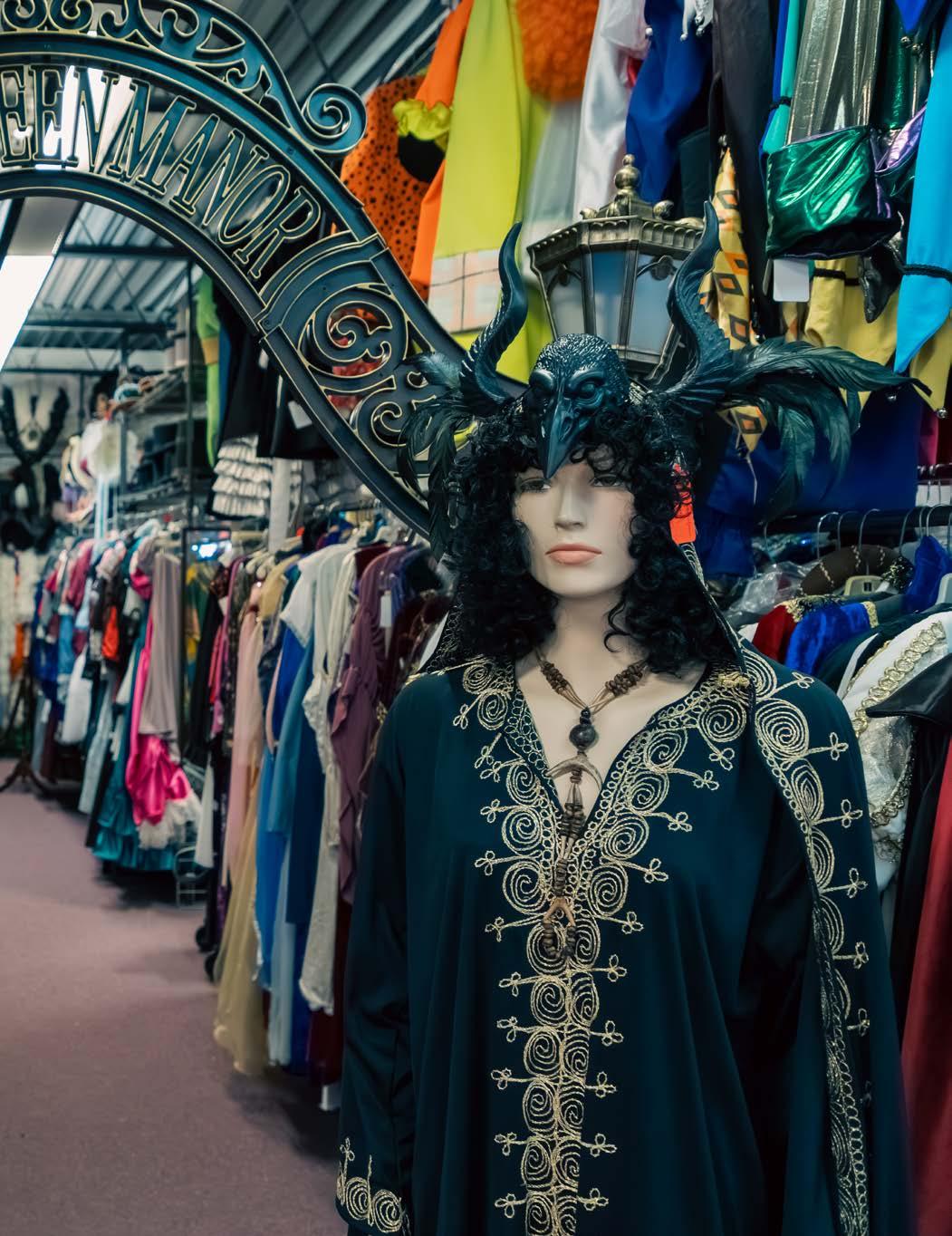
Terry Sinopoli’s story is one woven together by family, resilience, creativity, and generations of powerful women who dared to build something extraordinary long before it was common for women to lead businesses. As the owner of Arlene’s Costumes — a beloved Rochester institution celebrating over 70 years in business — Terry is proudly carrying forward a five-generation legacy that began with two women chasing a dream in the 195 0s. What started as a small costume and vintage clothing shop built by her Great Aunt Arlene and great-grandmother Molly has grown into one of the most recognized costume businesses in the region, rooted deeply in community, imagination, and heart.
For Terry, this business has never just been about costumes. It has always been about transformation, connection, and creating joy. Raised among racks of costumes, creativity, and entrepreneurial spirit, she grew up inspired by the fierce women who came before her — women who taught her to work hard, love hard, and always lead with heart. Though Terry initially pursued a different professional path in government, politics, and management, life eventually brought her back home to the family business where she discovered that continuing the legacy wasn’t just her responsibility — it was her calling.
and her mother Cindy only one month apart. Yet even through grief, Terry found purpose in carrying their vision forward. Watching customers, friends, and community members pour into the funeral homes to honor the women who built Arlene’s Costumes reminded her just how deeply this business has impacted generations of Rochester families. It became clear that Arlene’s was never simply a store — it was a place where memories were made, traditions were
simple mission: making people feel seen, celebrated, and transformed. And in many ways, that is exactly what Arlene’s Costumes has done for Rochester for over seven decades — creating magic, one costume at a time.
Take us back to the beginning — how did Arlene’s Costumes first come to life over 70 years ago?
born, and people were given permission to become whoever they dreamed of being.
My Great Aunt Arlene and her mother Mildred (Molly) Stephens worked for Molly’s sister and sisterin-law at a costume shop and vintage clothing store in Elmira, New York . They realize that they wanted to do the same thing but of course couldn’t open it in the same town and were looking for a fresh start. They moved north to the big city of Rochester New York and started the Next to New Shop and Arlene’s Costumes on East Main Street (where Salvatore’s is now).
The last year has brought unimaginable heartbreak for Terry and her family with the loss of both her beloved Aunt Arlene
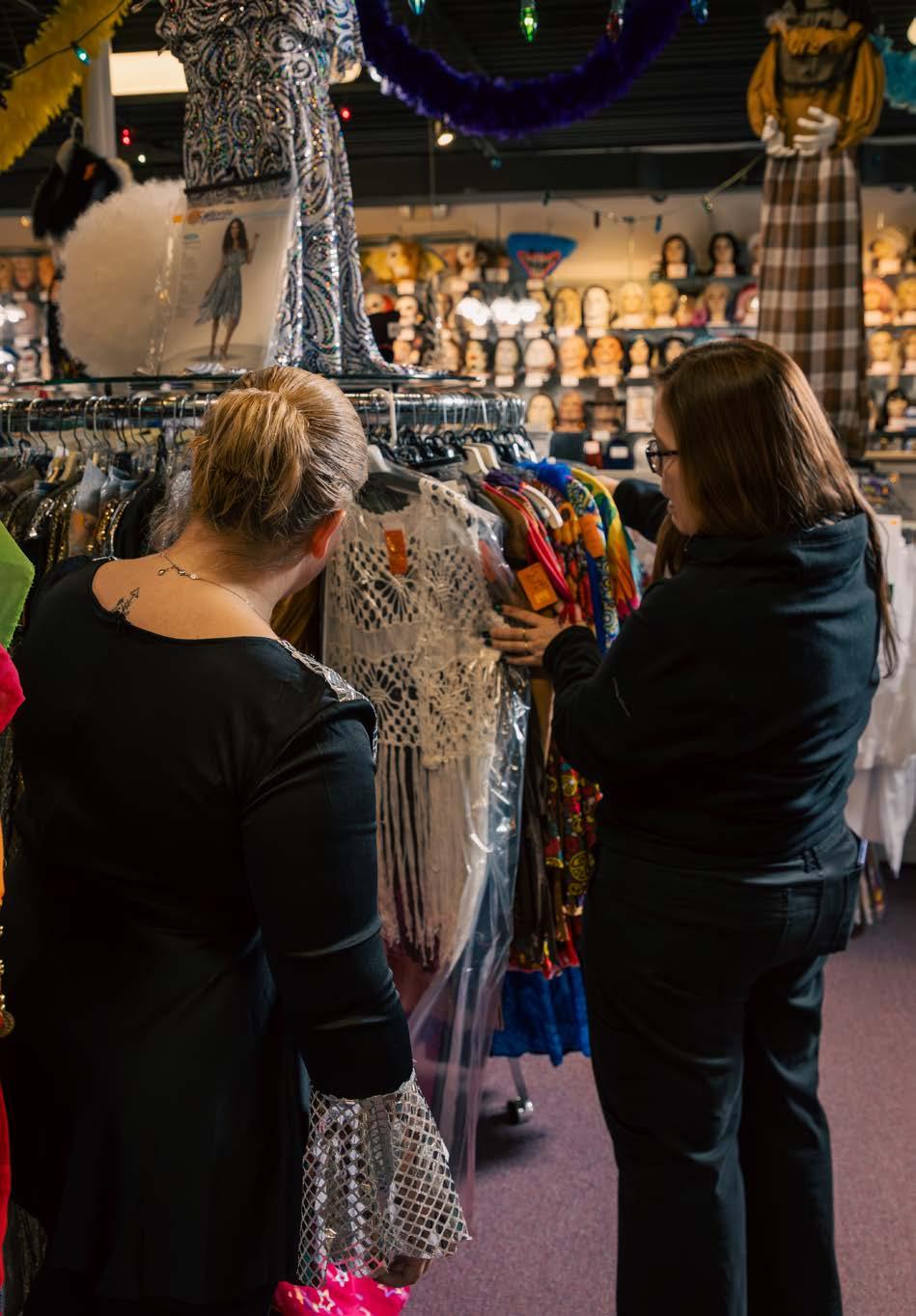
Today, Terry continues to evolve the business while honoring the traditions that built it. From embracing e-commerce and social platforms to expanding community partnerships and interactive experiences, she has helped modernize Arlene’s Costumes while keeping family, customer service, and community at the center of everything they do. Through every challenge, pivot, and triumph, Terry has remained committed to one
What do you know about the original vision your family had when they started the business?
Molly and Arlene wanted to start their own business, be creative and be able to make a living. That was unheard of in the 5 0’s.
How has being a women-led business from the very beginning shaped your identity and success?
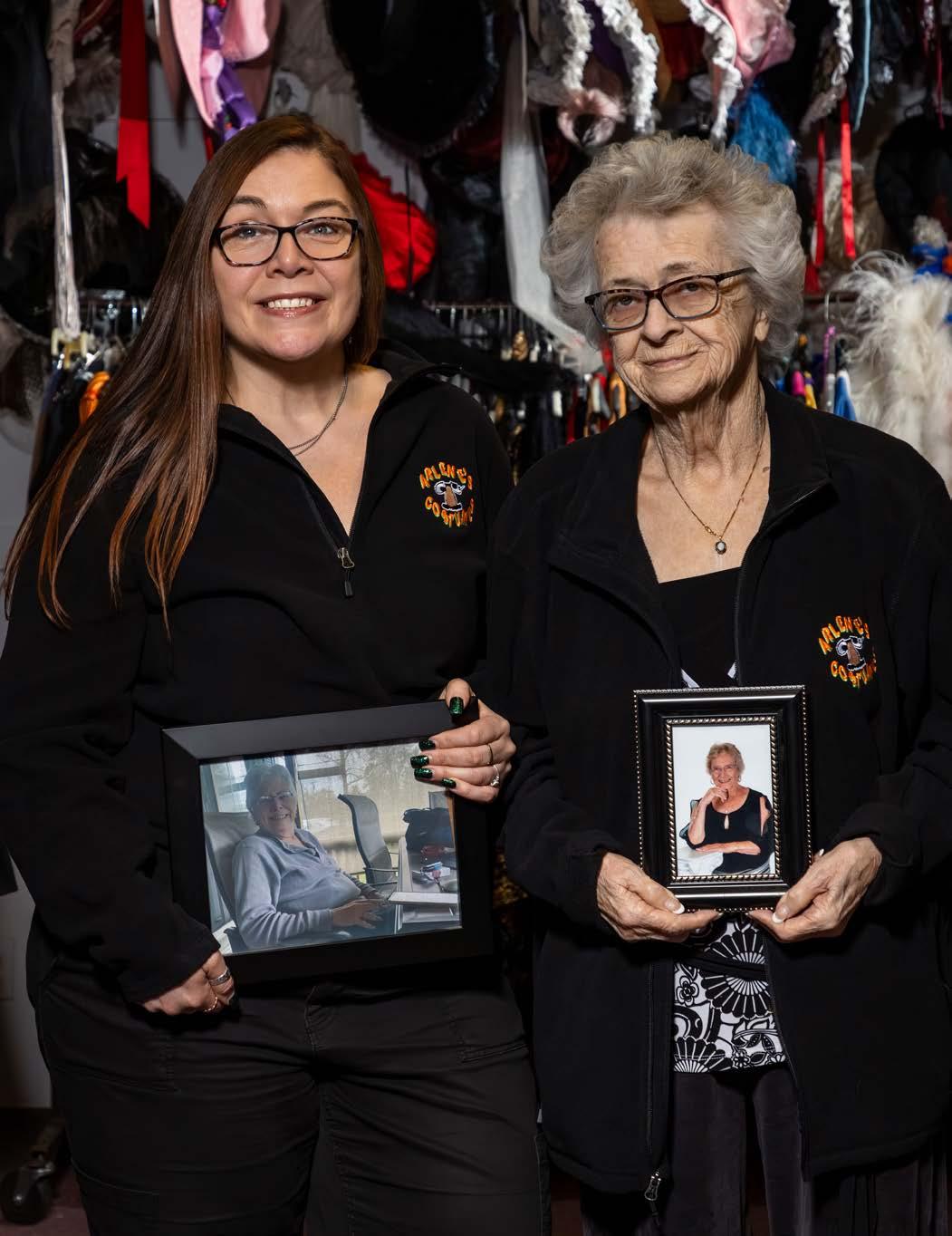
“Molly and Arlene wanted to start their own business, be creative and be able to make a living. That was unheard of in the 50’s.” {
BY NICOLE HEROUX WILLIAMS I PHOTOS BY NSP STUDIO
I grew up in this business. I always knew I wanted to be a leader and follow in the footsteps the women who came before me . Well I didn’t initially intend on running the business it was these women who helped me reach for my dreams.
I was the first in my family to go to college. I earned my associates degree first from MCC then went on to St John Fisher to get my bA in political science and then continued on for my masters in public administration from Brockport I worked in government and politics for several years living in Washington DC and Albany for a few of those. I moved home and worked in management and training until my children were born and I was looking for more flexibility and decided to go back to working with my family.
Can you share a story about your grandmother or the early generations that still inspires you today?
I remember hearing my Aunt Arlene talk about how she and my great-grandmother would make costumes for children in the neighborhood because they saw some of them walking around in garbage bags.
of carrying on a legacy passed on from multiple generations including my Great - Grandmother, my Grandmother and her sister, my mother and now me is amazing.
way that our industry is run today. She worked in a factory prior to coming to work for the business full time and she ran a tight ship.
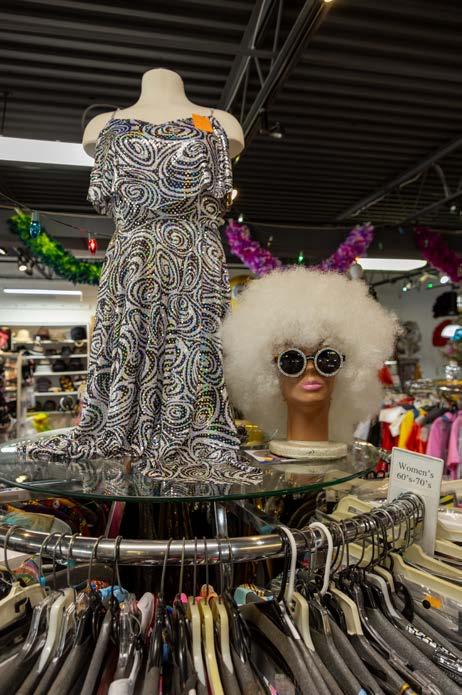
What does it mean to you personally to carry on a five-generation family legacy?
It means the world to me. The thought
How did your mother influence the way you lead the business today?
My mother was fierce. She she truly was a force of nature. She not only ran the business but truly influenced the
After your mother’s passing, how did stepping into this role change your perspective — both personally and professionally?
When my mother passed on July 24, 2025 (one month to the day after Arlene) it was heart-wrenching. She was truly one of my best friends. We literally sat next to each other and talked everyday even if we weren’t at work. Her passing was very sudden and essentially caused by a brain aneurysm so it made me think about my health more, my children and my fiancé Vinny and the business. I have three younger brothers and an older sister and all of us were affected by her passing.
What are some of the values that have been passed down through each generation?
Our family passes down the values of work hard, play hard, love hard., family is everything to us and we all spend time together on a regular basis. We work together, travel together, camp in the summer together and laugh together.
How has your family dynamic played a role in keeping the business strong through the years?
We not only treat each other as family
“I grew up in this business. I always knew I wanted to be a leader and follow in the footsteps the women who came before me .”
BY NICOLE HEROUX WILLIAMS I PHOTOS BY NSP STUDIO
but we treat our customers, vendors and employees as family. It has created a sense of community and family that is noticed by anyone who walks in our store.
How has Arlene’s Costumes evolved from when it first opened to what it is today?
Only first started costume shop was strictly rentals. My great-grandmother believed that if you sold things people wouldn’t come back whereas if you rented them then they would always want to come back.
It really wasn’t until my grandmother joined the business and the early 80s that the retail component came in to being as strong as it is. By the time my mother joined the business in the mid-90s retail was a huge portion of our industry and our business. We started opening pop-up stores before there were really pop-up stores all over the area from the late 90s through 2019 in malls and plazas cross the Rochester area and even in Buffalo.
We have had a website since 2000 but started selling on Amazon as a thirdparty seller in 2016. We expanded with eBay and Walmart over the next couple of years.
Within the last couple of years we recreated our website to be powered by Shopify which allows us to sell on 10 different platforms including Shop, TikTok, Facebook, Instagram and soon Temu.
We could have never imagined this in the beginning.
What are some of the biggest changes you’ve seen in the costume and event industry over the years?
I am currently the elected President of the National Costumers ASSOCIATION (NCA). Our industry has seen so many changes. The NCA celebrated its 100th birthday 3 years ago. We celebrated in Indianapolis with a weekend long special event where I took my oath of office as president of the NCA.
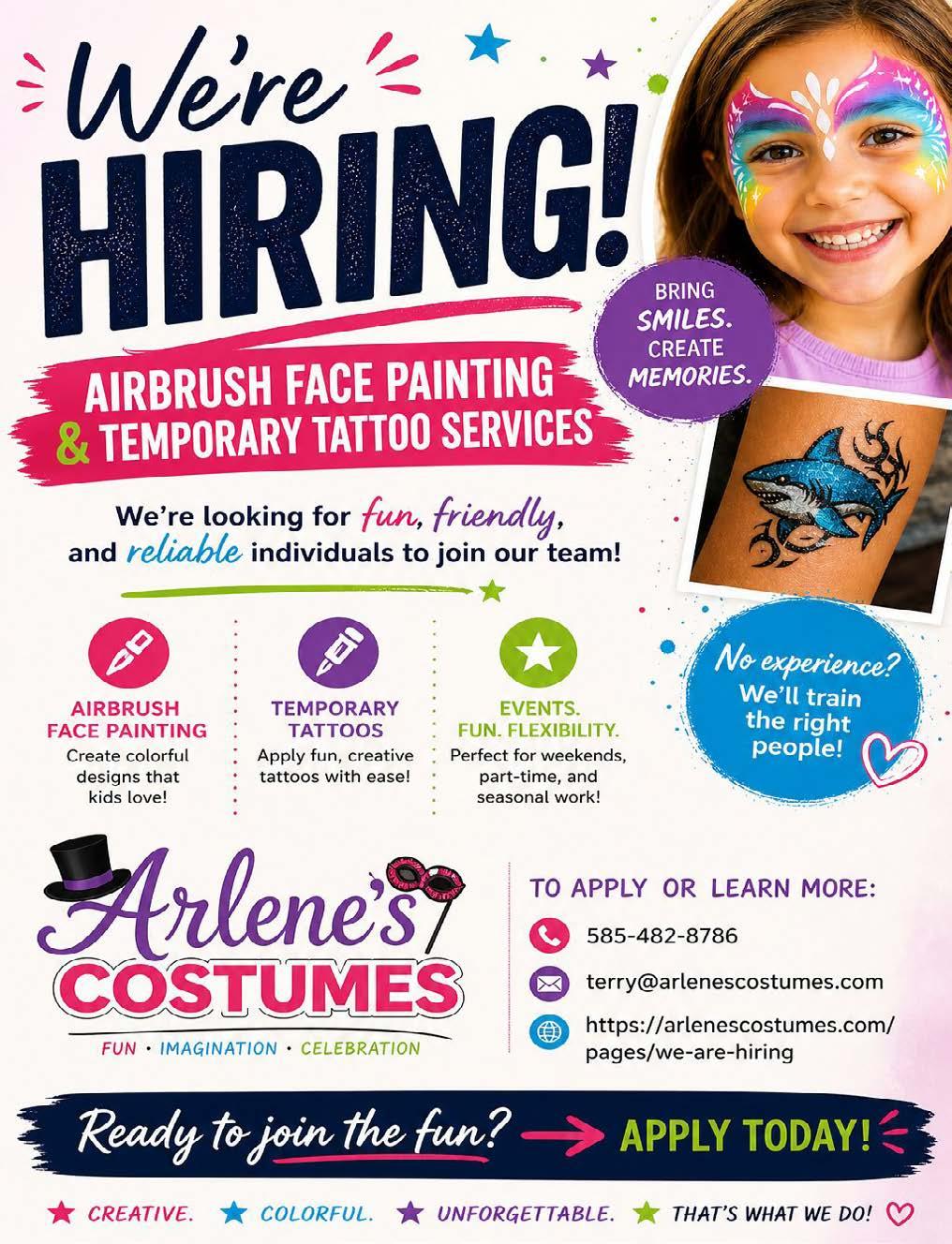
The internet has changed everything. Many costume shops sell online. Some have side hustles like mascot creations, theater, or like our airbrush face painting and temporary tattoos.
How have you balanced honoring tradition while still innovating and staying relevant?
While we sell online and do airbrush face painting and temporary tattoos, we still keep customer service and family as the primary focus of our entire business.
Personally, I ask myself what would Cindy (my mom) and Aunt Arlene do. If they wouldn’t do what I’m thinking about doing then it’s just not something that we should be doing. Usually though I remind myself that they were traveling and would do anything to keep the business in the forefront.
This year we turn 70. We have been in business since 195 6. My grandmother Donna and I thought about doing
advertising like Billboards and TV and radio and then we thought about it and realized that Arlene and Cindy would want us to do things that are much more in person and face to face. We expanded our networking which is something that I do very well with. We joined to Chambers - Irondequoit and Brighton so far. We also joined the Rochester Women’s Network.
Were there any pivotal moments or challenges that could have changed the future of the business?
Covid with something that truly could have changed the course of our future. We were very lucky and that we had pivoted several years before in 2016 realizing that the internet was the future of our industry and that we needed to make changes sooner rather than later. We continued to sell online through covid and even though I worked from home for 3 months, I processed orders every morning. Cindy helped me with anything that I need and Donna and Arlene pulled the stock since they lived above our warehouse and office. We also followed many restaurants in the area and started a local pickup service that allowed local customers to come and pick up things like Easter Bunnies so that they could visit their loved ones in nursing homes or visit family members from the driveway.
What has been one of the toughest moments in the business, and how did your family overcome it?
The deaths of Arlene and Cindy one month apart from each other absolutely
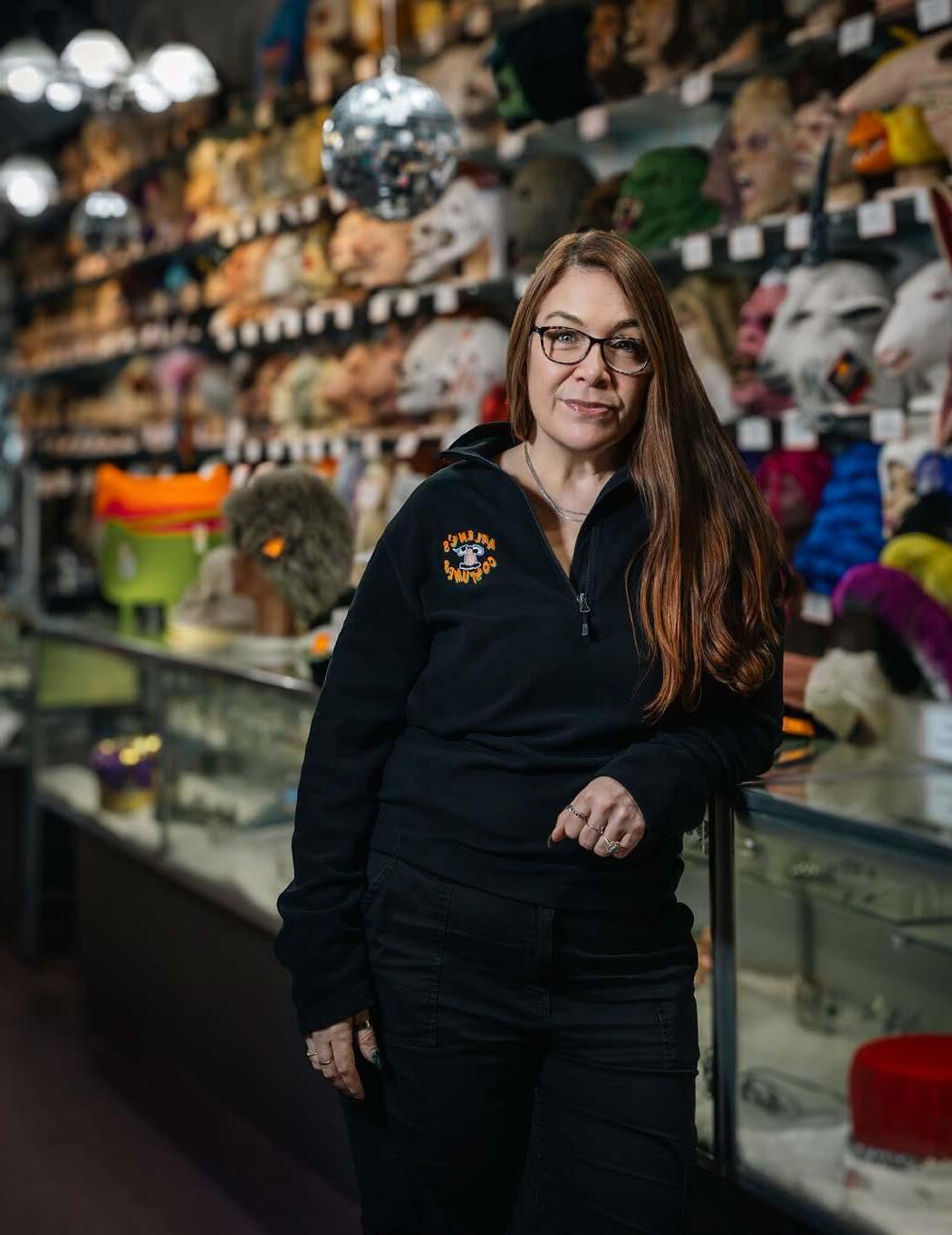
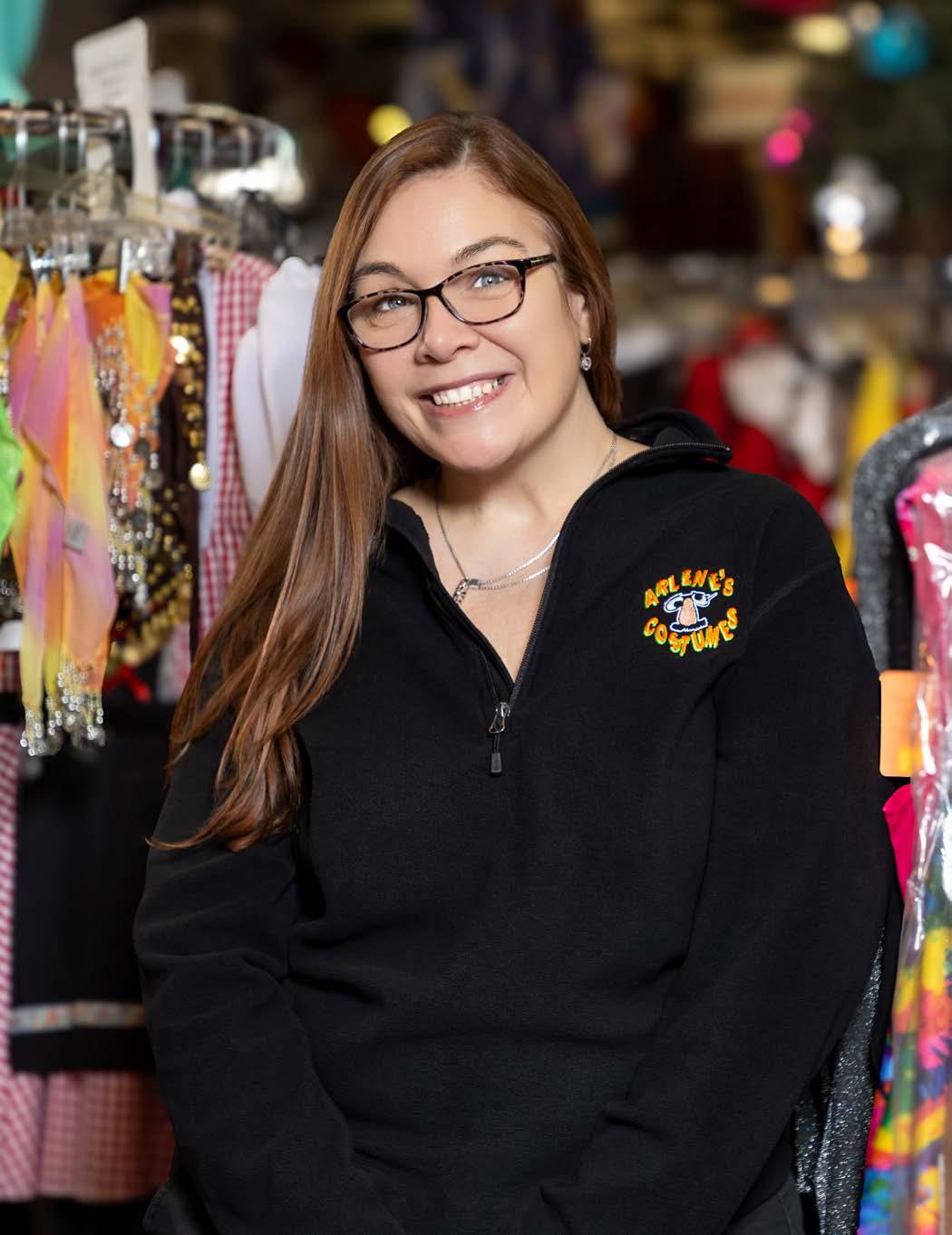
“ The thought of carrying on a LEGACY passed on from multiple GENERATIONS including my Great - Grandmother, my Grandmother and her sister, my mother and now me is AMAZING.”
“We
started opening pop-up stores before there were really pop-up stores all over the area from the late 90s through 2019 in malls and plazas cross the Rochester area and even in Buffalo.”
BY NICOLE HEROUX WILLIAMS I PHOTOS BY NSP STUDIO
crushed us. We came together as a family worked hard and ended up having the best Halloween we have ever had and that was 100% in their memory.
What keeps you motivated to continue growing and pushing forward, especially after such a personal loss?
I was determined to keep the business going but when I saw all of the people come to see us at the funeral home for both Arlene and Cindy and it wasn’t just family and close friends it was customers and community members, that told me that we had to keep this going. That it was important not just to our family but to families all over the Rochester area.
How do you define success — and has that definition changed over time?
I think success changes with the moment that you are in at the time when I was in high school or college it was good grades make me a little money when I was in my professional life in the beginning it was getting promotions or making more money when I started my family it was my children’s success. Now it is still my children’s success but also my business success as well.
Arlene’s has become such a staple in the Rochester community — what does that support mean to you?
The support that we see from the community means so much to us. We had an open house celebrating our 70
years in March and the community outpouring was incredible. It was also amazing to see so many people from our extended Rochester family at my Aunt Arlene and mother’s funerals over the summer.
What role does community connection play in your business model today?
We firmly believe in giving back to the community as the Rochester Area is a huge part of our business. We include charities such as the Ugly Disco, Turkey Bash, Autism Up, schools and other organizations as part of our business model. I am on the board for the Ugly Disco which raises funds for Golisano Children’s Hospital and CURE. I also work with the Skycoasters to promote the Turkey Bash which raises money for Honor Flight.
Do you have a favorite customer story or moment that truly captures what Arlene’s is all about?
A number years back, a man and his niece came into one of our pop-up shops at Eastview Mall trying to find a Halloween costume for her.
The gentleman said that, unfortunately, the girl’s parents had passed away in a car accident recently and he was strapped for cash and needed to figure out how to get her a Halloween costume. All she wanted to be was a bird.
I started piecing together a costume out of whatever I could find for the girl, who was about 9 years old.
I worked with some of our employees and found her a green cape, a feather boa and some loose feathers. The little girl said, ‘Well, I have a brightcolored sweatsuit at home, and I can put that together,’” she said.
About a week or so later, at the mall’s trick-or-treat party, the outfit came together. It was cosplay before cosplay was really a thing.
All of a sudden I got tackle-pounced by this little 9-year-old all dressed up as a bird. She was flapping her arms and running around and so excited, and her uncle was crying and I was crying. So, I got to make a little kid very, very happy by making her into a bird.
Providing the means for someone’s metamorphosis is in the shop’s lifeblood. In that way costumes are a bridge between worlds — between the real and the imaginary, between dreams and reality between heaven and earth.
What is your vision for the next generation of Arlene’s Costumes?
My hope is that Arlene’s Costumes will continue in the family for many years and many generations.
Are there plans to keep the business in the family — and what does that look like for the future?
We hope that the business will stay in the family. The next generation has their own dreams but I hope

Arlene’s Costumes is all about. I hope that the women in our family and in our community can love what they

Helping Rochester businesses get seen, heard, and connected since 2005.

BY NICOLE HEROUX WILLIAMS I PHOTOS BY NSP STUDIO
PHOTOS BY NORTHGLOW PHOTOGRAPHY
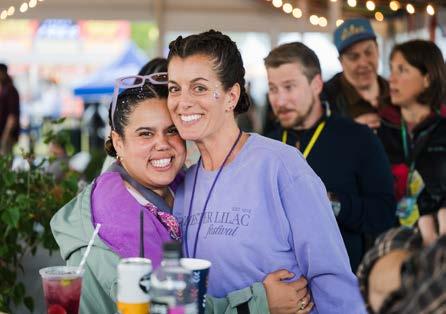
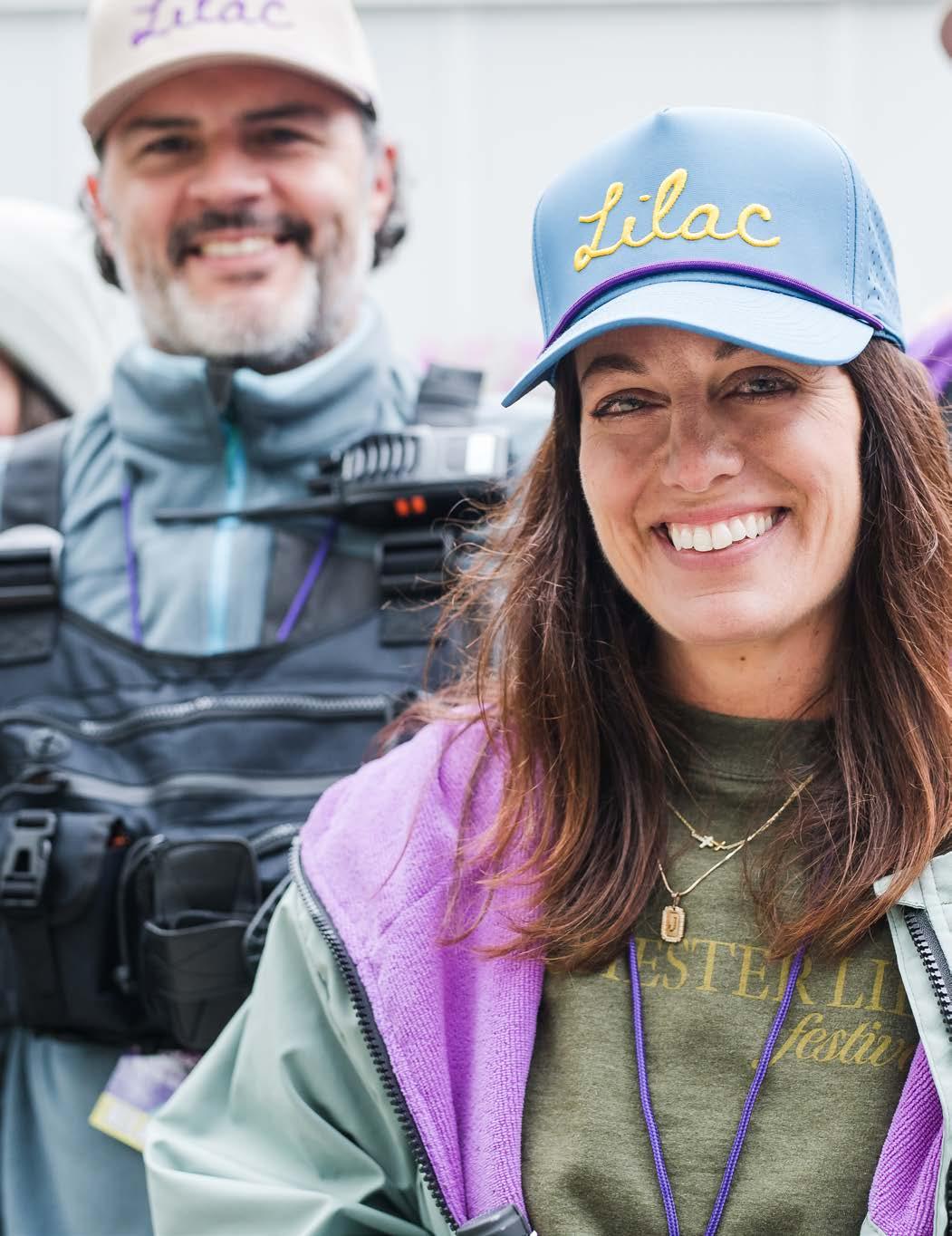
Jenny LoMaglio is redefining what it means to lead one of Rochester’s most iconic traditions. As the first female Executive Producer in the 128-year history of the world-renowned Lilac Festival, Jenny has stepped into the role with vision, grit, and a deep understanding of what community truly means. What many see as a beloved spring festival filled with music, food, flowers, and memories, Jenny sees as something even bigger — a living, breathing experience that belongs to the people of Rochester. And for her, that responsibility is both personal and powerful. With more than two decades of experience in entertainment, production management, marketing, and large-scale event execution, Jenny has built a career rooted in resilience, creativity, and leadership. From Emmy Award-winning productions at ESPN to producing global events and managing high-performing teams, her path has been anything but ordinary. Yet despite her impressive resume, what stands out most about Jenny is her authenticity. She openly speaks about self-doubt, earning leadership through experience, and the importance of serving the people you lead. “One day you wake up and you can say, ‘I earned this,’” she shares — a statement that perfectly captures the humility and determination behind her success.
Since taking over the Lilac Festival, Jenny has worked tirelessly to modernize and elevate the event while preserving the traditions generations have cherished for decades. Under her leadership, the festival has implemented enhanced security measures, improved accessibility, expanded entertainment experiences, and introduced innovative new initiatives like the Lilac Tasting Table, free walking tours, sustainability partnerships, and a more inclusive festival environment for all attendees. Her mission is clear: create
a space where everyone feels welcome, safe, and excited to return year after year. But behind the scenes of an event that draws over half a million attendees in just ten days is a woman who thrives in organized chaos. Jenny and her small but mighty team spend nearly the entire year planning every detail — from sponsorships and talent booking to logistics, layout, and attendee experience.
She leads with trust, empowering her team to excel without micromanagement, while remaining deeply involved in every aspect of the production. Whether she’s pitching national sponsors in a boardroom or hauling barricades in the rain, Jenny embodies the true spirit of leadership: adaptable, fearless, hands-on, and deeply committed. At the heart of it all is Jenny’s passion for creating moments people never forget. For her, success isn’t measured solely in attendance numbers or sponsorship growth — it’s found in the joy of families gathered on the lawn, children laughing on rides, friends sharing food and music, and an entire community coming together in celebration. The Lilac Festival may be one of Rochester’s most recognizable events, but under Jenny LoMaglio’s leadership, it has become something even more meaningful: a reflection of connection, inclusivity, tradition, and the power of bringing people together.
First, congratulations on becoming the first female Executive Producer of the iconic Lilac Festival—what did that milestone mean to you personally and professionally?
The Lilac Festival is so...generational. It’s community. It’s such an honor to be a part of something that everyone who is from Rochester knows about. Personally, I can see my current self looking at my younger self- saying “You were meant to be this person.” As I grew into an adult, I always
had a bit of self-doubt. I still do. I say it’s good to have humility. Being a leader in life takes practice and time. We need to learn how to be good listeners, friends, colleagues, and parents. Then one day you wake up and you can say “I earned this.” People in my life have told me, “We always saw you doing something like this. Do you remember when....” Then there was always some ridiculous story about me videotaping and editing something, or trying to produce some sort of event like a dinner or surprise party, or setting a space with the perfect lighting. I never saw it! Professionally, I feel the same. You have to earn the leadership role and that comes by getting experience, making mistakes, and standing up for what you believe in. The best advice I’ve ever read is “A real leader recognizes they serve the people that they lead”.
Taking over such a historic and globally recognized event, what was your vision stepping into this role?
It was two-fold: to keep the festival as memorable as possible (music! food! kids rides!). But in reality, the festival needed a face-lift in many ways. We needed better security procedures, a favorable footprint, more accessibility, better visuals and some new initiatives to keep attendees coming back more than just one day.
I tripled security measures by adding more efficient gate checks, cameras and more staff. Attendees actually thank us. They understand this is a mass gathering and that we are keeping them safe. We adjusted vendor placement to reduce bottlenecks and improve queue lines. We invested in a beautiful entry to welcome our guests, and decor and seating in the food & beverage areas. A long list of improvements were added to make our festival safe and inclusive: free water stations, a Sensory Space, continued use
“I learned about being on-time, about how they juggled parenthood simultaneously, and how to have a voice. My work today is decades of grit, quick-changing trends, and perseverance.”
of our ASL interpreters, a non-alcoholic bar, and a diverse musical line-up. I will continue my mission of making sure that our community knows that all are welcome, and that this space is safe for all. Some new things that we’re proud about: all-new Farmer’s Market, the Lilac Tasting Table (a food and beverage sampling experience), free Walking Tours, and a new pilot launch of becoming a more green/sustainable event.
The Lilac Festival draws over 500,000 attendees in just 10 days—how do you even begin planning something on that scale?
We plan...about 11 and half months for this. As soon as the event is over, we’re taking inventory, thanking our sponsors and attendees, working on post-event reports, and settling our books. By the time summer is over, we are in full swing with planning for the next May. We are a small but mighty team! Everyone has a role, and we all work together like puzzle pieces!
What does a typical timeline look like when producing an event of this magnitude—from concept to execution?
We ebb in flow in tasks and energy. The early fall brings brainstorming on how to fix any challenges. Then we throw around a bunch of ideas on how to create new initiatives within the festival. Sometimes an event within the event, or sometimes it’s just something that will make it better. This year was both: we created The Lilac Table (sampling event), and partnered with Impact Earth to be more green. Then we begin to source and renew our exhibitors and sponsors, as well as work on the talent line up. It’s not too long after the holidays that we begin announcing bands and closing the registration for the Art Show. We continue to update our website, build out each area of the park,
like VIP or the Dive Bar with specifics, and work on marketing initiatives. We keep in touch with our attendees via E-blasts and get people ready for spring by reminding what they are missing on socials. By April we are all a little bit frazzled but excited for what is about to come. We’re like expectant mothers in the last trimester! We visit the park all year to measure, and by the first week of May we see it transform. We basically live at Highland Park until it’s all over.... and then start all over again just a short time later.
How do you manage and lead large, highperforming teams to ensure everything runs seamlessly?
I have only one full time employee, but I do hire 16 freelancers. By the time we are at event time, we are several hundred-including crew, security, bartenders and our Production Team. My core team gets to lead their own events independently. I make it a strong habit to give everyone the freedom to do their tasks without micromanaging HOW they work. When it comes to the project at hand (art show, merchandise, race, sponsorships, etc) we meet weekly to discuss progress, ideas and I’m there to be a mentor. I’m also there to open new doors when there is a challenge, and to teach during moments of roadblocks. I’m here to produce the event, but I’m also a business owner- I remind myself every day to practice patience, dig deep, make new connections- and to guide my team to do the same. When we are all ‘clicking’ then they are able to perform their best- which means this event is getting the proper production.
With so many moving parts, how do you stay organized and keep communication flowing across all departments?
We use several platforms to keep us all aligned. A workspace for emails, and several
programs to help us keep contact with our vendors, attendees, and marketing. The team as freelancers are all spread out, but we do have have weekly internal meetings and office space for those who like to be in-person. We are a tight knit group- so as we inch closer to May, our team is working with one another to make sure their portion of the event is produced efficiently.
You’ve increased sponsorships by 300%— what do brands look for in an event like the Lilac Festival, and how do you deliver that value?
If we didn’t have sponsors, exhibitors and our vendors, this festival wouldn’t exist. We have limited funding compared to other Rochester events and don’t have an admission fee- so every partnership matters. We’re lucky, because the Lilac Festival is truly the flagship event of the year. We pride ourselves in following the rule that if the partner doesn’t do well, we don’t do well. We custom-build our sponsorships out to each client’s specifc needs. We are looking at what will get them the best ROI and are able to act as the vessel to their success. We not only work with them as partners but often become friends. They can trust we have thier best interest in mind. The event world is a fun and entertaining one- so we make sure they can enjoy their experience in addition to their success.
Budget management is critical for events of this size—how do you balance financial goals while still delivering a top-tier experience?
I live and die by a budget....and many small sub-budgets! Everything has a price tag. I choose to not budge on the non-negotiables: and that is anything that will ruin the attendees experience, like their safety. We have a general budget for entertainment on the main stage- but we’ve
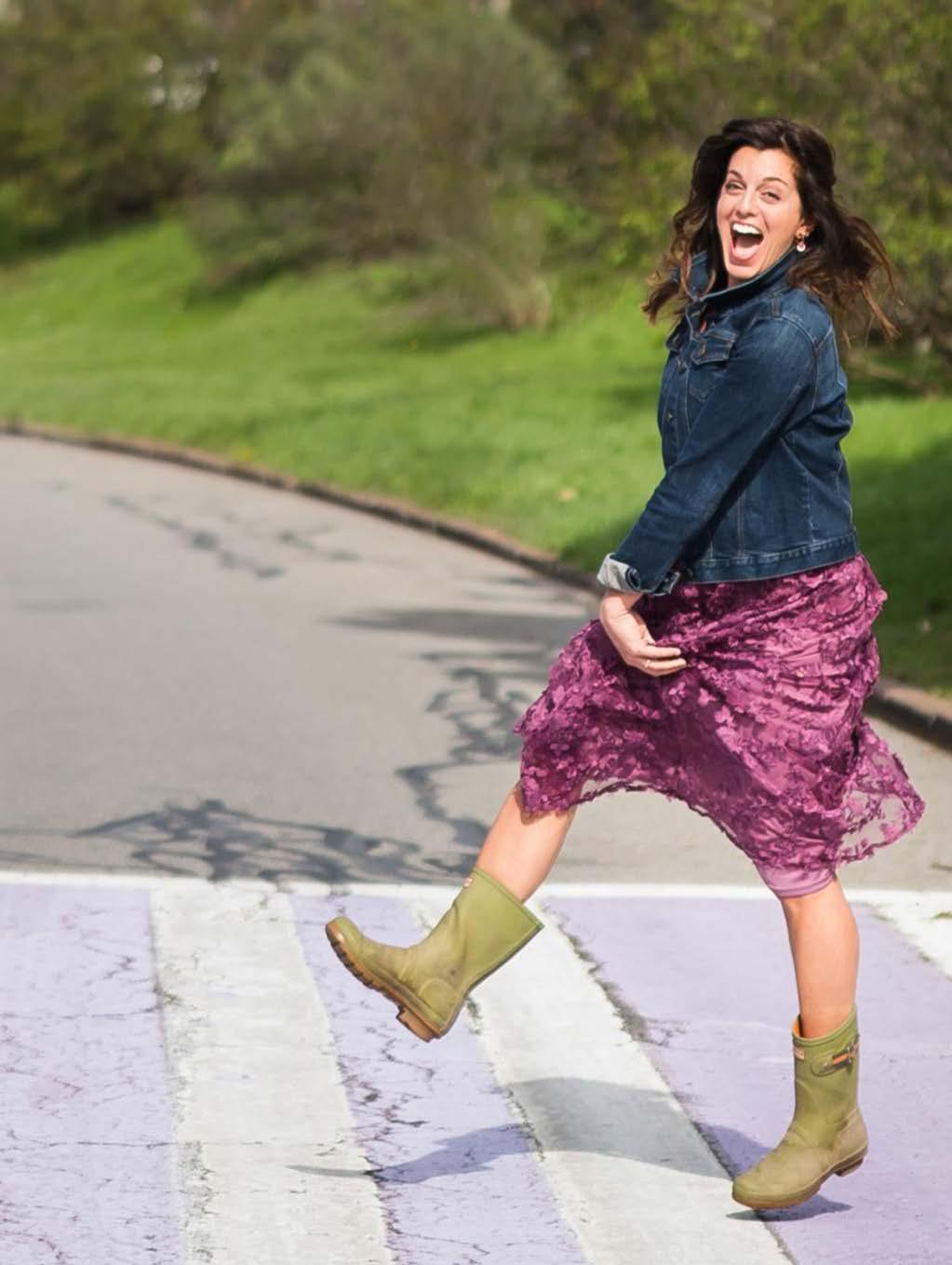
“By April we are all a little bit frazzled but excited for what is about to come. We’re like expectant mothers in the last trimester!”
doesn’t have a cost to us, like numerous busker areas (street performers). When we enhance something- like the post race party- it’s worth a little more spend. It means the race is being produced well and we have grown our runner-ship. We love to keep things local, work in trade, and offer free events to the community-like the new Farmer’s Market-- because folks can enjoy commerce from business owners and they stay for lunch. It always becomes full-circle. People remember this is a free, community event.
Your background includes entertainment and production management—how has that shaped the way you design and execute the festival experience? In Rochester, we are not a Tier 1 Market (like NYC, Miami, LA etc). It doesn’t mean we can’t act like it! Having been involved and visited other high-profile events- I mirror their approach and scale it to our hometown attendees’ interests.
What role does marketing and digital strategy play in driving attendance and engagement for such a large-scale event? Keeping a close eye on our analytics helps us determine how to market. We have what I like to call a ‘stroller- to - wheelchair’ event. This means- we cater to every age group and demographic. Marketing dollars typically fund new initiatives and raise awareness about what people need to know to make plans. Our socials may carry an older crowd on Facebook but a younger one on Instagram. We ensure each visual we produce works across all platforms. We use all forms of marketing-- digital, AI, and traditional. When you cover all ages with socials, print, and media it does cast the net wide.
Having lived overseas and worked on global events, how has that perspective influenced your leadership and creativity?
I lived overseas for about a decade. Everyone would ask me: What do you like better? I would answer: Nothing is better. It’s just different. Many of my friends are still international. It’s so interesting to see the way they dine, decorate, and entertain. The flavors of their region are integrated in everything they do. That’s how we can be here too- Rochestarians are proud. We love tradition. We love the land that the Lilac Festival sits on.
What are some of the biggest challenges you face producing the Lilac Festival— and how do you problem-solve in highpressure moments?
We continue to battle the keyboard warriors. I can upgrade security, show our inclusivity, and take measures to make it sustainable; however, there are still unhappy people out there. I don’t do this for praise; I do it because it needs to be done. The festival had some years when it was not as it is now. I have worked hard to make sure that the new reputation is heard loud and clear. I push through any barriers by standing my ground and not apologizing for any rules or ideas that I believe will make it a better place to be.
Can you share a behind-the-scenes moment where quick thinking or leadership made all the difference? When we’re in the moment of the event, and we have some small hiccups we are trained to keep calm and pivot appropriately. There is always an answer! We’ve been faced with massive pop-up storms, the power going out 15 mins before opening, and sometimes unexpected long lines. We can put fires out no problem! We are all prepared prior to opening day to de-escalate any issues that might happen.
You’ve worked on Emmy award-winning productions—how does that level of excellence translate into your work today?
When I won an Emmy Award, I was a baby- 24 years old. I was working in a male-driven environment of sports television at ESPN (early 2000’s) and had no idea that this was just the beginning of what would be just a stepping stone. The hours were brutal, holidays and weekends off didn’t exist and it was a true grind in those days. The pay was terrible but if you stepped away, someone was waiting in the wings to take your spot within minutes. My colleagues were twice my age, all men. They were my besties! I learned fast and not just the technology. I learned about being on-time, about how they juggled parenthood simultaneously, and how to have a voice. My work today is decades of grit, quick-changing trends, and perseverance. I can’t tell you how many times I’ve been in the most hilarous of situations-- standing on the side of a cliff with a boom mic in the rain, hauling barricades in 115 -degree Texas heat, or pulling a 22 hour day in the World Trade Center to transform a blank space into an event- that lasted only 4 hours. The Lilac Festival is no different. One day I’m shaking hands with an executive on the 17th floor of a high-rise wearing a skirt, and 2 hours later I’m cleaning out a porto-potty.
As a woman leading such a major event, what advice would you give to other women aspiring to step into leadership roles in event production?
I’d remind anyone who is a leader- know YOURSELF. Despite gender, if you know you have personality traits that will make the business work- use it. For me, I do see on the daily- how race and gender inequality still exist. However, my eyes are bright to how much we’ve advanced as a society. I always say to anyone who comes to me looking for direction: Would you rather have people like you, or respect you? I choose the latter. I choose to take
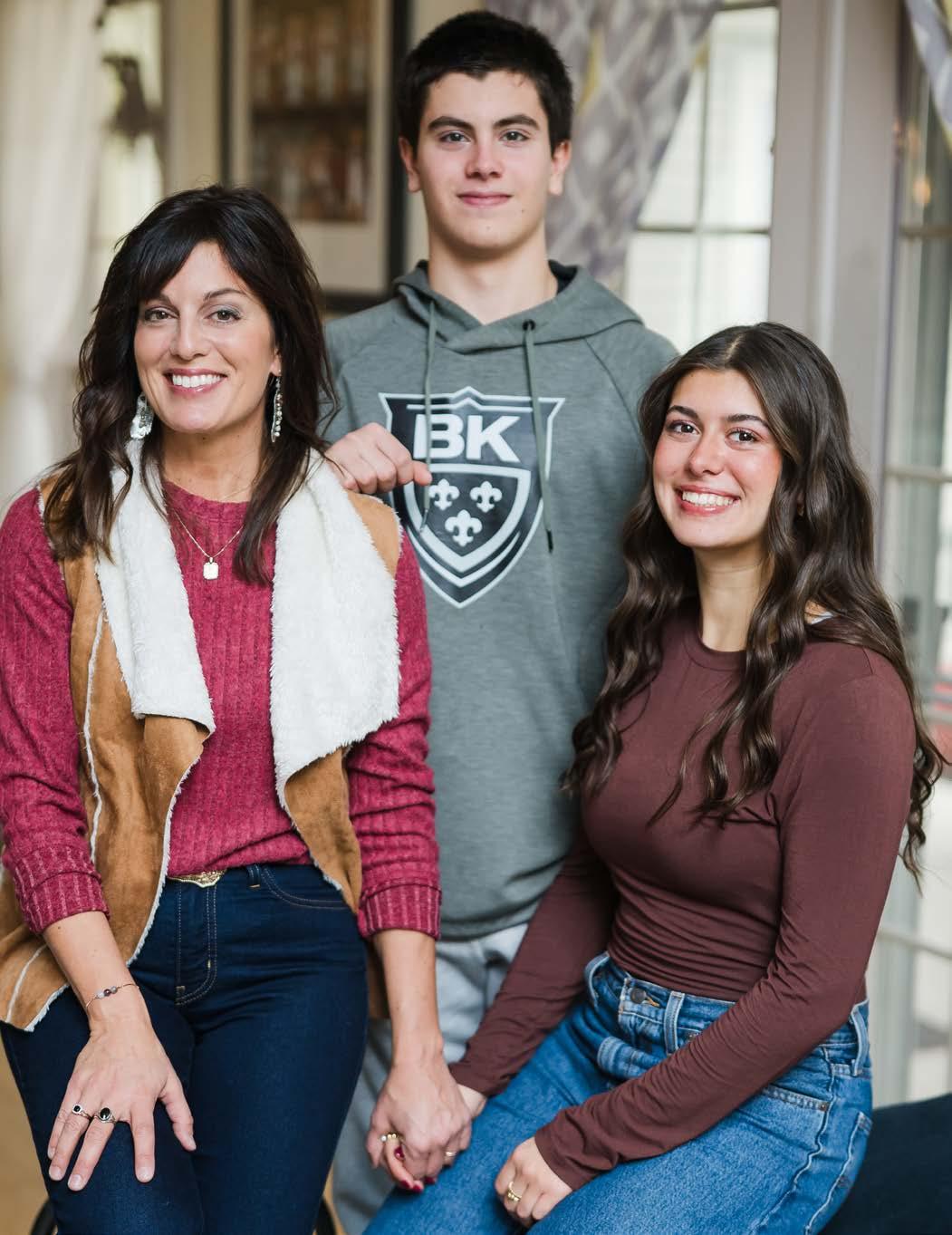
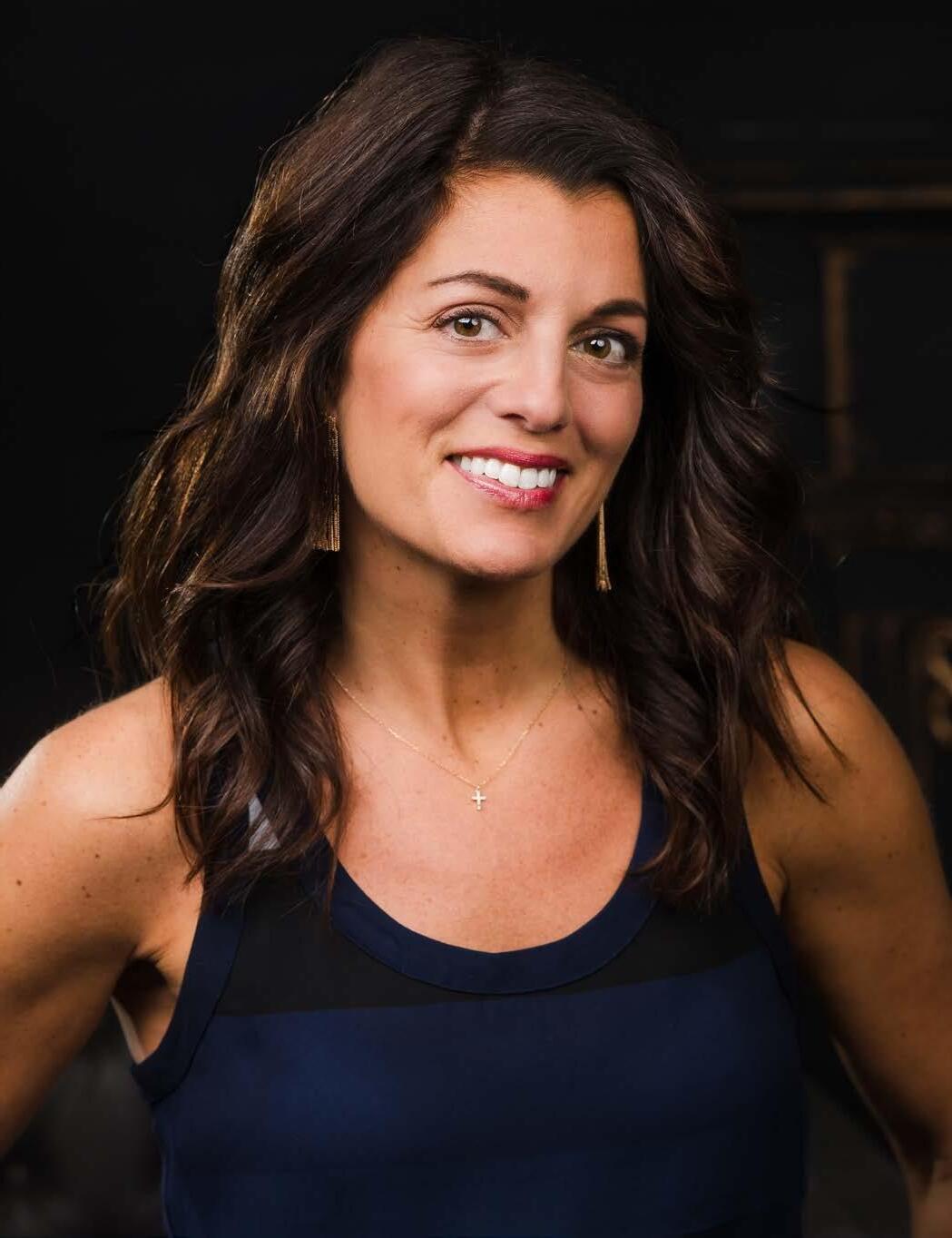
“ The BEST ADVICE I’ve ever read is “A real leader recognizes they serve the PEOPLE that they lead”.”
“It makes me feel whole knowing all the bits and pieces of everything coming together and everyone is in the moment. I wouldn’t trade this life for anything.”
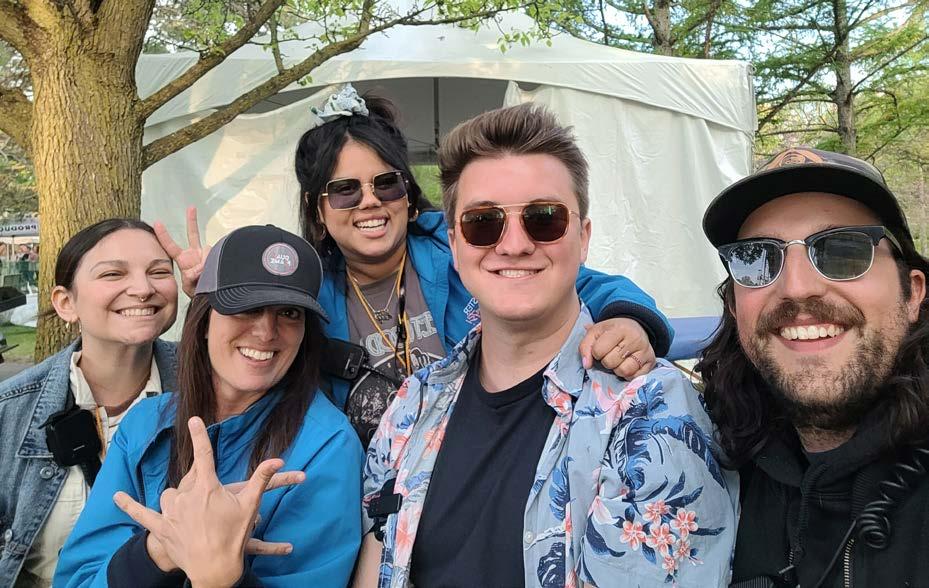
the offensive when there is conflict. If there is a complaint- I work to FIX it, and attack the issue-- not complain, run from it, or cancel that person. I accept that not everyone will think as I do, and that’s OK. I’d tell a woman who is unsure: You can’t control what others think about you. You must act and do what you feel is right and stand behind it.
What innovations or new experiences can attendees expect under your leadership in future festivals?
I continue to keep up on trends- Rochester is funny in the sense that it’s sometimes hard to be a trend-setter vs a follower. As we see other events around the country or
world, sometimes I think “Are we ready for this”? Maybe we are, but on a smaller scale. The team I have fully supports the changes I’ve believed in over the last couple of years, but they believe in them too. They are the innovators who bring me ideas and I try to make sure they are heard and that we execute them. Every year we find ourselves shape-shifting to a better image, improving our current events, and new sub-events to be available to try.
At the end of it all, what does success look like to you when the festival wraps each year?
Success is never for me- it’s how the community feels after they head to their
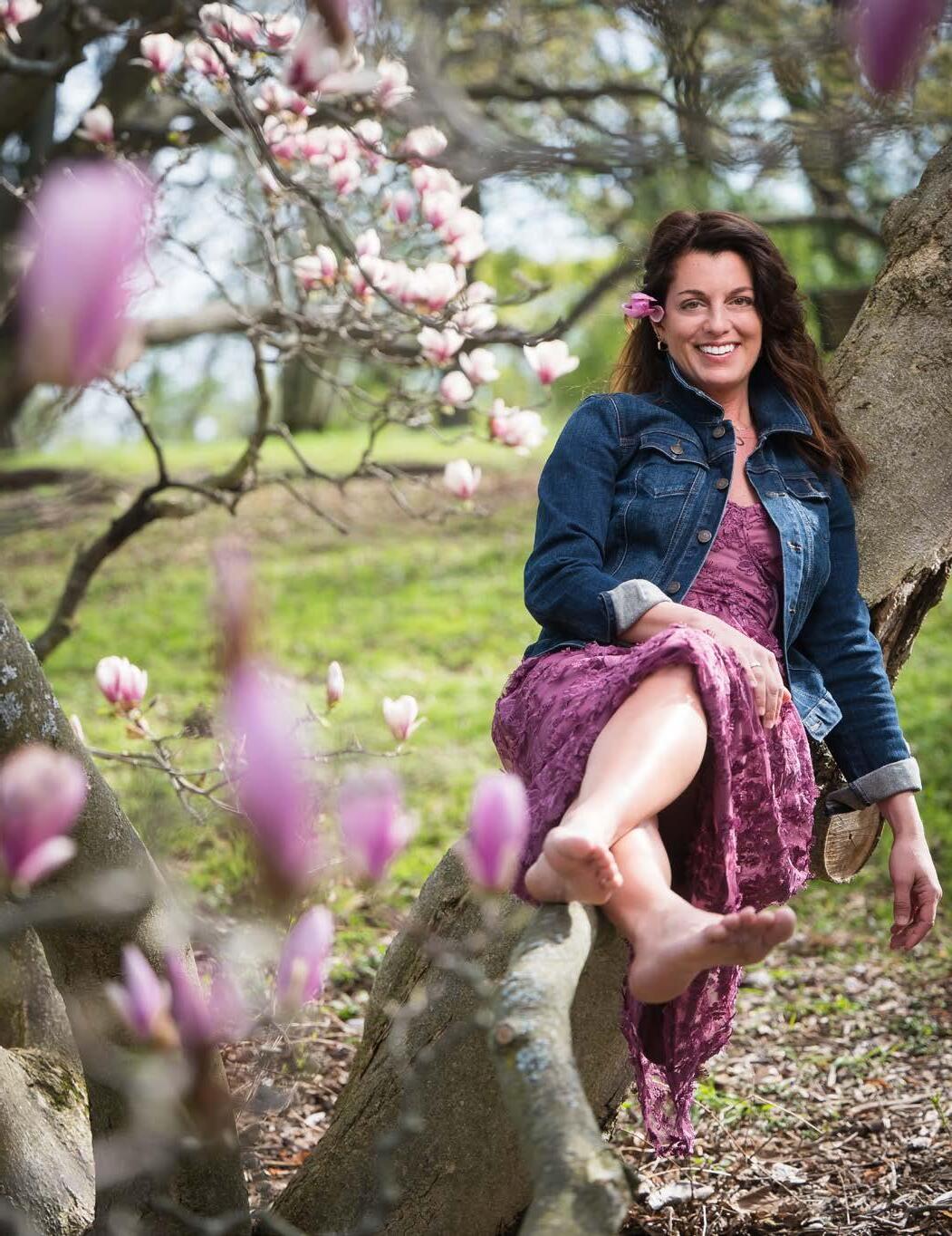
cars in pure joy after seeing their favorite band. It’s the parents taking a picture of their child in front of the magnolia tree. It’s the barefeet on the lawn, the cheers of the after-work beer, and the screaming of the kids as they go down the zipline. It’s also the delirious laughter from the staff after they’ve been outside in the elements for days. It makes me feel whole knowing all the bits and pieces of everything coming together and everyone is in the moment. I wouldn’t trade this life for anything.
--
















Taste spring in full bloom with Rochester’s hottest food and beverage at our sampling event!
The only thing worse than missing it? Hearing about it later...

























BY NICOLE HEROUX WILLIAMS I PHOTOS BY NSP STUDIO
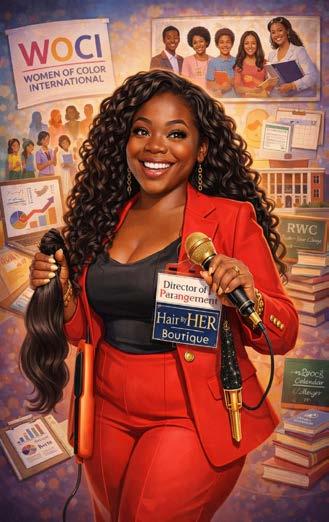
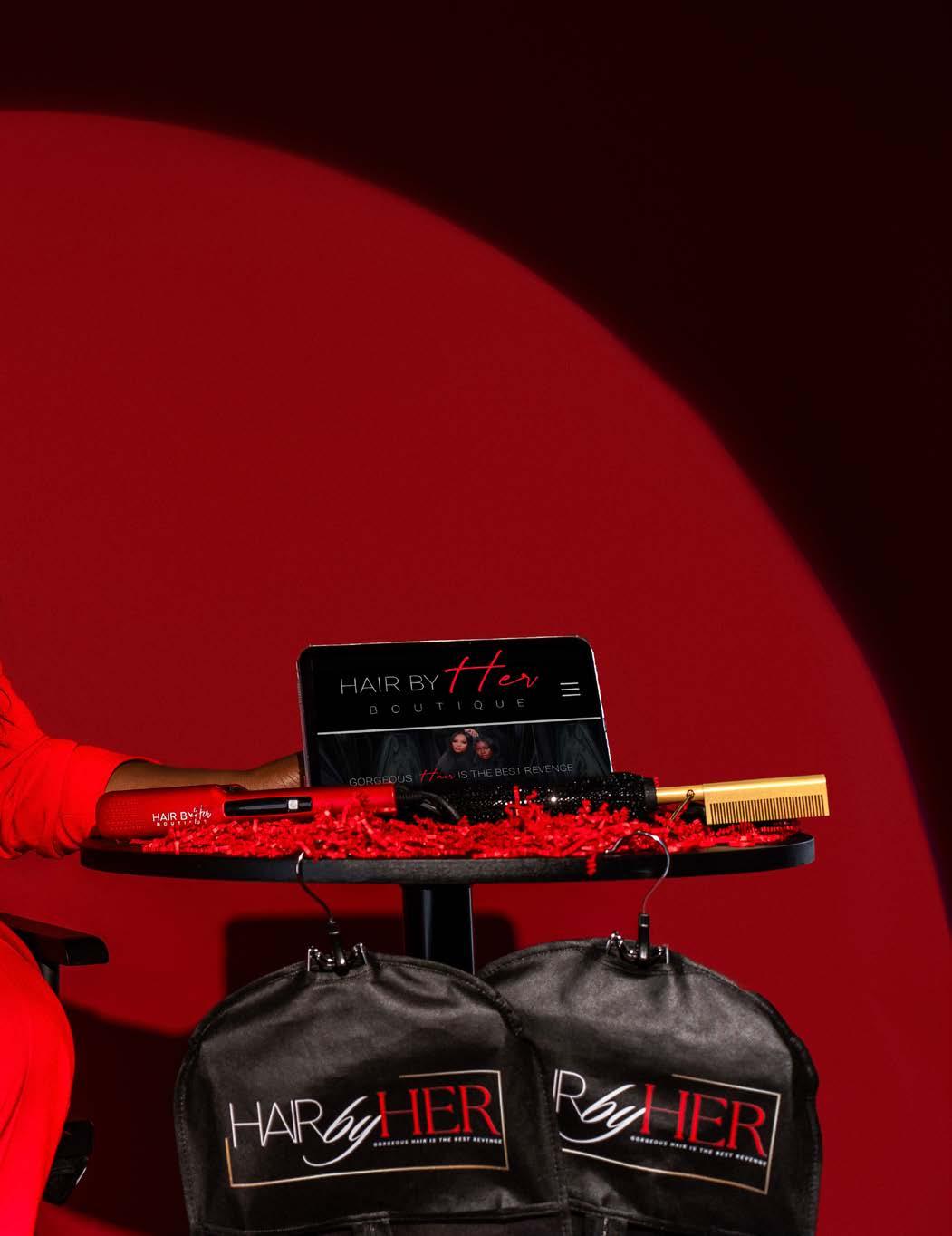
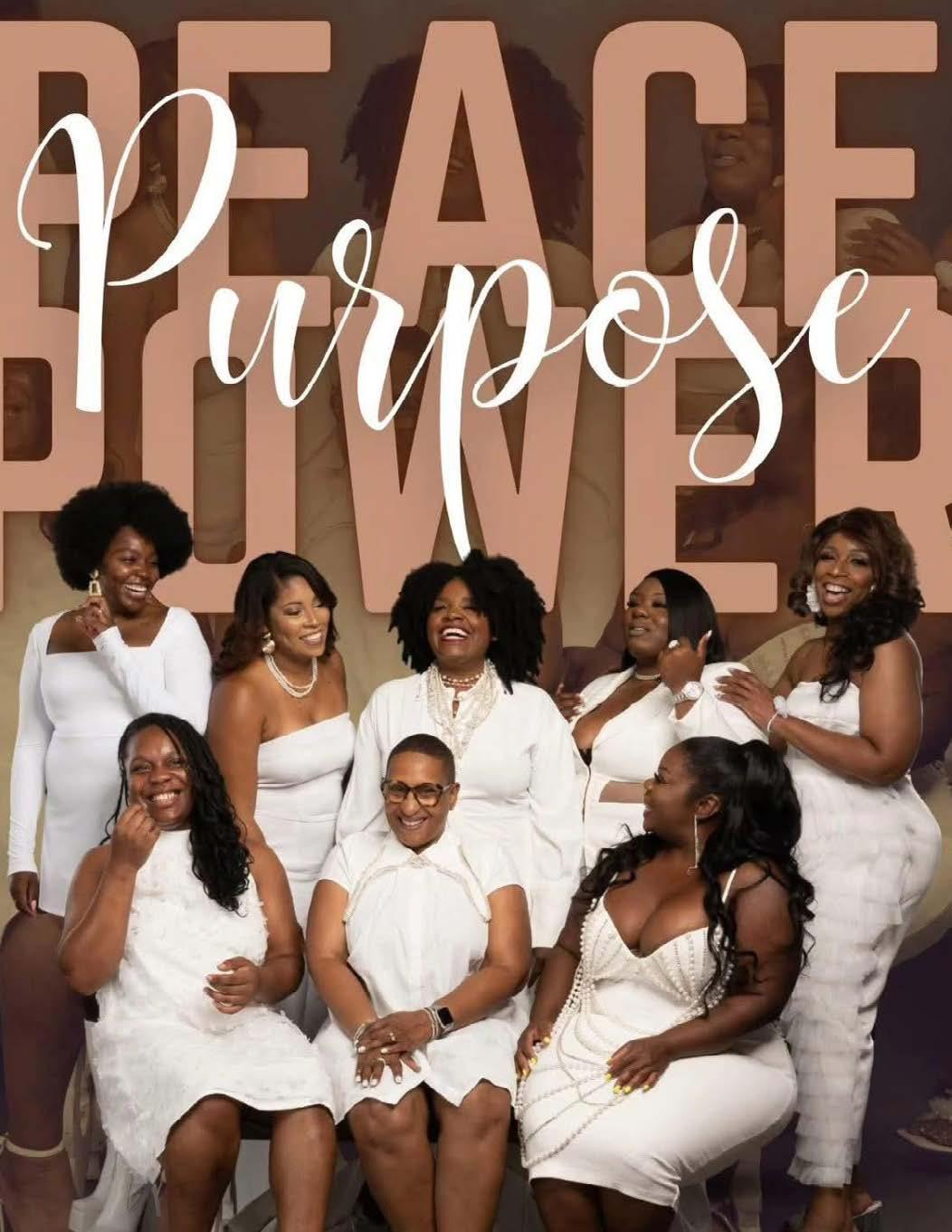
Hair By HER Boutique is far more than a beauty brand it is a story of sisterhood, resilience, confidence, and legacy. Founded in 2017 by sisters Keisha Simone and Dionne “DeeDee” Hollomon, the brand was born from a shared passion for hair, beauty, and helping women feel empowered in every season of their lives. What began as a natural extension of their love for extensions, styling, and self-expression quickly evolved into something much bigger: a movement rooted in confidence, authenticity, and showing up boldly as yourself. Their mission was never about choosing between natural beauty and enhancement — it was about giving women the freedom to embrace both and feel beautiful no matter what season they were in.
At the heart of Hair By HER Boutique is the powerful foundation their mother instilled in them growing up the belief that no matter what life throws at you, you still show up with confidence. That mindset became the heartbeat of the brand. From their signature “big hair” to their even bigger personalities, Keisha and DeeDee built a business that reflected exactly who they were: bold, unapologetic, nurturing, and full of life. They never believed in shrinking themselves to fit into spaces instead, they created spaces where women could feel seen, celebrated, and empowered to fully take up room.
What makes their story even more powerful is the journey behind the business itself. Without investors, formal business plans, or unlimited resources, the sisters built Hair By HER Boutique through determination, faith,
creativity, and pure hustle. Using their cosmetology backgrounds and natural eye for beauty, they started by serving clients, recommending quality hair, creating custom looks, and building their brand organically through social media and word of mouth. What some may have viewed as obstacles became motivation, and their unwavering belief in themselves allowed them to turn passion into purpose.
But in 2021, everything changed when Keisha lost her sister DeeDee a loss that would forever reshape both her personal life and the future of the business. Rather than allowing grief to stop her, Keisha chose to continue building the vision they created together. Today, Hair By HER Boutique stands not only as a successful beauty brand, but as a living legacy of sisterhood, strength, and perseverance. Every product, every client interaction, and every new level of growth carries DeeDee’s spirit and vision forward. As Keisha beautifully shares, “I don’t operate from loss, I operate from love and legacy.” And through Hair By HER Boutique, that legacy continues to inspire women to walk boldly, confidently, and unapologetically in who they are.
Can you take us back to the beginning— what inspired you and your sister to create Hair by HER Boutique in 2017?
Hair By Her Boutique was truly my sister’s vision. I’m a former cosmetologist, and at one point I passed the baton to her, she pursued it fully and, in all honesty, became even more skilled than I was. She wasn’t just talented; she became my personal hairstylist.
Our love for hair, especially extensions,
was something we shared deeply, but we also loved and appreciated our natural hair. For us, it was never about choosing one over the other. It was about versatility, expression, and the freedom to show up however we felt in that moment, this mindset started at home. Our mother raised us with the belief that no matter what you’re going through, you still show up with confidence! Self-care and appearance weren’t optional; they were part of our foundation.
So, in 2017, we turned that shared passion into something bigger. What started as her vision became a brand rooted in confidence, transformation, and sisterhood. Today, Hair By Her Boutique is not just about beauty, it’s about legacy. I carry her with me in everything I build, creating a space where women feel seen, confident, and empowered to show up as their best selves in every season.
You and Dionne (Deedee) were known for your signature “big hair” and even bigger personalities—how did that energy shape the foundation of your brand?
That energy is the foundation of our brand. The “big hair” is an expression of who we are, bold, confident, and unapologetic! That came directly from how we were raised!
Our mother played a major role in that. We were loved, nurtured, and poured into in a way that built our confidence from the inside out! She taught us how to carry ourselves, take pride in our appearance, and show up fully, no matter the circumstances.
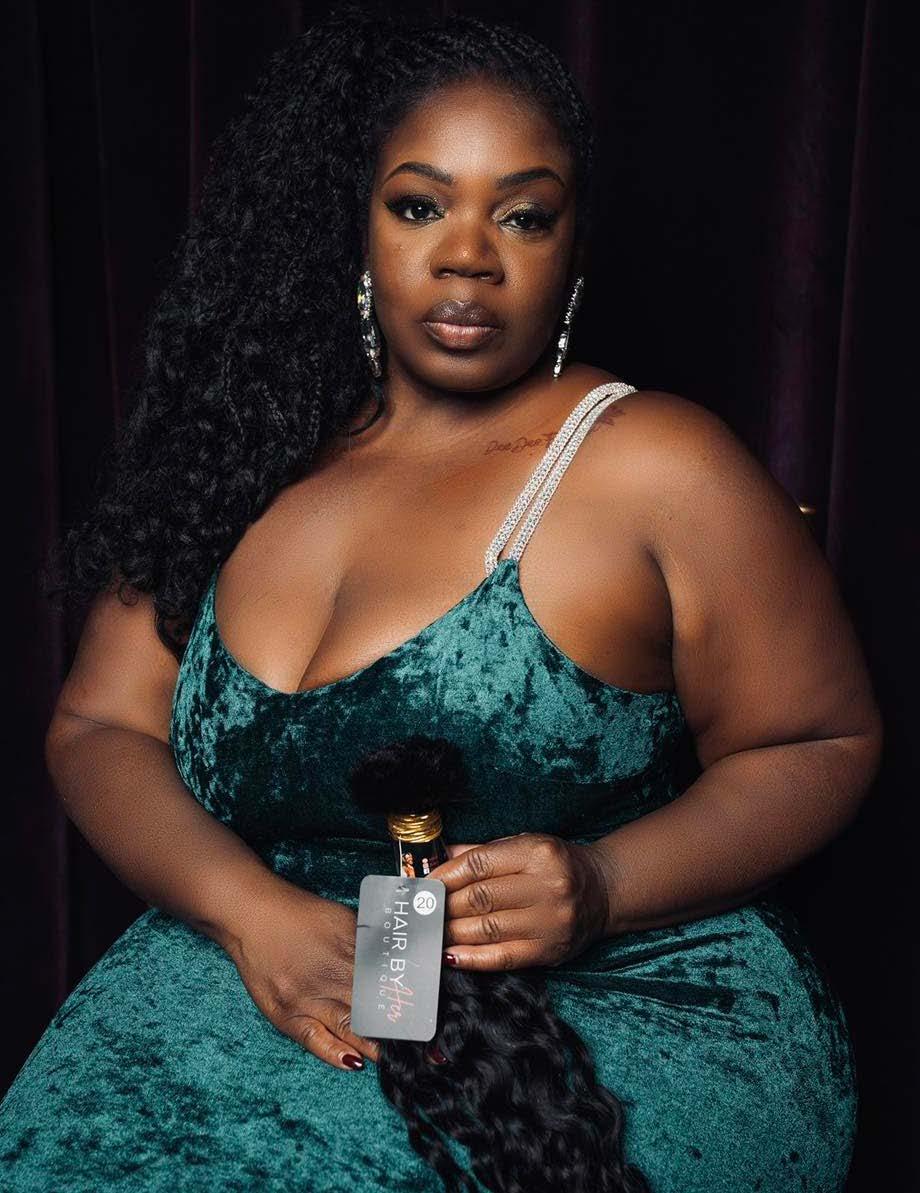

“‘By Her’ means she gets to show up her way—every time.”
So, when people experienced our big hair and even bigger personalities, they were experiencing confidence, joy, and authenticity in real time. That energy became the heartbeat of Hair By Her Boutique.
We never felt the need to shrink to fit into any space or opportunity! We showed up fully, took up space, and built a brand that reflects exactly that. It’s a mindset! Hair By Her Boutique is confidence, presence, and expression, an entire personality that allows women to walk into any room feeling bold, seen, and fully themselves.
Hair by Her Boutique is rooted in the belief that a woman’s confidence is connected to how she feels about her hair.
Can you share more about the deeper meaning behind that mission?
At the core, our mission is a reminder to women of who they already are. As women, we carry so much. We wear multiple hats, we lead, we nurture, we build, we pour into others, often without pause. In the middle of all of that, it’s easy to forget ourselves.
Hair By Her Boutique creates space for a woman to reconnect with her confidence. It’s not about defining her by her hair, because she is so much more than that! But when her hair looks good, she feels good. And that feeling shows up in how she carries herself, how she walks into rooms, and how she owns her presence.
As we grow and evolve, our bodies change. Many women begin to experience shifts that impact their hair thinning, breakage, or hair loss and that can deeply affect
how we see ourselves. That’s real, and it deserves to be acknowledged with care. And that’s also why it’s a boutique. Hair is just one part of the experience. The brand was created to offer other beauty essentials that support a woman’s overall look, how she feels, and how she shows up because confidence is never one-dimensional, it’s the full experience. The brand speaks to the woman in every season, especially the one who is doing it all and still deserves to feel like her best self. It’s a reminder that confidence already exists within her. Sometimes, it just needs to be supported, restored, and brought back to the surface.
What did entrepreneurship look like for you before launching the business, and how did your background prepare you for this journey?
Before Hair By Her Boutique, entrepreneurship didn’t feel like a business, it felt like a hobby. It was something we were doing naturally, without fully realizing we were building something.
Deedee was already a stylist with a strong clientele, and her clients trusted her. Many of them wanted the same styles she wore or looks she created on me. She would recommend the exact hair we were using, and that’s where the shift began. Deedee had a hustler’s mindset she believed anything was possible and moved with that kind of confidence. She started sending her clients directly to me to order hair for their installs, and from there, it grew organically. We were coloring bundles, creating looks, recording videos, and sharing our work on social media. We gave it a name, and before we knew it, Hair By Her Boutique was born.
Our backgrounds in cosmetology prepared us in ways we didn’t even realize at the time. We understood hair, we had an eye for quality, and we knew what women wanted because we were living it ourselves. There was also a natural leadership in both of us that helped guide the vision.
We are Christian believers, and we stand on the scripture that our gifts will make room for us. Looking back, that’s exactly what happened, what we carried naturally created opportunities we didn’t have to force.
In the beginning, Deedee was the voice and the face of the brand. I was more behind the scenes, more reserved. But as the business evolved, so did I. I stepped into a different level of leadership, visibility, and purpose.
After her passing, it became bigger than business for me. It became about honoring what she gave birth to and staying committed to seeing it through. This is legacy work for her daughter, for my grandchildren and for the generations connected to us. I truly believe this is what Deedee would have wanted, and I carry that responsibility with intention every day.
What were some of the biggest challenges you and your sister faced when first starting out?
One of the biggest challenges was simply starting without traditional resources. We didn’t have investment funds, a formal budget, or a detailed business plan. We were funding everything through our paychecks and figuring it out as we went and with that came uncertainty
“Quitting was never an option for me, and it doesn’t have to be for you either.”
and moments of fear. But we didn’t let that stop us. If anything, it pushed us to move with even more determination.
Deedee had a hustler’s mindset. She would always say, “Where there’s a will, there’s a way, sis,” and she meant it. She’d even burst out singing, “started from the bottom, now we’re here,” and for us, that wasn’t just a phrase, it was a mindset. At one point, she even called a family meeting to present our vision to our mom, her way of securing an investor and showing that this was more than just a hobby. That belief and commitment set the tone for everything that followed.
Another challenge was finding the right distributor. We’ve always been committed to quality, luxury hair at an affordable price, and that took time, trial and error, and money we didn’t really have to invest. We didn’t even have a website in the beginning—just Facebook, word of mouth, and clients who trusted us.
Looking back, what could have felt like obstacles actually became motivation. We learned as we went, we stayed consistent, and we celebrated every step, whether it was a win or a loss.
Those early challenges didn’t break us, they built us. And if anything, they’re proof that you don’t have to have everything figured out to start. You just have to be willing!
How did you and Dionne complement each other as business partners and sisters?
Although we had that natural big sister/
little sister dynamic, it’s actually what made us complement each other so well. I was more reserved and thoughtful, while DeeDee was bold, fearless, and always ready to go. I would always find myself saying, “Slow down, DeeDee,” because she was constantly on the move ready to make things happen.
Where I hesitated, DeeDee pushed and where DeeDee moved fast, I brought structure. She challenged me to step outside of my comfort zone, and I made sure we had something solid to stand on. DeeDee was the persistent one, the dreamer with an unstoppable outlook on anything she touched. That bold, little sister energy came with big vision, and I’ve always admired that about her. And DeeDee knew me just as well, she knew I would be the one to think things through, to organize, and to bring our ideas to life in a way that would last. Even now, I carry that with me in how I lead and build. “She was the fearless dreamer, and I was the foundation, together, we made the vision real.”
Although we were different in so many ways, that’s exactly what made our partnership work. We didn’t compete, we completed each other. That balance is what allowed us to build something meaningful, something rooted in love, trust, and a shared vision.
For anyone who questions whether going into business with family, especially siblings can work, our story is proof that it can. When you lead with love, respect, and purpose, your differences don’t divide you, they strengthen what you’re building.
Losing your sister in 2021 is something no one can truly prepare for. How did that moment impact you personally and professionally?
Losing Deedee in 2021 was life-altering, it shifted everything. It forced me to grow in ways I didn’t ask for, and truthfully, it broke me! But I didn’t stay there. It rebuilt me, stronger, more focused, and more intentional. I don’t operate from loss, I operate from love and legacy. And that legacy shows up in how I move every day! Being there for her daughter, Kynnedi, my only niece, for my mother, and for my two sons, who grew up alongside her like siblings. It was just me and my sister, 13 years apart, so the role I carry now is one I honor. The loss impacted all of us deeply, but By God’s grace, it has strengthened us, sharpened us, and changed how we move. We move differently now! With a deeper understanding of what really matters…how we live, and how we love.
What has it meant to you to continue building and growing Hair by Her Boutique in Dionne’s memory?
Continuing to build and grow Hair By Her Boutique in Deedee’s memory means everything to me, it’s deeply personal. This brand carries her fingerprints, her vision, her energy. She’s not just a part of the story, she is the story.
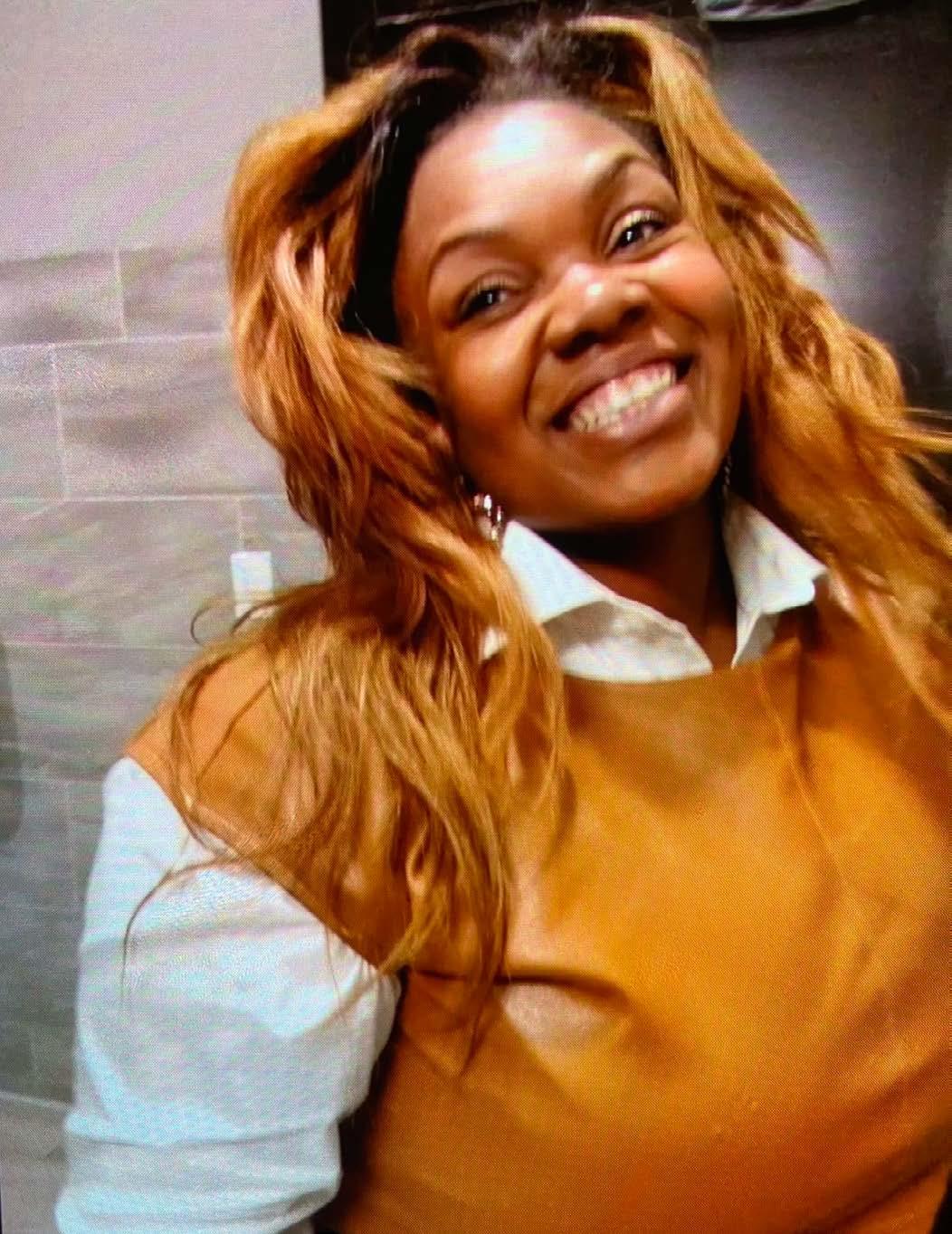
What we started together is bigger than hair. Looking good is the blueprint for the business because we don’t look like what we’ve been through. Individually, we carry the real weight of life parenthood, work, personal struggles but when we show up, we show up as our best selves. That is our superpower! And that’s what

“We don’t look like what we’ve been through and that is our superpower.” { TAKE
I want other women to feel too.
I carry that forward every single day. I think about how proud she would be of how far we’ve come but even more, I focus on how I’m continuing to build what we talked about. This brand requires discipline, vision, and consistency it’s work that stretches me, but it also keeps me grounded.
Hair By Her Boutique is how I honor her in real time. It’s how I lead, how I build, and how I pour into other women. Every decision I make, every level I reach, every woman I empower, it all connects back to us. Because even though she’s not here physically, Deedee is still very much present in everything I do.
In what ways do you still feel your sister’s presence in the business today? I feel my sister, in everything we do. She’s in the details, the decisions, the standard we refuse to lower. She’s in the energy of the brand, the confidence, the boldness, the reminder that looking good is part of how we push through what we’ve been through.
There are moments I pause and think, “This is exactly how we dreamed it.” And even now, I still move with her in mind, how she would show up, what she would say, how she would remind me to keep going.
Hair By Her isn’t just something I run, it’s something we built. And I carry her presence forward every single day through love and legacy.
As a woman entrepreneur, what inner
strength did you have to tap into to keep going during your most difficult moments?
As a woman entrepreneur, I had to tap into a level of resilience I didn’t even know I had. There were moments I was grieving, overwhelmed, and still expected to show up, lead, and deliver. I had to decide either let life break me or let it build me. I chose to build.
And doing that as a woman of color, without a clear roadmap or built-in network, forced me to figure things out in real time. I didn’t always know where to go or who to ask but I refused to let that stop me. I built relationships, I asked questions, I learned, and I kept moving.
I leaned into discipline over emotion, faith over fear, and purpose over excuses. I stopped waiting to feel ready and started moving anyway.
What I’ve learned is that everything I’ve been through didn’t disqualify me, it prepared me. And if I can build something from scratch with no blueprint, so can the next woman.
You don’t need perfect conditions. You need a decision and the courage to stand on it.
What message do you hope other women—especially those navigating loss or hardship—take from your story? I want women to know this, what you’ve been through doesn’t disqualify you. It doesn’t mean it’s over for you. If anything, it’s shaping you into who you’re becoming.
I’ve had moments where life hit hard, loss, grief, pressure and I still had to get up and show up. Not because it was easy, but because I made a decision that I wasn’t going to stay stuck there. And that’s what I want women to take from my story—you can hurt and still heal. You can grieve and still grow. Both can exist at the same time.
You don’t have to have it all figured out. You don’t even have to feel strong every day. But you do have to decide that quitting is not an option.
Everything you’ve been through? There’s something in it. Strength, purpose, a story that’s bigger than the pain. And when you keep going, you’re not just doing it for you, you’re showing the next woman that she can too.
I’m still standing, still building, still pushing, not because it’s been easy, but because I refused to let what I went through define how far I could go.
Your hair extensions are known for their exceptional quality and longevity. Why was it so important for you to create a product that truly stands out? For me, creating a product that stands out started with doing the work behind the scenes. DeeDee and I tested hair, wore it ourselves, and went through the process of finding the right vendors until we were confident in what we were offering. We were committed to not putting our name on anything we didn’t believe in.
Quality mattered because we knew our customers weren’t just buying hair, they
“After
her passing,
this became more than a business, it became my commitment to carry her vision forward.”
were investing in how they show up. We wanted them to have something they could reinstall, restyle, and rely on, not something that looks good for a moment and then loses its value. That’s why longevity, texture, and consistency were non-negotiable for us.
As I’ve grown, my focus has expanded. I’ve realized it’s not just about the extensions, it’s about what’s underneath them too. Healthy natural hair is the foundation. So now I’m intentional about making sure women not only get premium hair but also understand how to care for their own hair underneath it. Because real quality is the full experience.
That’s what makes Hair By Her different I don’t just sell hair; I stand behind it.
How do you ensure that your brand not only enhances beauty but also uplifts self-esteem and confidence in your clients?
Honestly, it starts with the name Hair By Her Boutique. That wasn’t random. “By Her” is about the woman. Her choice, her style, her confidence, her showing up her way.
What started as just hair naturally grew into more, because we realized it wasn’t just about the install, it was about the whole feeling. How you look, how you carry yourself, how you walk in a room after. That’s why we added beauty essentials, because we wanted our clients to have that full, put-together experience. We’re very intentional about what we offer. Everything has to make you feel good, not just look good. Let’s be real, when your hair is right, your gloss is on, and you feel put together, you move
different. Your confidence shows up before you even say a word!
Hair By Her isn’t just a name, it’s a whole mood. It’s that “we got this” energy, even on the days when life is lifing. And if we can give a woman that feeling, even for a moment, then we’ve done exactly what we set out to do!
What has been one of the most rewarding moments for you since launching Hair by HER Boutique?
One of the most rewarding moments for us was April 16, our business anniversary and my sister’s birthday, the day we officially moved Hair By Her into Women of Color International and launched our website. That moment was surreal.
To go from what started as just a hobby no real plan, just passion and faith to having a physical space and an online presence at the same time… it was a fullcircle moment. It made everything real. Now, eight years in, we’re still building, still growing, and still standing on what we started. And being inside Women of Color International, surrounded by other women who are building and supporting each other, adds a whole different level of purpose to the journey. The most rewarding part is seeing how far we’ve come and knowing we didn’t quit. What started small turned into something meaningful, and we’re still elevating from here.
How has your definition of success evolved from when you first started to where you are today?
In the beginning, success felt like proving something, pushing past the self-doubt,
the “what ifs,” and the moments where I questioned if I was even worthy of this. It was about getting started and hoping it would work.
But after the loss of my sister, everything shifted. Success stopped being about validation and became about purpose. I had to push through grief, show up when I didn’t always feel ready, and keep building something we started, while still figuring out who I was becoming in the process.
That experience grew me. It made me more confident, more willing to take risks, and more open to learning and being stretched. I don’t move from fear the way I used to, I move with intention now.
I have accepted that there’s a calling on my life, to lead, to build, and to show other women what’s possible, even when life doesn’t come easy. I’ve had to work through real challenges, but those moments gave me the strength, discipline, and perspective I move with today. My faith has been my foundation through it all.
Success today looks like alignment. It’s me evolving, becoming, and standing in who I’m called to be, without needing to prove it to anyone.
What advice would you give to women who feel called to start a business but are hesitant to take that first step? Keep it simple, real, and straight to the point, just like you would say it: Start before you feel ready. You’re never going to have everything figured out, and that’s okay. Most of us didn’t, we learned as we went.
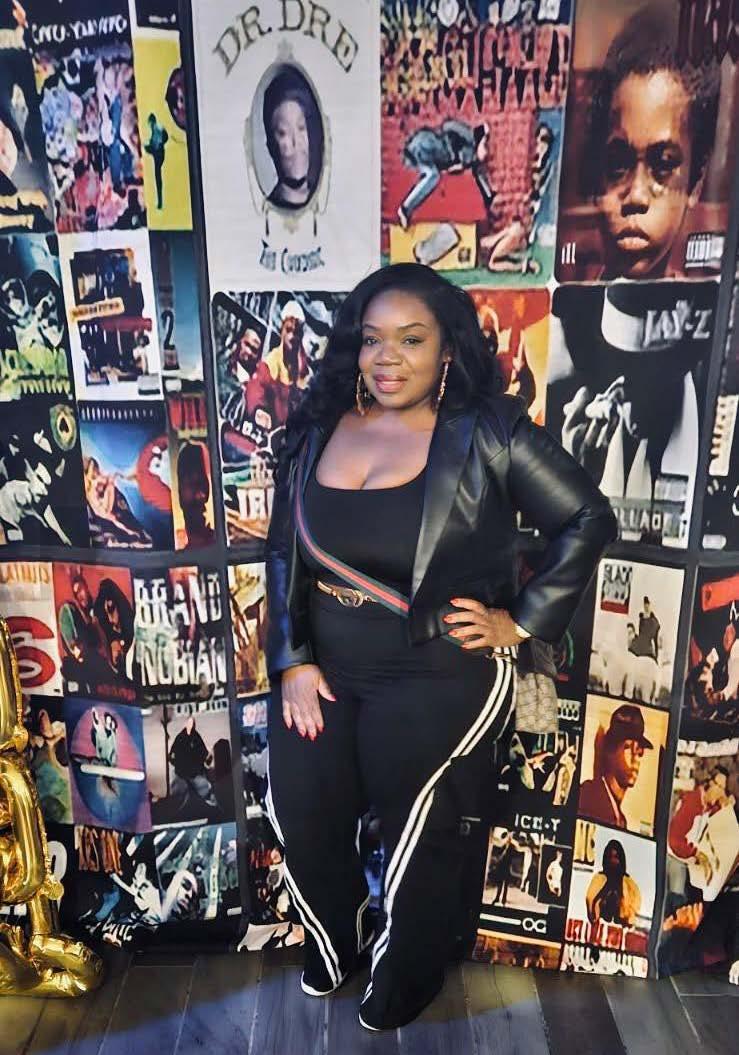
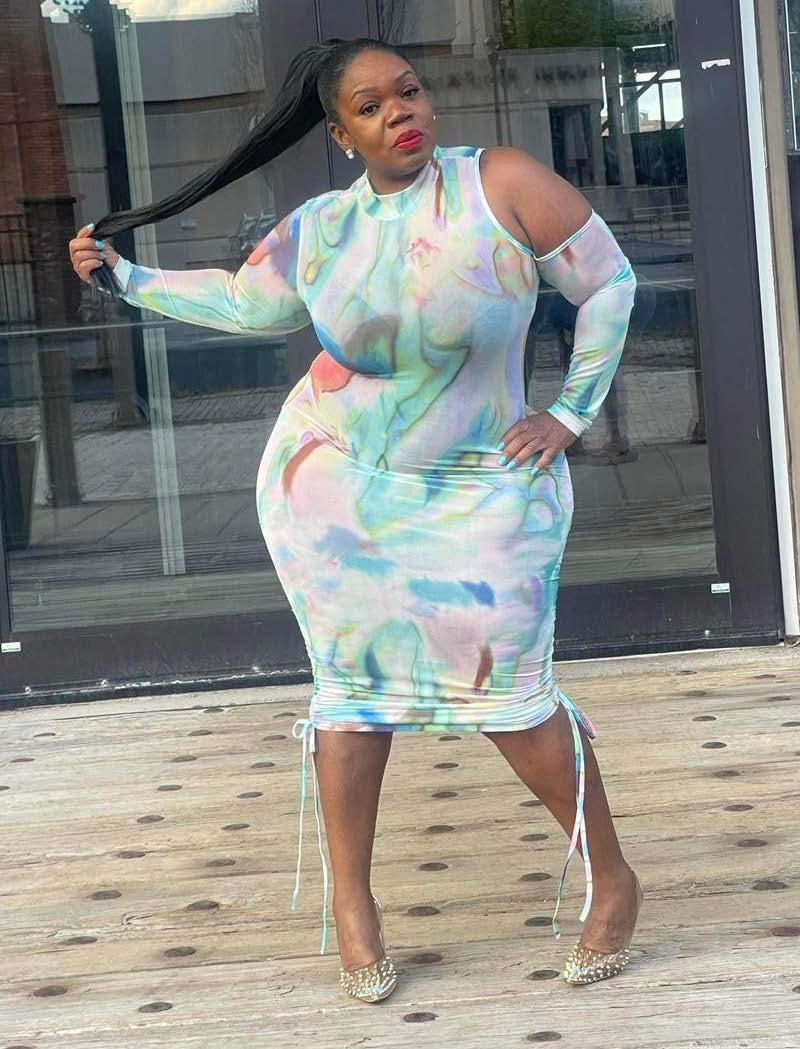
“ Feeling GOOD isn’t one thing, it’s a full EXPERIENCE, and every WOMAN deserves that.”
“We never felt the need to shrink to fit into any space
or opportunity,
we showed
took up space, and built a brand that reflects exactly that.”
Don’t let fear or overthinking talk you out of something you feel called to do. That feeling is there for a reason. Take the first step, even if it’s small. Be willing to learn, be coachable, and stay consistent. You don’t need a perfect plan, you need discipline and the decision not to quit.
And most importantly, trust yourself. If the vision was given to you, you’re capable of building it.
How important is it for women entrepreneurs to support and uplift one another, especially in today’s world?
It’s everything. Especially for women of color, we don’t always walk into spaces where support is automatic. So when we find it, we have to protect it, pour into it, and be intentional about giving it back.
There’s room for all of us, but we have to believe that and move like it. Supporting each other isn’t just about words, it’s about showing up, sharing resources, collaborating, and celebrating each other without competition.
Being a part of Women of Color International has been a game changer for me. That space pushed me, supported me, and helped build my confidence in ways I didn’t even realize I needed. Being around women who are building, evolving, and holding each other accountable, it elevates you.
And I have to give a special shout out to Connie Marple, the visionary
behind it all. Creating a space where women of color can come together, do business under one umbrella, and truly support one another that’s powerful.
At the end of the day, we go further when we go together. And when women support women, especially women of color, we don’t just grow individually—we shift the whole culture.
What’s next for Hair by HER Boutique and how do you plan to continue honoring your sister’s legacy as you grow?
What’s next for Hair By Her is expansion, with intention. We’re stepping into a new space where beauty meets purpose. That includes offering Cranial Prosthesis Services, Medical Wig Consulting, designed to support women experiencing hair loss due to medical conditions. It’s a more personalized, care-centered experience where we guide clients through options, fittings, and the process with compassion and confidence.
We’re also building out the Hair By Her Society, a collective space where women, especially women of color, can have real conversations about their natural hair journeys, the trends we’re seeing, and most importantly, find real solutions. It’s not just about talking, it’s about education, support, and access.
And as we grow that space, we’re expanding the conversation beyond hair into overall health and beauty,
up fully,
because how you care for yourself internally shows up externally. We’re creating a space where women feel supported not just in how they look, but in how they feel with access to trusted resources, guidance, and personalized support to help them stay consistent in their self-care journey.
As the brand continues to evolve, we’re building a full experience, hair, beauty, wellness, and real care. But the foundation remains the same: quality, confidence, and intention.
And no matter how much we grow, my sister will always be a part of this brand. She’s in the standard, the energy, and the intention behind everything we do. Even down to our pricing, every product ends in .33 in honor of her. That’s our reminder that this is bigger than business, it’s legacy.
Hair By Her is evolving, expanding, and stepping into what’s next and we’re bringing women with us.
Visit us at www.HBHboutique.com
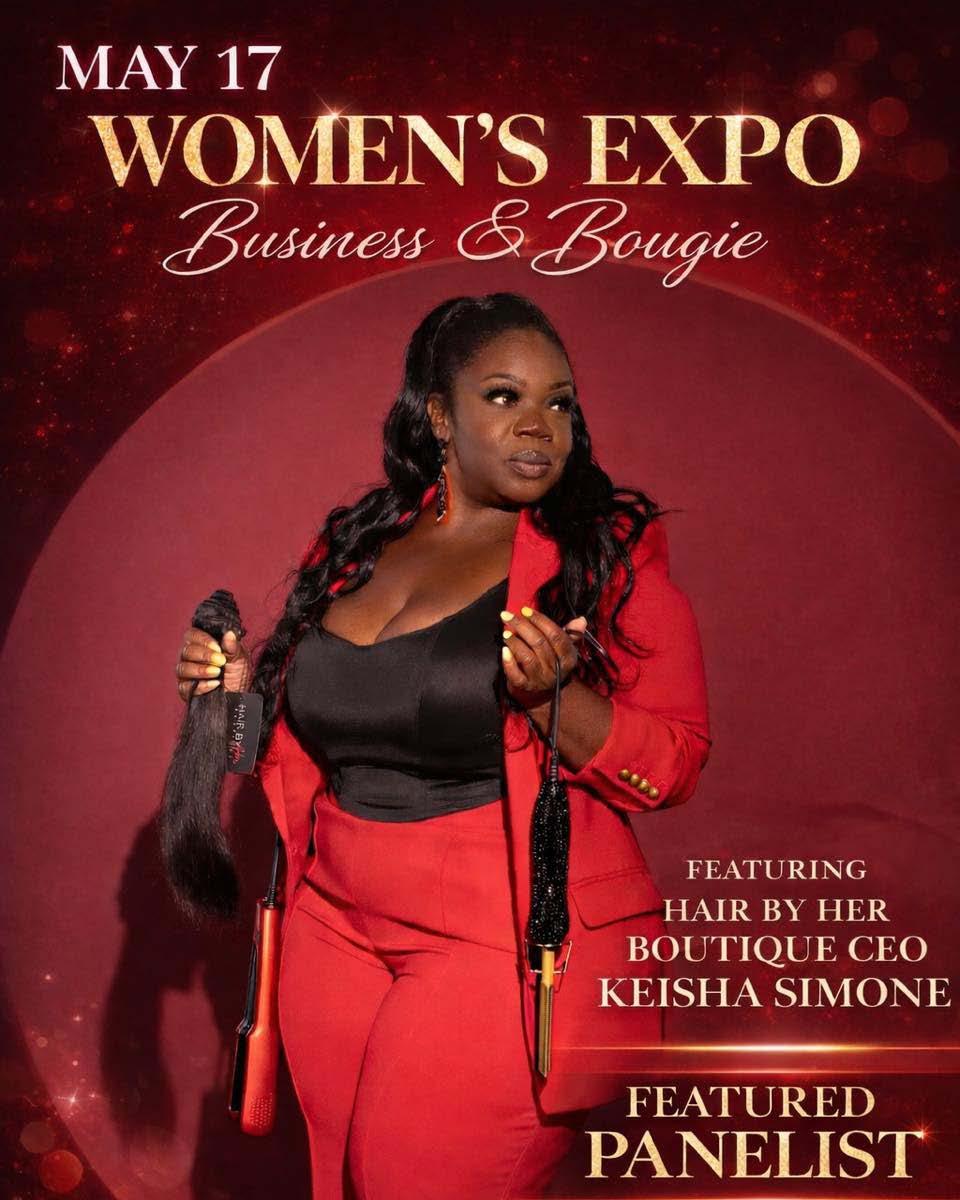
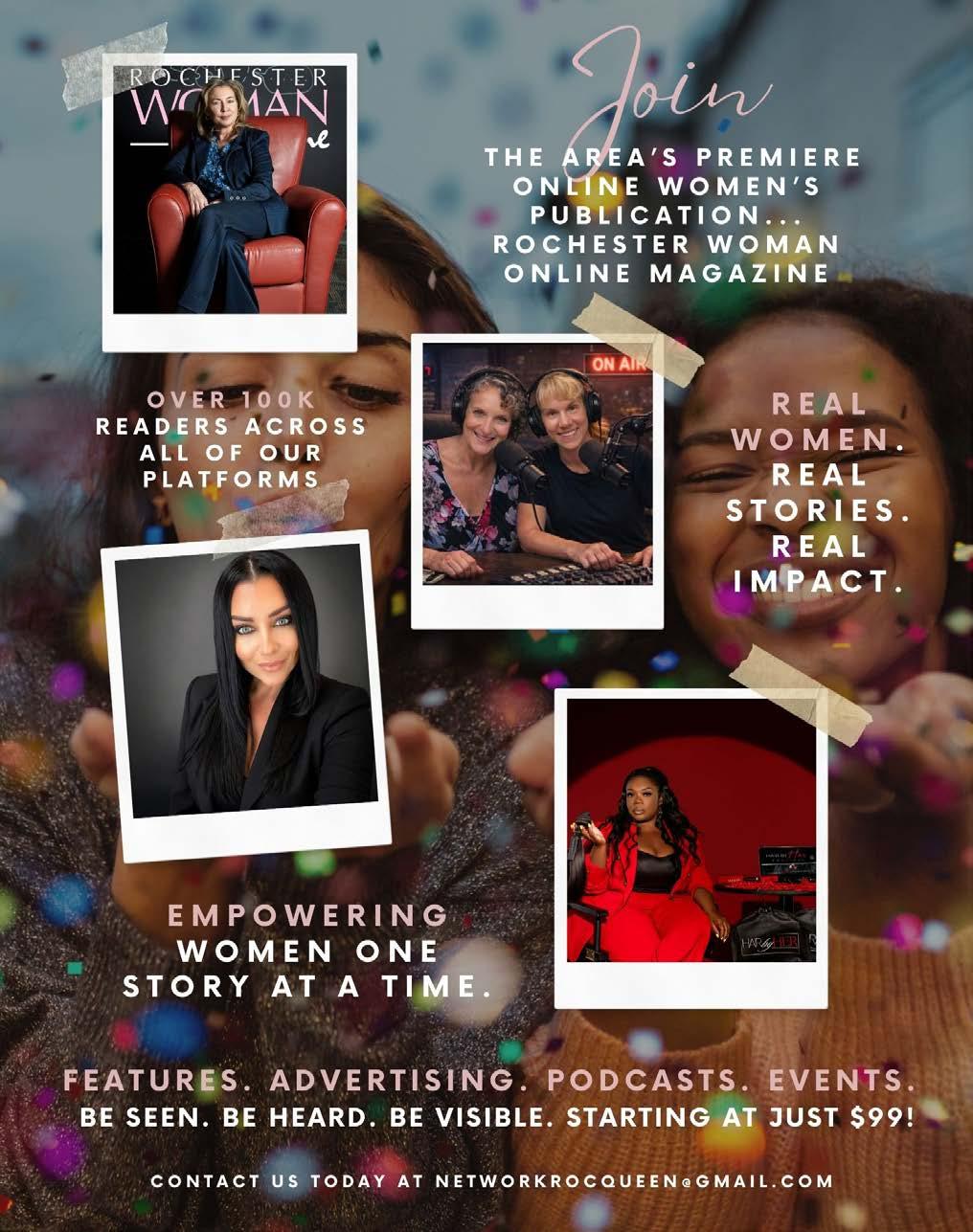
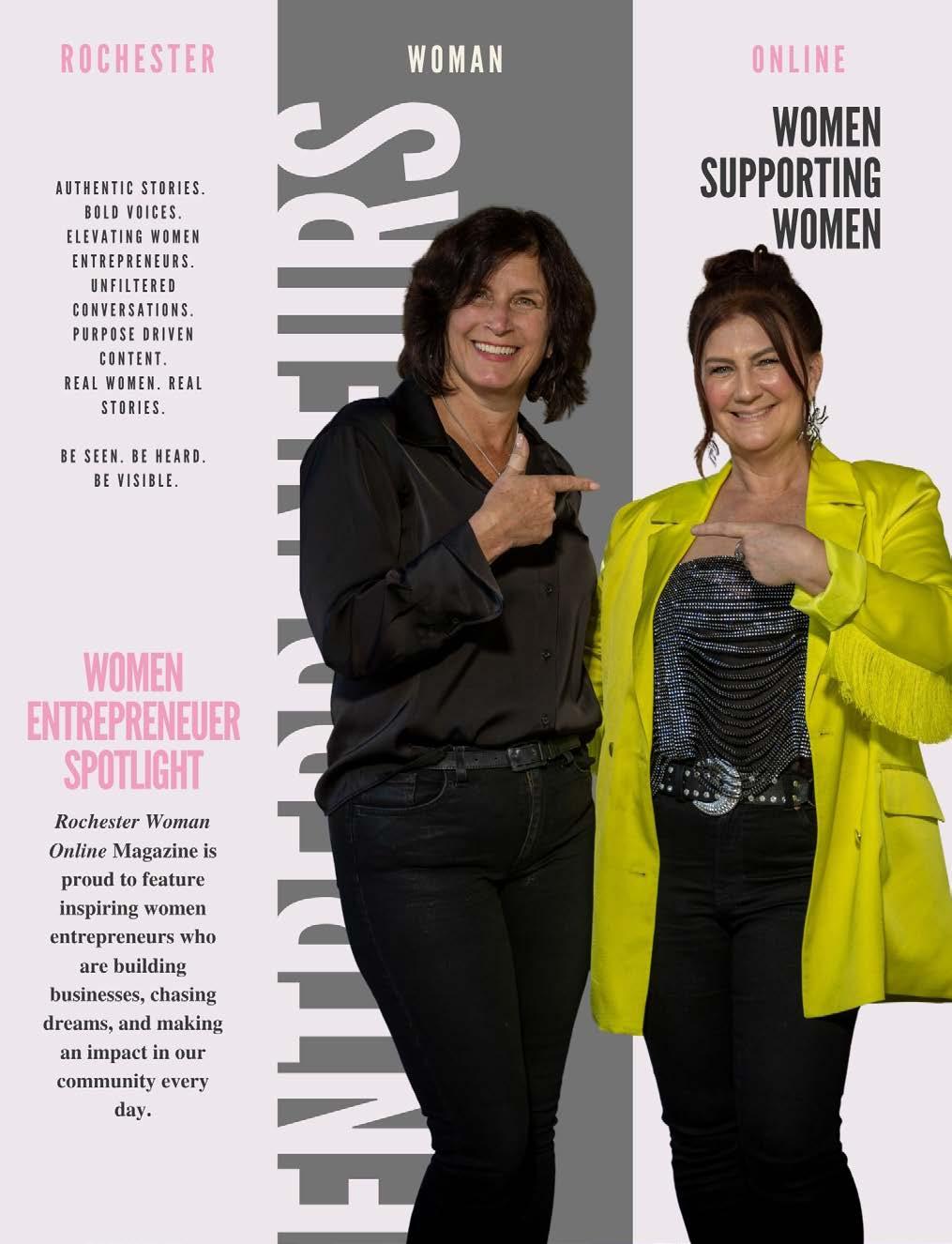







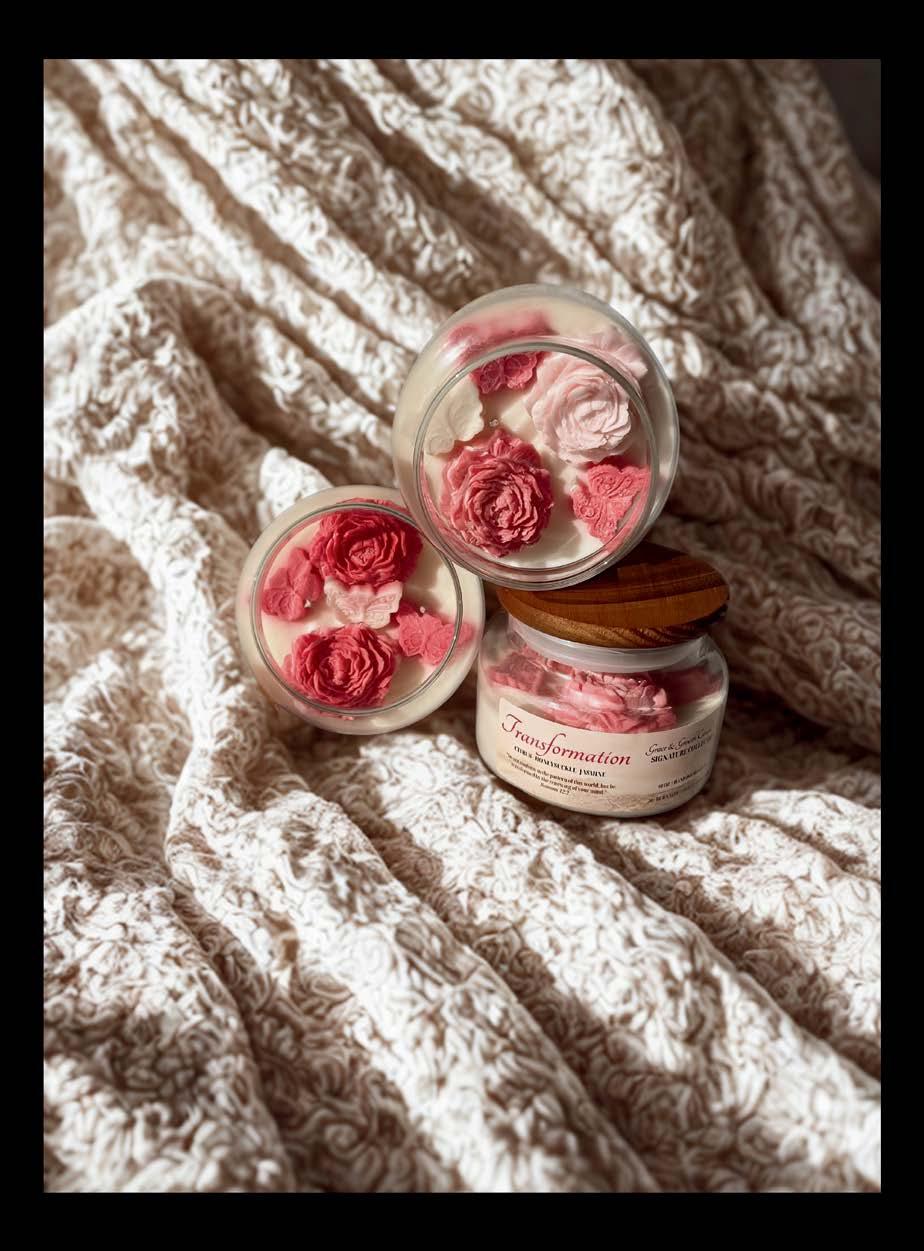
Crafted for ambience. Designed for intention.
Clean-burning, high-quality wax
Long-lasting fragrance throw
Designed for cozy, intentional living Scripture pairings for personal growth
Hand-poured candles, room sprays and home goods crafted for moments of reflection, peace, and presence with God. Each scent is thoughtfully blended to create a warm, inviting atmosphere that feels like home.
JOIN OUR COMMUNITY FOR 15% OFF FIRST PURCHASE
www.graceandgrowthcandleco.com
Bespoke Candle Services
Custom Orders
Bring your events to life Wholesale
Elevate your customer experience Private Label
Build your own candle line with ease
Explore over 60 scents, request custom orders, or start your own candle line.
info@graceandgrowthcandleco.com








Sammy Catone Speaker | Coach
Book a Free Discovery Call
www.sammycatone.com info@sammycatone.com
Are you a high-achiever wondering “Is this really all there is?”
Burnout Recovery · Coaching · Speaking · Workshops
What I’ve found is that most burnt out women feel trapped between collapsing and giving it all up. No matter what they do, it is never enough. Their careers and businesses which used to be sources of excitement and pride have become sources of dread. Most don’t even know what brings them joy anymore, or who they are when they’re not performing, producing, or taking care of everyone else.
They make the mistake of trying to control the externals: better organizational systems, more delegation, self-care, and longer vacations. And none of it works.
The truth is, the external demands aren’t the problem. It’s your operating system — the subconscious beliefs and survival responses in your nervous system that learned achievement equals safety. Most stress management advice is symptom management that doesn’t address your operating system — so the cycle never breaks.
1:1 COACHING
Burnout recovery & transformational coaching using neuroscience-backed mindset & nervous system rewiring. Private sessions tailored to you.
SPEAKING & WORKSHOPS
Keynotes, lunch & learns, and workshops for organizations ready to invest in transformational change — not your standard stress-management advice.
“I started working with Sammy and immediately saw results. She helped me uncover some of the reasons why I always feel in ‘fight or flight’ mode. She gently challenged some of my basic assumptions about how I interact and react to certain situations… it was eye opening! She has a very gentle, calming approach and the time spent talking with her flies by. I highly recommend her coaching to anyone struggling with seeking balance in life and a calm in the storm.”
“Sammy was an engaging speaker, combining her personal experience with neuroscientific data and strategies for growth and healing. What resonated most: you simply cannot outthink or out-rest a dysregulated nervous system. Our core beliefs are forged so early in our lives (before 10!) and are probably rooted in negativity or trauma — but by changing those beliefs, we can create positive change and beat burnout. I’d recommend her!”
Lisa Poch — Senior Associate Attorney · WBASNY WNY Chapter Director


BY NICOLE HEROUX WILLIAMS I PHOTOS BY NSP STUDIO
Brown Baddie Public Relations is more than a PR agency — it’s a bold movement rooted in visibility, empowerment, and unapologetic storytelling. Founded on the belief that talented women, especially women of color, deserve to be seen, heard, and celebrated at the highest level, the brand has quickly become known for turning hidden gems into unforgettable headlines. Through powerful branding, strategic media placement, and culture-driven campaigns, Brown Baddie PR is redefining what modern public relations looks like.
At the heart of Brown Baddie PR is the understanding that storytelling is power. The agency doesn’t just help clients promote businesses — it helps them own their narratives with confidence, authenticity, and purpose. By pulling out the real stories behind the brands — the struggles, breakthroughs, passions, and bold moments — Brown Baddie PR positions its clients as impactful voices and industry leaders. Every campaign is intentionally crafted to create visibility that feels aligned, meaningful, and impossible to ignore.
The term “Brown Baddie” itself represents far more than an aesthetic — it’s a mindset. It embodies confidence, resilience, ambition, and the refusal to shrink in spaces that weren’t originally built with women of color in mind. That identity fuels the mission behind the brand: helping women stop waiting to be chosen and start stepping boldly into the spotlight they deserve. Through strategic partnerships, scroll-stopping campaigns, and fearless positioning, Brown Baddie PR has created a reputation for transforming visibility into influence
and influence into lasting impact.
What truly sets Brown Baddie PR apart is its ability to create collaborations and campaigns that feel culturally relevant, authentic, and unforgettable. Whether through community-centered activations, media buzz, or viral brand moments, the agency understands how to blend strategy with storytelling in a way that resonates

Baddie PR is proving that visibility isn’t just marketing — it’s a form of power.
As the brand continues to grow, its mission remains clear: to amplify voices that have too often been overlooked and to build a legacy where women no longer have to ask for permission to be visible. Brown Baddie PR is creating more than successful campaigns — it’s building confidence, opening doors, and helping entrepreneurs step fully into the boldest versions of themselves.
Tell us the story behind Brown Baddie Public Relations—what inspired you to create a brand centered around bold visibility and powerful storytelling? Brown Baddie Public Relations was born from seeing a gap that felt way too familiar—talented, creative, powerful women (especially women of color) doing incredible work… but not getting the visibility, recognition, or media attention they deserved. I saw brands with less substance getting more spotlight simply because they knew how to position themselves, and I knew that had to change. As a publicist, I realized storytelling isn’t just about being seen, it’s about being seen correctly. Too many women were shrinking their voices, downplaying their wins, or waiting to be “picked.” Brown Baddie PR was created to flip that narrative. This brand is about owning your story, stepping into your power, and showing up boldly and unapologetically in every room—online and offline. The “baddie” in Brown Baddie PR isn’t just an aesthetic—it’s a mindset. It represents confidence, clarity, and control over your narrative. It’s about helping clients move from overlooked to undeniable, from hidden gem to headline.
You’ve said that “storytelling is power”—how do you help your clients own and amplify their narratives? At Brown Baddie PR, storytelling is power because it puts you in control of how the world sees you. We help our clients own and amplify their narratives by pulling out the real story—the why, the struggles, and the bold moments that make their journey unique—then

“One of the most impactful collaborations for Brown Baddie PR has been working with Let Us Bake You—because it wasn’t just about publicity, it was about turning a local business into a cultural moment.”
positioning them as the main character, not just a business owner but a brand with purpose and impact. From there, we strategically package that story into media pitches, bios, and content that resonates across platforms, ensuring consistency while still hitting differently in every space. We don’t just share your story—we place it in the right rooms through press, collaborations, and visibility opportunities that elevate your voice. And most importantly, we empower our clients to confidently stand in their truth, so they can speak on their brand with authority wherever they go, because owning your narrative is how you truly claim your power.
What does being a “Brown Baddie” mean to you, and how has that identity shaped your business and mission?
Being a “Brown Baddie” isn’t just a vibe—it’s a position of power. It means I show up as a woman of color who is unapologetic about her voice, her presence, and her ambition. It’s confidence rooted in culture, resilience shaped by experience, and a refusal to shrink in rooms that weren’t built with me in mind. A Brown Baddie doesn’t wait to be seen, she commands visibility. That identity is the foundation of Brown Baddie PR, it’s why my business exists to amplify stories that are often overlooked, underestimated, or misrepresented. I’ve built my mission around helping women—especially women of color and “baddie entrepreneurs”—step into bold visibility, own their narratives, and secure the kind of media attention and opportunities that match their value. Being a Brown Baddie also shapes how I operate:
• I lead with confidence and clarity, not hesitation
• I prioritize authentic storytelling over watered-down branding
• I push my clients to stop playing small and start thinking legacy-level
At its core, this identity is about visibility as power. Because when we control our stories, we control how we’re seen—and that changes everything. And Brown Baddie PR?
It’s not just a business. It’s a movement to make sure we’re not just included in the conversation… we’re leading it.
Your brand is known for creating buzz-worthy collaborations—what’s your secret to building partnerships that truly stand out?
The truth? There’s no “secret sauce”—it’s strategy, alignment, and a little bit of boldness that most people are too afraid to lean into. At Brown Baddie PR, we don’t chase collaborations—we curate moments. That starts with making sure both brands bring something real to the table. If the values, audience, and energy don’t align, it doesn’t matter how big the name is… it won’t hit. The standout partnerships are the ones where both sides feel like a natural extension of each other, not a forced promo. Then we build the story before the strategy. A lot of people jump straight to logistics—deliverables, posts, timelines. We flip that. We ask: Why does this collaboration deserve attention? What’s the cultural moment? What’s the headline? If it doesn’t feel like something people would talk about organically, we go back and elevate it.We also lean heavily into exclusivity and experience. Whether it’s a limited
drop, a private tasting, or a media-first preview, we create a sense that not everyone gets access—and that’s what drives demand. People don’t just want products anymore; they want to feel like they’re part of something. And finally, we don’t play it safe. Safe doesn’t go viral. Safe doesn’t get press. The partnerships that stand out are the ones that take a creative risk, tap into culture, and say something on purpose.
In today’s fast-paced digital world, what does effective public relations look like—and how has it evolved? Effective public relations today aren’t about controlling the narrative—it’s about co-creating it in real time. In a fastpaced, digital-first world, PR has evolved from traditional media placements and polished press releases into something far more dynamic, human, and immediate. Audiences aren’t just consuming stories anymore; they’re responding, reshaping, and sometimes challenging them within minutes. That means effective PR now lives at the intersection of strategy, storytelling, and speed.
How do you help clients move past fear, self-doubt, or “waiting for the right time” and actually show up boldly?
I don’t let clients hide behind “one day.” That’s where most brands die—half-built, overthinking, waiting for perfect timing that never shows up. My job is to move them from hesitation to visibility, fast. First, I reframe the fear.
Fear usually sounds like: “I’m not ready,” “What if no one cares?” “What if I look stupid?”
“ The most successful ENTREPRENEURS don’t just do business, they think like LEADERS before the results SHOW UP. ”

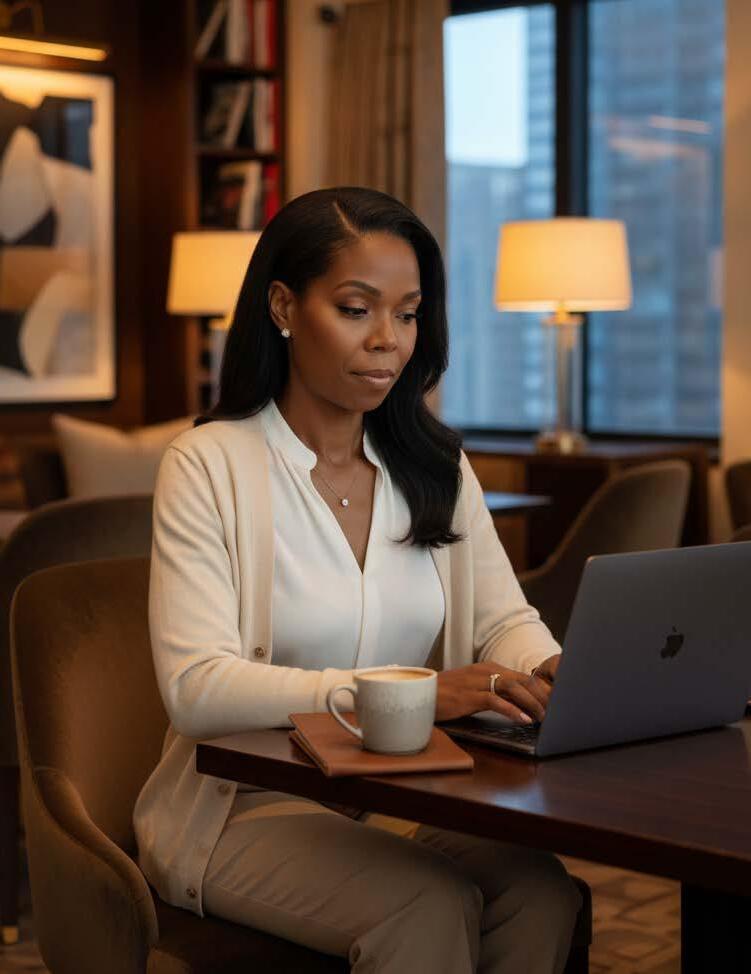
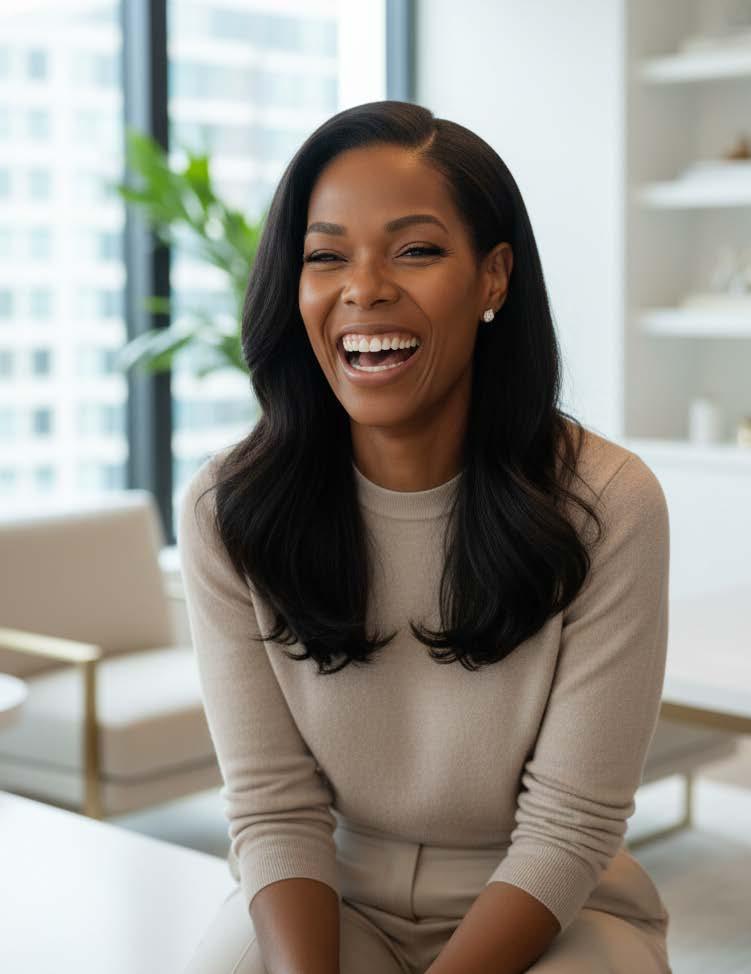
“Before seeking media coverage, it’s essential to define your story—who you are, who you serve, and what makes your brand stand out.”
I flip that into strategy: “What’s the smallest, boldest move we can make this week?”
Because confidence doesn’t come first— action does.
Then I give them structure, not just motivation.
Self-doubt thrives in chaos. So I built a clear visibility plan:
• What’s your story?
• Who needs to hear it?
• Where are we showing up first? When you know exactly what to say and where to say it, fear loses its grip. Next, I push them into proof, not perfection.
We don’t wait for the “perfect” brand, post, or pitch. We test, we launch, we refine.
Your first version isn’t supposed to be flawless, it’s supposed to be visible. I also normalize being seen.
A lot of clients aren’t scared of failure; they’re scared of being noticed. So I ease them into it:
• Start with one bold post
• Then a media pitch
• Then a collaboration
• Then a room where they have to speak
What has been one of your most impactful campaigns or collaborations so far, and why did it resonate so strongly?
one of the most impactful collaborations for Brown Baddie PR has been working with Let Us Bake You—because it wasn’t just about publicity, it was about
turning a local business into a cultural moment. We took what could have been “just another bakery” and positioned it as a must-know, must-taste brand in Rochester. The strategy blended storytelling, product naming, and community-driven visibility. Campaigns like the Golden Nilla Dream Cookies and bold, personality-filled items like Booty Call Brownies weren’t just menu items, they became conversation starters. What made it resonate so strongly were three things:
1. Identity-Driven Storytelling
We didn’t market products—we amplified the person behind them. People connected with the founder’s journey, her creativity, and her presence as a woman building something meaningful in her community.
2. Scroll-Stopping Branding
Every visual, caption, and campaign had intention. From packaging concepts to social posts, we leaned into that “baddie luxury meets comfort food” vibe. It made the brand instantly recognizable—and shareable.
3. Community-Centered PR Moves
We tapped into local media, vendor opportunities, and events in Rochester, turning visibility into real-life engagement. This wasn’t just online buzz—it translated into foot traffic, inquiries, and brand loyalty.
At the core, the campaign worked because it made people feel like they were discovering something special—and then gave them a reason to talk about it.
As a woman entrepreneur, what challenges have you faced in building your brand—and how did you turn those into opportunities?
As a woman entrepreneur, building a brand often comes with the challenge of being visible without being underestimated. There’s a constant pressure to tone things down—to be more palatable, less bold, more “acceptable.” Instead of shrinking to fit those expectations, I leaned into them. I made confidence and clarity the foundation of my brand, turning what might perceive as “too much” into a signature strength that sets me apart. Access has also been a challenge— getting into the right rooms, securing opportunities, and building meaningful partnerships. Rather than waiting for a seat at the table, I created my own. By developing my own platforms, pitching with intention, and positioning both myself and my clients as the story, I was able to open doors that weren’t initially accessible. Another layer is balancing authenticity with professionalism. Women are often expected to choose between being taken seriously and being fully themselves. I rejected that idea. I built a brand where strategy and personality coexist, where authenticity enhances credibility rather than diminishes it.
Your messaging is unapologetically confident—how important mindset is when it comes to building a successful business?
Mindset isn’t just important—it’s the foundation everything else stands on.You can have strategy, connections, even funding… but if your mindset is rooted in hesitation, fear, or playing small, you’ll dilute every opportunity that
“Right now, I’m stepping into a season of bigger visibility and stronger partnerships.”
comes your way. The most successful entrepreneurs don’t just do business, they think like leaders before the results show up. For me (and the way I guide clients), unapologetic confidence is about decision energy. It’s choosing to show up before you feel ready. It’s trusting your voice when there’s no applause yet. It’s understanding that visibility, pricing, pitching, and partnerships all mirror how you see yourself.
What role does authenticity play in branding and PR, especially for women and minority-owned businesses?
For Brown Baddie PR, authenticity is the whole brand—not just a strategy. It means showing up boldly and unapologetically as who you are and helping your clients do the same. Instead of watering down stories to fit mainstream expectations, Brown Baddie PR centers real experiences, real culture, and real voices—especially for women and minority entrepreneurs who are often overlooked or misrepresented. Authenticity in this space is about owning your narrative. It’s making sure your brand reflects your truth, your values, and your power—without compromise. That’s what builds trust, attracts aligned opportunities, and creates visibility that actually feels good and sustainable. At its core, Brown Baddie PR uses authenticity to turn stories into influence—so clients aren’t just seen, they’re felt, remembered, and respected.
How do you stay ahead of trends while still helping your clients stand out in a saturated market?
Staying ahead of trends isn’t about chasing everything, it’s about understanding culture and being intentional. I pay attention to what’s actually resonating
with people, then filter trends through my client’s unique voice and brand identity. Instead of copying what’s popular, I focus on storytelling and creating signature moments that feel original and aligned. That balance is what helps clients stay current while still standing out. Trends may bring visibility, but strategy, authenticity, and bold positioning are what make a brand memorable in a saturated market.
What advice would you give to entrepreneurs who know they need PR—but don’t know where to start?
Entrepreneurs who know they need PR should start with clarity, not pitching. Before seeking media coverage, it’s essential to define your story—who you are, who you serve, and what makes your brand stand out. From there, identify a timely “PR moment,” such as a launch, unique perspective, or relevant trend, to make your story newsworthy. Rather than aiming for major outlets right away, focus on building credibility through local media, niche platforms, and community features. At the same time, ensure your brand is polished and consistent so it can hold the attention PR brings. Building relationships with media professionals and knowing when to invest in a publicist are also key steps. Ultimately, PR is about intentional positioning—preparing your brand so that when visibility comes, you’re ready to make it count.
How do you define success—not just in business, but in the impact you’re making through your work?
Success—at least the way I define it—isn’t just about revenue, recognition, or being “booked and busy.” That’s surface-level.
Real success is about alignment, influence, and legacy. In business, yes—success looks like growth, sustainability, and being paid what you’re worth. But deeper than that, it’s about building something that feels like you. A brand that speaks before you even enter the room. One that doesn’t require you to shrink, code-switch, or dilute your message just to be accepted. But impact? That’s the real metric.
What legacy are you building with Brown Baddie PR, and how do you want people to feel when they experience your brand?
The legacy I’m building is one where women—especially women of color— don’t have to shrink, wait, or “earn” visibility. We own it. I want Brown Baddie PR to be known as the agency that shifted the narrative—from playing small and being overlooked to being bold, booked, and impossible to ignore. 16.What’s next for you—any exciting projects, collaborations, or expansions on the horizon?
Right now, I’m stepping into a season of bigger visibility and stronger partnerships. That means securing more media placements for my clients, building buzz-worthy brand collaborations, and putting Brown Baddie PR in rooms where culture, influence, and business intersect. I’m also working on expanding my service offerings—think signature PR packages, media kits that feel like luxury experiences, and campaign strategies that don’t just get attention… they convert. There’s a focus on creating systems that allow me to scale while still delivering that high-touch, “baddie-level” experience my clients love.
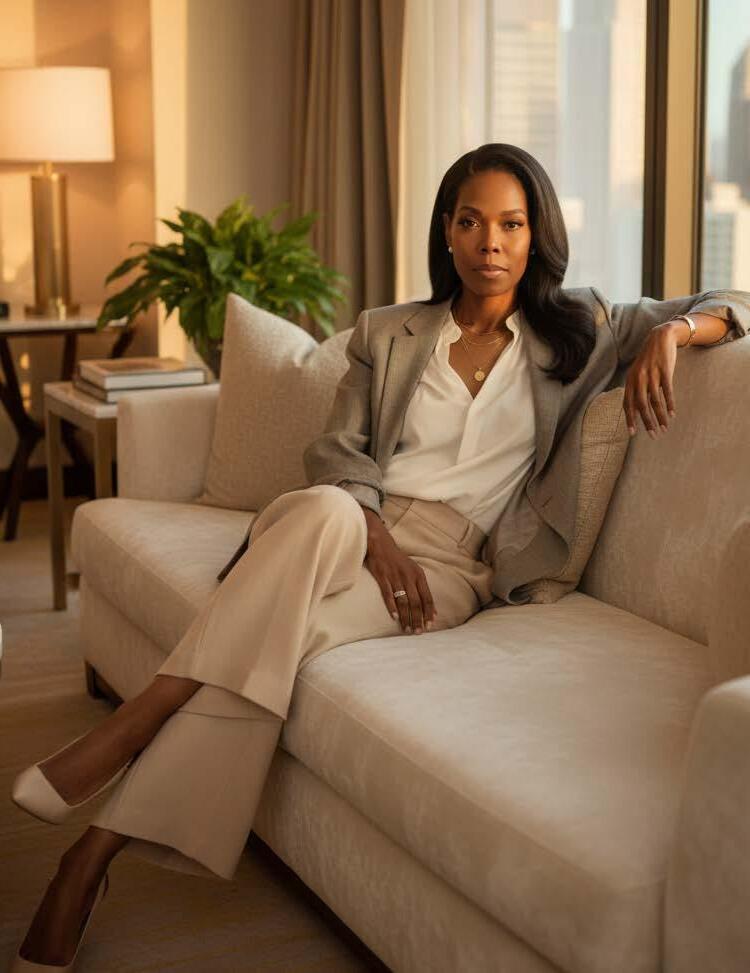
BY NICOLE HEROUX WILLIAMS I PHOTOS BY NSP STUDIO
Born during one of the most uncertain times in recent history, Let Us Bake You became much more than just a bakery — it became a story of resilience, legacy, love, and purpose. Created during the COVID-19 pandemic after losing the security of a department store job, the business was inspired by cherished memories spent in the kitchen with founder’s grandmother, Bennie Mae Evans, baking desserts that brought family, friends, and community together. What started as a way to bring joy to others during difficult times quickly became something deeply personal and meaningful.
After her grandmother’s passing, she inherited something priceless — a treasured recipe book filled not only with recipes from generations past, but handwritten prayers tucked between the pages. That book became more than instructions for baking; it became a symbol of legacy, faith, and family tradition carried forward through every dessert created today. Each recipe represents generations of love poured into the kitchen, now shared with customers one handcrafted treat at a time.
together and creating moments of joy, celebration, and connection through food.
Driven by the desire to show her son the value of hard work, determination, and perseverance, the founder continues to grow the business with heart and purpose. Through challenges, slow seasons, and learning the realities of entrepreneurship

At the heart of Let Us Bake You is a commitment to authenticity, fresh ingredients, and creating unforgettable experiences. Described as “Southern charm with a New York flare,” the bakery prides itself on using fresh, hand-picked ingredients, baking everything from scratch, and ensuring every order is made fresh within 24 hours of delivery. But beyond the desserts themselves, the business is rooted in something even sweeter — bringing people
on her own, she has remained committed to building something meaningful — not just for herself, but for the generations that may one day continue the legacy
Tell us the story behind Let Us Bake
You—what inspired you to turn your passion for baking into a business?
Let Us Bake You was created during covid the most uncertain times of our lives. My department store job was not considered essential. I also had a child
that I had to provide for and I began thinking about some of the best times in my life. My thoughts always went back to the time I spent went my grandmother. (Bennie Mae Evans) every year in the kitchen baking for her friends and family. It always brought me so much joy being with her during those times. Her desserts always made everyone so happy and brought everyone together. So, I wanted to being joy to as many people as I could during that uncertain time. Unfortunately, my grandmother has since passed on. When she passed I ended up with her recipe book. When I finally opened it up. I discovered that there were recipes from my grandmother and my great grandmother. There were also hand written prayers that she had tucked in the pages. That book was her lifeline and legacy and now it is mine.
Every high-quality brand has a “why”—what is the deeper purpose behind your work and what keeps you going?
As a mother, I want to be able to show my son what hard works look like. He is my reason for everything I do and every decision i make. I made a pact with him when he was young that if he worked hard and brought home good grades. then i would make it my business to work hard and give him the world in the best way possible. He has been on honor roll every year since the fourth grade and he has always been a well behaved well spoken. Wise beyond his years young man. I’m so blessed to be his mother. He does not even know he saved my life in so many ways.
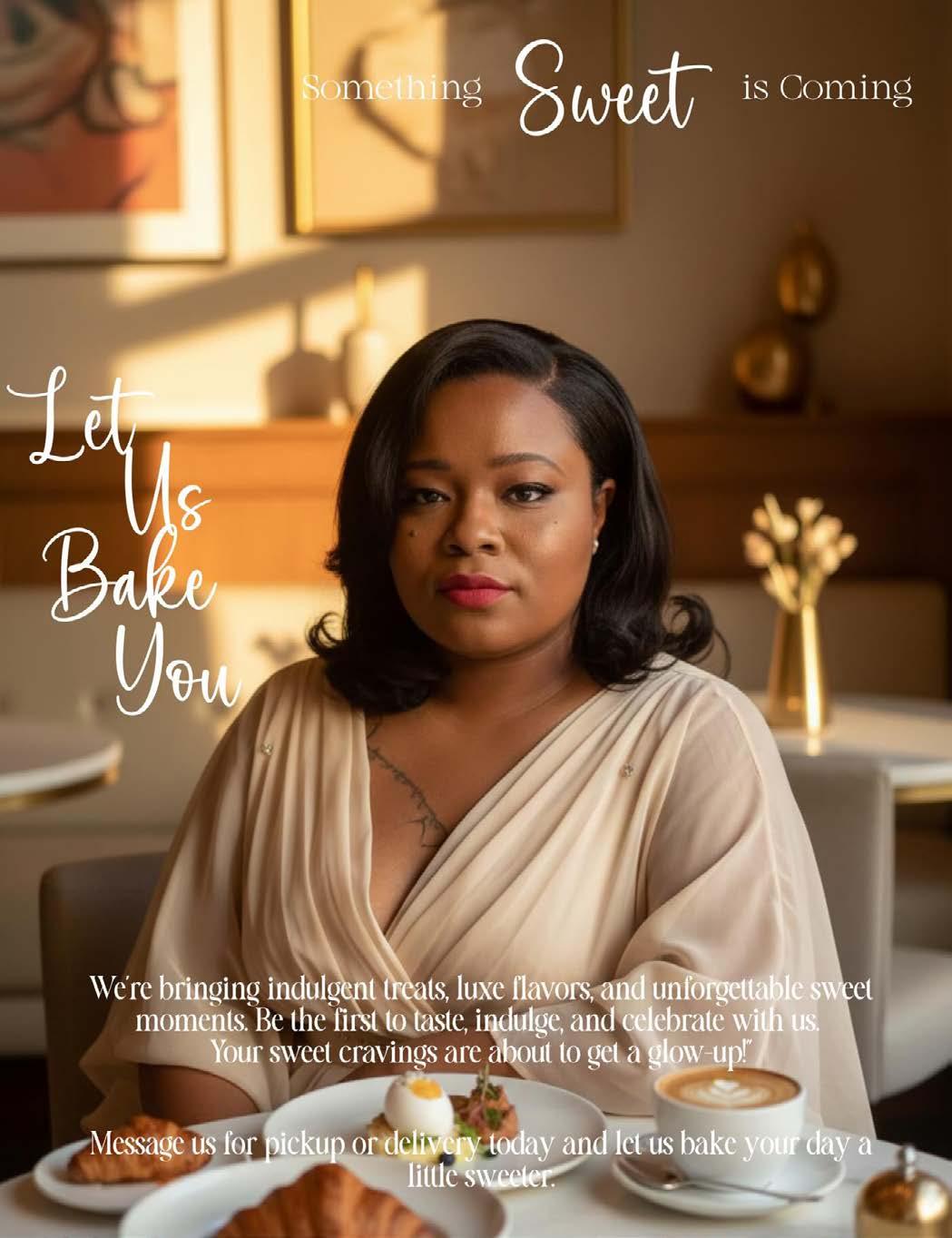
“When i finally opened it up. I discovered that there were recipes from my grandmother and my great grandmother. There were also hand written prayers that she had tucked in the pages.”
How would you describe the Let Us Bake You experience, and what sets your business apart from others in the baking industry?
The best way I can describe the let us bake you “experience” southern charm with a New York flare and what sets us apart is we use the freshest hand-picked ingredients from local farmers markets to create our products. We make all our products from scratch. We also bake all our products 24 hours before the order goes out so it is always fresh when it reaches the customer or their events.
Baking is both an art and a science— how do you balance creativity with consistency in your products?
Baking is something i really enjoy which allows me to keep an open mind and push the envelope when it comes to how we design or baked goods. Consistency was learned. I wont lie there has been times when I tried to change certain ingredients in our products and it did not work out well. I then just decided it was best to stick with the original recipes that my grandmother and great grandmother crafter because their recipes have stood the test of time.
What has been one of your proudest moments since launching your business?
Well to be honest i do not think I have had that moment yet. A lot of people tell me I should have that moment because I have a business, but I have not taken let us bake you as far as I would like to and I not have gotten it where I would like to see it be just yet. I also have a hard time being proud of the things i do. I am hard on myself.
Entrepreneurship comes with
challenges—what obstacles have you faced along the way, and how did you push through them?
Along the way I have faced learning business and how nys works when it comes to small business. I tried reaching out to other fellow entrepreneurs and they were not very friendly or willing to help when advice i asked for. I had to do the research to be able to figure out how to do things and what would work best.
How do you continue to innovate and evolve your offerings while staying true to your brand?
The best way that I have learned to evolve has been to keep my eye on social media and local bakeries in the area. Just check out what sells best for them or what’s trending online and of course the seasons play a big roll in what we create.
Your business brings joy to so many through food—what does it mean to you to be part of people’s celebrations and special moments?
To me it means the world, to see people enjoy my baked goods and it’s part of what keeps the bakery alive.
How has the support (or lack of support) from your community impacted your journey?
The lack of support makes things harder of corse, but I have been doing my best to understand that i must be the one to introduce let us bake you to the world. Also word of mouth is the biggest contributor to small business success.
What does a typical day look like for you behind the scenes of Let Us Bake You?
A typical day for let us bake you is checking for orders, making sure everything on the website is up to date, filling orders, making deliveries, staying connected with our public relations specialist for all our social media updates, baking order, cleaning… lots and lots of cleaning.
As a woman entrepreneur, how do you stay confident and resilient, especially during slower or more difficult seasons? You really must learn to be prepared and stay disciplined, I have had a lot of tough times in slow months in the last 6 years, you have to adapt and grown and learn your businesses patterns.
What role does social media and marketing play in growing your brand and connecting with your audience? Social media and marketing both play a big roll in growing any brand because the general public uses they on a daily basis. If someone is just starting out with a passion for baking or a creative business, what advice would you give them?
I would tell them once you have product hat you our proud of and your targeted audience is happy with ‘stick with it” don’t let anyone tell you what you should be doing or how to change it or make it better. There’s a possibility of those small changes making it so that people no longer trust your products or the things you say and do.
What are your goals for Let Us Bake You in the next year or two—any exciting expansions or projects? As of right now, I’m beginning to try and see what direction i would like to take let us bake you in. I am not 100%
{
“You really must learn to be prepared and stay disciplined, I have had a lot of tough times in slow months in the last 6 years, you have to adapt and grown and learn your businesses patterns.”
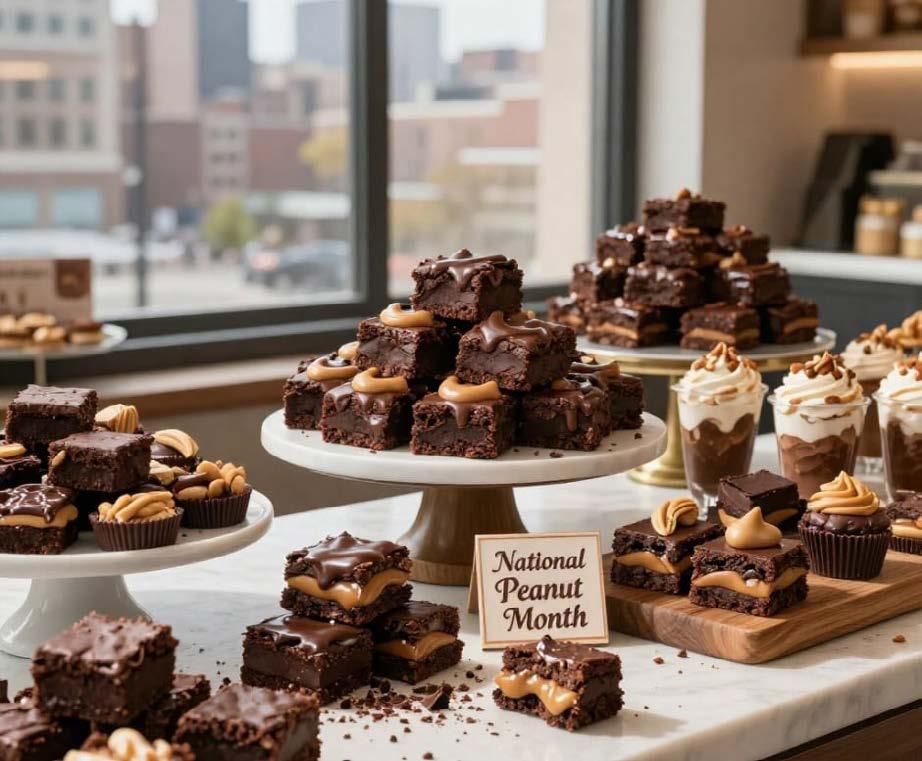
store front or a small bakery trailer so I can continue to move around to different places and serve people all over the state like I’ve done up until this point.
At the end of the day, what legacy do you hope to build through your business and your journey as an entrepreneur? I believe that if I am around i will continue
to bring joy to people with my baked goods. I do not expect my son to walk in my footsteps or to take over my business because let us bake you is my dream and I would like for him to live his and follow dreams without worrying about things that I have built. Maybe someday on of my grand kids will take interest in baking and decide that its
something that they might want to doo and pick it up on there own and find my grandmother and great grandmothers recipe book like I did.



For more than two decades, she has dedicated her life to helping others move, heal, grow, and reconnect with themselves — but her journey into wellness and coaching has been anything but conventional. What began through sports and fitness at a young age eventually evolved into a lifelong passion rooted in empowerment, healing, and helping women rediscover their strength both physically and emotionally. After years of balancing fitness instruction alongside full-time careers and demanding schedules, she has finally stepped fully into the work that has always called to her heart — and in doing so, found the purpose she was always meant to pursue.
Today, as an instructor, wellness coach, and leader at The Studio at Driphouse in Spencerport, she brings a deeply personal and transformative approach to movement and healing. From yoga and Pilates to strength training, coaching, and mindfulness practices, her philosophy centers around the belief that true wellness is never just physical. It is emotional, mental, and spiritual too. Her work is about far more than workouts or fitness classes — it’s about helping women feel strong, capable, grounded, and empowered enough to fully step back into their lives.
That mission became even more meaningful after experiencing a personal breaking point several years ago following years of relentless 80-hour work weeks and burnout. Through movement, meditation, journaling, therapy, and a commitment to choosing joy, she slowly rebuilt herself from the inside out. That healing journey now fuels the compassion and authenticity she brings to every woman who walks into her classes or coaching sessions. She understands firsthand what it feels like to lose yourself — and what it takes to find your way back.
What makes her approach so impactful
is her ability to truly see people beyond the surface. Whether she’s helping a beginner step into their first fitness class, coaching women through life transitions, or teaching someone in their seventies how to overcome a lifelong fear of water, her work is rooted in encouragement, education, and genuine human connection. She believes wellness is not about perfection or aesthetics — it’s about creating a life where women feel strong enough, confident enough, and worthy enough to fully take up space in their own lives.
And perhaps that is the message she hopes women carry with them most: you do not need to have everything figured out before you begin. You simply need to start. Through her work, her coaching, and her own story of resilience, she is inspiring women to stop shrinking themselves, trust in their own wings, and finally rise into the lives they deserve.
Can you share a little about your background and what led you into the world of fitness, wellness, and coaching? Fitness found me early, through sports as a kid and then into high school, but like a lot of women, I lost it for a while in college. Life got busy, priorities shifted, and movement just fell away.
I came back to it in my early twenties when a work friend invited me to a group fitness class. I walked in not knowing what to expect and was completely hooked right away. Something about that energy, that environment, clicked for me in a way it never had before. But I also kept noticing gaps, leaving classes feeling like the experience could be more. More intentional, more meaningful. So instead of just wishing for better, I did something about it. I got my first certification in cycling, and from there it just unfolded. Pilates, yoga, boot camps, etc... If I could
get certified in it, I taught it.
For most of my life I did this alongside everything else. But in this new chapter it’s the first time I’m showing up to it fully, and it feels exactly like where I’m supposed to be.
You have over 20 years of experience — what has kept you so passionate and committed to this work over the years? Honestly? There were times I got burnt out. Times I was frustrated, times I didn’t want to show up. But here’s what never failed — I always left feeling more than I arrived with. Every single time. Something about being in that room, getting people to move their bodies in a way they wouldn’t have without me there, filled me up in a way very little else did.
Teaching was how I gave back to the world. Giving back has always been in my blood. I was on every young charitable board I could get on, always looking for ways to contribute to my community. But this was my true passion. This was where I felt most like myself.
For most of those twenty years though, it was an add-on. Something I did alongside full time work, more like a hobby than a career. Now, for the first time, it’s my central focus. It consumes my time, my energy, my curiosity. And it’s become quite clear to me that this is my calling. This is what I’m meant to do.
What is your role at Driphouse, and what does a typical day look like for you? At the Driphouse in Spencerport, I serve as their in-house fitness instructor, but my role goes beyond just showing up to teach. I plan the schedule, design the classes, and constantly assess what’s working and what isn’t. Driphouse has been an established business for some time, but this year we
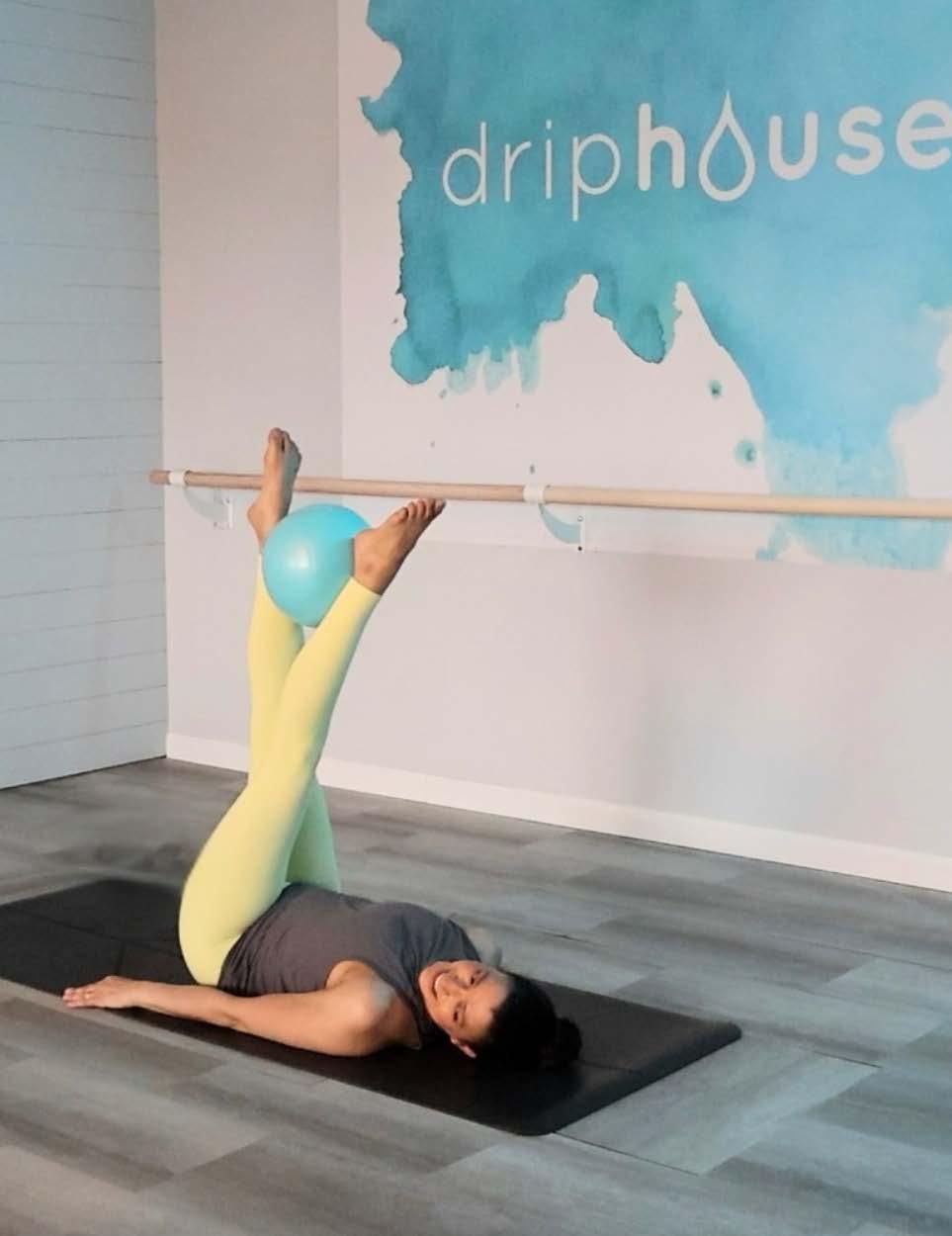
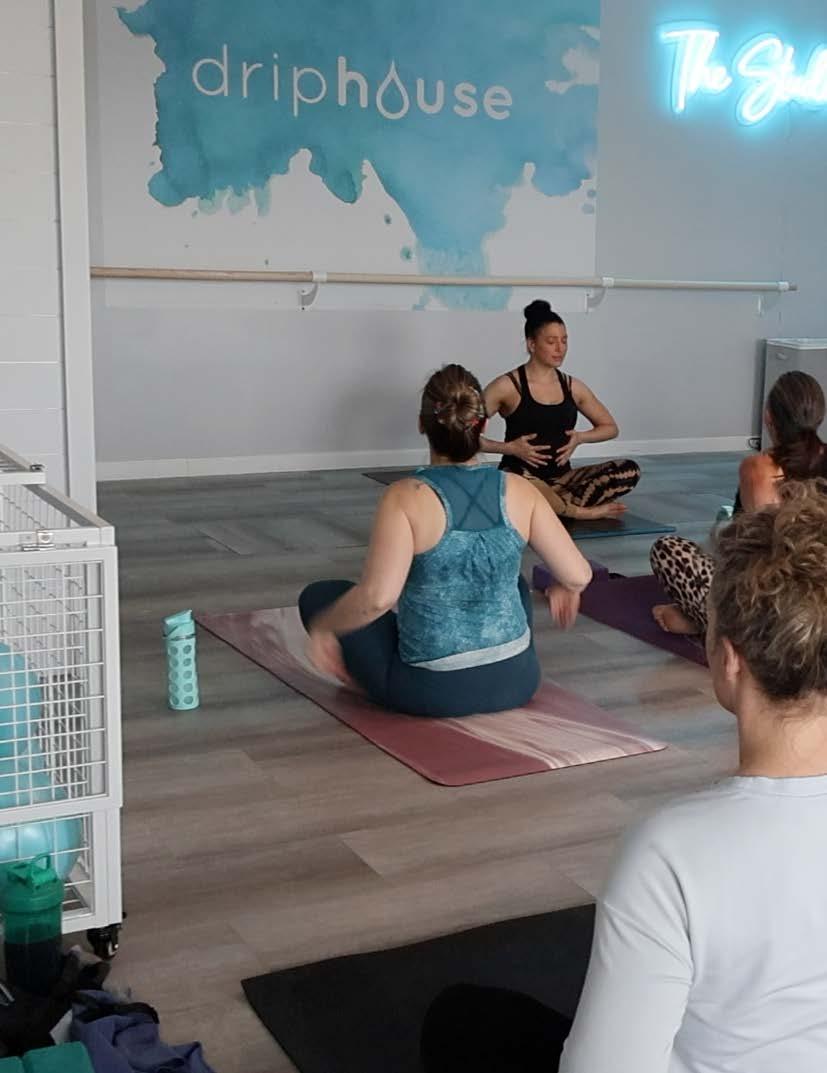
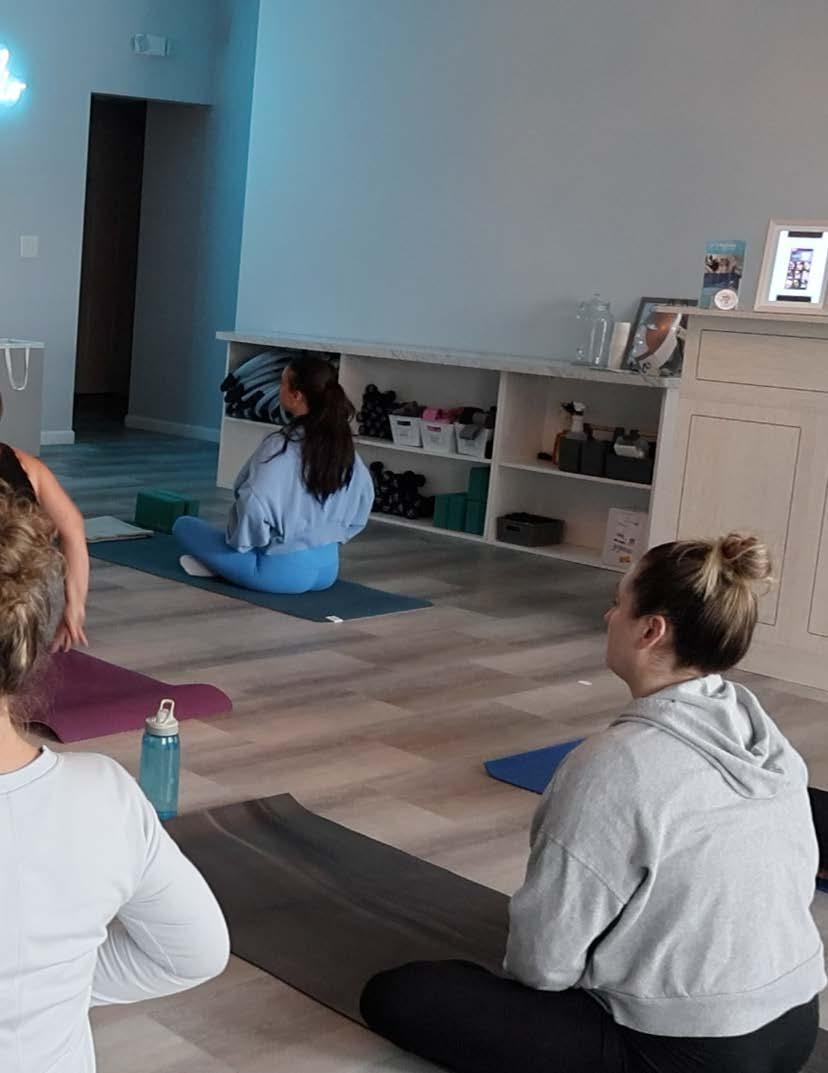
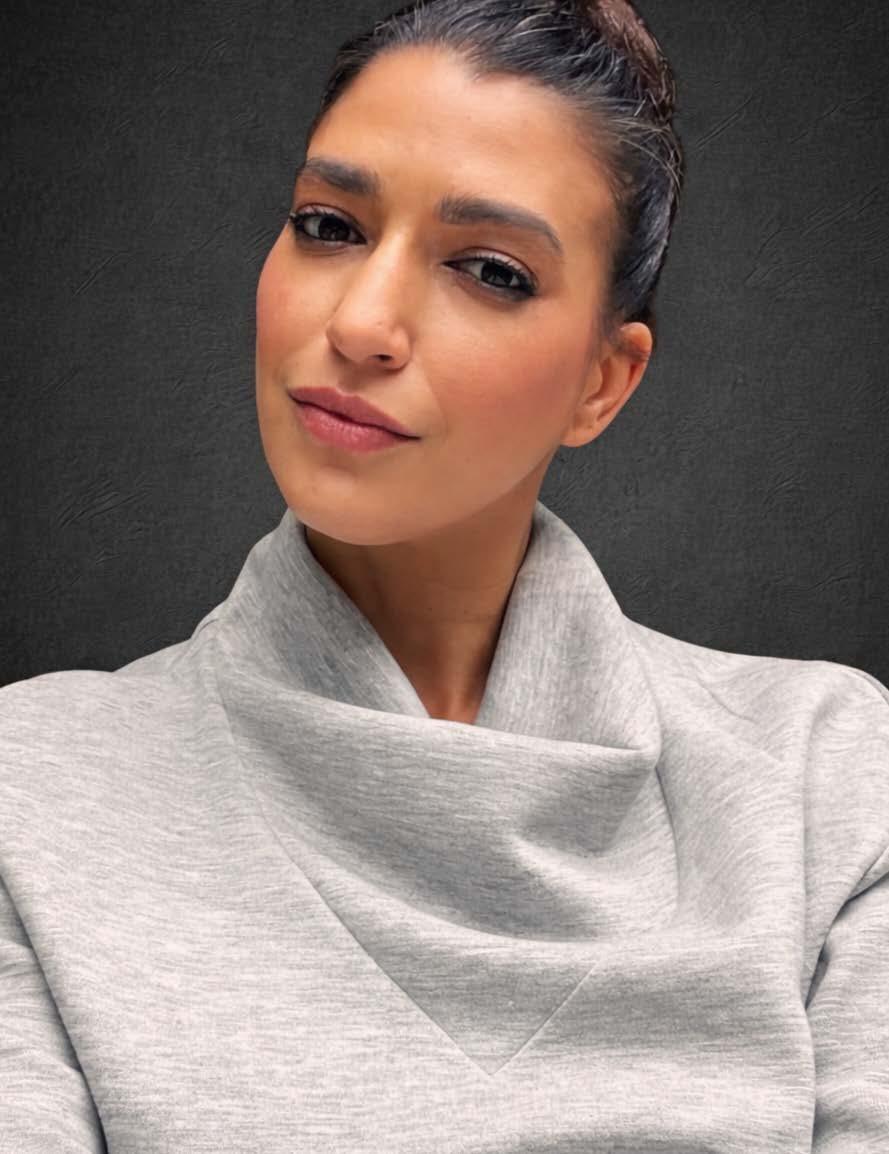
“It’s not about fitness. It’s about showing someone what they’re capable of when someone finally believes in them. That’s why I do this.”
launched The Studio, bringing fitness classes to their community for the first time. Our current lineup includes Power Vinyasa, Multi-Level Yoga, Barre Fusion, Pilates Sculpt, and Body Sculpt, and we’re still thoughtfully shaping the experience to make sure we’re truly serving our clients. I also work on marketing and social media to help grow our community. It’s been an incredible experience, and I feel genuinely supported by Stephanie, who trusts my instincts and my experience.
A typical day looks different depending on what’s on the schedule. I also teach at the YMCA and work with corporate clients, so my time is split across a few communities I care about. In between I’m home working on my business, writing, painting, or playing tug-of-war with my dog. I write two blogs on my website, omwhatawonderfulworld.com, that I’m really proud of. Om Articles is research based writing and Om Unfiltered is my opinion based column where I get a little more raw and real. My boyfriend and my dog, Murphy, keep me laughing and grounded, and I think that balance between creative work and meaningful relationships is what makes everything else sustainable.
What inspired you to join the team at Driphouse, and what makes it such a special place to be part of?
I was introduced to Stephanie through another client, and we hit it off immediately. Her energy, her warmth, her genuine loveliness — I just knew I wanted to work with her.
The Driphouse in Spencerport is a luxury wellness and recovery studio offering services like far-infrared sauna therapy, Normatec compression therapy, and this summer adding cryotherapy, all designed to restore the body and support overall
wellbeing. It’s a special place before you even add a fitness class to the mix.
The Studio itself is something I’m truly proud of. It has a beautiful signature lighting fixture that I’m a little obsessed with, and coconut beach has become our signature scent. We keep a refrigerator stocked with eucalyptus infused cold towels as a luxury touch for after class or during Savasana. I’ve already built a group of amazing regulars who I genuinely look forward to seeing walk through that door. It’s a warm and inviting space — but don’t be fooled, we work hard in there.
Driphouse focuses on “Move your body. Heal your mind. Rise into your life.” — what does that philosophy mean to you personally?
That philosophy means more to me than I think most people realize, because I’ve lived it.
About three years ago I hit a breaking point. I had been putting in 80 hour weeks for over four years and I suffered a mental breakdown. I didn’t see it coming the way these things usually go, and when I finally stopped, I had to figure out how to come back to myself.
Moving my body is what started the healing. Coming back to teaching, back to movement, back to the thing that had always filled me up. Healing my mind came through meditation, journaling, and talk therapy, and making a promise to myself that I would only do things that bring me joy. That promise changed everything.
Rising into my life is where I am now. It’s not a destination I’ve arrived at so much as a way I’ve chosen to live. And when I stand in front of a room full of women at Driphouse or anywhere else, I know
that many of them are somewhere in that journey too. That’s why this work matters so much to me.
Stephanie describes you as someone who “shapes the lives of women daily and is a true gem of a woman.” How does it feel to be recognized in that way?
Being called a gem stopped me in my tracks a little. Gems are rare and valuable, and I think the word landed so deeply because while my value hasn’t always gone unnoticed, it hasn’t always been honored either. I have always given 100% to everything I do. It’s just who I am. But giving fully doesn’t always mean being recognized fully, verbally or financially, and over time that absence of acknowledgment wears on you in ways you don’t always realize.
So to be seen in this way, by someone I deeply respect, feels like more than a compliment. It feels like confirmation that the work I’ve done on myself and the promises I’ve kept to myself are showing up in the world. My first reaction honestly was “Really? Me?” And then I sat with it and thought, yes. Me.
Being nominated for this feature by Stephanie is a truly unexpected honor. It means everything.
How do you approach working with women who may be just starting their fitness or healing journey?
I don’t take this lightly, either the fitness side or the healing side, and I approach them quite differently.
With women who are new to fitness, the most important thing I can do is meet them with a beginner’s mindset. After twenty years I sometimes have to remind myself that what feels like common knowledge to me is completely new to someone else.
“I’m constantly putting in the work. Reading, journaling, deep introspection, identifying my weak areas and strengthening them.” { INSPIRED
I don’t just want to tell women what to do. I want them to understand why. What muscles they’re working, why it matters, how it’s going to serve them. And I’m not talking about beach bodies. I’m talking about their future 80 year old self. I want women to be strong, balanced, and capable well into their later years, and that starts with the work we do now.
The healing journey is something much closer to my heart. I’ve been there. I know how hard it is, and I know how much harder it is to do alone. When I finally had support around me, real support, that’s when things began to shift. So when a woman walks in at the beginning of that journey I want her to know she’s not alone. Having someone genuinely in your corner changes everything.
You offer a mix of fitness, yoga, Pilates, and coaching — how do you blend these elements to create a holistic experience for your clients?
Wellness isn’t just physical. It’s physical, mental, and emotional, and honestly when one of those is out of balance the others suffer too. Wellness is the sum of its parts, and you can’t truly achieve it by only addressing one piece.
Each modality I work with brings something different to that equation. Fitness builds strength and endurance. Yoga brings philosophy, breath, and a relationship with your inner self. Pilates works deeply on the core, which is foundational to balance and longevity. Together they cover a lot of ground.
But coaching is what ties it all together for me, and I’d argue it’s the most important piece. Most people can teach a fitness class. What’s harder, and what matters more, is truly seeing the person in front of you. Understanding their goals, their
emotional state, their confidence, their stress. Making the experience personal. That’s what transforms a workout into something that actually changes a life.
What do you believe is the biggest barrier women face when it comes to prioritizing their health and wellness?
Time is the biggest barrier, without question. Women do so much, especially those balancing work and family, and they consistently put themselves last. But here’s what I want women to understand: prioritizing your health isn’t selfish. It’s actually the most generous thing you can do for the people around you. You cannot show up fully for others when you’re running on empty.
Beyond time, confidence is a close second. Fear of judgment, fear of not being able to keep up, the comparison trap of feeling like you’re not in good enough shape to even start. I hear it all the time. “I’m not ready for that class yet.” But here’s the truth — you get ready for a cycle class by taking a cycle class. You don’t build up to it from the sidelines. You just do it.
That’s actually one of the reasons I love working in smaller class settings. It creates a safer, more supportive environment where women can show up exactly as they are, without feeling like they’re being watched or judged. That’s where real progress begins.
As a life coach, how do you help women reconnect with themselves and feel more grounded and in control of their lives? The first thing I do is help women get out of their own heads. I use a mind dump exercise where you write down everything — every thought, every feeling, every thing on your to do list — just get it all out onto paper. It sounds simple but it’s remarkably powerful. When everything
is swirling around in your mind it feels unmanageable. When it’s in front of you, you can organize it. Triage it. Suddenly you feel in control again.
From there we move into goal setting and breaking things down into manageable pieces. There’s actually science behind celebrating small wins. Research shows that a rich history of small achievements builds momentum and leads to greater ones. So nothing is too small to celebrate. Every win counts.
What it comes down to is helping women keep promises to themselves. That’s really what coaching is. It’s sitting down with someone who helps you organize the chaos, points you in the right direction, and walks alongside you as you move forward. I think more women could benefit from that than realize it. Sometimes you just need someone genuinely in your corner.
Can you share a moment or client success story that truly impacted you and reminded you why you do this work? The story that comes to mind isn’t from a yoga class or a fitness studio. It’s from the pool.
I’ve taught many adults to swim over the years, and not long ago I worked with a woman in her late seventies who was terrified of water. Her family had told her she would never learn, that it just wasn’t going to happen for her. She came to me without a single person in her corner believing she could do it.
Fear of water that has built over an entire lifetime is no small thing. It’s deep and it’s physical and it’s real. I watched her go from being afraid to walk into the shallow end of the pool to diving into the deep end and swimming the full length. She had a friend come to film it so she could
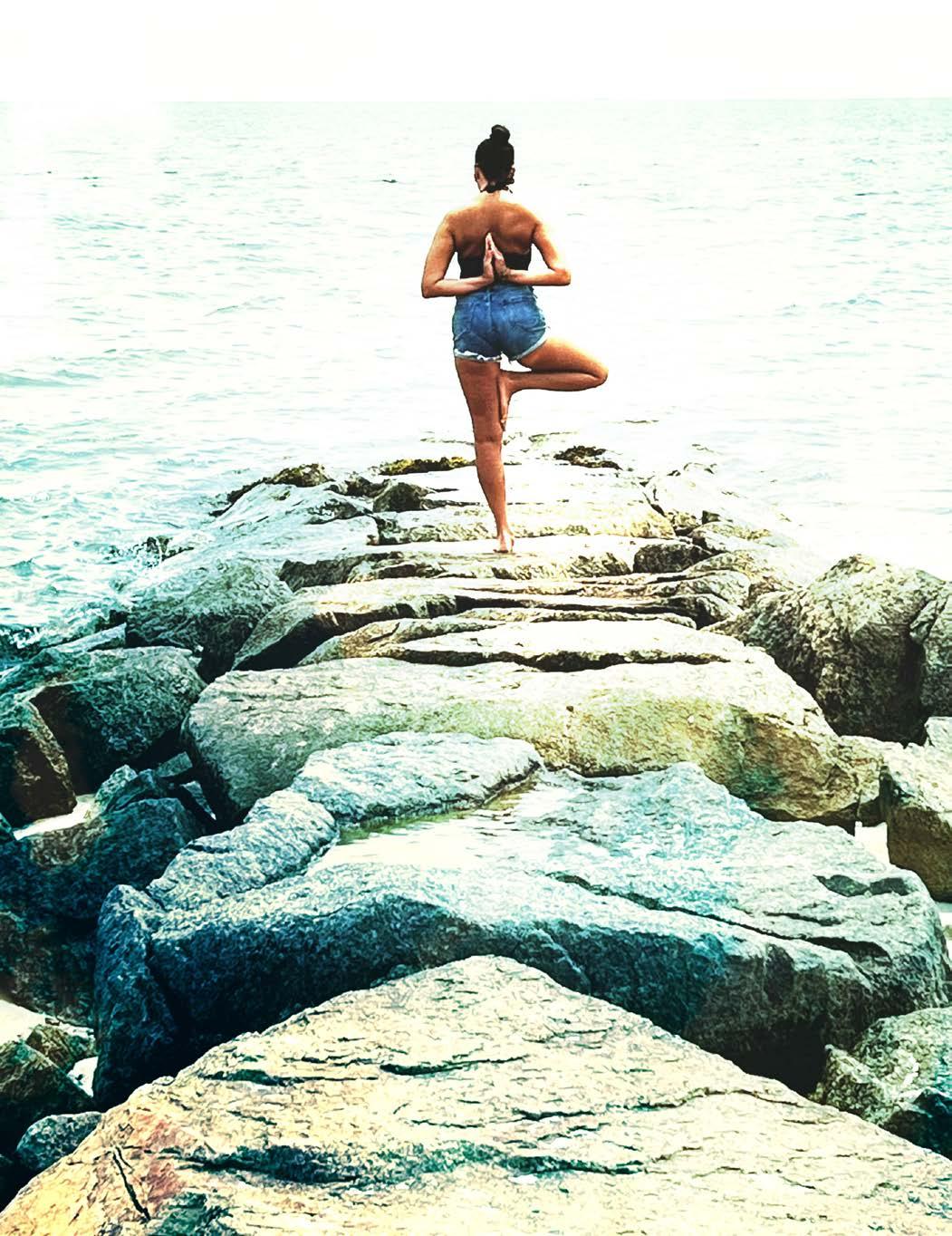
“You cannot pour from an empty cup and you cannot rise while you are running on empty. Take care of yourself. Show up for yourself. Make time for yourself.” { INSPIRED BY HER }
show her family.
What an honor it is to get to be in that moment with someone. To witness it. Because that’s what this work is really about. It’s not about fitness. It’s about showing someone what they’re capable of when someone finally believes in them. That’s why I do this.
Who inspires you — either personally or professionally — and why?
Honestly I couldn’t name just one person, because it’s strong women in general who inspire me. Public figures, women I meet in my classes, women I pass in the world who have overcome tremendous adversity and are still smiling and still going. I love a success story. I love seeing women thrive, confident in their environments, powerful in their work, unapologetic in who they are.
How far women have come is inspiring. How far we’re going is even more so. But I think what moves me most is the everyday woman who just keeps showing up despite everything life has thrown at her. That’s the kind of strength that doesn’t always make headlines but it changes the world quietly and steadily.
We need to inspire each other. That’s not just a nice sentiment, I genuinely believe it’s how we rise.
How do you continue to grow and evolve, both as a coach and as a woman?
I’m constantly putting in the work. Reading, journaling, deep introspection, identifying my weak areas and strengthening them. The more I grow as a person the more I can offer the women I work with. That’s not a coincidence, it’s the whole point.
Growing as a woman has meant owning who I am more fully with every passing
year. I’m outspoken, direct, honest, raw and real. I share things that are vulnerable, things that people don’t always talk about but absolutely should. And I know that’s not for everyone. Society has spent a long time telling women to be smaller, quieter, more palatable. I’m not interested in that.
Some people find that kind of directness uncomfortable, and that’s okay. I’m not here for everyone. I’m here for the women who are ready to stop shrinking and start rising. And I’ve found that when I show up fully and honestly, it gives other women permission to do the same. That feels like the most important work I can do.
What advice would you give to women who are ready to “rise into their life” but aren’t sure where to begin?
Just start. That’s my advice. I know it sounds simple but it’s the hardest part and it’s the only part that matters.
We hide behind our excuses. We tell ourselves we’re not ready, that the timing isn’t right, that we need to prepare more before we begin. But that’s fear talking. And fear will keep you on that bench indefinitely if you let it.
There’s a quote I’ve carried with me for a long time. A bird doesn’t have confidence in the branch it sits on. It has confidence in its own wings. That’s what I want for every woman I work with. Not certainty about the path, but trust in herself to navigate it.
So take the first step. Visit omwhatawonderfulworld.com and sign up for a complimentary one on one session with me. That appointment is your first step. And together we’ll figure out the second one. You don’t have to have it all figured out. You just have to show up.
What does being part of the Women Entrepreneurs Edition of Rochester Woman Online Magazine mean to you, and what message do you hope to share with other women?
I feel genuinely humbled to have been suggested for this. As I’ve shared, being seen and acknowledged hasn’t always been part of my story, and so this means more than I can fully express.
My first instinct was to say I almost feel unworthy of it. But I caught myself there, because that reaction is exactly what I talk to women about every single day. We have been conditioned to question whether we deserve good things, to shrink in the face of recognition, to deflect rather than receive. So instead I’ll say this: I am honored. I am grateful. And I am ready to be here.
The message I hope to leave with every woman reading this is simple. You are powerful. You are beautiful. And you deserve to take up space in your own life. Put yourself first, not out of selfishness, but out of necessity. You cannot pour from an empty cup and you cannot rise while you are running on empty. Take care of yourself. Show up for yourself. Make time for yourself.
When you do that everything else falls into place. Your family, your work, your relationships. It all gets better when you get better. That is where it starts. That is where it has always started.
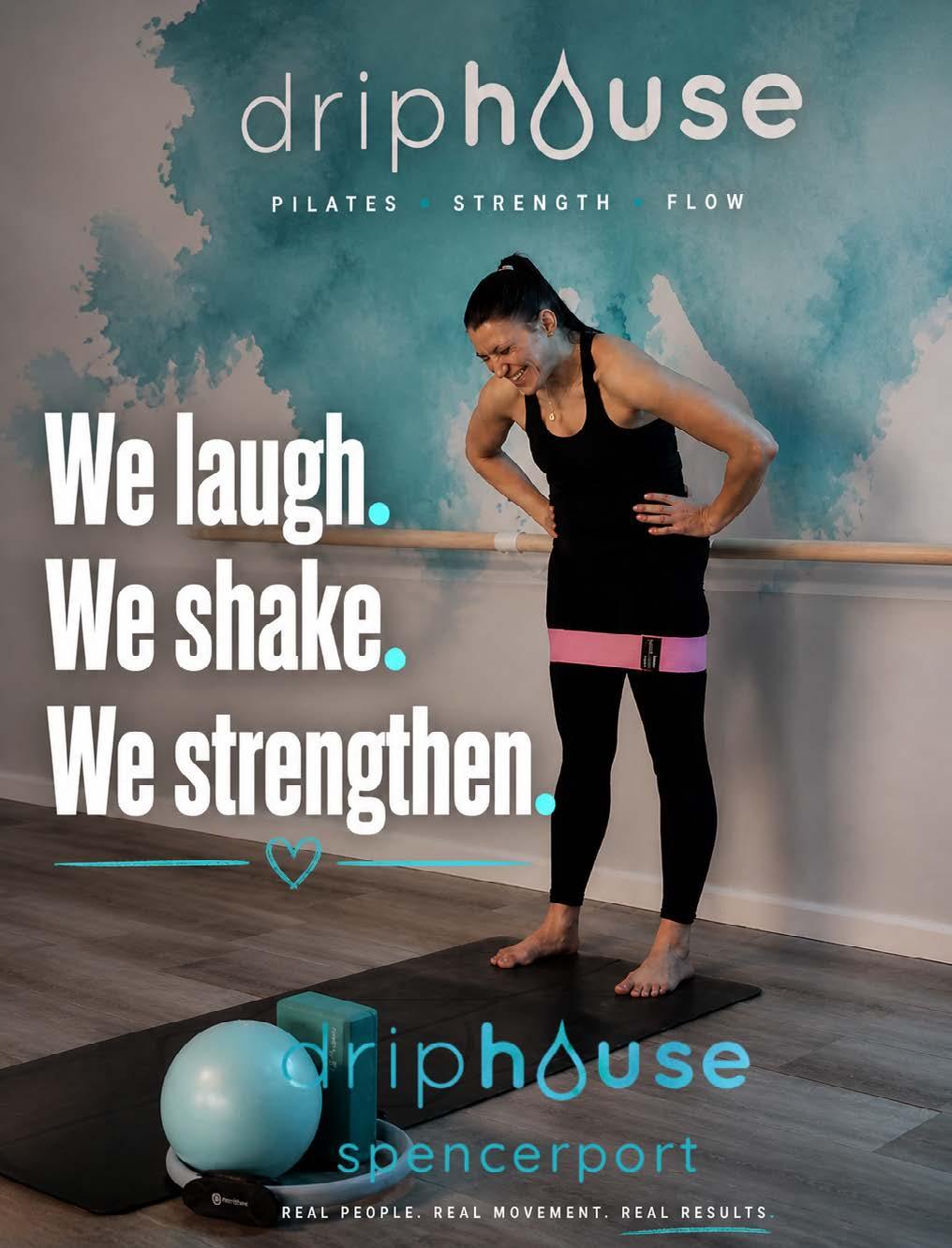


Carla Ann has built Lovely You Aesthetics on a foundation that goes far beyond beauty — one rooted in education, trust, authenticity, and empowering people to feel confident in their own skin. With a strong background in healthcare and years of clinical experience, Carla’s journey into aesthetic medicine was never simply about appearance. It was about helping people rediscover confidence, self-assurance, and the feeling of truly loving the person they see in the mirror. That passion ultimately inspired her to create Lovely You Aesthetics — a welcoming, patient-centered space where care is individualized, transparent, and grounded in evidence-based practice.
What sets Carla apart in the highly competitive aesthetics industry is her unwavering commitment to education and relationships. She believes aesthetics should never be sales-driven, but instead centered around listening to patients, understanding their goals, and building trust through honesty and personalized care. That same philosophy extends to the team she has carefully built around her — one that shares her passion for continuous learning, patient safety, and authentic connection. In an industry often driven by trends, Carla has stayed true to who she is, and that authenticity has become one of her greatest strengths.
Without having a traditional mentor early in her career, Carla carved her own path through determination, relentless education, and an extraordinary investment in her growth. Over the past several years, she has invested more than $40,000 into advanced trainings, cadaver-based anatomy education, laser certifications, hands-on workshops, and mentorship opportunities with some of the top injectors in the country. Rather than seeing obstacles as limitations, Carla transformed them into motivation — pushing herself to become
not only a highly skilled provider, but also a mentor and educator for the next generation entering the aesthetics field.
Today, Carla’s leadership style reflects both her clinical expertise and her passion for teaching. From training new providers to fostering ethical, patient-focused care, she is helping shape a new standard within aesthetic medicine — one built on integrity, education, safety, and compassion. Her story is a reminder that success is not built overnight, but through consistency, curiosity, and the courage to invest deeply in yourself and your vision. And through Lovely You Aesthetics, Carla Ann is doing exactly that — helping others feel beautiful, empowered, and confident while creating a legacy of excellence and care along the way.
What inspired you to launch Lovely You Aesthetics, and what has your journey in aesthetic medicine looked like so far? My journey into aesthetic medicine really grew out of my background in healthcare and a curiosity about how this field can impact more than just appearance. Over time, I became drawn to the confidence and self-assurance that can come from feeling comfortable in your own skin.
That’s what ultimately inspired me to launch Lovely You Aesthetics. I wanted to create a space where people feel genuinely welcome the moment they walk in—where care is individualized, never one-size-fits-all, and every treatment plan is thoughtfully designed around the patient.
Everything we do is grounded in evidencebased practice, with a strong emphasis on safety, education, and transparency. I believe patients deserve to understand what we’re doing and why, and to feel confident in the decisions they’re making. Fostering authentic relationships has always
been at the core of how I practice, and that extends to my team as well. I’ve built a team that shares the same commitment to continuous learning and growth, so we can provide the highest level of care. That foundation allows us to then educate and support our patients in a way that feels approachable, honest, and empowering.
The aesthetics industry is incredibly competitive — what do you believe sets successful providers apart?
The aesthetics industry is definitely competitive, and I think what truly sets successful providers apart comes down to a few core things. For me, it starts with a strong focus on education and relationships. Patients are more informed than ever, and they want to feel confident that their provider is knowledgeable, transparent, and genuinely invested in their care.
I’ve always believed in keeping things patient-centered rather than sales-driven. It’s not about pushing treatments—it’s about listening, understanding goals, and creating a plan that feels right for that individual. When patients feel that level of honesty and care, it builds trust, and that trust is everything.
Collaboration is another big piece. No one grows in isolation, and I think it’s so important to connect with and learn from other experts in the industry. Sharing knowledge, techniques, and perspectives only makes us better providers.
And honestly, one of the most important things is staying true to who you are. It’s easy to get caught up in trends or feel pressure to fit a certain mold, but the providers who stand out are the ones who are authentic. When you’re grounded in your values and practice in a way that feels genuine to you, that naturally resonates with the right patients.
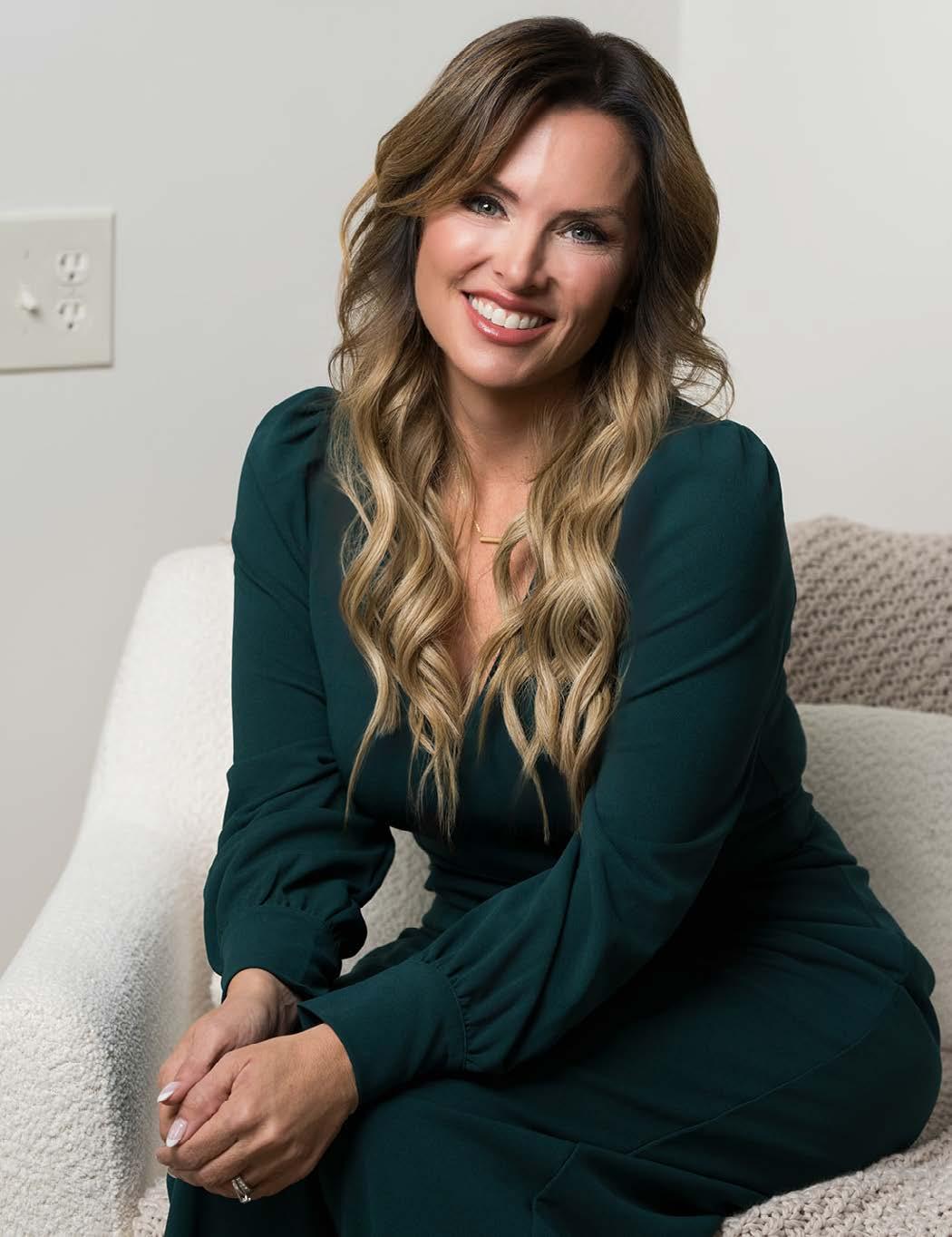
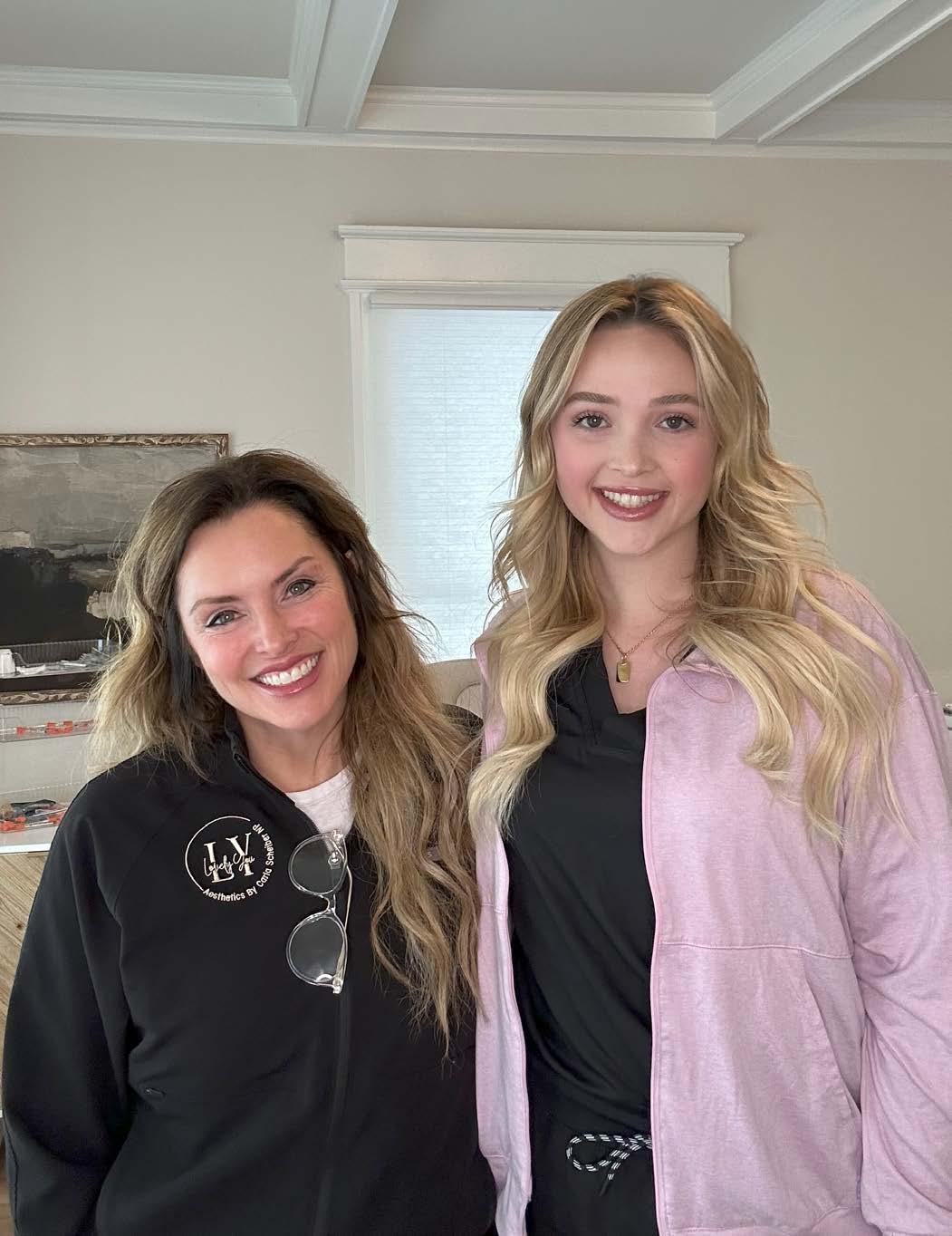
“From training new providers to fostering ethical, patient-focused care, she is helping shape a new standard within aesthetic medicine — one built on integrity, education, safety, and compassion.”
Can you talk about the importance of mentorship in this field and how it has shaped your own career?
Mentorship is incredibly important in this field, and it’s something I’ve come to value even more as my career has evolved. Honestly, it was an area I didn’t really have early on. As a solo provider, I didn’t train under one specific person or have a dedicated mentor guiding me, and that’s something I do wish I had.
Because of that, I really had to lean into my background in medicine and become resourceful. I sought out education wherever I could, built relationships with other local injectors, and stayed proactive about finding opportunities to grow. Over the past couple of years, I’ve invested heavily in myself—both financially and in terms of time and energy. I’ve spent over $40,000 on continuing education, including private, one-on-one hands-on trainings with experienced injectors, as well as group trainings with some of the industry’s leading providers like Erika Barry, NP, Waseem Garbia, PA-C, Leslie Fletcher, NP, Julie Bass Kaplan, FNP-BC, and Heather Zade, NP.
One of the most meaningful experiences in my training has been cadaver-based education. It was an incredible opportunity that really deepened my understanding of facial anatomy and how it directly translates to safety and precision in practice. I felt very connected to that style of learning, and it reinforced the importance of respecting anatomy in every treatment I do.
I’ve also completed hands-on laser training with Cartessa, participated in numerous online webinars, and attended learning dinners such as “Head & Breakfast” with Julie Bass Kaplan, which was an amazing experience both educationally and collaboratively. I’ve also advocated for myself
by seeking out training opportunities with companies like Galderma and Prollenium, and I’ve completed extensive online didactic education through platforms like Supervision 180 and Harley Academy. I’m also really excited about upcoming hands-on training with Allergan, as I’m always looking for ways to continue growing and refining my skillset.
Not having traditional mentorship pushed me to be more intentional about my growth, and in a way, it shaped how I practice today. It’s made me deeply committed to education, not just for myself but for my team as well. I want to help create an environment where learning is constant and accessible—because having guidance, support, and shared knowledge can make such a difference in this industry.
How do you approach mentoring and training new talent entering the aesthetics space?
My approach to mentoring and training new talent really comes from both my clinical background and my passion for teaching. I’ve always been drawn to hands-on education in the clinical setting. I previously served as clinical faculty in the NP program at the University of Rochester, as well as a clinical instructor in both the RN program at St. John Fisher College and the University of Rochester School of Nursing. I’ve also precepted numerous NPs and PAs during my time practicing in Women’s Health. Those experiences really shaped how I view teaching—not just as instruction, but as a responsibility to help build safe, confident clinicians.
One thing I’ve learned is that teaching also makes you a lifelong learner. It constantly challenges you to revisit your own knowledge, identify gaps, and stay sharp. That mindset is something I carry into how I train my own team.
With my team, my priority is always ensuring the fundamentals are solid before anything else—especially before ever touching a syringe. I have new team members complete structured online didactic education that I’ve personally invested in, focused on anatomy and basic injection principles. This is paired with shadowing me closely in practice so they can see real-time clinical decisionmaking, patient assessment, and treatment planning.
For example, both Cam, NP, and Tori, RN, came to me with prior experience, but still had specific areas they wanted to expand and refine. The process is always individualized based on where each provider is in their journey. After the didactic and shadowing phase, we move into structured hands-on learning days and model days, where they begin practicing under direct supervision.
I also believe it’s important that patients are part of the educational process in an ethical and transparent way. On model or learning days, patients are given full informed consent and the option to participate at a reduced cost, knowing it is part of a training environment.
Once I consistently see confidence, sound clinical judgment, and reliable results, that is when a trainee—such as Alexis or another RN—begins to transition into more independent work, while I remain closely involved and available for support. Overall, my goal is to build clinicians who are not only technically skilled, but who are grounded in safety, anatomy, and patient-centered care—and who continue to grow long after formal training ends.
For those trying to break into aesthetic medicine, what are the biggest challenges they should be prepared for?
“Without having a traditional mentor early in her career, Carla carved her own path through determination, relentless education, and an extraordinary investment in her growth.” { BEAUTY
For those trying to break into aesthetic medicine, the biggest thing to understand is that it’s a highly competitive field that requires real commitment. You have to be willing to invest in yourself, your education, and your ongoing development—it’s not something you ever really “arrive” in.
It also requires a mindset of being a lifelong learner. Things are constantly evolving, and the providers who succeed are the ones who stay curious, stay teachable, and continue to seek out growth opportunities.
I’ve had trainees who initially thought they were ready for this space, but after exposure to the day-to-day reality, realized it was more demanding than expected. This is not “easy” medicine— it takes focus, responsibility, and consistency.
It’s also okay if someone realizes it’s not the right fit. You have to truly love this work. When you’re passionate and a little obsessed with getting better, it shows in your outcomes. If you’re not, that also becomes clear pretty quickly.
What qualities or mindset do you look for when bringing someone on to train under you?
When I bring someone on to train, I don’t look for a specific personality type as much as I look for core qualities that can’t really be taught. Skills can be developed, but mindset is what really matters.
I look for drive, integrity, curiosity, and a strong work ethic—people who are willing to go the extra step in their learning and for their patients. How
someone responds to feedback and growth is also really important to me. I’ve never actually posted a job opening. The right people have always come to me organically, which I think says a lot. I wasn’t even considering hiring at the time Alexis reached out to shadow, but after spending time with her, I could immediately see her ability to connect with clients, along with her genuine enthusiasm and drive for this field.
What stands out most is that spark— when someone is truly excited to learn, grow, and be in this space. Seeing team members develop, gain confidence, and hit goals they’ve worked hard for is one of the most rewarding parts of what I do.
At the end of the day, I want people who care deeply about learning, their patients, and doing things the right way. What advice would you give to nurses or medical professionals who dream of entering this industry but don’t know where to start?
My advice to nurses or medical professionals who want to enter this industry is to start by understanding that you will hear a lot of noise— people will say it’s saturated or overly competitive. If this is truly the field for you, none of that should deter you. The focus needs to be on whether you genuinely love the work and are willing to invest in becoming excellent at it.
In terms of getting started, I usually recommend beginning by doing your research and, if possible, reaching out to injectors in your area to see if shadowing is an option. That said, shadowing isn’t always easy to secure, and many providers are understandably
selective with it.
I also think it can be helpful to meet with a few different injectors as a patient, ask thoughtful questions, and get a feel for different styles and approaches in the field. It gives you perspective on how varied aesthetic practice can be.
Investing in a beginner injector course can be a good introduction, but it’s important to understand that it will not prepare you to inject independently. It’s a starting point, not a full training pathway.
If you can, finding a mentor or getting your foot in the door by working in a med spa as a receptionist or medical assistant can be incredibly valuable. Being immersed in the environment, observing patient care, and understanding workflow builds a foundation you can’t get from courses alone.
Ultimately, success in this field comes down to staying curious, humble, and committed to long-term learning. The people who thrive are the ones willing to put in the time to build real skill, not rush the process.
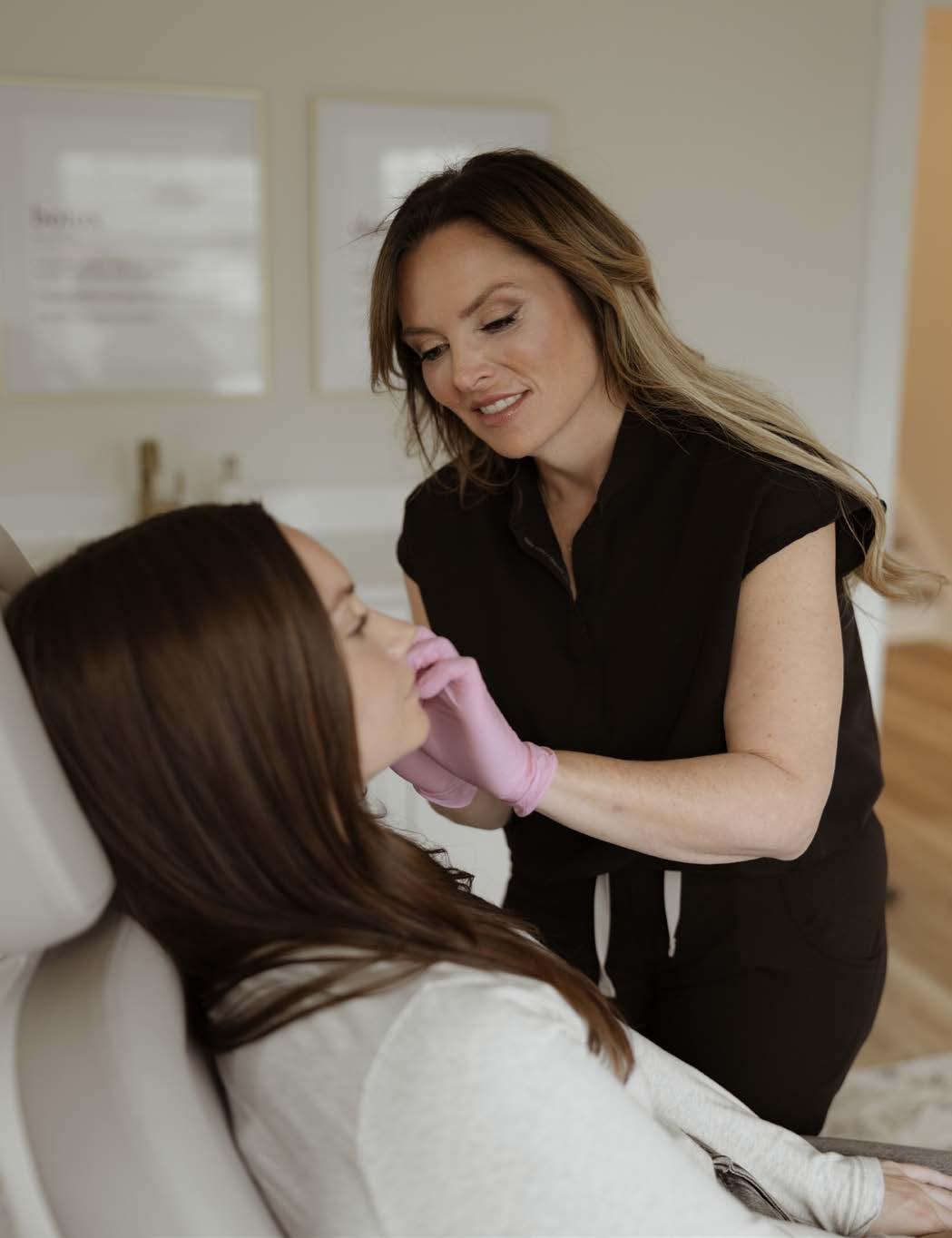
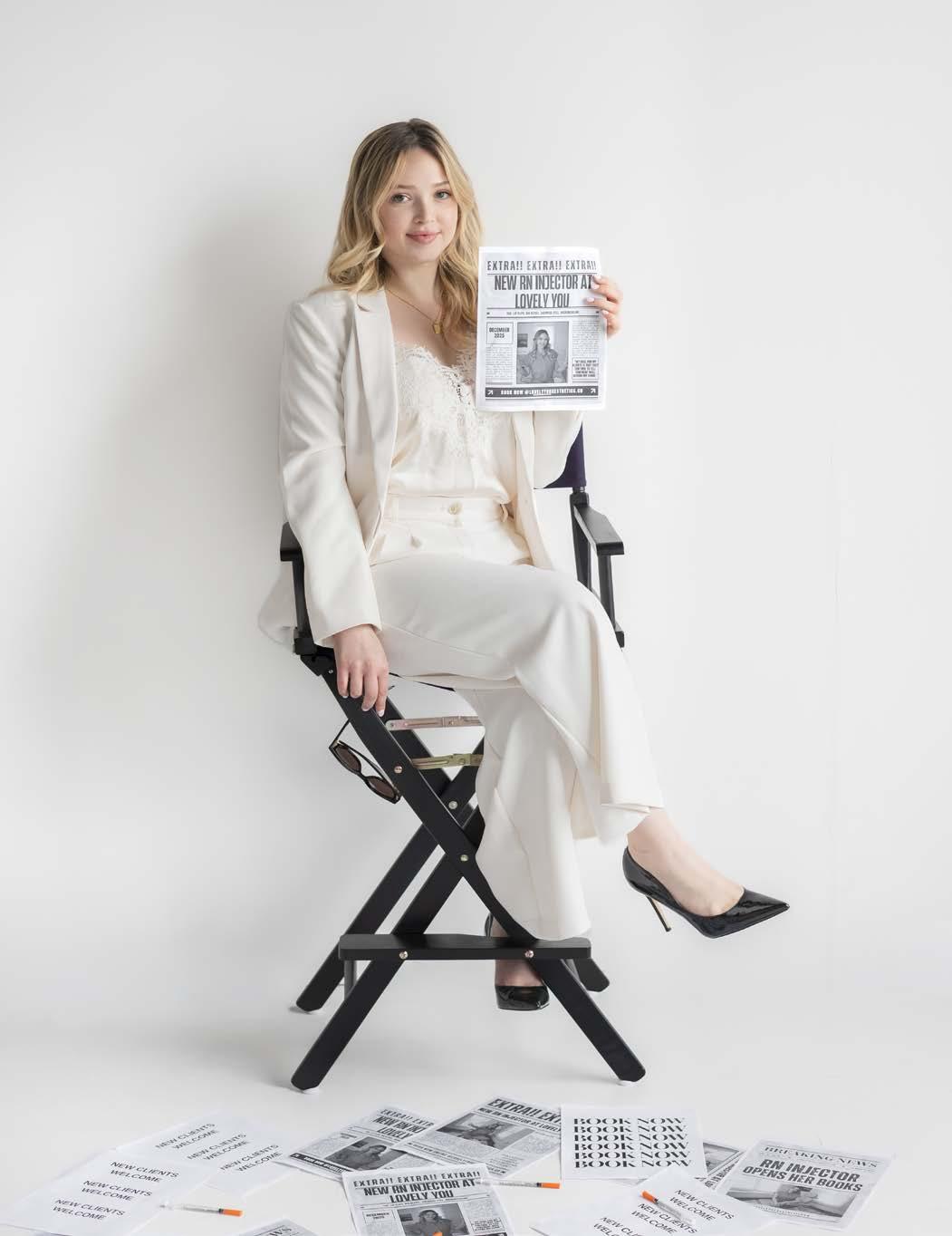
“Watching real patient consultations and treatments helped me understand not only technique, but also how to assess patients, build trust, and create individualized treatment plans.” { BEAUTY
What inspired you to pursue a career in aesthetic medicine, and what drew you specifically to Lovely You Aesthetics?
I knew I wanted to pursue a career in aesthetic medicine from the moment I first started applying to nursing schools. Even early on, I was drawn to the idea of helping women feel empowered, confident, and beautiful in their own skin. To me, aesthetics has always been about so much more than outward appearance — it’s about helping people feel more comfortable, confident, and happy with themselves. There’s something incredibly rewarding about being part of someone’s journey toward greater self-confidence and self-care.
I was specifically drawn to Lovely You Aesthetics because of the environment Carla created. From the very beginning, I felt comfortable being my authentic self with her and the entire team. The atmosphere was warm, welcoming, supportive, and genuinely patient-centered, which immediately stood out to me. It never felt superficial or intimidating like some people assume the aesthetics industry can be. Instead, it felt empowering and educational. I admired the way Carla approached aesthetics with honesty, safety, and artistry while truly caring about her clients as people first.
kind of provider I hope to become — someone who focuses on natural results, education, and building meaningful relationships with clients. It felt like a place where I could not only grow professionally, but also continue becoming more confident in myself personally.

As I spent more time around the practice, I realized Lovely You Aesthetics aligned perfectly with the
I first connected with Carla as a client for over a year before becoming part of the team. From my very first appointment, I felt welcomed, heard, and genuinely cared for. Carla always took the time to educate me, answer questions thoroughly, and make me feel comfortable throughout every appointment. That experience alone made a huge impact on me because it showed
me what exceptional patient care in aesthetic medicine should look like.
As my interest in the field continued to grow, I became more curious about the art and science behind aesthetics. I eventually expressed my passion for the industry to Carla and asked if I could shadow her. That opportunity completely changed everything for me. Seeing the level of detail, precision, education, and patient care involved gave me an entirely new appreciation for the profession.
Now, as an intern and nurse injector, the mentorship experience has been incredibly rewarding. Carla has created an environment where learning is encouraged every single day. She not only teaches technical skills and anatomy, but also emphasizes ethics, safety, communication, and building trust with patients. I’ve learned so much through her guidance, shadowing experiences, online didactic training, webinars, and hands-on practice.
One of the things I admire most about Carla as a mentor is that she genuinely wants the people around her to succeed. She pushes us to continue learning, growing, and becoming the best providers we can be while always maintaining high standards of care. Having that kind of support and encouragement has made such a difference in my confidence and growth within the field.
Getting into aesthetics can be challenging — what steps did you take to get your foot in the door?
“I’ve realized is that in aesthetics, education truly never stops — and that’s one of the things I love most about it.”
Getting into aesthetic medicine is definitely challenging, especially as a new nurse. Prior to and during nursing school, there were many people who doubted that I could pursue a career as a nurse injector without years of acute care experience or a traditional aesthetics background. It would have been easy to let those opinions discourage me, but instead they motivated me even more to work harder toward my goals.
I started by becoming a client myself and learning more about the industry firsthand through treatments like preventative Botox. During my appointments, I asked questions, expressed my genuine interest in aesthetic medicine, and took every opportunity to learn. Eventually, I asked Carla if I could shadow her for a day, and that experience completely confirmed for me that this was exactly what I wanted to do.
I approached every learning opportunity with excitement and determination. I soaked up every bit of knowledge I could — from shadowing and observing patient interactions to studying anatomy and treatment techniques at home. I also invested significant time into online trainings, webinars, certifications, and hands-on education opportunities.
What helped me most was staying persistent and open to learning. This industry requires dedication, patience, and constant self-improvement. It’s not something that happens overnight. But through consistency, passion, and genuinely loving the field,
I’ve been able to continue growing into the provider I aspire to be.
What has been the most valuable part of your training as a nurse injector intern?
The most valuable part of my training has absolutely been the support system I’ve found at Lovely You Aesthetics. From day one, I felt welcomed, encouraged, and included by the entire team. Having mentors and coworkers who genuinely want to see you succeed makes such a huge difference, especially when entering a highly competitive and challenging field like aesthetics.
Being surrounded by providers who prioritize education, safety, and patient care has shaped the way I view this profession. I’ve had the opportunity to constantly ask questions, learn through observation, and receive guidance in an environment where growth is encouraged instead of criticized. That type of mentorship has helped me gain confidence not only in my technical abilities, but also in myself overall.
I truly believe a positive support system is one of the biggest keys to success and longevity in any career. Without the encouragement and mentorship from Carla and the Lovely You team, I don’t think I would have discovered just how fulfilling and inspiring aesthetic medicine can be. They’ve helped turn what started as a dream into something that now feels achievable and exciting every single day.
Can you walk us through what
your learning process looks like — from online education to hands-on experience?
My learning process started heavily focused on shadowing and online didactic education. Before ever touching a syringe, I spent a significant amount of time studying facial anatomy, injection principles, and patient safety. In aesthetics, understanding anatomy is absolutely critical because every patient’s face is unique, and treatments should always be customized to the individual.
For the first month, I primarily shadowed Carla during treatments while studying extensively at home. Watching real patient consultations and treatments helped me understand not only technique, but also how to assess patients, build trust, and create individualized treatment plans. Even now, I still shadow occasionally because there is always something new to learn in this field.
I’ve also completed certifications in neurotoxins and dermal fillers, attended webinars, participated in online educational courses, and sought out additional training opportunities whenever possible. Continuous education is such a huge part of this industry because trends, products, and techniques are always evolving.
Once I had built a strong educational foundation, I began structured hands-on training with Carla directly supervising and guiding me throughout the process. She would observe my technique, provide corrections, and

{ BEAUTY
“Today, I feel confident performing neurotoxin treatments and select dermal filler procedures independently, while still continuing to learn and grow every day.”
help me refine my approach. That gradual progression from observation to supervised practice helped me build confidence safely and responsibly.
Today, I feel confident performing neurotoxin treatments and select dermal filler procedures independently, while still continuing to learn and grow every day.
One thing I’ve realized is that in aesthetics, education truly never stops — and that’s one of the things I love most about it.
What has surprised you most about working in the aesthetics industry?
One of the biggest surprises I’ve discovered while working in the aesthetics industry is realizing that not all providers prioritize education and safety to the same degree. Before entering the field, I assumed that all injectors would have extensive training and ongoing education, but I quickly learned that isn’t always the case.
the highest level of care possible. Seeing that commitment firsthand has made me even more passionate about becoming the safest and most knowledgeable provider I can be. I’ve also been pleasantly surprised by how empowering this industry can be when approached the right way. Beyond treatments themselves, there’s something incredibly meaningful about helping someone feel more confident and seeing the positive impact that can have on their overall selfesteem and happiness.
That realization reinforced just how important it is for patients to do their research and choose providers carefully. Patients should never be
At Lovely You Aesthetics, education is one of our core values. We place a huge emphasis on continuous learning, anatomy, safety, and ethical patient care because we truly believe our clients deserve
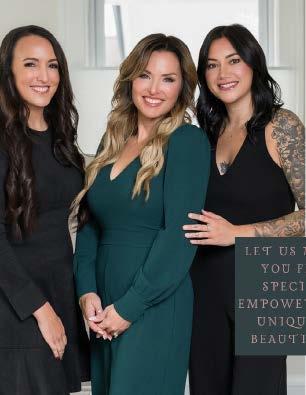

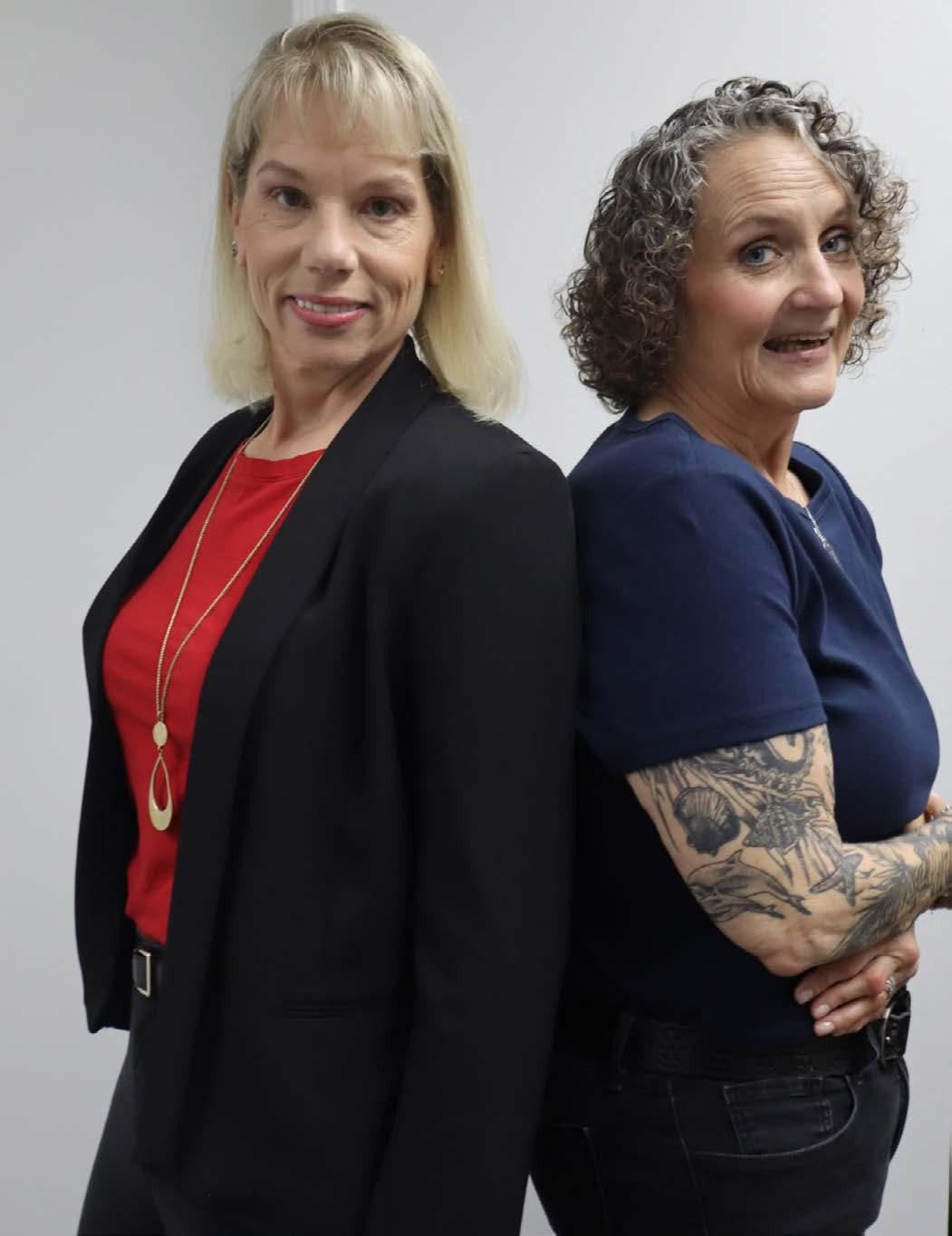
.How did the two of you first meet, and what sparked the idea to launch What’s Up Rochester together?
We met about 15 years ago at a RWN meeting, something just clicked with us, and we hit it off immediately. We became each others cheerleaders, and would turn to each other for advice or to spend time together laughing and relaxing. We both have backgrounds in writing and telling other peoples stories for them. We have a huge need to help our community, we were talking one day about how we could better showcase how great our city is, it seemed like all the news outlets wanted to do is promote the bigger companies, the bigger names, the ones with PR teams who could help them get their message out. The little guy doesn’t know how to contact the media to speak about them and that frustrated us. We were talking about what our next books should be about and were brainstorming ideas and thought maybe a book about Rochester and all we have to offer. When we started making a list we realized we would have a book that would be too big to hold, we kinda tossed around the idea of doing a podcast instead. Angella was offered the chance to have her own radio show and we decided to turn our book idea into the show.
What was the original vision for the show, and how has it evolved since you started?
Our vision was to showcase all the great things happening in Rochester the people, the events, the businesses, the smaller guys the mom and pops the ones who don’t know yet that they need the attention. We have not strayed from that, we will always be for the underdog
PHOTOS BY SULIANY VARGAS
What makes your dynamic as cohosts work so well, and how do your personalities complement each other?
Angella is the storm the I have this idea and this idea and this idea we need to do it all now the crazy force, Terri is the calm who says ok step back all great ideas, but lets implement one at a time. Neither one of us believes we are better than the other one, we are both funny and outgoing but with different areas of expertise Angella is CEO minded and Terri is CFO minded two opposite ends but both are needed to make it work. We both know when to naturally let the other lead in the conversation and don’t feel we have to outdue or out speak the other person, we are totally fine taking the back seat in the interview with the guest because we realize the other person has more knowledge on the subject.
Why was it important for you to create a platform that highlights women entrepreneurs and voices in the community?
Both of us started our businesses as the underdogs. We were judged harshly for Angella it was her hair color choices and her being a young female very driven entrepreneur this tended to turn people off, Terri was the same she knew what she wanted and went after it only to receive harsh criticism as a mom of 2 she was supposed to put her families needs before her own desires.
As we have been coming up in the business world we have seen the “old boys” network and how it pushes women out if they are not up to what they expect. The awards and publicity can often be so political who likes you who doesn’t like you, its not about what you can
offer its about who you know.
We wanted to change that and give everyone a voice, many people do not know how to contact the media and ask to be featured or they are afraid they wont say the perfect thing. We wanted to seek them out and show them how much rochester loves them. Watching someone come into the radio station and put those headphones on and be all scared in the beginning and by the end they are beaming with pride having talked about their business, you can see a shift a few minutes in. we hope we helped them to feel more comfortable seeking out attention for what they are doing.
What has been one of your most memorable or impactful interviews to date—and why?
For me, Angella it was the show we did with Maria Fisher and my husband Harry Powell on kidney donation. I was able to once again publicly thank her for saving my husbands life by being a stranger who was kind enough and generous enough to give the gift of life. My hope from that story was that someone listening might want to look into organ donation as well. The years I have had with my husband thanks to Maria are so precious to us. The things we have been able to do, the people we have been able to help all because Maria again a stranger decided that she was willing to give her kidney to him is beyond any words I can come up with.
You’ve built a multi-million dollar business—what were some of the biggest challenges you faced early on, and how did you overcome them?
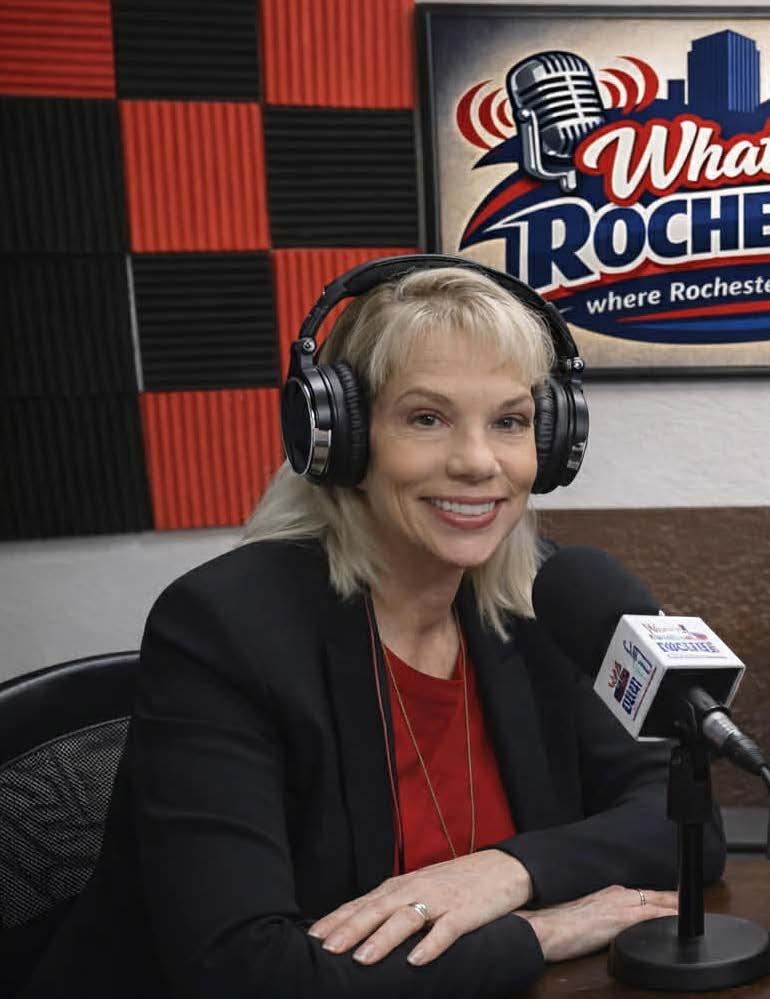
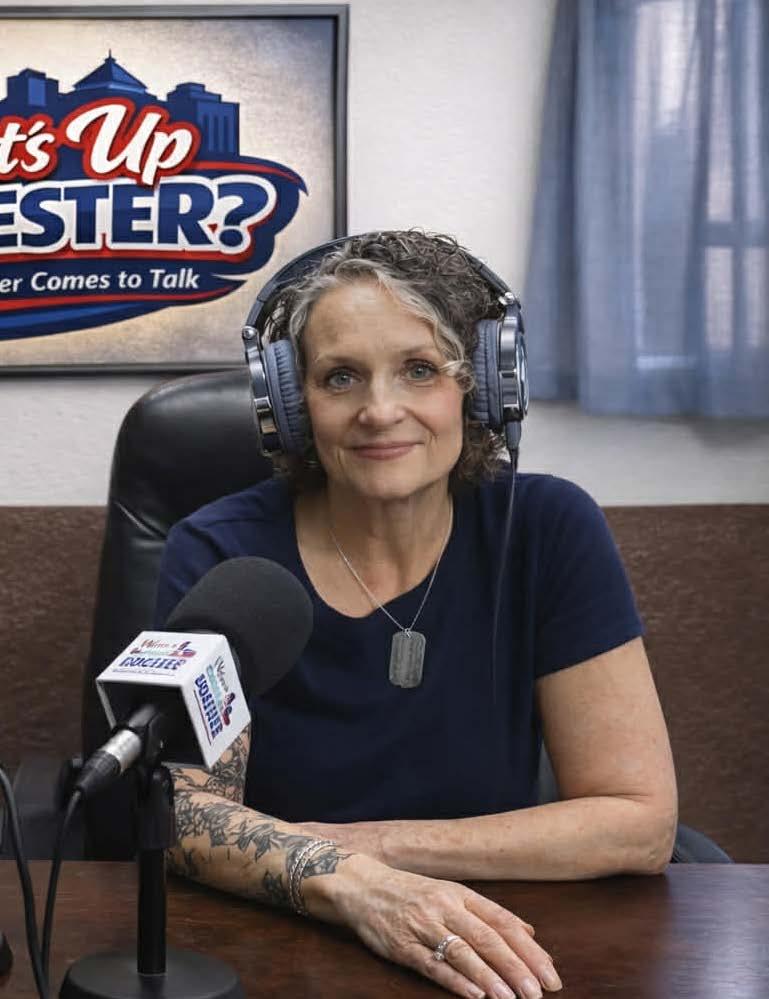
“In
the beginning, you feel like you have to control every detail—but to scale, you have to trust your team and build systems that allow the business to run without you being involved in every decision.”
One of the biggest challenges early on was wearing every hat in the business— sales, operations, billing, customer service—you name it. There were long days, a lot of trial and error, and many moments where I had to figure things out without a roadmap. During that time, I read a lot of books and actively sought out mentors who could help guide me. I never stopped asking questions, because I knew every answer would help me grow stronger as a business owner. Another major challenge was being in a male-dominated field and having to prove myself. Early on, there were times when I wasn’t taken seriously or people assumed I was just the face of the company—not the one actually running it. I knew I had to change that perception.
I did that by showing up consistently and demonstrating that I was a true business owner. I began writing articles for local newspapers and magazines, sharing my knowledge and insights. I mentored other business owners, gave back to the community, and focused on building a strong reputation rooted in experience and results. Over time, I was honored to be nominated for—and win—several prestigious local and national awards, which helped reinforce that credibility. But more than anything, I earned respect by doing the work. I built relationships, delivered on my promises, and stayed committed to excellence. That consistency is what ultimately won people over and helped grow the business into what it is today.
What mindset shifts were necessary for you to go from startup mode to scaling a highly successful business?
The biggest mindset shift was learning to let go of doing everything myself. In the beginning, you feel like you have to control every detail—but to scale, you have to trust your team and build systems that allow the business to run without you being involved in every decision.
From the very beginning, I built my businesses with growth in mind. I may have started with no employees, but I always knew I would eventually have a team. Because of that, the systems I put in place had to be able to grow with the business. I didn’t want to reinvent the wheel every year as we expanded—I wanted structure, consistency, and processes that could scale.
Another important shift came from something I heard at a talk early on: don’t be afraid to hire or align yourself with people who are smarter than you. That really stuck with me. There is no way one person can know everything, and there are things you don’t even know to ask. Surrounding myself with knowledgeable, capable people allowed the business to grow faster and stronger than I ever could have done alone.
I also had to shift from thinking dayto-day to thinking long-term. Instead of just focusing on getting through the week, I started focusing on strategy, sustainability, and building something that could continue to grow well into the future.
As a seasoned woman entrepreneur, what advice would you give to women who are just starting out? My biggest advice is to believe in yourself—even when no one else sees
the vision yet. In the beginning, I had many doubts. There were moments where I wanted to quit because it felt too hard, too overwhelming, and too uncertain. During those times, I found what I like to call my “cheerleader”—that one person I could call who would talk me off the ledge. They reminded me why I started and helped me reconnect with my love for being an entrepreneur. You need people in your life who will lift you up when you’re at your breaking point, because often, that’s exactly when you’re closest to success—you just need to push a little further.
Another important lesson is around money. As women, we don’t always feel comfortable talking about it. We’re often taught from a young age to put others before ourselves, and while there’s value in that, we can’t pour from an empty cup. Just like on a plane—you have to put your oxygen mask on first before helping others.
Why can’t we say we started our businesses because we wanted to make enough money to support ourselves and excel? Men do it all the time and are praised for it. There’s nothing wrong with wanting financial success. In fact, it allows us to create more opportunities, not just for ourselves, but for others too.
We have to charge for our time—whether that’s financially or through some form of value exchange. If you devalue yourself, others will follow. In the beginning, you may not be able to charge exactly what you want, and that’s okay. Offer introductory rates, build testimonials, prove your value—and then raise your prices as you grow.
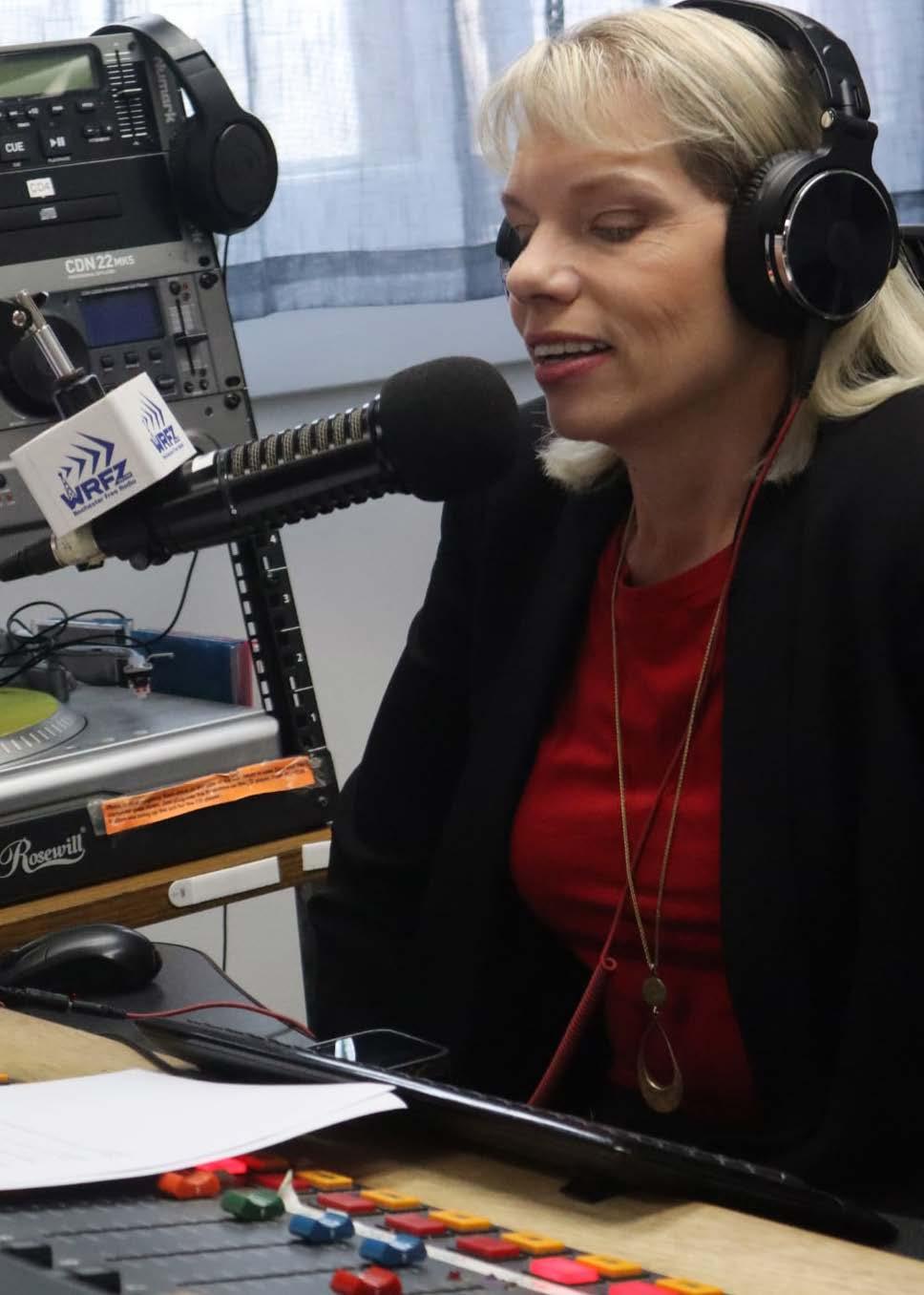
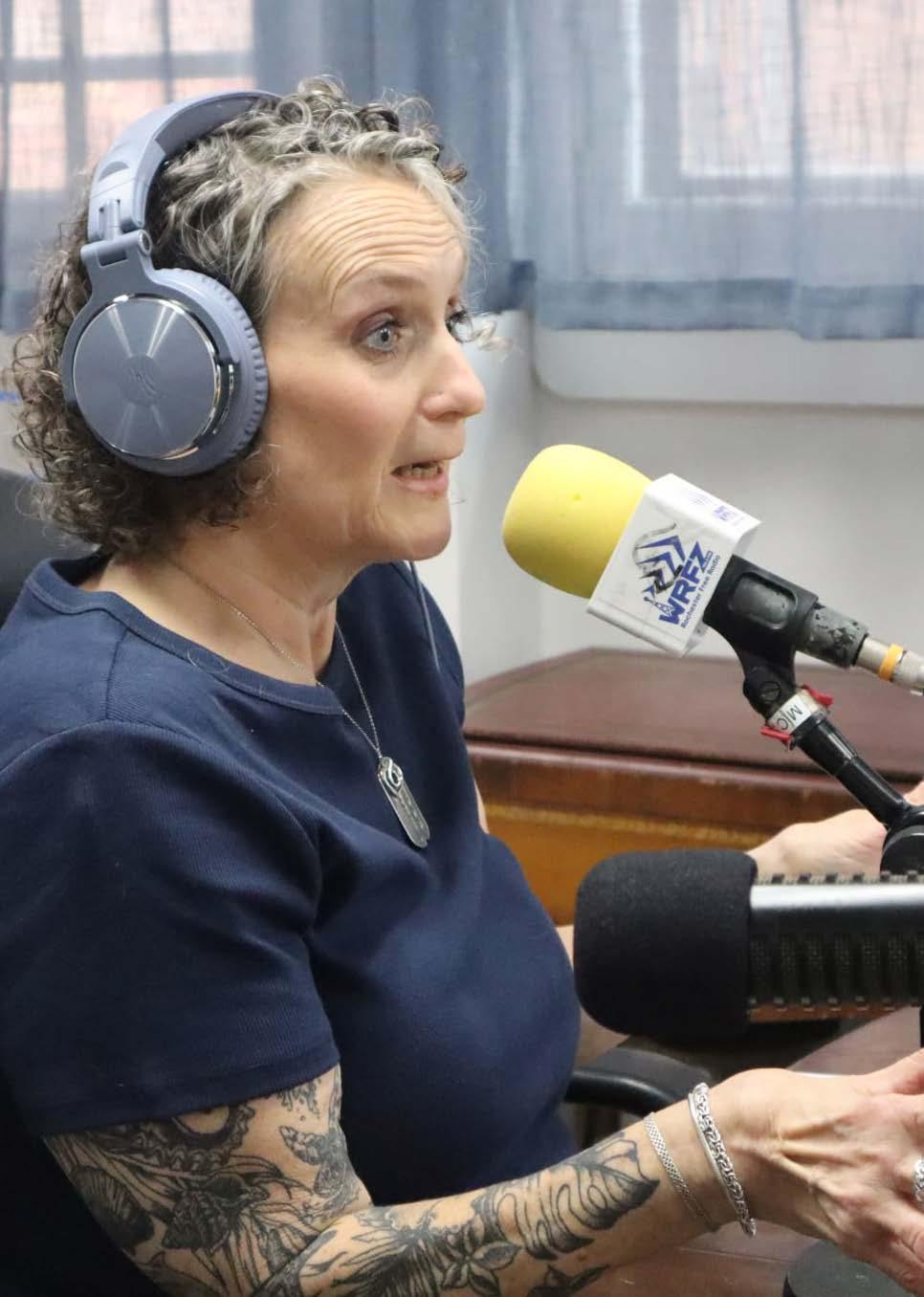
“Watching someone come into the radio station and put those headphones on and be all scared in the beginning and by the end they are beaming with pride having talked about their business, you can see a shift a few minutes in.”
At the end of the day, we deserve more. And we need to hold our heads high and know that we are worthy of every single penny we earn.
How do you balance leadership, growth, and staying true to your original mission?
For me, balance starts with making sure I take care of myself first. If I’m not functioning at my best, I can’t lead effectively. I make it a priority every week to have what I call “Angella time.” Whether that’s traveling, reading a book, or just binge-watching a TV show—it’s time that allows me to reset and recharge so I can show up fully for my business and my team.
At my core, my mission has always been about community. I never forget where I came from or the women who lifted me up and gave me a chance when I needed it most. Because of that, I work incredibly hard to pay that forward— supporting, mentoring, and opening doors for other women whenever I can. Knowledge is meant to be shared, not hoarded.
Being in leadership comes with a lot of responsibility and stress, and it’s not always easy to make tough decisions. But I always come back to one question: *Is this going to help me, my company, and others grow? If the answer is yes, then I move forward with confidence. I also have a daily reminder that keeps me grounded. I have a Cabbage Patch doll that I bought back in the 1980s. I wanted that doll so badly, and because we didn’t have much, my parents told me if I wanted it, I had to buy it myself. I saved up $40 to get it. To this day, I
look at that doll every morning before I leave for work, and I ask myself if the 12-year-old Angella would be proud of the woman I’ve become.
If the answer is ever no, that’s my signal to stop, reflect, and realign. Because success isn’t just about growth—it’s about staying true to who you are along the way.
What does “taking your seat at the table” mean to you personally, especially as a woman in business?
To me, taking your seat at the table means owning your voice, your experience, and your value—without hesitation. It means not waiting for permission, but confidently stepping into the room knowing you belong there.
It also means not being afraid to ask for what you want. Whether that’s asking for more money, asking a news outlet to feature you, or reaching out to a mentor you admire—only you truly know what you need, and it’s your responsibility to make that known. Opportunities don’t always come to you—you have to go after them.
Another part of taking your seat is how you treat others along the way. I strongly believe it’s our responsibility to help people who come to us. You should never dismiss someone because you think they can’t help you in return. Early in my career, I remember receiving an award alongside a high-profile woman. When I tried to introduce myself and have a conversation, she completely brushed me off—I was “too small” for her at the time.
Fast forward a few years, and that same woman approached me asking how I had won a National Ethics Award. She clearly didn’t remember how she had treated me. I simply told her it came from a lot of hard work and walked away. That experience stayed with me. I’ve helped many people apply for and be recognized with that same award, because I believe in lifting others up—but I’ll be honest, I’ve had moments where I’ve struggled to extend that same grace to those who have mistreated me. I’m human, I’m not perfect, and I believe we’re all allowed those moments.
What I’ve learned through it all is this: you never know where someone is going to end up. The person you overlook today could be the person you look up to tomorrow.
Taking your seat at the table isn’t just about success—it’s about confidence, respect, and how you choose to show up for yourself and others along the way.
Can you share more about your professional background and what led you into media and radio?
My professional background is rooted in bookkeeping, business operations and customer service. As the owner of Speidy Solutions, LLC, I’ve spent years helping businesses build strong financial foundations and operate with clarity and confidence. I launched my business in March of 2025 with a vision to support entrepreneurs—especially small and women-owned businesses—with dependable, integrity-driven service. What led me into media and radio was really an extension of that same mission. I’ve always had a passion
“We became each
others
{ WHAT’S UP ROCHESTER? }
cheerleaders,
and would turn to each other for advice or to spend time together laughing and relaxing.”
for communication and community connection, and radio gave me a platform to amplify voices, share real conversations, and bring awareness to the people and businesses that make our community thrive.
What inspired you to become a voice in the community and step into this space?
Community has always been at the center of everything I do—both personally and professionally. As a mother, grandmother, business owner, and woman of faith, I believe strongly in showing up, supporting others, and creating meaningful impact. I was inspired to step into this space because I saw a need for authentic voices—voices that represent real people, real struggles, and real success stories. I wanted to help create a platform where people feel seen, heard, and valued. Being a voice in the community isn’t just about speaking—it’s about listening, uplifting, and connecting.
What skills or experiences from your past have helped shape you into the co-host you are today?
My experience as a business owner has taught me the importance of organization, communication, and adaptability— skills that translate directly into being an effective co-host. In bookkeeping, attention to detail is everything, and that same attention carries over into preparing for shows, engaging with guests, and delivering meaningful conversations. Beyond that, my life experience has shaped me the most. I’ve learned how to connect with people from all walks of life, how to lead with empathy, and how to communicate with purpose. Those qualities allow me to bring authenticity
and relatability to every show.
What has been the most rewarding part of being part of What’s Up Rochester so far?
the most rewarding part has been the connections—both with our listeners and the incredible guests we’ve had the opportunity to feature. Being part of What’s Up Rochester has allowed me to witness firsthand the impact of storytelling and community engagement. It’s incredibly fulfilling to highlight local businesses, share inspiring journeys, and know that we’re making a difference by bringing people together. Seeing the community respond, engage, and feel empowered—that’s what makes it all worthwhile.
In your opinion, what does it truly mean for women to support other women in business—and how can we do that better in today’s world? To truly support other women in business means more than just words—it means action. It’s about showing up for one another, opening doors, sharing knowledge, and creating opportunities without expecting anything in return. Real support means celebrating each other’s wins, even when you’re still working toward your own. It means recommending another woman for an opportunity, collaborating instead of competing, and being willing to say, “Here’s what I’ve learned—let me help you.”
Too often, women are placed in environments where there’s a scarcity mindset—where it feels like there’s only room for one at the top. But the truth is, there is room for all of us. When one
woman succeeds, it creates a ripple effect that can lift others up as well.
For us, this is something we’re deeply passionate about. We both remember what it felt like to be starting out—to be underestimated, overlooked, or unsure of how to take that next step. We also remember the women who gave us a chance, who supported us, and who believed in us when it mattered most. That’s why we make it a point to pay that forward—whether it’s through our businesses, mentoring, or through What’s Up Rochester, where we intentionally create a platform for voices that might not otherwise be heard.
But supporting other women also means being real with each other. It’s not just about encouragement—it’s about honesty, accountability, and helping each other grow. Sometimes that means having tough conversations, sharing hardearned lessons, and pushing each other to be better.
At the end of the day, supporting women in business is about building a community—not competition. It’s about recognizing that we are stronger together than we could ever be alone. And when we truly embrace that mindset, there’s no limit to what we can achieve.
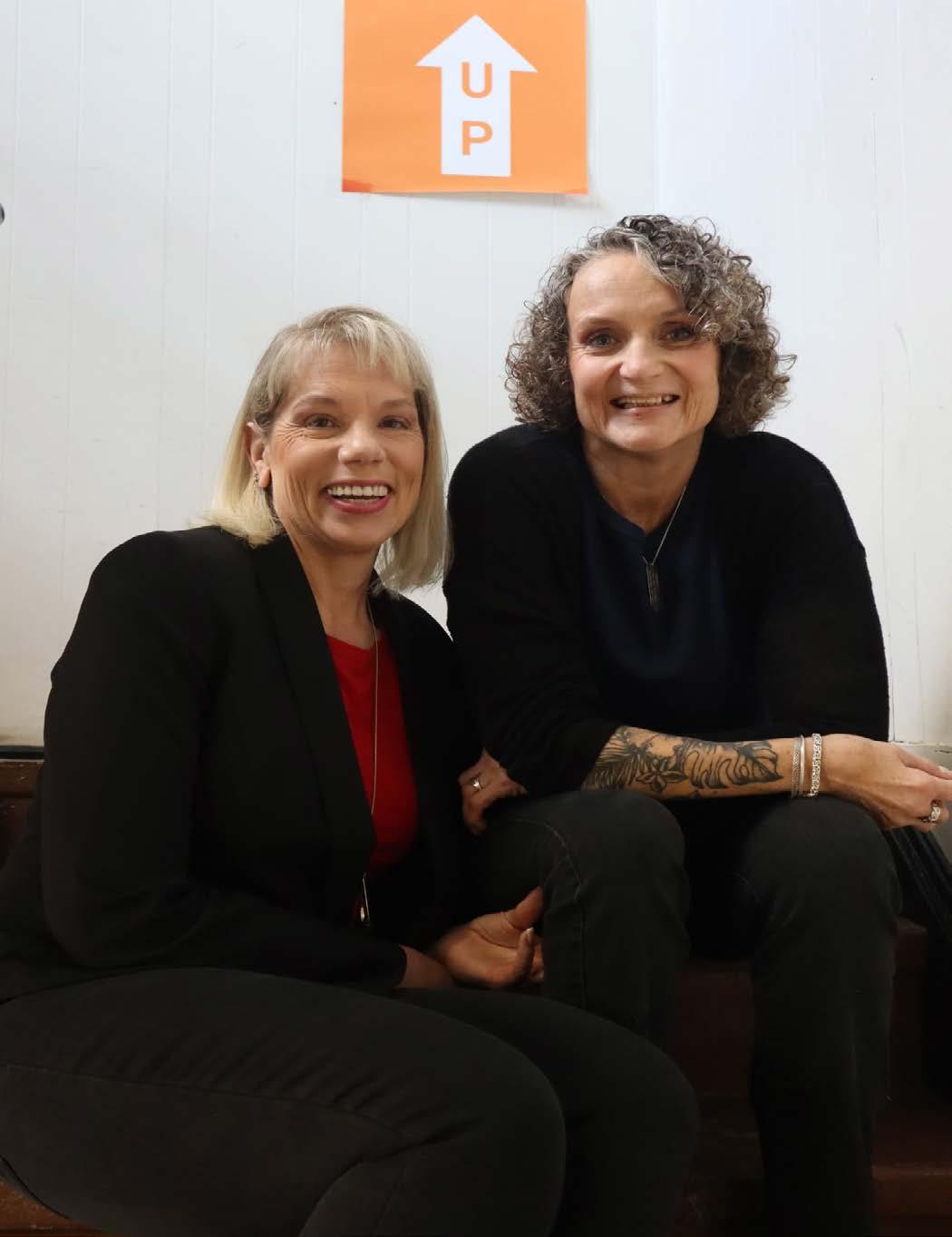
BY NICOLE HEROUX WILLIAMS I PHOTOS BY NSP STUDIO
I don’t know about you, but I’m over the snow.
I really appreciate a fresh layer sparkling under the moonlight, I love the peace and muted sounds as it settles in, but then...reality. Hauling out the shovels and snowblowers. Sliding on the ice. With that said: February and March live in an interesting space on the calendar. The fun sparkle of the new year has faded, but spring hasn’t quite arrived. It’s a season of in-between — where intentions either take root or slip away. After Fresh Grace January, this is the moment when life asks a question: What will you do with that grace? For me, the answer is love — not the romanticized version wrapped in pink ribbons and heart-shaped chocolates, but the grounded, active kind. The kind that truly looks like patience when you’re tired. The kind that shows up for others even when you’re still healing yourself. The kind that chooses growth over comfort, again and again.
Love, I’ve learned, is not a feeling. It’s a practice.
When you’ve walked through something life-altering — illness, grief, uncertainty — your definition of love shifts. It becomes less about grand gestures and more about presence. More about noticing. More about choosing connection when withdrawal would feel easier.
There’s a quiet courage required to keep blooming after hard seasons. The world often celebrates resilience
BY JESSICA FABUS CHENG
in dramatic ways: comeback stories, triumphant transformations, visible success. But real courage lives in the ordinary moments. Answering the phone. Trying again. Trusting people again. Trusting yourself again. Love in action is built from those moments.
Research from Harvard’s long-running Study of Adult Development — one of the longest studies on human happiness — found that the strongest predictor of long-term well-being isn’t wealth, career achievement, or even physical health. It’s relationships. Connection. Feeling supported and giving support in return.
In other words, love isn’t just emotional — it’s biological. And it’s survival. As winter slowly loosens its grip and the first signs of spring appear, nature reminds us of something important: growth doesn’t happen in a dramatic leap. It happens gradually, beneath the surface first. Roots deepen before flowers bloom.
So if this season feels slower than you expected, you’re not behind.
You’re rooting.
One of the most powerful ways to practice love in action is through small consistency. A text that says, “Thinking of you.” A walk with someone who needs company. A boundary that protects your peace so you can show up more fully later. Love isn’t always soft. Sometimes it’s firm. Sometimes it’s saying no. Sometimes it’s resting when guilt tells
you to push harder. Loving yourself and loving others are not competing priorities — they strengthen each other.
And then there’s courage.
Courage is love moving forward despite uncertainty. It’s signing up for something new. It’s speaking your truth. It’s allowing joy back into your life after fear tried to convince you it wasn’t safe.
After surviving something that once threatened my future, I understand now that courage rarely feels heroic in the moment. It feels ordinary. It feels like choosing to participate in life again. It feels like saying yes to experiences even when part of you whispers, What if…?
But every time we choose participation over withdrawal, we bloom a little more.
Spring doesn’t demand perfection from flowers. It simply offers conditions for growth. The same is true for us. We don’t need to force transformation. We need to create environments where it can happen naturally — through kindness, connection, and steady care.
Love in action also includes compassion — for ourselves and for others navigating invisible battles. Everyone you meet is carrying something you can’t see. When we lead with empathy instead of assumption, we make the world gentler.
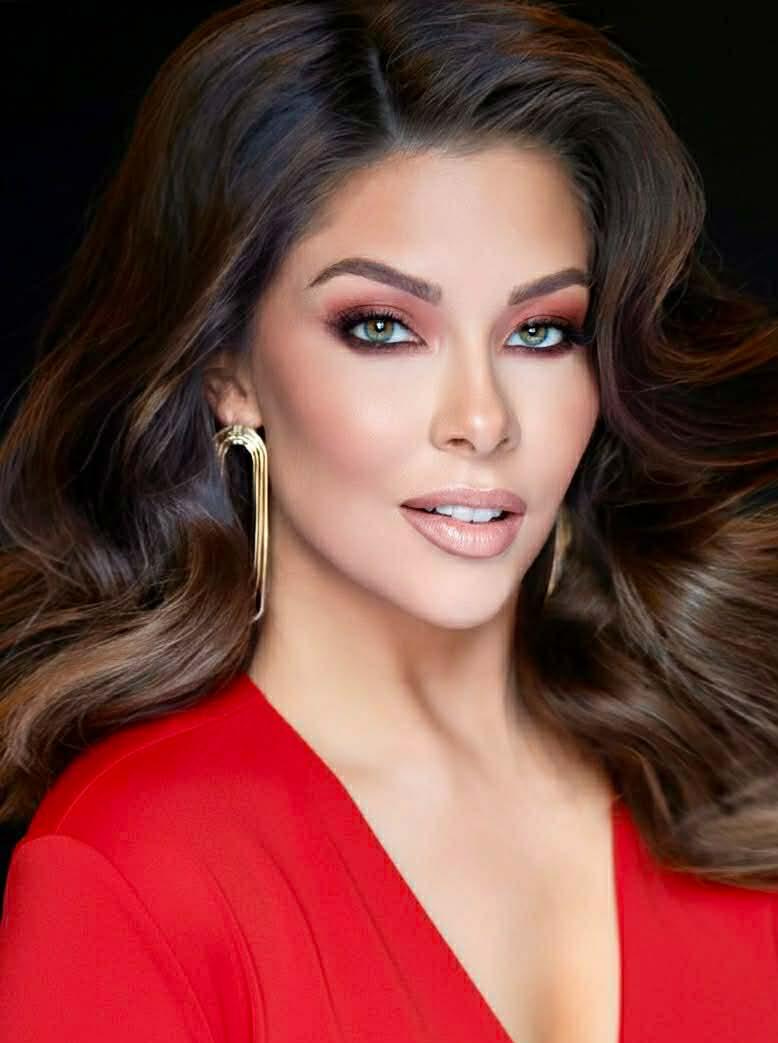
And gentleness is not weakness. It’s wisdom.
As we move toward longer days and lighter evenings, this season offers a wonderful invitation: Keep blooming. Bloom in your courage. Bloom in your journey.
Bloom in your willingness to show up imperfectly but sincerely.
You don’t need to have everything figured out to grow. You don’t need certainty to move forward. You only need willingness — the decision to keep loving, keep trying, keep participating.
Because love in action isn’t about perfection but presence. It’s about showing up as you.
And presence, over time, creates transformation.
If January was about grace, February and March are about movement — letting that grace shape how you live, connect, and expand. Not dramatically. Not all at once. Just steadily, like the first buds of spring pushing through cold soil toward sunlight.
You are allowed to bloom in your own time.
You are allowed to bloom again. And again.


Tell us a little about yourself and your journey — what first inspired you to become a therapist and create With Heart With Soul Therapy?
I’m Tatiana! I’m a licensed clinical social worker aka therapist, an intuitive healer, and a leader within the mental health field. I would also describe myself as a trauma survivor and cycle breaker actively walking the path of healing and renewal.
I consider myself blessed to grow up as the daughter of a school social worker, as I was introduced early to the importance of mental and emotional health and support. I was raised by a woman of strength and faith, and that gave me a beautiful foundation, despite the adversities I faced in this life.
I’ve always been a deep feeler, and a sensitive soul, someone who always notices what’s beneath the surface emotionally, energetically, relationally. And although I initially pursued a career in law, becoming a therapist truly felt like a natural extension of who I already was. My career has spanned across different clinic, community, hospital, and private practice settings. All of these exposed me to flawed systems and resilient humans. I learned a lot about myself, about the world, and the people who are surviving and thriving within it.
Eventually I founded my own practice, With Heart With Soul Therapy LCSW PLLC which stemmed from a deeper desire to curate the space and experience I wish were more abundantly available. A space where heart-centered, holistic healing could occur, where therapy was
accessible but not rushed or reduced to a checklist, and where people (clients and clinicians) could soften, be real, and feel truly seen across mind, body, and spirit.
The name of your practice is beautiful. What does “With Heart With Soul” mean to you, and how does it reflect your philosophy on healing?
Thank you! Simply put, it’s what I do and how I do it. I work with beautiful and resilient hearts and souls and I do it with my heart and soul fully present. I believe healing and wellness is holistic and relational. I am not just showing up as a clinician with tools, or an expert with information. I am showing up as a human being who cares deeply, who is attuned, and who honors the sacredness of this work while also utilizing my clinical skills, knowledge, and my practice and lived experience.
“With Heart With Soul” reflects our commitment to showing up with depth, compassion, and reverence for the work.
You describe your space as “a warm, authentic, safe space for healing, growth, and transformation.” How do you create that feeling for every client who walks through your door?
It starts with my passion for this work and understanding it’s sacredness. I check myself, try my best to “practice what I preach,” and show up holding unconditional positive regard for every client. I listen deeply, not just to what is being said but to what is being felt. I want clients to experience being truly seen, not analyzed or judged. Now that my practice has grown to a group, I have
been very intentional about building a team that shares those same values. I embody heart-centered leadership and I support and empower my clinicians so they can show up in that same way. Additionally, our physical office space located in Downtown Syracuse, NY has all of the warm, cozy, soothing, and inspiring vibes that allow one to really arrive and feel held.
What values guide your work as a therapist and healer, and how have those values shaped your approach to mental health?
I’d say my top 3 are Authenticity, Compassion, and Cultural Humility. How that translates to my approach to mental health:
I show up real, grounded, and wholly, so that others feel safe enough to do the same. I believe people don’t need to be fixed, they need to be understood. I aim to meet people with softness, care, and deep understanding without judgment. I believe healing is not one-size-fits-all. I believe our identities, our environments, and our lived experiences deeply shape how we move through the world.
How would you describe your therapeutic style in a few words — and what do you think makes your approach unique?
Genuine, Intuitive, Insightful, Holistic. What makes my approach unique is that I blend evidence-based practices with a deep level of attunement and intuition. As a holistic psychotherapist, I am not just working with your thoughts, I’m working with your nervous system, your body, your patterns, your story, and your
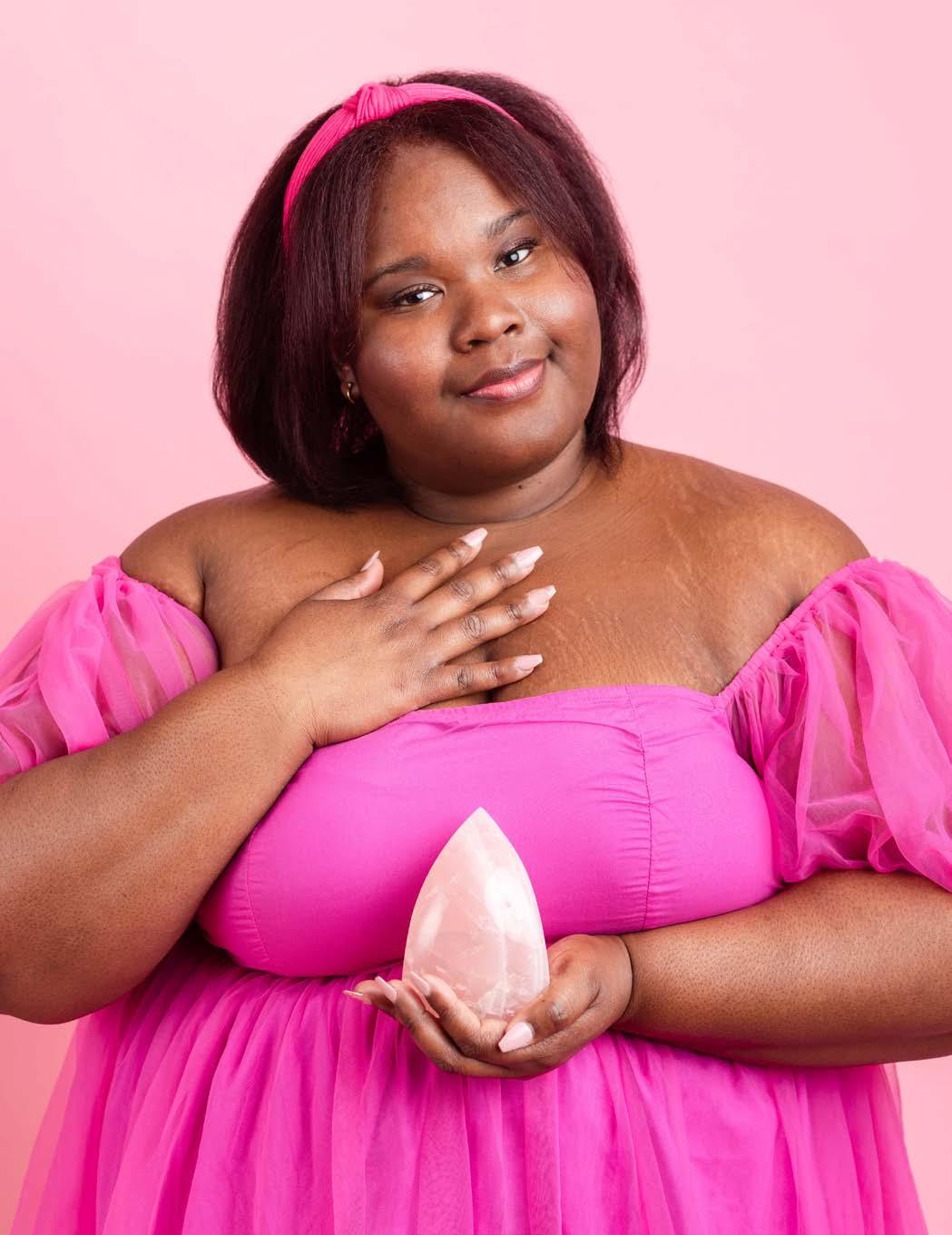

“I
blend evidence-based practices with intuitive awareness, so sessions feel both grounded and deeply personalized.”
spirit. I blend evidence-based practices with intuitive awareness, so sessions feel both grounded and deeply personalized. I also bring my full self into the space. I don’t hide behind a clinical mask or a non-chalant attitude. I deeply care about my clients, and the healing work we do together.
You often speak about therapy being “an exhale.” Why is that concept so important to you, especially in a world where so many people are just surviving?
So many people are holding their breath in life.They’re performing, pushing through, over-functioning, or just trying to make it to the next day. Therapy should be one place where you can explore not having to do that. Where your body can soften, your shoulders can drop, your breath can deepen…a place where you don’t have to have it all together and you can just be. Its my life’s purpose to curate opportunities for that.
As both a licensed clinical social worker and an intuitive healer, how do you integrate evidence-based practices with spiritual or holistic methods in your work?
I have come to learn that it is about integration, not separation.
I have a strong clinical foundation with training in trauma-informed care, neuroscience, somatic healing, parts work, and depth psychology. At the same time, I honor that people are not just minds. We are also bodies and spirits. So I might use cognitive or traumafocused interventions while also guiding someone to tune into their body and their
spirit. We might pull a card, we might pray, we might connect with ancestors, or find an encouraging scripture. Sometimes we dance in session, sometimes we lay on the floor, sometimes we’re smelling essential oils and listening to their favorite songs. I follow the client’s belief system, their abilities, and their preferences and meet them there. It becomes a collaborative and personalized experience. Additionally– I started a whole other business (With Grace & Passion) alongside my therapy practice where I take intuitive healing even further with women’s healing circles and retreats because I believe that healing must transcend the therapy rooms and meet us in community and experiences that make it even more real.
You’ve said that “our messiness is often where our medicine lives.” Can you share how that idea shows up in your sessions or your own healing journey? I really believe that the parts of us we try to hide or push away are often the parts that need the most attention and care. In sessions, I help clients get curious about their patterns instead of judging them. There is always a reason something developed. There is always a story behind it.
In my own life, I have learned that my pain, my perfectionism, my fears, all had something to teach me. When I stopped trying to be perfect and started getting honest, that is where my growth really began.
Healing is deeply personal, but also cultural. How do you incorporate trauma-responsive and culturally
affirming practices into your sessions? I recognize that people do not exist in isolation. Culture, race, gender, sexuality, identity, and systems all impact how we experience the world and how safe, seen, and supported we feel.
I make space for those conversations. I honor each client’s identity and how it shapes their healing. I am mindful of language, representation, and power dynamics. I truly want clients to feel like they do not have to leave any part of themselves at the door.
Also as a practice leader, I think A LOT about accessibility and representation. We accept insurance, we don’t charge an arm and a leg, we meet in person, not just behind computer screens, we’re available morning, noon, nights, and weekends, and we have a diversity of identity on the team.
What do you believe is the most important element in building a strong therapeutic relationship? Oh, for me its trust for sure.
And trust is built through consistency, attunement, and authenticity. It also means that there will be times where repair will need to occur because after all it’s humans in the room and we’re not always going to get it right.
You work with a wide range of clients — from trauma survivors to those seeking deeper self-awareness. What does it mean to you to “hold space” for such varied experiences?
I believe holding space means being grounded enough to sit with whatever
“ I was raised by a woman of STRENGTH and faith, and that gave me a BEAUTIFUL foundation, despite the adversities I faced in THIS LIFE.”
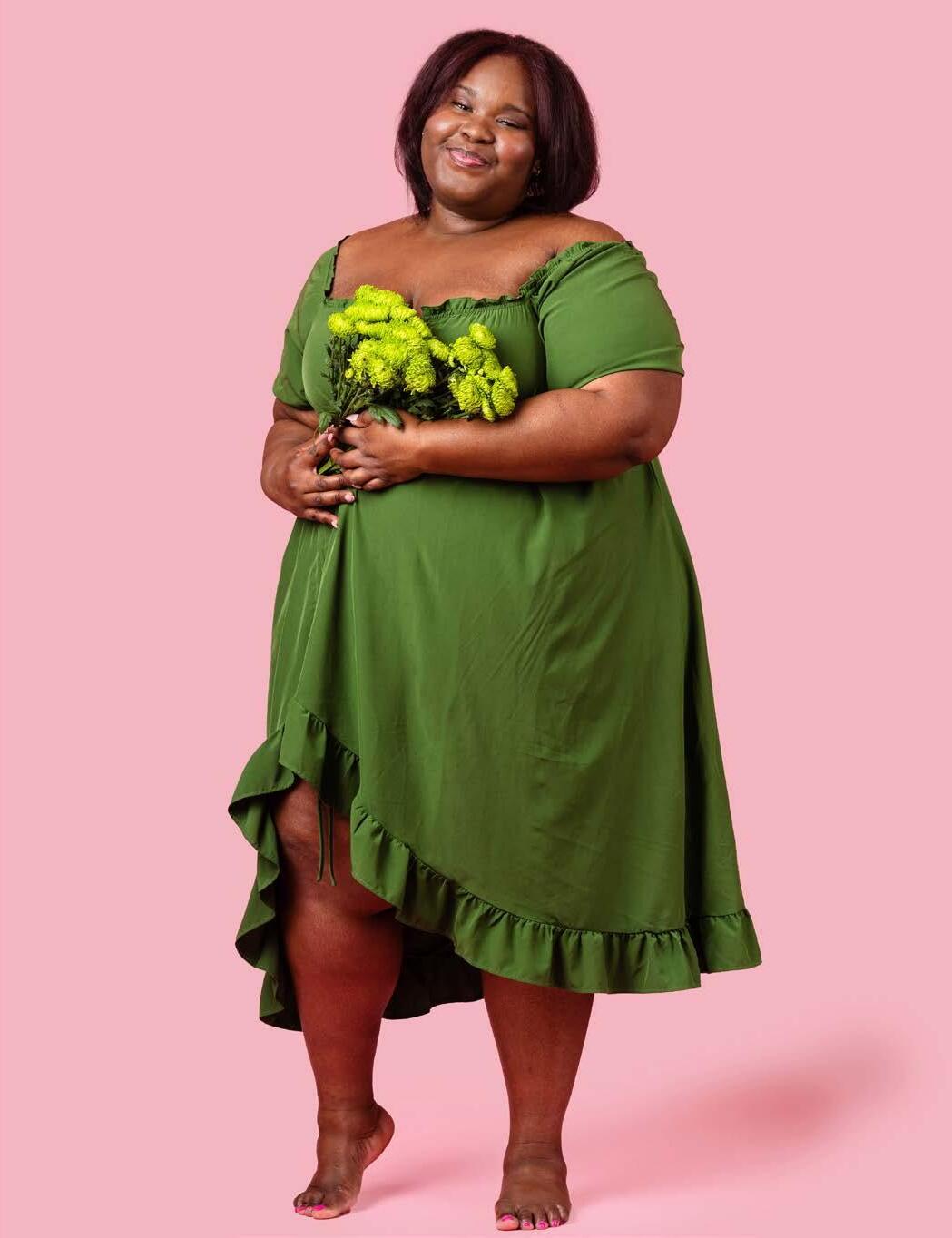
“I consider myself blessed to grow up as the daughter of a school social worker, as I was introduced early to the importance of mental and
emotional health and support.”
comes up without needing to fix it or rush it. It means allowing someone to be exactly where they are while still believing in their capacity to grow. Whether someone is in deep pain, celebrating all that is good, feeling lost, or seeking deeper understanding, my role is to create a container where all of that can exist.
You describe yourself as a millennial and Gen-Z therapist. How does that generational lens influence how you connect with and support your clients? While I have worked across the lifespan. I call myself a millennial and Gen-Z therapist because our algorithms probably look really similar! There’s something powerful about relatability. Working with my millennial and Gen-Z folks they feel seen and understood because there’s less to translate– I understand the language, the pressures, and the culture. That then makes it a lot easier to meet them where they’re at and support their healing and growth process.
Many people still feel hesitant or unsure about starting therapy. What would you say to someone who’s curious but afraid to take that first step? That fear is valid, starting therapy can feel vulnerable. But you don’t have to have everything figured out to begin. You just have to be willing to show up. And the right therapist will meet you there with kindness and work at your pace.
How do you personally define healing — and what does that look like in your practice for the mind, body, and soul? Healing, to me, is about integration
and living an authentic, embodied life. It’s about understanding yourself more deeply, feeling more connected to your body, and living in alignment with who you truly are.
In practice, that looks like insight for the mind, regulation and awareness for the body, and meaning and connection for the soul.
You’ve said that you love working with “cycle breakers” and “deep feelers.” What draws you to that kind of client, and how do you help them find peace and empowerment?
Its me, hi, lol. I’m walking the path and know first-hand about the incredibly brave work cycle-breakers do, of choosing to do things differently, without a blueprint. As for my empaths, HSPs, or deep feelers I know the gift and challenge that experiencing the world deeply and intensely, can be. So I use my lived experience to bring both empathy and practical knowledge to the clinical work. I help them understand their patterns, regulate their nervous systems, and reconnect with their voice and their worth so they can move through life with more clarity and self-trust.
As a woman of color and culturally responsive clinician, what changes do you hope to see in the mental health field in the years to come?
I want to see more representation, more accessibility, and more accountability for cultural humility. I want people of color to walk into healing spaces and not question whether they belong or if they will be understood.
I’d also love for therapy culture to feel less stuffy and more real and grounded. Professionalism is one thing, but we can’t lose our hummanness– that is apart of what allows us to hold culturally responsive space.
What brings you the most fulfillment outside of your practice — the things that refill your cup and keep you grounded in joy?
Movement, music, nature, and connection bring me back to myself. I love to dance. I love to travel. I love being near water and creating spaces where people can gather, celebrate, and just be. My faith in God, and my husband also restore me and keep me grounded.
Finally, what do you hope every client — and every reader — remembers after hearing your message?
That you are already worthy. And that healing is possible: in your own way, at your own pace, in a way that honors all of who you are.






Tatiana Royal-Williams, LCSW
Founder & Clinical Director
Over 25 years ago, obesity was declared an epidemic by the NIH and WHO and now affects over a billion people worldwide. Fast forward to the years following the COVID pandemic, there has been a noticeable shift in how people approach their health—with greater focus on wellness, longevity, and prevention.
This shift has driven the rapid adoption of therapies such as GLP-1 and dual GIP/ GLP-1 agonists. These medications have transformed weight loss, allowing patients to achieve meaningful, sustained reductions in body fat—often exceeding 15 – 20% of total body weight—while also improving metabolic health and other key markers of wellness.
But with this progress, we are seeing a new and increasingly common concern: skin laxity.
What is skin laxity and why does it happen?
Skin laxity is not new—it is a natural part of aging. Beginning in your late 20s, collagen production declines by approximately 1% each year, while muscle mass gradually decreases over time approximately 10% each decade. These tissues provide the structural support that keeps skin firm and resilient. As that support diminishes, the skin becomes thinner, less elastic, and more prone to loosening and sagging. However, aging is only part of the story.
Why are we seeing more skin laxity now? Over time, the accumulation of excess body fat stretches the skin. The longer that weight is carried—and the greater the volume—the more the skin expands to accommodate it.
When you combine this long-term stretching with the natural loss of collagen and muscle, and then introduce rapid weight loss from GLP-1’s and other weight loss trends, the body can’t fully adapt. The skin simply
BY VICTORIA FOUNTAINE
doesn’t have the same ability to contract the way it once did.
What we are seeing more frequently now is that patients are achieving significant weight loss and improving their health, but feeling frustrated when their reflection doesn’t match how they feel. It’s this combination of time, stretch, and rapid change that leads to the loose, sagging appearance so many people are now wanting fixed.
Does it affect everyone the same way?
Not exactly.
This can occur anywhere on the body, and the severity often depends on how long the weight was present, how much weight was lost, and how quickly it occurred. Rapid, significant weight loss after years of excess weight tends to result in more noticeable skin laxity. Terms like “Ozempic face” and “Ozempic butt” have entered everyday conversation as a result.
Reaching your goal weight is a major accomplishment.
But, looking in the mirror after reaching your goal weight—and still not seeing the result you expected—can be discouraging.
Why come to us?
At EvenFlow, we approach this differently.
From the beginning of a weight loss journey, we think beyond the number on the scale. As patients start treatment, we begin conversations around how to support the body through each phase—preserving muscle, supporting skin health, and pacing weight loss in a way that allows the body time to adapt.
When areas of concern develop, we can address both smaller, delicate regions and larger areas across the face and body with targeted, non-surgical treatments.
Technologies like Quantum RF allow us to work beneath the surface of the skin, stimulating collagen and elastin production while helping tighten and refine areas of laxity. When combined thoughtfully with other modalities—such as radiofrequency microneedling, laser therapies, and biostimulatory injectables—we are able to support the skin as it remodels and adapts to the body’s new shape. We can further restore the foundational muscle support by up to 25 % with EmScuplt NEO.
Beyond skin tightening and muscle building, both Quantum RF and EmSculpt NEO offer targeted fat reduction. EmSculpt NEO has been shown to reduce up to 30% of visceral and subcutaneous fat after a series of treatments, while Quantum RF can achieve approximately 25 % reduction in subcutaneous fat in treated areas after a single session.
This integrated approach—combining precision skin tightening, muscle building, and targeted fat reduction—is what sets EvenFlow apart.
The goal is not just weight loss—but transformation that feels complete. A EvenFlow, our focus is helping patients achieve their goals while maintaining the integrity of their skin, muscle, and overall well-being—so that how they look aligns with how they feel.
What’s the next steps if you are experiencing this?
If you’re considering a weight loss program that supports your body from every angle or are already on one and suffering from excessive loose skin, we encourage you to call our team at 5 85 -313-295 8. We’ll find a day and time that works best for an initial consultation, where we can discuss your medical history, areas of concern, and long-term goals. From there, our team will create a personalized treatment plan designed specifically for your body and your journey.
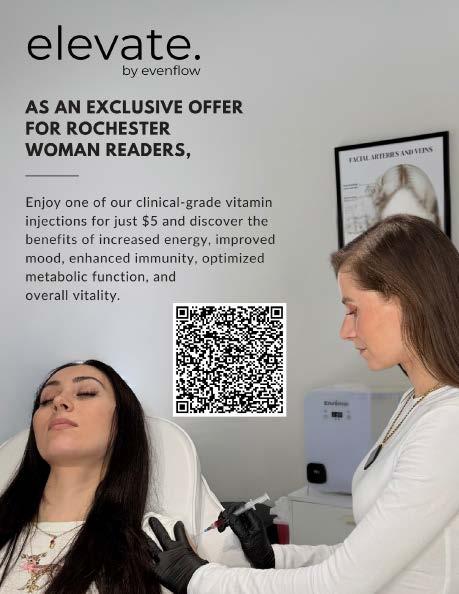

BY NICOLE HEROUX WILLIAMS I PHOTOS BY NSP STUDIO
Storytelling helps heal the soul and may transform lives!
May 2026 marks the 77th annual Mental Health Awareness month, which focuses on reducing stigma, fostering community, and improving access to care. Considering this, have you ever considered how specific situations can impact our mental well-being? Homelessness severely interferes with mental health by creating a cycle of chronic stress, trauma, and lack of safety, which frequently causes or exacerbates mental illnesses like PTSD, depression, and anxiety. The daily struggle to meet basic needs, coupled with social exclusion and lack of care, often creates a downward spiral that makes escaping homelessness difficult.
In 2006, I experienced a life-changing circumstance. I was nine months pregnant with three small children, and abruptly became unhoused (homeless). Now, I can dig deep and share why I was in that situation, but we will be here all day (I will soon share). I remember walking with a cart on wheels, standing in food cupboard and clothing lines. I remember going to Labor Ready, waiting for my name to be called so that I could make enough money to feed my children and get gas (praying that I wasn’t assigned to major public areas to spare my family embarrassment). I remember sleeping in the DHS waiting room until I received services. I remember sleeping standing up at the Cadillac Hotel and pushing two nightstands together to make a
BY WALIDA MONROE-SIMS
palette for my children. During this time I would often sit in my feeling and wonder: “WHY ME”, how did I get here? How could I allow myself to get here?” “What steps do I need to take to be better?”
You see, at this point in my life nothing mattered. It did not matter that I was a college graduate, it did not matter that I could articulate, it did not matter that I had some influential connections, it did not matter that I had a supportive family. People looked at me as though I should not be in need. I remember standing in line for services and the representative said, “What your homeless, are you sure, you don’t look like your homeless? Me: “Um I’m pretty sure I am, I am actually living in my car, and what does homelessness look like?” In this very moment is when I realized homelessness has no face.
I remember driving back to my old address and putting my children on the bus, pretending we still lived there. I remember some days sleeping in the back seat of my car after dropping my children off at their grandmothers’. I remember being so ashamed that I didn’t want my family to know. I remember searching for equitable housing every day, going broke on application fees. I remember not being able to navigate, and Sister Beth waiting for me at the Bethany House. I remember being so stuck in survival mode that I was approved for an apartment and was still unhoused for three weeks. I remember doing my best to avoid sharing my circumstances
with my mother, who graciously suggested my oldest daughter stay with her for a while. She saw my unspoken struggles through the lens of love. She never shared with me out loud that she knew what I was going through. She was a very present help during a time of storm. I remember receiving a call from my mother sharing a job opportunity with me; the excitement in her voice gave me the push I needed.
I remember being hired at ABC the week I moved into my apartment, which was the start of my Human Services journey. I began working with extremely vulnerable populations, expanding my education and community networks. I remember collaborating with community members and agencies to learn more. I remember being hired at Sojourner House/Pathstone as a Case Manager in Shelter plus Care, Transitional Housing, and Supportive Housing.
I remember doing street outreach (still). I remember being hired at the City, serving to help alleviate poverty and create pipelines from education to employment. I remember being the Director of AmeriCorps Programs and programs surprisingly closing, not knowing what was next, then joining the Action Team. I remember doing daily unhoused outreach and networking with community members and agencies doing the same work.
It’s funny how life is, and a blessing how good GOD is. Today, I am excited to share that I am still on
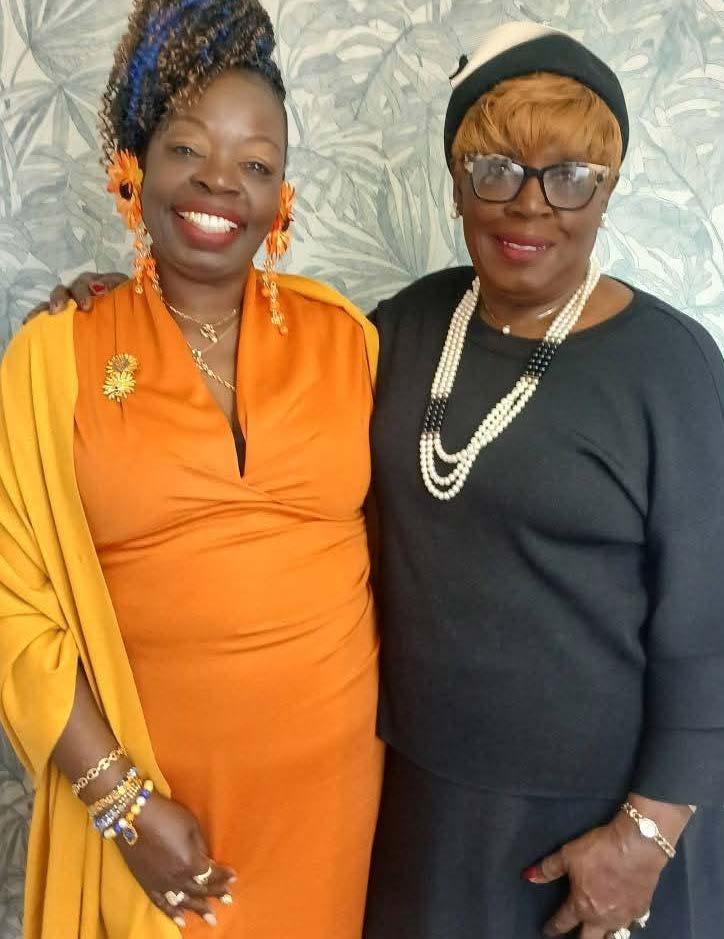
“The daily struggle to meet basic needs, coupled with social exclusion and lack of care, often creates a downward spiral that makes escaping homelessness difficult.”
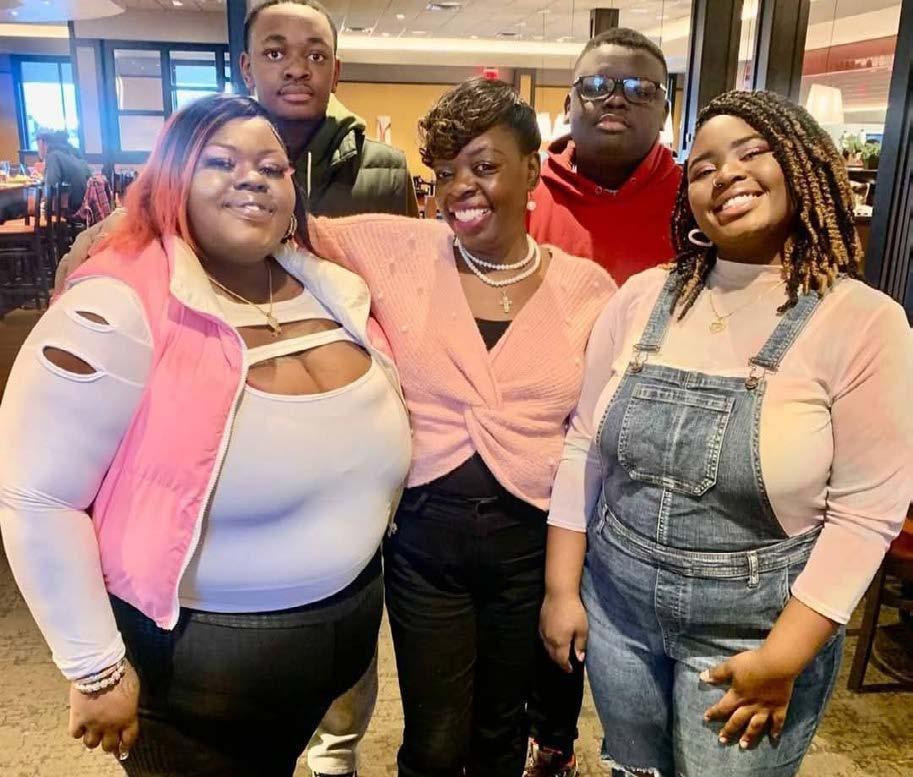
the battlefield, serving and, working with a new phenomenal team. From homelessness to outreach, to case management, to director, from responding to proposals to now writing RFP’s and reviewing proposals, and so much more. From being homeless to advocating for the unhoused. I am
proud to say that even though I have multiple degrees my context expertise outweighs my content expertise, which is my driving force. Stay the course, trust in God; He will surely turn it around for your good.
Proverbs 3:5 -6 (NKJV) Trust in the
Lord with all your heart, and lean not on your own understanding; in all your ways, acknowledge Him, and He shall direct your paths. #ALayerofMyTestimony #Godisfaithful #ThankGodForMyMother
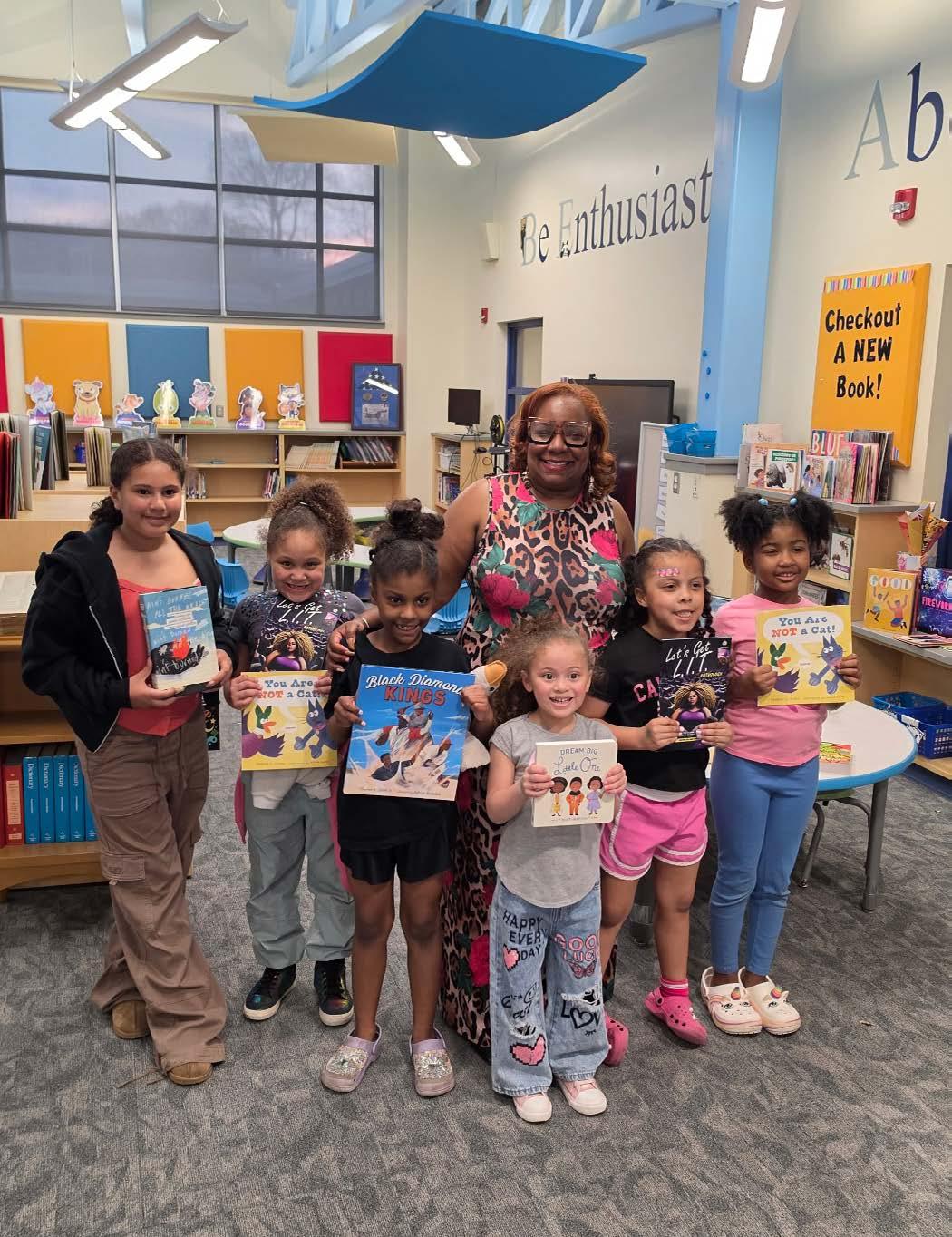
BY NICOLE HEROUX WILLIAMS I PHOTOS BY NSP STUDIO
BY CLIANDA FLORENCE & DR. CAROL ST. GEORGE PROFESSOR AT THE UNIVERSITY OF ROCHESTER
You might be reading this with three tabs open, a message half-answered, and the faint sense that you’ve already skimmed a paragraph and should probably go back. Your attention dips, resurfaces, drifts again. It’s not a lack of discipline. It’s the environment. Online, attention is rarely asked to stay in one place for long. Many people are noticing that their ability to stay focused and sustain their attention to one thing is diminishing. We are continually bombarded with attention grabbing distractions. We get notification alerts, news feeds, short videos and texts. These all fight for out attention, and these activities can temporarily train your attention toward fast, high-stimulation input and make sustained focus harder. Algorithms are meant to keep your attention can program our brain into a constant search for stimulation. You may grab you phone when ever you’re bored, waiting in line, or when it’s quiet. Reading a book might be the answer to rebuilding your ability to focus and sustain your attention.
You are reading this article on line right now and that’s great. Digital reading fits into real life because it has to. It’s quick, portable, always available. It fills the gaps between everything else like waiting for a bus, sitting in a car, or winding down after a long day. Audiobooks extend that even further, allowing us to listen to stories and still do all sorts of other things from cooking, laundry, walks, commutes, and daily chores. For many people, that is the only way reading happens at all, and that matters.
Audiobooks and digital reading are not lesser forms of reading. They are adaptable
ones. A well-narrated audiobook can be deeply absorbing, shaped by voice, rhythm, and tone in ways that draw you in completely. It allows stories and ideas to move with you through a full, fragmented day. Reading on a phone or tablet works in a similar way. It opens access wherever you are, even if your attention is a little more prone to interruption. E-readers often sit somewhere in between, offering a quieter space that feels closer to print, without leaving the digital world entirely. These formats make reading possible in lives that are already full. They expand where and when your attention can meet a page.
However, there is another kind of reading experience that sits alongside all of this, and it changes something subtle but important about attention. With a physical book you sit and stay, only doing one thing which is to read and get absorbed in the story.
There’s no glow at the edge of your vision, no quiet invitation to check something else, no second screen competing for space in your mind. You open the book, and your attention has fewer places to go. If you haven’t read a physical book in a while, at first, it can feel unfamiliar. You may notice how quickly your mind reaches for distraction, how often it wants to move on. Then, slowly, something shifts. You begin to follow a thought from beginning to end without interruption. Then another. The mind settles into a steadier rhythm.
That ability, to stay with one thing, is what gives print reading its particular quality. It’s not just about slowing down. It’s about allowing attention to fully arrive. When that happens, comprehension
changes. You’re more likely to absorb not just content, but its shape. A passage becomes something you inhabit rather than pass through. You remember where ideas sit in relation to each other. A moment halfway through a chapter. A sentence near the bottom of a page. The experience settles more deeply in memory because nothing kept pulling you away from it.
This kind of sustained focus matters at every stage of life, even if it shows up differently. For children, it helps build the early foundations of attention, imagination, and the ability to follow a story without losing the thread. For adults moving through busy, fragmented days, it becomes a rare chance to practice staying with one thing at a time, without splitting the mind in several directions at once. For older readers, it offers a way to keep the mind actively engaged, supporting memory, language, and concentration over time, as part of a broader pattern of mental activity that keeps thinking flexible and in use.
There is also something physical about the experience of reading a physical book that supports this mental steadiness. Screens ask more of the body than we often notice. Eyes tire. Posture tightens. Even when you are absorbed, a low level of strain builds over time.
A book removes much of that friction. You can read in soft afternoon light, under a lamp, or by a window as the day shifts around you. You adjust your position without losing your place. The body is less distracted, which makes it easier for the mind to stay put as well.
“Online,
attention is rarely asked to stay in one place for long. Many people are noticing that their ability to stay focused and sustain their attention to one thing is diminishing.”
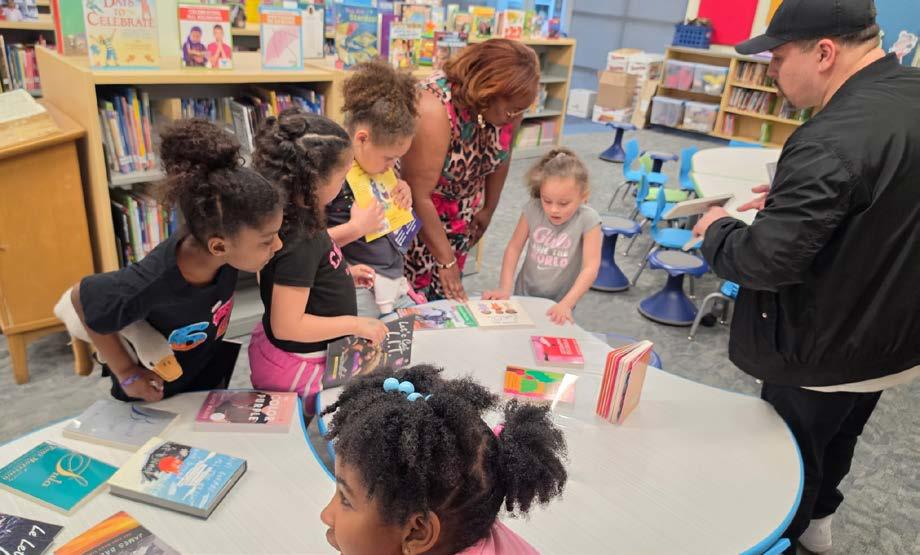
And then there is the simple pleasure and joy of it. The weight of a book in your hands. The sound of a page turning. The visible progress as the right side slowly thins. These details are small, but they anchor attention. They make staying with one thing feel less like effort and more like ease.
None of this means digital reading or audiobooks are lesser forms. They are often essential.
Audiobooks can be immersive in a different way, shaped by voice and rhythm and tone. They allow stories and ideas to move alongside life rather than apart
from it. The attention they invite is more flexible, sometimes shared, sometimes divided, but still meaningful.
The same is true of reading on screens. Even with the possibility of distraction, it creates access to ideas and stories that might otherwise be missed entirely.
The difference is not about value. It is about the kind of attention each format encourages. Some stretch across a day. Others settle more fully into a single moment.
In a world that constantly competes for attention, there is something quietly
powerful about the ability to hold it in one place, even briefly. Not as a rule to follow, but as an experience worth returning to when life allows.
You might notice it in small ways. Ten minutes before bed with a paperback. A slow morning with coffee and a chapter. No urgency to finish, no pressure to perform, just the act of staying with one thing long enough for it to fully arrive. Reading, in any form, remains one of the simplest ways we practice attention. Attention, once gathered, does more than shape how we read; it shapes how we live.
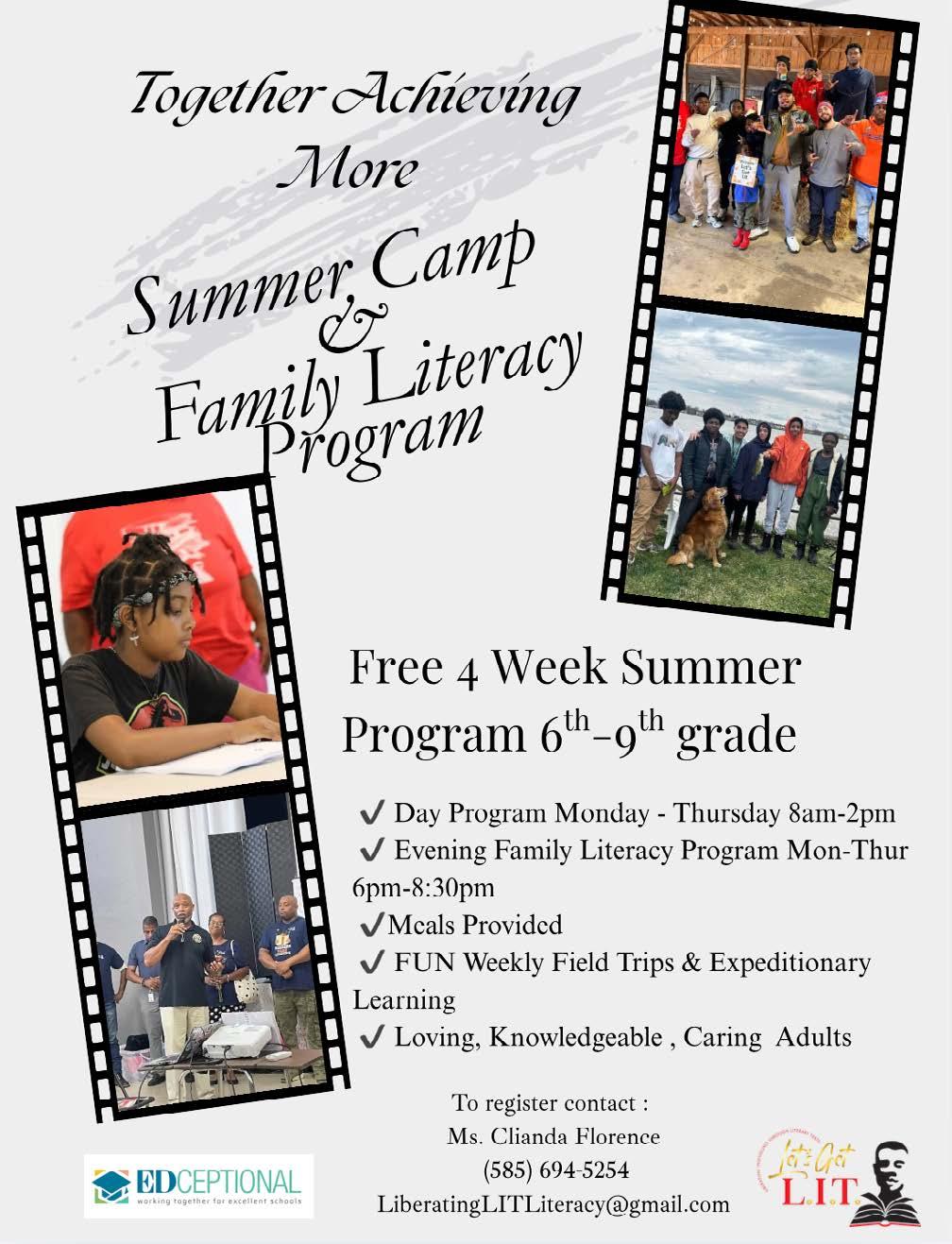
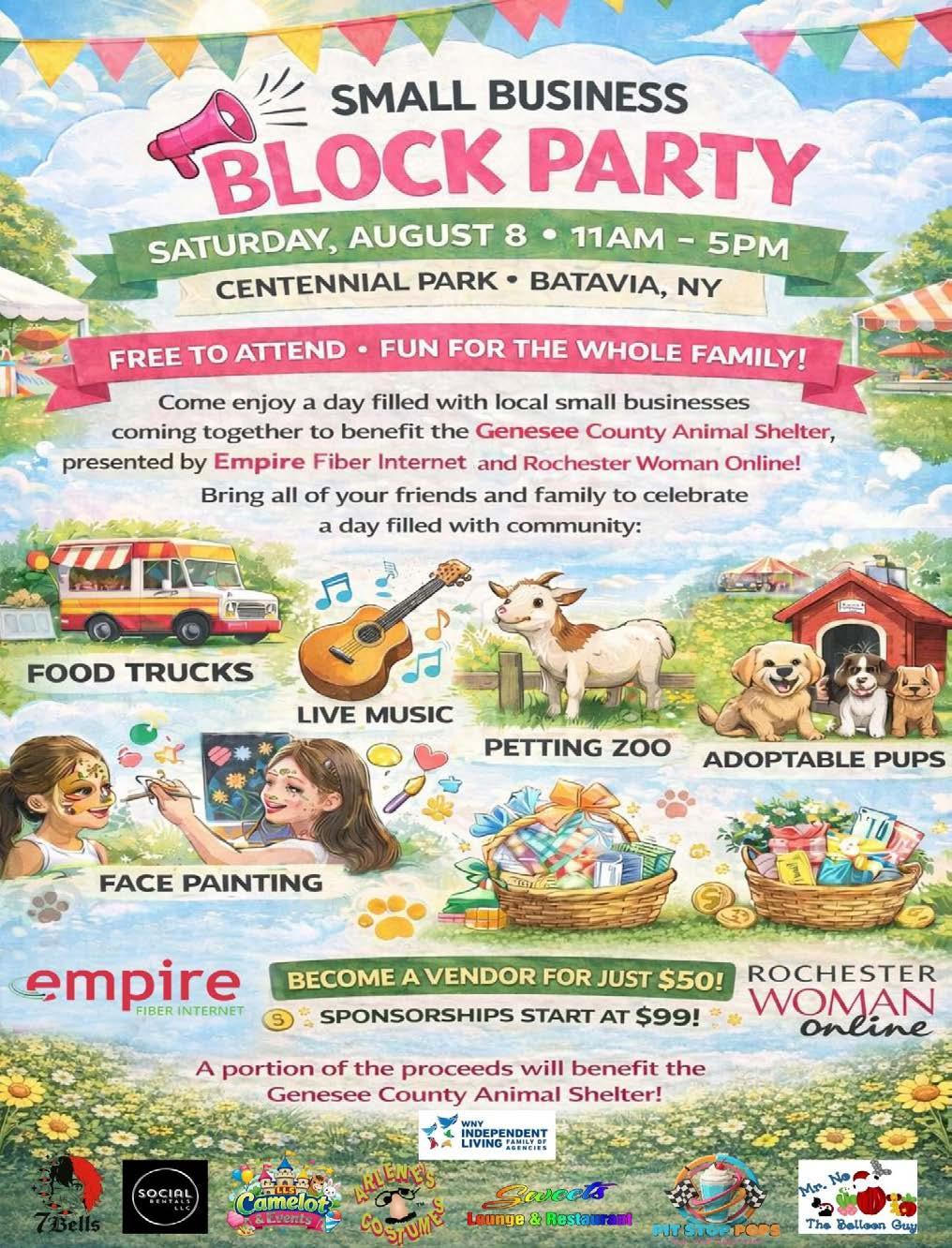

What inspired you to create Lumina Mental Health & Wellness, and what does the name “Lumina” represent to you?
I created Lumina after witnessing many flaws at the intersection of the medical and mental health worlds through both personal and professional experience. There are few practices that truly integrate both disciplines to create a comprehensive biopsychosocial understanding of mental health. We’re taught about these concepts, but they aren’t always put into practice— especially at large agencies that often lack the funding or capacity to implement them fully.
Lumina means to illuminate, and that is my goal for my clients: to help them shine in their brightest light, in whatever way aligns with their goals and desires.
Your work emphasizes creating a “safe haven”—what does that look like in practice for your clients?
It’s impossible to know every nuance of the human experience, including all cultures and identities. To me, a safe haven means committing to continuous learning, growth, and evolution so I can better understand people’s lived experiences.
It also means that clients of any background will be treated with dignity and respect, regardless of gender, sexuality, culture, religion, or legal history. Everyone deserves the same level of care, compassion, and basic human respect. I love my work because I am constantly learning, and that growth continues to inform how I show up for each new client.
How would you describe your therapeutic philosophy in a way that resonates with women who may be seeking support for the first time?
Women occupy a very different role in society, and I deeply honor that in my work. Women often face added pressures—being a mother, being asked when they plan to have children, serving as caregivers, and managing expectations surrounding their careers.
Balancing all these identities is a lot to carry, and I feel that personally as well. There is immense pressure to embody both nurturer and careerdriven professional, and in many societal narratives, it can feel impossible to be “enough” in either role.
As a doctoral-level trained therapist, how has your education and clinical experience shaped the way you approach healing and trauma?
My goal has always been to provide the highest standard of care, which led me to exceed New York State’s required 3,000 hours for mental health counseling licensure. My doctorate program includes both professional and clinical internships, totaling an additional 600 hours of experience and 96 credits beyond the 60 credits required for a master’s degree in mental health counseling.
This education led to certification in mind-body healing and wellness, membership in the Counseling Honor Society, and ongoing networking and professional development that continues to advance my expertise.
You integrate neuroscience and mindbody research into your work—can you explain how that shows up in your sessions?
My interest in mind-body research began after a severe battle with Irritable Bowel Syndrome (IBS) that was linked to repressed trauma. Medication and alternative treatments did not address my symptoms, and I went from working two jobs to being bedridden in pain. Intensive Short-Term Dynamic Psychotherapy (ISTDP) became my last resort. Within nine months, I was a functioning human again. That experience completely shifted my understanding of the mind’s role in physical health.
In my work, I take a holistic approach that incorporates education, resource handouts, and referrals when appropriate. I also address factors such as nutrition, hydration, lifestyle toxins, and movement. Additionally, I bring conscious awareness to how emotions manifest as physical sensations. Neuroscience shows that the brain rewires itself through therapy— therapy isn’t “just talking”; it creates real neurological change.
Why is it so important to address repressed emotions and connect with the “younger self” in the healing process?
One of the most important things I want readers to understand is that buried emotions do not simply disappear, and no one is exempt from the human experience. Repressed emotions are stored in the body and can emerge as physical conditions such as fibromyalgia, IBS, insomnia, tinnitus, and more.
Emotions that are not properly processed eventually result in consequences—
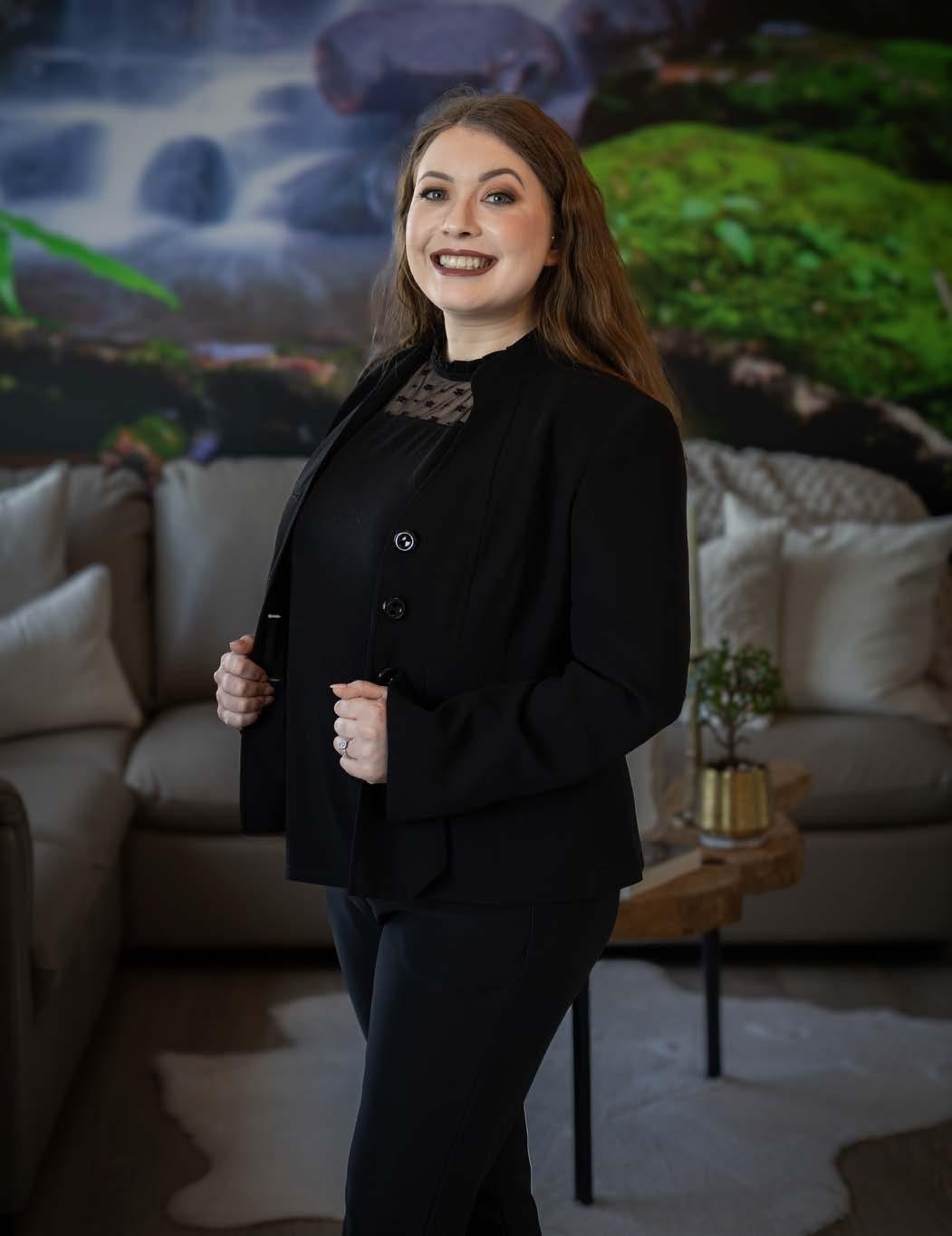
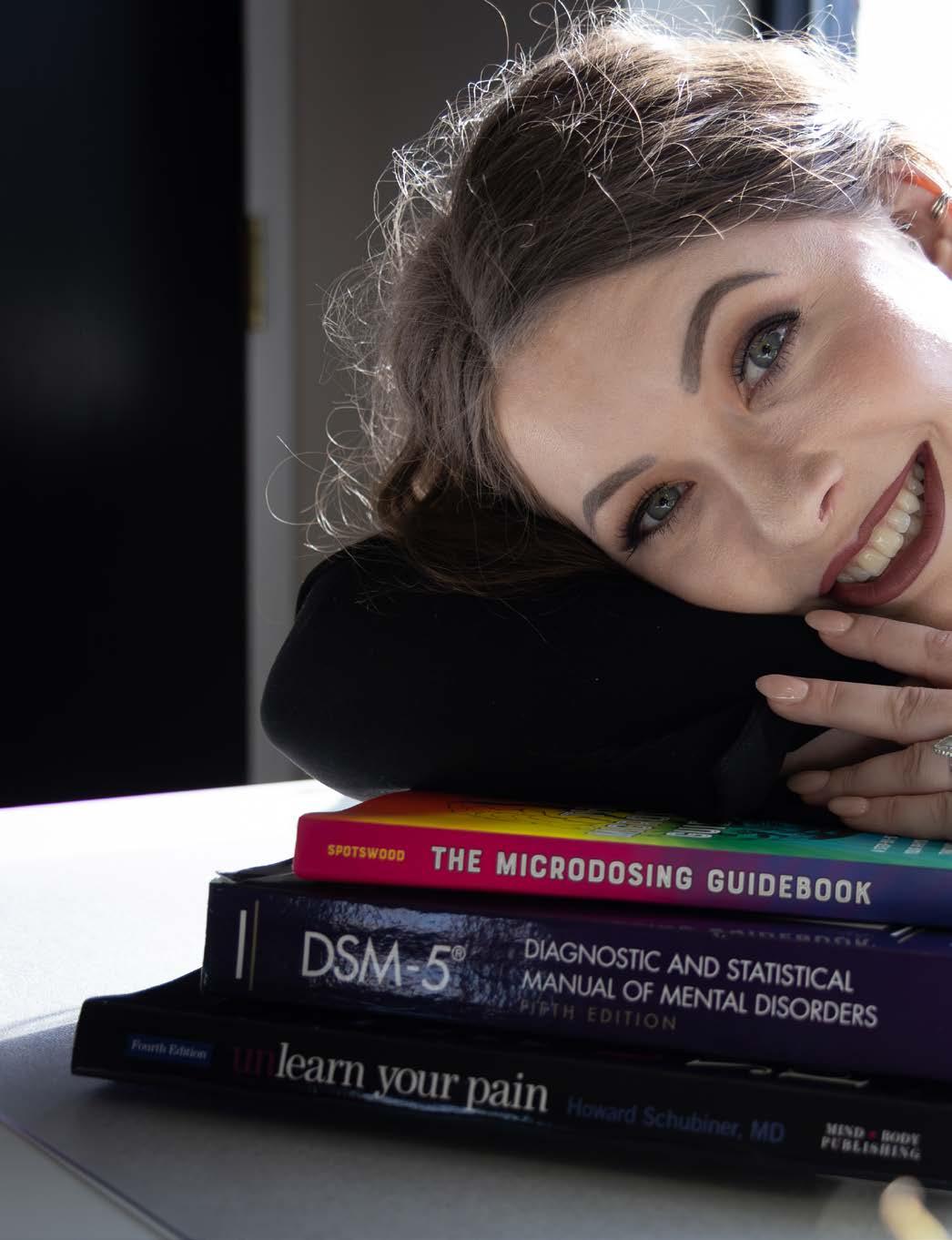
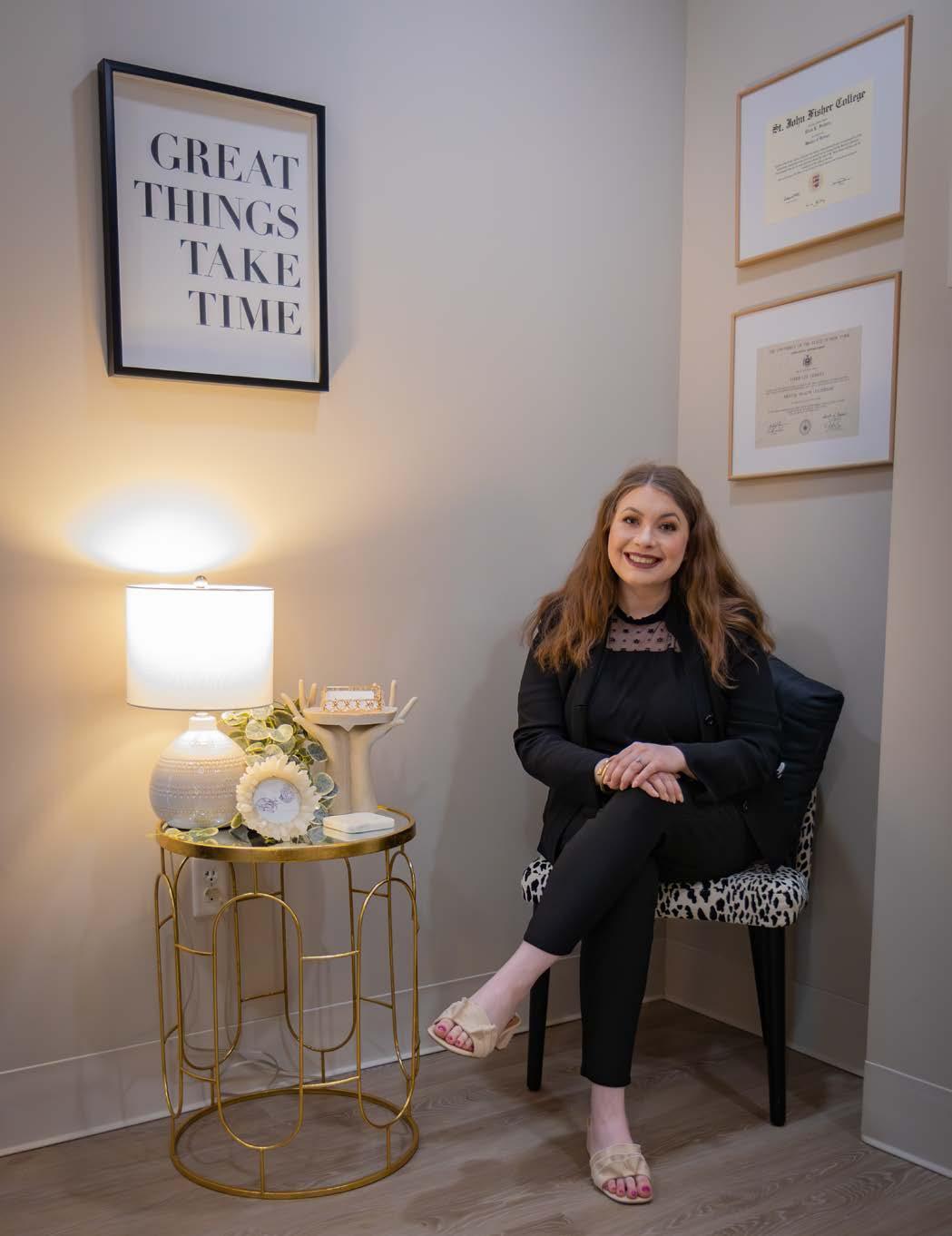
“My
interest in mind-body research began after a severe battle with Irritable Bowel Syndrome (IBS) that was linked to repressed trauma.”
physically, mentally, or both. The earlier these emotions are addressed, the sooner the brain can begin to rewire. While the pain of past experiences may not vanish entirely, it becomes less dominant, leading to a higher quality of life.
Your style is described as warm, humorous, and straightforward— why is that balance important when working with clients?
The topics discussed in therapy sessions are often very heavy. When appropriate, I bring levity into the space, as humor helps build rapport and connection. At the same time, humor can also serve as a defense mechanism, so it’s important to be mindful of that balance.
Warmth is simply part of who I am. I have deep love for the work I do, and that naturally comes through. I’m also a very straightforward person. Therapy can sometimes involve a lot of fluff, and while many approaches have value, I find that being honest and direct best serves both my personality and my clients.
What are some of the most common mental health challenges you see women entrepreneurs facing today?
The fact that I don’t know many female entrepreneurs speaks volumes on its own. Women have the capability but often struggle with confidence and asserting themselves in new, high-risk spaces.
Women entrepreneurs must work harder while navigating systemic inequities such as wage gaps and differential treatment in the workplace. Many are managing
these challenges while also balancing caregiving roles and societal expectations.
How can women in business better prioritize their mental health while juggling so many responsibilities?
Boundaries—with yourself, with others, and within your business—are essential. Business owners are often on the clock nonstop, constantly marketing, responding to emails, or returning phone calls.
No one’s coming to save you as a business owner. You must save yourself. Prioritizing social connections, movement, and rest may slow business growth initially, but it ultimately supports long-term sustainability and well-being.
What does “healing” truly look like, especially for women who are used to being the strong ones for everyone else?
Healing looks different for everyone; there is no universal definition. At its core, healing means remembering that you’re human, that you’ve never done this exact life before, and that everyone is still figuring things out.
The key is maintaining conscious awareness and committing to ongoing self-work. No one has it all figured out. Every day is an opportunity to learn and grow, and healing means going to sleep knowing you did the best you could that day. And if you stumble, tomorrow is a new day and opportunity to do better.
How can women begin to break the cycle of burnout and reconnect with themselves?
Mindfulness becomes key with burnout,
and it must be an everyday practice. Remember to take it one day, sometimes one second, at a time. Create lists so you have a visual representation of what you need to do to thrive and prioritize them. This might be going to the gym and taking an extra minute in the sauna to just unwind and have a quiet moment for yourself. Often when there’s so much noise around us, literally or figuratively, we need those quiet moments the most. Also, tune-in with your body. If you are experiencing weird, random physical sensations or you feel constantly hypervigilant, take the time to address them. I know that is so hard when you have other things going on but you will end up hurting yourself and not being there for the ones you love in the end if you don’t take the time to address it now.
What has your journey been like as a woman entrepreneur in the mental health and wellness space?
People have not always taken me seriously because of my age, starting my business in my twenties, and being a woman. It has been interesting to see how people’s perceptions shift the moment I mention that I am in a doctorate program. Suddenly, there is significantly more respect, as though I am not the same person I was seconds earlier.
That experience bothers me on behalf of my colleagues who do not have doctorate-level training. They are equally skilled and capable, and choosing not to pursue a doctorate does not diminish their expertise or value.
{
“There are few practices that truly integrate both disciplines to create a comprehensive biopsychosocial understanding of mental health.”
The mental health field is predominantly made up of women, while the medical field, in my experience, is predominantly male. Because my practice exists at the intersection of these two spaces, I find myself constantly adapting. Society often places medicine on a pedestal as the top-tier form of treatment, which can create tension when different professionals collaborate. We all bring valuable expertise, and it is shortsighted to assume that the mind and body exist as entirely separate entities.
One businesswoman I greatly admire is my best friend’s stepmother, Rosie Taravella, who is the Vice President of the Northeast Division of the Red Cross. She once told me that she never assumes she is the only expert in the room. She knows her strengths, but she also recognizes that everyone else has something valuable to contribute. I believe one of the greatest disservices to client care is allowing ego to interfere with collaboration. We are strongest when we work together.
What challenges have you faced in building your practice, and how have you navigated them?
Because I am young and a woman, I feel constant pressure to be at the top of my game. There is often an added layer of needing to prove myself, knowing that first impressions matter immensely. Early in my entrepreneurial journey, I experienced significant time-management burnout. I quickly learned that I needed to be firm about what I would and would not allow
myself to do. Even when I technically have time to see another client, I cannot always open that door if it comes at the cost of my well-being. Discipline has been essential for me, especially because I have ADHD. Maintaining structure and routine isn’t optional—it’s necessary for my health and sustainability.
What advice would you give to other women who feel called to start a purpose-driven business?
Anyone can start a business, but success depends on finding a niche that fills a genuine gap. Offering the same service as everyone else in an oversaturated area makes building a practice more challenging. Marketing is also constant. I carry business cards with me everywhere—I don’t travel without them. You never know who you will meet, or which bulletin board might be available. Additionally, be mindful of what you say and who you say it to. Networks are often closer than we realize, and treating everyone as a potential client or referral partner goes a long way.
What is your vision for Lumina Mental Health & Wellness, and the impact you hope to make in the Rochester community and beyond?
My vision for Lumina is to expand into other states and bring on additional clinicians so more people can access mind-body therapy. Rochester is a hub for this work, but many regions still lack providers who specialize in this integrated approach.
I also hope to expand my advocacy and entrepreneurial efforts within medical and mental health facilities to help bridge the healthcare gap. Knowledge is power. When providers understand that the mind and body are deeply interconnected and must be treated as such, they are better equipped to serve their clients in a truly holistic and effective way.
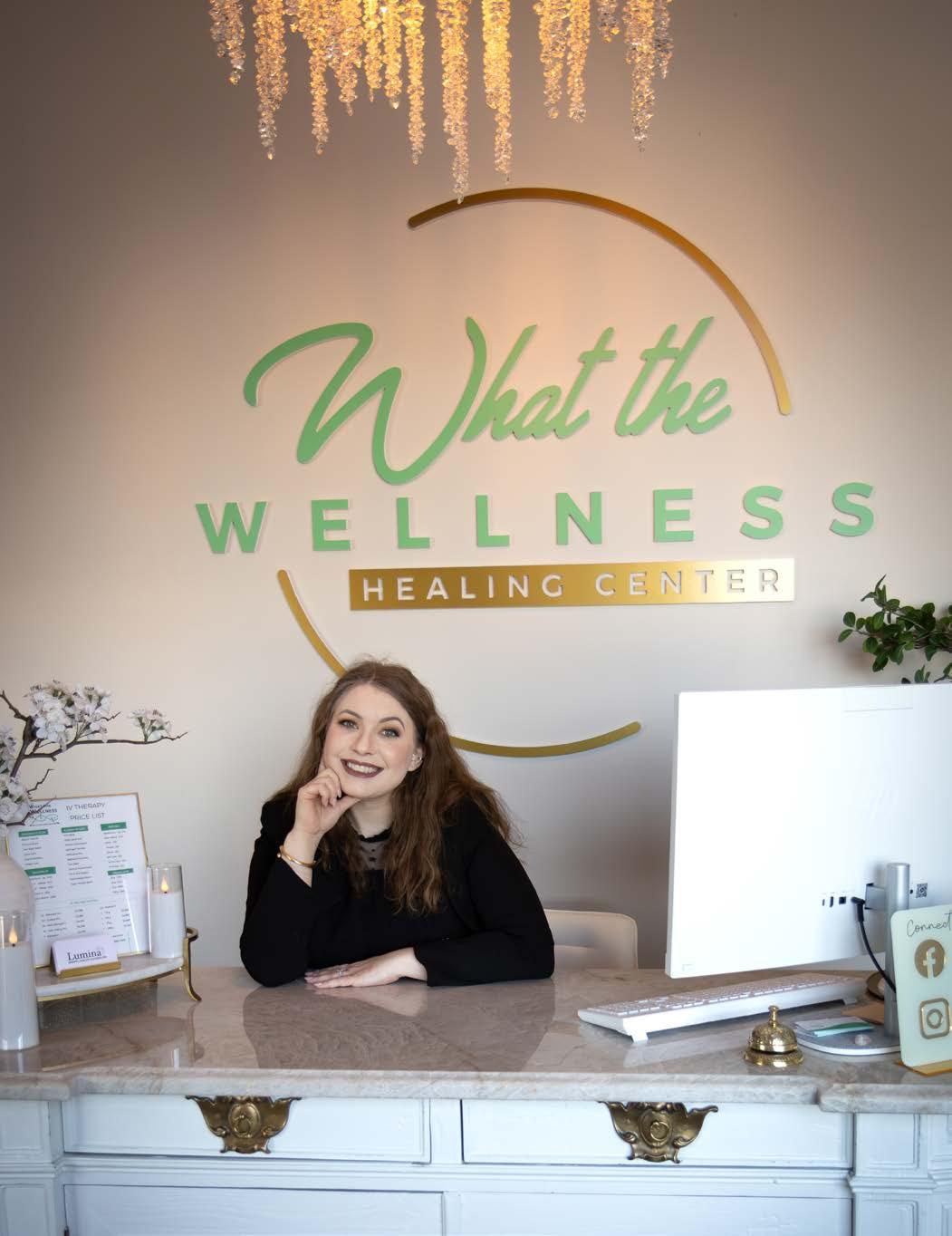
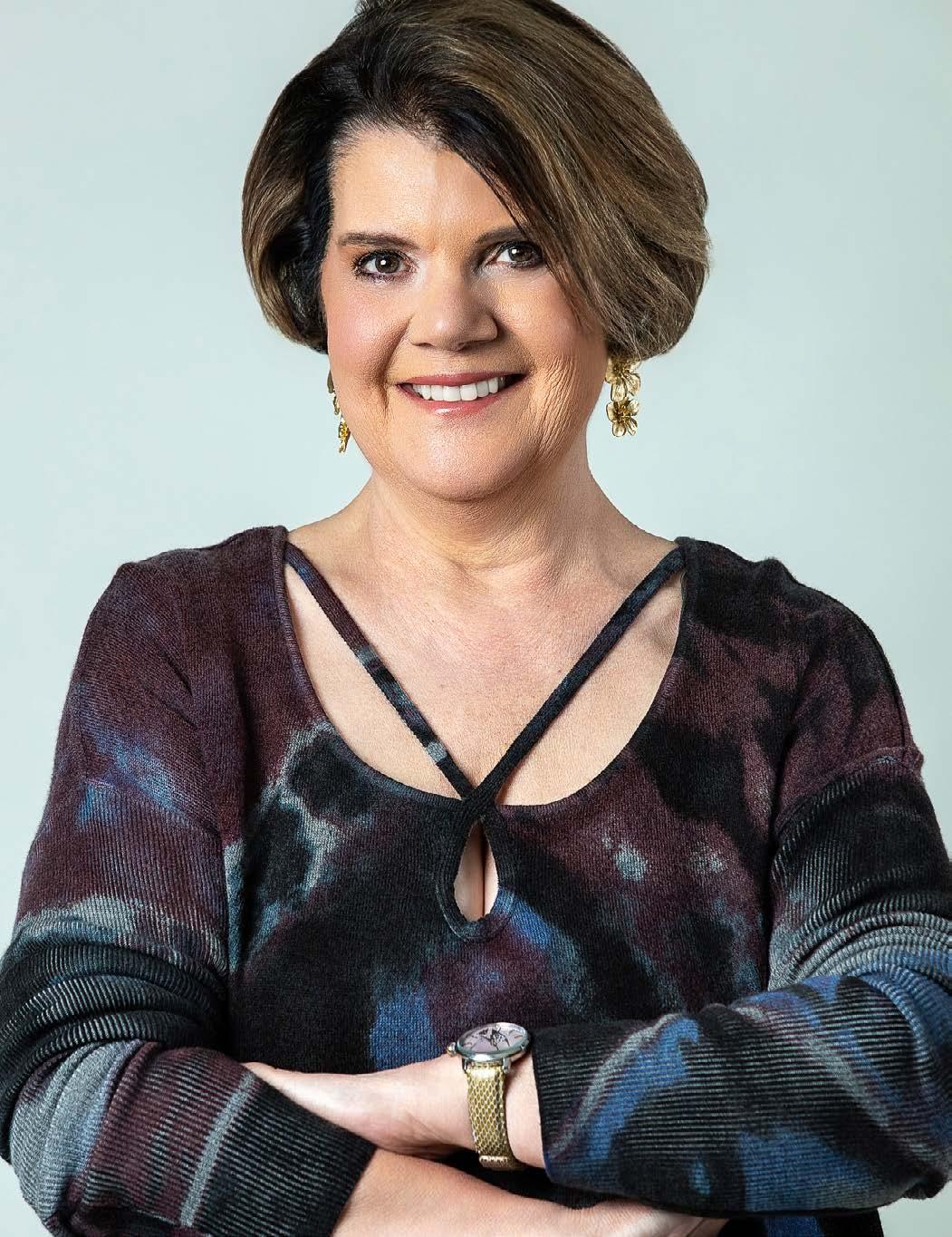
BY CHRISTINE PIACENTINO I PHOTOS BY BELAVATI STUDIOS
People often tell me I’m strong. They say it softly, with that gentle tilt of the head people use when they’re trying to understand a life they’ve never had to live. But strength, in the world of rare disease, is not what people imagine. It isn’t loud. It isn’t cinematic. It’s not a warrior going into battle wearing shiny, polished armor.
Strength, for families like mine, is quieter. It’s a pulse. A rhythm. A steadying hand on the back of someone you love. It’s the kind of strength that doesn’t ask to be seen. It simply lives in the room with you. I learned this kind of strength the day Jonathan was diagnosed. I didn’t feel brave. I didn’t feel powerful. I felt like the ground had opened beneath us, a sinkhole threatening to swallow everything we knew. We got his diagnosis on New Year’s Eve — a night meant for celebration, but ours was silent. It took me six months to lift my head out of the sand. And then one day, I stood up. And the next day, I stood up again. And again.
Strength became the early morning rituals: researching the disease, devouring medical papers, hunting for anything — anything — that might slow the progression. Later, as Jonathan lost abilities, strength became the stretching, the lifting, the medications lined up like tiny lifelines. It became the way I scanned the day for obstacles before my feet even touched the floor. It became the way our family moved around each other, wordlessly, instinctively,
like a team that had been practicing for years.
Jonathan showed up every single day, too, even when walking was hard, even when stairs became mountains, even when the world couldn’t see the weight he carried in his muscles. Later, when he was no longer ambulatory, showing up meant protecting his lungs and heart with relentless consistency. It meant doing the unglamorous work that keeps a body going.
Showing up is not heroic in the way people imagine. But it is the quiet promise my family makes to each other: We will keep going. We will keep loving. We will keep showing up. Living with a rare disease teaches you to adapt in ways you never imagined. Plans become suggestions. Routines become fluid. You pivot so often, you start to wonder if you were born with a hinge in your spine. You engineer solutions out of thin air because life demands it.
Jonathan adapted with a grace that still humbles me. When his legs weakened, he found new ways to move through the world. When high school hallways stretched too far, he used a double decker grocery cart as a makeshift walker — because he refused to stop living, learning, laughing. He used that cart as a locker. He requested that all his classes be on the first floor. He learned to drive with a joystick and hand controls. He didn’t just adapt — he reinvented possibility.
And we adapted too. We learned
medical language we never wanted to know. We navigated systems not built for families like ours. We advocated with voices that stayed steady even when our hearts did not.
Adaptation became its own form of courage — not the kind that shouts, but the kind that whispers: We will find another way.
And through all of it, we protected joy as if it were sacred, because it was. We carved out laughter in the hardest seasons. We held movie nights, inside jokes, and my daughter’s constant recordings of Jonathan answering her “tell me something good” questions. My son and daughter have always been the keepers of joy in our home — their humor, their curiosity, their ability to find light in places where most people only see shadows. Joy became our rebellion. Our refusal. Our line in the sand. You can take a lot from us, but you cannot take everything. You can’t take our joy! There is a kind of strength the world never sees. It happens in the quiet hours — on hold with insurance, refreshing patient portals, reading research papers at midnight because no one else will. It’s the emotional weight of waiting for test results—the mental math of balancing hope with realism. The advocacy done after the house finally goes still. This labor is invisible, but it is the scaffolding that holds everything together.
Rare disease families learn to hold two truths at once: hope and fear. They sit side by side, like two birds on the same branch, one singing
“People often tell me I’m strong. They say it softly, with that gentle tilt of the head people use when they’re trying to understand a life they’ve never had to live.”
possibility, the other warning of storms. Jonathan taught me how to listen to both without letting either one break me. This is emotional endurance at its purest: the courage to love deeply in a world where nothing is guaranteed.
Rare disease families also find strength in each other. We become guides, translators, lifelines. We share knowledge like currency. We pass down wisdom like heirlooms. Jonathan has always been part of that community, not just receiving support, but giving it. His advocacy, his voice, and his willingness to speak truth to power have lifted others in ways he may never fully understand. Quiet strength is knowing you are part of something larger than your own struggle, the strength of advocacy born from love. Advocacy, for families like ours, is rarely loud. It’s not rallies or microphones. It’s the quiet work: writing letters, showing up at hearings, telling your story even when it hurts to say it out loud.
Jonathan’s life has been shaped by advocacy, his, mine, ours. Access to treatment. Access to care. Access to dignity. None of it came easily. All of it came from love.
Quiet advocacy is powerful because it is lived. It is undeniable. Rare disease families know what it means to face closed doors, denials, trial endings, treatments slipping out of reach, and systems that fail you. And yet, we choose hope again and again. Not because we’re naïve, but because our children deserve nothing less.
Hope becomes discipline. Hope is a practice. A muscle we strengthen every day. Jonathan has strengthened mine more than anyone.
Families like ours become experts at redefining normal. We build new routines, new expectations, new definitions of independence and success. We create a life that fits us, not one that fits someone else’s idea of what life should look like. Jonathan has redefined normal at every stage: walking across his high school graduation stage, earning his Eagle Scout rank, thriving in college, advocating in his 30s with a voice that carries farther than any muscle ever could.
This is not settling. This is reclaiming. This is saying: We will write our own story.
My family’s strength is love that refuses to break. At the center of everything is love. Not the soft, greeting card kind. The fierce, unshakeable kind. The kind that gets you through sleepless nights, hospital rooms, impossible decisions, and the weight of uncertainty. This love is the quietest strength of all — and the most powerful. It is the force that keeps families moving forward. It is the reason we fight, adapt, advocate, and hope. It is the reason we endure.
Rare disease may shape a family’s life, but it does not define their love. And that love, expressed in a thousand quiet ways, is what makes them strong. In every family living with a rare disease, there is someone, a
parent, a partner, a chosen family member, who becomes the keeper of the flame. The one who holds the line when the world feels unsteady. The one who learns to bend without breaking. The one who turns fear into fuel and love into action.
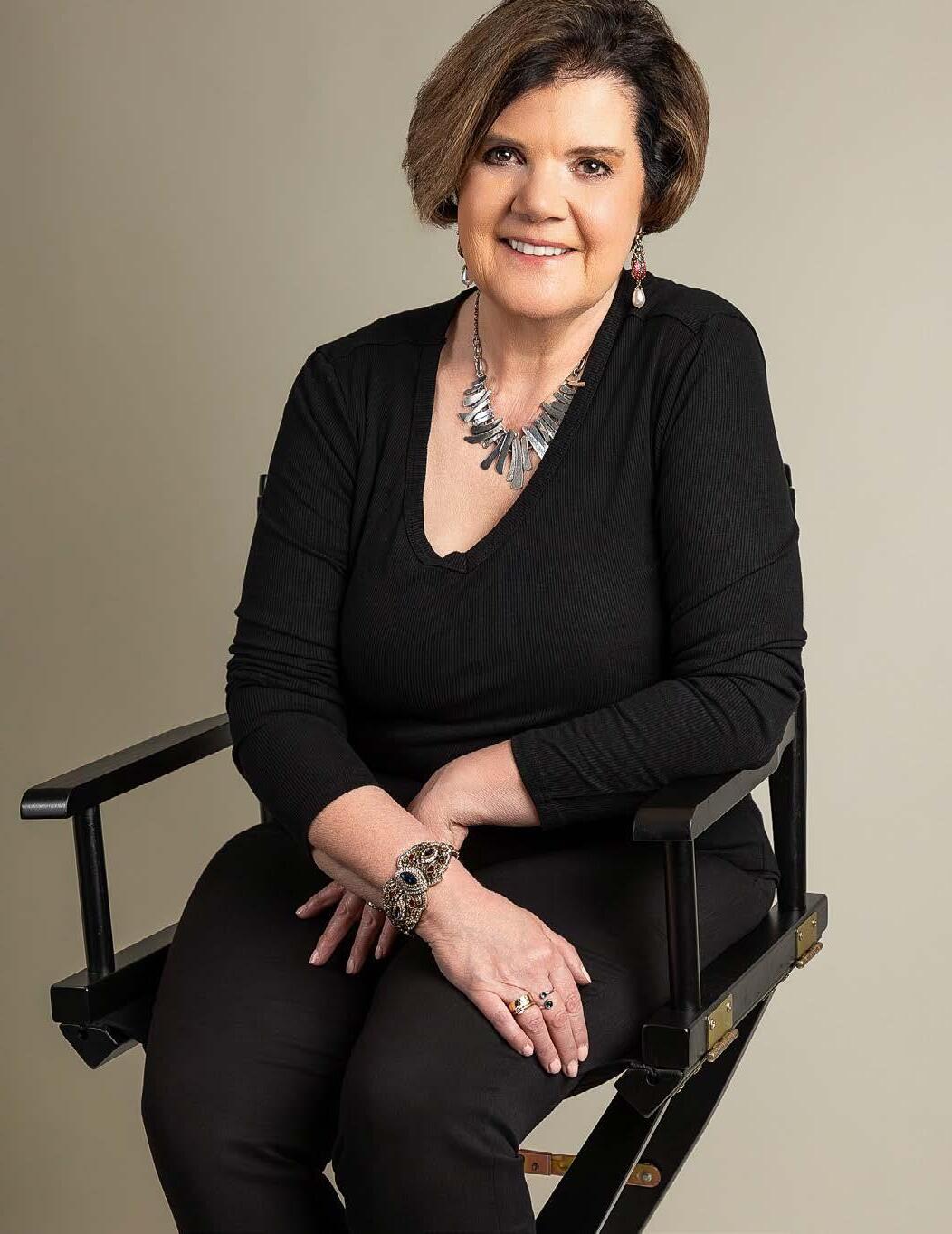
Can you tell us about your background and what led you to where you are today as a business owner?
I’ve always had a passion for helping people, I found myself naturally drawn to situations where individuals, families, and even relators were feeling overwhelmedwhether it was due to downsizing, moving or the loss of a loved one. Those moments can be incredibly emotional and stressful, and I realized there was a real need for someone who could step in with both compassion and practical support. That realization is what ultimately led me to become a business owner. I saw an opportunity to create a service that not only helps people manage the physical process of sorting through lifetime of belongingness , but also supports them through the emotional side of letting go. Every home and every family has a story, and I take pride in honoring that while helping clients move forward.
What inspired you to start Elaine’s Estate Sales LLC, and how did the idea first come to life?
What inspired me to start Elaine’s Estate Sales was really seeing firsthand how overwhelming life transitions can be for people. That understanding came from my own personal experience. After my mom’s passing, I found myself surrounded by her belongings, not knowing where to begin. I couldn’t imagine throwing her things away-but at the same time I didn’t have the space to keep everything in my home. I remember feeling stuck between holding on and needing to move forward. It was emotional, overwhelming, and honestly something I wasn’t prepared for. That opened my eyes to how many others must feel in that same momentwanting to honor their loved one while
also trying to figure out what to do next. That’s when the idea really took shape.
For those who may not be familiar, how would you describe what a private estate sale business is and what sets yours apart?
A private estate sales business is a service that helps individuals and families liquated the contents of a home, typically during times of transition such as downsizing, relocating. Or after the loss of a loves one. We handle everything form organizing, pricing, and staging items to marketing and managing the sale itself. The goal is to make what can feel like an overwhelming process as smooth and stress-free as possible.
What truly sets me apart is the level of personal care and connection I bring to each client. I understand firsthand how emotional this process can be, and I approach every salle with compassion and respect for both the family and their belongings. Another important part of my business that sets me apart it what happens after the sale. Any items that are not liquidated are 100% donated back to our community. Elaine’s Estate Sales partners with many nonprofit agencies in Monroe County. That piece is incredibly meaningful to me because it ensures that items continue to be used and appreciated, while also giving back and supporting others.
You describe your business as a go-to destination for unique treasures and quality finds—what kinds of items can people expect to discover at your sales? At my estate sales, I like to think of them as a go-to destination for unique treasures, quality finds, and unexpected
discoveries. Each sale is different, but people can typically expect to find everything form full home furnishing to highly desirable resale items, collectibles, vintage pieces, tools, gold and coins to one-of-a-kind memorabilia that truly fees like a step back in time. What makes estate sales so special is that you never quite know what you’re going to walk into-there is always a mix of everyday essentials, quality household goods, and hidden gems from around the world that often come at a fraction of what they would cost new.
What has been your favorite part of running this business so far?
One of the most meaningful parts of running Elaine’s Estate Sales has been the ability to bring a sense of peace and relief to families during what is often a very emotional and overwhelming time. When people are faced with sorting through a lifetime of belongings, it can feel incredibly heavy-both physically and emotionally. Being able to step in, organize the process, and guide them through it with care allows families to breathe a little easier. Knowing that I can help transform what feels like chaos into something manageable-and even positive-is deeply rewarding.
Estate sales often happen during emotional transitions—how do you approach working with families during these times? Estate sales often come at a time of significant transition, whether it’s the loss of a loved one, downsizing, or a major life change. I approach every family with empathy, patience, and respect, understanding that this is not just about “stuff”- it’s about memories, milestones, and personal history. My
“For many, reselling is more than a side hustle; it’s a full-fledged business built on reuse and resourcefulness.”
first priority is to listen. Every family’s situation is different, and it’s important to understand their need, concerns, and goals before moving forward. Above all, I strive to create a sense of calm and trust. Families are inviting me into a very personal chapter of their lives, and I don’t take that lightly. Its’ important to me that they feel cared for, respected, and confident that everything is being handled with integrity.
What do you think makes a great estate sale experience for your customers? A great estate sale experience for my customers starts the moment they walk through the door. It’s about creating an environment that feels welcoming, organized, and easy to navigate. When items are thoughtfully displayed, clearly priced, it allows shoppers to truly enjoy the experience of discovering unique pieces. I also believe customer service plays a huge role. Greeting people, being available to answer questions, and creating a friendly, no-pressure atmosphere makes a lasting impression. Ultimately, a great estate sale experience is one where customers leave feeling like they found something special, were treated with kindness, and are excited to return to my next sale.
How do you curate and organize each sale to ensure it feels special and wellpresented?
I approach each estate sale with the mindset that it should feel thoughtfully curated rather than simply set up. The first step is sorting and organizing everything in a way that makes sense-grouping like items together and creating a natural flow throughout the home so customers can move easily from room to room. Every
home and every collection is different, so I tailor each sale to reflect the personality and contents of that space. My goal is to create an experience that feels polished, inviting, and memorable.
What has been one of the most memorable or surprising finds you’ve come across in your work?
We have come across a few surprising items that I cannot talk about here! But honestly some items that initially looked fairly ordinary turned out to have far more value and history than expected. What can seem like a simple decorative piece, a poster, or even a book sometimes has a story that only reveals itself once I research it more closely. I’ve also had moments where families were genuinely surprised by what was discovered tucked away in basements, attics, or storage spaces-items that had been overlooked for years that turned out to be meaningful, collectible or highly sought after. What stands out most, though, isn’t just the ‘find’ itselfit’s the reaction. When a family learns that something they didn’t think much of holds significance or value, it adds a layer of appreciation and often a sense of connection their loved one’s life story. Those are the moments that stay with me.
As a woman entrepreneur, what challenges have you faced in building your business, and how have you overcome them?
As a woman entrepreneur, one of the biggest challenges I’ve faced is simply being taken seriously in a field that can sometimes feel very transactional and male-dominated in certain aspects of business and logistics. Early on, I had to
work a little harder to establish credibility and show that I wasn’t just capable of managing estate sales, but that I could do it with professionalism, structure, and strong results. Another challenge has been balancing the emotional side of this work with the business side of it. Estate sales are deeply personal for families, and at the same time, they require organization, decision-making, and efficiency. Learning how to hold space for people’s emotions while still guiding a clear process was something that came with experience. Over time, I’ve found that results speak the loudest. When people see well-run sales, happy clients, and strong outcomes, any initial doubts tend to disappear. That’s been one of the most rewarding parts of building this business-earning trust through the work itself.
What strategies have helped you grow your following and keep customers engaged and coming back for future sales?
Growing my following and keeping customers engaged has really come down to consistency, trust, and relationships. A big part of what has helped my business grow is the trust I build with my clients from the very beginning. Families need to feel confident that their home and belongings are being handled with respect, transparent, and professionalism. I also make a point to build real relationships with my customer following. Greeting customers by name, remembering what items they prefer, and having genuine conversations helps create an ongoing loyalty. Along with that, clear communication and consistency help set expectations so people know they can rely on every sale being thoughtfully
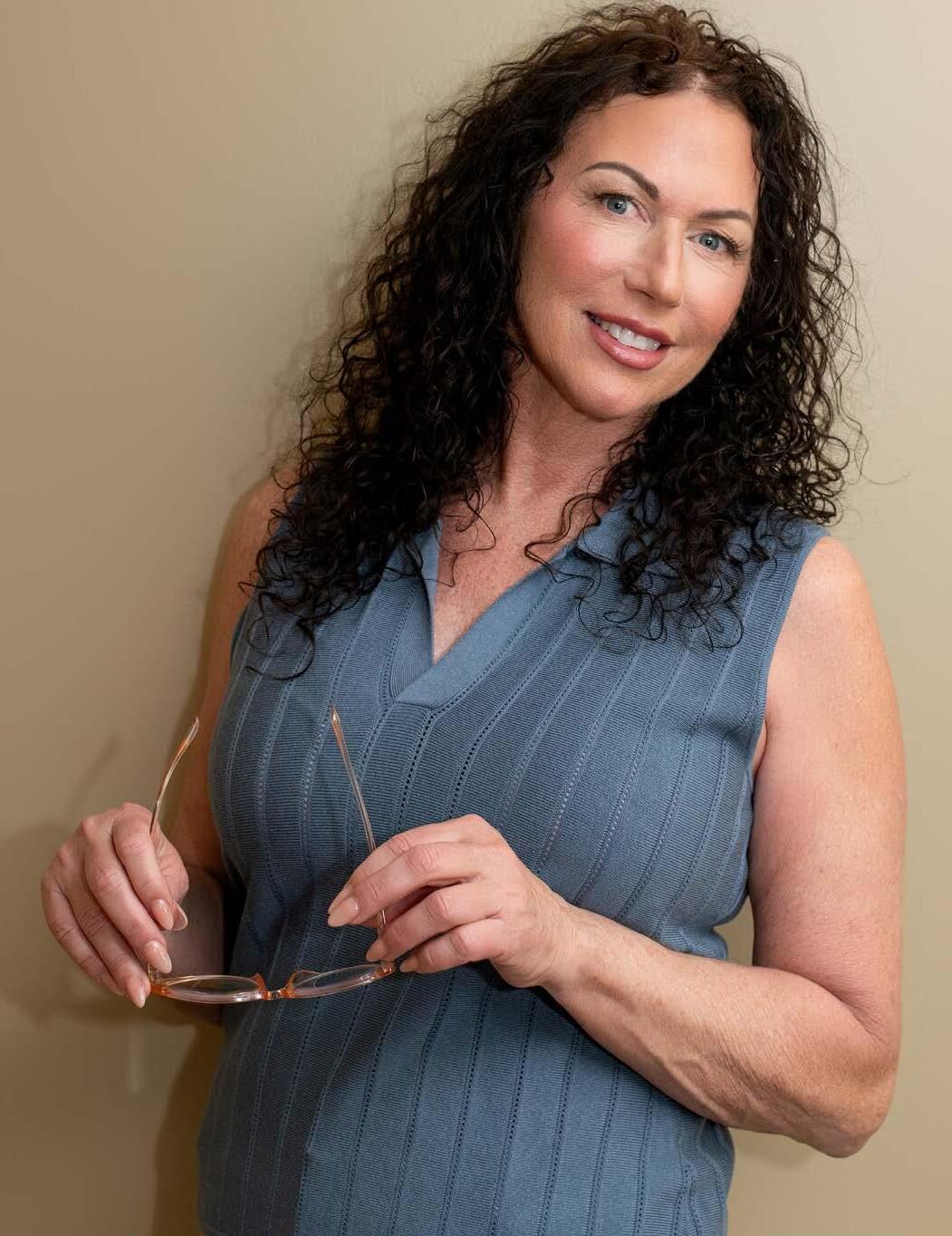
“It’s not just the anticipation of what you might find-it’s the experience of discovery, the quiet connection to someone else’s home, and the chance to carry a meaningful piece into your own space.”
prepared. When trust, familiarity, and experience all come together, it naturally keeps people engaged and coming back.
How do you use social media to showcase your upcoming sales and connect with your audience?
Social media plays a big role in how I connect with my audience and build excitement for upcoming estate sales. One of the most important platforms I use is Estatesales.net, which I consider the “mecca” for estate sales. It’s where serious buyers go to see what’s coming up, preview photos, and plant their weekends. Listing there ensures the right audience knows exactly what to expect, when and where to show up.
In addition to that, I use Facebook and Instagram to reach my local community and keep followers engaged throughout the week . I share ‘sneak-peaks, highlight unique or high-demand items, and give people a sense of variety they’ll find at each sale. It helps build anticipation and gives customers a chance to plan ahead. I also believe in making the experience easy and accessible once people are ready to attend. The night before a sale, my large Elaine’s Estate Sales signs go up guiding customers directly to the sale. Between strong online visibility and clear in-person direction, my goal is to create a smooth experience from the first time someone sees the sale online to the moment they walk through the door.
What advice would you give to someone considering starting their own business in a niche market like estate sales?
The best advice for someone considering starting a business in estate sales is to really understand both sides of the
work-the business side and human side. This industry. Is not just about selling items; it’s abut guiding people through transitions that are often emotional and deeply personal. Start out on building trust and a reputation. Your name is everything, be consistent, be honest, and follow through on what you say you’re going to do . Word of mouth and referrals become on of your strongest sourced of growth. Be prepared to work hard and learn as you go. There’s no perfect blueprint for this kind of business, especially when you’re building your own brand. Stay flexible, pay attention to what works, and keep improving with each sale. Over time, your experience becomes your greatest asset.
What are your goals for Elaine’s Estate Sales LLC over the next few years?
Over the next few years, my goals for Elaine’s Estate Sales are focused on continued growth, stronger community presence, and expanding the services I can offer to families during transitions. I want to strengthen the systems behind the business so I can take on larger and more complex estates while still maintaining the level of care and detail I’m known for. Growth for me is not just about doing more-it’s about doing it well and consistently. Another important goal is to continue developing partnerships with nonprofit organizations. Donating unsold items after sales is already an important part of my process, and I want to build on that by working with more local charities and community organizations. It’s meaningful to know that items from these homes can continue to serve a purpose and directly benefit other in need. Ultimately, my goal is steady, sustainable growth while staying
true to the heart of what I do-helping families honoring their stories, and making difficult transitions a little easier.
If you could go back and give yourself one piece of advice when you were just starting out, what would it be? I would tell myself not to underestimate the imprtance of boundaries and structure. But most importantly, I would say: stay grounded in the “WHY”. This business is not just about sales-it’s about helping families during some of their most difficult transitions. When that stays at the center of everything you do, the decisions become clearer, and the work feels more meaningful, even on the hardest days.
BY HEATHER CARROLL
There’s something special about walking into an estate sale. It’s not just the anticipation of what you might find-it’s the experience of discovery, the quiet connection to someone else’s home, and the chance to carry a meaningful piece into your own space. For many, estate sales are all about the thrill of the hunt. But for those who return weekend after weekend, they quickly become something more: a smart, sustainable, and surprisingly rewarding way to shop.
One of the most obvious benefits is the value. Where else can you discover high-end, name-brand pieces at a fraction of their original price? From furniture and home decor to kitchenware, tools, and collectibles, estate sales are filled with items from well-known retailers and designersmany gently used, and some never used at all. It’s common to spot brandnew pieces still in their original boxes or bearing the tags. For anyone who appreciates quality but wants to stay within a budget, estate sales deliver an unmatched opportunity.
Beyond the savings, estate sales offer a level of variety you simply won’t find in traditional retail. Each sale is unique, shaped by the life and style of the homeowner. One weekend you might uncover timeless, highend furnishings; the next, a home
filled with vintage charm or carefully curated collections. This ever-changing inventory turns every visit into a fresh treasure hunt and ensures no two experiences are every the same.
Estate sales also play a powerful role in sustainability. In a world grappling with overconsumption and waste, choosing preowned items is a meaningful step toward reducing environmental impact. Every piece you purchase at an estate sale is one less item headed to a landfill. Its a simple shift in buying habits that adds up to a more responsible way of living.
That sustainability ripples outward to benefit entire communities. Resellers, for example, depend on estate sales as a vital source of inventory. These entrepreneurs give items a second life-curating, repurposing, and redistributing them to new audiences. For many, reselling is more than a side hustle; it’s a full-fledged business built on reuse and resourcefulness. Estate sales help fuel that ecosystem, supporting small businesses and local economies in the process.
Estate sales are also an incredible resource for those just starting out. Whether it’s to furnish a new home, a dorm or downsizing, the ability to buy quality items at accessible prices is a great option. Instead of settling for
lower-quality, mass-produced pieces, shoppers can find solid, well-made furniture and household goods.
What often goes unnoticed, however is what happens after the sale ends. At Elaine’s Estate Sales, LLC, our commitment doesn’t stop when the doors close. We believe every item still has value, and we are proud to donate 100% of the remaining contents to local organizations and community member in need. This means nothing goes to waste-every piece continues its journey, serving a new purpose and supporting someone else along the way.
So, the next time you see a sign for Elaine’s Estate Sales, consider stopping in. You may find exactly what you need-or something you didn’t even know you were looking for. Either way, You’ll walk away with more than just a purchase. You’ll be a part of something bigger.

BY NICOLE HEROUX WILLIAMS I PHOTOS BY NSP STUDIO
For many years, I struggled with bitterness, unforgiveness, and resentment—emotions that quietly took root and began to shape how I saw the world and myself.
On the outside, I appeared strong, but internally, I was carrying a weight that was slowly wearing me down. It wasn’t until I made the decision to fully surrender everything I had been holding onto— placing it all in God’s hands—that my turning point began.
That moment of surrender required honesty. It required letting go. Yet in that release, something shifted. For the first time, I began to experience the fullness of God’s love and a deep, unshakable joy that didn’t depend on my circumstances. “God can’t transform the things you’re not willing to trade in.”
Over time, I came to understand something that changed my perspective completely: every unfortunate situation I had faced wasn’t happening to me—it was happening for me.
BY TAMESHA BECKFORD
that I could not yet see.
We’ve all heard the saying, “What doesn’t kill you makes you stronger.” While there is truth in that, some experiences leave a lasting emotional and mental toll. The kind that makes
But even in that place, there is purpose.
If there is one thing I have learned, it is this: God can’t transform the things you’re not willing to trade in. Healing requires surrender. Transformation requires release. You cannot hold on to pain, unforgiveness, and past hurt while expecting to walk fully in peace, joy, and purpose. There comes a moment when you must decide to exchange what has been weighing you down for what God is offering to lift you up.
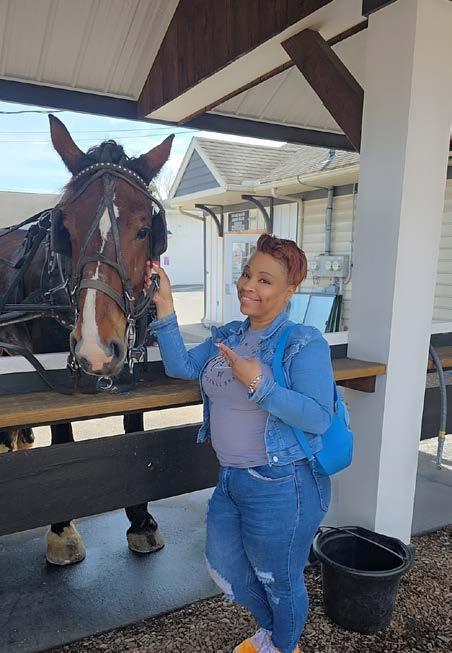
The disappointments sharpened my discernment. The trials and tribulations strengthened my perseverance. Even the moments that felt unbearable were producing something in me
you feel empty, disconnected, and, at times, as though something inside you has gone still.
“Every situation wasn’t happening to me—it was happening for me.”
“Healing requires surrender. Transformation requires release.”
Today, I can fully experience the true love and joy that God desires to give to all of His daughters. I am living proof of what happens when you surrender and embrace the beautiful exchange.
This is the beauty of the process. It is not about perfection—it is about willingness. Willingness to trust God with the broken pieces. Willingness to release what no longer serves you. Willingness to believe that something greater is waiting on the other side of surrender.
Because when you finally let go, you create space for transformation. And that is where your new beginning truly begins.
For more than four generations, the Stern family has helped shape Rochester’s commercial landscape through hard work, vision, and a deep commitment to community. What began in the 195 0s as a commercial roofing company founded by Joseph Stern eventually evolved into one of the area’s most recognized real estate development and property management businesses. Under the leadership of Gary Stern, abandoned factory buildings were transformed into thriving community spaces, including the iconic Village Gate — a property that remains a cornerstone of Rochester’s creative and entrepreneurial energy today.
Now, the next generation is continuing that legacy. Joining Stern Properties in 2023, the family’s fourth generation stepped into the business with both respect for tradition and an eye toward the future. Raised in an environment where conversations about development, projects, and the market were simply part of everyday life, real estate and entrepreneurship became second nature from an early age. That lifelong exposure created not only a passion for the business, but also a strong appreciation for the responsibility that comes with carrying on a family legacy built over decades.
Today, Stern Properties continues to evolve while remaining grounded in the values that have fueled its longstanding success: putting tenants first, investing in Rochester’s growth, and embracing innovation without losing the personal touch that defines a family-run business. From converting office buildings into modern market-
rate apartments like The 5 0 Prince Apartments to implementing new technology that streamlines operations, the company is finding ways to honor its history while adapting for the future.
At its core, Stern Properties is about more than buildings — it’s about legacy, relationships, and creating spaces that serve the community for generations to come. With a vision of continuing to grow the family business while one day passing it on to future generations, the Stern family remains deeply committed to preserving the foundation built by those who came before them while continuing to shape Rochester’s future.
Can you tell us a little about Stern Properties and what makes it unique as a family-run business?
Stern properties is a fourth generation family owned business. The Stern Family began in as commercial roofers, with my great-grandfather Joseph Stern founding our roofing company in the mid 195 0s. My grandfather Gary Stern took the business from his father and ran with it, eventually expanding into the real estate development and management business. He transformed abandoned factory buildings eventually becoming his flagship property “The Village Gate”. After his passing in 2016, my father Allan Stern took over the business and I joined the company in 2023.
What is your specific role within the company, and what does a typical day look like for you?
I run the day to day operations of the company. My typical day involves
meeting with vendors, making sure my employees are getting their work done, and corresponding with tenants on any issues they may have with our properties.
Growing up around a family business, what was your early exposure like to real estate and entrepreneurship?
Growing up business and real estate were just a natural part of our family. Ever since I can remember my father and grandfather were always discussing on-going projects or where the market was. It was just natural for us. I feel that early exposure helped me immensely now that I am in the business.
Was there a defining moment when you decided to officially join the family business?
Honestly no. It was always my plan to join the family business. I was incredibly close with my grandfather who dreamed one day we would work alongside each other. Unfortunately he passed before he could see that dream come to fruition but I am proud to carry on his legacy.
What ultimately influenced your decision to follow in your family’s footsteps rather than pursue a different path?
Similar answer to above. As a fourth generation business family it was sort of assumed I would come in eventually.
Can you share your educational and professional background prior to joining Stern Properties?
I completed my underrated degree in Business and History at the University of Rochester.
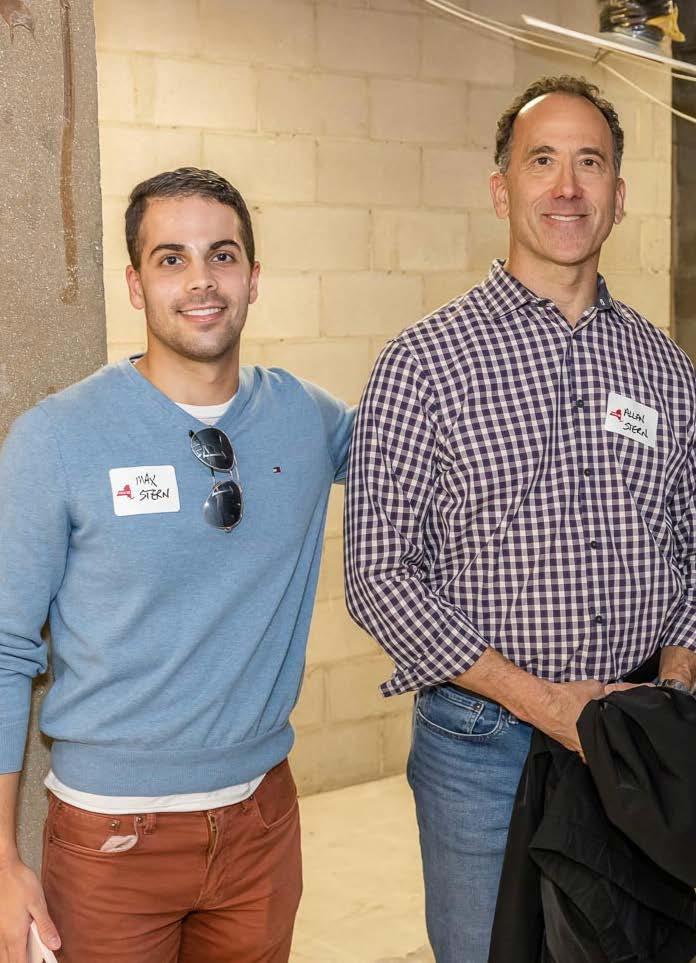
“Stern properties is a fourth generation family owned business. The Stern Family began as commercial roofers with my great-grandfather Joseph Stern founding our roofing company in the mid 1950s.”
What are some of the biggest lessons you’ve learned working within a family-run company?
Learning how to separate a familial relationship from the business. Understanding that I’m not always going to agree or like everything my dad asks me to, however he is my boss. I have to understand that the business and operation we’re running is larger than me.
How do you balance maintaining family relationships while also handling the professional side of the business?
I truly had the most amazingexamples from my own father and grandfather.
What do you think is the biggest advantage of being part of a multi-generational business?
I would say being able to see the projects grow and evolve over the years. We have been so fortunate with our developments and while not everything has been a slam dunk, we are very happy with the current state of our portfolio.
over the years, and what role have you played in that growth?
Yes we have continued to take on new projects and buildings. Our most recent project, The 5 0 Prince
Are there any new ideas, innovations, or changes you’ve brought into the business since joining?
I am slowly but surely introducing more technology into our business. For example we recently switched over to a fully integrated leasing software. My family is incredibly old school, and prior to that we were doing a lot of the inner office work by hand. As we continue to grow and take on more buildings introducing this technology will streamline things immensely.
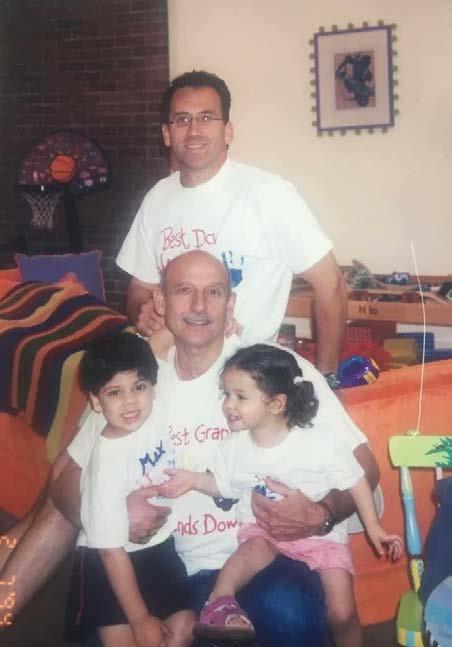
On the flip side, what are some of the challenges that come with working so closely with family?
Sometimes the lack of a break from the business can be taxing. However I wouldn’t have it any other way.
How has Stern Properties evolved
Apartments, was an office conversion into 27 market rate apartments which is now fully leased. We are currently in progress of another office conversion, 65 College, where we plan to build 20 apartments. That project should be done by mid spring.
What values or principles have been most important in shaping the company’s culture and success?
I believe putting our customer first has attributed to our success. While we cannot always accommodate every single tenant request, we do our best to exhaust all options before telling a tenant we can’t do that.
Looking ahead, what is your vision for the future of Stern Properties and your role within it?
Looking on to the future I plan to continue the legacy of my family. I plan to have children of my own one and having them come into the business one day would be a crowning achievement. We have been able to keep this going for over 5 0 years and it would be a privilege to carry it on.
Joy, can you take us back to the beginning—what inspired you to start House Pure NY, and what problem were you hoping to solve?
When I started this company, I wanted to offer really good, consistent, nontoxic cleaning services. I had been looking for this for my own home. I was having a hard time finding all of these qualities in one company and I thought if I was having difficulty then others were as well and obviously there was a niche to be filled. I was having a reiki session and the solution that came to me was to start my own company.
You began by creating your own natural cleaning products—what sparked your passion for formulating safe, non-toxic alternatives?
My interest in natural products and natural remedies as well, began in early adulthood, and really took off in my thirties when my sister, Sonya, ran a natural foods store in Michigan. I would work in the store for her and I began reading a lot of the literature she had and learning from her and the other employees and it all made sense. The connection between every aspect of our health and what we consume fascinated me. Whether it’s through what we eat or breathe or what our skin comes into contact with, even our thoughts, tie into our health and wellbeing on every level and it all made perfect sense to me.
That said, I did not begin living some “health guru” lifestyle and I still don’t. I am just far more careful now about the choices I make.
How has House Pure NY evolved from a cleaning service into a product-
When I realized it would be difficult to find what I needed in a cleaning company and decided to start one myself, I kind of had it in the very back of my mind that I would eventually sell the cleaning products I was making or at least that was a hope. I had been making some of my own products on and off for years at this point. I knew the product aspect of the business would take time to develop and that it started with using these products in “difficult” cleaning situations, not just my own space. Once the products were tried and true, so to speak, I started giving them to friends and family. Then clients started asking about them so I started selling them on a very small scale. It still is very small scale. I’ve just begun in the last couple of years to focus my time and energy on the product side of things. The steps up to this point have been necessary increments of moving into this place with the products.
Making the body products came out of necessity for two (or three) separate, but related, personal issues. When I started the business, I was going through perimenopause. I was having difficulty falling asleep and staying asleep, I was having hot flashes, brain fog, and I was getting these intense, painful leg cramps at night. They would wake me up out of a dead sleep screaming in pain. This would happen a couple of nights a week and it was draining me. I tried everything to alleviate them; water, electrolytes, massagers, more water, ibuprophen, breathing exercises, compression, the list goes on, and these cramps were relentless. I try to implement natural remedies whenever I can and after some
research I found information about the benefits of magnesium. I began making my own to use topically. I don’t know the exact timeframe, but the cramps gradually lessened and now I rarely get leg cramps. As it turns out I learned a lot about the other uses of magnesium chloride and wanted to share it with others.
I was also suffering from hot flashes and if you know, you know. Hot flashes are miserable, and you end up feeling gross for lack of a better way to put it. Cleaning is also a sweaty business so I looked for something I could use naturally to alleviate the sweat and the hot flashes. I’ve used aloe in the past for a slew of things, so my Rose and Aloe Hydrating Hair & Skin Sprays started there. I was also looking at the products I was using and what was in them and it was shocking to me how many harmful chemicals are in the products we use. One thing led to another. I had these ingredients, I loved researching and learning about simple, and effective, “chemical free” alternatives and the products just started flowing. Again, I was looking for better options that I could easily make and implement into my life and business.
Your mission centers around health, sustainability, and accessibility. Why was it so important for you to prioritize all three?
I’m a practical person at heart. I have strong beliefs about a lot of issues and at the same time I realize that we all have different thresholds for change, different budgets, different access to health and wellness options. The choices we make to improve our environment and essentially
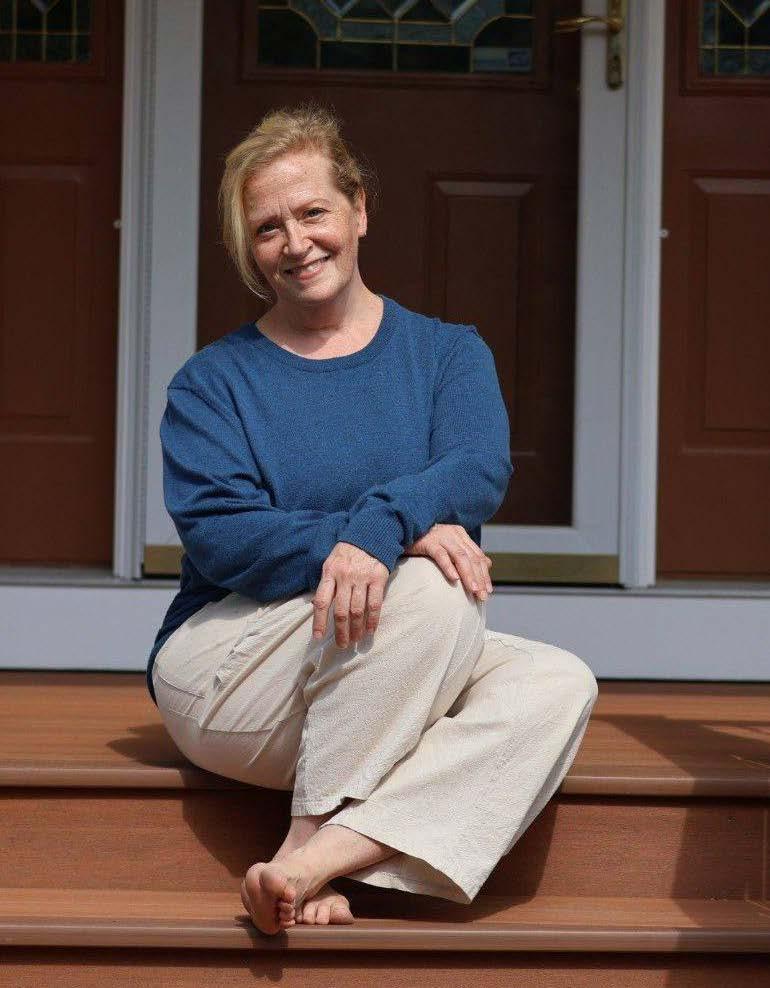

“There is a lot of misinformation out there. Whether someone buys from us or not, I feel it is only fair to give the consumer the best knowledge I can offer about the everyday essentials they are bringing into their homes.”
our health, must be sustainable for us as individuals. What works for me, in my life, may not work for someone else. I do my best in my world and that is all we can ask of anyone. Not everyone can afford organic this and that, not everyone (including me) wants cleaning products in glass bottles, not all of us can tackle a vegan lifestyle or make it to the gym every day. The key is to make better choices when you can that make sense for you and your family and we can’t do that without options. We all have criteria for the health decisions we make or don’t make. What is important for me, and this company, is that we make products that are more accessible by making them as affordable as we can without sacrificing the quality of the ingredients or the impact and efficacy of the product.
These are not the least expensive home and body goods out there—that is not the goal. However, we offer refills with a lot of our items, in particular the cleaners, so that once the system is purchased it’s relatively inexpensive to maintain and the bottles can be used over and over again. It is my goal, as we grow, that we can reduce the initial cost of the products and make it available to an even broader audience.
If the cost of healthier options is prohibitive then the whole idea of buying eco-friendly, nontoxic alternatives is unattainable and when something is unattainable people stop trying. However, when we can afford healthier alternatives, and implement them into our lives, the choice becomes easy and easy is sustainable and that empowers us to
keep doing more. It’s not about being the perfect environmentalist or health nut, unless that’s your goal, it’s about doing what you can, when you can; making practical decisions about what you can do in your life that works for you. This is what will eventually move the needle. We need realistic expectations for ourselves.
You mention bridging the gap between healthy living and affordability—what challenges have you faced in making eco-friendly products accessible to everyday families?
It has definitely been challenging to keep costs low as our costs keep going up. We are a small company with limited resources. We can’t buy everything in bulk. We don’t have the space available to store large quantities of bottles and ingredients. We don’t have large-scale equipment that would automate a lot of the production so that is challenging. Quality ingredients are very expensive.
We forego a lot of organic options for our ingredients to keep the cost of the product lower. It doesn’t mean they are not quality, it just means we have to pick and choose what we “splurge” on. Just like the modern family must make those decisions in everyday life, we do as a company as well. I do not pay myself for my own labor because it would price our products out of the market. This is a labor of love, it always will be and someday I will pay myself. For now, I get paid in other rewards and that’s enough. We will always strive to reach more people with our business model to make an impact more than to make a profit…but profits are good too!!
What sets House Pure NY apart from other natural and eco-conscious brands on the market today?
I think what sets us apart from other companies is our transparency. If you look at the regulation requirements for using the word, “natural,” on a label, there are very few. The word can be interpreted in a broad sense and products need only contain a very small amount of actual, “natural,” ingredients to be labeled as such. It gets complicated for the consumer. We provide a comprehensive list of our ingredients on our website that enable buyers to know the what, how and, why behind our ingredients and processes. We research, formulate and with the exception of our lip balms (which are natural), make all of our products ourselves. We know exactly what goes into them and I use them myself. We aren’t hiding behind loose regulations or pretending our ingredients are ALL natural when some are not.
Let me explain…A large majority of the ingredients we use are natural. However, some, very few, are processed chemically and therefore we do not call those natural, they are naturally derived, or synthetically processed. Other companies will claim clean, safe, and natural ingredients when very few actually fall under those claims. I’m not trying to bring down any organization, but there are some well-known, “natural goods,” companies out there that when you read their ingredients and look them up, it’s undeniable that they are not representing a fully transparent description of their additives. I will say, that it should be most concerning when you see no ingredients at all. The FDA
“One
thing led to another.
I
had these ingredients, I loved researching and learning about simple, and effective, “chemical free” alternatives and the products just started flowing. “
and OSHA do not require ingredients on the label for cleaning products. It’s crazy, but it’s true and it’s a little alarming. The cosmetic industry is a little better, but only a little. We at House Pure NY make these distinctions so that we can be educational about ingredients. We want our consumers to know the difference and be informed and that’s what sets us apart.
Can you walk us through your process of researching, testing, and formulating your products?
Typically a product begins with a necessity or a desired outcome. For example, I began making hair conditioner for a friend whose hair was thinning and falling out. I did not try to cure her issue, I merely set out to create a “feel good” conditioner that might help her hair feel thicker and more lush and ultimately uplift her. This process like most starts with asking questions, researching and then finding a process that I can do on a small scale. What are the basic ingredients? what are natural alternatives? What should the pH be? How do I achieve this? What is the best preservative? What is the process? and many more. I establish the ingredients, the general recipe and steps I will follow and then set up the formulation day. I disinfect my kitchen. All handles, knobs and surfaces, everything, gets cleaned and disinfected. I create a mini lab. I measure the ingredients by weight for each stage of the process. In the case of hair conditioner there are a couple of phases and certain elements need to be added at certain temps and in a certain order, just like a lot of recipes. I got lucky with my conditioner and
kind of nailed it the first time with only a couple of adjustments the 2nd time around. This product was for a friend so both she and I “tested” it. I also gave some to my sisters and other friends to get their feedback. I asked them a series of different questions about their experience with it. The other part of testing- is doing a microbial test over the course of a few months to make sure the product is shelf stable and in this case, would not separate. I make appropriate adjustments and once it passes through these tests I can start labelling and selling. Although I had not originally intended on selling my hair conditioner, I received such great feedback that I decided to put it on our lineup.
I keep getting requests for shampoo… it’s coming!!! Unfortunately, I have not gotten lucky with the shampoo formula. I’ve made about 8 versions and I’m still working on it and making adjustments so sometimes things come quickly, and easily and sometimes slowly. In this case the horse came before the cart, simply out of a desire to help a friend. Some are not complicated at all, but they all start with questions.
Transparency is a huge part of your brand. Why do you believe full ingredient disclosure is so important in today’s marketplace?
There is a lot of misinformation out there. Whether someone buys from us or not, I feel it is only fair to give the consumer the best knowledge I can offer about the everyday essentials they are bringing into their homes. These things effect our lives, our children, our
pets, our planet and it matters. We get to choose how we impact the world around us and we can only do that if we are well informed. Our company isn’t able to compete with large corporations in terms of production and pricing but we can be clear about what we use, why we use it and how we use it so that our customers can choose for themselves.
As a small-batch creator, how do you maintain quality while continuing to grow and expand your product line?
I think one of the main things I do is create things that cross ingredients. This way, I’m minimizing the cost involved in buying and storing basic materials we use all the time. There are shelf lives on some of the elements that we use so using them across multiple product lines keeps things fresh and integrated. That said, I also look for key ingredients that I can include within each individual product that will hopefully make them stand out against the competition and boost the quality and eficacy. I’ve begun to narrow my scope a bit. I no longer try to have a scent or a product for everyone, maybe someday, but I have honed in on what I call the, “everyday essentials,” and I’m focusing on developing those more in depth and nailing down what our customers really want and need in their space.
What has been one of the most rewarding moments in your entrepreneurial journey so far?
Recently we were featured in an online magazine and here we are featured in this one as well and that is super awesome and I’m so grateful, but I’d be lying if I didn’t say that helping our

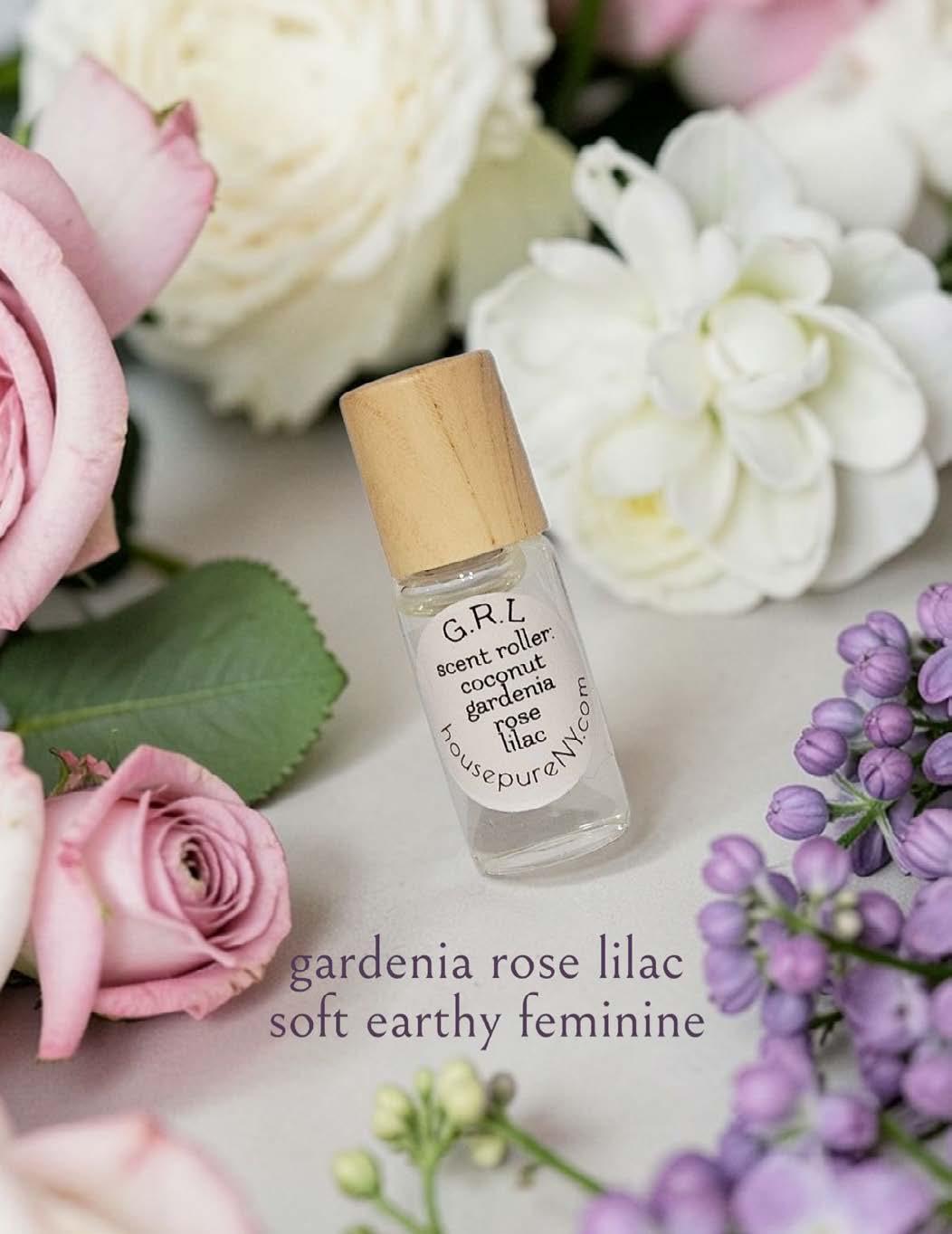
“When I realized it would be difficult to find what I needed in a cleaning company and
decided to start one
myself, I kind of had it in the very back of my mind that I would eventually sell the cleaning products I was making or at least that was a hope.”
customers find better solutions is the best thing ever. Hearing people say how much they love the skin toner, or the hyaluronic acid serum, or how the magnesium chloride roll on is in their nightly bedtime routine and they never miss it because it helps them fall asleep, or how our body butter saved them during the dry winter months and they can use our scented room sprays because we use essential oils and they don’t get headaches anymore from the synthetic fragrances. All of that makes me really happy and lets me know I’m on the right path. It fills me with such joy. It’s rewarding when skeptics try a sample and then track me down to get more…insert grinning emoji here.
I’d also like to give a huge shout out to my mom & sisters, Marilyn, Roxanne, Sonya, & Tonya for always being there for me, for always being my cheerleaders, for buying and using my products and believing in me. Experiencing that has been a blessing beyond words and I don’t know, had I not started this company, if I would have had the opportunity to experience that on this same level. I have zero regrets because this endeavor has given me so much more than I ever dreamed.
On the flip side, what has been one of your biggest challenges, and how did you overcome it?
I don’t know that I’ve overcome my biggest challenge. It’s something I overcome every day and it’s the little voice in my head, in the heads of so many people, so many women. The self judgement and self-criticism. The little voice that tells me I’m not smart
enough, I’m not deserving, I’m not strong or capable enough. That has been my biggest challenge to overcome on an almost daily basis. It’s gotten easier to squash and I don’t let that voice take over anymore, but it does creep in and to all the women who know that voice, I suggest you tell it to STFU and keep going. Life is too short to listen to that little voice.
How do your personal values and lifestyle influence the way you run your business?
I have been in recovery from alcohol and addiction for over 10 years now. It was the best thing I ever did for myself. I utilize the principles of AA in my daily life along with the slogans and so much of what I have learned over the years comes from that and influences how I treat others and treat myself. I do my best to be kind and respectful. I focus on keeping my side of the street clean. I right my wrongs, apologize when needed, meet people where they are at and let go of the things out of my control. I meditate in the morning and I pray at night and if I do these things, life is manageable, my business is manageable. Things don’t always go the way I plan them, I screw up, I make mistakes, and I still manage to wind up exactly where I’m supposed to be and all of this applies to my business as well. Life happens, stress happens, animals throw up on your way out the door to a busy day; I just put one foot in front of the other and do my best in the moment, sometimes I fall short and it’s ok because that grace and compassion I give to myself allows me to give grace and compassion to others.
You’ve built a brand that supports both people and the environment—what impact do you hope House Pure NY continues to make in the community? I hope we can educate consumers and instill in them that they can make a difference and they don’t have to do everything right all the time. Small choices can make big impacts and it’s ok to not be perfect at the “eco,” aspect of life. I would love to see House Pure NY get to a place where we could support other eco-conscious efforts in the community and provide healthier options to folks that need it, not just the ones that can afford it.
For women who want to start a purposedriven business but feel overwhelmed, what advice would you give them? 1.First and foremost, know that this endeavor will be difficult and overwhelming and then accept that and put one foot in front of the other. Then, repeat that often.
2. Define the purpose and or the problem you are offering a solution to. Be able to put that into words on paper.
3. If in NYS, go to New York Business Express. This will give you the “start to finish” in beginning your business. I’m sure other states have something similar.
The key idea is utilize the free information out there from your government so that you can take steps forward with confidence that you are making progress. This site was very valuable to me in starting out.
What does “success” look like to you
“When
I started this company, I wanted to offer really good, consistent, nontoxic cleaning services. I had been looking for this for my own home.”
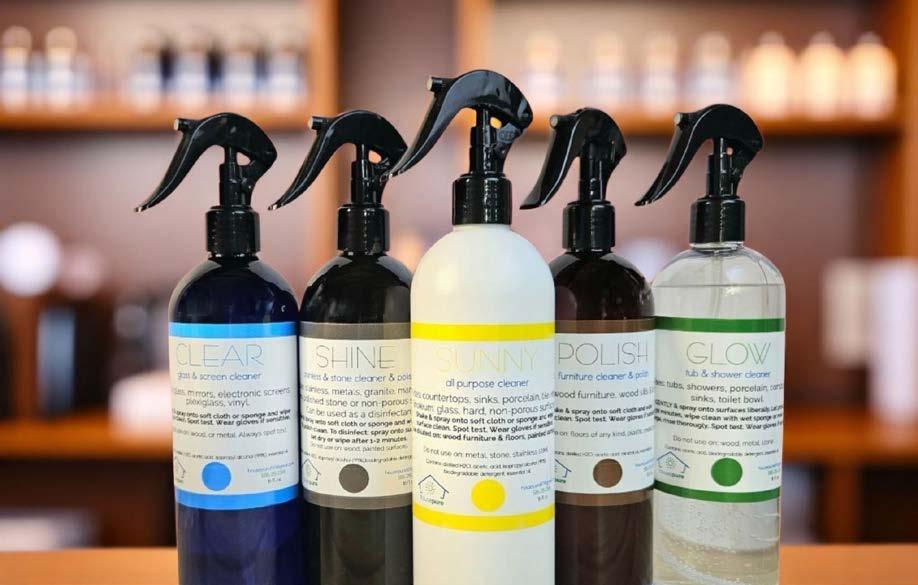
at this stage of your journey?
This makes me smile because I am very successful right now. I am what success looks like to me. I don’t say that because I’m full of myself. I say that because I have everything I need and more. I wake up every day and I live the life I choose to live. That is success to me. This is a journey I created for myself. That’s amazing. I did this and I am proud of what I’ve done and what I am doing and if I just keep putting one foot in front of the other, I am successful. We only fail when we give up or never try.
What’s next for House Pure NY? Any
exciting new products, goals, or visions you’d like to share with our readers?
In my dream of dreams, (listen up universe), I would create a business/ training/inspirational environment for women, by women that would employ, educate and empower women in underserved communities to start, own and run their own businesses and or partner with others to do so. We would create a sisterhood of support as they stepped into these roles. We would partner with multiple agencies in the community to do whatever we could to help women remove whatever barriers they may face both collectively
and individually in making their dreams come true. We would have ESL programs, business programs, professional and practical training programs, trauma treatment and more. I could go on and on. I would love to see House Pure NY be a facilitator of this. If any of this resonates with anyone out there who wants to make a difference in the lives of women and maybe has some relevant experience, please reach out. I would love to help the spark in someone’s heart become a flame. If we could be a stepping off point for someone else to live their dream that would be my biggest, bravest goal come to light.

Can you share a little about your background and what led you to become an author?
I go by Tabatha Ann or Tee Mee. I grew up in the inner city of Rochester, NY. Born in the 80’s, raised in the 90’s, and matured in the 2000’s. Rochester PRIDE through and through! My anchor in life has always been my family and the few select friends I keep close. I’ve had my share of struggles but determination and drive always kept me striving for more, better.
Most may have started their love of words with reading but I struggled with dyslexia as a child and youth and didn’t indulge in books until my 30’s. Now I have an addiction to words on paper that take me somewhere else temporarily. I love all genres. My read is dependent on my mood.
My love of writing began in my teens, looking for a positive outlet. I started with journaling my life experiences and emotions, events and struggles, aspirations and to-do lists. That turned into small poems and short stories, looking to escape reality into fantasy within my explorative imagination. Often imagining what life would be like if I was here or there, doing this or that, with her or him.
Writing became my comfort. My safe place. My way of releasing stress.
Unfortunately, when I started working at 17, my focus became money and providing for myself. Then my focus switched again in my early 20’s, to raising my daughter presently and lovingly. I rediscovered my love of story
telling during the 2019 pandemic in my late 30’s.
What inspired you to start writing, and when did you realize it could become a business?
I became inspired to write again when I was reading the After series by Anna Todd, during the pandemic and fell in love with a background character named Molly. There wasn’t much about Molly’s story leading up to who she was during the story so I created a FanFic about her life before she entered the After series (by Anna Todd).
One of my adult readers who enjoyed the Molly (MM) series, challenged me to do an adult romance book. I asked her what I should write about and her answer was, “A set of eyes you never got to know.” It took me about 4 months to write, Now Make Me Cry: Her Tears Are intoxicating. I Crave His Pain. The title is deceiving. It is very much a romance filled with understanding, acceptance, and ah… that! A lot of that!
My business name is NoShameIn LLC. I began NoShameIn because, at the time, I was counseling teens and young adults and my heart hurt for the norms many of them struggled with. The trauma they withstood was turned to shame by manipulators and abusers. Many weren’t being heard. Their voices were being silenced by what had happened to them.
NoShameIn is a sentence starter for something that you may have been shamed for. Turning that shame into power and finding a way to accept it so you become a survivor and no longer a
victim. For example: NoShameIn being molested. NoShameIn being attacked. Etc. Then we would work through the trauma with patience and understanding until it was understood. Empowering those who saw no resolutions in the beginning but hopefully walked away with a sense of pride in the fact that they survived and persevered.
Combining many of the struggles and pains that were and are still endured by many, I put them into a teen book series called the MM series; Misfortunate Molly, Modifying Molly, and MadCap Molly. I realized my writing could become a business when my daughter, my readers, my family, and close friends started encouraging me to publish my books. My drive is creating. Why not get paid for what you love to do? Right!?
How would you describe your writing style and the themes you’re most passionate about exploring? Each book or series is tailored to a different genre. The MM series is for older teens and young adults. Many Stories High is a compilation of short stories, mostly fantasy, in one book. Now Make Me Cry is meant for the 30 plus crowd (although 18 plus can also enjoy it) who enjoy erotica or “SMUT” with a fun storyline borderlining dark romance. The main characters are redrimmed green flags.
My writing style is descriptive, somewhat poetic, with some gothic! My aim is to slow down scenes so the reader can be immersed in the moment. So they can feel what my characters are going through. What they are seeing, smelling, touching, etc..
“Most
may have started their love of words with reading but I struggled with dyslexia as a child and youth and didn’t indulge in books until my 30’s.”
My themes tend to have some type of pain a character is overcoming: death, past relationship/s, yearning for someone out of their reach, etc.. I love writing about the person who comes out on top. The person who has gone through hard times or struggles or traumas and has allowed themselves to evolve into the next version of themself.
What has been your proudest moment so far in your journey as an author?
That would be a tie between when I finished my first book Misfortunate Molly and the first email I got with my sales for Now Make Me Cry. Both feelings of great accomplishment and such an appreciation that my cheeks still pink when I think about them.
As a woman entrepreneur, what challenges have you faced in building your brand, and how have you overcome them?
Getting my name out there among so many other beautifully talented authors and finding the resources to do so, especially in this economy and being the sole provider for my daughter’s college expenses, has proven slightly challenging.
Trying to go the traditional route by getting a literary agent and submitting to major publishing companies has been my largest challenge. Even with a detailed Query letter, it can be difficult to gain the attention of an agent. And without an agent, most publishing companies won’t consider your works.
I did as much research as I could and decided self-publishing, combined with
social media, is the road I’d take until my works are better recognized. Paying for promotions and ads becomes costly and time consuming very quickly.
As of yet, I’ve overcome them by pure will. I refuse to quit!
How do you balance the creative side of writing with the business side of being an author?
Now this is something I can relate to overcoming. It’s challenging when I’ve spent so many hours typing my days away and working 3 jobs, that I could have spent sleeping, being with family or relaxing, and not yet seeing the recognition that I’d hoped for. It can feel discouraging at times and makes that little piece of doubt tickle my mind and attempt to fester.
There was a point when I kept thinking, “Finish the book. Finish the book…” like a broken record that I began writing out of frustration just to get it done. I had to stop and remind myself that this is my passion. This is what I enjoy doing. I gave myself a few days then reverted back to letting the words flow. To balance the desire for accomplishment and the need for imagination, I have to remind myself that I started writing for a release and that the funds are just a blessing that comes with it.
What does a typical day look like for you when you’re in writing mode? It usually begins the night before when I’m laying in bed. Just as I’m getting my ADHD brain to wind down, the story materializes in my imagination. My creative process usually starts with
a scene I’ve imagined that I’m obsessing about. I literally have to get the scene typed out before I can relax. How I get there, well, that’s up to my fingers! I usually get up before 8am, do my workout with new or overlapping thoughts until I’m done physically or until I can’t take the constant thoughts any longer. I clean up then head to a cafe or restaurant, get some coffee or tea, and sit and write. The problem and blessing with having ADHD is that even if you have an outline, the characters often do what they want. And because I refuse to force a story, I usually just let it flow, often zoning out for hours. I freestyle a lot of my writing.
Who or what has been your biggest influence or inspiration along the way? My daughter’s watching! Being the most prominent influence. But many different stories I’ve read by many amazing authors in many genres have helped feed my imagination, inspiring me to write something new, never staying in the same realm too long. Influencing me to write an assortment of stories always pushing myself to try something different.
How do you stay motivated during times of self-doubt or writer’s block? I have yet to have writer’s block. In fact, I have the exact opposite of that. I have a list of books, all in different genres, that are waiting to be written. I often feel like I don’t have enough time to write everything I desire to.
If anything, I get burnt out fairly quickly because I’m either doing everything all at once or nothing at all. Trying to

“I
became inspired to write again when I was reading the After series by Anna Todd, during the pandemic and fell in love with a background character named Molly.”
focus on a single task is where I struggle most. That and teaching myself that it’s okay to be still. Rewiring my brain from survival mode to living mode is a conscious effort.
As for self-doubt, I don’t have any. I have full confidence in myself that I’ll get it done. I know that sounds conceited or presumptuous but the things I’ve suffered and overcame… I’ve gotten this far, why stop now?
And more importantly, who’s going to stop me? Me? I think not!
What advice would you give to other women who want to turn their passion for writing into a successful business? My advice is to DO IT!!!
No doubts, just go for it and in moments of pause, patience is your best ally. Your thoughts matter! Your words matter! Your stories matter! Whether it’s a poem, short story, novel, screenplay, etc., let your creativity flow! Don’t hold back! Turning it into a business and/or stable income is the cherry on top. As long as you keep true to your imagination, people will enjoy and appreciate your words! And success, like beauty, is in the eye of the beholder.
In 2019, I would have never imagined being here now, with you reading my words…
How important is community and support from other women entrepreneurs in your journey? Considering that my journey began within the community and helping
others without judgement or bias, it is very important to me. I don’t see others, especially women trying to succeed or currently succeeding, as competition. There’s room for everyone and having others to motivate me, challenge me, push me to learn and be better, is a blessing! Women face enough adversity from the world.
What role does storytelling play in empowering others, especially women? Words are power. They carry energy and how people transmute that energy into pleasure is empowering. To feel so deeply by what you are reading that you forget you’re holding pieces of developed wood & ink and turning pages mindlessly because, “Just one more chapter!” To be able to give that to others, there really isn’t any way to properly describe it.
The females in my stories are all very strong-willed people who refuse to quit or be someone’s bartering chip. They all have their own minds and view points, which sometimes change due to the storyline, but they always stay true to themselves.
They always find their truth in their evolution!
My wish is that when anyone who reads my stories, especially women, feel the characters so intimately that they can pull strength, understanding or power from them and use it to better themself or their situation. At the least, be so roped into the story that they can escape reality and enter their world, even if only for a moment in time.
What projects are you currently working on or excited about right now?
I am currently editing my next release, In This Moment: A Tragic Love Story, that will have a June 2026 release date and currently writing, Sugar & Butter: The Stage Is His Prison, Inner Thoughts Are Hers, with a September 2026 release date. In This Moment is a dark romance and Sugar & Butter is a very slow burn fantasy.
After that my list consists of a dark thriller, an extremely pitch black dark feminine thriller/romance, a collaboration with a story begun but not yet finished, a yearning slow burn, a dystopian society, and then who knows what. I’m sure more will arise as the days go by.
My next move is to get my book/s on local shelves at bookstores and cafes. Offering signed copies and stickers then eventually pieces from my clothing lines. I would also absolutely love to collaborate with other writers and even do book signings. There’s so many opportunities and possibilities that I’m filled with excitement!
I am also working on an online website, NoShameInLLC.com, which will provide direct links to my books and social media accounts. It will also showcase two lines of clothing (t-shirt, hoodies, hats). ZeroShame will be focussed around mental health statements and NoShameIn Smut Shop will be for the book girlies with quotes and statements centered around all writing genres. My hope is to have the website up and running by the end of summer. Stay tuned!
“My business name is NoShameIn LLC. I began NoShameIn because, at the time, I was counseling teens and young adults and my heart hurt for the norms many of them struggled with.”
Where do you see your brand and writing career evolving over the next few years?
I see the ZeroShame and Smut Shop being successful lines of expressive clothing. I see my books becoming more known and loved. I see myself being more connected to my readers, other writers, and entrepreneurs, driving one another to do better and be better. To strive for greatness!
I see traveling and introductions. I see new people and groups. I see collaborations.
I see love, appreciation, and accomplishments!
What does being featured in the Women Entrepreneurs Edition of Rochester Woman Online Magazine mean to you? Being featured means my writing and plans for current and future endeavors are being seen and heard by those within reach. This is an immense opportunity to further connect with like-minded women and a welcoming community. A community full of powerful and intelligent leaders who refuse to view one another as competition but rather as fellow allies and confidants.
and into others is being recognized. It’s giving me the opportunity to be seen and heard.
The level of appreciation I feel is hard for me to express in words, and I’m a writer!
books will be available at Barnes&Noble and books2read)
https://www.barnesandnoble.com/w/ now-make-me-cry-tabatha-ann/1148 30135 0?ean=9798319695 871
https://books2read.com/u/4NvDxY MM series & Many Stories High link:
Social Media links: (follow Instagram for exclusive offers on books and future endeavors)
https://www.instagram.com/author. tabathaann.nsi/
https://www.wattpad.com/ user/NoShameIn NoShameInLLC.com will be up and running with the Smut Shop and ZeroShame apparel available by the end of summer 2026.
Stay tuned for great things! I can be reached via direct message on Instagram Or
With this being my first feature, it’s a milestone! Being featured proves to me that my grit, perseverance, and all the energy I’ve dedicated to my writing
https://www.facebook.com/ TabathaAnnNSI Now Make Me Cry links: (all future
noshameinpainorhapiness@gmail.com (yes only one p) Serious inquiries only!


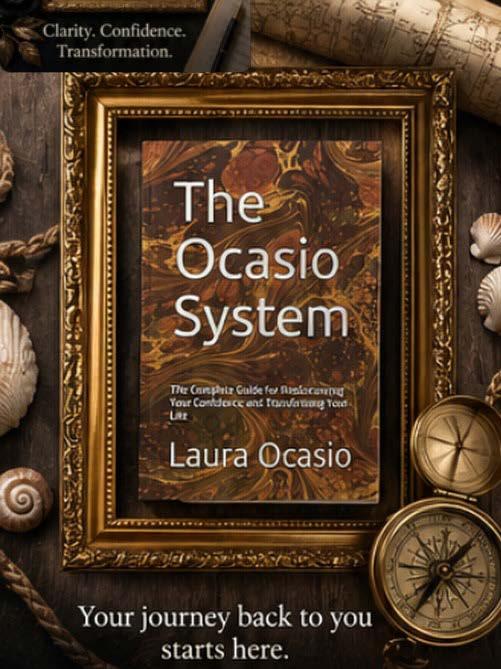
BY NICOLE HEROUX WILLIAMS I PHOTOS BY NSP STUDIO
In a season where women are often balancing so many roles—caregiver, professional, partner, creator—it’s easy for goal setting to begin to feel like just one more demand. Lists get longer, expectations grow, and somewhere along the way, the sense of joy or intention can quietly fade.
But what if goals could feel different? What if, instead of pressure, they offered clarity…
Instead of overwhelm, they created calm…
And instead of burnout, they supported your well-being?
Goal setting, at its best, isn’t about doing more—it’s about choosing what matters most and moving toward it in a way that feels aligned and sustainable.
It begins, gently, with a vision.
When you take a moment to imagine the outcome you truly want—not just what looks good on paper, but what feels meaningful in your life. When you allow yourself to see it, to feel it, something shifts. The goal becomes less about obligation and more about possibility.
Visualization invites you to step into that future, even briefly—to picture what your day might look like, how you would move through it, and how you would feel within it. It is not about perfection, but about connection. The more clearly you can see and feel the outcome, the more naturally your thoughts and actions begin to align with it. Then what once felt distant begins to feel familiar—and therefore, possible.
From there, clarity brings focus.
BY LAURA OCASIO
Rather than holding a vague idea of change, defining what you want in a clear and specific way can quiet the mental clutter. Clarity creates direction, and with direction comes a sense of steadiness. You begin to know where you are going—and why.
Sometimes clarity begins with the simplest forms of care—drinking enough water, stepping outside for fresh air, or taking a few intentional breaths to reset the mind. These small moments create the space needed to think clearly and move forward with intention.
Of course, wellness-centered goals also honor reality.
There is strength in choosing goals that are achievable within your current season of life. Not smaller dreams—but realistic steps. Goals that stretch you without exhausting you. When your goals are attainable, progress becomes something you can build on, rather than something that constantly feels out of reach.
And along the way, support matters more than we often allow.
Whether it’s a trusted friend, a structured routine, or tools that help you stay organized, support systems create space for you to succeed. This support can take many forms—joining a community of like-minded women, participating in a local wellness class such as yoga or stress management, or even connecting through online groups when time is limited. These spaces offer encouragement, accountability, and a sense of shared experience. They remind you that you are not meant to carry everything alone. In fact, wellness often grows strongest in connection. They remind you that you are not meant to carry everything alone. In fact, wellness often grows strongest in connection.
With a clear vision, defined direction, and support in place, the next step becomes creating a simple path forward.
Not a rigid plan, but a thoughtful itinerary— one that breaks your goal into manageable, intentional steps. When you can see your next step, and then the next, the journey becomes less overwhelming and more approachable. Progress begins to feel natural.
And then, in time, you arrive.
Not just at a completed goal, but at a deeper understanding of what it took to get there. The outcome becomes more than an achievement—it becomes a reflection of your consistency, your intention, and your willingness to honor both your ambition and your well-being along the way.
In my work with women, I often guide this process through a simple, supportive structure known as the O.C.A.S.I.O Goal Setting Method—a way of approaching goals that begins with vision and comes full circle to meaningful results. What makes it different is not just the steps themselves, but the intention behind them: to create success that feels as good as it looks.
Because the truth is, your goals should not come at the expense of your well-being. They should support it. Strengthen it. Reflect it.
So as you move into this new season, consider choosing goals that are not only meaningful—but mindful. Goals that honor your energy, your values, and your life as it is right now.
There is no need to rush. No need to prove. Just a quiet, steady movement toward what matters most.
And that, in itself, is a powerful form of success.
BY ROBIN DEWIND
Let me tell you what a Tuesday morning looks like in my head.
Drink more water. Intermittent fasting, is it over yet? I want to eat before Hot Pilates. Heavy weights. Collagen. Peptides. Protein. Red light therapy. Don’t forget the wideleg jeans, high rise, obviously. Plan a girls’ night. Read an article about osteoporosis. Download that podcast. Don’t care what people think. Be firm. Be present. Breathe.
Oh, and don’t be thirty. But don’t look sixty either.
If you’re a woman in your 60s, you know exactly what I’m talking about. The checklist is relentless. And somewhere between secretly kicking around the idea of micro-dosing a GLP-1 and remembering to schedule a bone density scan, you might catch yourself wondering, when exactly did staying alive become a full-time job?
Here’s what I’ve decided: the checklist means we’re still in the game. And I’m not ready to give it up.
I am 49 in my head, which is convenient, because that’s the age my life changed completely.
After thirty years in a very public career I loved, I found myself needing to start over. No gold watch. No graceful exit. If I had been a man, maybe it would have gone differently. But I wasn’t, and it didn’t, and I had a daughter in fourth grade counting on me.
I could have taken the safe road. A mediocre job. Steady pay. Something that asked nothing of me beyond showing up. I didn’t want that. Not for me, and not for her.
So, I built something. On my own terms, in my own way, doing work I actually believed in. It wasn’t easy, and it wasn’t fast. But it was mine. And somewhere in the middle of building it, I realized that the reinvention wasn’t the hard part.
The hard part was trusting myself enough to try.
My mother was widowed at sixty. My father died, and she was suddenly alone, navigating a life she hadn’t entirely planned for, in an era that hadn’t prepared her for it. She was a woman of her generation: dinner on the table, house clean, family first, herself last. She went to work when I was twelve to help keep us afloat, quietly and without complaint.
She was one of the smartest people I have ever known. And she never got to go to college.
I don’t think she ever said that out loud. It wasn’t something women of her generation talked about, what they didn’t get, what they set aside, what they quietly gave up so everyone else could move forward. But I knew. And watching her navigate a world that had never quite made room for everything she was capable of gave me something I carried without fully understanding it.
A hunger. For education. For a career. For my own money and my own life, and the kind of independence that meant I would never have to go without those things.
She didn’t hand me a master plan. She handed me a reason to draw my own.
I didn’t fully understand that until now. Now that I’m her age. Now that she’s gone.
My daughter graduated from her dream school this spring and is heading to graduate school, something only about ten percent of women ever get to do. I couldn’t be prouder of her or more excited for what’s ahead.
She probably doesn’t think of me as someone who understands where she is or what she’s facing. That’s okay. I didn’t think that about my mother either.
But here’s what I hope she sees, even if she can’t say it yet: I did not quit. I did not settle. I did not disappear when things got hard.
I want that for her. Not the hard part, but the knowing. The knowing that she can build something on her own terms. That starting over isn’t failure. That independence isn’t something someone gives you; it’s something you choose, over and over again, even when it’s scary. We are the bridge generation. Our mothers showed us one way. We built another. Now our daughters are watching even when they’re rolling their eyes.
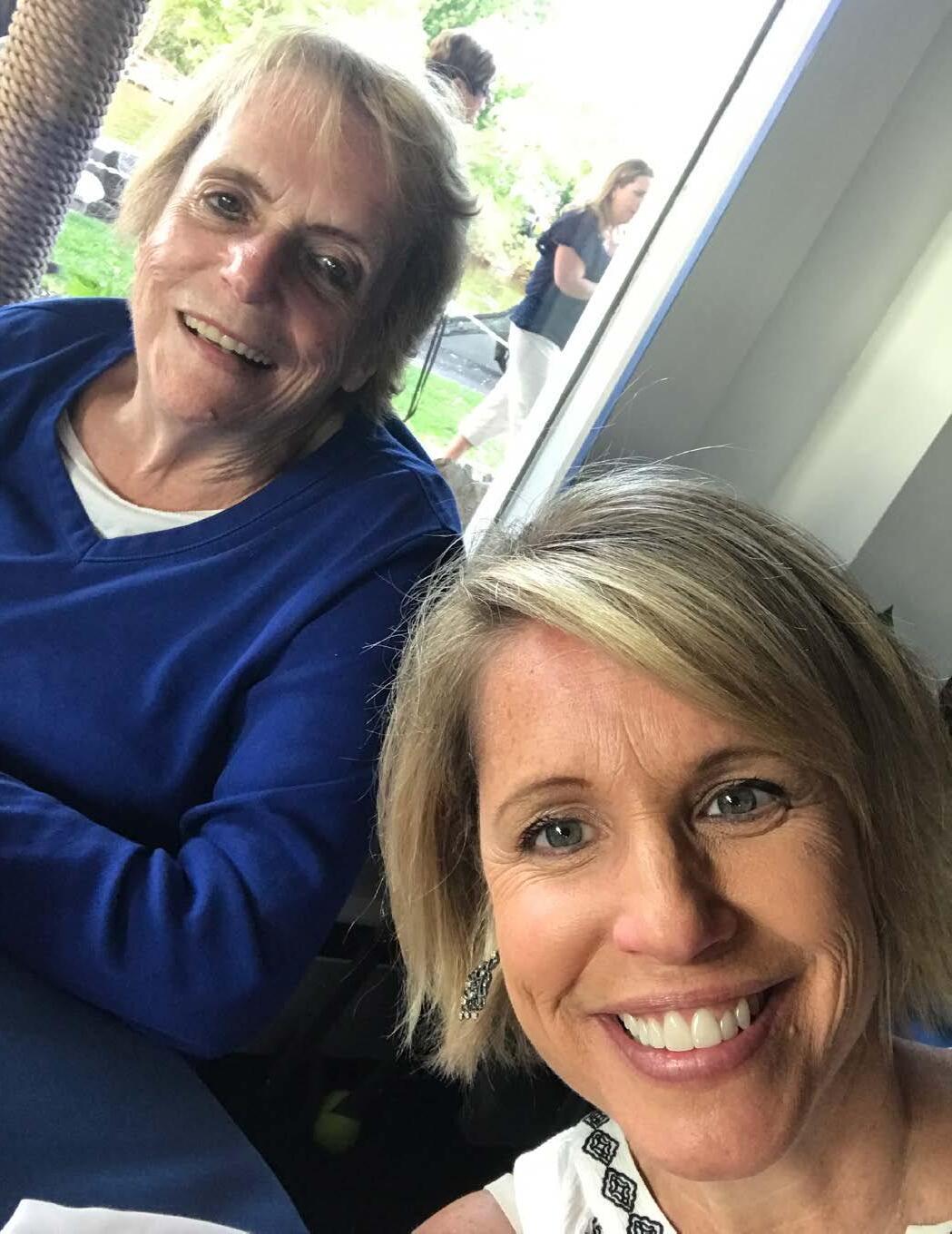
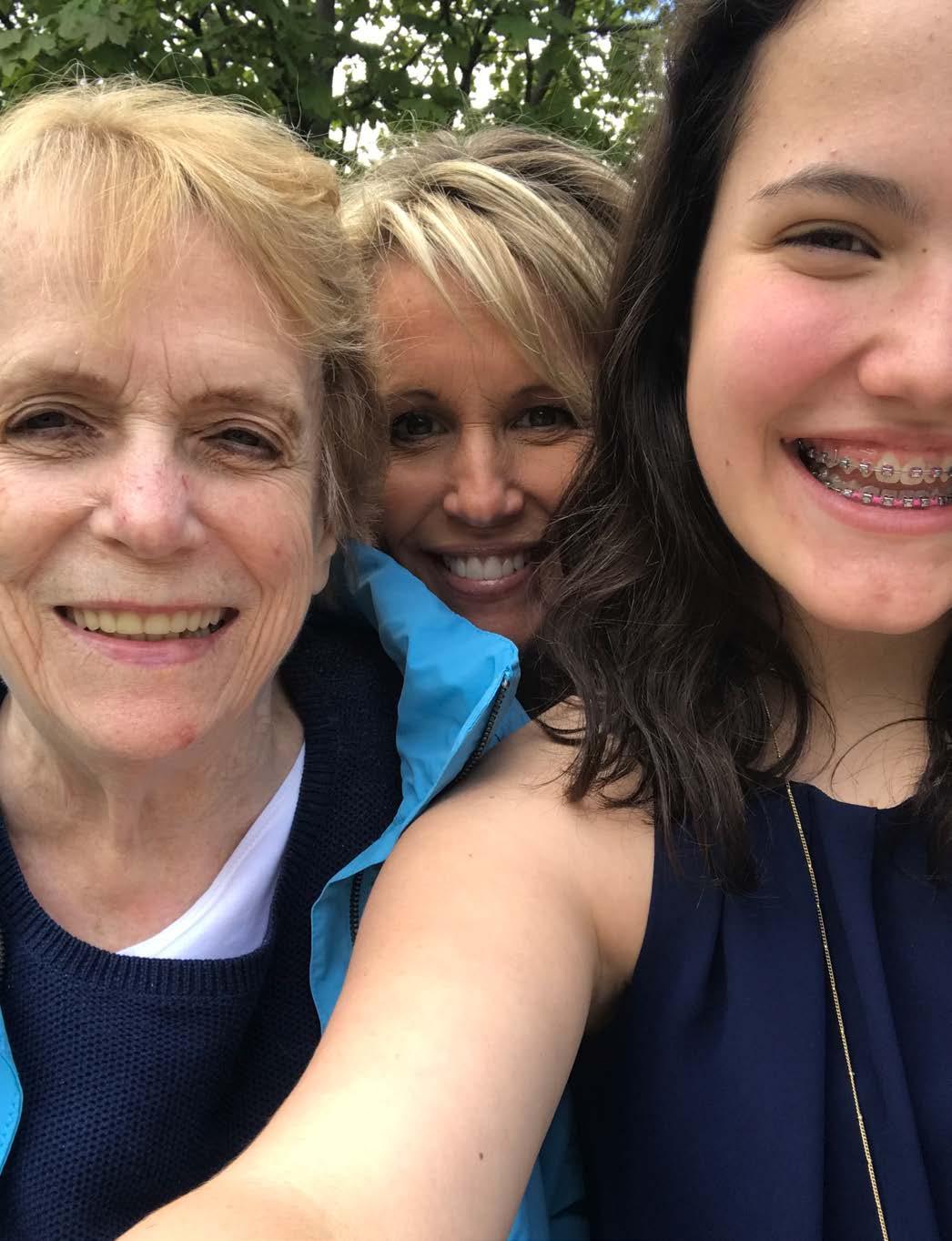
{ HER
“If you’re a woman in your 60s, you know exactly what I’m talking about. The checklist is relentless.”
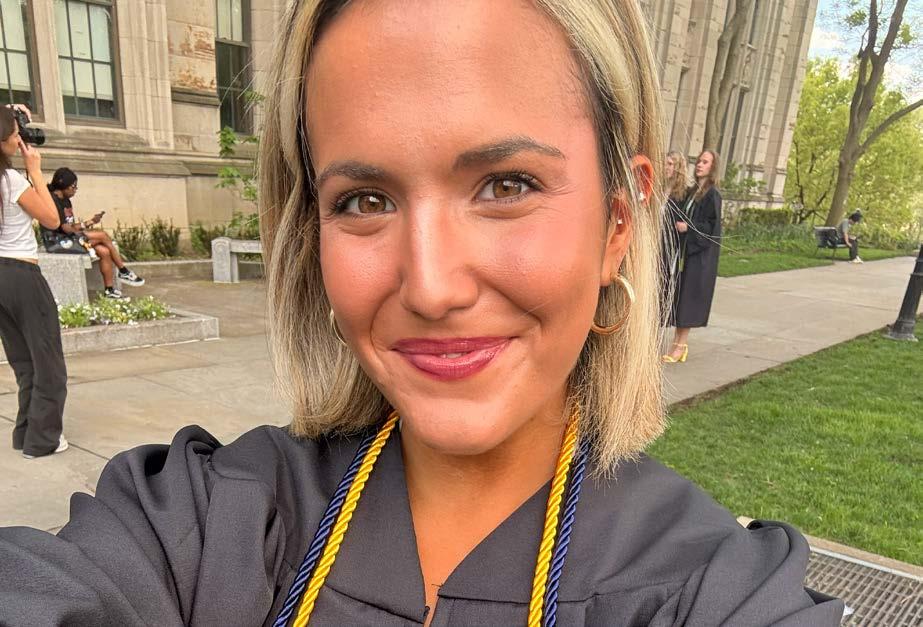
Michelle Obama said her sixties are the best time of her life. I’ve been thinking about that a lot lately. Not because everything is easy, it isn’t. There are new aches and new worries and a whole new vocabulary of things to research, monitor, and discuss with your doctor. There are mornings when the to-do list feels less like wellness and more like maintenance.
But there is also something else. Something quieter and harder to name.
It’s the feeling of knowing who you are. Of having survived enough to stop pretending. Of caring deeply about the things that actually matter and letting go, mostly of the things that don’t.
We have stories worth telling. We have wisdom that didn’t come cheap. And we have daughters, nieces, and young women in our orbit who need to hear from us.
Not the polished version. The real one.
So yes, drink your water. Do the Pilates. Worry about the grey hairs if you want to.
But don’t you dare go quiet. We are not done. Not even close.
BY NICOLE HEROUX WILLIAMS I PHOTOS BY NSP STUDIO
Kate is a single mom of two. Henry is 8, and Jessica is 4. Kate and Rob divorced just over a year ago. Rob is a mostly cooperative co-parent, but is extremely inflexible with respect to the schedule. Kate makes schedule concessions whenever it benefits the children. For instance, when Rob asked for the children during Kate’s time because his sister was in town for the weekend, Kate agreed to it. Kate didn’t benefit in any way from it, nor did she get any time in return. She just felt it would be good for the kids to spend time with their aunt.
Rob, however, refuses to make any schedule concessions, regardless of circumstances. For example, last year Kate didn’t see the kids at all over the Christmas holiday because of how the schedule landed on the calendar. She begged Rob for two hours on any day that week convenient to him, but he refused. Kate’s mom, Claire, came to visit last summer. Claire lives in Australia, so she only visits once a year. She has to travel on a last-minute basis due to personal reasons. Rob wouldn’t allow the children to see Claire because it was “his time” with the children. In addition, Kate didn’t see her children for her birthday. And other special events have been missed because of Rob’s inflexibility.
Mother’s Day is coming up. Rob is scheduled to have the children. Kate is beside herself. The schedule always seems to land in Rob’s favor, with no reasonable accommodations being made on his part.
Last night Kate got a call from Rob. The children were with her, so she couldn’t imagine why he was calling. She watched her phone buzz, skipping across the countertop with his name displayed brightly on the screen. “Why in the world would he be calling me? I’m too tired for this right now. I’ll let it go to voicemail,” she thought. She didn’t have the energy for a conversation with
BY CHRISTINE CONTE
Rob because conversations with Rob were very draining. That’s just his personality: intense, serious, critical, and draining. Then she thought perhaps something bad had happened.
“Hello?”
“Hi Kate.”
“What’s going on? Is everything okay?”
“Yes. Everything is fine. I’ll get right to the point. Would you like to have the kids for a few hours on Mother’s Day this year?”
…stunned silence…
“Kate? Are you there?”
“Uh…yes, yes! Are you serious?”
“Yes, I’m serious. I’ll drop them off to you at ten, and I’ll pick them up at three sharp. Will that work?”
Kate didn’t think about the timeline. She was thrilled.
“Yes! That’s fine. Thank you!”
After the call ended, Kate sat in shock. Then excitement. Then confusion. Then the worry set in. She started thinking, “Was this a joke? What if he’s getting my hopes up only to change his mind at the last minute? How many hours is that?
Ten, eleven, … oh wow! That’s five hours! That’s not like Rob. What’s going on?”
She checked in on Jessica, asleep in her bed. It was Henry’s bedtime. She went into Henry’s room. Henry was finishing packing up his things for school in the morning.
“It’s time, bud!”
Henry zipped up his backpack, climbed into bed, and Kate tucked him in.
“I’ve got a bit of news from your dad. He said I could have you and Jess for part of Mother’s Day this year.”
“He did?! Yessss!! I was hoping he’d say yes!” “What do you mean ‘you were hoping he’d say yes’?”
“I told dad that we always see him on Father’s Day, so we should see you on Mother’s Day.”
“You did?! And what did he say to that?” “He didn’t say anything. He just ignored me.” Kate’s heart sank. She felt bad that Henry felt ignored by Rob. She wanted to ask Henry more about it, but Henry turned onto his side and closed his eyes. That meant he didn’t want to discuss it.
“ ’night, mom.”
“Goodnight, buddy.”
She kissed Henry goodnight and went to the kitchen to make tea. As she sipped her tea, she thought about Henry. And Rob, too. Kate was still stunned that Rob was willing to make a schedule concession. She was also surprised by how aware Henry is of the schedule. She was thrilled he actually wanted to spend Mother’s Day with her! But she was troubled that Henry felt ignored by his father. She wanted to talk to Rob about it, but she had to approach him carefully. She thought about the look on Henry’s face. She could sense his disappointment and how disregarded he must have felt by his father. Her confidence welled up inside her. She glanced at the time. 9:12. She thought to herself, “It’s late. But he’s still awake. This is important.”
“Kate, it’s quarter after nine. Are the kids okay?”
“Yes, they’re fine. They’re asleep.”
“You never call this late. Why are you calling me?”
“Rob, what made you offer me time with the kids on Mother’s Day?”
…long pause…
Rob let out a heavy sigh. “Henry brought it up. I knew you didn’t put him up to it because of the way it came up. He was pretty upset.”
“What got him upset?”
“Kate felt like the mom she used to be; no longer like a disregarded mother surviving each day, digging for nuggets of quality time with her children.”
“I mentioned to Henry and Jessica that we were going to have Mother’s Day brunch with my girlfriend Janet and her children this year. Henry got upset. He started yelling. He said he and Jessica should spend Mother’s Day with you, since they have Father’s Day with me. He said I was being ‘unfair’. I was surprised at his reaction, but I couldn’t disagree with him. If I’m being honest, it does seem unfair. I didn’t say anything to him because I wanted to talk to you first.”
“Thank you for sharing this with me. Are you open to a bit of constructive feedback?”
“I’m going to hear it anyway. Go ahead!”
“In moments like that, just tell him what you’re thinking. Tell him you’ll speak with me about it. That would ease his mind. It also lets him know you’re listening, and that his concerns are important to you. That’s a big deal to anyone, especially to a child. It really could bring you two even closer in those moments.”
…silence…
“Rob, I’m not trying to tell you how to parent, please understand. But we should be able to tell each other how we might do better as parents. You have the option to disregard my advice. But here’s the thing… Henry needs to know he can talk to you about anything, especially the hard stuff, and that you’ll listen, be open to a discussion, and be open to changes if needed.”
… long pause….
“Well, Kate, {clearing his throat} you are right.”
…stunned silence…
“I should have addressed it with him right away. Janet was right there, and I didn’t want to disappoint her. So, I said nothing.”
“Of course, you don’t want to hurt or disappoint anyone; that makes sense. But if Henry sees you protecting Janet’s feelings but not his feelings, you see how that could lead to difficulties. Please clear this up with him.”
“I will.”
“Thank you.”
“Thanks for calling, Kate. And, I can’t believe I’m saying this, but I appreciate the feedback.”
“Rob, you’re a good dad. Parenting isn’t always easy. I’m here to support you whenever I can. And I’d like to believe the same is true with you towards me.”
“Yes, of course! I hope you know that. You do know that, right?”
“Well, sometimes things feel …”
“What?”
“… difficult.”
“What do you mean?”
“Well, it has been hard to get time with the kids on occasions that are special to them and me. Like my birthday, or Mother’s Day, or Christmas gift exchange, or when my mom comes to visit. My mom isn’t going to be able to travel much longer, and I certainly can’t afford to take the kids to Australia to see her. I don’t know how many more visits they’ll have with her.sd”
“I didn’t realize...I wasn’t... listen, let’s just make this simple. You get the kids on your birthday and Mother’s Day, and I get them on my birthday and Father’s Day. And when Claire is here, we’ll work something out so she can see the kids. Same with Christmas, but that has to go both ways.
How does that sound?”
“That sounds really good! Thanks, Rob. I’m glad I called.”
“Good. I’m glad we cleared this up.”
“Do you mind if we put this in writing so there’s no misunderstanding?”
“That’ll be fine, Kate.”
“Great! I’ll draft something and send it to you to look over. Have a good night.”
“Good night, Kate.”
Kate finished her tea. She felt strong. Empowered. Safe. Confident. A son’s pain gave her the courage she needed to
make a phone call, have a conversation, and listen, encourage, and give Henry’s father the chance to do better.
Kate felt like the mom she used to be; no longer like a disregarded mother surviving each day, digging for nuggets of quality time with her children. She made a difference for her son, herself, and her ex. For the first time in more than a year, she felt like she had a family again. Not the family she had before the divorce, and not the fragmented household she had been managing since, but a family where she had autonomy over her time with her children and the strength and influence to improve their lives.
The best part was that she learned that Rob wanted to do what was best for the kids. That changed how she saw him, and it lifted some of the tension she had felt with him. Kate looked at the calendar and began looking forward to Mother’s Day and all the days to come after that. She felt her life suddenly open up, and she began thinking ahead and making plans in her mind. She felt a sense of joy in her heart for the first time in years.
These are the ten things Kate did to help herself in this situation:
1. Kate kept her son’s experience confidential. Kate might have started the conversation with Rob with: “Henry told me…”, but she didn’t. That would have broken the trust of her son. For example, if Kate told Rob, “Henry said he wants to see me on Mother’s Day, but you ignored his request!”, and Rob tells Henry that Kate said that, it would have broken Henry’s trust in his mother, leading to potentially disastrous results. Instead, she led Rob to bring it up and hear Rob’s side of the story, without ever mentioning she already heard it from Henry.
2. She used open-ended questions. Kate

“Mother’s Day is coming up. Rob is scheduled to have the children. Kate is beside herself. The schedule always seems to land in Rob’s favor, with no reasonable accommodations being made on his part.”
used open-ended questions (not yes or no questions) to elicit meaningful dialogue, both with Henry and with Rob. She didn’t accuse, assume, or insinuate.
3. Kate maintained an even, calm tone. At no point did Kate become mean, accusatory, or combative. She remained even-toned and supportive. She wanted to get to the bottom of what was going on, but not instigate a problem.
4. She was curious, but not nosy; there’s a difference. Kate was curious about the things specific to the child’s concerns and the specific issue at hand. She didn’t get nosy about why Rob called in the evening hours, what Rob was doing when she called, whether he was alone, etc. Those things spell trouble.
5 . Kate stayed on topic. Kate didn’t drift off-topic by asking questions about Janet, or Henry and Jessica meeting Janet’s kids, or anything else. She didn’t let her ego (jealousy, fear, judgment, etc.) allow her to get into things that didn’t matter in the moment.
6. Kate patiently listened to understand. Instead of provoking an argument with something like, “Why are you ignoring our son?”, Kate gave Rob the benefit of the doubt. She did not accuse, she did not assume, and she did not blame. Her goal was to understand. Not confront.
7. She didn’t judge. Kate didn’t judge Henry’s feelings towards his father or try to correct them. She also didn’t judge Rob’s answers or his decisions regarding the kids. She offered alternatives, but also stated her advice was optional.
8. She was encouraging. Kate gave Rob kudos where possible. She praised his parenting. She understood that one slip
or momentary lapse in judgment doesn’t make him a bad parent.
9. Kate was open. Kate allowed for the possibility for Rob to listen, understand, and change his behavior. She gave him the space (quietly listening and pausing in the conversation) to express himself and realize where he could be better.
10. She didn’t push the conversation further. Kate could have brought up other concerns in their co-parenting relationship. But, she didn’t. She took the win and stopped. She can have further conversations about other topics another time.
Try these ten things in your conversations with your ex. You will have ample opportunities to practice. The goal is to improve your communication approach. And if you’re very brave, ask for constructive feedback for yourself. We all have a few blind spots in how we come across to others. Feedback helps us learn about ourselves, learn about the other person, and can make strides to build a better co-parenting relationship! Happy Mother’s Day, momma!
Christine Conte is an ICF-PCC Credentialed Certified Life & Leadership Coach, a Certified Confidence Coach, and a Certified Positive Parenting Coach. Christine is a published author and speaker, and she conducts workshops on a variety of topics, including empowerment, communication, life purpose, & vision boards. As a Rockstar Single Mom for 18 years, Christine raised two incredible daughters on her own and on her own terms despite many impediments. She’s helped women become empowered in the face of difficult life challenges, particularly divorce and single parenting, as a professional coach for over eight years. You can contact Christine at: www.ChristineConteCoaching.
com and www.DivorceCoachingSystem. com. You can also join the Rockstar Single Mom Facebook community at www. facebook.com/groups/rockstarsinglemom.
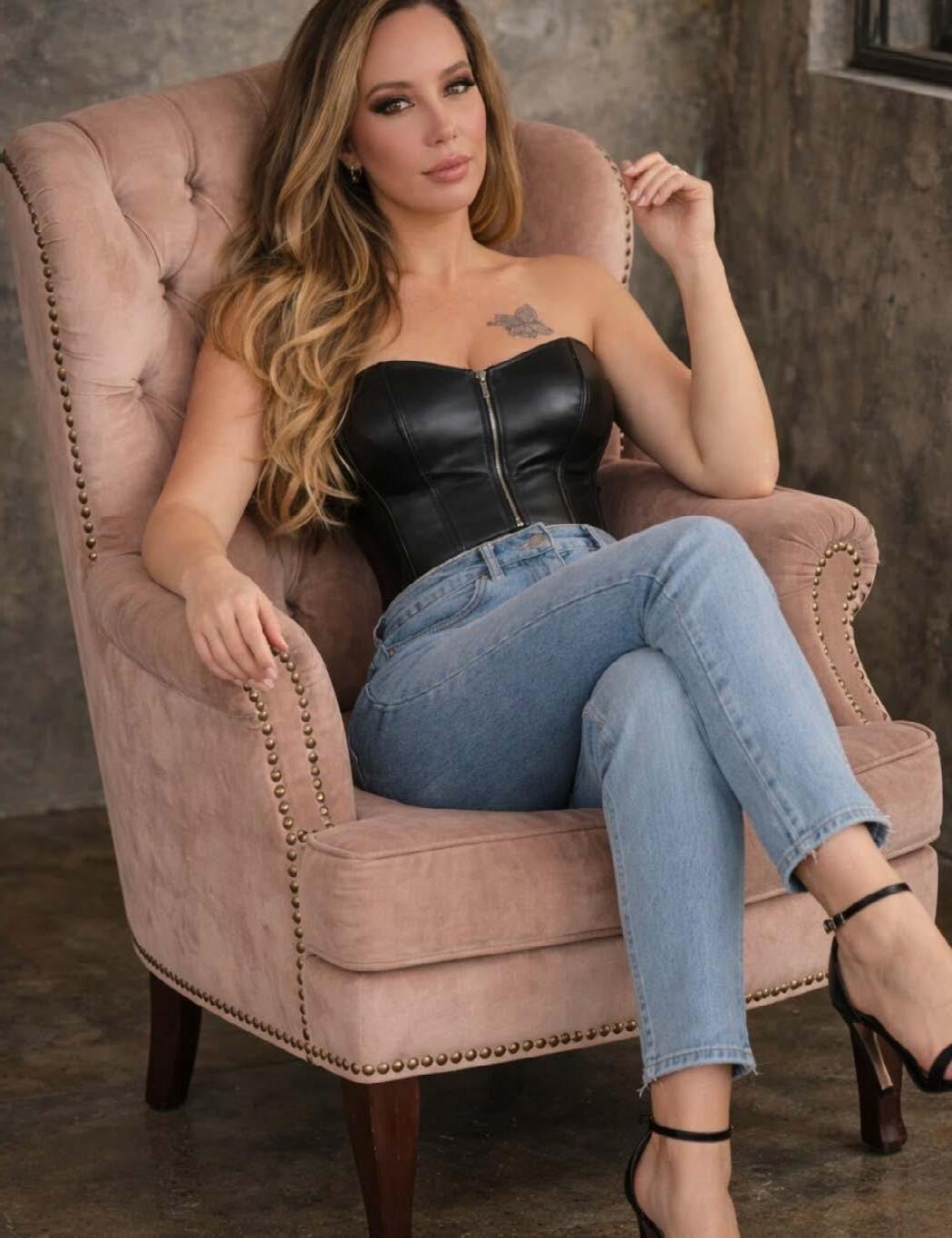
The last article I wrote was about having the fairytale. I was embarking on a journey with the man I had been seeing by taking the next step of living together and entwining our lives. I felt compelled to follow up with this piece as things did not go the way it was intended. After a month of him moving in with me, I was confronted with the hard truth of who he really is.
I remember coming home from work one night and as we were getting dinner together he seemed off. He had a worried expression on his face. His movements were nervous, his hand gestures almost shaking, I asked him if he was ok and he responded that he was stressed from being out of work. Three days later he told me we had to talk. He looked me straight in the in the eyes and said that during an argument we had four months prior he had slept with someone else.
He claimed it was a “one time” thing. He said now that we were living together he had to do the right thing and tell me. He broke down and cried saying that he loved my son and I very much. He even involved my 11 year old child by saying that my son told him he loved him for the very first time which made him compelled to be honest with me about what he had done. Of course I was shocked.
I asked questions but his answers were not matching to what his original
BY TRINA ALESSI
story was. He even swore on his own mother that he was telling me the truth. He said the woman was black mailing him about telling me. Which if it was truly a one night stand why would someone feel scorned to do that? For her to also threaten with contacting me meant she knew who I was. He gave me a fake name. Until she did reach out to me through social media messenger.
Several times actually. I brought this to his attention and asked him if there was anything else he had to tell me before I called her. The “one time” mistake turned into “twice” and then as I was dialing her it turned into “three times”. Each response he gave he looked me straight in the eyes swearing it was the truth. Until she was on the phone. The deception had been going on for 10 months. She knew all about me and the only reason she decided to tell was due to the fact that we were now living together. I was living a lie for almost a year with this man. I was entirely unaware. He never gave any signs or indications of his deception. His guilt only came after it all came to light.
For the first time that day I saw who he really was with a new set of eyes. I sat silent letting the reality sink in. Then he asked me if we were able to salvage our relationship. For the last eight years I have put the work into myself. I have healed from people, places and things that were not good for me. I have learned to walk away
from what is not meant for me. I do not put myself in situations that make me uncomfortable anymore.
My column in this magazine I named “Inside a Woman’s Mind”. I write about relatable topics that at one time or another we have all found ourselves in. I am about women empowerment. For me to even attempt to forgive that and try to move forward would be me erasing all the years of hard work I have put in on the growth I have made. What kind of example would I be showing?
I refuse to back track to the woman I once was. That woman no longer exists. My light will not be dimmed. What I do want to touch base on is stressing the fact on having a solid support system. I have some pretty fantastic female friendships. One of my best friends came straight over to my place to spend the morning with me when he was returning my keys and a few of my belongings. She did not want me to be alone with him.
Another close girlfriend came over the first night to make me dinner and sleep over to keep me company and my mind off of the situation. A friend of mine had a many people reached out to me with their support. I lost one person but gained more genuine friendships. Two in particular who kept me amused in our group chat. I discovered that this has been repeated behaviors for him in the past from testimonies of certain individuals.
“Three days later he told me we had to talk. He looked me straight in the in the eyes and said that during an argument we had four months prior he had slept with someone else.”

All I can say is that I hope one day he fixes himself to become a better man. As for my friends both old and new, from the bottom of my heart thank you. This is my tribute to show I am eternally grateful for each and every one of you in my life. This has also led me to a man who I have been friends with for over twenty years. He has been my rock and it goes to
show that the universe does work it’s magic in mysterious ways.
Professionally, I am booming on a path to greatness. I was featured this month as a model in a magazine based in Miami Florida with another magazine feature on the way that will be published in June.
Stay true. Stay real. Stay authentic. The world needs more of that! To be unapologetically you, is your super power. We all have control over our lives along with the outcome.


Every year, businesses with full order books and rave reviews from happy customers permanently close their doors. These businesses show profit on their Profit & Loss statements, yet the owners feel the only option is to close. So what happened? How can a business be profitable and broke? Across the country, 8 out of 10 businesses close their doors due to this one issue: cash flow blindness.
Many business owners will recognize this scenario. You just delivered a huge order, probably your biggest for the whole quarter. You’ve sent out the invoice. You ran the numbers and you know your pricing was right because your margins are healthy. Then you open your accounting software to make payroll and realize that you have to dip into your savings to cover it. Again. Adding insult to injury, an essential piece of equipment needs to be replaced or repaired immediately or you can’t fulfill your orders. Plus your tax payment installment is breathing down your neck. If you found yourself in this scenario right now, do you know the dollar amount to fix the problem and how long your business can stay afloat if you took care of everything today? If the answer is no, then you have a cash flow blindness issue.
Cash flow blindness occurs when you focus so intently on profitability metrics and bank balances, that you completely neglect that your business is run on the actual cash available in your accounts. Not cash from 90 days from now, but cash in your possession today.
Before you think you’ve won because you pay your bills based on your bank balance, pump the brakes because unless you know what’s coming in and what’s going out, when, and for how long you can stay afloat if something doesn’t work out, you’re not any better off. This is just crisis management disguised as running a business.
BY AMANDA CURTIS
How do you stop managing a crisis and start building a business? You do three things, starting today, no financial software necessary.
1. Look at Your Bank Account, not your P&L.
Your Profit & Loss statement is an incomplete story. It may tell you that you made $30k, but it conveniently forgot to mention that you paid yourself $16k as an owner draw, the $5 k you owe in taxes, and the bills that are due next week. Holding a statement that says you made a profit feels good, but if you’re making decisions based on that number, you run the risk of bouncing checks to your vendors.
However, looking only at your bank account is just as dangerous. A $10k balance means nothing if you don’t know that $5 k is scheduled to leave for payroll in two days, and that $7k of quarterly tax payments are due tomorrow. The bank statement only shows what came in and what went out; it doesn’t keep a running tab of what is due and when, nor does it account for the money you are expecting from clients who may or may not pay on time or at all.
2. Stop Spending Money You Haven’t Received
The moment you send an invoice with 90-day terms, you are making a dangerous assumption: you start acting like that money is already yours. You start making decisions based on future income in good faith, because you fulfilled your part of the agreement. But what happens if your client is also cash flow blind? What happens if their big customer is late paying them? Now they can’t pay you. Their cash flow crisis is now your cash flow crisis.
You’ve not only extended them an interestfree loan; you’ve also absorbed all of their financial risk. Every day an invoice sits unpaid is another day your cash flow dwindles. If they decide not to pay you, and you’ve made
big decisions based on future money, you might become part of the 80% of business owners who close due to cash flow issues. The number one way to protect yourself from your accounts receivable is to avoid making decisions based on future money.
While you should be paying yourself a salary, I’m referring to your business here: pay your business first. Before you pay another bill, you have to pay your business’s future. The moment a payment comes in, you need to take 10% and move it to a separate profit account. Then you need to take 10% and move it into a cash reserve account.
There will always be a bill that needs to be paid, and as long as you are negotiating with expenses, you will never have the cash you need to run your business. This simple act forces you to operate only on cash you have and also creates the buffer for the occasions when clients pay late or when a piece of equipment breaks. 20% will feel like a lot at first, but it is a first step to protecting your business’s future from insolvency.
Cash flow blindness is a choice that is made when you are too afraid to really look at your numbers. But the fear of looking at your books is nothing compared to the reality of closing your doors. Today, you can stop wondering how you will pay the bills. All you have to do is get out a piece of paper, write down every dollar you have in the bank, and write down every expense you have to pay in the next 30 days. Look at the gap. This gap is your new starting point. 2 out of 10 businesses make it, not because they are lucky or special.
These business owners stopped being blind to their cash flow issues and started controlling their cash flow. This simple exercise won’t solve all your problems overnight, but the truth will give you a foundation to build upon.
BY NICOLE HEROUX WILLIAMS I PHOTOS BY NSP STUDIO
BY LORI BRUTON
When life corners us, it can feel like there is no way out. Maybe the pressure is physical, maybe it is mental, maybe it is financial, and sometimes it is all three at once. We all know what it means to hit a wall and wonder how we are supposed to keep going. That is why I am writing this story, because hope matters most when people are carrying more than they can bear and need to know that better days, and better options, can still exist.
When a family hears the words cerebral palsy, life can suddenly feel smaller. Appointments multiply, questions outnumber answers, and too often, families are handed a list of limits before they are ever shown a path forward. For many parents, that first chapter can feel lonely and overwhelming. But in Western New York, a different kind of story is being written, one built on possibility, community, and a refusal to stop at the usual finish line.
That story is unfolding through First Step Physical Therapy and the Make Lemon Aide Foundation for CP. Together, they are changing what support can look like for children and adults with neurological conditions, especially cerebral palsy. At the center of it all is Dr. Josh Davis, a physical therapist who saw the gap in care and decided not to accept it.
Dr. Josh’s work began with a simple but powerful frustration. In the medical world, families are often told what will not happen. If someone has had a stroke, they may be told improvement has plateaued. If a spinal cord injury is involved, they may hear that nothing below a certain point will return. And for people living with cerebral palsy, the outlook is often framed in terms
of limitation rather than progress. Dr. Josh did not like those hard stops. He wanted to know if there was a better way.
That question led him to build First Step PT and develop a recovery model based on 10 components and 7 steps. What makes his approach different is not only the philosophy behind it, but the fact that it is teachable and repeatable. He wanted a system that could be shared with other therapists, not something dependent on one person’s skill alone. In his mind, if the goal is to help more people, the method has to be something others can learn and use well.
Traditional physical therapy often focuses heavily on exercise, strengthening, and stretching. Those things matter, but Dr. Josh believes they are only part of the picture. His approach looks at the whole person and the whole body, not just one isolated concern. Therapy may include manual techniques, positioning, work to reduce inflammation, and methods to increase joint and soft tissue mobility. It is thoughtful, individualized care that asks not just what a patient can do, but what the body needs in order to do more.
That kind of care matters especially in neurological rehabilitation, because no two patients are exactly alike. A person’s food, medications, stiffness, muscle tone, balance, and range of motion all affect how they move and how they respond to therapy. Dr. Josh’s team takes that seriously. Every patient is evaluated as an individual, not a diagnosis on a chart. That is one of the reasons families are finding hope at First Step PT.
In the Buffalo clinic, cerebral palsy is the largest patient population, but the care extends beyond CP. The clinic also serves people with Parkinson’s disease,
strokes, brain injuries, spinal cord injuries, and other neurologic conditions. The key difference is the time and attention each patient receives. At First Step PT, patients are treated for a full hour with one therapist. That one-on-one model gives the therapist time to work deeply and adjust care in real time.
In a world where many outpatient clinics are packed with patients and moving quickly from one person to the next, that kind of attention stands out. It is not just rare. It is often exactly what neurologic patients need.
The Buffalo clinic also fills a gap that has long been missing in Western New York. Dr. Josh and his team have seen that many patients with complex neurologic needs were not getting the hands-on care they required from traditional orthopedic therapy settings. Those clinics do important work, but they are not always equipped to spend the kind of time high-level neurologic patients need. First Step PT steps into that space with specialized care and a focus on function, progress, and dignity.
The story becomes even more meaningful when Make Lemon Aide enters the picture.
Make Lemon Aide Foundation for CP helped bring this therapy model to Buffalo in the first place. In the beginning, the foundation raised funds to send children and adults with cerebral palsy to Georgia for intensive therapy sessions. Families would travel for a week at a time, attending therapy five days a week for five hours a day, then returning home with a detailed plan for their local therapists. It worked, but it was also expensive, exhausting, and not easy for many families to sustain.
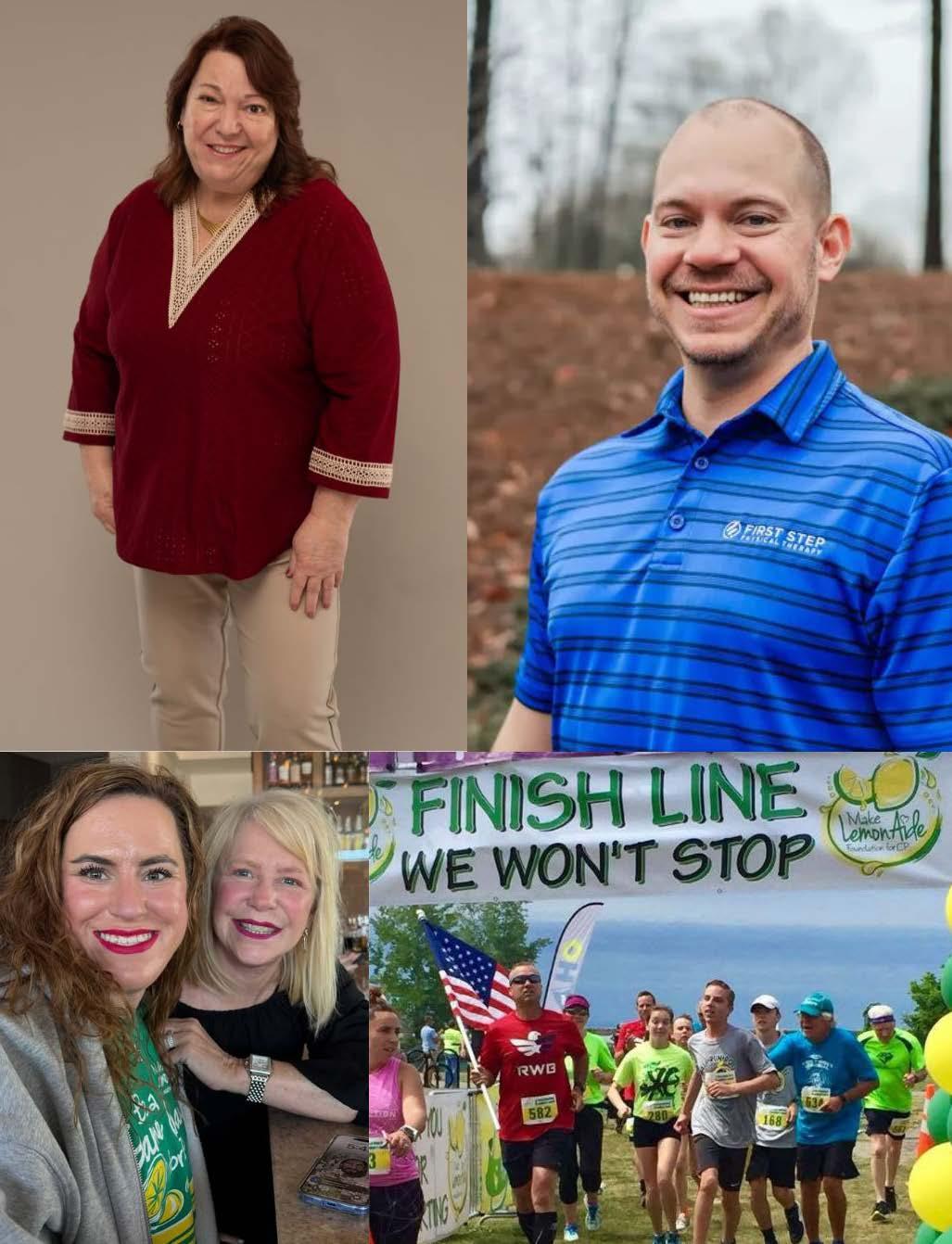
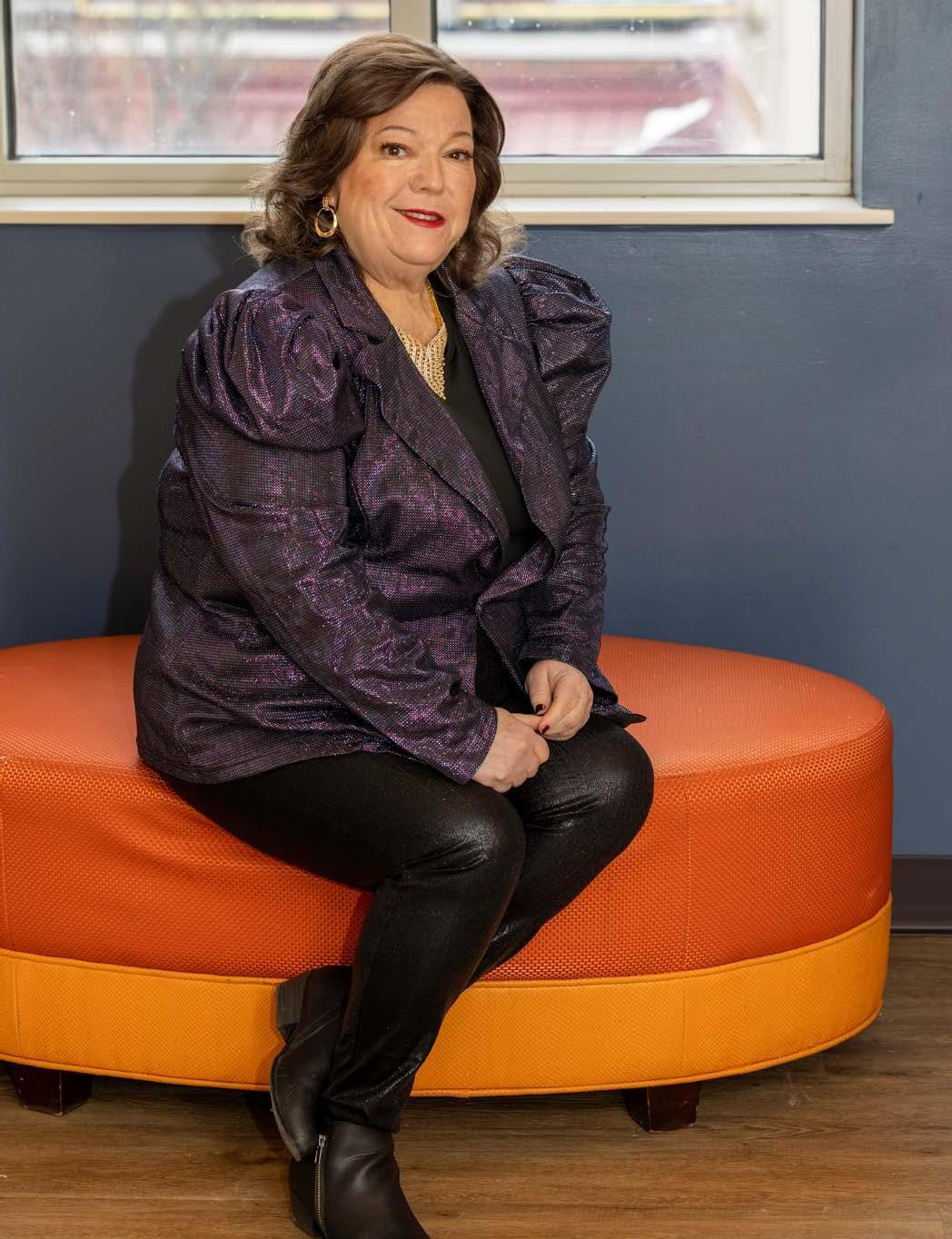
“We all know what it means to hit a wall and wonder how we are supposed to keep going.”
Over time, parents began asking for something more accessible. They wanted the same high-level care, but closer to home. Through a connection with a neurologic-based therapist in Buffalo, Dr. Josh found a way to bring the model here. After training and collaboration, there are now therapists in Buffalo who have been trained in the First Step recovery model. That is more than a clinic opening. That is a lifeline becoming local.
For families, that matters in practical ways. No long travel plans. No need to take off work for a week. No added burden of flights, hotels, or being far from home. Instead, there is access. There is continuity. There is the chance to build therapy into real life rather than putting life on hold for treatment.
The results can be life changing.
Dr. Josh has seen patients who were told they would be in wheelchairs for the rest of their lives begin to stand, walk with crutches or a walker, move to one crutch, or simply gain easier movement and less spasticity. Some patients have learned to roll over more easily, which may sound small to the outside world but can make a world of difference for parents and caregivers. Others with spina bifida and similar conditions have benefited from work that helps loosen soft tissue and improve function as much as possible.
A major part of what makes this work so hopeful is the growing understanding of neuroplasticity. When Dr. Josh was in physical therapy school, the message was often that the brain and spinal cord could not regenerate in meaningful ways. That belief shaped how care was delivered for years. But research is changing that picture. More and more, scientists are
finding that the nervous system does have the ability to adapt and regenerate when given the right environment. That environment is not passive. It is active, intentional, and supported by expert therapy.
It is also why the message of awareness matters so much. In Western New York, and really everywhere, there are still too many families who do not know this kind of therapy exists. Some children have been in traditional physical therapy since they were tiny, and the experience was painful, discouraging, or simply not effective enough. Dr. Josh wants those families to know there is another option. There is another way to help the body work better and the person feel stronger in daily life.
That message aligns perfectly with Make Lemon Aide’s mission. The foundation does more than raise money. It builds community. It gives families a place to connect with others who understand the CP journey, because living with CP can be isolating in ways that are hard to explain until you have lived it. No one should have to navigate that alone. When families come together, they learn from each other, encourage one another, and discover that they are part of something bigger than their own immediate struggle.
Make Lemon Aide also helps fund therapy through grants and supports the broader mission of making this care more accessible and affordable. That is important because advanced therapy is not always covered fully by insurance, especially for long-term conditions. Families often face expensive out-of-pocket costs, which is another reason support from the community matters so much. There are real ways to help.
Supporting Make Lemon Aide helps open doors for more families who need care. Spreading the word matters, too, because many people still do not know First Step PT is here in Western New York. Families can look into evaluations, learn what the clinic offers, and see whether this approach may be a fit for their loved one. Community members can donate, volunteer, attend events, or share the organization’s work so that more people have access to the support they need.
The goal is not only to improve movement. It is to improve life. It is to help someone feel less pain, more confidence, more independence, and more hope. It is to give parents a little breathing room and children more opportunity. It is to remind families that a diagnosis does not get the final word.
In Western New York, Dr. Josh Davis, First Step PT, and Make Lemon Aide are proving that with the right care, the right people, and the right community, the story can keep getting better.
That is the kind of health and healing story worth telling, and worth supporting. Watch this six-minute video to see what they do and the impact it has on so many lives: Make Lemon Aide Foundation for CP Professional Video | Videos & Movies on Vimeo.
Those who want to cheer on this mission can support Make Lemon Aide’s signature Laps of Love race on June 7, where five-year-old ambassador Bryce will be signing autographs and celebrating his milestones. Families interested in exploring First Step PT can also contact the Buffalo clinic directly to learn more about evaluations and the therapy options available at Home | First Step Physical Therapy.
BY LORI DOWLING
There comes a point in a woman’s life when she can no longer continue being who she once was.
Not because she failed—but because she has outgrown the version of herself that was built from survival. I’ve entered what many would call my “baddie era.” From the outside, it may look like confidence, boldness, and a woman who finally knows her worth. And while that’s true, what this era really represents is something much deeper.
This is not a phase.
This is a return.
A return to myself after years of disconnection, people-pleasing, and shrinking to fit into spaces that were never meant to hold me.
There was a version of me who stayed quiet when she should have spoken. Who gave more than she received. Who questioned her intuition and sought validation outside of herself. She tolerated behaviors that chipped away at her self-worth and called it love, patience, or understanding. For a long time, I believed that was strength.
But growth has a way of revealing truth, and truth has a way of changing everything.
This past year brought me face to face with myself in ways I could no
longer avoid. Through life transitions, emotional challenges, and moments of deep solitude, I was given the opportunity to either continue repeating old patterns—or choose differently.
Choosing differently meant stepping into discomfort.
It meant sitting with my thoughts instead of distracting myself from them. It meant recognizing the patterns I had carried for years— patterns rooted in fear, conditioning, and the need to feel safe.
What I began to understand was that many of the traits I once judged in myself were not flaws. They were adaptations. Survival responses that helped me navigate environments where I didn’t feel seen, heard, or supported.
And while those parts of me once served a purpose, they were no longer aligned with the woman I was becoming.
Before there was a becoming, there was an unbecoming.
Unbecoming the need to be liked.
Unbecoming the habit of overexplaining.
Unbecoming the version of me who abandoned herself to keep the peace. This process wasn’t loud or glamorous. It was quiet, internal, and at times, incredibly uncomfortable. It looked like setting boundaries and feeling
guilt afterward. It looked like walking away from what felt familiar. It looked like choosing stillness over chaos. It looked like doing the work.
The journaling. The reflection. The shadow work that required me to look at the parts of myself I had long avoided. The emotional release that came through allowing myself to feel, rather than suppress.
And slowly, something began to shift. Not in one defining moment—but in a series of small, intentional choices. The moment I stopped explaining myself.
The moment I chose peace over proving a point.
The moment I trusted my intuition without needing confirmation.
That is where she began to emerge. This version of me—the one who is now described as confident or “unbothered”—is not disconnected or guarded. She is deeply connected to herself.
She moves with intention.
She honors her boundaries.
She no longer negotiates her worth. She is not chasing validation, attention, or approval. She is rooted in who she is, and from that place, she attracts what is aligned.
This “baddie era” is not about perfection, appearance, or performance.

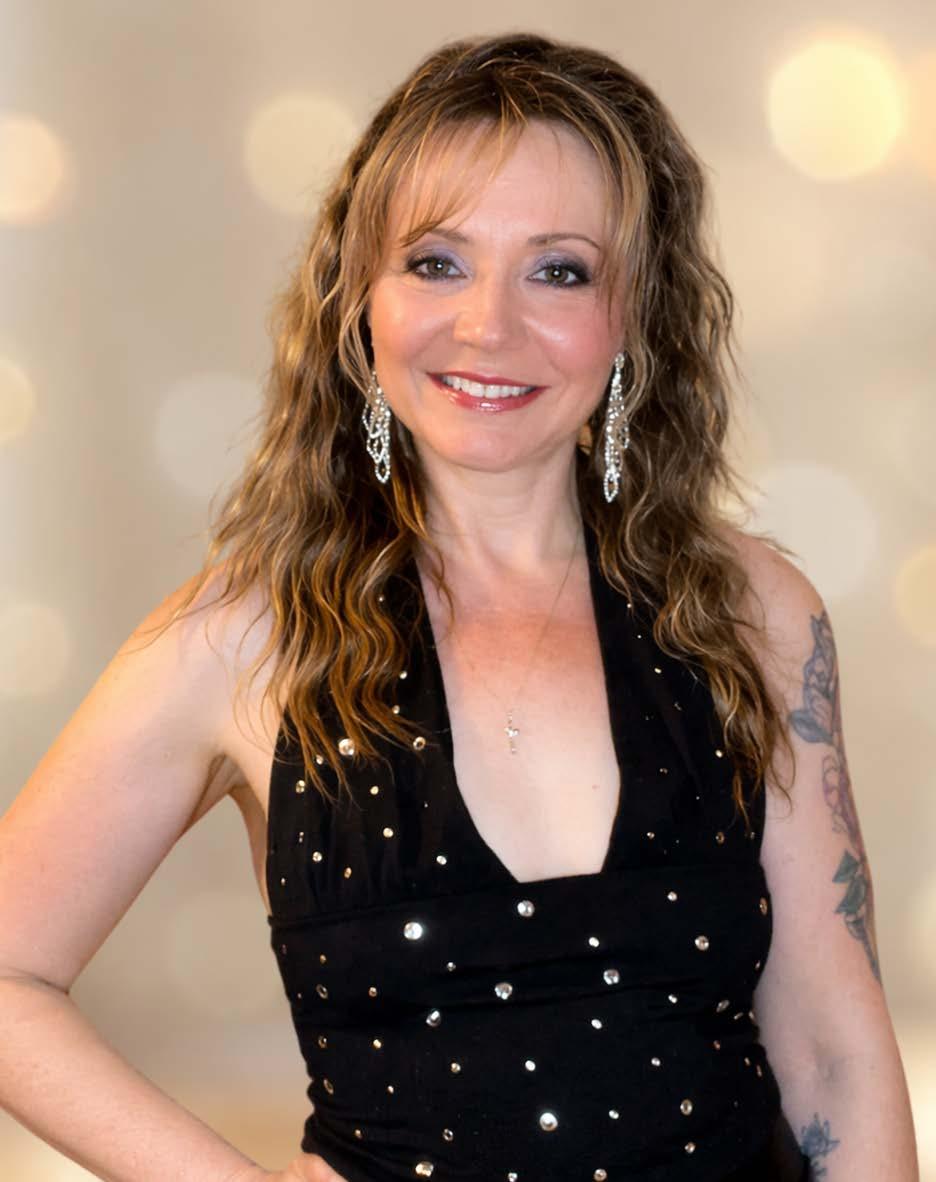
“It is about becoming a woman who trusts herself enough to walk away, to stand firm, and to choose what feels true—even when it is uncomfortable.”
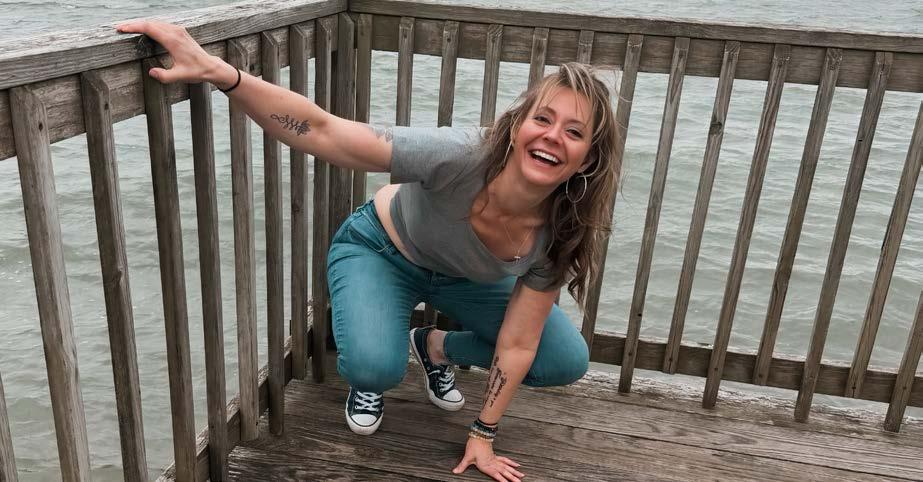
It is about embodiment.
It is about becoming a woman who trusts herself enough to walk away, to stand firm, and to choose what feels true—even when it is uncomfortable. It required letting go of relationships that no longer aligned. It required releasing the need to be understood by everyone. It required discipline, self-awareness, and a commitment to growth.
Most importantly, it required trust.
Trusting myself to make decisions that honor who I am now—not who I used to be.
For any woman reading this who finds herself in a season of transition—
where things feel uncertain, where old patterns are surfacing, where you are being asked to let go of what once felt safe—know this: You are not falling apart.
You are shedding.
There is a version of you on the other side of this process that is more grounded, more clear, and more aligned than you have ever been. But she requires your honesty. Your courage. Your willingness to release what no longer serves you.
You don’t arrive as her overnight.
You become her in the moments you choose yourself.
In the boundaries you uphold.
In the standards you refuse to lower. This is not about becoming someone new.
It is about remembering who you were before the world told you who to be. And as for me—
I didn’t find her.
I became her.
If you’re ready to step into your own becoming—to release what no longer serves you and reconnect with the woman you truly are—I invite you to continue this journey with me. You don’t have to navigate it alone.
Contact Lori:
https://linktr.ee/lorimurphycoaching
BY THE ACS TEAM
*Estimated to be almost 4 years old
*Transferred to ACS from Best Friends Dog Rescue on 11/4/24
*Came in HW positive and was treated upon intake
Bio - Waiting Since November! Brooklyn is available to Foster or Adopt. This sweet soul has been waiting far too long. Since November 2024, Brooklyn has been curled up behind shelter walls, dreaming of a family to love. She adores cuddles, lives for belly rubs, and her goofy antics will keep you smiling even on the toughest days. Brooklyn is great with kids and adults alike, and while she prefers quieter canine companions, she does enjoy a little rough and rowdy playing with a polite canine partner. (Sorry – no kitties, though!) Brooklyn is crate trained, muzzle trained and housetrained – she’s just waiting for a couch to call her own. Despite everything, Brooklyn is still hopeful. Still wagging her tail. Still believing her person is out there. You could be the miracle she’s been waiting for.
Please consider fostering or adopting Brooklyn – even short-term fosters can save lives! Give this Goofy Lovebug a Chance!
A man named Paul came in to look at dogs and met Brooklyn. Brooklyn stole his heart although had some challenges with the ultimate outcome of her adoption; he was persistent, committed, and determined. Paul starts his journey with Brooklyn by taking her out on Doggy Day Out trips where dogs can go offsite with community members for a field trip, to get them seen, and to get out of the shelter for a bit ultimately reducing their stress levels.
Doggy Day Outs grew Paul’s love for Brooklyn, and eventually he brought his resident dog, Odin to ACS for him to meet Brooklyn. During Brooklyn’s assessment upon intake, it was determined she could
live with other dogs although would be best matched with a dog that was submissive, best matched with a calm dog, and that she was a boss dog. This posed a potential problem for Paul and his dog Odin as odin was the exact opposite of that. But, with the patience and determination Paul offered, he spent a lot of time with Brooklyn to get to know her. He worked with her, Odin, and a local trainer to fully assess the dynamic,
and with time, Brooklyn and Odin worked things out.
The trainer mentioned several times “Brooklyn just wants to fit in, it’s clear she really wants to be in a home”. Paul was Brooklyn’s way out and she seemed to have known that.
Scarlett
*Estimated to almost 8 years old
*Lap Cat
*FeLV+
Bio - Hey everyone, this is Scarlett, basically a
gray puffball! She loves sitting high watching the birds fly by and catching their worms. Birds are her favorite things to watch. She would love to sit at the highest perch of your cat tower and watch the birds up close. Scarlett enjoys chasing her favorite toy and climbing as well. Scarlett is sweet and gentle with beautiful manners! She is a mature lady who adores relaxing and sleep in between her three meals a day, which she will be sure to remind you of! Scarlett is an independent cat but she does enjoy being doted on with pats and may come up for the occasional snuggle on your lap. Scarlett is a gentle soul who needs a kind and understanding home. This little lovebug is always ready to curl up on your lap or by your side for some quality time. You are going to be her feline friend fur-ever! Don’t fur-get to buy more catnip! Because she loves it!!
Scarlette was transferred to ACS from Humane World for Animals in Maryland on 5 /27/25 . We knew she was FeLV positive and that was actually one of the reasons we took her. There are a lot of shelters that will euthanize cats that are FIV/FeLV positive for many different reasons. We are fortunate to be able and care for FeLV positive cats. FeLV is a virus that may lead to immune deficiency and can hinder the cat’s ability to protect themselves from other infections. It’s spread through urine, feces, grooming, and milk from infected cats over a period of time and although contagious, FeLV cats are able to live with other cats that are not FeLV positive. It’s important to keep the non positive cat up to date on their vaccines and to keep everyone in good health.
Because many people are nervous about FeLV cats status, they tend to sit with us much longer than other cats and much longer than we would like to see them be here. Fortunately, for Scarlette, she wasn’t here even 6 months before her adopter and her met and fell in love. We are so happy for Scarlette and wish her the best in her future!


BY NICOLE HEROUX WILLIAMS I PHOTOS BY NSP STUDIO
BY SHAUNA DIXON
If the past few years have taught us anything, it is that the world can feel overwhelming at times.
Between constant news updates, busy schedules, and the everyday responsibilities we all carry, it can sometimes feel like life moves at a relentless pace. Many people are feeling more mentally drained than ever before. And yet, at the same time, something interesting is happening.
People are traveling more intentionally. They are no longer just looking for a quick vacation. They are looking for experiences that bring joy, connection, perspective, and a chance to reset.
Travel has always been about seeing new places, but lately it is also about something deeper. It is about stepping outside the noise for a little while and remembering how big and beautiful the world really is.
Travel reminds us that life is meant to be experienced, not just managed.
It also reminds us how connected we all are. Conversations with locals, shared meals with fellow travelers, and moments of curiosity about different cultures have a way of breaking down the invisible walls we sometimes build around ourselves. Even a short trip can leave you feeling lighter, calmer, and more inspired.
For others, a reset looks different. It might be wandering through historic European cities, exploring art museums, or sitting for hours over a meal in Spain or Portugal while watching the rhythm of daily life unfold around you.
River cruising has also become incredibly popular with travelers who want a slower, more thoughtful experience. Sailing through the heart of Europe along the Rhine or Danube allows you to explore charming towns, vineyards, and cultural landmarks without the stress of constantly packing and unpacking.

One of the most powerful things about travel is how quickly it shifts your perspective.
When you are sitting at a café in Paris watching the city wake up, walking through a small coastal town in Italy, or standing on a quiet beach in the Caribbean, something changes. The stress that felt so overwhelming at home suddenly feels smaller.
More and more travelers are approaching trips as a form of self-care. Not in a trendy way, but in a meaningful way. Sometimes that means a quiet beach escape where the only agenda is rest and sunshine. Caribbean destinations like St. Lucia, Jamaica, and the Dominican Republic remain favorites for exactly that reason. The combination of warm weather, beautiful water, and excellent hospitality creates the perfect environment to unplug and recharge.
In many ways, these types of trips feel less like a vacation and more like a reset button.
Another shift I have seen as a travel advisor is how much people value shared experiences.
Families are traveling together more often. Friends are planning long overdue getaways. Couples are prioritizing time away to reconnect without the distractions of daily life. Instead of buying more things, many people are choosing to invest in memories. A week exploring Europe, a cruise through scenic landscapes, or even a few days somewhere warm can create stories and laughter that last far longer than anything wrapped in a box.
Travel creates the kind of moments that stay with us.
There Is No Perfect Time
“Many people are feeling more mentally drained than ever before. And yet, at the same time, something interesting is happening. People are traveling more intentionally.”

One of the most common things I hear from people is that they are waiting for the perfect time to travel. When work slows down. When the kids get older. When life feels less busy. The truth is that perfect timing rarely appears on its own.
Life will always be full. Schedules will always be complicated. But the travelers who look back with the best memories are usually the ones who decided to go anyway.
They made the time. They chose the experience. And they rarely regret it.
The World Is Still Waiting
Despite everything happening in the world, the beauty of travel remains the same.
Cities continue to welcome visitors with open arms. Beaches still sparkle in the sunshine. Historic streets still invite you to wander and explore.
Sometimes the most powerful thing we can do is step away from the noise and reconnect with the parts of life that bring us joy.
Travel gives us that opportunity.
If you enjoy travel inspiration, tips, and honest advice, I also invite you to join my Facebook community, Travel by Shauna (@travelbyshauna), where I share ideas, trends, and behind-the-scenes insights to help make travel easier and more enjoyable.
And when you are ready to start planning, I am here to help turn those ideas into
a seamless, well-designed trip. Travel should feel exciting, not stressful, and it all starts with a smart plan.
About the Author
Shauna Dixon is a Rochester-based travel advisor who helps travelers turn dream vacations into stress-free realities. She believes everyone deserves a trip that feeds the soul, whether it is a weekend in the Finger Lakes, a tropical getaway, or a bucket-list journey abroad. She can be reached at MoonAndBackEscapes.com, sdixon@dreamvacations.com, or 585542-8821 (text or call).