

Broadcasting Streaming






20
COVER STORY
Miss New York USA
Christiana DiNardo
36
THE AESTHETIC EVOLUTION
Victoria Fountaine
90
WARRIOR WOMAN
Dr. Donna Marie Cozine
20
COVER STORY
Miss New York USA
Christiana DiNardo
36
THE AESTHETIC EVOLUTION
Victoria Fountaine
90
WARRIOR WOMAN
Dr. Donna Marie Cozine
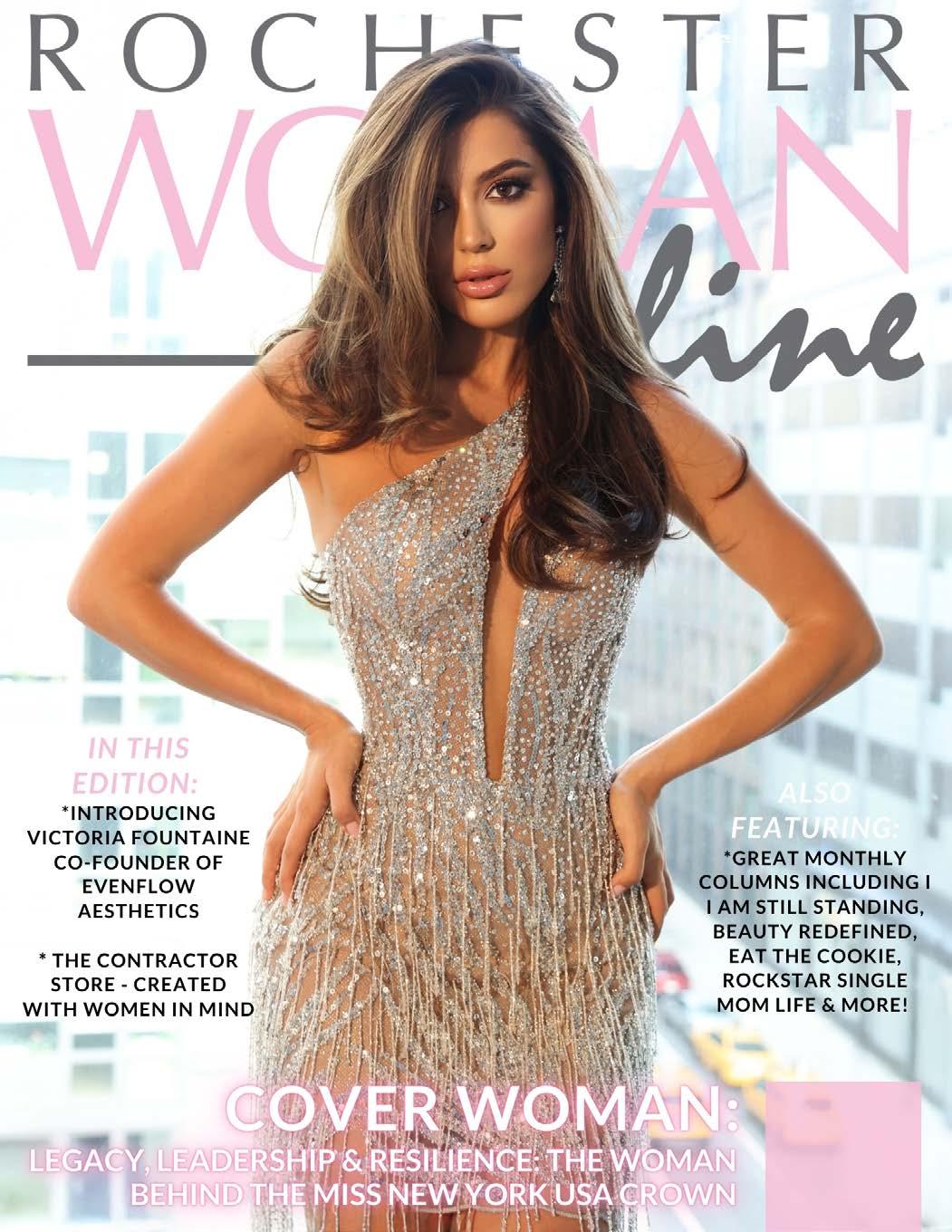
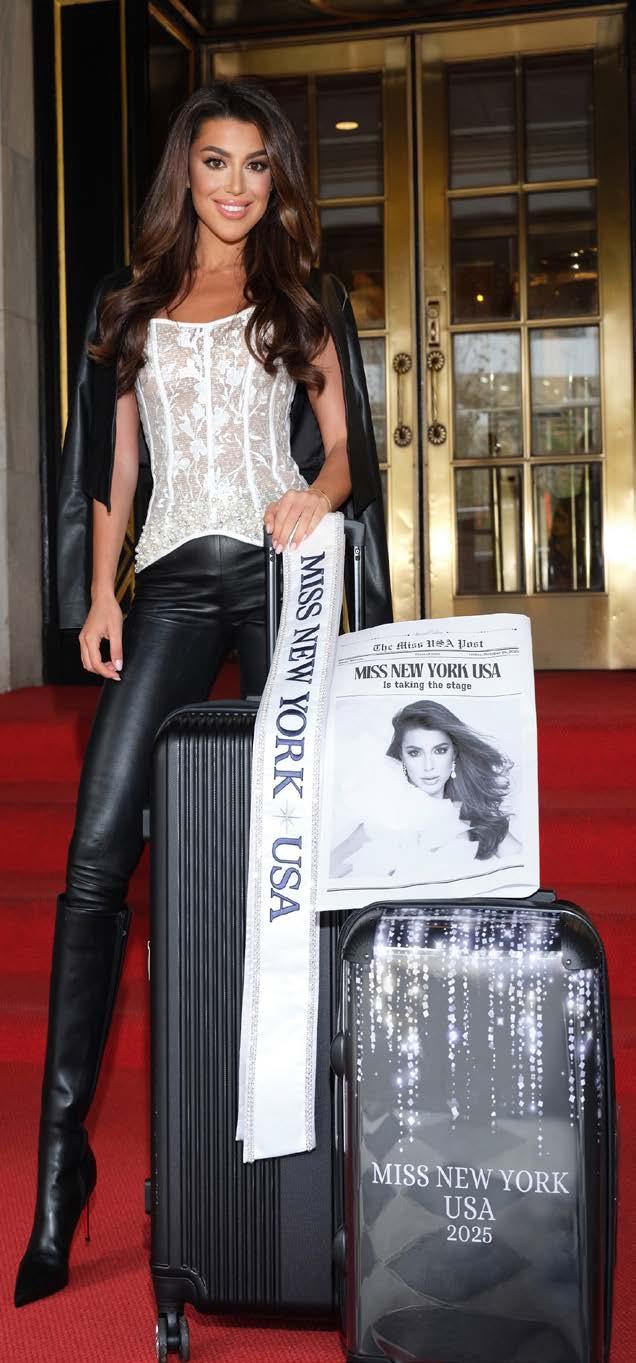
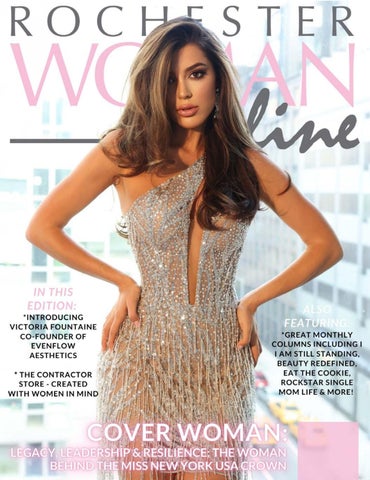
Cover woman, Miss New York USA, Christiana DiNardo, was photographed for the cover by Fadil Berisha Photography
As we step into this February/March edition, I am reminded — once again — of the power of purpose.
This issue is filled with women who are not just building careers, brands, and platforms… they are building impact. They are leading with intention. They are serving with heart. And they are showing us what it truly means to rise with resilience.
Our cover woman, Christiana DiNardo, Miss New York USA, embodies that beautifully. Her story is not just about a crown — it’s about responsibility, service, authenticity, and strength. When she shared that the Miss New York USA crown is a bridge between her professional journey and her purpose, it resonated deeply. Her reign has been defined not only by fashion and visibility, but by philanthropy, leadership, and the courage to continue serving even through unimaginable loss. She reminds us that strength is not the absence of grief — it’s the courage to keep showing up through it.
Inside this issue, you’ll also meet inspiring women like Cameron Houle of Lovely You Aesthetics, who is redefining the intersection of medicine and aesthetics with precision, compassion, and a deep commitment to patientcentered care. Her journey from headache medicine to aesthetic wellness is proof that when science and empathy meet, lives change — not just on the surface, but from within.
And then there’s Evangeline Conley, The Greek Goddess, whose entrepreneurial story reminds us that it’s never too late to bottle your dream. After nearly four decades serving our veterans through the VA Healthcare System, she transformed a homemade family recipe into a thriving business now found on store shelves. Her journey is rooted in heritage, perseverance, and the belief that if you follow your passion, incredible things can unfold.
These women — and so many others featured in this edition — represent what Rochester Woman Online is all about: visibility, voice, and community. Different industries. Different backgrounds. Different journeys. One powerful common thread — purpose.
As we continue to grow this platform and expand our reach to over 100,000 readers, I am so grateful for each woman who trusts us with her story. Because when one woman shares her journey, it gives another woman permission to step into her own.
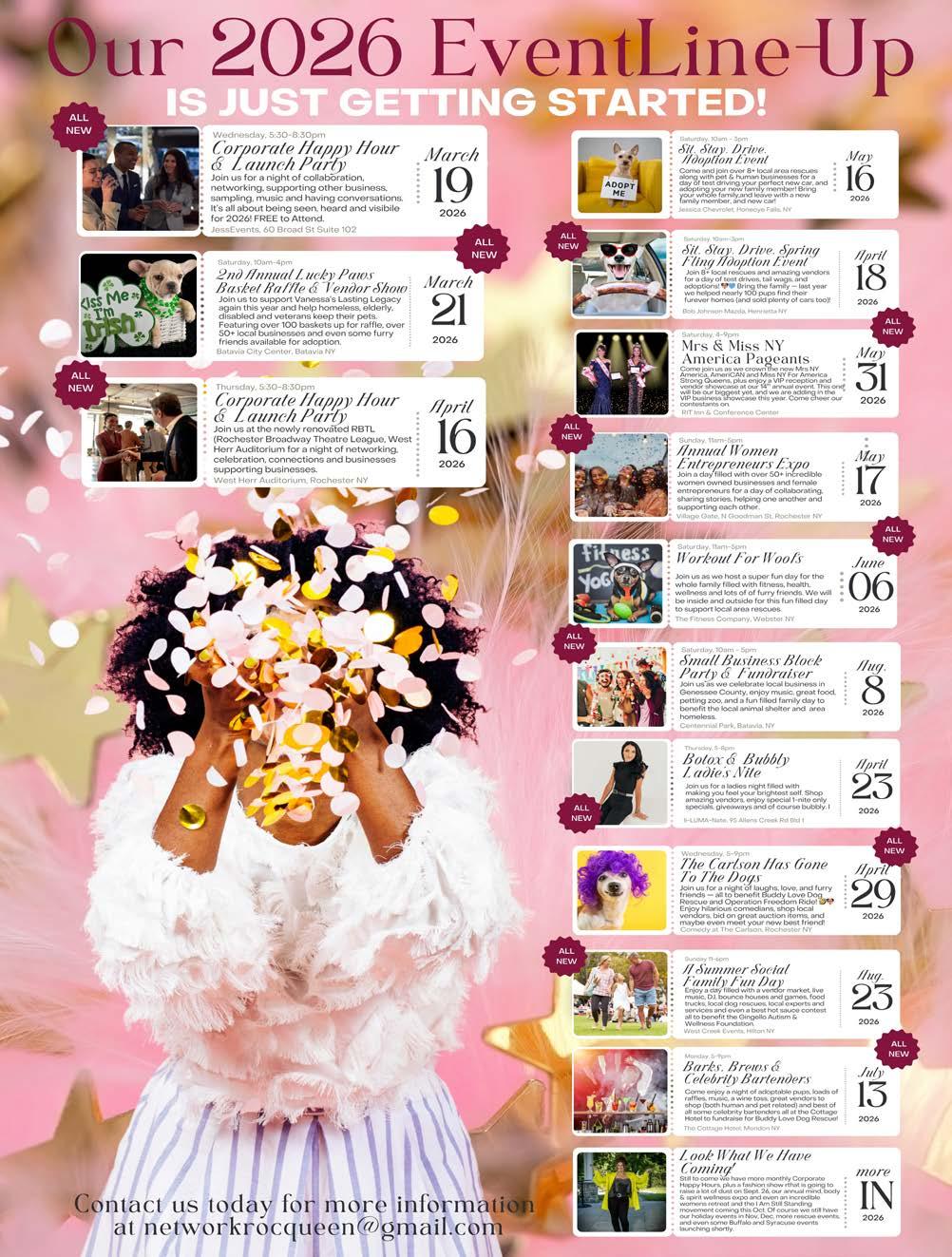
And speaking of connection — I hope to see you in person at one of our upcoming monthly Corporate Happy Hours, kicking off March 19th at JessEvents. These gatherings are all about collaboration, networking, and creating real, meaningful relationships in our community. Whether you are a business owner, creative, nonprofit leader, or simply someone looking to connect — there is a seat for you at the table.
If you have a story to share, a business to spotlight, or feel that tug on your heart that says “maybe it’s my turn” — message me. I would love to hear Here’s to purpose.
Here’s to perseverance.
Here’s to powerful women.
Kelly Breuer
Publisher | Rochester Woman Online Magazine �� networkrocqueen@gmail.com




PUBLISHER
FREELANCE EDITOR
CREATIVE DIRECTOR/GRAPHIC DESIGN
LEAD PHOTOGRAPHER
PHOTOGRAPHY
CONTRIBUTING WRITERS

Kelly Breuer
Marisa Zeppieri
Kelly Breuer
Fadil Berisha Photography
Brandon Vick
Belavati Studios
Sue Zeccola Photography
Dr Pam Denton
Christiana DiNardo
Christine Conte
Tamesha Beckford
The ACS Team
Clianda Florence
Kaitlyn Vittozzi
Meg Tobin
Laura Villanti
Shauna Dixon
Lori Bruton
Erin Pittinaro
Victoria Fountaine
Evangeline Conley
Jessica Fabus Cheng
Cameron Houle
Dr Donna Marie Cozine
Eileen Canning
Robin Dewind
Chrstine Piacentino
ADVERTISING SALES
SOCIAL MEDIA DIRECTOR
WEB DESIGN & MANAGEMENT
charge. Please feel free to contact publisher Kelly Breuer at 585.727.9120 or you can
terwomanonline.com.
Kelly Breuer
Network Rochester
Network Rochester







BY NICOLE HEROUX WILLIAMS I PHOTOS BY NSP STUDIO
For our latest cover of Rochester Woman Online, we are honored to feature a woman who embodies grace, resilience, intellect, and heart — Miss New York USA. More than a titleholder, she is a leader rooted in service, a fashion editor and model with purpose, and a mentor committed to lifting other women as she rises.
When asked, “You’ve described the Miss New York USA crown as a bridge between your professional journey and your purpose — what does this moment mean to you personally and emotionally?” her answer reveals exactly why she wears it so powerfully. This crown merges two defining parts of who she is: her professional world of fashion, journalism, modeling, and mentorship — and her lifelong commitment to service. Philanthropy was instilled in her early, volunteering alongside her grandmother, Sister Janice Ann. Giving back was never optional; it was foundational. Becoming Miss New York USA was never about holding a title — it was about honoring responsibility. To her, the crown is not about perfection. It is about purpose.
That purpose is evident in her work beyond the spotlight. When asked, “What inspired you most about your work with Dress for Success, and how has it deepened your understanding of women’s confidence and career growth?” she speaks about transformation. Not just resumes and interviews — but belief. She has watched women walk into rooms unsure of themselves and
leave believing in their potential. Through Dress for Success, she witnessed firsthand how confidence and opportunity are directly connected. When a woman feels prepared and supported, she doesn’t just look different — she shows up differently. She speaks differently. She believes differently.
Leadership, for her, is not about
to show up fully as herself. Authentic. Resilient. Unapologetic. That shift changed everything. And while her mother — a former Mrs. New York America and 1st Runner-Up at Mrs. America — inspired her journey into pageantry, she now carries that legacy in her own voice, in her own season.

not contradictions — they coexist.
Her turning point this year wasn’t a moment on stage — it was internal. It was the decision to stop anticipating what others expected and
Yet perhaps the most defining chapter of her reign has come through unimaginable loss. When asked, “What’s the hardest thing you’ve had to overcome this year?” her answer is both heartbreaking and powerful. During her reign as Miss New York USA, she unexpectedly lost her father to a heart attack. Her best friend. Her hero. Her biggest supporter. Grief reshaped her — but it did not stop her. Instead, it deepened her empathy and strengthened her purpose. She continues to lead while healing, honoring his legacy through advocacy and a growing partnership with the American Heart Association.
As she beautifully says, strength isn’t the absence of grief — it’s the courage to keep serving through it.
Six months into her reign, with more than 40 appearances completed, national campaigns under her belt, and a heart firmly rooted in service, she represents New York with authenticity, ambition, and inclusion. She is proof that women can be multifaceted — polished and purposeful, ambitious and compassionate.
This is more than a cover story.




{
“This role is more than a crown; it is a platform to connect, to serve, and to lead with intention. Being Miss New York USA means carrying responsibility with grace.”
BY NICOLE HEROUX WILLIAMS I PHOTOS BY NSP STUDIO
It’s a portrait of a woman who understands that a crown is not the destination — it is the platform. And she is using every inch of it with intention. We hope you enjoy our interview with Christiana DiNardo.
You’ve described the Miss New York USA crown as a bridge between your professional journey and your purpose, what does this moment mean to you personally and emotionally? This crown merges two very important parts of who I am, my professional experiences in fashion, journalism, modeling, and mentorship and my lifelong commitment to service. Philanthropy was instilled in me at a very young age. My grandmother, Sister Janice Ann, and I often volunteered together growing up, so giving back has always been at the core of my life. That’s why being Miss New York USA felt like a role I was meant to embrace. For me, it’s not just about holding a title, but about honoring the responsibility of service.
This role is more than a crown; it is a platform to connect, to serve, and to lead with intention. Being Miss New York USA means carrying responsibility with grace. It’s about using your voice to inspire, your influence to include, and your heart to serve. To me, it has never been about perfection, it has always been about purpose.
What inspired you most about your work with Dress for Success, and how has it deepened your understanding of women’s confidence and career growth?
What moved me most about Dress for
Success was witnessing transformation, not just professionally, but personally. I’ve had the privilege of helping women build confidence through resume development, interview preparation, and professional growth tools. But the true impact goes deeper than skill-building. I’ve seen women walk into rooms unsure of themselves and leave believing in their own potential. That shift is powerful. It taught me that confidence and opportunity are directly connected. When a woman feels prepared and has the right resources and a great support system, she shows up differently. She speaks differently. She believes differently.
What does being a leader mean to you?
Leadership isn’t about having all the answers, it’s about having the courage to listen.
To me, being a leader means recognizing that every person’s story matters and understanding that real strength comes from lifting others up, not standing above them. It’s choosing empathy over ego and progress over pride.
A true leader creates space for others to shine. She celebrates diverse perspectives and isn’t afraid to admit when she’s still learning. That’s the kind of leadership I strive to embody; one rooted in compassion, humility, and purpose.
How can pageantry help bridge divides in society?
Pageantry has the power to bridge divides by celebrating our shared humanity over our differences. There’s a misconception that all titleholders are the same, but in reality, we each bring our own stories, industries, and passions to the stage.
When those unique perspectives come together, they create a network of women who unite worlds; from fashion to philanthropy, from business to advocacy. Pageantry reminds us that strength, grace, ambition, and compassion can coexist. Unity begins when we celebrate both individuality and community.
What moment during your journey competing this year felt like the true turning point?
The turning point was internal.
It was the year I stopped trying to anticipate what others wanted from me and instead committed to showing up fully as myself. I am extremely hard working and someone who is extremely resilient, but this year, I showed up as the truest most authentic version of myself. I walked into the competition not seeking approval, but offering authenticity. That shift changed everything. I knew that regardless of the outcome, I had grown into the woman capable of carrying the title and representing New York with Pride.
Your mother was a former Mrs. New York America and 1st. Runner up at Mrs. America, did she inspire you to be involved in pageantry?
I actually wasn’t born yet when my mother competed, so I didn’t watch her journey in real time.
But growing up, I saw the impact it had on her; the confidence, the discipline, and the lifelong friendships she built. Pageantry was never presented to me as just a competition. It was shown to me as a platform.
“Leadership isn’t about having all the answers, it’s about having the courage to listen.”
BY NICOLE HEROUX WILLIAMS I PHOTOS BY NSP STUDIO
When I chose to compete, she definitely was one of the reasons I was inspired to become Miss New York USA. Now, as Miss New York USA, I’m proud to continue that legacy in my own voice, in my own season.
You’ve hosted major fashion events like New York Fashion Week — how do you view fashion as self-expression and social influence?
Fashion is visual storytelling. Before we speak, we communicate through presence.
As a fashion editor and model, I understand both the artistry and strategy behind the industry. As Miss New York USA, I see fashion as influence, a way for women to express individuality, celebrate culture, and confidently claim space.
In New York especially, fashion is identity. When used intentionally, it becomes a powerful tool for representation and empowerment. I’m continuing to grow my career in television/film and hosting and with a passion for fashion, hosting New York Fashion Week was a dream come true!
stronger than the setback.
What has been your proudest moment in your modeling career so far?
Over the past two years, I’ve had the honor of shooting campaigns for some of my dream brands; Lululemon, Reebok, Anne Fontaine, and national commercials for Gold Bond, Hard Rock Casino ect. I’ve also graced the covers of L’Officiel and Glamour Magazine.
She is enough now, not once she achieves something, not once she is validated, but right now.
What do you hope people remember about your reign?
I hope my reign is remembered for intention.
That I used visibility to amplify others. That I represented New York with authenticity, ambition, and heart. Six months into my reign as Miss New York USA, I’ve completed over 40 appearances, from sporting events and galas to fashion shows and speaking engagements, each one has reinforced why this role matters.

Grateful for every step of this journey and excited for what’s ahead.
What message would you give to young women after rejection?
Rejection is refinement. I competed multiple times before earning this title, and each near-win strengthened my resilience and clarified my purpose. Setbacks are not reflections of worth, they are invitations to evolve.
I truly believe the comeback is always
What would you tell your younger self? I would tell her to stop striving for perfection.
The qualities she once tried to change would become her greatest strengths. The path wouldn’t always be straight, but every detour would shape her into the woman she was meant to become.
If women walk away believing they can be multifaceted, ambitious and compassionate, polished and purposeful, then I will feel I fulfilled my responsibility.
New York is the most diverse state in the nation, and I intend to continue representing it in every space, with integrity and inclusion.
What has surprised you most about yourself?
I’ve discovered a deeper resilience within myself.
The schedule is demanding. The expectations are high. But I’ve found strength in the responsibility. This role has stretched me, and in doing so, revealed capacities I didn’t know I possessed. I’ve always been someone who loves being busy, and having a booked schedule, but I’m surprised


“ For me, it’s not just about holding a TITLE, but about honoring the responsibility of SERVICE. ”
“He was my best friend, my hero, and my biggest supporter. Grief has a way of reshaping you. It forces you to slow down, to reflect, and to redefine what truly matters.”
BY NICOLE HEROUX WILLIAMS I PHOTOS BY NSP STUDIO
how well I’ve balanced my professional and personal life.
How do you define empowerment? Empowerment is ownership, ownership of your story, your ambition, and your influence.
I entered my first pageant because I believed in the connection between confidence and opportunity. Fashion gave me a voice. Pageantry gave me a platform.
What began as a love for style evolved into a mission: helping women feel seen, capable, and celebrated. Today, I do that through my title as Miss New York USA, my career as a fashion editor and model, and my mentorship with various organizations in New York State.
Being an empowered woman means being unapologetically multifaceted, embracing intellect, femininity, ambition, and service simultaneously , and using every platform, from a mentoring room to a national stage, to uplift others while remaining grounded in purpose.
empowering. You learn discipline, self-belief, and how to perform under pressure.
biggest supporter. Grief has a way of reshaping you. It forces you to slow down, to reflect, and to redefine what truly matters.
further our own goals, but to better serve others.
While I’ve continued showing up in my role, I’ve also been learning how to lead while healing. That loss has deepened my empathy and strengthened my purpose. It’s one of the reasons I am working toward a partnership with the American Heart Association, to honor his legacy by raising awareness and encouraging heart health education. I’m incredibly grateful for my support system; my mom, my grandmother, my brother, and my friends, who have carried me through
This year has taught me that strength isn’t the absence of grief, it’s the courage to keep serving through it.
What’s the hardest part about pageant preparation?
Finding balance. You’re navigating fitness, interviews, wardrobe, travel, and your everyday responsibilities all at once. It’s demanding, but it’s also
What’s the hardest thing you’ve had to overcome this year?
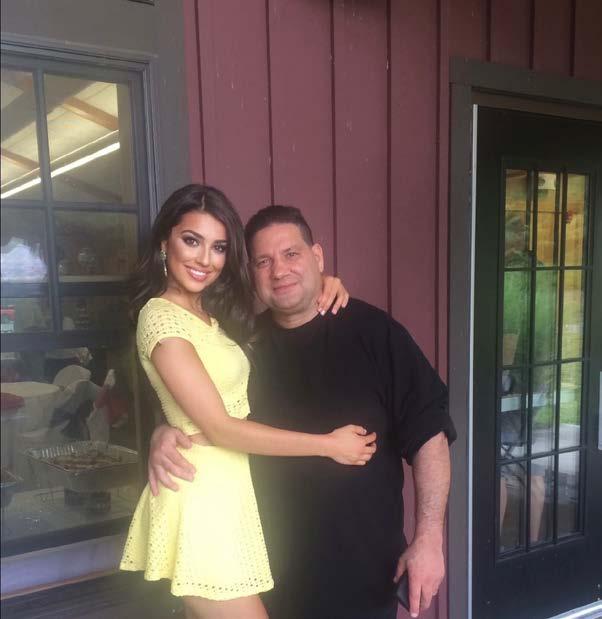
The hardest thing I’ve had to overcome this year was unexpectedly losing my father to a heart attack during my reign as Miss New York USA. He was my best friend, my hero, and my



BY NICOLE HEROUX WILLIAMS I PHOTOS BY NSP STUDIO
Co-Founder
–
Victoria Fountaine is not only the cofounder of EvenFlow Aesthetics — she is the clinical visionary behind one of Rochester’s most innovative, integrated aesthetic and wellness practices. As a nurse practitioner, aesthetic expert, and Clinical Director and Lead Injector, Victoria blends advanced medical training with an artist’s eye and a deeply personal understanding of confidence and transformation.
Alongside her husband and co-founder, Tom, she has built EvenFlow on a philosophy that feels both modern and meaningful: aesthetics should be balanced, natural, evidence-based, and deeply personal. Their approach merges science, hospitality, wellness, and artistry — creating an experience where patients feel seen, heard, and cared for from the first consultation through every stage of their journey.
At its core, EvenFlow is more than a medical aesthetic practice — it is a reflection of Victoria’s belief that when you help someone feel aligned with the best version of themselves, you change far more than their appearance. You change how they show up in the world.
LET’S START WITH THE NAME — EVENFLOW IS SUCH A BEAUTIFUL AND CALMING CONCEPT. WHERE DID THE NAME COME FROM, AND WHAT DOES IT REPRESENT TO YOU BOTH?
When Tom and I began thinking about a name for our business, we wanted it
to reflect something deeply personal and meaningful. Music has always been a shared passion, so it felt natural to look there for inspiration. Tom grew up as a huge Pearl Jam fan, and their songs and lyrics have had a deep impact on his life. As I listened more and more, I fell in love with them as well.
Our honeymoon was a weeklong tour across Europe attending music festivals featuring Pearl Jam and many of our other favorites. At that time, the business was nothing more than an idea — a dream. But somewhere during that unforgettable trip, we came up with the perfect name, if and when that dream ever became a reality.
EvenFlow Aesthetics was inspired by one of Pearl Jam’s iconic songs. The title felt like the perfect intersection of who we are — personally, creatively, and philosophically. We strive to move through life with balance and an “even flow” in all that we do. It also reflects how we believe health, wellness, and aesthetics should be — not overdone or unnatural, but grounded in balance and harmony in every transformation.
TELL US A LITTLE ABOUT YOURSELVES AND YOUR BACKGROUNDS. HOW DID YOUR INDIVIDUAL EXPERIENCES LEAD TO THE CREATION OF EVENFLOW?
Tom and I met at Strong Memorial Hospital. As our relationship grew, our careers evolved in parallel and complementary ways. I transitioned into plastic surgery and earned my degree as a nurse practitioner. Tom left academic medicine to pursue a path as a clinical
developer, helping bring innovative cellular immunotherapies to patients with advanced-stage malignancies.
Working in plastics sparked my love for aesthetics, but I knew early on that I wanted something different. I was drawn to a more personal, hands-on approach — one where I could be present with patients throughout their entire journey, not just before and after surgery. That desire ultimately led me into non-invasive medical aesthetics.
I bring years of aesthetic training, the heart of a nurse, and the clinical expertise of a nurse practitioner — along with an artistic eye and attention to detail to enhance natural beauty. Tom brings his medical training as a physicianscientist who has spent his career studying cutting-edge therapies and developing the systems required to deliver them to patients who need them most.
One of the earliest lessons I learned is that there is no one-size-fits-all approach to aesthetics. Just as combination strategies are foundational in oncology — where Tom built his career — the same principle applies in aesthetic medicine. That blend of perspectives shaped EvenFlow.
Our combined talents — and our shared philosophy of a patient-first, concierge, hospitality-driven model of care — have shaped every strategic decision we’ve made and ultimately created the EvenFlow experience.
AS CLINICAL DIRECTOR AND LEAD INJECTOR, WHAT INSPIRED YOU TO PURSUE
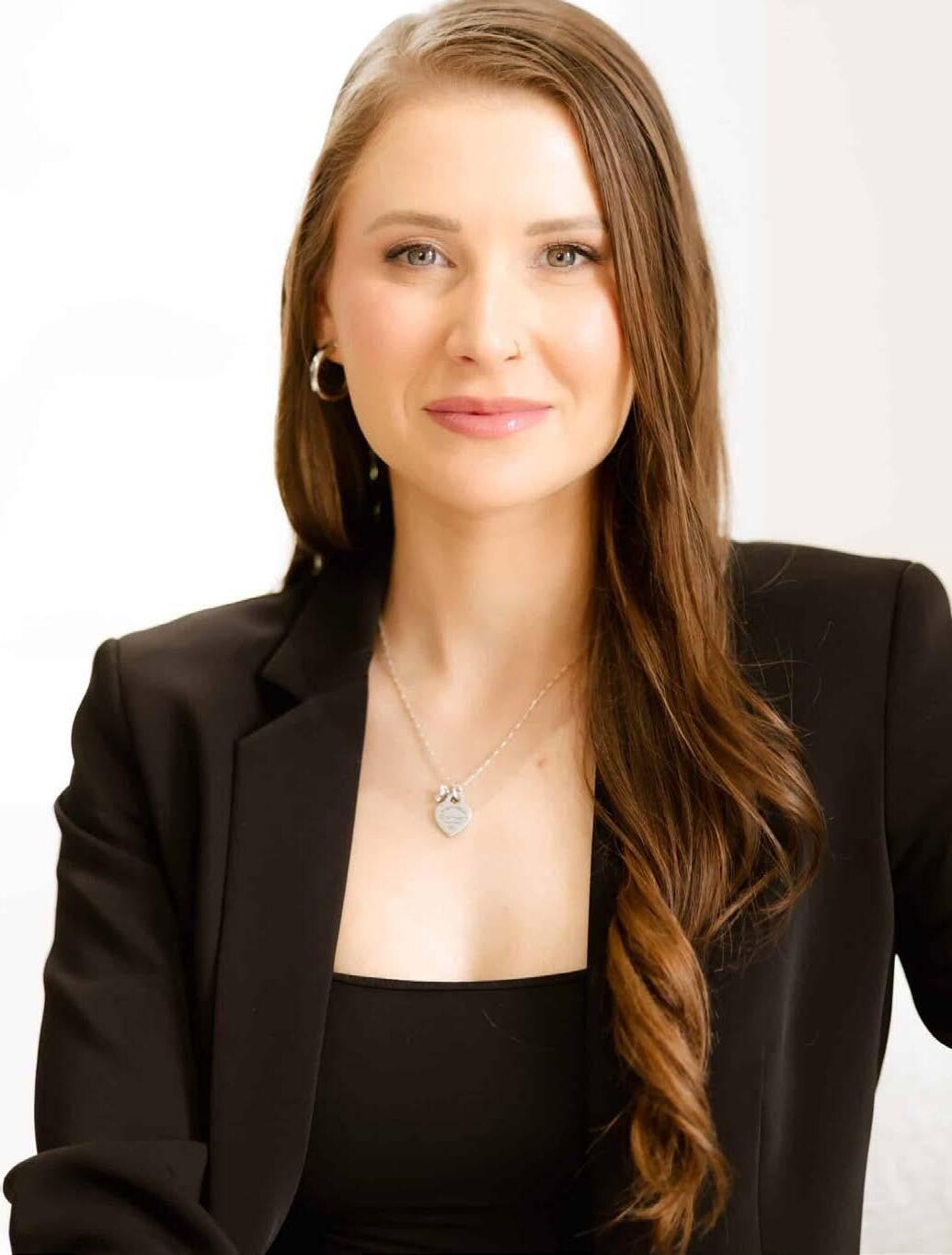



“EvenFlow Aesthetics was inspired by one of Pearl Jam’s iconic songs. The song-title felt like the perfect intersection of who we are, personally, creatively and philosophically. We try to move through our lives with an “even flow” and balance in all that we do.”
A CAREER IN AESTHETIC MEDICINE AFTER EARNING YOUR ADVANCED NURSING DEGREES?
I grew up hating my nose. Coming from Russian descent, I had a very prominent tip and bridge, and it was something I felt deeply self-conscious about — especially as a teenager. We simply didn’t have the means to change it.
When I began my nursing career, I was finally able to save enough for a rhinoplasty. That experience changed my life. For the first time, I knew what it felt like to be truly confident in my own body. That moment was a turning point — physically, emotionally, and mentally. It taught me that aesthetic care can transform so much more than appearance. It can change how someone carries themselves and how they show up in the world.
That realization led me into plastic surgery as a nurse, where I deepened my understanding of aesthetic medicine. Over time, I wanted more continuity with patients — to be present throughout their journey in a way that felt more personal and less invasive than surgery.
During NP school, building a practice that combined a personal approach with advanced non-surgical solutions was always top of mind. It was the natural next step in both my career and Tom’s to create something of our own — driven by shared passion, philosophy, and a belief in evidence-based, patient-centered care. That foundation became EvenFlow.
YOU’VE TRAINED ALONGSIDE SOME OF THE TOP PLASTIC SURGEONS AND INTERNATIONALLY
RECOGNIZED AESTHETIC PROVIDERS. HOW HAS THAT EXPERIENCE SHAPED YOUR PRACTICE AND PHILOSOPHY?
Tom and I have been fortunate to build an incredible network of key advisors, many of whom are recognized leaders in the field. They’ve provided advanced training and have also served as mentors and trusted advisors — including Rochester’s own Dr. Sherif Ibrahim, a global leader in dermatology.
Observing how these top professionals approach patient care — how they think critically, select techniques, and design comprehensive treatment plans — has profoundly influenced our practice and philosophy.
Across every setting, one truth became clear: no two patients are the same, no single technique works for everyone, and there is no “magic bullet” solution. Exposure to best practices from around the globe reinforced the importance of integrating multiple techniques and remaining adaptable, creative, and highly personalized in our approach to aesthetics, health, and wellness.
That insight shaped how we built EvenFlow. We intentionally trained in services and technologies that allow us to take a comprehensive, non-surgical approach to facial rejuvenation, skin restoration, and facial and body contouring — all tailored to the individual.
As our foundational aesthetic services expanded and we gained exposure to leaders in health and wellness, we realized
we were uniquely positioned to fill a specific niche in the community — one that combines advanced aesthetics with health, wellness, and longevity. With the launch of elevate.TM by EvenFlow, we’ve become one of the few fully integrated health, wellness, and nonsurgical aesthetic practices in Rochester.
Most importantly, these experiences reinforced that exceptional care is personal. It requires more than a customized plan — it requires an environment where patients feel safe, heard, understood, and leave loving both their results and their experience.
What truly sets EvenFlow apart is our commitment to excellence at every level — from scientific rigor and evidence-based practice to every step of the patient journey.
From the first interaction — whether through our website, social media, or a phone call — through consultation and treatment, we strive to create an experience. For us, outcomes are only as good as the experience. Even if we are technically excellent, if a patient feels rushed, overlooked, or like just another number, we’ve failed in our mission.
That standard is shared by our entire team. Juliana, our marketing director, and Nicole, our front desk and hospitality manager, play essential roles in shaping the patient journey. From first contact to follow-
“Elevate is a perfect reflection of how we intentionally built EvenFlow – bringing together therapies that are powerful on their own but transformative when combined.”
follow-up, they ensure every experience feels intentional and exceptional.
We never cut corners on safety or results. Every technology and treatment is carefully selected not just for individual performance, but for how it integrates into a larger system. We built the practice intentionally — choosing best-in-class technologies that, when combined and strategically sequenced, create powerful transformations with minimal downtime.
Another defining value is delivering results that look and feel natural. We focus on treatments that work with your biology — restoring collagen and elastin, improving skin quality with regenerative therapies, and rebuilding lean muscle mass. Rather than masking aging, we target its underlying drivers. When we address biology at the root, the results are not only beautiful — they’re healthier and longer lasting.
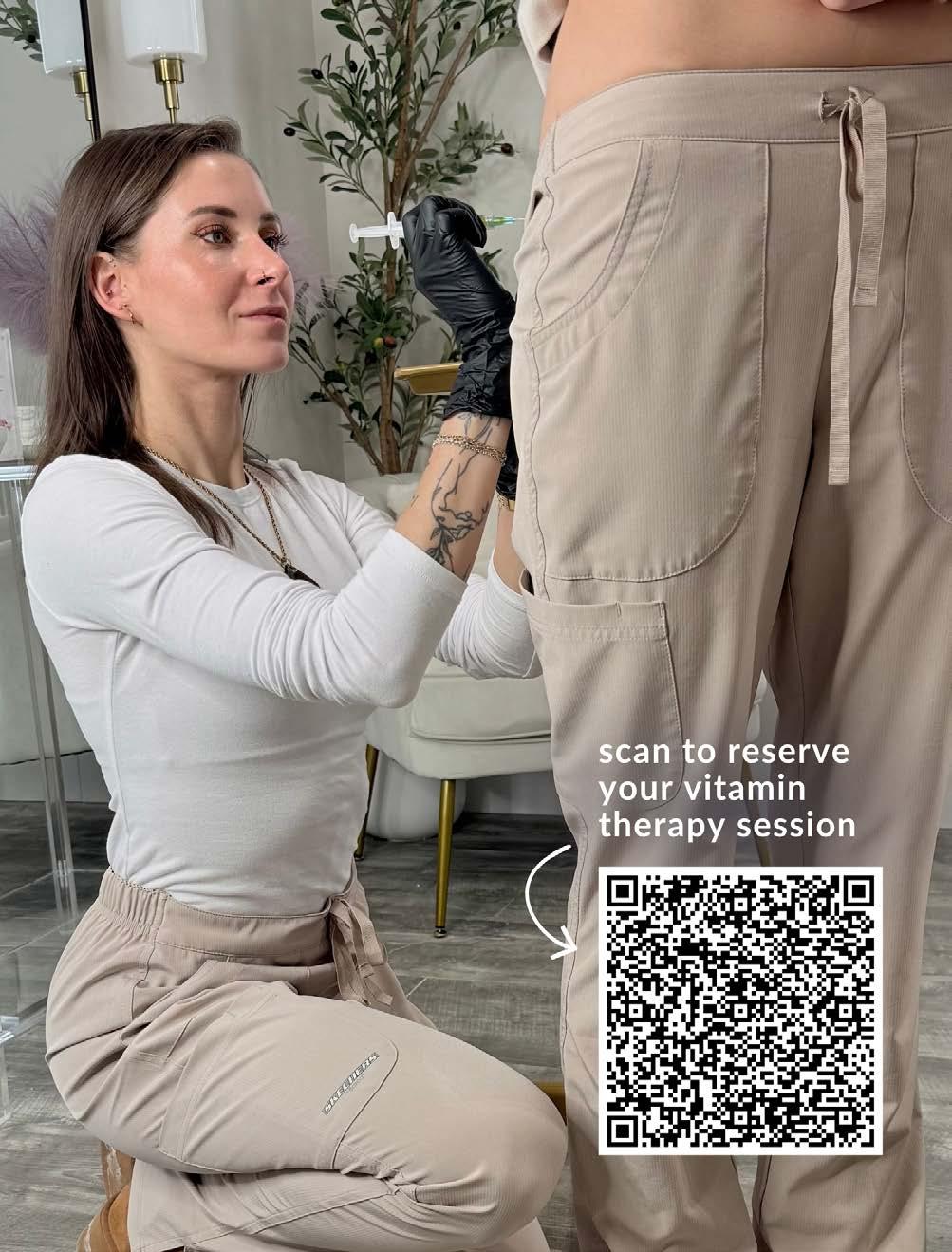
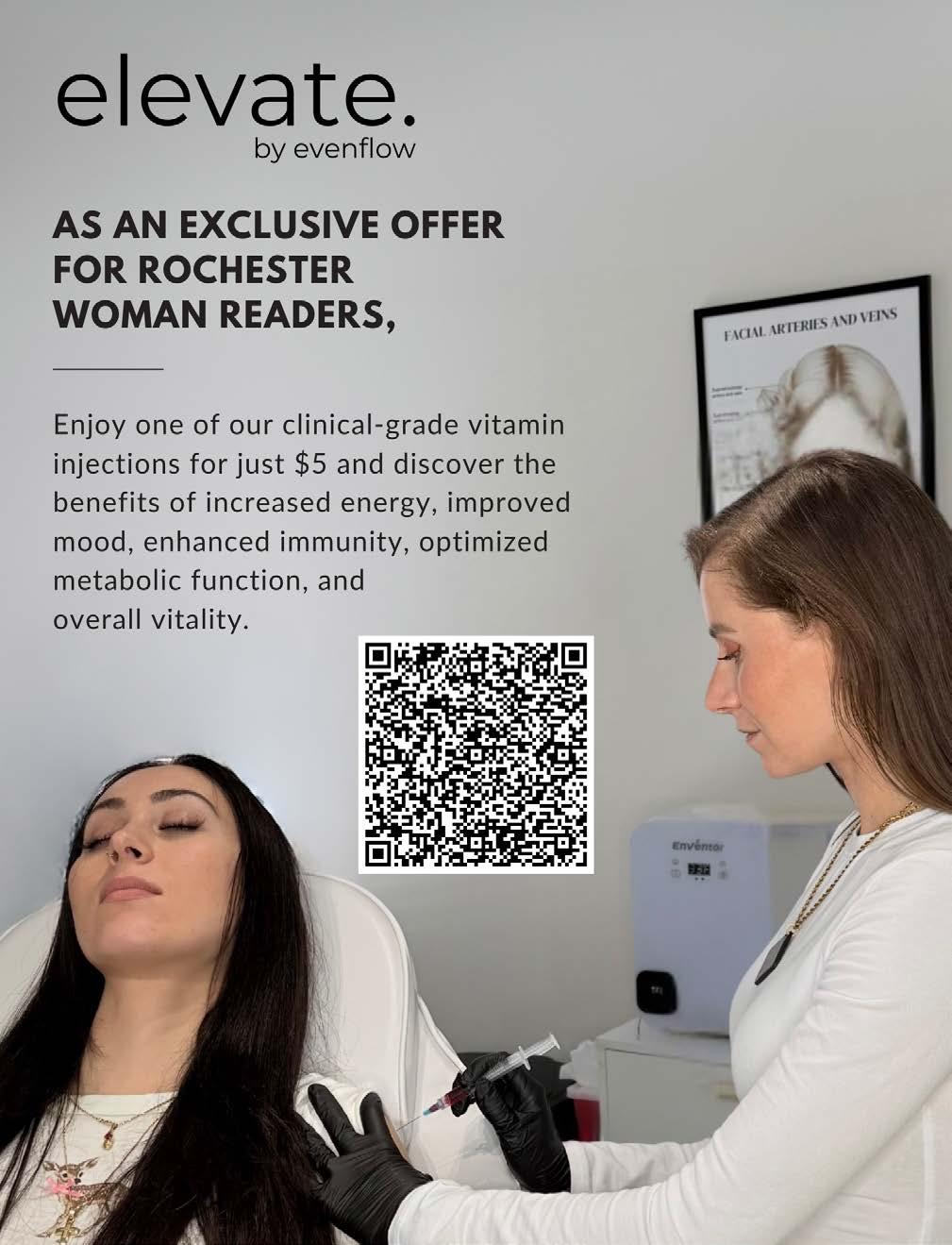
Elevate further distinguishes us from traditional med spas. It integrates aesthetic services with therapies that promote longevity and wellness, including GLP1s, vitamin therapy, supplements, and hormone optimization. By pairing systemic therapies with precision-guided aesthetic treatments, we maximize results while proactively addressing common side effects of metabolic change.
That level of planning and integration places EvenFlow at the intersection of aesthetics, health, and longevity.
YOUR APPROACH IS DESCRIBED AS COMPASSIONATE, DETAILED, AND PATIENT-CENTERED.
From the beginning, two principles shaped our philosophy. First, we would never cut corners when it comes to safety and efficacy. Second, we would never take a patient’s trust for granted.
Trust is everything — especially in aesthetics. You need confidence that your provider has done the research, will deliver their best every time, and will be transparent about what they can and cannot achieve.
We set realistic expectations from the start, educating patients on what’s possible based on their goals, anatomy, timeline, and budget.
We build intentional touchpoints throughout the patient journey — from pre-appointment communication to the ambiance in our office. We know how vulnerable it can feel to talk about concerns, so we establish trust early to help patients feel at ease.
Education is central. We schedule 60-minute discovery sessions so nothing feels rushed. If we believe another provider — or even surgery — would better serve you, we will say so and refer you appropriately.
At the end of the day, our goal is to help you achieve the results you truly want — never overpromising and underdelivering.
MANY
AESTHETICS IS ONLY ABOUT APPEARANCE. HOW DO YOU ADDRESS THE DEEPER BENEFITS?
For us, aesthetics has always been about confidence, identity, and alignment.
We begin every consultation by understanding your motivations — because they are deeply personal and unique. Many patients come to us during pivotal life moments: visible signs of aging, postpartum changes, recovery from injury, or simply wanting to show up more confidently.
Most aren’t trying to become someone new — they’re trying to feel like themselves again.
Helping someone reconnect with that sense of self is incredibly meaningful. It’s what drives us to continually grow and improve.
Our goal is always to enhance, not alter.
While we use neuromodulators and dermal fillers strategically, the majority of our services focus on restoring biology — collagen, elastin, muscle tone — and eliminating unwanted changes like fat or skin laxity caused by aging.
We prefer natural results delivered in the most natural way possible by working with your biology.
Every client is different — in anatomy, lifestyle, timeline, and budget. We map out treatments thoughtfully, in the right sequence, ensuring the plan aligns with your life and comfort level. If it doesn’t work for you, it doesn’t work —
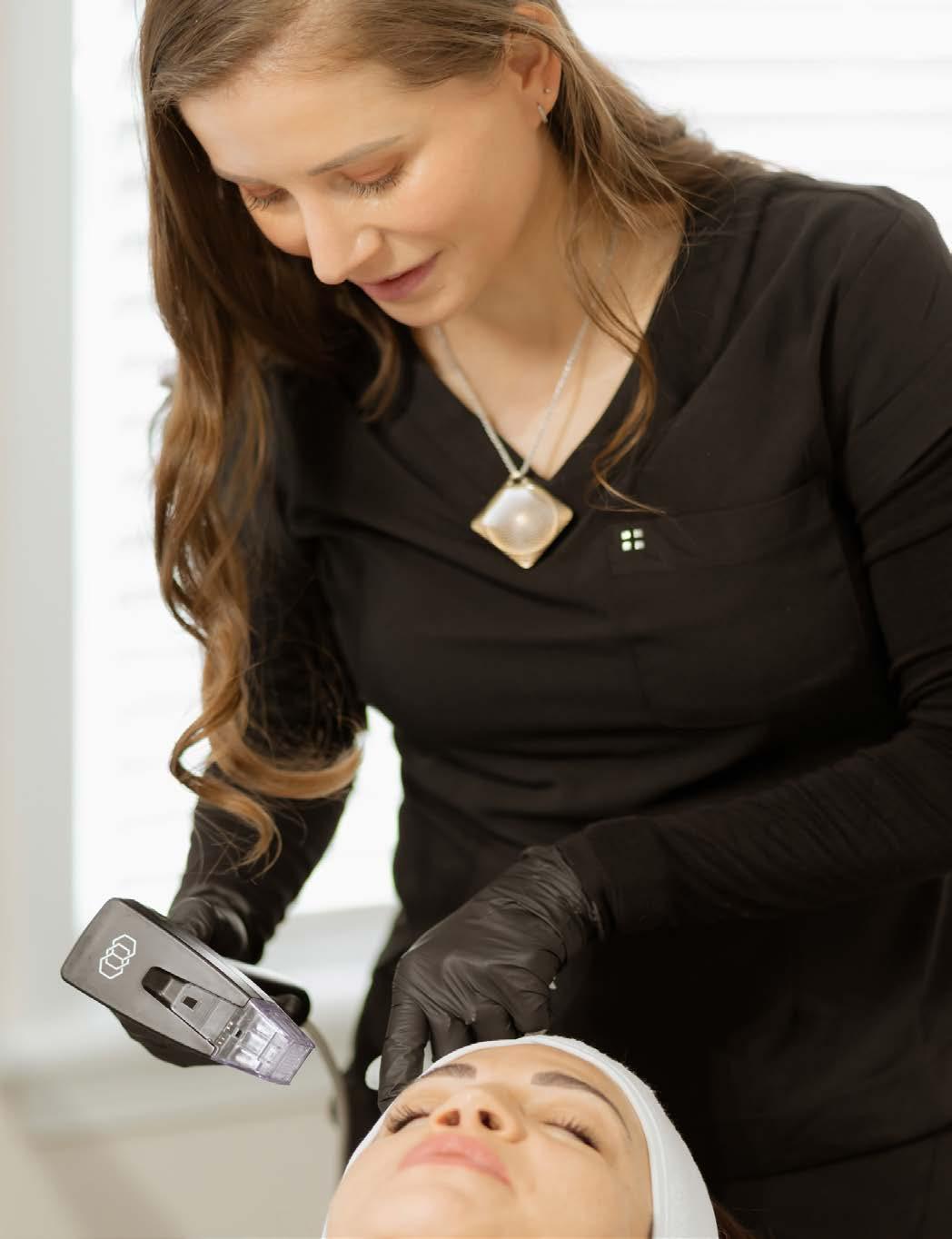
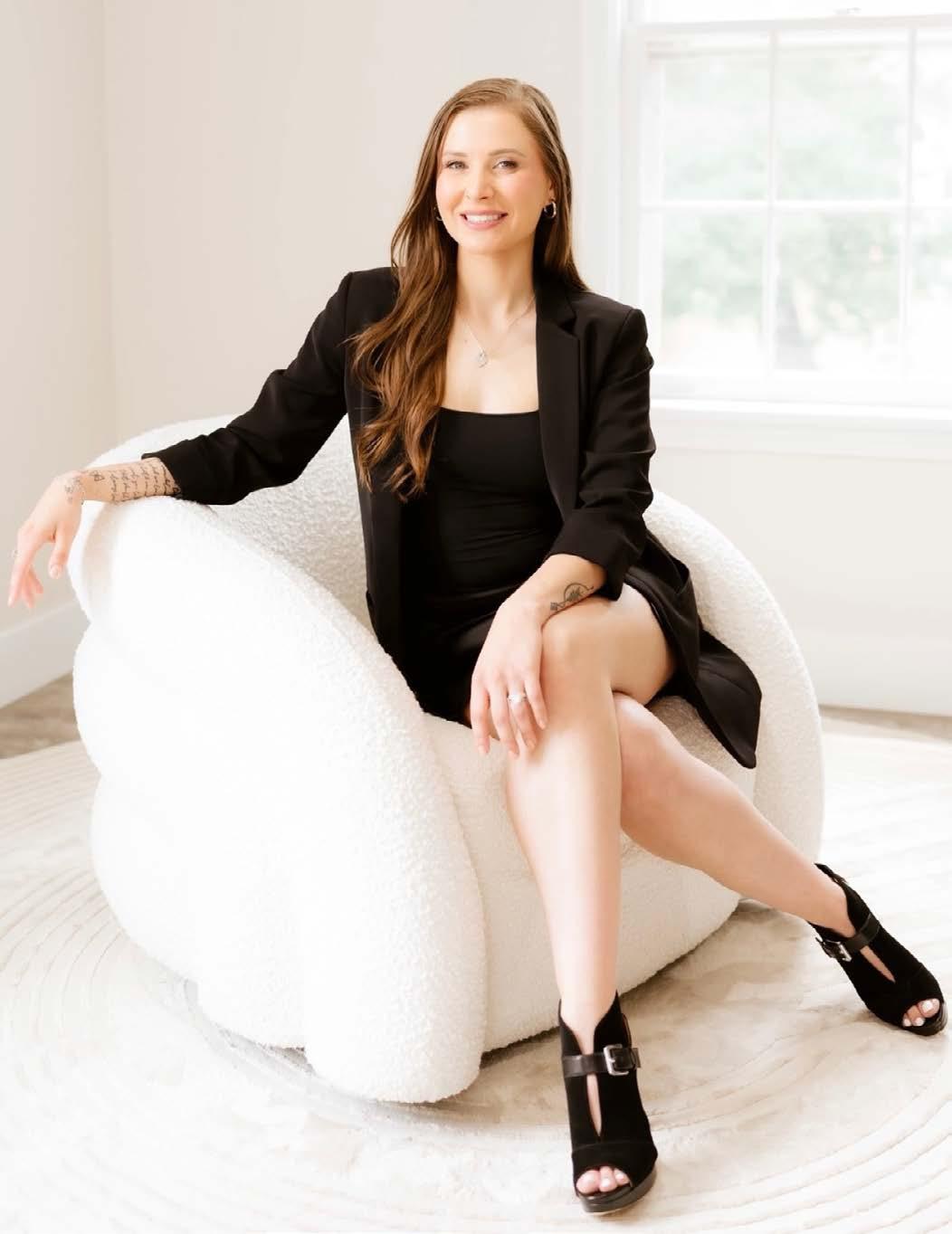
“ Our combined TALENTS – and shared philosophy on a patient-first, concierge, hospitalitydriven model of patient care – have shaped every
STRATEGIC decision we’ve made and ultimately created the EvenFlow EXPERIENCE.”
“I
bring years of experience in aesthetic training, the heart of a nurse and the clinical expertise of a nurse practitioner – along with the artistic eye and attention to detail to see the beauty within and enhance it naturally.”
no matter how technically sound it may be.
We are proud to be one of the only practices in Rochester offering this integrated blend of advanced aesthetic services and a wellness platform like elevate.
Our energy-based devices, biostimulators, injectables, and regenerative therapies allow us to target deep layers of tissue and support cellular regeneration. We can reduce visceral fat, increase lean muscle mass, provide non-surgical lifting, and restore connective tissue — all with minimal downtime.
When combined with medical weight loss, vitamin therapy, and hormone optimization, we address both aesthetic and systemic health.
Elevate was built to anticipate common side effects of GLP-1 weight loss — muscle loss and skin laxity — and proactively address them using FDA-cleared technologies like EmSculpt NEO and Quantum RF.
By combining treatments strategically, we support long-term health, metabolism, strength, and aesthetic confidence.
This is what makes elevate so powerful — it’s methodical, personalized, and built for sustainable results.
It comes down to passion and rigor. Education and clinical excellence are core values. We maintain relationships with global leaders in aesthetic medicine, energy-based devices, regenerative therapies, and longevity medicine.
We continuously evaluate emerging technologies and FDA-cleared innovations to ensure we offer the safest and most effective treatments.
Start with a consultation.
If it’s been on your mind, chances are it’s important to you. There’s no pressure — just a conversation in a relaxed environment where we review your goals, timeline, and budget.
Our goal is to help you feel informed, confident, and comfortable before taking any next steps.
Aesthetic medicine is deeply personal.
Both Tom and I understand that perspective firsthand. Tom’s journey navigating chronic health challenges and optimizing his health through this integrated model has been life-changing. My own experience with aesthetic transformation shaped my path as well.
That personal understanding fuels our passion and builds authentic trust with our patients.
2026 is an exciting year.
With the launch of elevate in January, we’ve expanded into two complementary programs: EvenFlow Aesthetics and elevate.TM by EvenFlow.
We are the first and only practice in greater Rochester offering the Ignite system with Quantum RF 10 and 25 technologies. Early results have been extremely encouraging, especially for patients navigating weight loss and skin laxity.
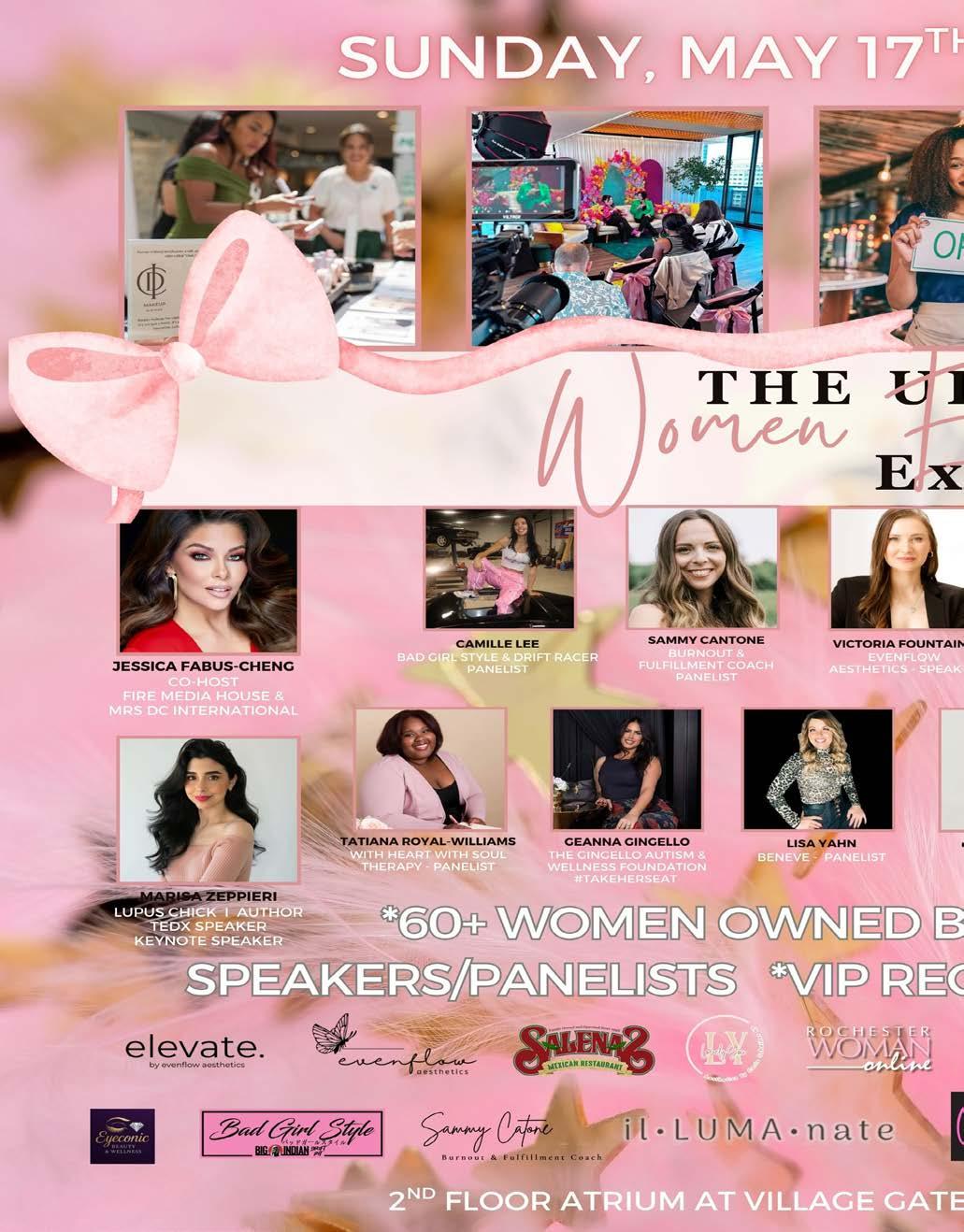
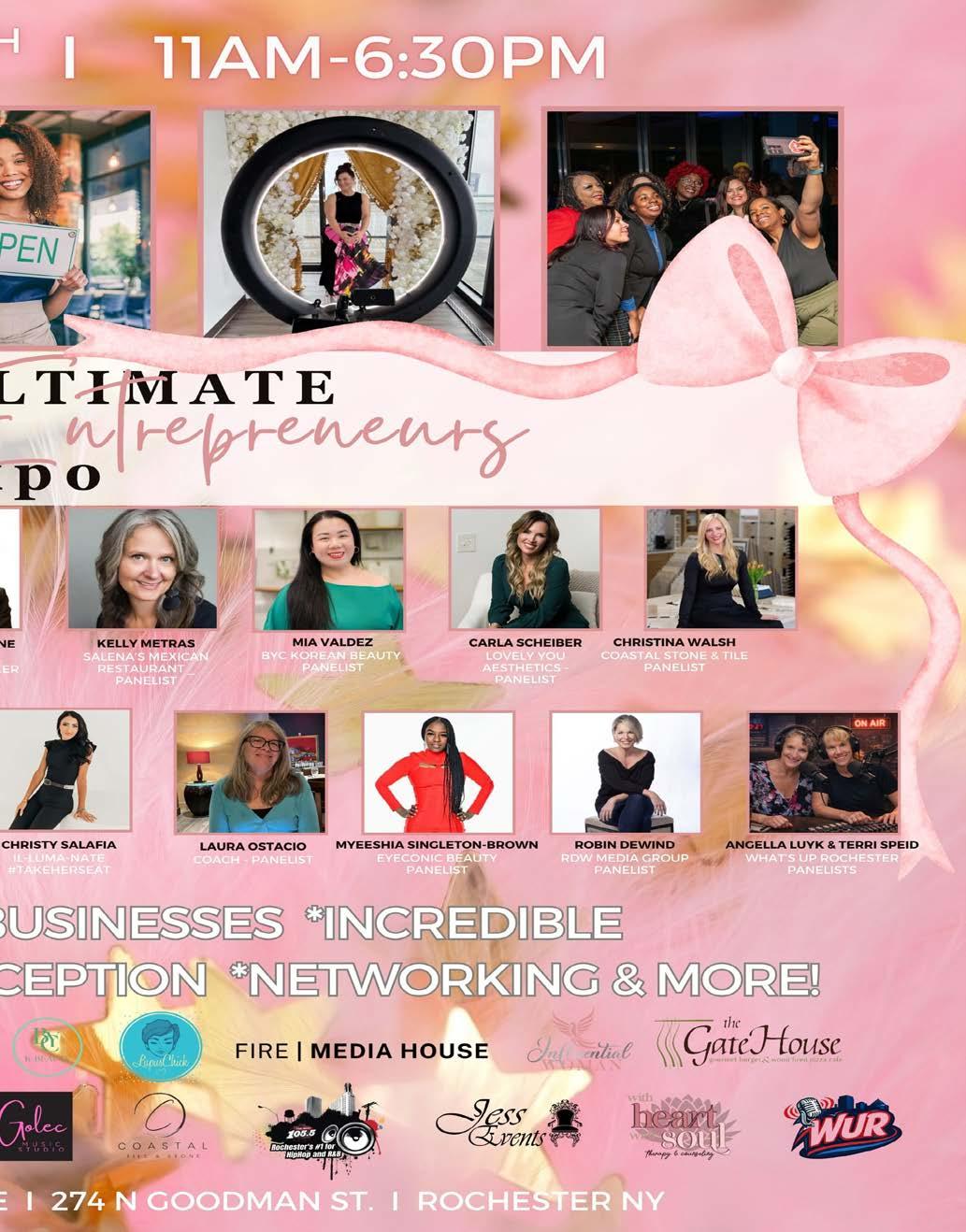
We are also deepening our community involvement — serving as VIP vendors and sponsors for the Miss New York Beauty Pageant and speaking at The Ultimate Influential Woman Entrepreneur’s Expo.
2026 is about showing up, giving back, and continuing to serve this community.
Most importantly, we look forward to meeting and helping more incredible people along the way — and earning your trust.




Evangeline Conley is a woman who understands dedication — to family, to service, and to following your dreams. A second-generation Greek American born and raised in Buffalo, Evangeline built a remarkable 39-year career with the VA Western New York Healthcare System before fully stepping into her entrepreneurial calling as the founder of Greek Goddess Products.
What began as a homemade salad dressing shared at family gatherings and parties has grown into a beloved brand found on store shelves across Western New York — including Wegmans. Rooted in her Greek heritage and inspired by simple, pure ingredients, Evangeline’s journey from federal employee to food entrepreneur is a testament to perseverance, integrity, and believing in your own ideas — even when they start as a “side thing.”
Below, she shares her story in her own words.
most important to me. My grandmothers helped raise me while my parents worked.
I was born and raised in Buffalo and attended the State University at Buffalo. I met my husband, David, and we’ve been married for 41 years. We have two great sons and are enjoying our grandson every day.
I started at the VA Western New York
Public Affairs. It took time — there was only one position available — but I worked in Medical Administration and later in Acquisition and Materiel Management, where I gained experience in inventory management, procurement, and supervision. I was responsible for ordering and managing equipment, forms, medications, medical and general supplies, and subsistence for the medical centers in Buffalo and Batavia.

Tell us a little about yourself — your background, your career with the VA Healthcare System, and how your journey led you to become the “Greek Goddess.”
I am second-generation Greek, born in the United States. My mother taught Home Economics, and my father was an artist and designer of restaurants and other businesses. Family has always been
Healthcare System during my last year of college at the University at Buffalo. It was my favorite semester, but at the time, my father was very ill. I made a difficult decision — I took the job I was offered and finished my degree at night, which began my employment journey in Veterans Affairs.
It was an entry-level position, far from my hopes and dreams in Public Affairs. My goal was always to learn as much as possible and eventually move into
I worked with a wonderful team throughout my career and finally landed my dream job in Public Affairs 15 years later. In that role, I promoted VA healthcare, coordinated special events, helped establish community-based clinics, and managed media relations.
During that time, I learned about resources available to Veterans through the Small Business Administration to help them establish businesses — resources that are available to everyone. The timing was right. I was already making my dressing and bringing it to parties. Friends encouraged me to market it, saying there was no other Greek dressing this good. So, it began!
You’ve been with the VA for over 35 years, serving our veterans. What has that experience meant to you personally and professionally?
I retired from VA Western New York Healthcare System after 39 years in 2021. The experience I gained gave me a well-rounded background to start and manage my own business.


“Starting from scratch means you’re learning everything. Although it can be fun, it takes time to learn everything, and you may not make any money. You also must be able to accept rejection.”
My career was incredibly rewarding. Learning about the sacrifices of the men and women who preserve our freedom in truly heroic ways gave me a deep appreciation and respect for those who served.
The Greek Goddess Products started as something of a “side thing.” What inspired you to take your homemade salad dressing from the kitchen to store shelves?
I’ve always had an entrepreneurial spirit. It was fun, and it was something new for me.
Do you remember the first moment someone told you, “You should bottle this”? What made you finally decide to take that leap?
Yes. My husband and I would bring it to parties, and my friends encouraged me to look into marketing it, saying there was no other Greek dressing this good on the market. They were right.
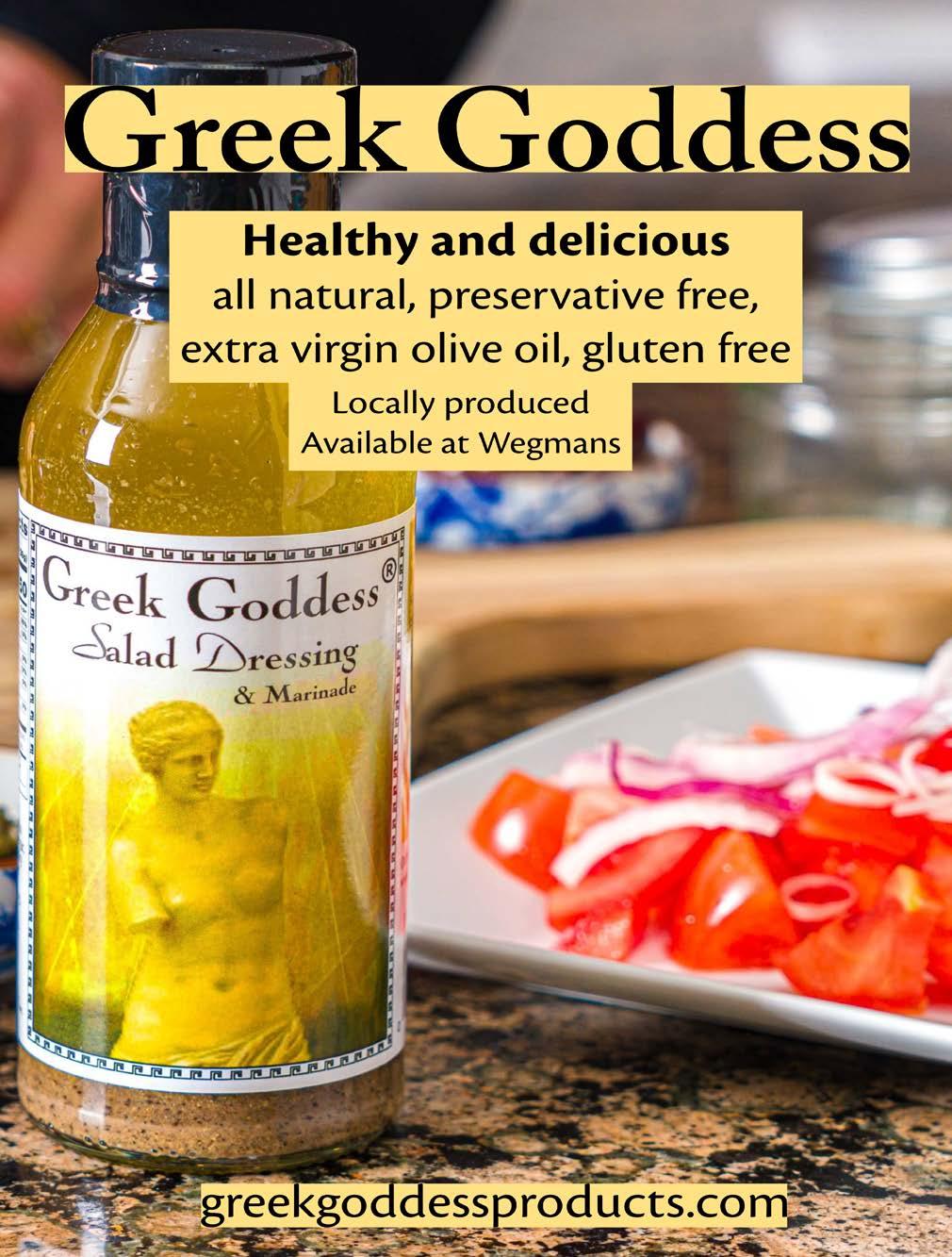
If you look at the ingredients on many other dressings, you’ll see soy and other unhealthy oils, water, and preservatives. It was important to me to create a great-tasting dressing made with quality ingredients and no additives.
Starting a food product business from scratch is no small feat. What were some of the biggest challenges you faced in the early days?
Starting from scratch means learning everything. While that can be fun, it takes time — and you may not make any money at first. You also have to be able to accept rejection.
You launched Greek Goddess with help from the Small Business Administration and local resources. How did that support shape your success story?
There are many free resources available through the Small Business Administration (SBA). There’s also a group of mentors called SCORE who support small businesses.
You don’t have to do it alone. I took courses through the SBA and connected with SCORE. I’m an advocate for them and encourage anyone interested in starting a business to utilize those resources.
How did you manage to get your products into major retailers like Wegmans? What did that process look like behind the scenes?
I always say it’s not what you do once or twice in life — it’s what you do every day. It’s who you meet, how you treat people, and how you show up consistently. That demonstrates integrity and respect.
All of the stores I’m in are the result of cold calls, introducing myself with samples, and connections made along the way. I’m in a variety of retail stores in the Buffalo area, including grocery stores, co-ops, and farm markets.
I’m grateful to a dear friend whose son played hockey and baseball with my son — he introduced my product to his employer, Wegmans. I began selling in Buffalo-area Wegmans stores in 2009. In 2025, I was fortunate to receive support from Wegmans Corporate to expand into the Rochester area.
I’m excited and appreciative — and I would love to see Greek Goddess offered in all Wegmans stores someday.
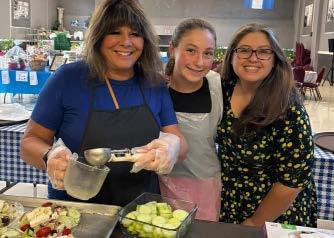
You’re known for doing in-store demos yourself — greeting customers and handing out samples. What do you enjoy most about those face-to-face moments?
I truly enjoy meeting people, sharing information about my products, and helping them create healthy and flavorful meals easily. I also love learning from the people I meet.
Let’s talk flavor! What makes Greek Goddess salad dressing so special and different?
Extra virgin olive oil, no preservatives, and loads of flavor. It’s gluten-free, keto-friendly, paleo-friendly — healthy and delicious!
Has your Greek heritage influenced your recipes or brand identity?
My Greek heritage is everything when it comes to my products. The ingredients are simple, pure, and flavorful. Greeks love to cook, eat, and embrace life.
The ingredients are classic — just like my brand, which features Aphrodite on the label.
Beyond the original dressing, do you have other products in the works?
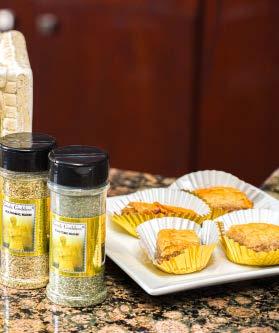
Yes! I have two seasoning blends: Greek Seasoning and Tzatziki Blend. They can be used to make dips, season meats, vegetables, and fish, or

“I
really enjoy meeting people, sharing information about my products and helping people make healthy and flavorful meals easily. I also like learning from those I meet.”
sprinkled on olive oil for dipping bread.
I also make baklava, which is available in select Buffalo-area stores and online throughout New York State.
What advice would you give to women who dream of turning a passion project into something bigger?
Follow your dreams. You may not know where your journey will lead, but you can enjoy the ride.
What’s been the most rewarding moment?
Seeing my products on store shelves confirms it’s real!
Finally, what’s next for you and Greek Goddess Products?
There are so many opportunities ahead. I will continue learning and connecting with additional retail outlets while growing my online business.
I’m excited to continue participating in events like the Influential Women’s Expo and the Greek Festivals in Rochester and Buffalo. No matter the city, when you walk into a Greek Orthodox Church, it feels like home — like an extension of your family.
And if I could dream big? I’d love to see Greek Goddess served at professional sports team meals. It’s healthy, flavorful, and perfect for athletes and families alike. I know they’d be return customers!

BY NICOLE HEROUX WILLIAMS I PHOTOS BY NSP STUDIO
I don’t know about you, but I’m over the snow.
I really appreciate a fresh layer sparkling under the moonlight, I love the peace and muted sounds as it settles in, but then...reality. Hauling out the shovels and snowblowers. Sliding on the ice. With that said: February and March live in an interesting space on the calendar. The fun sparkle of the new year has faded, but spring hasn’t quite arrived. It’s a season of in-between — where intentions either take root or slip away. After Fresh Grace January, this is the moment when life asks a question: What will you do with that grace? For me, the answer is love — not the romanticized version wrapped in pink ribbons and heart-shaped chocolates, but the grounded, active kind. The kind that truly looks like patience when you’re tired. The kind that shows up for others even when you’re still healing yourself. The kind that chooses growth over comfort, again and again.
Love, I’ve learned, is not a feeling. It’s a practice.
When you’ve walked through something life-altering — illness, grief, uncertainty — your definition of love shifts. It becomes less about grand gestures and more about presence. More about noticing. More about choosing connection when withdrawal would feel easier.
There’s a quiet courage required to keep blooming after hard seasons. The world often celebrates resilience
BY JESSICA FABUS CHENG
in dramatic ways: comeback stories, triumphant transformations, visible success. But real courage lives in the ordinary moments. Answering the phone. Trying again. Trusting people again. Trusting yourself again. Love in action is built from those moments.
Research from Harvard’s long-running Study of Adult Development — one of the longest studies on human happiness — found that the strongest predictor of long-term well-being isn’t wealth, career achievement, or even physical health. It’s relationships. Connection. Feeling supported and giving support in return.
In other words, love isn’t just emotional — it’s biological. And it’s survival. As winter slowly loosens its grip and the first signs of spring appear, nature reminds us of something important: growth doesn’t happen in a dramatic leap. It happens gradually, beneath the surface first. Roots deepen before flowers bloom.
So if this season feels slower than you expected, you’re not behind.
You’re rooting.
One of the most powerful ways to practice love in action is through small consistency. A text that says, “Thinking of you.” A walk with someone who needs company. A boundary that protects your peace so you can show up more fully later. Love isn’t always soft. Sometimes it’s firm. Sometimes it’s saying no. Sometimes it’s resting when guilt tells
you to push harder. Loving yourself and loving others are not competing priorities — they strengthen each other.
And then there’s courage.
Courage is love moving forward despite uncertainty. It’s signing up for something new. It’s speaking your truth. It’s allowing joy back into your life after fear tried to convince you it wasn’t safe.
After surviving something that once threatened my future, I understand now that courage rarely feels heroic in the moment. It feels ordinary. It feels like choosing to participate in life again. It feels like saying yes to experiences even when part of you whispers, What if…?
But every time we choose participation over withdrawal, we bloom a little more.
Spring doesn’t demand perfection from flowers. It simply offers conditions for growth. The same is true for us. We don’t need to force transformation. We need to create environments where it can happen naturally — through kindness, connection, and steady care.
Love in action also includes compassion — for ourselves and for others navigating invisible battles. Everyone you meet is carrying something you can’t see. When we lead with empathy instead of assumption, we make the world gentler.
And gentleness is not weakness. It’s wisdom.
As we move toward longer days and lighter evenings, this season offers a wonderful invitation: Keep blooming. Bloom in your courage. Bloom in your journey.
Bloom in your willingness to show up imperfectly but sincerely.
You don’t need to have everything figured out to grow. You don’t need certainty to move forward. You only need willingness — the decision to keep loving, keep trying, keep participating.
Because love in action isn’t about perfection but presence. It’s about showing up as you.
And presence, over time, creates transformation.
If January was about grace, February and March are about movement — letting that grace shape how you live, connect, and expand. Not dramatically. Not all at once. Just steadily, like the first buds of spring pushing through cold soil toward sunlight.
You are allowed to bloom in your own time.
You are allowed to bloom again. And again.
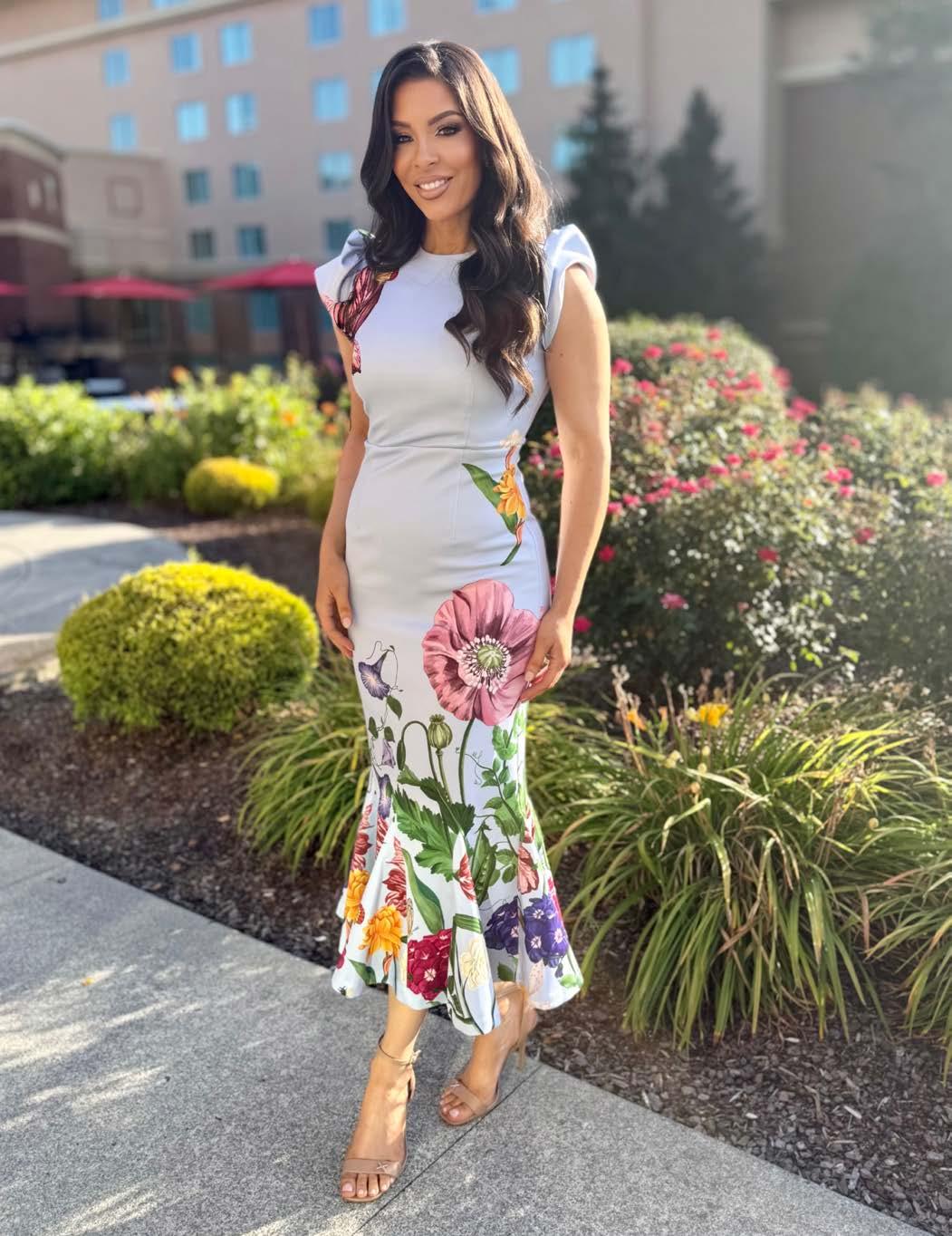


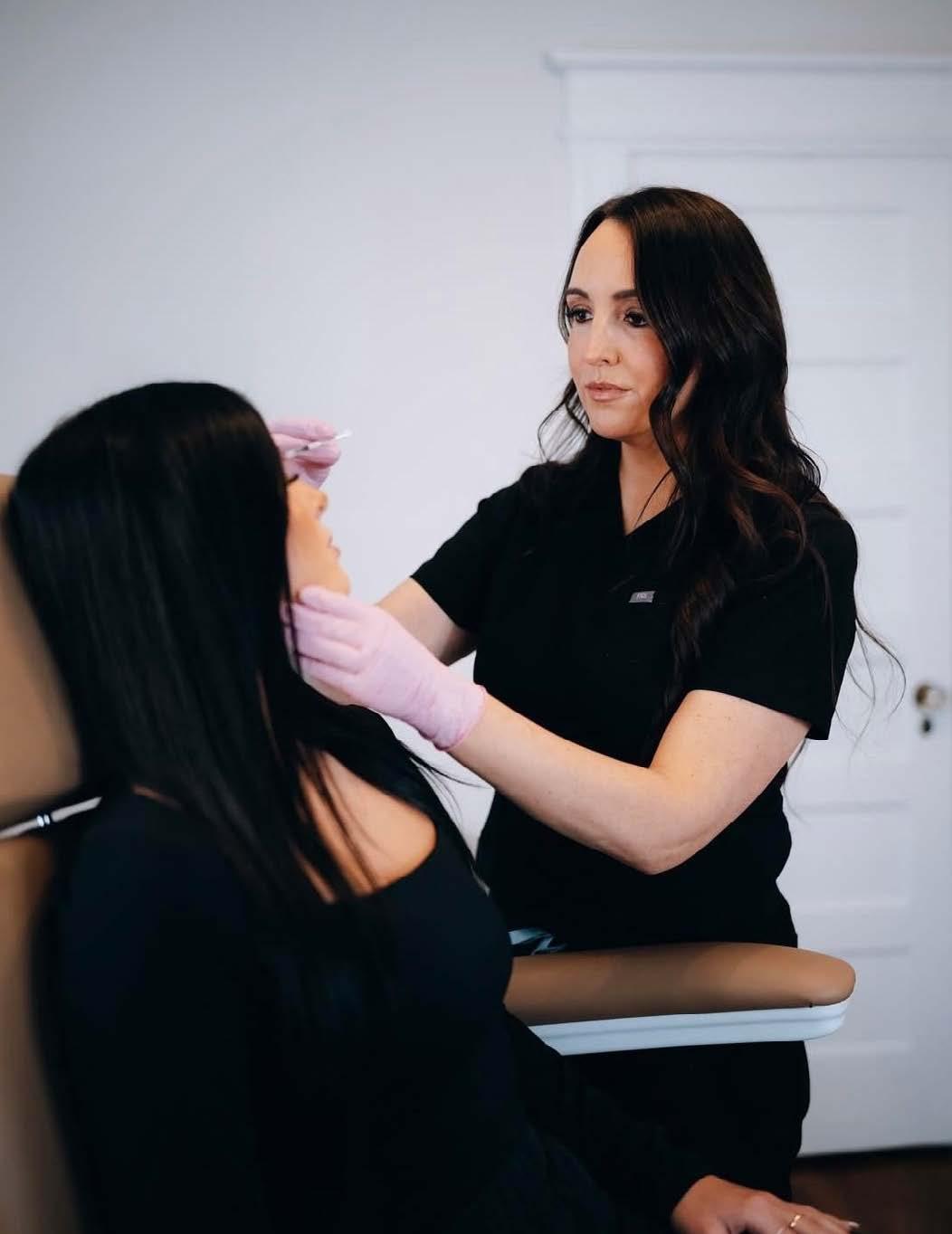
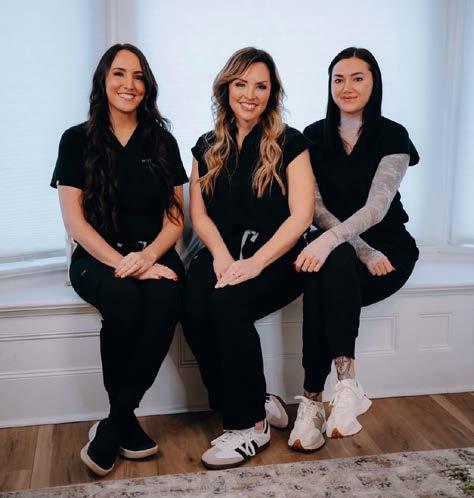
With more than 21 years in nursing and five years as a nurse practitioner, Cameron Houle brings a rare and powerful blend of clinical precision, personal empathy, and artistic refinement to the world of aesthetics and wellness. Her foundation in headache medicine — treating chronic migraines, TMJ dysfunction, occipital neuralgia, and myofascial pain — laid the groundwork for a practice rooted in anatomy, accuracy, and truly listening to patients.
For Cameron, aesthetics was never a departure from medicine — it was a natural evolution. As both a provider and a chronic migraine patient herself, she understands firsthand how pain can shape a person’s confidence, routine, and quality of life. Through neurotoxin therapies and individualized treatment plans, she has helped patients reclaim control, function, and freedom. Today at Lovely You Aesthetics, she bridges the gap between medical and aesthetic care — delivering results that are not only safe and science-driven, but also subtle, empowering, and beautifully natural.
At the heart of her work is a simple philosophy: when you combine clinical expertise with compassion and artistry, you don’t just treat symptoms — you help people feel like themselves again.
You’ve been in the nursing field for over 21 years and a nurse practitioner for five. What inspired you to transition your expertise into the world of aesthetics and wellness? After more than 21 years in nursing
and five years as a nurse practitioner, my work in headache medicine really shaped my path into aesthetics and wellness. Treating chronic migraines, TMJ, and myofascial pain—often with Botox—taught me the importance of precision, anatomy, and truly listening to patients. I saw firsthand how improving pain and function could dramatically change someone’s confidence and quality of life.
Aesthetics felt like a natural extension of that work. It allows me to combine my strong medical foundation with a more proactive, wellness-focused approach—helping patients not only feel better physically, but also feel confident and empowered in their own skin. For me, it’s still about individualized care, trust, and outcomes that enhance how patients look and feel.
Before aesthetics, your background was in headache medicine — using neurotoxin treatments for chronic migraines, TMJ, and pain management. What first drew you to that specialty?
I was drawn to headache medicine because it’s where neurology, anatomy, and quality of life intersect—but it was also personal. As a chronic migraine patient myself, an NP once helped give me my quality of life back. That experience inspired me to work in a specialty where I could do the same for others.
Treating chronic migraines, TMJ, and myofascial pain with neurotoxin therapies showed me the power of
precise, anatomy-based care and the impact it can have on truly changing patients’ lives.
Many people associate neurotoxins like Botox with cosmetic treatments, but they’re also used medically. Can you explain how neurotoxins help relieve chronic migraine and TMJ symptoms?
While neurotoxins like Botox are well known for cosmetic use, they’re also powerful medical tools. In chronic migraine and TMJ, Botox works by blocking the release of certain chemicals that transmit pain signals and relaxes overactive muscles that contribute to tension and pressure. For migraines, strategically placed injections around the head and neck can reduce the frequency and severity of attacks. For TMJ and myofascial pain, neurotoxins help relax tight muscles, relieve jaw tension, and improve function. Essentially, it’s about targeting the root sources of pain, not just masking symptoms— allowing patients to regain comfort and quality of life.
What does a typical migraine or TMJ treatment session look like at Lovely You Aesthetics?
A typical session at Lovely You Aesthetics is very personalized and begins with a thorough consultation. I review your medical history, discuss your symptoms, and identify the areas contributing to pain or tension. During treatment, I use precise neurotoxin injections in targeted muscles around the head, neck, and jaw. The process is quick, minimally
“It’s a professional, comfortable experience focused on both safety and effectiveness— helping you feel your best both medically and aesthetically.”
uncomfortable, and designed to maximize relief while keeping downtime minimal. After the session, we review what to expect in the coming days and schedule followups as needed to monitor results and adjust treatment for optimal outcomes.
It’s a professional, comfortable experience focused on both safety and effectiveness—helping you feel your best both medically and aesthetically.
How quickly do patients typically begin to see relief after neurotoxin injections for chronic migraines or jaw tension?
Patients’ responses can vary between individuals. Some patients notice improvement within a few weeks, while for others it may take up to 3 to 6 months. The main benefits include a reduction in the frequency and severity of chronic migraines and, for those with TMJ or jaw tension, decreased muscle tightness and improved comfort. Results typically last several months, depending on the individual.
What types of patients benefit most from these treatments, and how do you determine who’s a good candidate?
Patients who tend to benefit most from these treatments often present with chronic, localized pain syndromes. This includes individuals with chronic migraines, myofascial pain syndrome, temporomandibular joint (TMJ) dysfunction, occipital neuralgia, and cervicogenic headaches. These
conditions are frequently characterized by persistent discomfort, muscle tension, and identifiable pain patterns that significantly impact daily functioning and quality of life.
Ideal candidates are typically those who have already explored first-line therapies—such as oral medications, physical therapy, or lifestyle modifications—without adequate relief or with intolerable side effects. Injection therapies can offer a targeted approach, addressing the underlying muscular or neurologic contributors to pain.
Determining candidacy involves a thorough clinical assessment. Patients with well-defined, reproducible pain patterns—especially those with palpable trigger points or tenderness along specific nerve distributions— are more likely to respond favorably. Frequency and severity of symptoms also play an important role; for example, patients experiencing chronic migraines (15 or more headache days per month) may be strong candidates for neurotoxin therapy.
Equally important is evaluating for contraindications, such as active infection at the injection site, certain neuromuscular disorders, or other medical considerations. Setting realistic expectations is also essential—patients should understand that these treatments are often part of an ongoing management plan rather than a one-time solution.
Ultimately, successful patient selection
relies on a combination of clinical experience, patient history, and physical examination findings. When appropriately chosen, patients can experience meaningful reductions in pain severity, frequency, and overall functional impairment, making these therapies a powerful addition to comprehensive pain management.
Chronic migraine sufferers often struggle for years to find relief. What’s the most rewarding part of being able to provide a solution that truly changes lives?
For patients living with chronic migraine, the journey to relief is often long, frustrating, and isolating. Many have spent years cycling through medications, adjusting their lifestyles, and pushing through daily pain just to function. Being able to offer a treatment that finally provides meaningful relief is one of the most rewarding aspects of this work.
What stands out most is witnessing the shift in a patient’s quality of life. It’s not just about fewer headache days—it’s about patients getting back to work consistently, being present with their families, and no longer planning their lives around pain. Seeing someone move from a place of constant anticipation of their next migraine to a sense of control and predictability is incredibly powerful. There’s also a deep sense of trust involved. Many of these patients arrive feeling discouraged or skeptical after years of unsuccessful treatments. Earning their confidence and then
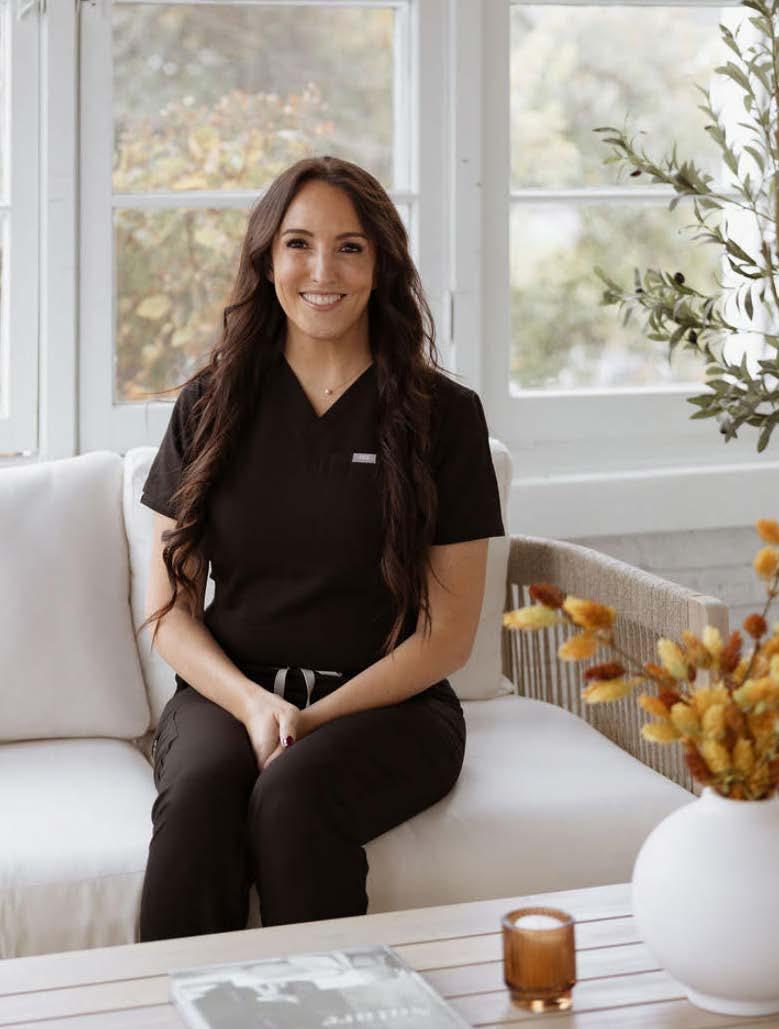
“ I was drawn to headache MEDICINE because it’s where neurology, anatomy, and quality of life intersect—but it was also PERSONAL.
As a chronic migraine patient myself, an NP once helped give me my QUALITY of life back. ”
“For patients living with chronic migraine, the journey to relief is often long, frustrating, and isolating. Many have spent years cycling through medications, adjusting their lifestyles, and pushing through daily pain just to function.”
delivering results that genuinely improve their daily experience creates a strong therapeutic relationship and a meaningful impact that goes beyond symptom management.
Ultimately, the most rewarding part is helping patients reclaim parts of their lives they thought they had lost—restoring not just function, but confidence, independence, and hope.
You have a reputation for precision and patient-centered care. How has your medical background shaped your approach to aesthetic and therapeutic treatments?
My medical background has fundamentally shaped how I approach both aesthetic and therapeutic treatments—everything starts with safety, anatomy, and truly understanding the patient in front of me.
With over two decades as a registered nurse and years as a nurse practitioner, particularly in headache medicine, I developed a deep respect for precision. Performing procedures like neurotoxin injections for chronic migraine and treating conditions such as occipital neuralgia and myofascial pain required an advanced understanding of facial anatomy, nerve pathways, and individualized dosing. That same level of detail directly translates into aesthetic practice, where small, precise adjustments can make a significant impact.
Equally important is my patientcentered approach. In primary care and neurology, I learned that no two
patients experience symptoms—or outcomes—the same way. I carry that mindset into aesthetics by focusing on each patient’s unique goals, concerns, and natural features rather than applying a one-size-fits-all treatment plan.
I also prioritize education and transparency. Patients deserve to understand not only what we’re doing, but why—whether it’s softening fine lines, restoring balance, or treating pain. My goal is always to create results that feel natural, functional, and aligned with the patient’s overall well-being.
Ultimately, my background allows me to bridge the gap between medical and aesthetic care—delivering treatments that are not only effective and refined, but also grounded in clinical expertise and trust.
There’s often overlap between medical and aesthetic uses of neurotoxins. How do you balance both — helping patients feel better and look refreshed at the same time?
There’s a natural overlap with neurotoxins, so I focus on function first—relieving pain and muscle tension—while using precise placement to also create a refreshed, balanced appearance. My background allows me to treat symptoms without overdoing it, preserving natural movement. The goal is subtle, dual-purpose results: patients feel better and look more relaxed.
Some patients may feel nervous about injections. How do you ensure
they feel comfortable, informed, and confident during their treatments? I focus on education, transparency, and trust from the start. I take time to explain the treatment, expected outcomes, and answer any questions so patients feel informed and in control. During the procedure, I use a gentle, precise approach and check in frequently to ensure comfort. Creating a calm, supportive environment helps patients feel confident—many leave realizing it was much easier than they expected.
What are some of the biggest misconceptions people have about neurotoxin treatments — especially when used for headaches and pain relief?
One of the biggest misconceptions is that neurotoxins like Botox are purely cosmetic. In reality, they’re widely used to treat medical conditions such as chronic migraine, TMJ dysfunction, muscle spasticity, cervical dystonia, hyperhidrosis (excessive sweating), and even overactive bladder. Another common myth is that results are immediate. Therapeutic benefits often take weeks to months to develop and may require consistent treatments over time. I make it a point to set clear expectations and provide reassurance, so patients understand the timeline and feel confident in the process.
People also worry about looking “frozen,” but with precise dosing and placement, natural movement is preserved while symptoms are relieved. Ultimately, it’s not about changing how someone looks—it’s about improving how they feel, with
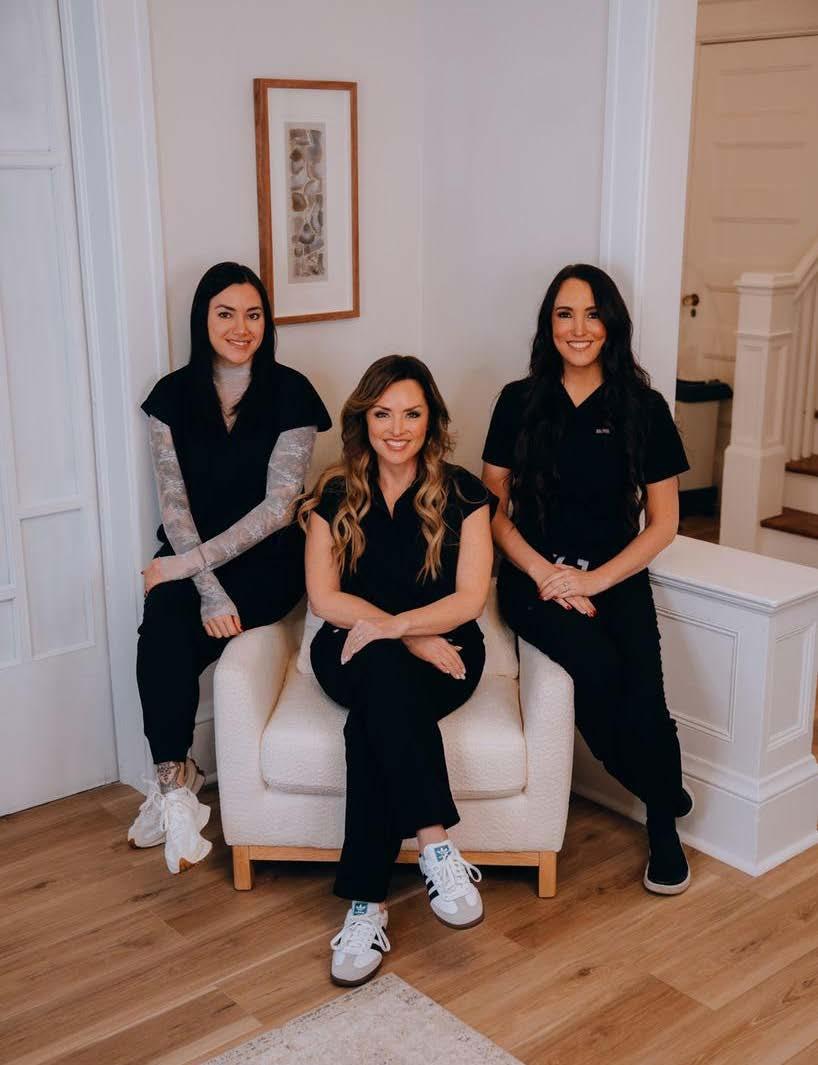
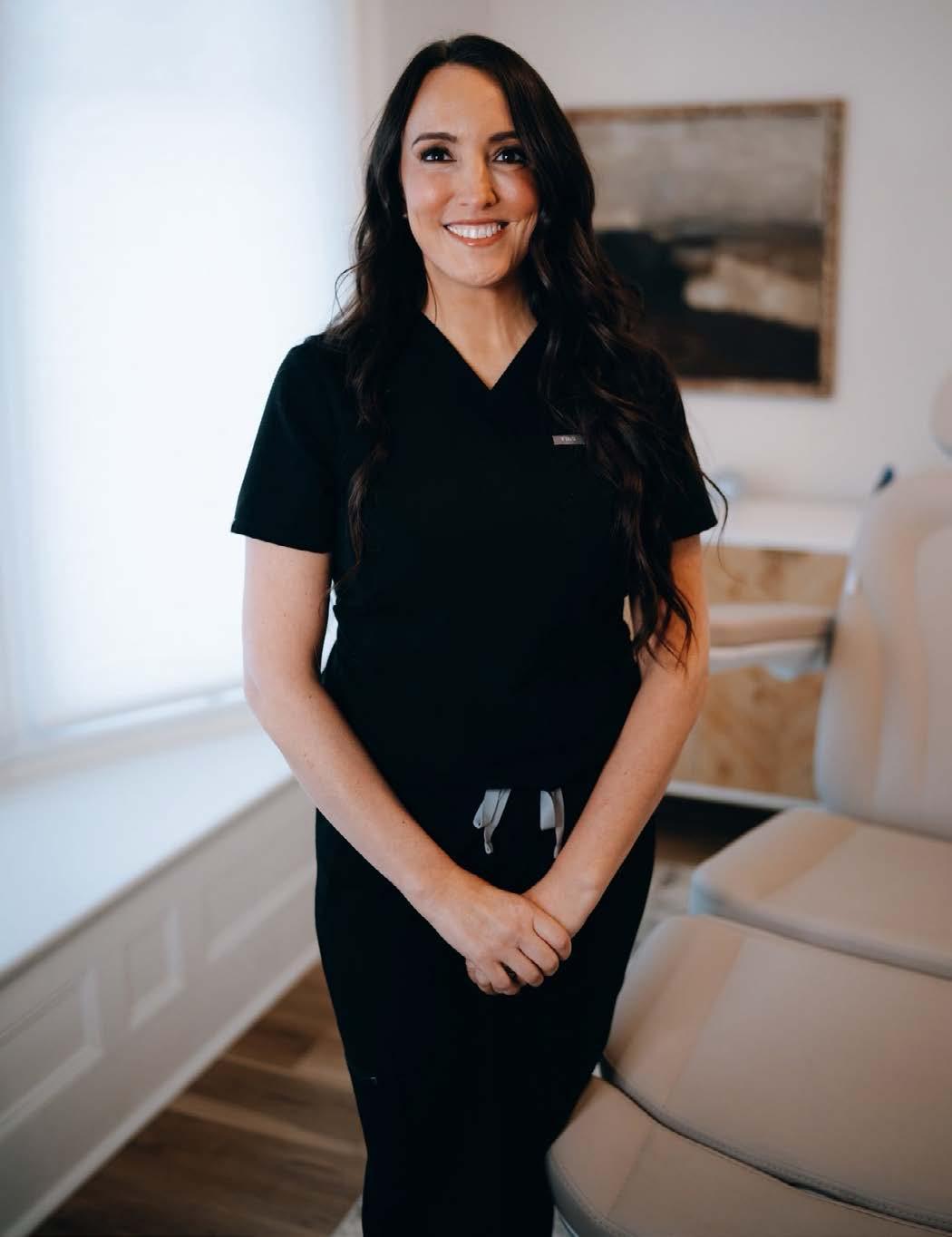
“My medical background has fundamentally shaped how I approach both aesthetic and therapeutic treatments—everything starts with safety, anatomy, and truly understanding the patient in front of me.”
the added benefit of a more relaxed, refreshed appearance.
As someone passionate about natural and safe results, how do you approach aesthetics in a way that enhances without overdoing? I focus on subtle, tailored enhancements that work with each patient’s natural features rather than against them. Every treatment is guided by anatomy, proportion, and balance, ensuring results feel effortless and authentic. My goal is always to enhance confidence and wellbeing—never to create a “done” look—so patients leave looking like the best version of themselves, not a different person.
How do you stay on top of new research and advances in migraine and pain management to continually refine your skills?
I stay current by regularly reviewing medical journals, attending conferences, and participating in professional workshops focused on headache medicine and pain management. I also engage with expert networks and continuing education courses, which allows me to integrate the latest evidencebased techniques into my practice. This ongoing learning ensures my treatments remain precise, effective, and tailored to each patient’s needs.
What’s your advice for someone living with chronic headaches or TMJ who hasn’t yet explored medical neurotoxin treatments?
I would encourage them to learn about their options and consult with a qualified clinician. Neurotoxin treatments can offer significant relief for chronic headaches, TMJ pain, and
Aesthetics — and how does it feel to combine science, artistry, and compassionate care to help patients look and feel their best?
What I love most is seeing the transformation—both in how patients feel and how they see themselves. At Lovely You Aesthetics, I get to combine clinical expertise, an artistic eye, and genuine compassion to create results that are safe, natural, and confidence-boosting. Working with mentors like Carla Scheiber has shaped my approach, showing me how to merge precision, artistry, and patient-centered care in every treatment. Helping someone feel relief from pain or see a subtle enhancement that lights them up is deeply rewarding—it’s the perfect blend of science, artistry, and compassion.
related muscle tension—especially when other therapies haven’t worked. Start by understanding how the treatment works, what to expect, and whether it fits your specific condition. With the right guidance, many patients find meaningful improvement in both chronic pain and quality of life.
Finally, what do you love most about your work at Lovely You
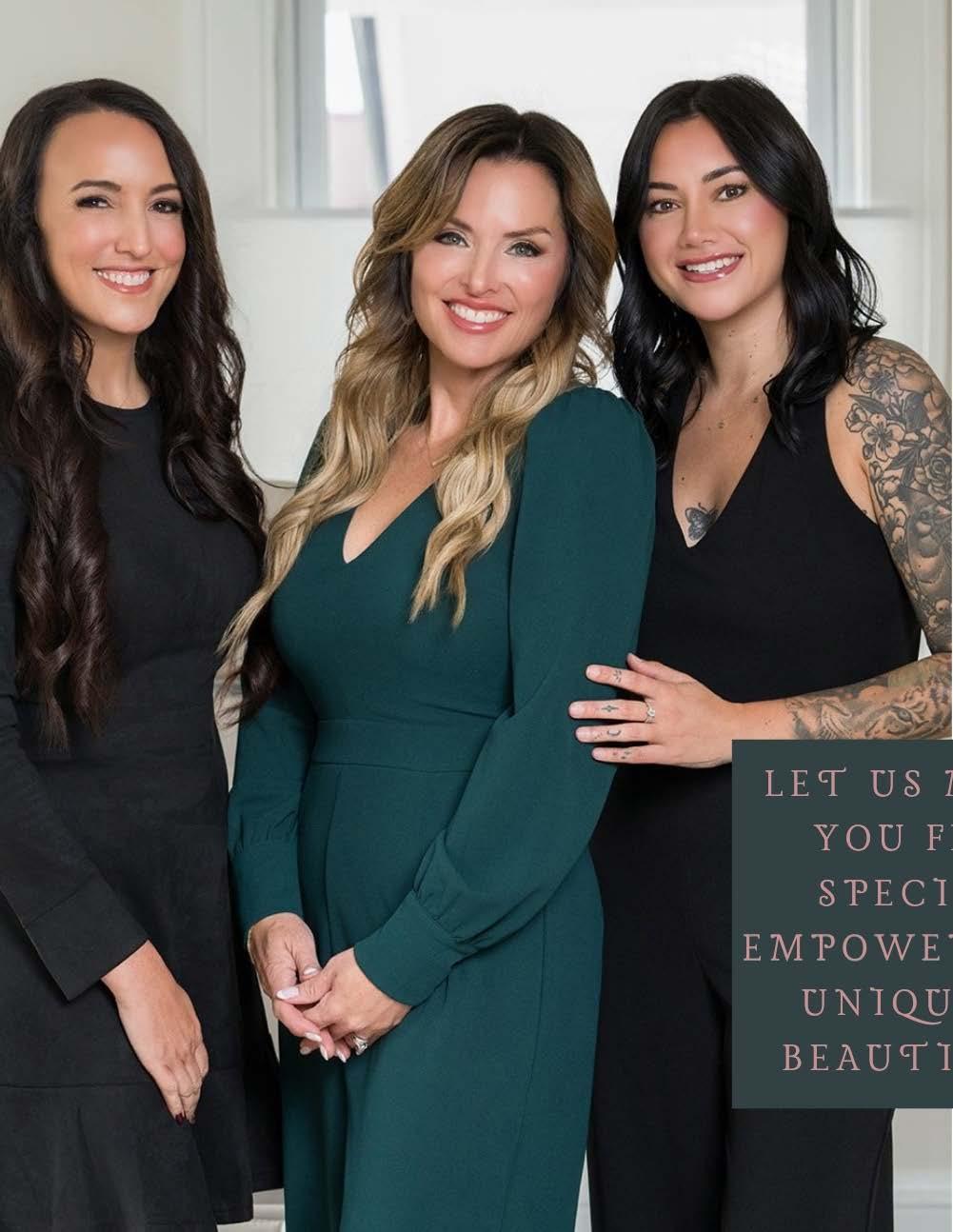




BY NICOLE HEROUX WILLIAMS I PHOTOS BY NSP STUDIO
For many homeowners, hiring a contractor is stressful. For women, it can feel downright intimidating. Questions about safety, trust, pricing, and professionalism often come with every phone call and every knock on the door. That reality is what inspired the launch of The Contractor Store, a new concept in Greece, New York that is changing how homeowners connect with trades professionals.
Founded by longtime contractor and business owner Michael Murano, The Contractor Store was created to solve a problem he has seen repeatedly over the years: homeowners struggle to find reliable, high-quality contractors, while skilled tradespeople are stretched thin trying to manage every aspect of their business on their own. The result is often poor communication, inconsistent service, and a lack of accountability that leaves homeowners frustrated and uneasy. At its core, The Contractor Store is built around trust. It serves as a centralized, professional space where vetted contractors operate under one roof and homeowners can feel confident about who they are inviting into their homes.
Michael’s motivation for creating a safer system is deeply personal. With a large family that includes daughters, sisters, and close friends, he has heard countless stories from women who feel uncomfortable hiring contractors unless they come through a personal
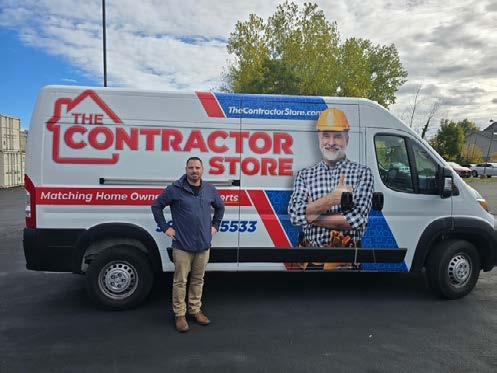
referral. Too often, women feel they have no choice but to take a risk or wait until someone else can be present during an appointment.
The Contractor Store aims to remove that anxiety. Contractors are screened before ever being recommended to a homeowner, and professionalism is non-negotiable. Michael is clear about the standard: no one is allowed through the doors unless he would feel comfortable sending them to his own family member’s home.
Jennifer Mannara, who works closely with the business, understands this concern firsthand. As a young mother, she avoided scheduling contractor visits when she was home alone with her children. The concept behind The Contractor Store immediately resonated with her because it replaces uncertainty with familiarity. Homeowners can meet contractors, see the environment they operate in, and know there is a team standing behind every referral.
While the homeowner experience is front and center, the contractor side of the model is just as important. The trades industry has traditionally lagged behind other sectors when it comes to shared workspaces and operational support. The Contractor Store brings a coworking-style model to the trades, offering contractors access to professional offices, shared resources, and optional administrative services.
Instead of running every part of their business alone, contractors can offload tasks like bookkeeping, scheduling, payroll, marketing, and customer communication. This allows them to focus on the work they do best and show up more consistently for their clients.
Michael notes that many contractors

“For homeowners, especially women, the experience is meant to feel simple and reassuring. Instead of calling multiple contractors and hoping one works out, homeowners can start with The Contractor Store.”
believe being busy means they are successful. In reality, many are overworked, under-supported, and one missed step away from burnout. The store is designed to help them build sustainable businesses, which directly benefits homeowners through better communication, clearer timelines, and more reliable service.
How the system works for homeowners For homeowners, especially women, the experience is meant to feel simple and reassuring. Instead of calling multiple contractors and hoping one works out, homeowners can start with The Contractor Store. Contractors recommended through the store are vetted, insured, and held to a professional standard.
When estimates are provided, homeowners can receive multiple sealed bids from qualified contractors within the network. Just as importantly, there is an added layer of accountability. If questions arise or something does not feel right, homeowners are not left to handle it alone. They can contact the store for guidance or intervention, which encourages contractors to stay proactive and transparent throughout a project.
Michael emphasizes that honesty is the foundation of trust. Schedules can change and challenges can come up, but clear communication is expected at every step. When homeowners experience that consistency once, they are far more likely to stay loyal rather than returning to the uncertainty of starting over with someone new.
The Contractor Store also recognizes the reality that women are more likely to feel vulnerable in contractor interactions. Even when pricing is fair, many women worry they are being taken advantage of due to a lack of technical knowledge. The store’s vetting process is designed to eliminate that fear by doing the due diligence upfront.
This includes background checks, credit screening, drug screening, personal interviews, job site evaluations, and reference checks. Vetting extends beyond business owners to employees as well. The goal is not just quality work, but safety, consistency, and peace of mind.
The store also actively welcomes women in the trades. Michael has worked with many female electricians and contractors and has been impressed by their professionalism and work ethic. As more women enter trade careers and launch their own businesses, The Contractor Store aims to provide a supportive environment where they can grow without facing unnecessary barriers.
Beyond individual projects, The Contractor Store is designed to foster a strong local community. Contractors working side by side naturally build trusted relationships, refer work to one another, and specialize in what they do best. That collaboration leads to better outcomes for homeowners and more stable businesses overall.
Michael is also committed to giving back. While the grand opening itself is not a fundraiser, the broader vision includes partnerships with veterans organizations and local nonprofits such as Lollypop Farm. Veteran discounts and communityfocused events are part of the long-term plan, inspired by Michael’s own family ties to the military and his belief that service extends beyond business.
ahead
The Greece location serves as a concept store, designed to refine the model before expanding. Michael hopes to open additional locations in the region, with the potential for broader expansion in the future. The vision is scalable, but the mission remains the same: safer homes, better businesses, and stronger communities.
A message to women who are hesitant to trust again
For women who have had negative experiences in the past, the advice from The Contractor Store is simple. Do not wait until something goes wrong. Visit the store, meet the team, and understand the process before you need help. Building familiarity ahead of time removes pressure and puts control back in the homeowner’s hands.
At its heart, The Contractor Store is about restoring confidence. It offers women a way to move forward without fear, knowing that the people entering their homes have been carefully chosen and are accountable to more than just themselves.










BY NICOLE HEROUX WILLIAMS I PHOTOS BY NSP STUDIO
PHOTOS BY SUE ZECCOLA PHOTOGRAPHY
You’ve been described as a true “Warrior Woman.” What does that term mean to you personally, and how do you embody it in your daily life and leadership?
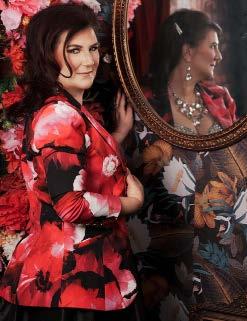
A Warrior Woman is one who doesn’t let adversity hold her back. She uses adversity to inspire her to move forward in search of her goals. She learns from the past and uses those lessons to make her better for herself, her family, and the world. This Warrior Woman mentality shows up in my daily life and leadership by accepting that I am not in search of perfection, because no one is perfect. When I hit a setback I take that as an opportunity to assess why I didn’t get the outcome I anticipated and adapt. Every experience, especially the ones that stretch us, makes us a better person. In this season of my life, I give myself the grace and forgiveness that I freely give other and that I deserve.
You’ve dedicated your career to helping women live their best lives — what inspired that mission, and what does “living your best life” mean to you?
the founder and CEO, I had a lot of responsibilities and people counting on me. Unfortunately, I didn’t have the systems or mindset to remember to put myself and my family first.
One day my husband, whose support has meant everything to me, called me out on not being present with our family and said he and the kids hadn’t “signed up for this.” What followed
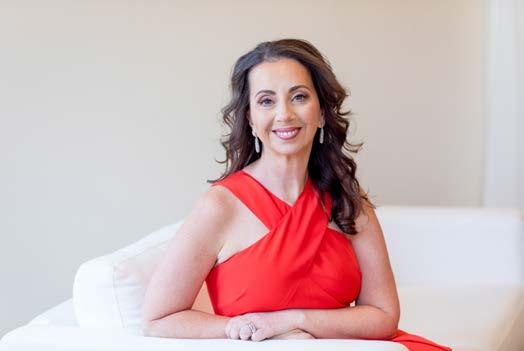
When I speak of living our best lives as women I focus on work-life harmony. I don’t believe our work and our family should be balanced. For me our families should always come first. For some they are thinking that is impossible but it’s not. It is exactly what I teach women to do in my executive coaching sessions. There is the old adage about when we are on our deathbeds we will not wish we worked more, we will wish we spent more time with the ones we love. My goal is for women to do that now so that when they reflect back they have no regrets about how they lived their lives and those who they love will know and feel that love every day.
Tell us about the creation of the SisterLeader Movement. What sparked the idea, and how has it evolved into the powerful community it is today?
In 2013 I founded Renaissance Academy Charter School of the Arts a k-6 charter school in Rochester. When I speak of my accomplishments, founding that school from a mustard seed and growing it to over 500 students and nearly 100 employees is listed at the top. I created the school because I wanted my children and others in Rochester to have a school founded on Joy. As
that conversation were intentional changes on my part as a leader, wife, and mother that enabled me to have work-life harmony. When my daughter graduated from the school, I retired from my position in 2021 for the same reason I started it for my children. I wanted to be present for them as they moved on to other schools. I launched into Executive Coaching full time and have been supporting female leaders across the country as they manage the two full time jobs that we have as women.
As a female CEO in education, I was one of a few. In the country of the thousands of Superintendents, Charter School and Private School CEOs only 23% are women. I believe that as women we need to lift as we rise. When we pour into other women and show them the way and help them avoid the obstacles that we faced we are not only changing their lives we are changing the lives of their families for generations. As a leader I tried to grow my teams from within, to find people in my organization who believed in the mission and had the skills, even if they were rudimentary, to grow into leaders. I do the same in my practice as an executive coach and book publisher.
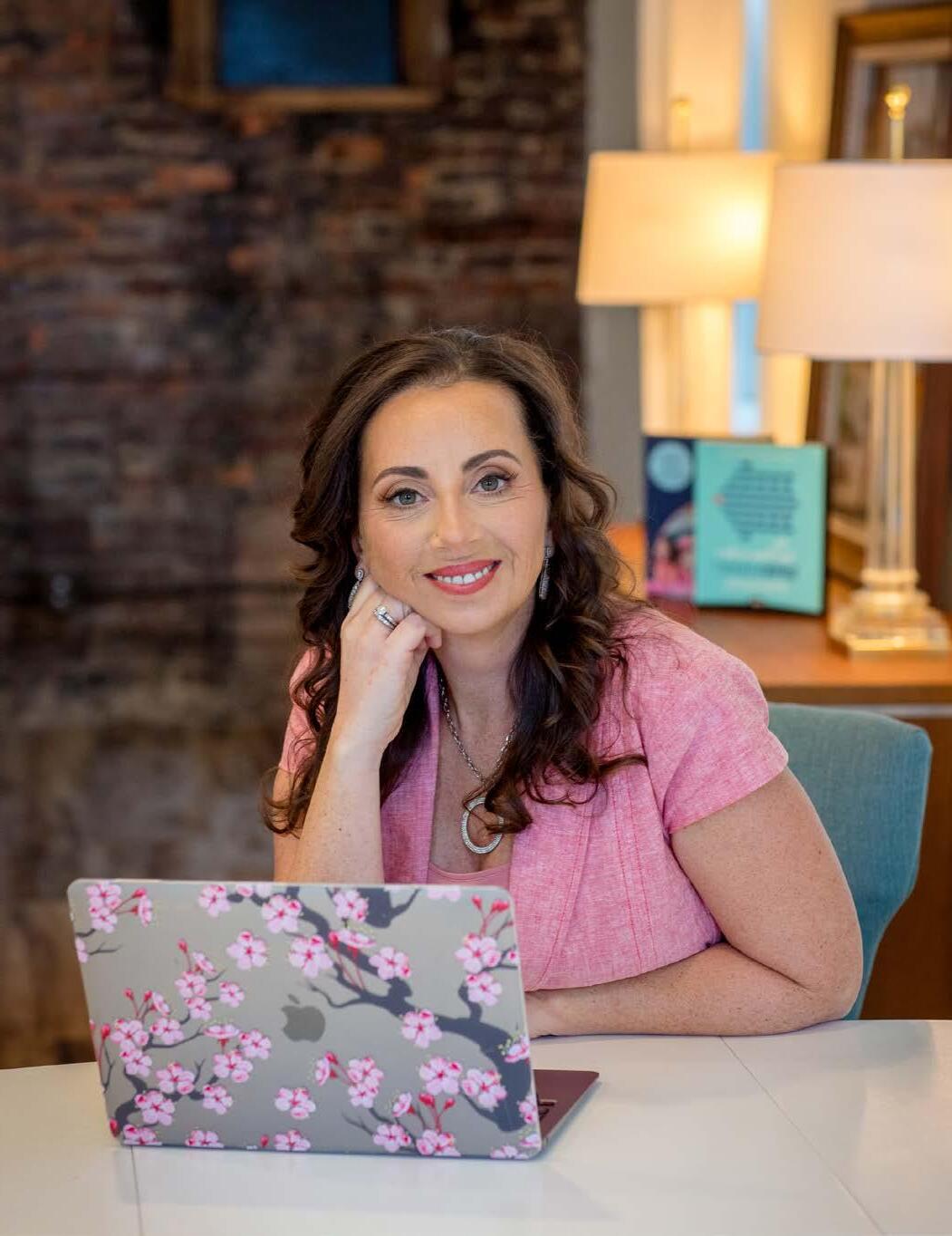
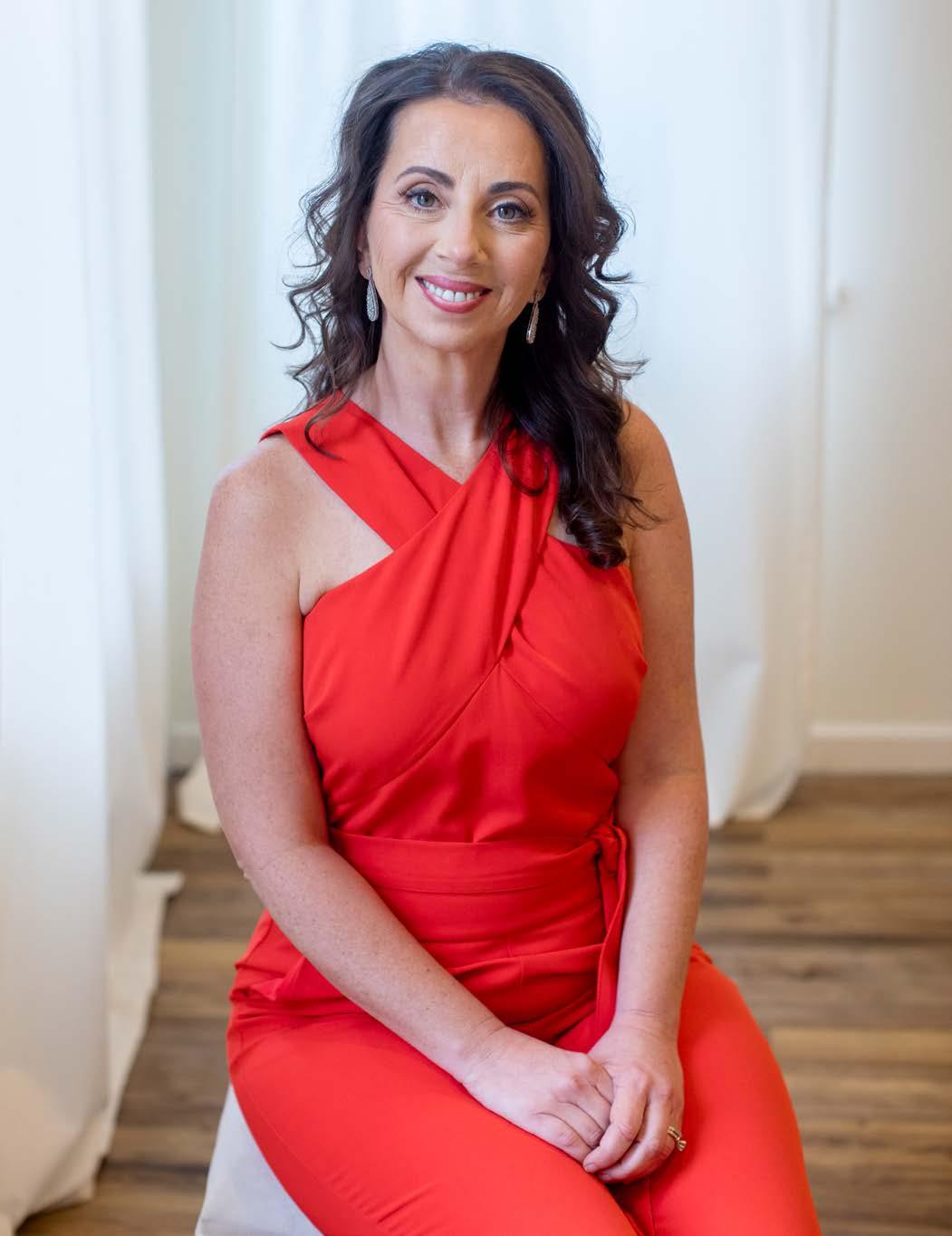
“I intentionally make decisions based on what is aligned to my personal and business priorities.”
Invest in people who have a desire to do more, be, more, and serve more.
The Sister Leader Movement is about helping women achieve everything they desire and deserve. As women we are infinitely powerful and when we come together to support each other we change the trajectory of lives. We break generational curses, programming, and stories we’ve been told about why we “can’t do things.” By coming together, we surround ourselves with women who have and will continue to crush their goals. It is time for women to stop putting others last and to stop playing small and the Sister Leader Movement is here to help women do just that.
SisterLeader Press is such an innovative concept — a publishing platform designed to amplify women’s voices. How did that come to life, and what do you hope it accomplishes for women authors and thought leaders?
Writing my first and second books launched my consulting company. Writing my third and fourth books changed my focus from general leadership to working with female leaders. Every one of my books provided five figure opportunities to use my message to serve others. My books have hands down been my best business asset and as I’ve refined how I use them, they continue to provide opportunities that I never would otherwise have had.
Women would come to me and ask how I was able to write four books. They would reflect that they had always wanted to write a book but didn’t believe they could. I realized, like I had been, many
women were interested in writing books. I created a system that allows women to focus on writing their books over a short period of time so that the friction of “I don’t have time” is no longer there.
Sister Leader Press goes further than just publishing the books. Our Book in a Weekend Program helps women write their entire manuscript in just 3 days, helps them publish it, and teaches them how to monetize their books. Having a book is the quickest way to launch your brand, voice, and consulting or coaching. It provides instant authority and allows your readers to develop relationships with you by reading your story.
I knew I had the key that many women needed to open the door to a second revenue stream or to a completely new identity. I became obsessed with helping women use that key. In just 12 months I was able to help 25 women write their books and learn how to use them to grow their businesses.
My singular goal in this program is to help women live the life they have always dreamed of through writing a book to grow a business that they love.
As an executive coach and book doula, you guide women through both personal and professional transformations. What’s one of the most rewarding experiences you’ve had coaching a woman toward success?
One of my early clients, Dr. Saundra Russell-Smith, came to work with me the school year after the COVID-19 pandemic closed down schools. She was a building principal who was exhausted,
overworked, and questioning her life’s choices. We worked together and she realized that she had “grown out” of the position of principal and that was not a failure, it was actually growth. She and I worked on figuring out what her next step should be. She found a position that fit her perfectly in a different district. As she transitioned to this position I watched her blossom and saw her do amazing things like traveling to Ghana and becoming a member of Zeta Phi Beta, a long-time goal achieved. We stayed in touch and when I launched by Book in a Weekend Program she jumped on and was one of my first published authors. Her book, Limitless Leader: Leading Beyond Your Disability was a #1 Amazon Best Seller in multiple categories. After her book was published she decided to leave her position and use her book to speak to groups around the country and launch her consulting business. Recently she said “DMC is my not-so-secret weapon—she gave me exactly what I needed when I needed it, helping me come out of a tough professional situation whole again.
Then she helped me write my book in a weekend, launching an entirely new chapter of my professional life; in short, DMC doesn’t just coach—she catalyzes transformation.” I feel honored that women like her choose to trust me to guide them in their professional journeys and birth the books that are inside them.
You’re a three-time best-selling author — congratulations! What inspired your first book, and how has your writing evolved since then?
“As women we can be our own best friends and our own worst enemies at times. We can hold ourselves to impossibly high standards and berate ourselves when we don’t meet them.”
When my daughter was in the 5th grade we had a family discussion about my next steps after she graduated from Renaissance Academy Charter School of the Arts. My family and I decided that although I loved the school that I created, and was super proud of all it was doing for the Rochester community, it was time to move on. I began to think about my next steps, and I knew it was going to be consulting and coaching. I had always wanted to write a book but wasn’t sure what to write about or how to do it. I found a book writing coaching program and from that my first book was born. So, You Want to Be a Superintendent: Become the Leader You Were Meant to Be is a book that outlines my DRIVERS method for leadership development. I have used that model with hundreds of leaders throughout my career with great success. Writing that book provided authority and influence that opened doors for me that I never dreamed of and launched my coaching and consulting business.
How has your experience as the former Chief Educational Officer at Renaissance Academy Charter School of the Arts shaped your leadership philosophy today?
Being the founder and CEO at RA was one of the highlights of my career and life. I was able to create an amazing school that served children and taught the whole child. As a charter school we were able to make decisions and take quick action to address needs that emerged. First and foremost, we were focused on what was best for our students. I am eternally grateful for the continued support the Rochester community has
given that school and to the Board of Trustees and school staff who keep the mission alive.
The biggest impact of that experience was the power of saying “I don’t know and I’m going to find out.” There were many challenges that I encountered as a first-time charter leader that I never knew I would need to face. Being transparent, honest, and humble was what fueled my growth, and the growth of the school while I was there. I also accepted that I wasn’t an expert in all fields so when we needed to make decisions, I would seek guidance and input from my colleagues and then together we would make the best decision with the information that we had.
Being a leader should never be about the leader, it should always be about the organization and those it serves. In the early years I would say “From 8 to 4 we leave our egos at the door.” I often hear from former families and colleagues how they appreciated how I lead with my heart and put the needs of the children and the school first. That is a legacy of which I am extremely proud.
You wear many hats — educator, author, coach, keynote speaker, and entrepreneur. How do you find balance while continuing to grow in all these areas?
Like all women out there I have two full time jobs, CEO of my company and co-CEO of my family. Fortunately, I am in a place where there is no tension between my two jobs. I’ve been able to reach that because I don’t seek balance, I seek harmony. I intentionally make
decisions based on what is aligned to my personal and business priorities. I surround myself with amazing friends and family who help me to be a better version of myself. From a business perspective I seek guidance and mentorship from those who are further along in their businesses, hire contractors to take on some of the responsibilities that I have outgrown, and invest in opportunities that will push my growth.
What challenges have you faced on your journey as a woman in leadership, and how did you push through them to become stronger?
The biggest challenge I faced was establishing boundaries. I wore doing more, saying yes to everything, and being a workaholic as a badge of honor. What I didn’t realize was that functioning that way, depleted me, and ultimately diminished my ability to perform at my most optimal level. Fortunately, I realized that I had to establish better boundaries and that came with tightening up systems. As I coach female executives today, I see many of the same problems I faced. Women doing too much for others and not enough for themselves. If we don’t establish healthy boundaries neither the teams we lead nor we, will we grow.
You often speak about women supporting women. Why do you believe sisterhood and collaboration are so essential in business and leadership today?
Sisterhood and collaboration are essential in business and leadership today because if as women we continue to see the
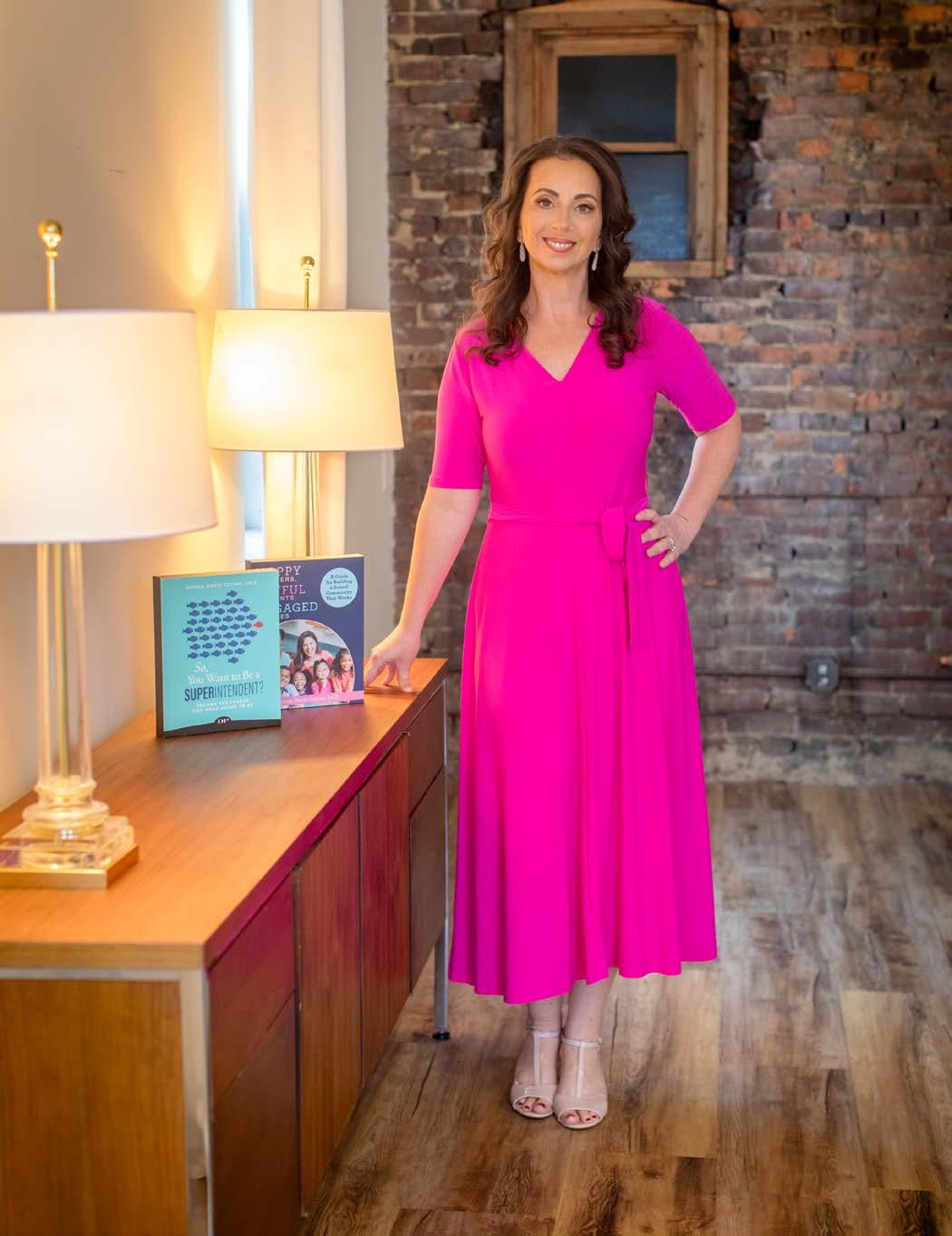
“ We are all SISTER LEADERS. We are women who lead at home, at work, and in the COMMUNITY. We can help other women by mentoring, sponsoring, or BEFRIENDING them.”
“There will always be work to do, fires to put out, and emails to return. The key is making sure they are your work, fires, and emails.”
potential in other women and help them achieve their goals everyone benefits. No one benefits when women step on and over each other to get to the next level. As I traveled on my leadership journey, I was fortunate that I had a very strong role model in my mother. My mom is an incredible woman. She was a high school math teacher, raised three children, and earned two master’s degrees and a doctorate while working full time. Watching my mom do all of those things, even though she did them all well, I realized I wanted to finish my schooling as soon as I could. A few months after my mother earned her doctorate, I started mine. I had both my master’s and doctorate by the time I was 26 while working full time as a social studies teacher. When I became a school administrator, I had my mother, also a school administrator, to reach out to for advice. The ability to reach out to another woman and lean on her was critical. Yes, she was my mother but she was also my sister leader. A woman who had faced many of the same things I was facing. Realizing the impact that had on me I strove to be both a mentor and a sponsor for the women with whom I worked. I made a point to know what was important to them and found ways to support them so they could achieve their goals. Someone saw leadership potential in me and tapped me on the shoulder. I believe that it’s my job to do the same.
What are some of the most common struggles you see women facing when it comes to self-belief, leadership, or storytelling — and how do you help them overcome those barriers?
As women we can be our own best friends
and our own worst enemies at times. We can hold ourselves to impossibly high standards and berate ourselves when we don’t meet them. It’s amazing because often we don’t show ourselves the love, grace, and forgiveness that we so freely give to others. The common struggles I see that women believe the stories that other people are telling about them and who they can be.
Society sends messages, both covert and overt, about how women should act, be, and look. Many of us internalize that messaging and it causes a disconnect between who we are and who society thinks we should be. For instance, if a male leader is passionate about something he is lauded for his passion, when women show passion we can be seen as emotional. When a man is assertive he is seen as strong, when a women is assertive she is seen as being a bitch. We can’t worry about the lies society says about us. In my first book I refer to the Mirror Mirror test. If you can look yourself in the mirror and know that you made the best decision with the information that you had at the time, acted with the best interest of the organization and the people you serve first, then you shouldn’t worry about those who throw stones your way. In the words of Taylor Swift “Haters gonna hate.”
There is only one person who should determine the type of woman you are and that is you. I want women to be unapologetic about who they are. I want them to take up space. I want them to stop playing small when it comes to their careers and their desires. I want them to know that the sky is the limit and anything they dream they can do.
The name “SisterLeader” itself carries such strength and connection. How do you define a true SisterLeader, and what qualities make someone one?
I have been blessed with one sister by birth and many friends who have become sisters. One thing they all have in common is that they love me for me. They don’t judge me by the mistakes I made, rather they love me through those mistakes and help me learn from them. They challenge me to be the best version of me and are the most amazing “hype girls” I could ever ask for. I have different sister leaders that I call on for different situations. I have a sister who talks me off the ledge when I am in my head about something, I have a sister who helps me look at a situation and determine if I acted appropriately, I have a sister who helps me with business issues. Each of these women bring something to the table that I need at pivotal moments in my life. A true sister leader is by your side and is not afraid to push you outside of your current thinking or comfort zone. She introduces you to opportunities that you may not have previously had and saves you a seat at the tables where you are meant to be.
We are all Sister Leaders. We are women who lead at home, at work, and in the community. We can help other women by mentoring, sponsoring, or befriending them. You never know whose life you can change by being a positive influence or a hand up when they’ve fallen down. A Sister Leader is understanding, kind, loving, and empowering. I challenge anyone who is reading this to identify someone you can be a Sister Leader to
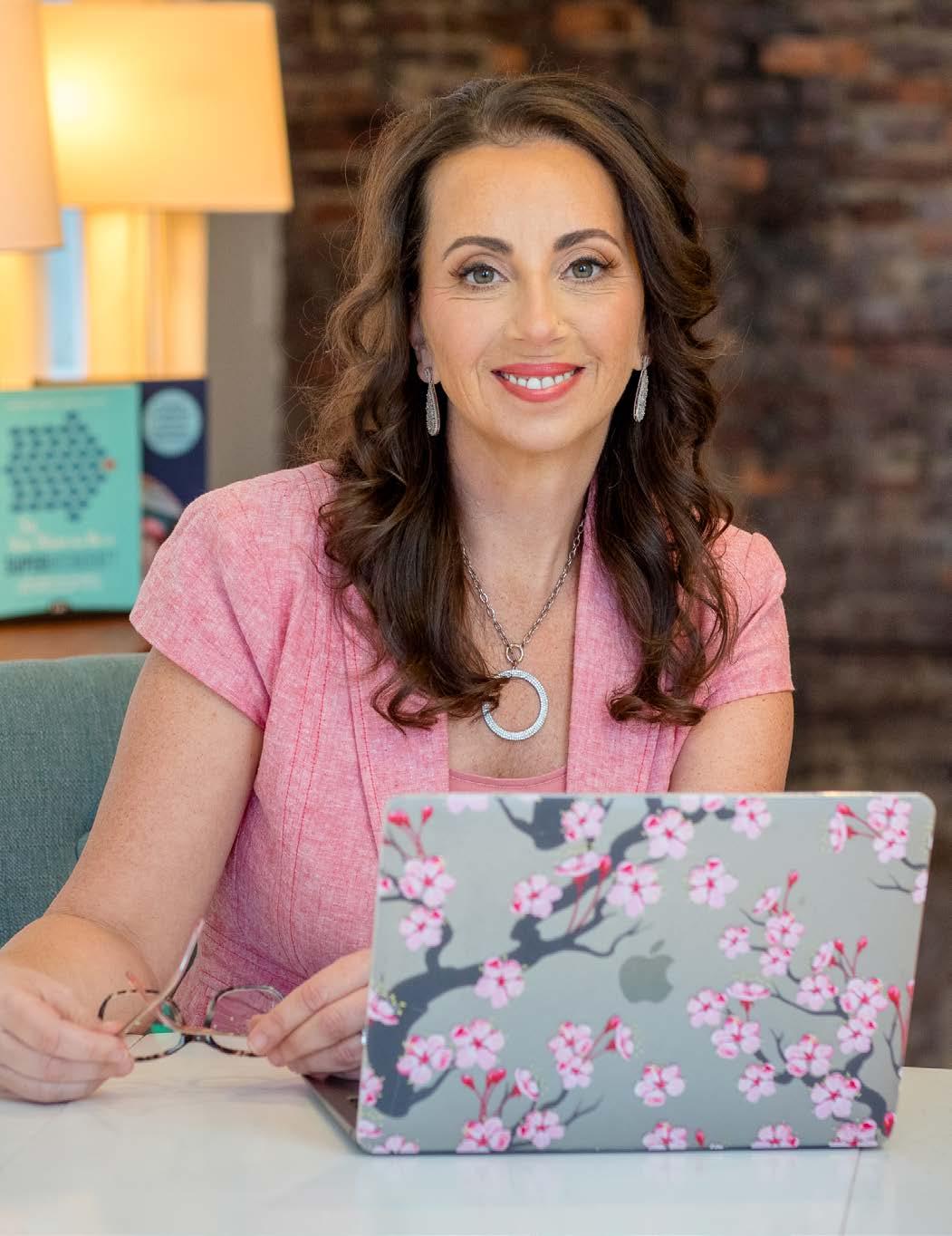
“As
someone once said to me, “Your mess is your message.” When we share our challenges and how we’ve overcome them, others who have similar stories are given hope.”
and someone who is a Sister Leader to you. Reach out to them both and get a cup of tea, catch up, and support each others’ dreams.
You’ve shared stages and platforms as a keynote speaker — what’s your favorite topic to speak on, and what message do you hope audiences take away from your talks?
I love speaking with women about how to manage the two full time jobs we have. As I travel the country the stories and realities of women are the same. We carry the emotional weight of our families. Even when we have the most supportive and active partners, it is from us whom our families seek support. Women will ask me how to “do it all.” My answer is simple, you can’t and we have to accept that fact. What we can do is be crystal clear on our priorities. We can be intentional in how we spend our time to be sure that we are completing actions that will make a difference in our lives. We can build up others in our organizations so they can take on more responsibilities and grow into leadership positions. We can also mentor, sponsor, and coach other women to create these systems.
There will always be work to do, fires to put out, and emails to return. The key is making sure they are your work, fires, and emails. The takeaway I want audiences to have is that we, as individuals, are in control of how we work and live. If we don’t take action to create the life we want, then we are merely passive observers and are living the life that other people
are “allowing us to have.” We do not need to live a life by default, rather we can live a life by our design. A life of abundance.
As someone who helps others share their stories, what story of your own are you most proud of — the one that shaped who you are today?
I spoke about the impact my mother had on my leadership so it is only right to shed a little light on my father. I am a proud daughter of a profoundly deaf father. Having him as my father is a wonderful blessing. He and my mother raised my sister, my brother, and me to see his deafness not as a disability but as something simply different.
Growing up in New Jersey in the community in which we lived having a father who was deaf was not common. My siblings and I often served as my dad’s ears, interceding when he had difficulty reading someone’s lips or making phone calls for him. There are many stories I could share, some extremely uplifting and other extremely disappointing, usually a retelling of how someone mistreated my father because of his deafness. The truth of how these experiences shaped me into who I am today, is that helping my dad gave me great pride and bestowed in me a deep desire to help others and see the value in all people. I am who I am today because I am a child of a deaf adult (CODA.)
Finally, what advice would you give to the next generation of women
leaders, authors, and dreamers who want to make their mark and live boldly like you?
We are entering what many have called a trust recession. With the increase in AI and picture perfect social media posts no one can tell what is real and what is fake. Those who are authentically themselves will make the biggest impact on the world. As someone once said to me, “Your mess is your message.” When we share our challenges and how we’ve overcome them, others who have similar stories are given hope. As human beings we crave connection and connections are what help us through every challenges we face.
To have the life you want and achieve the goals you have lean into authenticity, make connections with people who help you be a better version of yourself, be humble, learn from others, and be intentional with you time, energy, and resources. We are given just one life and we deserve to design that life to be everything we ever wanted and more.
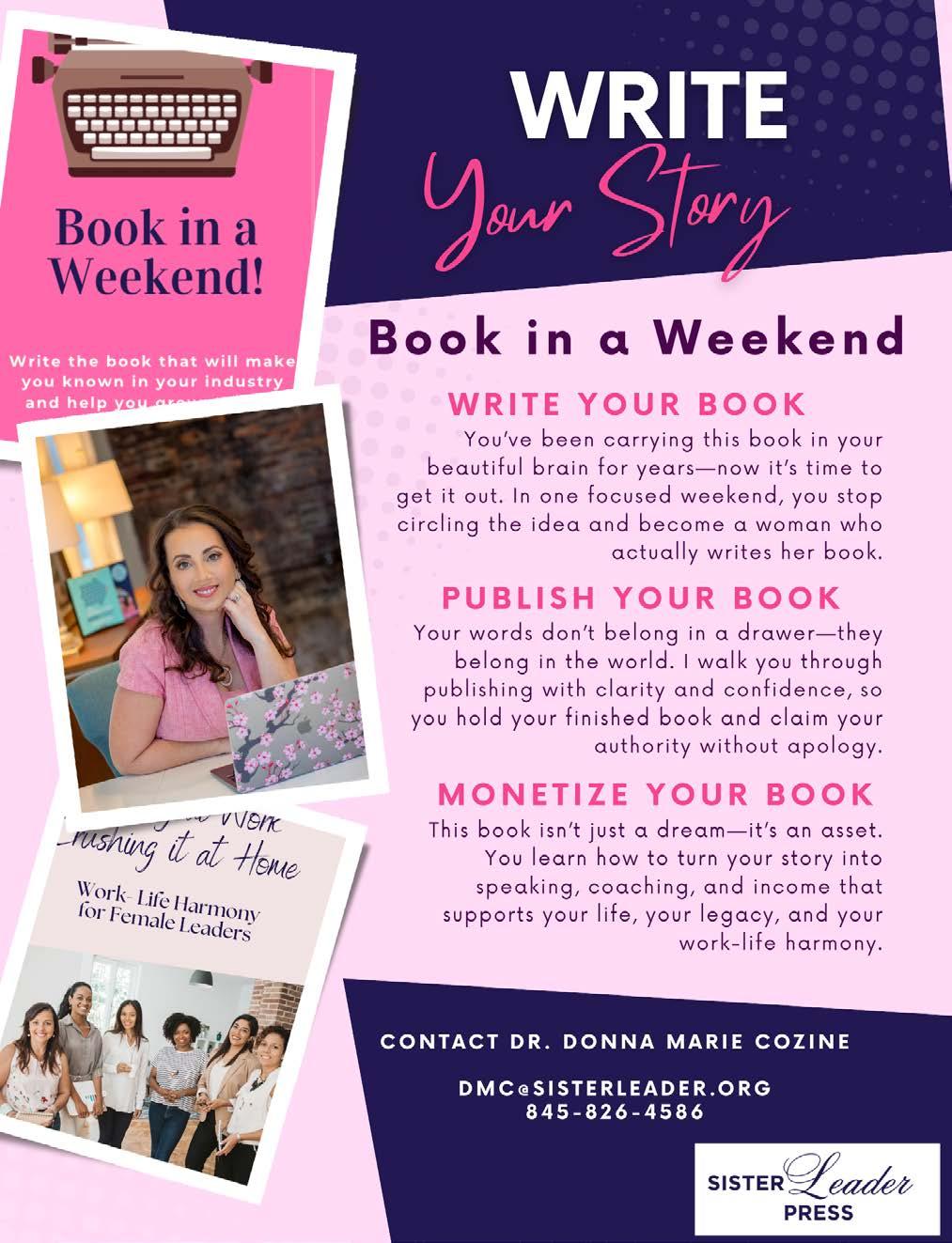
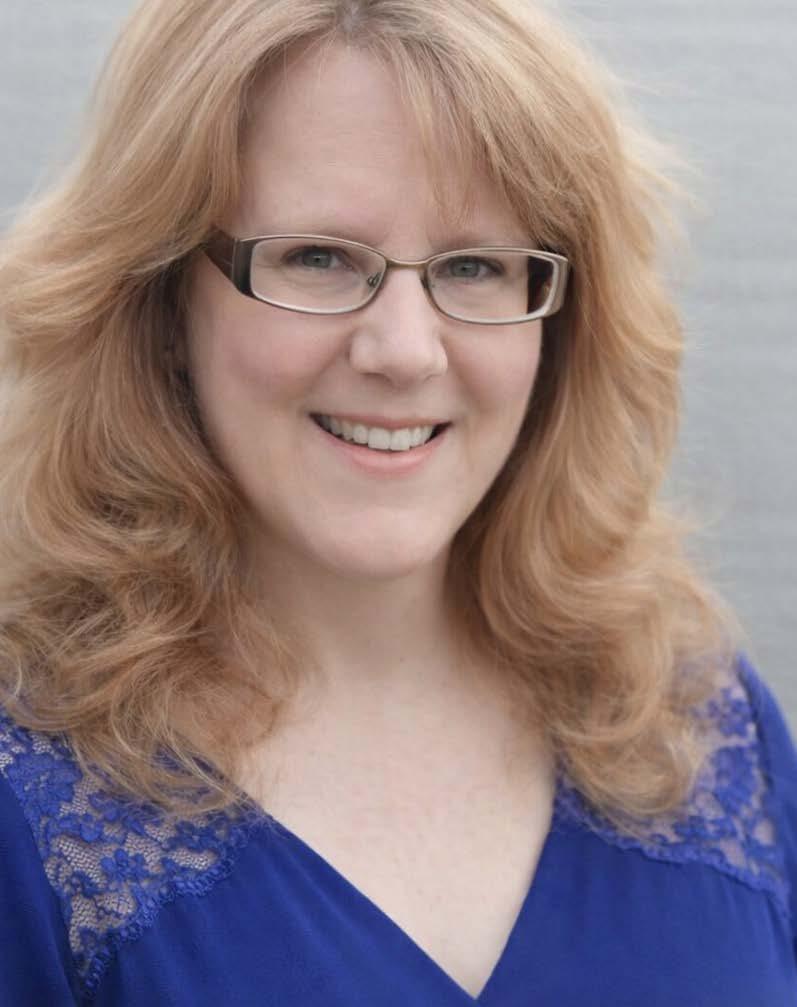
What first inspired you to begin writing — was there a particular moment, story, or experience that made you realize you wanted to become an author?
I was ten years old when I first realized that stories could live inside me. The moment came when I watched the 1979 two-part mini-series, Salem’s Lot, adapted from the novel by Stephen King. I wasn’t just frightened — I was deeply drawn to the characters themselves. When the screen went dark, I felt compelled to continue the plot, almost instinctively, as though the story hadn’t finished with me yet.
I’ve always been drawn to characters who carry strength and complexity at the same time. While my stories feature extraordinary abilities and layered histories, what matters most to me is restraint—the idea that true power doesn’t need to dominate to be meaningful. That philosophy shaped Davin, the central figure of The Midnight Staircase, a character guided by a personal code of restraint and ethical love.
my own story, but with someone else’s. A very dear friend of mine was diagnosed with stage-four lung cancer, and one of his greatest wishes was to see the book he had started finally published. I put my own life on hold to help him—typing, formatting, and preparing his manuscript for publication. I also arranged a book signing so he could experience what it meant to be an author before he passed away. That experience taught me something profound: stories matter
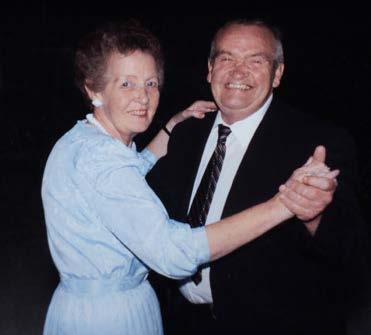
The Midnight Staircase is ultimately about connection: how very different beings can meet each other with respect, boundaries, and choice — and how transformation doesn’t have to erase one’s humanity to be real. That impulse began in childhood and never left me. It simply waited for me to grow into it.
How did your journey as a writer begin? Did you always know you had stories to tell, or did “The Midnight Staircase” come to life unexpectedly? My journey as a writer began not with
most when time is fragile, and telling them is an act of love.
At the same time, my own roots were quietly shaping me. I was adopted by two Irish parents from the West Coast of Ireland, and throughout my childhood I spent time in their homeland. I was deeply influenced by the legends, folklore, and the sense that the land itself carried memory. That connection led me to write Growing Up Irish, a book dedicated to my parents that weaves together family stories, cultural humor, traditions, and the supernatural moments that often
accompany Irish storytelling.
The Midnight Staircase, however, arrived unexpectedly—and unmistakably. It was born from a recurring dream. While my mother was caring for an elderly friend who was bedridden, I volunteered to stay overnight when she couldn’t. After the woman fell asleep, I dozed on the couch and dreamt of a man descending the staircase and standing beside me, quietly observing. The following night, the dream returned—but this time he spoke. He told me his name, that his family and spouse had disowned him, and that he remained hidden in the shadows.
Years later, I searched for the name he gave me and discovered it listed in an old census record—as a former owner of that very house. That moment changed everything. I realized the story wasn’t asking to be imagined—it was asking to be told. That was when I truly understood that I had stories to tell, and that The Midnight Staircase was not something I invented, but something entrusted to me.
Your book “Growing Up Irish” is rich with heritage, humor, and heart. What inspired you to share your Irish roots and family stories through writing? I wrote Growing Up Irish as a dedication to my parents after they passed away. It was my way of keeping them close—of preserving the memories, humor, and everyday moments that shaped who I am. Growing up with Irish parents meant living among stories: funny observations, gentle superstitions, family sayings, and the quiet belief that the world holds more than what we can
“I was ten years old when I first realized that stories could live inside me. The moment came when I watched the 1979 two-part mini-series, Salem’s Lot, adapted from the novel by Stephen King.”
world holds more than what we can easily explain.
Writing the book allowed me to capture those shared moments before they faded, not as formal history, but as lived experience. I wanted to honor the warmth, resilience, and unmistakable quirkiness that comes with Irish heritage, and to share it in a way that feels familiar and welcoming. If readers recognize their own families in those pages, or find comfort in the stories, then the book has done what I hoped it would do.
What was your writing process like — did the stories flow naturally, or did you find yourself uncovering memories as you wrote?
My writing process is both intentional and intuitive. With Growing Up Irish, I began with an outline of specific memories I knew I wanted to preserve. As I started organizing them on the page, many more surfaced naturally—moments I hadn’t thought about in years, but which seemed to rise up once I gave them space. Writing became a process of rediscovery as much as documentation. I also draw heavily from lived experience. I was once told, “Write what you know,” and that advice has stayed with me. In The Midnight Staircase, the house itself is based on a real place—one where I spent a great deal of time during my younger years. Familiarity allowed me to write the setting with authenticity and emotional truth, grounding the supernatural elements in something deeply real.
Hurricane Pup came together differently. That story is written from a dog’s point of view, as he looks back on the life he remembers while trapped in Hurricane
Maria on the beach. It required empathy and imagination, but it was still rooted in truth—his real journey, his survival, and his resilience.
Across all of my work, the process is the same at its core: I begin with what is known, and through writing, I uncover what still needs to be remembered or understood.
Many authors say their first book changes them. How did writing “Growing Up Irish” change or shape you personally?
Writing Growing Up Irish taught me that heritage isn’t static—it’s alive, and it can take you on unexpected, almost magical journeys when you take the time to record it. Putting my family’s stories into written form deepened my understanding of how memory, place, and identity intertwine.
That process led me beyond the page. I began teaching classes and seminars about places I had visited in Ireland, sharing not only history, but ghost stories and accounts of hauntings tied to old forts, castles, abbeys, and ancient sacred sites. Speaking about these places aloud—and seeing how others responded—made me realize how powerful shared storytelling can be.
The more I taught, the more curious I became. I found myself diving deeper into Irish legends and folklore, eager to learn what else had been carried forward through generations. Writing Growing Up Irish didn’t just help me honor my parents and my roots—it opened a door to a deeper lifelong engagement with history, myth, and the enduring stories of the old sod.
Who are some of your favorite authors — and how have they influenced your voice or inspired your storytelling style? My favorite authors span a wide range, and each has shaped a different layer of my storytelling voice. I’ve read extensively from writers such as Dion Fortune, Mary Shelley, Bram Stoker, Sir Arthur Conan Doyle, and C. S. Lewis. From them, I learned the importance of careful observation, atmosphere, and the unseen forces that shape human experience—whether those forces appear as the supernatural, moral struggle, or healing energies that move beyond the physical world.
As a child, I was equally influenced by authors such as Judy Blume, Madeleine L’Engle, and Beverly Cleary. Their work taught me something just as essential: how to keep language clear, emotionally honest, and accessible. Those early books showed me that even complex feelings and ideas can—and should—be communicated simply and directly.
Together, these influences shaped the way I write today. I strive to balance clarity with depth, allowing readers to move easily through the story while still being fully immersed in its atmosphere, emotion, and otherworldly elements. I want my work to feel inviting on the surface, but resonant and lingering beneath it.
What books or writers do you turn to when you need motivation, encouragement, or a creative spark?
Rather than turning to specific books or writers for motivation, I rely heavily on music. I keep a carefully curated


“My journey as a writer began not with my own story, but with someone else’s. A very dear friend of mine was diagnosed with stage-four lung cancer, and one of his greatest wishes was to see the book he had started finally published.”
collection of pieces that help me create the emotional and atmospheric landscape of whatever I’m working on. Music allows me to step fully into the world of the story before a single word is written. While writing The Midnight Staircase, I listened primarily to dark neoclassical compositions—moody, haunting melodies that helped shape the emotional terrain where my characters reside. That music became a kind of doorway, guiding tone, pacing, and emotional depth.
For me, sound is a powerful creative catalyst. It doesn’t just inspire scenes— it helps me inhabit them. Once the atmosphere is established through music, the story begins to unfold naturally.
How do you approach storytelling — do you plan and outline everything, or let the story unfold organically as you write?
My approach to storytelling is a balance between structure and intuition. The Midnight Staircase began with the dream I mentioned earlier, and what stayed with me afterward wasn’t just the image of the man descending the staircase—it was the unanswered questions. Why did he feel compelled to hide in the shadows? What had happened that caused his family to disown him? What kind of past leads someone into that kind of isolation?
I start by outlining a broad, overarching idea—almost like a map of the emotional and thematic terrain. From there, I break it down into smaller sections that allow me to explore those questions more deeply. That framework gives the story direction, but I leave space for discovery. As I write, new ideas often emerge organically. I keep a notepad nearby so I can capture thoughts, images, or
lines the moment they surface. I’ve also found that my subconscious plays a role in the creative process. I’ve had recurring dreams involving the main character of The Midnight Staircase, and while I don’t take them literally, they often reveal emotional truths or narrative possibilities that help guide where the story wants to go next.
In that way, the story unfolds through a dialogue between planning and intuition—between what I’ve outlined and what reveals itself as I’m writing. That balance keeps the work both grounded and alive.
What were some of the biggest challenges you faced in writing and publishing “The Midnight Staircase”, and how did you overcome them?
One of the biggest challenges in writing The Midnight Staircase was striking the right balance between atmosphere and accessibility. I wanted the language to be clear and easy to follow, even as the story explored darker and more complex themes. Making sure the prose remained inviting to a wide range of readers required careful attention and revision.
Another challenge was maintaining consistency. Because the story unfolds gradually and layers meaning through subtle references and character interactions, I was very deliberate about tracking details. I kept a journal to record minor references, character conversations, and points of world-building to ensure continuity and internal logic. That material will carry forward into future installments of the series.
I also chose to include a small number of sketches in the book to give readers a
visual sense of the main characters and some key scenes. Integrating artwork in a way that complemented the narrative— without distracting from it—required thoughtful placement and my own level of restraint.
Ultimately, I overcame these challenges by approaching the book methodically while staying true to its emotional core. Careful organization, attention to detail, and respect for the reader allowed the story to unfold clearly, while still retaining its mystery and depth.
Writing about family and personal history can be emotional. Were there moments while writing when you laughed, cried, or rediscovered parts of yourself?
Absolutely. Writing Growing Up Irish brought a great deal of laughter with it. Certain memories surfaced so vividly that I couldn’t help but smile—especially those involving my mother, who had a very particular way of seeing the world. Her interpretations often made perfect sense to her and absolutely no sense to anyone else, and those moments almost always led to humorous, unforgettable outcomes. Revisiting them felt like spending time with her again.
Writing The Midnight Staircase, however, was an entirely different emotional experience. The two central male characters carry an intense range of traits—dark, mysterious, deeply layered— and the narrator must navigate the very different worlds each of them creates. Writing from her perspective required me to respond emotionally to their presence, their restraint, their power, and the consequences of being drawn into their essence and influence.
“I
wrote Growing Up Irish as a dedication to my parents after they passed away. It was my way of keeping them close—of preserving the memories, humor, and everyday moments that shaped who I am.”
In that process, I rediscovered parts of myself I hadn’t fully acknowledged before — how I respond to complexity, to moral tension, to the pull between safety and curiosity. One book allowed me to laugh and remember; the other asked me to look inward and remain present with more difficult truths. Both, in very different ways, helped me understand myself more clearly.
What message or feeling do you hope readers take away after finishing “The Midnight Staircase”?
More than anything, I hope readers come away with a sense that challenges are not dead ends, but openings. Every difficult situation carries the possibility of understanding, growth, and resolution— even when the answers aren’t immediately visible. The story asks readers to trust that persistence, awareness, and courage can transform uncertainty into strength. If the book encourages someone to lean into their own questions rather than shy away from them, then it has done what I hoped it would do.
As an author, what advice would you give to someone who dreams of writing their first book but doesn’t know how to start?
My first piece of advice is simple but essential: if you are passionate about being published, stay with the process all the way to completion. Writing a book is a commitment, and seeing it through—especially when it feels difficult—is part of becoming an author. I also encourage new writers to gather their ideas early and write them down. Organization makes a tremendous difference. Think about your story in terms of sequence and intention:
Who are your characters? What kinds of personalities do they have? What do they want or need to accomplish? And just as importantly, what overall message or feeling are you hoping to convey?
Finally, don’t be intimidated by the technical side of publishing. Many online publishers offer downloadable templates that are easy to follow and designed to guide you step by step. Having a clear structure allows you to focus on what matters most—the story itself.
Start where you are, work steadily, and trust that clarity comes through the act of writing. Every finished book begins with someone deciding not to give up. What has been the most rewarding part of sharing your work with the world — seeing your name in print, hearing from readers, or something else entirely?
Seeing my name in print for the first time was absolutely exhilarating — it made everything feel real in a way I hadn’t expected. But the moment that truly changed me came when someone purchased the first copy of my book from my publisher. That was when I realized I wanted to keep writing.
Sharing my work with the world became less about recognition and more about connection. Writing allows me to step into a world of imagination and quiet magic, and the most rewarding part has been inviting readers into that same space. Knowing that someone else can see, feel, or wonder in a way that mirrors my own experience while writing is what encourages me to continue telling stories. I hope The Midnight Staircase leaves readers curious, reflective, and eager to continue the journey. At its core, the story
is meant to invite questions — about choices, consequences, and the unseen paths that shape our lives — so readers feel compelled to explore what comes next in Borrow the Darkness.
How do you stay inspired to keep writing? Do you have any rituals, favorite spots, or routines that help fuel your creativity?
I’ve learned that inspiration thrives in stillness. I created a quiet space within my home where I can sit comfortably, surrounded by soft lighting and peaceful surroundings. That physical calm helps me shift inward and focus, allowing the creative world to come forward without distraction.
I also stay inspired by spending time with the characters themselves. I often look at images I’ve created of them, and from there I begin to imagine what they’re becoming—what they want, what challenges lie ahead, and how their personalities and emotions continue to evolve. I think about how they will interact with one another, and what their next journey might ask of them. That sense of ongoing discovery is what keeps me writing. The story doesn’t end when a book is finished—it continues to live in my imagination, inviting me back whenever I’m ready to listen.
Finally, what’s next for you as an author? Are there new stories or projects in the works that we can look forward to?
I’m currently working on the next installment that follows The Midnight Staircase, titled Borrow the Darkness. This book continues the journey into a world that has grown deeper and more complex with each chapter.




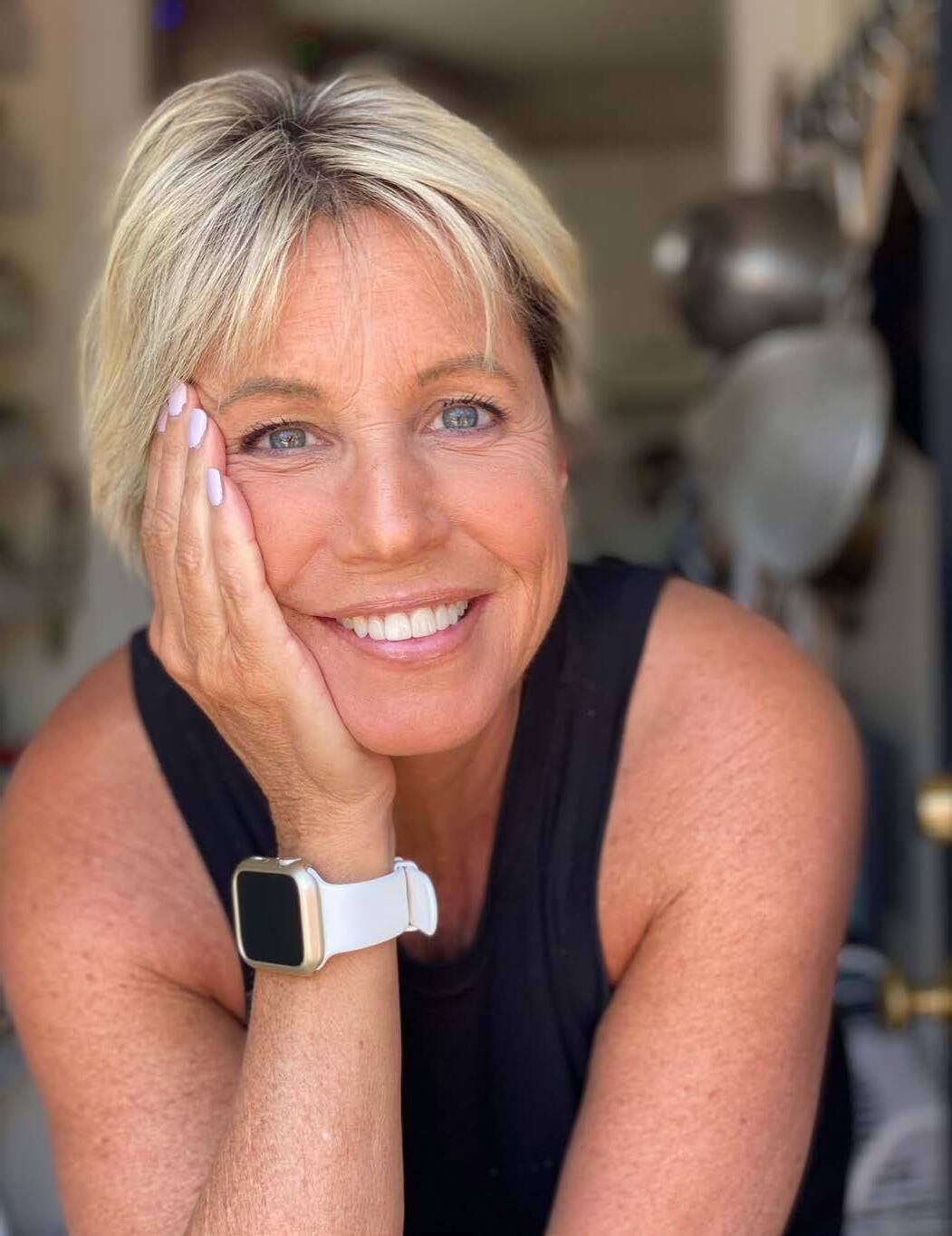
BY NICOLE HEROUX WILLIAMS I PHOTOS BY NSP STUDIO
I’ve been sitting with a knot in my stomach for a while now.
The kind of decision that follows you around the grocery store. The kind that pops into your head at 3:12 a.m. when you can’t fall back asleep. The nagging feeling on Sunday night that just won’t let you relax.
I was deciding whether to step away from one client, a steady, good, reliable client, to make room for a potentially bigger, more aligned opportunity where the work felt more challenging and energizing.
On paper, it sounded strategic. In reality, it felt financially risky.
When you work for yourself, there’s no HR department. No boss to blame. No team vote. If it works, it’s on you. If it doesn’t, that’s also on you. The margin for error feels thinner when your name is on the door. I kept coming back to one simple question:
What if I never tried?
Letting go of a client can feel counterintuitive. Why release something stable? Why risk steady income? Why walk away from something “safe”?
But here’s the part we don’t talk about enough: sometimes “safe” slowly stops being productive. Somewhere along the way, the dynamic had shifted. The work that once felt energizing began to feel inconsequential. I was drifting away from my core skill set. When you’re building something on your own, you say yes to stability. You say yes to opportunity. And sometimes, you outgrow it. This client paid well. There were benefits. On paper, it checked every box.
But the other opportunity offered something different: growth. A team that valued my perspective. A future that felt expansive
BY ROBIN DEWIND
instead of limiting. And I knew they didn’t want to lose me.
What made the decision hard wasn’t logical.
It was confidence.
When you’ve spent time in uncertainty, bold moves feel bigger than they actually are. You don’t just question the decision, you question yourself.
There’s also a quiet cost to playing small. It shows up as resentment. As boredom.
As that subtle but persistent feeling that you’re capable of more, and not acting on it.
Somewhere along the way, I had drifted from the skills that launched my business in the first place. The work had become reactive instead of creative. Growth had stalled. Internally, alarms were going off.
Confidence rarely arrives before we act. It doesn’t tap you on the shoulder and say, “You’re ready now.” More often, it shows up after you’ve done the uncomfortable thing.
As solopreneurs, we convince ourselves we’re being “strategic” when we’re really being hesitant. We tweak. We wait. We analyze. We tell ourselves we’ll revisit the decision next quarter. Meanwhile, the tension builds.
No one sees the internal debates. No one sees you rewriting that email five times. No one sees the deep breaths before a hard conversation. But that’s the real work.
People will eventually look at what you’ve built and say, “Look at what you’ve created.” What they won’t see are the years of adjusting, refining, and outgrowing. The seasons when you had to say no to something good so you could say yes to something better.
All the doubt, skepticism, and even the
occasional “Are you sure that’s a good idea?” aren’t necessarily red flags. Sometimes they’re tools. They force clarity. They sharpen your conviction.
For me, this decision wasn’t about dissatisfaction. It was about alignment. It was about reclaiming the parts of my work that made me feel excited again. And making space is uncomfortable, especially when you’re used to filling every corner of your calendar. Space can feel like lost income. But sometimes space is where confidence returns.
If I’m honest, what scared me most wasn’t that it might fail. What scared me was the idea of never finding out.
Here’s what I keep reminding myself, and maybe you need to hear this too:
Don’t wait for it to be the perfect time. Start while it’s real.
It won’t be flawless, so it’s okay to be vulnerable.
Don’t wait until it’s polished. Start while it’s still a little messy.
Being a solopreneur is messy by nature. It asks you to trust your instincts before you have proof. It asks you to bet on yourself before anyone else does. It asks you to choose growth over comfort, sometimes quietly, sometimes publicly. The biggest risk isn’t making the wrong move. The biggest risk is shrinking your vision to match your fear. Maybe for you, it’s raising your rates to match your worth. Ending a contract, launching something new, or pivoting entirely.
Whatever it is, I’ll leave you with the same question I’ve been asking myself:
What if you never tried?
BY NICOLE HEROUX WILLIAMS I PHOTOS BY NSP STUDIO
Common among many single moms is the growing fear that dad is becoming the child’s favorite parent. This fear is fueled by several beliefs held by these moms, including:
- Dad has few to no rules, - Dad has more money, - Dad has a bigger/better house, - Dad has big boy toys, - Dad always takes the kids out (to eat, to sporting events, to do things, etc.)
- Dad provides more adrenaline-inducing excitement, and - Dad is more lenient about practically everything.
When holding such beliefs, dads can easily appear to be the “fun parent”, the spontaneous one, and more like a mischievous older brother to the child than a father. Dad might have fewer rules around messes, homework, and bedtime. And he might have an ATV, boat, pool, or some other enticement for the kids to spend more time at his house.
Here’s the truth…
His money, mansion, and mini-me mentality might give him a temporary boost, but none of these create a real connection with the child. True connection isn’t about “stuff”. A child’s fascination with shiny new objects is temporary. Adrenaline rushes become exhausting. And eventually, leniency is understood by the child as not caring enough. Children want true parental connection, regardless of what they might say or do to indicate otherwise.
The typical single mom, overwhelmed and exhausted, naturally takes inventory
BY CHRISTINE CONTE
of what she can and cannot handle. She drops any perceived “extras” – those unnecessary things taking up her precious time. She might even be tempted to let go of her magic - her special spark that turns ordinary things into fun, exciting, memorable moments of joy. Things like making the extra special unicorn birthday cake with edible glitter, or playing “lasso the bull” wearing cowboy hats and riding pretend horses, or using the spooky voice when telling ghost stories, and so many other ways we make everyday moments magical.
Mom might tell herself she doesn’t have time, energy, or the desire to do it anymore. She might even say she lost her spark when the relationship ended, attaching her magic to her ex. She might not have the extra time or last bit of energy to read another story. So, she doesn’t. When she doesn’t exercise that spark, she unintentionally gives her magic away. It can feel like handing over her joy. In a sense, that’s exactly what she’s doing. And it’s a mistake.
In most single-parent families, dad knows that nearly everything – from hurried morning routines to that leaky roof he never fixed – now sits heavily on mom’s shoulders, regardless of shared time or custody arrangements. Yet somehow, he has the time and energy to be the entertaining parent. He willingly grabs up the opportunity to be the fun parent, even if he was never very much fun before. Dad essentially takes over as magician, and mom, feeling exhausted and overwhelmed, lets him.
Rockstar Single Moms turn the tables on this notion. We know we are the
source of the magic. We own the fairy dust that makes parties come alive. We ignite the fantasy, imagination, and fun for our children every day of their young lives. We are the source of their very life; our profound inner knowing that fuels our wisdom and motherly instincts. Rockstar Single Moms fully own their magic, wisdom, and life force.
While no one can steal your magic, you can lose it through your choices and actions.
- You can choose to stop being fun.
- You can choose to let go of your joy.
- You can choose to be too serious, even if it’s a noble attempt to counterbalance your ex’s loose parenting style.
Instead, take guidance from Rockstar Single Moms who never let go of their magic. Remember your life force. Moms possess it naturally. He – no matter what he owns, what he does, or how good a father he is – doesn’t.
How do you retain your magic?
Three simple methods will elevate your parenting time and help you retain your magic as a single mom. While it might seem to tug on your precious time now, investing time with these three approaches will create a connection with your children that lasts a lifetime.
1. Play with your children.
Watching your children play is fine, but it does not create a connection with them. Rockstar Single Moms actually play with their kids. Not every time, but enough times. Furthermore, we make it memorable.
Play sounds like laughter and giggles,
“Play sounds like laughter and giggles, looks like smiles and making funny faces, and feels like love and letting go. “
looks like smiles and making funny faces, and feels like love and letting go. Play can happen in an infinite number of ways. Here are a few ideas to get you started.
- Make their toys come alive through animation and voice.
- Get on the floor with them; roll around, play with toys, sing, draw, etc.
- Jump and tumble together on a trampoline.
- Play tactile games (such as board games).
- Build blanket forts and climb in together.
- Play music together.
- Grab pots and pans and be a marching band.
- Build a campfire together, sing songs, or tell (age-appropriate) ghost stories. Use the spooky voice!
- Play charades, hide and seek, tag, or other outdoor games. Teach them games you played outside as a child (e.g., kick the can, mother may I, Simon says, etc.)
- Have a water balloon fight, run through a sprinkler, or play other water games.
- Play a casual game of ball.
- Create a routine of movie night and popcorn or another family favorite food.
- Gaze up at the stars (or a string of lights indoors).
Just about anything can be made playful with a little imagination and “magic”.
Remember: the goal of play is to connect, not compete.
Real play does not include strict scorekeeping, arguments, disciplinary consequences, or control. The best type of play (and most memorable) is real, tangible, and tactile; not virtual or screen-based.
2. Be adventurous with your children. Adventure includes two main components: Spontaneity and Curiosity.
Adventure requires you as a parent to explore and embrace your imagination, with the ability to let go of expectation, outcome, and judgment. It also requires you to be courageous; to say yes to doing the things you might not normally do.
Examples of adventure include:
- Exploring your backyard or local park with a new perspective (e.g., looking for specific insects, plant life, etc.).
- Hiking a marked trail.
- Visiting a zoo, adventure center, or nature center.
- Participating in a community program.
- Camping, kayaking, or any ageappropriate sport.
- Learning something new together.
- Age-appropriate adventure vacation.
Adventure is wonderful when taken outdoors or into nature. The spaces are bigger, and the sense of the journey widens. But if you live in a city and can’t get to the wide expanses of nature, adventure can easily be reframed as exploring your neighborhood, park, public library, museums, art exhibits, or any other spaces of art and culture.
The goal of adventure is exposure to new things and to become curious about the world.
Adventure broadens the mind, feeds creativity, and builds connection.
3. Travel with your children. When children travel, they see the world differently. They learn about other people,
food, cultures, and religions. Their minds soak in new sights, sounds, and smells, broadening their understanding of how people and things are in other places. Children who travel learn they aren’t at the center of the world, which is critical to countering concerns such as narcissism and other weak ego–based psychological functioning.
Travel can be as far away as a distant country or as close as a weekend road trip. Take your children as far as your interests, budget, and custody agreement allow. The destination isn’t as important as the time together, the sense of adventure, and the exploration.
Utilizing play, adventure, and travel to retain your magic has numerous benefits both now and in the future. Here are a few:
• Emotional connection with your children.
• Joy in your family and home.
• Wonderful life-long memories.
• Break generational cycles (of non-play, lack of adventure, and not traveling).
• a new lineage of engaged, connected parenting.
• Ignite creativity.
• Generate a lifelong love of travel, adventure, and curiosity.
• Bring comfort in allowing yourself to let go for a little while.
• Counteracts burnout.
• Comforts the soul.
• Peace of mind in knowing you are doing all of the above.
Some perfectly fine moms love, clean, bathe, feed, shelter, dress, organize, teach, and take care of their children in

“Adventure
is wonderful when taken outdoors or into nature. The spaces are bigger, and the sense of the journey widens. “
all the usual ways. These basic things we must all do.
Rockstar Single Moms go well beyond these things. They laugh and have fun with their child regularly. They engage with their children every day, even if it’s over the phone. They imagine, pretend, and celebrate with their child often. They set and work towards personal and family goals. They are living their best life despite difficult circumstances, situations, or people. They believe everything is exactly as it was meant to be – because it is.
A Rockstar Single Mom inhales her
surroundings and exhales life, beauty, and magic. She takes in the elements of life and creates wonder. Like an artist using paint, brushes, and canvas to create priceless artwork – her children. That’s the task at hand, Momma. Go create your art!
Christine Conte is an ICF-PCC Credentialed Certified Life & Leadership Coach, a Certified Confidence Coach, and a Certified Parenting Coach. Christine is a published author and speaker, and she conducts workshops on a variety of topics, including empowerment, communication, life purpose, & vision
boards. As a Rockstar Single Mom for 18 years, Christine raised two incredible daughters on her own and on her own terms despite many impediments. She’s helped women become empowered in the face of difficult life challenges, particularly divorce and single parenting, as a professional coach for over eight years. You can contact Christine at: www.ChristineConteCoaching.com and www.DivorceCoachingSystem.com. You can also join the Rockstar Single Mom Facebook community at www.facebook. com/groups/rockstarsinglemom.
BY NICOLE HEROUX WILLIAMS I PHOTOS BY NSP STUDIO
BY: CLIANDA FLORENCE & DR. TYANA VALAZQUEZ-SMITH CEO OF SENSATIONAL INCLUSION
The Passion and Love of Educators Matter: Why Love is Essential in Education
In an educational landscape often overshadowed by bureaucracy and standardized assessments, the fundamental elements of passion and love can sometimes seem like relics of a bygone era. Yet, as bell hooks compellingly stated, “Love is an action, never simply a feeling.” This assertion brings to light the critical role that passion and love play in the educational sphere. In this analysis, we explore why these elements are not only relevant but essential for transformative teaching and learning. In order to be a transformative teacher, one must understand the brilliance that lies within every child. Marva Collins reminds us “There is a brilliant child locked inside every student.” When we replace the noise of standardized assessments with the salve of passion and love, the transformative educator will change the trajectory for the struggling student from good to superior.
Love
or good intentions; it encompasses a radical commitment to nurturing the potential of each student. This form of love is an active, sustained practice that involves recognizing students’ individuality, valuing their perspectives, and relentlessly pursuing their academic and personal growth.
When educators embody this passionate commitment, they create learning environments that foster a sense of belonging and significance
At the core of educational practice should be the unwavering commitment to the well-being and holistic growth of students. Love in this context transcends mere affection
among students. Such environments are crucial because they counteract the alienation and disengagement that can occur in more sterile, impersonal settings. A loving classroom promotes not just academic success but also emotional resilience and social competence.
The story of the second-grade teacher who lacked access to culturally relevant materials illustrates a broader systemic issue: a curriculum that does not reflect the diverse identities of its students is an educational system failing in its duty to love. This neglect has profound implications, not just for the disenfranchised students but for the entire educational community. It leads to a devaluation of diverse cultures and histories and denies all students the opportunity to engage with a rich, inclusive spectrum of human experiences.
Educators who navigate these systemic constraints with passion and a loving commitment often go beyond the call of duty to connect with and inspire their students. Their dedication can transform the educational experience, making learning a process of discovery and empowerment rather than mere compliance. These educators understand that to ignite true learning, they must engage students’ hearts and minds—a process deeply rooted in genuine care and connection.
However, maintaining this loving engagement is not without its challenges. The systemic focus on metrics and outcomes can overshadow the more human aspects of education,


“Marva Collins reminds us “There is a brilliant child locked inside every student.””
reducing students to data points and diminishing the role of educators to mere transmitters of predetermined content. This reductionist approach not only undermines the educators’ passion but also stifles their professional autonomy and creativity. It creates an environment ripe for burnout and disillusionment, where the intrinsic rewards of teaching are overshadowed by frustration and futility.
To reclaim the central role of love and passion in education, we must advocate for a fundamental shift in educational priorities and practices. This shift involves dismantling the bureaucratic and standardized barriers that hinder heartfelt teaching and replacing them with policies that support authentic, responsive educational practices.
prioritize holistic development over narrow metrics. Such changes would not only enhance the educational experience for children but also rekindle the passion and satisfaction that educators derive from their work.

Envisioning an educational system where love is at the forefront involves creating curricula that celebrate diverse identities, fostering policies that empower teachers and respect their professional judgments, and cultivating school cultures that
The passion and love of educators are indispensable because they are the very essence of what it means to teach and learn effectively. These qualities are not optional extras but the
foundation upon which meaningful education is built. As we strive to create a more equitable and effective educational system, let us remember that at the heart of education must always be the love that respects, nurtures, and believes in the infinite potential of every child. By reinstating love and passion as central to our educational endeavors, we affirm that these values do indeed matter, shaping not just individual futures but the collective future of our society.





BY LAURA OSACIO
A few days after the traditional Polar Plunge, Lake Ontario returns to its quiet rhythm.
The crowds disperse. The adrenaline fades. What remains is stillness—cold, calm, and steady.
It’s a familiar Rochester scene and a fitting metaphor for this point in the year.
Because after the excitement of January goal setting wears off, many of us find ourselves standing in that same quiet space.
Winter in Rochester has a way of slowing everything down.
The lake feels quieter. The days feel shorter. And for many of us, the energy that carried us into January begins to soften. That initial burst of motivation—new planners, fresh intentions, hopeful resolutions— starts to fade, replaced by real life: work responsibilities, family needs, changing priorities, and the emotional weight of simply moving through another season.
If that sounds familiar, you’re not doing anything wrong.
Most women are taught to think about goal setting as something fueled by excitement. We’re encouraged to “start strong,” stay disciplined, and push forward no matter what. But real change rarely follows a straight
line. Motivation is temporary. Life is ongoing. And meaningful progress often begins after the excitement wears off.
Over the years, I’ve noticed that sustainable goal setting looks very different from the picture we’re often shown.
It’s quieter.
It’s more honest.
And it starts with awareness.
Instead of asking, What should I be doing right now? a more helpful question is, What am I noticing about my life?
Are you feeling tired in ways that rest doesn’t fix?
Are certain situations repeating themselves?
Are you feeling pulled toward something new, even if you can’t fully explain why?
These patterns matter. They’re information. They reveal where your energy is being spent and where something may need to shift.
For many women—especially those balancing careers, caregiving, relationships, and personal growth— goals don’t emerge from inspiration alone. They emerge from listening. Listening to what feels heavy. Listening to what feels unfinished. Listening to what no longer fits the person
you’re becoming.
Goal setting doesn’t have to begin with a big declaration or public commitment. It can begin quietly, with something small and honest. Another piece we don’t talk about enough is preparation.
There’s a difference between worrying about the future and preparing for it. Preparation is grounded. It’s practical. It might look like updating a resume, learning a new skill, creating financial breathing room, or setting aside intentional time for reflection.
Preparation doesn’t require panic. It comes from paying attention.
Sometimes we sense changes coming before they arrive—a shift at work, a desire for something more aligned, or a growing awareness that it’s time to grow in a new direction. You don’t need to wait for certainty to begin preparing. You only need to respect what you’re already picking up on. One of the most powerful things you can do is give yourself permission to move at your own pace.
Not every goal needs urgency. Not every season is meant for pushing. Winter reminds us that rest, reflection, and stillness are part of progress too. There are times when the most productive thing you can do is slow down and clarify what actually matters. I often encourage women to focus on just one meaningful area at a time— not ten goals and not a complete life overhaul. One small, intentional shift. It might be:
{
“Because after the excitement of January goal setting wears off, many of us find ourselves standing in that same quiet space.”
Creating more peace in your daily routine.
Letting go of perfectionism that’s been quietly holding you back.
Gently pursuing something that’s been on your heart for a long time Small steps create momentum. Quiet consistency builds confidence.
And perhaps most importantly, your goals don’t need to look like anyone else’s.
Social media makes it easy to believe everyone else has it figured out.
But real life is layered. People grow through uncertainty, change direction, and redefine success many times over. You’re allowed to evolve. You’re allowed to change your mind. You’re allowed to take paths that make sense for you—even if they don’t follow a traditional timeline.
As we move through the rest of winter and inch closer to spring, I invite you to approach your goals with curiosity instead of pressure.
Ask yourself: What feels ready for attention right now?
What would feel supportive rather than overwhelming?
What small step could I take this week?
You don’t have to have everything mapped out. You just need to be willing to listen, prepare thoughtfully, and honor your own process.
Progress doesn’t always announce itself loudly. Sometimes it shows up quietly, in the choices you make when no one else is watching. And those choices matter.
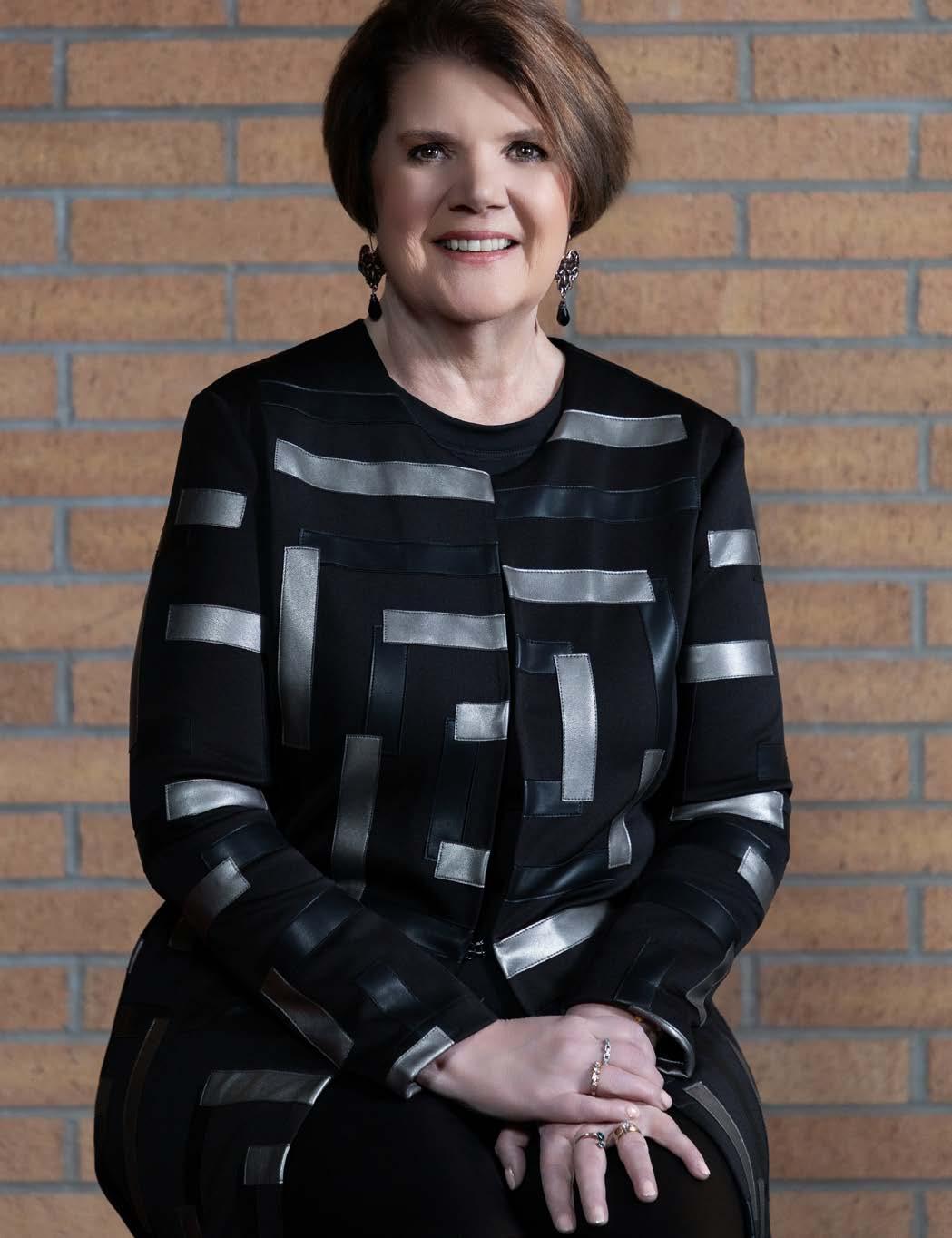
BY CHRISTINE PIACENTINO I PHOTO BY BELAVATI STUDIOS
The past couple of months have been non-stop in my house. We have managed holidays, navigated various insurance and medical battles, and fought various health issues. These were on top of working full-time and caring for my husband and son. It doesn’t matter if you care for your family, care for an elderly loved one, care for someone on the spectrum, or care for someone who is disabled. The caregiver role takes a toll. It is an act of devotion, strength, and profound love. Yet it is also a responsibility that can be physically demanding, emotionally complex, and mentally exhausting. Caregivers instinctively place their own needs at the very bottom of the list, believing that any attention directed inward takes away from those they care for. But the opposite is true: sustaining your own well-being is essential to providing compassionate, consistent, and effective care. Self-care is vital. I have often heard the phrase “You can’t pour from an empty cup.” While cliché, it reflects a very true fact: that my well-being directly affects the quality of care I can provide. I think that’s true of most people performing the caregiver role.
When your needs are neglected, you may experience:
• Fatigue and chronic stress
• Physical health issues
• Difficulty concentrating
• Heightened anxiety or depression
• Compromised immune function
• Strained relationships
By prioritizing self-care, you gain:
• Greater emotional resilience
• Increased patience and energy
• Healthier coping skills
• Stronger relationships
• A deeper sense of balance and purpose
Sometimes getting someone to help or being able to leave for 30 minutes or an hour is impossible and gets in the way of your own self-care. I feel lucky to get my hair done once a month. Now, if I can fit in a mani-pedi, I’m really experiencing glamorous luxury. However, I have found that five to fifteen minutes a day spent focusing on self-care helps me achieve the balance required to refill. I can always find five minutes

during the day to recharge. Here are my favorite mini breaks.
The 4 6 Breath
• Inhale for 4 seconds
• Exhale for 6 seconds
• Repeat for 5 minutes
This simple breathing practice activates your parasympathetic nervous system— the part of your body designed to calm you down and restore balance. Extending the exhale tells your brain, “You’re safe. You can soften now.”
I like to think of it this way: “Exhale longer than you inhale. Your body instantly understands the assignment.” This technique feels like my body telling
my mind to breathe, you can do this! Quick Tension-Release Routine
Give yourself five minutes. One minute each:
• Neck circles
• Shoulder rolls
• Spine stretch
• Hip circles
• Calf or ankle mobility
An alternative is progressive muscle relaxation:
Tense each muscle group for 5 seconds, then release. Start from your feet and move upward, or vice versa.
This practice melts away the stress my body has been quietly storing all day.
The Three-Line Journal
Perfect when you don’t have the time (or energy) for full journaling:
1. One thing you’re grateful for 2. One thing you’re proud of 3. One intention for the next few hours
These simple prompts shift your mindset from overload to clarity. Keeping a notepad nearby and using my phone’s notes app make me most effective at micro-journaling because they are readily accessible. It always allows me to focus on the positive.
30-Second Affirmations
Say them aloud or silently:
• “I choose calm over chaos.”
• “I can handle what comes my way.”
• “I am grounded and capable.”
Some of the benefits I have experienced from practicing brief affirmations include promoting calmness, building resilience,
“The caregiver role takes a toll. It is an act of devotion, strength, and profound love.”
and enhancing self-confidence, allowing me to quickly reset my mindset and face challenges with renewed strength.
The 5-1 Sensory Check-In
Spend one minute each on:
Sight
Sound
Touch
Smell
Taste
Examples:
• Look at something calming (nature, art)
• Play soothing sounds
• Hold a textured object
• Smell essential oils
• Sip warm tea slowly
This sensory break grounds me in the present moment, bringing my mind back from overwhelming or racing thoughts.
Micro-Declutter Tasks
Choose one tiny task:
• Clear one drawer
• Tidy a corner of your desk
• Refresh your bedside table
• Toss old papers or trash
I find the key is to keep it small. You’re not cleaning your house—you’re giving your mind a sense of completion. “Don’t declutter your home. Declutter your moment.”
One-Message Connection Ideas
Connection is a profound form of selfcare. Send one small message:
• Thank someone
• Send a compliment
•Check in on a friend
• Share a positive memory
Not in the mood to talk? Try inward connection instead:
• Browse happy photos
• Write a note to your future self
• Reflect on someone who inspires you Moments of connection—whether outward or inward—usually rekindle my emotional strength.
A tiny digital reset can feel surprisingly refreshing:
• Silence nonessential notifications
• Delete three old screenshots
• Close unused tabs
• Move distracting apps
“Your device should support your peace, not steal it.”
Sometimes, self-care is simply feeding yourself something small but energizing:
• Water with lemon
• Yogurt cup
• Nuts or cheese
• Fruit slices
• Herbal tea
“Small bites. Big benefits.” These quick bites help me support my overall wellbeing and prevent energy crashes, which decrease productivity.
Step outside—onto the porch, the driveway, or even by an open window.
• Feel the temperature on your skin
• Notice the sky
• Let your shoulders drop
I find that even brief exposure to natural light boosts my mood and energy.
Set a timer for five minutes. Repeat a simple phrase, such as:
• “I am here.”
• “This moment is enough.”
Let your thoughts drift by without judgment. I find these mini-meditations
are very calming. My favorite mind drifts are usually of the ocean, soft sand between my toes, and listening to the waves.
Give special attention to your hands:
• Stretch your fingers
• Roll your wrists
• Massage your palms
Caregiving often involves repetitive motions, so I find this can be surprisingly relieving and soothing, especially when using rose or lavender hand lotion. The 5-minute song playlist reset.
Choose songs that resonate with you to provide a personalized and emotional reset.
I play this playlist during work breaks, meditation, or my pre-sleep wind-down, to help me reset my mind and reconnect with my inner calm.
Place your hands under warm water for 30–60 seconds. I find that this is grounding, soothing, and surprisingly calming.
All of us deserve these moments! Selfcare doesn’t have to be perfect. It doesn’t have to be lengthy. It doesn’t have to be planned weeks in advance. It just must be intentional. It requires permitting yourself to exist as a whole person—not solely as a caregiver.
We all deserve moments of peace. We deserve space to breathe. Everyone deserves support, time, and compassion—including from ourselves.
And every small step taken toward caring for yourself has an enormous impact on your ability to care for others. You matter, too. Always!

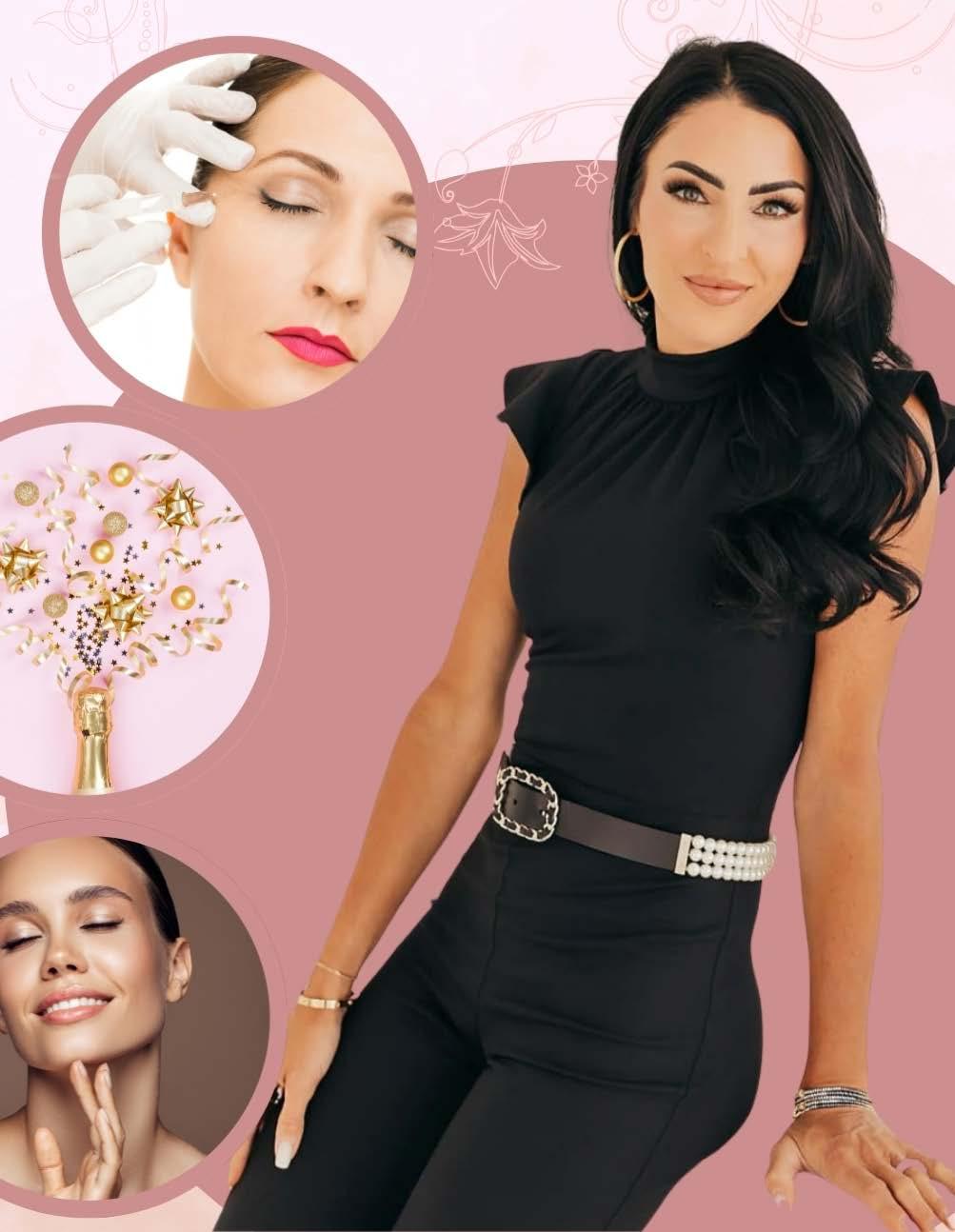


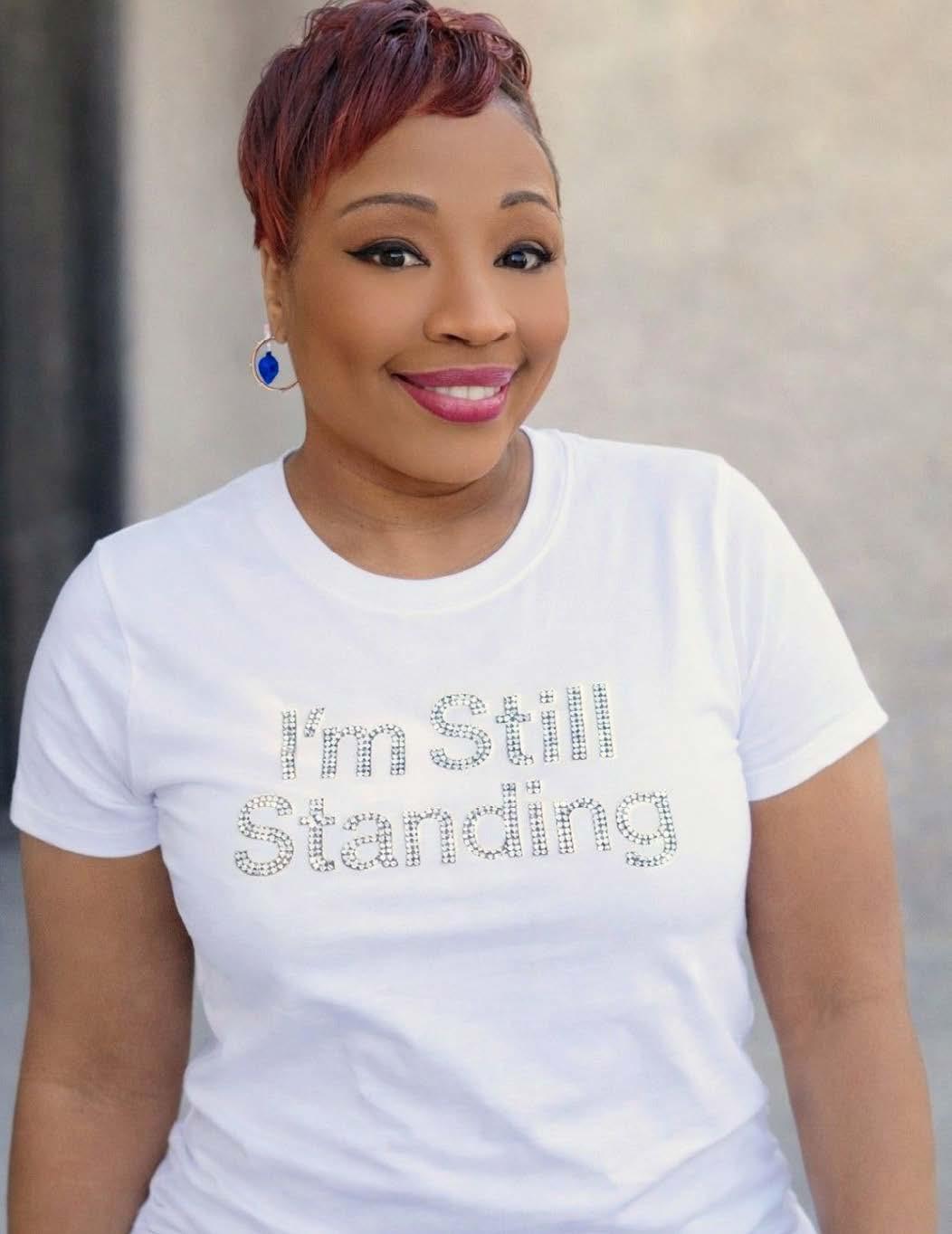
BY NICOLE HEROUX WILLIAMS I PHOTOS BY NSP STUDIO
Throughout our lives, we experience different seasons. There are seasons when everything feels aligned— when we feel confident, capable, and unstoppable. In those moments, it seems as though we are standing on top of the world. But then there are the seasons that bring us low—the valley seasons—where challenges stack up, hope feels distant, and the weight of life presses heavily on our shoulders.
For many women, valley seasons are especially difficult. We are often the caregivers, the providers, the encouragers, and the ones holding everything together. When life begins to unravel, we may still show up for everyone else while quietly struggling within. In those moments, it’s natural to wonder where God is and whether He hears us when we cry out from our pain. Scripture reassures us that “The Lord is close to the brokenhearted and saves those who are crushed in spirit” (Psalm 34:18). Even in the valley, we are not abandoned.
Some seasons in life last longer than others, and when hardship lingers, it can feel endless. But one truth I’ve learned is this: no matter how long the valley lasts, there is victory on the other side.
The year 2025 was one of the most challenging seasons of my life. Financially, I was stretched thin. My wages were garnished due to credit card debt, leaving me constantly worried about how I would make ends meet. As a mother, my heart was heavy watching my 15-year-old
BY TAMESHA BECKFORD
son repeatedly get into trouble. I felt torn between protecting him and feeling powerless to fix everything. Then, on Easter Sunday, someone attempted to steal my car—an unexpected blow that cost me hundreds of dollars I simply didn’t have. Shortly after, I was involved in two separate car accidents.
Each incident felt like another wave crashing over me while I was already struggling to stay afloat.
Finally, I was served with an eviction notice. That moment was devastating. It felt like the final straw.
One thing after another pushed me to my breaking point. I found myself asking God the same question so many women ask during hard seasons: “God, where are You?” I had heard the familiar saying that God won’t put more on us than we can bear, but in that moment, it felt like too much. I needed answers.
I needed solutions. I needed relief. I was done being in the valley.
What I came to understand is that valleys are not designed to destroy us; they are meant to develop us.
They stretch our faith, refine our strength, and remind us of where our true source lies. God promises, “When you pass through the waters, I will be with you” (Isaiah 43:2). Valleys are part of the journey, but they are not the destination.
Victory does not always arrive
overnight, and it does not always look the way we expect. Sometimes victory begins internally—with a shift in our mindset, a renewal of our faith, and a decision to keep standing even when circumstances haven’t changed yet. Scripture reminds us, “And we know that in all things God works for the good of those who love Him” (Romans 8:28).
For women walking through their own valley seasons—whether it’s financial strain, single motherhood, relationship struggles, health challenges, or emotional exhaustion—I want you to know this: you are not weak for feeling overwhelmed. You are not failing because life feels heavy. You are courageous for continuing to show up, to believe, and to hope. The same God who allows the valley is the God who brings the victory. Hold on. Keep trusting. Keep standing. Your story is not over yet—and your victory is closer than you think.
Tamesha Beckford is a faith-driven women’s empowerment advocate, speaker, and entrepreneur who uses her life experiences to inspire resilience, purpose, and hope. Through her ministry and work, she encourages women to rise above adversity, stand boldly in their truth, and walk confidently toward victory.
In the spirit of love month, I often reflect on self-love and romantic love, what I like to refer to as Romantic Alchemy.
While compromise is part of love, completely sacrificing your identity or well-being leads to imbalance and imbalance always turns into resentment.
No one prepares us for the stages of marriage.
They prepare you for the wedding. They might even prepare you for pregnancy and parenting.
But no one tells you how deeply your relationship will change throughout your marriage, especially as we become mommas.
It’s not just the sleep deprivation or the decision fatigue.
It’s the emotional whiplash.
One minute you’re changing diapers or scraping mac and cheese off the floor. The next, you’re trying to remember the last time you looked your partner in the eyes without being interrupted.
Conversations get replaced with logistics. Intimacy turns into survival. You’re keeping a tiny human alive. Your hormones are a mess. You’re both exhausted in ways words can’t quite capture.
And here’s the kicker: You’re not mad at each other. You’re just maxed out.But no one warns you how lonely that can feel.
How easy it is to start seeing each other as coworkers instead of lovers. How resentment sneaks in when one of you gets a moment to breathe and the other doesn’t.
BY ERIN PITTINARO
You start wondering: Are we just coexisting?
The early parenting years are one of the hardest seasons of a marriage — not because love disappears, but because everything else is screaming louder.
What I wish someone had told me is this: This season doesn’t mean your relationship is broken. It means it’s under pressure. And anything under pressure will either crack OR it can strengthen.
The
Here is what no one talks about enough: You cannot deeply love your partner if you are resentful of yourself.
If you are exhausted, disconnected, abandoned by your own dreams, your relationship will carry that weight. In seasons of motherhood, career growth, or reinvention, many women pour everything outward.
And then they wonder why intimacy fades.
Romantic alchemy requires self-alchemy.
It asks:
Are you honoring your own evolution? Are you tending to your nervous system? Are you allowing yourself to grow? Are you communicating your needs before resentment calcifies?
When you love yourself enough to remain whole inside the partnership, you show up differently.
Not needy. Not martyring. Not performing. But choosing.
The most powerful couples understand this: Love is seasonal, but commitment is cyclical.
You will rediscover each other many times. You will grieve old versions of your relationship. You will celebrate new ones.
And if you stay open, if you allow both yourself and your partner to evolve, the love becomes deeper than attraction. It becomes devotion.
Not devotion rooted in obligation. But devotion rooted in growth.
This February (and beyond) Instead of asking, “How do we get back to how we used to be?”
Ask, “Who are we becoming now?” Because romantic alchemy isn’t about recreating the spark.
It’s about tending the fire differently in each season.
And the most magnetic love stories are not the ones that stayed easy.
They are the ones that chose transformation, together.
Journal Prompts:
• What roles have I unconsciously taken on in my relationship?
• When do I feel most resentful in my relationship?
• What is the need beneath that resentment?
• What stories do I tell myself about what I “should” be doing as a partner/ mother/wife?
• Who benefits from that story?
• What would I do differently if I believed my needs mattered just as much as everyone else’s in my home?

BY NICOLE HEROUX WILLIAMS I PHOTOS BY NSP STUDIO
Has life become an exercise in holding it all together? Or barely holding it together? Something that is hard to admit, but necessary because you feel a deeper calling to commit to yourself!
We hold families, careers, relationships, expectations, emotions, and the unspoken pressure to keep going, no matter how tired, overwhelmed, or disconnected we feel. Somewhere along the way, strength became synonymous with push through, figure it out, don’t slow down.
But the truth is this: constant effort is not strength. And exhaustion is not empowerment.
What many women are experiencing right now isn’t a personal failure, it’s the natural result of living too long in survival mode.
Survival mode lives in the nervous system. It shows up as tension that never quite releases, a mind that won’t quiet, emotions that feel overwhelming or numb, and a body that feels heavy, inflamed, or exhausted. Over time, this state can manifest as anxiety, burnout, chronic pain, autoimmune symptoms, unexplained weight gain, headaches, or a deep sense that something is wrong, even when life looks “fine” on the outside.
I have met with countless women who are managing families, careers, and relationships while quietly carrying autoimmune disease, chronic headaches,
BY DR. PAM DENTON
persistent pain, unexplained weight changes, and deep emotional and mental fatigue. Many of them are doing everything they’ve been told to do, eating well, exercising, staying productive, yet their bodies are asking for something different.
What I’ve seen again and again is this: when women are met with empathy instead of judgment, community instead of isolation, and practices that support flow instead of force, everything begins to shift. The nervous system softens. Symptoms ease. Hope returns. And as flow becomes accessible, peace of mind slowly comes back online, not because life suddenly becomes easy, but because the body finally feels supported enough to heal.
Flow is not performance. Flow is not hustle. Flow is not something you earn after doing enough.
Flow is a biological and energetic state where the nervous system feels safe enough to soften. In flow, the body releases unnecessary tension, the mind quiets, emotions stabilize, and energy begins to move freely again.
Flow is the opposite of gripping life.
It’s the state where you’re no longer bracing for what’s next and you welcome change without resistance, where breath deepens without effort, movement feels natural, and clarity returns without force.
And most importantly, flow is not
something outside of you. It’s something your body already knows how to do.
Survival codes are patterns stored in the body, mind, and emotions that once helped us cope. They form through stress, responsibility, trauma, and repeated moments where we learned to override our own needs in order to survive.
These codes don’t release through willpower or positive thinking. They release through safety.
Flow-based practices create an environment where these patterns can unwind naturally, without reliving the past, without pushing through discomfort, and without needing to “fix” ourselves. When the body feels safe, it lets go. When it lets go, healing becomes possible.
The body leads. The mind follows.
For many women, movement has become another obligation—another way to measure worth or discipline. But movement doesn’t need to be punishing to be powerful.
In flow, movement becomes medicine.
Gentle, functional movement supports nervous system regulation, releases stored tension, and restores trust between the body and mind. Strength builds without strain. Energy returns without depletion. Some days flow looks like slow, seated
“Women
are often taught to manage emotions—to contain them, explain them away, or push past them. But emotions don’t want to be managed. They want to move.”
movement. Other days it looks like strength and cardio. All days it looks like listening.
This is not about pushing harder. It’s about moving with intelligence, compassion, and awareness.
Emotional Freedom Comes From Softening
Women are often taught to manage emotions—to contain them, explain them away, or push past them. But emotions don’t want to be managed. They want to move.
When the nervous system regulates, emotional charge settles naturally. Feelings no longer dominate or disappear, they integrate. This is where lightness comes from. This is where freedom lives.
Not in control, but in release.
Flow Is Peace of Mind
Peace of mind doesn’t come from having all the answers. It comes from not needing to grip the questions.
Return to intuition.
Return to yourself.
Empowerment isn’t about doing more. It’s about carrying less.
Less tension.
Less self-judgment.
Flow is emotional ease. Flow is peace of mind.
And it’s not a luxury. It’s a return to what your body has always known.
Start with the Flow Workshop
Curious about what flow really is? The Flow Workshop is your entry point— where you’ll learn how to soften survival patterns, release inner barriers, and experience deep energetic relaxation through movement, breath, and awareness.
Less survival-based effort.
In flow, the mind rests. Perspective widens. You remember who you are beneath the pressure, the roles, and the expectations. You don’t disappear in flow—you return.
Return to clarity.
Flow invites women into a different kind of power—one rooted in regulation, presence, and inner freedom. A power that doesn’t require force. A strength that is sustainable.
Flow is freedom of movement.
www.moveflowfit.com
Join as a Member Experience unlimited FlowFIT classes designed to support your mental, emotional, and physical well-being. Move at your own pace, regulate your nervous system, and become part of a community that values ease, strength, and presence.
www.moveflowfit.com

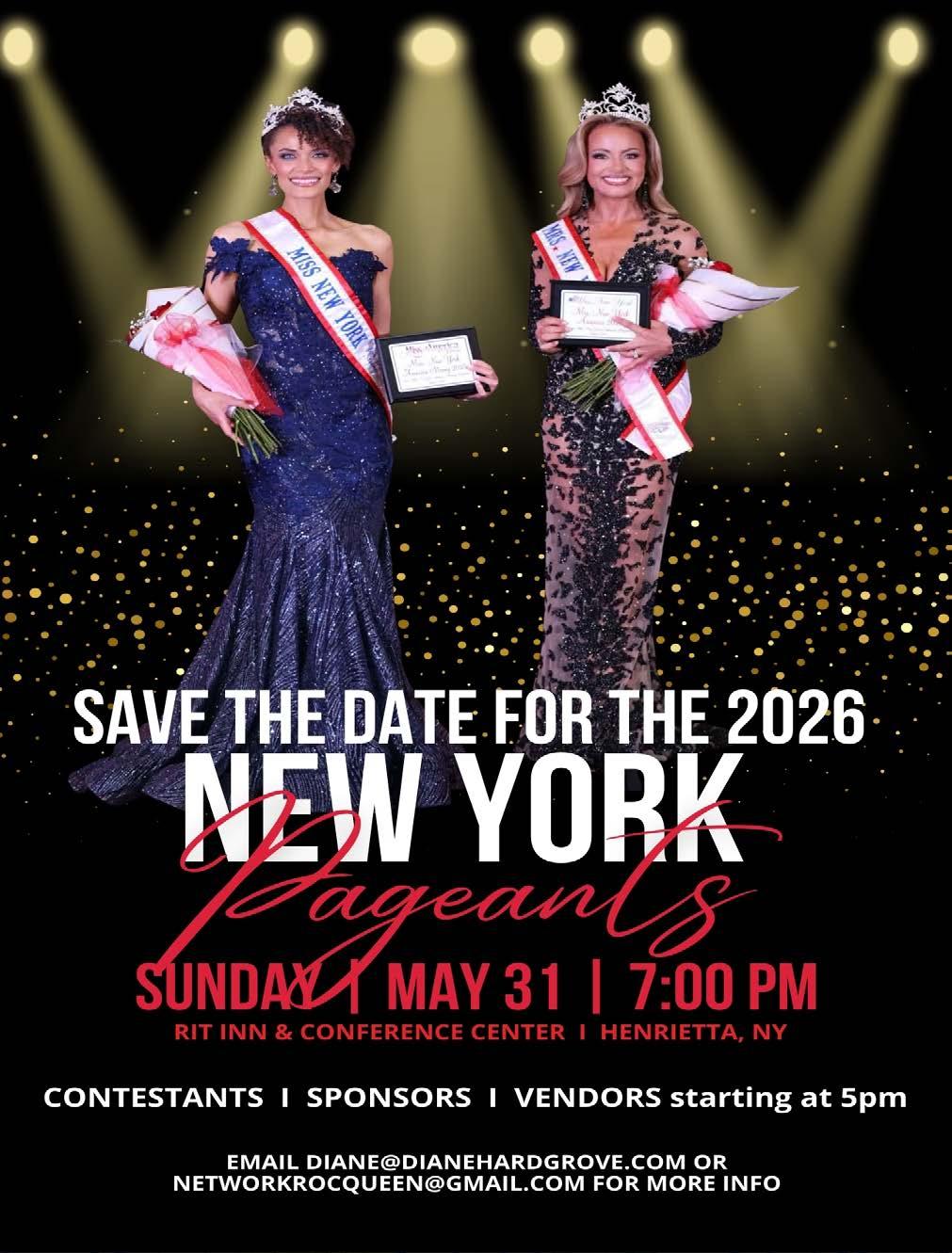



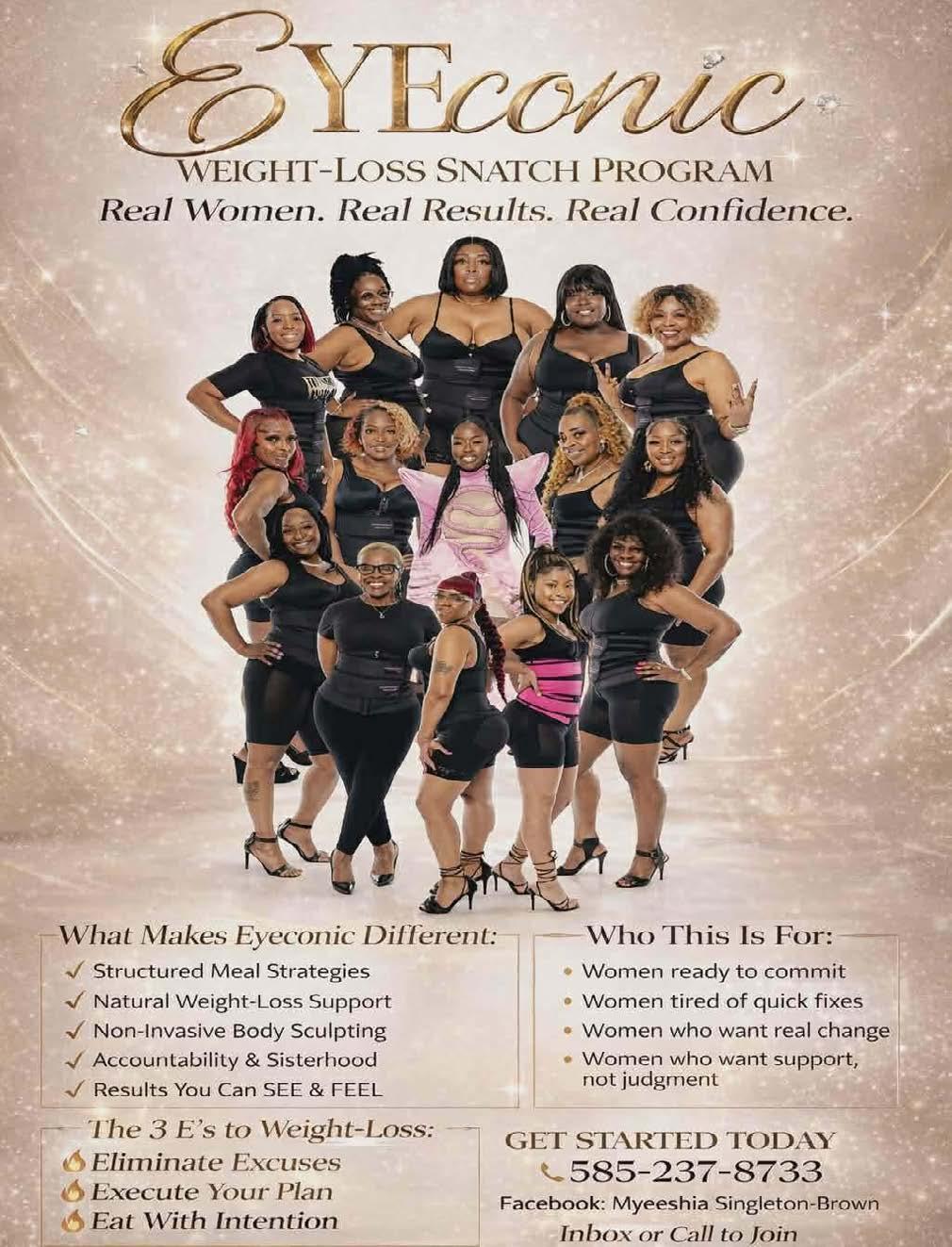
BY NICOLE HEROUX WILLIAMS I PHOTOS BY NSP STUDIO
There is this fear that many people carry as the years pass. It is the fear that aging inevitably means shrinking. Less energy, less strength, less clarity, fewer possibilities. We begin to expect stiffness in the morning, fatigue in the afternoon, and a slow surrender of the activities that once made life vibrant. We assume that golf, hiking, swimming, traveling, gardening, or even getting on the floor to play with grandchildren will gradually slip out of reach.
But what if that trajectory is not inevitable?
Enjoying vitality in your 60s, 70s, and beyond is not a fantasy reserved for a lucky few. It is deeply connected to a biological process we can influence. That process is inflammation.
If you are already feeling the weight of aging, it may be tempting to assume it is too late. That the stiffness, the fogginess, the slower recovery are simply signs that your best years are behind you. Yet inflammation is not a fixed state. It is dynamic. The systems that drive aging respond to the environment you create inside your body.
BY LAURA
adapts when the inputs change.
To understand why inflammation matters so greatly, it helps to rethink how disease actually develops. Most illnesses do not begin at the moment of diagnosis. The body does not flip from healthy to sick in a single event. Instead, it drifts there slowly, often over decades.
Type 2 diabetes does not start on the
with chest pain. It develops as the lining of blood vessels loses resilience and the body’s repair mechanisms become less efficient.
What these conditions share is not simply age, but a long-standing erosion of the systems that keep the body in balance. That erosion is strongly driven by chronic inflammation.
When we speak about aging in this context, we are not referring merely to the passage of time. We are describing biological aging—the gradual loss of repair capacity within cells, the reduced efficiency of mitochondria, the dysregulation of immune responses, and the slowing of metabolic flexibility. Over time, these changes create the conditions in which disease can emerge.
We see this clearly in clinical and realworld examples. People reverse type 2 diabetes after years of dysfunction. Individuals in their eighties build measurable muscle mass. Cognitive decline can stabilize or even improve when the underlying drivers are addressed. These outcomes are evidence that biology
day blood sugar crosses a diagnostic threshold. It begins years earlier when the body struggles quietly to manage glucose. The pancreas compensates, working harder and harder to keep levels stable until it can no longer do so. Neurodegenerative conditions do not begin with memory loss. They begin much earlier, when inflammation, oxidative stress, poor glucose regulation, mitochondrial decline, and environmental exposures gradually outpace the brain’s capacity to repair.
Cardiovascular disease does not begin
Chronic inflammation plays a central role in this process. It develops when the body perceives ongoing threat. That threat is rarely dramatic. More often, it is cumulative: fragmented sleep, circadian disruption, blood sugar instability, persistent stress, nutrient deficiencies, environmental toxins, hidden infections, insufficient movement, or stagnation within the lymphatic system. Each of these factors adds to the body’s internal stress load. Gradually, the immune system remains on alert even when there is no acute danger.
It is important to remember that the
“Time will continue to move forward. That is inevitable. But how the body responds to time is far more flexible than most people realize.”
body does not want to be inflamed. Inflammation is metabolically expensive. It consumes energy, damages tissue over time, and diverts resources away from repair. If the triggers are reduced and the environment becomes more supportive, inflammation often quiets naturally.
This is why it is possible to change direction even later in life. The biological processes underlying aging are not static. They are responsive.
Yet many people become discouraged because they believe they are already doing everything “right.” They eat organic food, avoid processed ingredients, prepare meals carefully, and eliminate obvious inflammatory triggers. And still, they experience puffiness, fatigue, brain fog, joint pain, or weight gain.
Nutrition is foundational, but it is not the only variable. Inflammation is influenced by light exposure and circadian rhythm, by the state of the nervous system, by the movement of lymphatic fluid, by the quality of sleep, and by environmental exposures that may go unnoticed. A perfect diet cannot compensate for chronic stress signals, stagnant drainage pathways, or persistent sleep disruption. Health is multidimensional, and each layer interacts with the others.
If the goal is to slow biological aging and preserve resilience, the most effective strategy is to work upstream. Rather than waiting for symptoms to escalate, attention can
be directed toward stabilizing blood sugar, restoring circadian alignment, improving sleep depth, ensuring mineral sufficiency, encouraging daily lymphatic movement, regulating stress responses, and reducing toxic burden. These shifts do not require extreme measures. In fact, small, consistent adjustments often create the most sustainable results.
This understanding is what led to the creation of the Inflammaging Challenge. The program was designed to help individuals address the early drivers of accelerated aging through practical, manageable daily practices. Over the course of 21 days, participants are guided through micro-habits that support the very foundations that determine the state you’re in.
When foundational systems are supported consistently, the trajectory shifts. Energy improves. Recovery becomes more efficient. Cognitive clarity sharpens. Movement feels easier. These changes reflect a reduction in inflammatory burden and an increase in biological resilience.
Time will continue to move forward. That is inevitable. But how the body responds to time is far more flexible than most people realize. Aging does not have to mean surrendering strength, clarity, or independence. By addressing inflammation and the upstream factors that sustain it, it is possible to influence not only lifespan but the quality of the years you live.
In our most recent Inflammaging
Challenge, participants consistently shared that what surprised them most was how doable it all felt. They described the micro-habits as simple yet powerful, reporting better sleep and energy, feeling calmer and less stressed, improved digestion, reduced pain, and a renewed sense of motivation. Several noted that the structure helped them realize that healing does not have to be overwhelming, that small daily actions truly add up, and that consistent, manageable changes can shift the way they feel in a relatively short time.
If you are ready to address inflammation at its roots and age with greater resilience, the next round begins in April. Join the waiting list and begin shaping your trajectory now: https://athomewithwellness. ubpages.com/inflammaging-challenge/
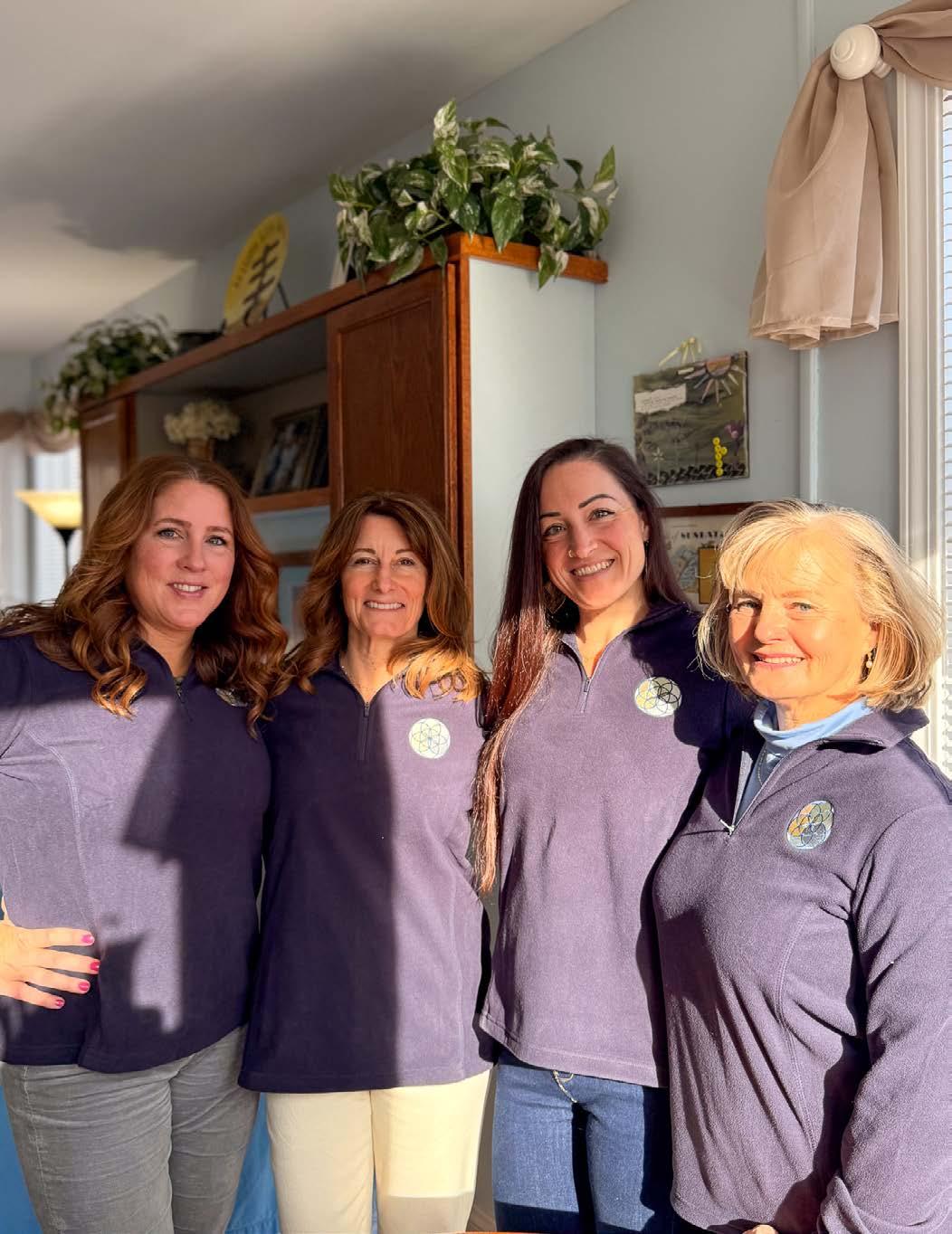
Hi, I’m Meg, LMHC, and welcome to Breathing Space, where we slow down, reconnect with our body, and breathe. I am a body-centered psychotherapist, retreat leader, and end-of-life doula offering you monthly nervous system regulation techniques. Lately, the world feels loud. Heavy. Fast.
Many of the women I sit with tell me the same thing in different words. They are tired. They are wired. They are carrying the weight of family, work, aging parents, growing children, uncertainty in the news, and the constant hum of “What if?”
Even when nothing catastrophic is happening in the moment, the body often does not know that. Our nervous systems are living in a state of alert. Shoulders up near our ears. Jaw tight. Sleep fractured. Mind scanning for the next thing.
When the world feels overwhelming, we often assume the solution must be big. A vacation. A life change. A full overhaul.
But sometimes, a small gesture goes a very long way.
Today’s regulation technique is simple. You can do it in bed at 2 a.m. You can do it in your car before a meeting. You can do it quietly in a crowded room. And while it may look gentle, it packs a powerful punch for a wired nervous system.
It’s called the Butterfly Hug.
BY MEG TOBIN
What is a Butterfly Hug? & How is it Different from a Regular Hug? Often, when we see someone we love after a long absence, we embrace them. A hug reconnects us. It reassures us. This person I love is here with me. Hugs are supportive. When we are upset, someone may offer us a hug. Their embrace lets us know we are not alone. They can help reduce anxiety and bring us back to the present moment.
They are soothing.
A hug, though, is a physical embrace between two people.
What we are outlining today is a hug for the nervous system.
The Butterfly Hug is a self-soothing technique where you “hug” yourself and gently tap your hands on opposite sides. When we do the Butterfly Hug, we connect with ourselves. We ground. We soothe our worries and calm our nervous system from the inside out.
The Butterfly Hug is a bilateral stimulation technique used to selfsoothe and relax. This grounding practice involves alternate tapping on your left and right sides, creating a calming, rhythmic pattern that helps settle the brain’s alarm system. When is the Butterfly Hug useful?
• When negative thoughts are looping.
• When you wake in the middle of the night feeling worried or scared.
• When you are anxious before a meeting.
• When you feel yourself getting overwhelmed and need to ground. Generally, this practice takes anywhere from 30 seconds to 5 minutes.
Step 1: Position.
Find a comfortable position. Sit or lie down. Your eyes can be closed or partially closed, gazing softly downward.
Step 2: Butterfly Hands.
Bring your hands in front of your chest with your palms facing you. Cross your wrists and interlock your thumbs to form a butterfly. Your interlocked thumbs are the butterfly’s body. Your fingers are the wings.
Step 3: Bring your butterfly to your chest.
Rest your hands just below your collarbones.
Step 4: Name what is stressing you. Allow the worry to come to mind. What is weighing on you?
Step 5: Breathe.
Take a deep breath in through your nose, letting your belly expand. Exhale slowly through your mouth.
Step 6: Begin tapping.
Tap the left side of your chest with your right hand once. Then tap the right side of your chest with your left hand once. Continue alternating left and right at a pace that feels steady and comforting. There is no perfect speed.
It is okay if your mind stays with the worry. You are not trying to force

“Even when nothing catastrophic is happening in the moment, the body often does not know that. Our nervous systems are living in a state of alert.”

it away. You are giving your body rhythm and safety while the thought is present.
Step 7: Observe.
Notice what is happening in your body. Is your breath changing? Are your shoulders softening? Is your jaw loosening?
Step 8: Add reassurance. You might repeat a phrase silently such as, “I am safe,” “This moment is okay,” or “I can handle this.” If you are visual, imagine a place where you feel safe and grounded.
Step 9: Continue for 1–2 minutes. Or longer if it feels good. Let your body settle.
Step 10: Gently release.
Lower your hands to your lap. Sit quietly for a few breaths and notice any shifts.
What does this do for your brain and body?
Bilateral stimulation engages both sides of the brain. When we rhythmically alternate left and right, we help the nervous system process what feels overwhelming and return to balance.
In simple terms, you are sending your body a message: “We are here. We are safe enough. You can soften.”
This practice helps shift you from fight or flight into rest and digest. It does not change the world. It changes your internal state so you can meet the world
with a steadier presence. Reflect
What did you notice as you tapped? Where in your life might this small practice support you?
In a time when so much feels outside our control, it matters that we remember this: we can influence our nervous system.
Sometimes the most powerful interventions are the simplest ones.
Hug it out. Breathe.
What shifts for you? Drop me a note at meg@therapycny.com. I love hearing how these practices land in real life.
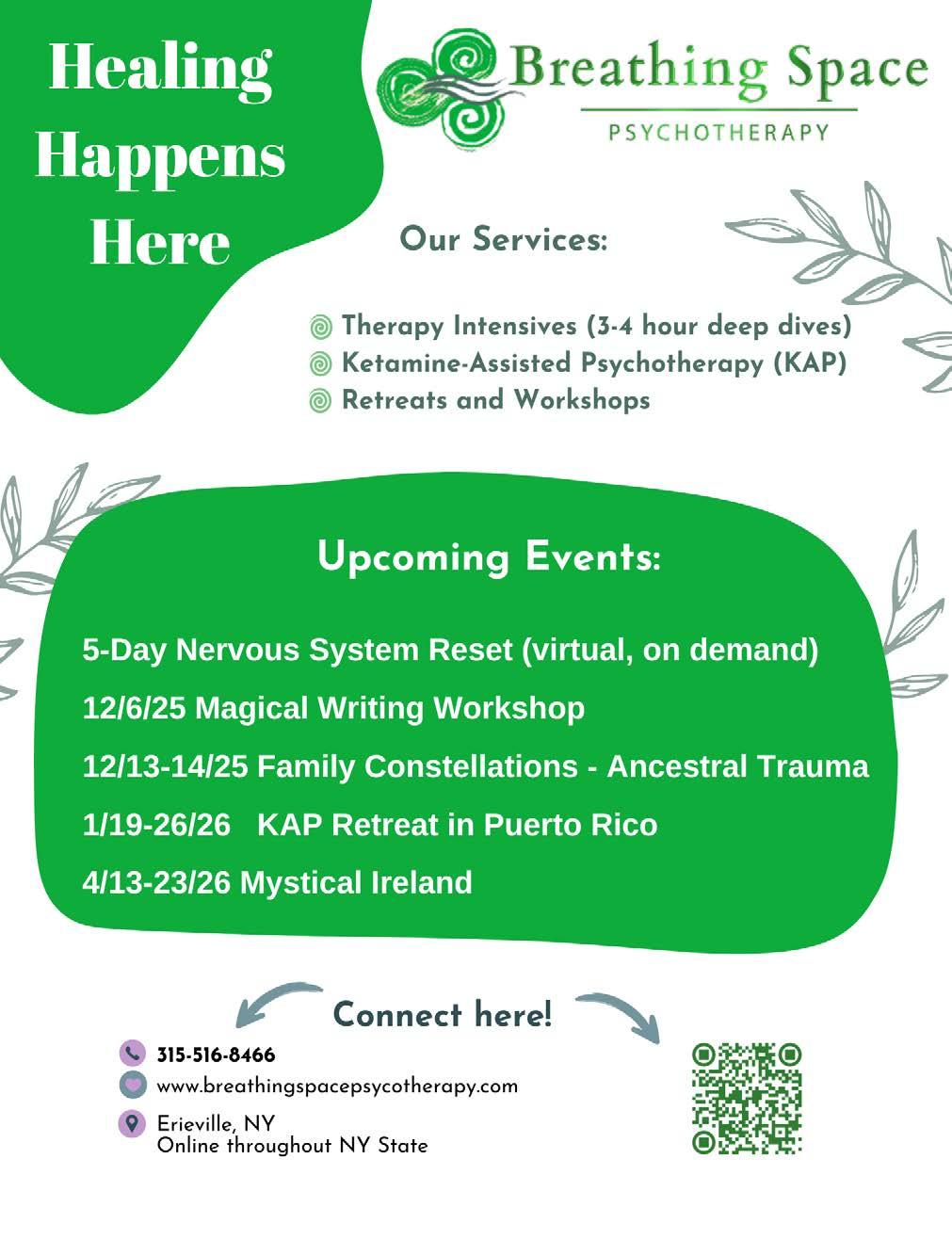




BY NICOLE HEROUX WILLIAMS I PHOTOS BY NSP STUDIO
BY SHAUNA DIXON
When you hear the words “spring break,” what comes to mind?
Crowded beaches. College parties. Neon tank tops.
But here’s the truth: spring break is not just for college kids anymore. It has quietly become one of the best times of year for adults, couples, families, and girlfriends to escape winter and reset before summer chaos begins. And if you live in Western New York, you know exactly why that matters.
By late February and early March, many of us are feeling it. The gray skies. The cold mornings. The stretch between the holidays and real sunshine.
Spring break offers something powerful: a change of scenery at just the right moment. It is close enough to feel manageable but far enough away to feel like a true escape.
Spring break is actually one of the best times for adults to travel without the college crowd.
Many adults-only resorts in destinations like Jamaica, St. Lucia, Mexico, and the Dominican Republic offer a completely different experience. Think elevated dining, spa treatments, beautiful pools, and a relaxed atmosphere.
make logistics easy. Meals are handled. Activities are built in. Pools and beaches keep everyone entertained. You are not constantly pulling out your wallet or coordinating complicated plans.
Cruises are another fantastic option for families during spring break. You unpack once, wake up somewhere new, and there is something for every age group. And yes, I will happily handle the details so you can actually enjoy the vacation instead of managing it.

While the Caribbean is popular for good reason, spring break does not have to mean sand and swimsuits.
Spring is one of the most beautiful times to visit Europe. Cities like Paris, Rome, Barcelona, and Lisbon begin warming up, outdoor cafés reopen, and crowds are lighter than peak summer months.
Whether you have school-aged kids or not, this time of year is ideal for:
• Warm weather
• Fewer major holidays competing for time
• A mental reset before summer schedules begin
And the options go far beyond what you might expect.
For couples, this is an ideal time to reconnect without waiting for a big anniversary. For friends, it is the perfect excuse to sit by the water, talk for hours, and not think about laundry or emails. A few days in the sun in March can feel like a full emotional reset.
If you do have kids, spring break is a wonderful time for family travel. And no, it does not have to be overwhelming. All-inclusive resorts in the Caribbean
River cruises along the Rhine or Danube are also stunning in early spring, with blooming landscapes and fewer passengers than high season sailings.
For travelers who want culture, food, and walkable cities instead of beach loungers, spring in Europe can be magical.
Spring break travel tends to cluster around school schedules, which means availability can tighten quickly. Flights,
“But here’s the truth: spring break is not just for college kids anymore. It has quietly become one of the best times of year for adults, couples, families, and girlfriends to escape winter and reset before summer chaos begins.”

popular resorts, and cruise cabins often sell out earlier than people expect. Starting the planning conversation early gives you better choices, better pricing, and less stress.
As a Dream Vacations travel advisor, I love helping travelers design spring escapes that actually match their travel style. Some clients want quiet luxury. Others want adventure. Some want to do absolutely nothing but float in the pool.
There is no right way to take a spring break. There is only the right fit for you.
If winter has felt long, consider this your sign.
Spring break is not about college parties. It is about sunshine, connection, and stepping away before the year speeds up again.
Whether you are dreaming of turquoise Caribbean water, a European café in bloom, or a family cruise full of laughter, this season offers the perfect window to go.
Because sometimes the best way to get through winter… is to leave it behind for a week.
If you enjoy travel inspiration, tips, and honest advice, I also invite you to join my Facebook community, Travel by Shauna (@travelbyshauna), where I share ideas, trends, and behind-the-scenes insights to help make travel easier and more enjoyable.
And when you are ready to start planning, I am here to help turn those ideas into a seamless, well-designed trip. Travel should feel exciting, not stressful, and it all starts with a smart plan.
About the Author
Shauna Dixon is a Rochester-based travel advisor and owner of Moon & Back Escapes. She specializes in designing seamless, stress-free travel experiences for women and families who want more than just a vacation. From weekend getaways to bucket-list journeys abroad, she believes every trip should feel meaningful, memorable, and effortless. Shauna can be reached at MoonAndBackEscapes.com, sdixon@ dreamvacations.com, or 585-542-8821 (text or call).




The first time I saw Rochester Woman it was a glossy print publication sitting on a coffee table in a Pittsford salon. Probably much more suited to my interests at the time: shopping, beauty tips and local bars.
Flash forward to 2019 and I hadn’t even filed the LLC paperwork for my business when Kelly Breuer asked if I would author the Life in Balance column for Rochester Woman Online (RWO). My headshots were yet to be taken. I had been teaching yoga part time for over five years while I pursued my yoga therapy certification – since that day in the salon my soul was slowly getting called away from consumerism and toward embodied healing. My heart knew I was headed out of the corporate world, even if my brain didn’t have all the steps sorted out.
The column let me shine a light on the less glittery and more gritty side of yoga. The pandemic that came a few months later let me share how the many layers of yoga could help women juggling so much – or for the few suddenly with a lot of time on their hands, how to move through those moments with intention. Movement, meditation, concentration, breathing techniques were just the tip of the iceberg. Sequences for folks sick of sitting at a computer all the time because I felt it myself. Ayurvedic practices started making an impact on my life, and I got to share those with readers.
My business grew and operated out of two different studios before I opened
BY KAITLYN VITTOZZI
Penfield Yoga Therapy and took the leap to become self-employed. Writing about the experience along the way was therapeutic for me. The more specific a topic, the more universal – and moving, upheaval and growth are all inherent parts of the human experience. I found other local businesses by reading the magazine and got to collaborate with them, picking up a few good friends along the way. My love of locally owned businesses and travel let me suggest experiences for mindful folks.
Writing can seem fruitless and isolating. It is just you and a word doc. What kept me writing was how many people have reached out to say how every word of a column on the Sunday scaries or holiday stress resonated with them.
If you have read any of the columns I authored over the past few years, hopefully you picked up on a thread I am certain proves true time after time. In our overly scheduled culture, getting your life in balance is usually doing less, not more. For now, I am stepping away from RWO’s Life in Balance column. There are no coincidences. This column’s due date was on Lunar New Year, and I knew I had a little bit more to shed before I closed out the year of the snake.
My business was a nestling when I started writing for RWO and now she has grown into a songbird that commands attention. I will forever be grateful for the opportunity to connect to others through this column, and to establish myself in the small
business community here. Knowing I would have an article deadline, it honed my listening skills – what folks struggled with, and how I may be of service to that. The years of writing for RWO have also re-inspired my love for writing poetry and nonsense which at this point in my writing career I am holding close to my heart: scribbled, untamed and unedited.
Don’t be a stranger, I’ll still be available at PenfieldYogaTherapy.com, putting content out in my membership and teaching around town.
Past columns will live on the website. The practices are ancient, so don’t worry about them being a few years old. They’re sound - use them, repeat them. I look forward to having a little more time to read the magazine again and see what local entrepreneurs are bringing to the community. Your body always tells you when you’re out of balance, please listen to it.
Love, Kaitlyn
BY LORI BRUTON
As the heavy ice and snow of a Rochester winter weigh down the landscape, it is easy to feel like the world is at a standstill. Yet beneath the frozen surface, a quiet process is already in motion. Spring is coming.
Spring is a season of new life and rebirth. As the snow melts and the first buds appear, we often think of Spring Cleaning. That same renewal is possible for your life and your body.
Our Creator did not design our bodies to simply endure or decline. A blueprint for wholeness was written into the Book of Life long before we felt our first ache or bout of dysfunction.
Do you feel like you are falling apart? Do you think the decline is just an inevitable part of the aging process? Perhaps you are wondering if you will ever have a spring in your step again, or if you are bound to stay laying on the springs of your bed. Your best days do not have to be behind you. There is a way to reboot your system because healing and regeneration are encoded in your DNA.
earthly expectations. While much of the modern world relies on synthetic interventions that often suppress our design, those methods only address our survival. They keep us moving, but they do not help us flourish.
True restoration honors the Seed. Just as
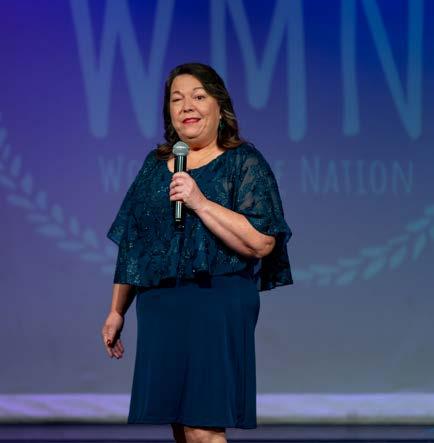
pharmaceutical crazes, it is easy to feel lost in the clutter. We try the powders and the latest trends. Some may work temporarily, but many of us wonder why they work for everyone else while leaving us feeling depleted. What feels like a breeze to one person might be a storm to your system. Restoration is not found in the latest fad. It is found in the Seed.
Your body contains its own divine seeds called stem cells. These are not foreign chemicals. they are your body’s original, preserved resources. While these cells decline as we age, leaving us susceptible to illness and accelerated aging, they remain your body’s primary internal repair system.
Traditional methods often focus on masking symptoms and pain. Regenerative therapy listens to the body’s original blueprint and provides the resources to rebuild from the inside out.
In ancient languages, there are two distinct ways to describe life. One describes the simple act of breathing and surviving. The other describes a divine quality of life that exceeds
the Ark was built to preserve the seeds of a new world through the storm, your body contains its own seeds of regenerative cells designed to rebuild. This is a matrix of regeneration. It is a targeted delivery of biological building blocks designed to silence the storm of inflammation and allow your internal blueprint to activate a higher quality of life.
BY KAITLYN VITTOZZI
While the media is currently saturated with the latest weight-loss injections, we must ask ourselves if we are healing or simply suppressing. Many modern therapies work by overriding the body’s natural signals, forcing a result through chemical intervention that often comes with a heavy price tag of side effects and long-term dependency.
In a world of wellness noise and
Regenerative therapy offers a different path. Instead of introducing a synthetic
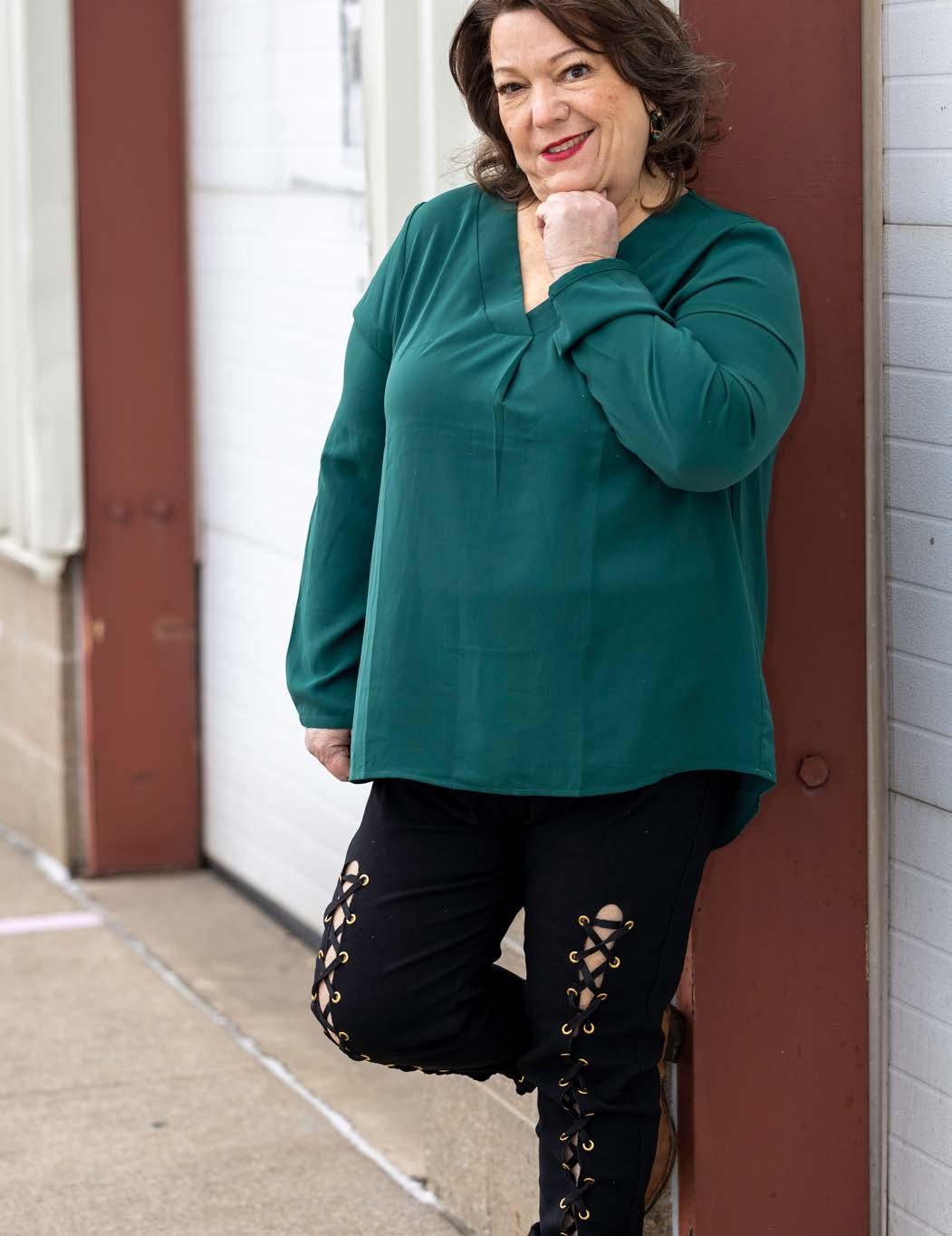
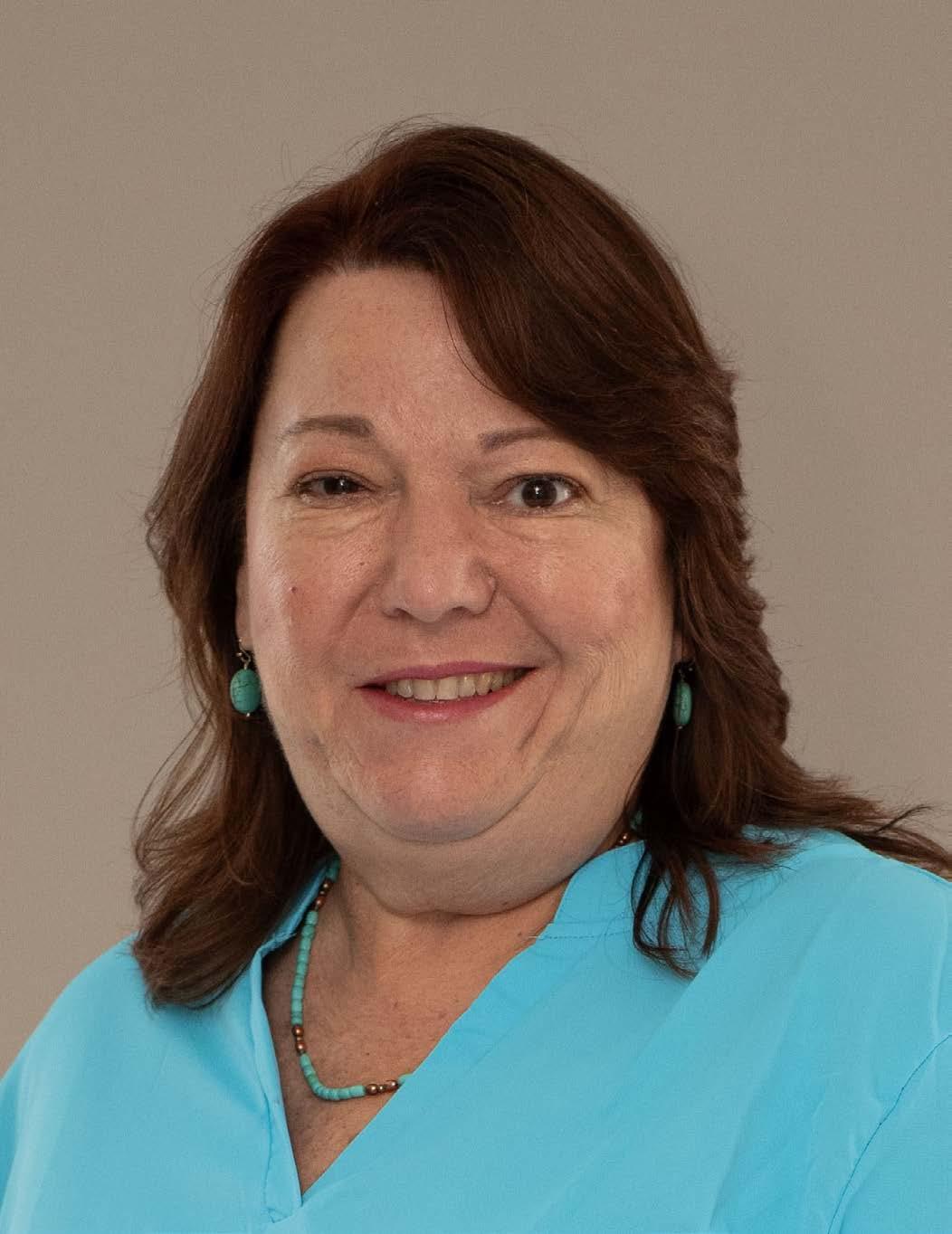
“As the snow melts and the first buds appear, we often think of Spring Cleaning. That same renewal is possible for your life and your body.”
chemical to mimic a hormone, we introduce the body’s own original building blocks. Stem cells do not force the body to do anything. They provide the raw materials needed for the body to repair itself.
Where other treatments are about management and suppression, stem cell therapy is about resurrection and wholeness. One is a temporary mask. The other is a return to your natural design. Stem cells are like the Noah’s Ark of your body, carrying the seeds waiting for the signal to re-populate a damaged knee, a tired heart, or an aching back.
The right therapy with the right touch results in a new level of life. For those who have experienced medical trauma, we seek hands that are gentle, skilled, and focused on the comfort of the individual.
There is a unique opportunity here for local Registered Nurses and medical teams. We are looking to expand our reach so more people can access this therapy. We are currently inviting local RNs who are experts in IV therapy to join my restoration team on their own time and terms.
If you are looking for a way to use your skills to truly help people, rewarded by the connection of healing rather than the hustle of a clinical assembly line, this is your invitation. You can partner with our clinical team to facilitate these treatments while earning additional income for the
specialized care you provide.
Nurse Victoria’s Story: “With more than 14 years of experience in the medical field, starting as an EMT, then paramedic, and now a nurse, I’ve worked across the spectrum of care from pre-hospital to acute hospital settings. For a long time, I believed the purest form of medicine was found in acute care, where life-saving decisions are made in critical moments. But since joining the regenerative therapy revolution, my perspective has evolved. I’ve now delivered more than 2,500 regenerative therapies and have the privilege of following up directly with patients. What I’ve witnessed has redefined how I view healing. People are avoiding surgeries. Reducing or eliminating medications under medical supervision. Improving their daily function. Regaining a sense of freedom in their lives. Clients are no longer being defined by their diagnosis or limitations. They’re rediscovering what they can do, not what they can’t. Seeing those transformations first-hand both in patients and their families has been the most rewarding part of my career. Regenerative medicine, in my view, now represents the most complete and forward-thinking form of care I’ve encountered.”
Could stem cell therapy hold the key to a new level of health for you? Unlike pharmaceuticals that treat symptoms, stem cells work to repair damage at the source.
This restorative path is exclusive and is not available through traditional medical channels. As a Restoration Advocate, I have been granted a limited number of Discovery Consultations for readers of this column to speak directly with our clinical team. We want to see if you are a candidate for this blueprint alignment.
We are seeing people with various autoimmune challenges, injuries, and chronic conditions experience a better quality of life. Stem cells are offering hope where traditional paths have had limited success.
Do not just manage another season of discomfort. Invest in your body’s ability to rebuild. When you book a consultation, you are honoring your body’s internal blueprint. If you have reached the end of this article and you are still searching for an answer that traditional medicine could not provide, know that you are not an afterthought.
Activate your blueprint today. Choose the power of resurrection and regeneration. Invest in your incline instead of managing your decline.
To request a Discovery Consultation or to inquire about joining our nursing team, please email Lori Bruton at lorisstories2022@gmail.com
Disclaimer: I am not making any medical claims as to the benefits of anything to improve medical conditions. Everyone is different. I am simply sharing the stories and studies of others who have benefited personally.
BY THE ACS TEAM
*Estimated to be almost 4 years old
*Transferred to ACS from Best Friends Dog Rescue on 11/4/24
*Came in HW positive and was treated upon intake
Bio - Waiting Since November! Brooklyn is available to Foster or Adopt. This sweet soul has been waiting far too long. Since November 2024, Brooklyn has been curled up behind shelter walls, dreaming of a family to love. She adores cuddles, lives for belly rubs, and her goofy antics will keep you smiling even on the toughest days. Brooklyn is great with kids and adults alike, and while she prefers quieter canine companions, she does enjoy a little rough and rowdy playing with a polite canine partner. (Sorry – no kitties, though!) Brooklyn is crate trained, muzzle trained and housetrained – she’s just waiting for a couch to call her own. Despite everything, Brooklyn is still hopeful. Still wagging her tail. Still believing her person is out there. You could be the miracle she’s been waiting for.
Please consider fostering or adopting Brooklyn – even short-term fosters can save lives! Give this Goofy Lovebug a Chance!
A man named Paul came in to look at dogs and met Brooklyn. Brooklyn stole his heart although had some challenges with the ultimate outcome of her adoption; he was persistent, committed, and determined. Paul starts his journey with Brooklyn by taking her out on Doggy Day Out trips where dogs can go offsite with community members for a field trip, to get them seen, and to get out of the shelter for a bit ultimately reducing their stress levels.
Doggy Day Outs grew Paul’s love for Brooklyn, and eventually he brought his resident dog, Odin to ACS for him to meet Brooklyn. During Brooklyn’s assessment upon intake, it was determined she could
live with other dogs although would be best matched with a dog that was submissive, best matched with a calm dog, and that she was a boss dog. This posed a potential problem for Paul and his dog Odin as odin was the exact opposite of that. But, with the patience and determination Paul offered, he spent a lot of time with Brooklyn to get to know her. He worked with her, Odin, and a local trainer to fully assess the dynamic,
and with time, Brooklyn and Odin worked things out.
The trainer mentioned several times “Brooklyn just wants to fit in, it’s clear she really wants to be in a home”. Paul was Brooklyn’s way out and she seemed to have known that.
Scarlett
*Estimated to almost 8 years old
*Lap Cat
*FeLV+
Bio - Hey everyone, this is Scarlett, basically a
gray puffball! She loves sitting high watching the birds fly by and catching their worms. Birds are her favorite things to watch. She would love to sit at the highest perch of your cat tower and watch the birds up close. Scarlett enjoys chasing her favorite toy and climbing as well. Scarlett is sweet and gentle with beautiful manners! She is a mature lady who adores relaxing and sleep in between her three meals a day, which she will be sure to remind you of! Scarlett is an independent cat but she does enjoy being doted on with pats and may come up for the occasional snuggle on your lap. Scarlett is a gentle soul who needs a kind and understanding home. This little lovebug is always ready to curl up on your lap or by your side for some quality time. You are going to be her feline friend fur-ever! Don’t fur-get to buy more catnip! Because she loves it!!
Scarlette was transferred to ACS from Humane World for Animals in Maryland on 5/27/25. We knew she was FeLV positive and that was actually one of the reasons we took her. There are a lot of shelters that will euthanize cats that are FIV/FeLV positive for many different reasons. We are fortunate to be able and care for FeLV positive cats. FeLV is a virus that may lead to immune deficiency and can hinder the cat’s ability to protect themselves from other infections. It’s spread through urine, feces, grooming, and milk from infected cats over a period of time and although contagious, FeLV cats are able to live with other cats that are not FeLV positive. It’s important to keep the non positive cat up to date on their vaccines and to keep everyone in good health.
Because many people are nervous about FeLV cats status, they tend to sit with us much longer than other cats and much longer than we would like to see them be here. Fortunately, for Scarlette, she wasn’t here even 6 months before her adopter and her met and fell in love. We are so happy for Scarlette and wish her the best in her future!