Research Review- 35th Anniversary Edition- October 2025
The Mission of Keio Academy of New York
“Keio Academy of New York promotes trans-Pacific, transcultural and trans-disciplinary learning. The mission of Keio Academy of New York is to develop, foster and utilize “Tri-cultural’ education by combining the best of Japanese, American and Keio cultures, to produce graduates who have a strong sense of “moral-independence” and “selfreliance” which has been a Keio tradition since Keio Gijuku’s establishment by Fukuzawa Yukichi in 1858.”
Research Review: Keio Interdisciplinary Journal Encouraging Learning & Teaching
Volume 4, October 2025
Library of Congress ISSN: 2831-4638
Published by Keio Academy of New York, October 2025
3 College Road Purchase, New York
Supervisor of Research Editor-in-Chief
Leah Mortenson
Editorial Committee
Dominic Ciafardini
Junko Hayami
Michael Kovens
Simon Lee
Martin Sedek
Advisory Board
Takayuki Tatsumi
Edward Consolati
From the Editor
It is with great excitement and sincere appreciation that I step into the role of Editor-in-Chief for Research Review: Keio Interdisciplinary Journal Encouraging Learning and Teaching at Keio Academy of New York (KANY). This fourth volume is a particularly meaningful one, as it coincides with the 35th anniversary of our school’s founding. To honor this milestone, the volume is divided into two parts.
Part One commemorates our founder, Yukichi Fukuzawa, whose legacy continues to shape our mission and educational philosophy. His vision, which was rooted in intellectual curiosity, moral integrity, and global citizenship, continues to resonate deeply with our school community. Through the works included in this section, we aim to reflect on how Fukuzawa’s ideals continue to guide our practices and inspire both faculty and students today.
Part Two highlights faculty and student scholarship that exemplifies the academic rigor, creativity, and intercultural perspectives fostered at KANY. As a tricultural institution grounded in Japanese, American, and Keio values, we are committed to fostering meaningful cultural exchanges, cultivating critical thinking, and engaging with contemporary issues.
This volume, taken as a whole, offers a thoughtful snapshot of who we are and who we aspire to be as a learning community. I hope it inspires reflection on our past, present, and the collective future we are shaping together.
In This Volume…
As noted above, this volume of Research Review is organized in two parts. Part One focuses on our school’s 35th anniversary and begins with Headmaster Tatsumi’s essay, "Mr. Fukuzawa Goes to New York." This is followed by a historical overview of Keio Academy by Mr. Edward Consolati, and a collaborative cross-departmental piece that illustrates how Fukuzawa’s values are integrated across our school’s curricula. Also included are select student speeches from the 2025 Fukuzawa Speech Day, offering powerful insights from our students on how they interpret and embody the core values of our school and utilize them to understand and respond to realworld problems.
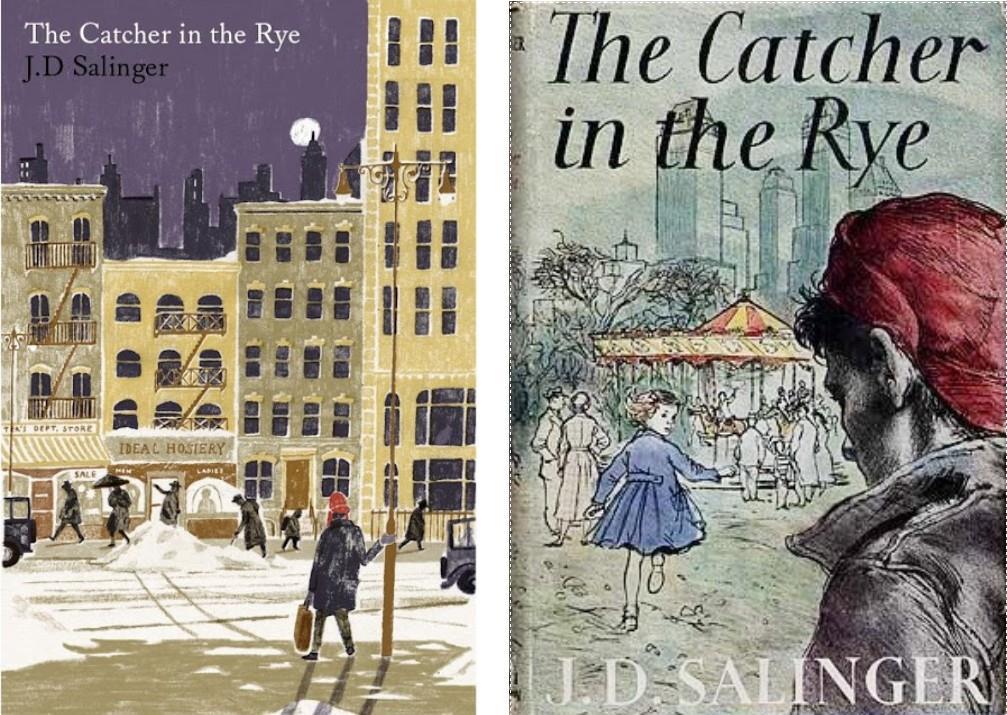
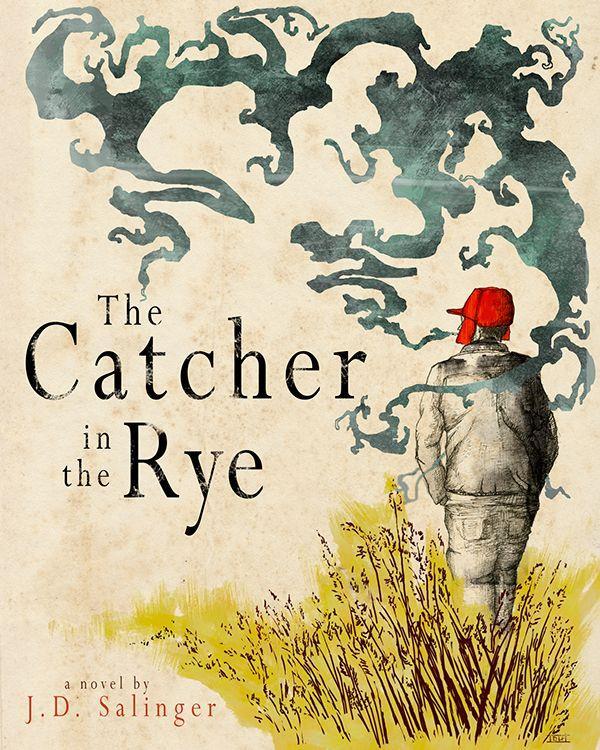
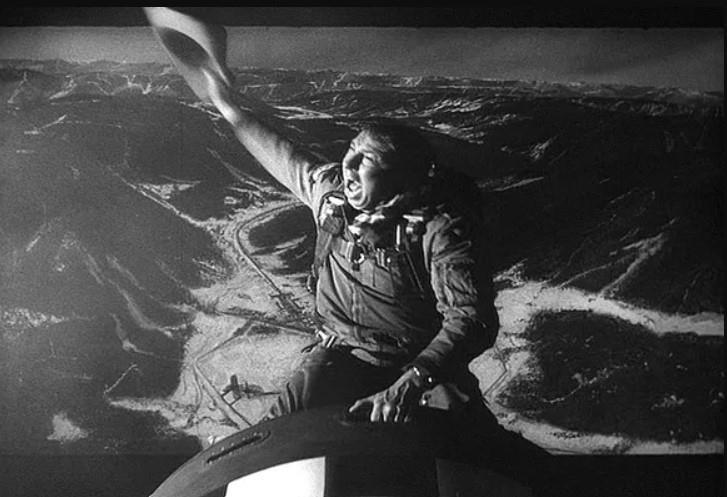
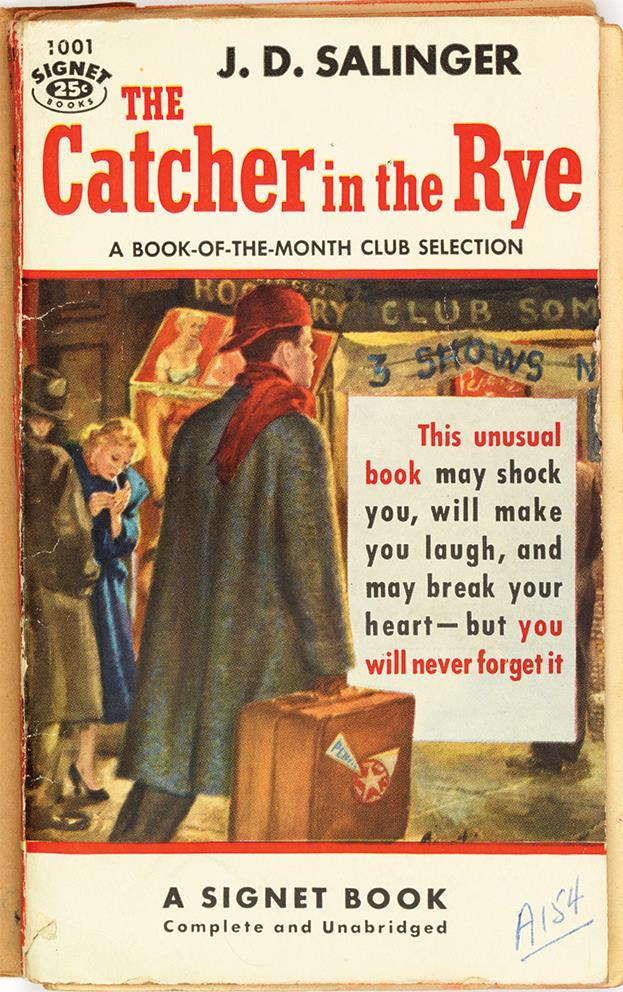
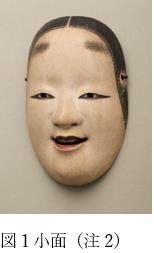
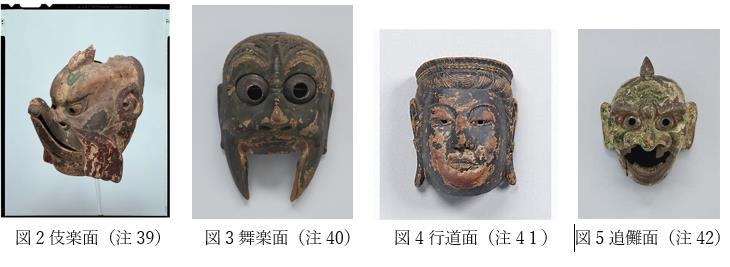
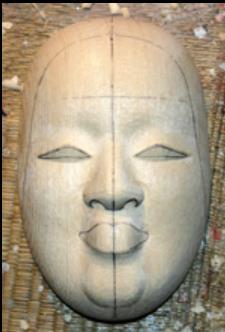
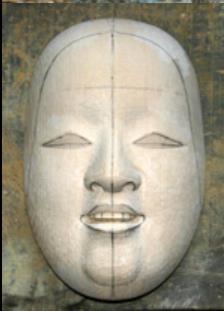
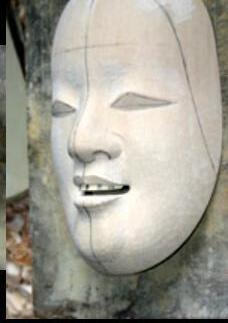
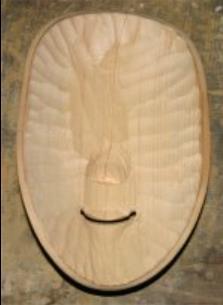
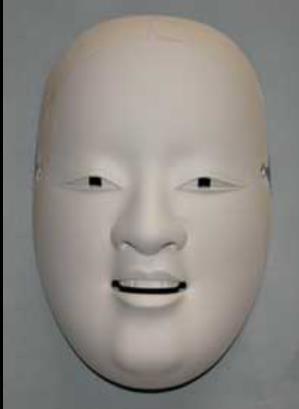
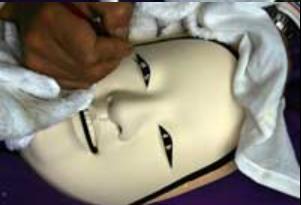
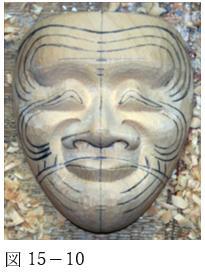
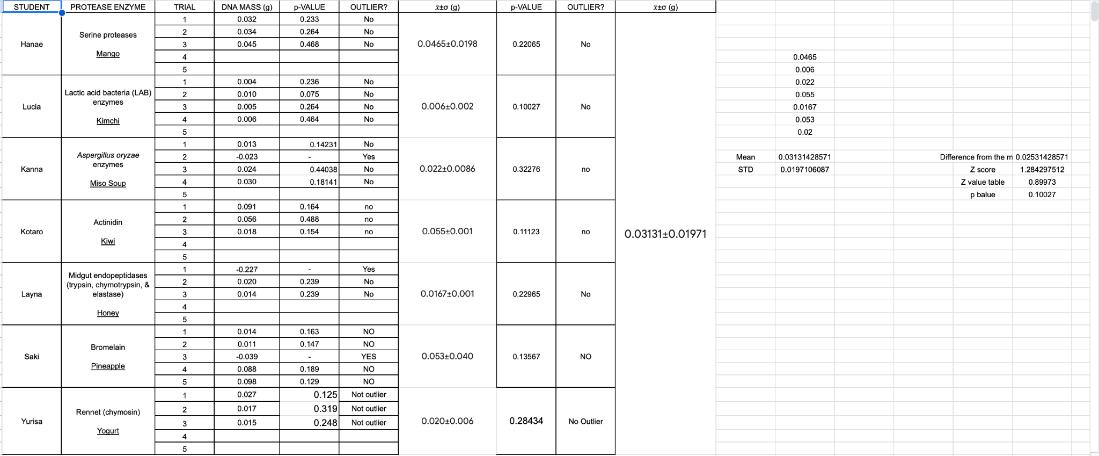
Part Two showcases exemplary faculty scholarship and student work supported by faculty mentorship. It opens with analytical essays from the Headmaster’s Senior Academic Extension (AE) class: a book club focused on J.D. Salinger’s The Catcher in the Rye. Following this is a piece by Ms. Miho Izumi reflecting on the use of A.I. as an educational tool and what we can learn from it, and a student research paper from Introduction to Public Speaking focusing on Japanese Noh masks and their multifaceted, mysterious expressiveness. Finally, we have a curated selection of seven biology lab reports from Mr. Michael Kovens’ Honors Biology class. Each piece in this volume is a testament to the intellectual curiosity and collaborative spirit that define the Keio Academy community. Please read, reflect, and enjoy!
Leah Mortenson, Ph.D. Editor-in-Chief
Table of Contents
Part I: Commemorating KANY’s 35th Anniversary
Mr. Fukuzawa Goes to New York Page 1
Takayuki Tatsumi
A Brief History of Keio Academy of New York Page 5 Edward Consolati
Fukuzawa Yukichi’s Values within the Keio Academy of New York Curriculum Page 15 Compiled by Edward Consolati, edited by Leah Mortenson
Fukuzawa Speech Day 2025 Contributions
Character Inquiry: What It Takes to Grab Audience’s Hearts Page 29
Yuna Kuwahara & Mirai Sakamoto
自分を見つけた演説 Page 33
渋田 ダニーラ
The Controversies of Gene Editing Page 35 Marie Kimura
情熱をぶつける福澤スピーチデイ Page 39
山邉 佳奈
Reclaiming “Forgotten” Memories: Neuroscience as the Foundation of Identity Page 41 Hanna Tsukada
Part II: Faculty and Student Scholarship
The Headmaster’s Book Club: Reading J. D. Salinger’s The Catcher in the Rye (1951)
Introduction: On the Narratological Gimmick Page 45
Takayuki Tatsumi
Holden’s Self-Deception and His True Identity Page 47 Mirai Sakamoto
Immersed within a Canonical Coming-of-Age Novel Page 50
Yuuna Otsuki
Finding Myself in Holden Caulfield: A Personal Journey through Chapters 18-20 of The Catcher in the Rye Page 53
Shuma Kikuchi
The Fragility of Dream: Holden and Gatsby Page 58
Daiki Goto
Four Aspects of The Catcher in the Rye Page 61
Saeko Yokoi
Sweet Cruelty Page 64
Kana Yamabe
Japanese at Keio Academy 令和の教室からー読書・AI ・国語教師として未来を畏れて Page 66
Reading, AI, and Facing the Future as a Language Teacher
泉 美穂
Introduction to Public Speaking at Keio Academy
Introduction to Public Speakingー日本語発声法の授業紹介 Page 74
速水 淳子
能面はなぜ表情を変えるのか Page 75
出野 こはる
Science at Keio Academy
Honors Biology Lab Reports Introduction Page 114
Michael Kovens
DNA Extraction Lab Page 116
Hanae Hirose
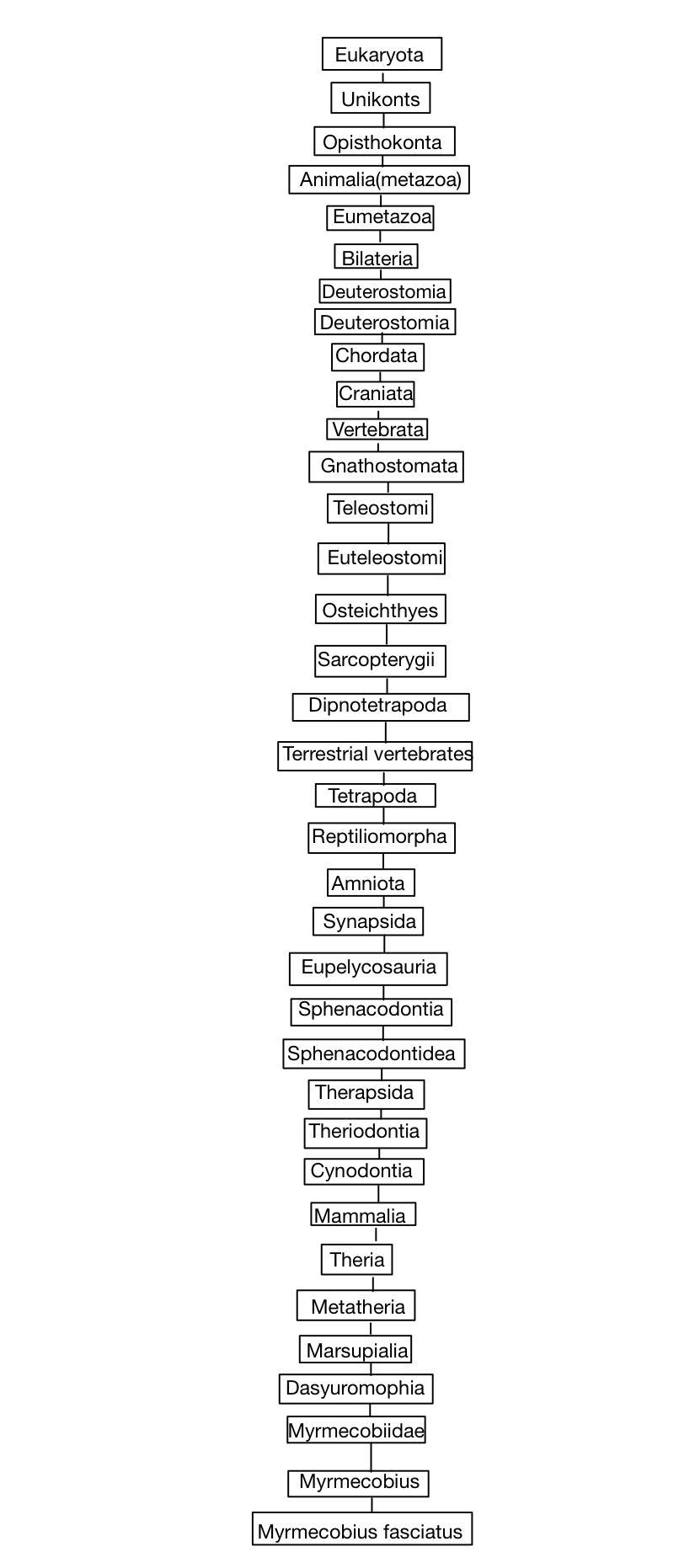
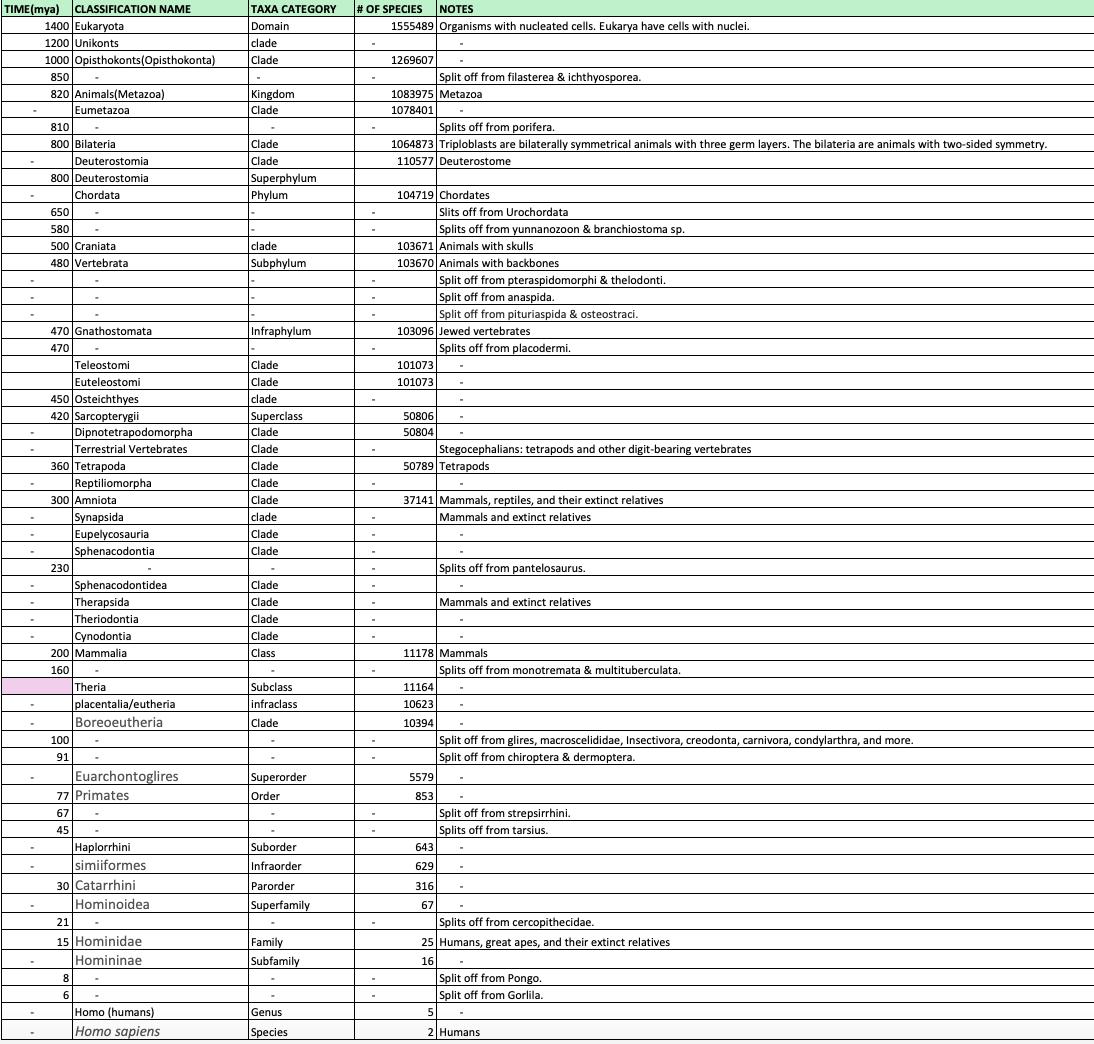
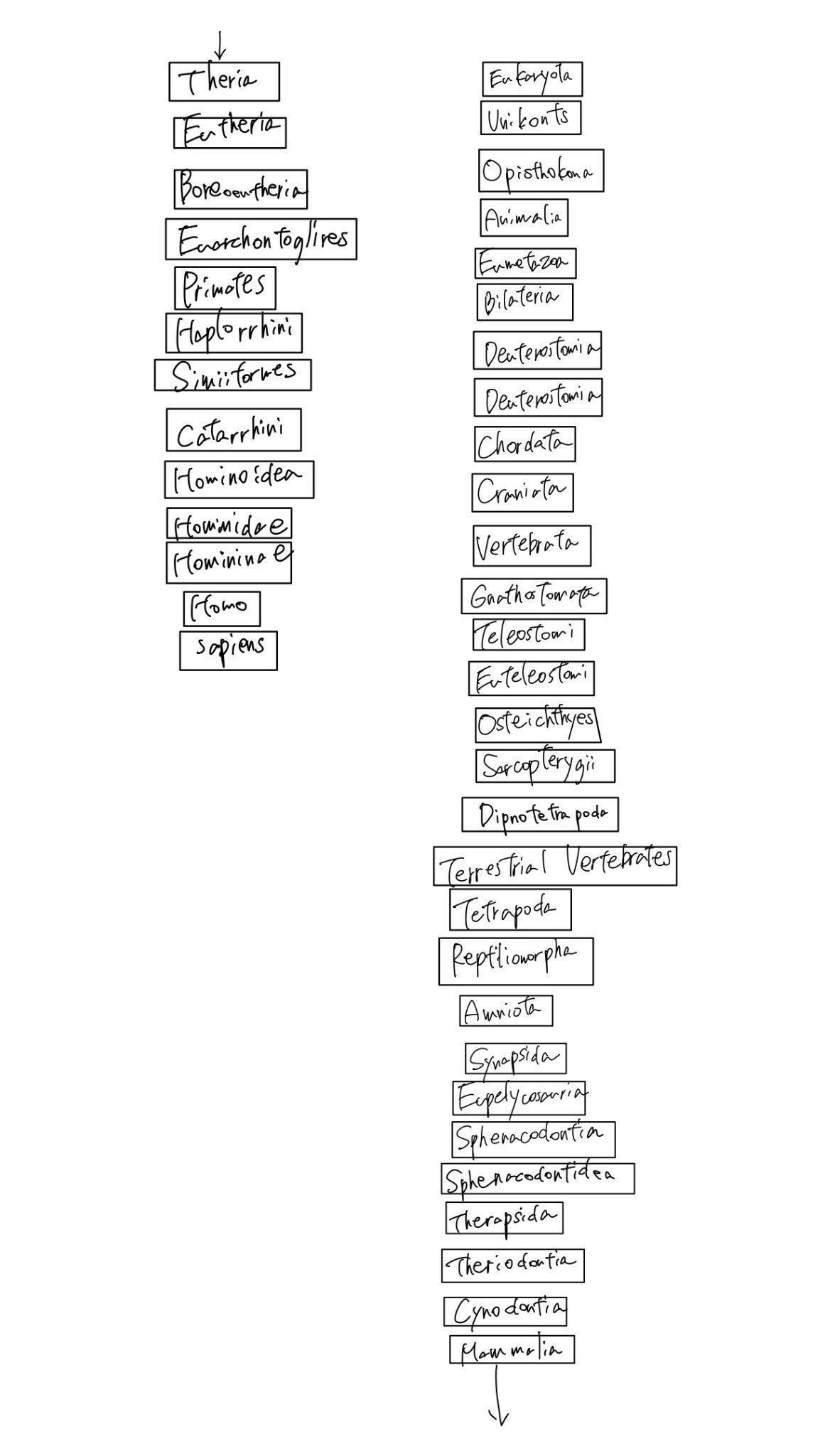
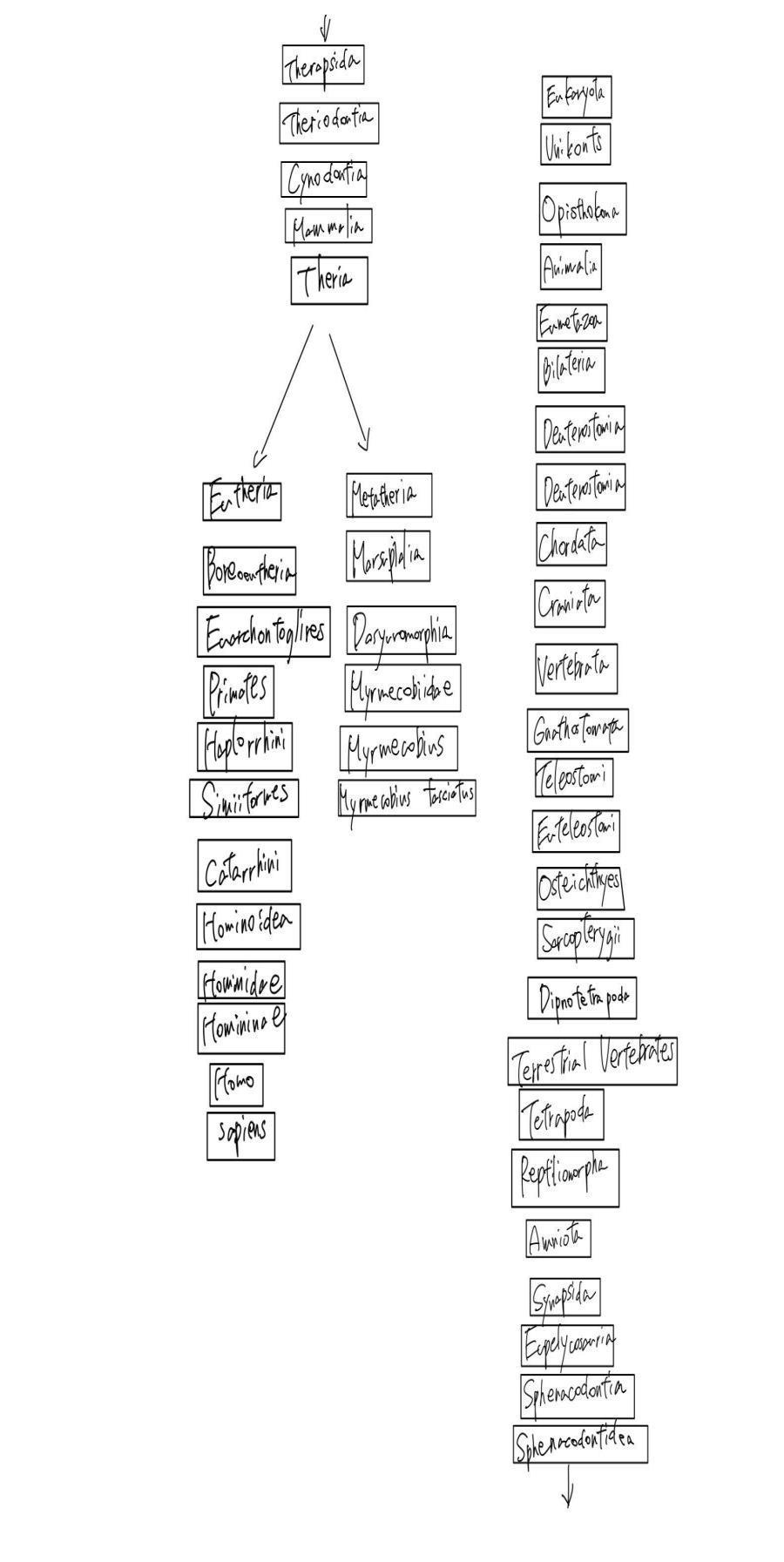
Evolution Project: Homo sapiens and Myrmecobius fasciatus Page 121
Saki Fujii
Fighting E. coli Lab Report Page 136
Kanna Iida
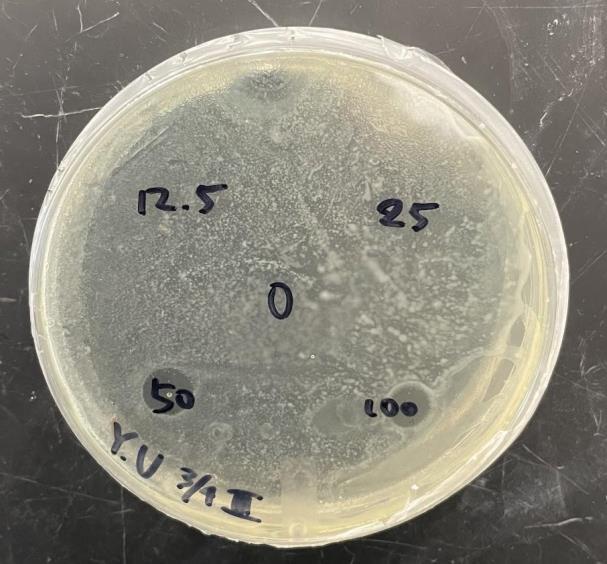
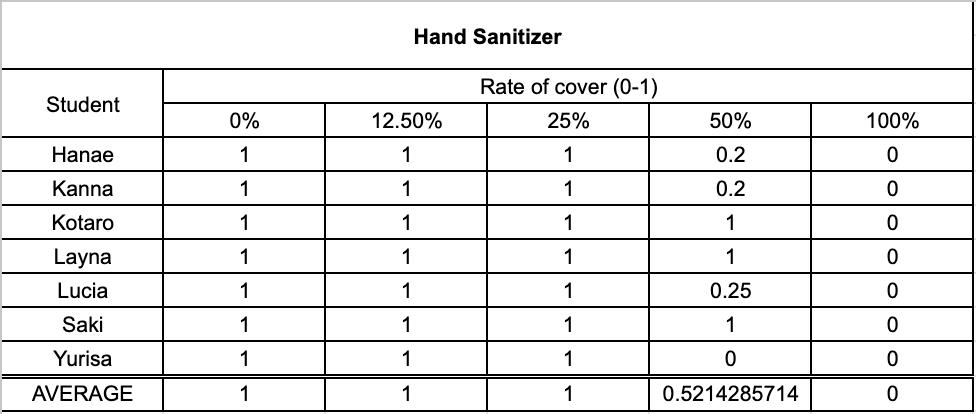
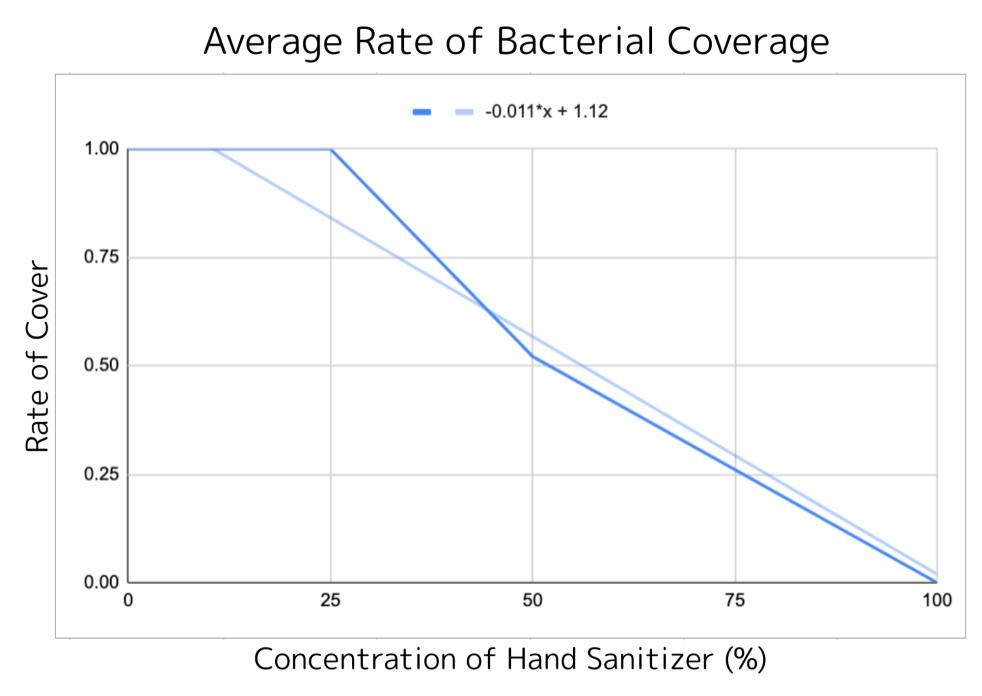
Fighting E. coli Lab Report: The Effectiveness of Ampicillin and Hand Sanitizer in Bacterial Inhibition Page 146
Yurisa Uchida
Climate Change & Natural Disasters and their Effects on Crops Page 155
Kotaro Mikawa
Combating Global Warming and Climate Change: The Potential of Giant Sequoias and Coastal Redwoods Page 161
Layna Kuwahara
Climate Change Report Page 167
Lucia Araiso
Mr. Fukuzawa Goes to New York
Takayuki Tatsumi
Professor Emeritus, Keio University; Headmaster, Keio Academy of New York
The year of 2025 sees our Quintricennial, that is, the 35th anniversary of Keio Academy of New York. Since Keio’s integrated educational system has consistently celebrated its affiliated schools’ anniversary every 25 years, following the Catholic example of celebrating a Jubilee year, which is a time of spiritual renewal, forgiveness and reconciliation, our Quintricennial not only symbolizes the year of coral and jade but also the perseverance in surviving the Covid-19 pandemic and the triumph of “Triculture.”
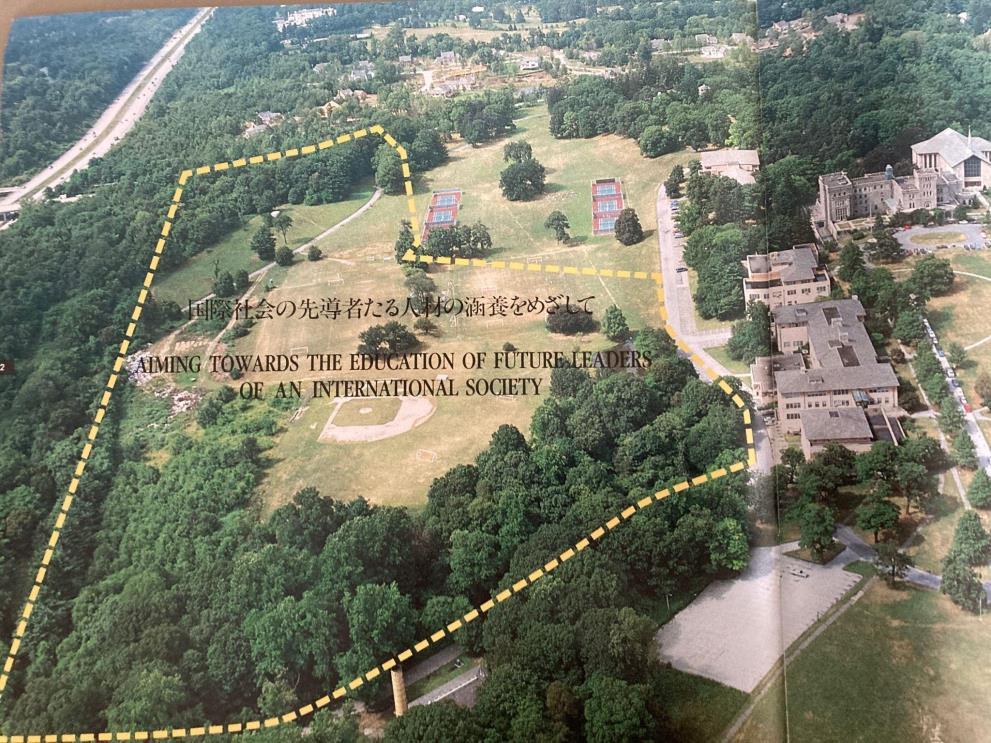
Of course, when Keio’s president Professor Ishikawa Tadao decided to establish our academy here in Purchase, New York in the 1980s, the combination of the seemingly fashionable signifiers “Keio” and “New York” must have sounded simply arbitrary in the age of advanced capitalism. In fact, President Ishikawa built our campus by complying to the request of Japanese expatriates in New York and purchasing part of the property of Manhattanville College of the Sacred Heart where Ms. Shoda Michiko had studied before her marriage with Prince Akihito in 1959, for which Dr. Koizumi Shinzo, the 7th president of Keio University, was responsible (for more detail, see my blog “Headmaster’s Voice” #30). Historically speaking, however, the encounter of “Keio” with “New York” turns out to be not so much arbitrary as inevitable. Without his visits to the United States in the 1860s, our founder Fukuzawa Yukichi sensei could not have digested and incorporated American democracy into the body of the integrated educational system of Keio Gijuku.
It is safe to locate the origin of Fukuzawa sensei’s critical point in his scathing critique of Japanese traditional feudalism. Remember his famous statement in the autobiography: “Feudalism is my father’s mortal enemy which I am honor-bound to destroy.” Despite his deep respect of his father’s scholarship, Fukuzawa sensei regretted his father’s compromise with the rigid law of feudalistic inheritance: sons of high officials following their father in office, sons of foot-soldiers always becoming foot-soldiers, and those of the families in between having the same lot for centuries without change. For my father, there had been no hope of rising in society whatever effort he might make” (Chapter 1, “Childhood,” The Autobiography, p.5).
Accordingly, when he visited the United States, Fukuzawa sensei was astonished that in this country the poorest sons of the working class were eligible for the greatest presidency of the whole nation. Hence the American Dream “from Log-Cabin to the White House” as typically represented by the 16th president Abraham Lincoln. This is the way Fukuzawa sensei found it indispensable to revolutionize Japan by radically replacing traditional feudalism with American democracy.
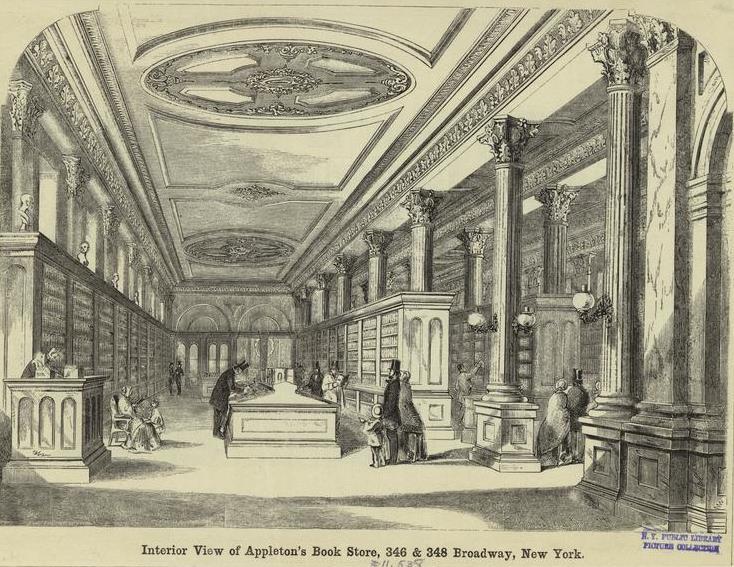
Re-interpreting Fukuzawa sensei’s philosophical trajectory in the context of our 35th anniversary, it occurred to me that the year of 2025 sees the 165th anniversary of Fukuzawa sensei’s first visit to the United States in 1860 whereas the year of 2027, two years ahead, will see the 160th anniversary of Fukuzawa sensei’s first visit to New York in 1867. From March 19th through 24th he stayed at Metropolitan Hotel between Broadway and Prince Street, and purchased a number of books at Appleton Bookstore such as Francis Wayland’s Elements of Political Economy (1837), Peter Parley’s Universal History, on the Basis of Geography (1837), G.P. Quackenbos’s Natural Philosophy: Embracing the Most Recent
Discoveries in the Various Branches of Physics (1860) and others, most of which gave him inspirations for lectures at Keio Gijuku.
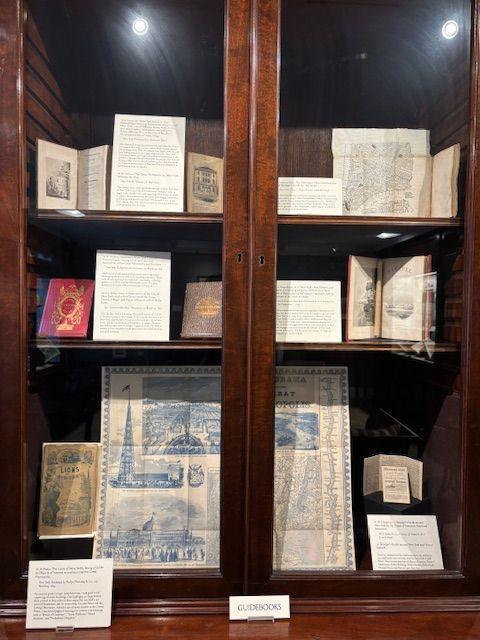
At this point, we would like to note that D. Appleton & Company of New York was very well-known for its bestsellers as represented by travel guides including Appleton’s New York City and Vicinity Guide (1849) and Appleton’s Northern and Eastern Traveler’s Guide 1851) both written by W. Williams. Since these books had been published before Fukuzawa sensei’s visit to New York, it is natural that he must have purchased and perused them. According to the Guidebooks to New York exhibition entitled “Wish You Were Here” held at the Grolier Club in Midtown Manhattan in the spring of 2025 (https://www.nytimes.com/2025/04/18/arts/design/new-york-guidebooks-grolierclub.html)the former guidebook (1849) is captioned as follows: “There are six woodengraved illustrations and a map in this thorough guide by one of the City’s leading publishers. There is no advertising except for Appleton’s own books, including guides to California and the Gold Rush region. The gold-stamped cover is one of the most attractive of its kind.”
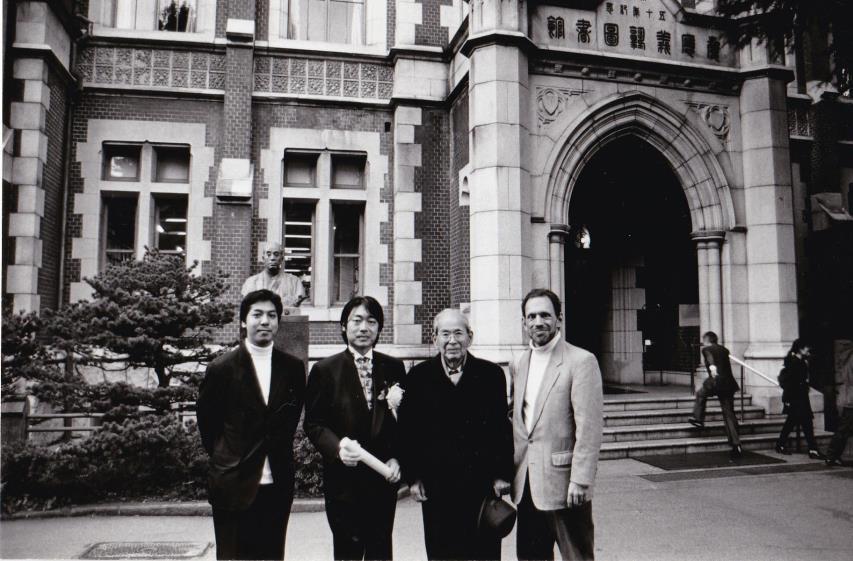
Moreover, we should not ignore that Fukuzawa sensei’s first son Ichitaro Fukuzawa and grandson Kiyooka Eiichi both studied at Cornell University located in Ithaca, New York, in the 1880s and the 1920s respectively. While it is Fukuzawa Ichitaro who learned the tolerant spirit of Unitarianism through Rev. Arthur May Knapp and informed his father of the Unitarian discourse, it is the grandson Professor Kiyooka who translated his grandfather’s autobiography (originally dictated by the author in 1897) to be published in 1966 by Columbia University Press.
In addition, very recently Kanagawa Prefectural Museum of Cultural History provided me with their collaborative research report on the New York branch of Yokohama Specie Bank (the archetype of the Bank of Tokyo and MUFG Bank), which was also founded in 1880 in response to the idea of Fukuzawa sensei and Okuma Shigenobu, the founder of Waseda University. Accordingly, major scholars of Fukuzawa Yukichi assumed that Fukuzawa sensei proposed the idea of establishing the first-ever Japanese bank specializing in foreign exchange, just because he himself had difficulty in exchanging Japanese money at a New York bank. He turned misfortune into blessing. It is also unforgettable that once he came back to Japan, another young banker Nagai Sokichi working at the New York branch office of Yokohama Specie Bank between 1905 and 1907 became so well-known under the pseudonym of Nagai Kafu, one of the founders of modern Japanese literature. He wrote from experience Tales of America (1908) and inaugurated Keio’s literary magazine Mita Bungaku in 1910, teaching a number of talented students including Abe Shozo a.k.a. Minakami Takitaro and the 7th President of Keio University Dr. Koizumi Shinzo.
Being a newly elected board member of the Japan History Council of New York established in December 2020, which has managed The Digital Museum of the History of Japanese in New York since May 2021(https://www.historyofjapaneseinny.org/aboutus), I have been asked by its directors to propose an idea for “narrativizing” the moment Keio’s founder Fukuzawa sensei landed on New York in postbellum America. This museum appreciates an analogy between history and story as follows:
Every person and entity has a story to tell. Since the first Japanese official delegation set foot in New York in 1860, thousands of Japanese and Japanese Americans have resided in New York, and have had an impact on a wide array of fields ranging from business to public service to art. Many became U.S. citizens, and as Japanese Americans,
contributed greatly to U.S.-Japan relations by building bridges between the U.S. and Japan. While some are well-known for such contributions to history, others are lesser-known, or have passed away without being recognized.
We have long studied Fukuzawa sensei’s texts closely. However, now in the third decade of the 21st century, it is high time for us to remember and “narrativize” the way Keio Academy of New York was created inevitably through Fukuzawa sensei’s reception of modern democratic city culture in New York and Keio Gijuku’s transpacific, transcultural and transdisciplinary negotiations with North America.
Image 1 (left): Appleton’s Bookstore, 1856
Image 2 (right): Appleton’s New York and Vicinity Guide 1849 at Grolier Club, New York
Image 3 (below): Prof. Kiyooka Eiichi , the translator of The Autobiography of Fukkuzawa Yukichi, with Headmaster Tatsumi together with the former’s sons-in-law
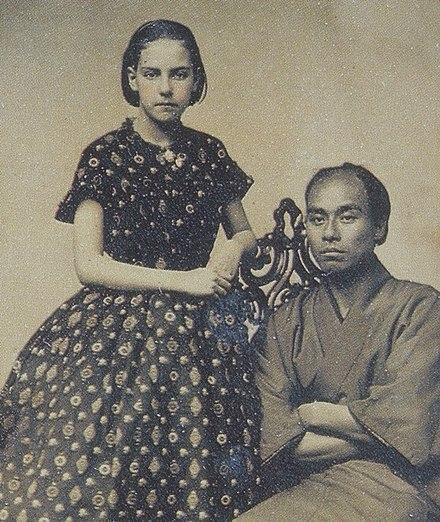
Image 4: Fukuzawa sensei with Theodora Alice Shew in San Francisco in 1860
Works Consulted
FukuzawaYukichi. The Autobiography of Fukuzawa Yukichi. Dictatedbytheauthorin 1897. Translated by Eiichi Kiyooka. Introduction by Shinzo Koizumi. Tokyo: Hokuseido Press, 1960; New York: Columbia University Press, 1966.
Kato Mitsuaki, Yamauchi Keita and Osawa Teruka. Fukuzawa Yukichi Rekishi Sanpo (Following in the Historical Footsteps of Fukuzawa Yukichi). Tokyo: Keio University Press, 2012.
Yamaguchi Kazuo. Fukuzawa Yukichi no Amerika Taiken (Fukuzawa Yukichi’s Visits to the United States). Tokyo: Fukuzawa Kyokai / Bunka Sougo Shuppan, 1986.
A Brief History of Keio Academy of New York
Edward Consolati Keio Academy of New York, Social Studies Department
Boarding schools are unique institutions. Successful boarding schools develop a learning environment and brand of educational style that is impossible to replicate in a day school. Attending a boarding school is also quite rare in the United States– only about .05% of all school age students attend one (Kaysen R, New York Times) – and even rarer in Japan where it is an extremely niche market. An even more startling fact once shared to me by a former NYSAIS leader is that over the last 60 years, only five boarding schools have been created in the United States. Only three of them survive today, and one of them is our academy. With this backdrop in mind, it is a significant milestone that Keio Academy of New York has overcome the odds and is celebrating its 35th year anniversary in the 2025-2026 academic school year. As an institution, it is important that we preserve and protect our school’s history to pass down to faculty and staff, and perhaps most importantly, to the students themselves so that they have a better understanding of the school's history, growth, and their place within the institution. This primer essay attempts to accomplish this goal.
The Beginning
The academy began as a genesis of an idea belonging to our founder President Ishikawa. He was the president of Keio Gijuku from 1977 to 1993 (Portrait Photo with Caption, Keio Academy of New York Library), which is a very long term, as most Keio presidential terms are eight years consisting of two four year terms. His presidency coincided with much of the boom years of the Japanese economy. Japan was experiencing phenomenal growth as Sony, Toyota, Honda, and others became worldwide brands and household names. With this thriving growth, private and public Japanese entities purchased many trophy entities in the United States, including Rockefeller Center and Pebble Beach Golf Course. In the context of these times, Keio University decided to start a school for the first time outside of Japan. On September 7, 1987 a preliminary office for Keio Academy was first established (Keio Academy, Tenth Anniversary Publication). The property was selected, and the academy’s buildings were constructed around the same time as Keio’s SFC campus was built. Those who have been to both may note similarities between the two campuses, as they are both spread out and very pedestrian friendly.
Why Purchase, New York?
The current location was not a preordained outcome. Other properties in Westchester County were explored such as the former Hudson Institute campus in Croton-On-Hudson consisting of 30 acres. The institute left the area when it moved out west in 1984 so it was readily available. Another candidate was the Masters School located in Dobbs Ferry. In the 1980’s the Masters School had a declining enrollment and one of their strategies that they contemplated was selling a portion of their campus to Keio (R. Noble, personal communication, August 6, 2025). None of
these other properties quite panned out and the frontrunner status shifted to Manhattanville College. The college was originally part of the old Whitelaw Reid Estate, situated in the heart of Westchester County in the leafy affluent hamlet of Harrison New York (Manhattanville Timeline, Lauren Ziarko, Archivist)
By the mid-1980s, Manhattanville College was besieged by declining enrollment and a troubling financial outlook (Fiske, Edward B., New York Times). At the time, according to Manhattanville lore, the situation was dire enough that the college was even selling off parts of its library collection in order to survive. They had to sell land to remain solvent, and this included parts of the corporate park around us. Our campus was part of that sell off. Originally, only 20 acres was supposed to be purchased, but at the last second extra acres were added to secure the deal, so that the school's property totaled 27 acres according to Mr. Roger Noble the academy’s legal adviser at the time. Those extra acres added on were originally slated for the construction of a hotel. The Ritz-Carlton Hotel Company was eyeing those seven acres which would have been directly bordering the academy. There was quite a bit of corporate jockeying for the property. Many various parties were vying for the purchase of the property while Keio deftly avoided aligning themselves with any particular faction and preserved its neutrality. In the end, the Purchase Environmental Protection Agency (PEPA) preferred that Keio purchase the land and not the hotel conglomerate. Manhattanville College was happy to sell to Keio and the academy was thrilled to buy the extra adjacent acres. (R. Noble, personal communication, August 6, 2025).
Image 1: The Land Purchased from Manhattanville
Groundbreaking and Construction
With the land purchased, the next step was a groundbreaking ceremony that was held on September 6, 1989. Keio Gijuku President Ishikawa, who also became our honorary headmaster, came to the groundbreaking ceremony along with our first Headmaster Dr. Nihei.
With ceremonial shovels in place many attended the ceremony to break ground on the project, including Harrison dignitaries who joined Keio representatives for the ground breaking moment. With the ceremony concluded, construction began in earnest. The company commissioned to build the academy was Shimizu North America. They coordinated the design and construction of the school's physical plant, and construction went from September 1989 to September 1990. The four original campus buildings–the north dorm, the cafeteria, the gymnasium, and the main academic building–were all constructed simultaneously and completed within a year.
One highlight of the construction period was the topping off ceremony on December 15, 1989. A topping off ceremony is a customary way to celebrate a significant milestone during the construction of a new building when the highest and final steel beam is put in place. Topping off ceremonies date back at least 1300 years. In the United States the final beam is sometimes painted. People associated with the project are invited to the event as it signifies an optimistic sign for the future of the building and its inhabitants, as the construction project has reached the sky safely without incident or accident.
After the topping out ceremony, construction continued at a torrid pace partially helped by the fact that the winter of 1989/1990 in the New York city area was mild with little snowfall (Current Results LTD, 2025). The mild winter led to dramatic progress visually documented between the months of December and March on the main classroom building and the gymnasium.
Opening the Doors
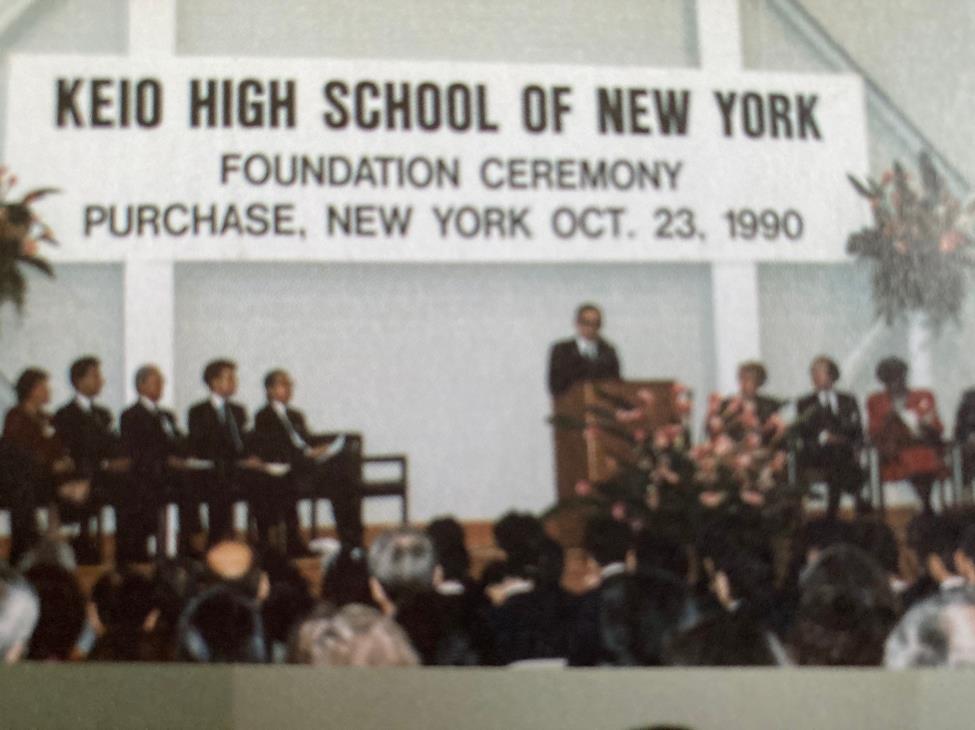
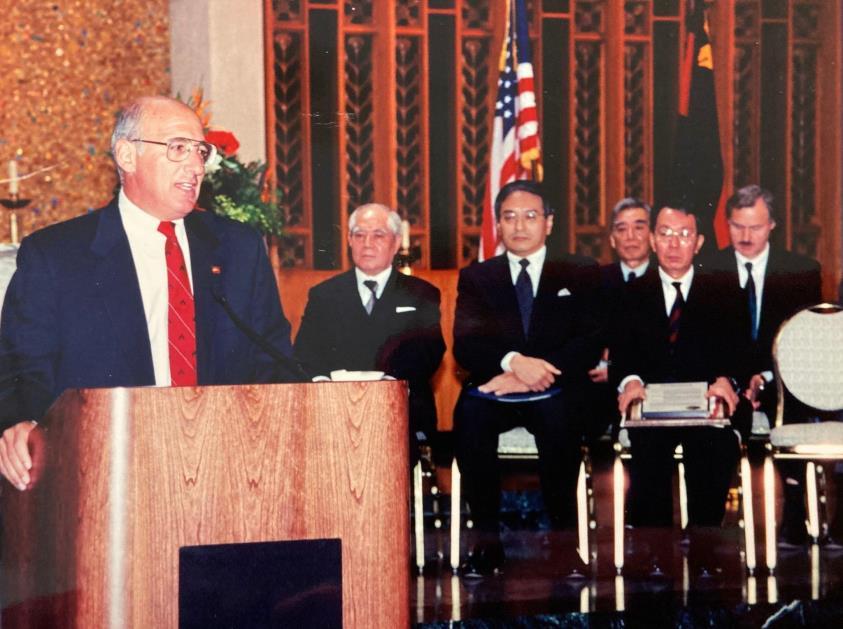
In September 1990, the glistening brand new school opened its doors to the inaugural 10th grade class. The concept was to just welcome one tenth grade class each year and slowly start building the school while eventually adding a ninth grade in a few years. Foundation Day was celebrated on October 23, 1990. A celebration was held in the gymnasium. Keio University leaders and local Harrison officials both participated in the ceremony. The signage all around the school and on Foundation Day labeled our institution as Keio High School of New York. It did soon change to the academy, but even after 35 years, if one searches around the school, most likely with an older library book, you may still stumble across the original name. Foundation Day is still prominently labeled on our academic calendar.
The Early Years
The first Headmaster, Dr. Nihei is one of our school’s founding fathers. He was tasked with starting the school and he spent much of his time on the road traveling while drumming up admissions and fundraising– both of which he did very well. He served as Headmaster for the first five years and set the tone of the school.
In 1992 Keio Academy of New York was accredited by the New York State Department of Education and also by the Ministry of Education of Japan. This of course is our unique challenge, as we are always trying to balance the needs of both countries' curricula, which is an ongoing task.
South Dorm was not built at the time of the original campus. The need arose for another dorm as admissions dictated that there was a demand for another residence hall. Students at one point were being tripled up in North Dorm. South Dorm was completed and ready for operation in September 1994. My initial introduction to the academy was when I applied as a residence hall supervisor in May of 1994. I did not get the position, but later on during the summer I was considered and hired for a vacant Social Studies position.
First Championship
It was a special moment on campus in November 1995 when the Boys Soccer Team won their first NY State Class C Championship. Keio has won many championships since then, but the first one is always special. The finals took place quite fortuitously during Parents Weekend on
Image 2: The Foundation Ceremony
Saturday November 18, 1995. The championship game was held at Canisius College in Buffalo, in upstate NY. Keio Academy defeated Northrose-Walcott 3 to 1. As Keio advanced through the playoff stages, and then finally entered the championship rounds, the whole school got caught up in the excitement. Once that happened, parents started cancelling their teacher parent one-on-one meetings. Most of the student body and faculty went up to watch, including many of the parents who pivoted away from their teacher meetings to instead attend the soccer finals. It was quite an exciting time for the entire school community to share in the victory. Immediately afterwards, there was a flurry of interest from American universities wanting to recruit our scholar-athletes until they realized that most students planned to pursue their studies at Keio University.
Milestone
On October 23, 2000, the Ten Year Anniversary highlighted a huge achievement by the academy. The school hosted many events to mark the occasion. The centerpiece event was a ceremony at Manhattanville University in their chapel where the entire school community gathered together to acknowledge the occasion. Another highlight, in conjunction with the Ten Year Anniversary, was when ex-Prime Minister Hashimoto, a Keio University alumni, visited Keio Academy on October 23. He not only gave a speech to the entire Keio community challenging students to “make any dreams come true with your own responsibility,” but also performed a Kendo demonstration with the students as he held a Fifth Dan ranking in Kendo.
Image 3: Keio’s 10-year anniversary
In the Limelight
Now for the lighter side of our history: Pop Culture at Keio! The big screen Hollywood movie Zoolander premiered on September 28, 2001. In the spring of that year, the film crew called asking for six female Japanese high school students. That was a request we could easily fulfill. The students missed an entire day of school. They said they ran across a local bridge at least 50 times to complete one chase scene and were exhausted. But their big complaint was how they didn’t like the provided uniforms. The scene made the trailer and the movie and they got paid. The movie didn’t do that well as the nation wasn't ready for a comedy two weeks after the trauma of 9/11. However, over time the film has been a popular favorite of Generation X and the Millennials.
To this date there has been only one spy fiction novel that uses the academy as its setting. Dragon Samurai, was written by Dr. Cy Williams, a founding father of the school who was here for about 8 years. He and his wife Nitsa organized and led the residence halls. Dr. Williams was also the Social Studies Department Chair and our NYSAIS leader. He was a wonderful strong leader and also a great mentor to the younger staff. Why a spy book? There is a simple answer, as Dr. Williams served as an American intelligence officer in India, a combat helicopter pilot in Vietnam, and as a military adviser during the Che Guevara incident in Bolivia (C. Williams, Dragon Samurai).
Perhaps the most famous performance at the academy was by the one and only Midori, on February 2, 1996. The one-time child prodigy Midori Goto played violin on campus to a full house of excited students. She performed with a piano accompanist on the first floor in the Rotunda area and seating was set up throughout the first floor. Students also pressed up against the second floor balcony. Her usual stages were places like Carnegie Hall, but for this venue, her backdrop were the first floor senior lockers! An elite master violinist over the decades, in 2007 she was named a United Nations Messenger of Peace (United Nations)
Our Saddest Time
Without a doubt the most tragic day in our school’s history was May 6, 2003: the death of Mai Saito. Mai died in a car crash in White Plains while going to a medical appointment. Her taxi was involved in a terrible crash and she was instantly pronounced dead. Headmaster Professor Oda and Assistant Headmaster Mr. Endo had to go to the morgue that evening and identify her that night. The Headmaster fainted when it came time to identify her. The next morning at 5:30 am, the staff received the news and the faculty and staff entered into a grieving community reeling from shock. Walking into the hallways at 8 am, there was a wailing, screaming, and crying that was so loud and pained. Classes were cancelled for days. Our counselors, Mr. Satate and Ms. Sugiyama at the time, were in the residence halls every evening as were the teachers who were alternating shifts in the evening checking in on all the students in the residence halls.
The entire community attended the funeral, and afterwards Mai’s hearse did one last drive through the campus as the students all lined the roadway. Through the whole process, the Saito family helped the emotional students. At the same time they were suffering, they were also supporting the students with their grief. In addition, Mai’s parents donated the grand piano that you see prominently displayed on stage in the Speakers Hall– a pure display of grace.
A year later came the first memorial service for Mai. A cherry blossom was planted outside of North Dorm. It was still a fresh tragedy for the community as she would have been a senior on the cusp of graduation. Headmaster Oda handled the situation with such compassion and dignity. Professor Oda also created the Mai scholarship for five years. Twenty two years later we are still honoring Mai’s life. She was a National Honor Society member who was a complete student. She was an athlete and musician with a wonderful personality. She really did light up a room and she embodied everything the school stands for. Every year the academy honors her with a ceremony of speeches and flowers which are placed under her cherry tree.
Keio Gijuku at 150
In 2007, Keio University celebrated its 150th Anniversary. In conjunction with this the school added a turf field and air conditioning to the main classroom building. The air conditioning proved to be a huge relief to students and faculty during sweltering times in May and September, but was also a great addition for our just blossoming summer program. The turf field was an absolute necessity for the academy, as our lone grass field could not take the punishment of all the sports teams, recreational usage, and all the physical education classes. Annually, by springtime, the grass field was reduced to a mud pit with poor drainage. At the opening ceremony for the turf field, Headmaster Sakomura gave a commemorative speech. Next, a congratulatory speech was provided by the President of Keio Gijuku, Professor Anzai. Mr. Ashizawa, our Business Officer at the time, worked very hard on fundraising, organizing, and planning these twin projects to make them a reality.
25 Years
The academy celebrated its 25th Anniversary on November 22, 2015. Aspects of the anniversary included the first addition of smart televisions in the classrooms, the construction of the Speakers’ Hall, a 25th anniversary book, and a renewed emphasis on fundraising. The Mayor of Harrison, Ron Belmont, an active supporter of the academy during the ten years he was in office, attended and gave a speech. He presented a recognition award to Headmaster Kono who was on his second visa tour of duty at the academy, as his first tenure was as a Japanese language teacher from Keio. Also in attendance was President Seike of Keio Gijuku.
There was also an interesting cheering component to the anniversary that the entire community enjoyed. The cheer team came from Keio University in Japan but was augmented by some of our current students. It was quite a rousing event and raised the excitement level of the
anniversary celebrations!
Later that evening, Doral Arrowwood (a place we always used for events over the decades but now unfortunately out of business) was the site for the reception and dinner. The reception and dinner were attended by parents, current and former faculty and staff, longtime supporters of the academy, the Board of Trustees, and many of our past Headmasters including Dr. Sugiura and Mr. Notsu. The dinner party was noteworthy as it included many speeches, including a memorable speech from Dr. Ashikari, a long time passionate member of the Board of Trustees.
A New Building
The Speaker’s Hall was easily the grandest component of the 25th anniversary projects. Before the Speaker’s Hall, big events including entrance ceremony, student assemblies, and graduation were all done in the gym. This situation of having major events in a gymnasium that was not climate controlled was obviously not an ideal setting, especially when it got dangerously hot during graduation and people started fainting.
The Speaker’s Hall was built on the land originally occupied by the academy’s three tennis courts. When they started breaking ground, the members of the boys and girls tennis teams gathered pieces of the demolished court as keepsakes. The construction of the building proceeded rather rapidly. With construction starting sometime in mid 2016, the building was finally ready for action for the 2017-2018 academic year.
Image 4: Construction of the Speakers’ Hall
Pandemic Strikes
Perhaps the biggest existential threat to the academy over the last 35 years was the Covid 19 pandemic. To its credit, with complete foresight, the academy was the first school in the region to announce a physical shutdown on March 6, 2020, Friday afternoon. Over the weekend the academy took a beating in the press. The decision was mocked in the regional press as a kneejerk reaction and attributed to being overly scared. However, by Monday local districts were closing and we were redeemed as prescient genius decision makers. What a difference a weekend makes! While not a total surprise given the current events leading up to the decision, there was still a widespread feeling of disbelief and uncertainty circulating through campus. Could a boarding school function online for what would eventually be a full year stretched over two academic years? This question had unknown answers as we charged into the new frontier of online schooling.
Before vacating campus, last second goodbyes were hastily arranged by students including long standing traditions such as Candle Road. After the announcement was made on Friday, there was a very fast pivot as the following week the faculty and staff engaged in one intense week of professional development sessions learning Google Classroom and Zoom. With all the students returned to their homes in the following days, distance learning commenced. As a result of the continued global impact of the coronavirus, the academy decided to host a virtual graduation ceremony on June 6 to honor the Class of 2020. The academy remained online for a full year until a transitional partial return to campus in April 2021.
Looking Ahead
Upon returning to a post pandemic school, it was of course time for our ten year NYSAIS inspection. With Mr. Satate’s NYSAIS experience and guidance, we were able to pass our ten year inspection in the fall of 2022. With the pandemic a few years in the rear view mirror, both new and old programs continue to be nurtured. The academy is currently thriving with its summer program, academic extension programs, tri-cultural speaker series, school newspaper, and annual professional review which were added or reconstituted over the last five years. Also, physical plant upgrades continue to enhance the boarding and educational experience. A sample of this includes the turf field which has been renovated, new bleachers have been installed in the gymnasium, there have been upgrades to the cafeteria, and the current renovation of all campus wide bathrooms. In summary, the academy has had quite an extraordinary and wonderful run over the last 35 years. Let’s see what the future holds for the next 35 years of Keio Academy of New York!
References
Fiske, Edward B., Colleges Cutting Their Enrollment, The New York Times, October 3, 1983, Section A, Page 1, https://timesmachine.nytimes.com/timesmachine/1983/10/03/205872.html?pageNumber= 1
Kaysen, Ronda, 3/29/2021, The Boarding-School Boom, The New York Times, https://www.nytimes.com/2021/03/29/style/boarding-school-covid.html
Keio Academy of New York, Tenth Anniversary Publication, October 2000.
New York City - Extreme daily snowfall for each year. New York City NY Biggest Snowfall for Each Year - Current Results. (n.d.). https://www.currentresults.com/YearlyWeather/USA/NY/New-York-City/extreme-annual-new-york-city-snowfall.php
Portrait Photo of President Ishikawa with Caption, (n.d.) Keio Academy of New York Library
United Nations. (n.d.). Midori. United Nations. https://www.un.org/en/messengers-peace/midori
Ziarko, Lauren, Archivist and Special Collections Librarian, Manhattanville Timeline, Manhattanville University Library, https://www.mville.edu/library/librarymanhattanville-timeline.php#academy-sacred-heart
Fukuzawa Yukichi’s Values within the Keio Academy of New York Curriculum
Compiled by Edward Consolati
Edited by Leah Mortenson Keio Academy of New York
Introduction
In 2019, Keio Academy of New York undertook a strategic transformation, adopting many of the structural and cultural elements associated with British-style boarding schools. This multiyear initiative represented a bold attempt to reimagine the institution’s identity and pedagogical orientation. However, with the appointment of President Ito, the Academy formally transitioned and recommitted to the traditional values that define Keio Gijuku’s educational legacy.
Keio Academy is uniquely tricultural, encompassing American, Japanese, and Keio-specific cultural traditions. This tripartite identity was reaffirmed in September 2022 by Professor Tsuchiya, who was serving as both Acting Headmaster and Chairman of the Board of Trustees at the time. In his address to the entire faculty at the academic year’s inaugural meeting, he articulated a renewed vision for the Academy: to be explicitly and equally committed to Japanese language proficiency, English language development, and the promotion of Keio’s founding values. This mission has continued under the leadership of Headmaster Tatsumi, and now, after four years of implementation, the Academy has begun the process of institutionalizing this framework through formal curricular integration.
In support of this objective, the Dean of Faculty tasked department chairs with documenting how their disciplines incorporate the values of Keio’s founder, Fukuzawa Yukichi. This process is intended not only to preserve institutional memory but also to articulate a clear and intentional approach to value-based education across departments. The resulting departmental reflections are intended to serve as a foundation for continued curriculum development and cross-disciplinary dialogue.
Our Educational Mission
Fukuzawa Yukichi (1835–1901), the founder of Keio Gijuku, was a pivotal figure in Japan’s modernization during the Meiji era. His philosophy emphasized education as the engine of social progress, the cultivation of individual autonomy, and the necessity of global engagement. Implementing Fukuzawa’s educational ideals at Keio Academy of New York entails more than historical reverence; it requires a pedagogical commitment to his core principles in a contemporary, international context.
Fukuzawa’s life and work offer a compelling framework for shaping the intellectual and moral development of students. His vision combined the advancement of practical knowledge with moral education, encouraging students to embrace individual responsibility while contributing meaningfully to society (Hardacre, 2011). In this sense, the values he espoused such as self-
reliance (dokuritsu jison), lifelong learning, ethical citizenship, and openness to global influences resonate with the aims of a modern, international education.
Recognizing this, the Academy has begun to position Fukuzawa not only as a historical figure but as a living presence within the school culture. His values are not merely referenced in mission statements; they are embedded into the curriculum, extracurricular programs, and visual environment of the campus. This whole-school approach ensures that Fukuzawa’s legacy becomes an active influence in the daily academic and social lives of students.
As department chairs and faculty articulate their engagement with Fukuzawa’s values, they contribute to a broader institutional vision that aspires to harmonize the Academy’s tricultural mission with its pedagogical practices. Through interdisciplinary collaboration and intentional design, the Academy is advancing a curriculum that both honors tradition and meets the demands of contemporary global citizenship.
What It Means for a School to Reflect Keio Values
To authentically reflect the values of Fukuzawa Yukichi, Keio Academy of New York must cultivate an environment grounded in his core principles: the transformative power of education, the importance of self-reliance, global engagement, moral integrity, and practical application of knowledge (Fukuzawa, 2008; Hardacre, 2011). These principles are not simply historical artifacts but continue to inform the Academy’s identity, pedagogy, and institutional culture.
1. Educational Excellence. Education was, for Fukuzawa, the foundation of both personal and national strength. Schools must emphasize intellectual rigor, interdisciplinary learning, and the nurturing of student agency (Macfarlane, n.d.).
2. Self-Reliance and Independence. The notion of dokuritsu jison independence and selfrespect demands that students take responsibility for their own growth. Classrooms should promote autonomy and resilience, with teachers serving as facilitators of inquiry rather than mere transmitters of knowledge (Keio University, n.d.).
3. Global Perspective. Fukuzawa was an early advocate of cosmopolitan education. A curriculum that includes international texts, global history, and language acquisition prepares students to become informed citizens of the world (Hardacre, 2011).
4. Ethical Development. Moral character was inseparable from academic development in Fukuzawa’s writings. Schools must cultivate integrity, fairness, and empathy through character education and reflection on ethical dilemmas (Fukuzawa, 2008).
5. Practical Application of Knowledge. For Fukuzawa, learning must have utility. Realworld applications, such as capstone projects and civic engagement, help students bridge theory with action.
6. Institutional Identity. Fukuzawa should be a visible presence in both curriculum and school culture. Visual displays, recurring study, and thematic projects reinforce his
enduring relevance and unify the Academy’s mission under a shared philosophical framework.
These guiding principles ensure that Keio Academy does more than reference its founder it embodies his vision in every aspect of school life.
Interdisciplinary Integration of Fukuzawa's Values
Across grades 9-12, students at Keio Academy are introduced to Fukuzawa Yukichi’s core values through their studies of Social Studies, English, Science, Japanese language, Math, Music and Art, and Physical Education. The aim of this cross-curricular interdisciplinary instruction is to emphasize key values such as independence, global awareness, and the transformative power of education. Below is a breakdown of how each department integrates these values into their curricula and materials.
Social Studies Overview
The Social Studies Department at Keio Academy of New York integrates the values of Fukuzawa Yukichi into a globally-informed, intellectually rigorous curriculum designed to meet the needs of a diverse student body. Given the school's unique tricultural identity and the varied backgrounds of its students many of whom may be encountering Fukuzawa’s legacy for the first time this department plays a vital role in contextualizing his philosophy in both historical and contemporary frameworks.
Across the grade levels, the Social Studies curriculum emphasizes interdisciplinary connections, critical thinking, oral communication, and ethical reflection, thereby embodying the Fukuzawa principles of education for practical life, public engagement, and global citizenship (Keio University, n.d.)
Grade 9: Geography
Within the ninth-grade geography curriculum, students explore geographic themes through the lens of globalism versus tribalism, incorporating Fukuzawa’s pro-globalization stance as a counterpoint to isolationism. Notably, students compare Fukuzawa’s internationalist outlook to contemporary tensions between globalization and tribalism, with connections made to Japan’s historical isolationism. Geography class introduces students to Fukuzawa’s legacy through selections from his autobiography, prompting them to relate his ideas to their own experiences at Keio Academy. Themes of independence, modernity, and globalization are explored through guided discussions and writing assignments. Throughout the year, students deliver three oral presentations that are aligned with Fukuzawa’s emphasis on the ideals of civic engagement, rhetorical skills, and public speaking, helping to lay the groundwork for success for the Fukazawa inspired Saturday Morning Program (SMP) in later years.
Grade 10: World History and Cultural Studies
Tenth-grade students draw comparative insights between Fukuzawa and global figures such as Empress Dowager Cixi of China, examining modernization efforts and correspondence between intellectual leaders during the Meiji era. Fukuzawa’s belief that modernization was essential for national sovereignty underpins discussions of colonialism and industrialization.
A unique feature of this course is the “Study Buddies” peer-teaching initiative, inspired by the Keio principle of “half teaching, half learning” (hangaku hankyō), wherein advanced students help mentor their peers. This practice echoes Fukuzawa’s assertion that true education must be collaborative and civic-minded.
Grade 11: U.S. Government and History
In Grade 11, the curriculum focuses on democratic theory, constitutional design, and the evolution of civil rights in the United States. By framing these subjects within Fukuzawa’s advocacy for individual autonomy and institutional accountability, the course highlights how democratic participation and personal responsibility are universally applicable concepts.
Fukuzawa’s global perspective is used to prompt students to critically assess the similarities and differences between American and Japanese civic traditions. The goal is to produce globallyconscious citizens who recognize the shared values and tensions between democratic ideals and cultural identity.
Grade 12: Advanced Cultural Studies and Japanese History
Senior-level courses deepen students’ understanding of Fukuzawa through intensive study of Japanese modernization, particularly in response to Western imperialism. Readings from Fukuzawa’s writings are paired with primary source documents such as Commodore Perry’s letter and Meiji-era political reforms. Students are asked to imagine Fukuzawa as a policy advisor and critically assess the decisions made by the Shogunate.
Research projects, group discussions, and debates challenge students to apply Fukuzawa’s ethical and philosophical frameworks to contemporary global issues such as climate change, sustainability, and technological innovation. In this way, Fukuzawa’s belief in applied knowledge and ethical leadership is fully realized in the capstone year of the Social Studies curriculum.
In summary, the Social Studies Department provides a deeply interdisciplinary and historically grounded framework for understanding Fukuzawa’s legacy. It reinforces the Academy’s mission to develop autonomous, globally-minded individuals capable of thoughtful, ethical leadership.
English Department Overview
The English Department at Keio Academy of New York advances Fukuzawa Yukichi’s educational philosophy by promoting language fluency alongside the development of analytical and ethical reasoning. Engaging with literature and developing students’ writing and communication skills, the curriculum encourages critical engagement with texts, relevant contemporary social issues, and the cultivation of personal identity in ways that mirror Fukuzawa’s own commitment to education, equity, and global citizenship (Encyclopedia Britannica, n.d.; Dilworth, 2012).
Grade 9: English 9 and ESL 9
In English 9, students examine themes such as censorship, literacy, war, identity, and technology. Additional themes include identity, belonging, and the impact of historical trauma and mistreatment on minoritized groups around the world. The focus on these topics helps to develop students’ global awareness, critical thinking, and concern for social justice and equity–all issues that were top of mind for Fukuzawa.
Reading literature that addresses such themes as those mentioned above helps to expand students’ depth of knowledge about a wide range of social issues and sharpens their critical thinking about how history carries into and impacts the present-day. Such literature further engages students’ critical thinking skills about topical current events and relevant social issues. Participating in conversations about these topics requires students to employ their analytical skills and showcase deep levels of critical thinking. The themes of the books we read in class also prompt students to make comparisons between their own experiences as teenagers living in the U.S. to the lived experiences of other teens and young people who have grown up in very different (often more challenging) circumstances, furthering their emotional intelligence and empathy towards others with different resources and opportunities.
In ESL 9, students examine the philosophy of Fukuzawa through a research project wherein they read about a specific element of his philosophy and analyze its relevance to modern society and to Keio Academy’s values. Students read specific excerpts from his biography (simplified or annotated for ESL comprehension), learn key terms related to his teachings (i.e. independence, modernization, equality, and reform) and work in groups to summarize his philosophies in 1-2 sentences. Students then research one aspect of his philosophy focusing on how it is relevant to them or society today. Examples include but are not limited to: 1) Importance of education, 2) Modernization and Westernization, 3) Women’s education and rights, 4) National identity and culture, and 5) Role of government. Finally, students create a poster to showcase what they learned and complete a gallery walk to share their newfound knowledge with their peers.
The themes addressed above connect to Fukuzawa’s commitment to education, moral responsibility, independence of thought, and responsible societal progress. Students participate in discussions, craft essays, and engage in comparative reflections on contemporary and historical social justice issues around the globe. These units further encourage students to question dominant narratives, develop empathy, and analyze how structural inequalities are perpetuated across societies. This approach aligns closely with Fukuzawa’s call for education to foster moral
and intellectual growth and promote civic engagement (Fukuzawa, 1872; Encyclopaedia Britannica, n.d.)
Grade 10: English 10, ESL 10, and Language Arts
In the 10th grade English curriculum, students have the opportunity to explore the common theme in American literature of the individual vs. society and compare it with Fukuzawa’s ideals. In Language Arts classes, students complete listening and speaking activities over relevant and topical social issues, such as the right to privacy versus the right to know (i.e., related to the medical field, digital rights, and other domains of society); how big data can be used to solve problems and/or improve situations in society (i.e., transportation and education) as well as how it can pose potential risks (i.e. with the overreliance on technology like ChatGPT and other predictive AGI systems); and the need for sustainability in food production to respond to climate change, among other topics.
The above topics are selected with the intention of being broad enough to allow students to tailor their classwork to their own interests, while still requiring them to demonstrate competent use of the English language as well as comprehension and synthesis of factual information. Presentations aid in developing students' Social Emotional Learning (SEL), by prompting them to make personal connections to the topics and work collaboratively and cooperatively with their peers in various groupings. These tasks and assignments are in alignment with Fukuzawa’s commitment to education and his allegiance to change and innovation, ethical development, and global stewardship.
Grade 11: English 11 and Creative Writing
The Grade 11 curriculum deepens students’ exploration of Fukuzawa’s philosophy through critical readings of transcendentalist texts, such as Ralph Waldo Emerson’s “Self-Reliance,” and a comparative analysis of the idea of “The American Dream.” Students interrogate the “selfmade” narrative, discussing how Fukuzawa’s own journey from samurai origins to national leader mirrors, complicates, and/or challenges these ideas.
In Creative Writing, Fukuzawa’s autobiography is used as a model for personal narrative writing. Students examine how memory and place contribute to identity, echoing Fukuzawa’s own reflections on returning to his childhood home town of Osaka, experiencing a flood of memories, and reflecting on personal growth.
Grade 12: English 12 and Performing Arts
Twelfth-grade students continue to engage with Fukuzawa’s teachings through interdisciplinary and performance-based learning. In Performing Arts, his philosophy is explored through drama, including moral analysis of plays like “Twelve Angry Men,” which prompts students to engage with the question of how one person can make a difference in the administration or miscarriage of justice.
Honors English courses examine his commitment to self-improvement, technology, and resilience, drawing from his autobiographical accounts of studying abroad and self-education. For example, students explore Fukuzawa’s love of technology through reading about his trip to San Francisco, in which he had a famous daguerreotype taken with a young girl whose father owned a photo shop. Fukuzawa copied out a book that a guest owned because he desired a copy for himself. He painstakingly stayed up hours into the night, forgoing sleep for the pursuit of new knowledge. Students also discuss a well-known quote from Fukuzawa about not letting the actions of the past or present determine one’s future: “Not everything one may say or think in [childhood] is a guarantee of what [they] will become later in life. Those who follow their natural gifts, improving them by education and keep on going without deviation, are the ones who win in the end” (Fukuzawa, 227). Through addressing Fukuzawa’s commitment to education, self-reliance, and forward-looking mentality, students are prompted to reflect on how Fukuzawa’s insistence on forward momentum and the rejection of fatalism can be applied to their own academic and personal journeys.
Overall, the English Department affirms Fukuzawa’s belief that education must be transformative, ethically grounded, and applied to societal challenges. Through reflective engagement with literature, research, writing, and performance, students gain not only language proficiency but the critical and moral capacities necessary for leadership in a globalized world.
Science Department Overview
In science classes, students are introduced to inquiry-based learning models that align with Fukuzawa’s belief in applied, practical knowledge. Emphasis is placed on asking questions, forming hypotheses, and conducting collaborative experiments. The concept of dokuritsu jison is explored through student choice in projects and a strong focus on academic integrity.
Science: Grades 9-12
The Science Department at Keio Academy of New York embodies Fukuzawa Yukichi’s vision of practical, inquiry-based education through a student-centered approach that emphasizes experiential learning, ethical development, and independent inquiry. Recognizing that science is not only a body of knowledge but also a method of engaging with the world, the department aligns closely with Fukuzawa’s values of intellectual rigor, social responsibility, and selfdirected learning.
Science instruction prioritizes discovery, problem-solving, and the application of scientific concepts to real-world contexts. Students are encouraged to ask meaningful questions and explore their answers through experiments, collaborative projects, and data analysis. These pedagogical strategies resonate with Fukuzawa’s advocacy for applied knowledge that empowers individuals and benefits society.
Ethical development is woven throughout the curriculum. Students regularly discuss academic honesty, appropriate citation practices, and the social implications of scientific research. These discussions reflect Fukuzawa’s insistence on personal integrity and moral responsibility in all
scholarly endeavors. Students are also encouraged to reflect on their responsibilities as members of scientific communities and as citizens of an interconnected world.
The science department additionally utilizes Fukuzawa’s principle of self-discipline as the basis of social leadership by encouraging students to be responsible for their individual work and grades, even when performing in a group. Fukuzawa’s principle of generosity of spirit is additionally encouraged through group discussion and support while working through content and projects.
The department further fosters autonomy through differentiated learning opportunities. The principle of dokuritsu jison is enacted by allowing students to choose research topics, design experiments, and lead collaborative investigations. Students are assessed not only on content mastery but also on their ability to take initiative, persevere through challenges, and collaborate ethically with peers. Another principle, kihin no Sengen, or “source of honorable character,” is encouraged by holding students responsible for their actions, both good and bad, while guiding them towards the good.
In addition, the science curriculum emphasizes group-based learning and peer support, fostering generosity of spirit and humility qualities that Fukuzawa saw as essential for community leadership. Students are encouraged to support one another’s learning journeys, reinforcing the idea that education is a shared and lifelong endeavor. By integrating moral reflection, scientific inquiry, and self-directed learning, the Science Department contributes meaningfully to the Academy’s mission of cultivating principled and independent global citizens.
Japanese Department Overview
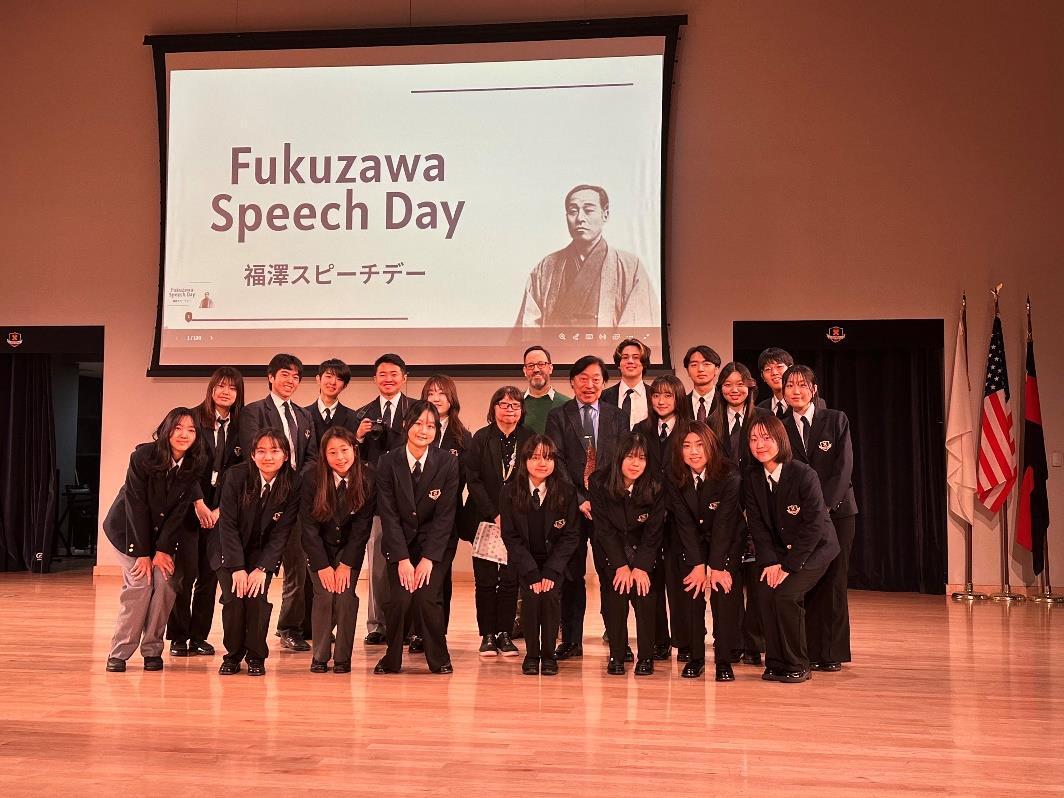
In Japanese classes, students read a short biography of Fukuzawa and compare their own lives and experiences to his early years. Class discussions explore themes of perseverance and educational equity. Vocabulary introduced by Fukuzawa such as jiyū (freedom) and tōron (discussion) are analyzed within the context of modern and historical Japanese society. The integration of Fukuzawa’s values is not limited to the content area curriculum. For example, Japanese department teachers help students to prepare speeches for the annual Fukuzawa Speech Day, an event that is inspired by Fukuzawa Sensei’s founding of the Mita Speech Event in 1874 (Keio University, 2025). Students additionally contribute to the Keio student newspaper, which features a wide range of topics and includes articles written in both English and Japanese. The school’s newspaper was inspired by Fukuzawa’s publication of the daily newspaper “Jiji Shinpo,” founded in 1882 (Encyclopedia Britannica, n.d.).
9th Grade: Japanese Language 9 and Japanese
Students in 9th grade read Fukuzawa’s short biography “To Understand Yukichi Fukuzawa,” published by the Mainici newspaper. Students additionally learn about Fukuzawa’s early life and
compare his experiences to their own, participating in discussions, writing responses, and learning vocabulary words Fukuzawa developed in the context of this content.
10th Grade: Japanese Language and Japanese
In 10th grade, students learned about people related to the Meiji Restoration and influential to the modernization of Japan, such as Yukichi Fukuzawa, John Manjiro, and Umeko Tsuda. Students read Fukuō Jiden, Fukuzawa’s biography. Students additionally read and discuss Fukuzawa’s book An Encouragement of Learning.
11th Grade: Japanese Literature
In 11th grade, students create presentations about Yukichi Fukuzawa, using famous quotes as a jumping off point and discussing how/why his words are influential. Students additionally read pieces by Soseki Natsume, and they learn about issues present during the Meiji period, using Fukuzawa’s book, An Outline of a Theory of Civilization, to provide background information and context.
12th Grade: Research and Presentation
Students read a piece by Yukichi Fukuzawa titled “The View of Ignorant People” and discuss its implications and relevance to present-day society. A key theme addressed in this piece is the necessity to eliminate prejudice and treat people equally. Students additionally read “An Outline of a Theory of Civilization.” by Masao Maruyama, which addresses how Yukichi Fukuzawa was a supporter of women’s rights and believed that education should be democratically available to all– that if people learn, they will be wise, and we can bolster democracy. Additional points discussed from these readings include the fact that Fukuzawa was not optimistic about the new era- Meiji Period, and he insisted on learning from Europe– not Asia– but he did not discriminate against Asians. This is one of the most challenging topics for students, but it is meaningful to learn about Yukichi Fukuzawa's life from different points of view.
12th Grade Japanese Language and Literature
In 12th grade, students read “To be and to do” by Masao Maruyama as well as Fukuzawa’s piece “The Everyday Lessons.” These messages are for children and teach how learning is the most important value to hold in one’s life. Students also read and reflect on a list of Fukuzawa quotes. In group presentations, they reflect on the relationship between Fukuzawa's quotes and Maruyama’s philosophy. They analyze the vital messages through both written and spoken assignments.
Experiences Outside of Class
Integration of Fukuzawa Sensei’s values within the Japanese department is not limited to in-class learning. For example, the 9th and 10th Japanese classes visited the Manjiro Museum, Jinzaburo
Obata‘s grave, and the Isamu Noguchi museum. These people are related to Yukichi Fukuzawa and Keio University. These experiences are beneficial for understanding Yukichi Fukuzawa’s life and era and deepen students’ knowledge and appreciation of him.
Japanese department teachers respect Fukuzawa’s words: “Half studying, Half teaching.” This means that teachers and students learn from each other. We approach our work from this philosophical basis. Some teachers visit Keio University and the literature museums during summer vacation to understand Yukichi Fukuzawa and his era. They share valuable information and impressions with students in class, stimulating more discussion and mutual learning.
Math Department Overview
At Keio Academy of New York, the mathematics department upholds Fukuzawa Yukichi’s values through its curriculum and teaching methods, aligning with his emphasis on education, individualism, and global perspectives. Most importantly, the mathematics department believes in the power of societal transformation through education.
Fukuzawa advocated for education as a means of societal transformation. He famously said, “Heaven does not create one person above or below another" a call for equal opportunity and the importance of self-empowerment through learning. In the mathematics department, we embody this philosophy by creating a learning environment where all students, regardless of background or initial ability, are given the tools and encouragement to succeed. For example, we have implemented differentiated instruction and a flexible international curriculum where students can progress according to their individual needs, ensuring that each learner is given the opportunity to fully engage with the material.
In line with Fukuzawa’s belief in self-reliance and independence, we encourage students to take charge of their mathematical learning. Fukuzawa’s travels to the West inspired his emphasis on acquiring practical, applicable skills. In our department, students are encouraged to explore mathematical concepts through real-world applications, such as project-based learning where they use statistical analysis to address global challenges in our Statistics Course. These experiences not only build problem-solving skills but also instill the self-confidence and independence that Fukuzawa deemed critical for personal and societal growth. Fukuzawa was also a strong proponent of a global perspective, and modernization. He believed that Japan must embrace knowledge from around the world to advance. In the mathematics department, we honor this vision by incorporating both American and Japanese instruction models into the curriculum. This approach not only enriches students’ understanding of mathematics as a global discipline but also aligns with Fukuzawa's call for Japan and by extension, our students to actively engage with the world and its diverse knowledge. Not only this, through our integration of technology, students master the tools necessary to solve mathematical problems and design models, learning practical skills they can apply in university study and beyond. Students are encouraged to approach mathematical problems creatively, fostering the innovation and adaptability that Fukuzawa believed was necessary for success in a rapidly evolving world.
By grounding our teaching in Fukuzawa Yukichi’s principles, the mathematics department at Keio Academy fosters not only a strong foundation in mathematics but also the development of thoughtful, independent, and globally-minded individuals, fully prepared to navigate and contribute to the world. We are proud to teach and inspire our students using the values of Fukuzawa Yukichi, continuing his legacy in our classrooms.
Music and Art Department Overview
Since 2020, the Music & Art department has formalized and coalesced under new leadership and direction with a new course catalog, regular part-time staff, and regular curricular and extracurricular activity. There is no shortage of research showing the benefits of music and art instruction on the academic performance and mental health of students, so healthy and thriving programs are a vital component to any educational institution that takes the holistic well-being of its students seriously. Aside from this, from the time of my hiring to lead this department, emphasis was placed on the idea of the KANY student as a “global citizen” -directly in the vein of Fukuzawa and his philosophies of education and personal responsibility.
As such, the department and its curricula were designed from the beginning on a foundation of principles espoused by Fukuzawa, most notably that music and Art are not artistic endeavors for art’s sake; they do not exist in a vacuum. All instruction of art and music across all courses is treated as a vehicle for cultural and historical understanding, and as such are taught within a historiographical context.
Students who study music by Mozart or Haydn are not simply learning the notes and playing the piece they study the historical factors that contributed to the music from that time period: the height of Hegelian ideology in Europe present in everything from politics to architecture; the revival of Classical Greek principles of order, structure, and neatness. Music of this time period was extremely formulaic and predictable, and its structural features easily traceable within a piece.
Students in art who explore abstract expressionism by artists like Kooning, Rothko, Pollock, et al. are studying not only physical composition and construction of the canvas but the profound psycho-emotional effects that the first and second World Wars had on these artists, and the transition to applying consciousness and perception to the canvas rather than representations of the physical world.
Music and Art are effective vehicles for English language development, and as such all courses have a specified language component that is discussed in early-year meetings and implemented throughout the year. Beyond the more superficial tenets of ensuring as many students speak during a class as possible, music and art are especially rich in vocabulary surrounding technique and practice that is taken from Germanic and Romance languages,allowing staff to guide students in tracing terms back to Latin roots and finding common ground across languages. The choral program especially is obviously very language-driven,and students in these courses go in-
depth in matters of pronunciation, phonics, and vocal production as well as text-study and interpretation.
Physical Education and Sports Department Overview
Physical education courses instill values of fair play, resilience, and physical well-being. According to Fukuzawa, physical health is the foundation of all human activities and is essential in achieving excellence both in sports and academics. As such, lessons emphasize the psychosomatic balance that Fukuzawa advocated. Physical activity is used to improve focus, well-being, and collaboration, which are all essential for academic and personal growth.
The Physical Education department’s mission is to provide a positive experience in a variety of lifetime sports, leisure activities, wellness concepts, cooperative games, individual sports, team sports and outdoor pursuits. The primary objectives of the program is to provide all students with the opportunity to facilitate growth, exploration, improve skills development, and improve upon their optimal level of fitness.
Keio Academy of New York’s Physical Education Department follows Keio University’s model of Sports for All. In this model, students are taught to be strong people and performers in sports. Through this model, sports are taught and played within seasons. Students have the opportunities for both practice and competition, culminating in events that are both exciting and rewarding. The department emphasizes the importance of fair play so that every student can be successful and feel accomplished. Activities are sequenced progressively so that students are continually challenged. Tasks are planned and ordered to match the physical, intellectual, and emotional abilities of students and to encourage those students to become increasingly better and more capable sports persons. Below are examples in which the Physical Education curriculum and instructional practices are in harmony with the school’s mission in regards to Keio/Fukuzawa values.
10th Grade: Health Science
As Fukuzawa emphasized the importance of physical health, students are challenged to manage psychological and physical stress both in and out of the classroom. In the Health Science course, students are taught that the human body and mind are deeply connected. The body reacts to both outer and inner stimuli that leads to psychosomatic responses. The main goal of this course is for students to acquire, interpret and understand the basic knowledge of health information. The Health Science course guides students in choosing to lead a positive, healthy lifestyle and preventing and managing health problems. For instance, students are challenged to make decisions on handling stressors, managing time, selecting healthier food, and choosing to be physically active. Topics addressed in this class include: defense mechanisms, managing stress, tobacco, alcohol, and other drugs, nutrition, body systems (digestive, cardiovascular, respiratory systems, growth and development), prenatal development and the birth and life cycle, as well as First Aid & CPR.
All Grades: Physical Education
Physical Education classes are offered during regular academic hours. Having physical activities in between academic classes is advantageous, because muscles are stimulated and blood circulation is enhanced, allowing students to be more alert and engaged during other classes.
All students have an annual fitness assessment as motivation to achieve higher physical fitness when measured against themselves. Each class is offered fitness components before learning new sports specific skills or teamwork. Each grade is a stepping stone to the next level. For instance, in the flag football unit, a flee and chase individual game, a team tag game, throw and catch, learning various positions, and game strategies are followed by the introduction of a modified touch football game.
The department values sportsmanship, fair play, and being a good citizen. Being humble in victory and being gracious in defeat are additional qualities that are modeled and taught. Playing fair games with different levels of peers gives many chances to learn leadership, caring for others and being part of the team. Throughout the year, Physical Education classes support students to build character.
All Grade: Sports
For those who seek additional physical activities, both Intramural and Interscholastic Sports are offered throughout the academic year. In addition, Kendo, Badminton and Volleyball are popular in-house sports. For those who excel in sports, students have opportunities to brush up their skills and compete in Interscholastic/Varsity Sports.
Conclusion
The implementation of Fukuzawa Yukichi’s values into Keio Academy’s curriculum crosscurricularly helps students to cultivate life skills, knowledge, and values necessary to lead wellregulated and fulfilling lives. The academy continues to strive towards the goals of our educational mission based on the spirit of our founder Yukichi Fukuzawa Sensei.
References
Dilworth, D. A. (Ed.). (2012). An Encouragement of Learning [On Studying] (1872–1876) and An Outline of a Theory of Civilization (1875): Core tenets of Fukuzawa’s philosophy freedom, equality, individual and national independence, and societal transformation through education and global outlook. PhilPapers.
Encyclopaedia Britannica. (n.d.). Fukuzawa Yukichi. In Britannica.com. Retrieved August 15, 2025, from: https://www.britannica.com/biography/Fukuzawa-Yukichi
Fukuzawa, Y. (2008). An encouragement of learning (D. A. Dilworth, Trans.). Keio University Press. (Original work published 1872).
Hardacre, H. 2011. The formation of secularity in Japan. Paper presented at Secularism beyond the West, Onati, Spain.
Keio University. (2025, January 28). 150th Anniversary of the Mita Oratorical Society. Keio Times. Retrieved August 15, 2025, from https://www.keio.ac.jp/en/keiotimes/features/2024/12/
Keio University. (n.d.). A Brief Look into the Life of Keio Founder Yukichi Fukuzawa. https://www.keio.ac.jp/en/about/philosophy/fukuzawa.html
Keio University. (n.d.). Philosophy [Web page]. Retrieved August 15, 2025, from https://www.keio.ac.jp/en/about/philosophy/ Keio University
Keio University Library Digital Collections. (n.d.). Calligraphic Works of Yukichi Fukuzawa. https://dcollections.lib.keio.ac.jp/ja/fukuzawa-iboku
Macfarlane, A. (n.d.). Yukichi Fukuzawa and the making of the modern world (97 pp.) [PDF]. Retrieved August 15, 2025, from: https://www.alanmacfarlane.com/TEXTS/FUKUZAWA_final.pdf
Character Inquiry: What It Takes to Grab Audience’s Hearts
Yuna Kuwahara & Mirai Sakamoto Keio Academy of New York
The enduring popularity of characters like Anpanman, Opanchu Usagi, and Snoopy illustrates how creators of such characters succeed not through random coincidence or sheer luck, but through psychological insight and deep understanding of what audiences need. As students at Keio Academy of New York, we’ve realized that the idea of having an understanding concerning the needs and how to attract the diverse population could be applied to the philosophy of our founder, Yukichi Fukuzawa Sensei. In this essay, which was originally presented as a speech for Fukuzawa Speech Day during the 2024-2025 academic year, we aimed to connect with the audience by investigating the psychology of popular cartoon characters.
Even the simplest characters can have unseen creative twists that capture the audience's hearts. For toddlers in Japan, for example, Anpanman is one of the top three most popular characters. The target demographic for Anpanman is children from about 0 to 2 years old, as shown in the data from popularity rankings (babyco 編集部 , 2024). This is because through his simplicity and color, the character aims to grab the attention of children. Children around this age have not yet developed sophisticated cognitive senses, and have a hard time differentiating people (Malik, 2023). Anpanman’s character design consists of mainly round features and an expression that is always smiling. These straightforward appearances make it easier for toddlers to identify and familiarize with the character, in an otherwise complex world full of volatile and difficult-to-comprehend concepts.
In addition, toddlers have a tendency to be drawn towards bright red colors– which is one of the first colors they are able to see (Dogra, 2022)– and happens to be a major color of Anpanman. The creators of Anpanman showcased an understanding of color psychology, which helped to make the character appealing and create a strong sense of attachment for toddlers.
Moving up in age, “Gen Z” refers to people ages 13 to 28 (Beresford Research, 2025). Among Gen Z students, a renowned character, Opanchu Usagi, has become very popular(2025 年版】10 代女子が選ぶ! , 2025). Various items resembling the character, including smartphone cases and keychains, can frequently be seen among students at the Keio Academy of New York. Through consistently encountering the characters, we couldn’t help but wonder how they achieved such extensive popularity. On the outside, they are pink crying bunnies with oversized underpants; evidently, more information is required to understand why those combinations have achieved such success. Through careful study, we learned that their popularity comes from the psychology of cute aggression (Uragami, 2024). A distinct characteristic of Gen Z is their nurturing feeling towards something that resembles pitiful cuteness. When someone makes a mistake, this age group shows empathy towards the person and loves their little imperfections. (Uragami, 2024) Opanchu Usagi fulfills this tendency by being renowned for its flaws. Whether it is helping others or having great times in musical concerts, Opanchu Usagi always takes the short end of the stick under any circumstances. Their imperfections caught the hearts of many Gen Z individuals, and the creator, Kawaisouni!, revealed her deep insights. While Opanchu Usagi may seem like a simple character at a first glance, the creator, Kawaisouni!, evidently understands the psychology of the Gen Z population as shown by their interview (Forbes JAPAN 編集部 , 2023).
There are many characters that appeal to specific audiences and age ranges, such as Anpanman for toddlers and Opanchu Usagi for teenagers. However, one exceptional example of a character beloved all over Japan is Snoopy, the black and white beagle that has existed since 1950 (Charles M. Schulz Museum, n.d.). In a survey done in 2023, various demographics, including Japanese adults from 20 to 69 years, voted to say that Snoopy is their favorite (Markzine 編集部 , 2022). He is a character that has been currently emerging among the younger generations such as Gen Z due to influences from popular media platforms, including TikTok (Connors, 2023). The secret to this global and generationally-extensive popularity is his personality and simple design.
Although Snoopy is a character from a cartoon initially created for younger children, older people are also able to relate to and find themselves in him. Snoopy is a dog that is selfconfident, imaginative, and an outgoing extrovert. He is a close friend of his owner, Charlie Brown, and throughout the story, the audience sees a faithful and loyal side of him. Snoopy shows straightforward and positive characteristics that are easy to comprehend for children, but there is another side to him that makes deep, existential comments. He talks about the meaning of life and its hardships, through comments such as “I don't have time to worry about who doesn't like me. I'm too busy loving the people who love me.” While keeping the lighthearted atmosphere of the comic, which appeals to younger audiences, he manages to appeal to older audiences with his approach to digging into the complexities of life. Because of his traits and strong relationship with Charlie Brown, Snoopy has been able to attract a broad range of fans.
Snoopy’s popularity, however, expands beyond character attraction, and his brand is easily applied to everyday life as popular fashion and merchandise. The Peanut franchise has been collaborating with apparel brands such as Lacoste (Lacoste, 2025) and Uniqlo (PEANUTS | UNIQLO US, 2025) to produce Snoopy-themed clothing items, and has also collaborated with Starbucks (Ikami, 2025). Snoopy is not too cute, too masculine, nor overly childish and his design works well for all different kinds of products. His items are able to remain popular even in the professional industry through his all-inclusive design. From working adults to children, Snoopy is not an uncommon character to see in many different wardrobes.
The phenomenon of using psychological insight to appeal to specific audiences is not a new one and can be seen within the ideas of our school’s Founder, Yukichi Fukuzawa Sensei. Fukuzawa Sensei’s speeches spoke to principal issues of his time that had been plaguing generations. Initially, Japanese society was predominant with a system known as the caste system, in which people were required to fulfill the roles of their previous generations. For example, the children of a farmer would be expected to become farmers, and children of the noble lineage would be trained to be nobles. During the Meiji Restoration era, however, Western cultures and ideas challenged the very structure of the Japanese societal system. In such a period of great development, Japanese people dealt with significant internal conflicts between the original society rooted in the previous Edo era and the drastic changes that the Restoration had brought (Kawai, 2019). People were confused and disoriented. They needed direction and were looking for a solution that would bring them stability of mind and society.
Fukuzawa Sensei knew exactly how to approach the overwhelmed public through his original speeches, or “Enzetsu” (Keio University, n.d.). He attempted to remediate the conflicted society, through addressing the importance of education for all citizens, which would follow the Western societal standards of modernization. To truly achieve democracy and become a country strong enough to compete with other advanced nations, Fukuzawa Sensei believed that technical advancements and enrichment of education were necessary (河合塾, 2019). His ideals became
the major driving force of the makings of modern Japanese society, and his educational beliefs still stand to this day in Keio University as a prestigious and admired school.
Fukuzawa Sensei’s success and influence was not the result of his great reputation or high social status. It came from his ability to accurately capture what the people had been feeling and waiting for, and his capacity to provide them with a solution that accommodated and made space for a new era. Fukuzawa Sensei presented his ideals with awareness of what the public desired; this understanding resonates with the way popular characters are created today.
All of the examples presented in this paper reflect the idea that in order to understand the needs of the audience and fill a gap– in any field or arena– creators must work to capture their interests and hearts. From the numerous characters that brightened our childhood memories and to which we have a nostalgic pull, to the founder of Keio whose philosophy has become our current education standards, designing something that truly grabs the attention and hearts of the onlookers must be intentional and respond to a gap in society; it is not as simple as making something the creator desires. Diving deeper, understanding the audience, and applying one’s knowledge to the problem at hand can significantly enhance connection to audiences, allowing for the creation of something that could be admired for years to come.
As students at Keio Academy of New York, we experience a variety of situations that require connecting with others both during our academic lives and in our professional futures. The lessons from the creators of popular characters presented here, as well as the ideas of our school's founder Yukichi Fukuzawa Sensei, help to widen our perspective on the importance of connecting with one’s audience, whoever they may be. Applying psychological insight to adapt our communication effectively and fill gaps will allow us to contribute to society in productive and needed ways.
Beresford Research. (2025). Age Range by Generation. Beresford Research. https://www.beresfordresearch.com/age-range-by-generation/ Charles M. Schulz Museum. (2020). 70 Years of Peanuts. Charles M. Schulz Museum. https://schulzmuseum.org/70-years-of-peanuts-online/ Conners, M. (2023, September 18). Why Is Snoopy Suddenly Everywhere? Nylon. https://www.nylon.com/life/why-is-snoopy-suddenly-everywhere
Dogra, Ridhi. “A Comprehensive Guide on the Color Psychology for Kids.” PiggyRide, 31 Mar. 2022, www.piggyride.com/blog/a-comprehensive-guide-on-the-color-psychology-forkids/.
Forbes JAPAN 編集部. “「おぱんちゅうさぎ」が大ヒット 可哀想に!が Z 世代の心をつ かむ理由 | Forbes JAPAN 公式サイト(フォーブス ジャパン).” Forbesjapan.com, リンクタイズ株式会社, 30 Sept. 2023, forbesjapan.com/articles/detail/66135/page2. Accessed 14 Aug. 2025.
lkami. (2025, March 24). Starbucks and Peanuts collaboration around the globe. About Starbucks. https://about.starbucks.com/stories/2025/starbucks-and-peanuts-celebratekindness-community-and-coffee-around-the-world/ 河合敦. “明治維新:近代国家への歩み.” Nippon.com, 1 Jan. 2019, www.nippon.com/ja/views/b06902/.
Malik, F., & Marwaha, R. (2023, April 23). Cognitive development. National Library of Medicine; StatPearls Publishing. https://www.ncbi.nlm.nih.gov/books/NBK537095/ 大人に人気のキャラクター、総合 1 位は「スヌーピー」/20 代女性から高い支持【マ クロミル調査】. (2022, April 8). MarkeZine. https://markezine.jp/article/detail/38755 mamari. “なぜ子供はこんなにもアンパンマンを好きになるの?0~2 歳に圧倒的人気の ワケ [ママリ].” Mamari [ママリ], ママリ, 15 Sept. 2015, mamari.jp/10070. Accessed 1 Dec. 2024.https://cm-marketinglab.mynavi.jp/column/research_character-trend-25/
Treisman, R. (2023, December 15). Gen Z is suddenly obsessed with Snoopy and not just because he’s cute. TPR: The Public’s Radio; TPR: The Public’s Radio. http://thepublicsradio.org/npr-story/gen-z-is-suddenly-obsessed-with-snoopy-and-notjust-because-hes-cute/
The idea that humans are directly and genetically changing crops and animal food to their will sounds sci-fi, almost unreal. But believe it or not, some of the crops that we eat today are already getting genetically modified to become virus and pest resistant, which cuts down the usage of pesticides and insecticides (US Food & Drug Administration, 2024). With the possibility that climate change poses a serious risk to the environment and later, agriculture, we cannot deny the need for genetic modifications on crops to withstand the harsh climate. However, despite being such a game changer that can potentially alter the quality of agriculture and making gene editing much easier, we still don’t have a coherent understanding of its longterm effects and potential harms. Right now, GMOs are applied mostly to crops. But what if we apply GMOs to humans? While gene modification can be an influential scientific tool, it raises controversy and potential ethical dilemmas that our school's founder, Yukichi Fukuzawa, may have been wary of regarding responsible scientific progress.
Gene editing could be used to address medical conditions or change one’s appearance, and there is ongoing debate about this potential to genetically modify humans. For example, a National Geographic article titled “Pro and Con: Should Gene Editing Be Performed on Human Embryos?” presents a debate about the positives (argued by John Harris), and the negatives (argued by Marcy Darnovsky) of gene editing on humans (Harris and Darnovsky, 2016). Harris argued that although some may see the act of modifying humans as dangerous, he believes that if gene editing can eradicate genetic diseases that create suffering, it is worth the risk. On the other hand, Darnovsky fears the risk of so-called “market-based eugenics” that have the risk of intensifying existing discrimination and segregation by enabling people to erase certain traits. Both sides seem to make equally valid claims, and it seems like there is no “right” answer. So, what will happen if we genetically modify humans for medical reasons? Will genetic modification be a savior that will forever change the way of living for humanity? Or will it be a Pandora's box that leads to the erasure of humanity as we know it from history? I think genetic modifications should be used in humans but only for medical purposes to address genetic disorders that are life threatening or cause extreme pain or discomfort.
Right now, there are around 10,000 genetic disorders identified in the world, most of which are sadly not curable (Berman et al., 2022). These diseases range from relatively mild ones, such as migraines, to lethal ones such as Hutchinson-Gilford Progeria Syndrome (commonly known as the Benjamin Buttons Disease), a genetic disease caused by mutations in which the patient undergoes rapid aging, and that can potentially lead to short life expectancy (McMillen, 2024). Others may experience extreme pain both mentally and physically, such as those with Duchenne Muscular Dystrophy, which is a progressive and inherited muscle dystrophy that causes patients to experience weakening of muscles, eventually leading to the inability of walking or breathing. One particular genetic disorder I would like to focus on is Cystic Fibrosis. Cystic Fibrosis is a relatively common respiratory genetic disorder that can possibly be fatal (Cleveland Clinic, 2024). There are no direct treatments for Cystic Fibrosis and since it’s classified as a progressive disease, patients will need regular medical checkups (Cleveland Clinic, 2024) to maintain their health. Patients with Cystic Fibrosis might have to overcome harder challenges to do things that may seem easy for able-bodied people, such as high
intensity cardio or sports that require high oxygen intake. In such a situation, advanced science and technology can be used to change people’s lives in dramatic and transformative ways.
If fetuses that potentially have cystic fibrosis could be genetically modified to avoid the disease in the first place, this would be beneficial, because it would mean they wouldn’t have to go through the mental and economical burden of bearing and treating the disease. Right now, genetic modifications in general are becoming more readily available slowly, like CRISPR, which is relatively inexpensive compared to other gene editing tools, although still not accessible for less wealthy patients at the moment (Powell,2024). Of course, it would still be a lengthy process to make CRISPR affordable enough for all patients. CRISPR still needs more research and testing to make it as safe as possible, and pharmaceutical companies would likely try to pull up the price by some percentage for the company’s profit. All in all, while CRISPR has high hopes in introducing gene editing for medical purposes, it still has a lot of improvements they need to undergo including the price and safety concerns. However, in the future, CRISPR might become even more affordable and accessible for all patients, playing a major role in the healthcare system (Powell,2024).
So, let’s imagine a near future where gene editing tools like CRISPR becomes a prevalent and affordable tool that serves as a versatile treatment for many genetic diseases. For families that are financially distressed, they might have the finances to only afford the basic gene editing that prevents fatal diseases. However, for families that have the means to do it, gene editing tools can potentially be used as a tool to create a so-called “designer baby,” to have traits such as enhanced athletic ability and high intelligence designed at their will (United Nations, 2015). According to a United Nations (UN) article the IBC has warned “[CRISPR] holds out the prospect of treating or even curing certain illnesses[...]But germline editing can also make changes to DNA, such as determining a baby's eye colour, easier for scientists working with human embryos, eggs and sperm” (United Nations, 2015), which shows that gene editing tools can possibly be used besides medical reasons. The idea of designer babies has been a big ethical controversy since the launch of gene editing. Unnecessary genetic modifications also raises ethical concerns. Do parents have the right to choose a child’s future destiny? Or do children have the right to choose their dreams and future aspirations? These questions prove that the usage of genetic modifications, especially when it comes to changes beyond medical reason, is still a debatable and controversial topic that should be considered carefully.
Another question that may arise is the eradication of identity. Genetic differences can be a key factor in a person’s uniqueness. Something as simple as having different hair or eye color, bone structure, or even having some kind of medical condition can be a significant part of a person’s sense of self. On social media, we see many kinds of people expressing their differences as part of their individuality, like Madeline Stuart, one of the few models in the world with Down Syndrome, who expresses her beauty as a person with Down Syndrome. If genetic modifications are used as a tool to eradicate medical conditions and change people’s appearance to fit into the beauty standard, won’t we all end up with similar looks that fail to set us apart? And could it increase discrimination or hatred towards certain traits that can possibly be eliminated? In the Ted Talk “The Ethical Dilemma of Designer Babies,” Biologist Paul Knoepfler expresses his concern towards this selection of “likeable” traits as “new eugenics”. He says, “So today, I see a new eugenics kind of bubbling to the surface. . .and it really worries me that some of the top proponents of this new eugenics, they think CRISPR is the ticket to make it happen” (Knoepfler, 2015). Knoepfler goes on to describe an imaginary scenario of a child without gene editing living in a world where gene editing has become widespread. He says,
We're at a park, and our kid is swinging on the swing. . .And let's say we went the sort of traditional route, and there's our kid swinging on the swing, and frankly, they're kind of a mess. . .They're adorable, you love them, but there on the swing next to them,their best friend is a GM kid, and the two of them are kind of swinging like this, and you can't help but compare them, right? And the GM kid is swinging higher, they look better, they're a better student, they don't have that stuffy nose you need to wipe. How is that going to make you feel and what decision might you make next time? (Knoepfler, 2015).
This scenario made me wonder, in a world where traits that are widely seen as “unlikeable” can be eliminated, how can we deny the possibility of certain traits being targets of discrimination? At least the scenario Knoepfler presented was when a person had a choice of not having their child’s genes be edited. What if a family didn’t have the financial resources to design their children to fit the “standards,” and could only go to the bare minimum of gene editing their child for medical reasons? When it comes to CRISPR’s possibility of fixing rare genetic diseases, I have a positive view about CRISPR, but a possible arrival of this so-called “new eugenics” makes me hesitate.
Despite all these concerns, genetic modification still holds the potential of helping to improve the future. When we browse the internet, we sometimes come across brave people with genetic diseases , like Madeline Stuart, persevering to exceed their limits and to cultivate the future for those with similar circumstances. However, there are some limits and inequality for those with severe genetic disease. People with severe genetic diseases must strive to work harder to obtain the future that we don’t need to work hard for. Isn’t that unfair? And people with severe genetic diseases have the tendency to have shorter life expectancies, which just can’t be overcome by hard work and perseverance. Genetic modifications are a great solution to these problems to some extent. So, to prevent moral dilemmas and atrocious usage of genetic modifications, I think we should impose some laws restricting the usage of genetic modifications, to prevent unethical and unneeded usage for them. For example, genetic modifications on appearance, athletic or academic ability of fetuses should be outlawed, but genetic modifications to treat genetic or chronic diseases should be allowed.
Science and technology will evolve over the next few years, and debates surrounding ethical and moral dilemmas regarding the usage of them will be inevitable. Surprisingly, the door to the future of gene editing has already been opened in 2018, when scientist He Jiankui genetically modified a set of twins to be HIV resistant. This news sparked controversy around the world, and Jiankui was jailed for his work (Normile, 2019). We must urgently decide what this new technology can do, and whether or not the benefits outweigh the potential risks. The founder of Keio Academy, Yukichi Fukuzawa, upheld the philosophy of Jitsugaku, which values the ability to think critically and use scientific evidence in order to solve problems. This philosophy can be applied to the ethical problems of the present- day. As we face challenges to establish guidelines for controversial technology, such as gene editing, it will be essential for society to critically analyze boundaries and assess whether or not they are meant to be crossed.
References
Bergman, Hagey, Smith. (2022). Estimating the number of diseases – the concept of rare, ultrarare, and hyper-rare. PubMed Central. https://pmc.ncbi.nlm.nih.gov/articles/PMC9287598/
National Geographic. https://www.nationalgeographic.com/magazine/article/human-geneediting-pro-con-opinions
Normile. (2019). CHINESE SCIENTIST WHO PRODUCED GENETICALLY ALTERED BABIES SENTENCED TO 3 YEARS IN JAIL. Science. https://www.science.org/content/article/chinese-scientist-who-produced-geneticallyaltered-babies-sentenced-3-years-jail
Powell. (2024). How to Realize the Immense Promise of Gene Editing.
United Nations. (2004). UN panel warns against 'designer babies' and eugenics in 'editing' of human DNA. https://news.un.org/en/story/2015/10/511732
U.S. Food & Drug Administration. (2024). How GMO Crops Impact Our World. https://www.fda.gov/food/agricultural-biotechnology/how-gmo-crops-impact-our-world
Reclaiming “Forgotten” Memories: Neuroscience as the Foundation of Identity
Hanna Tsukada Keio Academy of New York
The average human brain can store up to 2.5 million gigabytes of information– plenty to hold a lifetime’s worth of memories (Mehrotra, 2022). Last summer, Inside Out 2, the anticipated sequel to Pixar’s 2015 movie, Inside Out, brought this staggering capacity to life on the big screen, following protagonist Riley as she navigates her teenage years alongside the emotions in her brain. The plotline is heartwarming, and the characters who each portray a familiar feeling are truly charming; however, my fascination with this movie has its roots in the creativity of the filmmakers. More specifically, in the way they chose to depict the brain. In the animation, Riley’s feelings are controlled in the headquarters by a console, her dreams are “livestreamed” from Dream Productions –a film studio located in her mind– and most iconically, her memories are stored as glowing balls called “memory orbs” (Docter & Del Carmen, 2015). Unlike when I saw the prequel at the age of seven, this time I left the movie theater questioning the reality of what I saw and with a larger question to ponder: how exactly are memories stored in our brains, and what can we learn about ourselves and each other from how memories are stored, accessed, and utilized? The ability to remember the past and learn from it is what gives us the confidence to trust our own judgment, think, and act independently, just as our school’s founder, Yukichi Fukuzawa, would have wanted us to do.
Memories are often perceived as visual stimuli, almost like a replay of past events. The Inside Out films also take this approach, illustrating memories as short clips from the protagonist’s life. In actuality, memories are specific patterns of connections between neurons that activate whenever our brains are stimulated with information. As explained by Atkinson & Shiffrin in their 1971 study, “The Control Processes of Short-Term Memory,” new memories first enter short-term memory, which can only stay there for up to 30 seconds. The fact that memories are initially stored as something temporary explains the universal experience of trying to memorize a vocabulary word, only to forget it a few seconds later. Yet, if a person studies the word multiple times, they will likely memorize it at some point. This is because, as we recall the information over and over, we strengthen the connections between the neurons, unconsciously forming a long-term memory (Schmelzer, 2015). Although long-term memories can last permanently and the brain has vast storage capacity, it is impossible for the brain to store every single piece of information and experience that enters it. Thus, the brain naturally prioritizes frequently accessed memories, eliminating less frequently accessed ones (Purtill, 2022). The film animates this process by having little characters called “mind workers” sort through labyrinthian shelves filled top to bottom with memory orbs. Memories deemed unnecessary are relocated to the memory dump to slowly fade away and eventually be forgotten, disappearing as if they had never existed in the first place. We often think of forgotten memories as gone forever, like in the movie; however, this is not an accurate representation of the brain. Although it is true that we forget many moments over the years, neuroscience shows that memories are easily recoverable through the use of sensory cues such as scent and sound to bring them to mind once again.
Forgotten memories are a result of weakened neuron linkage; therefore, “forgetting” means to lose access to a memory, not the memory itself (Cherry, 2023). This suggests that if we
strengthen the neural connections once more, we have the ability to access memories we thought we lost. Altering our nervous system may seem impossible; however, according to Harvard Health Publishing (2021), memory may be retrievable through the use of sensory cues. If we can recall the information and the senses that were associated with a specific memory, for example, the bonds in our brains may be reactivated to revisit a forgotten memory (McDonough, 2024). This explains why a specific scent, music, painting, or anything to do with our five senses of sight, hearing, smell, taste, and touch, can trigger nostalgia. One example of this phenomenon is my personal experience of the scent of crayons taking me back to my kindergarten class.
While sensory cues can bring us back to positive moments, they may also thrust us into more negative ones we would rather forget. For example, loud, explosive sounds may trigger flashbacks of war and violence in veterans and refugees (Defensor, 2024). This indicates that senses are also capable of triggering past trauma. Hence, it is clear that external stimuli hold immense power in preserving memories of all kinds. If we learn to use this phenomenon to our benefit, we may have the ability to forever look back on our everyday moments as if they are presently happening, rather than slowly letting them fade and slip away.
From all of this information, a big question that emerges is how we can take advantage of our sensory cues to bring back memories. In other words, how can we intentionally connect our senses to our everyday experiences so as not to lose access to our memories of them? Using the crayon example from earlier, my toddler self was not aware that the kindergarten classroom smelled of crayons. The mind naturally connected these two factors to create a correlated relationship. Therefore, in order to create little connections for our future selves to remember the present, we must make an effort to purposely associate our senses with our daily moments. One way to do this is to take pictures and videos to visualize the associated memories. Another is to wear different scents and outfits, because whether it be perfume or clothing, smelling a certain fragrance or wearing a certain garment again can bring back linked memories. Lastly, keeping a diary is a great way to remember past events in detail. The process of recalling what happened not only transfers short-term memories to long-term, but by writing them down, we are able to preserve our memories in the rawest way possible (Klein & Boals, 2001). Researchers at the American Psychological Association have observed that as a coping mechanism, the human brain has the tendency to erase negative emotions associated with a memory faster than positive ones (Walker et al., 2019). Humans are hardwired to quickly forget any hardships and struggles that came our way, and as a result, we have a tendency to romanticize the past. A diary is written when our emotions are still fresh; therefore, memories triggered by a diary entry may remain as genuine as the actual experience itself. If we make a deliberate effort to utilize our senses, a forgotten memory can, instead of "vanishing", turn into a “locked away” memory that requires a sensory password to access.
Memories are the pillars of an individual’s identity. Our backgrounds and the lessons we have learned on the way are what shape our core values, knowledge, and all aspects that make us who we are. Throughout history, countless philosophers have explored this topic, including the French philosopher Henri Bergson. In his publication, “Matter and Memory,” he theorized that identity is essentially layers of past experiences (Anderson, 2022). He believed memory to be more than just a storage space of information, but a constantly evolving component of our identity. From his claim, what we can infer is that as we create various memories each day, we are continuously becoming new versions of ourselves. In fact, with our ability to revive and strengthen memories, every new version is an upgrade, with more wisdom than the last. Different memories make every one of us unique and different from each other. Thus,
“remembering” is crucial in creating a diverse society. Without memory, individuality would disappear, making humanity an indistinguishable collective.
Yukichi Fukuzawa, the founder of our school, was a philosopher who believed in the importance of individuality. He often emphasized the concept of “Dokuritsu-Jison”, independence and self-respect, and encouraged people to think and act on their own rather than blindly following authority (Keio University, n.d.). This “Dokuritsu-Jison” cannot be achieved without a firm set of principles in each individual, and these principles cannot be acquired without individuals’ memories and their ability to learn from history and past mistakes. Hence, memories serve not only as records of an individual’s life but also as the foundation for a brighter society Fukuzawa envisioned.
As the Inside Out movies creatively portray, our memories shape our identity. We create memories constantly, every second of our lives, while letting go of many simultaneously. Although we may believe that forgotten memories are lost forever, we actually retain the ability to recall them. By intentionally engaging our senses in our everyday moments and scattering sensory signals as breadcrumbs for our future selves to pick up, we gain the superpower to revisit any memory we would like. We cannot interfere with the flow of time; however, the act of “remembering” allows us to build a bridge between the past and present, connecting who we were with who we are. Just like Riley in Inside Out, who learns to embrace the complexity of her emotions and memories, we too can learn to use memories, not just as reminders of the past, but as tools to strengthen our personal identities.
References
Anderson, R. (2022, March 29). Creative Recollection: Bergson’s Theory of Memory. Epoché Magazine. https://epochemagazine.org/50/creative-recollection-bergsons-theory-ofmemory/
Atkinson, R., & Shiffrin, R. (1971). THE CONTROL PROCESSES OF SHORT-TERM MEMORY https://web.stanford.edu/group/csli-suppes/techreports/IMSSS_173.pdf
Cherry, K. (2023, February 27). The psychology of forgetting and why memory fails. Verywell Mind. https://www.verywellmind.com/forgetting-about-psychology-2795034
Defensor, J. (2024, December 11). Loud Noises & PTSD: Understanding the Link & Finding Relief. Enticare Ear, Nose, and Throat Doctors. https://enticare.com/2024/12/11/loudnoises-and-ptsd/
Docter, P., & Del Carmen, R. (Directors). (2015). Inside Out. Pixar Animation Studios; Walt Disney Pictures.
Harvard Health Publishing. (2021, April 1). Tips to Retrieve Old Memories. Harvard Health. https://www.health.harvard.edu/mind-and-mood/tips-to-retrieve-old-memories
Klein, K., & Boals, A. (2001). Expressive writing can increase working memory capacity. Journal of Experimental Psychology: General, 130(3), 520–533. https://doi.org/10.1037/0096-3445.130.3.520
McDonough, M. (2024, April 15). Harnessing the Senses to Improve Memory. Harvard.edu. https://magazine.hms.harvard.edu/articles/harnessing-senses-improve-memory
Mehrotra, S. (2022, May 17). What Is the Memory Capacity of a Human Brain? Medanta. https://www.medanta.org/patient-education-blog/what-is-the-memory-capacity-of-ahuman-brain
Purtill, C. (2022, April 28). The New Science of Forgetting. Time. https://time.com/6171190/new-science-of-forgetting/
Schmelzer, G. (2015, January 11). Understanding Learning and Memory: The Neuroscience of Repetition. Gretchen Schmelzer. https://gretchenschmelzer.com/blog1/2015/1/11/understanding-learning-and-memory-the-neuroscience-of-repetition
Walker, W. R., Alexander, H., & Aune, K. (2019). Higher Levels of Grit Are Associated With a Stronger Fading Affect Bias. Psychological Reports, 123(1), 124–140. https://doi.org/10.1177/0033294119852579
Image 1: Fukuzawa Speech Day, February 12, 2025
Headmaster’s Book Club 2025:
Reading J. D. Salinger’s The Catcher in the Rye (1951)
Introduction: On the Narratological Gimmick
Takayuki Tatsumi Headmaster, Keio Academy of New York
I used to know the essence of The Catcher in the Rye, (1951; New York: Back Bay Books / Little, Brown and Company, 2010), one of the major postwar adolescent novels in the United States. However, rereading this novel together with my Spring AE students in 2025, I discovered the hitherto unnoticed aspects of the novel.
Kicked out from Pencey Prep, its protagonist Holden Caulfield becomes a kind of flaneur in New York City, lacking the sense of orientation. The major paradox of the story is that while he criticizes whoever is snobbish as “phony” scathingly, he is keenly aware that he himself is phony. However, this novel’s radical attack on the postwar “genteel” society paved the way for the motto of counter-culture in the 1960s, “Turn on, Tune in, Drop out” as created by the guru of Psychedelics Timothy Leary. Although expelled from school due to failing grades, Holden was in a position to revise his tragedy as an act of civil disobedience. In this context, Holden could well be reconsidered as a cultural great grandson of an American romantic Henry David Thoreau. However radical he sounds, Holden is not ambitious enough to revolutionize the whole society. And yet, after he finds himself cheated by a prostitute and an elevator man a.k.a. pimp, Holden makes up his mind: “But I’d plug him (elevator man) anyway. Six shots right through his fat hairy belly. Then I’d throw my automatic down the elevator shaft after I’d wiped off all the finger prints and all” (94). What is more, being a Japanese Americanist, I cannot ignore the following statement made by Holden, which was to inspire Peter George and Stanley Kubrick’s black humorous film Dr. Strangelove or: How I Learned to Stop Worrying and Love the Bomb (1964):
I was crazy about The Great Gatsby. Old Gatsby. Old sport. That killed me. Anyway, I’m sort of glad they’ve got the atomic bomb invented. If there’s ever another war, I’m going to sit right the hell on top of it. I’ll volunteer for it, I swear to God I will. (J.D. Salinger, The Catcher in the Rye [1951], Chapter 18, p.127, underline mine)
What matters here is not so much the political incorrectness of Salinger as the impacts of the possibility of World War III as envisioned in the paragraph quoted above on the nuclear imagination of younger writers and film makers. I was intimidated by the way in which Kubrick’s depiction of the loss of communication only emphasizes the helplessness of the human agents, resulting in a total nuclear war “byaccident.” One of this film’s most unforgettable scenes is when Major King Kong flails at the Bomb with his ten-gallon hat like a rodeo cowboy atop a bucking bronco, howling wildly as he rushes toward oblivion: "YAHOO!! YAHOO!!" The Bomb plummets toward its target and detonates in a white, climactic flash on the ground. Yes, here the tragic but happy end of the world is only made possible by the genius of Kubrick. What is more, as David Seed has suggested, the mismatch between sound-track and image strengthens this irony by playing Vera Lynn’s very elegant and even romantic tune “We’ll Meet Again” over repeated
nuclear explosions and mushrooming clouds. The whole point of this black humor, of course, is that there will beno “again”(American Science Fiction and the Cold War [Routledge, 1999], 150).
Ofcourse,Salingeris wiseenough to take a precautionarymeasure against criticsattacking the author’s ignorance of genetic effects of atomic bombs radiation; the last chapter reveals that Holden, from the beginning, has narrated his story from a mental hospital not in New York or any East Coast cities but in the vicinity of Hollywood, California: “A lot of people, especially this one psychoanalyst guy they have here, keeps asking me if I’m going to apply myself when I go back to school next September” (Chapter 26). Insofar as he keeps calling himself a “madman” throughout the story, we are unable to judge him by the normal standard and distinguish between fact and fiction. It is highly plausible that the near future nightmare of World War III is part of the madman’s illusion.
With this narratological gimmick in mind, we’d better consider Holden’s description of New York City unreliable. For instance, dating with Sally, he is invited to “go ice-skating at Radio City” (Chapter 17). In fact, it is impossible for them to go ice-skating at Radio City, which is none other than a music hall. The rink belongs to Rockefeller Center under whose umbrella Radio City is placed. Being a madman, he misconceived the location of the rink.
What attracted the readers in the penultimate chapter is the scene of the carousel in which Holden’s younger sister Phoebe got her own horse back: “I felt so damn happy all of a sudden, the old Phoebe kept going around and around” (Chapter 25). Holden’s euphoria captures our imagination. Given that this very carousel was built in 1951, the very year this novel was written and published,it is safeto assumethattheauthorSalingerhimself, whosucceededin incorporating the hippiest spot in Central Park into the novel, must have been euphoric enough.
Holden’s Self-Deception and His True Identity
Mirai Sakamoto
Keio Academy of New York
The Catcher in the Rye by J. D. Salinger was written in the style that I have never seen before. Rather than having a clear story plot based on the Freytag’s pyramid, the narrator Holden Caulfield was narratingthestoryat his ownpace,whichcreatedafairlyslowdevelopment ofstory. Also, the fact that the author initiated the story by touching on the final result of the plot was also distinctive. He starts off this story by saying, “I’ll just tell you about this madman stuff that happened to me around last Christmas just before I got pretty run-down and had to come out here and take it easy” (Salinger, 3). It indicates that he was taken into a relief facility by the end of this story. Although this information didn’t stand out clearly when I initially read the book, Holden's confession of his current situation stood clear when I read the book again. The technique used by Salinger in orderto create avaried perspective and discoveryupon readingthestorymultipletimes was eye-opening. By re-reading the book and further analyzing this story, I was able to discover several details throughout the storyline that exhaustively illustrates Holden’s true identity and mindset.
Asthestoryunfolds, Holdenis illustratedas constantlyperceivingothers withdisdain. There were multiple times where he clearly showed disrespect towards his peers, who were most clearly represented during his times at his school, Pencey Prep. The story began at his school, where he explained about his interactions with his peers as well as his thoughts on the school.
Holden was the manager of the school’s fencing team, and one day, they had traveled for a fencing meet in the morning. However, Holden lost all of their equipment along the way, which forced the team to get back to Pencey Prep without accomplishing anything. Even though he was in charge of managing the equipment, he was unfazed about the incident and even called the ostracism he received as “funny”. Holden describes the mistake as follows: “It wasn’t all my fault … The whole team ostracized me the whole way back on the train. It was pretty funny, in a way” (Salinger, 6). Although I understand that people perceive things differently, I speculate that it would be common to give an apology or two upon making a big mistake. I have been in a similar situation before, when my team and I were preparing to shoot a promotion video at my previous school. I was one of the leaders managing the required equipment, but I forgot to bring them to the location and ended up making the team wait for 30 minutes while I retrieved it. It is one of the biggest humiliations and mistakes that I have ever experienced, and I made sure to apologize deeply and constantly to the team. Affecting others due to one’s mistake is disturbing in itself. The fact that Holden didn’t take his mistake seriously and even made fun of the situation indicates his lack of responsibility.
Moreover, he doesn’t treat the people around him with respect, either. For example, he describes others constantlyas “phony” and"moron”.Heconsidersthe students attendingPencey Prep as “full of crooks” (Salinger, 7) and his teachers as “phoniest bastard” (Salinger, 19). Phonyism is a way to portray something higher than its true standards, and often means fraudulent and hypocritical. Throughout the book, Holden constantlycriticizes the inauthenticity of adults and their life through using the concept of phonyism. Phonyism is often incorporated intoadultconversations,oftensimplytobepoliteorgetawayfromanawkwardsituation.Holden believes that being phony deprives the pure spirit of a juvenile as they get older.
Holden also shows disrespect outside his school, too. For example, he deceives people a lot. In the story, he confesses that he is “the most terrific liar you ever saw in your life”(Salinger, 22). When he was talking to his history teacher about his future, he became tired and left the conversation by lying that he had other work to do. Also, there was a time where he left his school before the official departure date and was riding a subway. He was struck by a conversation by the mother of his peer, Ernest Morrow. When she asked Holden for his name and the reason why he left the school so early, he simply came up with a fabrication that he had the name of his school janitor, and that he is heading home since he has to undergo a medical surgery. It is natural that Ernest’s mother instantly got worried and invited Holden to visit her house over the summer. Although Holden doesn’t clearly specify in the text, I understood these polite and fake invitations as a phony action in adult conversations.
By reading the first half of the book, Holden’s guiltlessness, immaturity, and untruthfulness are evidently illustrated. The readers may surmise that Holden is simply a teenage boy going through puberty and disregarding his surroundings. However, looking at Holden from a different perspective reveals a deeper side of Holden’s perceptions and journey. While he was often represented for his immaturity, the author didn’t forget to express Holden’s true inner feelings about his life.
Despite his attitude towards his surroundings, Ianalyzed that there is another value Holden keeps to his heart. It is the feeling that he doesn’t want to grow up. This idea is quite prevalent throughout the story. For example, when he was talking with Mr. Spencer, he indicated “Iact quite young for my age sometimes. (…) I still act sometimes like I was only about twelve” (Salinger, 13) . It shows he sometimes naturally acts younger, which may be his unconscious action of not wanting to grow up. Another example was present when Holden went to pick up Phoebe, his younger sister, from her school. When he discovers graffiti of an explative on the wall of Phoebe’s school, Holden worries about how the innocent sister would see it and lose her young naive mindset. In the story, Holden said that the graffiti “drove me[him] damn near crazy. I[He] thought howPhoebeand all theotherlittlekids wouldseeit,andhowthey’d wonder what thehell it meant, and then finally some dirty kid would tell them - all cockeyed, naturally - what it meant, and how they’d all think about it and maybe even worry about it for a couple for days”(Salinger, 260). Holden doesn’t want Phoebe’s innocence to become tainted from other people’s dirtiness of soul. This shows that Holden extensively values young innocence in people, and especially towards his younger sister. Although Holden himself often used curses, it’s clear that he wishes for naiveness and purity to be content in young souls. The value of naiveness may be affecting Holden’s perspective that he doesn’t want to grow up.
It is true that Holden has shown extreme disrespect, irresponsibility, and deception towards others. However, it is also true that he highly appreciates innocence and purity in young people. These ideas seem like a paradox, but they both add depth to Holden’s entire personality. Having been placed in the boarding life environment where he lives with other boys his age, he’s forced to “grow up” and show resilience and keep his bravado. Teenage boys tend to show their strength and ability to others, and express their boldness. Therefore, Holden’s actions of repeatedly deceiving and disrespecting others, or even taking in alcohol and tobacco might be an indicator that Holden was trying to express his own independence, suggesting that he could someday become “adult” like his friends. However, his actions clearly constitute a paradox in terms of his actual feelings.
Holden’s conversations and interactions with his family members over the story indicated that he actually doesn’t want to grow up. In fact, although his aversion towards phonyism seemed
to represent his disdain at first, it suggests his antipathy for fabricated adulthood and his animosity towardsgrowingup.AfterobservingthebinaryoppositionwithinHolden,Ireachedtheconclusion that Holden’s deception towards his own core value through a series of disdainful actions added harshness to his existence and identity, eventually causing mental illness. The biggest deception for Holden was the one towards himself and his true values, and being in an environment where he is forced to live with the contradiction was the biggest factor in his demise and damage to his psychological health.
Immersed within a Canonical Coming-of-Age Novel
Yuuna Otsuki Keio Academy of New York
The Catcher in the Rye has often been called a coming-of-age novel, but I did not think so. This book represents many aspects of Holden’s mental illnesses. Although it was not mentioned in the text, I suspected that Holden suffers from the Peter Pan Syndrome in addition to depression and PTSD. First of all, Holden was depressed. Second, his lack of enthusiasm for his studies indicates that he is in a state of apathy. Lastly, he becomes disappointed with his relationships with friends and others and loses hope for the future, beginning to contemplate suicide.
J.D. Salinger’s The Catcher in the Rye is often viewed as a novel about teenage rebellion and alienation, but beneath Holden’s sarcastic narration lies something far more serious and deep psychological suffering. Holden’s impulsive actions, and intense emotional responses are not just signs of adolescent angst. It reveals the presence of possible mental disorders. Throughout the novel,Holdenexhibitssymptomsofmentaldepression,post-traumaticstressdisordercalledPTSD and the Peter Pan Syndrome, each of which expresses his struggle to deal with grief, isolation, and the pressures of growing up. These mental and emotional challenges not only affect Holden’s relationships and decisions, but also define his worldview and desire to protect innocence at all costs. By examining Holden’s behavior and internal thoughts, it becomes clear that The Catcher in the Rye is not just a coming-of-age story, but a portrait of a young man grappling with the desperate need not only to avoid but also to be in the adult world.
One of Holden's main psychological challenges is depression. His story is filled with expressions of sadness, despair, and emotional numbness. Even in relatively neutral situations, he frequentlymentions feeling “lonely” or “depressed.” A powerful example of this tendencyis when he says as follows: “Suddenly, I felt terribly lonely. I wanted to die.” Such statements appear repeatedly throughout the story, suggesting not only sadness but also suicidal thoughts. This is a major symptom of mental depression. He isolates himself, lies to avoid interaction, and wanders around New York City shrouded in a fog of confusion and self-loathing. He often ruins opportunities to connect with others. His inability to maintain social connections indicates the aggravation of depression.
From my experience, after spending a week alone during spring break this year, I found myself feeling more mentally unstable than usual. After spring break, there was a test for those planningto pursuesciencemajors next year. If Ifailed, Iwouldn't beableto pursueasciencemajor anymore. Since I absolutely wanted to pursue a science major, I didn't go out to playduring spring break and instead studied relentlessly every day for a week without even eating meals. Since my roommate was staying elsewhere, there was no one in the room, and most of the people in the dorm were also absent. To ensure study time, I ate meals alone. As a result, I naturally stopped talking to people. By the fourth day, I started crying even over minor setbacks in my studies and lostmyabilitytoconcentrate.Although Itriedtodostretchingorlight exerciseduringstudybreaks, I couldn't muster the motivation, and even when I checked social media during those breaks, I couldn't enjoy it. Realizing this wasn't good, I started making calls to friends during free time and attending math tutoring sessions to change mymood. After spring break I started talking to friends again, mymental state stabilized, and myconcentration returned to normal. Over the course of this week, Icametounderstandthatwithoutinteractingwithothers,humanscandeteriorate.Therefore, I believe Holden's decision to cut off relationships further exacerbated his depression.
Furthermore, Holden's narration is characterized by a flat, negative tone. He constantly looks at others as “fakes,” finding no pleasure in anything around him. His depression also affects his identity, depriving him of what he wants to do or where he belongs. He has dropped out of multiple schools and walks aimlessly through the city. Depression clouds his judgment, making all options seem equally meaningless.
Another important element of Holden's psychological profile is the traumatic experience of his younger brother Allie's death. Although the story does not reveal that Holden has PTSD, his behavior matches many of the symptoms of the disorder: insomnia, flashbacks, anger, emotional numbness and more. Allie's death was a defining moment in Holden's life, causing a trauma that haunts him throughout the story.
Holden's main symptom of PTSD is his reaction to the memories of Allie. He respects Allie's intelligence and innocence, calling him “someone who never gets angry.” His obsession with Allie's baseball glove demonstrates how deeply he clings to the past. This inability to move on from the past is a classic characteristic of trauma. Furthermore, Holden frequently experiences dissociative episodes another symptom of PTSD. In several scenes, he describes a “disappearing sensation.” He states, “Everytime I reached the end of the block, I pretended to talk to my brother, Ali... I told him, ‘Ali, don't make me disappear.’” These moments reflect Holden's psychological fragmentation. He even talks to the dead in order to cling to a version of reality where Ally still exists. This inability to ground himself in the present is a common characteristic of individuals with unresolved trauma.
Finally, his emotional distance and anger toward others can be interpreted as coping mechanisms. He distances himself from people to avoid pain and becomes aggressive to hide his vulnerability. Thetrauma ofAli's death, without propermourningor therapy,has beeninternalized, worsened, and turned into a fog within his mind.
He even criticizes adult roles, such as teachers and parents, accusing them of being fakes. Yet he fails to see that he is also dishonest, confused, and at times cruel. This contradiction reinforces the idea that Holden is trapped in a state of arrested development. He cannot move forward, nor can he return to the simplicity of childhood. As a result, characters who find themselves in a state of emotional limbo continue to yearn for a world that no longer exists.
Holden is often misunderstood as simply a difficult teenager, but The Catcher in the Rye depicts a far more complex and tragic character. Through Holden's experiences, J.D. Salinger explores the destructive impact of mental illness particularly depression, PTSD, and the Peter Pan syndrome on young people. Holden's sadness toward Allie is a fear of adulthood, and his loneliness is not a sign of rebellion but evidence that he is seeking help. His fantasy of becoming “The Catcher in the Rye” reveals a deep desire to protect innocence that can never be regained. I believe that family relationships caused this type of mental illness. What I noticed while reading the story is that Holden's family is cold. His mother has been mentally unstable since his brother's death, and his father is only concerned with his status. While the Caulfield family is wealthy by conventional standards, the lack of communication suggests they may have been lacking in love. It is well-known that mental illness often stems from one's childhood environment.
Salinger honestly and deeply depicts Holden's inner turmoil, eliciting empathy from readers for those who suffer in silence. In this sense, this novel transcends the limit of traditional coming-of-age narrative, offering a profound exploration of mental health, trauma, and the emotional toll of growing up. Holden's journey does not end with resolution or healing, but provides a raw and realistic glimpse into the complexities of human experience. The Catcher in
the Rye is not merely a coming-of-age story but a psychological novel exploring the protagonist's inner struggle and human vulnerability.
Finding Myself in Holden Caulfield: A Personal Journey Through Chapters
18-20 of The Catcher in the Rye
Shuma Kikuchi Keio Academy of New York
1. Chapter 18: When Escape Plans Fall Apart
When I first read about Holden's date with Sally Hayes, I couldn't help but cringe. Here's this guy who claims he can't stand her "phoniness," yet the moment he sees her, he blurts out "I love you." Sound familiar to anyone?
I'vedefinitelyfoundmyselfputtingondifferent personalities with different people,saying what I think they want to hear instead of what I actually feel. It's exhausting, isn't it?
What really got to me was Holden's sudden, desperate plan to run away with Sally:
"Look," I said. "Here's my idea. How would you like to get the hell out of here? Here's my idea. I know this guy down in Greenwich Village that we can borrow his car for a couple of weeks... We'll stay in these cabin camps and stuff like that till the dough runs out."
Irememberclosingthebookafter readingthis passageandjust staringat myceiling.Howmany times have I fantasized about just... disappearing? Last semester when I bombed that history test, I spent an entire evening researching how to become a tour guide in national parks. No education required, just wilderness training!
The thing is, Holden's fantasy isn't really about Sally at all. It's about escaping a world where he feels like he's constantly failing. When Sally reasonably points out how ridiculous his plan is, he lashes out:
"You give me a royal pain [...], if you want to know the truth."
I felt such a mix of emotions reading this – embarrassment for Holden, recognition of myself, and this deep sadness knowing exactly how it feels when your escape hatch gets slammed shut. When your GPA keeps dropping and college feels increasingly out of reach, that desperate urge to find another path – any path – feels overwhelmingly real.
2. Chapter 19: Wanting Connection but Pushing It Away
In Chapter 19, Holden meets up with Carl Luce, hoping for some kind of meaningful connection with someone he considers intellectual. But what does he do? He sabotages it entirely with immature sex talk.
Reading this chapter was like looking in a mirror on my worst days. How many times have I sat across from a teacher during office hours, genuinely wanting help, but ending up making dumb jokes or acting like I care less than I actually do?
There's this moment when Luce tries to talk seriously with Holden:
"I'm interested in that, I really am," I said. "But I don't get too interested in the analytical study of sex and all."
That hit home. That exact tone – claiming interest while simultaneously dismissing the topic? That's my default setting in half my classes. It's so much easier to pretend not to care than to admit you're struggling to understand.
And when Luce suggests Holden see a psychoanalyst? Holden's immediate rejection felt painfully familiar:
"I don't need any damn psychoanalyst," I said.
Ihad thesamereaction whenmyparents suggested tutoringaftermylast reportcard.That kneejerk "I'm fine" response even though I was drowning. Why is asking for help so impossible sometimes?
3. Chapter 20: When It All Falls Apart
majide arigatougozaimasu;
Chapter 20 took my breath away. Holden gets increasingly drunk at Ernie's, and his thoughts turn dark:
"What Ireallyfeltlike,though,was committingsuicide.Ifeltlikejumpingoutthewindow. I probably would've done it, too, if I'd been sure somebody'd cover me up as soon as I landed. I didn't want a bunch of stupid rubbernecks looking at me when I was all gory."
The first time I read this passage, I had to put the book down. Not because it was shocking, but becauseit felt so... normal. ThecasualnessofHolden's suicidal thoughts mirroredconversations I've had with friends I received bad test scores or college rejections. That terrifying moment when "I'm never going to graduate" transforms into "what's the point of any of this?"
What struck me most was that even in this darkest moment, Holden is worried about how he'll be perceived. Even in contemplating death, he's concerned about "rubbernecks" staring at him.
I get that. I really do. Last semester when I failed my math midterm, I wasn't just upset about the grade – I was mortified that everyone would know. That somehow my academic struggles were on display for everyone to see and judge. The fear of being seen failing can be worse than the failure itself.
After Maurice punches him, Holden retreats into this elaborate revenge fantasy:
"I pictured myself coming out of the goddam bathroom, dressed and all, with my automatic in my pocket, and staggering around a little bit... Then I'd walk downstairs, instead of using the elevator. I'd hold onto the banister and all, with this blood trickling out of the side of my mouth a little at a time."
Who here hasn't constructed some ridiculous scenario where you suddenly transform into the hero? For me, it's the fantasy that I'll suddenly become a math genius overnight, walk into class and solve an impossible problem on the board while everyone watches in amazement. These daydreams are embarrassing to admit, but they're how we cope when reality feels too harsh.
4. The Raw Truth of Adolescent Breakdown
The genius of these chapters isn't just in what happens, but in how accurately Salinger captures the emotional mechanics of falling apart. Holden's rapid mood swings, his desperate plans that make no sense, his pushing away the very help he needs – this isn't just character development. It's a portrait of adolescent crisis that feels as true today as it did in 1951.
Consider how Holden talks to his dead brother Allie when he's at his lowest:
"Boy, I felt miserable. I felt so depressed, you can't imagine. What I did, I started talking, sort of out loud, to Allie. I do that sometimes when I get very depressed."
I don't talk to a deceased brother, but I have my own version of this. After particularly bad days at school, I've found myself re-reading old journals from middle school, when academics felt easier and the future wasn't so intimidating. It's this desperate reaching for comfort when nothing in your present reality offers any.
What makes these chapters so powerful is that Salinger doesn't romanticize Holden's breakdown. There's no glamour in his spiral, just raw discomfort and confusion – the messy reality of coming apart that most YA literature glosses over.
5. J.D. Salinger: Writing What He Knew
I am deeply impressed that Salinger himself struggled academically. He attended several colleges without finding his place, dropping out and taking odd courses that interested him
rather than followinga conventional path. When Ilearned this, it made Holden's alienation even more authentic.
After experiencing the horrors of World War II, including the D-Day invasion and liberating concentration camps, Salinger returned with what we would now recognize as PTSD. This trauma informed his writing, particularly in lines like:
"I'm sort of glad they've got the atomic bomb invented. If there's ever another war, I'm going to sit right the hell on top of it. I'll volunteer for it, I swear to God I will."
The nihilism in Holden's voice here isn't just teenage angst – it's informed by Salinger's own exposure to the darkest aspects of humanity. While my struggles with Algebra II don't compare to war trauma, I recognize that same sensation of feeling fundamentally out of step with the world around you.
6. Seeing Myself in Holden
The more I reflect on these chapters, the more I see parallels between Holden's experience and my own struggling in life.
When Holden calls everyone "phonies" while being phony himself, I think about how I've criticized "teacher's pets" while secretly wishing I could be one of them.
When Holden reacts disproportionatelyto Sally's rejection, Iremember how a simple "see me after class" comment from a teacher can ruin my entire day.
When Holden fantasizes about escaping to cabins in Vermont, I unwittingly elaborate alternate lives I've planned where school and grades don't define my worth.
The most painful parallel for me is Holden's profound loneliness. Despite being surrounded by people, he feels fundamentally disconnected from everyone around him. When your report card doesn't match your potential, when you're watching friends succeed while you struggle, that same isolation creeps in. You start to feel like you're watching life through glass – seeing everything but unable to fully participate.
7. Finding Hope in the Darkness
Here's what I find most meaningful about these chapters: they validate the messy, uncomfortable reality of adolescent struggle without offering easy solutions. Holden doesn't have a magical epiphany that fixes everything. There's no insightful teacher who recognizes his hidden genius. There's just the raw process of falling apart.
And yet... the very existence of the novel tells us something crucial. Holden is narrating these events from some point in the future, from a place of at least enough stability to tell his story. This suggests somethingprofound – that even the darkest moments aren't permanent, that there's a path through them, however uncertain.
8. Why This Matters Now
I think about why these chapters from a book published in 1951 still resonate so powerfullywith me in 2025. Maybe it's because beneath the dated slang and the New York City of a different era, the emotional landscape of adolescence remains remarkably unchanged.
The pressure to perform academically has only intensified since Holden's time. College admissions are more competitive, social media amplifies our successes and failures, and the pathways to adulthood seem increasingly narrow and prescribed.
What Salinger captured so perfectly in these chapters isn't just a portrait of one troubled teen, but the universal experience of feeling lost in a world that seems to demand a version of success you can't achieve.
In my lowest moments academically, when I've stared at yet another disappointing grade, I've felt that same desperate urge as Holden – to run away, to reject the system before it can reject me, to find some alternate path where myparticular strengths might matter more than my documented weaknesses.
But I've also felt what I imagine Holden feels in his better moments – that flicker of connection that reminds you you're not alone, that glimmer of purpose that suggests a way forward, however faint.
The beautyof The Catcher in the Rye is not that it offers solutions, but that it says to every struggling student across generations: "I see you. Your pain is real. Your confusion matters. And somehow, in ways you can't yet imagine, you will find your way through the mist."
The Fragility of Dream: Holden and Gatsby
Daiki Goto Keio Academy of New York
A masterpiece often depicts an ideal that is necessarily impossible to attain. The work I read in the late AE class of Keio Academy was one such work, and I found similarities between this work and one of the greatest works of American literature. In J.D. Salinger's The Catcher in the Rye (1951) and F. Scott Fitzgerald's The Great Gatsby (1925), both protagonists pursue unattainable ideals. Holden Caulfield longs for a world without pretense and the preservation of innocence, while Jay Gatsby clings to the fantasy of resurrecting a lost love. Although they come from different times and under different circumstances, their images overlap through the disappointment they face after continuing to believe in the “ideal”. This essay examines the universal themes of growing up and resisting reality by comparing Holden and Gatsby's respective ideals and why they had to break with them.
First, as noted at the beginning, Holden Caulfield in The Catcher in the Rye and JayGatsby in The Great Gatsby are driven by a deep idealism. Although their ideals differ, both characters construct worlds that reflect their own desires rather than reality. Holden is obsessed with the innocence of childhood and sees the adult world as a corrupt “Phony.” His fantasies are not simply about escaping adults, but about protecting others from them. This is most clearly expressed in his vision of ”the catcher in the rye.” As he says to Phoebe, “I keep picturing all these little kids playing some game in this big field of rye and all… I have to come out from somewhere and catch them.” This image reflects his longing to protect a world that is already slipping away from him. Similarly, Gatsby is driven by his idealized past, especially his memories of Daisy. He is unwilling to admit that time has changed both her and himself, and he builds a luxurious life only to get her back from Tom. His idealism is summed up in Nick's observation, “Gatsby believed in the green light, the orgastic future that year by year recedes before us.” His vision of the green light symbolizes Gatsby's relentless pursuit of fantasy. Holden is to the ideal of purity, while Gatsby is to the dream of getting back a perfect past. Their idealism, though romantic, isolates them from reality and prevents them from living in the present.
Second, while both Holden and Gatsby are driven by idealism, their obsession with the past ultimately leads to their mental and physical downfall. Holden cannot accept the inevitability of adulthood and instead romanticizes his younger brother Allie, who died of leukemia. Allie becomes a symbol of untainted innocence, someone who never had to face the corruption Holden sees. He even speaks to Allie's soul in moments of stress, especially when he is walking through New York and feels himself about to disappear, “Allie, don’t let me disappear. Allie, don’t let me disappear.” This desperate appeal shows how Holden clings to the lost parts of his life as a way of coping with his fear of change and alienation from others.
Gatsby's obsession with Daisy works the same way. He is fascinated with not who Daisy really is now, but who Daisyused to be before Gatsby went to war. His attempt to recreate the past
is so consuming that he insists, “Can't repeat the past? Why of course you can!” that this delusion leads him away from reality and ultimately leads to a tragic ending. Gatsby was killed because he refused to abandon the fantasy he had built up around Daisy, and in doing so he became a victim of his own dream under the eye of Dr. Eckleburg.
Both characters are destroyed because they refuse to let go of their past. Their inability to reconcile memory and reality prevents them from moving forward, leading to mental collapse in Holden's case and death in Gatsby's. Their stories warn us of the dangers of living in a world that no longer exists.
Third, another powerful theme that connects The Catcher in the Rye and The Great Gatsby is thesenseofalienation both protagonists experiencein relation to theworldaroundthem. Holden Caulfield constantly criticizes the "Phoniness" of society, using it as a shield to distance himself from emotional vulnerability. His encounters with people often end in disappointment, whether it's with his former teacher Mr. Antolini or a prostitute named Sunny. He longs for genuine connection, but he also pushes people away due to his fear of being hurt or disillusioned from his ideal. This paradox traps Holden in a cycle of isolation, reinforcing his outsider status.
Likewise, JayGatsbylives in self-imposed isolation despite the luxurious parties he throws. His wealth and charm attract crowds, but none of the guests truly knows him. Gatsby’s world is a carefully constructed illusion, centered on an unattainable dream and a woman who no longer exists in the way he imagines. When tragedy strikes, it becomes clear how alone Gatsby really is, no one comes to his funeral, not even Daisy. Like Holden, Gatsby’s alienation is rooted in his unwillingness or inabilityto accept reality, leaving him disconnected from the very societyhe tries to impress.
In conclusion, both The Catcher in the Rye and The Great Gatsby offer profound insights into the human condition by exploring the themes of innocence, identity, and alienation. On one hand, Holden Caulfield's struggle to protect his own innocence and that of others reflects his deep discomfort with the adult world and its phoniness. His journey reveals the difficulty of growing up and finding one's place in a world that often seems confusing and unforgiving. On the other hand, Jay Gatsby's luxurious lifestyle and obsessive pursuit of an idealized past highlights a different kind of conflict.
Despite their differences, the two characters experience intense loneliness. On one hand, Holden feels emotionally alone because he rejects social norms and is unable to make lasting connections. Gatsby, on the other hand, masks his deep loneliness with his self-made wealth and grand parties, and meets a tragic end. Their stories foreground how alienation manifests itself in contrasting ways. Whether they withdraw from society or struggle to fit in, both reactions stem from deep internal conflicts.
Moreover, these novels are critical of the society in which their characters live. Holden's disdain for “phoniness” challenges the surface he sees around him, while Gatsby's rise and fall symbolizes the pitfalls of the American Dream and the pursuit of happiness through material
wealth. Both works question whether true fulfillment can be found in such a world, suggesting that the search for identity and connection is complex and often elusive.
Ultimately, The Catcher in the Rye and The Great Gatsby remind readers that innocence and alienation are intertwined with each other in the human experience. They invite readers to consider how they cope with disappointment, loss, and the desire to belong. Through Holden Caulfield and Jay Gatsby, we see that the struggle for self-understanding and authentic connection is ongoing, complex, and integral to what it means to be human and what it means to be living in this world.
Four Aspects of The Catcher in the Rye
Saeko Yokoi
Keio Academy of New York
Over the third and fourth semesters, in our AE class, we spent many hours reading and debating about The Catcher in the Rye. So this time, I would like to share my thoughts, analysis, and the results of our debates by briefly dividing the story into four parts. As we read, I noticed how J. D. Salinger uses a conversational style that makes Holden’s voice feel immediate and personal. From the very first sentence “If you really want to hear about it, the first thing you’ll probably want to know is where I was born…” (p.1, l.1-2) Holden addresses us directly, like he is talking to a close friend. These casual words, written exactly as spoken English, draw us into his world and allow us to see it through his eyes.
First of all, Salinger uses a unique wayof expression. Holden’s repeated use of words such as “goddam,” “phony,” and “lousy” helps us understand his true feelings. In one short episode, Holden meets a taxi driver named Horwitz. Initially, he offers a compliment “His name was Horwitz. He was a much better guy than the other driver I’d had” (p.106, l.16-17). This statement sounds like the sincerity of a young man who has noticed a kind stranger. However, Horwitz’s sudden response “How the hell should I know?” (p.107, l.14-15) causes Holden to add, “He was an impatient-type guy. He wasn’t a bad guy, though.” In fewer than ten words, Salinger reveals a crucial shift. Holden judges Horwitz as “impatient” yet does not dismiss him entirely as “phony” or “bad.” Byusing simple language, Salinger shows us how Holden’s mind works as he complains fast but wants to be fair, even when he labels someone “phony.” In my own life, I see this same pattern. When I worked part-time as a leader in a Japanese beef shop, I sometimes had to ask staff if they needed help with the food preparation. And they often responded perfunctorily, “I’m fine,” even if they were stressed. I felt they were some kind of “phony” hiding their true feelings. I, too, sometimes pretended everything was okay to avoid conflict. In both cases, we used “lousy” or “phony” in our minds, then quicklysoftened our judgment. Salinger takes care to show these small shifts in thought, making Holden’s confusion and hope come alive in the story.
Second of all, a major theme throughout the story is Holden’s hatred of “phoniness.” He feels that most adults and older students are fake, always performing rather than being honest. In Chapter 12, he visits a crowded nightclub named Ernie’s and watches the piano player, Ernie. Holden first thinks, “It was supposed to be something holy, for God’s sake, when he sat down at the piano. Nobody’s that good” (p.109, l.23-25), implying that true music should feel almost spiritual, not just technically perfect. A few lines later, he judges, “Like as if he was a helluva humble guy, besides being a terrific piano player. It was very phony” (p.110, l.19-20). To Holden, Ernie’s skill is genuine, but Ernie’s exaggerated modesty. His repeated bowing, his wayof smiling for clapping hands, and then pretending not to care feels forced, like a carefully rehearsed act. Holden cannot decide if Ernie loves music for its own sake or just for the show. He suspends belief entirely, if even a real artist can act “phony,” how can anyone trust authenticity? In our debates, we argued about whether Ernie might actually be humble and talented. Some classmates insisted that legends often appear modest, while others sided with Holden, saying humility can be a public mask. Personally, I remember working with a college band during a summer music festival in Tokyo. The lead guitarist was undeniably skilled, but between songs he acted as though he did not care about the crowd’s reaction, even though the audience cheered loudly. I wondered if it was
true humility or an act to seem “cool.” Much like Holden’s uncertainty, I found myself torn between admiration and suspicion. By describing Ernie as both talented and pretentious, Salinger takes great care to show how deeply Holden fears that any display of skill or emotion might be a performance in camouflage.
Third of all, beyond hating “phoniness,” Holden desperately wants a real conversation. In Chapter 13, he tries to meet a prostitute arranged bythe hotel’s elevator operator, Maurice. At first, he confesses, “If you want to know the truth, I’m a virgin. I really am” (p.120, l.9-10). He adds, “I sort of figured this was my big chance, in a way” (p.121, l.10-11), as though sleeping with a stranger might fill a deeper emptiness. When the prostitute arrives, Holden sees that she is very young “She was around my age” (p.123, l.5) and is nervous herself. Instead of going through with it, he begs, “Don’t you feel like talking for a while?” (p.124, l.6). Though he pays her five dollars which soon becomes a ten-dollar dispute, he simply wants genuine human connection. Salinger shows us Holden’s heart that he prefers honest conversation over physical intimacy. I can relate to this from my volunteer week in Cebu, Philippines. I taught simple English games to local children who barely spoke to me at first. One shy child hesitated, but when I asked, “What’s your favorite song?” her eyes lit up and she began to sing a folk nursery rhyme in Cebuano. At that moment, she and I brought a language barrier with simple curiosity that felt more meaningful than any planned lesson. Like Holden, I learned that a sincere question often touches deeper feelings than any delicate activity.
Fourth of all, throughout the novel, Holden’s story is driven by his desire to protect innocence. He wants children to remain free from the pain and “phoniness” of adulthood. In Chapter 16, as Holden walks through Central Park, he hears a little boy singing “If a body catch a body coming through the rye” (p.150, l.15-16). In that simple tune, he sees pure joy. “He was just singing for the hell of it, you could tell.” That child’s carefree songreminds Holden of a time when life was uncomplicated, and no one pretended to be anything other than themselves. Later, in Chapter 22, he confides in his younger sister Phoebe, “I keep picturing all these little kids playing some game in this big field of rye and all. I’d just be the catcher in the rye and all… I know it’s crazy, but that’s the only thing I’d really like to be” (p.224-225, l.23-3). In Holden’s mind, the field of rye is safe ground, and he stands at the edge of a cliff, ready to catch any child who might tumble into the harsh adult world. He knows it is a fantasy. He even confesses, “I know it’s crazy” he clings to it because he cannot endure the thought of children losing their innocence. This dream reminds me of myown experience working at a coffee shop in Japan. One weekend, we organized a small event for neighborhood children, teaching them how to draw simple latte-art hearts in their drinks. When a shy fourth-grade student finally made her own heart, she beamed “This tastes best ever!” At that moment, I felt like Holden’s “catcher,” helping preserve her excitement and wonder in a world where adults always wanted kids to be quiet or “act their age.” By praising her creation “That’s perfect!” I genuinely applauded her effort, meaning every word. Like Holden, I did not want to let that spark of joydie out, even if only for a moment before she sipped her hot chocolate. For a brief moment, I saw that innocence as more precious than any polished latte.
In conclusion, I learned many things from this book, The Catcher in the Rye because Salinger put much effort into this story and I could analyze them through this essay. In short, Salinger uses a unique way of expression, hatred of phonies, a real conversation, and innocence to make Holden the attractive main character. At first, I thought Holden was an absurd boy who uses
slang very often, but my impression toward him has significantly changed. I was really happy to see Holden’s gradual, slow growth and participate in your class. Thank you very much.
Sweet Cruelty
Kana Yamabe Keio Academy of New York
From the beginning, Holden Caulfield introduces himself and takes us on his journey of why he ended up moving West, far away from New York where his home was located. It is a whole story of him struggling as a teenager. For a moment, you do not understand who Holden reallyis. Youmight thinkheis just acomplaininghighschool student whogot kickedout ofschool, not taking things seriously, and a minority person that you cannot sympathize with. But reading this book reminds me of two feelings. What is more, it is kind of awkward but I feel nostalgic and every time I open this book, I have the feeling that I am home.
When I was in elementary school, the first time I read this book, I used to sympathize with Phoebe because Ihave a big brother too. Reading this book reminds me ofmydays as a little sister. First, I read this book to understand my brother, who turned into a madman in his adolescence. I thought Holden, who was the same age as my brother at that time, would tell me the answer to why my brother is struggling. My brother was doing fine just before he became a teenager. All of a sudden he changed to a completely different person. First, I could not react to my brother’s transformation. I felt I was left behind. Just like Phoebe, who wanted to go to the west with Holden (p 267), Iwas always trying to follow wherever mybrother went, tryingto be an adult, and resisted when others treated me as a child. Losing my old brother was like losing another part of myself, losing my path to follow. But after I had grown up and got taller, I felt sadness for not being able to wear my favorite dress. I felt the sadness of not being a child anymore and forgot why I desperately wanted to become an adult. I realized that maybe I did not want to become an adult, and so did my brother.
The second time I read this book, I found out why becoming an adult was a big deal for me and my brother, and especially for Holden. The more you live the more you find that there are many cruel things in the world. Some things are inevitable. For example, death and being hurt. The chest of Mr. Spencer shows how old his skin is (p 11). A profane word is written on the wall (p 262). In Chapter 25, Holden says that he catches every glimpse of the cruelty of the society and life that we encounter. We cannot ever find a place that is nice and peaceful (p 264). Just like the ducks in Central Park that Holden cares about (p 107), we teenagers are lost. We do not know exactly where to go and what will happen next after we choose a path. Dealing with the cruelties that we once could not realize just because we were little, makes us feel detached from society and lonely. We want to be dependent on someone. Later on we realize that all we really want to catch is that innocence that everyone had when they were little.
First, we want to get older to gain freedom, just like little me and Phoebe. But later we fear to change, or to lose our innocence. When we realized that we did not want to change, it was too late. We have to keep on going. That is why Holden misses every piece of memory from his past (p 277). He knows that none of those moments will come back because we moved forward. We chose to change and to grow.
For now, all I hope is to believe that we have chosen the right path and we can fight for the cruelty that is all over the place. Reading this book, I could understand that justice and minorities might look weak. Holden never wins in a fight. He is beaten by others, bleeding on the floor just like when he fought Stradlater in Chapter 6. But being weak does not mean we are losers. Weak people are always delicate and kind to protect powerless creatures like children. The scene in
Chapter 25, where he kept watching over Phoebe riding the horse in the carrousel (p 275), shows how Holden believes in the value of fighting for innocence and protection even though we adults already lost innocence. Holden considers it important to keep catching the children who might run off the cliff in the rye.
For me, my mother was the catcher in the rye. Whenever I got depressed or found a brutal part in others, she would still tell me not to forget the good things. I believe my brother was protected from my mother too. This book is also dedicated to J.D. Salinger’s mother, because everyone has once had a person who stood for them whenever they ran off a cliff. Now, I want to be a catcher in the rye, just like my mother and Holden.
As I read this book my mind started to change; I gradually came to believe that cruelty is not only a bad thing. Cruelty is always there in contrast to pure things. Cruelty is not our enemy but something that we have to live with. I think that is why there will always be a ‘sweet cruelty’ that gives us the reason to be strong and innocent. I may not be my old self anymore who once wanted to grow up fast, or that little sister who ran after big brother’s back. But I still remember how I cared about my brother or how I saw his virtue. And I want to protect my innocence from that old me and stand by the people who fear to change, following in the footsteps of Holden who has stood by me since my childhood.
令和の教室から
読書・AI ・国語教師として未来を畏れて
Reading, AI, and Facing the Future as a Language Teacher
Keio Academy of New York Science & Technology Department
12th grade honors biology class completed a series of projects during the year in which they moved through the scientific process to develop a deeper understanding of topics of their choosing. Lab reports were written to detail the scientific process, as the students performed it, as well as their findings. Student reports are collected here, spread across three different projects based on questions and topics students submitted when asked about their interests. Submissions included:
● Animals
● Biodiversity
● Climate Change
● Evolution
● Food Poisoning
● Global Warming
From these specific questions, projects were designed to guide students in answering their questions through a practical exploration of DNA extraction, evolution, pathology, and climate change.
For the first project, students were presented with a procedure for extracting buccal DNA using household products. A crucial step to this procedure is the use of the bromelain protease enzymes found in pineapple juice. The class collectively designed an experiment to test the efficiency of using different types of protease enzymes from other common sources. Student work through this project is represented by the following contents:
● DNA Extraction Lab by Hanae Hirose
For the second project, students examined phylogenetic trees to understand the evolution of humans compared to the evolution of another animal species of their choice. Student work through this project is represented by the following contents:
● Evolution Project: Homo sapiens and Myrmecobius fasciatus by Saki Fujii
For the third project, students explored the mechanisms of foodborne pathogens and the ways in which we combat them. The class collectively compared the effectiveness of ampicillin, an antibiotic, and three common household cleaners, soap, multi-surface cleaner, & hand sanitizer, in killing Escherichia coli (E. coli), a common foodborne pathogen. Student work through this project is represented by the following contents:
● Fighting E. coli Lab Report by Kanna Iida
● Fighting E. coli Lab Report: The Effectiveness of Ampicillin and Hand Sanitizer in Bacterial Inhibition by Yurisa Uchida
For the fourth project, students were charged with completing individually developed projects focused on the relationship between climate change and life on Earth. After selecting a connection of their own personal interest, they were able to perform either a research review or an experiment, whichever best helped them to gain a deeper understanding of their question. Student work through this project is represented by the following contents:
● Climate Change & Natural Disasters and their Effects on Crops by Kotaro Mikawa
● Combating Global Warming and Climate Change: The Potential of Giant Sequoias and Coastal Redwoods by Layna Kuwahara
● Climate Change Report by Lucia Araiso
Abstract
DNA Extraction Lab
Hanae Hirose
Keio Academy of New York Science & Technology Department
This experiment focused on how various protease enzymes influenced DNA extraction outcomes. The study investigated enzymes from different sources, pineapple juice (bromelain), kiwi (actinidin), mango (serine protease), miso soup (Aspergillus oryzae), kimchi (lactic acid bacteria), honey (midgut endopeptidases), and yogurt (rennet). The DNA extraction process comprises three main steps, cell lysis, DNA precipitation, and purification. Lysis involved breaking down cell walls to release DNA, followed by centrifugation to separate DNA from cellular debris, and then washing the DNA with alcohol for purification. The procedure begins with swishing a saline solution, followed by adding liquid soap and mango puree to the mixture. Chilled isopropyl alcohol was added, and the solution is filtered. The filter paper containing DNA was dried and weighed to calculate DNA mass. The results show average standard deviations for each enzyme source, with mango averaging 0.0465 g, kimchi 0.006 g, miso soup 0.022 g, kiwi 0.055 g, honey 0.017 g, pineapple 0.053 g, and yogurt 0.020 g. The total average standard deviation is 0.031 g, indicating no outliers or significant differences in results. Ultimately, the analysis suggested that there is no relationship between the type of protease enzymes and the mass of extracted DNA, leading to the conclusion that the initial hypothesis was incorrect.
Introduction
DNA extraction removes DNA from contamination by physical or chemical means. DNA extraction is crucial to the isolation process and determines the shape, size, and function of the DNA sample. DNA is a double helix, where two strands twist around each other like a spiral staircase. Each strand consists of a backbone made of sugar and phosphate groups, with nucleotide bases (adenine, thymine, cytosine, and guanine) attached to the sugars. Base pairs of DNA are adenine (A) pairs with thymine (T), and cytosine (C) pairs with guanine (G). This complementary pairing is stabilized by hydrogen bonds and allows the strands to fit together precisely, with each base pairing providing the key for DNA’s stability and ability to replicate (Watson & Crick, 1953).
Differential detergent fractionation is a quick method for extracting cytoplasmic and nuclear proteins for immunoprecipitation. It is suitable for both adherent and suspension cells and helps reduce nonspecific background by separating cellular compartments into individual fractions (DeCaprio & Kohl, 2020).
Alcohol plays a crucial role in DNA extraction through three main functions: precipitation, washing, and storing. During the precipitation phase, alcohol helps to separate DNA from the solution by disrupting its solubility in water. DNA is polar and typically dissolves well in water, but when alcohol is added, it alters the dielectric constant of the solution, reducing the stability of DNA and facilitating its precipitation. Salt, such as sodium acetate, is also introduced to neutralize the negative charges on DNA, making it less hydrophilic and allowing the alcohol to further prevent water from interacting with the DNA (Chauhan, 2018).
There are 3 steps to extract the DNA. The first step is lysis of the cell wall and nuclear membrane. The process begins with breaking down the cell wall and nuclear membrane to release DNA. This can be done mechanically using a blender or mortar and pestle for tougher cell walls, or with enzymes and detergents for softer ones. The next step is precipitation of DNA. In this step, chemicals like isopropanol, sodium acetate, and ethanol are used to separate DNA from cellular debris. Sodium ions help neutralize the negative charges on DNA, reducing its solubility in water. The addition of ethanol and isopropanol causes the DNA to precipitate. The third step is purification of DNA. After precipitation, the DNA is washed with alcohol to remove contaminants and cellular debris. The purified DNA is then dissolved in distilled water for storage (Atria Admissions Team, 2022).
Protease enzymes, also known as proteolytic enzymes, play a crucial role in digesting proteins by breaking them down into amino acids, facilitating the digestive process. In addition to aiding digestion, protease enzymes help eliminate harmful organisms and break down toxins, supporting overall immune function and health. The three most well-known proteases are papain, bromelain, and pepsin. Pepsin, produced in the gut, is essential for protein digestion, while papain and bromelain, found in papaya and pineapple respectively, aid digestion and can alleviate digestive issues like bloating and gas. Proper function of protease enzymes is vital for maintaining a healthy digestive system and preventing toxic overload (Seward, 2016). Mango contains the digestive enzymes amylases (Serine proteases), a group of enzymes that break down carbs from starch (a complex carb) into sugars like glucose and maltose. Kimchi contains bacteria of the Bacillus species, which produce proteases, lipases and amylases. These enzymes digest proteins, fats and carbs, respectively. A centrifuge is a laboratory device used to separate components of a mixture based on densities by spinning at high speeds. Miso production involves a two-stage fermentation, where first a mold, such as Aspergillus oryzae, is inoculated onto a substrate to make koji. Kiwi is a great source of digestive enzymes, particularly a protease called actinidin. The enzyme of honey (midgut endopeptidases) helps digest proteins and is commercially used to tenderize tough meats. Pineapples contain a group of digestive enzymes called bromelain, which break down protein into its building blocks, including amino acids. This aids the digestion and absorption of proteins. Yogurt contains amylase enzymes used in the manufacture of dairy products and transglutaminase to improve its quality (Raman, 2023). Centrifuge is used for separation of liquid and solids, and also for making clean and rinsing by using alcohol (Ghatak et al., 2013).
The hypothesis of this experiment is that different types of protease enzymes will change the efficiency of the DNA extraction procedure. Prediction of this experiment is that results will differ between sources of protease enzymes but fruit-based, such as mango, kiwi, and pineapple enzymes will give similar results. And miso soup will be the least efficient source of protease enzymes because it has been heated and diluted with water. Also, kimchi, yogurt, and honey will be less efficient because they are not natural sources of protease enzymes.
Material and Methods
First, a saline solution was mixed in a cup by adding a salt packet to 25 mL of water, then swirled until the salt was completely dissolved. Then, a mouthful of the solution was drunk from the paper cup without swallowing and gargled & swished it back and forth for 50 seconds,
occasionally scraping the teeth along the inside of the cheeks as it did. After that, the mouthwash solution was spit into a beaker. Then, a drop of liquid soap was added and stirred 20 times to try not to create any bubbles and set to wait for 10 minutes. While waiting for 10 minutes, the mass of the dry filter paper was weighed and recorded. After that, a mango puree mixed with water (the ratio of mango and water was 1:1) was added to a 1 mL centrifuge tube and gently stirred. The mix was centrifuged to mix the mango and water well and then separate water (the top layer) and mango the bottom layer). Next a graduated cylinder was used to measure chilled isopropyl alcohol (91%) for 1.5 mL and into the saltwater beaker, and waited for 2.5 minutes. Then, a vacuum filtration system was set up and the alcohol-saltwater mixture was slowly added. After all the liquid had filtered through, the vacuum filtration system was turned off and the vacuum broken. Tweezers were used to remove the filter paper and lay it out to dry. One day after, it was weighed and the dried filter paper’s mass was recorded. Finally, the mass of the DNA extracted was calculated.
Table 1: Mass of DNA and relationship with different type of enzyme
Results
According to Table 1, Trial 1 resulted in 0.032 g (p=0.233) of DNA being extracted. In Trial 2, 0.034 g (p=0.264) of DNA was extracted. For Trial 3, 0.045 g (p=0.468) of DNA was extracted, The p-values are indicated by the z-scores, according to Figure 1 and Figure 2. Trial 1, with a pvalue of 0.233, was identified as not being an outlier. Trial 2, with a p-value of 0.034, was identified as not being an outlier. Trial 3, with a p-value of 0.468, was also identified as not being an outlier. The reason for all data not being an outlier was that outliers should be more than ±1.65 with z-score value, because the limit of percent error should be less than 65%. Therefore, the average value was calculated to be 0.0465±0.0198 g. From the other experimenters, lactic acid bacteria enzymes had an average range of 0.006±0.002 g, with a pvalue calculated to be 0.10027. Aspergillus oryzae enzymes had an average range of 0.022±0.0086 g, and a p-value of 0.32276. Actinidin had an average range of 0.055±0.001 g, with a p-value of 0.11123. Midgut endopeptidases trypsin, chymotrypsin, and elastase had an average range of 0.0167±0.001 g, and the p-value was determined to be 0.33965. Bromelain had an average range of 0.053±0.040 g, with a p-value of 0.13567. Rennet had an average range of 0.020±0.006 g, and the p-value was calculated to be 0.28434. The total average range was determined to be 0.03131±0.01971 g, with no outliers found in this experiment.
Figure 1: Standard normal distribution for Z-score
Figure 2: Calculation Method for Mean, Standard Deviation and Z-score
Conclusion
For this experiment, the focus was on the different protease enzymes and how they affected the protease enzyme through the experimental results. Pineapple juice contained bromelain, kiwi contained actinidin, mango contained serine protease, and miso soup contained Aspergillus oryzae enzymes. Kimchi had lactic acid bacteria enzymes, honey had midgut endopeptidases, and yogurt had rennet. The DNA extraction involved three steps. First was the lysis of the cell wall and nuclear membrane. Second was the precipitation of DNA. Third was the purification of DNA. Lysis broke down the cell wall and nuclear membrane; DNA was surrounded by these, so it had to be extracted from them. The precipitation of DNA separated the DNA from the cellular debris by using a centrifuge. The purification of DNA involved washing and rinsing the DNA with any type of alcohol. The goal of the experiment was to determine how to change the mass of DNA using different types of protease. The procedure of the experiment began with drinking 25 ml of saline solution mixed with distilled water and salt, swishing it in the mouth for 50 seconds. After spitting it into a beaker, one drop of liquid soap was added, careful to prevent foaming, followed by 1 ml of an enzyme mixture. Chilled isopropyl alcohol (91%) was then
measured and added to a brine beaker, and a vacuum filtration device was used to filter the solution. The filter paper was carefully removed with tweezers, dried, and weighed. Finally, the mass of the dried filter paper was measured to calculate the DNA mass after a day. From the results of this experiment, the average extracted DNA for mango (serine protease) was 0.0465±0.0198 g. Kimchi (lactic acid bacteria enzymes) had an average of 0.006±0.002 g, and miso soup (Aspergillus oryzae enzymes) averaged 0.022±0.0086 g. Kiwi (actinidin) showed a range of 0.055±0.001 g, while honey (trypsin, chymotrypsin, and elastase) was 0.0167±0.001 g. Pineapple juice (bromelain) had an average range of 0.053±0.040 g, and yogurt (chymosin) averaged 0.020±0.006 g. The total average standard deviation across all samples was 0.03131±0.01971 g.
The analysis of this experiment indicated that there were no outliers in the data, suggesting that none of the results were significantly different and that there were no relationships between the types of enzymes and the mass of DNA from the DNA extraction. According to the results and analysis of the experiment, the hypothesis was found to be incorrect because the protease enzyme and DNA had no relationship with the DNA extraction. There may have been some margin of error in this reasoning and assumptions, as all experiments were conducted by hand. It was also possible that the weight of some fruit puree affected the results, since the fruit-based enzyme was not completely dissolved in water. To support this conclusion, more advanced techniques could have been used to ensure that the fruit was completely dissolved in water rather than simply pureed, which would have provided a more accurate figure. The new question that arose was how different enzymes of the same fruit would change the values.
References
Atria Admissions Team. (2022, July 15). Deep Insights on the Isolation of DNA. Atria University. https://www.atriauniversity.edu.in/isolation-and-extraction-of-dna/.
Chauhan, T. (2018, June 23). What is the Role of Alcohol in DNA Extraction?. Genetic Education.
DeCaprio, J., & Kohl, T.O. (2020). Differential Detergent Lysis of Cellular Fractions for Immunoprecipitation. Cold Spring Harb Protoc. 2020(2).
Ghatak, S., Muthukumaran, R.B., & Nachimuthu, S.K. (2013). A Simple Method of Genomic DNA Extraction from Human Samples for PCR-RFLP Analysis. Journal of Biomolecular Techniques. 24(4), 224-31.
Raman, R. (2023, March 20). 12 Foods that Contain Natural Digestive Enzymes. Healthline website. https://www.healthline.com/nutrition/natural-digestive-enzymes.
Seward, M. (2016, August 5). Protease Enzymes. Healthy Focus. https://healthyfocus.org/protease-enzymes/.
Keio Academy of New York Science & Technology Department
Abstract
This research project focuses on taxonomic relationships, features, and adaptive traits between Homo sapiens and Myrmecobius fasciatus. Cladograms provide their evolutionary pathways and identify the last common ancestor and the divergent point of the mentioned two species to identify how humans and numbats evolved different adaptations due to their unique ecological pressures and evolutionary pathways. Humans diversified through adaptations to bipedalism, advanced tool use, and complex social structures, which support their survival as omnivorous generalists in diverse environments. Numbats evolved termite-eating-specific adaptations, such as elongated tongues, sharp claws for digging and cryptic coloration to escape predators in arid & forested biomes. These adaptations reflect the fact that each species diverged from a common mammalian ancestor to fill different ecological niches.
The common & differing traits that distinguish humans from numbats are detected and can be predicted by examining their taxonomic classification from domain to species. The results confirm that Myrmecobius fasciatus and Homo sapiens share a domain to subclass, Eukaryota to Theria, but then different evolutionary pressures have shaped their unique adaptations. share a classification from Eukaryota to the Subclass Theria. After Theria, they diverge as Metatheria and Eutheria (placental mammals). Marsupials give birth to their young in a pouch, whereas placental mammals have a longer gestation period in order to produce advanced offspring. Knowledge of the last common ancestor between two species reveals the extent to which they retain the same or different unique features and highlights the evolutionary flow of life.
Introduction
The study of evolution provides an understanding of the evolutionary development of humans and the ability to gain competency in the utilization of cladograms in identifying the evolutionary & taxonomic relationship between humans and numbats. Myrmecobius fasciatus is classified as Eukaryota (domain) to Animals (kingdom) to Chordates (phylum) to Mammals (class) to Dasyuromorphia (order) to Myrmecobiidae (family) to Myrmecobius (genus) to finally Myrmecobius fasciatus (species). As Figure 1 shows, Myrmecobius fasciatus has the appearance of 25 centimeters long and has notable rusty orange and gray-black fur with a white lateral band on its rump. Since European settlement of Australia began, the numbat population has declined dramatically. The numbat are likely to be found in most of western and southern Australia but are now extinct in about 99% of its former range. It is now being reintroduced in nature reserves.
As Figure 2 indicates, the habitat area of numbats, the region where numbats inhabit, is located in a temperate terrestrial biome. Numbats now live only in eucalyptus forests and eucalyptus forests at an elevation of about 317 m, the wettest periphery of their former range. Termites eat the heartwood of most trees in eucalyptus forests. Because the numbat depends on the ample presence and availability of termites, the presence of termites limits the habitat of the numbat to only those areas where termites can live. In areas that are too wet or too cold, termites cannot reproduce and therefore neither can numbats. The logs in the eucalyptus forests contribute greatly to the survival of the numbat. At night, numbats seek shelter in hollow logs, and during the day they can avoid predators, especially birds, and foxes, by hiding in the darkness of the logs. During the breeding season, the logs also provide nesting sites for the numbat. Numbats are categorized as carnivores. They feed primarily on termites; eating approximately 15,000 to 20,000 termites per a day, they have evolved several morphological traits to successfully capture and prey on termites. The elongated snout is used to search for termites in logs and small holes in the ground, and the nose is very sensitive, allowing it to detect the presence of termites by smell and small vibrations in the ground. Their front and hind legs have razor-sharp claws that allow the numbat to quickly dig into termites burrows in the soil. The elongated tongue is covered with saliva, allowing the numbats to enter termites passages, also called galleries, and quickly pull out a few termites attached to the sticky saliva.(WWF Australia, n.d.) Their mouths have 47 to 50 blunt “nails” instead of neat teeth like other mammals.
As Figure 3 shows, numbats have the following food chain; gum trees to termites to numbats to red foxes, raptors and feral cats (Riva, 2013). As Figure 4 shows the life cycle of numbats,
Figure 1: Numbats
Figure 2: Map of numbats’ habitat
numbats in terms of reproduction, have the generation time in 2 years and average 4 offspring number per one individual (Threatened Species Scientific Committee, 2018). And, they have a gestation period of 14 days. In the perspective of relationships with humans, they are considered endangered by the IUCN Red List and the number of numbats have decreased to less than 1000 today. In addition to the increase in predators such as red fox and raptors, fire changes and habitat destruction in some areas have reduced the number of logs used by the numbat as a resting and shelter site from predators and as a source of termites (the basis of the numbat’s diet), as a cause of their population decline (Riva, 2013).
Through this study, the following hypothesis is proposed: humans and numbats evolve different adaptations due to their unique ecological pressures and evolutionary trajectories. Humans diversified through adaptations to bipedalism, advanced tool use, and complex social structures, which supported their survival as omnivorous generalists in diverse environments. Numbats evolved termite-eating-specific adaptations, such as elongated tongues, sharp claws for digging, and cryptic coloration to escape predators in arid & forested biomes. These adaptations reflect that each species fills a different ecological niche and diverges from a common mammalian ancestor. Both species show how environmental pressures shape morphological, physiological and behavioral divergence. Numbats have a shorter gestation period due to the evolution of marsupial reproduction. The offspring develops in a pouch. In contrast, humans retain a long gestation period supported by a complex placenta through placental reproduction, reducing postnatal dependence on basic survival functions. By examining the evolutionary divergence of the two species in detail, this set of predictions provides a deeper understanding of how numbat and human have evolved along separate trajectories, reflecting different ecological pressures and adaptive strategies.
Figure 3: Food chain of numbats
Figure 4: Life cycle of numbats
Evolution and Classification of Myrmecobius fasciatus
Myrmecobius fasciatus, also known as numbats or banded anteaters, have unique evolutionary and classification characteristics. Myrmecobius fasciatus has a general classification of being Eukaryota, Animals (Metazoa), Chordata, Mammals, Dasyuromorphia, Myrmecobiidae, Myrmecobius, and lastely to Myrmecobius fasciatus. In further detail, Eukarya is defined as a domain on the timeline. It is an organism with a membrane-enclosed DNA-containing structure called the nucleus inside the cell. Animals (Metazoa) are defined as a kingdom. Metazoans are animals and multicellular organisms whose bodies are differentiated into tissues, organs, and organ systems (Klappenbach, 2020). Chordata is defined as a phylum. Chordata contains the following four structures: a notochord, a dorsal hollow nerve cord, pharyngeal slits, and a postanal tail (Ghiselin, 2024). Mammal is defined as a class. Mammals feeding their young with milk. Milk is nutritionally superior, with a good balance of nutrients and easy digestion. Morphologically, the complexity of the skeleton and teeth is one of the features that distinguish the Hermitivora from other animal groups, but the presence of body hairs and, together with birds, being thermostatic are also significant features (Wilson et al., 2024). Dasyuromorphia is defined as an order. Dasyuromorphia is characterized by a high degree of size variation. However, their body shape tends to be uniform and they move on four legs. Their snouts are pointed and generally long, and they are known to have long tails (Ginsberg, 2013).
Myrmecobiidae is defined as a family. The head of Myrmecobiidae is relatively small and the snout is long and pointed. They are characteristically short and hard with a very distinct coat. Then there is a black stripe running from the side of the face to the eye, with a pattern of white bands just below it (Myers, 2001). Myrmecobius is defined as a genus. Myrmecobius has a thin, flattened head, dark transverse stripes on the eyes, and a sharp snout (Atlas of Living Australia, n.d.). Myrmecobius fasciatus is defined as a species. Myrmecobius fasciatus has the appearance of 25 centimeters long and has notable rusty orange and gray-black fur with a white lateral band on its rump (Riva, 2013). The detailed timeline of evolution of Myrmecobius fasciatus is indicated on Table 1 and Figure 5.
1400 million years ago, the Eukaryota domain had 1555489 species. Organisms with nucleated cells. Eukaryota have cells with nuclei. Most also have organelles, meaning chloroplasts or
mitochondria, inside each cell. This group includes animals, plants, fungi, and many tiny protists. DNA in the nucleus and organelles enable the great complexity of life seen today. 1200 million years ago, Eukaryota split off to Unikonts, clade. 1000 million years ago, Unikonts split off to Opisthokonta, clade, which had 1269607 species. 850 million years ago, there were splits from Filadterea and Ichthyosporea. 820 million years ago, Animalia(Metazoa), a kingdom, was split off and had 1083975 species. Animalia split off to Eumetazoa, clade, which had 1078401 species. 810 million years ago, there were splits from Porifera. 800 million years ago, Bilateria was split off. Triploblasts are bilaterally symmetrical animals with three germ layers. Bilateria are animals with two-sided symmetry. Deuterostomia, clade, split and had 110577 species. 800 million years ago, Deuterostomia, a superphylum, was split off. Chordata phylum was split off from Deuterostomia and had 104719 species. 650 million years ago, there were splits from urochordata. 580 million years ago, there were splits from Yunnanozoon and Branchiostoma sp. 500 million years ago, Craniata, subphylum, was split off and had 103670 species. Craniata are described as Animals with skulls. 480 million years ago, Vertebrata subphylum, split off from Craniata. Vertebrata are described as Animals with backbones. There was a split off from Pteraspidomorphi and Thelodonti. There was a split off from Anaspida. Furthermore, there was a split off from Pituriaspida and Osteostraci. 470 million years ago, Gnathostomata, infraphylum, were split off and had 103096 species. 470 million years ago, there was a split off from Placodermi. Teleostomi were next split off and had 101073 species. Euteleostomi, clade, were split off from Teleostomi and had 101073 species. 450 million years ago, Osteichthyes, clade, were split off from Euteleostomi. 420 million years ago, Sarcopterygii, superclass, were split off from Osteichthyes. Sarcopterygii has 50806 species and are described as The lobe-finned fishes & terrestrial vertebrates. Dipnotetrapoda, clade, were split off from Sarcopterygii and had 50804 species. Terrestrial vertebrates, clade, were split off from Dipnotetrapoda. Terrestrial vertebrates are described as Stegocephalians: tetrapods and other digit-bearing vertebrates. 360 million years ago, Tetrapoda, clade, were split off from Terrestrial vertebrates and had 50789 species. Reptiliomorpha clade split off from Tetrapoda. 300 million years ago, Amniota clade were split off from Reptiliomorpha and have 37141 species. Amniota are described as Mammals and their extinct relatives. Synapsids clade were split off from Amniota and described as Mammals and extinct relatives. Eupelycosauria clade were split off from Synapsids. Sphenacodontia clade were split off from Eupelycosauria. 230 million years ago, there were splits from Pantelosaurus. Sphenacodontidea clade were split off. Therapsida, clade, were split off from Sphenacodontidea. Therapsida clade are described as Mammals and extinct relatives. Theriodontia clade were split off from Therapsida. Cynodontia clade were split off from Theriodontia. 200 million years ago, Mammalia, class, were split off from Cynodontia and had 11178 species. 160 million years ago, there were splits from Monotremata and Multituberculata. Theria subclass were split off and had 11164 species. Metatheria clade were split off from Theria and have 541 species. 85 million years ago, Marsupialia infraclass was split off from Metatheria. Marsupialia contain kangaroos, koalas, gilders, wombats, opossums, bandicoots, bilbies, etc. 54 million years ago, Dasyuromorphia order split off from Marsupialia and has 108 species. Myrmecobiidae family split off from Dasyuromorphia and had 1 species. Myrmecobius genus split off from Myrmecobiidae and had 1 species. Myrmecobius split off to Myrmecobius fasciatus species and had 1 species.
Table 1: Each taxa level node diversified for Myrmecobius fasciatus (numbats)
Figure 5: Cladogram for Myrmecobius fasciatus (numbats)
Evolution and Classification of Homo sapiens
Homo sapiens, which is also known as humans, have unique evolutionary and classification characteristics. Homo sapiens are roughly classified to Eukaryota, Animals (Metazoa), Chordata, Mammals, Primates, Hominidae, Homo (humans), and lately to Homo sapiens. In further detail, Eukaryota is defined as a domain which is also considered a superkingdom on the timeline as the same as Myrmecobius fasciatus. It is an organism with a membrane-enclosed DNA-containing structure called the nucleus inside the cell. Animals (Metazoa) are defined as a kingdom. Metazoans are animals and multicellular organisms whose bodies are differentiated into tissues, organs, and organ systems (Klappenbach, 2020). Chordata is defined as a phylum. Chordata contains the following four structures; a notochord, a dorsal hollow nerve cord, pharyngeal slits, and a post-anal tail (Ghiselin, 2024). Mammals are defined as a class. Mammals feeding their young with milk. Milk is nutritionally superior, with a good balance of nutrients and easy digestion. Morphologically, the complexity of the skeleton and teeth is one of the features that distinguish the Hermitivora from other animal groups, but the presence of body hairs and, together with birds, being thermostatic are also significant features (Knox & Don, 2024).
Primates, order, are defined as having a particularly well-developed brain among animals. Characteristic features include five fingers on each limb and the ability to grasp objects freely with the hands. Hominidae are family. The common features of the Hominids (family) are upright bipedalism and the degeneration of canine teeth, while those of the genus Hominidae are the perfection of bipedalism with long legs, dexterous fingers, small face and teeth, large brain, and prolonged growth. Nextly, Homo is genus and characterised by a huge cerebrum compared to other hominidae taxa. Homo sapiens species are the final stage of human evolution. They are characterised by a high forehead, weak supraorbital ridge, near-vertical face and the formation of a chin at the anterior-lower part of the mandible. The detailed timeline of evolution of Homo sapiens are indicated on Table 2 and Figure 6.
1400 million years ago, the Eukaryota domain had 1555489 species. Organisms with nucleated cells. Eukaryota have cells with nuclei. Most also have organelles, meaning chloroplasts or mitochondria, inside each cell. This group includes animals, plants, fungi, and many tiny protists. DNA in the nucleus and organelles enable the great complexity of life seen today. 1200 million years ago, Eukaryota split off to Unikonts, clade. 1000 million years ago, Unikonts split off to Opisthokonta, clade, which had 1269607 species. 850 million years ago, there were splits from Filadterea and Ichthyosporea. 820 million years ago, Animalia(Metazoa), a kingdom, was split off and had 1083975 species. Animalia split off to Eumetazoa, clade, which had 1078401 species. 810 million years ago, there were splits from Porifera. 800 million years ago, Bilateria was split off. Triploblasts are bilaterally symmetrical animals with three germ layers. Bilateria are animals with two-sided symmetry. Deuterostomia, clade, split and had 110577 species. 800 million years ago, Deuterostomia, a superphylum, was split off. Chordata phylum was split off from Deuterostomia and had 104719 species. 650 million years ago, there were splits from urochordata. 580 million years ago, there were splits from Yunnanozoon and Branchiostoma sp. 500 million years ago, Craniata, subphylum, was split off and had 103670 species. Craniata are described as Animals with skulls. 480 million years ago, Vertebrata subphylum, split off from Craniata. Vertebrata are described as Animals with backbones. There was a split off from Pteraspidomorphi and Thelodonti. There was a split off from Anaspida. Furthermore, there was a split off from Pituriaspida and Osteostraci. 470 million years ago, Gnathostomata, infraphylum, were split off and had 103096 species. 470 million years ago, there was a split off from
Placodermi. Teleostomi were next split off and had 101073 species. Euteleostomi, clade, were split off from Teleostomi and had 101073 species. 450 million years ago, Osteichthyes, clade, were split off from Euteleostomi. 420 million years ago, Sarcopterygii, superclass, were split off from Osteichthyes. Sarcopterygii has 50806 species and are described as The lobe-finned fishes & terrestrial vertebrates. Dipnotetrapoda, clade, were split off from Sarcopterygii and had 50804 species. Terrestrial vertebrates, clade, were split off from Dipnotetrapoda. Terrestrial vertebrates are described as Stegocephalians: tetrapods and other digit-bearing vertebrates. 360 million years ago, Tetrapoda, clade, were split off from Terrestrial vertebrates and had 50789 species. Reptiliomorpha clade split off from Tetrapoda. 300 million years ago, Amniota clade were split off from Reptiliomorpha and have 37141 species. Amniota are described as Mammals and their extinct relatives. Synapsids clade were split off from Amniota and described as Mammals and extinct relatives. Eupelycosauria clade were split off from Synapsids. Sphenacodontia clade were split off from Eupelycosauria. 230 million years ago, there were splits from Pantelosaurus. Sphenacodontidea clade were split off. Therapsida, clade, were split off from Sphenacodontidea. Therapsida clade are described as Mammals and extinct relatives. Theriodontia clade were split off from Therapsida. Cynodontia clade were split off from Theriodontia. 200 million years ago, Mammalia, class, were split off from Cynodontia and had 11178 species. 160 million years ago, there were splits from Monotremata and Multituberculata. Theria subclass were split off and had 11164 species. Eutheria (Placentalia) infraclass were split off and had 10623 species. Eutheria is described as placental mammals. Boreoeutheria clade was split off from Eutheria and had 10394 species. 100 million years ago, there were splits off from Glires, Macroscelididae, Insectivora, Creodonta, Carnivora, Condylarthra, and more. 91 million years ago, there were splits from Chiroptera and Dermoptera. Euarchontoglires superorder were split off and had 5579 species. 77 million years ago, Primates order were split off from Euarchontoglires and had 853 species. 67 million years ago, there was a split from Strepsirrhini. 45 million years ago, there were splits from Tarsius. Haplorrhini infraorder, was next split off and had 643 species. 30 million years ago, Catarrhini parvorder was split off and had 316 species. Hominoidea superfamily was split off and had 67 species. 21 million years ago, there were splits from Cercopithecidae. 15 million years ago, Hominidae family had 25 species. Hominidae are described as humans, great apes, and their extinct relatives. Homininae subfamily was next split off and had 16 species. 8 million years ago, there were split offs from Pongo. And, 6 million years ago, there were split offs from Gorillas. Homo, genus was split off and had 5 species. Homo sapiens species were split off and had 2 species.
Table 2: Each taxa level node diversified for Homo sapiens (humans)
Figure 6 : Cladogram for Homo sapiens (humans)
Evolution Relationship of Myrmecobius fasciatus and Homo sapiens
As the collected data are analyzed, the taxa levels of Myrmecobius fasciatus and Homo sapiens share the following taxa levels; Eukaryota domain (1400 million years ago) to Theria subclass. The separation mark of species occurs when Metatheria (clade) split off from Theria, between 160 and 100 million years ago for Myrmecobius fasciatus, and Eutheria infraclass split off from Theria, between 160 and 100 million years ago for Homo sapiens. The time when a separated point occurs is analyzed between 160 and 100 million years ago. Based on the divergence, it would indicate that Metatheria and Eutheria are split off from Theria. The number of species which Theria has is 11164, the number of species which Metatheria has is 541 and the number of species which Eutheria has is 10623. From the quantitative observations, it is clear that Theria is the divergence point to Metatheria and Eutheria.
The main feature of Theria is that they have live births and raise their children through the mammary glands. Therian mammals give birth to live offspring instead of laying eggs. They feed their children through the mammary glands, which produce milk for suckling. This reproductive strategy allows for direct parental care and the survival and development of the offspring. Metatheria and Eutheria also share these features and traits. Metatheria are also known as marsupials and Eutheria are also known as placental mammals. Placental mammals have placentas and nourish their young inside their bodies. In comparison, marsupials give birth to undeveloped offspring, which continue to develop inside a pouch. This adaptation allows Placental mammals to have a longer gestation period and more advanced offspring at birth (Karki, 2023).
Conclusion
The evolutionary relationship between humans (Homo sapiens) and numbats (Myrmecobius fasciatus) focuses on the complex diversity which split off from the common ancestor from Figure 7. The two species are members of Eukaryota domain which have a genome, mitochondria, etc. The habitat of numbats are limited to the eucalyptus forests in Australia and feed predominantly on termites. The habitat range has declined because of destruction and predation by non-native species such as foxes and feral cats. On the other hand, Homo sapiens successfully have adopted to more environments than Myrmecobius fasciatus to spread the range of their habitat by innovations. Although the two species share Theria which is the common ancestor, humans and numbats show that the evolutionary process has resulted in forming life forms suited to their respective and different ecological niches. While the range of numbats’ habitats are restricted by the predators and their survival are highly dependent on preservation efforts, humans are affected by nature fewer than numbats and rather give impacts to destroying and restructuring ecosystems. This difference and comparison depicts how evolutionary traits shape ecological roles and underlines humanity's responsibility to conserve biodiversity. For example, humans have been able to walk on two legs and have been able to travel for a long distance. Humans are also maintaining a bigger brain, and it has led to deep thinking. On the other hand, Myrmecobius fasciatus have long noses and sticky tongues to easily feed termite. These features indicate evolution due to environmental pressures and survival strategies. Humans evolve an omnivorous diet, utilizing tools to access diverse food sources. Numbats have physical adaptations such as elongated tongues and evolve a narrow feeding specialization for termites (WWF Australia, n.d.). Humans have developed bipedalism for energy-efficient locomotion and object carrying. Numbats retain quadrupedalism for foraging and swift escapes from predators.
Humans develop extended gestation and parental care, allowing them to produce relatively high levels of offspring. Numbats rely on shorter gestation periods and burrow-based care, mirroring the reproductive strategy of marsupials (Karki, 2023). Both species thus demonstrate how environmental pressures can shape morphological, physiological, and behavioral divergence.
The numbats and humans, whose last common ancestor is Theria, then split into two groups: the numbats have evolved into the Metatheria and became marsupials, and the humans have evolved into the Eutheria and had placentas. This prediction can be confirmed by the fact that different reproductive strategies lead to different evolutionary success. The prediction mentioned earlier was how numbats and humans have evolved along separate trajectories, reflecting different ecological pressures and adaptive strategies such as different gestation period term by placental reproduction for humans and marsupial reproduction for numbats. These contrasting adaptations highlight how different evolutionary pathways emerge from a common ancestor, supporting the hypothesis, humans and numbats evolve different adaptations due to their unique ecological pressures and evolutionary trajectories.
The project discusses the taxonomy of numbats and humans. However, the lack of comparison of evolutionary traits such as sensory adaptations, dietary specialization, and reproductive strategies would lead to disadvantages of success in this study. It is necessary to compare the specialties and characteristics such as size and construction of brains and limb structure. In addition, there is one new question that has come up: how did specific adaptations arise in numbats compared to humans? It could be predicted that this can be discovered by understanding specific evolutionary adaptations, such as diet of specialties, brain development, and limb structure when compared to humans. Therefore, this study has led to a discovery of the complex relationship between Homo sapiens and Myrmecobius fasciatus through evolution and adoption. This perspective can deepen understanding of biodiversity and the need for its conservation.
Figure 7 Common ancestor and branching point between Homo sapiens (humans) and Myrmecobius fasciatus (numbats)
References
Atlas of Living Australia. (n.d.). Myrmecobius Waterhouse, 1836. ALA. https://bie.ala.org.au/species/https://biodiversity.org.au/afd/taxa/35d6131f-263b-4546-b302bb9878fc5060.
Ghiselin, M.T. (2024, Oct 22). Chordate. Encyclopedia Britannica. https://www.britannica.com/animal/chordate.
Ginsberg, J. (2013). Mammals. Biodiversity of. 681-707. https://doi.org/10.1016/B978-0-12-3847195.00089-7.
Karki, K. (2023, October 30). Theria: Characteristics, Diversity, Types, Examples. Microbe Notes. https://microbenotes.com/theria/.
Klappenbach, L. (2020, January 21). Animals. ThoughtCo. https://www.thoughtco.com/identifyinganimals-130245.
Myers, P. (2001). Myrmecobiidae. Animal Diversity Web. https://animaldiversity.org/accounts/Myrmecobiidae/#:~:text=These%20marsupials%20are%20small%20 to,are%20found%20on%20all%20digits
Wilson, D. E. , Jones, . J. Knox and Armstrong, . David M. (2024, Nov 27). Mammal. Encyclopedia Britannica. https://www.britannica.com/animal/mammal
WWF Australia. (n.d.). Numbat. WWF Australia. https://wwf.org.au/what-we-do/species/numbat/.
Abstract
Fighting E. coli Lab Report
Kanna Iida Keio Academy of New York Science & Technology Department
Escherichia coli is a foodborne pathogen that poses health risks, necessitating preventive and responsive measures for control. This study compared the effectiveness of preventive cleaning, represented by hand sanitizer, versus responsive treatment, represented by ampicillin, in combating E. coli. It was hypothesized that antibiotics would be more effective than cleaners due to their selective toxicity and ability to attack the bacterial cell wall.
Three experiments assessed antimicrobial efficacy. The first evaluated the minimum inhibitory concentration (MIC) of ampicillin, determining its effectiveness in inhibiting bacterial growth at various concentrations (0, 1, 2, 5, and 8 µg). The second compared the antimicrobial effects of household cleaners, including dish soap, multi-surface cleaner, and hand sanitizer. The third tested different hand sanitizer concentrations (2.5, 12.5, 50, and 100 %) in reducing bacterial survival.
Results showed that ampicillin exhibited a dose-dependent increase in inhibition, with a MIC of approximately 1.4 µg. Among household cleaners, hand sanitizer demonstrated the strongest antibacterial properties, inhibiting bacterial growth under and around the disk. The third experiment revealed that hand sanitizer was fully effective at 100 %, with lower concentrations failing to eliminate E. coli.
These findings support the hypothesis that antibiotics are highly effective due to selective toxicity. However, hand sanitizer also plays a role in prevention at high concentrations. This study highlights the importance of combining preventive and responsive strategies in controlling foodborne pathogens.
Introduction
Escherichia coli (E. coli) is one of the most common foodborne pathogens, and humans have tried to combat these diseases using antimicrobials. However, bacteria can develop resistance to these treatments over time. With the rise of antimicrobial-resistant pathogens, including foodborne E. coli, a key question arises: should research focus more on preventative measures like cleaning, or on responsive treatments?
Foodborne diseases are primarily caused by food contamination with harmful pathogens such as bacteria, bacterial toxins, parasites, viruses, or chemicals. When these pathogens are ingested, they can lead to food poisoning, with symptoms ranging from nausea, vomiting, diarrhea, and abdominal pain, to fever, chills, and muscle aches. In severe cases, symptoms may progress to more serious complications, especially if left untreated. The treatment for mild cases often involves hydration, rest, and light, bland foods to avoid aggravating the digestive system. For more serious infections, antibiotics such as ampicillin may be prescribed to help combat the bacterial pathogen. The general approach to preventing foodborne illnesses focuses on proper food handling practices. Ensuring that food is cooked thoroughly and stored at safe temperatures
helps prevent the growth and spread of bacteria. Additionally, careful food preparation & hygiene, such as keeping raw & cooked foods separate, maintaining clean hands, and using safe water & raw materials, are essential for avoiding exposure to harmful pathogens (Engleberg et al., 2013).
E. coli is a Gram-negative, rod-shaped bacterium. While most strains of E. coli are harmless, some are pathogenic like enteropathogenic E. coli (ETEC) and can lead to severe food borne illnesses. Exposure to these harmful strains typically occurs through the consumption of contaminated foods, such as undercooked ground meat, raw milk, or contaminated vegetables & sprouts. When harmful strains of E. coli enter the human body, they can cause a range of symptoms including abdominal cramps and diarrhea, which may be bloody in severe cases. The causative agent is a Shiga toxin, and its mechanism of action seems to be the same as that of Shigella, the bacteria responsible for bacillary dysentery (Engleberg et al., 2013). To prevent E. coli infections, it's important to adopt strict control measures at all stages of the food production process, from farm to table. These measures include screening animals for pathogens before slaughter and ensuring proper hygiene during food preparation (World Health Organization, 2018)
Antibiotics play an essential role in treating infections by targeting specific microbial processes, such as cell wall biosynthesis of protein synthesis, thereby inhibiting bacterial growth or killing the bacteria outright (OpenStax, 2019). Such as ampicillin inhibits the cell wall on E. coli. While antibiotics can be highly effective, they are not without drawbacks. Antibiotics, especially broadspectrum ones, may also harm human cells. These antibiotics can negatively impact human mitochondria, which share similarities with bacterial cells due to evolutionary processes (Stefano et al., 2017). Furthermore, some individuals may experience allergic reactions to antibiotics, ranging from mild skin rashes to severe anaphylaxis.
Hand sanitizers, commonly containing isopropyl alcohol or ethanol, are effective at killing many pathogens, including E. coli, through a process known as denaturation. In this process, alcohol molecules break down the proteins that make up the structure of germs, causing the cells to lose their function, dehydrate, and die (Kemmerly, 2022). While hand sanitizers can be highly effective, they are less useful when hands are visibly dirty or greasy, as they do not physically
Figure 1: Escherichia coli
remove contaminants as soap and water do. Additionally, frequent use of hand sanitizers can lead to skin dryness, irritation, or even dermatitis, making it important to use them judiciously.
It is hypothesized that antibiotics may be more effective due to their selective toxicity, which targets and attacks bacterial cells. The purpose of this laboratory exercise is to gain a deeper understanding of microbial pathology, specifically regarding foodborne diseases, while also practicing essential culturing and analytical techniques. Studying microbial infections and the pathogens responsible for these illnesses is crucial for developing effective prevention and treatment strategies. In this lab, the effectiveness of antibiotics and hand sanitizer in combating E. coli will be tested.
By examining these different aspects of microbial pathology, this lab offers valuable insights into the prevention and treatment of foodborne diseases, as well as the techniques used to control the spread of harmful pathogens like E. coli. Through practical exercises, participants gain firsthand experience in culturing and analyzing microorganisms, further enhancing their understanding of microbial behavior and disease transmission.
Materials and Methods
On the first day, two LB agar plates, one transfer pipette, one sharpie, one pair of forceps, two sterile cotton swabs, and one tube of E.coli were set up on the table. On a separate table across the room, five disks were placed into five different concentrations of ampicillin. One of the agar plates was flipped upside down, and areas were labeled 0, 1, 2, 5, and 8 using a sharpie, ensuring the labels were at least 1.5 cm from the edge of the dish. The agar plate was then flipped back upright. Using a transfer pipette, bacteria were transferred onto the agar and spread evenly across the entire plate with a sterile cotton swab. The plate was incubated at room temperature for five minutes to allow the bacteria to soak into the agar. Using forceps, the antibiotic disks were placed onto their corresponding labeled areas on the agar. The "0" spot received a disk with no antibiotic, serving as the control. The "1" spot received a disk containing 1 µg of ampicillin, the "2" spot received a disk containing 2 µg of ampicillin, the "5" spot received a disk containing 5 µg of ampicillin, and the "8" spot received a disk containing 8 µg of ampicillin. Once all disks were placed, the agar plate was covered and sealed with parafilm. The plates were placed upsidedown in the incubator and left to incubate overnight.
On the same day, an additional experiment was conducted to test the antibacterial properties of household cleaners. In addition to the materials from the first experiment, three different household cleaners, three clean disks, and three small transfer pipettes were prepared. The forceps were rinsed with alcohol to remove any remaining bacteria or ampicillin. Another agar plate was flipped upside down and labeled with "-", "+", 1, 2, and 3 using a sharpie. The "-" spot represented a control disk with no ampicillin or cleaner, while the "+" spot received a disk containing 5 µg of ampicillin. The numbers 1, 2, and 3 corresponded to dish soap, a multisurface cleaner, and hand sanitizer, respectively. The agar plate was flipped back upright, and bacteria were transferred onto the agar using a transfer pipette. The bacteria were spread evenly across the entire plate with a sterile cotton swab and incubated at room temperature for five minutes to allow absorption into the agar. Using forceps, a plain disk was placed on the "-" spot, while an antibiotic disk was placed on the "+" spot. Using a small transfer pipette, one drop of dish soap was pipetted onto a plain disk and allowed to sit for one minute before being placed on
the "1" spot. The same procedure was repeated for the multi-surface cleaner on the "2" spot and the hand sanitizer on the "3" spot. The agar plate was then covered, sealed with parafilm, and placed upside-down in the incubator overnight.
On the second day, the first set of plates was examined for bacterial growth, while the second set of plates was analyzed to assess the antibacterial effectiveness of the household cleaners. The diameter of the bacteria-free zones was measured, and the results were recorded in Table 1. Best fit line and its linear equation on Figure 3 was made by using numbers from average class data on Table 1. Calculation of MIC was used for the analysis. The Clinical and Laboratory Standards Institute has classified E.coli as being susceptible to an antibiotic if its zone of inhibition is >1.5 cm. So by plugging in the 1.5 as a y value on the best fit linear line for Figure 3, minimum concentration of ampicillin considered to be effective can be determined.
Continuing on the second day, an additional experiment was conducted to test the effects of different concentrations of hand sanitizer on bacterial growth. For this experiment, one LB agar plate, one micropipette, one sharpie, one pair of forceps, one sterile cotton swab, and one tube of E. coli were prepared. The agar plate was flipped upside down and labeled with 0, 12.5, 25, 50, and 100 using a sharpie. The "0" spot served as a control with no hand sanitizer, while the other spots represented different concentrations of hand sanitizer in percent: 12.5, 25, 50, and 100. The plate was flipped back upright, and E. coli was transferred onto the agar using a transfer pipette. The bacteria were spread evenly across the entire plate with a sterile cotton swab and incubated at room temperature for five minutes to allow absorption into the agar. A micropipette was set to 10 µl, and 10 µl of each concentration of hand sanitizer were pipetted onto the corresponding labeled spots on the agar plate. The agar plate was kept flat to ensure the hand sanitizer was absorbed evenly. Once the application was complete, the agar plate was covered, sealed with parafilm, and placed upside-down in the incubator overnight.
On the third day, the effectiveness of various hand sanitizer concentrations was assessed by measuring the percentage of E. coli survival in each tested area. The recorded data were documented in Table 2. A linear equation was derived from the best-fit line of the average class data presented in Figure 6. A hand sanitizer is considered effective if it eliminates 99% of the bacteria. Therefore, by substituting 1% (0.01) into the equation, the minimum concentration required for the sanitizer to be effective can be determined.
Results
Figure 2 shows a photo of the first agar plate after one day of incubation. "0" contains no ampicillin, "1" has a disk with a concentration of 1 µg of ampicillin, "2" has a disk with 2 µg, "5" has a disk with 5 µg, and "8" has a disk with 8 µg of ampicillin. To determine the minimal inhibitory concentration (MIC), a ruler was used to measure the area effectively covered by ampicillin.
Table 1 is the class data table for the zone of inhibition diameter on ampicillin. 0 µg concentration of ampicillin covered 0 cm. The average 1 µg concentration of ampicillin covered is 1.74 cm. The average 2 µg concentration of ampicillin covered is 2.13 cm. The average 5 µg concentration of ampicillin covered is 2.7 cm. The average 8 µg concentration of ampicillin covered is 2.97 cm.
Figure 3 is the graph of the class data by Table 1. The best fit linear line equation is y=0.69x+0.529. On the equation, x represents concentration of ampicillin in microgram and y represents diameter of inhibition by ampicillin. So by plugging in the 1.5 to the equation, minimum concentration of ampicillin to be effective can be determined: 1.5=0.69x+0.529, x=1.41. Minimum concentration of ampicillin in order for it to be considered effective is 1.4 micrograms concentration.
Figure 2: Agar plate with ampicillin
Table 1: Zone of inhibition on ampicillin
Figure 3: Ampicillin graph
Figure 4 is the photo of the second agar plate after incubating for a day. “-” has disk with no ampicillin, “+” has disk with concentration of 5 µg of ampicillin, “1” has disk soaked in dish soap, “2” has disk soaked in multi-surface cleaner, and “3” has disk soaked in hand sanitizer. “-” did not inhibit any E.coli growth. “+” inhibited E.coli growth. “1” and “2” did inhibit E.coli growth under the its disk, but didn’t inhibit growth of E.coli around it. “3” inhibited the E.coli growth under and little around the disk.
Figure 5 is the photo of the third agar plate after incubating for a day. “0” has 0 % concentration of hand sanitizer, “25” has concentration of 25 % hand sanitizer, “12.5” has concentration of 12.5 % hand sanitizer, “50” has concentration of 50 % hand sanitizer, and “100” has concentration of 100 % hand sanitizer.
Table 2 is the class data table for rate covers of E.coli that can exist on hand sanitizer. On average, 100% of E.coli was able to survive on 0% concentration of hand sanitizer. On average, 100% of E.coli was able to survive on 2.5% concentration of hand sanitizer. On average, 100% of E.coli was able to survive on 12.5% concentration of hand sanitizer. On average, 52% of
Figure 4: Agar plate with 3 different type of cleaner
Figure 5: Agar plate with hand sanitizer
E.coli was able to survive on 50% concentration of hand sanitizer. On average, 0% of E.coli was able to survive on 100% concentration of hand sanitizer.
Table 2: Rate covered of E.coli that can exist on hand sanitizer
Figure 6 is the graph of the class data by Table 2. The best fit linear line equation is y=0.011x+1.12. On the equation, x represents concentration of hand sanitizer in % and y represents rate covered by E.coli that can exist on hand sanitizer. Plugging in the 1% which is 0.01 to the equation: 0.01=-0.011x+1.12, x=100.9. Since the concentration can’t be higher than 100%, the minimum concentration of hand sanitizer in order for it to be considered effective is about 100 % concentration.
Figure 6: Hand sanitizer graph
Conclusion
The primary objective of this experiment was to determine which method is more efficient: preventative cleaning, represented by hand sanitizer, or responsive treatment, represented by the antibiotic ampicillin. Understanding the more effective method is crucial for combating disease.
E. coli is a Gram-negative, rod-shaped bacterium, with some pathogenic strains, such as enteropathogenic E. coli, causing severe foodborne illnesses through contaminated food consumption. It was hypothesized that antibiotics would be more effective due to their selective toxicity. Ampicillin exhibits selective toxicity on cell walls.
A total of three experiments were conducted. The first experiment aimed to identify the minimum concentration of ampicillin considered effective according to the minimum inhibitory concentration (MIC). This was done by placing disks soaked in different concentrations of ampicillin (0, 1, 2, 5, and 8 µg) onto LB agar plates with E. coli spread across them. The second experiment sought to determine which cleaner dish soap, multi-surface cleaner, or hand sanitizer was most effective. Disks soaked in each cleaner were placed on LB agar plates with E. coli evenly spread across them. Additionally, a disk with 5 µg of ampicillin and a control disk with 0 µg of ampicillin were included. The third experiment focused on testing different concentrations of the most effective cleaner, hand sanitizer. Disks containing various concentrations (2.5, 12.5, 50, and 100 %) were placed on LB agar plates with E. coli. According to Figure 5, as the concentration increased, hand sanitizer became more effective in eliminating E. coli. All three plates were incubated overnight to allow bacterial growth.
For the first experiment, results were recorded in Table 1 and Figure 3 using class data. The data indicated that as the concentration of ampicillin increased, the zone of inhibition widened. The equation derived from the class data was y=0.69x + 0.529. The Clinical and Laboratory Standards Institute classifies E. coli as susceptible to an antibiotic if the zone of inhibition is greater than 1.5 cm. By substituting 1.5 into the equation, the minimum effective concentration was calculated to be 1.41 µg. In the second experiment, as shown in Figure 4, dish soap and multi-surface cleaner inhibited E. coli growth under the disks, while hand sanitizer showed slightly greater inhibition than the other two. For the third experiment, results were compiled in Table 2 and Figure 6. The equation derived from the class data was -0.011x + 1.12, which describes the rate of E. coli survival based on the sanitizer concentration. Hand sanitizer is considered effective if it eliminates 99% of bacteria. By substituting 0.01 (1%) into the equation, the minimum effective concentration was calculated as 100.9 %. Since concentrations can not be higher than 100%, the effective concentration was rounded to 100 %. Comparing Figures 2, 4, and 5, the 8 µg concentration of ampicillin was the most effective in inhibiting E. coli growth.
This supports the hypothesis that responsive treatment (antibiotics) is more effective than preventative cleaning (hand sanitizer) in combating E. coli. The concept of selective toxicity further supports this result. One possible source of error was the equation derived from class data, as the actual values did not follow a strictly linear trend. A best-fit linear equation was used for simplicity when determining the minimum concentrations in the first and third experiments.
Conducting similar experiments with other bacteria would strengthen the conclusion that ampicillin is more effective than hand sanitizer. Further investigation using different types of hand sanitizers, such as those with varying alcohol compositions, would also be valuable.
References
Engleberg, N. C., DiRita, V. J., & Dermody, T. S. (2013). Schaechter’s Mechanisms of Microbial Disease. Lippincott Williams & Wilkens.
Kemmerly, S. A. (2022, August 5). Does alcohol kill germs? Ochsner Health System. https://blog.ochsner.org/articles/does-alcohol-kill-germs
OpenStax. (2019). Allied Health Microbiology. Pressbooks. https://open.oregonstate.education/microbiology/
Stefano, G. B., Samuel, J., & Kream, R. M. (2017). Antibiotics May Trigger Mitochondrial Dysfunction Inducing Psychiatric Disorders. Medical Science Monitor, 23, 101–106. https://doi.org/10.12659/msm.899478
World Health Organization. (2018, February 7). E. coli. WHO. https://www.who.int/newsroom/fact-sheets/detail/e-coli
Fighting E. coli Lab Report
The Effectiveness of Ampicillin and Hand Sanitizer in Bacterial Inhibition
Yurisa Uchida Keio Academy of New York Science & Technology Department
Abstract
Foodborne diseases result from consuming contaminated food, caused by bacteria, viruses, parasites, or toxins. They are classified as intoxications, caused by toxins, or intestinal invasive diseases. Escherichia coli (E. coli) is a common gut bacterium, with most strains being harmless. However, Shiga toxin-producing E. coli (STEC) can cause severe foodborne illness. Antibiotics like ampicillin are commonly used to treat bacterial infections. An experiment comparing antibiotics and household cleaners hypothesizes that antibiotics like ampicillin will be more effective due to their targeted antibacterial action. This study aimed to evaluate the effectiveness of antibiotics and household cleaners in inhibiting bacterial growth, with a focus on ampicillin and hand sanitizer. Three experiments were conducted: determining the minimum inhibitory concentration (MIC) of ampicillin, comparing the antibacterial effects of household cleaners (dish soap, multi-surface cleaner, and hand sanitizer), and assessing the effectiveness of different hand sanitizer concentrations. Results showed that ampicillin exhibited increasing inhibition zones with higher concentrations, with an MIC of 1.41 µg. Among household cleaners, hand sanitizer was the most effective, completely inhibiting bacterial growth, while dish soap had no effect. Further testing of hand sanitizer concentrations revealed that only 100% solutions reduced bacterial presence, confirming its efficacy. These findings support the hypothesis that antibiotics like ampicillin provide superior antibacterial action compared to household cleaners. However, hand sanitizer proved highly effective in bacterial reduction, suggesting its potential as a preventative measure. While antibiotics remain essential for treating bacterial infections, proper hygiene practices, including hand sanitizer use, are crucial for infection control.
Introduction
Foodborne diseases are caused by the ingestion of food contaminated with bacteria, bacterial toxins, parasites, viruses, or chemicals. They can be classified into two main categories: intoxications and intestinal invasive diseases. In intoxications, foodborne illnesses occur when toxins, either present in the food or produced by bacteria inside the body, cause disease. Examples include Staphylococcus aureus, Clostridium botulinum, and Bacillus cereus. In intestinal invasive diseases, the organism itself invades the intestinal wall, causing inflammation and damage. Common pathogens include Salmonella, Campylobacter, and Shigella species. Foodborne diseases caused by toxins generally have a short incubation period and result in symptoms like nausea, vomiting, and mild diarrhea, while those caused by invasive organisms tend to have a longer incubation period and cause fever, chills, abdominal cramps, and diarrhea (often bloody or containing mucus).
Common symptoms include nausea, vomiting, diarrhea (which may be watery, bloody, or contain mucus), fever, and abdominal pain. Treatment varies depending on the cause of the illness. For toxin-related illnesses, treatment typically involves supportive care, such as hydration, as antibiotics are not useful in treating toxin-induced food poisoning. For invasive
infections, antibiotics may be required in severe cases. In many instances, foodborne diseases resolve with supportive care, including fluids to prevent dehydration (Engleberg et al., 2013).
To avoid exposure, it is important to practice safe food handling. This includes washing hands and surfaces frequently, cooking meats to the appropriate temperature, avoiding unpasteurized dairy products, and ensuring that food is properly stored. Additionally, drinking clean water, especially in areas with poor sanitation, and avoiding raw or undercooked foods can help reduce the risk of foodborne illness (FoodSafety, 2024).
Escherichia coli (E. coli) is a gram-negative, rod-shaped bacterium commonly found in the intestines of humans and animals. While many strains are harmless and part of the normal gut microbiota, some toxigenic strains, such as enterotoxigenic E. coli (ETEC) and shiga toxinproducing E. coli (STEC), can cause illness. Exposure typically occurs through consuming contaminated food or water, with common sources including undercooked beef, poorly cooked hamburger, and contaminated salads, raw fruits, and vegetables. Illness caused by pathogenic E. coli strains is due to the toxins they produce. ETEC typically causes watery diarrhea, while STEC leads to bloody diarrhea, abdominal cramps, and in some cases, hemolytic-uremic syndrome, a severe condition that can result in kidney damage and hemolytic anemia. Treatment usually involves supportive care, with hydration and electrolytes, and avoiding antibiotics for ETEC and STEC. To prevent exposure, it is important to practice safe food handling, such as thoroughly washing produce, cooking meat properly, drinking clean water, and maintaining good hygiene practices (Centers for Disease Control and Prevention, 2024b; World Health Organization, 2018).
Ampicillin is a semi-synthetic antibiotic in the penicillin class that works by blocking the formation of bacterial cell walls. It specifically targets proteins involved in building the cell wall, which leads to the bacteria’s rupture and death. This makes ampicillin bactericidal, meaning it kills bacteria rather than just stopping their growth. Because human cells don’t have cell walls, ampicillin can target bacteria without harming human cells. In treating E. coli infections, ampicillin has several benefits. It has a broader range of activity than natural penicillin, making it effective against both gram-positive and many gram-negative bacteria, including E. coli. It can also be taken orally, making it more convenient for patients who don’t need to be hospitalized. However, ampicillin also has drawbacks. Some E. coli strains have developed resistance by producing β-lactamase, an enzyme that breaks down the drug. Allergic reactions to ampicillin can also occur, ranging from mild rashes to severe reactions like anaphylaxis. Additionally, because ampicillin targets a wide range of bacteria, it can disrupt the balance of good bacteria in the gut, leading to secondary infections like Clostridium difficile (C. difficile) colitis or yeast infections. Common side effects include diarrhea and nausea. For E. coli infections that are resistant to ampicillin, doctors may need to use other antibiotics or combination therapies based on lab tests (OpenStax, 2019).
Hand sanitizers generally contain alcohol such as ethanol or isopropanol. They combat pathogens by disrupting the cell membranes of microorganisms such as E. coli. Alcohol dissolves lipids in the bacterial membrane, causing cell leakage and death. Therefore, hand sanitizers are effective against a wide range of pathogens, including bacteria and viruses, but are less effective against some bacterial spores if the alcohol concentration is not high enough
(usually above 60%). The advantages of hand sanitizers are convenience and speed. Because they are quick to use and portable, they are especially useful in public spaces and medical settings. Because they do not require water or towels, they can provide rapid hand hygiene in situations where hand washing facilities are not available. Hand sanitizers have several drawbacks: they are less effective against certain pathogens, such as C. difficile spores, and unlike soap and water, they do not remove dirt or chemicals. In addition, frequent use of alcoholbased hand sanitizers can cause skin irritation and dryness, increasing the risk of infection. Therefore, while hand sanitizers are useful tools to reduce the spread of pathogens, they should complement, not replace, proper hand washing with soap and water (Centers for Disease Control and Prevention, 2024a).
The purpose of this experiment is to develop an understanding of microbial pathology and the effectiveness of different antibacterial measures. By practicing culturing techniques and analyzing bacterial growth, this experiment aims to compare the effectiveness of antibiotics and household cleaners in inhibiting bacterial growth. This will provide insight into whether preventative cleaning or responsive antibiotic treatment should be the primary focus in controlling bacterial threats. The hypothesis is that antibiotics like ampicillin should be the primary focus in combating bacterial infections, as they are specifically designed to target and eliminate bacteria more effectively than household cleaners. It is expected that ampicillin will produce significantly larger zones of inhibition compared to household cleaners, demonstrating its superior antibacterial properties.
Materials and Methods
The bacteria, LB agar plate, and antibiotic disks were collected from the instructor for the purpose of determining the minimum inhibitory concentration (MIC). To determine the MIC, the zone of inhibition diameter needed to be at least 1.5 cm. The plate was flipped upside down and labeled with areas marked as "0" in the middle, "1" in the upper left, "2" in the upper right, "5" in the lower left, and "8" in the lower right. Using a transfer pipette, the bacteria were transferred onto the agar and spread evenly across the entire plate with a sterile cotton swab. The plate was then incubated at room temperature for five minutes to allow the bacteria to soak into the agar. Using forceps, the "0" antibiotic disk, which contained no antibacterial agents, was placed on the "0" spot as a control. The antibiotic disks were placed on the corresponding spots, with concentrations of 1, 2, 5, and 8 μg of antibiotic. The 1 μg disk was placed on the “1” spot, the 2 μg disk on the “2” spot, the 5 μg disk on the “5” spot, and the 8 μg disk on the “8” spot. Then the plates were sealed with parafilm, placed upside-down in an incubator and left for at least 24 hours. After incubation, the diameter of the zone of inhibition around each antibiotic disk was measured. A ruler was used to measure the clear area, in centimeters, where bacteria were unable to grow. These measurements were then used to assess which antibiotic concentrations were effective and to calculate the MIC by applying the inhibition data to a standard curve or equation.
Three household cleaners dish soap, multi-surface cleaner, and hand sanitizer were collected for testing, labeled dish soap as “1”, multi-surface cleaner as “2”, and hand sanitizer as “3”, and recorded in a table. The bacteria, LB agar plate, antibiotic disk (+ control), and four plain disks were obtained from the instructor. The plates were flipped upside down and labeled with areas designated as "-" in the middle, "+" in the upper left, "1" in the upper right, "2" in the lower left,
and "3" in the lower right. The plates were then flipped back upright, and the bacteria were transferred onto the agar using a transfer pipette. A sterile cotton swab was used to spread the bacteria evenly across the entire plate. The plate was incubated at room temperature for five minutes to allow the bacteria to soak into the agar. Using forceps, a plain disk was placed on the "-" spot as a negative control, as it contained no antibacterial agents. The antibiotic disk was then placed on the "+" spot as a positive control to inhibit bacterial growth. A small transfer pipette was used to apply one drop of the household cleaner designated as sample 1 onto a plain disk, which was left to sit for one minute before being placed on the "1" spot. This process was repeated for the remaining two household cleaners. Then plates were sealed with parafilm. The plates were then placed upside-down in an incubator and left for at least 24 hours. After incubation, the plates were examined to determine the antibacterial properties of the three household cleaners, and the results were recorded in Table 2 to identify the most effective cleaner.
Bacteria and an LB agar plate were collected from the instructor. The plate was flipped upside down, and the areas were labeled as "0" in the middle, "12.5" in the upper left, "25" in the upper right, "50" in the lower left, and "100" in the lower right. The plate was then flipped back upright, and the bacteria were transferred onto the agar using a transfer pipette. A sterile cotton swab was used to evenly spread the bacteria across the entire plate. The plate was incubated at room temperature for five minutes to allow the bacteria to absorb into the agar. Using a pipette, 10 micrograms of 0% hand sanitizer were placed onto the "0" spot. This step was repeated for the remaining hand sanitizer concentrations. Then plates were sealed with parafilm. The plates were then placed upside down in an incubator and incubated for at least 24 hours. After incubation, the plates were examined to determine the antibacterial properties of the different concentrations of hand sanitizer. This was done by visually inspecting the clear areas (zones of inhibition) around each spot where hand sanitizer had been applied. The amount of bacterial growth inhibition was assessed by estimating the proportion of bacteria remaining in the treated area, and the results were recorded to this report on a scale from 0 to 1, with 0 representing complete inhibition and 1 representing no inhibition. These values were used to evaluate the effectiveness of each concentration in inhibiting bacterial growth.
Results
In this experiment, three things were investigated. In the first experiment, the minimum inhibitory concentration (MIC) was determined by varying the amount of ampicillin. The zone of inhibition diameters were measured for each condition. The inhibition zone diameters were recorded as 0 cm for the 0 μg ampicillin disk, 1.6 cm for the 1 μg disk, 2.1 cm for the 2 μg disk, 2.6 cm for the 5 μg disk, and 2.7 cm for the 8 μg disk. The image of the result is shown in Figure 1.
1. Ampicillin MIC test result
When the same experiment was conducted with seven classmates, the average inhibition zone diameters were measured as 0 cm for 0 μg, 1.74 cm for 1 μg, 2.13 cm for 2 μg, 2.70 cm for 5 μg, and 2.97 cm for 8 μg (Table 1). These results were represented in Figure 2, and the trendline equation, which was y=0.69x +0.529, is also shown at the top of Figure 2. Since the zone of inhibition diameter needed to be at least 1.5 cm to determine the MIC based on the minimum size considered to indicate effective bacterial inhibition 1.5 was substituted for y in the equation from Figure 2, and the MIC was calculated to be 1.41 μg.
Table 1. Effect of ampicillin on zone of inhibition diameter
Figure
Figure 2. Graph of average zone of inhibition diameter
In the second experiment, the effectiveness of three selected cleaners (“1” as dish soap, “2” as multi-surface cleaner, and “3” as hand sanitizer) was examined. The results showed that all bacteria remained when dish soap was used. With the multi-surface cleaner, bacteria were absent only in the area where the disk had been placed. In the case of the hand sanitizer, bacteria were absent even around the disk. From these results, it was determined that hand sanitizer was the most effective of the three. The image of the result is shown in Figure 3.
In the third experiment, the concentration of the most effective cleaner from the previous experiment, hand sanitizer, was varied to determine which concentration was the most effective.
Figure 3. Cleaner comparison result
The rate of bacterial overage (0-1) was measured, resulting in values of 1 for 0%, 1 for 12.5%, 1 for 25%, 0 for 50%, and 0 for 100%. The image of the result is shown in Figure 4.
Figure 4. Hand sanitizer concentration test result
Table 2 presents the combined results from seven classmates. The average values were recorded as 1 for 0%, 1 for 12.5%, 1 for 25%, 0.5214285714 for 50%, and 0 for 100%. When plotted in Figure 5, the trendline equation, which was -0.011x+1.12, is also shown at the top of Figure 5. Since a 100% bacterial elimination rate was unrealistic, y (effectiveness) was set to 0.01 in this equation, and x (concentration) was calculated to be 100.9%.
Table 2. Effect of hand sanitizer concentration on bacterial coverage
Figure 5. Graph of average rate of bacterial coverage
Conclusion
This study investigated the effectiveness of antibiotics and household cleaners in inhibiting bacterial growth, with a particular focus on ampicillin and hand sanitizer. The primary objective was to determine whether antibiotics should be prioritized over household disinfectants in controlling bacterial threats. The hypothesis stated that antibiotics, such as ampicillin, would demonstrate superior antibacterial properties compared to household cleaners, as they are specifically designed to target and eliminate bacteria. To test this, three experiments were conducted: determining the minimum inhibitory concentration (MIC) of ampicillin (testing , 1 μg, 2 μg, 5 μg, 8 μg), comparing the antibacterial effects of three household cleaners(dish soap, multi-surface cleaner, and hand sanitizer), and assessing the effectiveness of different hand sanitizer concentrations (0%, 12.5%, 25%, 50%, and 100%). The results supported the hypothesis in part. The MIC for ampicillin was determined to be 1.41 μg, calculated using inhibition zone measurements from tests conducted with different concentrations (0, 1, 2, 5, and 8 μg) and data averaged across seven samples. A trendline equation was used to estimate the MIC. This confirmed that even low concentrations effectively inhibited bacterial growth. Among the household cleaners, hand sanitizer was found to be the most effective. However, dish soap was ineffective, and the multi-surface cleaner showed only localized bacterial elimination. The final experiment compared different concentrations of hand sanitizers and demonstrated that only a 100% concentration of hand sanitizer reduced bacteria presence. This conclusion was based on bacterial coverage measurements, where lower concentrations (12.5%, 25%, and 50%) showed partial or no inhibition, while 100% sanitizer completely eliminated bacterial growth.
These findings emphasize the importance of proper antibacterial practices. While antibiotics play a crucial role in treating bacterial infections, high-concentration sanitizers can be an effective preventative measure. Real-world implications include the importance of high-concentration sanitizers in public health settings and the necessity of developing strategies to address bacterial
resistance. For example, in hospitals and schools, where individuals frequently interact and the risk of cross-contamination is high, hand sanitizers offer an immediate and practical method for reducing pathogen spread. Similarly, understanding MIC values for common antibiotics helps inform treatment choices in clinical settings, ensuring more precise use of antimicrobial drugs and reducing the likelihood of resistance.
However, this study also raises several questions and limitations. For instance, the bacterial strain used in the experiment may not represent all types of bacteria, and different species may exhibit varying levels of resistance to both antibiotics and household cleaners. Additionally, environmental factors, such as temperature and exposure time, could influence the effectiveness of these agents. One potential assumption in the study is that all samples were evenly exposed to the tested substances, which may not be entirely accurate. The diffusion of antibiotics and cleaners through the agar may have varied, affecting the zone of inhibition. Further studies should include additional bacterial strains, test a wider range of antibacterial agents, and examine how long bacteria remain inhibited after exposure. Moreover, testing real-world applications, such as the efficacy of hand sanitizer on human skin under different conditions, would provide a more comprehensive understanding of its practical effectiveness. Finally, this study raises new questions about bacterial resistance and the long-term implications of relying on hand sanitizers and antibiotics. Do bacteria develop resistance to sanitizers in a similar way to antibiotics? What factors influence the effectiveness of hand sanitizers in real-world environments? Addressing these questions in future research will be crucial in optimizing antibacterial strategies and preventing bacterial resistance.
References
Centers for Disease Control and Prevention. (2024a, March 12). Hand sanitizer guidelines and recommendations. CDC. https://www.cdc.gov/clean-hands/about/handsanitizer.html#:~:text=Washing%20hands%20with%20soap%20and,by%20checking%20the%20 product%20label
Centers for Disease Control and Prevention. (2024b, May 14). About Escherichia coli Infection CDC. https://www.cdc.gov/ecoli/about/index.html.
Engleberg, N.C., DiRita, V.J., & Dermody, T.S. (2013). Schaechter's Mechanisms of Microbial Disease. Lippincott Williams & Wilkins.
FoodSafety. (2024, June 21). E. coli and Food Safety. FoodSafety.gov. https://www.foodsafety.gov/blog/e-coli-and-food-safety.
OpenStax. (2019). Allied Health Microbiology. Pressbooks. https://open.oregonstate.education/microbiology/
World Health Organization. (2018, February 7). E. coli. WHO. https://www.who.int/newsroom/fact-sheets/detail/e-coli.
Climate Change & Natural Disasters and their Effects on Crops
Kotaro Mikawa
Keio Academy of New York Science & Technology Department
Abstract
Natural disasters and climate changes are causing issues throughout the world and corn is affected by the two. Research has shown that they can cause severe damage to corn and are worsening each year. Natural disasters, which include hurricanes, flooding, and droughts, have the potential to destroy the entire corn field at once and climate change is damaging the corn by weakening the corn itself through heat and also threatening pollinators. The data of Belem, Brazil’s average temperature and the occurrence of droughts throughout the past 4 decades were compared to find whether natural disasters or climate change had a bigger negative effect on corn. Natural disasters have more impact on corn when seen in a short period but when focusing on a longer period, climate change has more damage to corn since the temperature is already damaging the corn in summer seasons permanently and is getting worse.
Introduction
Crops are grown in many places around the world and it is an essential product for humans to live healthy. In order to grow crops, there are some factors that are needed. They are air, water, light, temperature and nutrients (Seddique, 2022). Air is an important factor for crops because they live by converting carbon dioxide into oxygen. If the air is polluted by gas and other air pollutants, it can severely damage the crop and can kill them. Water is necessary to help photosynthesis and also helps produce and move nutrients. When there is lack of water, the crops will have a weaker system and also dries to death. The dehydration tolerance for crops is between -5 to -10 MPa (Blum & Tuberosa, 2018). Light is also important for crop growth and a factor for photosynthesis. Crops need at least 3 to 6 hours of sunlight to survive and if not taken, they will die. Temperature affects plant growth too and for crop seeds to grow, they need a specific temperature range and also when fruiting, they need warmth. The tolerance rate for crops to grow ranges from 5-35 degrees Celsius (BSI 生物科学研究所, n.d.). Nutrients are also a factor for crops to grow and the most important ones are potassium, phosphorus, and nitrogen. Potassium helps crops to fight disease, nitrogen helps above ground growth of crops and phosphorus helps cell division, and seed & root production.
Climate changes are long term shifts in weather patterns and temperatures. They can happen naturally by solar effects and volcanic eruptions, but human activities are the biggest reasons in recent years. Carbon dioxide (CO2) and methane (CH4) are the main greenhouse gases that are worsening climate change. Methane comes from cows and carbon dioxide comes from burning fossil fuels. Because of these gases, the average temperature on earth has increased by 1.5 degrees Celsius from 1800 (United Nations, n.d.). Because the temperature is rising, droughts and excessive rain are increasing. Tropical storms are becoming more severe by increase in temperature. Permafrost and glaciers are melting faster releasing methane. And sea levels are rising (United States Geological Survey, 2024).
Natural disasters are disasters that can happen by change of temperature and they are getting worse because of climate change. Natural disasters that often occur around the south and
southeast of the US are tornadoes, landslides, earthquakes, and hurricanes (Common Natural Disasters Across US, 2025).
Major climate changes and natural disasters that can affect the growth of crops are floods, droughts, extreme temperatures, and hurricanes. For natural disasters, floods and droughts can damage crops by losing water and washing out the nutrients in the soil. For climate change, extreme temperatures occur because of global warming and the temperature goes above the tolerance rate. Hurricanes become more severe in high temperatures and it destroys the crop itself (United States Environmental Protection Agency, n.d.).
Science of Climate and Weather
Tropical cyclones, which is the scientific term for typhoons, hurricanes, and cyclones, forms by using warm moist air as an engine. Warm air near the equator rises up from the ocean surface and there will be less air down below. There will be a lower pressure area near the surface of the ocean and higher pressure air above pushes into that lower atmosphere. The air that is pushed into the lower atmosphere gets warmed again and it will cause a cycle of air that is rising. Because of global warming, tropical cyclones are getting bigger and more dangerous because higher temperature means that the cycle of the warming of the air will get faster (NASA, 2025). It can be seen that cyclones can be huge enough to be observed from space and have the potential to cause severe damage (Figure 1).
Jet stream is a major cause of droughts and flooding which is caused by the difference in heat between the pole and equator. This can change the strength of an area of low pressure which sucks in more low pressure and acts like a vacuum cleaner. It can make the weather more intense which will cause flooding. It also can affect the high pressure and bring less stormy weather which can cause droughts. Because of global warming, the temperature in the poles are higher and differences between the poles and equator get smaller. The jet stream moves more slowly which will stagnate extreme weather to persist longer (Met Office, n.d.). It shows that there are 2 types of Jetstream, polar and subtropical (Figure 2).
Figure 1: Cyclone from space
Global warming is a major cause of the increasing intensity of most natural disasters that is caused by the increase of greenhouse gases such as CO2, CH4, nitrous oxide (N2O), chlorofluorocarbons (CFCs), and water vapor (H2O) (NASA, 2024).
Heat Effects of Climate Change on Crops
Heat stress effects cause significant damage to crops and are difficult to quantify because of their complexity. They depend on the function of the temperature itself, the duration of the high temperature, the timing and the rate of temperature change. Although it is difficult to determine the temperature at which crops begin to weaken, for corn it is about 30 degrees Celsius. Now, there are only a few occasions such as having an average temperature of 32 degrees Celsius in Brazil (Current Results, 2025), when the temperature reaches the point where corn is negatively affected by pollination, but as the temperature rises due to global warming, the temperature will reach the threshold more often. Temperatures above 32 degrees Celsius can negatively affect pollination, and prolonged exposure above 32 degrees Celsius dramatically reduces germination. Temperatures above 38 degrees Celsius can also kill pollen (Jeschke, 2021).
In Belém, Brazil, which is one of the corn producing regions, the highest average temperature in July is 32 degrees Celsius when averaging the data taken from the last 30 years (Current Results, 2025) which means that there is already damage to crops. If the temperature goes up more often like this case it can be said that corn production will be extinct and other crops will also be impossible to grow.
Honeybees, which help pollinate corn, are also threatened by rising temperatures. They keep their hive temperatures between 32 and 36 degrees Celsius. Studies have shown that honeybees adapt to extreme temperatures, and when the temperature rises above 36 degrees Celsius, worker bees begin to line up at the entrance of the hive and fan their wings so that the temperature around the hive decreases. Also, some bees will spread water droplets around the hive and use
Figure 2: Jetstream
them as air conditioning by fanning (Locher, 2021). Even though they adapt to the extreme temperatures, it is difficult to believe that they can adapt to the rapidly increasing temperatures caused by the global warming effect. Numbers of bees are decreasing and the pollination of corn is negatively affected since they are in a symbiotic relationship (Sarnoff, 2025).
Natural Disaster Effects on Crops
Wind damage such as hurricanes, typhoons, and tornadoes can cause significant damage to corn fields. Often seen damages to corn are by loot lodging which is when winds force the corn to lose stability and the corn tips over from the ground without breaking. This can get worsened by saturated soil that can be caused by heavy rain. In addition, corn stalks can bend between nodes. This stops nutrients from flowing in the corn which means that the corn is completely dead. These will impact on the decrease of yield and fields will become drier than before (Golden Harvest Seeds, 2025b).
Flooding can also cause impact corns in several ways. During the growing stage, corn plants can be completely submerged in water by flooding which can damage the corn’s growing point. Lack of respiration can kill corn faster by flushing out the nutrients in the soil and forcing the stomata of the plant to close. Corn root growth and function can also be depleted by the decrease of soil oxygen. Also, when corn is submerged in water for a long period of time, photosynthesis will be inhibited which will weaken the crop (Quinn, 2024).
Droughts cause damage to crops by how long it lasts. Longer droughts can cause severe damage. Pollination can be damaged by inadequate water potential and severe drought can increase the yield from 3 to 8% a day. It can also induce the rolling of plant leaves and reducing transpiration and conserving plant moisture as a defense mechanism. Rolling of the leaves also decreases the corn surface area, reducing photosynthesis (Golden Harvest Seeds, 2025a). From 1980 to 2024, 32 droughts have occurred in the US and 20 of them occurred past 2000 which means that the occurrence of droughts have doubled from the past 2 decades (National Centers for Environmental Information, 2025).
Conclusion
How natural disasters and climate changes occur, their effects on corn, and how corn grows were studied in the previous sections. Natural disasters occur in several ways but their impacts are getting worse by the increase of temperature, which comes from global warming. Global warming comes from the increase of greenhouse gases, which human activities are worsening. Because of global warming, the corn industry is damaged by a decrease in the number of bees and corn is weakening. Natural disasters also destroy corn fields by flushing them out or inhibiting the corn to get nutrients. Natural disasters or climate changes, which have caused more damage to corn were studied and it was predicted that corn would be damaged more by global warming because they have a more continuous damage.
Natural disasters and climate changes have a different type of damage to corn. Natural disasters can destroy the entire corn field at once and even can cause irreparable damage to the field itself by flushing them out, drying, or blowing it off. On the other hand, global warming can cause continuous damage to the corn by permanently heating it and, as said before, global warming is
worsening every year which will damage the crop more and more as time passes. Not just corn, global warming will threaten the lives of pollinators such as bees.
Comparing factors from natural disasters and climate changes, which damages corn by heat, it can be concluded that climate change has a greater impact on damaging corn because it has a more continuous damage on corn. When comparing natural disasters and climate change, climate change has more events in a year that threatens the corn.. When droughts only occur once a year, temperature rises above the threshold commonly. While natural disasters damage only specific areas, climate change can damage the whole planet in the long term. This means that if the temperature increases in the same way as now for decades, it will be impossible to grow corn. The hypothesis that climate change has a bigger negative effect than natural disasters to corn growth was the same as the conclusion. Even natural disasters can destroy the field at once, climate changes have a wider and continuous damage on corn. New questions that can be researched are how global warming can be prevented and how corn and other crops can get stronger to heat and natural disasters.
References
Blum, A., & Tuberosa, R. (2018). Dehydration survival of crop plants and its measurement. Journal of Experimental Botany, 69(5), 975–981. https://doi.org/10.1093/jxb/erx445
Common Natural Disasters Across US. (2025). Which Natural Disasters Should You Prepare For?. American Red Cross. https://www.redcross.org/get-help/how-to-prepare-foremergencies/common-natural-disasters-acrossus.html?srsltid=AfmBOoq7kx8fmVUQ08CijgAZp6BldNm4dJz7Ep17VMs2ELnVBG3FK9w#detail=south-southeast.
Current Results. (2025). July Temperature Averages for South American Cities Current Results. https://www.currentresults.com/Weather/South-America/Cities/temperature-july.php.
Golden Harvest Seeds. (2025a). Effects of Drought on Corn Plants. Golden Harvest Seeds. https://www.goldenharvestseeds.com/agronomy/articles/effects-of-drought-on-corn-plants.
Golden Harvest Seeds. (2025b). How Wind Damage Impacts Corn Yield. Golden Harvest Seeds. https://www.goldenharvestseeds.com/agronomy/articles/wind-damage-to-corn
Jeschke, M. (2021, September 27). Heat Stress Effects on Corn. Pioneer.com. https://www.pioneer.com/us/agronomy/heat-stress-corn.html#HowHotIsTooHotforCorn.
Locher, L. (2021, July). Ag – Community Horticulture/Landscape. https://extension.oregonstate.edu/gardening/pollinators/how-help-bees-survive-heat-wave.
Met Office. (n.d.). What is the jet stream? Met Office. https://weather.metoffice.gov.uk/learnabout/weather/types-of-weather/wind/what-is-the-jet-stream
NASA. (2024, October 23). The Causes of Climate Change. NASA. https://science.nasa.gov/climate-change/causes/
NASA. (2025, April 3). How do hurricanes form?. Nasa.gov. https://spaceplace.nasa.gov/hurricanes/en/.
National Centers for Environmental Information. (2025) Billion-Dollar Weather and Climate Disasters. NOAA. https://www.ncei.noaa.gov/access/billions/.
Quinnm D. (2024, July 10). Potential Impacts of Heavy Rainfall and Recent Flooding on Corn Growth and Yield. Purdue University. https://ag.purdue.edu/news/department/agry/kernelnews/2024/07/potential-impacts-heavy-rainfall-recent-flooding-corn-growth-yield.html.
Sarnoff, L. (2025, April 11). Honey bee colonies could face 70% losses in 2025, impacting agriculture. ABC15 News Arizona. https://www.abc15.com/news/national/honey-bee-coloniescould-face-70-losses-in-2025-impacting-agriculture
Siddique, B. (2022, July 18). What are the requirements for plant growth. Gelponics. https://aehinnovativehydrogel.com/news/what-are-the-requirements-for-plant-growth/.
United Nations. (n.d.). What Is Climate Change?. UN. https://www.un.org/en/climatechange/what-is-climate-change.
United States Environmental Protection Agency. (n.d.). Climate Impacts on Agriculture and Food Supply. USEPA. https://climatechange.chicago.gov/climate-impacts/climate-impactsagriculture-and-food-supply.
United States Geological Survey. (2024, December 6). What are some of the signs of climate change?. USGS. https://www.usgs.gov/faqs/what-are-some-signs-climate-change.
Abstract
Combating Global Warming and Climate Change
The Potential of Giant Sequoias and Coastal Redwoods
Layna Kuwahara Keio Academy of New York Science & Technology Department
This literature review aims to determine whether giant sequoias and coastal redwoods can combat climate change. The hypothesis made is that, due to their massive size and exceptional ability to sequester large amounts of CO₂, they are good candidates for combating the global warming crisis.
This research was conducted by examining various sources and analyzing results. Global warming is when the surface temperature of Earth increases over time due to trapped greenhouse gases such as CO₂. Coastal redwoods are very efficient in capturing and storing CO₂; old forests can capture up to 890 metric tons, or 981.057 tons. Giant sequoias can absorb CO₂ at nearly ten times the rate of the average woodland. Both trees have hard, thick bark that gives them a natural resistance against common threats like fire and bugs. Coastal redwoods require an abundance of fog to thrive, and giant sequoias require fire to drop seeds and reproduce. However, both species face threats such as decreased fog, severe wildfires, bark beetles, and more. These are results of climate change, the very subject they are to combat, and without human intervention, it makes it hard for them to grow and reproduce.
The findings from this research supported the hypothesis, however, it was also found that without human support, these trees will not be able to realize their true potential. Future research areas can include technology development to predict wildfires or genetic research to develop new species that can overcome the weaknesses of these trees.
Introduction
Global warming is a significant contributor to climate change, referring to the gradual increase in the Earth's surface temperature over time due to rising levels of greenhouse gases. Greenhouse gases, such as carbon dioxide (CO₂), are emitted from human activities, including the extraction and burning of fossil fuels. CO₂ traps heat, preventing it from escaping Earth. This increase in temperature accelerates the progression of climate change, leading to the disruption of many habitats and the extinction of various species (The Wise Apple, 2025).
The warming has not been consistent across various regions of the world, but when looking at the surface temperature of the entire globe, the temperature has steadily increased over the recent few decades. What is further concerning is that the rate of warming has increased by more than 3 times as fast in the last four decades compared to previous recorded years (Lindsey & Dahlman, 2024).
Figure 1: Average surface temperature over the years
Many efforts are underway around the world to slow or reverse global warming and to mitigate the damage it has caused by the resulting climate change. Plantation and preservation of trees is one such activity that can be effective in countering global warming. Due to their ability to absorb large amounts of CO₂, giant sequoias and coastal redwoods have the potential to make a positive impact in reversing the adverse effects of climate change (Frost, n.d.).
The question was asked: Can giant sequoias and coastal redwoods fight against global warming and climate change? The hypothesis made was that these species are effective counters to global warming. The prediction made was that they are effective because they are large and have the ability to absorb CO₂ more than other trees.
Giant Sequoias
Giant Sequoias are known as the largest trees in the world, and they can live for over 3000 years. They are long-living, fast-growing trees found in the middle elevations of California’s Sierra mountain range. Growing up to over 250 feet tall, the tallest one is known to be 325 feet tall. They have wide diameters that get larger towards the bottom of the tree. This helps the tree maintain stability to reach its height and protect it from debris during wildfires (California Department of Parks and Recreation, n.d.). They have a dense, hard bark covering them that can be up to 18 inches thick. These give them resistance against fires & insects and protection that allows them to grow & thrive in conditions that other trees may not be able to survive in. Fire is a crucial element in their growth, as giant sequoia seeds are only released once a forest fire opens up the cones on the parent tree. After that, they need plenty of nutrients, sunlight, and an area free of other plants to grow (Sequoia & Kings Canyon National Parks, 2023).
According to the UK Forestry Commission, 400 to 600 tons of CO₂ per hectare would be absorbed over 100 years by a woodland section planted today. With giant sequoias, over 5000 tons of CO₂ would be absorbed from the atmosphere by 100 Sequoia trees every 100 years. Each tree is expected to reach a volume of 50 tons over that time. This is almost ten times the rate of the normal woodland (The Great Reserve, n.d.).
The combat against climate change does not happen overnight. The Giant Sequoias have similar CO₂ absorption capacity for the first 50 years, but the sequestered carbon dioxide per hectare increases significantly after the first half century. In 150 years, it is obvious to see the benefits of these species over others in terms of sequestered CO₂ per hectare.
There are many threats these trees are facing, including the forest fires growing in severity over the past few years due to climate change, and the giant sequoias haven’t been able to fight against them, even with their fire-resistant bark. In addition, it has been found that they are being destroyed by bark beetles. These changes are thought to result from the 2012 to 2016 hotter drought that happened, and extreme changes in weather and climate. Hotter droughts occur when there is a very low rate of precipitation and a high temperature, resulting in less
Figure 2: Comparison of CO₂ captured per hectare
water and a higher risk of forest fires. This is why efforts by activists and others who work to preserve these sequoia groves are necessary (National Park Service, 2022).
Coastal Redwoods
Coastal redwoods are the tallest trees on earth, some growing taller than 360 feet, and they are found on the Pacific Coast from southern Oregon to central California (Humboldt County Visitors Bureau¸ 2025). Fog is an essential element in deciding where they can survive, and its existence often determines ranges of these trees. Fog is crucial to their growth because coastal redwoods need it to protect them from droughts and provide water. They can even produce fog independently to sustain themselves for a short while (University of California Agriculture and Natural Resources, n.d.). These trees require a moderate temperature all year round and enough precipitation. In perfect conditions, they can even grow 2 to 3 feet annually. Underground, coastal redwoods have complex, shallow root systems that connect and entwine themselves with roots from other redwoods. This helps support the enormous tree and maintain stability. The trees naturally resist insects and threats due to their thick, rugged bark. This bark doesn’t attract insects because they don’t produce a chemical called tannin, and it also helps protect against fire with their sturdy build (Humboldt County Visitors Bureau, 2025).
Coastal redwoods are said to sequester the most CO₂ compared to any other living form on earth. They capture and store more than any tree, and each acre of old-growth coast redwood forest can store up to 890 metric tons, or 981.057 tons, of CO₂ aboveground. Even younger forests can store up to 339 metric tons, or 373.684 tons of CO₂ per acre. Although significantly less than older forests, they still store more than most trees on Earth (Frost, n.d.).
However, they face extreme threats, such as a decrease in summertime fog. As global warming progresses and temperatures gradually warm, the area in which coastal redwoods live experiences drier climates. Fog is essential for these trees to grow and prosper; without it, they would not be able to absorb enough water to reproduce and mature. In addition, the increased risk of unpredictable wildfires has damaged the fire-resistant trees because of their abnormal intensity. Although most of them have survived in past cases, the fires damage the surrounding environment, which, in turn, destroys the surrounding biodiversity and ecosystem. As coastal redwoods are trees that heavily rely on their environment to thrive, climate change, which is affecting the temperature, rainfall, wildfires, and even droughts, is a severe threat to their existence (University of California, 2025). Their potential to be able to set back climate change is tremendously high, but there are still many risks and threats that humans must take care of to utilize it.
Conclusion
Global warming results from human actions such as extracting and burning fossil fuels. These activities release CO₂, or greenhouse gases, which trap heat in the Earth's atmosphere. As the heat is trapped, temperatures on Earth’s surface continue to rise, leading to climate change and the disruption of many species. This paper focused on the question: Can giant sequoias and coastal redwoods fight against climate change? The hypothesis made was that these species are capable and effective against climate change, because it was predicted that they would be able to absorb large amounts of CO₂ due to their size.
Giant Sequoia trees are known to be the largest trees in the world, and their forests were found to be able to absorb CO₂ at ten times the rate of an average woodland. Coastal redwoods are the tallest trees that exist, and they were found to be the most CO₂-absorbing trees. They are superior compared to any other trees in that aspect, including the giant sequoias.
Given the right conditions, giant sequoias and coastal redwoods can grow rapidly. They can absorb a significant amount of CO₂ per area. These trees are naturally resistant to insect infestation and wildfires. These characteristics suggest that these trees can combat climate change effectively. However, global warming is a major threat to these species. Human actions caused global warming, and people must take responsibility and actively support the growth of these species in an attempt to reverse the negative effects of the damage humans have caused.
While this research focused on the effectiveness of giant sequoias and coastal redwoods in combating global warming, further research can be done to determine what humans can do to protect these species. Wildfires constantly occur in the coastal regions and may be unpredictable. Perhaps technologies can be developed and used to either predict when and where wildfires may occur. Another possible research area is in DNA manipulation. A super species can perhaps be developed that could overcome the current shortcomings of giant sequoias and coastal redwoods to better combat climate change.
References
The Wise Apple. (2025, April 8). Global warming. National Geographic. https://education.nationalgeographic.org/resource/global-warming/.
Linsdey, R. and Dahlman, L. (2024, January 18). Climate Change: Global Temperature. https://www.climate.gov/news-features/understanding-climate/climate-change-globaltemperature
Frost, G. (n.d.). Helping redwoods fight climate change. Save the Redwoods League. https://www.savetheredwoods.org/redwoods-magazine/helping-redwoods-fight-climate-change/.
California Department of Parks and Recreation. (n.d.). Giant Sequoia Trees. CA State Parks. https://www.parks.ca.gov/?page_id=1146.
Sequoia & Kings Canyon National Parks. (2023, October 16). Giant Sequoias. NPS. https://www.nps.gov/seki/learn/nature/bigtrees.htm
The Great Reserve. (n.d.). The Giant Sequoia. The Great Reserve. https://www.thegreatreserve.org/info.
National Park Service. (2022, February 24). Giant sequoias face new threats. NPS. https://www.nps.gov/articles/000/giant-sequoias-face-new-threats.htm.
Humboldt County Visitors Bureau. (2005). About the coastal redwoods. Humboldt California Redwood Coast. https://www.visitredwoods.com/listing/about-the-coastal-redwoods/484/.
University of California. (2025). Coast Redwood (Sequoia sempervirens) University of California, Agriculture and Natural Resources. https://ucanr.edu/site/forest-research-andoutreach/coast-redwood-sequoia-sempervirens
Abstract
Climate Change Report
Lucia Araiso Keio Academy of New York Science & Technology Department
Climate change has been a significant issue for humans and other animals for the past century, and it has been reported that the global temperature has risen by 1.1°C in the past 150 years. This temperature rise contributes to evaporation of water on the ground and causes droughts, a natural disaster that happens when there is not enough precipitation. In this paper, the experiment was conducted to see if there is a connection between increased evaporation and the possibility of droughts occurring. In the experiment, same amount of water was poured in soil, each put in a beaker and then put in water baths, one for 21°C and another for 22.5°C. After two days, the beakers were taken out,and the amount of water evaporated was compared. It was predicted that the water that was put in a soil at a higher temperature had evaporated more than the one put in at a lower temperature. As a result, the soil that was put in a 22.5°C condition showed greater loss of water than the one put in a 21°C condition. Therefore, the hypothesis was proved and it was found that as the temperature rises more, the water in the ground would evaporate, so that more likely the drought would occur. As a conclusion, It was found that there was a connection between rising temperature and drought.
Introduction
The rising temperature caused by global warming has been a significant problem in many parts of the world for the past 150 years. The data vary on each area but as an average, the global temperature has increased by at least 1.1° C since 1880 at a rate of 0.15 to 0.20 °C per decade (Earth Observatory, 2022). This temperature rise causes an increase in evaporation and is believed to be contributing to climate change, including the droughts.
Drought is a long period of unusually dried weather when the precipitation is not enough. This can cause several problems for local communities such as damaging crops and a shortage of drinking water. Droughts occur when the weather patterns and water cycle are disturbed. This distribution can impact heavily on the amount of precipitation in the region causing deficiency of precipitation (Rodgers, 2024). When there is too little or no precipitation, soils dry to the point that plants die. When rainfall is less than normal for a certain period of time, streamflows decline, water levels in lakes or reservoirs decline, and the depth of water in wells also decreases and invades the water cycle. If this dry condition persists longer and water-supply problems develop, this can become a drought (U.S. Geological Survey, 2025). Drought does not only endanger the animals and plants living in that area but can cause a variety of problems for local communities too, including water shortage and damage to crops, which sometimes lead to economic and social disasters (Rodgers, 2024). The evidence of drought is not easy to determine and the standard of determination varies among the regions since it is based on the rainfall records in that area. Plus, the effects of a drought may not be noticed for several weeks or months. However, the effect of a drought can be quite significant, so that multiple rains over several months may be needed to break a drought to a condition to the normal precipitation range. And even when the drought has been broken, it may not be truly over. Once the drought
occurs, the ecosystem in that area dies and it would be difficult to recover and restore the ecosystem completely (Rodgers, 2024).
This experiment is conducted to see if increased evaporation contributes to the higher possibility of droughts to happen. It is believed that as the evaporation increases, there would be more chances of droughts to occur. This is because evaporation increase indicates a lower moisture level of the soil and the plant will not be able to maintain their life anymore when there is less amount of moisture. In this experiment, the soil was put in two different beakers with different temperatures and given the same amount of water. After two days, a loss of water was measured for each beaker. According to the hypothesis, the beaker held at a higher temperature should evaporate more water representing a greater risk of drought with increasing global temperatures.
Materials and Methods
Tape was put on each beaker and labeled, with one set marked for 21 °C and the other for 22.5 °C. Fine sand was poured into two beakers using a cup until the sand reached the 80 mL line. Then, 60 mL of water was added to each beaker and mixed using a stir rod to allow the water to be absorbed by the sand at the bottom. Using a pipette, excess water on top of the sand was removed. This process was repeated five times to prepare five beakers labeled 21 °C and five beakers labeled 22.5 °C. The mass of each beaker was then measured using a scale and recorded in Table 1. The 21 °C labeled beakers and the 22.5 °C labeled beakers were placed in water baths set to 21 °C and 22.5 °C, respectively. The beakers were left to rest in the baths for two days. After two days, the beakers were taken out from the water bath, and their masses were measured again and recorded in Table 1. The changes of the water decreased (loss of water) which is the mass of beaker before evaporation subtracted by mass of beaker after evaporation was recorded in Table 1. Figure 2 was made to compare the difference between the two different tests.
Figure 1. Picture of drought
Table 1. Mass of beakers before & after and total water evaporated (g)
Figure 2: The amount of water evaporated for each beaker with different temperatures
Results
Before evaporation the weight of the five 21°C labeled beakers were 187.3 g, 193.2 g, 197.4 g, 200.7 g, and 195.2 g which averaged 194.8 g. The weight of the 22.5 °C labeled beakers were 210.4 g, 214.0 g, 197.6 g, 202.7 g, and 217.7 g which averaged 189.4 g. After two days, the weight of the five 21°C labeled beakers were 181.6 g, 190.6 g, 187.5 g, 195.2 g, and 192.3 g which averaged 208.5 g, and the weight of the five 22.5°C labeled beakers were 199.6 g, 201.4 g, 185.7 g, 194.1 g, and 209.3 g which averaged 198.0 g. The change of the amount of water evaporated for the five 21°C labeled beakers were 5.7 g, 2.6 g, 9.9 g, 5.5 g, and 2.9 g which averaged 5.3±2.9 g (Table 2). The change of the amount of water evaporated for the five 22.5°C labeled beakers were 10.8 g, 12.6 g, 11.9 g, 6.6 g, and 8.4 g which averaged 10.1±2.5 g (Table 3). Figure 2 is a graph that shows and compares the amount of water evaporated for each beaker with different temperatures, 21°C and 22.5°C.
Table 2: Mass of the water evaporated in 21°C and its calculated standard deviation
Table 3: Mass of the water evaporated in 22.5°C and its calculated standard deviation
Conclusion
In this experiment, the connection between evaporation rate and droughts were studied. It was known that the drought happens when there is a long period of not enough precipitation. Therefore, when evaporation increases, the soil will have lower moisture level so that it is more likely that droughts will happen. Also, the evaporation will occur more frequently when the temperature is higher. This experiment was important because the global temperature has been rising for the past 150 years and if the evaporation rate and drought has a connection, it might indicate that there would be a higher risk of drought to happen as the global temperature rises. In the experiment, the soil was put in environments of different temperatures with the same amount of water and the amount of water evaporated was measured after two days. It was predicted that the soil which was put in a higher temperature would evaporate more water, representing higher risk of drought.
In the experiment the soil and water was put in ten beakers, five that are kept for 21 °C and another five that are kept for 22.5 °C in water baths. The average change of the amount of water evaporated for the 21 °C beakers was 5.3±2.9 g, and the average change of the amount of water
evaporated for the 22.5 °C beakers was 10.1±2.5 g. This means that more water has evaporated from the soil that was put in the environment with higher temperatures, indicating that higher temperatures will result in higher evaporation. Also, when evaporation increases, the soil will be less moisturized so that there is more possibility of droughts. Therefore, the hypothesis that says that there is a connection between evaporation rate and droughts was proved to be right. The new question that came up is how much the rising temperature will cause drought to happen.
References
Earth Observatory. (2022). World of Change: Global Temperatures. NASA. https://earthobservatory.nasa.gov/world-of-change/global-temperatures
Rodgers, A. I. (2024, November 13). Understanding Droughts. National Geographic. https://education.nationalgeographic.org/resource/understanding-droughts/
U.S. Geological Survey. (2025, January, 15). What causes drought?. USGS. https://www.usgs.gov/faqs/what-causesdrought#:~:text=When%20rainfall%20is%20less%20than,USGS%20Drought%20website