The Touristy
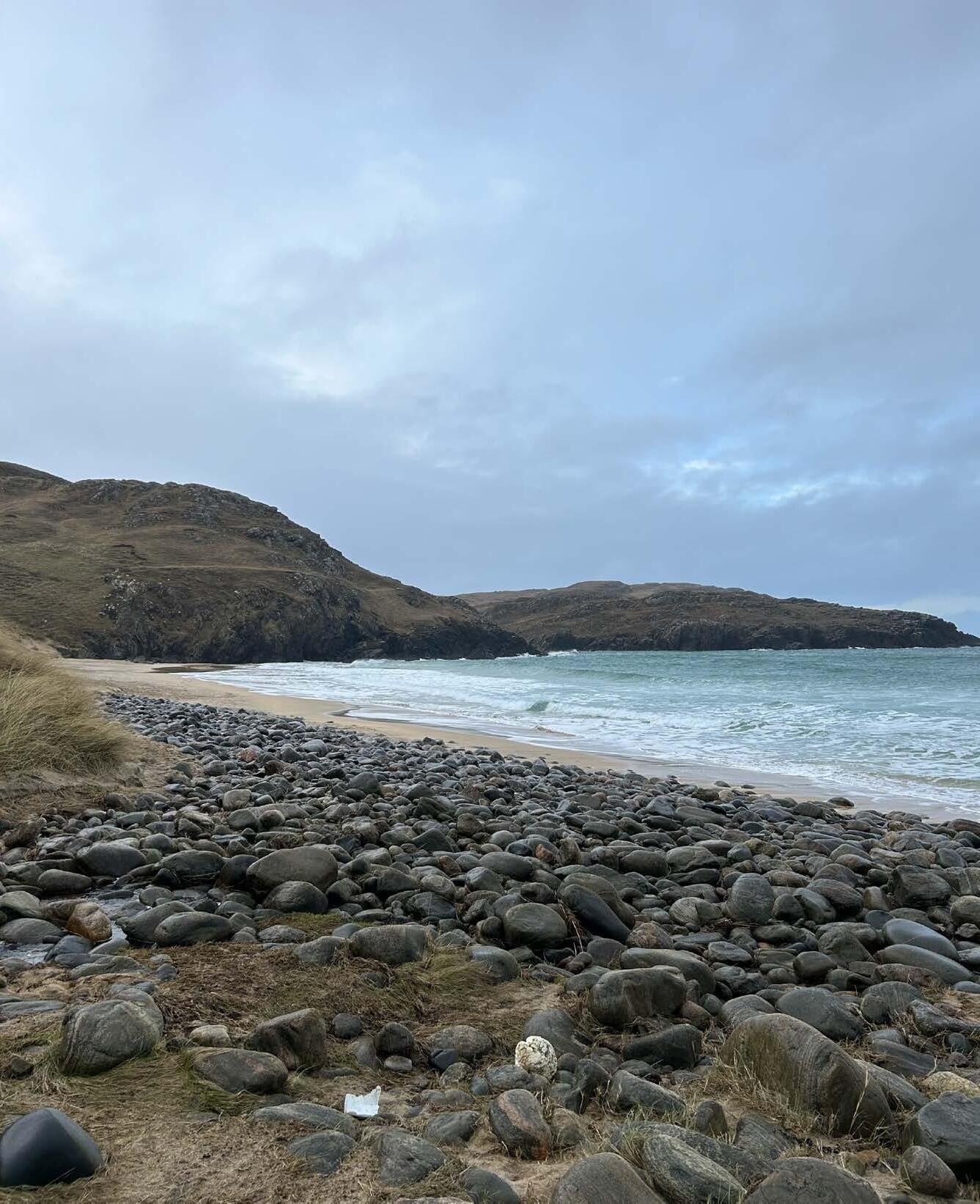
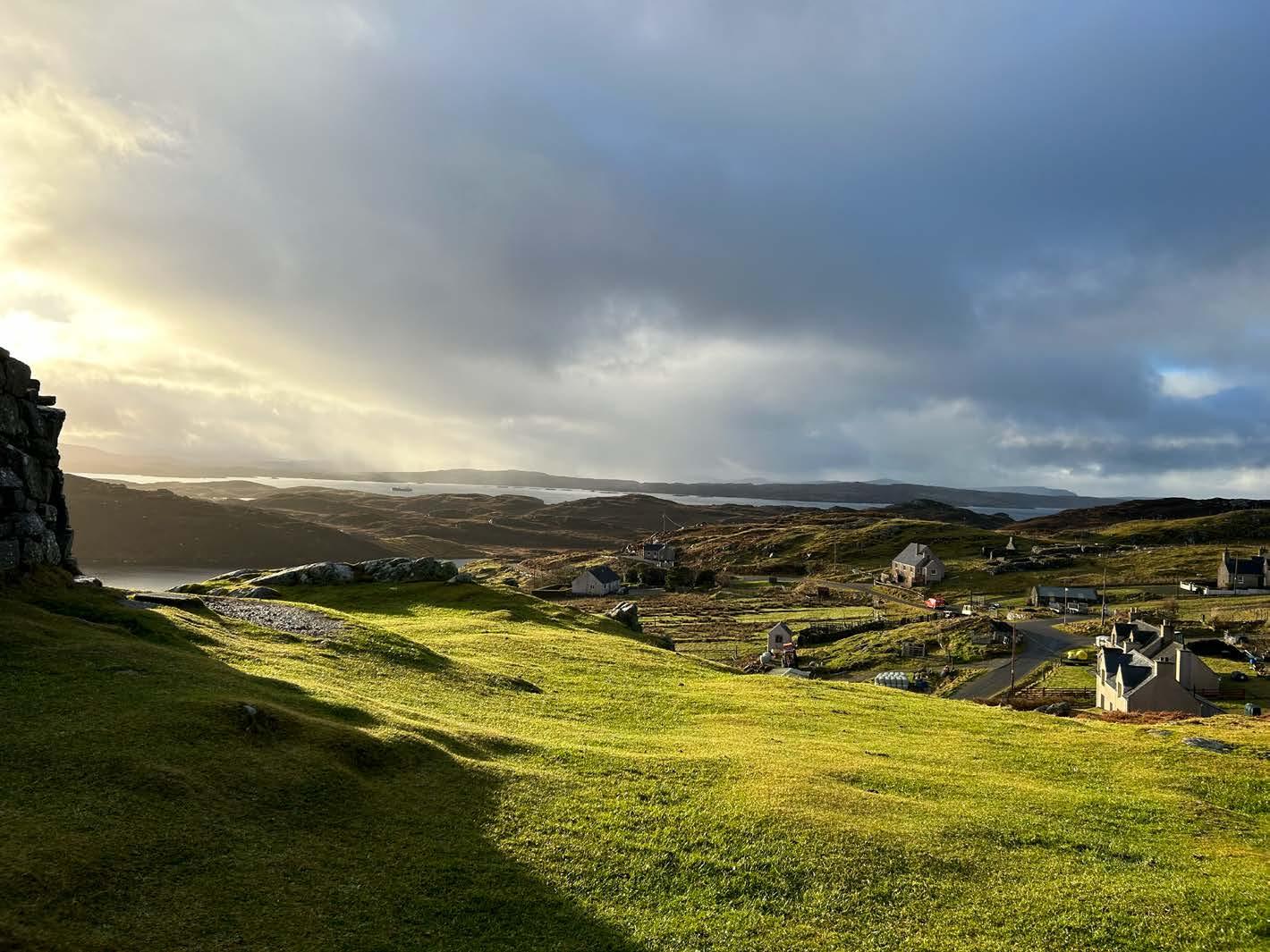
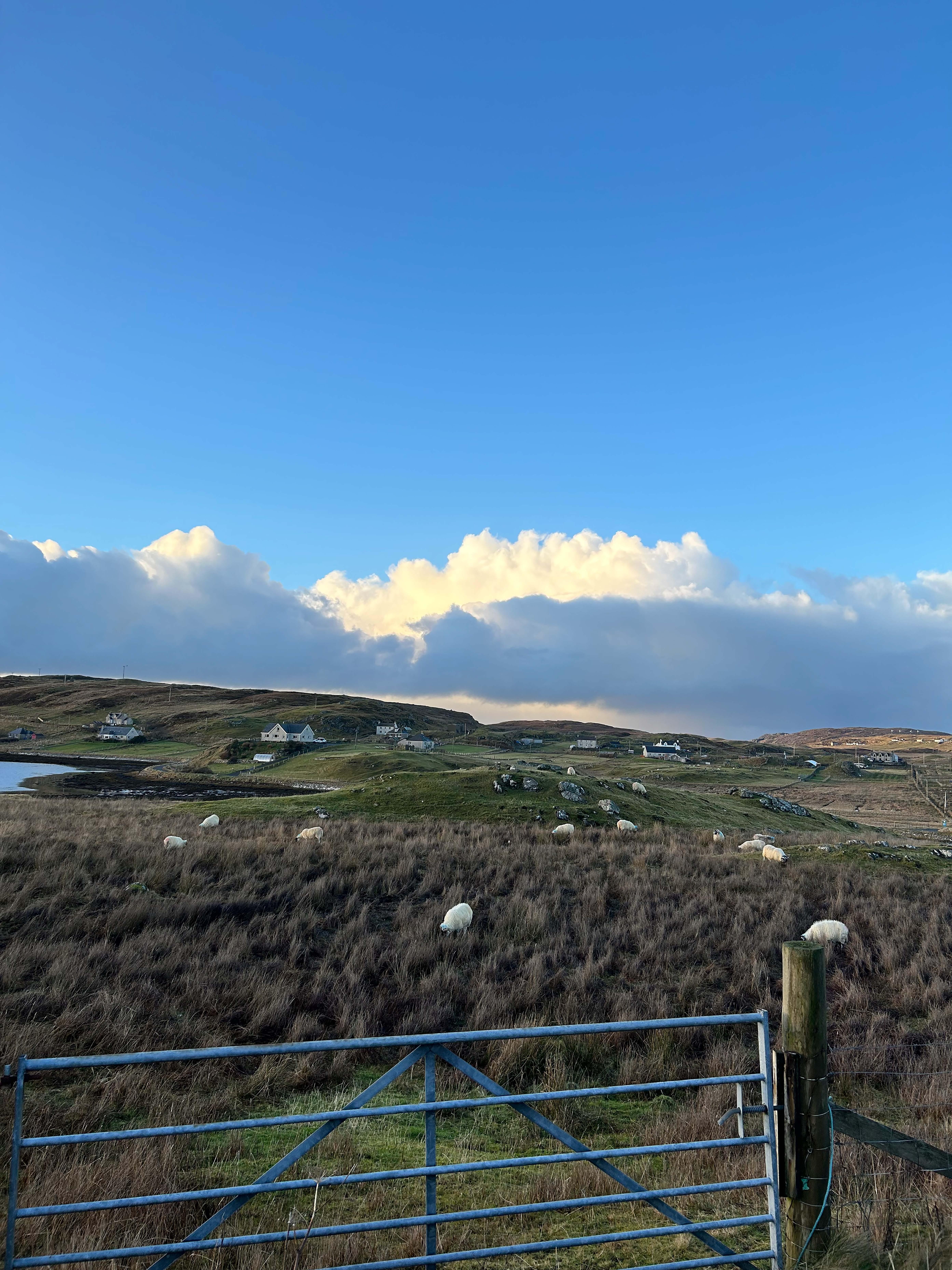
Only those who have spent time visiting the Outer Hebrides understand why this group of islands is so special. The wild swell of the sea and the sparkling white sands, the lilt of a broad Island accent on the breeze, and the taste of the ocean on your plate- the Outer Hebrides engages all your senses.
For someone who lives inside the hustle and bustle of Central Scotland, the islands have become my escape, taking me back to my childhood where I grew up in the country surrounded by nature and wildlife. I guess in a way, these islands reflect a simpler time when the rest of the world seems to be rushing at 90 miles an hour. Nature is the star of the show and the vibrant communities that live here will ensure your stay is unforgettable.
Located on the edge of Europe bordering the Atlantic Ocean to the west and the Minch to the east, I would confidently argue that the Outer Hebrides is one of the most beautiful places on earth. Missing the throngs of tourists that flock to other areas such as the Isle of Skye and Edinburgh, the Outer Hebrides is a well-kept secret. Stretching 130 miles from the Butt of Lewis to the shores of Vatersay, each island is unique in its own way, however, a familiarity runs through the archipelago: fishing and crofting communities have called these islands home for thousands of years, and it’s the warmth of the people who claim this wilderness and make it truly special. A place this enchanting surely cannot stay secret for so long, and I wasn’t at all surprised when National Geographic named it on their Best of the World list for 2025. Anyone who has the opportunity to experience the Outer Hebrides is truly privileged. Let’s make that happen, shall we?
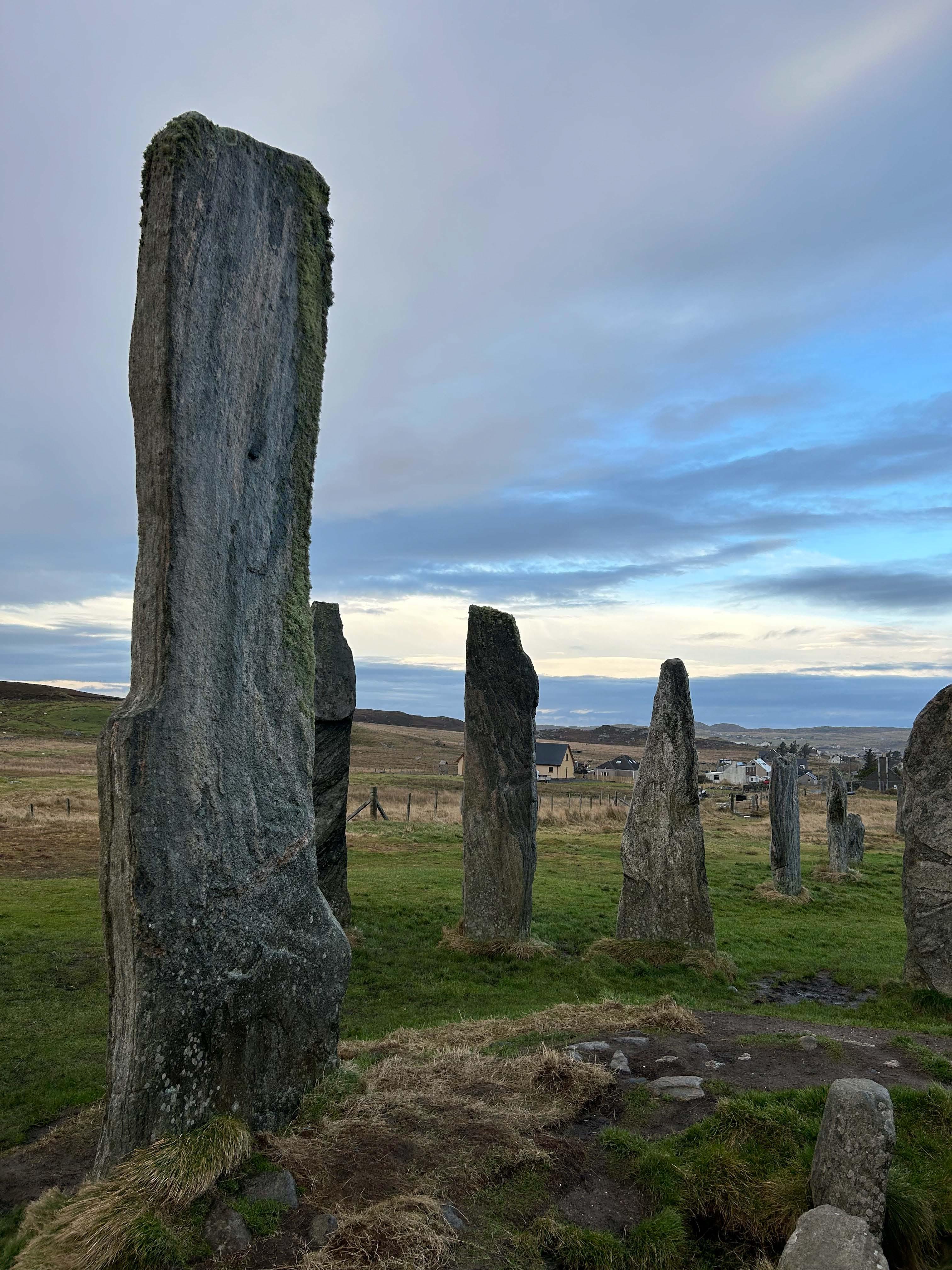
Calanais Standing Stones, Isle of Lewis – Easily the most popular attraction in the Outer Hebrides, the Calanais Standing Stones are the most impressive group of standing stones in Europe. Predating Stonehenge and the pyramids, these groups of stone circles and standing stones date back over 5,000 years. While it’s uncertain exactly what they were used for, the mystery only adds to the intrigue of these prehistoric monuments.
History of Edinburgh
What lies behind the historic walls
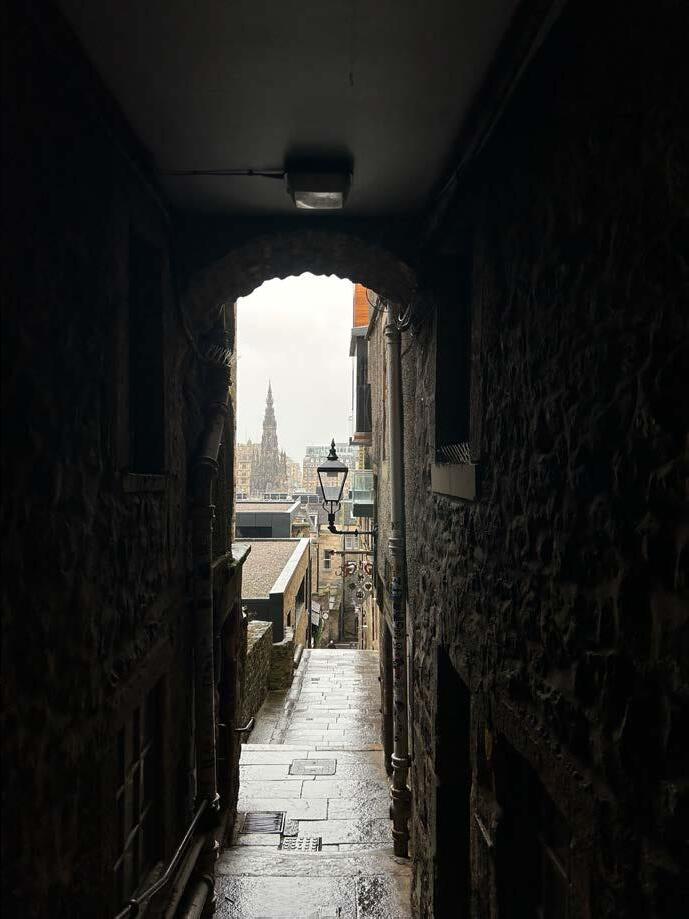
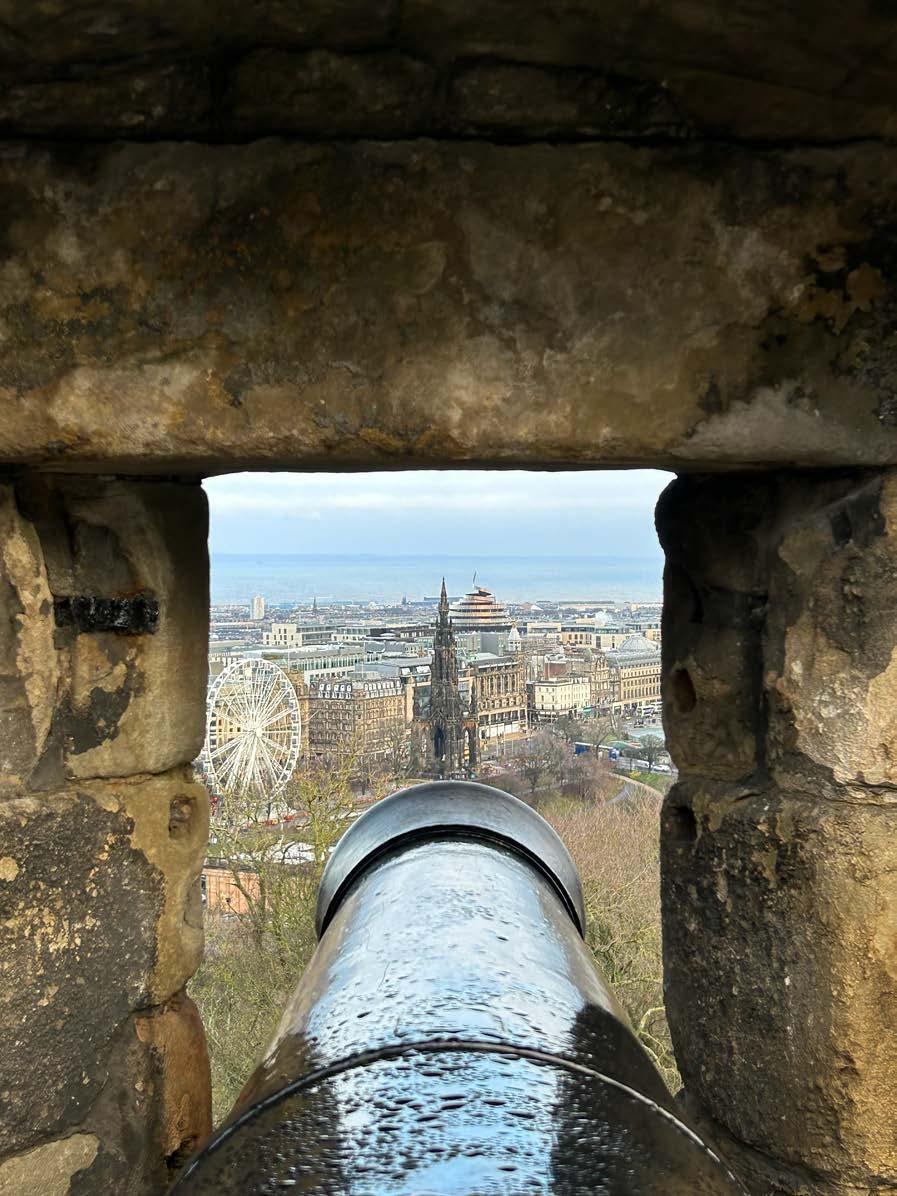
Edinburgh city lies on the east coast of Scotland, on the south bank of the Firth of Forth (the estuary that opens into the North Sea). Geologically, the Firth of Forth is a fjord, carved by the Forth glacier at the Last Glacial Maximum. The famous Edinburgh Castle is situated on the top of a volcanic rock intrusion which was resistant to erosion by the ice sheet, and so stands above the surrounding area; a perfect defensive site! The volcanic rock sheltered an area of softer bedrock from the erosive forces of advancing glaciers, creating a “crag and tail” feature where the tail is a tapering strip of the softer rock. The Old Town runs down the “tail” and the castle stands on the “crag”. The site of the city of Edinburgh was first named as “Castle Rock”.
The name “Edinburgh” is rumoured to originate from the old English of “Edwin’s fort”, referring to
the 7th century King Edwin of Northumbria (and “burgh” means “fortress” or “walled collection of buildings”). However, the name probably preceded King Edwin so this is unlikely to be true. In 600 A.D. Edinburgh was referred to in the form “Din Eidyn” or “Fort of Eidyn”, when the settlement was a Gododdin hillfort. The city is also affectionately named by the Scottish as “Auld Reekie” (Reekie meaning “Smoky”), referring to the pollution from coal and wood fires that left dark smoky trails from chimneys through the Edinburgh skies. It has also been named “Auld Greekie” or the Athens of the North due to its topography; the Old Town plays a role similar to that of the Athenian Acropolis.
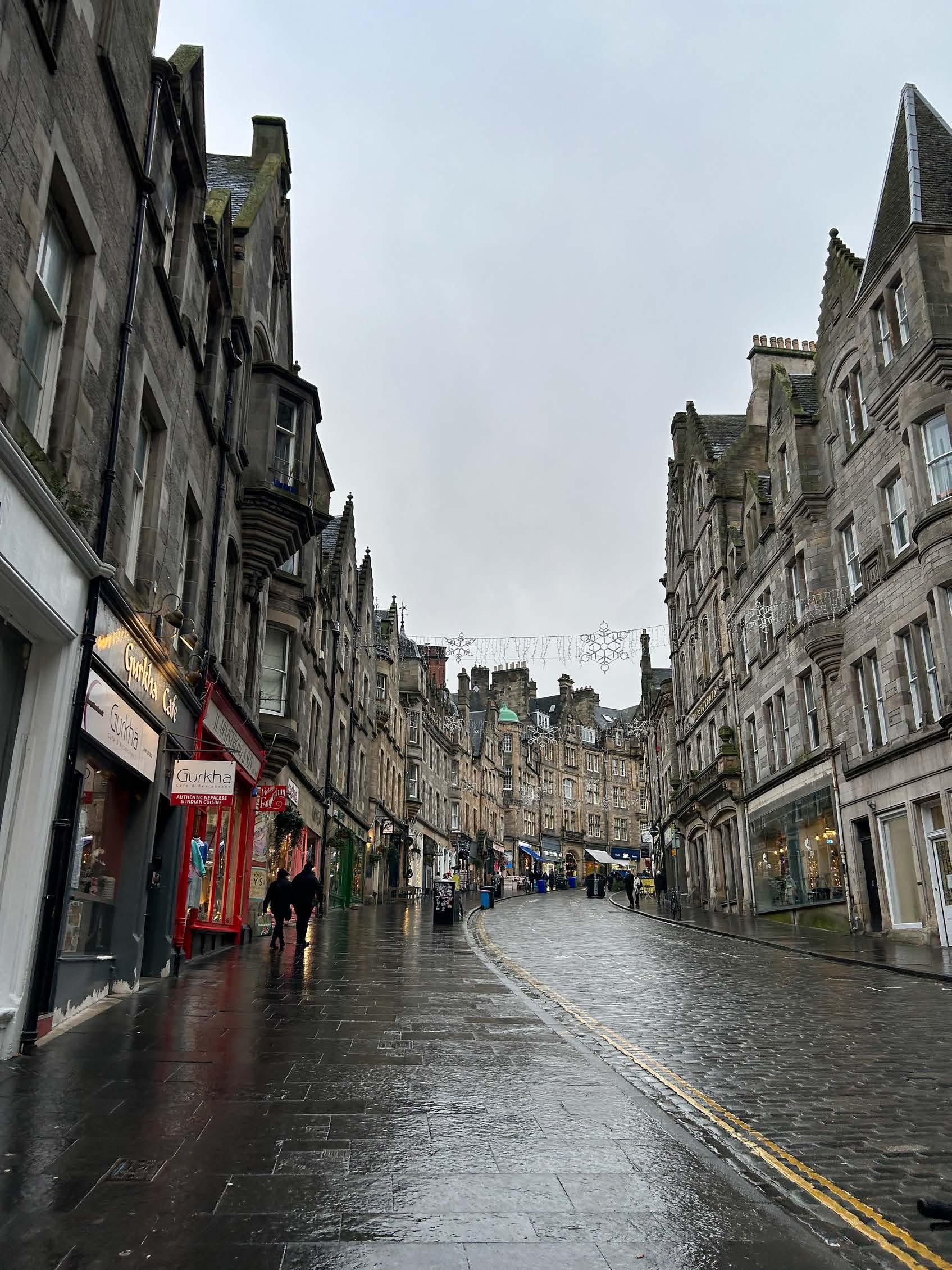
“Auld Greekie” also refers to Edinburgh’s role as Scotland’s intellectual and cultural centre. While most cities expanded and developed heavy industries during the industrial revolution, the expansion in the Forth region happened at Leith, leaving Edinburgh relatively untouched and confined. The history of Edinburgh has therefore survived and guaranteed Edinburgh a title as a UNESCO World Heritage Site (1995).
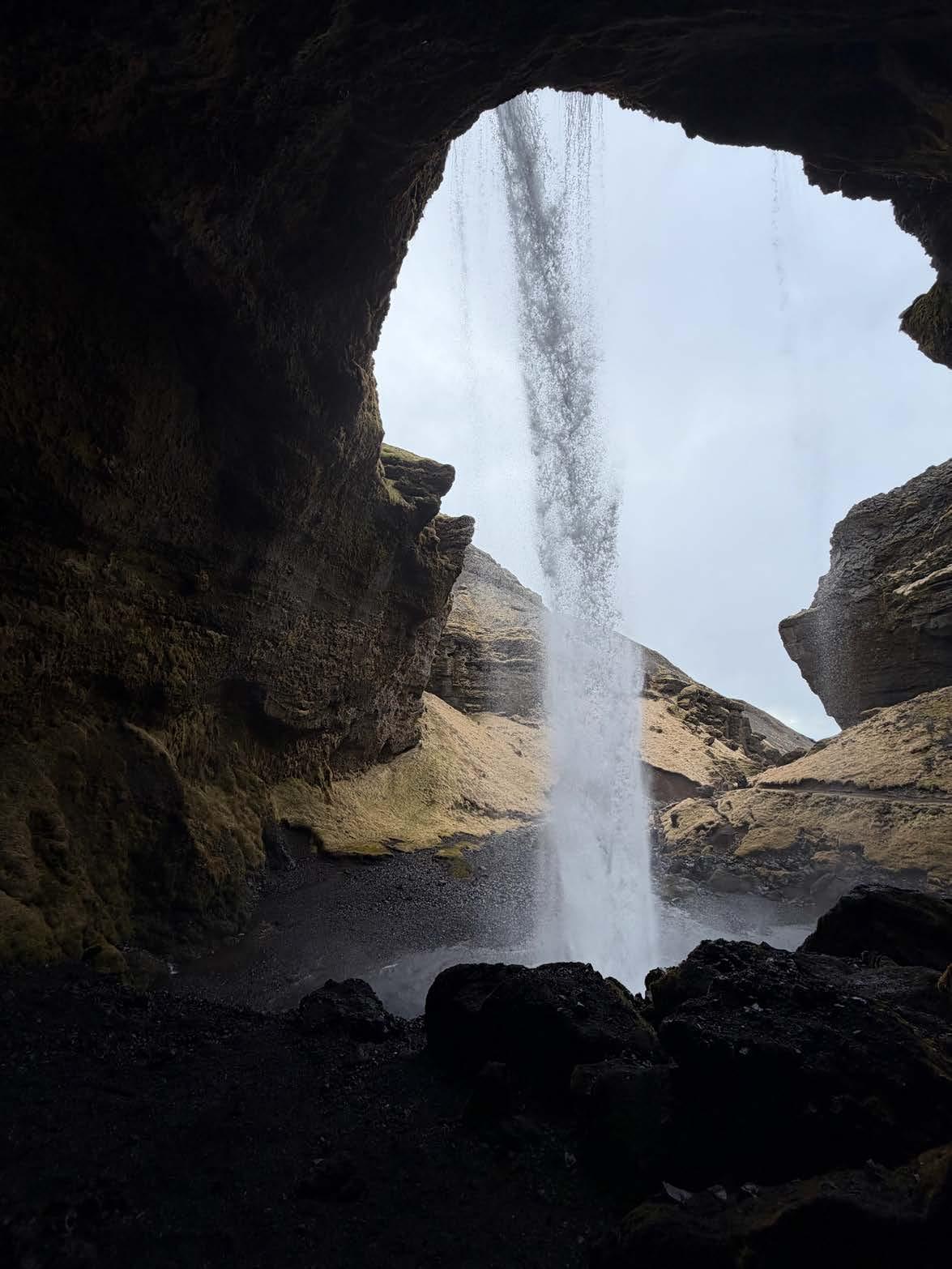
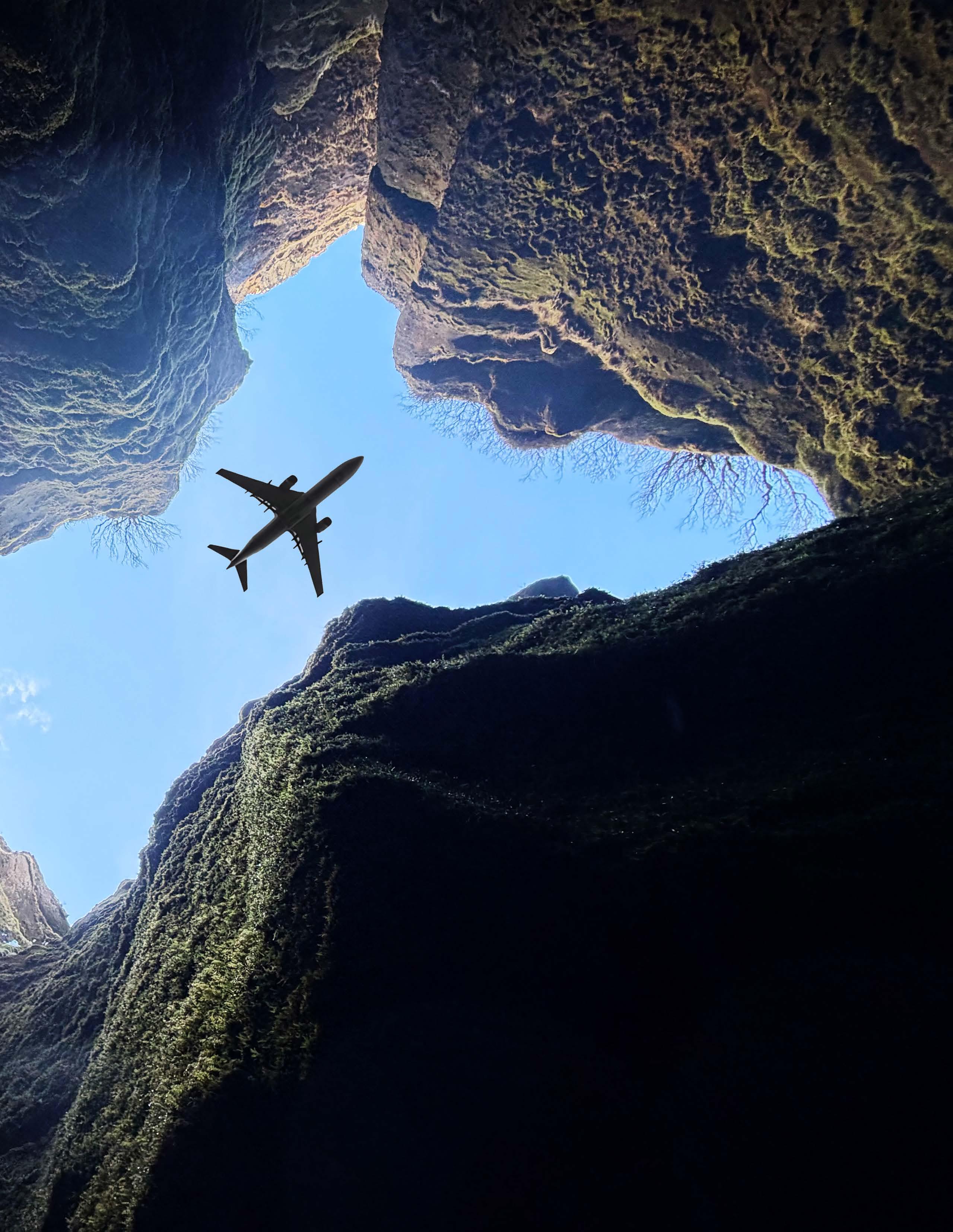
ICELAND AIR
Icelandair is a leading airline offering flights to, from, via and within Iceland - our hub and home. We provide safe, reliable flights with exceptional service to metropolitan areas on both sides of the Atlantic. Flying domestically within Iceland and to destinations in Greenland, Icelandair is a leading option for Transatlantic travel.
Easy to stop, hard to leave
The airline operates out of Iceland and makes use of the country’s geographical location, midway between North America and Europe, to build an ever-growing network of international routes, with Iceland as a hub. Icelandair is a part of Icelandair Group