Keck School of Medicine of USC
DEPARTMENT OF OPHTHALMOLOGY
2025 Annual Report
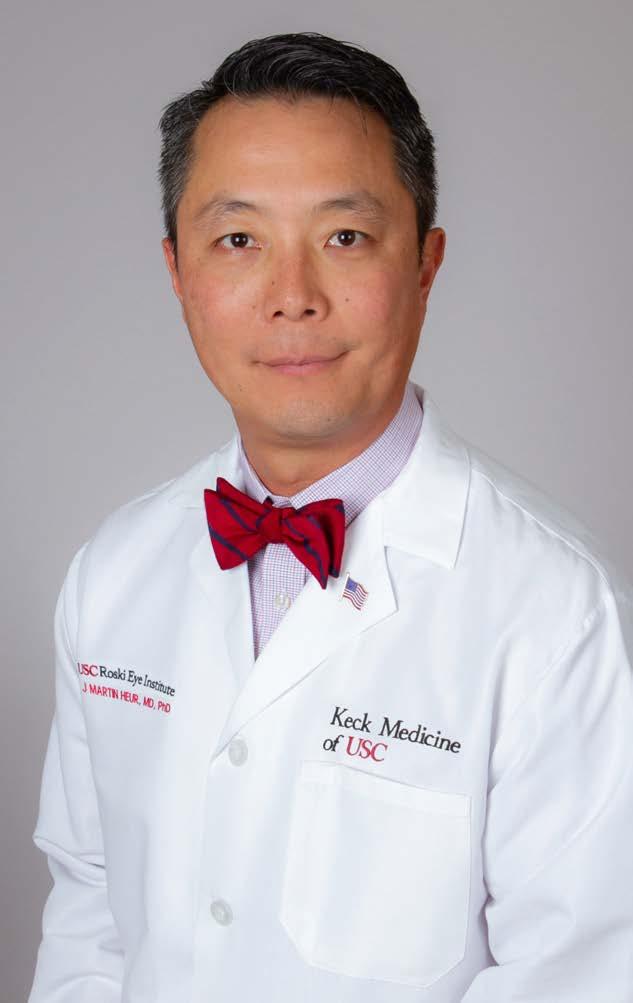
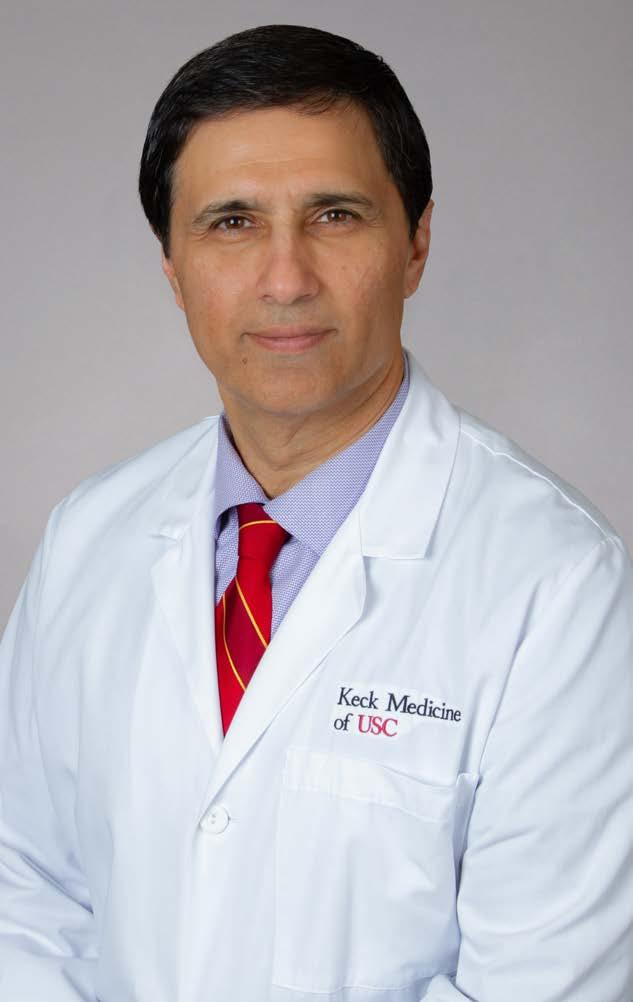
J. Martin Heur, MD, PhD
Mark S. Humayun, MD, PhD
MESSAGE FROM THE LEADERSHIP J. MARTIN HEUR, MD, PhD and MARK HUMAYUN, MD, PhD
In 2025, the USC Roski Eye Institute furthered our mission of providing exceptional patient care while advancing the field of ophthalmology through innovative research and training programs.
Our commitment to advancing medicine and science enables us to deliver innovative treatments for complex eye diseases that are rarely available elsewhere in the community. This expertise has earned us a reputation as the leading referral center for private practice physicians across Southern California, particularly for rare and challenging ocular cases. We remain dedicated to upholding their trust in the coming years.
In FY 2024, the USC Department of Ophthalmology was ranked #3 nationally in NIH research funding among all ophthalmology departments. This achievement highlights the strength and impact of our faculty’s research programs, which continue to advance therapeutic and diagnostic innovations that shape the future of eye care.
“… As we look ahead, we remain dedicated to advancing eye care through world-class clinical services, comprehensive training programs, and cutting-edge research. ”
The USC Ophthalmology Residency Program remains strong and continues to earn national recognition. In July 2025, USC entered into a new Medical School Affiliation Agreement with Los Angeles General Medical Center (LAG). This partnership ensures that our residents continue to benefit from the exceptional training setting at LAG, which is supported by USC faculty, LAG-employed clinicians, and USC voluntary faculty. We are especially grateful to our distinguished alumni, who serve as voluntary faculty and generously contribute their time and expertise. Their mentorship and guidance play a vital role in shaping the next generation of ophthalmology leaders. None of these achievements would be possible without the exceptional collaboration and dedication of our entire USC Roski Eye Institute community. We extend our heartfelt gratitude to everyone who has contributed to supporting our mission.
As we look ahead, we remain dedicated to advancing eye care through world-class clinical services, comprehensive training programs, and cutting-edge research.
J. Martin Heur, MD, PhD
Professor and Chair
Grace and Emery Beardsley
Professor of Ophthalmology
Co-Director, USC Roski Eye Institute
USC Department of Ophthalmology
Keck Medicine of USC
Mark S. Humayun, MD, PhD
University Professor
Slivinski Chair in Macular Degeneration
Research Director, USC Ginsburg Institute for Biomedical Therapeutics
Co-Director, USC Roski Eye Institute
(Photo/Filgraphix)
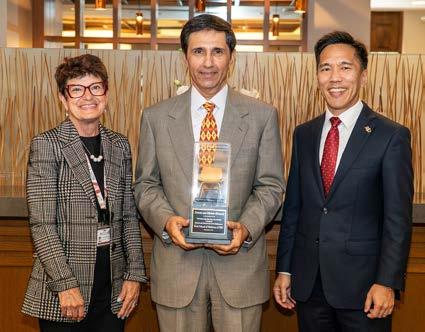
Mark Humayun, MD, PhD, (pictured with Dean Carolyn Meltzer of the Keck School of Medicine of USC and USC Interim President Beong-Soo Kim) was installed as the Dennis and Michele Slivinski Chair in Macular Degeneration Research. Dr. Humayun is the co-inventor of Argus II, which offers functional sight to those with complete retinal blindness. He was elected to the prestigious National Academy of Medicine and National Academy of Engineering for his pioneering work to restore sight.
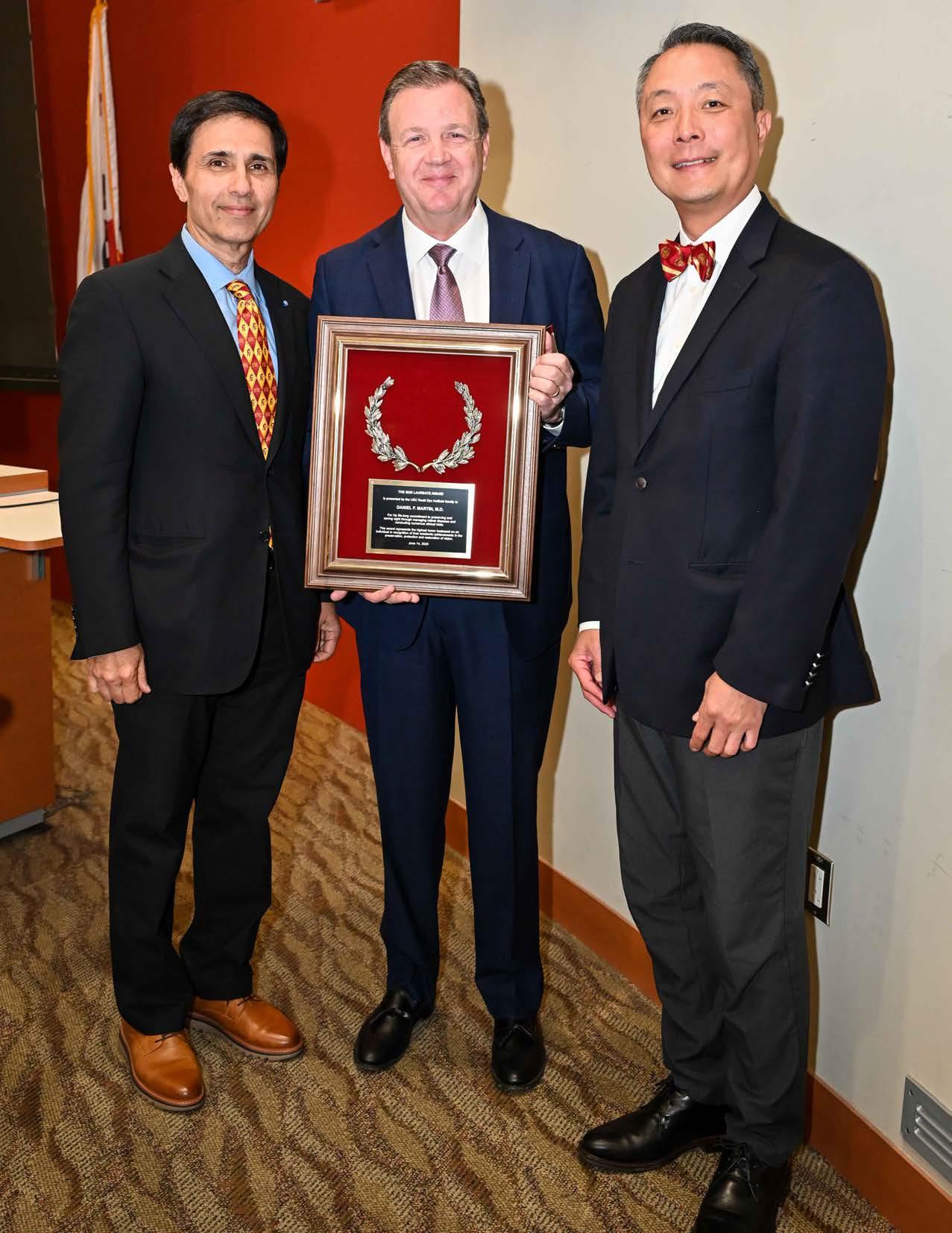
Dr. Daniel F. Martin (center) receives the Laureate Award from Drs. Mark Humayun (left) and J. Martin Heur (right).
CELEBRATING 49 YEARS OF PRESERVING, PROTECTING AND RESTORING SIGHT
Faculty, alumni, and guests gathered on Saturday, June 14th, 2025, to celebrate 49 years of excellence in ophthalmic care at USC.
Nearly five decades of groundbreaking eye care came into focus Saturday, June 14, 2025, as the USC Roski Eye Institute marked its 49th year of ophthalmic excellence. The annual symposium connected faculty, alumni and guests through presentations on newly approved treatments and emerging therapeutic approaches.
“The Annual Symposium gives our faculty, many of whom are key opinion leaders, an opportunity to showcase their ground breaking work,” said Dr. J. Martin Heur, Chair of the Department of Ophthalmology.
During the symposium, the USC Roski Eye Institute presented three awards:
• Hiroshi Goto, MD, PhD received the 2025 Narsing A. Rao MD Endowed Lecture Award for his groundbreaking basic and clinical research in pathogenesis, diagnosis, and treatment of Vogt-KoyanagiHarada disease, sympathetic ophthalmia and viral uveitis, and ocular tumors.
• Daniel F. Martin, MD, received the 2025 Laureate Award for his life-long commitment to preserving and saving sight through managing retinal diseases and conducting numerous clinical trials. The award represents the highest honor bestowed on an individual in recognition of their academic achievements in the preservation, protection, and restoration of vision.
• David A. DiLoreto, Jr., MD, PhD, received the 2025 Distinguished Alumni Award in recognition of his dedicated service and commitment to excellent in resident and fellow education.
Highlighted topics featured at the symposium included: Artificial Intelligence and Glaucoma Detection; Saliency Analysis of Eye Tracking Using Generative AI to Assess Cortical Visual Impairment Severity; What We’ve Learned About Uveitis from Big Data; Telehealth and Pediatric Eyecare; Gene Therapy for Retinal Degenerations; Endpoints for Geographic Atrophy; Bringing Aqueous Tumor Markers to Clinical Care; Artificial Retinal Implants for Vision Restoration; Whole Eye Transplantation; and Optic Nerve Regeneration.
USC ROSKI EYE INSTITUTE HOSTS INTERNATIONAL SURGICAL SKILLS COURSE
The USC Roski Eye Institute welcomed surgeons, fellows and residents from around the world June 6-7 for one of the most sought-after oculoplastics training programs in the United States.
The USC Roski Eye Institute welcomed surgeons, fellows and residents from around the world June 6-7 for one of the most soughtafter oculoplastics training programs in the United States: “The Cutting Edge: The USC Oculofacial Plastic Surgery Surgical Skills Course.”
Now in its seventh iteration since 2015, the course is held every 18 months and has rapidly gained recognition for its unique approach to surgical education. Unlike traditional surgical skills courses that rely on videos or simulation devices, The Cutting Edge provides participants with the opportunity to practice on fresh human tissue, offering an authentic learning environment.
The course audience includes trainees from plastic surgery, ENT head and neck, and oculofacial plastic surgery, both at the training level and even afterwards in practice. This mix of specialties bridges the divide and enhances everyone’s learning.
“We keep this course truly cutting edge, by incorporating new techniques and the latest
technology,” said Sandy Zhang-Nunes, MD, founder and course director of The Cutting Edge and clinical associate professor of ophthalmology (voluntary) at USC. “We bring diverse faculty together for a meeting of the minds and hands.”
The two-day program is designed to maximize both learning outcomes and tissue conservation. Day one begins with blepharoplasty and canthoplasty techniques, filler injections, optic nerve sheath fenestration procedures, then moves on to orbital decompression and orbital plating; while day two concludes with corneal neurotization, endoscopic DCR, aesthetic brow lifting, facial fat transfer, and advanced face-lifting techniques.
“The course is structured for participants at all levels of training,” said Dr. Ava Torjani, an ophthalmology resident.
The course audience includes trainees from plastic surgery, ENT head and neck, and oculofacial plastic surgery. The Cutting Edge continues to attract international attention as medical professionals seek advanced training opportunities.
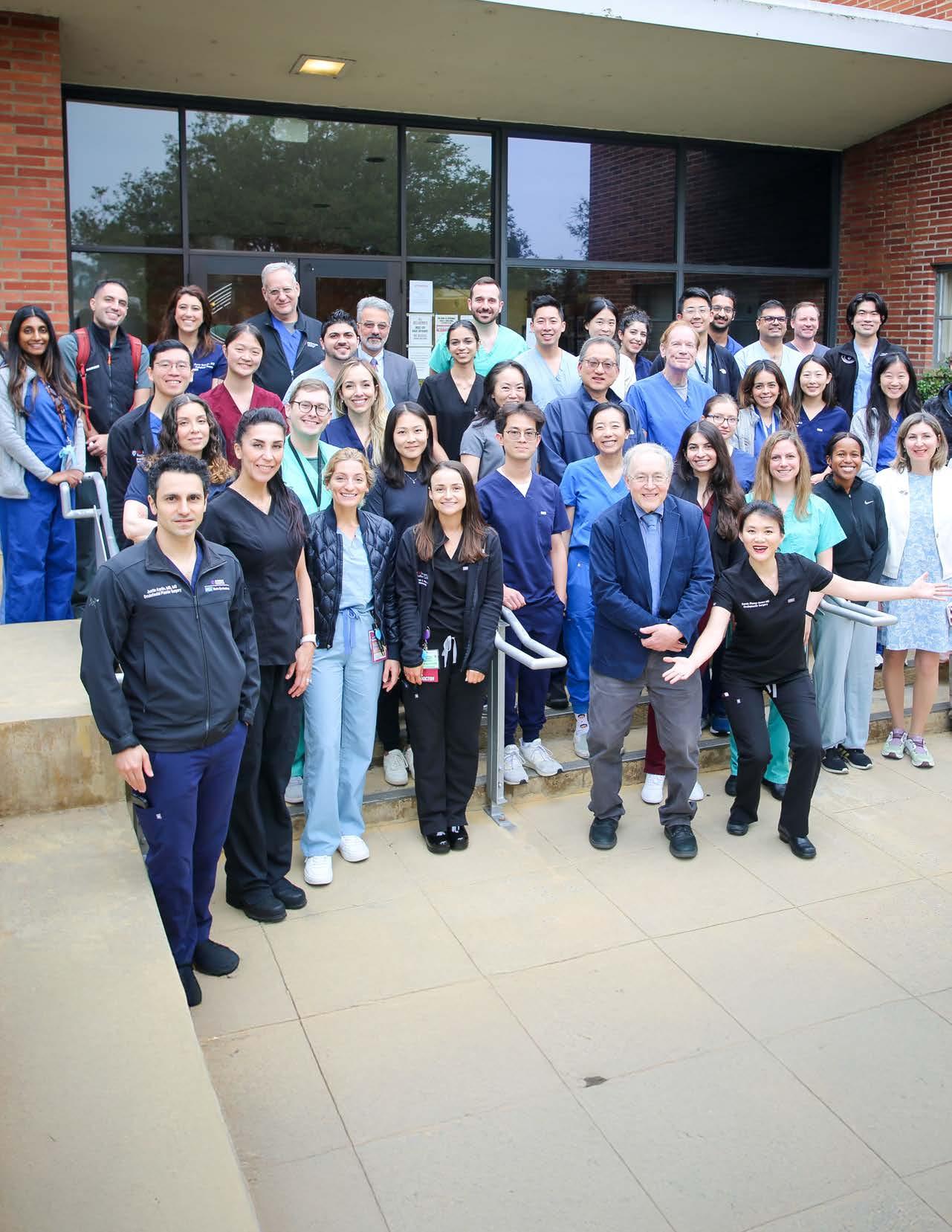
Surgeons, Fellows and Residents from Around the World Gathered at the Health Sciences Campus for the Two-Day Course (Photo/Eric Weintraub)

USC ROSKI EYE INSTITUTE OFFERS
VISION SCREENINGS AT
LA TIMES
FESTIVAL OF BOOKS
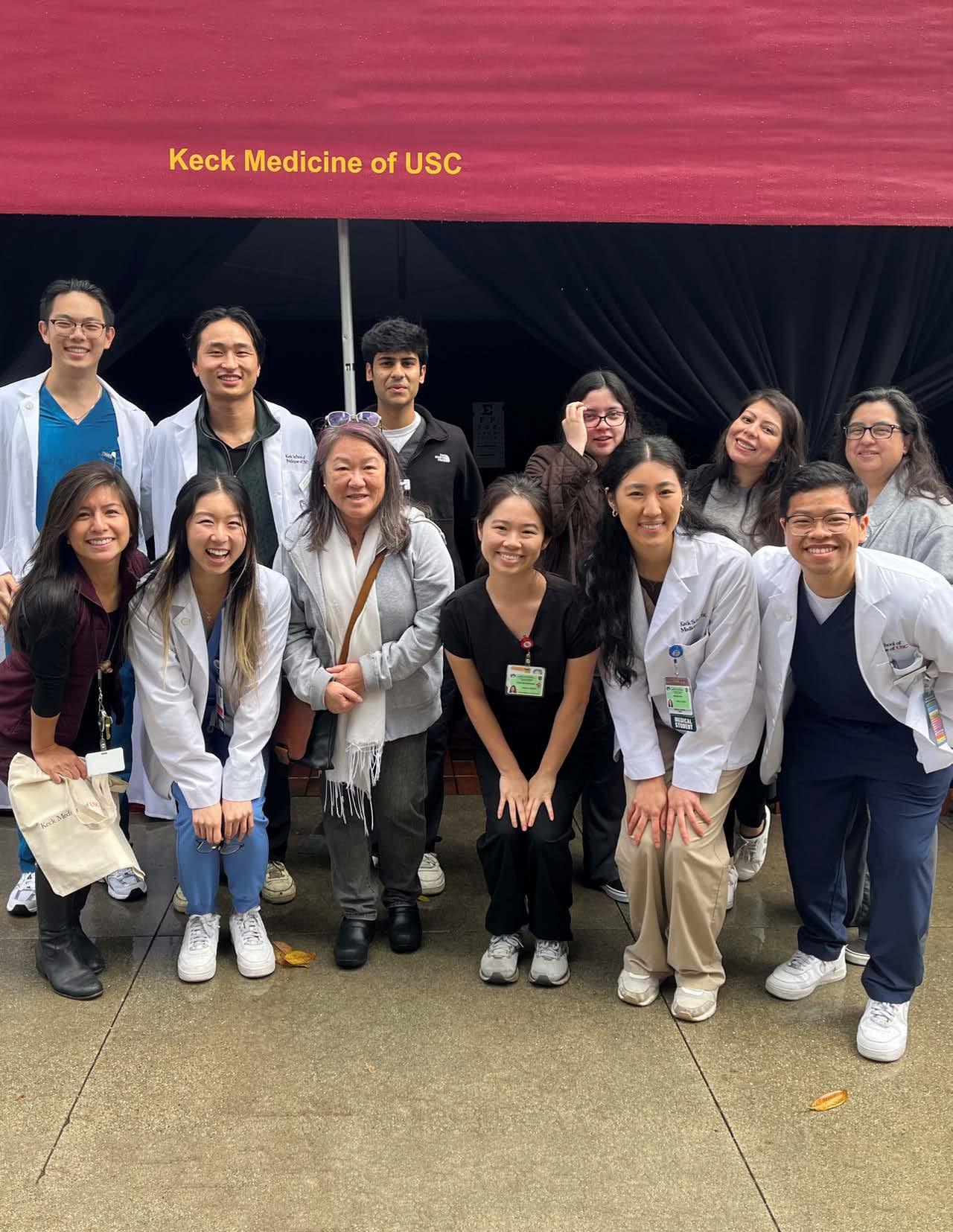
Roski provided 100 vision screenings to attendees at the 2025 LA Times Festival of Books.
The USC Roski Eye Institute provided 100 free vision screenings to attendees at the Los Angeles Times Festival of Books held Saturday, April 26, 2025 on USC’s University Park Campus.
Volunteers from Roski set up the booth at the festival’s Hero Complex row, where staff and medical students fielded questions from attendees while physicians provided medical advice.
“We saw a lot of patients, especially patients with cataracts and things that should get worked up,” said Kyle Bolo, MD, Assistant Professor of Clinical Ophthalmology. “It was a very productive day.”
The annual literary event also offered USC medical students practical experience administering basic eye exams to community members.
“It’s great to apply what I’m learning in medical school and give back,” said Chris How, a second-year USC medical student. “This event gives me the chance to spend time with classmates and faculty and get to know the people in my community.”
Festival attendees left with information about prescription glasses, various eye conditions and treatment options – especially essential information for attendees without health insurance.
Madi Dela Gente, a USC undergraduate majoring in neuroscience who works as an optometric technician in the USC Village eye clinic, emphasized the importance of community outreach.
“I think it’s really important to provide screenings and interventions to the local community, increasing accessibility healthcarewise,” she said. “I appreciate interacting with patients and giving back to the community. The LA Times Festival of Books is always a fun event and I’m excited I get to be a part of it.”
USC ROSKI EYE INSTITUTE HOSTS INAUGURAL RESIDENT RESEARCH DAY
Ophthalmology held its inaugural Resident Research Day to showcase graduating senior research.
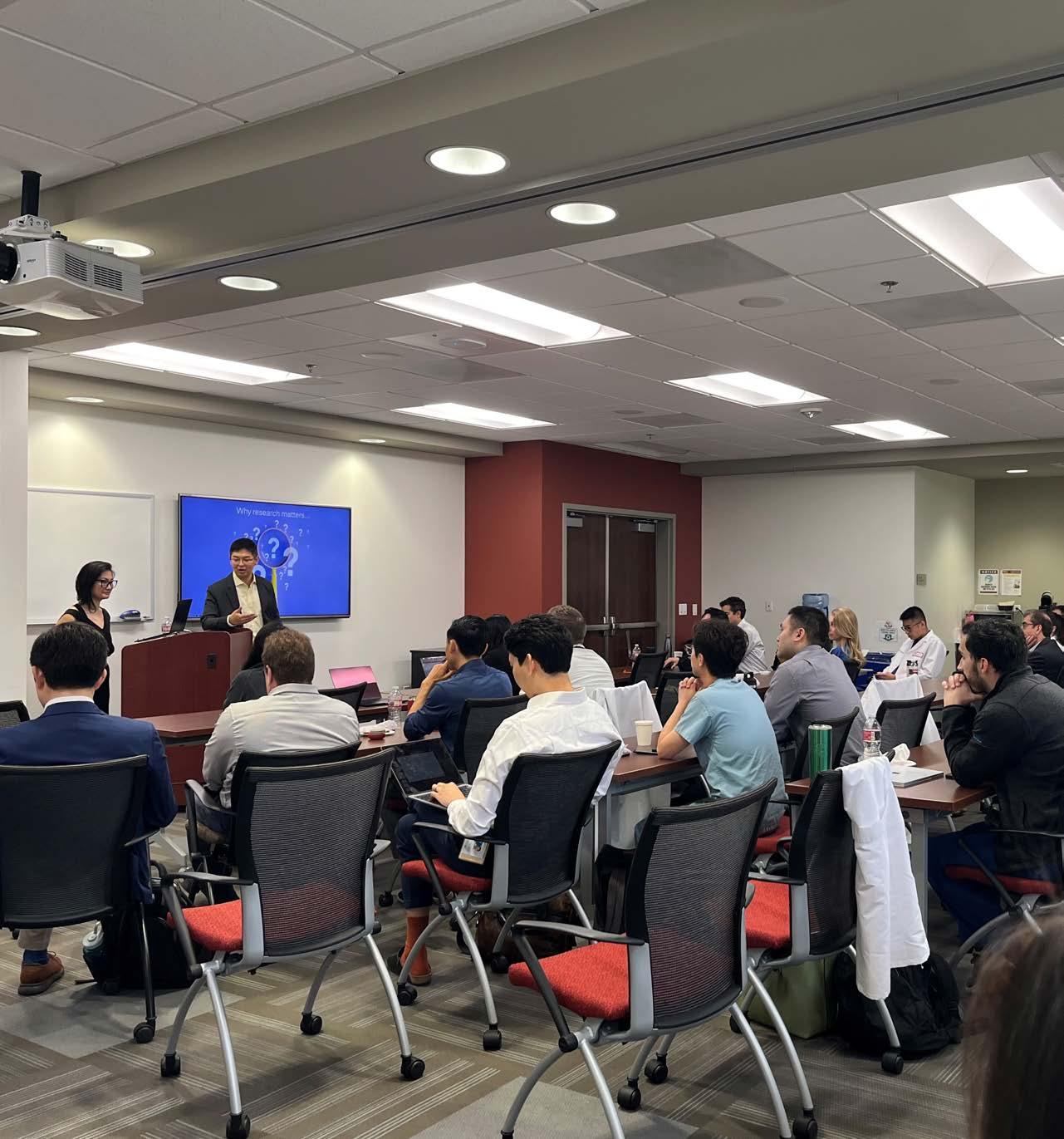
The USC Roski Eye Institute held its inaugural Resident Research Day on June 13, providing graduating senior residents an opportunity to showcase research conducted during the past academic year.
Kimberly Gokoffski, MD, PhD, opened the program with a presentation emphasizing the importance of research work amongst residents and physicians. “You are the ones who know what research questions to ask,” Gokoffski said. “You are the ones that are uniquely positioned to know what medical needs are out there, what solutions are plausible, and which conditions should be prioritized.”
Third-year resident Yicheng Bao, MD, began the resident portion of the event by presenting his study on oral doxycycline treatment for ocular syphilis. Bao said he was motivated by treating patients at Los Angeles General Medical Center who required inpatient IV penicillin despite critical bed shortages during the COVID-19 pandemic.
“The lack of inpatient availability highlighted the need for effective outpatient alternatives in a low-resource setting,” Bao said.
Dr. Victor Eng, also a third-year resident, presented two-year outcomes for patients with diabetic vitreous hemorrhage. “My project was inspired by the most common diagnoses we encounter on [Emergency Department] consults,” Eng said.
Third-year resident Dr. Mark Phillips discussed agreement and accuracy in distinguishing papilledema from pseudopapilledema among pediatric neuro-ophthalmologists.
Dr. Alexander Tseng concluded the resident presentations with research on ethnic differences in intraocular pressure determinants. “We identified significant interaction effects between ethnicity and certain factors in relation to their effects on intraocular pressure.”
The research day took place the night before the residents’ commencement ceremony as they prepared to begin subspecialty training programs across the country.

The Department of Ophthalmology at the Keck School of Medicine, ranked #3 in NIH funding, is dedicated to pioneering groundbreaking solutions in vision care. Our distinguished faculty are empowered to lead innovative research, shaping the future of ophthalmology and enhancing patient care.
ACTIVE RESEARCH FUNDING
as of December 2025
PRINCIPAL INVESTIGATOR PROJECT
Hossein Ameri, MD, PhD
NAC Attack, a phase-3, multicenter, randomized, placebo-controlled trial in patients with retinitis pigmentosa
Jesse Berry, MD Validation of an aqueous humor liquid biopsy for molecular prognostication and monitoring of children with retinoblastoma
SPONSOR
NIH/NEI
NIH/NCI
Jesse Berry, MD Aqueous Humor liquid biopsy biomarker exploration in uveal melanoma. MRA
Kyle Bolo, MD Validation of Informatics-Based Phenotyping for Glaucoma Identification in a Screening Population AGS
Melinda Chang, MD Validating a machine learning model of eye tracking in children with cortical visual impairment (CVI)
David Cobrinik, MD, PhD Production and progression of premalignant retinoblastoma lesions
NIH/NEI
NIH/NCI
David Cobrinik, MD, PhD Predictive Medicine Inherited Retinal Dystrophy Gene Correction Program KTEF
Sarah Hamm-Alvarez, PhD Microtubule-Based Transport in Lacrimal Gland Function
Sarah Hamm-Alvarez, PhD Protein-polymer nanomedicine for Sjogren's Syndrome
Martin Heur, MD, PhD
AI-Driven Aqueous Humor Proteomics Atlas for Early Diagnosis of Uveal Melanoma
Martin Heur, MD, PhD Research to Prevent Blindness Unrestricted Grant
Mark Humayun, MD, PhD
Mark Humayun, MD, PhD
Xuejuan Jiang, PhD
Xuejuan Jiang, PhD
Xuejuan Jiang, PhD
Gianluca Lazzi, PhD, MBA
A Phase IIb Multicenter, Clinical Trial to Assess the Safety and Efficacy of the CPCB-RPE1 Implant in Subjects with Advanced, Dry Age-Related Macular Degeneration Known as Geographic Atrophy
IND-enabling program for PRPE-SF, the secretome from polarized stem cellderived RPE cells, for the treatment of dry-age related macular degeneration
NIH/NEI
NIH/NEI
RPB
RPB
Marcus Foundation
Integrating Genetics and Epigenetics to the Study of Smoking's Effect on Children's Vision TRDRP
Intrauterine exposure to tobacco smoke, DNA methylation, and vision disorders in preschool children
Imaging Cerebral Small Vessels in Vascular Cognitive Impairment and Dementia (VCID)
Mesoscale correlative light-electron microscopy (CLEM) computational pathoconnectomes of degenerated retinas
Gianluca Lazzi, PhD, MBA GCR: Reprogramming Biological Neural Networks with Field-Based Engineered Systems
Sun Young Lee, MD, PhD
Sun Young Lee, MD, PhD
Extracellular Vesicle Therapy for Diabetic Retinopathy
Extracellular vesicle-based intraocular therapy combined with active targeting of ocular neovascularization
NIH/NEI
NIH/NIA
NIH/NEI
NSF
NIH/NEI
NIH/NEI
Sun Young Lee, MD, PhD
Longwei Liu, PhD
Biraj Mahato, PhD
Biraj Mahato, PhD
Aaron Nagiel, MD, PhD
A Phase 2b, Randomized, Assessor-Masked Clinical Trial to Assess the Safety and Efficacy of the CPCB-RPE1 Implant in Subjects with Geographic Atrophy CIRM
Development of single fluorophore biosensors for multiplex imaging of CAR T Signaling
NIH/NIBIB
Chemically reprogrammed Müller cell derived retinal ganglion cells to study and treat optic nerve hypoplasia KTEF
Chemically engineered photoreceptors for vision restoration in retinal degeneration associated blindness CIRM
Lats kinase inhibition for retinal regeneration The Retina Society
Aaron Nagiel, MD, PhD Assembly and Maintenance of the Human Photoreceptor-Bipolar Cell Synapse ARI
Mahnaz Shahidi, PhD Imaging of Retinal Oxygen Metabolism in Diabetic Retinopathy
Mahnaz Shahidi, PhD Retinal Ischemia Treatment by Oxygen Nanobubbles
Mahnaz Shahidi, PhD
Two-photon Imaging of Oxygen and Blood Flow in Retinal and Cerebral Vasculature
Mahnaz Shahidi, PhD Center Core Grant for Vision Research
Brian Toy, MD
Benjamin Xu, MD, PhD
Benjamin Xu, MD, PhD
Benjamin Xu, MD, PhD
Benjamin Xu, MD, PhD
Liya Xu, PhD
Qifa Zhou, PhD
Qifa Zhou, PhD
Health Disparities in the Development, Persistence, and Progression of Uveitis and Ocular Inflammation in the United States
NIH/NEI
NIH/NEI
NIH/NINDS
NIH/NEI
NIH/NEI
Personalized Patient-Centered Eye Care Using Telemedicine and Artificial Intelligence The Donaghue Foundation
Addressing the Glaucoma Care Crisis Using Telemedicine and Artificial Intelligence RPB
Harnessing Artificial Intelligence to Enhance the Access and Equity of Glaucoma Care BrightFocus Foundation
Clinical Evaluation and Risk Stratification of Angle Closure Disease Using Quantitative OCT
Establishing Cutoff for Minimal Residual Intraocular Disease in Retinoblastoma Using Extracellular Vesicles from Aqueous Humor Liquid Biopsy
Biomechanical mapping of the optic nerve head and peripapillary sclera using high frequency ultrasonic elastography
High Resolution Ultrasound in Interventional Radiology
Qifa Zhou, PhD Pediatric Volumetric Ultrasound Scanner
Qifa Zhou, PhD
Qifa Zhou, PhD
High-Resolution Flow Imaging of Optic Nerve Head and Retrolaminar Microvascular Circulation
Sonogenetic Restoration of Vision for Retinitis Pigmentosa
NIH/NEI
DOD
NIH/NEI
NIH/NCI
NIH/NIBIB
NIH/NEI
NIH/NEI
AGS (American Glaucoma Society) • ARI (Alcon Research Institute) • CIRM (California Institute for Regenerative Medicine) • DOD (Department of Defense) • KTEF (Knights Templar Eye Foundation) • MRA (Melanoma Research Alliance) • NCI (National Cancer Institute) • NEI (National Eye Institute) • NIA (National Institute on Aging) • NIBIB (National Institute of Biomedical Imaging and Bioengineering) • NIH (National Institutes of Health) • NINDS (National Institute of Neurological Disorders and Stroke) • NSF (National Science Foundation) • RPB (Research to Prevent Blindness) • TRDRP (Tobacco-Related Disease Research Program)
PGY-4
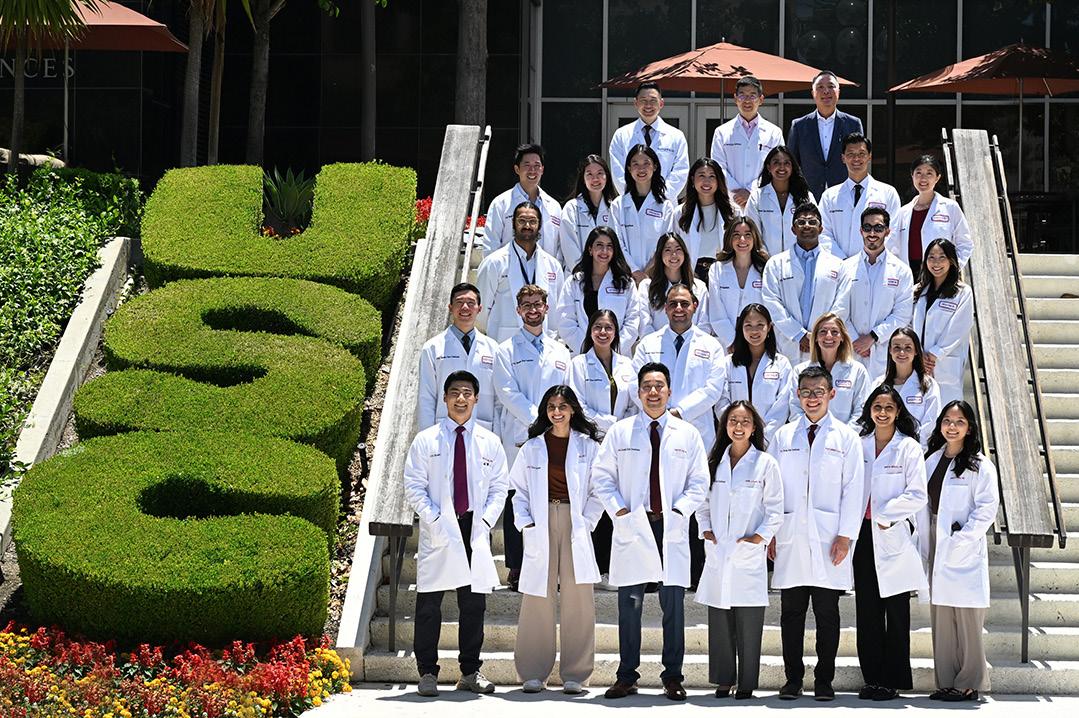
USC ROSKI EYE INSTITUTE RESIDENTS
Andrew Duong, MD
Kendra Hong, MD
Samantha Madala, MD
Charlene Tran, MD
Joseph Tran, MD
Victoria Wang, MD
Kimberly Yu, MD
PGY-3
Serena Choi, MD
Rahul Dhodapkar, MD
Micalla Peng, MD
Haroon Rasheed, MD
Jasmine Serpen, MD
Ava Torjani, MD
Jenay Yuen, MD, MPH
PGY-2
Bradley Beatson, MD
Bryana Banashefski, MD
Karen Gutierrez, MD
Brandan Kao, MD
Sarah Pike, MD
Jacob Sperber, MD
Clare Teng, MD
David Younessi, MD
PGY-1
Timothy Do, MD
Jamie Karl, MD
Alexander Lieu, MD
Sophia Sidhu, MD
Shreya Sirivolu, MD
Alexander Suh, MD
Kristy Yoo, MD
USC ROSKI EYE INSTITUTE FELLOWS
Samuel Asanad, MD – Vitreoretinal Surgery
Yicheng Bao, MD – Vitreoretinal Surgery
Kashif Iqbal, MD – Cornea
Matthew Johnson, MD – Vitreoretinal Surgery
Jun Hui “Aidan” Lee, MD – Vitreoretinal Surgery
Jacob Lifton, MD – Vitreoretinal Surgery
Sarah Martin, MD – Pediatrics
Derrick Wang, MD – Glaucoma
The USC Roski Eye Institute sees patients at the following locations:
Keck School of Medicine of USC Department of Ophthalmology
USC Roski Eye Institute 1450 San Pablo Street, 4th Floor Los Angeles, CA 90033
323-442-6335
USC Roski Eye Institute — Arcadia
65 N. First Avenue Suite 101 Arcadia, CA 91006
626-446-2122
USC Roski Eye Institute — Glendale
500 N. Central Ave. Suite 400 Glendale, CA 91203
818-583-9500
USC Roski Eye Institute — Pasadena
625 S. Fair Oaks Avenue Suite 400 Pasadena, CA 91105
626-442-6335
USC Roski Eye Institute — USC Village 835 W. Jefferson Boulevard Suite 1720 Los Angeles, CA 90089
833-USC-EYES
Children’s Hospital Los Angeles The Vision Center 4650 Sunset Boulevard Los Angeles, CA 90027
323-660-2450