
ANNUALREPORT 2025-2026

TheDepartmentofPopulationandPublicHealthScienceswishesto acknowledgeandthankthemanysupportersandphilanthropiesthat enrichoureducationandresearchprograms,andmakemuchofthework wedopossible.
Thankyouforyourcontributionstoourmission,andtothehealthand well-beingofourpartnercommunitieshereinLosAngelesandaround theglobe.
CHAIR’SMESSAGE
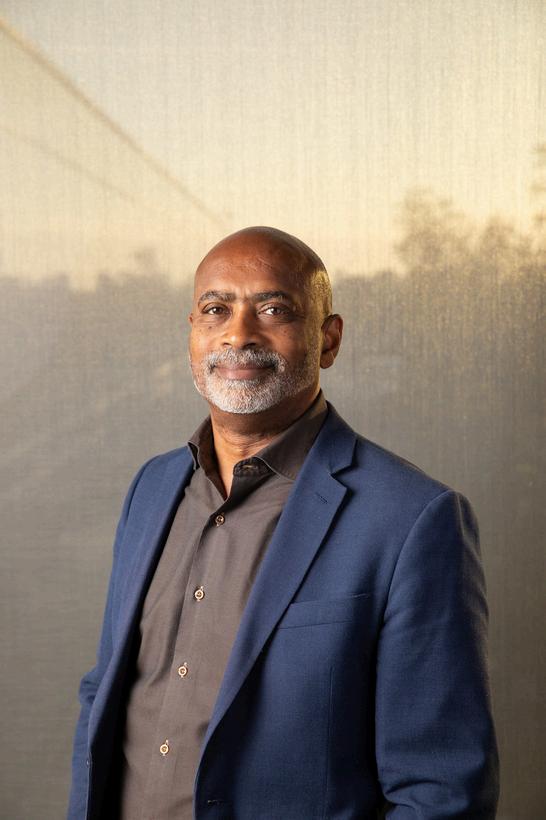
RICKYBLUTHENTHAL,PHD
Distinguished Professor
Flora L. Thornton Chair in Preventive Medicine
Discovery is at the heart of the Department of Population and Public Health Sciences in the Keck School of Medicine at the University of Southern California. Every day, faculty, staff, and students show up to uncover ways to improve population health through the full continuum of public health sciences: from wet bench laboratory studies to large scale community trials; from ethnographic observations to data science; from discovery of risk factors for disease to new medical treatments and behavioral interventions that are delivered in community settings; from social determinants of health to genetic risks.
We have expertise in these complex topics, methods, and interventions because of the diverse training of our faculty and staff. Among our 5 divisions (Biostatistics and
Health Data Science; Disease Prevention, Policy, and Global Health; Environmental Health; Epidemiology and Genetics; and Health Behavior Research), we have faculty trained in traditional public health disciplines like biostatistics, community health, epidemiology, health behavior, health policy and services research, and global health. Our faculty also includes individuals with formal training in anthropology, cellular and molecular biology, clinical psychology, communication, computer science, demography, environmental health sciences, human genetics, law, mathematics, medicine, pharmacology, neuroscience, sociology, statistics and toxicology.
To further catalyze discovery, the Department is also home to two institutes and over a dozen research centers that address pressing public health issues in an interdisciplinary fashion In our highly collaborative and intellectual environment, the opportunities for new discovery are heightened by this rich mix of disciplines.
Our educational programs are similarly diverse and include undergraduate degrees
RickyBluthenthal,PhDand ChanitaHughesHalbert,PhD, wereappointedChairand ExecutiveViceChair, respectively,inJuly2025
Readtheannouncement
in health promotion and disease prevention and global health, and masters level degrees in addiction science, applied biostatistics and epidemiology, clinical translational research, global medicine (our best option for post-baccalaureate training), health data sciences, and public health. Along with postdoctoral training opportunities that match the breadth of faculty expertise, we also offer doctoral training in biostatistics, epidemiology, and health behavior research. These rigorous and highly ranked programs lead to careers in public health agencies, private industry, research-intensive universities and standalone institutes, and medicine.
We also are deeply committed to community partnership and engagement, with active research and educational programs addressing the most pressing community needs. From food insecurity to overdose death, from vaccine education interventions to AI-assisted genetic cancer screening, and from cutting-edge collection of environmental hazards to the use of
machine learning tools to discover the impact of exposures on childhood development and healthy aging, PPHS is working closely with the communities in Los Angeles to discover tools that impact the health of people throughout the globe.
In the pages that follow, I guarantee you will be surprised, inspired, and intrigued by the research, education, and community efforts in PPHS. As you will see, our vibrant community of scholars, trainees, and community partners is dedicated to solving public health challenges, from local to global, for today and tomorrow. It is an honor to lead this impressive group, and I hope you come away from this annual report with a renewed sense of commitment to supporting the Department of Population and Public Health Sciences as we Fight On!
Sincerely,
Ricky
Bluthenthal, PhD
Distinguished Professor Flora L. Thornton Chair in Preventive Medicine
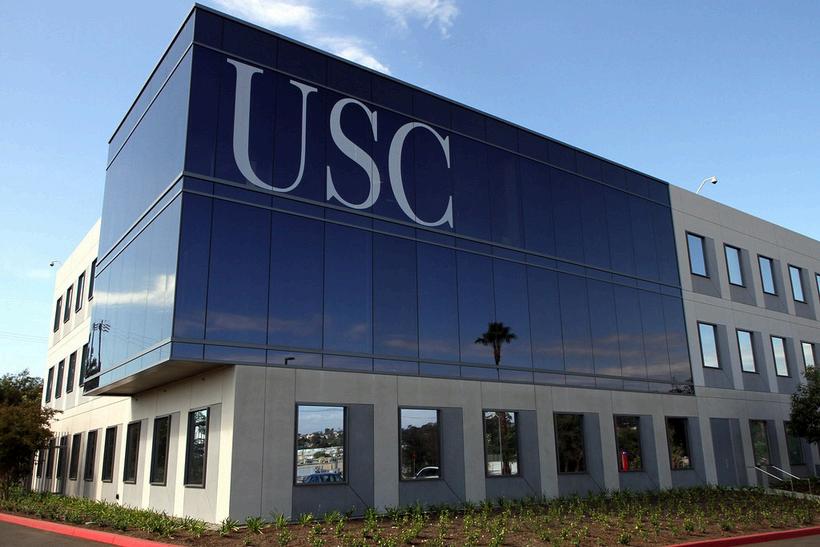
ABOUTPPHS
Centers
in NIH funding per Investigator
Faculty, Staff and Students
OURDEPARTMENT
Since its founding in 1977, the Department of Population and Public Health Sciences at Keck School of Medicine of USC has consistently ranked among the top Schools of Public Health in terms of competitively awarded funding from the U.S. National Institutes of Health.
We pursue high-impact, transdisciplinary research; translate and communicate knowledge; and train outstanding students, professionals, future researchers, educators and leaders. Through discovery, training and action, we are solving public health challenges, from local to global, for today and tomorrow.
FOSTERINGBELONGINGANDENGAGEMENT
The Representation, Engagement, Development, and Impact (REDI) Council is driven by a desire to foster a collaborative department that values, supports, and engages all individuals, ensuring their perspectives are recognized. In 2025, the Council launched its new strategic plan focused on empowering faculty, staff and students to thrive and lead in advancing belonging. Council members launched initiatives to transform departmental culture by promoting inclusivity, engagement, shared learning and professional growth.
Mariana C. Stern, PhD
Professor of Clinical Population and Public Health Sciences and Urology
Ira Goodman Chair in Cancer Research
Vice Chair for Culture and Engagement
Associate Director for Population Science at USC NCCC

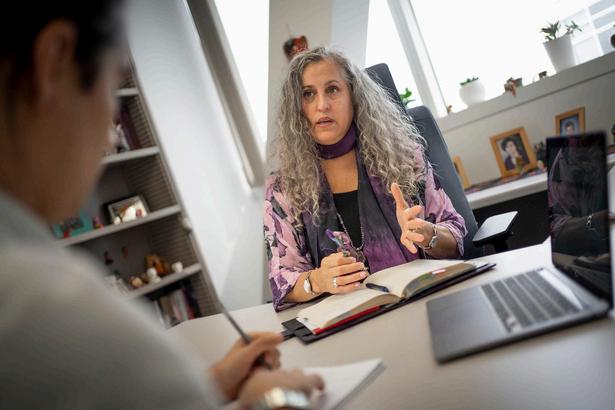
COMMITMENTTO PRINCIPLE
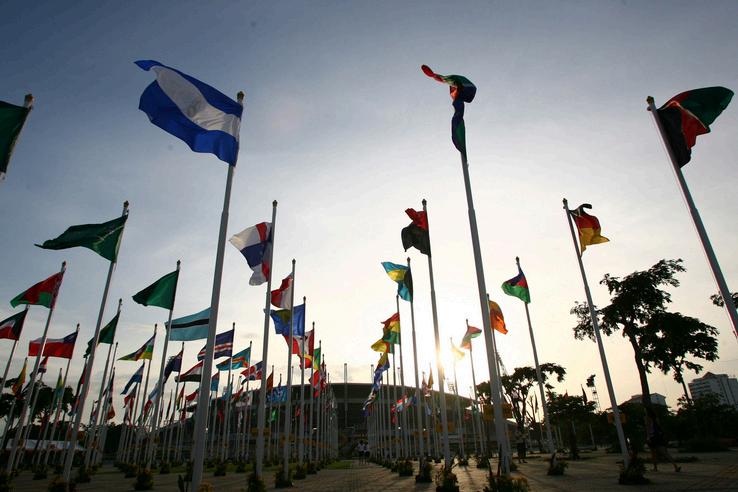
Principles of Local and Global Engagement, developed in partnership with the USC Institute on Inequalities in Global Health, were developed to form the backbone of how we seek to work with partners in all geographic regions of the world They provide actionable guidance applicable to research, education, and community programs.
Learn more

DIVISIONOF BIOSTATISTICSAND HEALTHDATASCIENCE
Faculty and affiliated faculty
ABOUTTHEDIVISION
DivisionChief:JimGauderman,PhD
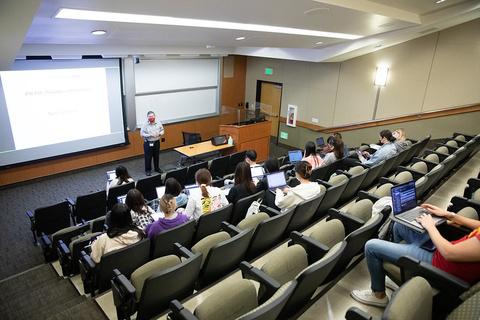
This year, the Division of Biostatistics joined forces with the Division of Bioinformatics to become the Division of Biostatistics and Health Data Science. This new, powerhouse division is home to leading researchers working on the forefront of this evolving field, and offers a wide variety of graduate degrees and summer training programs nurturing the next generation of biostatisticians.
AREASOFFOCUS
Handling of highly intercorrelated d including high-volume genomics, single-cell transcriptomics, and geospatial data
Methods development for integrati genomics, exposomics, and genom exposomic interactions
AI-based approaches for data, research and education
Statistical support for research in cancer, environmental health and


EDUCATIONPROGRAMS
MS in Applied Biostatistics and Epidemiology
MS in Biostatistics
MS in Public Health Data Science
MPH (on-campus and online)
PhD in Biostatistics
DIVISIONOFDISEASE PREVENTION,POLICY
ANDGLOBALHEALTH
ABOUTTHEDIVISION
DivisionChief:SofiaGruskin,JD,MIA
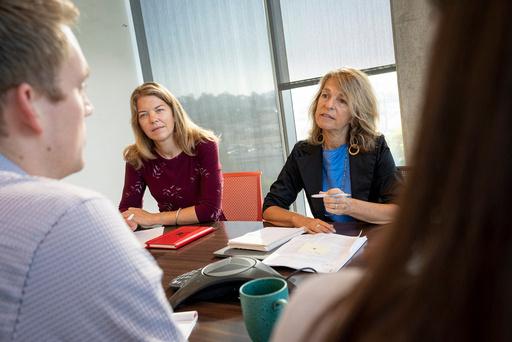
Faculty in the Division of Disease Prevention, Policy and Global Health are active at the local, state, national and global levels to influence factors that improve the health of populations. Reflecting their interdisciplinary nature, they work and teach closely with faculty in other departments at Keck School of Medicine, schools within the University, and beyond, to develop collaborative projects in public health.
AREASOFFOCUS
Prevention and management of disease across the life course
Interdisciplinary initiatives to address health outcomes across a range of health challenges
Addressing structural inequalities and improving health outcomes in diverse populations
Predictive and analytic tools, policy and program development
EDUCATIONPROGRAMS
Undergraduate programs
MPH (on-campus and online)
MS in Clinical Translational Research
Clinical Translational Research Certificate
MS in Global Medicine
DIVISIONOF ENVIRONMENTAL HEALTH
ABOUTTHEDIVISION
DivisionChief:MylesCockburn,PhD
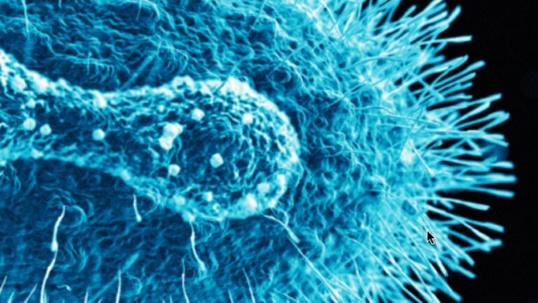
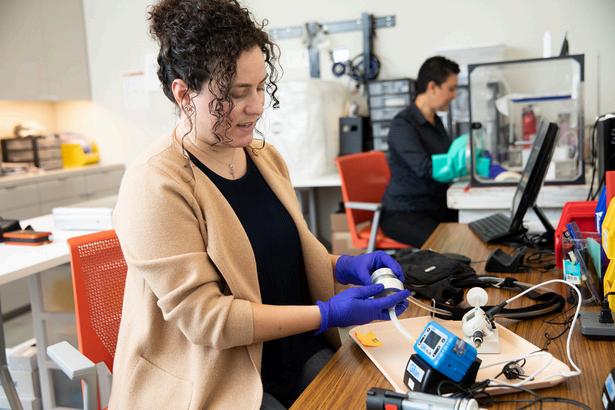
The Division of Environmental Health works to understand the associations, connections, and impacts of environmental exposures on human health. The Division devotes resources to constituent characterization (measuring and monitoring what we may be exposed to) and translational research (how to effectively communicate and apply the scientific information gathered by us and others).
AREASOFFOCUS
Advancing exposomics to inform precision environmental health
Advancing chronic disease epidemiology and prevention through exposomics and translational science
Moving precision environmental health risk factor results into preventive interventions, community education and engagement, and translation to public health policy
Faculty and affiliated faculty
SHARPCENTER
Advancinginterdisciplinaryresearchand communityactiontoaddressPFAS contaminationanditshealthimpacts.
CLIMACENTER
Advancingclimateandhealthresiliency throughscience,communityengagement andeducation
EDUCATIONPROGRAMS
Photo/JohnDavis
Photo/JohnDavis
DIVISIONOF EPIDEMIOLOGYAND GENETICS

Faculty and affiliated faculty

CENTERFORGENETIC EPIDEMIOLOGY
DivisionChief:ChristopherHaiman,ScD
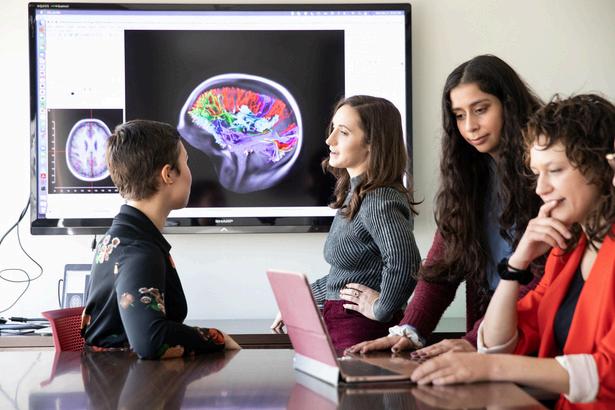
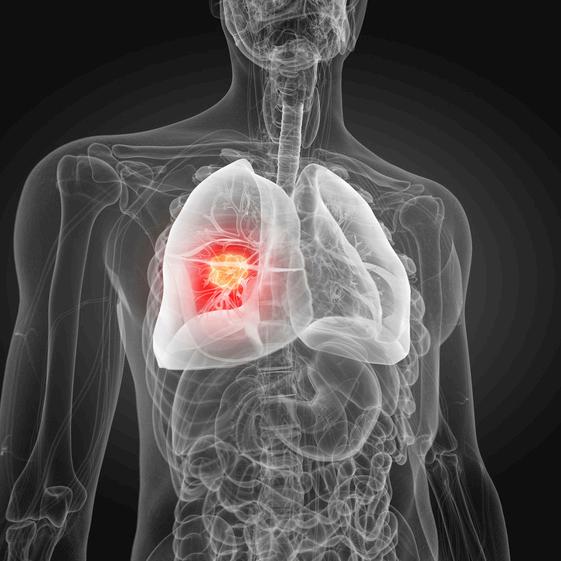
The Division of Epidemiology and Genetics studies how lifestyle, environmental, and genetic factors contribute to diseases such as cancer, cardiovascular and liver disease, as well as mental and maternal health. Its overarching goal is to identify the fundamental causes of disease understand how these factors influence and outcomes across diverse racial ethnic populations.
AREASOFFOCUS
Integrating multi-omics, genetics, a environmental exposures across diverse populations
Early-life and developmental origin disease
Aging and resilience across the lifespan
Establishedin2016,theCenter’steam includesgeneticistswhoareleadingthe waytobetterunderstandingtheroleof geneticfactorsinhealthanddisease.


DIVISIONOFHEALTH BEHAVIORRESEARCH
Faculty and affiliated faculty
ABOUTTHEDIVISION
DivisionChief:GenevieveDunton,PhD,M
ActingDivisionChief:JessicaBarrington Trimis,PhD,MS,MA
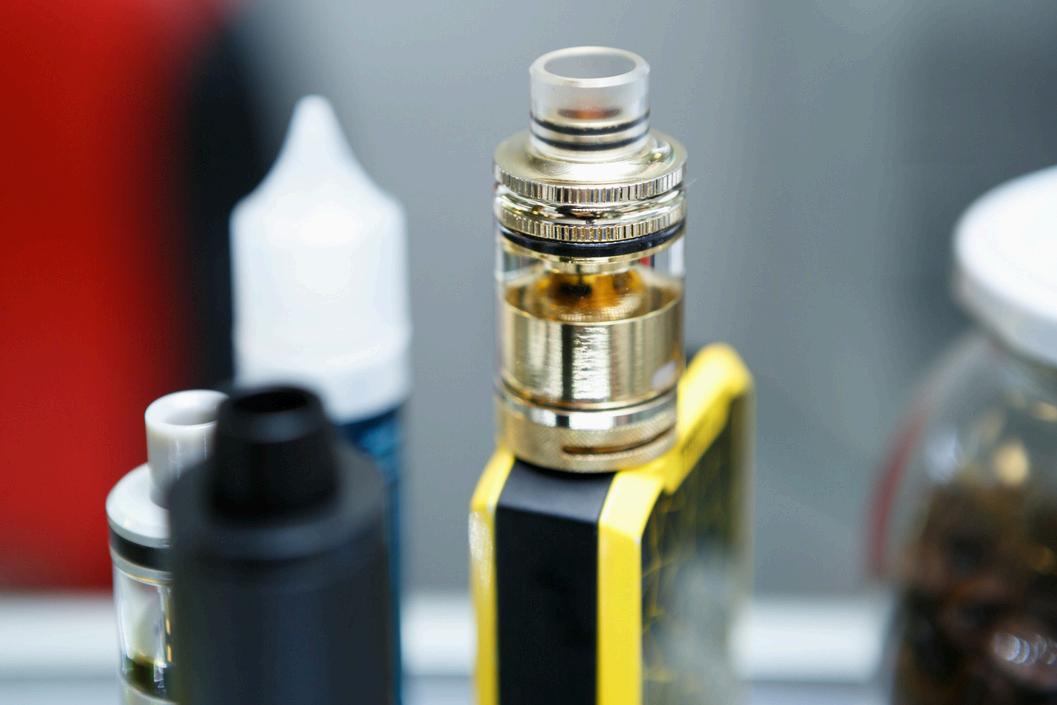
The Division of Health Behavior Researc focused on evaluating, preventing, promoting a range of health behaviors (e substance use, nutrition, physical activ sleep, risky sexual behavior, and so media use) that are associated with chro and infectious diseases, with spe emphasis on adolescents and young adu and historically underrepresented populations.
AREASOFFOCUS
Understanding the epidemiology, determinants, and consequences of health behaviors

Developing and testing health behavior interventions in diverse populations to improve public health
Promoting translation of research findings into policy development and implementation
Harnessing artificial intelligence and social media analytics to address emerging health risks
EDUCATIONPROGRAMS
Undergraduate programs
MPH (on-campus and online)
Master of Addiction Science
PhD in Health Behavior Research
RESEARCH
As a global leader in population and public health sciences, our department pioneers innovations across data science, environmental health, health behavior research, disease prevention, and epidemiology Our research enterprise remains dedicated to tackling the root causes of disability and disease through community-focused, solution-driven science
I invite you to explore our progress and share in our excitement as we build a healthier future for generations to come.
Chanita Hughes Halbert, PhD
Executive Vice Chair
Vice Chair for Research
Distinguished Professor of Population and Public Health Sciences
PPHSRESEARCH
SHOWCASINGRESEARCHAND FOSTERINGCOLLABORATION
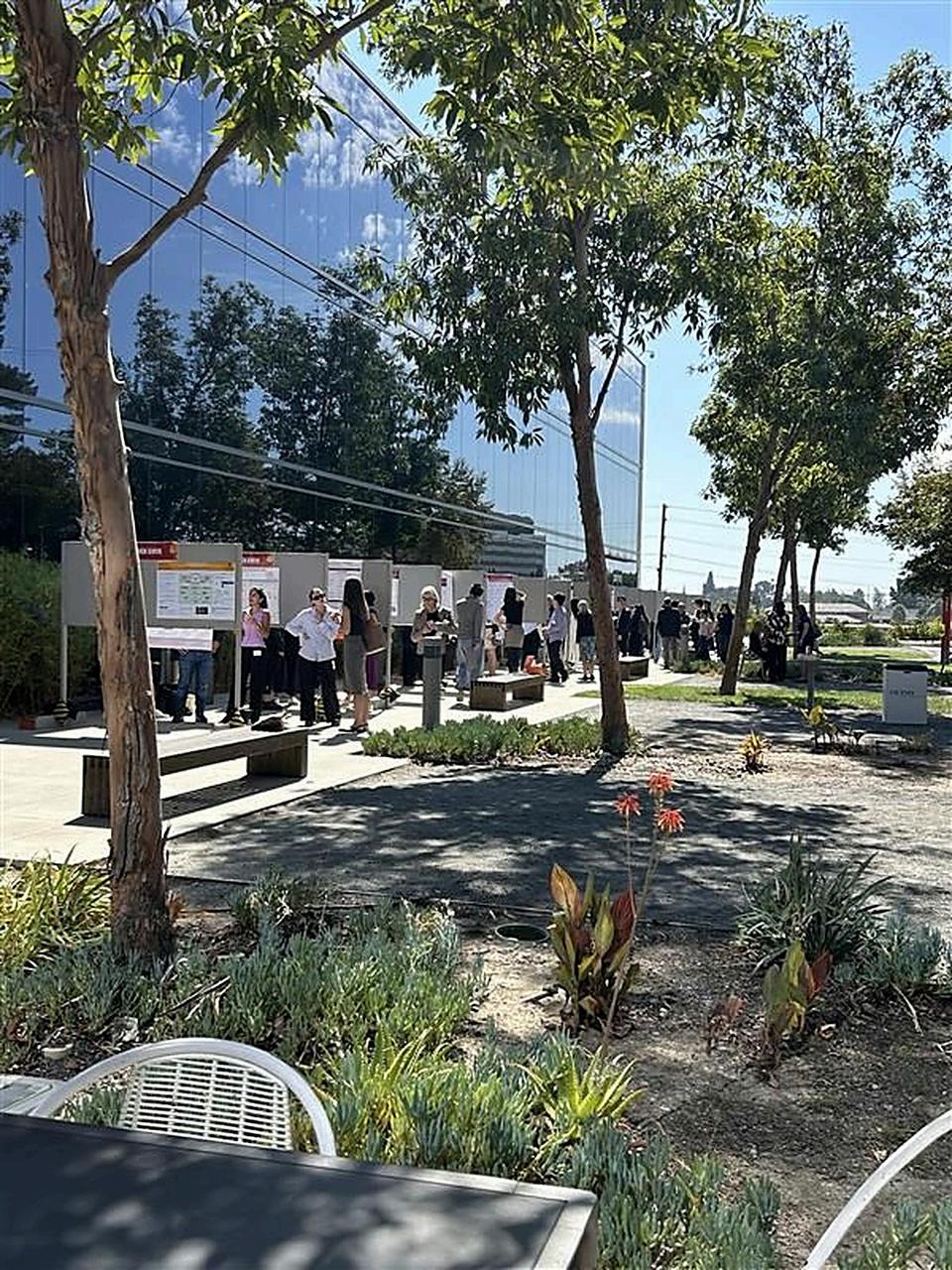
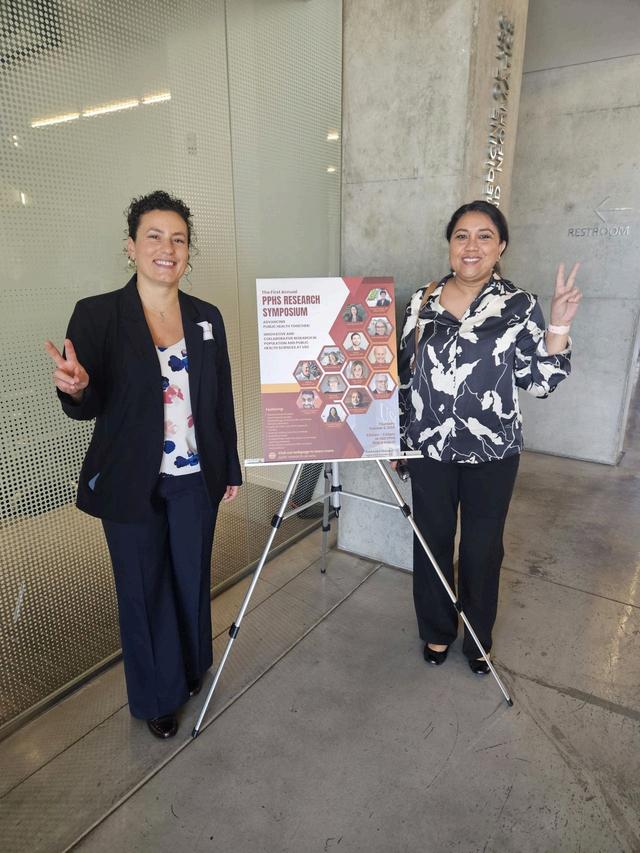
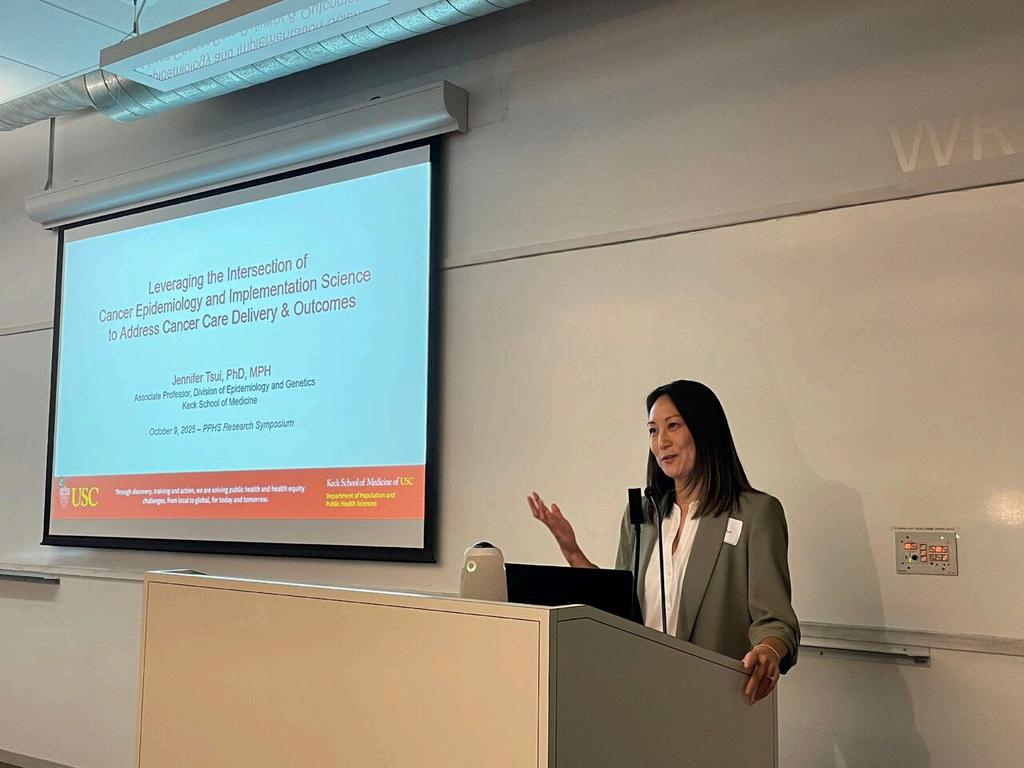
This past October, the Department held its first annual PPHS Research Symposium on the Health Sciences Campus.
The Symposium showcased and celebrated the breadth and depth of the research and public health work being done across the Department.
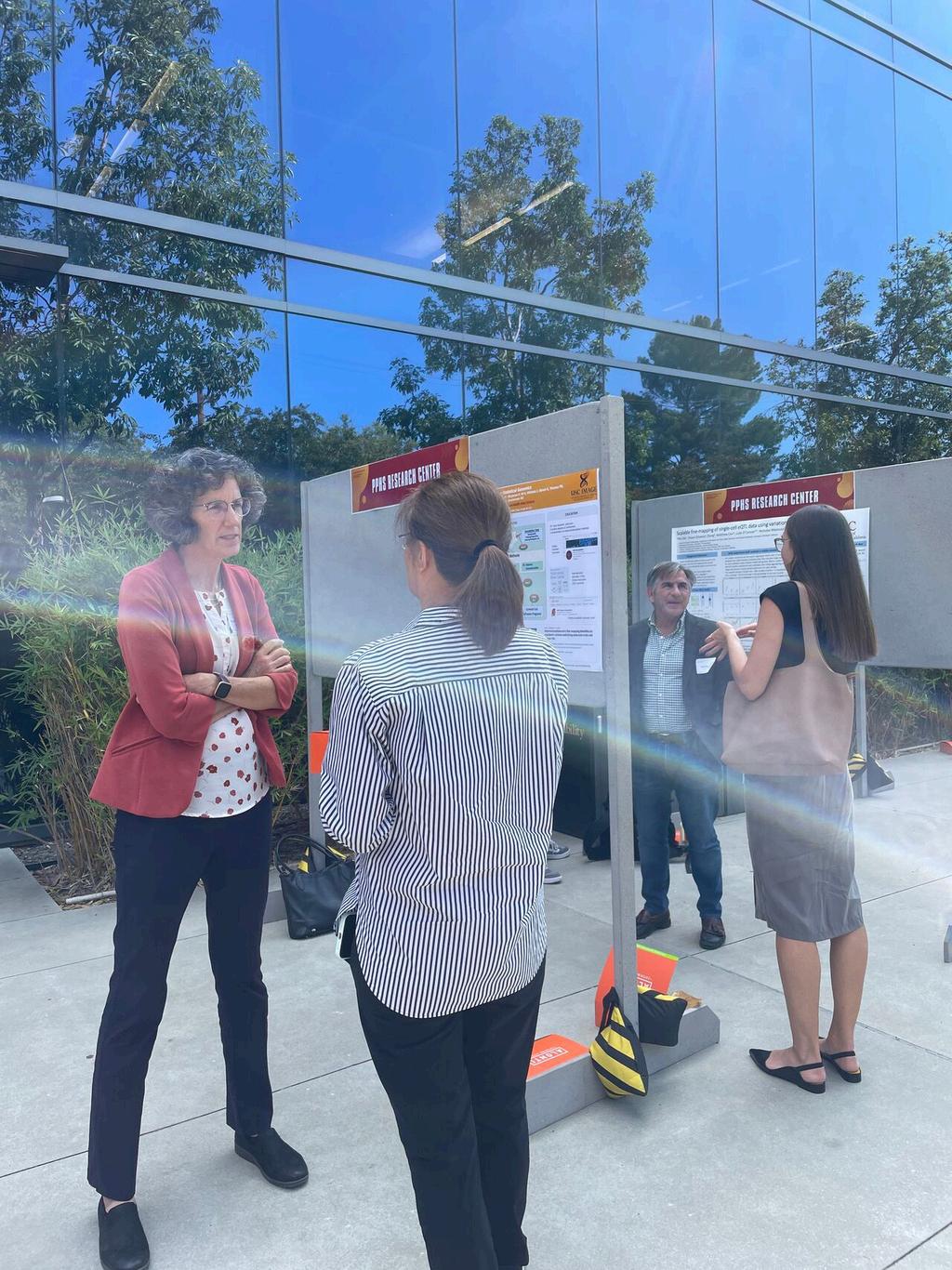
11 faculty presentations posters presented 50 170+ attendees
Photo/USC

USCSTUDYSUGGESTSTYPE1 DIABETESMAYSIGNIFICANTLY RAISEBLADDERCANCERRISK
People with type 1 diabetes (previously called juvenile diabetes) are 4.29 times more likely to develop bladder cancer, according to a systematic review and meta-analysis by researchers at the Keck School of Medicine of USC. The new analysis is the first to control for the effects of tobacco smoking, a factor that likely obscured the heightened risk in earlier studies. The results were just published in the journal Diabetes Research and Clinical Practice.
Bladder cancer is a relatively common disease, affecting about 2% of the U.S. population. Cigarette smoking accounts for about half of all bladder cancer in the United States and Europe, but causes of the remaining half are poorly understood. Recent data suggest that type 2 diabetes may play a role, but years of epidemiological studies found no link between type 1 diabetes and bladder cancer.
Now, a new analysis reveals why a possible link may have been missed. Because smoking is a strong contributor to bladder cancer, research designed to identify other risk factors must control for or separate out the influences of smoking from influences of other proposed causes. But no prior studies on type 1 diabetes and cancer had done so.
“Of nine original studies and one meta-analysis published before ours, none had adequately controlled for smoking. When we evaluated the vulnerabilities of these studies and addressed them, we found a very clear pattern indicating substantially elevated risk for bladder cancer in people with type 1 diabetes,” said Victoria K. Cortessis, PhD, a clinical professor of population and public health sciences at the Keck School of Medicine and the study’s senior author. The new findings provide important clues about causes of bladder cancer and may help guide decision making by patients with type 1 diabetes and their providers. For example, avoiding or quitting smoking may be especially important for this group, Cortessis said. Read more

STUDYLINKSRISING TEMPERATURESTOREDUCED SLEEPINU.S.ADULTS
Higher nighttime temperatures are linked to shorter sleep times and lower sleep quality, especially for people with chronic health conditions, lower socioeconomic status, or those living on the West Coast, according to a new USC study. Researchers estimate that by 2099, people could lose up to 24 hours of sleep each year due to heat, highlighting the potential impact of climate change on sleep health. The findings were just published in the journal Environment International.
Photo/iStock
Photo/iStock
Warm weather can disturb sleep in several ways, including by preventing the body from cooling down, triggering a stress response, and reducing time spent in deep sleep and rapid eye movement (REM) sleep. Poor sleep can in turn increase risk for a number of health problems, including heart and respiratory issues and mental health concerns.
“We already know that when there are extreme heat events, more people die from cardiovascular disease and pulmonary disease. What will this mean for population health as global temperatures continue to rise?” said Jiawen Liao, PhD, a postdoctoral research associate in the Department and first author of the study. Past research has documented the link between rising temperatures and sleep problems, but lacked details on the demographics, socioeconomic, and health information of participants. The new study, done in collaboration with Harvard Medical School/Brigham and Women’s Hospital and funded in part by the National Institutes of Health, leverages data from 14,232 U.S. adults in the All of Us Research Program to begin filling in those gaps. Read more
WHATIS“ALLOFUS”?
AllofUsisaprogramledbythe NationalInstitutesofHealthandis partofthePrecisionMedicine Initiative.Itseekstobuildoneofthe largest,mostdiversebiomedicaldata resourcesofitskind,withmorethan 800,000participantscurrently enrolledacrossAmerica.Aspartof theCoast-to-CoastConsortiumthat ismadeupof8HealthCareProvider Organizations,USChasengaged individualswhocollectivelyreflect thediversityoftheU.S.since2017, enrollingmorethan8,500 participantsasofearly2026.

ADOPTIONOFELECTRIC VEHICLESTIEDTOREAL-WORLD REDUCTIONSINAIRPOLLUTION, STUDYFINDS
When California neighborhoods increased their number of zero-emissions vehicles (ZEV) between 2019 and 2023, they also experienced a reduction in air pollution. For every 200 vehicles added, nitrogen dioxide (NO₂) levels dropped 1.1%. The results, obtained from a new analysis based on statewide satellite data, are among the first to confirm the environmental health benefits of ZEVs, which include fully electric and plug-in hybrid cars, in the real world. The study was funded in part by the National Institutes of Health and just published in The Lancet Planetary Health.
While the shift to electric vehicles is largely aimed at curbing climate change in the future, it is also expected to improve air quality and benefit public health in the near term. But few studies have tested that assumption with actual data, partly because ground-level air pollution monitors have limited spatial coverage. A 2023 study from the Keck School of Medicine of USC using these ground-level monitors suggested that ZEV adoption was linked to lower air pollution, but the results were not definitive
Now, the same research team has confirmed the link with high-resolution satellite data, which can detect NO₂ in the atmosphere by measuring how the gas absorbs and reflects sunlight. Read more
Photo/iStock
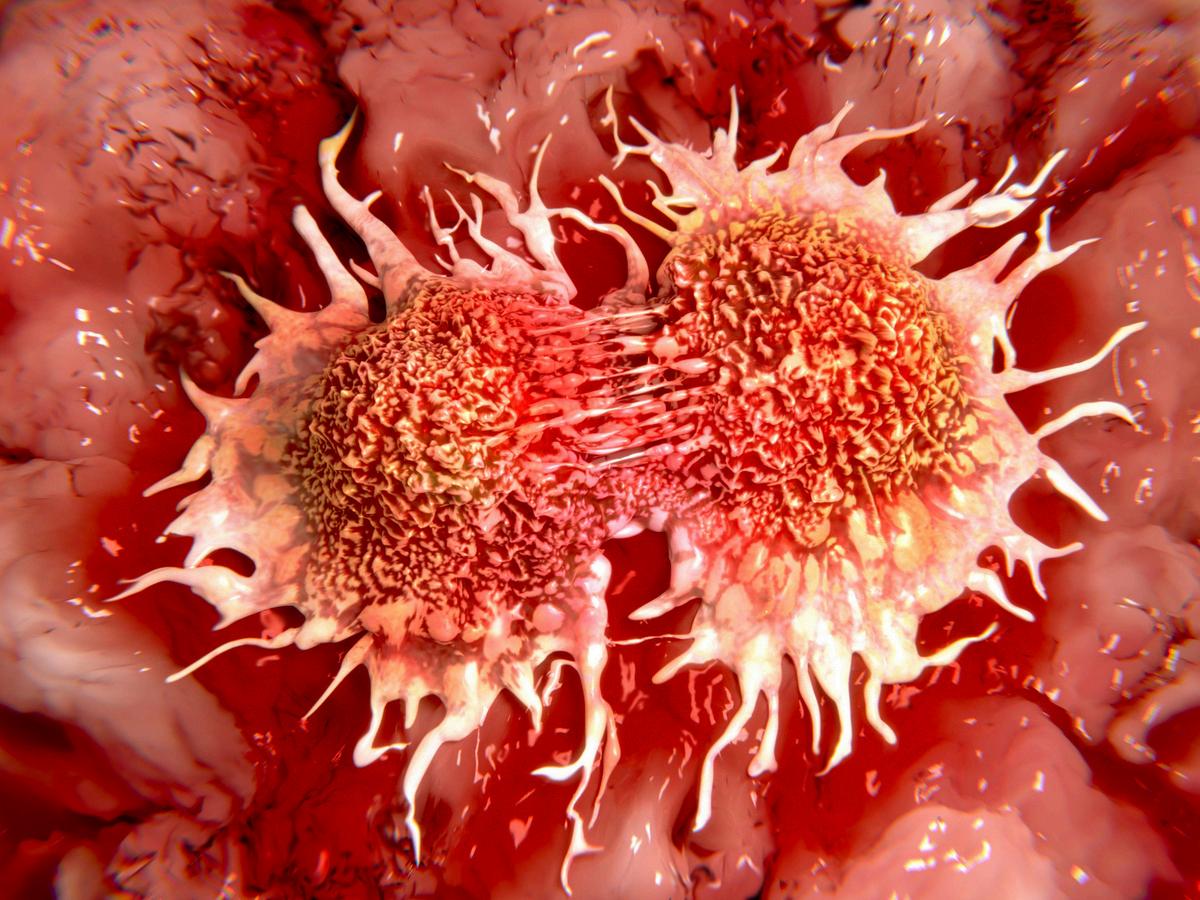
are developing more precise ways to understand how genetics and environment interact to influence cancer risk an advance that could help tailor prevention strategies to individual patients.
In a new study, investigators examined polygenic risk scores (PRS), which capture the combined effects of many genetic variants, and their interaction with environmental exposures such as non-steroidal anti-inflammatory drugs (NSAIDs, including aspirin and ibuprofen), a well-established protective factor for colorectal cancer.
Traditional PRS approaches can miss these interactions because they include many genetic variants that are unrelated to specific environmental exposures, diluting the ability to detect meaningful effects. To address this, the research team developed a pathway-based method that groups genetic variants according to their biological function using gene annotation tools.
Through simulation studies, they demonstrated that this pathway-based PRS (pPRS) approach significantly improves the power to detect
incorporating biological insight.
The team applied this method to a large dataset of more than 78,000 individuals in a colorectal cancer study. While standard PRS analyses found no significant interaction with NSAID use, the pathway-based nPRS approach revealed a strong interaction within the TGFβ/GRHR signaling pathway NSAIDs were associated with reduced cancer risk across all groups, but the protective effect was notably stronger among individuals with higher genetic risk in this pathway.
The findings suggest that NSAIDs may reduce colorectal cancer risk through specific biological mechanisms and that focusing on pathway-level genetic susceptibility could help identify individuals who would benefit most from targeted prevention strategies. This work highlights the promise of integrating genomic data with biological pathways to advance precision prevention and improve population health outcomes. Read the publication
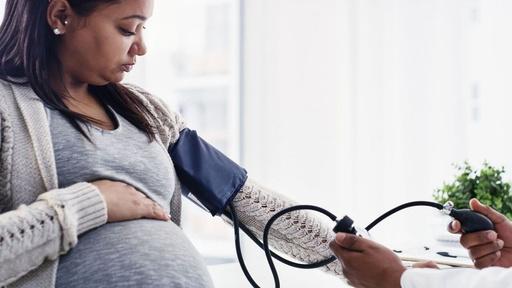
STUDYLINKSMATERNAL HEALTHRISKSDURING
PREGNANCYTOHIGHERBLOOD PRESSUREINCHILDREN
Children born to mothers with obesity, gestational diabetes mellitus or a hypertensive disorder of pregnancy have higher systolic and diastolic blood pressure than children born to mothers without these risk factors, according to a new USC study. Among children whose mothers had at least one risk factor, blood pressure also rose more quickly between ages 2 and 18 compared to their peers. The findings, which suggest that blood pressure interventions could start as early as pregnancy, were just published in JAMA Network Open.
Across the country, heart health is declining, with hypertension affecting more people and showing up earlier in life. Growing evidence indicates that blood pressure levels may be shaped by early development, even before birth. But most research on maternal and child heart health has looked at risk factors individually, rather than exploring their combined role.
The study examined links and interactions between a mother’s cardiometabolic health during pregnancy and her child’s blood pressure up to age 18. The study included nearly 30 years of data from 12,480 motherchild pairs across the United States.
“We still have so much to learn about how we can prevent the development of cardiovascular disease,” said Shohreh Farzan, PhD, associate professor of population and public health sciences at the Keck School of Medicine and the study’s senior author. “Finding factors that we can address during pregnancy and childhood and implementing early interventions may be key to changing the trajectories of health for future generations.”
Funded by the National Institutes of Health, Farzan and her colleagues found that children born to mothers with at least one cardiometabolic risk factor had a systolic blood pressure (SBP) that averaged 4 88 percentile points higher than children whose mothers had no risk factors. Diastolic blood pressure (DBP) averaged 1.90 percentile points higher. Children born to mothers with one or more risk factors also had a faster increase in blood pressure between ages 2 and 18.
Read more
CERVICALCANCERSCREENING CHANGESMAYBEFUELING CAREGAPS
A new study of cervical cancer screening in the United States finds that rapidly changing guidelines such as five-year cotesting and primary HPV testing may be causing confusion among patients and clinicians, with implications for care.
Using a nationally representative sample of commercially insured individuals, researchers warn that inconsistent adherence, including over- and underscreening, could lead to unnecessary procedures, higher costs, and growing disparities in cancer outcomes. The study examines how adherence differs across screening methods and demographic groups. Read the publication
Photo/iStock
EVALUATINGMEASURESTO REDUCEPRETERMBIRTH
Researchers at Klausner Research Group are leading clinical studies evaluating simple, lowcost vitamins, aspirin and antibiotics that may reduce the risk of preterm birth. With support from philanthropic funding, Jeffrey Klausner, MD, MPH, is testing combinations of treatments that have previously been shown individually to reduce preterm births in lowerresource settings, with intent to determine how these interventions can be implemented at scale to improve maternal and infant outcomes globally.
In addition, his work examines population-level drivers of adverse pregnancy outcomes, including sexually transmitted infections such as syphilis, which are associated with preterm birth and other newborn complications. Through epidemiologic studies and policyrelevant research, he aims to strengthen screening and treatment programs that can prevent those adverse outcomes.

ADDRESSING CHALLENGESIN POPULATIONREGISTER SYSTEMS
Therearecurrentlyover1billion peopleworldwidenotregistered atbirth,potentiallyexcluding themfromaccessingeducation, healthandsocialservices throughouttheirlives.In collaborationwiththe InternationalUnionforthe ScientificStudyofPopulation (IUSSP),UNFPA,andthe UniversityoftheWitwatersrand, andwithfundingfromCanada’s InternationalDevelopment ResearchCentre,SofiaGruskin, JD,MIAandLauraFerguson,PhD areengagedinaportfolioofwork thatseekstoaddresscore challenges,knowledgeanddata gaps,andstrategicprioritiesfor themodernizationofpopulation registersystems.Thisincludes research,mentoringtoearly careerresearchfellows,and knowledgecreationand dissemination.

USEOFNICOTINEPOUCHES INCREASESSIGNIFICANTLY AMONGU.S.TEENS
The use of nicotine pouches small, easily concealed sachets of nicotine and additives that are placed between the gum and lip nearly doubled among U.S. high school students between 2023 and 2024, according to a new USC study The research, involving surveys of more than 10,000 teens from around the country, appears in JAMA Network Open.
“This growing public health issue needs more attention. Like flavored e-cigarettes when they first emerged, use of this new oral nicotine product is becoming more widespread, particularly among adolescents,” said Dae-Hee Han, PhD, a postdoctoral scholar in population and public health sciences at the Keck School of Medicine of USC and first author of the study.
The findings come at a time of growing national concern over nicotine pouches like Zyn, which have surged in popularity on social media through a wave of young “Zynfluencers,” who often link pouch use to confidence, masculinity and mental sharpness. Organizations such as the American Heart Association and the Campaign for Tobacco-Free Kids have called for regulation of nicotine pouches, citing concerns about use among teens. Read more


IMPROVINGOUTCOMESFOR YOUNGADULTCANCER SURVIVORS
The Center for Young Adult Cancer Survivorship Research is a collaborative, interdisciplinary, multi-state network of clinical and research experts, staff, trainees, and patient advocates from the University of Southern California, the University of California, Irvine, and MD Anderson Cancer Center.
The Center is dedicated to improving outcomes for young adult cancer survivors, enhancing not only survival but also long-term quality of life, health, and wellbeing To achieve this, researchers identify critical health-related social needs and prioritize the development of care models for diverse survivor populations. A variety of studies draw on the rich sociodemographic diversity of regions the Center serves, conducting population-based research that captures the experiences and needs of survivors from all backgrounds and varied geographic regions.
Through its work, the Center strives to deepen understanding of the unique challenges faced by survivors transitioning through young adulthood, including emotional, social, and medical late effects, while informing the development of more effective survivorship care
Photo/iStock

THEFUTUREOFCUMULATIVE IMPACTASSESSMENT
Rima Habre, ScD, professor of population and public health sciences and spatial sciences, and director of the CLIMA Center at Keck School of Medicine, contributed her expertise to the National Academies of Sciences, Engineering, and Medicine’s new report, State of the Science and the Future of Cumulative Impact Assessment. The report takes a deep look at how multiple environmental and social challenges stack up to affect people’s health. Communities across the country face overlapping pressures from air, water, and soil pollution to wildfires, chemical accidents, and other extreme weather events. These impacts are often made worse by issues like housing, limited access to healthcare, poverty, and unemployment.
To help decision‑makers better understand and address these combined pressures, the
U.S. Environmental Protection Agency asked the National Academies to recommend how to strengthen cumulative impact assessment (CIA).
The report encourages expanding the current framework to look not only at harmful stressors but also at the resources and strengths that help communities stay healthy and resilient. It introduces a new five step process for assessing cumulative impacts centered on meaningful community engagement and ongoing evaluation. This approach is tested using case studies from across the country, including “cancer alley” in Louisiana, East Palestine’s chemical fire, Colorado tribal communities, Los Angeles wildfires, and national lead pipe replacement efforts. Explore the full report to understand how this work is shaping future research, community engagement practices and health and environmental policy. Read more
USCTOSERVEASAN EVIDENCE-BASED PRACTICECENTER
TheSouthernCaliforniaEvidence ReviewCenterhasbeenselected toserveasanEvidence-based PracticeCenterforanadditional5 years.DesignatedbytheAgency forHealthcareResearchand Quality(AHRQ),EPCsconduct comprehensiveevidencereports onmedications,devices,and healthcareservicestohelp consumers,professionals,and policymakersmakeinformedand evidence-baseddecisions.
Learnmore
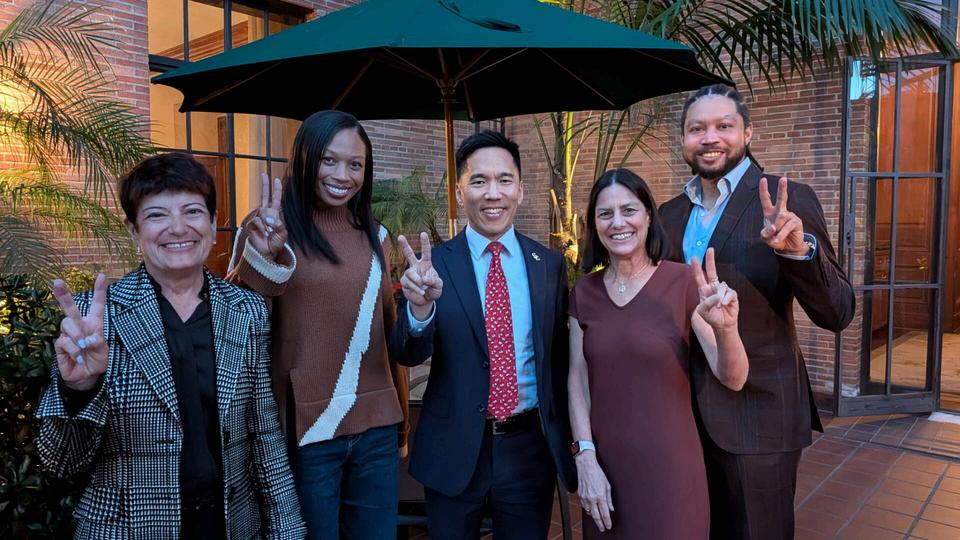
Allyson Felix’s journey from Olympic champion and the most decorated U.S. track and field athlete in history to a passionate advocate for Black maternal health found its inspiration in her own experience with a difficult pregnancy.
When Felix became pregnant with her first child in 2018, she thought she was completely prepared. As a professional athlete, she was intensely focused on her health and self-care. She made a birth plan, kept all her prenatal appointments, and took birthing classes
No one told her she was at greater risk of developing preeclampsia, a potentially lifethreatening blood pressure disorder to mother and baby during pregnancy and postpartum. No one told her Black women in the U.S. have the highest rates of preeclampsia 60% higher than white women and are more likely to suffer serious complications.
At 32 weeks, Felix was diagnosed with severe preeclampsia and admitted to the hospital for an emergency C-section. Daughter Camryn was born weighing just 3 lbs. and 7 oz. and spent her first month in a neonatal intensive care unit.
Watching her baby in an incubator, Felix realized in that moment that she needed to advocate for maternal health. “I thought, ‘If I don’t take on this fight, it will be left to her generation ’”
The USC alumna has taken on the fight full force, with a $2.3 million gift from the Felix Family Foundation to further groundbreaking research at the Keck School of Medicine of USC, led by geneticist and maternal health expert Marlena Fejzo, PhD. Read more
Olympic track & field champion Allyson Felix and the Felix Family Foundation invest in the research of geneticist Marlena Fejzo, PhD
USCPhoto/LudiaChae-Zerrudo
UNCOVERINGPFAS
The Center for Translational Exposomics Research (CTER) is dedicated to exploring the full scope of the exposome ’ s impact on chronic diseases throughout life, from early development to healthy aging CTER’s unique approach to PFAS research utilizes multidisciplinary study designs to better understand mechanisms underlying these diseases and develop practical, sustainable solutions
NIHA ADDR
With a nces, a team o neering establi sment, Remed m PFAS, which a
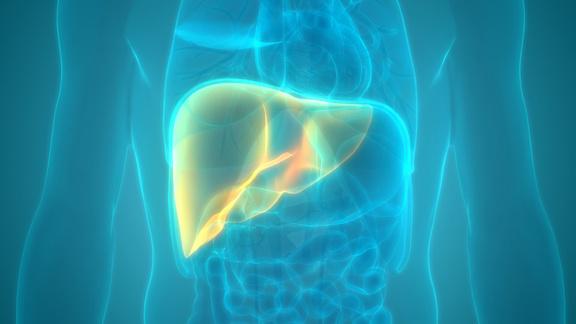
Known as “forever chemicals” because they take so long to break down, PFAS are estimated to be present in the blood of more than 99% of U.S. adults. Researchers from the Keck School have found that these chemicals can affect nearly every organ in the body, including the kidneys and liver, and are linked to a range of rare cancers.
IMPROVEMENTSINBLOOD SUGARAFTERBARIATRIC SURGERY
A research collaboration co-led by the Keck School of Medicine of USC and the University of Hawai’i found that higher levels of two common types of PFAS in the blood were linked to an increased risk of early onset of MASLD, formerly known as fatty liver disease.
Read more
Researchers studied the relationship between PFAS exposure and changes in markers of type 2 diabetes in teens who underwent bariatric surgery, finding that the “forever chemicals” were linked to worse metabolic outcomes five years later. Read more PFASEXPOSUREMAYLIMIT
Photo/ChrisShinn
Photo/iStock
Photo/iStock
CENTERHIGHLIGHTS
ADVANCINGCANCER RESEARCH,TRAININGAND COMMUNITYIMPACTACROSS CALIFORNIAANDFLORIDA
The CaRE2 Health Center, an NCI-funded partnership among the USC Norris Comprehensive Cancer Center, the University of Florida Health Cancer Institute and Florida A&M University, is advancing cancer research through a “molecule to the community and back” approach. By working closely with communities in California and Florida, the Center integrates cutting-edge science with bidirectional training and community engagement to address cancer disparities.
Bringing together expertise in genomics, translational research and education, CaRE2 continues to drive progress in cancer prevention and treatment. In 2025, the Center continued funding three projects that contributed novel findings about the precursors of pancreatic cancer, which could lead to identifying patients at higher risk for cancer; promising results in killing pancreas and lung cancer cells with new compounds developed by center investigators; and novel tools to study pancreas and lung cancer, including new cell lines and PDX models.
The Center continues to reach the Los Angeles and Florida communities through educational materials and workshops, trained advocates, and multimedia channels including the new We CaRE2 podcast In Fall 2025, the Center recruited a new cohort of 23 trainees and continues mentorship of 44 trainees. Since Fall 2025, CaRE2 members have published 85 articles and submitted 30 grants - with seven having already been funded. In 2025 the Center also trained 21 cancer advocates through their flagship Community Scientists Research Ambassador training program.

CHILDREN’SONCOLOGYGROUP
The Children’s Oncology Group (COG) Statistics and Data Management Center (SDMC) has been funded for an additional six years by the National Cancer Institute. COG is the world’s largest organization devoted exclusively to childhood and adolescent cancer research
A multidisciplinary research team comprised of more than 13,000 members, COG conducts research at more than 220 leading children’s hospitals, universities, and cancer centers.
The award will allow COG, as part of the NCI’s National Clinical Trials Network, to continue its collaborative research work that supports the mission of improving the outcome for all children with cancer.
Investigators will design and conduct clinicaltranslational studies for children with cancer that builds on an increasing understanding of the molecular basis for pediatric malignancies and has the highest potential to improve the outcome
CENTERHIGHLIGHTS
GENETICEPIDEMIOLOGY
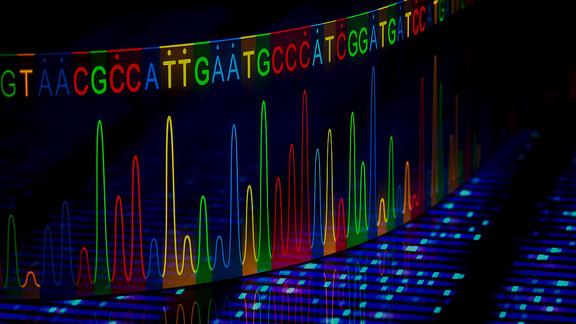
The Center for Genetic Epidemiology at the Keck School of Medicine of USC is a leading research hub dedicated to understanding how genetic variation influences human health and disease. Established in 2016, it builds on USC’s strengths in genome science to investigate complex conditions such as cancer, cardiovascular disease, and diabetes.
The Center focuses on how genetic factors interact with environmental and lifestyle influences to shape disease risk Its researchers develop large, diverse population datasets and apply advanced genomic and statistical methods to identify underlying biological mechanisms and improve risk prediction.
A key priority is ensuring diversity in research populations. By including individuals from varied racial and ethnic backgrounds, the center aims to reduce health disparities and enhance the accuracy and equity of genomic medicine.
Housed in the Department of Population and Public Health Sciences and affiliated with the USC Norris Comprehensive Cancer Center, the center fosters interdisciplinary collaboration across institutions worldwide. It also provides training opportunities for students and postdoctoral researchers, helping to prepare the next generation of leaders in genetic epidemiology.

CANCERSURVEILLANCE PROGRAM
The Cancer Surveillance Program (CSP), established in 1970 at the Keck School of Medicine of USC, serves as the populationbased cancer registry for Los Angeles County. Since achieving near-complete coverage in 1972, it has recorded more than 2 million cancer cases and adds approximately 50,000 new cases each year. Originally developed as a resource for studying the causes of cancer among the diverse populations in Los Angeles County, CSP has grown into a central component of the statewide California Cancer Registry system and a core registry of the National Cancer Institute’s Surveillance, Epidemiology, and End Results (SEER) Program.
Through mandated reporting laws, hospitals and all entities diagnosing and treating cancer are required to submit detailed information on cancer diagnoses, including patient demographics, tumor characteristics, treatment, and outcomes.
CSP maintains a rich, high-quality database. Its rapid case ascertainment system, utilizing electronic pathology reports, allows researchers to identify potentially new cancer cases within days of diagnosis To date, the CSP data have contributed to 20,128 peer-reviewed publications advancing cancer science and public health.
Photo/iStock
INSTITUTEFOR ADDICTIONSCIENCE
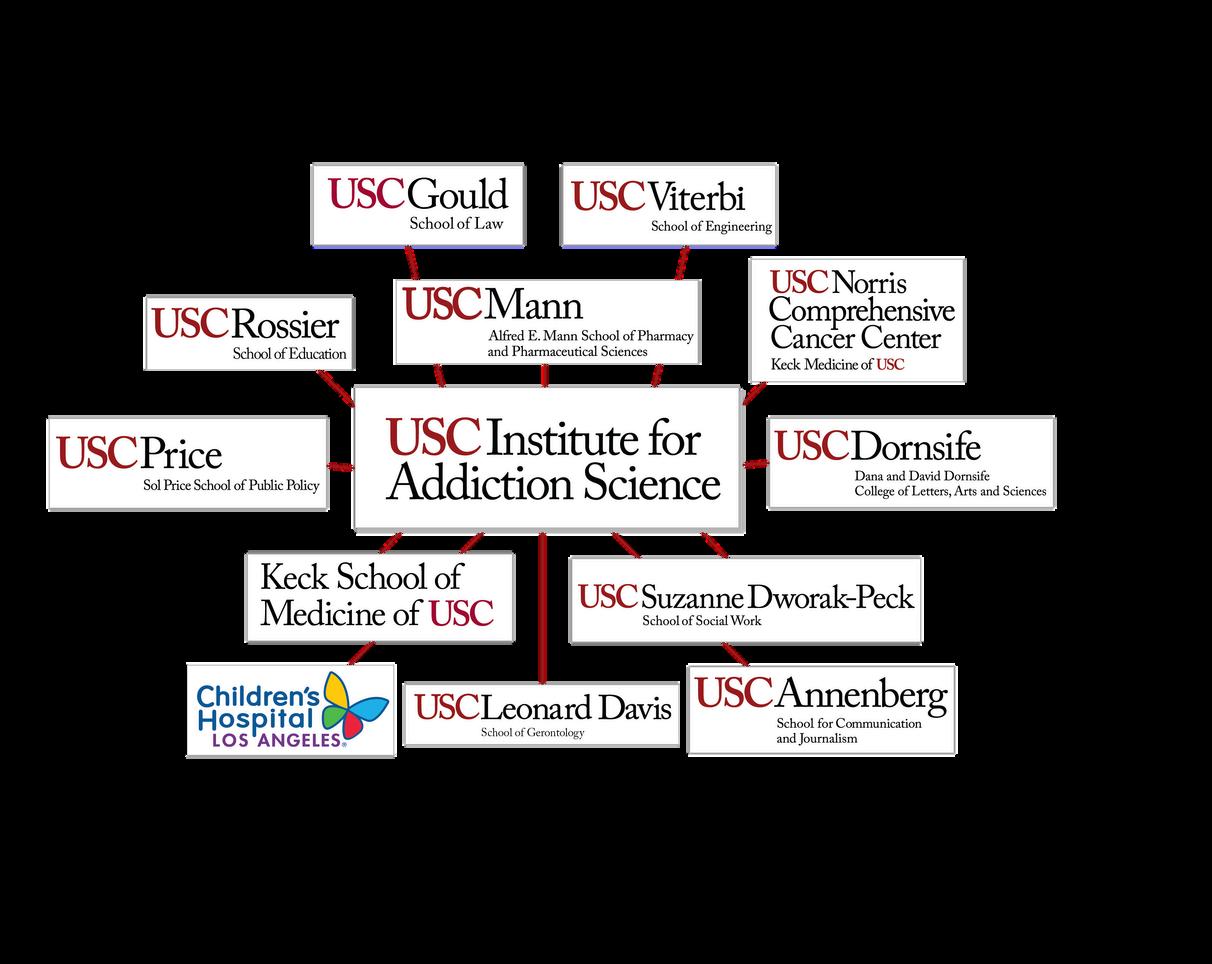
The Institute for Addiction Science (IAS) is one of the nation’s largest and most interdisciplinary hubs for addiction research, uniting more than 100 faculty across 11 schools at USC. Designed to break down traditional academic silos, IAS brings together experts spanning medicine, public health, pharmacy, social work, psychology, and policy, and integrates biological, behavioral, clinical, and population-level science to accelerate discovery and translate research into real-world solutions By providing shared infrastructure, strategic coordination, and collaborative opportunities, IAS is redefining how addiction science is conducted—locally, nationally, and globally.
209
addiction-related publicationsin2025
$27M
inaddictiongrant fundingin2025
TRANSDISCIPLINARYINNOVATION
IAS catalyzes high-impact, cross-disciplinary research that pushes the boundaries of addiction science. By fostering collaborations that would not otherwise occur, IAS generates timely, policy-relevant evidence that informs prevention, treatment, and harm reduction strategies ultimately improving health outcomes for individuals and communities.
COMMUNITYIMPACTAND ENGAGEMENT
At its core, IAS is deeply committed to community partnership. Through its Community Advisory Board IAS collaborates with a robust network of community partners representing a wide range of organizations and agencies across Southern California. This includes nonprofit leaders, service providers, and individuals with lived experience. By working alongside these partners, IAS translates scientific findings into accessible, actionable knowledge, which helps to reduce stigma, inform policy, and expand the reach of evidence-based solutions to those most impacted by addiction.
54
studentsenrolledinMASorASminor (2021-2025)
NEXT-GENERATIONTRAINING
IAS is building the future workforce in addiction science through innovative education and training programs that span the academic pipeline. The Institute’s Master of Addiction Science (MAS) and Addiction Science minor continue to grow, with steady enrollment and graduating cohorts each year. This reflects strong student demand and the increasing importance of interdisciplinary addiction training.
INSTITUTEONINEQUALITIES INGLOBALHEALTH
The Institute on Inequalities in Global Health (IIGH) works with partners across USC and around the world to address health-related disparities and inequalities. The Institute does this by conducting research that tackles existing and emerging global health concerns, educating the next generation of leaders, and informing public policy to reduce inequities. The Institute strives to connect academia, learning, policy, and community, with explicit attention to locally defined priorities and evidencebased practices. The Institute's 2025-2030 Strategy advances research, education, and policy across three priority areas:
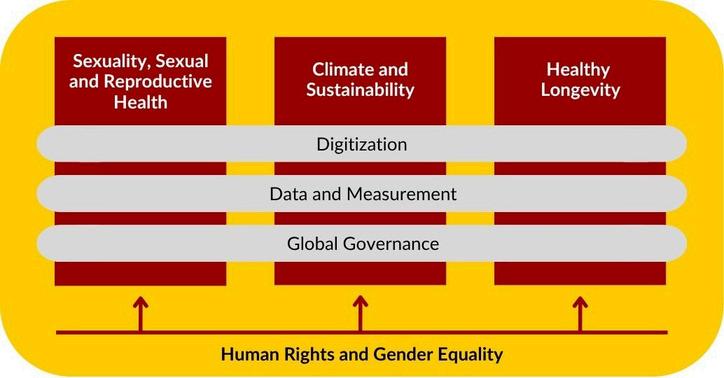
SEXUALITY,SEXUAL ANDREPRODUCTIVE HEALTH
IIGH works with partners to engage legal and programmatic frameworks related to sexuality and sexual and reproductive health to ensure the best health outcomes. The Institute develops major initiatives such as the Durex x USC IIGH Global Initiative on Young People’s Sexual Rights and Health and the HIV Inequalities Framework and Toolkit to better identify and address global inequalities related to sexuality, sexual and reproductive health.
CLIMATEAND SUSTAINABILITY
IIGH engages in a range of highimpact climate and sustainability work, specifically with its engagement around the Sustainable Development Goals and in One Health. The Institute partners with a number of institutions to study neglected zoonotic diseases and to develop strategies for prevention and response. This work integrates research across human, animal, and environmental health to inform pandemic preparedness, with particular attention to gender, legal, policy, and governance dimensions at these intersections.
HEALTHYLONGEVITY
IIGH addresses the growing challenges of population aging by examining inequalities in health systems that are often siloed and ill-equipped to meet the needs of older adults. The Institute is seeking to ensure aging becomes a global health and foreign policy priority. Through research, public-private dialogues, convenings with policymakers and philanthropic leaders, and public events, IIGH is promoting greater investment and engagement in healthy longevity worldwide.
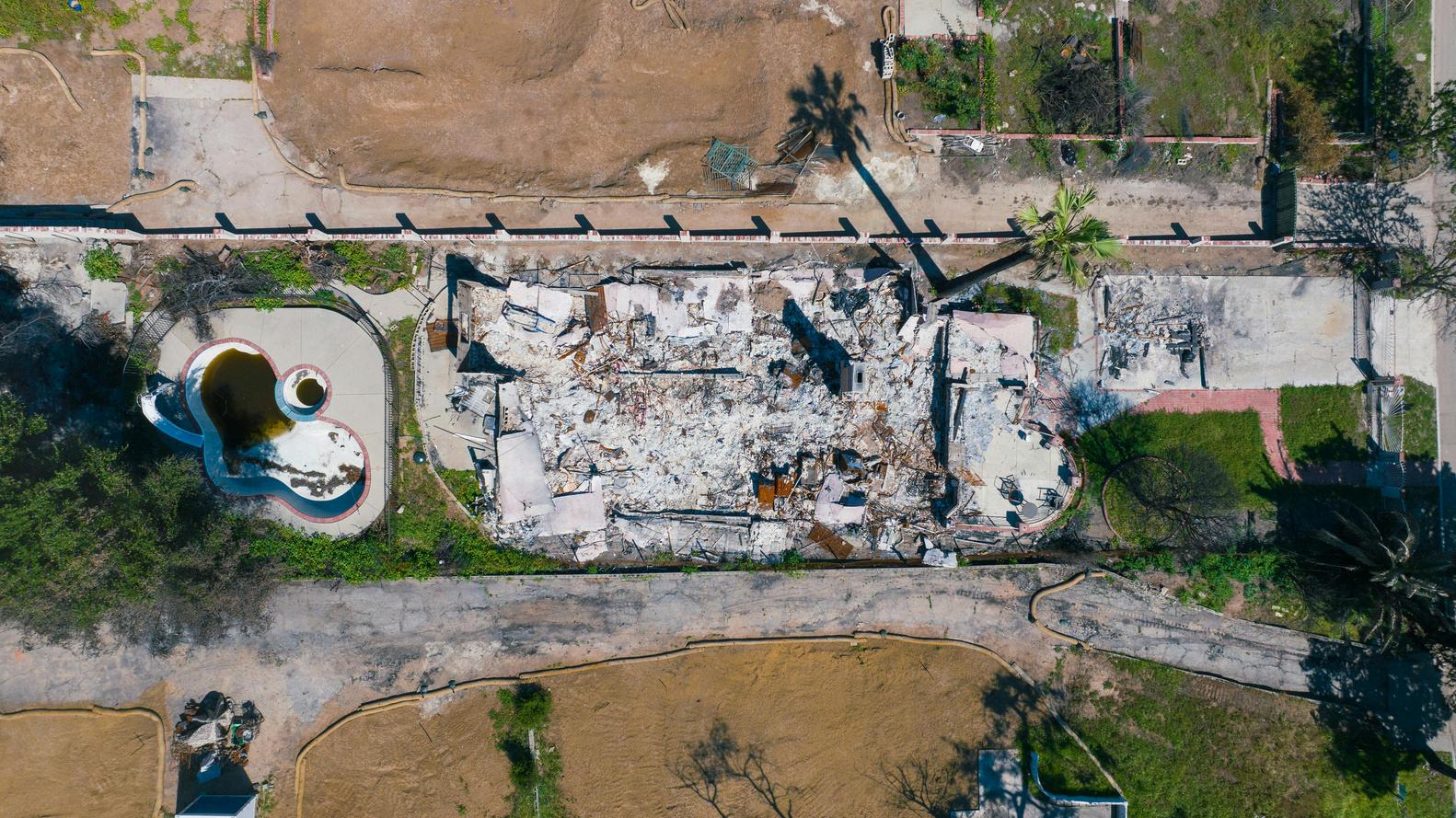
THELAWILDFIRES
One year later
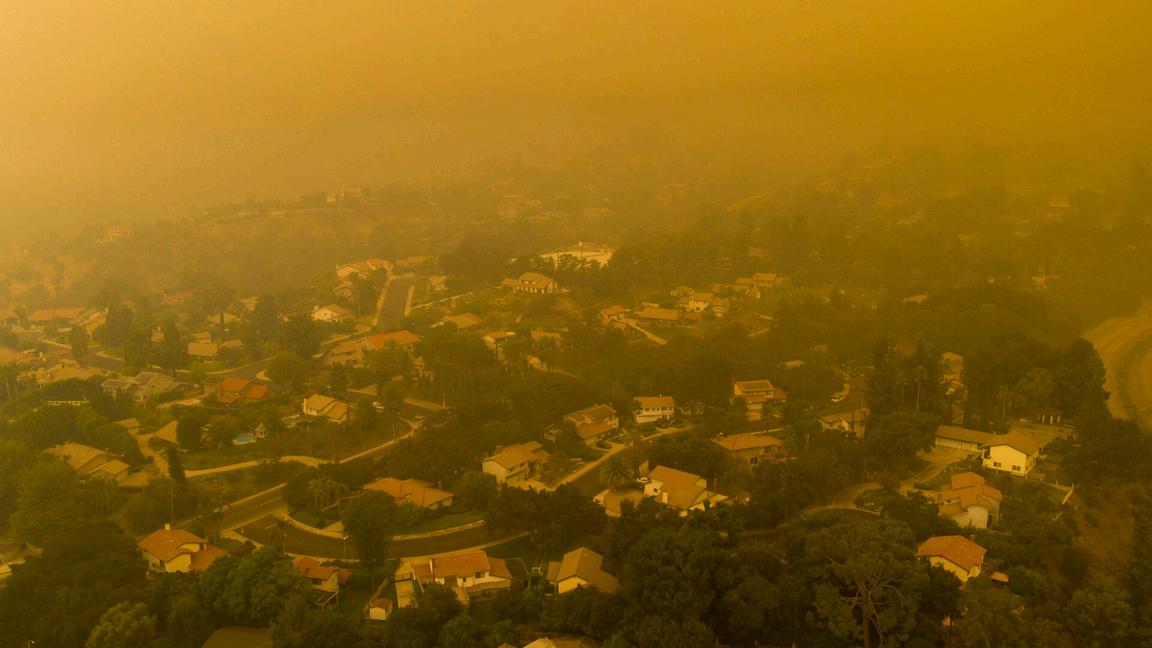
NEWUSCSTUDYLINKSWILDFIRESMOKEEXPOSUREANDHEAT STRESSTOADVERSEBIRTHOUTCOMES
Exposure to wildfire smoke and heat stress can negatively affect birth outcomes for women, especially in climate-vulnerable neighborhoods, according to a recent study led by USC postdoctoral researcher Roxana Khalili, PhD. The investigation, just published in Environmental Science & Technology, is one of the first to show that living in areas more susceptible to the harmful effects of climate-related exposures can significantly alter the effects of heat stress on adverse birth outcomes, even among women exposed to these conditions in the month before becoming pregnant.
“We already know that poor air quality is associated with adverse health outcomes and that pregnant women and fetuses are especially vulnerable,” said Khalili, a
researcher in the Department and lead author of the study. “Our knowledge about the specific effects of wildfire smoke during pregnancy has been limited. We know even less about the impact of these hazards right around or before conception.”
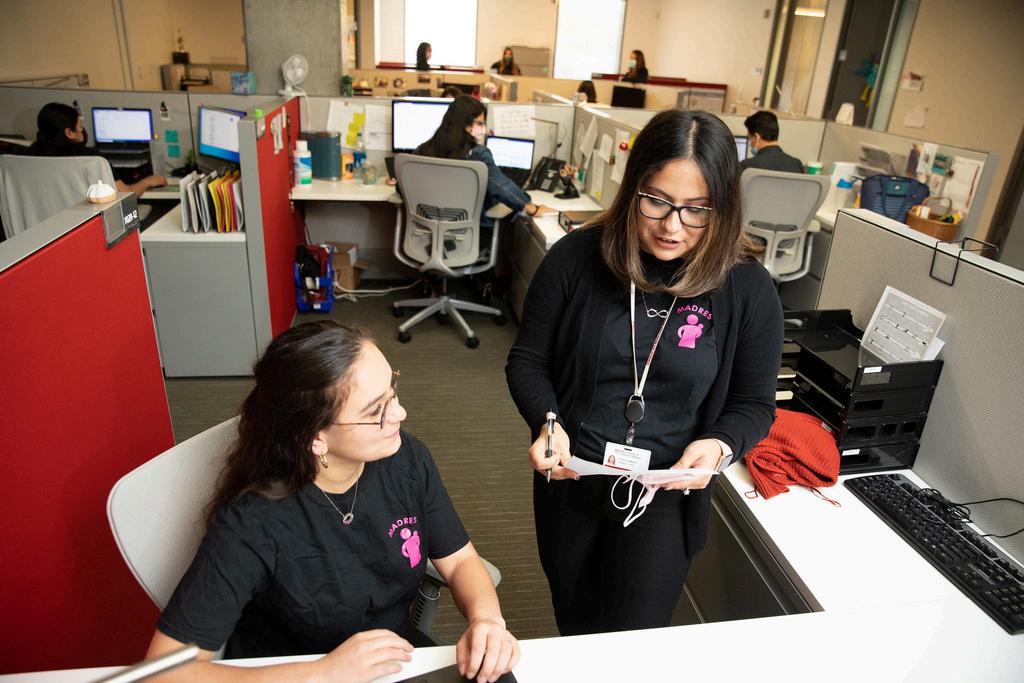
Khalili worked alongside Rima Habre, director of USC’s CLIMA Center to explore the associations between exposure to wildfire smoke and heat stress on infant health. They used data from the MADRES cohort (Maternal and Developmental Risks from Environmental and Social Stressors), an ongoing study of pregnant women in Los Angeles. Read more
PROJECTFIRESTORM
PROJECT FIRESTORM IS A RAPID RESPONSE TO THE DEVASTATING LOS ANGELES WILDFIRES THAT OCCURRED IN JANUARY 2025.
Aiming to understand the psychosocial and physical health effects of the 2025 LA wildfires. Researchers recruited and surveyed around nearly 1,000 Southern California residents beginning in March 2025 Respondents previously participated in the USC Trojan Pandemic Response Initiative (TPRI), providing valuable historical data Participants will complete another survey in 2026
AIR QUALITY AND SYMPTOMS
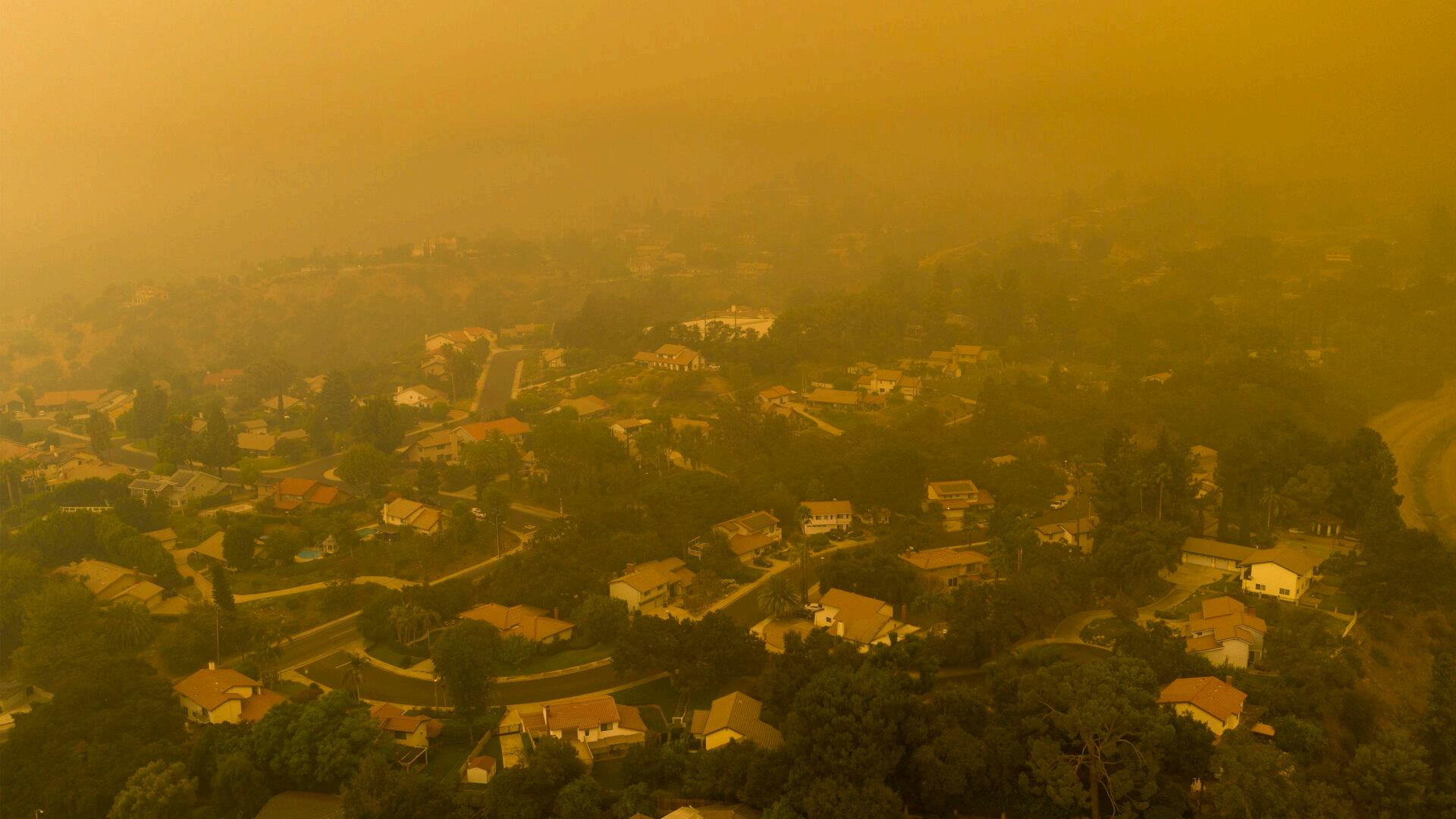
Reporting worse indoor air quality during the fires was associated with experiencing worse physical and mental health symptoms such as scratchy throat, dry cough, stinging eyes, headache, and anxiety.
TOXIC EXPOSURE
Samples from 150 Southern California residents, such as household indoor dust, hair, and other environmental samples, are currently being analyzed to measure heavy metals, volatile organic compounds (VOCs), Persistent Organic Pollutants (POPs), dioxins, flame retardants, PFAS, and other toxins. Early results indicate that participants were exposed to toxic chemicals that were used in housing construction over the past 50-100 years but have since been banned
MENTAL HEALTH
Researchers found elevated rates of depression and PTSD two to three months after the fires among residents who evacuated compared to those who did not evacuate, even when controlling for pre-fire mental health levels. Read more
WATCHPROJECT FIRESTORMUPDATES
DanielSoto,PhD,andJennifer Unger,PhD,receivedthe16th AnnualVladimirZelman,MD,PhD, DistinguishedandEndowed Lectureshipfortheirworkwith ProjectFirestorm
CONNECTING WITH COMMUNITIES
CLIMA’s Community Engagement Core, led by Jill Johnston and Robin Stevens, continues to connect directly with affected communities. The team regularly participates in local events and workshops, most recently joining the LAUSD “Move It” 5K Health & Wellness Festival at Dodger Stadium Marisela Rosales collaborated with CHLA’s Dr. Jeff Gold, who leads a Mental Health Task Force providing critical support services to residents impacted by the wildfires. The team also led the Youth Environmental Summer Institute (YESI) in 2025, leveraging youth participatory action research approaches and empowering youth from Los Angeles communities to explore how environmental strategies, community well-being and climate solutions go hand in hand.
RimaHabre,ScDappearedonNPRScience Fridaypodcast“TheToxicAftermathofan UrbanFire”followingthefires
NEWSTUDYTOMAP EXPOSOMEAFTERTHE EATONFIRES
FundedbytheUSCPresident's SustainabilityInitiativeAward, CLIMAispreparingtolaunchThe EatonFiresCommunity-Based ExposureandHealthStudyin collaborationwithChildren's HospitalLosAngeles(CHLA)and theLAFiresHealthStudy consortium.Thestudywillfocuson betterunderstandingthe “exposome”-thefullrangeof environmental,social,andphysical exposuresindividualsexperienceoffamiliesaffectedbythefires. Usingtoolslikewearable wristbands,biologicaland environmentalsampling,satellite data,andneighborhoodsensor networks,theteamwilltrackhow pollutantsmoveandhowpeople areexposed.Theresearchalso incorporatesfactorssuchas socioeconomicconditions,urban design,accesstogreenspace,and mentalhealth.
HabreandherpartnersintheNetwork forExposomicsintheU.S.(NEXUS) launchedtheNEXUSpodcast, featuringexpertinsightsand discussionsonExposomics–an emergingfieldtakingaholisticviewof thephysical,biological,chemical,and socialexposuresapersonexperiences acrossthelifespanandhowthey affecttheirhealth.
Listennow
EDUCATION
5400+ Alumni
Topranked department among U.S. schools of medicine for National Institutes of Health funding
We are proud to share the achievements and experiences of our students during the 2025–2026 academic year across the classroom, in the community, and through collaborative research with our faculty. With more than 1,000 students actively engaged in academic and research training, this year has been marked by productivity and impact in terms of graduates, scholarly publications and community outreach.
As the top-ranked department among U S schools of medicine for National Institutes of Health funding, we offer our students unparalleled opportunities to learn alongside leading experts in the field. These experiences extend beyond the classroom into real-world settings through the USC Practicum Program, which partners with approximately 400 organizations at the local, state, national, and international levels, and spans public health departments, hospitals and clinics, nonprofit and policy organizations, global health institutions, research centers, and innovative healthcare startups. Central to our mission is a strong commitment to collaboration, strengthening relationships with community partners and engaging our alumni network to stay at the forefront of emerging trends and workforce needs. Alumni remain active through one-on-one advisement as part of the MPH Alumni-Mentor Program, speaking in the classrooms or in webinars, and through service on the PPHS Alumni Council.
Through these efforts, we prepare our students to become thoughtful, skilled leaders in population and public health, equipped to make meaningful contributions to improving health and advancing equity in communities around the world.
Roberta McKean Cowdin, PhD Vice Chair for Education
1000+ Active students per semester Degree programs 11
400+ Active practicum partners
MEETOUR SCHOLARSHIPRECIPIENTS
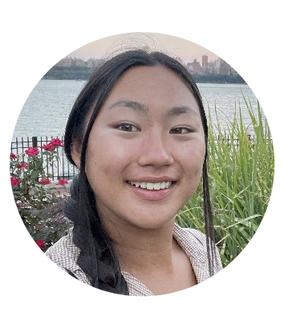
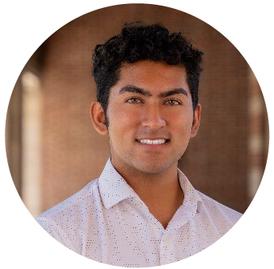
MICHELLEZHENG,CLASSOF‘27
MCALISTERFAMILYSCHOLARSHIPFUNDRECIPIENT
“I have always been interested in understanding the root causes of health disparities and how we can create more equitable systems of care. What drew me especially to this major was its interdisciplinary approachblending biomedical sciences with social and behavioral sciences - and its strong alignment with anthropology, a degree I am also pursuing. Through this lens, I've come to see health not just as a biological state, but as something deeply influenced by culture, history, and environment.”
Zheng is earning her BS in Health Promotion and Disease Prevention. She plans to pursue a PhD in Medical Anthropology.
AARYANMIDHA,BS‘26,MS‘26
WAYNEANDVALERIEROGERSENDOWEDSCHOLARSHIPRECIPIENT
“While working as a lifeguard, I saw firsthand how split-second decisions and early interventions could save lives. That sense of responsibility and preparedness drew me toward the pre-med track. However, I also became aware that healing doesn't start or stop in an emergency room; it begins in communities, in conversations, and in policies. I knew I wanted a career that would allow me to combine medicine with public health, to prevent harm before it occurs, and to address the systemic barriers that lead to health inequities.”
Midha graduates in May 2026 with a BS in Health Promotion and Disease Prevention and an MS in Global Medicine. He hopes to become a physician with a focus on epidemiology and global health.
Thisawardisintendedtoprovidetuitionassistancetosupportpublichealthandglobalmedicinestudents whoseeducationalorresearchinterestsarealignedwithlatefacultymemberMaryamFarzanegan,PhD. Farzaneganwaspassionateaboutchildren’shealthandhumanrights,whichinspiredherworkand advocacytoprovideequitablebasicservicesfortheworld’smostmarginalizedpeople.
PhotocourtesyMichelleZheng
PhotocourtesyAaryanMidha
AMERICANCANCER SOCIETYRESEA C
STEVESOTOTRUJILLO
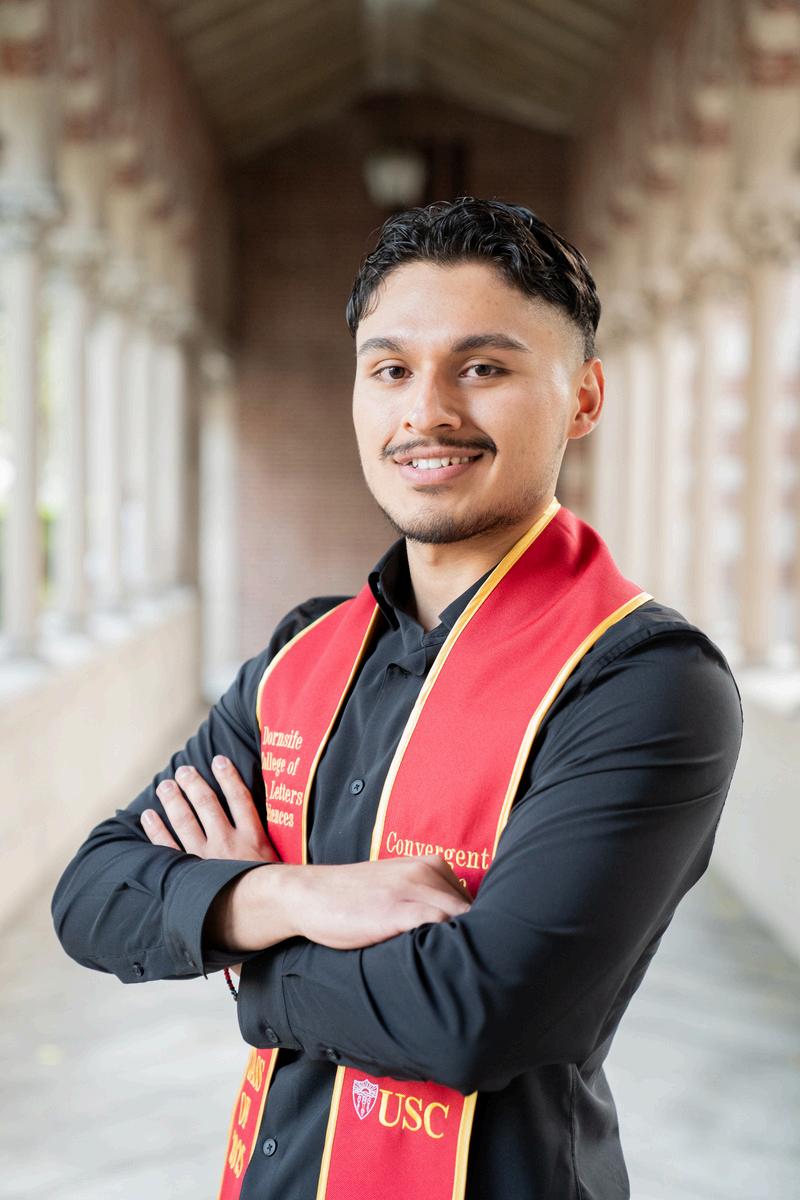
“My experience as an ACS Next Gen Scholar has shaped my aspirations and broadened my perspective of translational research Prior to the program, I was unfamiliar with the wet lab environment that allows for the elucidation of underlying tumor intrinsic and extrinsic mechanisms. Today, I perform pre-clinical experiments and interpret data with greater confidence alongside my PI. I envision my future work as a clinician to be closely intertwined with academia as a constant advocate and contributor to translational research.”
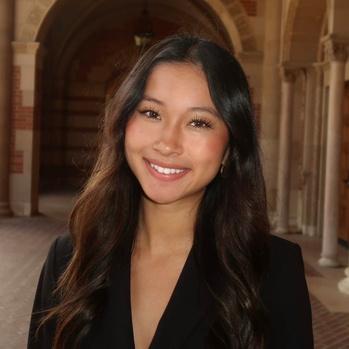
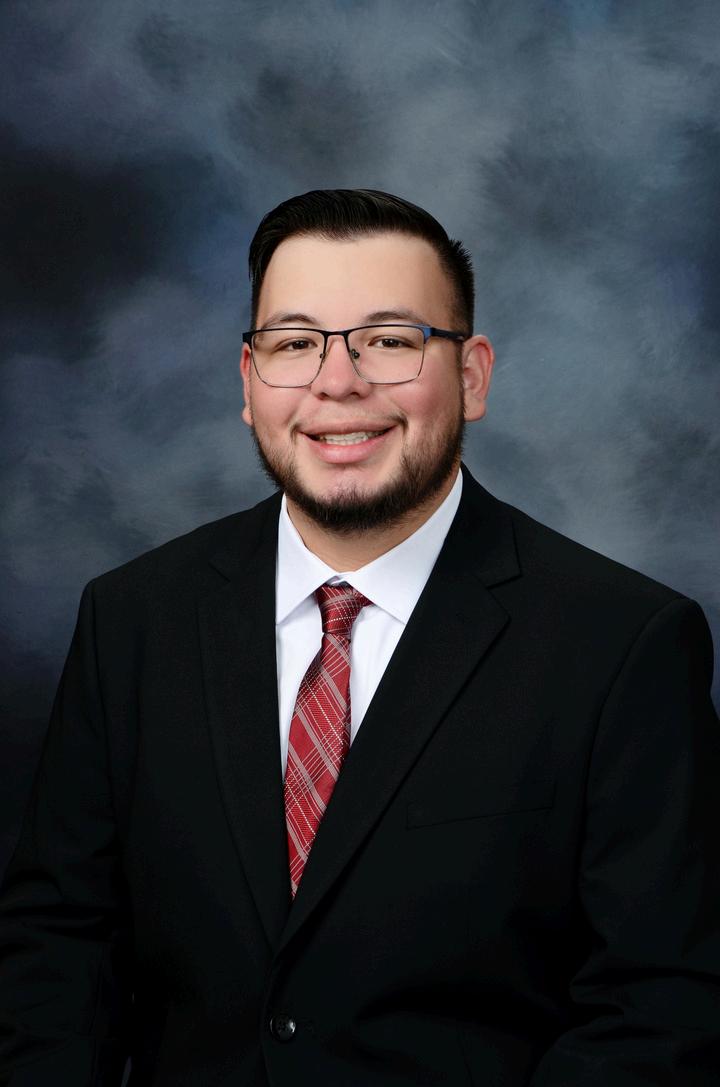
mentor and lab. I have also been able to participate in seminar series to further my understanding of research and cancer research as a whole - via guest lecturers at the University, or access to online resources that I would not have heard about otherwise.”
MICHELLEYU,CLASSOF‘27
ACSCANCERRESEARCHSUMMERINTERN
“During the 2025 ACS Undergraduate Summer Internship, I had the opportunity to work under Dr. Kimberly Miller on cancer survivorship research, where I developed the skills necessary to conduct an independent research project. Through this experience I learned how to conduct systematic literature reviews, critically evaluate scientific articles, synthesize findings, recruit study participants, and manage research data. This culminated in a research poster submitted to the ABRCMS 2025 conference examining cultural influences on mental health outcomes in Asian American childhood cancer survivors.”
Yu is earning her BS in Health Promotion and Disease Prevention.
PhotocourtesySteveSotoTrujillo
PhotocourtesyBenjaminAlonzo
PhotocourtesyMichelleYu
ADVANCINGRESEARCH THROUGHMENTORSHIP
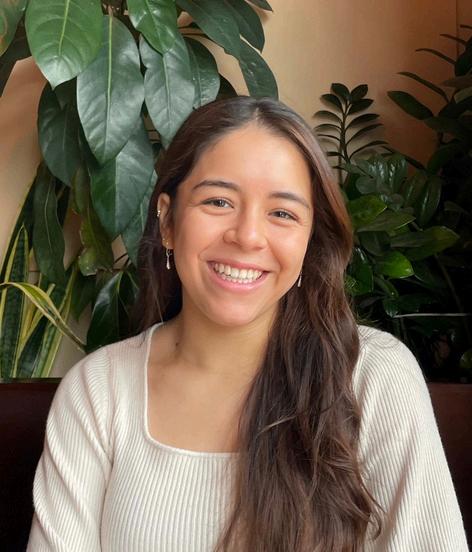
MENTEESUNCOVERTHE IMPORTANCEOF PERSONALIZATIONIN HEALTHCARE
Through the support of the Everglow Foundation and Dahlia Foundation, Kimberli Alatorre, a post-baccalaureate scholar, and Subarna Biswas, MD, PhD, a research scientist, respectively, are advancing research projects along with mentor and faculty member Charleston Chiang, PhD. Chiang is a recipient of the 2024 Dean’s Mentoring Award for Early Career Faculty.
Alatorre, who is funded by the Everglow Foundation, is working with polygenic risk score predictions, which leverage genomic information to strengthen clinical decisionmaking. Through her research, she is revealing meaningful differences in how accurately these scores predict metabolic conditions in multiancestry groups, such as for diabetes and obesity in Native Hawaiians, in a published study co-authored by Alatorre. Alatorre plans to apply to medical school this fall.
Biswas, who is funded by the Dahlia Foundation, has leveraged the longstanding Multiethnic Cohort (MEC) Study at USC Keck towards understanding why some patients face higher risks than others – and how personalized, evidence-based guidance can improve surgical recovery and long-term health. The MEC includes more than 215,000 participants and was designed to examine differences in risk factors and disease across diverse racial and ethnic groups Access to this robust, well-characterized cohort has accelerated Biswas’ work, and she has already contributed to a published study demonstrating that combining genetic predictors with detailed dietary information significantly improves the ability to identify individuals at higher risk for obesity and type 2 di b t Bi h b g l di g dditi l
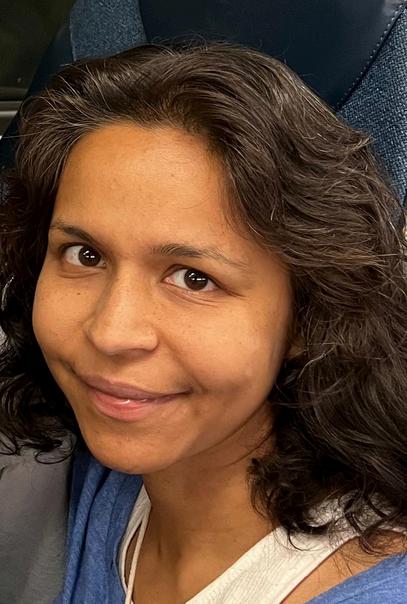
PhotocourtesyKimberliAlatorre
PhotocourtesySubarnaBiswas
GLOBALMEDICINEAND HEALTHFELLOWS
MEETTHE2025–2026DHABLANIAANDKIMFAMILYGLOBALMEDICINE ANDHEALTHFELLOWS
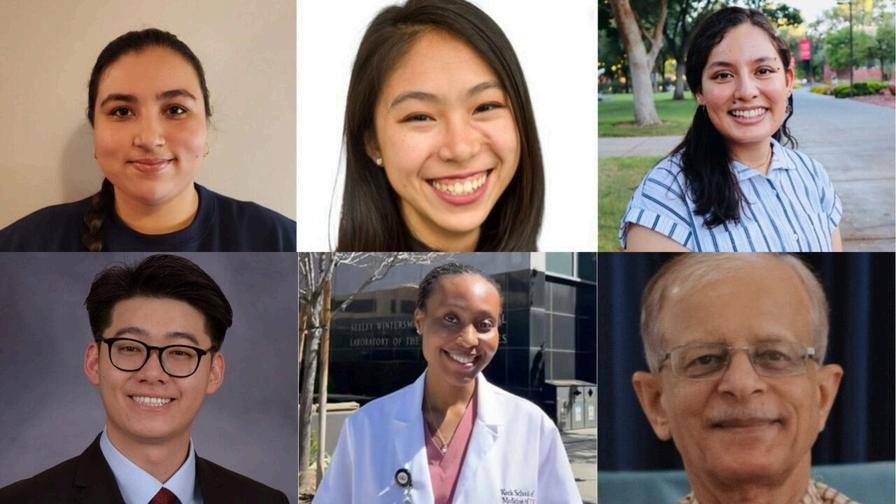
Thanks to continued generous support, six students selected for the Dhablania and Kim Family Global Medicine and Health Fellowship had the opportunity to conduct research and clinical work in a country of their choosing, deepening their understanding of global health issues through hands-on experiences. The fellowship plays a key role in fostering cross-cultural learning and equipping fellows with the tools to make meaningful contributions to communities worldwide.
KIRANDEEPCHHOKAR,MPH‘24
ResearchCountry:Greece
ProjectTitle:ExploringHealthandWell-BeingAmong RefugeeWomen
IRISISABELMARTINEZ,BSN-RN,MPH‘25
ResearchCountry:Mexico
ProjectTitle:ExploringHealthOutcomesof Deterrence-BasedImmigrationPoliciesinClinicsand SheltersAlongtheU.S.–MexicoBorder
NIRANJANS.BHATT,BS,MPH‘25
ResearchCountry:India
ProjectTitle:IncreasingAwarenessandBenefitsof ProbioticsforPrevention&TreatmentofAntibioticAssociatedDiarrheainRuralIndianChildren
ANDYLIU,MDCANDIDATE
ResearchCountry:Botswana
ProjectTitle:ExploringtheGenomicEpidemiologyof SyphilisinSouthernAfrica
TIFFANYLIN,MD
ResearchCountry:Cambodia
ProjectTitle:NeurologyClinicalEducation&Epilepsy EEGResearch
CHINAZOONYEMA,BA,MDCANDIDATE
ResearchCountry:India
ProjectTitle:SourcesofLeadExposure,Dietary Patterns,andTheirImpactonMaternalandChildren’s BloodLeadLevelsinMeghalaya,India:AContribution totheIndia-LeadEliminationActionPartnership(iLEAP)Initiative
PhotoscourtesyDhablaniaandKimFamilyGlobalMedicineandHealthFellows

In a study published in Pedagogy in Health Promotion, researchers outline five active learning approaches designed for graduate public health education
The methods, which include case-based discussions, simulations and role-playing exercises, immerse students in realistic scenarios that mirror the complexity of public health work. One exercise simulates a community town hall on HPV vaccination, while another places students in disaster response situations requiring rapid decision-making and collaboration.
“An active learning classroom puts students at the center of learning, engaging directly with ideas rather than passively listening,” says Mellissa Withers, PhD, MHS, professor of clinical population and public health sciences (educational scholar) and director of
The study also provides practical guidance for educators, including learning objectives, facilitation strategies and evaluation tools that can be adapted across programs
“To become effective public health professionals, students must do more than learn concepts they must practice analyzing, discussing, and applying them,” says Withers. “This equips them with the practical collaborative and problem-solving skills, and the adaptability, needed to respond to evolving public health issues.”
The work reflects a broader commitment to innovative, student-centered education that prepares graduates to lead in diverse community and global health settings. Read the publication
AWARDWINNERS

SOPHIAHAI,BS,MPH‘26
AMWASTUDENTOFTHEYEAR

Sophia Hai has been named Student of the Year by the American Medical Women's Association (AMWA). Involved with the organization for nearly five years, she has served on the Premedical Division’s leadership team for three years, including as National President during the 2024-2025 term. She has participated in AMWA’s advocacy meetings at the White House and on Capitol Hill, and is committed to strengthening women ’ s health through policy.
OLIVIADIAZ,BS‘26
DR.JOHNR.HUBBARDAWARD
Olivia Diaz was named the Dr. John R. Hubbard Award Honoree at the USC Latino Alumni Association Scholarship Gala. This prestigious award recognizes her commitment to academic excellence, leadership, and community service. Diaz delivered a speech at the gala where she shared her inspiring journey and her passion for increasing the representation of Latina physicians in the field.
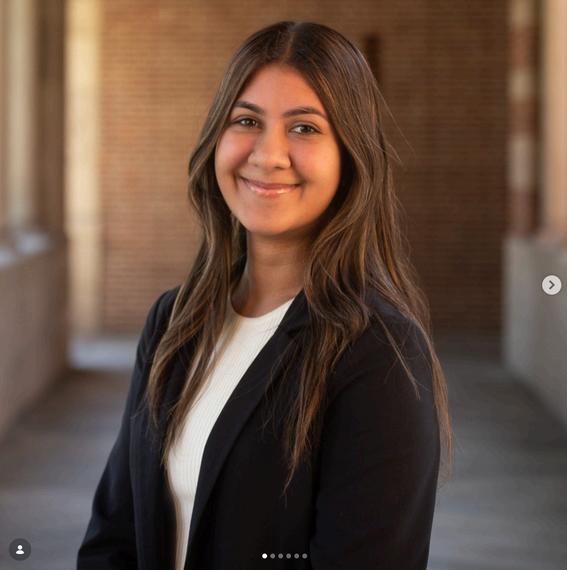
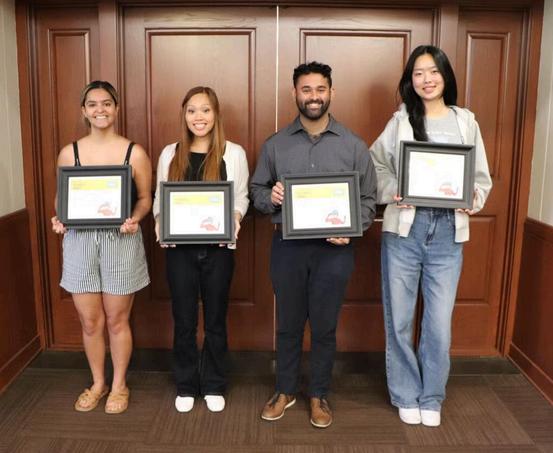
MEDHASHARMA,MPH‘26 USCLIBRARIESRESEARCH
Medha Sharma won the third place USC Libraries Research Award for “Telehealth Usage and Healthcare Expenditures, Delays, Ratings, and ER Visits in Adults with Asthma in the U.S.” Sharma praised the ready access to primary and peerreviewed sources that helped refine their research question, strengthen methodological decisions, and improve the ability to analyze quantitative data.
ANYASHAH,BS‘25
2025-2026FULBRIGHTSCHOLAR
Shah won the Open Study/Research Award to the United Kingdom to enhance early lung cancer detection through a multimodal approach combining circulating tumor cells and cell-free DNA analysis from liquid biopsies. She plans to pursue an MD-PhD in oncology, integrating clinical practice with research to advance early cancer detection tools. Shah graduated in May 2025 with a Bachelor of Science in global health and minor in natural sciences as well as a Master of Science in narrative medicine.
Photo/Anne-MarieMaxwell
PhotocourtesySophiaHai
PhotocourtesyOliviaDiaz
PhotocourtesyAnyaShah
FELLOWS
SHUDIPAN,PHD‘2
AMERICANHEART ASSOCIATIONPRE-DOCT FELLOW
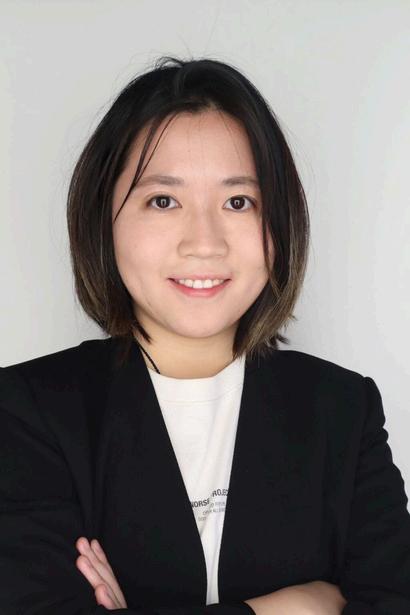
“Witnessing several of family members struggle cardiometabolic-related diseases inspired me to pu this field of study,” says S Pan, PhD ‘25. During her tim USC, Pan was awarded American Heart Associ Pre-doctoral Fellowship investigate the association between persistent organic pollutants (POPs) and high blood pressure in obese teenagers. Her study found that POPs synthetic toxic chemicals often found in food sources and stored in body fat are associated with longterm higher blood pressure in adolescents who underwent bariatric surgery.


DCANDIDATE FOGARTYFELLOW
Pan graduated in 2025 with a PhD in Epidemiology, and went on to a postdoctoral fellow position at Emory University in Atlanta
communities. Through the fellowship, housed in the Department of Population and Public Health Sciences, Lerdsuwanrut examined how transportation infrastructure and air pollution intersect with health disparities in Los Angeles, particularly in neighborhoods historically exposed to higher environmental risks. Working with faculty mentor Rob McConnell, MD, she authored a commentary examining how limited public transit options contribute to heavy reliance on cars across the region
Lerdsuwanrut will pursue her MD at Keck School of Medicine in Fall 2026.
Franklin Kane, a doctoral idate in health behavior arch in the Department, has awarded the highly petitive Global Health rging Scholars (GHES) wship. Sponsored by the Fogarty International er, the GHES program s 12 months of mentored global health research training at leading partner institutions in low- and middle-income countries. During her fellowship year, Kane will work with the Public Health Research Institute of India in Mysore, India to examine how psychosocial and structural barriers impact completion of the HPV screening cascade to prevent progression to precancer and invasive cervical cancer among women in rural, resourcelimited settings. Her work builds on a broader research portfolio focused on maternal health, cervical cancer prevention, and the health impacts of climate change in LMICs, including previous research in Kenya, Malawi, and Cuba.
PhotocourtesyShudiPan
PhotocourtesyNishaLerdsuwanrut
PhotocourtesyAnjuKane
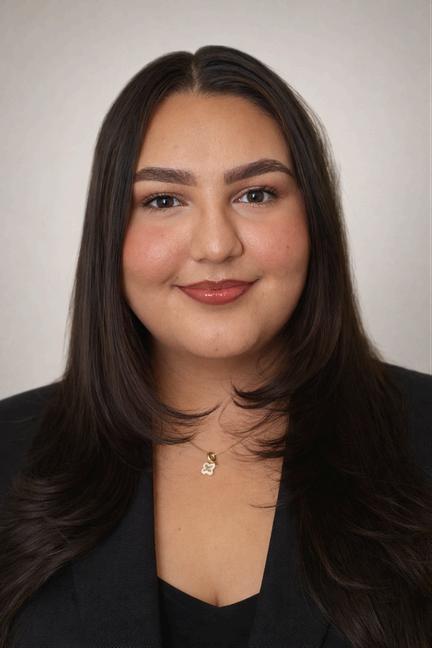
detecting spatial co-loca interactions, which is i understanding tissue organizati processes.”
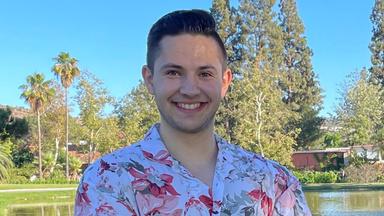
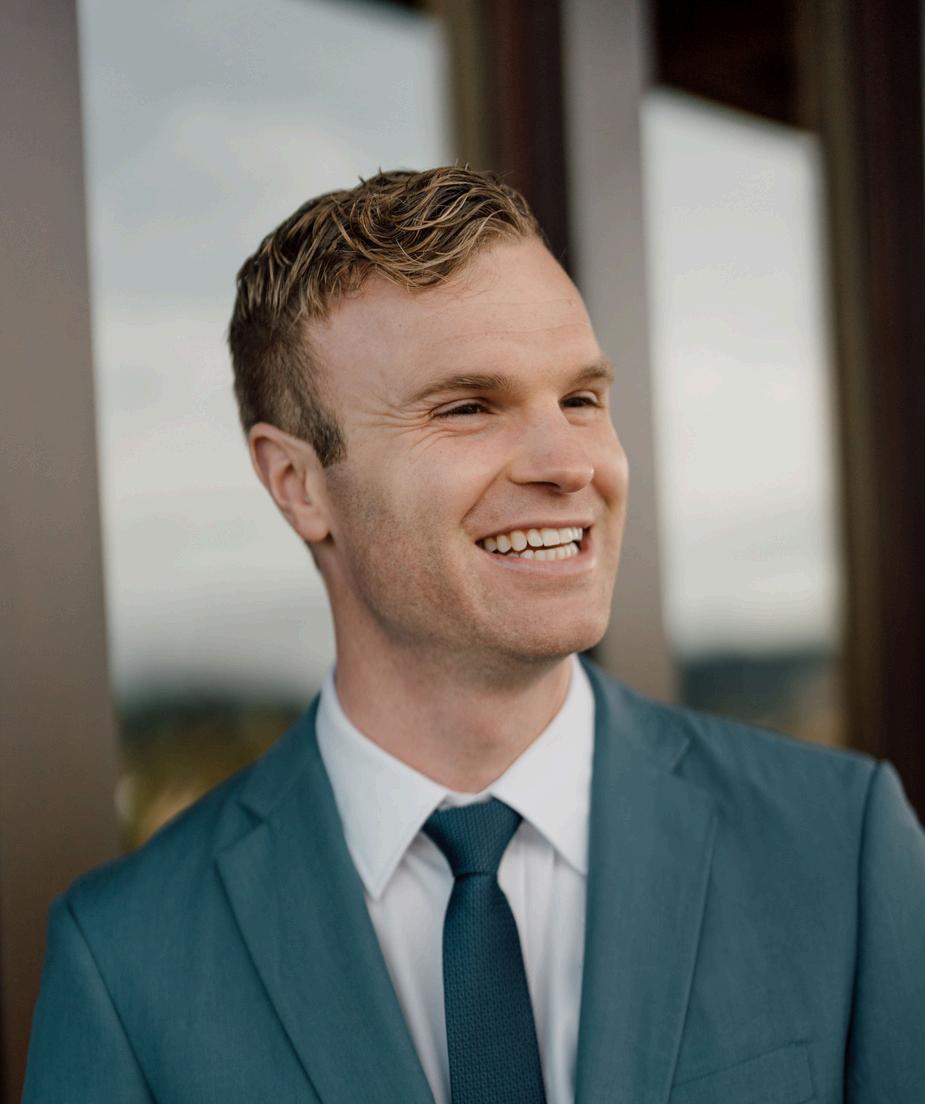
DANIELRUD,PHD'25 PHDINBIOSTATISTICS
“My first dissertation project was a big moment for me because of its potential impact... One example of how this model could be used is to inform public health policy related to vehicle emissions and safety. Here, we would investigate the mixture of pollutants from exhaust and brake wear emissions. This would help us understand which pollutant is the most vital to control for to lead to better health outcomes ”
fail to gain traction in the places that need them most. I was drawn to the MS in Clinical Translational Research in order to harness implementation science to improve the and dissemination of these lifeions in low-resource settings
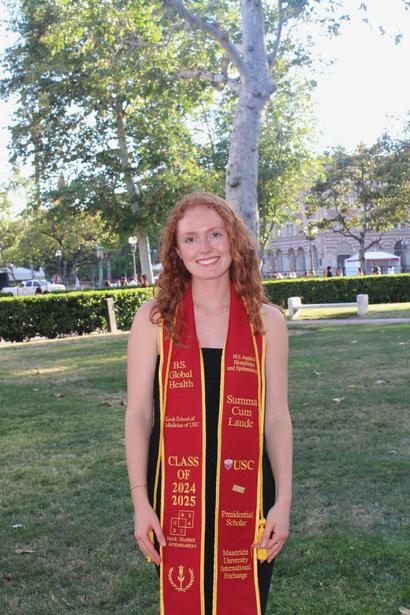
pregnancy This work is important because it seeks to provide culturally-tailored dietary recommendations that may help improve mental health during pregnancy.”
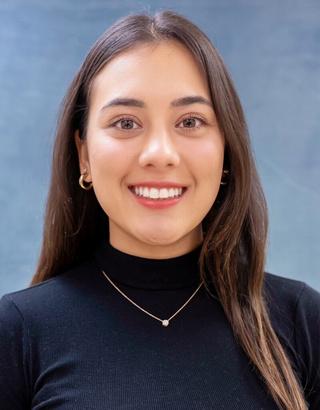
c e because I saw how data can be used to tell important stories and help improve health outcomes, especially for underserved communities.”
Bandov was awarded a scholarship from the American Statistical Association.
PhotocourtesyMonaBandov
PhotocourtesyDanielRud
PhotocourtesyDaniellaCarrillo
PhotocourtesyCarolineAsh
COMMUNITY
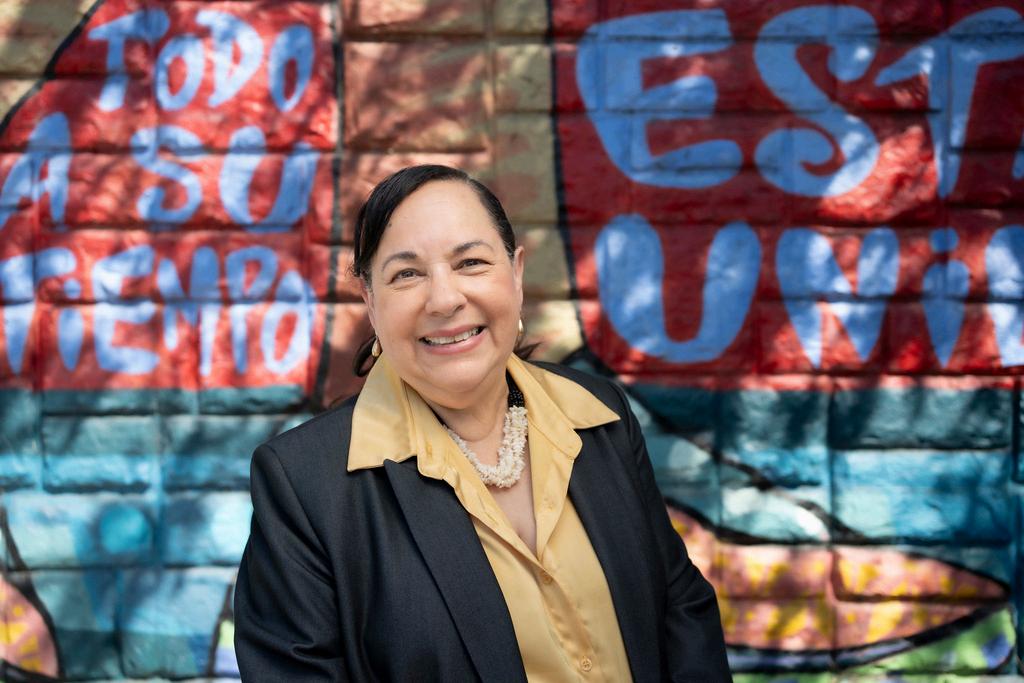
This year, our community projects have been incredibly critical to understanding what's happening in our communities and, together, taking action. California has faced significant public health challenges, particularly devastating wildfires that burned over 57,000 acres, forced more than 200,000 evacuations, and damaged or destroyed over 18,000 structures. Los Angeles in particular was hit hard. Smoke exposure has contributed to dangerous air quality levels and rising long-term health risks. Through our efforts, over 8,000 people received information daily on the effects of smoke, air quality after the fires, clean up, and where to obtain shelter and food. Care packages, wheelchairs, toiletries and blankets were distributed among patients, and those left unsheltered by the fires. We raised over $100,000 to help cancer patients in need of assistance.
We are dedicated to our impactful partnerships and efforts to engage communities bidirectionally in our training of students, and in providing the most responsive programs, educational campaigns, high level and timely research, and access to health information and care across Los Angeles communities.
Lourdes Baezconde Garbanati, PhD, MPH
Distinguished Professor of Population and Public Health Sciences
Senior Associate Dean for Community and Workforce Development Initiatives
Associate Director for Community Outreach and Engagement
Award-winning community engagement
The Association of American Medical Colleges (AAMC) has chosen the Keck School of Medicine for this year’s prestigious Spencer Foreman Award for Outstanding Community Engagement, recognizing the School’s commitment to partnering with its neighbors in Los Angeles to identify and address their critical needs.
BEINGTHEREFOROUR COMMUNITY
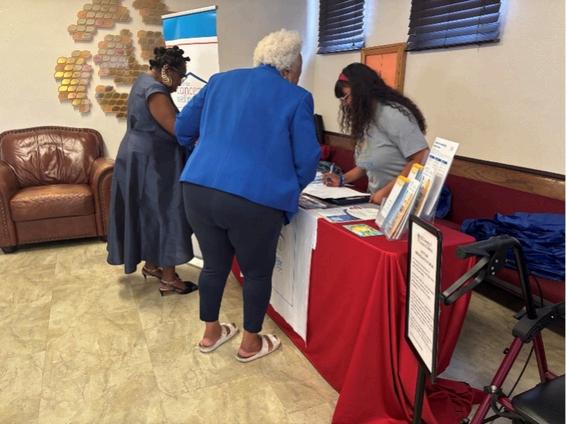
At Hazard Park Annual Breakfast and Toy Giveaway, we supported over 200 families with toy distribution and assisted with welcoming families in a restaurant style breakfast.

Staff Members attended Bryant Temple AME Church to share cancer-related educational materials and resources. As the only organization present with an informational table, we distributed resource bags to more than 40 attendees, each containing vital cancer education materials. Congregants showed strong interest in information on cancer screenings, prevention strategies, and general cancer education workshops.

Staff was able to volunteer in toy sorting and donated toys collected via our internal toy drive at Weingart East Los Angeles YMCA 19 Annual Toy Giveaway Over 250 families were reached this year. th
Photo/USC
Photo/USC
Photo/USC
Staff supported and volunteered at Clinca Monsenor Oscar Romero Santa’s Village Over 400 family members were reached this year.

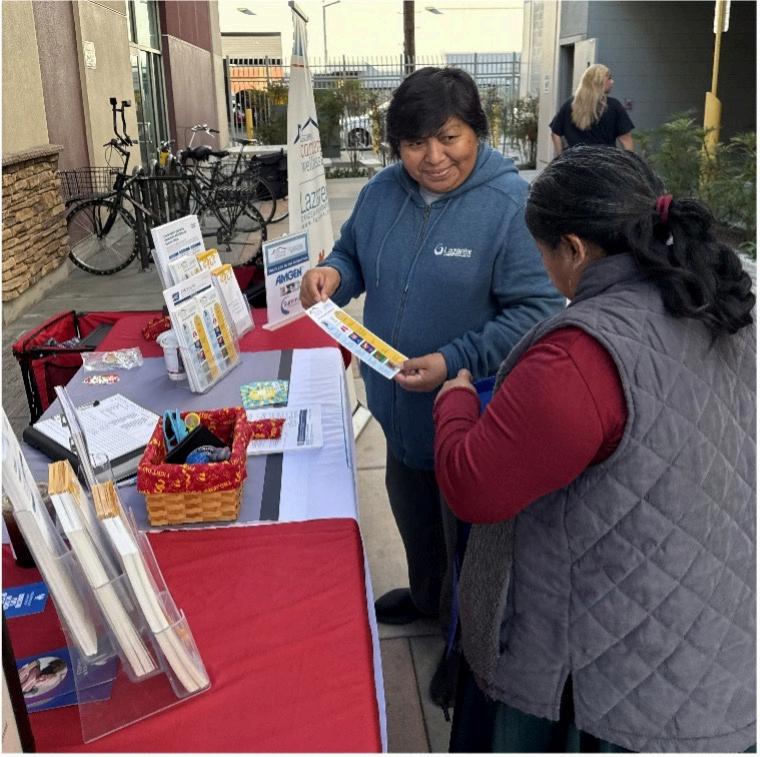
Our Wellness HUB team partnered with the Anderson Munger Family YMCA and a community food drive to support local families with both nutritious food and vital cancer resources In addition to distributing groceries, we shared cancer-related materials in English, Spanish, Korean, and Chinese to ensure the information was accessible to everyone.
Our table stayed busy throughout the event, drawing community members whose lives or the lives of their loved ones have been affected by cancer. Our team engaged thoughtfully and efficiently with participants from our diverse communities, addressing important health concerns with empathy and professionalism This event underscored the impact of collaboration and cultural awareness in promoting community health We look forward to continuing to meet with our community members where we will continue offering resources, education, and support to even more families.
Photo/USC
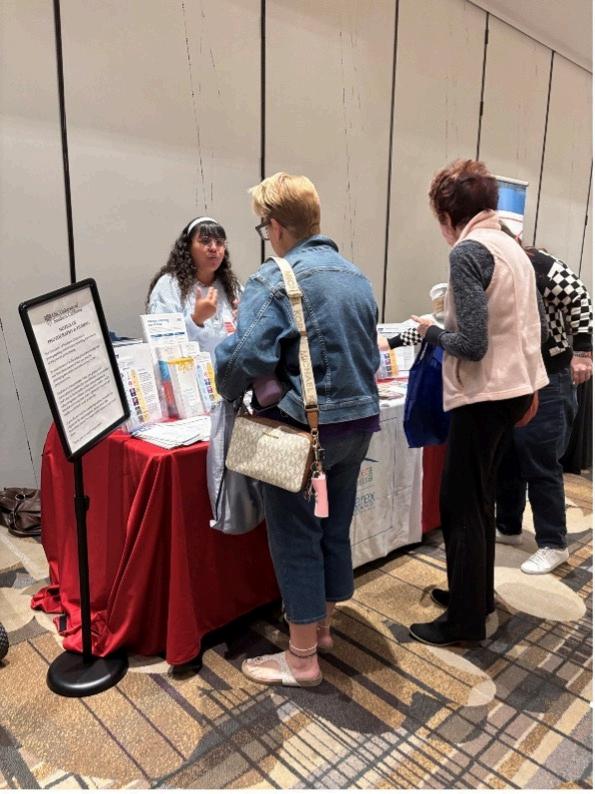
Our team hosted a table at the Blood Cancer United Southern California Blood Cancer Conference.
64 individuals visited the table to receive information. Each visitor was provided with resources on clinical trials, cancer prevention, screenings, and treatment options for various types of cancer. Several organizations were also present at the event, including Genentech, AstraZeneca, Cancer Support Community, Legend Biotech, Bristol Myers Squibb, Blood Cancer United, Rigel, CLL Society, Be One, Chao Family Comprehensive Cancer Center, Geron, Servier, UCLA Health, and Johnson & Johnson, among others.
Overall, the event offered a valuable opportunity to distribute educational materials, engage with community members, and connect with individuals interested in follow-up support and additional resources.
Photo/USC
FACULTYAWARDSAND ACHIEVEMENTS
LOURDESBAEZCONDEGARBANATI,PHD,MPH
Distinguished Professor of Population and Public Health Sciences
Senior Associate Dean for Community and Workforce Development Initiatives
USC Associates Award for Creativity in Research and Scholarship
University of Southern California
RITAV.BURKE,PHD,MPH
Associate Professor of Clinical Population and Public Health Sciences
Chair’s Citation on Pedagogical Excellence Award Department of Population and Public Health Sciences
ARUNDURVASULA,PHD
Assistant Professor Outstanding Investigator Award
National Institute of Health
SOFIAGRUSKIN,JD,MIA
Professor of Population and Public Health Sciences
Director of USC Institute on Inequalities in Global Health
Commissioner for the WHS Lancet Commission on Academic Responsibility, Trust in Science and Societal Change
World Health Summit and the Lancet
USC Distinguished Faculty Service Award
USC Academic Senate
Working Group on Protecting SRHR Services in National and Global Health Priorities
United Nations Partnership for Maternal, Newborn, and Child Health
CHRISTOPHERHAIMANSCD
Professor of Population and Public Health Sciences
Paul Fearn Award for Excellence in Data Sharing, 2025
National Cancer Institute
ANNS.HAMILTON,PHD
Professor of Research Population and Public Health Sciences
Carleton College Distinguished Alumni Achievement Award
Carleton College
CHRISTIANHENDERSHOT,PHD
Professor of Population and Public Health Sciences
Elected Fellow
American Psychological Association
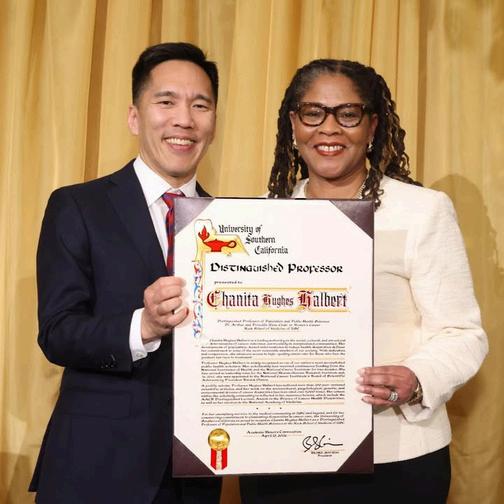
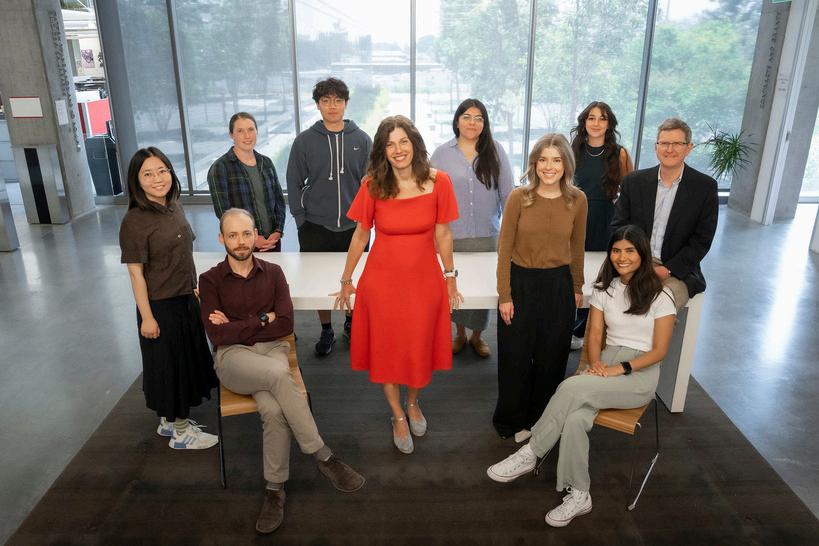
Pictured:USCPresidentBeong-SooKim JD andChanitaHughesHalbert PhD PhotocourtesyChanitaHughesHalbert
MEGANHERTING,PHD
Associate Professor of Population and Public Health Sciences
Dean's Early Career Award for Excellence in Mentoring
Keck School of Medicine of USC
Research Catalyst Program – Zumberge Topic Area
USC's OORI Research Catalyst Program Award
HOWARDHU,MD,MPH,SCD
Professor of Preventive Medicine
Senior Science Advisor
Pure Earth
CHANITAHUGHESHALBERT,PHD
Distinguished Professor of Population and Public Health Sciences
University of Southern California
KIMBERLYSIEGMUND,PHD
Professor of Population and Public Health Sciences
2026 Chair of the Section on Statistics in Genomics and Genetics
American Statistical Association
Chair's Citation on Pedagogical Excellence
Department of Population and Public Health Sciences
STAFFAWARDSAND ACHIEVEMENTS
Project Administrator
KSOM Star Award
Keck School of Medicine of USC
Senior Office Manager
KSOM Star Award
Keck School of Medicine of USC
Senior Office Manager
KSOM Staff Council Award for Leadership
Keck School of Medicine of USC
Project Specialist, Division of Environmental Health
KSOM Star Award
Keck School of Medicine of USC
Project Specialist
KSOM Star Award
Keck School of Medicine of USC
TARACHU
LUZMONCAYO
LISAVALENCIA
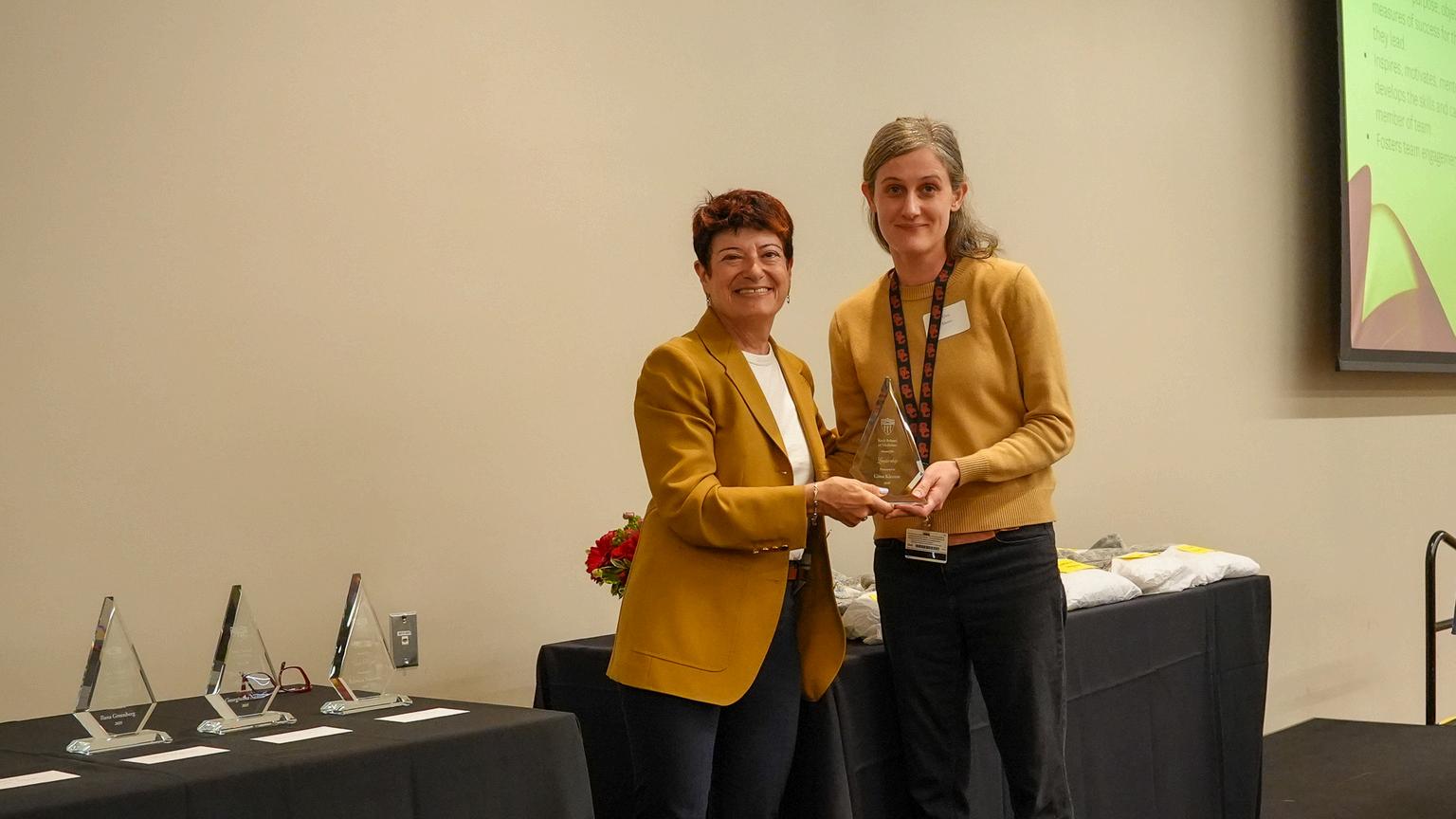
Pictured:KeckSchoolofMedicineDeanCarolynMeltzer,MD,andGinaKlemm Photo/USC
GINAKLEMM
MEHAKKAUR
CENTERS
CENTERFORTRANSLATIONAL EXPOSOMICSRESEARCH(CTER)
keck.usc.edu/cter
CANCERSURVEILLANCEPROGRAM(CSP) csp.usc.edu
CENTERFORGENETICEPIDEMIOLOGY
keck.usc.edu/genetic-epidemiology-center
CLIMA
clima.usc.edu
CENTERFORYOUNGADULTCANCER SURVIVORSHIPRESEARCH youngadultsurvivors.org
SOUTHERNCALIFORNIACENTERFOR LATINOCHRONICHEALTHDISPARITIES chla.org/blog/experts/workmatters/southern-california-center-latinohealth
SOUTHERNCALIFORNIAEVIDENCE REVIEWCENTER sites.usc.edu/socalevidencereview
SOUTHERNCALIFORNIACENTERFOR CHILDREN'SENVIRONMENTALHEALTH TRANSLATIONALRESEARCH sc-cehrt.org
SOUTHERNCALIFORNIAENVIRONMENTAL HEALTHSCIENCESCENTER(SCEHSC) scehsc.org
TOBACCOCENTEROFREGULATORY SCIENCE(TCORS) ias.usc.edu/tcors
CENTERFORHEALTHENHANCEMENT (CENHEALTH) cenhealth.usc.edu
CARE2HEALTHEQUITYCENTER(CARE2) care2healthcenter.org
GENEONTOLOGYCONSORTIUM geneontology.org
CENTERFORSTATISTICALMETHODSFOR INTEGRATIVEGENOMICSINCANCER keck.usc.edu/statistical-genomics-center
SUPPORTPPHS

BEPARTOFTHEIMPACT
Each year, our community of alumni, partners, and friends helps propel students, faculty, and research forward. We invite alumni, community partners, and friends to stay engaged and support the Department in ways that feel meaningful to them. Together, we can expand opportunity, deepen impact, and continue building a strong, connected public health community.
WaystoGetInvolved
SUPPORTSTUDENTSTHROUGHSCHOLARSHIPS
Learnmore
ADVANCERESEARCHANDINNOVATION
Fuel faculty and student research that addresses pressing public health challenges
Learnmore
ENGAGETHROUGHEVENTSANDNETWORKS
Join PPHS events, alumni gatherings, and forums in a vibrant, connected Trojan public health community.
Learnmore
Help reduce financial barriers and directly expand access for the next generation.
MENTORANDINSPIRESTUDENTS
Shape student pathways through career conversations, guest lectures, and professional guidance
Learnmore
STAYCONNECTED
Stay engaged on student achievements, research breakthroughs, and community impact.
Learnmore