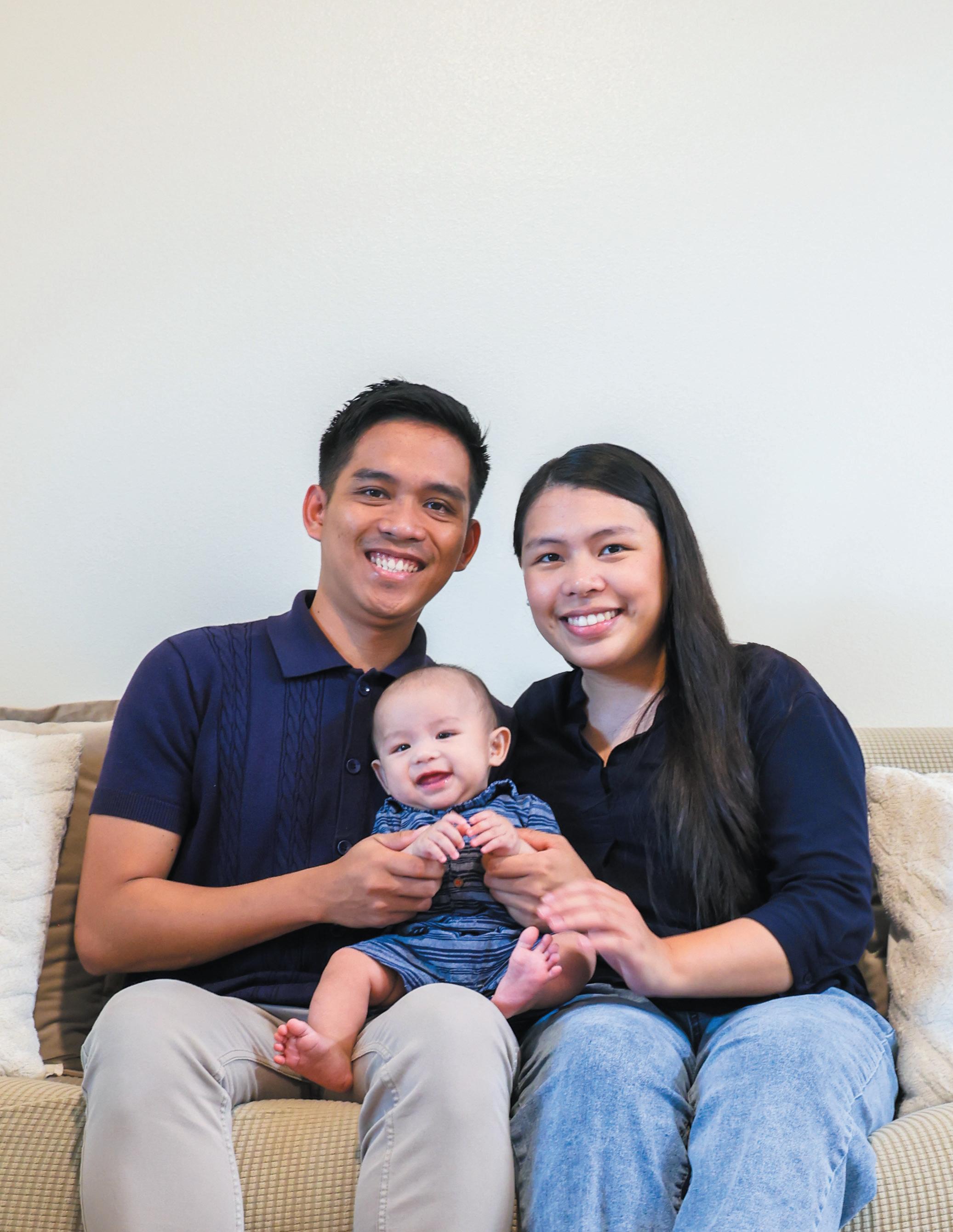
To access the podcasts, you can go to Spotify, Buzzsprout or YouTube and search for Ke Alaka‘i.
NEWS CENTER: Box 1920 BYUH Laie, HI 96762
Editorial, photo submissions & distribution inquiry: kealakai@byuh.edu
To view additional articles, go to kealakai.byuh.edu
CONTACT:
Email: kealakai@byuh.edu
Phone: (808) 675-3694
Office: BYU–Hawaii
McKay Classroom 135 ON THE FRONT COVER: ABOUT
The Ke Alaka‘i began publishing the same year the University, then called Church College of Hawaii, opened. It has continued printing for more than 70 years. The name means “the leader” in Hawaiian. What began as a monthly newsletter, evolved into a weekly newspaper, then a weekly magazine and is now a magazine published 8 times a year with a website and a social media presence. Today, a staff of more than 20 students work to provide information for BYU–Hawaii’s campus ohana and Laie’s community.
Check out our issuu page for more magazines published by us.
To the ones who yearn,
You cannot build a home without love.
I thought I knew what love meant a couple of years ago. Back then, it felt sweet, fun and new. Fast forward a few years later, I have realized I do not, in fact, have a great definition of what love really is. What I do know is that I have seen it in different forms—familial love, romantic love, fleeting love and what might be true love.
Over the years of living in a ridiculously saturated world, I found myself longing to understand what love really is and where to find it.
There’s a famous pop group in the 1960s that I ‘ve been listening to a lot lately: The Supremes. Their song "You Can’t Hurry Love" has been a recurring track on my playlist for almost a month now and the message is clear:
You can’t hurry love
No, you just have to wait
You gotta trust, give it time
No matter how long it takes
It’s comforting to think about the message of the song but incredibly difficult to practice. We tend to find ourselves looking for love in places we shouldn’t. We try to build it with people that don’t really share the same love that we give them. We yearn to love and to be loved.
In Bell Hooks’ “ All About Love,” she says, “We yearn for love— that we seek it—even when we lack hope that it can really be found.” The line seems painfully honest.
I’m 25 now. I’ve been in a relationship, had my heart broken, and tried again. But, dating after that never really worked out. I do not want to preach about romantic love because it is different for all of us. What I do want to say is, there’s different kinds of love. Before you ever learned how to love others, there were people that loved you first: those tied to you by blood. For others, love comes from a new-found family met in school, communities or during moments in life when love was needed the most. There’s also love for self, which I think is the most difficult to find and practice.
Editor’s Letter
Another song I deeply adore is “I’ve Seen It” by Olivia Dean. The song feels like a quiet love letter to those who feel they may never find love, or to those who don’t quite know what love is. And yet, it reminds me that love is everywhere. It is given and taken, and lives within all of us. Love doesn’t come easily; it manifests in so many different ways, and I know we are all capable of finding it.
The Ke Alaka‘i February issue centers on the theme "Home is where Love Abides". The expectation is for everyone to relate in some way to the stories written here, but it is also true that some won’t. My hope is that you realize that home doesn’t always have to be another person. Sometimes, home is something you build. Sometimes, home is you. You are home—as long as you choose to see it that way.
All my love,
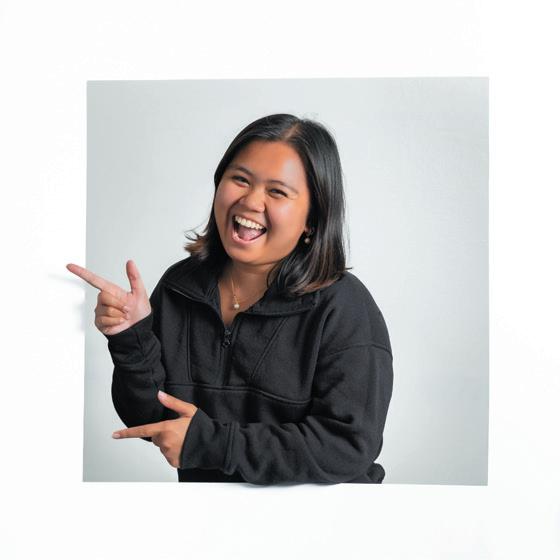
Myco Chillian Marcaida Copy Editor
To the ones who notice the small details,
Family to me means more than just parents and siblings; it encompasses those who have been by my side when I needed it most. Just like RuPaul says, “We get to choose our family and the people we’re around.” That is why I believe families come in many different forms, which is reflected in the stories in this issue of Ke Alaka‘i. I believe the purpose of family is to provide guidance, love, care, and direction. A home should also be a place where you feel the safest and most comfortable. I wanted to visually represent this through the different patterns, color palettes, and typography found in our articles. As you read and experience the visual storytelling, I hope it evokes those emotions in you.
All my love,
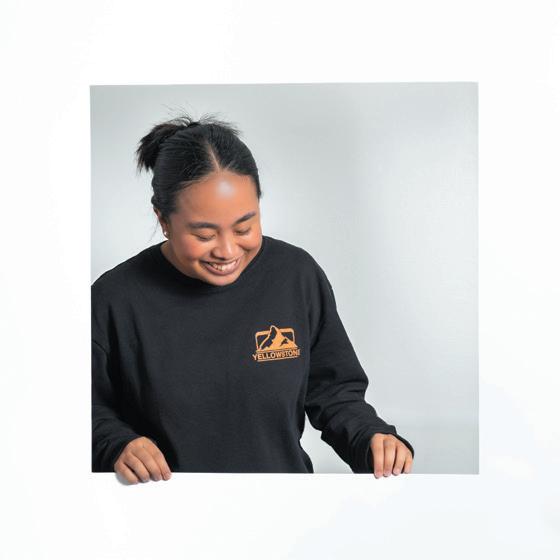
Cho Yong Fei Art Director
About The Art
KE ALAKA’I
BUNCH
Haley Cowan
Myco Chillian Marcaida
Jessika Santoso
France Valerie Lucillo
John Andrew Quizana
Samantha Faith Satorre
Chance Childers
CJ Shinihah Notarte-Orr
Julia Aunai
Photographer
Copy Editor
Managing Editor
Multimedia Journalist Editor-in-Chief
Copy Editor
Graphic Designer
Managing Editor Multimedia
John Rincon Watson
Ruea Kelly Tama
Linda Laulu
Ice Cesario
Jay-R Gallano
Cho Yong Fei
Hiroki Konno
Alden Ethanael Pua
Guen Ysanth Ramirez-Platon
CHECKS IN
WHAT I CARRIED SO I WOULDN’T FORGET HOME IS WHERE THE HEART
STRONGER IN DISTANCE
SNACKS, CODES AND SECRETS
BYU–Hawaii students share keepsakes that serve as totems of home for them
BY SAMANTHA FAITH SATORRE
For BYU–Hawaii students who have defied odds to pursue dreams thousands of miles away from their families, home is no longer a fixed address. They said home travels with them wherever they go in the form of tangible objects they hold most dearly. For Amartuvshin Mendsaikhan and Mitzi Chou, home becomes photographs tucked into notebooks, a mother’s engagement ring or even a plush Pikachu wearing an aloha shirt. They said home will never be erased by distance so long as they can hold onto these keepsakes.
Home in faded photographs
For Amartuvshin “Amara” Mendsaikhan, a freshman in TESOL from Mongolia, home always begins with her family. She described being with her family as a “warm feeling that fills you with love.” This emotion, according to her, extends beyond geography. Despite being vast distances away from Mongolia and her childhood home, she said she carries that love and warmth with her through printed photographs of her family. These photos, as she described, are not simply recent snapshots but mementos from different stages of their lives, from her childhood to the present.
“I usually collect pictures and things of memories,” Mendsaikhan shared. “It’s like a personal hobby. I can see how it’s changed over the years, from my younger time until now. It helps me remember important moments.”
For Mendsaikhan, although coming to BYU–Hawaii brought forth opportunities to connect with people across different cultures, the decision came with significant challenges. She said holidays and special occasions in particular intensify her longing for her physical home. “We’re all trying to make this place feel like home,” she said. “But sometimes, especially during special days, we miss our home very much.”
Mendsaikhan said she often finds herself leafing through these photographs during difficult seasons. “Whenever I feel down,” she said, “I turn to those memories to find motivation. Especially during holidays, I just miss that feeling of being with them.” These little pictures, she said, are things she reaches out to as emotional anchors.
Over time, however, Mendsaikhan said her understanding of home has also transformed. Before going to college, she shared her experience that first required her to live away from home: serving a mission for The Church of Jesus Christ of Latter-day Saints. “Since I started my mission and then came here, I learned how it is to stay without my family,” she said. “Whenever I’m making memories with people around me who encourage me to keep going; that really feels like home to me.”
Mendsaikhan also shared that in her six months of being at BYU–Hawaii, many new things have joined her special collection of keepsakes. Standing out among these objects, she said, are her notebooks. She said she has been regularly keeping journals filled
Amartuvshin Mendsaikhan said photos carry memories, so she always projects happiness onto the camera.
with impressions from class lectures, teachings from devotionals and personal reflections. “I try to write down what stood out to me,” she said, “What professors say, what speakers say, what I learn about myself.”
Mendsaikhan said she would never throw these writings away. “They hold memories, my feelings and experiences,” she said. She expressed that losing these things—photographs and journals alike—would feel like losing pieces of herself. “People forget a lot of things when we experience different challenges,” she said. “When I look back at those pictures or journals, I remember who I was, what challenges I had, what happy moments I spent. It helps me understand who I am and where I’m going.”
Home in her hand
Meanwhile, across campus, Chou, a senior in music from the Philippines, said home is also tucked into one of the objects she brought with her as she traveled to BYU–Hawaii. For her, it’s in a smaller but equally significant form.
"When I look back ... I remember who I was, what challenges I had, what happy moments I spent. It helps me understand who I am and where I’m going."
Amara Mendsaikhan
Chou shared she has been in Hawaii for four years. The decision to embark on this journey, she said, was something spiritual. “I wanted to come after my mission,” she said. “Then something happened that made me not want to. Then something happened again that made me want to. Ultimately, I think this was an answered prayer.”
Chou said in her first two years of being here, homesickness didn’t really consume her. She shared it was only recently when academic responsibilities started building up that homesickness surfaced more intensely. “I feel like I’m running toward my goals,” she said. “But then I realized my family is far away from me. That’s when I started to feel homesick.”
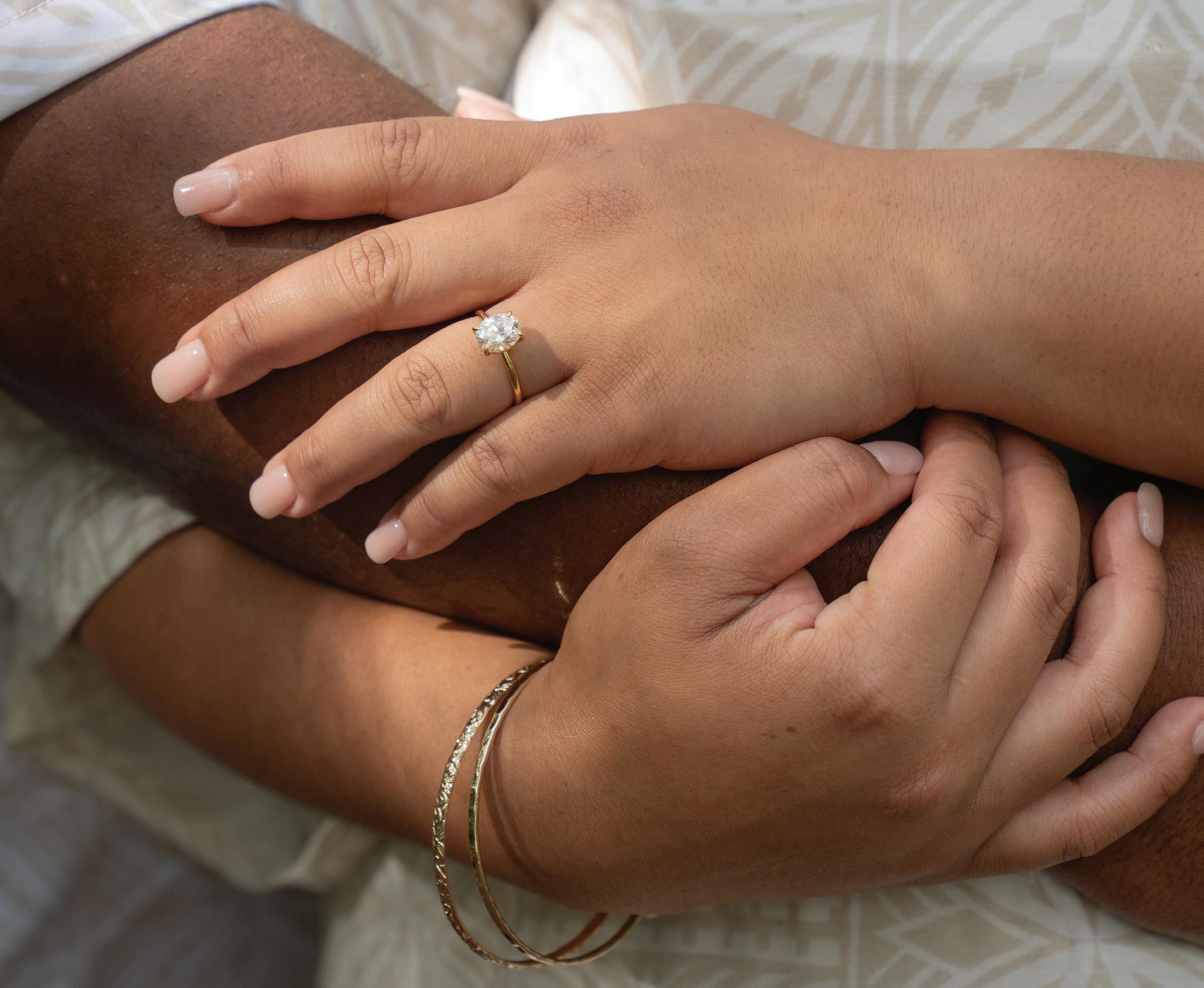
To cope, Chou said she turns to a keepsake she received from her mother: an engagement ring. She said it was something her mother entrusted her with before she left for Hawaii. “I don’t usually wear it because it’s precious to me,” she said. “But it reminds me of her love and the sacrifices she made for me and my siblings.”
Although Chou described herself as not “emotionally close” with her parents in a conventional sense, she said her mother remains her source of comfort, and that is reflected by the attachment she has to the engagement ring. “The sentimental value in that ring is higher than the price it was bought for,” she said. “If I lose it, I will cry. I would be so sad.” And when asked what object she would bring with her wherever she went, her answer was immediate: “The ring. I would put it in my hand.”•
Photos by Ruea Kelly Tama.
Layout by Cho Yong Fei.
Three BYU–Hawaii students say their journey from assigned roommates to brothers shows that trust, small conversations and shared responsibility can turn a dorm room into a home
BY LINDA LAULU
On a campus where roommates are often assigned randomly, three BYU–Hawaii students shared a story that shows love doesn’t require blood ties. It takes patience, clear boundaries and the daily choice to stay committed—even when walking away would be easier, they said.
Boundaries before brotherhood
Alema Alesana, a sophomore biology major from Samoa, said he and his roommate set rules for their shared space from the start. “Setting ground rules early, even as friends, helped us maintain individuality and a sense of personal security,” he said.
Ioselani Ioselani, a sophomore from Samoa double majoring in political science and Pacific Island studies, described himself as reserved and private. “I like to stay in my own lane. I value my space and my peace,” he said. He prefers a small circle and quietly handles responsibilities. In contrast, he described Alesana as more open and social—someone comfortable interacting with others and asking for help. That difference, Ioselani said, balanced their living situation because they learned to respect each other’s personalities.
Still, Alesana admitted it wasn’t always smooth sailing. “Living together required adjustments, especially when small frustrations came up. Especially with food,” he said with a laugh, acknowledging that sharing space naturally brings disagreements.
Conversation and trust over conflict
One minor misunderstanding tested their communication early on, said Ioselani. Ioselani said he often asked Alesana, who works at the Polynesian Cultural Center’s kitchen, to bring back extra food. When Alesana returned empty-handed, it could have sparked tension, he said. “At first, it was a little disappointing,” Ioselani said. But instead of letting it become an issue, Alesana offered to cook for both of them.
Ioselani said that response shifted the dynamic. “It showed me that misunderstandings don’t have to turn into conflicts,” Ioselani shared.
Alesana said transparency is key in shared living spaces. “Be transparent with each other, set your ground rules from the beginning and resolve issues by talking with each other and not about each other to others,” he said. He compared college roommates to missionary companions—assigned, not chosen—but said the responsibility remains the same: make it work. “At the end of the day, you have to preserve yourself,” he added.
Ioselani said trust formed gradually through late-night conversations about school, family and personal pressures. “There wasn’t one big dramatic conversation,” he said. “It was small conversations over time.” As they opened up about responsibilities they carried quietly, he said, their dynamic shifted. That’s when Ioselani said he began seeing Alesana not just as a roommate, but as a brother. “I grew up without really
experiencing what it’s like to have a brother,” he expressed, sharing that his own brother passed away when he was three years old. Over time, he said, Alesana “filled that gap” and became like family. “It wasn’t just about sharing a room anymore. It became about genuinely caring for each other,” Ioselani said.
From a unitmate’s perspective
Daniel Mulipola, a freshman from American Samoa studying accounting, said the unit felt quiet and awkward at the start of the semester. “Everyone was still feeling each other out,” he said. As weeks passed, he said he witnessed their friendship strengthen. The atmosphere shifted from strangers sharing space to roommates joking, supporting each other and creating a lighter environment, he shared. “You could see them hanging out more, supporting each other and just being more open,” he said.
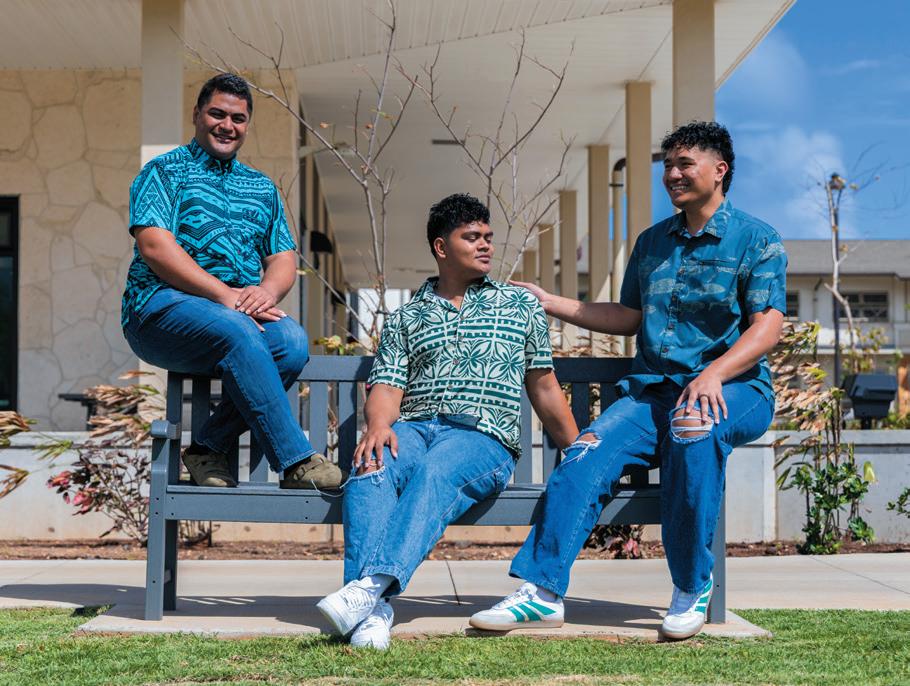
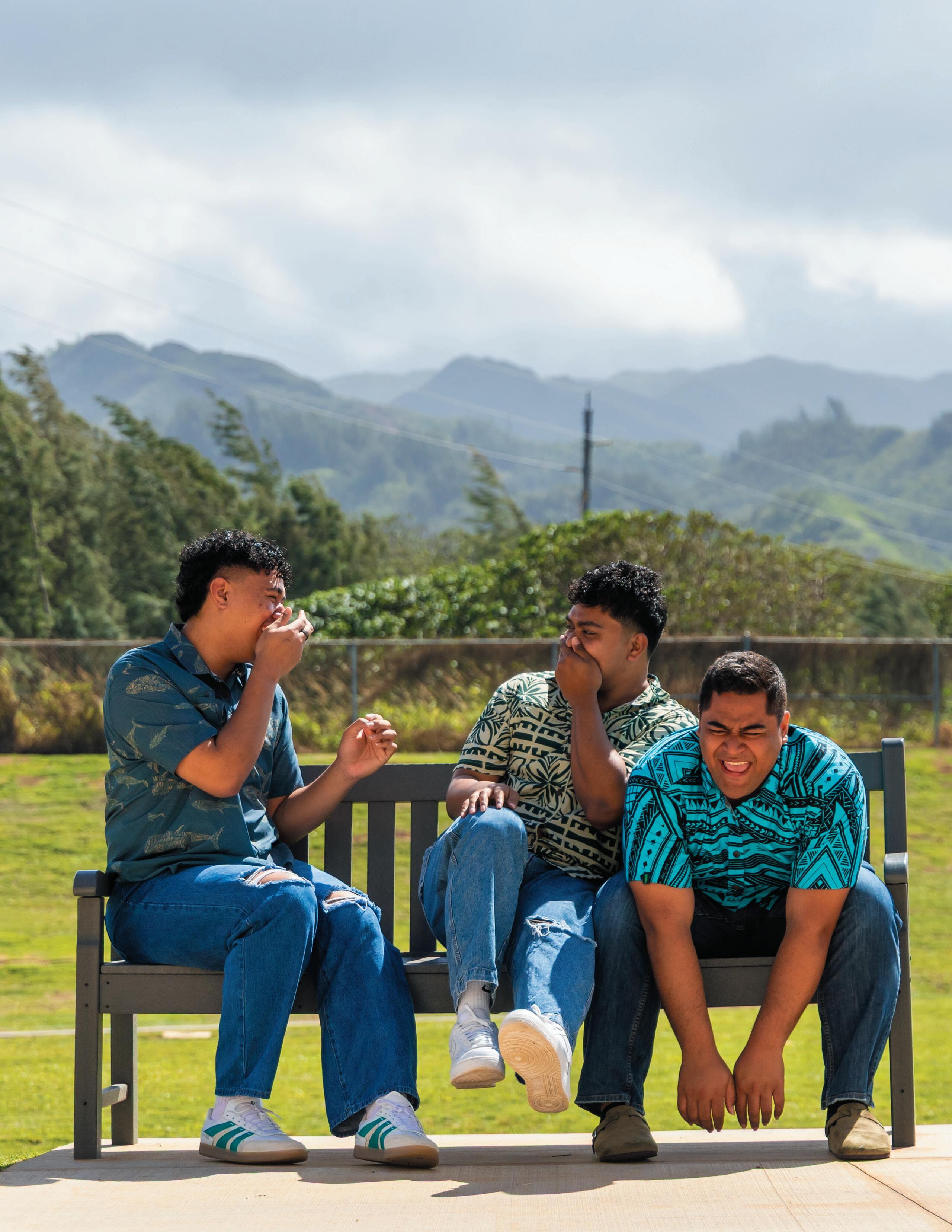
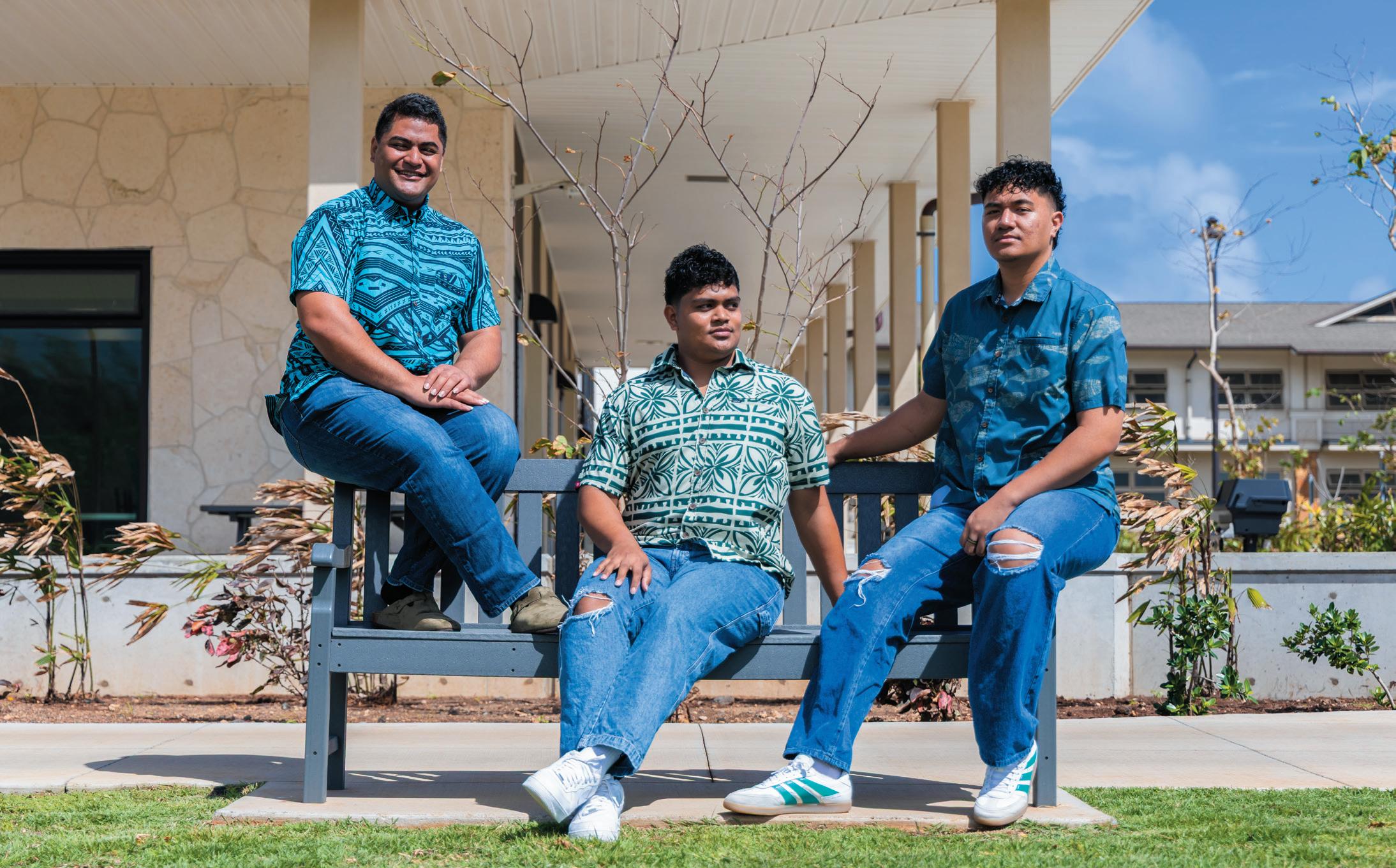
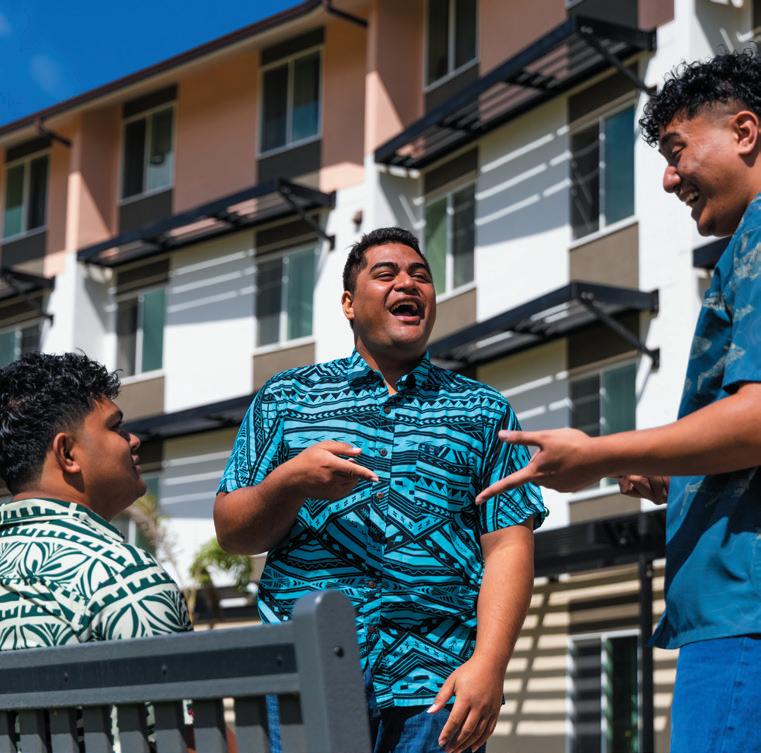
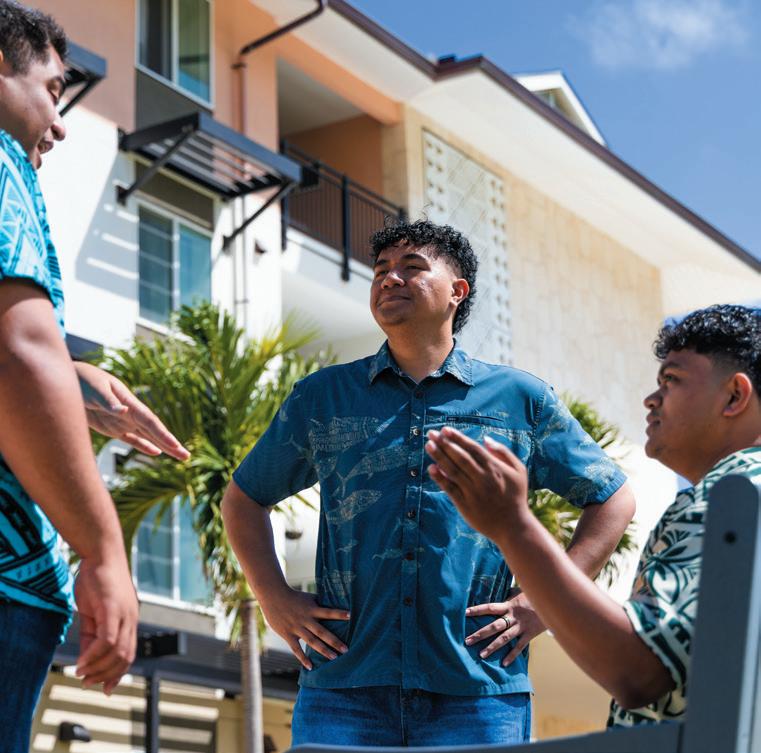
(Left to right) Daniel Mulipola, Ioselani Ioselani and Alema Alesana say respect and good communication is the key to trust in their unit and friendship.
“It wasn’t just about sharing a room anymore. It became about genuinely caring for each other.”
Ioselani Ioselani
Mulipola said a shared living space feels like home when there is respect and good communication. Simple acts—cleaning up, being mindful of noise and checking in—make the environment warmer, he added. “Working through small tensions is just part of living with other people. When you talk things out instead of letting them build up, it makes living together way easier,” he said.
For Ioselani, living together reshaped his understanding of home entirely. “I used to think home was just a place where you sleep and keep your things,” he said. “Now home feels like having someone who checks in on you, makes sure you ate, stays up talking about life and has your back even when things get hard.”•
Layout by Cho Yong Fei.
Photos by Ruea Kelly Tama.
Inherited Love
Falemalus says faith, presence and intentional traditions redefine what “home” means for their growing family
BY LINDA LAULU
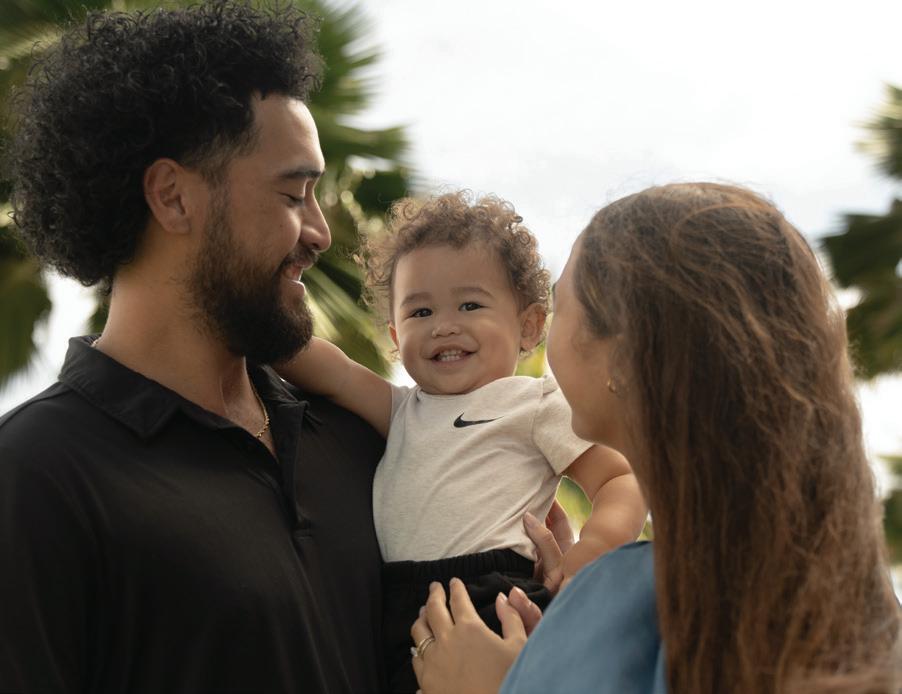
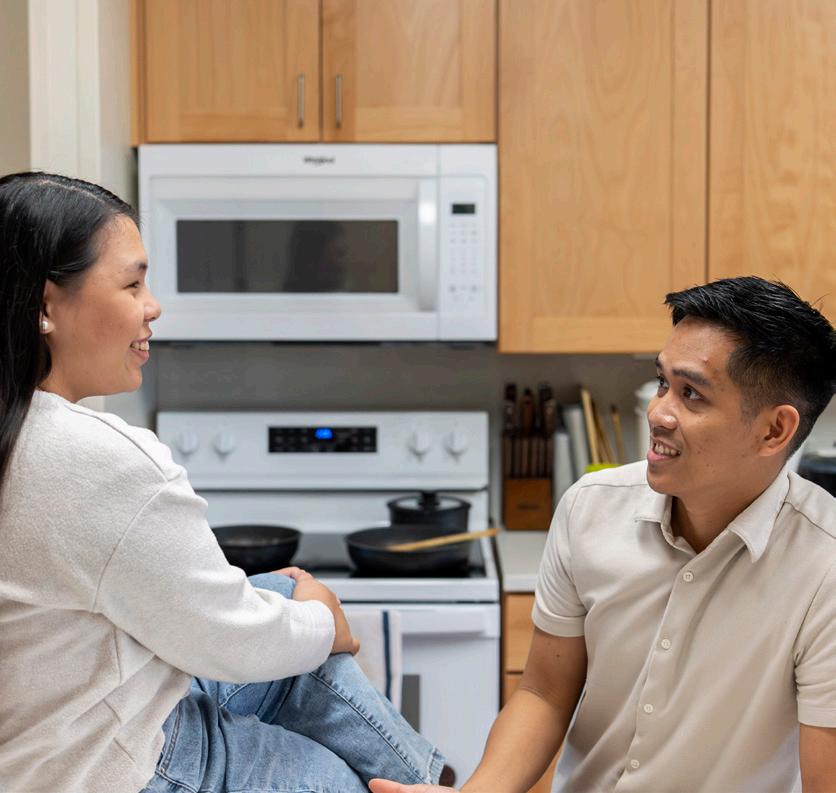
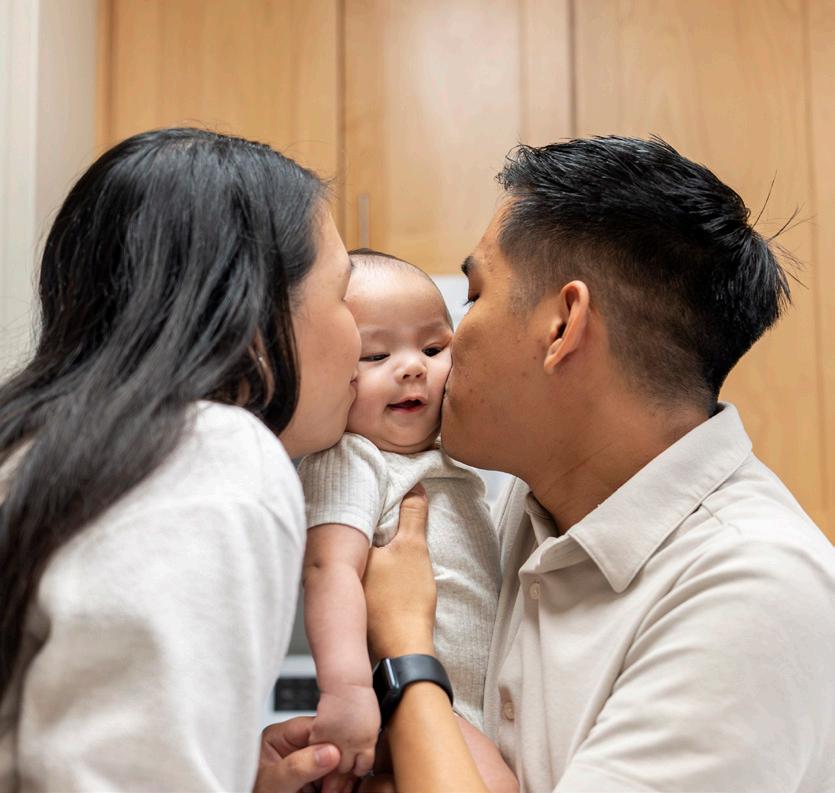
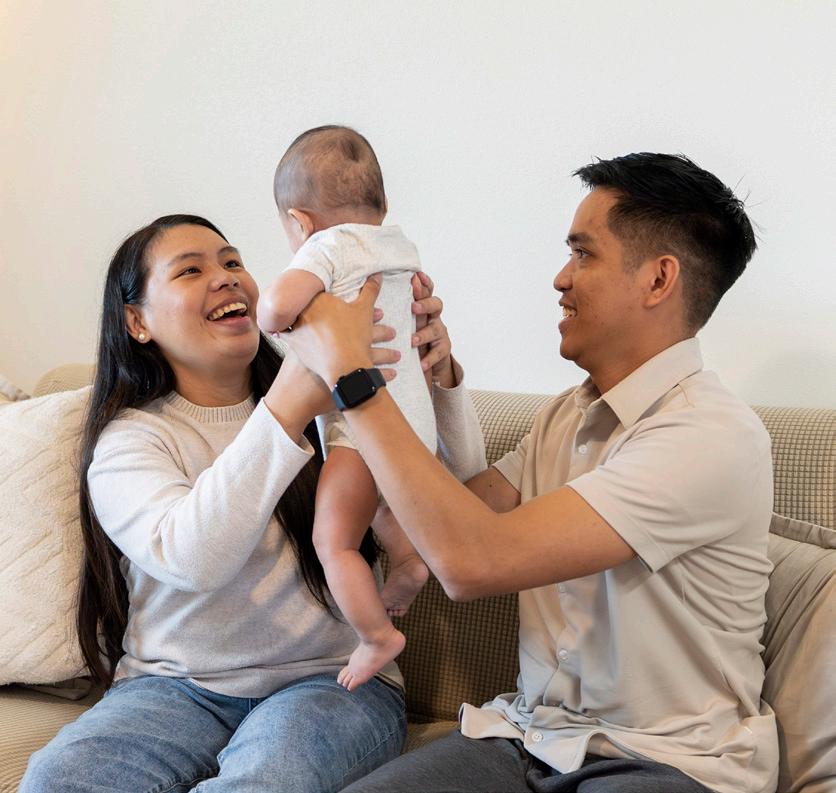
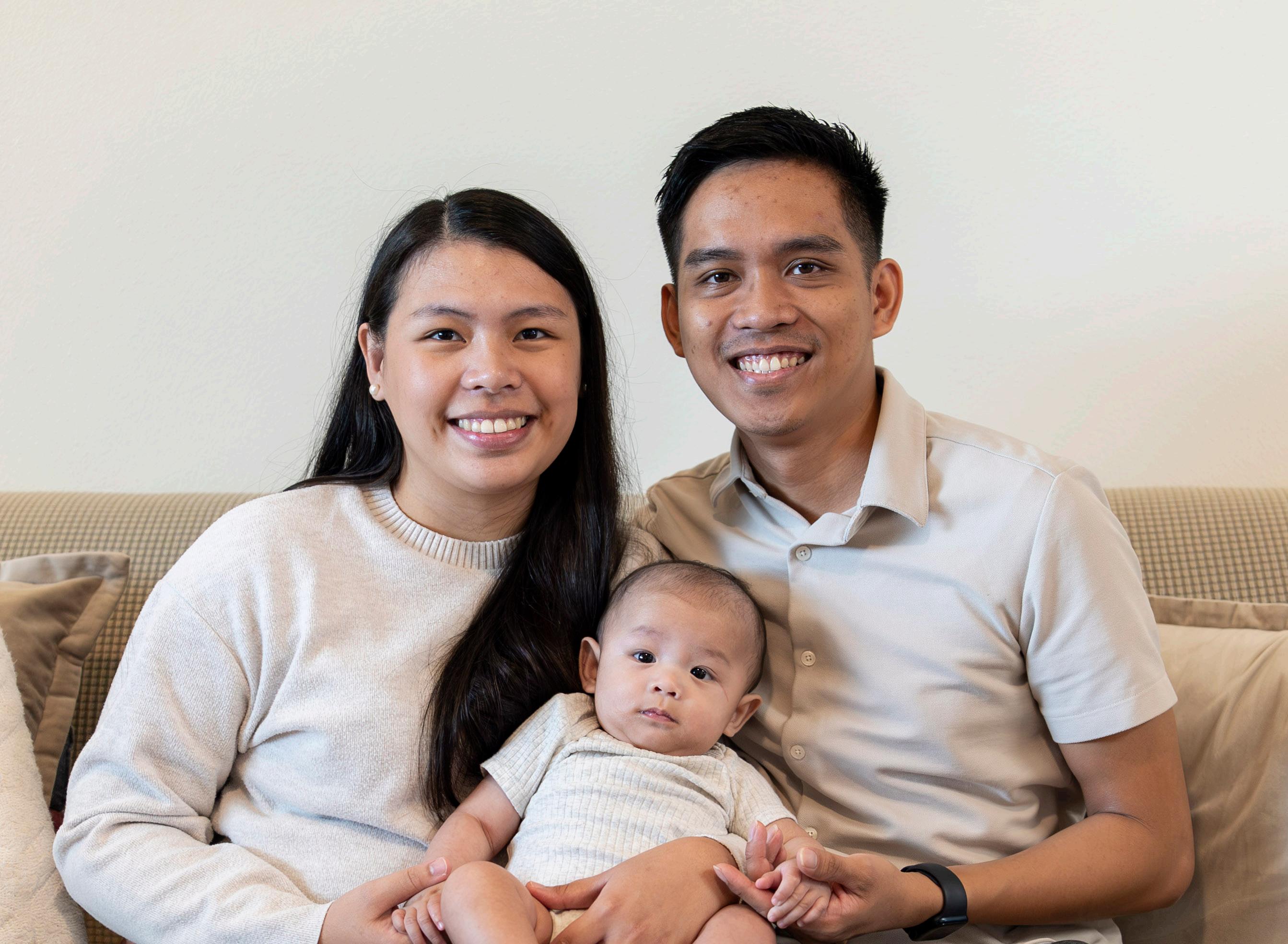
Home is no longer defined by walls or an address, according to Dante and Talia Falemalu. They said the faith-centered homes they were raised in continue to shape the way they build their own family, grounded in service, presence and intentional love. Dante Falemalu from Laie said becoming a husband and father reshaped his understanding of family, teaching him that home is wherever his wife and son are.
Talia Falemalu, a senior from Laie majoring in elementary education, said she grew up in a gospel-centered home that shaped not only her upbringing but her identity. “I am so grateful to my parents for ensuring the Gospel was the heartbeat of our home,” she said. “Because I understand God’s unconditional love and His plan for me, I view my roles as a wife and mother as a sacred calling.” She said that foundation motivates her to lead with grace and mirror God’s selfless love in her own family.
Annie-Leah Tagatauli, Talia Falemalu’s mother, shared, “We wanted to make sure we raised our children with the Gospel as our foundation.” Tagatauli said faith shaped the way she and her husband parented and guided their desire to create a home centered on love, kindness and service. “My hope is for our daughter to continue to care for others and uplift those around her by serving others and being a good neighbor to our community,” she added. Tagatauli said she hopes her daughter will be more open with her
own children as she becomes a mother. She emphasized the importance of honest communication and understanding within families, noting that being more open can strengthen relationships and help children feel supported. Tagatauli continued, “We have always tried to be present in everything Talia chose to do such as cooking and baking together, reading at bedtime and attending school activities. It played the biggest role in shaping Talia’s upbringing.” She expressed her hope for the small traditional practices from those times to be continued in her daughter’s family today.
Dante Falemalu shared faith-reinforced values are already instilled in his family. “I was always raised with the belief that family is the most important thing in the world, and that’s a value I’ve always held close. Joining the Gospel didn’t change my commitment to my family; it just gave that commitment a deeper purpose,” he explained.
Acts of love
Both Talia and Dante Falemalu highlighted the power of presence and service as expressions of love. She said she reflects on the quiet, consistent love she received from her parents through acts of service and shared experiences. “My parents poured their hearts into acts of service and, of course, incredible food—that was their primary love language, and it’s a beautiful heritage I carry with me,” she shared. She
“Because I understand God’s unconditional love and His plan for me, I view my roles as a wife and mother as a sacred calling.”
Talia Falemalu
said she incorporates both action and words into her parenting. “I want identity to be built on the spoken truth of how much he is cherished.”
Dante Falemalu echoed the importance of showing up. He shared that his mom, as a single mother, made sure she was at every single sporting event, parent meeting and achievement such as award ceremonies and graduations. “From my high school graduation to the small everyday moments, my mom didn’t just provide for me; she was truly there for me,” said Dante Falemalu. He credits that example of showing up for shaping his approach to fatherhood: “ It can be one of the greatest gifts you can give a child. I’m committed to being that constant, reliable presence for my son and any future children we have,” he explained.
Adapting new traditions
Talia Falemalu said she is intentional about blending inherited traditions with new approaches. She said she continues family practices like cooking and shared adventures but adds emotional openness and communication to strengthen the family bond. “I’m focusing more on grace-based discipline and making sure my son understands the ‘why’ behind things,” she said. She said she hopes these adjustments allow her son to thrive emotionally while maintaining the core values she inherited.
Dante Falemalu said he sees his role in creating a family culture as equally important. He described home not as a physical place but as the people who make it meaningful. He shared, “Before I had my own family, home was just a place I lived. But being a husband and father has changed everything,” he shared. Now, he continued, home isn’t a physical location or a specific house; it’s wherever his wife and my son are. “They are my safe place and my priority, and as long as we are together, I am at home.”
Learning from each other
Talia and Dante Falemalu both shared the influence of learning and understanding the true meaning of love from their loved ones. Talia Falemalu said she admires her husband’s gentle, consistent leadership. “I truly hope my son learns how to love by watching his dad. He’s patient, hardworking and kind, and he leads our family with so much love,” she said. Dante Falemalu shared he was inspired by his older brother’s example in faith and family life. “Watching him be a great husband, a devoted father and a faithful priesthood holder gave me a clear vision for my own life,” he said. “It influenced me to want that same foundation for my marriage and to be the kind of father who leads his family with that same strength and faith.”
The Falemalus said building a life together has reshaped what home means for them. Reflecting on their different backgrounds, Talia Falemalu said they are intentional about blending the best parts of both their upbringings. “Because we come from very different backgrounds, we’ve had to be purposeful about choosing the best parts of both our upbringings to weave into our own family culture,” she said. “It has redefined ‘home’ for me as a space of harmony and compromise.”•
Photos by Ruea Kelly Tama.
Layout design by Cho Yong Fei.
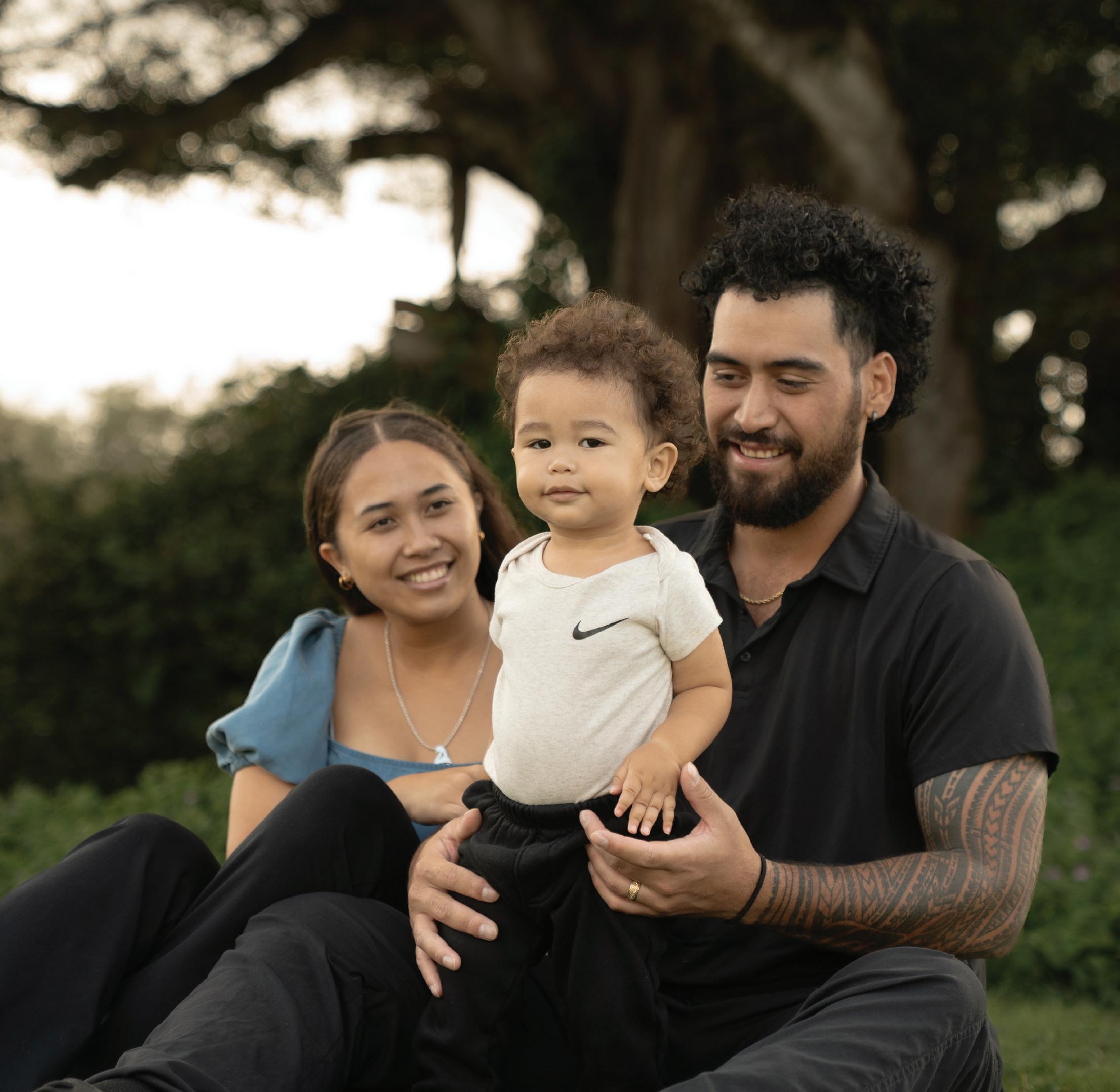
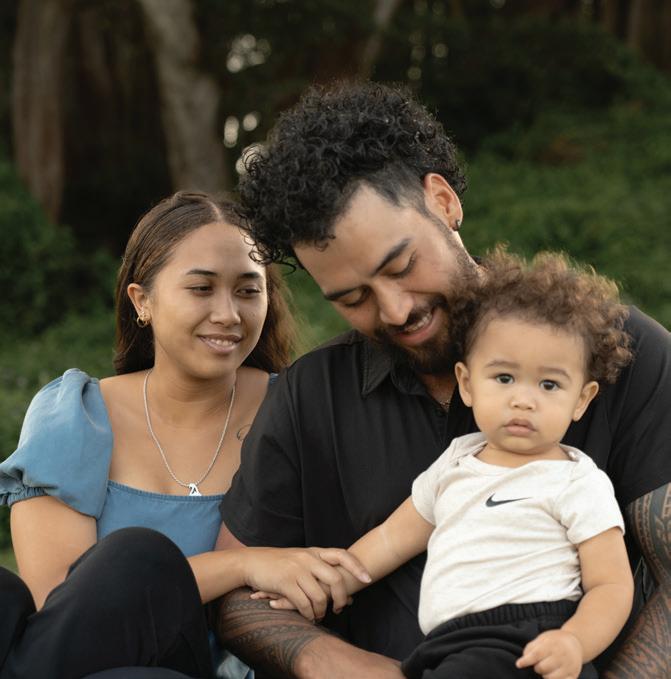
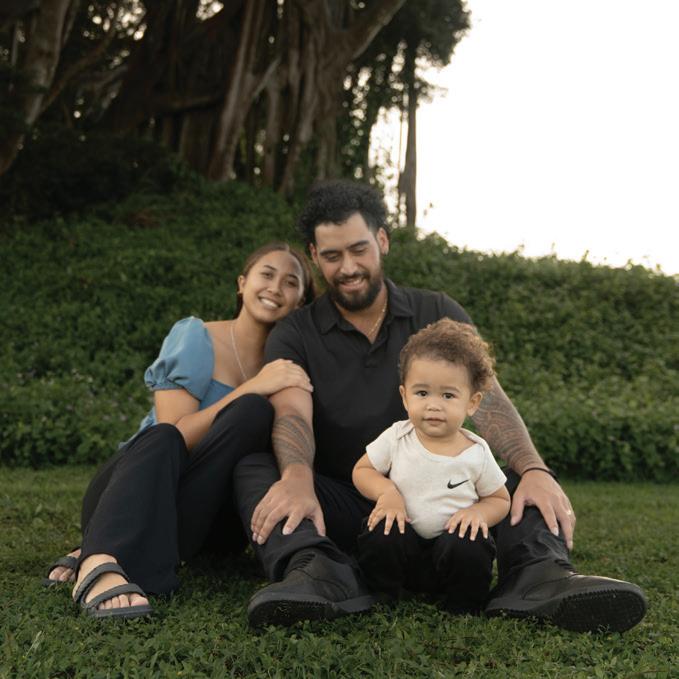
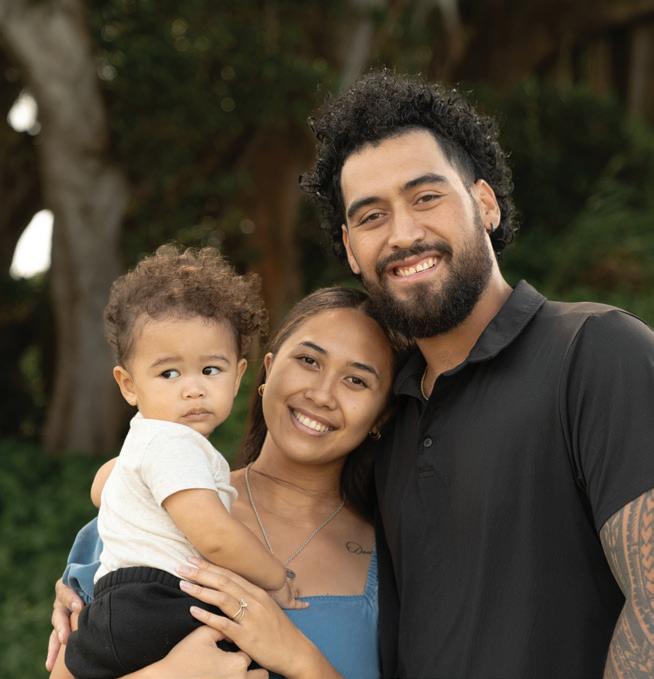
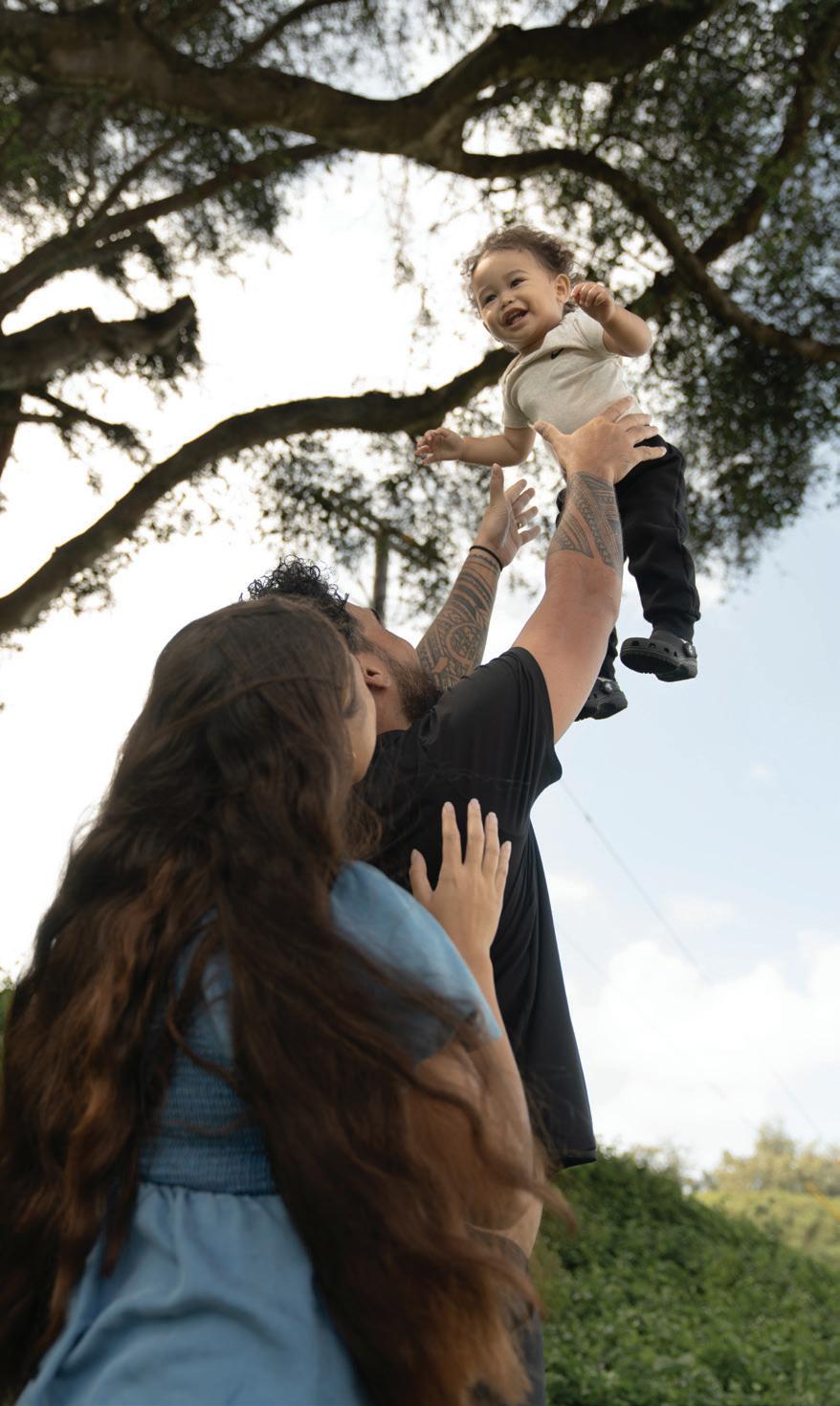
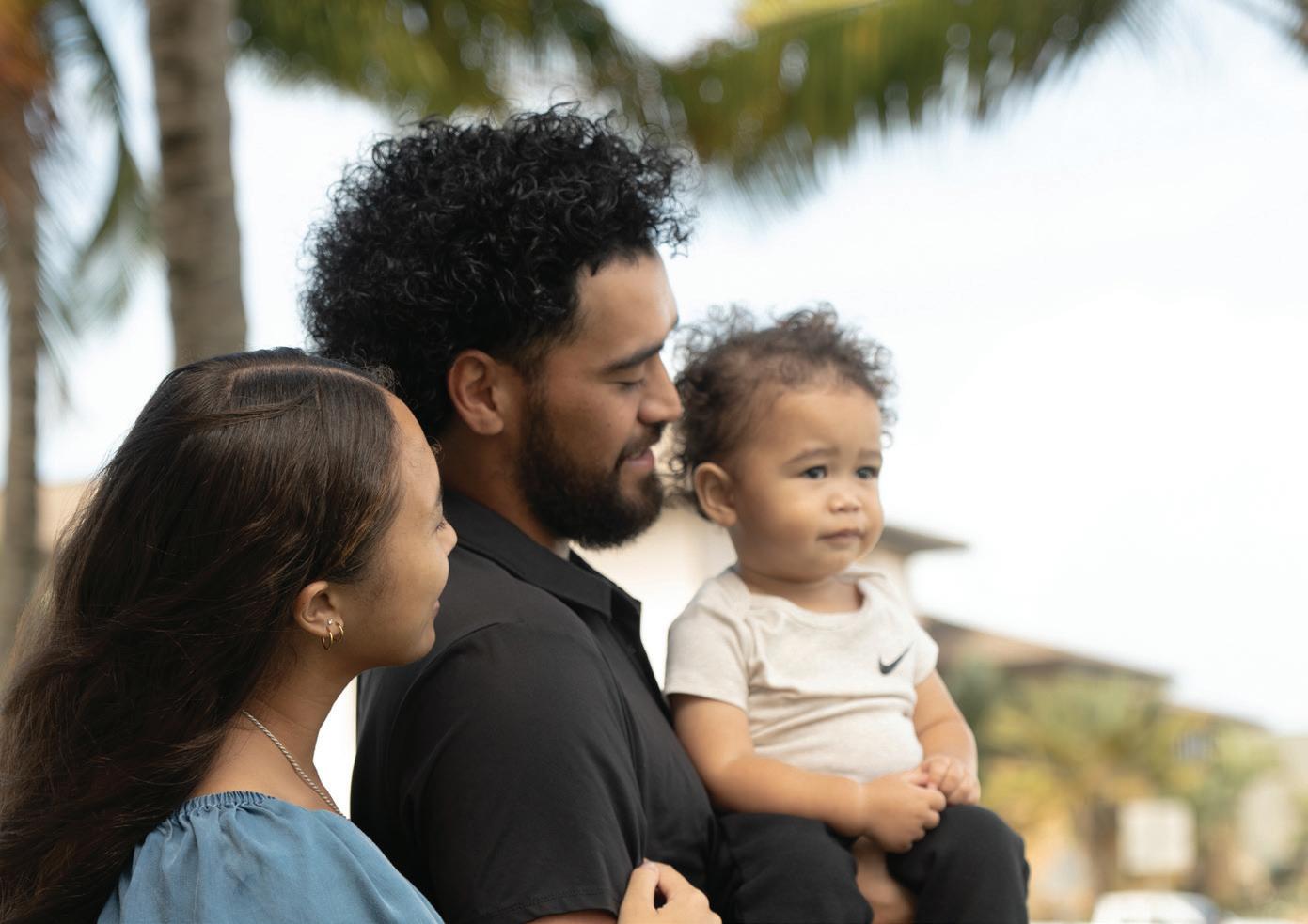
The Falemalus say service, the Gospel of Jesus Christ and tradition contribute to the growth of their family.
FINDING HOME at WORK
BY JULIA AUNAI
For canoe pushers at the Polynesian Cultural Center, brotherhood extends far beyond the workplace
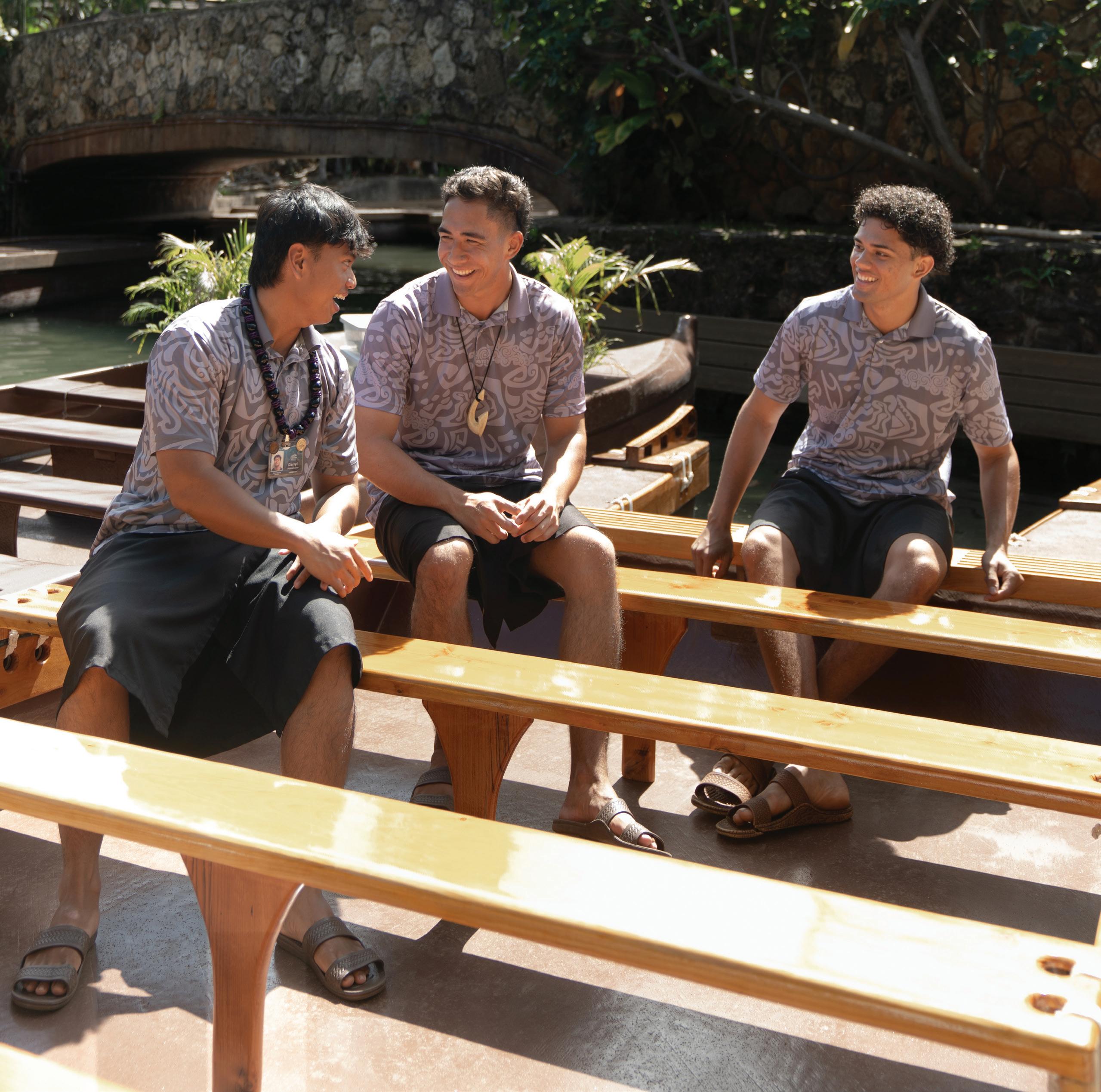
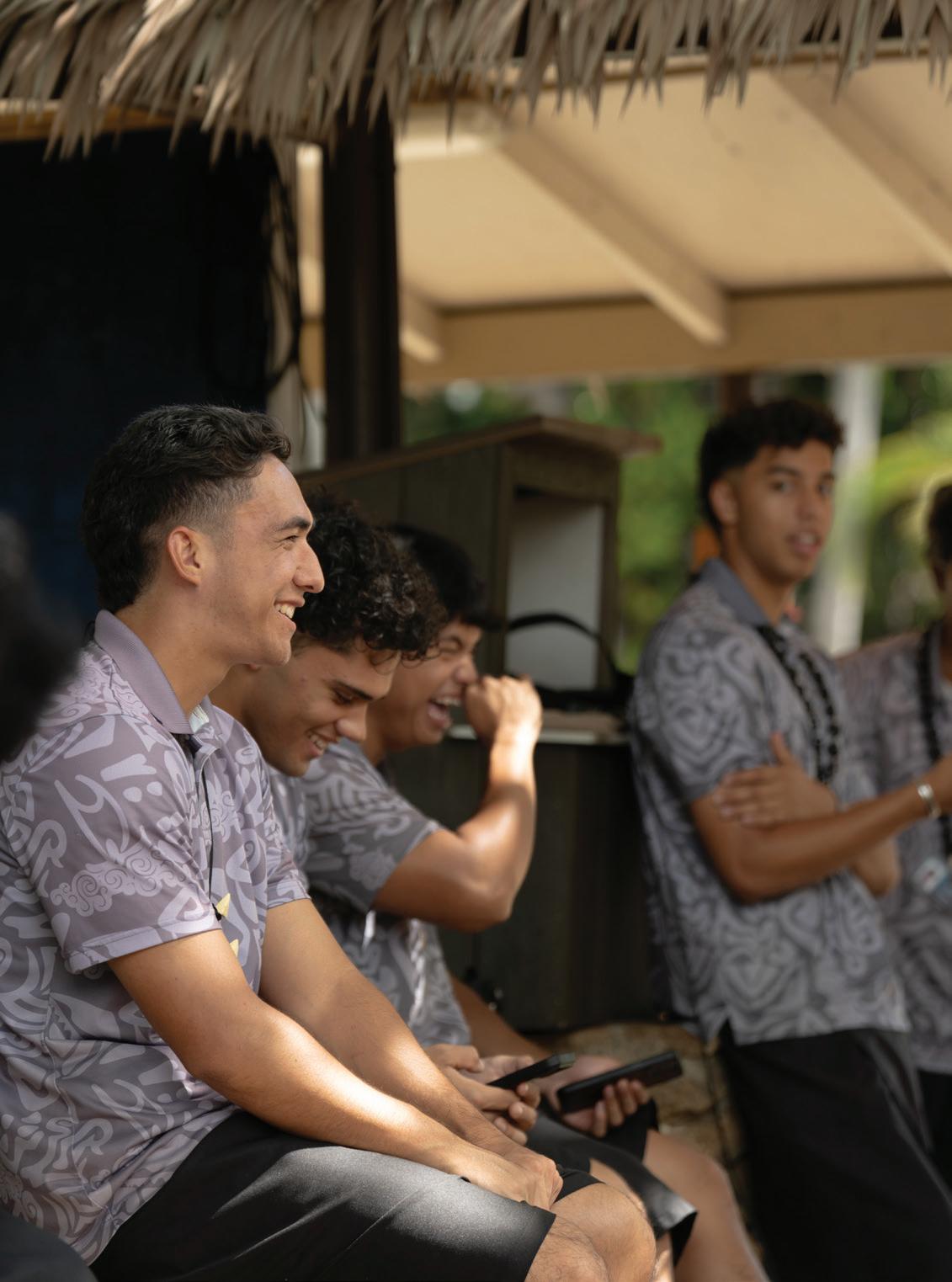
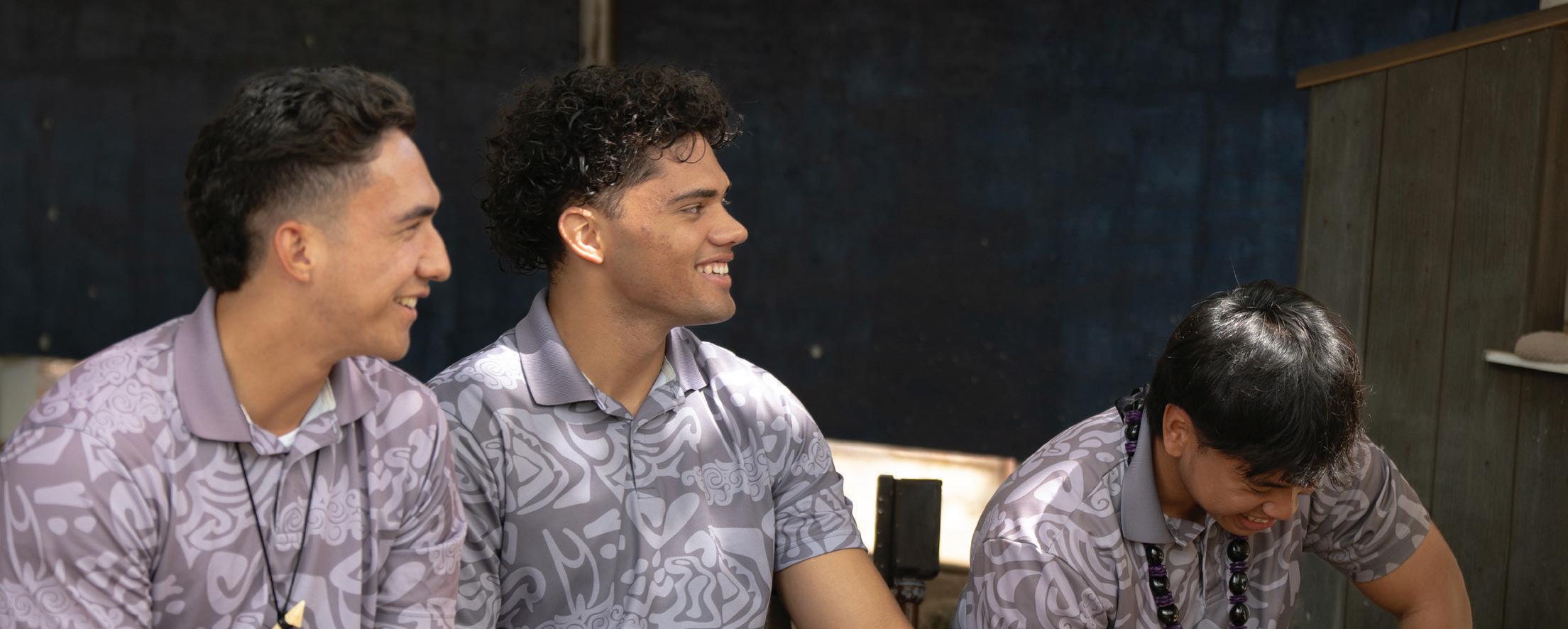
From left: Daryl Agung, Jamerus Tai Hook and Zion Tevaga share a conversation at work.
"It's not just about the friendship. The friendships will last longer than the job."
Zion Tevaga
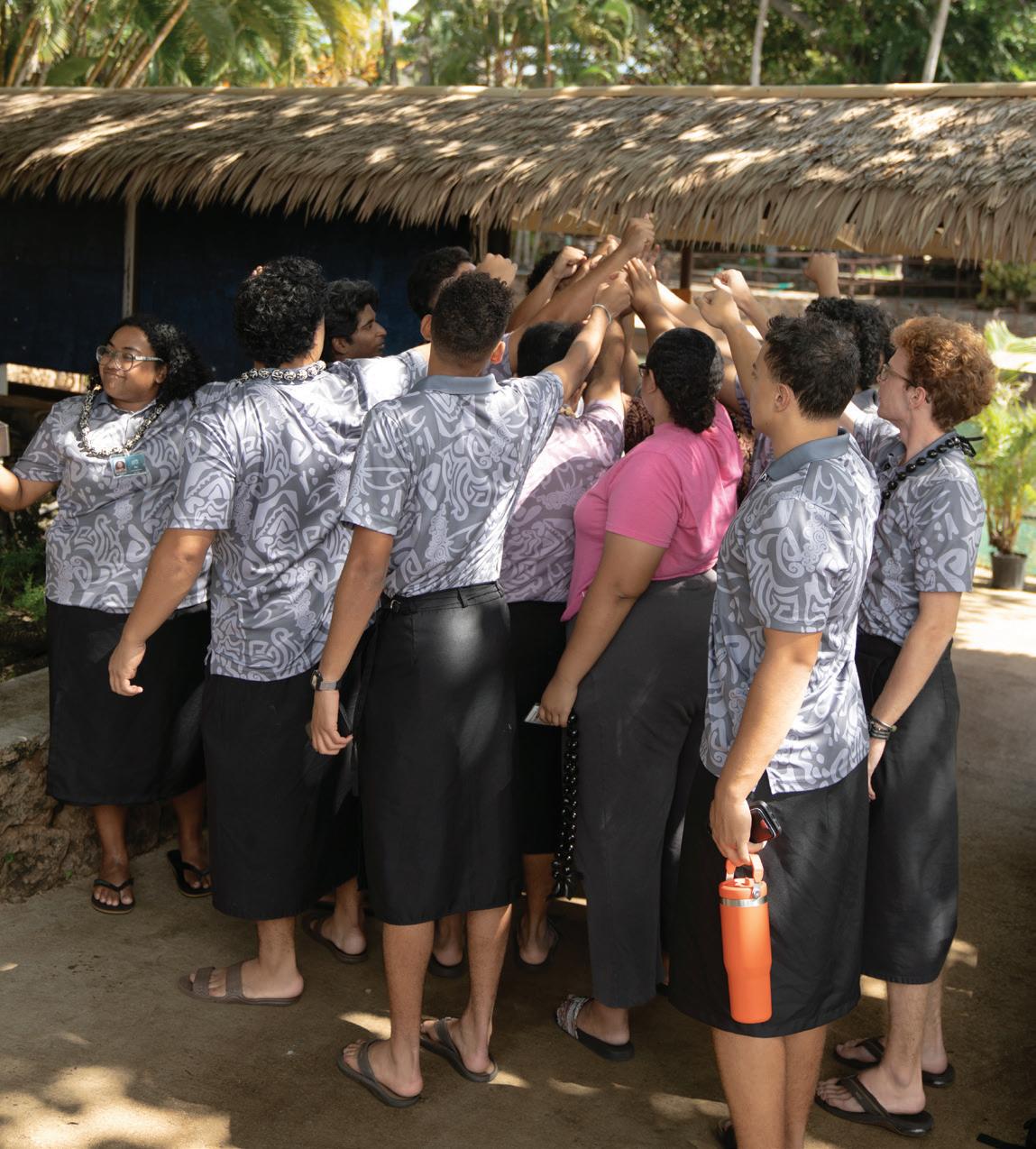
Most employed BYU–Hawaii students work up to 19 hours a week. For some of them, they said they often form bonds with the people they spend the most time with. For the canoe pushers at the Polynesian Cultural Center (PCC), those bonds have developed into a sense of family that exists both at and outside work.
A second home and shared purpose
Darryl Agung, a freshman in political science from Indonesia, said he has been a canoe pusher at the PCC since arriving at BYU–Hawaii last April. He said while the job is physically demanding, with workers
spending up to five to six hours a day in the sun, the brotherhood amongst his coworkers makes the job worthwhile. At work, he said there is a sense of family between him and his coworkers. With about 24 workers, he said his coworkers have the opportunity to know each other well and become friends.
Before each shift begins at work, Agung shared, all of the canoe pushers gather and have a prayer meeting. In this meeting, someone shares a spiritual thought and an employee highlight. “We are all united before the day starts,” he said.
At the end of each day, Agung said, the group gathers again to debrief what happened
Tai Hook said the friendly atmosphere among Polynesian Cultural Center's canoe pushers makes the job fun and fulfilling.
that day. He said he was grateful because like any family, there can occasionally be clashes, but daily debriefs gets everything sorted out. “At the end of the day, everyone’s my favorite,” he added.
Although brotherhood is a commonly used term to describe the canoe pushers, Zion Tevaga, a junior in business management from New York, said the sense of family extends to female canoe pushers as well. He added ,“There are the girls here who are just the same. We’re all just tight with them. And when I think of a family, where there’s brothers and sisters, I think we’re all just homies.” Agung agreed and said he considers his coworkers to be like his brothers and sisters.
Tevaga said he enjoys going to work each day because it feels like a second home to him. “It’s nice to know that I’m going to work at canoes because of that family vibe. It doesn’t feel like: ‘Oh, I have to go to work today,’” he said.
Built on support, not competition
Agung said the closeness among the canoe pushers is rooted in mutual support rather than competition. “We don’t have competition. We help each other. We want each other to be successful and happy,” he said. This lack of competition, Agung said, spills over outside of work. If one canoe pusher is struggling or sick, they reach out to one another. He added that maintaining high integrity and leading by example helps everyone feel welcomed.
As the supervisor for the canoe pushers, Agung said he always tries to tell his coworkers to not be afraid to ask for help. “If you need us, we’ll try to come whenever we can, as soon as we can,” he said.
Jamerus Tai Hook, a sophomore majoring in health and human science from Laie, said the camaraderie among the canoe pushers is well known in the community. “Growing up, you always hear about the canoe boys,” Tai Hook said. “As soon as I started working here, I could already feel the camaraderie and connection with everyone, even though I didn’t know anyone yet.” He added once he got to know his coworkers and spent more time with them, it enhanced that feeling more. Even simply knowing someone
"As soon as I started working here, I could already feel the camaraderie and connection with everyone, even though I didn’t know anyone yet."
Jamerus Tai Hook
that used to be a canoe pusher is an instant connection to them.
When new hires start, Tai Hook said, he initially tries to build a relationship with them based on trust because he wants them to feel comfortable in the workplace. Tai Hook said he lives by a statement that prevails when he is at work too: “No one cares how much you know until they know how much you care.” He said he tries to get to know them first rather than just bossing them around. He aims to form a true friendship with them first before knowing them at work.
Tevaga said the environment encourages people to be themselves. “If new hires see that we’re all ourselves with each other, it makes them feel safe to open up too,” he said.
Beyond the workplace
For many canoe pushers, the relationships built at work extend beyond work hours. Tai Hook said, “I’m doing a culture night section mainly because one of the canoe boys is leading the Tuvalu section, and I thought I’d support him.” Tevaga and Tai Hook also shared how about 10 of the canoe pushers all came
together to hangout and watch the Super Bowl game together.
Tevaga said they remain close even with former coworkers. “It’s not just about the friendship,” he said. “The friendships will last longer than the job.”
Being friends with his coworkers has improved his job performance, Tevaga added. “If everyone’s in a happier mood and wants to be around each other, overall moods are going to be boosted up, which is going to make you want to work harder, and will make everything else better.”•
"We don’t have competition. We help each other. We want each other to be successful and happy."
Darryl Agung
The canoe pushers fulfilling work and friendly atmosphere. Photos taken by Haley Cowan. Page design by Chance Childers.
The scent of home
How memories rooted in scent endure—and evolve—far from where they began
BY JESSIKA SANTOSO
For BYU–Hawai’i students and an alumna, home does not always arrive as a place.
A sudden scent can pull them backward in time—into backyards, family kitchens or long afternoons after rain, they said. Living far from where they grew up, they said those moments become a reminder of who they were, who shaped them and who they are trying to become.
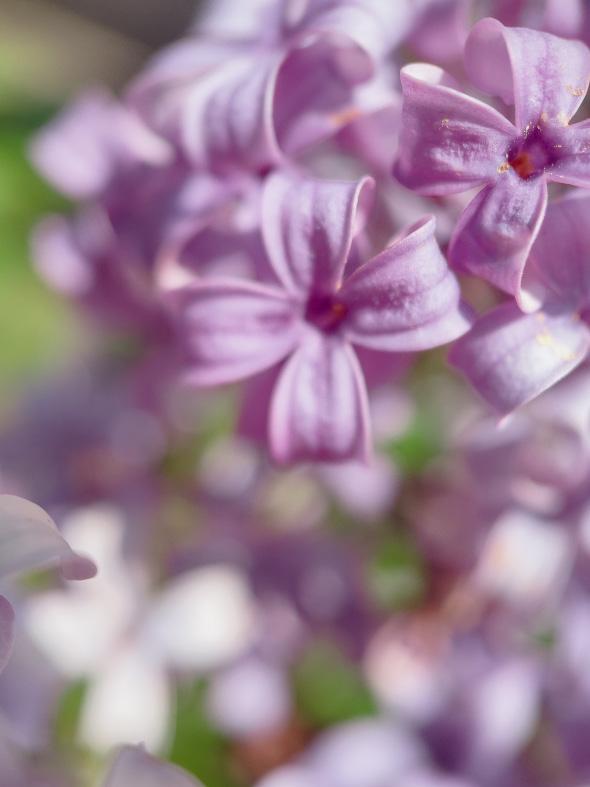
Fresh cut lilacs
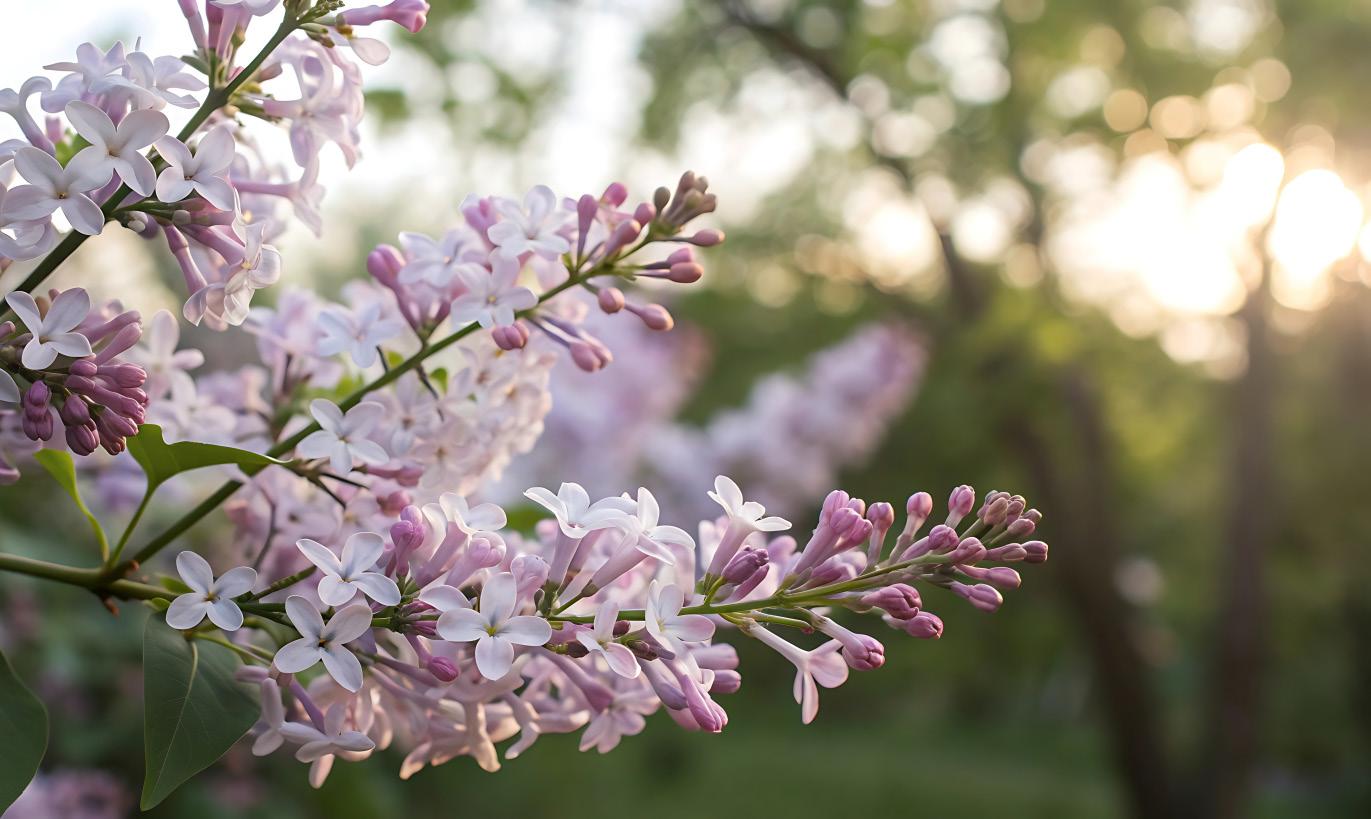
For Maggie Bulkey, a 2024 BYUH alumna, home lives in the scent of lilacs. She said she
did not realize how powerful the smell could carry memory until recently, while browsing a perfume shop’s spring collection. When she came across a fragrance called “Fresh Cut Lilacs,” the soft, flowery scent—sweet and slightly grassy with a powdery freshness—immediately transported her to the backyard of the condo complex where she grew up. Lilac bushes lined the space just outside her back door, she said. “Every time I smell lilacs, I get reminded of being outside as a kid, rolling down the little hill and riding my scooter around.”
Bulkey described feeling “a flood” of peace and nostalgia. In that backyard, she said, she felt safe, worrying only about crashing her scooter or getting grass stains on her jeans. The memory lingered long after she left the store, she said. Wanting to hold onto it, she bought multiple versions of the scent so it could fill her room. Already drawn to floral fragrances and decor in her room, she said this one “has definitely been the most impactful” to lift her mood simply by sitting there.
Over time, Bulkey said the smell has shifted from a vivid childhood scene to a steady emotional anchor. Now, she said the scent brings less of the image of the hill and more of the calm tied to that memory. It reminds her that she still “has the ability to relax and be imaginative … and that I don’t need to be so stressed out all the time,” especially in navigating adulthood.
Birthday morning
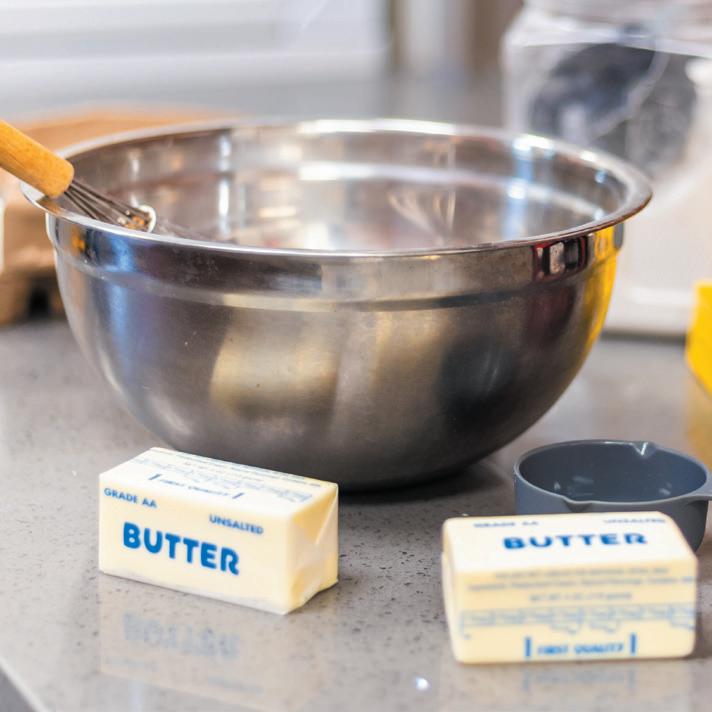
The buttery and custardy smell of German pancakes has its own place in heart, said
Ember Lusinde said the homely scent of freshly made German pancakes holds a special place in her heart.
Photos by Hiroki Konno.
“I don’t know how I’m going to do it, but I want to pass on that feeling."
Michael Gardner
Ember Lusinde, a junior from Indiana majoring in communications, media and culture.
Every birthday growing up, Lusinde said, she would wake to the scent of them baking in the oven. Unlike flat griddle pancakes, the version her mother made—sometimes called puffy pancakes—closer to a crepe in taste but golden and airy in form, she explained.
Excitement came first as soon as she found that buttery smell, Lusinde said, followed by comfort. As a child, the scent simply meant celebration even for her siblings too. “It’s that feeling of family love and our family time.”
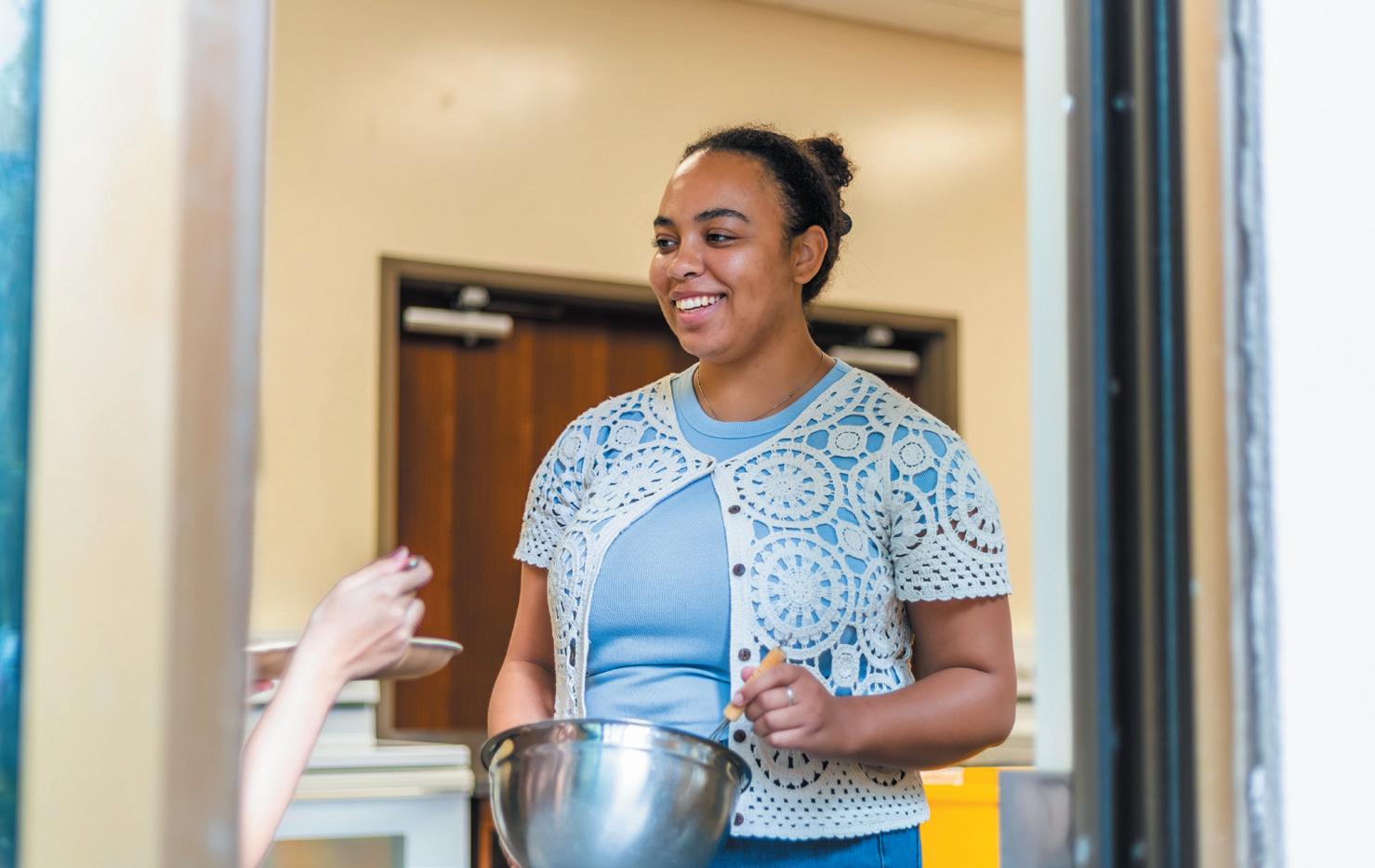
Now living far from home, Lusinde carries the recipe from memory and makes
the pancakes for her roommates—not just for birthdays, but for ordinary evenings together. She said cooking for them creates a sense of belonging, especially since many of them are also far from family.
When we eat together or cook for each other, it shows appreciation. That helps connect us, and “acts of service are the way I show love,” she said.
What was once an act of love given to her has become one she gives, Lusinde said. “When I make it, I’m putting my own work and effort into it. I’m kind of trying to recreate the feeling my mom gave me, but now it is for my roommates.”
The ease of rain
For Michael Gardner, a sophomore double majoring in anthropology and political science from Utah, memories of childhood surface in the earthy scent of rain.
Gardner said he grew up in Arizona from ages 3 to 12, where intense monsoon storms arrived each August. “The storms would come in, and all my friends and my family would go out. The streets would be flooded, and we’d just go and play in the puddles.” The scent— earthy and sharp as the rain approached— mirrors what he smells here in Hawaiʻi after a downpour, he said.
Gardner’s core memories from the rain is his father taking him and his siblings to wet grassy hills to slide on their stomachs after the rain, he said. “Back then during the rainy season, school would sometimes get canceled, and I got to have fun all day,” he said. The smell, tied to those formative years, has not changed for him. Now, whenever he hears rain coming or catches its scent, he said it helps him relax. He said he hopes one day to pass that same sense of carefree childhood on to his own children. “I don’t know how I’m going to do it, but I want to pass on that feeling—maybe just by being around them,” Gardner said.•
Photos by Adobe Stocks. Page design by Guen Ramirez-Platon.
loving yourself, on purpose
Three BYUH students say self-love is about motivation and purpose, not perfection
BY FRANCE VALERIE LUCILLO
What does self-love look like when the hashtags fade and the mirror in front of you isn’t kind? Often mistaken for selfishness or self-pity, self-love means grounding yourself in faith and future goals, said three BYUH students whose routines helped them be courageous to become their authentic selves. Although it could be messy, students said they consider it a lifelong and wonderful journey.
What self-love is
Dale Herrod, a sophomore majoring in business finance from Utah, said self-love means doing things you enjoy and finding fulfillment in life. He said he is happier when he understands his purpose, knows his goals and does it. “Self-love is best manifested through goals, visions and purpose,” Herrod said.
As for Isaiah Gasmen, a sophomore majoring in information technology from the Philippines, self-love means focusing on oneself, evaluating where you can improve and trying new things. He said dancing and reading books help him learn to love himself more. “It helps me know who I am and know my worth instead of feeling like nothing,” Gasmen said.
Meanwhile, Lucy Miller, a senior majoring in elementary education from Washington, said self-love means finding things that make you happy and doing those things without other people stopping you. “It is important that everyone has a vibe or an aesthetic they follow because it helps them know themselves. And once you know yourself, you can love yourself,” she said.
Showing love to yourself
As Herrod’s purpose is to become a better disciple of Jesus Christ, he said the gospel has helped him practice self-love. Self-love, he continued, is about lifting oneself up and not tearing oneself down. “Satan tries to make us feel worthless or like failures. “The gospel reminds me that I’m a child of God with divine potential,” he said.
Gasmen said he practiced self-love through his sister’s example. He said his sister learned to love herself and show it to others by creating her own happiness through dancing and taekwondo, which they love doing together. “My sister said creating your own happiness shows that you’re loving yourself,” he said.
Miller said routines are really important to help herself show selflove. When she is having a bad day, she said she would put herself in a time out to assess what she has been feeling. She expressed this is because she hates to make other people feel bad just because she doesn’t feel good. “So, I take myself out of the situation, go to my room and ask myself what I need to refresh,” she said. Miller added she likes to dress up and express her own style. “It makes me happy. If you’re getting up, getting dressed and putting effort into yourself, it shows you care about yourself. That’s how I show myself love,” she said.
Misconceptions about self-love
One of the common misconceptions about self-love is that it’s self-pity only, said Herrod. As a man, Herrod said, self-love is not a weakness. However, he said that it still depends on the person’s mindset. He continued that self-love is about growth and not staying stuck in just one place or mindset. “If self-love becomes an excuse to not grow—like saying, 'I’m bad at math so it doesn’t matter'—that’s unhealthy. But real self-love is saying, 'I can
improve. Let’s keep trying and find another solution,'” Herrod said.
For Gasmen, another misconception is you cannot love others simultaneously as you love yourself. “You can always start with yourself, then proceed with others. As long as I know my worth and know how to love myself, that’s what matters,” he said. Gasmen said he shows to love others while still loving himself by being himself without pretention. “I don’t try to be someone I’m not, just to be liked. I show who I really am, and it’s up to them whether they accept it or not,” he added.
Another misconception, said Miller, is you have to be happy, and you have to love yourself all the time or self-love depends on other people. “Your self-love and self-image shouldn’t come from other people,” she said.
Unlearning beliefs about self-love
On one hand, Herrod said one of the beliefs he had to unlearn to love himself is believing he didn’t deserve joy until he accomplished something. “For example, thinking I won’t be happy until I move to Hawaii, or until I look a certain way physically,” he said. He said he needed to learn to find joy in the journey and not just the destination. “I don’t need to reach a certain goal to feel confident—I can find confidence while improving,” Herrod added.
Miller, on the other hand, reiterated that self-image should work for you—knowing what’s best for yourself. She said, as an example, walking has helped her love herself more. “Exercising is important, but it has to work for you. You won’t love yourself if you’re doing things that don’t make you happy,” Miller said.
Motivation for practicing self-love
Herrod said his motivation for practicing self-love is to be a good father and husband in the future. He said by realigning his plans and goals through
Isaiah Gasmen said self-love means focusing on oneself, evaluating where you can improve and trying new things.
weekly check-in with himself, helped him to prepare for his future goals.
Struggling to know his worth, Gasmen said, he reminds himself that he’s always worth it. He said having self-love is healing, which might feel like there are missing parts of you, but you still love yourself anyways. “And if you don’t, you’ll feel drained and won’t know who you are or your worth,” he said.
Miller said, she was motivated to love herself more when she was on her mission in Tennessee. She said mission strips you everything you know about yourself. She said she didn’t recognize herself at that time and realized she didn’t want to be that version of herself. “I knew I had the power to change, and that’s when I chose to become someone happier,” Miller said.
Balancing love for yourself and others
Herrod said, you can balance loving yourself and others. He continued that there is no reason for people not to be nice to each other. “Even if you’re tired and want to go home and relax, you can still be nice to people along the way,” he said. Herrod continued that setting boundaries is important and showing love too. “You can say, “I still care about you, but I’m not able to hang out today, especially when you need time for yourself, and that’s okay,” he said.
Gasmen said when you learn to love yourself, then you should be able to share that love with others. He continued that one of the things he learned from his mission is showing love to others through action. “Words are just words, but actions are louder,” he said.
Miller also said self-love means understanding yourself and your needs, but you still show up for others. She said we all have a role to play—friend, daughter, sibling, etc. “Loving yourself doesn’t excuse you from caring about others,” she said.
Being changed through self-love
Herrod said his life has changed through self-love. “My life is more positive now. In high school, I struggled with depression and negative self-talk,” he said. Herrod continued talking kindly to himself, which has led to more positivity because of the connection between self-love and self-talk.
Comparing self-love into food, Gasmen said, when you cook food, you usually do not eat it all by yourself; you share it. “And just like love, you can’t keep it to yourself, and you can’t be selfish with it,” he said. He said he learned to live with that mindset because he was taught more about Christ-like love and charity when he was on his mission. Being scared about changes and everything between, Miller said, she still does it anyways—and that is how she shows herself love. “Loving yourself gives you courage to live fully,” she said.•
Photos by Haley Cowan. Page design by Guen Ramirez-Platon.
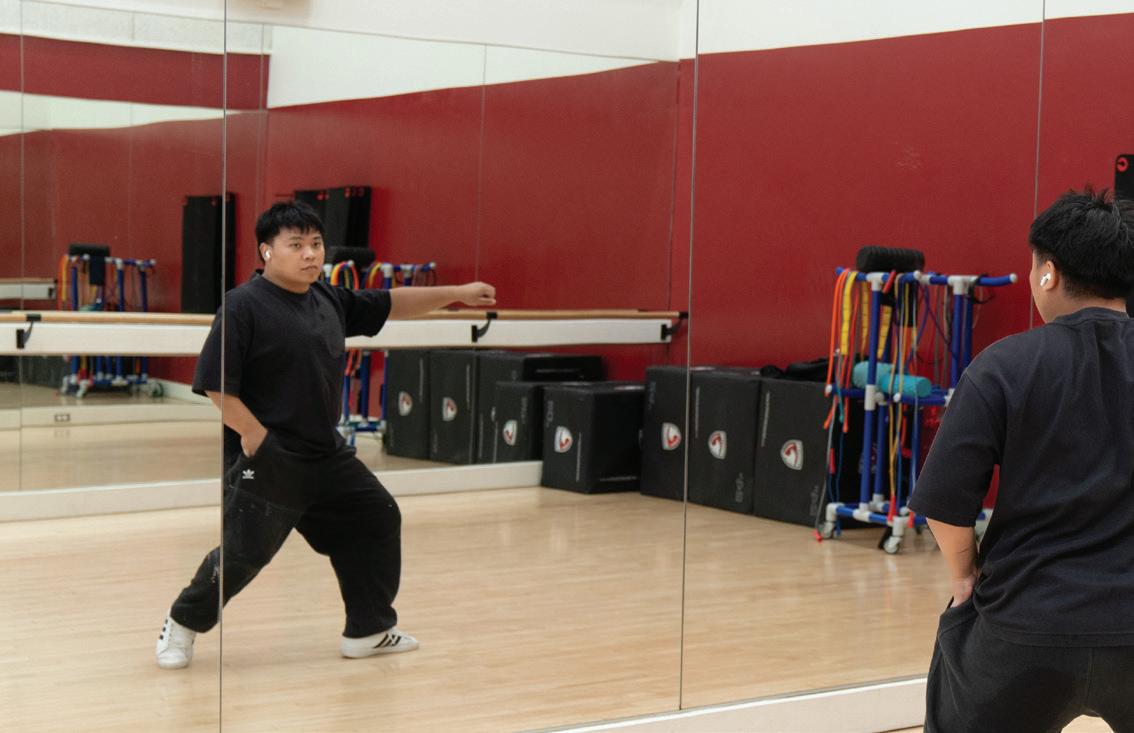
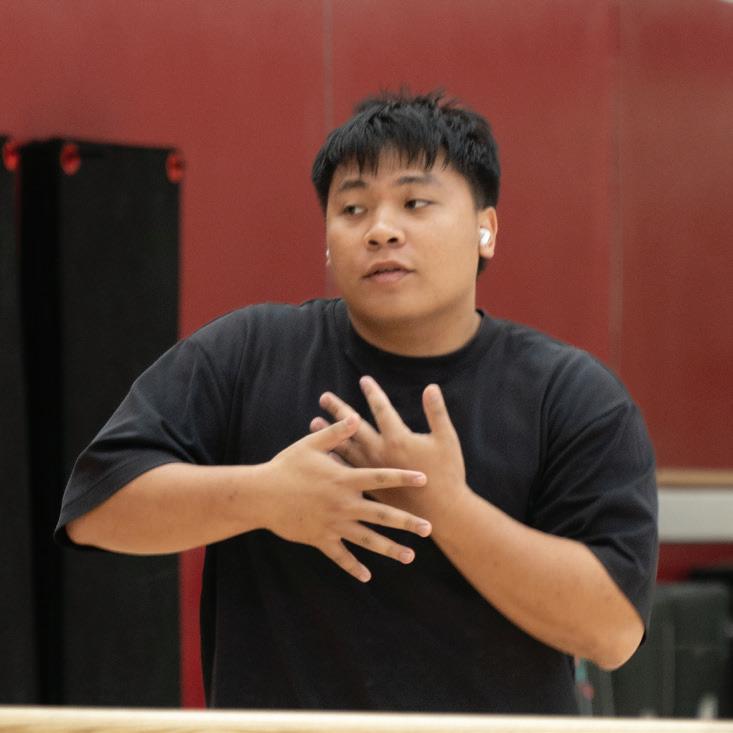
Dean and Kate Murcillos share how they navigate their differences through open and honest communication
BY CJ SHINIHAH NOTARTE-ORR
Understanding love languages becomes much easier when couples communicate with honesty, patience, love and, most importantly, the courage to express what truly troubles them, said Dean Ralph and Angela Kate Murcillos. A blog from Embracing You Therapy explains, “We often feel that we are being very clear because we communicate in ways that make sense to us.” Yet, the blog notes, people often forget that our communication is shaped by our upbringing, personal experiences and unique personality traits.
Dean Ralph Murcillos, a senior from Bacolod, Philippines majoring in business management, said that communication in relationships requires courage, patience and honesty. “We all come from different backgrounds and family cultures, which create habits and ways of interacting that are completely unique to each of us,” he said. He recalled a time when he and his wife, Kate, sat down to discuss their love languages and expectations to resolve misunderstandings. “It took a while before we really got the hang of it,” he said. “It’s like planting a tree—it doesn’t grow instantly. It takes time.”
Dean Ralph Murcillos said being patient in relationships means allowing your partner to grow with you. “Growth does not happen instantly especially when you are growing together, but this way you’ll get to know your partner more,” he added. He also said involving the Savior Jesus Christ in relationships is important. “The Savior teaches us how we should communicate and manage our expectations. When you center Him in your relationships, I know it will work out,” he continued.
Dean Ralph Murcillos said they learned how to communicate and express their affection while working through their differences by talking about their differences openly. He said, “Be courageous about what you are feeling. I know it can be embarrassing and we hesitate. ... But sometimes being honest allows your partner to be honest with you, too.” Speaking out and talking about the things they need to improve on helped them become better partners, he continued.
Angela Kate Murcillos, a senior from Cebu, Philippines majoring in biology, said that when couples face conflicts or misunderstandings,
Through learning each other's love languages, avoiding comparison and addressing conflicts privately, the Murcillos say relationships grow stronger where both partners commit to understanding each other.
they should avoid sharing them with friends. “It will only add fuel to the flame. Your friends have their own experiences, and they are not the same as yours,” she explained. For married couples, she noted, partners are together almost all the time and know each other best. “Respect your friends, but it’s better to address the issue with your partner. You can listen to your friends, but don’t let them take over you or your relationship,” she added.
Angela Kate Murcillos also emphasized that people should not jump to conclusions about love languages or the ways love is given and received. “We each have different love languages, which are simply the ways we show affection and communicate it,” she said. “Sometimes we expect to receive the love language we give. It doesn’t work that way.” She encouraged couples to learn to accept and appreciate the love their partners express in their own ways.
Compromise and compliment
Dean Ralph Murcillos said that one of his wife's love languages is keeping their home organized and clean. “At first, I thought she was
doing it simply because that’s who she is, but I realized it’s her way of showing love—she wants me to come home to a clean and tidy space after a tiring day,” he said. Understanding the intention behind Kate Murcillos’s everyday expressions of care made him feel deeply loved.
Angela Kate Murcillos, in turn, said his husband's love language is listening with intent. “Whenever I share something with him, he truly absorbs it,” she explained. “When I talk about my problems, he doesn’t jump to conclusions.”
Even when they were dating, Dean Murcillos said paying close attention and listening intently was his way of expressing love. At first, Kate struggled to reciprocate. “When I shared something I was excited about, she listened, but afterward, she would shift the conversation to a different topic,” he recalled. Over time, they worked through it by communicating openly. “Change doesn’t happen instantly. But by clearly expressing my feelings, we were able to gradually improve,” he said.
Angela Kate Murcillos also said couples should learn to be humble. “Being humble is recognizing that you have your weaknesses too. When you are humble, you are willing to work out what’s lacking. You’re
“Growth does not happen instantly especially when you are growing together, but this way you’ll get to know your partner more.”
Dean Ralph Murcillos
willing to compromise and to compliment,” she explained. She also said that it is important to see partners the way the Lord sees them. She said as humans people tend to see the flaws and mistakes easier. “But if we look at them the same way the Lord does, it’s easier to work things out,” she shared.
Noticing the love in subtle but constant acts
Some love languages often go unnoticed because we do and show it all the time, said Angela Kate Murcillos. “We get so used to receiving the action that we feel secure thinking that because your partner is doing it, then you don’t have to,” she said. She said in their relationship, Dean is more patient. “When we have disagreements, he would always coax me, but I am prideful and sometimes I feel like I don’t need to do what he does,” she said.
Through communicating their feelings, Angela Kate Murcillos said she learned how it hurt Dean and how she should reciprocate his actions, too. “The truth is, as companions, as husband and wife, you are the helpmeet for each other and should be equal in all things,” she added.
Dean Ralph Murcillos also said the late President Russell M. Nelson, former president of the Church of Jesus Christ of Latter-Day Saints, taught and emphasized expressing gratitude. He said the less we express gratitude about the small things, the less we see their value. “It diminishes when we don’t appreciate the efforts of our loved ones. The antidote is to express gratitude, say thank you and you will see more unspoken expressions of their love for you,” he continued.
Trust not the media
Reels and posts on social media can negatively affect a relationship, the couple said. Angela Kate Murcillos said seeing posts about what a man “should be” sometimes makes her evaluate Dean. “But I shouldn’t be doing that. We have to understand that everyone has weaknesses, and we need to learn to love our partners regardless of them,” she said. She added that while the media is full of opinions, partners should know better. “You know yourself and you know your partner—his characteristics and attitudes. Whatever he or she is lacking, communicate it with them,” she said.
Dean Ralph Murcillos said social media often shows only the perfect side of life. “We don’t usually see the imperfections, and that’s why we’re quick to compare our circumstances,” he said. People try to match the unrealistic standards they see online, and as humans, we naturally seek perfection, he added.•
Photos by Ruea Kelly Tama. Page design by Jay-R Gallano.
“The truth is, as companions, as husband and wife, you are the helpmeet for each other and should be equal in all things.”
Angela Kate Murcillos
Moments that matter
How one couple builds a lasting marriage through service, communication and faith
BY JOHN RINCON WATSON
Marriage is a sacred union between two individuals and is often the first step in creating a family. According to an article written by Asma Khalid, like any meaningful journey, marriage takes work and evolves over time. Lasting love is much more than wedding vows or ceremony and celebration, Khalid says.
Sulifa Veikoso-Kaio, a senior majoring in biochemistry and health and human science from Alaska, shared how relationships deepen over time and encouraged BYU–Hawai students to always fight for love. “If you really do feel like that person is the right person for you, don’t give up on them. I’m so grateful that my husband didn’t,” she said.
Set up for success
Before thinking about marriage, Veikoso-Kaio said she wanted to make sure she found the right person. This meant finding someone she enjoyed spending time with, someone she could laugh with and most importantly someone she wanted to spend the rest of her life with.
When Veikoso-Kaio first met Kellyena Kaio, a senior majoring in hospitality management from Samoa, she turned him down because she had already agreed to another
date. “It was so awkward. He asked me out on a date, but someone had asked me out earlier that day,” she recounted.
Kaio persisted and eventually Veikoso-Kaio agreed to go out with him and never looked back. “He asked me out again and finally I said yes. We dated for almost two years before he came to visit my family in Alaska. Then we did long distance for the summer. I came home and a week later we got married,” she shared.
Veikoso-Kaio said she realized Kaio was someone she wanted to be with long term because of the way he treated her while they were dating. She emphasized the small things he did made a difference. “We would take nightly walks to the temple and sometimes, even before we were dating, he would walk me home. Those were the moments I realized he was serious,” she said.
Life isn’t perfect, admitted Veikoso-Kaio. She noted even though she loves Kaio, they still have disagreements. She emphasized that an argument doesn’t mean they think less of each other. “We’ve never fallen out of the honeymoon stage per se, but we’ve obviously had our share of fights. I mean, you can have eight different mini fights in a week and still avoid a gigantic fight,” she shared.
Photos by Haley Cowan. Page design by Jay-R Gallano.
Having serious conversations while dating helped prevent larger arguments during marriage, Veikoso-Kaio said. “We made it a point to talk things through when we were boyfriend and girlfriend. I think it’s important to go through those kinds of things as you date so that you can see how the person is, so you don’t have to learn it during marriage,” she said.
Kaio shared his philosophy on avoiding fights and easing tensions when emotions run high. “For me, I just listen. You know? Happy wife, happy life—that’s it. That’s the key. And also some dessert,” he explained.
Veikoso-Kaio summarized their approach to marriage, saying they went in prepared to weather the storm and push through the bad for the sake of the good. “He’s going to see me like this and tomorrow we’re still going to be together. He’s never going to leave my side just because I get angry or I’m hungry and yell at him or something like that—there’s a lot more to it than just one fight,” she said.
Building deeper connections
Kaio credits daily prayer for a stronger and ever-deepening relationship with his wife. “To grow spiritually intertwined, we keep saying prayers daily. Those prayers help us throughout the day and keep us in tune with the spirit and each other,” he said.
Veikoso-Kaio added that a critical part of enriching their marriage is how they treat each other. She said Kaio’s humility helped her open up emotionally. “He’s very humble, more than I am. He’s always the first to apologize, even if it’s my fault. His humbleness helps
The Kaios say their marriage is built one moment at a time, starting with small acts of care in dating.
“To grow spiritually intertwined, we keep saying prayers daily. Those prayers help us throughout the day and keep us in tune with the spirit and each other.”
Kellyena Kaio
me feel okay with being vulnerable. I hated being vulnerable in front of people, but it’s different when it’s somebody you’re going to spend eternity with,” she shared.
Veikoso-Kaio also noted the importance of communication. She said miscommunications can often lead to hard feelings, so she makes it a point to understand Kaio’s perspective. “There’s so much miscommunication that can happen even if we’re on the same topic. Sometimes we interpret things differently and then the other person is confused, and we have to clarify. Communication helps us avoid fights and stay on the same page for decisions,” she said.
Serving one another has also added meaning to their lives, Kaio said. He shared
that helping with chores, sharing and looking out for each other brings extra joy and love to their daily lives. “We both serve each other in many ways, like doing chores around the house, sharing what we have and taking care of each other both spiritually and physically—just keeping track and checking in on feelings,” he said.
Veikoso-Kaio echoed that sentiment, saying they make it a point to serve without being asked. “It’s really nice to know he’s going to do something without me asking. Like when we have laundry and I wake up and he has already done it. Or when he has to go to class late, I’ll try to make something for us to eat for dinner. We like to do things like that to make each other’s day better,” she said.
Happy ever after
Take a chance and don’t give up on looking for the right person, advised Veikoso-Kaio. “Go to all the activities, go to all the dances, go outside, don’t stay in your whole time at BYU-Hawaii, get to know people because you probably never see these people again. The next time you meet somebody from Mongolia, India or Korea, they might be your future spouse,” she said.
Kaio echoed Veikoso-Kaio’s message and encouraged anyone in search of love to press forward, and never become discouraged. “Just don’t give up on the person that you feel like that’s the one–that’s the key to true love,” he said.•
Stronger distance in
BYU–Hawaii students say distance has deepened their faith, strengthened communication and redefined how they see love
JULIA AUNAI
For many BYU–Hawaii students, distance has become part of their love stories. They said trusting God, staying committed and communicating openly sustains their relationships across thousands of miles.
Stronger with communication
Eric Wong, a senior in communication, media and culture from Hong Kong, said the majority of his three-year relationship has been long-distance. He said he met his girlfriend during BYUH new student orientation. After one semester, he said she left to pursue her music career in Los Angeles.
Before she left, Wong said they discussed their worries and hesitations about entering a long-distance relationship. After praying and talking it through, they decided to try. “If we don’t try, we don’t know what’s going to happen,” he said. He added that trusting God’s plan played a central role in their decision.
From the beginning, Wong said they realized strong communication would be essential. “You need to be willing to open your mouth and share with your partner, then your partner will understand,” he said. “Because of the distance, we put in way more effort to learn and get to know each other through our conversations. We cannot do physical closeness, so we need to share our hearts [instead],” he said.
Wong said his faith shapes how he loves. “I love using Jesus Christ as an example and how He understands each of us individually,” he explained. Additionally, trying to look from his girlfriend’s perspective has helped him grow, especially learning to listen instead of immediately trying to fix problems.
Although Wong sometimes wishes he could give her a simple hug instead of looking at a screen, he said the challenge has strengthened their relationship. “In the future, no matter what challenges come up, we will believe we can do it because we have been through something hard already,” he remarked.
Commitment despite distance
Aljassier Zaballa, a junior majoring in accounting from the Philippines, said he has been in a long-distance relationship with his girlfriend for nearly four years. He said three of those years have been spent apart.
Zaballa said transitioning into a long distance was difficult at first. He said losing physical proximity was hard, especially after being able to see other often before. Still, he said commitment makes the distance feel manageable. “As long as you have the commitment, love each other, have honest communication and transparency, it is going to work well,” he said.
Zaballa said no one taught him how to navigate a long-distance relationship, but over time he learned what works. “I approach long-distance relationships in a natural way,” he said. “Because I love her, I know she is not going to doubt me or think negatively,” he added.
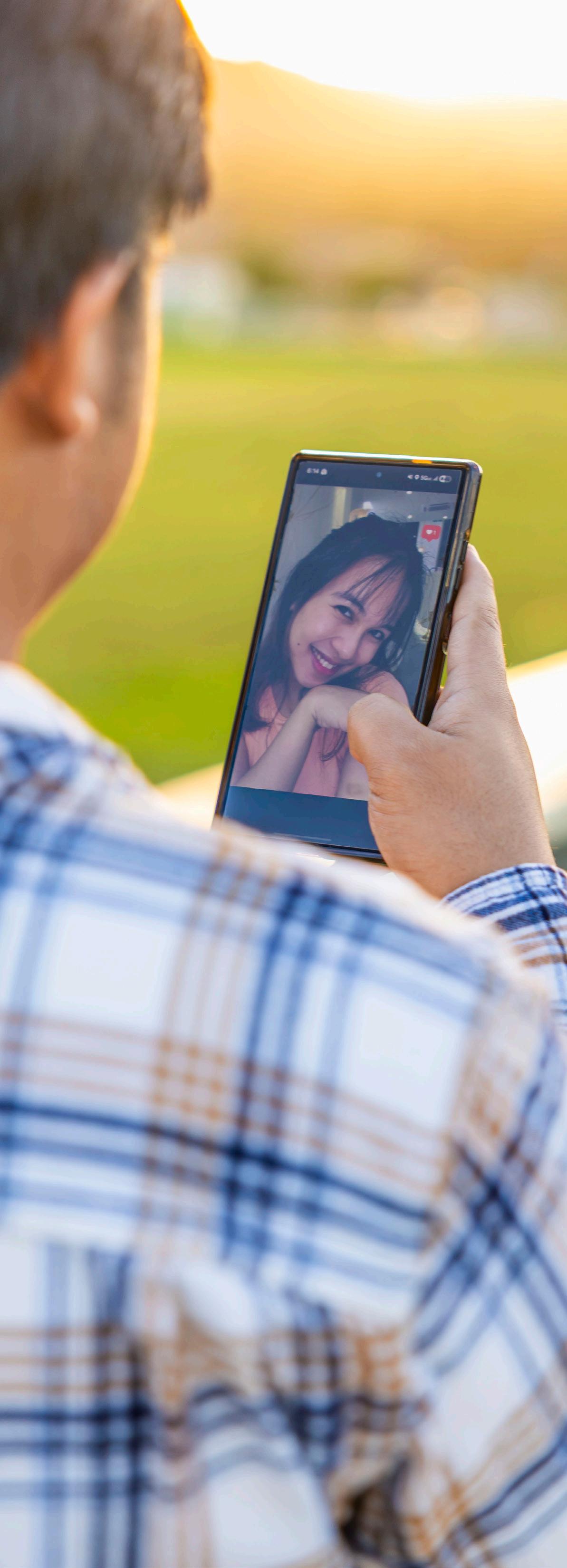
Zaballa said digital presence plays a major role in maintaining their connection. “We have movie dates, eat together over video call and talk every day,” he said. Sometimes calling his girlfriend and not having a specific topic to talk about is okay, Zaballa said. He said it is nice and it makes him feel better to stay on the video call while they do their own things. “There is a big difference between calling and video calling. Seeing her face makes it more real,” he said.
While he wishes his relationship was not long distance, Zaballa said he sees more opportunities for himself in Hawaii now. What makes it worth it is thinking about the future, he said. “Having a family, having peace together. We always talk about our future, and when I imagine that, I feel like the distance will be all worth it in the end.”
“Having a family, having peace together. We always talk about our future, and when I imagine that, I feel like the distance will be all worth it in the end.”
Aljassier Zaballa
Built on faith
Claire Jake Quinco, a sophomore in accounting from the Philippines, said her long-distance relationship with her boyfriend started only eight days before she left for BYU–Hawaii. She said she was hesitant about getting into a long-distance relationship right before moving away, but her boyfriend suggested they fast about the decision. “That’s something that I was looking for after I served my mission,” Quinco said. “I wanted someone who I could study the scriptures with,” she continued.
With an 18-hour time difference between the Philippines and Hawaii, Quinco said their schedules rarely align. She said when she is going to sleep, he is still awake; and when she wakes up, he is just finishing his day. Still, Quinco said they try to call when possible, whether that is praying together in the morning, reading scriptures or calling during breaks. “It’s like coexisting together. I do what I have to do and he does what he has to do,” she said.
Watching General Conference talks together helps nourish their relationship, said Quinco. “Our relationship started on a spiritual foundation, so that is how we also try to keep it nourished,” she said. For holidays and special occasions, Quinco said her boyfriend finds creative ways to show up despite the distance. He coordinates with her roommate or his friends at BYUH to deliver flowers or gifts, she explained.
Quinco said being far away from home can feel overwhelming at times. “It feels like you don’t have the right to be tired because you know everyone is tired,” she said. During those times, Quinco said she turns to her boyfriend. “All of my yaps and my rants, I always debrief with him,” she continued.
Quinco said being in a long-distance relationship taught her that she can commit, even without physical proximity. She said, “I’m grateful for the distance. It made us stronger because we are booking God as the center of our relationship. We are trusting His hands and His will for us.”
She said what makes it all worth it is knowing she has someone constant in her life, even across the world. “No matter what happens, I will always have someone to come back to,” she continued. •
“Our relationship started on a spiritual foundation, so that is how we also try to keep it nourished.”
Claire Jake Quinco
Photos by Hiroki Konno. Page design by Ice Cesario.
SNACKS, CODES AND SECRETS
Understanding, patience and shared vulnerability transform a housing assignment into family for two BYU–Hawaii students
MYCO CHILLIAN MARCAIDA
What began as a routine housing change grew into a three-year bond built on trust, emotional safety and family for two BYU–Hawaii students.
Sidney Ordonia and Jared Wenceslao, both seniors from the Philippines majoring in information technology (IT), said their friendship evolved beyond mutual respect into a chosen family, nurtured through patience, shared struggles and intentional care.
A growing connection
Ordonia said their friendship started on the university’s housing portal, when he was reserving a new bedspace as he prepared to move out of his old room. “When I locked the room for another unit, I saw Jared’s name and realized I knew him,” he shared.
Ordonia said he immediately reached out to Wenceslao. “I remember introducing myself through chat and asking if he could help me move my things into the unit, and he said yes,” he recalled.
At first, Ordonia said he approached the situation practically rather than emotionally. “I treated Jared primarily as a roommate, not a friend, when I first moved in. I took some of the classes he was taking that semester, and I helped him fix his code for his programming class,” he shared.
Wenceslao said sharing academic struggles eventually deepened their connection. “We started chatting randomly in our room after studying,” he said. “I remember opening up about my hardships in computer science before I switched to IT, and I think that made it easier for us to grow closer.”
Ordonia said learning to respect each other’s personal habits was key to maintaining peace in their shared space. “Jared is a light sleeper, and I tend to be unconsciously noisy when I enter our room,” he said. “He would wake up and call me out for it, and since then I’ve learned to be more mindful.”
Wenceslao said communication and teamwork helped prevent small issues from turning into bigger problems. “We would plan cleaning assignments together and coordinate on buying home supplies,” he explained. “When Sidney can’t do the dishes, I do them for him, and he does the same for me.”
A safe space for vulnerability
For Wenceslao, the room eventually became more than just a place to rest and study—it became a space for emotional safety. “Whenever I talk about life, family or anything personal, he listens, and it really brings us closer,” he explained.
Wenceslao said many men struggle to express vulnerability because of fear and judgment.
“There’s responsibility in a shared space, whether it’s keeping the space clean or peaceful.”
Sidney Ordonia
“Living with someone who isn’t your family takes a lot of understanding differences, adjusting and working together to live in peace.”
Jared Wenceslao
Wenceslao say.
Humor, intentional invitations and everyday consideration strengthened friendship, Ordonia and
“There is some truth to the stereotype that men aren’t up for sharing feelings with each other,” Wenceslao said. “Some are afraid of judgment or that others will tell people what they shared.” He added this aversion to emotional vulnerability comes from society’s perception that showing emotion is weakness while stoicism is strength among men.
That’s why humor, Wenceslao said, became an important coping tool in their friendship. “Besides speaking the same language, humor helps distract us from stress,” he explained. “Instead of overthinking a problem, we use humor to ease the burden. It really helped our friendship grow.”
In their relationship, Wenceslao emphasized the foundational role of trust. “When Sidney shares serious problems, he faces life with me. I listen intently, and whatever is said in the room, stays in the room,” he shared.
Ordonia said their support system works through small, consistent actions rather than grand gestures. “Acts of service like cleaning, sharing snacks or giving compliments are what make a friendship real and long-lasting. It’s the small things that matter and go a long way,” he explained.
Wenceslao also said despite having differences in personality and habits, respect keeps the relationship balanced. “Everything flows well if people can disagree without being disagreeable. At the end of the day, empathy for each other is needed,” he said.
A study by Wonjin Sim and Jessica Stahl on student development supports the impact of roommate relationships, saying international students living together experience reduced homesickness, increased social support and improved intercultural maturity.
Connectedly, Ordonia said having a roommate does help him cope with
loneliness, especially after living alone during an internship. “When I was on my internship, I felt a bit lonely sometimes. And I realized that having a roommate helps fill that emptiness,” he expressed.
Redefining family
Living with a roommate changed what family means to Wenceslao. He said family now means more than just something you were born into. “Living with someone who isn’t your family takes a lot of understanding differences, adjusting and working together to live in peace, and ultimately supporting each other not only through the joys in life but also the sadness that comes with it,” he said.
To maintain harmony, Ordonia said boundaries are still necessary even with a relationship that feels familial. “There’s responsibility in a shared space, whether it’s keeping the space clean or peaceful. So, establishing and understanding each other’s responsibility is necessary to show that you respect each other,” he explained.
Wenceslao said Ordonia’s way of communicating stood out to him. “Sidney has a different way of checking in on my life,” he said. “He usually invites me to do things with him, like going to the beach or eating together. He really tries to be intentional, and it shows that you don’t have to ask big questions like, ‘How are you feeling?’ or ‘How has your day been?’ to show you care. Sometimes it’s all about the invitations.”
In a dissertation by Stephen A. Reynolds titled “Exploring the Relationship Between Individual Personality Factors and Roommate Selection Among College Students”, Reynolds noted roommate relationships are a nearly universal part of college with long-term influence "on the lives of students and the campus community."•
Photos by Hiroki Konno. Page Design by Ice Cesario.