

ENTROPY SYSTEMS PERMEABILITY EXCHANGE LINKAGE PASSIVE LIVING METABOLIC GROWTH REGENERATIVE CYCLICAL DISTRIBUTED BIOLOGICAL AGENCY CIRCULATION DURATION INTEGRATION FLEXIBILITY NETWORKED
RESOURCES
ALLOCATION EXPOSURE PHASING ECONOMY COLLECTIVE MISSION CENTRALIZED EXPANDABLE DEMONSTRATION SUPPORT TEMPORAL EFFICIENCY RADIAL FLUIDITY ECOLOGY CONNECTION RESPONSIVENESS

IDENTITY
PARTICIPATION
THRESHOLDS GUIDANCE
‘STREETSCAPE’ DENSITY PERMEABILITY DESIRE PATHWAYS
OCCUPANTS WAYFINDING HIERARCHY SEQUENCE

ARTICULATION INTERSTITIAL OBSERVERS CUES EDGE
Knoxville, TN / 37920 / 423.839.3881 / kileymcdonaldc@gmail.com / www.linkedin.com/in/kileymcdonald
Knoxville, TN / 37920 / 423.839.3881 / kileymcdonaldc@gmail.com / www.linkedin.com/in/kileymcdonald
Knoxville, TN / 37920 / 423.839.3881 / kileymcdonaldc@gmail.com / www.linkedin.com/in/kileymcdonald
Design is grounded in the space between beings. It operates within an ever-expanding field of relationships between human and nonhuman life, landscapes, water, material systems, energy flows, economies, histories, climates, infrastructures, and forms of use that shift over time. Architecture is not an isolated object, but a mediator across these conditions, extending only as far as necessary while remaining accountable to what it affects. I work within this in-between condition, where environments, living systems, cultural practices, and constructed space continuously shape one another. Time is treated as a primary design material, encompassing seasons, weathering, longevity, adaptation, and reuse. Adaptive reuse is central to this approach, informed by the belief that “the most sustainable building is one that already exists,” and by a commitment to designing architecture meant to endure. My work resists closed conclusions, understanding design as research that is never finished, and whose extent of consideration is always incomplete and still unfolding.
ENTROPY SYSTEMS PERMEABILITY EXCHANGE LINKAGE PASSIVE LIVING
METABOLIC GROWTH
REGENERATIVE CYCLICAL DISTRIBUTED BIOLOGICAL AGENCY CIRCULATION DURATION INTEGRATION FLEXIBILITY NETWORKED
]

01 // LIVE/WORK/FERMENT
in collaboration with Katie Hutt + Maxine Scanlan
SPRING 2025 / Jeremy Magner
MULTI-USE / RESIDENTIAL (dwelling) / INDUSTRIAL (production) / RETAIL(exchange)
REVIT, RHINO, V-RAY, ADOBE PHOTOSHOP + ILLUSTRATOR [
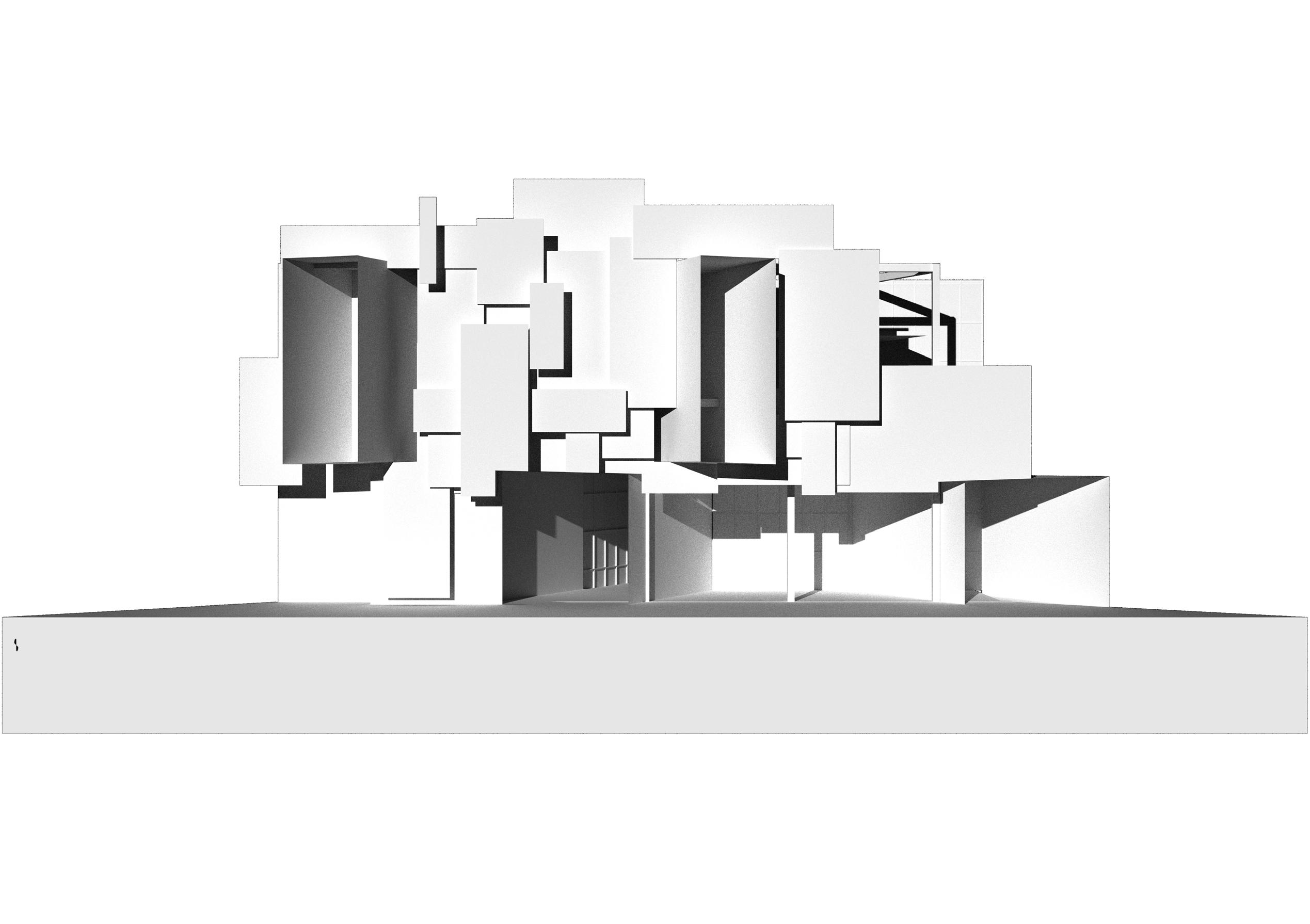

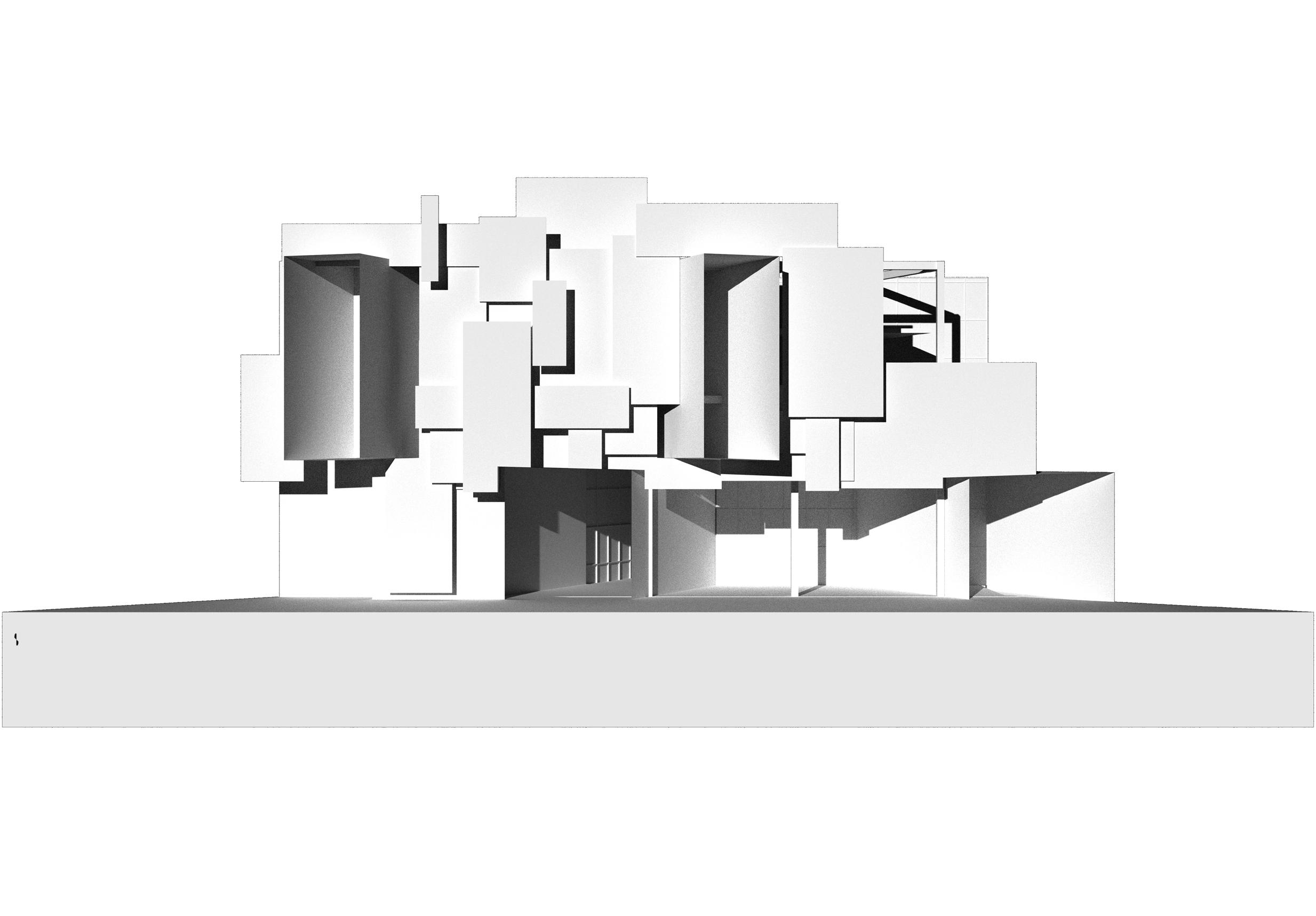
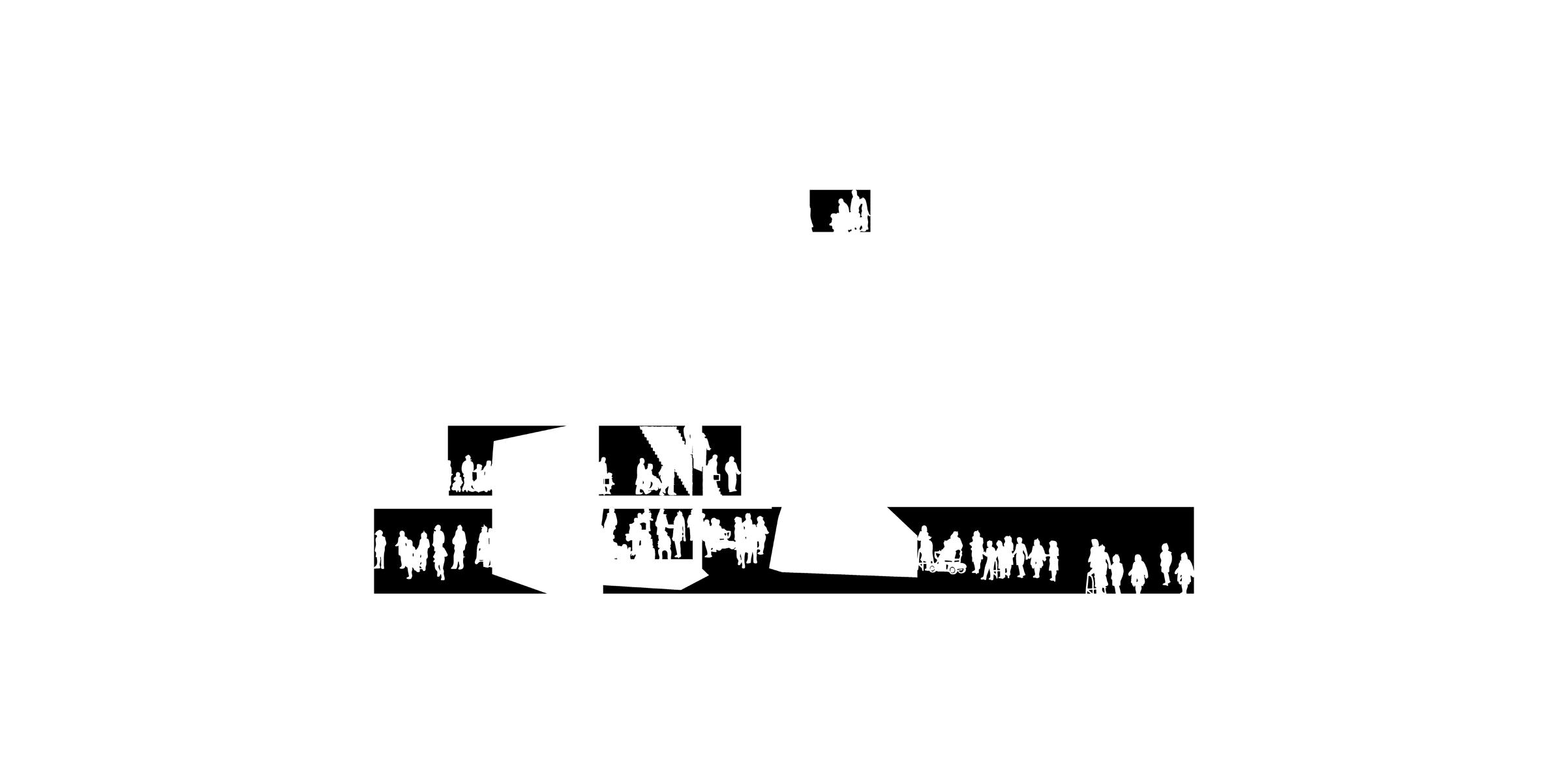
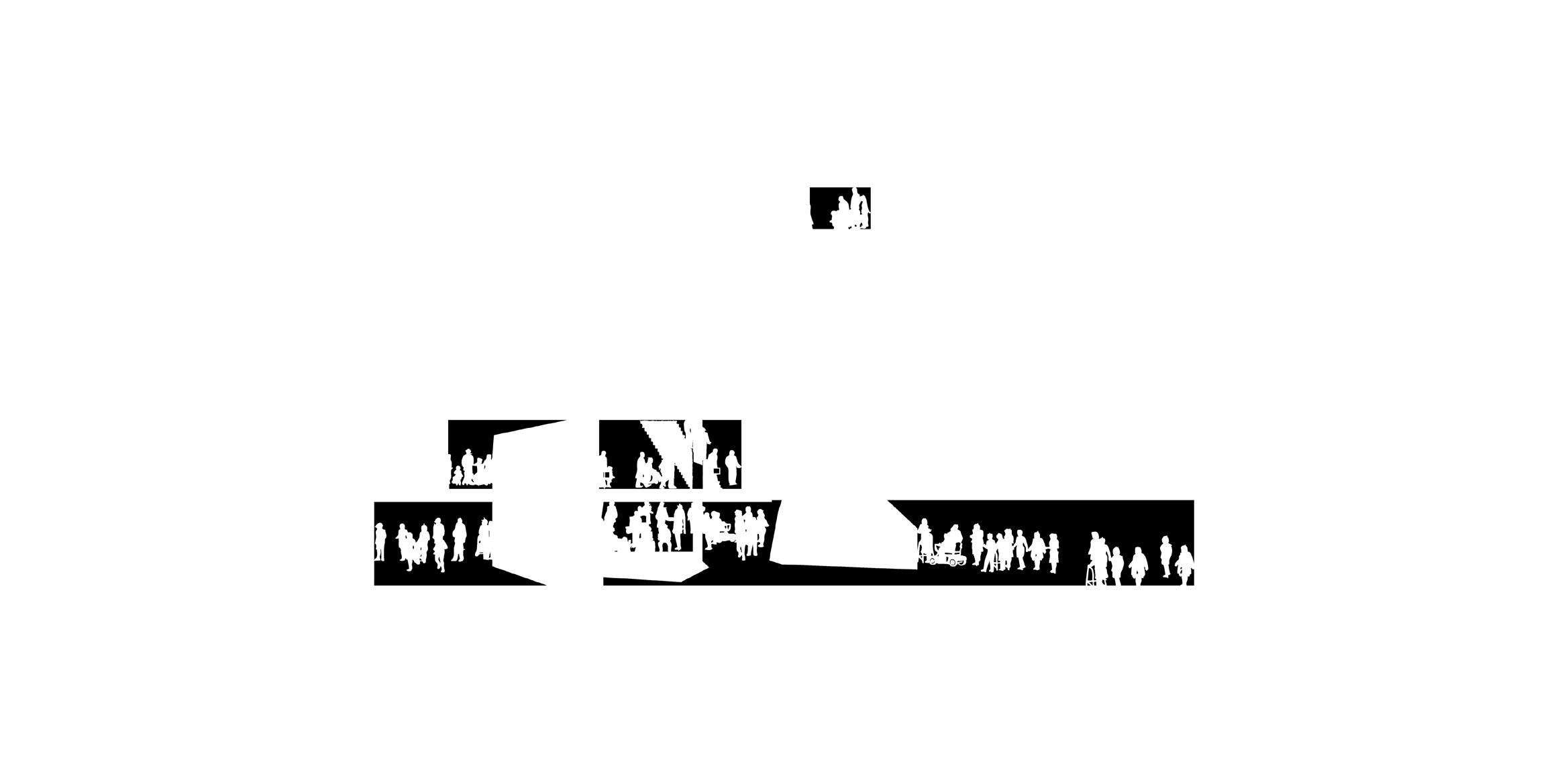




CIRCULATION
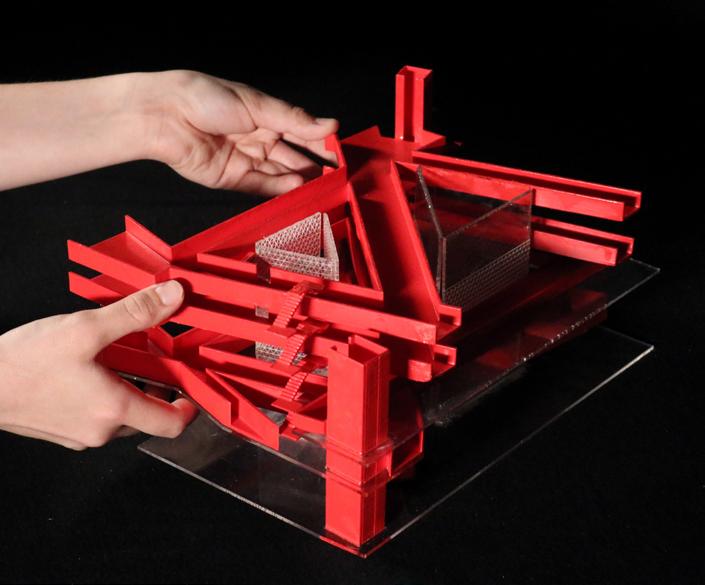
CIRCULATION MODEL / DEVELOPMENTAL STAGE
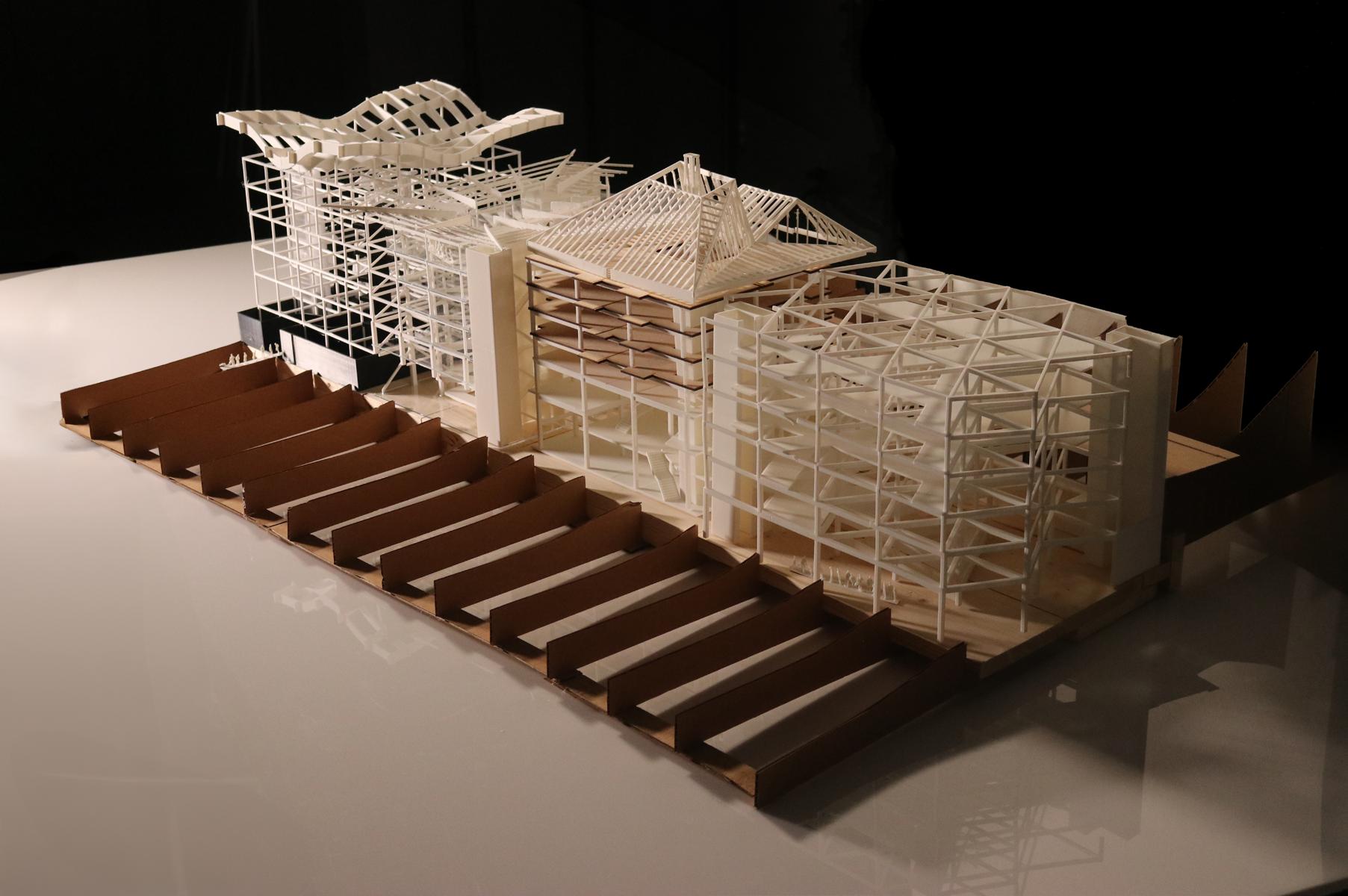
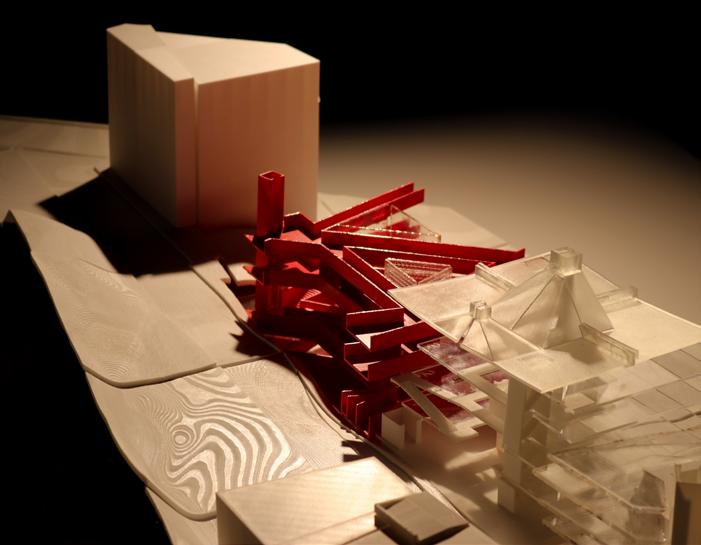
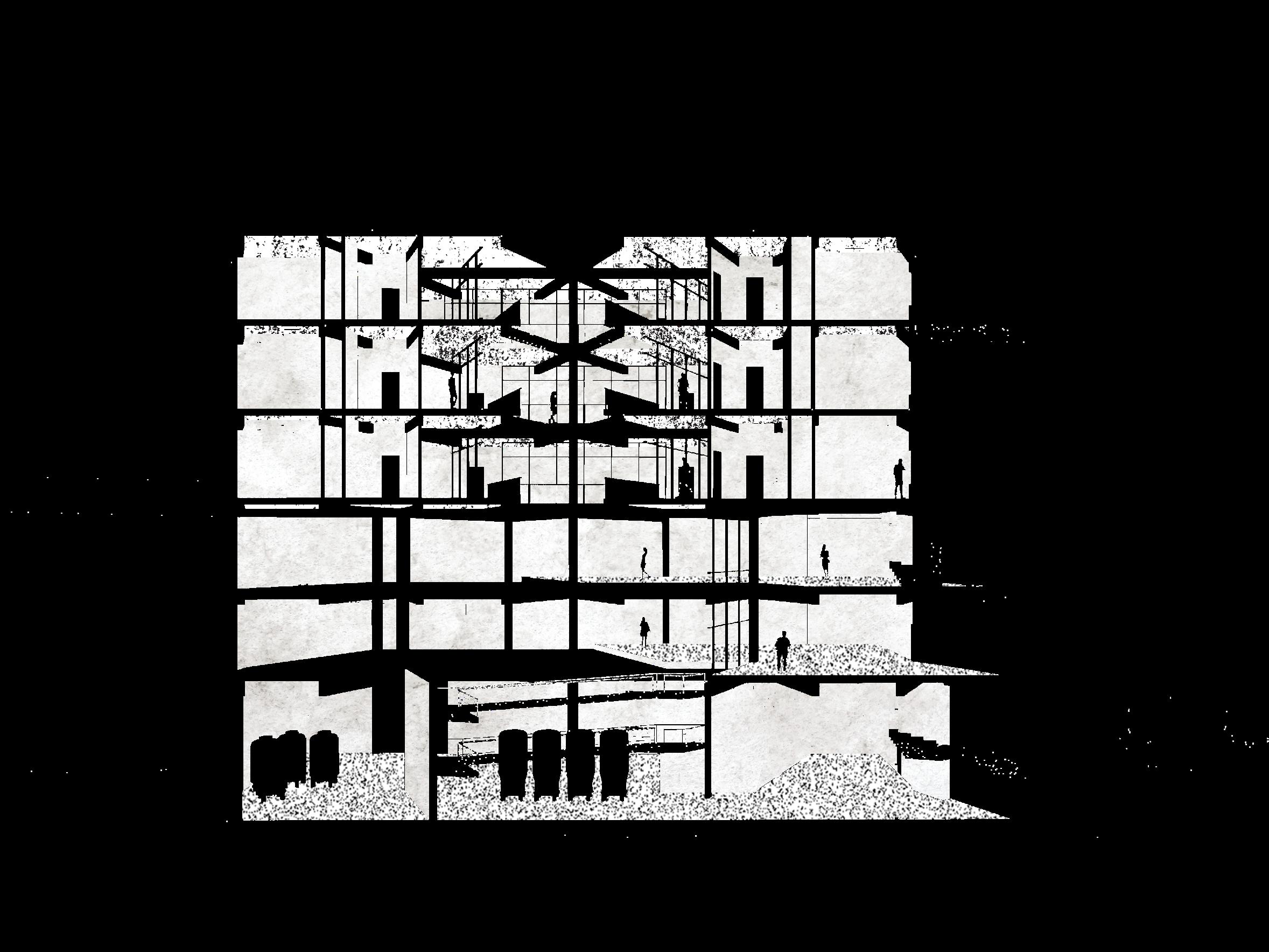
Live/Work/Ferment explores how kombucha fermentation shapes architectural space through production, exchange, and dwelling.
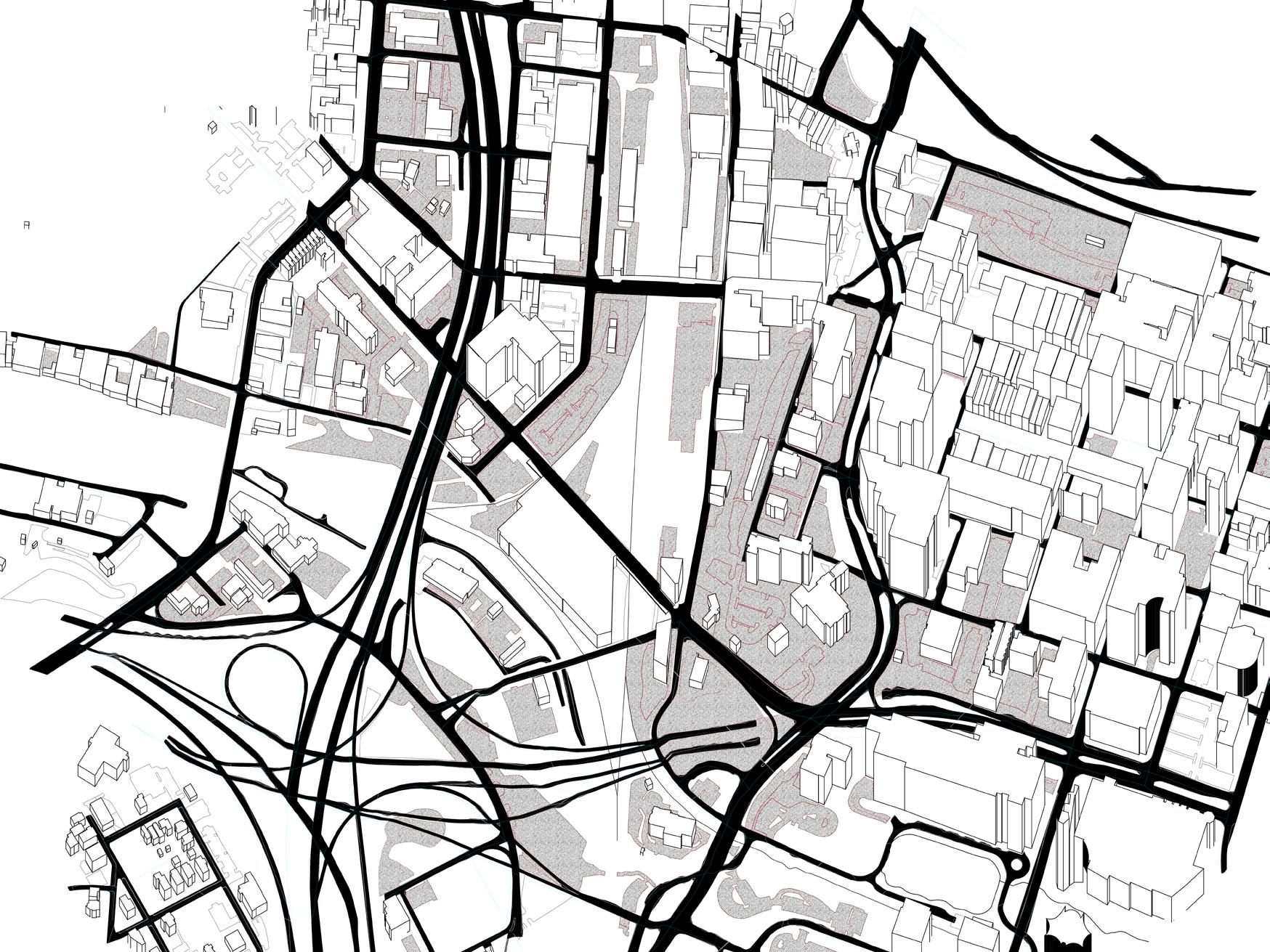
The site on W Jackson Avenue in Knoxville, Tennessee, sits between active rail lines and underused land. Its industrial history, repeated vacancy, and fires informed a material strategy that embraces wear and shows the passage of time. The project responds to the surrounding historic character and urban energy while supporting a slower, reflective program focused on care, craft, and process.
The building integrates production, public exchange, and dwelling. Permeable groundlevel access and a speculative greenway reconnect the site to pedestrian networks and nearby civic landmarks. Analysis of circulation, prevailing winds, and sun paths informed
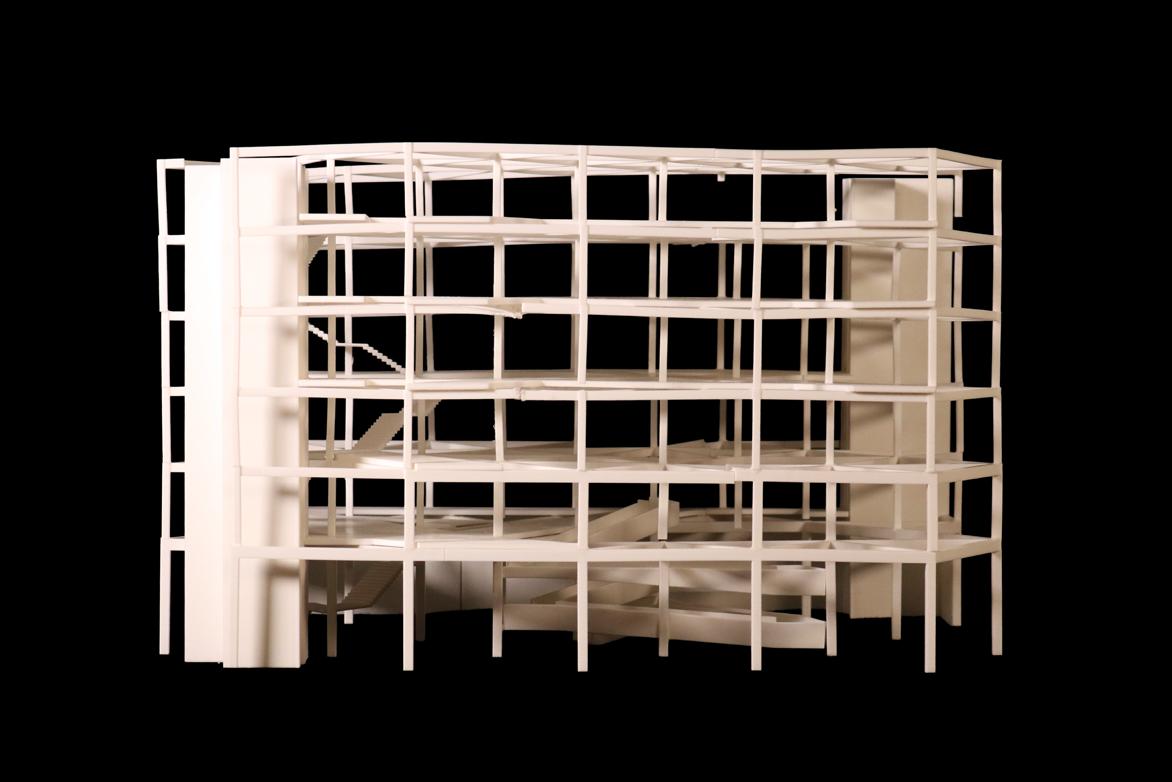
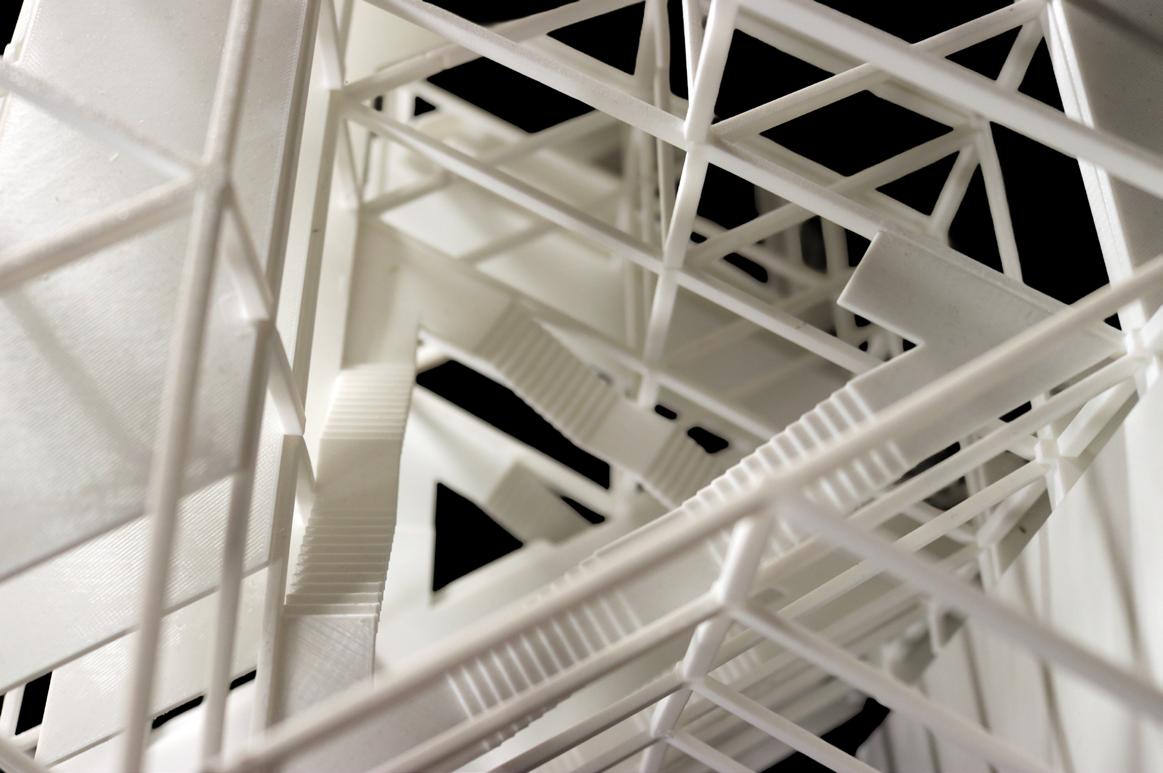
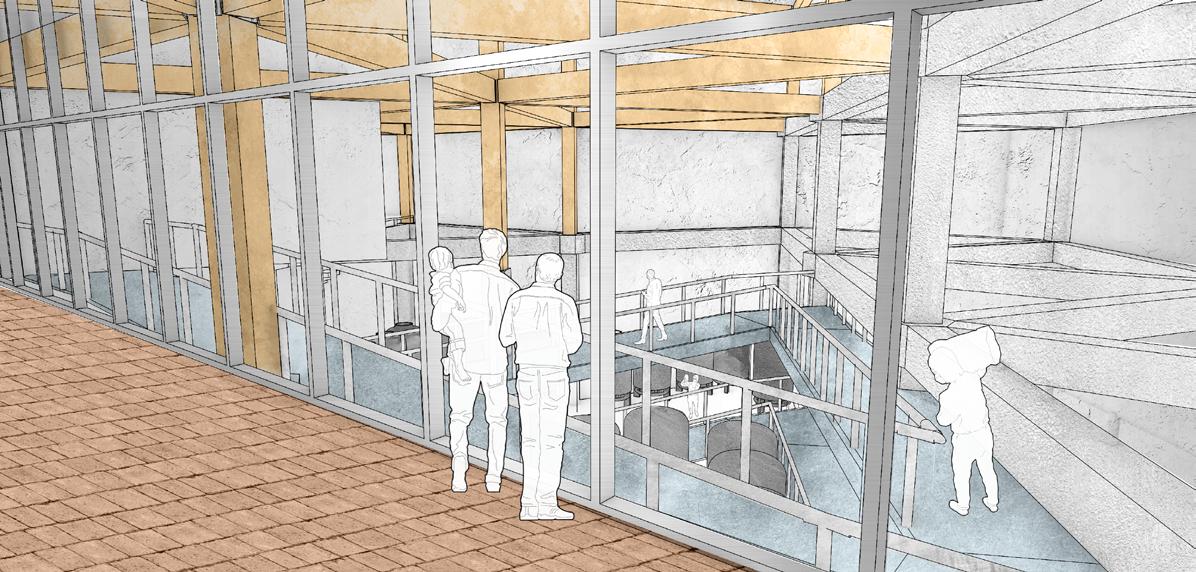
...openings, atria, and massing, generating flows of people, air, and light throughout the building. Production occupies the lowest level, taking advantage of thermal stability and shade. Exchange activates the street level with market space, tasting zones, and adaptive gathering areas. Dwelling rises above with private units and shared terraces overlooking a central atrium.
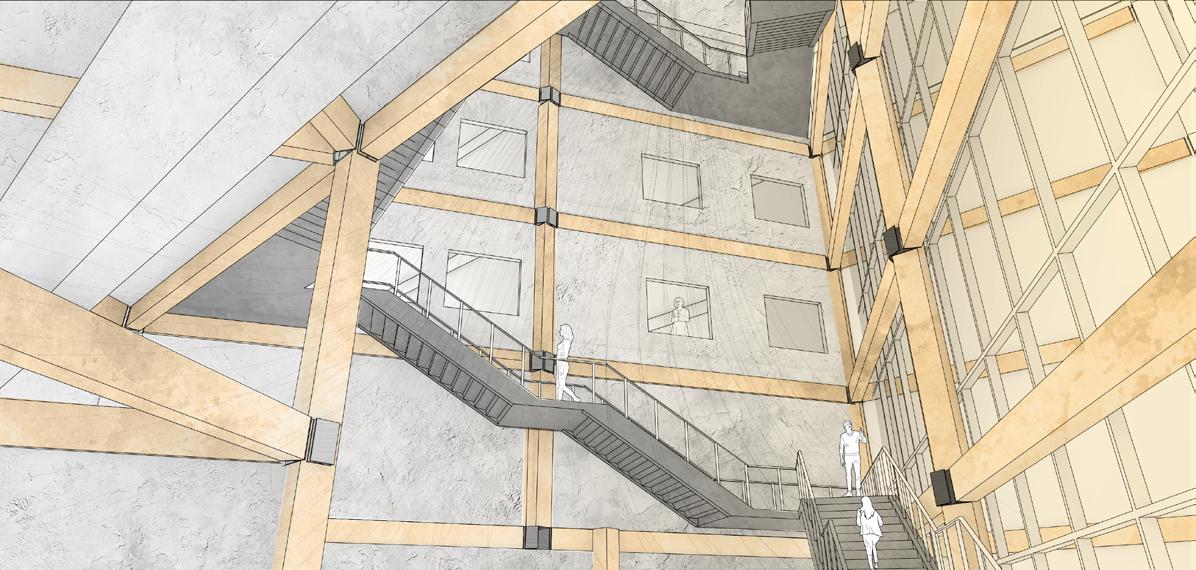
The atrium, centered on a living SCOBY, anchors the program while shaping circulation and airflow. A structural diagrid organizes loads, and mechanical systems integrate with passive strategies. Production, exchange,
and dwelling are connected through spatial, environmental, and programmatic systems, demonstrating how architecture can support process, experience, and transformation.

LIVE/WORK/FERMENT

LIVE/WORK/FERMENT


















PLAN











RESOURCES ALLOCATION
EXPOSURE PHASING SPATIAL ECONOMY COLLECTIVE MISSION CENTRALIZED EXPANDABLE DEMONSTRATION SUPPORT TEMPORAL CONNECTION FLUIDITY EFFICIENCY RADIAL
RESPONSIVENESS
ADJACENCY ECOLOGY
02 // VORTEX
FALL 2025 / Jeremy Magner + Chad Manley
NON-PROFIT HEADQUARTER / OFFICE / EXHIBIT / HATCHERY
REVIT (+autodesk insight), RHINO, ARC-GIS, ADOBE
PHOTOSHOP + ILLUSTRATOR

35.972270, -83.865689 ]
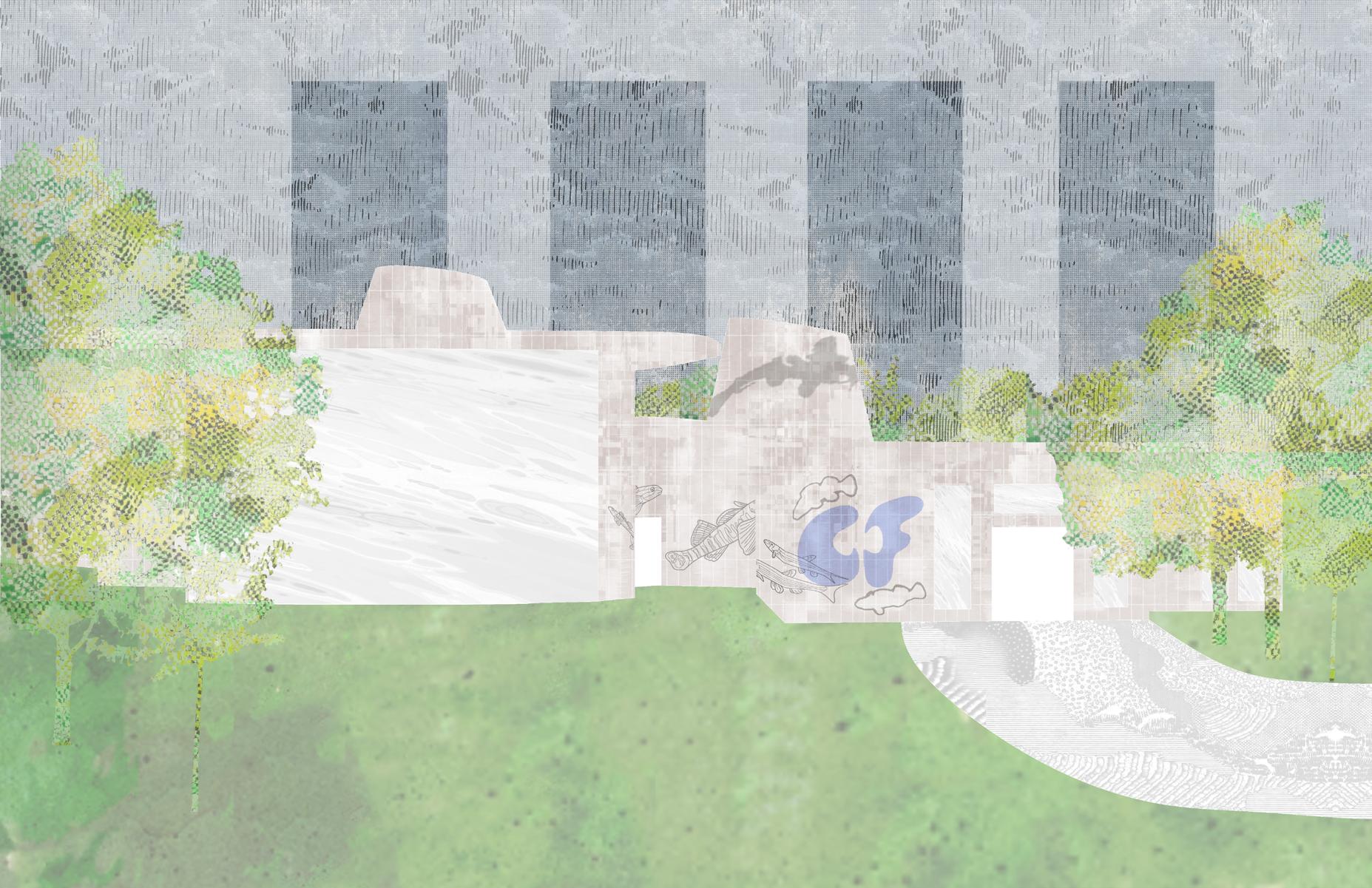
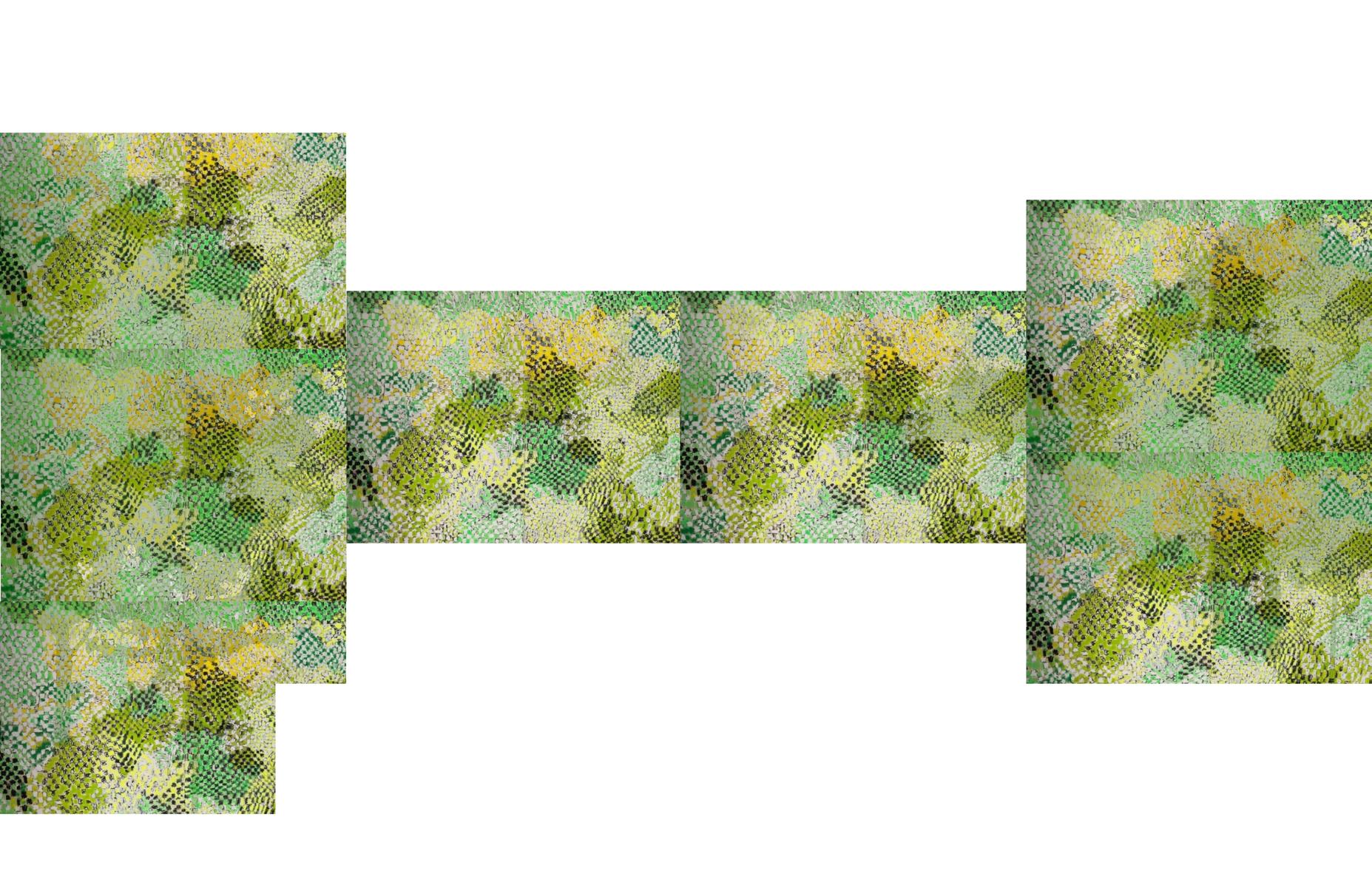
ENTRANCE PERSPECTIVE / NEW CONSERVATION FISHERIES HEADQUARTERS
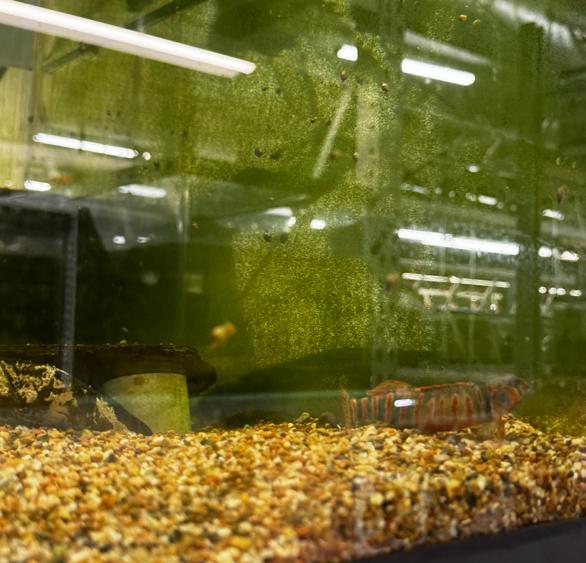
NURSERY 01
NURSERY 01
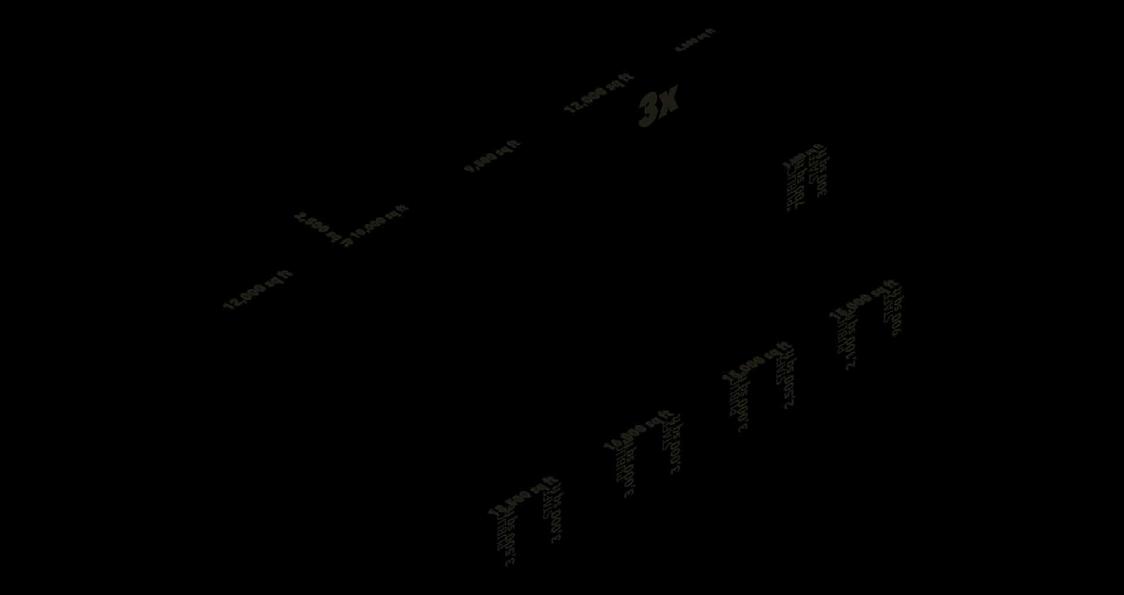
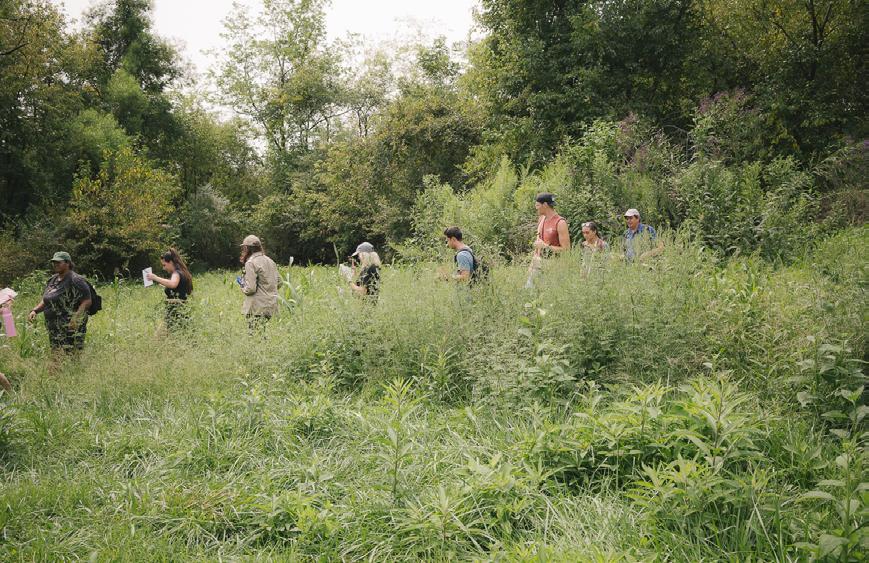
Vortex explores how architecture can respond to natural and human rhythms on a multi-acre rural site for a non-profit conservation organization focused on endangered freshwater species. The studio operated like a professional firm, where all work contributed to shared design development, iteration, and overarching goals, rather than isolated individual projects. I collaborated closely with a landscape studio to integrate the building into a larger master plan, aligning circulation, program, and environmental systems across the site. The building is organized around a clear internal spine that guides movement and programmatic relationships. Public, semipublic, and operational areas are arranged intuitively along this axis, allowing people
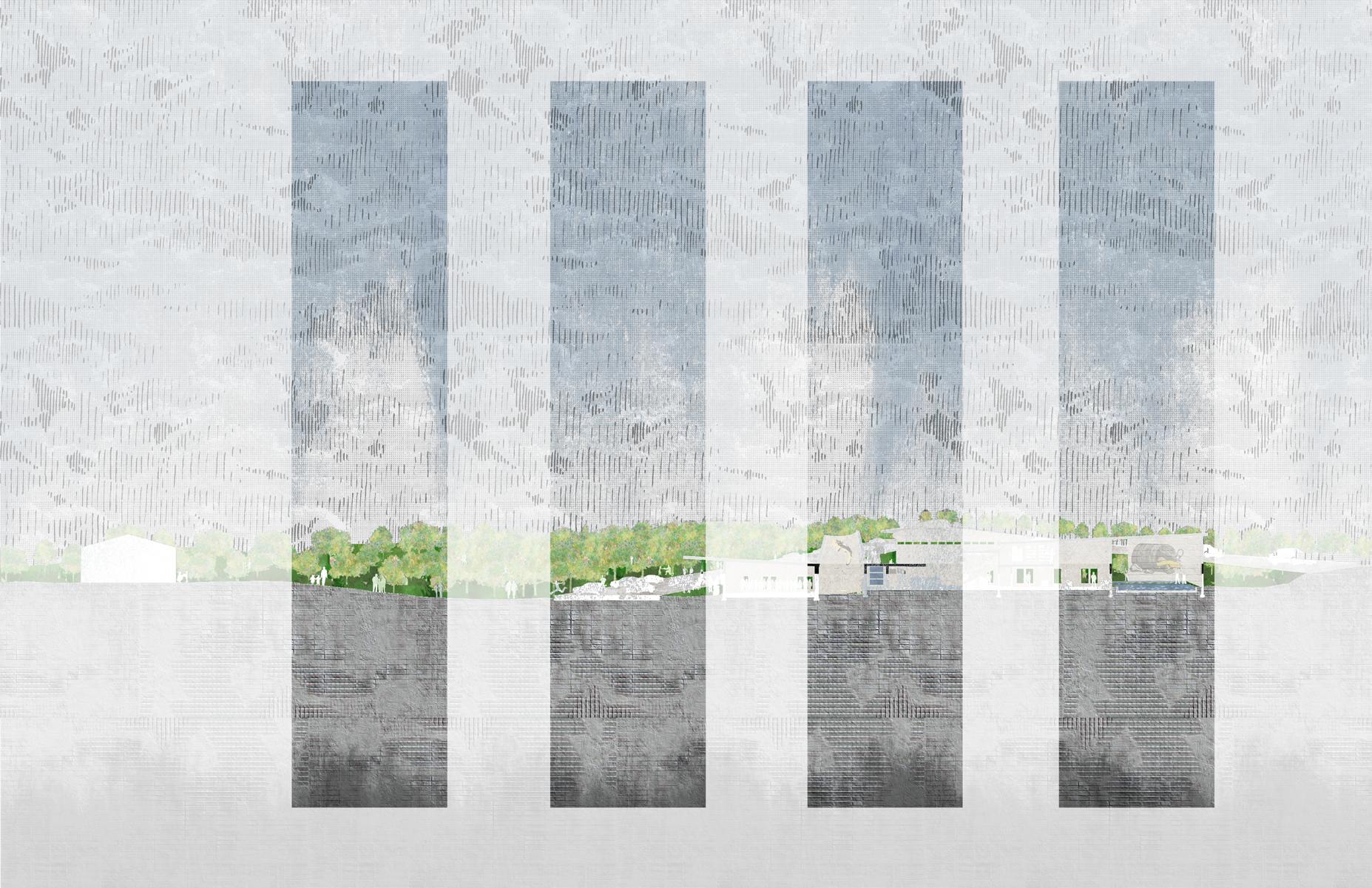
and environmental processes, particularly the flow of water, to move in parallel without conflict. A mezzanine creates secondary circulation loops and controlled overlooks, spans and water management strategies. Sections and perspectives reveal how volumes stack, how movement is compressed or expanded, and how transitions support both functional and environmental rhythms.
Circulation diagrams make explicit the coordination between program, people, and water, demonstrating how every spatial, material, and structural decision follows the parti’s underlying logic. VORTEX emphasizes clarity, coherence, and responsiveness, showing how architecture can support complex operational needs while mediating natural processes across time.
PROGRAMMATIC FLUX + FLOW
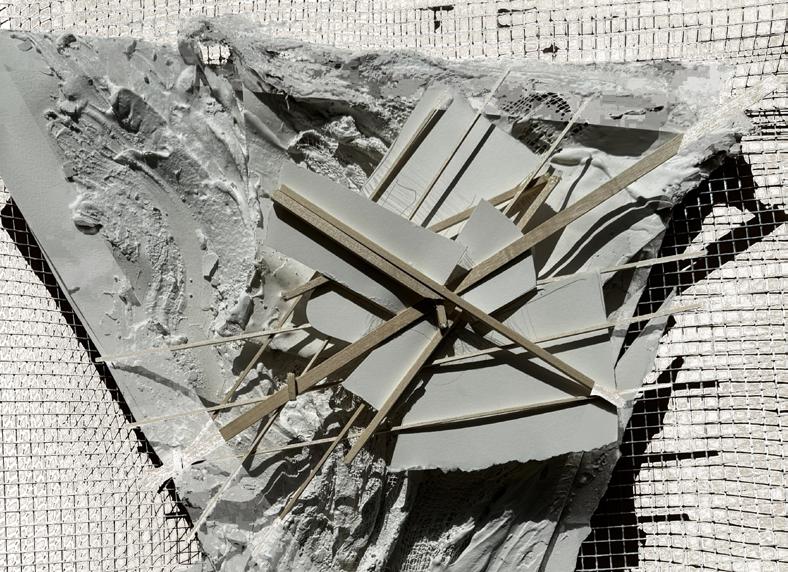
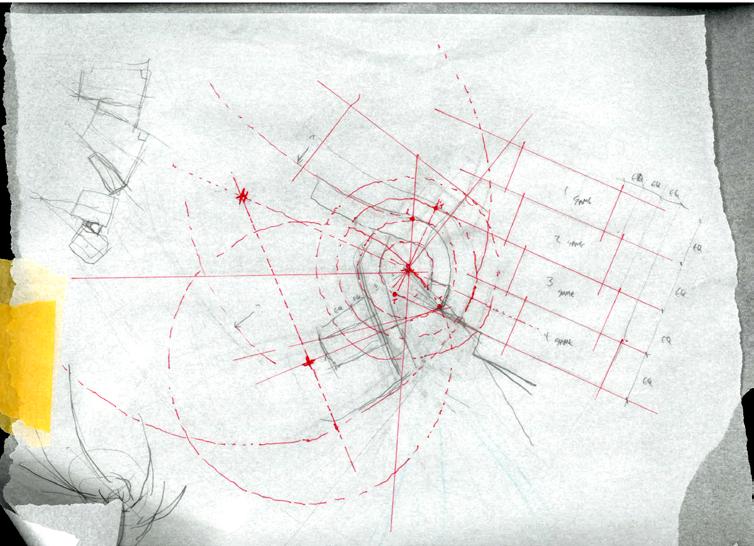
SITE PROVOCATIONS
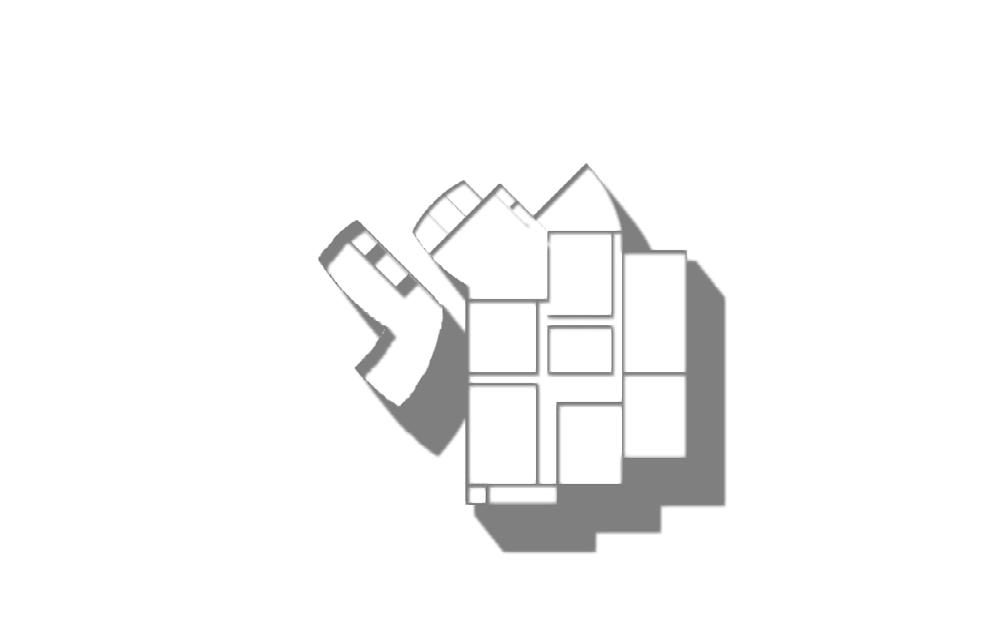
IDENTITY PARTICIPATION
THRESHOLDS GUIDANCE
‘STREETSCAPE’ DENSITY
PERMEABILITY
DESIRE PATHWAYS
OCCUPANTS
WAYFINDING HIERARCHY
SEQUENCE
ARTICULATION CUES OBSERVERS INTERSTITIAL EDGE
03 // VORTEX
FALL 2024 / Micah Rutenberg
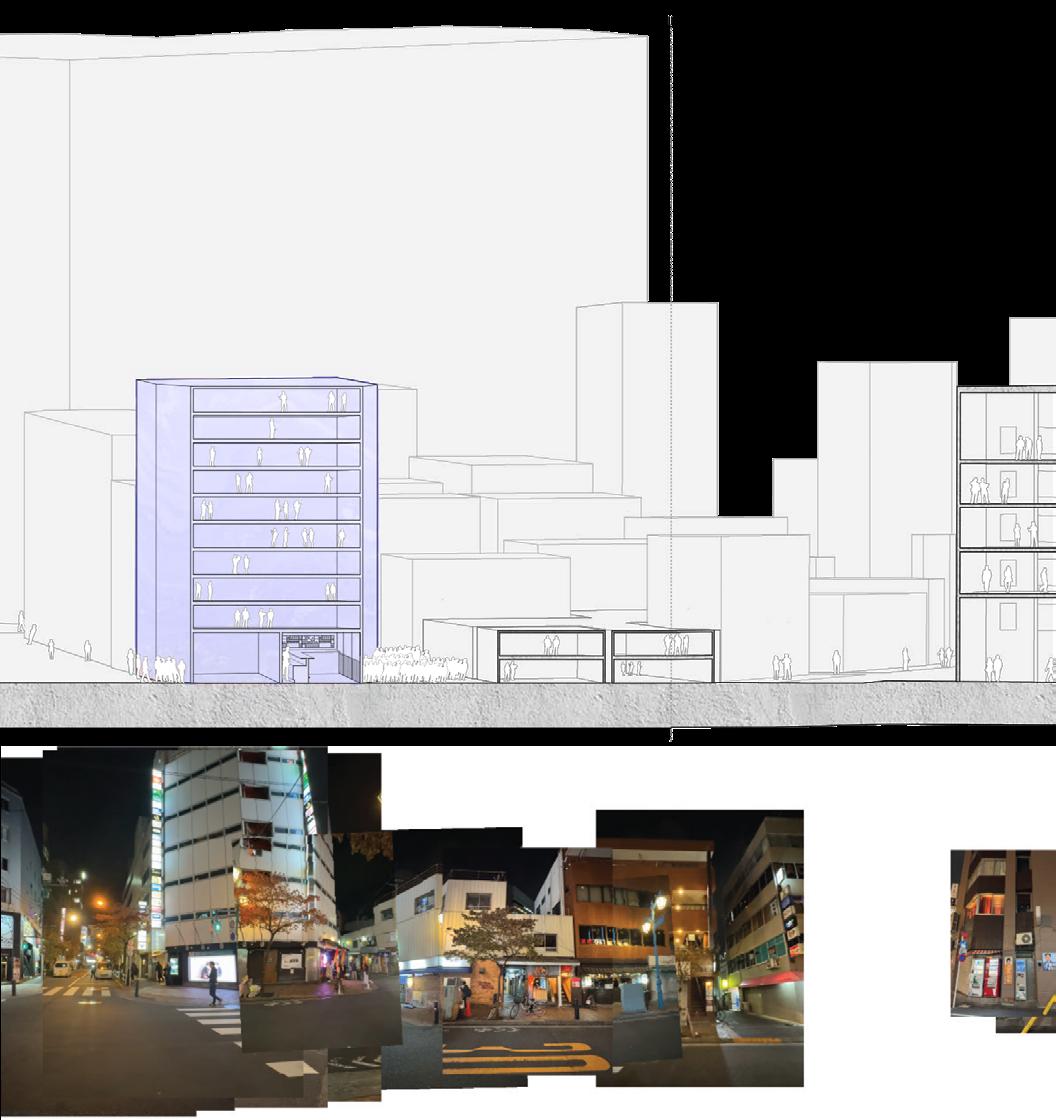
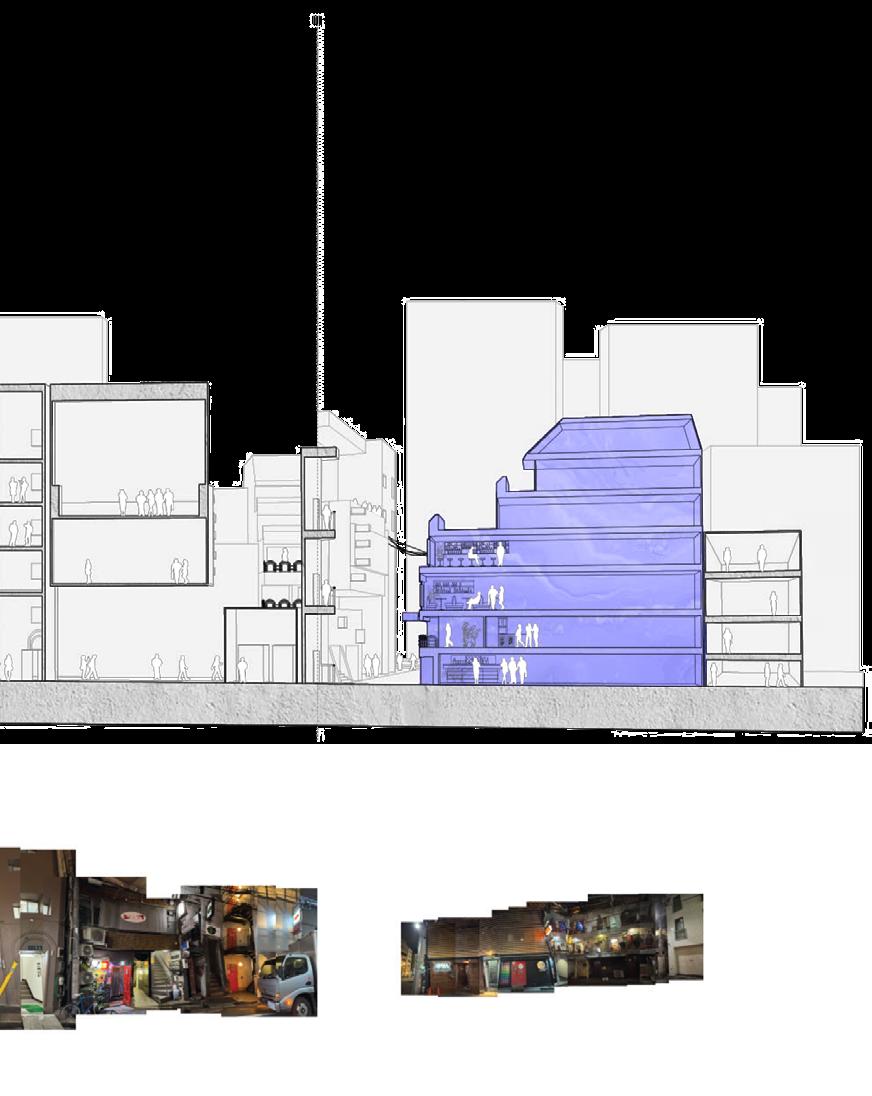
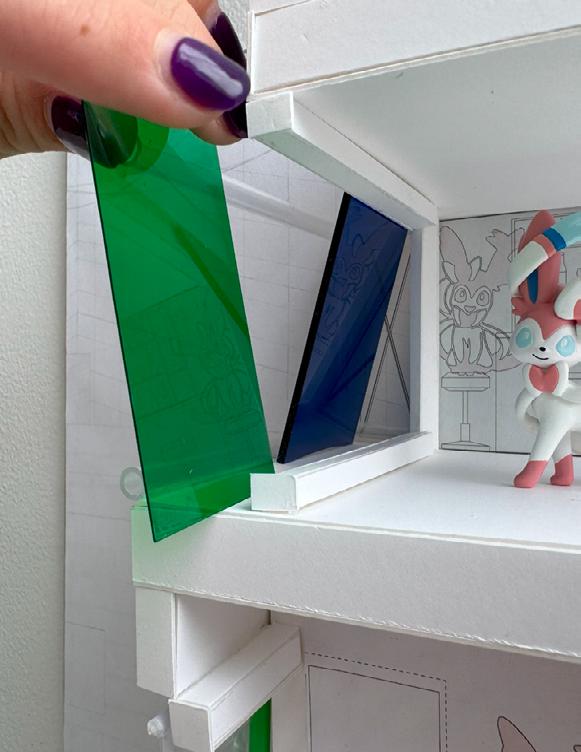
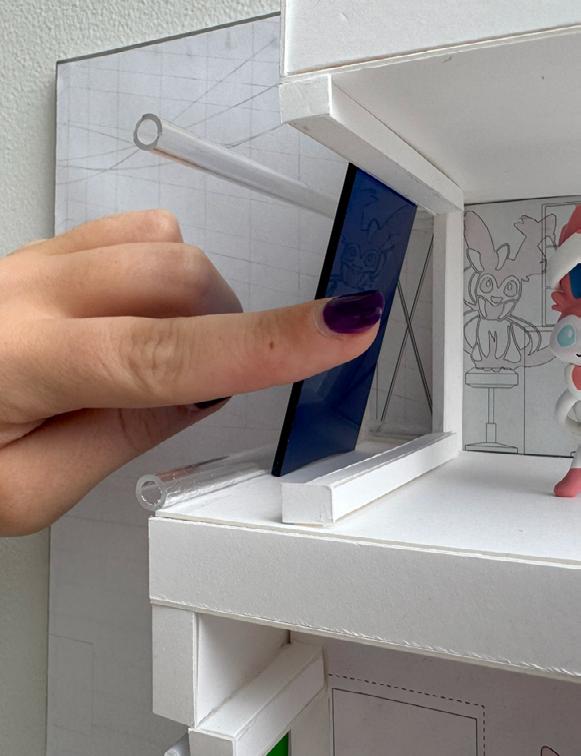
FAÇADE INTERVENTION
RHINO, POLYCAM 3D, ADOBE PHOTOSHOP + ILLUSTRATOR

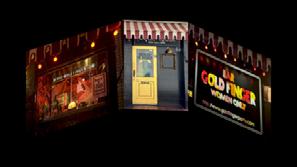
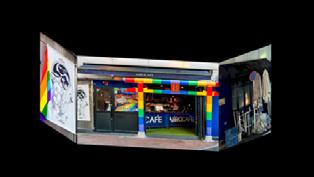
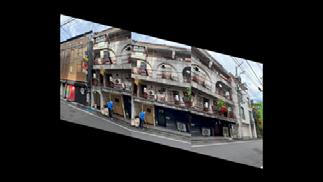


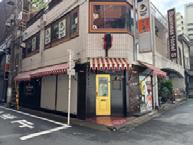
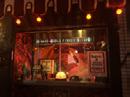



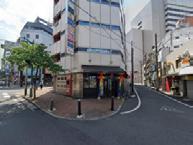
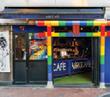





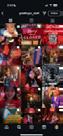





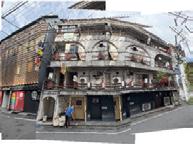
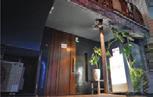
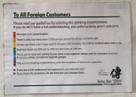


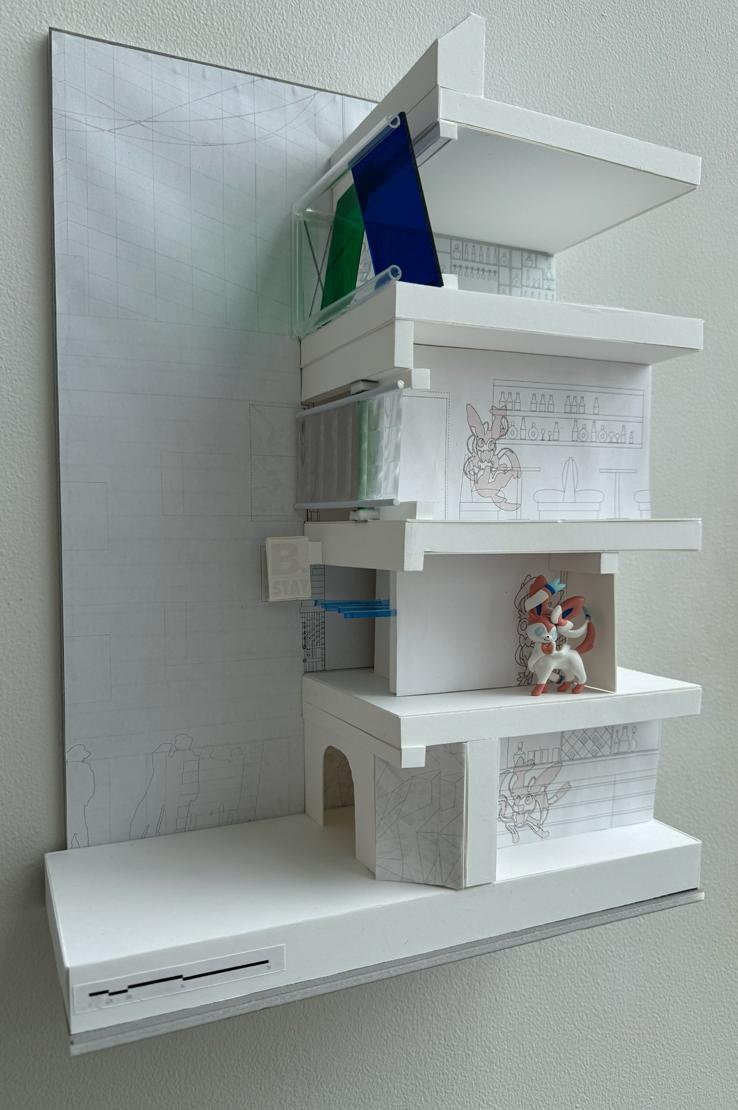
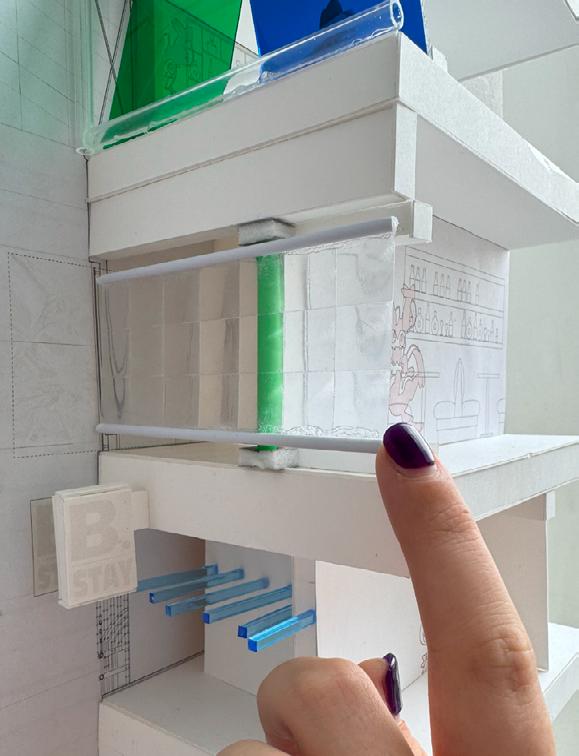
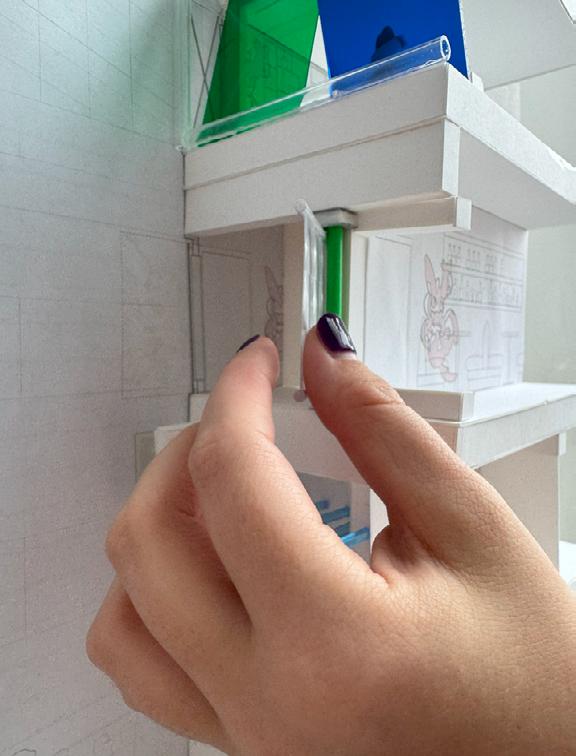
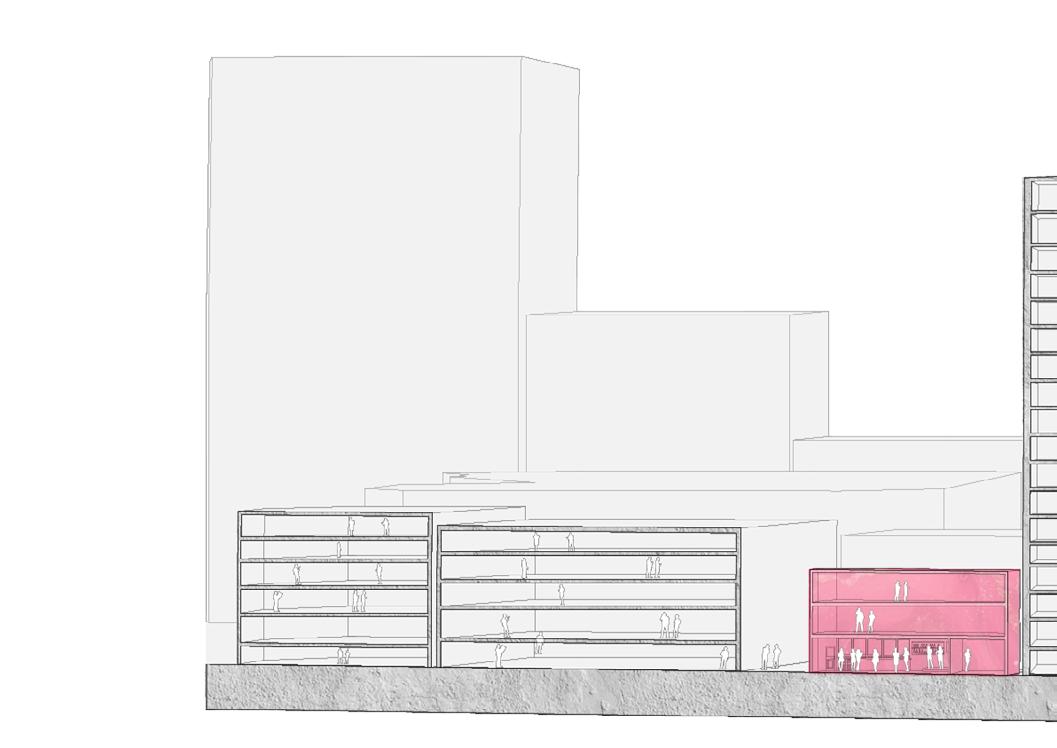
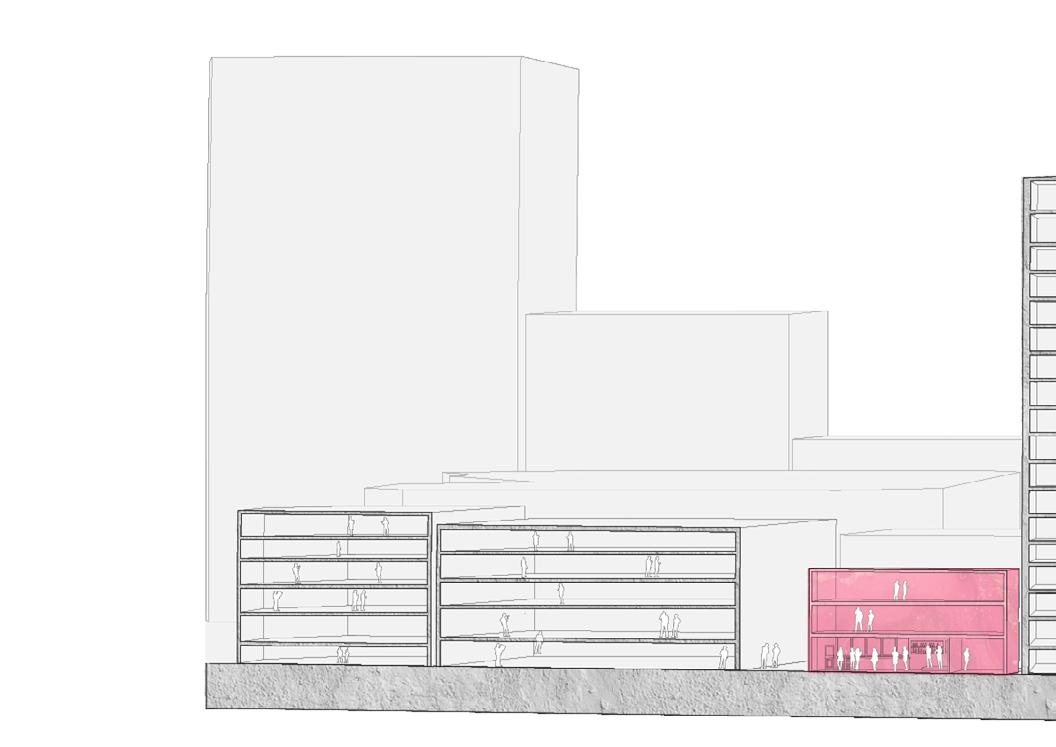
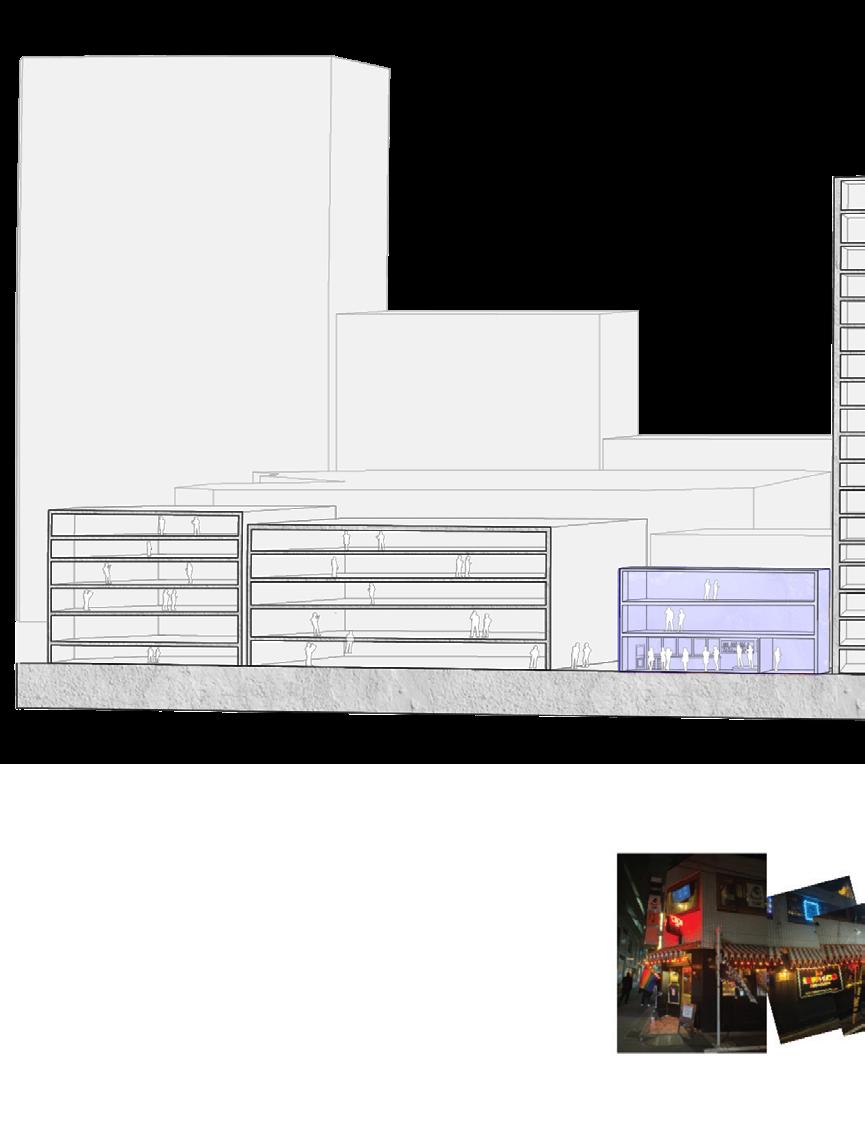
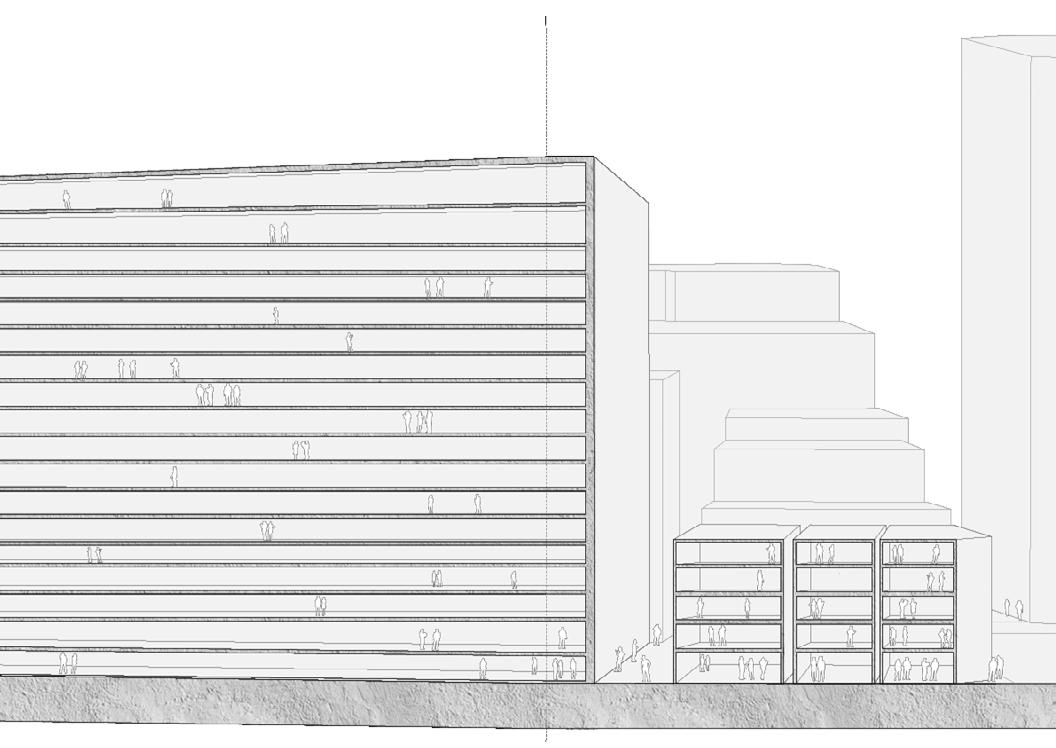
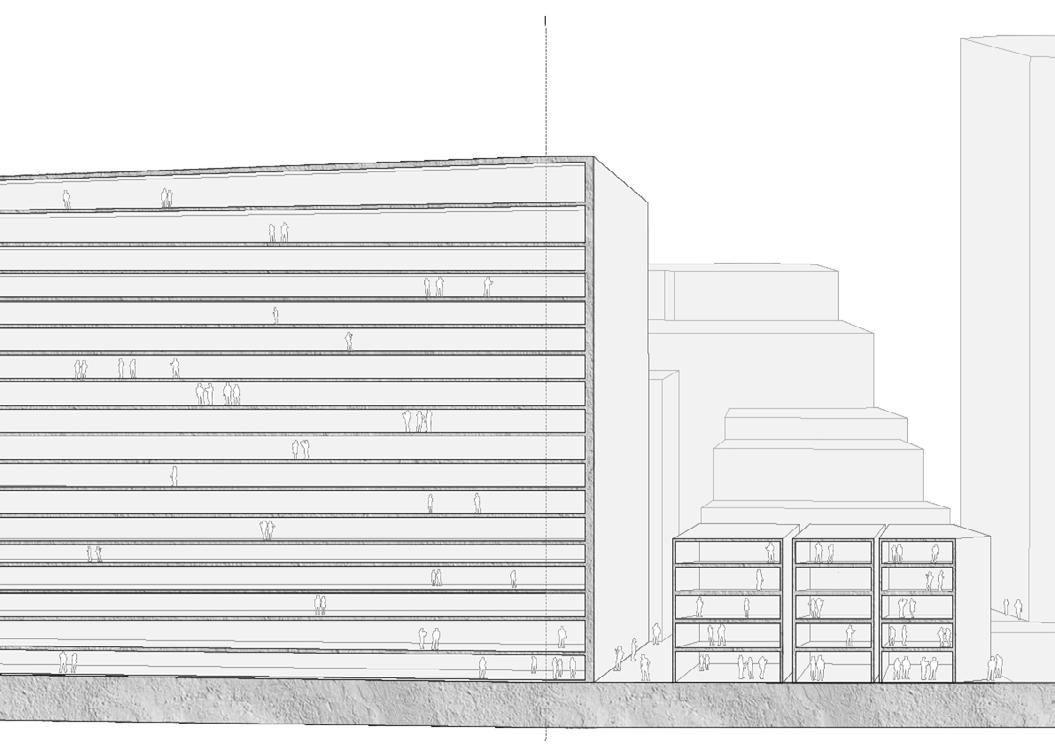
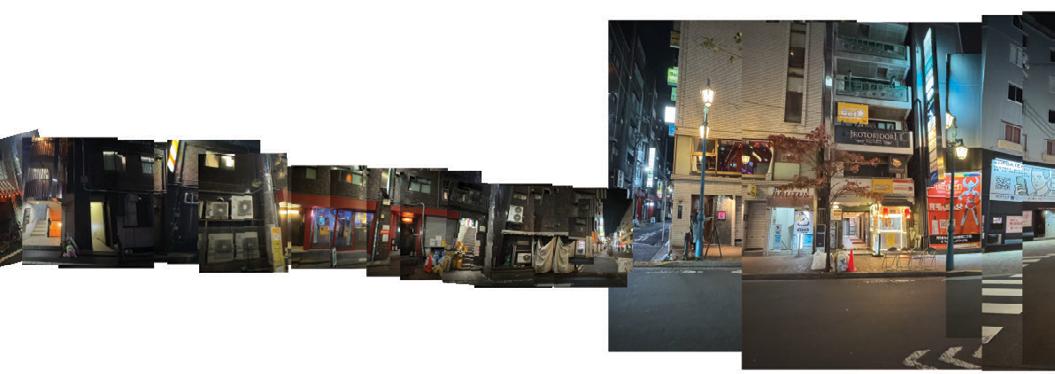
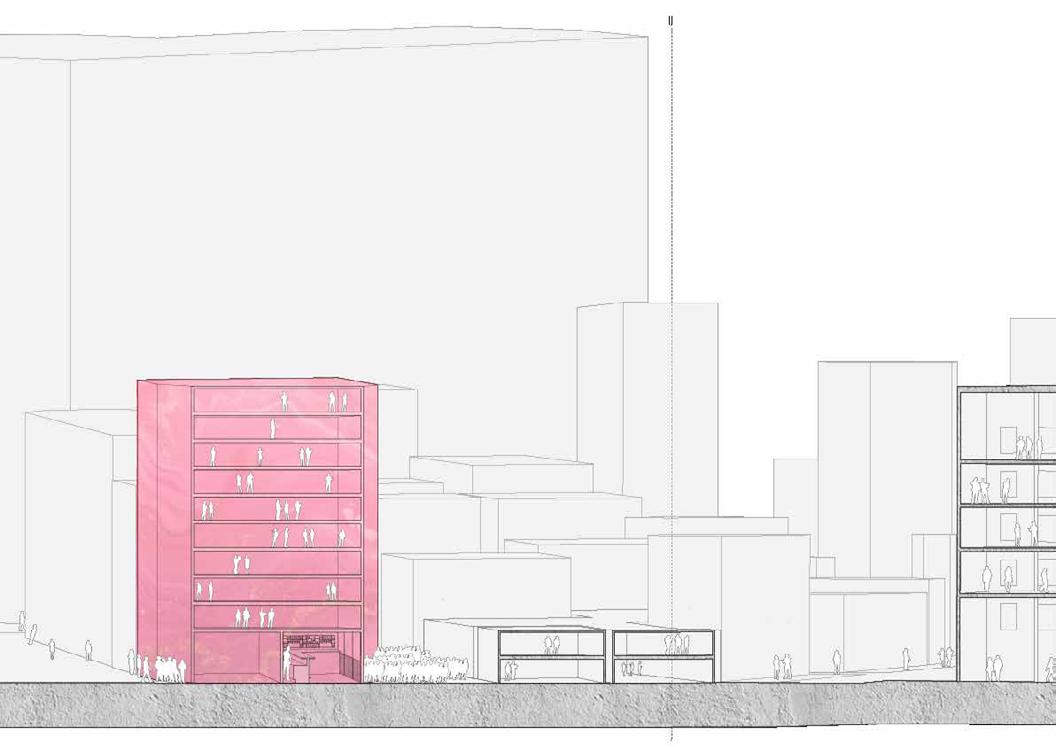
JOGGED SECTION / SHINJUKU NI-CHOME INTERACTIVE FAÇADE INTERVENTION