Annual Impact Report

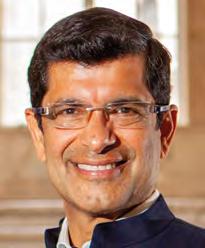
As Vice-Chancellor and President of King’s College London, I am delighted to share our Impact Report looking back on 2025. I am so proud of the King’s community and all we have achieved last year, and I am thrilled to be able to showcase some of those incredible achievements here.
As many people will be aware, 2025 was a challenging year for universities, in the UK and across the globe. We are not immune to these challenges, but I am pleased to say that King’s continued to thrive, with thanks to our expert staff and collaborative spirit. We moved up the rankings both on the national and global stage, now placed as the 31st in the world and 5th in the UK by the QS World University Rankings. We are world leaders across many subjects, including placing 4th for Dentistry, 11th for Life Sciences & Medicine and 14th for Geography.
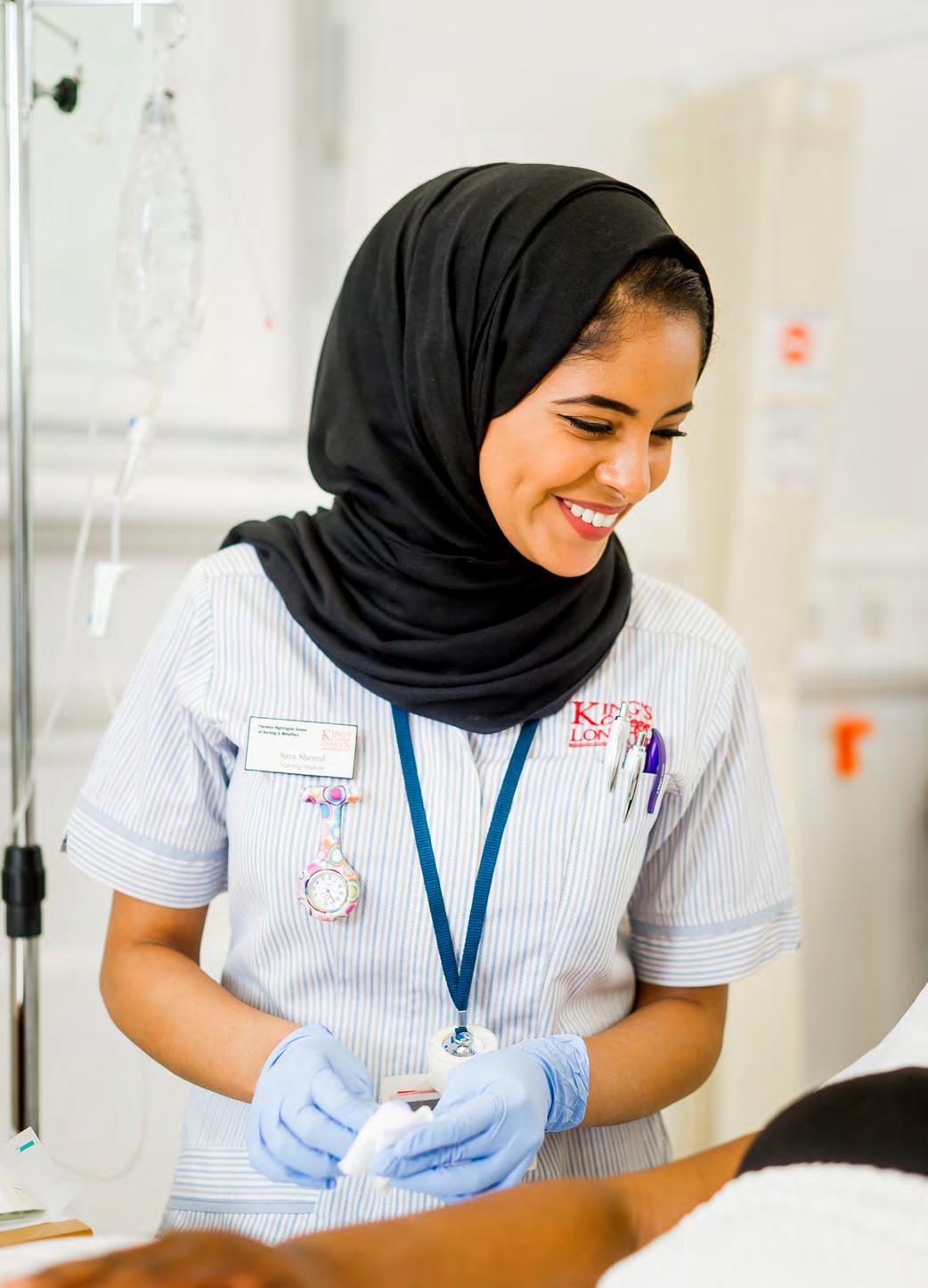
I am also delighted that Nursing at King’s is now ranked number one in the world – a tribute to our remarkable nursing educators whose passion, innovation and dedication echo the pioneering spirit of Florence Nightingale, driving excellence in teaching and research and ensuring King’s continues to shape the future of healthcare worldwide.
2025 also marked the year that King’s recognised our generous legacy supporters with the creation of the King’s Society. We are humbled to have so many members that have made the decision to safeguard our future by leaving a bequest for King’s in their will.
I would like to take this opportunity to thank you, personally, for your support. Whether through supporting cutting-edge research to transform the health of mothers and babies, removing barriers to success for students from underrepresented backgrounds, or redeveloping Bush House South West Wing into a world-class student space, we would not be able to have the impact we do without the generosity and engagement of our wider community of alumni, volunteers and donors.
As we approach our bicentenary, we’re preparing for the challenges ahead. In 2027, King’s will launch a bold campaign to turn world-leading research into action - improving global health, advancing global security and justice, and equipping every student to thrive at King’s and beyond.
We have big ambitions, and together we can make them a reality. By sharing your time, expertise and networks, you help shape lives and create a lasting legacy for future generations.
I hope you enjoy and are inspired reading these stories. Thank you, once again. I look forward to seeing what we can achieve together in the years to come.
With warmest wishes,
Professor Shitij Kapur Vice-Chancellor & President


Scientists from the Faculty of Natural, Mathematical & Engineering Sciences at King’s and Swansea University are creating AI designed, self-healing asphalt using biomass waste – helping roads repair themselves.

King’s has been recognised as 8th in Europe and 14th globally in the QS World University Sustainability Rankings 2025 , which measure how organisations are tackling environmental, social and governance challenges. Among the 1,744 universities ranked, this puts King’s in the top 1 per cent of institutions.
A pioneering King’s-led trial to test if adults allergic to peanuts can be desensitised has shown great success, with two-thirds of the cohort consuming the equivalent of four peanuts without reacting.
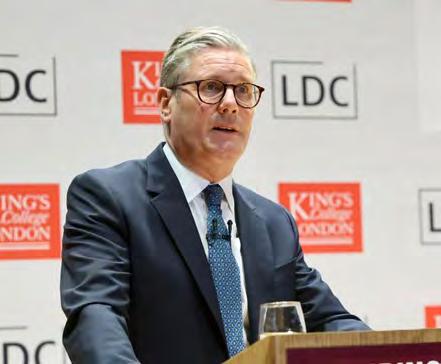
The King’s School of Security Studies welcomed Prime Minister Sir Keir Starmer and other global leaders. The event showcased King’s as a global centre for expertise, discussion and innovation in addressing today’s most pressing defence and security challenges.
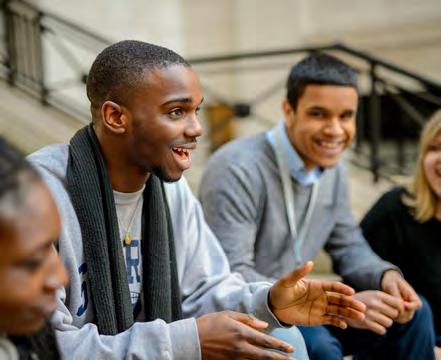
The Dickson Poon School of Law, the Raheem Sterling Foundation and partners inspired primary and secondary school pupils in London at a Legal Insight Day, sharing a glimpse into what it is like to study law and tips and insights on how to pursue a legal career.
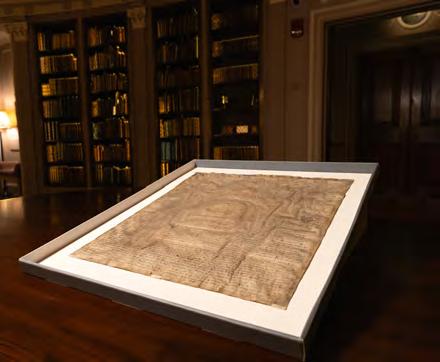
King’s researchers discovered that Harvard’s version of Magna Carta is a rare 13th-century original, reshaping understanding of legal and historical heritage.
King’s was named the world’s leading university for Nursing in the 2025 QS Rankings , reflecting excellence in teaching, research and impact – taking into account key areas of high performance such as student experience, university partnerships, research activity and faculty qualifications.
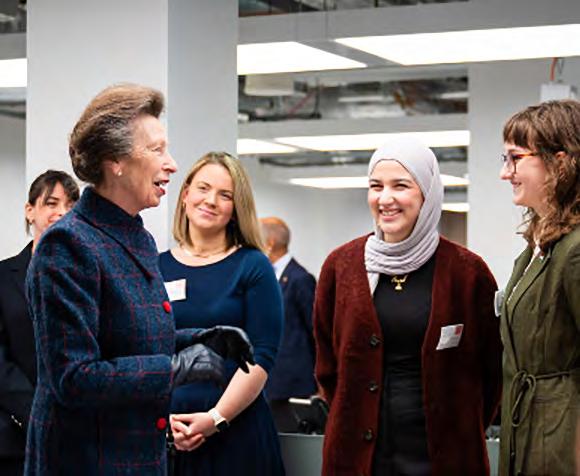
HRH The Princess Royal, Princess Anne, in her role as Chancellor of the University of London, officially opened the Quadrangle (Quad) building at King’s, a teaching home for King’s Department of Engineering – celebrating the cutting-edge facilities on offer for innovation and research.


Artificial intelligence (AI) is no longer science fiction – it’s transforming how we live, learn and heal. From diagnosing disease to shaping classrooms of the future, AI is redefining possibility. But, as algorithms make more decisions on our behalf, vital questions emerge: who owns the data? Who truly benefits? And how can we ensure AI serves humanity, not the other way around?
At King’s College London, the Institute for Artificial Intelligence is at the forefront of ensuring this transformation is not only powerful but also ethical, inclusive and focused on real-world impact. Launched in 2022, it is one of the UK’s leading academic hubs for AI research and policy, bringing together experts across disciplines to tackle complex challenges and harness AI to improve lives.
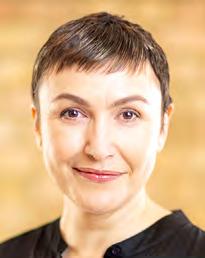
In this interview, we speak with the new Co-Director of the King’s Institute for Artificial Intelligence, Professor Elena Simperl. Elena has been at King’s since 2020; she is also Director of Research at the Open Data Institute, where she champions open approaches to AI development. She has been recognised as one of the most influential AI researchers of the past decade and features in the Women in AI 2000 ranking.
My journey in AI began over two decades ago with a fascination for knowledge engineering – a field focused on capturing human expertise and transferring it into computer systems to create trusted knowledge bases. By organising real-world facts in the same way humans think, through entities and the links between them, knowledge engineering trains AI systems to be more precise and solve problems in a way that humans would.
This is not without challenges. Gathering the right knowledge can be expensive and hard to scale. And, if AI systems are trained on real-world data that reflect existing inequalities, they risk reproducing and reinforcing those same biases. That pushed me to explore how organisations can share data in ways that benefit everyone. I believe it’s essential for the future of AI that we build a
shared pool of free, trusted, accurate knowledge that everyone can access and take advantage of.
Could you tell us about the vision of the King’s Institute for Artificial Intelligence and your role as Co-Director?
I took this leadership role a few months ago with an immense sense of pride and responsibility for what the Institute represents and what it can achieve. The Institute wants to use AI to drive positive change. To do that, we bring together experts from all disciplines – medicine, law, ethics, policy and more. We provide researchers and educators with the right environment and opportunities to build multidisciplinary teams that can rise to the challenges presented by AI now and in the future.
We’re at a junction in AI. We’ve seen extremely fast advances and a surge in interest from across the globe in deploying AI in ways that affect everyone’s lives. But this has mainly been driven by the private sector. At King’s, we believe in a more pluralistic future – what we call AI+– where many voices help decide how AI develops and what it’s used for.
The UK holds a wealth of data generated by key sectors, including health, crime, education and financial services. These data hold immense potential for scientific research and innovation, particularly if combined with AI technologies. King’s is working together with the Open Data Institute on methodologies that bring together widely available public data in a machine-readable format. This will result in an AI-ready National Data Library that can train next-generation AI safely and accurately.
We know that AI will play a significant role in transforming the delivery and experience of learning and we need to ensure that our students are fully equipped to meet these new challenges. Our BSc/MSc in Artificial Intelligence welcomed its first intake in 2023–24, with a curriculum covering the full spectrum of AI technologies.
In 2025, we launched the King’s AI+ Academic Fellowships – a prestigious programme focused on AI and its applications across all disciplines. These fellowships offer 20 outstanding researchers a unique opportunity to establish, develop, and sustain internationally competitive research programmes that will drive responsible AI innovations and address global challenges.
How do you think philanthropy can support AI for good?
Universities are uniquely positioned to harness AI for society’s benefit and can maximise and amplify their impact with the right investment and support.
Philanthropy can help us invest in the brightest minds by expanding fellowships and PhD studentships, particularly for underrepresented groups.
But talent is only part of the answer. The private sector commands vast computational resources, while universities are less able to access the computing power they need to compete or provide independent analysis. Philanthropic support for data capabilities can transform what’s possible for universities like King’s and help us to use AI for good.
By bringing together the generosity of donors, the curiosity of researchers and the power of technology, we can ensure that AI becomes a force for progress – one that strengthens society, not divides it.
If you’re interested in finding out more about how philanthropy can help support key AI research, please contact impactreport@kcl.ac.uk
The Enhanced Maternal and Baby Results with AI-supported Care and Empowerment (EMBRACE) project is an AI-supported health initiative that will work with 60,000 families around the world to better understand pregnancy and early life.
The GenAI Expert Training programme, developed in collaboration with The Dickson Poon School of Law and Linklaters, is enhancing the technical and practical expertise of its lawyers in generative AI.
In 2024, we trained 80 small businesses across England in how to use AI in ethical, practical ways.


With the support of generous donors, King’s Business School is empowering students to harness their skills and passion for good – shaping leaders who will use business to tackle society’s greatest challenges.
Businesses impact on every facet of society and every aspect of our daily lives. They put food on our tables, develop the technology we use every day, create the media we consume and are responsible for transporting millions of us around the world.
This influence comes with a big responsibility. Whether it is tackling the impact of climate change, addressing challenges faced by marginalised groups, or responding to growing political polarisation, businesses, and those who lead them, have the power to make a real and lasting impact.
In our rapidly changing world, businesses need to adapt. And, as a leading provider of business education, King’s Business School (KBS) has an important role to play in leading this change. KBS attracts the brightest minds from over 80 countries, supporting students to become the best leaders of the future by embracing their passion and harnessing their potential.
Our students, staff and alumni revolutionise the way things are done, with the ultimate goal of ensuring businesses in all sectors have a positive impact on people and the planet.
PhD student Mmekidmfonasbi Umanah, after a personal tragedy, started his company Aimcare. Through Aimcare, he is transforming Africa’s primary healthcare system, making it more reliable and accessible, ensuring people across the continent have access to the quality care they need and deserve.
And alumna Clarice Ng started luxury jewellery company GROWN. GROWN is redefining an industry that has historically had negative impacts on the communities and world around us, showing it’s possible to operate without environmental harm or ethical compromise.
We are committed to research with impact.
Driven by a strong sense of purpose, our research finds practical solutions to urgent global challenges.
The Centre for Sustainable Business, which you may remember from our 2024 report, has celebrated its one-year anniversary in 2025 and is finding ways to support businesses in their pursuit of a more sustainable future. Researchers at the Centre are engaging with small and medium-sized enterprises (SMEs) and policymakers to better understand and support their unique challenges on their journey to net zero. So far, the majority of research, policy-making and support has focused on big corporations, despite the fact that SMEs and their larger counterparts are almost equally responsible for greenhouse gas emissions. Not only will this research ensure a more secure future for the planet, but it will bridge a knowledge gap, ensuring all businesses can thrive in a more sustainable way.
Separately, a team at the Global Institute for Women’s Leadership developed the first comprehensive analysis of gender equality across all 372 UK local authorities. They provided a range of recommendations for policymakers to address the gender inequalities that exist, including expanding affordable childcare to address imbalances in unpaid work and improving women’s access to capital, networks and entrepreneurial support. With not one local authority achieving full gender parity, these data and engagement with decision-makers will go a long way towards ensuring a better, more equitable future for all.
‘[The Impactathon] gave me hands-on experience tackling real challenges. It showed me that, no matter where you are in your career, you can use your skills to give back.’ Student participant
King’s has a heritage of pioneering thinking. From law to medicine, we are finding innovative ways to build a bright future for everyone. Our culture challenges staff to open themselves up to new perspectives, encouraging collaborative thinking that will produce real impact.
the heart of the world’s
Like the community at King’s, London is diverse, energetic and boundary-pushing. We have limitless sources of inspiration to draw on. We connect brilliant minds and daring organisations with the people who can help them develop and test ideas that will transform the way the business world operates.
King’s is home to the business leaders of tomorrow.
KBS takes its role in shaping the next generation of business leaders seriously, equipping every student with the skills and passion they need to have a positive impact. The teaching focuses on linking profit with humanity, productivity with purpose and growth with societal impact.
Former Australian Prime Minister Julia Gillard, Chair of the Global Institute for Women’s Leadership, joined students and staff volunteers from Adobe, to co-create real-world solutions faced by The Baytree Centre – a women’s charity in Brixton – in honour of International Women’s Day. Taking part in this programme, run by the KBS Centre for Innovation, Leadership, Education & Development (I-LEAD), students were able to develop their skills through hands-on experience, applying their academic practice to real-world
From collaborations with other leading universities to networks with our international alumni, our influence spreads far and wide. Together, we tackle the world’s major challenges, for the good of the economy, the environment, society and businesses everywhere.
problems. Ms Gillard was ‘blown away by the calibre’ as students offered their insights, fresh perspectives and innovative solutions to support the work of a vital local organisation.
KBS graduates are well-rounded and are businessand civic-minded. We have been awarded the three major business school accreditations (AACSB, EQUIS and AMBA). This tripled-accredited status is achieved by just one per cent of business schools globally, bringing us together within a community committed to ensuring business education and research remain world class and relevant to the needs of the world around us.
Inspired by this story? Contact impactreport@ kcl.ac.uk to learn more about the work of King’s Business School
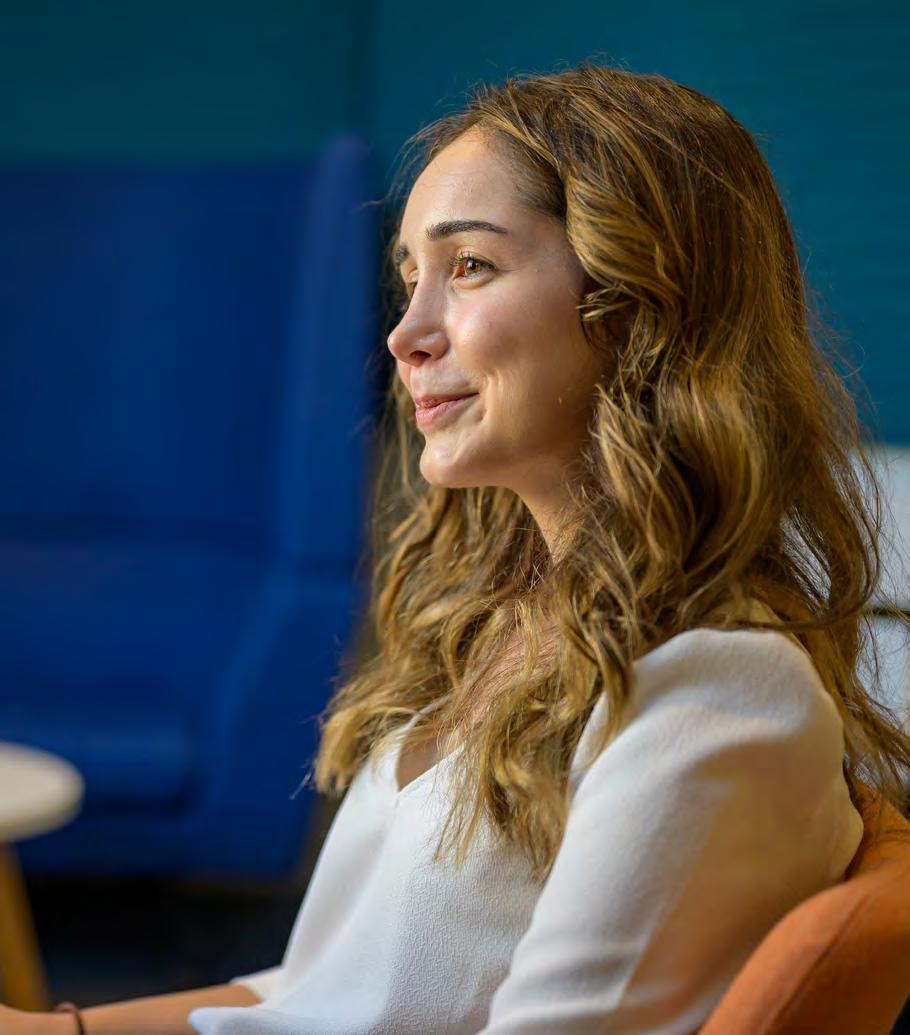

Every time we carry our shopping home in a reusable bag, catch an electric bus or read a headline about polluting companies being taken to court, we might not realise it but we’re seeing climate law and governance in action.
And, as we work towards a more sustainable future, this new era of green law and governance will have an ever-greater role to play in how we travel, work and live.
Spearheading the legal and regulatory transformation necessary to sustain our planet is the Centre for Climate Law & Governance at King’s. Established in 2019, the Centre is a leading light internationally, focusing on how climate law and justice intersect with business, finance, corporate and investment law and regulation.
The Centre brings together 15 academics, practitioners and PhD students who are shaping legislation, educating the next generation of climate-conscious leaders, facilitating global knowledge exchange and putting legal tools into the hands of changemakers.
Through its programme of research, education, engagement and advocacy, the Centre is enabling climate-friendly practices while preventing destruction to communities and habitats worldwide.
Emerging green technologies, like drone delivery fleets, offer new and exciting possibilities. But cities need support to anticipate and regulate their potential impacts, such as urban noise, energy consumption and effect on wellbeing. Dr LeslieAnne Duvic-Paoli’s research seeks to understand the challenges these new technologies might pose, and how we can regulate to reduce the risks. This pioneering project brings together King’s expertise in environmental law, robotics, urban informatics and noise pollution to establish a legal foundation for green technologies that benefit people as well as planet.
The exploration and extraction of critical minerals is an essential part of the global transition to more sustainable energy sources – minerals like lithium are key components of green technologies such as electric car batteries. But how can we mine these resources while protecting the environment and local communities? Dr Clara Lopez’s research shows how to develop climate-friendly mining regulations that balance environmental protection with international legal requirements. This work is helping not only to remove the obstacles to clean energy but also to enable it safely and sustainably.
Drone delivery fleets’ electricity-powered, zero-emission operation significantly reduces the carbon footprint of delivery compared to traditional vehicles. This method potentially offers faster, more efficient and cost-effective delivery solutions, especially to remote areas. While still facing hurdles like regulatory approval and negative public perception, drone delivery is expanding, with real-world applications and investment in the UK and globally poised to transform logistics and enhance sustainability.

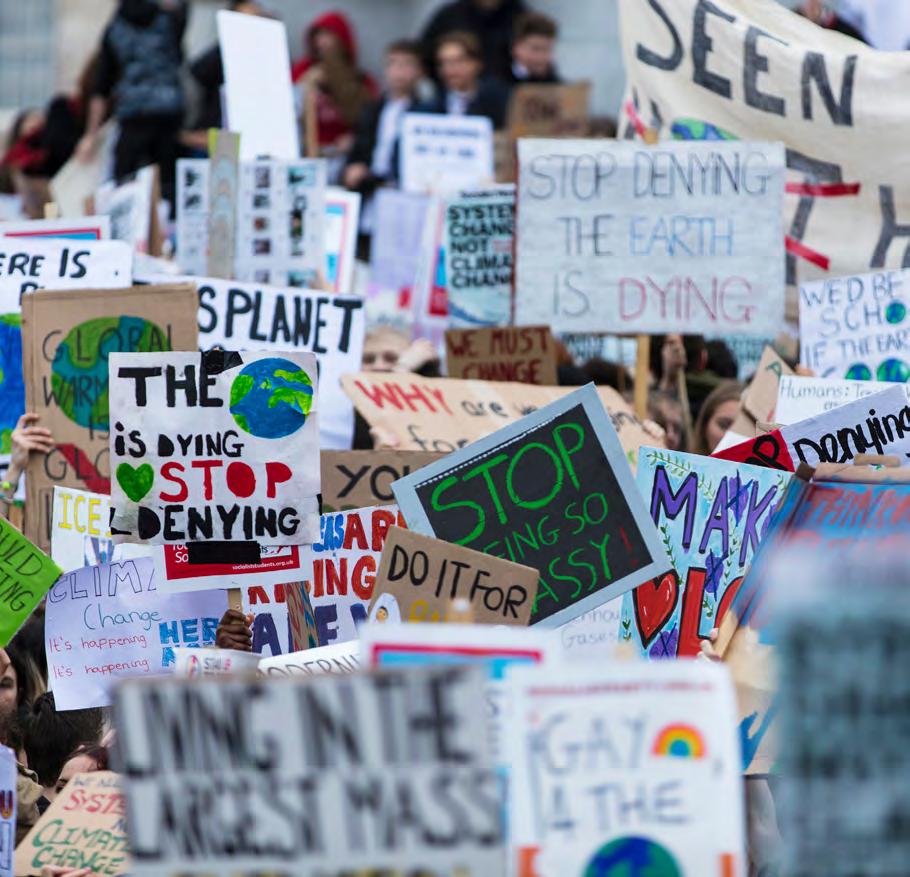
In 2023, Judge Kathy Seeley made a groundbreaking ruling in favour of 16 young people from Montana, USA, affirming their constitutional rights to a clean and healthy environment. Professor Megan Bowman published a leading report examining this decision and other key cases, alongside recommendations to strengthen and grow the youth climate litigation movement –meaning more young people can be empowered to take legal climate action than ever before.
Interview with Phoebe Bower, PhD student at the Centre for Climate Law & Governance
‘The climate crisis will affect us all, but it won’t affect us all in the same way. As a PhD student at the Centre for Climate Law & Governance, my thesis looks at how our changing climate is disproportionately impacting on marginalised people, and women in particular.
‘70 per cent of the world’s poor are women, and being poorer means you’re less likely to be able to afford to live in an area where you’re safe from flooding, to build a home that can withstand a hurricane, or to buy the medication you need in the aftermath of a climate event. And we’re already seeing that women are disproportionately dying from extreme weather events like heatwaves.
‘Right now, climate finance is being framed as a disruptor of the climate crisis – with the power to tackle issues from environmental degradation to rising sea levels. But, for me, it can be so
Across The Dickson Poon School of Law, philanthropy is enabling students and researchers to think differently about how law can help to solve today’s global problems, from climate to big data. Generous support from the Patrick J. McGovern Foundation and the Abbott family has helped to establish the Centre for Data Futures, which is reimagining a more ethical future for AI and is led by Professor Sylvie Delacroix, the inaugural Jeff Price Chair in Digital Law.
much more than that. If you have $1, you can mitigate and adapt to climate change, and you can simultaneously move towards resolving and reducing gender inequality. On the one hand, it’s about making our societies more equal, and, on the other hand, it’s about efficient and effective use of money.
‘At the Centre for Climate Law & Governance, everyone is welcome. Diversity is so important when you have problems as complex as the climate crisis, as you need to have diverse solutions. We need everyone to have an opportunity to be in academia if we want systemic change. Part of making that possible is funding to make these opportunities more accessible, but it’s also about carving out a safe, inclusive space for thought and action.
‘If you’d have told a younger version of me that one day I’d be studying for a PhD, I would never have believed it. I was the first person in my family to attend university and I didn’t follow the traditional route into a PhD. Academia always felt out of reach, but King’s has challenged that feeling, providing a home for me to explore my academic interests and expand my horizons.’
‘When thoughtfully designed and implemented, law can both accelerate positive environmental action and halt harmful practices, helping to protect the world in which we live. But, if we don’t maximise the potential of our legal and regulatory infrastructure as a lever for change soon, it will be too late.’ Professor
Megan Bowman, Director of
the Centre for Climate Law & Governance

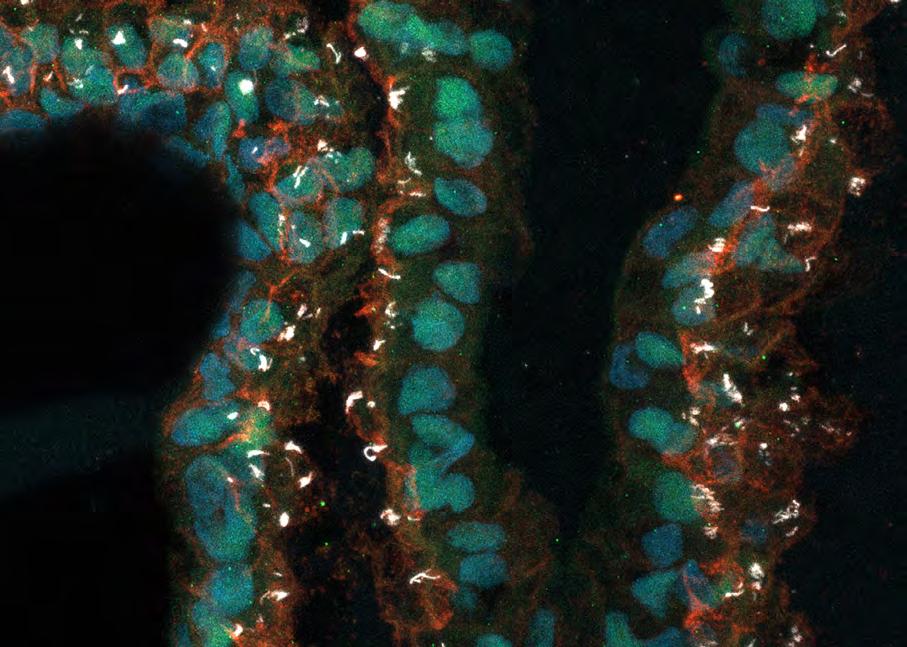
in science are giving us a new understanding of how the human brain develops – and what happens when alterations occur. These discoveries could revolutionise how we diagnose and treat children with neurological and mental health conditions. Now, for the first time, King’s can rapidly accelerate its research thanks to a new brain organoid lab.
Imagine if we could identify if a child will be at risk of developing epilepsy or psychosis, or prone to depression or dementia in later life. And what if we could diagnose these conditions and step in with effective interventions whilst the brain is still developing? Understanding more about how the human brain develops is key to making this a reality.
The human brain is uniquely complex. It takes 20 years to develop, shaped by everything from genetics to your environment. We know that differences in brain development can lead to conditions such as epilepsy, autism and psychosis – conditions that can have debilitating symptoms that impact on quality of life. But we don’t fully understand what those exact differences are or when they occur.
Over 200 million children worldwide are affected by neurodevelopmental disorders, and we need better ways to support them. Understanding how the brain develops is key, but, until now, scientists have been limited to studying the human brain from a distance – via scans or by investigating animals, whose brains differ from our own in many ways.
Now, for the first time, advances in tissue engineering, brain imaging and genetics have opened an incredible new window into the developing brain, allowing scientists to examine its formative stages more closely than ever before. And King’s, with our track record in neuroscience research and our hospital partnerships, is one of the few places in the world that can make the most of these emerging fields.
To maximise the potential of these new tools, King’s has plans to establish a new research centre to bring together the critical mass of scientists, resources and technology needed to rapidly scale up our work. The new centre will enable researchers to use complementary experimental strategies in patient populations and human models of brain development. To this end, a critical step is to engineer advanced cellular models known as brain organoids – one of the most powerful new fields in bioengineering – that recapitulate key stages in the development of the human brain.
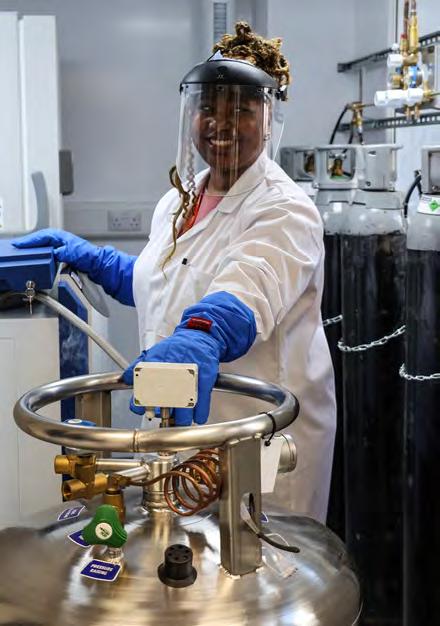
In spring 2025, thanks to generous support from the Wolfson Foundation, King’s achieved the first step in this ambition: the creation of a new state-of-the-art brain organoid laboratory on the Guy’s Campus. Led by Oscar Marín, Professor of Neuroscience and a leading expert in brain development, this facility will enable researchers to study the brain in greater detail and at a scale previously impossible.
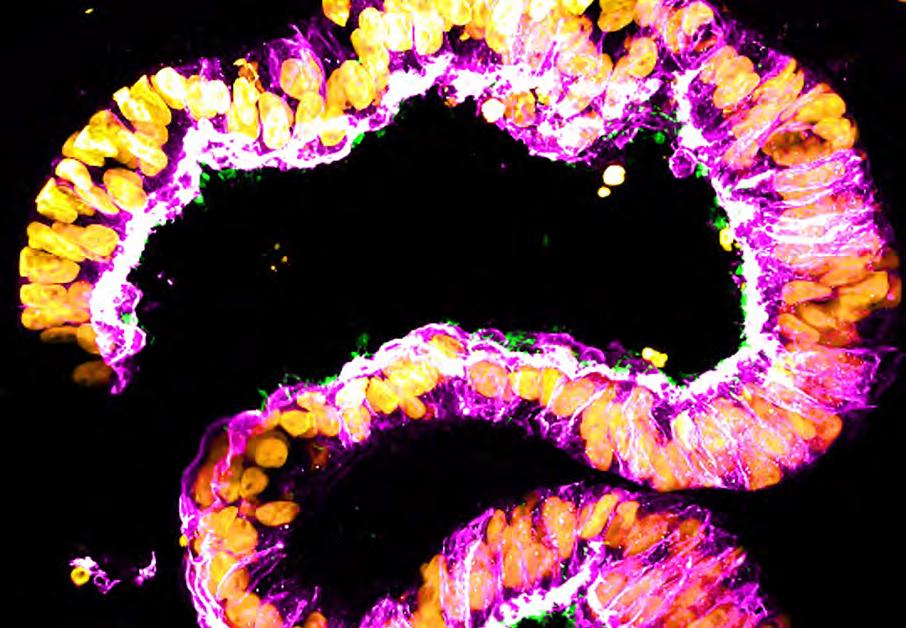
Brain organoids are rice-sized cell clusters grown in a lab from stem cells. As they act like mini 3D brain models, we can use them to examine how the brain develops in the womb.
We can study the genetic and environmental conditions needed for a growing brain, and how and when unexpected changes in development can happen. Different brain conditions can be modelled by adding or taking away genetic variations, and we can test drugs in vitro and potentially develop personalised treatments.
Knowing that neurodevelopmental disorders are complex and often interconnected, improving our knowledge in one area could transform understanding across a wide range of conditions. Organoids give us incredible access to early stages of brain development, with a whole range of new discoveries to be made.
King’s already had significant expertise in this field, but space and equipment was limited. Brain organoids are delicate and require sterile conditions, extensive monitoring, and care to grow and be kept alive. This larger facility provides a dedicated space and the resources to do this at scale (from liquid nitrogen tanks and –80°C freezers to safety cabinets and incubators). This dramatically increases capacity, allowing vital research to expand and accelerate progress in a largely unexplored area.
The state-of-the-art kit offers advanced imaging for the real-time observation of organoids and incredible data analysis capabilities. The incubators allow organoids to mature for more extended periods, so the team can conduct more advanced studies of the brain than ever before. Using powerful microscopes, researchers can see the organoids as they form, as well as analyse tiny structures, such as synapses. This one-of-a-kind capacity transforms our ability to study the cellular and molecular mechanisms underlying neurological conditions in detail.
Since the lab opened in spring 2025, researchers are already benefiting from the facility – but this is just the start of the story and of King’s ambition – to create a research centre to transform our understanding of the development of the human brain. As we unlock the secrets of the human brain, the potential for creating a new generation of therapies and interventions is vast. And this could forever change the prognosis for children and young people with neurodevelopmental conditions.
If you would like to know more about the Centre for Developmental Neurobiology and Professor Marín’s work, please contact impactreport@ kcl.ac.uk
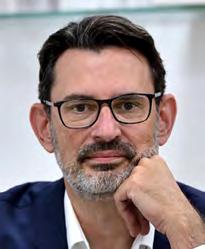
‘The brain organoid laboratory at King’s College London will transform our understanding of human brain development by enabling scientists to generate, maintain, and study three-dimensional cellular models of the human brain in ways that were previously impossible. With the generous support of the Wolfson Foundation, our state-of-the-art facility will catalyse groundbreaking research into the genetic and environmental factors influencing brain development, allowing faster progress towards better diagnosis, support and treatment of neurodevelopmental disorders and severe mental illnesses.’ Oscar Marín, Professor of Neuroscience, Director of the Centre for Developmental Neurobiology and Director of the MRC Centre for Neurodevelopmental Disorders
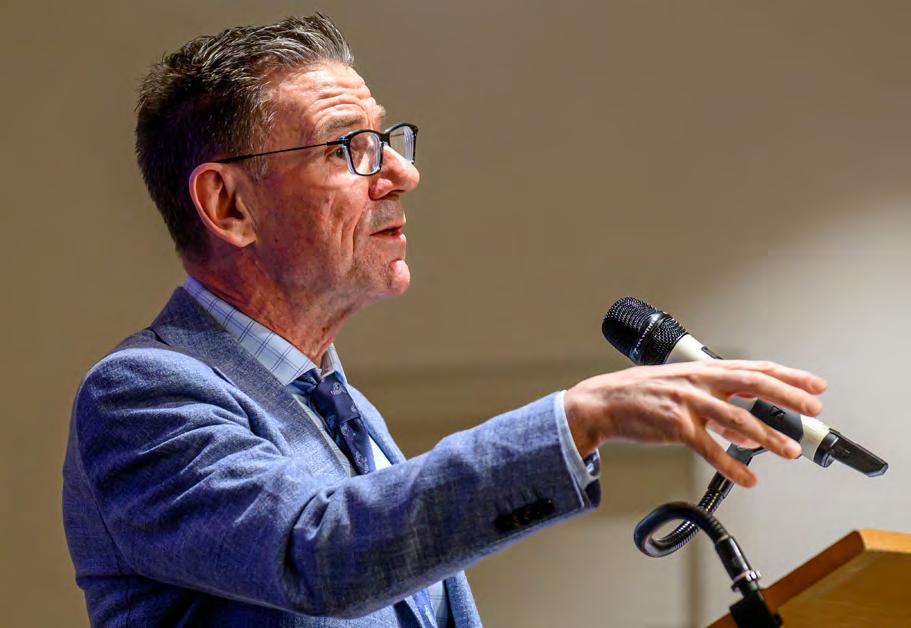
From working directly with young people to joining clinical–academic dots, there’s nothing typical about Professor Philip Shaw’s workday. As Director of the King’s Maudsley Partnership, his job is to bring research and clinical care closer together, finding creative solutions that transform the lives of children, young people and families.
Part of the joy is there is no typical day. It’s truly varied – very different from my previous role as a clinical researcher at the National Institutes of Health in the US. There, I led a team looking at brain development and the genome in children. Now I’m in London, as the Director of the King’s Maudsley Partnership, and every day is exciting and varied.
The King’s Maudsley Partnership represents Europe’s biggest group of clinicians and academics focused on children and young people’s mental health. The best bit of my job is linking people up across that partnership in creative new ways, from King’s College London academics to clinicians at the South London and Maudsley NHS Foundation Trust. It’s great learning new things from research, but if you can’t then turn those insights into improvements in care then what’s the point? One big thing that will help is our fabulous new flagship centre, the Pears Maudsley Centre for Children & Young People, which opens early next year and was specifically designed to unite everyone under one roof – children, families, clinicians, scientists, educators, everyone!
have you been up to this morning?
Writing the inevitable grant application! Part of my role is also to look for new funding sources, especially for important stuff that often doesn’t get funded via traditional routes. Things like looking across multiple traditional diagnostic boundaries or thinking about how to make sure the children often under-represented in our science are placed front and centre in the future.
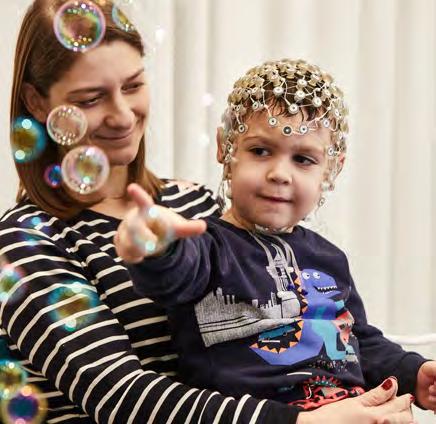
This morning, I was working on plans to make sure every child who receives care at the new Centre has the opportunity to be involved in research if they want. There have been huge steps forward in our science. Analysing someone’s entire DNA sequence – genotyping – costs about £150 per child. And we can map the brain using new, safe, child-friendly methods. But looking at genes and the brain across diagnoses or broadening research participation isn’t the sort of thing that gets easily funded through traditional research grants – instead, we need alternative routes, like philanthropy. For example, the support we’ve had from the Maudsley Charity, Pears Foundation and other wonderful donors has been incredible, allowing us to make our new Centre a physical reality. This support has also given us the flexibility to make sure children who are often missing in our science – those living at economic disadvantage, some minoritised groups – are now not only included in research but are at its core.
‘Research for all’ sounds like something you’re passionate about?
Absolutely, it’s the thing that most excites me. You know who often aren’t involved in research? Children who are really unwell and really struggling. Exactly the ones we need to focus on most! For example, MRI scanners are great, but the scanner is a tight space, sometimes frightening, and the child has to lie still for 40 minutes. So who doesn’t get involved in MRI research? Very hyperactive children, very anxious children, or neurodivergent children who sometimes have sensory sensitivities. That’s exactly why our new Centre has invested in child-friendly and mobile technologies to study the brain safely. Like MRI, these new technologies give rich insights into the brain, but they’re quieter, much less intimidating and allow the child to move relatively freely. So we can start including some of those children who were often missing in our science.
We also need to broaden participation to include children with diverse ancestries. Something like 90 per cent of data in mental health studies are from people of Northern European ancestry. It means all the exciting insights that get translated into new treatments are more likely to benefit those who are already doing relatively well.
What we should be doing is clear – offering the chance for every child who accesses care to be part of research. Full stop. Research for all. On our doorstep in South London we’ve got one of the most culturally rich and diverse populations in the country. We also treat children with complex challenges through our national and specialist services. So, we are lucky: we can work with children, families and communities to build better, more inclusive science that drives the discovery of new treatments for all.
The new Centre is a bright, joyous and beautiful place to be. The investment in the Centre exemplifies the fact that child mental health challenges are being taken much more seriously. For children and families, welcoming them into a lovely space helps to show them they’re valued. And our healthcare professionals and researchers deserve a great workspace, too. When a clinician needs a break and wants to chat to a researcher in their field, they can grab coffee together in the Centre’s beautiful outdoor patio gardens.
The school in the new Centre will be a big deal, too. Many of the children coming in will be having a tough time, and the last thing that should be happening is that they lose ground in education. Our brilliant teachers don’t let that happen, and the lovely new school in the Centre will mean children can keep learning.
There are a lot of inspiring, lovely people working across the partnership: I feel very lucky. They brighten my day. And a good snack also does the trick. I love M&S jelly babies and have a very sweet tooth.
I’m a psychiatrist and I’ve just joined an awesome team that assesses and devises treatments for autistic children and young people. It’s a specialist clinic where it’s a little harder to be exactly sure what’s going on with the child and the best route to help them. Becoming a part of the team that works to help children living with complex challenges is really exciting.
Big final question: What change would you like to see in 20 to 30 years’ time?
Okay, so the big goals would be:
1 – Providing much earlier mental health support for children. If we start early, we can shift the entire course of a child’s life.
2 – Treating the child, not just the diagnosis. To achieve this goal, we’ll need to focus on understanding each child’s unique features – their genetic make-up, their brain development, the influences of their home life and environment. And once we understand what is really driving each child’s mental health challenges, we can tackle the underlying root causes.
These goals represent huge advances, but both are very doable. We’ve good reason to be very optimistic. There have been astonishing advances in the sciences we use to understand development: in unravelling how genes work, how the brain functions and how the environment plays such an important role. We can now take these fantastic scientific advances and translate them into new understanding and new ways of helping. This will ensure our treatment becomes much more precise and focused on the individual child. This is how we will change whole life trajectories.
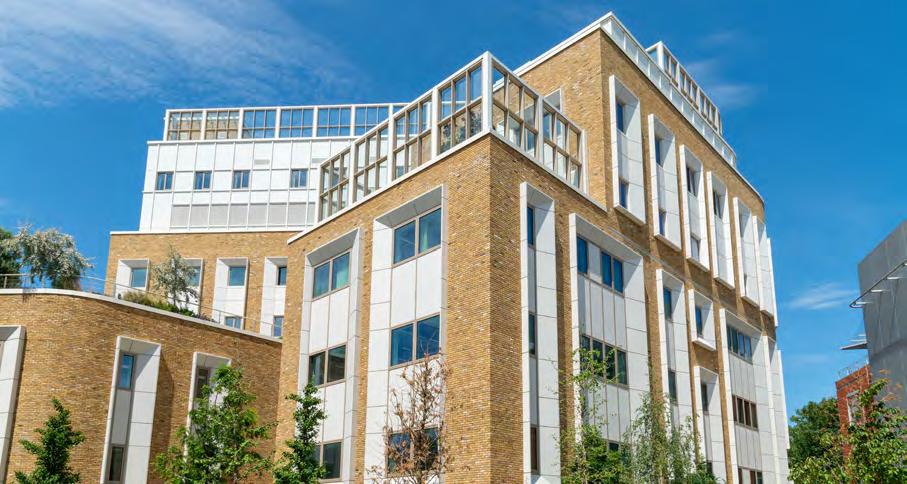
The new Pears Maudsley Centre for Children & Young People, opening at Denmark Hill in late 2026, will bring together clinical and research expertise to transform mental health care for young people. The Centre is a joint initiative between South London and Maudsley NHS Foundation Trust, King’s College London, and generous philanthropic supporters.
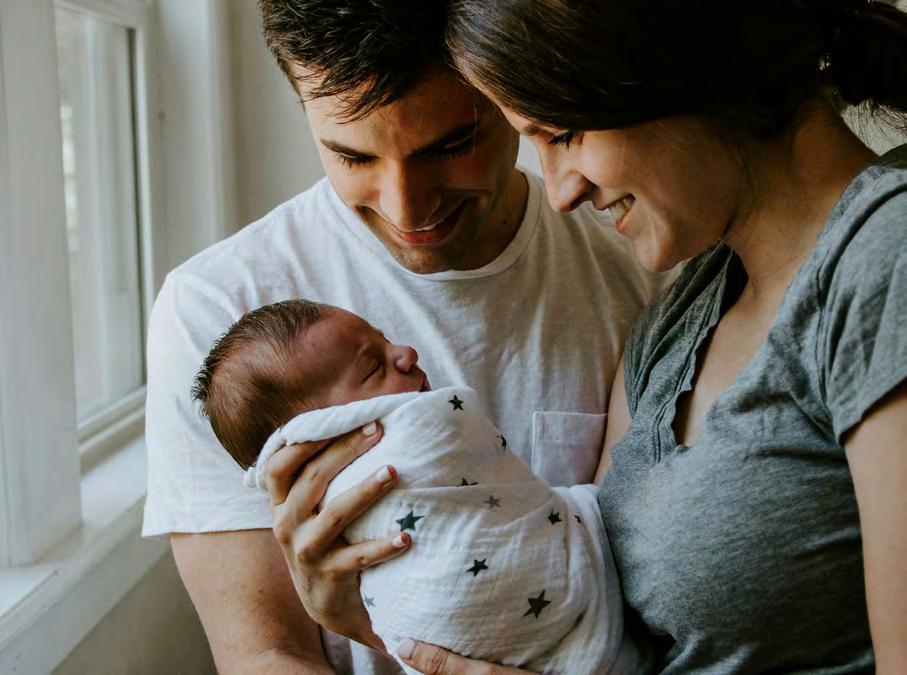
This year, King’s received a £35m donation – the largest by a single donor in our university’s history. It will fund a major global research programme aiming to transform the lifelong health of mothers, children and whole families around the globe by blending compassionate human support with personalised artificial intelligence (AI).
Over the next six years, the Enhanced Maternal and Baby Results with AI-supported Care and Empowerment (EMBRACE) programme will support women and their partners from pregnancy through to the baby’s second birthday – a critical period for the child’s development and lifelong health.
Pregnancy is an immensely demanding physical experience. A third of women suffer long-lasting impacts on their health. For example, up to 30 per cent of pregnant women develop gestational diabetes, significantly increasing their – and their child’s – risk of developing type 2 diabetes and other complications later in life. Pregnancy hypertension, a common cardiovascular condition, nearly doubles the risk of developing cardiovascular disease and almost triples the risk of stroke later in life. Up to 25 per cent of women experience depression during and post pregnancy, with potential lasting impacts on them, their child and their family.
The EMBRACE team wants to understand why some women face such debilitating health challenges during and after pregnancy. This includes unpicking the complex reasons why some women struggle to stay physically active – a factor that can significantly reduce almost every known health risk associated with pregnancy. They also want to better understand how these issues are affected by – and themselves affect – the lifelong health of the baby, as well as other family members.
The generous donation for this study came from Inkfish, a philanthropic research organisation co-founded by Gabe Newell, with a deep commitment to advancing science and improving lives through future-facing innovation. It builds
EMBRACE will have two multidisciplinary phases, led by King’s with partners around the world:
1. Studying 60,000 pregnant women, their children and their partners worldwide to understand the complex factors influencing their health. Participants will be recruited from diverse regions including the UK, Spain, Peru, Ghana, China and Canada. This will create the world’s largest digital biomarkers record of its kind. The team will collect data on physical activity levels, stress and sleep from various sources, including wearable devices. They’ll then build an AI assistant that uses these data to reveal the varied, interconnected factors influencing health for different individuals, in different geographic, social and cultural contexts.
2. Trialling a world-first human–AI health assistant (HAIA), personalised to help each participant look after their family’s lifelong health in ways that work for them. Fuelled by the above data, researchers will launch a clinical trial in the UK to test the HAIA – a blend of intelligent digital support and compassionate human care delivered during pregnancy and the child’s first two years. The assistant will adapt to each individual and aim to forecast health issues before they begin, empowering families to protect their health now and in the future. Powered by advanced multimodal AI prediction models, the assistant will be capable of truly personalising pregnancy and early childhood care.
on an existing philanthropic partnership between King’s and Inkfish’s partner organisation, which funded the Brain Health in Gen2020 project – a six-year research programme looking at the effects on children of maternal prenatal exposure to COVID-19.
Gabe Newell said: ‘We are proud to partner with King’s College London and Professor Car on the EMBRACE programme. King’s is a world-leading institution in women’s and children’s health, population health and AI and digital health research. By uniting these strengths through EMBRACE, we will find data-informed, innovative
solutions to critical health issues affecting pregnant women, their babies, and their families. The aim: to save and transform lives for good.’
Professor Josip Car, EMBRACE Principal Investigator, Director of King’s Population Health Institute, and Head of School of Life Course & Population Sciences in the Faculty of Life Sciences & Medicine said: ‘Poor mental and physical health during pregnancy can have profound and lifelong consequences – for the mother but also babies and entire families. We want to reduce or even eradicate these risks by revolutionising healthcare during pregnancy, providing totally personalised

support through a fusion of cutting-edge precision AI and compassionate human care. I would like to express my heartfelt thanks to the Inkfish team for their trust and commitment to supporting transformative research.’
The EMBRACE team is currently setting up the study and hiring key research team members, preparing to recruit the first participants from sites around the world in 2026.
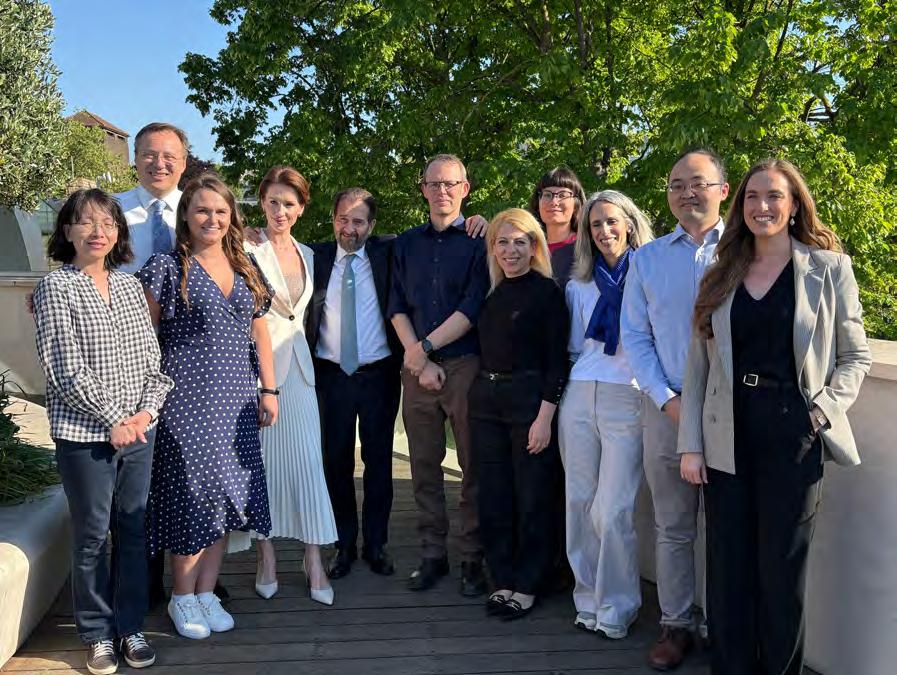
EMBRACE research team (L–R): Professor Yulan He, Professor Josip Car, Dr Fiona Lavelle, Dr Anastasija Arechvo, Professor Kypros Nicolaides, Dr Nicholas Cummins, Dr Argyro Syngelaki, Dr Jeannine Baumgartner, Dr Sara White, Dr Lei Lu, Dr Madeleine Benton. Not pictured: Kate Duhig, Dr Michele Orini, Dr Marietta Charakida, Kate Barlow, Professor Lucilla Poston.
By harnessing the ever-developing power of AI to deliver truly personalised and preventative healthcare, EMBRACE will give mothers, babies and families the best chance of enjoying good health and wellbeing now and in the future.
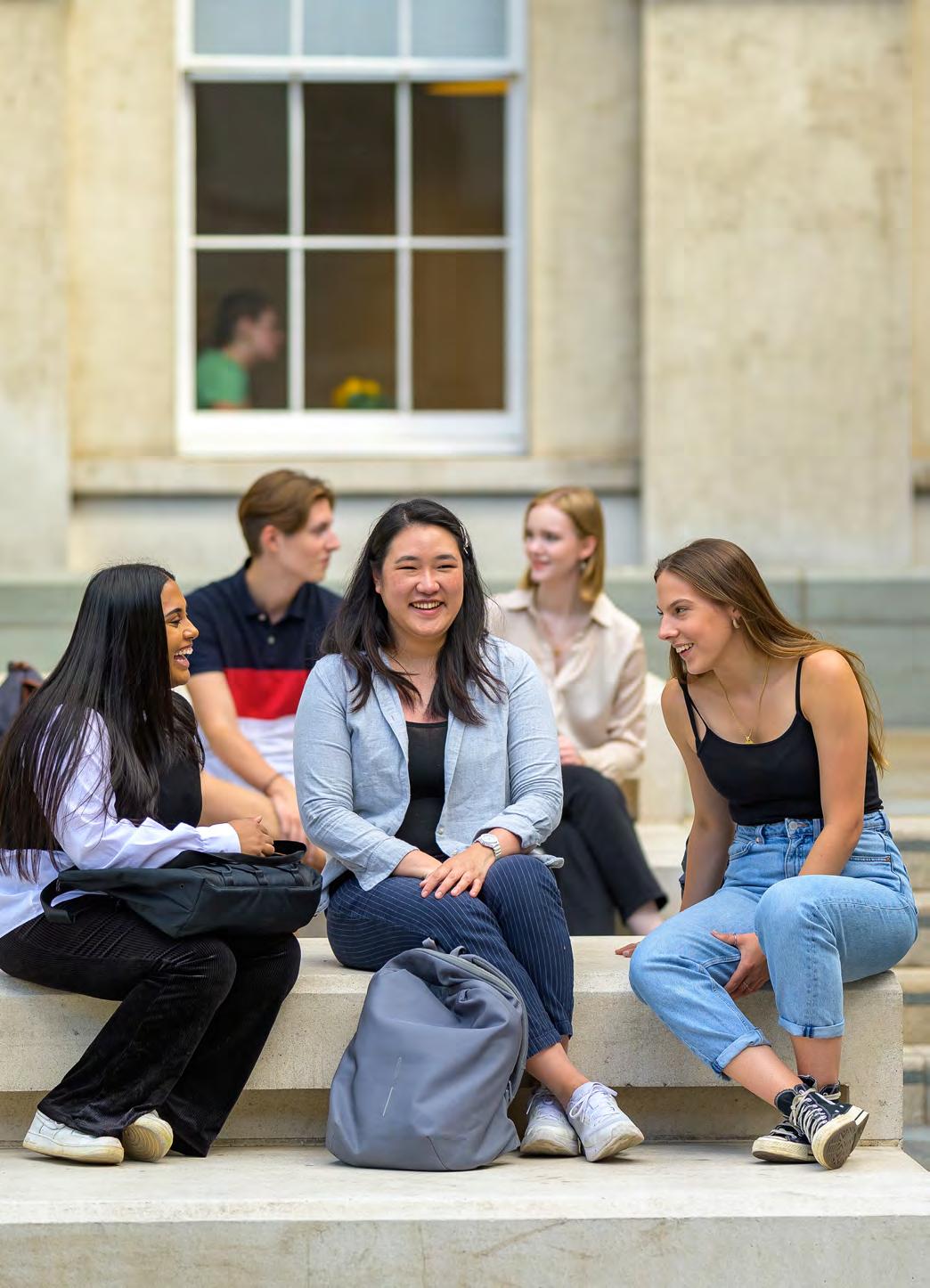
Scholarships do more than ease financial pressure – they open doors, spark ambition, and empower students to thrive. These spotlights celebrate the remarkable journeys made possible through donor support.

Alexandros Petersen Scholarship, MA Conflict, Security & Development
Growing up in a small mountain village in Adjara, Georgia, Giorgi Rizhvadze witnessed how identity, religion and community can both unite and divide. His early experiences, combined with work in grassroots activism and peacebuilding, inspired him to deepen his understanding of conflict and social change through study.
‘I chose King’s because of its strong reputation in war studies and conflict resolution. The interdisciplinary approach and the opportunity to learn from leading scholars made King’s the right place to engage with the issues I care most about’
For Giorgi, the people at King’s have made his experience truly special. Surrounded by passionate classmates and supportive professors, he has found an environment that encourages intellectual curiosity and personal growth. When political instability in Georgia made it difficult to stay focused, the compassion of his professors, his peers and staff reminded him that he belonged to a caring and resilient community.
‘Every conversation opens new perspectives. My professors have not only taught me, but supported me through challenging times.’
As he prepares to graduate, Giorgi plans to pursue research and humanitarian work focused on the South Caucasus and Eastern Europe, exploring democracy, identity and conflict. He also hopes to continue his studies with a PhD that bridges academic insight and real-world impact.
‘Staying connected to where I come from is central to my goals. I want to contribute to democratic development in my region.’
Giorgi’s journey has been made possible by the Alexandros Petersen Scholarship, which he says
has ‘truly changed my life.’ ‘Your generosity lifted a huge financial burden and allowed me to focus on learning. One day, I hope to support students just as you’ve supported me.’
Professor Anthony Mellows Fellowship, Department of Infectious Diseases
Joseph Wanford, a researcher in the Department of Infectious Diseases, is tackling one of the most urgent health challenges of our time – antibioticresistant bacteria. His work focuses on Klebsiella pneumoniae (Kp), a deadly bacterium responsible for severe, drug-resistant infections worldwide. ‘To develop new treatments, we need to understand how these bacteria survive inside the body and evade the immune system,’ Joseph explains.
Thanks to the Professor Anthony Mellows Fellowship, Joseph’s research has revealed that Kp has evolved a remarkable survival mechanism – a reversible genetic switch that allows it to turn its protective outer capsule on and off to adapt to different environments in the body. This discovery has sparked widespread interest in the infectious disease community, leading to new collaborations with leading global researchers and plans for publication in a peer-reviewed journal.
‘Our findings open the door to developing smarter therapies and vaccines that could prevent Kp from turning into a life-threatening infection’
The fellowship has also allowed Joseph to share his research around the world, from presenting at the Institut Pasteur in Paris to discussing collaborations
at Chiang Mai University in Thailand, where Kp infections pose a major clinical challenge. Looking ahead, Joseph has applied for a Career Development Fellowship from the Wellcome Trust, which would fund an eight-year programme to further develop treatments and vaccines based on his discoveries.
‘This fellowship has been transformative for my career,’ Joseph says. ‘It allowed me to build an independent research programme that I truly believe will lead to better treatments for bacterial infections in years to come. I am deeply grateful to Mrs Mellows and the trustees for making this work possible.’
For first-year History student Sybil Osei, studying at King’s has been a journey of discovery, growth, and confidence. Coming from a background where she had never studied medieval history, Sybil was surprised to find herself drawn to it during her first year. “The course was so extensive. Studying medieval history wasn’t something I’d done before, but I really enjoyed it – so much so that I’m taking a Middle Ages module next year.”
Her dedication has already paid off. Sybil’s essay grades have improved dramatically – from 55 to 82 – a reflection of her growing confidence and academic development. ‘That progress, made me believe in myself more. It showed me that, with effort and support, I can succeed even in areas that once felt unfamiliar’
Beyond the classroom, Sybil has embraced university life, joining the King’s Black Excellence Society and the History Society. These communities have given her a sense of belonging and the courage to step out of her comfort zone.
‘King’s has helped me become more sociable. I used to struggle with getting out of my shell, but the people here are so friendly – it’s made me more open to new experiences.’
The Walker Bursary has also made a profound difference in Sybil’s life, easing financial pressures and opening doors to new experiences.
‘With your support, I’ve achieved amazing things –like getting my driving licence and visiting Ghana for the first time to connect with my relatives. Those experiences are priceless and wouldn’t have been possible without your generosity.’
Looking ahead, Sybil is excited to explore her interest in the history of psychiatry, combining her love of history with a curiosity about psychology – and continuing to grow with the same determination and gratitude that have shaped her journey so far.
King’s Prize Fellowship and Professor Anthony Mellows Medal, Department of Twin Research & Genetic Epidemiology, Faculty of Life Sciences & Medicine

Dr Chiara Herzog’s research is opening new frontiers in understanding how our environment, lifestyle, and biology interact to shape the way we age. While our DNA acts as a blueprint, Chiara studies the epigenome – a molecular layer that determines which genes are switched on or off. This layer changes throughout life in response to diet, stress, and environmental exposures, creating a biological record that may hold the key to preventing age-related disease.
‘My work asks whether changes in the epigenome actually cause ageing and disease, and if we could one day reverse them to promote healthier ageing’ Chiara explains.
Through the King’s Prize Fellowship and Professor Anthony Mellows Medal, Chiara has been able to build a strong foundation for an ambitious research programme. In her first months at King’s, she secured internal funding for a collaborative study on muscle ageing, helped co-found the London Ageing Research Network with support from the Francis Crick Institute, and began mentoring earlycareer researchers. She has also been selected by King’s to apply for a prestigious UKRI Future Leaders Fellowship, alongside submitting a major funding application to the Wellcome Trust.
Her research could transform how we detect and treat age-related diseases – using simple, noninvasive samples like saliva to identify early risk, and using cutting-edge CRISPR technologies to test whether modifying the epigenome can restore healthy cell function.
‘This fellowship has given me the freedom to pursue bold ideas,’ Chiara says. ‘It’s rare for earlycareer researchers to have this level of support, and I’m deeply grateful to Mrs Mellows and the Fellowship trustees for believing in my vision. Their generosity is helping to lay the groundwork for discoveries that could change how we age.’
Interested in supporting students at King’s? Contact impactreport@kcl.ac.uk
Bush House South West Wing

Since 1829, King’s has served society from its home in the capital, pushing the boundaries of knowledge and education. Nearly two centuries on, our mission remains unchanged but the world our students inhabit has transformed. The challenges of today call for bold, connected approaches to learning and discovery, and for spaces that truly support how people study, collaborate and belong.
Our response is the visionary redevelopment of the South West Wing of Bush House, on our Strand Campus – a transformation that will give King’s students a world-class space to match their worldclass education.
The South West Wing will become a dynamic, inclusive and sustainable environment that fosters collaboration, wellbeing and a genuine sense of community – across disciplines, sectors and backgrounds.
Student numbers on the Strand Campus have doubled in the past decade, but many have told us they struggle to find space to study, socialise, or seek support between lectures. The redeveloped South West Wing will address that, becoming a central, welcoming hub where every student feels they belong.
The new space will bring together all studentfacing services under one roof, including wellbeing, careers and support teams, ensuring that no student falls between the cracks. The design will reflect the needs of modern learners – flexible, inclusive and digitally enabled – mirroring the ways students now connect and learn both on campus and online.
Beyond term time, the building will become a home for widening participation, King’s Edge and summer school programmes, extending opportunities to those who might not yet see university as part of their future. It will be a place where people of all ages and backgrounds can be inspired to imagine themselves at King’s.
At the heart of the redevelopment will be the Agora – a 160-seat circular auditorium inspired by the gathering spaces of ancient Greece. Designed for open dialogue and hybrid collaboration, it will host high-profile events that bring together voices from academia, industry, and the wider world. With state-of-the-art technology that bridges physical and virtual participation, the Agora will be a space for listening, for sharing and for bold, collective thinking.
Transformational projects like the South West Wing are made possible only through the generosity of King’s supporters. We are deeply grateful to those who have supported the project to date – your vision ensures that generations of future students will benefit from an environment that nurtures confidence, curiosity and connection.
Opportunities for naming and recognition within the South West Wing, including the Agora, student areas and specially designed donor walls, are available. We warmly invite donors, alumni and friends to be part of this next chapter in King’s story – one defined by bold thinking, meaningful connection and lasting impact.

As the world changes, often in unexpected ways, it can be valuable to cast a critical eye back in time and ask what we can learn from the scientific, technical and medical revolutions and evolutions of the past.
For more than 30 years, the Centre for the History of Science, Technology & Medicine has been researching and teaching histories of these respective disciplines. At the Centre, history isn’t just one element of studying these disciplines, it’s the focus. The aim is to see the ways in which fresh understandings of each discipline can change our understanding of history.
It is thanks to philanthropy that the Centre has been able to make such a profound contribution, helping us to see our past, present and future in new ways.
In 2001, the Centre received a generous endowment from the Lisbet Rausing Charitable Trust (now Arcadia). It was made to honour the achievements of the industrialist Hans Rausing. The long-standing chair in history of science and technology was renamed after him – the Hans Rausing Professor of the History of Science and Technology – and the endowment was put to use supporting graduate students from around the world. It guaranteed that the work of the Centre, which moved to King’s in 2013, would extend to new generations of scholars for many years to come. The post is currently held by Professor David Edgerton.
For over 20 years, the Hans Rausing endowment has enabled the Centre to offer fully funded scholarships for outstanding students.
One of the benefits of the scholarships is that they can support students through either a master’s or a PhD in history (specialising in history of science and/or technology) and a PhD. This has helped to attract the best students from different parts of the world, and from different disciplines, who would otherwise have struggled to access funding from UK sources. PhD students also get to work with not
An endowment is a donation that is kept invested year after year. The income generated from the investment can then be used to support further work that meets the shared aims of the donor and, in this instance, the university. In other words, endowments have a long-lasting impact.
one but multiple supervisors from the Centre, as well as collaborating with peers.
More than 45 PhD students have graduated from the Centre since its inception, with 18 of them being Hans Rausing scholars. Together with other academics from the Centre, they’ve gone on to make distinguished contributions to the history of science, technology and medicine. For example, Dr Hermione Giffard’s work transformed understandings of the history of British and German jet engines. Dr Galina Shyndriayeva revealed the importance of research on perfumes for the development of chemistry. And Dr Tom Kelsey’s research told a new story about Britain’s technological ambition and power in the post-war period.
Our graduates’ work covers an exceptional range of topics and time periods – from ancient astronomy to the atomic age – and explores global as well as national histories. Together, they’ve garnered numerous publications, grants, prizes and positions in academic and cultural organisations around the world.
Among them are scholarships and awards from the Society for the History of Technology of the USA, the Institute of Historical Research, and
the Royal Institution; first-article prizes from the journals Social History of Medicine and Journal of Contemporary History; and book and thesis prizes. Our graduates are teaching and researching in many universities in the UK, and in Taiwan, Colombia, Germany, the USA, Pakistan, India and Japan.
Crucially, the expertise and talent developed at the Centre has been applied to help solve real-life challenges and to enrich understandings of science, technology and medicine among policymakers and the public. Our academics have brought important perspectives to issues including foot and mouth disease, COVID-19 and vaccination, and the politics of science policy.
Thanks to the endowment, and the Centre’s longstanding commitment to developing its people, King’s has a flourishing pipeline of historians of science, technology and medicine. Like the PhD students before them, members of the current cohort will go on to become mentors to aspiring historians in the years and decades ahead.
While we can’t predict our future, we can be sure there will be outstanding historians in these subject areas to provide thought-provoking academic insight as it unfolds.
Inspired by this story? Discover more information at kcl.ac.uk/giving

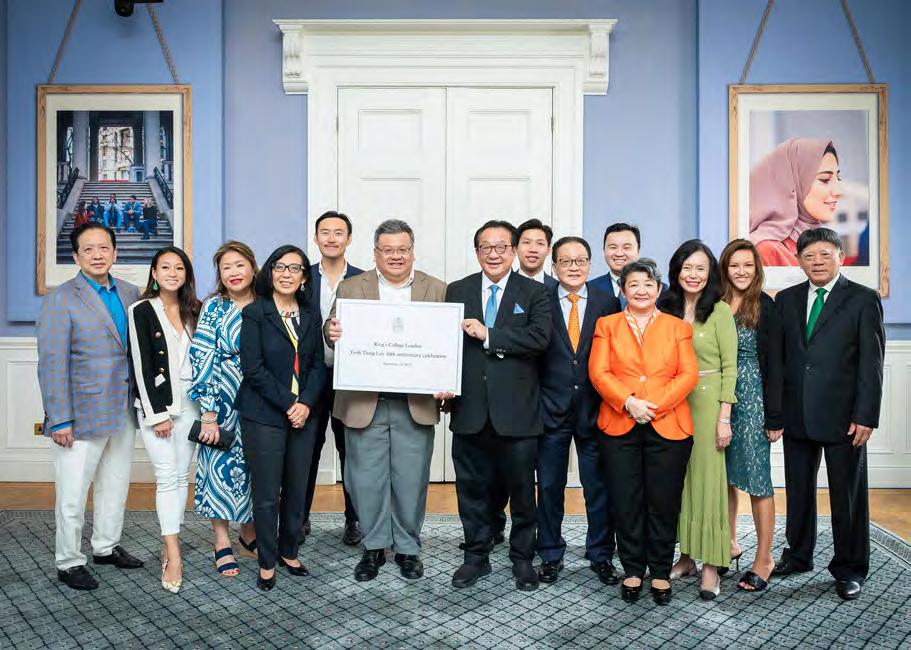
In February 2024, The Yeoh family reaffirmed their long-standing commitment to education and interdisciplinary scholarships with a generous £3 million gift to King’s College London’s Yeoh Tiong Lay Centre for Politics, Philosophy & Law (YTL Centre).
The YTL Centre was originally founded in 2013 through a transformational £7 million donation from the family of alumnus Mark Yeoh FKC (LLB, 1987). Since its launch in 2014, the Centre has become a distinguished hub for rigorous interdisciplinary education – exploring politics, philosophy, and law in equal measure.
Over its first decade, the Centre has nurtured exceptional students, fuelled cutting-edge research, and fostered intellectual debate on pressing global challenges – building a reputation for excellence and impact in the UK, Malaysia, and internationally.
The recent £3 million gift will bolster the Centre’s mission by funding a suite of strategic initiatives:
• One Yeoh Tiong Lay PhD Scholarship every four years
• One Early Career Fellowship annually for five years
• Two Visiting Fellowships annually for five years
• LLM Scholarships specifically for students domiciled in Malaysia.
As Professor Dan Hunter, Executive Dean of The Dickson Poon School of Law, observed: ‘For a decade, the YTL Centre has driven excellence in rigorous interdisciplinary thought… We thank YTL for this generous donation, which ensures we can continue to explore major issues in law and politics through the lens of philosophy to answer some of the most pressing questions faced by society today.’
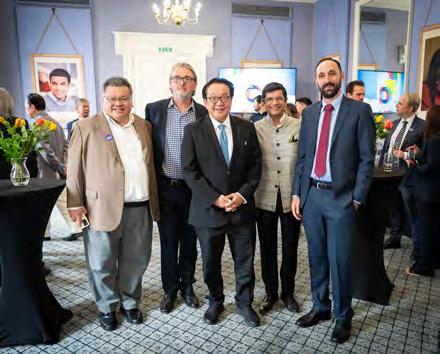
In September 2023, the Yeoh family and close friends returned to King’s to celebrate the Centre’s 10-year milestone alongside key figures – including Professor Massimo Renzo (Centre Director), Professor Dan Hunter, and ViceChancellor and President Professor Shitij Kapur.
Reflecting the YTL Group’s vision, Tan Sri Francis Yeoh, Executive Chairman, remarked:
‘For over 10 years, the Centre has pushed the boundaries in exploring major ethical and moral issues that challenge our world today… We are excited to support the Centre’s ambitions in creating opportunities to bring together leading thinkers and talented students.’
‘Through this generosity, we will be able to nurture the next generation of thought leaders and scholars to create a better society.’
Vice-Chancellor and President Professor Shitij Kapur
This renewed investment does more than fund scholarships and fellowships – it secures the Centre’s position as a global beacon for interdisciplinary research, education, and engagement. With the family’s continued support, the Centre is poised to expand its influence, attract the brightest minds and foster pioneering dialogue that bridges theory and real-world challenges, secured by generosity and legacy. The values of education and the nurturing of bright minds are at the heart of our community, and these values are deeply reflected in the legacy of Yeoh Tiong Lay and his family. Their enduring commitment ensures that generations of students will continue to learn, discover and thrive at King’s.
In conversation with Mark Yeoh: Honouring the past, investing in the future
Celebrating almost 12 years of the YTL Centre, we asked donor and friend of King’s, Mark Yeoh, to share his personal reflections on what inspires his support for King’s and his hopes for the future.
What is the inspiration behind the YTL Centre? What impact do you feel the YTL Centre has had so far – on students, on research and on wider society?
The YTL Centre was inspired by the belief that the intersection of politics, philosophy, and law is where some of society’s most critical debates are shaped. As a past law student at King’s, it is a great joy to see how this Centre brings various disciplines together and encourages students and scholars to think deeply about justice, governance, and ethics – questions that resonate far beyond academia. I’ve been particularly heartened to see its impact: from fostering interdisciplinary research to

equipping students with the tools to engage with global issues thoughtfully. The Centre’s work on themes like democracy and human rights has already sparked meaningful dialogue, and I hope it will continue to influence policymakers and communities worldwide.
What inspired your relationship with King’s, and what continues to motivate your support for the university?
My connection to King’s began in the early 1980s when I arrived as a young student, full of curiosity and ambition. What stays with me most vividly isn’t just the lectures or textbooks, but the people – the friendships formed over coffee and late-night conversations that still endure today.
That’s why supporting King’s means so much to me. Education at its best isn’t just about individual achievement – it’s about creating spaces where transformative connections can happen. When I visit now and see students debating in the YTL Centre or collaborating across disciplines, I recognise that same spark of intellectual camaraderie I experienced decades ago. King’s has a unique way of bringing exceptional people together and giving them the tools to make a
difference in the world. That’s what continues to inspire my support – ensuring future generations can find their own lifelong mentors, collaborators and friends here, just as I did.
Why is philanthropy important to you personally, and what role do you believe it plays in shaping the future of education and society?
Philanthropy, to me, is about investing in the future. My grandfather, Yeoh Cheng Liam, came over to Malaysia as a migrant in the early 20th century to escape abject poverty in China and I have witnessed how education has improved the economic condition of my family and for many more families like ours.
Education is the bedrock of progress, and, by supporting institutions like King’s, we’re not just funding scholarships or buildings – we’re helping to shape thinkers, leaders, and solutions for generations to come. In an era of rapid change, philanthropy ensures that universities can remain agile, inclusive, and ambitious in their missions. It bridges gaps, fosters opportunity, and amplifies the kind of knowledge that benefits society as a whole.
Looking back on your philanthropic journey with King’s, what are you most proud of?
I’m most proud of the people – the students whose potential has been unlocked, the researchers pushing boundaries, and the King’s community that turns vision into reality. Philanthropy is a collective effort and seeing the YTL Centre thrive as a hub for bold ideas and diverse voices has been deeply rewarding.
But this is just the beginning. King’s tradition of excellence ensures that every contribution, no matter how modest, multiplies in value. That’s the beauty of supporting such an extraordinary institution.
‘We are deeply grateful to Mark and his family for their extraordinary generosity, which makes everything we do at the YTL Centre possible. His vision – that education at its best creates spaces where transformative connections can happen – lies at the heart of our mission. The Centre exists to bring together brilliant minds from different disciplines, fostering collaborations that can address society’s most pressing challenges. Thanks to his philanthropy, we can nurture the next generation of thinkers and leaders whose work will have a lasting positive impact in the world.’
Massimo Renzo, Professor of Politics, Philosophy & Law
A 25-year partnership for change
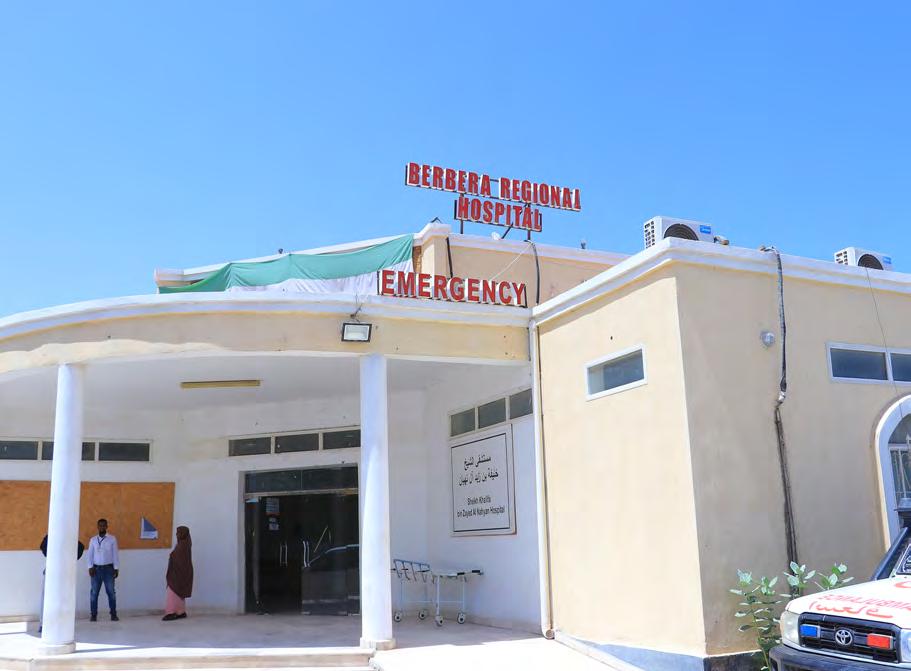
In Somaliland, life expectancy is just 53 years, and preventable deaths remain all too common. Through the generosity of the Qatar Charity, which in itself is funded by donors, philanthropy at King’s is helping to transform care through safer hospitals and better-trained doctors and midwives, offering hope for lasting change.
For more than 25 years, King’s has worked hand in hand with partners in Somaliland to improve the quality of healthcare and strengthen the health system. This collaboration reflects King’s wider commitment to creating sustainable impact across the global south – combining academic expertise, clinical practice, and international development to address pressing health challenges.
Somaliland’s health system faces many of the challenges common to low-income settings: a shortage of trained healthcare workers, limited access to safe and reliable hospital care, and underdeveloped systems for medical education and quality assurance.
Many hospitals lacked basic infection prevention measures, and, until recently, there was no standardised medical curriculum or framework for postgraduate training. Through their partnership, King’s and Qatar Charity have helped to tackle these critical gaps – strengthening hospital safety, reforming medical and midwifery education, and supporting national policies that place quality and patient care at the heart of the health system.
At the core of the King’s Somaliland Partnership is a simple yet powerful principle: we work by invitation, responding directly to the priorities identified by our local partners. We also seek to build relationships of mutual trust and respect, recognising that expertise is in the global south and north and that there is opportunity for bidirectional learning. Together, we have transformed medical education, improved hospital safety, and supported the development of national health policies that place patients at the centre of care.

When the partnership began, Somaliland had limited capacity to train its health workforce. Through close collaboration with the Ministry of Health Development (MoHD) and local universities, King’s has helped reshape medical, nursing, and midwifery education to better prepare graduates for practice.
• Improving education standards: King’s supported the creation of Somaliland’s first national medical education curriculum, aligned with international best practice.
• Ensuring readiness for practice: An evidencebased system of assessment was introduced, ensuring every graduate meets the highest standards before entering the workforce.
• Building academic excellence: A master’s in Health Professions Education was developed to enhance the skills of academic staff across the country.
• Embedding patient-centred care: A national training module in respectful midwifery was introduced – ensuring women across Somaliland receive safe, dignified care.
This work has already improved the quality of care that patients receive, but challenges remain. A shortage of medical specialists continues to compromise patient outcomes, and the absence of co-ordinated postgraduate training has limited the retention of highly trained doctors. With support from Qatar Charity, King’s is supporting the design of a governance model for postgraduate medical education – laying the foundation for a new generation of specialists who will shape the future of healthcare in Somaliland.
Strengthening health systems in Somaliland: A 25-year partnership for change
In 2020, none of Somaliland’s six regional hospitals met international standards for infection prevention and control. This gap carried devastating consequences: hospital-associated infections continue to be a leading cause of inhospital deaths, as well as unnecessary disability and financial strain for patients and families.
Over the last two years, King’s experts have worked with Somaliland to lay the foundations to improve the quality of the healthcare system nationally. This work is made possible with the support of Qatar Charity, and forms part of a joint long-term commitment with King’s to address global health challenges through strategic partnership.
Responding to a direct request from the MoHD, King’s worked with the World Health Organization (WHO) to train hospital staff and Ministry officials to assess quality and patient safety. As a result:
• all six regional hospitals now have annual staff training programmes, action plans, and patient safety committees in place.
• national infection prevention and control guidelines were developed, creating a roadmap for safe care across the entire health system.
• with philanthropic support, we procured essential equipment and supplies – from sterilising machines to waste management systems – so hospitals can meet the new safety standards.
• these changes mean hospitals are safer for patients, staff, and families alike – and the systems put in place will enable long-term progress.
With Qatar Charity’s support, we have assisted medical schools across the country to transition to the new undergraduate curriculum for medicine. For the first time, all doctors entering the health system should now study a standard set of subjects that is tailored to the country’s health needs and meets international standards.
In partnership with the MoHD, King’s supported the development of a national quality-of-care policy and strategy, aligning with the WHO’s global initiative on healthcare in fragile contexts. Crucially, the policy was informed by the voices of 2,500 people across Somaliland, who were surveyed about their experiences of healthcare and their confidence in the system. This marks the first time public opinion has directly shaped national health policy in Somaliland –a milestone with the potential to transform how services are designed and delivered.
One of the greatest barriers to improved health outcomes in Somaliland is that many people still turn to untrained traditional healers rather than the public health system. Trust and confidence in healthcare must be rebuilt.
Philanthropy has been at the heart of this story. From volunteer NHS clinicians who generously give their time and knowledge, to the expertise and funds from Qatar Charity, this work is only possible because of those who believe in sustainable change.
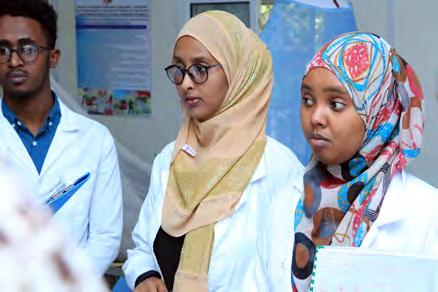
By creating safer hospitals, stronger systems and a more skilled workforce, our supporters are driving progress that will save lives not just today, but for generations to come.
As one of the poorest regions in the world, Somaliland continues to face immense challenges. Yet, through partnership, perseverance, and philanthropy, the path to a healthier future is becoming clearer every day.
Somaliland is an autonomous region in the Horn of Africa, having declared independence from Somalia in 1991. Despite no formal recognition of its independence by the international community, Somaliland has experienced relative peace and stability, with democratic elections most recently held in 2024.
The King’s Somaliland Partnership is embedded within King’s wider global health research, shaping policy and practice to improve health and wellbeing across the global south. For example, King’s academics are investigating why people in Somaliland choose certain forms of mental health care, with the aim of improving access to highquality services.
4.2m
Estimated population of Somaliland
53
Average life exptency in Somaliland
396 per 100,000
The number of women dying from preventable conditions in pregnancy and childbirth is almost three times the Sustainable Development Goal target
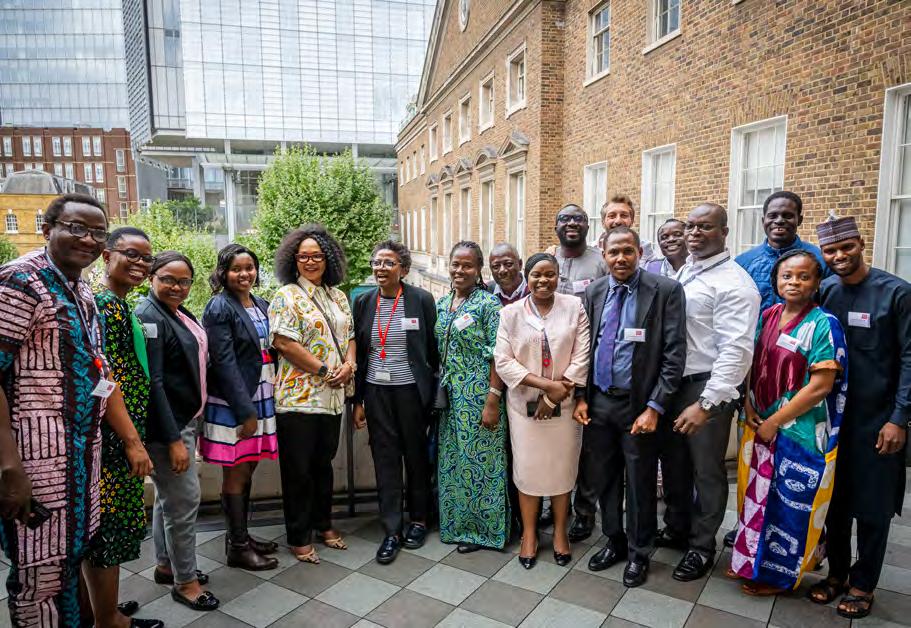
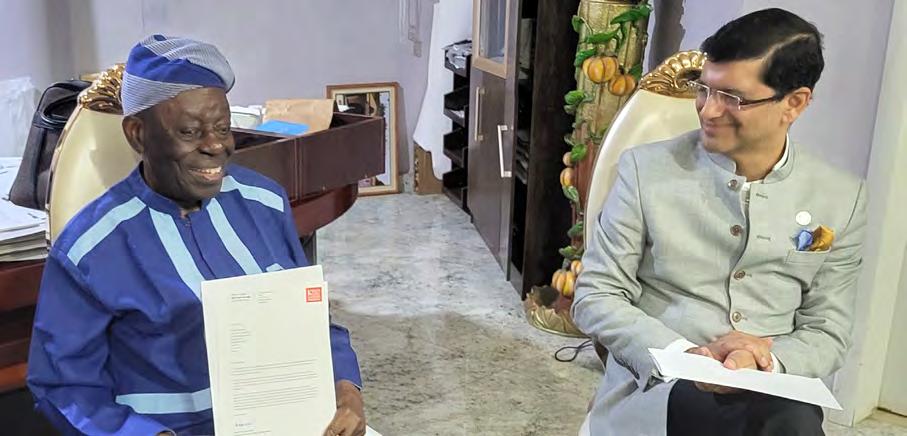
Thanks to the generosity and vision of Afe Babalola, the past two years have brought extraordinary progress for the Afe Babalola Centre for Transnational Education. The Centre has gone from strength to strength in programme design, profile-building and forging essential partnerships – all in service of its mission to expand access to higher education and create new pathways to university and employment for young Africans.
At its heart, the Centre is committed to opening doors for talented but underserved young people, equipping them with the skills, confidence and opportunities to succeed.
A flagship initiative is the Postgraduate Certificate in Education, designed to ‘train the trainers’ who will go on to support disadvantaged African youth in reaching their academic and career potential.
This pioneering programme, co-created with regulators and universities across the continent, will introduce African educators to innovative, career-focused approaches to digital learning. It is designed to reach 1,000 teachers by 2029, multiplying impact across generations of students.
A prototype was released in early 2025, and the first pilot cohort of up to 100 teachers, began in September 2025.
Dr Reson Marima, from the University of Nairobi, reflected on her experience with the programme: ‘The past two weeks have been excellent. I particularly appreciated the diverse teaching methodologies we experienced, which effectively introduced different approaches to problemsolving in healthcare. I also thoroughly enjoyed collaborating with colleagues from various countries, and I can see the potential for a collaborative and transnational curriculum.’
The Centre is also developing the Afe Babalola Centre Foundation Certificate, a one-year pre-university course for Africa’s most talented young learners.
Launching in September 2026, the inaugural cohort of 50 students will complete the fully online programme, supported by regional Teaching and Learning Hubs for additional academic, technical and pastoral support.
Graduates will earn a Foundation Certificate equivalent to A-levels, dual-accredited in Africa and recognised at King’s as a pre-requisite for undergraduate study – a powerful new pathway to higher education.
Professor ’Funmi Olonisakin, Vice-President (International, Engagement and Service), said: ‘Aare Afe Babalola’s belief in the potential of African students and educators is a powerful affirmation of the work we are doing together. By investing in education and working collaboratively, we are unlocking doors of opportunity, nurturing innovation, and paving the way for a more equitable and prosperous future. It is an honour to have this support, and we are committed to ensuring our efforts create a lasting and meaningful impact.’
Aare Afe Babalola is one of Nigeria’s most respected legal minds, a pioneering educationist, and a philanthropist whose life has been defined by a profound belief in the power of education to transform lives. Rising from modest beginnings, Afe studied remotely through the University of London before qualifying in Economics & Law, going on to build one of Nigeria’s most successful legal practices. His achievements as a Senior Advocate of Nigeria and founder of Afe Babalola University have established him as a leader whose influence reaches far beyond the courtroom.
What sets Afe apart is not only his professional success but also his determination to widen the doors of opportunity for others. He has long argued that education is the most effective tool for social mobility, empowerment, and nationbuilding. His philanthropy reflects this conviction: a commitment to ensuring that young people
across Africa, whatever their background, have the confidence, preparation, and access to pursue higher education.
His partnership with King’s College London builds on this shared mission. Having himself once faced barriers to accessing university, Afe recognises the difference that timely support and encouragement can make to those at the threshold of higher study. Through his vision and generosity, he is helping to create pathways for the next generation to see university not as a distant dream, but as an attainable reality.
It is this vision that lies at the heart of the Afe Babalola Centre for Transnational Education at King’s. The Centre stands as a living testament to his belief in education without borders: a place where aspiration meets opportunity, and where young people from Africa and beyond are empowered to imagine – and achieve –a future shaped by knowledge, confidence and possibility.
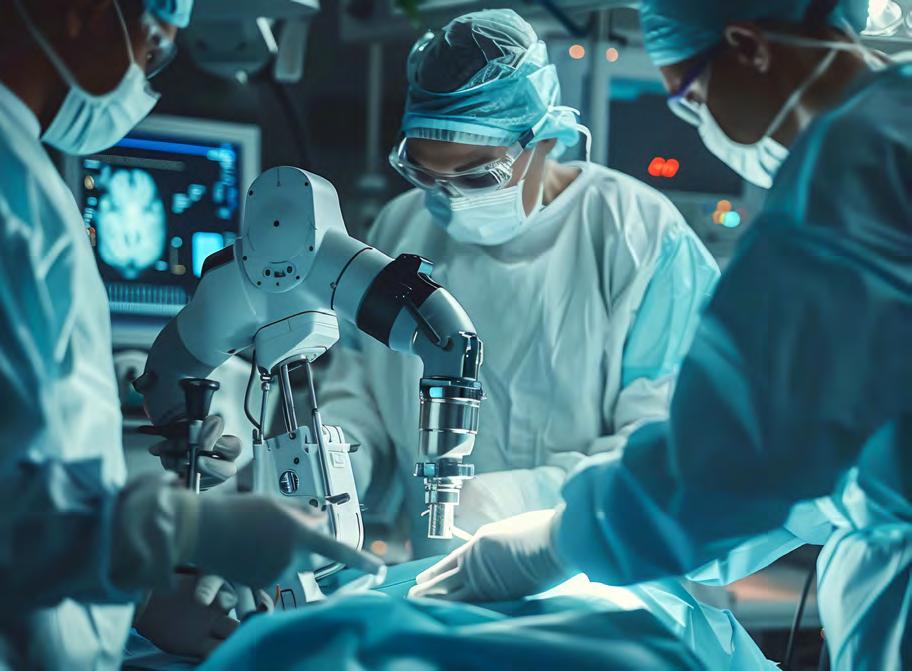
Medical innovation and philanthropy are woven throughout the life of Dr Alberto Recordati FKC and his family, creating a lasting legacy of innovation, international collaboration and compassion in medicine.
Surgery is an indispensable part of healthcare. It plays a vital role in the diagnosis and treatment of cancer and countless other diseases and conditions. Today, new technologies are transforming what surgery can achieve. From early diagnosis and personalised interventions to faster recovery times and reduced healthcare costs, fields such as data science, robotics, imaging and artificial intelligence are redefining surgical precision.
But for these innovations to reach their full potential, scientists, clinicians and engineers must work together – sharing knowledge, accelerating discovery and training the next generation who will carry this work into the future.
Dr Alberto Recordati’s philanthropy is helping to make that vision a reality. In 2022, he made a transformative gift to King’s to establish the Dr Alberto Recordati Surgical Data Science Programme – a pioneering initiative uniting experts from San Raffaele Hospital in Italy, King’s College London, and Guy’s and St Thomas’ NHS Foundation Trust.
Through this partnership, international teams are combining expertise in translational medicine, robotics, imaging and data science to find new ways to tackle cancer and advance surgical research. The programme also supports a rich pipeline of emerging researchers, offering opportunities for young scientists to exchange ideas and make discoveries side by side with world leaders.
In parallel, Dr Recordati funded a Phase 1 clinical trial exploring an immune-based therapy for prostate cancer. Clinical trials like this are vital but often underfunded; if successful, this research
could lead to more effective and targeted treatments for patients worldwide.
Although Dr Recordati sadly passed away in 2024, his lifelong dedication to improving healthcare –and his generosity – continues to shape the future of medicine. His contribution was recognised with a Fellowship of King’s College London in 2023, celebrating a career defined by compassion, curiosity and global collaboration.
Dr Recordati’s connection to King’s began in 1974, when he earned his degree in Biochemistry, followed by a PhD at the Biomedical Department of Charing Cross Hospital Medical School. Reflecting later, he said:
‘King’s gave me a solid scientific grounding, which stood me in good stead for my career. The experience helped me grow up and taught me to plan ahead – not just for tomorrow, but for the long term too.’ (InTouch, 2018)
His relationship with King’s was rekindled in 2014, when he responded to an urgent appeal supporting the UK’s Ebola response in Sierra Leone. From that moment, his partnership with King’s flourished, culminating in his transformative gift to advance surgical data science.
‘King’s gave me a solid scientific grounding, which stood me in good stead for my career. The experience helped me grow up and taught me to plan ahead – not just for tomorrow, but for the long term too.’
‘Looking back, I realise how lucky I have been and how much suffering there is in the world. You have to give back some of what you have received.’
Toward the end of his life, Dr Recordati reflected: ‘Looking back, I realise how lucky I have been and how much suffering there is in the world. You have to give back some of what you have received.’
The collaborative research programme supported by the Dr Recordati Surgical Data Science Initiative has a growing portfolio of projects now underway in robotic-assisted radical prostatectomy – a minimally invasive surgical approach in which surgeons use a sophisticated robotic system to remove the prostate gland in individuals with prostate cancer.
These research projects are exploring innovations in surgical technique, outcome prediction, and the use of AI and machine learning to enhance robotic-assisted cancer surgery. Each project is advancing well against its milestones, with model development, initial validation, and submissions to major international conferences and journals.
Together, the teams at King’s and the San Raffaele Scientific Institute for Research, Hospitalization and Health Care have published multiple joint research outputs and developed a fellowship opportunity for San Raffaele PhD student Margherita Ciabattini, enabling her to learn directly from researchers at King’s.
Margherita has played a vital role in the Surgical Gesture Analysis project, manually annotating surgical gestures across 19 prostate surgery
videos – meticulous work that helped train a new evaluative model. She was selected to present this research at the prestigious Hamlyn Symposium on Medical Robotics.
Reflecting on her fellowship, Margherita shared: ‘My experience at King’s College London was exceptionally enriching. I gained hands-on exposure to surgical data analysis… and had the chance to work within a highly interdisciplinary and innovative environment. A key highlight was understanding how clinical research, surgical expertise, and data science converge to shape the future of precision medicine in urology.’
In 2025, Dr Recordati’s daughters sought to honour their father’s values and lifelong commitment to education by establishing the Dr Alberto Recordati Scholarships , supporting PhD students at King’s Centre for Doctoral Training in Advanced Engineering for Personalised Surgery & Intervention.
After earning his BSc in Physics from St. Xavier’s College in Mumbai, Swayam pursued an MSc in Physics and Engineering in Medicine at University College London. He then joined the Regional Medical Physics Service in Northern Ireland as a Clinical Technologist, working with diagnostic ultrasound. At the CDT, Swayam will be developing miniature imaging probes to help doctors detect and diagnose colorectal polyps more effectively.
Having gained her MSc and BSc in Biomedical Engineering from the Politecnico di Torino, with part of her education completed at the University of Basel and the École Polytechnique Fédérale de Lausanne, Federica has extensive experience developing neurotechnology devices in industry settings. Her focus as a Recordati Scholar will be on the development of miniatured sensorised flexible instruments for gastrointestinal interventions.
In 1926, patriarch and founder, Giovanni Recordati set out to help people through medicine. Today, that same spirit endures through his family’s philanthropy. Alberto’s vision continues to unite experts across Italy and the UK, nurture the next generation of scientists, and push the boundaries of cancer care – ensuring his legacy lives on in every discovery.
The Recordati family’s generosity will improve outcomes, quality of life and hope for people with cancer – creating a brighter, healthier future for generations to come.
As Professor Sebastien Ourselin, Assistant Principal (Innovation), reflects: ‘We have a shared vision to create the most significant impact in cancer care by building an education and clinical partnership between King’s and San Raffaele. This can only be achieved with the most talented researchers and clinicians through collaboration.’
‘We have a shared vision to create the most significant impact in cancer care by building an education and clinical partnership between King’s and San Raffaele. This can only be achieved with the most talented researchers and clinicians through collaboration.’
Sebastien Ourselin, Assistant Principal (Innovation), Professor of Healthcare Engineering

Legacy gifts have played a vital role in supporting excellence in education, research and the student experience at King’s. Over the past year, gifts in wills have opened doors for talented students through the James and Ivy Margaret Weir Award for Pharmaceutical Science and the Key to King’s Bursary programme, ensuring access to a world-class education regardless of financial background.
Legacies have also advanced research into stroke prevention, childhood neuroblastoma and the use of artificial intelligence in medical education, with the potential to transform patient care. They have helped to shape our campus, too, through support for the development of the South West Wing of Bush House, which will provide an inclusive space for future students to connect and collaborate.
We are deeply grateful to every legacy donor for their generosity and foresight and for the remarkable impact they are having on King’s future.
This year, we proudly launched the King’s Society: a new community created to honour and celebrate those who have chosen to leave a gift in their will to King’s College London.
In June, members gathered for the inaugural King’s Society Lecture, where the Vice-Chancellor and President, Professor Shitij Kapur, delivered a talk titled ‘200 Years of Excellence, Innovation and Service’. His address reflected on our history, celebrated the achievements of our community and outlined a vision for the future development of Bush House. The event concluded with a reception in the Council Rooms, giving members the opportunity to meet senior colleagues and connect with one another.
We are delighted that more than 400 alumni, staff and friends of the university, alongside the ViceChancellor & President, have already committed to the future of King’s as founding members of the
King’s Society. This visionary group is helping to ensure that future generations benefit from the transformative power of education and research.
If you would like to leave a gift in your will to King’s, or if you have already included a gift and would like to join the King’s Society, we would be delighted to hear from you. Please contact Julia Brown, Head of Legacy & In-Memory Giving, at julia.4.brown@kcl.ac.uk or on 020 7848 2635.
We are grateful to our King’s Society members who have generously chosen to support King’s with a gift in their Will.
Special thanks to:
Dr. Adesegun A. Akin-Olugbade OON
Alumna 1950 – 54
Dr Chris Amodio
Laleh Armistead
Dr Neil Arnott
Michael Aubrey
Bruce Bennett
Robert Bieber MBE
Roderick Bowering
Dr John G Brown
Pamela Brown
Dr Alan Burn
Merilyn (Callieu) Canet
Mark Carroll
Lynn Chitty
David Churchill
Professor Michael Clarke
Jeff Collins
His Honour Dr Jeremy Connor
Jane Corbin
F E G Cox
Joy Crispin-Wilson
Janet Cummins
Dr Trudi Darby AKC, FKC
Sam de Silva
Dr Stella Compton Dickinson
Julia Dickinson, nee Knight
Peta Dollar
Roland Doven MBE
Janet Dyson
Dr Martin P.J. Edwardes
Dr Mark Ellis
Elizabeth A. Fagan AKC, MSc, MD
Gill Fine
Clare Foinette
Lawrence Freedman
A Frost
Roger Gaitley
Brenda Gay
Edward Gledhill
Professor Michael Gleeson
Christopher Gold
Geoffrey Gower-Kerslake
Aldona Greenwood
Dr Joanne Hackett
Dr Mark Hammond
Mary Hardy
Dr Anthony R Hare
Peter Harrison
Emeritus Professor Jenny Harrow
Mark Hawking
Richard Hillier
Professor Louise Howard
Malcolm Howe
Jeremy Hudson
Hannah Jarvis
Geraint Jeffreys
Dr Michael and Dr Helen Jones
Neil Kaplan CBE KC SBS
Professor Shitij Kapur
Anne Kenshole
Professor John Langdon FKC
Joyce M Y Lai
Professor Peter Lantos
Sharon Lawrence
Martin Lewis
Margot Loudon
Dr A Lucas-Smith
Dr Ryan MacDonald
Professor Gwyn Meirion-Jones FSA
Rosamond Miskin
Joseph Moretz
The Very Revd. George Nairn-Briggs
Dr Philip J Naylor
Jenny Nelson (Mansfield)
Alison Newlyn
Tim Newton
The Revd. Canon Dr. Anthony Phillips
Freddie Pierre-Pierre
Dr Irene Plant
Dr J Pointon-Haas
Dr Mukesh Rajani
Mike Redfern
Kate Redman
Vivien Robertson
Bob Russell
Daria S
Valerie Soar
Mike Spencer
Dr Stone and Mrs Stone
Stephen Stuart-Smith
Richard Stuckey
Keng Keng Tan
Rory Tapner
Alison J Taylor
Peter T. Townsend
Edward Trew
Dr Anna Ungaro
Caroline Usher
Linda Vance
Anne W
Moira Warner
In memoriam E H Warrell
Peter Weitzel
Dr Vincent Whitmarsh
Sir Nairn Wilson CBE
Thomas Wildenberg
Rita Dar Zutshi
And others who wish to remain anonymous.
We are honoured to have received legacy gifts from the following people in 2024 – 25
Anne Dudley
Margaret Foy
David Gregory (Medicine, 1974)
Jose Harris
Mark Leitch (Physics, 1975)
Ruth Lister (Medicine, 1950)
Michael Lipman (Electrical Engineering, 1960)
John Padovan (Law, 1958)
J P Philpott (Mathematics, 1956)
Robert Knecht
Joan Roberts (Geography, 1943)
Sheila Shinman (French, 1948)


Georgina Cannon
As we reflect on the stories and achievements shared throughout this Impact Report, I am reminded that none of this would be possible without you – our alumni, donors, partners and friends. Your generosity and belief in our mission continue to shape what is possible at King’s and through King’s, the world.
Together, we are building futures – for students whose potential is realised through scholarships, for researchers tackling urgent issues like mental health, inequality and global security. Every act of giving, large or small, whether it is through the donation of time or money creates positive change that reaches far beyond our campus.
Thank you for believing in the power of education and discovery. The impact you make today will inspire and empower generations to come.
With sincere and heartfelt thanks,
Georgina Cannon Executive Director of Philanthropy & Alumni Engagement
To find out more, go to kcl.ac.uk/fundraising
DESIGN
Susen Vural Design susenvural.com
Approved by brand@kcl.ac.uk
January 2026
This publication has been produced using paper from sustainable sources and bleached using an elemental chlorine-free process. The paper is produced at a mill that meets the ISO 14001 environmental management standard and the EMAS environmental management standard. The publication is fully recyclable.