




Indonesia has its own way of understanding time. Life does not always move in straight lines or at a fast pace instead, it flows alongside nature, traditions, and human connections. In many parts of the country, time is not a pressure, but a space allowing people to be present and fully engaged with their surroundings.
Through this edition, the magazine presents Indonesia not merely as a destination, but as a source of inspiration for a more conscious way of life an invitation to slow down, observe, and rediscover the art of living, the Indonesian way.
The beauty of Indonesia lies not only in its landscapes, but in the rhythm of everyday life. Warm social interactions, living traditions, and a close relationship with nature create a sense of wholeness that feels increasingly rare in today’s fast-paced world. Simple moments sharing meals without hurry, walking through familiar streets, or spending time with loved ones become quiet forms of luxury. The concept of slow living emerges naturally within the Indonesian context. It is reflected in cultural values that honor balance, process, and togetherness. Amid a global culture that prioritizes speed and constant productivity, Indonesia offers an alternative: a way of living that is more intentional, mindful, and rooted in meaning. Indonesia’s appeal as a space for slow living is not constructed it is inherent. From daily rituals to ways of dwelling, the country demonstrates that a fulfilling life is not defined by how fast it moves, but by how deeply it is experienced.

Sumba offers a wide range of nature-based activities spread across several iconic locations. Snorkeling and swimming can be enjoyed at Mandorak Beach and Walakiri Beach, both known for their clear waters and untouched shorelines. For travelers seeking adventure, surfing is especially popular at Nihiwatu Beach and Marosi Beach, where world-class waves attract surfers from around the globe. Simple activities such as walking along secluded beaches, watching the sunrise or sunset, or resting by the sea become deeply calming experiences, as Sumba’s coastlines remain quiet and far from crowds.
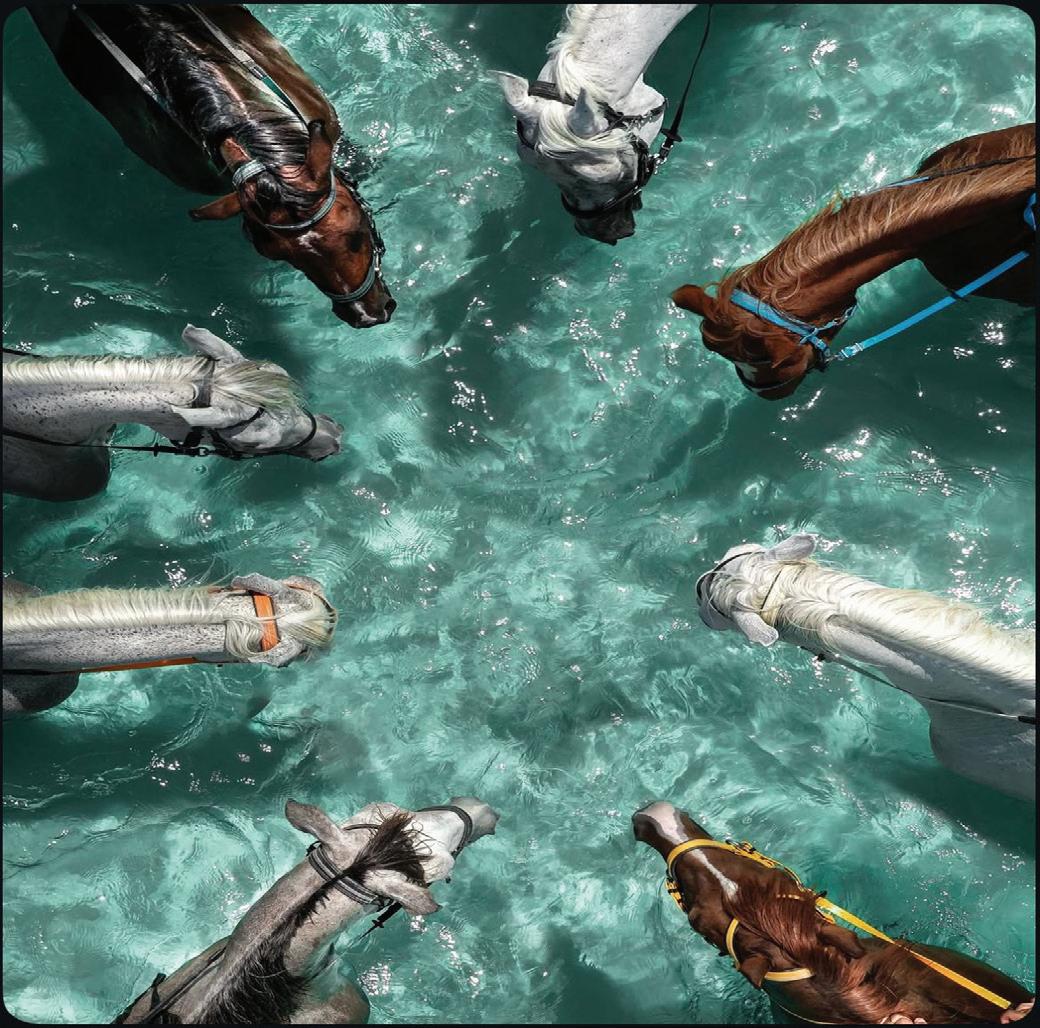
Inland, visitors can take part in light trekking across the Tanarara Hills and the Waikabubak savannas, which showcase Sumba’s vast open landscapes. Horseback riding in nature is commonly found in rural areas around Kodi and Wanokaka, where horses are still an integral part of daily life. For freshwater experiences, travelers can swim and relax at Lapopu Waterfall and Matayangu Waterfall, two hidden natural sites surrounded by forest. Cultural activities are equally enriching, with visits to Ratenggaro and Praijing Traditional Villages, where visitors can observe Sumba’s traditional houses, local customs, and the timeless process of ikat weaving.

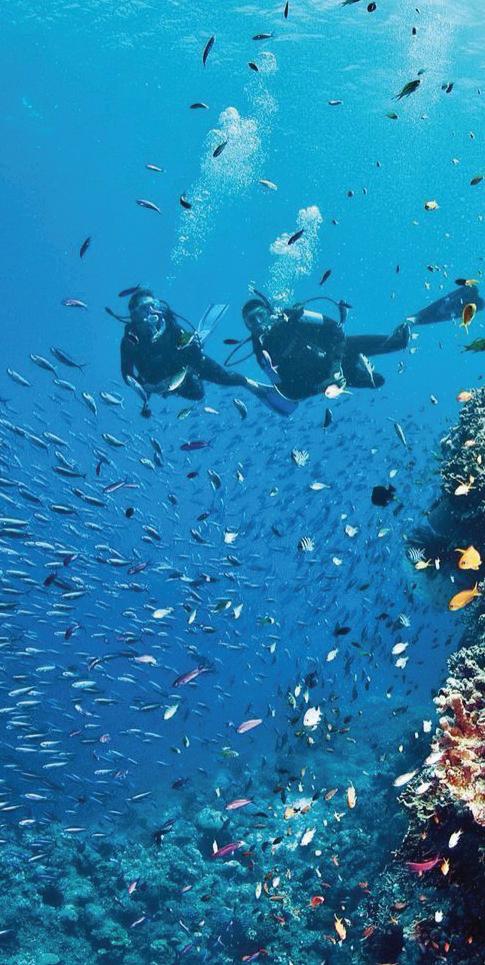
Raja Ampat is widely known for its extraordinary marine biodiversity and pristine island landscapes. Snorkeling and diving are the main activities and can be experienced in areas such as Cape Kri, Manta Sandy, and Blue Magic, where vibrant coral reefs and diverse marine life are easily visible even at shallow depths. For travelers who prefer calmer activities, swimming and kayaking around Arborek Village and Friwen Island offer peaceful encounters with crystal-clear waters and traditional island life. These coastal areas invite visitors to slow down, stay present, and connect with nature without distraction.
Cultural interactions are also part of the journey, with visits to local villages like Arborek and Sauwandarek, where travelers can observe daily life, traditional dances, and handcrafted souvenirs. In Raja Ampat, every activity is designed by nature itself, encouraging travelers to embrace a slower, more mindful way of experiencing Indonesia.
Flores offers a rich combination of dramatic landscapes and immersive nature-based activities. Hiking and trekking are most famously experienced at Mount Kelimutu, where visitors can walk up to the crater lakes and witness the changing colors of the three volcanic lakes at sunrise. Water activities such as swimming and relaxing can be enjoyed at Koka Beach and Pink Beach (Komodo National Park), both known for their unique sand colors and clear waters. These coastal destinations provide quiet spaces for travelers to slow down and reconnect with the natural rhythm of the island.
Visitors can take part in light trekking across the Tanarara Hills and the Waikabubak savannas, which showcase Sumba’s vast open landscapes. Horseback riding in nature is commonly found in rural areas around Kodi and Wanokaka, where horses are still an integral part of daily life.
To be close to nature is to return to what feels.

Bromo Tengger Semeru National Park offers a powerful yet peaceful natural experience defined by vast volcanic landscapes. Sunrise viewing is the most iconic activity and takes place at Penanjakan Viewpoint and Kingkong Hill, where visitors gather in the early morning to watch the sun rise over Mount Bromo, Mount Batok, and Mount Semeru. The sea of clouds and soft morning light create a moment of stillness, encouraging visitors to pause and take in the scale of nature.
After sunrise, visitors can explore the area through walking and light trekking across the Sea of Sand (Lautan Pasir), leading to the crater of Mount Bromo, which can be reached by climbing a series of steps. Horse riding across the sand plains is also available, offering a slower and more traditional way to experience the landscape. In the surrounding highlands, travelers can visit Teletubbies Hill (Bukit Teletubbies) and Savanna Hills, where rolling green fields contrast with the volcanic terrain. Despite its dramatic scenery, Bromo invites visitors to experience nature with calmness, respect, and a sense of quiet reflection.
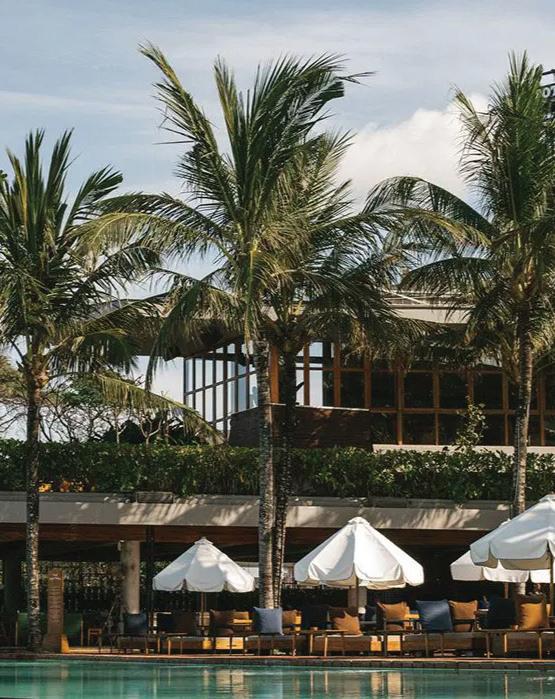
Desa Potato Head is more than just a hotel; it is a creative village that brings together accommodation, art, food, and community into one living ecosystem. Located in Seminyak, Bali, the space is designed for guests to stay, create, and rest with a strong sense of environmental and cultural awareness. Every corner of Desa Potato Head encourages a slower pace of life, inviting visitors to be fully present in each moment.
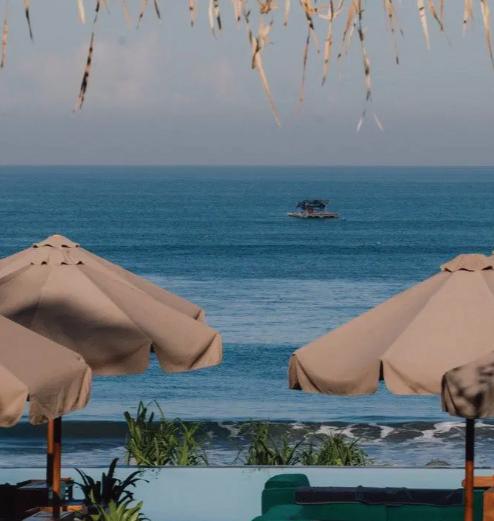
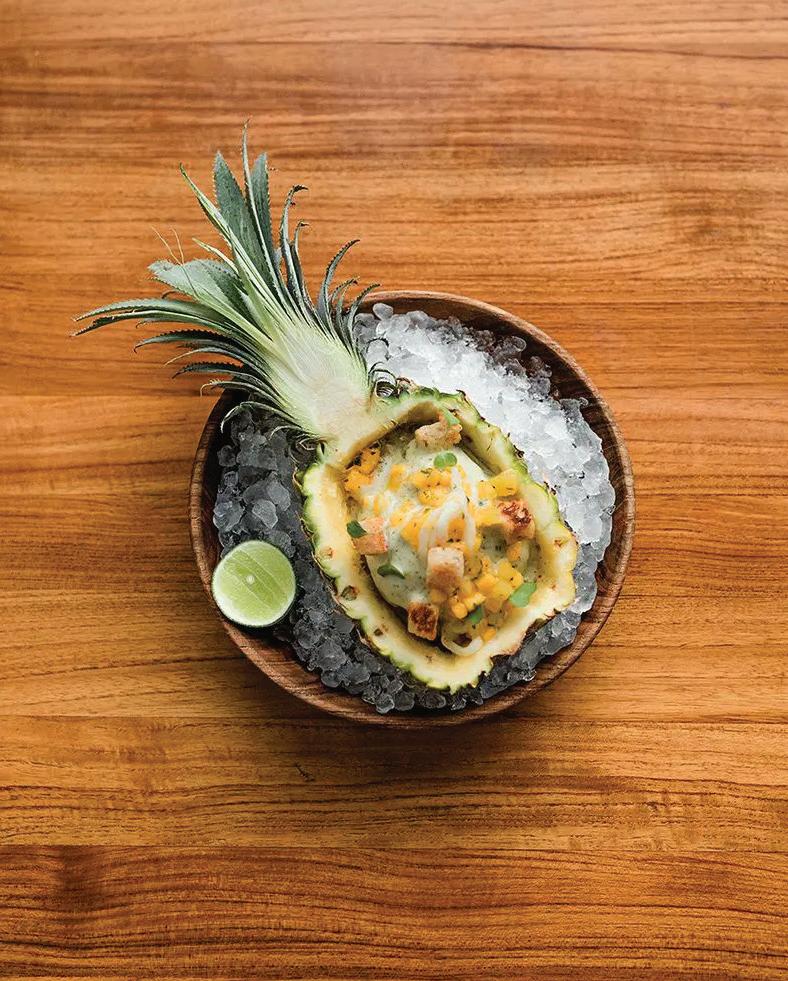
Culinary experiences at Desa Potato Head are an essential part of its sustainable lifestyle concept. The village emphasizes responsible dining by prioritizing locally sourced ingredients, seasonal produce, and ethically produced food. Many of its menus highlight plant-forward dishes while still celebrating Indonesian flavors through a contemporary approach. Desa Potato Head transforms dining into a conscious experience one that nourishes the body while respecting the environment and local food culture.
From a sustainability perspective, Desa Potato Head actively applies a zero-waste philosophy, integrated waste management systems, and strong efforts to reduce single-use plastics. Through these initiatives, Desa Potato Head stands as a model of how modern hospitality can align with environmental responsibility and a more mindful, sustainable way of living.
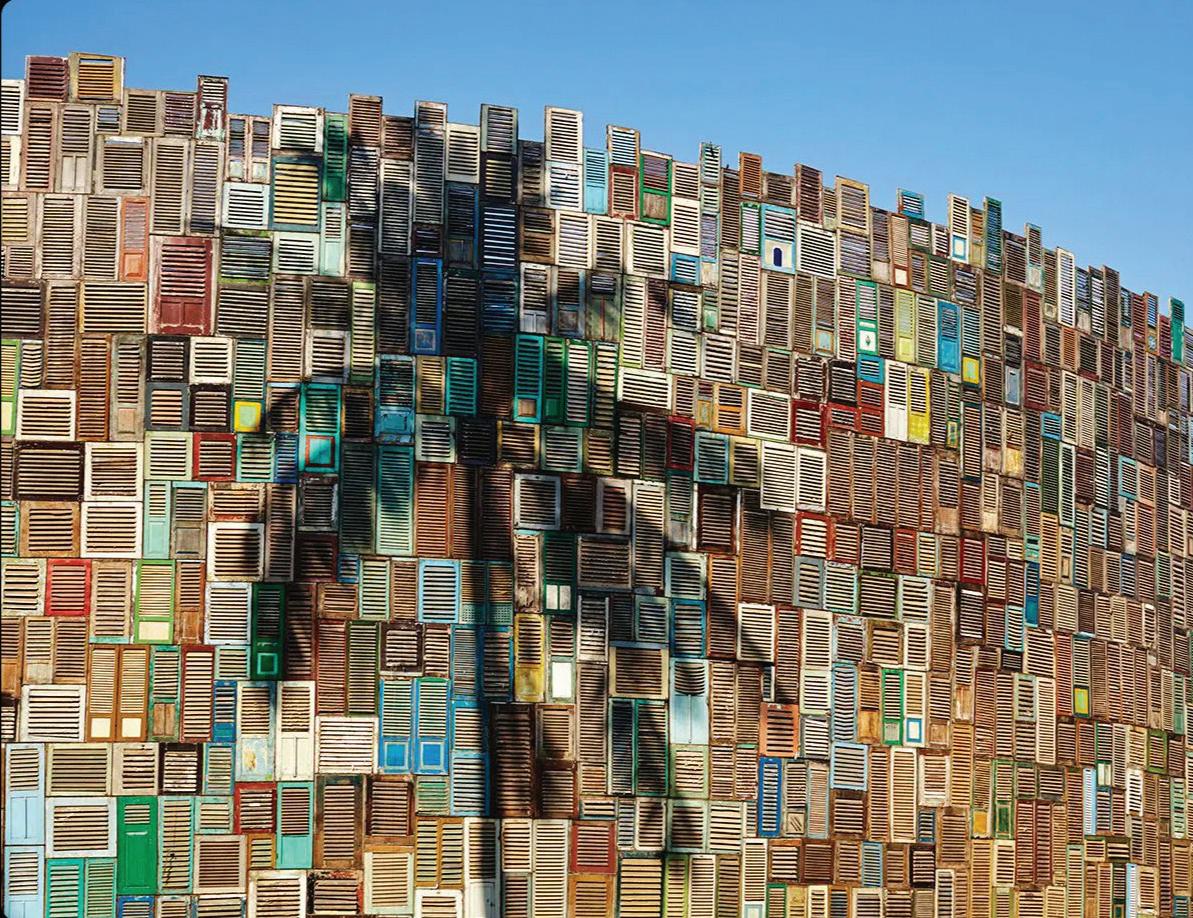
One of Desa Potato Head’s defining qualities lies in its commitment to sustainable design. The architecture incorporates recycled and locally sourced materials, including reclaimed wood, antique windows, and traditional Indonesian elements reimagined through a contemporary lens. This thoughtful approach gives each space a warm, authentic character while embedding a meaningful story behind the design.
As a wellness-oriented destination, Desa Potato Head offers a range of activities that support physical and mental balance. Guests can take part in yoga sessions, meditation, sound healing, and mindfulness-based programs. In addition, the village features art spaces, creative installations, and open communal areas that encourage organic social interaction without pressure. These experiences are intentionally designed to help guests slow down and reconnect with themselves. The concept of slow living is deeply embedded in the experience at Desa Potato Head. Rather than promoting busy schedules or constant stimulation, the village encourages guests to appreciate simple, everyday moments natural light, music, quiet walks, or unhurried conversations.
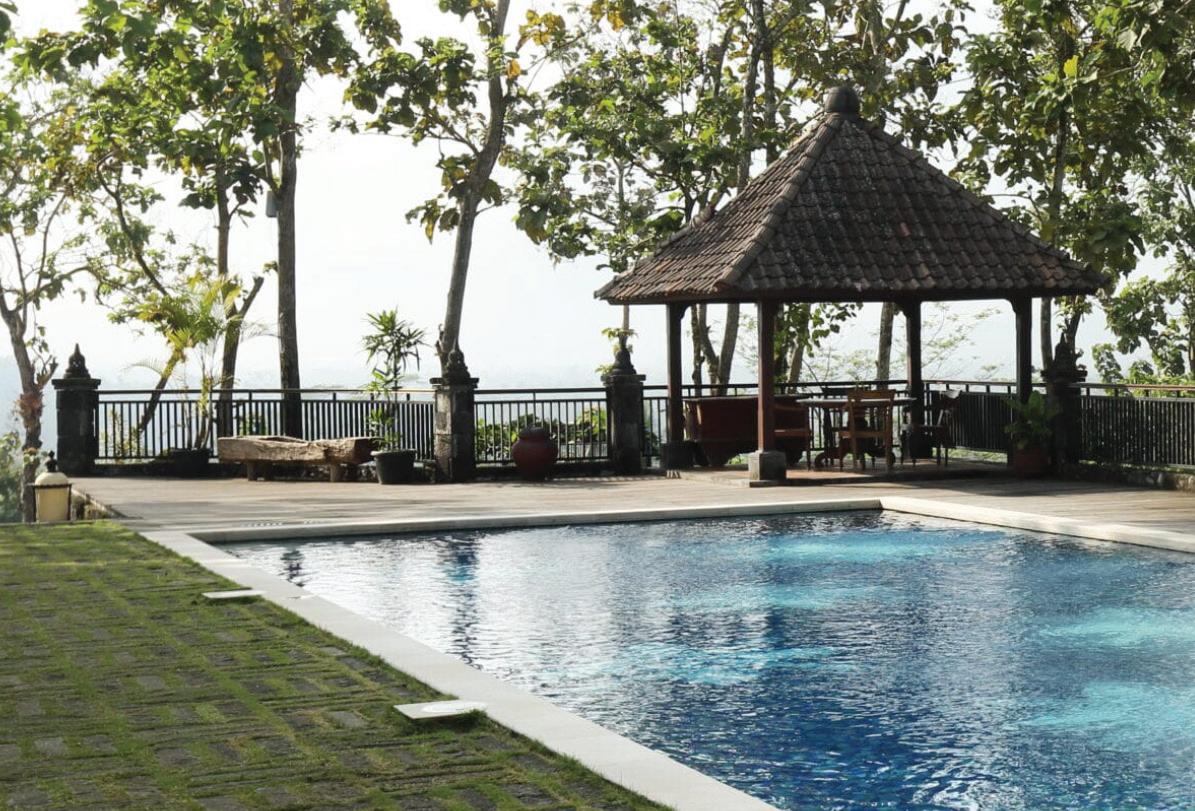
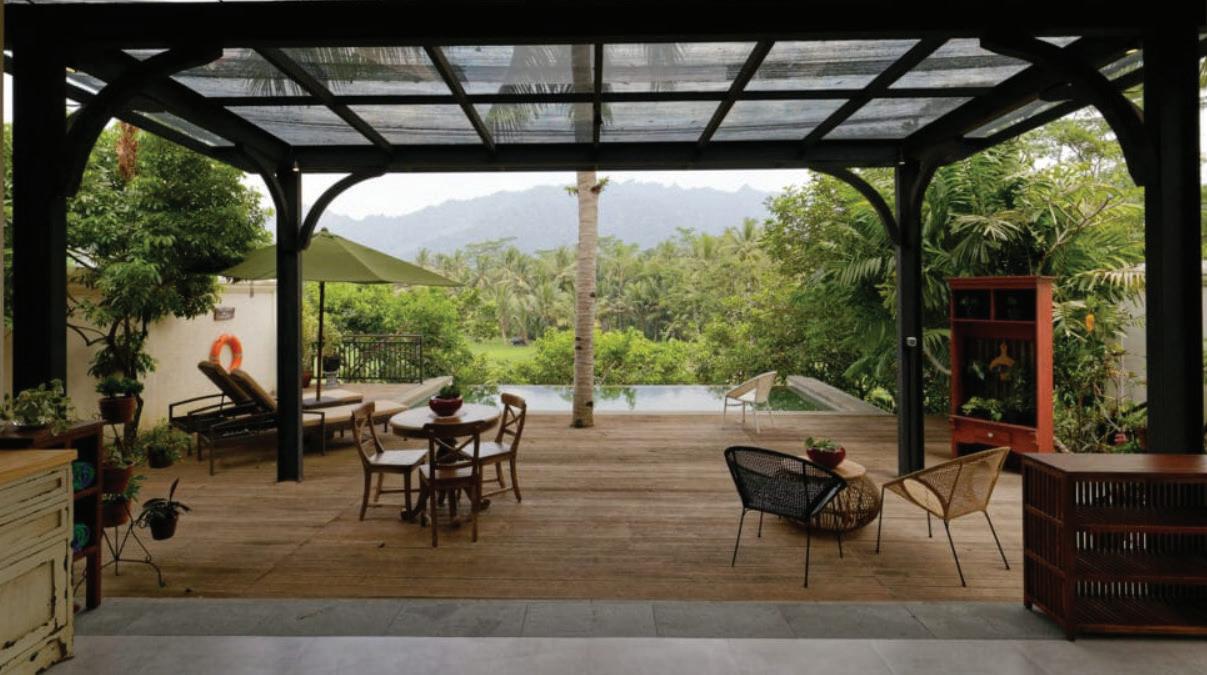
Plataran Borobudur Resort & Spa is located in the Menoreh Hills, overlooking the Borobudur Temple and the surrounding rural landscape of Central Java. Far from the noise of the city, the resort is designed as a sanctuary for rest and reconnection with nature. The quiet atmosphere, cool mountain air, and lush scenery create a calming stay rooted in mindfulness and balance.
As a wellness retreat, Plataran Borobudur offers a variety of activities focused on physical and mental well-being. Guests can participate in yoga and meditation sessions with views of Borobudur, enjoy traditional Javanese spa treatments, or take part in outdoor activities such as cycling and leisurely walks through nearby villages. These experiences encourage guests to slow down and reconnect with their surroundings.
The uniqueness of Plataran Borobudur lies in its harmonious blend of nature, culture, and understated luxury. The architecture draws inspiration from traditional Javanese houses, incorporating natural materials such as wood and stone, along with open spaces that allow light and air to flow freely. Each villa is designed with privacy in mind, offering guests a personal space to fully embrace tranquility.
The concept of slow living is deeply reflected in the way Plataran Borobudur curates its guest experience. Rather than promoting packed schedules, the resort invites guests to appreciate simple moments misty mornings, natural sounds, and unhurried time. This slower rhythm allows space for rest, reflection, and genuine renewal.
Luxury is not excess, but the space to breathe.

In terms of sustainability, Plataran Borobudur actively implements environmentally responsible practices through environmental conservation, mindful resource management, and community empowerment. The resort works closely with local communities, ensuring that tourism supports cultural preservation and environmental balance.
The culinary experience at Plataran Borobudur also reflects its commitment to sustainability and local heritage. Menus highlight fresh ingredients sourced from local farmers and nearby gardens, with dishes inspired by traditional Javanese cuisine. Dining here becomes a thoughtful experience that honors the origin of each ingredient and the culture behind it.
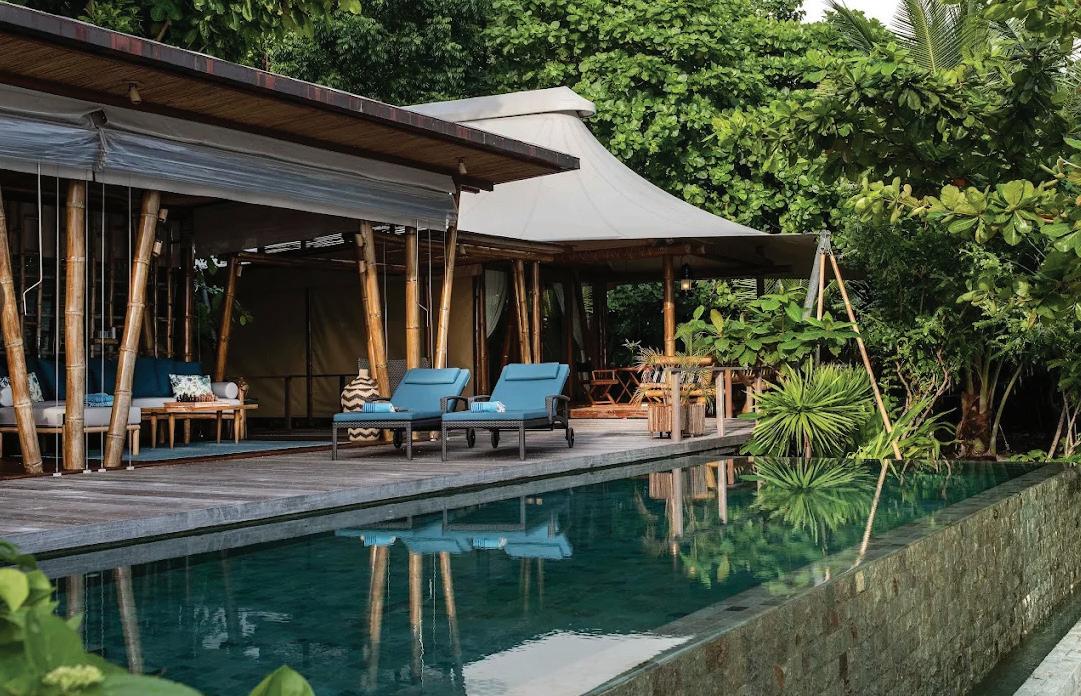
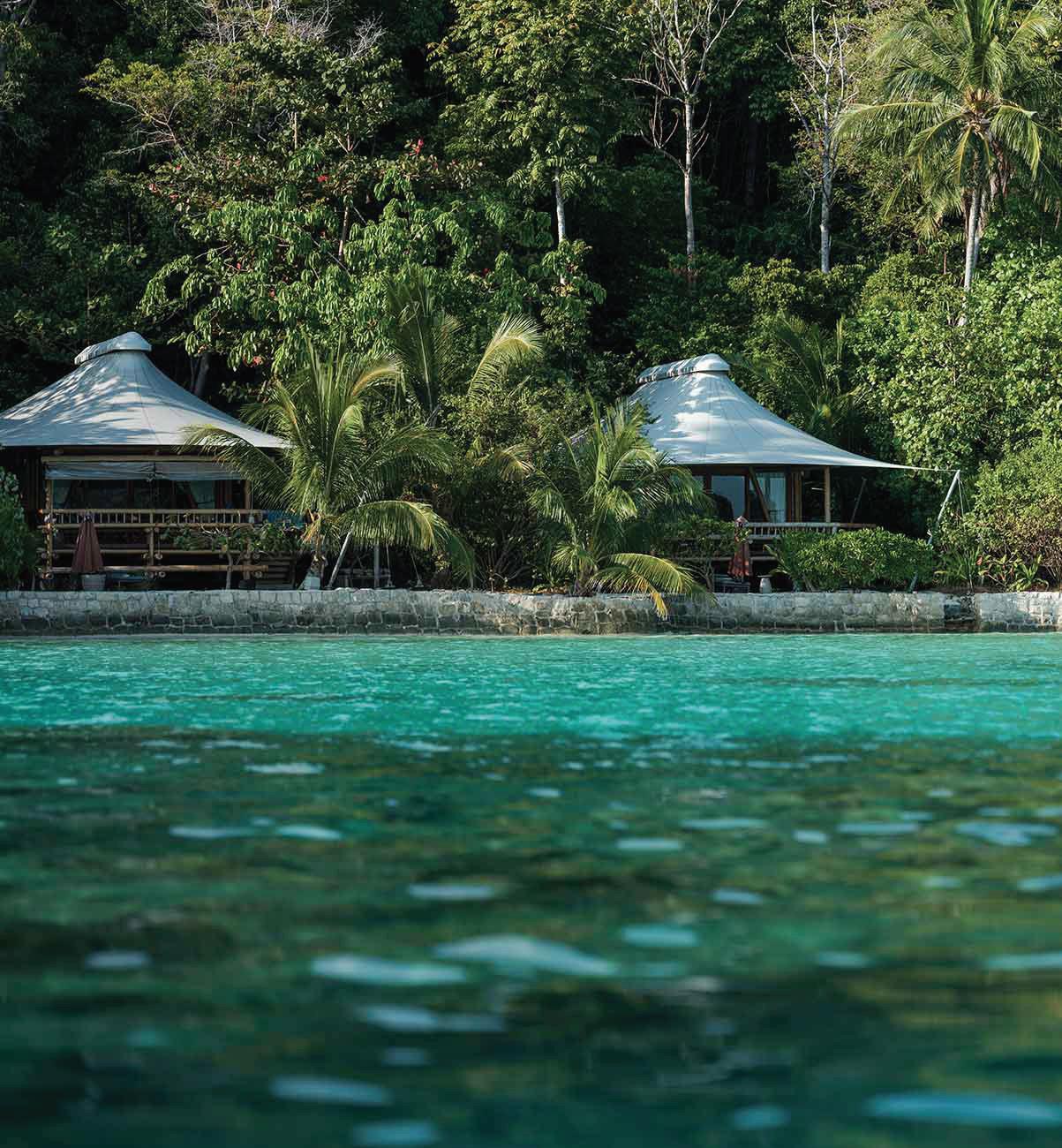
Bawah Reserve is an ultra-luxury eco-retreat located on a private island in the Anambas Archipelago, far from the noise of modern life. Surrounded by crystal-clear waters, tropical forests, and white-sand beaches, the resort offers complete seclusion and a deep connection to nature. Limited access and low-density development create an atmosphere of true stillness, allowing guests to experience the islands at a naturally slower pace.
What sets Bawah Reserve apart is its approach to sustainable private island living. The villas are built using natural and locally sourced materials and are thoughtfully positioned to follow the island’s natural contours, minimizing environmental impact. There are no high-rise structures or visual disruptions. This design philosophy allows luxury to coexist seamlessly with the surrounding ecosystem. This low-impact design reinforces a sense of exclusivity while preserving the island’s original character.
Wellness at Bawah Reserve is rooted in simplicity and immersion in nature. Guests can enjoy yoga by the sea, snorkeling in protected coral reefs, paddle boarding, and spa treatments overlooking the ocean. Without rigid schedules or distractions, the experience encourages mindfulness, presence, and genuine rest. Time feels intentionally unstructured, allowing each day to unfold naturally and giving guests the freedom to listen to their own rhythm.
The culinary experience at Bawah Reserve reflects its commitment to sustainability and mindful living. Dining emphasizes fresh, responsibly sourced ingredients, with a strong focus on seafood and seasonal produce. Meals are prepared with respect for nature and served in open-air settings, turning every dining moment into an unhurried.Signature dishes include freshly grilled reef fish and locally inspired seafood platters, while the most favored menu among guests features sustainably sourced lobster.

by Biyan Wanaatmada
Biyan Wanaatmadja reaffirmed his position as one of Indonesia’s most influential designers through his Spring–Summer 2025 collection, presented at the InterContinental Pondok Indah, Jakarta. Titled “Fleur,” the collection placed floral motifs at the heart of its visual and philosophical narrative, drawing inspiration from florilegium illustrated botanical books popular in the 17th to 19th centuries. For Biyan, flowers symbolize patience, grace, and gratitude
Beyond aesthetics, Biyan’s Spring–Summer 2025 collection speaks to a balance between tradition and modernity. It reflects his ability to honor classical beauty while adapting it to today’s fashion landscape. The designs feel refined yet effortless, expressive yet composed capturing the essence of heritage without nostalgia.
The collection showcased silhouettes that blend Regency-era romanticism with a contemporary sensibility. Soft hues such as blush pink, celadon, nude, and pale blue were balanced with deeper tones like brown and navy, while lightweight fabrics including silk twill, organza, linen, and cotton created fluid movement suited to tropical climates. Delicate details—ribbons, three-dimensional floral embroidery, and botanical appliqués—added depth and texture, giving the garments a timeless yet refreshed elegance.


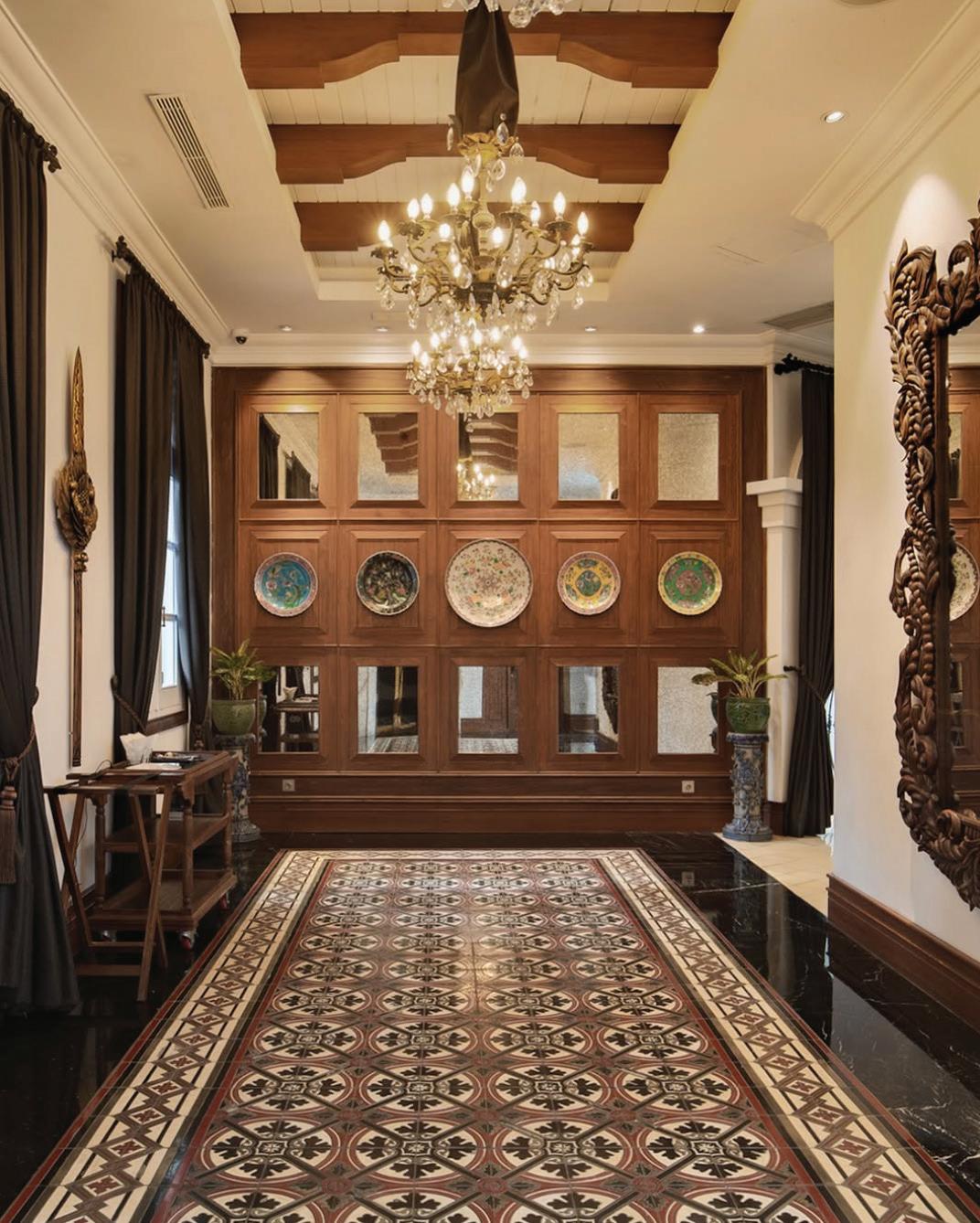
by Plataran Menteng
Plataran Menteng stands as a refined expression of Indonesian dining, housed within a beautifully restored heritage building in the heart of Jakarta. Stepping into the space feels like entering a quieter rhythm of the city, where the pace slows and attention shifts to detail, atmosphere, and experience. The elegant colonial architecture, combined with warm interiors and subtle lighting, creates an intimate environment that encourages guests to linger, converse, and fully enjoy the moment.
The culinary philosophy of Plataran Menteng centers on honoring Indonesia’s rich gastronomic heritage. Traditional recipes from across the archipelago are thoughtfully curated and reinterpreted through refined cooking techniques, allowing familiar flavors to be experienced in a more elevated form. Rather than altering their essence, each dish is carefully balanced to highlight the depth of spices, textures, and aromas that define Indonesian cuisine.
Dining at Plataran Menteng is designed to be an unhurried experience. The pacing of the courses, the attentive yet unobtrusive service, and the serene setting all contribute to a mindful approach to eating. Guests are encouraged to savor each dish, appreciate the craftsmanship behind it, and engage in meaningful conversations around the table.
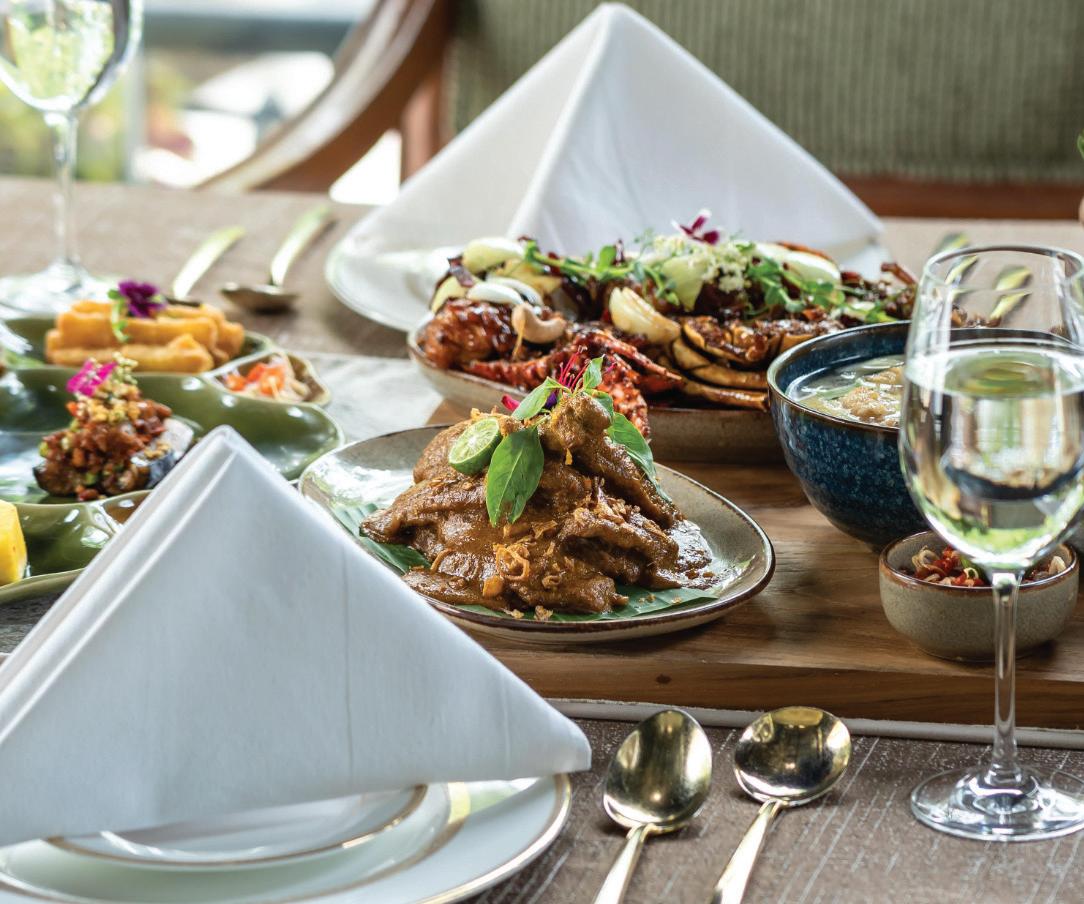
From rich, slow-cooked rendang to aromatic seafood dishes and regional specialties, the food at Plataran Menteng showcases the depth and diversity of Indonesian gastronomy. Spices are carefully balanced, textures are thoughtfully composed, and presentation is kept elegant without losing authenticity. This approach allows diners to rediscover Indonesian flavors in a more mindful and intentional way, encouraging them to savor every bite.
Beyond its culinary offerings, Plataran Menteng embodies the principles of slow living through its respect for culture, tradition, and time. By preserving heritage, celebrating local flavors, and creating a space that values quality over speed, the restaurant offers more than a meal—it offers a moment of connection to Indonesia’s culinary soul, experienced slowly and intentionally.

Sushi traces its origins back to Japan, where it began not as a luxury dish, but as a method of preserving fish through fermentation. Over time, this simple practice evolved into an art form centered on freshness, balance, and precision. Sushi became a reflection of Japanese philosophy itself where restraint, technique, and respect for ingredients are valued above excess.
As sushi culture developed, it embraced the idea that less is more. The quality of rice, the temperature of the fish, the sharpness of the knife, and even the timing of each bite play an essential role. This deep attention to detail transformed sushi into a culinary ritual, one that encourages diners to slow down and experience food with intention.
Sushi Maru was born from this philosophy, bringing the essence of authentic Japanese sushi into a contemporary dining space. The restaurant was created to offer a place where sushi could be enjoyed in its purest form fresh, honest, and thoughtfully prepared without the pressure of formality. It bridges traditional Japanese values with a modern lifestyle, making quality sushi accessible yet refined.
Inspired by Japan’s everyday sushi culture, Sushi Maru emphasizes consistency and craftsmanship. The concept focuses on creating a comfortable environment where guests can return time and again, trusting the quality of the ingredients and the care behind each plate. Rather than chasing trends, Sushi Maru stays rooted in technique and simplicity.
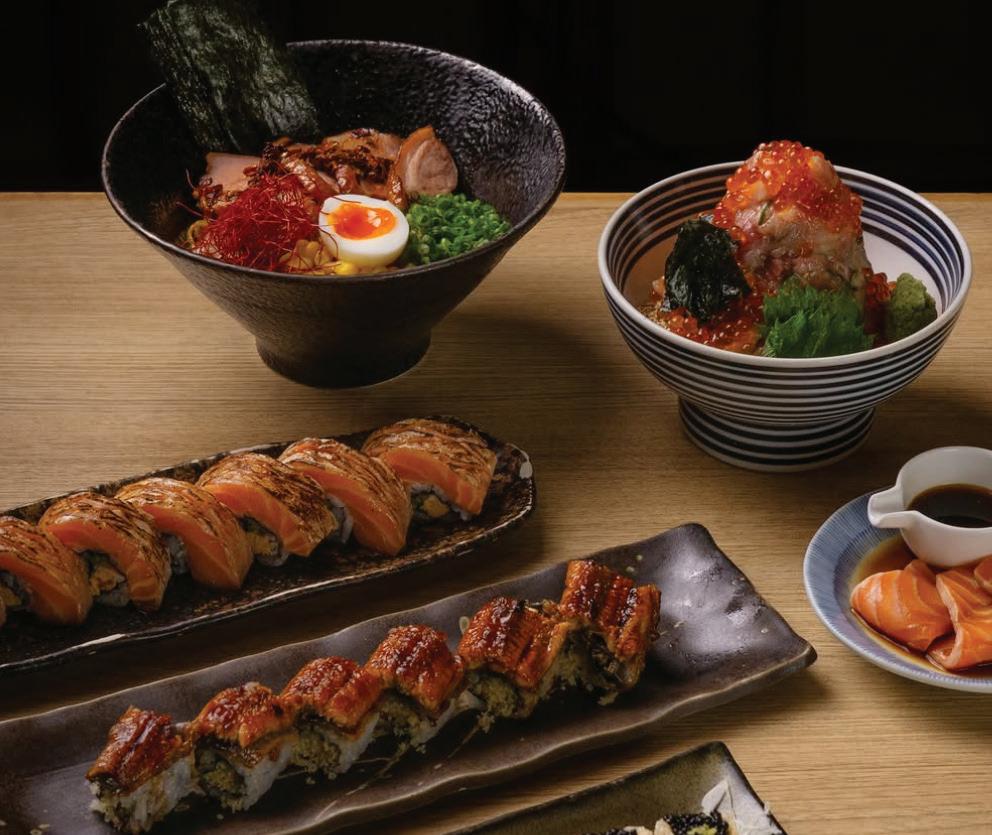
The menu at Sushi Maru highlights a wide selection of sushi and sashimi made from carefully sourced fish. Each piece is crafted with precision, allowing the natural flavors to shine without unnecessary embellishment. The rice is seasoned subtly to complement, not overpower, the fish an essential balance that defines good sushi.
What makes Sushi Maru especially appealing is its ability to feel both special and familiar. It is a place where diners can indulge in premium ingredients without feeling rushed or overwhelmed. The experience invites guests to take their time, enjoy each bite, and appreciate the quiet pleasure of well-made food.
Beyond classic nigiri and sashimi, Sushi Maru also offers rolls and warm dishes that add variety while maintaining the same level of quality. Grilled items, donburi, and small plates provide comforting options for diners who enjoy a more rounded Japanese meal. Every dish is designed to feel satisfying yet light, encouraging a relaxed and enjoyable dining pace.
In its closing impression, Sushi Maru is not just about sushi—it is about the experience surrounding it. From its roots in Japanese culinary tradition to its thoughtful execution in a modern setting, Sushi Maru captures the idea of slow dining through simplicity, consistency, and respect for craft. A reminder that sometimes, the most memorable meals are the ones enjoyed slowly.

For taking the time to slow down, explore, and experience Indonesia through these pages. This magazine is an invitation to pause, reflect, and appreciate the beauty found in everyday moments.