Dear Viewers,
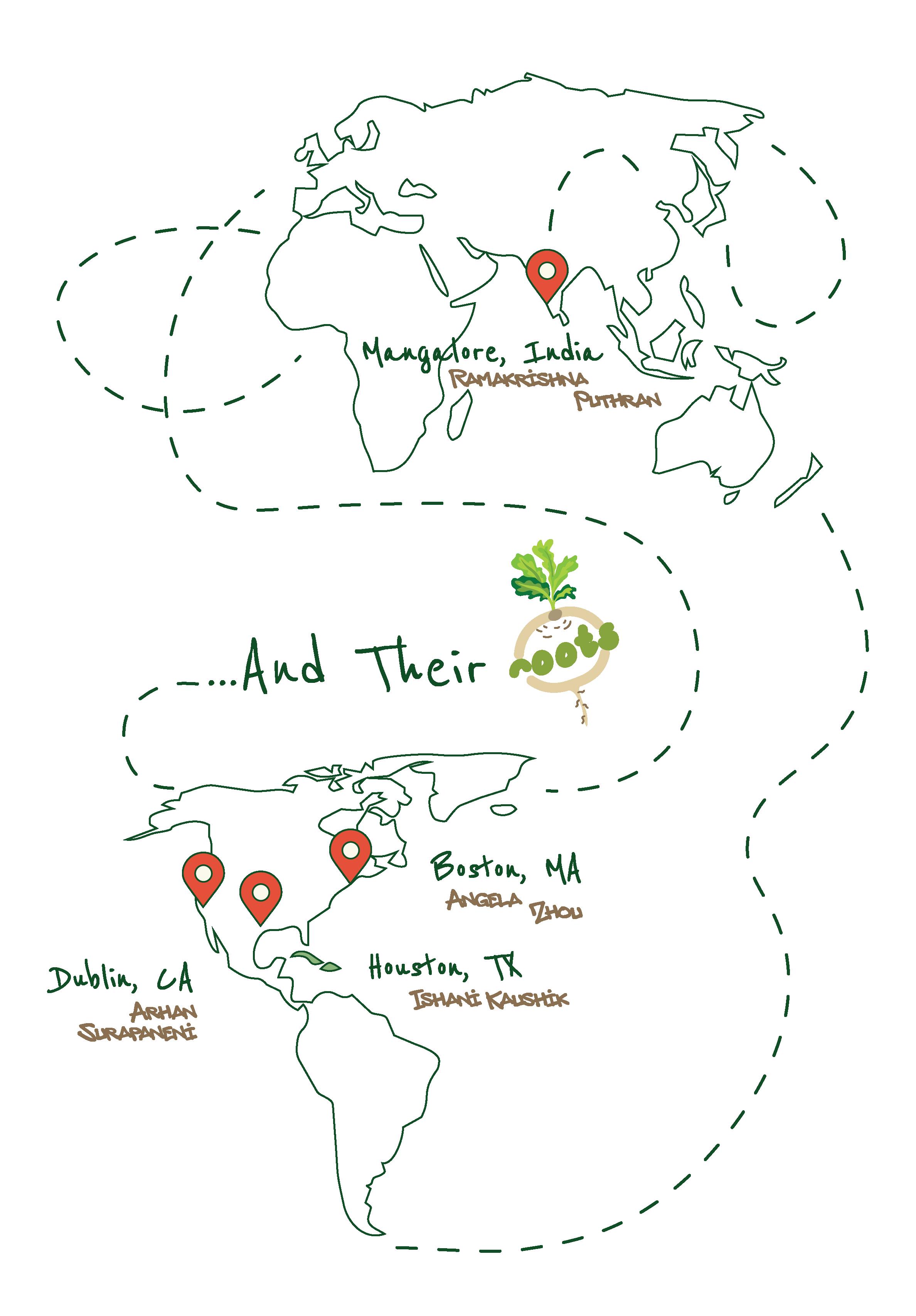
We are Roots, the intern-run subsidiary of Kaya Press! We’re passionate about sharing diverse experiences of Asian American assimilation, preserving cultural memories, and creating a welcoming space for thoughtful storytelling across generations. The name Roots reflects the idea that identity is often constructed beneath the surface, like roots that ground and sustain us across generations. As the editors of Roots, we are drawn to the following works because they present the various ways in which storytelling can preserve ethnic identity and challenge cultural norms.
Angela Zhou’s essay explores the layered meanings of language and identity within the Asian American experience. Through reflections on assimilation, she delves into the internal negotiations many children of immigrants experience while navigating cultural belonging. Her writing is humorous and introspective, expressing how something as simple as a name can carry history, symbolism, insecurity, and connection all at once.
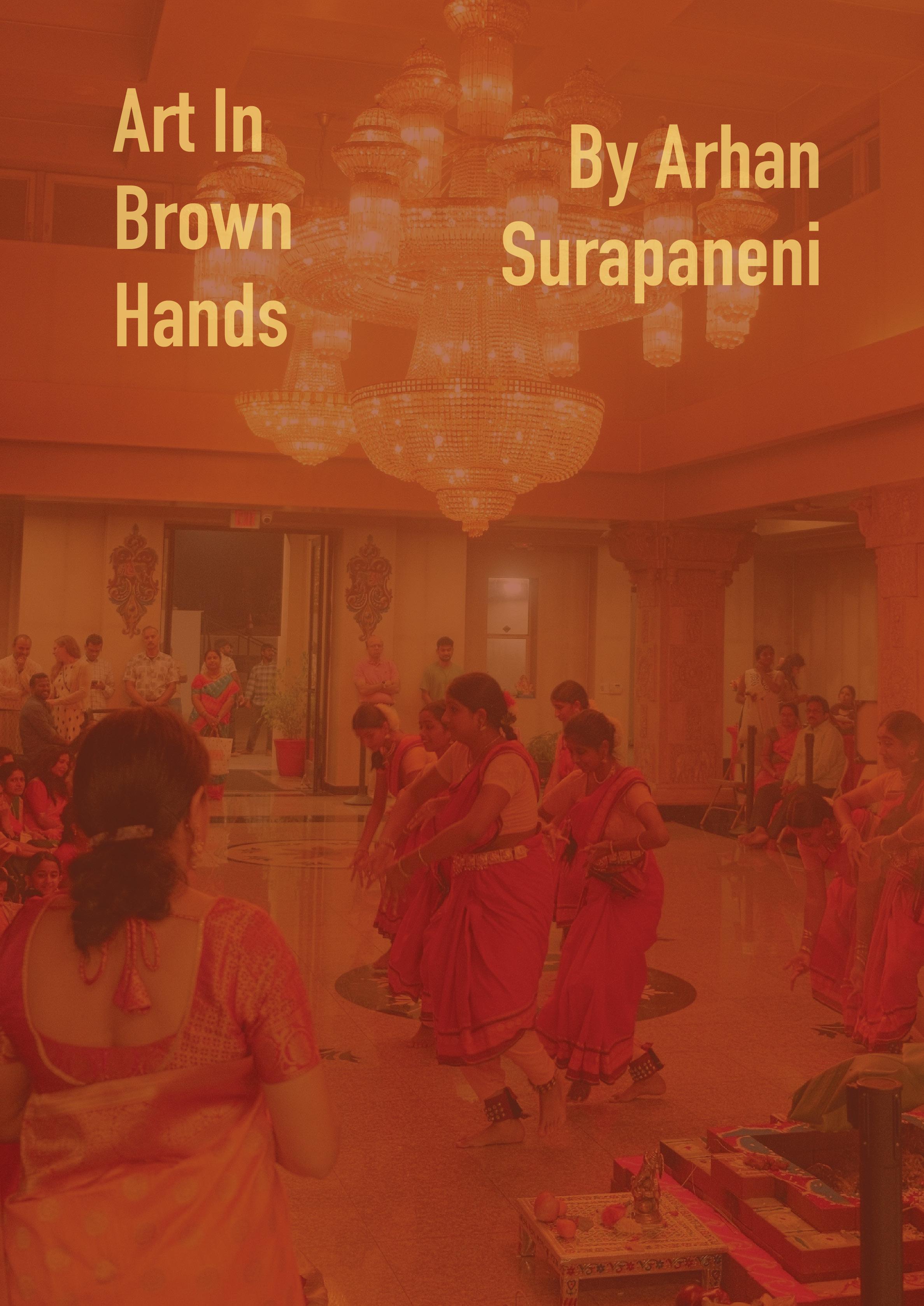
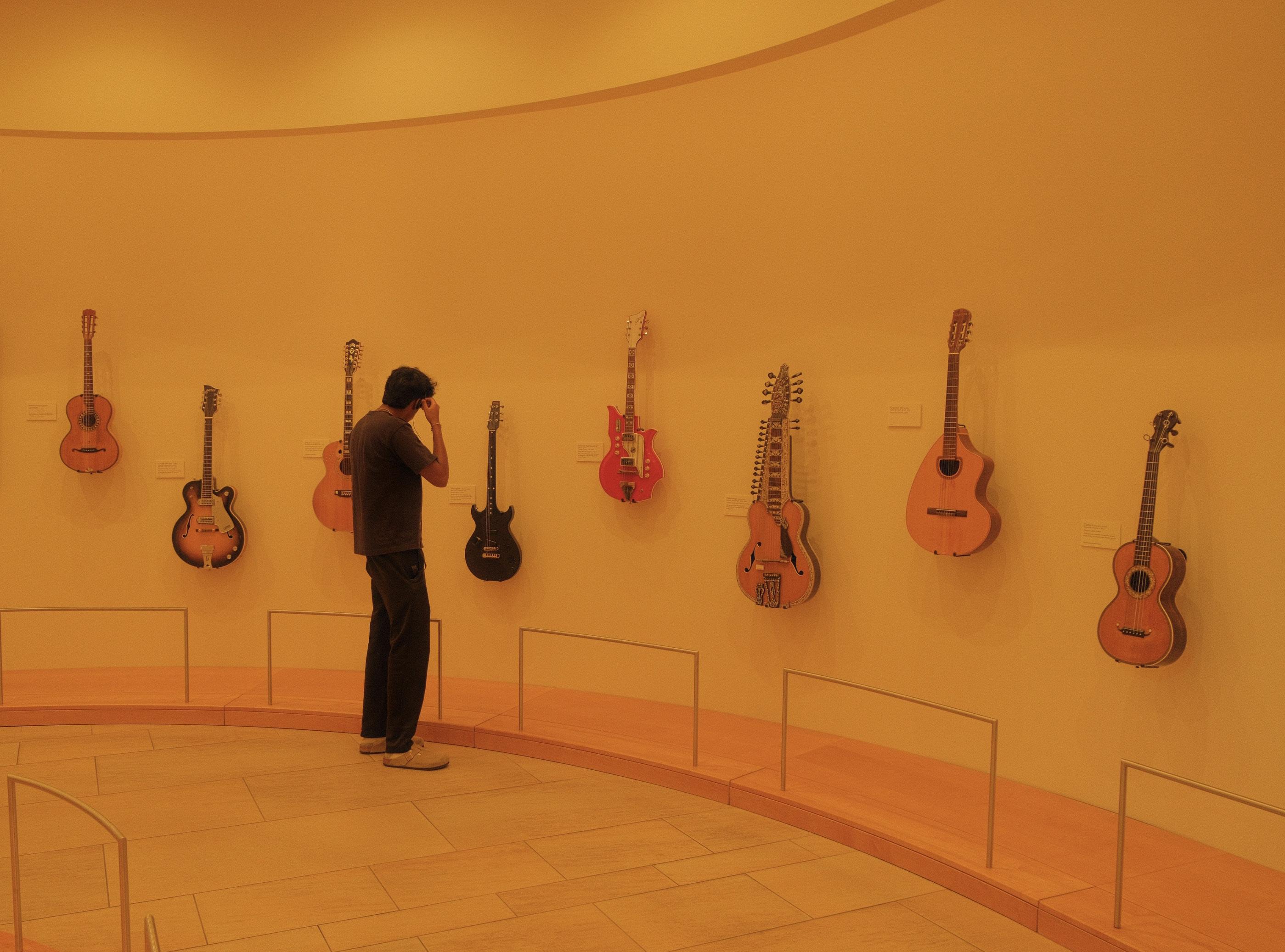
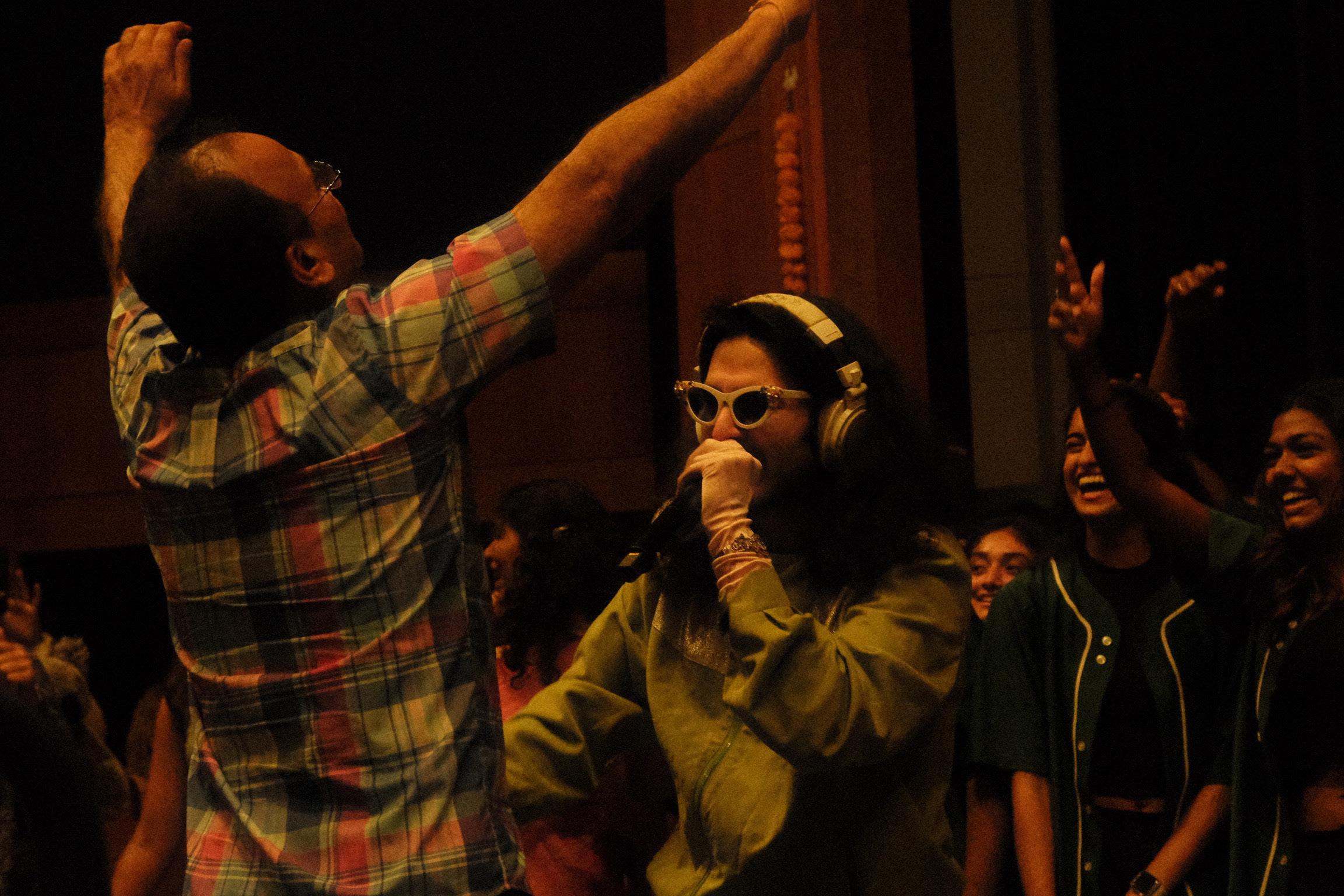
Through photography, Arhan Surapaneni considers the relationship between art and immigrant identity. His portfolio showcases Indian American individuals creating artistic spaces. In doing so, he challenges the common stigma among immigrant communities that artistic pursuits are impractical. By documenting these moments, his photographs celebrate creativity as an essential part of community life.
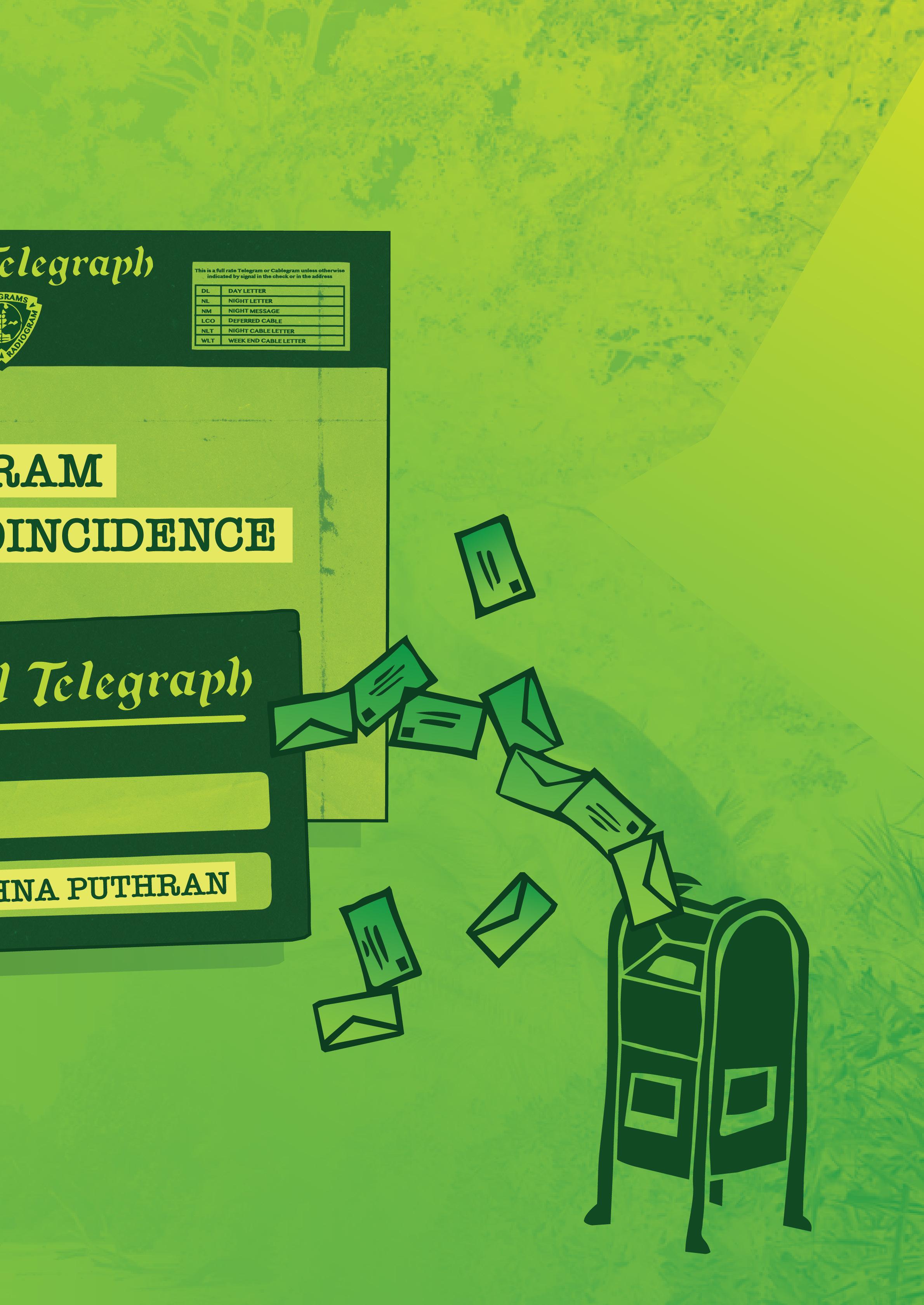
Ramakrishna Puthran contributes a portion of his memoir that encapsulates the realities of village life in mid-20th century India. He began writing his memoir in 2010 to preserve his memories of the village life he grew up in for future generations to appreciate. His style of writing intertwines history, storytelling, and reflection to create a unique story that educates as well as entertains. His work proves that a simple piece of writing can act as a time capsule into a culture that has long been forgotten.
Ishani Kaushik’s choreography features the vibrancy and flexibility of South Asian cultural expression among younger audiences. In fusing Bollywood and Bhangra dance styles, her performance exhibits art through traditional movements and modern steps. Ishani’s work demonstrates how tradition evolves generationally. Every person builds their unique identity based on the culture and traditions woven into their foundation.
Collectively, these works center on remembrance, self-expression, and cultural continuity. The variations in age, medium, and experiences of each contributor display how diverse the AAPI community is, and yet, how connected it is. Each contributor examines how identity is shaped by family, tradition, and community and how storytelling, in any form, becomes a way to preserve experiences for others.
Prianna, Parvati, and Marcus
During the first week of 10th grade, we had an assignment in science class to post a video telling everyone how to pronounce - and also how not to pronounce - our names. It was odd to me, and was also quite awkward, because, well, nobody ever pronounces my first name wrong.
So that’s what I said.
The assignment was graded on completion, and I got full marks.
My first name, in English, is Angela. My parents chose it for me solely because it started with an ‘A’, which pairs nicely with the fact that my last name starts with a ‘Z’. In Church Latin, where it originates, the name means “angel” or “messenger of God”. However, seeing as my entire family is atheist, I’m not sure if that was ever taken into account.
Angela. It’s the name on my passport, the name on my teachers’ attendance registries, and the name I introduce myself with, most of the time. It’s a name so widely used across Europe and the Americas that there is no country of origin listed, which brings me to the conclusion that Angela is a very, very Western name.
And because of that, I usually don’t have too much to say. I’ve never had any problems regarding my name; it’s common enough that no one takes a second look at it, but rare enough that I’ve rarely ever been confused with anyone else. I’ve never found that it particularly resonated with me, but it’s not like I detest it either. It just is. It exists. And it’s mine, I guess.
The first days of school are always filled with nmes, and my sophomore year of high school
started off like any other. The only difference on this particular day was that my Spanish teacher, probably wanting to make the most of the measly 30 minutes he was given, had decided to take attendance while everyone was doing introductions.
Because of this decision, we were asked to introduce ourselves with both our first and last names, along with our pronouns.
As the talking piece made its way across the room, I, as the socially inept person I was, started reciting to myself what I was going to say.
“Hi, my name is Angela Zhou, and my pronouns are she, her, hers.” Again.
Again, again, again-
And then I was holding the talking piece.
“Hi, my name is Angela z-h-o-u, and my pronouns are she her-hersok-here-you-go.”
The end of my sentence rushed to its conclusion and trailed off into nothingness, and I quickly passed the thick blue expo marker to the person sitting next to me. It was only after a second that I realized I had instinctively spelled my last name out instead of just saying it. This was a habit I had acquired from my parents—we all knew that if we just said it as it was, there would inevitably come the follow-up question:
“And how do you spell that?”
So, to save everyone the trouble, the time, and the need to speak more than once, spelling it out was just the easiest option.
Unfortunately, I guess I had been too quiet, because just as I came to my monumental conclusion, the talking piece was passed back to me, and I learned that the inevitable would come regardless of anything:
“Sorry, could you spell that again?”
My last name, my family name, is 周, or Zhou. It’s a part of my Chinese identity that is quite prominent to my American peers,
second maybe only to the way I look. Although that’s probably because I don’t talk very much. Unlike my first name, it is a distinctly non-Western name. As a result, almost no one ever pronounces it correctly. It was so terrible that after a few years of hearing nothing but “zoo”s and “zou”s when referring to my last name at school, even I started to pronounce it incorrectly.
To be very clear, the character 周 is essentially pronounced like “joe”, it’s just that you have to sort of sing it and use the first tone instead of the fourth. But after years of being too insecure to correct incorrect pronunciations, I just grew to make peace with them. There is one particular instance of this that I feel encompasses the extent of that pretty well.
It was a quiet afternoon at Extended Day; the room was unusually empty of its usual cacophony of almost-middle-schoolers. It was just me, a couple of others, and two teachers who had been having a conversation about the pronunciation of “Zhou”. And since I was literally there in the room, it wasn’t long before my opinion was consulted for.
“How do you pronounce your last name? Is it any of the ones we were talking about? Probably not, I guess, haha.”
I was caught extremely off guard. Nobody had ever asked me that before. And I didn’t want to inconvenience anyone, so before I had thought it over properly, I promptly replied:
“Ahah, it’s fine, you can just say it however, it doesn’t really matter.”
“But really, I don’t want to just keep pronouncing it incorrectly.”
A beat of silence.
“Well, uh, I guess it’s just, like, ‘zou’, like Angela ‘zou’; like in Chinese it would be ‘zhou’ but usually people just pronounce it ‘zou’ or ‘zoo’ so like that’s fine too.”
Two skeptical looks stared
in my direction. “...You sure?”
“It’s fine, really. Anything’s fine.” Then I went back to my reading.
Fortunately, unlike my last name, no one has ever pronounced my Chinese first name incorrectly. In other words, no one who would conceivably pronounce it wrong knows it exists. Except for maybe the people at the passport place, but they’re the type of people you meet once in a lifetime and then never see again, so they don’t really count.
雨禾, written as “Yuhe” in Pinyin, is also printed onto my passport, right next to the name “Angela.” Only this name sits in the middle name section. On my teachers’ attendance registries, it’s basically nonexistent; at most appearing as a shortened ‘Y’ for ‘middle initial’. And as for the usage of it in Europe, well, I think it’s safe to say that a significantly smaller percentage of Europeans would even know a name like it exists. Two characters, 13 strokes total. Directly translated, 雨禾 means something along the lines of “rain grain”, which rhymes, and that’s pretty cool. However, in comparison to the minimal thought that went into the selection of “Angela”, I find that there’s a lot more coolness in there than just rhyming in English that I can uncover.
It’s something I’m working on. Anyway.
The explanation given by my dad is completely different. According to him, when naming me, they had not been thinking about boats.
Instead, they had hoped I would grow up like a small grain plant basking in the spring rain, and that once fall came, I would transform into a generous paddy of good fortune, just waiting to be harvested. What makes this extra cool is that I was born in October, so you could say that my coming into existence was my first harvest season.
According to my mom, the 禾 [he] character was chosen because it’s a part of the word 禾 苗 , which means baby grain, and I was their little baby. They had originally wanted to go with the 荷 [he] from 荷花, which means lotus flower, but then they thought it would be too cliché and changed it. The 雨 part, completely unrelated, was added because my family name, 周 [zhou], is a homonym for 舟 [zhou], which means boat, and they thought it would be good to give the boat some water. Unfortunately, the addition of rain doesn’t seem to have been enough, as that boat has seemingly been stashed away and drying out in its boathouse to make way for a stampede of animals these past couple of years. And now the bolt on the door has rusted due to excess rain and a very long period of non-use.
All this cool symbolism and stuff, and I’ve never shared it with anyone. I had never even really thought about asking my parents about it. Whenever I talked about names for school, I’d always just go with “Angela”. Not that there’s anything wrong with
the name, it’s alright, all things considered, but after starting this essay, I’ve been wondering what it would be like if instead of “Angela”, the name on that attendance transcript were “Yuhe”.
But maybe I don’t really need to, because, going off of other classmates being in the same situation, they always ended up requesting that the teacher change the name on the roster to their “American” one.
Still, though, I wonder: Would it have turned out like my last name, where I just get so used to mispronunciations that I start introducing myself with a butchered version of my name to keep things easy? Would I have ended up like my classmates and just requested to be called “Angela”? Would I have started to accept my Chinese name earlier than the beginning of tenth grade, or is it a possibility that I would have been bullied into hating it for longer?
These are all questions that’ll never be answered, but I still wonder. I don’t think I would have the courage, at least not yet, to ask everyone (friends, classmates, teachers) who already know me as Angela, to change that name to Yuhe. Nor do I find it particularly necessary to go through all the trouble to do so.
Who knows, maybe one day I’ll do it and call it a social experiment, and write a paper and become famous.
But I think, at least at this point in my life, I’m content with just wondering.
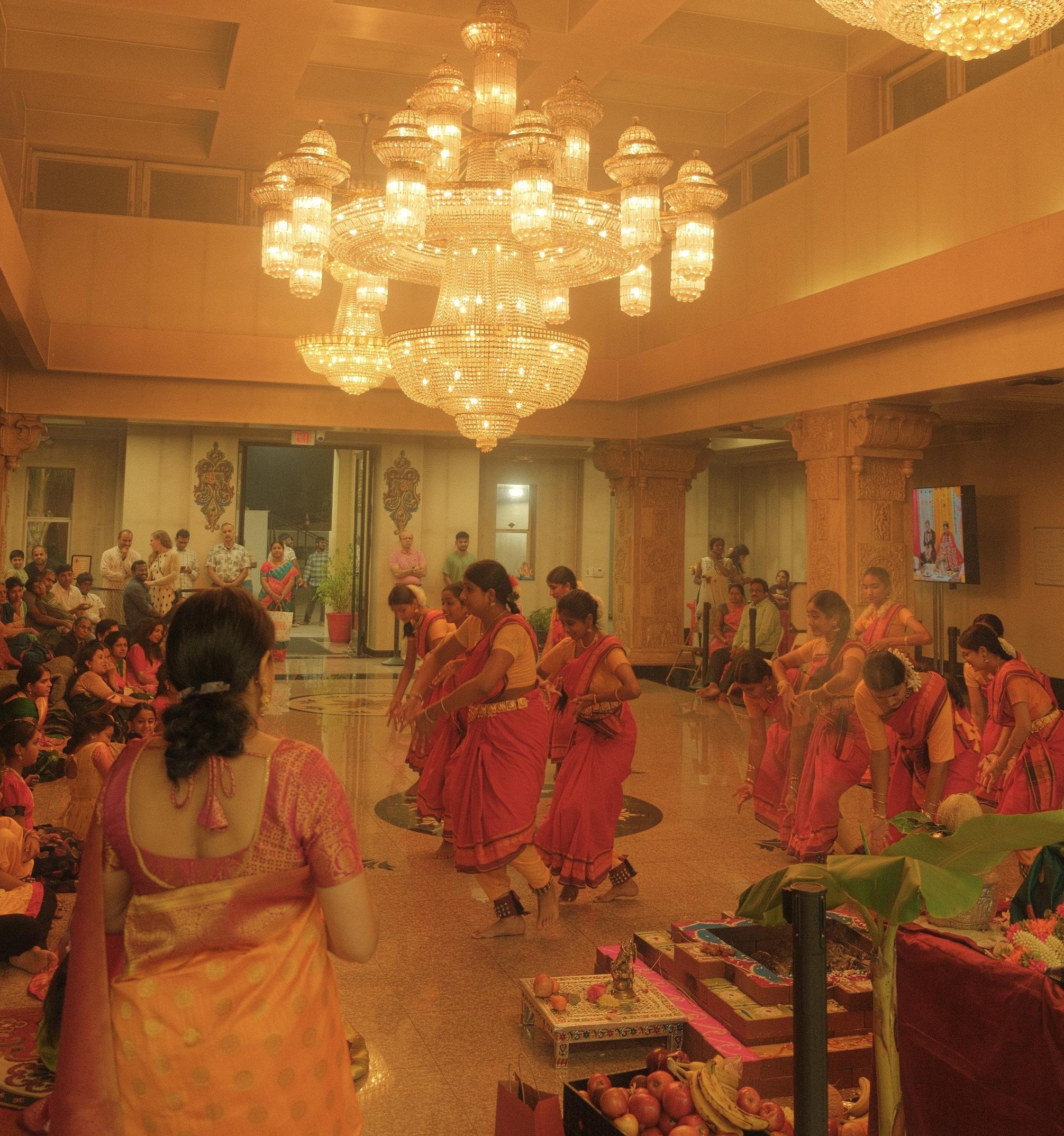
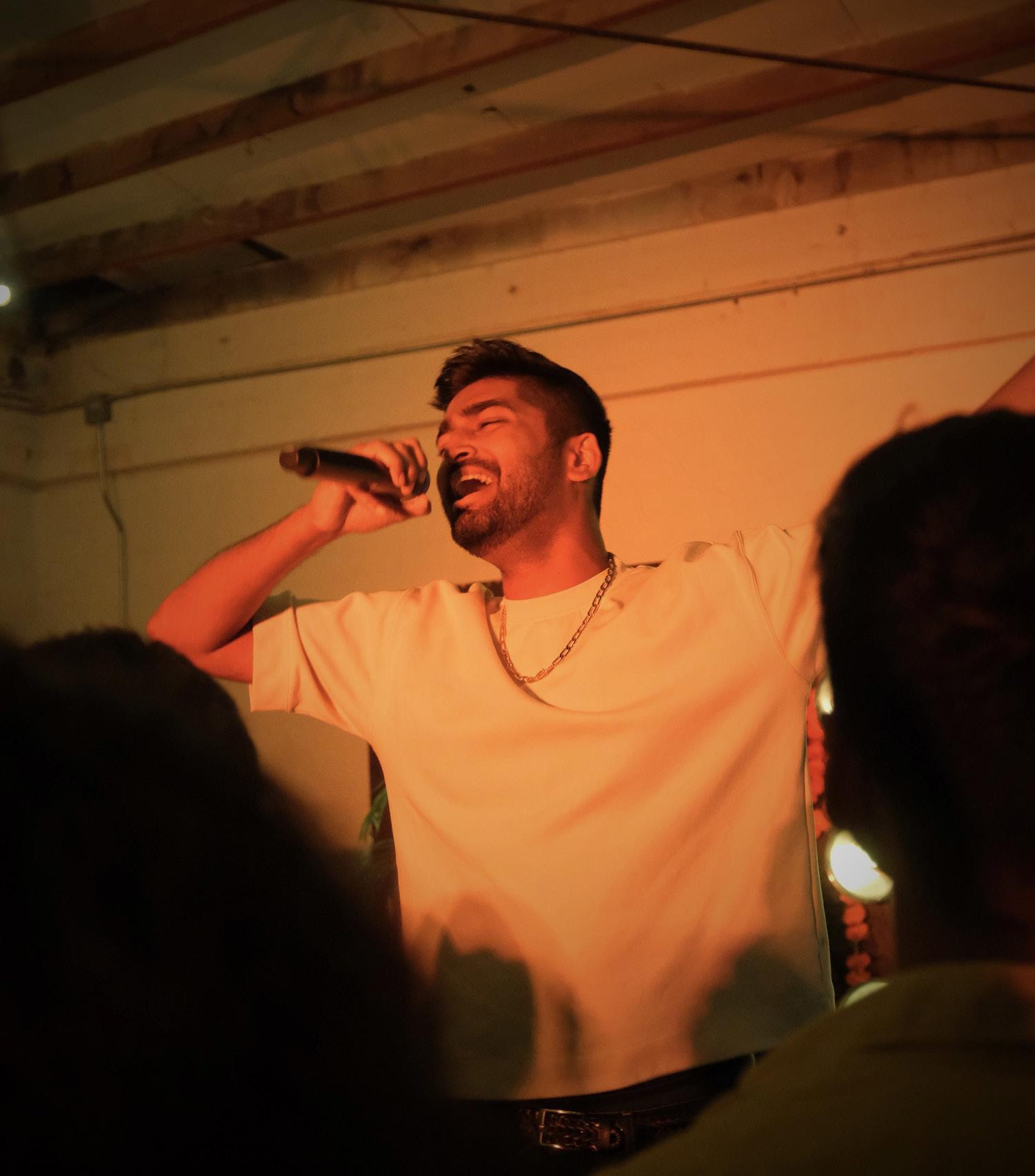
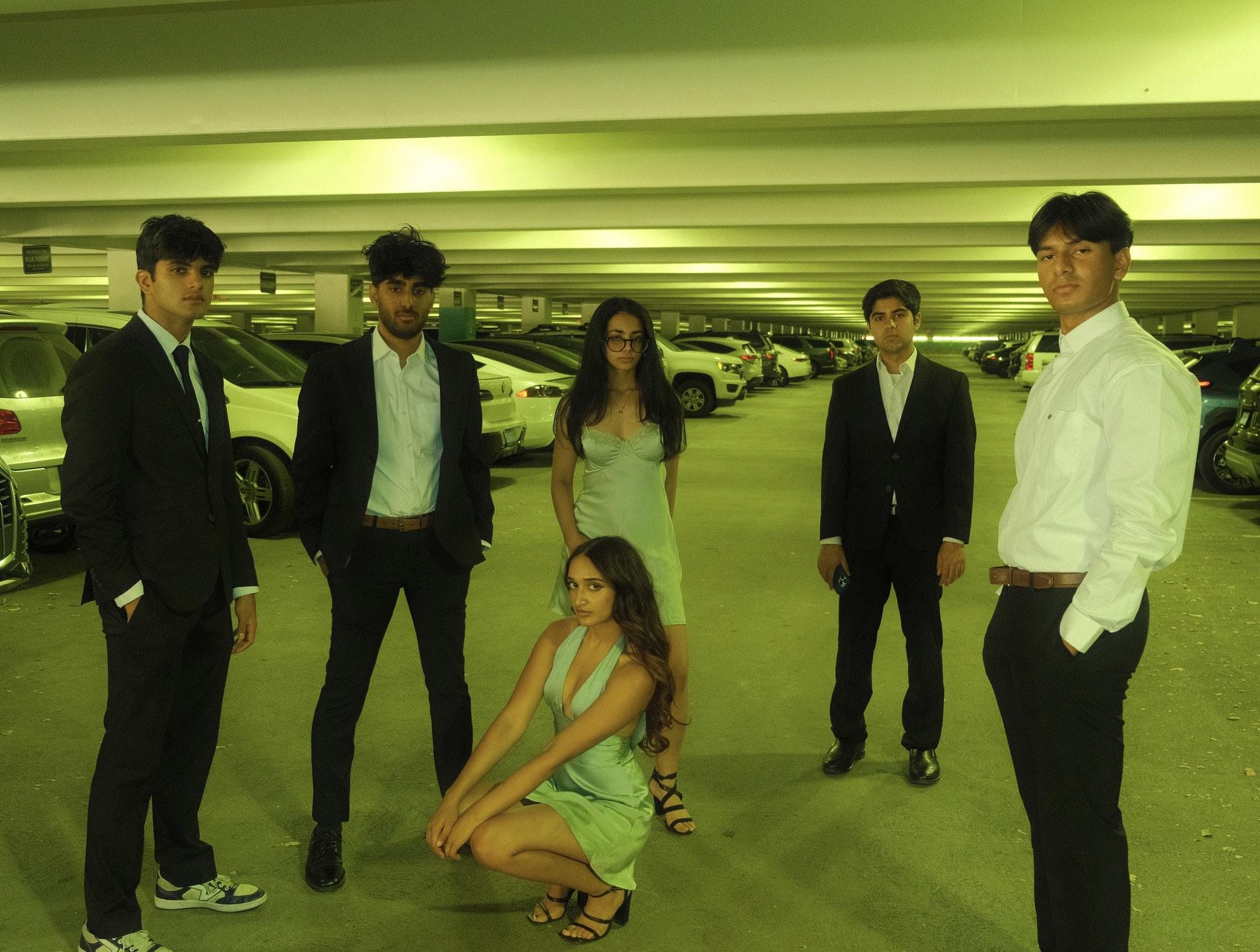
Pursuing and engaging with art is often stigmatized within many immigrant communities, where creative expression may be viewed as less practical or secure than traditional career paths. The photographs in this portfolio highlight Indian individuals both creating and interacting with art in a variety of forms, challenging and redefining those expectations. The collection includes two musical performers, a Bollywood dance team, a group performing traditional dance, and an Indian man exploring a music museum, each reflecting different expressions of cultural identity,
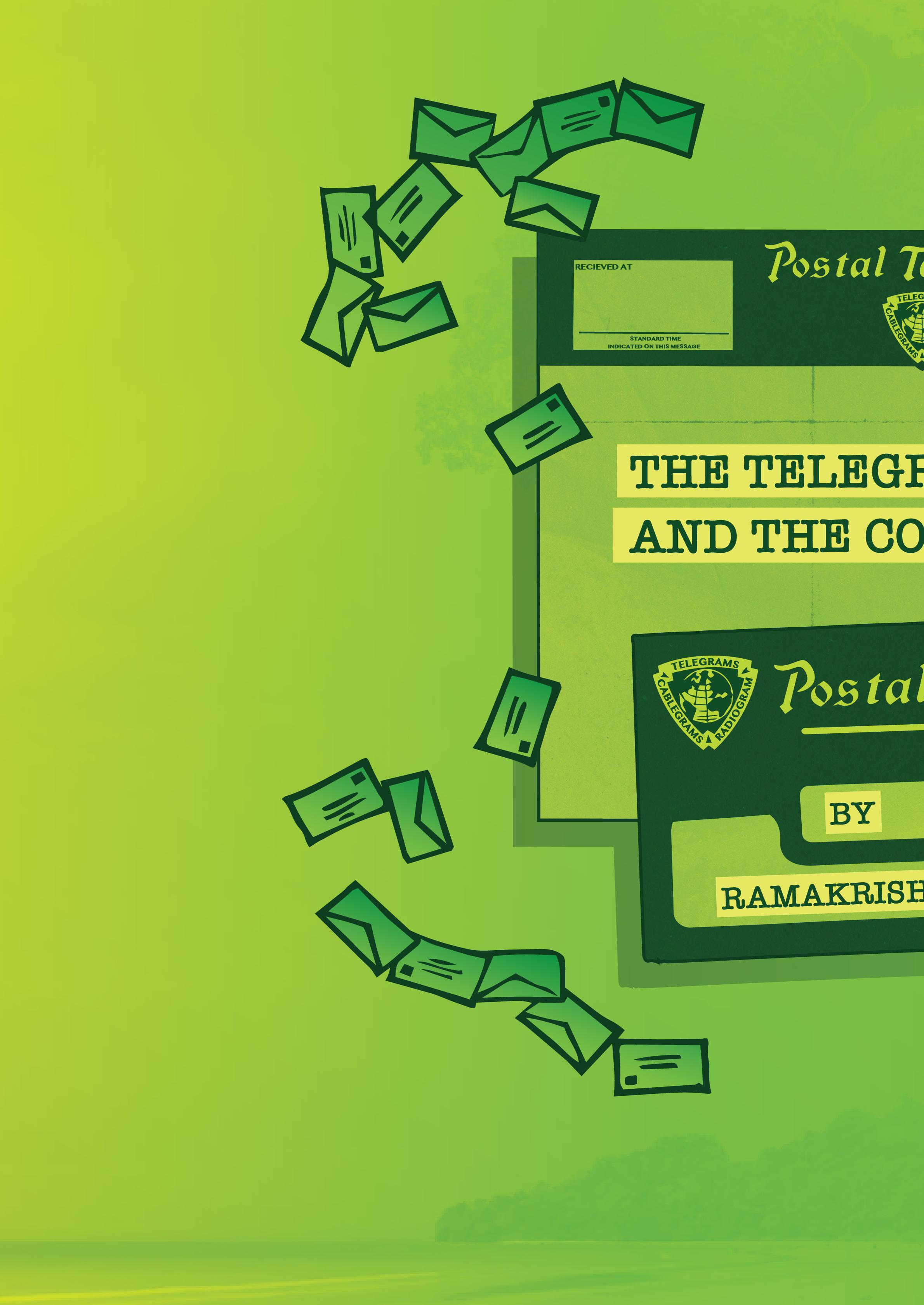
In the small village I lived in, I knew everybody, and everybody knew me. Many families had at least one member working in Bombay (now called Mumbai), India’s premier city, approximately 600 miles north of my hometown, Padubidri. The Bombay member, although earning a small salary, dutifully remitted a portion of his monthly income to his family living in the native place. This was so common that the local economy was named the “remittance” or the “money order” economy during that period. Postal mail was the main form of communication, for there were no telephones available to the people during the 1940s. The majority of the population was illiterate, and therefore I used to write letters to their loved ones in Bombay for them. Letters took approximately a week to reach Bombay and vice versa. I used to watch the mailman carrying mail on foot from one village to another with a brass bell on top of a wooden shaft to announce his presence. The channel of communication available to convey urgent news, such as death, was the telegram, and therefore, the telegram was generally considered the harbinger of bad news. People dreaded receiving a telegram, and justifiably so, given the general purpose for its use.
I was involved in reading one such telegram because it was written in English, and I was the only one in the neighborhood with a bit of literacy in the language. I was in the 4th standard - the first year of English language instruction. The telegram read ‘Angu expired’. Babu, Angu’s younger brother, brought the telegram to me for reading. I read it and, based on the general use of the telegram, guessed and told Babu that his brother had passed away in Bombay earlier that day, but also mentioned that I was not certain because I did not know the meaning of the critical word “expired”. A school teacher confirmed the message, and I felt vindicated, although grieving with the deceased’s family at the same time. Often in those days, young people living in Mumbai were victims of heart attacks primarily due to poor diet, smoking, etc.
In addition, the Mangalorean diet requires excessive use of cholesterol-rich coconuts for curries and other dishes, likely adding to the triggers. As usual, friends and relatives of the deceased blamed the untimely death on the vengeful spirits/local deities unhappy with the victim or on the victim’s pre-ordained destiny. People definitely did not accept any scientific explanation for the death (the role of cholesterol in the case of heart attacks was unknown then).
However, I admit there was something mysterious about this particular death. In front of the family home, a healthy branch of a jackfruit tree collapsed and fell on the ground around the same time Angu had breathed his last breath in Bombay. I had witnessed the fall of the tree branch during one of my frequent visits to the house. A young and healthy life (a branch of the family tree) was cut short in Bombay, while a healthy branch of the family’s jackfruit tree fell next to the house in Padubidri. Scientifically speaking, it was just a case of pure coincidence - there was a strong wind storm at the same moment. But this coincidence provided fuel to the people’s superstitious belief that supernatural intervention caused the death. To satisfy the “supernatural forces”, special prayers were offered, as well as gold or silver gifts (known in Sanskrit as parake) to the local Gods, Goddesses, and village deities. Prayers were offered even to the spirits of the family’s dead ancestors. During the prayers, participants pleaded for mercy so that such tragic events would not befall on the community again. In school, we were taught that such “supernatural” beliefs were illogical and were told not to believe them. However, in this particular event, I have had a hard time convincing myself that it was not supernatural.