Lindsay man cultivates gorgeous gardens
Local psychics and mediums
The quest to see above and beyond
Vital Signs sparks vital conversations

Lindsay man cultivates gorgeous gardens
Local psychics and mediums
The quest to see above and beyond
Vital Signs sparks vital conversations
At Lindsay Ear Clinic, our goal is to provide comprehensive audiological assessments. From the results of these assessments, we will educate, and inform our patients so they can make an informed decision about their hearing needs.
Your story is our priority, we’re here for you!

THREE AUDIOLOGISTS TO SERVE ALL YOUR HEARING NEEDS
Hearing Tests & Hearing Aids • Dizzy Assessments & Treatment
• Tinnitus Management • Wax Removal

CHOOSE A
Choose from one of our three locations in
Choose from one of our three locations in Lindsay, Bobcaygeon or Bancroft
BOOK A HEARING TEST
One
One of our Audiologists will run you through a series of tests and then discuss options
CHOOSE YOUR HEARING AID
We’re confident we can find the perfect device to suit your needs. BETTER HEARING IN THREE EASY STEPS


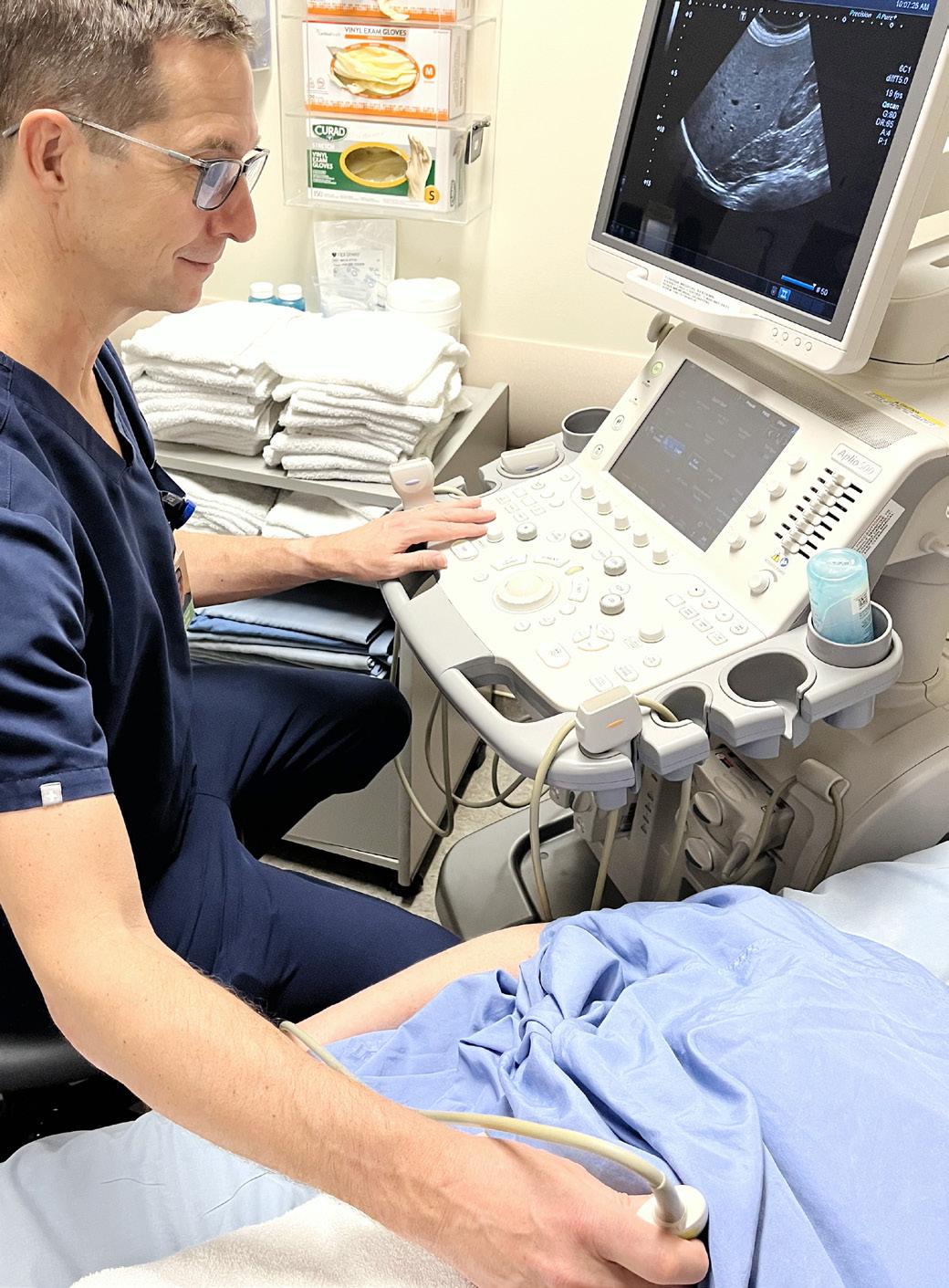
YOUR DONATION to the RMH Foundation will help the Ross update and grow its fleet of ultrasound machines to ensure the best care for our expanding patient population. Throughout Ross Memorial, in every department, ULTRASOUND helps our teams save lives, guide treatment and improve pain and symptom management. From common conditions to critical illness, ultrasound is our ‘go to’ diagnostic tool. It puts caring into action! You can, too.
705-328-6146 wearetheross.ca foundation@rmh.org
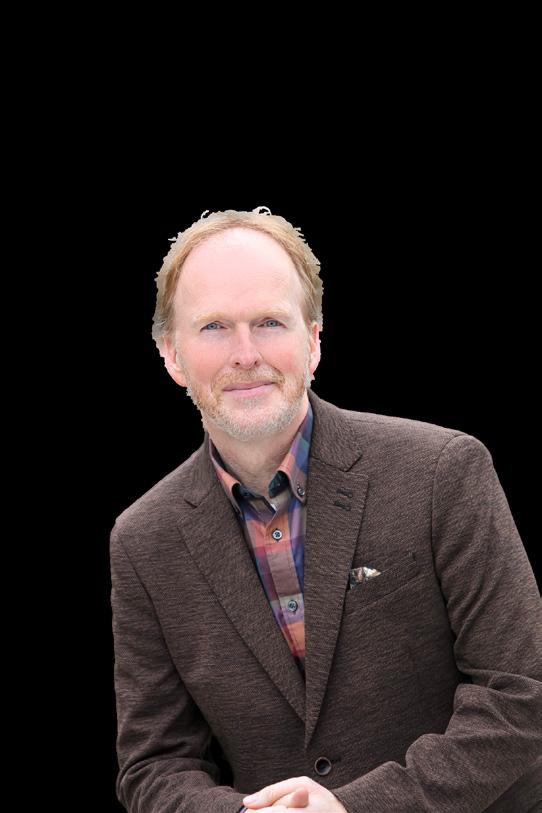
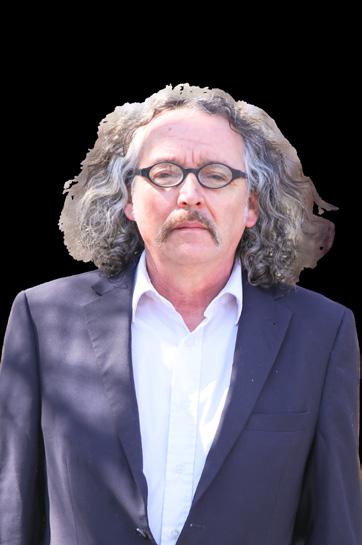
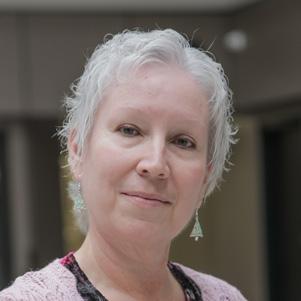
Lisa Hart WRITER-AT-LARGE

Darren Hoiting ADVERTISING SALES

Rebekah McCracken EXECUTIVE EDITOR

Robyn Best REPORTER
Cara Baycroft ADVERTISING SALES
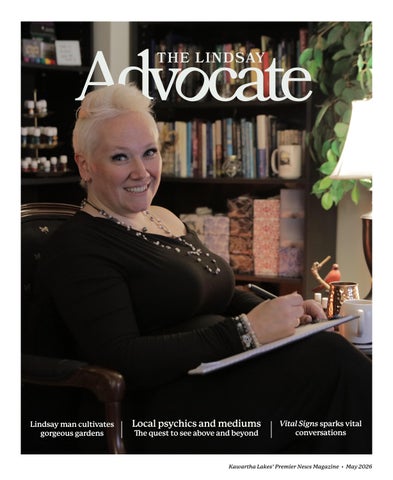
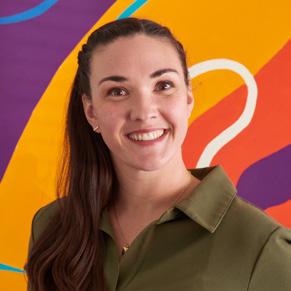
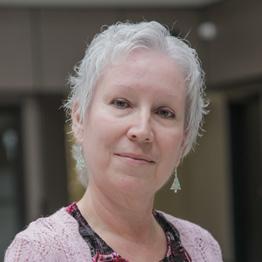
Denise Waldron WRITER-AT-LARGE Printed By: Cofax Printing Cover Photo: Truly Folkes-Dubourdieu in her office in downtown Lindsay. Photo: Sienna Frost.
Please send editorial inquiries to Roderick Benns at roderick@lindsayadvocate.ca or 705-341-1496.
Please send ad inquiries to Darren Hoiting at 705-991-3188 or darrenhoiting@outlook.com, or to Cara Baycroft at 905-431-4638 or cara.baycroft@gmail.com
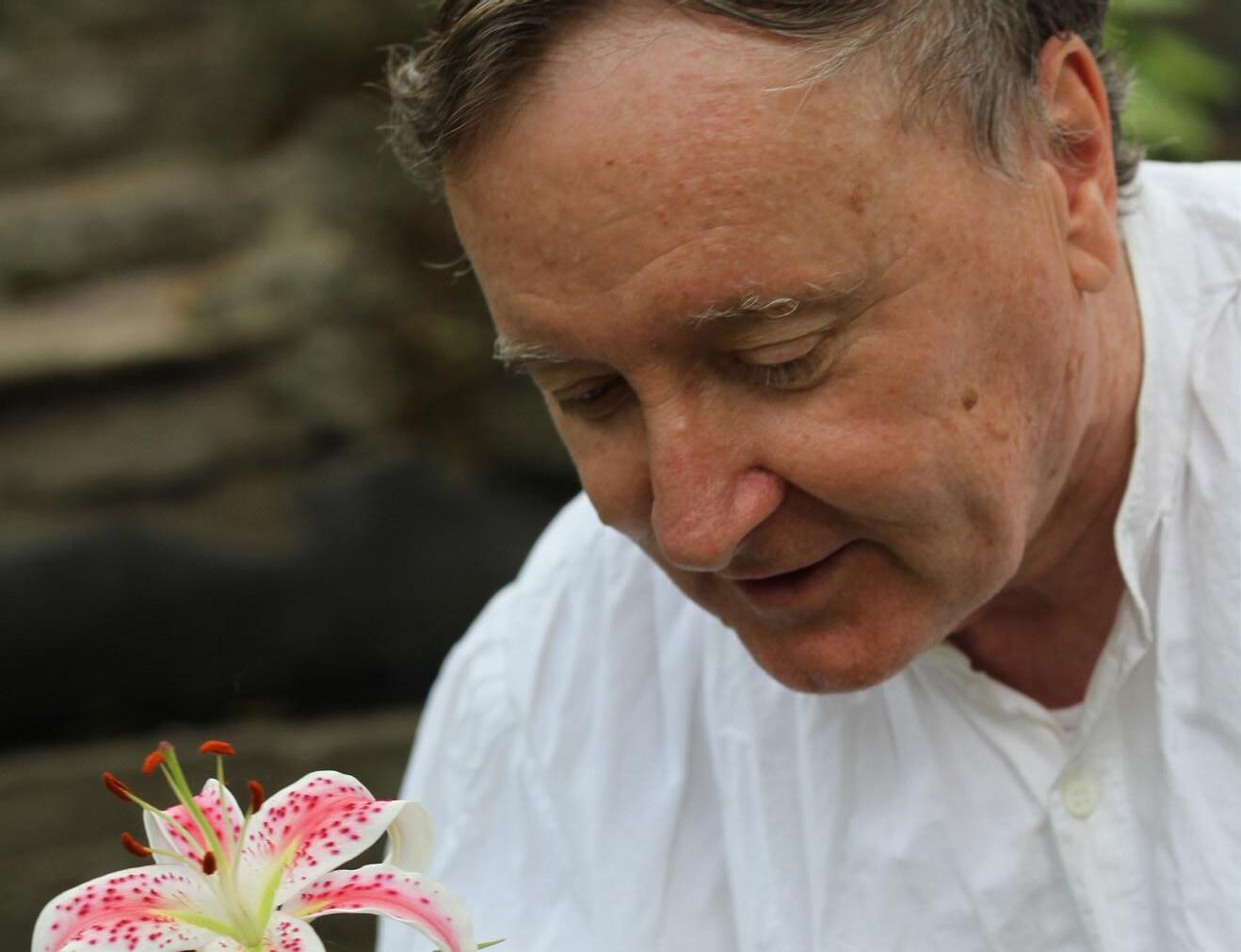
is a dedicated home gardener and designer.
New community research aims for area wellness.
conversations in Kawartha Lakes
Cultivation of Nayoro-Kawartha Lakes relationship continues 31

lindsayadvocate.ca • @lindsay.advocate
Fireside Publishing House is the premier print media company in Kawartha Lakes through its family of magazines and all-local weekly newspaper. We believe that community-based media can bring people together and change lives for the better through the power of storytelling, reflecting local culture, and creating informed and engaged citizens. Our commitment is to deliver high-quality and relevant content that reflects the diverse voices and experiences of our communities. We believe in the transformative power of local media to inspire, educate, and empower.

Roderick Benns’ column about ‘cannabis vs drinking’ (April Advocate) prompted another topic for me: personal responsibility versus public liability. Two democratic principles are involved: freedom of informed choice’ and ‘do no harm.’
Legally, we can drink, smoke or toke responsibly but who decides what is responsible? Who bears the costs when unfortunate consequences occur? Everyone knows the harms associated with tobacco use and excessive drinking. How many are aware of the scientific studies linking psychotic episodes to some cannabis users?
Retail prices affect consumer behaviour. Governments apply this understanding to deter consumption of risky products and to cover their policy enforcement costs. Taxes (federal excise + provincial tobacco tax + HST) typically account for 55–65 per cent of the final retail price of tobacco products in Ontario; 20–31 per cent of the final retail price of alcohol products, and 40–50 per cent of the final cannabis price, depending on the product.
Do the governments’ take on retail sales cover the operating costs their institutional programs to reduce potential harms and to treat/compensate victims? If not, is it just that citizens who consume none of these substances must incur the same tax burden as those who do?
— Gene Balfour, Fenelon Falls
There are many examples across Canada of people working to move away from fossil fuels – for example driving electric cars, installing heat pumps, or solar panels. This demonstrates that Canadians are ready to act on climate change. However, individual efforts alone are not enough. Meaningful progress requires federal government leadership.
At a time when global tensions increasingly revolve around energy security, described as an emerging “oil war, Canada has the responsibility and the resources to lead in renewable energy. This means acting at the scale the climate crisis demands: cutting emissions sharply this decade and ending billions of dollars in annual subsidies to fossil fuel companies. Expanding fossil fuels while ecosystems decline is not nation building; it borrows from future generations. Canada should not aspire to be an oil and gas superpower; but a champion of people, nature and climate.
I am a member of Senior for Climate Action Now! I am joining with other seniors to urge our Members of Parliament to take real action now.
— Sherry Hillman, Kawartha Lakes
Recent discussion about the dangers of plastic (April Advocate) tends to circle around two ideas: reduce their use and recycle what we can. Both sound reasonable. Neither has worked particularly well. There’s an awkward fact we tend to avoid. Most common plastics are not just “derived from” fossil fuels, they are fossil fuels. Polyethylene and polypropylene have energy content comparable to diesel. In effect, we have refined the oil and distributed it throughout our homes in the form of packaging. If largescale reduction remains unlikely, and recycling continues to struggle economically, why are we not talking more seriously about using that energy?
Modern waste-to-energy facilities burn mixed waste under controlled, high-temperature conditions producing electricity while reducing landfill volume dramatically. Metals can be recovered from the ash, and emissions are tightly regulated, often far more so than people assume. This is not a perfect solution. It trades one set of concerns for another. But continuing to bury large volumes of high-energy material in the ground, while debating how to rinse and sort it is not a superior approach. If plastics are going to remain part of modern life, and all evidence suggests they are, then treating them as a resource rather than a nuisance might at least deserve a place in the conversation.
— Carl Sweetman, Lindsay
The Advocate welcomes your letters. We do not publish anonymous letters unless it’s a matter of public importance and/or someone risks harm by writing us. We publish under strict guidelines & only if we can verify the person’s identity. Keep your letters to 200 words or less. Simply email roderick@lindsayadvocate.ca.
The Kawartha Lakes Classic returns Saturday Aug. 29 for its 23rd year, bringing cyclists together for one of the region’s most anticipated summer traditions. Organized jointly by A Place Called Home (APCH) and the Kawartha Cycling Club, the tour blends scenic exploration with a strong community purpose: raising essential funds for APCH, the area’s emergency shelter supporting hundreds of individuals and families experiencing homelessness.
This year’s Classic rolls out of the Oakwood Lions Mariposa Community Hall, offering six fully supported routes and is open to cyclists of all ages and skill levels. The event includes two 20 km options — a dedicated road route or a roadand-trail combination ideal for those who prefer a gentler, mixed-surface ride. More experienced cyclists can take on the 50 km road route, the 70 km gravel adventure, the 100 km challenge, or the demanding 160 km route that showcases some of the most picturesque rural landscapes in the region. The event remains proudly non-competitive, emphasizing enjoyment, safety, and camaraderie. Staggered start times, clear signage, and staffed rest stops stocked with refreshments ensure a supportive experience for all riders. At the finish line, participants will be treated to a delicious lunch provided by Boston Pizza, Lindsay, with a cash bar available.
Funds raised through the Kawartha Lakes Classic help sustain the shelter and the programs they offer. The event is seeking sponsors. Interested businesses or individuals can contact Jennifer Lopinski at jennfer@apch.ca.
Early-bird registration specials are available until June 30. Riders can register, donate, or form a team by visiting kawarthaclassic.com.

Last year’s tour raised $44,000, a testament to the community’s enthusiasm for the event and its mission. This year, riders have an added incentive: everyone who donates or fundraises $150 or more will receive a Canadian-made, long-sleeved hemp event shirt — a sustainable and uniquely local reward.

























By Roderick Benns Publisher
After Louis St. Laurent became its first occupant, every Canadian prime minister has resided at 24 Sussex Drive. That is, until Justin Trudeau signalled it wasn’t fit to live in.
For 64 years it served as the official residence of our head of government. As the historic residence aged, successive leaders, Liberal and Conservative, were reluctant to undertake necessary repairs for fear of being perceived as misusing public funds.
The building is now costing us far more to fix properly than keeping it liveable ever would have.
Kicking the can down the road for someone else to deal with is not typically how to run things, no matter the level of government. So, when Kawartha Lakes City Council opted to give councillors a three per cent annual increase from 2027 to 2030, it was the right thing to do. What was the alternative? To freeze pay increases until the wage becomes unattractive for potential new councillors in five or 10 years from now?
There are moments when leadership must make choices that feel uncomfortable in the short term but sensible in the long term. Approving a structured pay adjustment for the next council is one of those moments.
Under the plan the mayor’s salary would rise to about $139,700 by the end of the term while councillors would earn just over $60,000. Current figures show the mayor at $124,175 and councillors at $53,372. The busy deputy mayor’s additional compensation would increase to $12,000 annually from roughly $2,500, bringing total compensation for that role to just over $72,000 by 2030. These are not arbitrary numbers. They are calibrated to keep pace with inflation and to reflect the expanded responsibilities councillors now shoulder.
Raising pay for public office is often framed as tone-deaf when people are tightening household belts. That critique is understandable, but also incomplete. Municipal councillors are on call in ways most jobs are not. They respond to crises, constituent emergencies, committee obligations, and a constant stream of correspondence.
There are moments when leadership must make choices that feel uncomfortable in the short term but sensible in the long term. Approving a structured pay adjustment for the next council is one of those moments.
Remember when previous councils held property tax increases to untenable low levels for years? The last two councils have had to implement larger increases to catch up on infrastructure and service pressures. More cans being kicked down the road, and yet the piper still gets paid.
There is also a practical ethics case. When councillors are underpaid, the temptation to accept outside work that creates conflicts of interest grows. Fair compensation reduces that pressure and helps preserve public trust. Not to mention fair compensation can attract candidates of a higher calibre. This debate matters because it forces us to weigh short-term optics against long-term civic health.
I’m not sure where the next prime minister will be living, but I hope it’s somewhere that reflects positively on a G7 nation. And I don’t know what our next council will look like, or who will run for office. But I hope they are fairly compensated for representing our civic interests.

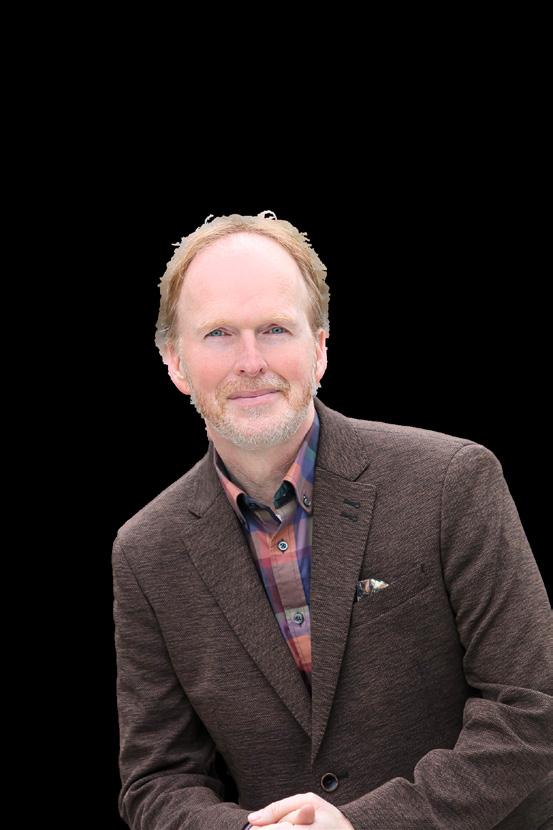
By Mike Puffer
by Ruth Kelly-Koebel
The 2026 Canada Census is currently underway across the country. It will take about 18 months for the release of data collected this year to be available for public consumption and consideration. However, for Kawartha Lakes, the most comprehensive, in-depth census of the community has already arrived. The 2026 Vital Signs community report on wellbeing promises to be an important portrait of the city for years to come.
The Kawartha Lakes Vital Signs report is the culmination of close to two years of information gathering, as well as an examination of the current important factors and challenges that determine
decisions for the community at present and in the future. The project, the result of a partnership between the Kawartha Community Foundation and the Kawartha Works Community Co-operative, is a new approach locally to producing a scan of the community and its characteristics. However, the standardized means of measuring community wellness has been undertaken in more than 80 municipalities across Canada. The research program uses local knowledge to measure the vitality of a community and support action towards improving collective quality of life.
This report draws on publicly available data, local administrative sources, and community insights to offer a balanced and nonpartisan picture of wellbeing across Kawartha Lakes. The foundation and Kawartha Works consulted across the city with various subject matter experts or people with lived experiences. Interviews with dozens of city officials and representatives of many local service providers and not-for-profit organizations were conducted to garner data and important information, and to identify local current and future challenges for our community.
Completed earlier this year, the 2026 Vital Signs report has been met with overwhelming support, positive reaction and praise from members of the community and local organizations, as well as our municipal leaders. Chief Administrative Officer Ron Taylor calls partnering with the Community Foundation to implement Vital Signs a “game-changing” process.
“This is our report card on the community,” she told council earlier this year in presenting the findings. “It’s a beautiful combination of quantitative data and community consultation.”
The Vital Signs report is comprised of 11 major indicators of community wellbeing. Collectively, the examination of the indicators has resulted in a valuable tool for strategic decision making.
“We are here to give our community the data on how we can improve lives, and we hope that we can be there to partner and invest in Kawartha Lakes,” Dillon-Schalk said.
The 11 indicators are:
ing off,” Mayor Doug Elmslie said upon the foundation’s extensive presentation to the committee of the whole. “It’s your stewardship of this project that made this possible. I think our whole community is beholden to you for what you’ve been able to do with the meagre funds that we offered to the foundation.”
Councillors were equally positive in their reception to the report. Deputy Mayor Tracy Richardson asked Dillon-Schalk for the “top three gaps” in service provision as identified by the report.
“Transportation, housing, and access to


“Through the 2024-2027 city strategic plan, we committed to measuring our efforts and reporting regularly on priorities and actions in the plan,” Taylor added. “The information produced…provides needed progress indicators profiling and comparing our quality of life in Kawartha Lakes,” he says.
The CAO says the data and information are critical to plan and execute city programs and services. It also shows where and how to best invest in response to local conditions, trends and demographics.
Laurie Dillon-Schalk, outgoing Kawartha Community Foundation executive director, agrees.
Dillon-Schalk was quick to credit council and city management for its support of the project. In 2025, the city and the Kawartha Community Foundation entered into a partnership agreement that saw the municipality fund three components of the foundation’s activity, including the Vital Signs initiative.
“I’m very pleased that council voted to support the Community Foundation when it did, and I think that the numbers... show that the investment is pay-
health care,” Dillon-Schalk said. “The challenge that we face is, a lot of this (information) uses census data from 2021. The good news is, we are in a census year, and the response rate from Kawartha Lakes residents has been higher than provincial averages in the past. This trend will hopefully continue and complement Vital Signs’ information for really understanding immigration, ethnicity and housing.”
Jim Armstrong, founder and past pres-
ident of the Kawartha Works Community Co-operative (KWCC), agreed that the positive reception of the project is indication of a beneficial partnership between the municipality, the foundation and Kawartha Works. KWCC was established in 2015 to improve the social infrastructure in Kawartha Lakes by enabling the creation, development and management of not-for-profit initiatives with artistic, cultural, recreational, health, environmental, economic and social improvement aims.
The CAO says the data and information are critical to plan and execute city programs and services.
“I’m really glad to see that on a broad basis at least, people seem to already know about Vital Signs,” Armstrong said.
In the last few weeks, the foundation and Kawartha Works have jointly presented the report to several notfor-profit organizations with a vested interest in providing services to local residents, and to partner with such groups to meet current and future service provision challenges. Longtime Lindsay resident Kathy Anderson at-
tended the public “launch party” for the report earlier this year, and she sees opportunity and value in the work being done.
“I was impressed with the process that was undertaken, and I think the Community Foundation is in a good position to show solid data that shows our strengths, as well as our needs,” Anderson said.
Eric Smeaton was recently named the Kawartha Community Foundation’s new executive director, as DillonSchalk retires. He also sees great value in the report.
“It’s encouraging to see such a positive and thoughtful response from council and the CAO to the Vital Signs report. Having worked at the council table myself, I know how important it is to have reliable, community-driven data to inform decisions. This kind of alignment creates real opportunity for meaningful progress across Kawartha Lakes — and I’m excited about what we can build from here,” Smeaton said.
The foundation considers Vital Signs to be a “living document.” Following what are plans to initiate widespread community engagement to refine the analyses, identify shared priorities, and support initiatives for improve-
ment this year, Vital Signs will be updated and revised as the community grows and evolves.
“In the years that follow, we intend to expand our indicators, deepen our data partnerships, and track progress over time so that Vital Signs becomes a lasting resource for the whole community” the report states.
“This vital information will greatly assist and inform other community partners and provide a better collective understanding of our community dynamics, strengths and vulnerabilities,” CAO Taylor added.
In the coming months, the Advocate will provide further information and analysis of each of the 11 indicators. Next month: an examination of the first indicator – the Community and How It Is Changing.
For more information on Vital Signs, or to read the full report visit kawarthafoundation.ca/vitalsigns
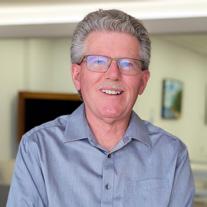
Mike Puffer has lived and worked in Lindsay all of his adult life. Retired since 2022, he is heavily involved in the community as a volunteer with many local organizations, and enjoys golfing, biking, hiking and travelling with his wife Cathy.










By Denise Waldron | All photos: Rossie MacEachern

Behind an ornate metal fence on a quiet Lindsay street in the old north ward, a circular rose garden greets visitors like a formal introduction. But it’s only the beginning. Step behind the century home and the property unfolds into four distinct gardens, each with a story to tell and shaped by time and the patient vision of the owner — a patio, a pond, ancient walnut trees and a scattering of charming, diminutive buildings that make the space feel more like a small country estate than an in-town home. The house rises quietly behind a veil of mature trees, its steep gables and warm brick speaking to a different century. The home reflects an early Victorian sensibility, later likely softened by the addition of decorative details that hint of the then modern Queen Anne style coming into vogue. Its asymmetrical lines and patterned gables give it a quiet charm, but it’s the gardens and gifted owner that bring the property to life.
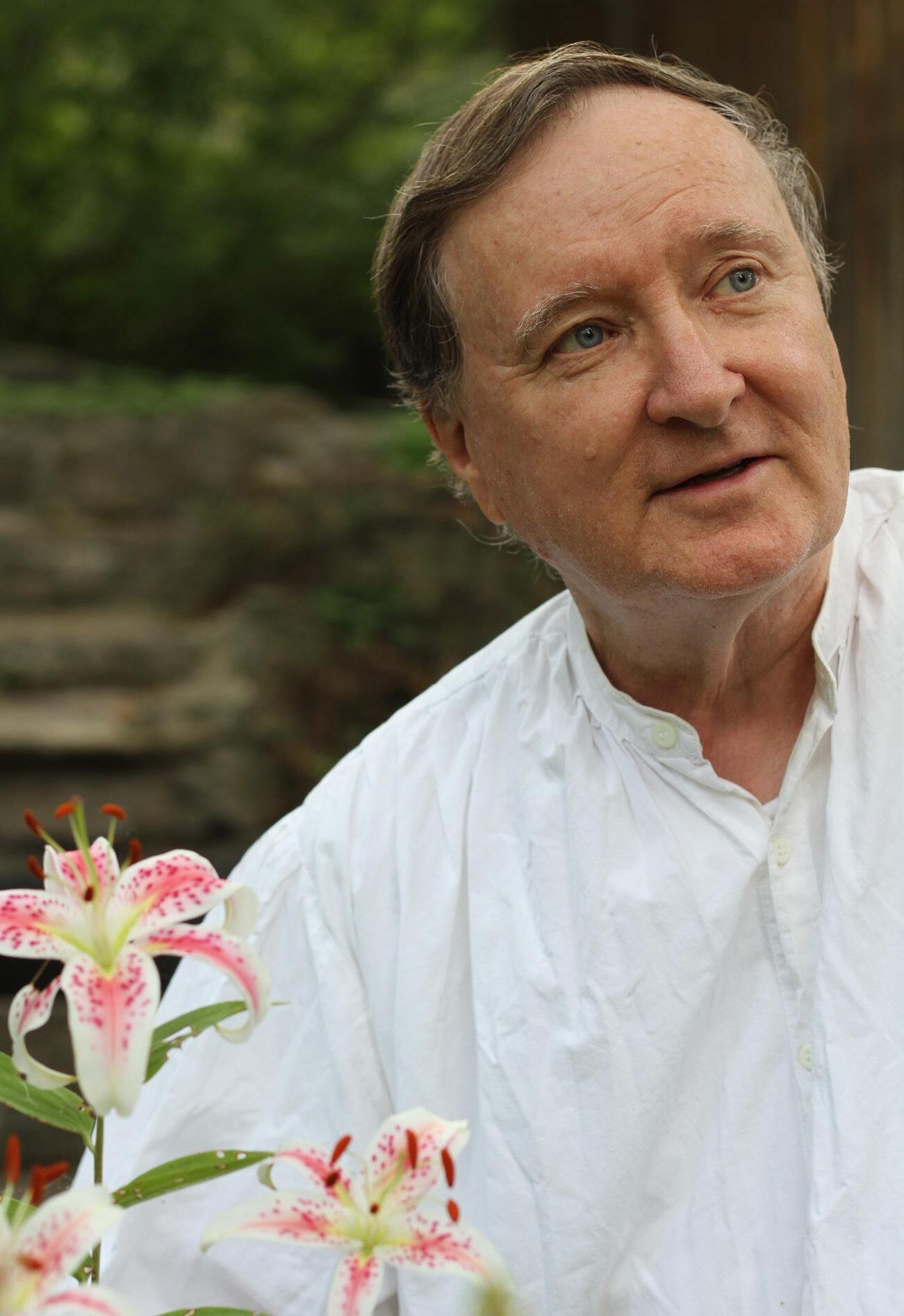
Roger Calverley purchased the grand old homestead in 2000. While calendars were flipping to a new century and millennium, his eyes were turned to reviving his 1873 property.
Calverley said after researching, there appeared to have been a double row of what he thinks were maple trees out front of his home. “Not a lot of space between them but enough for a cart and a horse and buggy to pass.”
While the odd Mennonite horse and carriage traverse the street to avoid downtown Lindsay traffic, now you are more likely to see families pushing baby strollers, dog walkers, and students heading to school under the cooling canopies of century-old trees.
You wouldn’t be wrong to stroll past the front garden and assume a small wedding was taking place in the Calverley rose garden. But the group dressed in white, gathered behind the ornate black fencing, is more likely deep in meditation.
Roger Calverley spends a great deal of time cultivating his gardens in his old north ward home in Lindsay.
Calverley’s idea for ornamental fencing helps to keep people and dogs off his lawn but serves as an important design consideration as well. He says it’s like framing a picture. “If you get the right frame, the picture will look really good.”
When he moved into the home, there wasn’t a fence and the front lawn consisted mainly of grass with big old maple trees, though they have since lost three or four of these trees over the years.
The front plot has been transformed into an extensive rose garden of sight, sound, and smell. It contains up to 180 rose bushes, representing more than three-quarters of that number in varieties, Calverley told the Advocate. The olfactory beauties give off sweet, floral, fruity, and slightly spicy scents that develop over time, with most aromatic.
He designed the garden with a circular theme, explaining that once you place a circle at the centre, it’s harmonious to work with curves rather than sharp edges and square lines. “That defines what looks harmonious with the rest of it.”
The olfactory beauties give off sweet, floral, fruity, and slightly spicy scents that develop over time, with most aromatic.
Calverley was born in Toronto where he studied the harp and piano. He is a writer, new-age musician, composer, retired educator, and home gardener extraordinaire. After gardening for most of his life, he still looks youthful and boyish, despite decades outdoors. His secret is not sunscreen, but comes from within, although being able to garden under the shady trees is a good SPF. He meditates for an hour or two daily, partakes in a half-hour walk, continues to garden, composes and plays music, practices calligraphy, writes and publishes, and enjoys life.
“I would say inner peace is the key.”
Edging the rose bushes are lavender plants, grown from seed placed there by Calverley. The lavender scent is pleasant. You will also hear gentle buzzing as bees flit around, foraging for food to support their colonies. Calverley says lavender is also known for its practical benefits, including discouraging certain pests, like rabbits. It is also a design element. “I think that the texture of the leaves offsets the look of the roses.”
The rose garden is anchored by a sizable, sacred stone — an object rich with meaning across cultures and faiths. For Calverley, its significance is grounded in the spiritual traditions of India.
Calverley says the roses are healing. He is somewhat of an expert on the subject, authoring the book, The Healing Power of Roses, available on Amazon.
Introduced to roses as a child by a kindly aunt, his fascination quickly blossomed. By high school, he was not only growing his own plants but also teaching family members how to care for their own. His creative instincts showed early — his roses became corsages for his sisters’ graduations and heartfelt gifts for those he loved.
In later years Calverley began to use roses as a healer, and teacher of radionics. His book notes he learned how to apply their vibrations, tinctures, and uses to heal from a distance.
Calverley said his current rose garden was not consciously chosen for the healing aspect, but the energy of his home has nonetheless changed. “It feels more suffused with good energy and spiritual presence.”
Rounding the corner of the home, you enter a brick-covered courtyard, and the sounds of the distant downtown are softened. The hush is brought to you by heavy foliage, tall trees, blooms, and the expansive 2.5 storey, sound-absorbing manor.
Wooden steps and extensive brick sidewalks access the next area. There are trellises that delineate you’re walking into a new and distinct area.
Calverley says the features that were there from the beginning, and “probably for 100 years,” are the four or five big old walnut trees.
“It’s almost like a jungle canopy. You look way up and you’ve got shady walnut trees.”
Black walnut trees have roots that create toxicity in the soil. “That’s what you start working with and you want to find something that will be aesthetically compatible with the trees, and which will survive the toxic soil.”
He said hostas were perfect as they like shade and don’t mind the soil. “They look very green and lush. At times they almost look tropical.”
Soil remediation followed the removal of a black walnut tree from the rose garden out front to ensure the roses could thrive.
As Calverley enjoys a meal on his back deck adorned with a table and chairs overlooking a pond, you may also see hungry, puffy-cheeked squirrels moving quickly across the gardens, pausing to stand on their hind legs to scan for danger while looking for nourishment to tuck away for the colder winter.
Other critters enjoying the oasis include Calverley’s dog and cat, Beanie and Daisy.
Below the dining area, a tranquil pond with a bubbling waterfall features minimal specific plantings, with some foundation planting on the stonework and one or two hostas.
Koi and goldfish provide more swishy movement in the pond with a mix of graceful patterns and occasional bursts of high energy. The latter were born and bred in situ.
Just when you think you are at the end of the three-quarter acre property, an aged fence opens up to a darkened, moody walnut “forest.” It appears as a very natural, wild art gallery, with absolutely nothing contrived. This area features many black walnut trees, some still battle-scarred from the 2025 ice storm. Long before the house was built or Lindsay’s streets were laid out, one massive black walnut tree had already begun its climb skyward about 300-years ago. Calverley figures it is the largest in Lindsay. “(It) takes three people holding hands to span the trunk of that tree.”
This rear black walnut sanctuary also features a tree branch that runs parallel to the ground. Calverley says it goes on and goes on and “stretches out like a branch that Tarzan would walk along.”

Calverley said his current rose garden was not consciously chosen for the healing aspect, but the energy of his home has nonetheless changed.
The back of the coach house creates a private corner in the black walnut woods. Calverley says he built a deck around the massive tree. Despite this area being large enough for another house and a backyard on the property, it’s not used as much as the other gardens.
A long driveway takes visitors to the carriage house near the back of the place. The drive, originally paved with stones and ready for horses and buggies, now features brick underfoot. It’s another improvement Calverley made that adds character and depth to the property.
Calverley’s advice for someone planning their own garden? He advocates an organic approach where property owners start with one idea that works with existing conditions, complete it, and build upon it, part by part. He emphasizes that this method creates unique, beautiful results through organic growth rather than linear logic, citing his own transition from crushed white gravel to brick walkways as an example.
Here and there, smaller outbuildings dot the property, rich in character and likely with untold stories. Their varied architectural elements conjure images of over a century past, when gardeners, cooks, and household staff lived and worked within these now-charming spaces to look after the main house and residents. After 26 years, the garden is still evolving. Trees grow taller, beds fill in and new ideas take root. But beneath the canopy of walnut trees that may have stood here for three centuries, and newer roses underfoot, the gardener says the real reward is simpler: Calming the mind and then resting in recognition. LA

Black walnut trees (Juglans nigra) are common and thrive in Kawartha Lakes. They are native to Southern Ontario and can grow up to 30 metres.
Squirrels do an excellent job of spreading nuts and propagating the trees. They easily spread in gardens and on lawns. While they are excellent for shade, gardeners curse them for their toxicity, spreading the chemical juglone and leaving messes. Calverley says his hostas have been successful as one of the plants that tolerates black walnut trees.
Squirrels are not the only creatures that enjoy black walnuts. A few companies process them for human consumption as a snack. The thick green outer husk is removed, followed by washing, and then the nuts are cured and dried for several weeks before being cracked open. Your Christmas nutcracker is not up to the job, which is why you don’t see regular residents processing their walnuts. These high protein treats are used in baking and as a ready-to-eat snack. Some are caramelized for a sweet treat as well.


Our Hike for Hospice is more than a walk — it is a meaningful show of compassion, connection, and community support for individuals and families navigating end-of-life journeys. Each step helps provide comfort, dignity, and essential palliative and grief supports when they are needed most. By coming together, we remind those we serve that they are not alone. Join us in making a lasting difference and helping ensure Hospice Services continues to bring peace, support, and comfort to our community.


Presented By Gold Sponsors:


The Mindful Move - with Nicole Naylor
One of the most common things I hear from people considering a move is that they’re not ready yet.
They feel like they need more time to have things figured out. More decisions made before taking the next step.
It’s important to trust your own pace, but it should also be known that very few people ever feel completely ready.
Downsizing or moving to a new home isn’t something that starts with certainty, it starts with a sense that something needs to change. What holds people back isn’t the process itself, but the pressure to have everything figured out before they begin.
I’m here to tell you that you don’t have to have all the answers before you begin. Clarity comes from small actions taken.
A conversation. A question. A small step forward. This is what brings the most clarity, not waiting until every detail is decided.
You don’t need to have your home fully sorted, your timeline set, or all the answers in place before exploring your options.
In fact, starting earlier often makes the entire process feel more manageable. There’s value in simply understanding what’s possible; without pressure to act right away.
If a move has been on your mind, even quietly, it might be worth taking that first step. Not because you’re ready, but because you’re open.
Mindful Takeaway:
You don’t have to have it all figured out, you just need to be willing to begin.


You Don’t Have to Be Ready to Start Your Dedicated Partner in Downsizing
Nicole Naylor REALTOR®

By Robyn Best
The idea of mediums and being able to communicate with the dead became popular in North America in 1848. The Fox sisters in Hydesvilles, New York claimed that they were able to communicate with a spirit. They said the spirit would knock on walls and furniture in response to questions they asked.
While they later confessed that they were actually the ones making these noises by cracking their knuckles and toes, the sisters had already become famous for their gift. Their work was what sparked a spiritualism craze where people believed they could communicate with their dead loved ones.
Even Canada’s longest serving prime minister, William Lyon Mackenzie King, got swept up in spiritualism, declaring he could speak with his long-dead mother, Isabel, the late Sir Wilfrid Laurier, and even Leonardo da Vinci.
That craze has continued throughout time. In a recent study by Ipsos, it found that 20 per cent of Canadians have consulted a psychic and 11 per cent have been to a medium.
Catherine Chafe, owner of Inner Light Metaphysical and Divine Connection on Kent Street in Lindsay, has been practising for more than 10 years, after a near-death experience. It was then she realized she has the gift of a psychic.
“I think everyone’s born with (the gift), it’s how your life turns, how people come in your life, and how they leave your life that plays a huge role in that trigger of acceptance. The more assured you are of who you are and your thoughts, the stronger connection you will be as a psychic or medium,” said Chafe.
Chafe is both a psychic and a medium, but not all psychics have the power of communicating with the dead. “If you’re a psychic, you can tap into mediumship and all the clairvoyance, but if you’re just a medium, you can’t.”
While many picture a psychic or medium as someone with a crystal ball or using tarot cards, Chafe said if someone is a legitimate psychic they won’t need those, and while she does have them in her reading room, it’s just for entertainment. “Most genuine psychics…just need pieces of paper to help with the organizing or calming of their thoughts once (spirits are) ready to approach because a lot of information comes forward.”
For Chafe, it’s all about energy. The spirits she connects with are able to shift what she thinks and feels, leading her to be able to communicate with them. “We can tell that somebody is speaking with us if a random thought comes into our head. And if the random thought is while we’re in solitude, that message is for us. But if we’re in the presence of somebody else, that is for them.”
In a recent study by Ipsos, it found that 20 per cent of Canadians have consulted a psychic and 11 per cent have been to a medium.
While Chafe connects mainly with energy, Truly FolkesDubourdieu owner of Truly Medium in Lindsay, finds that her process in connecting with spirits is a little different than most mediums. Not only can she clearly see, speak, hear and feel the spirit she’s interacting with, but in some cases the spirit will actually enter her body.
Folkes-Dubourdieu starts each session with a prayer and asks for protection to keep the dark spirits out. Then, the spirit comes in, often choosing to stand near her. “I ask (the spirit) if they want to communicate through conversation, or if they want to enter my body.”
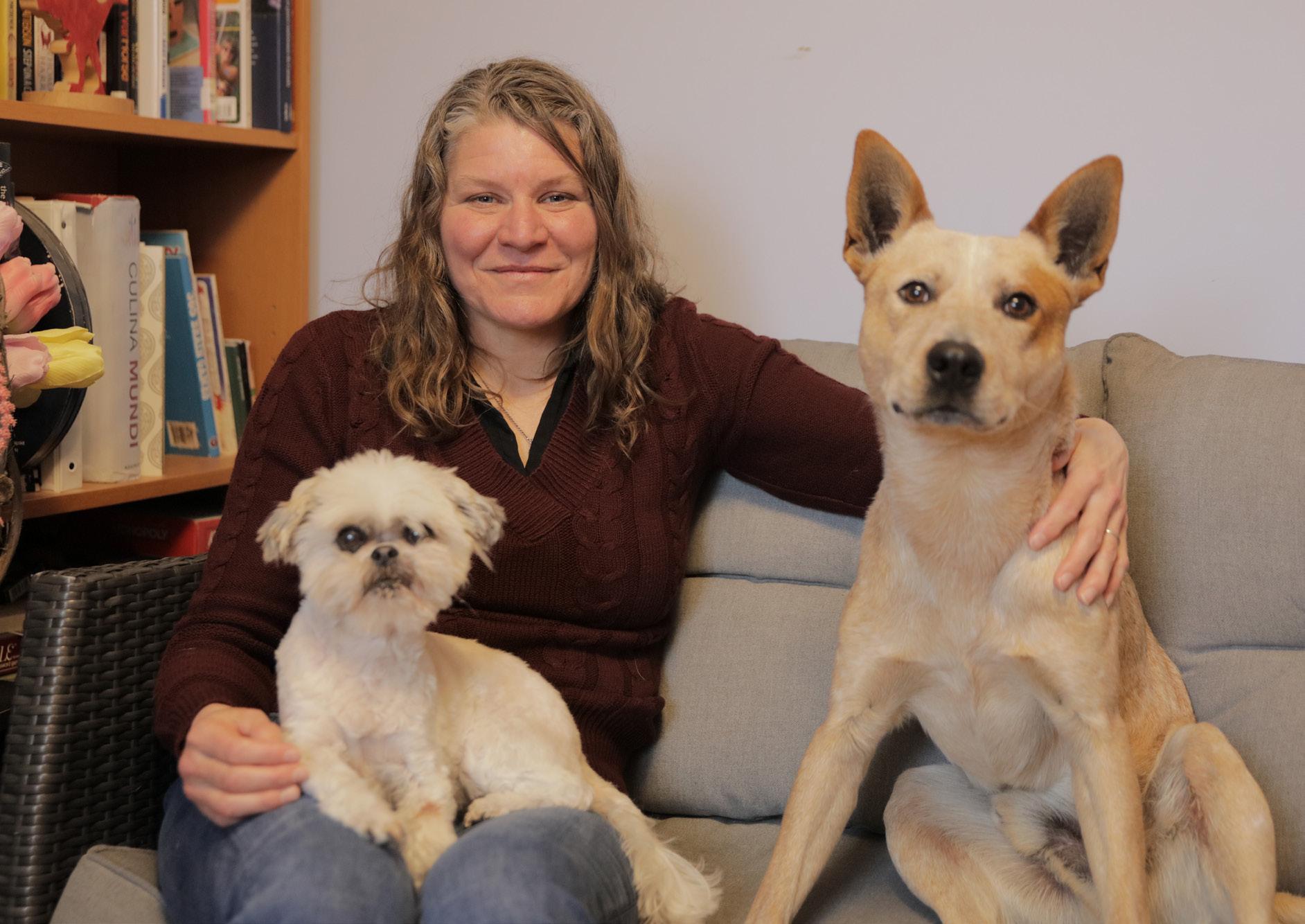
If the spirit chooses to enter her body, she will take on their mannerisms and facial expressions. She likens it to the 1990 movie Ghost. She always warns clients about this beforehand, as it can be hard for many to see. The downside for her, is in these cases she’s able to feel how the spirit died.
She only began practising 15 years ago. Folkes-Dubourdieu is a generational medium, with her mom, grandmother and grandfather all having the gift. “Most of the time when I introduce myself, I say, ‘I’m a medium. I talk to the dead,’ and people just kind of look at me for a minute, and either they’ll engage, or they won’t.” For the most part Folkes-Dubourdieu has found that people do choose to engage as they have a curiosity.
Folkes-Dubourdieu loves what she does, which is mainly helping people find comfort and work through their grief. “They’re getting to recognize that their people are still around, and they do still care about them, and they are checking in on them, even though they can’t see it for themselves.”
Folkes-Dubourdieu has also made a point to shut spirits out when she’s not in a session. The experience of communicating with them is very draining, and if she was always in contact with them it would be exhausting.
“They’re getting to recognize that their people are still around, and they do still care about them, and they are checking in on them, even though they can’t see it for themselves.”
When it comes to the skeptics, FolkesDubourdieu points out that if someone isn’t at least open-minded, they probably aren’t going to spend money on psychic or medium services. She also noted that there simply aren’t enough hours in a day for her to realistically be Googling all the information she would need to know about each client and the person they’re trying to connect with.
Sabrina Campbell believes that animals are vital in helping humans move forward through life.
Photo: Sienna Frost.
“You’re not going to change a skeptic. They’ll find holes in whatever you tell them. So, for the most part, the people who are coming to see me, they’re at least curious,” she said.
Chafe has found a similar mindset in her clientele. The people who are willing to pay for this kind of service are likely going to at least be open to belief.
During my interview with Chafe, she was able to give me a bit of a reading. It’s important to note the only thing Chafe knew about me before the interview was my name, and the story I was writing. I gave her no other information about myself.
She was able to sense almost right away that someone on my mom’s side of the family had died recently; my grandfather died in August. While skeptics will argue that a quick Google search could lead a psychic or medium to know everything about them, I’ll be the first to admit Chafe said some things that left me unsettled as there was a low possibility she could have known any of it. She was able to hear playing cards from the spirits around me, both of my mom’s parents played cards all throughout their lives. Chafe also saw my grandfather with a dog – specifically a chocolate lab. My family had to put my chocolate lab down last year. She also heard water in the background; my dad’s parents lived right on a lake.
Perhaps the thing Chafe said that swayed me more towards the idea of believing in this power was when she asked me if my grandfather was connected to royalty in any way, and she saw a figure of the Queen with him. It has been an ongoing joke in my family for years that my grandfather always claimed he met Queen Elizabeth when he was a child. No amount of Googling could have found that piece of family lore.
As for prediction, Chafe said that within the next 10 years I will move out west and obtain a food allergy at the age of 28. I’ll be happy to give an update if these things happen.
It has been an ongoing joke in my family for years that my grandfather always claimed he met Queen Elizabeth when he was a child. No amount of Googling could have found that piece of family lore.
Chafe also pointed out that in her work the energy of those she’s talking to is important. “You have purples, oranges and reds, the yellows come in every now and then. You’ve learned to suppress (your feelings), and self-regulate, because when you get upset, you focus so much on the problem, rather than how to fix it. You get hurt easily,” she told me. I don’t disagree with her assessment.
Chafe has a rule to take three days off a week, given that communicating with the spirits has a physical and emotional toll. “Doing seven days a week, that’s not good. (The spirits) will strip you of your gift right away. And that does happen. My uncle and my great grandmother, they were psychics as well. And my uncle, he just lost it one day. He said the gift wasn’t there.”
Sabrina Campbell, owner of 6th SensAbilities in Lindsay, is a different kind of psychic. She communicates with animals.
Like the other psychics, Campbell believes that everyone has this ability. “I wish (everyone) knew that they all had this ability, and that the animals are here to teach us and that they are way smarter than us.”
Campbell has been doing this for the last 15 years. “A lot of the times the animals will contact me through (their owners),” she said. Oftentimes someone’s pet will give them a “weird look” which will cause the owner to search how they can better understand their animal. Often, in this area, the first result that will come up is Campbell’s services.
She believes that animals are telepathic, leading her to be able to communicate with them, even if they aren’t in the room. Even the pet someone owns says a lot about them. “A lot of the times you see those big guys with little dogs. I love that, because that says that they are gentle enough to be able to process their feelings,” said Campbell.
(Mackenzie King believed he could speak to his long-dead Irish Terriers, too. He had three over his lifetime, naming each one Pat. After their deaths, he held seances to communicate with them.)
“We can tell that somebody is speaking with us if a random thought comes into our head. And if the random thought is while we’re in solitude, that message is for us. But if we’re in the presence of somebody else, that is for them.”
While it may be the animals that get people to visit Campbell, she says most of her sessions dig deeper than simply telling people about their pets. It’s about helping people heal and learn more about themselves and their emotions.
In her sessions she hopes to be able to explain to people that everyone shares emotions, but feelings are unique. To her, if people learn that they don’t own the emotion of anger, it’s easier to let go of it.
During my time with Campbell, she was able to sense the presence of my dog, Reilly. He wasn’t in the room, and I hadn’t shown her a picture of him. She saw that he had the energy of a small dog, and despite not being a lap dog he seemed to think he was. Rielly does indeed tend to think he can fit in places that are much too small for him.
Campbell also could see that he makes funny facial expressions, which is absolutely true. I have never seen a more expressive dog in my life. “He’s super sensitive. And if an animal is sensitive with touch, then they’re sensitive with feelings as well.”
At the end of the day Folkes-Dubourdieu is grateful for what she’s able to provide for her clients.
“I’m very blessed to be able to do the work that I do. It…has been life changing for people,” she said. One client of hers had spirits telling her she should get a mammogram. She eventually did, and it turned out she had breast cancer.
It does happen on occasion that a spirit simply doesn’t appear. “There’s so much that has to happen (the spirit) ends up having to do what we call life review, and that takes time as well. And when they’re in life review, there’s no communication to the outside,” said Folkes-Dubourdieu. It isn’t as simple as someone dying and realizing they’re dead; they need time to come to terms with it.
She’s found that especially if someone died suddenly or in tragic circumstances, it could take their spirit time to process it all. As well, some of them do have unfinished business and things left unsaid that make it difficult for them to communicate.


Her hope is that through her services people can come to realize that those we lose are always with us. “Hopefully people will start to remember that they are loved, and they are protected, and they are cared for.”








By Robyn Best
The new Best Western Plus Hotel, located on Angeline Street, has an anticipated opening date of May 19.
The project has been in the works for seven years. After being delayed due to COVID, construction was finally able to begin two years ago.
Guests will be able to enjoy an indoor saltwater pool, fitness centre, laundry, electric car charging, and a 24/7 snack bar. Located near the Trans Canada Trail, the hotel is pet friendly and has bike storage.
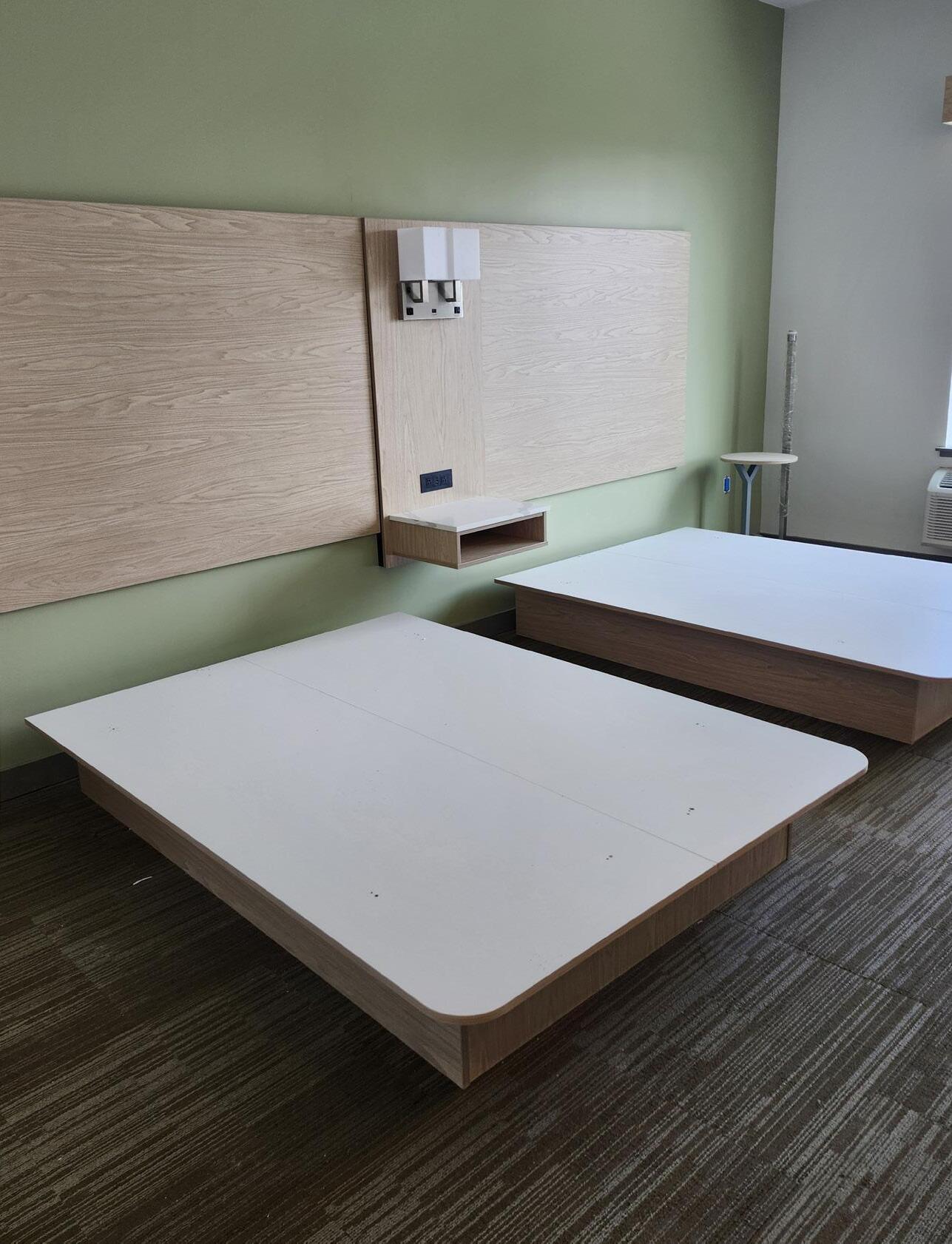
It offers accommodations built specifically for long-term stays and will include kitchenettes. Along with this, there are multiple fully accessible rooms that have larger bathrooms, extra wide doors, and access ramp.
The project has been in the works for seven years. After being delayed due to COVID, construction was finally able to begin two years ago.
There will also be dedicated event space. “We identified the need for more event space here in Kawartha Lakes. The hotel includes a 900 square foot space perfect for corporate meetings, showers and birthday parties. It is one large room, but it divides into two smaller spaces,” said Stacey Brown, general manager of the Best Western Plus.
The Field Restaurant & Bar will have a history and sports theme. Photo: Robyn Best.
Additionally, Best Western will have family-friendly dining called The Field Restaurant & Bar. The décor will include a vintage scoreboard and historical photos from across Kawartha Lakes. These photos will also be in guest rooms, adding to the hotel’s theme of history and sports in the area.
Adding to the Kawartha Lakes feel, the meeting rooms are named Balsam, Sturgeon and Cameron after local lakes, and the pool will have a design that looks like a deck overlooking the water.
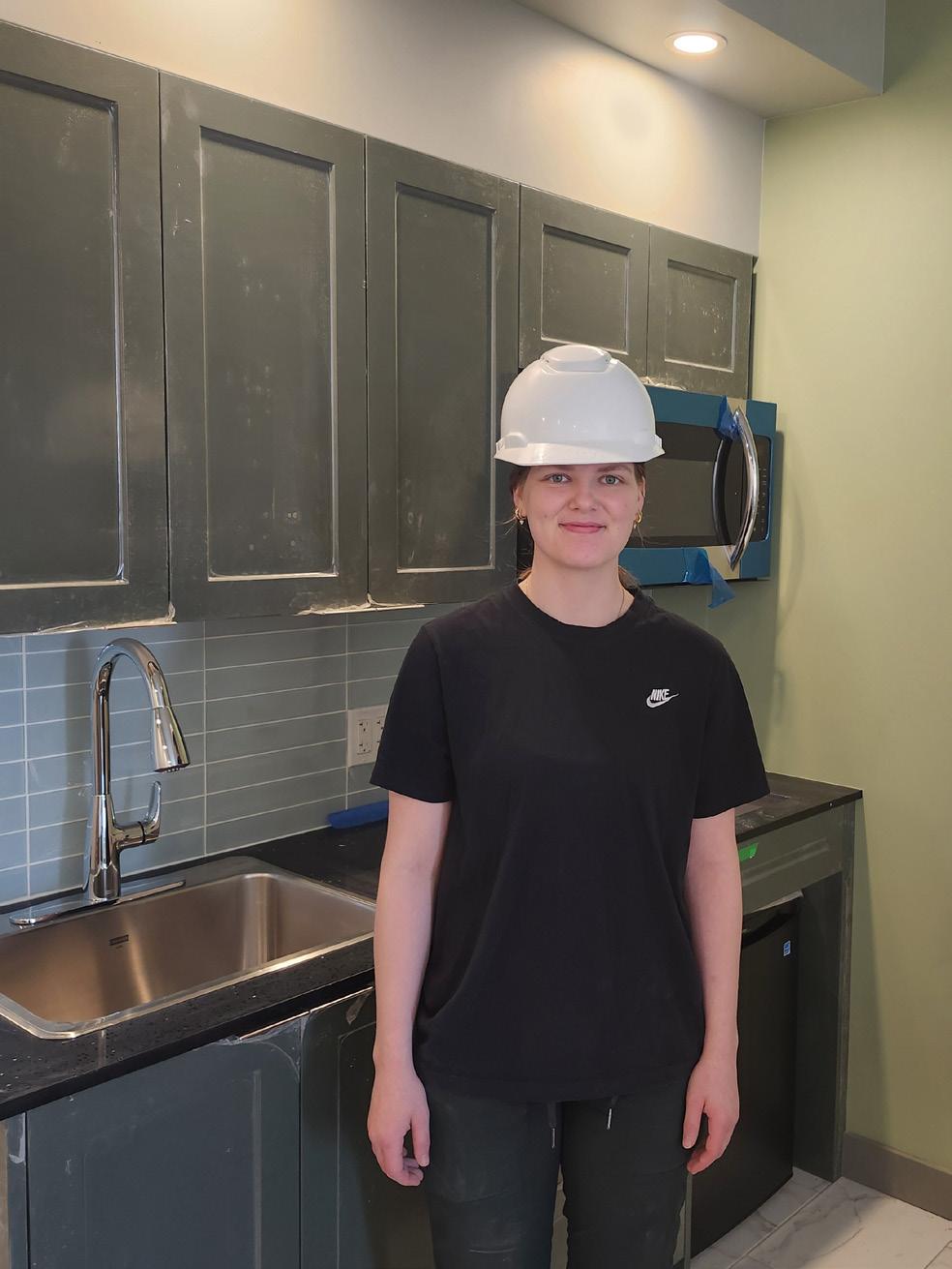
Emily Farr was a housekeeping supervisor at the Days Inn and is moving to the Best Western as a front desk agent. This is one example of new opportunties that were offered to staff.
The hotel will have a business centre, with computers and printers available for use. The team saw a need for this space and were happy to include it in the layout. “We’re excited to operate not just as a hotel, but become part of the community, supporting local events, welcoming visitors and contributing to the area’s growth and tourism potential,” said Brown.
They’ve also partnered with North of Nowhere Musical Festival, which is making a stop in Lindsay in July. Best Western will be offering discounted rates for those coming from out of town.
They’ve currently booked in 20 groups for this year and next year and anticipate more event bookings for wedding and sports teams. Bookings can currently be made for dates in June and onwards by calling 705-320-2016. LA
By Corey Norman
Kawartha Lakes is at a pivotal moment. We are experiencing demographic shifts, workforce shortages, housing constraints, and tighter access to capital which are reshaping the region’s economic landscape. For small and mid-sized businesses — the majority of employers in the region - the challenges of starting, scaling, and transitioning ownership are growing — and with them, the risk of losing local businesses, jobs, and investment.
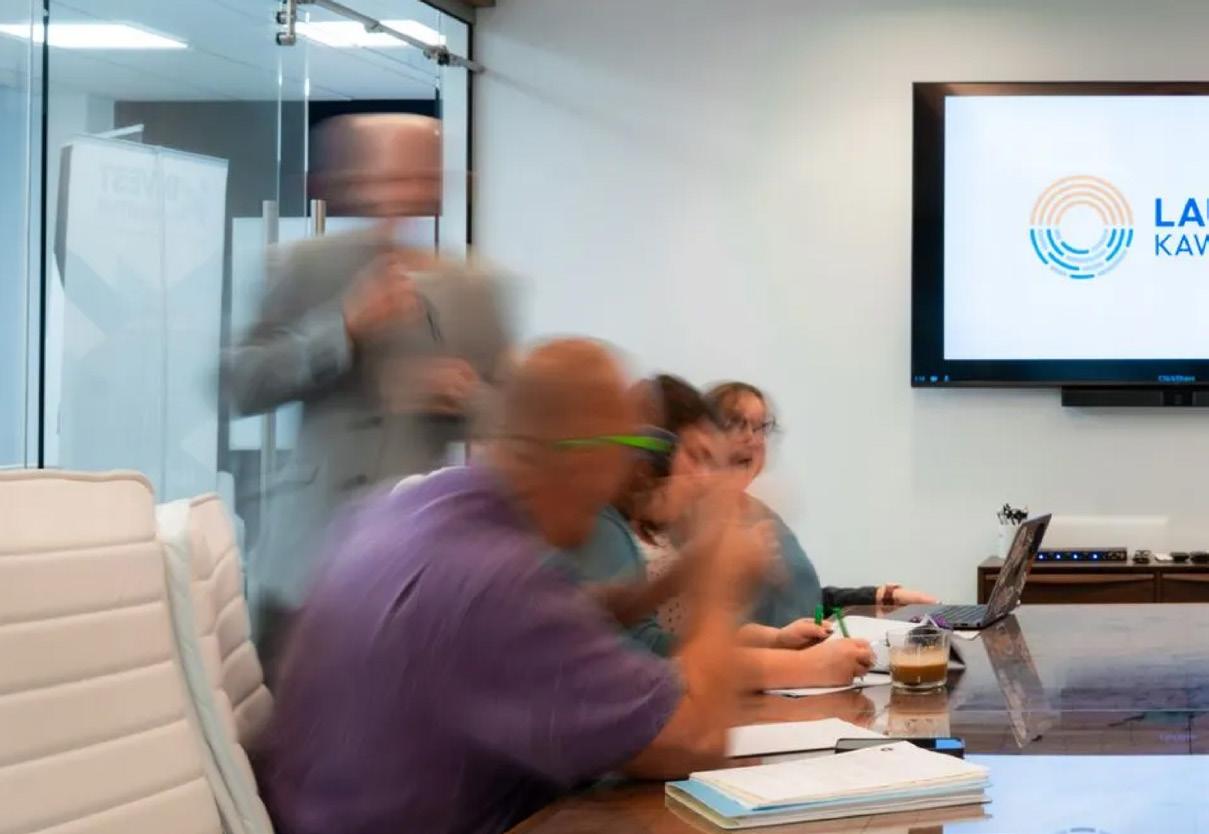
Launch Kawartha’s 2026–2031 Strategic Plan responds directly to this reality. Building on more than 40 years of supporting local businesses, we are evolving beyond our traditional role as a lender to become a connective force across the regional economy — coordinating capital, partnerships, infrastructure, and information to reduce barriers and unlock opportunity.
At the core of the plan is a clear ambition: to ensure that businesses in Kawartha Lakes can start, stay, and grow.
To achieve this, Launch Kawartha is advancing three strategic priorities.
Infrastructure Enablement focuses on reducing operational barriers for entrepreneurs. Through shared services like bookkeeping, HR, and procurement, and by activating partnerships to unlock space and facilities, the goal is to simplify the day-to-day realities of running a business. Ecosystem Navigation positions Launch Kawartha as a trusted “first call” for entrepreneurs. By offering concierge-style support, the organization will connect busi-

ness owners to the right partners, resources, and opportunities at the right time — making the broader ecosystem easier to navigate and more effective.
Financial Support ensures that businesses have access to the right capital, structured appropriately and delivered when it’s needed most. Alongside modernizing lending practices, Launch Kawartha will explore flexible financing tools such as bridge funding, co-investment models, and community-based capital solutions.
Ultimately, our strategy is about making it easier for businesses to succeed at every stage. With a clear plan and a renewed mandate, Launch Kawartha is positioned as a cornerstone of the region’s future — supporting a community where businesses don’t just survive, but thrive.




By Sarah Fournier Contributor
I remember standing behind the blocks at my first Masters swim meet last fall, trying to steady my nerves before my race. I was second-guessing whether I was insane to be doing this when an announcement was made that the woman in front of me was attempting to break a world record. This 101-year-old dove in, swam her race, and finished with a smile. As she approached the wall, the entire aquatorium filled with cheers. It made me realize that just being there was a win.
As a woman in my mid-30s, conversations about aging and perimenopause are starting to dominate. I don’t know what’s ahead but standing on deck at a Masters meet makes me excited for the future, not afraid of it. You see swimmers in their 70s, 80s, 90s still competing, still improving, still enjoying sport with their teammates. I’ve begun to understand that this isn’t something you age out of, it’s something you grow into.
Three years ago, I showed up at the Lindsay Rec Centre for my first morning swim without goggles, a cap, or any real idea of what I was doing. I wasn’t swimming ‘properly,’ didn’t understand lane etiquette, and was very aware that everyone else seemed to know exactly what they were doing.
But I kept going back and quickly fell in love with it. The rhythm, the quiet, the small but steady progress, and the people who were always willing to offer advice and support. It was these new friends who gave me the confidence to take the next step and join a Masters swim team in Uxbridge (since we don’t currently have a program in Kawartha Lakes).
I’ve since learned that Masters swimming isn’t just about speed or performance. It’s about camaraderie, consistency, and committing to something you can do for life.
I’m now swimming at meets I never would have imagined signing up for, making times I never thought this tired mom body could achieve.
But the real impact has been the shift in perspective. Swimming isn’t just about how good I can get, but about how long I can keep going. My dream is to be part of a relay team at 75 with my swim friends, cheering each other on.
You see swimmers in their 70s, 80s, 90s still competing, still improving, still enjoying sport with their teammates. I’ve begun to understand that this isn’t something you age out of, it’s something you grow into.
The thought that you can start something later than expected and still find your place is so reassuring. That progress doesn’t have a deadline, the joy of being in the pool doesn’t have an age limit, and a woman’s life doesn’t end when the hormones change.
It turns out, the most impressive swimmers aren’t the fastest ones in the pool. They’re the ones who disregard the ‘expiry date’ and keep showing up.
Find Sarah at colourandcode.ca

By Laura Love
In the heart of Lindsay, where the Scugog River winds past historic brick storefronts, a remarkable international friendship took root in the 1960s, one that would link this community with the northern Japanese city of Nayoro. In Canada, the sister-city or twinning movement began after the Second World War to promote peace and cultural exchange between communities. Across the country, municipalities established partnerships with cities abroad, fostering student exchanges and business ties to deepen global understanding.
The Town of Lindsay emerged as an early participant in Canada-Japan relations. In 1969, a small group visited Tokyo and met with citizens of Nayoro. Around the same time, Floyd and Doreen Holwett of Lindsay travelled there for work. When Mayor Ikeda of Nayoro expressed interest in twinning his city with a North American community, they suggested Lindsay. The mayor of Lindsay at the time, John Eakins, enthusiastically agreed.
On Aug. 1, 1969, Lindsay and Nayoro formally signed their twinning agreement, establishing the second of 14 Canada-Japan twin cities in Ontario. The partnership was founded on shared characteristics: both communities were regional service centres surrounded by farmland, lay along the same latitudinal line, and experienced long, snowy winters.
In 1970, a delegation visited Hokkaido and was warmly received with formal ceremonies and traditional hospitality. Education became the central focus of the partnership, and Lindsay welcomed its first exchange student, Masaharu Ono, a Japanese agricultural student.
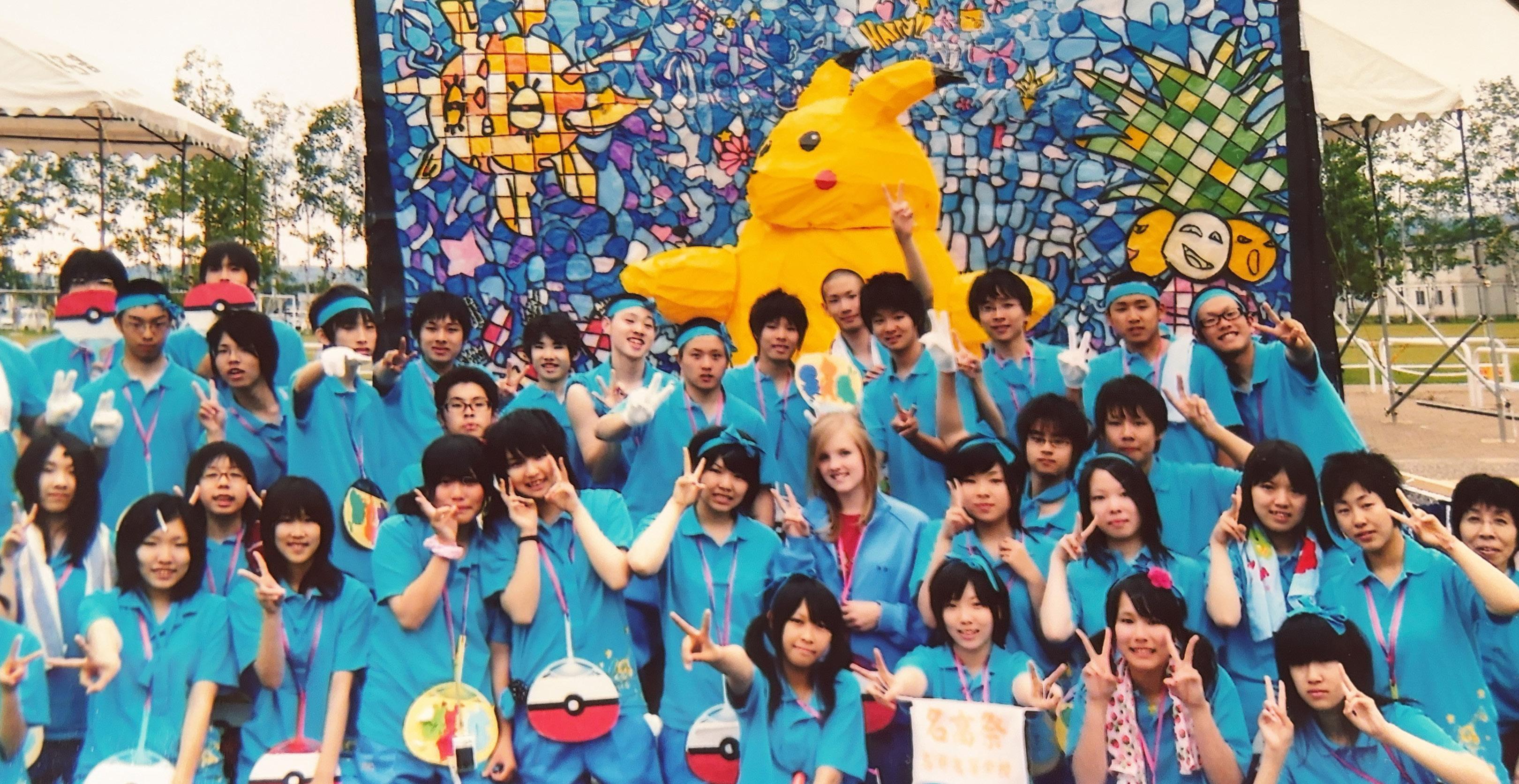
Two years later, teachers from LCVI organized homestays and cultural activities, and students travelled to Nayoro. They exchanged letters and photos and welcomed each other into their homes. For many participants, it was their first experience travelling overseas.
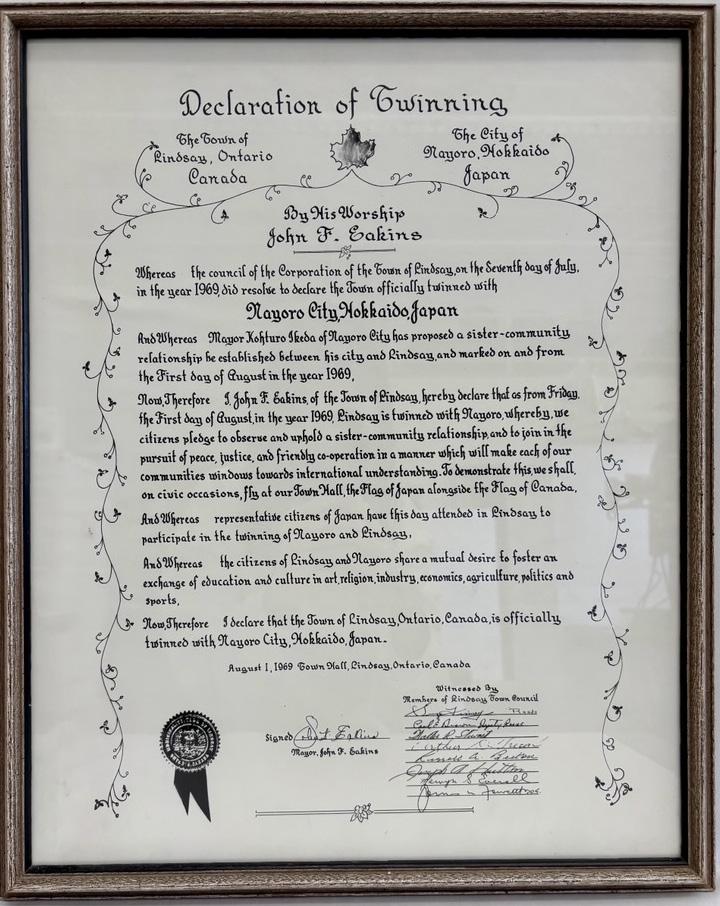
The 10th anniversary of the twinning in 1979 was marked with renewed visits and commemorative gifts. A ceremonial plaque was unveiled in Lindsay’s Town Hall (180 Kent St. West), while Nayoro dedicated a monument to recognize the partnership. Over the decades, mayors and councillors, including Lindsay Mayor Don Crowe in the 1980s and Nayoro Mayor Yukio Yoshida in the 1990s, continued to reaffirm the relationship.
Municipal restructuring in 2001 brought changes to governance, but the spirit of the twinning endured.
The partnership was founded on shared characteristics: both communities were regional service centres surrounded by farmland, lay along the same latitudinal line, and experienced long, snowy winters.
For many years, the committee was led by Heather Newman, who helped sustain the student exchange and cultural partnership between Kawartha Lakes and Nayoro. Her dedication earned her the ‘Order of the Rising Sun, Gold and Silver Rays’ awarded by the Emperor of Japan and presented to her by Consul-General of Japan. When Heather retired in 2019 and COVID-19 halted travel, the program lost both its leadership and momentum.
After a pause during the pandemic, the Nayoro Twinning Committee is working to rebuild one of the community’s most meaningful international relationships. Local volunteers, along with the city, have stepped in to ensure the connection continues.
Since 2021, the Lindsay-Nayoro Twinning Committee has been in the capable hands of Dylan Robichaud, a former exchange student to Nayoro in 2009, and the communications supervisor for Kawartha Lakes Police Service. Robichaud describes his time in Japan as, “unforgettable, the relationships made last a lifetime.”
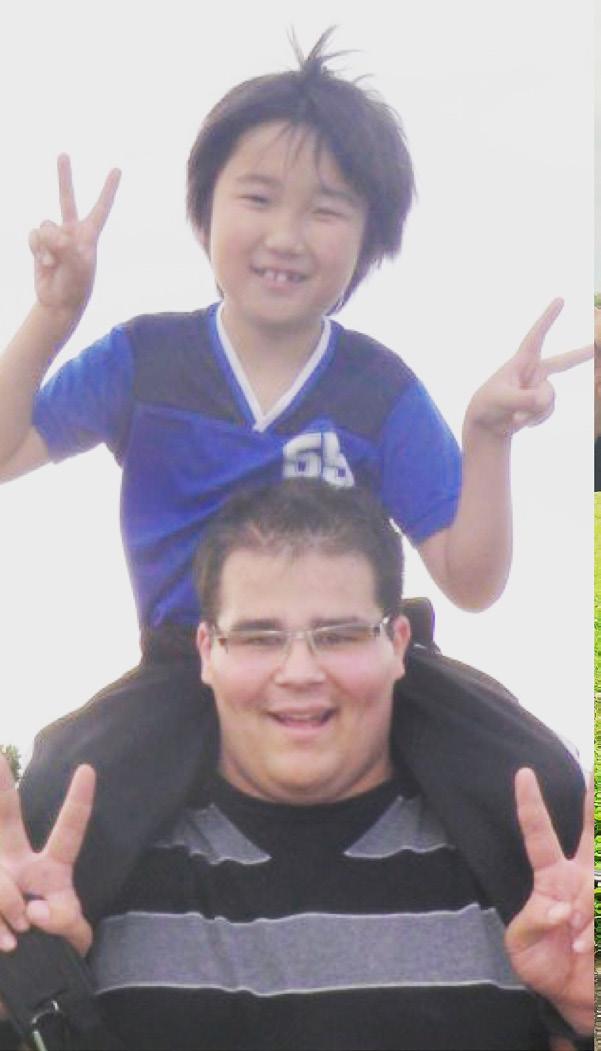
“I have a picture of myself and a young boy, Koki, from one of the host families I stayed with. He is on my shoulders. Over time, he reached out over social media, I was able to meet him again in 2019 when I went back to Japan. When he opened the door, he was so excited to see me.”
Robichaud says the decision to chair the Twinning Committee was driven by a strong sense of responsibility to the community. “I moved back to Lindsay in 2016 and slowly started getting involved with the committee again,” he said. “It’s always been a great connection and a great program for our community. In 2021 I was approached to help take on the committee, and I felt a sense of obligation. I didn’t want to see it just end.”
After several years, the student exchange program is slowly restarting. In 2024, Kawartha Lakes sent high school student Zack Knight to Japan and welcomed Yura Igarashi from Nayoro to Kawartha Lakes.
Rebuilding the program involves reconnecting with host families and reminding residents about the opportunities the exchange provides. Hosting a student is designed to be manageable for families: most families host for just one week. This lets visitors experience life in different parts of the region.
“The hope is that students (from Japan) get to see what it’s like to live in Kawartha Lakes,” Robichaud explained. “From downtown Lindsay to farming communities around Fenelon Falls and beyond, we have so much to offer and for many participants, the experience is life-changing.”
Robichaud’s own trip to Japan was both exciting and intimidating. “I was 17. It was maybe my first time travelling without my parents,” he said. The biggest challenge at first was the culture shock. “I didn’t know any Japanese. In other places you travel, the signs look familiar or the culture feels somewhat similar. Japan was completely different.”
But it was also unforgettable.
During the eight-week exchange, Robichaud, of St. Thomas Aquinas, and Lyndsay Heffernan (nee Bowen) of LCVI, travelled to Japan. They stayed with different families each week, with a wide range of lifestyles.
“One week I stayed with a doctor’s family, another week with a farming family,” he said. “I went to a different school every week and even spent time speaking at a university.”
Heffernan remembers that her “exchange to Nayoro was an unforgettable experience, one that few teenagers may get the chance to have.”
“There’s truly no better way to understand a culture than by fully immersing yourself in everyday life, and doing so in a town similar in size to Lindsay made the experience feel both unique and deeply personal.”
Those personal connections are the true heart of the program. “The people and the relationships are the highlight of the exchange,” echoed Robichaud.
Organizers hope more Kawartha Lakes families will consider getting involved, by hosting students or simply learning more about the decades-long friendship between the two communities.
“We’re really trying to rebuild awareness,” he said. “The exchange is one part of it, but the relationship between our communities is much bigger than that.”
Today, more than half a century after its founding, the twinning committee is a testament to the vision of those who believed that even small cities could foster global friendships.
“The Nayoro Twinning Committee has positively impacted our community over the last 50 years,” said Mayor Doug Elmslie. “I am pleased that the city is able to re-affirm its commitment to this relationship this year and, in honour of the city’s 25-year anniversary, update its name to reflect our renewed ties. I have every confidence that the Kawartha Lakes-Nayoro Twinning Committee will ensure the legacy of this significant relationship continues for many years to come.”
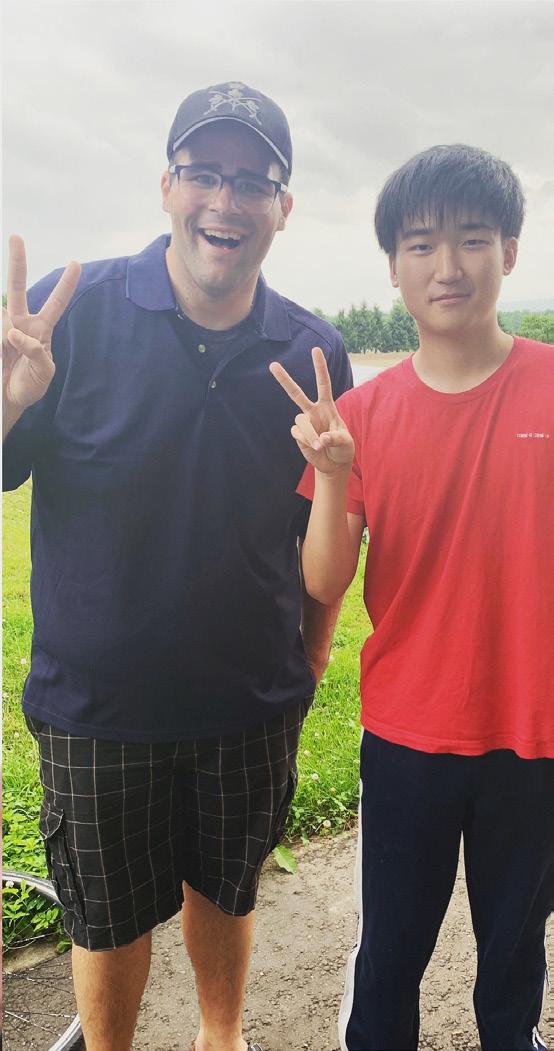
Robichaud reconnecting
with Koki, 2009 and 2019.
Kawartha Lakes Artifact Collection, C2009.005.012 A.
As Kawartha Lakes celebrates 25 years, it is an important time to revitalize the relationship.
“For me the hope for the committee is to get back to a regular exchange…. We have so much to offer,” Robichaud says proudly.
This year, the committee is looking forward to sending two lucky students from Kawartha Lakes to Nayoro, continuing a tradition that has connected young people and communities for decades.
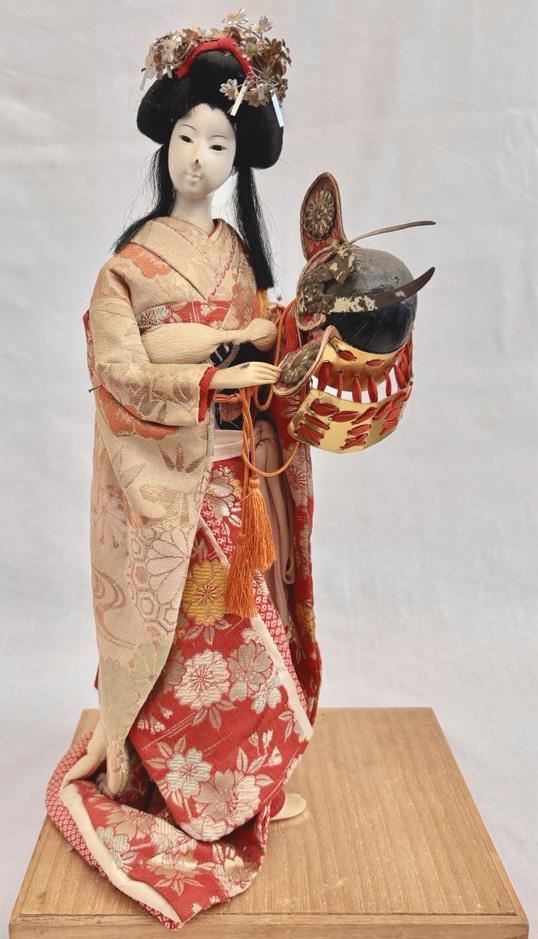
Heffernan reflects that she often fondly recalls her time attending school and other events in Japan, “trying so many new foods,” and she encourages others to take part in an opportunity like this.
The Kawartha Lakes - Nayoro exchange remains a powerful reminder of how cultural exchange builds lasting local and global connections. For more information about the exchange, visit kawarthalakes.ca/twincity or email nayoro@kawarthalakes.ca. LA
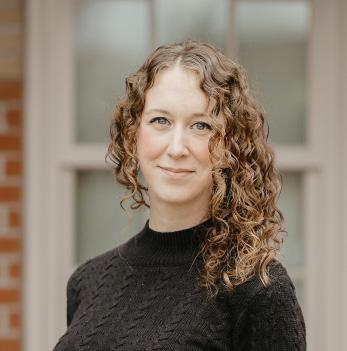
Laura Love serves as the economic development officer overseeing Curatorial Services for Kawartha Lakes. She is dedicated to uncovering and celebrating the stories that too often go unrecorded.
Laura Love serves as the economic development officer overseeing Curatorial Services for Kawartha Lakes. She is dedicated to uncovering and celebrating the stories that often go unrecorded.


‘I’m learning that my driving need to make deeper connections with loved ones can result in a disconnect, because they can’t hear the ticking of my clock.’
Most people are familiar with the concept of a woman’s biological clock. This term is often used to describe the feeling of time racing towards the end of a chapter in one’s life. I have recently identified another biological clock that, for me, heralds time racing towards the ultimate end. I call it the cancer clock.
I didn’t notice at the time, but I imagine my clock arrived while I was sitting alone in my living room, listening to a doctor explain to me over the phone my test results and her diagnosis. I think I first started hearing it tick during my initial appointment with the radiologist when he used that most feared of
By Lisa Hart
phrases, “We’re going to try and buy you time.” When my treatment ended as successfully as any cancer treatment could hope to end, it left a shadow of uncertainty that most survivors are familiar with. Suddenly, that clock started ticking like an antique watch that was wound too tight.
The constant tick of my cancer clock is both reminder and motivation. I consider my cancer a wake-up call. I’ve been blessed with a second chance at living, and I believe there must be something I’m meant to do with it. I don’t want to have regrets if the cancer ever returns.
While trying to understand a new relationship with time that leaves me feeling like life is moving in fast-forward, I’m constantly bumping up against what normal looks like for my family and friends. I’m learning that my driving need to make deeper connections with loved ones can result in a disconnect, because they can’t hear the ticking of my clock.
When it comes to post-treatment recovery, I think Her Royal Highness Catherine, the Princess of Wales said it best, as reported by Simon Perry in People magazine. During a visit to an Essex hospital in July 2025, she said, “You put on a
sort of brave face, stoicism through treatment. Treatment’s done, then it’s like, ‘I can crack on, get back to normal,’ but actually the phase afterward is really, really difficult.”
She went on to say that, “You have to find your new normal and that takes time…and it’s a roller coaster, it’s not one smooth plane which you expect it to be.” When someone in the public eye shares relatable life struggles, it can help open space for more honest conversations.
Those honest conversations can happen right here in Kawartha Lakes. For me, sitting down to talk about cancer with survivor Jack Hollister of Lindsay was like getting a gentle kick in the butt. Hollister may be uncomfortable with his real name appearing in print (this is a pseudonym) but his outlook on life is nothing short of inspirational. And it all comes down to the old premise that attitude is everything. His attitude seems to be rooted in part in his gratitude. Hollister pointed out to me how much we both should appreciate the time and place we live in as well as the medical knowledge and teams that allow us to still be here.
“At another time I wouldn’t have survived,” he said. “In another place in the world the medical care might not have been there, or I might not have been able to afford it.”
For Hollister, it’s equal parts attitude adjustment and lifestyle change. “You can get angry and frustrated, but that only leads you to feeling sorry for yourself.”
To illustrate his point on the need for a positive attitude, Hollister challenged me to sit in a social group and start talking about cancer, then watch how fast the topic can break up the group. “When friends and family are not able to deal with the emotions you’re handling, they will
distance themselves,” he explains. An understandable yet painful reality that leaves nowhere to lay blame. Perhaps this is why he hesitates to be identified by his cancer journey.
“I think a support group is important. Someplace to connect with people who can understand what you’re going through and share their experiences,” says Hollister, but he admits he didn’t follow his own advice.
“At another time I wouldn’t have survived,” he said. “In another place in the world the medical care might not have been there, or I might not have been able to afford it.”
Everyone’s journey is different. Personally, I’ve found support and understanding in an online community called Cancer Connection, managed by the Canadian Cancer Society.
Looking forward, seemingly without the demanding tick of a cancer clock, Hollister is investing time in his children and grandchildren and sharing experiences he remembers from his own childhood. While he confesses to becoming a little sentimental, he suspects that it has as much to do with growing older as it does with cancer.
“I want to hold myself to a standard that will leave a legacy for my family and friends. I want to be remembered as a good man.”
Faith Cross of Fenelon Falls also appreciates being in a time and place where so much knowledge about the treatment of cancer is available to us.
Cross credits God and the church with holding her strong and says she was already familiar with trusting her faith before her diagnosis.
Cancer was different. She defines it as a walk of hope where she had to believe she could make it through to the other side. While Cross hasn’t shared her story extensively, she wants to ensure that, above all, her family knows that cancer is a journey of hope.
“We don’t hear enough stories of hope out there when it comes to cancer,” says Cross.
Maybe, instead of ticking off the minutes in a race towards an ending, my own cancer clock is just measuring time on my journey to find hope and a new beginning. The true voice of hope may speak in quiet whispers, but both Cross and I found breadcrumbs to lead us on. We found them in the words of a book given as a gift, in the lyrics of a song heard too frequently to be coincidence and we both found words of hope emblazoned on coffee mugs.
One of my most precious messages of hope came from someone telling me they saw me coming through my cancer like the Princess of Wales. In that moment, the ticking of my clock was silenced, and I felt like a working-class phoenix about to rise from the ashes of fear and disease.

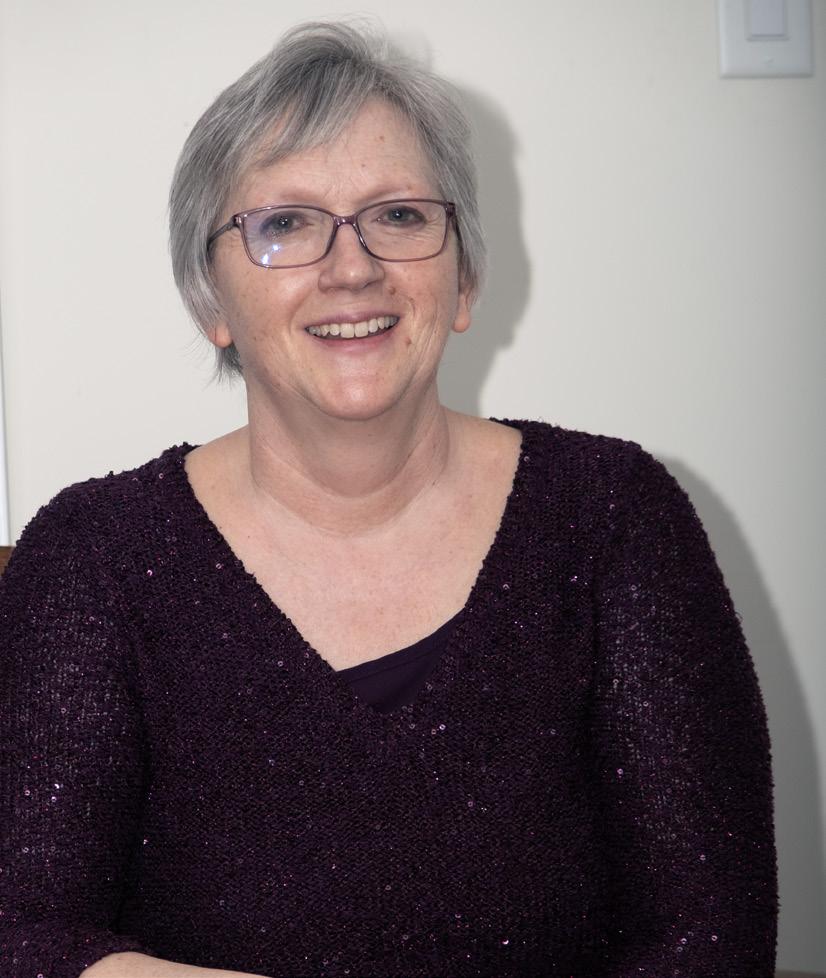
Maybe some of the most comforting words of hope for anyone living with a cancer clock come from Sarah Marquette, a registered psychotherapist with Guiding Compass Psychotherapy and Wellness in Port Perry. “From my perspective, cancer survivorship is often one of the most misunderstood phases of the journey. It is after that final treatment, when things begin to quiet, that many survivors find there is finally space to pause and reflect on what they have just been through. This is often when the emotional impact begins to surface.”
Through her work with numerous cancer survivors, Marquette has seen symptoms including new and increased anxiety, and thoughts focusing on “what-ifs.” Not surprisingly, she has witnessed clients struggle with interpreting normal sensations in their bodies as something serious, or feeling a heightened fear around medical tests and appointments. She explains that some may find it harder to feel fully present and at ease, experience difficulty in settling down at night or in sleeping.
Alongside this, Marquette says she often sees a heightened awareness of time, shifts in priorities, and a deep desire for meaning and con-
nection. What a relief to know I’m not the only one carrying around a ticking cancer clock in my head. Marquette goes on to say that there can be grief for who someone was before cancer, and a sense of disconnection from others who have not lived this experience.
“I want to be very clear that all of this is normal,” says Marquette. “It is okay not to be okay in this chapter. Survivorship is not about returning to your old life, but learn ing how to live in a new one.”
Marquette gently encourages peo ple whose ongoing feelings of anxiety become persistent, over whelming or interfere with daily life to reach out. She explains that withdrawing from relationships, or feelings of being stuck or hopeless are all signs that additional support could be helpful.
“Seeking support is not a failure. It is a continuation of care. Just as you allowed your body to receive treatment, you are allowed to sup port your emotional healing as well,” says Marquette.
I spent months envisioning the end of treatment as the goal, only to find the finish line had moved. There was a sense of relief in ring ing the bell after the last radiation treatment, but the feelings of cel ebration didn’t last. There’s still more healing to do and this time it’s without a medical team at my side to guide me. It’s daunting to try and build a new life post cancer, but the ticking of my cancer clock pushes me forward. The finish line may be moving, but so am I.








“Surrounded by natural beauty & interesting people” - Sienna















Celebrate World Migratory Bird Day on Saturday, May 9. Visit the Kinmount Branch from 10:30am to 1:30pm or the Lindsay Branch from 10:30am to 4:30pm to explore special lobby displays hosted by Bird Friendly Kawartha Lakes.
Knowledgeable volunteers will share practical conservation tips, handouts, and handson activities, including origami crafts and demonstrations on applying patterned window film to help reduce bird strikes. The library will also feature a curated collection of books and resources to support continued learning at home.
Mark International Museum Day on Monday, May 18, by visiting local museums. Borrow a community pass for the Kawartha Lakes Museum and Archives through the library’s online catalogue and enjoy free admission. Visit our website to explore available passes for your next outing.
Plant swaps are returning to select branches. Bring healthy, pest-free houseplants, along with clean pots or planters, to trade and discover something new.
Join us at the Dunsford Branch on May 12 from 3:30pm to 6:30pm and May 13 from 10:30am to 11:30am, or at the Lindsay Branch on May 16 from 10:30am to 4:00pm.
All branches will be closed on Monday, May 18. Digital resources remain available online.
May is Get Caught Reading Month. Submit a photo of yourself reading for a chance to win a prize. Visit our website kawarthalakeslibrary.ca for full contest details.
by Joan Corrigan
ACROSS
1. Small flock of partridges
6. Tobacco stick, for short
9. Paving material
12. About sheep
13. “Deck the halls with boughs of holly, fa __ . . .”
14. West African country whose name rhymes with jolly
15. Window sections
16. Drug company founder Lilly and inventor Whitney
17. Divorced spouses
18. "And so on and so forth": Abbr.
19. *The Three Stooges style of humour
21. Teeter-totter
25. Angle of less than 90 degrees
26. French friend
27. One who dies for the cause
31. *Moe Howard imitated Adolf Hitler in this 1940 film: 3 wds.
37. Court, as a sweetheart
38. Folklore monster
39. Kerfuffle
40. Shoot a gun
41. Solid, liquid, ___
42. *Curly Howard played “K.O. Stradivarius”, a boxer, in this 1934 film: 2 wds.
46. Brazil's great river
48. Convent sister
49. Creme de la creme of society
52. Foot joints
56. *Name of the third Stooge, not Curly or Moe Howard
60. Bouillon cube brand
61. Popular Nabisco cookie
62. Single entry on a grocery list
63. Lubricate again
65. Bullfight cheers
66. Shade trees
67. Plenty of
68. ___ off (fall asleep)
69. Turkish ruler
70. Nine goddesses of the arts
By Joan Corrigan, Fun & Done Crosswords
1. Gets through tough times
2. Egg-shaped
3. Wedding Crashers star Vaughn
4. Compass point
5. Affirmative reply
6. Lily
7. Pelvic bone-related
8. Where to fill up your car
9. Cab
10. 'Smart ___' (wiseguy)
11. Danger; peril
13. "___ Miserables" (French novel of 1862)
14. Taxi's fare-calculating device
20. “Don't go”
22. Not crazy
23. “I ___ Rock” (Simon & Garfunkel song): 2 wds.
24. Sorcerer, for short
28. One of two identical siblings
29. Toronto's original name
30. Fish eggs
31. Bendy exercise
32. Old Irish alphabet
33. Constellation bear
34. Sunbather's goal
35. Initials of Young Drivers of Canada
36. “Fa, ___, la, ti, doh”
40. Depressed mood
42. Roly-___ (short and plump)
43. United
44. Genetic molecule
45. Walk fast
47. 0, 0, 0
50. Book name
51. Foe
53. Froot ___ (breakfast cereal)
54. Bar (someone) from their native country
55. Shoe bottoms
56. Duck's cousin
57. Woody Guthrie's folk-singer son
58. Lakeside grass
59. Ambulance letters
63. Male sheep
64. Ostrich's cousin






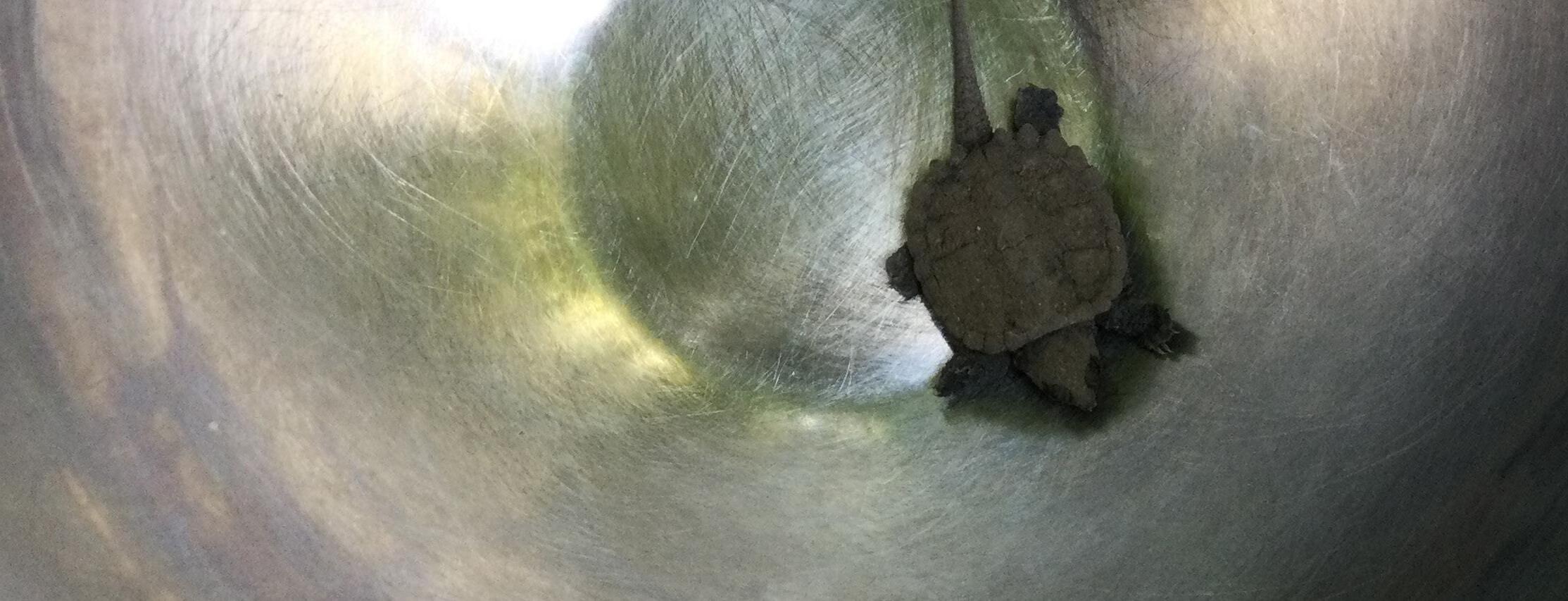

One of the joys of living on a small river is wildlife watching. Each June I’ve been particularly fascinated by snapping turtles that crawl out of the Nonquon River to the shoulder of the cul de sac in front of our house to lay eggs. And I’m frequently distressed at how many egg shells I see within days: the lunch remains of neighbourhood raccoons. We all gotta eat, but that much?
Snapping turtles can lay many eggs at a time, but few survive to adulthood. It can take 50-60 years for a female turtle to replace herself. In the wild, predators can be expected. Unfortunately, we have become one of the turtles’ biggest predators.
Threats include habitat loss due to wetland destruction for housing developments or farming. Road kills – it’s not just dead skunks we see in the middle of the road. And there are now growing fears that climate change could have an impact. Many turtle eggs are sexless, with the sex of the offspring determined by the temperature under which the eggs incubate. One study showed temps under 28C produce more males. Temps over 31C produce more females. We know climate change is bringing higher global temperatures. Could that mean a less balanced future for the turtle population?
These issues are of particular concern for conservationists in our neck of the wetlands. Southern Ontario is home to all eight turtle species found in Canada – more than anywhere else in the country. In Kawartha Lakes, we see six of those eight. Unfortunately, most are at some risk of extinction.
In our little corner of the world my family has tried to watch out for any hatchlings – a rare sight indeed. One year we hit a bonanza, with three little ones heading back to the river from whence their mother came. I remember carefully placing one at the river’s edge. A bullfrog immediately jumped out, ready to devour the little thing. I scared it away and baby quickly slithered under the mud. I guess the bullfrog thought it would try to reduce one of its predatory threats when it
had the chance. Adult snapping turtles will sometimes eat bullfrogs. In fact, they eat many small creatures and plants, both dead and alive, helping clean up the environment and keeping populations in check.
Some local governments have been stepping up to help protect turtles by adding ecopassages under busy roads frequently crossed by turtles.
May 23 is World Turtle Day. We can shellabrate by helping more of these critters survive.
1. Those living near nesting areas could place protectors over turtle nests. The Ontario Turtle Conservation Centre (OTCC) in Peterborough sells and has a great website describing these mesh boxes.
2. Consider donating to the centre and/or to groups working to conserve wetlands, like Ducks Unlimited or Ontario Nature.
3. Support our Conservation Authorities and their work in protecting wetlands.
4. If you see an injured turtle, even if you think it’s dead, immediately call the OTCC at 1-705-741-5000. It might be a female carrying eggs. The centre has 50 first responders and 1,500 turtle taxi drivers who can get that turtle help. They have a veterinarian-run turtle hospital and incubation facilities for eggs. Each year the OTCC releases about 4,000 rehabilitated or newly hatched turtles back into the wild.
Ginny Colling was passionate about the environment before retiring from teaching college communications students. After retiring she trained with Al Gore’s Climate Reality Project. She has presented to numerous groups about the climate crisis.

As I write this, I am looking up at a professional photographer’s hand-tinted portrait of my late paternal grandmother, who would have turned 100 years old this month. Jane Sheila Drynan McLuckie – who would add McKechnie to her name upon marrying my late grandfather in 1949, and Bebbington after remarrying following my grandfather’s death in 1998 – was born on May 31, 1926, the only child of James and Jane McLuckie. Her doting parents took innumerable pictures of her throughout her childhood, while other shots were captured in photographer’s studios. That hanging on the wall was taken in the Lafayette photography firm’s Glasgow studio at some point in the 1930s.
Professional photography studios were once a fixture in communities like Fenelon Falls and Lindsay, a tradition that lasted almost to the turn of the 21st century. The proliferation of digital photography has largely rendered obsolete the darkrooms of old and photographer’s studios complete with sometimes hand-painted backdrops now seem gaudy and quaint. And yet it was thanks to these businesses that we can now treasure for posterity the likenesses of those who went before us.
Photography had been steadily evolving over the course of the 19th century. Many inventions were being developed on both sides of the Atlantic that would in time be leveraged by local photographers like Hamilton Fowler, who began his career in Fenelon Falls in the 1870s. After spending close to four years capturing Fenelon residents on camera, Fowler
The author’s greatgreat-grandfather travelled into Lindsay from his farm in Eldon Township at some point during the late nineteenth century to have his picture taken at the studios of Hamilton Fowler & Co.
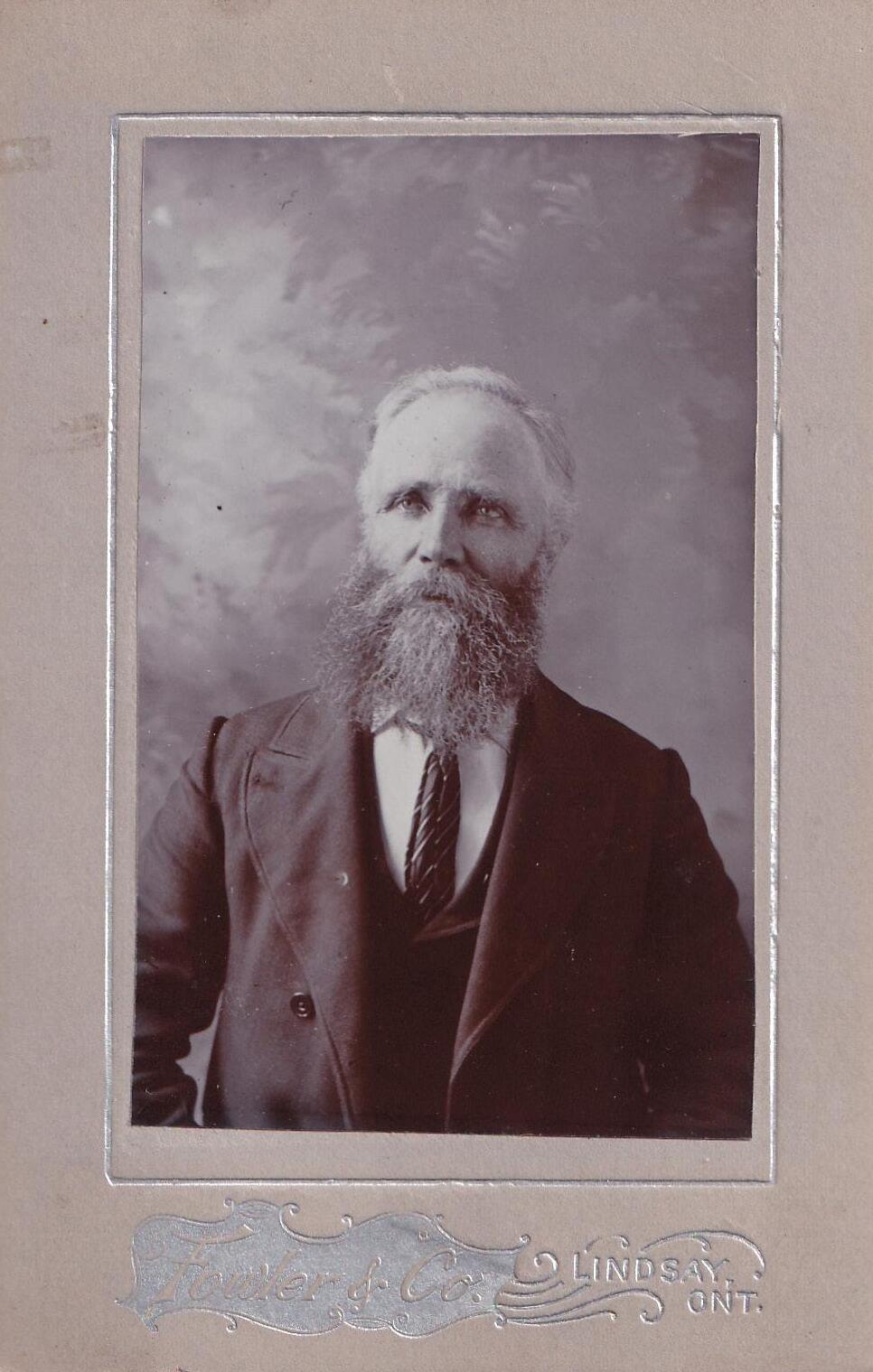
shifted his attention to Lindsay, where he went into a partnership with Isaac H. Oliver and worked with him until about 1887. (Fowler remained in business well into the new century, specializing in among other things wedding photography. He later retired to Toronto, where he died in 1924.)
Professional photography studios were once a fixture in communities like Fenelon Falls and Lindsay, a tradition that lasted almost to the turn of the 21st century.
Their collective output was enormous; a glance through the collections of vintage photographs maintained by local museums (or enclosed in albums passed down through families who have lived in the area for three or four generations) will reveal many a family portrait with provenance in the studios of Mr. Fowler or Mr. Oliver; the latter maintaining for several years a studio in the building directly across from St. Andrew’s Presbyterian Church in Lindsay.
In looking closely at these pictures, one will see several props and hand-decorated backdrops used in turn-of-the-century photography studios. These might well have added a slice of life to what was otherwise a serious business – literally speaking. Long exposure times meant that subjects could scarcely maintain a smile for any duration, and the Victorian formality of the period also demanded that frivolity in expression be kept to an absolute minimum. (“A photograph is a
most important document,” wrote American humourist Mark Twain, “and there is nothing more damning to go down to posterity than a silly, foolish smile caught and fixed forever.”)
By 1900, families desiring to have their picture taken could travel into Lindsay and sit for Messrs. Fowler or Oliver, or they could venture into Fenelon Falls where James Stanton had established a thriving business on Colborne Street in 1896. Within 30 years, Stanton had become synonymous with professional photography in his adopted village. “Today the studio has all the equipment of a modern amateur finishing department and is one of the best equipped studios in both portrait and amateur work outside the cities,” declared the Fenelon Falls Gazette in 1928.
Long exposure times meant that subjects could scarcely maintain a smile for any duration, and the Victorian formality of the period also demanded that frivolity in expression be kept to an absolute minimum.
Back in Lindsay, the local photography market had by the end of the First World War become dominated by the Morton Studio. Born in 1872, Maud M. Morton had established one of the most lucrative studios in the community by the time she was in her thirties. Taking advantage of limited advertising space in the local press, Miss Morton urged her customers to stop by her Kent Street studio where they could have 5” x 8” or 8” x 10” enlargements made for free with every $2 to $4, respectively, of “amateur work” (that is, pictures developed from film in personal cameras). Morton Studios also specialized in “Charming Child Studies,” with parents being encouraged to “bring the children along and have not merely ordinary portraits taken but artistic pictures made of them.”
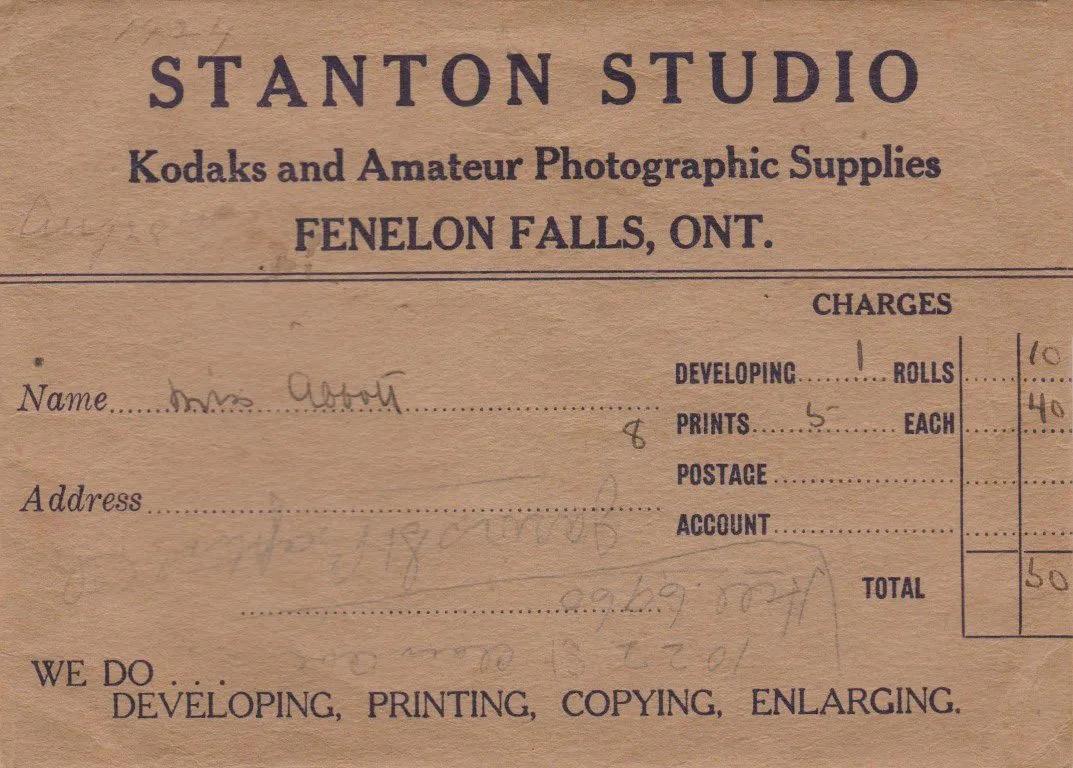
This photo envelope from the Stanton Studio in Fenelon Falls advertised a variety of photography-related services including developing, printing, copying, and enlarging. Maryboro Lodge. Collection.
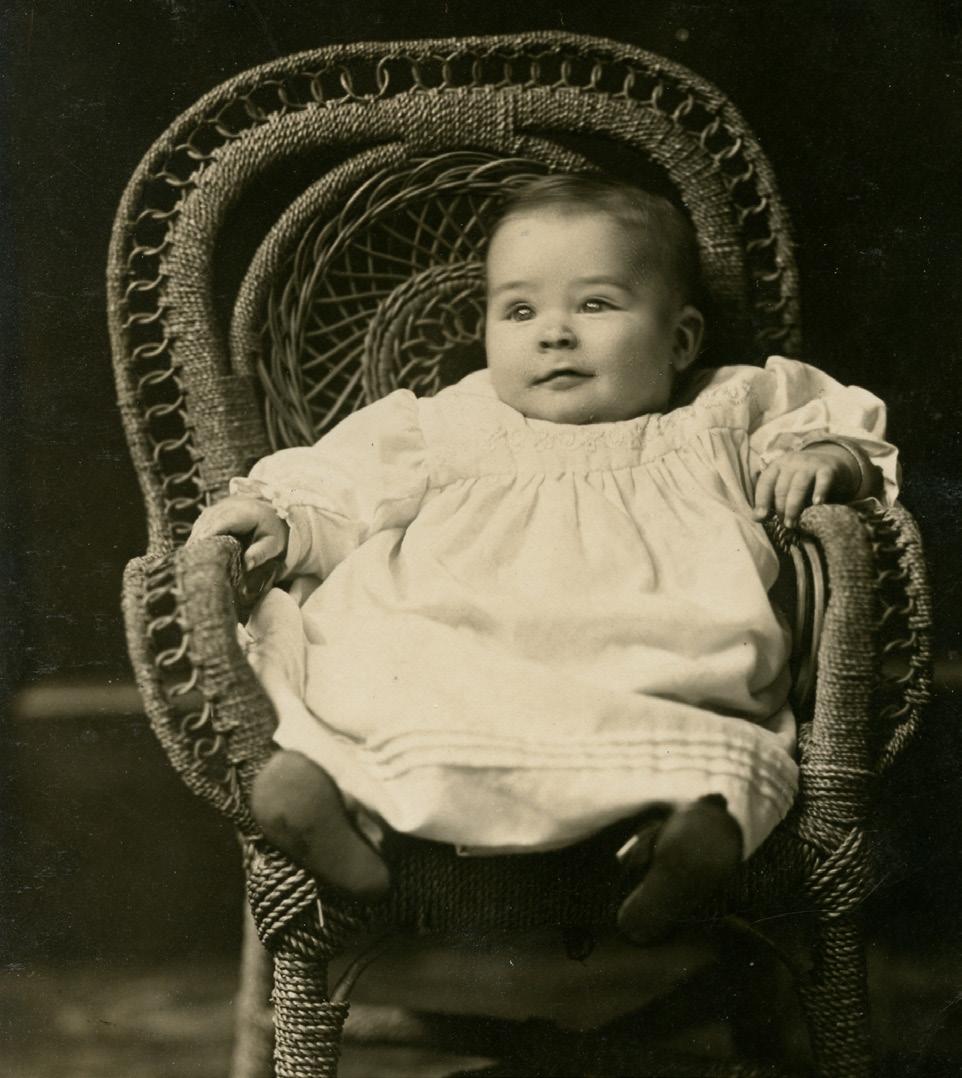
Maud Morton’s business was acquired in the autumn of 1922 by Fulton C. Stewart, who had worked under Miss Morton starting in 1912. Under his leadership, the studio carried on a reputation for what the Lindsay Daily Post in 1924 called “a high-grade class of photography, superior to the work of city studios.” Twenty years later, he was joined by Stanley B. Bright, who would subsequently acquire the Morton-Stewart assets in 1952 and rechristen the business as Bright’s Studio and Gift Shop.
By the late 1950s, Lindsay was served by a handful of professional photographers, of which George Dent was perhaps the most prolific. Dent would eventually go into the real estate business, and within 15 years the local photography scene would become equated with John Boyd. A professional photographer who had worked at Panda & Associates in Toronto, Boyd worked with Robert Payne, also a professional photographer, to establish Kenlin Studios (a portmanteau of “Kent” and “Lindsay”) in 1958. Together, they would carry forth the traditions of Fowler, Oliver, Morton, and other photographers in capturing Kodak moments for a new generation of local families.
LA
Ian McKechnie is a freelance writer, local historian, and researcher who has compiled and edited three books.



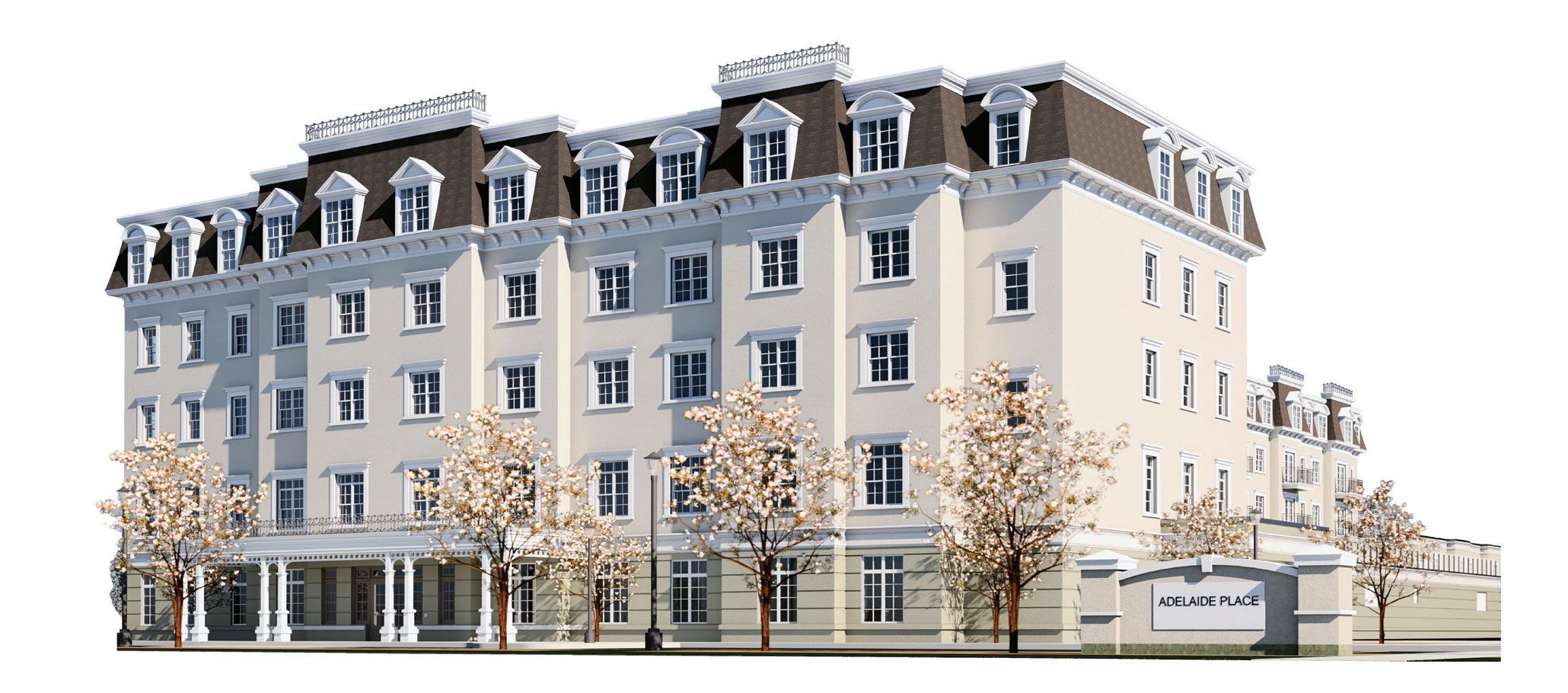



LUXURY TRAVEL WITH ROBERT ALTMAN
Collector Car & Truck Appraisals
Private Travel Planner in Kawartha Lakes
MTO Appraisals & Vehicle, VIN/Ownership Corrections
Leave winter in your wake –
Plan your escape now
Call Ron @ 705-878-2372. Please visit
RJVintageGarage com Available - Lindsay & Area.
Tailored journeys by land and sea. Private, Group, or Corporate Retreat.
robert.altman@ traveledge.com 647-966-8985
Better Bins Reliable Moving Solutions to take the Stress out of Packing.
Silversea • Explora • Viking • Silversea * Quark
Four Seasons • Accor • Marriott • Hilton * IHG
McKenzie’s offers all aspects of outdoor maintenance
We Buy Vintage...
Vinyl Records, Comics, Jewellery, Glass, China, Pottery, Toys, Sports & Collectibles. We Make House Calls. Cash Paid.
Furniture, signs, jewellery, watches, coins, china, military items, paintings, records, books, old metal toys, wood decoys, snow shoes, paddles & more.
Bob Carruth
Robert & Penny. 705-324-2699 howlingdog.rocks
705-887-1672

• interlock
• lift and re level
For Rent - 1 and 2 bed units from $1,800 & up Heat, hydro & water is included. Adult building in Lindsay Call 705-324-9381.
• fencing
• gutter cleaning
• lawncare
• snow removal
705-934-4333
Valentia Church & Community Centre Annual Yard and Bake Sale
Saturday, May 23rd, from 8:00 a.m. to 2:00 p.m.
DONATIONS GRATEFULLY APPRECIATED
Free estimates.
Plastic Mov We De
705-87

betterbinrentals @outlook com
We Buy V Vinyl Record Jewellery, Glass, China, Pottery, Toys, Sports & Collectibles We Make House Calls. Cash Paid. Robert & Penny 705-324-2699. howlingdog rocks
Classic & Vintage Cars & Trucks
Burns’ Snow Removal & Lawn Care Ltd. Grass cutting, fertilizing, organic topsoil & f up. Snow cont available Comm Residential Fully Call David E. Burns 705-324-8154

Fences, Gates, Railings & Verandas
Furniture; jewellery boxes, costume, silver or gold jewellery; old watches; silver items; china; military items; silver & gold coins; books; records; old toys; decoys, collectibles, etc.
New wooden fence installation Wooden fence repair Perfe

Great g & reliability
Burns’ Snow Removal & Lawn Care Ltd.
Call Mark 613-360-2699
Grass cutting, fertilizing, trimming, organic topsoil & spring clean-up.
Commercial & Residential Fully insured.
Call David E. Burns 705-324-8154
McKenzie’s offers all aspects of outdoor maintenance interlock lift and re level fencing gutter cleaning lawncare snow removal
FENCES
Fences, Gates, Railings and Decks New wooden fence installation Wooden fence repairs
705-934-4333 Free estimates
“PERFECT POST HOLES”
Great quality, pricing and reliability
Lindsay Resident
BOOK EARLY FOR SPRING
Free
Please bring your items to the Church the week of May 18th to 22nd between 7:00 p.m. and 9:00 p.m. or call 786-2170 to arrange for drop off.
BOOK SALES
Tuesday May 19 10:30 -5:00
Saturday May 23 10:30 -3:00
Tuesday June 16 10:30 - 5:00 Saturday June 20 10:30 - 3:00
Downstairs in the Lindsay Library
lindsaylibraryfriends@ gmail.com
Stephen 647-927-1580
Bob Carruth
705-887-1672


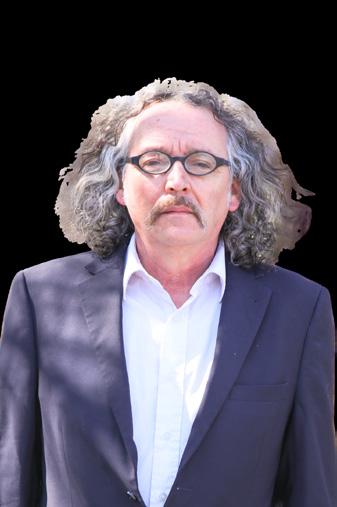
By Trevor Hutchinson Contributing Editor
In a unanimous vote, city council recently opposed the proposed ALTO highspeed rail project, a decision that feels less like a stand for the community and more like a retreat from the future.
This adds yet another layer of local obstruction to what has become a multi-generational odyssey. The history of our search for high-speed rail is vital; it exposes the selective memory and political flip-flopping that current headlines conveniently ignore.
Japan launched the world’s first highspeed line in 1964. Its 210 km/h speed was revolutionary. Six years later, Canada began its first major study of highspeed gas turbines. By 1971, the Canadian Transport Commission recommended a “Turbo Train.”
We have been talking about high-speed rail since “Raindrops Keep Fallin’ on My Head” topped the charts. Major studies followed in 1981-1984, 1991-1995, 2002, 2008-2011, and 2014-2017. Planning for the current project, led by Alto CEO Martin Imbleau, officially kicked off in 2021.
Early proposals favoured the Highway 401 corridor, but the path changed when Dean Del Mastro, the Conservative MP for Peterborough from 2006 to 2014, began his crusade. He was the original “OG” champion of the current route, convincing the federal government to set aside funding as far back as the 2008 budget.
Former Liberal cabinet minister Maryam Monsef later helped secure this alignment. The Shining Waters Railway Corp. — founded by Peterborough’s Chamber of Commerce — produced a 2011 report that provided the very blueprint now officially supported by Peterborough City Council.
Kawartha Lakes council justified its opposition by citing agricultural impacts, following deputations from individuals
and groups representing farmers. Landowner rights are suddenly a sacred cow. One has to wonder: Will council show this same “adamant” respect for land rights when a project requires Indigenous permission? Given that one-quarter of this same council previously voted to officially support oil pipelines, their newfound devotion to land stewardship feels opportunistic at best.
We have been talking about high-speed rail since “Raindrops Keep Fallin’ on My Head” topped the charts.
The city’s motion mimics the Eastern Ontario Wardens’ Caucus (EOWC). Ironically, the EOWC 2024-2027 strategic plan lists “investment in provincially and federally owned infrastructure” as its top foundation for prosperity. Apparently, that only counts if the infrastructure doesn’t actually go anywhere.
Unsurprisingly, the federal Opposition has joined the chorus of “no.” Conservative leader Pierre Poilievre recently branded the $60-90-billion project a “Liberal boondoggle.” This is rich, considering his own party voted in favour of high-speed passenger rail in 2023, and his own MPs spent a decade lobbying for this exact route.
Large infrastructure projects are inherently disruptive. France’s TGV carves through some of the oldest farmland in Western civilization, and those regions haven’t just survived — they’ve thrived. But perhaps progress is simply too much for us to handle. While we turn up our noses at economic benefits and high-tech maintenance jobs, we can be sure they will stay in the south. We’ll pass on the train — and then spend the next 50 years complaining that we’re being left behind.

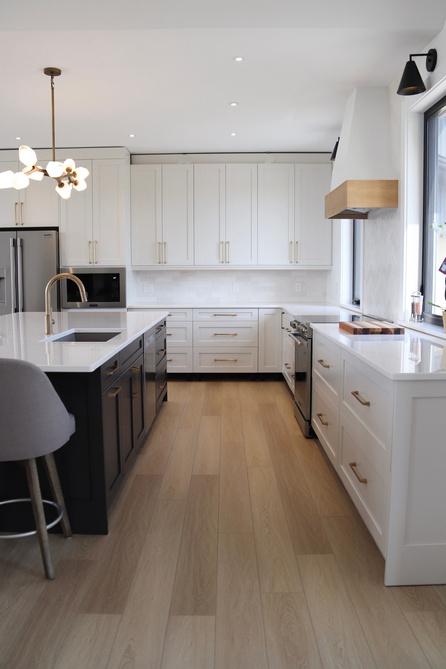


May 30 I.E. WELDON SECONDARY SCHOOL 11AM - 2PM
Get a photo with a real gold medal!
Celebrate Local Heroes, Champions and Innovators in Accessibility. Get Inspired with Presentations By:
Join Ampere and our partners as we kick off National AccessAbility Week with gold medal athletes, the latest assistive tech, face painting, a creativity bar, seniors yoga and more!

VAN KOOTEN Rising Wheelchair Basketball Star Get Rolling with a Wheelchair Basketball Clinic:
Gold Medalist, 2026 Paralympic Wheelchair Curling
4x Paralympian, Gold Medalist, 2022 Commonwealth Games
VOSS Silver Medalist, Canada Games
Free entry. All ages welcome. No registration required. go.amp.ca/accessible2026