
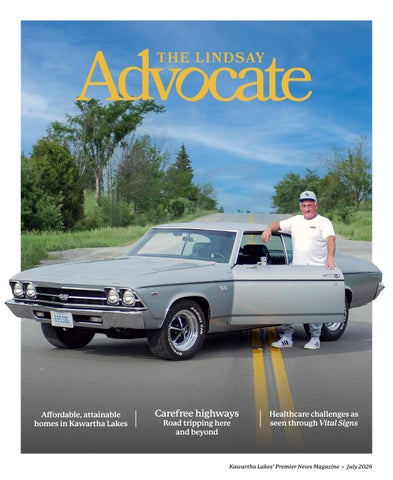
Affordable, attainable homes in Kawartha Lakes
Carefree highways Road tripping here and beyond
Healthcare challenges as seen through Vital Signs

Affordable, attainable homes in Kawartha Lakes
Carefree highways Road tripping here and beyond
Healthcare challenges as seen through Vital Signs
At Lindsay Ear Clinic, our goal is to provide comprehensive audiological assessments. From the results of these assessments, we will educate, and inform our patients so they can make an informed decision about their hearing needs.
Your story is our priority, we’re here for you!

THREE AUDIOLOGISTS TO SERVE ALL YOUR HEARING NEEDS
Hearing Tests & Hearing Aids • Dizzy Assessments & Treatment
• Tinnitus Management • Wax Removal

CHOOSE A
Choose from one of our three locations in
Choose from one of our three locations in Lindsay, Bobcaygeon or Bancroft
BOOK A HEARING TEST
One
One of our Audiologists will run you through a series of tests and then discuss options
CHOOSE YOUR HEARING AID
We’re confident we can find the perfect device to suit your needs. BETTER HEARING IN THREE EASY STEPS
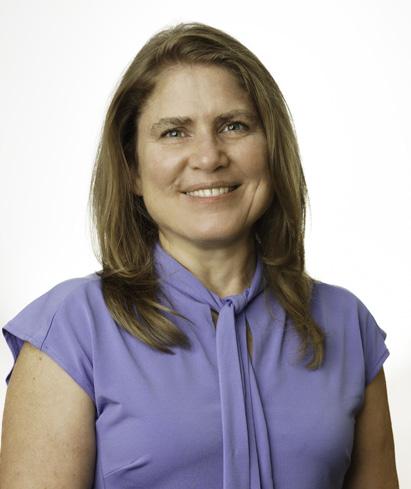
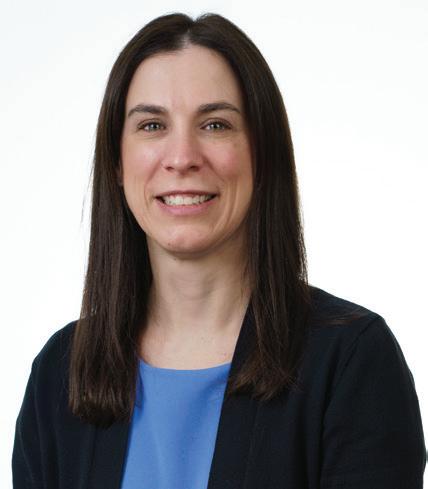



Author EVAN CONNOLLY REALTOR®
705.928.5604
Office 705.328.3800
birdhouserealty.ca
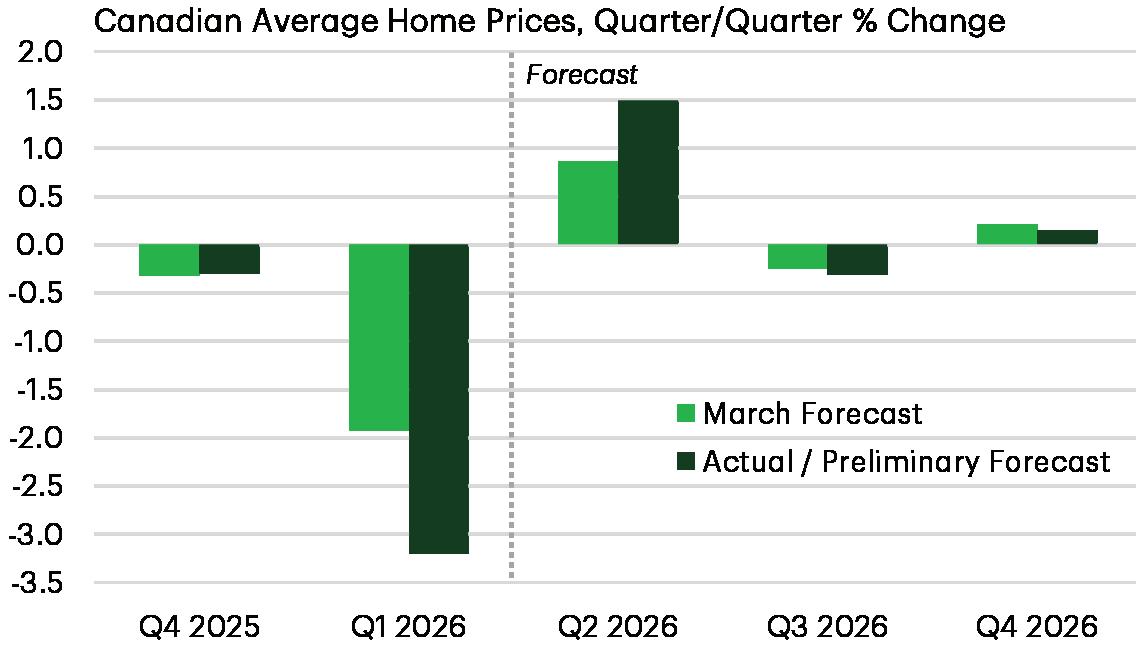
After years of declining sales activity, Q2 housing data suggests the floor under Canada’s housing market may be firming.
“We might be at an affordability bottom.”
– Penelope Graham, Mortgage Expert, Ratehub.ca
Recent sales activity has been attributed to a shortened spring market and buyers acting before lower-rate pre-approvals expired.
With mortgage rates rising from roughly 3.7% in early March to 4.1% today, many buyers accelerated their purchasing decisions before those lower rates disappeared.
“We’re
The uncertainty created by tariffs and trade tensions has weighed on business confidence and the broader economy for more than a year.


“We’re Not Falling Off a Cliff on July 1” – Mark Wiseman, Canada’s Ambassador to the United States
Any renewed stability through a trade agreement, or even meaningful progress toward one, could help ease recession concerns and reduce pressure on the Bank of Canada.
“Economic weakness combined with rising inflation is a dilemma for monetary policy.”
– Tiff Macklem, Governor, Bank of Canada, June 10th
During the G7 Summit, news emerged that the U.S. and Iran are moving toward a ceasefire agreement.
“The Strait of Hormuz equals higher oil prices, higher bond yields from inflation, and higher mortgage rates.” – Ron Butler, Mortgage Broker, Butler Mortgage



If the ceasefire holds and oil prices remain below US$80 per barrel, easing inflation pressures could improve the outlook for mortgage rates and housing activity.
“Markets Rally as Oil Prices Fall” – Associated Press, June 14th
While a V-shaped rebound is unlikely, market conditions never last forever.
As CIBC Chief Economist Benjamin Tal has noted, “Today we are building nothing.” What happens in three years when economic conditions clear?




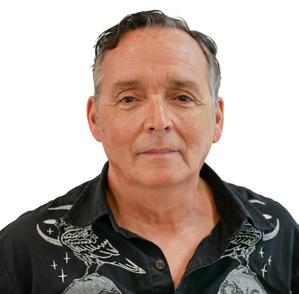
Roderick Benns PUBLISHER

Mike Puffer WRITER-AT-LARGE

Darren Hoiting ADVERTISING SALES

Rebekah McCracken EXECUTIVE EDITOR

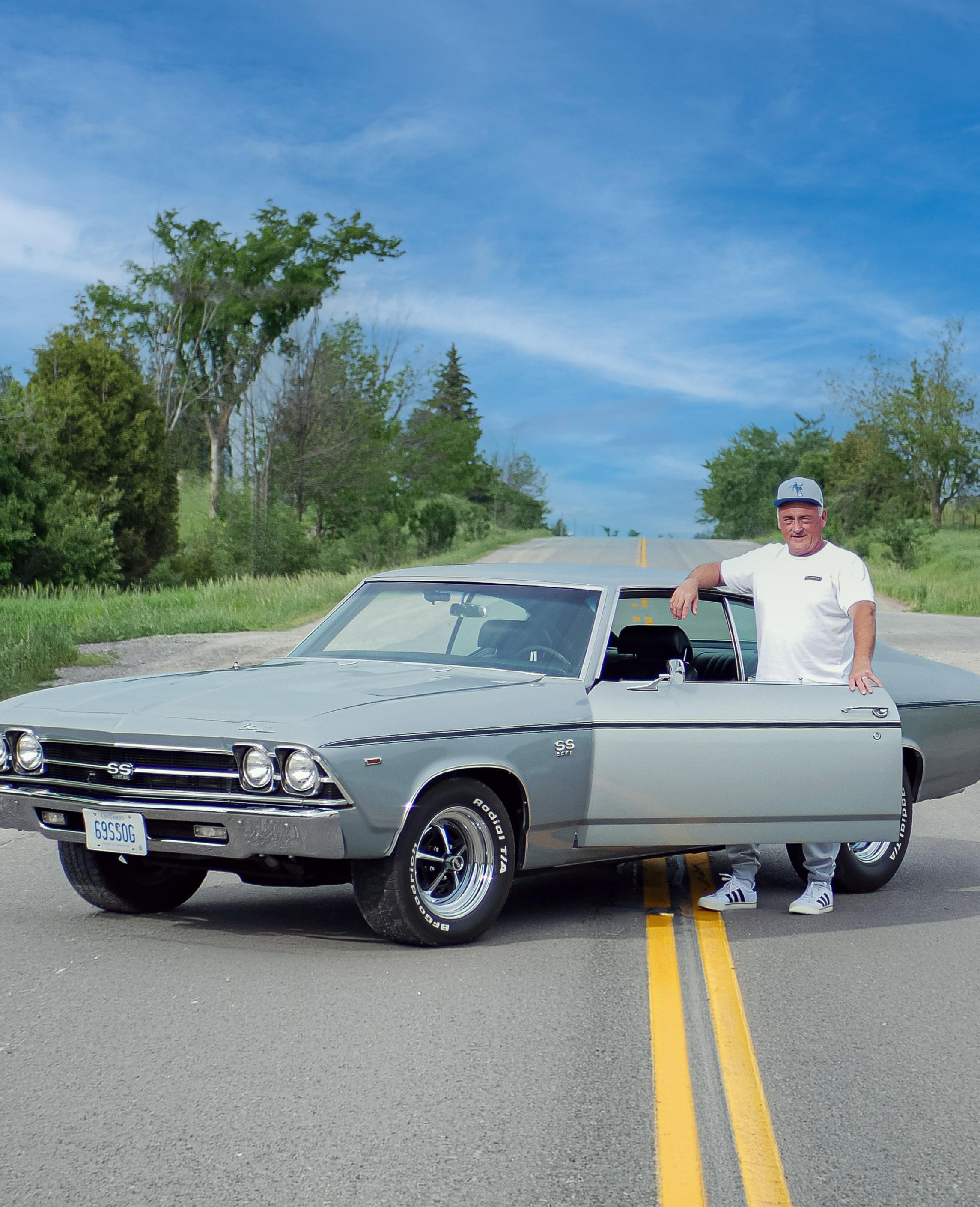
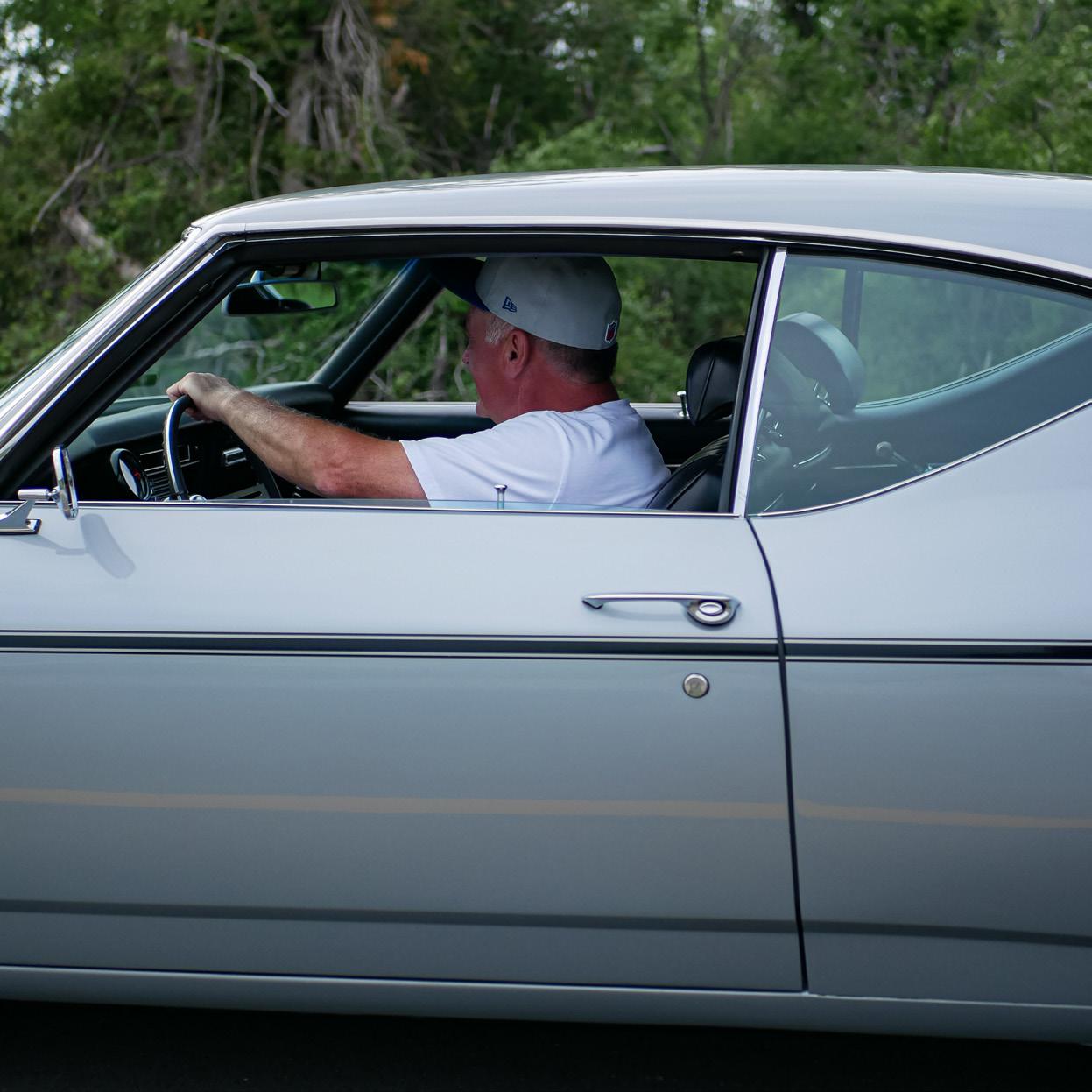
Trevor Hutchinson CONTRIBUTING EDITOR Printed By: Cofax Printing Cover Photo: Bill Kavanagh standing with his Chevrolet Chevelle. Photo: Sienna Frost.
Denise Waldron WRITER-AT-LARGE


Cara Baycroft ADVERTISING SALES

Please send editorial inquiries to Roderick Benns at roderick@lindsayadvocate.ca or 705-341-1496.
Please send ad inquiries to Darren Hoiting at 705-991-3188 or darrenhoiting@outlook.com, or to Cara Baycroft at 905-431-4638 or cara.baycroft@gmail.com
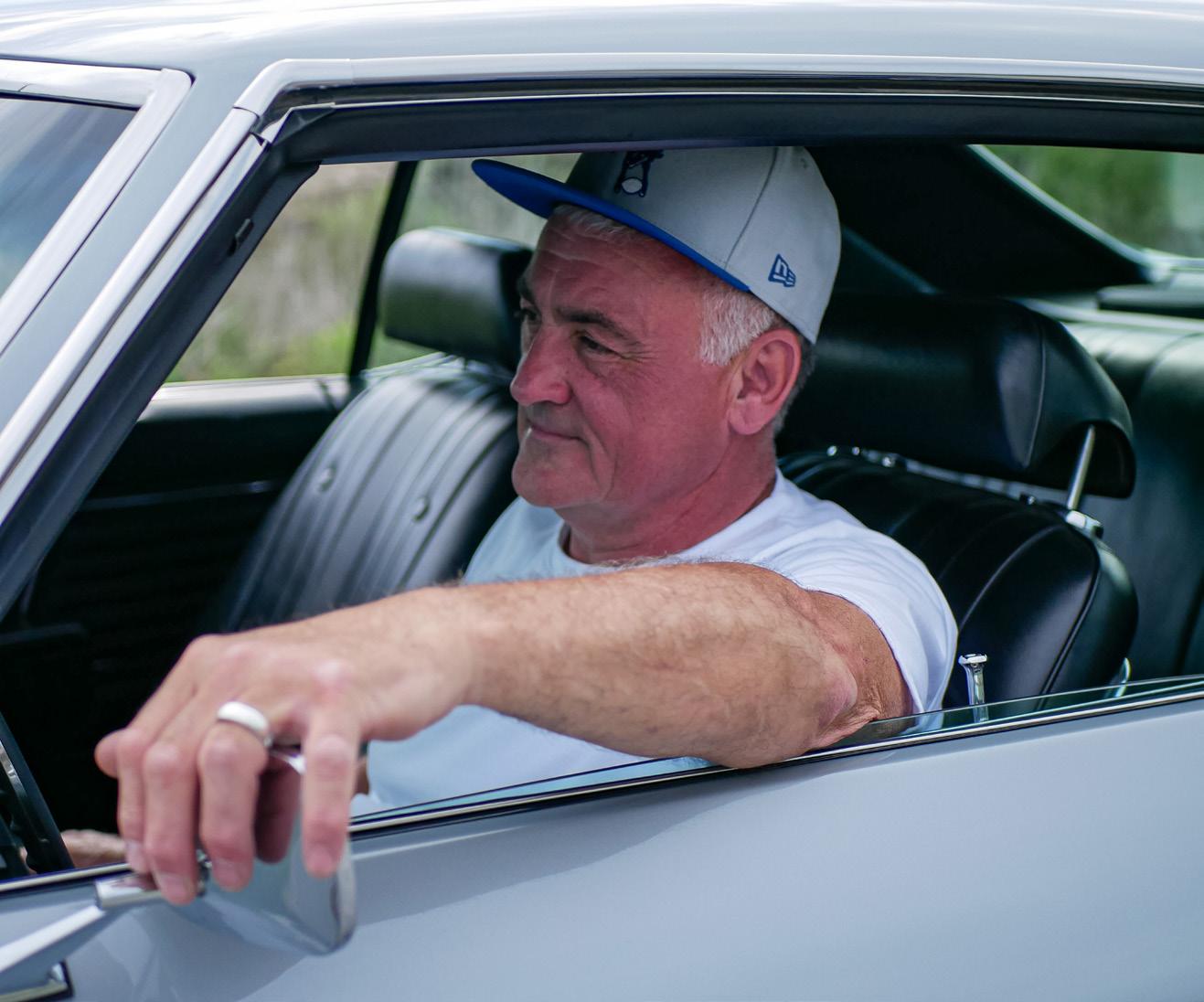
Bill Kavanagh says his therapist is his car. Photo: Sienna Frost.
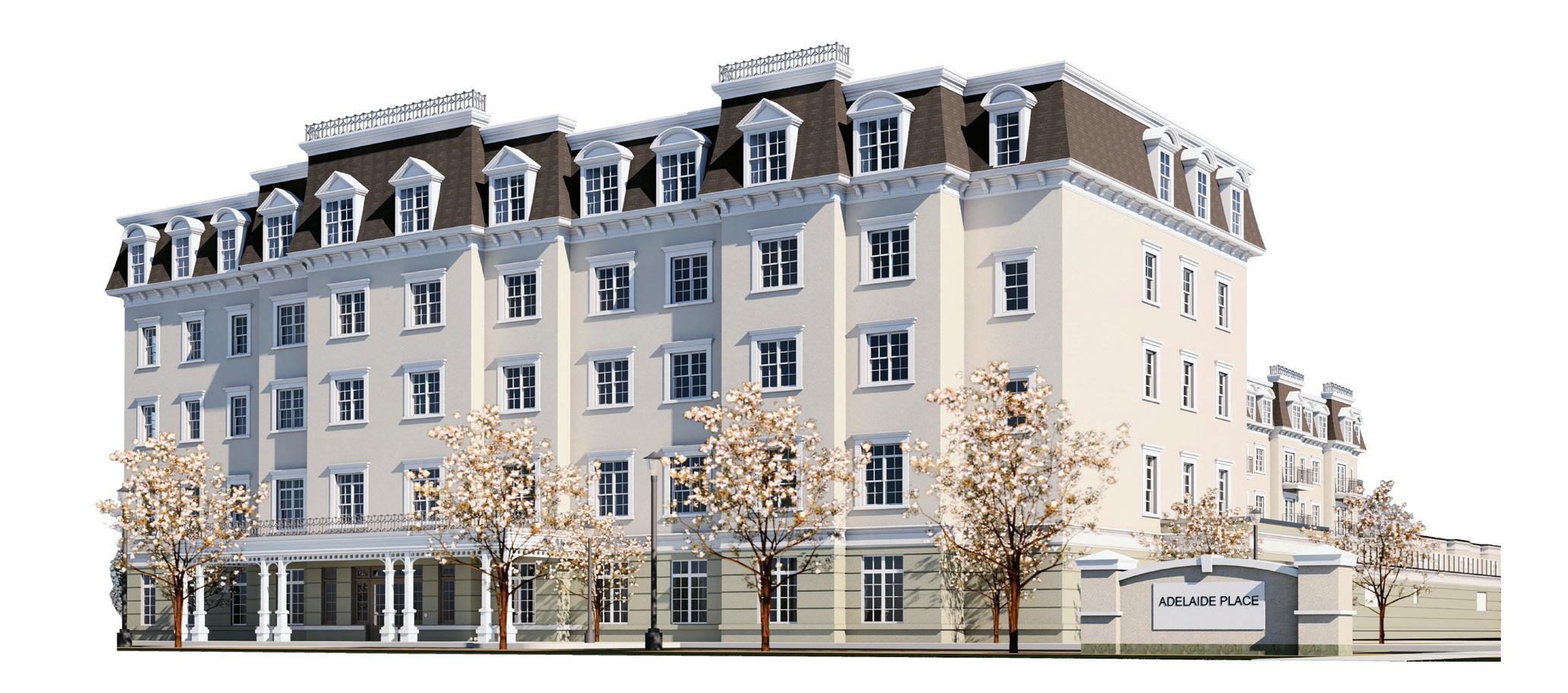
From new apartments to small homes, more choices are coming in Kawartha Lakes. 13
18
33
Road show: Nothing says summer like the open road. letters to the editor 6 • benns’ belief 9 • business today 26 KL
Vital Signs: With a high senior population, healthcare is a big focus.

lindsayadvocate.ca • @lindsay.advocate
Fireside Publishing House is the premier print media company in Kawartha Lakes through its family of magazines and all-local weekly newspaper. We believe that community-based media can bring people together and change lives for the better through the power of storytelling, reflecting local culture, and creating informed and engaged citizens. Our commitment is to deliver high-quality and relevant content that reflects the diverse voices and experiences of our communities. We believe in the transformative power of local media to inspire, educate, and empower.

I was disappointed to read the statement in Ginny Colling’s recent column that destructive storms are becoming “more frequent and more intense,” and that these impacts “will keep escalating until we stop adding fossil fuels to the fire.”
Regardless of one’s views on climate policy, such claims should be supported by evidence. The scientific picture is more nuanced than the column suggests. The Intergovernmental Panel on Climate Change (IPCC) reports increased confidence in some climate-related trends, particularly heat waves. However, it does not conclude that all forms of severe weather are becoming more frequent or more intense for phenomena such as severe thunderstorms, tornadoes, hail, floods, and droughts. The evidence is often limited, mixed, or uncertain, depending on the region and the length and quality of the historical record.
The 2022 derecho, the 2025 ice storm, flooding, drought, and local wildfires were undoubtedly disruptive events, but a collection of recent events does not by itself establish a long-term trend. Extreme weather has always occurred, and trends can only be determined through careful analysis of long-term data. Public discussion is best served when claims about weather and climate accurately reflect the scientific evidence.
— Carl Sweetman, Lindsay
After reading Diane Englestad’s letter about the mature trees being cut down in front of the Lindsay library, I wonder who has read To Speak For the Trees: My Life’s Journey From Ancient Celtic Wisdom To A Healing Vision Of The Forest, by Diana Beresford- Kroeger.
This incredible woman and world-recognized botanist has grown her own arboretum of trees that need to be protected. At a recent talk , I attended she appealed to all of us to do our part and plant a tree.
She is author and presenter of a feature documentary, Call of The Forest.
She is advocating on behalf of an ambitious global “bioplan” encouraging people to develop a new relationship and join together to restore the global forest,. So, yes I too ask, Why cut down mature trees?
— Gina Stanley, Minden
I was shocked. After reading Trevor Hutchinson’s ‘Stay Free’ column, I felt like I had entered The Twilight Zone. A radical that supports oil pipelines and is contemplating a refinery in his backyard, likely under protest from his neighbours? Is that the real Trevor Hutchinson? Wow.
I wonder if Advocate environmental writer Ginny Colling lives next door? If so, will she use a bullhorn and placards to protest Trevor’s oil refinery? Will Advocate readers begin to see the two neighbours battle out their fossil fuel differences on these pages? Will Sienna Frost record the event? Now that would be real entertainment!
While I am at it, I would like to reframe the “climate change” narrative, which began as Anthropogenic Global Warming decades ago. Today, let’s call it “Anthropogenic Environmental Harm.” It’s a better framing for the real environmental concerns we all share.
— Gene Balfour, Fenelon Falls
As the average person gets ready for work, Premier Doug Ford and the Legislature have already left to take 21 weeks off from work. Laurie Scott makes just shy of $172, 000 a year. The government has sat for 30 days in 2026.
Other than passing the FOI bill, which keeps Ontario voters in the dark, retroactively, concerning Ford’s dealings with private enterprises, and allowing more booze in public places, not much seems to have been done for the average person. Groceries are still unaffordable, gas prices are through the roof, and we are still on the hook for almost $200,000 for a plane that Ford should never have purchased.
Millions of taxpayer dollars are being spent on propaganda to tell us how great this lazy government is. They won’t return to Queen’s Park until late October. That’s a whole lot of photo ops for summer fairs and events.
— Bonnie French, Kawartha Lakes
The cover story feature in the June Advocate (The Search for Happiness) highlights an important tension in how we tend to think about happiness — as something to chase rather than something to cultivate. When we look for it externally, whether through achievement, status, or approval, it often slips through our fingers because those sources are inherently unstable. The examples in the piece — particularly the therapist’s perspective and Bayley Hayward’s story — point to a quieter truth: happiness is less about what we acquire and more about how we relate to our experiences.
The Finland example reinforces (a) broader definition of wellbeing. Their approach is not about constant pleasure or high-energy joy, but about stability, trust, connection, and alignment with values. Their cultural emphasis on nature, equality, and shared rituals like sauna reflects a system that supports psychological safety and belonging. Ultimately, the strongest thread running through the article is the shift from striving to allowing. Whether it’s Hayward appreciating small daily moments, McMillan encouraging self-compassion, or Stoutt grounding herself in purpose and identity, each story reflects a move away from external validation toward internal alignment. Happiness, then, becomes less of a goal to achieve and more of a byproduct of living in accordance with one’s values, being present to everyday experiences, and building meaningful connections. It’s not something we find, it’s something we gradually build.
— Anne Dranitsaris, PhD., psychotherapist, relationship expert, Kawartha
Lakes

Why too many women are leaving politics behind - and what we can do about it.
Join us for a panel discussion with Kawartha Lakes Ward 8 Councillor Tracy Richardson, The Honourable Maryam Monsef, former MP for Peterborough-Kawartha, and former Mayor of Peterborough, Diane Therrien.
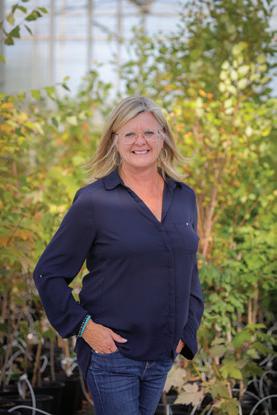

The loss of civility in public lifeparticularly online and in-person harassment directed at women - is creating a crisis in our democracy. When we lose women in politics, entire communities lose out on diverse perspective that shape public policy. Come to listen. Come to engage.
JULY 7 6:30-8 P.M.
KINDRED COFFEE BAR 148 Kent St. W. Lindsay




The Advocate welcomes your letters. We do not publish anonymous letters unless it’s a matter of public importance and/or someone risks harm by writing us. We publish under strict guidelines & only if we can verify the person’s identity. Keep your letters to 200 words or less. Simply email roderick@lindsayadvocate.ca.



The Advocate and Kawartha Lakes Weekly are your 100% local print media choices based in Kawartha Lakes. Visit our website and choose Support Us, or contact 705-341-1496 or roderick@ lindsayadvocate.ca. We thank the following people for their support:
Al Kingdon, Anne Melanson, April Scott, Audrey Burrows, Barb Taylor, Bill & Heather Peter, Bob & Carol Barkwell, Bruce & Debbie Peck, Cam Finley, Carol Bryans, Carol & Brian Kelsey, Catherine Hennings, Chris Yourkin, Christine Wilson, Colleen Newson, Cordula Winkelaar, D Ann Ostafichuk, Dale Urekar, David & Margaret Robertson, David Holloway, David MacMillan, Deborah Smith, Doreen Amos, Don Sangster, Drew Davison, Edith Wood, Edna Calhoun, Elaine Heyes, Elizabeth Anne Patterson, Elke Danziger, Ellen Roberts, Gail Motzok, Garth & Marian Mackay, George Meyer, Geri Graham, Glenda Morris, Grace King, Hannah Marnoch, Heather Muir, Hilary Grice, Jack Kyle, Jamie Anderson, Jane Walling, Janet Smith, Jean Wood, Jim Buchanan, Jim & Bonnie Hancock, Joan Shippel, Joanne Young, John & Elizabeth Gundy, John & Pauline Hunter, Joyce Dunning, Kevlyn Given, Laurie Jones, Lauren Drew, Lee Steeves, Leslie King, Linda Friend, Lorna Green, Lynda Palmer, Marci Stainton, Margaret Anthony, Maria Bennett, Marie Geelen, MarieFrance Leclerc, Marnie Nelles, Mary Auld, Maureen Kalmykow, Maurice & Marie Jackson, Mehran Qaaboos, Mike & Cathy Puffer, Nanci Byer, Neil Campbell, Nelson Gingrich, Nora Steffler, Norman & Molly Feldman-Swan, Patricia Apac, Pamela Burtt, Paul Skipworth, Peter & Kathy Anderson, Peter & Sandra MacArthur, Ray & Lorna Smith, Richard Mason, Ron & Claudie Chartrand, Ross & Susan Beattie, Sandra Scott, Sandee & Stephan Willshaw, Sharon Tracy, Shirley Harnden, Sonya Vellenga, Susan Ferguson, Susan Stitt, Tegan Osmond, Vickie Schuett, Wanda Percival, Wayne & Cathy Alldred, William Steffler, Wayne & Wendy Brumwell, Zita Devan

When you’ve lived long enough to know that life is a series of cycles –good and bad, fast and slow, intense and languid – it’s a little easier to rebound from the hard days. But it always tests and challenges.

I had such a taxing year in 1998 when my father, 58, was dying in Toronto General Hospital. Across the road, just 48 hours later, my four-month-old son was getting a new lease on life at Sick Kids, to fix a major heart condition. There was quiet faith in science for the young; a questioning of faith for the not-so-old. Good and bad, fast and slow. It will always be.
Twenty-eight years later (and just a few weeks ago, for me), my 20-yearold said goodbye to go wilderness camping, live off the land, and explore this incredible country. Goodbyes are the worst, as any parent knows. And as any parent also recognizes, letting it happen with grace is the most profound gift you can give.
Just 24 hours after my youngest son left home, knapsack on his back, my eldest son was struck by a series of seizures. In the end, he had to have brain surgery to save his life.
When it was appropriate, I joked with him that he was trying to complete the Wizard of Oz trifecta; first a Tin Man heart focus, then a Scarecrow brain. (I happen to think he already has the leonine courage, having gone through too many major traumas in his young life.)
So there were points this past month when I felt I was at an emotional nadir. But I have a supportive partner. I had a pint with compassionate friends, in which to confide. And it’s wrenching to realize that not everyone does.
By Roderick Benns Publisher
Most people (or is it mostly men?) aim for some level of stoicism when confronted with emotional turmoil. But stoicism has its limits. Albert Camus, who wrote The Myth of Sisyphus, would say there’s no grand lesson in any of this — no cosmic ledger balancing joy and suffering. And yet isn’t life exactly that?
The trips across Canada with my kids. The quiet thrill of success at work. A nice homemade dinner or rewatching my favourite movie, The Fisher King, for the 10th time. Aren’t these shards of light something to weigh against the darkness of my June?
Life simply unfolds, Camus would say, with tenderness or cruelty, in a way that can feel intensely personal. But the bottom line is we know, deep down, that the rock will roll down the hill again. But we choose to keep loving, keep showing up to push it, keep saying yes to the world even when it feels indifferent.
Life simply unfolds, Camus would say, with tenderness or cruelty, in a way that can feel intensely personal.
Camus imagined Sisyphus happy not because the task changed, but because he did — because he claimed the struggle as his own. Maybe that’s the quiet truth in all these cycles. We don’t control the rise and fall of the great stones in our lives, but we do control the meaning we make in the middle. And sometimes, that’s enough to keep going.
Follow Roderick on Instagram @roderickbenns



















Attainable housing is coming, but will it be enough?
By Robyn Best
Kawartha Lakes is growing quickly, and its housing supply is struggling to keep pace.
In 2023, the city completed a housing needs review, which found the municipality’s population was about 83,000 and projected to grow to 117,000 by 2051.
That expected growth raises a pressing question: where will all those new residents live?
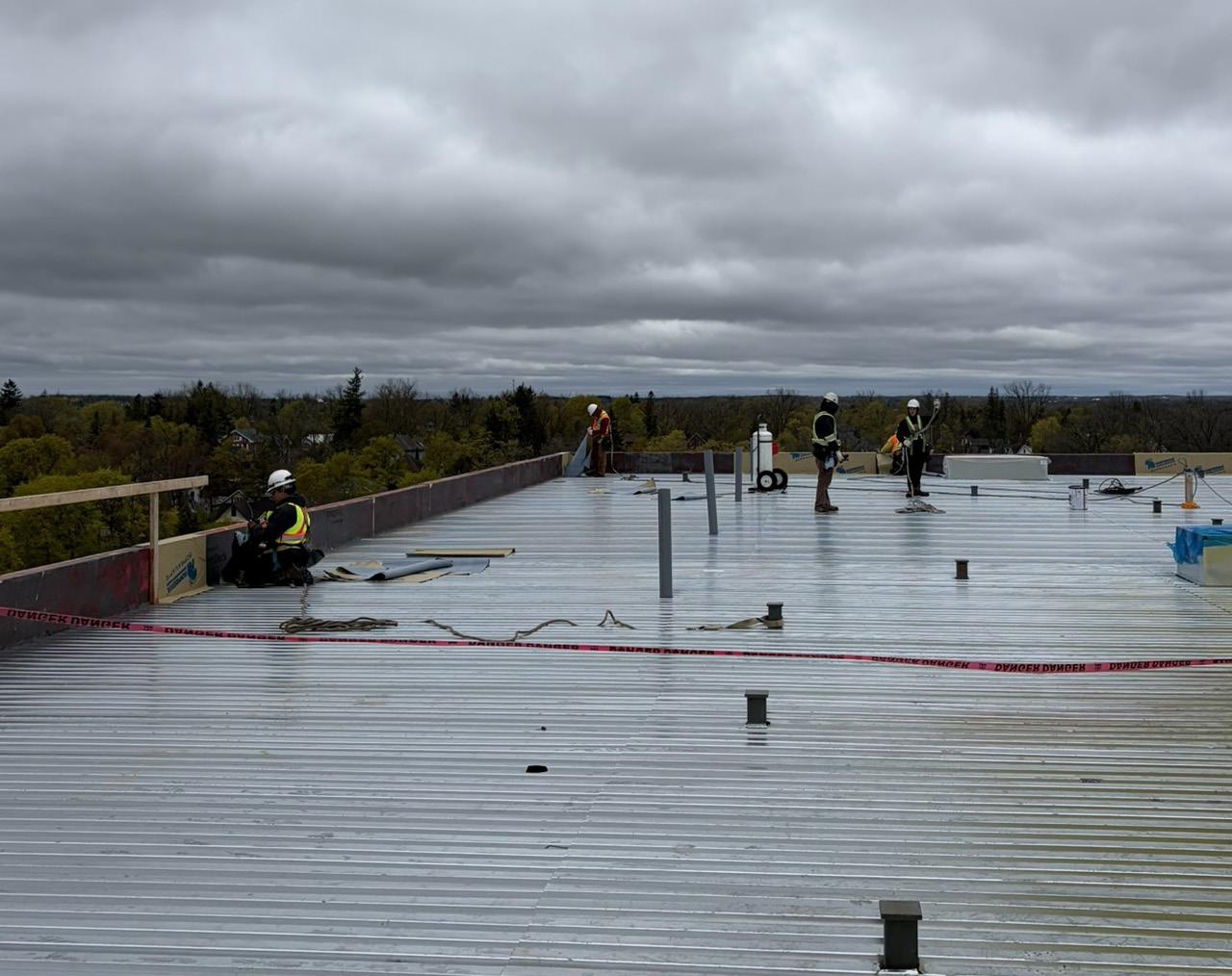
On William Street, many have noticed the construction of the new eight-story, 110-unit building dubbed The Foundry. Described as “a brand-new luxury rental apartment building” at the corner of William Street North and Wellington Street in downtown Lindsay, The Foundry is bringing one, two, and three-bedrooms options to residents.
Luke Wilson, of MDM Developments, said the number of inquiries they’ve received about the building is something he’s never seen before. “I wish we had these many inquiries on all our projects.”
Move-ins are expected to begin in January, with five leases having already been signed. “It helps that we’re in a major intersection too, and the fact that it’s a very noticeable big building going up.”
Luke Wilson, of MDM Developments, said the number of inquiries they’ve received about the building is something he’s never seen before. “I wish we had these many inquiries on all our projects.”
Wilson said the demand for rentals was unexpected. However, according to the Vital Signs report, the housing market sees 83 per cent of households being owned with only 17 per cent being rentals – a particular market gap.
The Foundry’s apartments will range in price from $1,695 for a one bedroom, $1,950 for two-bedroom units, and $2,500 for three beds. Based on the city’s housing needs review from three years ago, these prices are on par with municipal expectations. In 2023, the average monthly cost of a three-bedroom unit was almost $2,400.
The Foundry will have both underground and aboveground parking, washer and dryers in each unit, a fullsized gym, an eighth-floor party room, and a rooftop that faces the highest point in the city.
Wilson said the view from the rooftop allows residents to see the river. As well, almost every church in Lindsay is visible from the roof. “It’s actually an underrated nice feature. It’s nicer than just looking at houses.”
While Wilson said some residents have been frustrated by the construction, and the road closures it’s caused, the overwhelming sentiment he’s heard is that people are looking forward to having a new apartment building in town.
Working with the city, The Foundry will also be offering some affordable housing units. Wilson said that the units will essentially be picked at random, ensuring that only the person living in the unit knows they’re paying an affordable rate.
The Foundry will be taking applications for the affordable housing units directly off the city’s waitlist. Data from the city at the end of the first quarter of this year shows close to 2,400 people are still on the community housing list.
According to Vital Signs, only three per cent of rentals are subsided, making it important for new buildings to offer it. “As a result, even a sizeable supply of subsidized rental units reaches only a small portion of residents overall. This highlights the limits of relying on rental subsidies alone to address broader housing insecurity,” the report said.
In 2023, there were close to 2,500 households waiting for community housing, with some applicants having been on the list for close to 10 years.
Last year, the city released a 10-year housing strategy plan where they identified six key findings.
The biggest one was how the cost of local housing is outpacing what many residents can afford. The report found that full-time minimum-wage workers would need to spend more than 53 per cent of their income on rent. “The private market is already out of reach for half of renters in Kawartha Lakes,” the report concluded. Without any intervention, the report said that homelessness would be projected to rise 243 per cent over the next decade.
The strategy outlines six priorities to guide action. Expanding deeply affordable and supportive housing; prevent homelessness and improve pathways to stability; strengthen community and supportive housing delivery; align municipal systems to enable housing delivery; strengthen governance for housing delivery; and advocate for investment by other levels of government.
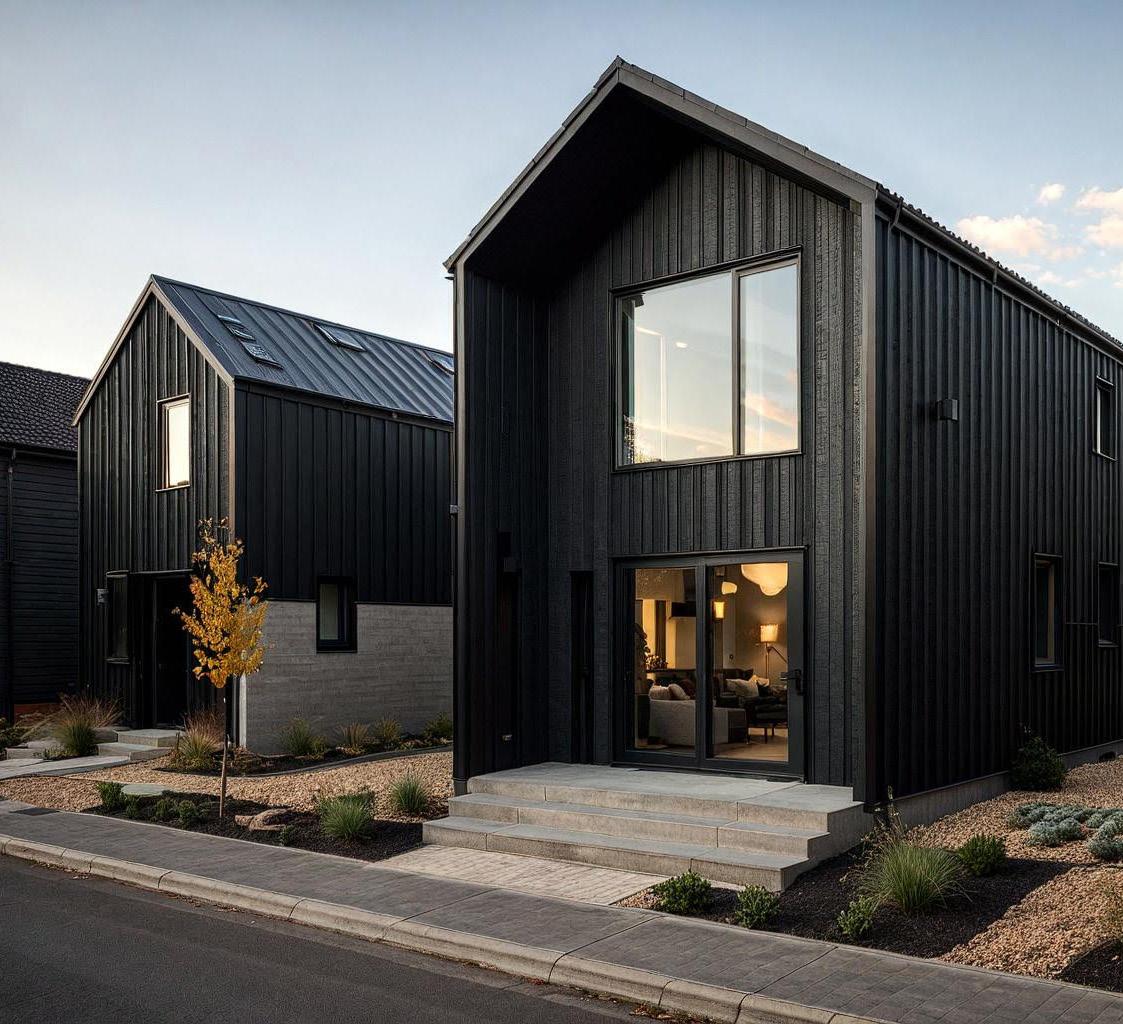
Clinton Edwards of Norsemen Haus, says the word affordable is thrown around a lot, without a clear understanding of what that really means.
Their target demographic will be people who qualify for affordable housing, but that’s not to say that someone who makes more than $116,000 won’t be able to buy one to put in their backyard or other private property.
After discussing the issue with the municipality, Edwards said the definition of ‘affordable housing’ finally became clear. Anyone with a household earning less than $116,000 qualifies for affordable housing. Norsemen’s goal is to ensure that people within that income range have access to a home they can be proud of.
While the target demographic for the homes is residents who meet that affordable housing income threshold, the homes will be available for anyone to buy.
Edwards and Aaron Young, along with other partners like Launch Kawartha and potentially Habitat for Humanity, have been trying to bring more affordable housing to the area for the past few years.
The report found that full-time minimum-wage workers would need to spend more than 53 per cent of their income on rent.
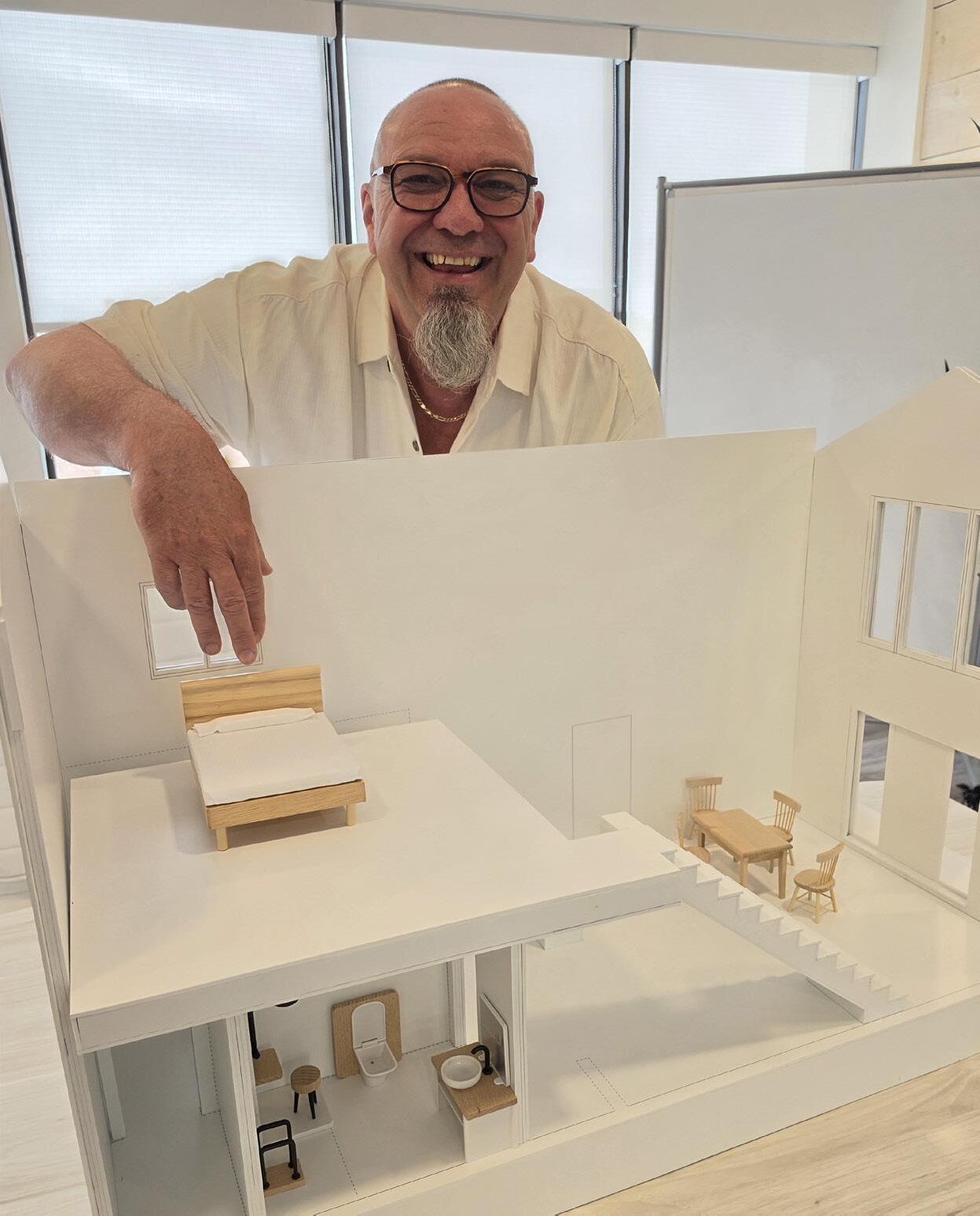
Lindsay’s Aaron Young, originally from Iceland, says Norsemen Haus is all about clean Scandinavian designs and attainable price tags. Photo: Roderick Benns. Young has been working on this project for six years. Originally, he looked into bringing a container style of home to Kawartha Lakes, but he quickly realized they had several shortcomings, including their diminutive size.
When he connected with Edwards, who focused on bringing additional dwelling units onto existing properties, they started working together to bring more of this kind of housing to Kawartha Lakes.
“I’m from Iceland originally, so I really like Scandinavian design,” says Young, “which is what you’ll see we’ve modeled ourselves after.”
While no plans are finalized yet, Young said after many conversations with the city, they’ve been able to pick out a property that is close to downtown to put eight of the two-bedroom models on. The cost of these houses is $355,700, and a downpayment would be around $18,000.
The two wanted to ensure the houses look attractive. “The goal with this is obviously to create something so that people can actually have home ownership. We’re not trying to create something where you’re buying a box, and that’s all you’re getting. The idea is to purchase something that you actually have ownership of, have some land, and have that joy of owning a home,” said Edwards.
Young said it was important to make sure things got done correctly. “We’ve been overly methodical to get it right that a lot of people have gotten to the market faster than us, but it wasn’t about doing it faster, it’s about doing it right.”
Despite the first property not being confirmed yet, Young is hopeful that Norsemen can continue to get more properties. The city requires 20 per cent of homes built by developers to be affordable. Young said instead of building the affordable housing, developers instead buy land. “We want to talk to those developers who are saying, okay, we’re going to buy 10 acres in lieu of building affordable. (And then) we’ll do the affordable,” Young said.
The plan is to build almost mini subdivision like neighbourhoods with these homes. However, Young said that’s not their only use. There’s also the possibility to put these homes on an existing property, as long as it meets city requirements. Norsemen will help residents to understand if they can place a home in their backyard.
“You can put something like this on an existing property, and then when the day comes that this unit is vacant, then you have rental income, and you have built-in equity from the unit,” Young said. LA












From classic cars, family trips, and motorcoaches, Canadian travel is timeless – and on the rise

By Trevor Hutchinson
Sometimes the car dashboard is merely a display of personal restriction; the gas gauge or battery level a measure of cost and limitation; the clock an unrelenting field marshal in the battle of modern life.
Yet this deeply personal quest is also a quiet economic engine. The romantic mythology of the open road is anchored to a practical reality. Every traveller chasing a sunset is keeping a rural economy alive. The money spent at roadside chip trucks, main street boutiques and community theatres forms a vital lifeline for small-town Ontario. In Kawartha Lakes, the individual’s emotional journey and the community’s economic survival are deeply bound together.
But somewhere along a road in Kawartha Lakes, where new urban sprawl yields to the open, rolling topography of this far-flung city, the dashboard becomes a tool of freedom and discovery. The clock stops dictating the terms of the day. The numbers still change, but they lose their authority, replaced by an older, gentler metric: the slow exhale of a weary driver, the unbroken line of the horizon and the steady, meditative drone of an engine revving into the weekend.
It is exactly this feeling that has given the road trip a unique, almost sacred space in the Western imagination. From the independence and rebellion of Jack Kerouac’s On the Road, to the vast Canadian identity of The Tragically Hip’s At the Hundredth Meridian, to the modern escapist urgency of Harry Styles’ Keep Driving, being on the road has always been about more than moving between two points. It is an emotional state of being — a deliberate embrace of the vast spaces found in between.
For Bill Kavanagh, the connection between asphalt and emotional clarity is measured in cubic inches and vintage steel.
Kavanagh, the eldest of six children from a blue-collar family, spent years working in Toronto before seeking a community with a small-town atmosphere. He found that home in Lindsay. While he runs his own successful landscaping and construction company, his deep-seated passion for community service is channeled into his work with the Hope Valley Healing and Addiction Centre.
“I’ve never felt more aligned than when I am working in a place like this,” Kavanagh says. “New to Lindsay, I found myself on their doorstep helping out, and I don’t see that changing any time soon.”
To restore his own energy, Kavanagh turns to his fathom-blue 1969 Chevrolet Chevelle SS, equipped with a 396-cubic-inch engine and a Muncie four-speed manual transmission. His obsession with muscle cars began at age five in 1970, transfixed by a massive, rumbling machine idling at a crosswalk. Decades later, in July 2020, he finally claimed his own piece of automotive history.
Bill
“I told my wife I was on my way to buy a Chevelle,” Kavanagh says. “She asked, ‘What about the Corvette? I thought you liked it?’ I replied, ‘The Corvette is eye candy. The Chevelle is for the soul.’”
The vintage coupe bridges generations, drawing smiles from children and seniors alike. His licence plate, containing the letters “OG,” was born from a spontaneous encounter when a 10-year-old boy looked at the pristine classic and told his mother the car was “OG”—slang for original gangster, a timeless classic.
When life’s pressures mount, Kavanagh uses the Chevelle for rolling meditation. With the Rolling Stones blasting above the deep eight-cylinder growl, his spontaneous routes track through Buckhorn, Sandy Lake or Algonquin Park. In autumn, he drives through Bethany’s rolling hills. When craving his urban roots and diverse culinary experiences — whether Greek, Chinese, Indian or Middle Eastern — he points the chrome nose toward Toronto to share a meal in Kensington Market.
“It’s how I recharge, let loose, forget or reground myself,” says Kavanagh. “Get in and drive. My therapist is a ‘69 Chevelle SS. Connection over food with family or friends is really what the soul needs — and a Chevelle, of course.”
While Kavanagh finds solace in an eight-cylinder engine, another style of road trip plays out across the region — one defined by family chatter and the necessity of digital detoxification.
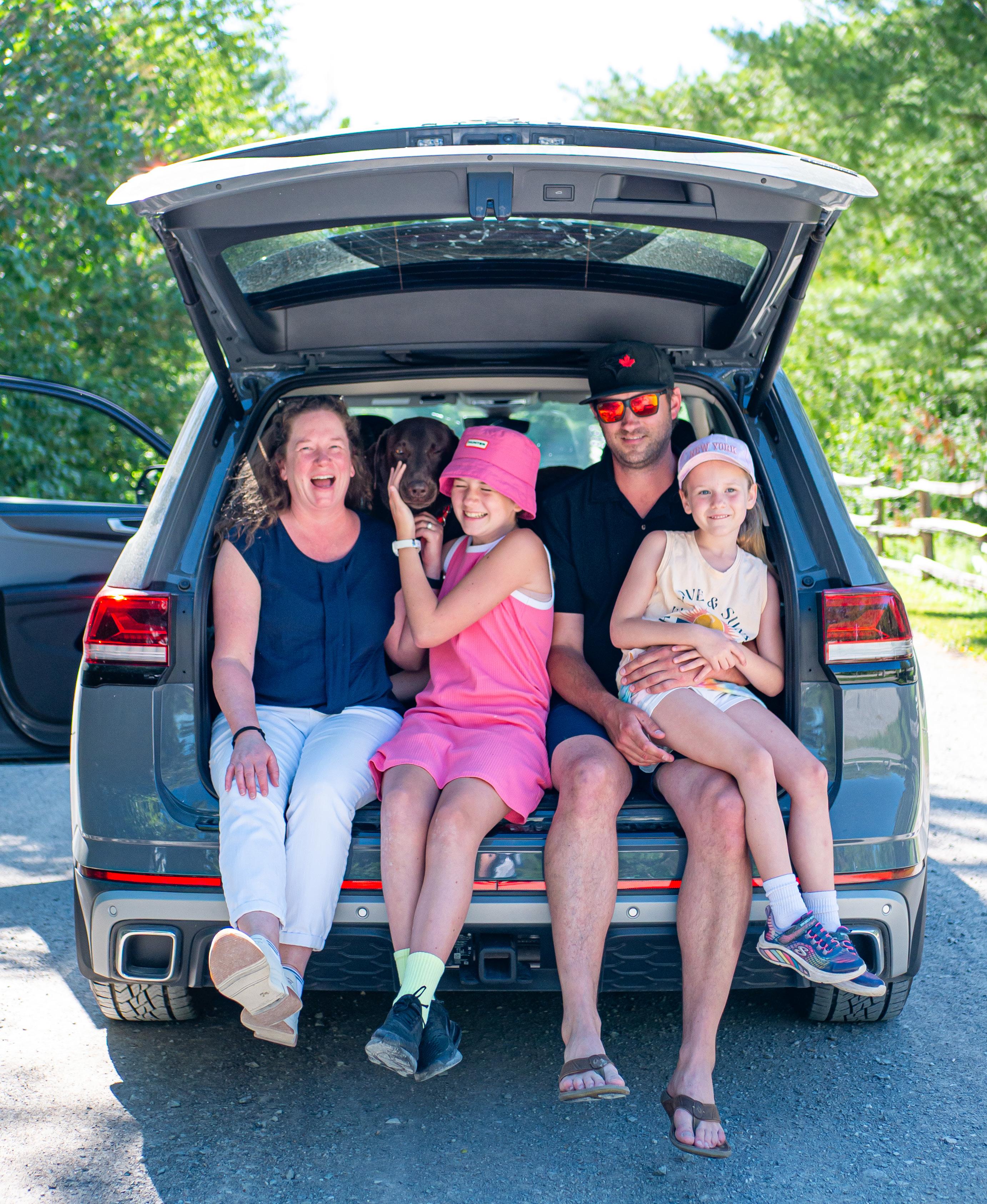
Alison Gaul, a Fenelon Falls resident, views the road trip through the pragmatic lens of modern parenting. Working as a fund and reporting coordinator for Ampere, her days are structured around data. When the weekend arrives, she and her partner, Adam, use the family vehicle to disrupt the domestic routine for their two daughters, Avery and Alicia.
“Travel connects our family with lived experiences away from phones and devices,” Gaul says. “By breaking our usual routines, our conversations with family members open up,” she says, allowing them the chance to discuss the highlights and special parts of the day trip in the moment and later.
“It’s how I recharge, let loose, forget or reground myself. Get in and drive. My therapist is a ‘69 Chevelle SS. Connection over food with family or friends is really what the soul needs — and a Chevelle, of course.”
“At times we include visiting family and friends from overseas to share Canadian culture and landscapes.”

Because long-haul highway expeditions can dissolve into a test of endurance with children, Gaul embraces micro-tourism. The family regularly explores Bobcaygeon, Ken Reid Conservation Area, the Kirkfield Liftlocks and Balsam Lake Provincial Park, with future plans for the Warsaw Caves and Buckhorn. In winter, they fit the vehicle with proper tires and head to Haliburton’s Sir Sam’s for skiing.
The soundtrack is dominated by Taylor Swift pop anthems, sung loudly by Gaul and her daughters, “much to my husband’s chagrin,” she laughs. Regardless of the destination, the culinary anchor remains consistent: a mandatory McDonald’s stop.
Beyond emotional bonding, Gaul notes these short trips are a vital response to economic pressures. Fluctuating fuel costs make long-distance vacations less accessible, keeping travel localized.
“With kids, we find that short-distance travel keeps boredom and crankiness at bay,” says Gaul. “We can quickly jump into the car without excessive planning. It is also a budget-friendly family activity. We want to ensure that our kids explore and learn about different parts of the world, especially those within our community.”
The localized travel embraced by families like Gaul’s fuels the livelihoods of rural entrepreneurs across Kawartha Lakes. James Barrett, co-owner of Globus Theatre at the Lakeview Arts Barn in Bobcaygeon, understands a theatre performance is rarely just a show — it is the destination around which an entire journey is constructed.
“At Globus Theatre, we attract a surprisingly diverse range of road-trippers,” Barrett says. “We welcome day-trippers from across the Kawarthas and Greater Toronto Area, weekend visitors combining theatre with cottage country experiences, and dedicated cultural tourists who will travel several hours to see a specific show.”
Barrett identifies these patrons as “theatre travellers”— deliberate consumers of culture who arrive early to browse Bobcaygeon’s boutique shops, dine at local restaurants and book overnight accommodations. “We also see visitors who follow specific artists, musicians, or productions, much like sports fans or concert-goers will travel for a particular event,” he adds. “Our audiences often discover us through one production and then return repeatedly, making the trip part of an annual tradition.”
“From a local economic perspective, these visitors are especially valuable because they bring new spending into the community,” says Barrett. “Arts and culture are often viewed as amenities, but they can also be powerful tourism drivers.”
“Travel connects our family with lived experiences away from phones and devices. By breaking our usual routines, our conversations with family members open up.”
To amplify this effect, Globus Theatre partnered with Lindsay’s Flato Academy Theatre and Fenelon Falls’ Grove Theatre to create the Performing Arts Trifecta. These professional venues actively cross-promote, encouraging travellers to build multi-day itineraries around the region’s diverse entertainment offerings.
As airfare prices climb, the proximity of the Kawarthas to the GTA becomes a significant competitive advantage.
“People are often pleasantly surprised by the quality and variety of experiences available within a few hours of home,” Barrett says. “If there’s one thing I’d encourage road-trippers
to do, it’s to leave a little room in their itinerary for discovery. Some of the best experiences in Kawartha Lakes are the ones you didn’t plan for.”
That sentiment is shared by Sandra Dzirneklis, a retired Toronto native relocated to Kitchener. Dzirneklis, who maintains a seasonal Muskoka cabin, has turned the regional road trip into a full-time pursuit.
“Ontario is my Disneyland, where I live as a retired child discovering new exciting characters in each new village and town I encounter,” Dzirneklis says.
She routinely drives through the Kawartha Region, making regular stops to attend Globus Theatre productions. Her routes are unhurried, exploring the back roads around Buckhorn or sampling craft beer like Old Dog Brewing.
“There are endless possibilities of new discoveries in Ontario to occupy me for my lifetime,” says Dzirneklis.
For some, the emotional appeal of the road trip is compromised by the physical stress of driving. Here, Ray DeNure offers a different interpretation of the classic journey.
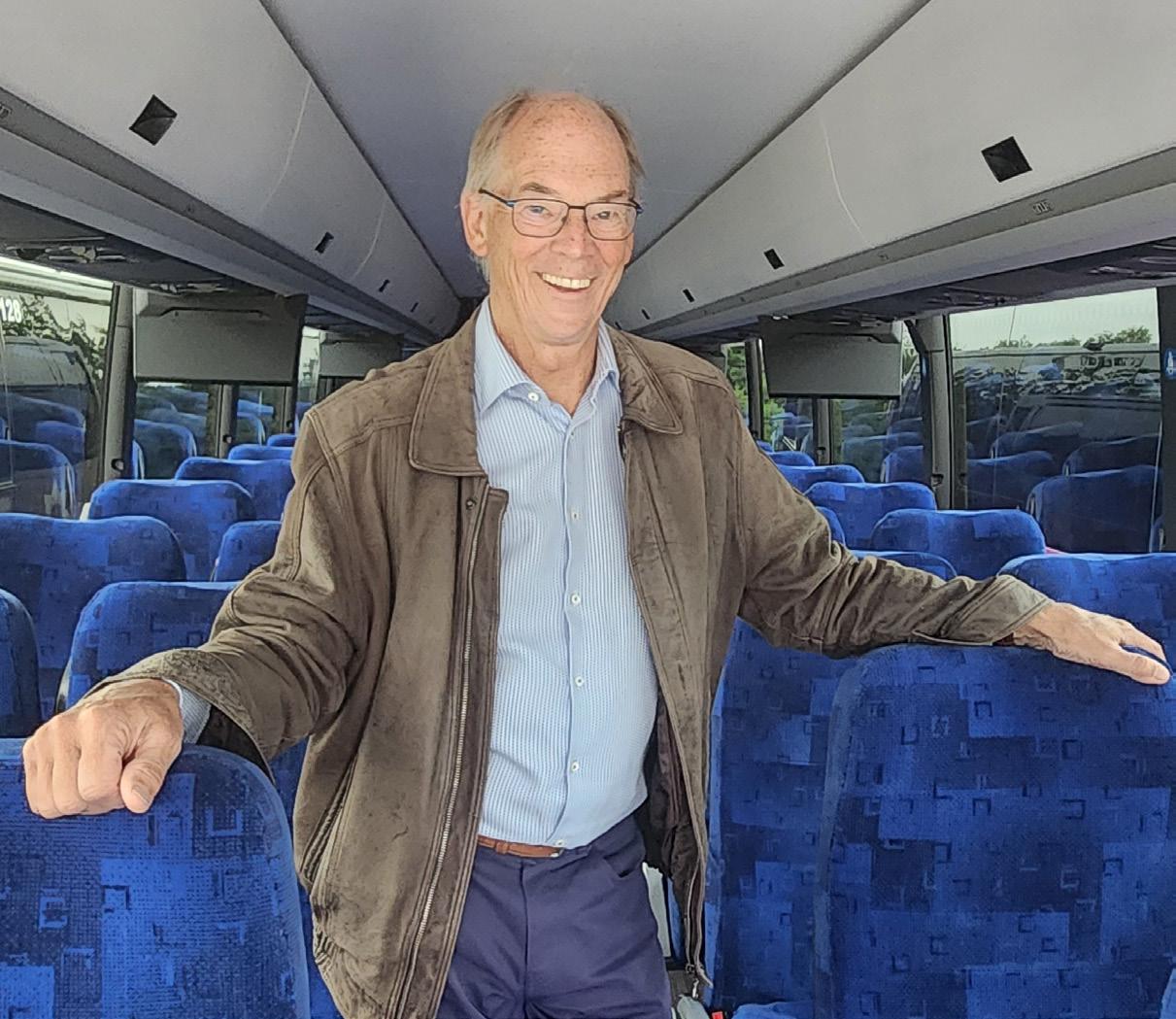
As the operator of DeNure Tours, a multi-generational family enterprise based in Lindsay, DeNure has spent his career dismantling the notion that vacations must fixate entirely on a final destination.
“Most people think of a destination when they think of travel,” DeNure explains. “Road-tripping is more about the journey, the experience of leaving home without an actual destination in mind.”
The DeNure family’s transportation legacy began in the 1930s. Their touring division was born from a legendary 1966 excursion when his parents, Fred and Dorothy, converted a school bus into a motorhome and took their children on a six-week trip across North America.
“The Lindsay library agreed to not collect our overdue book fines,” DeNure recalls.
Today, DeNure Tours adapts to shifting realities. A strong U.S. dollar and a belligerent U.S. president have cooled Canadian enthusiasm for American road trips, leading to a surge in domestic Canadian travel. But operating guided, packaged trips comes with hurdles.
“The biggest challenge in the package travel industry has consistently remained with the do-it-yourself concept,” DeNure notes. “Regardless of era and technology, people believe they can make their own arrangements and do so at a lower cost.”
However, by handling the driving and navigation, group motorcoach travel restores the joy of the landscape.
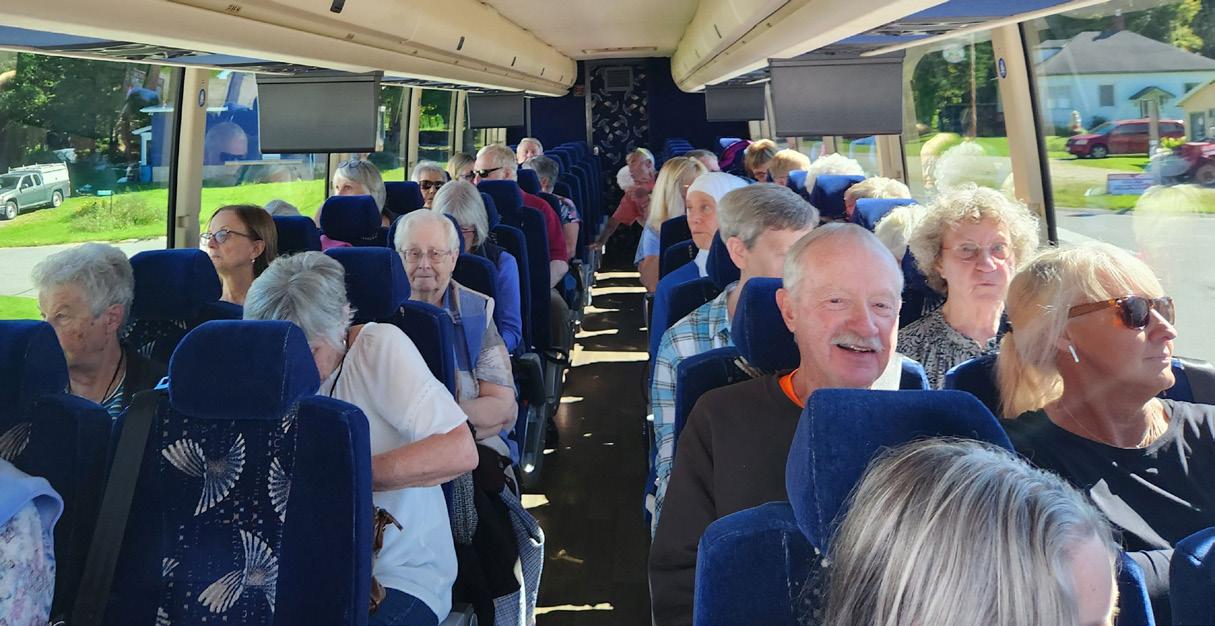
“Our programs allow the road-trippers to actually enjoy the journey, plus they get the one thing they hope for: a sense of companionship and socialization from the other guests,” says DeNure.
“The biggest challenge in the package travel industry has consistently remained with the do-it-yourself concept.”
From a municipal perspective, this diverse tapestry of travellers represents the lifeblood of the regional economy. Laurie McCarthy, an economic development officer specializing in tourism for Kawartha Lakes, works to translate the emotional impulse of the traveller into sustainable economic growth.
“Tourism is an important economic driver in Kawartha Lakes, generating visitor spending that supports local businesses, accommodations, restaurants, attractions and employment opportunities,” McCarthy says.
To capture the imagination of the driving public, the municipality launched its destination brand, “Kawartha Lakes – Quietly Incredible,” with a targeted marketing campaign aimed squarely at residents within a four-hour radius. Through the Explore Kawartha Lakes portal, the municipality offers pre-planned scenic drives, cycling networks and an interactive Arts and Heritage Trail designed to tempt travellers off major provincial highways.
“Beyond its economic impact, tourism helps celebrate and showcase the unique culture, heritage, natural landscapes and rural character that make Kawartha Lakes a distinctive destination,” notes McCarthy.
Ultimately, the modern road trip remains a vital balance of commerce and catharsis. For the day-tripper, that once-restrictive dashboard becomes a technical display of freedom and a metaphorical battery charge.
Along the way, these travellers keep the lights on in restaurants, attractions and support industries throughout Kawartha Lakes. It is an economic engine that revs up the community, providing local workers with the livelihood they need to eventually get behind the wheel, hit the open road and repeat the cycle themselves.

Trevor Hutchinson is a writer, musician and not-for-profit executive. He lives in Lindsay with his wife and two of their children.

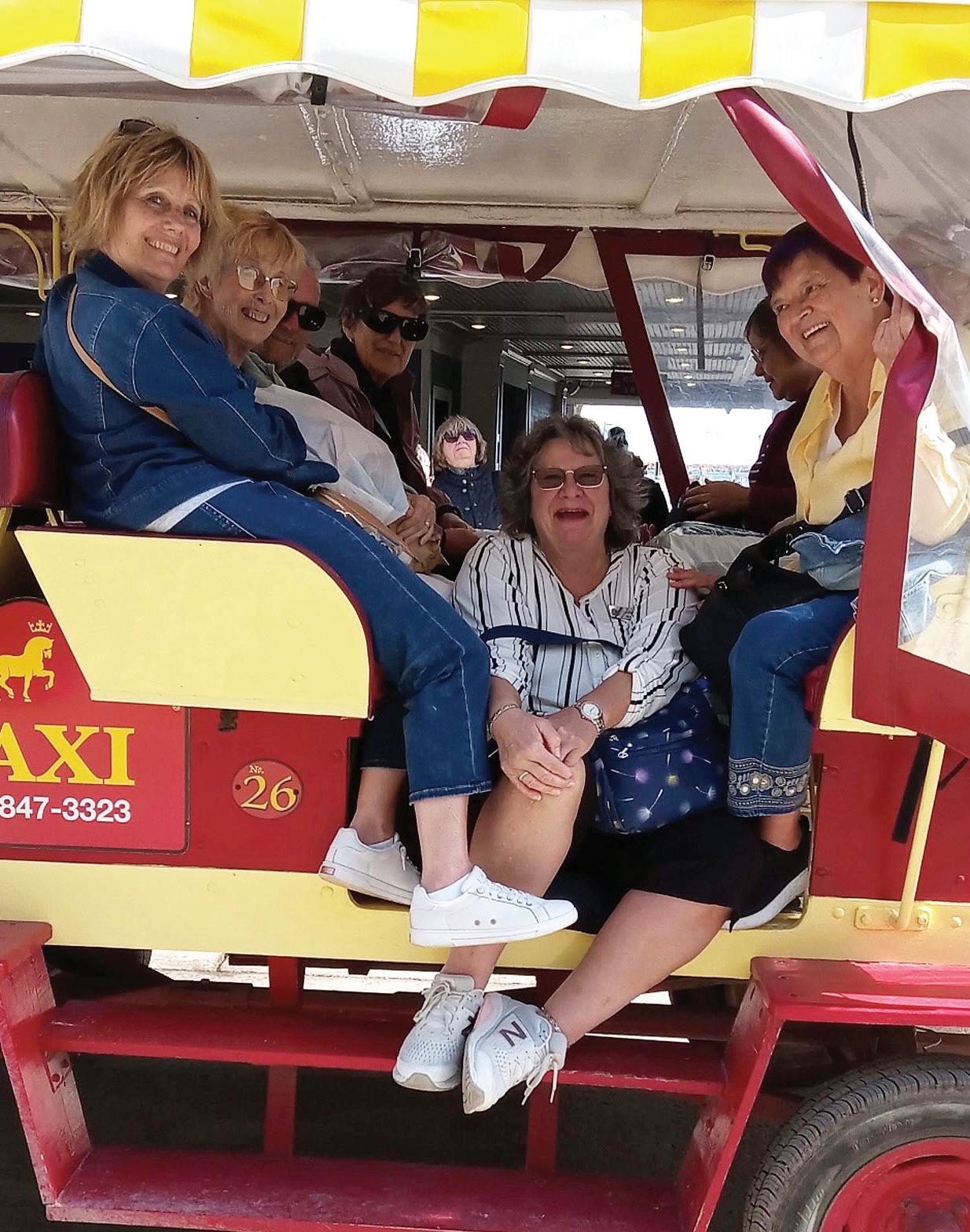
• Expertly planned vacations
• Stress-free travel from start to finish
• Convenient pickup locations
• Exceptional value with transportation, accommodations, and more included
• Friendly, experienced tour directors
• Insurance options available for added peace of mind
• Support before, during and throughout your trip

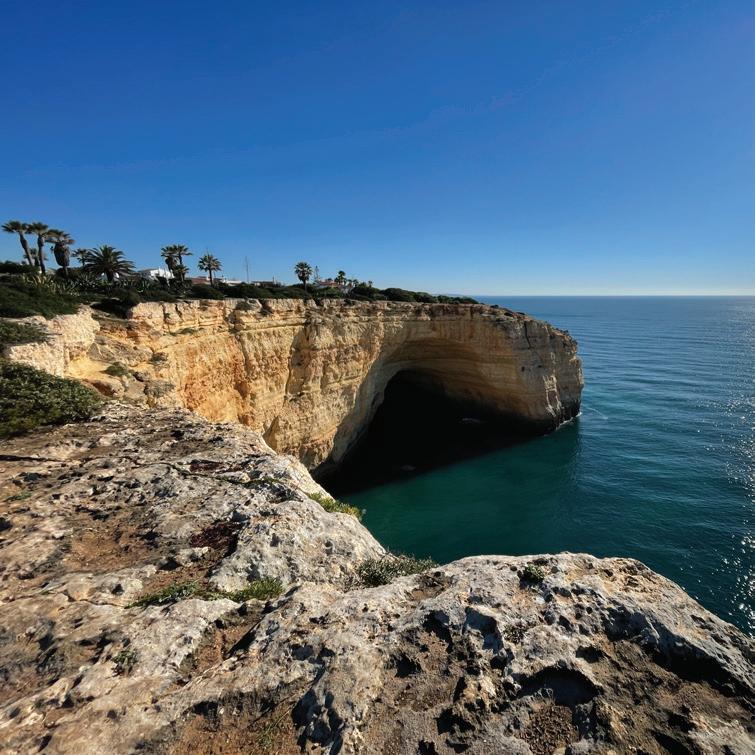
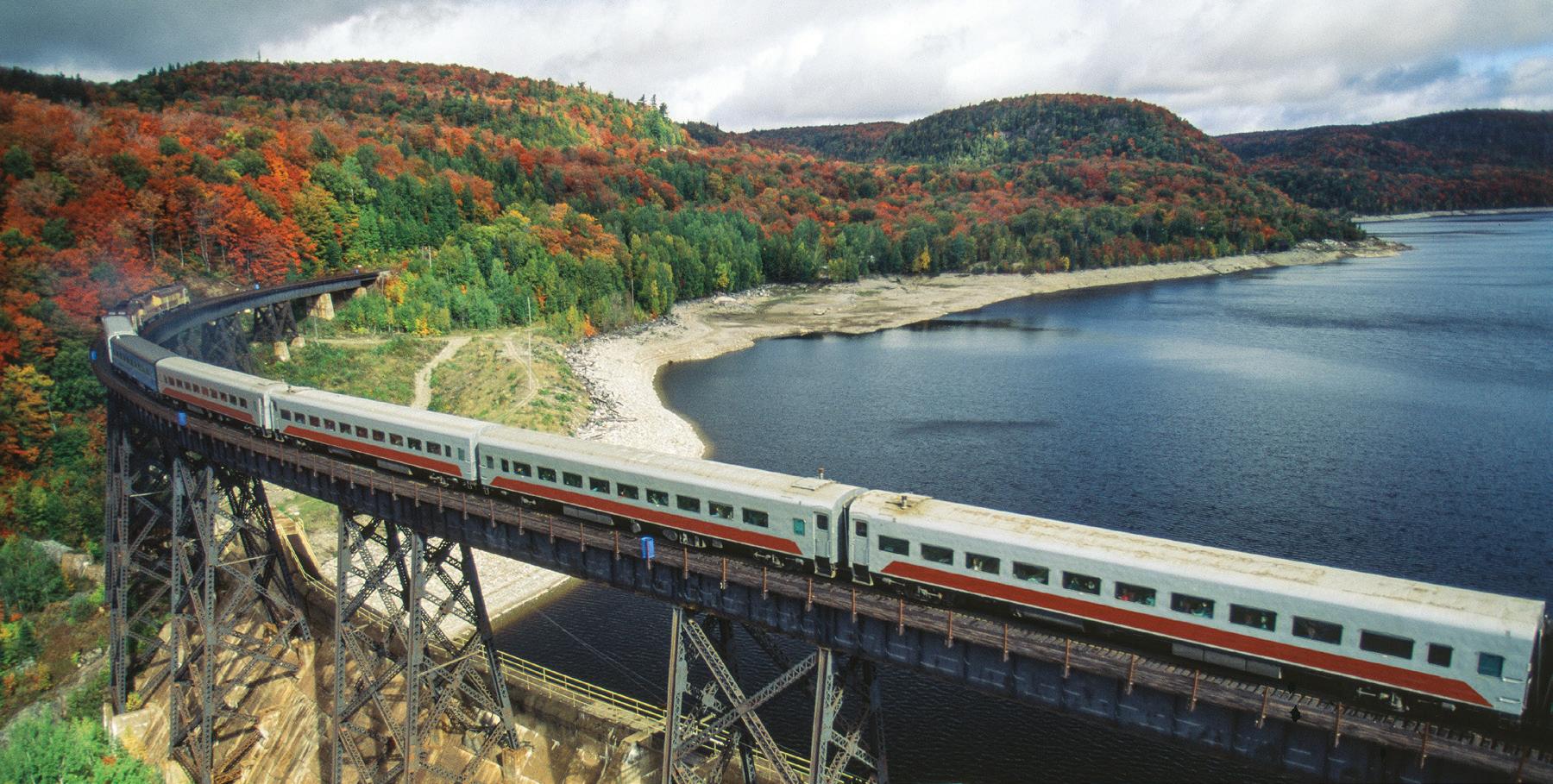
• HOT DESTINATION: Portugal – Hike, Sightsee or Long-Stay options
• Long-Stays: Enjoy the warmth of Spain (NEW), Portugal and the Southern U.S. (Florida and Myrtle Beach)
• No-Fly Cruise Options: Explore multiple destinations and unpack once
• Active Adventures: Hike your way through Canada, Portugal and Spain
• Sightseeing: Lots of motorcoach options closer to home





















By Robyn Best
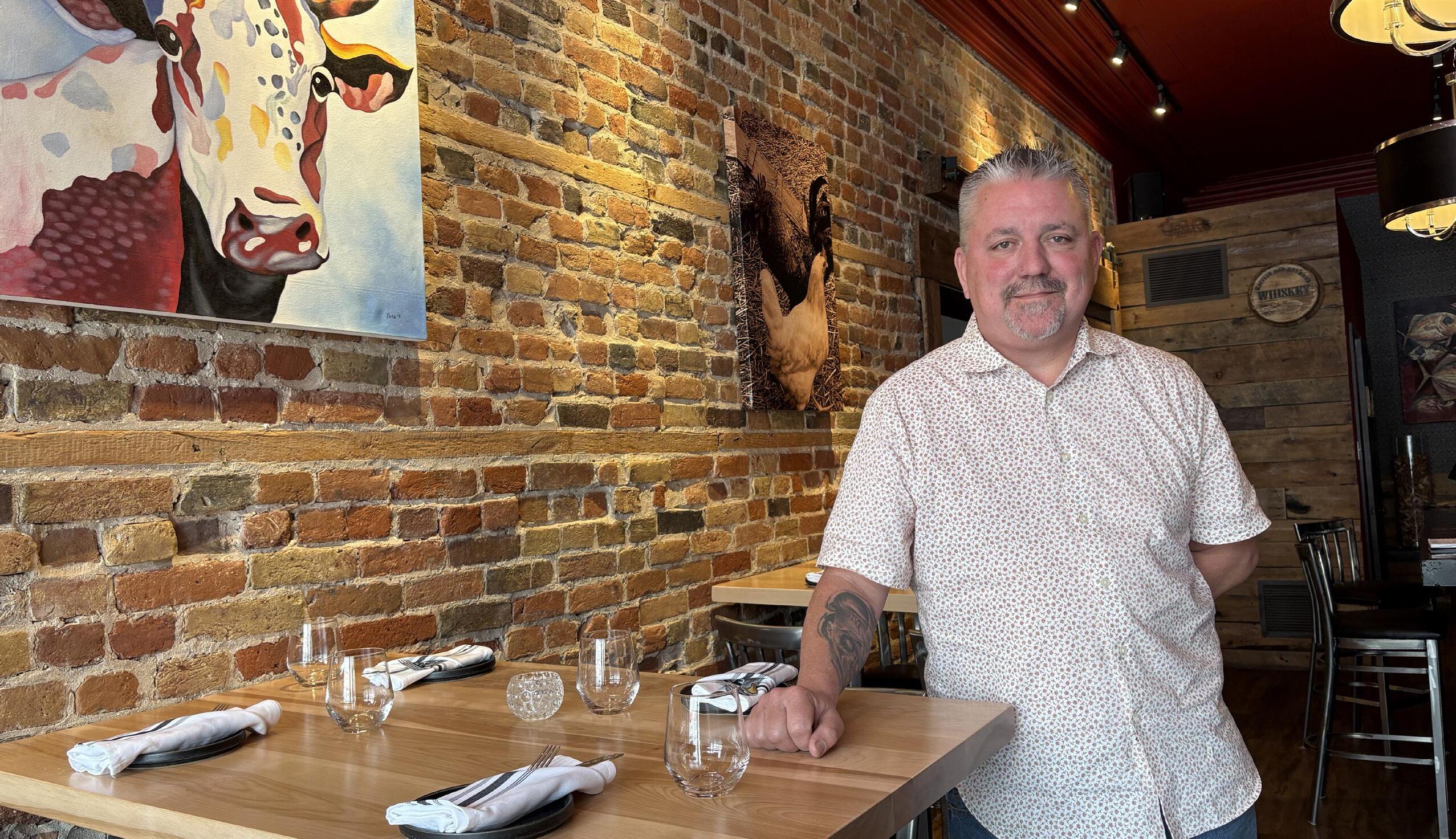
“A sleek urban kind of vibe,” is how Kevin Brown describes his new restaurant, KB on Kent, in Lindsay. The new spot at 56 Kent Street West, is the second KB location.
After moving to Dunsford eight years ago, the first restaurant Brown and his family went to was Pane Vino Trattoria, located in the same spot KB is in now. “As soon as I walked into the space, I fell in love with it. I’ve always kind of had that in the back of my mind that if it ever became available that we would jump for it, and the timing worked out perfectly.”
Brown is no stranger to the industry. He opened his first restaurant, Burbs Bistro, in Pickering when he was 30, before moving on after seven years. It was 14 years ago he opened the original KB restaurant in Whitby, and now felt like the right time to expand. “Food has just always been a big part of what my life is centered around, and I love the restaurant business because it’s kind of like throwing a dinner party every day.”
“As
soon as I walked into the space, I fell in love with it. I’ve always kind of had that in the back of my mind that if it ever became available that we would jump for it, and the timing worked out perfectly.”
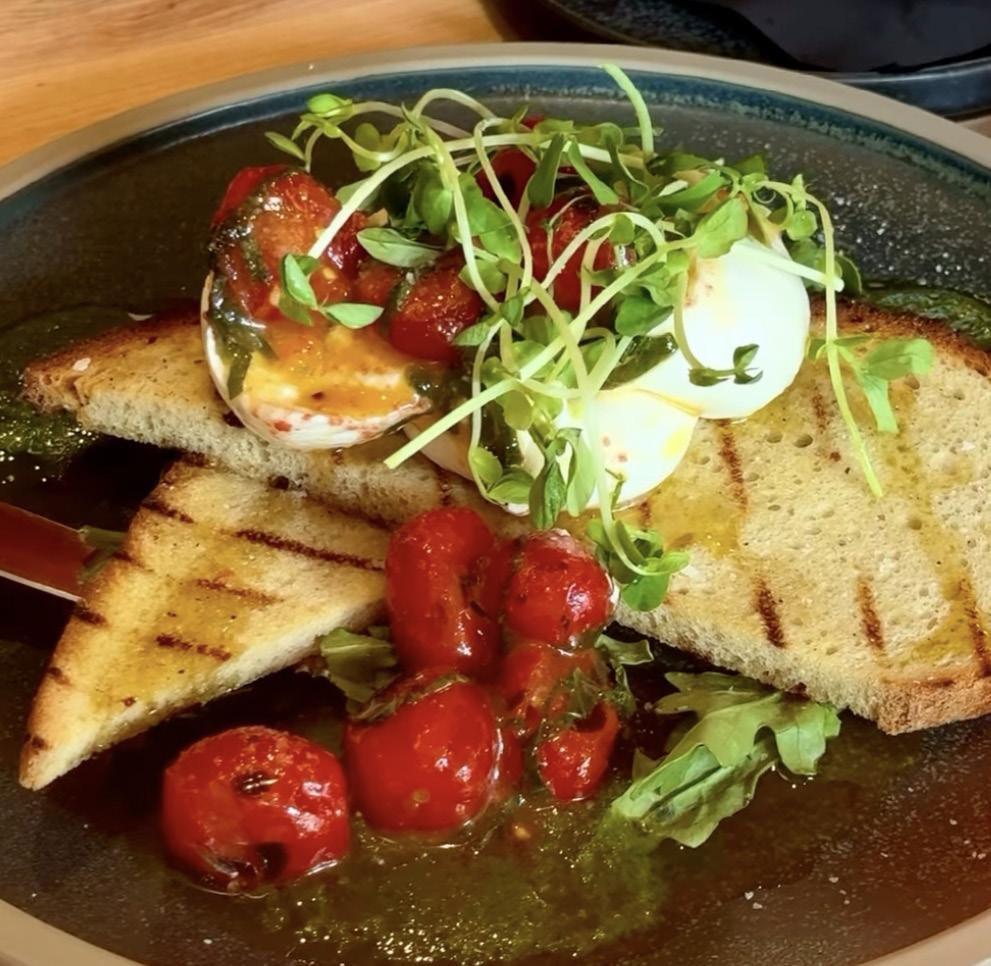
Now living on a farm, Brown supplies his own lamb for certain menu items, and staying local is something he intends to keep bringing to the table. “I try to deal with local suppliers wherever I can. Everything that we make, we make in-house from scratch, we make all of our own desserts, we bake our own bread, we make some of our own pastas, so it’s that personal touch. Hopefully people will notice the difference.”
Brown has been overwhelmed by the support the community has shown the new restaurant. “We’ve had so many people stop by, even while we were doing construction, to knock on the window and say hi or welcome us.”
Throughout the summer Brown will be spending most of his time at the Lindsay location, making sure that things continue to move smoothly throughout tourist season. After that he’ll split his time between Lindsay and Whitby.
“I try to deal with local suppliers wherever I can. Everything that we make, we make in house from scratch, we make all of our own desserts, we bake our own bread, we make some of our own pastas, so it’s that personal touch.”
Brown is looking forward to welcoming new customers, and said despite all the time, money and effort that goes into running a restaurant, it’s all worth it.
Brown said the menu will also be changing every two to three months so customers can have a different dining experience every visit. So far, he’s found that seafood items like oyster and Arctic char have been popular in the area. LA
“It takes a lot of work, and it takes a lot of focus, and you want to pay attention to details. If you do everything right, then everybody’s having a good time, and enjoying the food, and enjoying each other’s company. It’s just a great feeling, and it’s something you want to recreate over and over again.”

By Rizzan Delos Santos
What if the biggest threat to your business isn’t competition, it’s the opportunities you’re already missing?
That’s what I see happening for local businesses right now.
I know this because I ran into the same problem myself. Between running a business and raising my son, I couldn’t rely on memory to keep everything moving. Appointments, follow-ups, small tasks, they add up fast. I needed a system that wouldn’t drop the ball.
What surprised me wasn’t just the sanity I got back. It was how quickly I started seeing the same gaps everywhere else.
The businesses getting real results with AI aren’t chasing trends. They’re fixing obvious leaks: missed calls, slow follow-ups, and leads sitting untouched for days.
I’ve seen it cost businesses thousands. In a workshop last November, I shared how a hair salon missed a call for a $500 appointment. Miss two of those a day, over 200 working days a year, and that’s $200,000 in revenue gone.
For some, that’s a college fund. For others, it’s an emergency cushion or a family vacation that keeps getting postponed. It’s not just salons. A realtor reached out to me, sent a message, then went silent instead of following up. That hesitation cost them a $40,000 commission.
The businesses winning right now aren’t overcomplicating things. They’re using simple AI systems built for them, not generic templates. Nothing flashy. Just consistent follow-through.
For example, automated reminders sent 24 hours, 1 hour, and 10 minutes before an appointment can drive showup rates as high as 90 per cent. Another easy win is installing accessiBe (made by people with disabilities), an
AI-powered website accessibility widget you can see live at rizdigital01.com. More than one in four Canadians identify as having a disability, representing $55 billion in purchasing power annually. If your website isn’t accessible, you’re turning away customers you didn’t even know you had.
Think about the shift from horses to cars. Cars didn’t replace people. They became part of daily life so we could go further, faster, and show up fully for what matters. AI is already doing the same.
Used well, it can give you back 10 hours a week. It handles the late-night inquiry, the follow-up that can’t wait, and the urgent response someone needs right away.
Like a mental health practice receiving a 2 a.m. call from someone needing immediate information. An AI receptionist can answer immediately, offer a calm and supportive response, share helpful resources, and gently guide the person toward the right next step, all without the owner having to wake up.
The reality is that most of us are always “on,” even when we’re technically off. But what’s the point of building a business if it quietly takes over the very moments you’re working so hard to protect?
Fix the leaks with AI, and everything else gets easier. Because at the end of the day, AI isn’t here to replace us. It’s here to give us more time to be human again.

Rizzan Delos Santos is the founder of Riz Digital01, serving businesses across Kawartha Lakes and beyond. With a background in legal administration, hospitality, and digital marketing, she specializes in helping organizations implement AI systems that are practical, ethical, and built for their specific context.
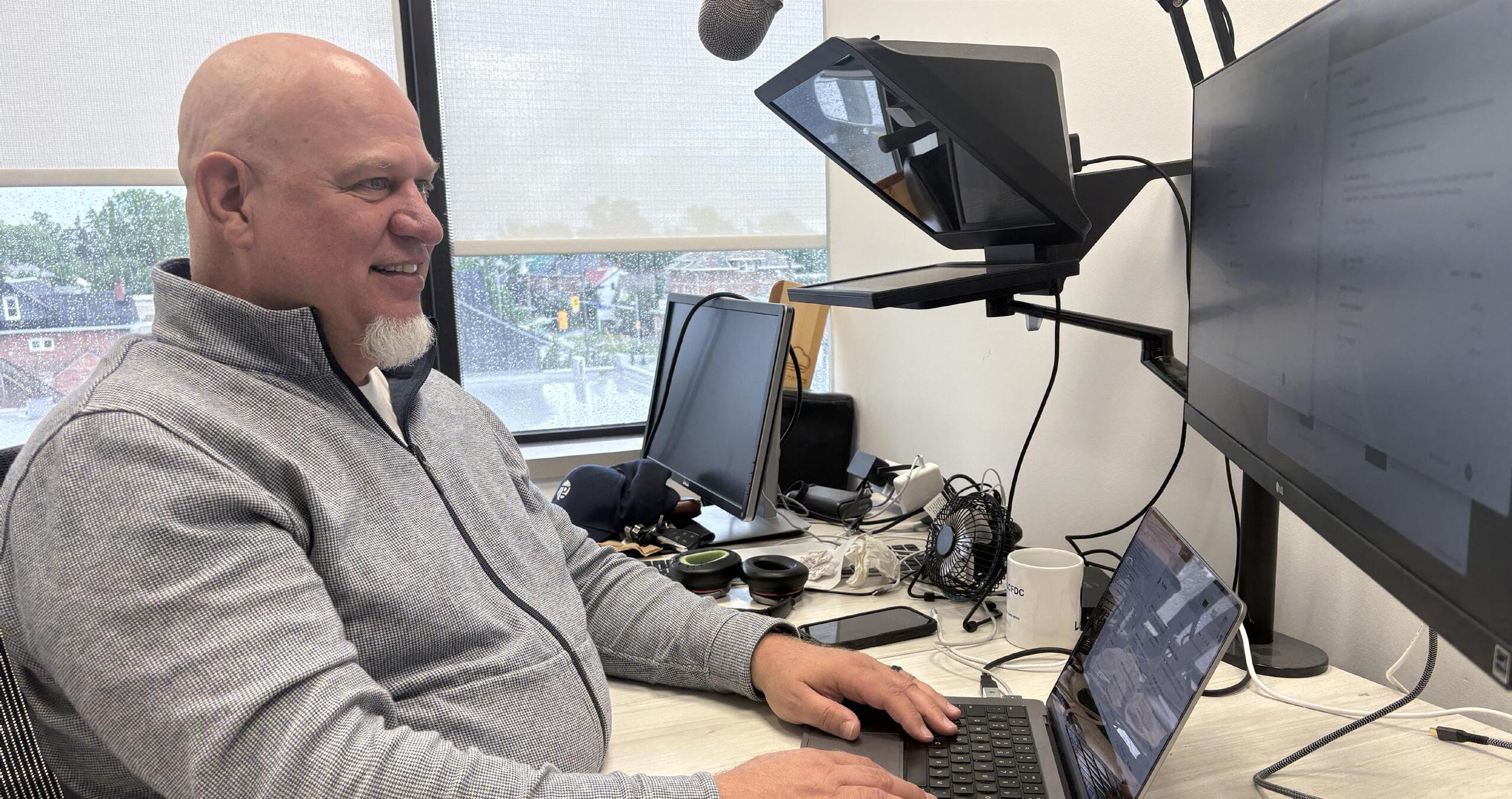
AI is a tool that has been growing rapidly over the last few years and Graeme Barrie, founder of Netmechanics, said business owners need to take a minute to understand what AI can do for them.
Barrie has been in the tech industry for 30 years, and when he started his own business in 2016 it was focused on security. “In the last year a lot of the clients have been shifting their focus to AI, and that comes with a whole line of concerns around security and data protection.”
He said AI is evolving so quickly that it has become harder for businesses to keep up.
By Robyn Best
“I’m helping companies defend against AI-driven attack and phishing attacks that have been generated by AI. There’s a lot less grammatical errors than we used to see, and now there’s deep fakes, and even audio and video deep fakes, that’s becoming more and more of an issue of fraud.”
Historically he’s found that businesses could get away with only updating their software once a month to protect against data breaches, but it’s simply not enough anymore. “(The scammers are) tugging on our emotions to create that sense of urgency and danger, to get us to react too quick and click the
link, or whatever. The security companies are building AI tools to help scan those, make sure they don’t make it to our inbox, but we’re still three steps behind,” Barrie said.
On top of security, he helps advise businesses how to implement AI into their everyday operations. “A lot of companies feel like they fall behind if they don’t use AI to build their business or expand their sales because that’s what we’re being bombarded with online.”
Barrie has heard stories where business owners put information with personal data into different AI platforms.
His advice for business owners to start implementing AI into something that is repetitive in the business, like writing emails and do a trial run using AI to do that task. “Then at the end of the 60 or 90-day period you can reevaluate” and figure out if it saved time and money or earned the business money. If it’s doing either of those things, it might be beneficial to keep AI running that task. However, if it’s not saving time, or losing a business money, look elsewhere for where to implement AI.
He’s found that some business owners want to use AI just for the sake of using it. “We still need to run a business and make money. We can’t just be chasing the shiny objects, and that’s what I’m finding a lot of business owners are doing. They’re like, oh, this is so cool, I can get it to write an email. Great, but how can you make that profitable for you.””
Rizzan Delos Santos, owner of Riz Digital, works to make sure businesses are using AI in a way that is beneficial to their business.
While she emphasises that a human element is still vital, AI can be utilized in a way that saves business owners time. For example, she finds AI is a great way to make a first connection with potential clients. On LinkedIn she’s found it useful to have AI send a message to new followers, and based on their reply she can then reply herself to keep the conversation going.
“If they reply, then we talk, so you don’t lose the aspect of human touch, but the reaching out part, that’s being automated,” she said.
Even while using AI, Delos Santos still has a lot of work to do by making sure the AI doesn’t sound too robotic and making sure the automatic message is something she would actually write. “I feel like that’s one way that you can do the redundant task automatically, but never lose like that part of humanity.”
“Automation is exciting, but if your customers, your client base don’t welcome it, then you will lose customers,” she said, noting that for some companies AI simply won’t be beneficial to them.
AI is evolving so quickly that it has become harder for businesses to keep up.
Delos Santos uses Claude AI and has found it useful to make worksheets on Excel or Google Sheets. Previously she would have had to put different formulas into the spreadsheets to make them give her useful information. Now, using Claude, the AI automatically makes a spreadsheet with all the formulas already inserted based on what information Delos Santos is looking for.

“It’s not something that I would say is too fancy, but it’s good enough that it would work. Similarly, if you were planning a party, you can ask it just using simple language, ‘I want to create a worksheet for 30 people, and this is what I need and the budget I need,’ and then it will literally pull up all those things for you.”
She’s also used AI for social media. When she responds to a comment on a post, sometimes what she wants to say is very technical and can be hard for people to understand. Delos Santos will use AI to take what she’s written and put it into language everyone can understand.
Barrie has found in his work that people are beginning to understand these potentials of AI when they hear about examples that affect their business directly. Like Delos Santos, he said at the end of the day a human element is still a must for businesses.
“It’s great that you can use AI to create things or develop a document, but we always have to have a human in the loop at this point to read it, make sure it’s legit, and then release it. We always need to have that human approval.”



There’s still time to register for the 2026 Summer Reading Club! This year’s “Dive In” theme invites children and families to explore the wonders of water through reading, activities, and special events all summer long. Participants can enjoy exciting programs including Touch-a-Truck events, the Water Discovery Truck, the Invasive Species Awareness Program, the Salmon Restoration Project, and Turtle Guardians presentations. All summer programs are free to attend, no library card is required.
Join us for Pop-Up Storytimes all summer long! Enjoy stories, songs, and rhymes at outdoor community spaces across Kawartha Lakes. Locations and dates are available on our website.

Adults can join the fun too with our Great Lakesthemed Summer Reading Challenge. Pick up a challenge sheet at your local branch, complete the activities, and submit your entry by Saturday, September 5, 2026, for a chance to win a YETI Water Bottle.
Planning a trip to the lake? Life jackets for children and adults are available to borrow for free for up to 7 days from the Bobcaygeon, Fenelon Falls, and Lindsay branches. Life jackets are available on a first-come, first-served basis with no holds. Learn more at www.kawarthalakeslibrary.ca/lifejackets.
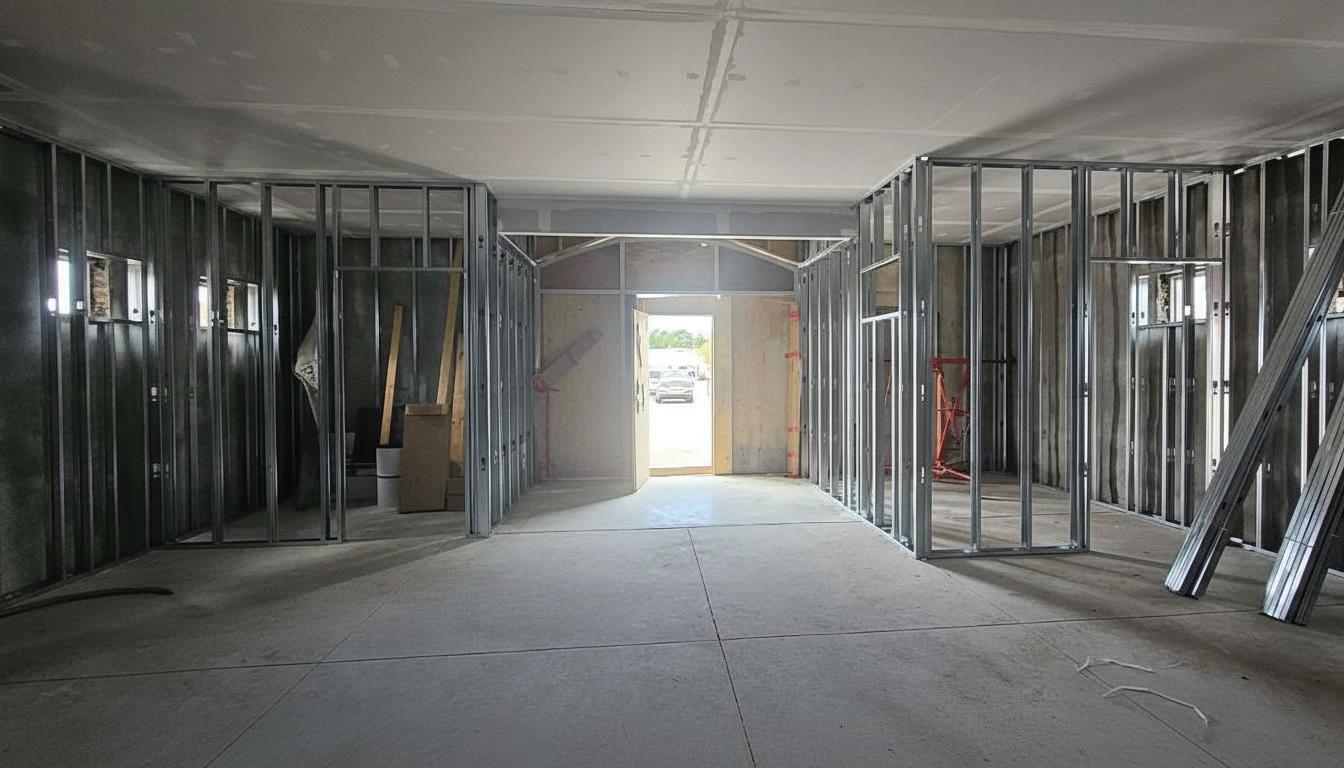
Visit kawarthalakeslibrary.ca for event listings and program details.
Want library news delivered directly to your inbox? Subscribe to our newsletters and never miss a program, event, or library update.



The conversation around social media bans for kids has been hard to avoid lately, and I’m not quite sure I have enough information to form an opinion on it yet. Parenting in the digital age feels a little bit like we’re building the plane while flying it.
But the whole conversation has made me notice something uncomfortable about myself: I’m not entirely thrilled with my own relationship with my phone these days. I find myself reaching for it constantly, often without any real reason at all.
Which is why I recently bought a real alarm clock.
Not because my phone alarm wasn’t working, but because I was tired of scrolling being the last thing I did at night and the first thing I did in the morning. The clock now sits on my nightstand like it’s 1998, and my phone spends the night in a different room.
More importantly, I’m trying to intentionally put my phone down when I’m spending time with my kids.
The funny thing is that I don’t even post much anymore. A few years ago, I would have documented every little thing. Now, I send photos and updates directly to the people who actually want to see them.
But, I still scroll.
I am, by my own definition, a social creeper. I like knowing who’s expecting. Who moved. Whose children suddenly look old enough to drive. I like feeling in the know.
The strange part is that I know my real life is more compelling than whatever is happening on my phone. I’d rather sit
By Sarah Fournier Contributor
on the deck playing Skip-Bo with the kids, watch their trampoline performances, and have long uninterrupted conversations with friends.
And yet, I still catch myself reaching for my phone during all of it. Not because I want to scroll, but because it’s become an unfortunate reflex.
Since putting my phone down more often, I’ve become much slower at getting back to people. At first, this felt deeply irresponsible. Now, I’m realizing that very few things actually require an immediate response.
I’d rather sit on the deck playing Skip-Bo with the kids, watch their trampoline performances, and have long uninterrupted conversations with friends.
Which is perhaps why I’ve even caught myself seriously considering getting a landline. The idea of being reachable, but not constantly reachable, feels strangely liberating.
The problem isn’t that I’m escaping a boring life. The problem is that I keep interrupting a good one.
I still don’t know where I land on social media bans for kids. I suspect the answer is nuanced. But I do know that if I want my children to embrace boredom, tap into their imagination, and discover a world beyond the device in their hands, I probably need to model that a little better myself.
Because if I’m asking my kids to look up from their screens once in a while, perhaps it’s only fair that I do, too.



By Mike Puffer
by Ruth Kelly-Koebel
In the challenges of the COVID crisis, many of us adopted the mantra “We’re All in This Together” — stressing the point that all residents relied on friends and neighbours to handle the difficulties testing us.
When it comes to local health care and our community’s strengths, the same attitude continues to apply. It is only through cooperation and support that local health care providers are meeting the present and future needs of the community. And they agree that we’re all in this together – that we all need to work collaboratively.
Earlier this year, the Kawartha Community Foundation (KCF) and Kawartha Works Community Cooperative published the first local Vital Signs report ever conducted. Comprised of 11 major indicators of community wellbeing, the report collectively presents information and data that can be used as a tool for future strategic planning and decision-making by city council, local service providers, businesses and organizations large and small.
“Today, our community’s challenges are too complex for any single organization to tackle alone,” said KCF Executive Director Eric Smeaton.
“Collaboration can no longer just be a goodwill gesture; it must become our permanent infrastructure,” Smeaton said. “That is why the KCF’s partnership with the city … is such a privilege. We bring additional community-trusted conversations and real-time data, and the city provides an incredible wealth of data-sharing, as well as essential systemic infrastructure to scale those insights into long-term action.”
Health and Wellbeing is an important Vital Signs indicator. Strong health care and accessible providers are constant priorities for Kawartha Lakes residents of all demographics. With one of the highest senior populations in Ontario, health care receives particular focus here. Due to its older population, Kawartha Lakes has one of the highest crude mortality rates in Ontario. Local death rates exceed provincial averages across most age groups.
It is only through cooperation and support that local health care providers are meeting the present and future needs of the community.
Through the spring, several local health care providers brought information about their services and programs to residents with a series of town hall style meetings and public presentations. They were opportunities for people to not only learn about services available to them, but to pass along experiences, ideas and expectations that can help shape the future of local health care. The sessions featured representatives from Ross Memorial Hospital (RMH), the Kawartha Lakes Health Care Initiative, Kawartha Lakes Haliburton Ontario Health Team, Kawartha Lakes Paramedic Service, the Coboconk Summit Wellness Centre, the Kawartha North Family Health Team and Lakeland Public Health. All agreed on the importance of working together whenever possible.
Veronica Nelson, president and chief executive officer of RMH, outlined the hospital’s current master plan and $25 million fundraising campaign. Highest priority projects at RMH are expansion of the emergency department with a new mental health emergency services unit, growing critical care capacity in the intensive care unit, and ensuring access to leading-edge diagnostic technology and bedside tools.
With one of the highest senior populations in Ontario, health care receives particular focus here. Due to its older population, Kawartha Lakes has one of the highest crude mortality rates in Ontario.
Nelson said the purpose of the public information sessions was two-fold: to inform the community of progress being made at the hospital, and for RMH officials to be made aware of the public’s needs and wants. “We always want to make sure that we’re as close to the needs as we can get,” she said. Expansion of the hospital parking lot is scheduled for 2027 and work on the emergency department is to begin in 2028.
Collaborative effort with community partners is more important than ever, she added.
“RMH works closely with a broad range of community health partners to improve access to care and support people where they live.” Collaboration also takes place with local police forces on mental health crisis response and
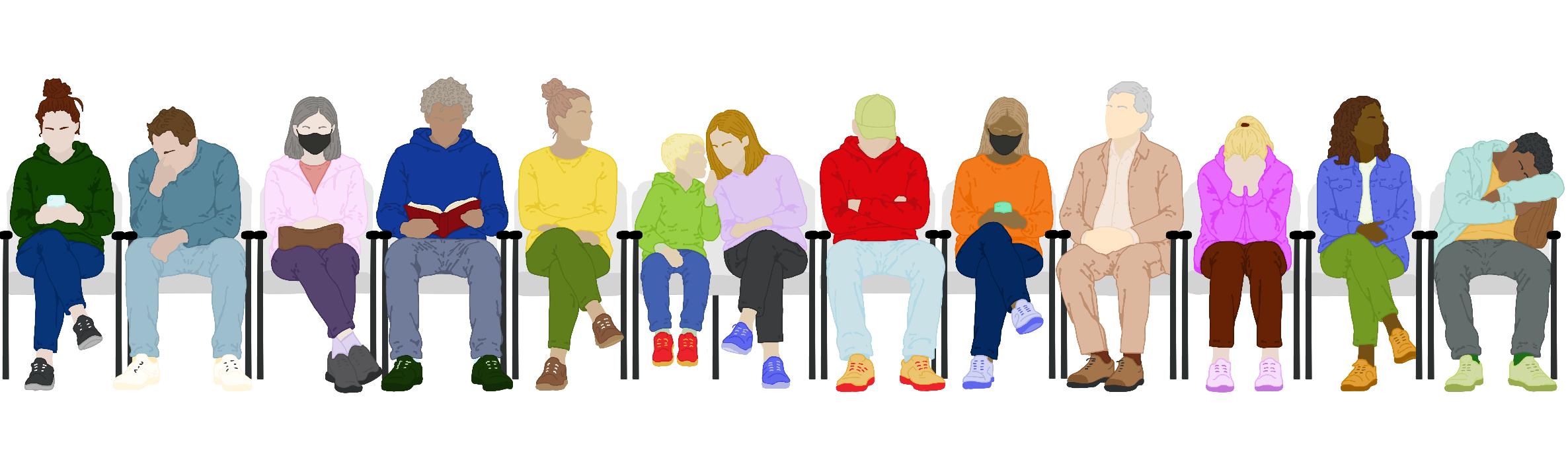
follow-up, and there are partnerships in addiction care through the Rapid Access Addiction Medicine clinic, regional co-ordination for stroke services, and integrated palliative care with Community Care City of Kawartha Lakes.
“We also work with community paramedicine to support patients at home and reduce unnecessary hospital visits. Together, these partnerships help facilitate timely care, better co-ordination, and improved health outcomes for our community.”
While everyone has heard some negative reviews of how “the system” responded when needed, one local beneficiary of multiple levels of care is very positive about the support received through a recent health challenge.
Highest priority projects at RMH are expansion of the emergency department with a new mental health emergency services unit, growing critical care capacity in the intensive care unit, and ensuring access to leading-edge diagnostic technology and bedside tools.
“Marjorie” (real name kept in respect of privacy) is a local resident who “never expected to become an OHIP frequent flyer.” Last fall, she was diagnosed with cancer.
“I consider myself very lucky to have an amazing and local family physician who fit me in immediately when I knew something was wrong. The next day they had me in for an ultrasound at a local clinic and results were available the following day,” Marjorie explained. Following local tests, she was referred to Lakeridge Oshawa for an appointment at the end of November.
Care that Marjorie received was, “Pretty quick when all is said and done. My doctor also ordered a special CT scan and the Ross was able to fit me in within a week of the request. Amazing. When I saw the specialist in Oshawa, we were all hoping for good news. She did not think she could fit me in until after Christmas but by the time I got home, they called with a surgery date of Dec.11. Again amazing.”
Hope for a prognosis of a benign tumour was not to be. Chemotherapy followed a few weeks after surgery. Arrangements were made quickly and treatments were “smooth, fast, and easily accessible.”
With treatments finished, Marjorie feels “very fortunate to have the health care system that we have. I felt that my situation warranted a fast diagnosis and treatment and that I got.”
“I consider myself very lucky to have an amazing and local family physician who fit me in immediately when I knew something was wrong.”
Woodville resident Steven Young also spoke positively about support received from the hospital. He was diagnosed two years ago with Meniere Disease, an autoimmune affliction affecting balance. He also has specific accessibility requirements that have led him to become a “Patient Experience Partner” with RMH’s Accessibility Planning Committee. “Everything the Ross has done for me has been fantastic. If I had any negative comment about the health care system, it would be long wait times with doctors,” he said.
Many health care challenges, including those long wait times, are exacerbated by a severe shortage of family doctors. Kawartha Lakes is not unique in this circumstance, but access to primary care physicians or nurse practitioners in our area continues to complicate management of chronic conditions and addiction for many. Work of the Kawartha Lakes Health Care Initiative (KLHCI) has never been more important.
With a vision for all Kawartha Lakes residents to have a local family doctor, Health Care Initiative and Recruitment and Retention Co-ordinator Cindy Snider never stops striving to attract more practitioners to work and live here. She and her team actively recruit throughout Ontario, Quebec, the United States and in recent years, the United Kingdom and Ireland.
“There’s a new trend in terms of looking for new doctors to come (from overseas),” she explained. Those who she talks to tend to be Canadians studying abroad but hoping to come “home” to practice here.
At the spring town hall meetings, KLHCI said 46 family doctors have been recruited to Kawartha Lakes since 2005, but 10 have been lost since 2019. The community currently has 28 family doctors but our population should ideally have 43 to 46 –a shortage of 15 to 18.
“If we can get them to visit here, they start to realize that it’s a lifestyle choice. Getting them off the 401 corridor is key, and if many of the targeted individuals are from a rural background, it’s easier for them to see the benefits of coming here,” Snider said. Additional challenges present themselves when partners of medical candidates want to secure employment opportunities in their own fields.
The community currently has 28 family doctors but our population should ideally have 43 to 46 – a shortage of 15 to 18.
Collaboration remains an important factor in the recruitment process for Snider. The Eastern Ontario Physician Recruitment Alliance tends to work collectively when recruiting.
“I want to recruit candidates who want to be in this community, and if they’re a better fit somewhere else in Eastern Ontario, I will help them make contacts with other communities. And vice versa.”
Yet another example of collaboration and shared resources to better serve residents is found in Coboconk. Organizers affiliated with the current construction of the Summit Wellness Centre appreciate co-operation, guidance and support received from health care organizations such as RMH, Community Care, and the Kawartha North Family Health Team as the project nears completion.
“Getting them off the 401 corridor is key, and if many of the targeted individuals are from a rural background, it’s easier for them to see the benefits of coming here.”
“It’s been all about community,” said the wellness centre’s Operations Director Jennifer Wilson. “All our local health care partners want to get local residents and groups to realize the handiness that this new facility will have for them. The co-operation, support and input that we have had from all sorts of health care and local service providers has been amazing. Everyone wants to see this centre succeed.”
Longtime Coboconk area resident Doug Paterson looks forward to the centre opening.
“I know all sorts of people who are looking for medical care here who previously had to travel to Lindsay and the Ross hospital. Having a world class state-of-the-art facility close by is going to be terrific,” Paterson said.
‘Having a world class state-of-the-art facility close by is going to be terrific.”
“I think that because many people here are aging, we will be more reliant on health and wellness services in the future,” Paterson said.
Wellness centre officials hope for a late summer opening. In addition to new medical facilities to serve the northern Kawartha Lakes, there could be many complementary services such as dental, physiotherapy, pharmacy, naturopathic, chiropractic and massage, counselling offices, community events and possible retail businesses.
Health challenges are not limited to visible problems. Though mental health issues have always afflicted many people, recent trends have brought the matter to the forefront.
“More people than ever are disclosing mental health challenges diagnoses,” said Jack Veitch, community engagement manager with the Canadian Mental Health Association’s local branch. Disclosure helps people relieve the burden of hiding or trying to cope on their own and can lead to finding support. Concurrently, stigma associated with a “hidden disease” has been greatly reduced.
“In the last few years, all the work around decreasing stigma that comes with mental health has been good. A generation or so ago, conversations about mental health challenges and stigma associated with it would take place behind closed doors, in whispers,” Veitch said.
He sees positive trends as organizations and agencies adapt to meet changing needs.
“Here’s an indicator of how things have changed in our society as far as mental health is concerned: Many industries are now actively looking
for ways to provide employee support, training on how to support co-workers. A generation ago, you wouldn’t see that. At last, employers are recognizing that a mentally healthy employee is a good employee.”
“Collaboration with all community partners may perhaps be the most important development. That’s how we’re going to meet the increasing needs,” Veitch said.
Smeaton said that moving forward, the Community Foundation’s role is to act as a data-driven bridge between grassroots need and municipal policy. The foundation considers Vital Signs to be an evolving initiative and has spent the past few months holding community presentations and conversations about the challenges and opportunities lying ahead for Kawartha Lakes.
For further information about the Kawartha Community Foundation and the Vital Signs project, visit www.kawarthafoundation.ca
Next month: an examination of Vital Signs’ Food Security indicator.

Mike Puffer has lived and worked in Lindsay all of his adult life. Retired since 2022, he is heavily involved in the community as a volunteer with many local organizations, and





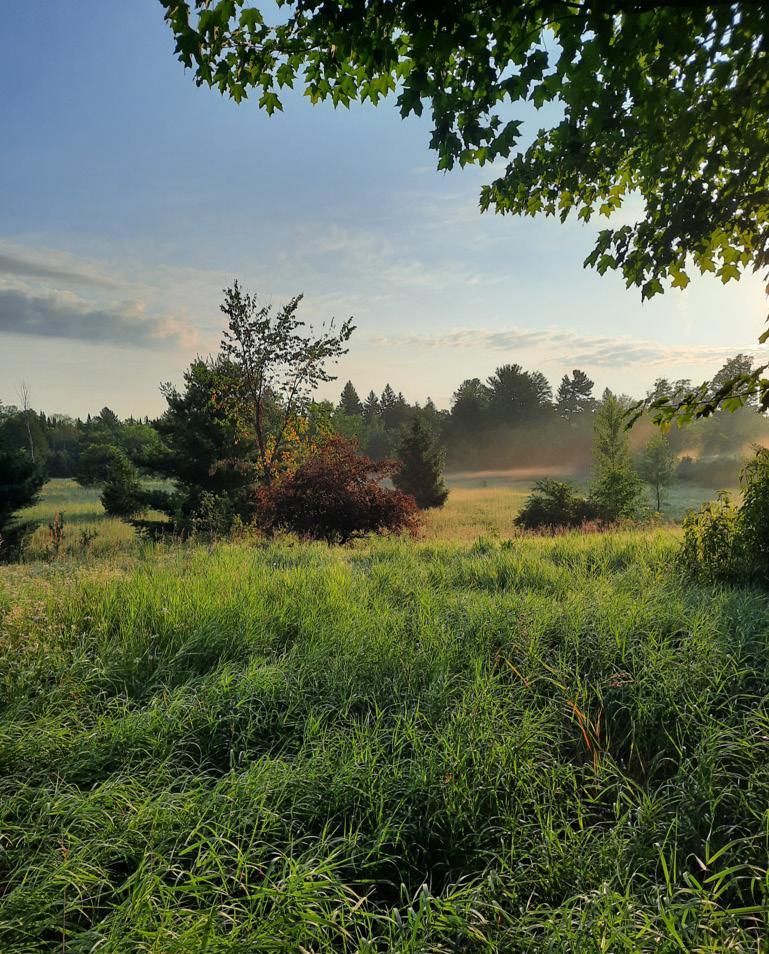


Be careful where you step!
It’s been said that one tablespoon of soil contains more living creatures than all the humans on the planet. It’s full of organic matter, insects, air, moisture, and microorganisms that both decompose plants and provide nutrients for new growth.
Dirt, on the other hand, is essentially lifeless. Water runs off of it. It erodes. Compress a fistful of soil and it holds together. Dirt dissolves through your fingers.
One oft-repeated quote says that despite all of our achievements, “we owe our existence to a six-inch layer of topsoil and the fact that it rains.” Soil purifies and stores water, stores carbon, provides climate and flood regulation, fibre, construction materials, habitat. It’s essential for our food security.
And, like our climate and biodiversity crises above ground, soil too is under threat. In 2014 the deputy director of the international Food and Agricultural Organization (FAO) said we had about 60 years of farming left. There’s been increasing attention paid to soils since then.
The FAO released a major soil biodiversity report in 2020 that covered a lot of ground, including threats like industrial farming, overuse of fertilizers and pesticides and loss of forests. Two years ago, a major Canadian Senate report, Critical Ground, dug into soil health across Canada. It points to a number of soil threats, including extreme weather and climate change, urban sprawl, and pollution from micro-plastics as also being threats to farming and soil health. The Senate’s report mentions corrective measures underway and urges the federal government to designate soil as a strategic national asset. The Ontario Federation of Agriculture gave the report a green thumbs up, as did our local council this year.
Many groups are rooting for better soils, like the Ontario Soil and Crop Association, the Ontario Soil Network and organizations educating about organic or regenerative farming methods. Farmers for Climate Solutions is a coalition of dozens of farm organizations bringing farmers into the conversation.
Soil compaction, lack of organic matter, and over-tilling, which kills microbial networks, provide fertile starting points for solutions. While there’s no one-size-fits-all fix, low-till farming, cover-crops to keep soil covered and protected all year, and methods that minimize chemical fertilizer use are being applied by increasing numbers of farmers. We can do our bit at home to help those underground communities thrive and our gardens grow. Some tips I’ve run across from master gardeners:
• Plant native plants to reduce the need for fertilizers, pesticides and watering.
• Add compost as needed and think no-till gardening. Instead of digging the compost into the soil, layer it on top. Let the soil critters work it in naturally, to ensure the least disruption to microbial networks and to release the least carbon.
• Choose organic mulch, like composted wood chips or leaves, that eventually will break down to add nutrients to the soil. Rethink the use of those fresh, dyed wood chips. I’m reading that they rob the soil of nitrogen and the dyes can add contaminants.
• Reduce soil compaction. Avoid walking on garden beds by adding pathways, stepping stones or using raised beds.
• Avoid or reduce use of chemical pesticides and fertilizers. They can kill the beneficial life underground. Remember to step carefully and mulch on.

Ginny Colling was passionate about the environment before retiring from teaching college communications students. After retiring she trained with Al Gore’s Climate Reality Project. She has presented to numerous groups about the climate crisis.

Nearly 30 years ago, my cousin, Alex, and I were visiting our aunt and uncle’s farm just north of Bethany when our imaginations went into overdrive. As we explored that 200-acre property, we got it into our heads that a thriving community had once existed where we now walked. Overgrown lanes linking the various fields became streets. A weather-beaten barn became a saloon worthy of a Hollywood western. Gullies in the bush might have been mine tunnels.
An entire history grew up around our hypotheses. We ultimately concluded that the wealthy magnates who once populated this “town” had moved on to greener pastures, leaving the townsite to rot and ultimately be consumed by a massive conflagration in the mid-19th century. This – conveniently – eliminated any trace of a community that, after all, only existed in our imaginations.
But although our aunt and uncle’s farm was never the site of the boom-town streetscapes and Antebellum-style mansions my cousin and I concocted in our play, this part of our municipality was home to a handful of tiny hamlets that have largely disappeared from the landscape. To the north was Fleetwood, which was profiled in the August 2020 issue of the Advocate. East of that was a little place called Franklin. Not far from the farm was a railway siding called Brunswick, which in the latter part of the 1800s boasted a hotel, post office, and sawmill.
And up the steep hill west of the farm, on what for years was called “the 10th line of Manvers,” was the hamlet of Lifford – my destination on a very warm Friday in early June.
Contemporary maps suggest that Lifford proper was concentrated a few lots east of what is now Highway 35 South –but for all practical purposes, its cultural core was clustered around a church and school situated between Beers Road and St. Mary’s Road. And it’s here that I arrive not quite an hour and a half after leaving Lindsay. Tethering my bicycle to the gate of St. Mary’s Cemetery, I take a brief walk west along the roadside in the direction of S.S. No. 5 Manvers. Built about 1901, it is now a private home enjoying a commanding view of the surrounding countryside.
And the view is spectacular, though I certainly don’t envy the farmers who once had to coax their horses and wagons up and down the hilly terrain hereabouts. Ubiquitous pagewire fencing peeks out from behind some tired-looking lilac shrubs and cedar trees; a row of boulders surrounded by brush calls to mind an older method of defining property lines. A few farmhouses remain in situ between Highway 35 and St. Mary’s Road. Long gone, though, are the blacksmith shops, general stores, hotels, and assorted craftspeople who plied their trades along this quiet rural thoroughfare.
Lifford’s commercial district may be a thing of the past. Its cemetery, however, is still very much active. Here, beneath towering stands of deciduous and evergreen trees, lie the remains of people who made their mark on this hamlet – and indeed, Manvers Township more broadly. McGill. Preston. Sisson. Staples. These names dominate many of the headstones, ancient and modern. (One of them, the late Robert Sisson, was the oldest man in Ontario when he died in 2021, aged 107.)
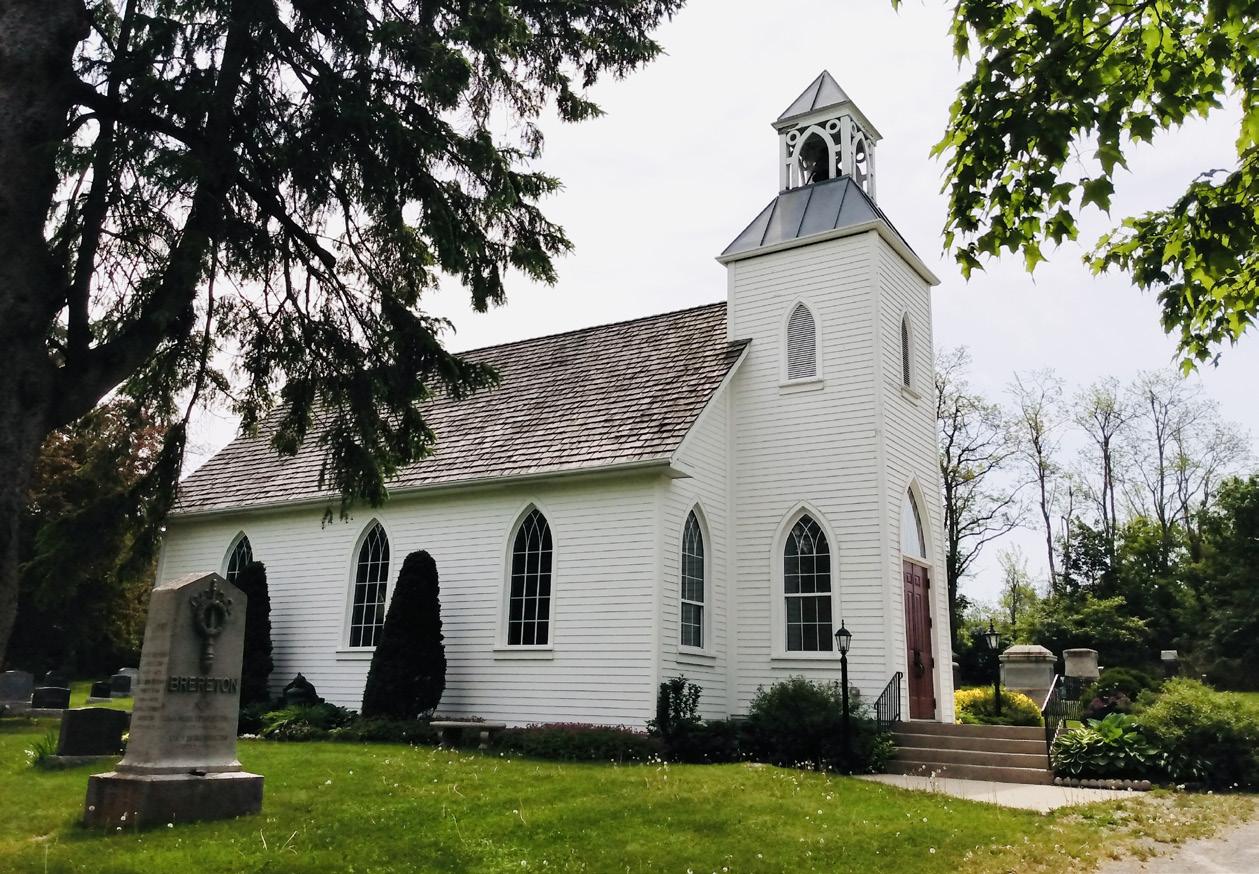
From a distance, the picturesque church towering over the cemetery looks like a bona fide relic of the 19th century – but appearances can be deceiving. St. Mary’s Anglican Church (so named for Mary Preston, an early settler), was originally built in 1852. Consumed by fire on Ash Wednesday of 1993, it was subsequently reconstructed using traditional materials – albeit on a smaller scale.
Ubiquitous page-wire fencing peeks out from behind some tired-looking lilac shrubs and cedar trees; a row of boulders surrounded by brush calls to mind an older method of defining property lines.
“The chapel was designed to reflect the wishes of the committee members to reflect the character of the original building, even if it could not be a true copy of the original,” says Ron Awde, the architect who supervised the project.
“Many of the members of the church most interested in the reconstruction were the grandchildren of the original settlers in the area who founded and built the church in Lifford and had been lifelong parishoners.” The new building was dedicated in 1997.
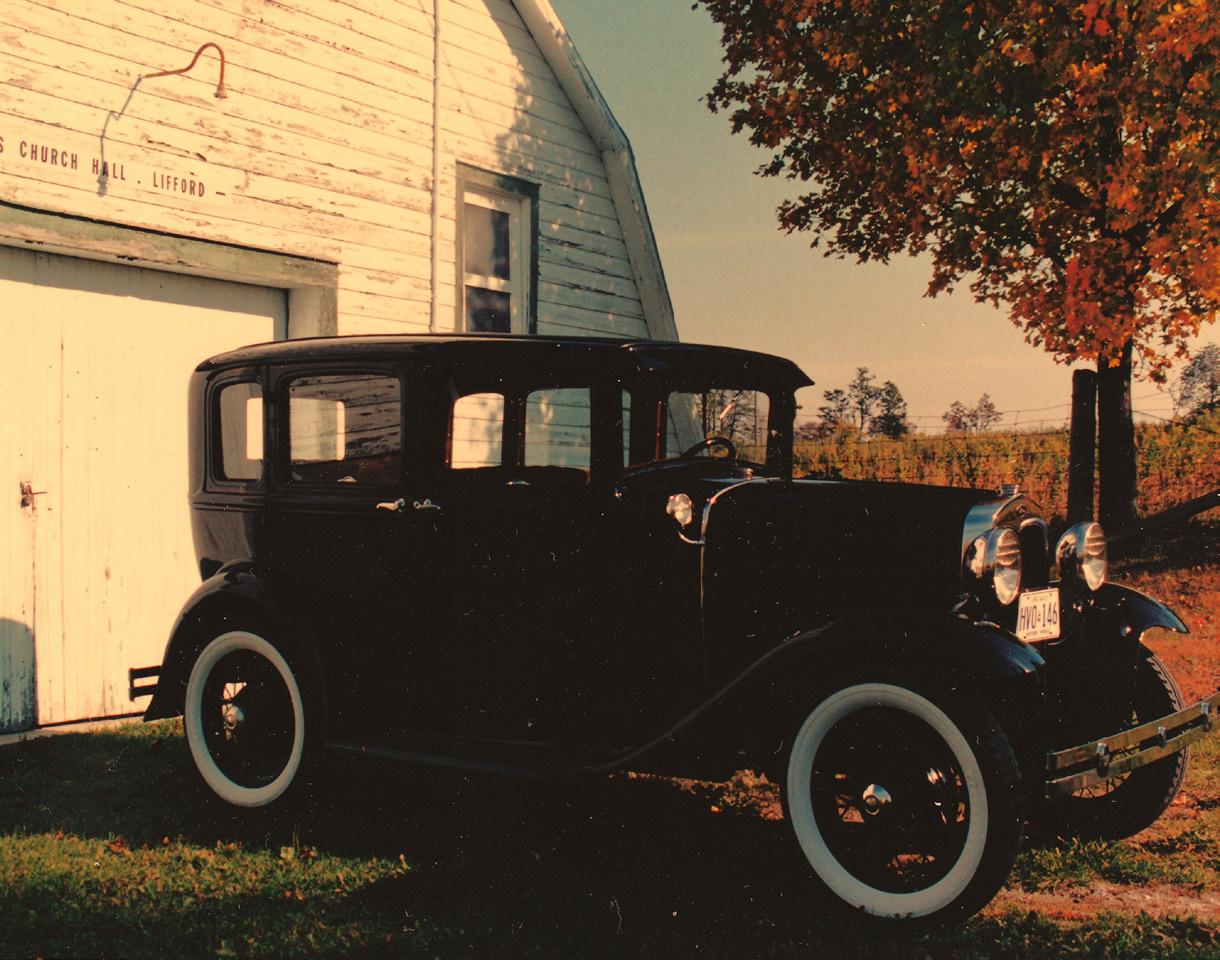
The sun is beating down on the cemetery as I make my way across the road, where in the shade of the parish hall I partake of my luncheon: ham and roast beef sandwiches, carrot sticks, blueberry muffins, ginger ale, root beer, and a couple of apples – plus an enormous bottle of water. Built in 1936 using funds raised by the Women’s Guild of St. Mary’s Church, this barn-like hall once played host to such events as salad suppers and the annual garden party.
St. Mary’s Church Hall, Lifford, was built in 1936, and is six years younger than the car parked in front of it in this ca. 1994 view. Photo: Jim McKechnie.
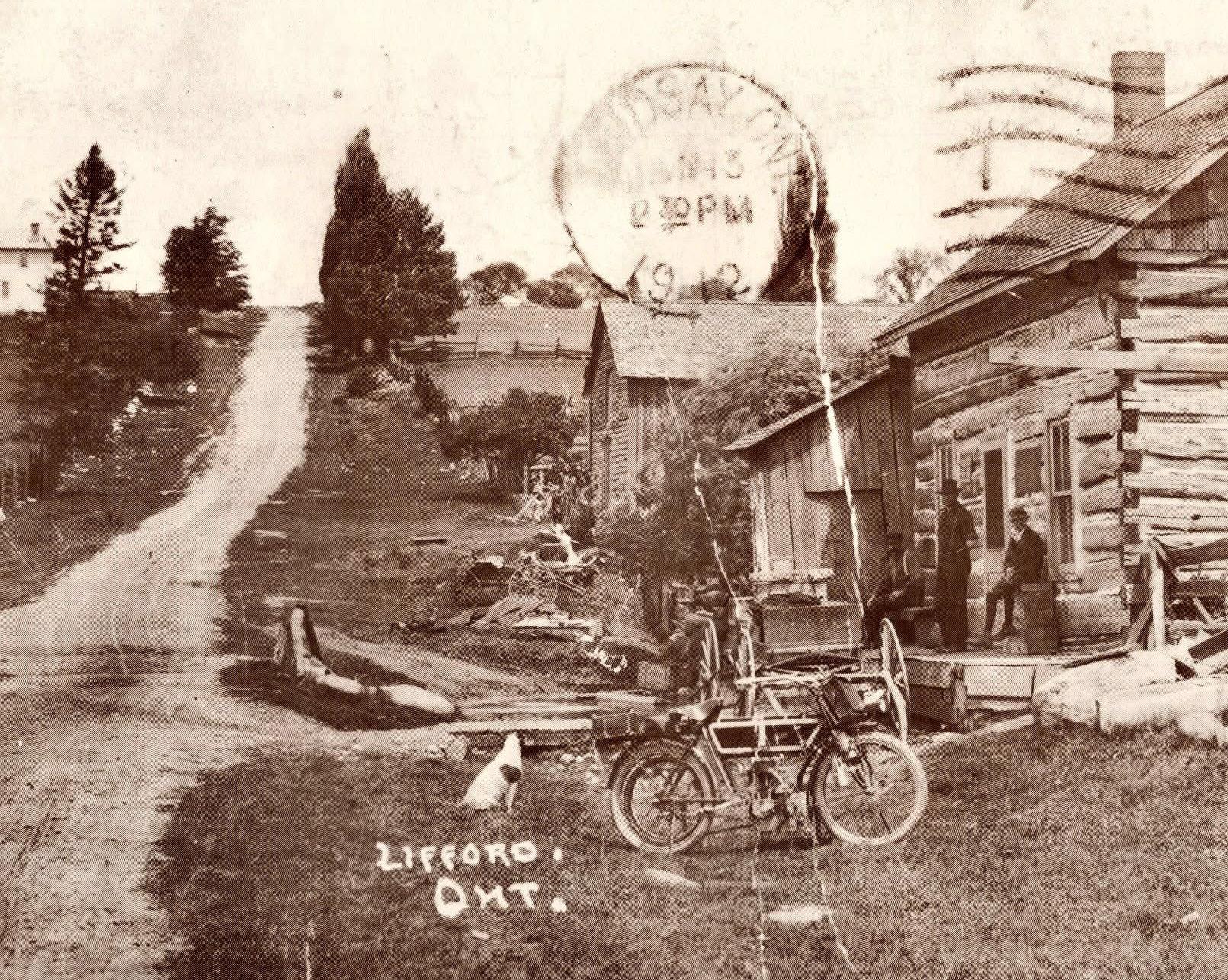
Andrew Kerr’s general store, pictured here around 1912, was one of the few businesses operating in the hamlet of Lifford in the early 20th century. Manvers Township Historical Society Collection.
“The well-laden tables were attractively displayed by the members of the Ladies’ Guild and others,” noted the Lindsay Daily Post on July 8, 1953, following one such party. “These were emptied by the large throng of hungry visitors, but were refilled again with more of the same.” Today, the hall and surrounding lawn are silent. Lifford may not have been as grand as the fictitious town my cousin and I fashioned in our imaginations all those years ago at our aunt and uncle’s farm down the road. Nevertheless, it retains a peaceable charm that makes this corner of Kawartha Lakes most memorable.

Ian McKechnie is a freelance writer, local historian, and researcher who has compiled and edited three books.



By Trevor Hutchinson Contributing Editor
My formative years involved being crammed into the dodgiest of rooms with likeminded people, where I was either playing music or enjoying music with hundreds of others. Bars were everywhere and live music abounded.
Today, there are way fewer bars and a lot less live music. During the lockdowns, we accepted the loss of bars and live events as the necessary price of public health. I, for one, naively assumed the vibrant scene I grew up with would just organically bounce back. Instead, on the whole, we retreated to our couches, forgetting how much we desperately need in-person, collective events to maintain any real sense of social cohesion. And we abandon such events at our peril. A community that stops singing together stops listening to each other.
The decline isn’t just a feeling; the math is brutal. Recent national data analyzing millions of transactions showed that in major cities like Toronto and Vancouver, only 17 to 21 per cent of spending at bars and restaurants now happens after dark — a significant drop as 43 per cent of Canadians report going out less often due to inflation. According to the Canadian Live Music Association, independent venues across the country are currently operating at only a 64 per cent average fill rate. Meanwhile, a Wavelength Music report highlighted a bleak 13 per cent closure rate for small, independent music venues.
That is why it is so incredibly refreshing to see the emergence of the North of Nowhere Music Festival.
In July 2024, the festival took a massive risk and launched right here in Kawartha Lakes. It didn’t just survive; it’s thriving. Returning to the Lindsay Exhibition (LEX) this July 16 to 18, the festival is drawing massive acts like Dallas Smith, The Glorious Sons, and Juno-winning indie rockers and local favourites, the Strumbellas.
But the success of events like North of Nowhere isn’t just about a good time; it is about hard economics. If you look at the data driving Kawartha Lakes’ new 2026-2036 cultural master plan, the local arts and culture sector in our city alone supports nearly 1,000 jobs and generates a staggering $67 million in GDP.
This is exactly why the city is actively exploring a new, dedicated cultural centre and why government support — like the Experience Ontario grant program — is so critical. Investing in the arts is not charity; it is economic fuel.
North of Nowhere proves our appetite for human connection hasn’t vanished entirely. But rebuilding our civic fabric takes work. Municipal and provincial leaders must view arts funding as essential infrastructure.
Investing in the arts is not charity; it is economic fuel.
The rest is entirely on us. We must retrain our social muscles. The pandemic may have taken our stages temporarily, but only apathy will keep them empty. Let’s get out there, buy a ticket, and make some noise. Together.

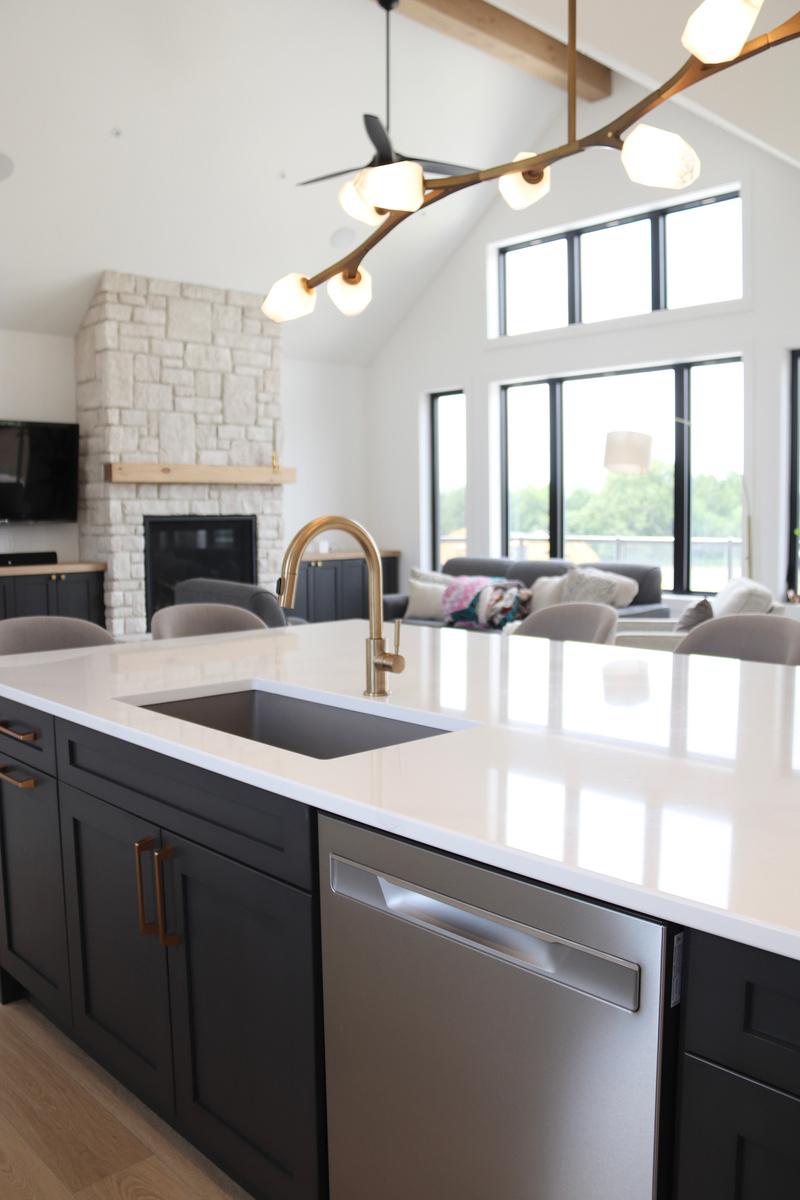




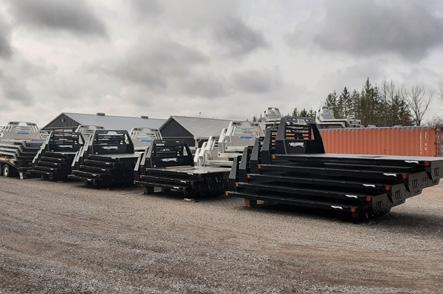


LUXURY TRAVEL WITH ROBERT ALTMAN
Collector Car & Truck Appraisals
Private Travel Planner in Kawartha Lakes Leave winter in your wake
–Plan your escape now
MTO Appraisals & Vehicle, VIN/Ownership Corrections.
Call Ron @ 705-878-2372 Please visit
RJVintageGarage com Available - Lindsay & Area.
Tailored journeys by land and sea. Private, Group, or Corporate Retreat.
robert.altman@ traveledge.com 647-966-8985
Silversea • Explora • Viking • Silversea * Quark Four Seasons • Accor • Marriott • Hilton * IHG
Better Bins Reliable Moving Solutions to take the Stress out of Packing
Burns’ Snow Removal & Lawn Care Ltd.
We Buy Vintage...
Vinyl Records, Comics, Jewellery, Glass, China, Pottery, Toys, Sports & Collectibles. We Make House Calls. Cash Paid.
Furniture, signs, jewellery, watches, coins, china, military items, paintings, records, books, old metal toys, wood decoys, snow shoes, paddles & more
Robert & Penny. 705-324-2699 howlingdog.rocks
Bob Carruth 705-

We Buy Vintage... Vinyl Records, Comics, Jewellery, Glass, China, Pottery, Toys, Sports & Collectibles. We Make House Calls Cash Paid Robert & Penny.
Grass cutting, fertilizing, trimming, organic topsoil & spring clean-up.
For Rent - 1 and 2 bed units from $1,800 & up Heat, hydro & water is included. Adult building in Lindsay Call 705-324-9381.
Commercial & Residential Fully insured.
Call David E. Burns 705-324-8154
Friends of the Lindsay Library BOOK SALES
Tuesdays 10:30 am to 5:00 pm July 21st | August 18th September 15th

Burns’ Snow & Lawn Care
cutting, fertiliz ng, organic topsoil & fall cleanup. Snow contracts available Commercial & Residential Fully insured. Call David E Burns 705-324-8154
Saturdays 10:30 am to 3:00 pm
July 25th | August 22nd September 19th
Downstairs in the Lindsay Library McKenzie’s offers all aspects of outdoor maintenance
• interlock
• lift and re level

Plastic M s We
705-879-2569 betterbinrentals @outlook com
Fences, Gates, Railings & Verandas
Furniture; jewellery boxes, costume, silver or gold jewellery; old watches; silver items; china; military items; silver & gold coins; books; records; old toys; decoys, collectibles, etc.
New wooden fence installation
W d f

r P G ng & reliability
Stephen 647-927-1580
Bob Carruth
705-887-1672
705-324-2699 howlingdog.rocks
Classic & Vintage Cars & Trucks
Call Mark 613-360-2699
Fences, Gates, Railings and Decks New wooden fence installation Wooden fence repairs “PERFECT POST HOLES”
Great quality, pricing and reliability Lindsay Resident
• fencing
• gutter cleaning
• lawncare
• snow removal
McKenzie’s offers all aspects of outdoor maintenance interlock lift and re level fencing gutter cleaning lawncare snow removal

705-934-4333
705-934-4333 Free estimates.
Free estimates.
St. Luke’s Cemetery, Downeyville
DECORATION DAY Sunday, August 2, 2026
Mass at 10 a.m. (New Cemetery)
Please bring a lawn chair.




St. John’s Anglican Church INDOOR Yard Sale
1948 Sturgeon Rd; Dunsford
July 18th AND August 15th 8am - 12noon

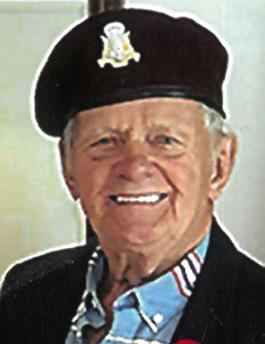

Peacefully passed away on Tuesday, June 9th, 2026 at Ross Memorial Hospital at the age of 100 years. Lovingly remembered by his son Steven Wiles and daughter-in-law Linda.


The Mindful Move - with Nicole Naylor
There May Never Be a Perfect Time
Many people spend years waiting for the right time.
After one more holiday. After one more summer.
After the market changes.
After the spare room is sorted. After life feels a little less busy. The challenge is that life rarely slows down long enough to hand us a perfect moment.
This doesn't mean you should rush into a decision. Major life changes deserve careful thought.
Peacefully passed away on Tuesday, June 9th, 2026 at Ross Memorial Hospital at the age of 100 years. Lovingly remembered by his son Steven Wiles and daughter-in-law Linda.
Peacefully passed away on Tuesday, June 9th, 2026 at Ross Memorial Hospital at the age of 100 years. Lovingly remembered by his son Steven Wiles and daughter-in-law Linda.
A proud WW II Veteran, Ernie served as a paratrooper. honoured to return to Holland many times and recently for the 80th anniversary in 2025.


A proud WW II Veteran, Ernie served as a paratrooper. He was honoured to return to Holland many times and recently for the 80th anniversary in 2025.
A proud WW II Veteran, Ernie served as a paratrooper. honoured to return to Holland many times and recently for the 80th anniversary in 2025.
Private arrangements have been made, and a Celebration of Life will follow at a later date. and condolences can be shared at www.comstockkaye.com

Private arrangements have been made, and a Celebration of Life will follow at a later date. Memories and condolences can be shared at www.comstockkaye.com
Private arrangements have been made, and a Celebration of Life will follow at a later date. and condolences can be shared at www.comstockkaye.com


But there is a difference between waiting because you're gathering information and waiting because you're hoping certainty will arrive.
Often, the people who feel most at peace with their move aren't the ones who waited for perfect timing. They're the ones who started exploring their options early, giving themselves time to think, plan, and move at their own pace.

Sometimes the greatest gift you can give yourself is not a deadline,

- Sienna
You don't have to make a decision today. You don't have to list your home next week. But if a move has been on your mind for a while, it may be worth learning what's possible. Not because the timing is
But because you're giving yourself the time and space to make a
You don't have to rush a decision, but you don't have to wait for perfect timing either.


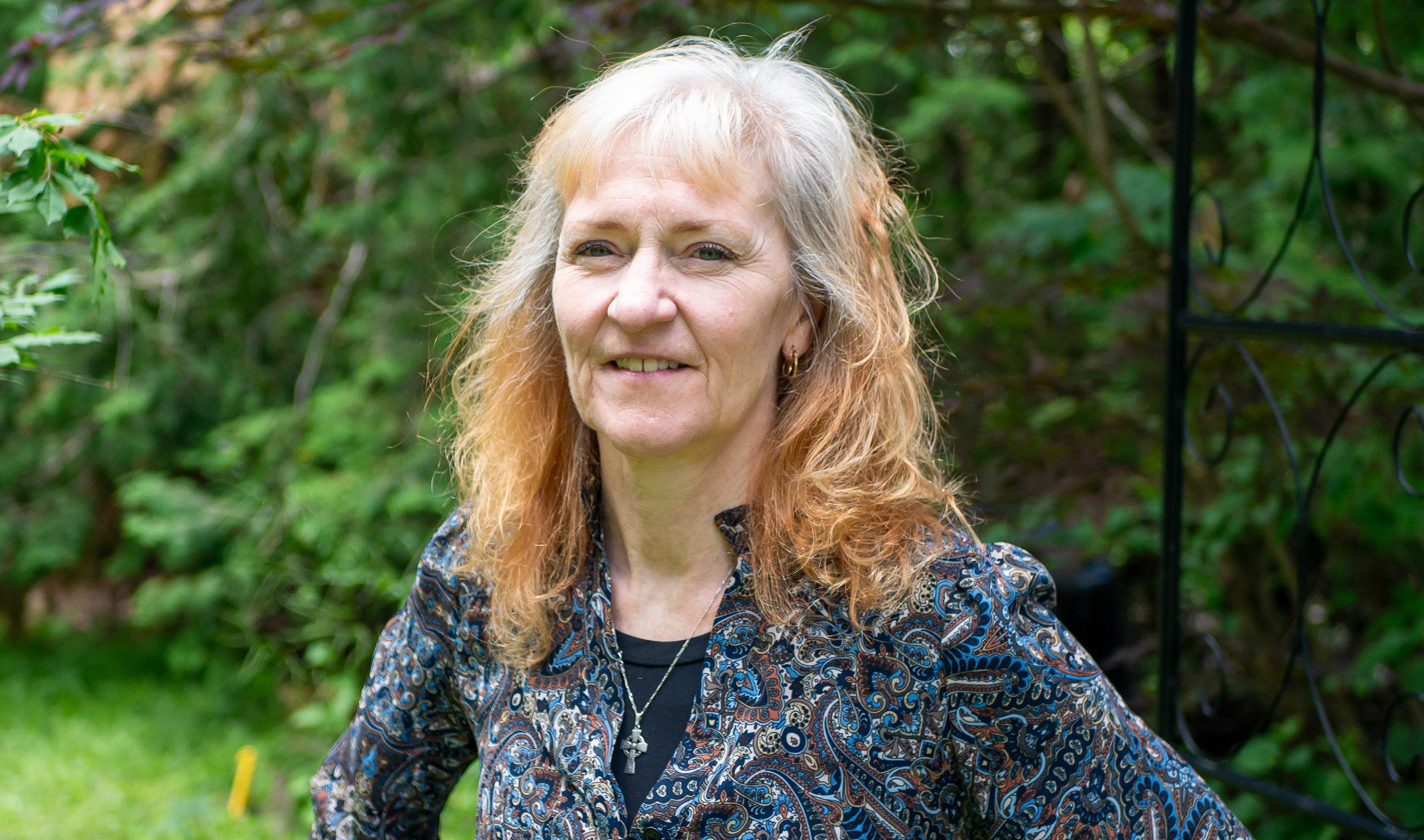
ANN DULHANTY moved to Lindsay from Durham Region in January 2026.
Lindsay Advocate: Why did you choose to move here?
ANN: I was looking for a small town in Ontario near the GTA in which to retire, one with a walkable downtown and a century home to live in and care for. I was drawn to Lindsay because I knew so little about it, but it seemed like a thriving, established community, isolated from the larger urban centres like Peterborough by rolling farm fields and tracts of forest. It had everything I needed to live comfortably, so I came to get to know it.
Lindsay Advocate: What is your favourite thing about Kawartha Lakes so far?
ANN: If it has to be just one, it’s the sound of the wind in the trees, especially with a star-filled night sky, and moon shadows. Other wonderful things: the welcoming community, the complex history, the gob-smacking architecture. Also, the bagels, flower gardens, and local beer. Then there’s the fitness classes, library programs, gardening club and bike paths.
Are you new in town? If you moved to Kawartha Lakes within the past two years and want to be featured here, email us at info@lindsayadvocate.ca.
Lindsay Advocate: What are your favourite local restaurants or shops?
ANN: I’ve enjoyed takeout from Ping’s Home Made Chinese Food. While not strictly local, Tim Horton’s consistently hits the spot with good coffee and there’s always a Tim’s nearby in Lindsay. The Buttertarts ‘n More shop in Little Britain has great baked goods. The beer at the Pie Eyed Monk is tasty.
Lindsay Advocate: What do you think is missing from Kawartha Lakes?
ANN: After only a few months here, I think a better way to answer this question is what haven’t I found yet?: original rock music, a venue or two to support emerging local musicians. On a sombre note, like many places in Ontario and beyond, there could be more support for those suffering with challenges such as addiction, homelessness and mental health issues.
Lindsay Advocate: How were you involved in your previous community and how might you like to get involved in Kawartha Lakes?
ANN: Previously, I’ve helped organize community events, volunteered as a mentor for new entrepreneurs, and been a heritage advocate. All these things l’d like to continue in Kawartha Lakes, in whatever way I can best contribute.
DR. BOIVIN DOESN’T HAVE SUPERHUMAN VISION. HE COUNTS ON ULTRASOUND FOR THAT.
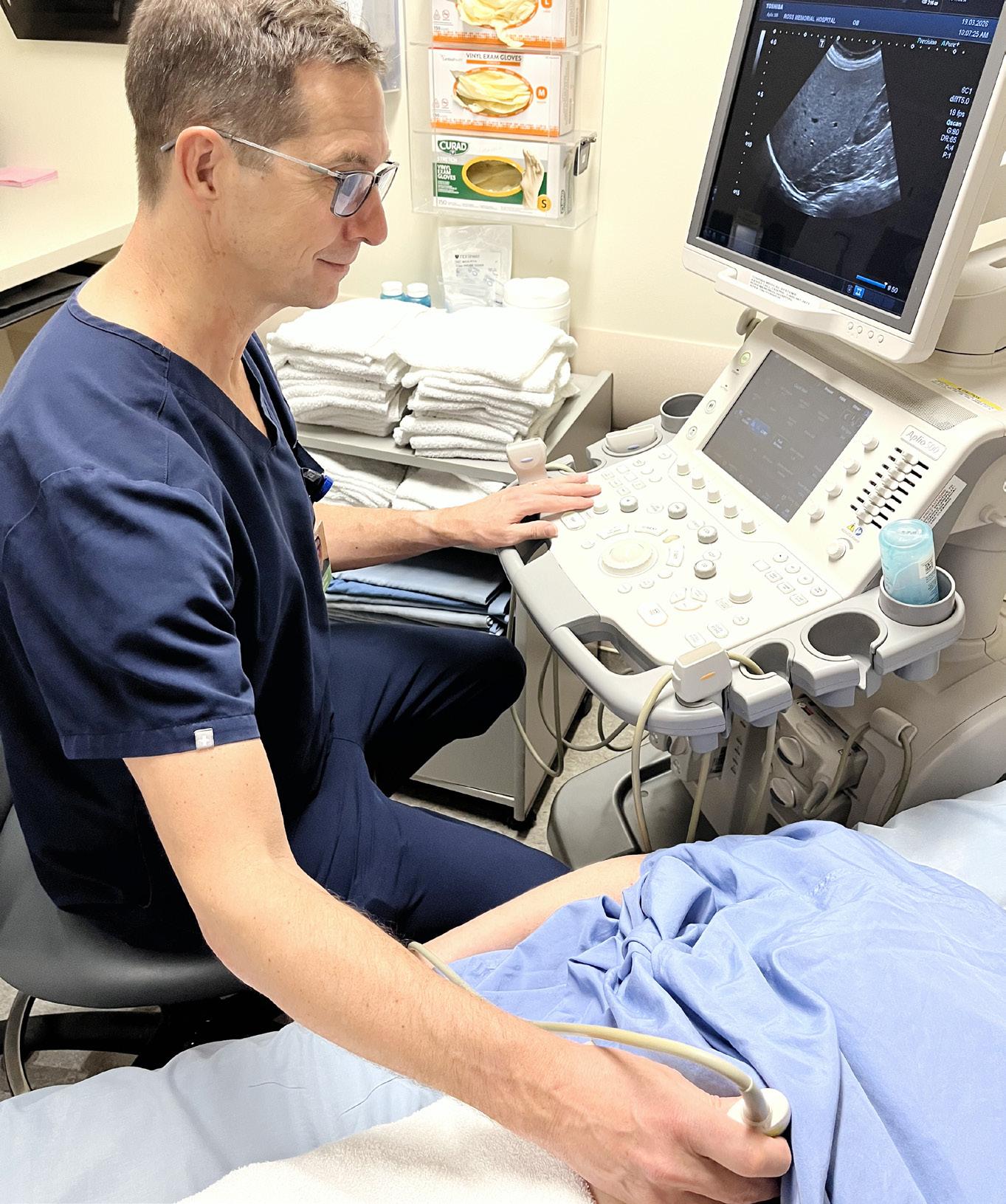
As an Intensivist in the ICU and an expert in the use of ultrasound in critical illness, Chief of Staff Dr. Michel Boivin values the precision images ultrasound provides to give patients the fastest, safest path forward.
With the RMH Foundation, Dr. Boivin is encouraging donor support to help update and grow Ross Memorial’s fleet of ultrasound machines to better care for our growing community.
“The Kawartha Lakes community has always cared deeply about its hospital. Perhaps that’s our superpower. Together, we put Caring In Action!”