KavyaSabin Computational Designer
Illustrator
Animator
Taleof tiles : Marble migration
Tri Angulation
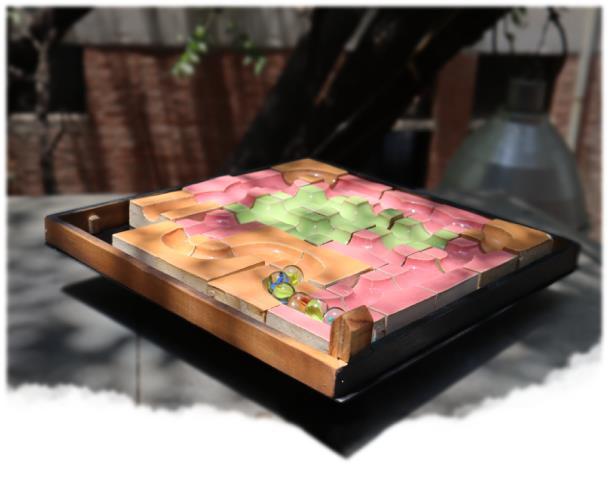
A project made during the course of the studio MATERIALITY IN COMPUTATIONAL DESIGN Through iterative design, fabrication, and assembly, this project showcases how computationally informed design is translated into material outcomes using ceramic processes, emphasizing craftsmanship, adaptability, and performance in the built environment.
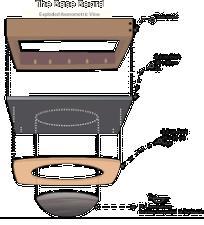
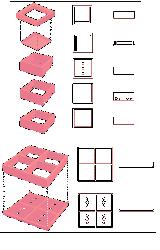
The Board Exploded Axonometry
Parts of the puzzle
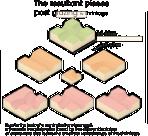
The pieces
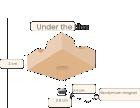
Undereachtile isa magnet toattachit tothe board
Fabrication
Evolution ofthe mould base frame
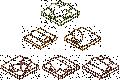
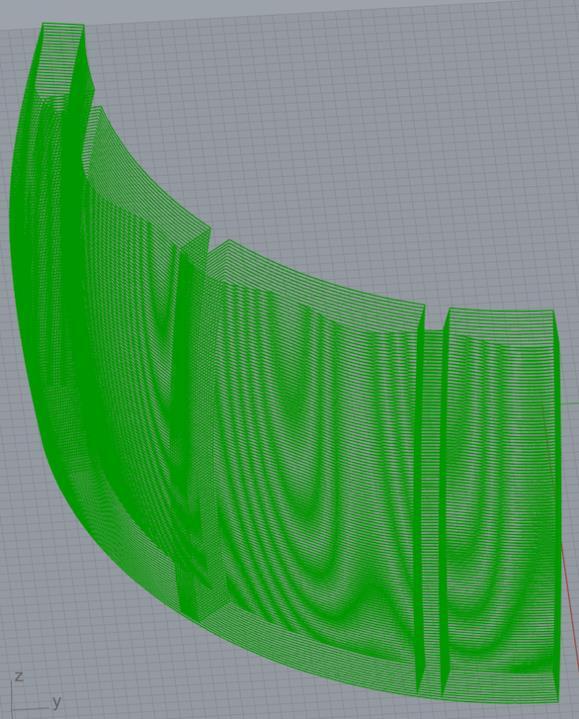
Variationsof thetophalf ofthe mould
Method of Fabrication :
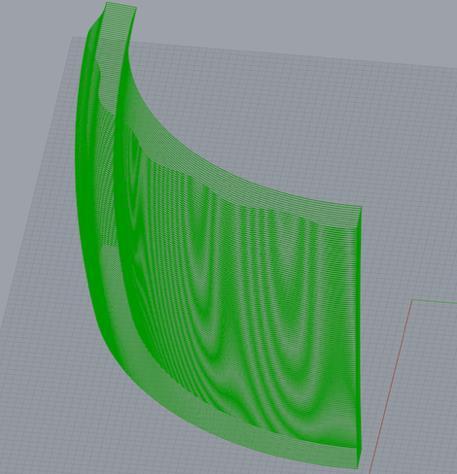
Press casting of stoneware clay
• Yields stronger results.
• Faster production than slip casting.
• PLA printed mould was more resilient than a PoP mould.
If you would like to know more aboutthe project pleasecheckout this link :
https://portfolio.cept.ac.in/fd/materiality-in-computational-design-cd4001-spring2024/tale-of-tiles-marble-migration-spring-2024-pcd23179
Tri Angulation
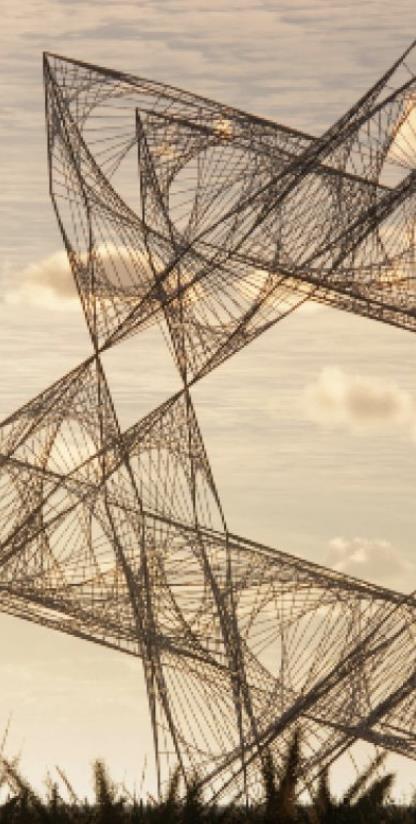
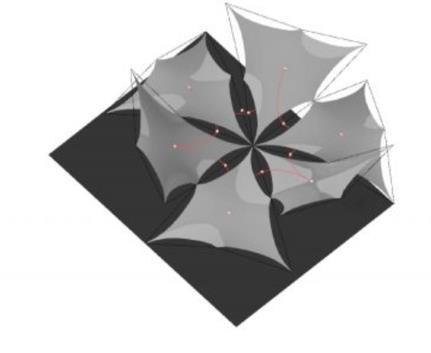
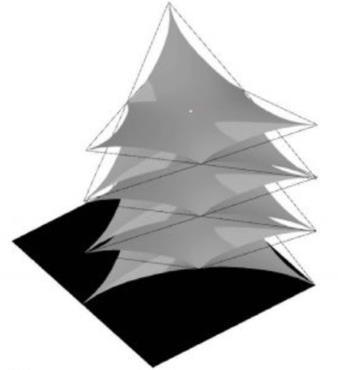
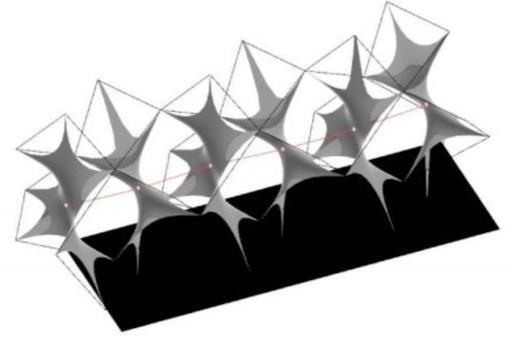
ASem1exploration into computational design, this projectinvestigates how rule-based modificationscan transformthe structural andgeometric behaviour of the equilateral triangle. Throughiterative aggregation and material experimentation, the design evolvesto balance form, stability, andload distribution.
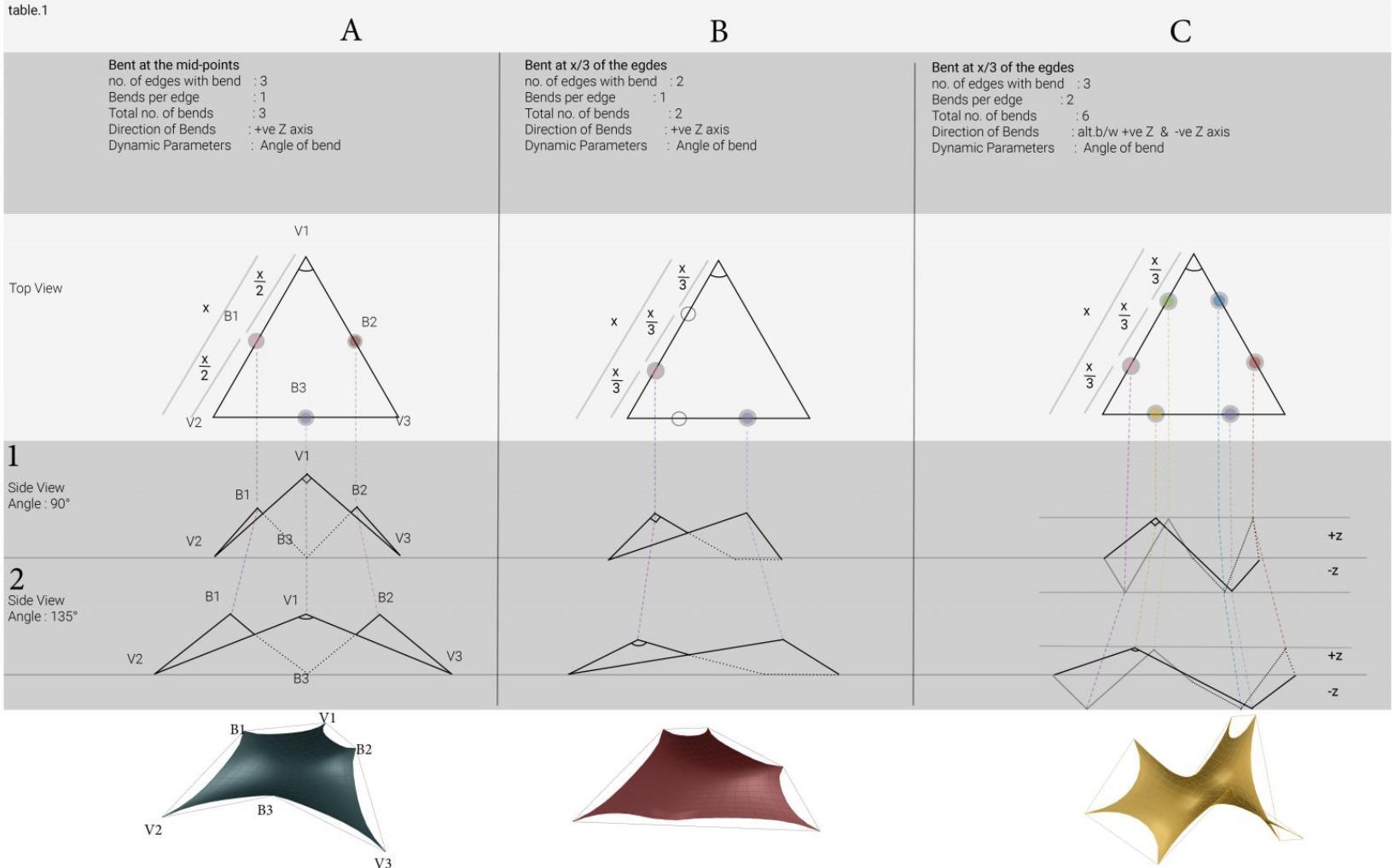
Modification of the base equilateral shape by introducing bends on the edges, with varied angles and creating iterations.
Bentatthemid-points
Number ofedges bent : 3
Bends per edge : 1
Total number of bends 3
Direction of bends +ve Z axis
Dynamic parameters Angle of bend
Bentatx/3oftheedges
Number ofedges bent : 2
Bends per edge : 1
Total number of bends : 2
Direction of bends : +ve Z axis
Dynamic parameters Angle of bend
Bentatx/3oftheedges
Number ofedges bent 3
Bends per edge 2
Total number of bends 6
Direction of bends alt. b/w +ve & -ve Z axis
Dynamic parameters : Angle of bend
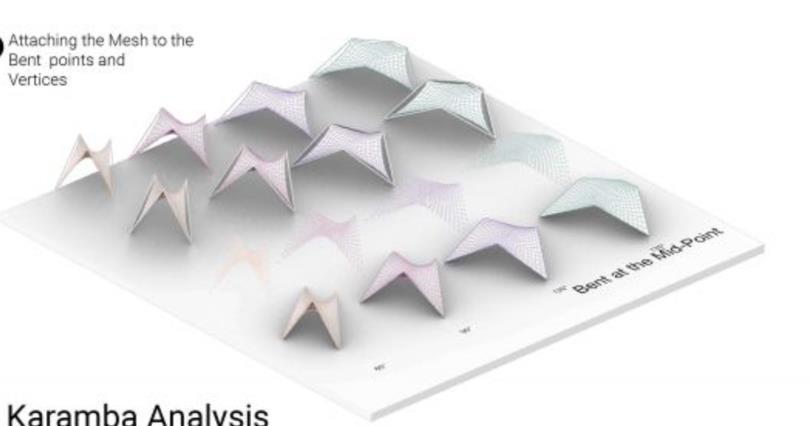
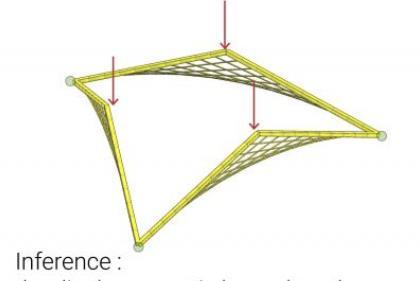
Attaching a mesh tothe bent points and vertices for better visualisation
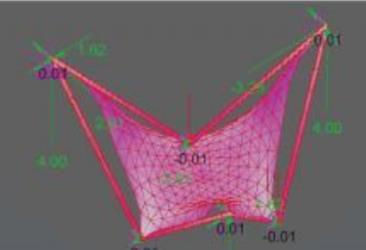
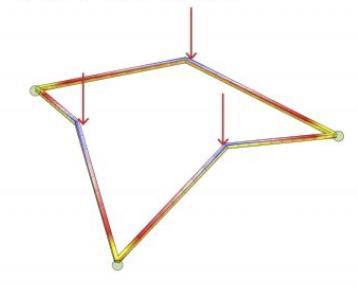
Karamba Analysis
All iterations and flipped counter parts were analysed.
The ones with the least amount of displacement was selected for the next phase ofform exploration.
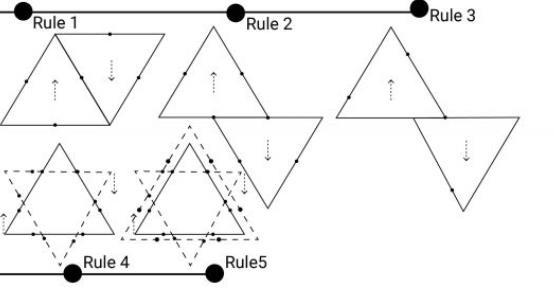
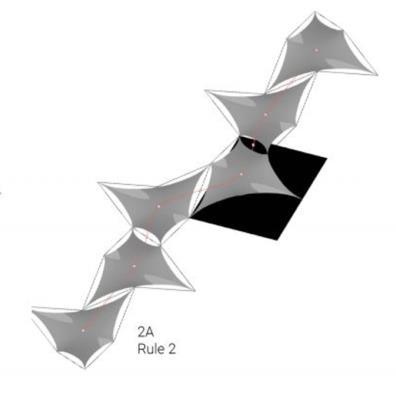
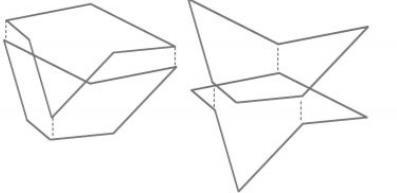
Assembly ofiterations based on rules
(2A from Table.1)
Rule 1 (2A from Table.1)
Rule 5
(2C from Table.1)
Rule 5
(2A from Table.1)
Rule 2
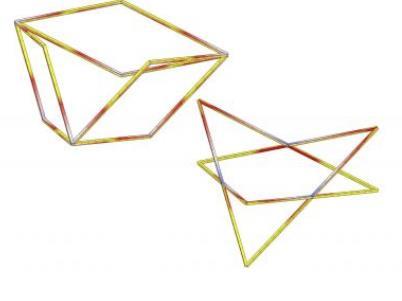
Karamba Analysis
Constant parameters
Load : 2kN at the bent Support : at the vertices
The frame was flipped and attached at the vertices and bent points
The resulting components were analysed with different combinations of attaching the wires.
Martian’sPod(Group
Project)
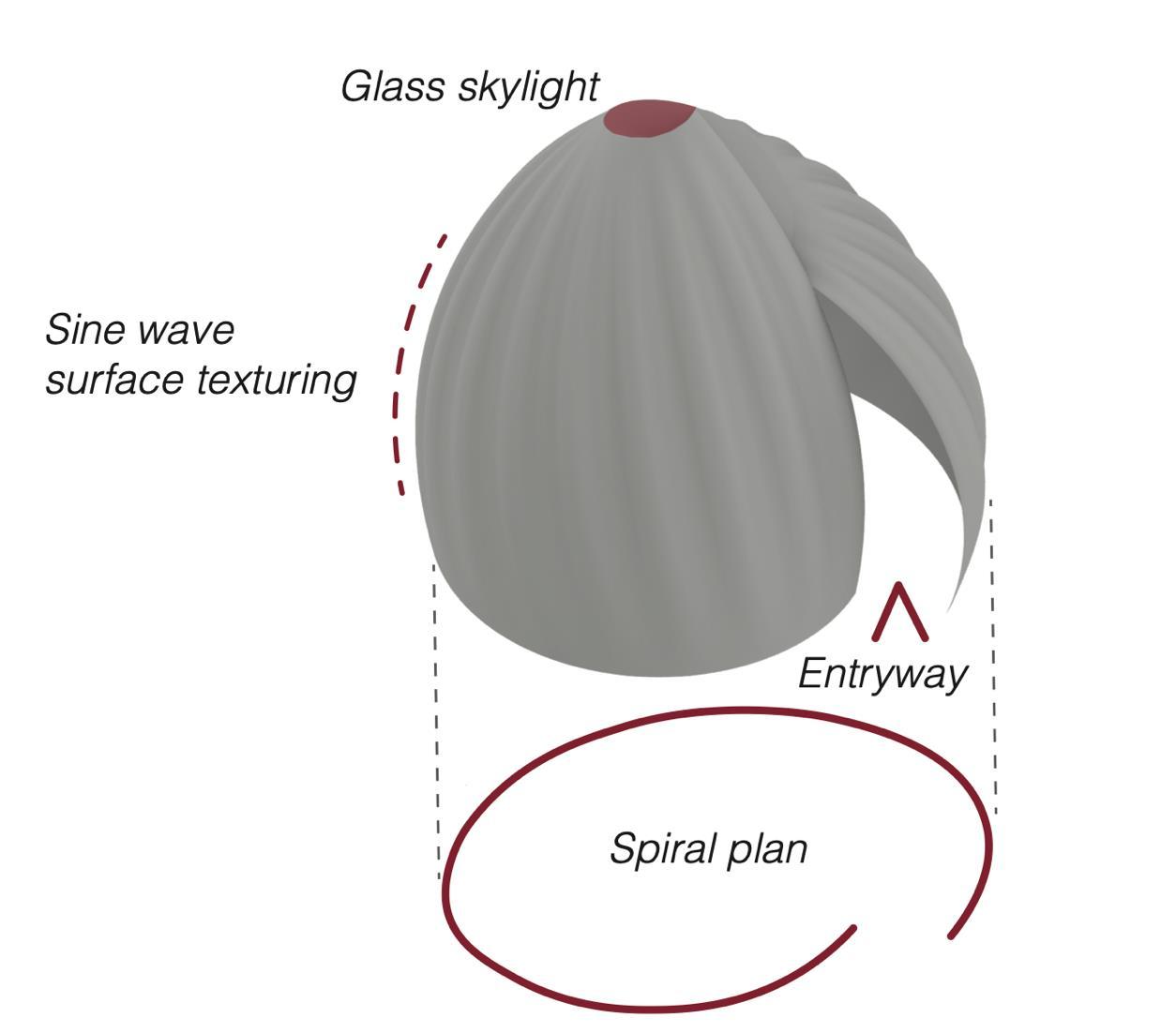
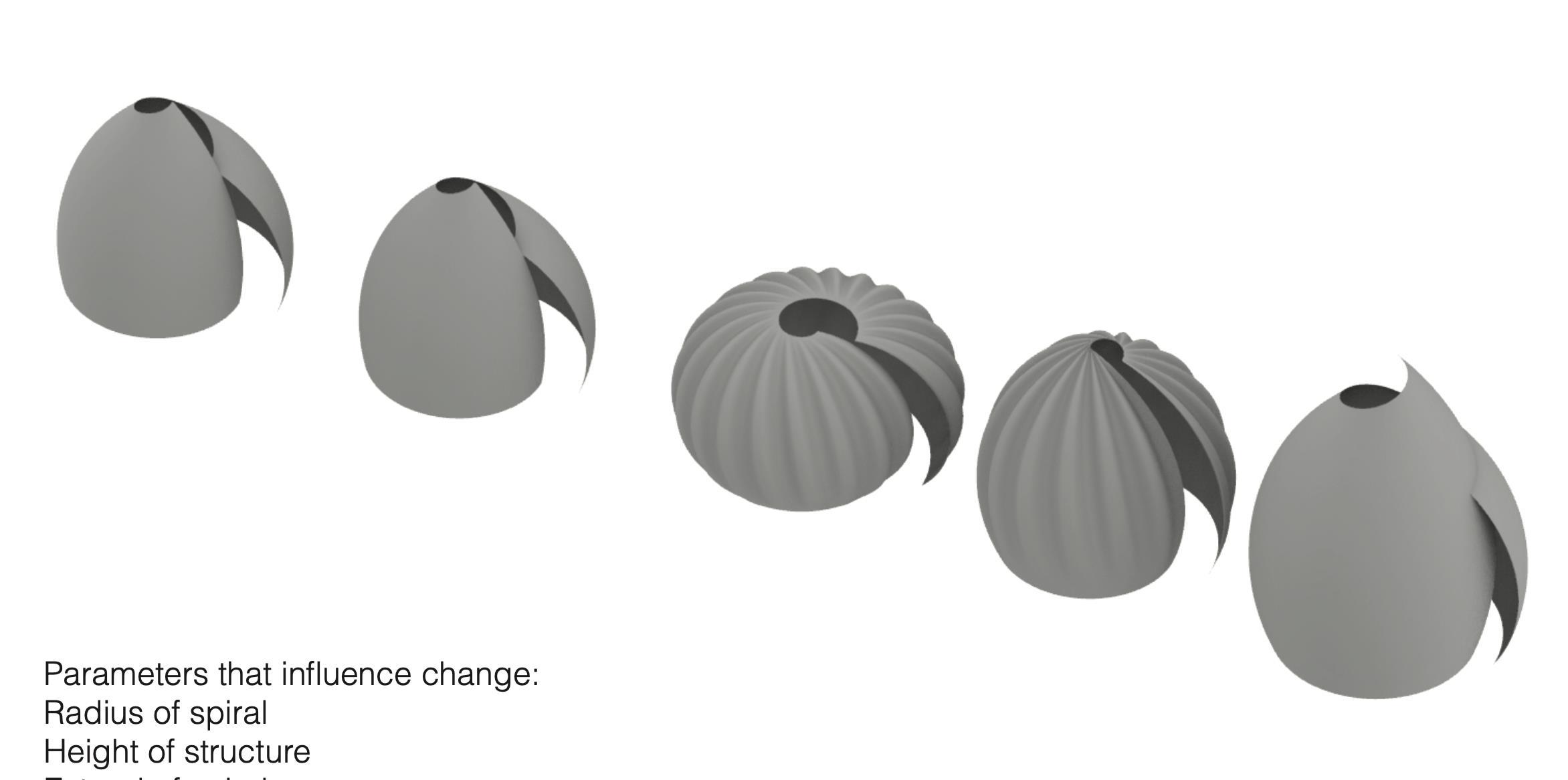
A fun project aimed at understanding the basics ofdigital fabrication for concrete 3D printing in the industry.
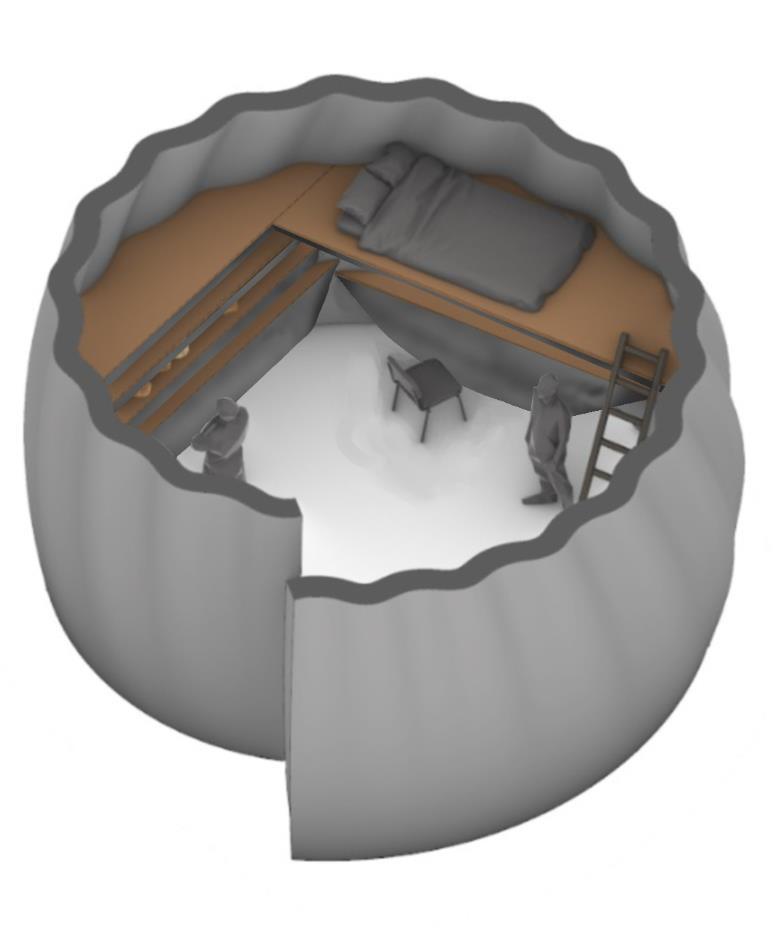
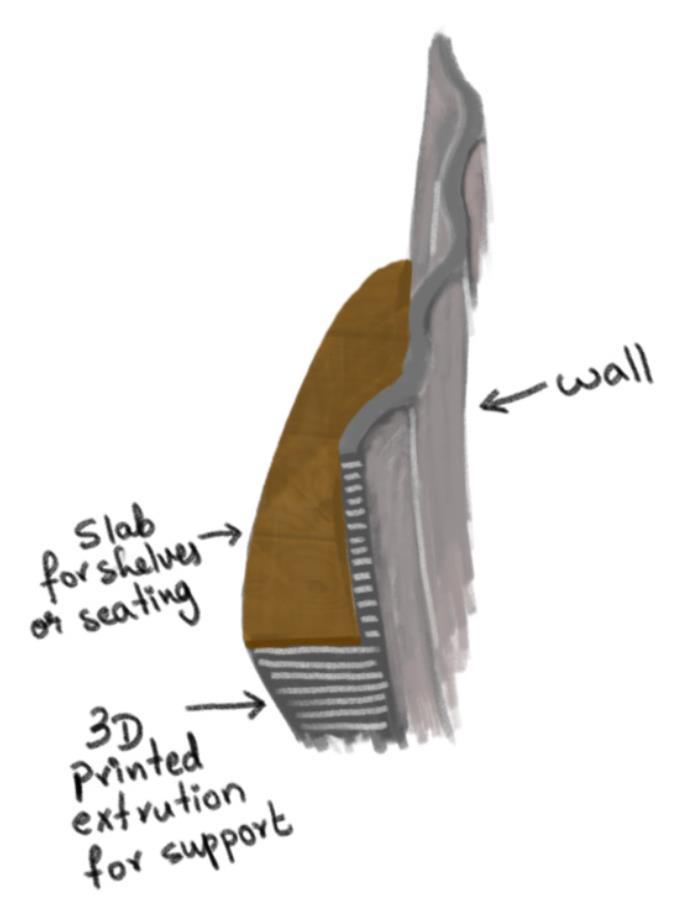
A poddesignedasa rest spotfor astronautslivingin mars. The podis fabricatedusing concrete 3Dprintingand haveamenities like rest area and shelfsinside.