A Beginner’s Guide to Collecting Japanese Swords in 2026
Collecting Japanese swords can be both rewarding and educational, but beginners often feel overwhelmed by the variety of blade types, materials, and construction methods available. Understanding the fundamentals of sword design, historical context, and build quality is essential before making a purchase. A well-informed approach helps collectors avoid common mistakes and focus on acquiring pieces that reflect authentic craftsmanship and long-term value.
Understanding the Types of Japanese Swords
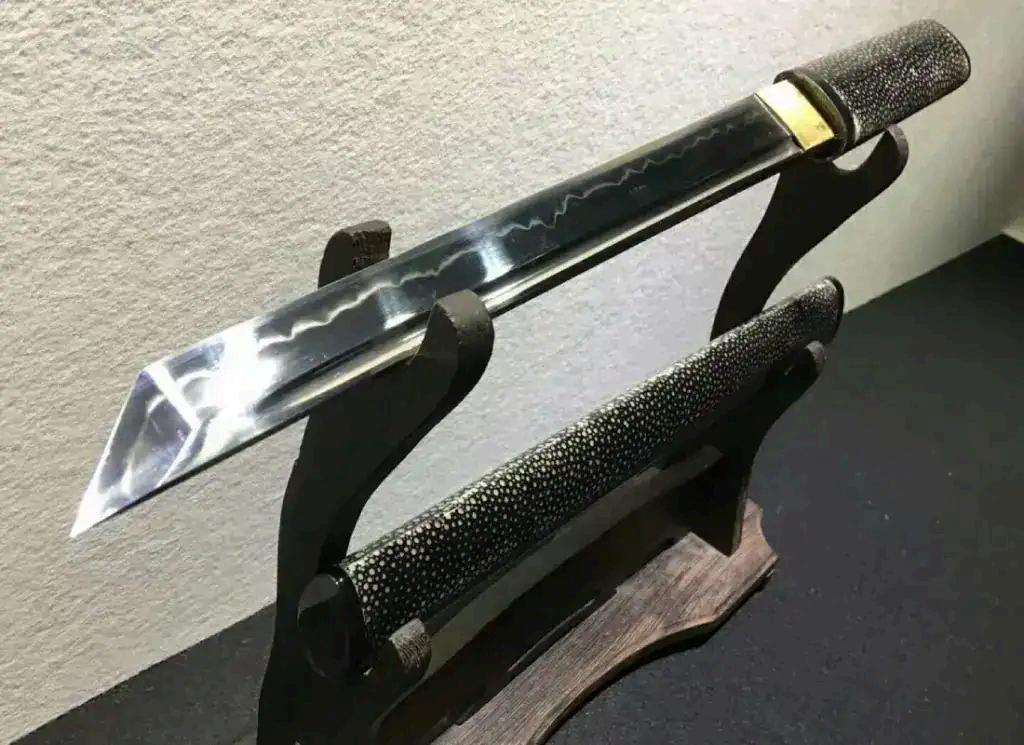
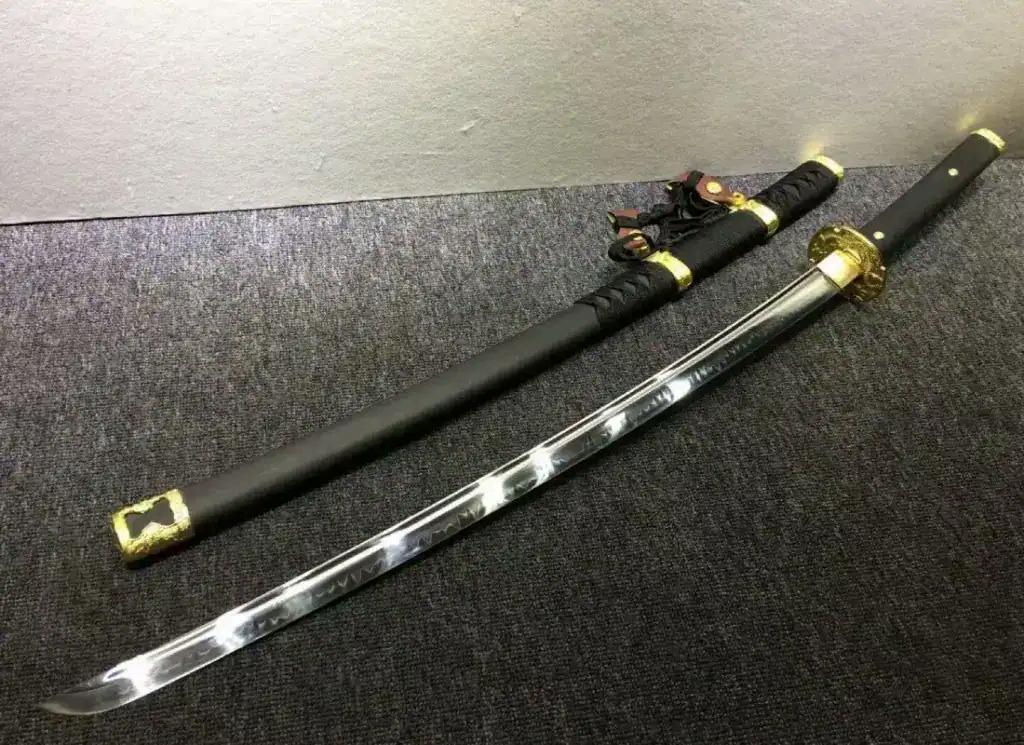
Before starting a collection, it is important to become familiar with the major categories of Japanese swords. The most recognized type is the katana, known for its curved, single-edged blade and two-handed grip. The tachi, which predates the katana, is generally longer and more curved, originally designed for mounted warriors. The wakizashi is shorter and was traditionally paired with the katana, while the tanto is a compact dagger-style blade.
Each type offers unique historical and functional characteristics. Beginners should decide whether their interest lies in battlefield history, martial arts use, or artistic craftsmanship.
Learning About Blade Construction
One of the most important aspects of collecting Japanese swords is understanding how they are made. Traditional swords are forged from high-carbon steel and undergo a process called differential heat treatment. This creates a hardened edge and a more flexible spine, enhancing both cutting ability and durability.
Collectors should look for clear information about steel type, tang construction, and assembly. A full tang design, where the blade extends through the entire handle, ensures structural integrity. Even if a sword is intended primarily for display, quality construction remains an important factor in overall value.
Authentic vs Decorative Swords
Not all Japanese swords are created for functional use. Decorative swords are often made from stainless steel and are designed for display purposes only. Functional swords, on the other hand, are built to handle controlled cutting practice and are constructed from stronger carbon steels.
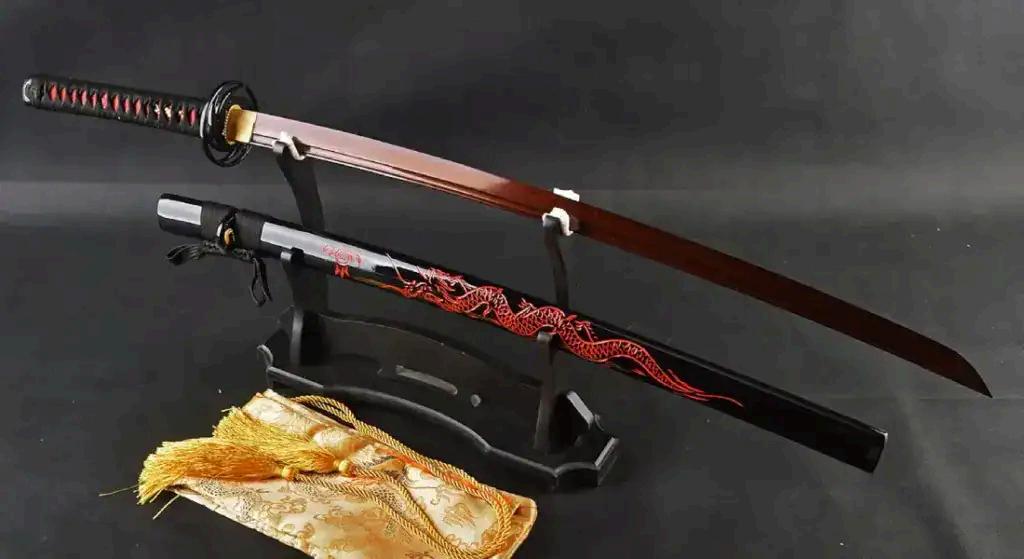
Beginners should carefully evaluate product specifications and understand whether the sword is meant for martial arts training, collection, or decoration. Clarity in steel composition and assembly details helps avoid confusion.
Setting a Budget
Pricing for Japanese swords varies widely depending on materials, craftsmanship, and level of detail. Entry-level blades may use simpler materials and finishing techniques, while higher-quality pieces require skilled labor and careful forging. Rather than focusing solely on price, beginners should prioritize build quality and transparency in specifications. A realistic budget allows collectors to balance affordability with durability.
Inspecting Fittings and Mountings
Beyond the blade, the fittings and handle construction also matter. The tsuka (handle) should be securely wrapped, often using cotton or silk over ray skin. The tsuba (guard) should be properly fitted and aligned. A well-crafted saya (scabbard) protects the blade
from moisture and damage. Attention to these details ensures that the sword is structurally sound and aesthetically complete.
Research and Documentation
Serious collectors often research the historical background of the sword type they are purchasing. Understanding the era, design features, and forging methods adds depth to the collecting experience. Documentation, maker information, and clear descriptions contribute to authenticity and confidence in a purchase.
Proper Care and Maintenance
Once acquired, Japanese swords require proper maintenance. High-carbon steel blades must be cleaned and lightly oiled to prevent rust. Storage in a dry environment helps preserve the blade and fittings. Regular inspection ensures that the handle and fittings remain secure over time.