Deconstructing the Default
Architecture of Inclusivity
Kathleen Gay
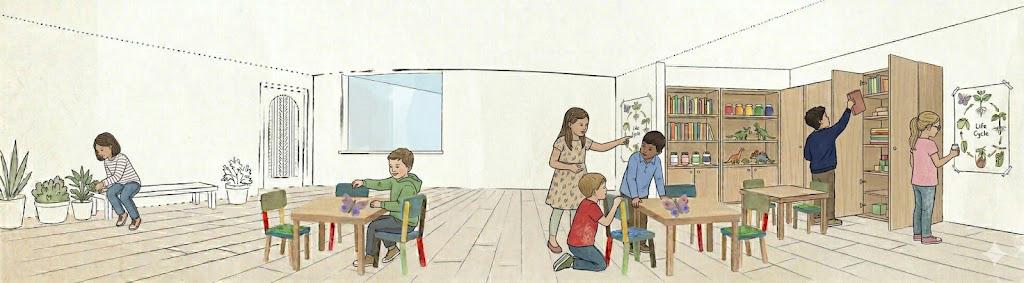
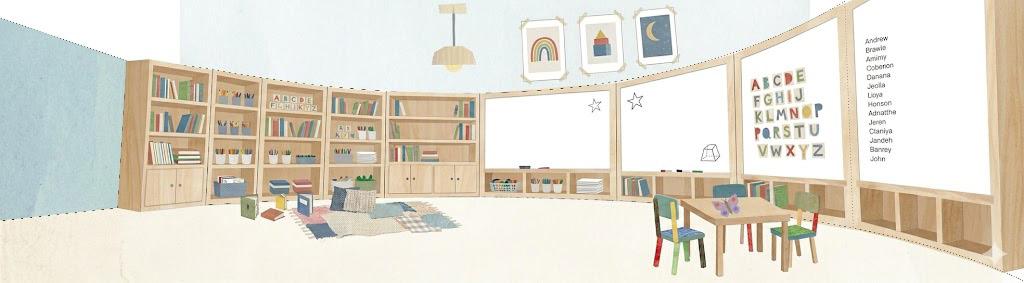
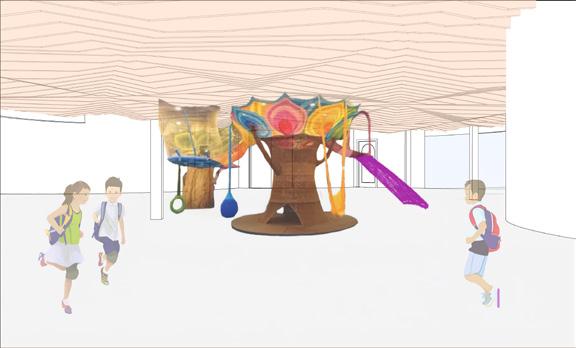
Architecture provides environments that increase sustained concentration, proprioceptive comfort and social autonomy for people with Autism Spectrum Disorder (ASD).
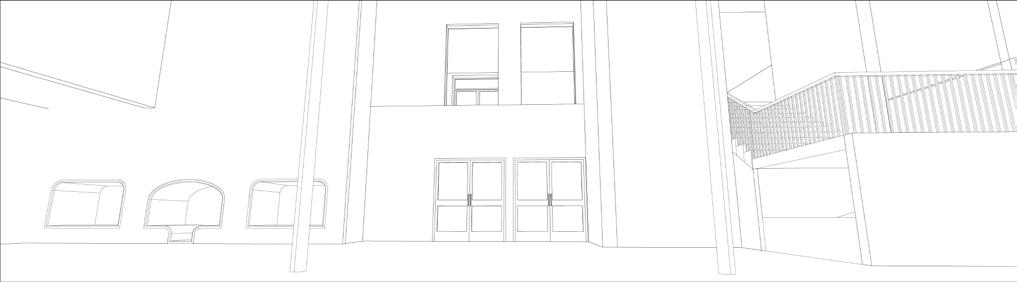
Architecture does not meet the needs of people who may need more out of the built environment than effieciency-focused institutional design. Where such design is most detrimental to the experience of those that have difficulty processing high loads of sensory input, is seen most often in schools that have not been updated to support the growing needs of the diversifying student population.
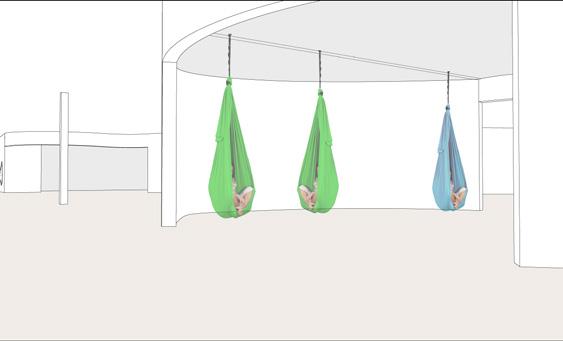
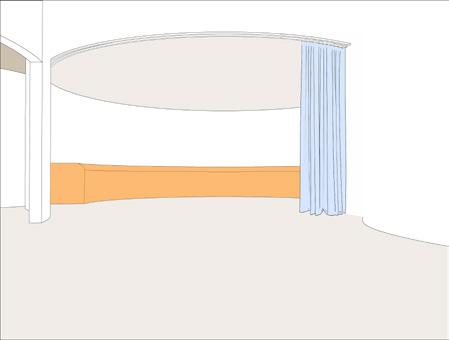
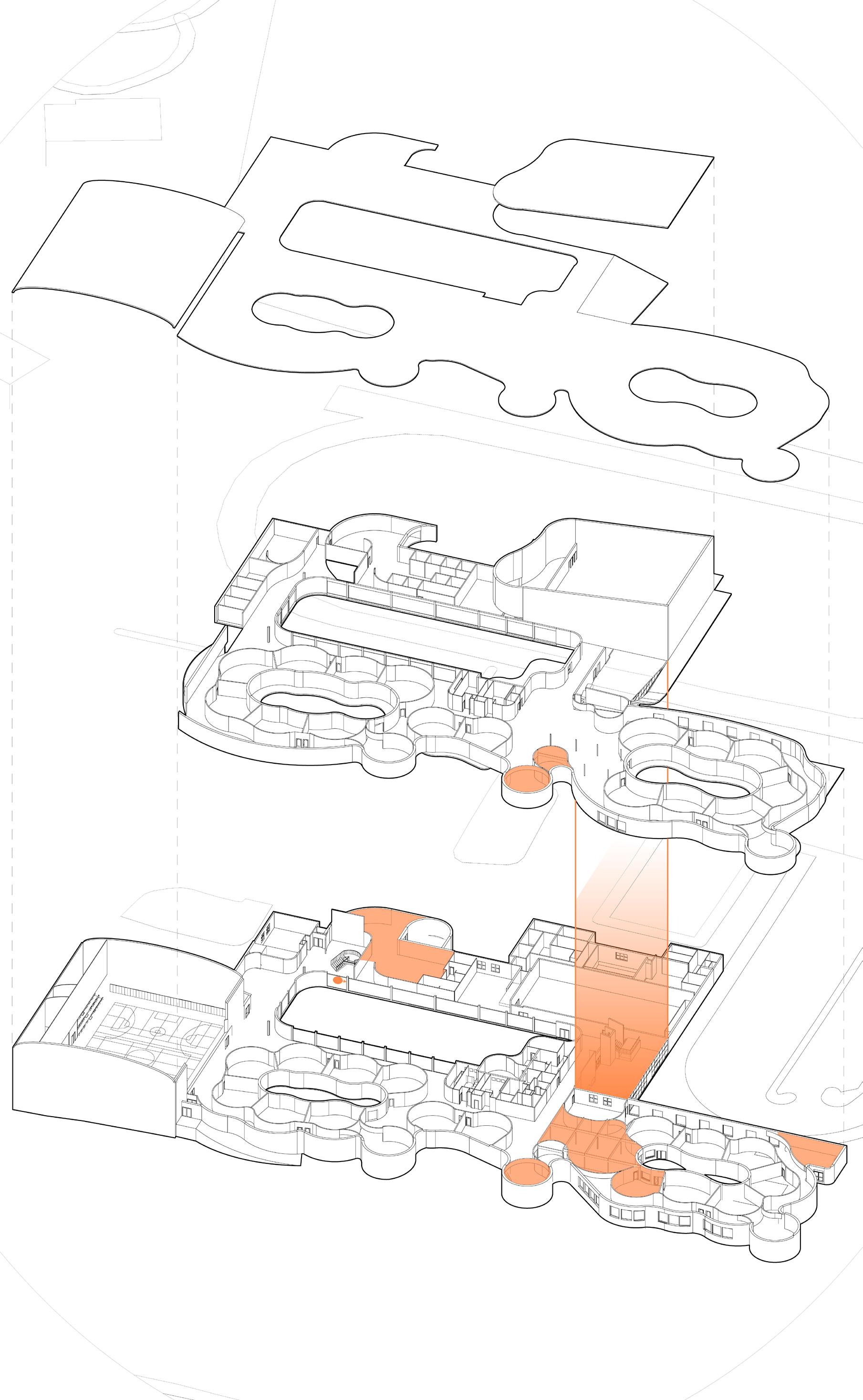
People with autism navigate educational environments that routinely overload their sensory and cognitive capacities, undermining concentration, bodily self-regulation, and social participation. By using an existing Elementary School that exhibits the criteria found to be ineffective, and creating a grounds for testing strategies to achieve psychologically equitable design, sensory gradients, spatial legibility, and access to nature can be formalized as measurable parameters by which to begin the testing process. The project suggests a transferable framework for future educational, clinical, and public environments that support diverse neurocognitive profiles.