
KATELYN ENG CURATEDWORKS
PREFACE
a positive and enduring impact through the built environment
I am extremely passionate about the political, social, and cultural implications and potential of architecture and the built environment, and I view human use and interaction as two of the critical elements that define architecture. These factors have driven my explorations and design throughout my academic graduate work at UC Berkeley and my undergraduate work at Kent State University, as well as in my professional experience. My experiences have also furthered my interest in exploring the convergence of those implications and elements as well as the convergence of the technical and creative aspects of design. I seek to grow and leverage my understanding of all of those elements and to continue developing as a designer while pursuing a positive, enduring impact on and through architecture and the built environment.
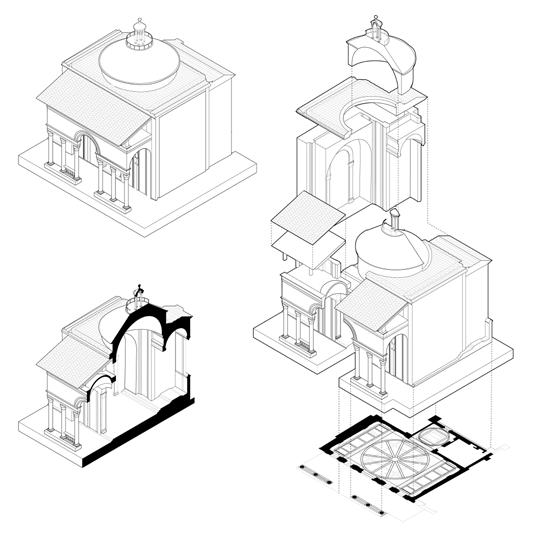

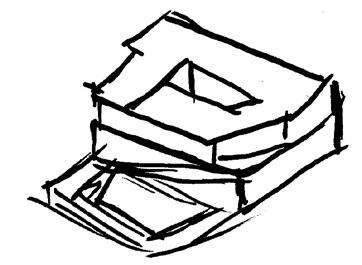
study drawings of pazzi chapel from florence

CONTENTS
integrated design for a multi-family housing development
experimental preservation and a school of media arts
an adaptable building to withstand shifting ground
urban void as a catalyst at the university of florence
a housing co-op for living domestically collectively


affordable senior housing geared toward the lgbtq+ community
a new home for allegheny college’s computer science department
miscellaneous
additional
integrated design for a multi-family housing development (a)round commons
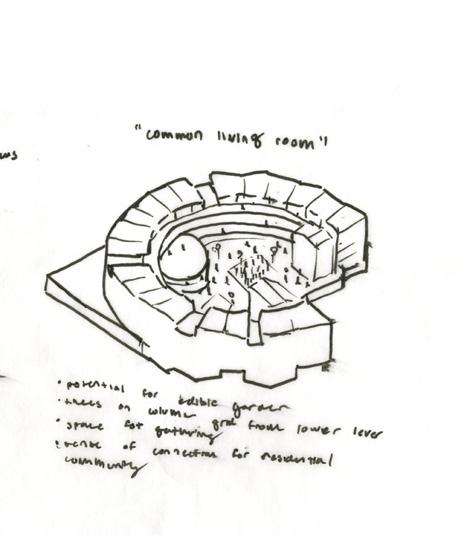
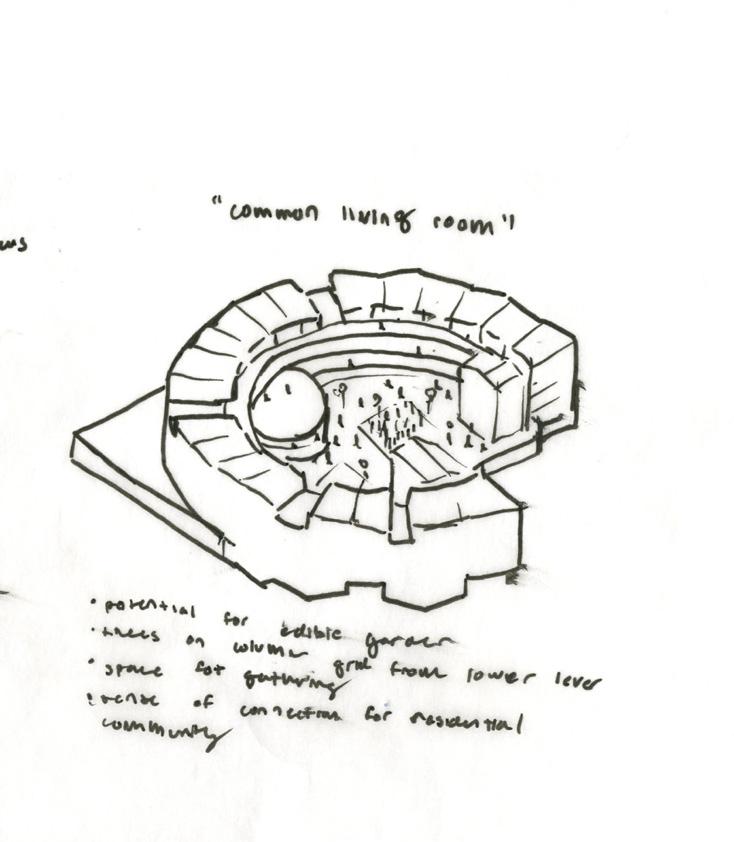
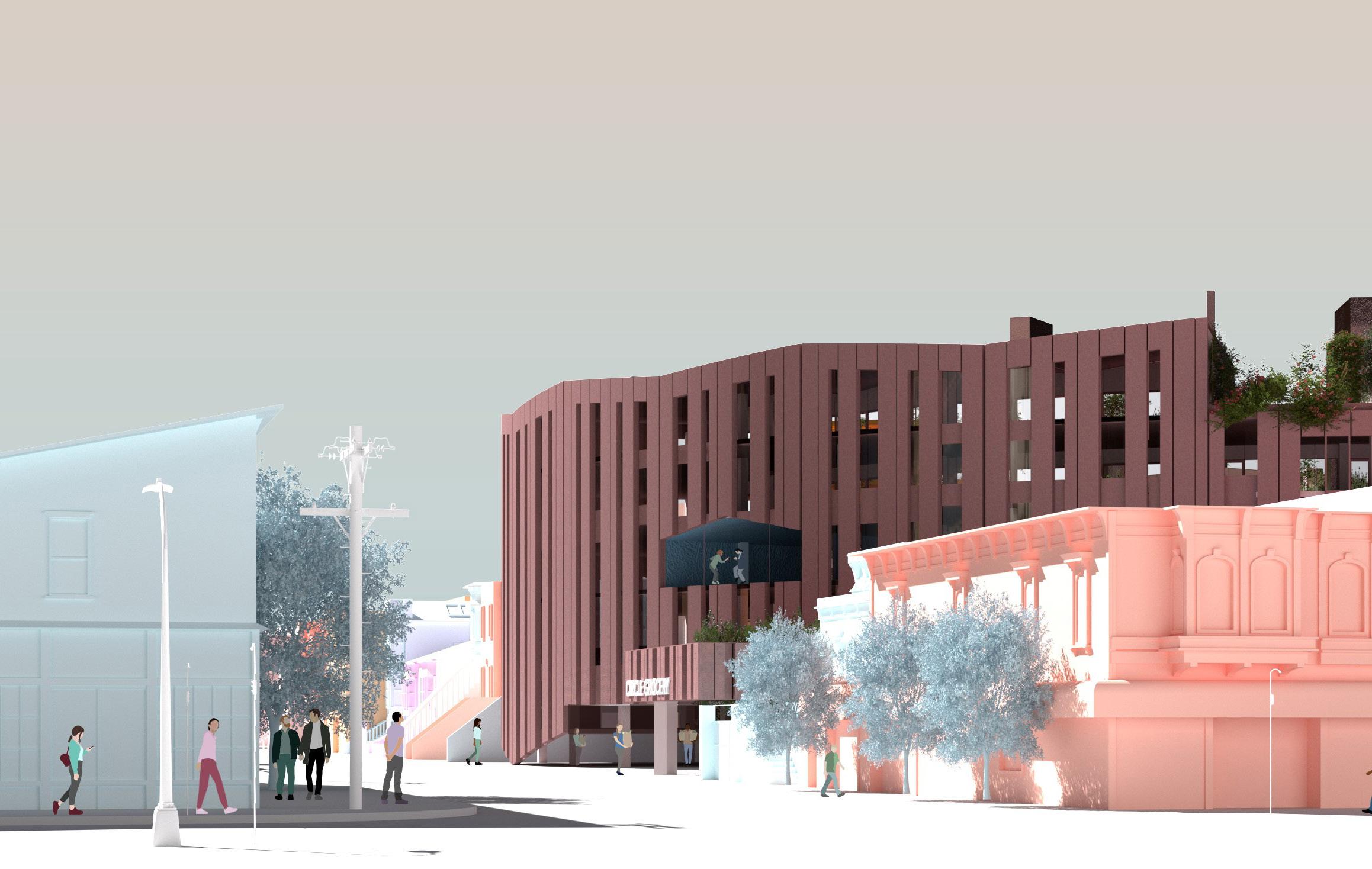
(A)Round Commons explores how housing that utilizes a large singular form can produce architecture that, rather than feeling monumental, is lively and that fosters engagement and use.
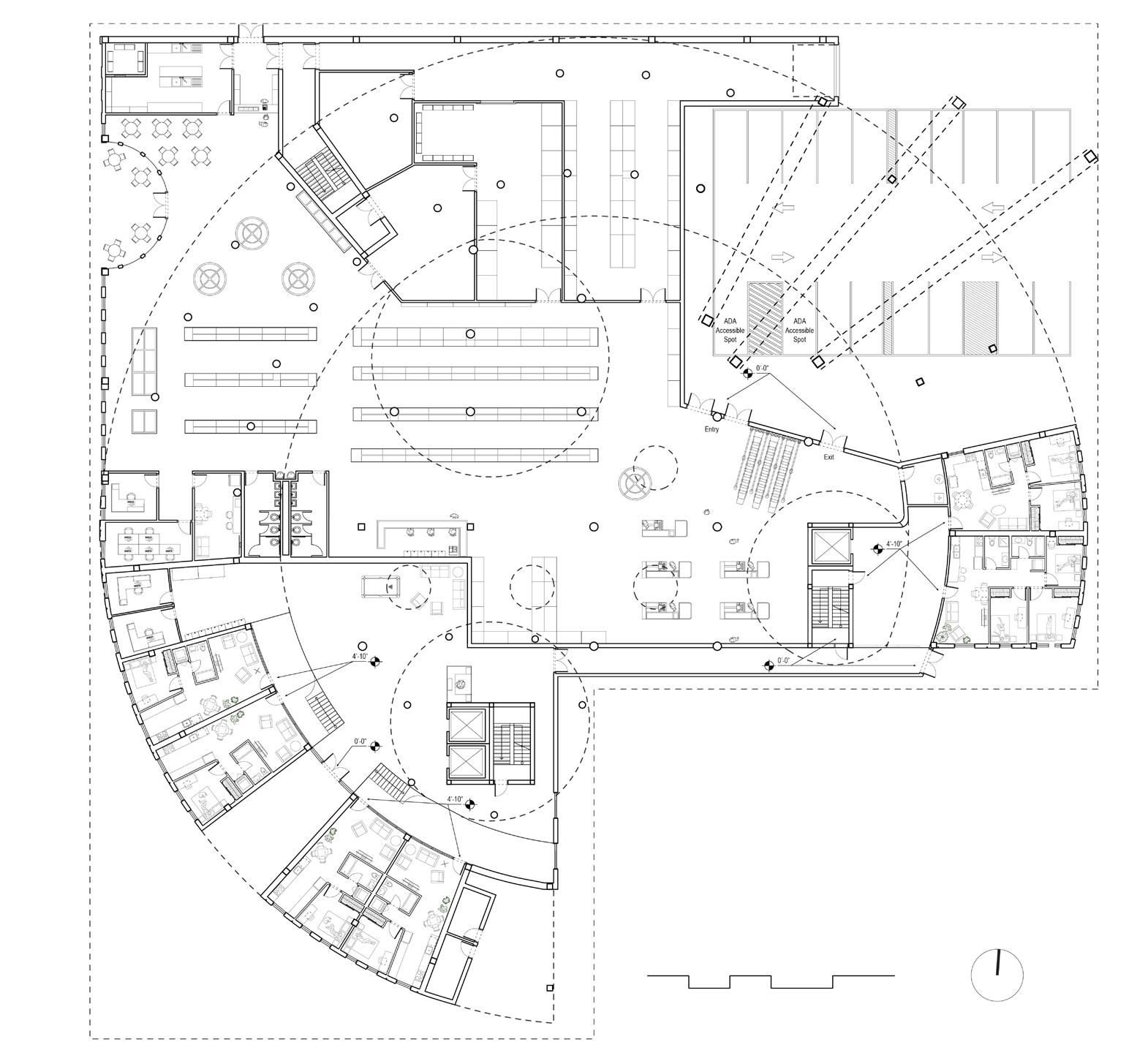
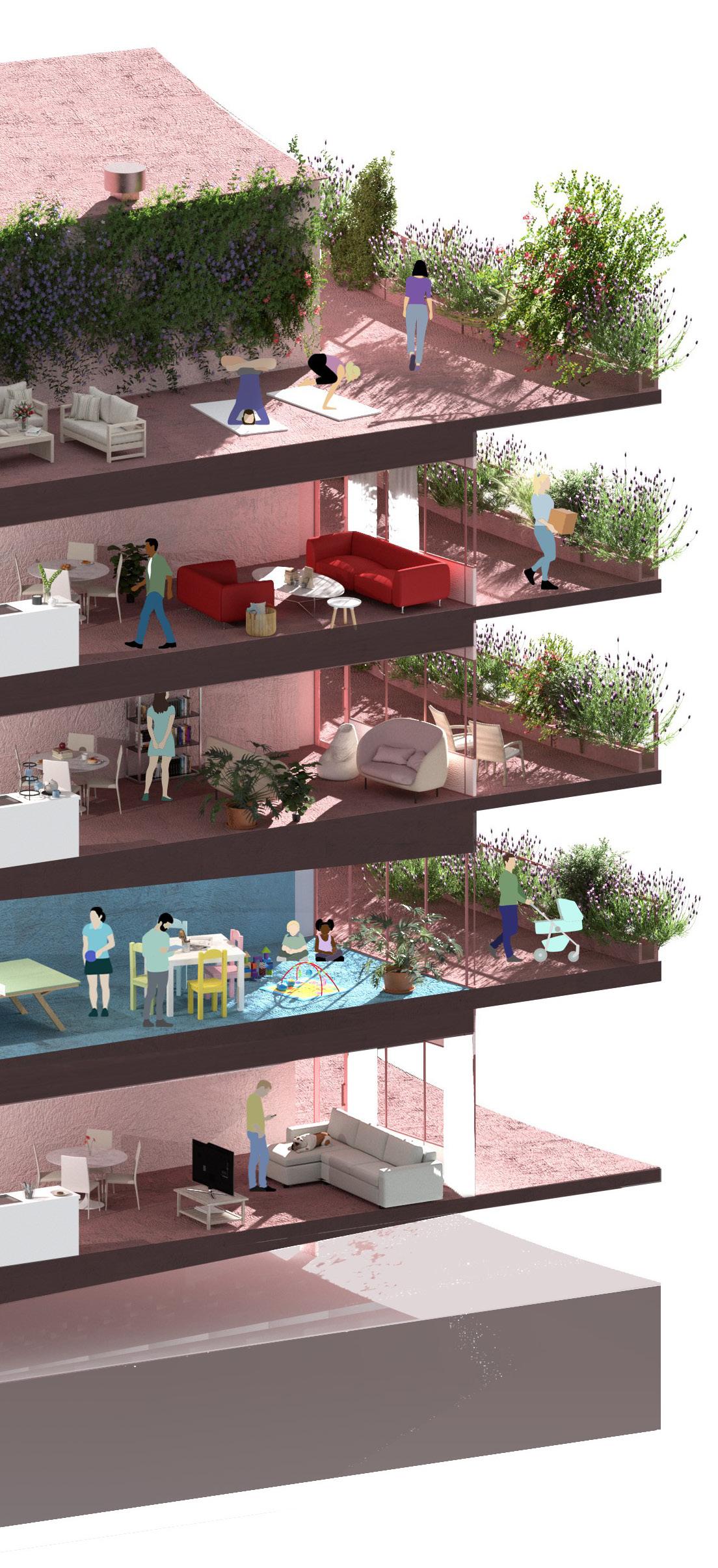
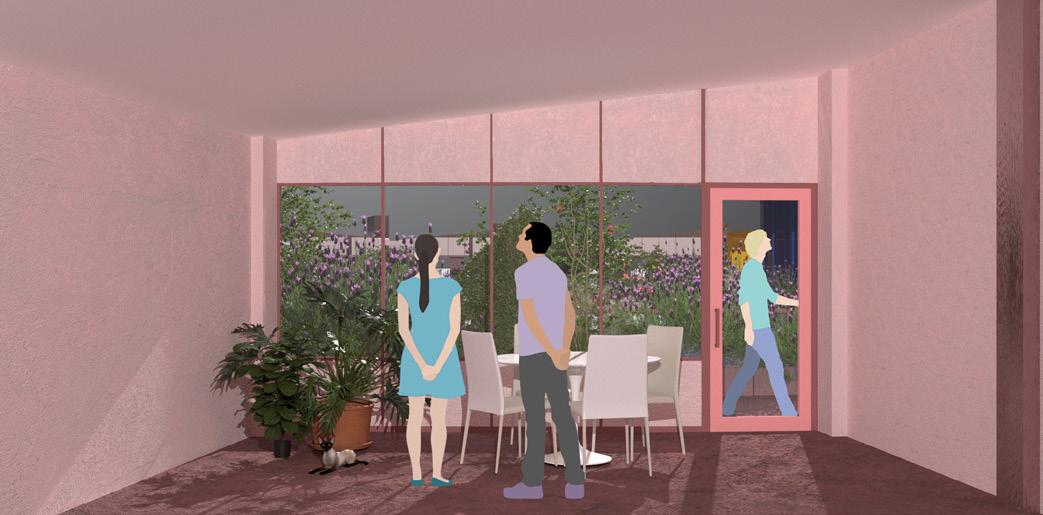
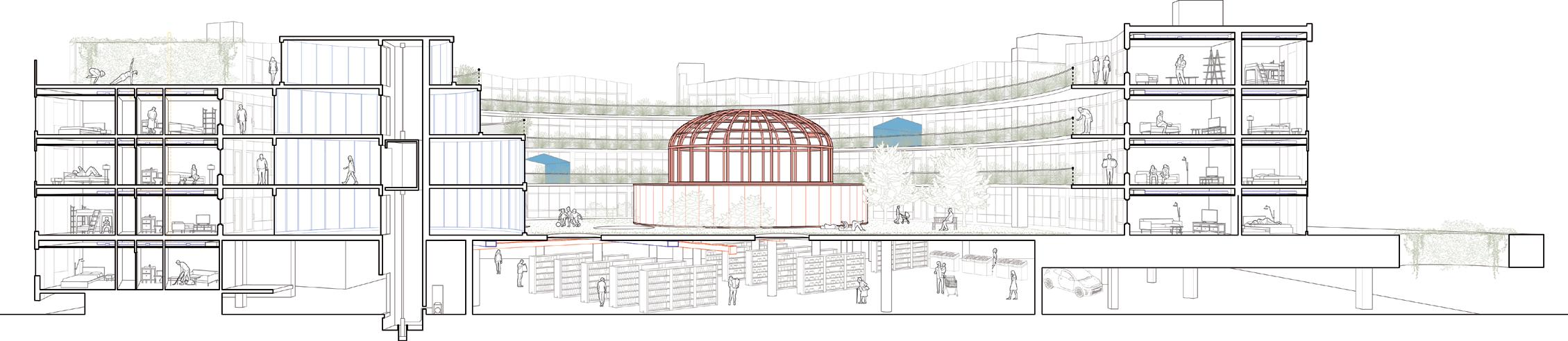
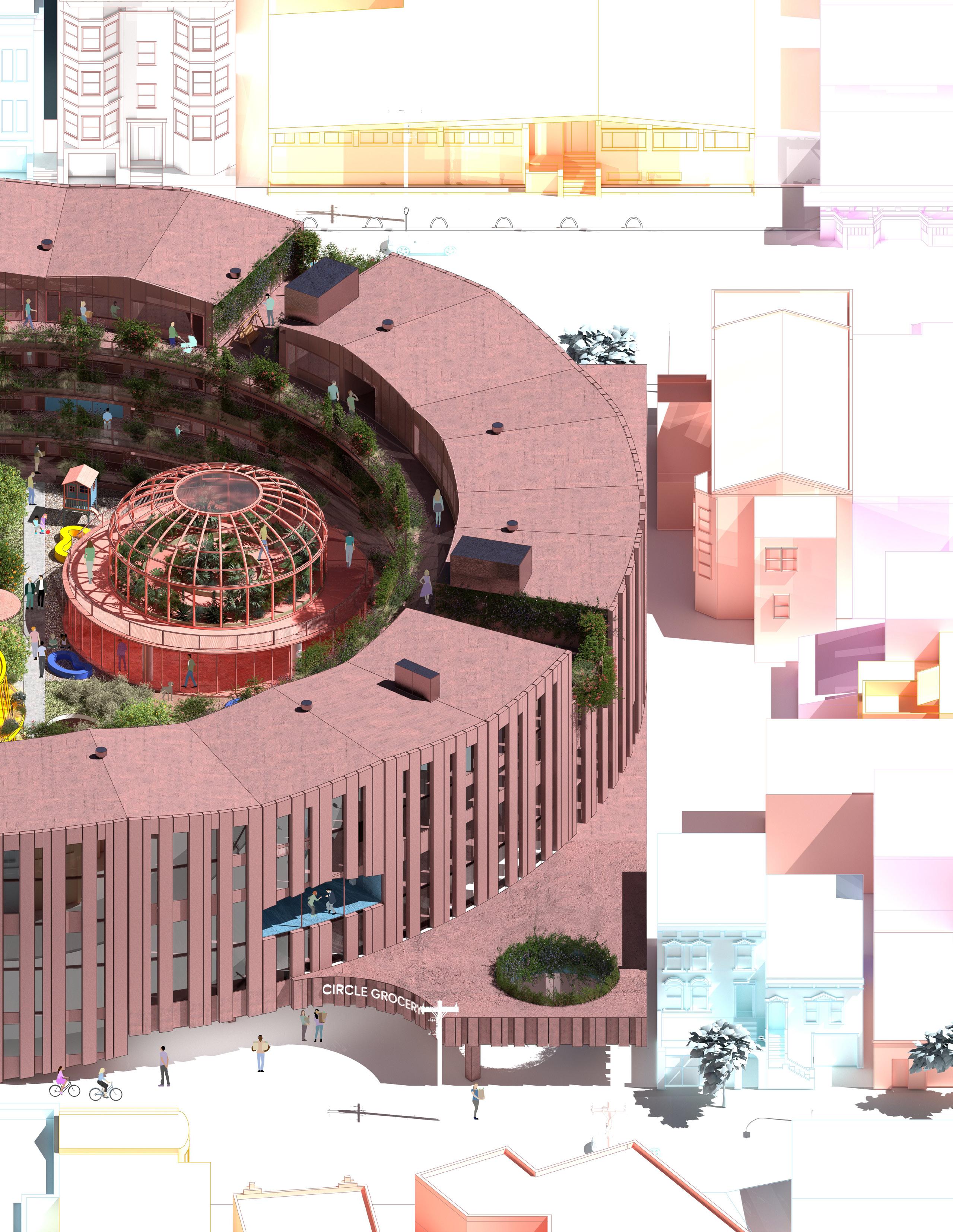
Located in the vibrant Mission District of San Francisco, this mixed-use housing development is comprised of a grocery store on the ground level and 90 apartment units above. At this scale, the distinctive form is able to carve out a vast space for a centralized garden that acts as a common living room for the apartments. The residential units are arranged around exterior walkways with shared spaces, namely living rooms and kitchens, facing into the garden and courtyard. This maintains privacy where needed while strengthening the idea of a shared common space that belongs to all the residents. The building and its form ultimately produce a distinct image of its multi-family housing program with a vibrant inner world that can foster community and engagement among residents.
in collaboration with nguyên lê project location: san francisco, california semester: spring 2023, fourth year integrated design studio professor: nick safley
*featured in CAED x gallery, honorable mention for fourth year integrated design merit awards
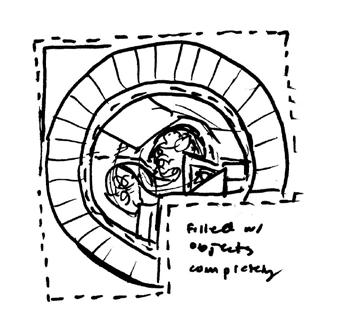
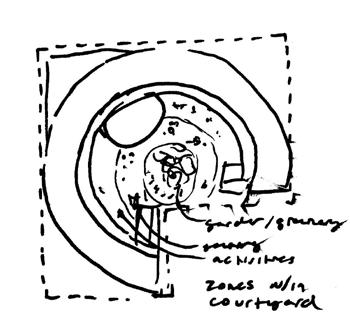
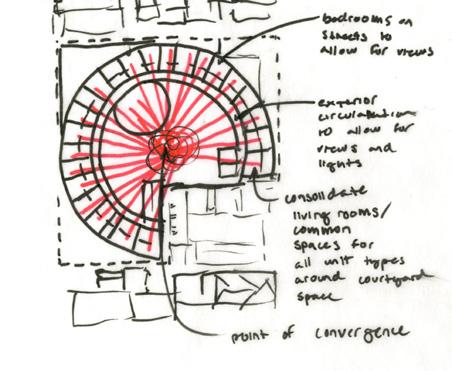
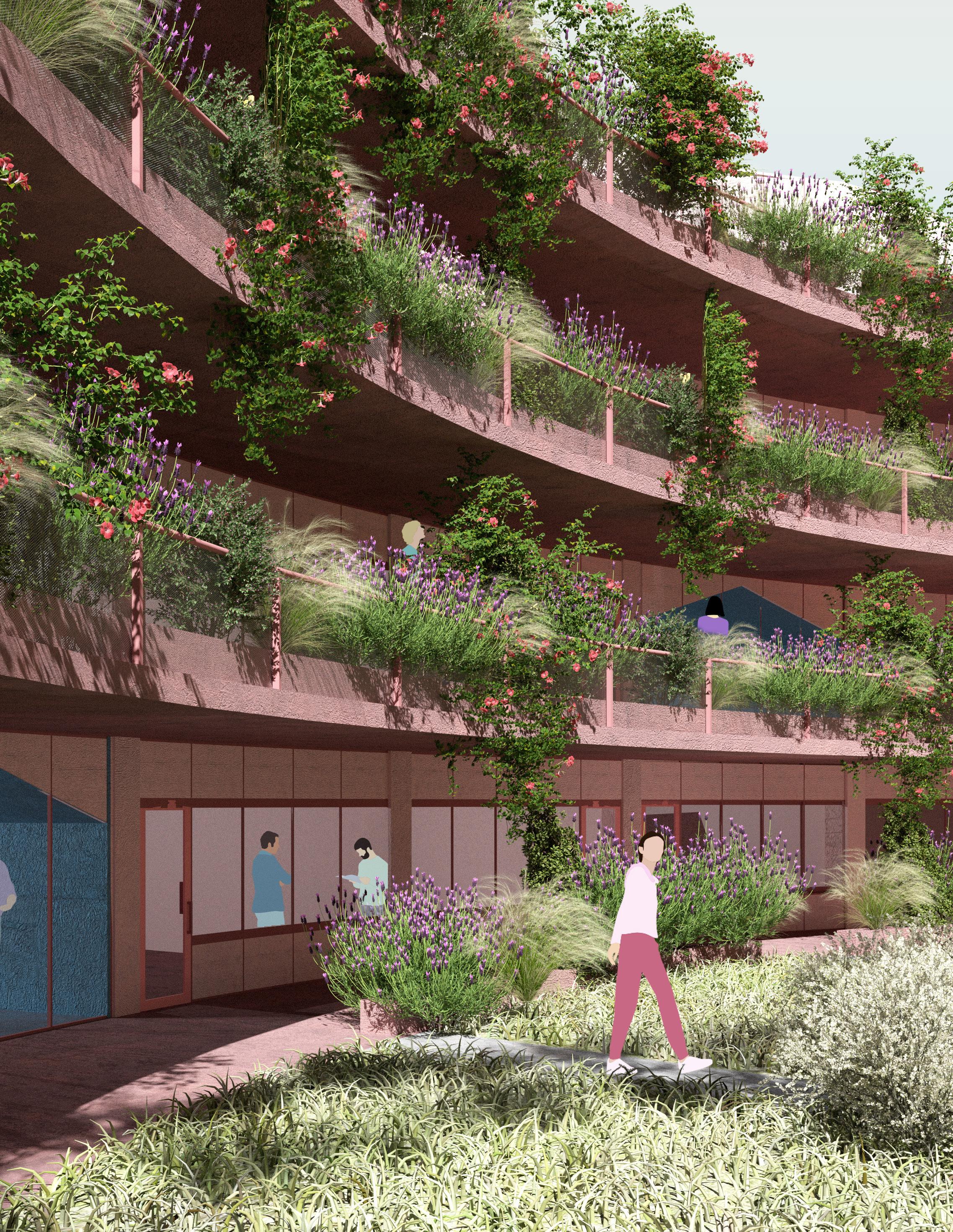
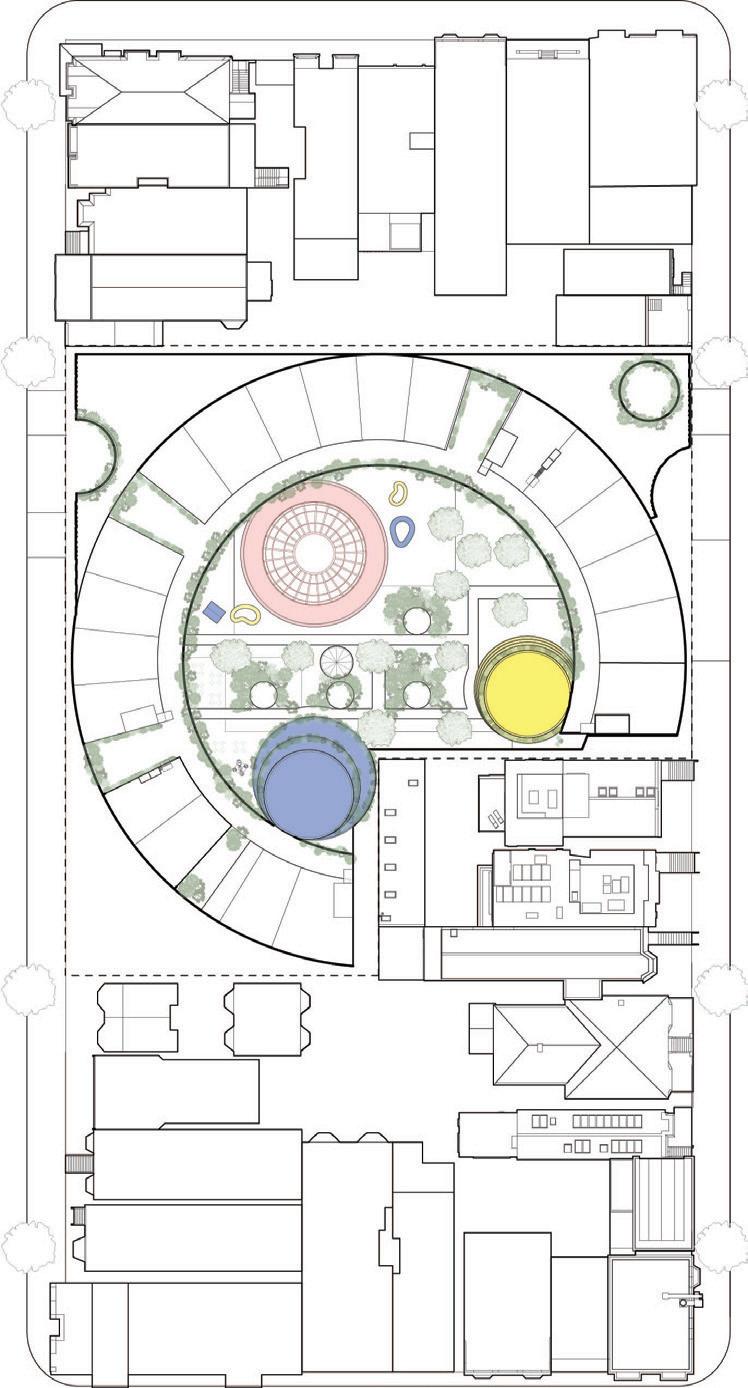

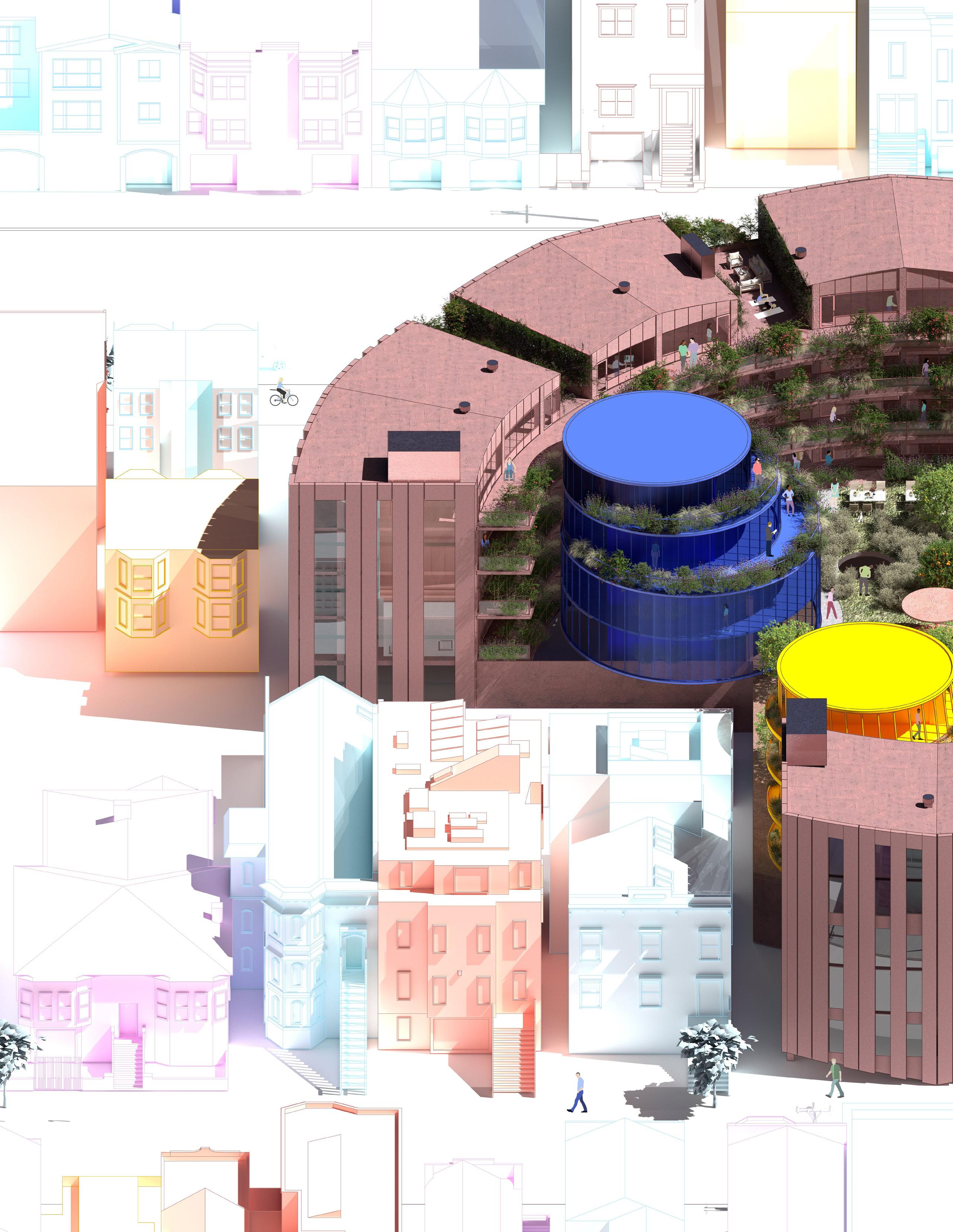
The primitive circular geometry that defines the scheme for the housing enables its central common space. In pulling the units away from the corners of the site, it also allows the building to be considerate of its neighbors and to maximize the views out for all units.
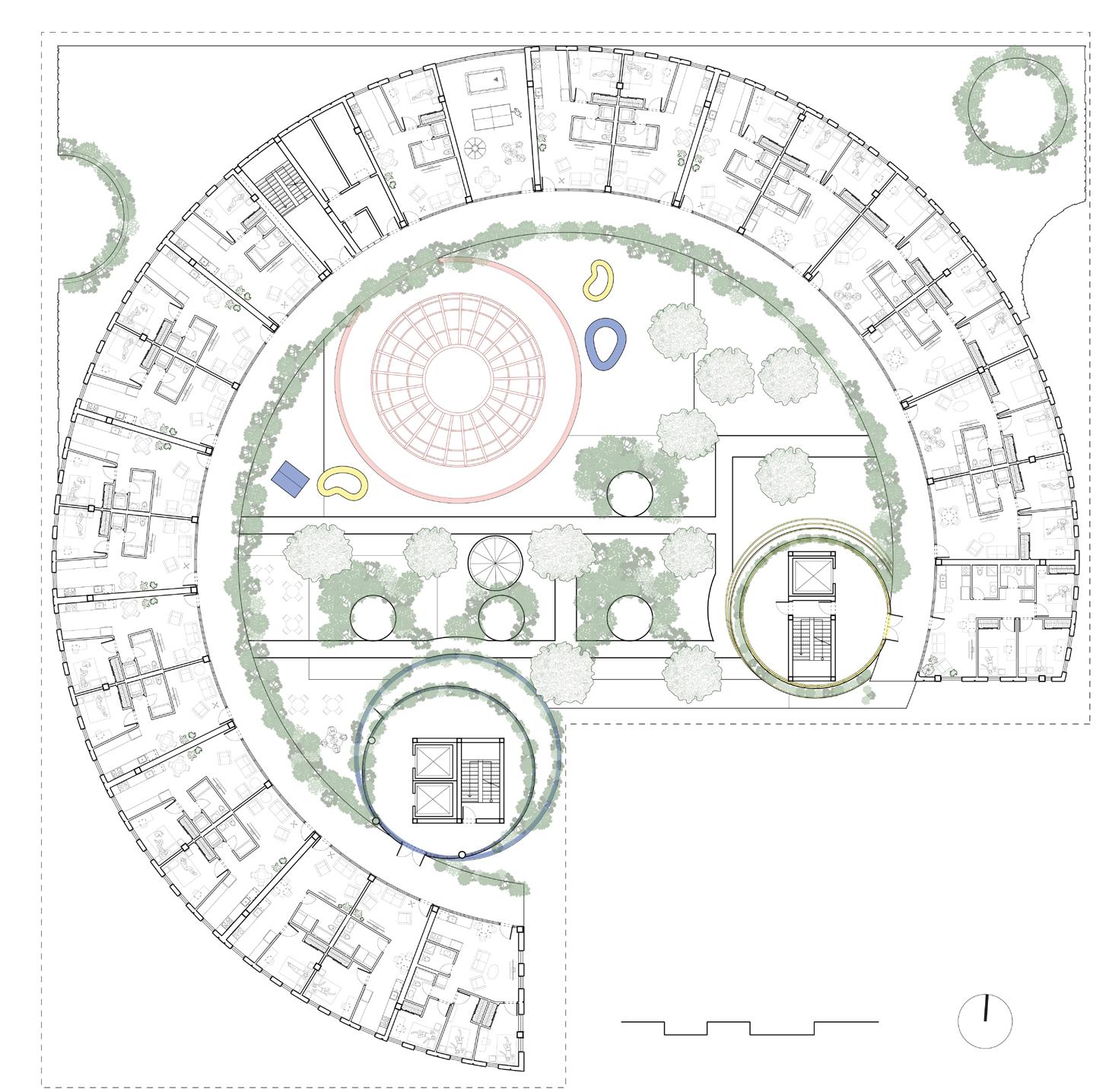
level 02-05 typical plan
one bedroom units
two bedroom units
three bedroom units
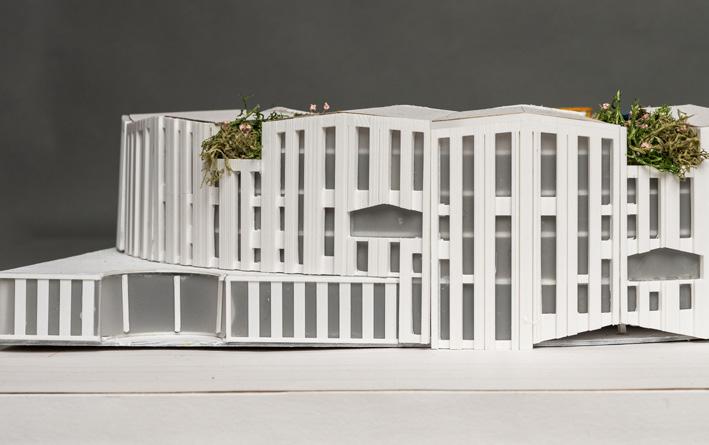
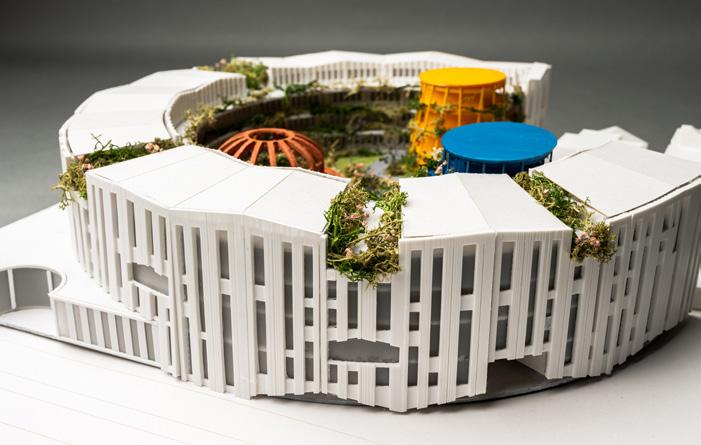
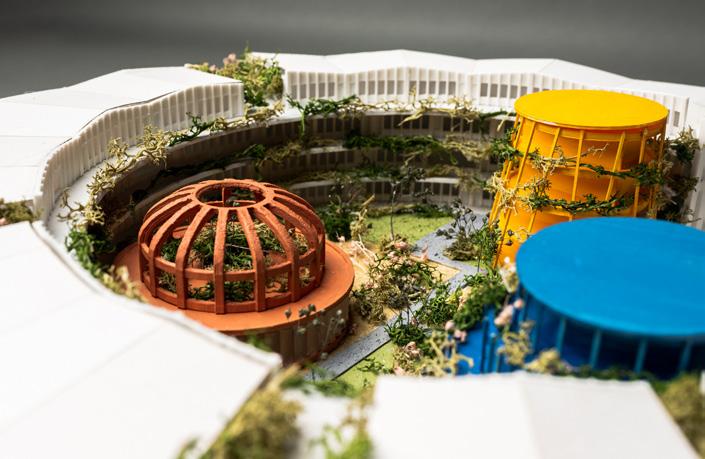
physical model_1/16”=1’-0”
In addition to the exterior walkway creating a visual connection between the shared spaces in the apartment to the central common space, it enables cross-ventilation through the units. The facade utilizes dyed, precast concrete panels. Vertical windows
and spandrel glass panels extend for multiple floors, maintaining an ambiguity of scale while articulating the circular mass on the outside of the building. As much as the building considers its context and neighbors, it also leans into the fact that it is a unique presence.
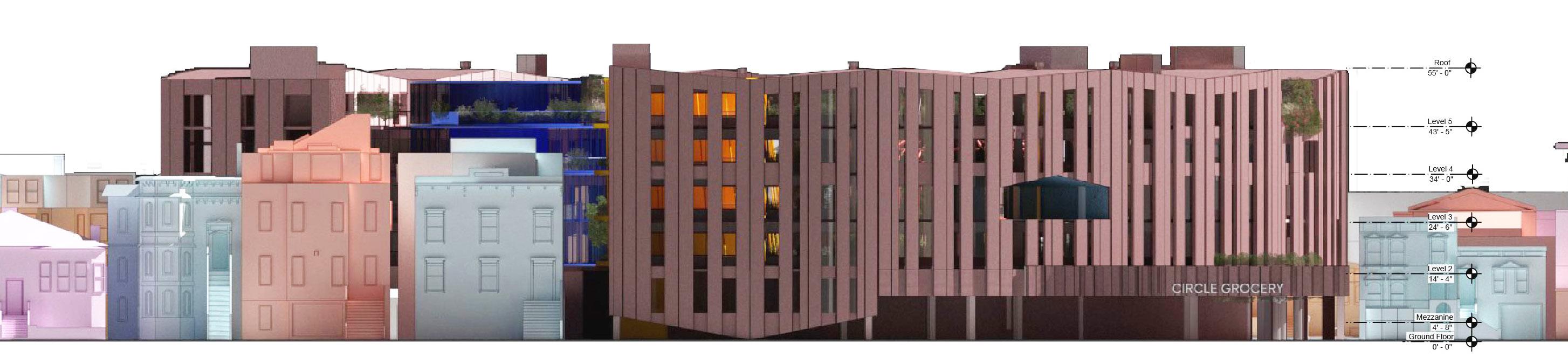
exterior render

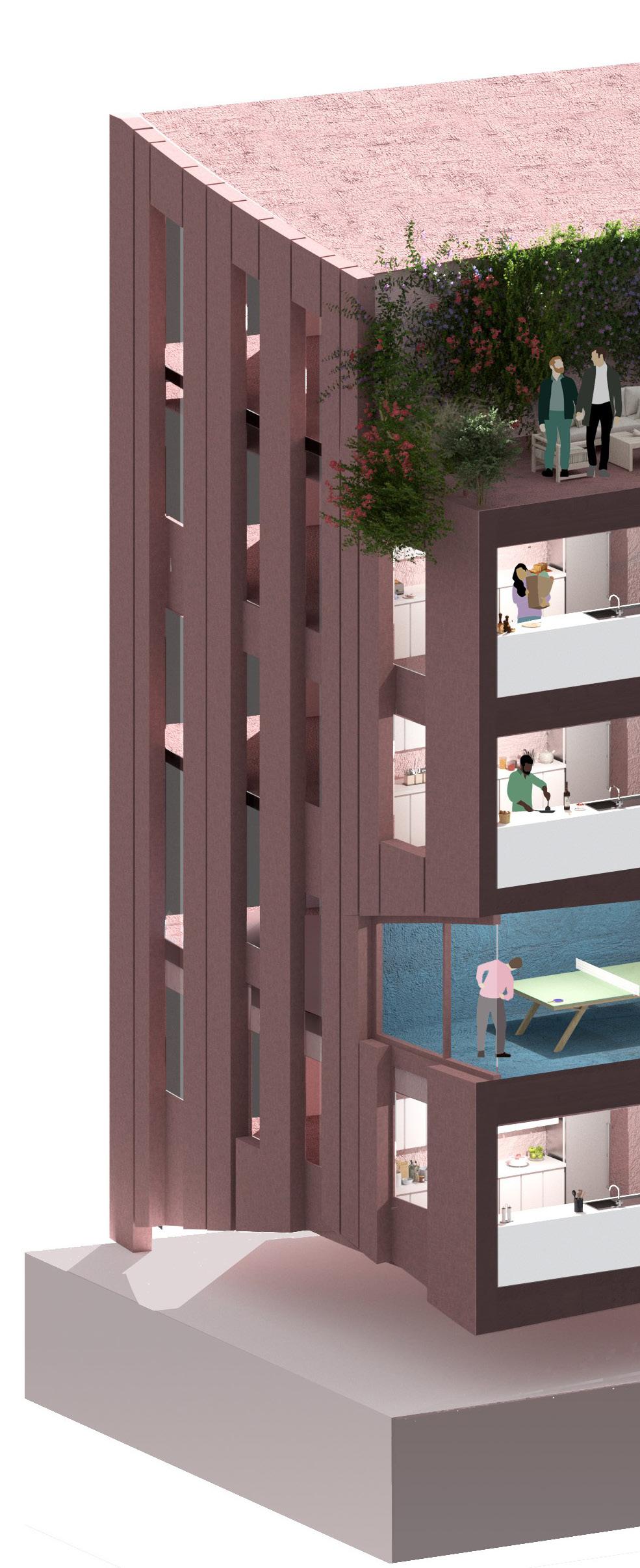
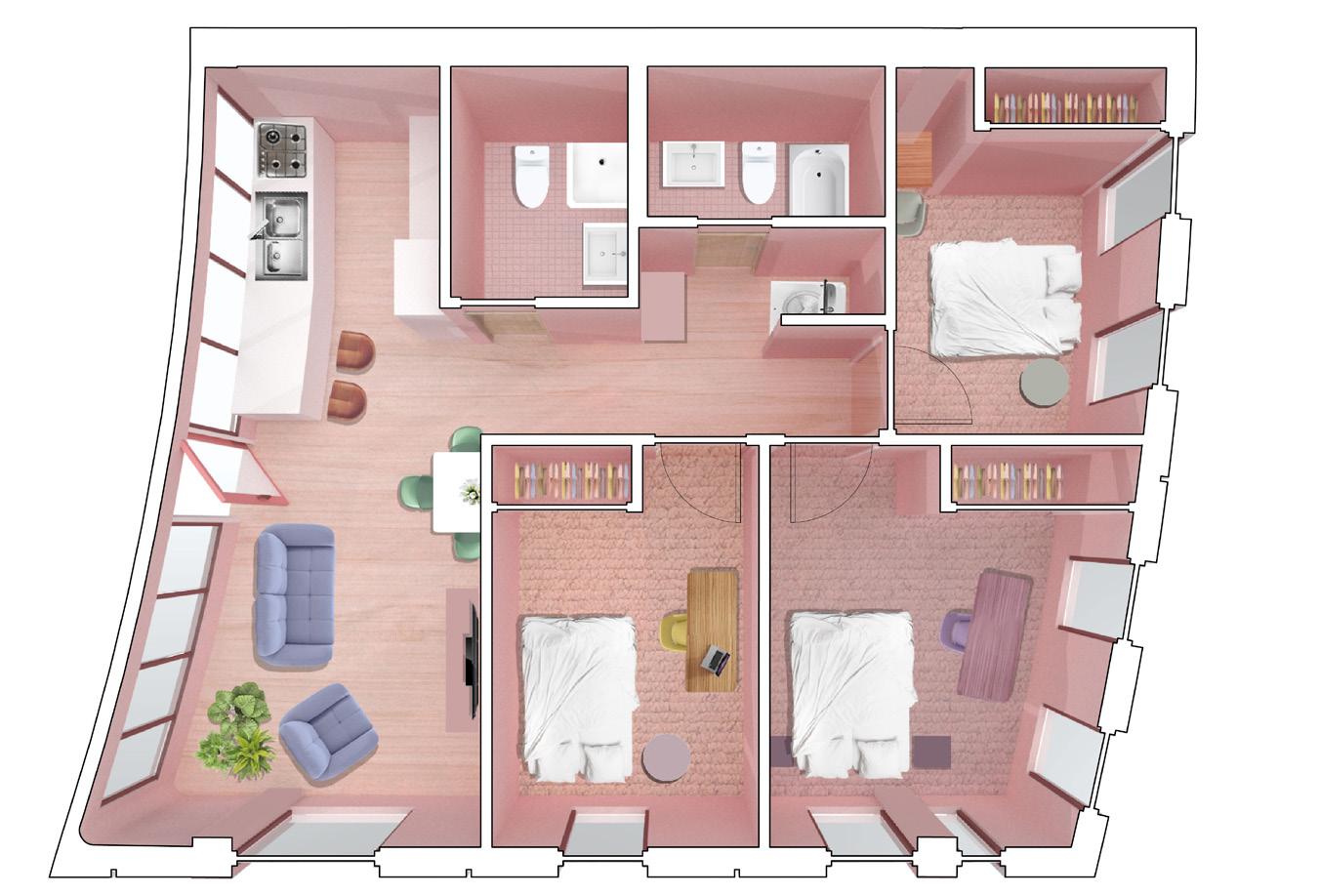

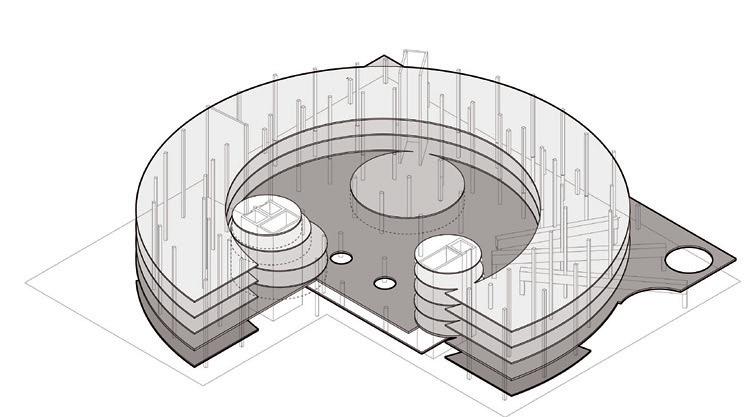
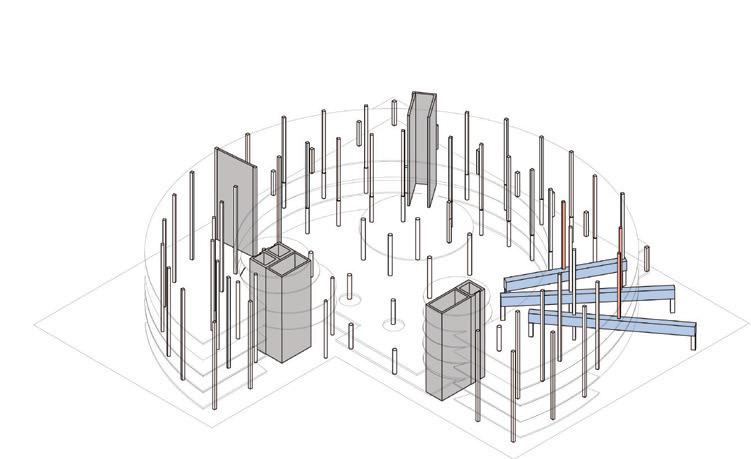
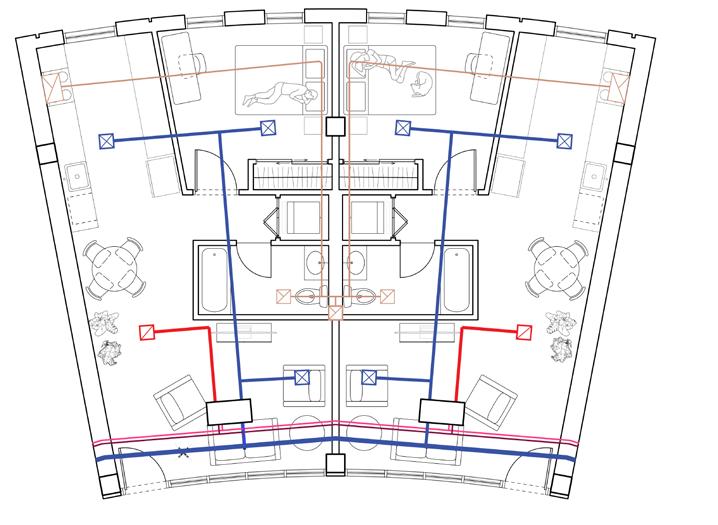
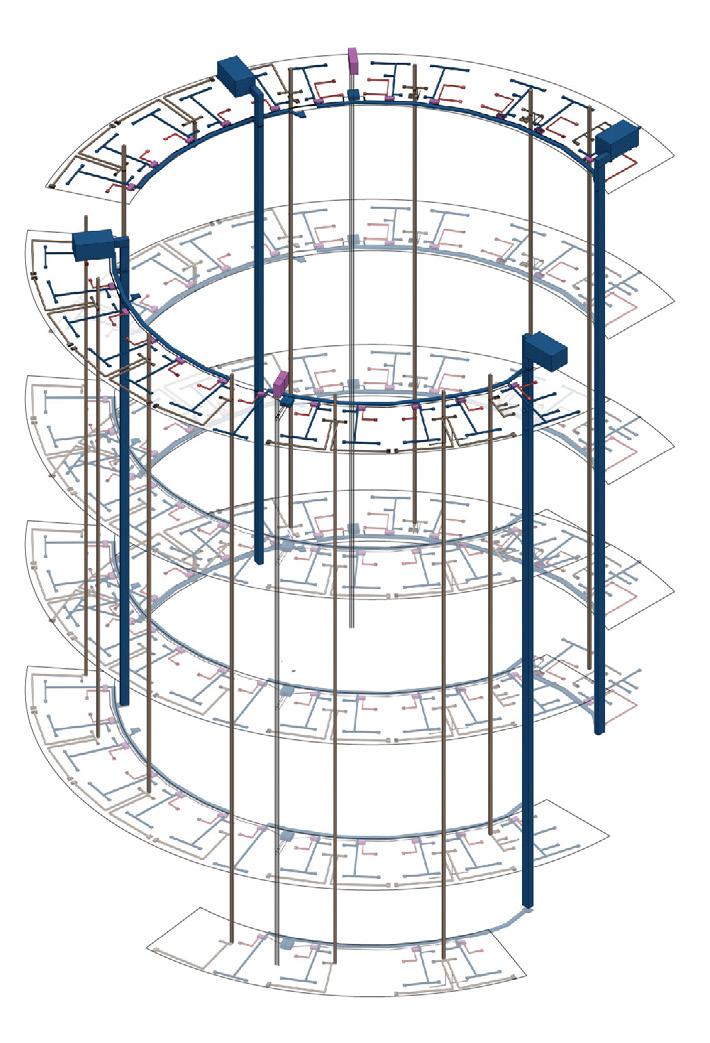
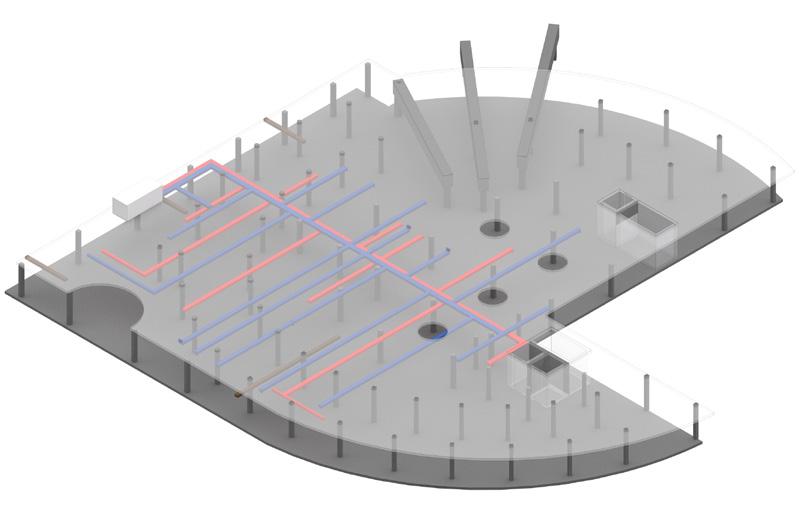
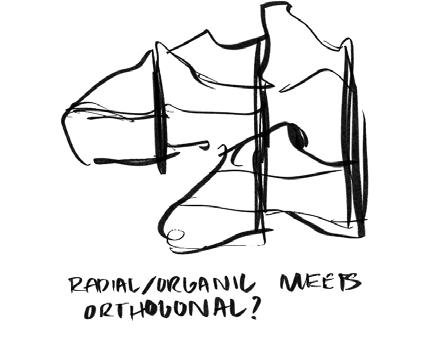
As an integrated design studio, structural and MEP systems were developed in dialogue with consultants and became a critical part of the project. Structurally, the two-way flat plate system and radially organized columns enable the organization of the apartments. A transition to an orthogonal grid in the grocery store accommodates programmatic and mechanical
requirements and enables several skylights from the courtyard above. Mechanically, the grocery store uses an RTU system while the residential units use a VRF system to minimize ductwork. Both of these systems are essential to enable the building’s massing and to maximize ceiling height in the residential units as the site’s zoning imposes a 55’ height limit on the building.
residential mech. diagram
construction diagram
structural diagrams
grocery store mech. diagram
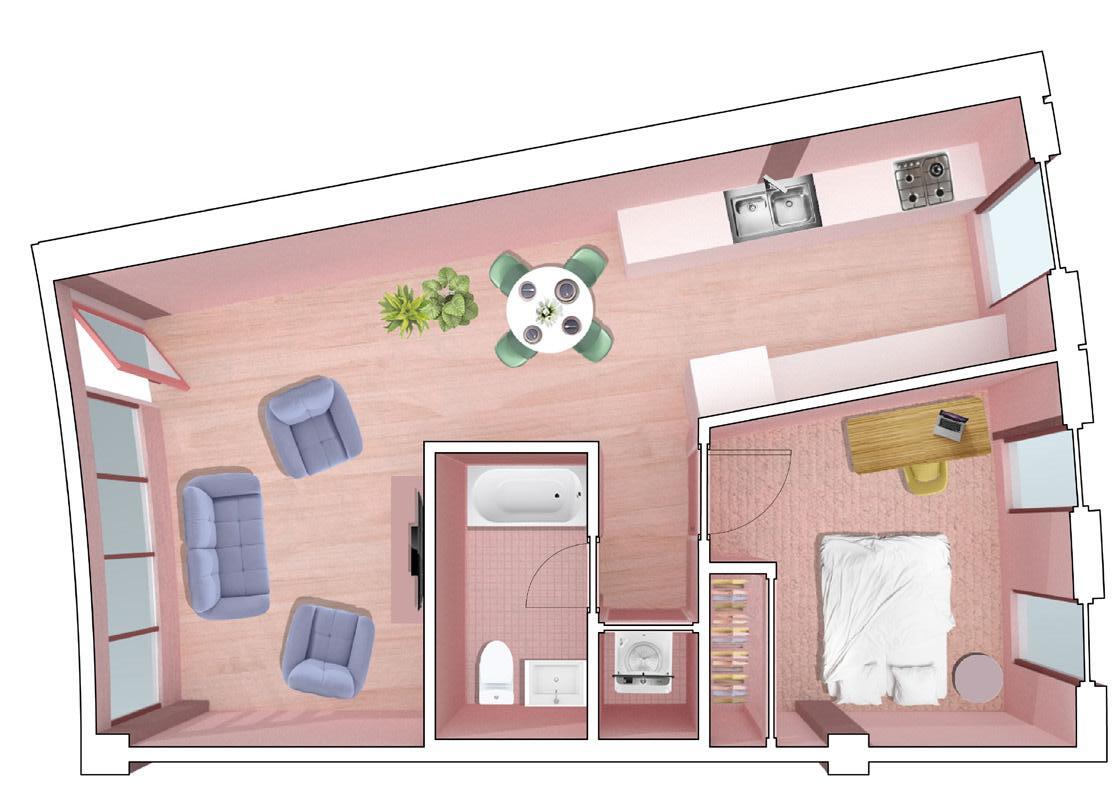
one bedroom unit mech. plans

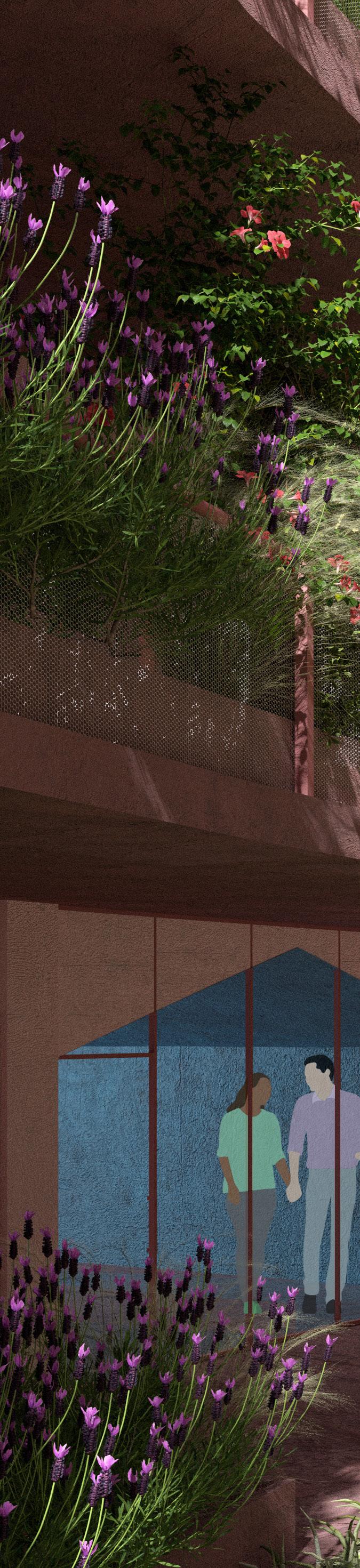
Carefully placed voids create more intimately-scaled shared spaces that are dispersed throughout the building and allow for connection to the surrounding context. The colorful objects in the courtyard hold circulation cores, the fitness center, and a green house, offering additional interstitial space on a scale somewhere between the voids and courtyard.
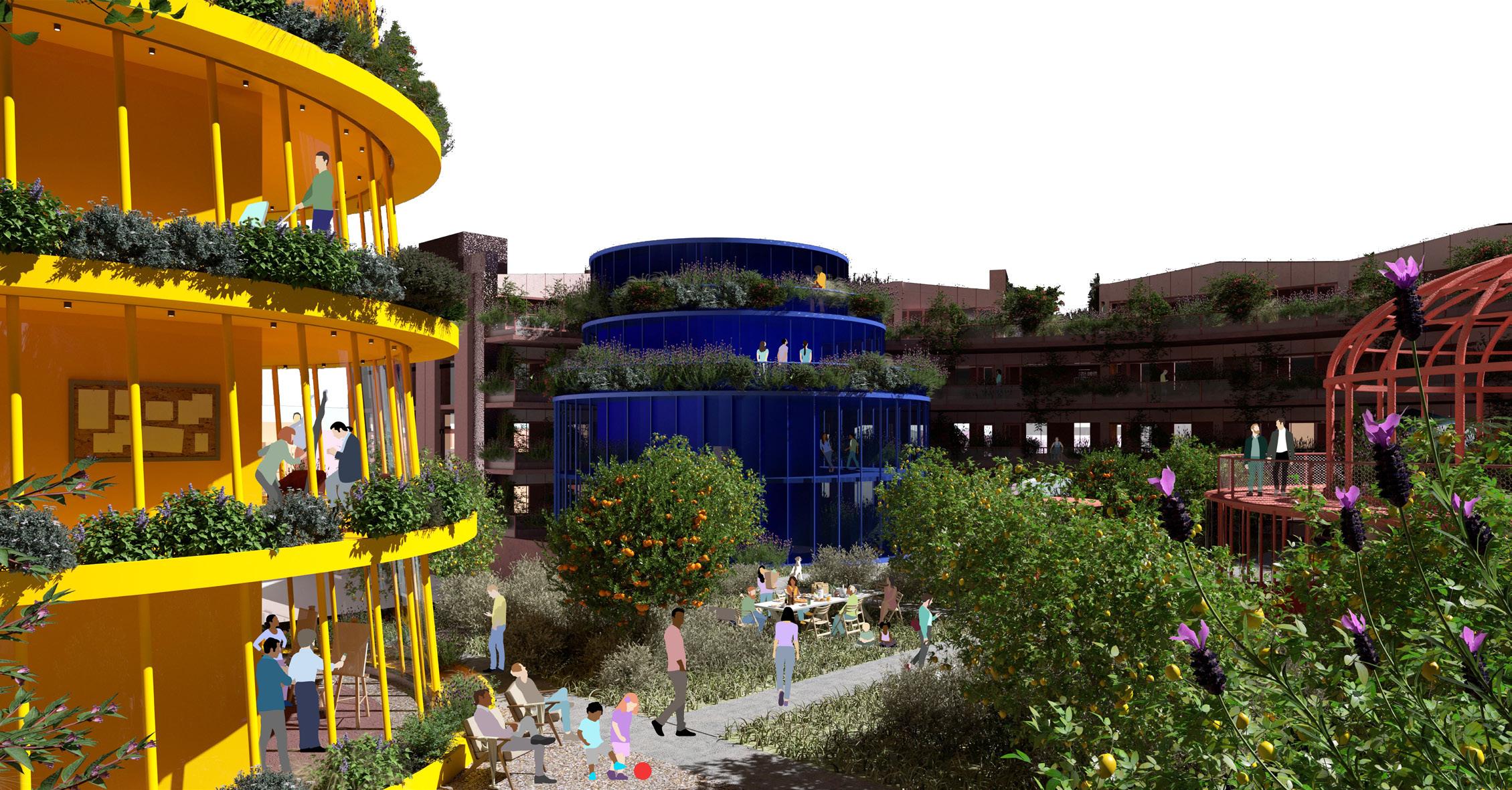

exterior render
experimental preservation and a school of media arts interference
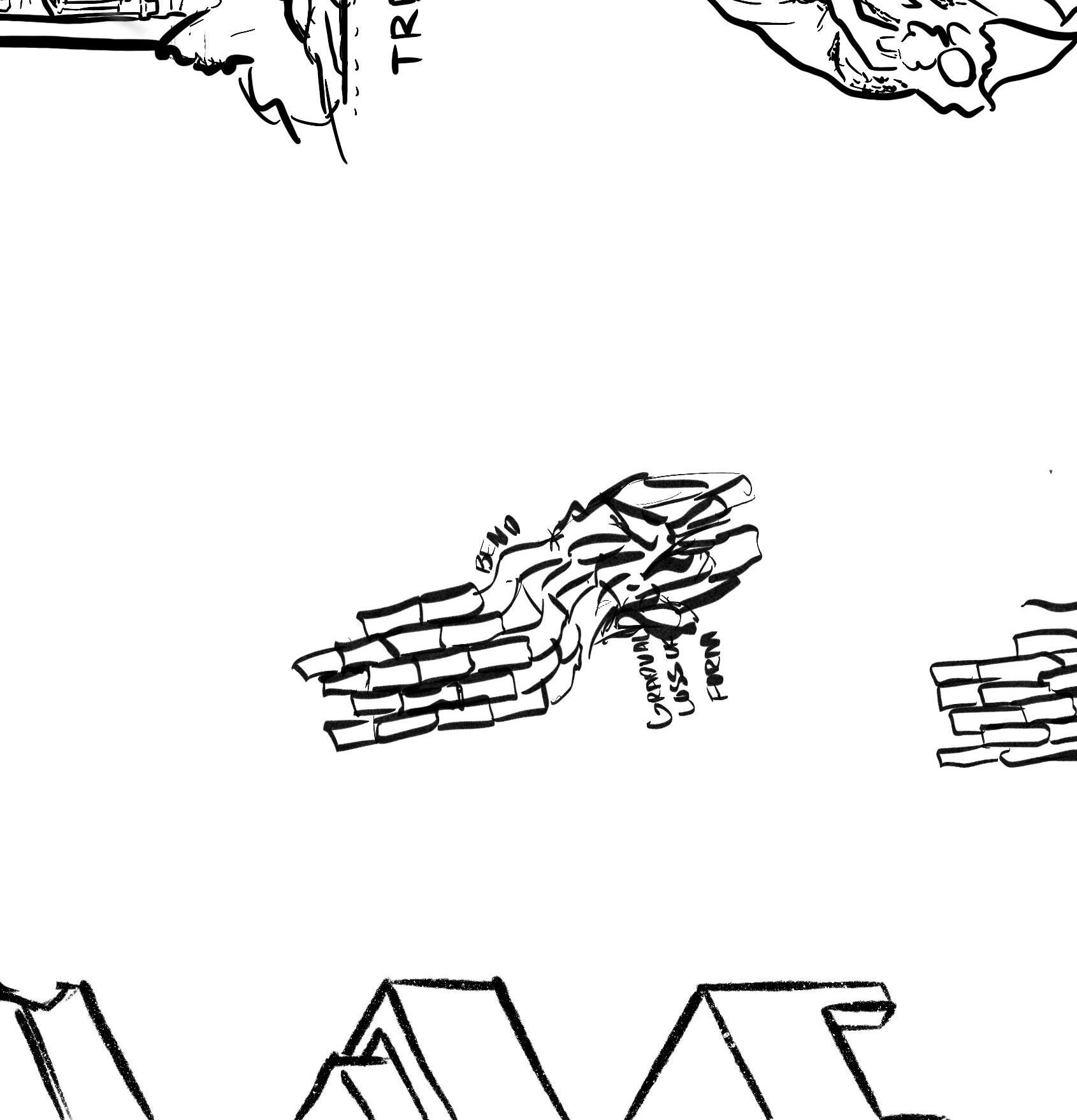
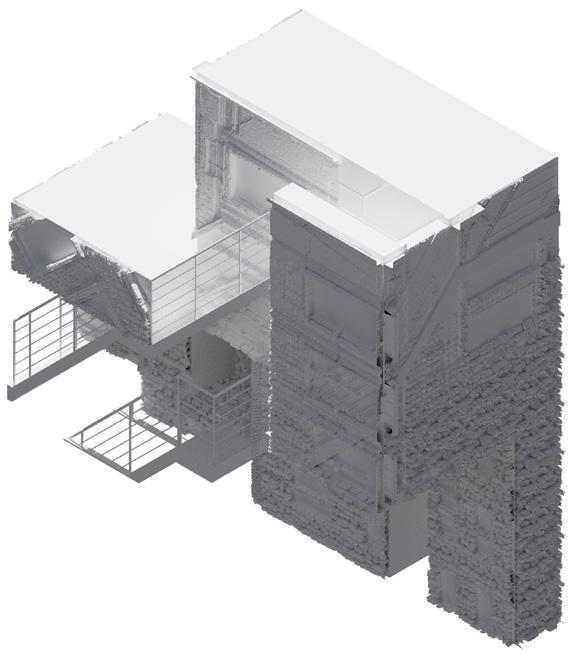
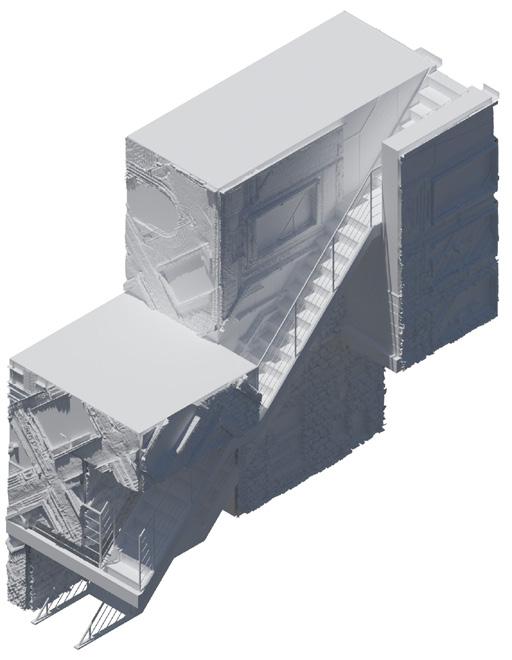
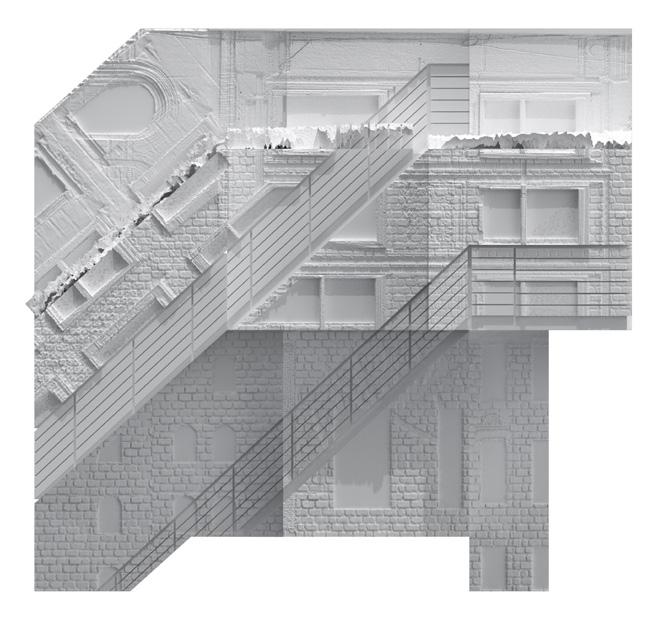
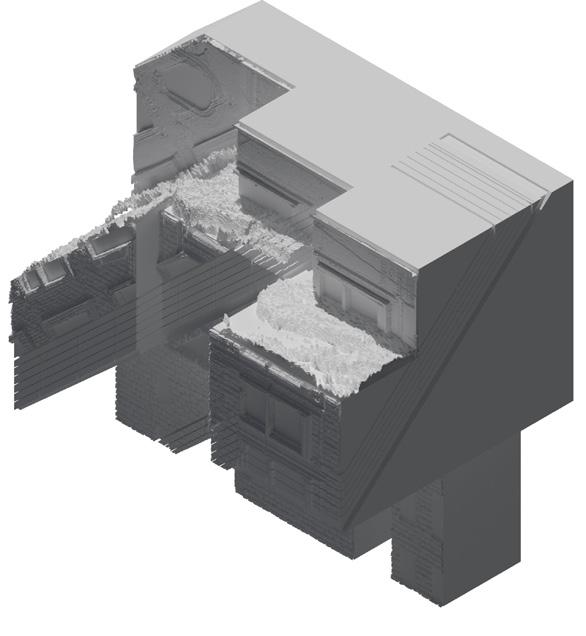
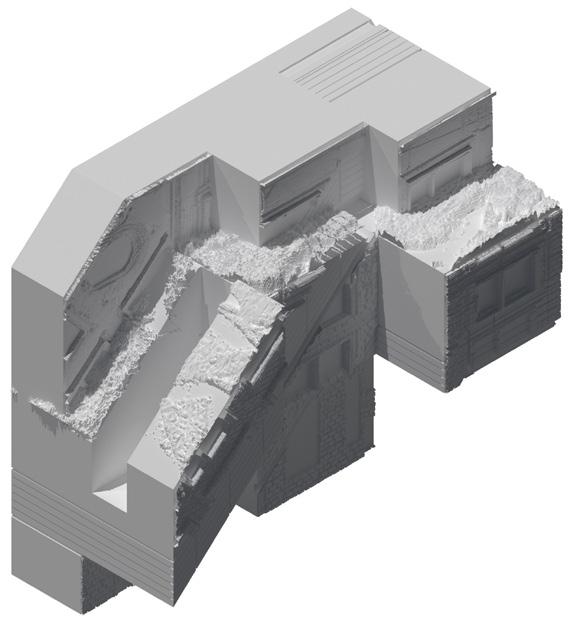
Architecture and preservation traditionally denote a tangible, semi-permanent material reality. However, as the separation between what is real and artificial grows in ambiguity under the effects of technology and excessive media interference, it also becomes increasingly possible to challenge and mediate the relationship between what is real and artificial through the lens of experimental preservation. The building itself is a new school of media arts that adapts and adds to an abandoned indsutrial complex in East Cleveland, Ohio. The idea and image of the building was confronted with physical and conceptual interference from fire escapes—drawing on their impact as a vernacular architectural element and an object in culture and media. This lays the groundwork for spatial tension that is compounded by the tension of maintaining a degree of loyalty to a material reality as it is and in the ways that it is undermined. In blurring the boundaries of legitimate and synthetic material, the project evokes questions about the ways we define and interact with both the real and artificial in architecture.
project location: cleveland, ohio semester: fall 2022, fourth year design studio I professor: jean jaminet *featured in CAED x gallery


experimentation
concept collage
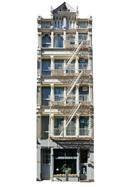
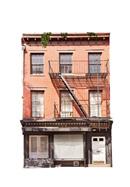
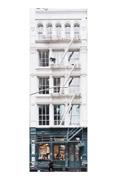


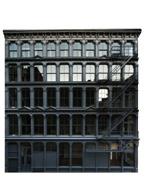
a study in type
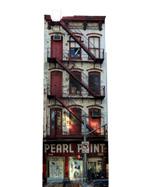

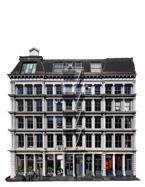
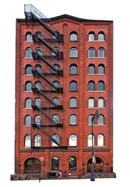
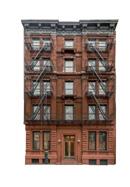
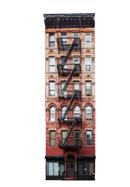
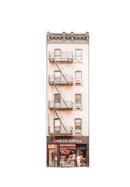
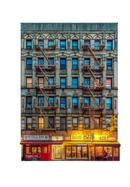
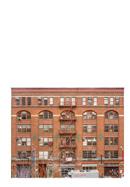
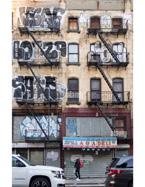
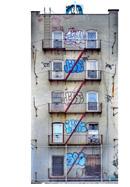
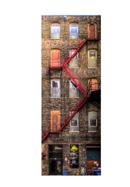
image credits: seaven, patricia laden, yahya rushdan, felix lipov, architizer, douglas elliman, architectural digest, hiram alejandro durán, yellowkorner, shelley hoh, alamy, crexi, judd foundation, jacqueline emhadel, ben cooper
vernacular architecture as a catalyst
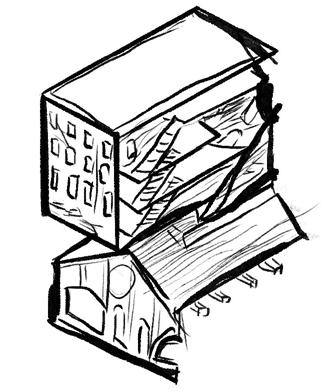
In order to find a proactive catalyst to distort both the building and its image, a vernacular architectural object—in this case, fire escapes—was selected. Fire escapes were chosen both for the tangible physical appearance and cultural connotations in media. In film media, they often facilitate and represent tension and a charged, but temporary, occupancy. In moments where they act as a focal point, they also invert typical spatial hierarchy. All qualities that could prompt unique
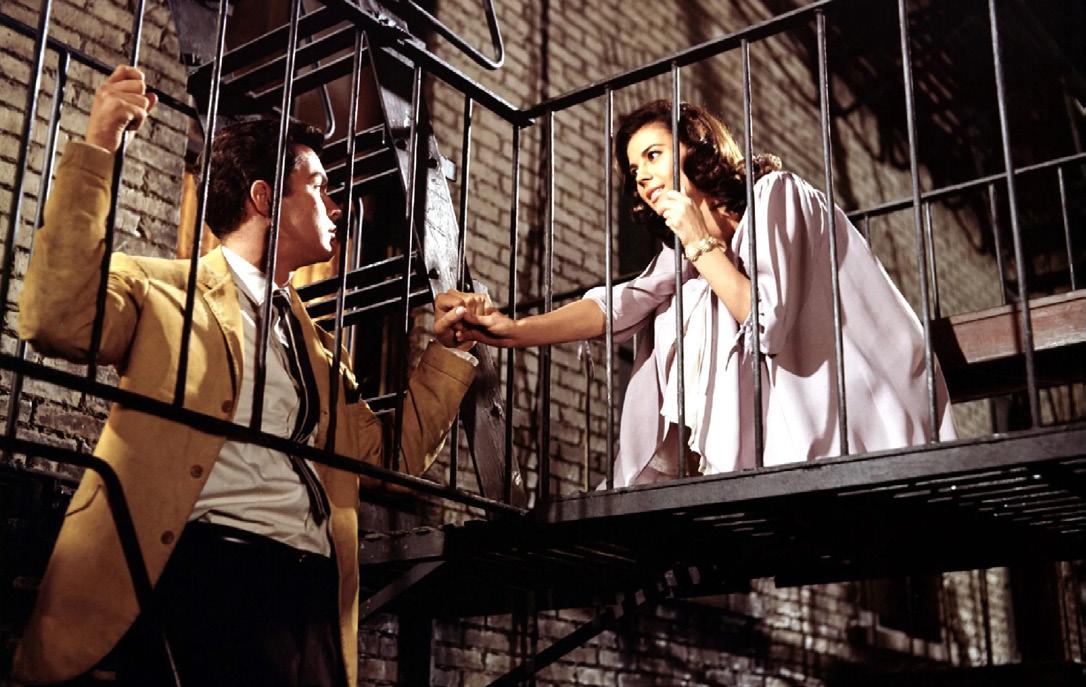
scene from west side story (1961) directors: robert wise and jerome robbins
conditions when exploited for architectural effects. After curating a collection of images, they were first explored two-dimensionally in a collage, where an emphasis on their potential to bend and shear emerged. Exploration then began for how the image and qualities evoked by the fire escapes could be translated into and enhanced in three-dimensional space. This also prompted the initial exploration into how traditional brick material could be subverted.
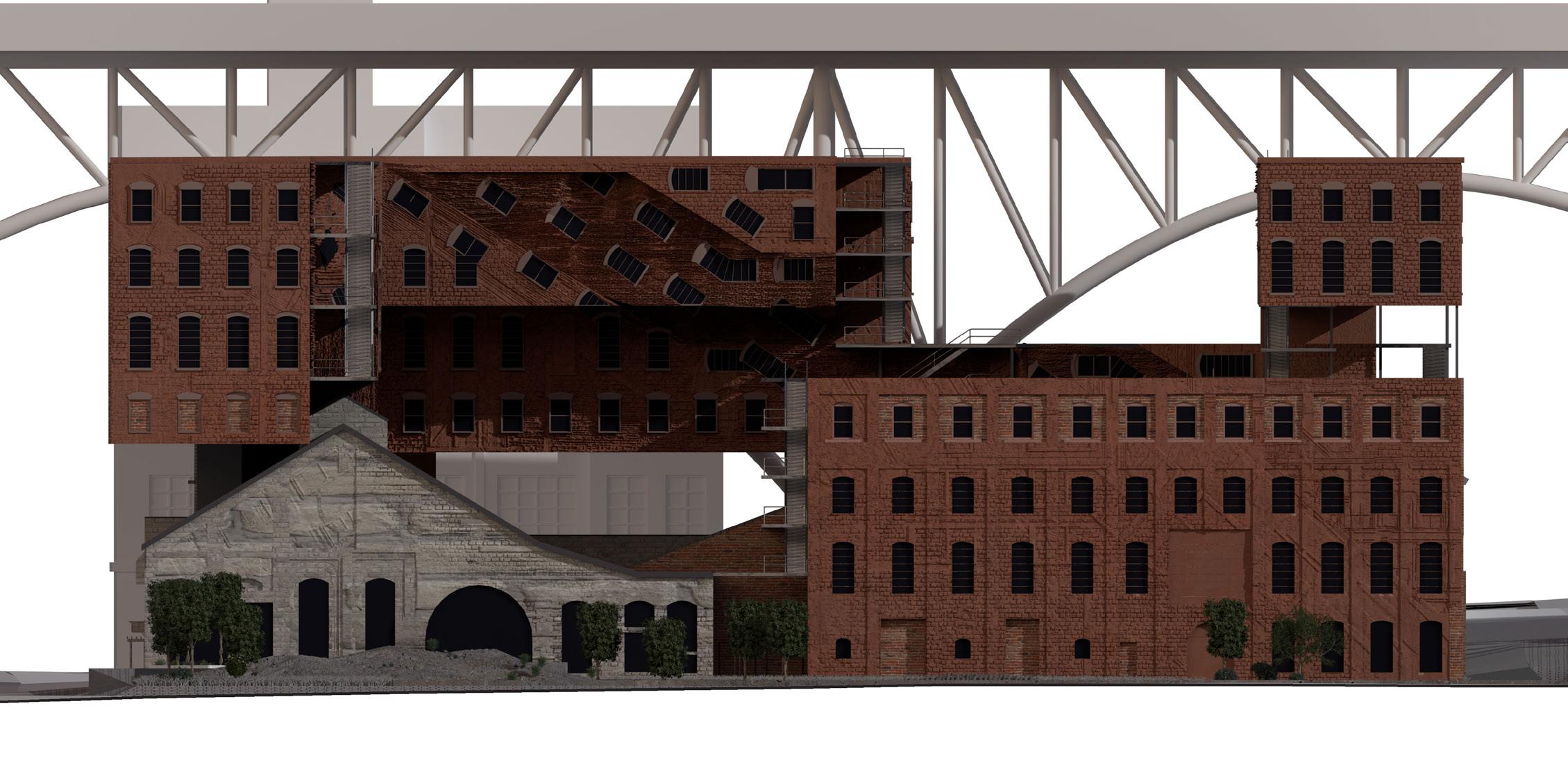
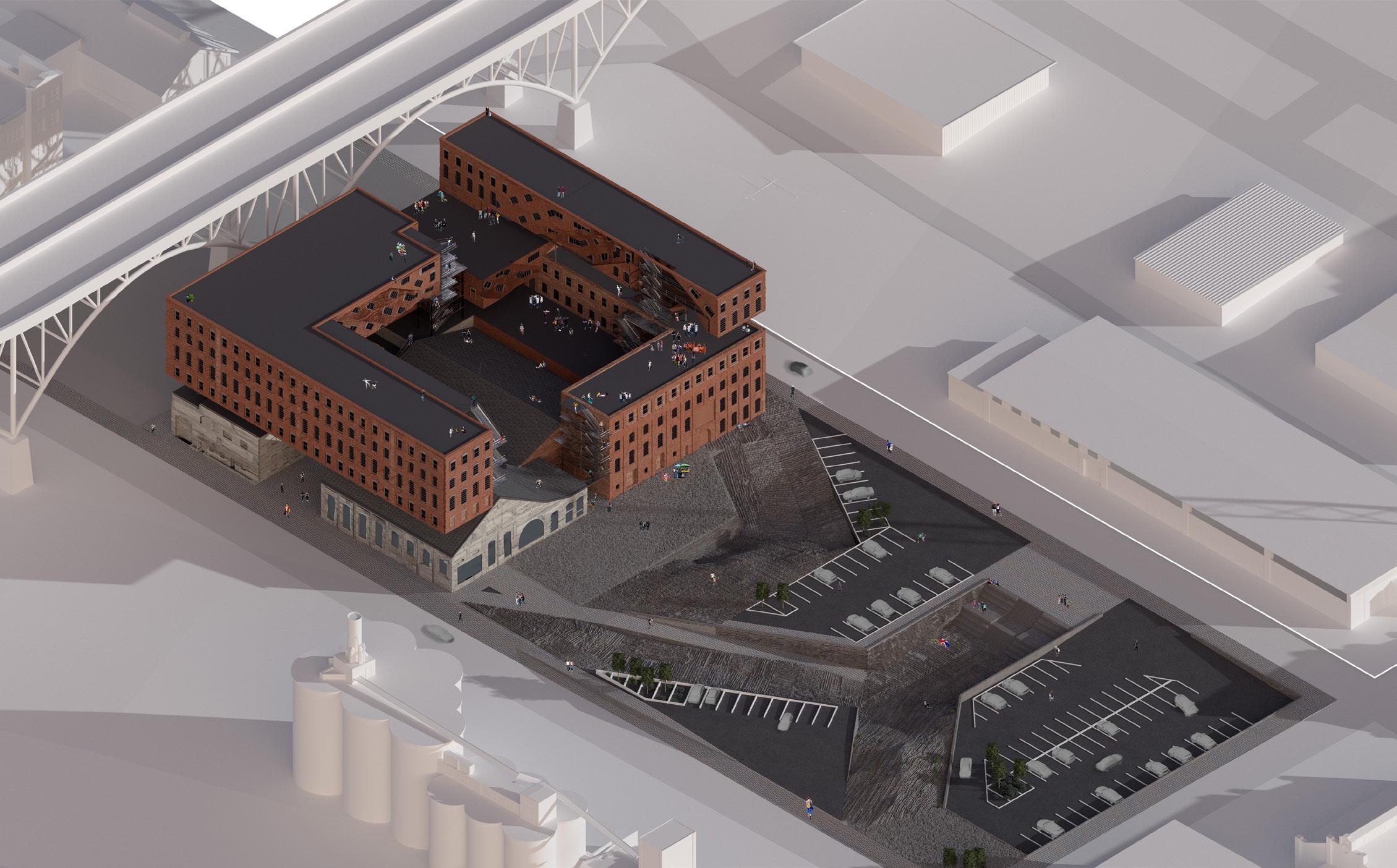
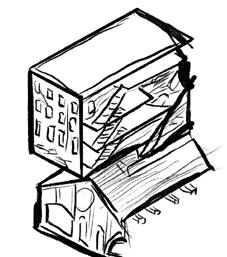
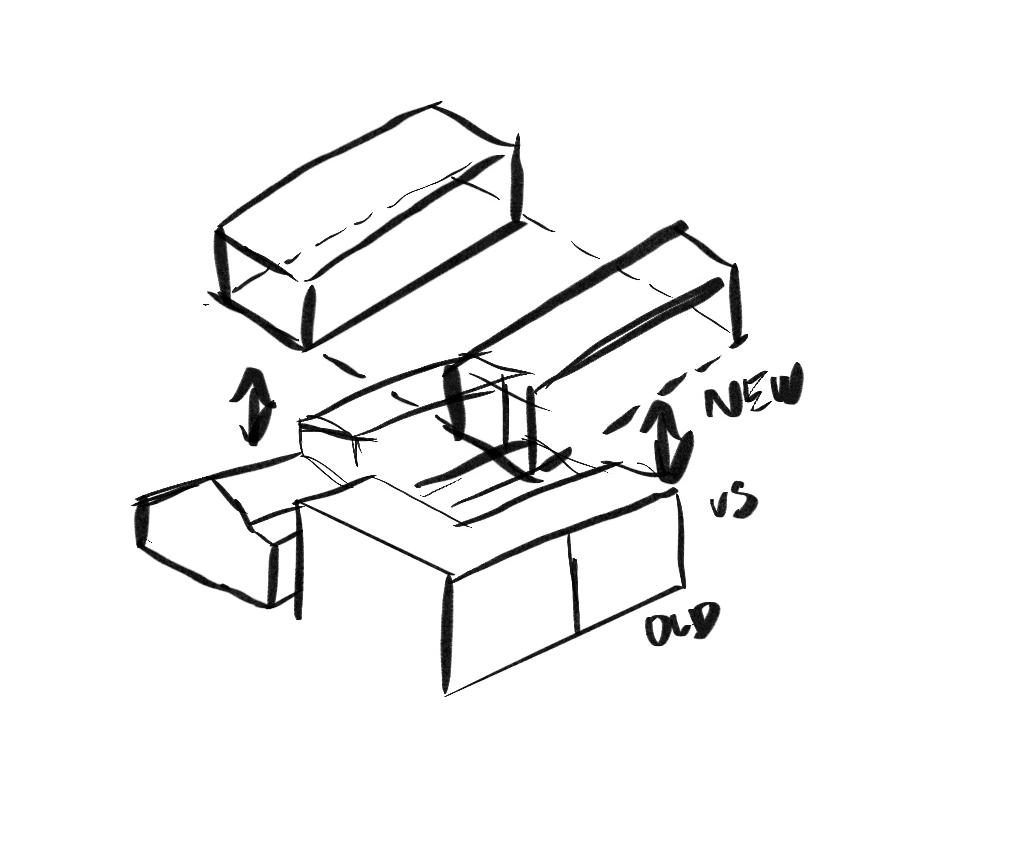
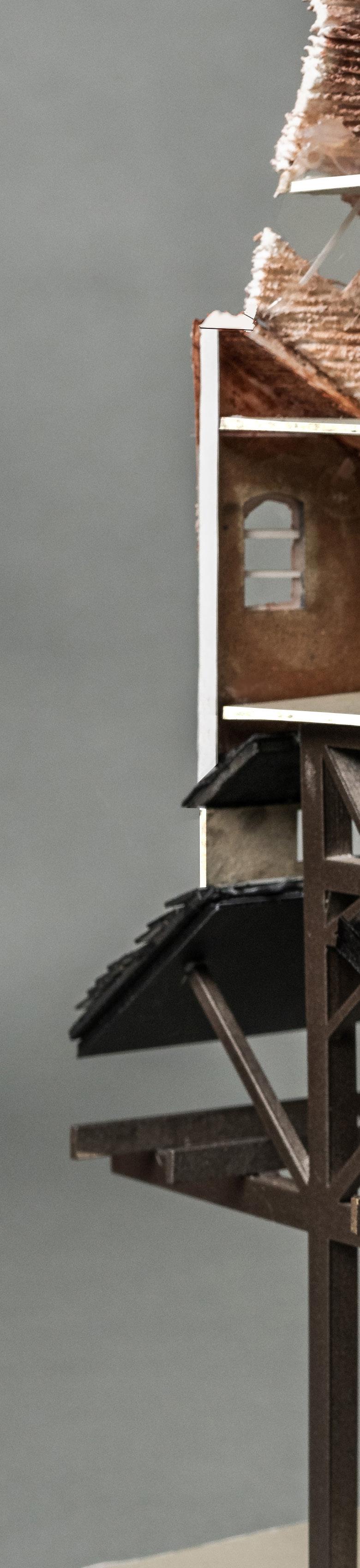
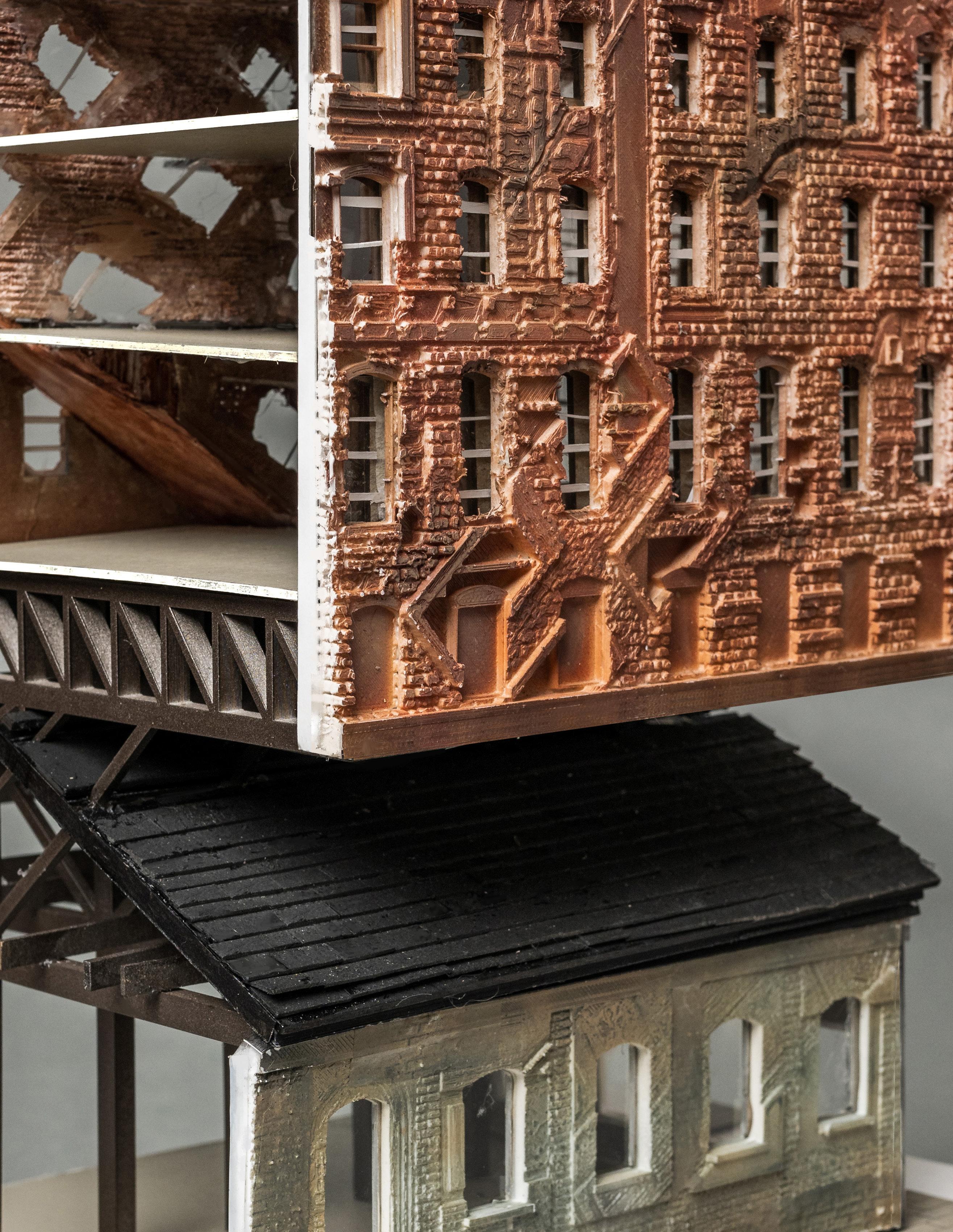
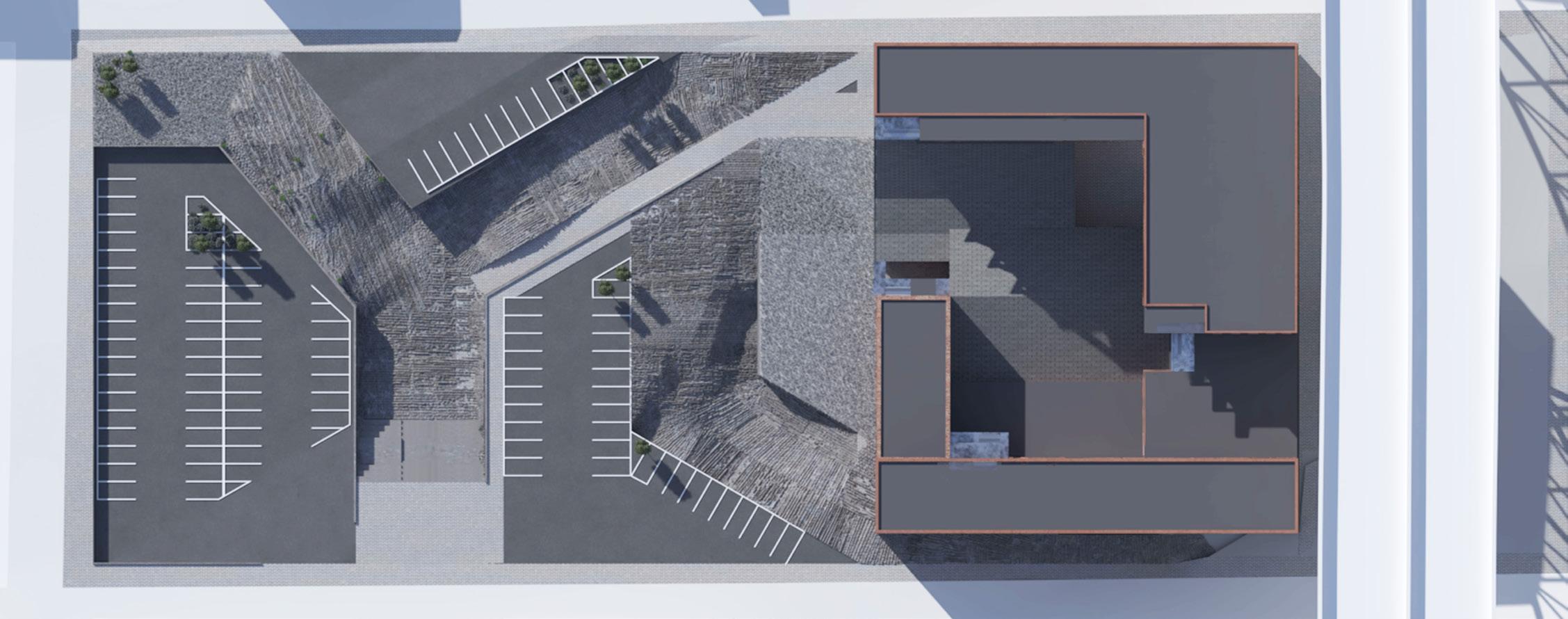
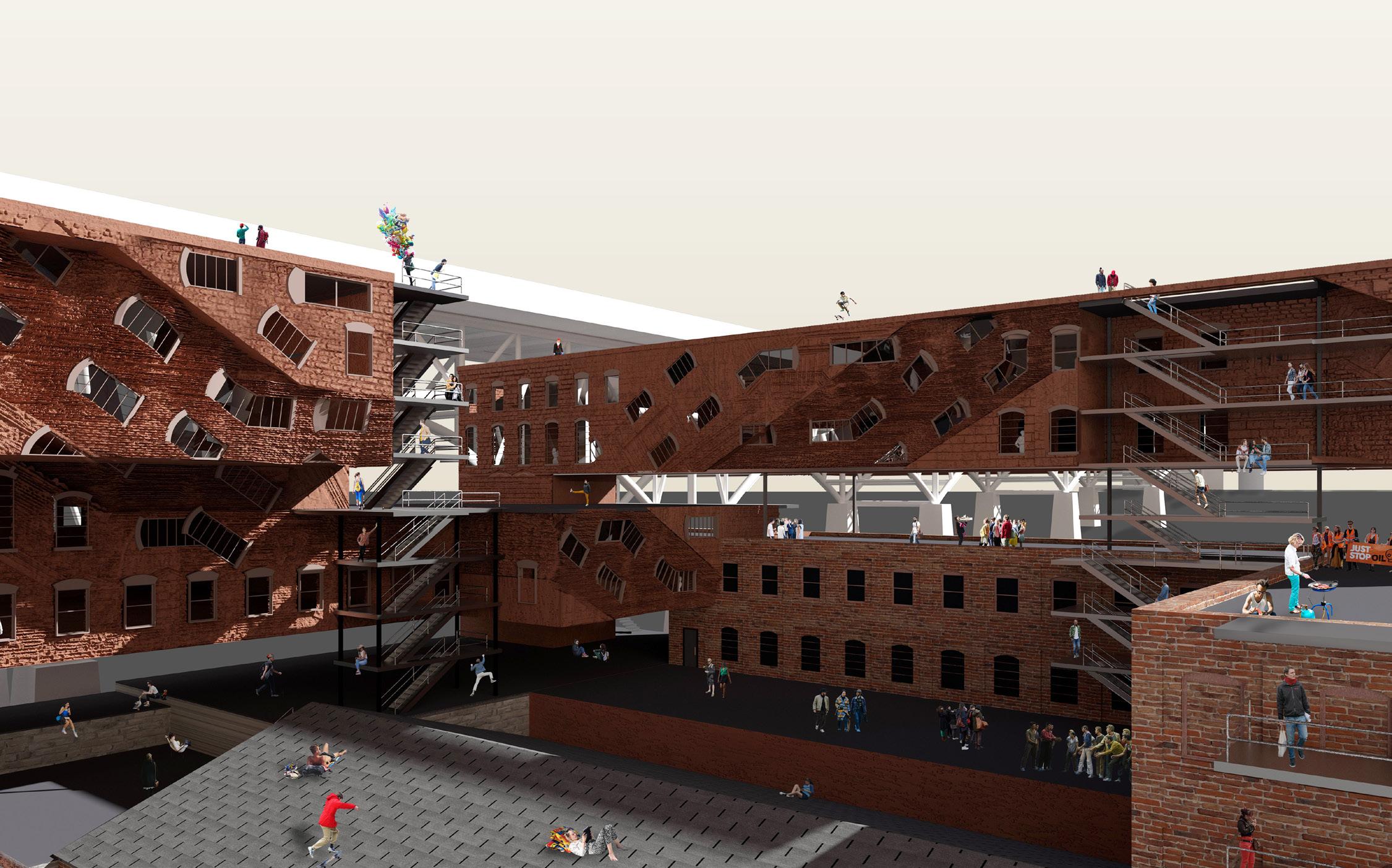
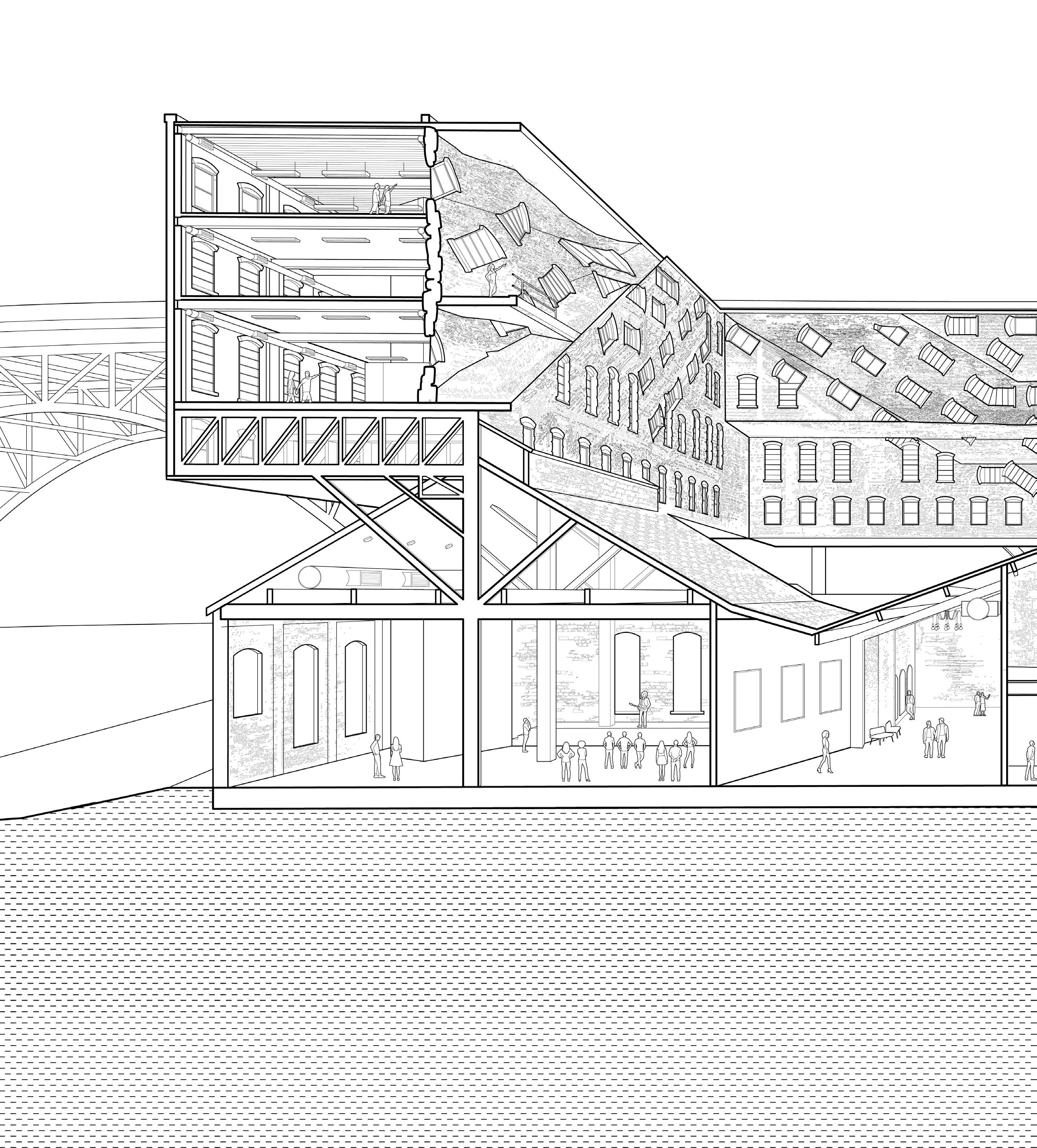
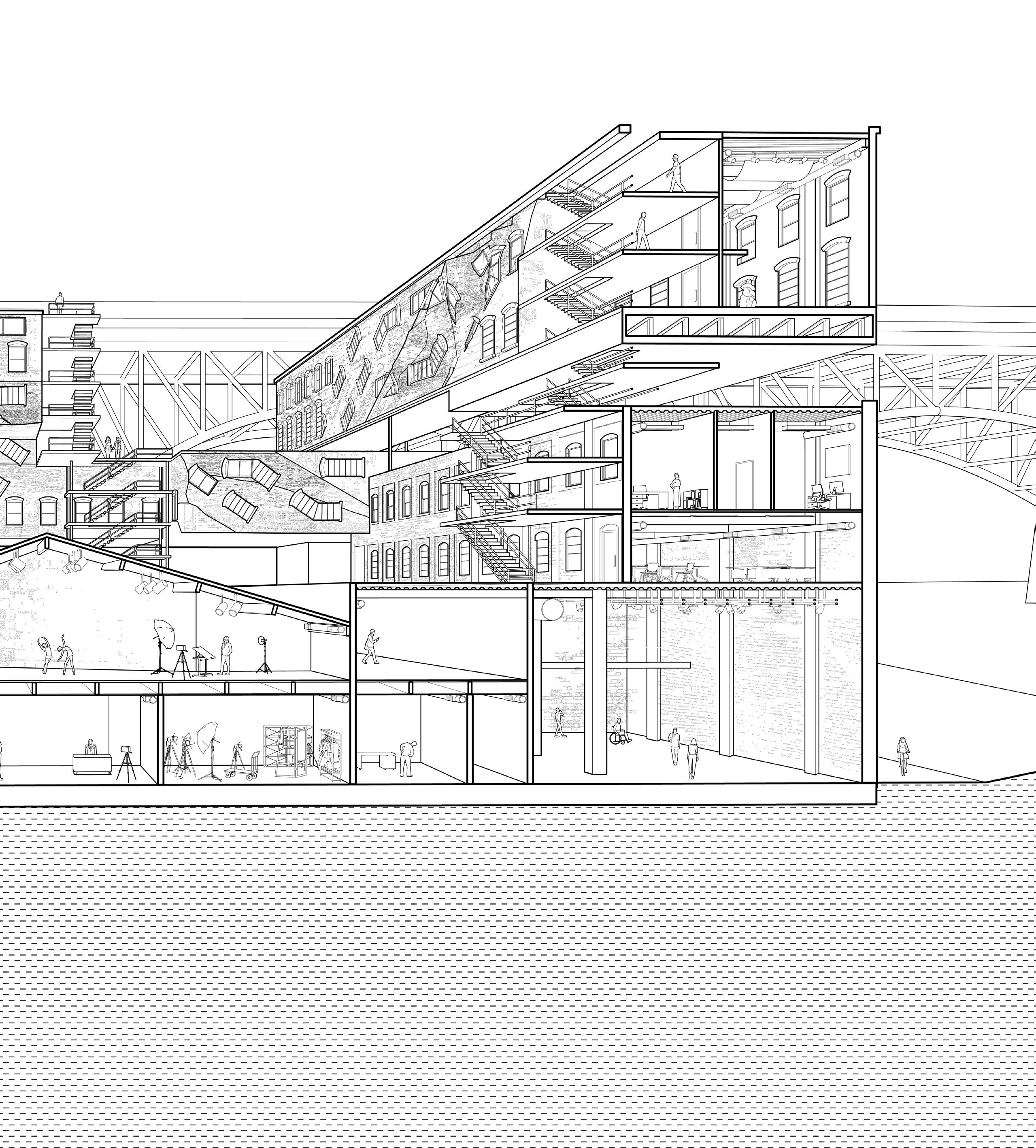
The additional massing needed to accommodate the program hovers over the existing buildings, touching it only tenuously. The result is a clear delineation, in massing, between the existing and the new. The new massing also integrates fire escapes, which cause the massing to bend into itself and creates an origin point for subversion of material and other architectural
elements. While brick material is prevalent throughout the building, at the moments of greatest interference, a manipulated brick image is translated into something that is decidedly artificial. On the building exterior that faces the streets, the effects are more subtly mimicked as architectural elements, like windows and columns, are superimposed on the facade.

axonometric site render

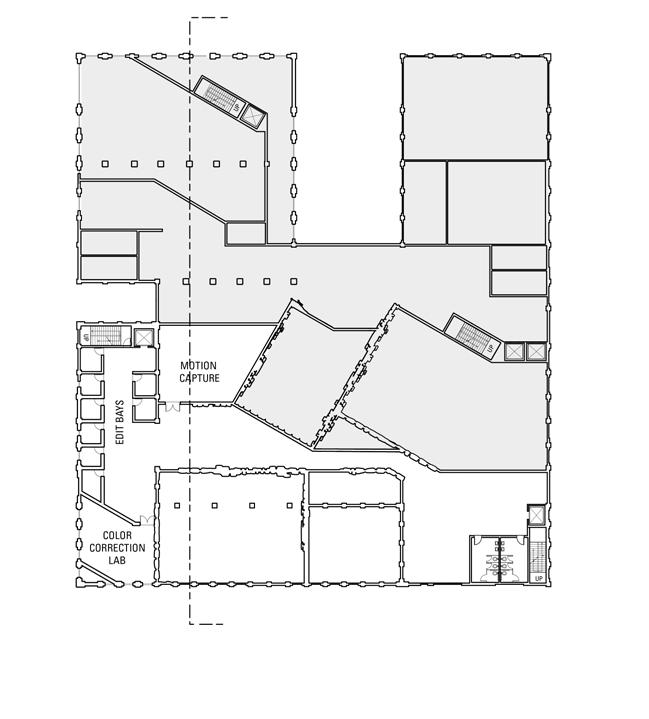
level 06 plan
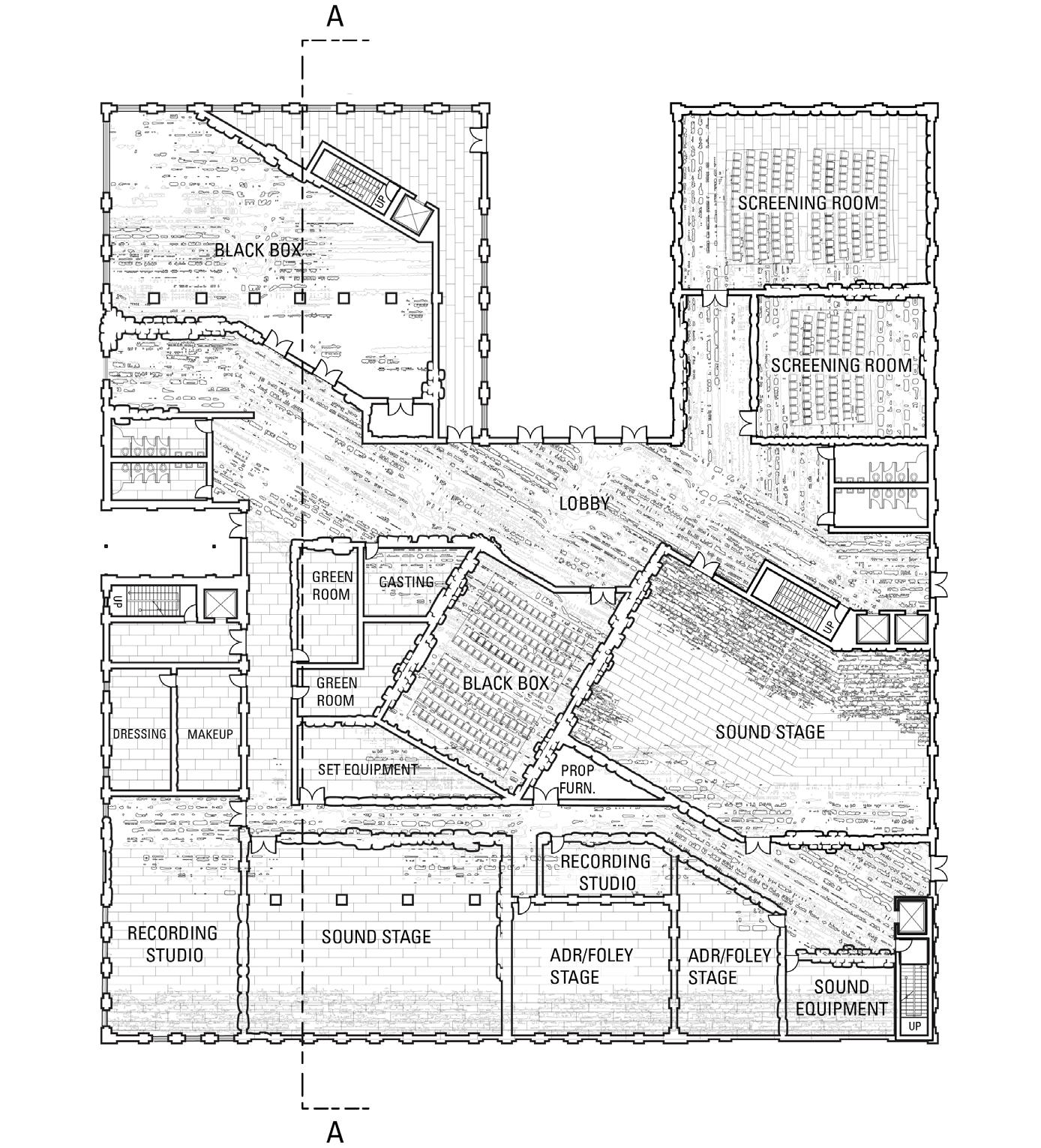
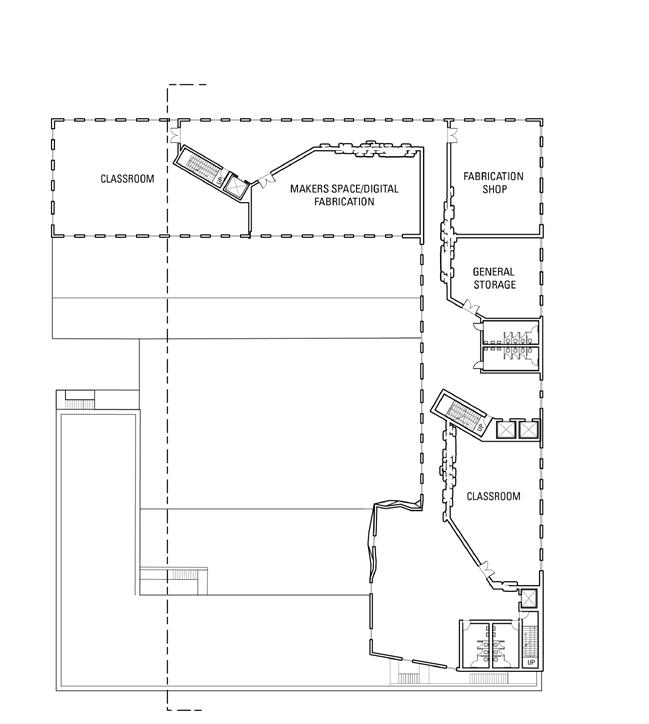
level 05 plan
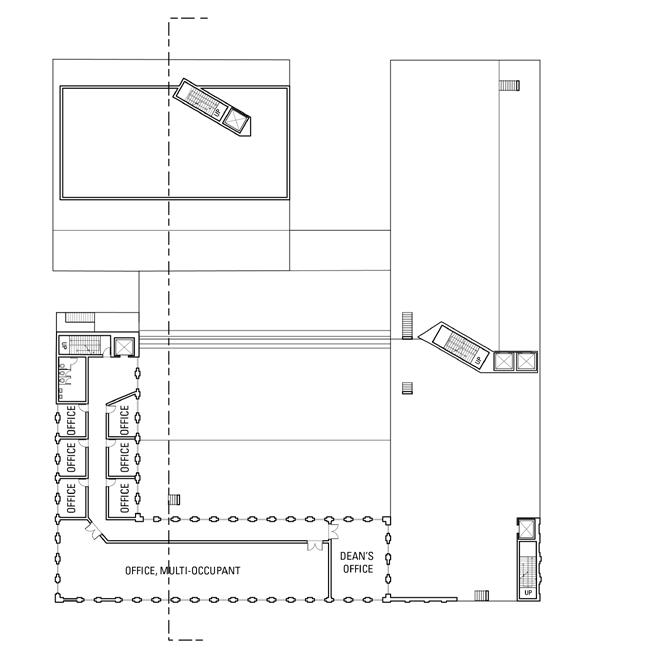
level 04 plan
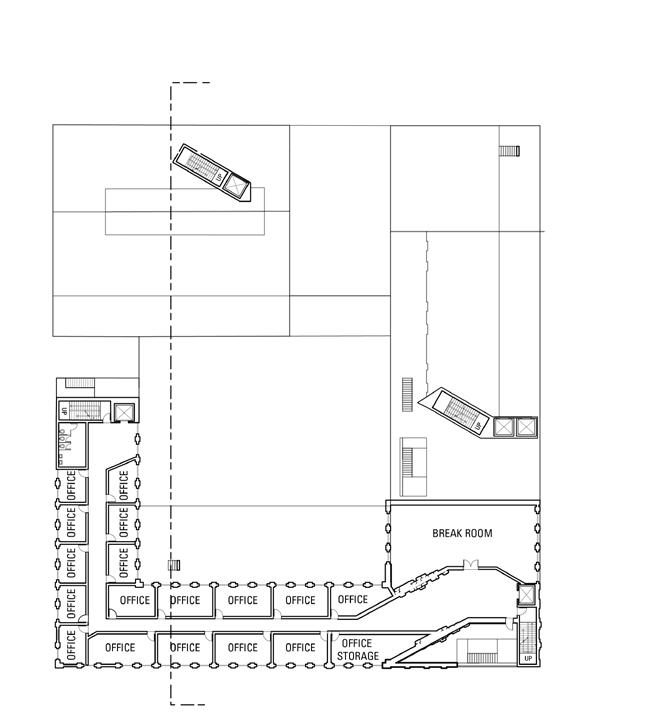
level 03 plan
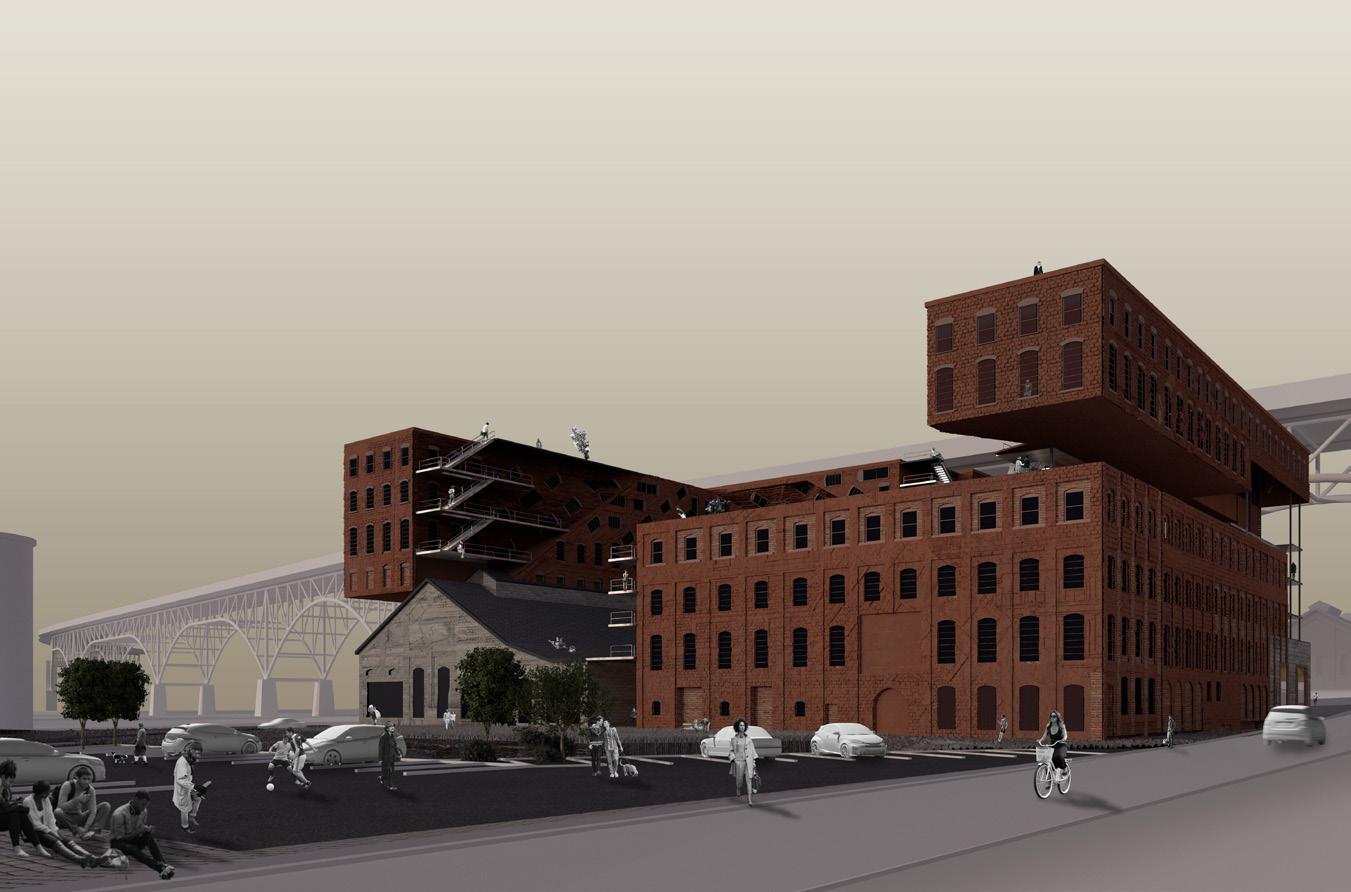
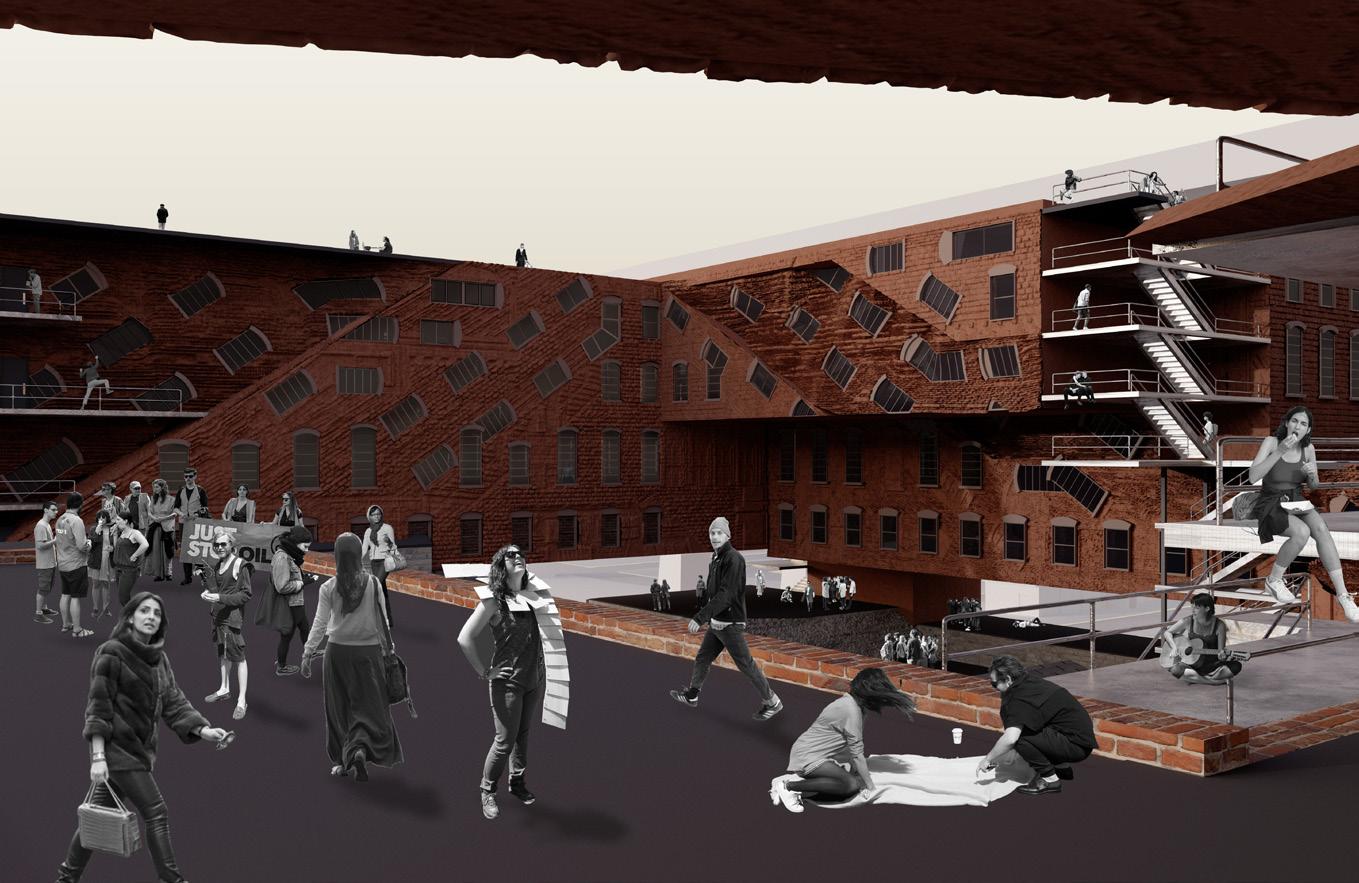


The contrast between what is constructed as real and artificial gains further focus in the renders. While this project is in many ways an ideological exploration and instigator, the renders also offer the opportunity to view this building through a more human lens and speculate on how an emphasis on spatial tension and temporary occupancy may drive student activity.
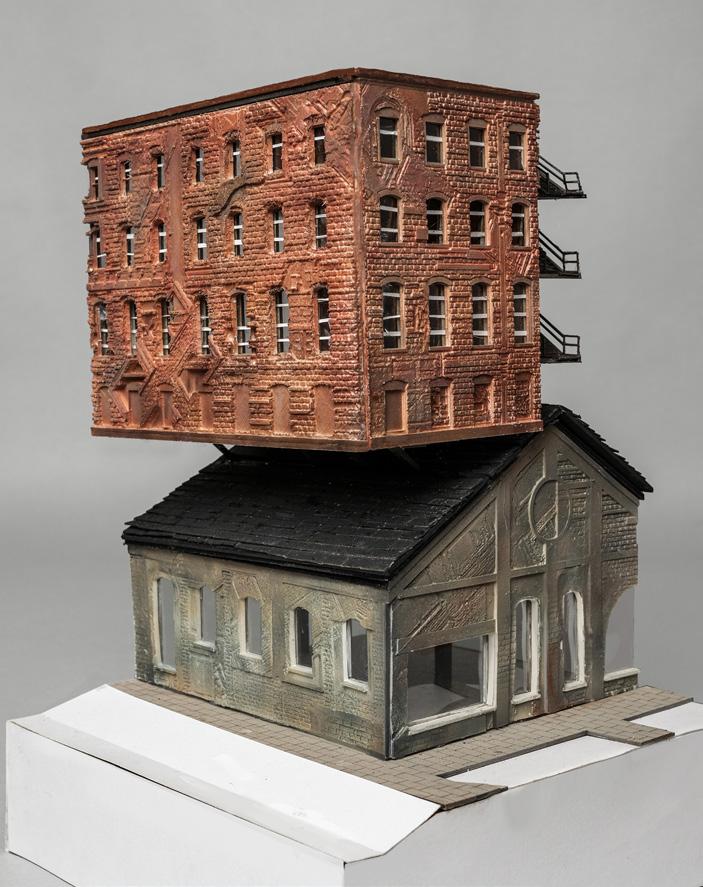
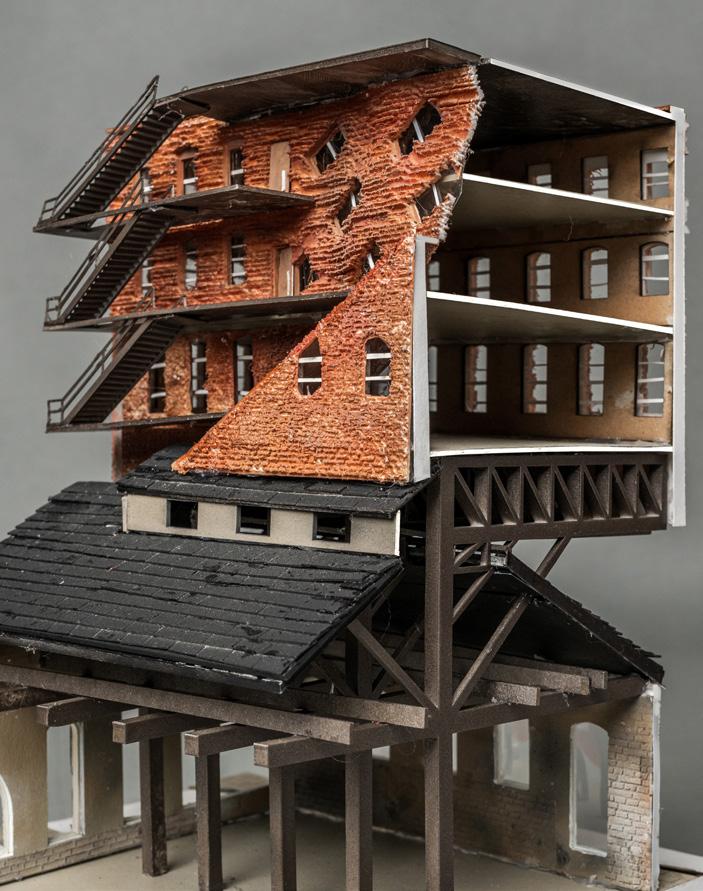
However, when confronted with making this project a believable physical reality as an architectural model, the contrast of suggested material realness and traces of the inherently digital origins, both in the design and means of making, compounded questions of what constitutes legitimate and synthetic in architecture and how we define and interact with it.
physical model_1/8”=1’-0”

edge
an adaptable building to withstand shifting ground permeable
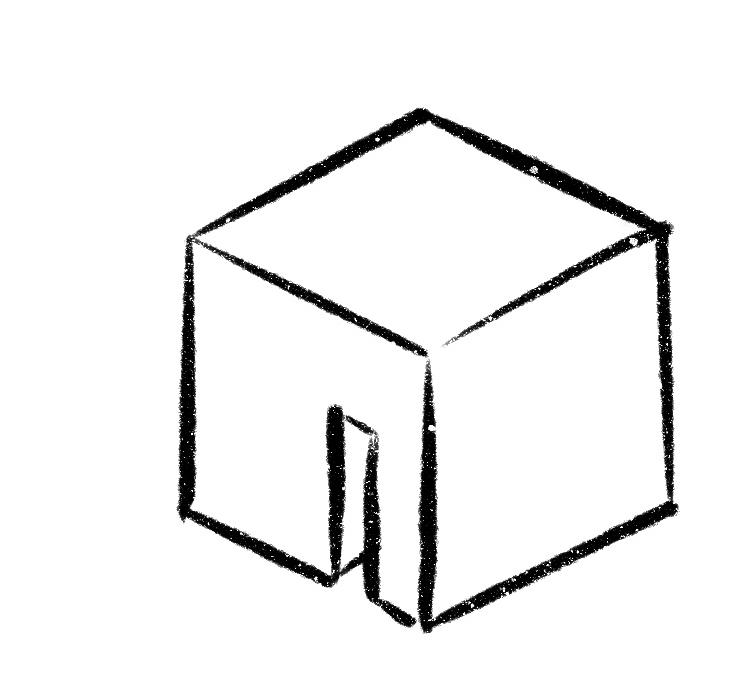
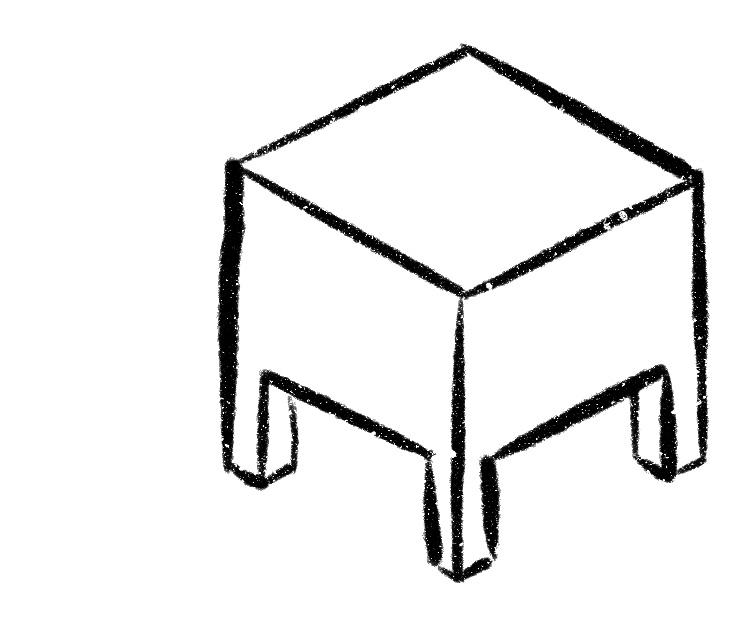
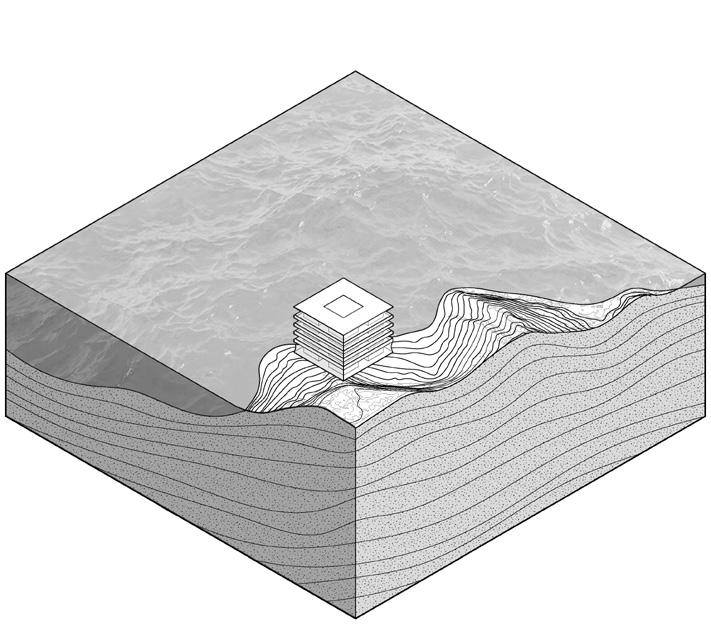
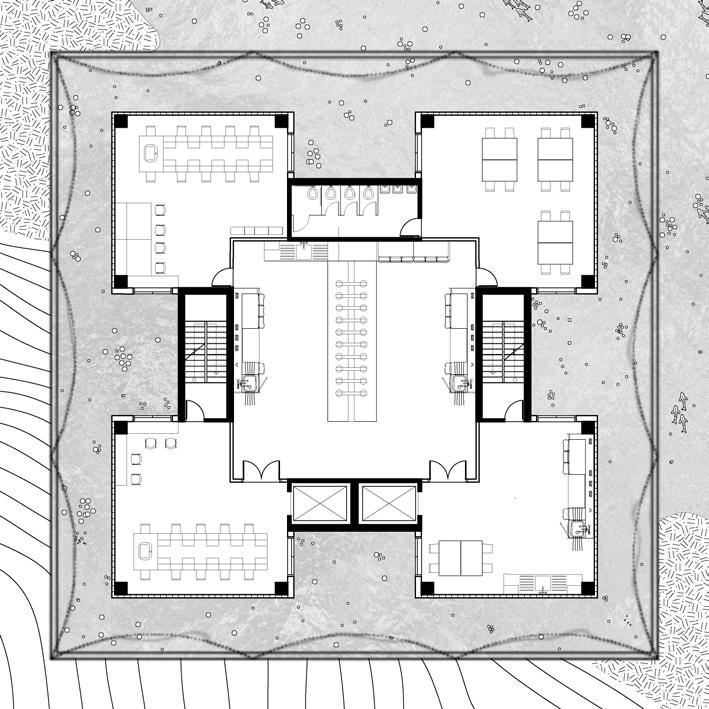
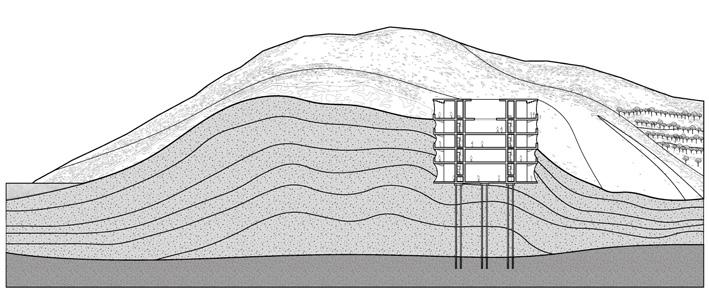
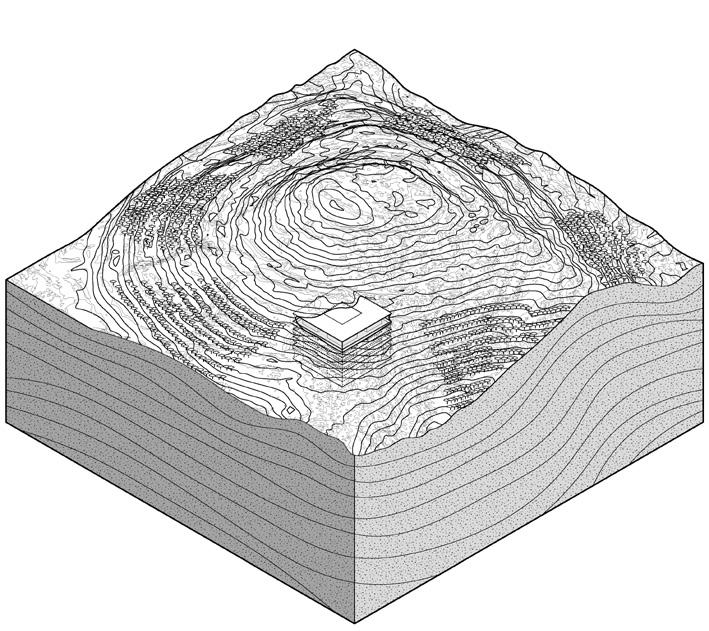
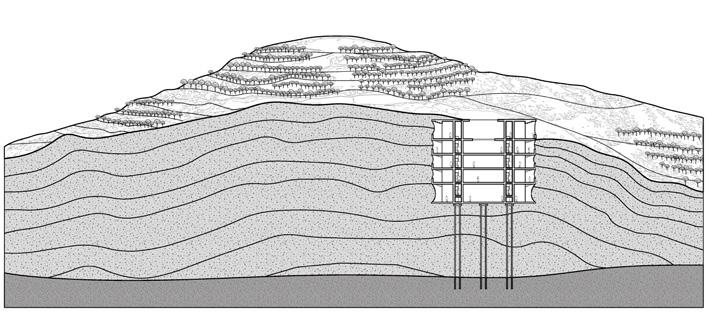
Despite being positioned in a landscape of rapidly evolving environmental, social, and cultural conditions, buildings are frequently viewed and conceived as stagnant—characterized by a rigidity that accelerates their obsolescence amid instability. So, what happens if we design with instability in mind? This studio takes the provocation of this question to the extreme by asking us to build on unstable ground, speculating on the trajectory of the building and site over the course of 30 years. Our design began, and in some ways ended, with a box; this allowed the building to respond uniformly to indiscriminate changes on all sides. Design strategies, like balconies and a geotextile net, help create multiple entry points that can shift upward as the ground does. This maximizes usable space by keeping the ground out while still enabling it to push against the building, initiating unique spatial and, in some cases, programmatic possibilities. Ultimately, the various strategies used to mitigate the effects of the shifting ground create a flexible space that is enhanced by it.
in collaboration with nguyên lê project location: kellstone quarry on kelleys island, ohio semester: fall 2021, third year design studio I professor: françois sabourin


No Island Scenario, 2052
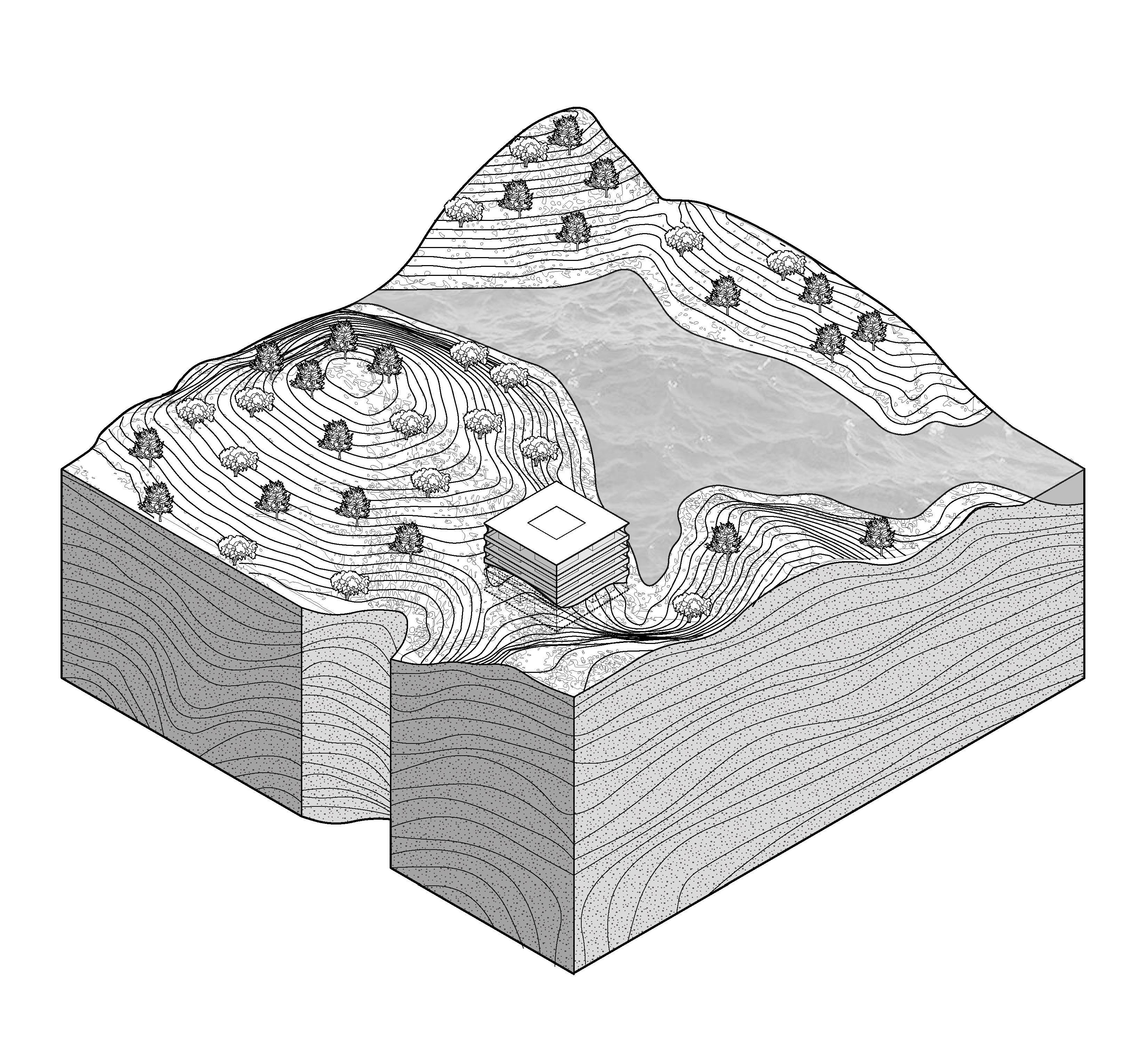
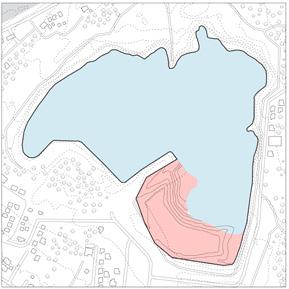
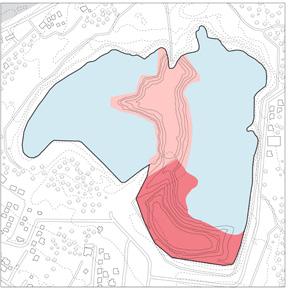

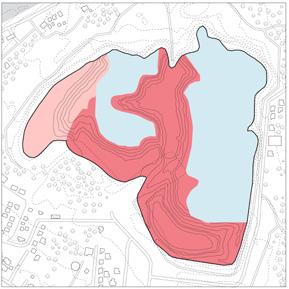
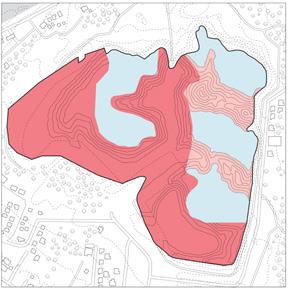
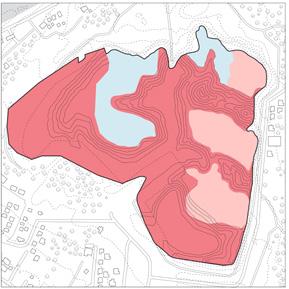
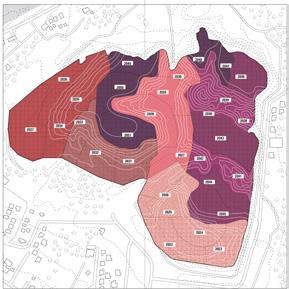
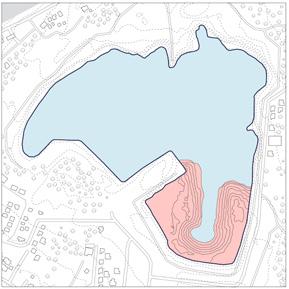
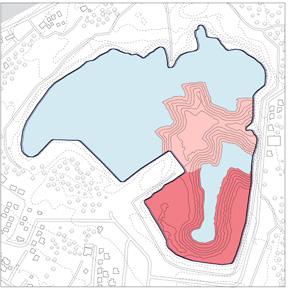
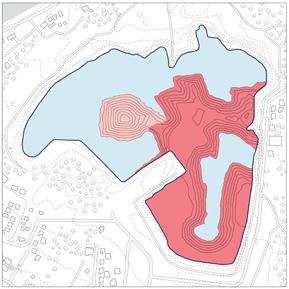
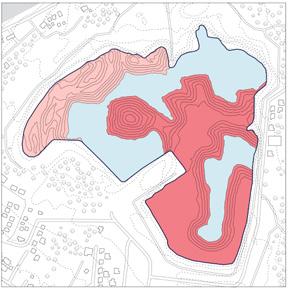
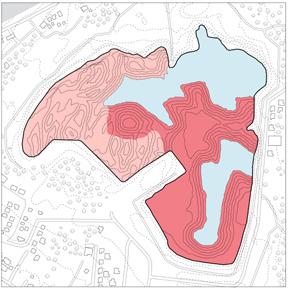
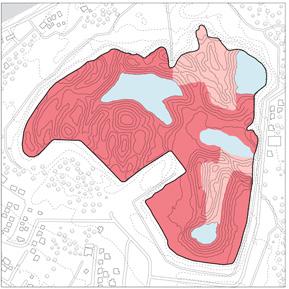
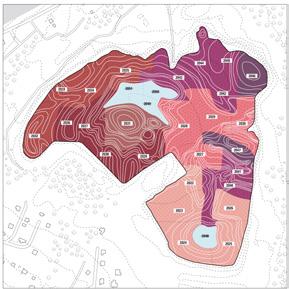
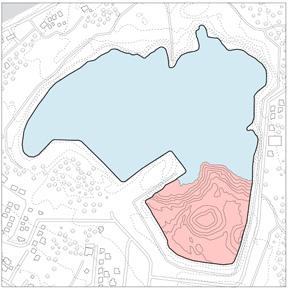
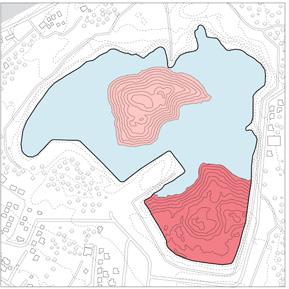
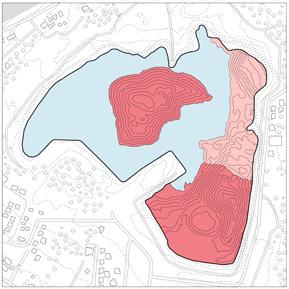
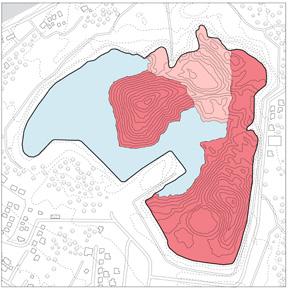
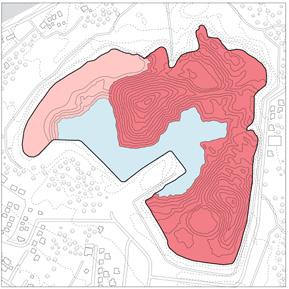
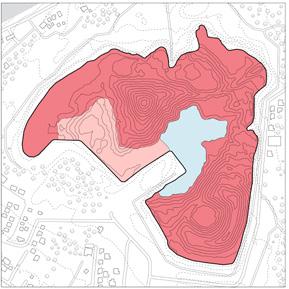
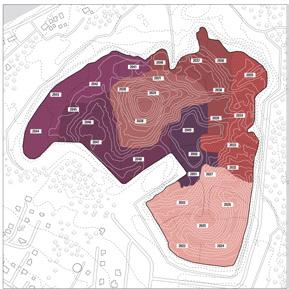
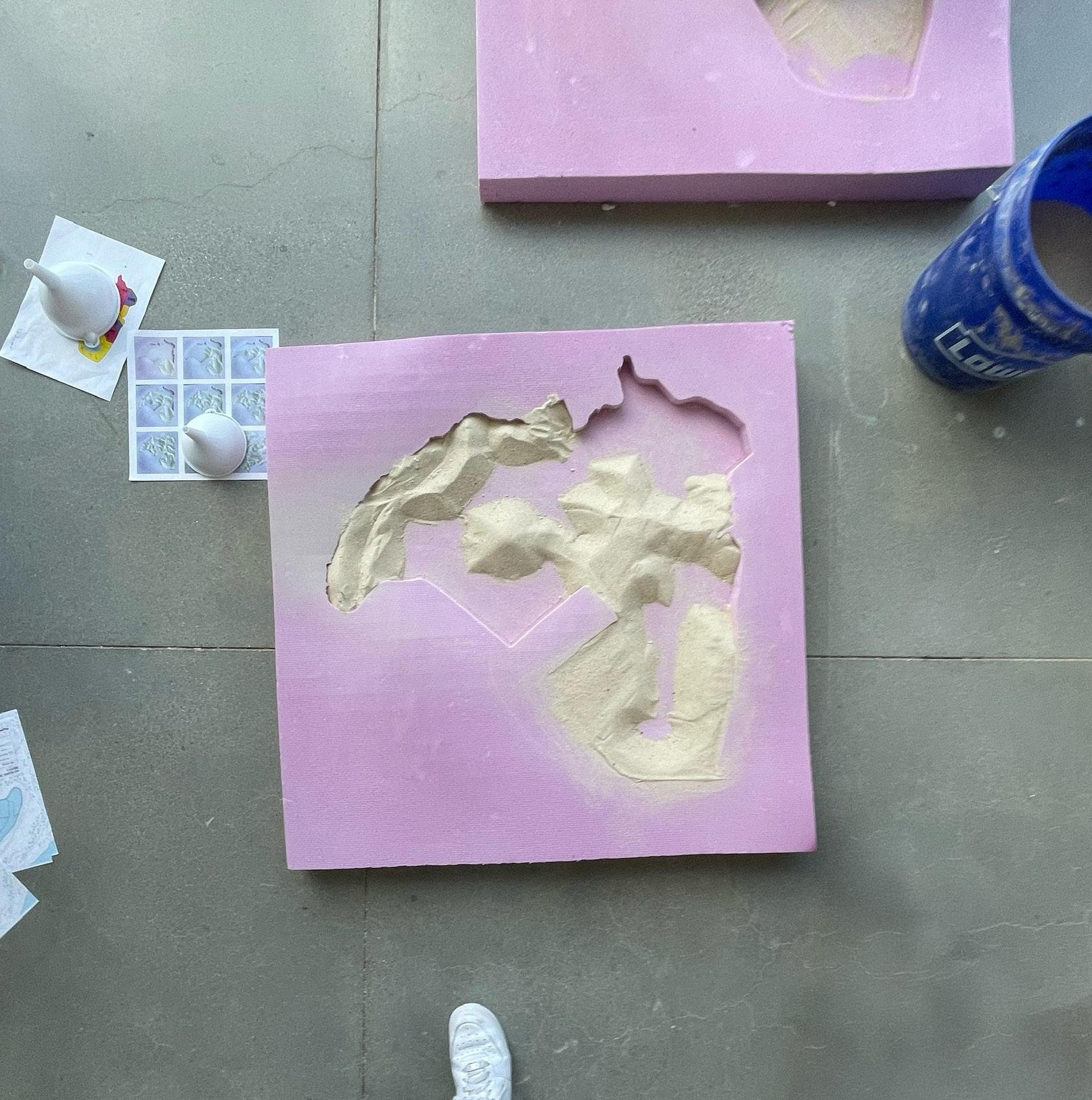
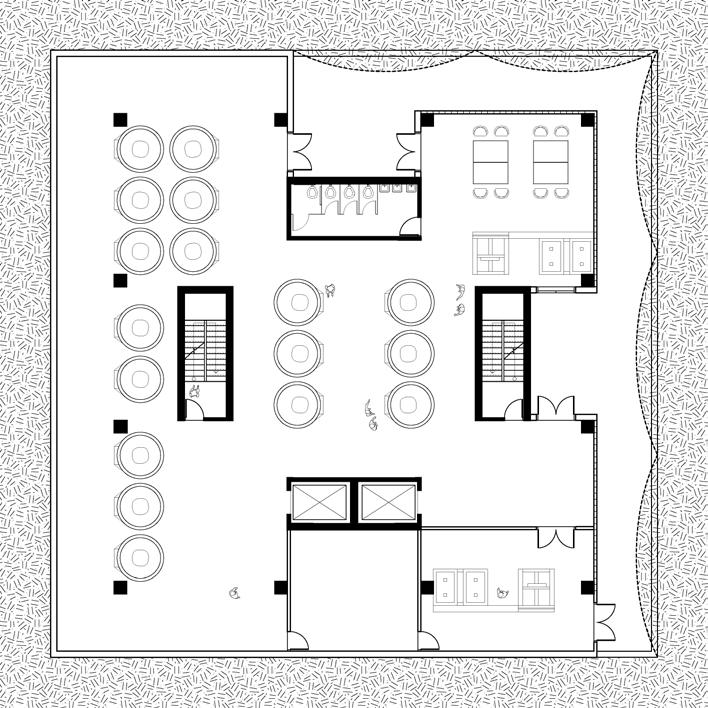
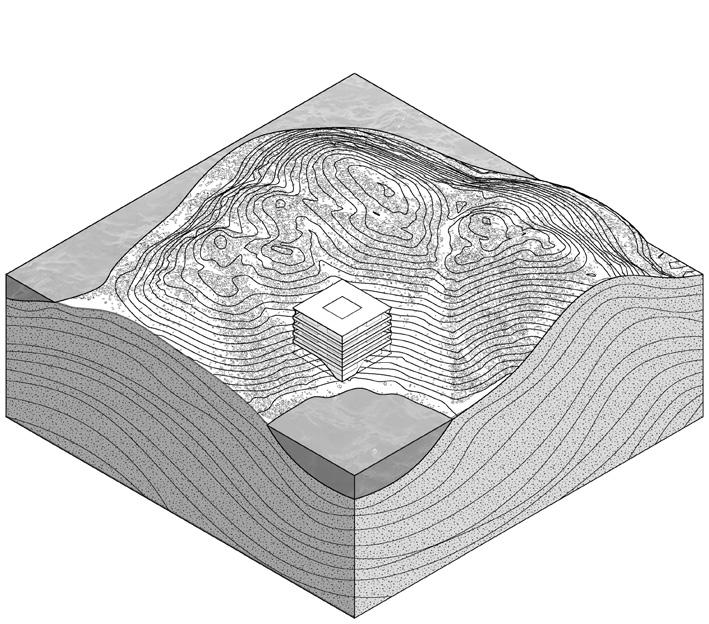
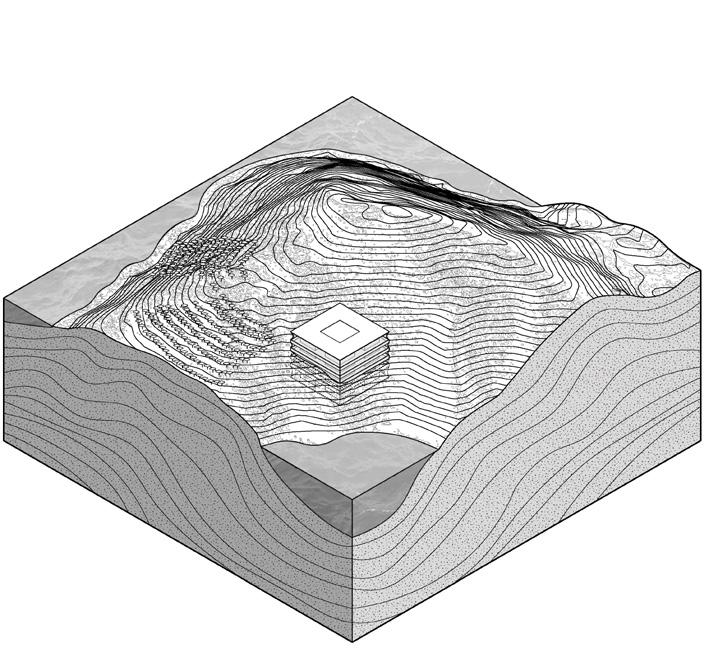
Before undertaking the architectural design, our studio collectively contrived an array of future scenarios for Kelleys Island with varying and extreme cultural, economic, and environmental conditions. Our project then developed a grid system and a framework of instructions that responded uniquely to each scenario to choreograph the evolution of the site as the Kellstone Quarry was filled over the span of three decades. We used three scenarios as case studies. For Resort Island,



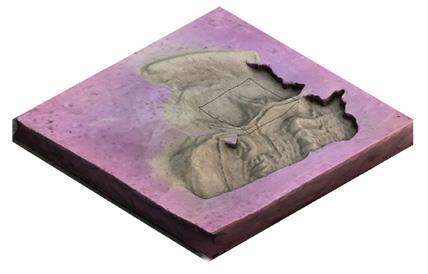

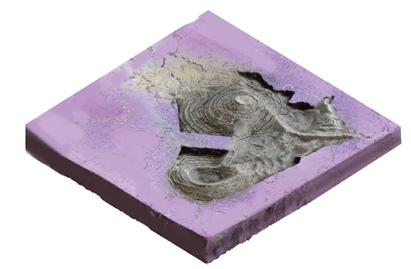
development and tourism is prioritized, accelerating the infill of the quarry. For No Island, development is ultimately abandoned after severe flooding and hazardous land make the island uninhabitable. For Isolation Island, there is a focus on wine export, with a vineyard being created in the former quarry. These scenarios ultimately inform distinctive programs and plans, but it is all underscored by a building model that has the adaptive potential to respond to any condition.
Isolation Island
Resort Island
No Island
Isolation Island
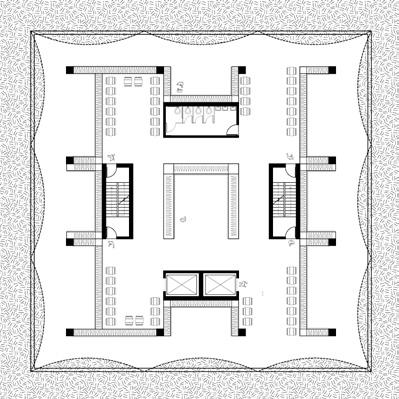
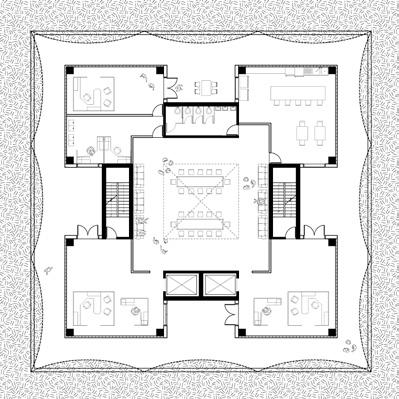
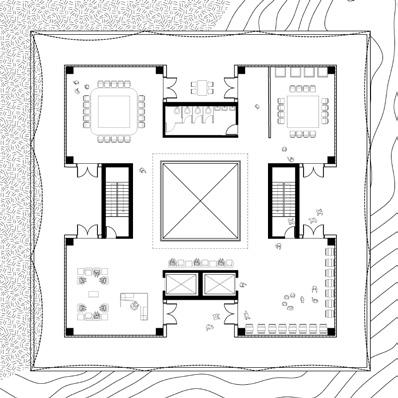
Cores are distributed to maintain floor plan symmetry and provide structural stability
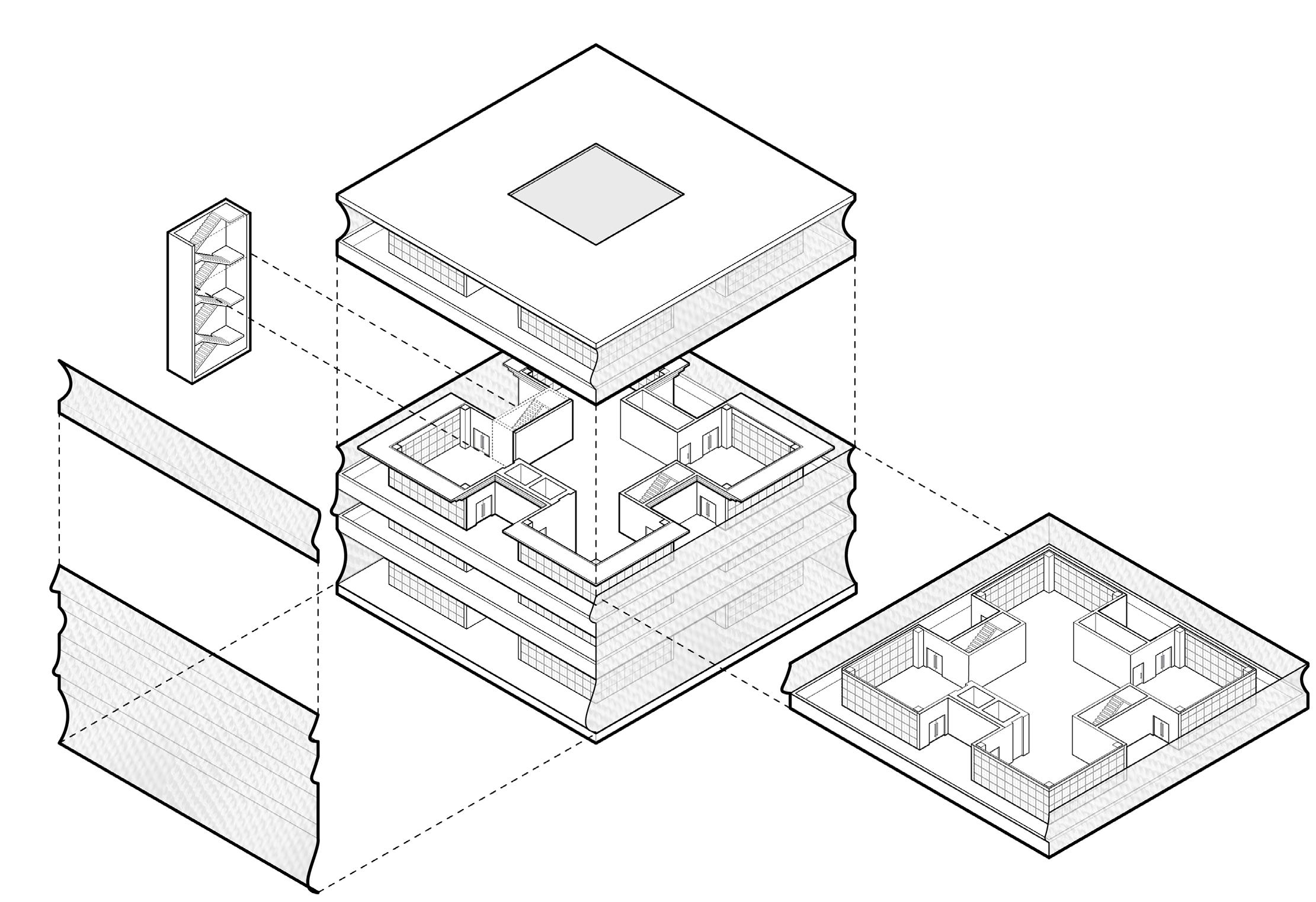
Geotextile net encloses building to protect it and maximize usable space as the surrounding quarry is filled
Doors allow access to balconies when floor level is above ground and allows for easy creation of new entrances when on ground level
Base floor plan is identical on all floors and symmetrical to accommodate varying programs and shifting ground on all levels and sides
Glass block used to mitigate enclosure of net and maximize natural light while offering some durability in preparation for extreme site conditions

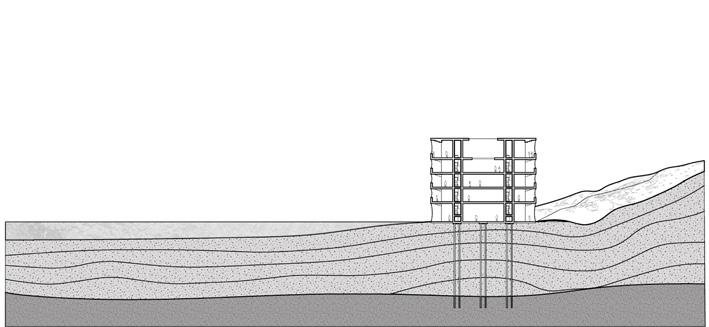
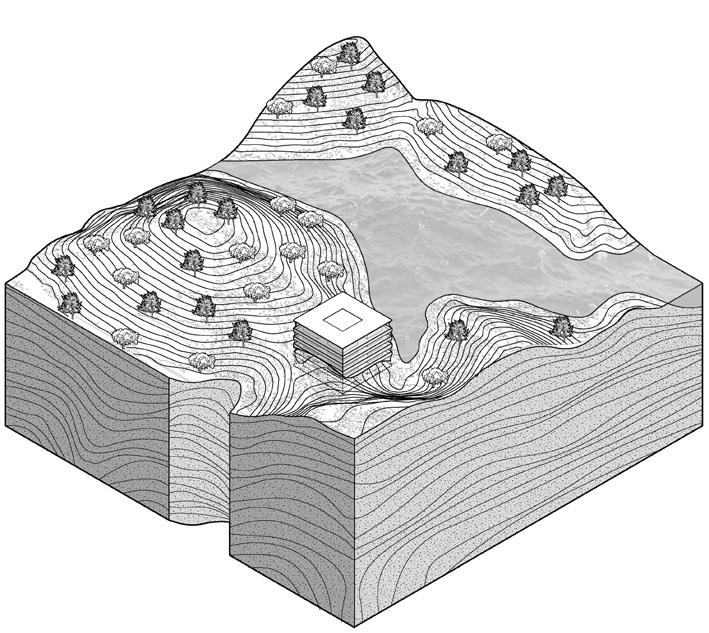
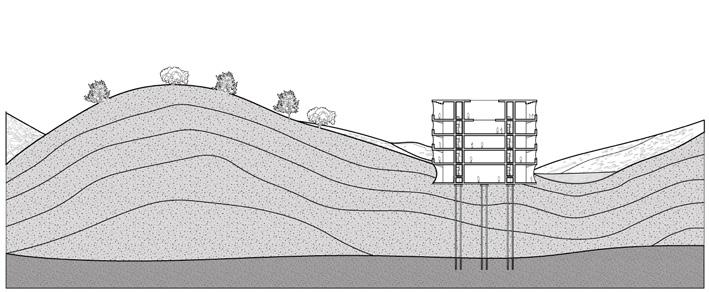
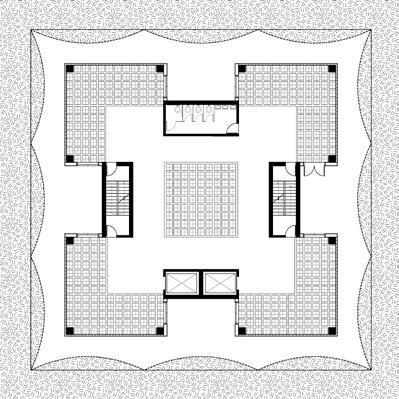
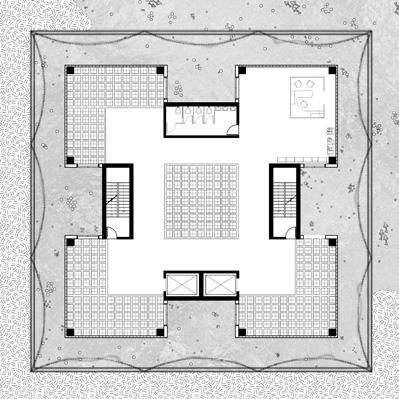
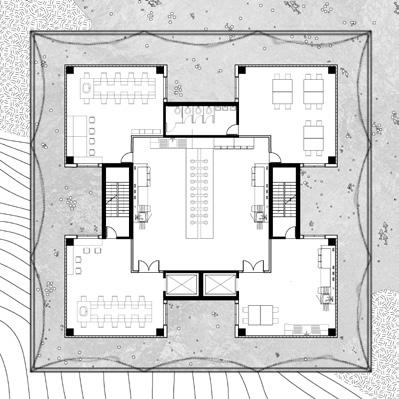
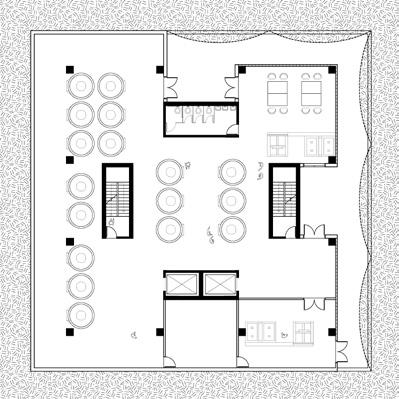
For each scenario, we also pondered the unexpected turns the initial plans could take. This assumed interior flexibility as diagrammed by the plans above. For Isolation Island, the building starts as a winery. Eventually, the lower levels become dedicated wine cellars as the building is buried, taking advantage
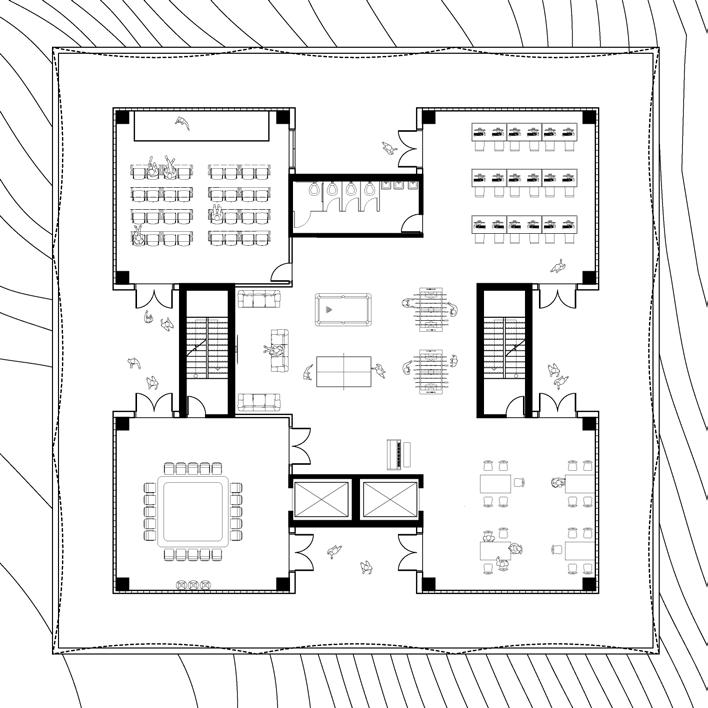
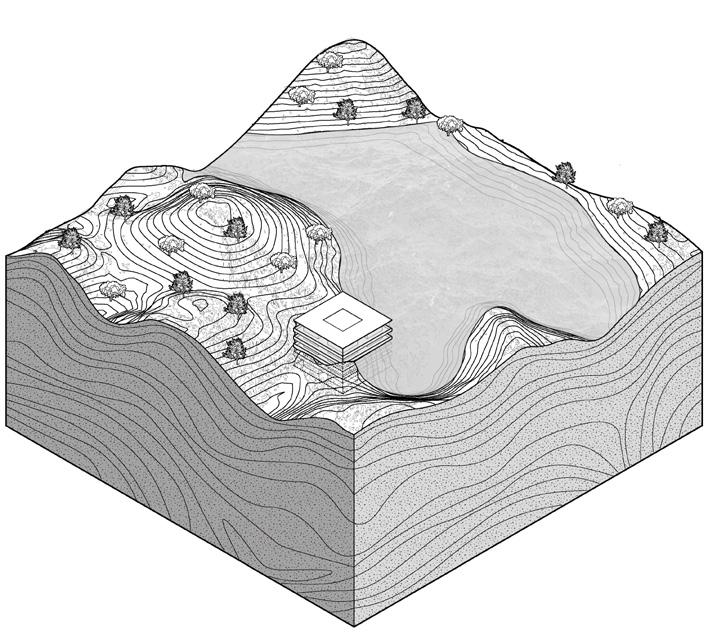
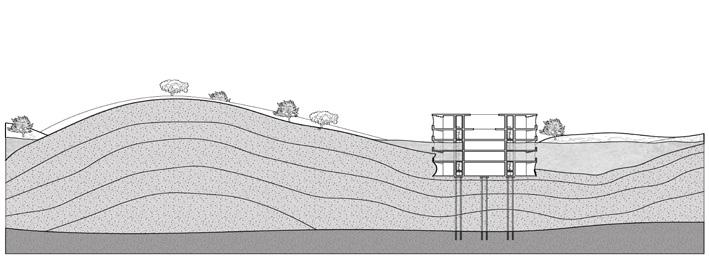
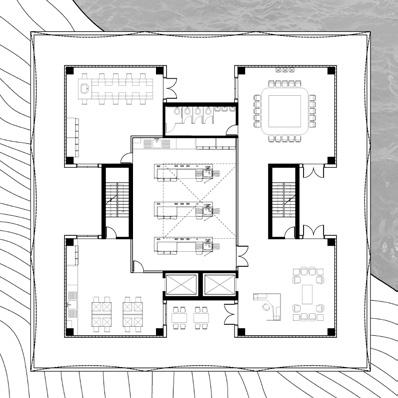
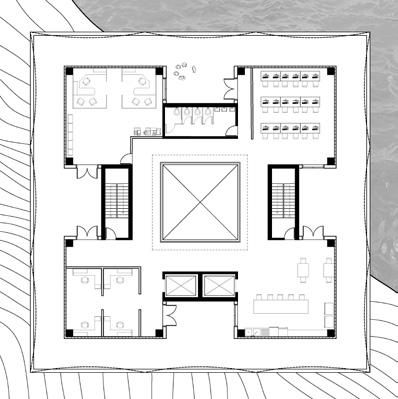
of the thermal conditions. For No Island, initially the building is a hydrology research center. However, as site conditions worsen, the lower levels are converted to a seed vault. By 2051 the island is uninhabitable and the building is abandoned, acknowledging that in some cases architectural obsolescence is inevitable.
site axons
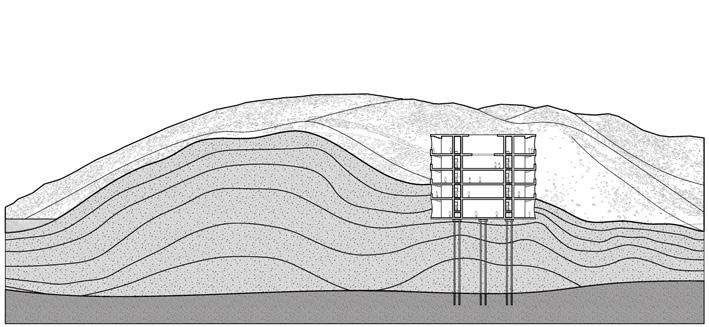
sections

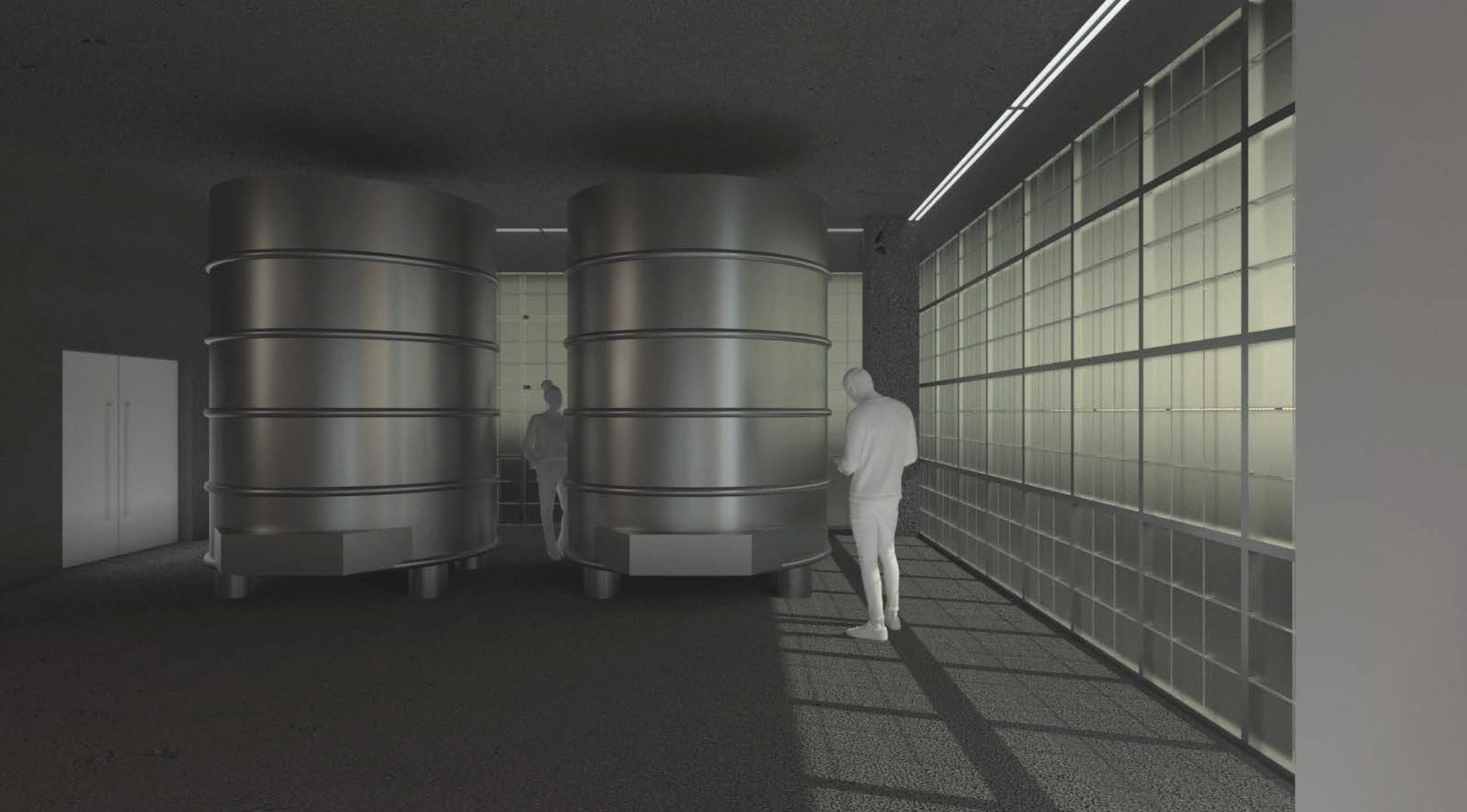
Isolation Island render, 2052
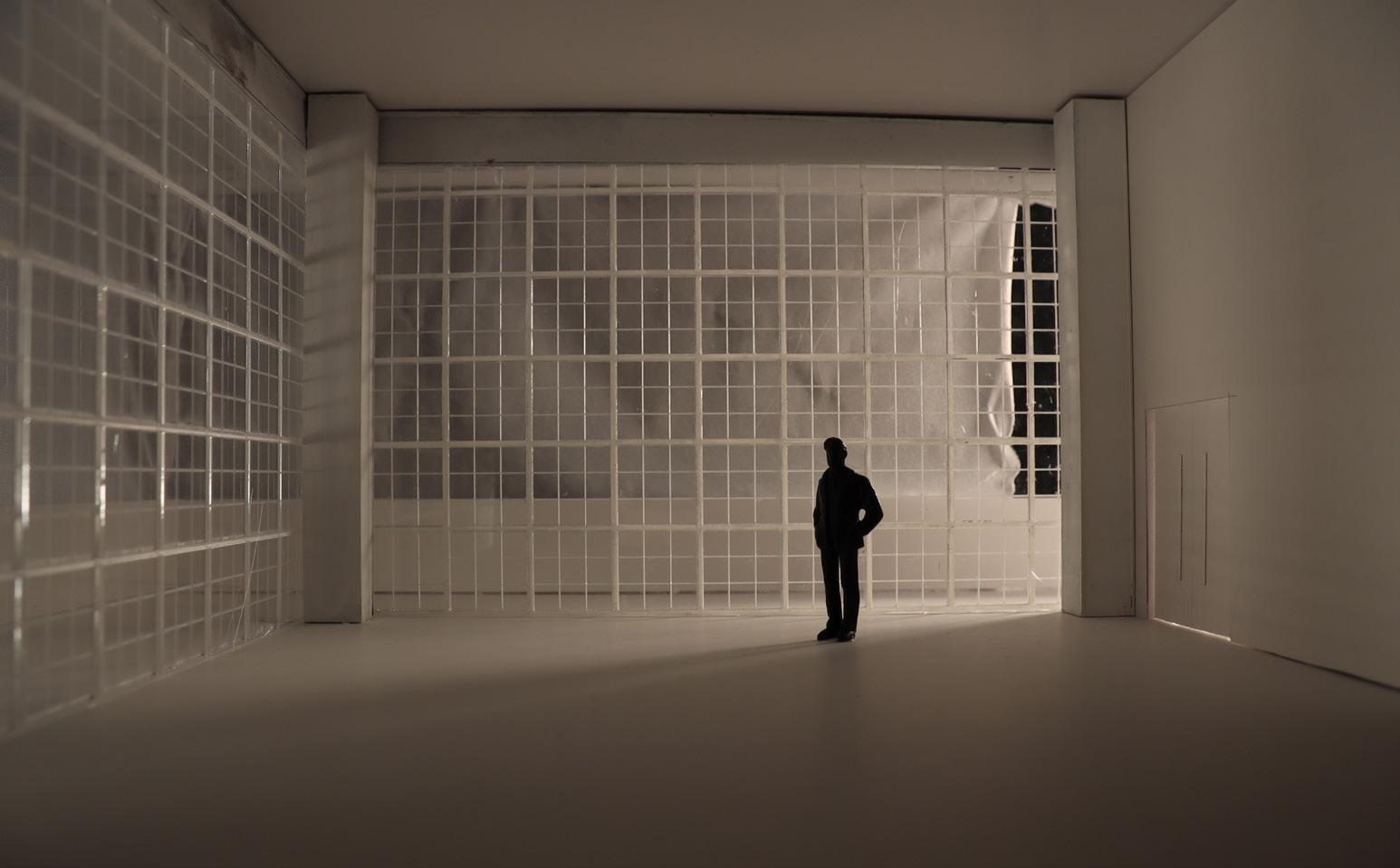
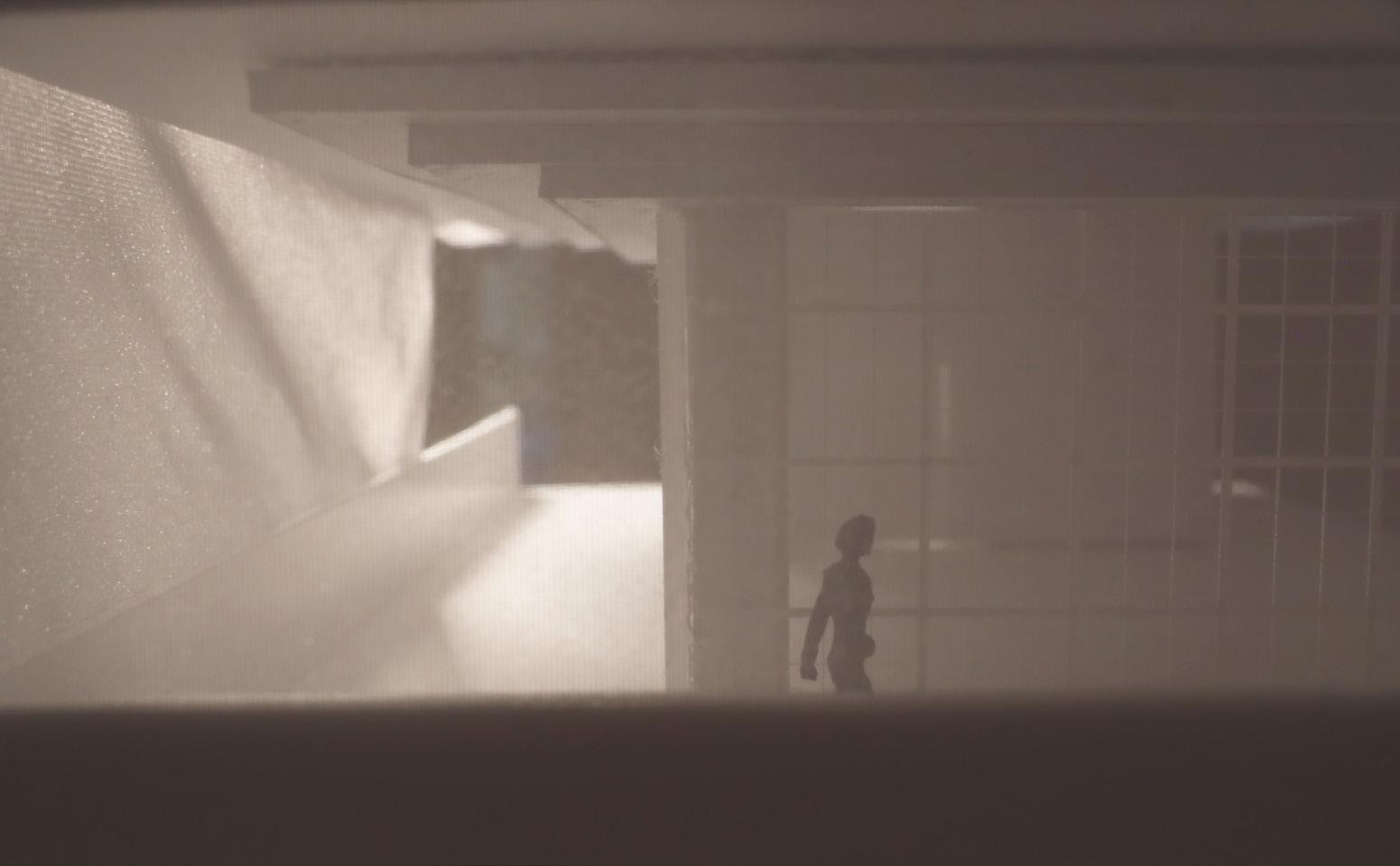
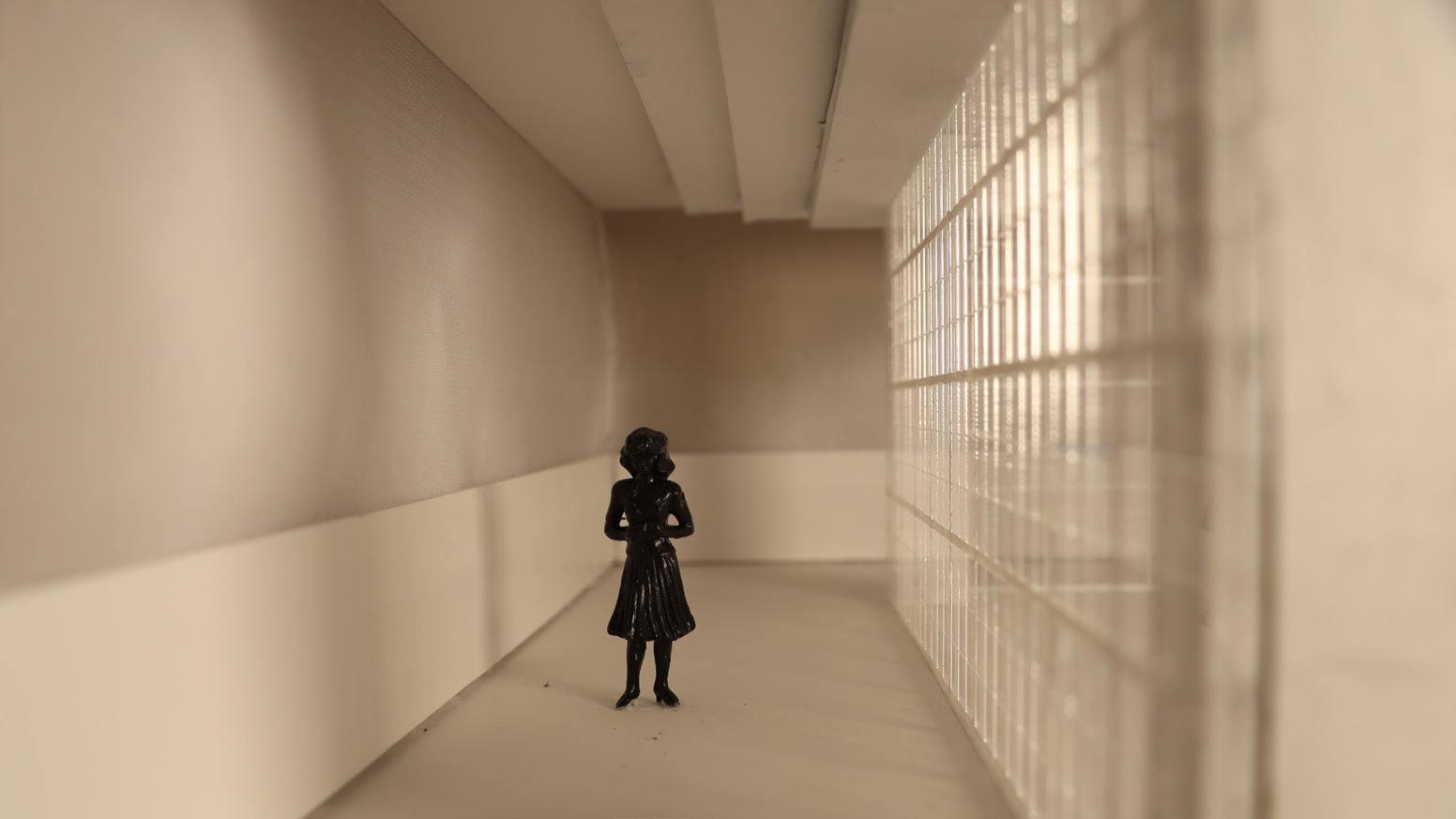
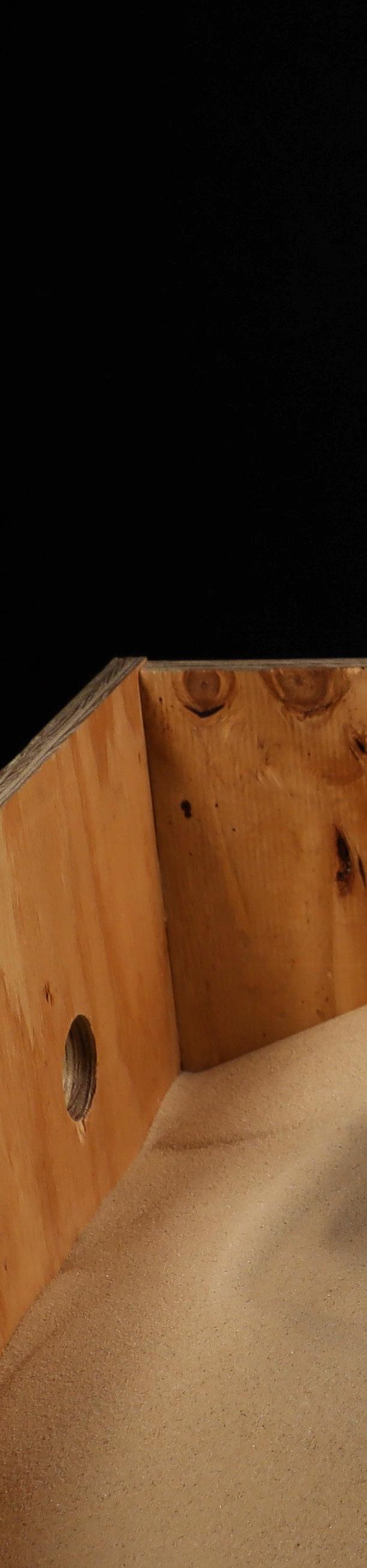
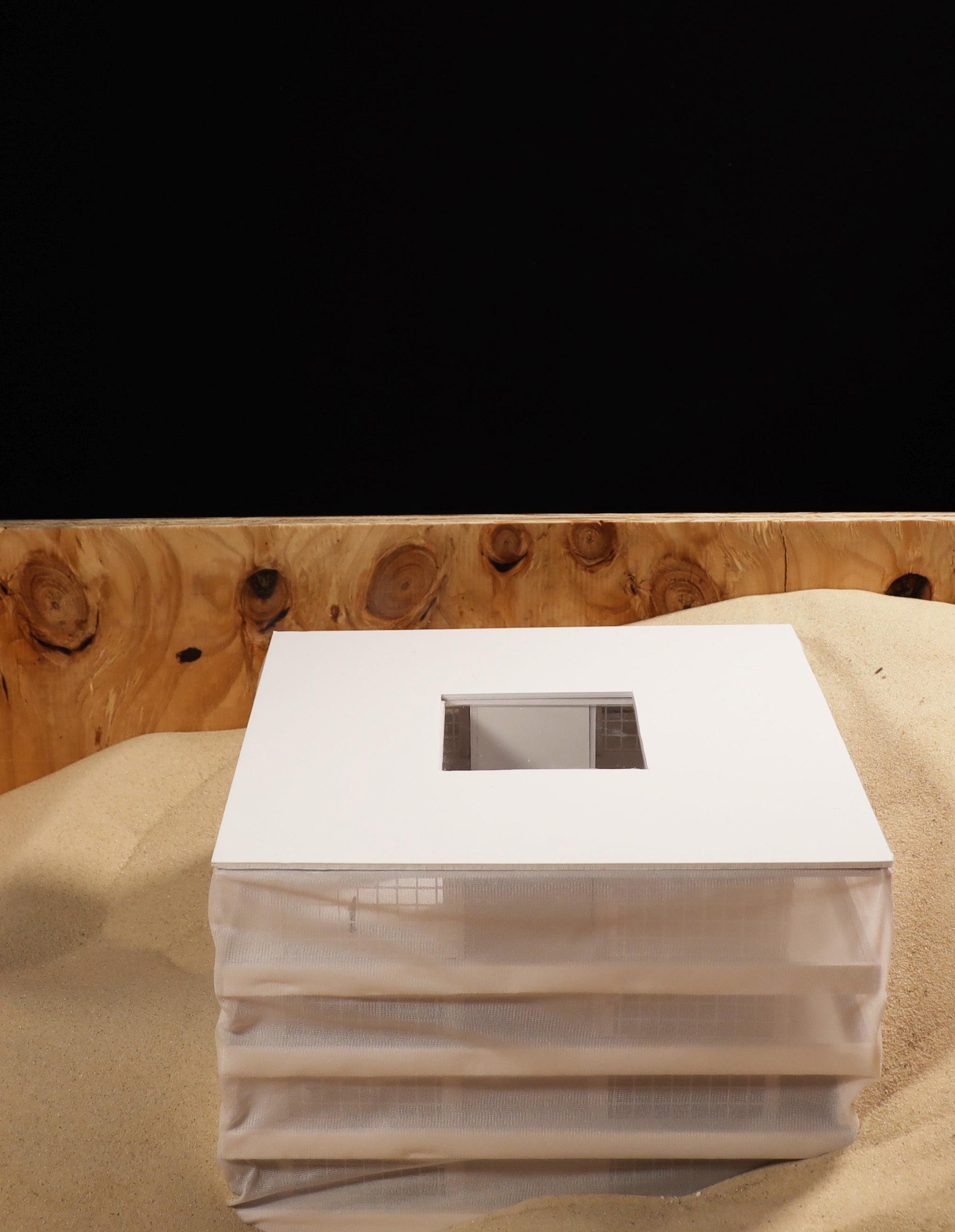

a voided space
urban void as a catalyst at the university of florence
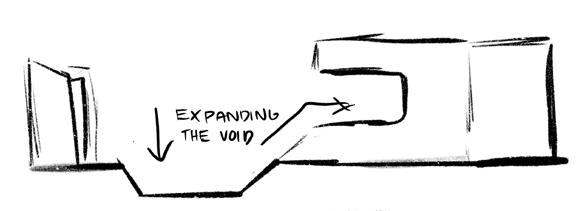
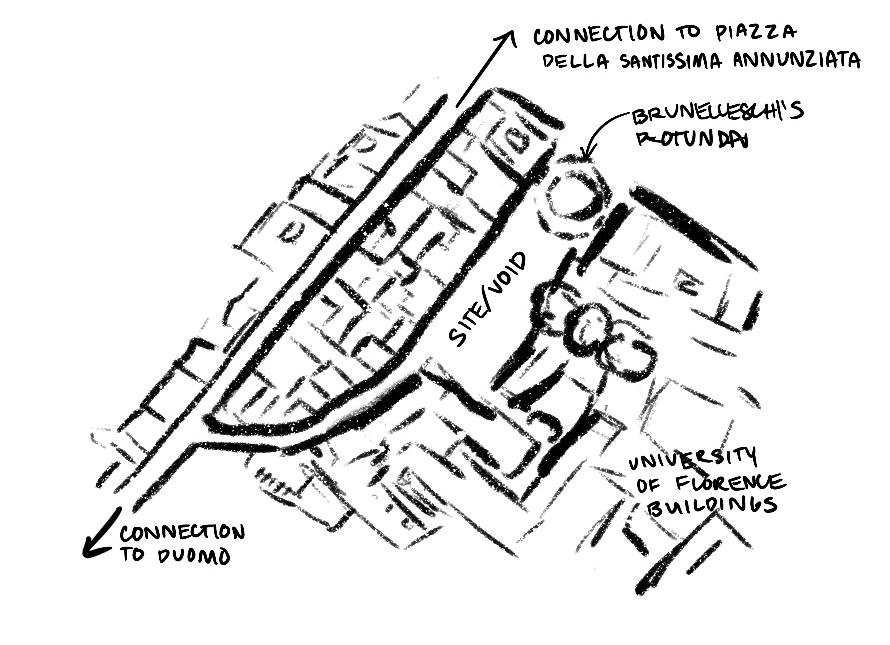
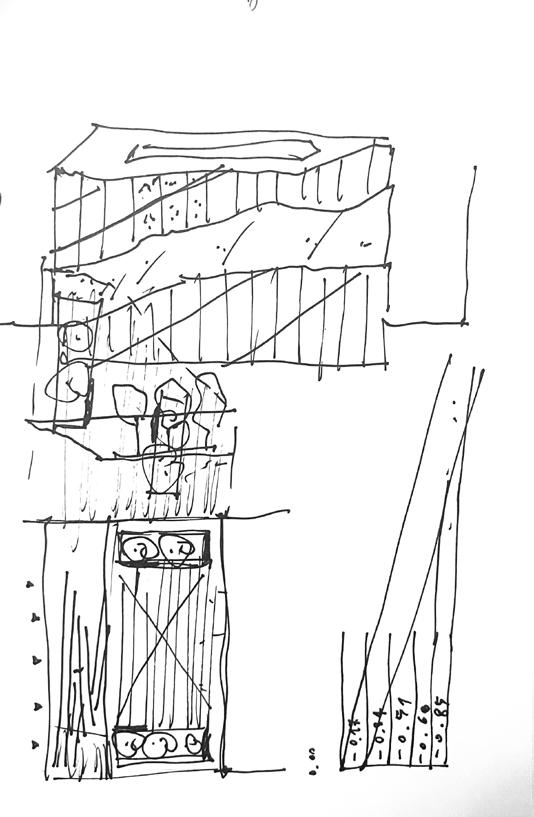
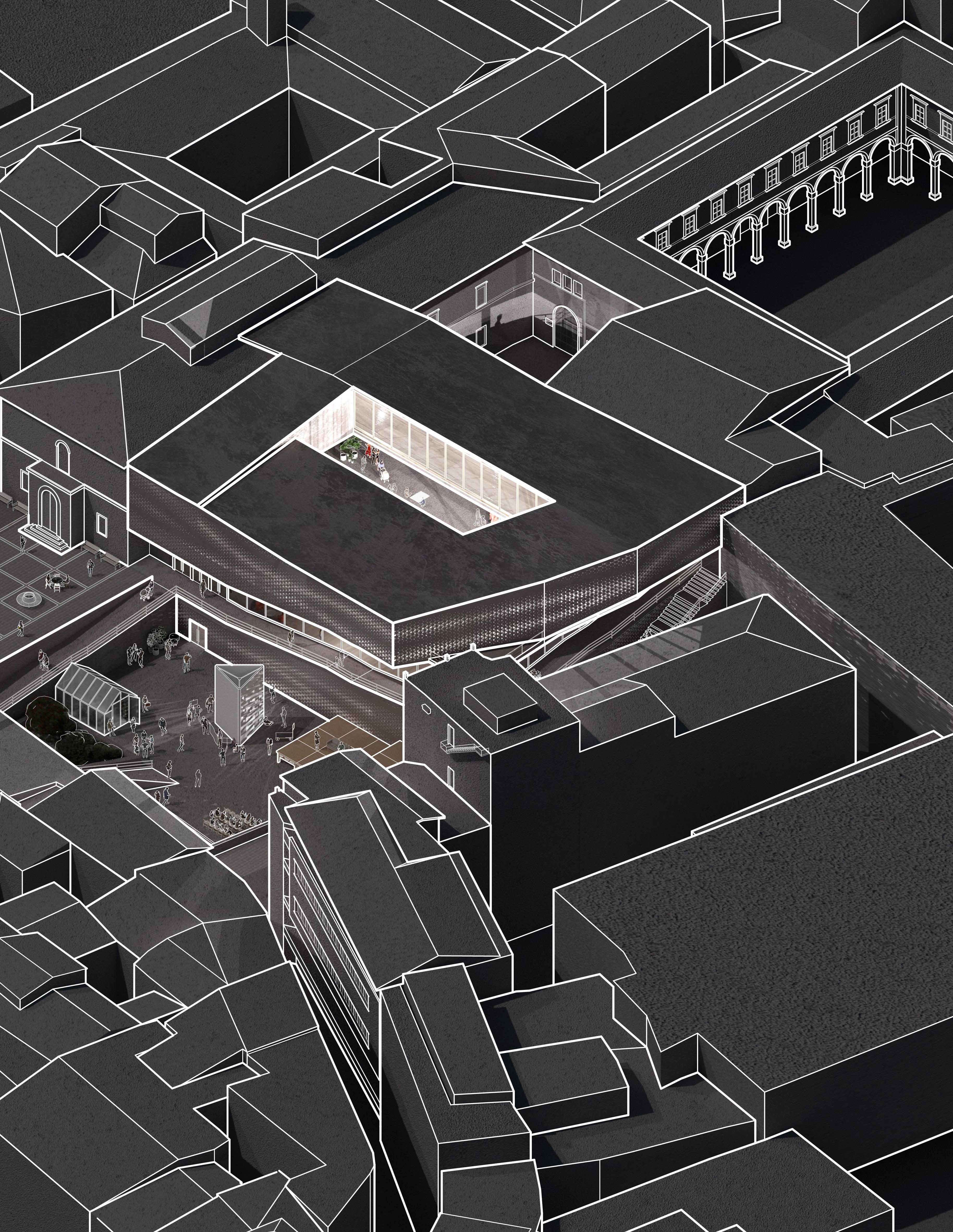
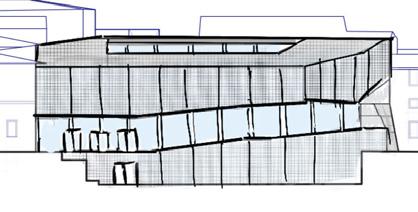
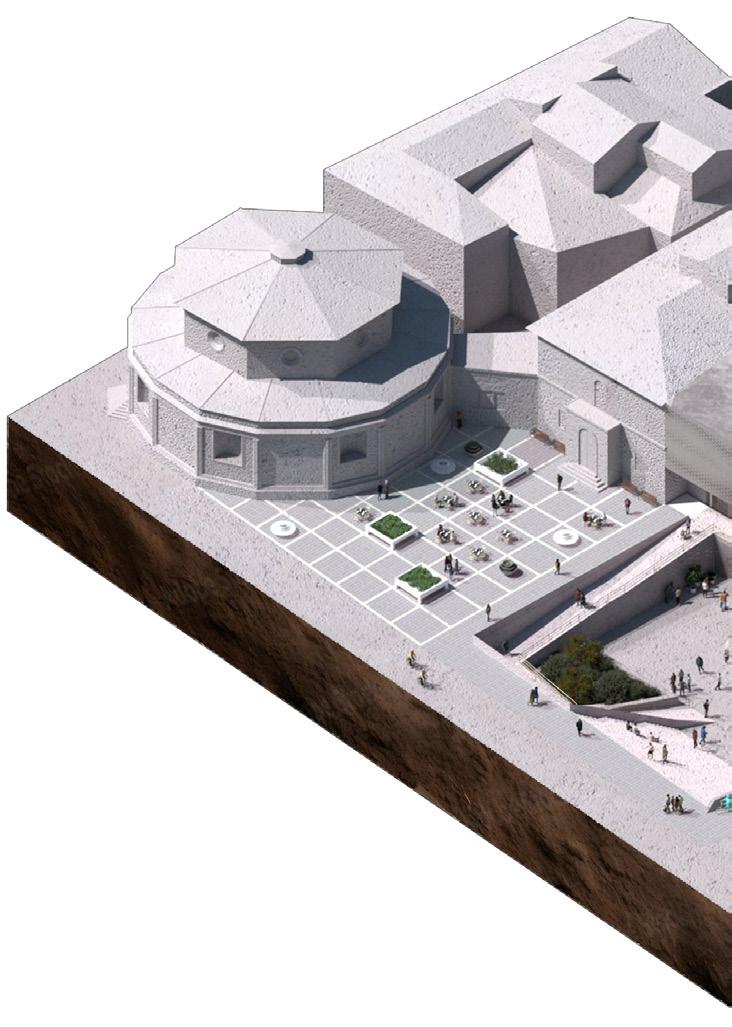
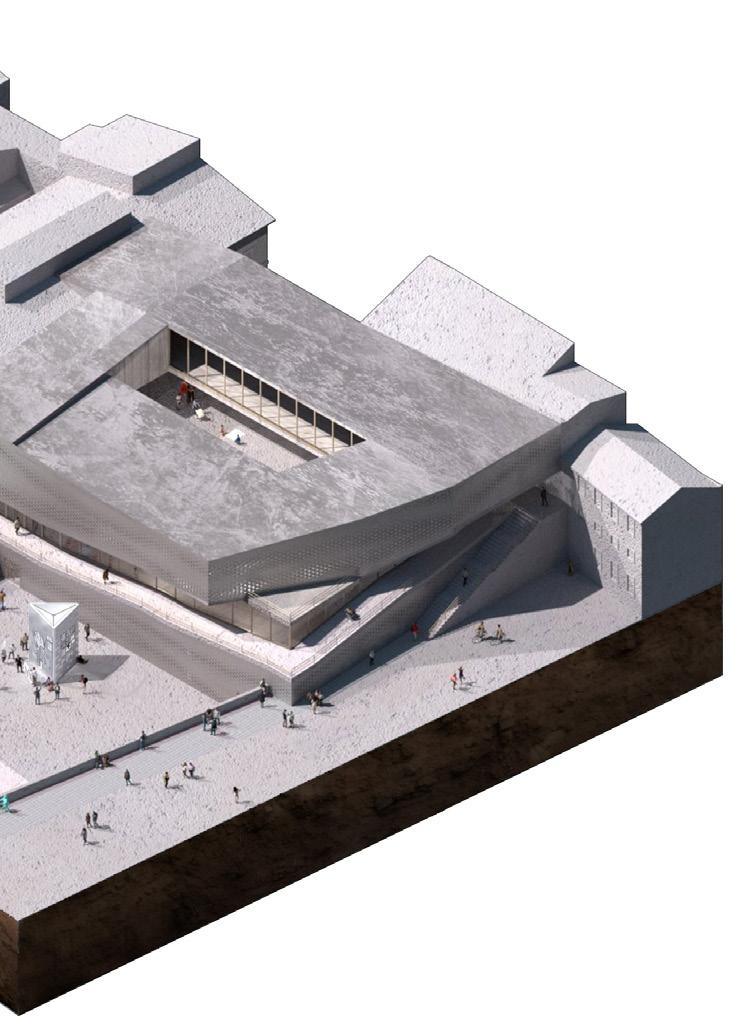
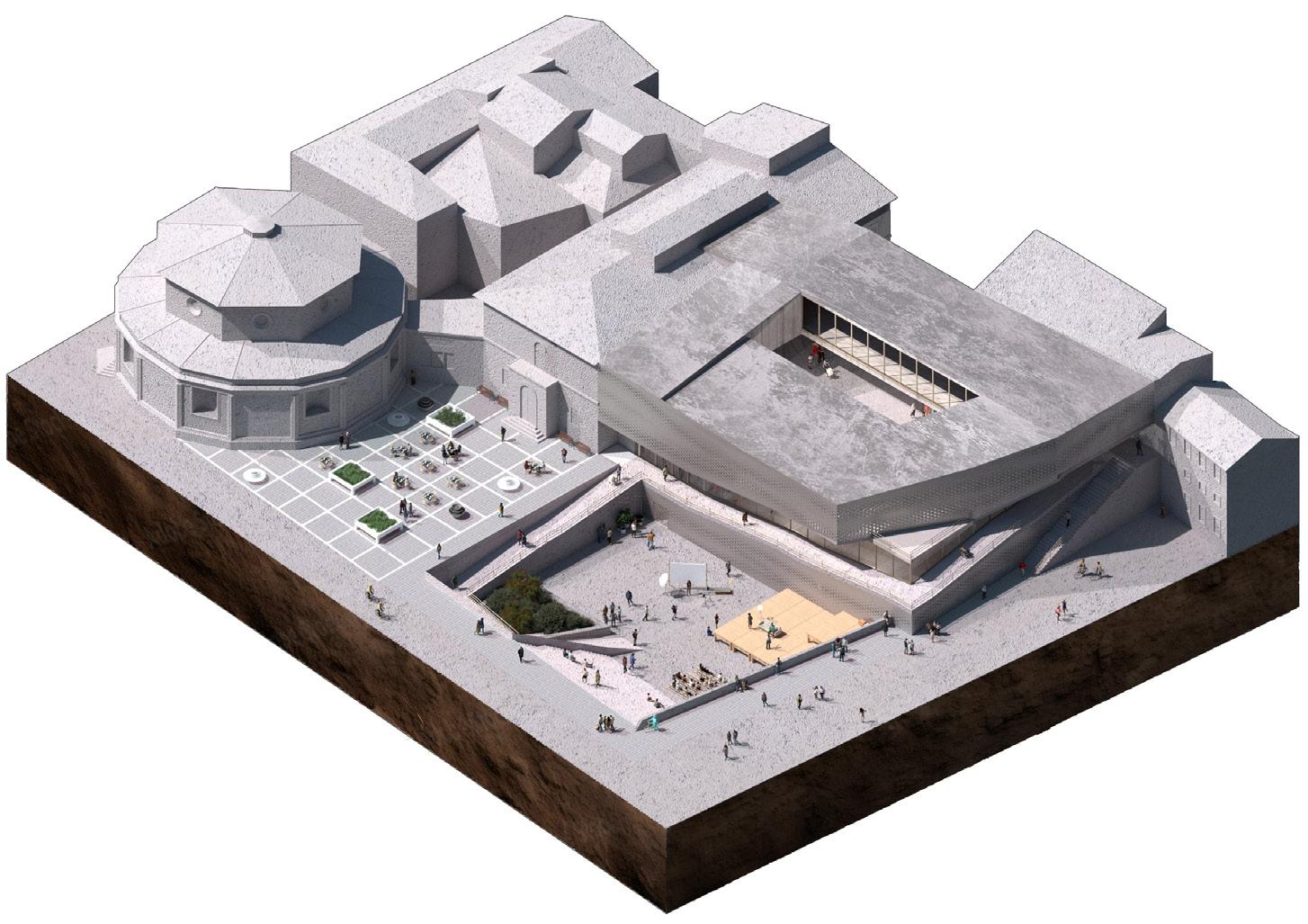
The urban tissue of even the most densely populated cities is inevitably punctured by voids: the empty, in-between spaces that are often unintentional and underutilized. Florence, Italy is no exception. For the urban voids that occur in spaces where history and use are eroded over time, it may seem natural to condemn them; however, there is architectural potential for voids to mitigate the symptoms that create them. Ignoring an initial impulse to fill or re-purpose the void, this project synthesizes the typology of an Italian piazza and a series of voids in an effort to seize on the architectural potential created by the inherent emptiness. The spatial and programmatic flexibility conferred by this emptiness allows the voids to adapt with the constantly evolving urban context and identity around it. In facilitating temporary occupancies across time, the void becomes a dynamic and enduring catalyst that can activate and serve the community around it.
project location: florence, italy semester: spring 2022, third year design studio II professor: paola giaconia

social analysis
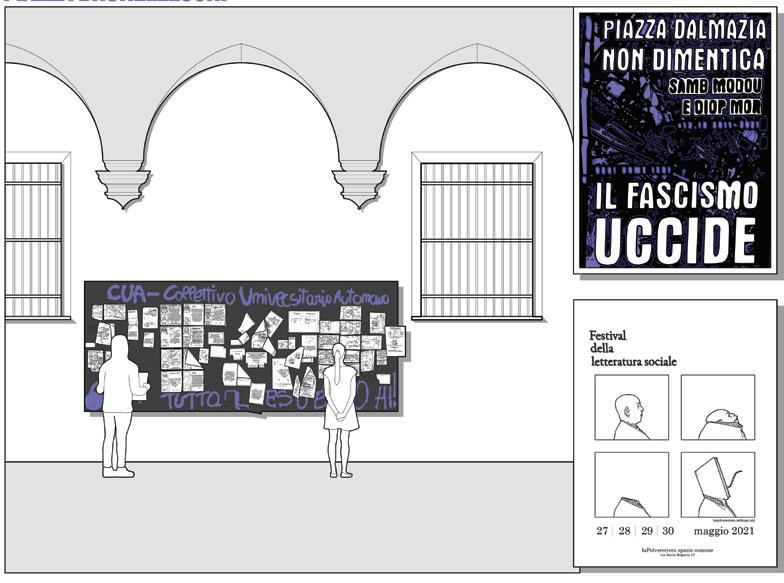
Within the existing university building’s courtyard, moments of student activity are evident, with flashes of activism being among the most striking.
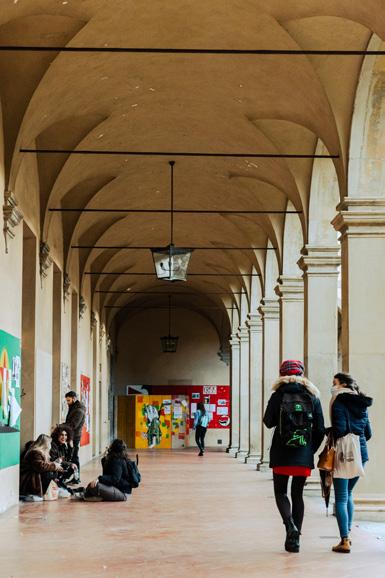
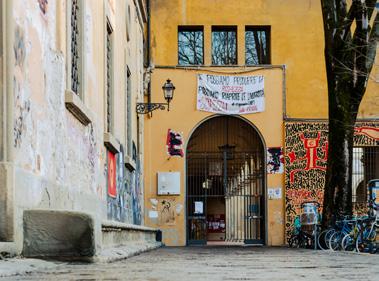
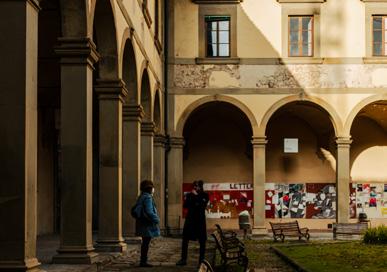
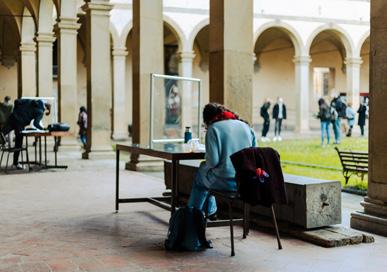
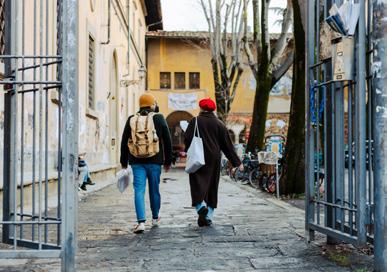
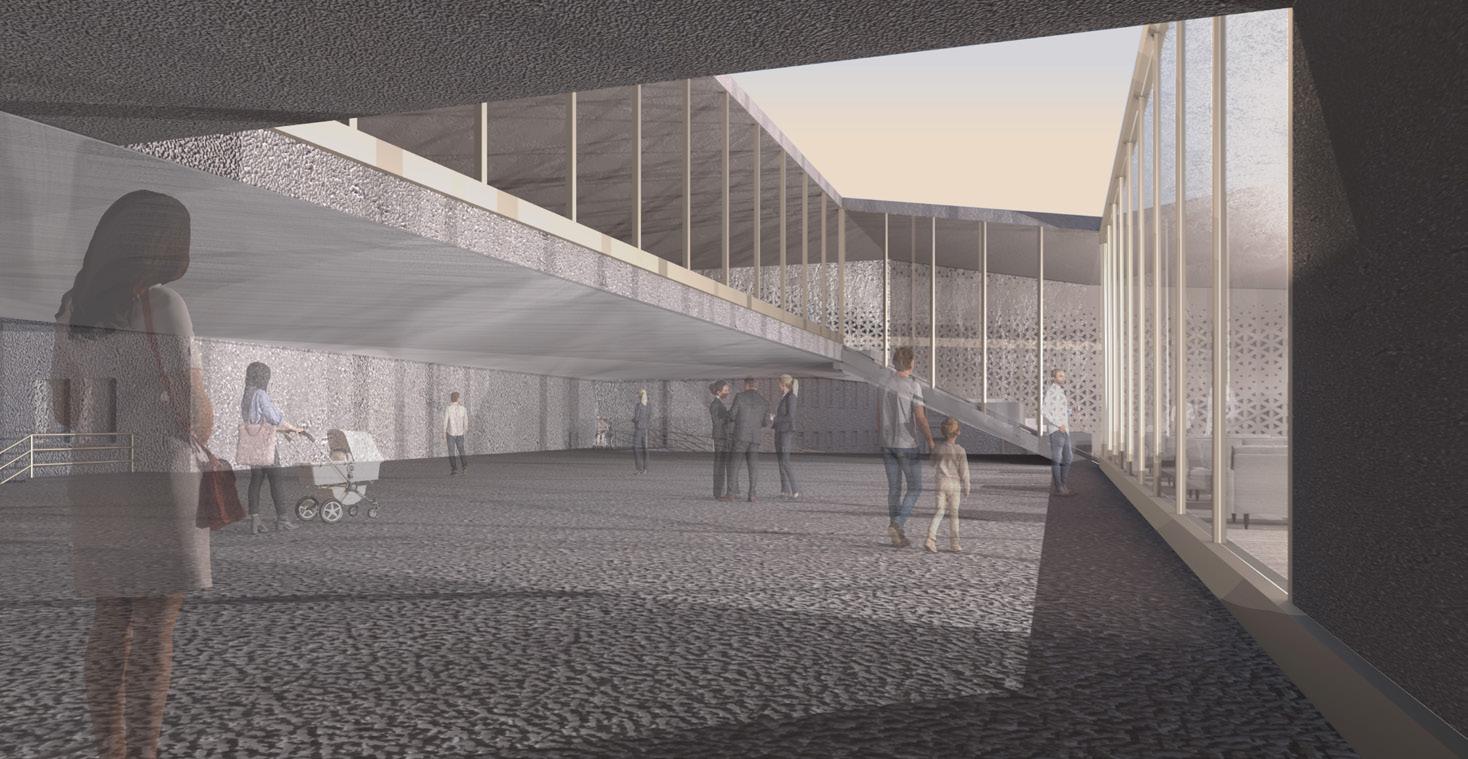
Initial observations of the site indicated that contemporary Piazza Brunelleschi had become little more than a point of passage—something everyone but students avoided. However, the student activity and their engagement with societal and political issues offer an idea of what to aspire to. As the building addition houses an array of stable spaces for the University of Florence’s Humanities Department, the intentional voids can accommodate topical activities and interests for the students while enhancing their connection to their community and urban context.
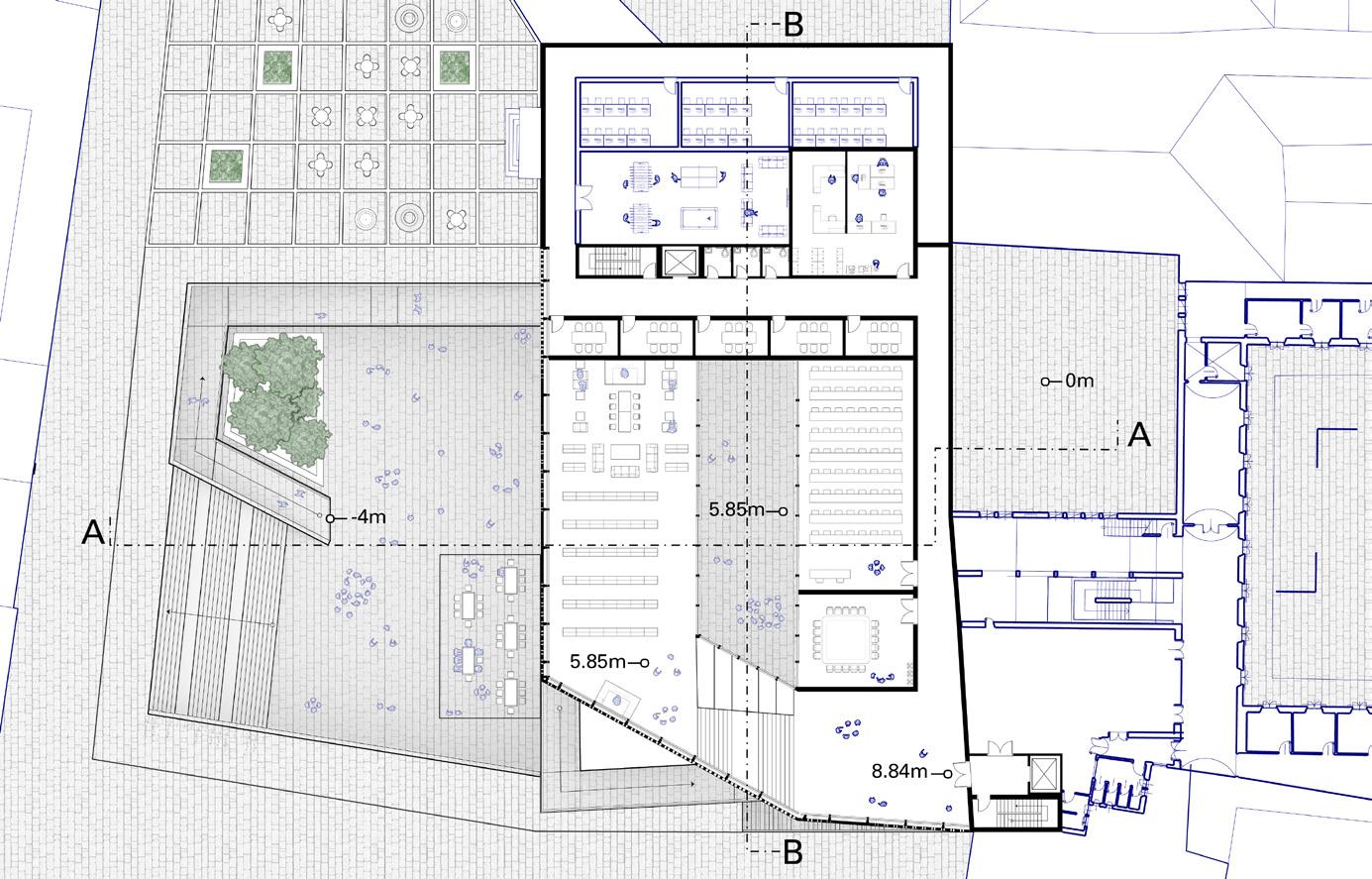
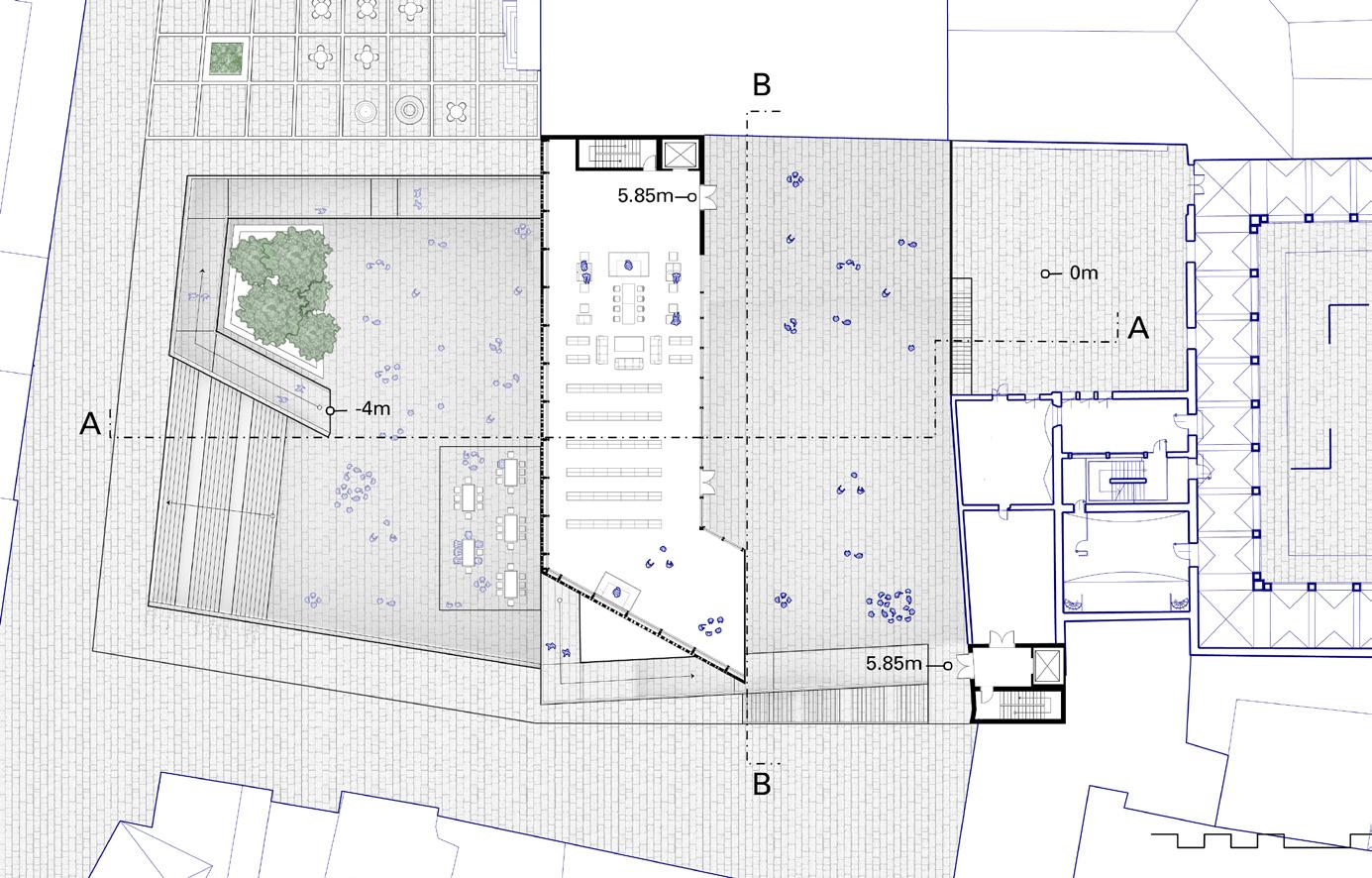
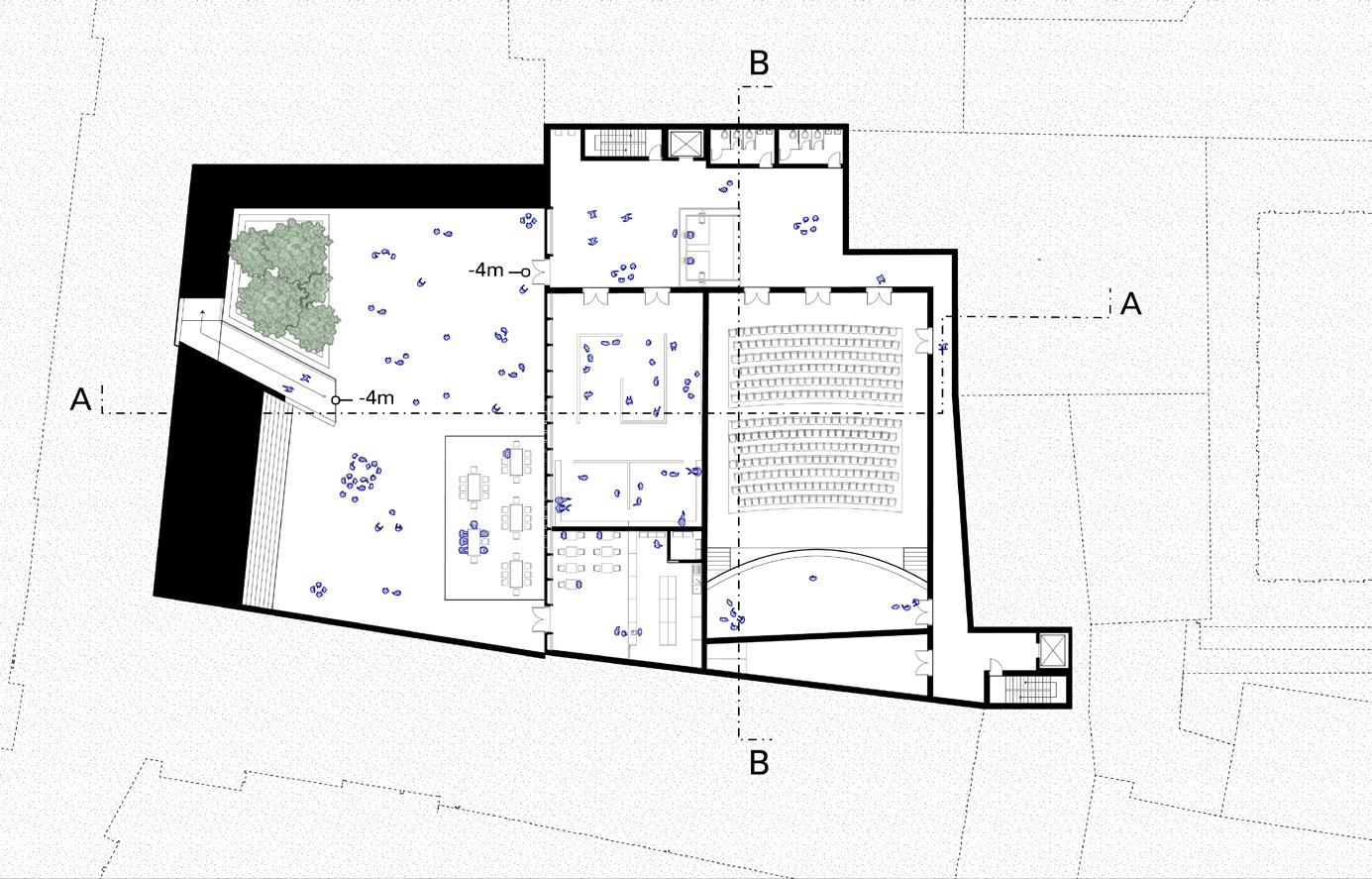
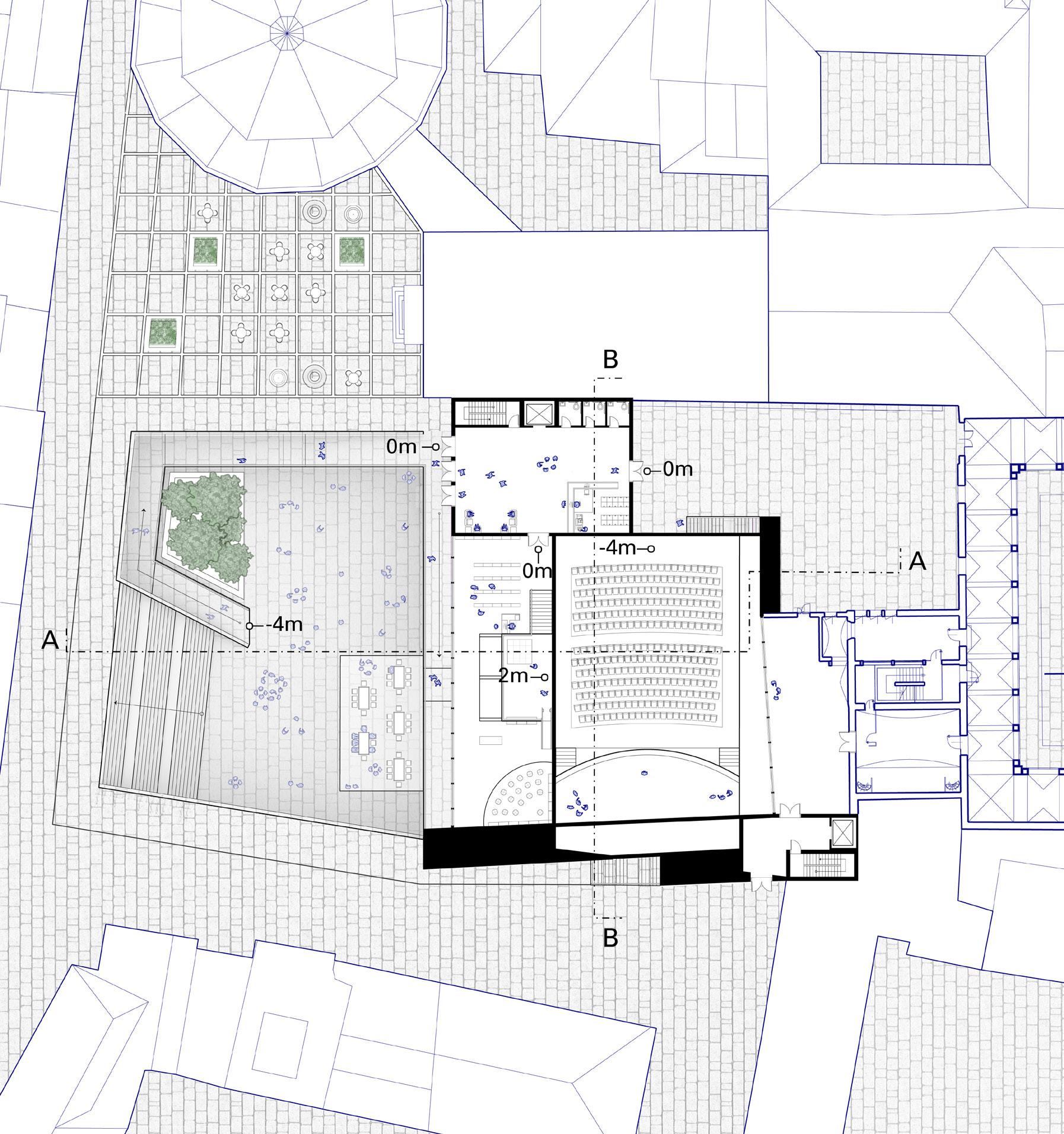
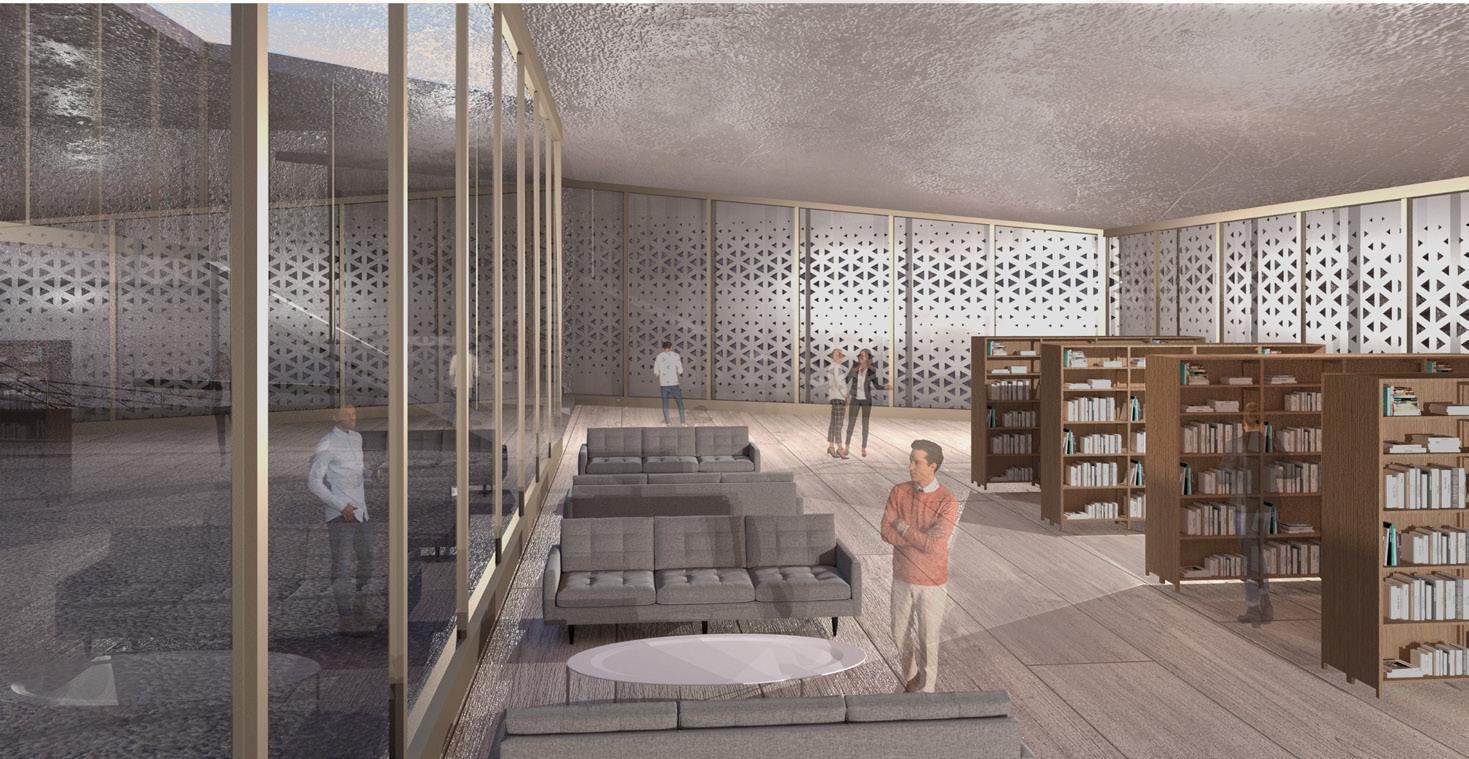
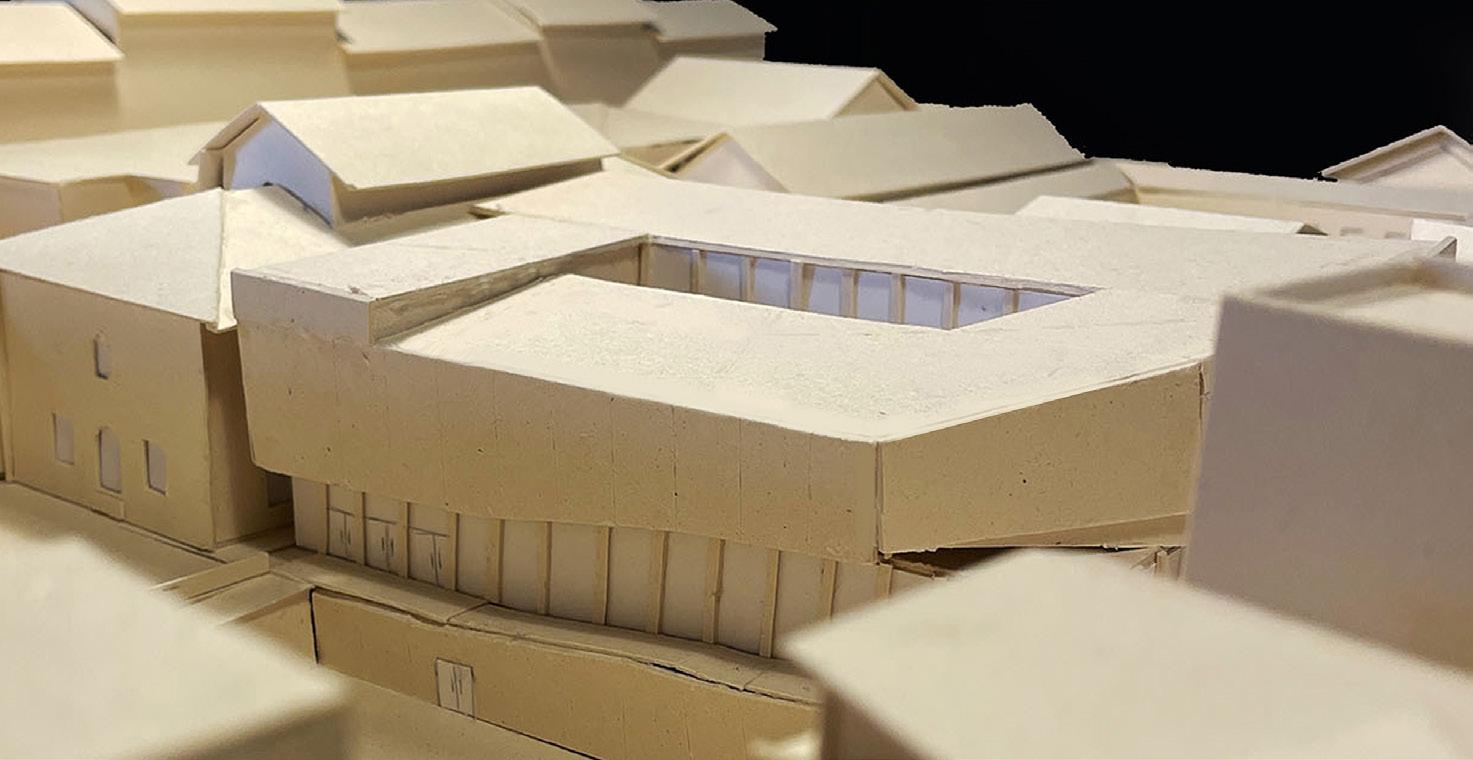
The sunken piazza is the most visible void from the street, offering the clearest opportunity for public engagement. Another semi-public void is embedded in the building on Level 2. The exterior circulation path wraps around the building and binds the two spaces together. These voids become part of a series that also includes the void space between this addition and the existing buildings.
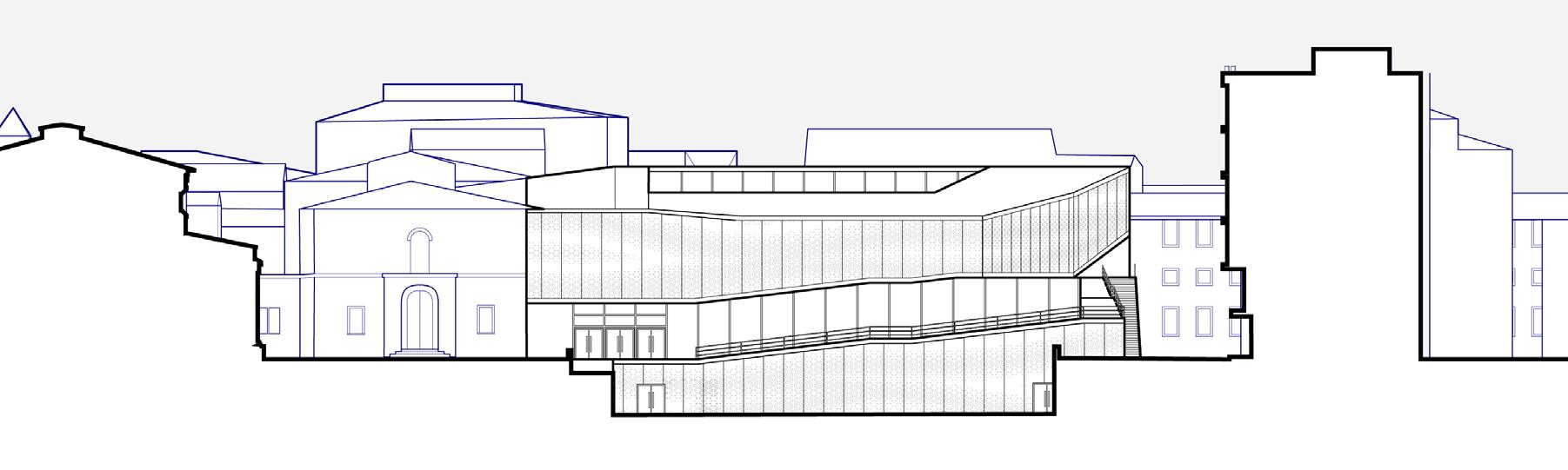
1. sunken void / piazza
2. bookshop and free reading area
3. study room
4. administration
5. lecture hall
6. meeting room
7.raised void / courtyard
8. lobby
9. children’s library and playroom
10. auditorium
11. backstage/storage
12. exhibition space
13. cafe
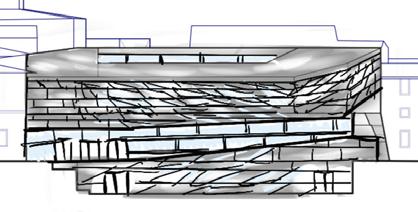
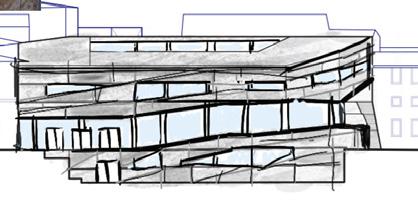
1. sunken void / piazza
2. bookshop and free reading area
3. study room
4. administration
5. lecture hall
6. meeting room
7. raised void / courtyard
8. lobby
9. children’s library and playroom
10. auditorium
11. backstage/storage
12. exhibition space
13. cafe
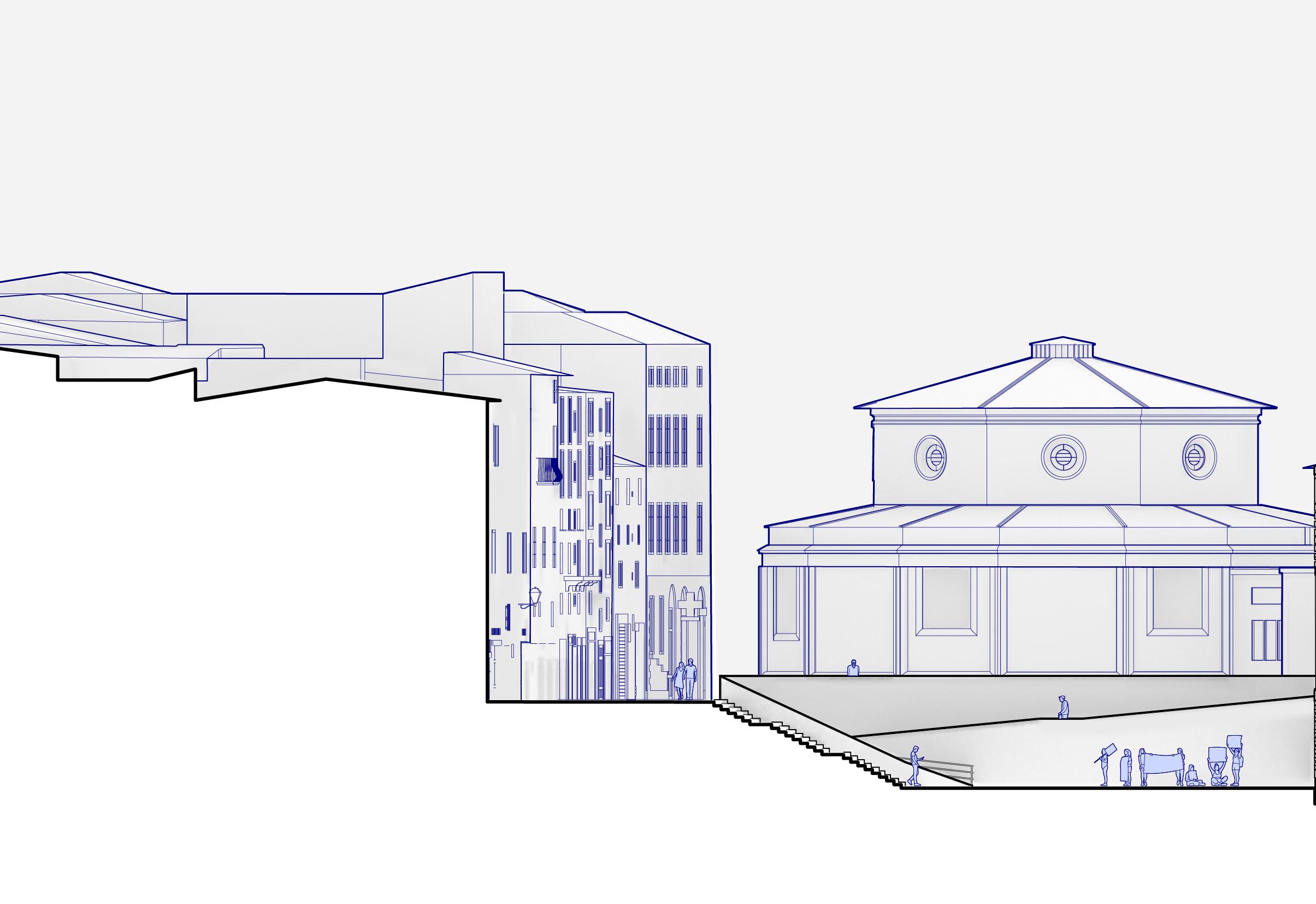
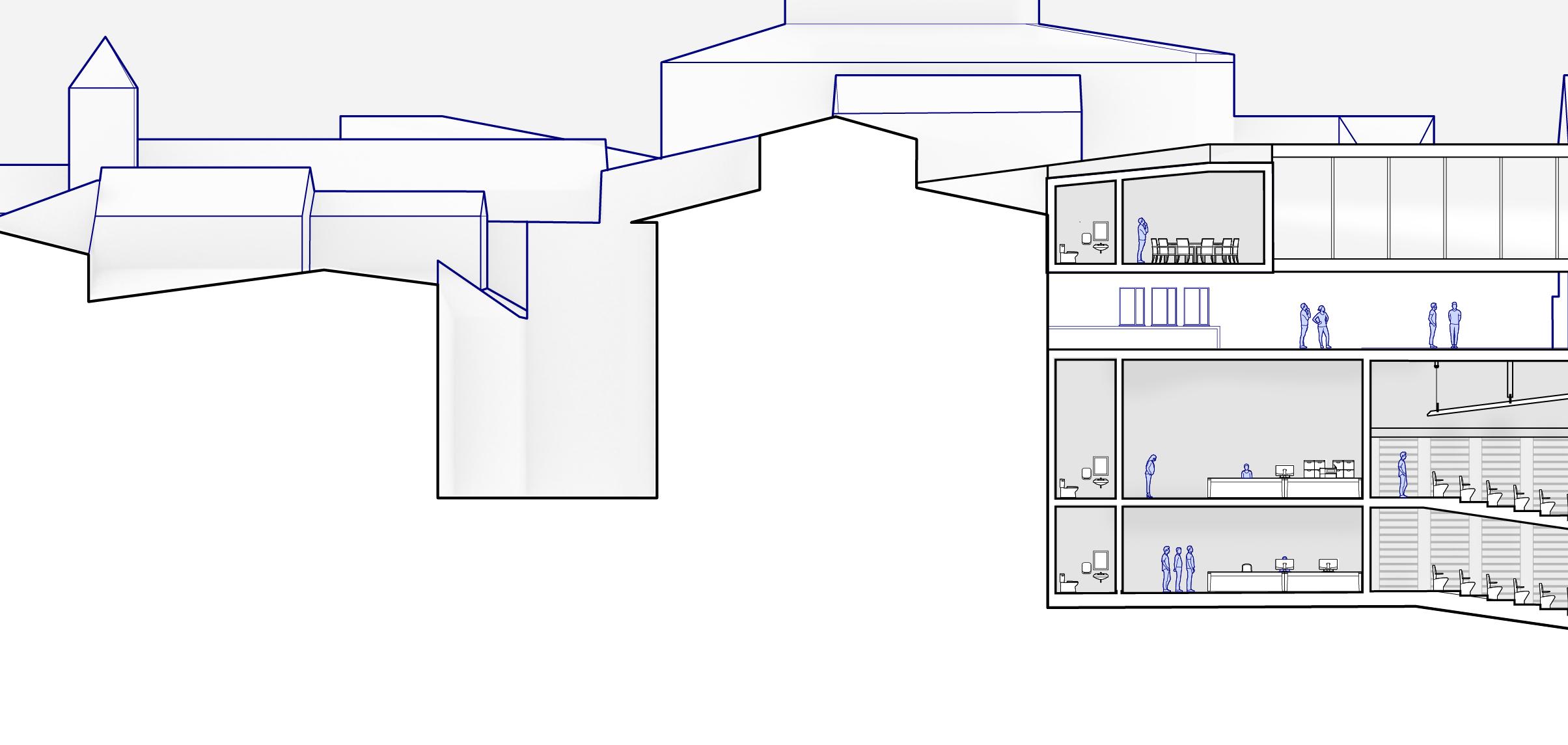
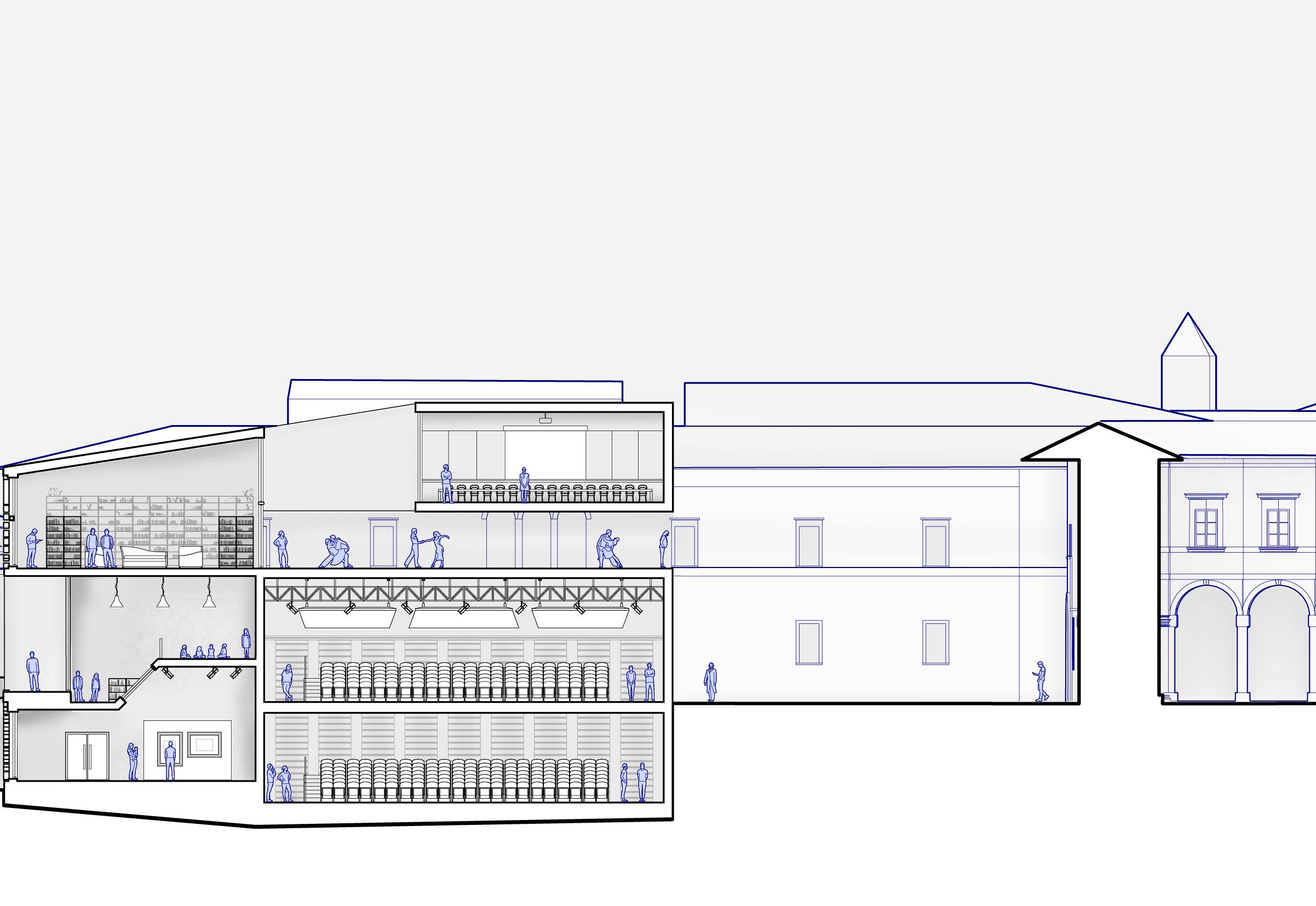
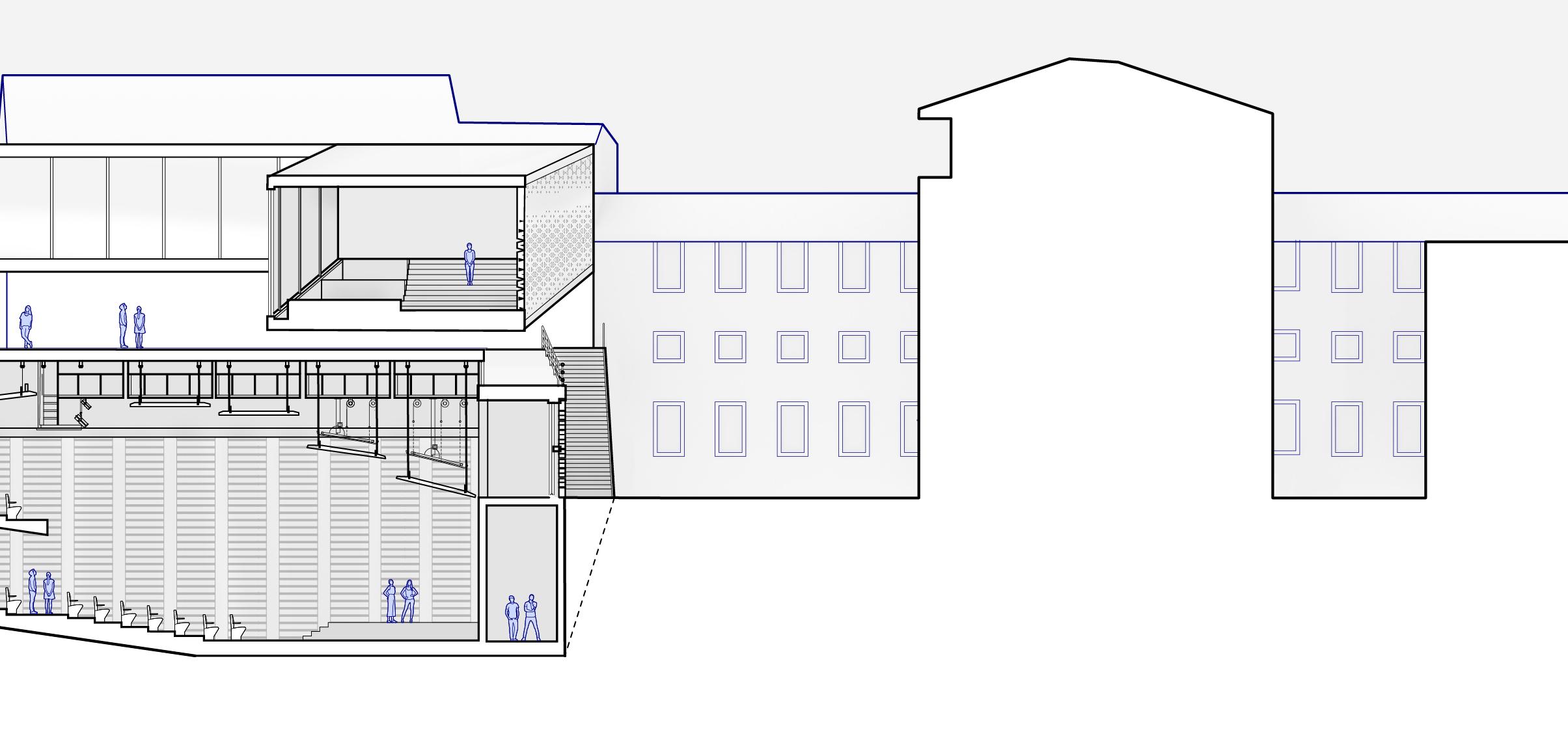
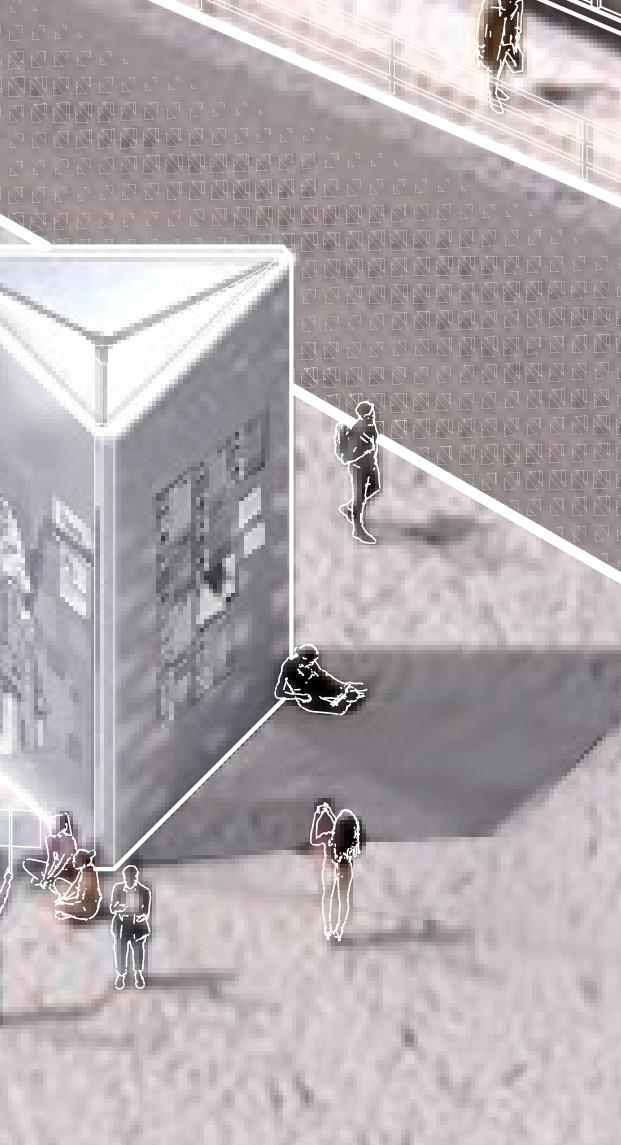
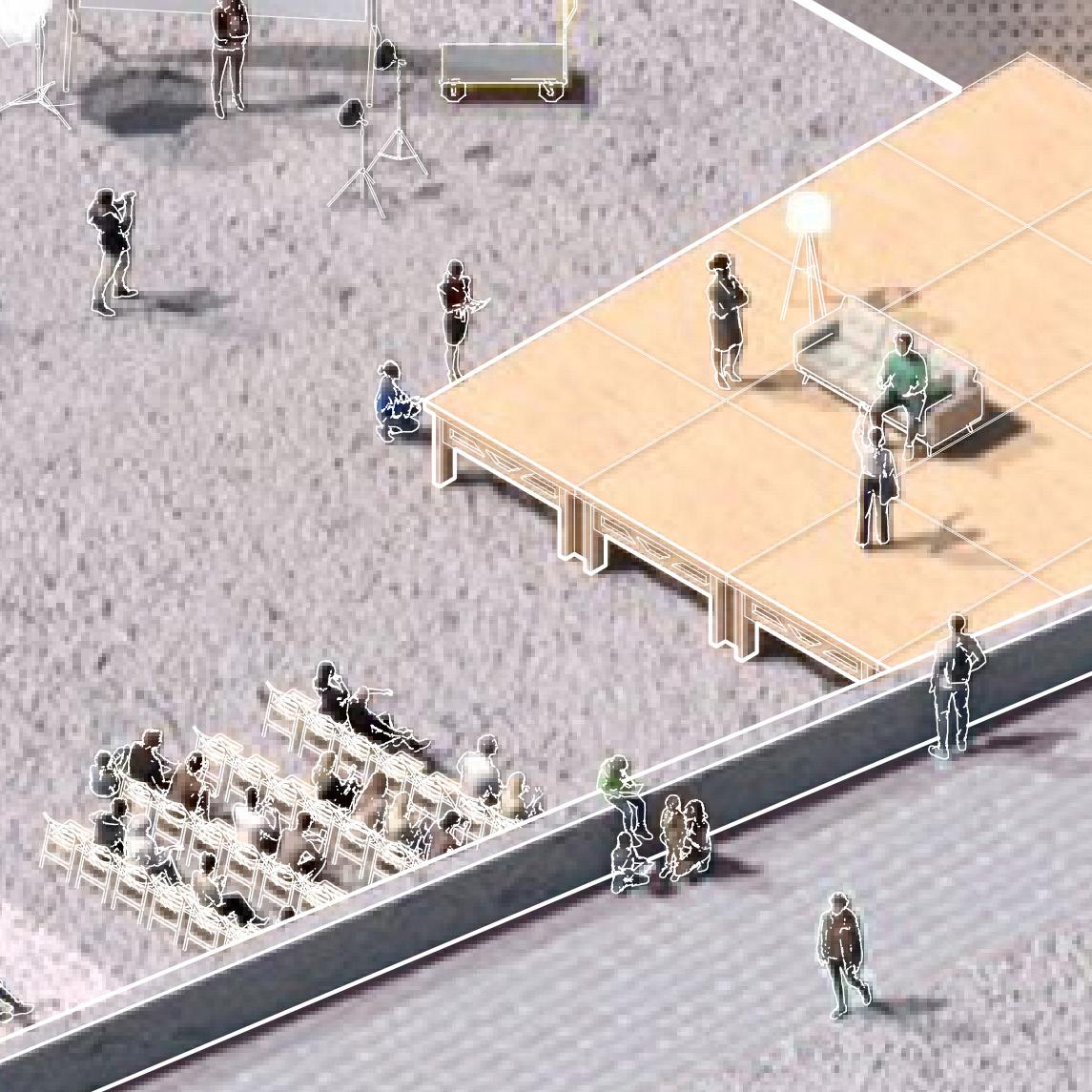
potential use scenarios

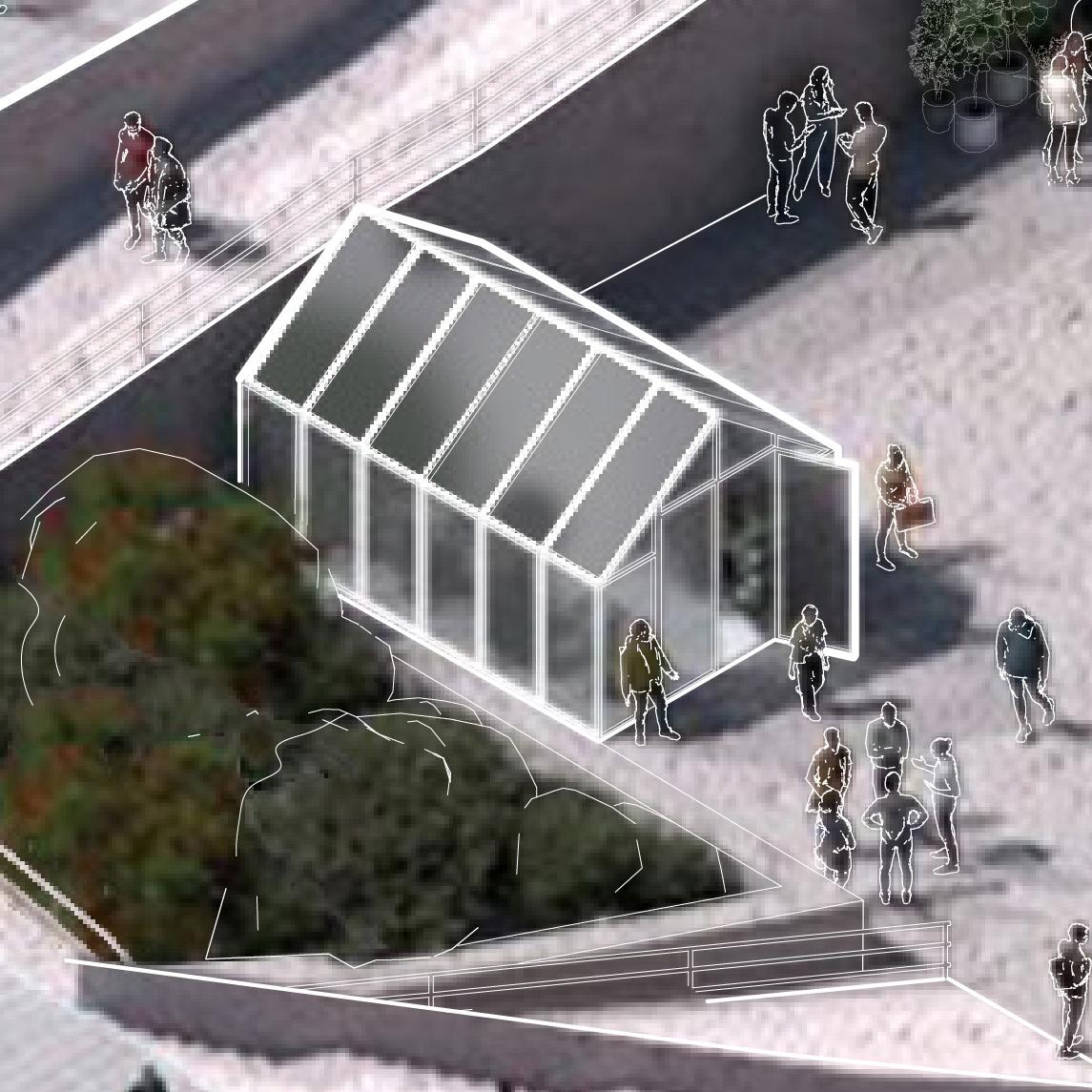
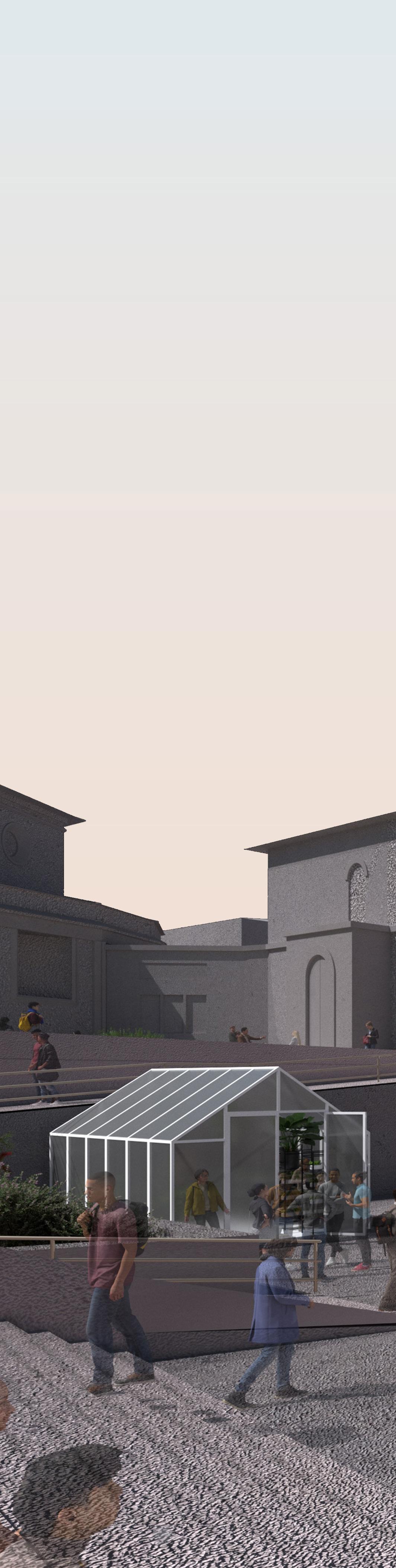
garden space
This scenario suggests a greenhouse and planters— speaking to the idea that the void enables activities with varying degrees of transience.
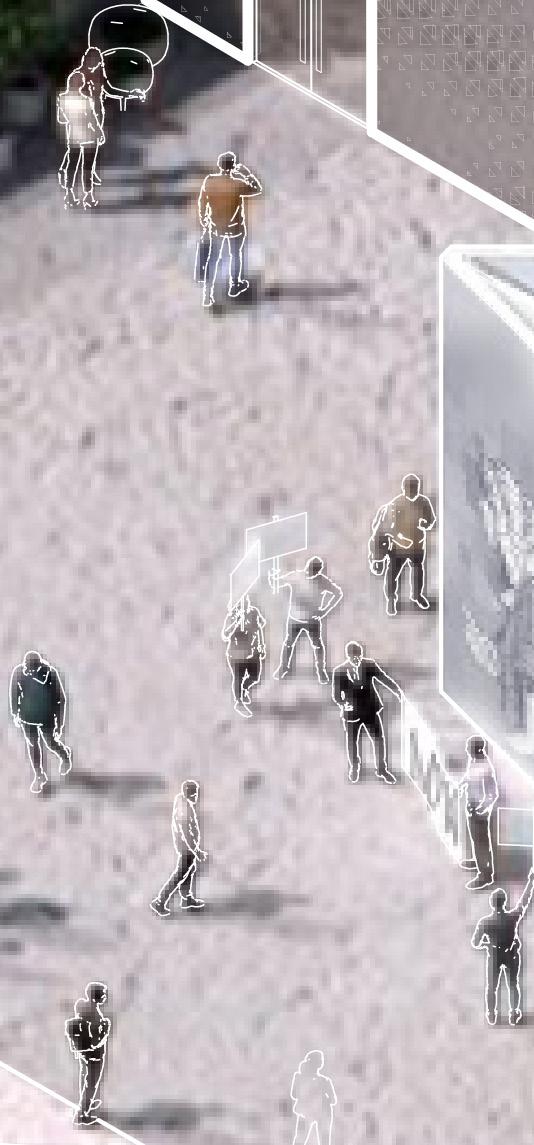
student activism
Inspired by the existing student to highlight how the void can be voices and allow them to be more
local theater
student activity, this scenario seeks be used to amplify student more engaged with the public.
This scenario suggests the potential of a temporary stage and performance that could engage, or include, the broader public.
The speculation of potential use is by no means exhaustive, but it is meant to evoke ideas for the ways that the void can function as an urban activator, renewing a simultaneously enduring and ephemeral sense of place.
physical massing model_1:200
raised void render
reading room render

a housing co-op for living domestically collectively 4x4
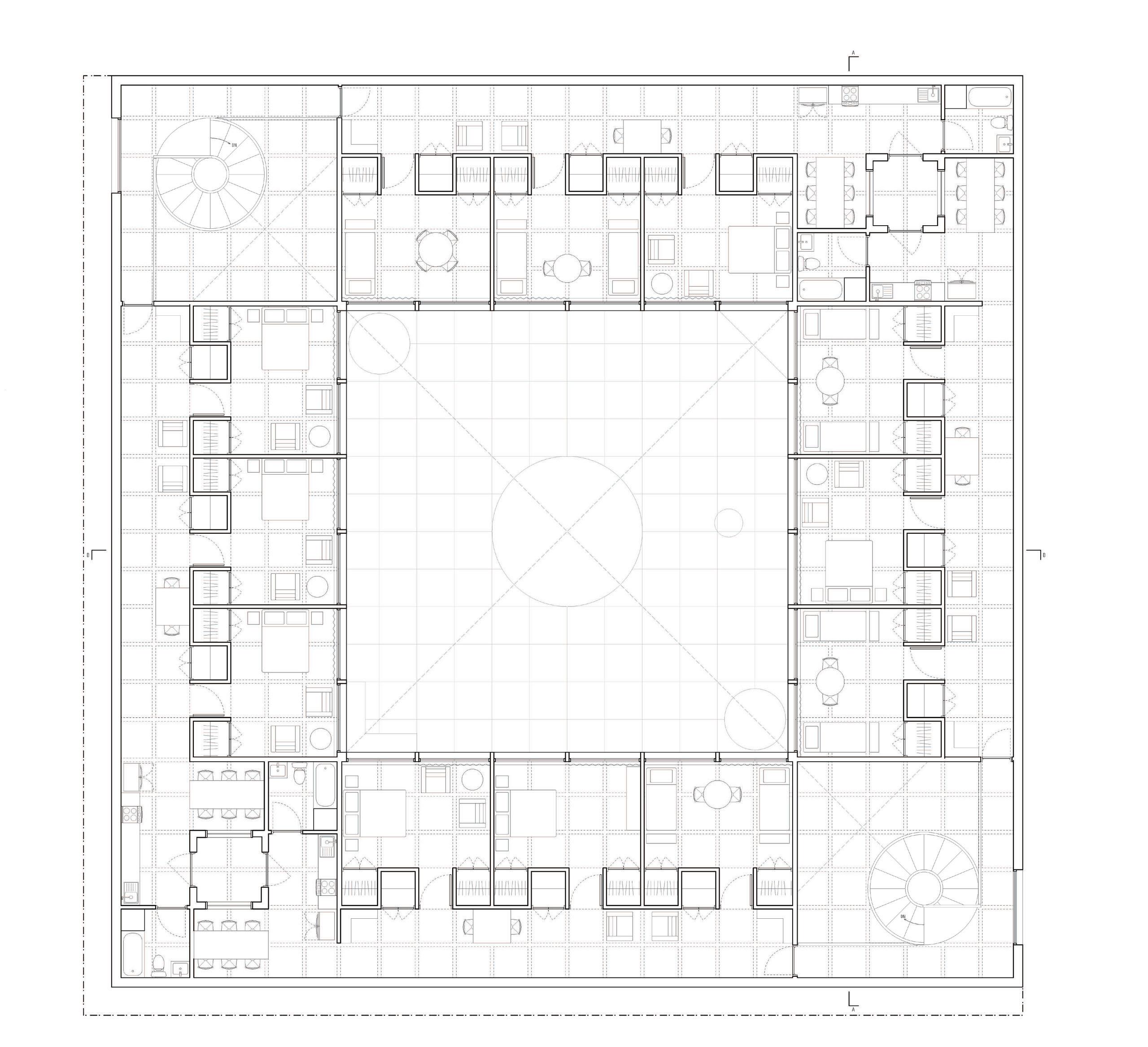
This housing co-op in which residents own and are entitled to the use of private apartments as well as having collective ownership over and responsibility for communal spaces, explores the relationship between shared and private. The grid was a spatial organizer on large and small scales, with the 4’x4’ module remaining visible in a ceiling grid throughout the interior spaces. The perimeter contains program geared toward service and work, such as a kitchen and co-working space. Moving toward the building’s center and the courtyard, the spaces become less rigid and more open. At the heart of the building is the centralized courtyard— the pinnacle of the open, flexible space. It acts as a nexus and driving force for the shared spaces and interaction, and it is signified by the transition of the solid exterior wall to the permeable courtyard wall and by the breaking of the grid’s rigidity. Maintaining and defining the shared spaces ultimately becomes an ongoing collaboration and negotiation of space for the residents that allows for meaningful and nuanced interaction within the building and with the community.
project location: berkeley, california semester: fall 2025, first year M.Arch studio professor: aaron forrest

plan_doors closed
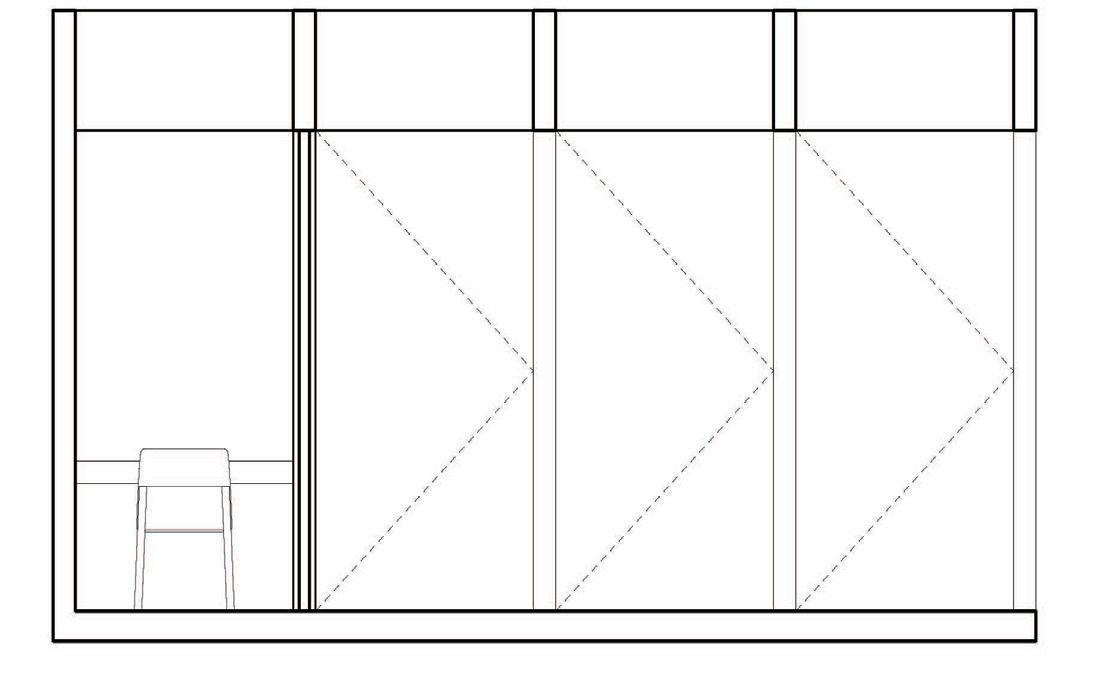

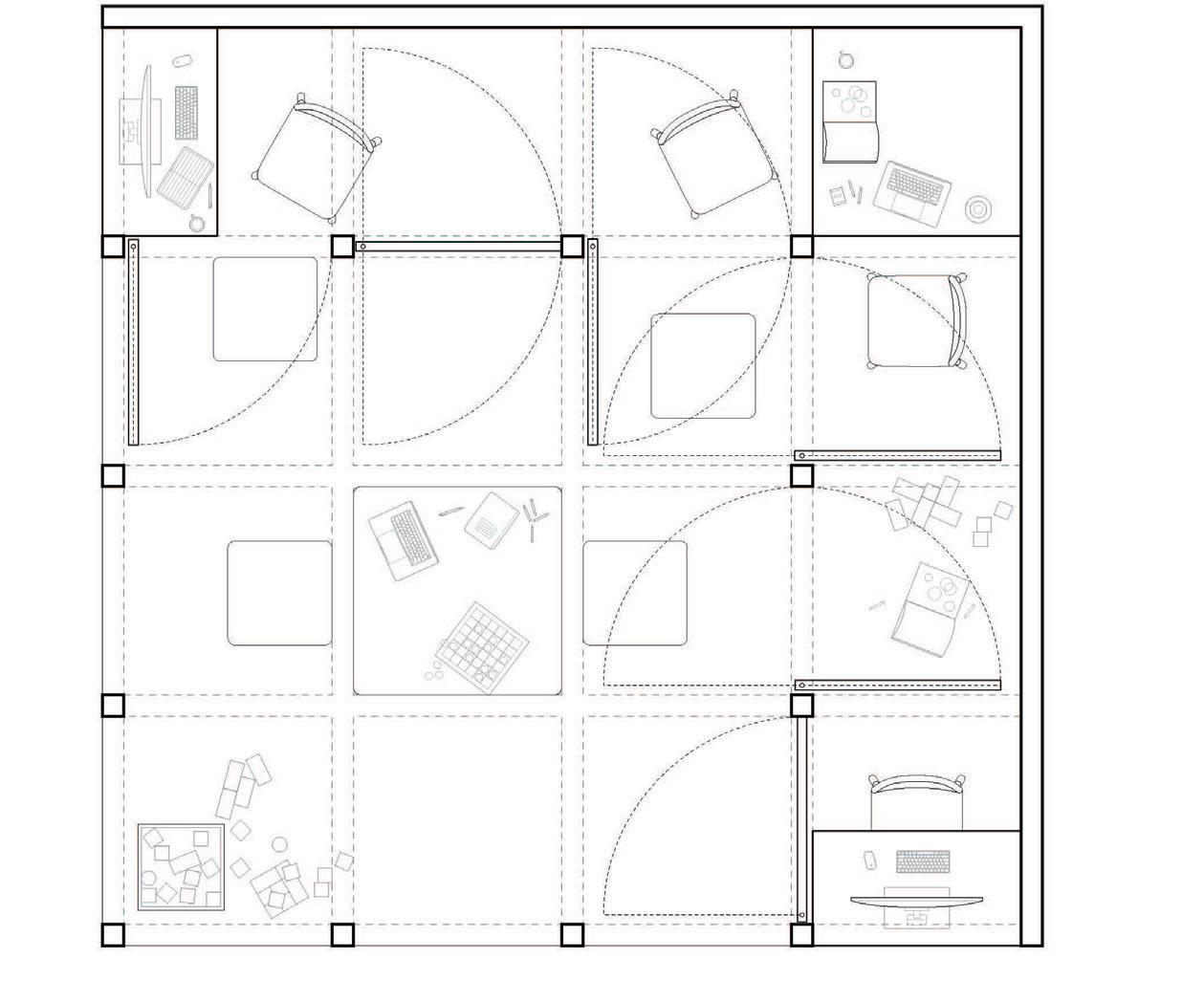
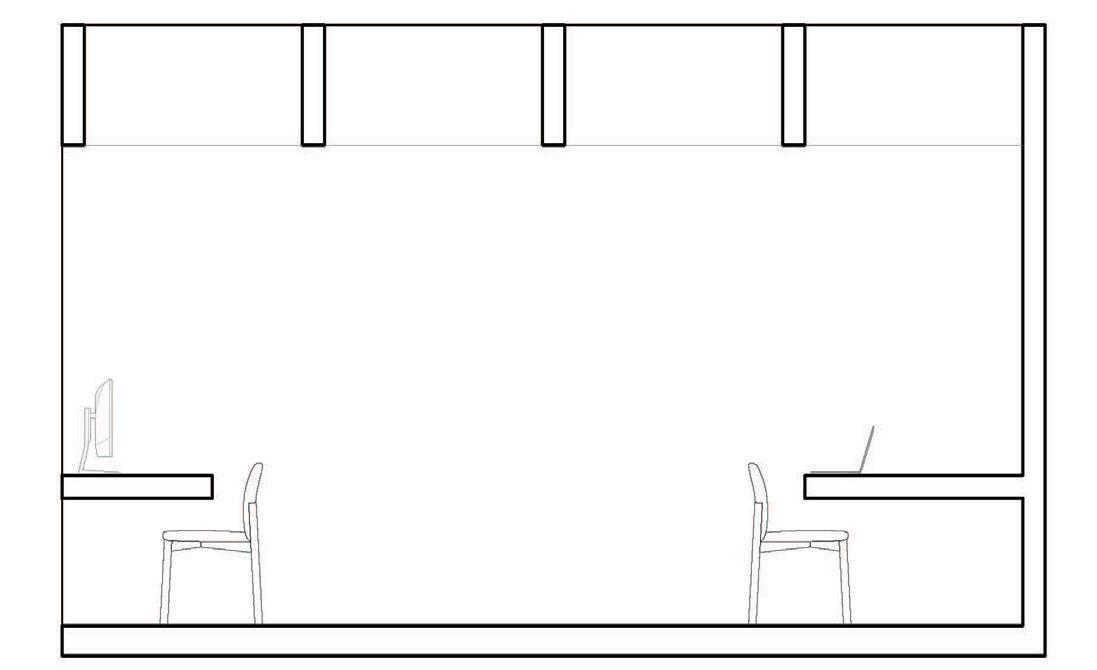
The precursor to the multi-family dwelling was a room that was designed to host two activities— work and play. The room explores how the use of a grid as a spatial organizer, the establishment of a clear spatial hierarchy between work and play, and the creation of a permeable boundary (the series of doors), then allows for a range of possible manifestations of the grid between spaces. How these coincide can then produce a variety of spatial conditions that mediate nuanced, varied interactions between different activities. While opening up the work to play may make it messier or more chaotic, could it also be more collaborative? More joyful?
section a-a
section b-b
plan_doors open
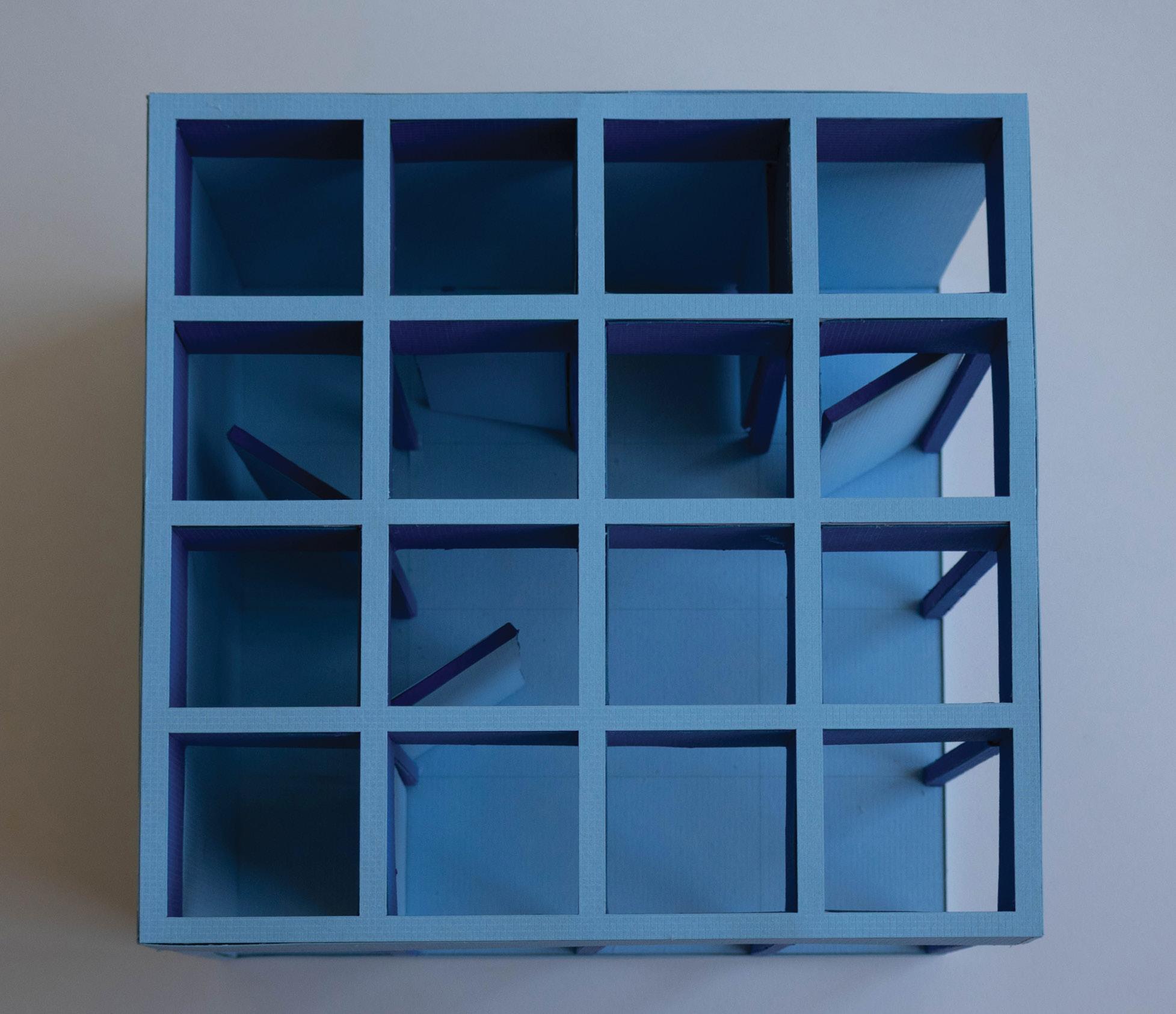
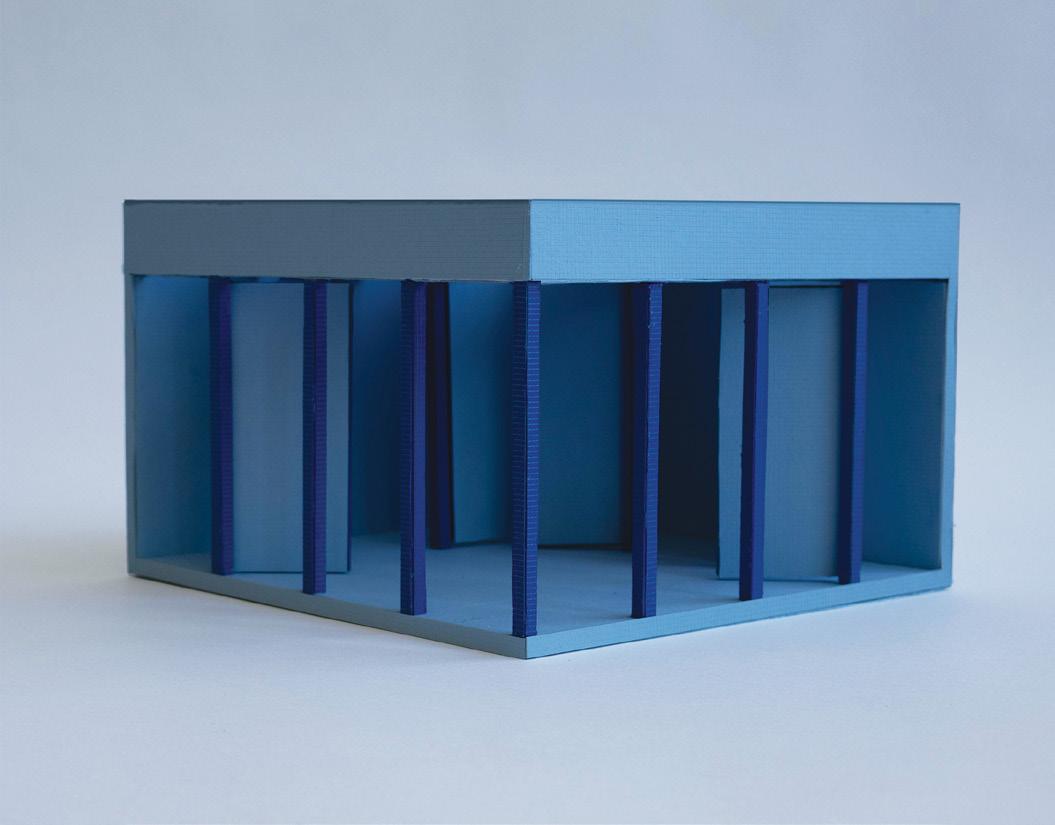
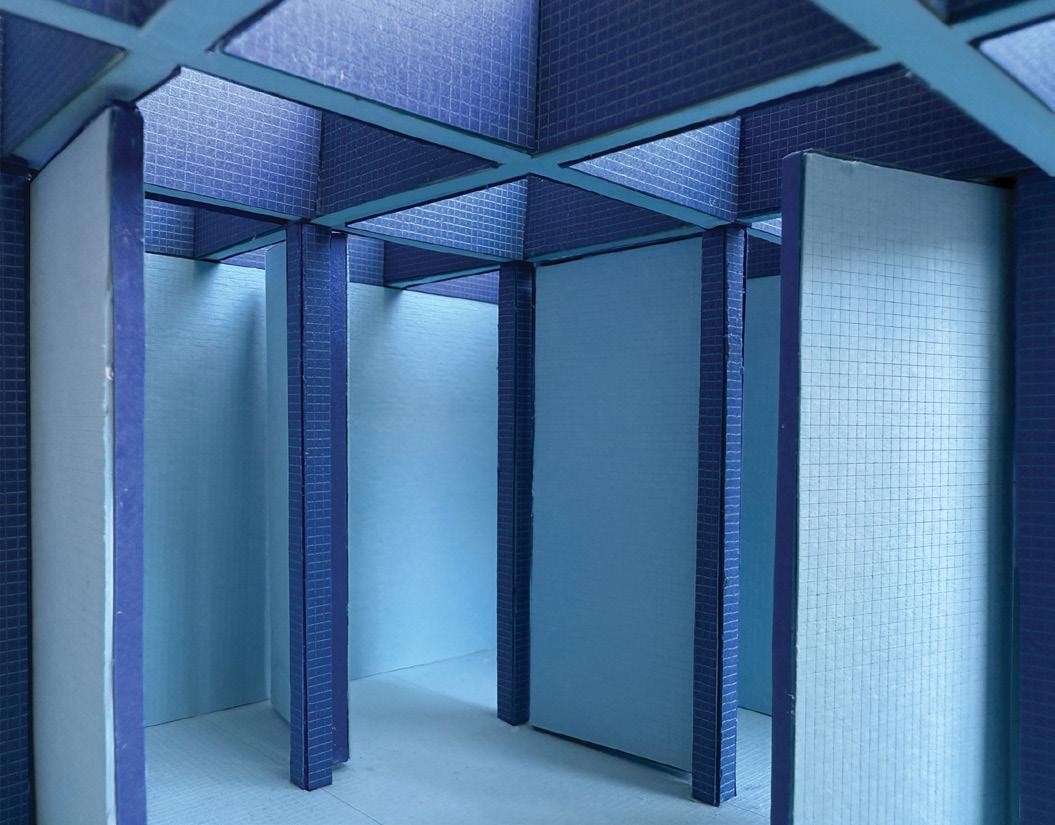
room model_1/4” = 1’-0”

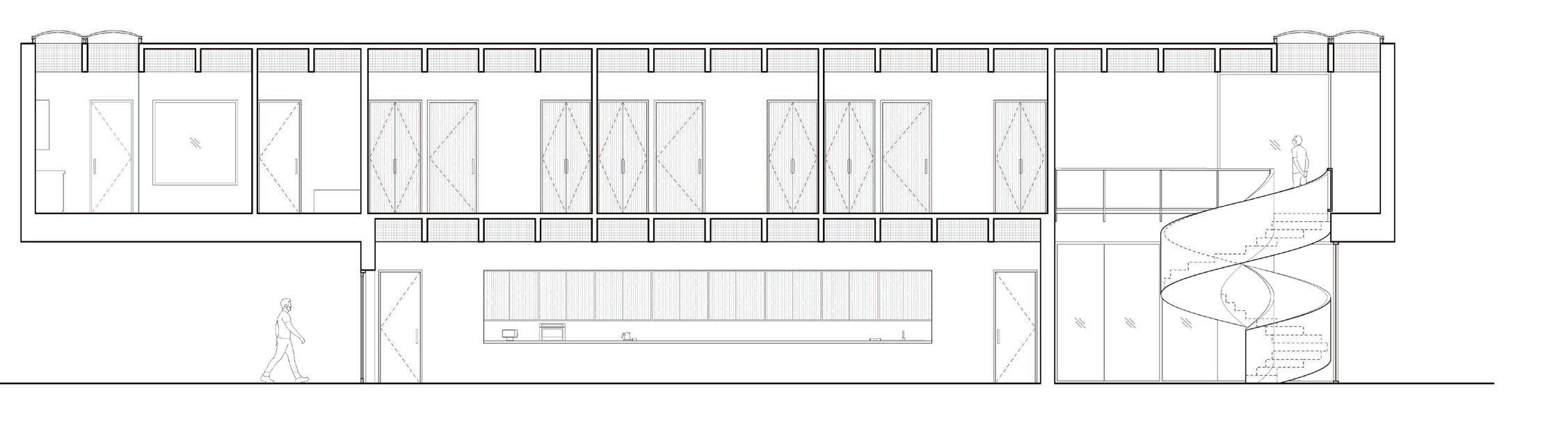
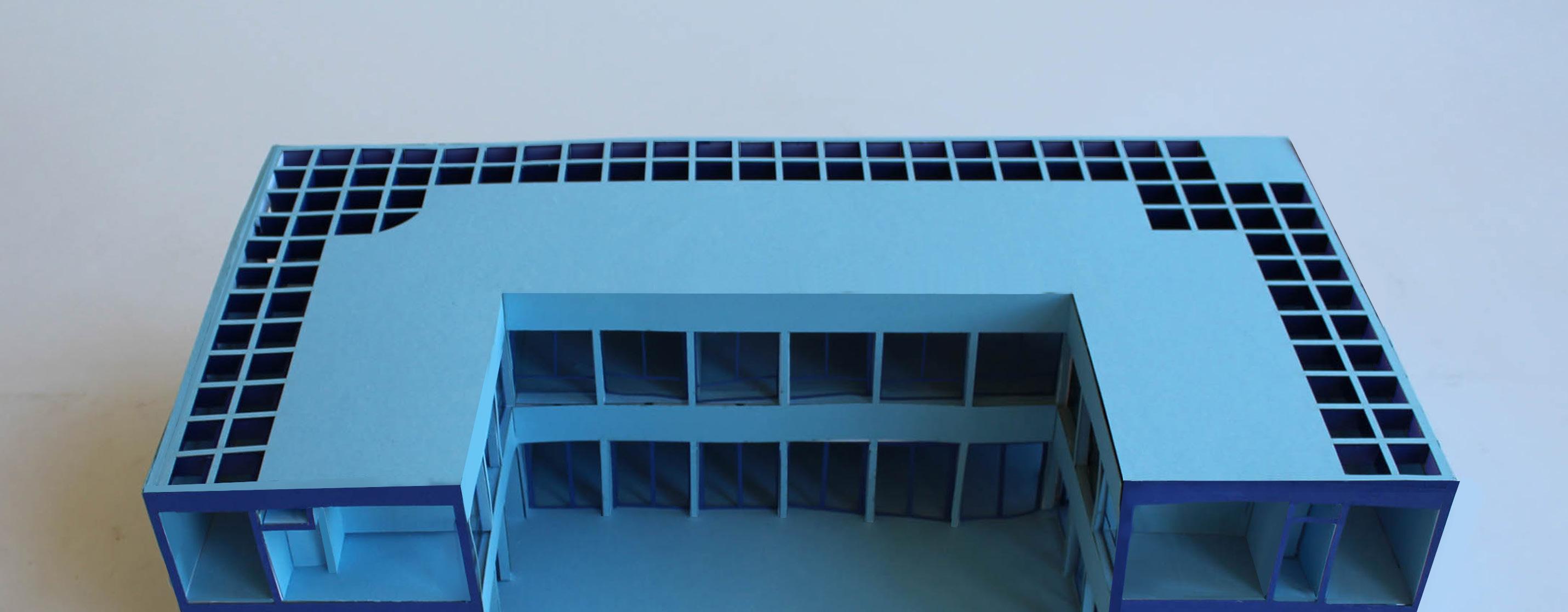
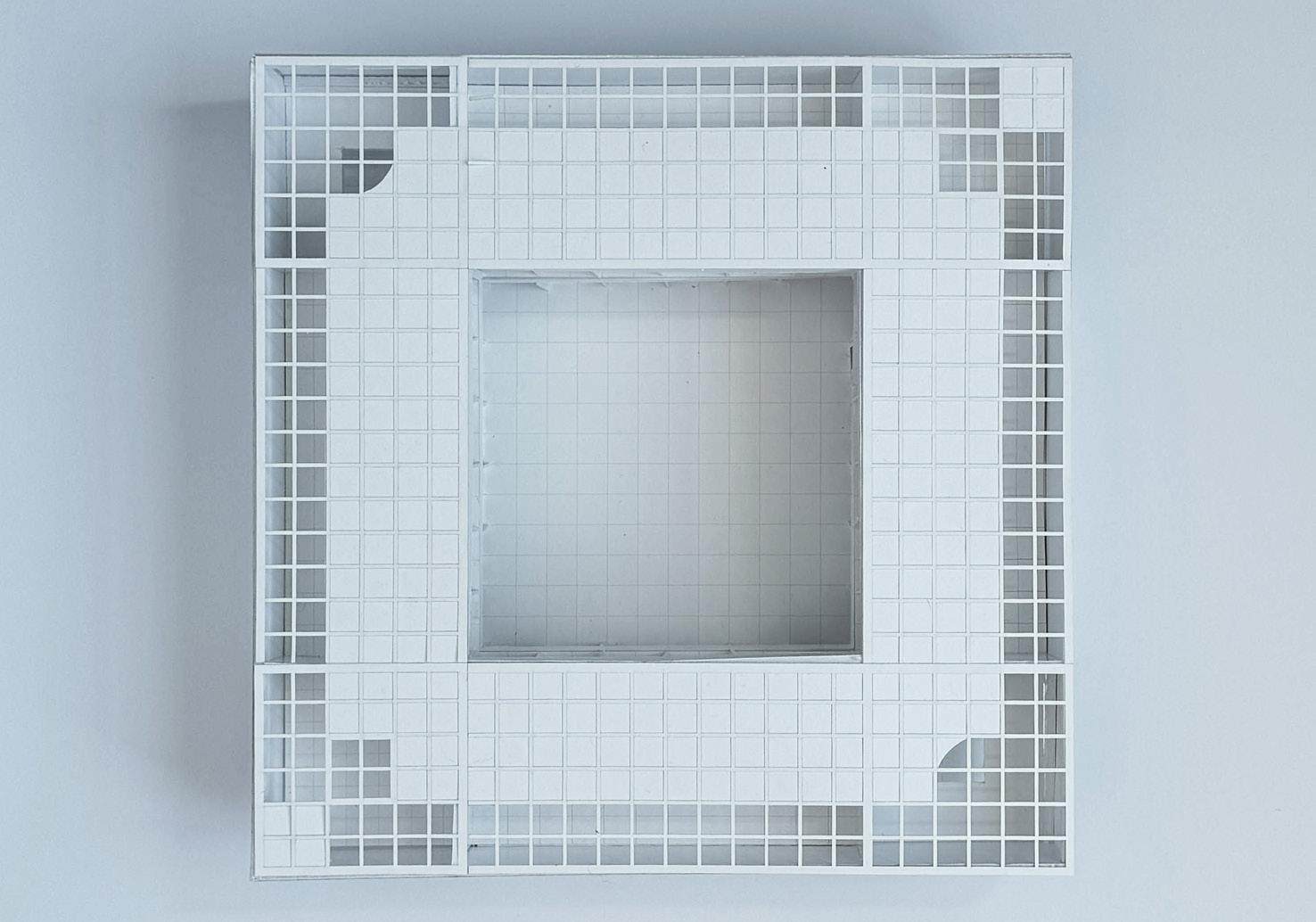
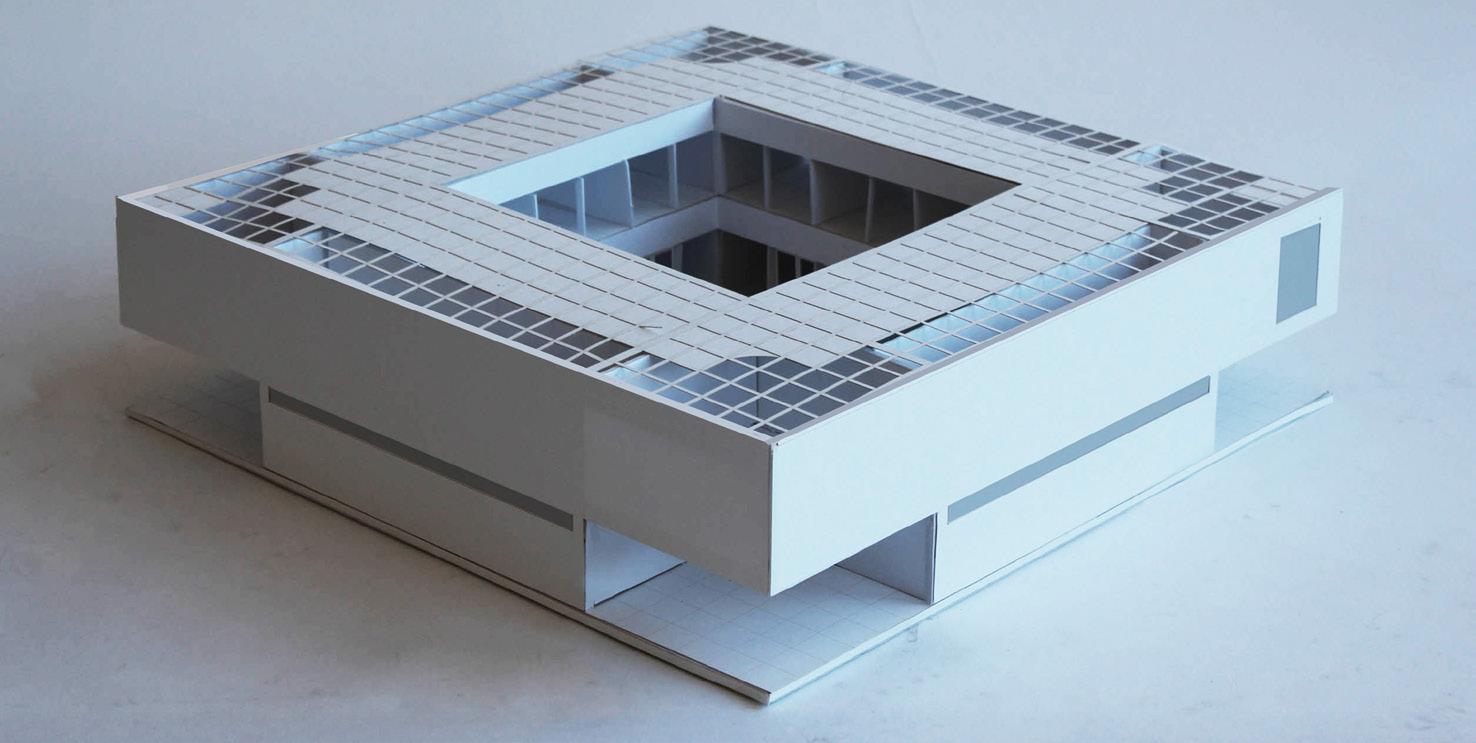
massing model_3/16” = 1’-0”
The first floor’s shared spaces include a kitchen and cafe, a coworking space and game room, a studio space and living room, and a large dining space. These amenities to the residents are also scaled such that they can be made public at the discretion of the residents. The café, coworking space, and game room are positioned to offer public access when open, and residents can elect to open the building and courtyard to the community to host events.
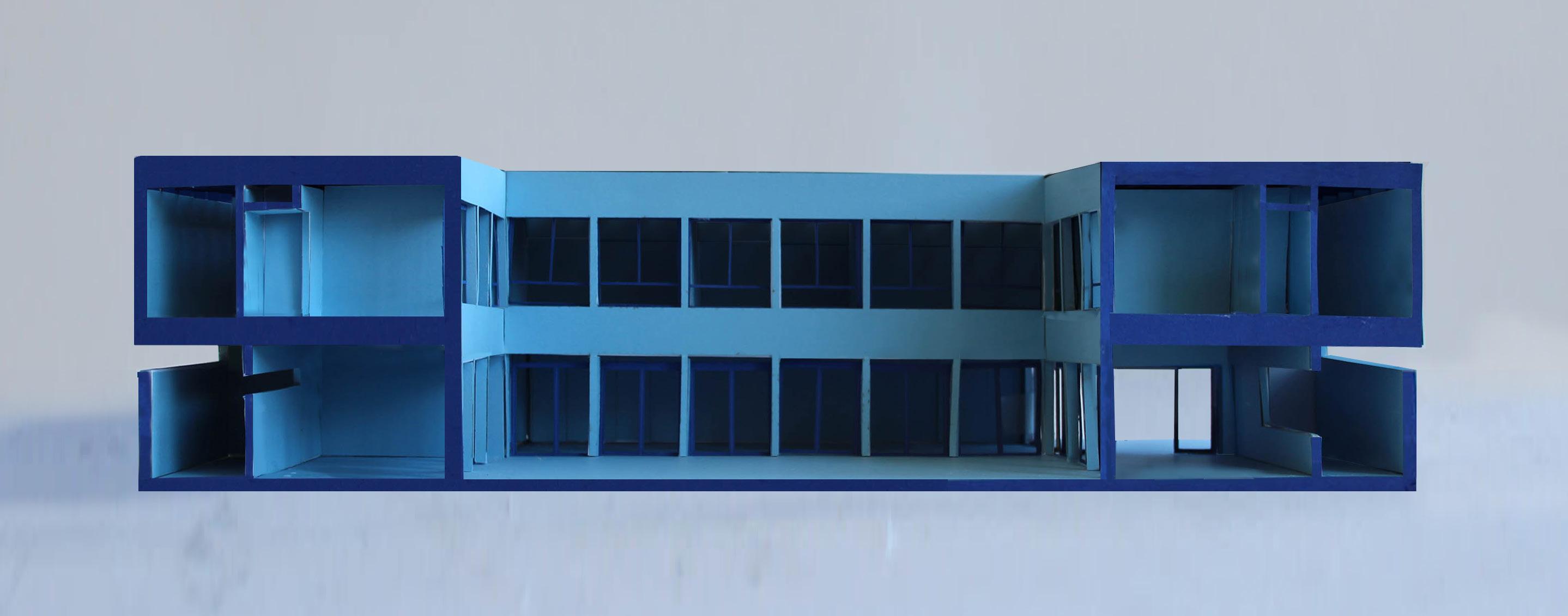
The second floor houses the private apartment units that can accommodate four families of up to six people. The units provide the essentials of traditional domestic living. There are small moments of interaction between families possible on the second floor, with mini-courtyards shared between two units and views in the shared hallways looking out to the Bay and to downtown Berkeley, but moments of significant interaction occur on the first floor.
massing model_3/16” = 1’-0”
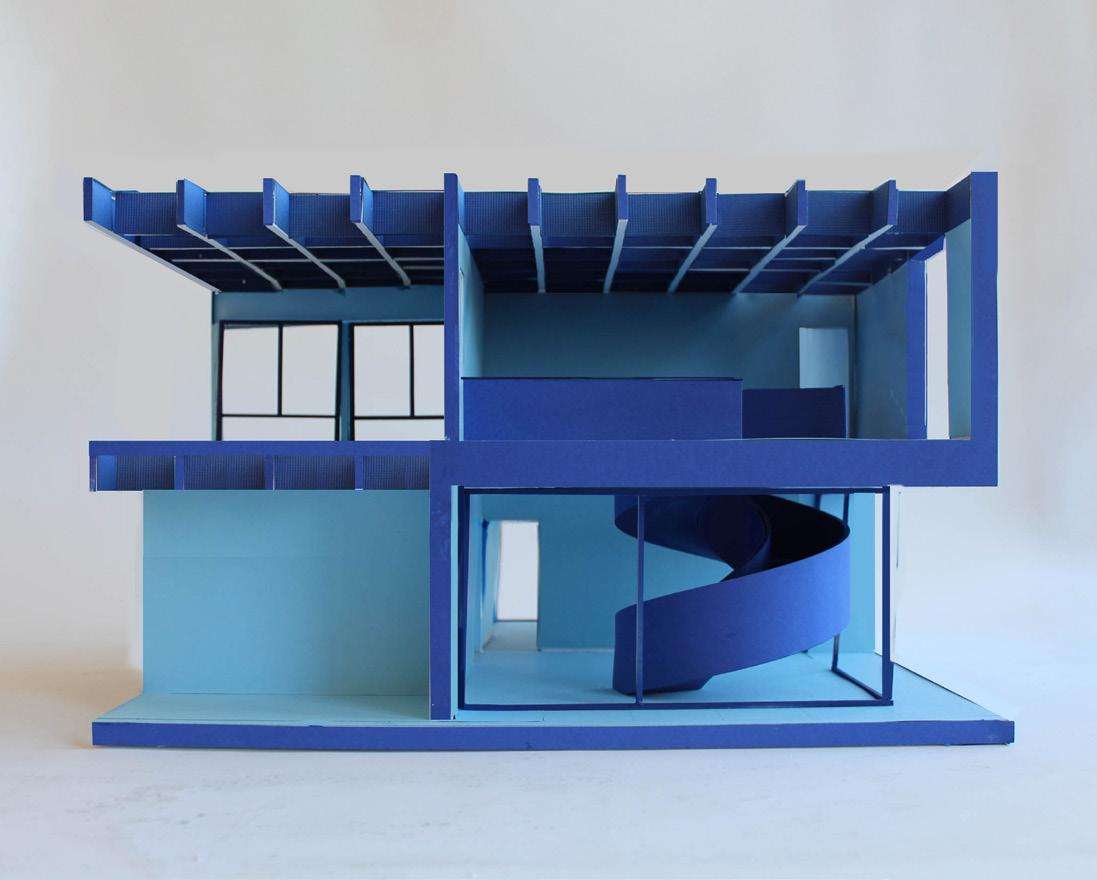
sectional model_1/4” = 1’-0”

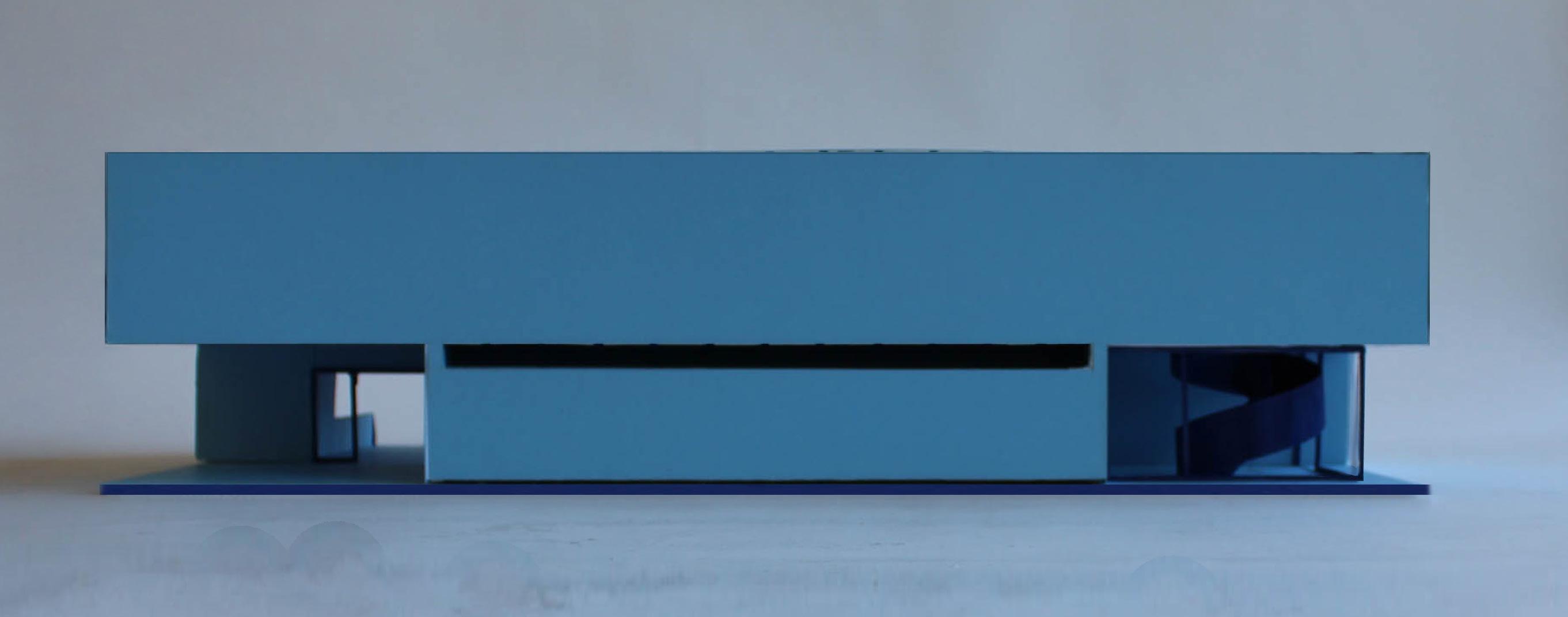

chunk model_1/2” = 1’-0”
sectional model_1/4” = 1’-0”
sectional model_1/4” = 1’-0”
affordable senior housing geared toward the lgbtq+ community mosaic apartments
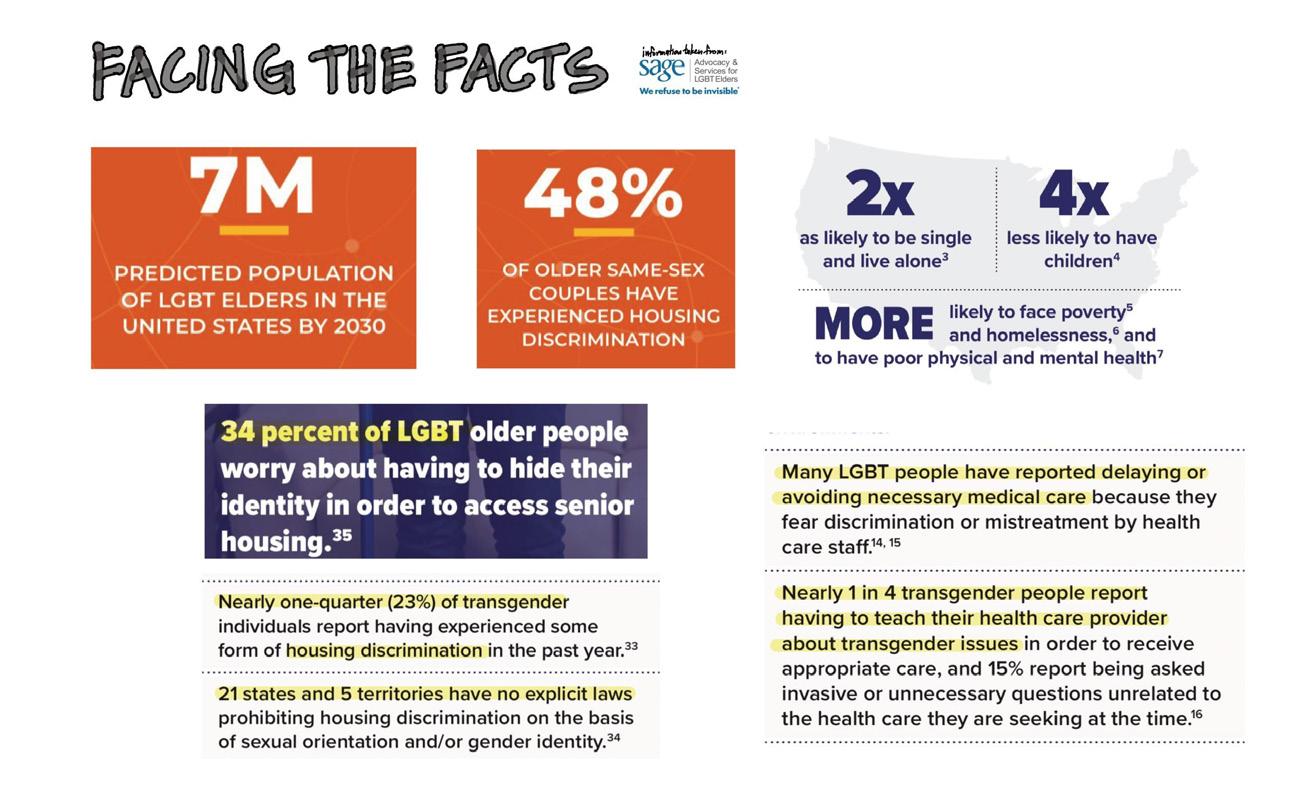
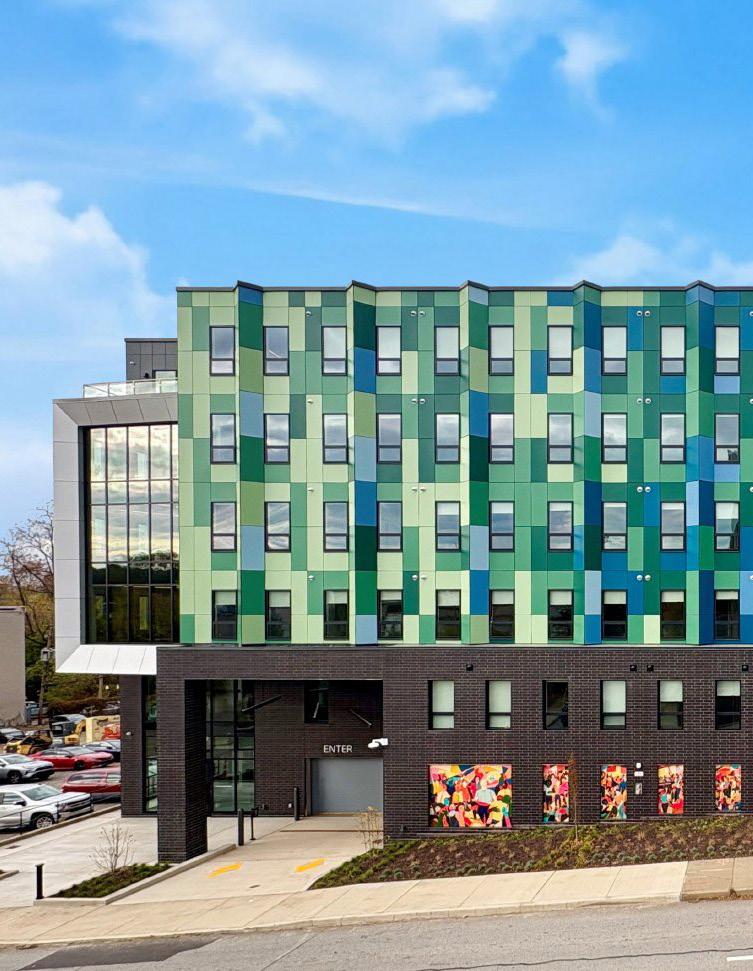
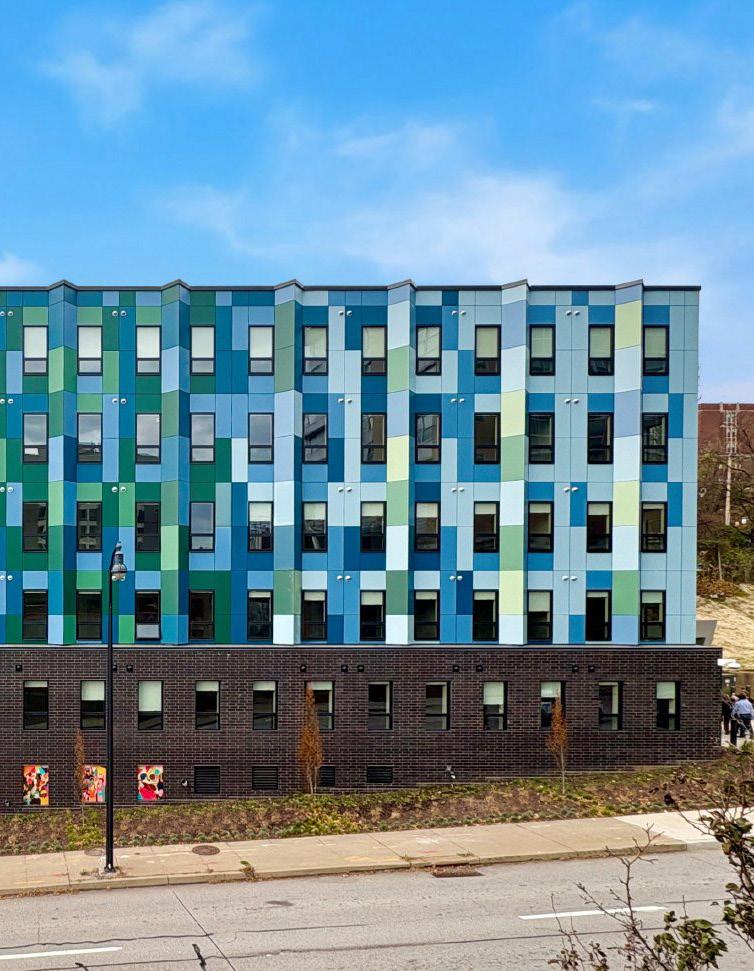
Mosaic Apartments is an affordable senior housing project designed to create and foster a welcoming community for LGBTQ+ residents—the first of its kind in the Pittsburgh region. Located along Forbes Avenue, a prominent Pittsburgh street that acts as a gateway into Oakland, the multi-colored panel facade becomes a remarkably visible hallmark of the building that is intended to analogize and celebrate the diversity and colorful spirit of the LGBTQ+ community. The building was designed with input from community engagement sessions with community groups, such as the Persad OWLS. This vibrant result is ultimately a meaningful design meant to reflect, represent, and welcome the community.
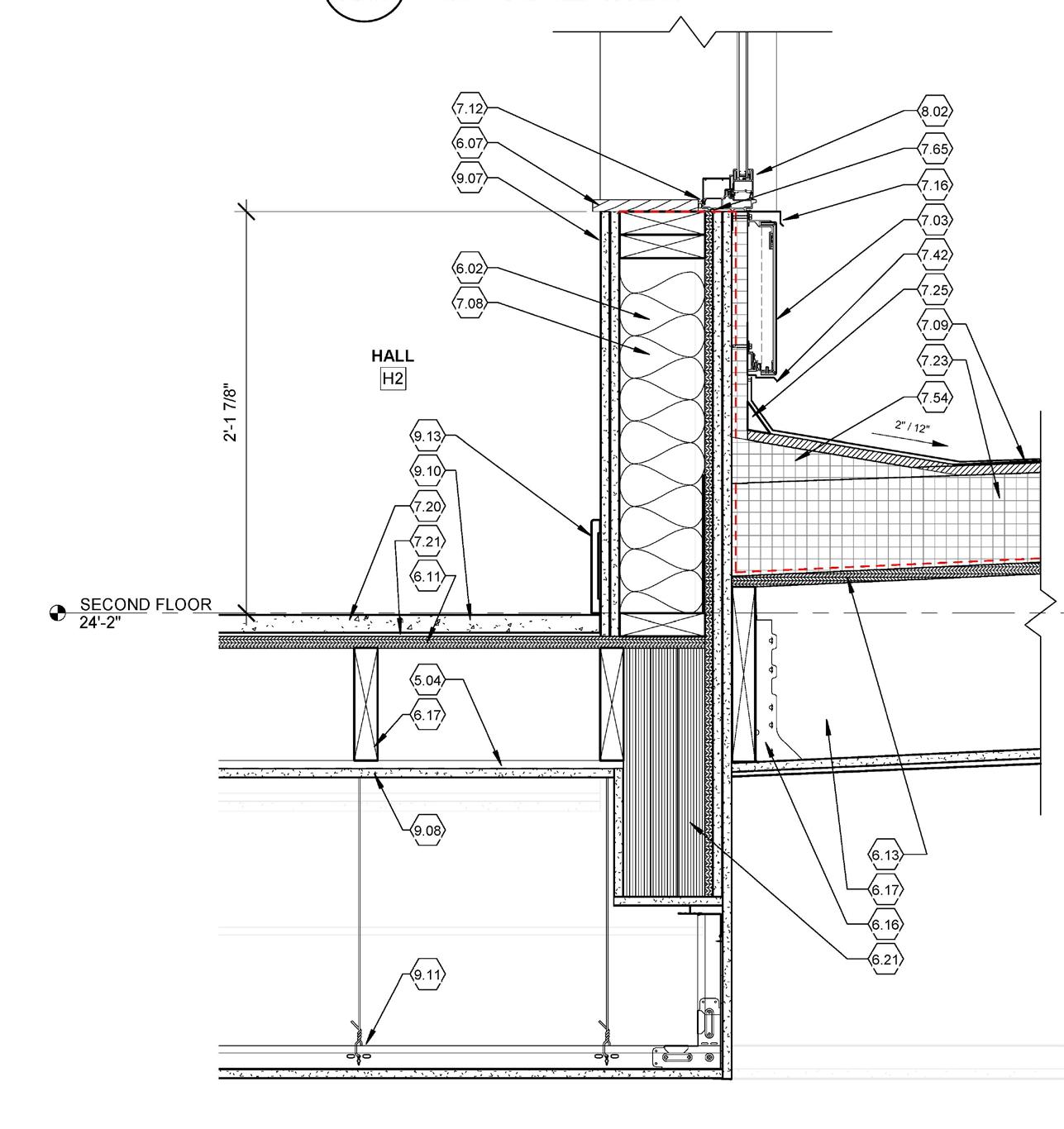
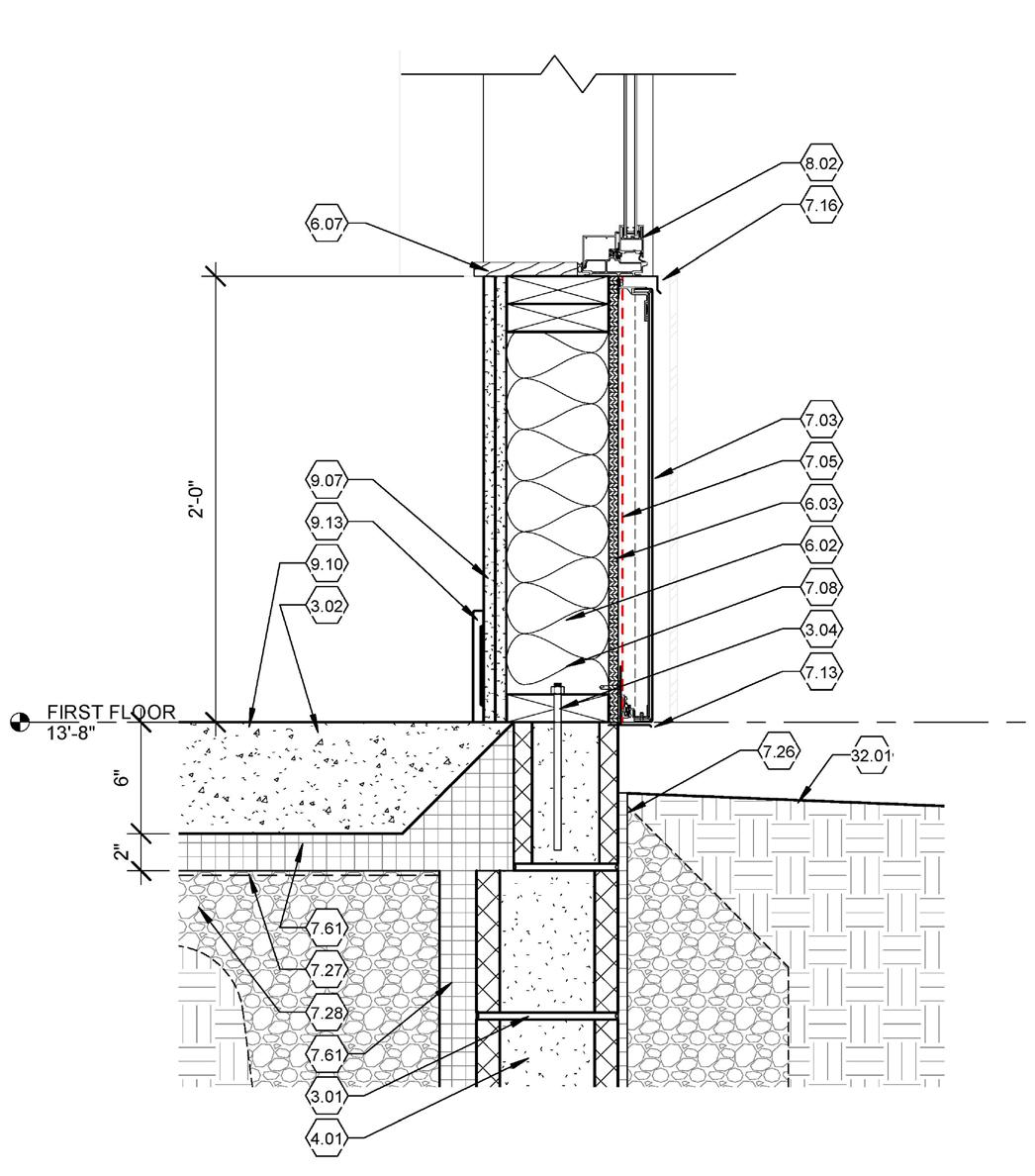
I worked on this project in the CD phase and onward. My role primarily focused on drafting wall sections and details and on drawing annotation, as well as supporting responses to permit comments.
firm: rothschild doyno collborative core project team: dan rothschild, nick rebeck, walt haim, nickie cheung, elizabeth laman project location: pittsurgh, pennsylvania status: built
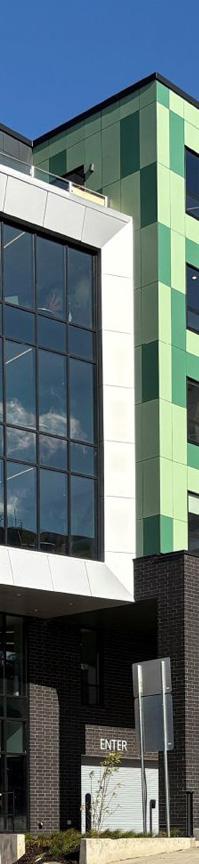
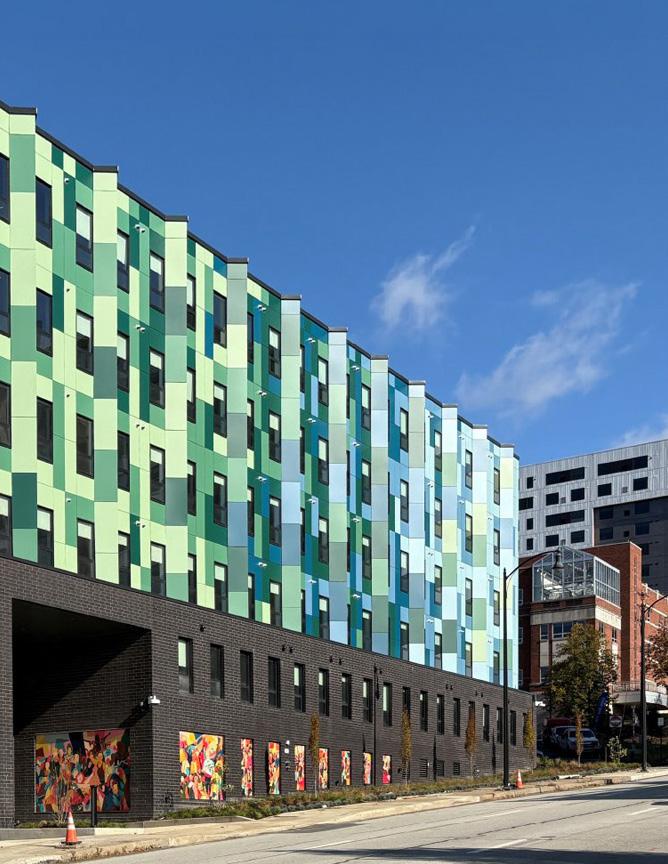
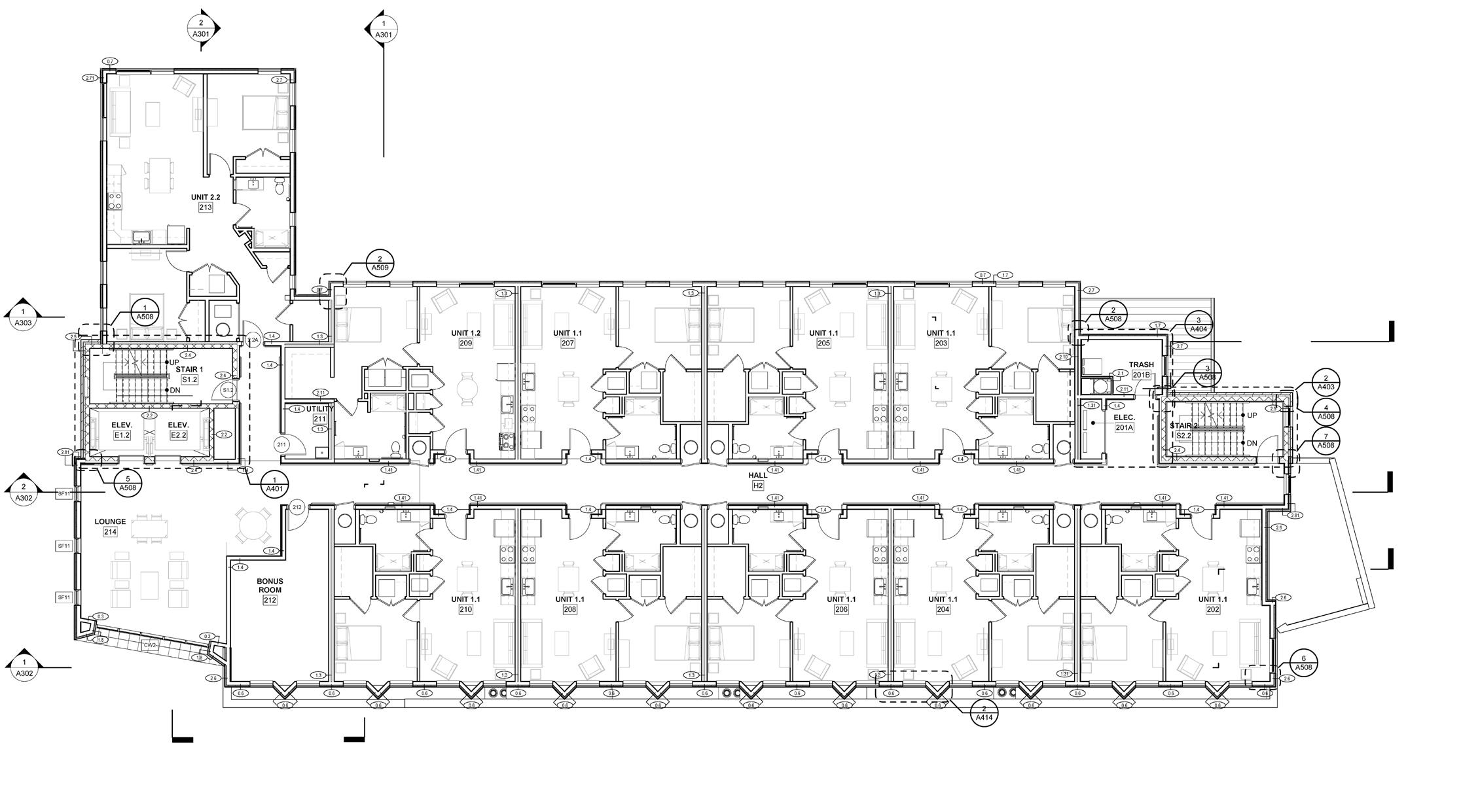
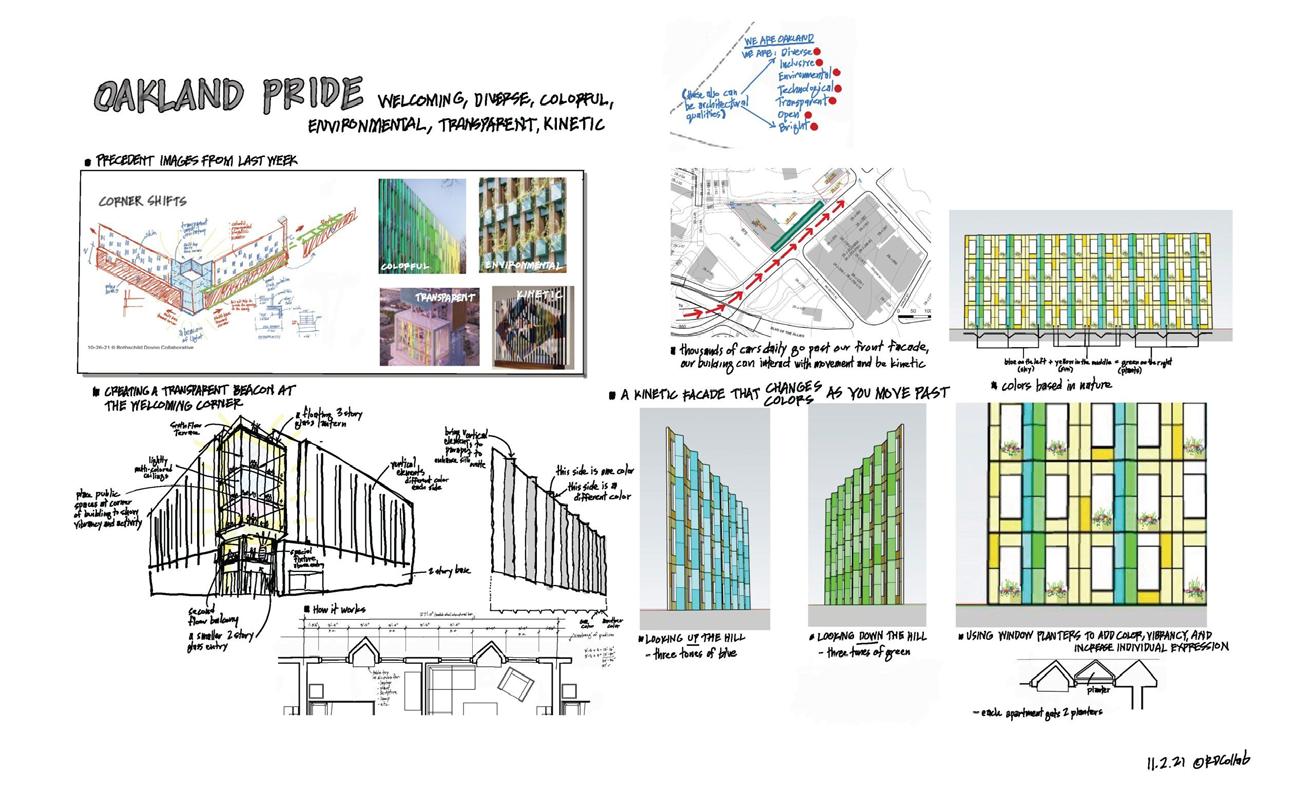
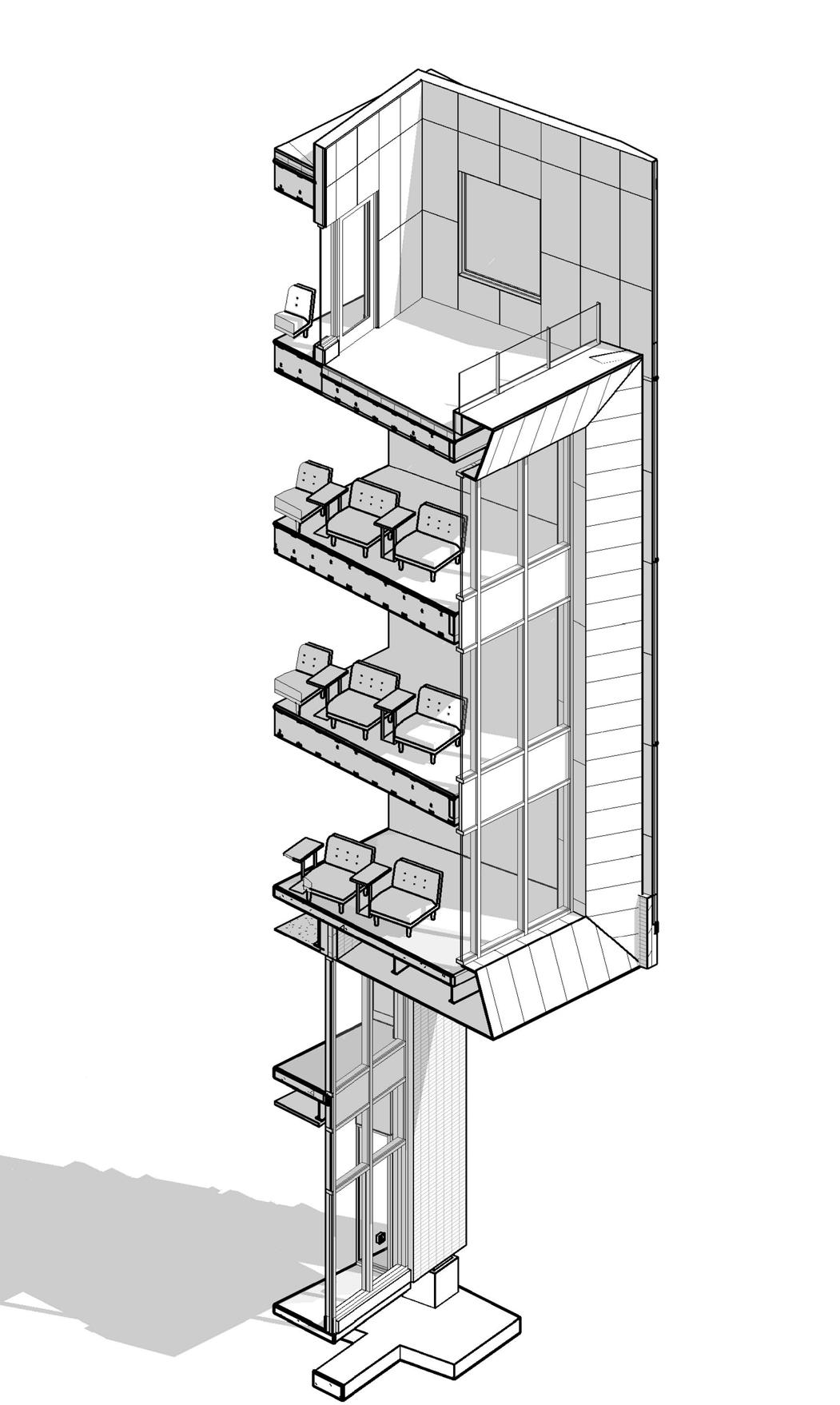
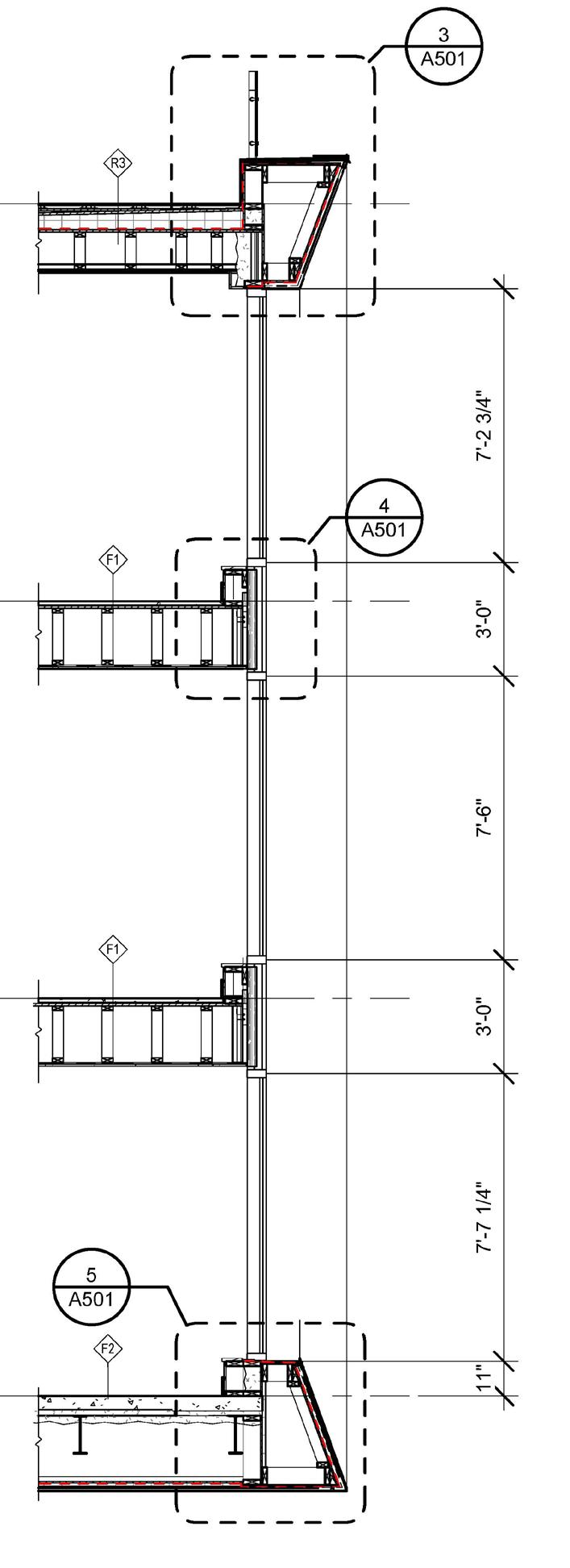
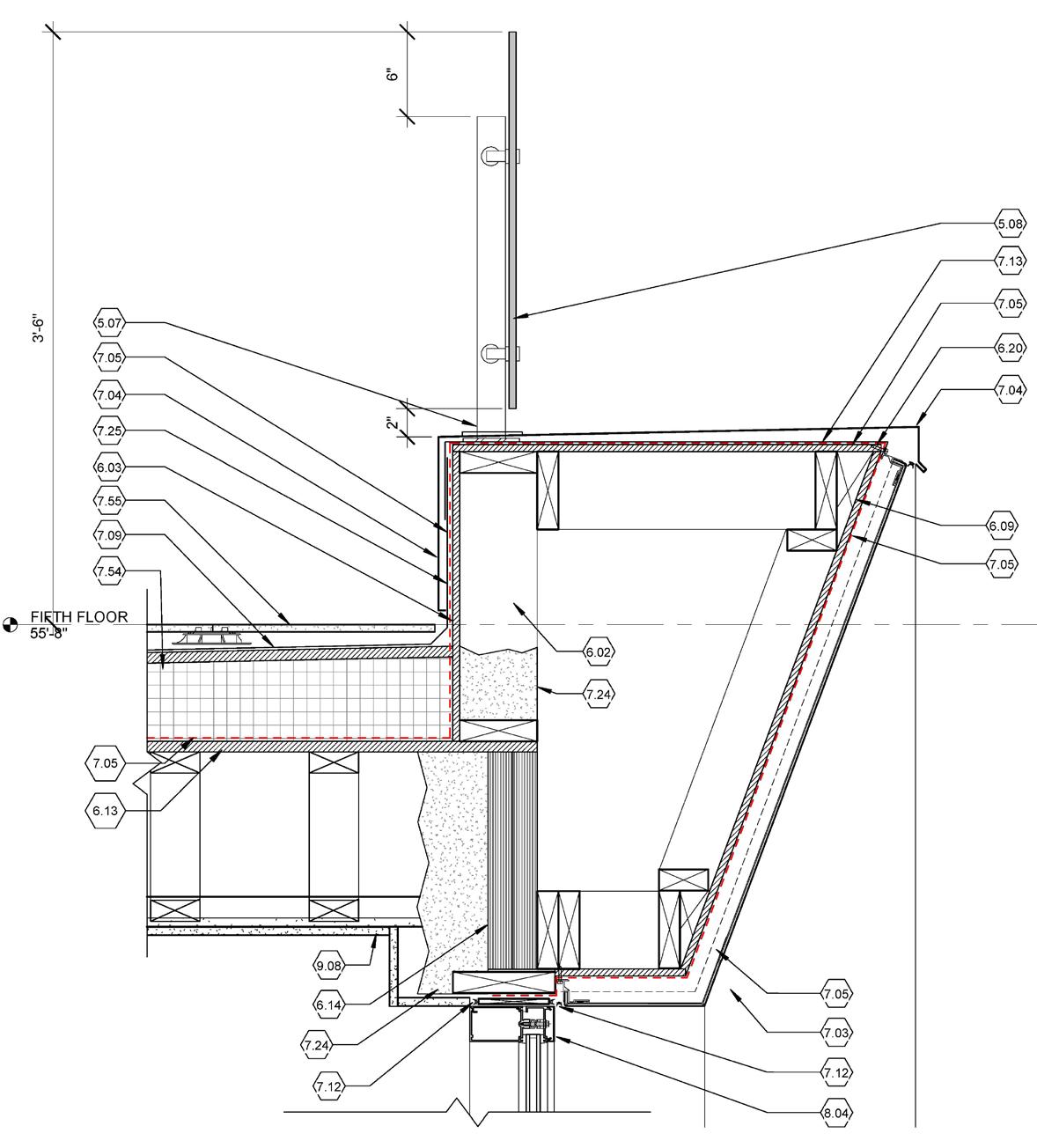
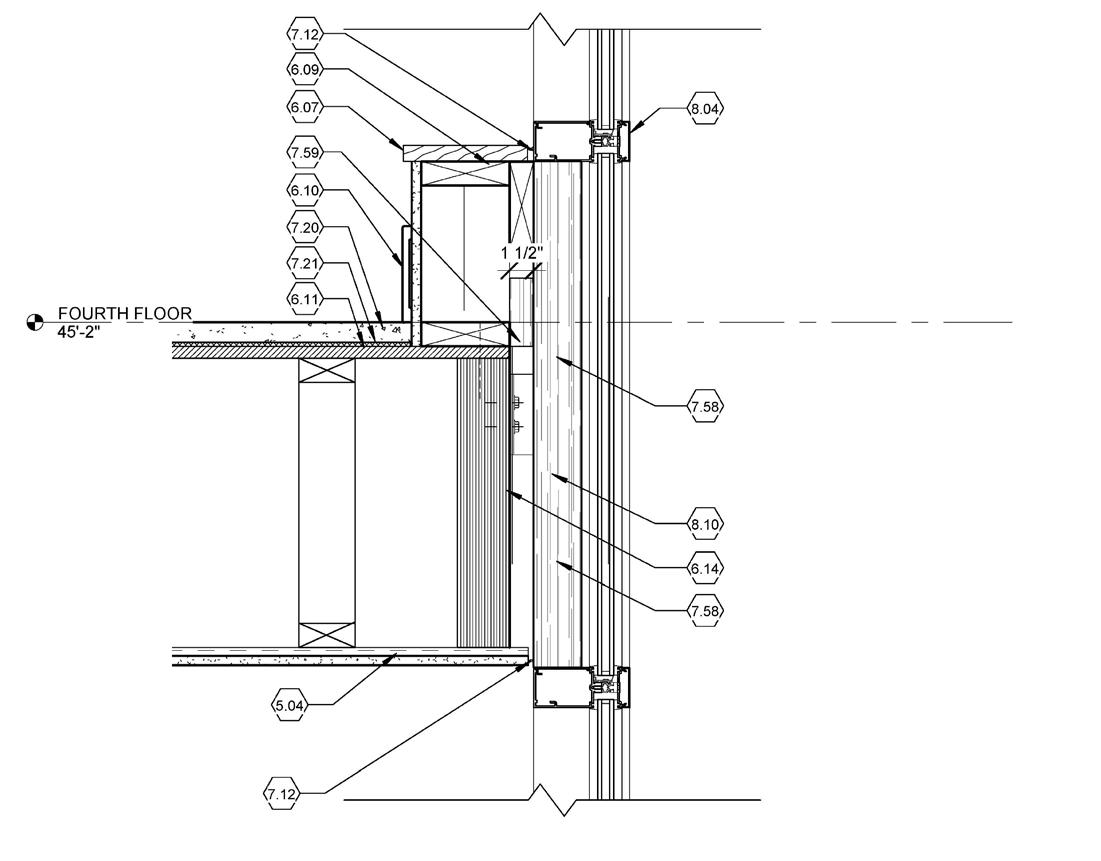
On each floor of the building, there are lounges that are meant to act as a “neighborhood” gathering space where residents on that floor can gather and connect with each other. From the outside, metal cladding frames the glazing and gives the spaces a lantern-like glow at night that allows the building to serve as a welcoming beacon into Oakland and for the community.
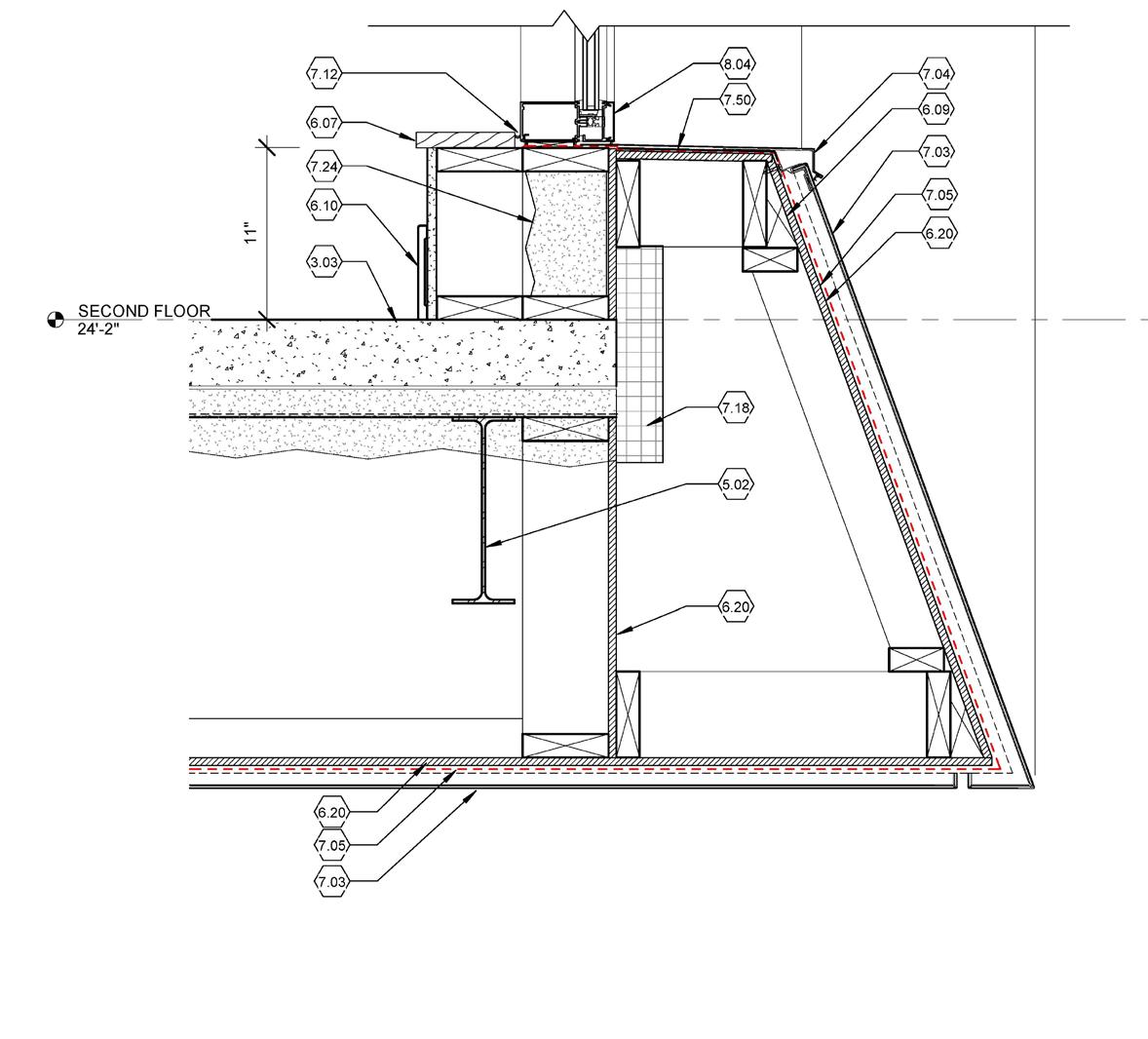
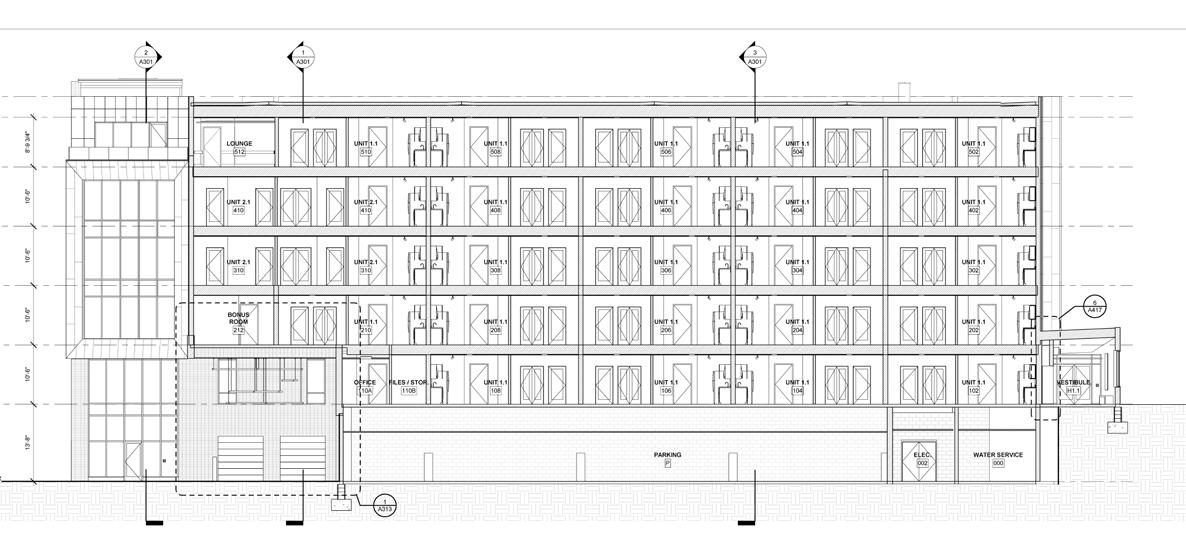
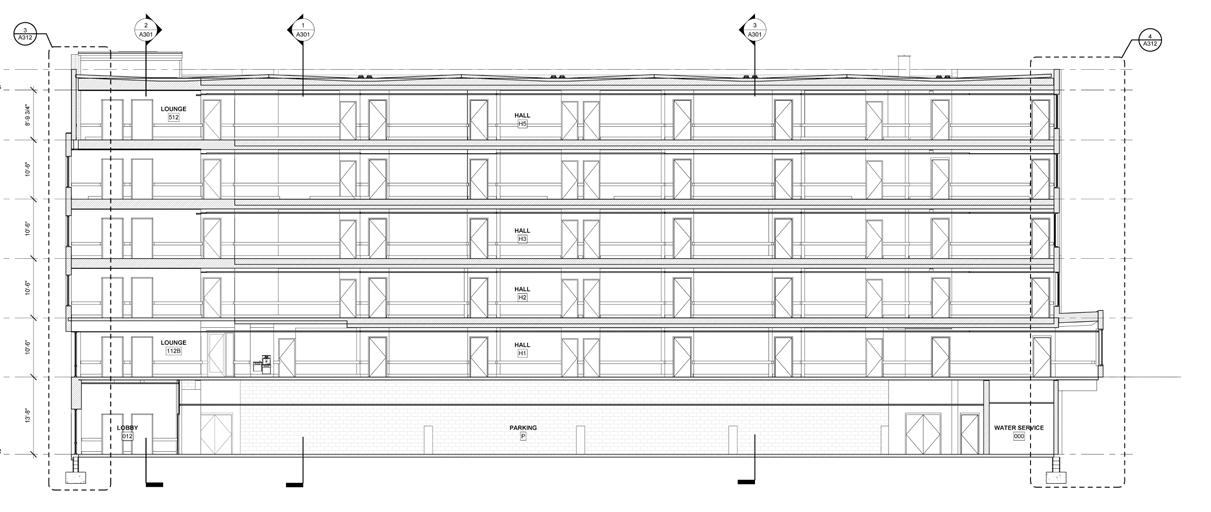
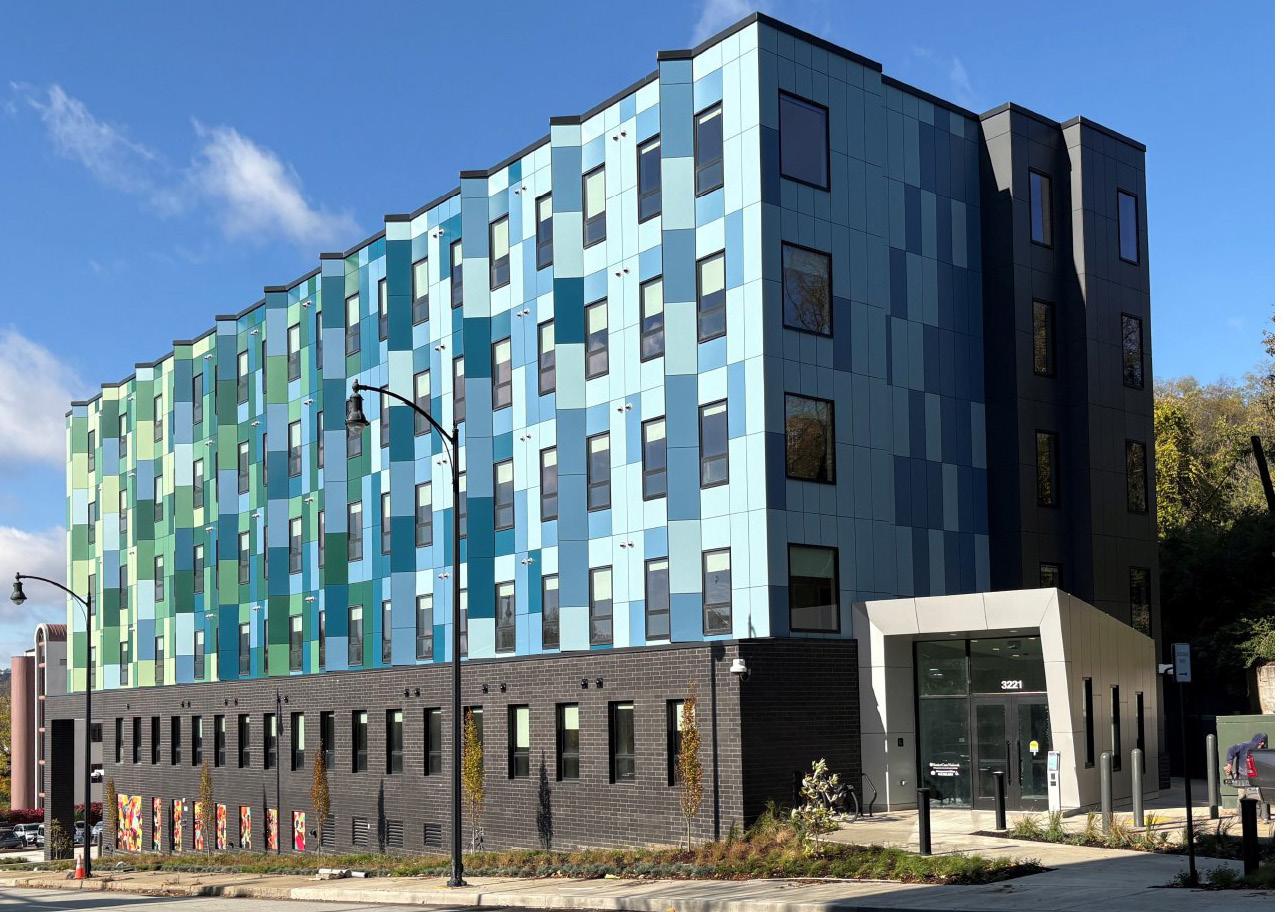
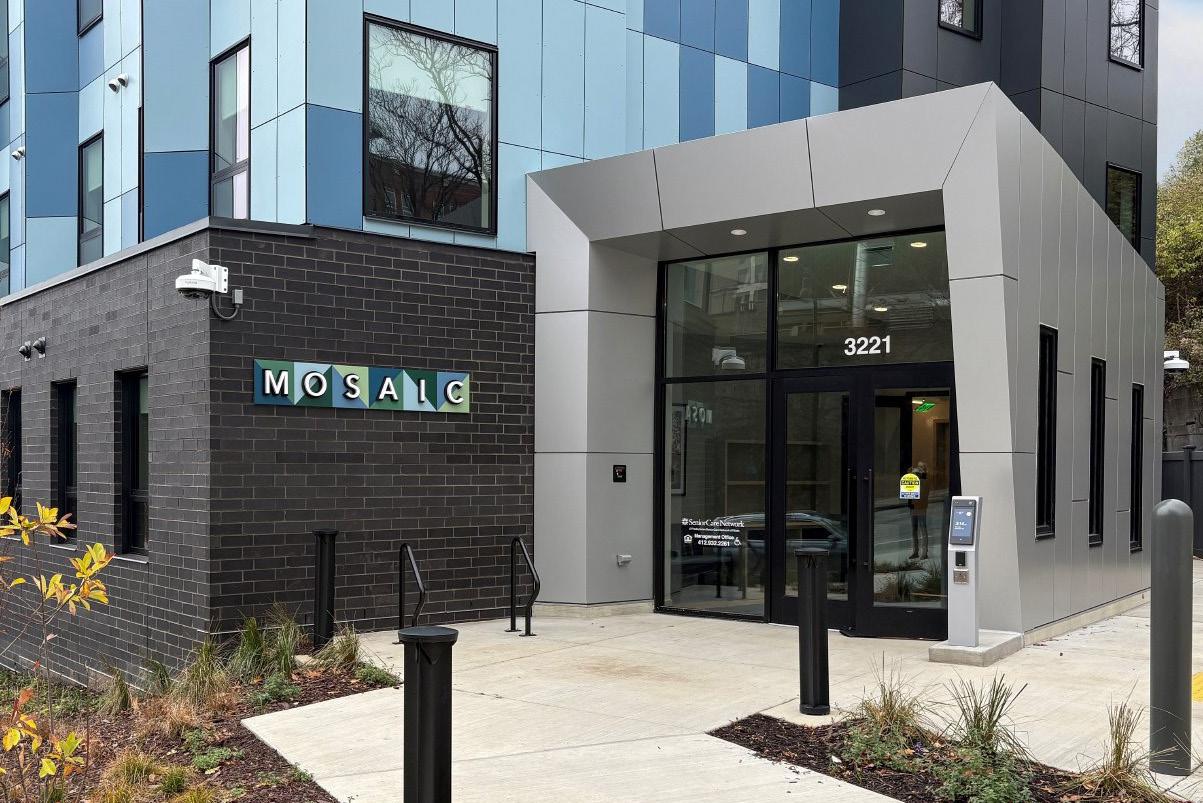
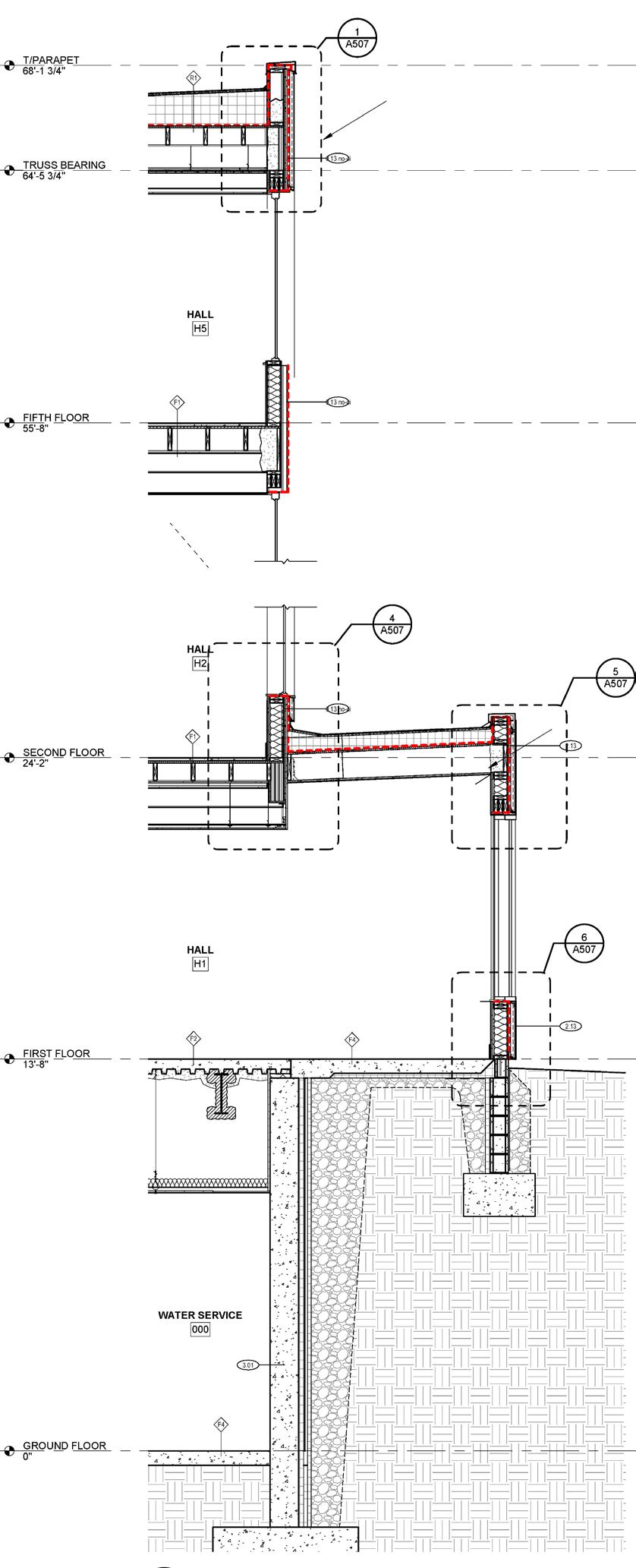
The east entrance is at the top of the sloped site the building sits on, and it serves as the primary entrance for the residents. The aluminum composite siding system is the same material used for the lounge exteriors on the other side of the building.


adaptive reuse for allegheny college’s computer science department reis hall
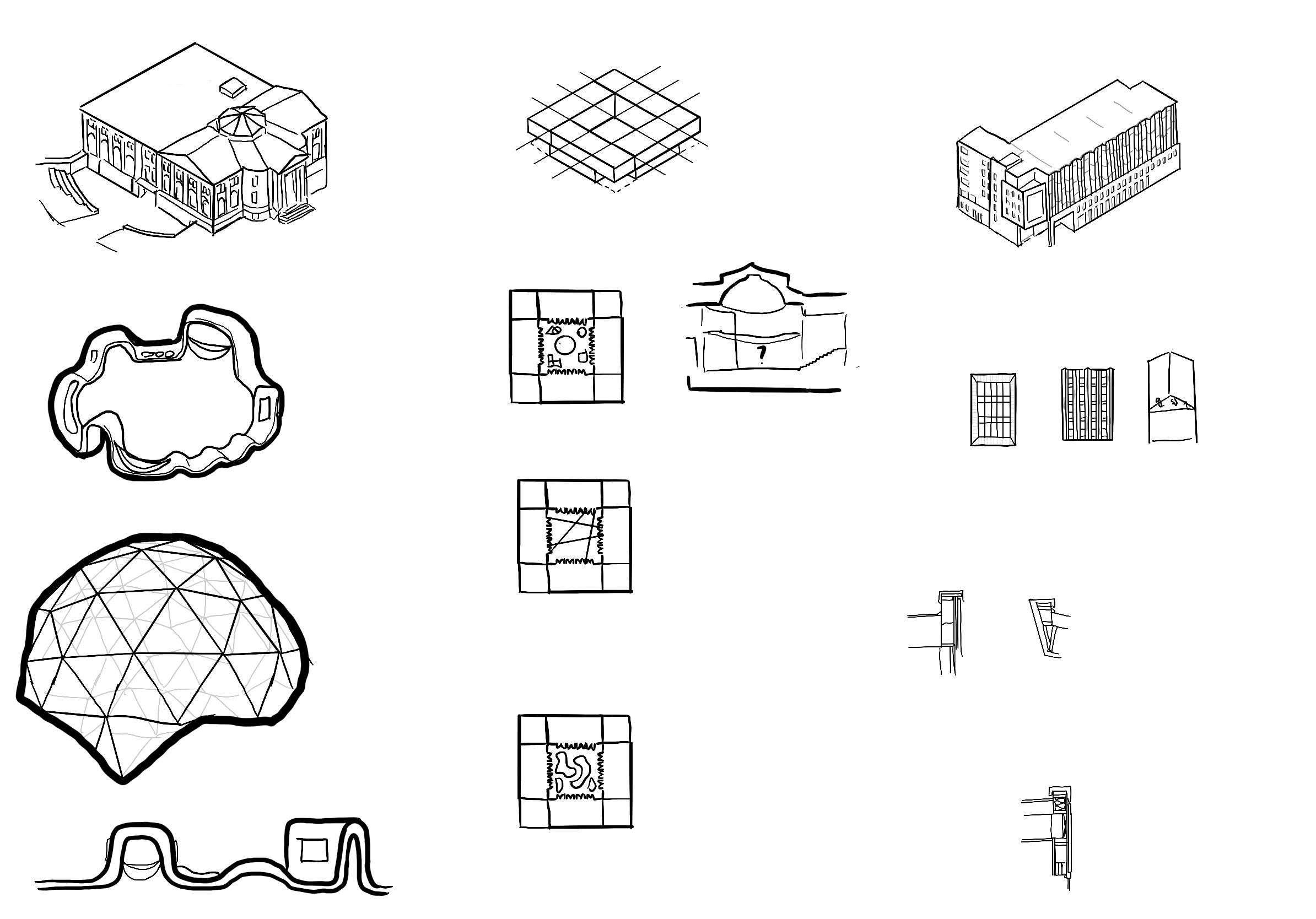
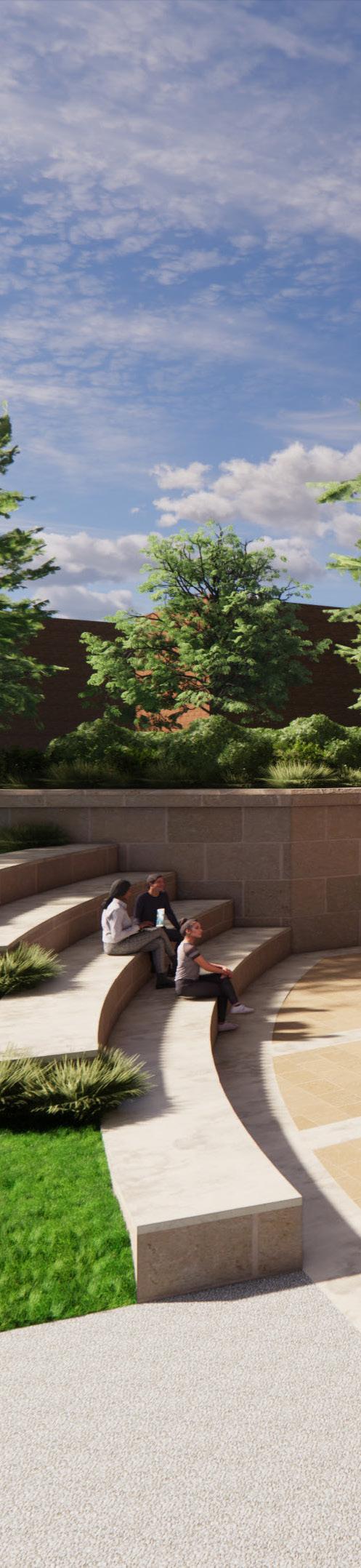
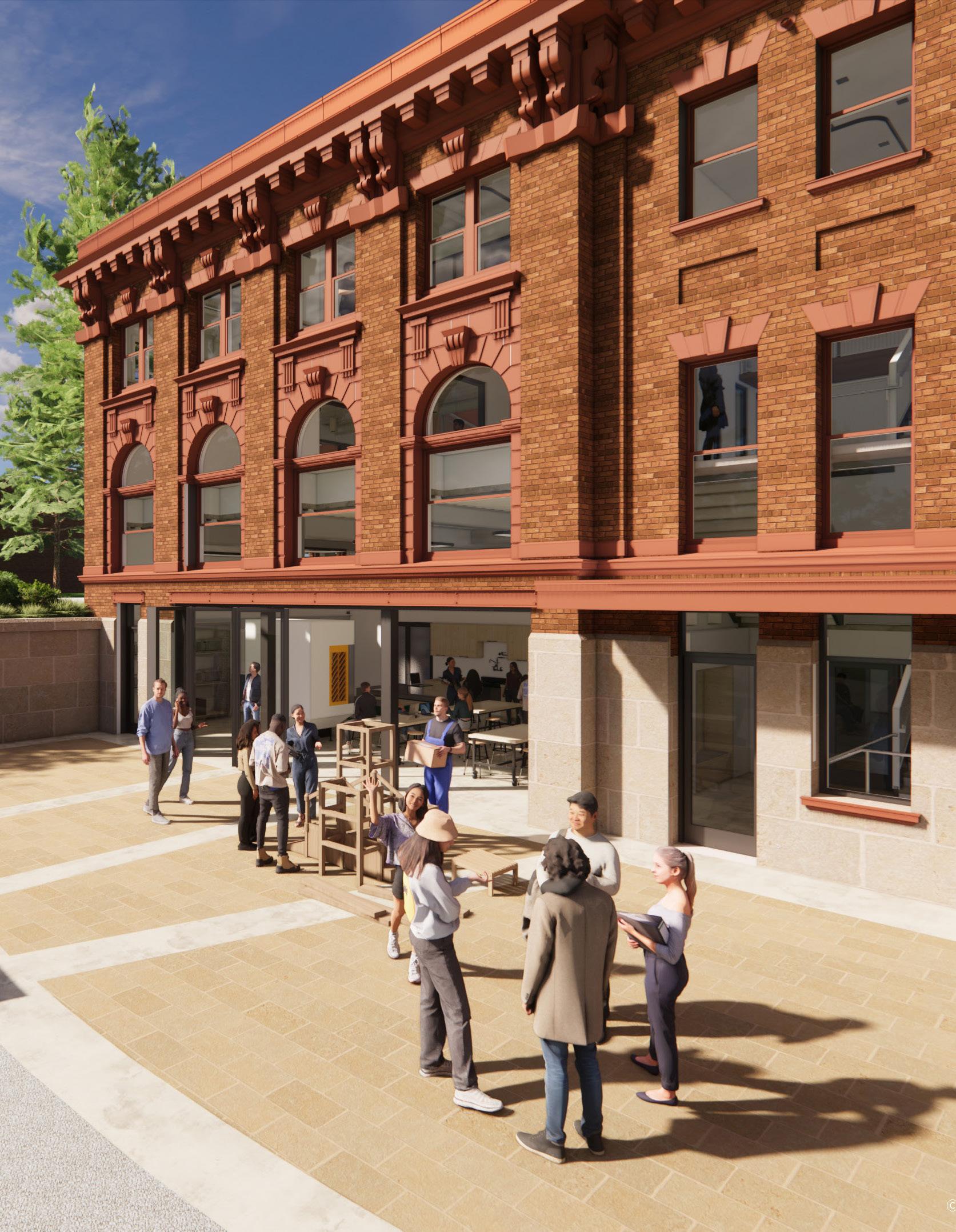
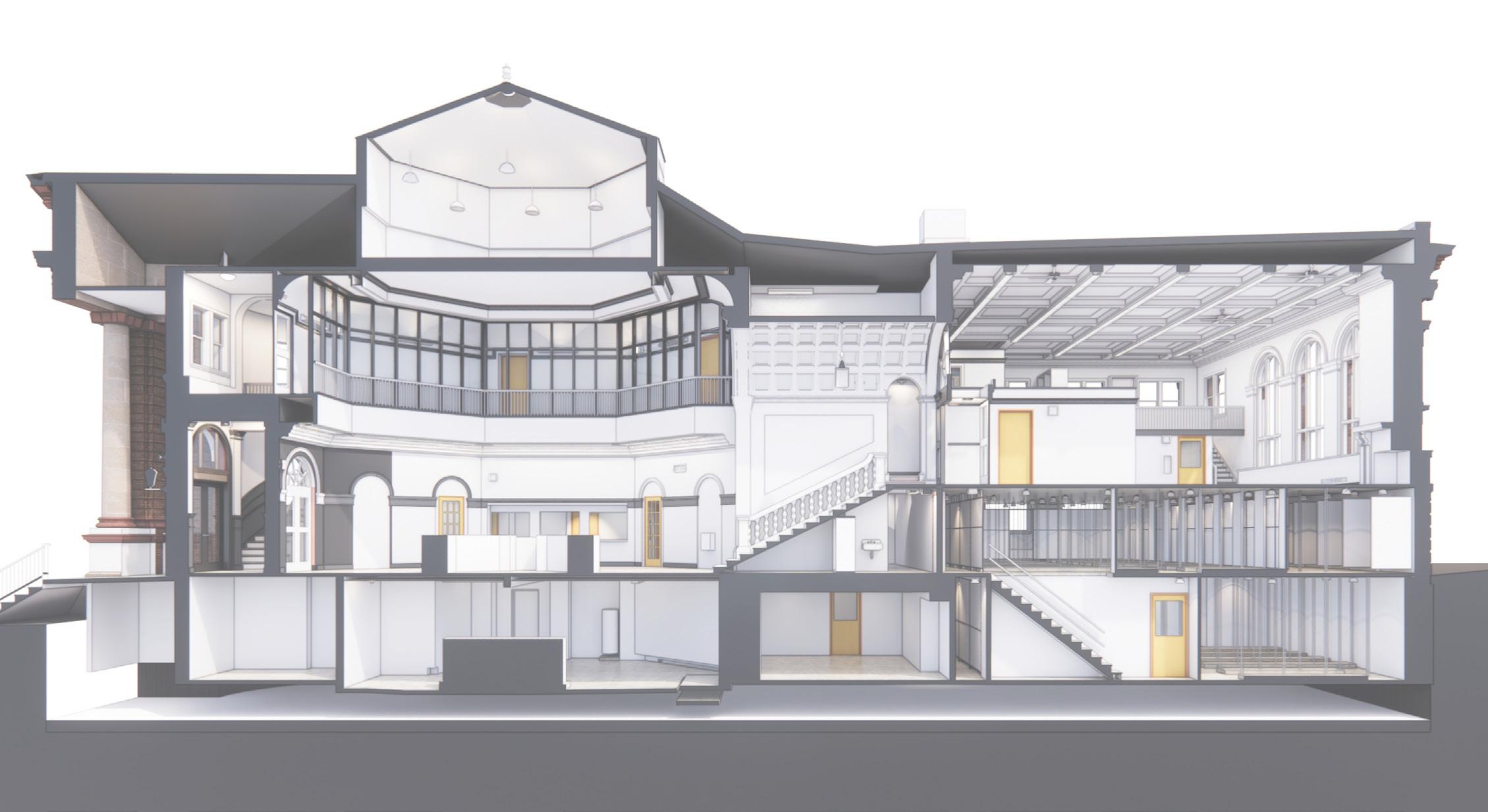
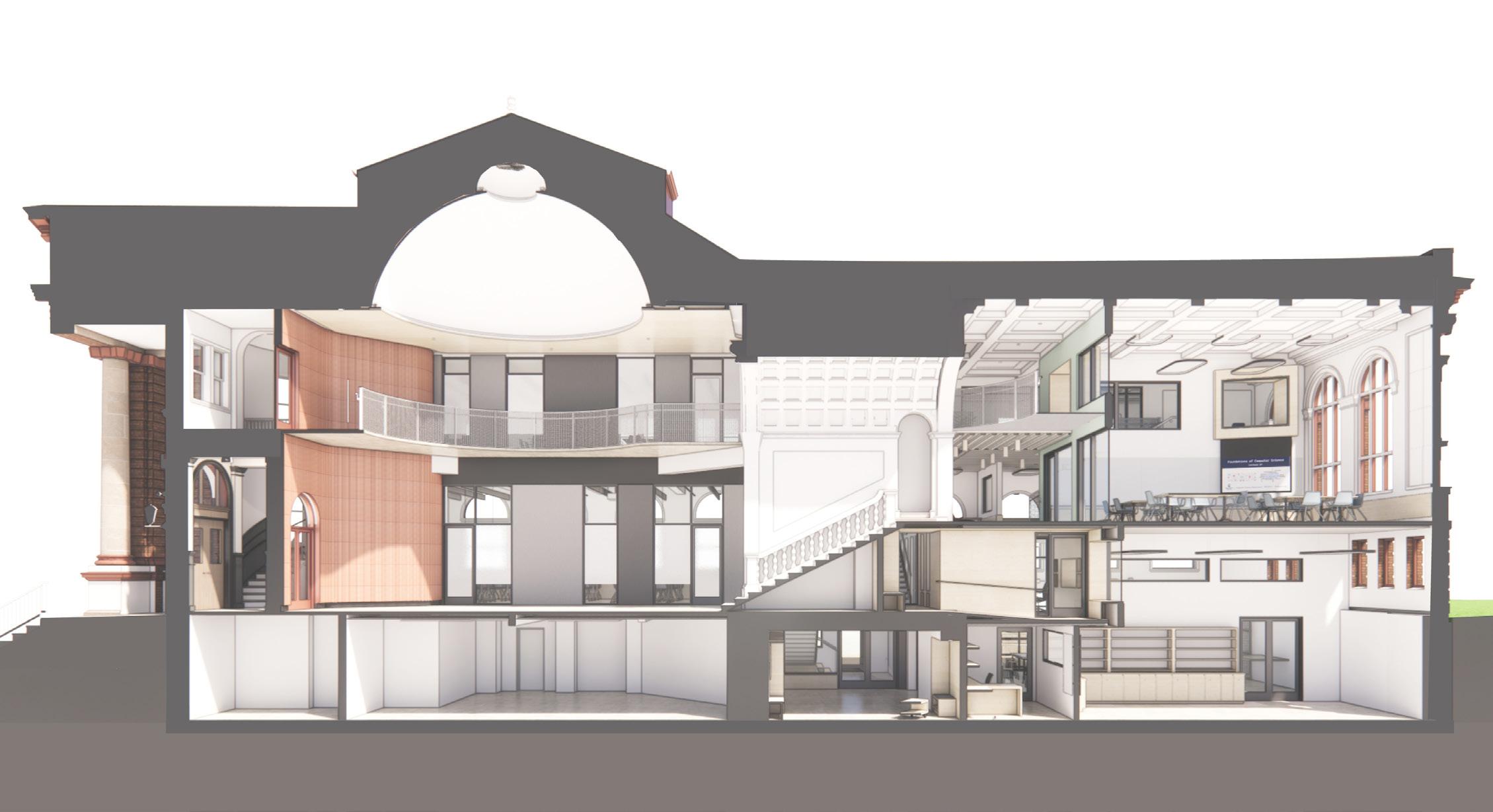
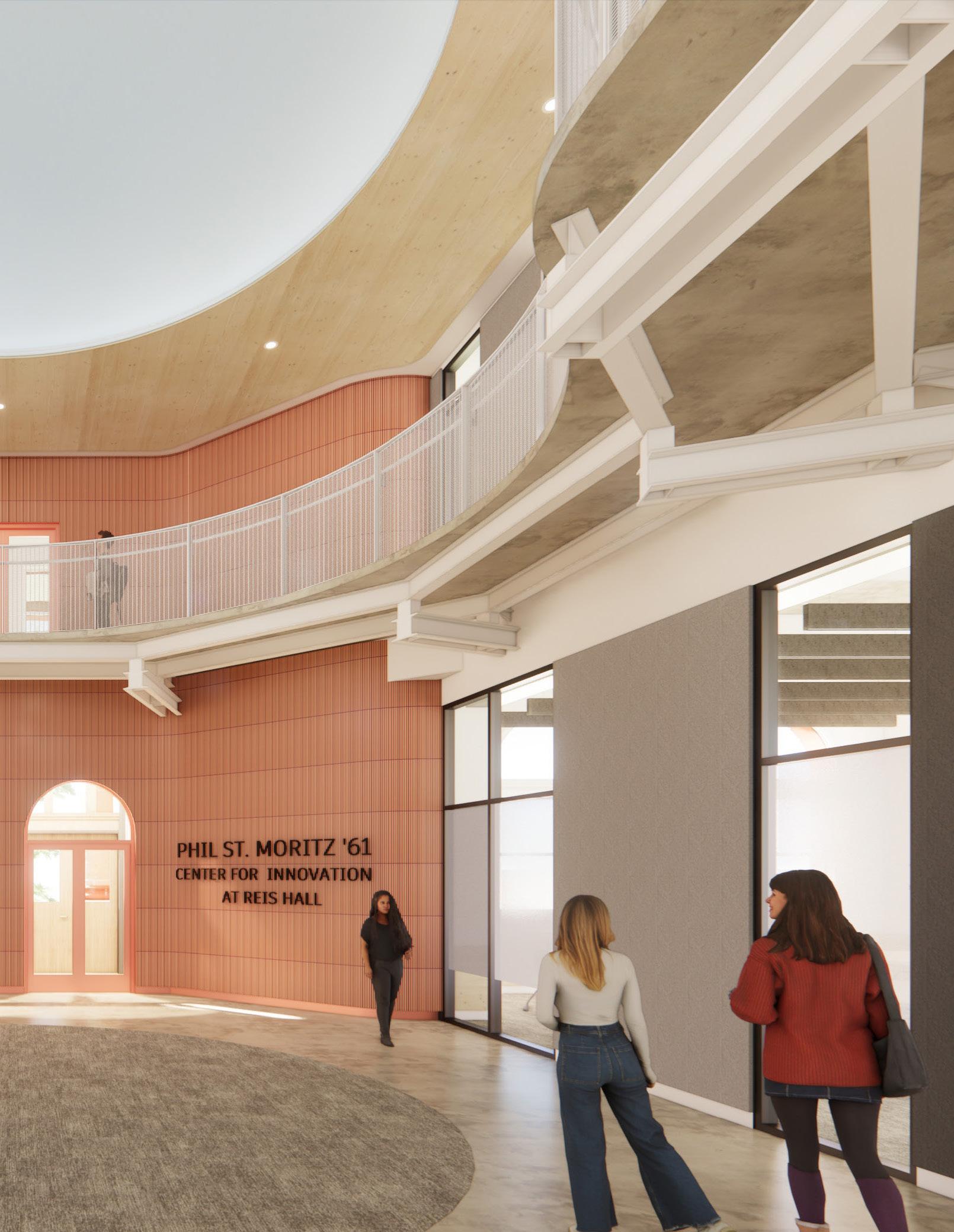
Allegheny College’s Reis Hall is an adaptive reuse project that will transform a historic, but now unused, library on the college’s campus into an exciting new space that will host the computer science department and the Allegheny Lab for Innovation and Creativity (ALIC). The program includes a series of classrooms, maker spaces and a maker plaza, study nooks, meeting rooms, and offices. Split into two phases, Phase I is the restoration of the historic exterior while Phase II is the transformation of the building’s interior to accommodate the new program. The building will ultimately offer an exciting new space for collaboration and innovation centered on technology will honoring the rich history of Allegheny College and Reis Hall.
I was involved in the project from the SD to the CD phase. My role included digital modeling, visualizations, contributing to and helping advance design ideas, helping prepare client presentations, and working on the drawing set for various phases.
firm: rothschild doyno collborative core project team: kate tunney, drew mosher, jeff kalina, walt haim, jason andrews project location: meadsville, pennsylvania client: allegheny college status: under construction
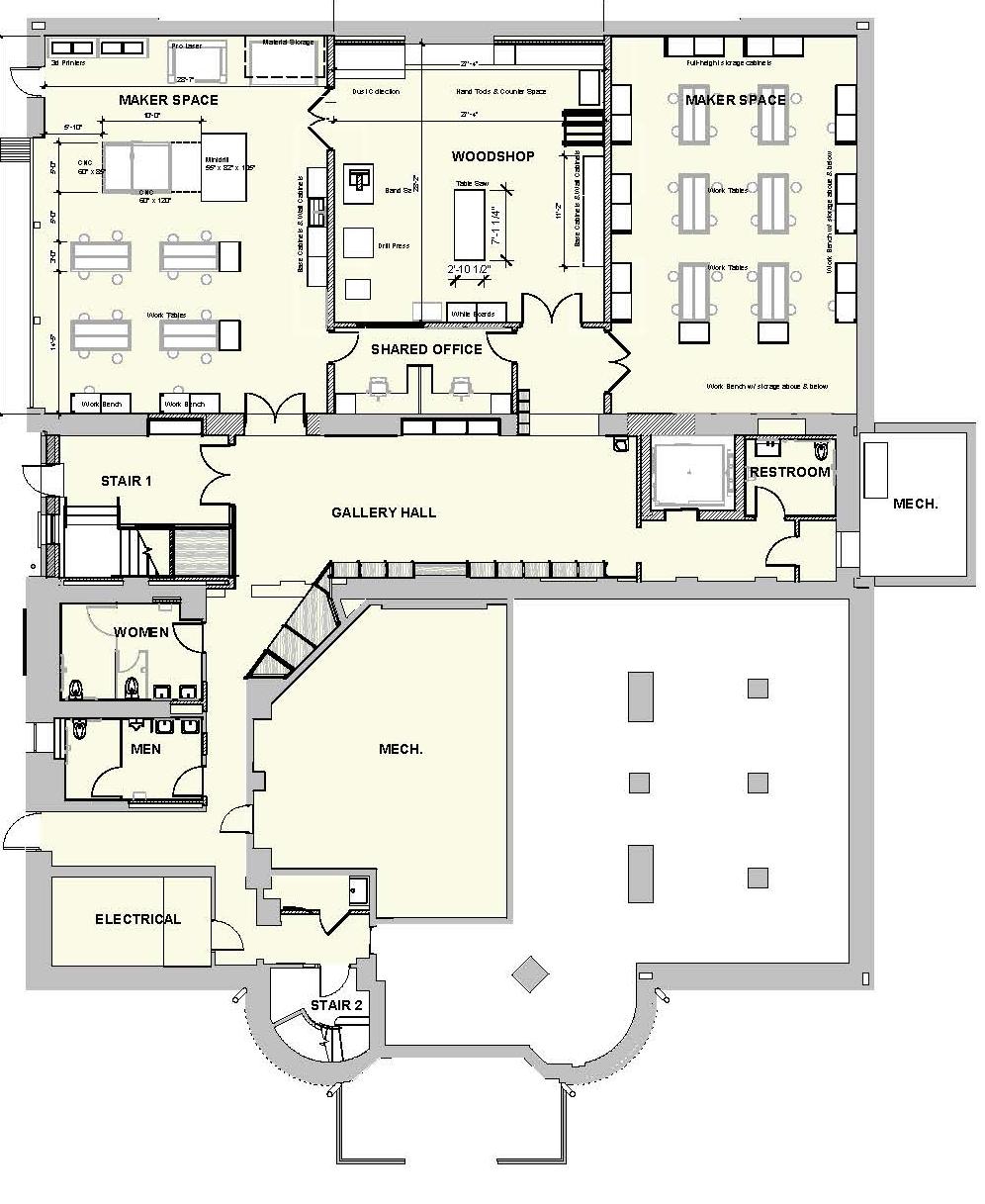
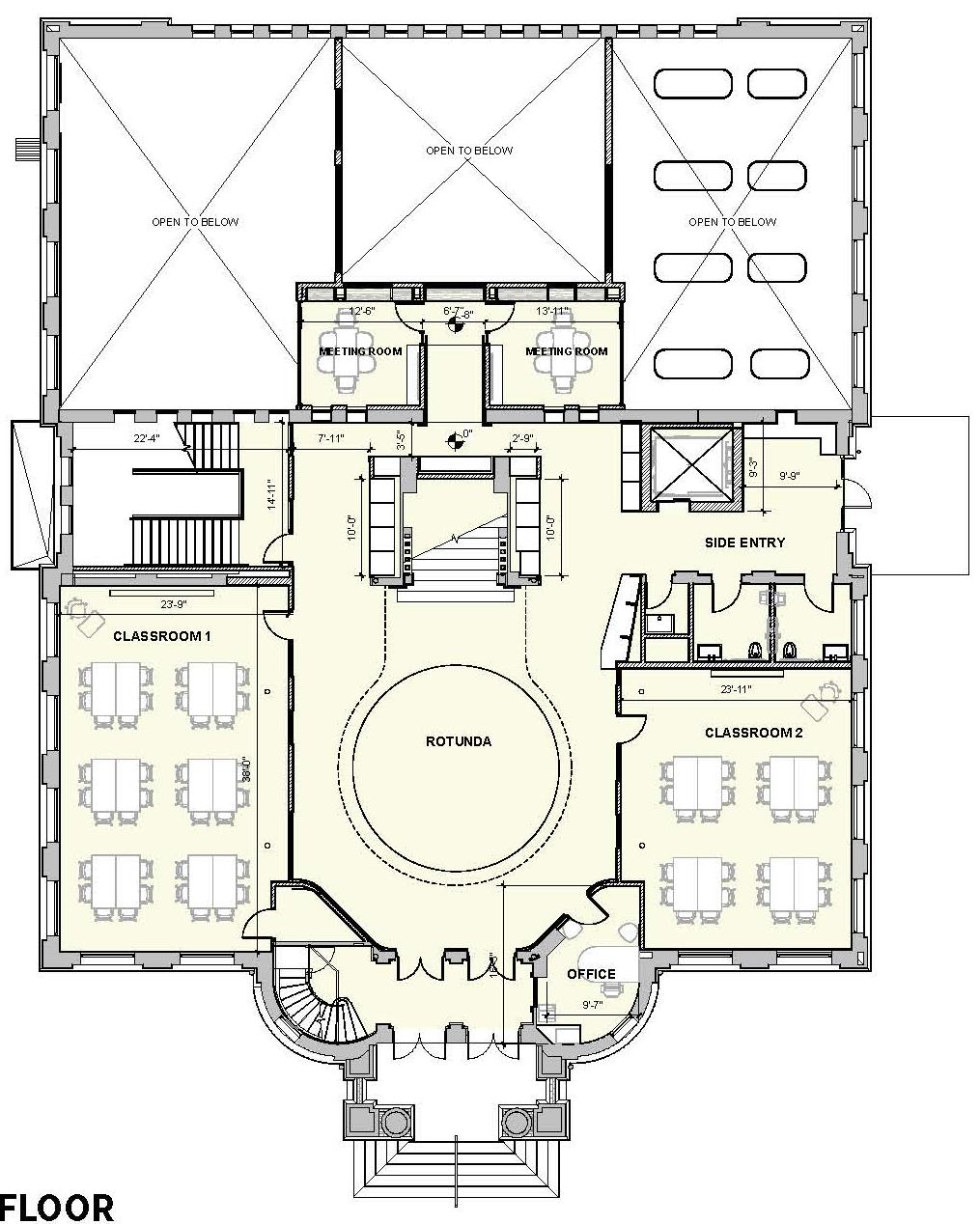

upper first floor plan
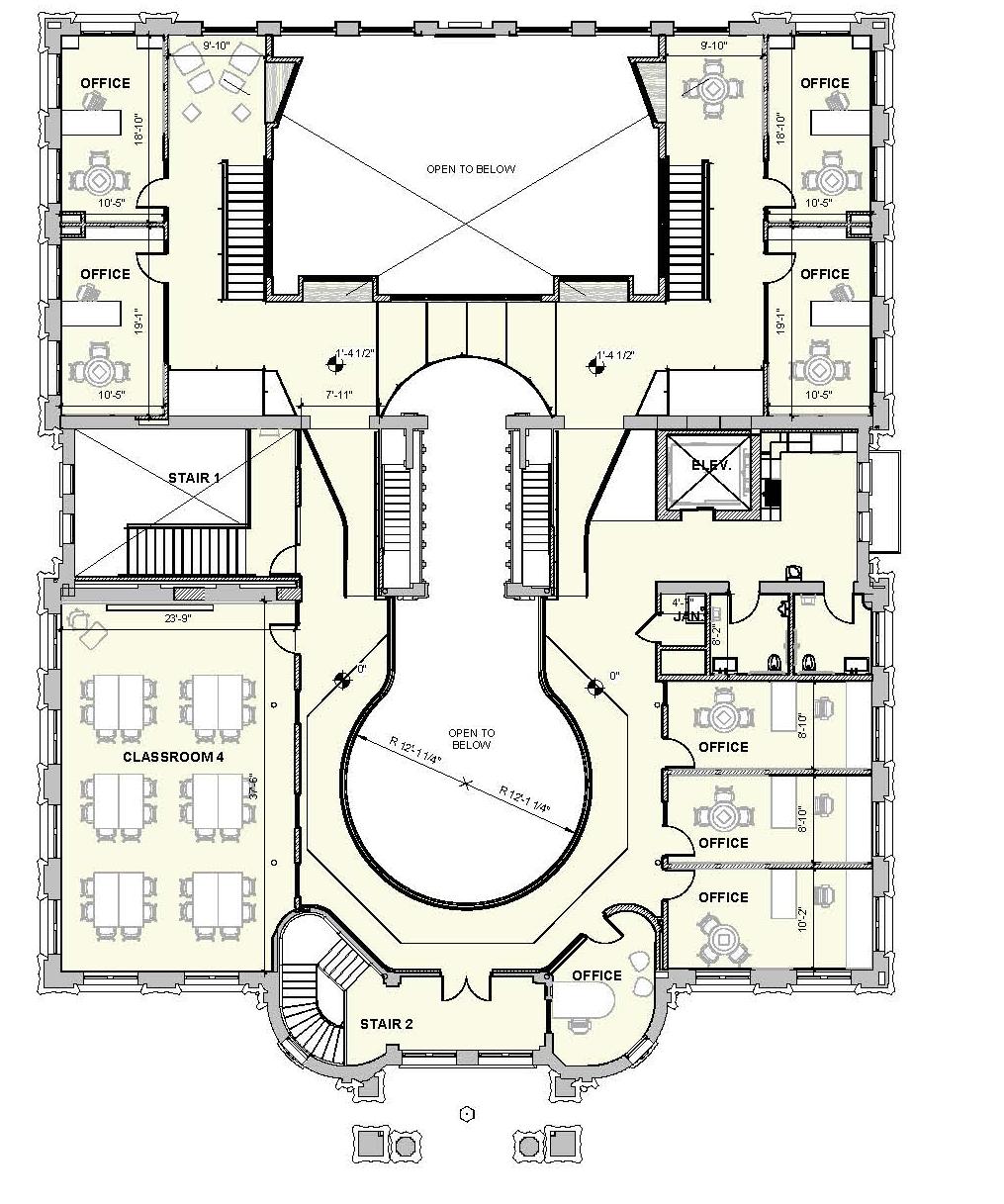
second floor plan
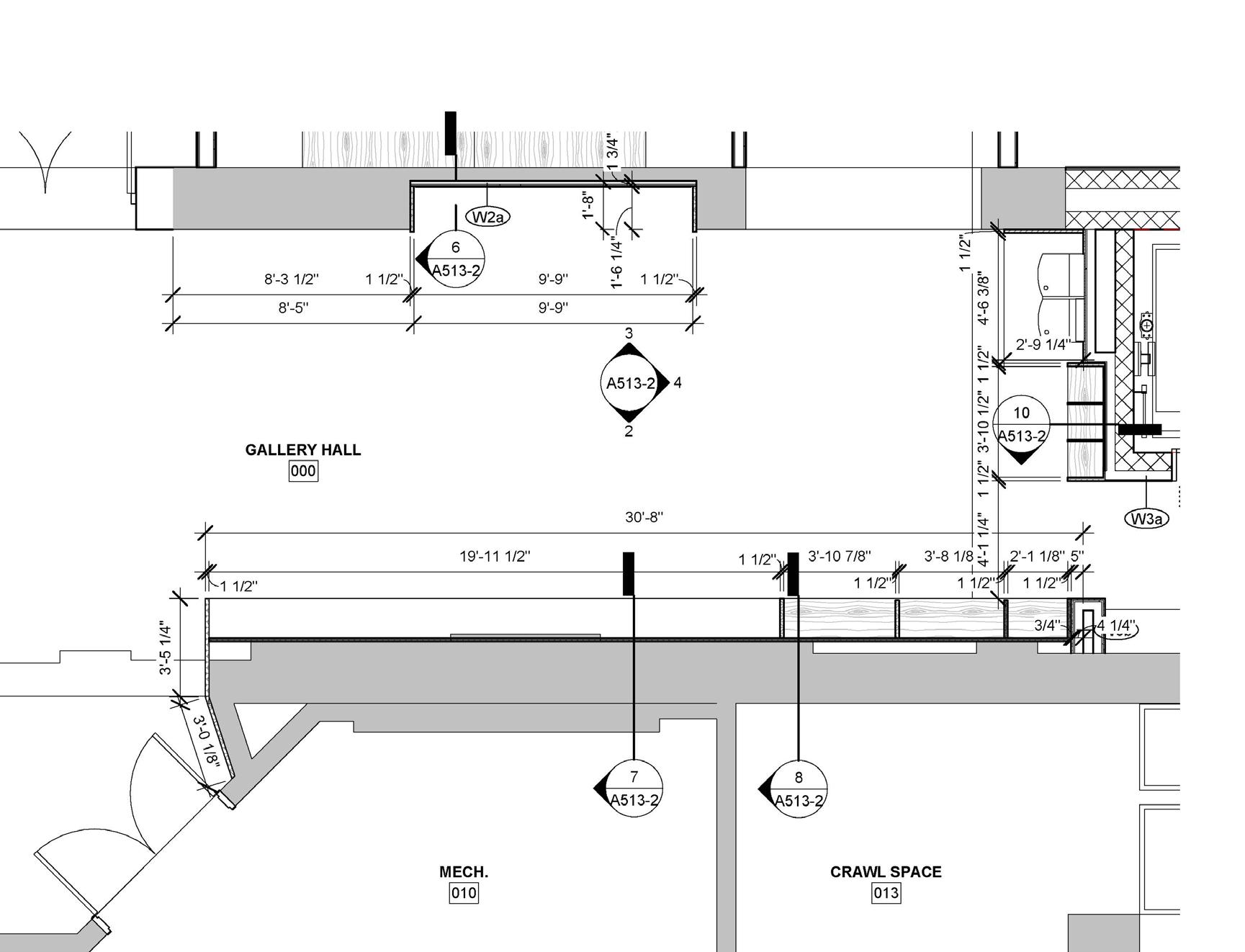
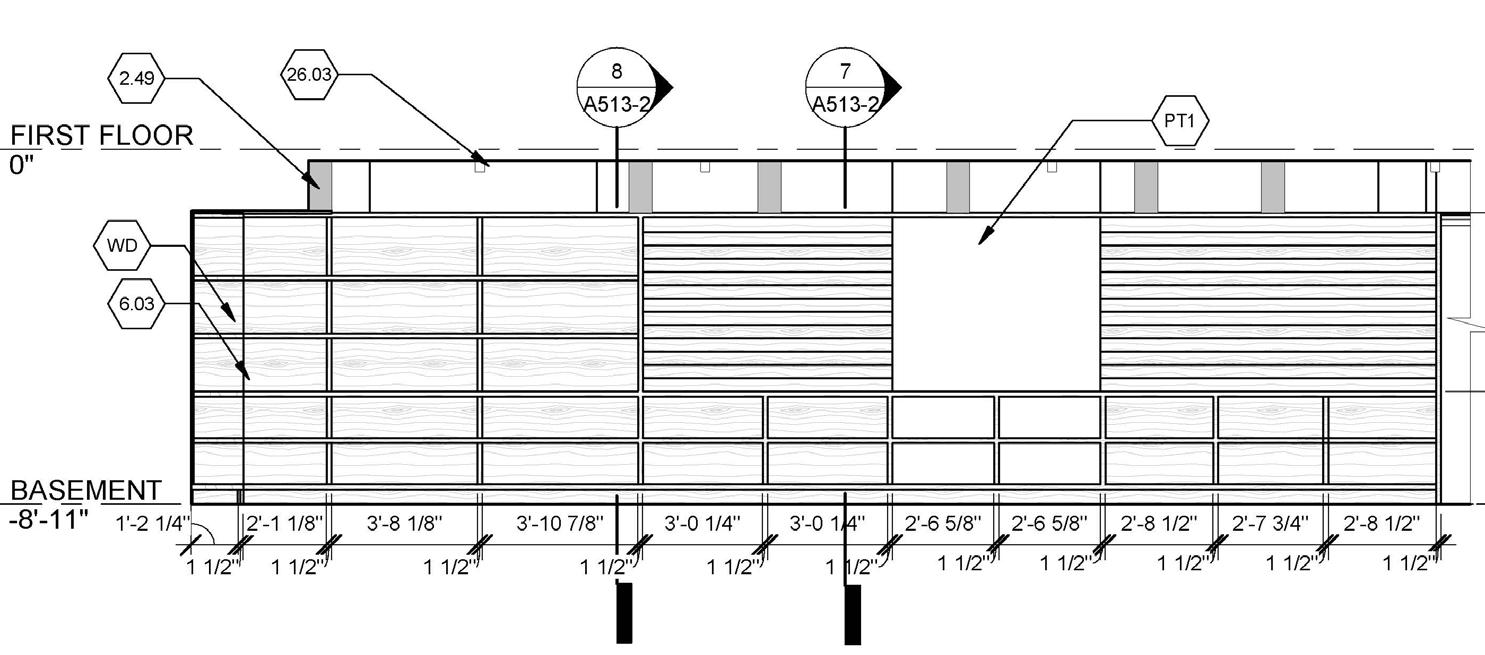

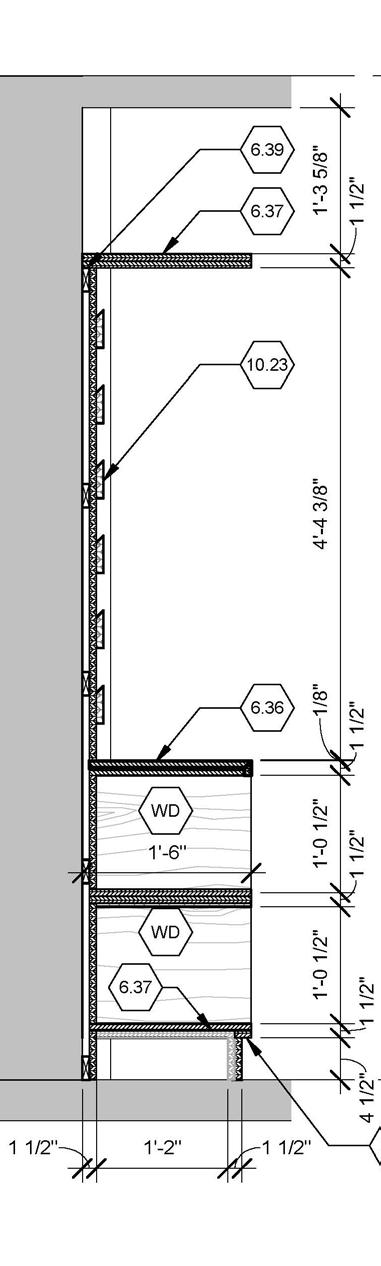
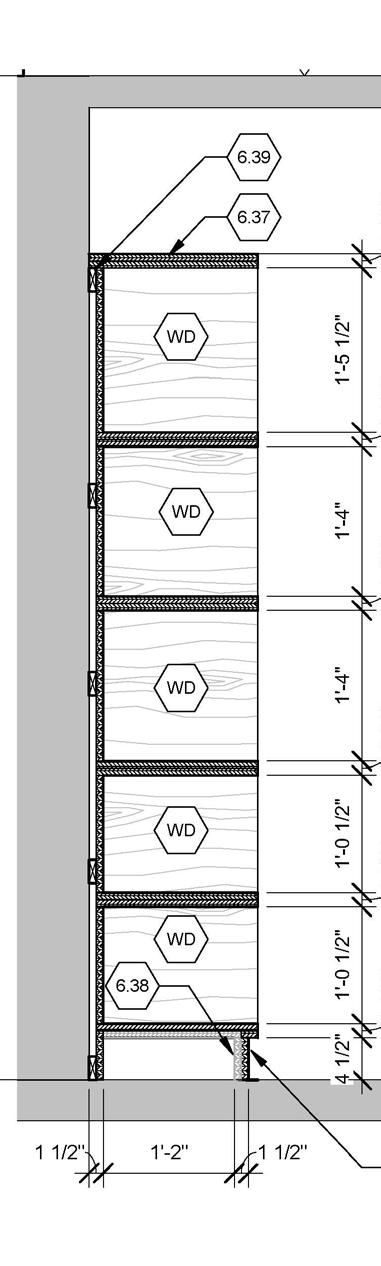
The gallery hall in the basement is located just outside of the maker spaces and the woodshop will feature custom shelving and a French cleat hanging system—offering a place to both store and display student work.
gallery hall enlarged plan
gallery hall elevation
gallery shelf axon
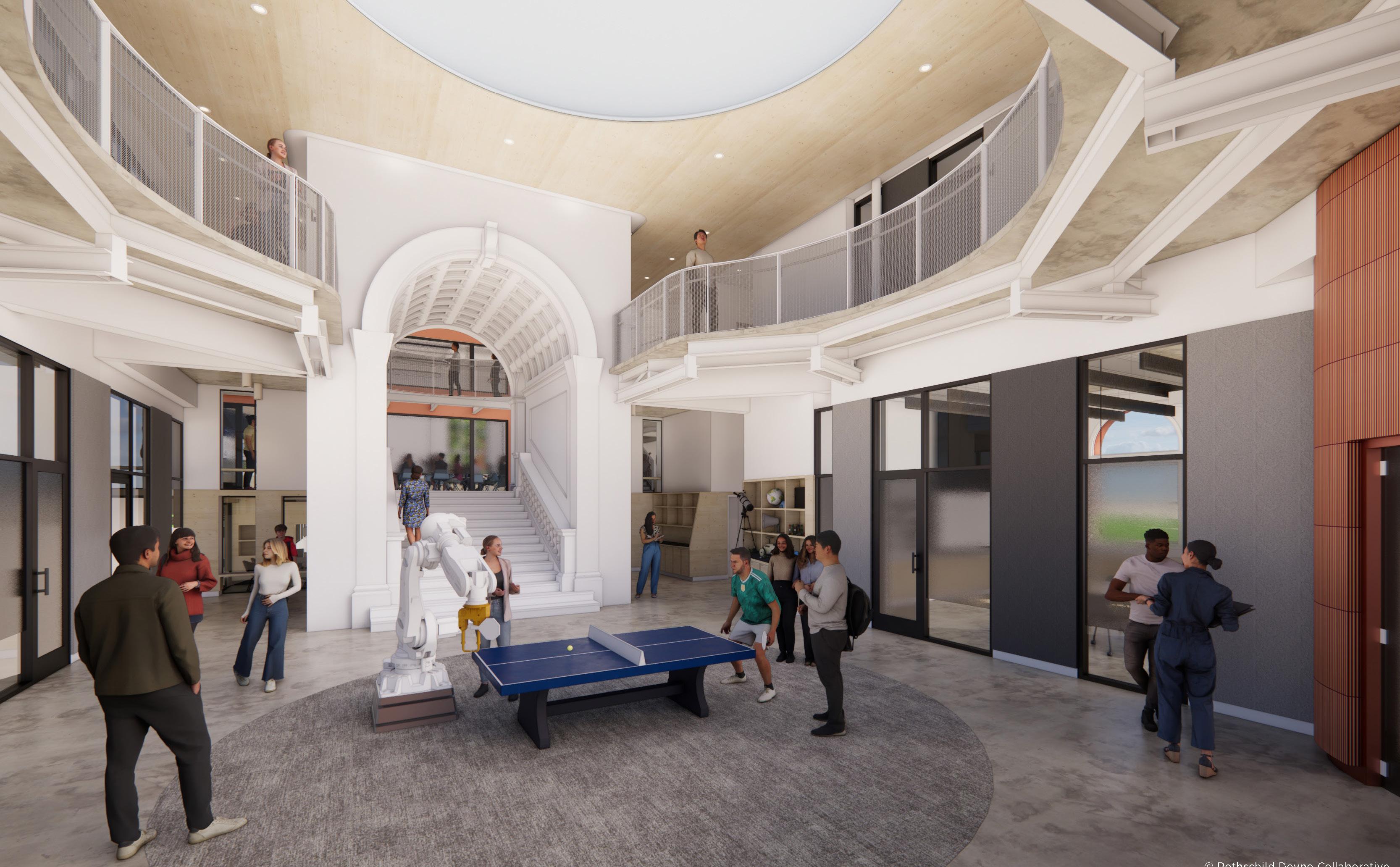
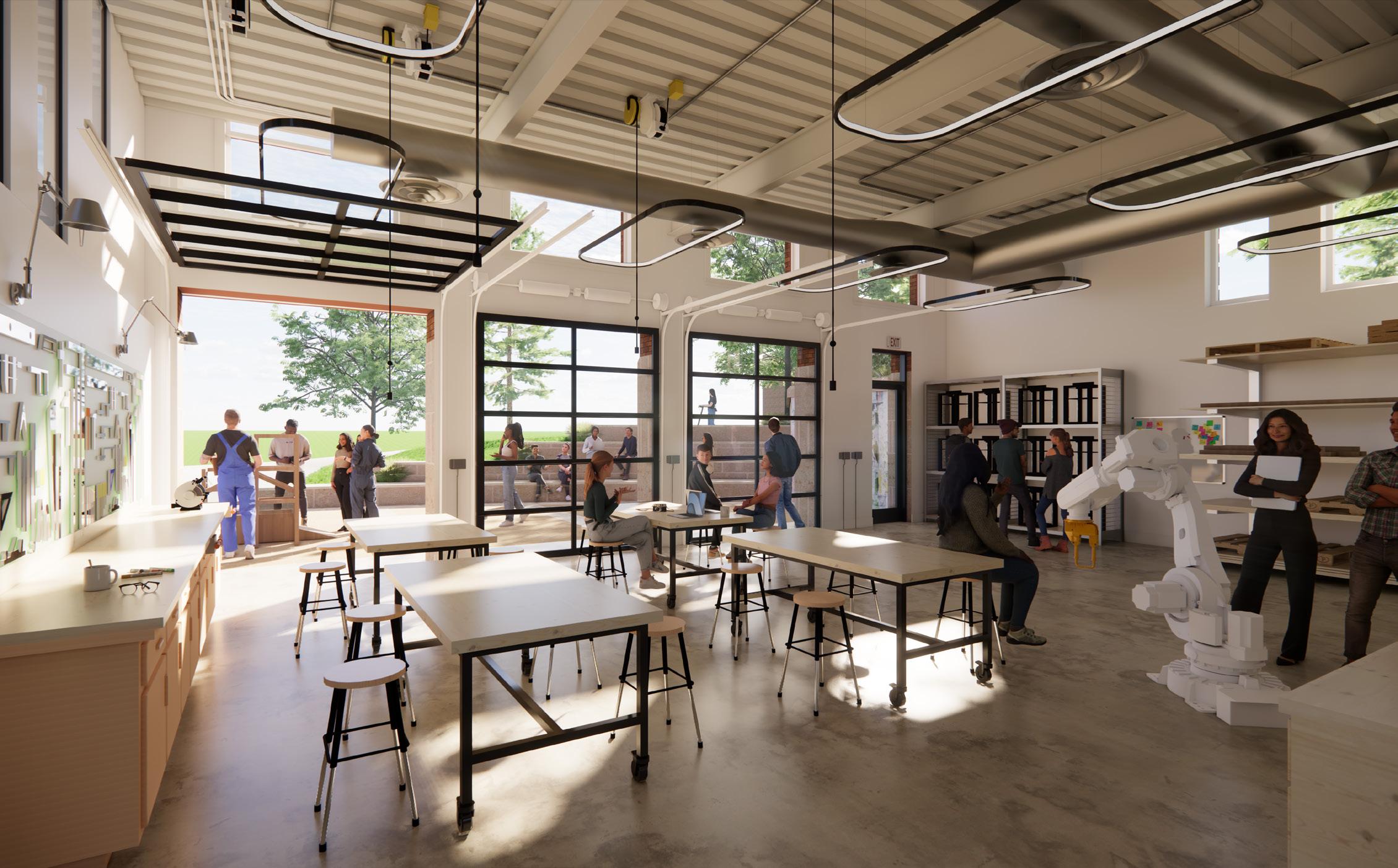
rotunda render
summer, 10:00 am

UPPER FIRST FLOOR FIRST FLOOR
summer, 1:00 pm
summer, 4:00 pm
winter, 10:00 am
winter, 1:00 pm
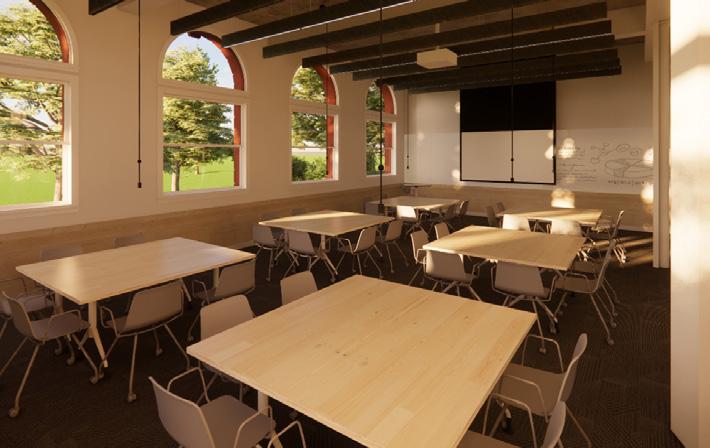
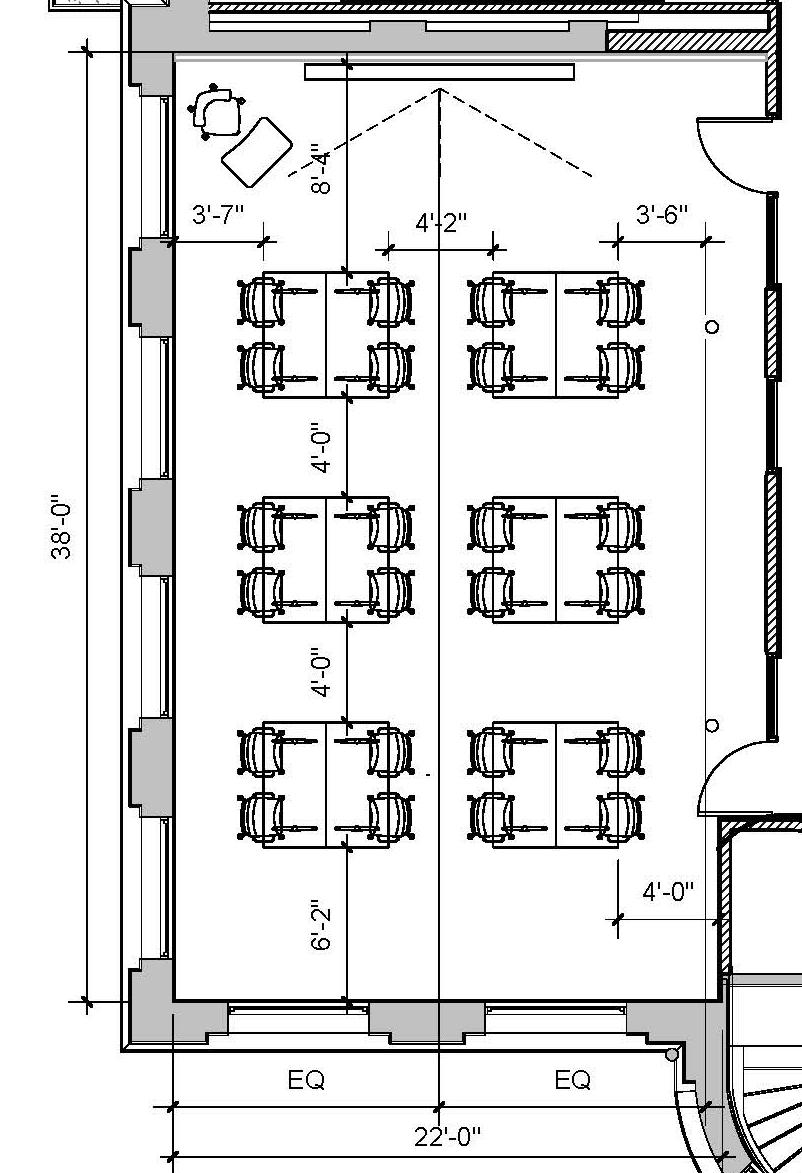
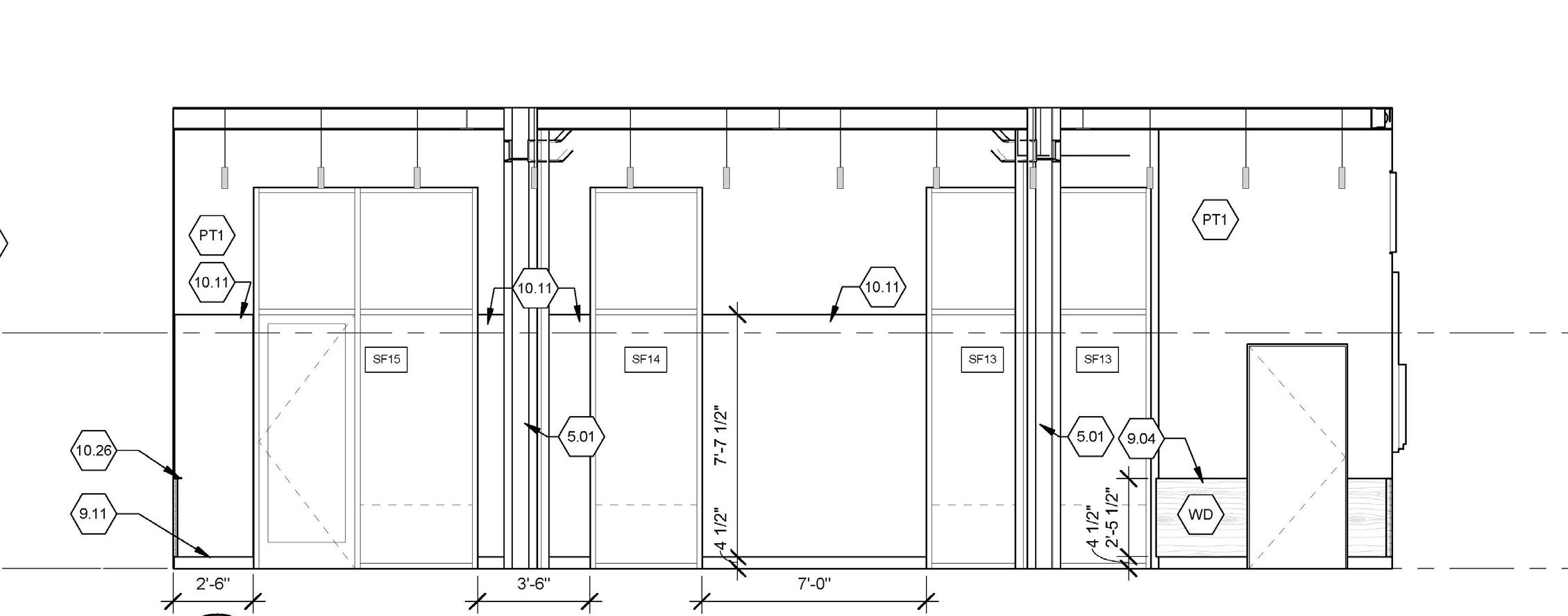
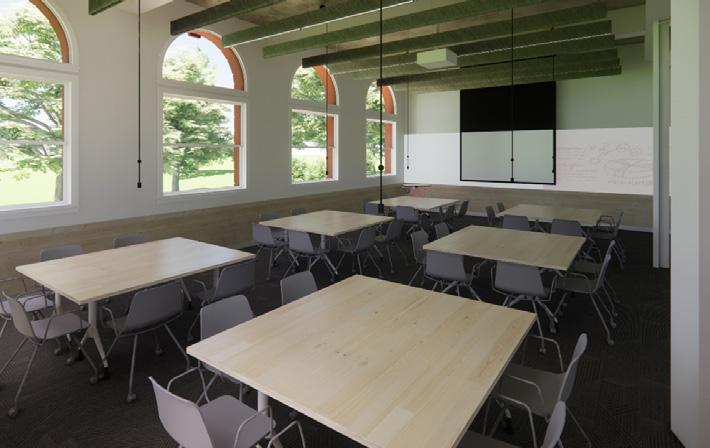
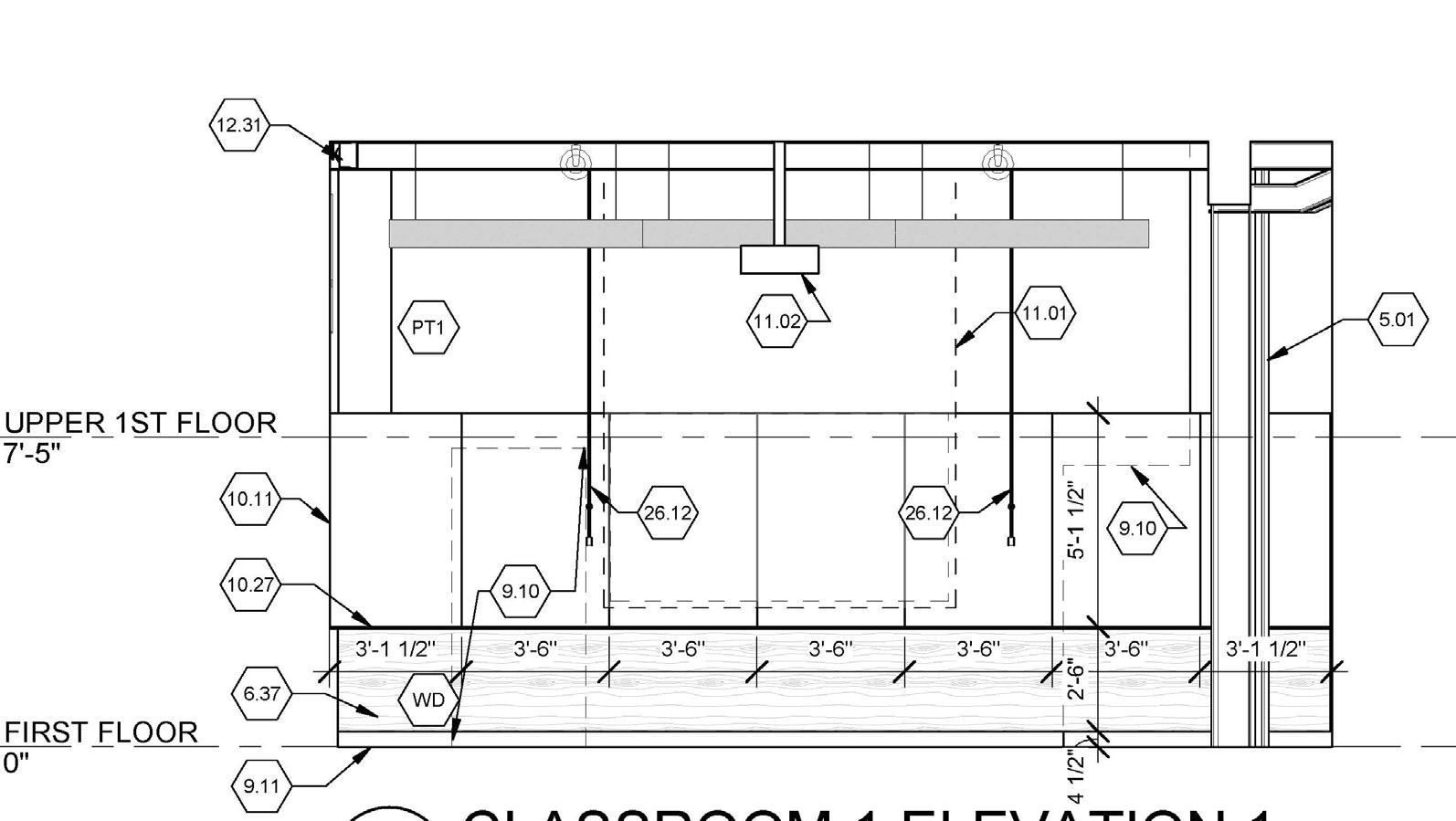
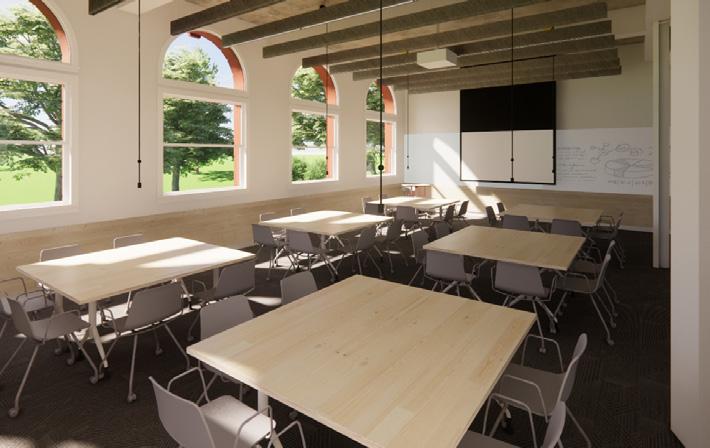
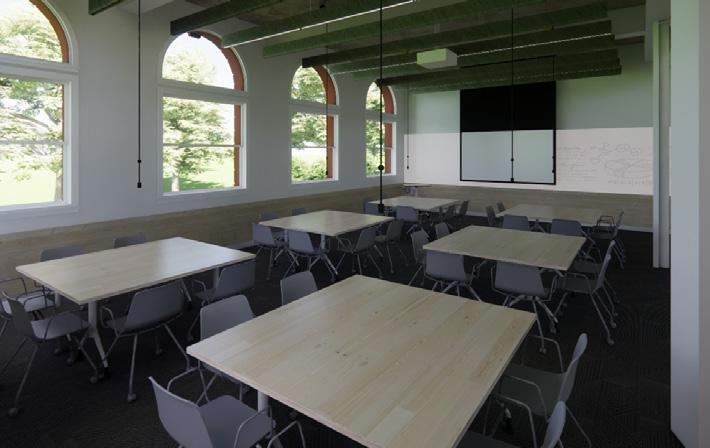
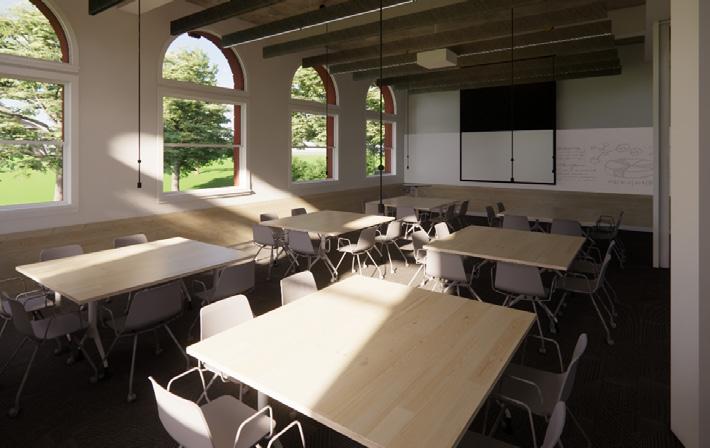
As the building and program strive to underscore and promote experiential, engaged learning, the classrooms were a critical component of design. Classroom 1, which is featured on this page, is one of the two classrooms that flank the rotunda. The wall separating the classroom from the rotunda is patterned with curtain wall
panels with switchable glass that allow for openness or privacy as needed. The solid walls between the curtain wall are part of a system of glass whiteboards to provide spaces for writing and collaboration within the classroom, while the other side features acoustic felt panels to aid with sound absorption in the rotunda.

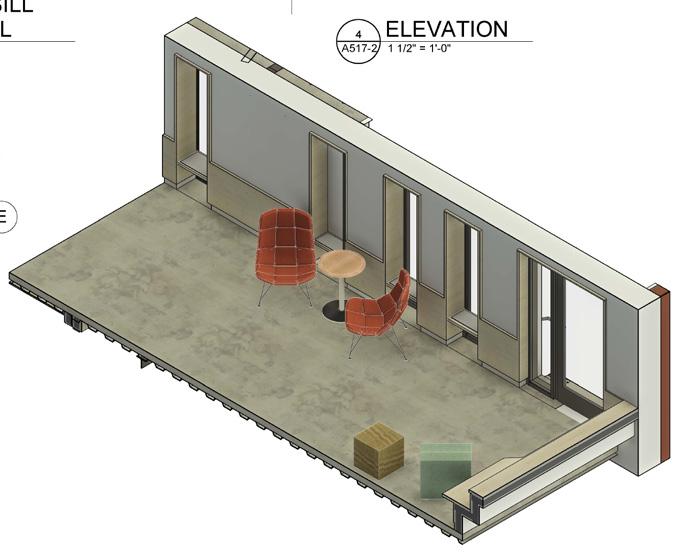
Study nooks and spaces along the window wall were some of the spaces included in furniture studies that accompanied the finish selection and design.
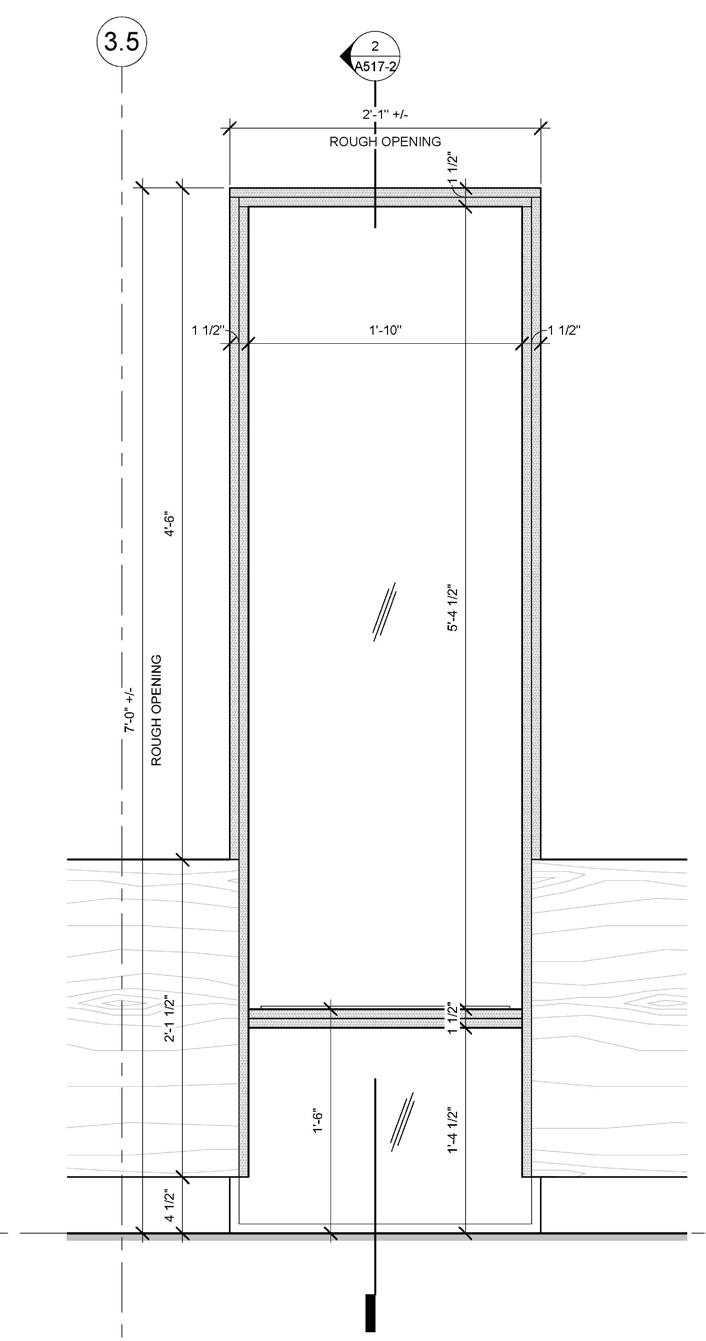
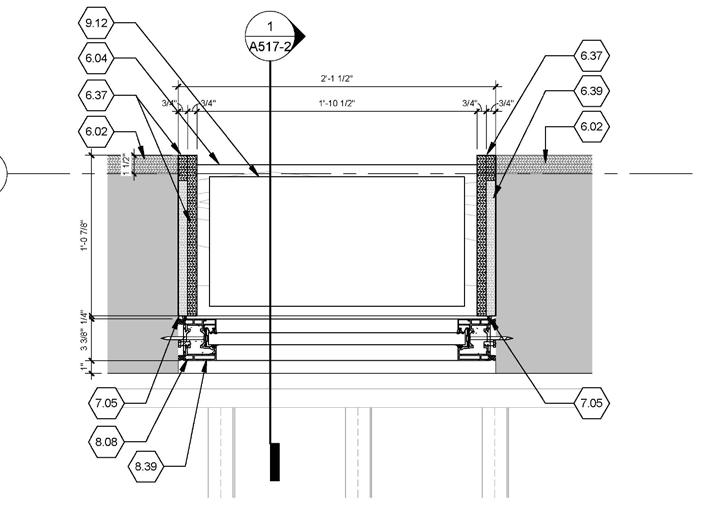
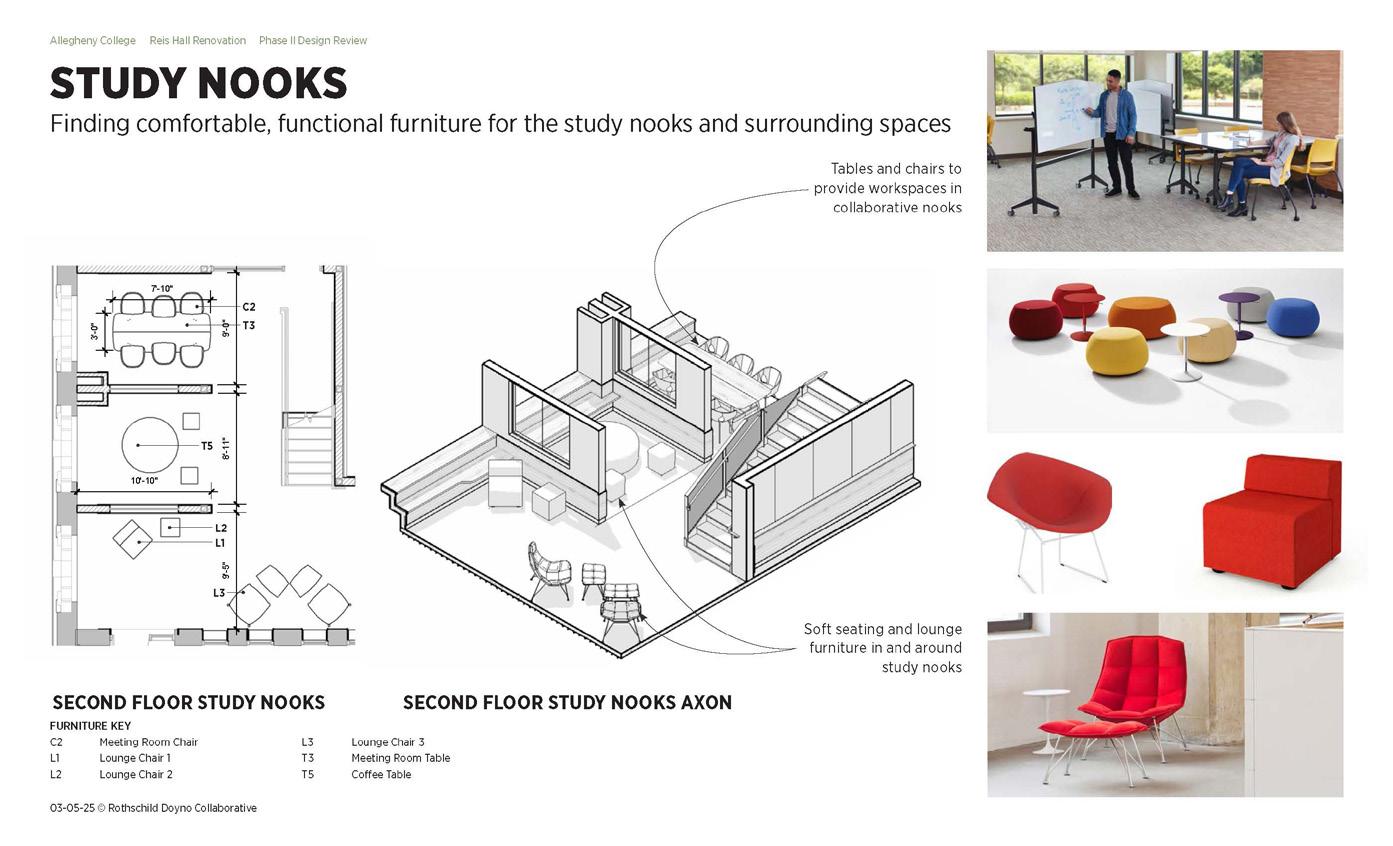
window seat axon
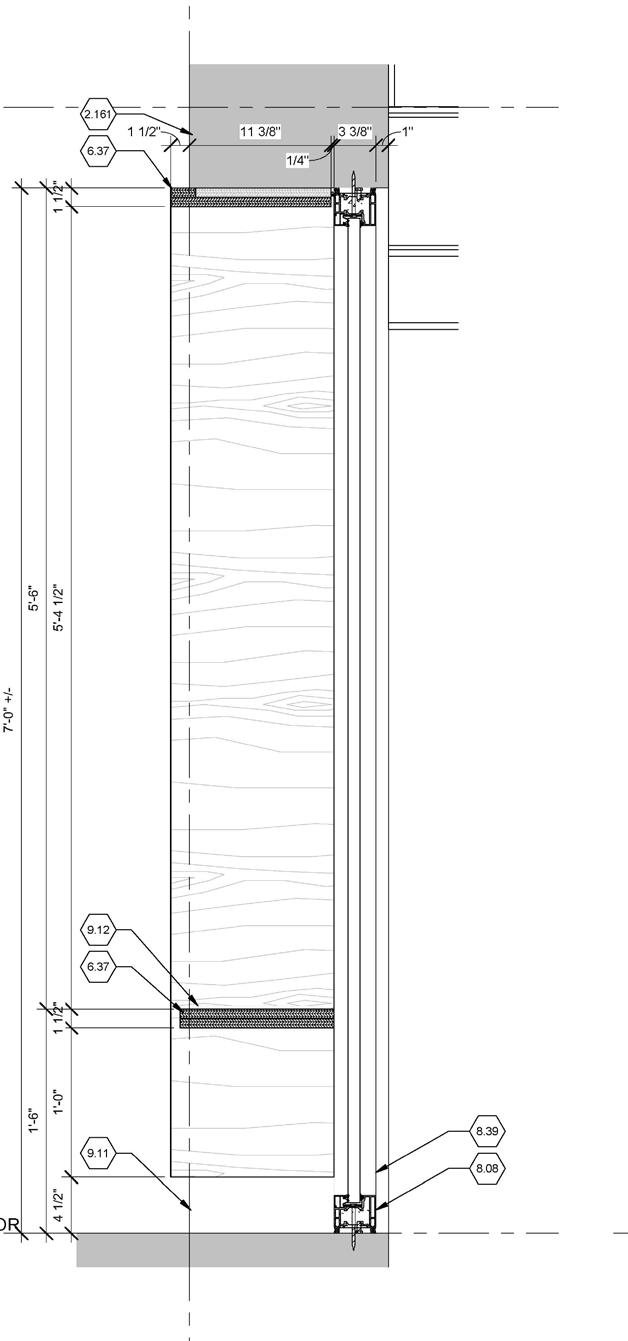
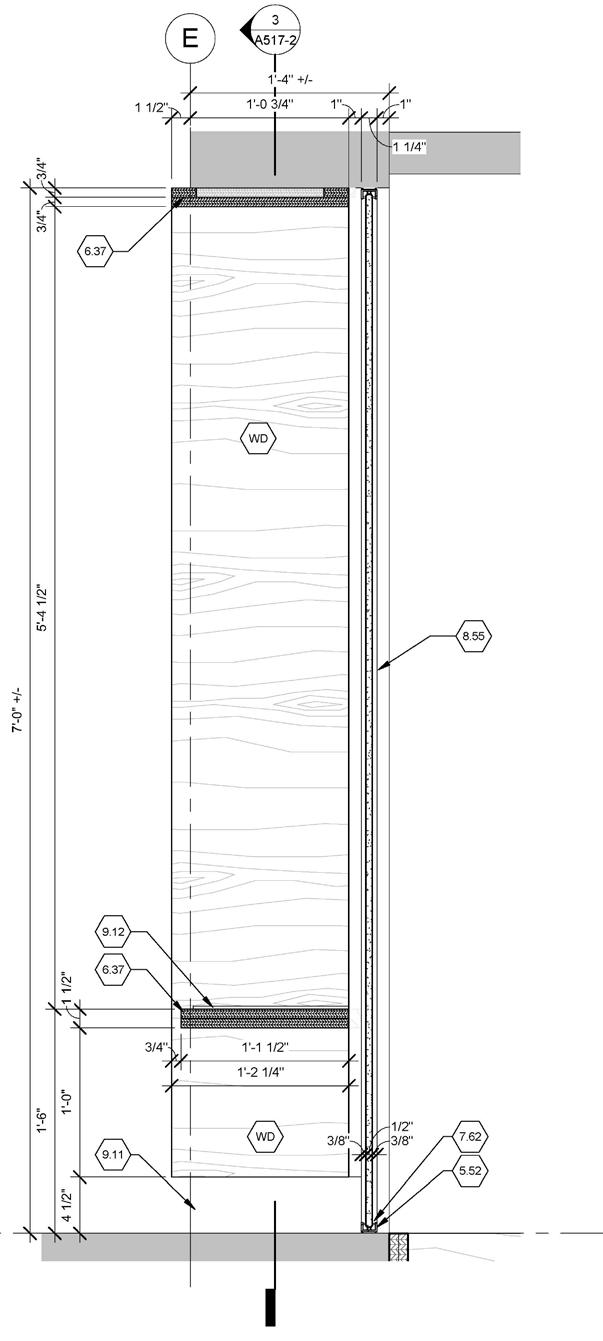
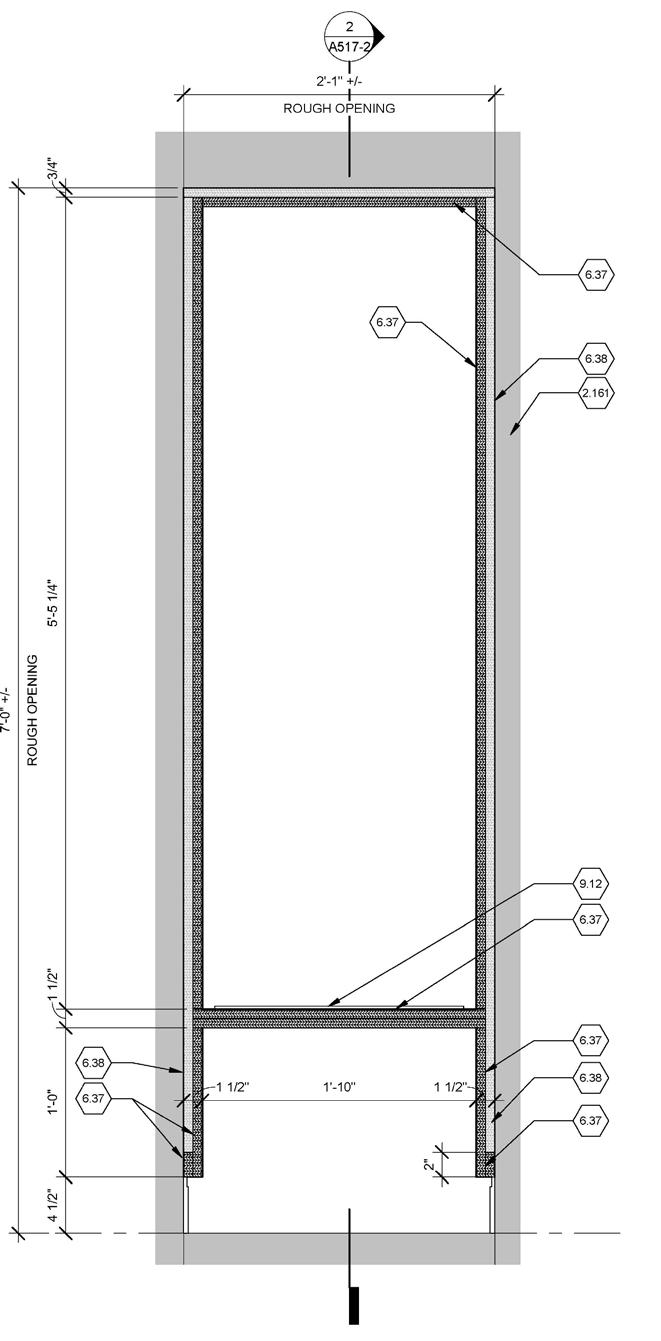
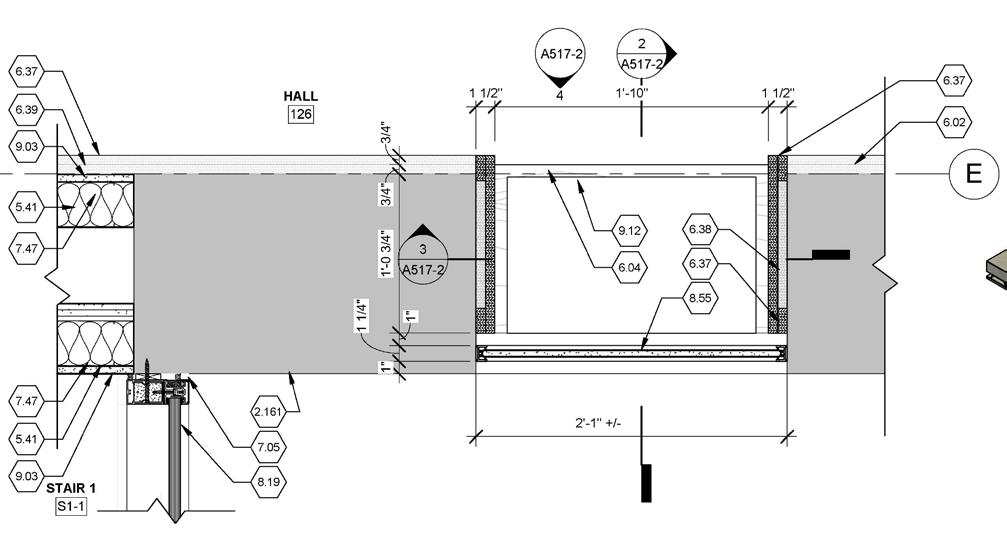
typ. fire-rated window seat section detail 03
A prior addition enclosed a once exterior wall that is adjacent to the rotunda. The infilled windows are being reopened and fitted with an extruded aluminum framed glazing system. The openings will then be clad with simulated CLT panels andultiamtely become a unique built-in seating feature.
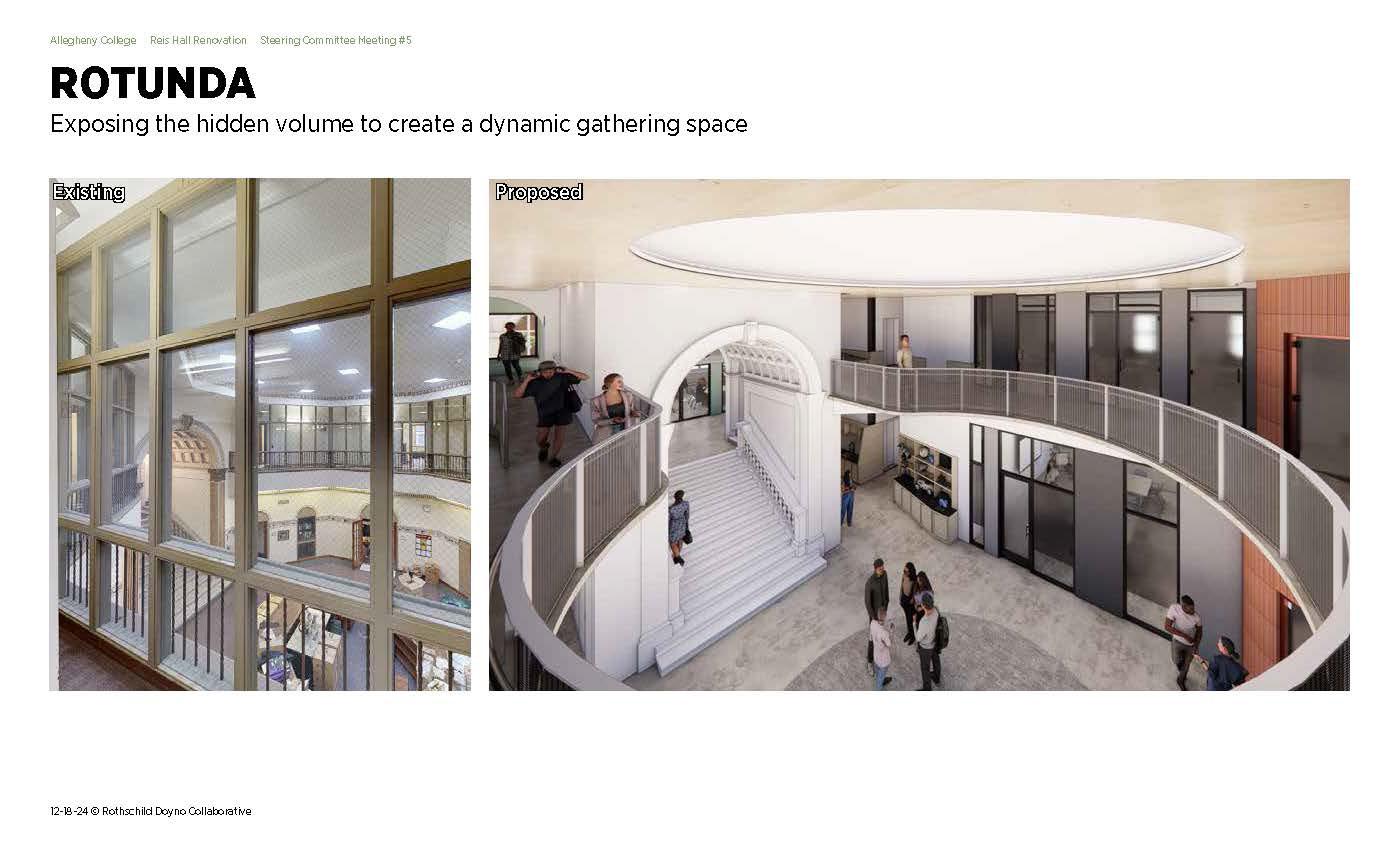
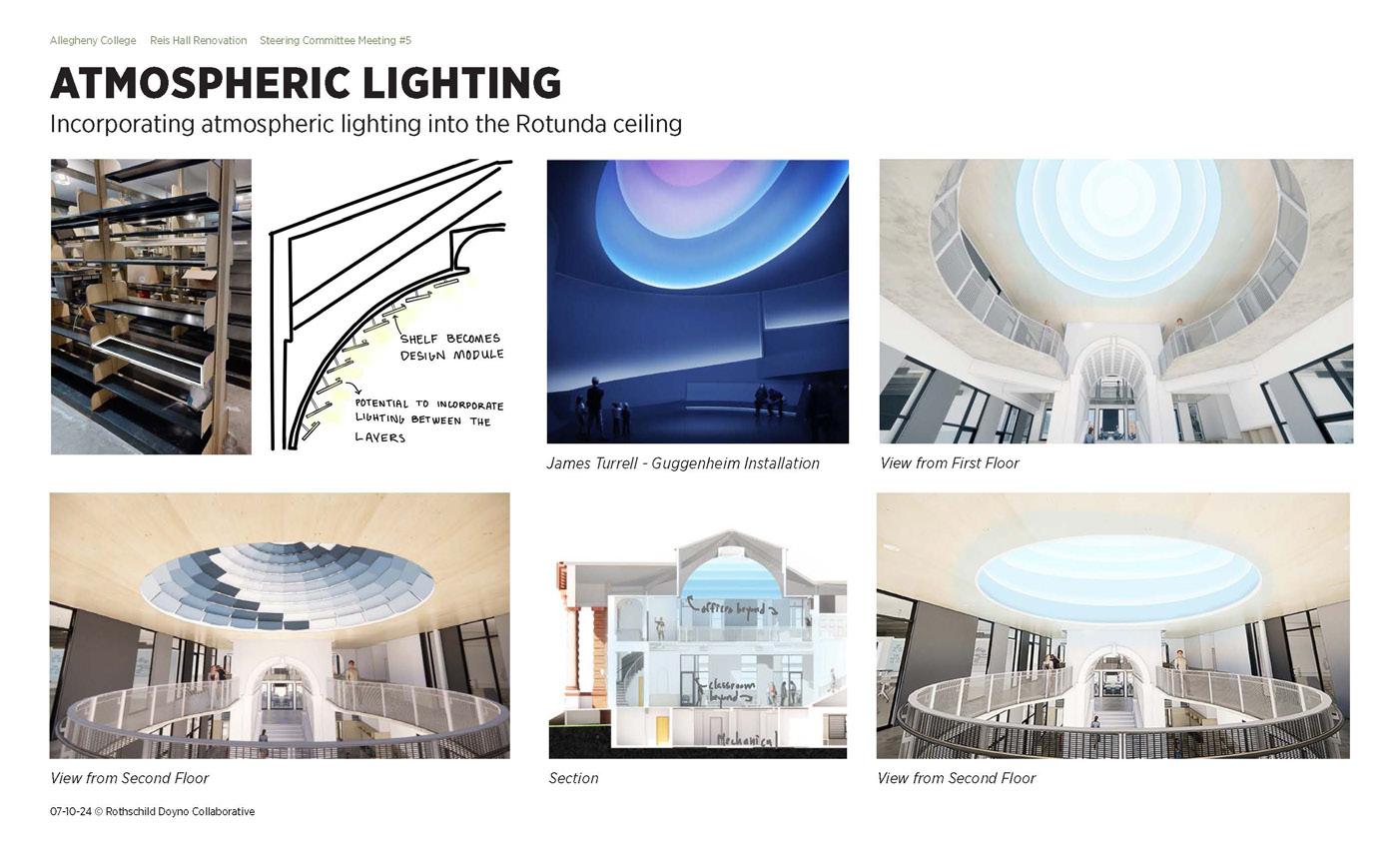
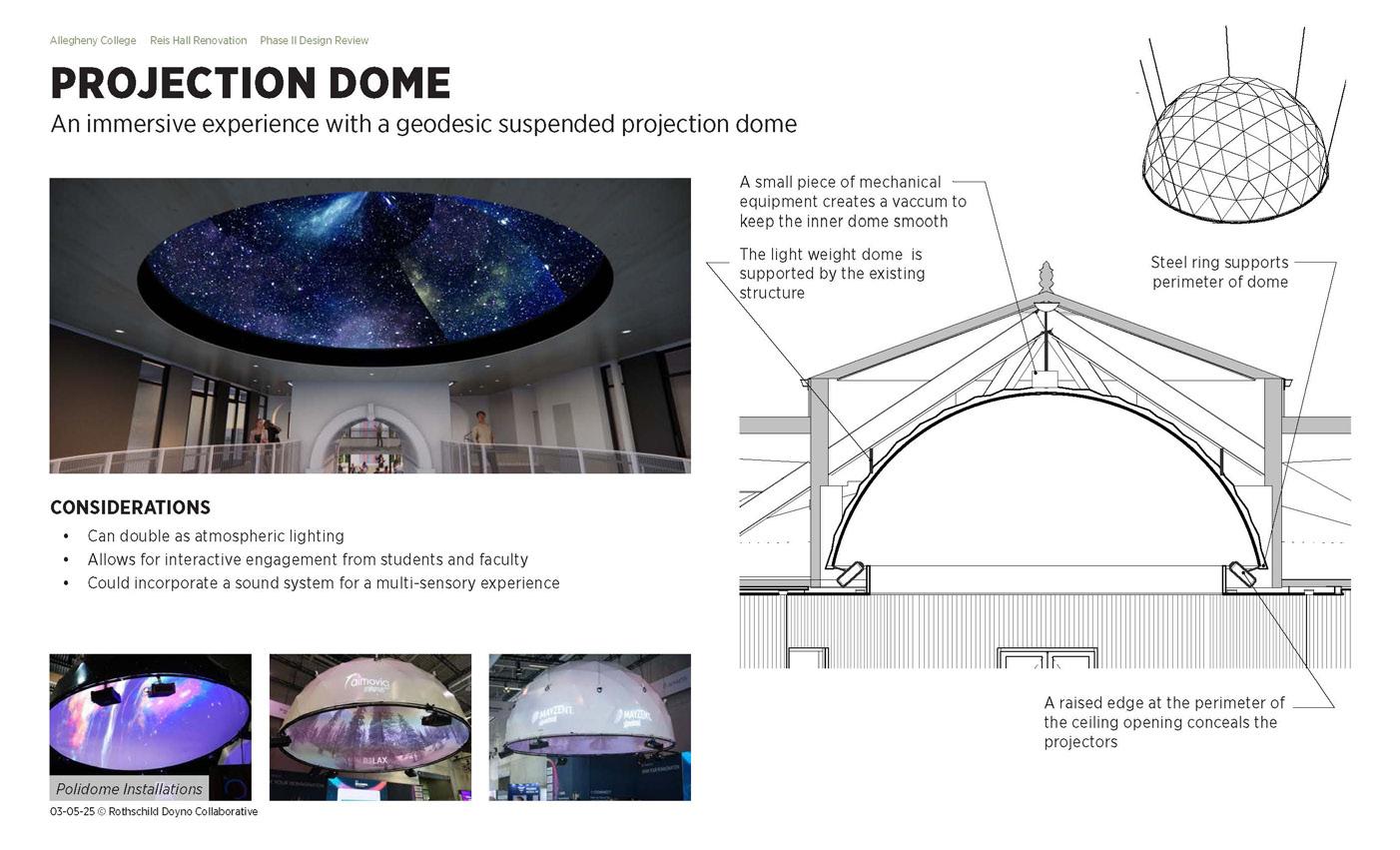
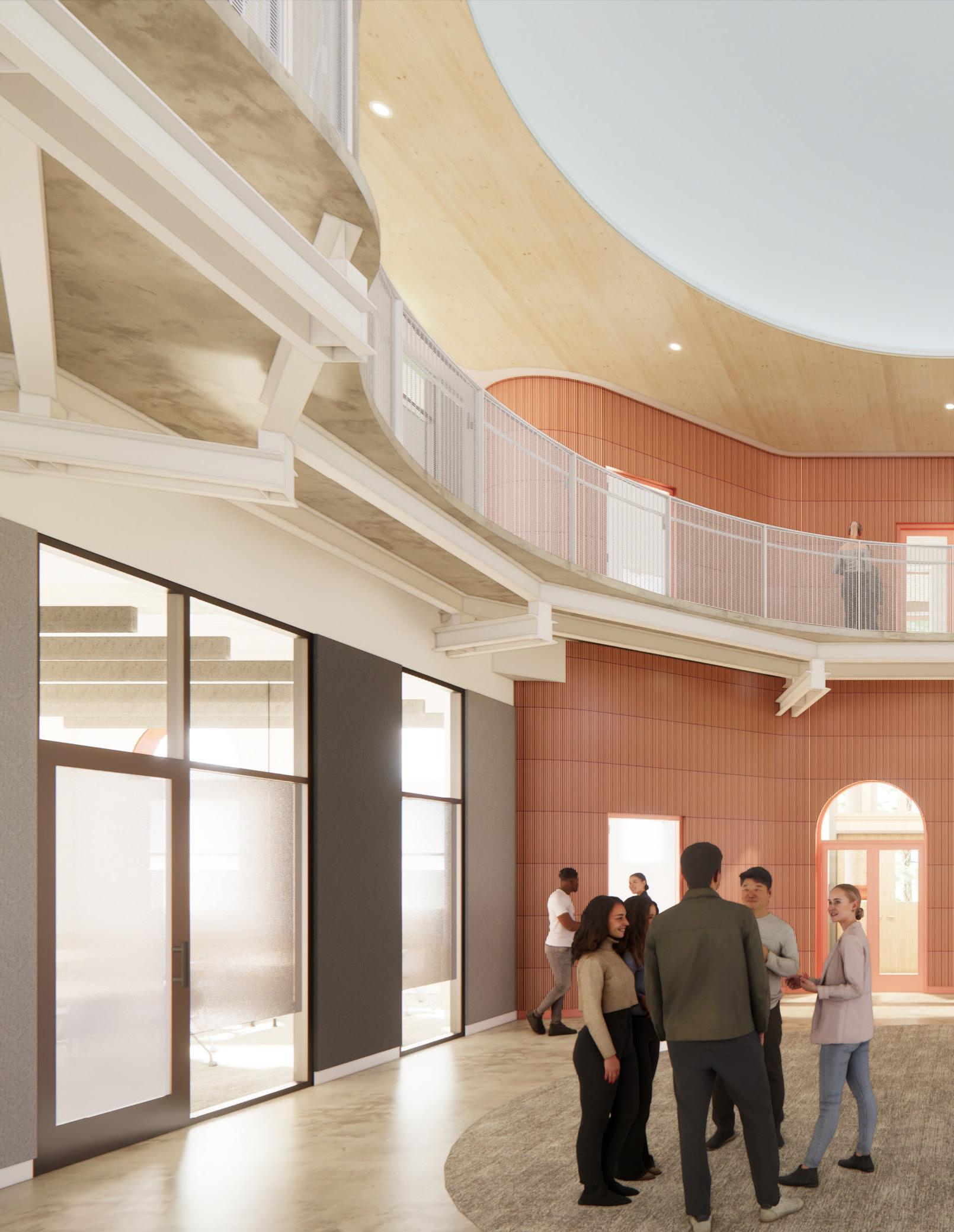
The rotunda is entered immediately from the building’s primary entrance. The striking doubleheight space and unique shape offered many design possibilities, including atmospheric lighting or an interactive projection dome, which were explored in many ways, including sketches, digital modeling, and renderings.
additional work
reading cities
professor: colomba pecchioli
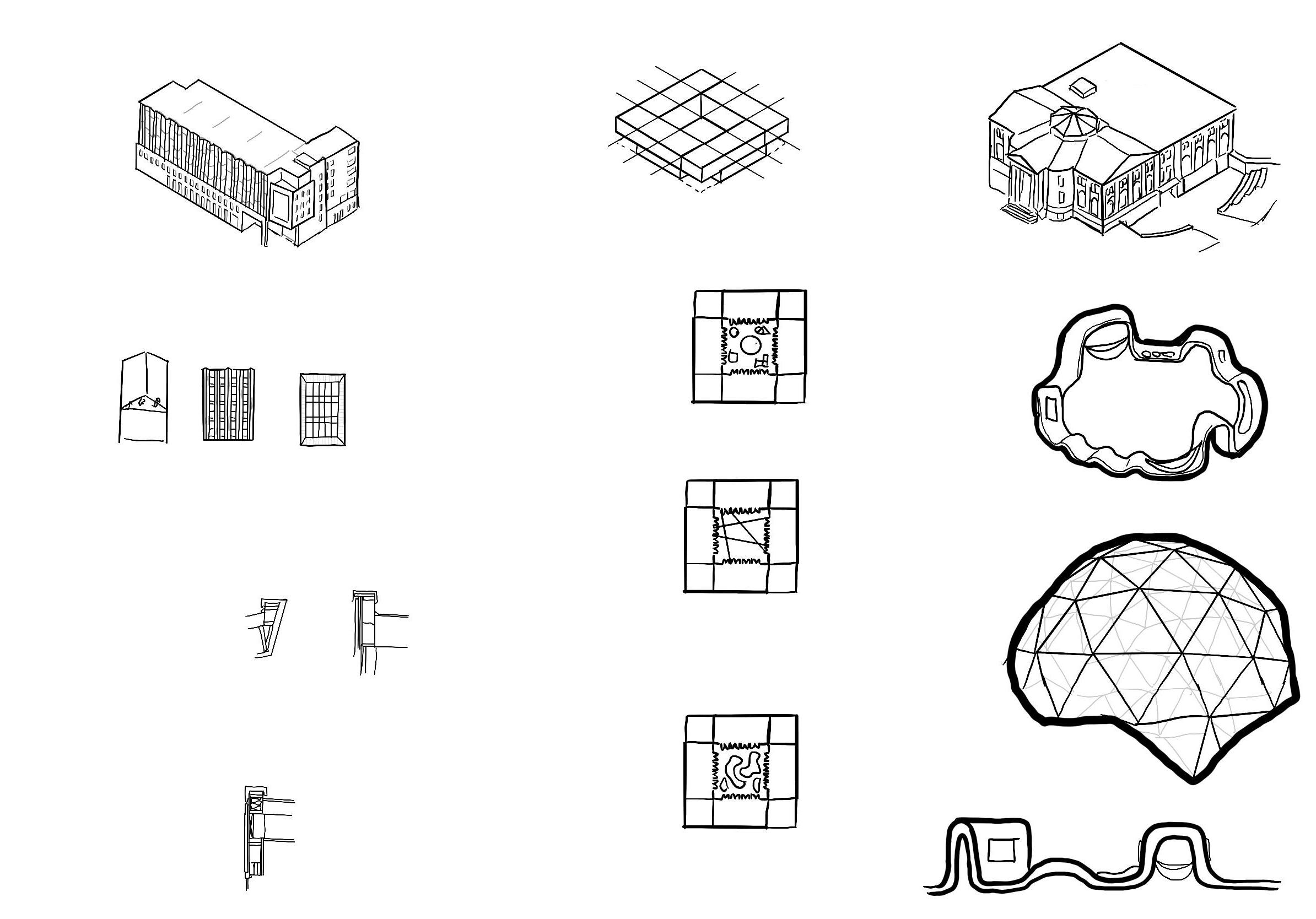
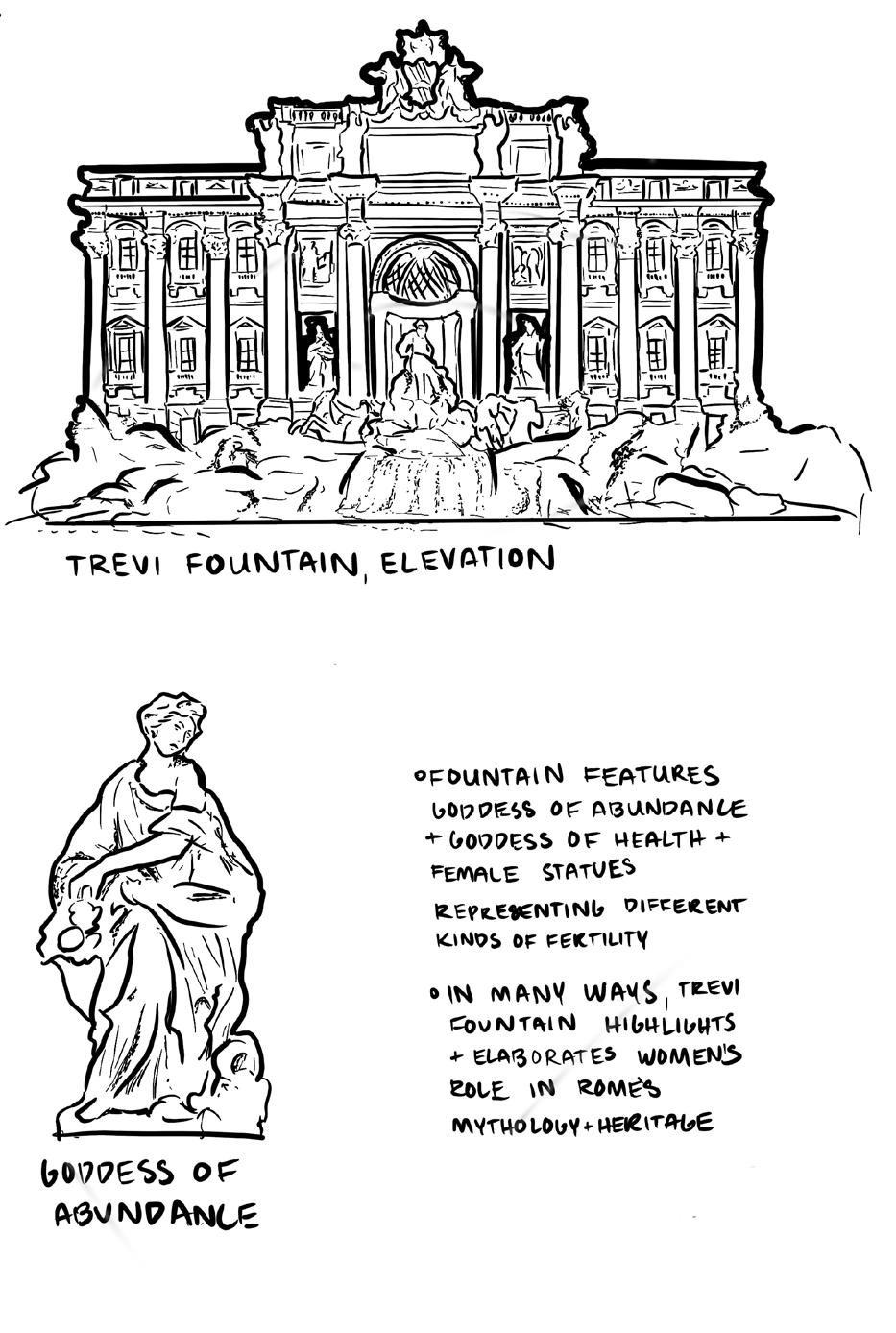
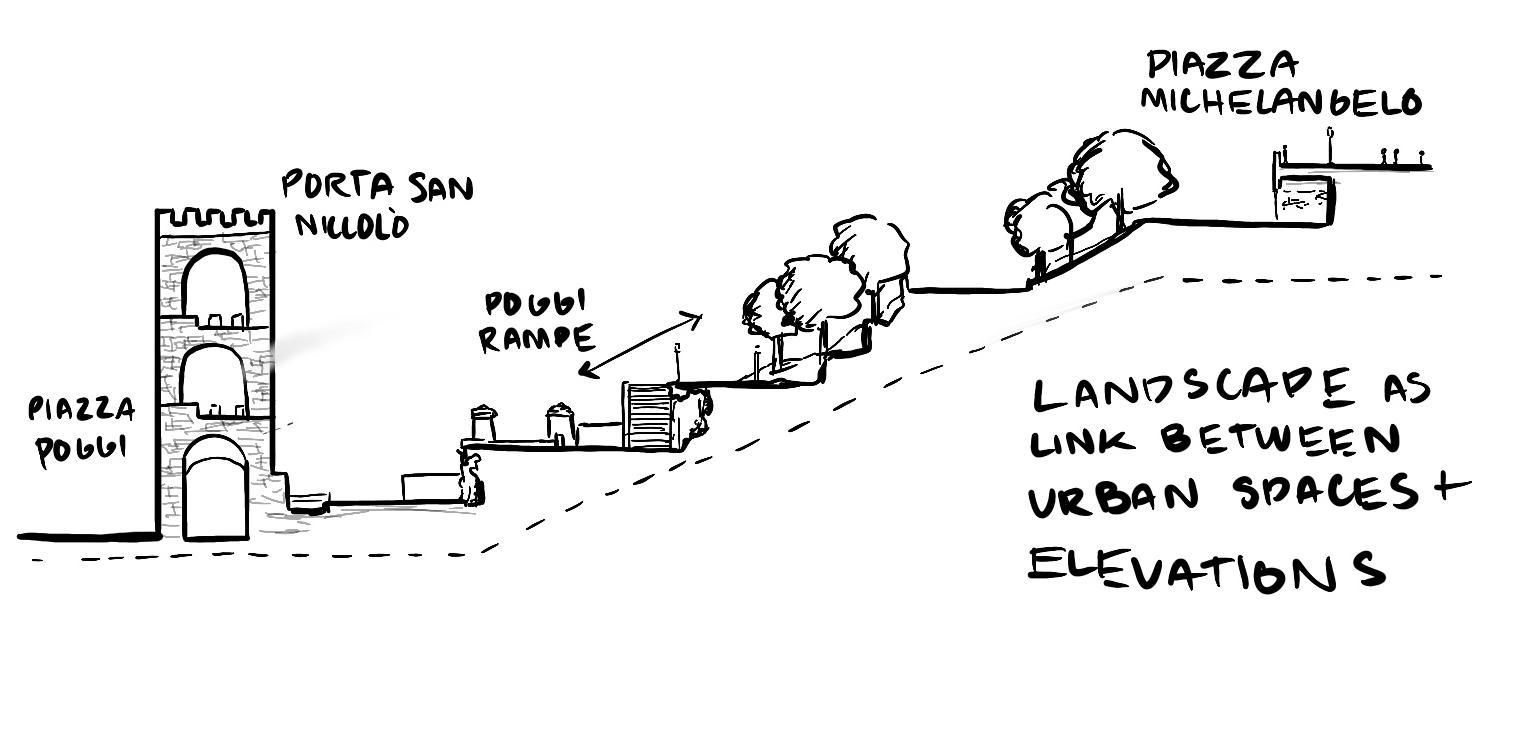
Reading Cities was a class focused on the architecture of Italian cities, their urban design, and the dialogue between the two. Following tours and site visits to various cities, sketches were used as a means of analyzing the history, experience, and spatial elements of the cities.
computer applications II
professor: adrienne economos miller
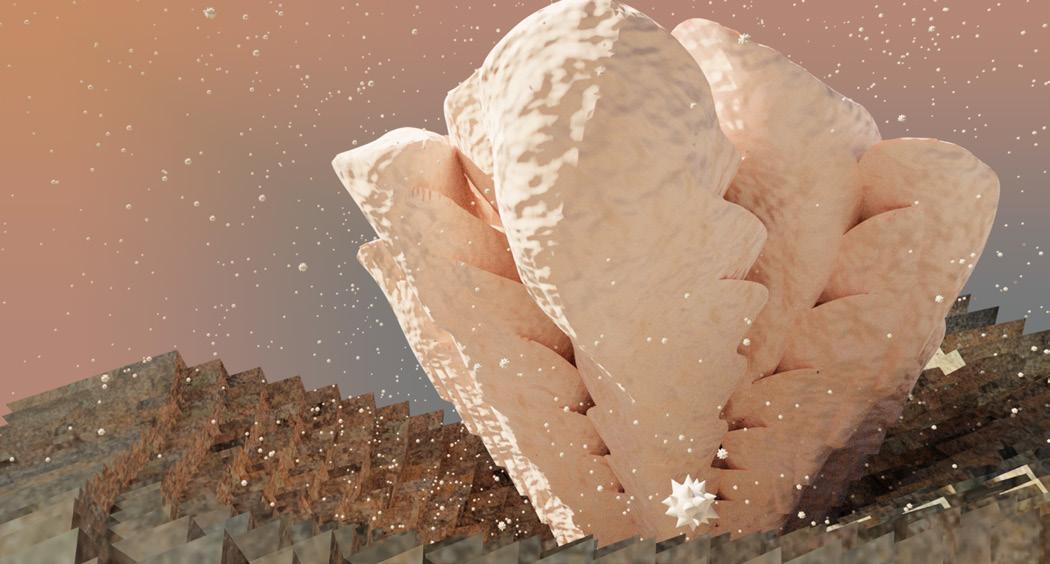
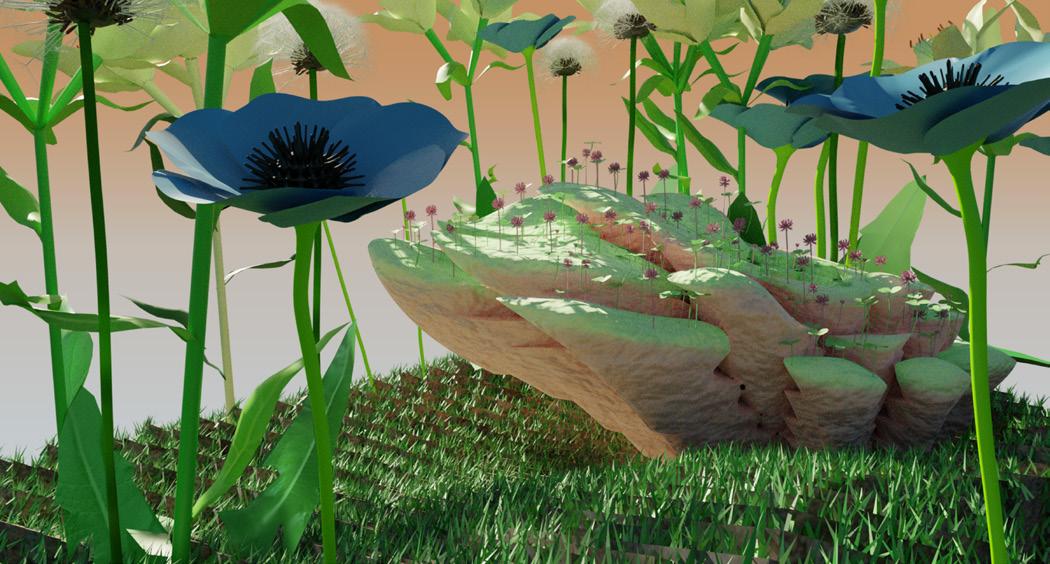
This was a brief study for a Computer Applications course utilizing Rhino and Grasshopper to produce a field and an object and the using Blender to visualize and speculate in how the object might age over time—in this case, postulating the object might begin to foster other-worldly growth.
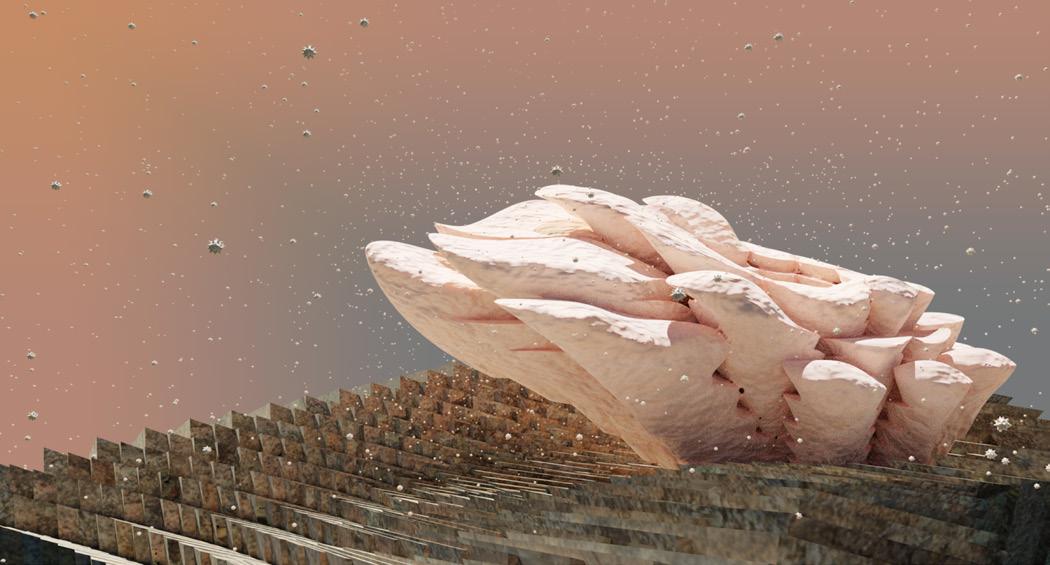

aging
new
aged
study of poggi rampe in section
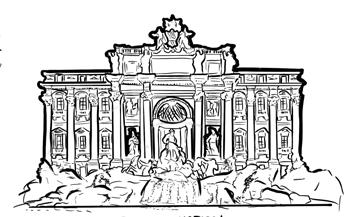
study of trevi fountain
not neutral making
supervisor: jennifer meakins
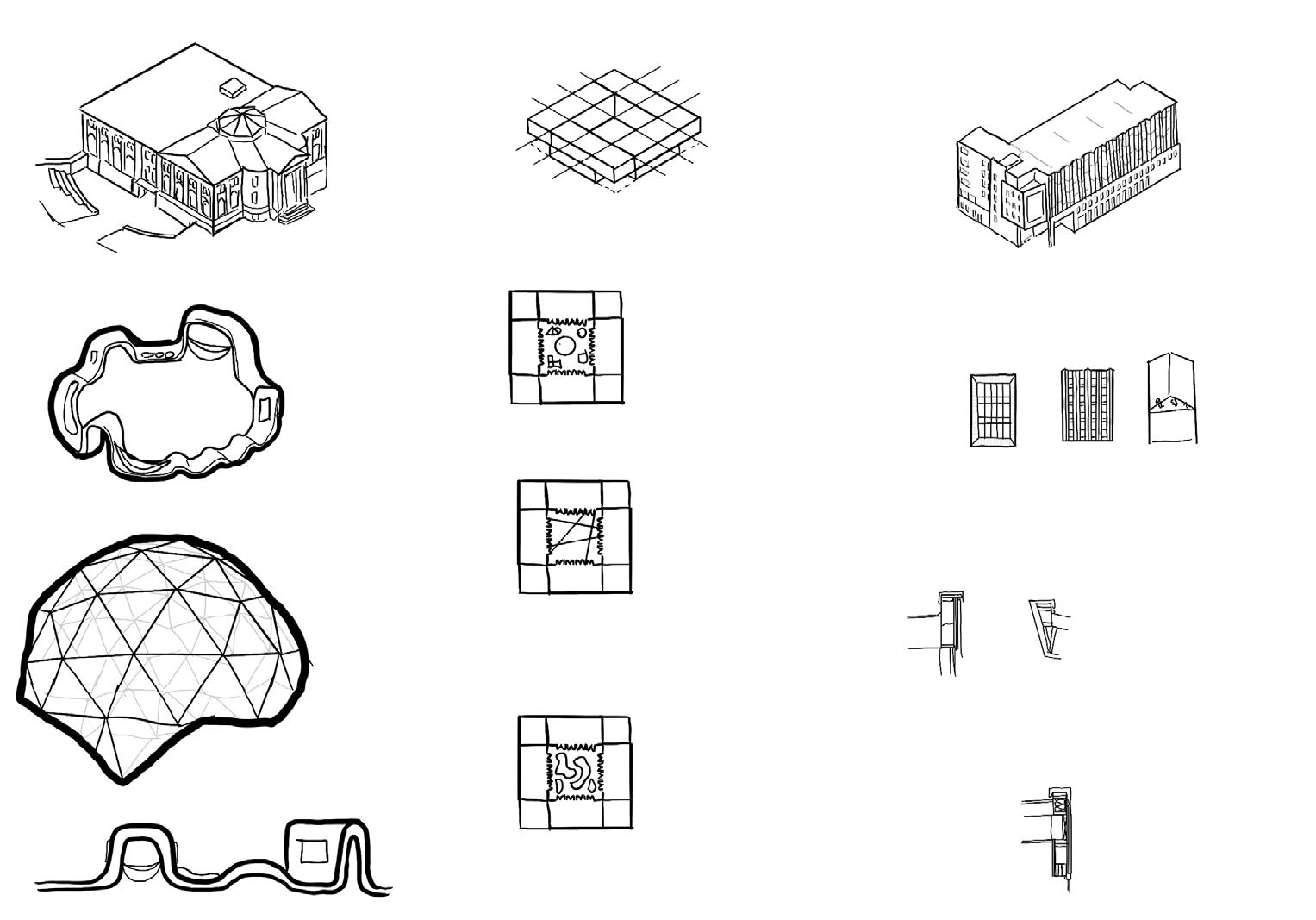
The work below is from Not Neutral, the exhibition of 2020-21 Schidlowski Emerging Faculty Fellow Jennifer Meakins at Kent State University. I worked as a research assistant leading up to the exhibition and accompanying lecture, assisting with research; drawing production and curation; and the gallery installation.
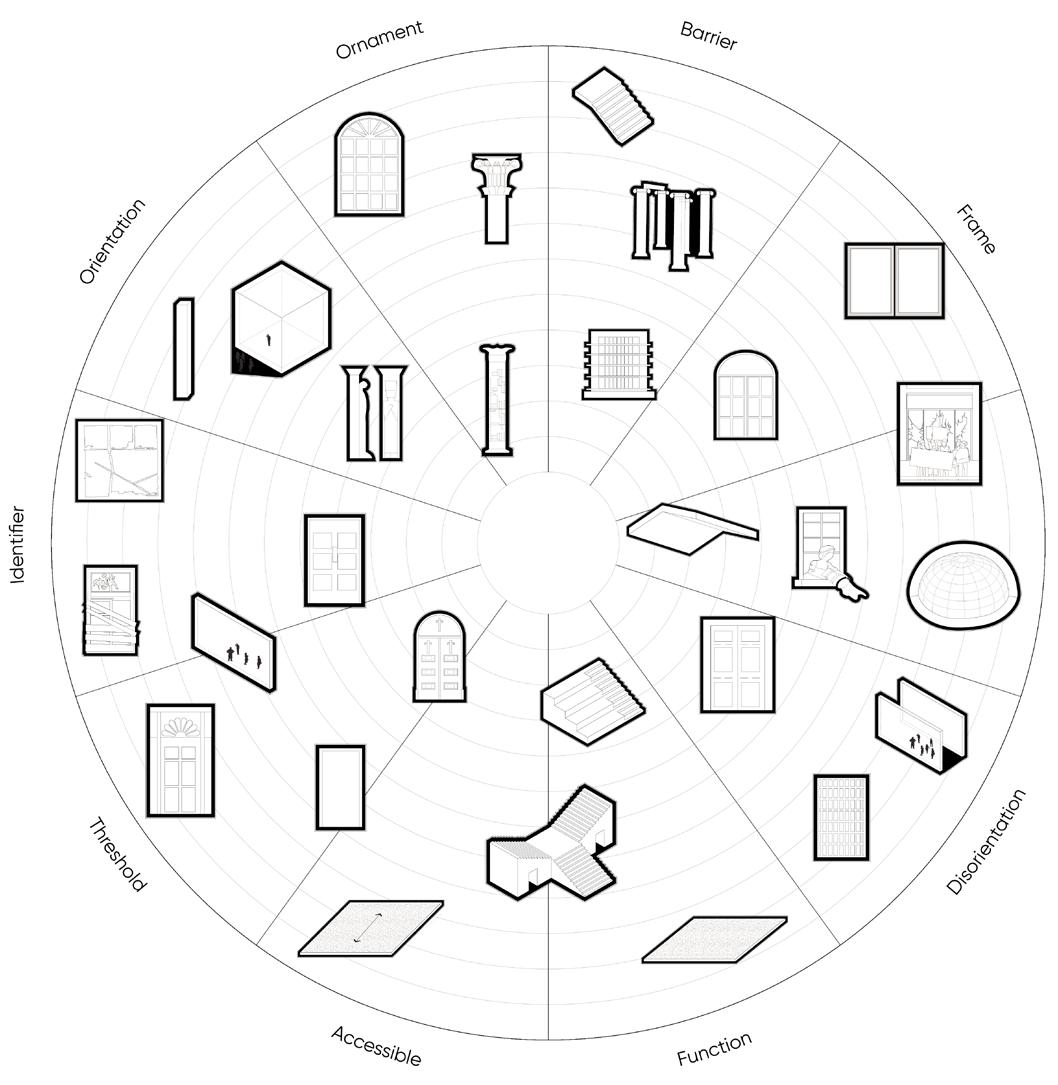
gallery emphasized a view of architectural elements through the lens of power, privilege, and oppression.

professor: aaron forrest
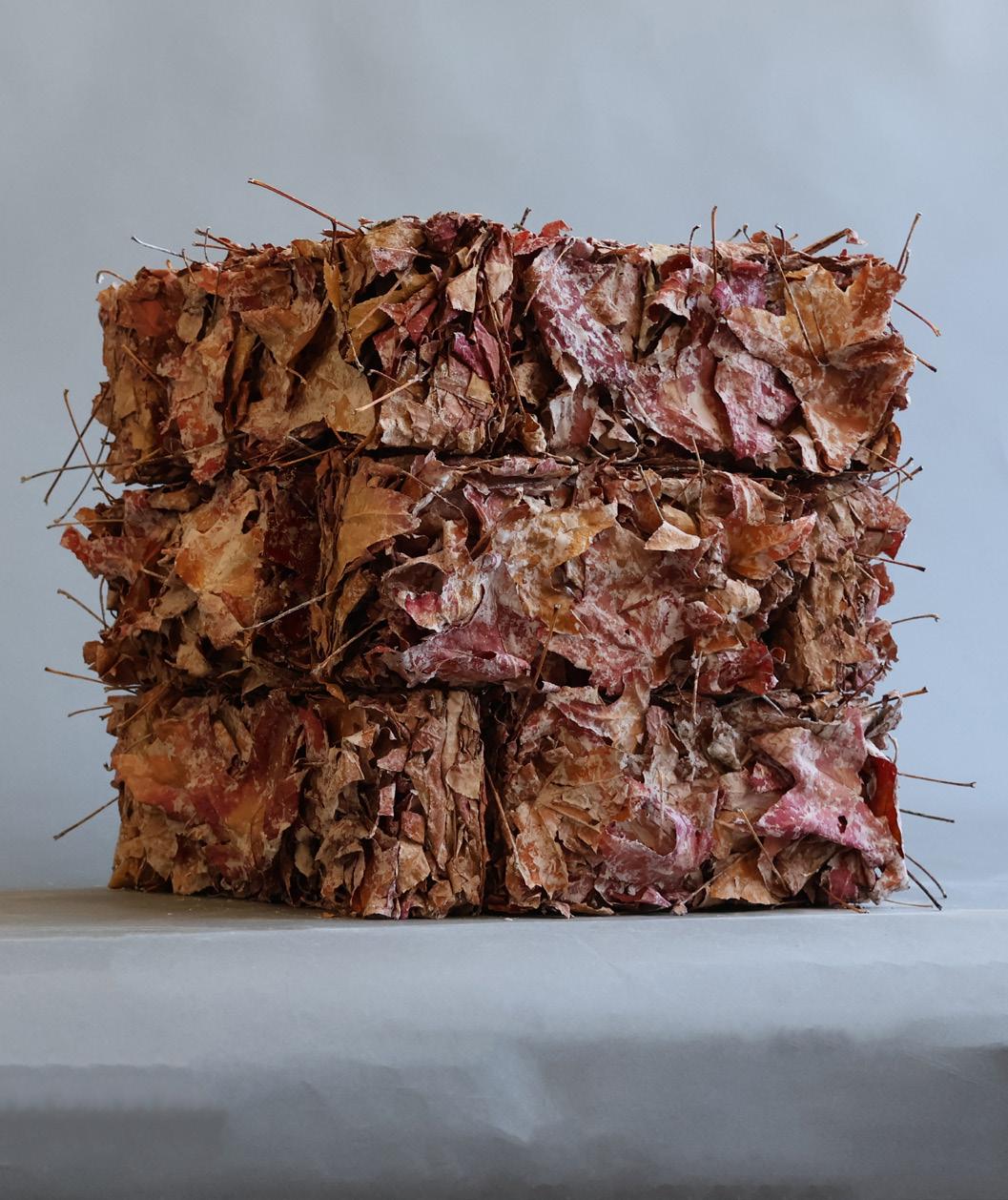
This exploration into making offered an opportunity to engage with material culture. The constructed assembly object inherits the amorphous field of leaves that compose the bricks, but ultimately highlights the contradictions and simultaneity of the leaves’ natural identity and their newly imposed, but transient material identity.

The
diagram of architectural elements
gallery photo
brick assembly
bricks