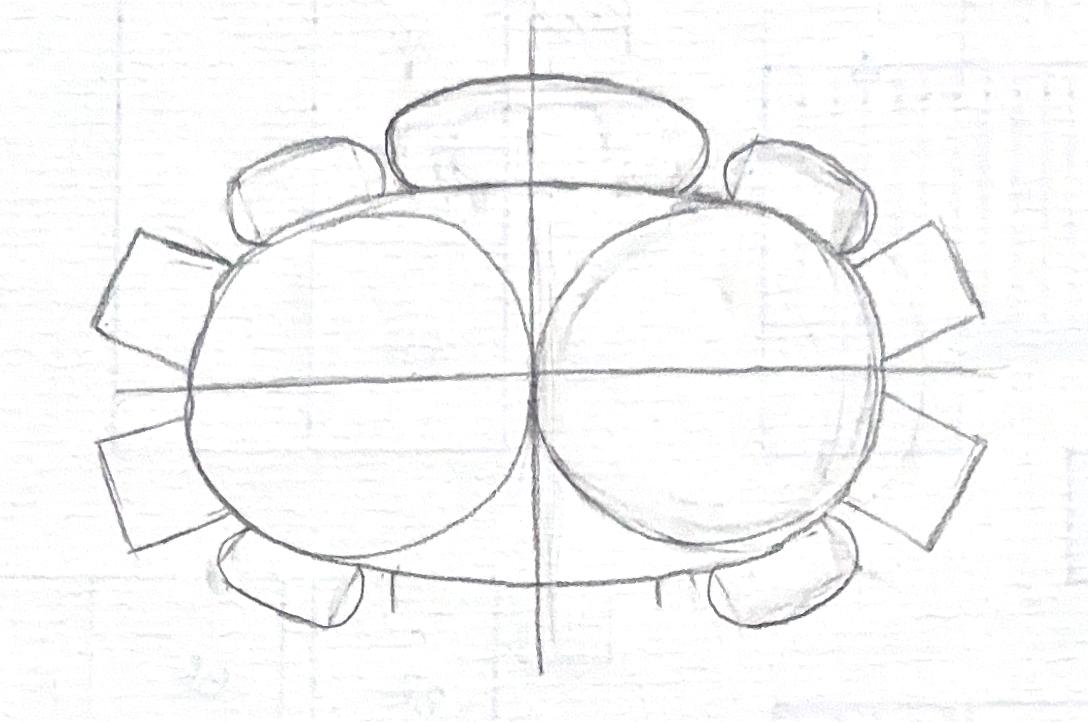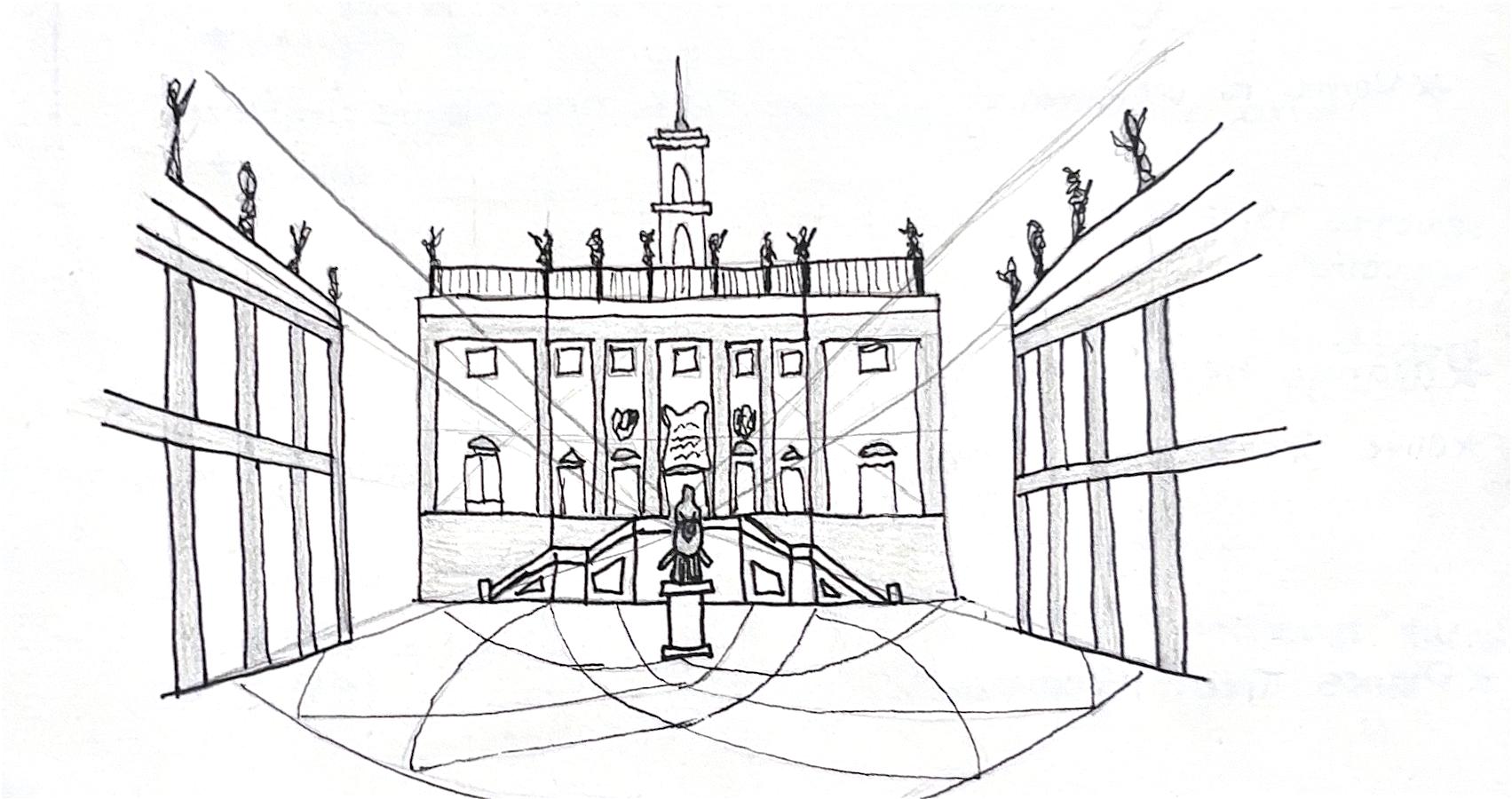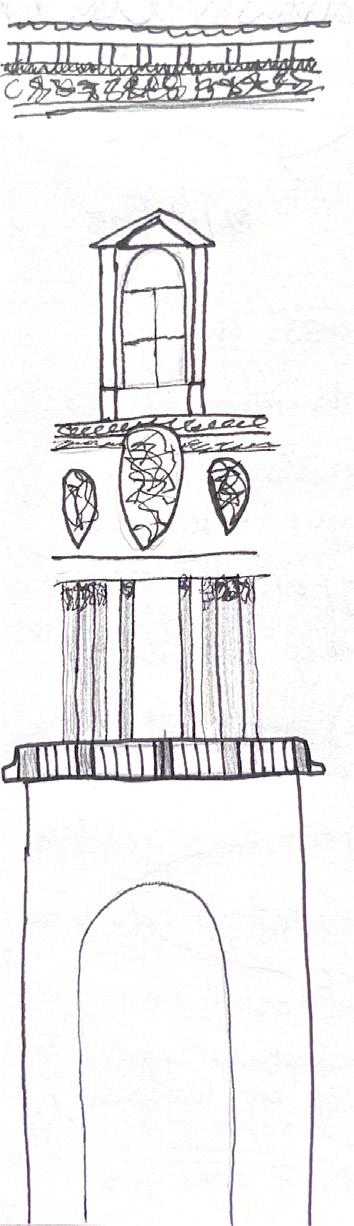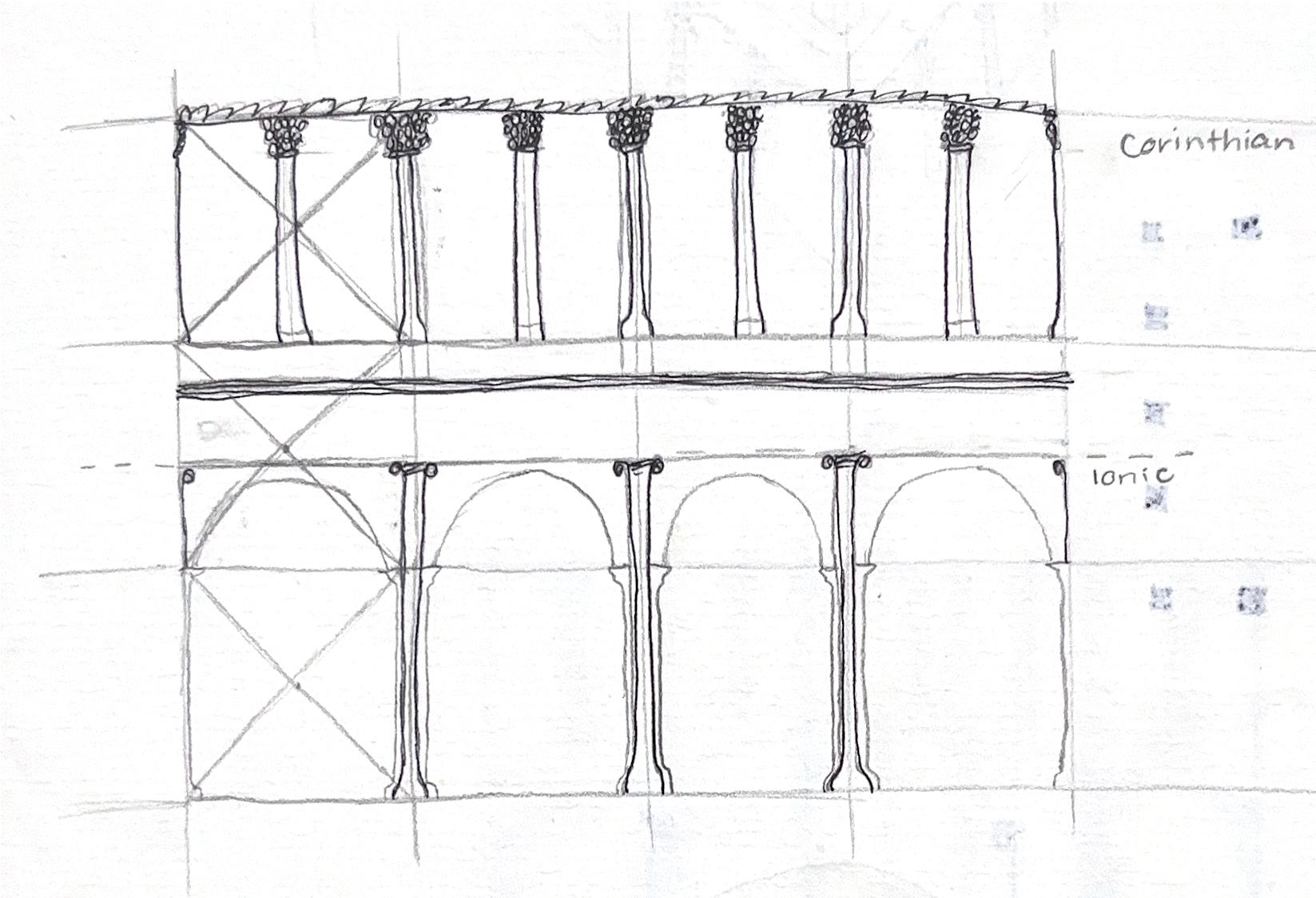
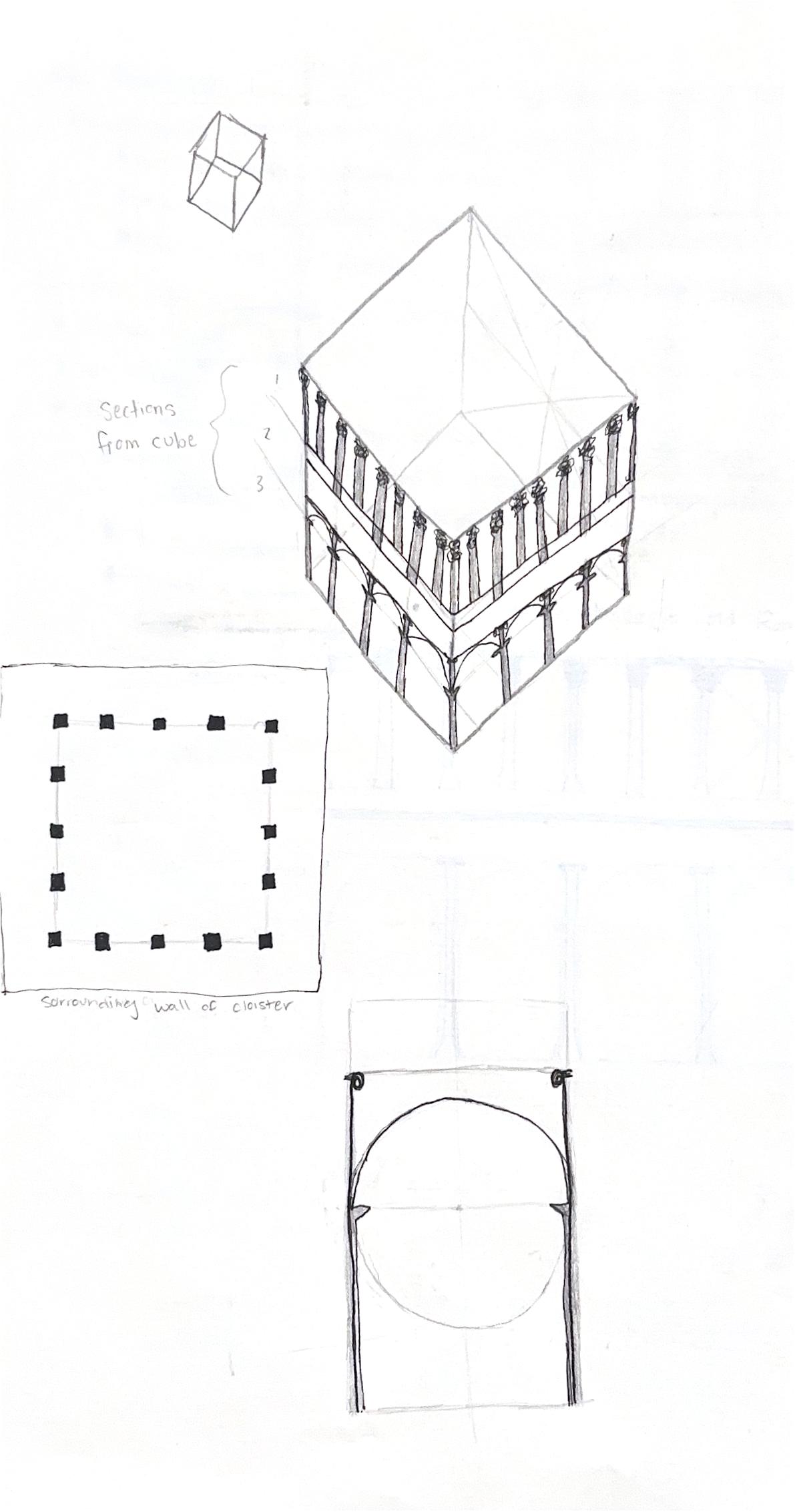
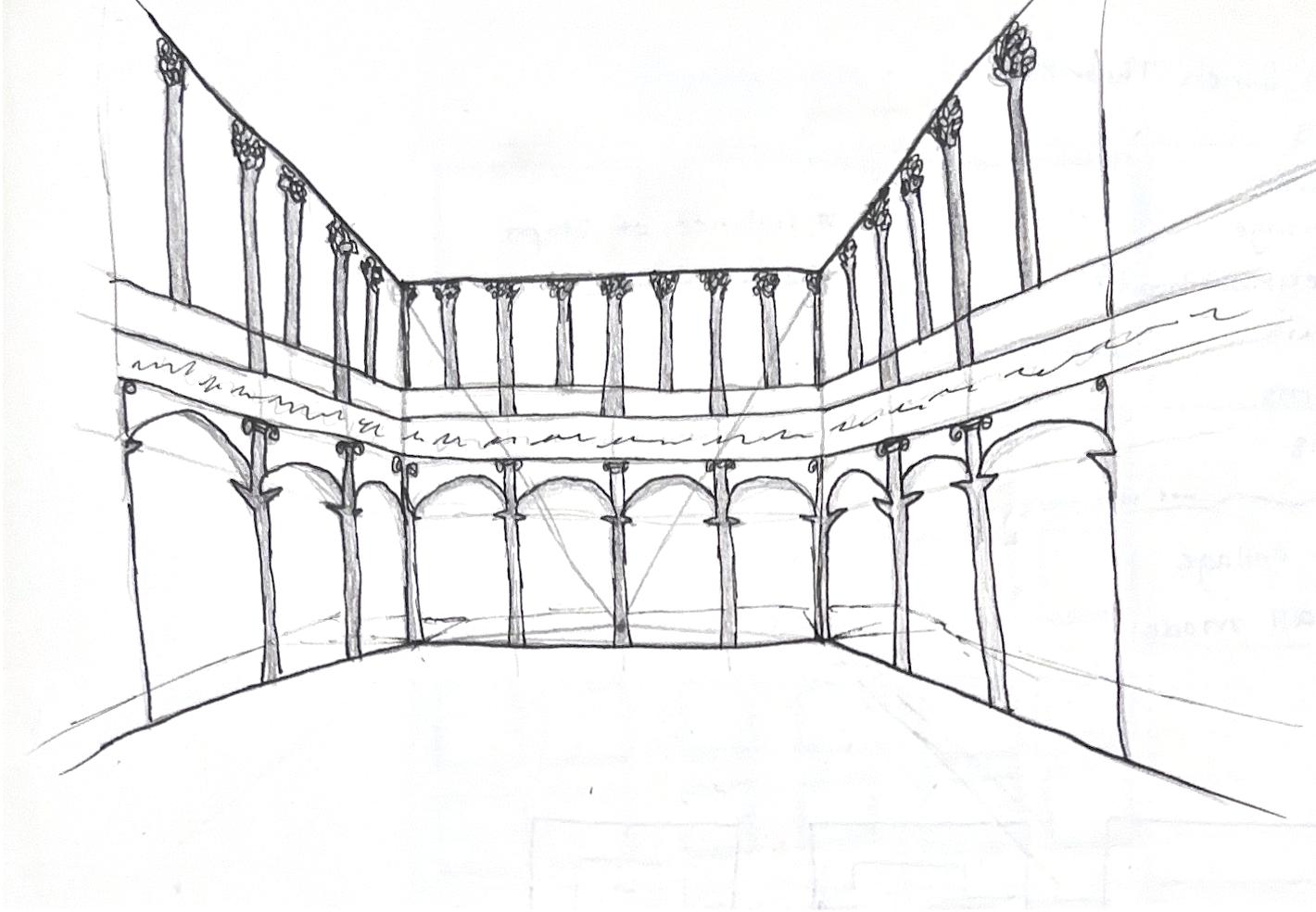
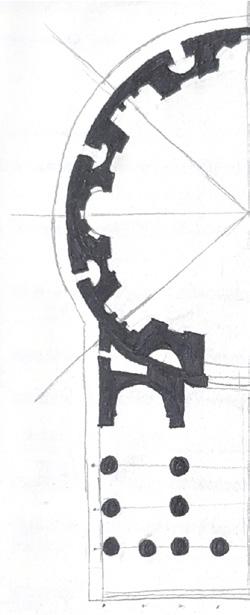
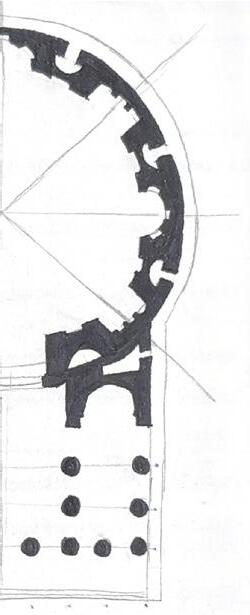
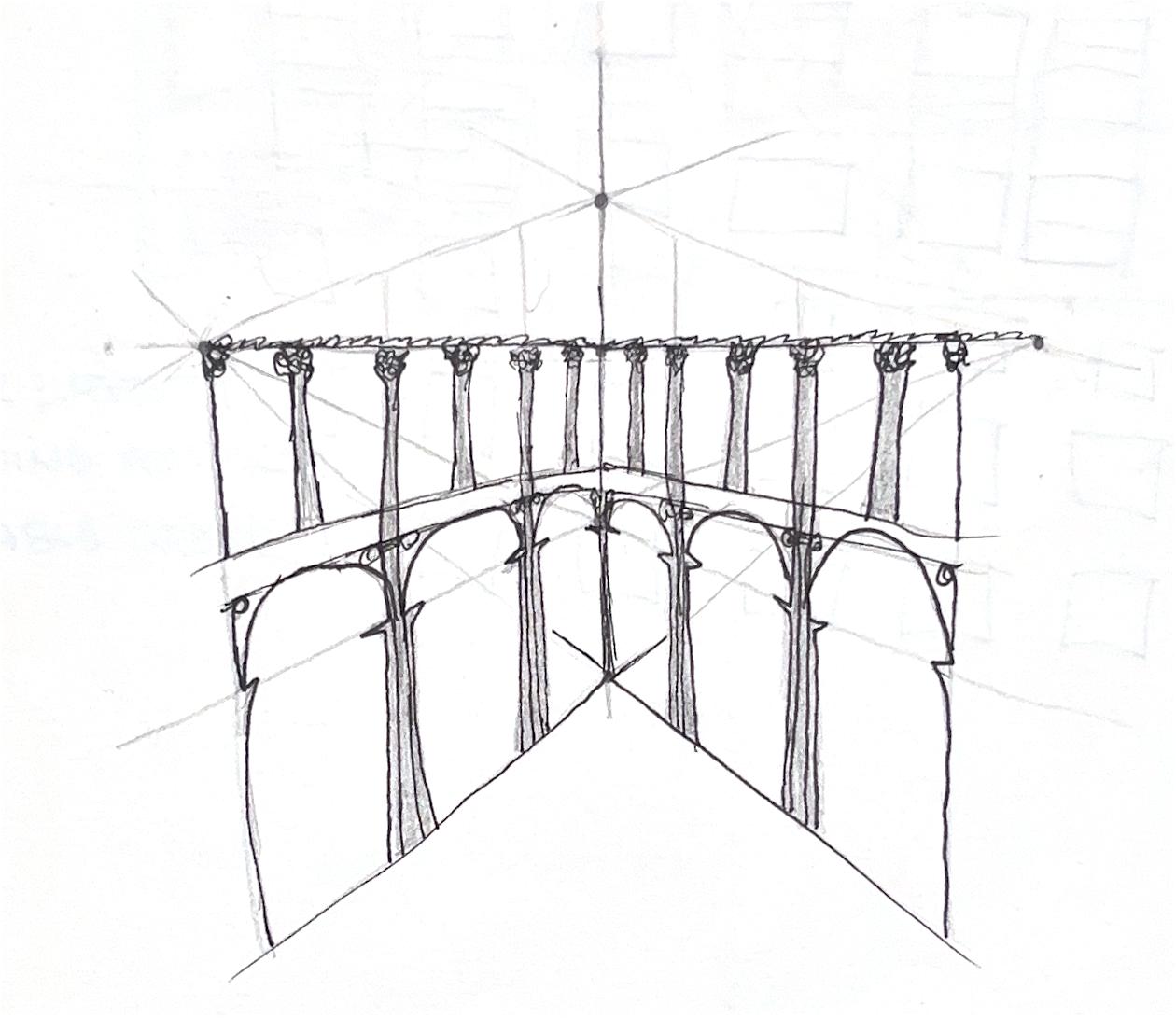
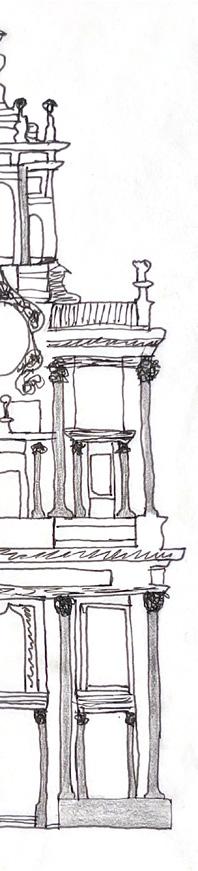
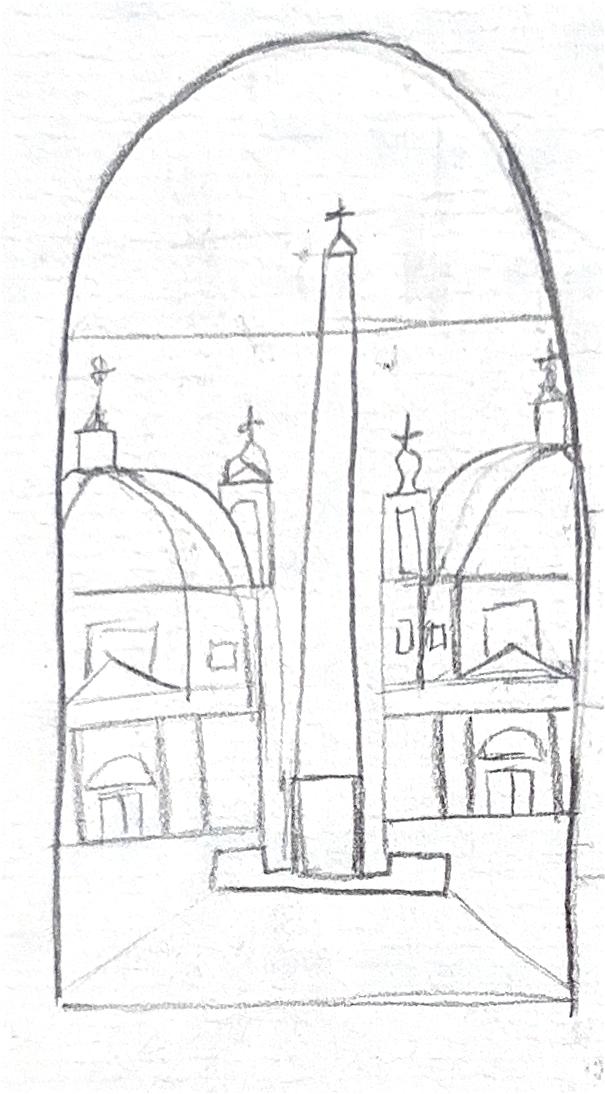
CHIOSTRO DEL BRAMENTE PIAZZA SANTA MARIA DELLA
Aspiring designer with experience in landscape architecture and spatial composition, and is guided by a commitment to design practices that create environments which enhance the human condition. A growing focus is placed on expanding knowledge in sustainable and regenerative design strategies, and exploring how architecture can respond more responsibly and productively to ecological and social systems.


2025
Bachelor of Arts: Architecture
University of Arkansas, Fay Jones School of Architecture
2020
2021
Cutco Cultery Sales Associate
Built relationships with customers by answering questions to encourage repeat business. Also assessed customer needs and utilized suggestive selling techniques to drive sales.
Mercy Hospital Pharmacy Technician
Answered incoming phone calls and addressed questions from nurses and other medical professionals. Also enhanced pharmacy workflow by assisting pharmacists with dispensing, labeling, packaging, stocking, labeling, and inventorying medication.
2010-2020
Trick-or-Treat so Kids can Eat
2013-2019
Stuff the Bus
Heifer Ranch: Habitats of Regeneration
18
House as Museum
An Architectural Study
24
The Center
Architecture/Engineering Education Building
30
The Pavillian 21st Century Garden
Sports/Movement Facility Center
Heifer Ranch: Habitats of Regeneration 21st Century Garden
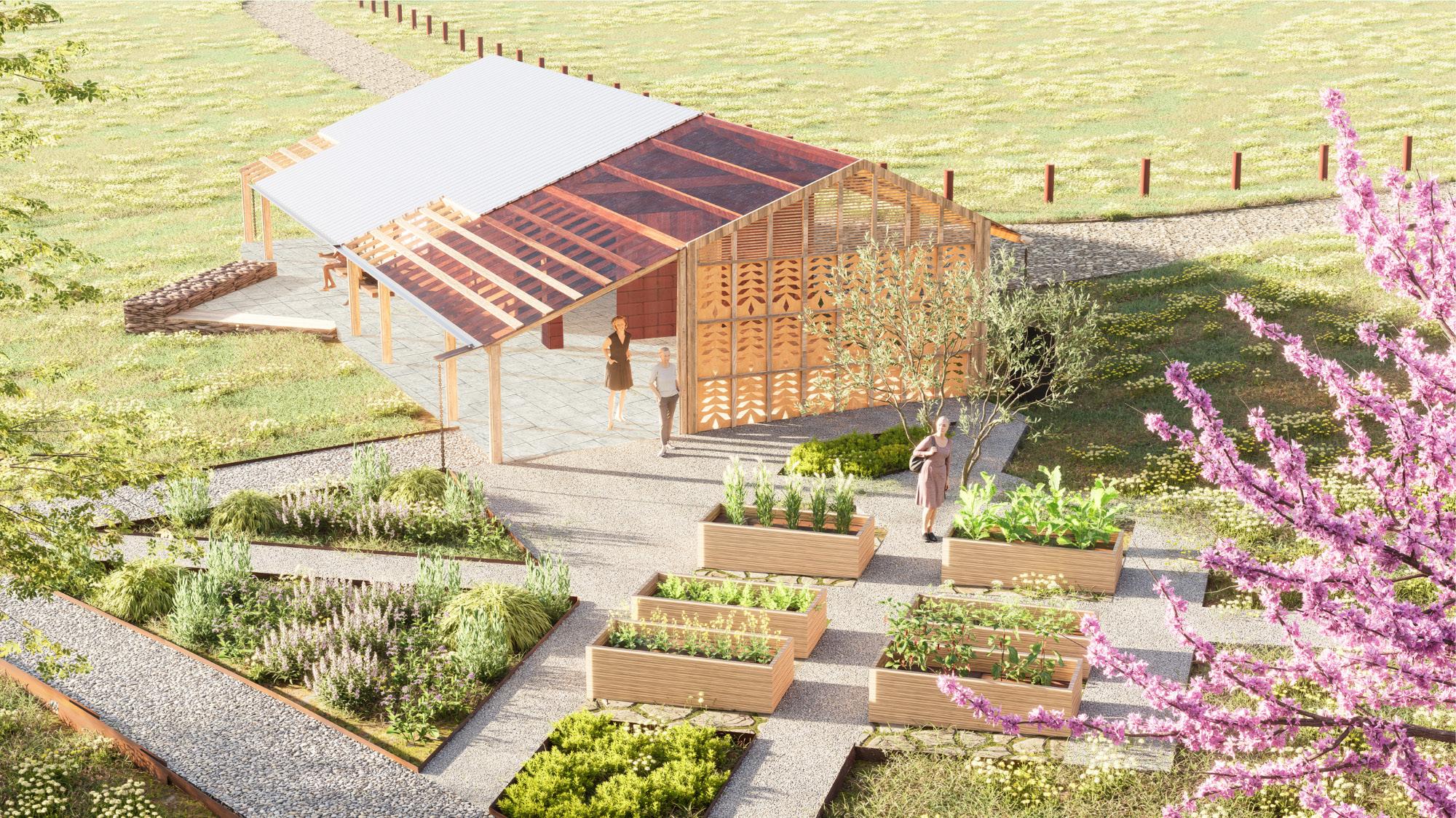
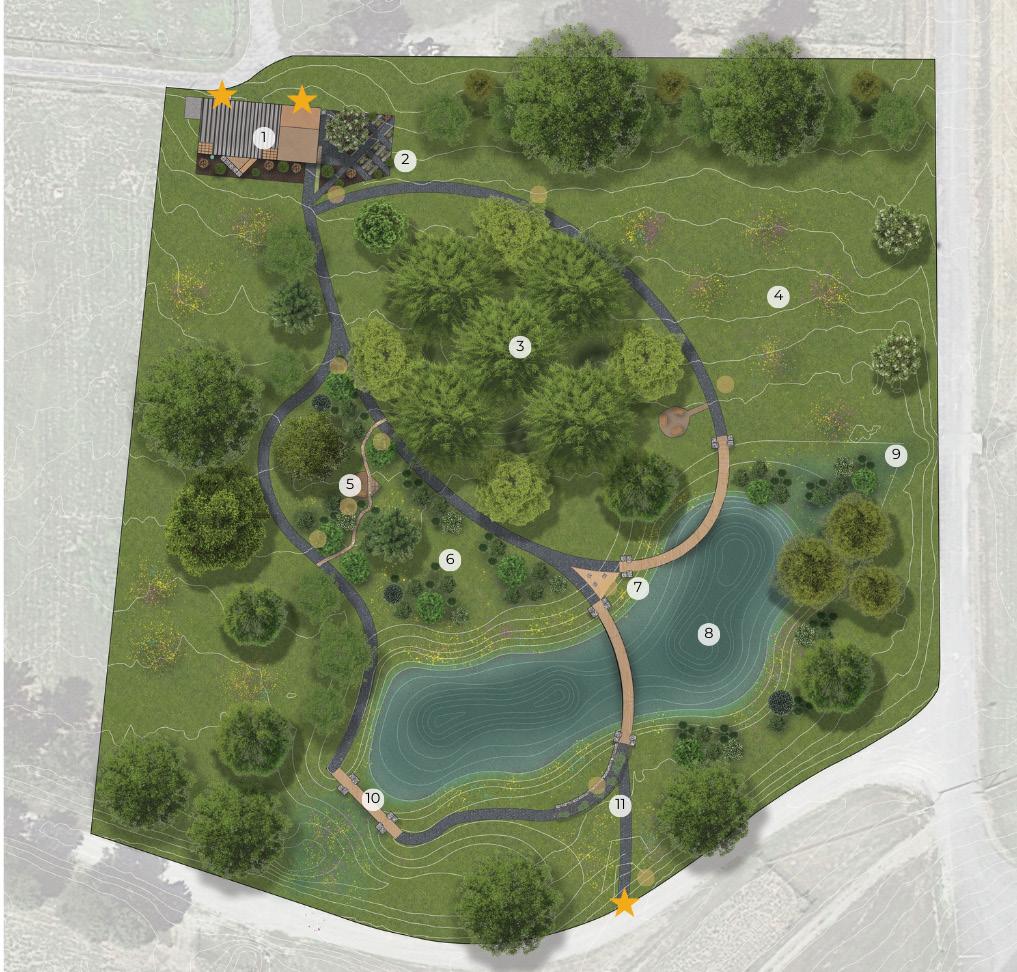
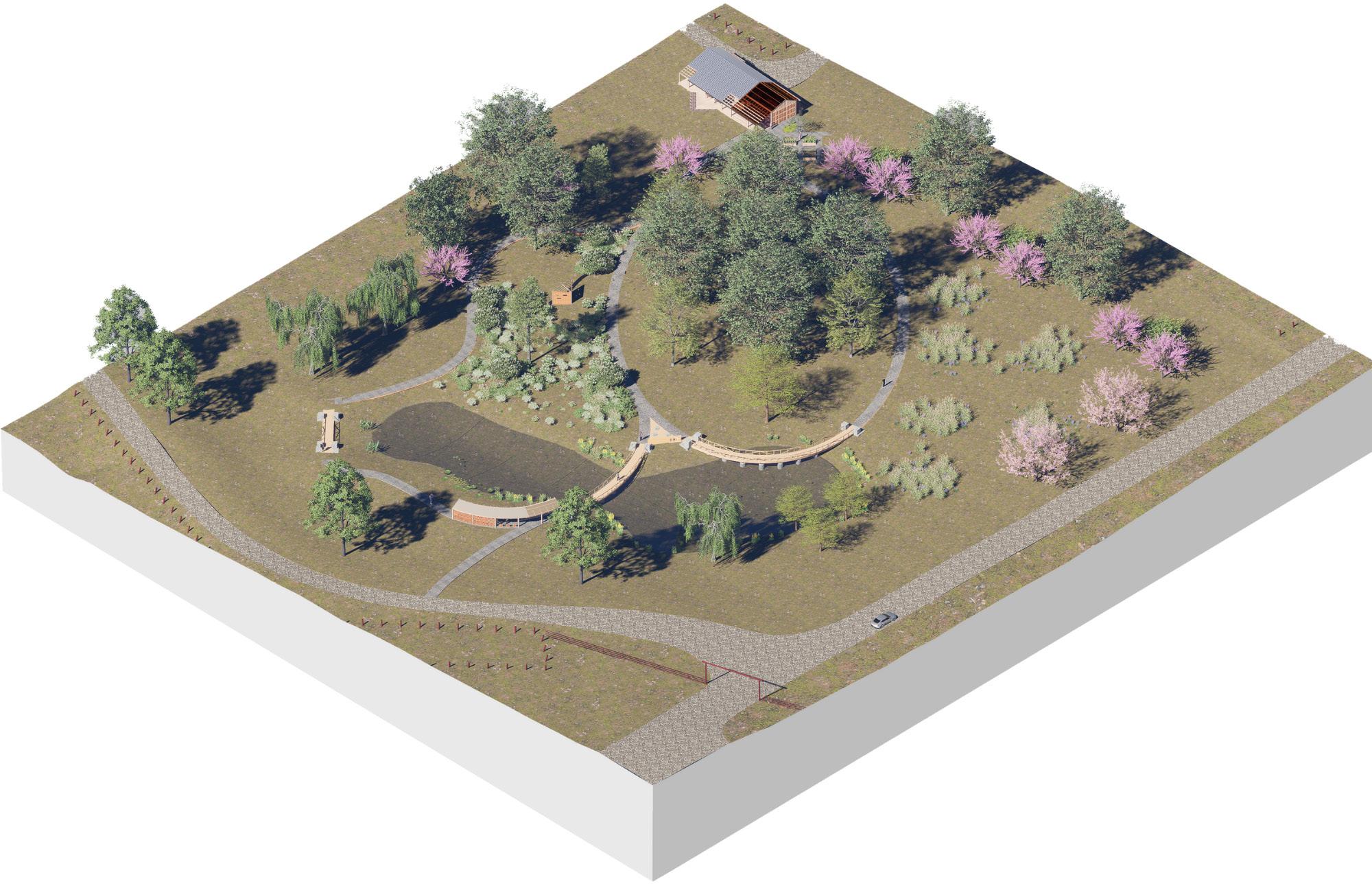
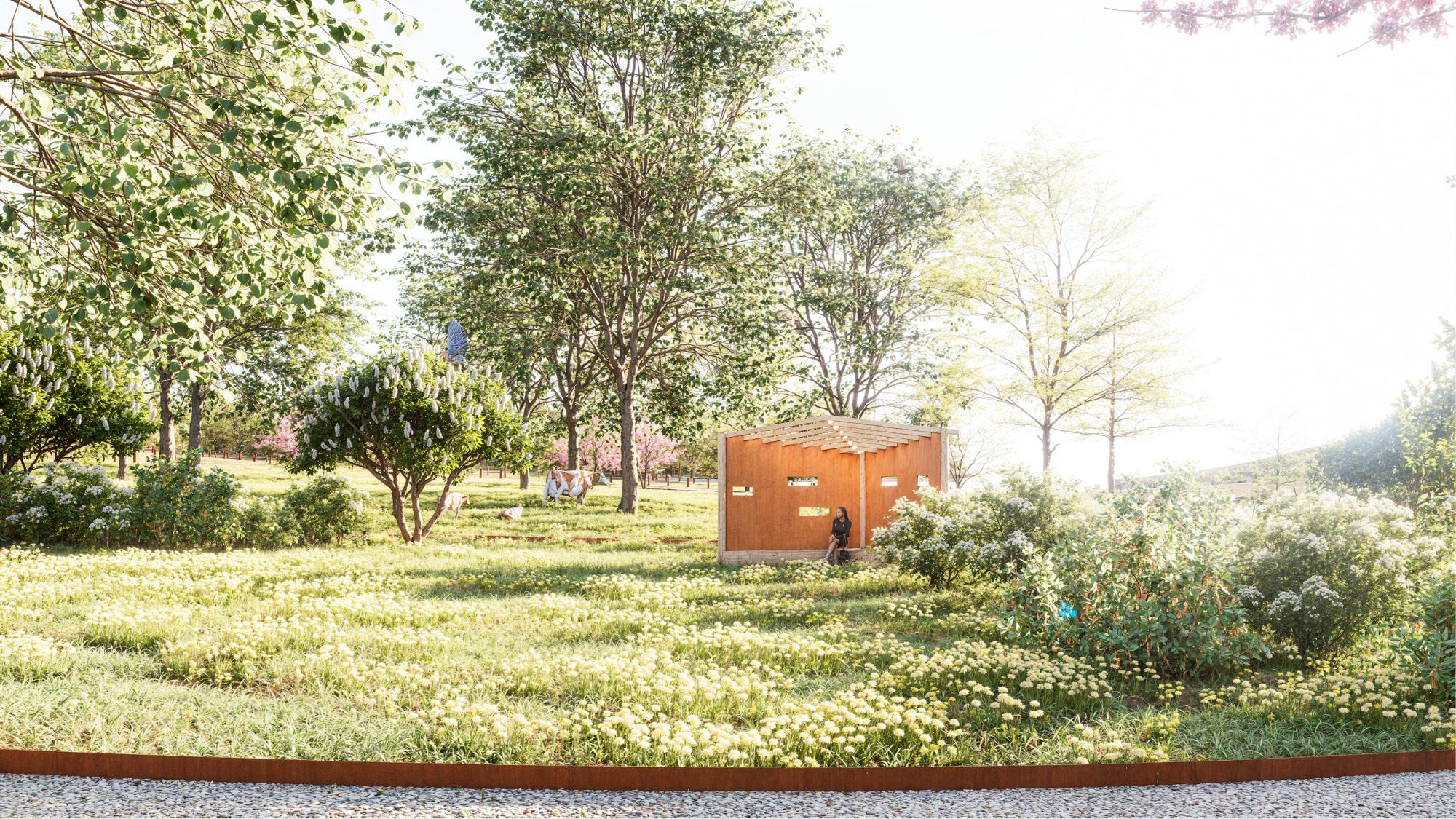
2025 Heifer International is a global, non-profit known for ending hunger and poverty by providing livestock, seeds, and training to farmers in need. This project introduces an opportunity for Heifer Ranch to educate all age ranges on regenerative agricultural practices. It provides opposing habitats by creating a balance with native and introduced species in the enterence to the ranch.
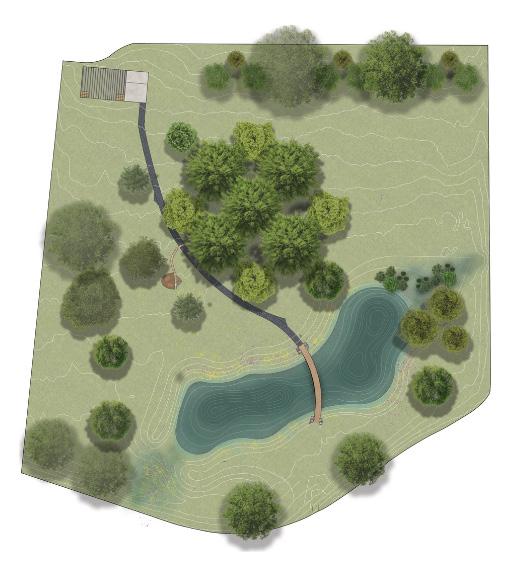
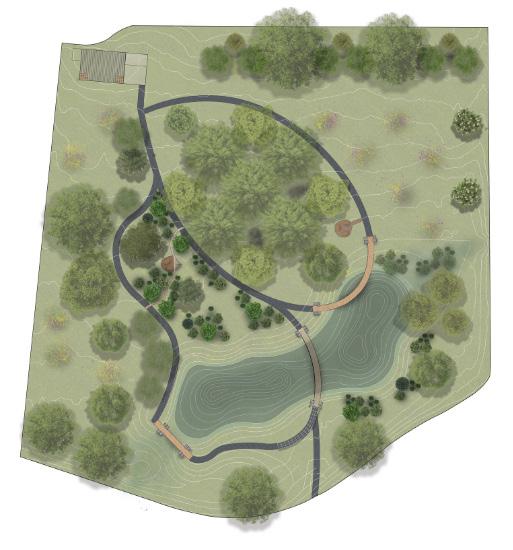
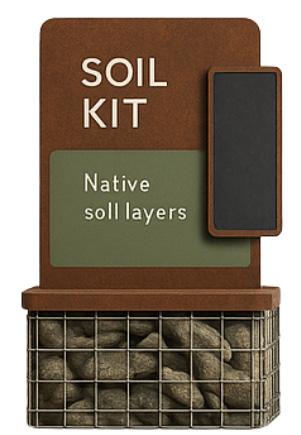
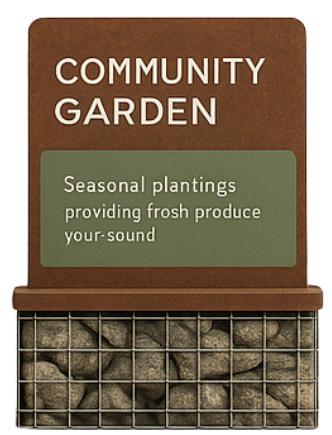
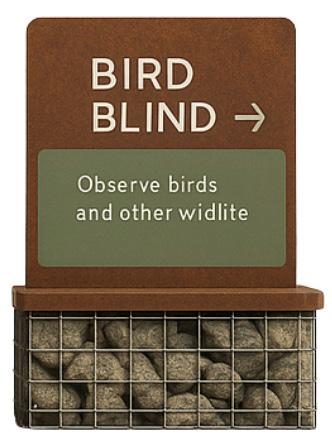
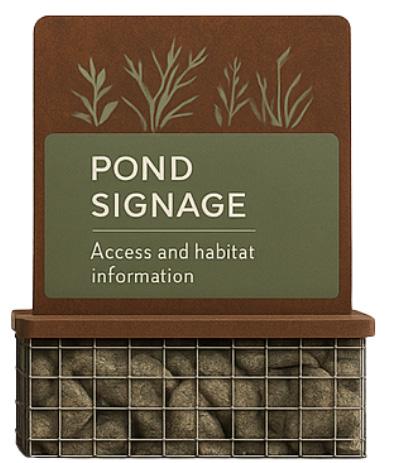
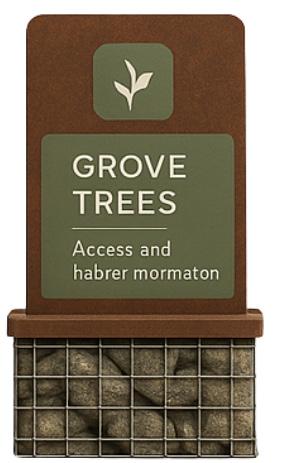
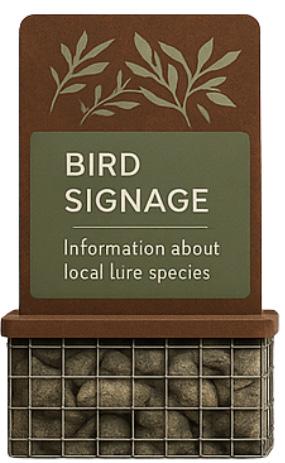
The project was presented to the client as three phases due to the lack of funding. Phase 1 clears trees on site, grades out the pond, plants new speices, and adds the main ciculation spine, inculding the first boardwalk, and an enterence to the bird blind. Phase 2 preps the barn for remodeling, and finishes adding the paths, boardwalks/bridge, and the remaining vegetation onto the site. In the Final Phase, the vegetation has started to mature, the barn gets rennovated into the education center and garden, pollenator cities get integrated into the native meadow, and signage gets incorporated throughout the site.
PURPLE
WILD TURKEY
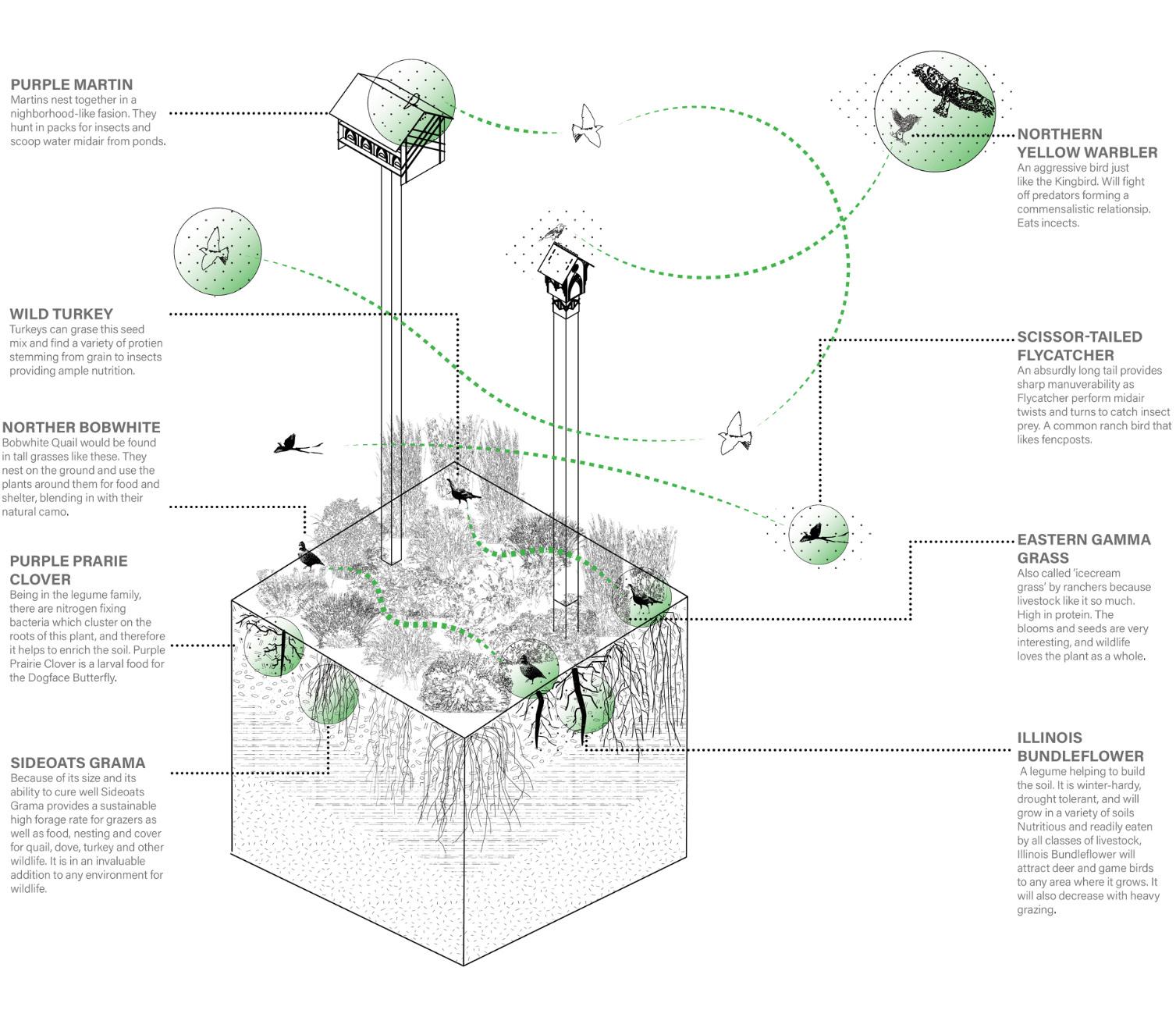
NORTHERN
YELLOW
WARBLER
SCISSOR-TAILED FLYCATCHER
NORTHERN BOBWHITE
PURPLE
SIDEOATS
EASTERN GAMMA
GRASS
ILLINOIS BUNDLEFLOWE
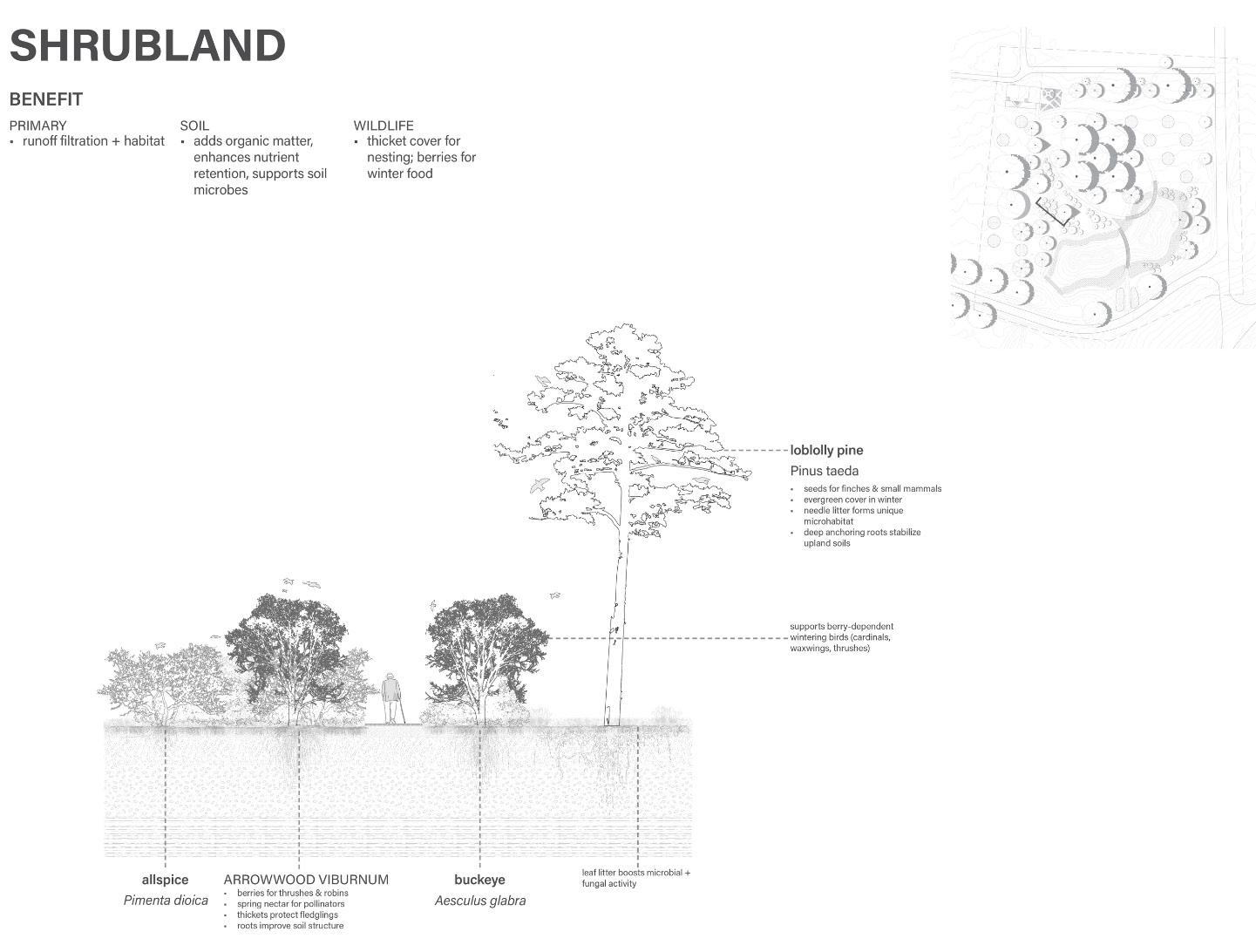
ALL SPICE
BUCKEYE ARROWWOOD VIRBURNUM
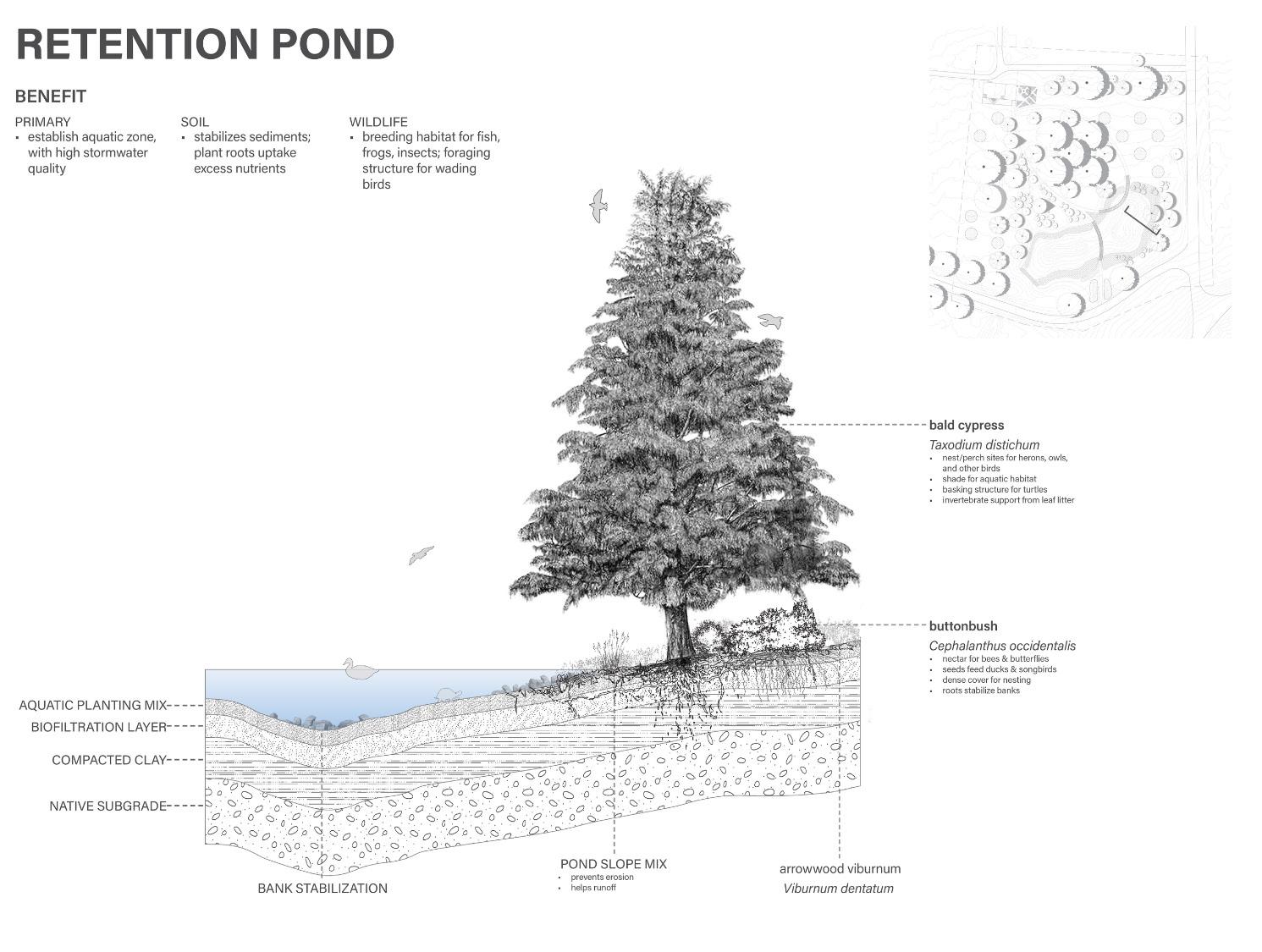
POND SLOPE MIX BANK STABILIZATION
ARROWWOOD VIRBURNUM
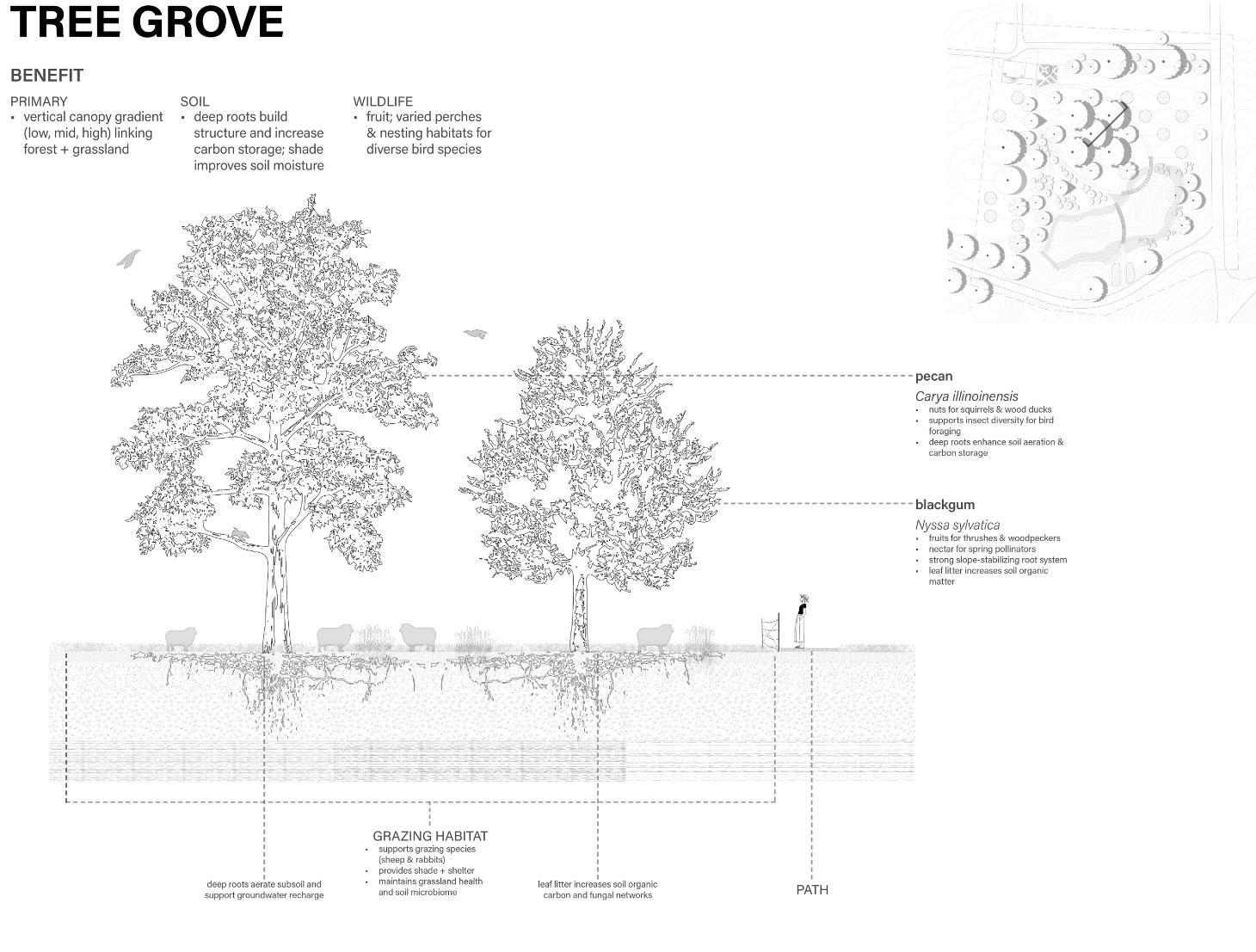
GRAZING HABITIAT
BLUE GROSBEAK
OZARK WITCH HAZEL
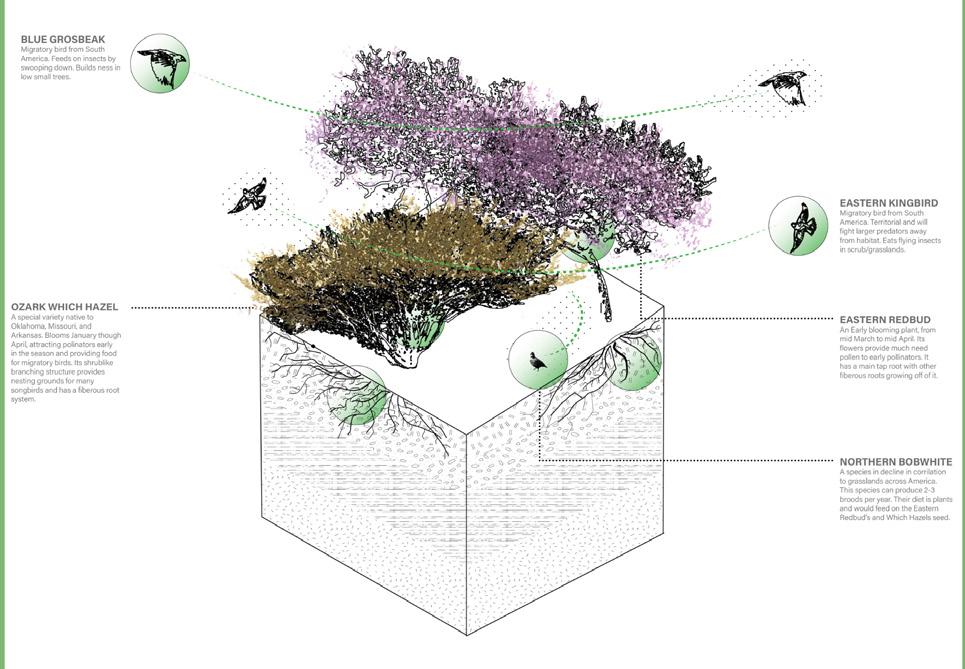
EASTERN KING BIRD
EASTERN REDBUD
NORTHERN BOBWHITE
HUMMING BIRD WOOD DUCK
BANK SEED MIX
MINNOWS
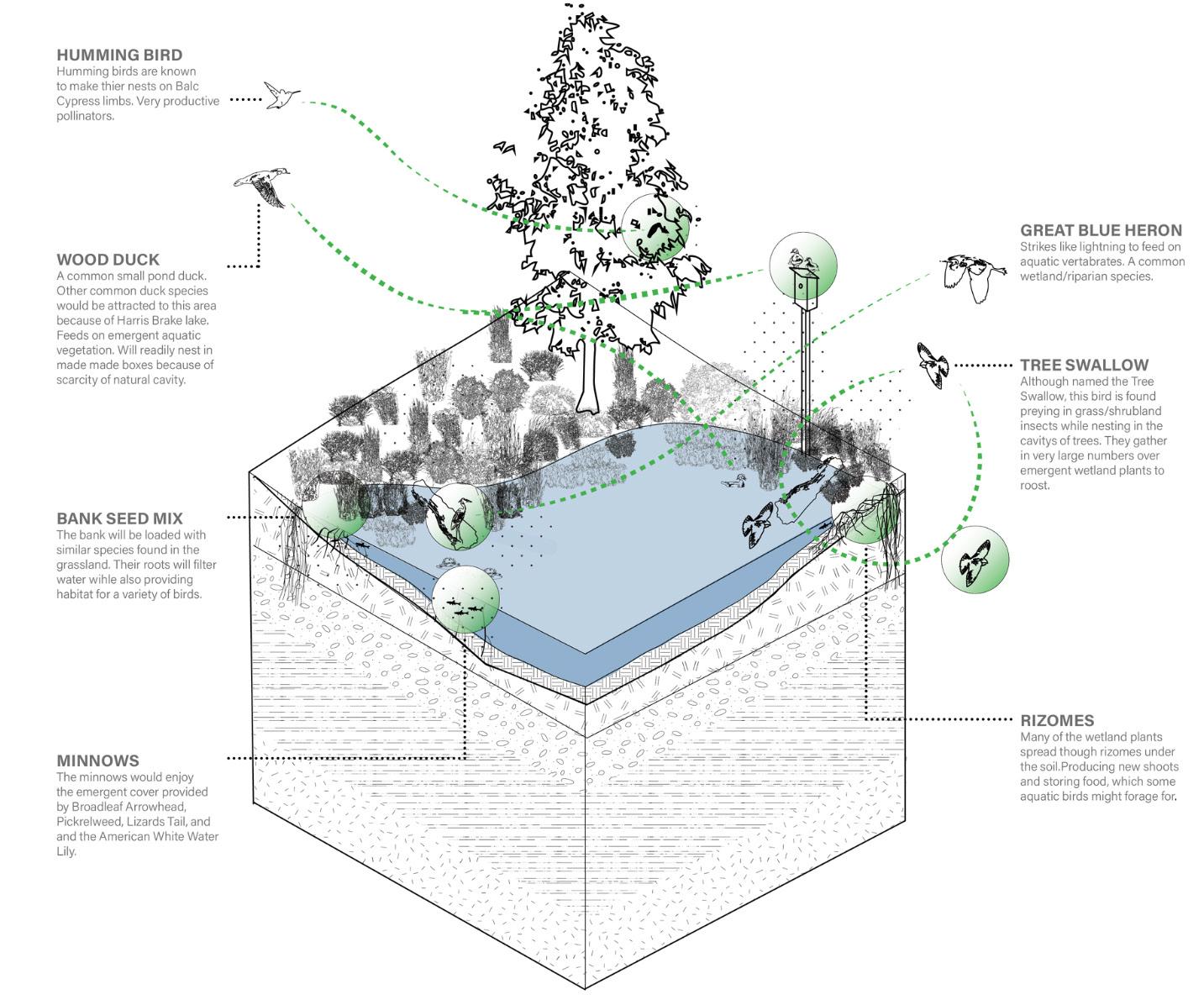
GREAT BLUE HERON TREE SWALLOW RIZOMES
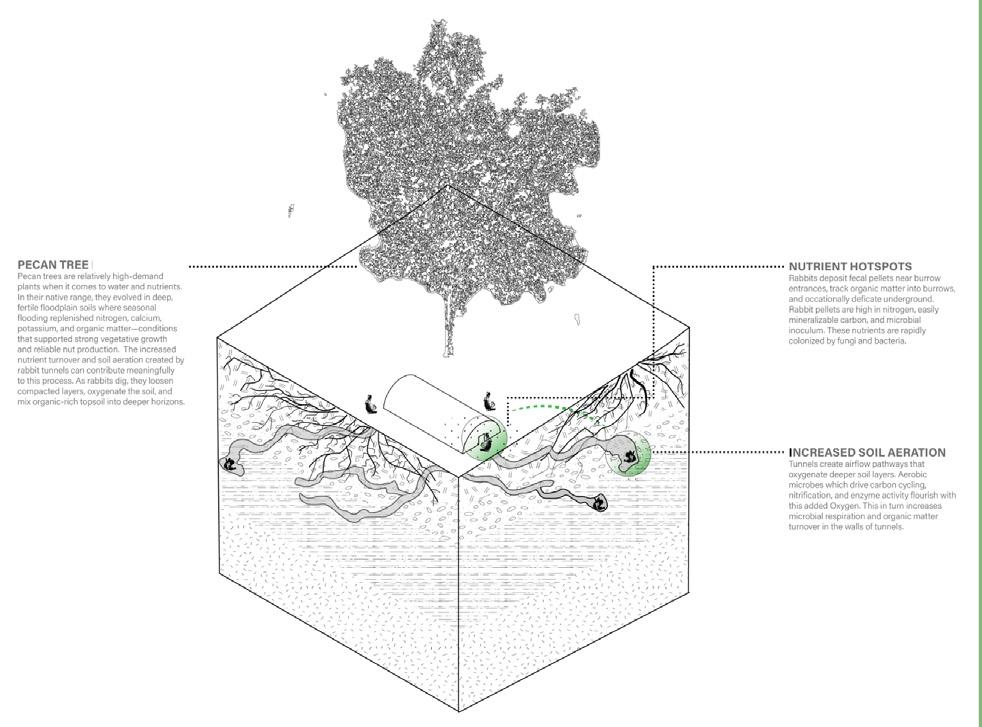
NUTRIENT HOTSPOT
INCREASED SOIL AERATION
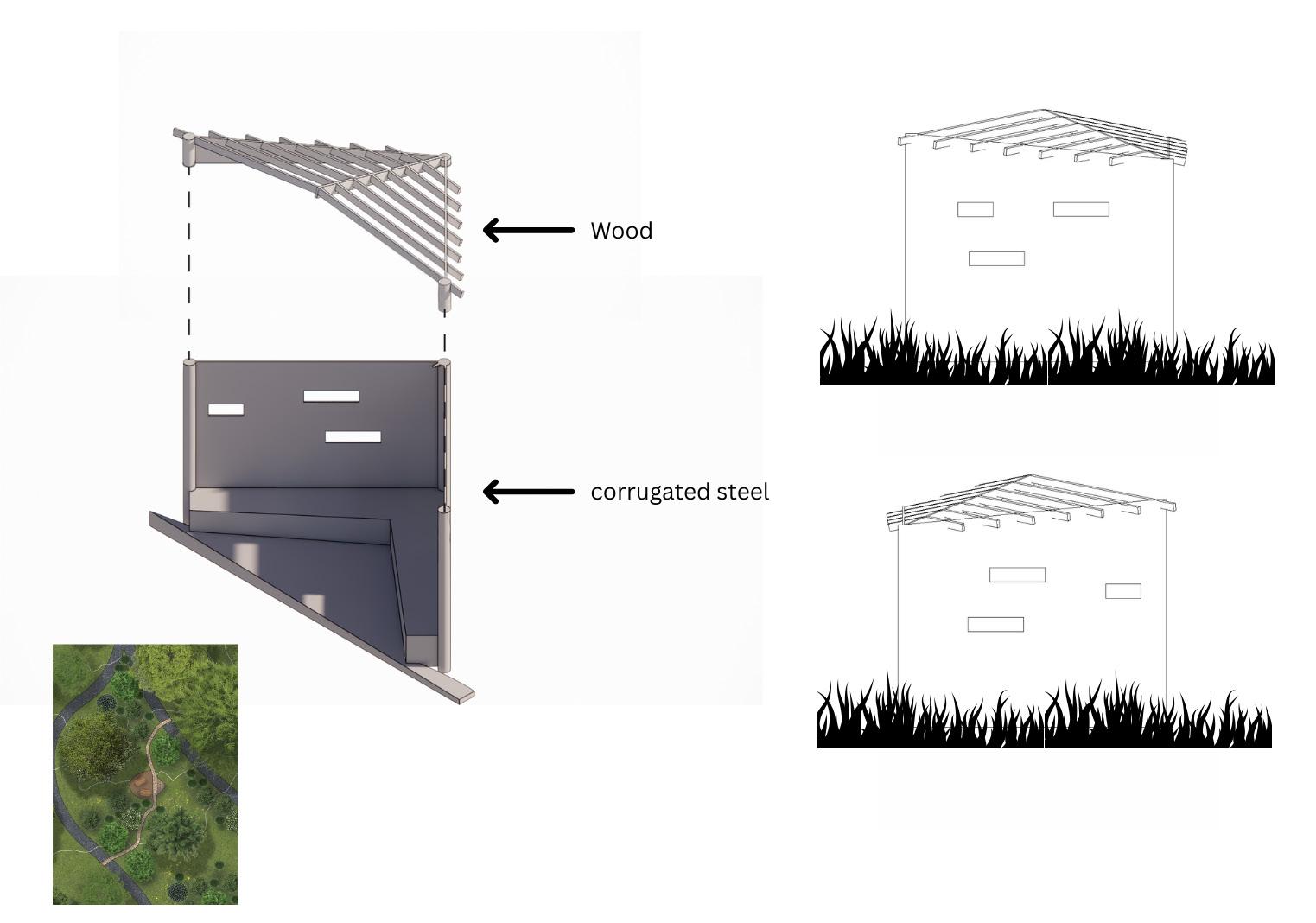
2MM STEEL PLATE CONNECTION
WOOD RAILING EMBEDDED IN GABION
WOOD PLATE CONNECTION
2X4” WOOD RAILING
2X4” WOOD RAILING
2X6” WOOD DECKING
6X8” WOOD BEAM
6X8” WOOD JOIST
6X8” WOOD SUPPORTS
1’ WOOD COLUMN
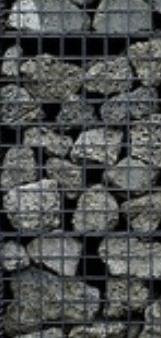
GABION FOUNDATION
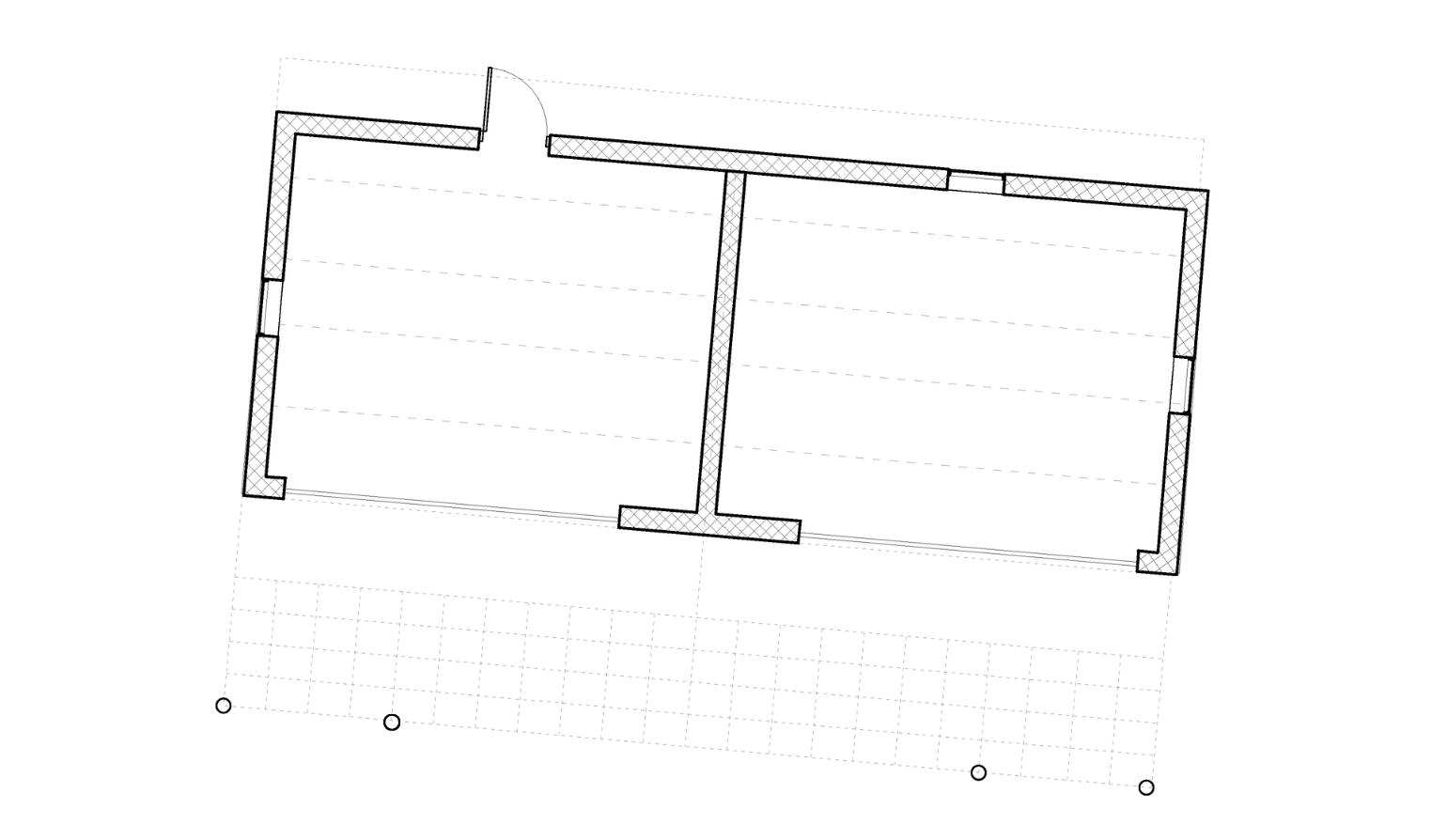
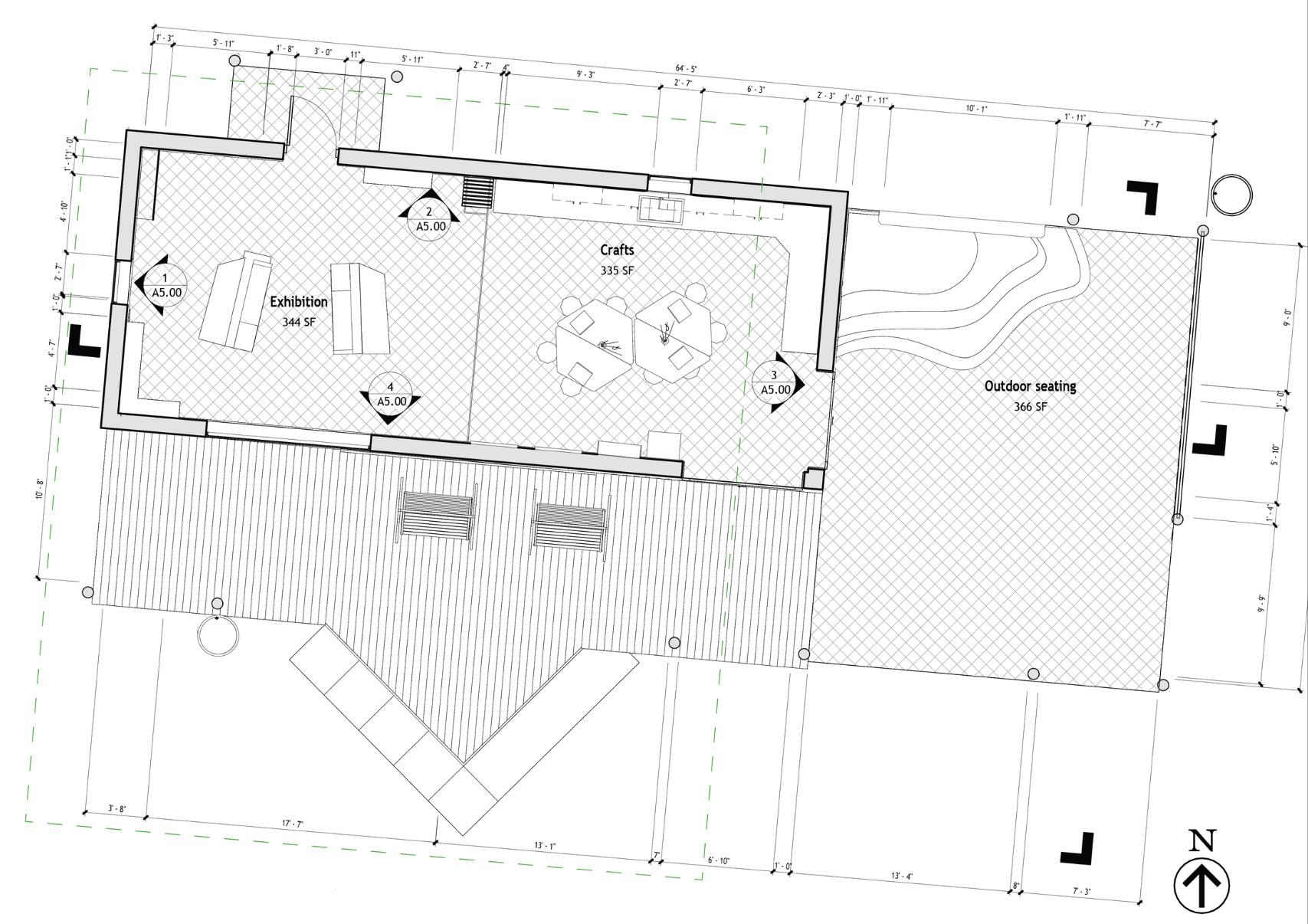
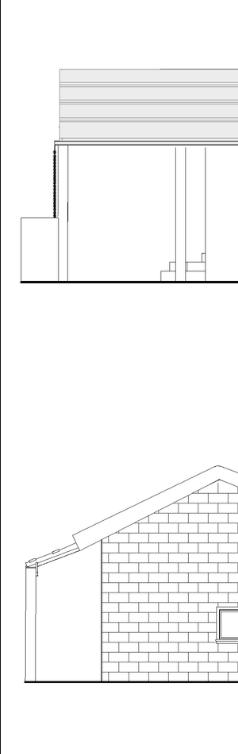
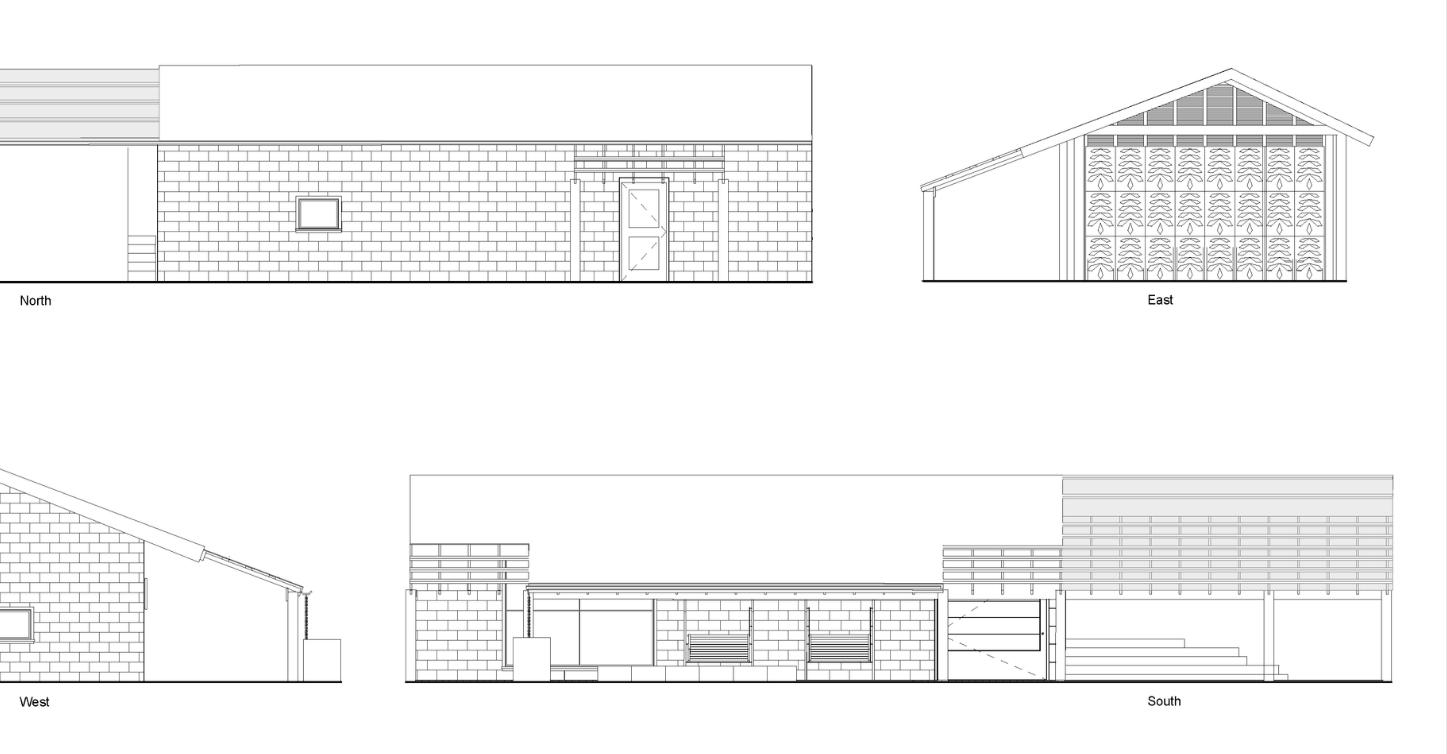
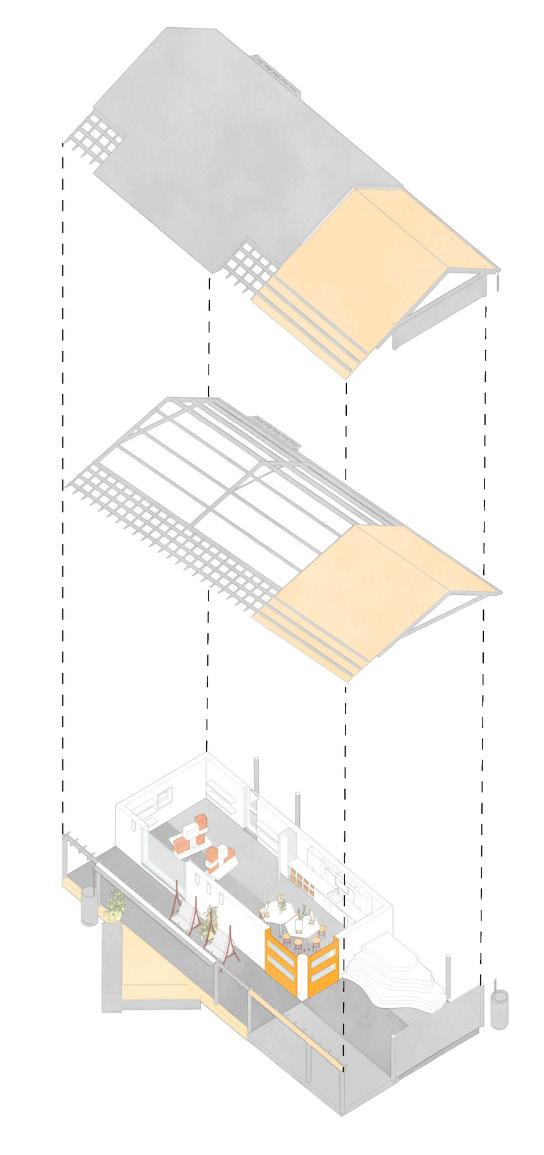
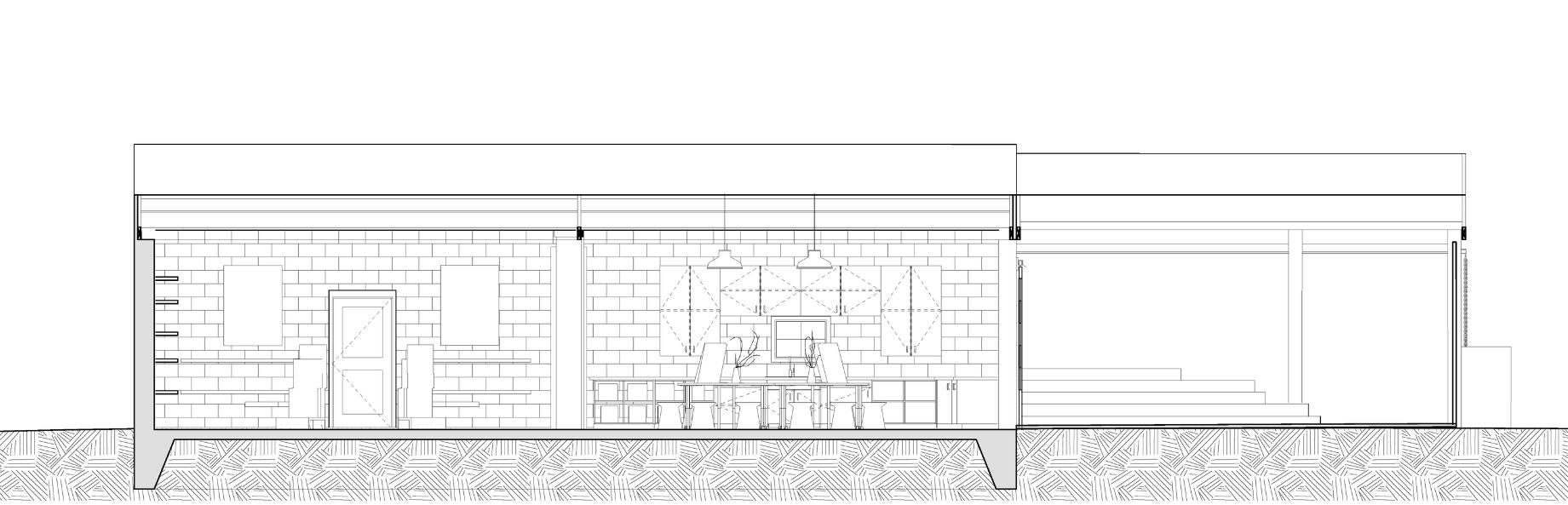
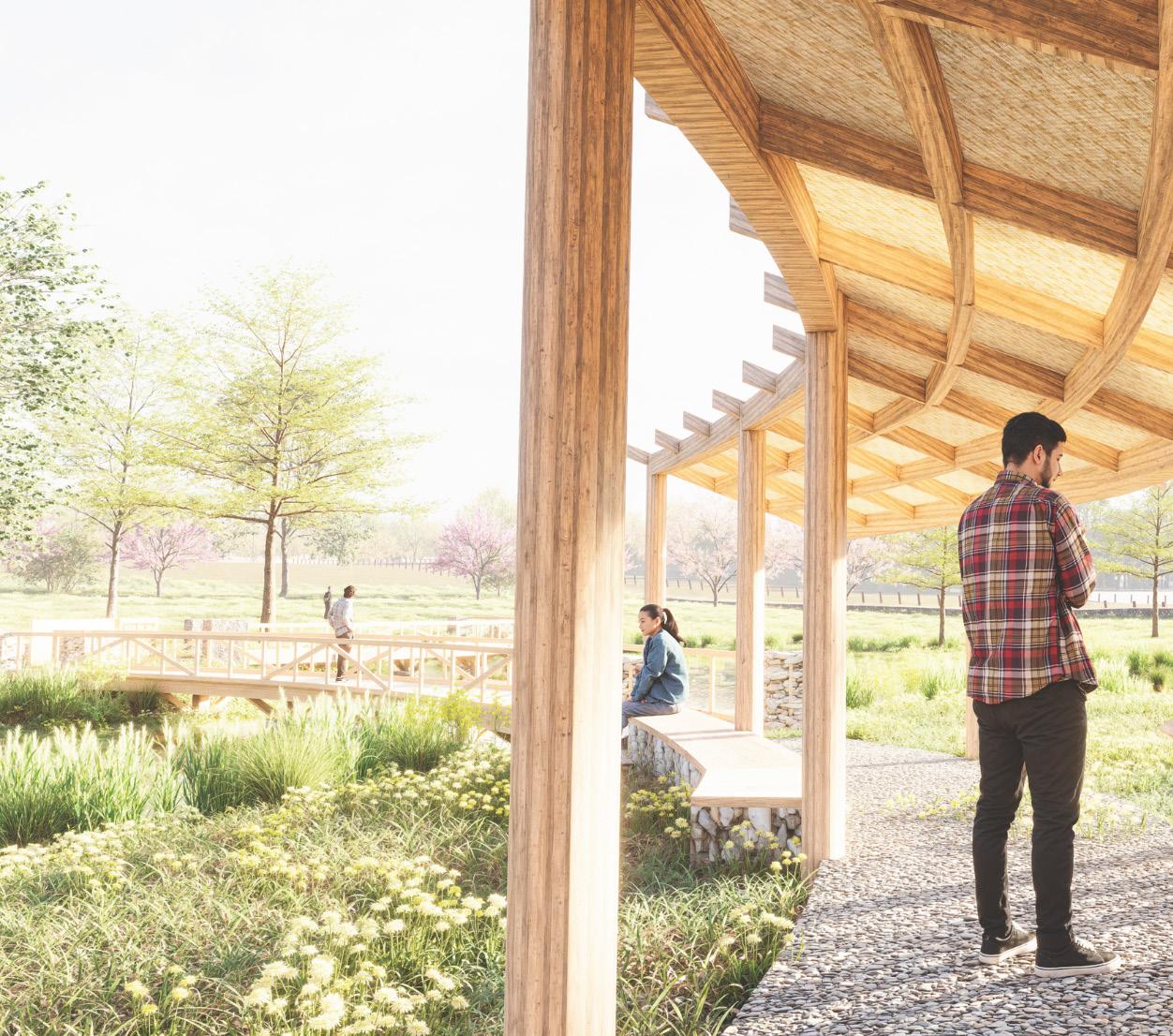
The barn remodel consisted of continuing the same structural system and added a bay for the opportunity for additional space. The interior was enclosed using cinder blocks, glazing, and the now three bays are seperated by folding wall, and two large sliding barn doors. This functionality allows for Heifer to hosts classes of all sizes or age groups and choose the type of space they want to create. The building practices thermal cooling methods as well as a regenerative water system that recycles rain water into potable sink water. It has a chain water collection barrel that is used for the educational garden beside it.
Prague, Czechia 2023
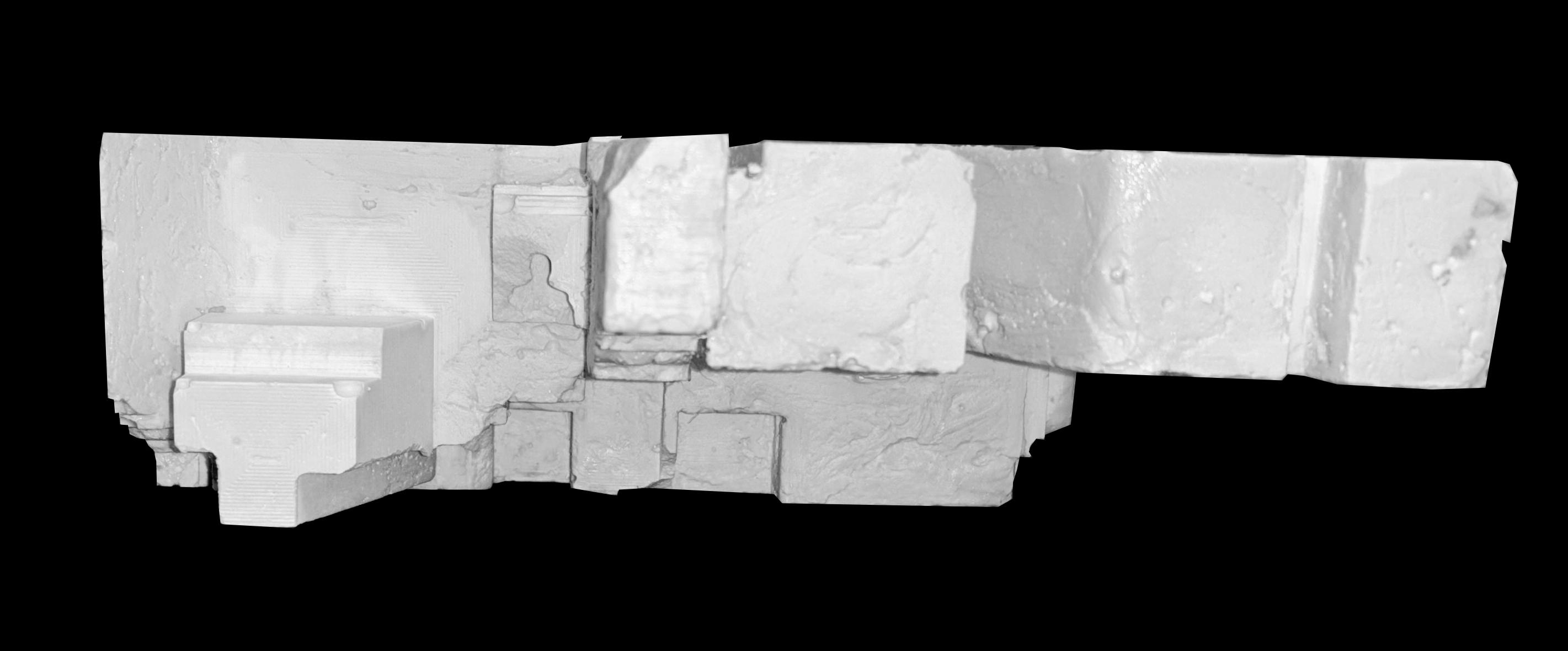
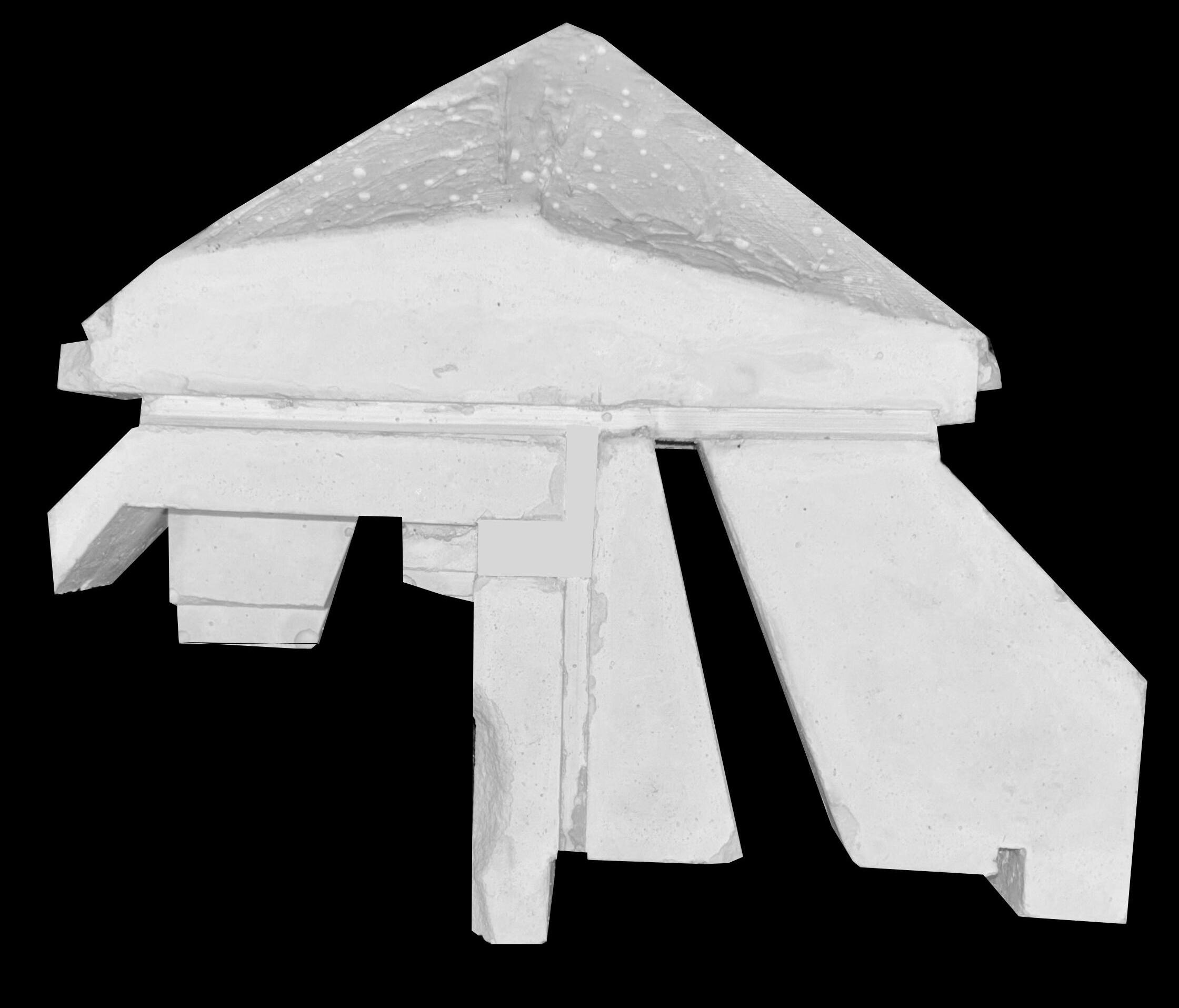
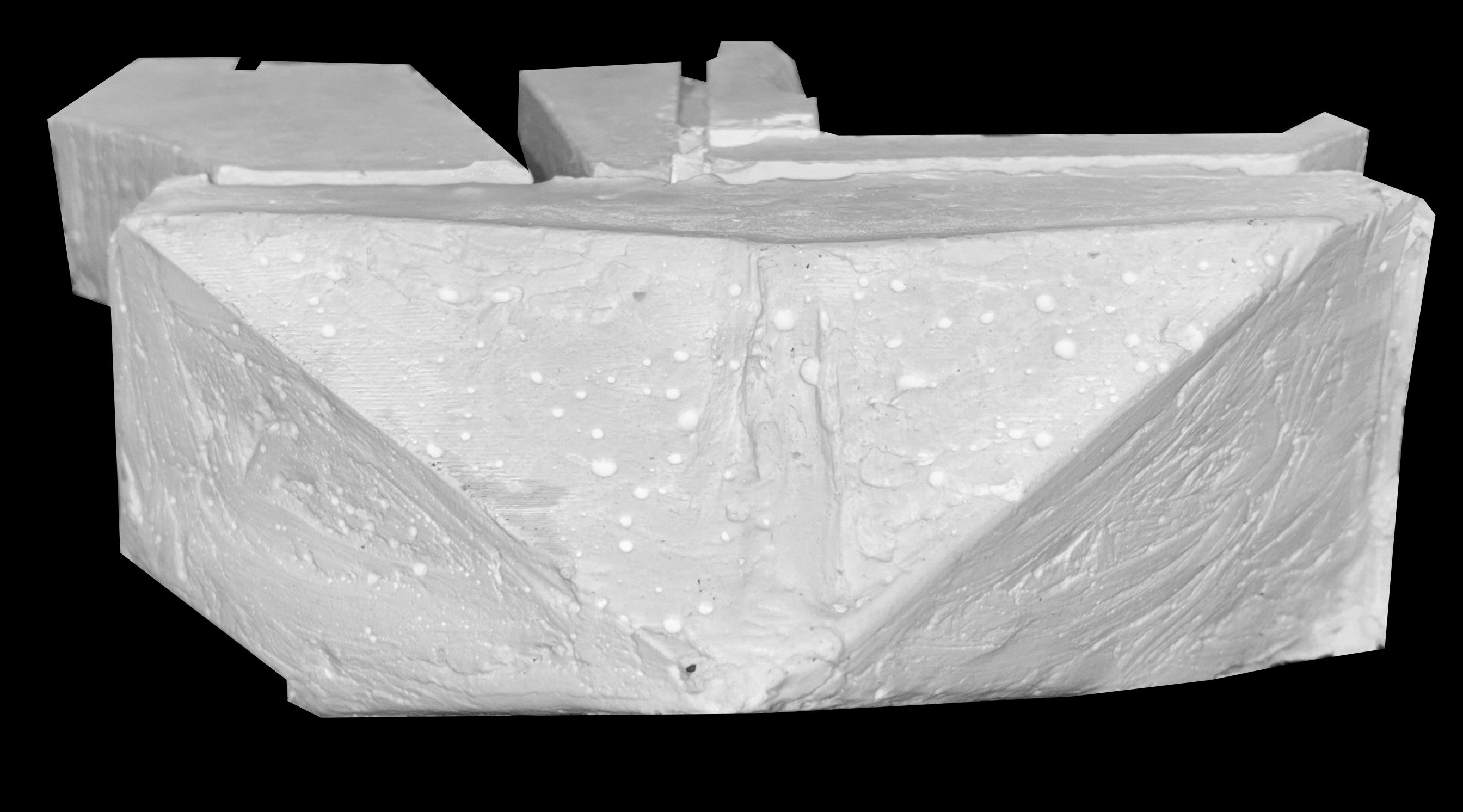
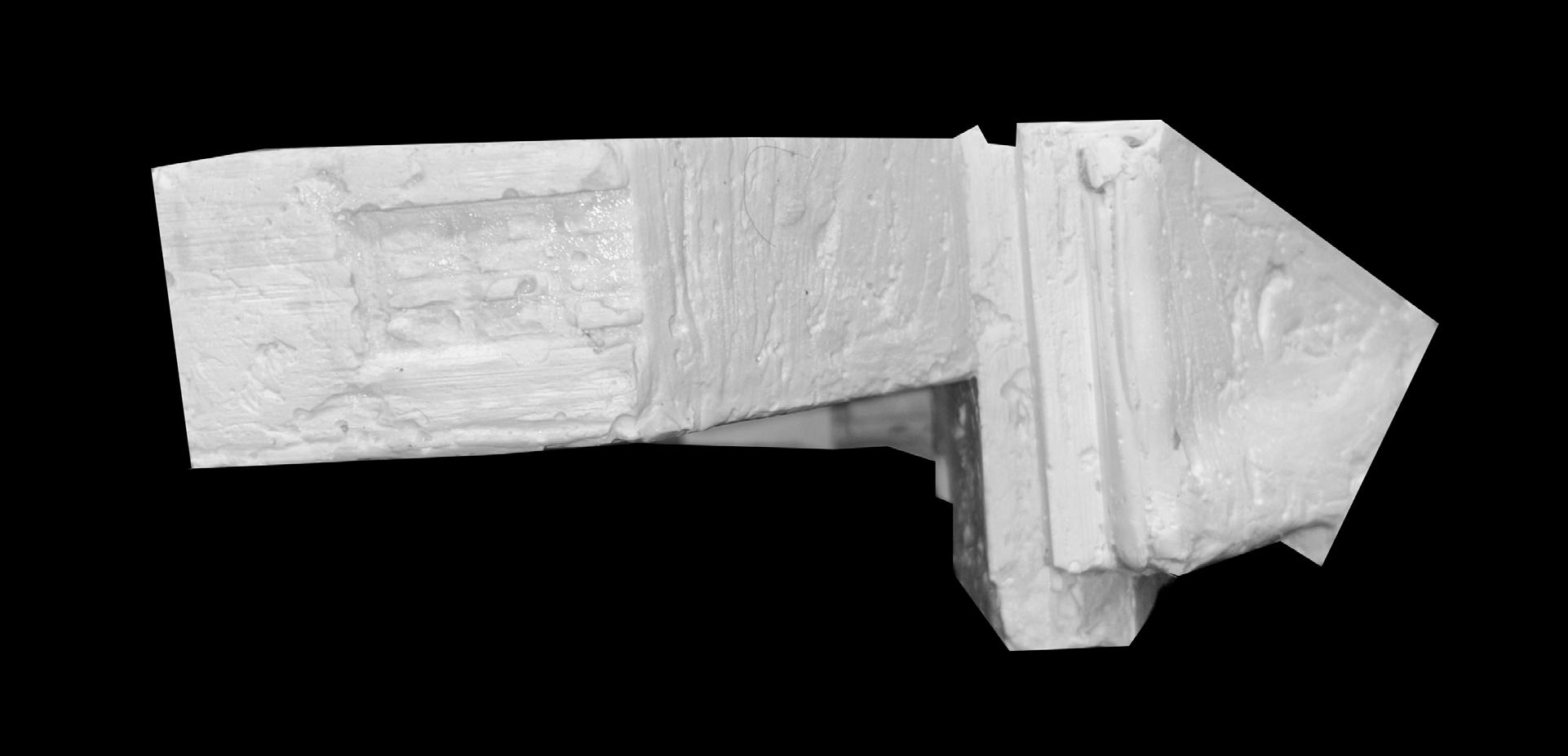
House as Museum is an architectural study of Villa Müller by Adolf Loos. This certified Iconic House showcases Loos’ architectural innovation in his Raumplan spatial design. This project studies his spaces with a series of articles and pictures in order to create a plaster casted model that showcases the Raumplan of the villa. The goal is to understand the impact of spatial perception of an image, and how the environment (negative space) of the images read to the viewer.
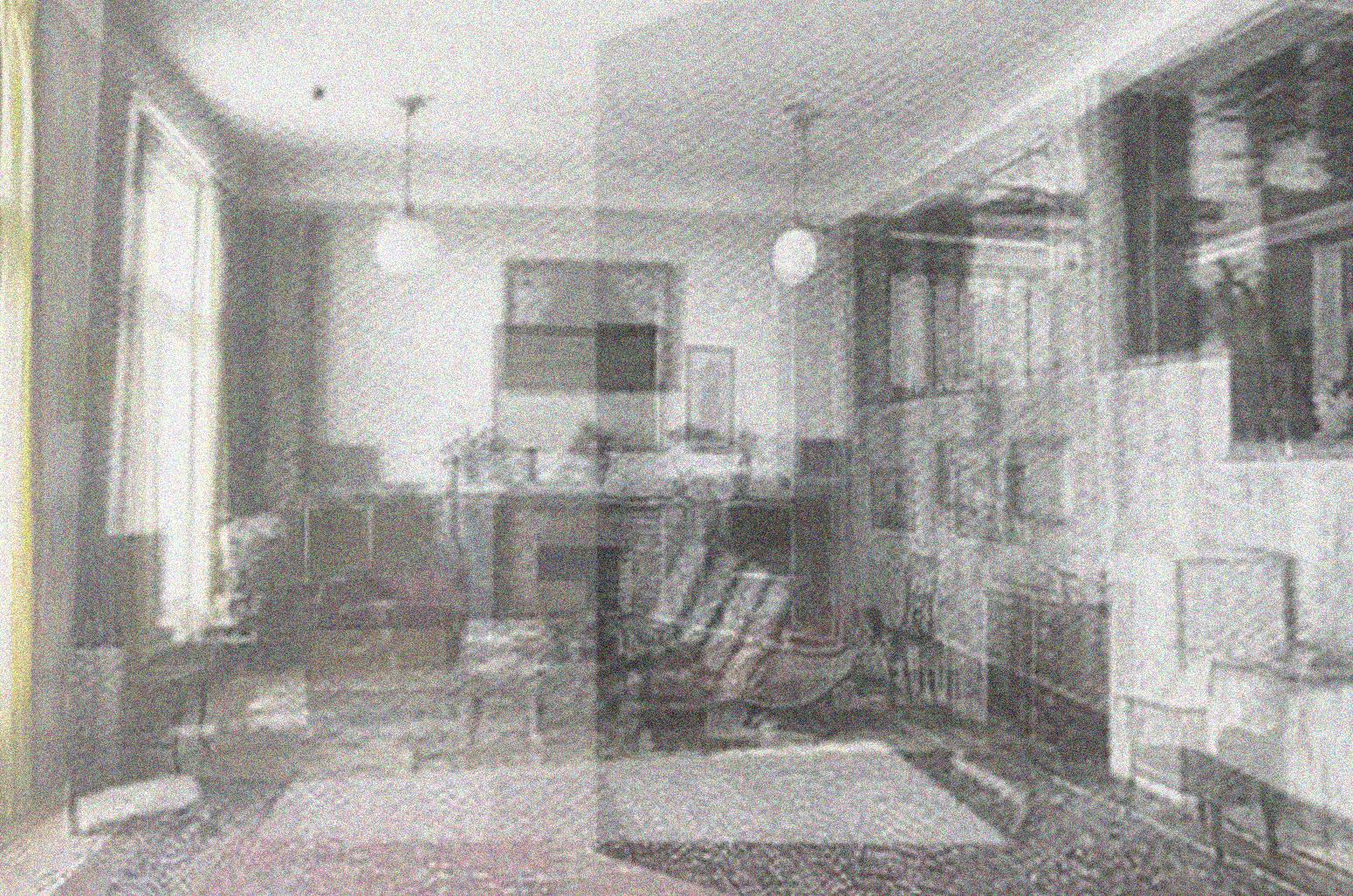
The study starts with a dive through the villa’s history. Once home to František Müller passed away, no one occupied the villa for two years (as seen in the 1970 photo). Although be done before the house was open to the public. The 1990 photo gives a sense on how layout used for the museum versus when it was lived in. The 2007 photo is the most but also through the interior layout being reverted back to the lived in orginial which
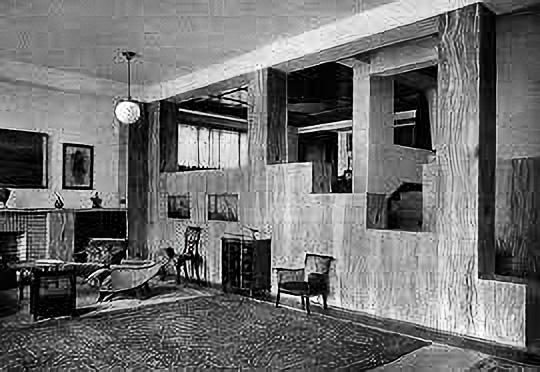
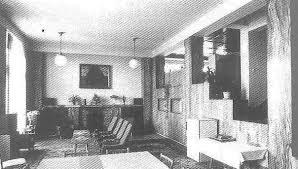
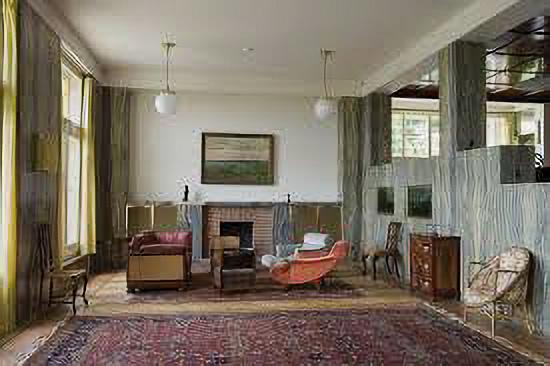
Müller and his wife Milada Müller, the house was completed in 1930. After Mrs. Müller Although there was no damage from the absence of life, minor rennovations needed to how the rennovations differed from the original, and showcases a different furniture recent in terms of changes, which are not only visible through rennovation repairs which was closer to what Loos imagined for the space.
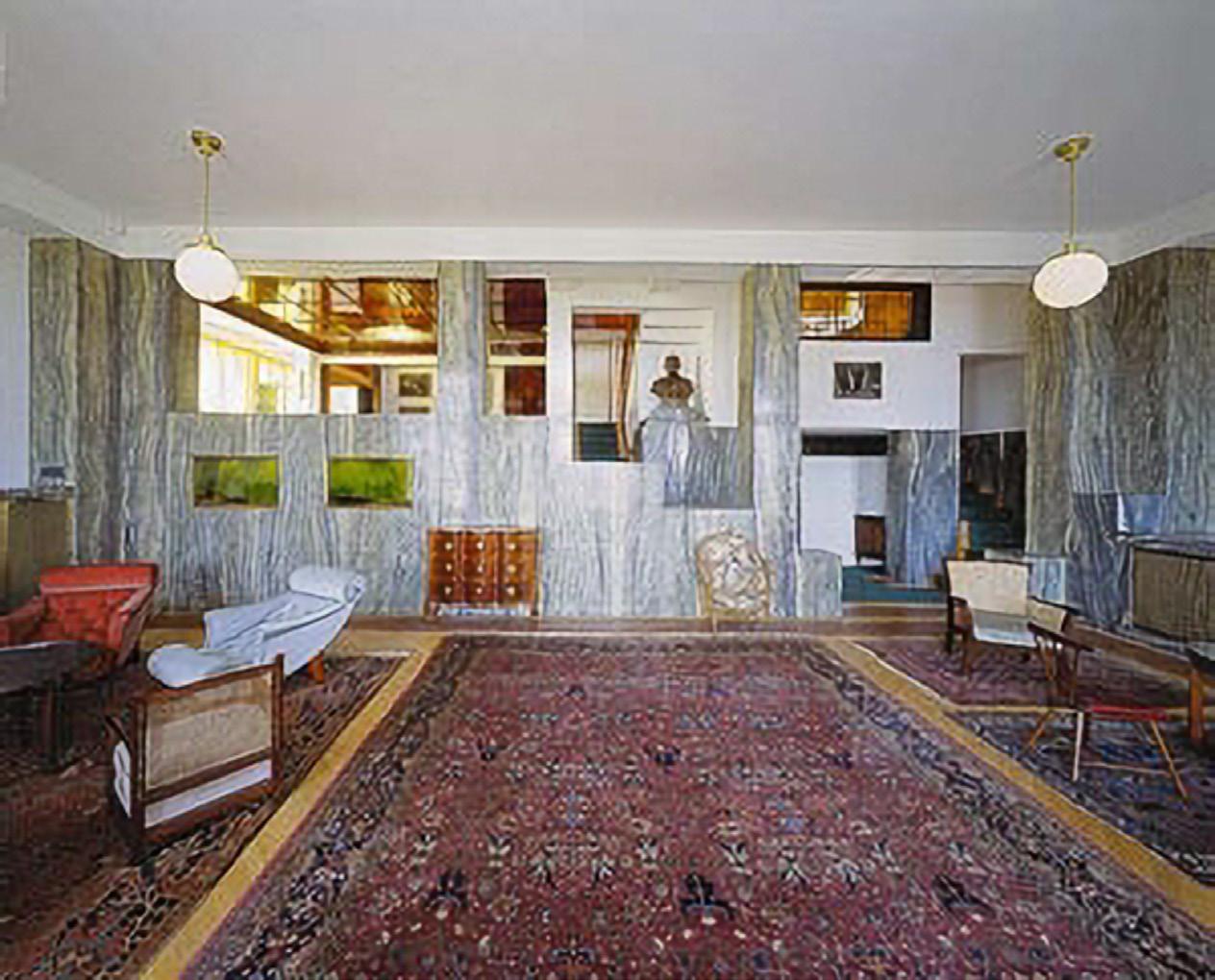
Referencing the image on the left, the representation of what is seen in the photo is casted into plaster. Planes are made using the perspective lines the camera created, making everything in that plane read as the front and everything behind anything read as void. It captures the camera’s perception of the space in a 3D model that can be interperated, reinterperated, and studied.
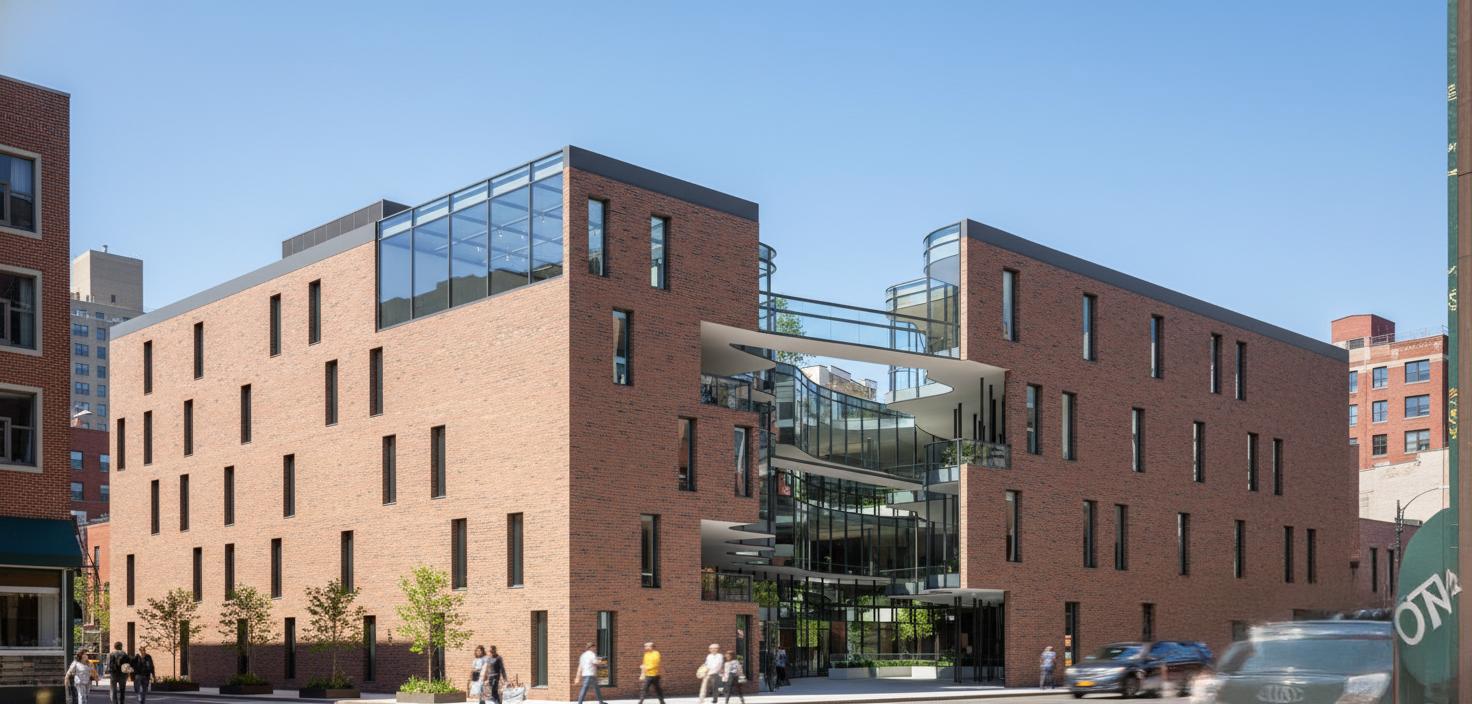
The Center
Architecture/Engineering Education Building
York, NY
2023
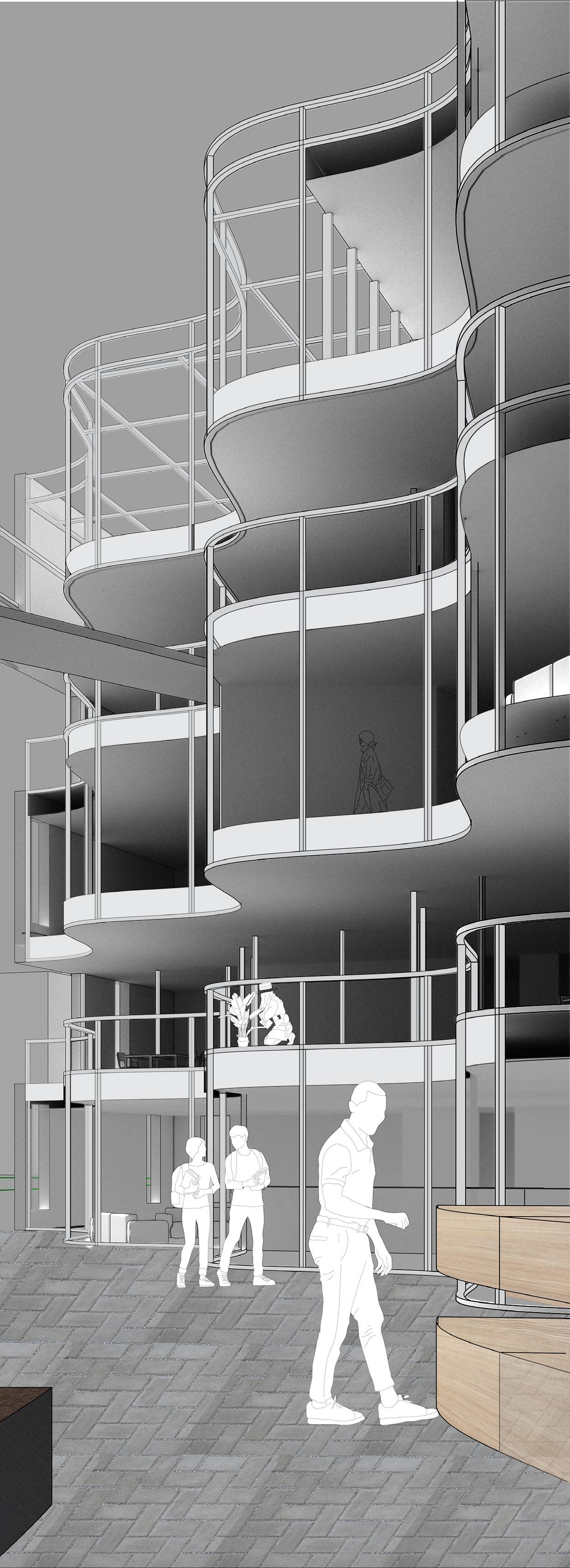
In the heart of Hell’s Kitchen, the presence of the brick sets a vernacular of the area. Using local materials, this project is a representation of a heavy brick massing that breaks apart to expose a courtyard made of glass. The Center is a symbol of a canyon that opens up access for the sun creating a light well that disperses sunshine throughout the building. Since brick allows for more privacy, the classrooms and back of studios sit along the exterior, while communal areas gather towards the center.

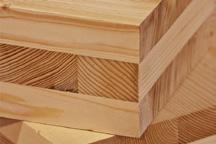


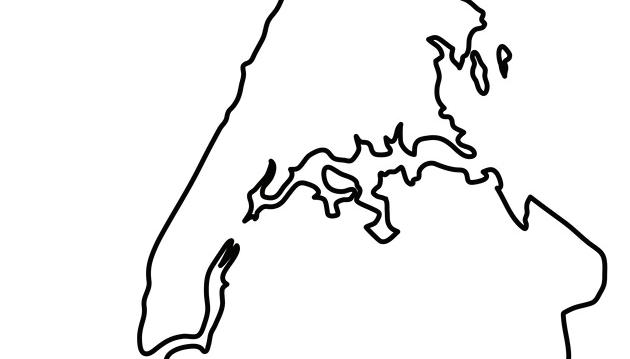
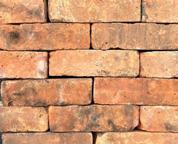
This building is meant to house four college disciplinaries which include: Architecture, Environmental Engineering, Landscape Architecture, and Plant Ecology Each department has their own program designed for their individual needs, but has dispersed moments where unity and conversion is encouraged.
In the center courtyard on the ground floor, there stands a community garden and market that is grown and operated by the students. The glass becomes the viewing eye across the courtyard to display the studios of the different discplinaries, the model shop, and the social/study spaces. ADA accessible ramp bridges are the main connecting circulation between the two buildings, combining the classroom areas with the studios and other common spaces.
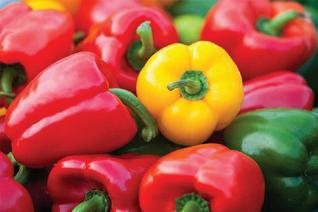
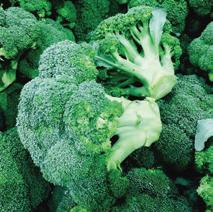
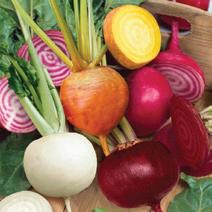
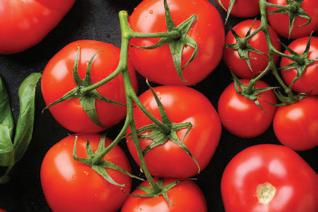





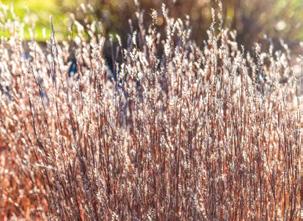
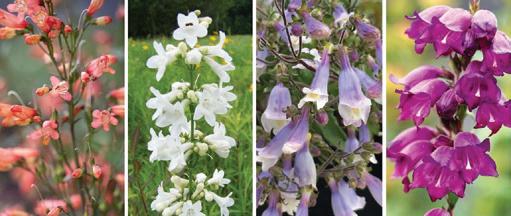
Visual [Colors/Form]
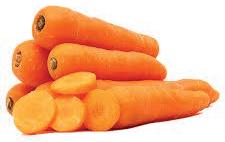
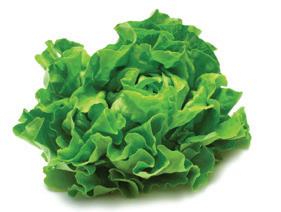
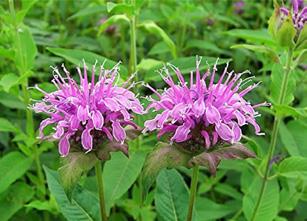
Taste [Edible]
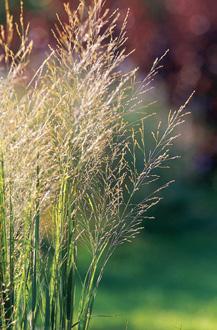
Smell [Scent]
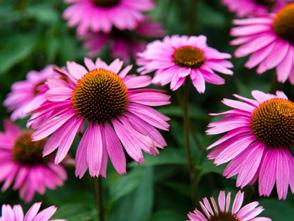
Insect [Attraction]
Carbon Dioxide [Aborption]
The Pavillion
Sports/Movement Facility
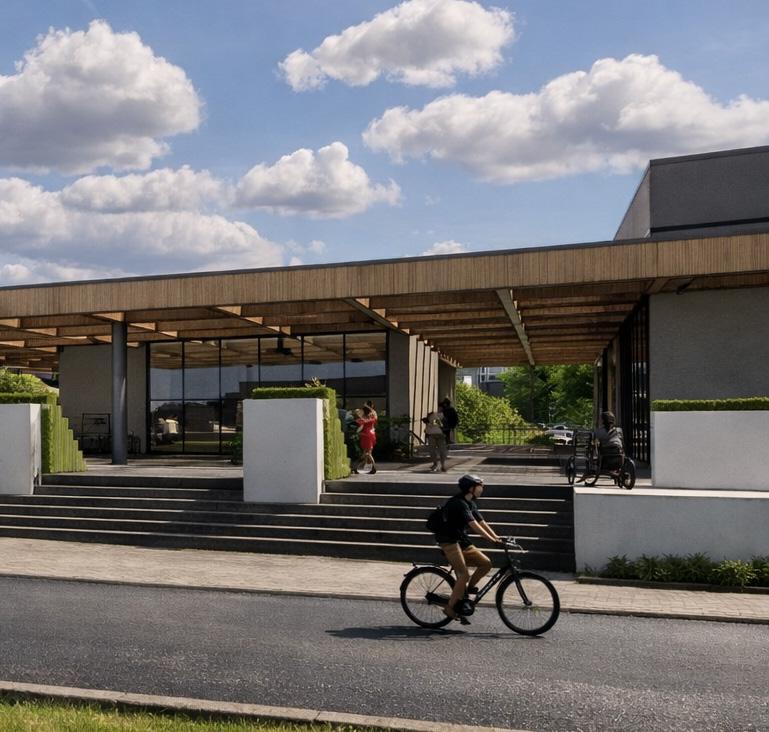
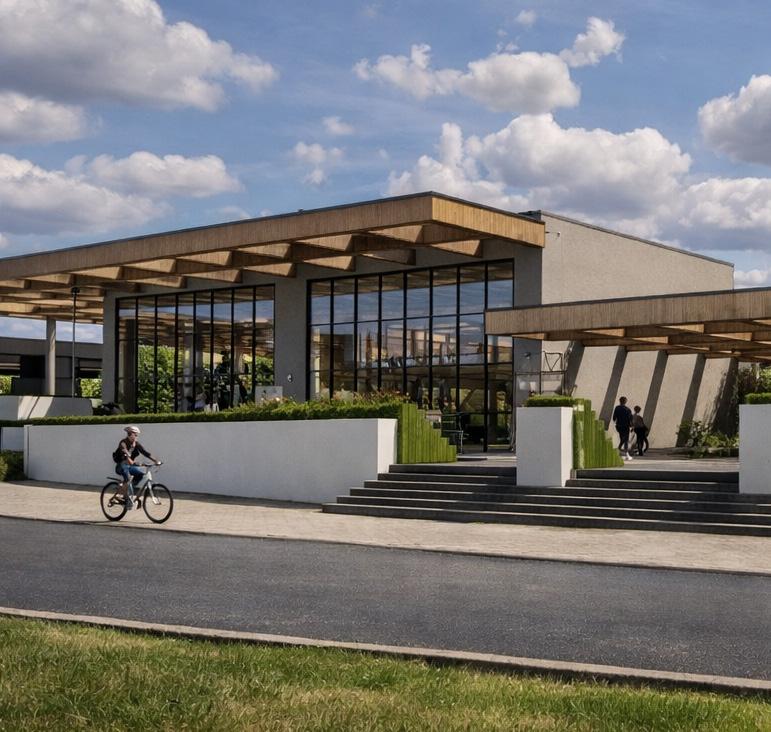
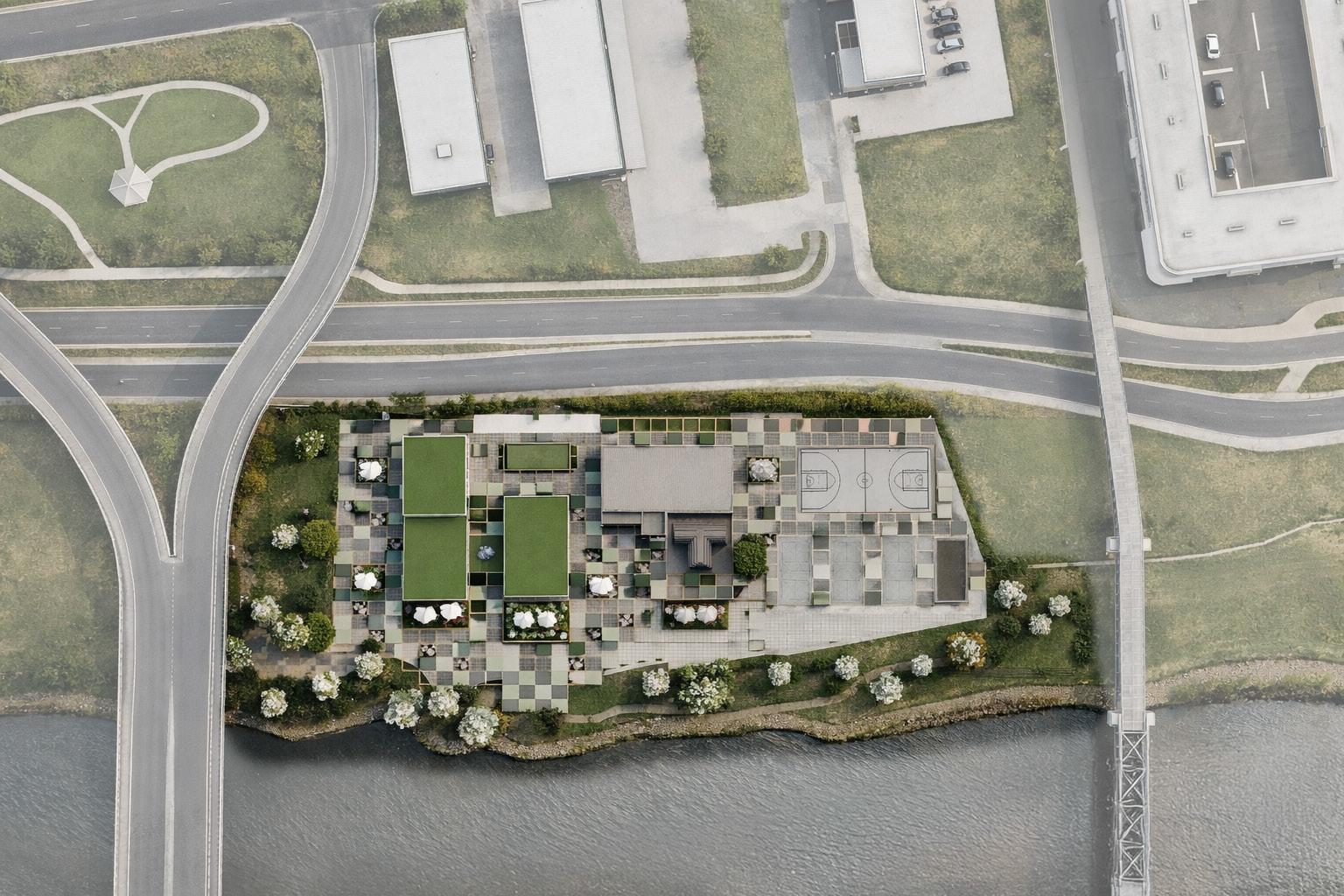
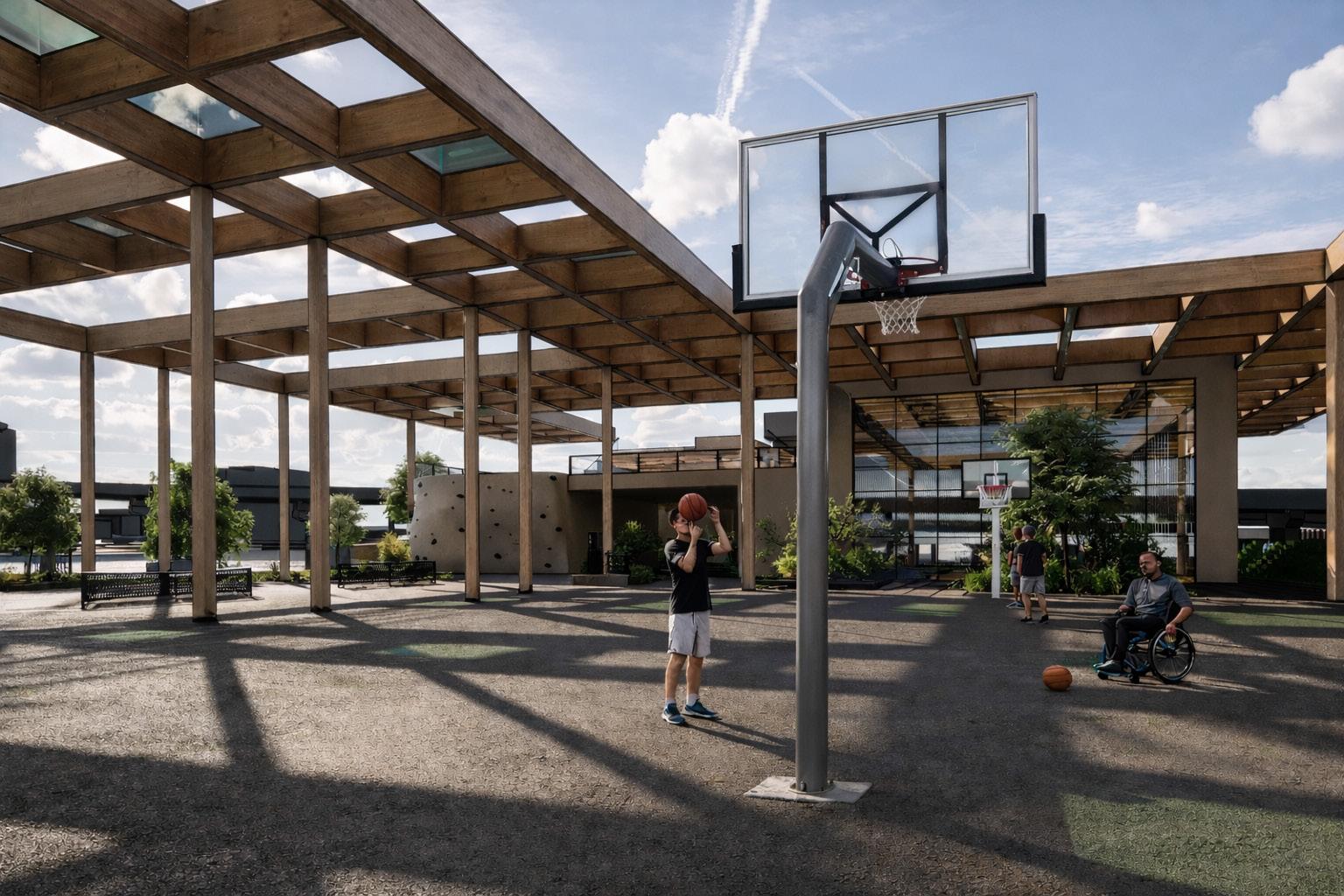
This athletic program project is intended to connect North Little Rock communities with each other while utilizing the riverfront safely in respect of the flooding that the river experiences. The site combats the problem by rising four feet above the floodline, protecting the building from the river. Overall, the site is flat but the program cuts into the earth or protrudes up over the pavillian structure in order to give the program the maximum space depending on the sport. The ground is lined with pervious pavers, which naturally help with rainwater runoff, that slope into the planters to help drain the water into the river preventing flash flooding.
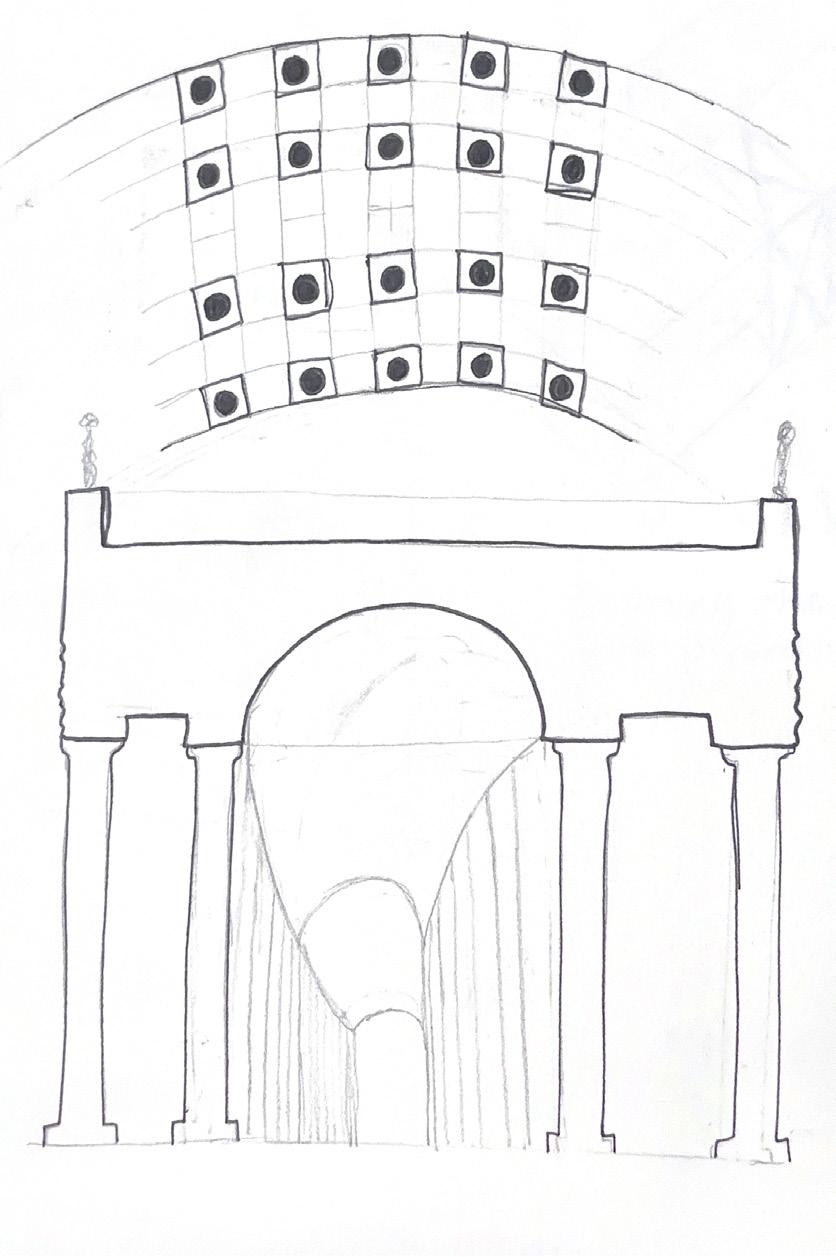
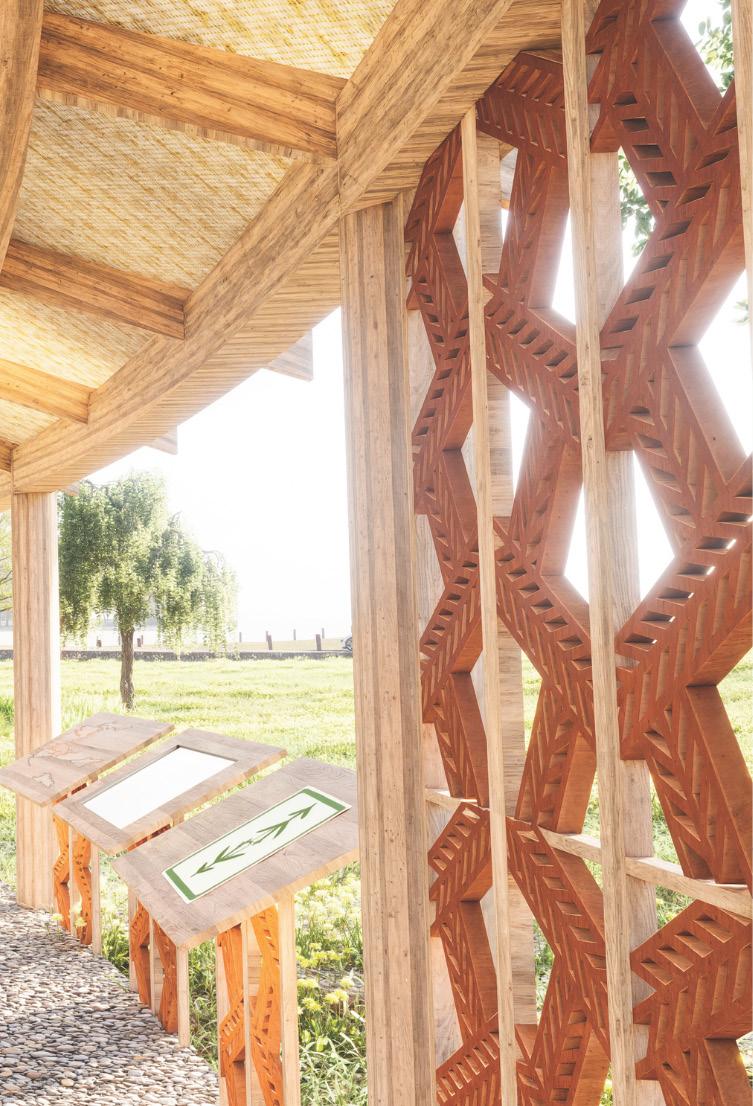
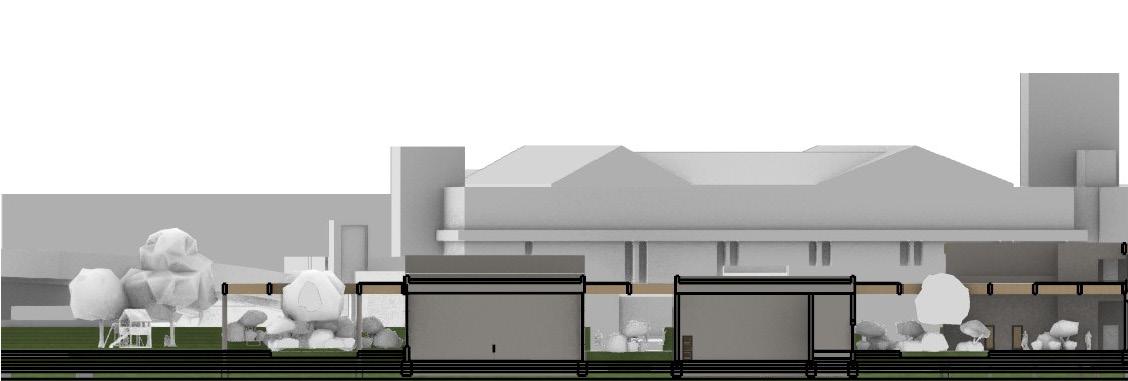
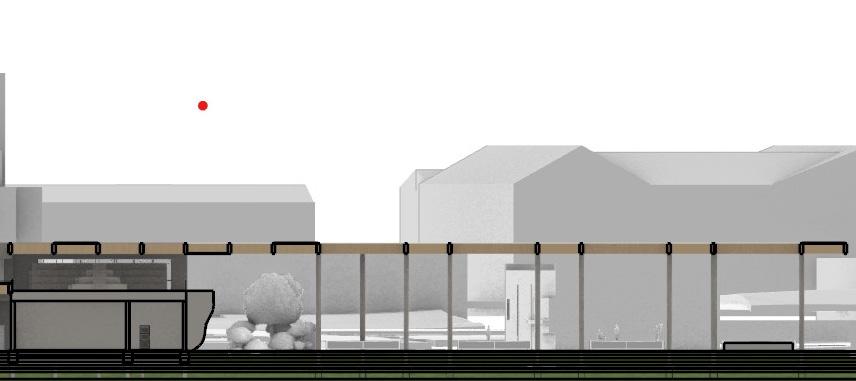
The Pavillion uses concrete columns and loadbearing walls which hold CLT beams that create a lattuce overhead structure. This helps connect the interior courts and rooms to the exterior, and also acts as a navigational tool. The circulation in the project happens under the Pavillion that guides the visitor throughout the site. It is mostly open with the occasional green stained glass to move the occupants to points of interest.
GLULAM WAFFLE CANOPY STRUCTURE
GREEN ROOFS/PARAPETS
SECONDARY STRUCTURE
PRIMARY STRUCTURE
CONCRETE GRADE BEAM FOUNDATIONS
CONCRETE PILES
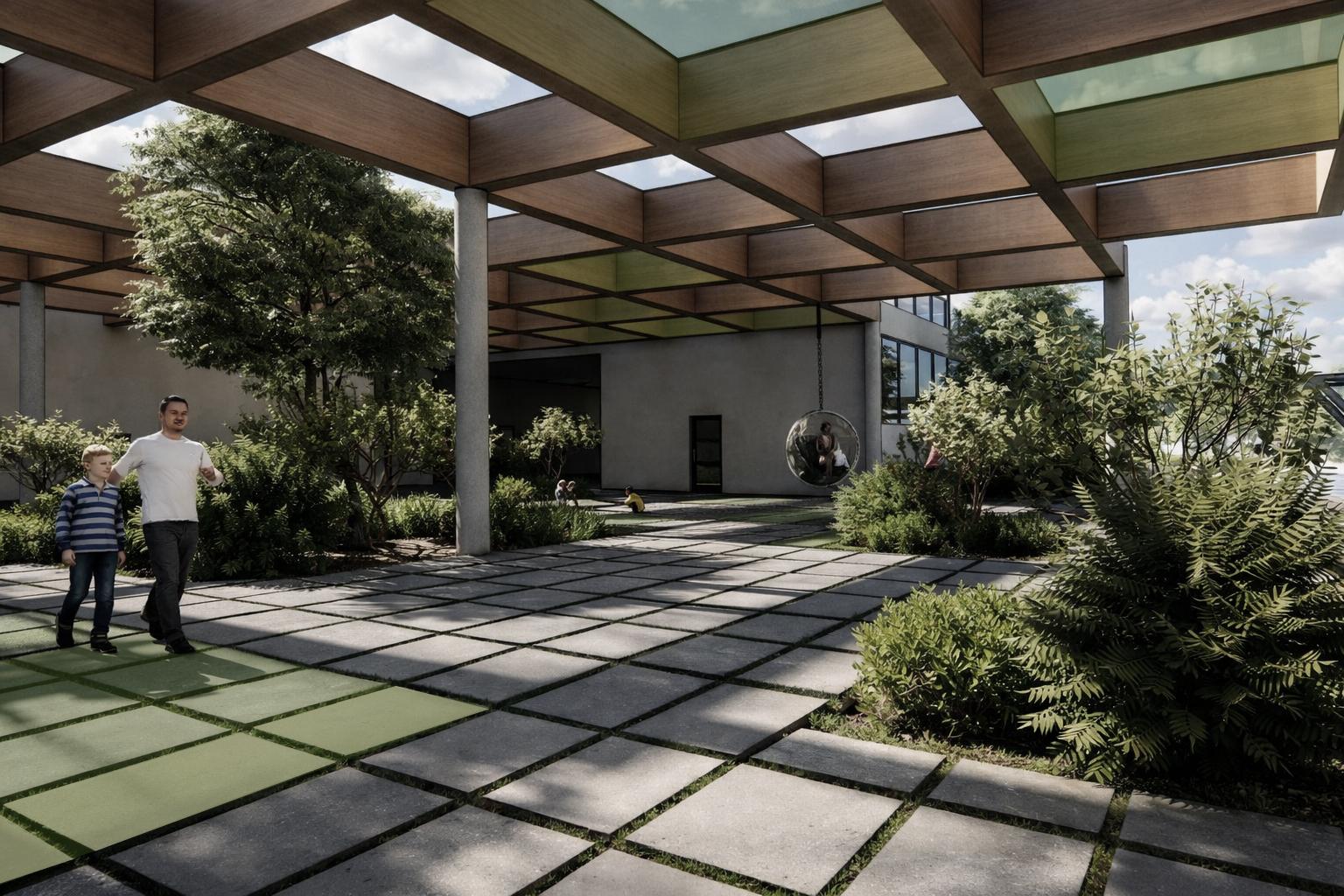
The experience under the Pavillion pulls visitors to inportant places on site, but it also connects the visitors with nature and the river. There are pockets of planters that follow and/or cut out of the structures’ grid and a pond. It includes a cafe, and a sundeck for leisure, along with a pathway leading down to the riverside for when the river is not flooding. This leads visitors to the amp theater that is open for the public to use and enjoy.
1. GLULAM WAFFLE CANOPY STRUCTURE
2. DRIP EDGE 3. BOLTS
SLOPED WELDING
1. GLULAM WAFFLE CANOPY STRUCTURE
2. CONCRETE WALL
3. BOLTS
4. EMBEDDED STEEL PLATE
The facility supports indoor sports like badminton, volleyball, wallball, handball, and yoga. It also allows for outdoor sports like kayaking, basketball, tennis, and pickleball to be played on site.
Presented by