CREATIVE
CREATIVE
by the Kansas Historical Society 6425 SW 6th Avenue Topeka KS 66615-1099
Please send change of address information to the above address, email kshs.zephyr@ks.gov, or call 785-272-8681, ext. 243. kansashistory.gov
Partial funding provided by the National Park Service, Department of the Interior. The contents and opinions do not necessarily reflect the views or policies of the Department of the Interior, nor does the mention of trade names or commercial products constitute an endorsement or recommendation by the Department of the Interior. This program receives federal funds from the National Park Service. Regulations of the U.S. Department of the Interior strictly prohibit unlawful discrimination in departmental federally assisted programs on the basis of race, color, national origin, age, or handicap. Any person who believes he or she has been discriminated against in any program activity or facility operated by a recipient of federal assistance should write to:
Office of Equal Opportunity, National Park Service
1849 C Street NW, Washington DC 20240. ©2026
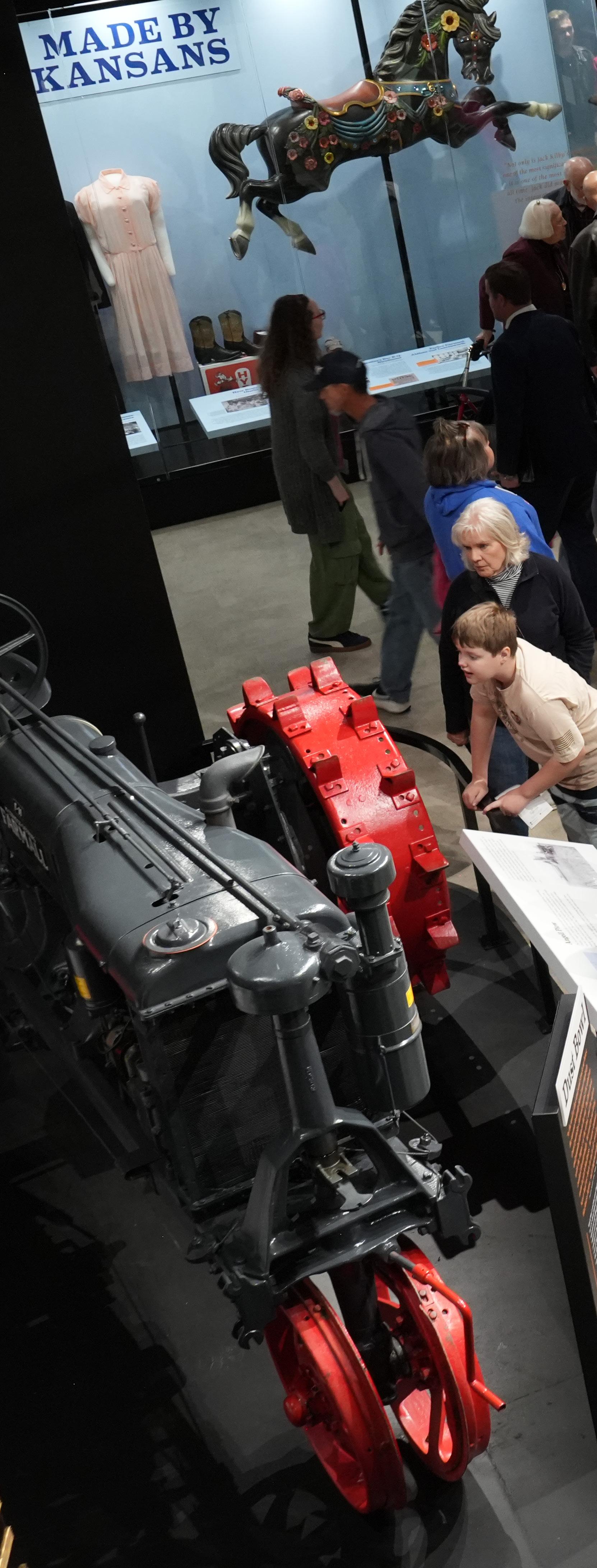
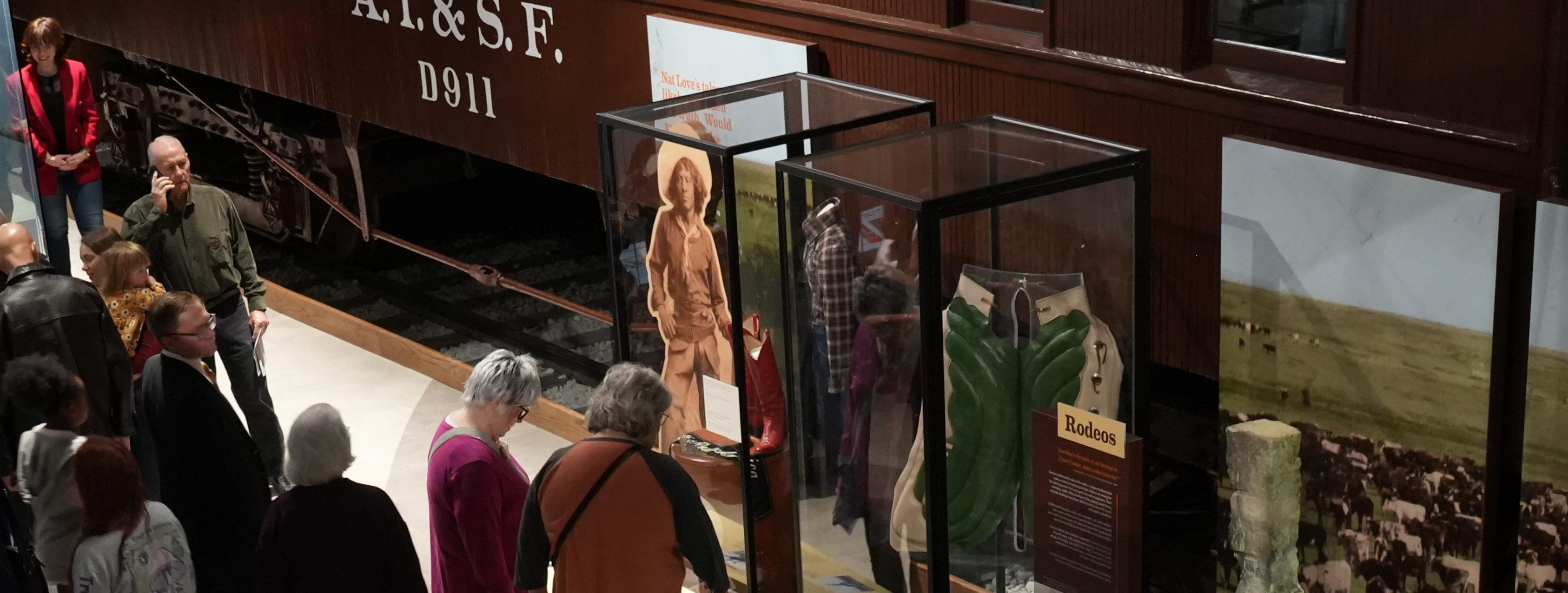
At long last, we celebrated the grand opening of the newly reinterpreted museum gallery on November 22, 2025. There were many people who helped make the day special. We would like to especially thank Melissa Brunner of WIBW-TV for emceeing the event and Lieutenant Governor David Toland for his keynote address at the ribbon cutting program. We had special performances from the Lawrence Children’s Choir and Jeremy Shield, Crow Nation of Montana Tribal member. Additional remarks were made by Jancita Warrington, executive director of Kansas Native American Affairs, Beau Easley, creative director at Dimensional Innovations, and Sarah Bell, museum and education division director.
We also want to give special acknowledgement to Mia Santarelli, our tour and volunteer coordinator, and our 65 volunteers that made the opening a success. Elsewhere in this issue you can find information on how to become a volunteer at the Kansas Historical Society. Finally, we are indebted to former Historical Society employee, Joy Brennan, who tirelessly and enthusiastically planned the entire opening event.
Happy Semiquincentennialling! Hmm. I don’t think this salutation is going to catch on, but I don’t suspect “Happy Bicentennialling” did either in 1976. That is how Nyle Miller, then executive director of KSHS, opened “the Director’s Desk” column in January of that year. Nyle went on to note that he was delighted with the number of researchers seeking historical information on their towns, cities, and counties of Kansas and stated,
“There’s no better guide for the future than to become aware of the problems encountered by previous generations, their reactions to them, and the discipline our forebears had to muster too advance us where we are today.”
Fifty years later this statement still holds true.
This year marks the 250th anniversary of our nation’s founding, and the Kansas Historical Society is commemorating the occasion in several ways:
On Kansas Day, we unveiled a new exhibit, Declaration 1776: the Big Bang of Modern Democracy, in the Center for Historical Research gallery across from the State Archives. The Gilder Lehrman Institute of American History developed this traveling exhibit, and Humanities Kansas purchased four of these to distribute around the state. Each of the traveling exhibits has an additional panel on “Kansas 1776,” developed by KSHS staff, that highlights what Kansas was like during this time. Our exhibit at the historical society also features Revolutionary War era documents and artifacts from our collection that were donated or acquired over the years. In 1976, we installed a similar exhibit in the first-floor lobby of the Memorial Building to commemorate the Bicentennial. Our other major commemorative contribution that year was the publication of Kansas: The Thirty-Fourth Star pictorial history book.
In July, we will open our new special exhibit, Kansas 1776: A Dynamic Landscape. This exhibit considers how the Kansas we know today has changed greatly over the last 250 years, both environmentally and culturally. The exhibit focuses on what Kansas looked like in 1776 and the people who called this place home, while also considering the different ways Kansans have used natural resources and how those uses have impacted our land and environment.
Finally, we are pleased to announce that we will be co-hosting with Humanities Kansas a special opportunity for Kansas museums and historical societies. Inspired by America’s 250th anniversary, The Future of Kansas History Summit is a two-day event held September 24-25 that will showcase the importance of local history in telling the stories of America. In addition to presentations and small group sessions, participants will enjoy guided tours of the new Kansas Museum of History, the new Charles Curtis House State Historic Site, and a special event with Kansas author and historian Candice Millard, along with the opportunity to connect with fellow museum colleagues and historians from across the state. The summit is free to attend; however, registration is required. I am greatly looking forward to this event! bit.ly/3OGcOOA
Patrick Zollner EXECUTIVE DIRECTOR, STATE HISTORIC PRESERVATION OFFICER
Bobbie Athon, MS, Contributing Writer
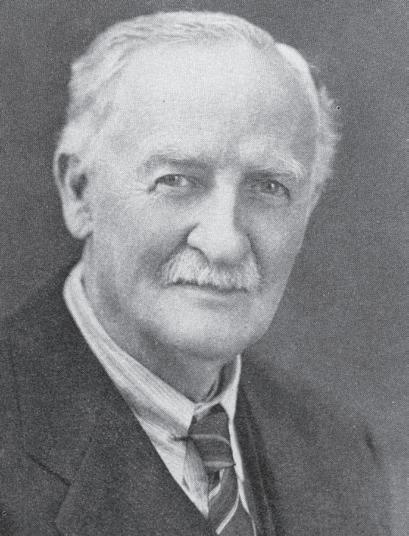
Nearly every day between 1885 until his death in 1949, George Root journaled about his work and social life in Topeka and the larger community. For more than 50 years, Root helped secure some of the most important archival and manuscript collections for the Historical Society, describing his collecting efforts in the field and assisting patrons in the research room daily. Root died in 1949 and the Society’s manuscript department acquired his papers the following year. His journals and correspondence contain a vast amount of information on Topeka and Shawnee County history.
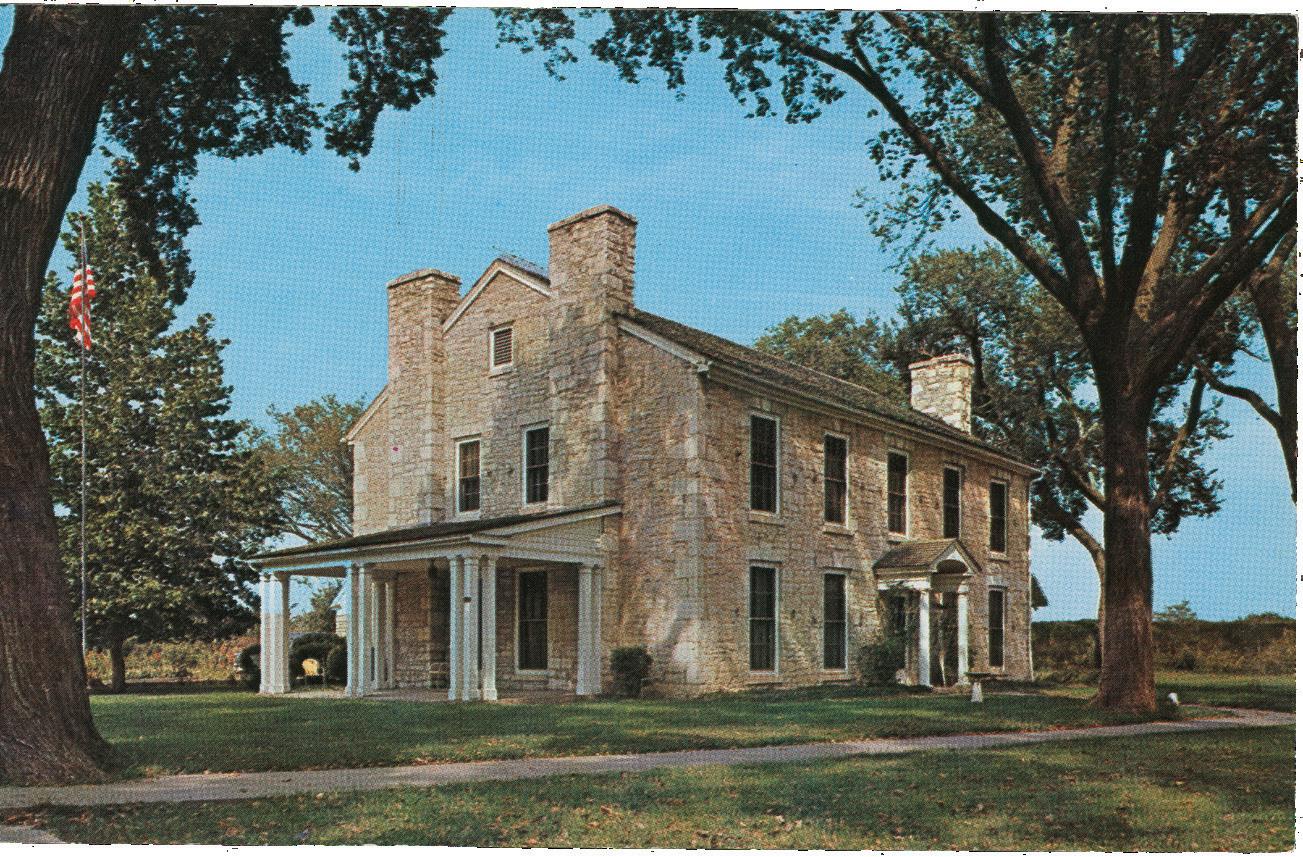
When major streams breached Kansas riverbanks in 1951, the Kaw Methodist Mission in Council Grove flooded. Recently acquired by the state, the site was operated by the Historical Society. The Neosho River filled the basement and rose three feet into the first floor. Emergency state funds were not awarded until March 1952 to restore the damage. After considerable repairs, Kaw Mission officially opened September 1952 recording 1,320 visitors in the first year. Erected by the Federal Government, the mission was a manual training school for boys from the Kanza tribe in the 1850s.
Governor Edward F. Arn appointed Nyle Miller to represent the Historical Society on the Kansas Territorial Centennial Commission. The Society’s museum exhibit designers prepared 16 displays as part of the Kansas Territorial Centennial traveling exhibits, with most of the artifacts from the museum collection. Originally a Pullman car, this coach was converted by Santa Fe Railway and pulled by the Cyrus K. Holliday 1880s steam locomotive. The train left Topeka in February and traveled across the state through December to share the stories of Kansas.
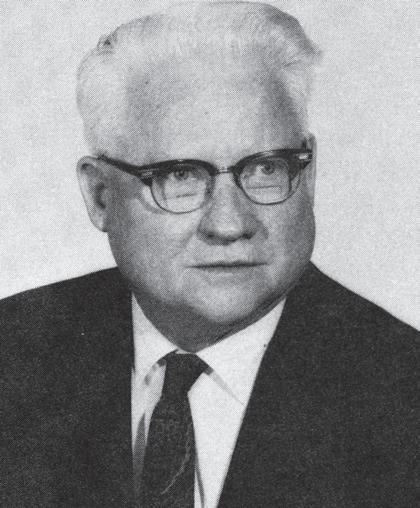
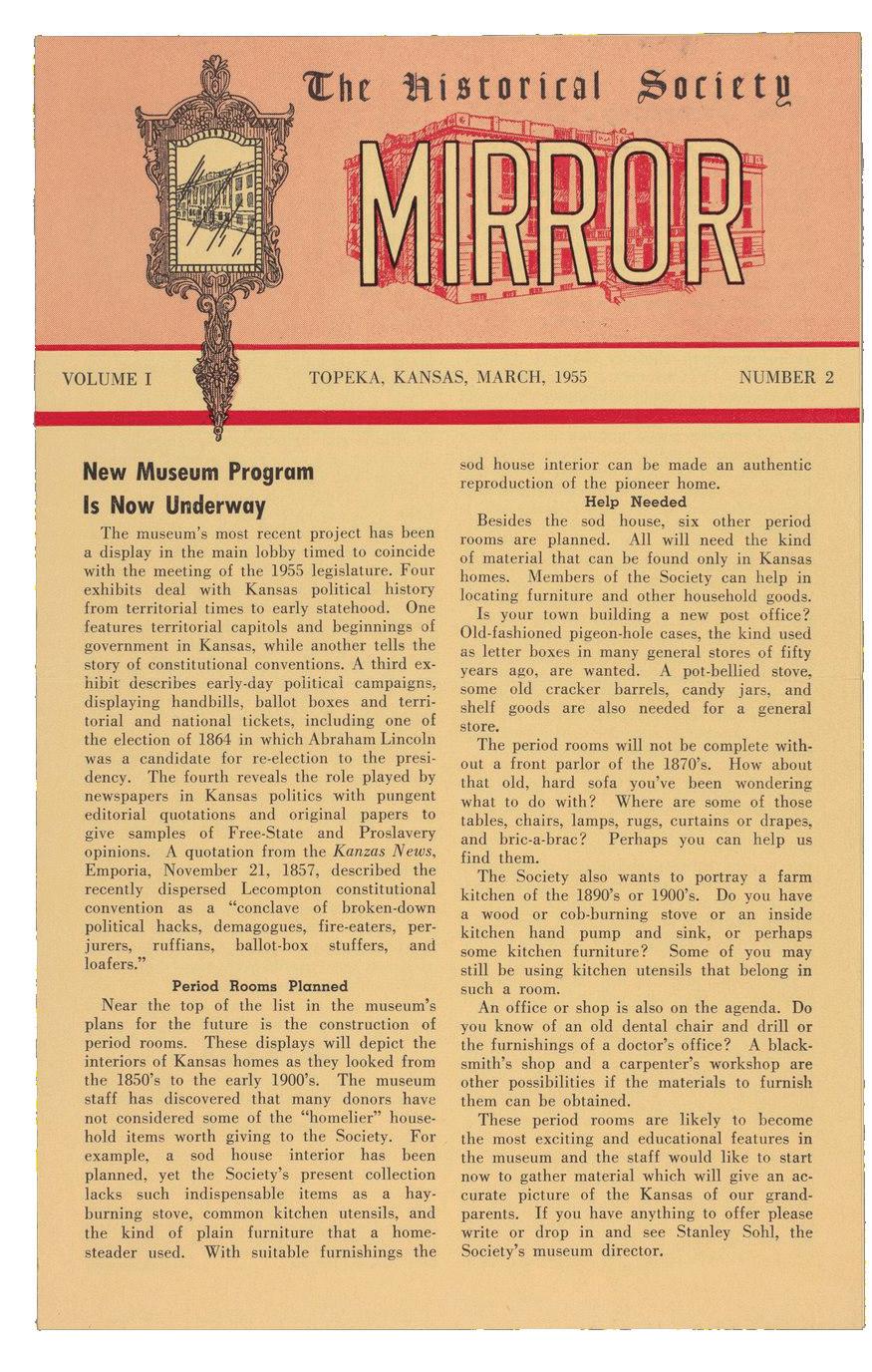
Composing the “The Secretary’s Desk” column of The Historical Society Mirror, the monthly newsletter, Secretary Nyle Miller outlined his vision for the Society and for Kansas. He appealed for donations of furniture and other artifacts he thought essential to finish the museum rooms. “How about that old, hard sofa you’ve been wondering what to do with,” he wrote in the second issue. Hired by Kirk Mechem as a newspaper clerk in 1931, Miller was elected secretary in 1951, the first secretary to be chosen from the Historical Society staff.
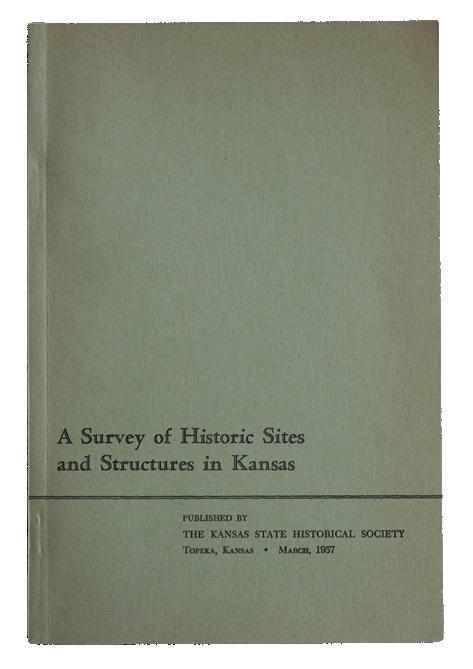
The state legislature authorized a special survey of historic sites and buildings in Kansas to stimulate interest in local history and historic structures, with an appropriation of $750 for travel and printing. Edgar Langsdorf, assistant secretary, oversaw the program, which collected information on 186 properties. The Historical Society submitted a report to the governor and legislature in March 1957.The report was reprinted in the Summer 1957 issue of the Kansas Historical Quarterly
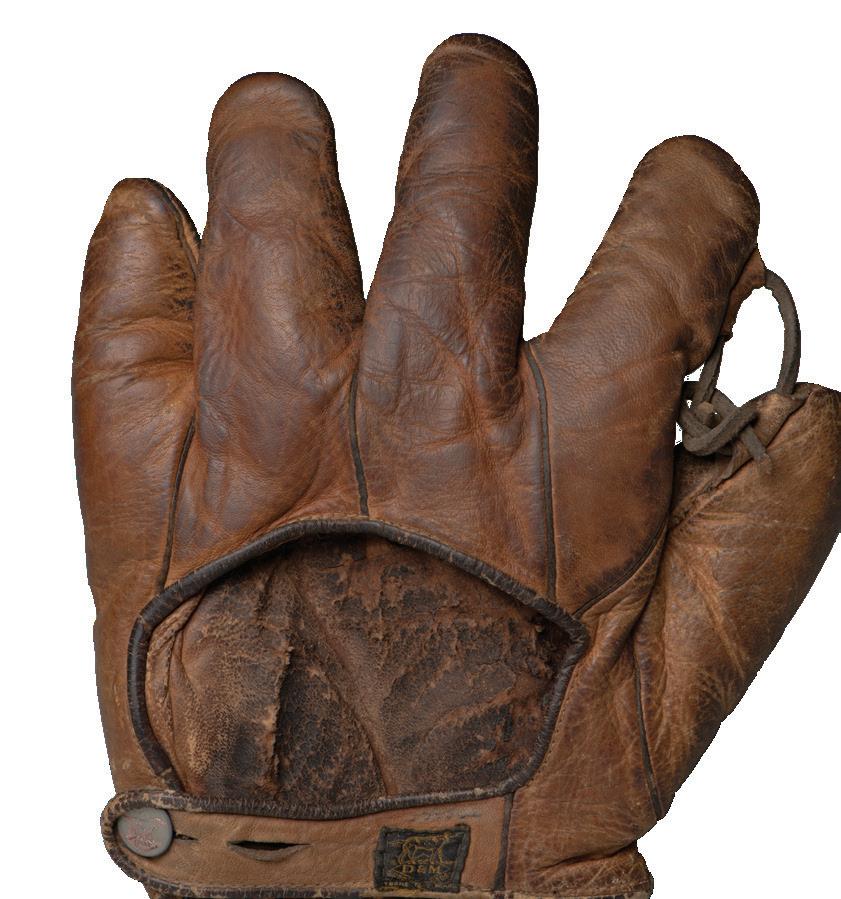
This leather baseball glove was used by Emmett Richmond who played on school in teams Downs and Stockton, where he graduated from high school in 1922. Richmond studied business at Kansas Wesleyan in Salina and continued to play on town teams.
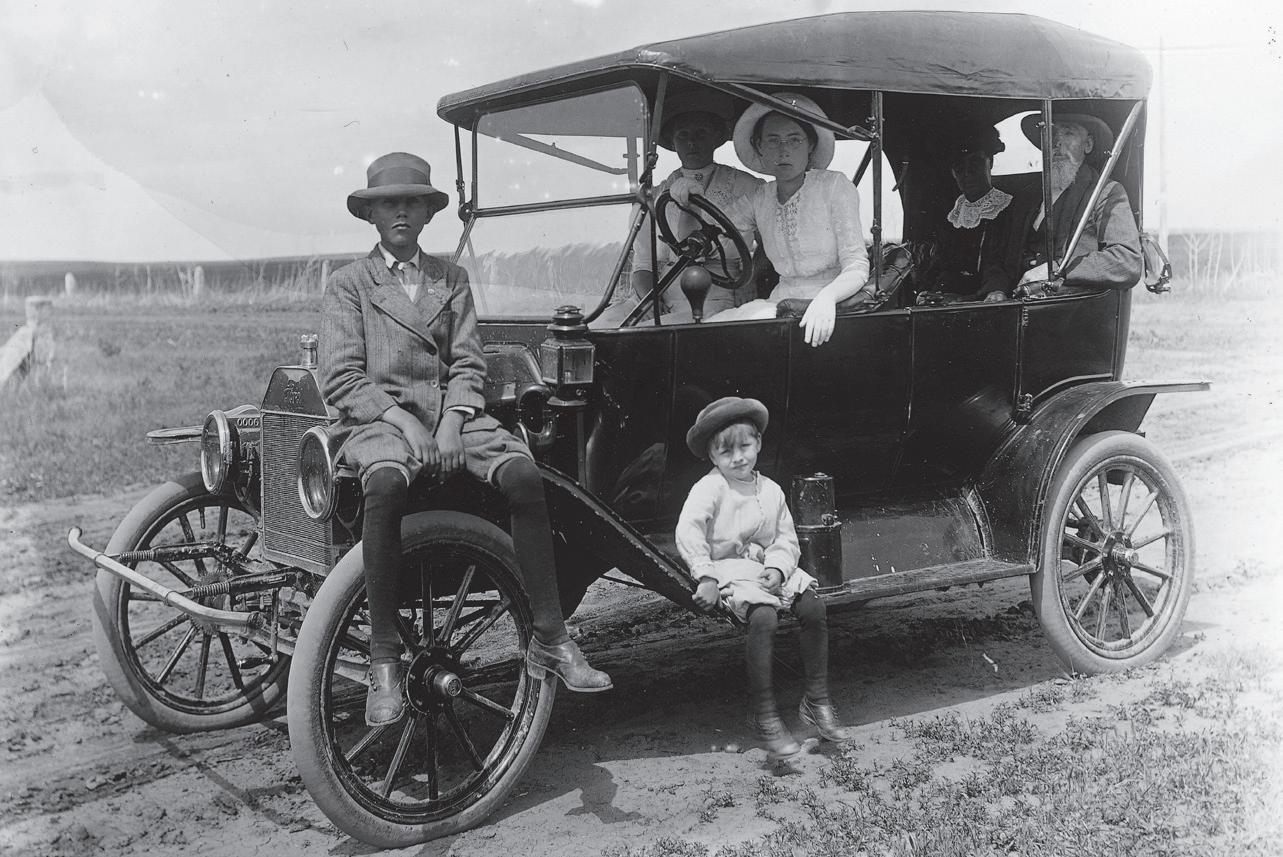
Kansas—A Pictorial History was among the Historical Society’s projects sponsored by the Kansas Centennial Commission, in preparation of the 100th year of statehood. The 300-page book featured more than 500 photographs, images, and maps from the state’s history. The Historical Society also published Kansas in Maps, by Robert W. Baughman, with 90 maps from the collections. Charlotte Hopper driving a Ford convertible in Dorrance in 1913, is among the images featured.
John Ripley of Topeka, a member of the board of directors, had an avid interest in Kansas history. Inspired by original promotional materials, Ripley launched a fundraising campaign to restore the museum’s 1908 Great Smith. Donated in 1947, the car had faded from its original glory. The Shawnee County Historical Society, under the leadership of Perce Harvey, raised most of the funds for the restoration, which became part of the Society’s centennial projects.
The first Kansan to hold all four highest offices: governor, state legislator, US representative and US senator, Frank Carlson resigned from the senate in 1969 and donated more than sixty cubic feet of records to the Archives division covering all eighteen years of service in the US Senate.
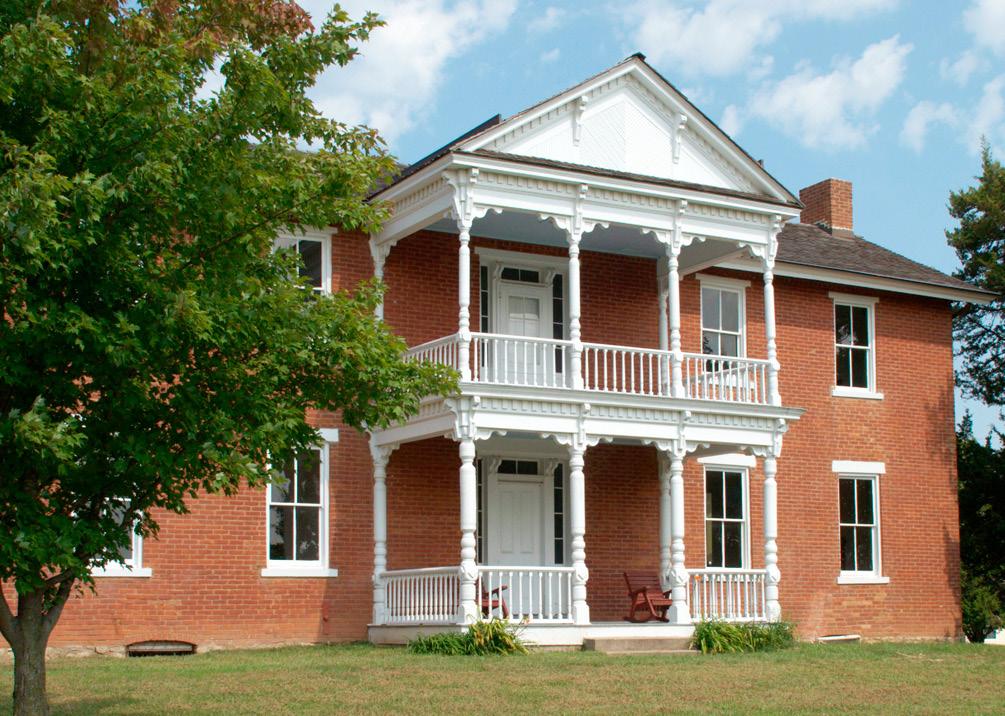
The home of Annie (Marshall) Grinter and Moses Grinter became a state historic site operated by the Kansas State Historical Society and was listed in the National Register of Historic Places. Annie or Windagamen, a Lenape (Delaware), was moved to this land of Kansas in 1831. She and Moses farmed, raised poultry and livestock, and planted an apple orchard. Moses operated a ferry and a trading post, permitted to trade with the Lenape. They built this brick house in 1857, later a chicken restaurant in the 20th century.
The year began with a bang—24 rounds of cannon firing—according to Secretary Nyle Miller, at Kansas Day at the Kansas State Capitol on January 29. He reported 1,200 visitors to the Kansas State Historical Society that day. The day kicked off numerous programs during the year including a presentation by Rolla Clymer, Society president 1957-1958, portraying Abraham Lincoln.
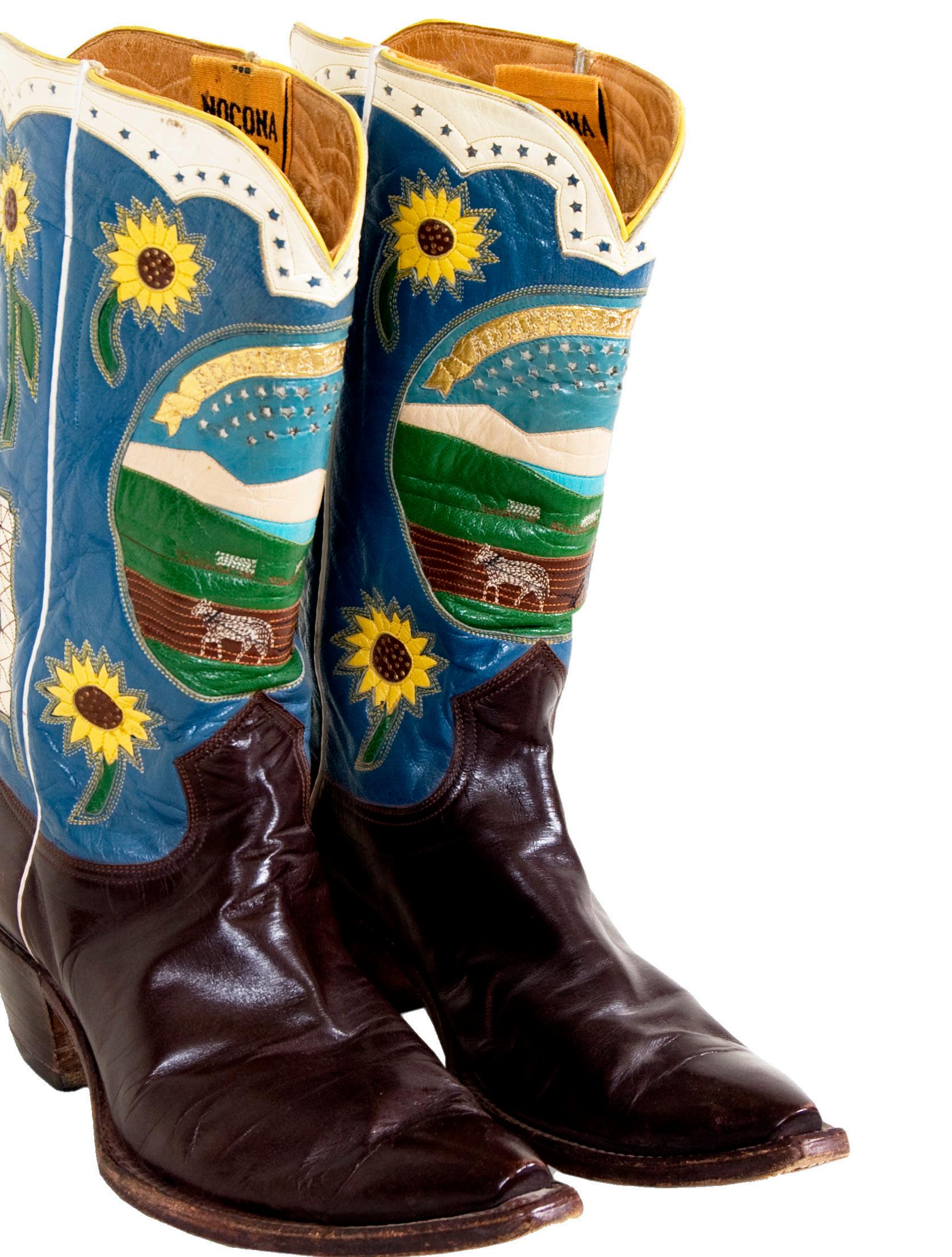
Fred Hall was a former governor when he wore these cowboy boots with Kansas symbols, including sunflowers, wheat, oil derricks, and state seal at Kansas Centennial events.
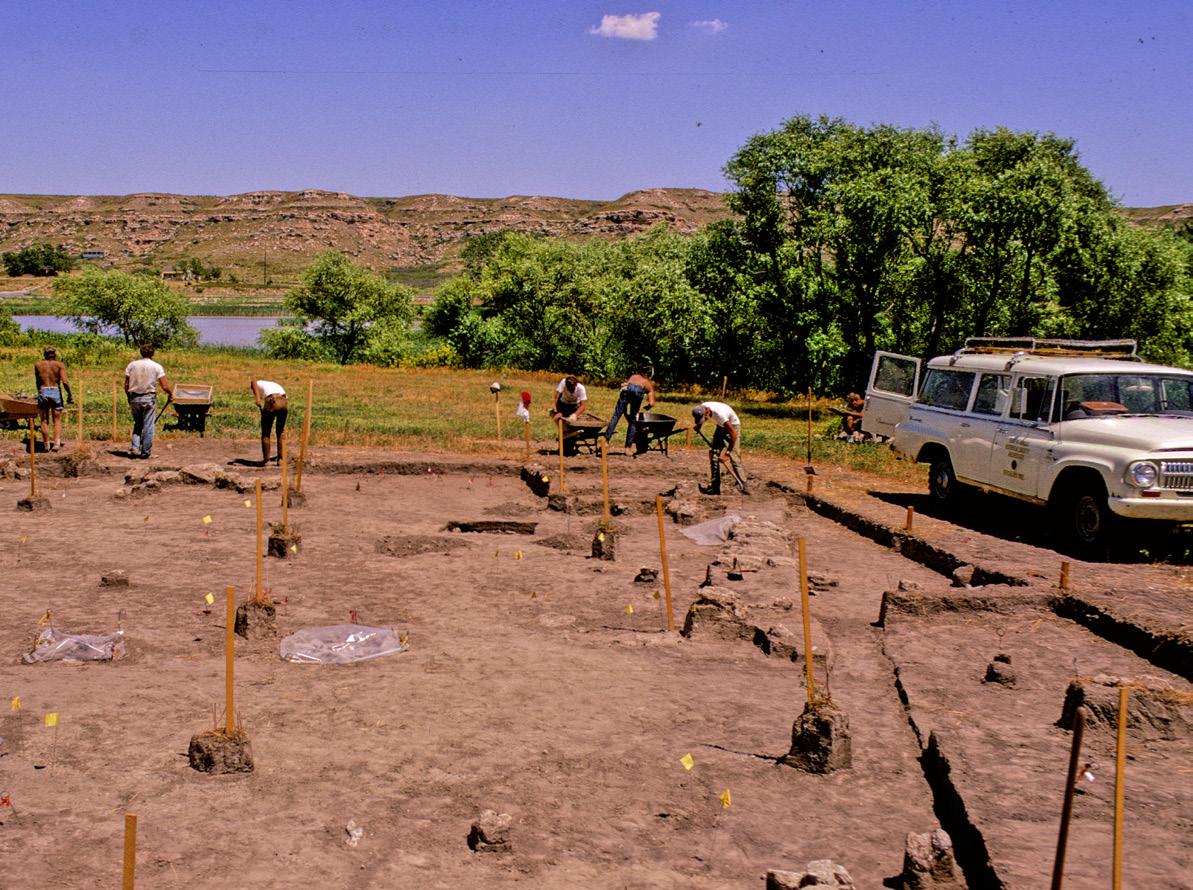
The Kansas Archeology Training Program, in collaboration with the Kansas Anthropological Association, first introduced a field school to invite public participation. The field school investigated El Cuartelejo in Scott County, a Plains Apache village in the High Plains, where the Taos Pueblo Tribe fled in 1664 to escape Spanish rule. The field school continues, resulting in hundreds of volunteer hours of work contributing to the archeological history of the state.
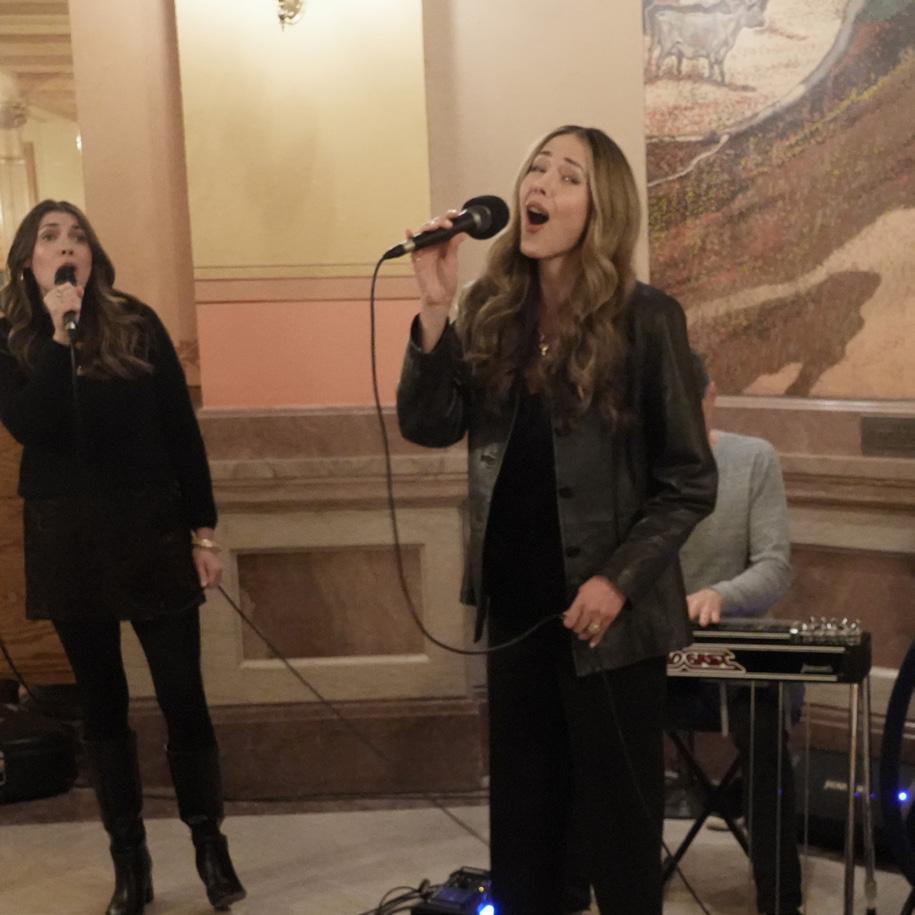
Kansas Day at the Kansas State Capitol is a memorable event each year. This year, Kansas celebrated its 165th anniversary with special speakers and music. Maria the Mexican opened the program with the song “All My Tears.”
Patrick Zollner, executive director of Kansas Historical Society, gave a history of Kansas Day and introduced the speakers. Governor Laura Kelly spoke about the struggles Kansas has gone through and the progress we’ve made. She said, “Kansas has led the nation in greater equality and inclusion.”
Governor Kelly gave credit to the Europeans, formerly enslaved people, and Mexican immigrants who helped shape our state.
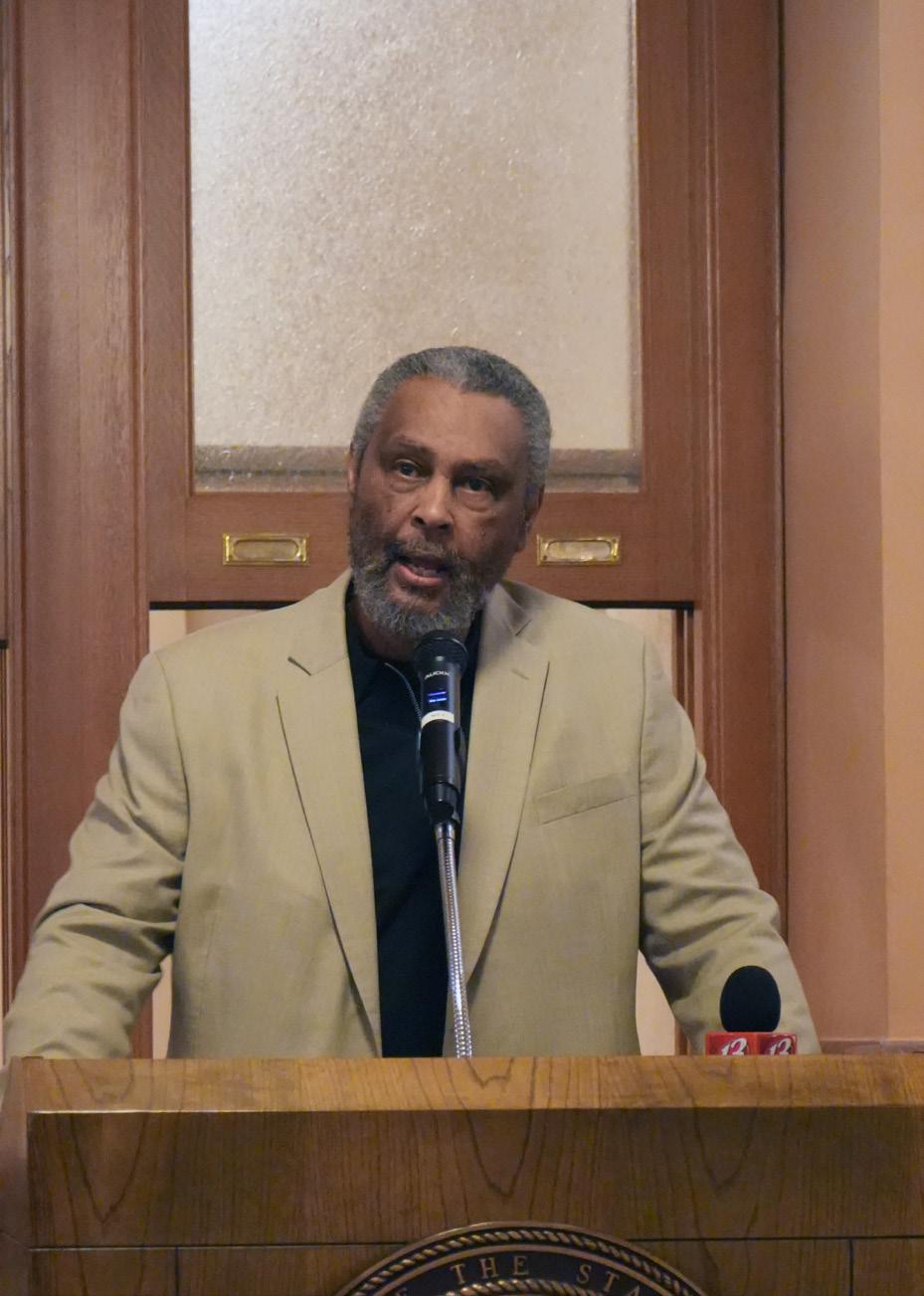
The keynote speaker was Kevin Willmott, Oscarwinning director and filmmaker and professor emeritus at the University of Kansas. Born and raised in Junction City, Willmott said it was a great place to grow up. He talked about his ancestor Oscar Haskins, a formerly enslaved man who escaped persecution from the Ku Klux Klan and settled in Kansas. Instead of establishing his career as a filmmaker in Los Angeles or New York, Willmott chose to return to his home state of Kansas. His film credits include Ninth Street, Jayhawkers, and BlacKkKlansman. He ended his speech encouraging the audience to work together and know our history.
Following Willmott’s speech, Representative Sharice Davids spoke about Kansas Day being more than just a calendar date. It represents where we came from and where we want to go. Kansans chose freedom and have never shied away from difficulty, and we believe in helping each other and working together to get things done. Davids said, “Kansans will not be divided.” The program ended with Maria the Mexican singing our state song, “Home on the Range,” inviting the audience to join in.
Willmott talked about his ancestor Oscar Haskins, a formerly enslaved man who escaped persecution from the Ku Klux Klan in the South and settled in Kansas.
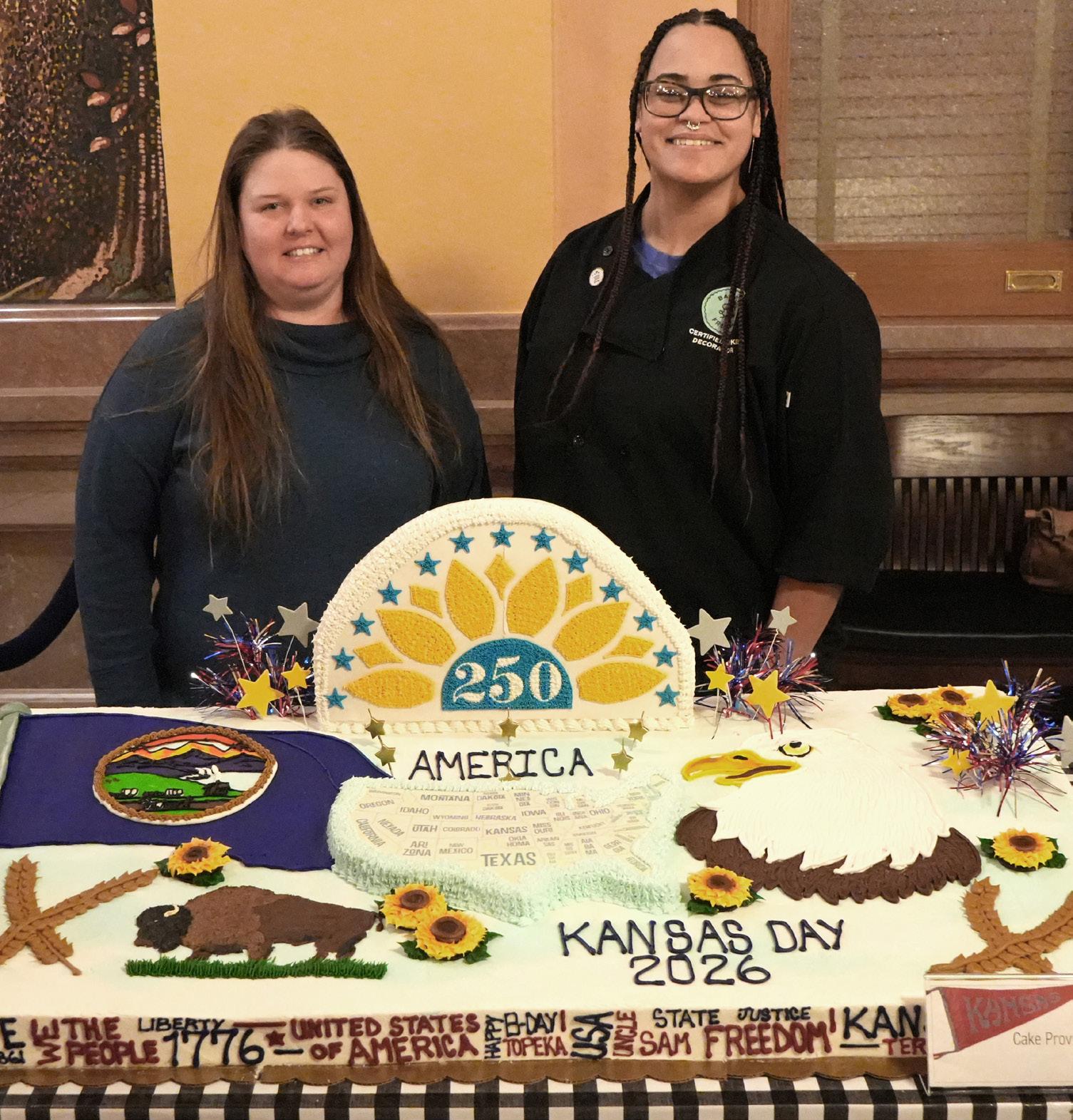
Attendees were treated to cake donated by Dillons. Bakers Richinda Brower and Shaayli Walker, from the Fairlawn Dillons in Topeka, planned the concept and decorating the elaborate design for this year’s Kansas Day cake. Kansas Historical Society began its partnership with Dillons for the Kansas Day cakes in 2004. Sheila Regehr, head of communications and public affairs with the Dillons headquarters in Hutchinson, appreciates the partnership. She said, “Every year we’re thankful that your group inspires the theme then our team of cake decorators put on their creative hats to bring that image to life in sugar and deliciousness.”
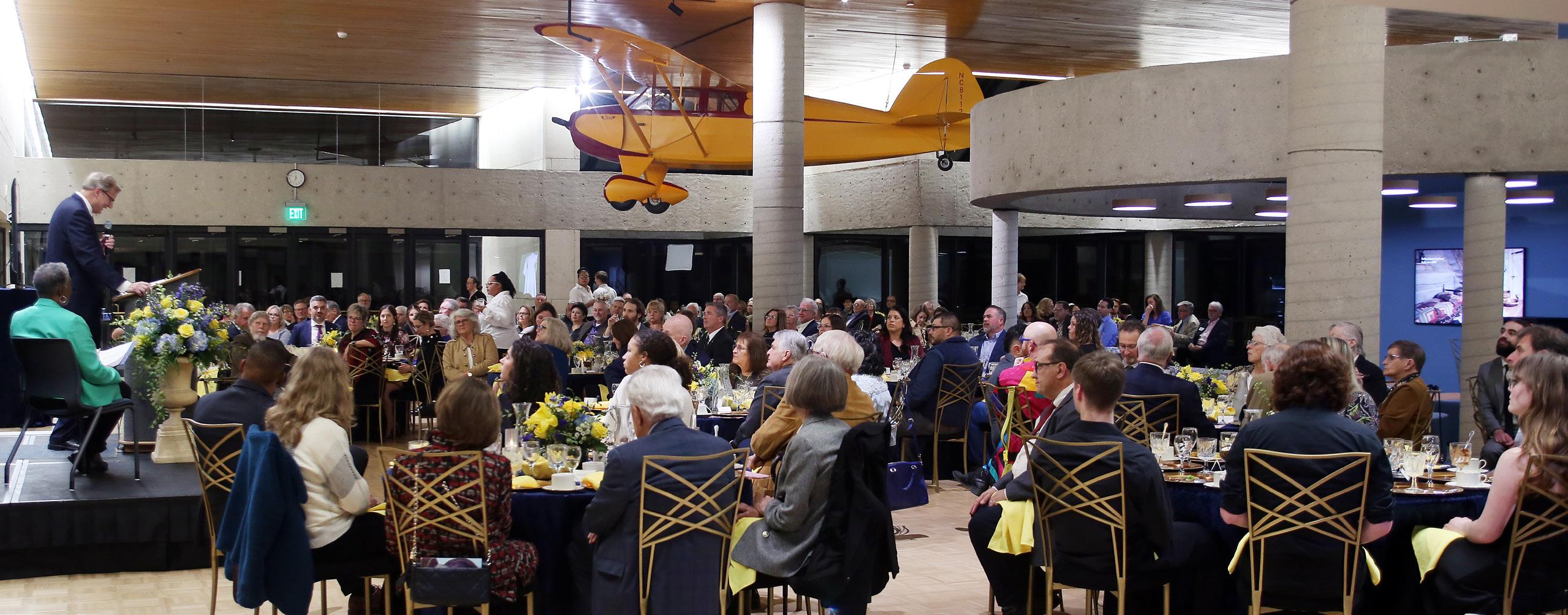
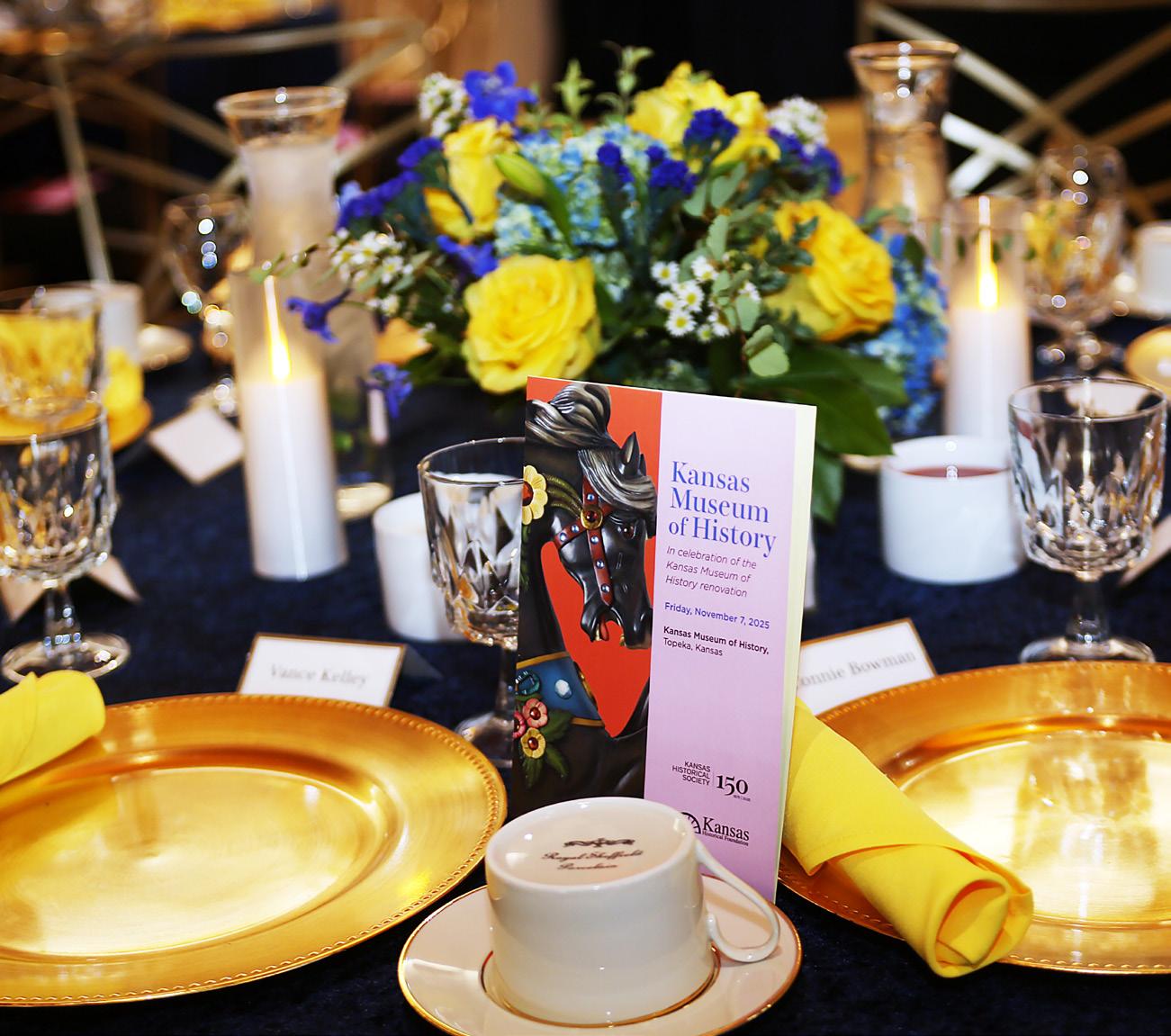
As we convened for our landmark 150th annual meeting in November 2025, we celebrated a year of transformative success and renewed connection to our state’s heritage. The last year was headlined by the highly anticipated reopening of the Kansas Museum of History, featuring a world-class redesign that has already begun to inspire a new generation of visitors. As we honor a century and a half of preservation and education in Kansas, our focus remains on ensuring that the stories of our past continue to serve as a foundation for a vibrant and informed future. We thank our board of directors and everyone who celebrated with us at the annual meeting.
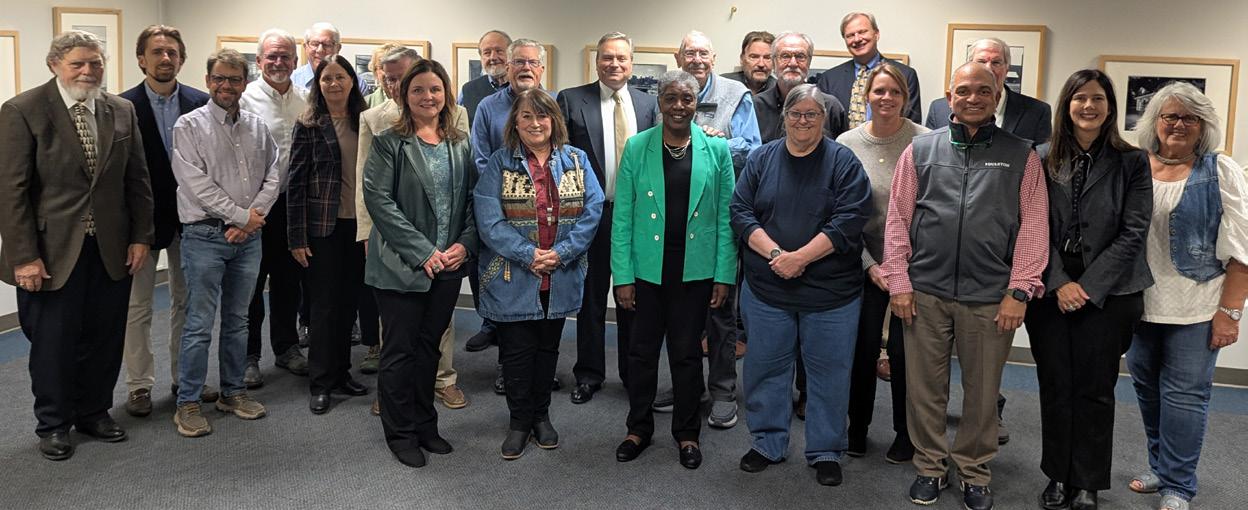
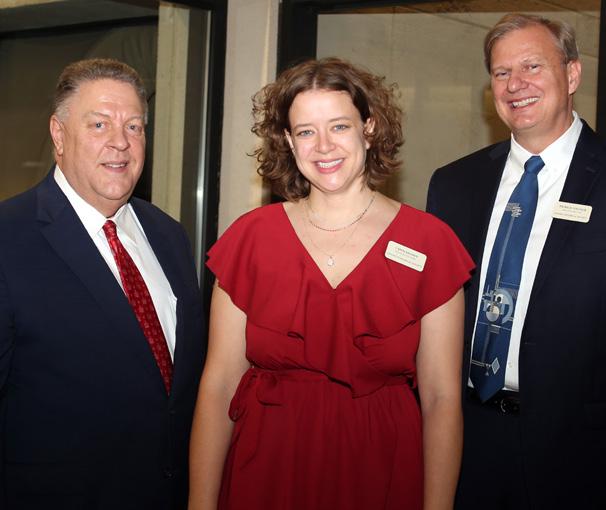
After the board meeting work was completed during the day, board of directors members were joined by donors to the recent capital campaign to celebrate the private reopening of the Kansas Museum of History. The evening of November 7 served as a heartfelt tribute to the visionary benefactors whose generosity fueled the ambitious remodel of the museum gallery. This evening of celebration was dedicated to the individuals and organizations whose contributions allowed for the integration of immersive storytelling within the museum. Their investment in this capital campaign represents a lasting gift to future generations.
Valomilk is a beloved Kansas classic, a sentimental chocolate cup filled with silky marshmallow cream and wrapped in its distinctive vintage packaging. For many, spotting Valomilk on our shelves sparks an immediate flashback to childhoodthose small, joyful moments of unwrapping a treat that felt both simple and special!
Today’s customers often share how delighted they are to rediscover Valomilk, bringing back memories they are eager to pass along to new generations. Its enduring appeal lies not only in its flavor, but in the sense of tradition and authenticity it represents.
Join the many shoppers who appreciate quality, heritage, and the comfort of a timeless favorite.

Sarah Bell, PhD, Museum and Education Division Director
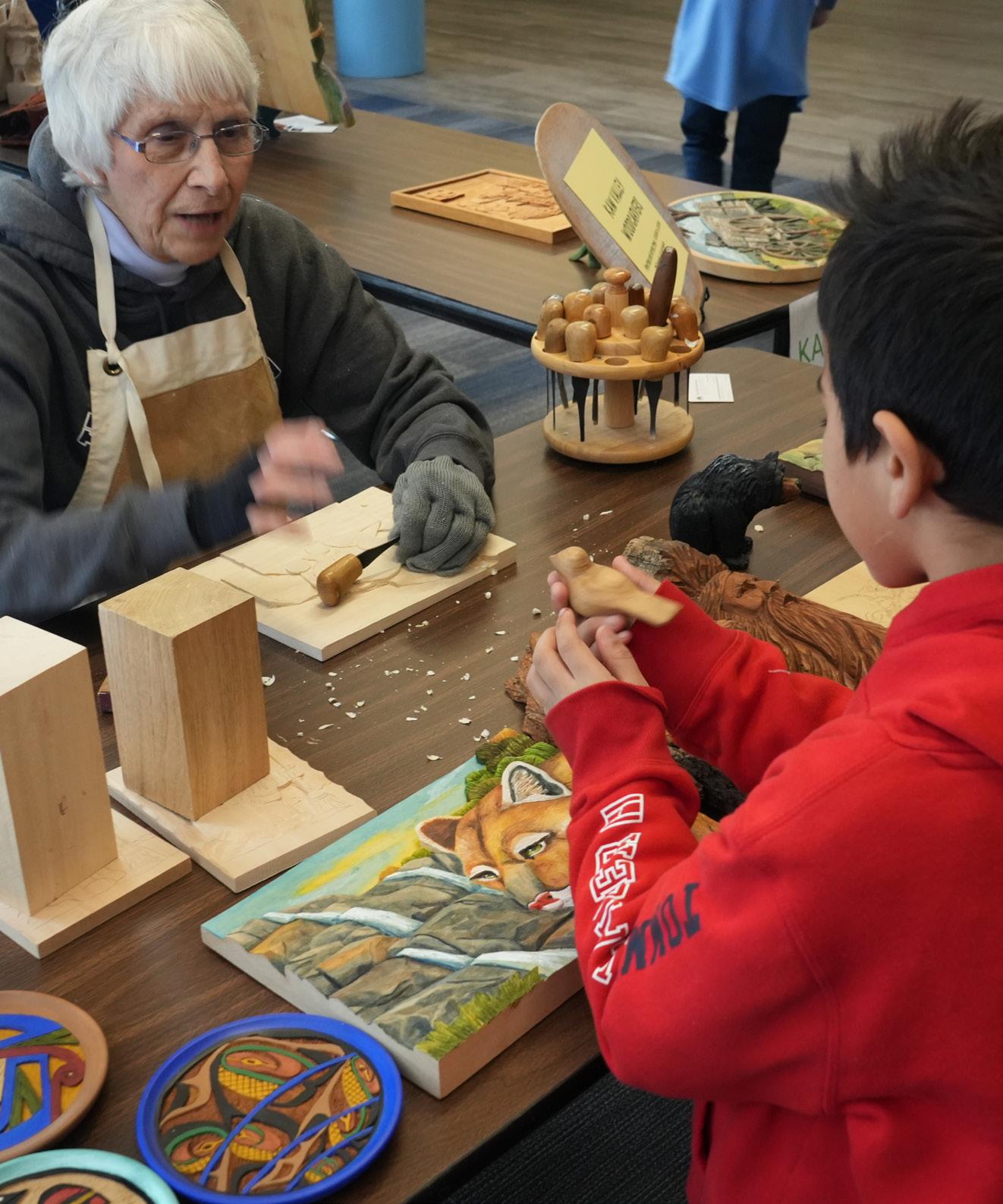
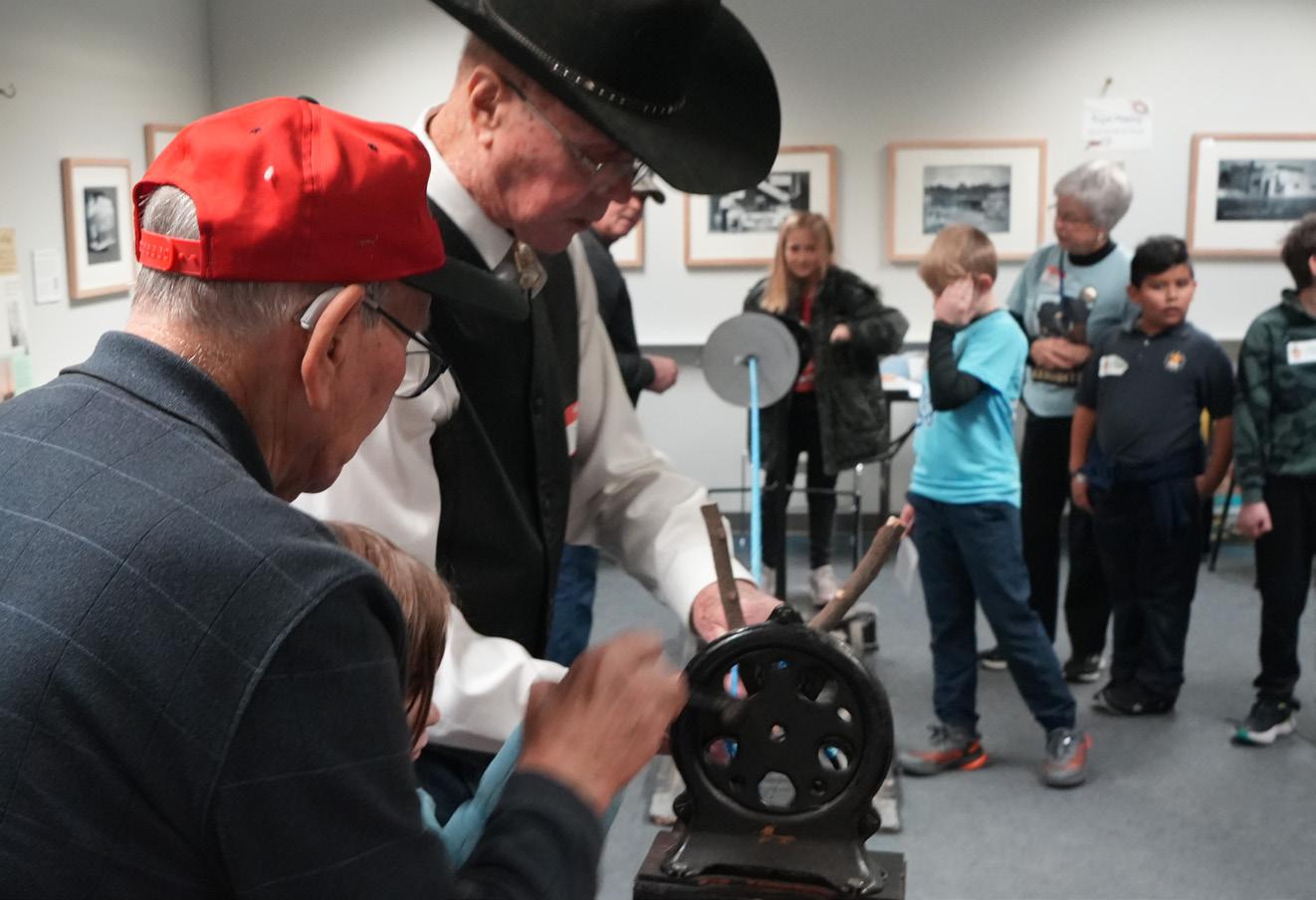
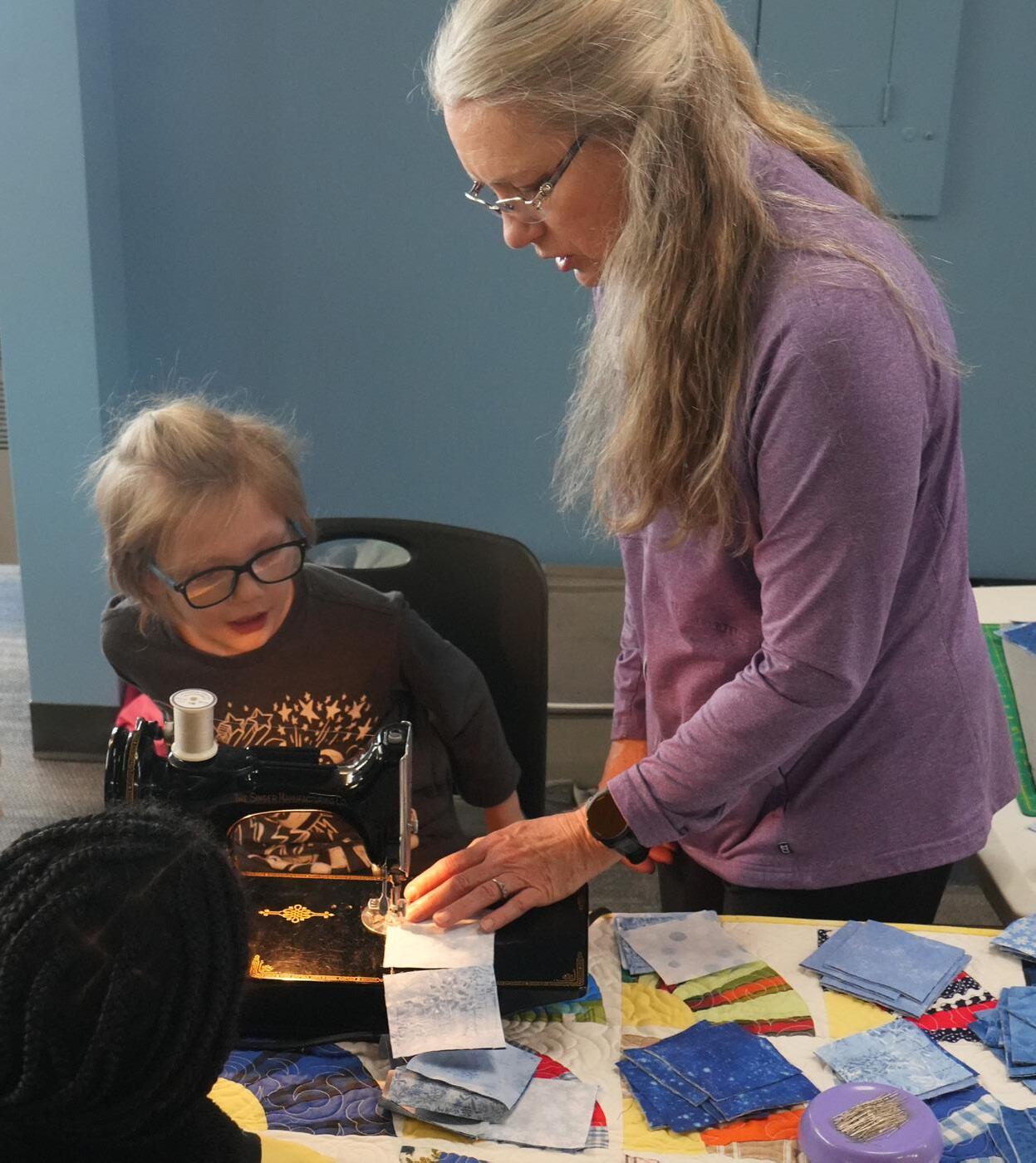
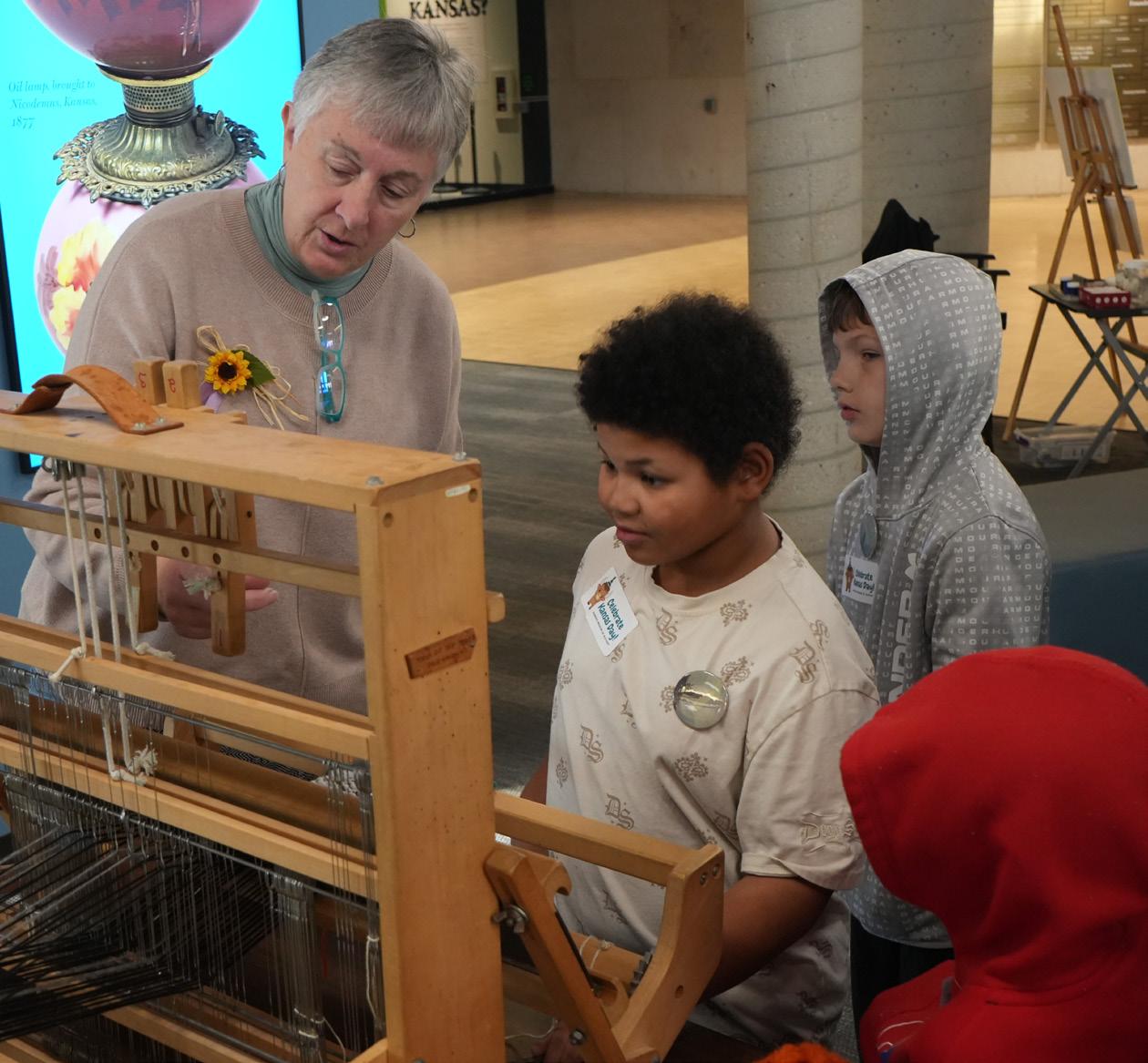
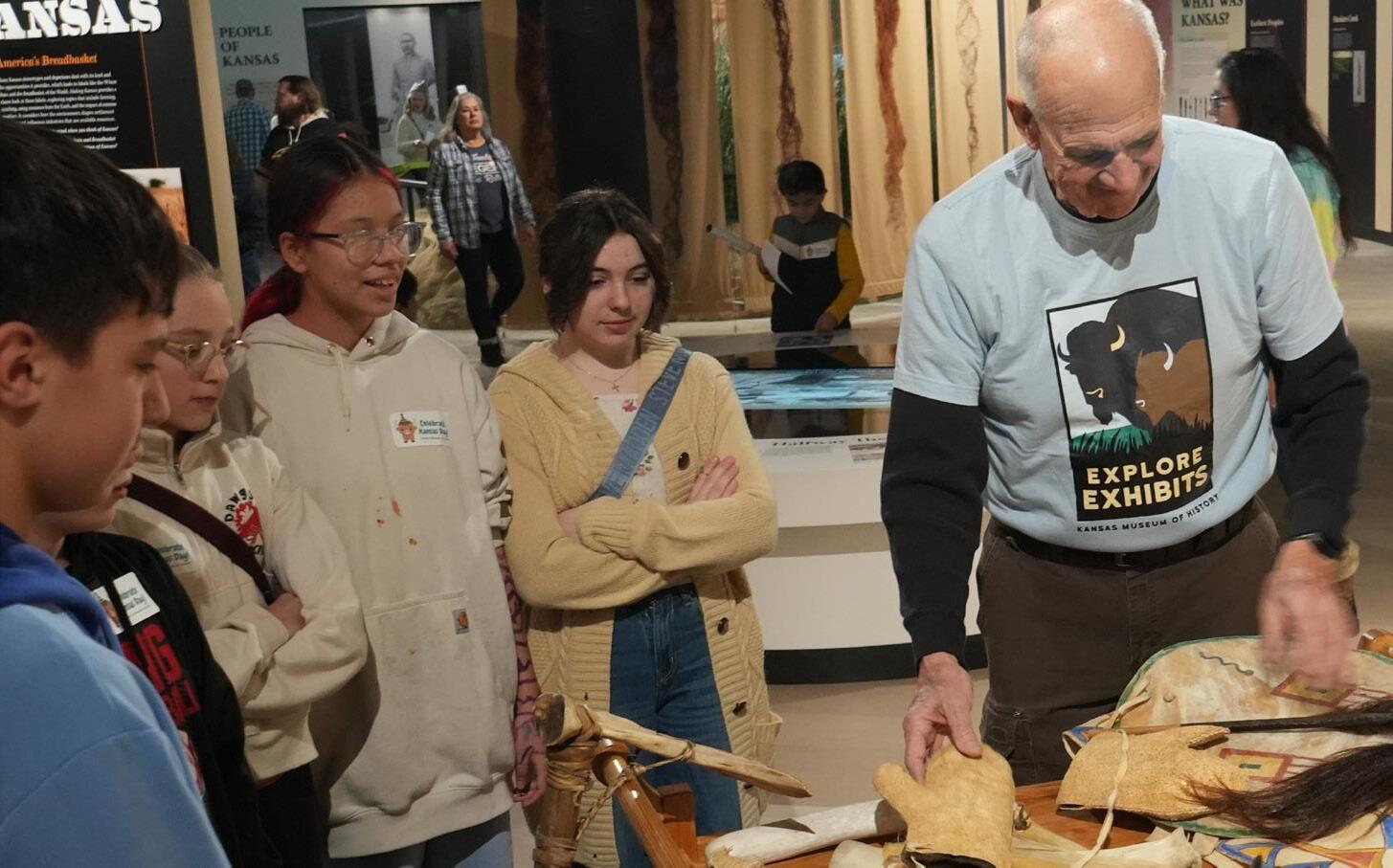
On January 29, 2026, the Kansas Museum of History hosted its first in-person Kansas Day event after five years! This year marked the 165th anniversary of Kansas’ statehood. Students and families from across the state joined us to take part in the festivities.
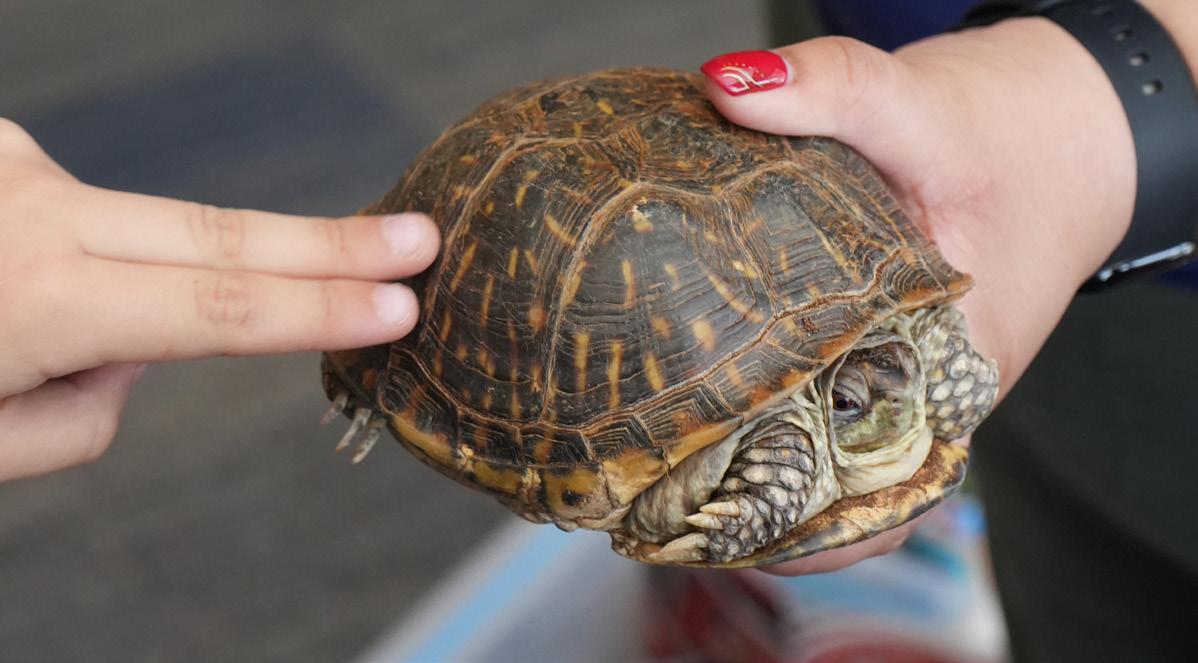
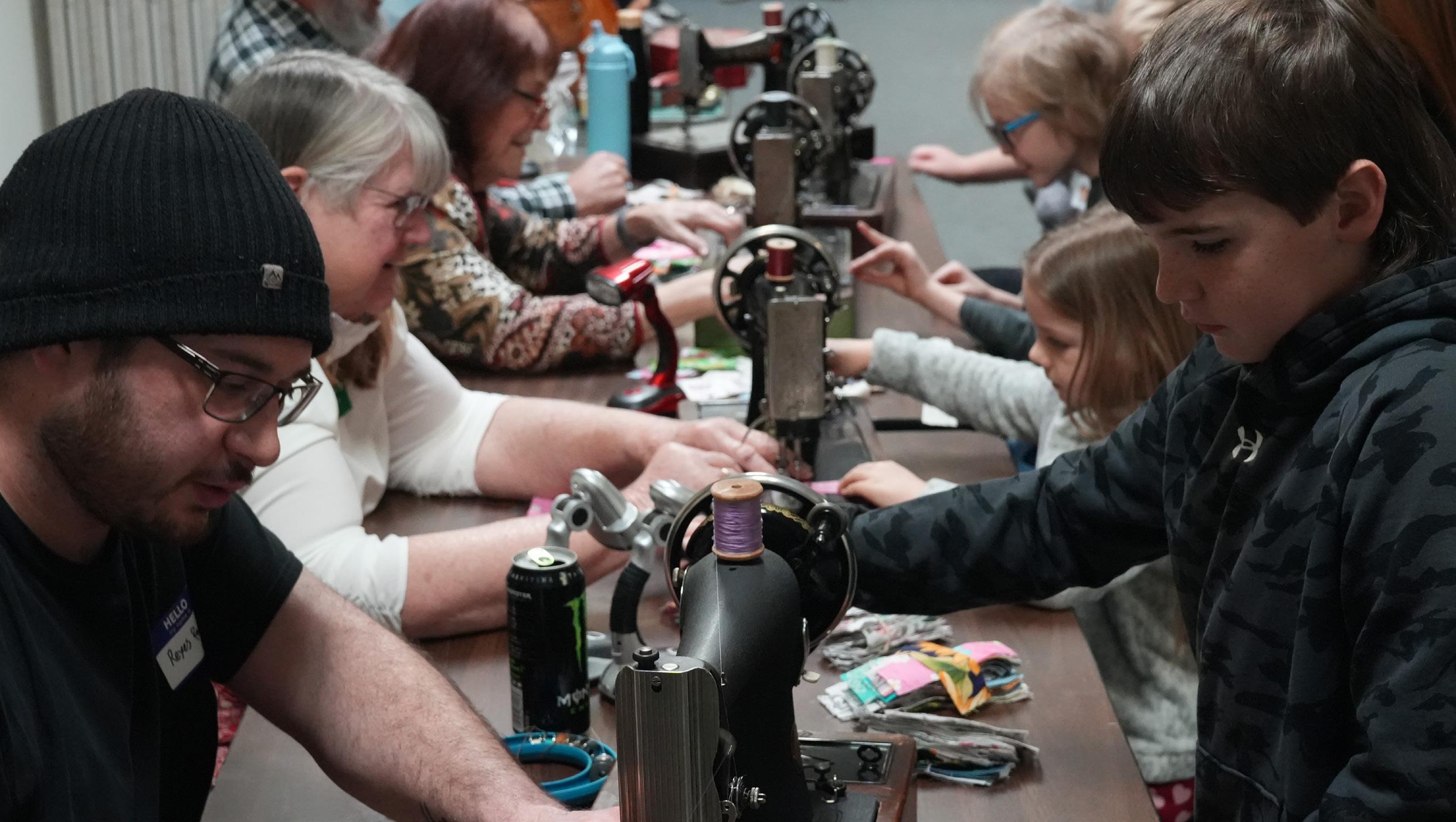
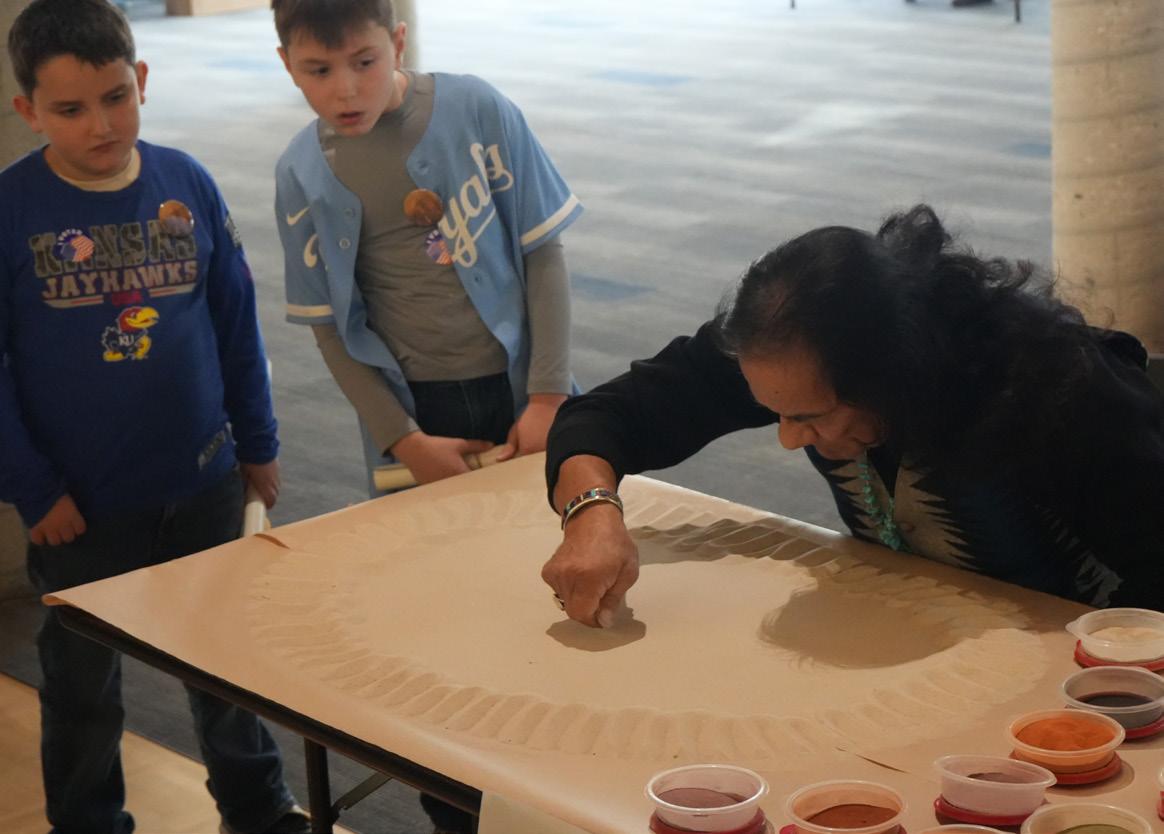
As in years past, the museum once again hosted craft demonstrators to educate groups. Attendees had the opportunity to learn about quilting, weaving, rope making, wood carving, leather carving, hand-cranked sewing machines, Navajo sand painting, and flint knapping. The Topeka Zoo & Conservation Center was on-site to teach kids about wildlife in Kansas. They even brought some animal friends with them! The NOTO Arts Center also participated in the event with an exhibit about Aaron Douglas accompanied by a live painter. The day was rounded out with hands-on activities, which made for an engaging and educational experience for everyone.
We were honored to host special performances from Jancita Warrington, Executive Director of Native American Affairs, and students from Haskell University. In between performances, Warrington spoke to audiences about the history and significance of Indigenous cultures in Kansas.
Along with our amazing team of regular museum volunteers, this year’s event was made possible with help from additional volunteers representing Topeka West, Highland Park, the University of Kansas, and Washburn University.
Bell, PhD, Museum and
After closing our doors in September 2022, the museum finally reopened on November 22, 2025, with a spectacular event. We are so thankful to the more than 2,200 visitors who showed up to celebrate our reopening with us. And to the more than 20,000 visitors who have visited between the opening and the end of the year. We thank you for your patience, feedback, and support.
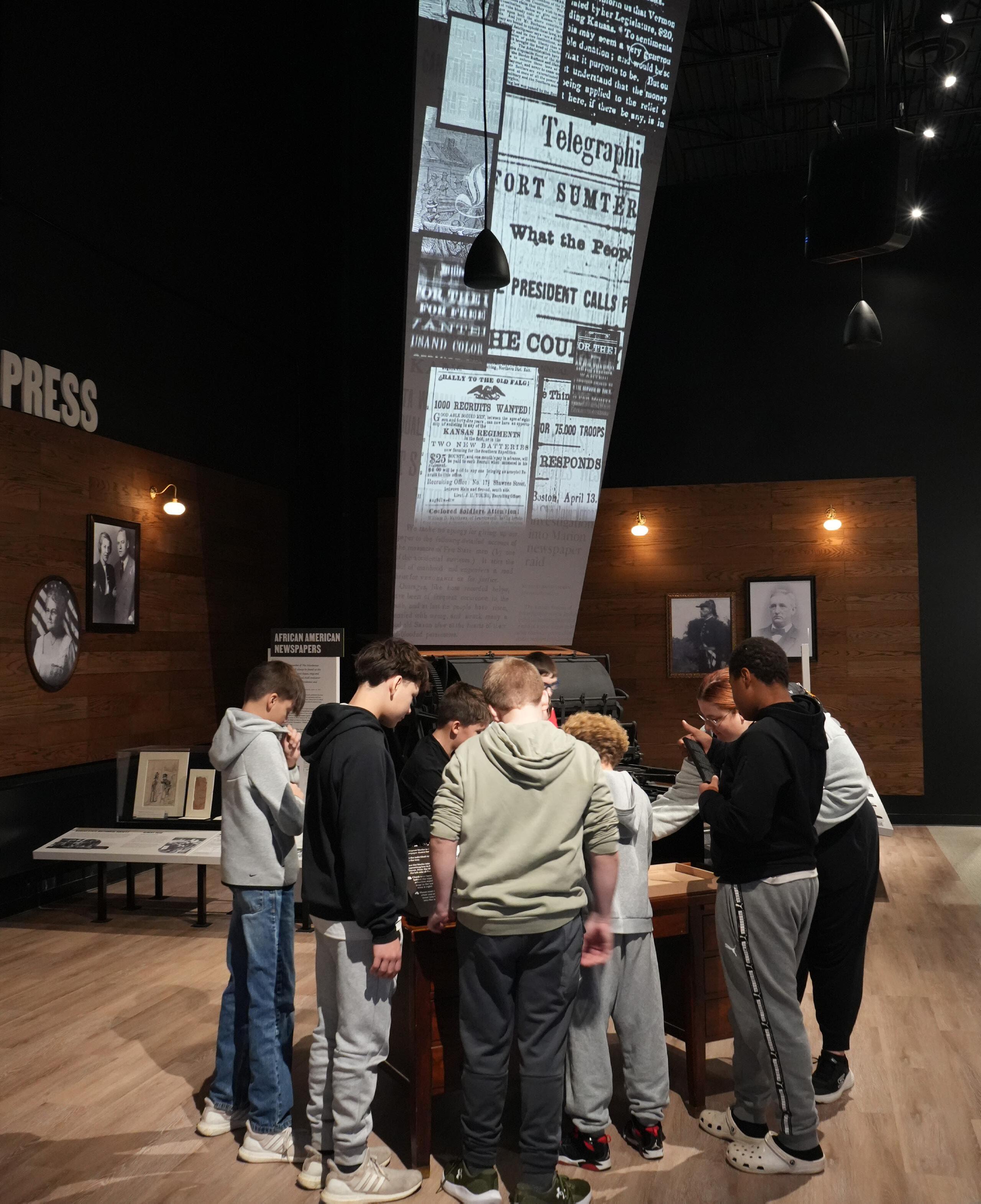
If you have not made it to the museum yet, we hope you plan a visit soon. In the new gallery you will get the opportunity to hear voices of freedom seekers who traveled along the Underground Railroad, walk into our tipi, enter a partially furnished boxcar, look down into a dugout home, see a new Stan Herd mural, watch the William Allen White Emporia Gazette printing press come alive, and peer into a portion of our collections storage. An exciting update for 2026, visitors can walk through the superintendent train car for the first time.
If you visit before May 31, you will get to see our current special exhibit, a partnership with the KANSAS! magazine in honor of their 80th anniversary. Our next special exhibit, Kansas 1776: A Dynamic Landscape, will open in July.
We are thrilled to have a return of our monthly Museum After Hours program occurring on the second Friday of the month at 6:30 PM. The series for 2026 will feature speakers and topics related to the newly renovated museum gallery. As an extra bonus for program attendees, the museum gallery will be open and FREE from 5–8 p.m. on those second Fridays.
Volunteers are the heartbeat of the Kansas Museum of History. Our volunteer team is an enthusiastic community dedicated to sharing the stories, people, and events that have shaped Kansas. Whether you love history, enjoy working with the public, or simply want to uplift your community, we would love to have you join us.
Volunteers are the warm, friendly faces that greet visitors as they arrive at the information desk. From assisting with check-in to answering general questions, Welcome Desk volunteers help ensure every visitor feels welcome and excited to explore the museum.
For those who enjoy engaging directly with history, the Gallery Guide role offers a rewarding opportunity to connect with visitors inside the gallery. Sharing stories and offering insights that deepen visitors’ understanding of Kansas history is the goal. By sparking curiosity and conversation, guides help create meaningful, memorable museum experiences.
Volunteering at the Kansas Museum of history is more than just giving time—it’s making a real impact. Volunteers can help preserve and share Kansas history while building connections with fellow history enthusiasts, staff members, and visitors. In return, volunteers gain access to educational opportunities, hands-on learning experiences, and more.
Getting started is easy! Simply complete an application and connect with our Tour & Volunteer Coordinator, Mia Santarelli, who will help match you with the role that best fits your skills and interests. Join our wonderful volunteer team and be a part of making every museum visit meaningful!
We are deeply grateful for the dedication and passion of our current volunteer team, whose time and talents make the Kansas Museum of History such a welcoming place for all.
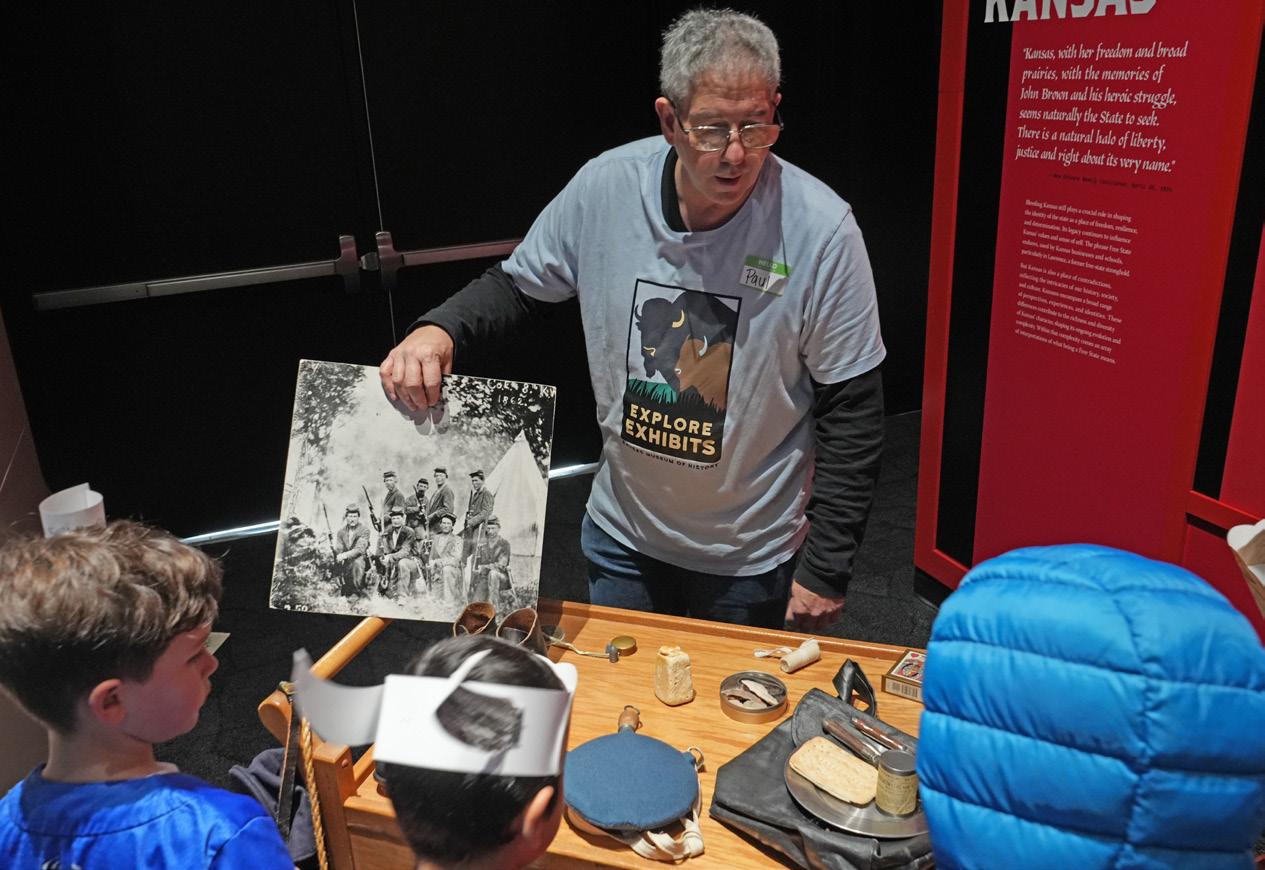
We are excited to recognize Paul—one of our outstanding volunteers whose dedication, enthusiasm for Kansas history, and above-and-beyond attitude make a lasting impact at the Kansas Museum of History. His attention to detail and personalized interactions help create welcoming, meaningful experiences for all visitors. From leading student groups to supporting a wide range of museum activities, Paul’s positive presence makes a difference every day and is an exceptional representation of the enthusiasm and dedication all our volunteers bring to the museum!
Paige Bump, MA, Project and Outreach Coordinator
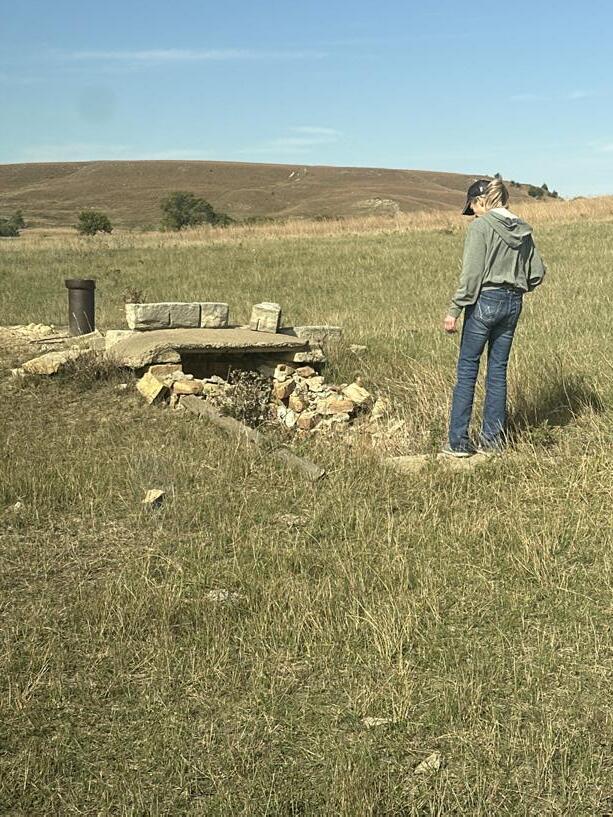
Join the archeology team June 4 through June 15 in Russell, Kansas, for the annual Kansas Archeology Training Program (KATP) field school.
Registration for the KATP field school will open March 15 and close May 29. Limited spots are available each day. Registration is first come, first served, so mark your calendar now!
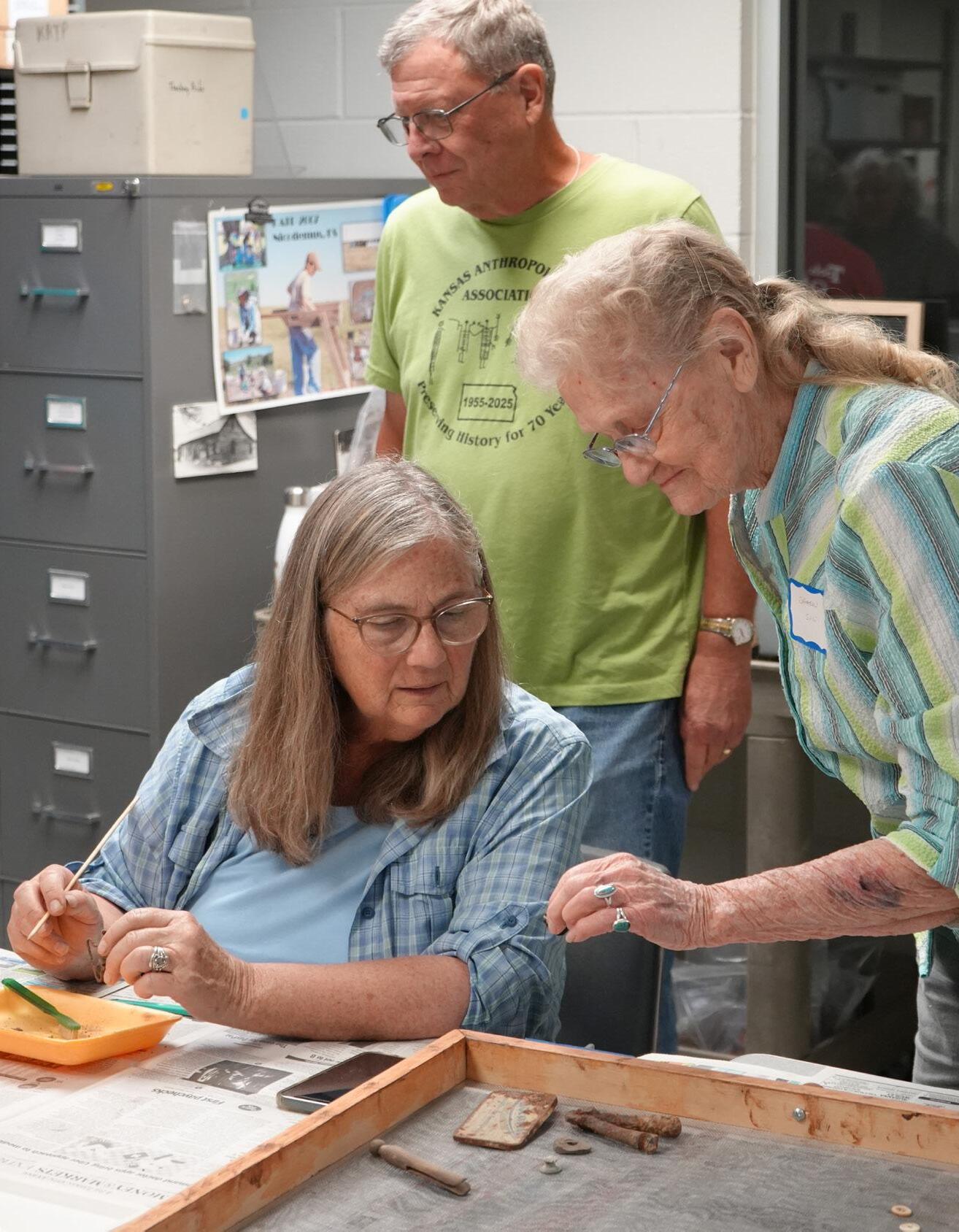
The KATP field school offers opportunities to participate in every part of archeological field and laboratory work. This year, we will work at sites and with materials from a variety of time periods. Whether participating in the field or doing lab work, you will work and learn alongside professional and avocational archeologists from the Kansas Historical Society and the Kansas Anthropological Association. The KATP field school offers anyone the chance to learn more about the field of archeology, what it is like to be an archeologist, the different ways you can get involved in archeology, the importance of preserving and recording archeological sites and material, the history of Kansas, and more.
Anyone 12 years of age or older can participate for a single day, multiple days, or the entire field school. Each day has two 4-hour shifts that can be spent in the field or laboratory. Shifts are 8 a.m. to 12 p.m. and 1 p.m. to 5 p.m., with a
one-hour lunch. No experience is needed, but you must attend the orientation and principles of archeology classes on your first day. These classes are offered each day and typically last 4 hours, from 8 a.m. to 12 p.m. The classes provide necessary information on participating in field and laboratory work.
Members of the Kansas Historical Foundation or the Kansas Anthropological Association can participate at a discounted rate: $35 for standard participants, $25 for participants 65 and older, and $15 for students currently enrolled in middle school, high school, or college. The registration fee for nonmembers is $90.
To stay up to date on information about the 2026 KATP field school, keep an eye on our social media and the Kansas Historical Society website. If you have any questions, email us at kshs.katp@ks.gov or call us at 785-272-8681, ext. 267.
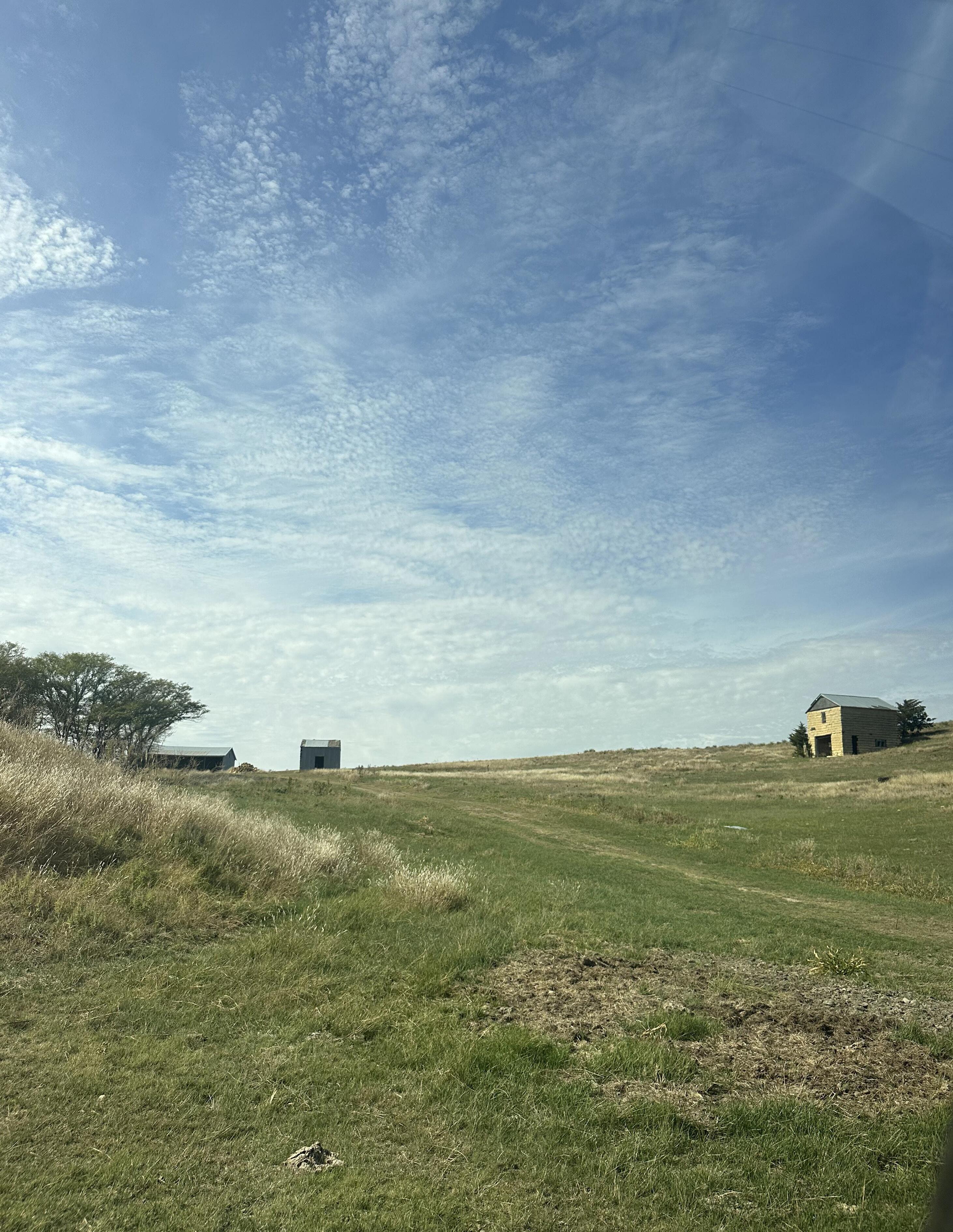
Anyone 12 years of age or older can participate for a single day, multiple days, or the entire field school.

Paige Bump, MA, Project and Outreach Coordinator and Steven Keehner, PhD, Archeology Lab Director
The Chalfant-Hutchens Collection donated in October 2025 contains material objects collected from 45 archeological sites located throughout the states of Kansas, Nebraska, Colorado, and Wyoming. Longtime friends Dave Chalfant and Lyle Hutchens began collecting these materials more than 40 years ago. Together they created this impressive collection, which is a testament to their goal of retracing General Custer’s military movements across the plains landscape during the late 1860s and early 1870s.
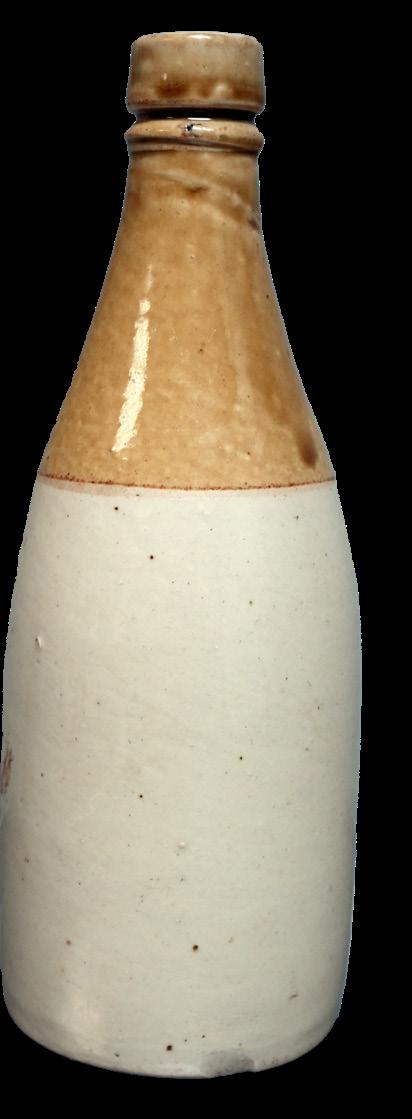
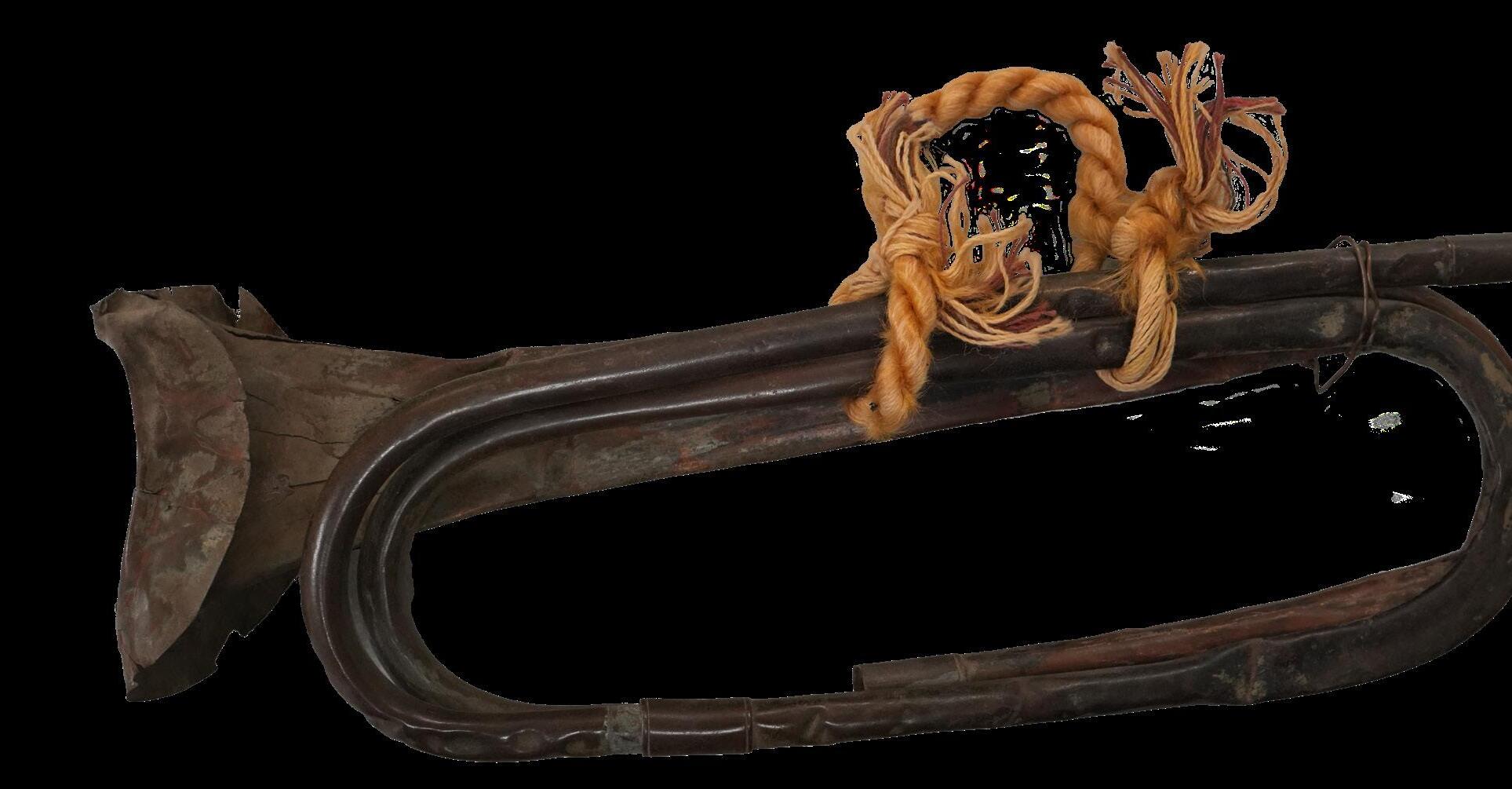
The entire collection takes up approximately 60 cubic feet of space. Most sites in the collection are in Kansas, which is represented by a total of 29 sites. The largest collection comes from an 1869 Custer and Seventh Cavalry Camp in Ellis County, which Dave found by locating and following a faint trail on the landscape. The size of the collection from this site alone is approximately 16 cubic feet. There are out-of-state collections from sites located in Nebraska (eight), Colorado (six), and Wyoming (two) as well. The largest out-of-state collections are from Fort McPherson, Nebraska (13 cubic feet), and Kit Carson, Colorado (8 cubic feet). The collection is still in the beginning stages of cleaning, identification, cataloging, and housing. There are thousands of ammunition rounds, U.S. Army officer and general service uniform buttons, and hundreds of horseshoes. There are interesting items in the collections that also reveal these sites were not just camps for military men. Some floral pin attachments provide evidence for the presence of women. Some other unique items identified so far include a bugle, flag ferrules, canteens, skillets, sword belt hardware, hooks, and much, much more!
If you are interested in this collection and learning more about the lab process, parts of this collection will be brought to the 2026 Kansas Archeology Training Program field school in Russell, Kansas, where participants will help clean, identify, and catalog the material
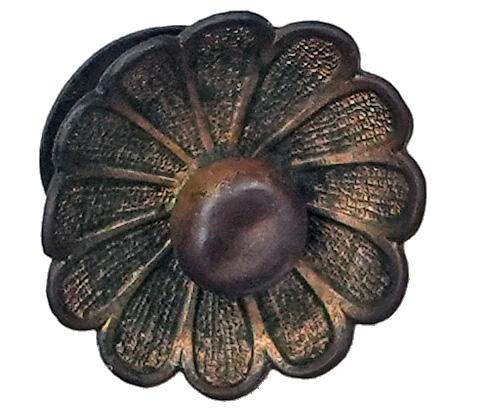
There are interesting items in the collections that also reveal these sites were not just camps for military men. Some floral pin attachments provide evidence for the presence of women.
A special thank you to Dave and Joni Chalfant and Lyle Hutchens who donated this collection. And to Kansas Historical Society site administrators Adam Conkey and Don Rowlison for all the work they have done to help us throughout the process.
Steven Keehner joined the archeology team in September as the Archeology Lab Director. He previously worked as an assistant curator for the Biodiversity Institute’s archeology division at the University of Kansas and as a teaching assistant for the Department of Anthropology at the University of Iowa. Steven has a PhD in Anthropology, and both his dissertation and master’s thesis research focused on Woodland period archeology in Kansas. He first became interested in
archeology when he was eight years old. He was playing in his backyard and digging little holes in the ground with a stick (as most curious eight-year-old boys might do in those days) when he found a commemorative coin from the 1960 World Series. Steven was immediately struck with wonder and the urge to answer questions: “How did this coin end up here?” and “Who dropped it?” And while he may not have ever been able to answer those questions, an archeologist was born that day. Steven is excited to be back in Kansas, working on Kansas archeology with Kansas Historical Society staff and Kansas Anthropological Association volunteers.
Paige Bump, MA, Project and Outreach Coordinator and Megan Maize, MS, SHPO Survey and Outreach Coordinator
The Cultural Resources Division at the Kansas Historical Society will be celebrating Archeology and Preservation Month from April 15 to May 15.
Archeology in Kansas has been celebrated in April since 1993 with the first Archeology Week. Later, in 2003, it expanded into Archeology Month. To recognize Kansas Archeology Month, a poster was created each year on a relevant topic and distributed to organizations throughout the state. The goal of these posters was to teach the public about the responsibility and importance of preserving archeological resources. Professional and avocational archeologists also held archeological identification events in April, always popular with the public.
There was a brief hiatus until 2025 when the Kansas Historical Society archeology department and Governor Laura Kelly revived Kansas Archeology Month. To honor the revival of the program, the Kansas Museum of History had a Museum After Hours program in April where Dr. Nikki Klarmann, the State Archeologist, hosted a panel on the history of the archeology department. Additionally, Paige Bump, Project and Outreach Coordinator, hosted Ask an Archeologist: Identifying and Preserving Artifacts at several locations throughout the state.
Historic preservation has historically been a grassroots effort, with most of the work done by private citizens. To encourage more widespread preservation efforts, President Harry Truman signed legislation creating the National Trust for Historic Preservation on October 26, 1949. Almost 20 years later, President Lyndon Johnson signed the Historic Preservation Act into law on October 15, 1966. This act created the Advisory Council of Historic Preservation (ACHP), State Historic Preservation Offices (SHPO), the National Register of Historic Places (NRHP), and more. The idea of a historic preservation week was proposed at an annual meeting on October 27, 1972. The National Trust chose May 6–12, 1973, to coincide with their annual award luncheon. On May 5, 1973, President Richard Nixon signed the resolution into law for the week-long celebration. In 2005, the National Trust expanded the celebration to the entire month of May. This year, in 2026, we are celebrating the 60th anniversary of the National Historic Preservation Act.
Between April 15 and May 15, the Historical Society and our partner organizations will host a variety of
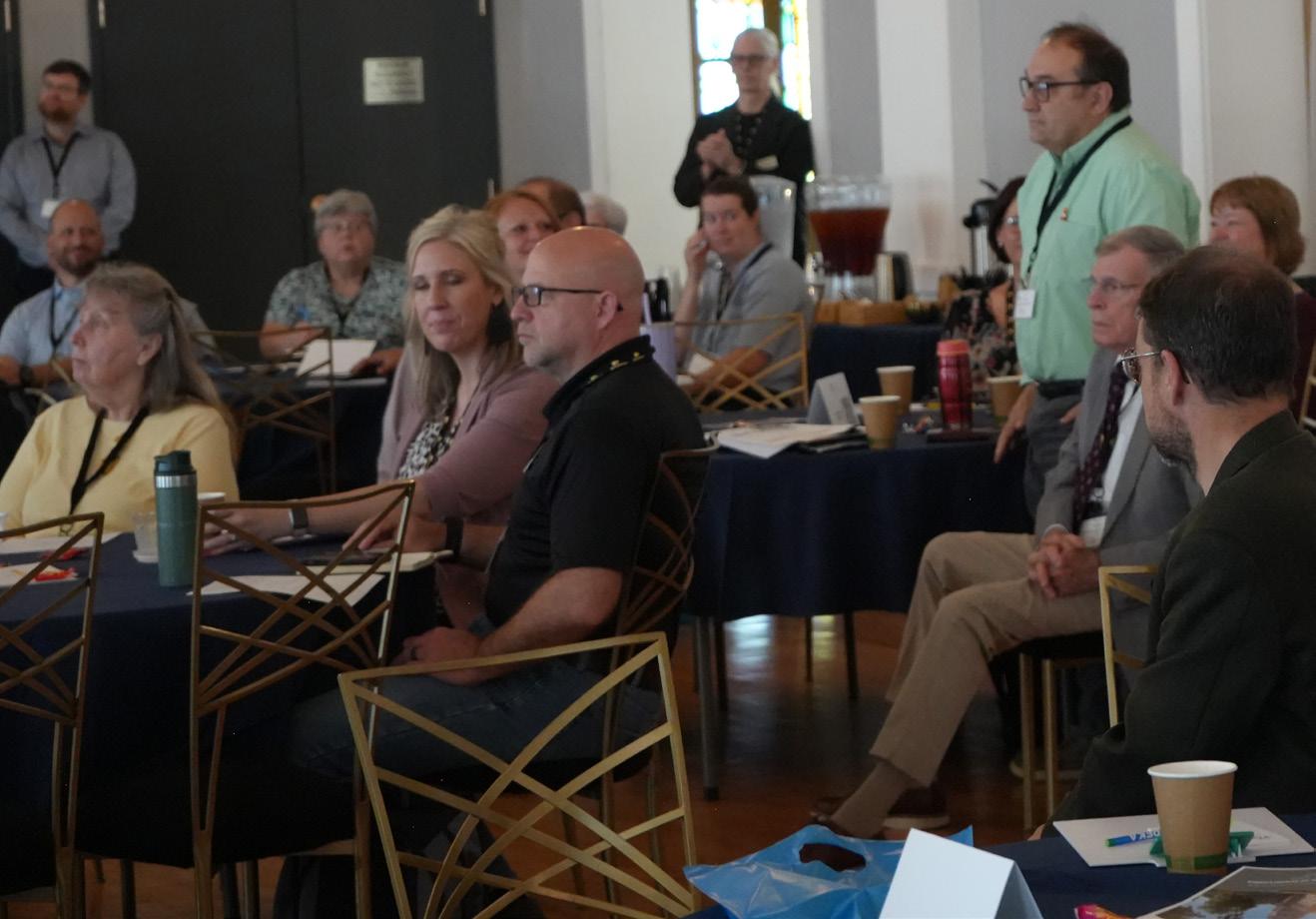
events, presentations, and exhibits related to archeology and preservation throughout the state. A description of the events, complete schedule, and map of the planned activities will be available at a later date. Keep an eye on our website, calendar of events, and social media for more information!
If you have any questions or would like to partner with the Cultural Resources Division in the future, please contact kshs.culturalresources@ks.gov.
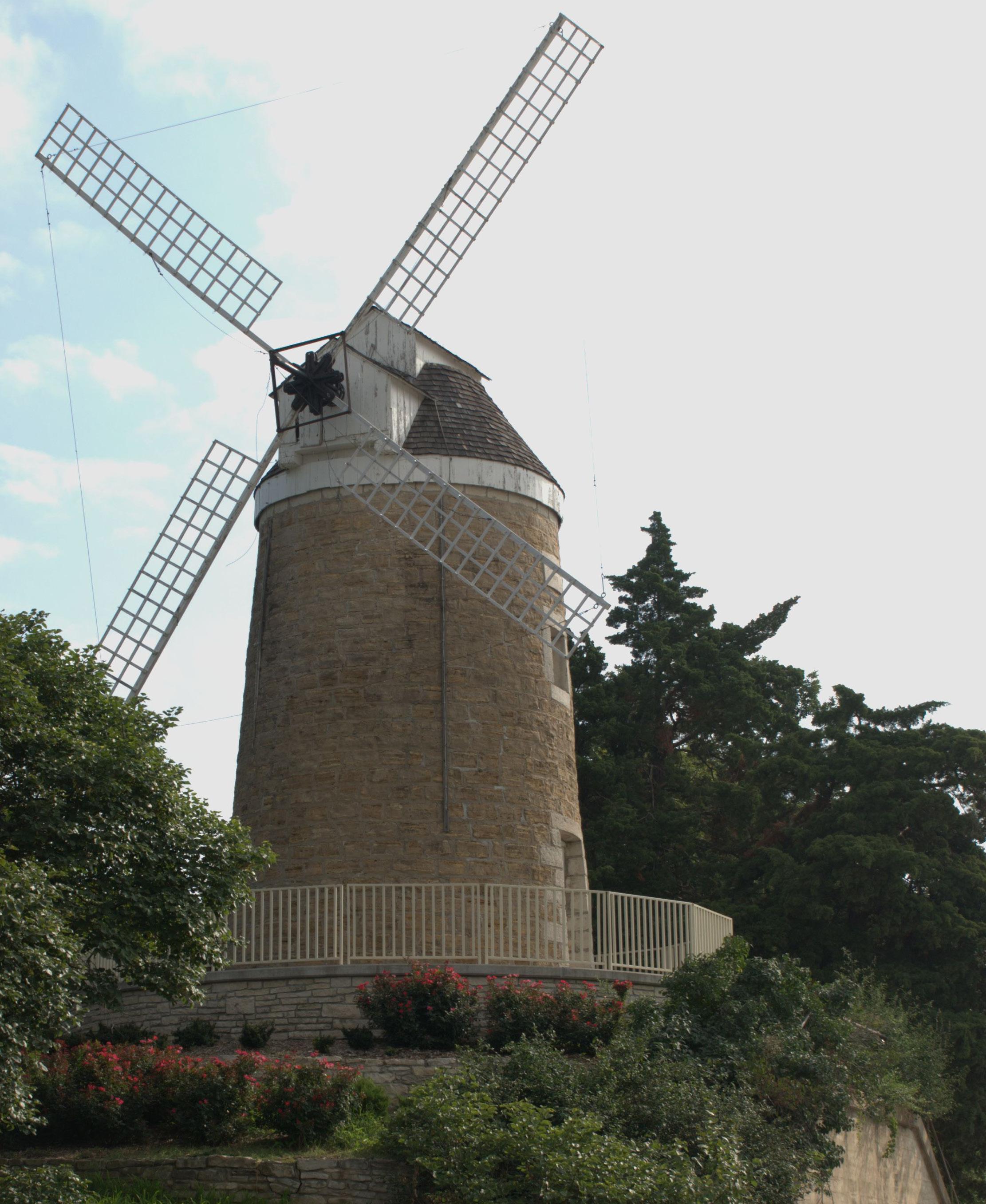
The Kansas Preservation Plan (KPP) is updated every few years to guide future preservation activities in Kansas. The plan is initiated by the Cultural Resources Division (CRD) of the Kansas Historical Society to identify efforts across the state and set priorities and goals for the preservation community of Kansas. The community is not limited to the Historical Society’s Cultural Resources Division. It also includes anyone who shares a part of our history: Tribal communities, government agencies, nonprofit organizations, private companies, preservation commissions, and owners or advocates of historic places. With so many different people making up our preservation community, it is helpful to have a common framework for our efforts. The purpose of the Kansas Preservation Plan is to help ensure that these dedicated and passionate preservationists can carry out the work needed to bring Kansans’ preservation goals to fruition by creating a guiding framework of priorities.
Kansans have had a drive to preserve our important history for more than 150 years. Kansas’ historic, archeological, and cultural resources are physical remnants of our past, reflecting who we were, where we came from, and where we are now. These places help shape our future and share our continuous story. Through the interpretation, preservation, and protection of these resources, we can connect with the past, present, and future.
Over the next year, the Cultural Resources Division will prepare for the next KPP by conducting a public input survey,
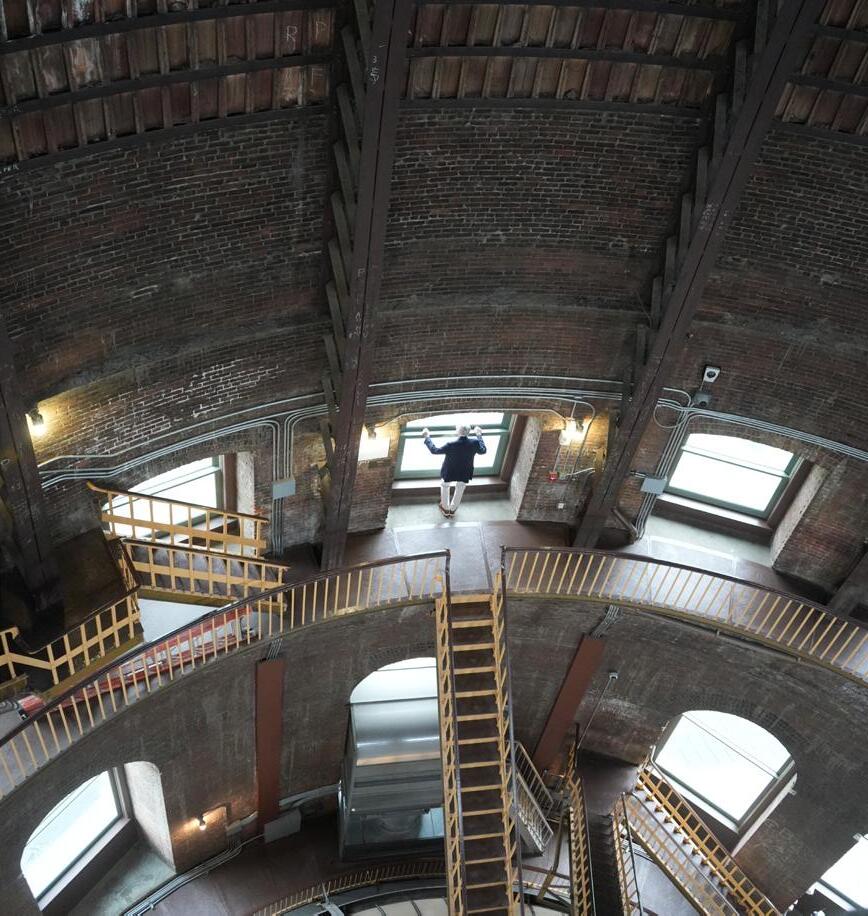
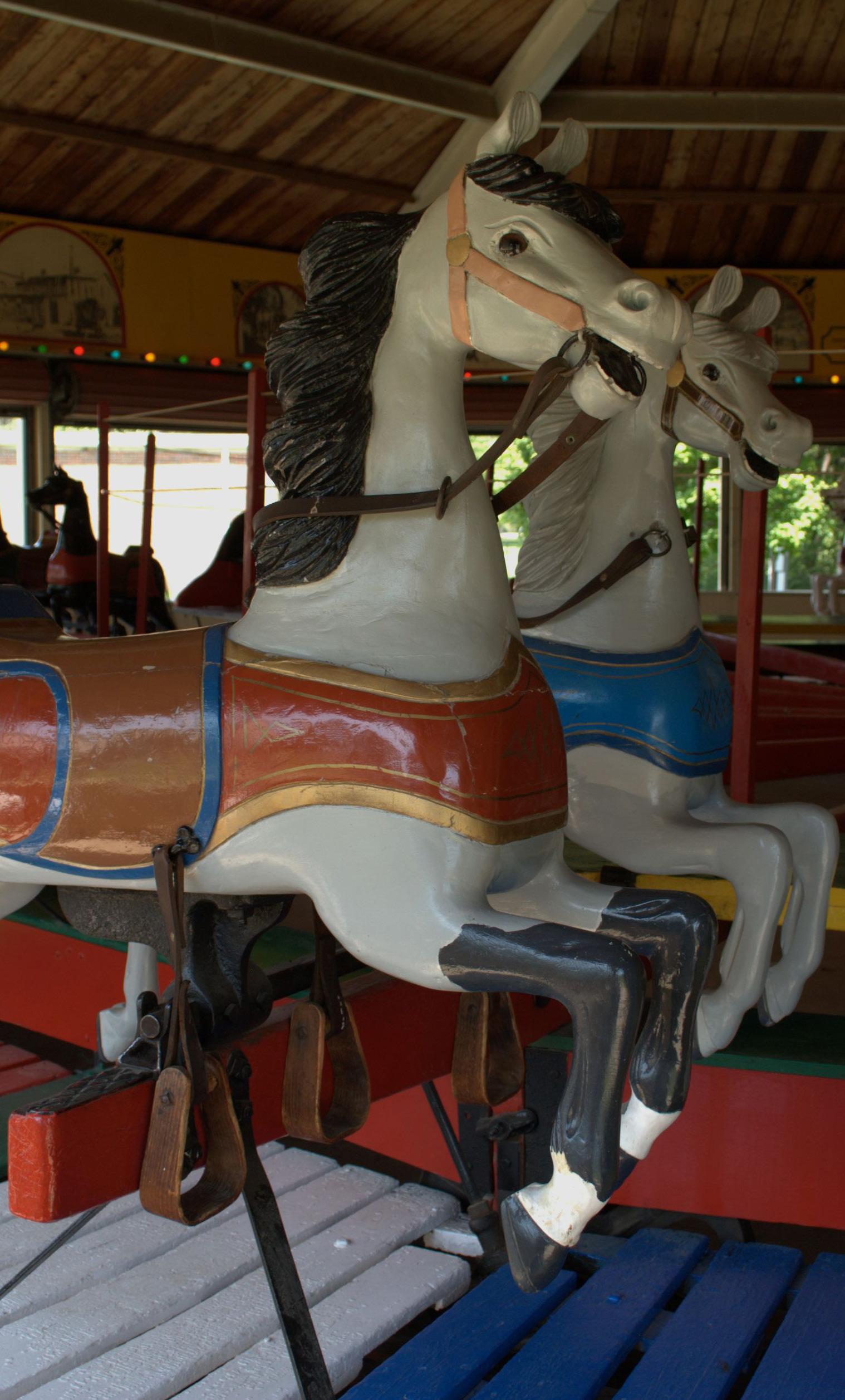
hosting meetings, and interviewing community members to gather information on the current state of preservation in Kansas. We invite you to participate in this public comment process by taking the survey available at https://www.kansashistory.gov/17132.
For anyone interested in preservation-related activities in Kansas, share the plan and public survey with your community leaders and organizations. Stay tuned!
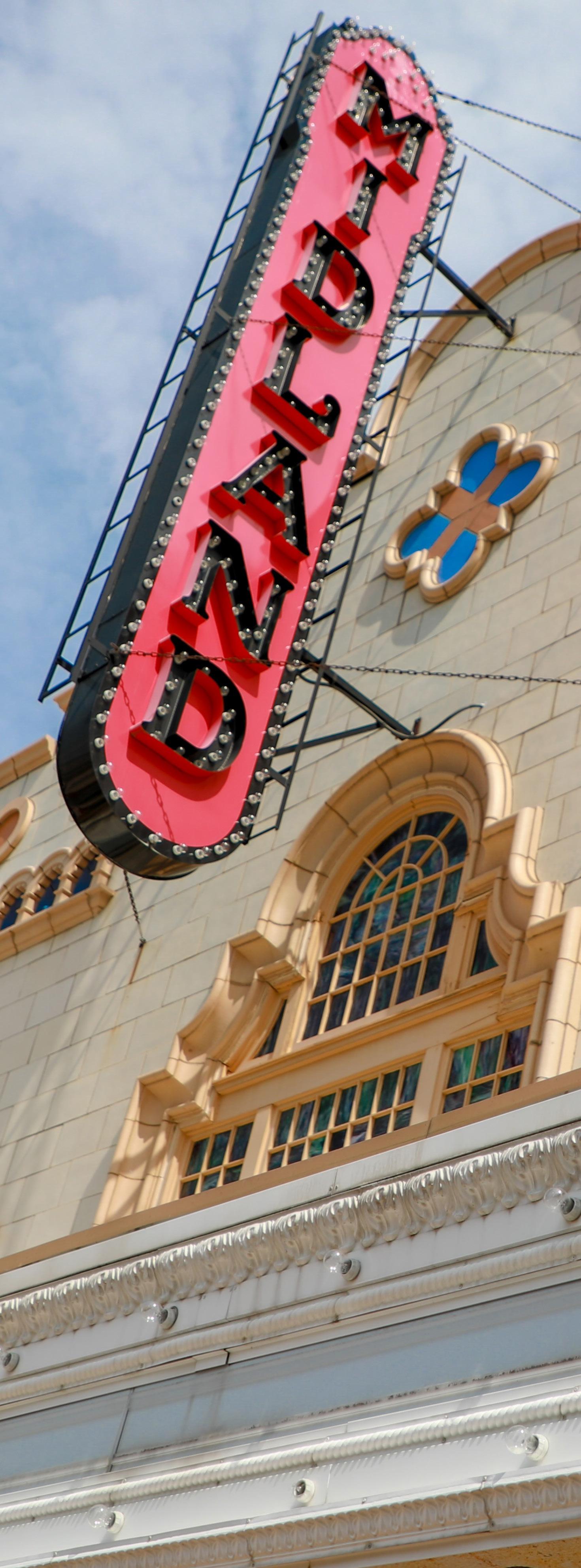
Megan Maize, MS, Survey and Outreach Coordinator
The Heritage Trust Fund (HTF) grant is a state program that provides matching funds for the preservation of properties listed in the Register of Historic Kansas Places or the National Register of Historic Places. The program has awarded more than $32 million since its development in 1990. Grants have been awarded across 93 counties in Kansas to work on the preservation of courthouses, bridges, barns, and other historic properties.
The program is funded by a fee collected by each county’s register of deeds. The HTF reimburses up to 80 percent of qualifying restoration and preservation costs including, construction and professional fees. Individual grant awards may not exceed $100,000 and must be matched by recipients, with a minimum 20 percent coming from the grantee.
Applications for the 2026 grant round closed on November 3, 2025, and awards were announced on February 7, 2026. There were 54 applications submitted requesting over $4.5 million. Nearly $1.1 million was awarded to 13 selected recipients. We want to congratulate the property owners selected as this year’s awardees:
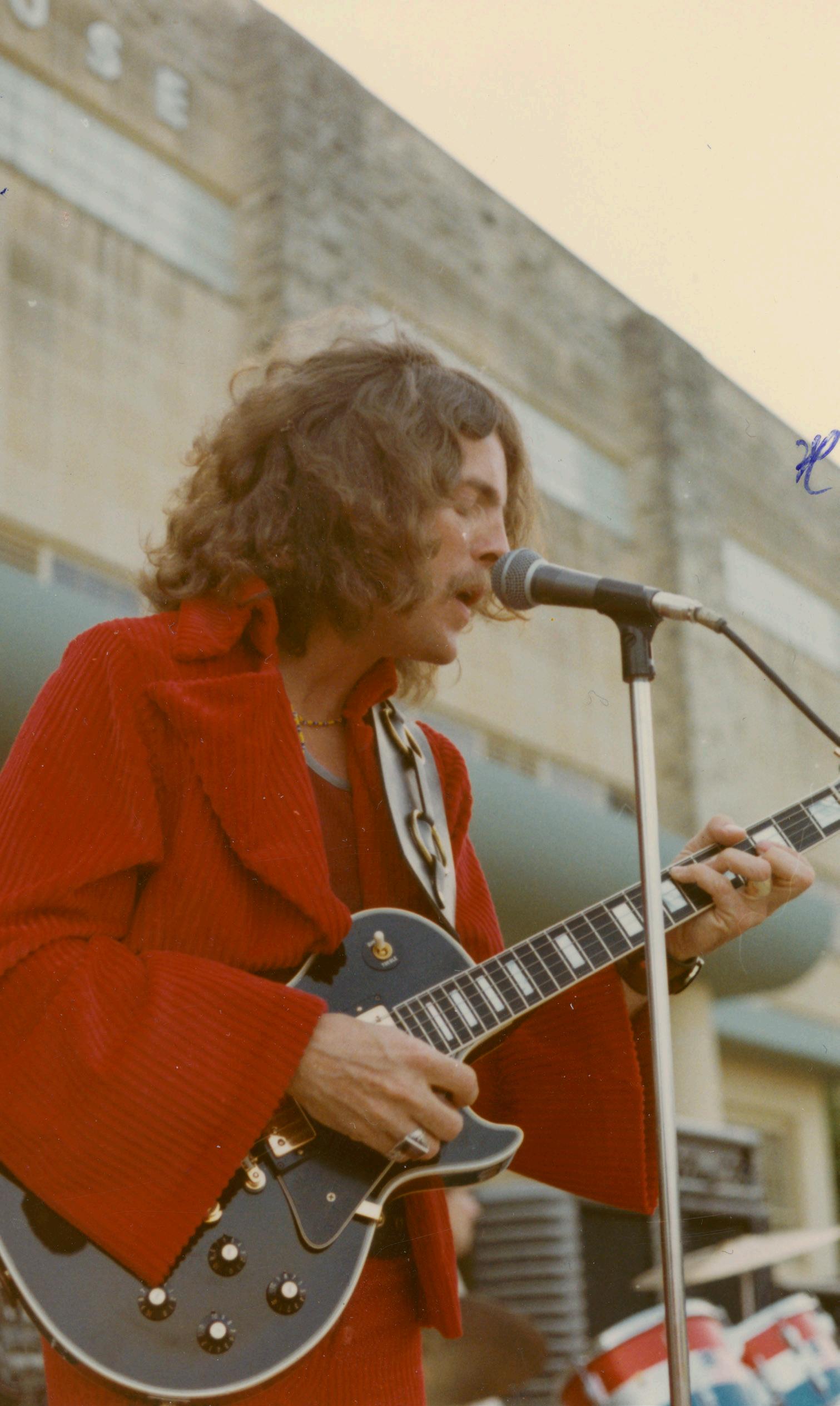
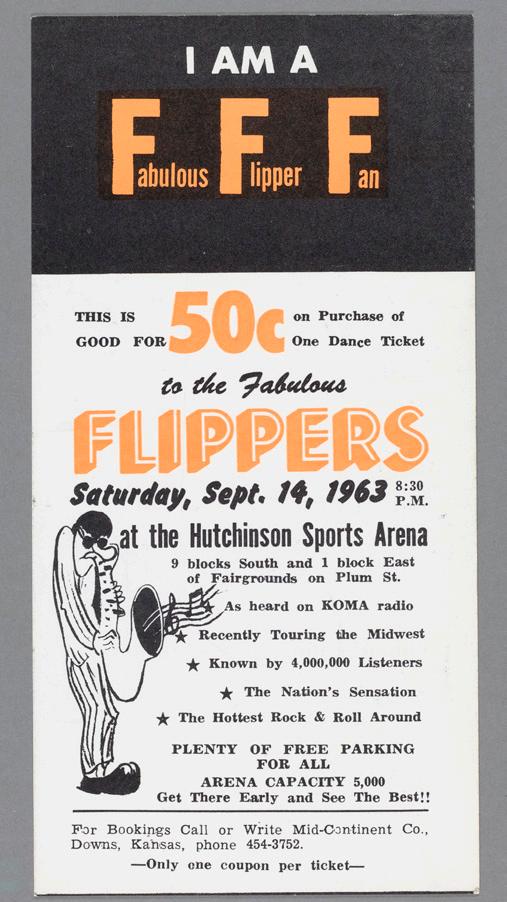
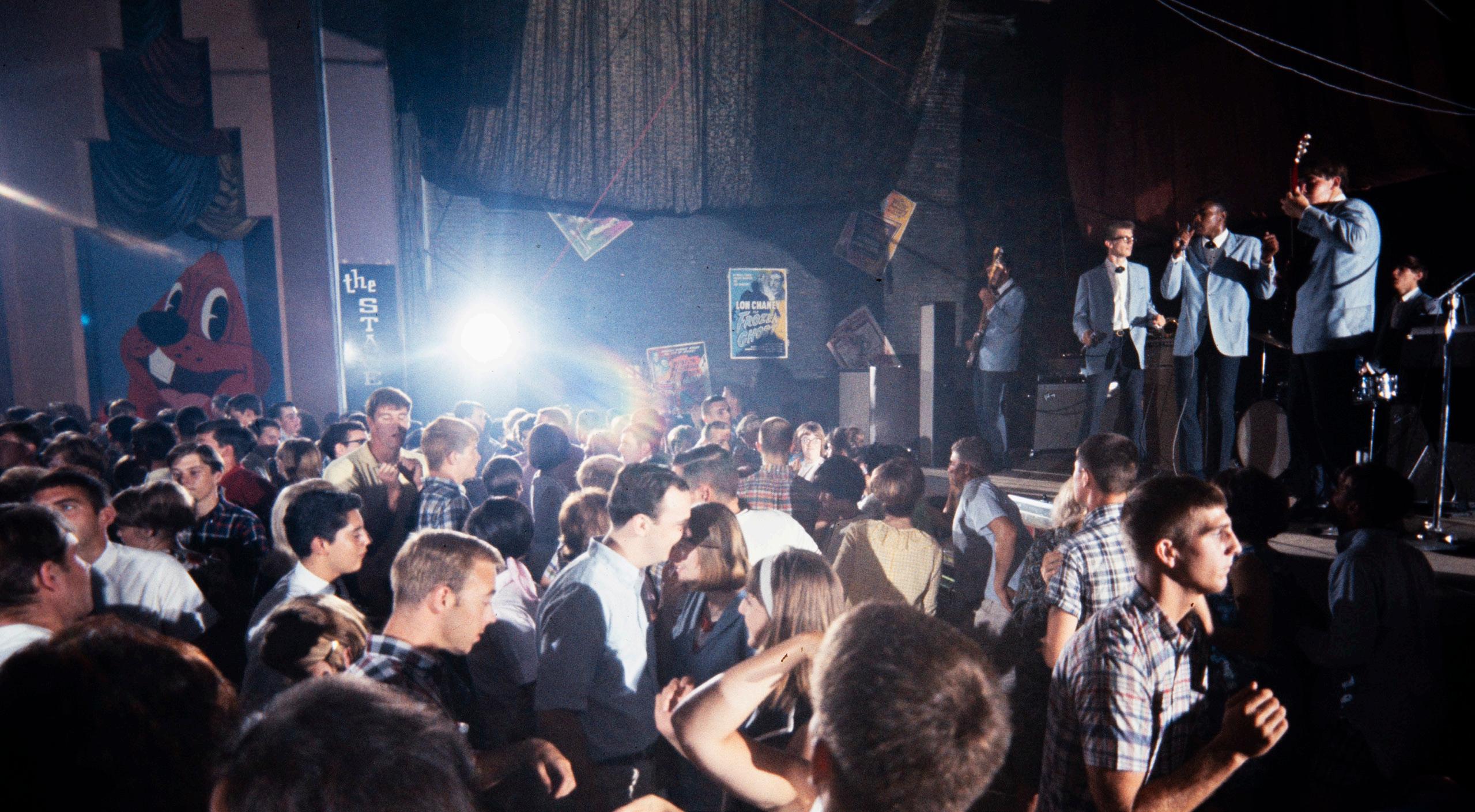
In the mid-1960s, rock and roll began to take over the Midwest. Leading the movement were several young Kansans who played major roles in the development of the industry at home and beyond. These college students promoted and managed numerous musical groups that found local and regional success. While home on summer break, John Owen Brown helped manage the public swimming pool and community hall in Downs, Kansas. He planned a dance in the unused hall and hired a four-piece band called the Flippers to perform. Brown advertised the dance on AM radio station KOMA, based in Oklahoma City, which had a broadcast range from Texas to North Dakota.
On the night of the dance, Brown discovered his advertising was successful, as the venue was packed with people willing to travel to see a live performance. Following this success, Brown founded Mid-Continent Entertainment as a music promotion and management company. The Flippers, later known as the Fabulous Flippers, became the first band signed to Mid-Continent Entertainment.
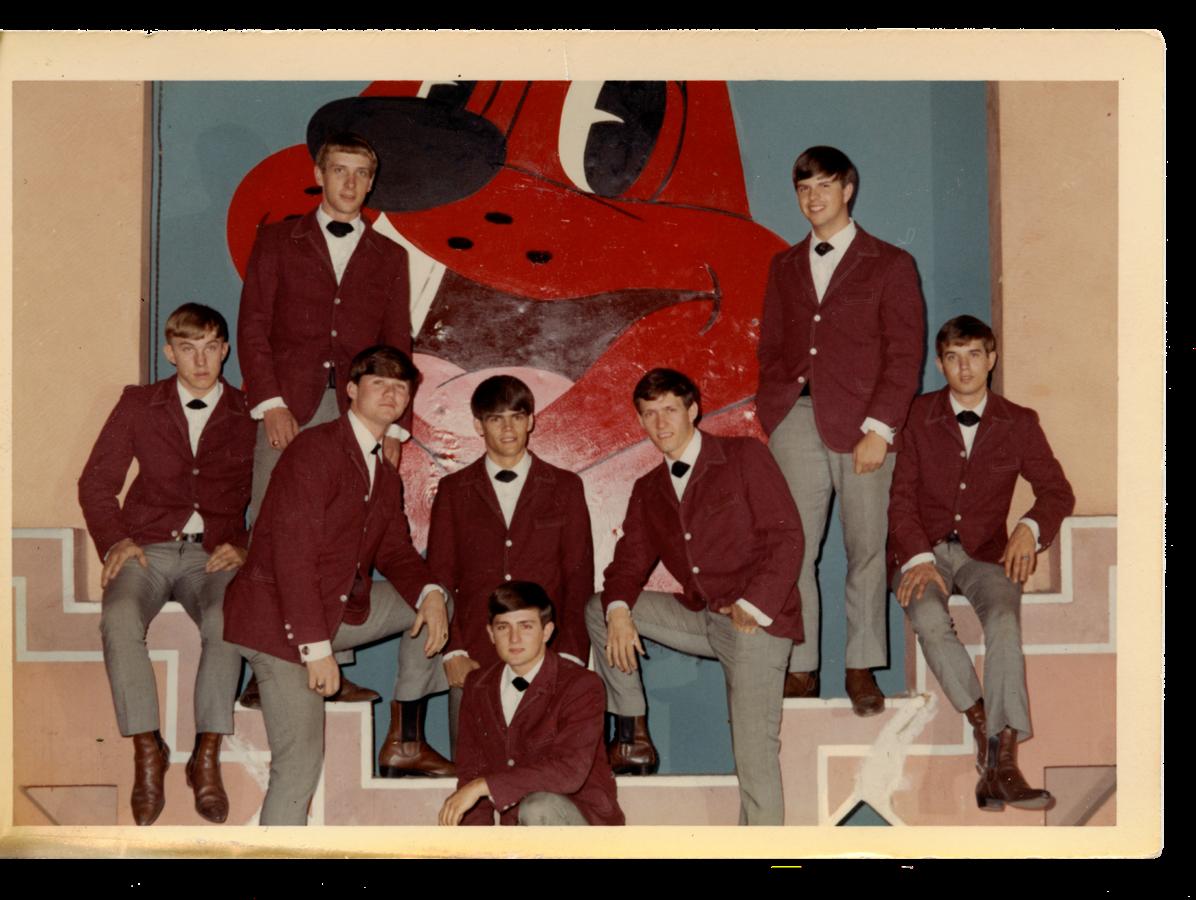
Brown devoted his management time to the Flippers until a school friend, Jim Reardon, approached him about expanding the operation to include multiple bands. In 1964, Brown contacted Reardon about scouting a band called The Blue Boys. Reardon was impressed by the band and joined MidContinent Entertainment to manage and promote them. Reardon and Brown agreed to split the profits, and Brown landed a recording contract for the band with RCA Victor, which prompted a name change to the Blue Things, to avoid conflict with another band.
John Brown relocated Mid-Continent Entertainment to Lawrence following his transfer to the University of Kansas. In November 1964, Brown partnered with Kappa Sigma fraternity brother, Mike Murfin, to open the Red Dog Inn in the former Lawrence Opera House, also known as Liberty Hall.
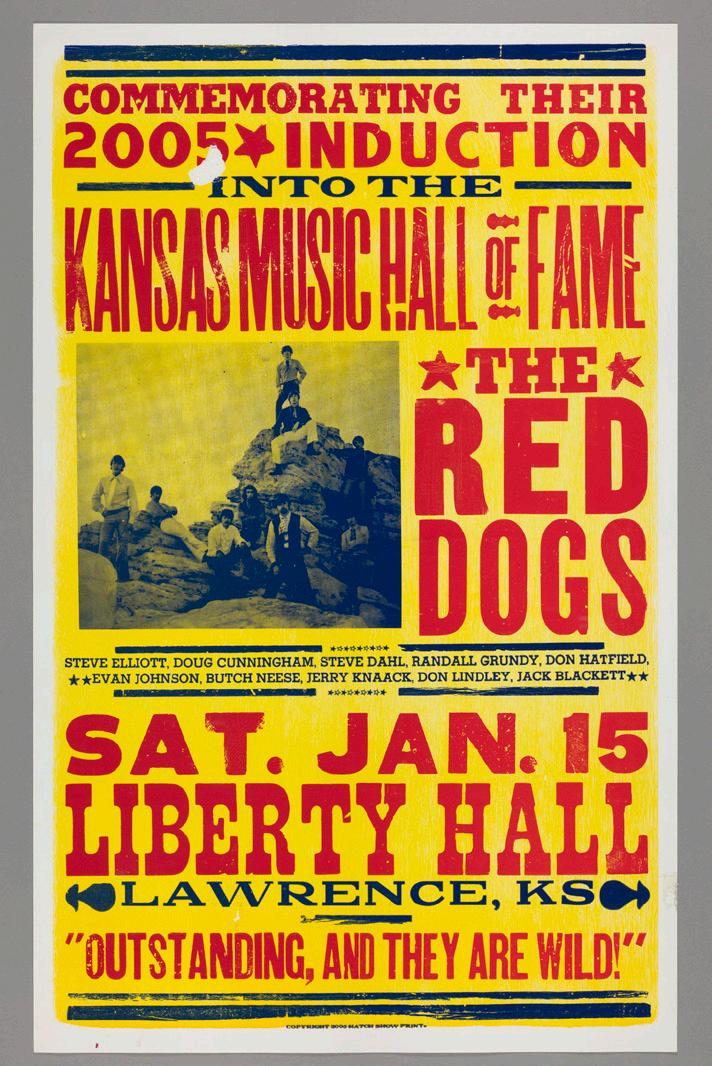
The Red Dog Inn served as an emporium for the bands to play, and it gave MidContinent a headquarters in a prestigious club. Around this time, Reardon and Brown began to expand their agency and signed additional bands, including The Rising Suns, the Young Raiders, Spider and the Crabs, and the house band for the Red Dog Inn:
The Red Dogs.
Originally called The Limits, The Red Dogs played at the Red Dog Inn once a month. Band membership was very fluid as members left the band and were replaced with new musicians. Evan Johnson was one such member. Johnson’s music background began in high school with the formation of Evan Johnson and his Premiers. Johnson joined The Red Dogs as their drummer in the late 1960s. In the 1970s, Johnson left Mid-Continent Entertainment with other former members of The Red Dogs and formed a band called Central Standard Time.
Some of Mid-Continent Entertainment’s other bands had rocky starts to their music careers. The Rising Suns, a Topeka band, was involved in a car wreck on the way to a performance. Nearly all the band members were injured, with trumpet player Garry Muck suffering severe injuries that required hospitalization for several months. During this time Brown rebranded them as the Young Raiders. Eventually, longtime and founding members left the group and new members joined, including Steve Clark and Ken “Rat” Weidenback.
The State Archives of the Kansas Historical Society is cooperating with the Kansas Music Hall of Fame and its board, members, and inductees to preserve and promote the musical legacy of Kansas. The history of Mid-Continent Entertainment and the 60s era bands it promoted is one example. Hall of Fame inductees John Owen Brown, Jim Reardon, Evan Johnson, Steve Clark, Steve Alter and many others have recently donated their personal collections documenting this era of Kansas music to the State Archives. If you have original recordings, photos, or posters of this or other eras of Kansas music, please contact Teresa Coble at 785-272-8681, ext. 282 or email teresa.coble@ks.gov.
Teresa Coble, MLS, Acquisitions Archivist
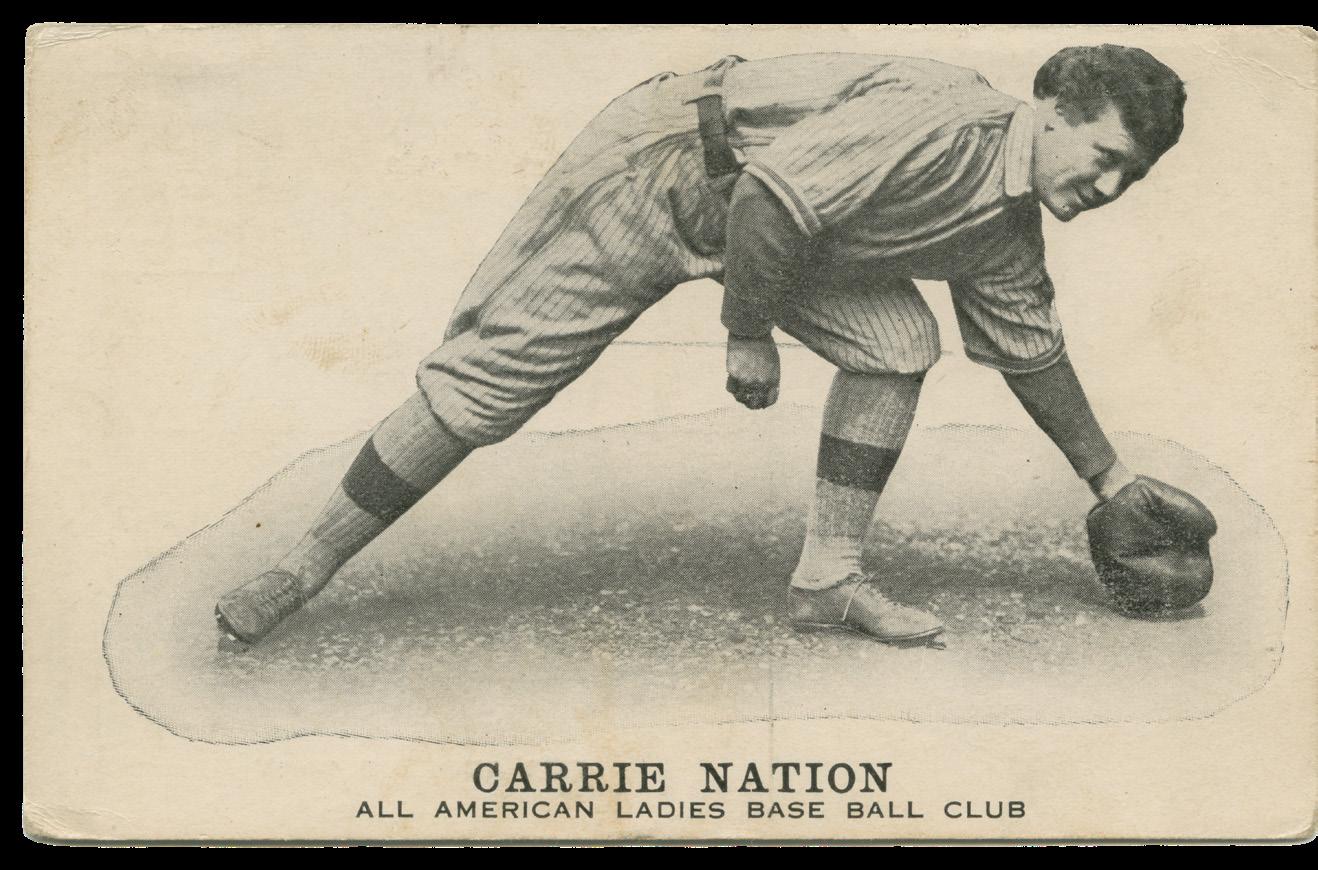
Mae Arbaugh was born in Independence, Kansas, on December 28, 1884, to Perry and Charity (Cady) Arbaugh. Her family later moved to Kansas City, Kansas. Arbaugh began her professional baseball career with the Boston Bloomer Girls around the age of 14. In May 1901, “May Arbaugh” played left field for the Boston Bloomer Girls in Stockton, Kansas. That same year, Arbaugh started playing under her longtime pseudonym of “Carrie Nation,” after the famous hatchet-wielding temperance crusader. Over her lifetime, Arbaugh reportedly played in more than 4,000 games. Mae Arbaugh died on June 21, 1941, and is buried in Woodlawn Cemetery in Kansas City, Kansas. Get a closer look at this artifact at bit.ly/3Q8AJ9B
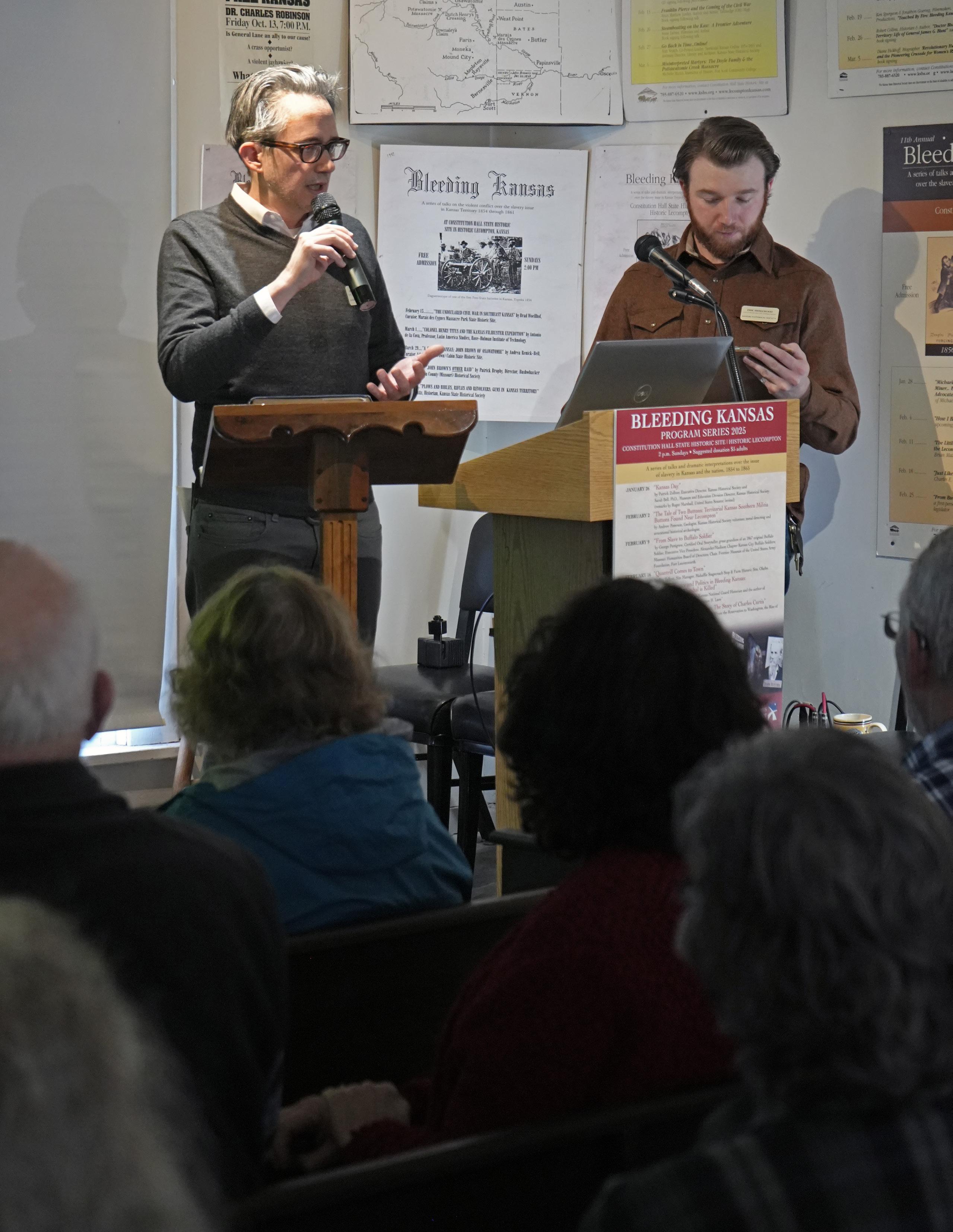
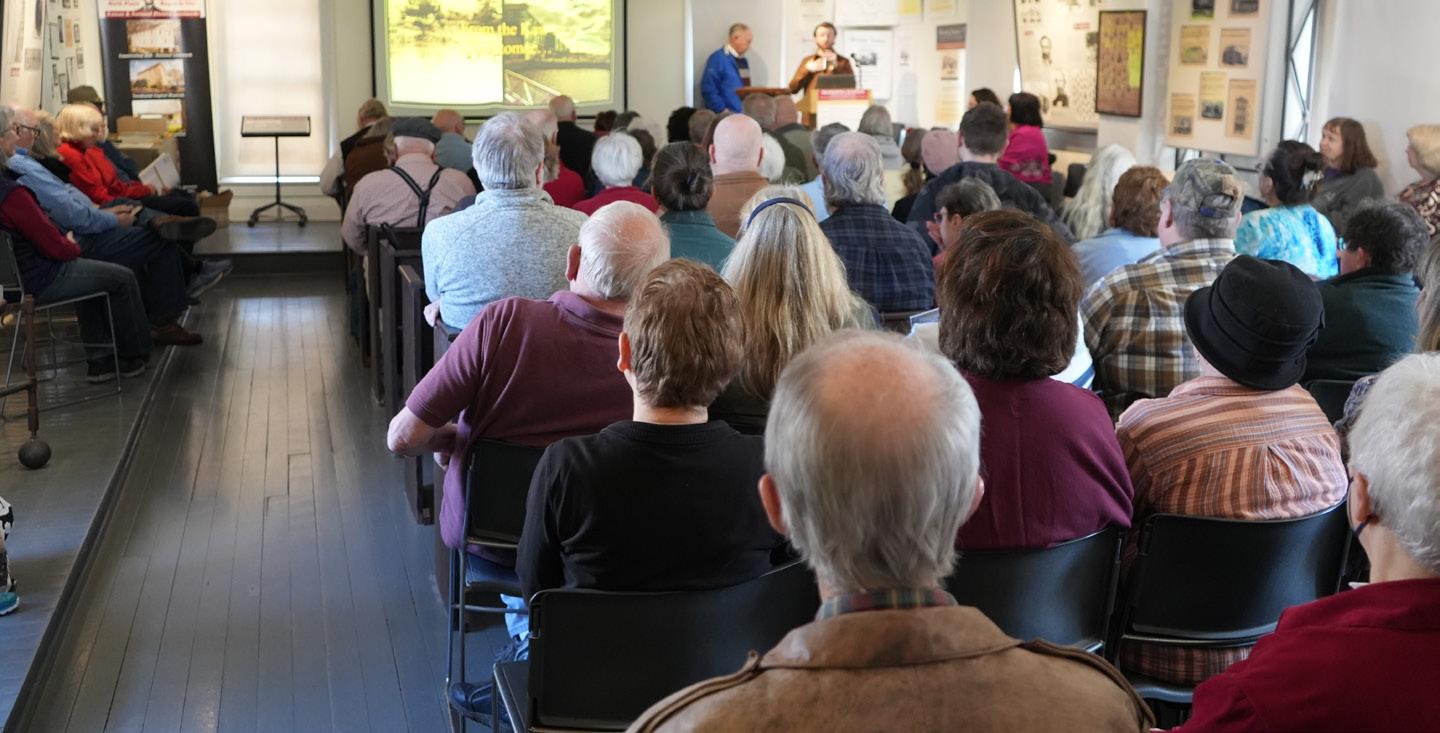
Constitution Hall State Historic Site in Lecompton hosted the 29th annual Bleeding Kansas lecture series this year. Attendees enjoyed presentations from well-known historians that emphasized the turbulent and sometimes deadly days of territorial Kansas, as settlers wrestled between the influence of freestaters, abolitionists, and proslavery supporters. This year’s lecture topics ranged from hearing letters written by Edward and Sarah Fitch to the role of Jayhawkers and Red Leg forces along the Missouri-Kansas border. Our talented state historic site administrators Eric Smallwood and Jennifer Laughlin shared their knowledge on the history of the “Bogus Legislature” and Wakarusa War of the 1850s. We thank our longtime Bleeding Kansas series partner, the Lane Museum and Lecompton Historical Society, for funding the lectures again this year with a grant from the Freedom’s Frontier National Heritage Area in Lawrence.
Constitution Hall State Historic Site 319 Elmore, Lecompton KS 66050 Exit 197 on I-70
Visit: 9 a.m. – 5 p.m. Wednesday – Saturday, 1 – 5 Sunday Open year round | Admission is free!
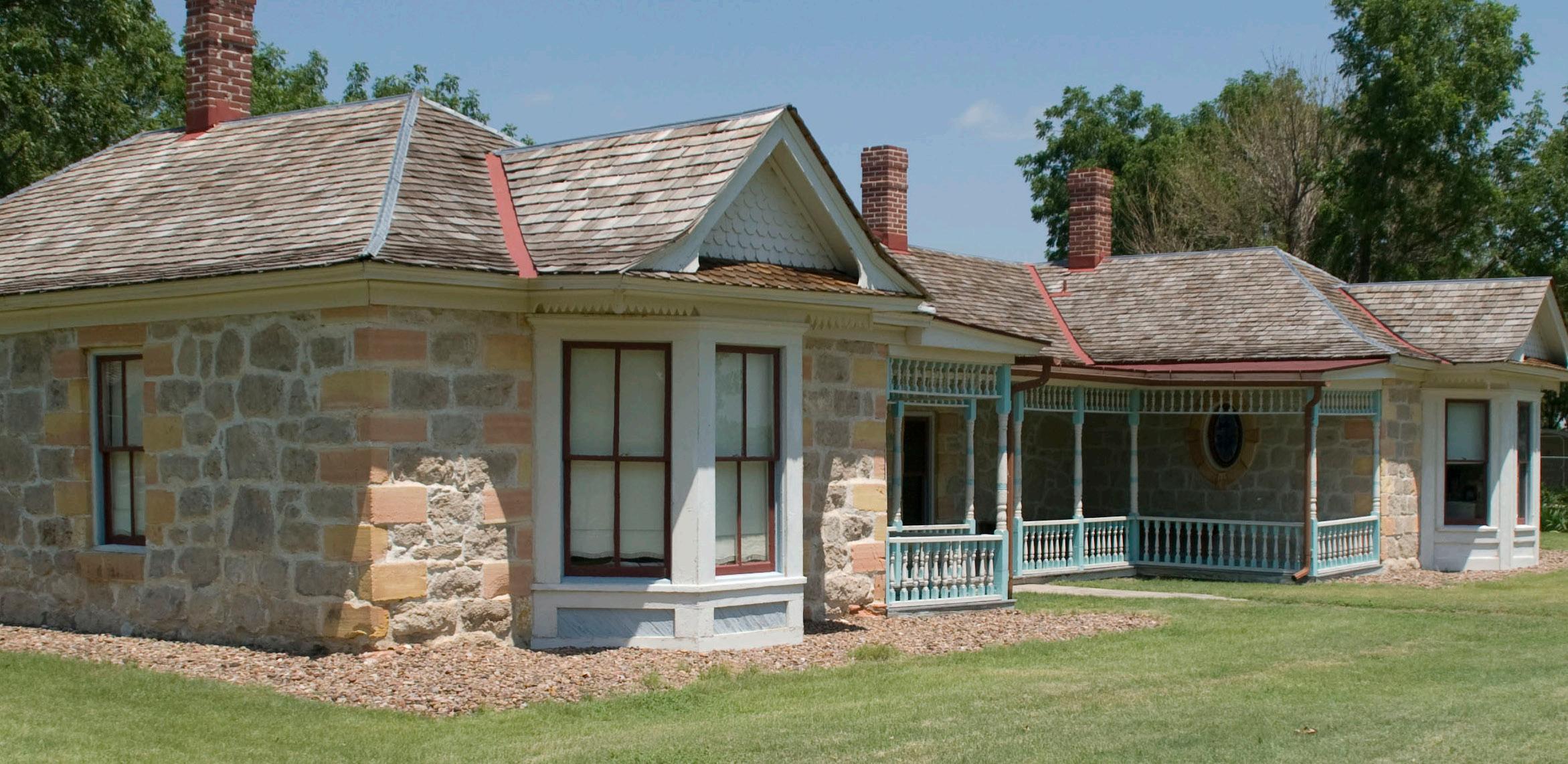
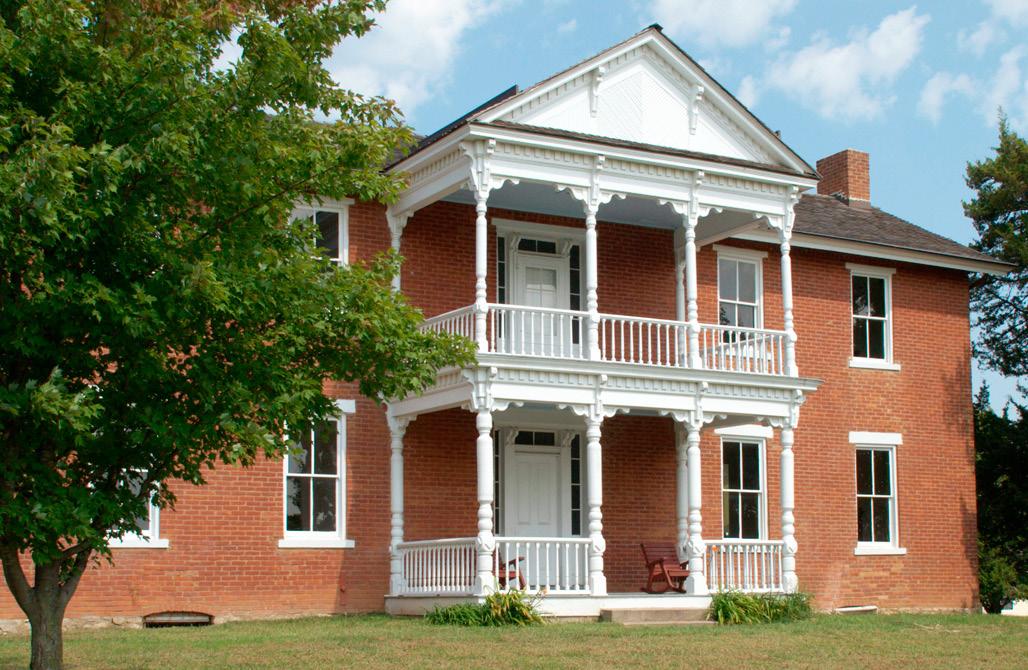
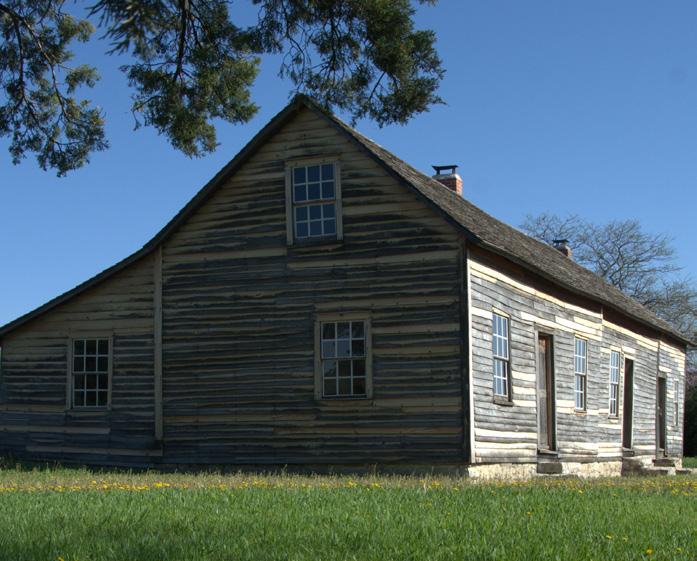
Looking ahead to spring, we are happy to share that our seasonal state historic sites will open on April 22 and close on October 4. These include Cottonwood Ranch, First Territorial Capitol, Grinter Place, Hollenberg Pony Express Station, Mine Creek Civil War Battlefield, Pawnee Indian Museum, and Red Rocks. Please remember that Constitution Hall, Fort Hays, Goodnow House, John Brown Museum, Kaw Mission, Last Chance Store, and Shawnee Indian Mission are open year-round to share our state’s unique and diverse history. Our self-guided sites, Marais des Cygnes Massacre and Pawnee Rock, are also open year-round.
Rebekah Stewart, Acquisitions Assistant
3–13
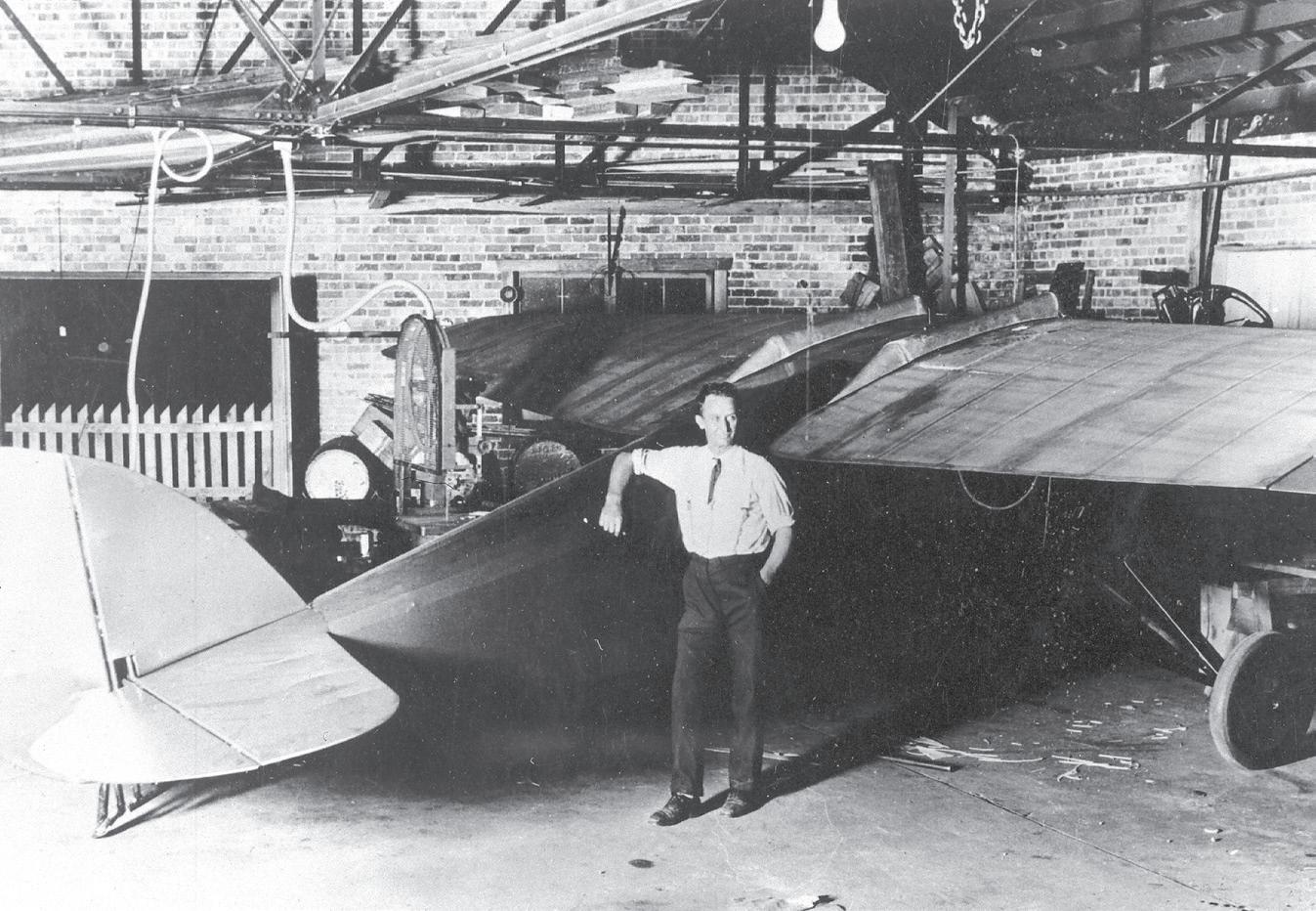
Clyde Cessna (1879–1954) embarked on his aviation career in 1911 with a monoplane he built and named Silverwing. Two years later, on this day in 1913, Cessna gave an exhibition in Kingman, Kansas, not far from where he grew up, where an estimated 2,500 people watched him make a 3-mile loop around the town. Students were dismissed from school to attend the event. Cessna continued to be a pioneer in aviation. He joined with Walter Beech and Lloyd Stearman, with assistance from Olive Ann Mellor, to form Travel Air in Wichita in 1925. Cessna split off to form his own company in 1927. He died in 1954, but Cessna planes continued to see world-record sales even after his death. Read more about Cessna at bit.ly/48HnC5y
3–13
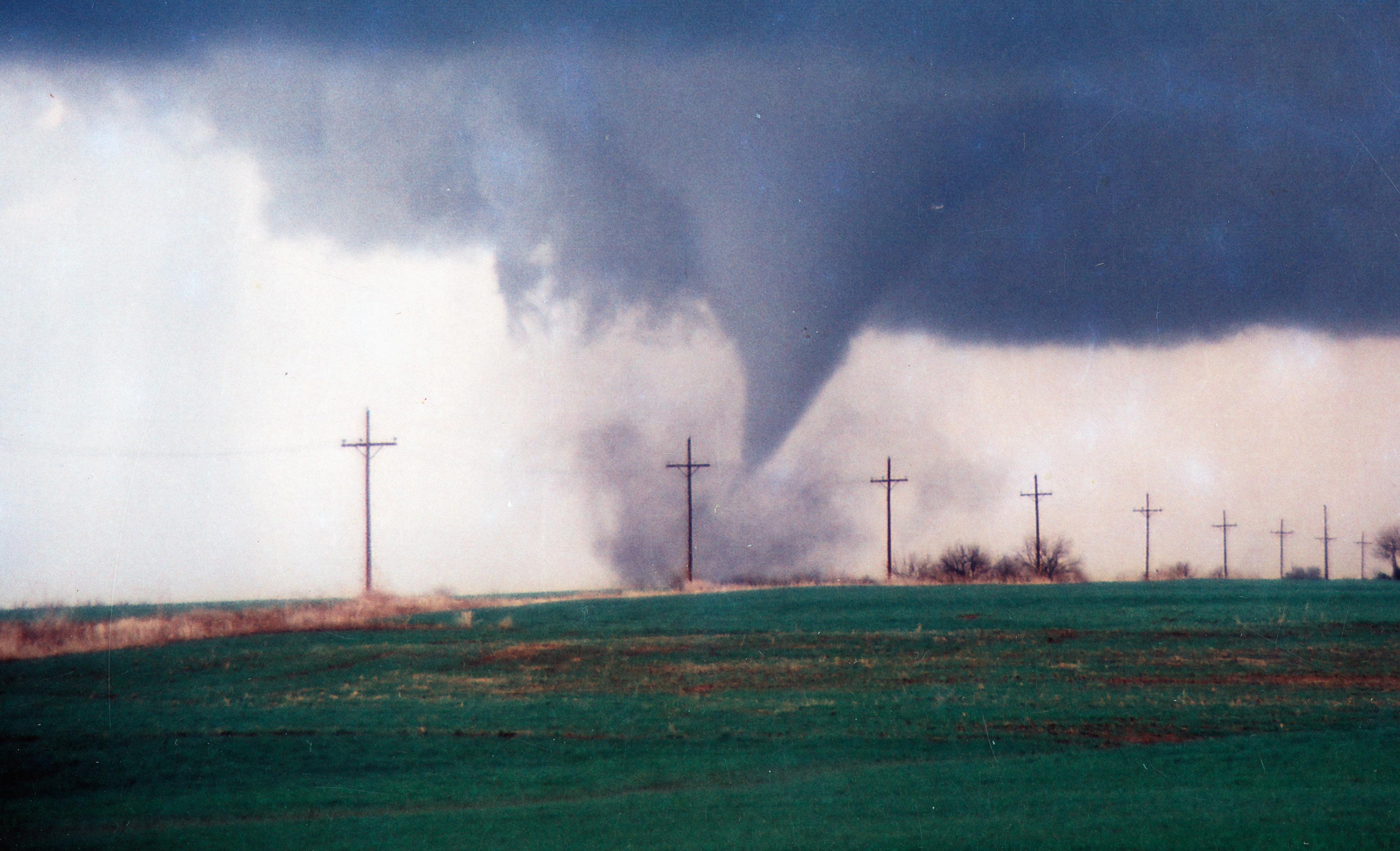
March begins severe weather awareness week and the start of tornado season in Kansas. On this day in 1990, what would become known as the Hesston tornado entered Harvey County, approximately 8 miles southwest of Burrton. This twister was part of a large tornado outbreak that day, where more than 60 tornadoes occurred from Illinois to Texas. In Hesston, the tornado damaged or destroyed 226 homes and 21 businesses. There were two fatalities and 60 injuries. The tornado caused nearly $25 million in damage across Harvey County and was eventually given an F5 rating on the Fujita Scale. The storm weakened as it passed into McPherson County, but another tornado developed and the two storms became one. The larger tornado continued to Marion County before it dissipated. Learn more details about the tornado at bit.ly/4srEa8L
4–5
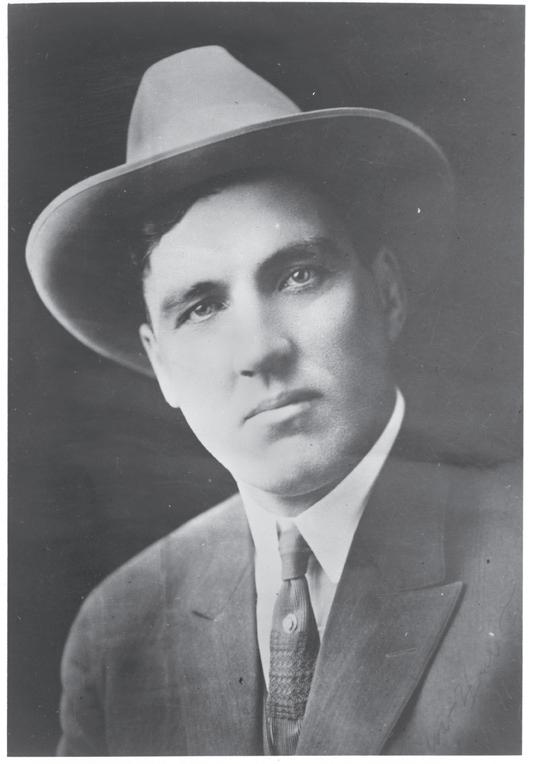
Jess Willard, known as the “Pottawatomie Giant,” won the world heavyweight boxing championship, held in Havana, Cuba, on this day in 1915. Willard defeated Jack Johnson, the first African American heavyweight champion, to secure his world heavyweight title, which he held from 1915 to 1919. Willard was born on December 29, 1881, in St. Clere, Pottawatomie County, Kansas. Growing up in Kansas, he loved horses and enjoyed working as a cowboy. He got his nickname for his size, standing at 6 feet, 6 inches tall. Willard made his boxing debut in February 1911. Over the course of his boxing career, he accumulated 24 wins, with 21 knockouts. Willard used his popularity and success to launch his work in movies and vaudeville shows. After Willard retired from boxing, he moved to California where he became a successful businessman. He died in Los Angeles, California, on December 15, 1968. Find out more at bit.ly/4clGTKR
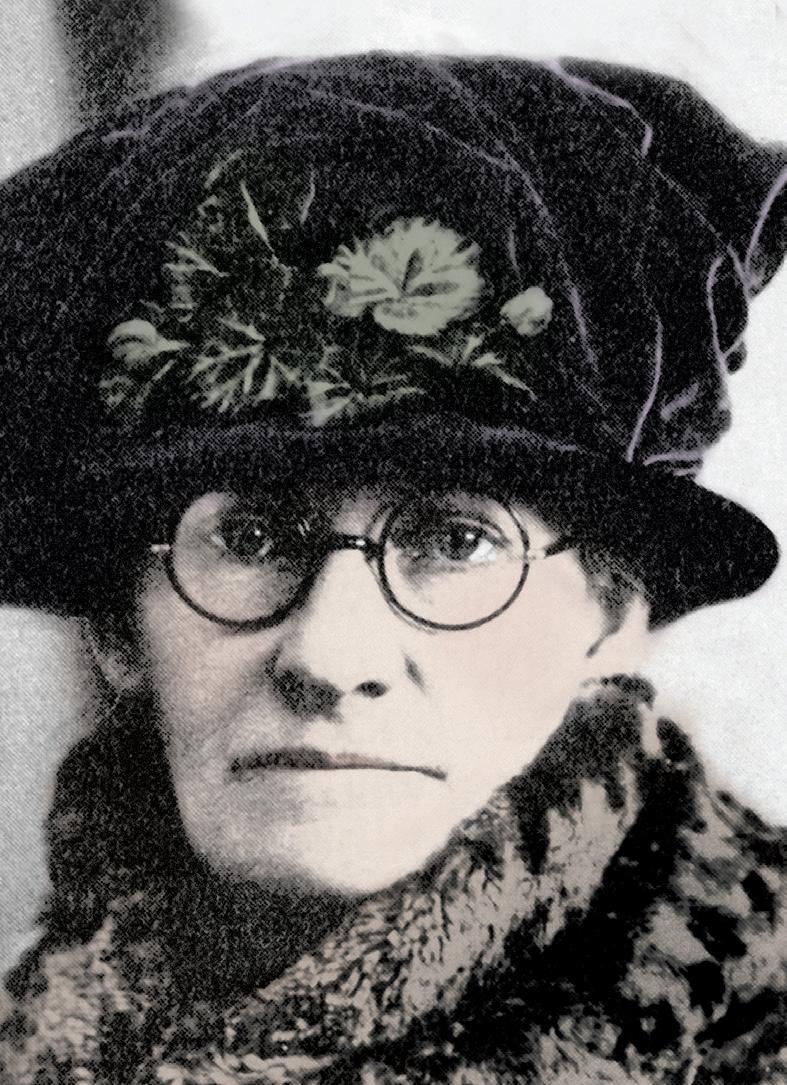
Mabel Clare (Brown) Chase was born on this day in 1876. She moved with her family to Kiowa County, Kansas, in 1896, and married Frank Chase in 1899. Her husband was elected sheriff in Kiowa County in 1922 and 1924. After he served his two successive terms, Chase ran and was elected Kiowa County sheriff on November 2, 1926, the first female sheriff in Kansas and one of the first female sheriffs in the United States. She served one two-year term, during the height of prohibition, and appointed her husband as her undersheriff. As sheriff, Chase drove a Hudson Super Six armor-plated car with bullet-proof windows and often carried a submachine gun to stop bootleggers and bank robbers. She died on May 6, 1962. Learn more about Mabel at bit.ly/4cnUOAa 4–15
5–8
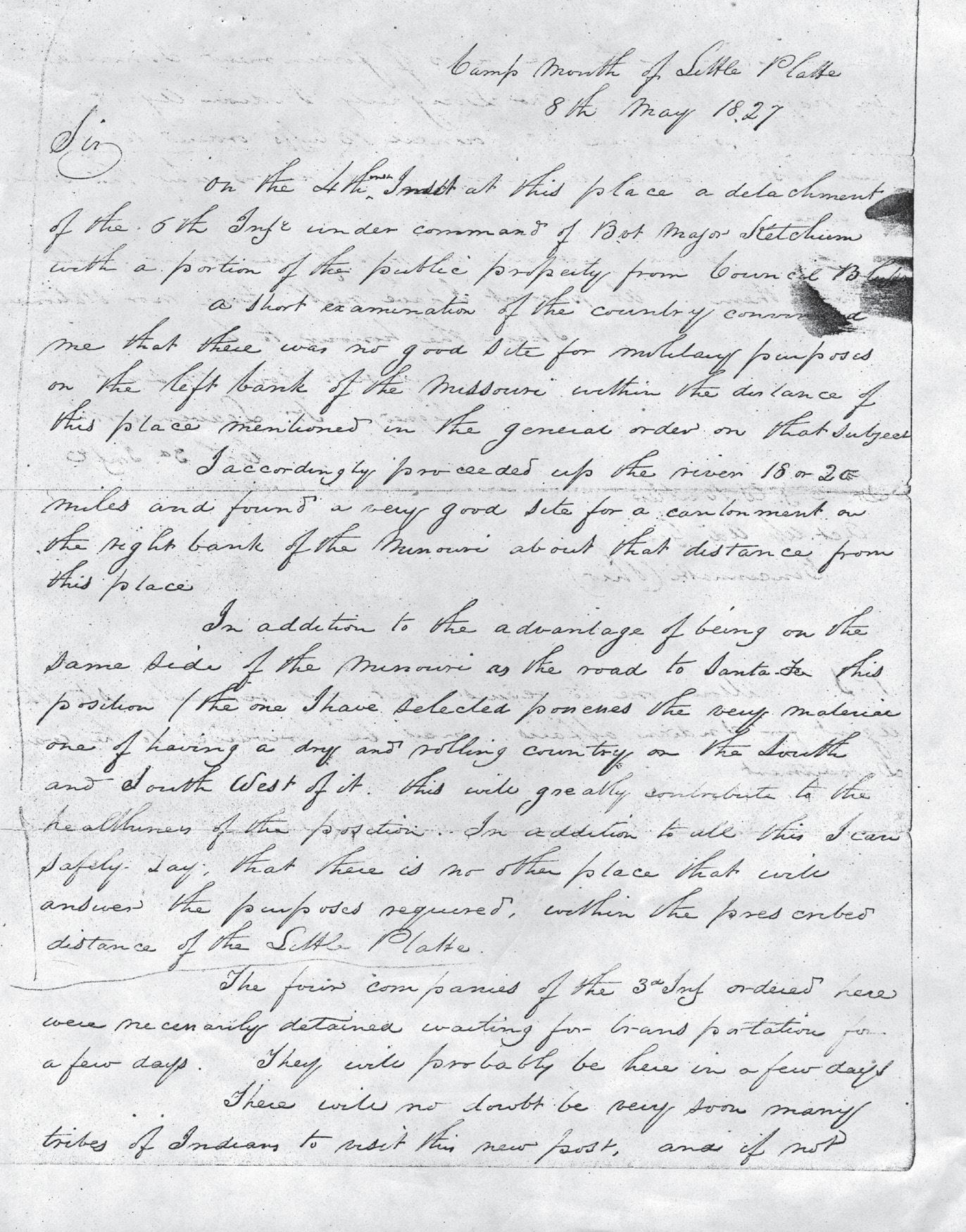
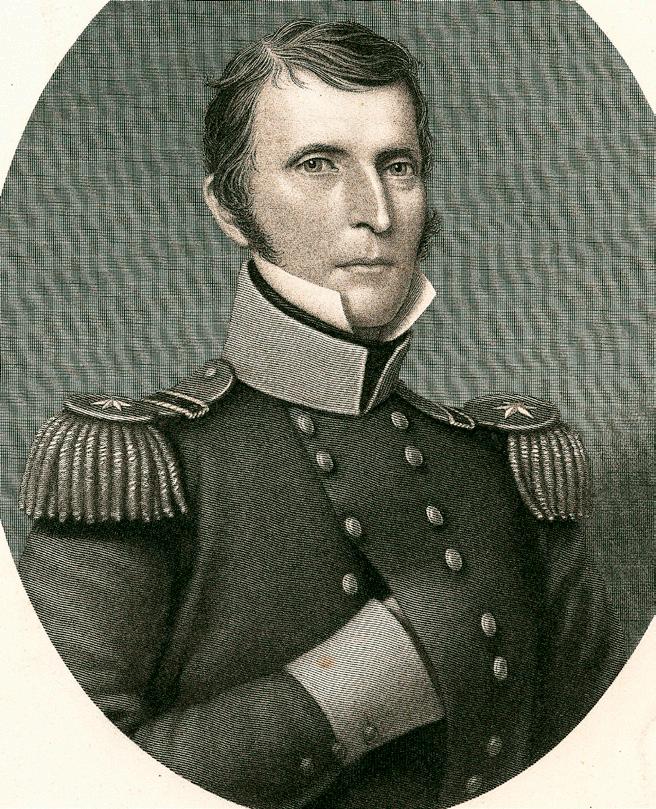
Fort Leavenworth on this day in 1827. Colonel Leavenworth served in the War of 1812, established Fort Snelling in Minnesota in 1819, and commanded the garrison at Fort Atkinson in presentday Nebraska in the early 1820s. Fort Leavenworth was evacuated in May 1829 and refortified that fall. It is the third oldest continuously active military base in the United States. The fort was established along the Santa Fe Trail to protect merchants and to maintain peace with the Indigenous Tribes in the area. Fort Leavenworth played a significant role in the Civil War, recruiting volunteer soldiers from Kansas. The 10th Cavalry, an all-African American regiment also known as “Buffalo Soldiers,” was formed at Fort Leavenworth in 1866. Read more about Fort Leavenworth at bit.ly/481hpkV
5–19, 20
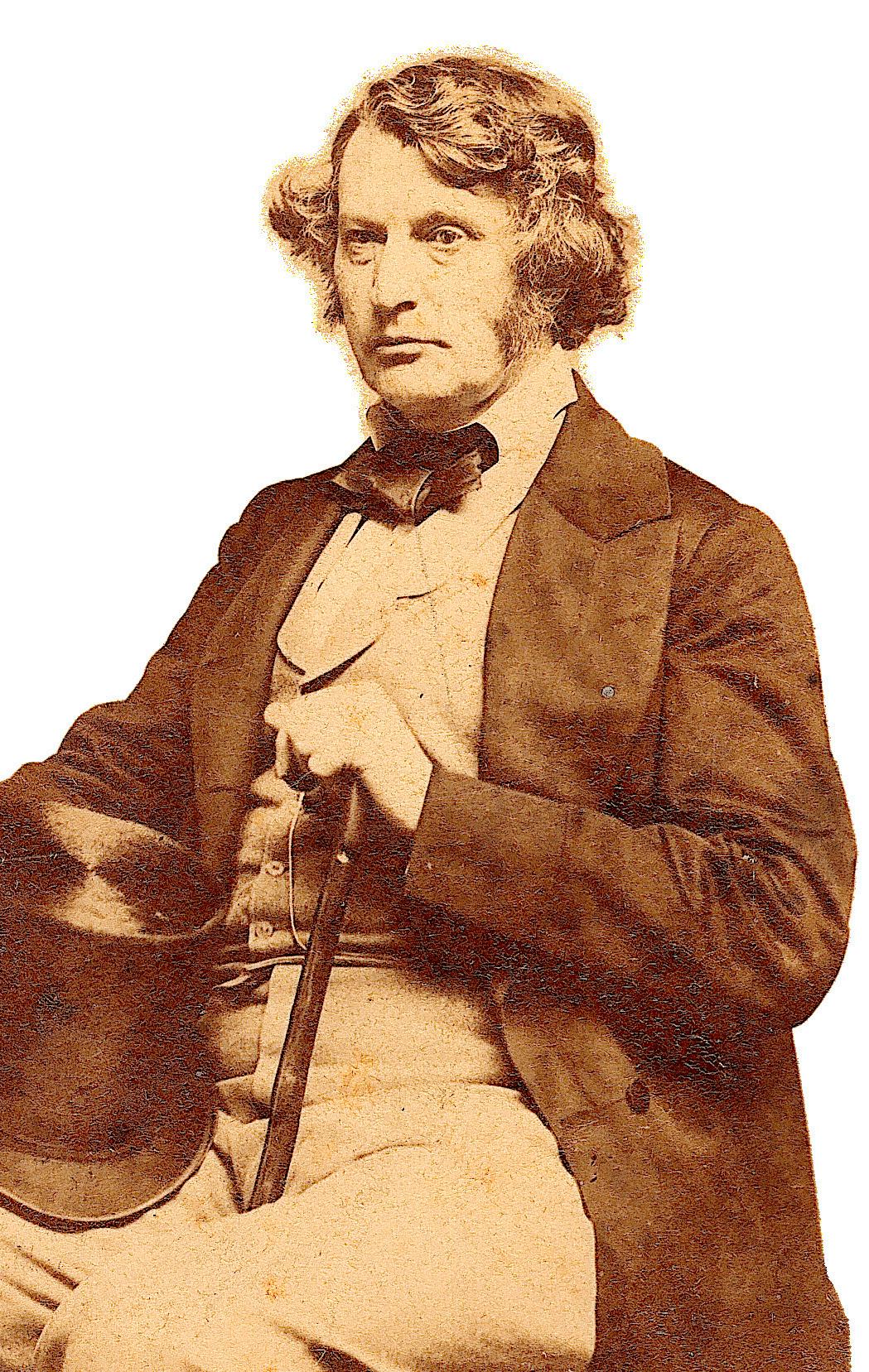
Massachusetts Senator Charles Sumner delivered his speech, “The Crime Against Kansas,” on these days in 1856. In his speech, Sumner denounced slavery and condemned the proslavery actions occurring in Kansas during the Bleeding Kansas era. Sumner identified two Democratic senators as the primary offenders in this crime, Illinois Senator Stephen Douglas and South Carolina Senator Andrew Butler, co-authors of the 1854 Kansas-Nebraska Act. On May 22, South Carolina Representative Preston Brooks, a relative of Butler, attacked Sumner with a cane on the floor of the U.S. Senate chamber. The caning galvanized the nation and was one of the catalyst events leading up to the Civil War. Learn more about Senator Charles Sumner at bit.ly/4egZFpq
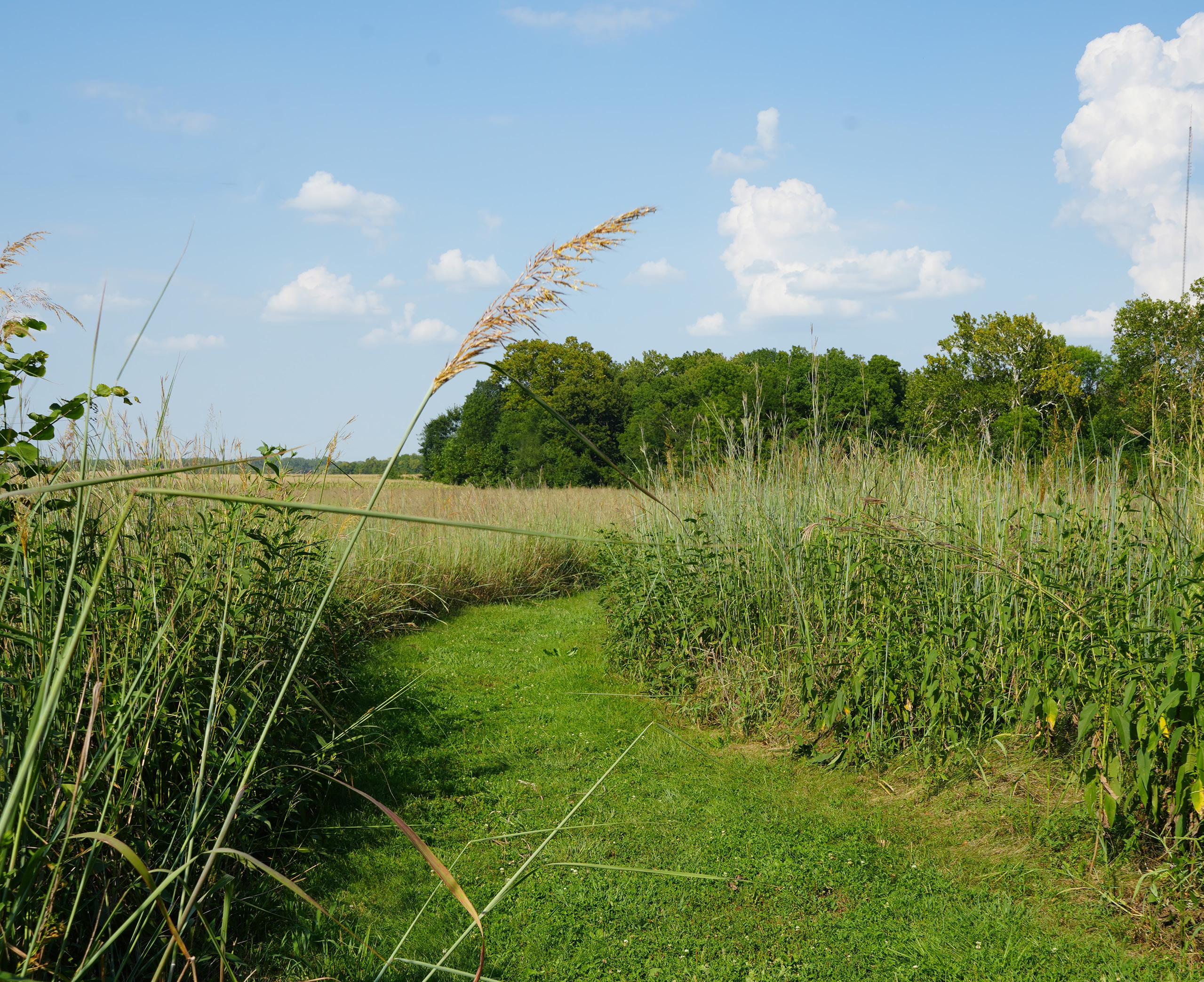
Open daily, dawn to dusk
Kansas Historical Society
6425 SW 6th Avenue
Topeka, KS 66615-1099
Visit linktr.ee/kansashistory or scan this QR code for easy access to all of our social media and more!